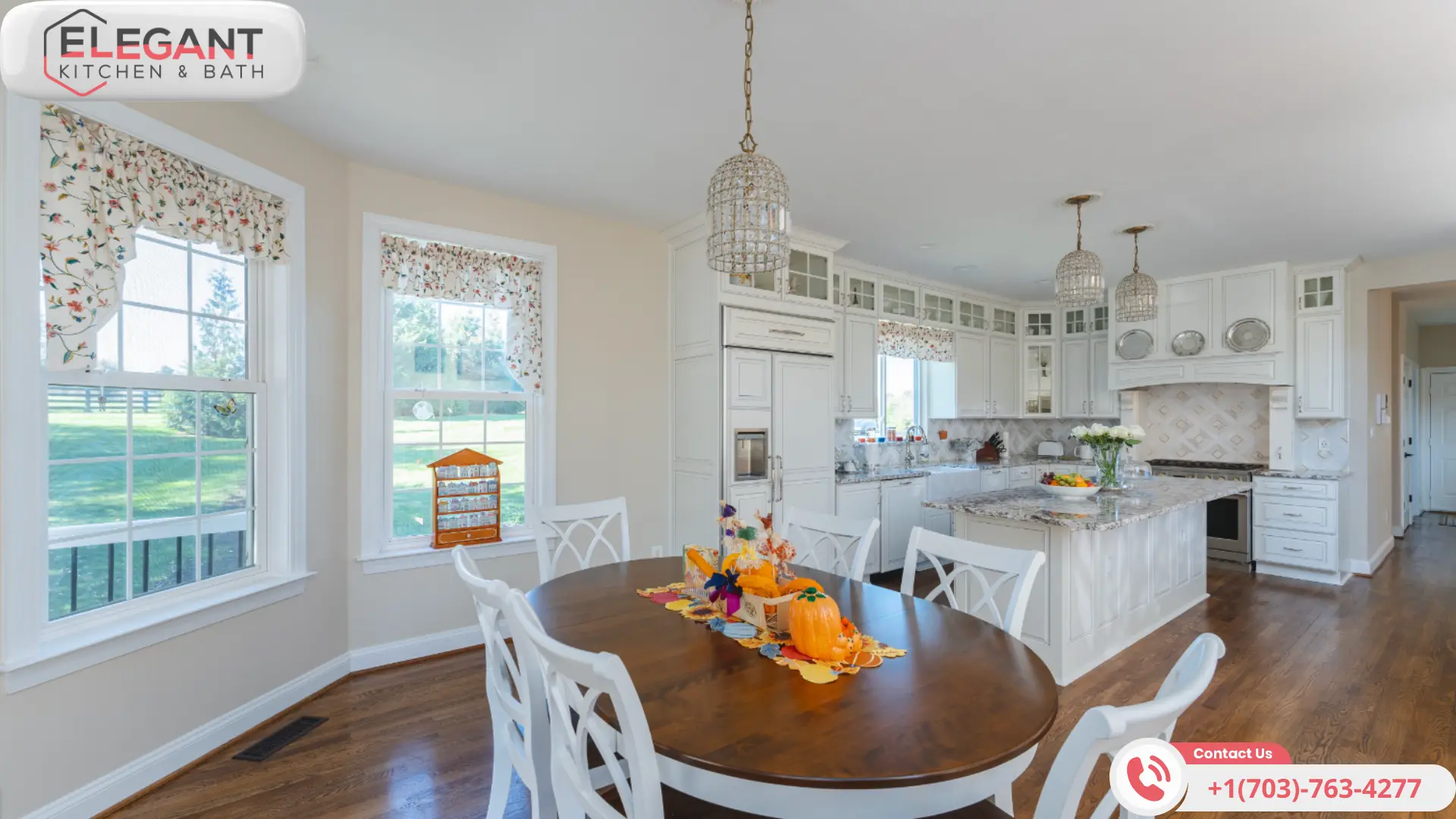
Finding the right general contractor Northern Virginia can make or break your home renovation project. With the region’s competitive construction market and diverse housing styles ranging from historic Alexandria townhomes to modern Fairfax County developments, homeowners need a strategic approach to contractor selection. Whether planning a kitchen remodel, bathroom renovation, or comprehensive home makeover, the contractor you choose will have a direct impact on your project’s success, timeline, and final results.
Northern Virginia’s unique building codes, permit requirements, and architectural considerations demand contractors with specific local expertise. This guide provides five essential tips to help homeowners navigate the contractor selection process and secure a professional who delivers exceptional results within budget and on schedule.
Key Takeaways for General Contractor Northern Virginia: 5 Tips to Hire Right
Define Clear Project Scope and Budget Early: Before hiring a contractor, outline your renovation goals, desired features, and budget. A well-defined scope minimizes miscommunication, budget overruns, and project delays.
Understand Regional Cost Expectations: Remodeling in Northern Virginia typically runs higher than the national average. Kitchen remodels range from $25,000–$75,000+, and bathrooms span $15,000–$45,000+. Understanding these ballpark figures prepares you for realistic bids.
Research Local Contractors with Area Expertise: Prioritize general contractors with extensive experience in Northern Virginia’s jurisdictions (e.g., Fairfax, Loudoun, Arlington). Local knowledge ensures smoother permitting and compliance with building codes.
Verify Licensing, Insurance, and Bonds: Always confirm contractor credentials via Virginia’s Department of Professional and Occupational Regulation. Look for liability insurance, workers’ comp, and bonding to protect your investment.
Check Reviews, Testimonials, and References: Use platforms like Google, Houzz, and BBB to assess credibility. Follow up with previous clients to gauge satisfaction with communication, timelines, and final results.
Review Contractor Portfolio for Similar Projects: Examine examples of past kitchen and bathroom remodels. Strong portfolios show design versatility and successful upgrades in homes similar to yours.
Look for Industry Certifications and Continued Education: Certifications from bodies like NAHB or manufacturer training show commitment to staying current with best practices and technologies.
Assess Communication Style Early On: A responsive, organized contractor will ask detailed questions, provide written follow-ups, and establish clear expectations for communication and progress reports.
Demand a Detailed Written Contract: Contracts should include scope of work, material specifications, payment schedule, project timeline, warranty terms, and change order policies. Never rely on verbal agreements.
Track Progress with Consistent Updates: Weekly updates and photo documentation throughout the renovation help maintain transparency, build trust, and allow timely course corrections if needed.
Ask About Warranties for Workmanship and Materials: Reputable contractors offer one-year (minimum) workmanship warranties and will help facilitate manufacturer warranties for appliances, fixtures, and materials.
Don’t Fall for the Lowest Bid: The cheapest estimate often leads to poor quality, delays, or hidden costs. Seek value by prioritizing experience, professionalism, and a clear understanding of your goals.
[ez-toc]
Why Hiring the Right General Contractor in Northern Virginia Matters
The Role of a General Contractor in Remodeling Projects
A skilled general contractor serves as the central coordinator for your renovation project, managing everything from initial design consultation to final walkthrough. Their responsibilities extend far beyond basic construction work, encompassing project planning, permit acquisition, subcontractor management, material procurement, and quality control oversight.
In Northern Virginia, remodeling projects require contractors to navigate complex municipal regulations across multiple jurisdictions, including Arlington County, Fairfax County, Loudoun County, and Prince William County. Each area has distinct building codes, inspection requirements, and approval processes that significantly impact project timelines and costs.
The right contractor brings valuable expertise in design optimization, helping homeowners maximize both functionality and resale value. They understand which home improvement investments provide the strongest returns in Northern Virginia’s competitive real estate market, particularly for popular projects like kitchen renovations and bathroom remodels.
How the Right Contractor Impacts Budget, Timeline, and Quality
Professional general contractors Northern Virginia demonstrate their value through precise project management that prevents costly delays and budget overruns. Experienced contractors provide detailed estimates that account for local material costs, labor rates, and potential complications specific to the region’s housing stock.
Quality contractors maintain established relationships with reliable subcontractors, suppliers, and local building officials, streamlining the construction process. These connections enable faster permit approvals, better material pricing, and coordinated scheduling that keeps projects moving efficiently.
Budget protection comes through accurate initial estimates, transparent change order processes, and proactive problem-solving when unexpected issues arise. The right contractor identifies potential complications during the planning phase, preventing surprise costs that can derail project budgets.
Local Insight: Trends in Northern Virginia Renovations
Current Northern Virginia renovation trends reflect the region’s blend of traditional charm and modern functionality. Open-concept kitchen designs remain highly popular, particularly in older homes where walls can be safely removed to create a seamless living space. Bathroom renovations are increasingly focusing on spa-like amenities, featuring elements such as walk-in showers, heated floors, and smart technology integration.
Sustainable home improvement solutions are gaining traction, with homeowners investing in energy-efficient appliances, LED lighting systems, and improved insulation. These upgrades not only reduce utility costs but also appeal to environmentally conscious buyers in Northern Virginia’s educated market.
Custom cabinetry and built-in storage solutions address the region’s premium real estate prices by maximizing every square foot of available space. Contractors with expertise in space optimization help homeowners achieve luxury functionality without significant structural changes.
Tip #1 – Define Your Project Scope and Budget Clearly
Setting Realistic Goals for Kitchen and Bath Remodels
Successful kitchen remodeling projects begin with clear goal definition that balances dream features with practical constraints. Northern Virginia homeowners should prioritize improvements that enhance both daily living and property value, focusing on high-impact changes like cabinet upgrades, countertop replacements, and appliance installations.
Bathroom renovation goals typically center on improved functionality, updated aesthetics, and enhanced comfort. Popular objectives include expanding shower areas, improving storage capacity, upgrading lighting systems, and incorporating modern fixtures that reduce water consumption while maintaining luxury appeal.
Realistic timeline expectations prevent frustration and budget strain. Standard kitchen remodels in Northern Virginia typically require 6-12 weeks for completion, while bathroom renovations generally take 4-8 weeks, depending on project complexity and permit requirements.
Understanding Average Remodeling Costs in Northern Virginia
Northern Virginia’s remodeling costs reflect the region’s high-end market conditions and the premium for skilled labor. Kitchen renovation projects typically range from $25,000 for basic updates to $75,000+ for comprehensive remodels with premium materials and appliances. Factors influencing costs include cabinet quality, countertop materials, appliance selections, and structural modifications.
Bathroom remodel expenses generally span $15,000-$45,000, with luxury renovations reaching $60,000+ for master suite transformations. Cost variables include tile selections, fixture quality, plumbing modifications, and electrical upgrades required for modern amenities.
General contractors Northern Virginia provide value through competitive pricing, efficient project management, and established supplier relationships that reduce material costs. Experienced contractors help homeowners allocate budgets effectively, investing in areas that provide the strongest returns while managing expenses on less critical elements.
Why Clear Scope Saves Time and Money
A well-defined project scope prevents costly changes and delays that often plague poorly planned renovations. Clear scope documentation includes specific material selections, design details, timeline expectations, and quality standards that guide contractor performance throughout the project.
Detailed planning enables accurate bidding, preventing the low-ball estimates that often lead to change orders and budget overruns. Professional contractors provide comprehensive quotes that account for all project elements, reducing surprise costs and timeline extensions.
Scope clarity facilitates efficient permit applications and inspection scheduling, preventing delays that can extend project timelines and increase costs. Contractors can prepare accurate documentation and coordinate inspections when project parameters are clearly established from the beginning.
Tip #2 – Research and Shortlist Local Contractors Thoroughly
What to Look for in Northern Virginia General Contractors
Quality general contractors Northern Virginia demonstrate their expertise through comprehensive licensing, extensive local experience, and strong community reputations. Look for contractors who specialize in residential remodeling and have successfully completed projects similar to your planned renovation.
Established contractors maintain professional business practices including proper insurance coverage, bonding, and warranty programs that protect homeowner investments. They provide detailed written estimates, maintain clean job sites, and communicate regularly throughout project execution.
Local expertise proves invaluable for navigating Northern Virginia’s complex permit requirements, building codes, and inspection processes. Experienced contractors understand jurisdiction-specific requirements and maintain positive relationships with local building officials that facilitate smooth approvals.
How to Verify Credentials, Reviews, and References
Begin verification by confirming contractor licensing through Virginia’s Department of Professional and Occupational Regulation database. All general contractors must maintain current licenses and demonstrate continuing education compliance to operate legally in the state.
Review online ratings and testimonials on multiple platforms including Google, Better Business Bureau, Angie’s List, and Houzz. Pay attention to recent reviews that reflect current service quality and responsiveness. Look for patterns in feedback regarding communication, timeliness, and work quality.
Request references from recent clients with similar project types and contact them directly to discuss their experiences. Ask specific questions about project management, problem resolution, timeline adherence, and overall satisfaction with results.
Questions to Ask Before Scheduling a Consultation
Prepare essential questions that reveal contractor qualifications, experience, and project approach. Ask about their experience with your specific project type, typical timelines, and strategies for managing common challenges in Northern Virginia remodeling.
Inquire about their team structure, subcontractor relationships, and quality control processes. Understanding how they manage projects and coordinate trades provides insight into their professional capabilities and project management skills.
Discuss their communication preferences, reporting procedures, and change order processes. Clear communication protocols prevent misunderstandings and ensure smooth project execution from start to finish.
Tip #3 – Evaluate Experience with Similar Projects
Portfolio Red Flags and Green Flags to Know
Strong contractor portfolios showcase a diverse range of projects that demonstrate skill progression and design versatility. Look for kitchen renovation and bathroom remodel examples that reflect quality craftsmanship, attention to detail, and successful problem-solving in challenging situations.
Red flags include limited recent work, poor photo quality that may hide defects, or portfolios heavy with small repair projects rather than comprehensive renovations. Be cautious of contractors who cannot provide detailed project information or seem reluctant to discuss specific challenges they’ve overcome.
Green flags include before-and-after photos that clearly show transformation quality, projects completed within the past 2-3 years, and renovations that demonstrate expertise with your home’s architectural style or era.
Elegant Kitchen and Bath Case Studies: Local Success Stories
Successful Northern Virginia renovation projects demonstrate how skilled contractors transform outdated spaces into functional, beautiful areas that enhance both lifestyle and property value. Recent kitchen remodeling success stories include galley kitchen expansions that create open entertaining spaces, cabinet replacements that modernize traditional designs, and island installations that improve workflow and storage.
Bathroom renovation achievements showcase space maximization techniques, accessibility improvements for aging-in-place, and luxury upgrades that create spa-like retreats. Successful projects demonstrate contractor ability to work within existing footprints while dramatically improving functionality and aesthetics.
Case studies reveal contractor problem-solving abilities when dealing with structural challenges, plumbing complications, or electrical upgrades required for modern amenities. The best contractors turn obstacles into opportunities for creative solutions.
Importance of Industry Certifications and Local Permitting Knowledge
Professional certifications from organizations like the National Association of Home Builders (NAHB) or specialized training from manufacturers demonstrate contractor commitment to ongoing education and industry best practices. These credentials indicate familiarity with current techniques, materials, and building codes.
Local permitting knowledge proves essential for Northern Virginia projects where requirements vary significantly between jurisdictions. Experienced contractors understand which renovations require permits, how to prepare proper documentation, and strategies for expediting approval processes.
Building code expertise prevents costly mistakes and ensures compliance with current safety standards during renovations. Contractors familiar with local codes can suggest design modifications that meet requirements while achieving homeowner objectives.
Tip #4 – Prioritize Communication and Transparency
How to Spot a Communicative Contractor from the Start
Effective communication begins during initial contractor interactions and continues throughout project completion. Professional contractors respond promptly to inquiries, provide clear explanations of processes and procedures, and demonstrate genuine interest in understanding project goals and constraints.
During consultations, communicative contractors ask detailed questions about lifestyle needs, design preferences, and budget parameters. They listen carefully to responses and provide thoughtful feedback that demonstrates their understanding of project requirements.
Strong communicators provide written follow-up after meetings, including project summaries, preliminary timelines, and next steps. This documentation demonstrates their organizational skills and commitment to clear communication protocols.
Contract Essentials: What Should Be Included
Comprehensive remodeling contracts protect both homeowners and contractors by clearly defining expectations, responsibilities, and procedures. Essential elements include detailed scope of work, material specifications, timeline schedules, payment terms, and change order procedures.
Quality contracts specify exact materials including brands, models, and finishes to prevent substitutions that compromise project quality. They also outline cleanup responsibilities, warranty coverage, and procedures for handling unexpected complications.
Payment schedules should align with project milestones rather than arbitrary dates, protecting homeowners from overpaying before work completion. Avoid contractors who demand large upfront payments or full payment before the project is completed.
Importance of Regular Updates During the Remodeling Process
Consistent communication during construction prevents misunderstandings and ensures projects stay on track. Professional general contractors provide regular progress updates, schedule change notifications, and prompt communication about any issues that require homeowner decisions.
Weekly progress meetings or reports help homeowners stay informed about the project’s status, upcoming milestones, and any necessary adjustments to maintain timeline adherence. These communications also provide opportunities to address concerns before they become significant problems.
Photo documentation of work progress provides valuable records for warranty purposes and helps homeowners understand work quality even when they cannot visit job sites daily. Quality contractors embrace transparency and welcome homeowner involvement in monitoring project progress.
Tip #5 – Check for Warranties, Insurance, and Licensing
Key Documents Every Contractor Should Provide
Licensed general contractors provide comprehensive documentation that demonstrates their professional standing and protects homeowner interests. Essential documents include current business licenses, liability insurance certificates, workers’ compensation coverage, and bonding information.
Professional contractors maintain detailed contracts that specify warranty coverage, insurance responsibilities, and lien waiver procedures. They provide clear documentation of all permits obtained and inspection results throughout the project.
Quality contractors also provide manufacturer warranties for installed products and materials, ensuring homeowners receive complete protection for their investment. They maintain organized record systems that facilitate warranty claims and future service needs.
Why Licensed and Insured Means Peace of Mind
Proper licensing ensures contractors meet minimum competency standards and maintain accountability through regulatory oversight. Licensed contractors demonstrate their commitment to professional standards and provide recourse options if problems arise during or after project completion.
Comprehensive insurance protection shields homeowners from liability risks associated with construction accidents, property damage, or worker injuries. Adequate coverage includes general liability, workers’ compensation, and property damage protection, which eliminates financial exposure for homeowners.
Bonding provides additional protection by guaranteeing project completion even if contractors encounter financial difficulties or other complications that might otherwise halt work progress.
Warranties That Protect Your Investment
Quality remodeling warranties provide long-term protection for both workmanship and materials used in renovation projects. Comprehensive coverage typically includes a one-year workmanship warranty and extended coverage for major components, such as cabinets, appliances, and structural modifications.
Professional contractors honor warranty commitments and maintain systems to ensure prompt responses to post-completion issues. They understand that warranty service builds lasting client relationships and generates valuable referrals for future business growth.
Material warranties from manufacturers provide additional protection for products like appliances, fixtures, and specialty components. Contractors help homeowners understand warranty terms and facilitate claims when issues arise with installed products.
FAQs for General Contractor Northern Virginia: 5 Tips to Hire Right
Do general contractors need a license in Virginia?
Yes, a general contractor needs a valid license in Virginia for any home renovation, kitchen remodel, bathroom renovation, or similar construction project that exceeds $1,000 in value. This licensing requirement applies to all contractors who oversee or participate in renovation, repair, construction, or improvement work in Northern Virginia. Hiring a licensed general contractor helps ensure your project will meet local building codes and permit requirements, offering better protection and quality workmanship for your investment [1].
What is the best general contractor in Northern Virginia?
Northern Virginia offers many reputable general contractors specializing in residential remodeling, kitchen remodels, bathroom renovations, and larger home additions. Top-rated local contractors include names like Elegant Kitchen and Bath, all of which are known for their quality workmanship, extensive experience, and positive client reviews. The best general contractor for your project should have a strong portfolio, clear project scope definitions, transparent remodeling costs, and proven expertise in managing construction projects and subcontractors efficiently. Always verify that they are fully licensed and insured for work in Northern Virginia.
How much work can you do without a contractor license in Virginia?
In Virginia, a person can perform construction, home renovation, or repair work without a contractor license if the total project cost is $25,000 or less. This exemption covers residential remodeling, bathroom upgrades, or smaller projects, but anything above this threshold requires a licensed contractor. For even small jobs, using a fully licensed professional is recommended to ensure compliance with permit requirements, safety regulations, and to avoid legal and financial risks. Unlicensed work can expose homeowners to liability and may affect their ability to sell the property or claim warranty on the work [2].
How do I tell a contractor their price is too high?
Start with transparency: say something like, “Thank you for the estimate—can you walk me through the main cost drivers?” Then compare with other quotes and ask if there are ways to adjust the scope or materials (e.g., different finishes or a revised timeline) to lower the price without compromising quality. This helps discuss remodeling costs and scope clearly while maintaining respect for the general contractor Northern Virginia’s proposal [3].
Should I pay a contractor 50% upfront?
Paying a 50% deposit is common, but it carries risks—especially if it’s before work or permits begin. A safer structure is around 10–30% upfront, then milestone payments aligned with completed phases (demolition, framing, installation), with the final payment due after quality workmanship on final walkthrough. This is recommended for kitchen remodels, bathroom renovations, and any other residential remodeling projects [4].
How do I price myself as a contractor?
Calculate all direct costs (labor, materials, subcontractors, permits in Northern Virginia) and add overhead (insurance, licensing, marketing) plus a profit margin (generally 10–20%). For smaller jobs, you might charge hourly ($50–150/hr), but most general contractors use percentage‑based fees for complete renovation scopes. Be sure to clearly define and manage the project scope—this prevents scope creep and keeps your pricing transparent and competitive [5].
What are the advantages of working with a general contractor for a home renovation?
Working with a general contractor provides comprehensive project oversight, simplifying your home renovation or kitchen remodel by managing all aspects from planning to completion. They offer access to a trusted network of experienced subcontractors and suppliers, often leading to better material costs and quality workmanship. A professional remodeling contractor ensures that your project adheres to all building codes, manages the project timeline effectively, and ultimately helps save you time and money by avoiding costly mistakes, offering peace of mind throughout your construction project.
How do I not get scammed by a general contractor in Northern Virginia?
To avoid scams when hiring a general contractor Northern Virginia, always obtain multiple detailed bids in writing and meticulously read contracts to ensure there are no blank spaces before signing. Be cautious of requests for large upfront payments or cash-only deals. Verify their contractor licensing and insurance, and thoroughly check their references and contractor portfolio. Prioritize local contractors who have an established presence, and be wary of unsolicited door-to-door offers or high-pressure sales tactics.
Can you be your own contractor in Virginia for a home renovation?
Yes, in Virginia, you can act as your own general contractor for the construction, removal, repair, or improvement of no more than one primary residence you own for your use within any 24-month period. However, as your own remodeling contractor, you become responsible for all aspects, including securing necessary permit requirements, ensuring adherence to all building codes, and verifying that any subcontractor management for specialized trades (such as electrical or plumbing) is properly licensed.
How much does it cost to get a contractor’s license in VA?
Getting a contractor’s license in Virginia costs between $235 and $385, depending on the license class, plus a $50 annual business registration fee. Class A licenses (for projects over $120,000) cost $385, Class B licenses (projects $10,000-$120,000) cost $370, and Class C licenses (projects $1,000-$10,000) cost $235. These licensing fees are non-refundable and must be renewed annually. Local contractors in Northern Virginia are required to complete mandatory pre-license courses and pass state examinations to obtain proper contractor licensing.
Should I act as my own general contractor?
Acting as your own general contractor can save 10-20% on contractor fees but requires extensive knowledge of building codes, permit requirements, and subcontractor management. Most homeowners lack the necessary experience to coordinate complex residential remodeling projects, manage project timelines, and ensure that quality workmanship meets Virginia’s standards. A licensed general contractor Northern Virginia brings expertise in material costs, renovation trends, and local regulations that prevent costly mistakes. For major kitchen remodel or bathroom renovation projects, hiring an experienced remodeling contractor typically delivers better results and handles all permit requirements, making it worth the additional cost for most homeowners.
What should I look for in a general contractor’s portfolio?
A quality general contractor in Northern Virginia should showcase diverse residential remodeling projects, including kitchen remodels and bathroom renovation examples, with before-and-after photos. Look for contractors who display consistent quality workmanship, experience with similar project scopes, and knowledge of current renovation trends and material costs. The best remodeling contractor portfolios demonstrate expertise in your specific project type, proper licensing credentials, and positive client testimonials that verify their ability to manage project timelines and deliver exceptional results.
Can a licensed general contractor in Northern Virginia hire an unlicensed subcontractor?
A licensed general contractor in Northern Virginia can hire an unlicensed subcontractor for projects valued at $25,000 or less, as per Virginia’s SB121; however, this carries risks such as poor workmanship or safety issues. Always verify subcontractor licensing to ensure quality workmanship and compliance with building codes. If unlicensed, they may still seek payment under a safe harbor provision if they act in good faith; however, hiring unlicensed subcontractors violates state regulations and can result in fines or license suspension for the contractor.
Should I tip a general contractor for a home renovation project?
Tipping a general contractor in Northern Virginia is not expected, as their fees are typically built into the project scope and remodeling costs. If you’re thrilled with the quality workmanship on your kitchen remodel or bathroom renovation, a small gesture like a thank-you note or positive review can go a long way. Exceptional service might warrant a tip, but it’s not standard practice in residential remodeling.
Can a general contractor ask for more money after the final payment?
A general contractor in Northern Virginia cannot typically demand additional payment after final payment unless the contract allows for adjustments due to unforeseen changes in project scope or material costs. Review your contract for clauses on extra work or cost overruns. Clear communication and a detailed agreement upfront, outlining the project timeline and permit requirements, help avoid surprises and ensure a smooth construction project.
What Our Customers Say About Elegant Kitchen and Bath
Ken’s comprehensive testimonial showcases Elegant Kitchen & Bath’s exceptional ability to handle complex, multi-room renovation projects that demand both technical expertise and seamless coordination. His simultaneous kitchen and three-bathroom renovations demonstrate the company’s capacity to manage large-scale transformations while maintaining its signature commitment to quality, timeline adherence, and budget integrity. The successful completion of this extensive project within the promised timeframe and budget parameters reinforces Elegant Kitchen & Bath’s reputation for reliable project management and financial transparency.
The testimonial particularly emphasizes project manager Enes’s outstanding engagement and hands-on leadership throughout the entire renovation process, ensuring clients receive consistent communication and professional oversight at every critical milestone. Ken’s appreciation for the highly skilled crew and their collaborative approach to resolving the inevitable complexities that arise during major renovations reflects Elegant Kitchen & Bath’s commitment to problem-solving excellence and customer partnership. His unreserved recommendation for “any home improvement project” validates the company’s versatility and consistent delivery of exceptional results across diverse renovation challenges, establishing them as trusted partners for homeowners seeking comprehensive home transformation solutions.
Dennis’s detailed review demonstrates Elegant Kitchen & Bath’s comprehensive approach to renovation projects, showcasing their expertise from initial design consultation through final project completion. His kitchen and powder room remodel highlights the company’s ability to seamlessly integrate design excellence with construction proficiency, ensuring every aspect of the renovation process receives professional attention and expert guidance. The testimonial particularly emphasizes designer Omer’s professional expertise during the design phase, providing invaluable guidance through complex material selections, including cabinets, countertops, and flooring, which resulted in a cohesive and stunning final design.
The review highlights the company’s exceptional project coordination capabilities, with project manager Hakan and site leader A.J. maintaining clear communication throughout the demolition and construction phases, while ensuring consistent crew assignments for maximum efficiency. Dennis’s recognition of the team’s punctual start date coordination with appliance providers and on-schedule completion demonstrates Elegant Kitchen & Bath’s commitment to seamless project logistics and timeline reliability. His praise for the impressive work quality, minimal change orders, and expeditious handling of minor punchlist items reflects the company’s dedication to delivering superior craftsmanship while maintaining transparent communication and swift issue resolution, earning his enthusiastic recommendation without hesitation.
Hae-Young’s testimonial highlights Elegant Kitchen & Bath’s remarkable ability to exceed client expectations through both accelerated project delivery and exceptional customer support throughout the decision-making process. Her kitchen renovation, completed in just 3.5 weeks despite a 4-5 week estimate, demonstrates the company’s efficiency and commitment to surpassing promised timelines without compromising quality standards. The review particularly emphasizes kitchen designer Tayfun’s patient and helpful approach during the challenging material selection process, showcasing the company’s understanding that successful renovations require both technical expertise and emotional support for homeowners navigating complex design decisions.
The testimonial underscores the exceptional daily engagement provided by project manager Hakan, whose consistent on-site presence and prompt attention to questions and issues exemplify Elegant Kitchen & Bath’s commitment to transparent communication and immediate problem resolution. Hae-Young’s recognition of crew leader Gersen’s extensive experience and knowledge reflects the company’s investment in skilled professionals who combine technical competence with practical expertise. Her declaration that “my kitchen looks great now” coupled with praise for the team’s professionalism, validates Elegant Kitchen & Bath’s success in transforming stressful renovation experiences into positive outcomes that clients celebrate and recommend to others.
Transform your living space into the home of your dreams with Elegant Kitchen and Bath, where exceptional design meets unparalleled craftsmanship. Our dedicated team of expert designers, attentive project managers, and skilled craftsmen is ready to bring your vision to life, whether it’s a stunning kitchen transformation, a luxurious bathroom renovation, or comprehensive multi-room projects. Contact us today to schedule your consultation and join our growing family of satisfied clients who have experienced the perfect blend of innovative design, superior quality, and exceptional customer service. Don’t wait to start your home transformation journey – reach out now and let us help you create spaces you’ll love for decades to come.
In summary, a modern kitchen or bathroom remodel provides Virginia homeowners with the ideal combination of functionality, style, and long-term value. By partnering with experienced design professionals, quality craftsmen, and dedicated project managers, even the most complex renovation projects can be transformed into contemporary spaces that enhance daily living. When you choose trusted local remodelers like Elegant Kitchen and Bath, your newly renovated space will elevate your daily comfort and significantly boost your home’s appeal and market value for years to come.
Conclusion
Selecting the right general contractor Northern Virginia requires careful research, clear communication, and thorough verification of credentials and experience. By following these five essential tips—defining project scope clearly, researching contractors thoroughly, evaluating relevant experience, prioritizing communication, and verifying licensing and insurance—homeowners can confidently choose contractors who deliver exceptional results.
Successful Northern Virginia remodeling projects begin with the proper selection of a contractor and continue through transparent communication, high-quality workmanship, and professional project management. The investment in finding the right contractor pays dividends through superior results, adherence to timelines, and long-term satisfaction with renovation outcomes.
Remember that the lowest bid rarely provides the best value in home improvement projects. Focus on contractors who demonstrate expertise, professionalism, and commitment to quality results that enhance both your daily living experience and property value in Northern Virginia’s competitive real estate market.
Home renovation has become an increasingly attractive alternative to moving for homeowners facing changing needs and lifestyle requirements. As families grow, work patterns shift, and priorities evolve, many find themselves at a crossroads: invest in transforming their current space or search for a new home. This decision carries significant financial, emotional, and practical implications that deserve careful consideration.
In today’s housing market, with rising costs and limited inventory in many desirable areas, staying put and reimagining your existing space often emerges as the smarter, more cost-effective choice. A thoughtful renovation can address your home’s specific pain points while preserving your existing property’s community connections, familiar surroundings, and potential financial advantages.
This comprehensive guide explores four compelling reasons why renovation frequently outperforms relocation, providing valuable insights to help you decide best to serve your family’s needs and long-term goals.
Key Takeaways for Home Renovation vs. Moving
Rising Costs Make Moving Less Attractive: In 2025, high mortgage rates and limited housing inventory will make moving more complex and expensive, so more homeowners are choosing to renovate instead.
Emotional and Community Connections Matter: Moving involves financial costs and emotional upheaval. Leaving behind memories, friendships, school routines, and established networks can be stressful, especially for families.
Renovation Often Costs Less Than Relocating: Factoring in real estate commissions, closing fees, moving costs, and new furnishings, selling and buying a new home can cost tens of thousands more than many significant renovations.
You Can Tailor Your Home to Fit Your Life: Renovation lets you customize your space – from modern kitchens to flexible home offices or outdoor living – in ways an existing home on the market probably can’t.
Stay in the Neighborhood You Love: By remodeling, you keep access to your favorite local amenities, maintain children’s school routines, and preserve your community relationships.
Smart Renovations Build Home Value: Projects like kitchen and bathroom upgrades, energy-efficient improvements, and added living space often yield strong returns on investment and boost resale value.
Renovation Can Be Less Disruptive Overall: Although renovations bring temporary inconvenience, they typically disrupt daily life less than the lengthy and complex process of selling, buying, and moving.
You Stay in Control: Working with a design-build company enables a streamlined process with precise budgeting, efficient timelines, and the flexibility to adjust plans as your needs evolve.
Consider Your Home’s Potential First: Before deciding, assess whether your current property has room for expansion or improvement and whether the investment aligns with your long-term goals and family needs.
Professional Guidance Makes the Difference: Consulting experienced renovation professionals can help you weigh the actual costs and benefits, allowing you to make informed decisions tailored to your situation.
[ez-toc]
Introduction to the Renovation vs. Relocating
In today’s dynamic housing market, homeowners face a significant decision when their current living space no longer meets their needs: renovate the existing home or relocate to a new one? This choice involves weighing numerous factors, including finances, emotional attachments, community connections, and long-term goals. While moving to a new home might seem like the more straightforward solution, home renovation often emerges as the more practical and rewarding option for many families.
Why Homeowners Are Rethinking Moving in 2025
The 2025 housing market presents unique challenges that have many homeowners reconsidering relocation plans. With mortgage rates fluctuating and housing inventory remaining tight in many desirable neighborhoods, finding an affordable upgrade can be daunting. Additionally, the competitive market often means paying premium prices for properties that still require some customization or remodeling to meet a family’s needs.
Recent surveys show that over 65% of homeowners who initially considered moving ultimately decided to invest in home improvements instead, citing financial considerations and attachment to their communities as primary motivators. This shift represents a growing recognition that working with what you already have often yields greater satisfaction and value than starting fresh elsewhere.
The Emotional and Financial Weight of Moving
Relocating involves more than just the visible costs of purchasing a new home. The process carries significant emotional and hidden financial burdens that many homeowners underestimate. Beyond the listing price of a new home, buyers face closing costs, moving expenses, potential property tax increases, and the inevitable costs of settling into a new property.
Emotionally, leaving behind a home filled with memories can create unexpected stress and adjustment challenges for family members. Children may need to change schools, adults might face longer commutes, and the entire family must rebuild community connections. These disruptions can take months or even years to resolve fully.
When Home Renovation Becomes the Smarter Solution
Home renovation emerges as a desirable option when homeowners love their location but not their current layout or amenities. Through thoughtful remodeling projects, families can create spaces that perfectly align with their evolving needs while maintaining the stability of familiar surroundings.
Strategic renovations allow homeowners to address specific pain points in their living space without compromising on location benefits they’ve come to value. Whether creating more functionalkitchen layouts, adding needed bathroom upgrades, or expanding living areas through home additions, renovation offers targeted solutions to specific household challenges.
Reason 1 – Save Money by Renovating Instead of Relocating
Cost Comparison: Renovation vs. Real Estate Market Costs
When comparing the financial impact of renovation versus relocation, the numbers often favor staying put. The average cost of selling a home and purchasing another one typically ranges between 8-10% of your current home’s value plus 3-5% of your new home’s purchase price. On a $500,000 home, these transaction costs could amount to $40,000-$50,000 – before moving expenses or potential property tax increases.
In contrast, many significant home renovations can be completed for substantially less. Depending on the scope, a comprehensive kitchen remodel might range from $30,000 to $75,000, while a primary bathroom renovation might cost $20,000 to $40,000. Even more extensive projects like home additions often present better value than the combined expenses of selling and buying.
Hidden Fees of Selling and Buying a New Home
The process of relocating comes with numerous expenses that aren’t immediately obvious when homeowners begin considering a move. These include:
Real estate agent commissions (typically 5-6% of sale price)
Home inspection and appraisal fees
Loan origination fees and points
Title insurance and settlement fees
Moving costs (professional movers average $4,000-$10,000 for local moves)
Potential temporary housing expenses
New furniture and decor for different spaces
Landscaping and immediate repairs in the new home
These costs add up quickly and represent money that could be invested directly into improving your living space through strategic home improvements.
Working with an experienced design-build firm can help refine your budget through value engineering, the process of identifying cost-effective alternatives that maintain quality and function. Many homeowners find success with phased approaches to renovation, addressing the highest-priority spaces first while planning for future improvements.
Financing options for home renovations often offer advantages over new home purchases. Home equity loans and renovation loans typically feature lower interest rates than new mortgages and allow homeowners to build upon their existing equity rather than starting fresh with a new property.
Reason 2 – Customize and Upgrade Without Leaving Your Neighborhood
Personalizing Your Existing Space to Match Your Lifestyle
One of the most compelling advantages of home renovation is the opportunity to create spaces perfectly tailored to your family’s specific needs and preferences. Unlike purchasing a pre-existing home, renovation allows for complete customization of layouts, materials, and features.
Today’s custom renovations go beyond aesthetics to address how families live in their spaces. Thoughtful space planning can transform awkward layouts into functional areas that enhance daily routines. Whether creating a more efficientkitchen design with superior workflow or developing multi-functional spaces that adapt to changing needs, renovation offers solutions that purchased homes rarely provide out-of-the-box.
Popular Renovation Ideas That Add Comfort and Functionality
Several renovation approaches stand out for their ability to dramatically improve livability while adding significant value:
Open concept remodeling that improves flow between kitchen, dining, and living areas
Primary bathroom upgrades with spa-like features and universal design elements
Kitchen renovations featuring islands, custom storage, and professional-grade appliances
Creation of flex spaces that can serve as home offices, guest rooms, or hobby areas
Energy-efficient upgrades that improve comfort while reducing utility costs
These improvements directly address the most common pain points that drive homeowners to consider moving, offering targeted solutions without the comprehensive disruption of relocation.
Staying Close to Schools, Work, and Community
When weighing renovation against relocation, the value of established community connections often tips the scale toward staying put. Children benefit from educational continuity in familiar schools, while adults preserve valuable professional networks and commute routines.
The social capital built through years in a neighborhood – knowing neighbors, participating in local organizations, and having established service providers – represents significant value easily overlooked when considering a move. Multi-year studies show that maintaining these community bonds contributes substantially to overall life satisfaction and well-being.
Additionally, many homeowners have selected their neighborhoods based on specific amenities like parks, shopping, or public transportation. Families can address their changing spatial needs through home renovation without sacrificing these carefully chosen location benefits.
Reason 3 – Increase Your Home’s Value Over Time
High-ROI Home Renovation Projects
Strategic home improvements enhance livability and build equity through increased property value. While not all renovations yield equal returns, several projects consistently demonstrate substantial return on investment:
Kitchen remodels typically recoup 70-80% of their cost immediately in home value
Bathroom renovations, particularly in older homes, often return 60-70% of the investment
Energy efficiency upgrades provide ongoing utility savings plus 60-70% value recovery
Additional square footage through well-executed home additions generally returns 50-65% of costs
Beyond these immediate returns, thoughtfully designed renovations continue building value as housing market trends evolve. Homes with updated kitchens and bathrooms typically sell faster and command higher prices than comparable properties with dated features.
How Renovating Today Can Boost Future Resale Value
While immediate return on investment matters, the long-term value proposition of renovation becomes even more compelling over time. Quality home improvements create compound returns through:
Ongoing appreciation at higher rates than non-renovated comparable homes
Reduced maintenance and repair expenses from updated systems and materials
Improved energy efficiency that provides monthly savings on utility bills
Extended lifetime of critical home systems that might otherwise require emergency replacement
Professional remodeling services approach renovations with an eye toward these long-term benefits, recommending materials and systems that balance initial cost with lifetime value. This strategic perspective often yields greater overall financial benefit than the short-term calculations involved in buying and selling.
Building Equity Without the Hassle of Moving
The most overlooked financial advantage of renovation is the opportunity to build equity while avoiding the significant transaction costs associated with real estate transfers. Every dollar saved on agent commissions, closing costs, and moving expenses represents capital that can be invested directly into property improvements.
For homeowners with favorable mortgage terms, renovation preserves these advantages while allowing for property enhancement. In markets with rising interest rates, this consideration becomes particularly significant – a 1% increase in mortgage rates on a $500,000 loan adds approximately $300 to monthly payments or $108,000 over a 30-year term.
Reason 4 – Less Stress and More Control Over the Process
The Time-Consuming Process of Home Shopping and Moving
Finding and purchasing a new home typically consumes hundreds of hours over several months. The time investment is substantial from property searches and viewings to negotiations, inspections, and closing procedures. Following a purchase, the physical moving process creates additional disruption to daily routines.
In contrast, while home renovations create temporary inconvenience, homeowners maintain their everyday lifestyle throughout the process. Many remodeling projects can be structured to allow continued use of critical spaces like kitchens and bathrooms for most of the construction timeline, minimizing disruption to family routines.
Benefits of Working With a Design-Build Renovation Company
The design-build approach to renovation offers significant advantages in streamlining the remodeling process. This integrated method combines design and construction services under one contract, providing homeowners with:
Single point of accountability for all aspects of the project
Seamless coordination between design vision and construction execution
More accurate initial cost estimates with fewer surprise expenses
Consistent communication throughout the process
Typically faster completion times than traditional design-bid-build methods
When comparing the timelines of renovation versus relocation, many homeowners are surprised to discover that comprehensive renovation often requires less total time from decision to completion than the process of selling one home and purchasing another.
While a major renovation might require 3-6 months of planning and construction, the combined timeline for preparing a home for sale, marketing it, closing, finding a new property, and moving typically spans 4-8 months or longer in competitive markets. Additionally, newly purchased homes often require immediate updates or changes to meet the new owner’s needs, extending the timeline for achieving desired living conditions.
Key Questions to Ask Before Deciding to Renovate or Move
Does Your Current Home Have Expansion Potential?
Before committing to renovation, a professional assessment of your property’s potential is essential. Key considerations include:
Lot size and zoning restrictions that might limit home additions
Structural considerations that could impact major reconfiguration
Mechanical, electrical, and plumbing systems’ capacity for updated functions
Neighborhood comparables that might cap reasonable investment levels
Properties with good “bones” and adequate space for expansion typically present the best renovation candidates. An experienced remodeling contractor can identify potential challenges early in the assessment process, helping homeowners make informed decisions.
Are You Emotionally Attached to Your Home or Location?
The emotional component of housing decisions shouldn’t be underestimated. Many families develop deep connections to their homes and communities that significantly influence satisfaction with housing choices.
Consider aspects like:
Children’s attachment to schools and friends
Proximity to extended family members
Involvement in neighborhood or community organizations
Emotional connection to the home itself and its memories
When strong emotional attachments exist, renovation often provides greater overall satisfaction than relocation, even when the renovation presents temporary challenges.
What Are Your Long-Term Family or Investment Goals?
Aligning housing decisions with broader life goals ensures maximum satisfaction with the outcome. Homeowners should consider:
How long they intend to remain in the home (5+ years typically favors renovation)
Anticipated family changes like children leaving for college or elderly parents moving in
Investment strategy and whether the home represents primarily a residence or an asset
Retirement plans that might affect future housing needs
These longer-term considerations help determine appropriate investment levels and renovation priorities, ensuring that today’s decisions support tomorrow’s goals.
Why Choose Elegant Kitchen and Bath for Your Home Renovation
Our Expertise in Transforming Homes Across Virginia
With years of experience in home remodeling throughout Virginia, our team brings proven expertise to every project. Our portfolio demonstrates versatility and attention to detail across diverse property types, from historic home renovations requiring special considerations to modern transformations of outdated spaces.
Our comprehensive approach integratesspace planning, material selection, construction management, and quality control to deliver exceptional results that enhance livability and value. By focusing on thoughtful design that solves specific household challenges, we help homeowners achieve more functional and beautiful living spaces.
Tailored Design Solutions That Fit Your Needs
We recognize that every home and homeowner is unique, requiring personalized solutions rather than cookie-cutter approaches. Our design process begins with thoroughly discovering your specific needs, preferences, and pain points before developing customized renovation plans.
Whether you’re seeking minor updates or comprehensive transformation, our team scales services appropriately while maintaining consistent quality standards. This client-centered approach ensures that renovation investments first address your most important priorities while creating cohesive, harmonious living spaces.
Client Testimonials and Satisfaction Guarantee
Our commitment to client satisfaction is reflected in our exceptional reviews and high rate of referral business. Homeowners consistently praise our:
Clear communication throughout the project
Attention to detail in both design and execution
Respect for budget constraints and timeline commitments
Clean, organized work sites that minimize household disruption
Quality craftsmanship that stands the test of time
We stand behind our work with comprehensive warranties and ongoing support, ensuring that your renovation will continue providing value and enjoyment for years.
FAQs for Home Renovation vs. Moving
In what order should you renovate a house?
The best order for a home renovation is to start with planning and budgeting, then move to demolition and strip-out, followed by any necessary structural work, and then tackle the “first fix” (plumbing, electrical, HVAC). After that, focus on plastering and insulation, then move to the “second fix” (installing fixtures, sockets, and joinery), followed by flooring, kitchen and bathroom installation, and finally, finish with decorating and furnishing. This sequence helps prevent rework and protects your new finishes from damage during renovation.
What is the 30% rule for home renovations?
The 30% rule for home renovations is a budgeting guideline that suggests you should not spend more than 30% of your home’s current market value on renovation costs. This rule helps homeowners avoid overinvesting in their property, maintain financial stability, and maximize return on investment, especially if you plan to sell in the future. For example, if your home is valued at $400,000, your total renovation budget should ideally not exceed $120,000, including labor, materials, permits, and a contingency for unexpected costs.
What is the difference between remodeling and renovating a house?
Renovating a house means refreshing or updating existing spaces without changing their structure- think painting, replacing flooring, or updating fixtures. Remodeling, on the other hand, involves altering the structure or layout of your home, such as removing walls, adding rooms, or changing plumbing layouts. Renovations are typically quicker, less invasive, and more budget-friendly, while remodels are larger projects that require more time, permits, and investment, but can significantly improve functionality and home value.
How do you plan a home renovation?
Start by defining your renovation goals and setting a realistic budget. Outline which areas need updates—such as a kitchen remodel, bathroom upgrades, or a home addition—and determine your priorities. Research necessary permits and hire reputable professionals, like design-build firms, to guide you through the process. A well-structured plan helps manage renovation costs and enhances your property’s value.
Are home renovation expenses tax deductible?
Generally, home renovation expenses aren’t tax deductible. However, certain improvements may qualify:
Medical Necessity: Modifications for medical reasons, such as installing ramps or widening doorways, may be deductible.
Energy Efficiency: Installing energy-efficient systems like solar panels can qualify for federal tax credits.
Capital Improvements: Permanent enhancements that increase your home’s value, like a new roof or major remodel, can potentially reduce capital gains tax when selling.
Always consult a tax professional to understand your specific situation.
Where to start home renovation?
Begin by assessing your needs and creating a prioritized list of desired changes. Gather inspiration to clarify your vision. Next, establish a budget and consult with professionals to develop a detailed plan. Starting with high-impact areas, like the kitchen or bathroom, can provide immediate benefits and improve resale value.
Is replacing flooring considered a home renovation?
Yes, replacing flooring is a home renovation. It enhances your home’s aesthetic, boosts resale value, and can improve energy efficiency with modern materials. Compared to moving, flooring upgrades are a cost-effective way to customize your space without the high transaction costs of relocation.
Why do you need a contractor for a home renovation?
A contractor ensures your home renovation meets safety codes and quality standards. Their expertise in design-build, kitchen remodels, bathroom upgrades, or home additions saves time, avoids costly mistakes, and increases home value, making remodeling a smarter choice than navigating the housing market.
What should you expect during a home renovation project?
Expect a mix of disruption and excitement during a home renovation. Renovation costs vary, but projects like home improvements or additions boost property equity and customization. Unlike moving, remodeling strengthens emotional attachment and community connections while minimizing mortgage rate risks.
When should you not renovate a house?
Renovating a house isn’t advisable when the structural issues are severe, renovation costs exceed 70% of the home’s value, the housing market is declining in your area, or when mortgage rates make refinancing prohibitive. Before committing to home renovation, have professionals assess if the foundation, electrical systems, or plumbing require extensive repairs that might make relocation more economical than remodeling your current property.
Do you renovate walls or floors first?
For optimal home improvement results, always renovate walls before floors. Starting with walls allows for messy tasks like painting, plastering, and electrical work without risking damage to new flooring. This renovation sequence prevents additional costs from protecting or potentially replacing new floors damaged during wall remodeling. Professional design-build firms typically follow this approach to maximize efficiency and preserve your investment in high-quality flooring materials.
Is it cheaper to buy or renovate a house?
Renovating is typically cheaper than buying a new home when you consider the total costs involved. While home renovation expenses are straightforward, buying involves significant transaction costs including realtor fees (5-6% of sale price), moving expenses, closing costs, and potentially higher mortgage rates. Remodeling allows you to increase property equity and home value through targeted improvements like kitchen remodels or bathroom upgrades, while avoiding the hidden costs of relocation. Renovation offers customization options without sacrificing community connections or emotional attachment to your neighborhood.
What Our Customers Say About Elegant Kitchen and Bath
Shelley’s review highlights Elegant Kitchen and Bath’s ability to handle large-scale renovations with exceptional results. Her testimony showcases how the team delivered amazing results through detailed planning and consistent execution. The review praises designer Omer for his patience throughout the planning phase and attention to every detail, project manager Hakan for daily oversight ensuring smooth operations, and Oscar and his crew for their punctuality and meticulous workmanship. Shelley’s high recommendation demonstrates the company’s commitment to excellence across all aspects of renovation management from planning to completion.
Mabsowen’s testimonial emphasizes Elegant Kitchen and Bath’s expertise in specialized home improvements and their dedication to customer preferences when implementing window replacements. The experience highlights their designer, Tayfun’s, exceptional patience and professionalism in sourcing preferred materials, and project manager Hakan’s excellent leadership skills. The review particularly commends the staff’s pleasant demeanor, efficiency, and thorough cleanup practices, along with their willingness to address questions throughout the process. Mabsowen’s enthusiastic recommendation reflects the company’s commitment to professional service and quality results regardless of project size.
Amy’s review highlightsElegant Kitchen and Bath’s comprehensive renovation capabilities, especially in structural transformations and multiple room renovations. Her testimony emphasizes how they successfully transformed her kitchen and powder room exactly as she had envisioned. The review praises designer Omer, project manager Hakan, and crew lead AJ for their competence and detail-oriented approach in executing complex structural changes like installing load-bearing beams to open up the main level. Amy’s delight in the timely completion and clear communication throughout the renovation process underscores the company’s ability to deliver dream spaces through technical expertise and exceptional project management.
Transform your living space into the home of your dreams with Elegant Kitchen and Bath, where exceptional design meets unparalleled craftsmanship. Our dedicated team of designers, project managers, and skilled artisans is ready to bring your vision to life, whether it’s a stunning kitchen renovation, a luxurious bathroom transformation, or any other home improvement project. Contact us today to schedule your consultation and join our growing family of satisfied clients who have experienced the perfect blend of innovation, quality, and professional service. Don’t wait to start your home transformation journey – reach out now and let us help you create spaces you’ll love for years.
In summary, a modern bathroom or kitchen remodel offers Virginia homeowners the perfect blend of efficiency, style, and lasting value. By leveraging expert design guidance, quality craftsmanship, and attentive project management, even the most outdated spaces can be transformed into contemporary retreats that feel fresh and inviting. When you partner with experienced local remodelers like Elegant Kitchen and Bath, your newly renovated space will not only enhance daily comfort but also boost your home’s appeal and market value for years to come.
Conclusion
When weighing the options of renovation versus relocation, many homeowners discover that improving their existing property offers compelling advantages in terms of financial investment, customization potential, community preservation, and overall convenience. While moving sometimes represents the best solution for specific situations, home renovation frequently provides a more efficient path to achieving desired living environments.
By addressing specific pain points through targeted improvements rather than complete relocation, families can enhance their quality of life while building valuable equity in their existing property. The transformation possible through professional remodeling services often surprises homeowners who previously believed their home couldn’t meet their changing needs.
For those considering whether to renovate or relocate, a professional assessment offers valuable insights into potential options and associated costs. With expert guidance, homeowners can make informed decisions aligning with immediate needs and long-term goals, creating living spaces that truly enhance daily life without the comprehensive disruption of moving.
Adding an addition to your home can be an exciting way to increase your living space and enhance your lifestyle. When considering a home addition in Virginia, one of the most important decisions is choosing an architectural style that complements your existing home and meets your needs. For homeowners seeking a timeless and elegant look, traditional design offers a wealth of inspiration and possibilities. This article explores traditional home addition design ideas, drawing on architectural styles found in Virginia and offering insights into key elements that define enduring style.
Key Takeaways for Traditional Home Addition Design Ideas for Enduring Style
Timeless Aesthetic: Traditional design offers a classic, enduring look that remains elegant for generations.
Adaptable Style: The design can be customized to suit various tastes by incorporatingmodern elements or personalized accents.
Increased Home Value: A well-planned traditional addition not only enhances functionality but also boosts the home’s resale value.
Seamless Integration: Matching foundations, exterior finishes, and interior details with the existing home ensures a cohesive and unified look.
Diverse Architectural Influences: Popular traditional stylesin Virginia—such as Colonial Revival, Georgian, and Federal—offer distinct yet complementary design cues.
Key Design Elements: Essential features include the use of natural materials like wood and brick, classic roof styles (gable and hip), and varied window types.
Modern Technology Meets Tradition: Smart home features, energy-efficient solutions, and advanced lighting can be discreetly integrated without compromising the traditional aesthetic.
Investment in Enduring Style: A traditional home addition not only provides additional space and functionality but also serves as a valuable, long-term investment in your home’s overall appeal.
Family-friendly: Traditional homes often feature design elements that are well-suited for families, such as basements for extra living space and decks for outdoor enjoyment .
Resale value: A well-designed traditional addition can increase the value of your home .
Safety and Accessibility: Traditional designs can easily incorporate features that enhance safety and accessibility, such as wider hallways and doorways, accessible entryways, and first-floor bedrooms or bathrooms. These features are particularly beneficial for those seeking to age in place comfortably .
Traditional Architectural Styles in Virginia
Before delving into specific design ideas, it’s essential to understand the traditional architectural styles prevalent in Virginia. Some of the most common traditional architectural styles in Virginia include:
Colonial Revival: Harking back to the original Colonial homes of the 17th and 18th centuries, this style is characterized by symmetrical facades, often clad in brick or wood siding. Key features include pedimented porticos, multi-pane windows, and a balanced, ordered appearance .
Georgian: Epitomizing timeless elegance and symmetry, Georgian architecture is known for its grand facades, formal proportions, and meticulous attention to detail. Common elements include crown molding, sash windows, decorative pediments, and a sense of understated luxury .
Federal: Emerging in the late 18th and early 19th centuries, Federal-style homes exude grace and refinement. Influenced by neoclassical principles, they often feature Palladian windows, fanlights, decorative swags, and a lighter, more delicate ornamentation than earlier Georgian styles.
Wood: Wood is a staple in traditional design, used for siding, structural elements, and architectural details. Opt for rich wood tones like cedar or mahogany, and consider incorporating decorative woodwork like corbels and brackets to enhance the traditional aesthetic .
Brick: Brick is a durable and versatile material that can be used for exterior walls. Choose brick that complements the existing brickwork of your home in terms of color and texture .
Roof Styles:
Gable Roof: A gable roof is a classic choice for traditional home additions. When the pitch and roofline are matched to the existing roof, it creates a harmonious and balanced look that integrates the addition seamlessly .
Hip Roof: A hip roof is another traditional option that offers excellent stability and durability. Its sloped sides shed water efficiently and can withstand strong winds, making it a practical choice for areas with harsh weather conditions .
Window Types : Window types can be different formats. We listed the most trendy ones for your home addition remodeling project.
Window Type
Description
Suitable Architectural Styles
Double-hung windows
These classic windows feature two sashes that slide vertically, offering good ventilation and a timeless look.
Colonial, Cape Cod, Greek Revival, Federal
Casement windows
Casement windows are hinged on one side and swing outward, providing excellent ventilation and an unobstructed view.
Bungalow, Craftsman, Arts and Crafts, Prairie
Bay or bow windows
These protruding windows consist of multiple window panels that angle outward from the wall, creating a sense of spaciousness and architectural interest.
Victorian, Queen Anne, Tudor Revival
Blending a Traditional Addition with an Existing Home
One of the keys to a successful traditional home addition is ensuring it blends seamlessly with the existing home. This involves careful consideration of:
Foundation: Matching the foundation of the addition to the original home is crucial for structural integrity and visual cohesion . This means using the same type of foundation, such as a slab or crawlspace, and ensuring that the floor levels align between the old and new spaces.
Exterior finishes: Use similar siding, roofing materials, and trim to create a unified look . Pay attention to details like window and door styles, hardware, and paint colors .
Interior design: Continue flooring, paint colors, and architectural details from the existing home into the addition to createa seamless flow . This could include using the same type of flooring, matching the wall colors and trim, and incorporating similar molding styles.
Specific Design Elements for Traditional Home Additions
When focusing on specific design elements for a traditional home addition, several key aspects can enhance the aesthetic and functionality of the space
Decorative trim and moldings, along with unique siding patterns, add character and visual interest to the exterior, increasing the property’s aesthetic value•
A well-designed screened porch can seamlessly connect indoor and outdoor living areas.
Consideration should also be given to regional variations that reflect local climate, cultural influences, and architectural heritage.
In coastal regions, maximizing views and ventilation with large windows and porches is common, while inland regions may prioritize energy-efficient designs.
High-quality materials like hardwood, natural stone, and custom millwork ensure durability and blend seamlessly with the existing structure.
Integrating Modern Technology in Traditional Home Additions
When expanding on how smart home features, energy-efficient solutions, and modern lighting can be incorporated into traditional designs, consider the following points:
Smart Home Features: Integrate smart home features without compromising the traditional aesthetic appeal1. Smart home systems can be discreetly installed to maintain a classic charm while improving air quality and energy efficiency. Plumbers can incorporate smart water management solutions that offer water conservation and leak detection.
Energy Efficiency: Incorporate advanced insulation materials that seamlessly blend with classic architectural styles while significantly reducing energy costs. Use solutions like spray foam insulation or radiant barriers to maintain consistent temperatures. Proper insulation enhances comfort and contributes to long-term energy savings.
Advanced Lighting Solutions: Use smart LED systems that mimic natural light patterns, complementing existing windows and cabinetry while reducing energy consumption. Program intelligent fixtures to adjust brightness and color temperature throughout the day. Strategically place recessed lights, sconces, and pendant fixtures to highlight architectural features and create layers of illumination.
HVAC Systems: Seamlessly integrate modern climate control solutions into existing floor plans, preserving the home’s aesthetic while enhancing comfort. Discreetly place systems in attics, basements, or dedicated mechanical rooms to minimize their impact on the yard and maintain the original design.
Security Enhancements: Integrate smart locks and discreet camera systems into existing wood frames and garage structures, providing advanced protection without compromising the home’s classic aesthetic. Use motion sensors and smart lighting strategically to deter intruders while maintaining the elegance of period-specific designs.
Internet Connectivity: Install discreet wiring and access points to ensure seamless connectivity from the sunroom to the pantry. Plan for connectivity during the initial stages of the addition to avoid unsightly retrofits and ensure robust internet access in every space.
Energy-efficient materials: Combine functionality with aesthetic appeal by using energy-efficient materials with textured finishes, such as insulated siding or textured glass for windows.
Sustainable choices: Use recycled materials, such as reclaimed wood for flooring or repurposed fixtures, offering aunique aestheticwhile reducing environmental impact. Use energy-efficient windows and doors to enhance the addition’s usability and thermal performance, contributing to long-term sustainability and reduced utility costs.
FAQs for Traditional Home Addition Design Ideas for Enduring Style
What is the cheapest type of home addition?
Basic sunrooms and enclosed porches are typically the most cost-effective home additions. A metal carport can cost between $2,300 and $4,850, while a basic porch ranges from $4,600 to $22,000. These options are cheaper because they require less structural changes, insulation, plumbing, or electrical work.
What is traditional home design?
Traditional interior design reflects 18th and 19th-century European styles, featuring classic furniture, warm wood tones, and symmetrical arrangements. It emphasizes formal elements like ornate carvings, rich fabrics in jewel tones, crystal chandeliers, and gilded mirrors. The style creates elegant, comfortable spaces that feel timeless and sophisticated.
What home addition adds the most value?
Kitchen remodels consistently offer the highest return on investment for home additions. A well-designed kitchen upgrade, ranging from $20,000 to $50,000, significantly enhances both functionality and resale value. Modern appliances, qualitycountertops, and an open layout are particularly valuable features.
What is the best addition to a house?
A master suite addition, though expensive ($25,000 to $100,000), offers the best combination of personal luxury and property value increase. It provides a private retreat with an en-suite bathroom, enhancing daily living while significantly boosting resale appeal.
What is a traditional house plan?
Traditional house plans blend various aspects of Colonial, Country, European, and Classic styles without adhering to a specific architectural style. They typically feature balanced window placements, covered entries, and simple rooflines with front-facing gables. These homes prioritize functional floor plans with modern amenities like open-concept living spaces.
What is the new traditional style?
New Traditional style combines classic architectural elements with contemporary design. It features coffered ceilings, wainscoting, and intricate molding paired with modern furniture and décor. The style emphasizes balanced design elements, refined color palettes, and a mix of antique and contemporary pieces.
What is timeless home design?
Timeless home design focuses on enduring elements like neutral color palettes, natural materials, and functional layouts. It emphasizes simplicity, durability, and balance between traditional and modern features. Key components include classic architectural details, quality lighting, and designs that remain stylish and practical for years.
What is the most expensive part of the home addition?
The foundation and framing typically represent the most expensive components of a home addition. Kitchen and bathroom additions also rank among the costliest due to complex plumbing and electrical requirements.
What decreases property value the most?
Deferred maintenance, problematic neighbors, and outdated interior features significantly impactproperty value. Other major factors include uninsurable items (like recalled electrical panels), noise pollution, and proximity to undesirable facilities. Properties with maintenance issues can be particularly difficult to finance and sell.
How much should I spend on a home addition?
The average home addition costsbetween $22,144 and $82,000, with most projects ranging from $80 to $200 per square foot. A typical 12×12 room (144 square feet) would cost between $11,520 and $28,800. The final cost depends on factors like location, materials, and type of addition.
Hear from Our Delighted Clients About Why They Choose Elegant Kitchen and Bath for Their Remodeling Projects?
Ramya Rakky’s review offers a comprehensive endorsement of Elegant Kitchen and Bath’s kitchen renovation services, emphasizing the company’sexceptional design support and project management. Her experience was distinguished by designer Emri’s patient and collaborative approach to customization and Tayfun’s efficient project management, characterized by meticulous attention to detail and timely follow-ups. The personal involvement of owner Arif in addressing technical concerns about load-bearing wall removal further underscores the company’s commitment to client communication and technical expertise. Ramya’s glowing recommendation reflects the company’s holistic and client-focused approach to kitchen remodeling.
Kevin Stout’s testimonial provides an in-depth account of Elegant Kitchen and Bath’s exceptional kitchen remodeling capabilities, highlighting the company’s comprehensive and client-centered approach. The review emphasizes the outstanding design process led by Omer, featuring multiple collaborative sessions and visual design renderings that closely match the final product. Project manager Enes and crew lead Oscar were praised for their proactive communication and technical precision, including strategic infrastructureimprovements and creative lighting solutions. Kevin particularly noted the team’s ability to exceed project timelines and address previous construction shortcomings, demonstrating the company’s superior craftsmanship and attention to detail. The testimonial culminates in a strong endorsement, with Kevin expressing enthusiasm about potential future collaborations.
Herbert Kearsley’s review showcases Elegant Kitchen and Bath’s comprehensive renovation expertise, encompassing a complete kitchen remodel, hardwood floor refinishing, andpainting services. The testimonial underscores the company’s exceptional project execution and communication, praising project manager Tayfun’s outstanding communication and professional problem-solving. Highlighting the team’s ability to complete the kitchen renovation in the promised 3.5 weeks, Herbert emphasizes the company’s reliability, high-quality workmanship, and prompt resolution of minor issues. The review culminates in a powerful endorsement, positioning Elegant Kitchen and Bath as a top-tier remodeling service that consistently delivers beyond client expectations.
Conclusion
A traditional home addition can be a beautiful and valuable investment that enhances your living space and complements your home’s architectural style. By carefully considering the design elements, materials, and blending techniques discussed in this article, you can create an addition that seamlessly integrates with your existing home while providing the extra space and functionality you need. Traditional design offers a timeless appeal that will be enjoyed for generations to come, while its inherent versatility allows you to personalize the design and incorporate modern elements to suit your preferences. Whether you’re looking to create a cozy family room, a spacious master suite, or a functional home office, a traditional addition can be tailored to meet your specific needs and enhance your lifestyle.
Selecting the perfect backsplash color for a kitchen is a crucial aspect of interior design that can dramatically impact the overall aesthetic. This decision intertwines with other elements, such as the countertop,cabinetry, and even extends to bathroom walls, creating a cohesive look throughout the home.
The right backsplash color can elevate a kitchen’s ambiance, tie together disparate design elements, and reflect the homeowner’s style. In this article, readers will discover essential tips for choosing the ideal backsplash color to complement their kitchen’s unique character and functionality.
Key Takeaways for Choosing the Right Backsplash Color for Your Kitchen
Impact on Aesthetics: The backsplash color significantly influences the kitchen’s visual appeal and overall ambiance.
Existing Elements: Consider the colors of countertops, cabinetry, and flooring to ensure a harmonious look.
Lighting Effects: Natural and artificial lighting should be evaluated to understand how the backsplash color appears throughout the day.
Popular Colors: Common backsplash colors include white, gray, blue, green, and earthy tones, each offering unique aesthetic benefits.
Functionality: Backsplash materials should be practical, especially in high-traffic areas, to withstand cleaning and resist stains.
Mood Creation: The chosen color can affect the kitchen’s mood and atmosphere, enhancing feelings of warmth, coolness, or spaciousness.
Style Emulation: Select a backsplash color that aligns with your desired kitchen style, such as modern, rustic, or coastal.
Tile Size: Tile size affects the visual impact—larger tiles offer a sleek look, while smaller ones add texture and detail.
Contrast vs. Matching: Decide between contrasting or matching the backsplash with the countertop for different visual effects.
Color Interaction: Consider how backsplash colors interact with adjacent spaces and elements like appliances or dining areas.
Grout Color: The color of the grout can impact the overall look, influencing the appearance of the backsplash tiles.
Community Insights: Drawing from collective homeowner experiences can provide practical tips and alternative perspectives on choosing backsplash colors.
[ez-toc]
Things to Consider When Choosing a Backsplash Color
Selecting the ideal backsplash color for a kitchen involves carefully considering various factors. The chosen hue can significantly impact the overall aesthetic and functionality of the space. Each aspect is crucial, from the desired effect of the colors to matching existing elements like kitchen cabinets and marble countertops. The style, size, and pattern of tiles or mosaics contribute to the visual impact, while proper lighting and kitchen functionality should be noticed. Additionally, the choice of grout color can subtly influence the final look. By evaluating these essential elements, homeowners can make an informed decision that enhances their kitchen’s appearance and practicality.
What Do You Want Its Colors to Accomplish?
The colors chosen for a kitchen backsplash can serve multiple purposes, from creating visual harmony to enhancing the overall ambiance. Homeowners may opt for hues that complement existing elements such as woodcabinetry, ceramicfloor tiles, or granite countertops. Alternatively, they might select colors that contrast these features to create a focal point or add visual interest to the space.
When determining the desired effect of backsplash colors, consider the following factors:
Mood and atmosphere
Visual expansion or contraction of the space
Coordination with adjacent rooms, such as a shower area
Reflectivity and light distribution
Maintenance and cleaning requirements
Find the Style You’d Like to Emulate
Kitchen renovation projects often begin with selecting a style that resonates with the homeowner’s vision. Whether it’s a modern, industrial look featuring exposed brick or a sleek, contemporary design incorporating quartz surfaces, the chosen style sets the tone for the entire room. This decision influences the backsplash color and other elements such as flooring, cabinetry, and ceiling treatments.
Emulating a specific style guides color choices and material selections throughout the kitchen. For instance, a farmhouse-inspired kitchen might feature natural, earthy tones, while a minimalist approach could lean towards monochromatic schemes. The following table illustrates popular kitchen styles and their corresponding color palettes:
Kitchen Style
Color Palette
Typical Materials
Modern
Whites, Grays, Bold Accents
Glass, Stainless Steel, Quartz
Rustic
Warm Earth Tones
Wood, Stone, Brick
Coastal
Blues, Greens, Sandy Beiges
Ceramic Tile, Painted Wood
Industrial
Grays, Blacks, Metallic Accents
Concrete, Metal, Exposed Brick
Find the Right Size to Deliver the Right Impact
The size of backsplash tiles plays a crucial role in creating the desired visual impact in a kitchen. Larger tiles can create a sleek, modern look and make a small space appear more expansive, while smaller tiles or intricate patterns like a herringbone pattern can add texture and visual interest. Homeowners should consider the scale of their kitchen, including the sink area and available wall space when selecting tile sizes for their backsplash.
The chosen tile size can also influence the kitchen’s overall aesthetic, potentially tying in with other home improvementprojects throughout the house. For instance, a backsplash featuring smaller tiles might complement the intricate patterns in the bedroomcarpet, creating a cohesive design theme that flows from one room to another. Ultimately, the right tile size will balance visual appeal with practical considerations, enhancing the kitchen’s functionality and style.
Match Your Backsplash With Existing Elements
Matching the backsplash with existing elements in the kitchen creates a cohesive and harmonious design. Homeowners should consider the colors and materials of their cabinets, countertops, and flooring when selecting a backsplash color. For instance, greyporcelain tiles can complement stainless steel appliances and cool-toned countertops, while taupe-colored backsplashes pair well with warm wood tones.
The choice of building materials for the backsplash also plays a crucial role in achieving a unified look. Metal accents or tiles can add a modern touch to contemporary kitchens, while natural stone or ceramic tiles better suit traditional or rustic styles. Designers often recommend selecting a backsplash color that ties together different elements in the kitchen, creating a balanced and visually appealing space:
Existing Element
Complementary Backsplash Color
Suggested Material
Dark Wood Cabinets
Light Beige or Cream
Ceramic or Porcelain
White Marble Countertops
Soft Grey or Silver
Glass or Metal
Stainless Steel Appliances
Charcoal or Slate
Porcelain or Natural Stone
Neutral Beige Flooring
Taupe or Warm Brown
Travertine or Limestone
Consider the Lighting in Your Kitchen
The lighting in a kitchen significantly influences the perception of backsplash colors and materials. Natural light from windows or skylights can enhance the reflective properties of glass tile or stainless steel elements, while artificial lighting may alter the appearance of porcelaintile hues. Designers recommend evaluating backsplash options under various lighting conditions to ensure the chosen color maintains its desired effect throughout the day.
When selecting a backsplash color, homeowners should consider how it will interact withtask lighting and ambient illumination. The price of energy-efficient LED fixtures can be offset by their ability to showcase the backsplash’s true colors and textures. Additionally, the lighting scheme in adjacent spaces, such as the dining room, should create a cohesive flow between areas.
Consider the Functionality of Your Kitchen
The functionality of a kitchen plays a pivotal role in selecting an appropriate backsplash color and material. High-traffic areas near cooktops and sinks require durable materials that withstand frequent cleaning and resist stains. Stainless steelbacksplashes offer excellent durability and complement modern kitchen remodel designs, while Zellij tiles provide a unique aesthetic and easy-to-clean surface for busy cooking zones.
Homeowners should consider the practicality of their backsplash, cooking habits, and maintenance preferences. Light-colored backsplashes may require more frequent cleaning but can brighten up a dark kitchen, while darker hues can conceal minor stains and reduce visible wear. Quality caulk during installation ensures a watertight seal, protecting the underlying wall from moisture damage and preserving the backsplash’s appearance over time.
Should the Backsplash Be Lighter or Darker Than the Countertop?
Choosing a lighter or darker backsplash than the countertop depends on various factors, including the overall kitchen design and desired aesthetic. Homeowners often select contrasting colors to create visual interest, like how a well-manicured lawn complements a home’s exterior.
Lighter backsplashes can brighten a kitchen space, reflecting more light and making the area appear larger. This effect is particularly beneficial in kitchens with limited natural light, similar to how a fireplace illuminates a dark room.
Darker backsplashes, on the other hand, can add depth and sophistication to a kitchen. They create a striking contrast against lighter countertops, reminiscent of how shades of blue in artwork stand out against a neutral background.
Ultimately, choosing between a lighter or darker backsplash depends on personal preference and the overall design goals. Designers often recommend considering the kitchen’s color scheme, lighting, and other elements when making this decision:
Countertop Color
Lighter Backsplash
Darker Backsplash
Light
Creates a seamless look
Adds contrast and depth
Dark
Brightens the space
Creates a cohesive appearance
Neutral
Enhances brightness
Adds visual interest
Color Scheme Kitchen Backsplashes in 2022
In 2022, kitchen backsplash color schemes embraced a diverse palette, reflecting homeowners’ desire to infuse personality into their culinary spaces. From the calming hues of gray to the warmth of brown and the timeless appeal of white, backsplash choices evolved to complement various design aesthetics. Bold touches of black, refreshing greens, and sunny yellows added vibrancy, while blues and earthy tones created serene atmospheres. Daring color schemes gained popularity, inspiring homeowners to experiment with unique combinations. These trends are often showcased on platforms like Houzz, influencing kitchen renovations and extending to other home areas, such as patios and window treatments.
Fire Up the Kitchen With Some Gray Kitchen Backsplashes
Gray kitchen backsplashes emerged as a versatile choice in 2022, offering a sophisticated backdrop that complemented various design elements. This neutral hue provided homeowners a canvas for experimenting with bold accents, such as vibrant chair cushions or energizing artwork, without overwhelming the space.
The popularity of gray backsplashes extended beyond the kitchen, influencing design choices in other home areas, from basement renovations to accessibility features. Designers embraced gray’s adaptability to create cohesive transitions between rooms and enhance the overall aesthetic appeal of living spaces.
Bring in the Brown Kitchen Backsplash
Brown kitchen backsplashes gained popularity in 2022, offering a warm and inviting aesthetic to culinary spaces. This earthy hue complemented various design elements, from wood flooring to butcher block countertops, creating a cohesive and natural ambiance. Homeowners embraced brown backsplashes as an alternative to monochrome schemes, adding depth and character to their kitchens.
Designers creatively incorporated brown backsplashes to highlight architectural features or create focal points within the kitchen. Brown’s versatility allowed for seamless integration with different color palettes, making it an excellent choice for those seeking a timeless and sophisticated look. As a result, brown backsplashes became a frequent topic in home improvement FAQs and design advertisements, showcasing their appeal and functionality.
Warm and inviting aesthetic
Complementary to wood elements
Alternative to monochrome schemes
Versatile integration with various color palettes
Popular topic in design resources
The Classic White Kitchen Backsplash
White kitchen backsplashes maintained their popularity in 2022, offering homeowners a timeless and versatile option. White tiles’ clean, bright appearance, whether in classic subway patterns or modern hexagon shapes, complemented various kitchen styles and color schemes. This neutral backdrop allowed other elements, such as soapstone countertops or statement light fixtures, to take center stage in the kitchen design.
Designers often paired white backsplashes with contrasting elements to create visual interest. Dark-colored stoves or retail-inspired open shelving provided striking contrasts against the crisp white tiles, adding depth and character to the kitchen space. The reflective qualities of white backsplashes also helped to enhance natural and artificial lighting, making kitchens appear more spacious and inviting.
A Touch of Black in the Kitchen
Black backsplashes emerged as a bold statement in 2022 kitchen designs, adding sophistication and depth to culinary spaces. This dramatic hue created striking contrasts with lighter elements, such as white cabinetry or travertine countertops, transforming the kitchen landscape. Homeowners incorporated black backsplashes to anchor their kitchen designs, like a well-designed pantry that organizes and defines storage spaces.
Designers skillfully integrated black backsplashes with home automation features, creating sleek, modern kitchens that seamlessly blended technology and aesthetics. Black’s versatility allowed for creative pairings with various textures and materials, from glossy tiles that mimicked the sheen of wet sand to matte finishes that absorbed light, adding visual interest and dimension to the space.
Dash of Green Goodness
Green backsplashes brought a refreshing and natural element to kitchens in 2022, offering a versatile range from soft sage to vibrant emerald tones. These hues complemented various kitchen materials, including concrete countertops and stainless steel appliances, creating a harmonious blend of nature-inspired design. Homeowners used green backsplashes to add depth and visual interest, much like a well-placed curtain frames a window view.
Designers creatively incorporated green backsplashes, often pairing them with neutral primers to enhance their vibrancy and ensure long-lasting color. The popularity of green in kitchen design extended beyond backsplashes, influencing choices in photography displays and accent pieces throughout the home. This trend reflected a growing desire to bring elements of the outdoors into interior spaces, creating a sense of tranquility and connection to nature:
Sage green for a subtle, calming effect
Emerald tones for a bold, luxurious statement
Mint green to create a fresh, invigorating atmosphere
Forest green for a rich, earthy ambiance
Olive green to complement warm wood tones
Squeeze in Some Yellows
Yellow backsplashes injected vibrant energy into kitchens in 2022, adding a cheerful dimension to culinary spaces. This sunny hue complemented various design elements, from farmhouse-inspired shiplap walls to modern upholstery fabrics, creating a welcoming atmosphere that brightened even the most utilitarian areas of the kitchen.
Designers creatively incorporated yellow backsplashes to highlight architectural features or create focal points within the kitchen’s construction. Yellow’s versatility allowed for seamless integration with different color palettes, making it an excellent choice for those seeking to add warmth and personality to their cooking spaces.
A Blend of Blues
Blue backsplashes emerged as a popular choice in 2022 kitchen designs, offering a versatile range of hues that complement various architectural styles. From deep navy to soft sky blue, these tones created a tranquil atmosphere reminiscent of Art Deco aesthetics. Architects incorporated blue backsplashes to add depth and visual interest, often pairing them with contrasting materials such as copper fixtures or oakcabinetry.
The blend of blues in kitchen backsplashes allowed homeowners to experiment with different textures and finishes. Glossy polyvinyl chloride tiles mimicked the sheen of ocean waves, while matte ceramic options provided a more subdued look. This versatility made blue backsplashes an attractive choice for those seeking to create a cohesive design theme throughout their living spaces:
Blue Hue
Complementary Material
Design Style
Navy
Copper Fixtures
Modern Industrial
Sky Blue
Oak Cabinetry
Coastal Farmhouse
Teal
Stainless Steel
Contemporary
Turquoise
White Marble
Mediterranean
Weave in Earthy Tones
Earthy tones wove into kitchen backsplash designs in 2022, offering a grounding presence that complemented various architectural styles. These natural hues, ranging from warm beige to rich slate, created a harmonious backdrop that enhanced the beauty of other kitchen elements. Designers skillfully incorporated these earthen shades to evoke a sense of timelessness and connection to nature within culinary spaces.
The versatility of earthy tones allows for creative pairings with complementary colors, resulting in sophisticated and inviting kitchen environments. Homeowners embraced these organic hues to add depth and texture to their kitchens, often combining them with elements like tin ceilings or natural stone countertops to create a cohesive and visually appealing aesthetic.
Be Brave With a Daring Color Scheme
In 2022, homeowners embraced daring color schemes for kitchen backsplashes, pushing the boundaries of traditional design. Bold palettes incorporated vibrant hues and unexpected combinations, transforming backsplashes into striking focal points that rivaled the visual impact of a statement vanity in a bathroom.
Designers encouraged clients to adopt a “no-regrets” policy when selecting bold backsplash colors, emphasizing the transformative power of a well-executed color scheme. These audacious choices often extended beyond the kitchen, influencing the overall aesthetic of open-concept living spaces and creating a cohesive yet dynamic home environment.
Should the Backsplash Tile Match the Countertop Color?
Designers often debate whether backsplash tiles should match the countertop color. This decision depends on various factors, including the overall kitchen design, desired aesthetic, and personal preferences. Homeowners in Minneapolis and other cities often seek guidance from professionals to achieve the perfect balance between complementary and contrasting elements.
Matching backsplash tiles to countertop colors can create a seamless, cohesive look. This approach works particularly well with neutral tones or using materials like quartzite for both surfaces. However, contrasting colors can add visual interest and depth to the kitchen, creating a dynamic interplay between different elements.
Some homeowners opt for bold color choices, such as turquoise backsplash tiles paired with a more subdued countertop. This approach can create a striking focal point in the kitchen, drawing the eye and adding personality to the space. Others prefer a more subtle contrast, using different shades of the same color family to create a harmonious yet visually exciting design.
The choice between matching or contrasting backsplash and countertop colors ultimately depends on the desired effect and the kitchen’s overall style. Designers recommend considering factors such as lighting, cabinet color, and other design elements when making this decision. The following table illustrates common approaches to pairing backsplash and countertop colors:
Countertop Color
Matching Backsplash
Contrasting Backsplash
Effect
White Quartzite
White Subway Tile
Turquoise Glass Tile
Cohesive vs. Bold
Gray Granite
Gray Ceramic Tile
Tin Metallic Tile
Seamless vs. Textured
Beige Marble
Beige Stone Mosaic
Blue Porcelain Tile
Monochromatic vs. Accent
Black Soapstone
Black Glass Tile
White Marble Tile
Dramatic vs. Classic
Insights From the Community
Homeowners across diverse communities have shared valuable insights on selecting the perfect backsplash color for their kitchens. These collective experiences encompass various considerations, from choosing durable laminates to exploring contemporary color combinations. The impact of kitchen colors on mood has gained attention, with some homeowners drawing inspiration from unexpected sources like brass fixtures or maplecabinetry. Design ideas often transcend the kitchen, influencing adjacent spaces such as living rooms or even garages. As leatherupholstery in dining areas complements kitchen aesthetics, the holistic approach to home design becomes evident in these community-driven discussions.
How Do I Choose a Kitchen Laminate?
Selecting kitchen laminate requires careful consideration of architectural elements and color harmony. Homeowners often explore options complementing existing features, such as silver appliances or triangle-shaped accent pieces. The durability and cost-effectiveness of laminate make it an attractive choice for those seeking to update their kitchen’s aesthetic without a significant investment.
When choosing kitchen laminate, individuals should consider how it will interact with other design elements, such as a blue backsplash tile or a white and gold backsplash. Laminate’s versatility allows for creative combinations, enabling homeowners to achieve a cohesive look that reflects their style while maintaining practicality in the kitchen space.
Tips to Help You Choose Your Best Kitchen Tiles
Selecting the ideal kitchen tiles involves considering various factors that contribute to the overall aesthetic and functionality of the space. White kitchen wall tiles offer a timeless appeal, creating a bright and clean atmosphere, while a gray backsplash can provide a sophisticated and modern look. Homeowners seeking a versatile option choose a backsplash for white cabinets, as it allows for color and pattern selection flexibility.
When choosing kitchen tiles, it’s essential to consider the existing color scheme and design elements. A beige backsplash can create a warm and inviting atmosphere, complementing natural wood tones and earthy color palettes. For those looking to add a pop of color, a blue kitchen backsplash can infuse energy and visual interest into the space. Ultimately, the choice of kitchen tiles should reflect personal style while enhancing the overall design of the kitchen:
Consider the color scheme of existing cabinets and countertops.
Evaluate the amount of natural light in the kitchen.
Determine the desired level of contrast or harmony.
Assess the durability and maintenance requirements of different tile materials.
Explore various patterns and layouts to create visual interest.
Latest Color Combinations for Modular Kitchen Design
Modern modular kitchen designs embrace innovative color combinations that harmonize with various backsplash options. The best backsplash for white cabinets often incorporates bold hues or contrasting textures, such as a grey backsplash tile that adds depth and sophistication to the space. Alternatively, a gold and white backsplash creates a luxurious ambiance, elevating the kitchen’s overall aesthetic.
When selecting a backsplash color for modular kitchens, homeowners increasingly opt for versatile choices that complement diverse design elements. A white brick backsplash, for instance, offers a timeless appeal while providing a neutral backdrop for colorful accents or statement pieces. This adaptability allows for seamless integration with evolving color trends and personal preferences in modular kitchen designs.
Design Ideas for a Contemporary & Modern Kitchen
Contemporary and modern kitchen designs often incorporate sleek backsplash options to create a cohesive and stylish aesthetic. A green backsplash adds a fresh, natural element to the space, while a white kitchen backsplash offers a clean, timeless look that complements various color schemes. Blue backsplashes bring a sense of tranquility and depth to modern kitchens, creating a striking focal point against neutral cabinetry.
Grey backsplashes have gained popularity in contemporary kitchen designs, offering a sophisticated and versatile backdrop for other design elements. For those seeking a more subdued look, a neutral backsplash provides a subtle canvas that allows other features, such as statement lighting or bold countertops, to take center stage. These diverse backsplash options enable homeowners to customize their modern kitchens to reflect their style while maintaining a cohesive and up-to-date aesthetic.
Modular Kitchen Color Combination: Transforming Your Kitchen With Style and Elegance
Modular kitchen color combinations have revolutionized how homeowners approach kitchen design, offering myriad options to transform spaces with style and elegance. Integrating backsplash color ideas is crucial in this transformation, ranging from a vibrant green glass backsplash to a sophisticated grey kitchen backsplash. These elements harmonize with cabinetry and countertops to create a cohesive and visually striking kitchen environment.
Designers have embraced the versatility of modular kitchen color schemes, incorporating bold choices like a yellow backsplash to add warmth and energy or opting for the timeless appeal of a white kitchen backsplashtile for a clean, modern aesthetic. The thoughtful selection of backsplash colors and materials enables homeowners to express their style while maintaining the functionality and efficiency that modular kitchens are known for.
Your Kitchen Color Can Affect Your Mood
The choice of kitchen color, particularly in the backsplash selection, significantly influences mood and atmosphere. A neutral kitchen backsplash creates a calm, versatile backdrop, while a colorful backsplash tile injects energy and personality into the space. The best backsplash for white kitchen cabinets often balances these extremes, allowing homeowners to create a harmonious environment that suits their emotional needs.
Blue kitchen backsplash tiles evoke tranquility and depth, making them an excellent choice for those seeking a serene cooking environment. Conversely, a modern backsplash for white kitchen designs might incorporate bold, contrasting hues to stimulate creativity and excitement. The psychological impact of these color choices extends beyond aesthetics, influencing the overall ambiance and potentially affecting culinary experiences and social interactions within the kitchen space.
FAQs for Choosing the Right Backsplash Color
How to choose color for kitchen backsplash?
Choosing the right backsplash color is critical to creating a cohesive and stylish kitchen. Here’s a breakdown of factors to consider:
Harmonize with existing elements: The backsplash should complement your countertops, cabinetry, and kitchen style. Consider using a color that contrasts subtly or creates a harmonious blend.
Reflect your style: Do you prefer a bold statement or a subtle touch? Choose a color that reflects your taste and complements the overall mood you want to create in your kitchen.
Consider lighting effects: Lighting can significantly impact how colors appear. Choose a backsplash color that looks good in both natural and artificial light.
Think about the visual impact: A light-colored backsplash can make a small kitchen feel larger, while a dark backsplash can create a more intimate atmosphere.
Explore different tile materials: Tile materials like ceramic, porcelain, glass, or natural stone can impact the overall look and feel of your backsplash.
Should backsplash be lighter or darker than cabinets?
The choice between lighter or darker backsplash depends on your desired aesthetic and the existing colors in your kitchen.
Lighter backsplash: Creates a brighter and more spacious feel, especially in smaller kitchens. It can also make your cabinets appear more prominent.
Darker backsplash: Adds depth and drama, creating a cozy and intimate atmosphere. It can also make your cabinets appear less prominent.
What color should the backsplash match?
The backsplash doesn’t necessarily have to match any specific element perfectly. Instead, focus on creating a harmonious color scheme.
Matching countertops: A backsplash that complements the countertop color can create a cohesive look.
Matching cabinetry: A backsplash that complements the cabinetry color can create a coherent and balanced look.
Matching a specific accent color: If your kitchen has a particular accent color, you can choose a backsplash that complements it.
What is the rule of thumb for backsplash?
The general rule of thumb for a backsplash is to choose a color or material that enhances the kitchen’s overall design. It should complement the other elements, such as the cabinets, countertops, and flooring, to create a cohesive and visually appealing space.
Should a backsplash match a countertop or floor?
While the backsplash does not necessarily match the countertop or floor, choosing a color or material that coordinates with these elements is often a good idea. This helps create a cohesive and visually appealing kitchen design.
What not to do with a kitchen backsplash?
Avoid choosing a too busy or overpowering backsplash, as it can overwhelm the space. Additionally, it’s generally not recommended to use a backsplash that clashes with the other elements in the kitchen, as this can create a disjointed and chaotic appearance.
Is white grout a bad idea for a kitchen backsplash?
White grout can be a good choice for a kitchen backsplash, as it can help create a clean and modern look. However, it’s essential to remember that white grout may require more maintenance, as it can easily show dirt and stains. Darker grout colors may be a better option, and that is very useful.
What color should a backsplash be?
The ideal backsplash color will depend on your kitchen’s overall style and design. Neutral colors like white, gray, or beige are classic and versatile options, while bolder colors like blue, green, or black can create a more dramatic and eye-catching look. Ultimately, the best backsplash color is the one that harmonizes with the other elements in your kitchen and reflects your style.
What color to paint a backsplash?
When deciding what color to paint a backsplash, consider the overall kitchen design and color harmony with your countertops, cabinetry, and flooring. Neutral colors such as white, beige, and gray are popular because they complement various kitchen styles and provide a timeless aesthetic. For those looking to add a bold statement, shades like navy blue, emerald green, or even black can create a striking visual impact. It’s essential to consider lighting effects, as natural and artificial lighting can alter the appearance of your chosen backsplash color.
What color backsplash is timeless?
A timeless backsplash color often involves neutral tones that seamlessly blend with any kitchen remodel. White subway tiles are a classic choice, known for their versatility and ability to harmonize with elements like countertops and cabinetry. Other enduring options include soft grays and beige tones, which offer a subtle elegance that doesn’t overshadow other kitchen features. These colors create a cohesive look and are favored for their ability to stay in style through changing trends.
What is the trend in backsplash in 2024?
The trend in backsplash colors for 2024 leans towards earthy, natural hues that evoke a sense of tranquility and connection to nature. Colors like sage green, terracotta, and warm taupe are gaining popularity for adding warmth and character to the kitchen design. Additionally, there is a growing preference for textured and patterned tiles that add depth and visual interest. Using sustainable and eco-friendly materials is also a significant trend, reflecting a broader movement towards responsible home improvement practices.
What color tile never goes out of style?
White tiles are a classic choice that never goes out of style. They offer a clean, crisp look that enhances a kitchen’s brightness and openness. White subway tiles, in particular, are a favorite in kitchen design for their timeless appeal and versatility. Gray tiles also maintain their popularity due to their neutrality and ability to complement various color schemes and styles. These colors are perfect for homeowners, creating a timeless kitchen style that remains elegant through the years.
What is the best color for a backsplash?
The best backsplash color depends on your kitchen’s overall design and preferences. However, many homeowners and designers on platforms like Reddit and Quora suggest neutral tones for versatility. White, light gray and beige are popular choices as they can harmonize with various kitchen elements and create a timeless look. Some users recommend bolder colors to make a statement, especially in modern kitchens. Consider factors like countertops, cabinetry, and the mood you want to create when selecting your backsplash color.
What color backsplash is timeless?
Based on discussions in interior design forums, white and neutral-toned backsplashes are often considered timeless. These colors can adapt to changing kitchen styles and provide a clean, fresh look. Light-colored subway tiles, for instance, have been a popular choice for decades. However, some Quora users argue that classic natural stone colors like beige or light gray can withstand time while adding texture and depth to your kitchen design.
What is the kitchen cabinet color for 2024?
According to recent trends discussed on home improvement subreddits, 2024 is seeing a rise in nature-inspired cabinet colors. Soft greens, warm earth tones, and deep blues are gaining popularity. However, white and wood-toned cabinets remain classic choices. When choosing your cabinet color, consider how it will harmonize with your backsplash color selection and other kitchen elements to create a cohesive look.
What color kitchen appliances are in style in 2024?
Based on user experiences shared on Quora and Reddit’s home design communities, stainless steel continues to be a popular choice for kitchen appliances in 2024 due to its versatility and timeless appeal. However, a trend towards matte black appliances is growing for a sleek, modern look. Some users report an increased interest in colored appliances, particularly in subtle hues like slate gray or navy blue, which can complement various backsplash colors and kitchen styles.
Hear from Our Delighted Clients About Backsplash Color
Melanie Buckley raves about Elegant Kitchen and Bath’s impressive renovation of their 20-year-old kitchen in just 14 days. Starting in March 2024, the company worked methodically and thoughtfully, ensuring customer satisfaction at every step. Melanie praises the seamless collaboration between the design team and general contractors, their exceptional craftsmanship, and their immaculate workspace. Even when deciding to demolish a wall mid-project, the team provided necessary inspections and expert guidance. Melanie highly recommends this professional and exceptional business.
Leonard Smith is delighted with the beautiful transformation of Elegant Kitchen and Bath’s kitchen. He commends Tayfun for providing outstanding guidance on cabinets and colors and project manager Enes for his attentiveness and superb communication. Leonard highlights the team’s efficiency, completing the project in just one week despite a two-week estimate. He has looked forward to enjoying the new kitchen for years and would gladly choose Elegant Kitchen and Bath for future projects.
Amrita Prasad praises Elegant Kitchen and Bath for their excellent jobremodelingher kitchen, which included new cabinets, countertops, partial wall removal, and flooring. She commends designer Omer for his attentiveness, non-pushy approach, and on-site manager Enes’s quick responsiveness. Amrita appreciates the crew’s punctuality, cleanliness, and efficiency, completing the project a week before schedule. She highlights the seamless process and highly recommends Elegant Kitchen and Bath for any remodeling project.
Experience the same level of satisfaction as Melanie, Leonard, and Amrita by entrusting your kitchen or bathroom renovation to Elegant Kitchen and Bath. Our dedicated team of designers, project managers, and skilled artisans work together to bring your dream space to life, exceeding your expectations with exceptional results. From expert design guidance to efficient project management and superior craftsmanship, we ensure a smooth remodeling process that transforms your space while prioritizing your needs and preferences. With our commitment to timely completion, attention to detail, and customer satisfaction, your renovation journey is in expert hands.
Conclusion
Selecting the ideal backsplash color for a kitchen involves carefully considering various factors. From traditional backsplash tile white options to modern white backsplash designs, homeowners have many choices to complement their kitchen’s aesthetic. The decision-making process requires a balance between personal style preferences and practical considerations.
Green kitchen backsplash tiles have gained popularity for their ability to bring a fresh, natural element to culinary spaces. Depending on the chosen shade and material, these vibrant hues can create a striking focal point or serve as a subtle accent. Homeowners seeking to make a bold statement often opt for a colorful backsplash, incorporating various hues to add personality and visual interest to their kitchens.
A colorful kitchen backsplash can transform a space, injecting energy and character into even the most mundane cooking areas. However, considering how these vibrant choices will interact with other design elements, such as cabinetry, countertops, and flooring, is essential. The key to a successful backsplash color selection is creating a cohesive look that enhances the kitchen design.
Ultimately, the perfect backsplash color depends on individual preferences, existing kitchen elements, and desired atmosphere. Whether opting for a classic white tile or a bold, colorful design, homeowners should consider the long-term impact of their choice on the kitchen’s functionality and aesthetic appeal. By carefully weighing these factors, individuals can select a backsplash color that not only complements their kitchen but also reflects their style:
Evaluate existing color schemes and design elements.
Consider the desired mood and atmosphere.
Assess practical factors such as maintenance and durability.
Balance personal preferences with long-term functionality.
Explore various materials and textures to achieve the desired look.
Transform your kitchen into a stunning masterpiece with natural stone backsplashes, from marble’s timeless elegance to the slate’s textural allure.
Whether you prefer the classic look of marble tiles, the rustic charm of travertine, or the intricate patterns of mosaic designs, natural stone backsplashes offer endless possibilities to elevate your kitchen’s style.
With proper installation and grout selection, these beautiful and durable materials will stand the test of time.
Keep reading to discover eight captivating natural stone backsplash designs that will inspire your kitchen to remodel.
Key Takeaways – From Marble to Slate: 8 Natural Stone Backsplash Designs to Remodel Your Kitchen
Marble and Granite for Timeless Elegance and Durability:Marble and granite remain popular for kitchen backsplashes due to their timeless elegance and durability. Marble offers unique veining patterns and luxurious appearances, while granite provides unmatched durability, making it ideal for high-traffic areas.
Travertine and Limestone for Rustic Charm: Travertine and limestone backsplashes create a warm, rustic charm that complements various design elements. These stones bring earthy tones and textured surfaces, adding a cozy and inviting atmosphere to the kitchen.
Quartzite and Onyx for Luxurious and Unique Appeal: Quartzite and Onyx are resilient and visually stunning options, offering unique crystalline structures and luxurious appearances. With its translucent properties, Onyx can be backlit to create a captivating ambiance.
Soapstone and Slate for Sophisticated Looks with Low Maintenance: Soapstone and slate backsplashes provide sleek, sophisticated aesthetics with low maintenance requirements. Soapstone is non-porous and resistant to stains and bacteria, while slate offers a distinctive, layered appearance that adds depth and character.
Regular Sealing and Proper Cleaning Essential: Regular sealing and cleaning with pH-neutral cleaners are crucial for maintaining natural stone backsplashes’ beauty and longevity. Natural stones can be porous and require protective sealants to prevent stains and damage.
Installation Tips for Long-lasting Results: Proper installation techniques, such as applying high-quality sealers and choosing suitable grout, are essential for ensuring natural stone backsplashes’ durability and aesthetic appeal. Working with experienced professionals can help achieve seamless and lasting results.
Creating Focal Points with Unique Patterns and Colors: Natural stone backsplashes can be striking focal points in a kitchen. From marble’s unique veining to Onyx’s translucent beauty, choosing the correct pattern and color can elevate the kitchen’s design, creating a stunning centerpiece.
[ez-toc]
Marble Backsplash: Timeless Elegance
Marble backsplashes add a touch of timeless elegance to any kitchen or bathroom, seamlessly complementing granitecountertops and stylish cabinetry.
This natural stone’s unique veining patterns and luxurious appearance make it a popular choice among interior design enthusiasts.
When selecting marble for your kitchen backsplash, consider the overall aesthetic, durability, and maintenance requirements to ensure a stunning and long-lasting installation.
Why Choose Marble for Your Kitchen Backsplash?
Marble backsplashes offer a classic beauty that elevates the kitchen’s overall aesthetic, seamlessly blending with various design styles, from traditional to contemporary. Its timeless elegance pairs well with other natural stone elements like slate, brick, or quartzite countertops, creating a cohesive and sophisticated look.
The unique veining patterns and luxurious appearance of marble make it a standout choice for kitchen backsplashes, drawing the eye and becoming a focal point in the room. When combined with thoughtful lighting, a marble backsplash can showcase its inherent beauty and add depth to the kitchen’s design.
Tips for Maintaining a Marble Backsplash
To maintain the timeless beauty of a marble backsplash, it is essential to seal the stone regularly, as marble is more porous than other natural stones like quartz or limestone. Applying a high-quality sealer every few months helps prevent stains and etching from acidic substances, ensuring the backsplash remains as stunning as the day it was installed.
When cleaning a marble backsplash, use a soft cloth or sponge with a mild, pH-neutral cleaner specifically designed for natural stone surfaces. Avoid using abrasive materials like scouring pads or harsh chemicals that can damage the marble’s delicate surface. Always rinse the backsplash thoroughly with water after cleaning to prevent any residue from dulling the stone’s shine.
Granite Backsplash: Durable and Versatile
In addition to marble, granite is another popular natural stone choice for kitchen backsplashes, offering durability and versatility.
This igneous rock, formed from magma or lava, is more complex than marble and less prone to staining, making it an ideal option for busy kitchens.
Granite backsplashes come in various colors and patterns, from classic Carrara-inspired designs to bold, dramatic hues that can complement ceramic tiles, drywall, or even a fireplace surround.
Benefits of a Granite Backsplash in Your Kitchen
Granite backsplashes offer unmatched durability, making them ideal for high-traffic kitchens. Their resistance to scratches, stains, and heat ensures a long-lasting and low-maintenance addition to your kitchen design, whether paired with wood cabinets or a sleek, modern wall finish.
The versatility of granite allows for endless design possibilities, from classic black and white patterns to eye-catching, vibrant hues that can serve as a stunning focal point in your kitchen. With a wide range of colors and patterns available, granite backsplashes can easily complement various design styles, from rustic farmhouse to contemporary chic, as showcased on popular platforms like Houzz:
Design Style
Complementary Materials
Granite Color Options
Rustic Farmhouse
Wood, Brick, Copper
Cream, Beige, Brown
Modern Minimalist
Stainless Steel, Glass, Onyx
Black, White, Gray
Mid-Century Modern
Walnut, Terrazzo, Brass
Green, Blue, Yellow
Granite Backsplash Installation Tips
When installing a granite backsplash, homeowners should consider the surrounding materials, such as carpet, metal, or woodflooring, to ensure a cohesive and harmonious design. Applying a high-quality stone sealer to the granite before installation helps protect the natural stone from stains and moisture damage, ensuring a long-lasting and beautiful backsplash.
Consider incorporating hexagon or other geometric-shaped granite tiles into the backsplash design for a unique and eye-catching look. These unconventional shapes add visual interest and can elevate the kitchen’s overall aesthetic, making the backsplash a standout feature in any home improvement project.
Travertine Backsplash: Rustic Charm
Consider a travertine backsplash for a more rustic and earthy charm in your kitchen or bedroom.
This natural stone, formed from limestone deposits near hot springs, features unique textures and warm, inviting hues ranging from beige to rich browns.
Travertine backsplashes can be paired with various materials, such as porcelain tile or wood, to create a cozy and welcoming atmosphere in any room.
In the following sections, we will explore the travertine’s unique appeal and provide tips on caring for this natural stone backsplash to ensure its longevity and beauty.
The Unique Appeal of Travertine
Travertine’s unique appeal lies in its naturally textured surface and warm, earthy tones, which can range from light beige to deep bronze. These tones contrast with sleek, modern finishes like stainless steel or Carraramarble. When used as a backsplash, travertine can create a cozy, rustic atmosphere in any kitchen, transforming the space into an inviting hub for gathering and entertaining.
The stone’s porous nature and subtle variations in color and pattern make each travertine backsplash a one-of-a-kind installation, adding character and depth to the kitchen’s design. Travertine can be paired with various materials, from classic woodcabinetry to industrial-inspired metal accents. This makes it a versatile choice for homeowners seeking to infuse their kitchen with natural beauty and timeless charm.
How to Care for a Travertine Backsplash
To maintain a travertine backsplash’s rustic charm, homeowners should regularly seal the stone using a high-quality sealant, especially in areas prone to moisture, such as near the sink or in a basement kitchen. Applying a sealer every six months to a year helps protect the porous surface from stains and water damage.
When cleaning a travertine backsplash, use a pH-neutral cleaner specifically designed for natural stone to avoid damaging the delicate surface. Gently wipe the backsplash with a soft cloth or sponge, avoiding abrasive materials that could scratch the stone’s unique texture or arabesque patterns.
Limestone Backsplash: Warm and Inviting
Limestone backsplashes offer a warm and inviting alternative to popular natural stone options like marble herringbone or mosaic backsplashes.
With its soft, earthy tones and subtle texture, limestone can create a cozy atmosphere in any kitchen, seamlessly blending with various design elements such as porcelain tiles or woodcabinetry.
In the following sections, we will explore the pros of using limestone for your natural stone backsplash and provide tips on maintaining its timeless beauty.
Creating a Cozy Atmosphere with Limestone
Limestone backsplashes create a cozy and inviting atmosphere in the kitchen, with their warm, earthy tones and subtle texture that complement various design elements like stone veneer backsplashes or soapstone backsplashes. The soft, natural appearance of limestone adds a touch of rustic charm to the space, making it feel as welcoming as a travertine backsplash kitchen or a marblehexagon backsplash.
When paired with woodcabinetry or sandstone backsplashes, limestone helps to create a harmonious and balanced look that enhances the overall comfort and appeal of the kitchen. The material’s versatility allows it to blend seamlessly with different styles, from traditional to modern, making it a popular choice for homeowners looking to remodel their kitchens with natural stone backsplashes.
Maintaining the Beauty of Limestone
To keep a limestone backsplash looking its best in a rustic stone backsplash kitchen, homeowners should seal the natural stone regularly using a high-quality sealer explicitly designed for limestone. Applying a sealer every 6-12 months helps protect the porous surface from stains, etching, and moisture damage, ensuring the stone kitchen backsplash remains a beautiful focal point for years to come.
When cleaning a limestone backsplash, use a soft cloth or sponge with a pH-neutral cleaner formulated for natural stone. Avoid abrasive materials or harsh chemicals that can damage the delicate surface of the stone for backsplash, and always rinse the area thoroughly with water after cleaning to prevent any residue from dulling the limestone’s natural beauty in a travertine backsplash or other stone backsplash design.
Quartzite Backsplash: Luxurious and Resilient
Quartzite is a top choice for homeowners seeking a luxurious and resilient natural stone backsplash for their kitchens.
This metamorphic rock, formed from sandstone subjected to intense heat and pressure, offers unparalleled durability and stunning visual appeal. It is ideal for a rustic stone backsplash or a sleek, modern design.
Quartzite’s unique crystalline structure and wide range of colors, from soft grays to vibrant blues, allow it to seamlessly complement various design elements, such as natural stone tile backsplash or tumbled travertine backsplash, creating a cohesive and sophisticated look in any kitchen.
Why Quartzite is a Top Choice for Backsplashes
Quartzite’s unparalleled durability and resistance to scratches, stains, and heat make it an ideal choice for high-traffic kitchens. Its resilient nature ensures that the backsplash will maintain its stunning appearance for years, even in daily wear and tear.
The luxurious appearance of quartzite, with its unique crystalline structure and wide range of colors, elevates any kitchen design. From soft, neutral tones to bold, vibrant hues, quartzite backsplashes can seamlessly incorporate into various styles, from rustic farmhouses to sleek, modern spaces.
Installation and Care Tips for Quartzite
When installing a quartzite backsplash, homeowners should work with experienced professionals who understand the unique properties of this natural stone. The installation requires precision and care to ensure a seamless and long-lasting result showcasing the quartzite’s beauty.
To maintain the luxurious appearance of a quartzite backsplash, it is essential to clean the surface regularly using a soft cloth and a pH-neutral cleaner specifically designed for natural stone. Sealing the quartzite every 6-12 months helps protect it from stains and etching, preserving its stunning crystalline structure for years to come.
Onyx Backsplash: Translucent Beauty
For a truly stunning and one-of-a-kind backsplash, consider the translucent beauty of Onyx.
This semi-precious stone offers a captivating appearance with its unique veining patterns and ability to be backlit, creating a mesmerizing ambiance in any kitchen.
Onyx backsplashes can be paired with various design elements, from sleek stainless steel to rustic wood, making them a versatile choice for homeowners looking to add a touch of luxury and sophistication to their kitchen remodel.
The Unique Appeal of Onyx in Kitchen Design
Onyx’s translucent nature and mesmerizing veining patterns make it a unique and captivating choice for kitchen backsplashes. When backlit, an onyx backsplash creates a stunning ambiance, transforming the kitchen into a luxurious and sophisticated space that becomes the home’s focal point.
The versatility of Onyx allows it to complement a wide range of design styles, from sleek and modern to rustic and traditional. By pairing an onyx backsplash with elements such as stainless steel appliances, woodcabinetry, or natural stone countertops, homeowners can create a cohesive and visually striking kitchen design that showcases their style and elevates the overall aesthetic.
Caring for an Onyx Backsplash
To maintain the translucent beauty of an onyx backsplash, it is essential to seal the stone regularly using a high-quality sealer designed explicitly for Onyx. This sealing helps protect the delicate surface from stains, etching, and moisture damage.
When cleaning an onyx backsplash, use a soft, damp cloth with a pH-neutral cleaner formulated for natural stone. Avoid abrasive materials or harsh chemicals that can dull or scratch the stone’s unique appearance:
Cleaning Method
Frequency
Products to Use
Damp Cloth
Daily
Water, pH-Neutral Cleaner
Sealing
Every 6-12 Months
High-Quality Onyx Sealer
Soapstone Backsplash: Sleek and Sophisticated
Consider a soapstone backsplash for a sleek and sophisticated look in your kitchen.
This natural stone offers a unique, matte finish that pairs well with various design elements, from modern stainless steel appliances to traditional woodcabinetry.
Soapstone’s non-porous nature and resistance to stains and bacteria make it an ideal choice for busy kitchens. At the same time, its subtle veining and color variations add depth and character to the space.
The Advantages of Soapstone for Backsplashes
Soapstone’s non-porous nature and resistance to stains and bacteria make it an ideal choice for busy kitchens. Its sleek, matte finish and subtle veining add depth and character to the space, complementing various modern and traditional design elements.
Soapstone backsplashes offer a range of advantages for homeowners looking to remodel their kitchen:
Durability and resistance to heat, stains, and bacteria
Sleek, matte finish that complements modern and traditional styles
Subtle veining and color variations that add depth and character
Low maintenance and easy-to-clean
The natural stone’s ability to withstand high temperatures and low maintenance requirements make it a practical and stylish choice for any kitchen backsplash.
Tips for Soapstone Maintenance
To maintain the sleek appearance of a soapstone backsplash, homeowners should oil the stone regularly using mineral oil or a specialized soapstone sealer. This process helps to enhance the stone’s natural patina and protect it from stains and scratches.
When cleaning a soapstone backsplash, use a soft cloth dampened with warm water and a mild, pH-neutral cleaner. Avoid using abrasive materials or harsh chemicals that can damage the stone’s smooth surface, and always rinse the backsplash thoroughly with water after cleaning to prevent any residue from dulling the soapstone’s natural beauty.
This metamorphic rock, formed from shale or mudstone, offers a distinctive, layered appearance that adds depth and character to any kitchen design.
Slate backsplashes come in various colors, from deep grays to rich, earthy tones, and can be paired with multiple design elements, such as woodcabinetry or stainless steel appliances, to create a cohesive and visually striking look.
Enhancing Your Kitchen with Slate
Slate backsplashes offer a unique opportunity to enhance a kitchen’s visual appeal and textural richness. Slate’s layered, rustic appearance adds depth and character to the space, creating a captivating focal point that draws the eye and complements various design elements.
When paired with woodcabinetry, slate backsplashes create a warm and inviting atmosphere, while stainless steel appliances provide a striking contrast that highlights the stone’s natural beauty. The wide range of colors available in slate, from deep grays to rich, earthy tones, allows homeowners to select a hue that perfectly complements their kitchen’s overall design aesthetic:
Slate Color
Complementary Design Elements
Kitchen Style
Deep Gray
Stainless Steel, White Cabinetry
Modern, Industrial
Earthy Green
Wood Cabinetry, Copper Accents
Rustic, Farmhouse
Rich Purple
Gold Fixtures, Cream Cabinetry
Luxurious, Traditional
Caring for a Slate Backsplash
To maintain the slate backsplash’s textural allure, homeowners should regularly seal the stone using a high-quality, penetrating sealer explicitly designed for slate. This helps protect the porous surface from stains and moisture damage, ensuring the backsplash retains its distinctive, layered appearance for years.
When cleaning a slate backsplash, use a soft cloth or sponge with a pH-neutral cleaner formulated for natural stone. Avoid using abrasive materials or acidic cleaners that can etch or dull the stone’s surface. Always rinse the backsplash thoroughly with water after cleaning to prevent any residue from accumulating in the slate’s natural crevices.
FAQs for 8 Natural Stone Backsplash Designs
Is natural stone good for a kitchen backsplash?
Natural stone can make an excellent kitchen backsplash material—durable options like marble, granite, travertine, and slate offer timeless beauty and a high-end look. However, natural stone is more porous than some other materials, so it requires regular sealing to prevent staining and discoloration, especially in areas prone to grease and moisture, like behind the stove. Proper sealing and maintenance are essential for natural stone backsplashes.
Should backsplash be lighter or darker than countertop?
There’s no hard and fast rule, but generally, a lighter backsplash creates a sense of spaciousness, while a darker backsplash adds depth and drama. Consider the overall color scheme of your kitchen and your personal preference. For example, a white marble backsplash can brighten a kitchen with dark cabinetry, while a dark granite backsplash can create a dramatic contrast with lighter countertops.
Are stone backsplashes trendy?
Stone backsplashes, particularly in materials like [marble], [travertine], and [soapstone], have been a popular choice for kitchen design in recent years and are expected to remain a trendy option in 2024 and beyond. The natural beauty and unique variations in stone make it a timeless choice that can work with various kitchen styles, from traditional to modern. However, some homeowners caution that very textured or porous natural stone can be challenging to keep clean in a busy kitchen environment.
What style of backsplash is best for kitchen?
The best style depends on your taste and the overall design of your kitchen. Here are some popular options:
Marble is a classic choice for a luxurious and elegant look. Carrara marble, with its distinctive veining, is trendy.
Granite is a durable and versatile option in various colors and patterns.
Travertine is a natural stone with a warm, earthy tone and a unique textured surface. It’s often used to create a rustic or Mediterranean feel.
Slate is a durable and elegant option with a natural, earthy look. It’s often used to create a modern or contemporary feel.
Quartzite is a durable and beautiful stone that is often mistaken for marble. It’s an excellent choice for high-traffic areas.
What is the trend in backsplash in 2024?
While natural stone backsplashes remain timeless, some current trends include:
Marble Herringbone Backsplash: A classic herringbone pattern with a modern twist.
The focus is on making the splashback an actual design statement piece that complements the kitchen style.
What kitchen backsplash is timeless?
Some of the most timeless kitchen backsplash options include:
Subway tile – A classic, versatile choice that works with a variety of kitchen styles
Natural stone like marble, granite, or travertine – Offer a high-end, luxurious look that never goes out of style
Solid surface or quartz – Sleek, non-porous materials that are easy to clean and maintain
Stainless steel – A modern, industrial-inspired option that is highly durable
These materials and styles have remained popular for decades and will likely continue being sought-after choices for kitchen backsplashes.
What is the best color for a kitchen splashback?
There is no single “best” color for a kitchen splashback, as the ideal color will depend on the overall style and palette of the kitchen. Some popular and versatile splashback color options include:
White – Creates a clean, bright look and pairs well with many kitchen styles
Neutral tones like beige, gray, or taupe – Offer a timeless, sophisticated look
Bold, jewel-toned colors like deep blue, emerald green, or rich red – Add a dramatic pop of color
Natural stone colors like white marble, gray soapstone, or beige travertine – Complement the kitchen’s material palette
Ultimately, the best splashback color complements the space’s cabinetry, countertops, and other design elements.
What is the luckiest color for a kitchen?
No scientific evidence supports the idea of lucky kitchen colors. However, many people find that green, yellow, and orange evoke warmth, happiness, and abundance.
What is the easiest splashback to clean?
Some of the easiest-to-clean kitchen splashback materials include:
Glass: Smooth, non-porous surface that wipes clean easily
Stainless steel: Highly resistant to stains and fingerprints
Quartz or solid surface: Non-porous, seamless materials that resist stains and are simple to wipe down
Tile: Ceramic and porcelain tiles have a glazed surface that is relatively low-maintenance
Laminate: A budget-friendly option that is durable and easy to clean
Proper sealing and regular cleaning are required to maintain the appearance and prevent staining of natural stone options like marble, granite, or travertine. Consulting with a kitchen design professional can help you select the most practical and low-maintenance splashback material.
How do I choose a splashback?
When choosing a kitchen splashback, consider the following factors:
Style and Aesthetics: Select a splashback material and design that complements the kitchen style, from traditional to modern.
Functionality: Consider how easy the splashback will be to clean and maintain, especially in high-use areas like behind the stove.
Budget: Natural stone and specialty tile options are more expensive than basic tile or laminate.
Durability: Look for heat-, stain-, and scratch-resistant materials.
Maintenance: Porous materials like natural stone require regular sealing to prevent staining.
Lighting: Reflective materials like glass or glossy tile can help brighten the space.
Consulting with a kitchen design professional can help you weigh these factors and select the perfect splashback for your space.
Are stone backsplashes expensive?
Natural stone backsplashes can be more expensive than other options, but the exact cost can vary widely depending on the specific material and installation. Some factors that impact the cost of a stone backsplash include:
Stone Type: Luxurious materials like marble, travertine, and soapstone are more expensive than granite or slate.
Thickness: Thicker, slab-style stone backsplashes cost more than thinner tile options.
Installation: Professional installation by experienced masons can add to the overall cost.
Size of the Area: Larger kitchen backsplashes require more material and labor, increasing the total price.
Finishing Touches: Intricate patterns, custom cuts, and specialized edging can drive up the cost.
Natural stone backsplashes can range from $15 to $60 per square foot, not including installation. While more expensive upfront, stone backsplashes are often considered worthwhile investments that add lasting value and beauty to a kitchen.
Does natural stone backsplash need to be sealed?
Yes, natural stone backsplashes typically require regular sealing to maintain their appearance and protect against stains and damage. If left unsealed, porous materials like marble, travertine, and limestone can absorb liquids, grease, and other kitchen spills. The sealing process involves applying a penetrating sealer that soaks into the stone’s surface, creating a protective barrier.
Sealants should be reapplied every 1-3 years, depending on the stone type and kitchen use level. Proper sealing is crucial for natural stone backsplashes to prevent discoloration, etching, and other damage over time. Consulting with a stone care professional can help determine your stone backsplash’s proper sealing schedule and products.
What is the most practical backsplash?
When it comes to practicality, some of the most durable and easy-to-clean backsplash options include:
Tile: Ceramic, porcelain, and natural stone tiles are classic, low-maintenance choices.
Glass: Tempered glass backsplashes have a smooth, wipeable surface.
Stainless steel: Highly resistant to stains, scratches, and heat.
Quartz or solid surface: Non-porous materials that resist stains and are simple to wipe down.
Laminate: An affordable option that is durable and easy to maintain.
For busy kitchens, it’s best to avoid highly porous or textured materials like [natural stone] or [brick], as they can be more challenging to keep clean. Consulting a kitchen design professional can help you select the most practical backsplash for your needs and lifestyle.
Is the stone backsplash outdated?
No, stone backsplashes are not considered outdated. Natural stone options like marble, granite, travertine, and soapstone remain popular and timeless for kitchen backsplashes. While some design trends come and go, stone’s natural beauty and unique variations make it a classic material that can work with various kitchen styles, from traditional to contemporary.
Stone backsplashes will continue to be a sought-after option in 2024 and beyond. That said, some homeowners caution that highly textured or porous natural stone can be more challenging to keep clean in a busy kitchen environment. Proper sealing and maintenance are crucial to preserving the appearance of a stone backsplash over time.
What backsplash does not go out of style?
Some of the most timeless and enduring backsplash options that are unlikely to go out of style include:
Subway tile: A classic, versatile choice that works with a variety of kitchen styles
Natural stone like marble, granite, or travertine: Offer a high-end, luxurious look that never goes out of fashion
Solid surface or quartz: Sleek, non-porous materials that are easy to clean and maintain
Stainless steel: A modern, industrial-inspired option that is highly durable
Glass: Provides a smooth, reflective surface that can complement many design aesthetics
These materials and styles have remained popular for decades and will likely continue being sought-after choices for kitchen backsplashes. The key is selecting a backsplash that complements the overall style and design of the kitchen.
What should you avoid in a backsplash?
When choosing a kitchen backsplash, it’s generally best to avoid the following:
Highly Textured or Porous Materials: Surfaces with grooves, crevices, or porosity, like natural stone or brick, can be challenging to keep clean and may discolor over time.
Busy Patterns: Overly intricate or busy backsplash patterns can make a kitchen feel cluttered and dated more quickly.
Trendy Styles: While it’s tempting to go for the latest backsplash craze, trendy designs may need to be updated sooner than classic options.
Incompatible Colors: Backsplash colors that clash with the kitchen’s cabinetry, countertops, or other design elements can create an inharmonious look.
Difficult-to-Clean Materials: Backsplashes made of materials that are prone to staining or require extensive maintenance, like unsealed natural stone, may not be the most practical choice.
Excessive Grout Lines: Backsplashes with abundantly visible grout lines, especially in darker colors, can make a space feel dated.
The key is choosing a backsplash that feels fresh, timeless, and harmonious with the kitchen design. Consulting with a kitchen design professional can help you avoid outdated trends.
Hear From Our Delighted Clients About Natural Stone Backsplash Designs
Lauren and her family are thrilled with their recent bathroom to remodel by Elegant Kitchen and Bath. They were impressed with Tayfun and Javier’s timely communication and project management skills. The project was completed quickly and efficiently, resulting in a beautiful new bathroom that exceeded their expectations. Lauren highly recommends Elegant Kitchen and Bath to family, friends, and anyone seeking a reliable contractor.
John Hoddinott and his family are pleased with the new kitchen, which Elegant Kitchen and Bath designed and installed. They worked closely with Tayfun to finalize the design, going through several plans before settling on the perfect one. The project manager, Enes, was highly responsive and promptly addressed all questions. Gersen and his crew overcame various challenges during installation, constantly finding creative solutions. While a few minor issues arose after completion, Enes quickly resolved them, demonstrating excellent customer service.
Melanie Buckley is incredibly impressed with Elegant Kitchen and Bath’s professionalism and efficiency. They renovated her 20-year-old kitchen in just 14 days, starting in March 2024. The team worked thoughtfully and methodically, keeping Melanie informed and satisfied throughout the process. The design team and general contractors collaborated seamlessly to ensure the project stayed on schedule. Melanie was consistently impressed by their craftsmanship and meticulous workspace. Even when she decided to demolish a wall mid-project, Elegant Kitchen and Bath provided expert guidance and necessary inspections, making the demolition a success. Melanie highly recommends this exceptional business.
Experience the same level of satisfaction as Lauren, John, and Melanie by entrusting your kitchen or bathroom renovation to Elegant Kitchen and Bath. Our dedicated team of designers, project managers, and skilled artisans work together to bring your dream space to life, exceeding your expectations with exceptional results.
From the luxurious veining of marble to the rustic charm of travertine, the sleek sophistication of soapstone, and the textural allure of slate, each natural stone provides a unique aesthetic that complements various design styles.
By incorporating a stunning natural stone backsplash, homeowners can create a captivating focal point that enhances the beauty and functionality of their kitchen for years to come.
Elegant Kitchen and Bath understands the importance of sustainability in home design, and eco-friendly kitchen backsplash tiles are a perfect way to embrace this concept.
Instead of contributing to the growing plastic waste problem, consider using materials like bamboo or tiles made from recycled content.
These options reduce environmental impact and add a unique and stylish touch to your kitchen.
Keep reading to discover the benefits of eco-friendly backsplash tiles and how they can transform your home into a sustainable haven.
Key Takeaways for Eco Friendly Kitchen Backsplash Tiles
Sustainable Materials for a Better Tomorrow: Utilizing eco-friendly kitchen backsplash tiles such as recycled glass, bamboo, and reclaimed wood helps reduce waste and conserves natural resources, supporting a more sustainable future.
Healthier Home Environment: Sustainable backsplash tiles minimize harsh chemicals and promote better indoor air quality, contributing to a healthier living space for you and your family.
Durability and Low Maintenance: These tiles are designed to withstand a busy kitchen’s daily wear and tear. They are easy to clean and maintain, reducing the need for frequent replacements and harsh cleaning products.
Cost-Efficiency: Eco-friendly backsplash tiles often provide cost-effective solutions. They can be more affordable than traditional materials like marble or granite and are suitable for DIY projects, reducing labor costs.
Integration with Other Sustainable Elements: Eco-friendly backsplash tiles can seamlessly integrate with other sustainable kitchen elements, such as energy-efficient appliances and low-VOC cabinetry, creating a cohesive and environmentally responsible kitchen.
Trendsetting Designs: The growing popularity of eco-friendly tiles has led to innovative designs that not only enhance visual appeal but also contribute to a circular economy by reusing materials and reducing landfill waste.
[ez-toc]
What Are Kitchen Tiles Backsplash?
Kitchen tile backsplashes play a vital role in protecting walls from water, heat, and other kitchen-related damage while adding a stylish touch to your space.
When choosing backsplash tiles, consider environmentally friendly options that are durable, easy to clean, and resistant to moisture and electricity.
These sustainable tiles contribute to a greener home and enhance your kitchen’s overall design and functionality.
Defining the Role and Purpose
Kitchen backsplash tiles serve a dual purpose in an eco-friendly kitchen: they protect the walls from splatters and spills while enhancing the overall aesthetic appeal. These tiles come in various sustainable materials, such as recycled glass or natural stone, and can be arranged in eye-catching patterns like hexagons or herringbones.
An eco-friendly kitchen backsplash contributes to a greener home and adds a unique, personalized touch to the space. By choosing materials that are durable, easy to clean, and resistant to moisture and heat, homeowners can ensure their backsplash remains functional and beautiful for years to come.
The Importance in Kitchen Design
Kitchen backsplash tiles play a crucial role in the overall interior design of a sustainable kitchen. By incorporating eco-friendly materials such as recycled glass, natural stone, or metal, homeowners can create a visually appealing and environmentally conscious space that reflects their commitment to a greener lifestyle.
In addition to their aesthetic value, sustainable backsplash tiles contribute to a kitchen‘s functionality and efficiency. By choosing materials that are easy to clean and maintain, homeowners can reduce waste and minimize the need for harsh cleaning products, further promoting a zero waste approach to kitchendesign:
Material
Eco-Friendly Benefits
Design Possibilities
Recycled Glass
Reduces waste, conserves resources
Colorful, translucent, unique patterns
Natural Stone
Durable, long-lasting, low maintenance
Timeless, elegant, versatile
Metal
Recyclable, heat-resistant, easy to clean
Modern, sleek, reflective surfaces
By selecting sustainable backsplash tiles that align with their personal style and environmental values, homeowners can create a kitchen that looks beautiful and contributes to a more sustainable future. Features like a compost bin or recycling station near the backsplash can further emphasize the commitment to eco-friendly living and inspire others to adopt similar practices in their homes.
Reasons for the Popularity of Backsplash Tiles
The popularity of eco-friendly kitchen backsplash tiles has skyrocketed in recent years as homeowners seek to create sustainable and stylish spaces.
These tiles offer various textures and colors, allowing endless design possibilities that complement any kitchen style, from rustic farmhouse to sleek and modern.
Backsplash tiles are also incredibly durable and long-lasting, withstanding the daily wear and tear of cooking, cleaning with sponges and paper towels, and even the heat and moisture from dishwashers and stainless steel appliances.
Additionally, eco-friendly tile options provide cost-effective solutions. They are often easier to install than other materials, making them an attractive choice for homeowners looking to upgrade their kitchen backsplash while minimizing their environmental impact.
Variety in Textures and Colors
Eco-friendly kitchen backsplash tiles come in a stunning array of textures and colors, allowing homeowners to create unique designs that complement their countertops and cabinetry. Fromrustic wood-look tiles to intricate mosaic patterns, the possibilities are endless.
Sustainable materials like recycled glass and natural stone offer a variety of finishes, such as glossy, matte, or textured, to add depth and visual interest to the backsplash. These diverse options enable homeowners to create a personalized look that reflects their style and values:
Texture
Color
Eco-Friendly Material
Wood-look
Earth tones
Recycled porcelain
Mosaic
Vibrant hues
Recycled glass
Smooth
Neutral shades
Natural stone
Durability and Longevity
Eco-friendly kitchen backsplash tiles are incredibly durable, withstanding the wear and tear of daily cooking, cleaning, and exposure to heat and moisture from appliances like the refrigerator. These tiles are designed to resist chipping, cracking, and fading, ensuring a long-lasting and beautiful backsplash that requires minimal maintenance.
Sustainable materials like recycled glass, natural stone, and porcelain are environmentally friendly and built to endure the test of time. By choosing these durable options, homeowners can enjoy a stunning and functional backsplash for years to come without the need for frequent repairs or replacements:
Resistant to chipping and cracking
Withstands heat and moisture from appliances
Minimal maintenance required
Long-lasting beauty and functionality
Design Flexibility for Any Style
Eco-friendly kitchen backsplash tiles offer unparalleled design flexibility, seamlessly adapting to any style, from traditional to contemporary. These versatile tiles can mimic the look of natural materials like wood or stone or feature unique patterns and colors, allowing homeowners to create a backsplash that complements their existing countertops, cabinetry, and even elements like cottonkitchen towels or paper towel holders.
Sustainable materials such as recycled glass, porcelain, and natural stone can be cut and arranged in various shapes and sizes, enabling intricate designs that range from classic subway tiles to modern geometric patterns. Homeowners can even opt for adhesivetile mats or silicone-based grout to further simplify installation and maintenance, ensuring their eco-friendly backsplash remains a striking focal point in their kitchen for years.
Cost-Effective Solutions
Eco-friendly kitchenbacksplash tiles offer cost-effective solutions for homeowners looking to create a sustainable and stylish space. These tiles are often more affordable than traditional materials like marble or granite, making them an attractive option for budget-conscious renovators who want to incorporate eco-friendly elements in their kitchen or bathroom.
Sustainable backsplash tiles, such as those made from recycled glass or porcelain, come in a wide range of colors and styles, allowing homeowners to achieve their desired look without breaking the bank. Installing these tiles is also relatively simple, reducing labor costs and making them a cost-effective choice for DIY enthusiasts:
Additionally, eco-friendly backsplash tiles are incredibly durable and long-lasting, withstanding the heat from ovens and the moisture from steam-cleaning stainless steel appliances. This durability ensures that homeowners won’t need to replace their backsplash frequently, saving them money in the long run and reducing the environmental impact of theirkitchenrenovation.
Ease of Installation Compared to Other Materials
Eco-friendly kitchen backsplash tiles offer a simple installation process compared to other materials like marble or stone. Many sustainable tile options, such as those made from recycled glass or porcelain, come in sheets or mosaic patterns that are easy to apply using adhesive mats or pre-mixed grout.
This user-friendly installation method allows homeowners to complete their backsplash projects quickly and efficiently without needing specialized tools or extensive experience. By choosing eco-friendly tiles that are simple to install, homeowners can save time and money while creating a beautiful and sustainable kitchen backsplash:
Easy-to-apply sheet or mosaic patterns
Adhesive mats or pre-mixed grout for quick installation
No specialized tools or extensive experience is required
Beautiful and sustainable kitchen backsplash with minimal effort
In addition to their ease of installation, eco-friendly backsplash tiles are also simple to clean and maintain. Most sustainable materials, such as recycled glass or porcelain, are non-porous and resistant to stains, making them easy to wipe clean with a damp cloth or sponge. This low-maintenance feature ensures that the backsplash remains hygienic and attractive, even in the presence of everyday kitchen items like coffee filters, bottles, and kitchen utensils.
When exploring eco-friendly kitchen backsplash options, homeowners have a wealth of sustainable materials, each offering its unique aesthetic and environmental benefits.
These eco-friendly options enhance the kitchen’s visual appeal and contribute to a more sustainable home, reducing waste and conserving natural resources.
Whether you prefer the rustic charm of reclaimed wood or the sleek, modern edge of stainless steel tiles, eco-friendly backsplash materials can be easily incorporated into your kitchendesign, complementing elements like the sink, ceramic dishes, and even the credit card used to purchase these sustainable products.
By opting for an eco-friendly backsplash, homeowners can create a beautiful, functional, and environmentally conscious space that reflects their values and contributes to a greener future.
Recycled Glass Tiles for a Glossy Finish
Recycled glass tiles offer a glossy, eye-catching finish for eco-friendly kitchen backsplashes. These sustainable tiles are made from post-consumer glass, such as bottles and jars, which are crushed, melted, and reformed into beautiful, durable tiles that reduce your home’s carbon footprint.
In various colors and patterns, recycled glass tiles can be easily incorporated into any kitchendesign, complementing elements like stainless steel appliances, dishwashing liquid dispensers, and even your favorite teabrand. The glossy surface of these tiles is not only visually appealing but also easy to clean and maintain, making them a practical choice for busy kitchens:
Sustainable and eco-friendly
Reduces waste and carbon footprint
Wide range of colors and patterns
Complements various kitchen elements
Easy to clean and maintain
When selecting recycled glass tiles for your kitchen backsplash, consider the overall style of your space and choose a color and pattern that enhances your existing décor. Remember that while eco-friendly options may come at a slightly higher price point, the long-term benefits for both yourhome and the environment make them a worthwhile investment.
Reclaimed Wood for a Rustic Touch
Reclaimed wood tiles bring a rustic, warm touch to eco-friendly kitchen backsplashes. Often sourced from old barns, factories, or even shipping pallets, these tiles repurpose the wood and give it new life in your sustainable kitchendesign.
Reclaimed wood tiles’ unique character and patina can complement various kitchen elements, from butcher block countertops to beeswax-coated wooden utensils. When selecting reclaimed wood tiles for your backsplash, consider the overall style of your space and choose a finish that enhances your existing décor:
Weathered gray for a beachy, coastal vibe
Rich, warm browns for a cozy, farmhouse feel
Whitewashed planks for a bright, airy atmosphere
Reclaimed wood tiles are not only visually appealing but also durable and easy to maintain. They withstand the daily wear and tear of cooking, baking, and cleaning with scrubbers and sponges. By incorporating these eco-friendly tiles into your kitchen backsplash, you can create a stunning focal point that reflects your commitment to sustainability and complements the overall design of your space, from the countertops to the flooring.
Terracotta Tiles for a Warm Feel
Terracotta tiles imbue an eco-friendly kitchen backsplash with warmth and earthy charm. Made from natural clay and often arranged in a classic herringbone pattern, they bring a touch of the outdoors inside while reducing waste associated with synthetic materials like plastic wrap and disposable food storage containers.
The rich, reddish hues of terracotta tiles complement a variety of kitchen elements, from wooden cutting boards used to chop vegetables to the vibrant colors of fresh produce displayed on the countertop. By incorporating these eco-friendly tiles into the backsplash design, homeowners can create a welcoming and sustainable kitchen that celebrates the beauty of natural materials.
Cork Tiles for Unique Texture
Cork tiles offer a unique texture to eco-friendly kitchen backsplashes. These sustainable tiles are harvested from the bark of corkoak trees. This process does not harm the tree and is certified by the Forest Stewardship Council, ensuring responsible management of the forests.
The natural texture of cork tiles adds depth and interest to the backsplash, complementing various kitchen elements, from the smooth surfaces of stainless steel appliances to the rustic charm of mason jarstorage containers displayed on open shelving. By incorporating cork tiles into the backsplash design, homeowners can create a visually appealing and tactile surface that reflects their commitment to sustainability while seamlessly integrating with other eco-friendly elements like bambooclothing and low-VOC cabinetry finishes that reduce greenhouse gas emissions.
Natural Stone for Timeless Elegance
Natural stone tiles bring timeless elegance to eco-friendly kitchen backsplashes. Sourced from quarries worldwide, these tiles are cut and polished to showcase their unique veining and color variations, creating a stunning focal point that complements modern and traditional kitchen designs.
From marble’s classic beauty to slate’s rustic charm, natural stone tiles offer a wide range of options to suit any style. When selecting natural stone for your backsplash, consider the durability and maintenance requirements of each type:
Granite: Highly durable and heat-resistant, ideal for areas near the stove
Marble: Elegant and timeless, requires regular sealing to prevent stains
Slate: Naturally non-porous and slip-resistant, perfect for high-traffic areas
Limestone: Soft and porous, requires regular sealing and gentle cleaning with a soft brush
By incorporating natural stone tiles into your eco-friendly kitchenrenovation, you can create a backsplash that enhances the visual appeal of your space and contributes to a more sustainable home. Unlike synthetic materials like polyvinyl chloride (PVC), natural stone is a long-lasting and environmentally friendly choice that adds value to your kitchen for years.
Bamboo Tiles for a Contemporary Look
Bamboo tiles offer a contemporary and sustainable option for eco-friendly kitchen backsplashes. This fast-growing grass has a lower carbonfootprint than traditional materials, making it an environmentally conscious choice for any room in the home.
The sleek, linear texture of bamboo tiles complements modern kitchen elements, from the clean lines of stainless steel appliances to the minimalist design of a reusablewaterbottle displayed on the countertop. When paired with accents like a hammered coppersink or a rustic breadbox, bamboo tiles create a stunning contrast that adds visual interest to the backsplash.
Stainless Steel Tiles for a Modern Edge
Stainless steel tiles lend a sleek, modern edge to eco-friendly kitchen backsplashes. These recycled metal tiles are not only stylish but also highly durable, withstanding the wear and tear of daily cooking and cleaning, from the heat of the shower to the occasional mishap with a linennapkin or straw.
The reflective surface of stainless steel tiles can make a small kitchenspace feel larger and brighter, reminiscent of the shimmering wings of a bee in flight. By incorporating these eco-friendly tiles into the backsplash design, homeowners can create a contemporary and sustainable focal point that complements their modern appliances and décor.
Tips for Selecting Eco-Friendly Tiles
When selecting eco-friendly tiles for your kitchen backsplash, consider the materials’ sustainability, sourcing, and long-term durability.
As you embark on your home improvement journey toward sustainable living, keep in mind that your choices can have a significant impact on the environment, from reducing waste in landfills to minimizing the use of harsh detergents and oil-based cleaners.
By prioritizing eco-friendly options, you create a stunning and functional backsplash and contribute to a greener future for your home and the planet.
Do Your Research on Sustainable Materials
When researching sustainable materials for your eco-friendly kitchen backsplash, consider options that have a minimal impact on climate change, such as recycled glass or bamboo. These materials help reduce waste and conserve natural resources, ensuring a greener future for your home and the planet.
As you explore sustainable tile options, look for durable and easy-to-clean materials that can withstand the daily wear and tear of cooking, from splatters of fruit juice to the occasional mishap with an aluminum pot or drink spill. By selecting eco-friendly and long-lasting tiles, you can create a beautiful and functional backsplash that reflects your commitment to sustainable living.
Prioritize Local and Ethically Sourced Options
When selecting eco-friendly backsplash tiles, prioritize local and ethically sourced options to support sustainable practices and reduce the environmental impact of transportation. Look for tiles made by local artisans or manufacturers who utilize sustainable production methods, such as using recycled materials or harnessing daylight in their workshops to minimize energy consumption.
Ethically sourced tiles ensure that the materials used in your backsplash, from the clay to the glazes, are obtained responsibly and without exploiting workers or damaging the environment. By choosing local and ethically sourced options, you contribute to a more sustainable supply chain and support businesses that prioritize eco-friendly practices:
Locally crafted tiles that reduce transportation emissions
Ethically sourced materials that support fair labor practices
Manufacturers who utilize sustainable production methods, such as harnessing daylight or using energy-efficient equipment like microwave ovens
Tiles made from recycled materials, minimizing waste and conserving resources.
Suppliers who offer sustainable products for other areas of the home, such as energy-efficient light bulbs or eco-friendly laundry detergents
Consider Durability and Maintenance
When selecting eco-friendly kitchen backsplash tiles, it’s crucial to consider their durability and maintenance requirements. Tiles made from sustainable materials like cork or recycled glass should withstand the daily wear and tear of cooking, from boilingwater splashing onto the surface to the occasional spill of organic cottontea towels used for cleaning.
By choosing tiles that are easy to clean and maintain, homeowners can reduce their reliance on harsh chemicals and minimize their contribution to plasticpollution and cosmeticswaste. Durable, low-maintenance backsplash tiles create a beautiful and functional kitchen and promote a more sustainable lifestyle by reducing frequent repairs or replacements.
Top 3 Kitchen Backsplash Tile Trends in 2023
As homeowners increasingly prioritize sustainability in their kitchen renovations, eco-friendly backsplash tiles are taking center stage.
From recycled glass mosaics to natural fiber tiles made from coconut husks, these trendsetting options reduce waste and add unique texture and visual interest to the space.
Homeowners can now enjoy a guilt-free snack in their kitchen, knowing that their stylish backsplash—from the plumbing fixtures to the reusableplasticbagstorage solutions—contributes to a greener home.
A Preview of Upcoming Eco-Friendly Trends
In 2023, eco-friendly kitchen backsplash tiles made a bold statement, combining sustainability with stunning aesthetics. From tiles made of recycled materials to those featuring natural textures and earthy hues, these upcoming trends prove that green living can be both stylish and functional, even in the heart of the home.
Expect to see innovative designs that seamlessly integrate with other eco-friendly kitchen elements, such as energy-efficient cooktops and plants that purify the air. These trendsetting backsplash tiles not only reduce waste but also create a harmonious and inviting atmosphere, perfect for preparing meals with a utility knife or serving dishes in a beautiful bowl:
Trend
Material
Eco-Friendly Feature
Recycled Glass Mosaics
Post-consumer glass
Reduces waste in landfills
Natural Fiber Tiles
Coconut husks, jute
Biodegradable and renewable
Reclaimed Wood Planks
Salvaged wood
Repurposes discarded materials
Why Is Tiles Kitchen Backsplash the Makeover Your Home Needs?
Incorporating eco-friendly kitchen backsplash tiles is the perfect makeover your home needs to enhance its sustainability and style.
Choosing tiles made from recycled materials or natural resources can reduce your home’s environmental impact and minimize pollution associated with traditional tile production.
These eco-friendly tiles seamlessly complement other sustainable elements in your kitchen, such as energy-efficient appliances and low-VOC kitchen cabinets, contributing to a healthier and more environmentally conscious living space.
With the growing pressure to adopt green building practices in home construction and renovation, opting for an eco-friendly backsplash is a small but significant step towards creating a more sustainable future.
Enhancing Your Kitchen’s Sustainability and Style
Eco-friendly kitchen backsplash tiles offer a stunning way to enhance your kitchen‘s sustainability and style.
By incorporating tiles made from recycled materials or natural resources, you can create a visually appealing focal point that reflects your commitment to green living.
These sustainable tiles come in a wide range of colors, patterns, and textures, allowing you to customize your backsplash to complement your existing kitchen elements, from the sleek lines of your refrigerator to the rustic charm of your wooden knife block.
Whether you opt for the glossy sheen of recycled glass mosaics or terracotta’s warm, earthy tones, an eco-friendly backsplash can elevate your kitchen‘s aesthetic while reducing its environmental footprint.
In addition to their visual appeal, sustainable backsplash tiles contribute to a healthier home environment.
Many eco-friendly options, such as those made from bamboo or cork, are naturally resistant to moisture and mold growth, ensuring a more hygienic kitchen.
By choosing tiles that are easy to clean and maintain, you can minimize the use of harsh chemicals and cleaning agents, promoting better indoor air quality for you and your coffee spoons.
Making the Sustainable Choice for Your Home
Selecting eco-friendly kitchen backsplash tiles is a sustainable choice that benefits your home and the environment.
Opting for tiles made from recycled materials or natural resources contributes to a circular economy that reduces waste and conserves valuable resources.
These sustainable tiles enhance the visual appeal of your kitchen and promote a healthier living space by minimizing the use of harmful chemicals and synthetic materials.
As you embark on your home improvement journey, consider the long-term impact of your choices, from the durability of your backsplash tiles to their potential to reduce your carbonfootprint and energy consumption.
By choosing a sustainable kitchen backsplash, you will join a growing movement of homeowners who prioritize eco-friendly living and green building practices.
Your decision to incorporate sustainable tiles benefits your home and sets an example for others, inspiring them to make more environmentally conscious choices in their renovations.
Embracing a Greener Future, One Tile at a Time
Choosing an eco-friendly backsplash is an excellent opportunity to embrace a greener future for your home and the environment.
By incorporating tiles made from sustainable materials, you are actively reducing waste, conserving resources, and promoting a more eco-conscious way of life.
Every tile you select contributes to a larger movement toward sustainability in home design and construction.
From recycled glass that reduces landfillwaste to natural stone that minimizes the use of synthetic materials, your eco-friendly backsplash is a testament to your commitment to a greener future.
As you enjoy your morning cup of tea poured from a stainless steelkettle, take pride in knowing that your kitchen‘s sustainable design is part of a growing trend towards environmentally responsible living.
By embracing eco-friendly tiles, you enhance the beauty and functionality of your space and inspire others to make similar choices in their homes.
Your eco-friendly backsplash serves as a daily reminder of the positive impact that small changes can have on the planet.
As you prepare meals, wash dishes, and gather with loved ones in your kitchen, you can feel confident that your sustainable tiles contribute to a brighter, greener future for future generations.
FAQs for Eco-Friendly Kitchen Backsplash Tiles
What is the most sustainable backsplash?
The most sustainable backsplash option often combines eco-friendly materials and practices. At Elegant Kitchen and Bath, we recommend considering recycled content, such as recycled glass tiles, and durable materials like natural stone or terracotta tiles. These options reduce waste and provide a long-lasting and low-maintenance solution for your kitchen backsplash.
What is the best tile for a kitchen backsplash?
The best tile for a kitchen backsplash depends on your style and preferences. However, eco-friendly options like bamboo tiles, cork tiles, and organic pattern tiles offer a unique touch and can add a stylish element to your kitchen design. These materials are also known for their durability and ease of cleaning, making them a practical choice for a busy kitchen.
Is porcelain or ceramic better for a kitchen backsplash?
Both porcelain and ceramic tiles can be eco-friendly options for a kitchen backsplash. Look for tiles with high recycled content or natural materials like terracotta. These options are environmentally friendly and provide a durable and low-maintenance solution for your kitchen.
What is the safest backsplash for kitchen?
When it comes to safety, consider tiles with low-VOC (volatile organic compound) cabinetry and a glossy finish. These options reduce the risk of chemical exposure and make cleaning easier. Additionally, opt for tiles with a non-slip surface to prevent accidents in the kitchen.
What is the best alternative to tile backsplash?
If you’re looking for an alternative to traditional tile backsplashes, consider peel-and-stick tiles or a groutless backsplash. These options are easy to install and can be removed without damaging the underlying surface, making them an excellent choice for renters or those who frequently change their kitchen design.
What is a groutless backsplash?
A groutless backsplash is a tile installation method that eliminates the need for grout, making it easier to clean and maintain. This option is ideal for those who want a low-maintenance backsplash solution. At Elegant Kitchen and Bath, we can help you design and install a groutless backsplash that fits your unique style and needs.
What is the lowest maintenance backsplash?
The lowest-maintenance backsplash option often combines durable materials with easy-to-clean surfaces. Consider natural stone, terracotta, or recycled glass tiles, known for their durability and ease of cleaning. These options reduce the need for frequent maintenance and cleaning products, making them an excellent choice for a sustainable home.
What backsplash tile never goes out of style?
Natural stone and terracotta tiles are timeless options that never go out of style. These materials are durable, easy to clean, and can be paired with various kitchen designs, making them a versatile choice for a sustainable kitchen backsplash.
Is there a tile that does not require grout?
Yes, there are several options for tiles that do not require grout, making them an excellent choice for those seeking a low-maintenance backsplash. Some popular choices include recycled glass tiles and large format bamboo tiles. These tiles can provide a seamless look, which adds a unique touch and a stylish kitchen design. They are also easy to clean and contribute to a healthy home environment by minimizing the spaces where dirt and mold can accumulate.
What kitchen backsplashes should be avoided?
When aiming for a sustainable home, avoiding backsplashes made from non-renewable resources or those with high VOC (volatile organic compound) emissions is best. Materials like plastic or vinyl can be off-gas and are not environmentally friendly. Instead, opt for eco-friendly kitchen backsplash tiles made from natural stone, terracotta tiles, or reclaimed wood. These options are better for the environment and add a unique touch to your kitchen design.
What are the kitchen splashback trends for 2024?
The trends for kitchen splashbacks in 2024 focus heavily on sustainability and eco-friendly materials. Popular choices include bamboo tiles, cork tiles, and recycled glass tiles. These materials support a circular economy and emphasize the importance of using recycled content. Natural stone and terracotta tiles are also favored for their high durability and organic patterns. Kitchens also incorporate low-VOC cabinetry and energy-efficient appliances to create a sustainable kitchen environment.
What is the most eco-friendly backsplash?
Choosing the most eco-friendly backsplash depends on your priorities, but top contenders include:
Recycled Glass Tiles: These tiles divert glass from landfills and often use recycled content in their production. Look for options with high recycled content and local sourcing to minimize transportation impact.
Reclaimed Wood: Reclaimed wood backsplashes bring warmth and character to your kitchen while saving trees. Ensure the wood is responsibly sourced and finished with low-VOC sealants.
Terracotta Tiles: These tiles are made from natural clay and are incredibly durable, lasting decades. Their natural, earthy tones complement many kitchen styles.
What is the best material to use for kitchen backsplash?
The “best” material depends on your desired aesthetic and practical needs. However, for an eco-conscious choice, consider these factors:
Durability: Opt for materials like recycled glass, terracotta, or reclaimed wood, known for their longevity and resilience against moisture and heat.
Sustainability: Prioritize materials with recycled content, responsibly sourced natural materials, or those manufactured with low environmental impact.
Maintenance: Choose a material that’s easy to clean and maintain, reducing the need for harsh cleaning products.
What is the best backsplash tile to keep clean?
For easy cleaning, consider these options:
Recycled Glass Tiles: Their non-porous surface resists stains and wipes clean with a damp cloth.
Natural Stone (with proper sealing): Granite, marble, and slate, when properly sealed, can be relatively easy to clean.
What is the best tile for a backsplash?
The best tile blends style, sustainability, and practicality. Here are some top contenders:
Eco-Friendly Kitchen Backsplash Tiles: This broad category encompasses various options like recycled glass, reclaimed wood, and terracotta, offering unique aesthetics and eco-friendly benefits.
Bamboo Tiles: A fast-growing, renewable resource, bamboo tiles add a touch of natural elegance and can be surprisingly durable.
Cork Tiles: Cork is naturally antimicrobial and water-resistant and provides a unique textured look.
What is the trend in backsplash in 2024?
In 2024, expect to see a continued emphasis on sustainable and nature-inspired designs:
Organic Pattern Tiles: Tiles mimicking natural elements like wood grain, stone textures, or botanical motifs are gaining popularity.
Sustainable Kitchen Elements: Homeowners increasingly prioritize eco-friendly materials like recycled glass, reclaimed wood, and natural stone.
Unique Touch: Expect to see bold colors, geometric patterns, and handcrafted tiles adding personality and character to kitchen backsplashes.
Hear From Our Delighted Clients About Their Experiences in Eco-Friendly Kitchen Backsplash
Melanie Buckley was thoroughly impressed with Elegant Kitchen and Bath’s efficiency and professionalism, highlighting the company’s ability to complete her 20-year-old kitchen renovation in just 14 days. Starting in January 2024, the project was completed by March 1st, exceeding Melanie’s expectations.
She appreciated the methodical approach, ensuring her satisfaction at each stage. The seamless collaboration between the design team and contractors ensured the project stayed on schedule. Melanie was particularly impressed by the team’s craftsmanship, immaculate work ethic, and their ability to accommodate a last-minute wall demolition, navigating the necessary inspections and providing clever solutions. She highly recommends Elegant Kitchen and Bath for their exceptional service and professionalism.
Leonard Smith raves about the beautiful kitchen transformation Elegant Kitchen and Bath delivered, expressing excitement to enjoy the space for years to come. He commends Tayfun for his exceptional guidance on cabinet and color selection, making the design process seamless. Leonard also highlights the attentive and communicative approach of his project manager, Enes, who ensured a smooth renovation. Impressed by the team’s efficiency, Leonard shares that the project was completed in a week, surpassing the initial two-week estimate. He wholeheartedly recommends Elegant Kitchen and Bath for future projects.
Amrita Prasad expresses great satisfaction with Elegant Kitchen and Bath’s handling of her kitchen remodel, which included new cabinets, countertops, flooring, and partial wall removal. She praises the team’s professionalism, courtesy, and customer-centric approach. Amrita highlights Omer’s dedication to understanding her needs and designing a spacious kitchen, appreciating his patient and non-pushy demeanor.
She commends Enes, the on-site manager, for his consistent availability, prompt response to concerns, and clear communication. Amrita was particularly impressed by the team’s punctuality, completing the project within three weeks, ahead of the four-week schedule. She also appreciated the daily cleanup routine, ensuring a clean and organized work environment. Overall, Amrita highly recommends Elegant Kitchen and Bath for any remodeling project, emphasizing the seamless process and exceptional results.
Elegant Kitchen and Bath consistently surpasses client expectations, as evidenced by the glowing testimonials. Our team’s dedication to customer satisfaction, meticulous attention to detail, and efficient project management ensure a smooth and enjoyable renovation experience. We pride ourselves on our ability to transform outdated kitchens into stunning, functional spaces that our clients are thrilled to enjoy for years to come.
Conclusion: Investing in a Sustainable and Stylish Kitchen
Investing in eco-friendly kitchen backsplash tiles is a smart choice for homeowners looking to create a sustainable and stylish home.
These tiles enhance the visual appeal of the kitchen while contributing to a healthier living environment by minimizing harmful chemicals and promoting better indoor air quality.
Eco-friendly backsplash tiles integrate with other sustainable kitchen elements, such as energy-efficient appliances, low-VOC cabinetry, and green cleaning solutions. By making environmentally conscious choices during a kitchen remodel, homeowners can create a space that promotes their and the planet’s health.
As the demand for sustainable living continues to grow, investing in eco-friendly kitchen backsplash tiles is a small but significant step towards creating a greener future. By embracing sustainable design practices, homeowners can enjoy a beautiful, functional, and environmentally responsible kitchen that reflects their values and contributes to a more sustainable world.
Upgrading your kitchen with a stylish tile backsplash is an excellent way to add personality and value to your home.
While the process may seem daunting, installing a tile backsplash is a manageable DIY project that can be completed in a weekend with the right tools, materials, and guidance.
With a wide variety of tile options, from classic subway tiles to colorful mosaics, you can create a backsplash that perfectly complements your kitchen’s style and enhances its overall aesthetic.
In this article, we’ll walk you through installing a kitchen tile backsplash, providing tips and tricks to ensure a successful and professional-looking result.
Key Takeaways for Kitchen Tile Backsplash Installation
– Meticulous Planning and Preparation: Successful kitchen tile backsplash installation begins with accurate measurements, careful selection of tiles, and thorough planning of materials and tools needed.
– Essential Tools and Materials: Gather all necessary tools, such as tile cutters, notched trowels, and grout floats, and choose the suitable adhesive and grout to ensure a professional finish.
– Wall Preparation: Properly clean and, if necessary, prime the wall surface to create a stable base for the tiles—Mark guidelines to maintain a straight and even layout.
– Adhesive Application: Mix and apply the tile adhesive correctly, ensuring even coverage and a strong bond between the tiles and the wall.
– Tile Installation: Start from the bottom center, use spacers for even gaps, and cut tiles precisely to fit around obstacles. Ensure tiles are level and aligned with guidelines.
– Grouting: Choose the right grout color, apply it evenly, and clean excess grout from the tiles to achieve a seamless and polished look.
– Finishing Touches: Seal the grout to protect it from moisture and stains, caulk the edges for a clean finish, and perform a thorough final cleanup.
– Maintenance: Regular cleaning, dealing with grout haze, and performing spot repairs will keep the backsplash looking its best over time.
Our article provides a comprehensive guide to installing a kitchen tile backsplash, from planning and preparation to the final touches and maintenance, ensuring a professional and long-lasting result.
[ez-toc]
Planning Your Kitchen Tile Backsplash Project
Before diving into the installation process, meticulously planning your kitchen tile backsplash project is essential.
This process involves measuring the space accurately to determine the total area that needs to be covered, selecting the right tiles that complement your kitchen’s style and color scheme, and calculating the materials needed to complete the project successfully.
Measuring the Space Accurately
To ensure a successful kitchen tile backsplash installation, homeowners must first accurately measure the space where the tiles will be placed. This measurement involves using a tape measure to determine the width and height of the backsplash area, considering any outlets, switches, or other obstacles that may affect the layout.
Once the measurements are recorded, adding a small percentage to the total square footage is important to account for waste and cuts. This extra material will be useful when making necessary adjustments during the installation process.
Selecting the Right Tiles for Your Kitchen
Selecting the right tiles for your kitchen backsplash is crucial in creating a cohesive and visually appealing design. When choosing tiles, consider your kitchen’s overall style, color scheme, and personal preferences. Explore various materials, patterns, and sizes to find the perfect fit for your space.
Consider your kitchen’s maintenance and durability requirements when making your tile selection. Opt for tiles that are easy to clean and resistant to moisture, heat, and stains to ensure a long-lasting and functional backsplash.
Calculating the Amount of Materials Needed
To calculate the amount of materials needed for a kitchen tile backsplash project, start by determining the total square footage of the area to be tiled. Multiply the width by the height of the backsplash space, then add an extra 10% to account for cuts and waste.
In addition to tiles, consider the amount of adhesive, grout, and other supplies required for the installation. Consult with a professional or refer to the manufacturer’s guidelines to estimate the quantities needed based on the size of your project.
Tools and Materials You Will Need
Before beginning your kitchen tile backsplash installation, gathering all the necessary tools and materials is crucial to ensure a smooth and efficient process.
The right equipment will save you time and guarantee a professional-looking result.
This section will cover the essential tools for the job, discuss choosing the appropriate adhesive and grout, and explore additional supplies to make your installation easy.
List of Essential Tools for the Job
To ensure a successful kitchen tile backsplash installation, homeowners should gather essential tools such as a tile cutter, wet saw, notched trowel, and grout float. Other necessary items include a level, measuring tape, spacers, and a rubber mallet for tapping tiles into place.
Safety equipment like safety glasses and gloves is crucial for protecting against debris and sharp edges during installation. These readily available tools will help streamline the project and ensure a professional-looking result.
Choosing the Right Adhesive and Grout
Selecting the appropriate adhesive and grout is essential for a successful kitchen tile backsplash installation. When choosing an adhesive, consider factors such as the type of tile being used, the substrate material, and the level of moisture exposure in the area. Opt for a high-quality, water-resistant adhesive for your specific tileand substrate combination.
Grout protects the tiles and creates a seamless, finished look. Choose a grout color that complements your tile selection and matches the desired aesthetic of your kitchen. Remember the maintenance requirements and opt for a grout that is easy to clean and resistant to stains and mildew.
The key factors to consider when selecting adhesive and grout are:
Factor
Adhesive
Grout
Tile Type
Compatible with tile material
Complements tile color and style
Substrate Material
Suitable for the wall surface
–
Moisture Exposure
Water-resistant formula
Resistant to stains and mildew
Maintenance
Easy to apply and clean
Simple to maintain and clean
Additional Supplies for a Smooth Installation
It’s helpful to have extra supplies, such as a sponge, bucket, clean clothes, and a utility knife, for the kitchen tile backsplash installation.
Drop cloths or plastic sheeting should be available to protect countertops and appliances from debris and damage during the installation. Painter’s tape can also create clean lines and prevent adhesive or grout from contacting surfaces that should remain untouched.
Preparing the Wall for Tile Installation
Before beginning the actual tile installation process, it is crucial to properly prepare the wall surface to ensure a successful and long-lasting kitchen backsplash.
This preparation involves several key steps, including thoroughly cleaning the wall, applying primer if necessary, and marking guidelines to maintain a straight and even layout.
Completing these preparatory measures allows homeowners to create a solid foundation for their tile backsplash and avoid potential issues later.
Cleaning the Wall Surface
Before beginning the tile installation process, cleaning the wall surface thoroughly is essential. Remove any dirt, grease, or debris using a degreaser or all-purpose cleaner and a scrub brush or sponge.
Once the surface is clean, allow it to dry completely before proceeding to the next step. If any damage or uneven areas are present, repair them with spackling compound or drywall mud, then sand the surface smooth once dry.
The key steps to cleaning the wall surface are:
Step
Action
1
Remove dirt, grease, and debris
2
Clean with degreaser or all-purpose cleaner
3
Allow surface to dry completely
4
Repair any damage or uneven areas
5
Sand repaired areas smooth
Applying Primer if Necessary
Sometimes, a primer must be applied to the wall surface before installing a kitchen tile backsplash. Primer helps create a stable, even surface for the tiles to adhere to and can prevent moisture damage or adhesive failure.
Priming is essential if the wall has been recently painted or repaired or is covered in a glossy or non-porous material. Apply a high-quality, water-resistant primer using a roller or brush and allow it to dry completely before proceeding with the tile installation.
Marking Your Guidelines
It is crucial to mark clear guidelines on the wall to ensure a perfectly straight and even layout for the kitchen tile backsplash. Start by precisely locating the wall’s center point, and then use a level to confidently draw a vertical line from the countertop to the upper cabinets. Then, create a horizontal line at the backsplash’s height, ensuring unwavering levelness across the wall.
These guidelines will serve as a reference point throughout the installation process, helping to maintain a consistent and professional-looking result. As the tile installation progresses, periodically check the alignment of the tiles against these lines to make any necessary adjustments.
Mixing and Applying the Tile Adhesive
With the wall surface properly prepared, it’s time to mix and apply the tile adhesive.
In this section, we’ll cover the process of preparing the adhesive mixture, discuss techniques for applying the adhesive to the wall, and provide key tips to ensure a strong hold.
Preparing the Adhesive Mixture
To prepare the adhesive mixture for installing a kitchen tile backsplash, begin by carefully reading the manufacturer’s instructions on the packaging. This will guide you to the proper ratio of adhesive powder to water and any specific mixing requirements.
In a clean bucket, gradually add the adhesive powder to the recommended amount of water while stirring continuously with a mixing paddle attached to a drill. Mix the adhesive thoroughly until it reaches a smooth, lump-free consistency, similar to the thickness of pancake batter.
Applying Adhesive to the Wall
To apply the adhesive to the wall, use a notched trowel with the appropriate size notches for your tile type. Begin spreading the adhesive onto the wall, starting at the bottom and working your way up in small sections, holding the trowel at a 45-degree angle to create even ridges.
Ensure that the adhesive covers the entire area where the tiles will be placed, but avoid applying too much, as this can cause the tiles to slip or create an uneven surface. Work in manageable sections to prevent the adhesive from drying out before the tiles are set.
The key steps for applying adhesive to the wall are:
Step
Action
1
Select a notched trowel with the appropriate size notches for your tile type
2
Begin spreading the adhesive at the bottom of the wall, working in small sections
3
Hold the trowel at a 45-degree angle to create even ridges
4
Ensure the adhesive covers the entire area where tiles will be placed
5
Work in manageable sections to prevent the adhesive from drying out
Key Tips for a Strong Hold
For a strong kitchen tile backsplash, choose the right adhesive and follow the manufacturer’s instructions for the best results.</s10 Another key tip is to apply the adhesive evenly, using the proper notched trowel size. This tip creates a consistent layer of glue that promotes a secure bond between the tiles and the wall surface.
Key tips for a strong hold:
Tip
Description
Choose the right adhesive
Select an adhesive compatible with your tile type and substrate material
Follow manufacturer’s instructions
Mix and apply the adhesive according to the manufacturer’s guidelines
Use the proper notched trowel size
Ensure even adhesive application for a secure bond
Work in manageable sections
Prevent the adhesive from drying out before setting tiles
Laying the Tiles for Your Backsplash
With the wall surface prepared and the adhesive applied, it’s time to start laying the tiles for your kitchen backsplash.
This stage requires careful attention to detail and precision to ensure a professional-looking result.
In this section, we’ll guide you through starting your first row of tiles, cutting tiles to fit as needed, and using tile spacers to maintain even spacing throughout the installation.
Starting Your First Row of Tiles
To lay the first row of tiles for the kitchen backsplash, start at the bottom center of the wall, using the previously marked guidelines as a reference. Place the first tile firmly against the wall, ensuring it is level and aligned with the vertical and horizontal lines.
As you continue placing tiles along the first row, use tile spacers to maintain consistent gaps between each tile. These spacers will help create an even and professional-looking installation while allowing room for the grout to be applied later.
Cutting Tiles to Fit as Needed
As you progress through the tile installation, you may encounter areas that require cutting tiles to fit around outlets, switches, or corners. Carefully measure and mark the tiles using a wet saw or tile cutter to ensure a precise fit.
Always wear safety glasses and gloves when cutting tiles to protect yourself from debris and sharp edges. Cut slowly and steadily to avoid chipping or cracking the tiles.
Key tools and techniques for cutting tiles to fit:
Tool/Technique
Purpose
Wet saw
Cutting straight lines and making precise cuts
Tile cutter
Scoring and snapping tiles for smaller cuts
Measuring and marking
Ensuring accurate cuts for a perfect fit
Safety equipment
Protecting yourself from debris and sharp edges
Ensuring Even Spacing With Tile Spacers
Tile spacers are essential for maintaining consistent gaps between tiles during installation. They come in various sizes, allowing you to create the desired spacing for your kitchen backsplash design.
To use tile spacers, place them at the corners of each tile as you lay them on the wall. Press the tiles against the spacers to ensure even spacing throughout the backsplash.
The importance of using tile spacers for even spacing:
Benefit
Description
Consistent gaps
Spacers help maintain uniform spacing between tiles
Professional appearance
Even spacing contributes to a polished, professional look
Proper grout application
Consistent gaps allow for easier and more effective grout application
Prevents tile shifting
Spacers help keep tiles in place while the adhesive sets
Applying Grout to Your Tile Backsplash
With the tiles securely in place, applying the grout is the next crucial step in creating a stunning kitchen tile backsplash.
Grout fills the spaces between the tiles, creating a seamless and polished look while also protecting the tiles from moisture and debris.
In this section, we’ll guide you through choosing the right grout color, mixing and applying the grout, and cleaning excess grout from the tiles for a professional-looking finish.
Neutral grout colors like white, gray, or beige are popular options for a classic, timeless look that allows the beauty of the tiles to take center stage. For a bolder statement, choosing a contrasting grout color can add depth and visual interest to the backsplash, making it a focal point in the kitchen.
Mixing and Applying the Grout
To mix the grout:
Follow the manufacturer’s instructions carefully.
Add the appropriate amount of water to the grout powder and stir until it reaches a smooth, lump-free consistency.
Once the grout is mixed, let it sit for about 10 minutes before applying it to the tile backsplash using a rubber float held at a 45-degree angle.
Work the grout into the spaces between the tiles, ensuring that all gaps are filled. Use the float to remove excess grout from the tile surfaces, holding it at a 90-degree angle and moving diagonally across the tiles. Allow the grout to set for about 15-30 minutes before proceeding to the cleaning stage.
Cleaning Excess Grout From Tiles
Once the grout has been applied and set for the recommended time, cleaning any excess grout from the tile surfaces is crucial. Using a damp sponge, gently wipe the tiles in a circular motion, rinsing the sponge frequently in clean water to avoid spreading the grout and creating a hazy film.
After the initial cleaning, allow the grout to dry for about an hour before performing a final wipe-down with a clean, dry cloth to remove any remaining haze. This step ensures the tile backsplash has a polished, professional appearance, showcasing the tiles’ beauty and the grout’s clean lines.
Finishing Touches for a Professional Look
Here is one introductory paragraph for the subsection “Finishing Touches for a Professional Look”:
After completing the tile installation and grout application, a few essential finishing touches will elevate your kitchen backsplash professionally.
These steps include sealing the grout to protect it from moisture and stains, caulking the edges for a clean and polished look, and performing a thorough final cleanup to ensure your newly tiled backsplash is spotless and ready to impress.
Sealing the Grout for Longevity
Sealing the newly installed grout is essential to ensuring its longevity and durability. Grout sealant creates a protective barrier that prevents moisture, stains, and debris from penetrating the grout lines, keeping the backsplash looking fresh and new for years to come.
Homeowners should apply the grout sealant according to the manufacturer’s instructions, using a soft brush or roller to coat the grout lines evenly. For optimal protection, allow the adhesive to dry completely before applying a second coat.
Caulking the Edges for a Clean Line
Caulking the edges is crucial for a polished, professional look for a kitchen tile backsplash. Applying a bead of caulk along the seams where the backsplash meets the countertop and any corners or edges creates a seamless transition and prevents moisture from seeping behind the tiles.
When caulking, use a high-quality, mildew-resistant silicone caulk that matches the grout color. Apply the caulk smoothly and evenly, using a caulking gun and a damp finger or caulk finishing tool to create a clean, crisp line for a perfect finishing touch.
The Final Cleanup
After completing the tile installation, grout application, and caulking, it is time for a thorough final cleanup. This step involves removing any remaining debris, dust, or residue from the tile surface and surrounding areas, ensuring the backsplash looks pristine and ready to impress.
Homeowners should use a soft, damp cloth or sponge to wipe down the tiles, paying close attention to any hard-to-reach spots or corners. Once the surface is clean and debris-free, it is essential to dry the tiles completely with a clean, lint-free cloth to prevent water spots or streaks.
Regular cleaning, dealing with grout haze, and addressing any necessary spot repairs will ensure that your backsplash remains a beautiful and functional focal point in your kitchen.
Regular Cleaning Advice
Here are two paragraphs on “Regular Cleaning Advice” for the “Maintenance Tips for Your Tile Backsplash” subsection:
To maintain the beauty and cleanliness of a kitchen tile backsplash, homeowners should establish a regular cleaning routine. This routine involves wiping down the tiles with a soft, damp cloth or sponge and a mild, non-abrasive cleaner to remove dirt, grease, or food splatters.
It’s essential to avoid using harsh chemicals or abrasive cleaning tools, as these can damage the tile surface or grout. For tougher stains, a mixture of warm water and a gentle, pH-neutral cleaner can be used, followed by a thorough rinse with clean water and drying with a soft cloth.
Dealing With Grout Haze
Grout haze, a common issue after tile installation, is a thin, whitish film that forms on the surface of the tiles. This haze can be caused by improper cleaning during the grouting process or by using too much grout, which can settle onto the tiles and dry, creating an unsightly appearance.
To remove grout haze, homeowners can use a commercial grout haze remover or create a simple solution of equal parts white vinegar and water. Apply the solution to the affected tiles using a soft cloth or sponge, gently scrubbing in a circular motion to loosen the haze. Rinse the tiles thoroughly with clean water and dry them with a soft, lint-free cloth to reveal the shine of the newly installed backsplash.
Methods for dealing with grout haze:
Method
Description
Commercial grout haze remover
A specially formulated product designed to remove grout haze effectively
White vinegar and water solution
A simple, homemade solution that can help loosen and remove grout haze
Gentle scrubbing
Using a soft cloth or sponge to gently scrub the affected tiles in a circular motion
Thorough rinsing and drying
Rinsing the tiles with clean water and drying with a lint-free cloth to reveal the shine
Spot Repair for Tiles and Grout
Despite regular maintenance and cleaning, kitchen tile backsplashes may occasionally experience damage, such as chipped or cracked tiles or deteriorating grout. In these cases, spot repairs can help restore the appearance and integrity of the backsplash without requiring a complete overhaul.
For minor chips or cracks in tiles, homeowners can use clear epoxy or a color-matched repair kit to fill the damaged area, following the manufacturer’s instructions carefully. When grout begins to crack or crumble, removing the damaged grout using a grout saw or rotary tool is essential. Then, new grout can be applied to the affected areas, ensuring a seamless blend with the existing grout lines.
Installing Your Dream Kitchen Backsplash Tile: FAQs and Guide
Ready to transform your kitchen with a stylish and durable tile backsplash? Whether you’re drawn to the timeless elegance of a white backsplash, captivated by the modern chic of a white hexagon backsplash, or envisioning the luxurious gleam of a calacatta gold backsplash, this guide is here to help. We’ll answer your most pressing questions, covering everything from choosing the right materials to achieving a flawless finish.
White Herringbone Backsplash: A classic pattern with a modern twist, adding visual interest and texture.
White and Gold Backsplash: A touch of glamour and sophistication, perfect for elevating any kitchen style.
Black and White Backsplash: A timeless and versatile choice, creating a bold and graphic statement.
White Stone Backsplash: Natural beauty and durability, with options ranging from marble to quartz.
White Peel and Stick Backsplash: A convenient and budget-friendly option for a quick and easy update.
FAQs for Backsplash Installation:
Can a beginner install a kitchen backsplash?
Absolutely! While not a beginner project in the strictest sense, installing a backsplash is achievable for DIYers with patience and a willingness to learn. Careful planning, the right tools, and a methodical approach are key. Numerous online tutorials and videos offer step-by-step guidance.
What is the labor cost to install a tile backsplash?
Professional installation typically ranges from $10 to $35 per square foot for labor alone, translating to $1000-$1500 for an average-sized kitchen. Factors influencing cost include job complexity, tile type, and location. DIY saves on labor but requires factoring in tool costs and your time.
How many hours does it take to install a kitchen backsplash?
Professionals generally complete a 30-40 square foot backsplash installation within 1-2 days (8-16 labor hours), including tile setting and grouting. DIYers should anticipate spending 2-3 times longer, especially for first-timers. Intricate designs, small tiles, and obstacles like outlets will extend the timeline.
What gets installed first – backsplash or countertop?
Always install countertops before the backsplash. This prioritization ensures proper countertop fitting and leveling without interference. It also provides a stable base for the bottom tile row. Tiling first can result in uneven or poorly fitted countertops.
Do you leave a gap between the tile and the countertop?
To accommodate expansion and contraction, maintain a small 1/16″ to 1/8″ gap between the bottom tile row and the countertop. This gap is filled with caulk, not grout, for flexibility and a water-resistant seal.
Do you have to caulk between the backsplash and countertop?
Absolutely. Caulk, not grout, is essential in the countertop-backsplash gap. Its flexibility allows for movement and creates a watertight seal. Choose caulk that matches your grout color for a seamless look.
Does the tile backsplash end at the cabinet or countertop?
Extend the backsplash to the countertop’s edge, even if the upper cabinets are shorter. This renewal creates a more polished appearance. Consider a side splash or open shelving to fill gaps between the counter and cabinets.
Can backsplash tile go over drywall?
In most cases, yes. The drywall is in good condition and not subject to excessive moisture, which provides a suitable tiling surface. Sand the drywall to roughen the paint and improve adhesive grip. Repair any torn drywall paper with patching compound and skim coating for a smooth surface.
Do I need to install a backer board for a backsplash?
A cement backer board is generally unnecessary for kitchen backsplashes. It’s primarily used for floor tile stiffness or as a water-resistant base in showers. Standard drywall suffices for most backsplashes. For very heavy tiles, add extra drywall screws for support.
How to prep drywall for a tile backsplash?
Repair any damage with drywall compound and sand smooth.
Sand glossy paint to create a rougher surface.
Prime with a sealer like Gardz to prevent moisture issues with exposed drywall paper.
Ensure the surface is clean, dry, and dust-free before tiling.
What adhesive should I use for a tile backsplash?
Opt for pre-mixed acrylic or latex tile adhesive, commonly known as mastic. User-friendly and affordable, mastic allows for adjustments during installation. Apply it evenly with a notched trowel. Choose a high-quality adhesive recommended for your tile type from a reputable tile supplier. Avoid construction adhesives like Liquid Nails, which are unsuitable for tile.
Ready to Begin Your Backsplash Transformation?
Armed with this information, you’re well on your way to creating a stunning and functional kitchen backsplash. Whether you’re drawn to the clean simplicity of a white kitchen backsplash or inspired by the endless white backsplash ideas style=”font-weight: 400;”> available, careful planning and execution will result in a space you’ll love for years to come.
How Elegant Kitchen & Bath Simplified Tile Installation for Their Customers
Kevin Stout praised Elegant Kitchen & Bath for their exceptional work on his kitchen remodel, particularly highlighting the ease of the tile installation process. The initial design phase was seamless, with Omer providing detailed visual renderings that closely matched the final product.
During the demolition and installation phases, led by Oscar and managed by Enes, the team maintained a strict schedule and communicated proactively. Kevin was especially impressed with how the team handled the tile installation, ensuring precise measurements and a professional finish. He noted that using high-quality adhesive, grout, and meticulous attention to detail resulted in a flawless backsplash that exceeded his expectations.
Kifah Tlaib was equally impressed with the tile installation during his kitchen remodel. Tayfun and his team demonstrated a strong work ethic and attention to detail, which made the entire process smooth and efficient. Kifah appreciated how the team meticulously prepared the wall surface, applied the adhesive evenly, and used tile spacers to maintain consistent gaps.
This careful approach ensured a professional-looking result that enhanced the overall aesthetic of his kitchen. Kifah highly recommends Elegant Kitchen & Bath for their dedication to making the tile installation process straightforward and stress-free.
Maria Goodwin shared her satisfaction with the stunning final product of her kitchen remodel, particularly the beautifully installed tile backsplash. She advised visiting their showroom and speaking with Tayfun, who was very professional and knowledgeable. Maria noted that the team promptly addressed post-installation issues, ensuring the tiles were perfectly aligned and the grout was applied seamlessly. The use of high-quality materials and the team’s expertise in tile installation made the process easy. They resulted in a backsplash that added significant value and beauty to her kitchen.
Elegant Kitchen & Bath’s commitment to excellence in tile installation is evident in these customer reviews. Our meticulous planning, use of high-quality materials, and attention to detail give a smooth and professional installation process, resulting in beautiful and durable kitchen backsplashes.
We pride ourselves on delivering tailor-made renovation solutions with an unwavering commitment to excellence. As your kitchen remodeling contractor, we’re excited to bring our expertise to your doorstep. Connect with us for a personalized consultation, and embark on a journey to transform your home into the sanctuary you deserve.
Following a step-by-step guide, homeowners can successfully plan, prepare, and execute the installation process, ensuring a professional-looking result.
Proper maintenance and care, including regular cleaning, dealing with grout haze, and addressing spot repairs, will keep your newly installed backsplash looking stunning for years to come.
With the right tools, techniques, and attention to detail, you can create a beautiful and durable kitchen tile backsplash that will envy all who enter your home.
When selecting the perfect backsplash tile for your kitchen, choosing between herringbone and chevron patterns can be exciting and challenging.
These two timeless designs can transform your kitchen, adding visual interest, texture, and a touch of sophistication.
While both patterns share similarities, they possess distinct characteristics that can significantly impact the overall aesthetic of your space.
In this article, we’ll explore the key differences between herringbone and chevron tiles, helping you make an informed decision for your kitchen backsplash.
Key Takeaways for Herringbone vs. Chevron: Right Backsplash Tile for Your Kitchen
Definition and Differences: Herringbone tiles are arranged in a zigzag pattern where each tile intersects in a broken zigzag, resembling the bones of a fish. Chevron tiles form a continuous ‘V’ pattern, with each end cut at an angle to create precise points.
Timeless Appeal of Herringbone: Herringbone tile patterns have a classic and timeless look, often found in historical architecture, making them a versatile choice for various kitchen styles.
Contemporary Edge of Chevron: Chevron tiles offer a bold, modern statement that is ideal for contemporary kitchens that seek a striking visual impact.
Cut and Arrangement: Herringbone requires rectangular tiles and is easier to align without cutting specific angles. Chevron necessitates tiles cut at precise angles (usually 45 degrees) to achieve the seamless ‘V’ pattern.
Design Versatility: Herringbone suits traditional, rustic, or more subtle contemporary designs. Chevron fits well in ultra-modern, eclectic, or minimalist settings.
Installation Considerations: Herringbone is generally easier to install and more forgiving with minor misalignments. Chevron requires precision in cutting and aligning, making professional installation preferable.
Visual Effects: Herringbone patterns can make a kitchen appear more texturally rich and dynamic. Chevron patterns command attention and can serve as the focal point in akitchen space.
Practicality and Maintenance: Both patterns provide similar durability and ease of maintenance, making them practical choices for kitchen backsplash. Grout lines in both patterns can accumulate dirt, so choosing stain-resistant grout is advisable.
Timelessness and Trends: Despite fluctuating trends, herringbone is often considered more timeless due to its historical usage. Chevron, while trendy, may be more susceptible to changing design preferences over time.
Personal Style and Kitchen Dynamics: When choosing between herringbone and chevron, consider your personal style, kitchen layout, and existing décor elements to ensure a cohesive look.
Herringbone tiles are arranged in a broken zigzag pattern, with each rectangular tile placed at a 45-degree angle to the next. This creates a staggered, interlocking pattern resembling a herringfish’s skeleton, hence the name “herringbone.” The pattern offers a classic and timeless look that complements various kitchen styles.
Chevron tiles, on the other hand, are arranged in a continuous zigzag pattern, with each tile meeting the next at a point. This creates a more uniform and linear appearance compared to the herringbone pattern. Chevron tiles are often more modern and contemporary, making them famous for trendy kitchen designs.
Herringbone tile has been a timeless classic in kitchen backsplash design for decades. Its staggered, interlocking pattern creates a sense of depth and movement, adding visual interest to any kitchen. The herringbone pattern’s versatility complements various kitchen styles, from traditional to contemporary.
The history of herringbone tile dates back centuries, with its origins in ancient Roman architecture. The pattern gained popularity in Europe during the 16th century and has become a staple in interior design. Its enduring appeal lies in its ability to create a sophisticated and timeless look.
When considering herringbone tile for a kitchen backsplash, homeowners have a wide range of options in terms of material, color, and size. The following table illustrates some popular choices:
Material
Color
Size
Porcelain
White
2″ x 8″
Ceramic
Gray
3″ x 6″
Marble
Carrara
1″ x 4″
By selecting the right combination of material, color, and size, homeowners can create a herringbone backsplash that perfectly complements their kitchen’s overall design aesthetic. Whether paired with classic white cabinets or modern stainless steel appliances, a herringbone tile backsplash is sure to make a lasting impression.
Chevron Tile: A Bold and Contemporary Choice
In recent years, chevron tile has emerged as a bold and contemporary choice for kitchen backsplashes. Its continuous zigzag pattern creates a striking visual impact, instantly updating the look of any kitchen. Chevron tile is an excellent option for homeowners seeking a modern and trendy design element.
The chevron tile’s clean lines and uniform appearance make it a perfect fit for minimalist and contemporary kitchen styles. When paired with sleek cabinetry and modern appliances, a chevron backsplash can create a cohesive and stylish look. The pattern’s dynamic nature adds energy and movement to the space, making it a focal point in the kitchen.
Chevron tile is available in various materials, colors, and sizes, allowing homeowners to customize their backsplash to suit their tastes. Popular materials include porcelain, ceramic, and glass, while color options range from classic white and gray to bold hues like blue and green. The size of the tiles can also vary, with larger tiles creating a more dramatic effect and smaller tiles offering a more subtle look.
When installing a chevron tile backsplash, it is essential to work with experienced professionals to ensure precise cuts and alignment. The continuous zigzag pattern requires careful planning and execution to achieve a seamless and visually appealing result. With proper installation, a chevron tile backsplash can elevate the style of any kitchen, creating a bold and contemporary statement that will impress guests and homeowners alike.
Key Differences: Cutting and Arrangement
The critical differences between herringbone and chevron tile patterns lie in their cutting and arrangement. Herringbone tiles are cut into rectangles and arranged in a staggered, interlocking pattern, with each tile placed at a 45-degree angle to the next. This creates a broken zigzag effect that adds depth and visual interest to the backsplash.
In contrast, chevron tiles are cut at a 45-degree angle on both ends, resulting in a point at one end and an inverted point at the other. These tiles are arranged in a continuous zigzag pattern, with each tile meeting the next at a point, creating a more uniform and linear appearance.
The cutting and arrangement of herringbone tiles require less precision compared to chevron tiles. The staggered pattern allows for some flexibility in the layout, making it more forgiving for slight variations in tile size or placement.
Chevron tiles, on the other hand, demand precise cutting and arrangement to maintain the continuous zigzag pattern. Any irregularities in the tiles or layout can disrupt the overall look of the backsplash, making it crucial to work with experienced professionals for installation.
Design Considerations: Which Pattern for Your Kitchen?
When choosing between herringbone and chevron tile patterns for your kitchen backsplash, consider the overall design style of your space. Herringbone tiles offer a classic and timeless look that complements traditional, transitional, and even contemporary kitchen styles. Chevron tiles, with their bold and linear appearance, are better suited for modern and minimalist kitchen designs.
The size of your kitchen and the scale of the backsplash area also play a role in selecting the correct pattern. Herringbone tiles create a sense of depth and movement, making them ideal for smaller kitchens or limited backsplash areas. Chevron tiles, with their continuous zigzag pattern, can make a bold statement in larger kitchens or expansive backsplash areas.
Consider the following factors when deciding between herringbone and chevron tile patterns:
Overall kitchen design style (traditional, transitional, contemporary, or modern)
Size of the kitchen and scale of the backsplash area
Desired visual impact (subtle depth or bold statement)
Ease of installation and maintenance
Ultimately, the choice between herringbone and chevron tile patterns for your kitchen backsplash comes down to personal preference and the desired aesthetic for your space. Both patterns offer unique visual appeal and can elevate the look of your kitchen when paired with suitable materials, colors, and overall design elements.
Herringbone Tile Ideas for Your Kitchen Backsplash
Herringbone tile offers a wide range of design possibilities for your kitchen backsplash. Here are some inspiring ideas to consider:
Classic white porcelain herringbone tiles create a timeless and elegant look. Pair them with white cabinets and marble countertops for a sophisticated and cohesive design.
Create a luxurious and high-end look with a Carrara marble herringbone backsplash. The natural veining and subtle gray tones of the marble add visual interest and texture to the space.
Chevron Tile Ideas for Your Kitchen Backsplash
Chevron tile offers a striking and modern look for kitchen backsplashes. Using matte porcelain tiles, homeowners can create a bold statement with a black-and-white chevron pattern. The high contrast and clean lines of this design add a dramatic and sophisticated touch to any kitchen.
For a more subtle yet stylish approach, consider using glass chevron tiles in a soft gray or blue hue. The glass’s reflective surface adds depth and luminosity to the backsplash, while the muted colors complement a variety of kitchen styles and color schemes.
Metallic chevron tiles, such as stainless steel or brushed brass, can add a luxurious and industrial-chic vibe to a kitchen. These tiles work particularly well in modern or contemporary spaces, and they pair beautifully with stainless steel appliances and sleek cabinetry.
Homeowners seeking a unique and artisanal look can opt for handcrafted ceramic chevron tiles in a mix of earthy tones, such as terracotta, olive green, and mustard yellow. This eclectic design adds warmth and character to the kitchen, creating a cozy and inviting atmosphere.
Final Thoughts: Choosing the Right Backsplash Tile for Your Kitchen
Herringbone and chevron tile patterns offer unique visual appeal and design versatility for kitchen backsplashes. When choosing between these two popular options, homeowners should consider their kitchen’soverall style, the desired visual impact, and the scale of the backsplash area. Both patterns can be customized with various materials, colors, and sizes to suit individual preferences and create a personalized look.
Herringbone tiles provide a classic and timeless appearance that complements a wide range of kitchen styles, from traditional to contemporary. The staggered, interlocking pattern adds depth and movement to the backsplash, making it an ideal choice for smaller kitchens or limited backsplash areas. Homeowners can opt for classic white porcelain, bold ceramic colors, or luxurious Carrara marble to create a stunning herringbone backsplash.
Chevron tiles offer a bold and modern look that instantly updates the appearance of any kitchen. The continuous zigzag pattern creates a striking visual impact and works particularly well in minimalist and contemporary kitchen designs. Homeowners can choose from a variety of materials, such as matte porcelain, glass, or metallic tiles, and experiment with high-contrast color schemes or subtle hues to achieve their desired aesthetic.
Ultimately, the choice between herringbone and chevron tile for a kitchen backsplash depends on personal preference and the overall design goals for the space. By carefully considering the style, scale, and desired visual impact, homeowners can select the perfect backsplash tile pattern to elevate the look of their kitchen and create a stunning focal point that will impress guests and inspire culinary creativity.
FAQs for Herringbone vs. Chevron: Right Backsplash Tile for Your Kitchen
Is Chevron or herringbone better for a kitchen backsplash?
Both chevron and herringbone patterns can create stunning backsplashes, but the choice ultimately depends on your style and the overall aesthetic of your kitchen. Herringbone offers a classic, timeless look that complements both traditional and modern designs, while chevron, with its clean, angular lines, provides a bold, contemporary feel.
Does the Chevron tile need to be updated?
The Chevron tile is still relevant. It has gained popularity recently as homeowners seek fresh, modern designs for their kitchen remodels. The chevron pattern’s clean lines and geometric appeal make it a trendy choice for backsplashes, adding visual interest and a contemporary touch to any kitchen.
What is the difference between chevron and herringbone backsplash?
While chevron and herringbone patterns are rectangular tiles arranged in a zigzag formation, the two have fundamental differences. Chevron tiles are cut at a 45-degree angle and meet in perfect points, creating a continuous “V” shape. On the other hand, herringbone tiles are cut at 90-degree angles and interlock to form a broken zigzag pattern.
Is the herringbone backsplash out of style in 2024?
No, the herringbone backsplash is not expected to go out of style in 2024 or soon. As a classic pattern with a long history in design, herringbone has proven its staying power and adaptability to evolving trends. Its ability to blend with various kitchen styles and color palettes ensures that a herringbone backsplash will remain popular for years.
What is the most timeless kitchen backsplash?
Classic subway tiles are often considered the most timeless kitchen backsplash option. Their simple, rectangular shape and clean lines have been a staple in kitchen design for decades. When arranged in a traditional offset pattern or a herringbone layout, subway tiles create a backsplash that is both elegant and enduring.
What backsplash will always stay in style?
Neutral-colored backsplashes in classic patterns, such as subway tiles in a herringbone or offset arrangement, are unlikely to go out of style. These timeless designs can adapt to changing kitchen trends and color schemes, ensuring a lasting, elegant look for your backsplash.
What is the most practical kitchen backsplash?
Porcelain or ceramic tiles are among the most practical choices for kitchen backsplashes. These materials are durable, water-resistant, and easy to clean, making them ideal for the kitchen environment. Opting for a tile backsplash in neutral colors and classic patterns, such as herringbone or subway tiles, ensures practicality and timeless style.
What is the most popular backsplash right now?
Herringbone and chevron patterns have recently gained significant popularity as backsplash choices. These eye-catching designs add depth, texture, and visual interest to kitchen walls, making them trendy for homeowners seeking a fresh, modern look.
What are the kitchen backsplashes for 2024?
Predictions for popular kitchen backsplashes in 2024 include large-format tiles, bold geometric patterns, and textured finishes. Herringbone and chevron patterns are expected to maintain their popularity, with homeowners opting for larger tile sizes and unique color combinations to create striking, contemporary backsplashes.
Should the backsplash be lighter or darker?
Choosing between a lighter or darker backsplash depends on your kitchen’s overall design and the ambiance you want to create. Lighter backsplashes can make a kitchen feel brighter, more spacious, and airy, while darker backsplashes add depth, drama, and sophistication. Consider your kitchen’s color scheme, countertop material, and cabinetry to determine the best backsplash shade for your space.
What kind of backsplash makes a kitchen look bigger?
Light-colored backsplashes, particularly those with a glossy or reflective finish, can help make a kitchen appear more prominent. Opting for a herringbone or chevron pattern in a light, neutral color can add visual interest without overwhelming the space, creating the illusion of a more expansive kitchen.
How to make a kitchen look expensive?
Incorporating high-end materials, such as natural stone or handcrafted tiles, in your kitchen backsplash can instantly elevate the space and give it a luxurious feel. Opting for a herringbone or chevron pattern in a sophisticated neutral color or a rich, bold hue can add depth and drama, creating an elegant, expensive look.
How do I find the perfect backsplash for my kitchen?
To find the perfect backsplash for your kitchen:
Consider your style, the overall design aesthetic of your home, and your kitchen’s color scheme.
Collect inspirational images from magazines, online resources, and social media to help you narrow down your preferences.
Feel free to mix patterns, colors, and textures to create a unique, personalized look.
When in doubt, consult a professional kitchen designer, like those at Elegant Kitchen and Bath, to help you select the ideal backsplash for your space.
What is the best backsplash to brighten a kitchen?
Light-colored, glossy tiles in a herringbone or chevron pattern can help brighten a kitchen by reflecting light and creating a sense of openness. Opt for white, ivory, or pale neutral shades to maximize the brightening effect. Glass tiles or tiles with a metallic finish can also contribute to a brighter, more luminous kitchen backsplash.
Hear From Our Delighted Clients About Herringbone vs. Chevron: Right Backsplash Tile for Your Kitchen
Maria’s kitchen remodel, done by Elegant Kitchen, resulted in a stunning final product. She highly recommends visiting their showroom and speaking with Tayfun, who is very professional. Maria particularly appreciated the installation of her new chevron backsplash, which added a modern and sophisticated touch to her kitchen. Although a few items needed attention, Tayfun promptly sent his crew to address them. Maria is now in the process of obtaining a quote for her basement bathroom remodel.
Elegant Kitchen and Bath, with their unmatched expertise, transformed Leonard’s kitchen into a beautiful space with a stunning herringbone backsplash. He is now filled with anticipation to cook in his new kitchen for many years to come. Tayfun’s invaluable guidance on cabinets, colors, and the perfect backsplash pattern, tailored to Leonard’s style, was a testament to the team’s dedication.
The project manager, Enes, was extremely attentive and communicated superbly throughout the installation, making Leonard feel secure and valued. The entire team, with their outstanding work, completed the kitchen in just a week, surpassing the initial 2-week estimate. Leonard is now a loyal customer, ready to choose Elegant Kitchen and Bath for future projects.
Elegant Kitchen and Bath did a great job remodeling Amrita’s kitchen, which included new cabinets, countertops, partial wall removal, new flooring, and a stunning white herringbone backsplash. Everyone Amrita worked with was professional, courteous, and customer-friendly. Omer took the time to understand her goals and spent several sessions designing her new spacious kitchen while keeping her needs in mind.
The on-site manager, Enes, was always available to quickly answer questions and address concerns. Their crew was always on time and finished the project in 3 weeks, ahead of the promised 4-week timeline. Amrita appreciated that they cleaned up daily, removing all project debris and leaving her driveway clean. She highly recommends EKB for any remodeling project and thanks the team for their excellent work.
Choose Elegant Kitchen and Bath for your next kitchen backsplash project and experience the same level of satisfaction as Maria, Leonard, and Amrita. Our team is dedicated to delivering exceptional results that exceed your expectations.
Unleash the full potential of your kitchen’s style and functionality with Elegant Kitchen and Bath’s expertise in designing beautiful herringbone and chevron backsplash solutions. Our team’s deep knowledge of materials, patterns, and trends ensures you’ll receive personalized recommendations that bring your dream kitchen to life. Join our satisfied clients in experiencing the transformative power of an elegant backsplash tailored to your unique needs, and get inspired for your own potential project.
Herringbone tiles provide a classic and timeless appearance that complements various kitchen styles. In contrast, chevron tiles offer a bold and modern look that instantly updates the appearance of any kitchen.
The choice between herringbone and chevron tile for a kitchen backsplash depends on personal preference and the space’s overall design goals.
By carefully considering the style, scale, and desired visual impact, homeowners can select the perfect backsplash tile pattern to elevate the look of their kitchen and create a stunning focal point.