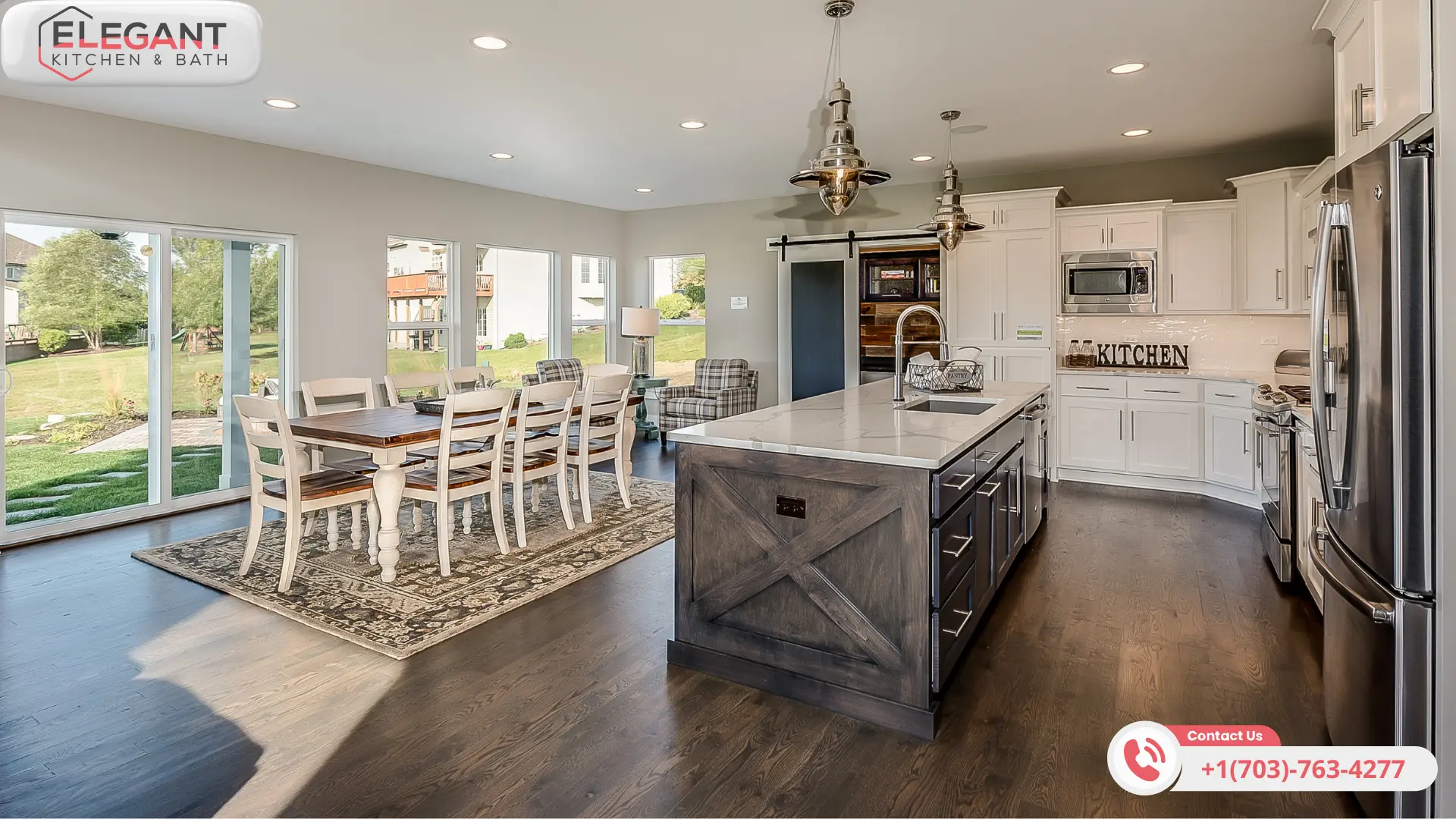
Transform your kitchen into a stunning masterpiece with natural stone backsplashes, from marble’s timeless elegance to the slate’s textural allure.
Whether you prefer the classic look of marble tiles, the rustic charm of travertine, or the intricate patterns of mosaic designs, natural stone backsplashes offer endless possibilities to elevate your kitchen’s style.
With proper installation and grout selection, these beautiful and durable materials will stand the test of time.
Keep reading to discover eight captivating natural stone backsplash designs that will inspire your kitchen to remodel.
Key Takeaways – From Marble to Slate: 8 Natural Stone Backsplash Designs to Remodel Your Kitchen
Marble and Granite for Timeless Elegance and Durability:Marble and granite remain popular for kitchen backsplashes due to their timeless elegance and durability. Marble offers unique veining patterns and luxurious appearances, while granite provides unmatched durability, making it ideal for high-traffic areas.
Travertine and Limestone for Rustic Charm: Travertine and limestone backsplashes create a warm, rustic charm that complements various design elements. These stones bring earthy tones and textured surfaces, adding a cozy and inviting atmosphere to the kitchen.
Quartzite and Onyx for Luxurious and Unique Appeal: Quartzite and Onyx are resilient and visually stunning options, offering unique crystalline structures and luxurious appearances. With its translucent properties, Onyx can be backlit to create a captivating ambiance.
Soapstone and Slate for Sophisticated Looks with Low Maintenance: Soapstone and slate backsplashes provide sleek, sophisticated aesthetics with low maintenance requirements. Soapstone is non-porous and resistant to stains and bacteria, while slate offers a distinctive, layered appearance that adds depth and character.
Regular Sealing and Proper Cleaning Essential: Regular sealing and cleaning with pH-neutral cleaners are crucial for maintaining natural stone backsplashes’ beauty and longevity. Natural stones can be porous and require protective sealants to prevent stains and damage.
Installation Tips for Long-lasting Results: Proper installation techniques, such as applying high-quality sealers and choosing suitable grout, are essential for ensuring natural stone backsplashes’ durability and aesthetic appeal. Working with experienced professionals can help achieve seamless and lasting results.
Creating Focal Points with Unique Patterns and Colors: Natural stone backsplashes can be striking focal points in a kitchen. From marble’s unique veining to Onyx’s translucent beauty, choosing the correct pattern and color can elevate the kitchen’s design, creating a stunning centerpiece.
[ez-toc]
Marble Backsplash: Timeless Elegance
Marble backsplashes add a touch of timeless elegance to any kitchen or bathroom, seamlessly complementing granitecountertops and stylish cabinetry.
This natural stone’s unique veining patterns and luxurious appearance make it a popular choice among interior design enthusiasts.
When selecting marble for your kitchen backsplash, consider the overall aesthetic, durability, and maintenance requirements to ensure a stunning and long-lasting installation.
Why Choose Marble for Your Kitchen Backsplash?
Marble backsplashes offer a classic beauty that elevates the kitchen’s overall aesthetic, seamlessly blending with various design styles, from traditional to contemporary. Its timeless elegance pairs well with other natural stone elements like slate, brick, or quartzite countertops, creating a cohesive and sophisticated look.
The unique veining patterns and luxurious appearance of marble make it a standout choice for kitchen backsplashes, drawing the eye and becoming a focal point in the room. When combined with thoughtful lighting, a marble backsplash can showcase its inherent beauty and add depth to the kitchen’s design.
Tips for Maintaining a Marble Backsplash
To maintain the timeless beauty of a marble backsplash, it is essential to seal the stone regularly, as marble is more porous than other natural stones like quartz or limestone. Applying a high-quality sealer every few months helps prevent stains and etching from acidic substances, ensuring the backsplash remains as stunning as the day it was installed.
When cleaning a marble backsplash, use a soft cloth or sponge with a mild, pH-neutral cleaner specifically designed for natural stone surfaces. Avoid using abrasive materials like scouring pads or harsh chemicals that can damage the marble’s delicate surface. Always rinse the backsplash thoroughly with water after cleaning to prevent any residue from dulling the stone’s shine.
Granite Backsplash: Durable and Versatile
In addition to marble, granite is another popular natural stone choice for kitchen backsplashes, offering durability and versatility.
This igneous rock, formed from magma or lava, is more complex than marble and less prone to staining, making it an ideal option for busy kitchens.
Granite backsplashes come in various colors and patterns, from classic Carrara-inspired designs to bold, dramatic hues that can complement ceramic tiles, drywall, or even a fireplace surround.
Benefits of a Granite Backsplash in Your Kitchen
Granite backsplashes offer unmatched durability, making them ideal for high-traffic kitchens. Their resistance to scratches, stains, and heat ensures a long-lasting and low-maintenance addition to your kitchen design, whether paired with wood cabinets or a sleek, modern wall finish.
The versatility of granite allows for endless design possibilities, from classic black and white patterns to eye-catching, vibrant hues that can serve as a stunning focal point in your kitchen. With a wide range of colors and patterns available, granite backsplashes can easily complement various design styles, from rustic farmhouse to contemporary chic, as showcased on popular platforms like Houzz:
Design Style
Complementary Materials
Granite Color Options
Rustic Farmhouse
Wood, Brick, Copper
Cream, Beige, Brown
Modern Minimalist
Stainless Steel, Glass, Onyx
Black, White, Gray
Mid-Century Modern
Walnut, Terrazzo, Brass
Green, Blue, Yellow
Granite Backsplash Installation Tips
When installing a granite backsplash, homeowners should consider the surrounding materials, such as carpet, metal, or woodflooring, to ensure a cohesive and harmonious design. Applying a high-quality stone sealer to the granite before installation helps protect the natural stone from stains and moisture damage, ensuring a long-lasting and beautiful backsplash.
Consider incorporating hexagon or other geometric-shaped granite tiles into the backsplash design for a unique and eye-catching look. These unconventional shapes add visual interest and can elevate the kitchen’s overall aesthetic, making the backsplash a standout feature in any home improvement project.
Travertine Backsplash: Rustic Charm
Consider a travertine backsplash for a more rustic and earthy charm in your kitchen or bedroom.
This natural stone, formed from limestone deposits near hot springs, features unique textures and warm, inviting hues ranging from beige to rich browns.
Travertine backsplashes can be paired with various materials, such as porcelain tile or wood, to create a cozy and welcoming atmosphere in any room.
In the following sections, we will explore the travertine’s unique appeal and provide tips on caring for this natural stone backsplash to ensure its longevity and beauty.
The Unique Appeal of Travertine
Travertine’s unique appeal lies in its naturally textured surface and warm, earthy tones, which can range from light beige to deep bronze. These tones contrast with sleek, modern finishes like stainless steel or Carraramarble. When used as a backsplash, travertine can create a cozy, rustic atmosphere in any kitchen, transforming the space into an inviting hub for gathering and entertaining.
The stone’s porous nature and subtle variations in color and pattern make each travertine backsplash a one-of-a-kind installation, adding character and depth to the kitchen’s design. Travertine can be paired with various materials, from classic woodcabinetry to industrial-inspired metal accents. This makes it a versatile choice for homeowners seeking to infuse their kitchen with natural beauty and timeless charm.
How to Care for a Travertine Backsplash
To maintain a travertine backsplash’s rustic charm, homeowners should regularly seal the stone using a high-quality sealant, especially in areas prone to moisture, such as near the sink or in a basement kitchen. Applying a sealer every six months to a year helps protect the porous surface from stains and water damage.
When cleaning a travertine backsplash, use a pH-neutral cleaner specifically designed for natural stone to avoid damaging the delicate surface. Gently wipe the backsplash with a soft cloth or sponge, avoiding abrasive materials that could scratch the stone’s unique texture or arabesque patterns.
Limestone Backsplash: Warm and Inviting
Limestone backsplashes offer a warm and inviting alternative to popular natural stone options like marble herringbone or mosaic backsplashes.
With its soft, earthy tones and subtle texture, limestone can create a cozy atmosphere in any kitchen, seamlessly blending with various design elements such as porcelain tiles or woodcabinetry.
In the following sections, we will explore the pros of using limestone for your natural stone backsplash and provide tips on maintaining its timeless beauty.
Creating a Cozy Atmosphere with Limestone
Limestone backsplashes create a cozy and inviting atmosphere in the kitchen, with their warm, earthy tones and subtle texture that complement various design elements like stone veneer backsplashes or soapstone backsplashes. The soft, natural appearance of limestone adds a touch of rustic charm to the space, making it feel as welcoming as a travertine backsplash kitchen or a marblehexagon backsplash.
When paired with woodcabinetry or sandstone backsplashes, limestone helps to create a harmonious and balanced look that enhances the overall comfort and appeal of the kitchen. The material’s versatility allows it to blend seamlessly with different styles, from traditional to modern, making it a popular choice for homeowners looking to remodel their kitchens with natural stone backsplashes.
Maintaining the Beauty of Limestone
To keep a limestone backsplash looking its best in a rustic stone backsplash kitchen, homeowners should seal the natural stone regularly using a high-quality sealer explicitly designed for limestone. Applying a sealer every 6-12 months helps protect the porous surface from stains, etching, and moisture damage, ensuring the stone kitchen backsplash remains a beautiful focal point for years to come.
When cleaning a limestone backsplash, use a soft cloth or sponge with a pH-neutral cleaner formulated for natural stone. Avoid abrasive materials or harsh chemicals that can damage the delicate surface of the stone for backsplash, and always rinse the area thoroughly with water after cleaning to prevent any residue from dulling the limestone’s natural beauty in a travertine backsplash or other stone backsplash design.
Quartzite Backsplash: Luxurious and Resilient
Quartzite is a top choice for homeowners seeking a luxurious and resilient natural stone backsplash for their kitchens.
This metamorphic rock, formed from sandstone subjected to intense heat and pressure, offers unparalleled durability and stunning visual appeal. It is ideal for a rustic stone backsplash or a sleek, modern design.
Quartzite’s unique crystalline structure and wide range of colors, from soft grays to vibrant blues, allow it to seamlessly complement various design elements, such as natural stone tile backsplash or tumbled travertine backsplash, creating a cohesive and sophisticated look in any kitchen.
Why Quartzite is a Top Choice for Backsplashes
Quartzite’s unparalleled durability and resistance to scratches, stains, and heat make it an ideal choice for high-traffic kitchens. Its resilient nature ensures that the backsplash will maintain its stunning appearance for years, even in daily wear and tear.
The luxurious appearance of quartzite, with its unique crystalline structure and wide range of colors, elevates any kitchen design. From soft, neutral tones to bold, vibrant hues, quartzite backsplashes can seamlessly incorporate into various styles, from rustic farmhouses to sleek, modern spaces.
Installation and Care Tips for Quartzite
When installing a quartzite backsplash, homeowners should work with experienced professionals who understand the unique properties of this natural stone. The installation requires precision and care to ensure a seamless and long-lasting result showcasing the quartzite’s beauty.
To maintain the luxurious appearance of a quartzite backsplash, it is essential to clean the surface regularly using a soft cloth and a pH-neutral cleaner specifically designed for natural stone. Sealing the quartzite every 6-12 months helps protect it from stains and etching, preserving its stunning crystalline structure for years to come.
Onyx Backsplash: Translucent Beauty
For a truly stunning and one-of-a-kind backsplash, consider the translucent beauty of Onyx.
This semi-precious stone offers a captivating appearance with its unique veining patterns and ability to be backlit, creating a mesmerizing ambiance in any kitchen.
Onyx backsplashes can be paired with various design elements, from sleek stainless steel to rustic wood, making them a versatile choice for homeowners looking to add a touch of luxury and sophistication to their kitchen remodel.
The Unique Appeal of Onyx in Kitchen Design
Onyx’s translucent nature and mesmerizing veining patterns make it a unique and captivating choice for kitchen backsplashes. When backlit, an onyx backsplash creates a stunning ambiance, transforming the kitchen into a luxurious and sophisticated space that becomes the home’s focal point.
The versatility of Onyx allows it to complement a wide range of design styles, from sleek and modern to rustic and traditional. By pairing an onyx backsplash with elements such as stainless steel appliances, woodcabinetry, or natural stone countertops, homeowners can create a cohesive and visually striking kitchen design that showcases their style and elevates the overall aesthetic.
Caring for an Onyx Backsplash
To maintain the translucent beauty of an onyx backsplash, it is essential to seal the stone regularly using a high-quality sealer designed explicitly for Onyx. This sealing helps protect the delicate surface from stains, etching, and moisture damage.
When cleaning an onyx backsplash, use a soft, damp cloth with a pH-neutral cleaner formulated for natural stone. Avoid abrasive materials or harsh chemicals that can dull or scratch the stone’s unique appearance:
Cleaning Method
Frequency
Products to Use
Damp Cloth
Daily
Water, pH-Neutral Cleaner
Sealing
Every 6-12 Months
High-Quality Onyx Sealer
Soapstone Backsplash: Sleek and Sophisticated
Consider a soapstone backsplash for a sleek and sophisticated look in your kitchen.
This natural stone offers a unique, matte finish that pairs well with various design elements, from modern stainless steel appliances to traditional woodcabinetry.
Soapstone’s non-porous nature and resistance to stains and bacteria make it an ideal choice for busy kitchens. At the same time, its subtle veining and color variations add depth and character to the space.
The Advantages of Soapstone for Backsplashes
Soapstone’s non-porous nature and resistance to stains and bacteria make it an ideal choice for busy kitchens. Its sleek, matte finish and subtle veining add depth and character to the space, complementing various modern and traditional design elements.
Soapstone backsplashes offer a range of advantages for homeowners looking to remodel their kitchen:
Durability and resistance to heat, stains, and bacteria
Sleek, matte finish that complements modern and traditional styles
Subtle veining and color variations that add depth and character
Low maintenance and easy-to-clean
The natural stone’s ability to withstand high temperatures and low maintenance requirements make it a practical and stylish choice for any kitchen backsplash.
Tips for Soapstone Maintenance
To maintain the sleek appearance of a soapstone backsplash, homeowners should oil the stone regularly using mineral oil or a specialized soapstone sealer. This process helps to enhance the stone’s natural patina and protect it from stains and scratches.
When cleaning a soapstone backsplash, use a soft cloth dampened with warm water and a mild, pH-neutral cleaner. Avoid using abrasive materials or harsh chemicals that can damage the stone’s smooth surface, and always rinse the backsplash thoroughly with water after cleaning to prevent any residue from dulling the soapstone’s natural beauty.
This metamorphic rock, formed from shale or mudstone, offers a distinctive, layered appearance that adds depth and character to any kitchen design.
Slate backsplashes come in various colors, from deep grays to rich, earthy tones, and can be paired with multiple design elements, such as woodcabinetry or stainless steel appliances, to create a cohesive and visually striking look.
Enhancing Your Kitchen with Slate
Slate backsplashes offer a unique opportunity to enhance a kitchen’s visual appeal and textural richness. Slate’s layered, rustic appearance adds depth and character to the space, creating a captivating focal point that draws the eye and complements various design elements.
When paired with woodcabinetry, slate backsplashes create a warm and inviting atmosphere, while stainless steel appliances provide a striking contrast that highlights the stone’s natural beauty. The wide range of colors available in slate, from deep grays to rich, earthy tones, allows homeowners to select a hue that perfectly complements their kitchen’s overall design aesthetic:
Slate Color
Complementary Design Elements
Kitchen Style
Deep Gray
Stainless Steel, White Cabinetry
Modern, Industrial
Earthy Green
Wood Cabinetry, Copper Accents
Rustic, Farmhouse
Rich Purple
Gold Fixtures, Cream Cabinetry
Luxurious, Traditional
Caring for a Slate Backsplash
To maintain the slate backsplash’s textural allure, homeowners should regularly seal the stone using a high-quality, penetrating sealer explicitly designed for slate. This helps protect the porous surface from stains and moisture damage, ensuring the backsplash retains its distinctive, layered appearance for years.
When cleaning a slate backsplash, use a soft cloth or sponge with a pH-neutral cleaner formulated for natural stone. Avoid using abrasive materials or acidic cleaners that can etch or dull the stone’s surface. Always rinse the backsplash thoroughly with water after cleaning to prevent any residue from accumulating in the slate’s natural crevices.
FAQs for 8 Natural Stone Backsplash Designs
Is natural stone good for a kitchen backsplash?
Natural stone can make an excellent kitchen backsplash material—durable options like marble, granite, travertine, and slate offer timeless beauty and a high-end look. However, natural stone is more porous than some other materials, so it requires regular sealing to prevent staining and discoloration, especially in areas prone to grease and moisture, like behind the stove. Proper sealing and maintenance are essential for natural stone backsplashes.
Should backsplash be lighter or darker than countertop?
There’s no hard and fast rule, but generally, a lighter backsplash creates a sense of spaciousness, while a darker backsplash adds depth and drama. Consider the overall color scheme of your kitchen and your personal preference. For example, a white marble backsplash can brighten a kitchen with dark cabinetry, while a dark granite backsplash can create a dramatic contrast with lighter countertops.
Are stone backsplashes trendy?
Stone backsplashes, particularly in materials like [marble], [travertine], and [soapstone], have been a popular choice for kitchen design in recent years and are expected to remain a trendy option in 2024 and beyond. The natural beauty and unique variations in stone make it a timeless choice that can work with various kitchen styles, from traditional to modern. However, some homeowners caution that very textured or porous natural stone can be challenging to keep clean in a busy kitchen environment.
What style of backsplash is best for kitchen?
The best style depends on your taste and the overall design of your kitchen. Here are some popular options:
Marble is a classic choice for a luxurious and elegant look. Carrara marble, with its distinctive veining, is trendy.
Granite is a durable and versatile option in various colors and patterns.
Travertine is a natural stone with a warm, earthy tone and a unique textured surface. It’s often used to create a rustic or Mediterranean feel.
Slate is a durable and elegant option with a natural, earthy look. It’s often used to create a modern or contemporary feel.
Quartzite is a durable and beautiful stone that is often mistaken for marble. It’s an excellent choice for high-traffic areas.
What is the trend in backsplash in 2024?
While natural stone backsplashes remain timeless, some current trends include:
Marble Herringbone Backsplash: A classic herringbone pattern with a modern twist.
The focus is on making the splashback an actual design statement piece that complements the kitchen style.
What kitchen backsplash is timeless?
Some of the most timeless kitchen backsplash options include:
Subway tile – A classic, versatile choice that works with a variety of kitchen styles
Natural stone like marble, granite, or travertine – Offer a high-end, luxurious look that never goes out of style
Solid surface or quartz – Sleek, non-porous materials that are easy to clean and maintain
Stainless steel – A modern, industrial-inspired option that is highly durable
These materials and styles have remained popular for decades and will likely continue being sought-after choices for kitchen backsplashes.
What is the best color for a kitchen splashback?
There is no single “best” color for a kitchen splashback, as the ideal color will depend on the overall style and palette of the kitchen. Some popular and versatile splashback color options include:
White – Creates a clean, bright look and pairs well with many kitchen styles
Neutral tones like beige, gray, or taupe – Offer a timeless, sophisticated look
Bold, jewel-toned colors like deep blue, emerald green, or rich red – Add a dramatic pop of color
Natural stone colors like white marble, gray soapstone, or beige travertine – Complement the kitchen’s material palette
Ultimately, the best splashback color complements the space’s cabinetry, countertops, and other design elements.
What is the luckiest color for a kitchen?
No scientific evidence supports the idea of lucky kitchen colors. However, many people find that green, yellow, and orange evoke warmth, happiness, and abundance.
What is the easiest splashback to clean?
Some of the easiest-to-clean kitchen splashback materials include:
Glass: Smooth, non-porous surface that wipes clean easily
Stainless steel: Highly resistant to stains and fingerprints
Quartz or solid surface: Non-porous, seamless materials that resist stains and are simple to wipe down
Tile: Ceramic and porcelain tiles have a glazed surface that is relatively low-maintenance
Laminate: A budget-friendly option that is durable and easy to clean
Proper sealing and regular cleaning are required to maintain the appearance and prevent staining of natural stone options like marble, granite, or travertine. Consulting with a kitchen design professional can help you select the most practical and low-maintenance splashback material.
How do I choose a splashback?
When choosing a kitchen splashback, consider the following factors:
Style and Aesthetics: Select a splashback material and design that complements the kitchen style, from traditional to modern.
Functionality: Consider how easy the splashback will be to clean and maintain, especially in high-use areas like behind the stove.
Budget: Natural stone and specialty tile options are more expensive than basic tile or laminate.
Durability: Look for heat-, stain-, and scratch-resistant materials.
Maintenance: Porous materials like natural stone require regular sealing to prevent staining.
Lighting: Reflective materials like glass or glossy tile can help brighten the space.
Consulting with a kitchen design professional can help you weigh these factors and select the perfect splashback for your space.
Are stone backsplashes expensive?
Natural stone backsplashes can be more expensive than other options, but the exact cost can vary widely depending on the specific material and installation. Some factors that impact the cost of a stone backsplash include:
Stone Type: Luxurious materials like marble, travertine, and soapstone are more expensive than granite or slate.
Thickness: Thicker, slab-style stone backsplashes cost more than thinner tile options.
Installation: Professional installation by experienced masons can add to the overall cost.
Size of the Area: Larger kitchen backsplashes require more material and labor, increasing the total price.
Finishing Touches: Intricate patterns, custom cuts, and specialized edging can drive up the cost.
Natural stone backsplashes can range from $15 to $60 per square foot, not including installation. While more expensive upfront, stone backsplashes are often considered worthwhile investments that add lasting value and beauty to a kitchen.
Does natural stone backsplash need to be sealed?
Yes, natural stone backsplashes typically require regular sealing to maintain their appearance and protect against stains and damage. If left unsealed, porous materials like marble, travertine, and limestone can absorb liquids, grease, and other kitchen spills. The sealing process involves applying a penetrating sealer that soaks into the stone’s surface, creating a protective barrier.
Sealants should be reapplied every 1-3 years, depending on the stone type and kitchen use level. Proper sealing is crucial for natural stone backsplashes to prevent discoloration, etching, and other damage over time. Consulting with a stone care professional can help determine your stone backsplash’s proper sealing schedule and products.
What is the most practical backsplash?
When it comes to practicality, some of the most durable and easy-to-clean backsplash options include:
Tile: Ceramic, porcelain, and natural stone tiles are classic, low-maintenance choices.
Glass: Tempered glass backsplashes have a smooth, wipeable surface.
Stainless steel: Highly resistant to stains, scratches, and heat.
Quartz or solid surface: Non-porous materials that resist stains and are simple to wipe down.
Laminate: An affordable option that is durable and easy to maintain.
For busy kitchens, it’s best to avoid highly porous or textured materials like [natural stone] or [brick], as they can be more challenging to keep clean. Consulting a kitchen design professional can help you select the most practical backsplash for your needs and lifestyle.
Is the stone backsplash outdated?
No, stone backsplashes are not considered outdated. Natural stone options like marble, granite, travertine, and soapstone remain popular and timeless for kitchen backsplashes. While some design trends come and go, stone’s natural beauty and unique variations make it a classic material that can work with various kitchen styles, from traditional to contemporary.
Stone backsplashes will continue to be a sought-after option in 2024 and beyond. That said, some homeowners caution that highly textured or porous natural stone can be more challenging to keep clean in a busy kitchen environment. Proper sealing and maintenance are crucial to preserving the appearance of a stone backsplash over time.
What backsplash does not go out of style?
Some of the most timeless and enduring backsplash options that are unlikely to go out of style include:
Subway tile: A classic, versatile choice that works with a variety of kitchen styles
Natural stone like marble, granite, or travertine: Offer a high-end, luxurious look that never goes out of fashion
Solid surface or quartz: Sleek, non-porous materials that are easy to clean and maintain
Stainless steel: A modern, industrial-inspired option that is highly durable
Glass: Provides a smooth, reflective surface that can complement many design aesthetics
These materials and styles have remained popular for decades and will likely continue being sought-after choices for kitchen backsplashes. The key is selecting a backsplash that complements the overall style and design of the kitchen.
What should you avoid in a backsplash?
When choosing a kitchen backsplash, it’s generally best to avoid the following:
Highly Textured or Porous Materials: Surfaces with grooves, crevices, or porosity, like natural stone or brick, can be challenging to keep clean and may discolor over time.
Busy Patterns: Overly intricate or busy backsplash patterns can make a kitchen feel cluttered and dated more quickly.
Trendy Styles: While it’s tempting to go for the latest backsplash craze, trendy designs may need to be updated sooner than classic options.
Incompatible Colors: Backsplash colors that clash with the kitchen’s cabinetry, countertops, or other design elements can create an inharmonious look.
Difficult-to-Clean Materials: Backsplashes made of materials that are prone to staining or require extensive maintenance, like unsealed natural stone, may not be the most practical choice.
Excessive Grout Lines: Backsplashes with abundantly visible grout lines, especially in darker colors, can make a space feel dated.
The key is choosing a backsplash that feels fresh, timeless, and harmonious with the kitchen design. Consulting with a kitchen design professional can help you avoid outdated trends.
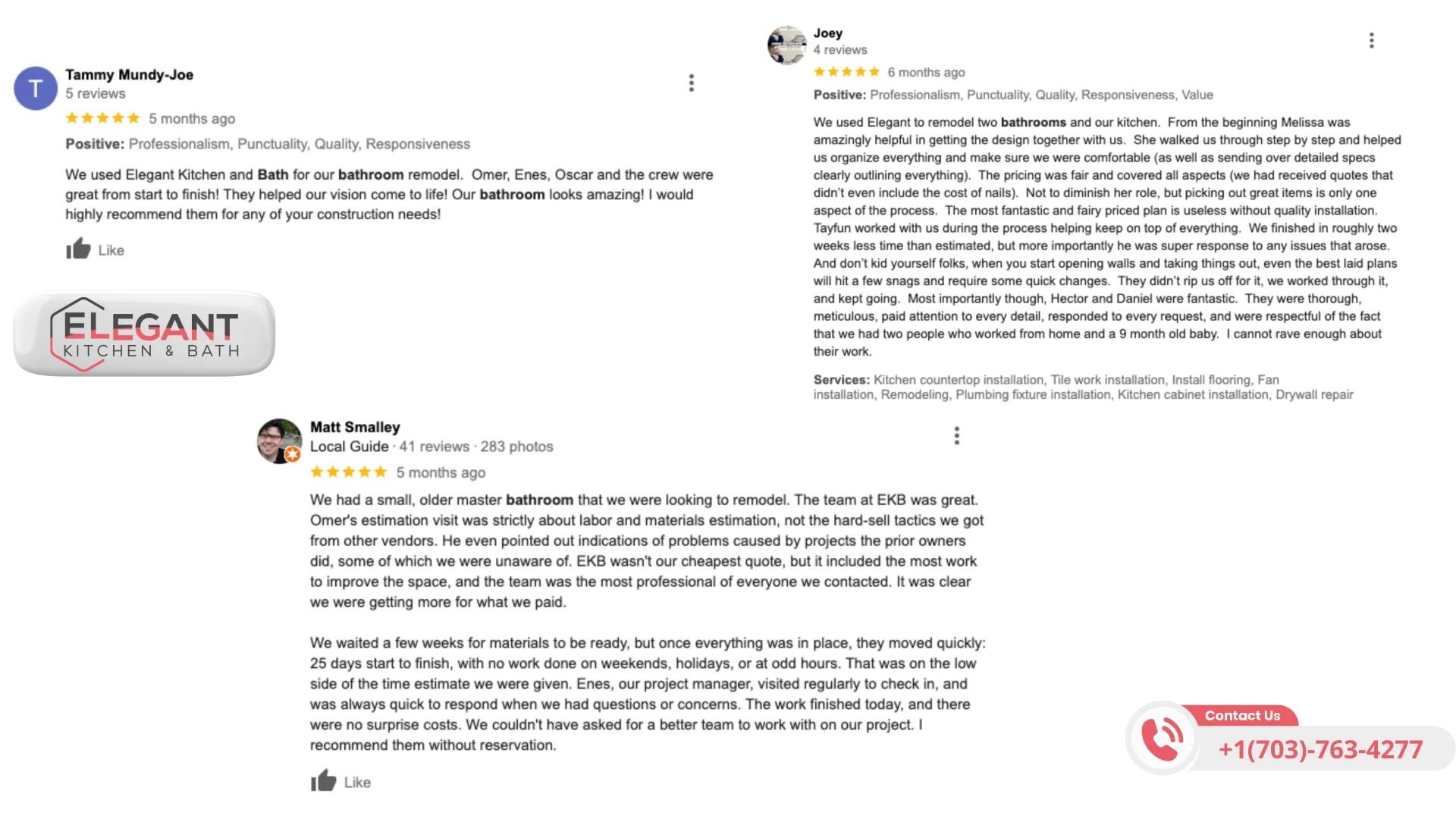
Hear From Our Delighted Clients About Natural Stone Backsplash Designs
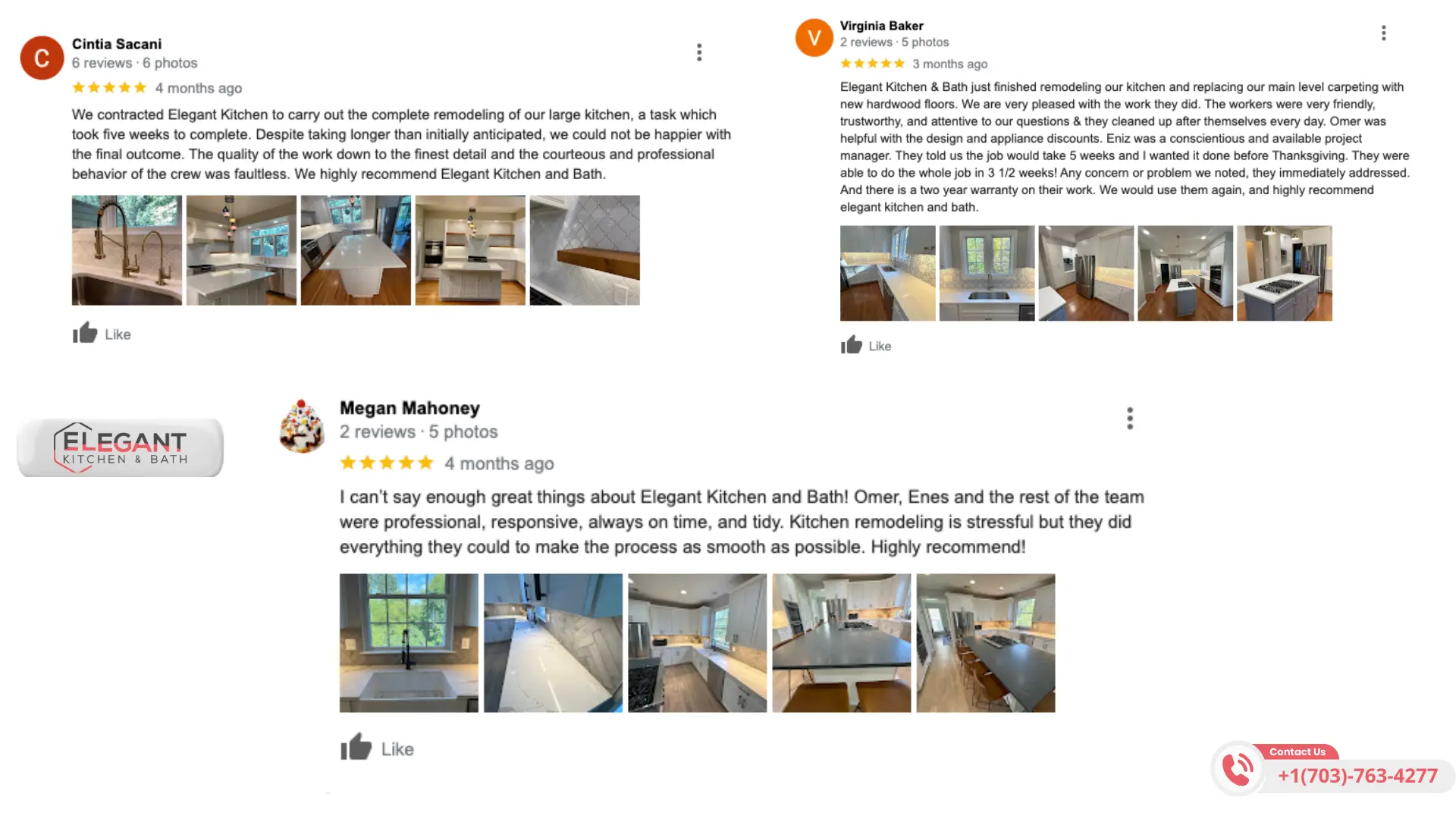
Lauren and her family are thrilled with their recent bathroom to remodel by Elegant Kitchen and Bath. They were impressed with Tayfun and Javier’s timely communication and project management skills. The project was completed quickly and efficiently, resulting in a beautiful new bathroom that exceeded their expectations. Lauren highly recommends Elegant Kitchen and Bath to family, friends, and anyone seeking a reliable contractor.
John Hoddinott and his family are pleased with the new kitchen, which Elegant Kitchen and Bath designed and installed. They worked closely with Tayfun to finalize the design, going through several plans before settling on the perfect one. The project manager, Enes, was highly responsive and promptly addressed all questions. Gersen and his crew overcame various challenges during installation, constantly finding creative solutions. While a few minor issues arose after completion, Enes quickly resolved them, demonstrating excellent customer service.
Melanie Buckley is incredibly impressed with Elegant Kitchen and Bath’s professionalism and efficiency. They renovated her 20-year-old kitchen in just 14 days, starting in March 2024. The team worked thoughtfully and methodically, keeping Melanie informed and satisfied throughout the process. The design team and general contractors collaborated seamlessly to ensure the project stayed on schedule. Melanie was consistently impressed by their craftsmanship and meticulous workspace. Even when she decided to demolish a wall mid-project, Elegant Kitchen and Bath provided expert guidance and necessary inspections, making the demolition a success. Melanie highly recommends this exceptional business.
Experience the same level of satisfaction as Lauren, John, and Melanie by entrusting your kitchen or bathroom renovation to Elegant Kitchen and Bath. Our dedicated team of designers, project managers, and skilled artisans work together to bring your dream space to life, exceeding your expectations with exceptional results.
From the luxurious veining of marble to the rustic charm of travertine, the sleek sophistication of soapstone, and the textural allure of slate, each natural stone provides a unique aesthetic that complements various design styles.
By incorporating a stunning natural stone backsplash, homeowners can create a captivating focal point that enhances the beauty and functionality of their kitchen for years to come.
Elegant Kitchen and Bath understands the importance of sustainability in home design, and eco-friendly kitchen backsplash tiles are a perfect way to embrace this concept.
Instead of contributing to the growing plastic waste problem, consider using materials like bamboo or tiles made from recycled content.
These options reduce environmental impact and add a unique and stylish touch to your kitchen.
Keep reading to discover the benefits of eco-friendly backsplash tiles and how they can transform your home into a sustainable haven.
Key Takeaways for Eco Friendly Kitchen Backsplash Tiles
Sustainable Materials for a Better Tomorrow: Utilizing eco-friendly kitchen backsplash tiles such as recycled glass, bamboo, and reclaimed wood helps reduce waste and conserves natural resources, supporting a more sustainable future.
Healthier Home Environment: Sustainable backsplash tiles minimize harsh chemicals and promote better indoor air quality, contributing to a healthier living space for you and your family.
Durability and Low Maintenance: These tiles are designed to withstand a busy kitchen’s daily wear and tear. They are easy to clean and maintain, reducing the need for frequent replacements and harsh cleaning products.
Cost-Efficiency: Eco-friendly backsplash tiles often provide cost-effective solutions. They can be more affordable than traditional materials like marble or granite and are suitable for DIY projects, reducing labor costs.
Integration with Other Sustainable Elements: Eco-friendly backsplash tiles can seamlessly integrate with other sustainable kitchen elements, such as energy-efficient appliances and low-VOC cabinetry, creating a cohesive and environmentally responsible kitchen.
Trendsetting Designs: The growing popularity of eco-friendly tiles has led to innovative designs that not only enhance visual appeal but also contribute to a circular economy by reusing materials and reducing landfill waste.
[ez-toc]
What Are Kitchen Tiles Backsplash?
Kitchen tile backsplashes play a vital role in protecting walls from water, heat, and other kitchen-related damage while adding a stylish touch to your space.
When choosing backsplash tiles, consider environmentally friendly options that are durable, easy to clean, and resistant to moisture and electricity.
These sustainable tiles contribute to a greener home and enhance your kitchen’s overall design and functionality.
Defining the Role and Purpose
Kitchen backsplash tiles serve a dual purpose in an eco-friendly kitchen: they protect the walls from splatters and spills while enhancing the overall aesthetic appeal. These tiles come in various sustainable materials, such as recycled glass or natural stone, and can be arranged in eye-catching patterns like hexagons or herringbones.
An eco-friendly kitchen backsplash contributes to a greener home and adds a unique, personalized touch to the space. By choosing materials that are durable, easy to clean, and resistant to moisture and heat, homeowners can ensure their backsplash remains functional and beautiful for years to come.
The Importance in Kitchen Design
Kitchen backsplash tiles play a crucial role in the overall interior design of a sustainable kitchen. By incorporating eco-friendly materials such as recycled glass, natural stone, or metal, homeowners can create a visually appealing and environmentally conscious space that reflects their commitment to a greener lifestyle.
In addition to their aesthetic value, sustainable backsplash tiles contribute to a kitchen‘s functionality and efficiency. By choosing materials that are easy to clean and maintain, homeowners can reduce waste and minimize the need for harsh cleaning products, further promoting a zero waste approach to kitchendesign:
Material
Eco-Friendly Benefits
Design Possibilities
Recycled Glass
Reduces waste, conserves resources
Colorful, translucent, unique patterns
Natural Stone
Durable, long-lasting, low maintenance
Timeless, elegant, versatile
Metal
Recyclable, heat-resistant, easy to clean
Modern, sleek, reflective surfaces
By selecting sustainable backsplash tiles that align with their personal style and environmental values, homeowners can create a kitchen that looks beautiful and contributes to a more sustainable future. Features like a compost bin or recycling station near the backsplash can further emphasize the commitment to eco-friendly living and inspire others to adopt similar practices in their homes.
Reasons for the Popularity of Backsplash Tiles
The popularity of eco-friendly kitchen backsplash tiles has skyrocketed in recent years as homeowners seek to create sustainable and stylish spaces.
These tiles offer various textures and colors, allowing endless design possibilities that complement any kitchen style, from rustic farmhouse to sleek and modern.
Backsplash tiles are also incredibly durable and long-lasting, withstanding the daily wear and tear of cooking, cleaning with sponges and paper towels, and even the heat and moisture from dishwashers and stainless steel appliances.
Additionally, eco-friendly tile options provide cost-effective solutions. They are often easier to install than other materials, making them an attractive choice for homeowners looking to upgrade their kitchen backsplash while minimizing their environmental impact.
Variety in Textures and Colors
Eco-friendly kitchen backsplash tiles come in a stunning array of textures and colors, allowing homeowners to create unique designs that complement their countertops and cabinetry. Fromrustic wood-look tiles to intricate mosaic patterns, the possibilities are endless.
Sustainable materials like recycled glass and natural stone offer a variety of finishes, such as glossy, matte, or textured, to add depth and visual interest to the backsplash. These diverse options enable homeowners to create a personalized look that reflects their style and values:
Texture
Color
Eco-Friendly Material
Wood-look
Earth tones
Recycled porcelain
Mosaic
Vibrant hues
Recycled glass
Smooth
Neutral shades
Natural stone
Durability and Longevity
Eco-friendly kitchen backsplash tiles are incredibly durable, withstanding the wear and tear of daily cooking, cleaning, and exposure to heat and moisture from appliances like the refrigerator. These tiles are designed to resist chipping, cracking, and fading, ensuring a long-lasting and beautiful backsplash that requires minimal maintenance.
Sustainable materials like recycled glass, natural stone, and porcelain are environmentally friendly and built to endure the test of time. By choosing these durable options, homeowners can enjoy a stunning and functional backsplash for years to come without the need for frequent repairs or replacements:
Resistant to chipping and cracking
Withstands heat and moisture from appliances
Minimal maintenance required
Long-lasting beauty and functionality
Design Flexibility for Any Style
Eco-friendly kitchen backsplash tiles offer unparalleled design flexibility, seamlessly adapting to any style, from traditional to contemporary. These versatile tiles can mimic the look of natural materials like wood or stone or feature unique patterns and colors, allowing homeowners to create a backsplash that complements their existing countertops, cabinetry, and even elements like cottonkitchen towels or paper towel holders.
Sustainable materials such as recycled glass, porcelain, and natural stone can be cut and arranged in various shapes and sizes, enabling intricate designs that range from classic subway tiles to modern geometric patterns. Homeowners can even opt for adhesivetile mats or silicone-based grout to further simplify installation and maintenance, ensuring their eco-friendly backsplash remains a striking focal point in their kitchen for years.
Cost-Effective Solutions
Eco-friendly kitchenbacksplash tiles offer cost-effective solutions for homeowners looking to create a sustainable and stylish space. These tiles are often more affordable than traditional materials like marble or granite, making them an attractive option for budget-conscious renovators who want to incorporate eco-friendly elements in their kitchen or bathroom.
Sustainable backsplash tiles, such as those made from recycled glass or porcelain, come in a wide range of colors and styles, allowing homeowners to achieve their desired look without breaking the bank. Installing these tiles is also relatively simple, reducing labor costs and making them a cost-effective choice for DIY enthusiasts:
Additionally, eco-friendly backsplash tiles are incredibly durable and long-lasting, withstanding the heat from ovens and the moisture from steam-cleaning stainless steel appliances. This durability ensures that homeowners won’t need to replace their backsplash frequently, saving them money in the long run and reducing the environmental impact of theirkitchenrenovation.
Ease of Installation Compared to Other Materials
Eco-friendly kitchen backsplash tiles offer a simple installation process compared to other materials like marble or stone. Many sustainable tile options, such as those made from recycled glass or porcelain, come in sheets or mosaic patterns that are easy to apply using adhesive mats or pre-mixed grout.
This user-friendly installation method allows homeowners to complete their backsplash projects quickly and efficiently without needing specialized tools or extensive experience. By choosing eco-friendly tiles that are simple to install, homeowners can save time and money while creating a beautiful and sustainable kitchen backsplash:
Easy-to-apply sheet or mosaic patterns
Adhesive mats or pre-mixed grout for quick installation
No specialized tools or extensive experience is required
Beautiful and sustainable kitchen backsplash with minimal effort
In addition to their ease of installation, eco-friendly backsplash tiles are also simple to clean and maintain. Most sustainable materials, such as recycled glass or porcelain, are non-porous and resistant to stains, making them easy to wipe clean with a damp cloth or sponge. This low-maintenance feature ensures that the backsplash remains hygienic and attractive, even in the presence of everyday kitchen items like coffee filters, bottles, and kitchen utensils.
When exploring eco-friendly kitchen backsplash options, homeowners have a wealth of sustainable materials, each offering its unique aesthetic and environmental benefits.
These eco-friendly options enhance the kitchen’s visual appeal and contribute to a more sustainable home, reducing waste and conserving natural resources.
Whether you prefer the rustic charm of reclaimed wood or the sleek, modern edge of stainless steel tiles, eco-friendly backsplash materials can be easily incorporated into your kitchendesign, complementing elements like the sink, ceramic dishes, and even the credit card used to purchase these sustainable products.
By opting for an eco-friendly backsplash, homeowners can create a beautiful, functional, and environmentally conscious space that reflects their values and contributes to a greener future.
Recycled Glass Tiles for a Glossy Finish
Recycled glass tiles offer a glossy, eye-catching finish for eco-friendly kitchen backsplashes. These sustainable tiles are made from post-consumer glass, such as bottles and jars, which are crushed, melted, and reformed into beautiful, durable tiles that reduce your home’s carbon footprint.
In various colors and patterns, recycled glass tiles can be easily incorporated into any kitchendesign, complementing elements like stainless steel appliances, dishwashing liquid dispensers, and even your favorite teabrand. The glossy surface of these tiles is not only visually appealing but also easy to clean and maintain, making them a practical choice for busy kitchens:
Sustainable and eco-friendly
Reduces waste and carbon footprint
Wide range of colors and patterns
Complements various kitchen elements
Easy to clean and maintain
When selecting recycled glass tiles for your kitchen backsplash, consider the overall style of your space and choose a color and pattern that enhances your existing décor. Remember that while eco-friendly options may come at a slightly higher price point, the long-term benefits for both yourhome and the environment make them a worthwhile investment.
Reclaimed Wood for a Rustic Touch
Reclaimed wood tiles bring a rustic, warm touch to eco-friendly kitchen backsplashes. Often sourced from old barns, factories, or even shipping pallets, these tiles repurpose the wood and give it new life in your sustainable kitchendesign.
Reclaimed wood tiles’ unique character and patina can complement various kitchen elements, from butcher block countertops to beeswax-coated wooden utensils. When selecting reclaimed wood tiles for your backsplash, consider the overall style of your space and choose a finish that enhances your existing décor:
Weathered gray for a beachy, coastal vibe
Rich, warm browns for a cozy, farmhouse feel
Whitewashed planks for a bright, airy atmosphere
Reclaimed wood tiles are not only visually appealing but also durable and easy to maintain. They withstand the daily wear and tear of cooking, baking, and cleaning with scrubbers and sponges. By incorporating these eco-friendly tiles into your kitchen backsplash, you can create a stunning focal point that reflects your commitment to sustainability and complements the overall design of your space, from the countertops to the flooring.
Terracotta Tiles for a Warm Feel
Terracotta tiles imbue an eco-friendly kitchen backsplash with warmth and earthy charm. Made from natural clay and often arranged in a classic herringbone pattern, they bring a touch of the outdoors inside while reducing waste associated with synthetic materials like plastic wrap and disposable food storage containers.
The rich, reddish hues of terracotta tiles complement a variety of kitchen elements, from wooden cutting boards used to chop vegetables to the vibrant colors of fresh produce displayed on the countertop. By incorporating these eco-friendly tiles into the backsplash design, homeowners can create a welcoming and sustainable kitchen that celebrates the beauty of natural materials.
Cork Tiles for Unique Texture
Cork tiles offer a unique texture to eco-friendly kitchen backsplashes. These sustainable tiles are harvested from the bark of corkoak trees. This process does not harm the tree and is certified by the Forest Stewardship Council, ensuring responsible management of the forests.
The natural texture of cork tiles adds depth and interest to the backsplash, complementing various kitchen elements, from the smooth surfaces of stainless steel appliances to the rustic charm of mason jarstorage containers displayed on open shelving. By incorporating cork tiles into the backsplash design, homeowners can create a visually appealing and tactile surface that reflects their commitment to sustainability while seamlessly integrating with other eco-friendly elements like bambooclothing and low-VOC cabinetry finishes that reduce greenhouse gas emissions.
Natural Stone for Timeless Elegance
Natural stone tiles bring timeless elegance to eco-friendly kitchen backsplashes. Sourced from quarries worldwide, these tiles are cut and polished to showcase their unique veining and color variations, creating a stunning focal point that complements modern and traditional kitchen designs.
From marble’s classic beauty to slate’s rustic charm, natural stone tiles offer a wide range of options to suit any style. When selecting natural stone for your backsplash, consider the durability and maintenance requirements of each type:
Granite: Highly durable and heat-resistant, ideal for areas near the stove
Marble: Elegant and timeless, requires regular sealing to prevent stains
Slate: Naturally non-porous and slip-resistant, perfect for high-traffic areas
Limestone: Soft and porous, requires regular sealing and gentle cleaning with a soft brush
By incorporating natural stone tiles into your eco-friendly kitchenrenovation, you can create a backsplash that enhances the visual appeal of your space and contributes to a more sustainable home. Unlike synthetic materials like polyvinyl chloride (PVC), natural stone is a long-lasting and environmentally friendly choice that adds value to your kitchen for years.
Bamboo Tiles for a Contemporary Look
Bamboo tiles offer a contemporary and sustainable option for eco-friendly kitchen backsplashes. This fast-growing grass has a lower carbonfootprint than traditional materials, making it an environmentally conscious choice for any room in the home.
The sleek, linear texture of bamboo tiles complements modern kitchen elements, from the clean lines of stainless steel appliances to the minimalist design of a reusablewaterbottle displayed on the countertop. When paired with accents like a hammered coppersink or a rustic breadbox, bamboo tiles create a stunning contrast that adds visual interest to the backsplash.
Stainless Steel Tiles for a Modern Edge
Stainless steel tiles lend a sleek, modern edge to eco-friendly kitchen backsplashes. These recycled metal tiles are not only stylish but also highly durable, withstanding the wear and tear of daily cooking and cleaning, from the heat of the shower to the occasional mishap with a linennapkin or straw.
The reflective surface of stainless steel tiles can make a small kitchenspace feel larger and brighter, reminiscent of the shimmering wings of a bee in flight. By incorporating these eco-friendly tiles into the backsplash design, homeowners can create a contemporary and sustainable focal point that complements their modern appliances and décor.
Tips for Selecting Eco-Friendly Tiles
When selecting eco-friendly tiles for your kitchen backsplash, consider the materials’ sustainability, sourcing, and long-term durability.
As you embark on your home improvement journey toward sustainable living, keep in mind that your choices can have a significant impact on the environment, from reducing waste in landfills to minimizing the use of harsh detergents and oil-based cleaners.
By prioritizing eco-friendly options, you create a stunning and functional backsplash and contribute to a greener future for your home and the planet.
Do Your Research on Sustainable Materials
When researching sustainable materials for your eco-friendly kitchen backsplash, consider options that have a minimal impact on climate change, such as recycled glass or bamboo. These materials help reduce waste and conserve natural resources, ensuring a greener future for your home and the planet.
As you explore sustainable tile options, look for durable and easy-to-clean materials that can withstand the daily wear and tear of cooking, from splatters of fruit juice to the occasional mishap with an aluminum pot or drink spill. By selecting eco-friendly and long-lasting tiles, you can create a beautiful and functional backsplash that reflects your commitment to sustainable living.
Prioritize Local and Ethically Sourced Options
When selecting eco-friendly backsplash tiles, prioritize local and ethically sourced options to support sustainable practices and reduce the environmental impact of transportation. Look for tiles made by local artisans or manufacturers who utilize sustainable production methods, such as using recycled materials or harnessing daylight in their workshops to minimize energy consumption.
Ethically sourced tiles ensure that the materials used in your backsplash, from the clay to the glazes, are obtained responsibly and without exploiting workers or damaging the environment. By choosing local and ethically sourced options, you contribute to a more sustainable supply chain and support businesses that prioritize eco-friendly practices:
Locally crafted tiles that reduce transportation emissions
Ethically sourced materials that support fair labor practices
Manufacturers who utilize sustainable production methods, such as harnessing daylight or using energy-efficient equipment like microwave ovens
Tiles made from recycled materials, minimizing waste and conserving resources.
Suppliers who offer sustainable products for other areas of the home, such as energy-efficient light bulbs or eco-friendly laundry detergents
Consider Durability and Maintenance
When selecting eco-friendly kitchen backsplash tiles, it’s crucial to consider their durability and maintenance requirements. Tiles made from sustainable materials like cork or recycled glass should withstand the daily wear and tear of cooking, from boilingwater splashing onto the surface to the occasional spill of organic cottontea towels used for cleaning.
By choosing tiles that are easy to clean and maintain, homeowners can reduce their reliance on harsh chemicals and minimize their contribution to plasticpollution and cosmeticswaste. Durable, low-maintenance backsplash tiles create a beautiful and functional kitchen and promote a more sustainable lifestyle by reducing frequent repairs or replacements.
Top 3 Kitchen Backsplash Tile Trends in 2023
As homeowners increasingly prioritize sustainability in their kitchen renovations, eco-friendly backsplash tiles are taking center stage.
From recycled glass mosaics to natural fiber tiles made from coconut husks, these trendsetting options reduce waste and add unique texture and visual interest to the space.
Homeowners can now enjoy a guilt-free snack in their kitchen, knowing that their stylish backsplash—from the plumbing fixtures to the reusableplasticbagstorage solutions—contributes to a greener home.
A Preview of Upcoming Eco-Friendly Trends
In 2023, eco-friendly kitchen backsplash tiles made a bold statement, combining sustainability with stunning aesthetics. From tiles made of recycled materials to those featuring natural textures and earthy hues, these upcoming trends prove that green living can be both stylish and functional, even in the heart of the home.
Expect to see innovative designs that seamlessly integrate with other eco-friendly kitchen elements, such as energy-efficient cooktops and plants that purify the air. These trendsetting backsplash tiles not only reduce waste but also create a harmonious and inviting atmosphere, perfect for preparing meals with a utility knife or serving dishes in a beautiful bowl:
Trend
Material
Eco-Friendly Feature
Recycled Glass Mosaics
Post-consumer glass
Reduces waste in landfills
Natural Fiber Tiles
Coconut husks, jute
Biodegradable and renewable
Reclaimed Wood Planks
Salvaged wood
Repurposes discarded materials
Why Is Tiles Kitchen Backsplash the Makeover Your Home Needs?
Incorporating eco-friendly kitchen backsplash tiles is the perfect makeover your home needs to enhance its sustainability and style.
Choosing tiles made from recycled materials or natural resources can reduce your home’s environmental impact and minimize pollution associated with traditional tile production.
These eco-friendly tiles seamlessly complement other sustainable elements in your kitchen, such as energy-efficient appliances and low-VOC kitchen cabinets, contributing to a healthier and more environmentally conscious living space.
With the growing pressure to adopt green building practices in home construction and renovation, opting for an eco-friendly backsplash is a small but significant step towards creating a more sustainable future.
Enhancing Your Kitchen’s Sustainability and Style
Eco-friendly kitchen backsplash tiles offer a stunning way to enhance your kitchen‘s sustainability and style.
By incorporating tiles made from recycled materials or natural resources, you can create a visually appealing focal point that reflects your commitment to green living.
These sustainable tiles come in a wide range of colors, patterns, and textures, allowing you to customize your backsplash to complement your existing kitchen elements, from the sleek lines of your refrigerator to the rustic charm of your wooden knife block.
Whether you opt for the glossy sheen of recycled glass mosaics or terracotta’s warm, earthy tones, an eco-friendly backsplash can elevate your kitchen‘s aesthetic while reducing its environmental footprint.
In addition to their visual appeal, sustainable backsplash tiles contribute to a healthier home environment.
Many eco-friendly options, such as those made from bamboo or cork, are naturally resistant to moisture and mold growth, ensuring a more hygienic kitchen.
By choosing tiles that are easy to clean and maintain, you can minimize the use of harsh chemicals and cleaning agents, promoting better indoor air quality for you and your coffee spoons.
Making the Sustainable Choice for Your Home
Selecting eco-friendly kitchen backsplash tiles is a sustainable choice that benefits your home and the environment.
Opting for tiles made from recycled materials or natural resources contributes to a circular economy that reduces waste and conserves valuable resources.
These sustainable tiles enhance the visual appeal of your kitchen and promote a healthier living space by minimizing the use of harmful chemicals and synthetic materials.
As you embark on your home improvement journey, consider the long-term impact of your choices, from the durability of your backsplash tiles to their potential to reduce your carbonfootprint and energy consumption.
By choosing a sustainable kitchen backsplash, you will join a growing movement of homeowners who prioritize eco-friendly living and green building practices.
Your decision to incorporate sustainable tiles benefits your home and sets an example for others, inspiring them to make more environmentally conscious choices in their renovations.
Embracing a Greener Future, One Tile at a Time
Choosing an eco-friendly backsplash is an excellent opportunity to embrace a greener future for your home and the environment.
By incorporating tiles made from sustainable materials, you are actively reducing waste, conserving resources, and promoting a more eco-conscious way of life.
Every tile you select contributes to a larger movement toward sustainability in home design and construction.
From recycled glass that reduces landfillwaste to natural stone that minimizes the use of synthetic materials, your eco-friendly backsplash is a testament to your commitment to a greener future.
As you enjoy your morning cup of tea poured from a stainless steelkettle, take pride in knowing that your kitchen‘s sustainable design is part of a growing trend towards environmentally responsible living.
By embracing eco-friendly tiles, you enhance the beauty and functionality of your space and inspire others to make similar choices in their homes.
Your eco-friendly backsplash serves as a daily reminder of the positive impact that small changes can have on the planet.
As you prepare meals, wash dishes, and gather with loved ones in your kitchen, you can feel confident that your sustainable tiles contribute to a brighter, greener future for future generations.
FAQs for Eco-Friendly Kitchen Backsplash Tiles
What is the most sustainable backsplash?
The most sustainable backsplash option often combines eco-friendly materials and practices. At Elegant Kitchen and Bath, we recommend considering recycled content, such as recycled glass tiles, and durable materials like natural stone or terracotta tiles. These options reduce waste and provide a long-lasting and low-maintenance solution for your kitchen backsplash.
What is the best tile for a kitchen backsplash?
The best tile for a kitchen backsplash depends on your style and preferences. However, eco-friendly options like bamboo tiles, cork tiles, and organic pattern tiles offer a unique touch and can add a stylish element to your kitchen design. These materials are also known for their durability and ease of cleaning, making them a practical choice for a busy kitchen.
Is porcelain or ceramic better for a kitchen backsplash?
Both porcelain and ceramic tiles can be eco-friendly options for a kitchen backsplash. Look for tiles with high recycled content or natural materials like terracotta. These options are environmentally friendly and provide a durable and low-maintenance solution for your kitchen.
What is the safest backsplash for kitchen?
When it comes to safety, consider tiles with low-VOC (volatile organic compound) cabinetry and a glossy finish. These options reduce the risk of chemical exposure and make cleaning easier. Additionally, opt for tiles with a non-slip surface to prevent accidents in the kitchen.
What is the best alternative to tile backsplash?
If you’re looking for an alternative to traditional tile backsplashes, consider peel-and-stick tiles or a groutless backsplash. These options are easy to install and can be removed without damaging the underlying surface, making them an excellent choice for renters or those who frequently change their kitchen design.
What is a groutless backsplash?
A groutless backsplash is a tile installation method that eliminates the need for grout, making it easier to clean and maintain. This option is ideal for those who want a low-maintenance backsplash solution. At Elegant Kitchen and Bath, we can help you design and install a groutless backsplash that fits your unique style and needs.
What is the lowest maintenance backsplash?
The lowest-maintenance backsplash option often combines durable materials with easy-to-clean surfaces. Consider natural stone, terracotta, or recycled glass tiles, known for their durability and ease of cleaning. These options reduce the need for frequent maintenance and cleaning products, making them an excellent choice for a sustainable home.
What backsplash tile never goes out of style?
Natural stone and terracotta tiles are timeless options that never go out of style. These materials are durable, easy to clean, and can be paired with various kitchen designs, making them a versatile choice for a sustainable kitchen backsplash.
Is there a tile that does not require grout?
Yes, there are several options for tiles that do not require grout, making them an excellent choice for those seeking a low-maintenance backsplash. Some popular choices include recycled glass tiles and large format bamboo tiles. These tiles can provide a seamless look, which adds a unique touch and a stylish kitchen design. They are also easy to clean and contribute to a healthy home environment by minimizing the spaces where dirt and mold can accumulate.
What kitchen backsplashes should be avoided?
When aiming for a sustainable home, avoiding backsplashes made from non-renewable resources or those with high VOC (volatile organic compound) emissions is best. Materials like plastic or vinyl can be off-gas and are not environmentally friendly. Instead, opt for eco-friendly kitchen backsplash tiles made from natural stone, terracotta tiles, or reclaimed wood. These options are better for the environment and add a unique touch to your kitchen design.
What are the kitchen splashback trends for 2024?
The trends for kitchen splashbacks in 2024 focus heavily on sustainability and eco-friendly materials. Popular choices include bamboo tiles, cork tiles, and recycled glass tiles. These materials support a circular economy and emphasize the importance of using recycled content. Natural stone and terracotta tiles are also favored for their high durability and organic patterns. Kitchens also incorporate low-VOC cabinetry and energy-efficient appliances to create a sustainable kitchen environment.
What is the most eco-friendly backsplash?
Choosing the most eco-friendly backsplash depends on your priorities, but top contenders include:
Recycled Glass Tiles: These tiles divert glass from landfills and often use recycled content in their production. Look for options with high recycled content and local sourcing to minimize transportation impact.
Reclaimed Wood: Reclaimed wood backsplashes bring warmth and character to your kitchen while saving trees. Ensure the wood is responsibly sourced and finished with low-VOC sealants.
Terracotta Tiles: These tiles are made from natural clay and are incredibly durable, lasting decades. Their natural, earthy tones complement many kitchen styles.
What is the best material to use for kitchen backsplash?
The “best” material depends on your desired aesthetic and practical needs. However, for an eco-conscious choice, consider these factors:
Durability: Opt for materials like recycled glass, terracotta, or reclaimed wood, known for their longevity and resilience against moisture and heat.
Sustainability: Prioritize materials with recycled content, responsibly sourced natural materials, or those manufactured with low environmental impact.
Maintenance: Choose a material that’s easy to clean and maintain, reducing the need for harsh cleaning products.
What is the best backsplash tile to keep clean?
For easy cleaning, consider these options:
Recycled Glass Tiles: Their non-porous surface resists stains and wipes clean with a damp cloth.
Natural Stone (with proper sealing): Granite, marble, and slate, when properly sealed, can be relatively easy to clean.
What is the best tile for a backsplash?
The best tile blends style, sustainability, and practicality. Here are some top contenders:
Eco-Friendly Kitchen Backsplash Tiles: This broad category encompasses various options like recycled glass, reclaimed wood, and terracotta, offering unique aesthetics and eco-friendly benefits.
Bamboo Tiles: A fast-growing, renewable resource, bamboo tiles add a touch of natural elegance and can be surprisingly durable.
Cork Tiles: Cork is naturally antimicrobial and water-resistant and provides a unique textured look.
What is the trend in backsplash in 2024?
In 2024, expect to see a continued emphasis on sustainable and nature-inspired designs:
Organic Pattern Tiles: Tiles mimicking natural elements like wood grain, stone textures, or botanical motifs are gaining popularity.
Sustainable Kitchen Elements: Homeowners increasingly prioritize eco-friendly materials like recycled glass, reclaimed wood, and natural stone.
Unique Touch: Expect to see bold colors, geometric patterns, and handcrafted tiles adding personality and character to kitchen backsplashes.
Hear From Our Delighted Clients About Their Experiences in Eco-Friendly Kitchen Backsplash
Melanie Buckley was thoroughly impressed with Elegant Kitchen and Bath’s efficiency and professionalism, highlighting the company’s ability to complete her 20-year-old kitchen renovation in just 14 days. Starting in January 2024, the project was completed by March 1st, exceeding Melanie’s expectations.
She appreciated the methodical approach, ensuring her satisfaction at each stage. The seamless collaboration between the design team and contractors ensured the project stayed on schedule. Melanie was particularly impressed by the team’s craftsmanship, immaculate work ethic, and their ability to accommodate a last-minute wall demolition, navigating the necessary inspections and providing clever solutions. She highly recommends Elegant Kitchen and Bath for their exceptional service and professionalism.
Leonard Smith raves about the beautiful kitchen transformation Elegant Kitchen and Bath delivered, expressing excitement to enjoy the space for years to come. He commends Tayfun for his exceptional guidance on cabinet and color selection, making the design process seamless. Leonard also highlights the attentive and communicative approach of his project manager, Enes, who ensured a smooth renovation. Impressed by the team’s efficiency, Leonard shares that the project was completed in a week, surpassing the initial two-week estimate. He wholeheartedly recommends Elegant Kitchen and Bath for future projects.
Amrita Prasad expresses great satisfaction with Elegant Kitchen and Bath’s handling of her kitchen remodel, which included new cabinets, countertops, flooring, and partial wall removal. She praises the team’s professionalism, courtesy, and customer-centric approach. Amrita highlights Omer’s dedication to understanding her needs and designing a spacious kitchen, appreciating his patient and non-pushy demeanor.
She commends Enes, the on-site manager, for his consistent availability, prompt response to concerns, and clear communication. Amrita was particularly impressed by the team’s punctuality, completing the project within three weeks, ahead of the four-week schedule. She also appreciated the daily cleanup routine, ensuring a clean and organized work environment. Overall, Amrita highly recommends Elegant Kitchen and Bath for any remodeling project, emphasizing the seamless process and exceptional results.
Elegant Kitchen and Bath consistently surpasses client expectations, as evidenced by the glowing testimonials. Our team’s dedication to customer satisfaction, meticulous attention to detail, and efficient project management ensure a smooth and enjoyable renovation experience. We pride ourselves on our ability to transform outdated kitchens into stunning, functional spaces that our clients are thrilled to enjoy for years to come.
Conclusion: Investing in a Sustainable and Stylish Kitchen
Investing in eco-friendly kitchen backsplash tiles is a smart choice for homeowners looking to create a sustainable and stylish home.
These tiles enhance the visual appeal of the kitchen while contributing to a healthier living environment by minimizing harmful chemicals and promoting better indoor air quality.
Eco-friendly backsplash tiles integrate with other sustainable kitchen elements, such as energy-efficient appliances, low-VOC cabinetry, and green cleaning solutions. By making environmentally conscious choices during a kitchen remodel, homeowners can create a space that promotes their and the planet’s health.
As the demand for sustainable living continues to grow, investing in eco-friendly kitchen backsplash tiles is a small but significant step towards creating a greener future. By embracing sustainable design practices, homeowners can enjoy a beautiful, functional, and environmentally responsible kitchen that reflects their values and contributes to a more sustainable world.
A stunning white kitchen backsplash can elevate the look of any modern home, creating a clean, fresh, and timeless aesthetic. With countless design options available, from classic subway tiles to elegant marble and intricate patterns, there’s a perfect white backsplash solution for every style and budget.
Whether you’re looking to create a bright and airy atmosphere or add a touch of sophistication to your cooking space, a well-chosen white backsplash can make all the difference.
Versatility: White backsplashes complement various design styles, from minimalist to farmhouse chic, making them suitable for any modern kitchen.
Material Options: Homeowners can choose from a variety of materials for white backsplashes, including classic subway tiles, elegant marble, and textured white stone. Each offers durability and ease of maintenance.
Patterns and Layouts: Unique patterns such as herringbone, chevron, or basketweave can add depth and interest to a white backsplash, enhancing its simplicity without detracting from its elegance.
Lighting: Proper lighting, such as under-cabinet or pendant lights, can highlight the texture and sheen of white backsplash tiles, creating a warm and inviting atmosphere.
Small-Scale Tiles: Small-scale tiles like mosaics or penny rounds add intricate detail and character to white kitchens, with options to use contrasting grout colors for added definition.
Marble Backsplashes: Marble backsplashes, such as Calacatta, Carrara, or Statuario, add luxury and sophistication with their unique veining and subtle color variations, though they require regular maintenance.
Chevron and Herringbone Patterns: A white chevron or herringbone backsplash adds a modern and dynamic look, creating visual interest and texture in the kitchen.
Bright and Warm White Kitchens: Bright white kitchens use high-gloss cabinetry and reflective materials to create an open and airy feel. In contrast, warm white kitchens incorporate cream or ivory tones for a cozy and inviting atmosphere.
Timeless Appeal: White subway tile backsplashes are a timeless choice that remains popular due to their clean, structured look and ability to blend seamlessly with various kitchen styles.
[ez-toc]
Timeless White Backsplash
A timeless white backsplash serves as the perfect backdrop for any modern kitchen. Its clean and crisp appearance effortlessly complements various design styles, from minimalist to farmhouse chic. The versatility of a white backsplash allows homeowners to experiment with other elements in the kitchen, such as colorful appliances or bold countertops, without overwhelming the space.
When selecting materials for a white backsplash, homeowners have many options. Classic subway tiles, elegant marble, or even textured white stone can create a stunning and timeless look. These materials offer visual appeal and provide durability and ease of maintenance, ensuring that the backsplash remains beautiful for years to come.
The simplicity of a white backsplash can be elevated through the use of unique patterns or layouts. Herringbone, chevron, or basketweave patterns add depth and interest to the space without detracting from the overall elegance. Alternatively, incorporating varying shades of white or introducing subtle texture through handcrafted tiles can create a more dynamic and visually engaging backsplash.
Lighting plays a crucial role in showcasing the beauty of a white backsplash. Under-cabinet lighting or strategically placed pendant lights can highlight the texture and sheen of the tiles, creating a warm and inviting atmosphere in the kitchen. The white backsplash’s reflective nature also helps bounce light around the room, making the space feel brighter and more spacious.
Small-Scale Backsplash Tile
Small-scale backsplash tiles offer a delicate and intricate look that can add depth and character to a white kitchen. These petite tiles, such as mosaic or penny rounds, create a visually stunning backdrop that draws the eye without overwhelming the space. The smaller size of the tiles allows for creative patterns and designs that can be tailored to suit any homeowner’s style.
When incorporating small-scale tiles into a white kitchen backsplash, consider using a contrasting grout color to emphasize the pattern and add definition. A darker grout against white tiles creates a striking visual effect, while a lighter grout can provide a more subtle and seamless appearance. Experimenting with grout colors allows homeowners to customize their backsplash and create a unique look that complements their kitchen’s overall design.
Small-scale backsplash tiles are not limited to traditional materials like ceramic or porcelain. Glass, natural stone, and even metal tiles can create a luxurious and eye-catching backsplash. These materials offer a range of textures and finishes that can elevate the sophistication of a white kitchen while still maintaining the timeless elegance of a neutral palette.
To make a small-scale tile backsplash the focal point of a white kitchen, consider extending the tiles to the ceiling or creating a feature wall behind the stove or sink. This design choice adds visual interest to the space and protects the walls from splashes and stains, ensuring that the kitchen remains beautiful and functional for years to come.
Classic White Kitchen
A classic white kitchen is a timeless choice that exudes elegance and sophistication. It creates a clean, fresh, bright, inviting, and functional atmosphere. White kitchens offer a blank canvas, allowing homeowners to showcase their style through accessories, artwork, and other design elements.
When designing a classic white kitchen, consider the following elements to create a cohesive and stylish space:
Cabinetry: Choose simple, streamlined cabinets in a crisp white finish for a timeless look.
Countertops: Opt for neutral countertops, such as white marble or quartz, to complement the white cabinetry.
Backsplash: To tie the space together, select a white backsplash material, such as subway tiles or mosaics.
Lighting: Incorporate a mix of task and ambient lighting to create a warm and inviting atmosphere.
Hardware: Add a touch of elegance with classic hardware finishes, such as polished nickel or brushed gold.
To prevent a classic white kitchen from feeling sterile or monotonous, incorporate various textures and subtle patterns throughout the space. Textured tiles, woven accessories, or a patterned Roman shade can achieve this.
A classic white kitchen is a versatile choice that can be easily updated with new accessories, artwork, or paint colors. Its timeless appeal and adaptability make it popular among homeowners and designers.
Gorgeous Marble Backsplash
A gorgeous marble backsplash adds a touch of luxury and sophistication to any white kitchen. The natural veining and subtle variations in color create a stunning visual interest that elevates the space’s overall design. Marble backsplashes come in various styles, from classic subway tiles to intricate mosaics, allowing homeowners to customize their kitchen to suit their tastes.
When incorporating a marble backsplash into a white kitchen, consider the following options:
Calacatta marble: Known for its bold, dramatic veining and crisp white background.
Carrara marble: Features softer, more subtle veining, and a slightly warmer white tone.
Statuario marble: Offers a striking contrast between its bright white background and dark, bold veining.
To showcase the beauty of a marble backsplash, pair it with simple, streamlined cabinets and neutral countertops. This change allows the natural character of the marble to take center stage and become the focal point of the kitchen. Incorporating under-cabinet lighting or pendant lights can further highlight the stunning texture and veining of the marble, creating a warm and inviting atmosphere.
While marble is a timeless and durable choice for kitchen backsplashes, it does require regular maintenance to keep it looking its best. Sealing the marble helps to protect it from stains and etching, ensuring that the backsplash remains a beautiful and functional element of the white kitchen for years to come.
White Chevron Backsplash
A white chevron backsplash adds a modern and dynamic touch to any kitchen. The zigzag pattern creates a sense of movement and energy, while the crisp white color maintains a clean and timeless aesthetic. This eye-catching design is perfect for homeowners looking to add a touch of contemporary flair to their space.
When incorporating a white chevron backsplash, consider the following options:
Elongated white subway tiles installed in a herringbone pattern
To balance the bold pattern of a white chevron backsplash, pair it with simple, streamlined cabinets and countertops in complementary colors. This pairing makes the backsplash a striking focal point without overwhelming the space. Incorporate modern hardware and lighting fixtures to complete the contemporary look.
A white chevron backsplash is a versatile choice that can be adapted to suit various kitchen styles, from sleek and minimalist to warm and industrial. Its timeless appeal and ability to add visual interest make it popular among homeowners and designers seeking to create a modern and sophisticated white kitchen.
Glam White Kitchen Backsplash
A glam white kitchen backsplash adds a touch of luxury and sophistication to any modern home. It creates a stunning focal point that elevates the overall design, making it feel elegant and inviting.
When incorporating a glam white backsplash, consider the following options:
Mother-of-pearl tiles that shimmer and reflect light
High-gloss ceramic tiles with a mirrored finish
White glass tiles with a metallic accent, such as gold or silver
Carrara marble tiles with a polished, reflective surface
To enhance the glamorous look of a white kitchen backsplash, pair it with sleek, modern cabinets and high-end appliances in complementary finishes, such as stainless steel or brushed gold. Incorporate statement lighting fixtures, such as a crystal chandelier or pendant lights, to add a touch of elegance and sophistication to the space.
A glam white kitchen backsplash is perfect for homeowners who want to create a luxurious and stylish kitchen that feels both modern and timeless. Its ability to reflect light and add visual interest makes it a stunning addition to any home.
Bright White Kitchen
A bright white kitchen creates a fresh, clean, modern, inviting, and timeless atmosphere. The crisp white cabinetry, countertops, and backsplash work together to reflect light, making the space feel open and airy. This bright and luminous aesthetic is perfect for homeowners who want to create a contemporary, sophisticated kitchen that feels welcoming and functional.
Opt for high-gloss white cabinetry and a sleek white quartz or marble countertop to achieve a bright white kitchen. The backsplash should be a focal point, featuring a range of white materials such as glossy subway tiles, mirrored glass tiles, or a clean, white-painted surface. These reflective materials will bounce light around the room, enhancing the bright and spacious feel of the kitchen.
Incorporate modern lighting fixtures, such as recessed lights or slim, linear pendants, to further illuminate the space and highlight the beauty of the white surfaces. Pair the bright white elements with stainless steel appliances and minimalist hardware to complete the contemporary look. To add a touch of warmth and texture, consider incorporating natural wood accents through floating shelves, barstools, or a butcher block kitchen island.
A bright white kitchen is a versatile choice that can be adapted to suit various design styles, from sleek and minimalist to coastal and Scandinavian-inspired. Its ability to create a fresh and luminous atmosphere makes it a popular choice among homeowners and designers alike, ensuring that the kitchen remains a beautiful and functional heart of the home for years to come.
Warm White Kitchen Backsplash
A warm white kitchen backsplash creates a soft, inviting atmosphere that exudes comfort and sophistication. This timeless choice perfectly balances a crisp, modern aesthetic and a cozy, welcoming feel. Homeowners can create an elegant and approachable kitchen by incorporating warm white tones, such as cream or ivory.
When selecting materials for a warm white kitchen backsplash, consider the following options:
Handmade ceramic tiles with a subtle texture and warm undertones
Honed Calacatta marble with soft, creamy veining
Travertine tiles in a warm, ivory shade
Painted brick or shiplap for a rustic, farmhouse-inspired look
To enhance its inviting feel:
Pair a warm white backsplash with natural wood elements, such as open shelving or a reclaimed wood island.
Incorporate soft, warm lighting through pendant or under-cabinet lighting to create a cozy ambiance.
Complete the look with warm metal accents, such as brushed gold or copper hardware, to add a touch of elegance and depth to the space.
A warm white kitchen backsplash is a versatile choice that complements a wide range of design styles, from traditional to contemporary. Its ability to create a welcoming and sophisticated atmosphere makes it a popular choice for homeowners seeking to create a timeless and inviting kitchen that will be enjoyed for years.
Contemporary White Backsplash
A contemporary white backsplash is perfect for homeowners creating a sleek and modern kitchen. This minimalist design features clean lines, simple patterns, and a crisp white palette that exudes sophistication and elegance. The backsplash is a stunning focal point, drawing the eye and setting the tone for the entire space.
When selecting materials for a contemporary white backsplash, opt for tiles with a smooth, glossy finish, such as large-format porcelain or glass. These materials reflect light, making the kitchen feel bright and spacious. For a more textured look, consider incorporating a subtle pattern, such as a hexagon or chevron, using matte or satin-finish tiles.
To complement the contemporary white backsplash:
Pair it with sleek, minimalist cabinetry in a matching white or contrasting color, such as dark gray or black.
To maintain the streamlined aesthetic, incorporate modern hardware, such as slim, stainless steel pulls or integrated handles.
Complete the look with a waterfall-edge quartz countertop and modern, geometric light fixtures.
A contemporary white backsplash is a timeless choice that adapts seamlessly to evolving design trends. Its clean, minimalist appearance creates a versatile backdrop that allows homeowners to experiment with bolder elements, such as colorful appliances or statement lighting, without overwhelming the space. This elegant and sophisticated design choice ensures that the kitchen remains a beautiful and functional heart of the home for years to come.
White Subway Tile Backsplash
A white subway tile backsplash is a timeless and versatile choice for any modern kitchen. This classic design features rectangular tiles arranged in a brick-like pattern, creating a clean and structured look. The crisp white color of the tiles reflects light, making the kitchen feel bright, spacious, and inviting.
When incorporating a white subway tile backsplash, homeowners have several options to customize the look:
Choose between traditional glossy or contemporary matte finishes
Experiment with different grout colors for a subtle or bold contrast
Arrange tiles in a classic horizontal pattern or a modern vertical layout
Opt for larger or smaller tile sizes to create a unique visual interest
To enhance the timeless appeal of a white subway tile backsplash, pair it with complementary elements such as white or light-colored cabinetry, neutral countertops, and modern hardware. Incorporate open shelving or glass-front cabinets to break up the expanse of tiles and add visual depth to the space.
A white subway tile backsplash seamlessly blends with various design styles, from traditional to contemporary, making it a popular choice for homeowners seeking a versatile and enduring kitchen design. Its ability to adapt to evolving trends ensures the kitchen remains a beautiful and functional space for years.
Sophisticated Shine
A sophisticated, shiny white kitchen backsplash adds a touch of glamour and elegance to any modern home. Glossy white tiles, such as high-gloss ceramic or glass, reflect light beautifully, creating a bright and spacious atmosphere. This polished look works well in contemporary kitchens with sleek cabinetry and modern appliances.
To achieve a sophisticated, shiny white backsplash, consider the following options:
Large-format, high-gloss porcelain tiles for a seamless, mirror-like effect
White glass subway tiles with a reflective finish for a classic yet modern look
Mother-of-pearl mosaic tiles that shimmer and catch the light
Polished Carrara marble tiles for a luxurious and timeless appearance
When paired with modern lighting fixtures, such as pendant lights or under-cabinet lighting, a sophisticated, shiny white backsplash becomes a stunning focal point in the kitchen. The reflective surface bounces light around the room, creating a bright, inviting, stylish, and functional atmosphere.
Pair the shiny white backsplash with complementary elements, such as stainless steel appliances, chrome or polished nickel hardware, and a crisp white or light-colored countertop to complete the look. This cohesive design approach results in a sophisticated and modern kitchen that will impress.
Marble Backsplash Makeover
A marble backsplash makeover transforms a white kitchen into a luxurious and sophisticated space. Marble’s natural beauty, with its unique veining and color variations, adds depth and character to the room. When paired with crisp white cabinetry and countertops, a marble backsplash becomes a stunning focal point that elevates the overall design.
Homeowners have several options when incorporating a marble backsplash into their white kitchen:
Classic subway tiles in Carrara or Calacatta marble for a timeless look
Hexagon or penny round marble mosaic tiles for added texture and visual interest
Large-format marble slabs for a seamless and modern appearance
Honed or polished finishes to customize the level of shine and sophistication
To highlight the beauty of a marble backsplash, consider installing under-cabinet lighting or pendant lights that illuminate the stone’s natural texture and veining. The marble’s reflective quality will help bounce light around the room, creating a bright and inviting atmosphere in the kitchen.
While marble is a stunning choice for a white kitchen backsplash, it is essential to note that it does require regular maintenance to keep it looking its best. Sealing the marble helps to protect it from stains and etching, ensuring that the backsplash remains a beautiful and functional element of the space for years to come.
Moroccan-Style White Kitchen Backsplash
A Moroccan-style white kitchen backsplash introduces an exotic and elegant touch to a modern home. Moroccan tiles’ intricate patterns and textures create a captivating focal point that complements the crisp white cabinetry and countertops. This fusion of traditional and contemporary elements creates a unique and sophisticated kitchen design.
Homeowners can choose from various Moroccan tile patterns, such as arabesque, quatrefoil, or star and cross, to create a stunning white backsplash. These tiles often feature a matte or slightly glossy finish, adding depth and dimension to the kitchen walls. The subtle variations in shade and texture within the white tiles contribute to the overall visual interest of the space.
To enhance the Moroccan-inspired look, consider incorporating decorative elements such as carved wood shelving, a mosaic tile border, or a patterned Roman shade. These accessories can pick up on the colors and motifs found in the backsplash, creating a cohesive and stylish design. Adding warm metallic accents, such as brass or copper, can further emphasize the exotic charm of the Moroccan-style white kitchen backsplash.
A Moroccan-style white kitchen backsplash is perfect for homeowners seeking to infuse their modern kitchen with global inspiration. The timeless beauty of white, combined with Moroccan tiles’ intricate patterns and textures, creates a stunning, sophisticated, functional, and visually appealing space.
Modern Black-and-White Kitchen Backsplash
A modern black-and-white kitchen backsplash creates a bold and sophisticated statement in any contemporary home. The high-contrast color palette is timeless and trendy, providing a striking backdrop for sleek white cabinetry and modern appliances. This monochromatic design adds visual interest and depth to the kitchen while maintaining a clean and minimalist aesthetic.
Homeowners can achieve this look by incorporating black and white tiles in various patterns and materials. Glossy black subway tiles paired with crisp white grout create a sleek and polished appearance, while matte black and white mosaic tiles offer a more textured and dimensional look.
To balance the bold contrast of a black-and-white backsplash, incorporate modern lighting fixtures, such as pendant lights or recessed lighting, to illuminate the space and highlight the stunning tile work. Pair the backsplash with black and white accents throughout the kitchen, such as black hardware against whitecabinetry or a white quartz countertop with subtle black veining, to create a cohesive and sophisticated look.
A modern black-and-white kitchen backsplash is a daring and stylish choice for homeowners seeking to create a contemporary and visually striking kitchen design. The timeless elegance of this color combination ensures that the backsplash will remain a beautiful and functional element of the space for years to come while also allowing for flexibility in updating other design elements as trends evolve.
Sleek Marble White Kitchen Backsplash
A sleek white marble kitchen backsplash epitomizes sophistication and luxury in a modern home. The natural beauty of marble, with its unique veining patterns and subtle color variations, creates a stunning focal point that elevates the kitchen design. The marble backsplash adds depth, texture, and a touch of elegance to the space when paired with crisp white cabinetry and countertops.
Homeowners can choose from various marble options to achieve their desired aesthetic. Carrara marble, known for its soft gray veining against a white background, offers a classic and timeless look. In contrast, Calacatta marble, with its bolder and more dramatic veining, creates a luxurious and eye-catching statement.
To enhance the sleek appearance of a marble white kitchen backsplash, consider installing large-format tiles or slabs to minimize grout lines and create a seamless, modern look. Pair the backsplash with contemporary lighting fixtures, such as recessed or pendant lights, to highlight the natural beauty of the marble and create a bright and inviting atmosphere in the kitchen.
While a sleek white marble kitchen backsplash is undeniably beautiful, it must be noted that marble requires regular maintenance to keep it looking its best. Sealing the marble helps protect it from stains and etching, ensuring that the backsplash remains a stunning and functional kitchen element for years to come.
White Kitchen Backsplash With Colorful Cabinets
A white kitchen backsplash paired with colorful cabinets creates a stunning and dynamic design in a modern home. The crisp, neutral backdrop of the white backsplash allows the vibrant hues of the cabinetry to take center stage, making a bold and playful statement. This unexpected combination of a classic white backsplash and eye-catching, colorful cabinets results in a stylish and memorable kitchen.
When choosing a white backsplash to complement colorful cabinets, consider the following options:
Glossy white subway tiles for a sleek and timeless look
Textured white mosaic tiles to add depth and visual interest
Large-format white porcelain tiles for a modern, seamless appearance
Matte white hexagon tiles for a subtle, geometric touch
To balance the boldness of the colorful cabinets, incorporate modern lighting fixtures, such as pendant lights or under-cabinet lighting, to highlight the white backsplash and create a bright and inviting atmosphere. Pair the white backsplash and colorful cabinets with neutral countertops, such as white quartz or light-colored wood, to maintain a sense of cohesion and balance in the kitchen.
A white kitchen backsplash with colorful cabinets is perfect for homeowners who want to infuse their modern kitchen with personality and whimsy. This unique combination of classic and contemporary elements creates a functional and visually striking space, ensuring that the kitchen remains a beautiful and enjoyable heart of the home for years to come.
Herringbone Tile Inset
A herringbone tile inset is a stunning way to add visual interest and texture to a white kitchen backsplash. This classic pattern, featuring rectangular tiles arranged in a zigzag formation, creates a sense of movement and depth that draws the eye and elevates the overall design.
When incorporating a herringbone tile inset into a white kitchen backsplash, consider the following options:
Choose a contrasting grout color to emphasize the pattern and add definition
Opt for a smaller tile size to create a more intricate and detailed look
Experiment with different materials, such as marble, porcelain, or glass, to achieve the desired aesthetic
To showcase the beauty of a herringbone tile inset, consider placing it in a prominent location, such as behind the stove or sink. This strategic placement allows the intricate pattern to serve as a focal point in the white kitchen, drawing the eye and adding a touch of sophistication to the space.
A herringbone tile inset is a timeless choice that complements a wide range of kitchen styles, from traditional to contemporary. Its ability to add visual interest and texture to a white backsplash makes it a popular choice among homeowners and designers seeking to create a stunning and elegant kitchen that will be admired for years.
FAQs for White Kitchen Backsplash for Modern Homes
What kitchen backsplash won’t go out of style?
Classic white subway tiles are a timeless choice for a kitchen backsplash that won’t go out of style. They pair well with various kitchen cabinet colors and styles, from traditional to modern. For a fresh twist, consider using larger-format subway tiles (like 4×8 or 4×12 inches) in a staggered pattern. These subway tiles create a clean, streamlined look that complements your kitchen cabinets without appearing too trendy.
What style of backsplash is it in?
Currently, textured and natural-looking tiles like zellige are popular for kitchen backsplashes. These handcrafted clay tiles come in soft, earthy tones that add warmth and character to a white kitchen. Another trendy option is a brick backsplash kitchen, which brings a cozy, rustic charm. A marble backsplash kitchen is always in style for a more refined look, especially when paired with white cabinets.
What size tile is the kitchen backsplash?
The most common sizes for kitchen backsplash tiles are 3×6 inches (classic subway tile) and 4×4 inches (square). However, larger format tiles like 4×8, 4×12, or even 6×12 inches are gaining popularity for a less busy, more contemporary look. The size you choose depends on your style and the overall design of your kitchen. Remember that larger tiles can make a small kitchen feel more spacious, while smaller tiles add texture and visual interest.
What kind of backsplash makes a kitchen look bigger?
To make a kitchen look bigger, opt for a light-colored backsplash that reflects light and creates a sense of openness. White or pale-colored tiles are an excellent choice, blending seamlessly with white kitchen cabinets and making the space feel brighter. A glossy finish can also help bounce light around the room, making it appear larger. For a cohesive look, consider extending the backsplash to the ceiling, which draws the eye upward and gives the illusion of higher ceilings. Finally, choose a simple pattern or larger tiles to minimize visual clutter and maintain a spacious feel.
What color backsplash works best with an all-white kitchen?
A classic white subway tile backsplash in an all-white kitchen with white cabinets is a timeless choice that will never go out of style. Consider a white marble or mother-of-pearl tile backsplash for a more luxurious look, adding subtle texture and shine. If you want to add a touch of color, consider a pale blue, green, or gray backsplash that will complement the white kitchen cabinets without overwhelming the space.
What are the backsplash trends for 2024?
In 2024, we expect to see a mix of classic and modern kitchen backsplash trends. Timeless materials like marble and subway tile will remain popular but with a twist. Look for marble mosaic backsplash designs, chevron backsplash patterns, and small-scale backsplash tiles in hexagonal or penny-round shapes. Contemporary backsplash trends will include large-format tiles, slab backsplashes, and metallic accents for a sleek, minimalist look.
What is the most timeless kitchen backsplash?
Subway tile backsplashes are considered the most timeless kitchen backsplash option. They have been popular for decades and are favorites among homeowners and designers. A classic white subway tile backsplash works well with various kitchen styles, from traditional to modern, and complements any color of kitchen cabinets. Consider a marble herringbone backsplash or a calacatta gold backsplash for a timeless yet elegant look.
What kind of backsplash makes a kitchen look bigger?
Choose a backsplash that reflects light and creates a sense of openness to make a kitchen appear more prominent. White or light-colored backsplashes, such as a classic white subway tile or a pale-colored geometric backsplash, will help brighten the space and make it feel more expansive. Glass tiles and glossy finishes can also help bounce light around the room. For a seamless look, consider extending the backsplash to the ceiling, which draws the eye upward and gives the illusion of higher ceilings.
Should the backsplash be lighter or darker than the countertop?
The backsplash can be either lighter or darker than the countertop, depending on the overall look you want to achieve. A lighter backsplash will help brighten the space and make it feel more open, while a darker backsplash can add depth and contrast. The key is to choose colors and materials that complement each other and create a cohesive look. If you have dark countertops, a light backsplash can provide balance, while a dark backsplash can make a dramatic, sophisticated look when paired with light countertops.
What is the rule of thumb for backsplash design?
One important rule of thumb for backsplash design is to consider the style of your kitchen cabinets and countertops. The backsplash should complement these elements without overwhelming them. Another guideline is to choose a backsplash that is timeless rather than trendy so it will look great for years to come. Finally, ensure the backsplash is functional and beautiful – it should be easy to clean and resistant to stains and moisture.
What color backsplash with a white kitchen?
An all-white kitchen provides a blank canvas for your backsplash! While you can’t go wrong with white, don’t be afraid to introduce color and personality. Here are a few ideas:
Warm it up: A creamy ivory, beige, or light greige backsplash can add subtle warmth and dimension to your white kitchen cabinets.
Go bold: Inject personality with a vibrant color like blue, green, or even a pop of yellow. Consider picking up a hue from your artwork or décor.
Embrace texture: A white backsplash doesn’t have to be boring! Explore textured tiles like a white marble herringbone backsplash for visual interest.
What is the trend in backsplash in 2024?
2024 is all about embracing natural elements and personalized style. Here are a few trending backsplash ideas:
Nature-inspired: Think earthy tones, organic textures, and materials like stone and wood. A rock backsplash can bring a touch of the outdoors in.
Statement slabs: Large-format slabs, especially in natural stone like a white marble backsplash, are famous for their luxurious and seamless look.
Geometric patterns: Geometric backsplash designs add a modern edge to kitchen cabinets, particularly in a Chevron backsplash pattern.
What is the most timeless kitchen backsplash?
For a kitchen backsplash that will stand the test of time, consider these classic options:
Subway tile: A Subway tile backsplash in a classic white or cream color offers a clean, versatile look that complements any kitchen cabinets.
Marble: Timelessly elegant, a marble backsplash, especially in a classic calacatta gold backsplash design, adds sophistication and value to your kitchen.
Neutral Stone: Stone backsplashes in shades of beige, gray, or taupe provide a neutral backdrop that won’t feel dated.
What is the current trend for backsplash?
Current backsplash trends are moving towards bolder statements and personalized touches:
Colorful grout: Don’t underestimate the power of grout! Using a contrasting or colorful grout with your backsplash can completely transform the look.
Metallic accents: To add a touch of glam, incorporate metallic backsplash tiles, like a Glam kitchen backsplash, into your design.
Mixed materials: Combining different materials, like wood, tile, metal, and glass, creates a unique and personalized focal point.
What backsplash will not go out of style?
Some backsplash choices have enduring appeal:
Classic White: A classic white backsplash is always a good choice. It’s clean and bright and complements any style of kitchen cabinet.
Natural Stone: Like slate backsplash, natural stone backsplashes have a timeless beauty that adds character and value to your kitchen.
Simple Patterns: Subtle patterns, like a herringbone or chevron design, add visual interest without feeling trendy or overwhelming.
Should the backsplash be lighter or darker?
The best approach depends on your desired effect:
Lighter backsplash: A lighter backsplash can make your kitchen feel larger and brighter, especially when paired with white cabinets.
Darker backsplash: A darker backsplash can create a moodier, more dramatic look. It can also help to disguise stains and splatters better.
What is the rule of thumb for backsplash?
While there are no hard and fast rules, here are some guidelines:
Height: A standard backsplash height is 18 inches, but you can go higher or lower depending on your preference and ceiling height.
Coverage: Extend your backsplash behind your range or cooktop for easier cleaning and a cohesive look.
Balance: Consider the overall balance of your kitchen. If you have busy countertops, opt for a more straightforward backsplash, and vice versa.
Should the backsplash match the countertop or cabinets?
Your backsplash doesn’t have to match either perfectly, but it should complement them:
Matching countertops: Matching your backsplash to your countertops can create a seamless and cohesive look.
Matching cabinets: Matching your backsplash to your kitchen cabinets can help unify the space, especially if you have many different finishes.
Complementary contrast: Choosing a backsplash that complements but contrasts with your countertops and cabinets can add visual interest.
What kind of backsplash makes a kitchen look bigger?
To create the illusion of more space:
Reflective surfaces: Choose glossy tiles or a mother-of-pearl tile backsplash that reflects light, making the space feel larger.
Light colors: Light-colored backsplashes, especially in white or cream, help brighten the kitchen and make it feel more open.
Small-scale tiles: Small-scale backsplash tile, like a marble mosaic backsplash, can trick the eye into thinking the space is larger than it is.
Continuous backsplash: Running your backsplash to the ceiling can create a sense of height and grandeur.
Remember, these are just a few ideas to get you started. The best white kitchen backsplash for your modern home will depend on your style and the overall design of your space! For more personalized advice and design inspiration, contact the experts at Elegant Kitchen and Bath. We’re here to help you create the kitchen of your dreams!
Hear From Our Delighted Clients About Elegant White Kitchen Backsplash Ideas
Pam and her wife recently completed an amazing kitchen renovation with Elegant Kitchen and Bath. After meeting with several companies, they chose EKB for their professionalism and ability to bring their vision to life. Arif expertly translated their ideas into a perfect kitchen design, while Tayfun, the Project Manager, ensured the project was managed with patience and professionalism. Pam also praised Bryan and his team for their excellent craftsmanship. Pam highly recommends Elegant Kitchen and Bath for their exceptional work and respectful treatment throughout the project.
Brandon Williams was thoroughly impressed with Elegant Kitchen and Bath’s work on his full kitchen renovation, which included knocking down walls, adding new flooring, an 8 ft island, and new cabinets. Despite initial skepticism about the timeline, the project was completed in just three weeks. Brandon appreciated the team’s punctuality, politeness, and responsiveness to changes. He was particularly impressed with their ability to stick to the budget and timeline, as well as their competitive pricing. Brandon highly recommends EKB for their quality work and professionalism.
Genevieve S is a returning client of Elegant Kitchen and Bath, having recently completed a basement remodeling project that included adding a new bathroom and updating the flooring. She praised Arif for his design assistance and Tayfun for his professional project management, especially since she was away during the project. Genevieve was impressed with the team’s attention to detail, quality of work, and excellent customer service. She highly recommends EKB for their effective and friendly team, who are skilled at their craft and attentive to client preferences.Experience the same level of satisfaction as Pam, Brandon, and Genevieve by choosing Elegant Kitchen and Bath for your next kitchen project. Our team is dedicated to delivering exceptional results that exceed your expectations.
Elevate your kitchen’s style and functionality with Elegant Kitchen and Bath’s expertise in designing beautiful white backsplash solutions. Our team’s deep knowledge of materials, patterns, and trends ensures you’ll receive personalized recommendations that bring your dream kitchen to life. Join our satisfied clients in experiencing the transformative power of an elegant white backsplash tailored to your unique needs.
White backsplashes offer a clean and crisp backdrop that complements a wide range of styles, from classic to contemporary. They allow homeowners to showcase their taste through colorful accessories, appliances, and cabinetry.
White tiles’ reflective nature helps bounce light around the room, creating a bright and inviting atmosphere in the kitchen.
Whether opting for classic subway tiles, intricate herringbone patterns, or luxurious marble, a white kitchen backsplash is a stunning and sophisticated choice that ensures the heart of the home remains beautiful and functional for years to come.
Jacuzzi bath remodel presents a thrilling opportunity to merge luxury with personal style, turning your bathroom into a haven of relaxation. With the myriad designs and innovations today, selecting the perfect style for your space can seem daunting.
Yet, understanding the latest trends and the advantages of incorporating innovative technology can transform your bathroom into a spa-worthy retreat. Choosing materials that prioritize comfort and durability will ensure your sanctuary stands the test of time.
In this article, we’ll guide you through making these pivotal decisions with ease so your remodel reflects your vision and meets your needs.
Key Takeaways
1. Prioritize Understanding the Dimensions and Layout of Your Bathroom Before Jacuzzi Selection
2. Ensure the Jacuzzi Fits with the Existing Bathroom Decor for Optimal Ambiance
3. Consider Both Built-in and Freestanding Jacuzzi Models Depending on Space and Design Aesthetics
4. Transform Your Bathroom into a Personal Spa by Incorporating Modern Controls
5. Introduce Hydrotherapy Features for a Customized Spa-like Experience
7. Opt for Non-Slip Surfaces to Enhance Safety in Your Jacuzzi
8. Prioritize Durability in Your Remodel by Choosing Long-lasting Material Options
9. Among Durable Materials, Consider Acrylic or Cast Iron Tubs for Your Jacuzzi
10. Ensuring a Balance Between Style, Comfort, and Safety Should Be Your Goal in the Remodel.
[ez-toc]
Deciphering the Perfect Style for Your Space
Embarking on a jacuzzi bath remodel is an adventure, transforming your bathroom’s aesthetics and functionality.
Understanding your bathroom’s size and layout and how various jacuzzi styles can harmonize with or amplify your existing decor theme is the key to unlocking its potential.
Every space holds its uniqueness; thus, grasping these aspects becomes crucial.
Whether creating an oasis of relaxation in a tight ensuite or curating a luxurious spa-like retreat, the journey starts with a keen eye for detail and a deep understanding of spatial dynamics in kitchen remodeling.
Let’s navigate through the essentials of evaluating your bathroom’s blueprint and selecting a jacuzzi that doesn’t just fit but enhances your bathroom’s overall charm and utility.
Evaluating the Size and Layout of Your Bathroom
Embarking on the journey of a Jacuzzi bath remodel requires a foundational step: meticulously analyzing the size and layout of your bathroom. This initial evaluation is more than just a measurement task; it’s about envisioning how a new Jacuzzi can seamlessly integrate into your space. The goal here isn’t just to find a Jacuzzi that can physically fit but one that optimally utilizes the bathroom’s dimensions, enhancing its appearance and functionality.
Understanding your bathroom’s layout also involves recognizing its existing features and limitations. This insight helps me consider how a Jacuzzi can amplify the space without overwhelming it. Whether the placement to avoid any interference with the door or how it aligns with the window, each layout aspect informs my decision, ensuring the remodel enhances your bathroom’s flow and aesthetics.
Matching Jacuzzi Styles to Your Decor Theme
Aligning the style of a new Jacuzzi with my bathroom’s existing decor theme is an art form that demands attention to detail. It’s not about picking a Jacuzzi in isolation but seeing it as a piece that must fit within the broader mosaic of my bathroom’s design. For instance, a sleek, modern Jacuzzi complements a minimalist theme, while a classic, ornate design suits a more traditional space.
I take pride in ensuring that every aspect, from the color and material to the shape of the Jacuzzi, resonates with my bathroom’s ambiance. This harmony in design elevates the aesthetic appeal and enhances the sense of cohesiveness within the space. It’s crucial that this piece feels like it was meant to be there, blending seamlessly with the textures and tones around it.
The Top Trends in Jacuzzi Bath Design
Diving straight into the heart of Jacuzzi bath design, we find ourselves at a crossroads between built-in and freestanding options, each speaking a unique language of comfort and style. These choices are foundational in my quest for the perfect Jacuzzi bath remodel.
On the one hand, the sleek integration of a built-in model promises a seamless look, while on the other, freestanding options stand as sculptural masterpieces of luxury. Beyond the basic configurations, my journey meanders through the realms of contemporary, rustic, and minimalist Jacuzzi inspirations.
Here, the challenge lies in matching each theme to echo my personal sanctuary’s existing decor and vibe, ensuring the new Jacuzzi bath not only fits but augments the beauty and purpose of the space.
Exploring Built-in vs Freestanding Options
I closely examined the built-in and freestanding Jacuzzi options to find the perfect aesthetic and functional fit for my bathroom. With its flush-to-wall design, the built-in Jacuzzi offers a sleek integration into the bathroom layout. It maximizes space and provides a cohesive look: a seamless companion to a more modern or minimalist decor.
Feature
Built-in Jacuzzi
Freestanding Jacuzzi
Integration
Seamless, flush to the wall
Stands alone, making a statement
Space Utilization
Maximizes bathroom space
Requires more space, becomes a centerpiece
Style Compatibility
Modern/Minimalist
Versatile, suits various decor styles
Installation
More complex, requires precise planning
Simpler, more flexible placement
On the other hand, the freestanding Jacuzzi acts as a sculptural element within the space, offering versatility and a statement piece that can adapt to various decor themes, from rustic to contemporary. Its standalone nature provides flexibility in bathroom layout and placement, offering an unmatched focal point that can dictate the room’s ambiance and feel.
Contemporary, Rustic, and Minimalist Jacuzzi Inspirations
Delving into contemporary jacuzzi inspirations, I am enthralled by the sleek and sophisticated designs that promise to infuse my bathroom with a touch of modern elegance. The clean lines, minimalist aesthetic, and innovative features of contemporary jacuzzis resonate with my desire for a functional and aesthetically pleasing space, creating a perfect harmony between luxury and modern-day living.
On the other hand, exploring rustic and minimalist jacuzzi designs invites me into a world where simplicity and nature-inspired elements reign supreme. The rustic designs offer a warm, earthy charm, expressing my longing for a tranquil and cozy retreat. At the same time, minimalist jacuzzis appeal to my appreciation for the beauty in simplicity, focusing on essential comforts and a clutter-free environment that amplifies the sense of spaciousness and serenity.
Incorporating Technology Into Your Jacuzzi Bath Remodel
Navigating through the nuances of a jacuzzi bath remodel opens up a fascinating realm where innovation meets relaxation. Integrating technology within this intimate space does more than add a dash of convenience; it propels the entire bathing experience into the future.
Understanding hydrotherapy features, smart controls, and ambient lighting enhancements is not just about embracing modernity—crafting a personalized spa experience right in the comfort of my bathroom.
This journey into technological integration is where sophistication meets functionality, ensuring every moment spent in the Jacuzzi is luxurious and uniquely tailored to my relaxation needs and preferences.
Understanding Hydrotherapy Features
Delving into the world of hydrotherapy features amps up the luxury factor in my Jacuzzi bath remodel in ways I hadn’t imagined. These advanced systems circulate water in a manner that effectively massages the body, elevating comfort and enhancing the therapeutic aspect of my bathing experience. It’s a game-changer, blending the spa’s sophistication with the sanctuary of my bathroom.
I’ve come to understand that hydrotherapy goes beyond simple relaxation; it’s about targeting specific physical discomforts and promoting a more profound wellness. By choosing a Jacuzzi equipped with hydrotherapy features, I’m investing in my health and well-being, ensuring each moment spent in the bath is not only soothing but beneficial in the long run. It’s a thoughtful integration that marries tech with tranquility, perfectly encapsulating what modern luxury means to me.
Smart Controls and Ambient Lighting Enhancements
Embracing smart controls in my Jacuzzi bath remodel revolutionizes how I interact with my bathroom environment. These cutting-edge systems allow me to adjust settings such as water temperature, jet intensity, and music with a button or my voice, turning my bath into a fully customized retreat. It’s about bringing ease and personalization into one of the most intimate spaces in my home.
The addition of ambient lighting enhancements takes my jacuzzi experience to a new level of relaxation and aesthetic appeal. I create an atmosphere that perfectly matches my mood or the occasion by incorporating LED lights that can change colors and adjust brightness. Whether seeking a serene blue to unwind after a long day or a vibrant red for a revitalizing morning session, these lighting features make my bathroom not just a place to bathe but a sanctuary for sensory rejuvenation.
Choosing Materials That Elevate Comfort and Durability
As I delve deeper into the specifics of a Jacuzzi bath remodel, the choice of materials emerges as a pivotal decision with far-reaching implications for comfort and longevity.
Navigating the options, we compared acrylic, fiberglass, and cast iron tubs, each known for its distinct benefits and aesthetic appeal.
Simplifying these choices marks a significant stride in my quest for the ultimate bath experience.
Equally essential to my decision-making matrix is the importance of non-slip surfaces.
Acknowledging safety as a cornerstone in my remodel, I meticulously explore materials that promise an enhanced bathing experience and ensure peace of mind with their inherent safety features.
This comprehensive approach to material selection underpins my commitment to crafting a sanctuary that stands the test of time while prioritizing the well-being of everyone who steps into it.
Comparing Acrylic, Fiberglass, and Cast Iron Tubs
Delving into the heart of my Jacuzzi bath remodel, I have a pivotal choice between acrylic, fiberglass, and cast iron tubs. Acrylic tubs, known for their durability and resistance to scratching, stand out as a promising option, ensuring that the beauty of my sanctuary remains unblemished over time. The warmth they retain makes every dip a bathing ritual and a caressing embrace, enhancing the overall experience of luxury and relaxation.
On the other hand, fiberglass, with its lightweight advantage, offers an ease of installation that can be considered, especially in spaces where heavyweight materials pose a challenge. However, cast iron tubs’ timeless elegance and unparalleled strength captivate my attention. While they require a sturdy support system due to their weight, the trade-off comes in incomparable longevity and a classic aesthetic that transcends fleeting trends, anchoring my bathroom’s design in a narrative of enduring style and substance.
Importance of Non-Slip Surfaces for Safety
During my Jacuzzi bath remodel, prioritizing the safety of my family, and guests took precedence, leading me to the critical decision of incorporating non-slip surfaces. These surfaces are pivotal in mitigating the risks of slips and falls, especially in a space where water is a constant presence. The peace of mind from knowing the bathroom is safer for everyone, from young children to aging adults, is invaluable.
Choosing the suitable non-slip material wasn’t just about safety and maintaining my bathroom’s aesthetic integrity and comfort. Modern non-slip solutions come in various finishes and textures, allowing them to blend seamlessly with the space’s overall design. This careful selection ensured the functional safety aspect was beautifully integrated, keeping the bathroom elegant and secure.
Jacuzzi Bath Remodel FAQs
We prepare detailed answers to your common questions about Jacuzzi bathtubs and Jacuzzi bathroom remodeling:
Does a Jacuzzi bathtub add value to a home?
Whether a Jacuzzi bathtub addsvalue to a homedepends on buyer preferences. While some buyers may see it as a luxurious feature, others may view it as an outdated or high-maintenance item that takes up too much space. In general, as long as the home has at least one regular bathtub, removing a Jacuzzi tub from a master bathroom likely won’t significantly impact resale value. A large, modern walk-in shower is often more desirable to today’s buyers. Ultimately, having a bathroom that appeals to you is more important than trying to predict what future buyers may want.
Is the Jacuzzi still in style?
Jacuzzi bathtubs are no longer considered as trendy or in-demand as they once were. Many homeowners and buyers now prefer large walk-in showers over bulky tubs with hard-to-clean jets. Freestanding soaker tubs have become more popular for a luxury bathroom look. However, style preferences vary, and some people still enjoy a jetted tub, especially for therapeutic reasons. If you like using a Jacuzzi, it may be worth keeping, but if you’re remodeling, replacing it with an upgraded shower is a more contemporary choice.
Are one-day bathroom remodels worth it?
One day, bathroom remodeling companiesoften cut corners and do lower-quality work to complete the job quickly. The results may look acceptable initially but are more likely to have issues and need repairs. These companies also tend to charge high prices for convenience and fast turnaround. In most cases, it’s better to hire a reputable contractor who will take the time to do the job properly, even if it takes a bit longer. Expect a good bathroom remodel to take at least several days to a week.
What material does the Jacuzzi bath remodel use?
Jacuzzi tub and shower remodels often use acrylic or fiberglass surrounds and shower pans rather than traditional tile. This pre-fabricated material can be installed quickly and at a lower cost than a custom-tiled shower. Some companies use a thicker, sturdier composite material for their shower walls. Solid surface materials like cultured marble are another option, although they are more expensive than standard acrylic. The quality and durability of the materials vary between different remodeling companies. It’s essential to understand what materials are being used and not just choose the cheapest or fastest option.
Why is a Jacuzzi shower so expensive?
Jacuzzi tub-to-shower conversions are expensive because they are majorrenovation projectsthat involve extensive plumbing and waterproofing work. Ripping out an old tub, re-plumbing the drain, building a proper shower pan, and installing tile or surrounds is a complex, multi-step process. The cost of high-quality, durable materials like a custom frameless glass shower door also adds up. Luxury features like body jets, steam showers, built-in seats, and niches increase the price. Hiring experienced, licensed plumbers and contractors to ensure the job is done right is more expensive than a handyman.
What is the cost of remodeling a Jacuzzi bath into a shower?
The cost to convert a Jacuzzi bathtub to a shower ranges from around $8,000 to over $20,000, depending on the project’s scope and materials. Basic tub-to-shower conversions using acrylic or fiberglass surround and fixtures on the lower end cost closer to $10,000. More upscale remodels with custom tile work, high-end fixtures, and luxury features like body sprayers can run $15,000-$25,000 or more. Complex jobs that require changing the bathroom layout or dealing with unforeseen plumbing issues also cost more. Get quotes from a few different contractors to compare.
Why is shower remodeling so expensive?
Shower remodels are expensive because they involve critical waterproofing and plumbing work that must be done correctly to prevent leaks and water damage. Properly preparing the shower floor and walls is labor-intensive. Quality, long-lasting materials like porcelain tile, frameless glass doors, and custom shower pans also cost more than basic fiberglass or acrylic kits. Luxury features like multiple showerheads, rain heads, steam generators, and heated floors quickly add to the cost. Hiring skilled tile setters, plumbers, and carpenters is more expensive than general handymen. Remodeling an older bathroom may involve bringing outdated plumbing and electrical up to current codes.
How much should a bath-to-shower remodel cost?
Expect to pay between $ 10,000 and $25,000 for a typical bathtub-to-shower conversion, depending on the size of the bathroom, the scope of the project, and the quality of finishes chosen. Basic acrylic or fiberglass shower kits and fixtures on the inexpensive side cost around $10,000 to install. Mid-range remodels with tile walls and floors, frameless glass doors, and better-quality fixtures run closer to $15,000-$20,000. Upscale remodels with custom tile work, high-end finishes, and luxury features like steam showers or body sprayers can exceed $25,000. Always get itemized quotes from a few contractors to compare and budget for unexpected costs.
In summary, while Jacuzzi tubs are less desirable to many homeowners, whether to keep or replace one depends on your personal preferences and budget. One-day bath remodels are typically lower quality and not worth the high cost. Expect to pay $10,000-$25,000 for a typical tub-to-shower conversion using materials like acrylic, fiberglass, tile, or solid surface. The high cost is due to the extensive plumbing, waterproofing, and finishing work required to do the job properly. Consult with a few reputable local bathroom remodeling contractors to discuss your options and get detailed quotes for your project.
What is a hydrotherapy Jacuzzi?
Hydrotherapy Jacuzzi refers to the use of a Jacuzzi bathtub or hot tub for therapeutic purposes. Jacuzzi is a well-known brand name for jetted tubs and hot tubs that provide a hydromassage experience. The combination of warm water and powerful jets helps relax muscles, relieve pain, improve circulation, and reduce stress. Hydrotherapy has been used for centuries to treat various conditions like arthritis, fibromyalgia, muscle injuries, and more. A hydrotherapy Jacuzzi allows you to get these therapeutic benefits in the comfort of your own home. The temperature and jet pressure can be customized to your needs. Spending 15-30 minutes in a hydrotherapy Jacuzzi can provide significant relief from aches, pains, and tension.
What are the features of hydropool?
Hydropool is a Canadian company that manufactures high-end hot tubs and swim spas with innovative features. Some key features of Hydropool products include:
– Self-cleaning technology that automatically removes debris and sanitizes the water, reducing maintenance
– Zoned jetting that targets specific muscle groups for a therapeutic massage
– Thick, durable acrylic shells that retain heat and resist damage
– Energy-efficient insulation, pumps, and heaters to minimize operating costs.
– Customizable lighting, waterfalls, and speakers for ambiance.
– Swim spa models with powerful jets for an endless swimming experience.
Hydropool is known for its high-quality construction, advanced insulation, and comprehensive warranty. While Hydropool products are on the higher end in terms of price, many owners feel the features and long-term durability provide good value.
What is Jacuzzi bath therapy?
Jacuzzi bath therapy, also known as whirlpool therapy or hydro massage, involves immersing yourself in a Jacuzzi tub with warm water and air or water jets. The combination of heat, buoyancy, and massage helps:
– Relax tense muscles and relieve pain
– Reduce inflammation in joints and tissues
– Improve circulation and accelerate healing
– Decrease stress and promote relaxation
Jacuzzi bath therapy can benefit people with conditions like arthritis, fibromyalgia, sports injuries, muscle strains, and chronic pain. The warm water dilates blood vessels and reduces joint swelling, while the massaging action of the jets loosens tight muscles and increases flexibility. Even for people without underlying issues, a Jacuzzi bath can provide a spa-like experience that melts away stress and tension. Engaging in Jacuzzi bath therapy for 15-30 minutes, 3-4 times per week, can lead to significant improvements in pain, stiffness, and overall wellbeing.
What are the benefits of a hydrotherapy tub?
A hydrotherapy tub, also known as a whirlpool tub or Jacuzzi, offers numerous therapeutic benefits for the body and mind. Immersing yourself in the warm, jetted water can help:
1. Relieve muscle tension and pain: The heat and massaging action of the water jets helps relax tight, sore muscles and increases flexibility.
2. Reduce inflammation: Warm water immersion dilates blood vessels, decreases swelling, and promotes tissue healing.
3. Improve circulation: The combination of heat and massage enhances blood flow, which delivers oxygen and nutrients to damaged tissues and removes metabolic waste.
4. Alleviate stress: The warm, soothing environment of a hydrotherapy tub promotes relaxation, lowers stress hormones, and improves sleep quality.
5. Provide arthritis relief: Hydrotherapy is especially beneficial for those with arthritis, as the buoyancy of the water reduces joint stress while the heat and massage improve flexibility and decrease pain.
6. Accelerate exercise recovery: Athletes and active individuals can use a hydrotherapy tub to loosen tight muscles, minimize delayed onset muscle soreness, and speed up post-workout recovery.
With regular use, a hydrotherapy tub can help manage chronic pain, improve range of motion, boost cardiovascular health, enhance relaxation, and elevate overall quality of life. By investing in a home hydrotherapy tub, you can experience these therapeutic benefits conveniently and consistently.
Hear It From Our Happy Customers
Tammy Mundy-Joe: CommendedElegant Kitchen and Bath for their exceptional professionalism and punctuality during her bathroom remodel. She was thrilled with how the team, including Omer, Enes, and Oscar, brought her vision to life, resulting in an amazing bathroom transformation. Tammy highly endorses their services for any construction needs.
Matt Smalley: Shared his positive experience with EKB, emphasizing the team’s professionalism and the absence of hard-sell tactics. He appreciated Omer’s thorough estimation and Enes’s responsive project management. Matt noted the project’s timely completion and transparent pricing, recommending EKB for their quality work and professionalism.
Joey: Expressed satisfaction with the remodeling of two bathrooms and a kitchen by Elegant, highlighting Melissa’s design assistance and Tayfun’s project oversight. He praised the installation team, Hector and Daniel, for their meticulous work and respect for his home environment, recommending Elegant for their responsiveness and fair pricing.
Services provided included kitchen countertop installation, tile work, flooring, fan installation, remodeling, plumbing fixture installation, kitchen cabinet installation, and drywall repair.
Inspired to Revitalize Your Home?
Join our satisfied clients in Virginia, like Tammy, Matt, and Joey, in realizing your home renovation dreams. Whether it’s a kitchen or bathroom makeover, Elegant Kitchen & Bath is dedicated to delivering excellence and a personalized experience in every project. Contact us for a consultation, and let’s craft your ideal living space together!
Selecting the right Jacuzzi bath for a remodel involves more than just fitting it into the available space; it’s about enhancing the bathroom’s aesthetics and functionality. A thorough evaluation of the bathroom’s size and layout is essential to ensure the Jacuzzi integrates seamlessly.
Matching the style of the Jacuzzi with the existing decor is crucial for maintaining design harmony. Whether opting for built-in or freestanding models significantly impacts the bathroom’s look and feel, each option offers distinct benefits for space utilization and style compatibility.
Incorporating technology such as hydrotherapy features and smart controls, alongside choosing materials that prioritize comfort, durability, and safety, elevates the overall bathing experience. A thoughtful Jacuzzi selection harmonizes with the bathroom’s design, ensuring luxury, comfort, and functionality.
Cozy Country kitchens with a cozy feel have a charming and rustic appeal that radiates warmth and comfort. These spaces are ideal for gathering, sharing, and creating memories. They perfectly merge practicality with rustic charm, bringing visions of sizzling casseroles, freshly baked bread, and pleasant conversations over hot and steamy cups of coffee.
Each kitchen combines traditional elements with modern design, creating a space for both cooking and storytelling.
In this article, we’ll explore ten enchanting country kitchen design inspirations that bring nostalgia and contemporary flair to the forefront of your home.
Keep reading to discover how to infuse your kitchen spacewith the cozy, country warmth that feels even better than grandma’s.
Key Takeaways
Blending Eras with Vintage and Modern Elements: Seamlessly integrate vintage finds and natural materials like wood to weave a narrative of warmth and history, creating a timeless and contemporary space.
Showcasing Heritage through Display Cabinets: Utilize open shelving and glass-front cabinets to exhibit heirloom dishware, merging functionality with personal storytelling and adding depth to the kitchen’s character.
Crafting Ambiance with Strategic Lighting: Carefully select lighting to foster an inviting atmosphere that enhances the space’s aesthetics and the functionality of meal preparation and social gatherings.
Merging Tradition with Modernity in Design: Combine modern amenities with traditional design elements to balance cutting-edge functionality and the quaint charm of countryside living.
Creating a Heart of the Home with a Welcoming Island: Design a kitchen island as the centerpiece, with functional features like a farmhouse sink and built-in cutting boards, encouraging communal cooking and conversation.
Fostering Comfort with Optimal Seating Arrangements: Arrange seating thoughtfully to create inviting spaces for family and friends to gather, share meals, and spend quality time together in comfort.
Setting the Scene with Mood Lighting: Implement various lighting solutions, from pendant lights to under-cabinet lighting, to create layers of warmth and hospitality, making every kitchen corner welcoming.
Authenticity in Materials and Color: Embrace earth tones, natural materials, and soft, soothing colors to craft a space grounded in nature and authenticity, reflecting the essence of country living.
Harmonizing Indoor and Outdoor Elements: Integrate botanical themes and maximize natural light to blur the boundaries between indoor and outdoor spaces, cultivating a kitchen that’s both a culinary workspace and a serene retreat.
[ez-toc]
Better Than Grandma’s
Imagine stepping into a kitchen where every corner tells a story, a space that exudes warmth and charm, rivaling even the most cherished memories of grandma’s cooking haven. This dream can become a reality by weaving vintage finds, heirloom dishware, and rich wood accents into the heart of the home.
Such elements bridge the gap between the simplicity of country living and the depth of personal history, transforming the kitchen into a cozy retreat. The upcoming discussions will unravel the magic behind incorporating these timeless pieces, showcasing how they serve as functional additions and contribute to the kitchen’s overall ambiance.
From displaying treasured plates and bowls to introducing wood in various forms, these design choices invite a sense of nostalgia, beckoning one to gather, cook, and dine in a place that feels truly like home.
Incorporating Vintage Finds for That Old-Time Charm
Incorporating vintage finds into a country kitchen weaves a tapestry of stories and memories, adding genuine old-time charm that cannot be replicated by new purchases alone. The quest for the perfect antique wood table, a set of aged brass candlesticks, or even quaint porcelain canisters can turn the design into a treasure hunt, promising unique character in every choice. These pieces bring aesthetic appeal and evoke a sense of history and warmth, making the kitchen a vibrant canvas of past and present.
Finding the right vintage piece, like a farmhouse apron sink or a chandelier with a patina that whispers tales of yesteryears, brings an unrivaled coziness to the heart of the home. These elements create a timeless and comfortably functional space when seamlessly blended with modern convenience. The blending of eras, the marriage of rustic charm with contemporary ease, sets a cozy country kitchen apart, transforming meals and gatherings into richly layered experiences.
The Art of Displaying Heirloom Dishware
The art of displaying heirloom dishware within a cozy country kitchen transforms ordinary shelves and cabinetry into personal galleries, showcasing a lineage of family meals and celebrations. Open shelving or glass-front cabinets serve as the perfect stage for these treasures, allowing patterns of bygone days to blend with the kitchen’s daily life, thus infusing spaces with warmth and familial legacy.
Homeowners invite stories and history into their culinary spaces by carefully arranging pieces, such as a collection of hand-painted plates or antique silverware. This purposeful display honors the past and enriches the present, transforming meal preparation and dining into an experience of beauty and continuity.
Embracing Wood Accents to Warm Up the Kitchen
Wood accents play a pivotal role in bestowing a kitchen with the warmth and serenity characteristic of a country retreat. From the rich, comforting hues of a farmhouse wood dining table to the rustic allure of wooden beams overhead, these natural elements introduce a tactile, organic beauty that echoes the soulful essence of countryside living. The inviting patina of wood, each piece bespeaking its journey and story, adds layers of depth and warmth, encouraging moments of togetherness and culinary creativity.
The strategic placement of wood in various forms, whether through cabinetry, flooring, or an intricate cutting board display, anchors the kitchen’s design, marrying function with aesthetics. This union of utility and beauty creates a space that is not just about cooking meals but celebrating the art of home-making. Enveloping the room with an embrace of wood softens the edges of modern appliances and stone countertops, knitting together a kitchen that is as cozy as it is inspiring.
Made to Gather Country Kitchens
A country kitchen, by its very essence, beckons family and friends to come together, creating a warm, communal heart within the home. Elements like a thoughtfully designed kitchen island, seating arrangements that encourage lingering over meals, and lighting that casts a welcoming glow over every gathering are central to this inviting atmosphere.
Each design choice is crucial in crafting a space where memories are made, stories are shared, and meals become occasions.
As we explore these aspects, we unveil how to cultivate a kitchen environment that’s not just built for cooking but is a beacon of hospitality and warmth, genuinely making it a place ‘Made to Gather.’
Designing a Welcoming Kitchen Island
Designing a welcoming kitchen island involves thoughtful consideration of form and function, blending them to create a focal point where warmth meets practicality. An island with a farmhouse sink or a built-in cutting board emphasizes utility while inviting participation in meal preparations and casual conversations.
The right dimensions play a crucial role in fostering an inviting atmosphere: ensuring ample leg space and comfortable seating can turn the kitchen island into a gathering and culinary activity hub. Choices such as bar stools with soft, upholstered seats or antique wooden chairs can add layers of comfort and aesthetic appeal, enhancing the kitchen’s welcoming ambiance:
A farmhouse sink integrated into the island invites family members to assist in meal preparations, turning kitchen tasks into bonding moments.
Built-in cutting boards emphasize the kitchen’s role as a hands-on haven for culinary creativity and sharing recipes.
Ample leg space under the island ensures everyone feels comfortable joining the kitchen activities regardless of age.
Soft, upholstered seats or antique wooden chairs marry function with comfort, encouraging guests to linger longer
Optimal Seating Arrangements for Family Meals
Creating optimal seating arrangements for family meals begins with selecting a dining set that reflects the cozy ambiance of a country kitchen while accommodating the household’s needs. With its welcoming broad surface, a farmhouse wood dining table becomes a communal area where everyone can gather comfortably, sharing meals and conversations, reinforcing the kitchen’s role as the heart of the home.
Selecting the proper chairs can significantly enhance your dining area’s look and comfort. Choosing cushioned chairs with supportive backs or adding a rustic bench can bring a touch of country charm and practicality. These seating options are perfect for long, relaxed family dinners and ensure that the kitchen remains a favorite gathering spot for sharing food and stories.
Lighting That Sets the Mood for Gatherings
Lighting is crucial in setting the mood for gatherings in a cozy country kitchen, making it an indispensable element in creating an inviting atmosphere. A well-chosen array of light fixtures, from pendant lights casting a warm glow over the kitchen island to soft, under-cabinet lighting, can transform the kitchen from a mere culinary space to a heartwarming center for social interaction. These lighting choices illuminate tasks and beckon family and friends to come together, fostering an environment of warmth and hospitality.
Moreover, including a classic chandelier or rustic wall sconces adds character and charm, echoing the kitchen’s country aesthetic while providing layers of light that enhance the room’s welcoming feel. The strategic placement of lighting fixtures ensures that every corner is softly lit, inviting intimate conversations and lingering over meals, thus making the kitchen a prime location for gatherings that extend well beyond the preparation and consumption of food.
Quintessential Country Kitchen Designs
As we delve deeper into the essence of cozy country kitchen design inspirations, focusing on the foundational elements becomes indispensable for achieving that sought-after rustic charm.
Exploring classic color palettes provides a solid base, invoking a sense of calm and comfort synonymous with country living.
Using natural materials not only assures authenticity but also introduces textures and hues that are inherently warm and inviting.
Furthermore, selecting appliances that resonate with country-style aesthetics is key to maintaining thematic coherence, ensuring modern conveniences blend seamlessly with traditional design values.
These factors collectively contribute to creating a kitchen space that is as welcoming as it is functional, embodying the quintessence of country living.
Classic Color Palettes for a Country Feel
The foundation of any cozy country kitchen design lies in the harmony of its color palette, a subtle yet powerful tool that can envelop the space in a blanket of comfort and serenity. Classic color choices often draw from nature, incorporating soft greens, warm creams, and earthy browns to create an inviting and soothing backdrop.
The inclusion of these colors sets the stage for a narrative that unfolds through layers of texture and warmth:
Creamy whites and soft beiges offer a bright and airy feel, reflecting natural light and amplifying the sense of space.
Earthy tones like terracotta and sage green ground the design, linking the indoor environment with the natural world outside.
Accents in muted blues or lavenders add a touch of whimsy and differentiation, ensuring the design remains lively and dynamic.
Selecting Natural Materials for Authenticity
Embracing natural materials transcends mere design choice, anchoring the soul of a cozy country kitchen in authenticity and rustic charm. Stone countertops, exposed brick walls, and hardwood floors celebrate their origins’ inherent beauty and texture, infusing the space with a sense of timelessness and grounding it in nature.
The selection of soapstone for a smooth, durable surface or reclaimed wood for cabinetry champions eco-friendly practices and weaves a narrative of history and resilience into the kitchen’s character. These elements, rich in patina and individuality, foster a connection between the kitchen and the natural world, underscoring the effortless grace of country living.
How to Choose Country-Styled Appliances
Choosing country-styled appliances requires a delicate balance between modern functionality and traditional aesthetics. Look for items that boast retro designs but are equipped with the latest technology to ensure they’re as practical as picturesque.
When considering which appliances to integrate into a country kitchen, prioritize those that embody a classic or vintage feel without compromising on efficiency:
Opt for a range cooker with an enamel finish, reminiscent of traditional farmhouse kitchens but with state-of-the-art cooking technology.
Select refrigerators with a panel-ready design, allowing them to blend seamlessly with your rustic cabinetry.
Consider incorporating appliances in muted tones such as cream, matte black, or soft pastels to complement the country color palette
Nature’s Hue
The essence of a cozy country kitchen extends beyond mere construction and curated décor—it’s about embedding the spirit of nature within its very walls. As a prominent design inspiration, Nature’s Hue advocates for a seamless blend of the outdoors with the indoor cooking space.
Each of these aspects contributes to creating a harmonious environment where the boundaries between nature and indoor living gently blur, inviting a serene and inviting atmosphere that encourages calmness, connection, and creativity in culinary endeavors.
Bringing the Outdoors in With Botanical Themes
Integrating botanical themes into a country kitchen setting invites a refreshing burst of nature indoors, transforming the space into a lively and serene retreat. Homeowners can achieve a balanced fusion of rustic charm and the rejuvenating energy of the outdoors by incorporating elements such as herb gardens on window sills, floral or leaf-patterned wallpapers, and nature-inspired artwork.
Such design choices not only enhance the aesthetic appeal of the kitchen but also promote a harmonious living environment:
Herb gardens add beauty and practicality, offering fresh ingredients for cooking while infusing the room with natural scents.
Floral and leaf-patterned wallpapers or backsplashes introduce vibrant textures and colors, echoing the diverse palette of nature.
Nature-inspired artwork and décor pieces are visual reminders of the natural world’s tranquility and beauty, fostering a calm and inviting atmosphere.
Earth Tones and Natural Colors to Soothe the Soul
Embracing earth tones and natural colors in a cozy country kitchen lays the foundation for a space that nurtures calm and tranquility. These hues, drawn from the palette of the natural world, wrap the room in a soothing embrace, providing a comforting retreat from the buzz of modern life.
The deliberate choice of soft greens, gentle browns, and muted beiges invites a serene atmosphere, encouraging moments of mindfulness and connection in the heart of the home. This color scheme sets the stage for a kitchen that harmonizes with nature, creating a seamless flow between indoor and outdoor spaces:
Soft greens mirror the lushness of the outdoors, bringing a sense of freshness and vitality.
Gentle browns and muted beiges tap into the earth’s palette, offering warmth and stability.
Incorporating these colors promotes a subtle energy shift, transforming the kitchen into a sanctuary of peace and relaxation.
Using Natural Light to Enhance the Kitchen’s Beauty
Maximizing natural light in a country kitchen fundamentally transforms the space, illuminating its features and casting a warm, welcoming glow. Strategically placed windows or skylights that capture the day’s changing light brighten the room and enhance the natural textures of wood and stone, showcasing the beauty of the materials central to this style.
Moreover, the thoughtful consideration of natural light within the design process can significantly elevate the room’s ambiance, making it feel larger and more open. By allowing sunlight to spill across the floors and countertops, a country kitchen becomes a vibrant area that encourages a connection with the outdoors, seamlessly bridging the gap between nature and indoor comfort.
Style Fusion
In exploring cozy country kitchen designs, Style Fusion emerges as a pivotal touchstone, inviting an innovative synthesis of elements to enrich the comforting allure of countryside aesthetics.
This approach encompasses the seamless incorporation of modern amenities, ensuring functionality meets rustic charm while also daring to interject industrial elements for an intriguing contrast that captivates and surprises.
The art of mixing patterns such as florals and plaids introduces a layer of depth and visual interest, crafting spaces that are both dynamic and harmoniously balanced.
As we delve into these aspects, the country kitchen transforms into a canvas where tradition and innovation, comfort and sophistication, interweave to create a uniquely inviting environment.
Blending Modern Amenities With Country Aesthetics
The fusion of modern amenities with country aesthetics offers a unique pathway to creating highly functional kitchens steeped in rustic charm. Innovative homeowners and designers now ingeniously incorporate sleek, state-of-the-art appliances and smart home technologies without detracting from the quintessential country warmth.
These blended spaces resonate with those who cherish traditional countryside vibes yet demand the convenience of contemporary living. The result is a kitchen that not only serves as a culinary center but also stands as a testament to the harmonious balance between past and present:
High-efficiency smart ovens nestle within bespoke, handcrafted cabinetry, marrying old-world craftsmanship with the precision of modern cooking technology.
Integrated refrigerators and dishwashers seamlessly blend into the surroundings, maintaining the aesthetic continuity of the kitchen while offering cutting-edge functionality.
LED lighting solutions, designed to mimic traditional lanterns’ soft, warm glow, provide energy-efficient illumination that enhances the cozy atmosphere.
Introducing Industrial Elements for a Unique Twist
Introducing industrial elements into a cozy country kitchen offers a distinctive twist that balances rustic charm with contemporary sleekness. Using metal finishes, concrete countertops, or exposed ductwork infuses the space with a touch of the unexpected, creating a visually striking counterpoint to the traditional warmth of country design. This juxtaposition elevates the aesthetic, making the kitchen a place for culinary endeavors and a standout example of design innovation.
Including industrial-inspired lighting fixtures, such as pendant lamps with a metallic finish or Edison bulb sconces, further accentuates this unique style blend. These elements contribute to a layered and textured kitchen environment that is both inviting and edgy:
Metal finishes on cabinetry hardware or stools introduce a sleek, modern vibe that complements the natural materials traditionally found in country kitchens.
Concrete countertops offer durability and a raw aesthetic that beautifully contrasts with wood’s softness and the color palette’s warmth.
Exposed ductwork and beams not only celebrate the architecture of the space but also lend an authentic industrial feel that enriches the overall design.
Mixing Patterns: Florals and Plaids for Depth
Mixing patterns in a cozy country kitchen enhances the room’s visual depth and injects a lively spirit into the space. Florals and plaids, when thoughtfully combined, strike a delightful balance between rustic charm and homely elegance. This juxtaposition brings a dynamic yet harmonious ambiance, making the kitchen feel welcoming and intriguing.
The art of layering these patterns fosters an environment rich in textures and colors, where every glance reveals a new detail to admire. By introducing floral patterns through curtains or upholstery and complementing them with plaid tablecloths or kitchen towels, the design achieves a captivating complexity:
Floral curtains add a burst of natural beauty reminiscent of a blooming garden.
Plaid tablecloths anchor the design with their traditional, familiar feel.
Kitchen towels effortlessly blend floral and plaid patterns, serving as a perfect combination of two distinct styles.
Country Strong
Embarking on a journey to infuse the kitchen with a cozy country charm inevitably leads to considering the robustness and endurance of every chosen detail.
In a domain where warmth meets function, prioritizing durable surfaces and structures becomes essential.
This segment delves into the significance of selecting materials that enhance the kitchen’s aesthetic and promise longevity.
From the resilience of rugged flooring options adept at handling high traffic to the timeless elegance and sturdiness of solid wood cabinets, each choice underpins the kitchen’s ability to withstand the bustling activities of daily life while retaining its inviting allure.
The blend of durability and design fortifies the country kitchen, making it a haven of strength and beauty.
Durable Surfaces That Stand the Test of Time
Choosing surfaces that stand the test of time in cozy country kitchens is not just a matter of style but of necessity. Materials such as soapstone countertops, terracotta tiles, and reclaimed wood floors possess the durability required for the heart of the home, ensuring that the space remains functional and beautiful for years to come.
These durable materials tell a story of resilience and beauty, enhancing the kitchen’s aesthetic while promising longevity:
Soapstone, known for its milky appearance and resistance to heat, becomes more beautiful with age, acquiring a patina that adds character to the kitchen.
Terracotta tiles bring a touch of the outdoors inside, offering a sturdy and timeless flooring option that withstands the rigors of kitchen traffic.
Reclaimed wood floors, rich in history and texture, provide a sturdy foundation that celebrates the charm of past generations.
Rugged Flooring Options for High Traffic
In the heart of a country kitchen, where the hustle of daily activities converges, selecting rugged flooring options becomes essential to withstand high traffic. Stone pavers present a robust solution, blending seamlessly with the country’s aesthetic while offering unparalleled durability and ease of maintenance. Their natural variance in color and texture adds an earthy charm, aligning with the rustic appeal of country kitchen designs.
Another formidable choice for high-traffic areas is ceramic tile, known for its hard-wearing properties and versatility in design. Ceramic tiles can emulate the look of natural stone or wood while providing the resilience needed in a bustling kitchen environment. Easy to clean and resistant to stains and scratches, ceramic flooring ensures the country kitchen remains both inviting and well-appointed over years of family gatherings and culinary explorations.
Solid Wood Cabinets: A Staple of Country Durability
Solid wood cabinets are the quintessence of durability and timeless aesthetics in the heart of a cozy country kitchen. Their robust nature ensures they can withstand the rigors of daily use, making them an indispensable element in a design that values functionality and beauty.
Embracing solid wood cabinets is not merely a stylistic choice but a nod to the enduring strength that characterizes country living:
These cabinets offer unparalleled longevity, becoming more distinguished with age as they develop a rich patina.
Their customizability allows for a seamless fit into the kitchen’s overall design, ensuring that every inch of space is utilized efficiently and with style.
Crafted from renewable resources, they also underscore an environmentally conscious approach to kitchen design, blending sustainability with the rustic charm of a country aesthetic.
Cozy Country Kitchen FAQs
To create a country kitchen look, incorporate elements that evoke a warm, rustic, and homey atmosphere.
How can I make my kitchen look like a country kitchen?
1. Use Warm, Earthy Colors and Materials: Opt for natural wood for cabinets, flooring, and furniture. Warm, earthy tones or pastel colors can add to the country feel. 2. Incorporate Antique or Vintage Pieces: Adding antique or vintage lighting fixtures, furniture, or decor can give your kitchen that timeless country charm. Consider antique lighting or a rustic/vintage wooden island as focal points. 3. Open Shelving and Glass Cabinet Doors: Open shelving or cabinets with glass doors can display colorful vintage dishes or cookware, contributing to the country’s aesthetic. 4. Include a Farmhouse Sink: A classic element in country kitchens is the farmhouse sink, which adds functionality and style. 5. Decorative Tiles and Backsplashes: To add character and color, use patterned tiles for the backsplash, especially those with floral or traditional designs. 6. Wooden Beams and Architectural Details: Exposed wooden beams or paneled walls can enhance the rustic feel of a country kitchen.
What makes a kitchen feel cozy?
1. Plants and Greenery: Healthy plants or a small herb garden can bring life and warmth to the kitchen space. 2. Warm Lighting: Soft, warm lighting, possibly from pendant lights or under-cabinet lighting, can create a welcoming and cozy atmosphere. 3. Textiles and Soft Furnishings: Rugs, curtains, and cushions in warm colors or patterns add texture and comfort. 4. Personal Touches: Displaying personal items like family photos, cookbooks, or handmade items can make the kitchen feel more lived-in and cozy. 5. Functional Clutter: A lived-in look with orderly arranged spices, cookbooks, and cooking utensils suggests the kitchen is frequently used and loved.
What is a country kitchen layout?
1. U-shaped or L-shaped Layouts: These layouts are common in country kitchens. They provide ample counter space and facilitate an efficient work triangle between the stove, sink, and refrigerator. 2. Island or Peninsula: If space allows, an island or peninsula can serve as a central gathering point, adding extra prep space and seating. It can also house a farmhouse sink or stove. 3. Eat-In Area: Country kitchens often feature an area for a dining table or a banquette seating area, emphasizing the kitchen as a space for gathering and eating together. 4. Open Shelving and Display Areas: Open shelves or glass-front cabinets display dishes, glassware, or decorative items, contributing to the open and inviting feel of a country kitchen.
What is the most popular kitchen look?
The most popular kitchen look leans towards a blend of functionality and aesthetic appeal, often drawing inspiration from farmhouse kitchens. This style emphasizes a warm, inviting atmosphere, featuring elements like apron-front sinks, open shelving, and a mix of wood and metal materials. The French farmhouse kitchen, in particular, is celebrated for its rustic charm and use of natural materials, making it a sought-after design.
What is the kitchen color for 2024?
While specific color trends can vary, a movement towards earthy, warm tones is anticipated for 2024. These include soft greens, blues, and neutral palettes that evoke a sense of calm and connection to nature. In the context of a farmhouse kitchen, these colors complement the wooden furniture and natural stone elements commonly found in such designs, aligning with the timeless appeal of French country interiors.
What color kitchen is timeless?
Timeless kitchens often feature neutral colors like whites, beiges, and soft grays. These colors serve as a versatile backdrop that can be easily accented with colorful decor or updated as trends change. White is particularly popular in farmhouse kitchens for making spaces feel larger and brighter while highlighting the beauty of natural wood furniture and stone sinks.
What color cabinets will never go out of style?
White cabinets are widely regarded as a timeless choice that will never go out of style. Their clean, bright appearance brings a sense of freshness and light to the kitchen, complementing various interior design styles from the classic French farmhouse to more modern interpretations. White cabinets also offer the flexibility to pair with different colors and materials, from rustic wooden countertops to sleek stainless steel sinks.
What color cabinets will always be in style?
In addition to white, soft, muted colors like sage green, light blue, and warm gray are increasingly considered colors that will always be in style for kitchen cabinets. These colors add a subtle hint of color while maintaining a timeless appeal, especially in farmhouse kitchens, where they can harmonize with natural wood furniture and stone sinks, embodying the essence of French country interior design.
What is the luckiest color for a kitchen?
While the concept of a “luckiest” color can be subjective and influenced by cultural beliefs, generally, colors that evoke a sense of warmth, happiness, and prosperity are considered auspicious. Yellow, for example, is often associated with joy and energy, making it a popular choice for kitchens. Yellow through walls, cabinets, or decor can create a cheerful and welcoming space in a farmhouse kitchen, complementing the rustic charm of wooden furniture and farmhouse sinks.
In summary, the most popular and timeless kitchen designs favor functionality, warmth, and natural materials, with color palettes that include neutrals and soft, earthy tones. Farmhouse kitchens, particularly those inspired by French country interior design, embody these principles through rustic wooden furniture, natural stone sinks, and a focus on creating a cozy, inviting atmosphere.
Hear It From Our Happy Customers
Cintia Sacani: Praised Elegant Kitchen for transforming her large kitchen in Herndon, noting the project’s meticulous attention to detailand the team’s professionalism. Despite a timeline extension, her satisfaction with the final outcome was unparalleled, earning Elegant Kitchen her high recommendation.
Megan Mahoney: Raved about her stress-free kitchen remodel in Herndon with Elegant Kitchen and Bath. She applauded the team’s punctuality, tidiness, and professionalism, highlighting Omer and Enes for making the renovation process as smooth as possible. Megan highly recommends their services.
Virginia Baker: Celebrated her kitchen’s transformation and new hardwood floors in Herndon, courtesy of Elegant Kitchen & Bath. She was impressed by the team’s efficiency, completing the project ahead of a tight Thanksgiving deadline. Virginia appreciated the attentive service, prompt problem-solving, and the added peace of mind from a two-year warranty, recommending them for anyone’s next project.
Inspired to Enhance Your Space in Herndon?
Join our happy customers in Virginia, like Cintia, Megan, and Virginia, in bringing your kitchen or bathroom dreams to life. With Elegant Kitchen & Bath, experience commitment, quality, and a personalized touch on every project. Reach out for a consultation, and let’s create your dream space together!
Conclusion
The essence of crafting a cozy country kitchen lies in harmoniously blending elements of rustic charm with modern functionality. By incorporating timeless pieces such as vintage finds, heirloom dishware, and rich wood accents, these design inspirations transform kitchens into spaces that bridge the gap between past and present.
Emphasizing the importance of durable materials, like soapstone countertops and solid wood cabinets, ensures these heartwarming spaces withstand daily activities while retaining their inviting allure.
The strategic introduction of modern amenities alongside traditional aesthetics highlights the seamless fusion of convenience with classic country warmth. Embracing natural elements and maximizing natural light reinforces the connection to the outdoors, enhancing the kitchen’s serene and welcoming atmosphere.
Ultimately, these ten cozy country kitchen design inspirations celebrate the art of gathering, cooking, and creating memories, making each meal and moment shared within these spaces profoundly meaningful and richly layered.