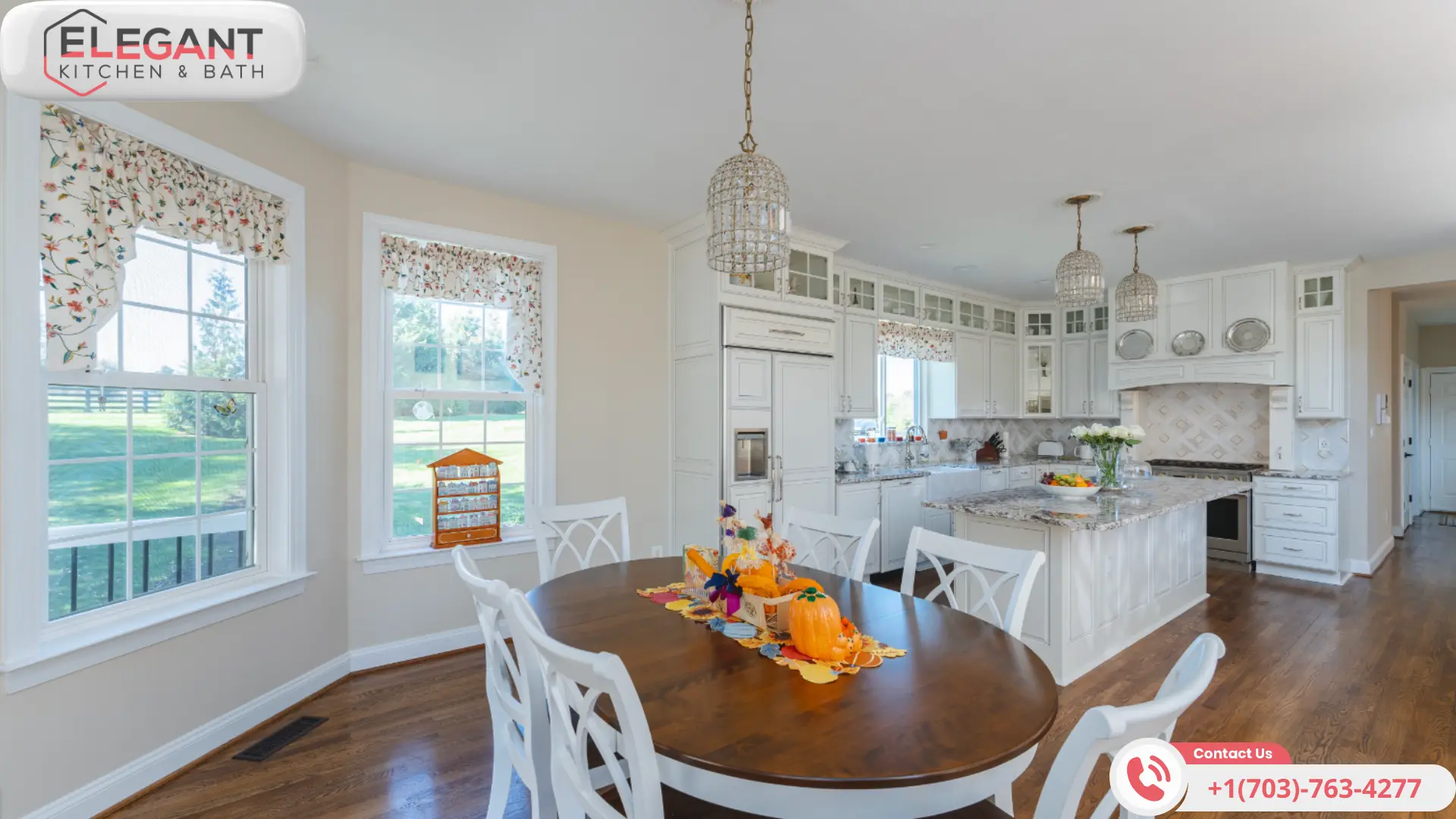
The kitchen serves as the heart of every home, where families gather to share meals, conversations, and create lasting memories. When this central space no longer meets your needs or reflects your lifestyle, a kitchen remodeling project can breathe new life into your home while significantly increasing its value. However, embarking on a kitchen renovation without proper planning can quickly turn into an overwhelming and costly endeavor.
This comprehensive kitchen remodeling guide provides homeowners with essential insights and practical strategies to navigate the complexities of transforming their culinary space. Whether you’re considering a complete overhaul or targeted improvements, understanding the fundamental principles of successful kitchen design will help you make informed decisions that align with your vision, budget, and long-term goals. From initial planning stages to selecting the right professionals, this guide covers the critical elements that separate successful renovations from costly mistakes.
Key Takeaways for The Ultimate Kitchen Remodeling Guide: Top 6 Essentials
Clearly Define Your Remodeling Goals: Start by pinpointing the reasons behind your kitchen remodel—whether it’s to improve functionality, update the style, or increase home value. Clearly articulated goals ensure your project remains focused and on track.
Assess Your Current Kitchen: Walk through your daily routines and identify what works and what doesn’t, such as pain points in storage, lighting, or workflow. Involve all household members in this assessment for a holistic view.
Prioritize Needs Over Wants: Distinguish essential upgrades (safety, functionality, or structural issues) from nice-to-have features (luxury finishes or gadgets). This helps you budget wisely and avoid overspending.
Set a Realistic Budget (with a Contingency Fund): Know the average costs (minor: $15,000–$30,000; major: $40,000–$80,000+), and always allocate 10–20% extra for unexpected expenses—factor in costs for possible temporary living arrangements during construction.
Explore Financing and Cost-Saving Strategies: Consider home equity or personal loans, and look for cost-saving opportunities such as retaining the existing layout, opting for mid-range appliances, and scheduling the renovation for off-peak contractor seasons.
Choose the Best Layout for Your Space and Lifestyle: Select a kitchen layout (such as L-shape, U-shape, galley, or open-concept) based on your space and how you typically use the kitchen. Ensure your choice supports smooth workflow and daily activities.
Optimize the Work Triangle and Workflow: Position your sink, stove, and refrigerator to minimize unnecessary steps, and consider additional work zones for prep, cooking, and cleaning if your kitchen is busy or multi-purpose.
Focus on Quality Materials and Finishes: Balance durability, aesthetics, and cost when selecting cabinets, counters, flooring, and fixtures. Stock, semi-custom, or custom cabinetry each has its pros and cons; quartz and granite are standout countertop options; and flooring choices should prioritize durability and water resistance.
Incorporate Flexible and Vertical Storage: Integrate vertical cabinets up to the ceiling and wall-mounted storage for frequently used items. Pull-out shelves and door-mounted racks ensure easy access and organized spaces.
Work with Licensed and Experienced Professionals: Hire licensed contractors for safety, quality, and code compliance. Check credentials, references, and past work; ask specific questions about timelines, change orders, and warranties.
Plan Thoroughly and Communicate Clearly: Success comes from detailed planning, realistic budgeting, and open communication with your contractor. Be prepared for the unexpected and keep the project aligned with your original goals for a kitchen that enhances both daily life and home value.
[ez-toc]
1. Define Your Kitchen Remodeling Goals
Identify the Purpose of the Remodel
Before diving into design catalogs or contractor consultations, successful kitchen remodeling begins with clearly defining your objectives. Understanding why you want to remodel helps establish a focused direction for your project and prevents costly changes during the construction process. Some homeowners prioritize increasing their home’s resale value, while others focus on enhancing its functionality for their daily cooking needs.
Consider whether your primary motivation centers on addressing specific problems, such as insufficient storage, outdated appliances, or poor traffic flow. Alternatively, your goals may involve creating a more modern aesthetic, accommodating lifestyle changes such as frequent entertaining, or adapting the space for aging in place. Each objective influences design decisions, material selections, and budget allocations in different ways.
The most successful kitchen renovations occur when homeowners can articulate specific outcomes they want to achieve. For instance, rather than simply enjoying a “better kitchen,” identify concrete goals, such as “creating more counter space for meal preparation” or “improving lighting for evening cooking.” This clarity helps guide every subsequent decision in your remodeling journey.
Assess What’s Working and What’s Not
Conducting an honest evaluation of your current kitchen’s strengths and weaknesses provides valuable insights for yourkitchen design process. Walk through your typical cooking and dining routines, noting where you encounter frustrations or inefficiencies. Pay attention to traffic patterns, storage accessibility, and workspace adequacy during different times of day.
Document specific issues such as insufficient counter space near the stove, poor lighting over work areas, or cabinets that are difficult to reach. Equally important is recognizing elements that function well, such as a convenient pantry location or a window that provides natural light. These positive aspects can be preserved and enhanced rather than unnecessarily altered.
Consider involving family members in this assessment process, as different users may have varying perspectives on the kitchen’s functionality. Someone who primarily handles cleanup might identify different pain points than the primary cook. This collaborative evaluation ensures your kitchen remodeling project addresses the needs of all household members.
Prioritize Needs Over Wants
Distinguishing between essential improvements and desirable upgrades helps establish a realistic framework for your kitchen renovation project. Needs typically involve functional issues that impact daily use, safety concerns, or structural problems that require attention. Wants often relate to aesthetic preferences, luxury features, or convenience upgrades that enhance the experience but aren’t strictly necessary.
Create separate lists for must-have improvements versus nice-to-have features. This exercise proves invaluable when making budget decisions or facing unexpected costs during construction. Understanding your priorities also helps communicate effectively with contractors and designers about which elements are non-negotiable versus flexible.
Remember that addressing fundamental needs first often provides the foundation for incorporating desired features later. For example, ensuring adequate electrical capacity for modern appliances takes precedence over selecting premium finishes, though both contribute to a successful kitchen remodeling outcome.
2. Set a Realistic Budget
Average Kitchen Remodeling Costs
Understanding typical kitchen remodeling costs helps establish realistic expectations and prevents budget overruns that can derail your project. National averages indicate that minor kitchen renovations typically range from $15,000 to $30,000, while major remodels can cost between $40,000 and $80,000 or more, depending on the scope and material choices.
Several factors significantly influence kitchen renovation costs, including the size of your space, the extent of structural changes, appliance selections, and regional labor rates. Premium materials and custom features can substantially increase expenses, while strategic choices about where to splurge versus save can help optimize your investment.
Labor costs typically account for 20-35% of the total budget, with the remainder allocated to materials, appliances, and permits. Understanding this breakdown helps you evaluate contractor bids and make informed decisions about which tasks you can handle yourself versus those that require professional expertise.
Budgeting for Unexpected Expenses
Even the most carefully planned kitchen remodeling projects encounter unforeseen challenges that impact the budget. Industry experts recommend setting aside 10-20% of your total budget as a contingency fund to cover issues such as outdated electrical systems, plumbing complications, or structural surprises that may be discovered during demolition.
Common unexpected expenses include bringing electrical or plumbing systems up to current codes, addressing water damage or structural issues behind walls, or modifying plans due to measurement discrepancies. While these situations can be frustrating, having a financial buffer prevents them from derailing your entire project.
Additionally, consider potential costs for temporary living arrangements if your kitchen renovation extends longer than anticipated. Eating out frequently or setting up a temporary cooking space can add hundreds of dollars to your monthly expenses during construction.
Financing Options and Cost-Saving Tips
Several financing strategies can help homeowners manage kitchen remodeling expenses without compromising their financial stability. Home equity loans or lines of credit often offer favorable interest rates for substantial renovations, while personal loans may be more suitable for smaller projects. Some contractors provide financing programs; however, it’s essential to compare the terms carefully.
Strategic cost-saving approaches can significantly reduce expenses without sacrificing quality. Consider retaining the existing layout to avoid costly plumbing and electrical relocations, selecting mid-range appliances with professional features, or opting for stock cabinets with custom hardware for a high-end appearance.
Timing your kitchen renovation during contractors‘ slower seasons might yield better pricing and more flexible scheduling. Additionally, handling specific tasks like painting or simple installations yourself can reduce labor costs, though be realistic about your skills and available time.
3. Choose a Functional Kitchen Layout
Popular Kitchen Layout Types (L-shape, U-shape, Galley, etc.)
The foundation of effective kitchen design lies in selecting a layout that optimizes your available space while supporting your cooking and lifestyle needs. Each layout configuration offers distinct advantages and works better in certain situations, making it crucial to understand how different arrangements impact functionality and flow.
The L-shaped layout efficiently utilizes corner space and works well in open-concept homes where the kitchen connects to living areas. This configuration provides ample counter space and storage while maintaining an open feel that facilitates conversation and movement between rooms. U-shaped kitchens maximize storage and workspace by utilizing three walls, making them ideal for serious cooks who need extensive counter space and storage capacity.
Galley kitchens, featuring parallel counters, excel in narrow spaces and promote efficient workflow between cooking zones. Island layouts are most effective in larger spaces, offering additional storage, workspace, and often seating for casual dining. Understanding these fundamental patterns helps guide your kitchen remodeling decisions and ensures that your new layout supports, rather than hinders, your daily routines.
The Work Triangle and Efficient Workflow
The work triangle concept, which connects the sink, stove, and refrigerator, remains a cornerstone of functional kitchen design, despite evolving cooking habits and changing kitchen configurations. This principle aims to minimize unnecessary steps between primary work areas while avoiding traffic interference from other household members.
Modern kitchen remodeling often expands this concept to accommodate multiple cooks and specialized appliances. Consider creating work zones for different activities, such as food preparation, cooking, cleaning, and storage. Each zone should contain the tools and storage needed for its specific function, reducing the need to move frequently between areas.
Effective workflow design also considers the sequence of cooking activities, placing frequently used items within easy reach of their corresponding work areas. For example, positioning pot and pan storage near the cooktop or keeping cutting boards and knives close to the main preparation area can enhance efficiency and reduce kitchen frustration.
Open-Concept vs. Traditional Layouts
The choice between open-concept and traditional kitchen design has a significant impact on how your space functions and feels within your home’s overall layout. Open-concept designs create seamless connections between the kitchen and adjacent living spaces, promoting social interaction and making smaller homes feel more spacious.
However, open layouts also present challenges such as cooking odors spreading throughout the home, increased noise levels, and the need to maintain a constantly tidy appearance since the kitchen remains visible from other rooms. Traditional closed kitchens offer more privacy for cooking activities and better contain messes and odors, but may feel isolated from family activities.
Consider your lifestyle and entertaining habits when making this decision. Families who enjoy cooking together and frequently entertain often prefer open-concept layouts, while those who prefer focused cooking environments or have varying schedules might appreciate traditional layouts. Your kitchen remodeling project should reflect your specific needs rather than following trends that don’t suit your situation.
4. Select Quality Materials and Finishes
Cabinets: Stock, Semi-Custom, or Custom?
Cabinet selection represents one of the most significant decisions in your kitchen remodeling project, as these elements typically consume 35-40% of the total budget while dramatically impacting both functionality and aesthetics. Understanding the differences between stock, semi-custom, and custom options helps you make informed choices that balance quality, features, and cost considerations.
Stock cabinets offer the most economical option, manufactured in standard sizes and finishes with limited customization possibilities. These pre-made units are well-suited for standard kitchen layouts and provide good value for budget-conscious homeowners. However, stock cabinets may require compromises in storage optimization and might not fit perfectly in all spaces.
Semi-custom cabinets provide a middle ground, offering standard construction with some customization options for sizes, finishes, and interior accessories. This category often provides the best balance of quality, features, and value for most kitchen renovation projects. Custom cabinets offer unlimited design possibilities and a perfect fit, but come with significantly higher costs and longer lead times.
Countertops: Quartz, Granite, or Butcher Block?
Countertop selection has a significant impact on both the appearance and functionality of your kitchen design, making it essential to understand how different materials perform in real-world use. Each option offers distinct advantages and limitations that should align with your cooking habits, maintenance preferences, and aesthetic goals.
Quartz countertops provide exceptional durability, consistent appearance, and low maintenance requirements, making them increasingly popular for busy kitchens. These engineered surfaces resist stains, scratches, and bacteria while offering consistent patterns and colors. However, quartz typically costs more than natural stone options and can be damaged by excessive heat from hot pots and pans.
Granite countertops offer natural beauty with unique patterns and excellent heat resistance, making them ideal for serious cooks who frequently use hot cookware. Proper sealing maintains granite’s stain resistance, though this natural stone requires more maintenance than engineered alternatives. Butcher block provides warmth and character at a lower cost, but requires regular maintenance and can be damaged by water and heat if not adequately cared for.
Flooring, Backsplashes, and Fixtures
The selection of flooring, backsplashes, and fixtures completes your kitchen remodeling vision while providing practical benefits that enhance daily use. These elements must withstand heavy use, frequent cleaning, and potential spills while contributing to the overall design aesthetic.
Backsplash design has evolved beyond its original purpose of protection to become a major design focal point in modern kitchen design. Consider how your backsplash choice coordinates with countertops and cabinets while providing easy cleanup behind cooking areas. Similarly, fixture selections, including faucets, lighting, and hardware, should strike a balance between aesthetic appeal and functional performance, as well as long-term durability.
5. Maximize Storage and Space
Smart Cabinetry and Built-In Solutions
Practical storage solutions transform even modest kitchens into highly functional spaces that accommodate all your culinary tools and ingredients. Modern kitchen remodeling emphasizes maximizing every available inch through thoughtful cabinet design and innovative storage accessories that make items easily accessible.
Consider incorporating features like pull-out drawers in base cabinets, which provide better visibility and access than traditional shelves. Lazy Susans in corner cabinets eliminate dead space and make stored items easily reachable. Vertical dividers for baking sheets and cutting boards prevent these awkward items from cluttering cabinets, while specialized organizers for spices, utensils, and cleaning supplies keep everything in its designated place.
Built-in solutions such as appliance garages hide small appliances while keeping them readily accessible, and integrated trash and recycling centers maintain a clean appearance while providing convenient waste management. These thoughtful details separate professionally designedkitchen renovations from simple cosmetic updates.
Kitchen Islands and Pantry Designs
Kitchen islands serve multiple functions in modernkitchen design, providing additional workspace, storage, and often seating for casual dining or homework activities. When planning an island, ensure adequate clearance on all sides for comfortable movement and consider incorporating different height levels to accommodate various activities.
Island storage can include deep drawers for pots and pans, open shelving for cookbooks or decorative items, and specialized storage for items like wine or small appliances. If your island features seating, plan for adequate knee space and consider the relationship between seating height and counter height to ensure comfortable use.
Pantry design has evolved significantly, with walk-in pantries offering extensive storage in an organized and accessible format. Even smaller pantries benefit from adjustable shelving, clear storage containers, and door-mounted racks that maximize vertical space. The key lies in creating systems that make inventory visible and accessible while accommodating items of various sizes.
Vertical Storage and Pull-Out Drawers
Maximizing vertical space represents one of the most effective strategies for increasing kitchen storage capacity without expanding the room’s footprint. Tall cabinets that extend to the ceiling provide substantial additional storage for items used less frequently, while step-down shelving accommodates items of different heights efficiently.
Pull-out drawers in base cabinets eliminate the need to reach into deep, dark spaces, providing complete visibility of stored items. These drawers work particularly well for storing heavy items, such as small appliances, canned goods, and cookware. Consider incorporating drawers of varying depths to efficiently accommodate different types of items.
Wall-mounted storage solutions, including open shelving, magnetic strips for knives, and hanging racks for frequently used tools, keep essential items within easy reach while freeing up counter space. The key lies in balancing open storage for frequently used items with closed storage for a clean, organized appearance.
6. Hire the Right Kitchen Remodeling Professionals
Why Work with a Licensed Remodeling Company
Partnering with licensed remodeling contractors provides essential protections and expertise that significantly impact the success of your project and the safety of your family. Licensed professionals demonstrate their commitment to industry standards through ongoing education, insurance coverage, and adherence to local building codes and regulations.
Licensed contractors possess the knowledge and experience to navigate complex permitting processes, ensure proper installation of electrical and plumbing systems, and address unexpected challenges that commonly arise during kitchen renovations. They also carry appropriate insurance coverage that protects homeowners from liability issues and provides recourse in the event of problems that occur during or after construction.
Working with established remodeling companies also provides access to professional networks, including architects, designers, and specialized tradespeople who contribute to superior project outcomes. These relationships often result in better pricing on materials and more efficient project scheduling compared to managing multiple individual contractors independently.
What to Look for in a Contractor
Evaluating potential kitchen remodeling contractors requires careful consideration of multiple factors beyond simple price comparisons. Look for contractors with extensive experience specifically in kitchen renovations, as this specialized knowledge significantly impacts the quality and efficiency of the project.
Request references from recent clients and take time to view completed projects in person when possible. This firsthand observation reveals the quality of workmanship, attention to detail, and ability to execute various design styles. Additionally, check online reviews and Better Business Bureau ratings to understand the contractor’s reputation and their approach to problem resolution.
Verify that contractors maintain the appropriate licensing, insurance, and bonding required for your area. Request copies of these documents and confirm their validity with issuing agencies. Professional contractors readily provide this information and understand its importance for homeowner protection.
Questions to Ask Before You Hire
Conducting thorough interviews with potential contractors helps identify the best fit for your kitchen remodeling project while establishing clear expectations for communication, timeline, and project management. Prepare specific questions that reveal their experience, approach, and reliability.
Ask about their typical project timeline and factors that might cause delays. Understand their change order process and how additional costs are handled in the event of unexpected issues. Inquire about their cleanup procedures and the measures they take to minimize disruption to your daily life during construction.
Request detailed information about warranty coverage for both materials and workmanship. Understand what happens if problems arise months or years after project completion. Professional contractors stand behind their work and provide clear warranty terms that protect your investment in your kitchen renovation.
FAQs for The Ultimate Kitchen Remodeling Guide: Top 6 Essentials
In what order should you renovate a kitchen?
The ideal order for a kitchen renovation is: planning and designing your kitchen layout, demolition (removing old cabinets, countertops, appliances), making any structural changes (walls, windows), updating plumbing and electrical systems, repairing and painting walls, installing cabinets, countertops, and sink, adding backsplash, laying flooring, and finally installing appliances and fixtures. This sequence minimizes mess and ensures that each step builds on the previous one, resulting in a smooth kitchen renovation.
What is the 3×4 kitchen rule?
The 3×4 kitchen rule is a kitchen design guideline that recommends having three separate counter spaces, each about four feet long, and positioning your sink, stove, and refrigerator within a compact area to maximize efficiency and workflow. Another interpretation is that the sum of the distances between these three main work centers should not exceed 26 feet, with each leg of the triangle between 4 and 9 feet, ensuring a functional kitchen layout and easy movement between work zones.
Is $10,000 enough for a kitchen remodel?
A $10,000 budget is generally sufficient for a minor kitchen remodel or cosmetic updates, such as painting cabinets, installing budget-friendly countertops, updating backsplashes, changing cabinet hardware, and refreshing lighting fixtures. However, it is usually insufficient for a complete kitchen renovation that includes new custom cabinets, high-end appliances, or significant layout changes. The size of your kitchen, material choices, and labor costs will affect how far your budget stretches.
What is a realistic budget for a kitchen remodel?
A realistic budget for a kitchen remodel typically ranges from $10,000 to $60,000, depending on the size of your kitchen, the extent of the renovation, and the quality of materials and appliances you choose. Experts recommend spending 5-15% of your home’s value on a kitchen remodel to maximize your return on investment. For example, if your home is worth $300,000, a budget between $15,000 and $45,000 is a good starting point. Always prioritize your must-haves, consider storage, workflow, and kitchen island requirements, and plan for a contingency fund to cover unexpected expenses.
Does the dishwasher go in before or after the countertop?
The dishwasher is installed after the countertop is in place. In a typical kitchen renovation, countertops are installed first to ensure a perfect fit, and then appliances, such as dishwashers, are slid into place beneath. This approach protects both the countertop and the appliance, ensuring correct height alignment under the kitchen design layout.
What are the rules for kitchen countertops?
Kitchen countertops should follow both function and flow. According to most kitchen remodeling guides, countertops should be at a standard height (36 inches), provide a minimum of 24 inches of clearance on either side of the sink and stove, and leave at least 15 inches of clearance above. Select durable materials like quartz or granite for high-traffic areas and ensure the surface complements your kitchen layout, workflow, and cabinet design.
What costs the most in a kitchen remodel?
Cabinets are usually the most expensive part of a kitchen remodel. They can account for 25–40% of the total renovation budget, especially when opting for custom cabinets. Countertops, appliances, and labor also contribute significantly. A well-planned kitchen remodeling guide emphasizes budgeting for these major expenses to maintain balance across storage, design, and function.
What is the average timeline for a kitchen remodel?
A complete kitchen renovation typically takes 6 to 12 weeks from start to finish. The timeline depends on the complexity of your kitchen layout, custom cabinet lead times, and permit requirements. Minor updates, such as countertops and backsplashes, can be completed in 2-3 weeks, while full remodels involving structural changes may take up to 16 weeks. Planning and ordering materials adds another 4-6 weeks before construction begins.
Do you install flooring before cabinets in a kitchen remodeling project?
Install flooring before cabinets in most kitchen renovation projects. This approach ensures a proper workflow, protects your investment, and creates clean sightlines throughout the space. However, when using expensive hardwood or natural stone, many contractors install flooring around the cabinet footprint to minimize material and cost waste. Your kitchen design professional can recommend the best sequence based on your specific flooring and cabinet choices.
When remodeling a kitchen, where to start?
Start your kitchen remodeling guide journey with planning your layout and establishing your budget. First, evaluate your current work triangle, which includes the sink, stove, and refrigerator, to optimize your workflow. Next, determine if you need permits for structural changes, and then select major appliances to ensure they meet proper electrical and plumbing requirements. This kitchen renovation sequence prevents costly changes later and helps contractors provide accurate estimates for your project.
How much should I budget for a kitchen renovation?
Budget 10-20% of your home value for a kitchen renovation to maximize return on investment. Mid-range remodels typically cost between $25,000 and $50,000, while high-end projects range from $60,000 to $150,000. Allocate 35% for cabinets, 20% for labor, 15% for appliances, 10% for countertops, and 20% for flooring, fixtures, and finishing touches. Always include a 10-15% contingency fund for unexpected issues.
What are the most important elements in kitchen design?
Before starting your kitchen renovation, plan your budget and kitchen layout carefully to avoid unexpected costs. Many homeowners wish they’d prioritized the work triangle (sink, stove, refrigerator) for better workflow and considered storage needs upfront. Researching contractors thoroughly, understanding material costs such as cabinets and countertops, and anticipating potential disruptions (e.g., temporary loss of kitchen use) can help prevent stress. Setting aside a contingency fund and clarifying your kitchen design goals—whether for home value or functionality—ensures a smoother process.
How long does a complete kitchen remodel take?
A full kitchen remodel typically takes 6 to 12 weeks, depending on the scope and complexity of the project. Simple updates, such as new flooring or backsplashes, may be completed in 4–8 weeks, while custom cabinets, layout changes, or high-end appliances can extend timelines to 3–4 months. Delays in material delivery or permitting can add time, so work closely with your contractor to streamline the process.
How much does it cost to remodel a 12×12 kitchen?
The cost to remodel a 12×12 kitchen ranges from $15,000 to $40,000, with an average cost of around $21,600. Budget-friendly options, such as prefabricated cabinets and laminate countertops, keep costs within $10,000–$20,000. In contrast, luxury features like custom cabinets, granite countertops, or a kitchen island can increase costs to $50,000 or more. Labor, appliances, and fixtures also impact the budget, so plan carefully to align with your goals.
What Our Customers Say About Elegant Kitchen and Bath
Herbert’s comprehensive testimonial showcases Elegant Kitchen & Bath’s expertise in multifaceted home renovations, which included a complete kitchen remodel, as well as the refinishing and installation of first-floor hardwood flooring and painting in the family room, hallways, and home office areas. His review demonstrates the company’s reliable project delivery, with the kitchen renovation completed within the promised 3.5-week timeline. Herbert particularly emphasizes project manager Tayfun’s outstanding communication throughout the entire process, ensuring clients remain informed and confident during construction phases.
The review highlights the company’s commitment to quality craftsmanship with prompt and professional resolution of minor issues that naturally arise during complex renovations. Herbert’s testimony that this is “the absolute best remodeling effort” he has ever experienced reflects Elegant Kitchen & Bath’s exceptional standards, from initial design support through project closeout. His endorsement validates the company’s numerous 5-star ratings and demonstrates its ability to exceed client expectations across multiple renovation disciplines.
Genevieve’s review exemplifies Elegant Kitchen & Bath’s ability to cultivate lasting client relationships through consistent excellence, as demonstrated by her return business for multiple projects. Her testimonial highlights the successful transformation of her basement remodeling project, which included the addition of a new bathroom and updated flooring. Through designer Arif’s expert guidance, the review highlights the company’s innovative problem-solving approach, particularly in creating seamless elevation transitions for bathroom installations that maintain aesthetic appeal.
The review highlights project manager Tayfun’s exceptional professionalism and proactive communication, ensuring clients are kept informed even when they’re away during construction. Genevieve praises Oscar and his team’s friendly, professional approach, combined with effective craftsmanship, particularly highlighting their attention to detail in tile work and painting. Her appreciation for the team’s collaborative spirit in accommodating client preferences demonstrates Elegant Kitchen & Bath’s commitment to personalized service and client satisfaction throughout the renovation process.
Brandon’s testimonial demonstrates Elegant Kitchen & Bath’s mastery in comprehensive kitchen renovations, completing a full transformation that included structural modifications, wall removal, new flooring installation, and the addition of an 8-foot island with new cabinetry. His initial skepticism about the promised 3-week timeline transformed into amazement as the team consistently delivered on their commitment. The review highlights the company’s exceptional reliability, with crews arriving punctually every day while maintaining professional courtesy and flexibility in response to client-requested changes.
Brandon particularly commends the team’s responsive problem-solving approach, noting how cabinet issues were resolved without delay, reflecting the company’s dedication to quality assurance. His testimony of “truly enjoying” working with contractors speaks to Elegant Kitchen & Bath’s unique ability to make renovation experiences positive and stress-free. The review emphasizes the company’s competitive pricing advantage, being the best value among five contractor quotes, while maintaining superior quality, budget adherence, and timeline precision under the leadership of Emre, Tayfun, Oscar, and their skilled team.
Transform your living space into the home of your dreams with Elegant Kitchen and Bath, where exceptional design meets unparalleled craftsmanship. Our dedicated team of expert designers, attentive project managers, and skilled craftsmen is ready to bring your vision to life, whether it’s a stunning kitchen transformation, a luxurious bathroom renovation, or comprehensive multi-room projects. Contact us today to schedule your consultation and join our growing family of satisfied clients who have experienced the perfect blend of innovative design, superior quality, and exceptional customer service. Don’t wait to start your home transformation journey – reach out now and let us help you create spaces you’ll love for decades to come.
In summary, a modern kitchen or bathroom remodel provides Virginia homeowners with the ideal combination of functionality, style, and long-term value. By partnering with experienced design professionals, quality craftsmen, and dedicated project managers, even the most complex renovation projects can be transformed into contemporary spaces that enhance daily living. When you choose trusted local remodelers like Elegant Kitchen and Bath, your newly renovated space will elevate your daily comfort and significantly boost your home’s appeal and market value for years to come.
Conclusion
Completing a kitchen remodeling project requires careful planning, informed decision-making, and collaboration with qualified professionals who understand the complexities of modernkitchen design. By following the six essential steps outlined in this comprehensive guide, homeowners can navigate the renovation process with confidence, avoiding common pitfalls that can derail projects and exceed budgets.
Remember that effective kitchen renovation goes beyond selecting beautiful materials and trendy designs. The most successful projects strike a balance between aesthetic appeal and functional efficiency, creating spaces that enhance daily life while providing lasting value. Take time to thoroughly plan your project, establish realistic budgets that include contingencies, and select professionals whose expertise aligns with your vision and values.
Your kitchen represents a significant investment in both your home’s value and your family’s quality of life. Approaching this kitchen remodeling journey with patience, clear goals, and professional guidance ensures that your new space will provide years of cooking enjoyment, family gatherings, and lasting satisfaction. The effort invested in proper planning and execution pays dividends through improved functionality, enhanced aesthetics, and the pride that comes from creating a space that truly reflects your lifestyle and preferences.
An attic renovation represents one of the most practical and valuable home improvement projects available to homeowners today. That neglected space above your ceiling holds tremendous potential, waiting to be transformed into a functional, beautiful living space.
While many homeowners store holiday decorations and forgotten belongings in their attics, this underutilized area offers an opportunity to expand your home’s livable square footage without the expense and disruption of a traditional home addition.
Key Takeaways for Top 5 Attic Renovation Ideas to Maximize Your Space
Attic Renovations Unlock Hidden Space: Attics often represent 25-50% of a home’s square footage. Renovating this area is an effective way to expand living space without building costly additions.
Boost Property Value Significantly: A well-executed attic remodel can recoup 70-80% of renovation costs and potentially increase your home’s value by 15-20%, making your house more appealing to future buyers.
Flexibility for Evolving Needs: Attics can be customized for various uses, such as guest rooms, home offices, playrooms, gyms, or luxurious suites, adapting to changing family dynamics.
Guest Bedroom Conversion: Transforming your attic into a cozy guest bedroom involves careful space planning, proper insulation, creative lighting with dormers or skylights, and built-in storage to maximize comfort and usability.
Home Office or Creative Studio: Attics are great for focused workspaces due to their semi-seclusion. Optimize natural and artificial lighting, install sufficient power outlets, and use custom storage to make the most of the space.
Playroom or Teen Hangout Zone: Safety is paramount: install gates, cushioned floors, rounded furniture, and tamper-resistant outlets. Use soundproofing and durable materials, and create defined zones for different activities with smart, accessible storage.
Private Home Gym: To keep the area organized and functional, gyms need special flooring (like rubber), proper airflow, and ventilation (including skylights and fans), plus wall-mounted storage for gear.
Luxurious Primary Suite: When converting your attic into a suite, plan bathroom plumbing near existing pipes, install proper ventilation and moisture controls, use skylights for natural light, and design custom closets to maximize every corner.
Critical Planning and Permits: Understand local building codes, including requirements for ceiling height, structural support, and emergency exits. Professional assessments are crucial to avoid costly mistakes and ensure safety.
Structural, HVAC, and Ventilation Considerations: Older homes may require roof reinforcement or dormers to create more usable space. Independent HVAC systems (like mini-splits) and proper roof ventilation are essential for year-round comfort and energy efficiency.
[ez-toc]
Why Consider an Attic Renovation?
Make the Most of Unused Square Footage
The typical attic represents 25-50% of a home’s available space, square footage you’re already paying for in mortgage payments, property taxes, and insurance. A thoughtful attic conversion unlocks this dormant potential, often adding 300-500 square feet of living space to your home. Unlike basement remodels that may contend with moisture issues or external additions that require extensive permitting, an attic frequently offers a more straightforward path to gaining usable space.
Boost Property Value with Smart Upgrades
A well-executed attic remodel can deliver an impressive return on investment. According to industry data, homeowners typically recoup 70-80% of their renovation costs in added property value. Properties with converted attics often stand out in competitive real estate markets, as potential buyers appreciate the additional square footage and versatility these spaces provide. Consider that a finished attic can increase your home’s value by 15-20% when properly designed and integrated with your existing living spaces.
Customize Your Space for Evolving Needs
As family dynamics change, so do spatial requirements. Whether accommodating adult children returning home, creating space for aging parents, or establishing a dedicated area for growing personal interests, an attic conversion offers flexibility for life’s evolving circumstances. The semi-detached nature of attic spaces makes them ideal for functions requiring privacy or noise separation from the main living areas.
1. Create a Cozy Guest Bedroom
Space Planning and Insulation Tips
Transforming your attic into a welcoming guest bedroom requires thoughtful space planning. Begin with a thorough structural assessment to identify the usable floor area while accounting for ceiling height restrictions. Most building codes require at least 7 feet of headroom over 50% of the floor area for habitable rooms.
Proper thermal insulation represents one of the most critical components of a comfortable attic bedroom. To create an effective thermal envelope, consider installing spray foam insulation (R-value of 3.5-6.5 per inch) between rafters. Supplement with radiant barrier installation beneath the roof decking to reflect summer heat and keep the space comfortable year-round. Remember that attics can experience temperature fluctuations 15-20 degrees more extreme than lower floors without proper insulation.
Lighting and Window Solutions for Attics
Natural light transforms an attic from cave-like to inviting. Dormer windows bring in light and create additional headroom and visual interest. For roof slopes facing south or west, consider skylights with solar-powered blinds to manage excessive sunlight and heat gain. Modern skylight options include remote-controlled venting features that help regulate temperature and humidity.
Recessed LED fixtures work well with sloped ceilings for artificial lighting while consuming 75% less energy than traditional incandescent bulbs. Install wall sconces to provide ambient light without consuming floor space, and incorporate task lighting near reading areas.
Privacy and Comfort Considerations
Focus on comfort elements to create a genuinely welcoming guest retreat. Install sound insulation in the floor to minimize noise transfer between the attic and rooms below. Consider built-in storage solutions that conform to sloped walls to maximize usable space and provide guests with room for their belongings.
Temperature regulation presents a common challenge in attic spaces. Install a mini-split HVAC system for independent climate control without extensive ductwork modifications. These systems operate at 30% higher efficiency than traditional forced-air systems, allowing guests to adjust temperatures to their preference.
2. Design a Home Office or Creative Studio
Optimizing Lighting and Power Access
Natural light drastically improves productivity and well-being in a workspace. Position your desk to capitalize on available window light while avoiding glare on computer screens. Consider installing tubular skylights in areas where traditional windows aren’t possible—these devices use reflective tubing to channel sunlight from the roof into interior spaces with minimal heat transfer.
A functional home office or studio requires robust electrical planning. Incorporate multiple dedicated circuits to handle the increased power demands of professional equipment. Install numerous outlets at desk height to minimize cord visibility and trip hazards. Consider integrating USB charging ports and wireless charging stations into custom desk designs to reduce adapter clutter.
Storage Ideas for Small Workspaces
Maximize efficiency with built-in cabinetry that utilizes typically wasted knee-wall spaces. Custom shelving fitted precisely to sloped ceilings transforms awkward angles into functional storage. Consider installing rolling file cabinets that can nest under built-in desks when not in use, providing flexibility in small spaces.
Incorporate a mix of open and closed storage options. Open shelving keeps frequently accessed items visible and accessible, while cabinet storage with doors maintains visual order for supplies and reference materials that aren’t aesthetically pleasing.
Creating an Inspiring, Productive Atmosphere
The semi-secluded nature of attic spaces provides an advantage for concentration and focused work. Enhance this quality by implementing proper acoustic treatment with sound-absorbing panels or textiles that serve double duty as visual interest points.
Choose a color palette that promotes the desired work atmosphere—cooler blues and greens for analytical thinking spaces, warmer yellows and terra cotta tones for creative environments. Incorporate biophilic elements like indoor plants that thrive in natural light, often abundant in properly renovated attic spaces.
3. Build a Playroom or Teen Hangout Zone
Safety Considerations for Kids and Teens
Safety represents the foremost concern when creating child-friendly attic spaces. Install safety gates at stairway entrances for younger children. Consider carpeted flooring with thick padding to cushion potential falls and dampen noise. Round all exposed corners on built-in furnishings, and secure heavy furniture to wall studs to prevent tipping hazards.
For electrical safety, use tamper-resistant outlets and run wiring inside walls rather than along surfaces. Install smoke detectors and carbon monoxide monitors, ensuring they interconnect with other alarms throughout the house. Plan multiple egress options and ensure windows meet emergency escape requirements with accessible opening mechanisms.
Soundproofing and Durable Materials
Implement comprehensive acoustic insulation to contain the inevitable noise of active play or teen gatherings. Install acoustical ceiling panels that absorb up to 80% of sound reflections. Consider installing a floating floor system with rubber underlayment to reduce impact noise transfer.
Select materials designed to withstand vigorous use. Luxury vinyl plank flooring offers excellent durability, easy maintenance, and a comfortable underfoot feel. For wall surfaces in high-activity zones, consider washable paint finishes or industrial-grade vinyl wallcoverings that resist stains and can be wiped clean repeatedly.
Functional Layouts for Play and Storage
Design distinctive zones for different activities—a quiet reading nook, active play area, crafting station, or gaming center. Incorporate modular furniture that adapts as children grow and interests change. Consider installing ceiling-mounted projectors and retractable screens for movie nights or gaming that don’t consume valuable floor space.
Implement smart storage solutions with color-coded organization systems to encourage cleanup. Built-in cubbies, labeled bins, and toy chests that double as seating maximize functionality in limited space. Design storage at appropriate heights for intended users, ensuring children can independently access and put away their belongings.
4. Transform into a Private Home Gym
Flooring Options for Exercise Equipment
Selecting appropriate flooring forms the foundation of a functional home gym. Rubber flooring provides excellent durability and shock absorption, protecting exercisers and the structural subfloor beneath. At 3/8-inch thickness, rubber flooring can absorb the impact of weights up to 150 pounds without damaging the underlying structure.
For areas designated for yoga or floor exercises, consider cork flooring, which offers natural antimicrobial properties and comfortable resilience. Interlocking foam tiles provide another cost-effective solution, particularly valuable in areas where equipment might be frequently reconfigured.
Airflow and Ventilation Essentials
Exercise generates heat and humidity, making proper ventilation crucial in attic gym spaces. Install energy recovery ventilators to exchange stale, moist air with fresh outdoor air while preserving indoor temperature. Consider ceiling fans designed for sloped installations to improve air circulation without consuming floor space.
For natural ventilation, operable skylights or awning windows near the roof’s peak facilitate the natural stack effect, allowing warm air to escape. Supplement with dehumidifiers during humid seasons to maintain optimal exercise conditions and protect the structure from moisture damage.
Space-Saving Storage for Fitness Gear
Maximize available space with wall-mounted storage systems designed specifically for fitness equipment. Install adjustable shelving and hooks to accommodate items of different sizes, from resistance bands to yoga mats. Consider custom cabinetry with specialized compartments for workout accessories, towels, and supplements.
For weight storage, install reinforced shelving rated for the specific load or consider specialized weight trees positioned directly over structural support points. In areas with reduced headroom due to roof pitch, utilize vertical space with tall, narrow cabinets.
5. Convert into a Luxurious Primary Suite
Adding a Bathroom: What to Know
Creating a primary bathroom in attic space requires careful planning around plumbing considerations. Position new bathrooms near existing supply and drain lines to minimize structural interventions and reduce costs by 20-30%. Pump-assisted drainage systems offer solutions when gravity-fed plumbing isn’t feasible due to the attic’s position above existing bathrooms.
Measure carefully to ensure adequate standing height for shower installations in sloped ceiling areas. Consider wet room designs with fully waterproofed floors and walls instead of traditional shower enclosures—these eliminate height concerns while creating a spa-like atmosphere. Install proper bathroom ventilation with humidity-sensing fans that automatically adjust to moisture levels, protecting your investment from potential water damage.
Skylights and Lighting Ideas
Natural light dramatically enhances the luxury feel of attic primary suites. For light and ventilation benefits, consider motorized skylights with rain sensors and remote operation. Position these carefully to avoid direct overhead placement above the bed while providing abundant illumination.
Layer artificial lighting to create different moods and functional zones. Install cove lighting along the perimeter where sloped ceilings meet knee walls to create an illusion of higher ceilings. Incorporate wall-washing fixtures to highlight architectural features and counteract the closing-in feeling sometimes experienced in attic spaces.
Closet and Storage Design Tips
Custom closet systems transform challenging attic angles into organized storage assets. Utilize areas of reduced height for shoe racks, drawers, and accessory storage, reserving full-height sections for hanging clothes. Install pull-down clothing rods in higher areas to maximize accessibility without sacrificing storage capacity.
If space permits, consider installing a center island with drawers, which would provide additional storage while creating a focal point in the dressing area. Incorporate motion-sensor lighting inside closets to illuminate contents without requiring wall space for switches. For the ultimate luxury, include a built-in valet rod for outfit planning and a dedicated jewelry drawer with felt lining and organization dividers.
Key Considerations Before Starting Your Attic Renovation
Building Codes and Permits
Before beginning any attic conversion, familiarize yourself with local building regulations. Most municipalities require permits for attic renovations, particularly when changing the space’s function to habitable rooms. Standard code requirements include minimum ceiling heights (typically 7’6″ for at least 50% of the floor area), proper emergency egress windows, and adequate floor support for the intended use.
Engage with a professional who understands local codes to assess feasibility before proceeding with design plans. This initial investment typically represents only 5-10% of the total project cost, but can prevent costly mistakes and permit issues later.
Structural Integrity and Ceiling Height
Most homes built before 1980 were not designed with attic living space in mind, necessitating structural modifications. Have an engineer evaluate your existing roof truss system to determine whether reinforcement is needed. Converting from truss to rafter systems can cost $10,000-$15,000, but creates the open space necessary for comfortable living areas.
Ceiling height constraints often present the most significant challenge in attic conversions. Dormer additions can increase headroom while adding architectural interest and natural light. These structural modifications typically add $10,000-$30,000 to renovation costs but dramatically improve the usability and value of the finished space.
Heating, Cooling, and Ventilation
Attics experience more extreme temperature variations than any other area of the home, making effective HVAC planning essential. Extending existing ductwork may be possible, but many attic renovations benefit from independent systems like mini-splits that provide zoned temperature control without significantly modifying your home’s current HVAC infrastructure.
Proper roof ventilation remains crucial to prevent moisture accumulation and extreme temperature fluctuations even after conversion. Continuous ridge and soffit vents maintain airflow in the space between insulation and roofing materials, prolonging roof life and improving energy efficiency.
FAQs for Top 5 Attic Renovation Ideas to Maximize Your Space
What is the average cost of an attic renovation?
The average cost of an attic renovation ranges from $7,500 to $35,000, with most homeowners spending around $20,000 to finish an attic into a livable space. Costs can vary widely based on the size of the attic, the complexity of the project, and your location. For example, converting an attic into a primary suite or adding dormer windows can increase costs, sometimes up to $80,000 or more for extensive renovations. Key factors influencing price include insulation, flooring, ventilation, skylights, dormer windows, and compliance with building codes. For a basic storage conversion, costs are lower, while creating a guest bedroom, home office, or creative studio will be at the higher end of the range.
Is it worth converting an attic?
Converting an attic is often worth the investment because it turns unused space into valuable, functional square footage that can serve as a guest bedroom, home office, playroom, teen hangout, or home gym. Attic renovations typically offer a strong return on investment (ROI), with most projects recouping 50–80% or more in added property value. Beyond financial benefits, an attic conversion can improve your home’s energy efficiency with better insulation, increase natural light with skylights or dormer windows, and enhance overall comfort and aesthetics. If you need more livable space and want to boost property value, an attic renovation is a smart home improvement choice.
How do I know if my attic can be converted?
To determine if your attic can be converted, start by checking the ceiling height—most building codes require at least 7 feet (2.2 meters) of headroom over a significant portion of the space to be considered livable. The attic should also have at least 70 square feet of floor space. Next, assess the structural integrity: the floor joists and roof structure must be strong enough to support the additional weight of flooring, insulation, and furnishings. Proper access is essential, so you’ll need a staircase that meets code requirements.
Finally, ensure your attic can accommodate necessary upgrades for insulation, ventilation, and natural light (such as skylights or dormer windows), and check local building codes and permit requirements before starting your attic renovation project. Consulting a professional contractor or structural engineer is highly recommended to confirm feasibility and safety.
What are some finished attic room ideas?
Finished attics can be transformed into versatile spaces such as a guest bedroom, home office, creative studio, playroom, teen hangout, or home gym. Features like skylights, dormer windows, and built-in storage can maximize natural light and functionality, enhancing livable space and property value.
What can you do with your attic?
An attic renovation can convert underutilized space into functional areas like a primary suite, cozy reading nook, or dedicated workspace. Ensuring proper insulation, ventilation, and adherence to building codes is essential to create a comfortable and compliant living area.
How do you decorate an attic?
Decorating an attic involves optimizing the unique architecture by using light colors to open the space, installing skylights or dormer windows for natural light, and selecting low-profile furniture to accommodate sloped ceilings. Incorporating built-in storage solutions and ensuring adequate insulation and ventilation will enhance aesthetics and comfort.
Do I need a permit to finish my attic?
Yes, you typically need a permit to finish your attic, as most local building departments require permits for any renovation that changes your home’s structural, electrical, plumbing, or mechanical systems. Attic renovations usually involve adding new livable space, which requires adherence to building codes for safety, ceiling height, egress, insulation, and ventilation requirements. Check with your local building department for specific requirements in your area before starting any attic conversion project.
How much is a complete attic conversion?
A complete attic conversion typically costs between $30,000 and $75,000, depending on the scope of work and existing conditions. Basic conversions start around $30,000, while comprehensive renovations with primary suites, dormers, and high-end finishes can exceed $75,000. Major cost factors include structural modifications, adding dormers or skylights, HVAC extensions, electrical work, insulation, flooring, and finishing. Investing in a quality attic renovation often yields a 70-80% return on investment through increased property value.
Do you need permission to convert an attic?
Yes, you need permission in the form of proper permits to convert an attic into livable space. This renovation falls under building code jurisdiction, affecting your home’s structural integrity, fire safety, and habitability. The permitting process ensures your attic conversion meets minimum requirements for ceiling height, floor support, ventilation, insulation, emergency exits, and electrical safety. Working without required permits can result in fines, forced removal of improvements, complications when selling your home, and potential insurance claim denials if issues arise.
Can attic renovation add value to my home?
Yes, attic renovation can significantly increase your home’s property value by adding livable space and square footage. Converting an attic into a functional area like a guest bedroom, home office, or primary suite appeals to buyers seeking versatile spaces. Proper insulation, ventilation, and compliance with building codes ensure the renovation maximizes value.
What can you do with a finished or remodeled attic?
A finished attic can be transformed into versatile spaces like a home office, guest bedroom, creative studio, playroom, teen hangout, or home gym. Attic conversions allow homeowners to customize the space with skylights, dormer windows, and durable flooring to suit their lifestyle. With proper insulation and ventilation, the remodeled attic becomes a comfortable, functional home extension tailored to your needs.
Is a renovated attic a good addition to your home?
Absolutely, a renovated attic is an excellent home improvement. It adds usable square footage without expanding your home’s footprint. It creates livable space for a primary suite, home gym, or creative studio, enhancing functionality and comfort. Thoughtful additions like skylights, proper insulation, and adherence to building codes ensure the attic is a valuable, energy-efficient addition.
What Our Customers Say About Elegant Kitchen and Bath
Mike Baker Mike’s review highlights Elegant Kitchen and Bath’s exceptional renovation expertise with older homes, transforming his 30-year-old bathroom into a beautiful modern space. His testimony emphasizes the company’s trustworthiness and reliability, having chosen them again after previous successful projects. The review praises the designer Omar for his creative vision, project manager Enes for his immediate responsiveness to every question and concern, and Gerson’s team for their tireless and skilled craftsmanship. Mike’s enthusiastic recommendation showcases the company’s outstanding customer service, professionalism, and commitment to client satisfaction at every stage of the renovation.
Rachael O’Rourke Rachael’s testimonial emphasizes Elegant Kitchen & Bath’s ability to maximize small spaces with transformative designs. Her experience highlights how the team successfully turned her outdated kitchen into her dream space through expert guidance and creative vision. The review particularly commends designers Tayfun and Hakan’s excellent support throughout the project, ensuring her vision came to life perfectly. Rachael also praises Oscar and his crew for their outstanding workmanship and respectful treatment of her home during renovation. Her delight with the customer service exceeding her expectations underscores the company’s dedication to excellence in every aspect of kitchen remodeling.
Ross J Ross’s review highlights Elegant Kitchen & Bath’s efficiency and precision in project execution, completing his kitchen renovation on schedule in two and a half weeks. His testimony showcases the company’s comprehensive approach from design to completion, with special mention of the accurate renderings and expert guidance on bold design choices like dark blue cabinets and complementary countertops. The review praises the team’s attention to detail, quality materials, and exceptional follow-up service even after project completion. Ross’s satisfaction with the fair pricing, professional handling of issues, and outstanding service from Enis and Omer demonstrates the company’s commitment to delivering transformative results that exceed client expectations.
Transform your living space into thehome of your dreams with Elegant Kitchen and Bath, where exceptional design meets unparalleled craftsmanship. Our dedicated team of designers, project managers, and skilled artisans is ready to bring your vision to life, whether it’s a stunning kitchen renovation, a luxurious bathroom transformation, or any other home improvement project. Contact us today to schedule your consultation and join our growing family of satisfied clients who have experienced the perfect blend of innovation, quality, and professional service. Don’t wait to start your home transformation journey – reach out now and let us help you create spaces you’ll love for years.
In summary, a modern bathroom or kitchen remodel offers Virginia homeowners the perfect blend of efficiency, style, and lasting value. By leveraging expert design guidance, quality craftsmanship, and attentive project management, even the most outdated spaces can be transformed into contemporary retreats that feel fresh and inviting. When you partner with experienced local remodelers like Elegant Kitchen and Bath, your newly renovated space will enhance daily comfort and boost your home’s appeal and market value for years to come.
Conclusion
An attic renovation is one of the most impactful home improvement projects available to homeowners looking to maximize their living space. By thoughtfully converting this often overlooked area into functional, beautiful accommodations, you can significantly increase your home’s usable square footage and market value.
Whether you envision a tranquil guest retreat, a productive home office, an engaging playroom, an invigorating fitness center, or a luxurious primary suite, the possibilities for transformation are limited only by your imagination and structural parameters. The key to success lies in comprehensive planning, addressing structural requirements, and focusing on the elements that make attic spaces unique—interesting angles, abundant natural light potential, and a sense of retreat from the main living areas.
Before embarking on your attic conversion journey, consult with design and construction professionals experienced in attic remodeling to ensure your vision aligns with what’s structurally and financially feasible. With proper planning and execution, your attic can transform from forgotten storage into your home’s most distinctive and valued space—a true testament to smart design and thoughtful home improvement.
When selecting the perfect backsplash tile for your kitchen, choosing between herringbone and chevron patterns can be exciting and challenging.
These two timeless designs can transform your kitchen, adding visual interest, texture, and a touch of sophistication.
While both patterns share similarities, they possess distinct characteristics that can significantly impact the overall aesthetic of your space.
In this article, we’ll explore the key differences between herringbone and chevron tiles, helping you make an informed decision for your kitchen backsplash.
Key Takeaways for Herringbone vs. Chevron: Right Backsplash Tile for Your Kitchen
Definition and Differences: Herringbone tiles are arranged in a zigzag pattern where each tile intersects in a broken zigzag, resembling the bones of a fish. Chevron tiles form a continuous ‘V’ pattern, with each end cut at an angle to create precise points.
Timeless Appeal of Herringbone: Herringbone tile patterns have a classic and timeless look, often found in historical architecture, making them a versatile choice for various kitchen styles.
Contemporary Edge of Chevron: Chevron tiles offer a bold, modern statement that is ideal for contemporary kitchens that seek a striking visual impact.
Cut and Arrangement: Herringbone requires rectangular tiles and is easier to align without cutting specific angles. Chevron necessitates tiles cut at precise angles (usually 45 degrees) to achieve the seamless ‘V’ pattern.
Design Versatility: Herringbone suits traditional, rustic, or more subtle contemporary designs. Chevron fits well in ultra-modern, eclectic, or minimalist settings.
Installation Considerations: Herringbone is generally easier to install and more forgiving with minor misalignments. Chevron requires precision in cutting and aligning, making professional installation preferable.
Visual Effects: Herringbone patterns can make a kitchen appear more texturally rich and dynamic. Chevron patterns command attention and can serve as the focal point in akitchen space.
Practicality and Maintenance: Both patterns provide similar durability and ease of maintenance, making them practical choices for kitchen backsplash. Grout lines in both patterns can accumulate dirt, so choosing stain-resistant grout is advisable.
Timelessness and Trends: Despite fluctuating trends, herringbone is often considered more timeless due to its historical usage. Chevron, while trendy, may be more susceptible to changing design preferences over time.
Personal Style and Kitchen Dynamics: When choosing between herringbone and chevron, consider your personal style, kitchen layout, and existing décor elements to ensure a cohesive look.
Herringbone tiles are arranged in a broken zigzag pattern, with each rectangular tile placed at a 45-degree angle to the next. This creates a staggered, interlocking pattern resembling a herringfish’s skeleton, hence the name “herringbone.” The pattern offers a classic and timeless look that complements various kitchen styles.
Chevron tiles, on the other hand, are arranged in a continuous zigzag pattern, with each tile meeting the next at a point. This creates a more uniform and linear appearance compared to the herringbone pattern. Chevron tiles are often more modern and contemporary, making them famous for trendy kitchen designs.
Herringbone tile has been a timeless classic in kitchen backsplash design for decades. Its staggered, interlocking pattern creates a sense of depth and movement, adding visual interest to any kitchen. The herringbone pattern’s versatility complements various kitchen styles, from traditional to contemporary.
The history of herringbone tile dates back centuries, with its origins in ancient Roman architecture. The pattern gained popularity in Europe during the 16th century and has become a staple in interior design. Its enduring appeal lies in its ability to create a sophisticated and timeless look.
When considering herringbone tile for a kitchen backsplash, homeowners have a wide range of options in terms of material, color, and size. The following table illustrates some popular choices:
Material
Color
Size
Porcelain
White
2″ x 8″
Ceramic
Gray
3″ x 6″
Marble
Carrara
1″ x 4″
By selecting the right combination of material, color, and size, homeowners can create a herringbone backsplash that perfectly complements their kitchen’s overall design aesthetic. Whether paired with classic white cabinets or modern stainless steel appliances, a herringbone tile backsplash is sure to make a lasting impression.
Chevron Tile: A Bold and Contemporary Choice
In recent years, chevron tile has emerged as a bold and contemporary choice for kitchen backsplashes. Its continuous zigzag pattern creates a striking visual impact, instantly updating the look of any kitchen. Chevron tile is an excellent option for homeowners seeking a modern and trendy design element.
The chevron tile’s clean lines and uniform appearance make it a perfect fit for minimalist and contemporary kitchen styles. When paired with sleek cabinetry and modern appliances, a chevron backsplash can create a cohesive and stylish look. The pattern’s dynamic nature adds energy and movement to the space, making it a focal point in the kitchen.
Chevron tile is available in various materials, colors, and sizes, allowing homeowners to customize their backsplash to suit their tastes. Popular materials include porcelain, ceramic, and glass, while color options range from classic white and gray to bold hues like blue and green. The size of the tiles can also vary, with larger tiles creating a more dramatic effect and smaller tiles offering a more subtle look.
When installing a chevron tile backsplash, it is essential to work with experienced professionals to ensure precise cuts and alignment. The continuous zigzag pattern requires careful planning and execution to achieve a seamless and visually appealing result. With proper installation, a chevron tile backsplash can elevate the style of any kitchen, creating a bold and contemporary statement that will impress guests and homeowners alike.
Key Differences: Cutting and Arrangement
The critical differences between herringbone and chevron tile patterns lie in their cutting and arrangement. Herringbone tiles are cut into rectangles and arranged in a staggered, interlocking pattern, with each tile placed at a 45-degree angle to the next. This creates a broken zigzag effect that adds depth and visual interest to the backsplash.
In contrast, chevron tiles are cut at a 45-degree angle on both ends, resulting in a point at one end and an inverted point at the other. These tiles are arranged in a continuous zigzag pattern, with each tile meeting the next at a point, creating a more uniform and linear appearance.
The cutting and arrangement of herringbone tiles require less precision compared to chevron tiles. The staggered pattern allows for some flexibility in the layout, making it more forgiving for slight variations in tile size or placement.
Chevron tiles, on the other hand, demand precise cutting and arrangement to maintain the continuous zigzag pattern. Any irregularities in the tiles or layout can disrupt the overall look of the backsplash, making it crucial to work with experienced professionals for installation.
Design Considerations: Which Pattern for Your Kitchen?
When choosing between herringbone and chevron tile patterns for your kitchen backsplash, consider the overall design style of your space. Herringbone tiles offer a classic and timeless look that complements traditional, transitional, and even contemporary kitchen styles. Chevron tiles, with their bold and linear appearance, are better suited for modern and minimalist kitchen designs.
The size of your kitchen and the scale of the backsplash area also play a role in selecting the correct pattern. Herringbone tiles create a sense of depth and movement, making them ideal for smaller kitchens or limited backsplash areas. Chevron tiles, with their continuous zigzag pattern, can make a bold statement in larger kitchens or expansive backsplash areas.
Consider the following factors when deciding between herringbone and chevron tile patterns:
Overall kitchen design style (traditional, transitional, contemporary, or modern)
Size of the kitchen and scale of the backsplash area
Desired visual impact (subtle depth or bold statement)
Ease of installation and maintenance
Ultimately, the choice between herringbone and chevron tile patterns for your kitchen backsplash comes down to personal preference and the desired aesthetic for your space. Both patterns offer unique visual appeal and can elevate the look of your kitchen when paired with suitable materials, colors, and overall design elements.
Herringbone Tile Ideas for Your Kitchen Backsplash
Herringbone tile offers a wide range of design possibilities for your kitchen backsplash. Here are some inspiring ideas to consider:
Classic white porcelain herringbone tiles create a timeless and elegant look. Pair them with white cabinets and marble countertops for a sophisticated and cohesive design.
Create a luxurious and high-end look with a Carrara marble herringbone backsplash. The natural veining and subtle gray tones of the marble add visual interest and texture to the space.
Chevron Tile Ideas for Your Kitchen Backsplash
Chevron tile offers a striking and modern look for kitchen backsplashes. Using matte porcelain tiles, homeowners can create a bold statement with a black-and-white chevron pattern. The high contrast and clean lines of this design add a dramatic and sophisticated touch to any kitchen.
For a more subtle yet stylish approach, consider using glass chevron tiles in a soft gray or blue hue. The glass’s reflective surface adds depth and luminosity to the backsplash, while the muted colors complement a variety of kitchen styles and color schemes.
Metallic chevron tiles, such as stainless steel or brushed brass, can add a luxurious and industrial-chic vibe to a kitchen. These tiles work particularly well in modern or contemporary spaces, and they pair beautifully with stainless steel appliances and sleek cabinetry.
Homeowners seeking a unique and artisanal look can opt for handcrafted ceramic chevron tiles in a mix of earthy tones, such as terracotta, olive green, and mustard yellow. This eclectic design adds warmth and character to the kitchen, creating a cozy and inviting atmosphere.
Final Thoughts: Choosing the Right Backsplash Tile for Your Kitchen
Herringbone and chevron tile patterns offer unique visual appeal and design versatility for kitchen backsplashes. When choosing between these two popular options, homeowners should consider their kitchen’soverall style, the desired visual impact, and the scale of the backsplash area. Both patterns can be customized with various materials, colors, and sizes to suit individual preferences and create a personalized look.
Herringbone tiles provide a classic and timeless appearance that complements a wide range of kitchen styles, from traditional to contemporary. The staggered, interlocking pattern adds depth and movement to the backsplash, making it an ideal choice for smaller kitchens or limited backsplash areas. Homeowners can opt for classic white porcelain, bold ceramic colors, or luxurious Carrara marble to create a stunning herringbone backsplash.
Chevron tiles offer a bold and modern look that instantly updates the appearance of any kitchen. The continuous zigzag pattern creates a striking visual impact and works particularly well in minimalist and contemporary kitchen designs. Homeowners can choose from a variety of materials, such as matte porcelain, glass, or metallic tiles, and experiment with high-contrast color schemes or subtle hues to achieve their desired aesthetic.
Ultimately, the choice between herringbone and chevron tile for a kitchen backsplash depends on personal preference and the overall design goals for the space. By carefully considering the style, scale, and desired visual impact, homeowners can select the perfect backsplash tile pattern to elevate the look of their kitchen and create a stunning focal point that will impress guests and inspire culinary creativity.
FAQs for Herringbone vs. Chevron: Right Backsplash Tile for Your Kitchen
Is Chevron or herringbone better for a kitchen backsplash?
Both chevron and herringbone patterns can create stunning backsplashes, but the choice ultimately depends on your style and the overall aesthetic of your kitchen. Herringbone offers a classic, timeless look that complements both traditional and modern designs, while chevron, with its clean, angular lines, provides a bold, contemporary feel.
Does the Chevron tile need to be updated?
The Chevron tile is still relevant. It has gained popularity recently as homeowners seek fresh, modern designs for their kitchen remodels. The chevron pattern’s clean lines and geometric appeal make it a trendy choice for backsplashes, adding visual interest and a contemporary touch to any kitchen.
What is the difference between chevron and herringbone backsplash?
While chevron and herringbone patterns are rectangular tiles arranged in a zigzag formation, the two have fundamental differences. Chevron tiles are cut at a 45-degree angle and meet in perfect points, creating a continuous “V” shape. On the other hand, herringbone tiles are cut at 90-degree angles and interlock to form a broken zigzag pattern.
Is the herringbone backsplash out of style in 2024?
No, the herringbone backsplash is not expected to go out of style in 2024 or soon. As a classic pattern with a long history in design, herringbone has proven its staying power and adaptability to evolving trends. Its ability to blend with various kitchen styles and color palettes ensures that a herringbone backsplash will remain popular for years.
What is the most timeless kitchen backsplash?
Classic subway tiles are often considered the most timeless kitchen backsplash option. Their simple, rectangular shape and clean lines have been a staple in kitchen design for decades. When arranged in a traditional offset pattern or a herringbone layout, subway tiles create a backsplash that is both elegant and enduring.
What backsplash will always stay in style?
Neutral-colored backsplashes in classic patterns, such as subway tiles in a herringbone or offset arrangement, are unlikely to go out of style. These timeless designs can adapt to changing kitchen trends and color schemes, ensuring a lasting, elegant look for your backsplash.
What is the most practical kitchen backsplash?
Porcelain or ceramic tiles are among the most practical choices for kitchen backsplashes. These materials are durable, water-resistant, and easy to clean, making them ideal for the kitchen environment. Opting for a tile backsplash in neutral colors and classic patterns, such as herringbone or subway tiles, ensures practicality and timeless style.
What is the most popular backsplash right now?
Herringbone and chevron patterns have recently gained significant popularity as backsplash choices. These eye-catching designs add depth, texture, and visual interest to kitchen walls, making them trendy for homeowners seeking a fresh, modern look.
What are the kitchen backsplashes for 2024?
Predictions for popular kitchen backsplashes in 2024 include large-format tiles, bold geometric patterns, and textured finishes. Herringbone and chevron patterns are expected to maintain their popularity, with homeowners opting for larger tile sizes and unique color combinations to create striking, contemporary backsplashes.
Should the backsplash be lighter or darker?
Choosing between a lighter or darker backsplash depends on your kitchen’s overall design and the ambiance you want to create. Lighter backsplashes can make a kitchen feel brighter, more spacious, and airy, while darker backsplashes add depth, drama, and sophistication. Consider your kitchen’s color scheme, countertop material, and cabinetry to determine the best backsplash shade for your space.
What kind of backsplash makes a kitchen look bigger?
Light-colored backsplashes, particularly those with a glossy or reflective finish, can help make a kitchen appear more prominent. Opting for a herringbone or chevron pattern in a light, neutral color can add visual interest without overwhelming the space, creating the illusion of a more expansive kitchen.
How to make a kitchen look expensive?
Incorporating high-end materials, such as natural stone or handcrafted tiles, in your kitchen backsplash can instantly elevate the space and give it a luxurious feel. Opting for a herringbone or chevron pattern in a sophisticated neutral color or a rich, bold hue can add depth and drama, creating an elegant, expensive look.
How do I find the perfect backsplash for my kitchen?
To find the perfect backsplash for your kitchen:
Consider your style, the overall design aesthetic of your home, and your kitchen’s color scheme.
Collect inspirational images from magazines, online resources, and social media to help you narrow down your preferences.
Feel free to mix patterns, colors, and textures to create a unique, personalized look.
When in doubt, consult a professional kitchen designer, like those at Elegant Kitchen and Bath, to help you select the ideal backsplash for your space.
What is the best backsplash to brighten a kitchen?
Light-colored, glossy tiles in a herringbone or chevron pattern can help brighten a kitchen by reflecting light and creating a sense of openness. Opt for white, ivory, or pale neutral shades to maximize the brightening effect. Glass tiles or tiles with a metallic finish can also contribute to a brighter, more luminous kitchen backsplash.
Hear From Our Delighted Clients About Herringbone vs. Chevron: Right Backsplash Tile for Your Kitchen
Maria’s kitchen remodel, done by Elegant Kitchen, resulted in a stunning final product. She highly recommends visiting their showroom and speaking with Tayfun, who is very professional. Maria particularly appreciated the installation of her new chevron backsplash, which added a modern and sophisticated touch to her kitchen. Although a few items needed attention, Tayfun promptly sent his crew to address them. Maria is now in the process of obtaining a quote for her basement bathroom remodel.
Elegant Kitchen and Bath, with their unmatched expertise, transformed Leonard’s kitchen into a beautiful space with a stunning herringbone backsplash. He is now filled with anticipation to cook in his new kitchen for many years to come. Tayfun’s invaluable guidance on cabinets, colors, and the perfect backsplash pattern, tailored to Leonard’s style, was a testament to the team’s dedication.
The project manager, Enes, was extremely attentive and communicated superbly throughout the installation, making Leonard feel secure and valued. The entire team, with their outstanding work, completed the kitchen in just a week, surpassing the initial 2-week estimate. Leonard is now a loyal customer, ready to choose Elegant Kitchen and Bath for future projects.
Elegant Kitchen and Bath did a great job remodeling Amrita’s kitchen, which included new cabinets, countertops, partial wall removal, new flooring, and a stunning white herringbone backsplash. Everyone Amrita worked with was professional, courteous, and customer-friendly. Omer took the time to understand her goals and spent several sessions designing her new spacious kitchen while keeping her needs in mind.
The on-site manager, Enes, was always available to quickly answer questions and address concerns. Their crew was always on time and finished the project in 3 weeks, ahead of the promised 4-week timeline. Amrita appreciated that they cleaned up daily, removing all project debris and leaving her driveway clean. She highly recommends EKB for any remodeling project and thanks the team for their excellent work.
Choose Elegant Kitchen and Bath for your next kitchen backsplash project and experience the same level of satisfaction as Maria, Leonard, and Amrita. Our team is dedicated to delivering exceptional results that exceed your expectations.
Unleash the full potential of your kitchen’s style and functionality with Elegant Kitchen and Bath’s expertise in designing beautiful herringbone and chevron backsplash solutions. Our team’s deep knowledge of materials, patterns, and trends ensures you’ll receive personalized recommendations that bring your dream kitchen to life. Join our satisfied clients in experiencing the transformative power of an elegant backsplash tailored to your unique needs, and get inspired for your own potential project.
Herringbone tiles provide a classic and timeless appearance that complements various kitchen styles. In contrast, chevron tiles offer a bold and modern look that instantly updates the appearance of any kitchen.
The choice between herringbone and chevron tile for a kitchen backsplash depends on personal preference and the space’s overall design goals.
By carefully considering the style, scale, and desired visual impact, homeowners can select the perfect backsplash tile pattern to elevate the look of their kitchen and create a stunning focal point.
Welcome, home enthusiasts! With a quarter-century of experience in transforming kitchens, I’ve learned that the key to a successful remodel is a well-thought-out wishlist. This is more than just a list; it’s a blueprint for your dream kitchen. Let’s embark on this culinary journey together, as I share insights on crafting a comprehensive kitchen remodel wishlist that will serve as the cornerstone of your project.
[ez-toc]
Evaluate Your Current Kitchen
Every great remodelbegins with a thorough assessment of what you currently have. Take a moment to live in your space and reflect. What features do you love? Which ones impede your culinary flow? From the layout to the lighting, and the appliances to the aesthetic, understanding your kitchen’s strengths and weaknesses is the first step in envisioning your ideal space. This evaluation is not just about what’s on the surface; it’s about recognizing the potential of your kitchen to become the heart of your home.
Determine Your Goals
As a seasoned kitchen remodeler, I’ve seen a wide array of objectives. Some homeowners seek a sanctuary for culinary creativity, others a hub for family gatherings, and many a blend of both. What are your main objectives? Is it to enhance storage, streamline your workflow, or perhaps to infuse your space with sustainable practices? By setting clear, prioritized goals, you’ll navigate the myriad of choices with confidence and clarity.
Enhance the Layout
The layout is the skeleton of your kitchen; it dictates the flow and function of the space. Whether you’re drawn to the sociability of an open-concept kitchen, the efficiency of a galley, or the classic appeal of a U-shaped or L-shaped configuration, the layout should cater to your lifestyle. Consider the golden triangle of sink, stove, and refrigerator, ensuring each component is placed for peak efficiency. If your current layout feels restrictive, let’s explore the possibilities of expansion or reconfiguration to craft a kitchen that truly fits.
Focus on Storage Solutions
A clutter-free kitchen is a joy to work in. Storage should be intuitive, ample, and adaptable. Envision cabinets with adjustable shelving, deep drawers for pots and pans, and pull-out organizers that bring everything within reach. Whether it’s a walk-in pantry, a multi-functional island, or innovative overhead solutions, your storage should be as personalized as your cooking style.
Upgrade Appliances
Appliances are the workhorses of the kitchen, and today’s options are smarter and more energy-efficient than ever. Evaluate which appliances are due for an upgrade and select models that not only complement your kitchen’s design but also enhance your lifestyle. From induction cooktops to smart refrigerators, the right appliances can revolutionize your kitchen experience while also being kind to the planet.
Lighting and Ambiance
Lighting sets the stage for every kitchen activity. It’s essential for safety, functionality, and ambiance. Task lighting should illuminate your workspaces, ambient lighting should softly fill the room, and accent lighting can highlight your kitchen’s best features. Consider a mix of pendant lights, under-cabinet LEDs, and recessed lighting to create a layered effect that’s both practical and atmospheric.
Making A Kitchen Remodel Wishlist FAQs
What I Wish I Knew Before Renovating My Kitchen?
Before renovating a kitchen, many wish they knew the importance of a solid plan and not changing decisions on accessories, finishes, and hardware once construction starts. It’s also crucial to understand the full scope of costs, including unexpected expenses, and the value of quality materials and workmanship. Additionally, the process can be time-consuming and disruptive, so preparing for the inconvenience and having a temporary kitchen setup can make the experience more manageable.
What is the Rule of Thumb for Kitchen Remodel?
A general rule of thumb for estimating kitchen remodel costs is to allocate about 50% of the budget to materials and the other 50% to labor. Another guideline suggests investing 10% of your home’s value into a kitchen remodel to ensure it adds value without overcapitalizing.
What do You Pick Out First When Remodeling a Kitchen?
When remodeling a kitchen, it’s advisable to start with the layout and major components such as cabinetry and appliances. These elements significantly impact the kitchen’s functionality and aesthetics, and their placement can dictate the location of electrical and plumbing fixtures.
What is the First Thing You Should Do if You Want to Redo Your Kitchen?
The first step in redoing your kitchen is to develop a clear plan. This includes setting a budget, determining the layout, and deciding on the style and functionality you want. It’s also important to research and select a reputable contractor or decide if you will undertake a DIY project.
Does Flooring or Cabinets go in First?
There’s some debate on whether flooring or cabinets should go in first. However, a common approach is to install cabinets first to avoid wasting flooring materials under the cabinetry. Yet, if you’re laying a floating floor, it should go in after the cabinets.
Quality Materials: Invest in quality materials for cabinetry, countertops, and appliances to ensure longevity and add value to your home.
Is $10,000 Enough for Kitchen Remodel?
A $10,000 budget might be enough for a minor kitchen remodel, focusing on cosmetic changes like painting cabinets, updating hardware, and possibly replacing appliances or countertops. However, for more extensive renovations involving new cabinetry or changes to the layout, this budget may be insufficient.
What is the Biggest Expense in a Kitchen Remodel?
The biggest expense in a kitchen remodel is typically the cabinetry and hardware, which can account for up to 30% of the total cost. This includes both the materials and the labor for installation.
What Adds the Most Value to a Kitchen Remodel?
Features that add the most value to a kitchen remodel include modern appliances, quality cabinetry, durable and attractive countertops, and efficient layouts that improve the kitchen’s functionality. Additionally, updates that enhance the kitchen’s aesthetic appeal, such as fresh paint, new flooring, and updated lighting fixtures, can also significantly increase a home’s value.
Finishes and Materials
The materials and finishes you choose are the final brushstrokes on your kitchen masterpiece. They should resonate with your personal style, whether it’s sleek and modern, warm and traditional, or something uniquely you. From the resilience of quartz countertops to the warmth of hardwood floors, the tactile and visual elements of your kitchen should be both functional and reflective of your aesthetic.Embarking on a kitchen remodel is a journey of discovery and creativity. As a seasoned professional, I’m here to guide you through each step, ensuring that your wishlist becomes a reality. For more inspiration and advice, follow our Instagram account, where we share updates and success stories from kitchens we’ve brought to life. If you’re ready to take the next step, reach out for professional help. Together, we’ll create a kitchen that’s not just a space, but a story of your home.