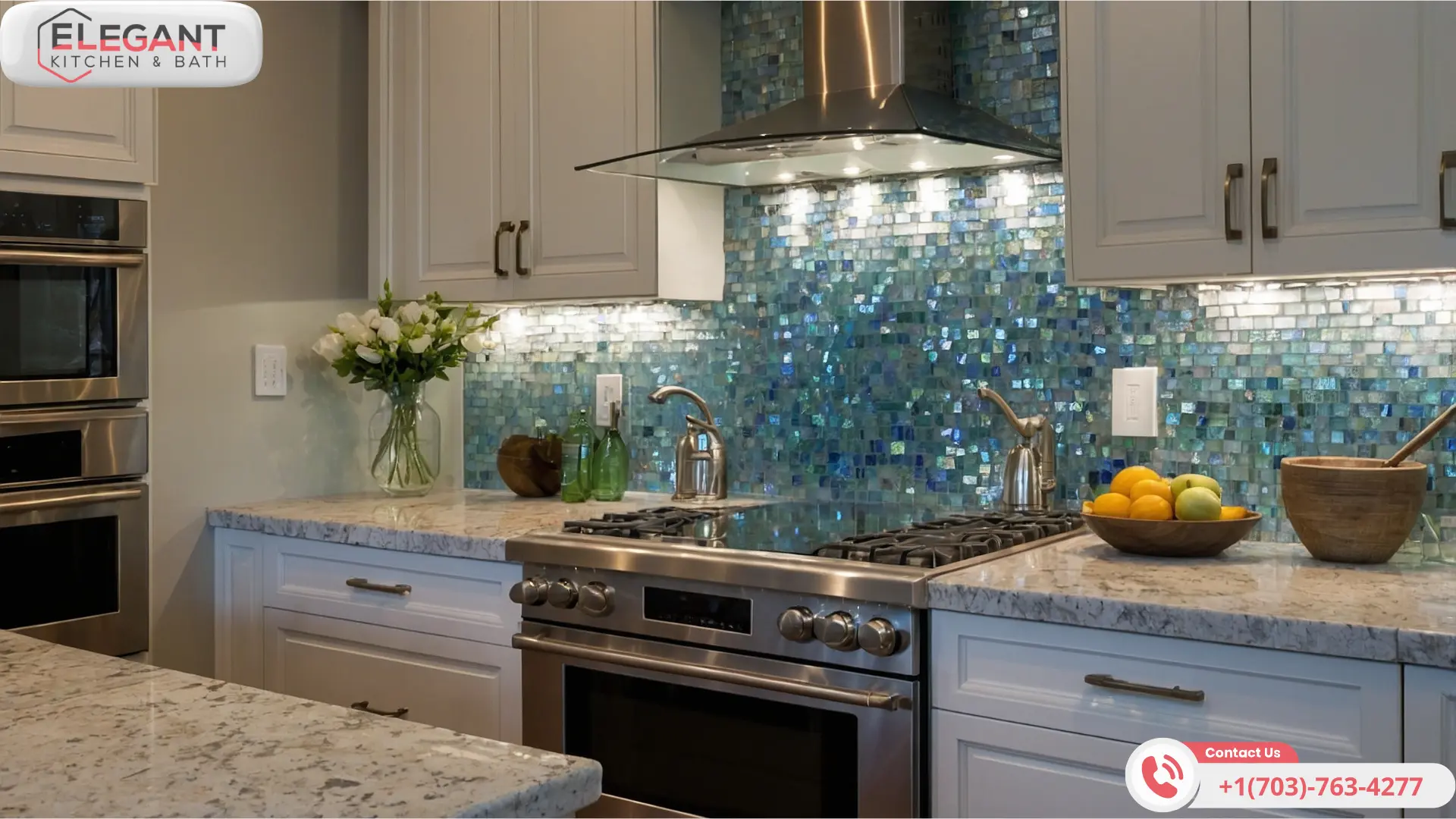
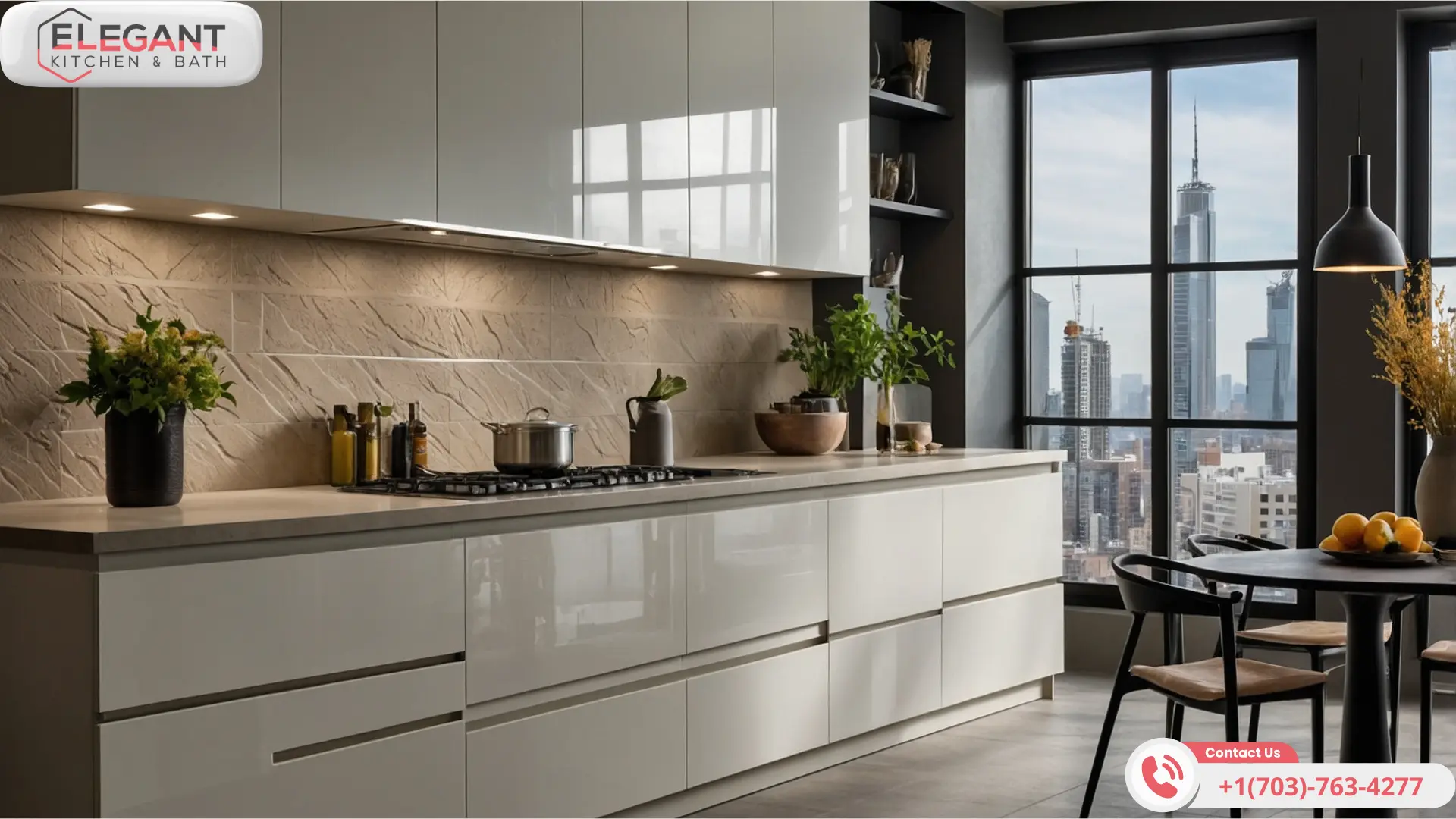
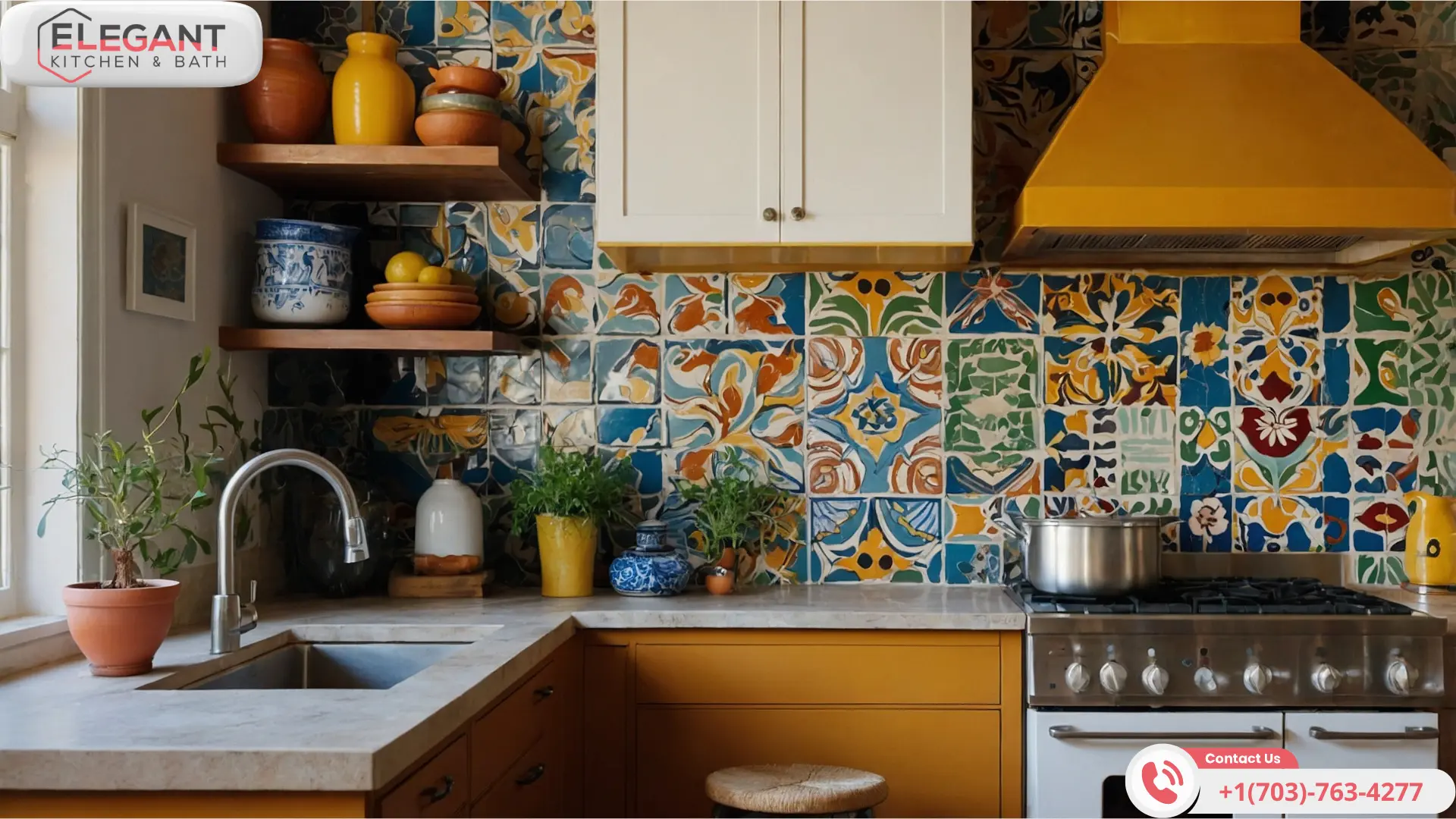
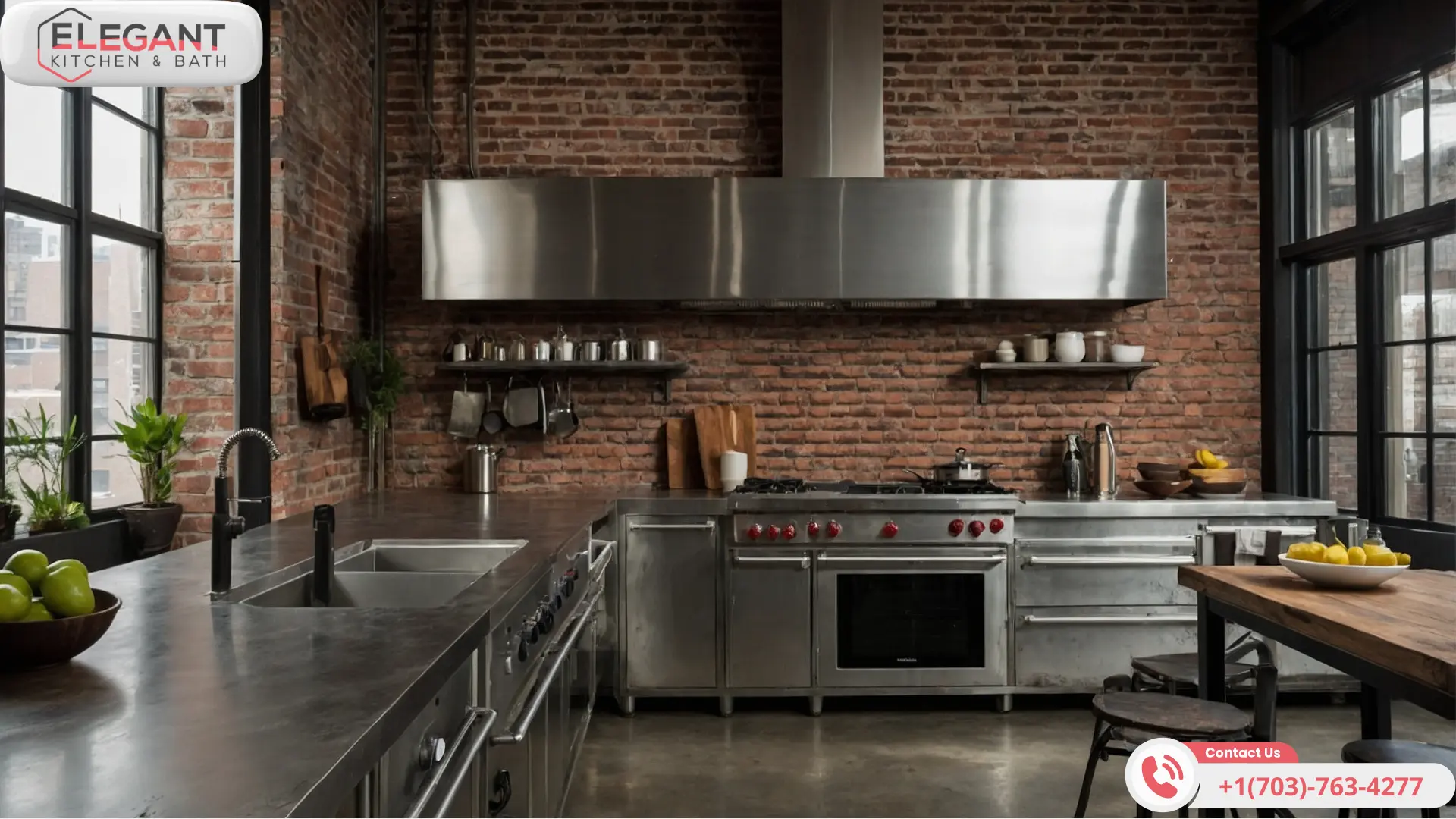
Transform your kitchen into a stunning masterpiece with natural stone backsplashes, from marble’s timeless elegance to the slate’s textural allure.
Whether you prefer the classic look of marble tiles, the rustic charm of travertine, or the intricate patterns of mosaic designs, natural stone backsplashes offer endless possibilities to elevate your kitchen’s style.
With proper installation and grout selection, these beautiful and durable materials will stand the test of time.
Keep reading to discover eight captivating natural stone backsplash designs that will inspire your kitchen to remodel.
Key Takeaways – From Marble to Slate: 8 Natural Stone Backsplash Designs to Remodel Your Kitchen
Marble and Granite for Timeless Elegance and Durability:Marble and granite remain popular for kitchen backsplashes due to their timeless elegance and durability. Marble offers unique veining patterns and luxurious appearances, while granite provides unmatched durability, making it ideal for high-traffic areas.
Travertine and Limestone for Rustic Charm: Travertine and limestone backsplashes create a warm, rustic charm that complements various design elements. These stones bring earthy tones and textured surfaces, adding a cozy and inviting atmosphere to the kitchen.
Quartzite and Onyx for Luxurious and Unique Appeal: Quartzite and Onyx are resilient and visually stunning options, offering unique crystalline structures and luxurious appearances. With its translucent properties, Onyx can be backlit to create a captivating ambiance.
Soapstone and Slate for Sophisticated Looks with Low Maintenance: Soapstone and slate backsplashes provide sleek, sophisticated aesthetics with low maintenance requirements. Soapstone is non-porous and resistant to stains and bacteria, while slate offers a distinctive, layered appearance that adds depth and character.
Regular Sealing and Proper Cleaning Essential: Regular sealing and cleaning with pH-neutral cleaners are crucial for maintaining natural stone backsplashes’ beauty and longevity. Natural stones can be porous and require protective sealants to prevent stains and damage.
Installation Tips for Long-lasting Results: Proper installation techniques, such as applying high-quality sealers and choosing suitable grout, are essential for ensuring natural stone backsplashes’ durability and aesthetic appeal. Working with experienced professionals can help achieve seamless and lasting results.
Creating Focal Points with Unique Patterns and Colors: Natural stone backsplashes can be striking focal points in a kitchen. From marble’s unique veining to Onyx’s translucent beauty, choosing the correct pattern and color can elevate the kitchen’s design, creating a stunning centerpiece.
[ez-toc]
Marble Backsplash: Timeless Elegance
Marble backsplashes add a touch of timeless elegance to any kitchen or bathroom, seamlessly complementing granitecountertops and stylish cabinetry.
This natural stone’s unique veining patterns and luxurious appearance make it a popular choice among interior design enthusiasts.
When selecting marble for your kitchen backsplash, consider the overall aesthetic, durability, and maintenance requirements to ensure a stunning and long-lasting installation.
Why Choose Marble for Your Kitchen Backsplash?
Marble backsplashes offer a classic beauty that elevates the kitchen’s overall aesthetic, seamlessly blending with various design styles, from traditional to contemporary. Its timeless elegance pairs well with other natural stone elements like slate, brick, or quartzite countertops, creating a cohesive and sophisticated look.
The unique veining patterns and luxurious appearance of marble make it a standout choice for kitchen backsplashes, drawing the eye and becoming a focal point in the room. When combined with thoughtful lighting, a marble backsplash can showcase its inherent beauty and add depth to the kitchen’s design.
Tips for Maintaining a Marble Backsplash
To maintain the timeless beauty of a marble backsplash, it is essential to seal the stone regularly, as marble is more porous than other natural stones like quartz or limestone. Applying a high-quality sealer every few months helps prevent stains and etching from acidic substances, ensuring the backsplash remains as stunning as the day it was installed.
When cleaning a marble backsplash, use a soft cloth or sponge with a mild, pH-neutral cleaner specifically designed for natural stone surfaces. Avoid using abrasive materials like scouring pads or harsh chemicals that can damage the marble’s delicate surface. Always rinse the backsplash thoroughly with water after cleaning to prevent any residue from dulling the stone’s shine.
Granite Backsplash: Durable and Versatile
In addition to marble, granite is another popular natural stone choice for kitchen backsplashes, offering durability and versatility.
This igneous rock, formed from magma or lava, is more complex than marble and less prone to staining, making it an ideal option for busy kitchens.
Granite backsplashes come in various colors and patterns, from classic Carrara-inspired designs to bold, dramatic hues that can complement ceramic tiles, drywall, or even a fireplace surround.
Benefits of a Granite Backsplash in Your Kitchen
Granite backsplashes offer unmatched durability, making them ideal for high-traffic kitchens. Their resistance to scratches, stains, and heat ensures a long-lasting and low-maintenance addition to your kitchen design, whether paired with wood cabinets or a sleek, modern wall finish.
The versatility of granite allows for endless design possibilities, from classic black and white patterns to eye-catching, vibrant hues that can serve as a stunning focal point in your kitchen. With a wide range of colors and patterns available, granite backsplashes can easily complement various design styles, from rustic farmhouse to contemporary chic, as showcased on popular platforms like Houzz:
Design Style
Complementary Materials
Granite Color Options
Rustic Farmhouse
Wood, Brick, Copper
Cream, Beige, Brown
Modern Minimalist
Stainless Steel, Glass, Onyx
Black, White, Gray
Mid-Century Modern
Walnut, Terrazzo, Brass
Green, Blue, Yellow
Granite Backsplash Installation Tips
When installing a granite backsplash, homeowners should consider the surrounding materials, such as carpet, metal, or woodflooring, to ensure a cohesive and harmonious design. Applying a high-quality stone sealer to the granite before installation helps protect the natural stone from stains and moisture damage, ensuring a long-lasting and beautiful backsplash.
Consider incorporating hexagon or other geometric-shaped granite tiles into the backsplash design for a unique and eye-catching look. These unconventional shapes add visual interest and can elevate the kitchen’s overall aesthetic, making the backsplash a standout feature in any home improvement project.
Travertine Backsplash: Rustic Charm
Consider a travertine backsplash for a more rustic and earthy charm in your kitchen or bedroom.
This natural stone, formed from limestone deposits near hot springs, features unique textures and warm, inviting hues ranging from beige to rich browns.
Travertine backsplashes can be paired with various materials, such as porcelain tile or wood, to create a cozy and welcoming atmosphere in any room.
In the following sections, we will explore the travertine’s unique appeal and provide tips on caring for this natural stone backsplash to ensure its longevity and beauty.
The Unique Appeal of Travertine
Travertine’s unique appeal lies in its naturally textured surface and warm, earthy tones, which can range from light beige to deep bronze. These tones contrast with sleek, modern finishes like stainless steel or Carraramarble. When used as a backsplash, travertine can create a cozy, rustic atmosphere in any kitchen, transforming the space into an inviting hub for gathering and entertaining.
The stone’s porous nature and subtle variations in color and pattern make each travertine backsplash a one-of-a-kind installation, adding character and depth to the kitchen’s design. Travertine can be paired with various materials, from classic woodcabinetry to industrial-inspired metal accents. This makes it a versatile choice for homeowners seeking to infuse their kitchen with natural beauty and timeless charm.
How to Care for a Travertine Backsplash
To maintain a travertine backsplash’s rustic charm, homeowners should regularly seal the stone using a high-quality sealant, especially in areas prone to moisture, such as near the sink or in a basement kitchen. Applying a sealer every six months to a year helps protect the porous surface from stains and water damage.
When cleaning a travertine backsplash, use a pH-neutral cleaner specifically designed for natural stone to avoid damaging the delicate surface. Gently wipe the backsplash with a soft cloth or sponge, avoiding abrasive materials that could scratch the stone’s unique texture or arabesque patterns.
Limestone Backsplash: Warm and Inviting
Limestone backsplashes offer a warm and inviting alternative to popular natural stone options like marble herringbone or mosaic backsplashes.
With its soft, earthy tones and subtle texture, limestone can create a cozy atmosphere in any kitchen, seamlessly blending with various design elements such as porcelain tiles or woodcabinetry.
In the following sections, we will explore the pros of using limestone for your natural stone backsplash and provide tips on maintaining its timeless beauty.
Creating a Cozy Atmosphere with Limestone
Limestone backsplashes create a cozy and inviting atmosphere in the kitchen, with their warm, earthy tones and subtle texture that complement various design elements like stone veneer backsplashes or soapstone backsplashes. The soft, natural appearance of limestone adds a touch of rustic charm to the space, making it feel as welcoming as a travertine backsplash kitchen or a marblehexagon backsplash.
When paired with woodcabinetry or sandstone backsplashes, limestone helps to create a harmonious and balanced look that enhances the overall comfort and appeal of the kitchen. The material’s versatility allows it to blend seamlessly with different styles, from traditional to modern, making it a popular choice for homeowners looking to remodel their kitchens with natural stone backsplashes.
Maintaining the Beauty of Limestone
To keep a limestone backsplash looking its best in a rustic stone backsplash kitchen, homeowners should seal the natural stone regularly using a high-quality sealer explicitly designed for limestone. Applying a sealer every 6-12 months helps protect the porous surface from stains, etching, and moisture damage, ensuring the stone kitchen backsplash remains a beautiful focal point for years to come.
When cleaning a limestone backsplash, use a soft cloth or sponge with a pH-neutral cleaner formulated for natural stone. Avoid abrasive materials or harsh chemicals that can damage the delicate surface of the stone for backsplash, and always rinse the area thoroughly with water after cleaning to prevent any residue from dulling the limestone’s natural beauty in a travertine backsplash or other stone backsplash design.
Quartzite Backsplash: Luxurious and Resilient
Quartzite is a top choice for homeowners seeking a luxurious and resilient natural stone backsplash for their kitchens.
This metamorphic rock, formed from sandstone subjected to intense heat and pressure, offers unparalleled durability and stunning visual appeal. It is ideal for a rustic stone backsplash or a sleek, modern design.
Quartzite’s unique crystalline structure and wide range of colors, from soft grays to vibrant blues, allow it to seamlessly complement various design elements, such as natural stone tile backsplash or tumbled travertine backsplash, creating a cohesive and sophisticated look in any kitchen.
Why Quartzite is a Top Choice for Backsplashes
Quartzite’s unparalleled durability and resistance to scratches, stains, and heat make it an ideal choice for high-traffic kitchens. Its resilient nature ensures that the backsplash will maintain its stunning appearance for years, even in daily wear and tear.
The luxurious appearance of quartzite, with its unique crystalline structure and wide range of colors, elevates any kitchen design. From soft, neutral tones to bold, vibrant hues, quartzite backsplashes can seamlessly incorporate into various styles, from rustic farmhouses to sleek, modern spaces.
Installation and Care Tips for Quartzite
When installing a quartzite backsplash, homeowners should work with experienced professionals who understand the unique properties of this natural stone. The installation requires precision and care to ensure a seamless and long-lasting result showcasing the quartzite’s beauty.
To maintain the luxurious appearance of a quartzite backsplash, it is essential to clean the surface regularly using a soft cloth and a pH-neutral cleaner specifically designed for natural stone. Sealing the quartzite every 6-12 months helps protect it from stains and etching, preserving its stunning crystalline structure for years to come.
Onyx Backsplash: Translucent Beauty
For a truly stunning and one-of-a-kind backsplash, consider the translucent beauty of Onyx.
This semi-precious stone offers a captivating appearance with its unique veining patterns and ability to be backlit, creating a mesmerizing ambiance in any kitchen.
Onyx backsplashes can be paired with various design elements, from sleek stainless steel to rustic wood, making them a versatile choice for homeowners looking to add a touch of luxury and sophistication to their kitchen remodel.
The Unique Appeal of Onyx in Kitchen Design
Onyx’s translucent nature and mesmerizing veining patterns make it a unique and captivating choice for kitchen backsplashes. When backlit, an onyx backsplash creates a stunning ambiance, transforming the kitchen into a luxurious and sophisticated space that becomes the home’s focal point.
The versatility of Onyx allows it to complement a wide range of design styles, from sleek and modern to rustic and traditional. By pairing an onyx backsplash with elements such as stainless steel appliances, woodcabinetry, or natural stone countertops, homeowners can create a cohesive and visually striking kitchen design that showcases their style and elevates the overall aesthetic.
Caring for an Onyx Backsplash
To maintain the translucent beauty of an onyx backsplash, it is essential to seal the stone regularly using a high-quality sealer designed explicitly for Onyx. This sealing helps protect the delicate surface from stains, etching, and moisture damage.
When cleaning an onyx backsplash, use a soft, damp cloth with a pH-neutral cleaner formulated for natural stone. Avoid abrasive materials or harsh chemicals that can dull or scratch the stone’s unique appearance:
Cleaning Method
Frequency
Products to Use
Damp Cloth
Daily
Water, pH-Neutral Cleaner
Sealing
Every 6-12 Months
High-Quality Onyx Sealer
Soapstone Backsplash: Sleek and Sophisticated
Consider a soapstone backsplash for a sleek and sophisticated look in your kitchen.
This natural stone offers a unique, matte finish that pairs well with various design elements, from modern stainless steel appliances to traditional woodcabinetry.
Soapstone’s non-porous nature and resistance to stains and bacteria make it an ideal choice for busy kitchens. At the same time, its subtle veining and color variations add depth and character to the space.
The Advantages of Soapstone for Backsplashes
Soapstone’s non-porous nature and resistance to stains and bacteria make it an ideal choice for busy kitchens. Its sleek, matte finish and subtle veining add depth and character to the space, complementing various modern and traditional design elements.
Soapstone backsplashes offer a range of advantages for homeowners looking to remodel their kitchen:
Durability and resistance to heat, stains, and bacteria
Sleek, matte finish that complements modern and traditional styles
Subtle veining and color variations that add depth and character
Low maintenance and easy-to-clean
The natural stone’s ability to withstand high temperatures and low maintenance requirements make it a practical and stylish choice for any kitchen backsplash.
Tips for Soapstone Maintenance
To maintain the sleek appearance of a soapstone backsplash, homeowners should oil the stone regularly using mineral oil or a specialized soapstone sealer. This process helps to enhance the stone’s natural patina and protect it from stains and scratches.
When cleaning a soapstone backsplash, use a soft cloth dampened with warm water and a mild, pH-neutral cleaner. Avoid using abrasive materials or harsh chemicals that can damage the stone’s smooth surface, and always rinse the backsplash thoroughly with water after cleaning to prevent any residue from dulling the soapstone’s natural beauty.
This metamorphic rock, formed from shale or mudstone, offers a distinctive, layered appearance that adds depth and character to any kitchen design.
Slate backsplashes come in various colors, from deep grays to rich, earthy tones, and can be paired with multiple design elements, such as woodcabinetry or stainless steel appliances, to create a cohesive and visually striking look.
Enhancing Your Kitchen with Slate
Slate backsplashes offer a unique opportunity to enhance a kitchen’s visual appeal and textural richness. Slate’s layered, rustic appearance adds depth and character to the space, creating a captivating focal point that draws the eye and complements various design elements.
When paired with woodcabinetry, slate backsplashes create a warm and inviting atmosphere, while stainless steel appliances provide a striking contrast that highlights the stone’s natural beauty. The wide range of colors available in slate, from deep grays to rich, earthy tones, allows homeowners to select a hue that perfectly complements their kitchen’s overall design aesthetic:
Slate Color
Complementary Design Elements
Kitchen Style
Deep Gray
Stainless Steel, White Cabinetry
Modern, Industrial
Earthy Green
Wood Cabinetry, Copper Accents
Rustic, Farmhouse
Rich Purple
Gold Fixtures, Cream Cabinetry
Luxurious, Traditional
Caring for a Slate Backsplash
To maintain the slate backsplash’s textural allure, homeowners should regularly seal the stone using a high-quality, penetrating sealer explicitly designed for slate. This helps protect the porous surface from stains and moisture damage, ensuring the backsplash retains its distinctive, layered appearance for years.
When cleaning a slate backsplash, use a soft cloth or sponge with a pH-neutral cleaner formulated for natural stone. Avoid using abrasive materials or acidic cleaners that can etch or dull the stone’s surface. Always rinse the backsplash thoroughly with water after cleaning to prevent any residue from accumulating in the slate’s natural crevices.
FAQs for 8 Natural Stone Backsplash Designs
Is natural stone good for a kitchen backsplash?
Natural stone can make an excellent kitchen backsplash material—durable options like marble, granite, travertine, and slate offer timeless beauty and a high-end look. However, natural stone is more porous than some other materials, so it requires regular sealing to prevent staining and discoloration, especially in areas prone to grease and moisture, like behind the stove. Proper sealing and maintenance are essential for natural stone backsplashes.
Should backsplash be lighter or darker than countertop?
There’s no hard and fast rule, but generally, a lighter backsplash creates a sense of spaciousness, while a darker backsplash adds depth and drama. Consider the overall color scheme of your kitchen and your personal preference. For example, a white marble backsplash can brighten a kitchen with dark cabinetry, while a dark granite backsplash can create a dramatic contrast with lighter countertops.
Are stone backsplashes trendy?
Stone backsplashes, particularly in materials like [marble], [travertine], and [soapstone], have been a popular choice for kitchen design in recent years and are expected to remain a trendy option in 2024 and beyond. The natural beauty and unique variations in stone make it a timeless choice that can work with various kitchen styles, from traditional to modern. However, some homeowners caution that very textured or porous natural stone can be challenging to keep clean in a busy kitchen environment.
What style of backsplash is best for kitchen?
The best style depends on your taste and the overall design of your kitchen. Here are some popular options:
Marble is a classic choice for a luxurious and elegant look. Carrara marble, with its distinctive veining, is trendy.
Granite is a durable and versatile option in various colors and patterns.
Travertine is a natural stone with a warm, earthy tone and a unique textured surface. It’s often used to create a rustic or Mediterranean feel.
Slate is a durable and elegant option with a natural, earthy look. It’s often used to create a modern or contemporary feel.
Quartzite is a durable and beautiful stone that is often mistaken for marble. It’s an excellent choice for high-traffic areas.
What is the trend in backsplash in 2024?
While natural stone backsplashes remain timeless, some current trends include:
Marble Herringbone Backsplash: A classic herringbone pattern with a modern twist.
The focus is on making the splashback an actual design statement piece that complements the kitchen style.
What kitchen backsplash is timeless?
Some of the most timeless kitchen backsplash options include:
Subway tile – A classic, versatile choice that works with a variety of kitchen styles
Natural stone like marble, granite, or travertine – Offer a high-end, luxurious look that never goes out of style
Solid surface or quartz – Sleek, non-porous materials that are easy to clean and maintain
Stainless steel – A modern, industrial-inspired option that is highly durable
These materials and styles have remained popular for decades and will likely continue being sought-after choices for kitchen backsplashes.
What is the best color for a kitchen splashback?
There is no single “best” color for a kitchen splashback, as the ideal color will depend on the overall style and palette of the kitchen. Some popular and versatile splashback color options include:
White – Creates a clean, bright look and pairs well with many kitchen styles
Neutral tones like beige, gray, or taupe – Offer a timeless, sophisticated look
Bold, jewel-toned colors like deep blue, emerald green, or rich red – Add a dramatic pop of color
Natural stone colors like white marble, gray soapstone, or beige travertine – Complement the kitchen’s material palette
Ultimately, the best splashback color complements the space’s cabinetry, countertops, and other design elements.
What is the luckiest color for a kitchen?
No scientific evidence supports the idea of lucky kitchen colors. However, many people find that green, yellow, and orange evoke warmth, happiness, and abundance.
What is the easiest splashback to clean?
Some of the easiest-to-clean kitchen splashback materials include:
Glass: Smooth, non-porous surface that wipes clean easily
Stainless steel: Highly resistant to stains and fingerprints
Quartz or solid surface: Non-porous, seamless materials that resist stains and are simple to wipe down
Tile: Ceramic and porcelain tiles have a glazed surface that is relatively low-maintenance
Laminate: A budget-friendly option that is durable and easy to clean
Proper sealing and regular cleaning are required to maintain the appearance and prevent staining of natural stone options like marble, granite, or travertine. Consulting with a kitchen design professional can help you select the most practical and low-maintenance splashback material.
How do I choose a splashback?
When choosing a kitchen splashback, consider the following factors:
Style and Aesthetics: Select a splashback material and design that complements the kitchen style, from traditional to modern.
Functionality: Consider how easy the splashback will be to clean and maintain, especially in high-use areas like behind the stove.
Budget: Natural stone and specialty tile options are more expensive than basic tile or laminate.
Durability: Look for heat-, stain-, and scratch-resistant materials.
Maintenance: Porous materials like natural stone require regular sealing to prevent staining.
Lighting: Reflective materials like glass or glossy tile can help brighten the space.
Consulting with a kitchen design professional can help you weigh these factors and select the perfect splashback for your space.
Are stone backsplashes expensive?
Natural stone backsplashes can be more expensive than other options, but the exact cost can vary widely depending on the specific material and installation. Some factors that impact the cost of a stone backsplash include:
Stone Type: Luxurious materials like marble, travertine, and soapstone are more expensive than granite or slate.
Thickness: Thicker, slab-style stone backsplashes cost more than thinner tile options.
Installation: Professional installation by experienced masons can add to the overall cost.
Size of the Area: Larger kitchen backsplashes require more material and labor, increasing the total price.
Finishing Touches: Intricate patterns, custom cuts, and specialized edging can drive up the cost.
Natural stone backsplashes can range from $15 to $60 per square foot, not including installation. While more expensive upfront, stone backsplashes are often considered worthwhile investments that add lasting value and beauty to a kitchen.
Does natural stone backsplash need to be sealed?
Yes, natural stone backsplashes typically require regular sealing to maintain their appearance and protect against stains and damage. If left unsealed, porous materials like marble, travertine, and limestone can absorb liquids, grease, and other kitchen spills. The sealing process involves applying a penetrating sealer that soaks into the stone’s surface, creating a protective barrier.
Sealants should be reapplied every 1-3 years, depending on the stone type and kitchen use level. Proper sealing is crucial for natural stone backsplashes to prevent discoloration, etching, and other damage over time. Consulting with a stone care professional can help determine your stone backsplash’s proper sealing schedule and products.
What is the most practical backsplash?
When it comes to practicality, some of the most durable and easy-to-clean backsplash options include:
Tile: Ceramic, porcelain, and natural stone tiles are classic, low-maintenance choices.
Glass: Tempered glass backsplashes have a smooth, wipeable surface.
Stainless steel: Highly resistant to stains, scratches, and heat.
Quartz or solid surface: Non-porous materials that resist stains and are simple to wipe down.
Laminate: An affordable option that is durable and easy to maintain.
For busy kitchens, it’s best to avoid highly porous or textured materials like [natural stone] or [brick], as they can be more challenging to keep clean. Consulting a kitchen design professional can help you select the most practical backsplash for your needs and lifestyle.
Is the stone backsplash outdated?
No, stone backsplashes are not considered outdated. Natural stone options like marble, granite, travertine, and soapstone remain popular and timeless for kitchen backsplashes. While some design trends come and go, stone’s natural beauty and unique variations make it a classic material that can work with various kitchen styles, from traditional to contemporary.
Stone backsplashes will continue to be a sought-after option in 2024 and beyond. That said, some homeowners caution that highly textured or porous natural stone can be more challenging to keep clean in a busy kitchen environment. Proper sealing and maintenance are crucial to preserving the appearance of a stone backsplash over time.
What backsplash does not go out of style?
Some of the most timeless and enduring backsplash options that are unlikely to go out of style include:
Subway tile: A classic, versatile choice that works with a variety of kitchen styles
Natural stone like marble, granite, or travertine: Offer a high-end, luxurious look that never goes out of fashion
Solid surface or quartz: Sleek, non-porous materials that are easy to clean and maintain
Stainless steel: A modern, industrial-inspired option that is highly durable
Glass: Provides a smooth, reflective surface that can complement many design aesthetics
These materials and styles have remained popular for decades and will likely continue being sought-after choices for kitchen backsplashes. The key is selecting a backsplash that complements the overall style and design of the kitchen.
What should you avoid in a backsplash?
When choosing a kitchen backsplash, it’s generally best to avoid the following:
Highly Textured or Porous Materials: Surfaces with grooves, crevices, or porosity, like natural stone or brick, can be challenging to keep clean and may discolor over time.
Busy Patterns: Overly intricate or busy backsplash patterns can make a kitchen feel cluttered and dated more quickly.
Trendy Styles: While it’s tempting to go for the latest backsplash craze, trendy designs may need to be updated sooner than classic options.
Incompatible Colors: Backsplash colors that clash with the kitchen’s cabinetry, countertops, or other design elements can create an inharmonious look.
Difficult-to-Clean Materials: Backsplashes made of materials that are prone to staining or require extensive maintenance, like unsealed natural stone, may not be the most practical choice.
Excessive Grout Lines: Backsplashes with abundantly visible grout lines, especially in darker colors, can make a space feel dated.
The key is choosing a backsplash that feels fresh, timeless, and harmonious with the kitchen design. Consulting with a kitchen design professional can help you avoid outdated trends.
Hear From Our Delighted Clients About Natural Stone Backsplash Designs
Lauren and her family are thrilled with their recent bathroom to remodel by Elegant Kitchen and Bath. They were impressed with Tayfun and Javier’s timely communication and project management skills. The project was completed quickly and efficiently, resulting in a beautiful new bathroom that exceeded their expectations. Lauren highly recommends Elegant Kitchen and Bath to family, friends, and anyone seeking a reliable contractor.
John Hoddinott and his family are pleased with the new kitchen, which Elegant Kitchen and Bath designed and installed. They worked closely with Tayfun to finalize the design, going through several plans before settling on the perfect one. The project manager, Enes, was highly responsive and promptly addressed all questions. Gersen and his crew overcame various challenges during installation, constantly finding creative solutions. While a few minor issues arose after completion, Enes quickly resolved them, demonstrating excellent customer service.
Melanie Buckley is incredibly impressed with Elegant Kitchen and Bath’s professionalism and efficiency. They renovated her 20-year-old kitchen in just 14 days, starting in March 2024. The team worked thoughtfully and methodically, keeping Melanie informed and satisfied throughout the process. The design team and general contractors collaborated seamlessly to ensure the project stayed on schedule. Melanie was consistently impressed by their craftsmanship and meticulous workspace. Even when she decided to demolish a wall mid-project, Elegant Kitchen and Bath provided expert guidance and necessary inspections, making the demolition a success. Melanie highly recommends this exceptional business.
Experience the same level of satisfaction as Lauren, John, and Melanie by entrusting your kitchen or bathroom renovation to Elegant Kitchen and Bath. Our dedicated team of designers, project managers, and skilled artisans work together to bring your dream space to life, exceeding your expectations with exceptional results.
From the luxurious veining of marble to the rustic charm of travertine, the sleek sophistication of soapstone, and the textural allure of slate, each natural stone provides a unique aesthetic that complements various design styles.
By incorporating a stunning natural stone backsplash, homeowners can create a captivating focal point that enhances the beauty and functionality of their kitchen for years to come.
Mosaic backsplashes offer a dazzling array of options to elevate any elegant kitchen and bath with their intricate designs and splashes of color.
From the lustrous shimmer of a pearl-inspired pattern to the earthy tones of clay, these tiles add beauty and practicality, protecting walls from the rigors of plumbing mishaps and cooking splatters.
Alongside their aesthetic appeal, mosaic tiles’ durability means a marriage of form and function that stands the test of time, even under the strokes of a busy chef’s paintbrush.
In this article, we unfold the secrets to selecting and installing the mosaic backsplash that will become the centerpiece of your culinary haven.
Key Takeaways for Mosaic Backsplash Patterns and Materials: A Complete Guide for Any Kitchen
Fusion of Beauty and Functionality: Mosaic backsplashes combine aesthetic appeal with practical durability, significantly enhancing kitchen and bath aesthetics.
Influence of Material Choice: The selected materials—such as glass, natural stone, and ceramics—affect a kitchen’s visual style and sustainability.
Color Trends and Design Personalization: Color choices and custom designs in mosaic backsplashes play a critical role in creating a cohesive and psychologically pleasing kitchen environment.
Importance of Professional Installation: Professional installation is recommended for precision and longevity. DIY projects require careful attention to detail and proper technique.
Need for Regular Maintenance: Maintaining and cleaning mosaic tiles is essential to preserving their appearance and functional integrity over time.
Variety of Patterns: Homeowners can choose from intricate floral designs to modern geometrical layouts, each contributing uniquely to the kitchen’s character.
Historical Influence on Modern Designs: Historical mosaic patterns are being reinterpreted with modern materials, offering a blend of antiquity and contemporary style.
Rise of Custom Designs: Custom mosaic backsplash designs are gaining popularity, allowing homeowners to personalize their spaces with unique and artistic pieces.
Material Comparisons: Natural stone, glass, and ceramic materials offer distinct aesthetics and practical benefits. The choice impacts both durability and the overall ambiance of the kitchen.
Balancing Aesthetic and Practical Considerations: Choosing the perfect mosaic involves balancing visual appeal with functionality, ensuring the backsplash complements the kitchen’s theme while withstanding daily usage.
[ez-toc]
Discovering the Variety in Mosaic Backsplash Patterns
As one ventures deeper into kitchenaesthetics, one will encounter a dazzling array of mosaic backsplash patterns that can transform a room.
The choice of pattern can define the kitchen’s character, from the elegance of intricate florals that breathe life into space to the stark precision of modern geometrics that provide a contemporary edge.
Historical patterns carry a storied past into present designs, offering a nostalgic touch to the modern home.
Meanwhile, the rise of custom mosaic designs caters to the individualistic homeowner seeking a unique statement piece.
Within this diverse spectrum, materials like wood can introduce warmth and texture, while bullnose edges and diamond shapes lend a refined finish to the grand tapestry of tiles.
In this exploration, the interplay between pattern, roomdesign, and tactile materials creates a tile narrative as rich and detailed as the mosaics.
From Intricate Florals to Modern Geometrics
The art of cooking is elevated to a visual celebration when an elegant kitchen and bath design incorporates the soft, flowing patterns of intricate florals in a mosaic backsplash. These delicate designs often feature glass tile, bringing light and movement to the splash zone, keeping the area functional and a focal point of beauty and craftsmanship.
Conversely, kitchens that adopt a sharp, clean-lined aesthetic benefit from modern geometric backsplashes, where symmetry and focus converge. The use of glass tile within these patterns amplifies this effect, reflecting light in a way that energizes the space and anchors the room’s modern ethos.
Influences of Historical Patterns on Contemporary Designs
Historical motifs, etched in the annals of time, show a renaissance within modern mosaic backsplash designs, offering homeowners the chance to infuse their spaces with a sense of antiquity. Once graced in palatial quarters, these patterns are now being reinterpreted with contemporary materials such as granite and ceramic, allowing for a harmonious blend of durability and timeless elegance.
The resistance of granite to heat makes it an ideal companion for the kitchen’s busy backdrop, where the old meets the new in a dance of resilience and style. Meanwhile, advancements in ceramic production echo the heirloom quality of historic designs, providing an opportunity for homeowners to their current home aesthetics.
Exploring the Rise of Custom Mosaic Designs
The trend toward bespoke living spaces has propelled the popularity of custom mosaic designs to the forefront of kitchen and bathroom renovations. Homeowners are seeking out artisans or utilizing online tools, akin to a secret password, to create personalized tiles that reflect their unique tastes, leading to a surge of one-of-a-kind mosaic backsplashes that serve as functional and artistic centerpieces in their homes.
Elegant Kitchen and Bath offers a treasure trove of inspiration. It connects homeowners with professional designers who can translate their vision into reality with precision and artistry, ensuring each mosaic piece fits seamlessly into the grander scheme of their bespoke kitchen or bathroom transformation.
Navigating Through Mosaic Backsplash Materials
Embarking on the quest for the perfect mosaic backsplash, homeowners and designers alike scrutinize the intersection of form, function, and sustainability offered by various materials.
Whether selecting natural stone with its organic allure, glass that conveys a contemporary shimmer, or ceramic for traditional charm, each choice impacts the overall aesthetics of a kitchen.
The tactile pebble-like feel of nature stone imbues a space with earthy textures, revitalizing the walls that frame the everyday stove.
Within glass mosaics, the expansive palette ranges from vibrant hues to monochrome tones, catering to diverse design visions.
Meanwhile, eco-friendly materials are gaining momentum, responding to an increase in environmental awareness among consumers desiring sustainability and style.
As the discussion shifts to longevity, it’s essential to measure which revered materials can withstand the test of time and maintain their beauty in a bustling kitchen environment.
Comparing Nature Stone, Glass, and Ceramic Mosaics
When contrasting natural stone, glass, and ceramic materials for mosaic backsplashes, the aesthetics and functional qualities of each can be as distinct as the designs they form. With its inherent variations and brass accents, natural stone offers enduring strength and a touch of opulence, reflecting a depth of color and texture that mass-produced materials struggle to imitate.
Conversely, glass brings luminosity and a modern flare to mosaic designs, whether they’re cast in hexagon silhouettes or classic rectangles. Glass’s translucence amplifies light and color, a property uniquely distinct from the matte surface of porcelaintile. This look provides a quieter harmony and a robust alternative suitable for high-traffic areas.
Sustainability and Eco-Friendly Materials in Focus
Integrating sustainable and eco-friendly materials in interior design is becoming paramount, with metal mosaics emerging as a resilient and recyclable option. Metal’s sleek presence, exceptionally when finished in lustrous silver, can introduce a modern industrial charm while aligning with green building practices.
Masters of the trowel are now turning more frequently towards travertine, revered for its low environmental impact and the warm, natural aesthetic it lends to kitchen spaces. Its durability and timeless appeal offer an eco-conscious alternative that satisfies both the practical needs of a backsplash and the stylistic demands of discerning homeowners.
The Durability Debate: Which Material Lasts the Longest?
In the marketplace of ideas concerning kitchen longevity, the countertop stands at the vanguard of the durability debate. The mosaic of choices forces homeowners to decide whether to invest more upfront in robust materials like granite or quartz that could withstand the march of time or to go for budget-friendly options that may necessitate future renovations.
Among the materials vying for permanence, stainless steel emerges as a formidable contender. It effortlessly pairs with mosaic tiles to create an impervious barrier against moisture and wear. Sealed adequately with caulk and cared for, stainless steel can provide an enduring luster to the backsplash, safeguarding the space against the cycles of cooking splatters and water exposure.
The Impact of Color Trends on Mosaic Backsplashes
The interplay of color trends in the design world extends to the selection of mosaic backsplashes, where color is not just an aesthetic choice but a crucial element of the room’s psychological ambiance.
As homeowners and designers study the latest palettes, they decide whether bold or neutral hues best suit their culinary environments.
The choice of tilecolor can profoundly affect the mood of the kitchenspace, with vibrant tones injecting energy and softer shades cultivating calm.
The porosity and texture of materials, whether sleek glass or earthy ceramics, are additional considerations as they interact with color to absorb or reflect light.
Even the textile-like patterns within the mosaic can come to life or recede quietly into the background, influenced by the selected color scheme. At the same time, adhesive techniques ensure that the chosen hues maintain their integrity and longevity through years of kitchen activity.
How Color Trends Influence Mosaic Designs
The rhythm of color trends pulsates through the realm of mosaic backsplash designs, as contemporary palettes dictate the choice of tiles, influencing not only the visual landscape but also the perceived geometry of the space. A well-curated color selection can soften or accentuate the angularity of a room’sshape, guiding the eye and framing the kitchen’s architecture.
When wielding a utility knife to trim mosaic tiles, the artisan’s selection is heavily influenced by the current vogue in hues, ensuring each slice of slate or limestone contributes to an ensemble that’s both of the moment and timeless. In this context, the interplay between emerging color trends and traditional materials like limestone forges a delicate balance between novelty and heritage in design.
Color Trend Impact
Shape Consideration
Material Selection
Enhances spatial geometry
Shapes kitchen architecture
Slate and limestone trend
Dictates tile choice
Highlights or softens angles
Reverberates through material texture
The Psychological Effects of Color in Kitchen Spaces
The careful application of grout between the kaleidoscopic array of tiles serves a practical purpose and subtly influences the culinary centerpiece’s ambiance. A farmhouse-style kitchen, with its penchant for rustic authenticity and honed surfaces, can evoke tranquility or excitement depending on whether the grout frames each tile in stark contrast or complements them with a harmonious hue.
In a space where the day begins and ends, the sponge technique on mosaic tiles can impart a delicate beige patina, softening the kitchen’s atmosphere and inviting warmth. This particular hue, a staple in the modern-day palette, harmonizes with natural light to create a welcoming aura, especially when juxtaposed against a farmhouse aesthetic’s robust, rural charm.
Bold vs. Neutral: What to Choose for Your Space
In-homeimprovement, the dichotomy of bold versus neutral tones beckons a discerning choice that significantly impacts spatial dynamics. Those wielding a tape measure and envisioning a bold statement might gravitate towards rich, saturated colors that infuse the kitchen with audacity and zest.
Conversely, a neutral palette measured in swaths of subdued hues can impart an understated elegance, often sought after in homes where tranquility leads the design narrative. The subtlety of neutral tones accentuates light, creating a serene backdrop that subtly allows features like a classic herringbone pattern or an intricate interlockingtiledesign to assert their presence.
Design Approach
Color Palette
Impact on Space
Bold Choices
Rich and Saturated
Assertive Presence
Neutral Tones
Subdued Hues
Tranquil Elegance
How to Choose the Perfect Mosaic Tile for Your Kitchen
Choosing the perfect mosaictile for a kitchen backsplash transcends mere decoration; it reflects the homeowner’s personality and the home’s inherent theme.
As families consider the myriad options, from the reflective sheen of mirror tiles that can brighten any space to the earthy tones of rock textures that ground the room’sdesign, aligning the backsplash with the kitchen’s overarching theme becomes a journey toward realizing a dream.
While beauty is paramount, the balance between aesthetic allure and practical functionality must be carefully maintained.
Homeowners must choose between the opulent veining of Carrara marble, which can impart a luxe finish, and the simplicity of glass tiles, which provide a contemporary and clean look.
While budget considerations remain paramount, investing in high-quality mosaic tiles sets the stage for an enduring kitchen backdrop that will captivate and inspire for years.
Matching the Backsplash to Your Kitchen’s Theme
The quest for the perfect mosaic backsplash is not solely about aesthetics; it’s anchoring the kitchen’s visual energy to its overall theme. Aligning the backsplash with elements like steel appliances or marble countertops ensures continuity in design, creating a seamless flow that enhances the kitchen’senergy and vibe.
Before settling the mosaic tiles into place with mortar, homeowners must envision the daily routines their kitchens withstand—from the early morning coffee rituals to the evening unwinding in a steaming shower. The right mosaic balances the robustness required for such activities with the thematic elements of the living space, ultimately serving as an extension of the kitchen’s soul.
Design Element
Material Match
Activity Consideration
Kitchen Energy
Steel Appliances
Morning Coffee
Visual Continuity
Marble Countertops
Evening Routine
Balancing Aesthetic Appeal With Practical Function
In kitchendesign, the aesthetic triangle – consisting of the backsplash, kitchen cabinet, and sink – forms the cornerstone of visual appeal. However, the enchanting allure of a cerulean bluetilemosaic must be judiciously counterpoised with considerations for practical durability, especially in areas prone to moisture and wear.
Striking this equilibrium implies selecting tiles that not merely echo the hue of the waters but also embody resilience against the daily splashes and spills characteristic of the sink area. Homeowners must contemplate the interplay between the visual splendor that captivates the gaze and the robust materials that protect the integrity of the kitchen cabinet and backsplash from moisture’s inexorable effects.
Design Element
Color Aesthetics
Functional Longevity
Backsplash
Blue Mosaic
Moisture Resistance
Kitchen Cabinet
Visual Harmony
Endurance against Wear
Sink Area
Color Coordination
Daily Exposure Tolerance
Budgeting for High-Quality Mosaic Tiles
Allocating funds for a kitchen overhaul requires careful contemplation, especially when selecting materials defining the space. High-quality glassmosaic tiles, recommended for their long-lasting sheen and minimal upkeep, might present an initial investment but save on long-term maintenance expenses, sidestepping frequent replacements due to daily soap and water contact damage.
Incorporating complementary colors within the glassmosaicdesign can establish an air of sophistication and minimalism, transforming a kitchen into a work of art. Savvy homeowners understand that a higher upfront cost for premium materials can result in a space that exudes elegance while offering the functional resilience needed for the rigors of kitchen use.
Mixing and Matching Mosaic Tiles for Unique Looks
In the quest for a backsplash that encapsulates beauty and individuality, homeowners delight in the creative challenge of mixing and matching mosaic tiles.
A carefully curated palette becomes the canvas upon which patterns of varying shapes and colors intertwine, evoking the timeless elegance of Carrara marble or the playful spirit of a vibrant design experiment.
Professional interior designers often share their wisdom through tips that help distill this vibrant complexity into coherent beauty.
One gains invaluable insights into transformative design strategies by studying kitchen makeover narratives that resonate with success.
Homeowners seeking to tread this mosaic path frequently leave their email addresses with design websites, hungry for the latest tips and stories to fuel their remodeling journey.
The Art of Combining Different Shapes and Colors
Integrating disparate shapes and hues, the artful selection of mosaic tiles can enliven the kitchen’s backsplash against the subdued canvases of cabinetry and floor. Often, the infusion of a burnished copper trim can bind these elements, lending a coherent story to the water’s reflective dance across the backsplash and tying the artistic elements seamlessly together.
The craftsmanship of harmonizing varied tile shapes and pigmentations is akin to composing a visual symphony, where each piece’s artistry contributes to the overall ambiance. Influences from water and copper hues provide a tranquil background, establishing an interplay between the floor’s texture and the cabinetry’s solidity that captivates the observer’s gaze.
Tips From Professional Interior Designers
Professional interior designers stress the importance of considering the practicality of mosaictile choices and their aesthetic appeal. They advise homeowners to consider tiles resistant to stain and discoloration, such as those made from quartz. These tiles offer a lustrous finish, long-term durability, and ease of maintenance.
Another valuable insight from design experts is to play with texture to add depth to the space. For instance, incorporating a brick-patterned mosaic as a focal point can impart a rustic charm that complements sleeker surfaces, allowing designers to create a sophisticated fusion of old-world appeal and contemporary design sensibilities.
Learning From Successful Kitchen Makeover Stories
Studying the transformational tales of kitchen makeovers reveals a tapestry of choices that blend creativity with functionality. Success stories often highlight how a bold combination of mosaic tiles rejuvenates the space and reflects the homeowners’ personality, providing inspiration for those embarking on their own redesign endeavors.
Case studies from remodels that have stood the test of time demonstrate the importance of material selection, illustrating how harmonizing durable tiles with bespoke designs can give rise to a kitchen that is both visually striking and suited to the rigors of daily use. These narratives often emphasize that an attentive blend of colors, patterns, and textures is essential to crafting a practical and aesthetically pleasing backsplash.
Installation Tips for Mosaic Tile Backsplashes
Embarking on the installation of a mosaictile backsplash is a transformative endeavor that necessitates meticulous planning and execution.
Preparing your space entails safeguarding countertops and ensuring walls are clean, level, and ready to become the foundation for your new aesthetic centerpiece.
When contemplating the installation process, homeowners face a pivotal decision to either take on the project themselves or enlist the expertise of professionals who can guarantee precision and expedient completion.
Understanding the nuances of upkeep post-installation will ensure your mosaic backsplash’s longevity and enduring beauty, keeping it a hygienic and striking feature of your kitchen for years to come.
Preparing Your Space for a New Backsplash
Before the first tile is placed, transforming your kitchen begins with a clean slate. Homeowners should ensure that the surface for the new mosaic backsplash is pristine and devoid of residue or imperfections that could hinder tile adhesion. A thorough inspection for evenness and wall integrity sets the stage for a successful installation.
Wise renovators take preventative steps to guard against potential damage during installation. This meticulousness involves protecting adjacent areas, such as countertops, with durable coverings and removing any electrical outlet covers to prevent interference. This provides a secure and uninterrupted base for the delicate work of applying mosaic tiles.
Do-It-Yourself vs. Professional Installation Choices
When installing a mosaictile backsplash, homeowners consider whether to undertake the project independently or recruit seasoned professionals. A do-it-yourself endeavor may offer personal satisfaction and a cost-saving opportunity. Yet, it demands a steady hand and an unwavering commitment to detail to match the finesse of a specialist’s work.
Conversely, engaging professional installers assures quality and efficiency. Experts come equipped with precise tools and honed skills, ensuring each tile aligns flawlessly and adheres securely, transforming the envisioned design into a lasting testament to craftsmanship.
Maintaining Your Mosaic Backsplash Over Time
Maintaining the pristine condition of your mosaic backsplash extends beyond routine cleaning to include safeguarding it from potential harm. Regularly wiping the surface with a mild detergent and soft cloth can keep the tiles sparkling and free from grime, yet it’s vital to avoid abrasive cleaners that could scratch the finish or damage the grout.
Attention to seals and grout integrity significantly influences the longevity of a mosaic backsplash. Periodically checking and resealing the grout can prevent moisture penetration and subsequent mold growth, ensuring the backsplash remains a hygienic and attractive element of your kitchen decor.
FAQs for Mosaic Backsplash Patterns and Materials
What tile material is best for backsplash?
The best tile materials for a backsplash are glass, ceramic, porcelain, and natural stone like marble or granite. Glass tiles are durable, easy to clean, and come in various colors and finishes. Ceramic and porcelain tiles are also popular for their affordability and design flexibility. Natural stone tiles like marble and granite add a luxurious look but require more maintenance.
What do I need to install mosaic tile backsplash?
To install a mosaic tile backsplash, you’ll need thin-set mortar, grout, a notched trowel, a tile cutter, a wet saw, a sponge, and a grout float. Prepare the wall surface by cleaning it thoroughly and applying a primer if needed. Apply the thin-set mortar to the wall using the notched trowel, then press the mosaic tiles into place. Allow the mortar to dry, then apply grout between the tiles using the grout float. Finally, clean the tiles and seal the grout.
What material should backsplash be?
The best materials for a kitchen backsplash are durable, easy to clean, and resistant to moisture and stains. Popular options include glass, ceramic, porcelain, and natural stone tiles like marble or granite. These materials provide a practical surface and offer various design possibilities to complement your kitchen’s aesthetic.
How to design a mosaic tile pattern?
Consider your kitchen’s overall style and theme when designing a mosaic tile pattern. Popular mosaic patterns include geometric shapes like hexagons or herringbone and more organic, nature-inspired designs. Experiment with different tile sizes, shapes, and colors to create a unique and visually exciting backsplash. You can also incorporate complementary colors or materials, such as glass, metal, or natural stone, to add depth and contrast to the design.
What is the mosaic pattern?
Mosaic patterns can take on various designs, from geometric shapes like hexagons or herringbone to more organic, nature-inspired motifs. Some popular mosaic patterns include:
Geometric patterns: Hexagons, triangles, diamonds, or a mix of shapes
Floral or organic patterns: Inspired by nature, with curving lines and organic shapes
Historical patterns: Inspired by traditional mosaic designs, such as those found in ancient Roman or Byzantine art
Modern patterns: Clean, minimalist designs with bold colors or metallic accents
What technique is used to make mosaics?
The most common technique for making mosaics is the direct method, where individual tile pieces are arranged and adhered directly to a surface, such as a wall or floor. This technique allows for greater creative control and customization of the pattern. Another technique is the indirect method, where the mosaic is first assembled on a mesh or paper backing, then transferred and adhered to the desired surface.
What surfaces can you mosaic on for beginners?
For beginners, some of the best surfaces to mosaic on include:
Walls (interior or exterior)
Floors (indoor or outdoor)
Tabletops or countertops
Planters or garden decor
Mirrors or picture frames: The key is to choose a stable, flat surface that can adequately support the weight and adhesion of the mosaic tiles. Proper surface preparation, adhesives, and grouts are essential for a successful mosaic project.
What are the three main types of mosaics?
The three main types of mosaics are:
Ceramic mosaics: Made from small pieces of ceramic tile, these are a popular and affordable option for backsplashes and other indoor surfaces.
Glass mosaics: Crafted from small pieces of glass, these mosaics offer a wide range of colors and finishes and are durable and easy to clean.
Natural stone mosaics: Utilizing small pieces of natural stone like marble, granite, or travertine, these mosaics add a luxurious, high-end look to any space.
What kind of grout to use for mosaics?
For mosaic tile installations, you’ll want to use high-quality sanded grout. Sanded grout is more durable and less prone to cracking than unsanded grout, making it the better choice for a backsplash or other high-traffic areas. Be sure to select a grout compatible with the tile material and the expected moisture levels in the space.
What is the best glue to use for mosaics?
The best adhesive for mosaic tiles is a thin-set mortar for tile installations. Look for a modified thin-set mortar, which is more flexible and better suited for smaller tile pieces. Always follow the manufacturer’s instructions for proper application and drying times.
What shapes do mosaics use?
Mosaic tiles can be cut into a wide variety of shapes, including:
Squares and rectangles
Triangles
Hexagons
Circles and ovals
Organic, freeform shapes: The choice of shapes can significantly impact the overall pattern and aesthetic of the mosaic design, from geometric and modern to more organic and nature-inspired.
What is a mosaic tile pattern?
Mosaic tile patterns can take on various designs, from geometric shapes like hexagons or herringbone to more organic, nature-inspired motifs. Some popular mosaic patterns include:
Geometric patterns: Hexagons, triangles, diamonds, or a mix of shapes
Floral or organic patterns: Inspired by nature, with curving lines and organic shapes
Historical patterns: Inspired by traditional mosaic designs, such as those found in ancient Roman or Byzantine art
Modern patterns: Clean, minimalist designs with bold colors or metallic accents
What do you seal mosaics with?
Mosaics can be sealed with a variety of products, depending on the tile material and the intended use of the mosaic:
For glass or ceramic mosaics, a clear, water-based sealer or grout sealer can help protect the grout and tiles from stains and moisture.
A penetrating sealer is recommended for natural stone mosaics to prevent stains and water damage.
Epoxy or polyurethane sealers can also provide a durable, high-gloss finish for mosaic projects.
Do I need to seal mosaic tile backsplash?
Sealing a mosaic tile backsplash is generally recommended but only sometimes necessary. Sealing the grout and tiles can help protect them from stains, moisture, and discoloration over time. However, some tile materials, such as glass or glazed ceramic, may not require sealing if they are inherently non-porous. It’s best to follow the manufacturer’s instructions or consult a professional to determine whether sealing is necessary for your mosaic backsplash project.
What is a good backing for mosaics?
The best backing for a mosaic tile backsplash is a cement-based backer board or a moisture-resistant drywall. These substrates provide a stable, flat surface that can adequately support the weight and adhesion of the mosaic tiles. A weather-resistant backer board or a concrete substrate may be more suitable for outdoor applications. Always follow the manufacturer’s instructions for proper installation and compatibility with the tile material.
Is mosaic backsplash in style?
Yes, mosaic backsplashes are very much in style for kitchens in 2024. Mosaic tiles offer a unique and eye-catching look that can add depth, texture, and visual interest to a kitchen backsplash. They are available in various materials, colors, and patterns, making them a versatile choice for any kitchen design style, from traditional to modern.
What is the current trend for backsplash?
Some of the top backsplash trends for 2024 include:
Mosaic tiles in geometric patterns like hexagons or herringbone
Natural stone tiles like marble or granite in neutral tones
Ceramic or porcelain tiles that mimic the look of wood or brick
Minimalist designs with large format tiles or slabs
What is the most practical splashback?
The most practical splashback is durable, easy to clean, and resistant to moisture and stains. Some of the most practical splashback materials include:
Glass tiles: Durable, non-porous, and easy to clean
Ceramic or porcelain tiles: Affordable, durable, and available in a wide range of colors and finishes
Quartz or granite: Durable, non-porous, and resistant to stains and scratches
What is the trend in backsplash in 2024?
Some of the top backsplash trends for 2024 include:
Mosaic tiles in geometric patterns like hexagons or herringbone
Glass tiles in bold colors or metallic finishes
Natural stone tiles like marble or granite in neutral tones
Ceramic or porcelain tiles that mimic the look of wood or brick
Minimalist designs with large format tiles or slabs
Backsplashes that extend to the ceiling for a dramatic look
Backsplashes that incorporate open shelving or niches for storage and display
Is mosaic tile ceramic or porcelain?
Mosaic tiles can be made from various materials, including ceramic, porcelain, glass, natural stone, and metal. Ceramic and porcelain mosaic tiles are popular choices for their durability, affordability, and design flexibility. Glass mosaic tiles are also a common option, offering a wide range of colors and finishes.
Do you need special adhesive for mosaic tiles?
Yes, it would help if you typically had a special adhesive for mosaic tiles. Because mosaic tiles are small and have a high surface area, they require a robust and flexible adhesive that can hold them in place without slipping or cracking. A thin-set mortar is the most common adhesive used for mosaic tile installations. Choose a mortar suitable for the tile material and the wall surface.
What tile materials are best for a mosaic kitchen backsplash?
Popular materials for mosaic backsplashes include glass, ceramic, porcelain, and natural stone like marble, travertine, or limestone. Glass mosaic tiles offer a reflective, modern look while being easy to clean. Ceramic and porcelain tiles provide durability and diverse design options. Natural stone adds elegance but may require more maintenance. Metal mosaics made of stainless steel or other metals are another striking option. The best material depends on your kitchen design, budget, and maintenance preferences.
What are some trending mosaic backsplash patterns and designs?
Mosaic backsplashes allow for creative, personalized designs. Some popular patterns include herringbone, hexagon, intricate florals, modern geometrics, and historical motifs. Bold color choices like complementary colors or neutral tones are both trending. Mixing different tile materials like glass with ceramic or metal creates visual interest. Custom mosaic designs tailored to your aesthetic are a great way to make your kitchen backsplash a focal point. Minimalist patterns and classic subway tile layouts remain stylish choices as well.
How do I choose a mosaic backsplash to fit my kitchen design?
Consider your kitchen style, cabinet color, countertop material, and flooring when selecting a mosaic tile backsplash. HGTV recommends choosing a backsplash color that complements your counters and cabinets without exactly matching for a dynamic look. Elegant Kitchen and Bath’s website is an excellent source of inspiration for mosaic kitchen backsplash ideas and examples of coordinating them with different kitchen designs. Ordering samples lets you see how mosaic tiles look in your space’s lighting before finalizing your choice.
What are some tips for maintaining and cleaning a mosaic tile backsplash?
Mosaic tile backsplashes are generally easy to maintain with regular, gentle cleaning. Avoid abrasive cleaners or scrubbers that may scratch tiles. Clean up splatters and spills promptly to prevent staining grout or damaging more porous natural stone tiles. Periodically reseal grout lines and natural stones following manufacturer guidelines to protect them. Repair any chipped or cracked tiles promptly to maintain the backsplash’s look and functionality. With proper care, a mosaic tile backsplash can provide a durable, attractive accent to your kitchen design for many years.
Hear From Our DelightedClients About Mosaic Backsplash Patterns and Materials
Gersen and his installation crew skillfully navigated various challenges, always finding practical solutions. The final result was outstanding. Even when minor issues emerged after completion, Enes quickly followed up to ensure they were resolved. John and his family are thrilled with their beautiful new kitchen.
Kevin Stout is incredibly impressed with Elegant Kitchen & Bath’s work on their kitchen remodel. Every project phase surpassed their expectations, with frequent communication and completion ahead of the estimated timeline.
The initial design phase was enjoyable, with Omer guiding them through 3-4 sessions. The visual design renderings allowed them to envision their new kitchen. Thanks to the upfront time invested by Omer and Enes in taking measurements and discussing their preferences, the initial concept design closely matched the final product. This made subsequent design sessions highly productive and ultimately led Kevin to choose Elegant Kitchen & Bath for the remodel.
The cabinet delivery and material procurement timeframes were accurate, enabling the project to start on schedule. Oscar, the crew lead, collaborated effectively with Enes and the team during the demolition, remodel, and build phases. Communication was proactive and frequent. Elegant Kitchen & Bath even rectified corners cut by the original builder, relocating infrastructure to create additional space in the kitchen as per the design. The accent lighting installed enhances the kitchen’s ambiance in the evenings.
Kevin and his family are thrilled with the stunning result and would gladly work with Elegant Kitchen & Bath again for future projects.
When unexpected water damage struck David Prophet’s kitchen, he felt overwhelmed about proceeding with repairs. However, all his concerns vanished once he partnered with Elegant Kitchen and Bath. The team meticulously helped David plan every aspect of his dream kitchen, and the result surpassed his wildest expectations.
Despite anticipating a longer timeline, the team completed the project in under three weeks, maintaining excellent communication. David highly recommends Elegant Kitchen and Bath for their top-notch work, exceptional communication, and dedicated, professional team. He looks forward to collaborating with them again in the future.
Entrust your kitchen renovation to Elegant Kitchen and Bath and experience the same level of satisfaction as John, Kevin, and David. Our talented designers, project managers, and skilled artisans collaborate to bring your dream kitchen to life, delivering outstanding results that exceed your expectations.
Exploring mosaic backsplash patterns and materials is vital in crafting a kitchen with character and style, reflecting personal tastes and thematic continuity.
Color, shape, and texture interplay within diverse materials can significantly impact a room’s ambiance and functionality.
Choosing the right combination of tiles—considering factors like durability, ecological impact, and color trends—ensures aesthetic allure and long-term practicality.
Homeowners and designers who invest time in understanding these facets achieve a unique and enduring kitchen centerpiece that marries beauty with everyday resilience.
Subway tile backsplashes, these timeless tiles add a touch of sophistication to any kitchen or bathroom remodeling project, elevating the space to new heights of elegance.
Whether paired with sleek marble countertops or incorporated into a classic kitchendesign, subway tiles are a versatile choice tailored to any style.
Keep reading to discover the secrets behind the enduring appeal of subway tiles and learn how the experts at Elegant Kitchen & Bath can help you create a truly stunning space.
Key Takeaways for Subway Tile Backsplash: A Timeless Choice for Any Kitchen
Enduring Elegance: Subway tile backsplashes remain a classic and stylish choice for kitchens, offering a clean, simple aesthetic that complements a wide range of design styles.
Beyond the Basics: While the traditional 3×6-inch white ceramic tile is iconic, subway tiles are available in various materials, sizes, colors, and shapes, allowing for endless customization and creative expression.
Material World: Explore classic ceramic and porcelain, sleek glass, or luxurious natural stone options like marble and travertine to match your desired aesthetic and budget.
Size Matters: From delicate 2×4-inch mosaics to bold 6×12-inch tiles, choosing different sizes can dramatically impact your backsplash’s overall look and feel.
Layout as Art:Traditional running bond patterns are always in style, but don’t be afraid to experiment with herringbone, chevron, basketweave, or even vertical installations for a modern twist.
Grout Power: Grout color significantly impacts the final look. Contrasting grout emphasizes the tile pattern while matching grout creates a seamless appearance.
Mix and Match Master: Combine subway tiles with other design elements, such as metal finishes, cabinetry styles, and other tile types, to create a personalized and eclectic kitchen.
Light and Space: When choosing tile material and color, consider the size of your kitchen and the amount of natural light. Lighter tiles can brighten smaller spaces, while darker tiles add depth to larger kitchens.
Beyond the Backsplash: Subway tiles are versatile enough to be used on floors, shower surrounds, and even bathroom walls, creating a cohesive design throughout your home.
Expert Advice: Consult with experienced designers to navigate the vast selection of subway tile options and ensure a coherent, well-designed kitchen that meets your needs and style preferences.
Professional Installation: Proper installation is crucial for a long-lasting and beautiful backsplash. Trust experienced professionals to handle surface preparation, tile placement, and grout application.
Timeless Investment: Subway tile backsplashes are a durable, easy-to-maintain option that adds value to your home and remains stylish for years.
[ez-toc]
The Timeless Look of Subway Tiles
Thanks to their timeless elegance and versatility, subway tiles have been a beloved choice for kitchen backsplashes for decades.
These classic rectangular tiles, typically made from ceramic or porcelain, come in various materials, including glass and natural stone.
Homeowners can explore different sizes, from the traditional 3×6-inch tiles to larger or smaller variations and unique shapes like hexagons.
With various layout options, such as herringbone, basket weave, or stacked, subway tiles offer endless possibilities to create fresh, modern looks in any kitchen style.
Compare Materials
When comparing materials for a subway tile backsplash, homeowners can choose from classic ceramic or porcelain tiles, as well as more unique options like glass or natural stone. Glass subway tiles offer a sleek, modern look and can be found in a variety of colors, including trendy blue hues that create a striking focal point in the kitchen. Natural stone tiles, such as marble or travertine, bring a touch of luxury and organic texture to the subway backsplashdesign.
In addition to traditional rectangular subway tiles, mosaic tiles in various shapes and sizes can add visual interest and dimension to the kitchenwall. Mixing and matching different materials, colors, and patterns within the subway tile backsplash allows for endless customization and creativity in the kitchendesign.
Explore Multiple Sizes
Subway tiles are not limited to the standard 3×6-inch size. Homeowners can explore a range of sizes to create a unique look in their kitchen or bathroom. Larger tiles, such as 4×12 or 6×18 inches, can make a bold statement and minimize grout lines for easier maintenance.
On the other hand, smaller mosaic tiles in 1×2 or 2×4 inch sizes can add intricate detail and visual interest to the backsplash or countertop. These options include:
Glassmosaic tiles for a glossy, modern look
Porcelaintile mosaics for durability and versatility
Natural stone mosaics for a luxurious, organic texture
Choosing a groutcolor that complements or contrasts with the tile can also significantly impact the overall appearance of the subway tile backsplash. Matching the groutcolor to the tile creates a seamless, uniform look while contrasting grout can highlight the pattern and add depth to the design.
Create New Looks With Layouts
Subway tile layouts offer many design possibilities for kitchen backsplashes, allowing homeowners to create unique and captivating looks. The backsplash becomes a stunning focal point that elevates the kitchen aesthetic by arranging tiles in patterns like herringbone, chevron, or basketweave. These layouts add visual interest and movement, much like the flow of water over rocks or the staggered pattern of bricks in a wall.
Experimenting with unconventional layouts can also yield striking results. For example, arranging subway tiles vertically rather than horizontally creates a modern, elongated look that draws the eye upward, visually expanding the space. Other creative layout options include:
Stacked bond for a clean, contemporary feel
Diagonal or 45-degree angle for a dynamic, energetic vibe
Alternating tile sizes or colors for a playful, rhythmic pattern
Mix and Match
Mixing and matching subway tiles with other interior design elements creates a personalized and eclectic look in the kitchen. Homeowners can pair subway tiles with complementary metal finishes on hardware, light fixtures, or a stunning range hood to add depth and character to the room.
Subway tiles also beautifully complement various cabinetry styles, from traditional shaker to sleek, modern designs. Incorporating subway tiles in a shower surround or bathroomwall can create a cohesive look throughout the home, tying together the kitchen and bathroom‘s timeless aesthetic.
Consider Your Space
When selecting subway tiles for a kitchen backsplash, homeowners should consider the space’s overall design aesthetic. Tile materials such as ceramic, porcelain, or glass can significantly impact the room‘s ambiance, as can the color palette, which existing cabinetry, countertops, or paint colors may influence.
Additionally, the size of the kitchen and the amount of natural light it receives can guide the choice of subway tile. In smaller spaces or kitchens with limited natural light, using glass tiles or lighter colors can help reflect light and create a sense of openness. In contrast, larger or darker tiles can add depth and character to more expansive kitchens with ample lighting.
Our Experts Can Help
Elegant Kitchen & Bath’s experienced designers are well-versed in the intricacies of subway tile backsplashes, from classic herringbone patterns to modern interpretations inspired by the iconic New York City subway. They work closely with clients to select the perfect tiles and layouts that complement theirkitchen cabinets, countertops, and overall design aesthetic.
The team’s expertise extends beyond design. They provide professional installation services to ensure a flawless finish. From properly preparing the surface to selecting suitable adhesive and grouting techniques, their attention to detail guarantees a stunning and durable backsplash that will endure daily use around the sink and cooking areas.
Ask the Experts
As homeowners embark on their kitchen remodeling journey, they often have questions about subway tiles, from their versatility in applications like travertine floors and slate ceilings to the intricacies of installation and groutcolor selection.
Our experts at Elegant Kitchen & Bath are here to provide guidance and ensure your privacy throughout the process, whether you’re working with classic ceramic tiles or exploring modern options like cement.
Let’s dive into some of the most common questions surrounding this timeless backsplash choice.
What Is Subway Tile?
Subway tile is a classic rectangular ceramictile that typically measures 3×6 inches, resembling the tiles used in the early 20th-century New York City subway stations. Its simple, clean lines and glossy finish create a timeless look that complements various kitchen styles, from traditional to modern and pairs well with stainless steel appliances and fixtures.
The versatile shape of subway tiles allows for creative layout patterns, such as herringbone or stacked, which can add visual interest and dimension to a backsplash. When combined with reflective materials like glass or mirrors, subway tiles help bounce light around the kitchen, making the space brighter and more open, especially around the stove area.
Why Is It Called Subway Tile?
Subway tile derives its name from the iconic ceramic tiles used in the early 20th-century New York City subway stations. The glossy, white 3×6-inch tiles arranged in a running bond pattern became synonymous with the city’s underground transit system, much like the distinctive brickwork and arabesque mosaics in other architectural landmarks of the era.
The subway tile‘s popularity quickly spread beyond the underground, finding its way into homes and businesses as a durable, easy-to-clean surface for kitchens and bathrooms. Its timeless appeal and versatility have made it a classic choice for backsplashes, showers, and even flooring, often paired with natural stone accents like granite, limestone, or pebble tiles.
Can Subway Tiles Be Used on the Floor?
Subway tiles can be used on kitchen floors, offering a durable and stylish surface that complements the backsplash. When selecting subway tiles for the floor, homeowners should consider factors such as slip resistance, tile thickness, and the overall design aesthetic to ensure a cohesive look that meets the high-traffic area’s demands without breaking the bank.
Porcelain subway tiles are a favorite choice for kitchen floors due to their durability, water resistance, and ability to withstand heavy foot traffic. These tiles can be arranged in classic patterns like herringbone or basket weave, which add visual interest and disguise dirt and debris between cleanings, making them a practical and stylish addition to any kitchen.
Which Color Grout Should Be Used With Subway Tiles?
The groutcolor choice for subway tiles depends on the desired aesthetics and overall design vision for the kitchen. A contrasting groutcolor, such as dark gray or black against white tiles, can create a bold, graphic look that emphasizes the tile pattern and complements modern quartzitecountertops or sleek, dark furniture. Alternatively, a subdued groutcolor that blends with the tile, like beige or light gray, results in a more seamless appearance, ideal for showcasing the inherent beauty of handmade or natural stone tiles.
Homeowners should consider the maintenance and practicality of their groutcolor selection. Lighter grout colors may require more frequent cleaning to maintain their appearance, while darker colors can help conceal dirt and stains, making them a practical choice for high-traffic kitchens. Ultimately, the groutcolor should enhance the chosen subway tile and contribute to a cohesive, well-designed kitchen that reflects the homeowner’s style and meets their functional needs.
The process of selecting the perfect groutcolor for your subway tile backsplash can be summarized in the following table:
Grout Color
Effect
Maintenance
Contrasting (dark gray, black)
Bold, graphic look; emphasizes tile pattern
Conceals dirt and stains
Blending (beige, light gray)
Seamless appearance; showcases natural stone or handmade tiles
Requires more frequent cleaning
Choosing the right groutcolor is crucial to any home improvement project involving subway tiles. By carefully considering the desired aesthetics, maintenance requirements, and overall design vision, homeowners can create a stunning and functional kitchen backsplash that elevates the elegance of their space.
What Size Is a Standard Subway Tile?
The standard size for subway tiles is 3×6 inches, a versatile dimension that works well in most kitchen designs. This classic size allows for various layout patterns, from the traditional running bond to herringbone or diamond. It complements multiple materials, including ceramic, porcelain, and luxurious options like Carraramarble.
While 3×6 inches is the most common size, subway tiles are available in various dimensions to suit different design preferences and kitchen scales. Some popular variations include:
2×4 inches for a more delicate, intricate look
4×8 inches for a modern, elongated appearance
6×12 inches for a bold, statement-making backsplash
Homeowners can also mix and match sizes to create unique patterns and visual interest, such as combining 3×6-inch tiles with smaller 1×1-inch mosaics in contrasting colors or materials like copper or glass. This customization allows for a genuinely personalized backsplash that reflects the homeowner’s style and complements the kitchen‘s overall design, from the cooking area to the sink.
How Do You Install Subway Tile?
Installing subway tile is a multi-step process that requires careful planning and attention to detail. Prepare the surface, ensuring it is clean, dry, and level. Apply a thin-set mortar using a notched trowel, then place the tiles in the desired pattern, using spacers to maintain consistent grout lines. For a sustainable renovation, consider using recycled terrazzo or glasstile accents around the fireplace or sink area to add visual interest.
Once the tiles are set, allow the mortar to cure according to the manufacturer’s instructions. Next, apply grout using a rubber float, working diagonally across the tiles to fill the joints evenly. Clean excess grout with a damp sponge and allow it to cure before sealing. By following these steps and selecting quality materials from a reputable brand, homeowners can achieve a beautiful, long-lasting subway tile backsplash that elevates their kitchen‘s elegance.
The key steps in installing subway tile can be summarized in the following table:
Step
Description
1. Prepare Surface
Ensure the surface is clean, dry, and level
2. Apply Mortar
Use a notched trowel to apply thin-set mortar
3. Place Tiles
Arrange tiles in desired pattern, using spacers for consistent grout lines
4. Apply Grout
Fill joints with grout using a rubber float, working diagonally across tiles
5. Clean and Seal
Remove excess grout with a damp sponge, allow to cure, then seal the grout
FAQs for Subway Tile Backsplash
What is the most classic kitchen backsplash?
The most classic kitchen backsplash is the subway tile. This timeless design has been a staple in kitchens for decades, offering a clean, simple, and versatile look that complements various styles and materials. Subway tiles are rectangular, typically 3×6 inches, and often arranged in a brick pattern to create a cohesive and visually appealing design.
Is subway tile backsplash timeless?
Yes, subway tile backsplashes are considered timeless. They have been popular for generations and are a sought-after design element in kitchens. Their classic look ensures they will stay in style quickly, making them a wise investment for homeowners who want a backsplash that will remain stylish for years.
Are Subway tile backsplashes still in style?
Yes, subway tile backsplashes are still very much in style. They have remained a popular choice for kitchen renovations and new constructions due to their versatility, ease of maintenance, and classic aesthetic. While design trendsmay shift, subway tiles remain relevant and a staple in modern kitchens.
What backsplash is timeless?
Subway tile backsplashes are considered timeless. They have been a popular choice for decades and are a sought-after design element in kitchens. Their classic look ensures they will stay in style quickly, making them a wise investment for homeowners who want a backsplash that will remain stylish for years.
What backsplash will never go out of style?
Subway tile backsplashes are unlikely to go out of style. They have been a staple in kitchens for generations and continue to be a popular choice for their classic look, ease of maintenance, and versatility. Their timeless design ensures they will remain a stylish option for years.
What is the trend in backsplash in 2024?
In 2024, the trend in backsplashes is shifting towards more luxurious and high-end materials such as marble and quartz. However, subway tile backsplashes continue to be a popular choice for their classic look, ease of maintenance, and affordability. Additionally, there is a growing interest in unique patterns and arrangements, such as herringbone and chevron, to add visual interest to the kitchen.
Is the subway tile outdated?
No, subway tile backsplashes are not outdated. They have remained a popular choice for kitchen renovations and new constructions due to their versatility, ease of maintenance, and classic aesthetic. While design trends may shift, subway tiles have remained relevant and remain a staple in modern kitchens.
Are 4 backsplashes out of style?
Yes, 4-inch backsplashes are generally considered outdated. They were popular but have been replaced by more modern and sleek designs. Today, homeowners often opt for full-height backsplashes or those that extend to the ceiling to create a more cohesive and visually appealing look.
What is the most popular backsplash for a kitchen?
The most popular kitchen backsplash is the subway tile backsplash. This timeless design has been a staple in kitchens for decades, offering a clean, simple, and versatile look that complements various styles and materials. Subway tiles are rectangular, typically 3×6 inches, and often arranged in a brick pattern to create a cohesive and visually appealing design.
Should backsplash be lighter or darker than countertop?
Whether the backsplash should be lighter or darker than the countertop depends on personal preference and the kitchen’s overall aesthetic. A lighter backsplash can create a sense of brightness and airiness, while a darker backsplash can add depth and contrast. Ultimately, the decision should be based on the desired visual effect and the kitchen’s style.
What is the easiest backsplash to maintain?
Subway tile backsplashes are considered one of the easiest to maintain. They are made of ceramic or porcelain, which are durable and resistant to stains and scratches. The grout lines between the tiles can also be sealed to prevent stains and make cleaning easier. This application makes subway tile backsplashes a practical choice for busy kitchens.
Are 4-inch backsplashes outdated?
Yes, 4-inch backsplashes are generally considered outdated. They were popular but have been replaced by more modern and sleek designs. Today, homeowners often opt for full-height backsplashes or those that extend to the ceiling to create a more cohesive and visually appealing look.
Is subway tile good for a kitchen backsplash?
Without a doubt! The beauty of subway kitchen backsplash lies in its versatility and practicality. It’s incredibly easy to clean and essential in a high-traffic area like the kitchen. Plus, it complements various kitchen styles, from traditional to modern farmhouses. Whether you prefer a crisp white subway backsplash, a pop of color with a blue subway backsplash tile, or the sleek look of kitchen backsplash subway glass tile, subway tile is a fantastic option.
Is subway tile classic or trendy?
The answer is both! Subway tile backsplashes have graced kitchens for over a century, earning their place as a classic design element. But don’t mistake “classic” for boring. While the traditional 3×6 backsplash tile remains timeless, you can easily incorporate trendy twists. Consider a beveled backsplash tile for vintage charm or a 3×12 tile backsplash for a more modern aesthetic.
Is Subway tile out of style in 2024?
Not! Subway tile backsplashes will continue to be a top choice for homeowners in 2024. Their enduring appeal lies in their ability to adapt to evolving design trends. While the classic white subway backsplash remains popular, homeowners embrace unique layouts, grout colors, and tile sizes to create fresh and modern looks.
What size subway tile is timeless?
The classic 3×6 backsplash tile is considered the most timeless subway tile size. It provides a balanced and proportional look that complements a wide range of kitchen styles. However, don’t shy away from exploring other sizes, like the increasingly popular 3×12 tile backsplash, for a more contemporary feel.
How do you make subway tile look modern?
There are many ways to give your subway kitchen backsplash a modern edge:
Grout Color: Instead of traditional white grout, opt for a contrasting color like gray or black for a dramatic effect.
Vertical Installation: Break from tradition and vertically install your subway kitchen wall tiles for a fresh, unexpected look.
Creative Layouts: Explore patterns like herringbone, chevron, or basketweave to add visual interest to your subway style backsplash.
Mixed Materials: Combine subway tile with other tile shapes, sizes, or materials, such as hexagons or natural stone, for a dynamic and personalized backsplash.
Why do people like subway tiles?
People love subway tile backsplash for several reasons:
Timeless Design: Subway tile transcends trends, offering a classic look that won’t feel dated in a few years.
Design Versatility: From traditional to modern, subway tile complements a wide array of kitchen styles.
Budget-Friendly: Compared to other tile options, subway tile is generally affordable.
Easy Maintenance: The smooth surface of subway tile makes it easy to clean and maintain.
DIY-Friendly Installation: Subway tile is relatively easy to install, making it an excellent option for DIY enthusiasts.
Bonus Tip: For a renter-friendly and budget-conscious alternative, consider subway peel and stick backsplash options like stickgoo tiles. These tiles offer the look of real subway tile without the commitment of permanent installation. For a sophisticated and timeless look in your kitchen, a subway tile backsplash is the perfect choice.
Its clean lines and classic design will add a touch of elegance to any space. Plus, subway tiles are highly versatile and can complement various kitchen styles, from traditional to modern. Don’t forget the bonus tip: If you’re a renter or working on a tight budget, consider peel and stick options like stickgoo tiles for a temporary, affordable solution that still delivers the charm of subway tile.
Hear From Our Delighted Clients About Their Experiences in Subway Tile Backsplash
Elegant Kitchen and Bath has consistently delivered exceptional results, as evidenced by the glowing testimonials from satisfied clients.
Leonard Smith was thrilled with his kitchen’s beautiful transformation. He praised Tayfun’s guidance on cabinet and color selections and the outstanding work of the entire team. The project was completed in just one week, exceeding the initial two-week estimate.
After unexpected water damage, David Prophet turned to Elegant Kitchen and Bath to help map out the details of his dream kitchen. The team’s superior communication and professionalism put his concerns at ease, and the final result exceeded his expectations. The kitchen was completed in under three weeks, much faster than anticipated.
Carrie Dellinger was delighted with the wonderful job Elegant Kitchen and Bath did remodeling her kitchen. She commended Tayfun for his excellent guidance in cabinet and color selection and expressed her love for cooking in the new, transformed space. Carrie said she would use Elegant Kitchen and Bath again for future projects.
Across these testimonials, clients consistently praise Elegant Kitchen and Bath’s dedication to customer satisfaction, attention to detail, and efficient project management. The company’s ability to deliver outstanding results, often ahead of schedule, has earned its clients’ trust and loyalty.
Conclusion
Subway tile backsplashes offer a timeless and versatile solution for elevating kitchen elegance.
Homeowners can explore a variety of materials, sizes, and layouts to create unique and captivating looks that complement their kitchen‘s overall design aesthetic.
Mixing and matching subway tiles with other interior design elements, such as complementary metal finishes or cabinetry styles, personalizes the space and adds depth and character.
Elegant Kitchen & Bath’s experienced designers provide expert guidance and professional installation services to ensure a stunning and durable subway tile backsplash that endures daily use and enhances the beauty of any kitchen.
Embarking on a quest for the perfect backsplash can elevate a kitchen from charming to extraordinary, creating a focal point that complements the vision of any elegant kitchen and bath design.
With an array of ceramic tiles at your disposal, the wall behind your culinary workspace transforms into a canvas waiting for its artful ensemble of color, shape, and texture.
The journey of selecting the right pieces is as crucial as the strokes of a maestro’s brush, ensuring a lasting impact that blends functionality with aesthetic allure.
Keep reading to uncover the secrets of crafting a backsplash that will last a lifetime and reflect the unique character of your home’s heart.
Key Takeaways for Choosing Ideal Ceramic Tile for Kitchen Backsplash
Diverse Tile Options: Ceramic tiles offer a wide range of styles, from rustic to modern, allowing you to personalize your kitchen backsplash.
Durability is Key: Kitchen backsplashes face heat, moisture, and impact. Prioritize durable tiles like limestone or those with shapes that minimize grout lines.
Color and Finish Impact: Light colors brighten a space, while dark colors create a cozier feel. Glossy finishes reflect light, while matte finishes offer a subtler look.
Size and Shape Influence: Large tiles create a spacious feel, while small tiles allow for intricate details. Unique shapes add personality and visual interest.
Light vs. Dark Considerations: Light tiles maximize light reflection, while dark tiles offer a moodier ambiance. Consider your kitchen’s lighting and desired atmosphere.
Matching with Existing Decor: Harmonize your backsplash with your cabinets and countertops. Consider the interplay of colors and materials for a cohesive look.
Layout and Pattern Options: Popular tile patterns like diamond or herringbone add visual interest. Customize patterns to fit your kitchen’s layout and style.
Installation Expertise Matters: Proper wall preparation, adhesive, and grout selection are crucial for a lasting backsplash. Evaluate your DIY skills or consider hiring a professional for a flawless finish.
[ez-toc]
Understanding the Different Types of Ceramic Tiles
In the quest to create the quintessential backdrop for their culinary creations, homeowners must consider the diverse array of ceramic tiles available.
These tiles, made of the earth’s own clay, serve as a practical cover for walls exposed to cooking mishaps and a canvas for expressing personal style.
Before one settles on the perfect piece of tile, it is imperative to confront the myriad of choices head-on.
Delving into the world of tiles, one must navigate the pivotal aspects of aesthetic desire, ranging from rustic shiplap charms to modern minimalist sheens.
The journey continues by scrutinizing the resilience ofelegant kitchen and bath tiles against the routine duress of kitchen activities, ensuring the selected tile stands as a steadfast ally against stains and moisture.
A reflection on the plethora of color and finish options may follow, allowing for a harmonization—or daring contrast—with existing decor.
Lastly, choosing tiles requires thoughtful consideration of the dimensions and shapes that will frame the culinary workspace. These physical attributes dictate the final visual impact and practicality of installation, notably influencing the amount of grout needed to usher all pieces into a cohesive whole.
Identify Your Style Preference
Envisioning the perfect ambiance for a kitchenspace starts with identifying a style that reflects both personality and the home’s overarching theme. For those drawn to the breezy grandeur of a Mediterranean villa, tiles reflecting the blues and terracottas of Morocco can transform a backsplash into a vibrant piece of art, infusing every meal with an exotic flourish.
Moving beyond the geographical inspirations, homeowners may find allure in the industrial simplicity of concrete-style tiles. These often come in rectangle shapes that evoke an urban art gallery sentiment, allowing the clean lines and muted tones to contrast the busy nature of kitchen environments.
Assess the Durability of Tiles
The resilience of a kitchen’sceramictile, juxtaposed against the gleaming countertop, is paramount when evaluating options. Homeowners seeking enduring beauty must consider tiles that stand up to culinary vigor, with limestone emerging as a formidable candidate known for its sturdiness. Limestone effectively elevates the rustic farmhouse aesthetic while promising longevity amidst the daily grind of kitchen activities.
For those who prefer a touch of geometric elegance, hexagon, and fish-scale tiles offer unique visual appeal and notable durability. These shapes fit snugly together, minimizing grout lines and reducing potential areas where wear and staining might occur. Thus, the kitchen’s backsplash remains an unwavering backdrop to the bustling counterscape.
Evaluate the Color and Finish Options
The tapestry of color in ceramic tiles spans a broad spectrum, inviting homeowners to weave their taste into the fabric of their kitchen. A daring green backsplash can breathe life and energy into a space, encouraging growth and renewal as a backdrop to the daily culinary theater.
Finish, on the other hand, acts as the subtler yet significant counterpart to color, dictating how light interacts with the surface of each tile. Homeowners might experiment with a glossy finish to reflect more light in a smaller kitchen or opt for the muted, earthy appeal of wood or cement finishes that ground the space in warmth and organic texture.
Consider the Size and Shape Variations
When envisioning a kitchen backsplash, one must consider the size and shape of ceramic tiles. Large-format tiles can create a sleek, uninterrupted canvas of blue, imbuing a sense of tranquility reminiscent of a serene showerspace. In contrast, smaller tiles can add intricate detail and texture, inviting a closer look and a more intimate spatial experience.
A ceramic tile’s shape can dictate a kitchen’s aesthetic and flow. Geometric shapes such as hexagons or arabesques introduce dynamic energy, while traditional rectangles and squares support a more classic feel that melds seamlessly with elements like home automation devices, ensuring the space remains both up-to-date and timelessly elegant:
TileSize
Effect on Space
Associated Style
Large-format
Expansive, seamless
Modern, Tranquil
Small mosaic
Detail-rich, textured
Intimate, Artisan
Geometric shapes
Dynamic, Bold
Contemporary, Energetic
Rectangle/Square
Classic, Streamlined
Traditional, Harmonious
Choosing a Ceramic Tile Color Scheme for Your Backsplash
The journey of selecting the ideal ceramictile for a kitchen backsplash often leads homeowners down a path filled with critical style decisions.
The color scheme is at the heart of this decision-making process, and it can dramatically affect the ambiance of the space.
These hues harmonize or contrast with the hues of the kitchenfurniture and cabinets, drawing focus to areas of interest or blending seamlessly for a unified theme.
Matching tiles with your cabinet and countertop can enhance the existing fixtures by bringing out the correct shade and tone.
Additionally, the chosen colors influence the perception of space in the kitchen. Yellow might project a sunny expansiveness, while darker shades could offer a sense of coziness.
Choosing the right color scheme can help align the backsplash aesthetically with the room’s overall design narrative.
Comparing Light vs. Dark Tile Colors
Lighting is pivotal in selecting between light and dark tile colors, as each interacts distinctively with the ambient and task lighting within the kitchenspace. Light-colored tiles can brighten a room, reflecting light onto the floor and highlighting the subtleties in the cabinetry design. In contrast, dark-colored tiles may absorb light, creating a cozier, more grounded aesthetic.
Homeowners who flirt with incorporating purple into their backsplash often find themselves balancing the fine line between vibrancy and tranquility. A darker shade of purple can bring a touch of regal elegance that pairs beautifully with dark floor tones. At the same time, lighter lavender tiles can act as a gift card to serenity, softening the overall look and enhancing the innate charm of the cabinetry.
Matching Tiles With Your Cabinet and Countertop
A carefully selected backsplash serves as more than just a protective surface; it becomes a statement piece that unites the kitchen’s architecture with the home’s design aesthetic. When pairing tiles with cabinetry, consider how the natural light from the windows will interact with the materials, ensuring the backspace harmonizes with the tones of steel appliances and California-inspired open spaces.
Modern trends often blend the functionality of countertops with the beauty of terrazzotile work, creating a cohesive flow that accentuates the sleekness of a kitchen’sdesign. The fusion of tile textures with the smooth lines of cabinetry establishes an inviting atmosphere where culinary creativity thrives amid the elegance of thoughtfully chosen materials.
Understanding the Impact of Color on Space Perception
The interplay of color within a kitchen environment extends beyond mere aesthetic choice; it fundamentally transforms the perceived energy of the space. For instance, a backsplash adorned in the warm, reflective hues of bronze can summon the eclectic vibrancy of a San Francisco loft, weaving an aura of creativity and modernity into the room’s core.
In contrast, darker tiles, such as those in deep onyx, can imbue a kitchen with a grounding presence, absorbing excess light and offering a stark juxtaposition to metallic accents or steel appliances. Such strategic color choices can manipulate the room’s dimensions, either expanding the perception of space or encapsulating it in an intimate embrace.
Backsplash Color
Perceived Energy
Impact on Space
Bronze
Vibrant, Modern
Expansive, Reflective
Onyx
Grounding, Sophisticated
Cozy, Absorptive
The Role of Size and Shape in Tile Selection
As homeowners delve into the nuance of backsplash design, they must notice the interplay of size and shape with the room’saesthetics.
Small tiles beckon with their inherent capacity to bring forth detailed, intricate patterns, offering an artisan touch that can juxtapose the stoic beauty of a granitecountertop.
Conversely, large tiles bestow a spacious feel, transforming the kitchen into a seemingly wider expanse with minimal grout lines and broad surfaces that elegantly reflect the light.
For those seeking to imbue their space with a distinctive look, unique tile shapes serve as the architect of individuality, breaking the mold of conventional design.
Incorporating beige tones with unconventional forms can harmonize the overall aesthetic, allowing the room to resonate with a personalized flair that captures both the eye and the imagination.
Small Tiles for Detailed Backsplash Design
Small tiles offer an unparalleled level of detail that can elevate the aesthetic of any kitchen backsplash. Emulating the intricate patterns found in textile designs, these diminutive tiles create an exquisite mosaic, capturing the attention with their meticulous arrangement and the interplay of light and shadow.
Small porcelain tiles incorporated into a backsplash can mimic the reflective qualities of tin and copper, introducing a metallic sheen that dances across the kitchenwall. Coupled with pieces resembling mirror fragments, the backsplash can become a visually spellbinding activity center, reflecting both natural and artificial light to create a dynamic environment.
TileMaterial
Visual Impact
Design Influence
Porcelain
Gleaming, Crisp
Textile Patterns
Tin/Copper
Metallic Radiance
Industrial Chic
Mirror
Reflective Dynamics
Modern Elegance
Large Tiles for a Spacious Feel
When choosing large tiles, homeowners embrace the visual expanse such selections lend to the kitchenspace. When set against a backdrop of drywall, substantial tile pieces reduce the complexity of patterns, allowing the eye to glide over smooth quartzite or art deco-inspired designs with minimal interruption by grouted lines.
The presence of large tiles can further act as a protective barrier, shielding walls from water and stains. This practical benefit is amplified when paired with stainless steel appliances that reflect their grandeur. With careful installation, these generous tiles create a contiguous look that can make even compact kitchens feel boundlessly spacious.
as homeowners contemplate a kitchenrenovation that reflects a unique personality and zest, the allure of distinctive tile shapes becomes evident. Whether it’s the classic charm of travertine with its natural, earthy tones that echo the tranquility of a garden or the intricate designs of hand-cut zellij tiles that tell a story with each piece, these unique shapes become the centerpiece of a backsplash that captivates and inspires.
Moreover, the allure of specialty-shaped glass tiles is becoming increasingly popular among those seeking to infuse their spaces with light and color. These reflective elements can transform a kitchen into a luminous sanctuary, akin to stepping into a sun-dappled garden. They bring depth and movement to the backsplash and add a layer of sophistication to the overall renovation.
The Finish Matters: Glossy vs. Matte Ceramic Tiles
Choosing the perfect ceramictile for a backsplash demands attention to detail, not the least of which is the tiles’ finish.
The reflection of light off a glossy-finished tile can dramatically alter the perception of color and space, enhancing the luminosity of the area surrounding the sink and complementing the other interior design elements.
Conversely, MatteMatte finished tiles absorb light, offering a more subdued and timeless aesthetic that may harmonize with a room’splumbing fixtures and cabinetry.
Beyond the immediate visual effect, the finish of a tile significantly influences its maintenance and durability—an essential consideration for any kitchenspace.
Reflecting your kitchen’s functional necessity and stylistic aspirations, understanding these finishes is key to ensuring the backsplash meets and exceeds the needs of daily use and design preference.
Advantages of Glossy Finished Tiles
Glossy finished tiles, often selected for lustrous sheen, can make bathroom spaces more expansive and vibrant. The reflective surface captures and bounces light around the room, playing with geometry and illumination to visually enhance the area around the stove or any focal point.
Moreover, these tiles offer practical benefits in moisture-prone areas, as the slick surface helps repel water and oil splatters from cooking, which can be wiped away easily. This feature, alongside their semblance to polished brick, adds a sophisticated charm to kitchens, merging functionality with aesthetic elegance.
When to Choose Matte Finished Tiles
Matte-finished tiles are an exemplary choice for homeowners aiming to craft a backsplash with understated elegance. Their non-reflective nature means they’re less prone to showing water marks or stains, making them a practical option for the bustle of kitchen activity.
In spaces where the desired ambiance leans towards the rustic, such as a shabby chic motif, matte tiles contribute an earthy, textural quality that complements distressed furniture and vintage decor. Home improvement enthusiasts might select a muted hue in a matte finish to bring a soothing, tactile presence to their kitchen backsplash.
Finish Type
Visual Effect
Maintenance Level
Style Compatibility
Matte
Soft, Textural
High – Resists showing stains
Shabby Chic, Rustic
Glossy
Bright, Reflective
Medium – Easy to clean but shows marks
Modern, Contemporary
Considering the all-rights reserved policy for material selection, homeowners should deliberate on the finish of their tiles as it influences both the aesthetic and the longevity of their backsplash. Matte-finished tiles, blessed with the ability to conceal smudges and splatters, offer a serene backdrop that enriches the hue of adjacent kitchen components.
How Finish Affects Maintenance and Durability
The enduring appeal of a backsplash rests not only in its design but also in its ability to withstand the rigors of daily use, something that the finish of ceramic tiles directly impacts. Brands that offer a matte finish tend to cater to those who appreciate their backsplash bearing the beauty of Carrara marble without the maintenance fuss, as these tiles are less likely to show water spots or accidental splashes from the day’s culinary endeavors.
In contrast, glossy tiles may require more attentive care to maintain their radiant sheen, yet the upkeep is a small price for the drama and pebble-smooth elegance they bring to akitchen’sdesign. Whether gleaming or subdued, the finish significantly affects a tile’s resistance to wear and the required cleaning frequency, ensuring that the chosen brand’s product meshes with your taste and matches your lifestyle expectations.
How to Decide on the Tile Layout and Patterns
The selection of ceramic tiles for a backsplash is not solely determined by color or size but also by the layout and pattern that brings an artistic stroke to the kitchen.
Exploring popular tile patterns becomes an adventurous excursion into the realm of design possibilities, where the classic simplicity of a monochrome theme may elegantly contrast the organic richness of walnutcabinetry.
Homeowners face the delightful challenge of customizing these patterns to harmonize with the space’s ambiance, considering factors like heat resistance near stoves and the visual transition to the pantry.
Guidance emerges through tips for mixing and matching tiles, where the rugged texture of rock-inspired ceramics can intertwine with smooth surfaces to create a tactile and visual feast.
Perfectly chosen patterns act as the culminating brushstroke on a home’s canvas, encapsulating personal style and functional needs in each meticulous placement.
Exploring Popular Tile Patterns
The elegance of a diamond pattern interspersed with silver accents creates a backsplash that is not only a focal point in the kitchen but also forms a visual bridge to the dining room, fostering a sense of openness and connectedness. When placed diligently against the kitchen cabinet, this pattern ensures a balance between privacy for prep areas and a welcoming ambiance for guests.
Incorporating a diamond layout behind the stove and transitioning into a simpler, straight pattern near the kitchen cabinet, homeowners blend functionality with aesthetic allure, protecting walls from heat and spills without preceding style. The hint of silver in this design offers a subtle nod to the metallic fixtures and appliances, marrying durability with timeless elegance.
Customizing Patterns to Your Space
Just as the right password unlocks a secure and personalized space, the optimal customization of tile patterns in your kitchen can transform a simple backsplash into a reflection of your unique tastes. Take a lawn’s intricate landscaping as inspiration; varied marble patterns paired with sleek lines near the refrigerator can infuse the kitchen with a sense of timeless elegance and modern sophistication.
Tips for Mixing and Matching Tiles
The artistry of a backsplash can extend upward, seamlessly merging with the architectural details of a room, such as a classic tinceiling. Homeowners eager to create a cohesive design narrative might consider pairing arabesque-shaped tiles with a freshly painted ceiling, ensuring a smooth visual flow from the counters to the carpet beneath one’s feet. This artistic concatenation grants a sense of completeness, gracing the space with elegance and intention.
Choosing tiles that complement the broader design elements within the kitchen, such as the color of the carpet or the sheen of a tinceiling, can result in a backsplash that truly anchors the room’s decor. Strategic use of color, pattern, and texture invites a bespoke blend that can transform the backsplash from a mere functional surface to a tapestry of personal style, a testament to thoughtful design acumen.
Element
TileDesign
Complementary Feature
Ceiling
Arabesque Tiles
Tin Ceiling Aesthetics
Floor
Textured Tiles
Color-Coordinated Carpet
Walls
Paint-Compatible Tiles
Cohesive Paint Scheme
Importance of Durability and Maintenance
Embarking on the journey to elevate a home’s kitchen with the perfectceramictile backsplash compels a meticulous selection process, where the emphasis on durability steers the final choice.
The rigors of day-to-day kitchen demands often test a tile’s longevity, akin to the constant exposure of Carrara marble to the elements at a bustling swimming pool – it must endure without compromising its aesthetic appeal.
Suitable tiles repel the daily assailment akin to a high-traffic basement passage and resonate with the gleaming endurance of brass fixtures that withstand the test of time.
Opting for easy-to-clean surfaces, homeowners streamline ongoing maintenance, eschewing constant scrubbing for simple wipe-downs, much like erasing a slate of advertisements.
Such considerations ensure that the backsplash, a centerpiece of functional decor, remains as impeccable as the day it was installed, upholding its protective role and contribution to the kitchen’s overall grandeur.
Selecting Tiles Resistant to Wear and Tear
In pursuing a backsplash that embodies resilience, homeowners should consider the geometry of their kitchen and the enduring strength of materials, much like the sturdiness found in the triangle trusses of a roof. Selecting tiles with the robust density of Manhattan’sslate walkways ensures longevity, enabling patios to retain their charm through seasons of foot traffic and weather challenges.
When choosing tiles that will remain as unyielding as a patio enduring the busy hum of a Manhattan café, a preference for slate-like surfaces can be paramount. These selections will equip a kitchen with a backsplash that protects like a roof overhead, promising steadfastness in the face of culinary tempests and time’s relentless passage.
Easy-to-Clean Options for a Practical Backsplash
Adjacent to the cooktop, an area prone to splatters and spills, homeowners should consider glass tiles that can effortlessly restore their shine with a simple wipe. The transparent or reflective nature of glass adds sparkle to the kitchen and stands as a favorite for its low-maintenance qualities, ensuring that beauty effortlessly aligns with practicality.
Elsewhere, incorporating quartz tiles in a mosaicdesign marries sophistication with ease of care. Renowned for its non-porous surface, quartz resists stains and requires minimal effort, allowing a mosaic backsplash’s intricate beauty to remain a focal point in the kitchen without the burden of extensive upkeep.
Considerations for Long-Term Tile Durability
When pondering the longevity of a backsplash, porcelaintile emerges as a prime contender due to its renowned durability. Its dense body provides a hardwearing surface capable of withstanding the kitchen’s dynamic environment, where the frenetic pace of meal prepping meets the daily rituals of family life.
Advancements in tile manufacturing have bolstered porcelaintile’s reputation as a stalwart choice for those seeking to invest in a backsplash that offers enduring elegance. This material resists fading and scratching, a testament to its ability to uphold its pristine appearance over years of service, even under the luminous assault of direct sunlight and the abrasive trials of cleaning agents.
Budgeting for Your Ceramic Tile Backsplash Project
Embarking on the transformative journey of a backsplash renovation involves aesthetic choices and careful financial planning.
Homeowners must navigate through the delicate landscape of costs, ensuring the selected ceramic tiles provide allure and value for money.
Determining the cost per square foot becomes the cornerstone of budget management, as this calculation frames the entire project within feasibility.
It is equally imperative to strike a harmonious balance between the lure of high-end tiles and the pragmatism of affordability while exploring avenues to economize on installation expenses without detracting from the craftsmanship that brings the project to fruition.
These monetary considerations are crucial stepping stones in creating a backsplash that meets both design aspirations and budgetary constraints.
Determining the Cost Per Square Foot
Calculating the cost per square foot is an integral process for ascertaining the total expense for a tile backsplash project. This figure takes into account the price of the tiles themselves, along with the cost of additional materials and labor, painting a comprehensive picture of the overall financial investment required.
Homeowners are advised to seek quotations from several suppliers and contractors to accurately pinpoint the cost per square foot, which can vary widely based on the tiles’ quality and the installation’s complexity. Armed with these figures, one can formulate a budget that aligns with the vision for their space and the constraints of their wallet.
Finding Balance Between Quality and Affordability
Finding a middle ground between top-notch quality and affordability in ceramic tiles often demands a judicious eye. Homeowners must weigh the longevity and aesthetics of premium options against cost-saving alternatives that maintain the overall vision of their kitchen backdrop.
Comparing costs and benefits becomes a strategic exercise where homeowners can opt for mid-range priced tiles that provide a semblance of luxury without the steep price tag. Such choices may offer durable finishes and contemporary designs that align closely with more expensive selections:
Tile Quality
Price Range
Longevity
Design Options
Premium
High
Extensive
Exquisite and varied
Mid-range
Moderate
Reasonable
Contemporary and stylish
Cost-saving
Low
Limited
Basic and functional
Saving on Installation Costs Without Compromising Quality
One effective method to reduce installation costs without sacrificing quality is to select ceramic tiles that are straightforward to install. Opting for larger tiles can minimize the number of cuts and intricate layouts required, allowing for a smoother and potentially faster installation process.
Homeowners who possess basic tiling skills might also consider a DIY approach. Preventing professional installation fees can result in significant savings, as the only expense is the purchase of high-quality tiles and necessary supplies.
Strategy
Cost Impact
Quality Retention
Larger Tile Selection
Reduces installation complexity and time
Maintains aesthetic and functional integrity
DIY Installation
Eliminates professional installation fees
Dependent on the homeowner’s competency level
Installation Tips for a Flawless Finish
Securing an exemplary selection of ceramic tiles for a kitchen backsplash is just the beginning; it is paramount to ensure their installation reflects the same level of perfection.
Before the first tile is laid, the wall must be prepared to provide a clean, sturdy base that will hold the tiles in place for years.
Selecting the appropriate adhesive and grout follows—a critical step that affects both the tiled surface’s durability and aesthetics.
For many, the decision between taking on a do-it-yourself project or enlisting professional services can be challenging, with considerations of time, skill, and cost coming into play.
Embarking on installing a ceramictile backsplash begins with the meticulous preparation of the walls, a process akin to setting the stage for a grand performance. Homeowners need to ensure that the surfaces are clean and level, as any imperfections could result in tiles that do not adhere properly or appear misaligned, detracting from the backsplash’s visual appeal.
After removing any old tile or residual adhesive, an application of primer on the drywall reinforces the bond between the wall and the new tiles. It’s this critical foundation work that aids in the prevention of potential moisture issues, providing a secure canvas upon which to lay the carefully chosen ceramic tiles for a seamless and enduring installation.
Choosing the Right Adhesive and Grout
When choosing adhesive and grout for a ceramictile backsplash, homeowners should scrutinize the materials’ compatibility with their selected tiles. A high-quality thin-set mortar is recommended for a bond that endures thermal expansion and moisture challenges, especially for areas prone to heat and water exposure—the selection of the right adhesive forms the bedrock of a durable and resilient backsplash installation.
The grace of a backsplash also lies in the finishing touch of grout, which seals the deal visually and functionally. With options ranging from sanded to unsanded and an array of colors to match or contrast with the tiles, selecting a grout that complements the design adds coherence while ensuring a defense against water and grime, thereby elongating the life and luster of the backsplash.
Type of Adhesive
Recommended Use
Type of Grout
Visual Effect
Thin-set Mortar
Heat and water exposure areas
Sanded Grout
Textured, color-rich finish
Mastic
Dry areas with less frequent moisture
Unsanded Grout
Smooth finish for delicate tiles
DIY vs. Professional Installation: Making the Right Choice
When faced with the decision of DIY versus professional installation for a ceramictile backsplash, homeowners must carefully assess their skills against the potential complexities of the project. Tiling requires precision and patience; thus, taking on the task independently necessitates confidence in one’s ability to execute each step flawlessly, from preparing the surface to positioning tiles with exacting symmetry.
On the other hand, entrusting the job to experienced professionals can provide peace of mind, especially for intricate designs or larger kitchen spaces. Investing in a skilled contractor’s expertise often translates to a superior finish. The subtleties of tile cutting and grout application are managed with practiced hands, ensuring a backsplash that is a testament to craftsmanship.
FAQs on Selecting the Ideal Ceramic Tile for Your Backsplash
How to choose tiles for backsplash?
Choosing the perfect tiles for your backsplash involves considering various factors such as style, durability, and maintenance. Start by identifying the overall aesthetic you want to achieve in your kitchen. Ceramic tile selection should complement your countertops and cabinetry. Consider using colors and patterns that enhance your kitchen’s design for a cohesive look. Additionally, consider the tiles’ durability and ease of maintenance, especially in a kitchen setting where spills and splatters are common.
Should the backsplash be lighter or darker than the countertop?
The choice between a lighter or darker backsplash compared to your countertop depends on the style and look you aim to achieve. A lighter backsplash can create a bright and airy feel, making the kitchen appear more spacious. On the other hand, a darker backsplash can add depth and contrast, creating a striking focal point. Both options can be stunning, so consider your personal style and the overall aesthetics of your kitchen.
What size tile looks best as a kitchen backsplash?
The best size for kitchen backsplash tiles often depends on the layout and design of your kitchen. Common choices include subway tiles (usually 3×6 inches), which offer a classic and timeless look. Larger tiles, such as 4×12 inches or even larger rectangles, can create a modern and sleek appearance. Smaller mosaic tiles, including hexagon or herringbone patterns, add intricate detail and texture. Ultimately, the size and pattern should align with your kitchen’s overall design and your style.
What tile material is best for backsplash?
The best material for a backsplash tile depends on your aesthetics, durability, and maintenance priorities. Ceramic tiles are a popular choice due to their versatility, affordability, and ease of cleaning. Glass tiles offer a sleek, modern look and reflect light beautifully. For a more luxurious feel, consider materials like granite or marble, though they may require more maintenance. Stainless steel tiles are durable and perfect for a contemporary kitchen.
What is the most popular backsplash tile?
Subway tiles continue to be one of the most popular choices for kitchen backsplashes. Their classic, clean lines suit various kitchen styles, from traditional to modern. Other popular options include glass tiles, which offer a sleek and reflective surface, and ceramic tiles, available in numerous colors and patterns. Mosaic tiles, featuring materials like glass, stone, and metal, are also favored for their ability to add intricate detail and texture.
What tiles are best for a kitchen splashback?
The best tiles for a kitchen splashback should combine aesthetics, durability, and ease of maintenance. Ceramic tiles are an excellent choice due to their wide range of styles, colors, and patterns, as well as their durability and low maintenance. Glass tiles are another great option, offering a modern and reflective surface that’s easy to clean. Consider granite or marble tiles for a more luxurious, high-end look, though they may require more upkeep. Ultimately, the best tile will depend on your kitchen’s design and personal preferences.
What is better for a backsplash – porcelain or ceramic?
Both porcelain and ceramic tiles are excellent choices for backsplashes. Porcelain tiles are denser and less porous, making them more durable and stain-resistant. However, ceramic tiles come in a wider variety of styles and are typically more budget-friendly. Consider your specific needs when selecting between the two.
How do I know if my tiles are ceramic or porcelain?
Porcelain tiles are usually thicker and heavier than ceramic. The color extends all the way through porcelain, while ceramic tiles may have a different color underneath the glaze. If you can see the tile’s natural color on the unglazed edges, it’s likely ceramic.
How can you tell good quality ceramic tile?
High-quality ceramic tiles will have consistent color, minimal defects or chips, and a uniform thickness. They should also have a solid glaze that resists scratches. Reading customer reviews and purchasing from reputable brands can help you select a quality product.
How do I choose ceramic tile for my backsplash?
When selecting a ceramic tile backsplash, consider your style, the overall aesthetics of your kitchen, and your budget. Think about the size and shape of the tiles, such as rectangles or hexagons, and the finish (glossy or matte)—Also, factor in the tile’s durability and required maintenance. Explore various tile layouts and patterns to create a unique look. Samples can help you visualize the final result before deciding—Remember to plan for either DIY or professional installation based on your skills and budget.
Do ceramic tiles crack easily?
Ceramic tiles, when properly installed, are quite durable and resistant to cracking. Their resilience makes them a popular choice for kitchen backsplashes. However, like any material, they can crack if subjected to a significant impact or installed improperly. Ensuring a professional installation and using quality materials can significantly reduce the risk of cracking, providing a long-lasting and beautiful backsplash.
What is the life expectancy of ceramic tile?
Ceramic tiles are known for their longevity. With proper care and maintenance, they can last for several decades. Many homeowners find their ceramic tile backsplashes remain beautiful and functional for 20-30 years. This durability makes ceramic tile an excellent investment for your kitchen, combining both aesthetic appeal and long-term value.
Which is better, porcelain tile or ceramic tile?
Both porcelain and ceramic tiles have advantages, making them suitable for different applications. Porcelain tiles are denser, more durable, and generally less porous than ceramic tiles, making them an excellent choice for high-traffic areas and surfaces exposed to moisture. However, ceramic tiles offer a wide range of design options, are typically more affordable, and are perfectly suited for kitchen backsplashes where extreme durability is less critical. Ultimately, the choice depends on your specific needs and preferences, but ceramic tile backsplash options provide a versatile and stylish solution for most backsplash applications.
Hear From Our Delighted Clients About Their Experiences in Selecting the Ideal Ceramic Tile for Kitchen Backsplash
John Hoddinott worked closely with Elegant (Tayfun) to design a new kitchen for his home, and he is thrilled with the results. The design process involved exploring 5 or 6 different plans before determining the optimal layout. John commends the project manager, Enes, for his attentiveness and prompt follow-up on any questions that arose during the process. He also praises Gersen and his crew for their resourcefulness in overcoming various challenges during the installation and for always finding practical solutions. Despite a few minor post-completion issues, Enes swiftly addressed them, ensuring John’s complete satisfaction with the outcome.
ME. Dash1811 had a fantastic experience with Elegant Kitchen and Bath from beginning to end, wholeheartedly recommending their services. After obtaining three quotes for their project, Elegant Kitchen and Bath stood out from the start. The team successfully transformed a small, outdated bathroom into a stunning space while staying within the specified budget. ME. Dash1811 highly commends the exceptional customer service provided by Omer and Enes, who were always accessible and promptly answered any inquiries. The entire job was skillfully handled by Javier, who consistently arrived on time and maintained a clean work area each day. ME. Dash1811 expresses excellent satisfaction with the finished bathroom and looks forward to collaborating with Elegant Kitchen and Bath on future projects.
Melanie Buckley is thoroughly impressed with Elegant Kitchen and Bath’s efficiency and professionalism, highlighting the company’s ability to complete her 20-year-old kitchen renovation in just 14 days. Starting in January 2024, the project was completed by March 1st, exceeding Melanie’s expectations. She appreciated the systematic approach, ensuring her satisfaction at each stage. The seamless collaboration between the design team and contractors ensured the project stayed on schedule. Melanie was particularly impressed by the team’s craftsmanship, immaculate work ethic, and their ability to accommodate a last-minute wall demolition, navigating the necessary inspections and providing clever solutions. She highly recommends this professional and exceptional business for their outstanding service.
Elegant Kitchen and Bath consistently surpasses client expectations, as evidenced by these glowing testimonials. Our team’s dedication to customer satisfaction, meticulous attention to detail, and efficient project management ensure a smooth and enjoyable renovation experience. We pride ourselves on transforming outdated spaces into stunning, functional environments that our clients have been thrilled to enjoy for years.
Conclusion
Selecting the ideal ceramictile for a backsplash is a crucial process that combines the durability of the materials with the desired aesthetic, ensuring a long-lasting and attractive kitchen element.
Careful consideration of the tiles’ size, shape, and finish affects the backsplash’s visual allure and practical maintenance.
Budgeting wisely and contemplating the installation method, whether DIY or professional, are essential steps to achieving a flawless finish without compromising quality.
Ultimately, the right ceramictile choice enhances the kitchen’s functionality while echoing the homeowner’s unique style and culinary space vision.
Elegant Kitchen and Bath presents the top 10 kitchen backsplash tile trends in 2024, offering a stunning array of stylish ideas to elevate your culinary space.
These backsplash designs cater to every taste and style, from bold geometric patterns and timeless marble to vibrant colors and eco-friendly options.
Whether you’re drawn to the classic charm of hexagon tiles or the cutting-edge appeal of high-tech materials, discover the perfect backsplash to transform your kitchen into a true masterpiece.
Key Takeaways Top 10 Kitchen Backsplash Tile Trends in 2024: Stylish Ideas
Geometric Glamour: Embrace bold patterns and unique shapes to add a dramatic flair to your kitchen with geometric tile designs.
Natural Stone: Opt for natural stone tiles like marble and granite for a timeless and elegant look.
Sustainable Style: Choose eco-friendly materials and designs to create a stylish yet environmentally conscious backsplash.
Metallic Finishes: Incorporate metallic tiles for a luxurious, high-end feel that adds shine and sophistication.
Go Big: Large-format tiles can make a striking statement and create a seamless, clean look in your kitchen.
Color Pop: Add vibrancy and playfulness to your kitchen with tiles in bold, lively colors.
Subway Tile Reinvented: Update the classic subway tile look with new colors, sizes, and patterns to keep it fresh and current.
Texture Play: Use 3D and textured tiles to add depth and tactile interest to your backsplash.
Eclectic Charm: Mix and match different tile styles, colors, and textures for a unique and personalized backsplash.
The Future is Now: Incorporate high-tech tiles with features like LED lighting and smart surface capabilities for a modern, futuristic kitchen.
[ez-toc]
Geometric Glamour: Bold Backsplash Tile Ideas
Geometric backsplash tiles are making a bold statement in kitchen interior design for 2024. Homeowners are embracing the glamorous appeal of mosaic patterns and angular shapes to create eye-catching focal points behind their countertops. These daring tile choices infuse kitchens with modernsophistication and visual intrigue.
Various geometric tile options, from hexagons to diamonds, allow for endless creative possibilities. Designers mix and match shapes, sizes, and colors to craft unique backsplash designs that reflect the homeowner’s style. The interplay of light and shadow across the dimensional surface adds depth and movement to the kitchen.
Glass tiles are a popular choice for geometric backsplashes, offering a sleek and reflective finish that enhances the overall luminosity of the space. The translucent nature of glass allows for a subtle interplay of color and light, creating a dynamic and ever-changing backdrop. These geometric glass tiles come alive when paired with under-cabinet lighting, casting mesmerizing patterns across the countertop.
As geometric backsplash tiles continue to trend in 2024, homeowners are discovering the power of this bold design element to remodel their kitchens into stylish and contemporary spaces. With the right combination of shape, color, and material, a geometric backsplash can elevate the entire look and feel of the kitchen, making it a true showstopper in the heart of the home.
Natural Stone Backsplash Tile Ideas: Timeless Elegance
Natural stone backsplash tiles continue to captivate homeowners with their timeless elegance in 2024. The organic beauty of materials like marble, granite, and travertine effortlessly elevates the design of any kitchen, complementing both traditional and contemporary cabinetry styles.
Natural stone’s veining and color variations create a one-of-a-kind backsplash that adds depth and character to the kitchen walls. Each slab tells a unique story, infusing the space with natural wonder and sophistication.
Designers are innovatively incorporating natural stone backsplash tiles, such as extending the backsplash to the ceiling or creating a seamless transition from the countertop to the wall. This cohesive approach creates a stunning visual continuity that ties the kitchen design together.
Homeowners also opt for honed or leathered finishes on natural stone backsplash tiles, offering a more subdued and tactile experience than polished surfaces. These matte finishes beautifully complement the natural wood floors and textured elements often found in modern kitchen designs.
In 2024, eco-friendly backsplash tiles will gain popularity as homeowners prioritize sustainability in their kitchen renovations. Porcelain and ceramic tiles, made from natural materials requiring less energy, will emerge as environmentally conscious choices.
Reclaimed wood tiles bring a rustic charm to the backsplash while reducing waste and promoting responsible forestry practices. The natural patina and unique grain patterns of salvaged wood add warmth and character to the kitchen:
Manufacturers are also developing innovative tile materials incorporating recycled content, such as tiles made from reclaimed industrial waste or post-consumer plastics. Homeowners can create a stylish and environmentally responsible kitchen design by choosing these sustainable backsplash options.
Metallic Finishes: Backsplash Tile Ideas with a Luxurious Touch
Metallic backsplash tiles bring a touch of luxury and sophistication to kitchens in 2024. From sleek stainless steel to warm copper hues, metal tiles create a glamorous backdrop that complements modern and traditional cabinetry styles.
Homeowners can choose from various metallic finishes, such as brushed nickel, antique bronze, or rose gold, to achieve their desired aesthetic. These reflective surfaces catch the light and add depth to the kitchen, making the space more expansive and inviting.
Designers creatively combine metallic tiles with contrasting materials like wood or brick for an eclectic look. They also use metal tiles to create stunning accent walls or highlight specific kitchen areas, such as behind the stove or above the sink.
While metallic tiles are more commonly associated with kitchen backsplashes, they can also be used in bathroom designs to add a luxurious touch. When paired with the right grout color and porcelain tile flooring, metallic backsplash tiles can transform any bathroom into a stunning and sophisticated retreat.
Go Big: Large Format Backsplash Tile Ideas
Large format backsplash tiles are making a bold statement in kitchen design for 2024. Homeowners are embracing the dramatic impact of oversized tiles, which create a seamless and expansive look behind the stove and countertops. These sizeable tiles minimize grout lines, creating a cleaner and more contemporary aesthetic.
Designers are incorporating large format tiles in various materials, from sleek glass to natural stone. Monochrome color schemes, such as all-white or all-black, are particularly striking when applied to these expansive tiles, creating a sense of sophistication and unity in the kitchen.
Mirrored tiles in large formats offer a glamorous, space-enhancing option for kitchen backsplashes. When strategically placed behind the stove or near windows, these reflective surfaces bounce light around the room, making the kitchen feel brighter and more open.
Large-format rock tiles bring a touch of nature into the kitchen for a more organic and textural look. These substantial tiles showcase the inherent beauty of natural stone, with its unique veining and color variations, creating a backsplash that serves as a stunning focal point in the heart of the home.
Color Pop: Playful & Vibrant Backsplash Tile Ideas
In 2024, colorful backsplash tiles are taking center stage in kitchen renovations, infusing the heart of the home with vibrant energy and a playful personality. Homeowners are embracing bold hues and lively patterns to create a focal point that reflects their unique style and brings joy to the cooking experience.
Designers incorporate color in various ways, from monochromatic schemes to eclectic mixes. Some popular choices include:
Bright, saturated colors like cobalt blue, emerald green, or sunny yellow
Pastel shades like soft pink, mint green, or pale lavender
Patterned tiles featuring geometric shapes, floral motifs, or abstract designs
Colorful zellige tiles, with their handcrafted imperfections and glossy finishes, are particularly trendy in 2024. These Moroccan-inspired tiles add a touch of global flair to the kitchen backsplash, creating a visually stunning and tactile surface that begs to be admired.
When paired with neutral kitchen cabinets and countertops, a colorful backsplash becomes the show’s star, drawing the eye and energizing the space. For a cohesive look, homeowners can paint an accent wall in a coordinating color or incorporate small appliances and accessories that echo the hues found in the backsplash tiles.
In 2024, classic subway tiles are getting a modern makeover, breathing new life into kitchen backsplashes. Designers are experimenting with unique shapes, such as elongated rectangles or hexagons, to create a fresh take on this timeless style.
Homeowners also opt for larger-format subway tiles, which offer a cleaner look with fewer grout lines. These oversized tiles, often 4″x 12″ or 6″x 18″, create a seamless backdrop that beautifully complements stainless steel appliances and plumbing fixtures.
Sustainability is a key consideration in subway tile selection, with many homeowners choosing recycled glass or eco-friendly ceramic options. These materials contribute to a greener home and add a subtle shimmer and depth to the backsplash.
Designers incorporate contrasting grout colors or arrange subway tiles in eye-catching patterns like herringbone or basket weave to create a focal point around the sink area. These small details elevate the classic subway tile backsplash, making it a stylish and contemporary choice for the modern kitchen.
Texture Play: 3D & Textured Backsplash Tile Ideas
In 2024, textured and 3D backsplash tiles are heating the kitchen design scene, adding depth and visual interest to the heart of the home. These tactile tiles create a captivating focal point that draws the eye and invites touch, transforming the backsplash into a work of art.
Designers are incorporating a variety of textures and patterns, from wavy ripples to geometric reliefs, to create a dynamic and immersive backsplash experience:
Texture
Description
Wavy ripples
Undulating surface that mimics the movement of water
Geometric reliefs
Raised patterns featuring angular shapes and lines
Woven textures
Interlacing patterns that resemble fabric or basketry
Organic impressions
Nature-inspired textures like leaves, branches, or stones
For a truly immersive experience, some homeowners extend the textured backsplash tiles to the ceiling, creating a continuous surface that envelops the entire room. This bold design choice transforms the kitchen into a sculptural space that blurs the line between function and art.
In 2024, eclectic backsplash designs that mix and match various tile styles are gaining popularity among homeowners who crave a personalized and artful kitchen. By combining different colors, shapes, and textures, designers create one-of-a-kind backsplashes that reflect the homeowner’s unique tastes and add visual interest to the space. Adhesive tiles make it easy to create these custom designs without needing professional installation.
Terrazzo tiles, with their speckled and colorful appearance, are a favorite choice for eclectic backsplashes. Designers mix terrazzo tiles with other materials like glass or metal to create a layered, tactile look that draws the eye and sparks conversation.
Art Deco-inspired tiles featuring bold geometric shapes and rich colors are another popular option for eclectic backsplashes. When combined with more traditional tile styles, like subway or penny tiles, these art deco elements add a touch of retro glamour to the kitchen.
As open floor plans dominate home design, eclectic backsplashes serve as a visual bridge between the kitchen and adjacent living spaces. By incorporating colors and patterns that echo those found in the living room or dining area, designers create a cohesive and harmonious look that enhances the overall flow and connectivity of the home while maintaining a sense of privacy in each distinct space.
The Future is Now: High-Tech Backsplash Tile Ideas
In 2024, high-tech backsplash tiles will revolutionizekitchen design, offering homeowners innovative solutions that blend style and functionality. These cutting-edge tiles incorporate advanced features like built-in lighting, touch sensitivity, and customizable displays, transforming the backsplash into an interactive hub of the modern kitchen.
Smart tiles with integrated LED lighting allow homeowners to adjust the ambiance of their kitchen with a simple touch or voice command. These light-emitting tiles create a soft, diffused glow that enhances the overall aesthetics of the space while providing task lighting for cooking and food preparation:
Smart Tile Feature
Benefit
Built-in LED lighting
Adjustable ambiance and task lighting
Touch sensitivity
Easy control and customization
Voice command integration
Hands-free operation
Some high-tech backsplash tiles even incorporate digital displays, allowing homeowners to showcase recipes, family photos, or abstract art. These customizable displays can be programmed to match the kitchen’s color scheme or to display dynamic patterns that mimic the look of natural materials like marble or concrete.
Designers are exploring new ways to integrate smart features into backsplash tiles as technology advances. The possibilities for high-tech backsplashes are endless, from self-cleaning surfaces to energy-harvesting materials. By embracing these innovative solutions, homeowners can create a kitchen that is not only stylish but also technologically advanced, making their culinary experiences more efficient, enjoyable, and visually stunning.
FAQs for Top 10 Kitchen Backsplash Tile Trends in 2024
What is the trend in kitchen backsplash in 2024?
In 2024, kitchen backsplashes will be no longer just practical elements but art pieces. Bold patterns and unique materials will make them stand out and become a focal point in the kitchen. Popular trends include statement backsplashes with mosaic tile designs, bold geometric patterns, or stunning marble slabs.
What is the current trend for kitchen backsplashes?
The current trend for kitchen backsplashes is to create a focal point in the kitchen. This can be achieved through statement backsplashes with bold patterns and unique materials, such as mosaic tile designs, geometric patterns, or marble slabs.
What are the kitchen splashbacks for 2024?
Some popular kitchen splashback trends for 2024 include:
Bold Color Palettes: Deep blues, rich greens, and warm earth tones are famous for adding personality and depth to kitchen cabinetry.
Advanced Technology Integration: Touchless faucets, voice-controlled appliances, and LED strips under cabinets enhance kitchen functionality and aesthetics.
Multi-Functional Islands: Kitchen islands now offer additional storage, built-in appliances, and seating, becoming a versatile space for social gatherings.
Custom Storage Solutions: Tailored drawer dividers, pull-out cabinets, and hidden appliances are gaining popularity for maximizing space and minimizing clutter.
Open Shelving and Glass Fronts: Displaying fine China and glassware as part of the kitchen decor is a trend that adds elegance and personalization.
Mixed Metals and Textures: Combining different metals and textures creates visual interest and layers in the kitchen.
Integrated Lighting: LED strips under cabinets, statement pendant lights, and adjustable track lighting create ambiance and highlight the kitchen’s best features.
What backsplash is timeless?
A timeless backsplash choice is often a neutral color, such as white or gray, which can complement various kitchen styles and colors. This approach ensures that the backsplash remains stylish and functional for years.
What is the most practical kitchen splashback?
The most practical kitchen splashback is easy to clean and maintain. Glass or acrylic splashbacks are famous for their durability and low maintenance requirements.
What are the rules for splashbacks in kitchens?
Some general rules for splashbacks in kitchens include:
Contrast: Choose a backsplash color contrasting with the surrounding kitchen elements to create visual interest.
Functionality: Ensure the backsplash is easy to clean and maintain.
Style: Select a backsplash that complements the overall kitchen style and aesthetic.
What is the best color for a kitchen splashback?
The best color for a kitchen splashback depends on the style and aesthetic. However, bold colors like deep blues, rich greens, and warm earth tones are popular for adding personality and depth to kitchen cabinetry.
Is it cheaper to tile or splashback?
The cost of tiling versus splashback depends on the materials and methods used. Tiling can be more cost-effective, especially for larger areas. However, splashbacks made of glass or acrylic can be more expensive but offer durability and low maintenance.
Is glass splashback better than tiles?
Glass splashbacks are often preferred for their durability and low maintenance requirements. They are also easy to clean and can provide a sleek, modern look. However, tiles can be more cost effective and offer many design options.
Are acrylic splashbacks better than tiles?
Acrylic splashbacks are known for their durability and resistance to scratches and stains. They are also easy to clean and can provide a modern, sleek look. However, tiles offer more design flexibility and are more cost-effective.
What type of splashback is best?
The best type of splashback depends on the kitchen style, aesthetic, and functional requirements. Some popular options include glass, acrylic, and tile splashbacks, each with advantages and disadvantages.
What type of tiles are best for splashback?
The best type of tiles for a splashback depends on the desired look and functionality. Some popular options include:
Glass Tiles: Offer a sleek, modern look and are easy to clean.
Ceramic Tiles: Provide a wide range of design options and are durable.
Natural Stone Tiles: Add a touch of elegance and sophistication but require more maintenance.
What are the disadvantages of glass splashbacks?
Some disadvantages of glass splashbacks include:
Cost: Glass splashbacks can be more expensive than other options.
Breakage: Glass splashbacks can break if not handled carefully.
Scratches: Glass splashbacks can scratch easily, requiring more maintenance.
Hear From Our Delighted Clients About Their Experiences in Kitchen Backsplash Tile Trends
Carrie Dellinger expressed her delight with Elegant Kitchen and Bath‘s outstanding work on her kitchen remodel. She thoroughly enjoys cooking in her newly renovated space and appreciates Tayfun’s guidance in selecting cabinets and colors. Carrie commended the team for their fantastic job and would not hesitate to work with Elegant Kitchen and Bath again.
Virginia Baker expressed satisfaction with Elegant Kitchen & Bath’s recent kitchen remodel and hardwood flooring installation. She praised the workers for their friendly, trustworthy, and attentive demeanor and tidiness throughout the project. Virginia appreciated Omer’s assistance with the design and appliance discounts and commended Eniz for his conscientious and available project management. Despite her tight deadline, the team completed the job ahead of schedule and promptly addressed any concerns or problems. Virginia highly recommends Elegant Kitchen and Bath and would use their services again.
Donna Vincent Roa had an impressive experience with Elegant Kitchen and Bath for her kitchen remodeling project. She was initially drawn to their comprehensive website, which showcased their offerings and allowed her to test ideas using the kitchen design tool. During her meeting with Arif, Donna appreciated his promptness, courtesy, and respect for her ideas and plans. She valued his professional expertise in enhancing her design direction and maximizing the available space.
Donna and the Elegant Kitchen and Bath team worked together seamlessly throughout the process. She visited their showroom in Herndon to confirm her selections and was impressed by the variety of kitchen mock-ups and elements on display. The team’s exactness, precision, and attention to detail were particularly noteworthy, as was their daily cleanup of project debris. The dynamic team completed the project in under three weeks, with minimal disruptions to Donna’s home office, which was located near the kitchen.
Elegant Kitchen and Bath consistently delivers exceptional kitchen remodeling experiences, as evidenced by the glowing reviews from our satisfied clients. Our team’s expertise, attention to detail, and commitment to customer satisfaction ensure that every project is executed flawlessly, resulting in stunning, functional spaces that our clients will cherish for years.
Conclusion
The top kitchen backsplash tile trends in 2024 offer a diverse array of styles, materials, and designs that cater to every homeowner’s taste and transform the heart of the home into a stylish and inviting space.
As the kitchen’s focal point, the backsplash serves both functional and aesthetic purposes. It protects walls from cooking splatters while adding visual interest and personality to the room.
Innovative materials like recycled glass and smart tiles with integrated lighting provide limitless possibilities for creating unique, one-of-a-kind backsplashes.
As kitchen design evolves, backsplash trends will undoubtedly push the boundaries of what’s possible, reflecting each homeowner’s distinct personality and lifestyle.
A kitchen backsplash not only protects your walls from splatters and spills but also serves as a focal point that can transform your kitchen’s entire look and feel.
With countless tile options, from classic subway tiles to modern metallic finishes, choosing the perfect backsplash for your kitchen remodel can be exciting yet overwhelming.
Whether you prefer the timeless elegance of natural stone, the playful patterns of mosaic tiles, or the sleek sophistication of glass and metal, the right backsplash tile can elevate your kitchen design to new heights.
Explore eight inspiring kitchen backsplash tile ideas to help you create the kitchen of your dreams.
Key Takeaways for 8 Kitchen Backsplash Tile Ideas for Kitchen Remodeling
Subway Tiles: Offer a timeless and versatile look for kitchen backsplashes, with options for customization through color and installation patterns.
Mosaic Tiles: Provide endless possibilities for creating unique and visually stunning backsplash designs using various materials, shapes, and patterns.
Geometric Tile Patterns: Add a contemporary and eye-catching element to kitchen backsplashes, with options for bold statements or subtle, understated designs.
Herringbone and Chevron Tile Patterns: Offer elegant and timeless options for kitchen backsplashes, each with distinct characteristics suited to different kitchen styles.
Rustic and Handmade Tiles: Offer a unique and charming option for kitchen backsplashes, showcasing artisanal craftsmanship and natural variations that add warmth and authenticity.
Metallic Tiles: Provide a sleek and modern look for kitchen backsplashes, available in finishes such as stainless steel, brass, and copper, adding a touch of luxury and sophistication.
[ez-toc]
Understanding the Characteristics and Popular Uses of Classic Subway Tiles
Subway tiles have been a staple in kitchen backsplashes for decades. These rectangular ceramic tiles, typically 3 inches by 6 inches, offer a timeless and versatile look that complements various kitchen styles. Subway tiles are known for their durability, ease of cleaning, and moisture resistance, making them an ideal choice for kitchen environments.
The classic white subway tile remains popular for those seeking a clean and simple aesthetic. When paired with dark grout, white subway tiles create a striking contrast that adds depth and character to the backsplash. Homeowners can also opt for colored subway tiles in shades of blue, green, or gray to introduce a pop of color and visual interest to their kitchen design.
Subway tiles offer flexibility in installation patterns, allowing homeowners to customize their backsplash design. The traditional running bond pattern, where tiles are staggered like bricks, creates a classic look. Alternatively, the herringbone pattern, featuring tiles arranged in a zigzag formation, adds a modern and dynamic touch to the kitchen backsplash.
Beyond their aesthetic appeal, subway tiles are also highly functional. Their glossy surface is easy to clean, preventing stains and grime from accumulating. The tiles’ resistance to heat and moisture makes them suitable for use behind stoves and sinks, protecting the wall from splashes and spills. With their combination of style and practicality, subway tiles continue to be a go-to choice for kitchen remodeling projects.
Exploring the Diverse Patterns and Materials of Mosaic Tiles
Mosaic tiles offer a world of possibilities for kitchen backsplashes, allowing homeowners to create unique and visually stunning designs. These tiles come in various materials, including glass, ceramic, porcelain, and natural stone, each offering distinct characteristics and benefits. Mosaic tiles can be found in multiple shapes, such as squares, rectangles, hexagons, and even irregular shapes, providing endless opportunities for creative expression.
Regarding patterns, mosaic tiles excel in creating intricate and eye-catching designs. From classic herringbone and chevron patterns to more complex geometrical arrangements, mosaic tiles can transform a kitchen backsplash into an actual work of art. Homeowners can mix and match different colors, textures, and finishes to create a one-of-a-kind backsplash that reflects their style and complements the kitchen design.
Glass mosaic tiles are trendy for kitchen backsplashes because they reflect light and create a luminous effect. They come in a spectrum of colors, from soft pastels to vibrant hues, allowing homeowners to introduce a desired mood or atmosphere into their kitchen. Glass mosaic tiles are also easy to clean and maintain, making them a practical choice for the kitchen environment.
Natural stone mosaic tiles, such as marble, travertine, and limestone, bring a sense of luxury and sophistication to the kitchen backsplash. These tiles showcase natural stone’s inherent beauty and variation, with each tile displaying unique veining, coloration, and texture. Natural stone mosaic tiles can create a striking contrast and add depth to the backsplash design when combined with other materials like glass or metal.
How Geometric Tile Patterns Add Modern Flair to Your Kitchen
Geometric tile patterns offer a contemporary and eye-catching option for kitchen backsplashes. These tiles feature clean lines, sharp angles, and repeating shapes that create a sense of movement and visual interest. Homeowners can choose from geometric patterns, such as hexagons, diamonds, triangles, and trapezoids, to add a modern flair to their kitchen design.
Geometric tiles can create bold and graphic statements in the kitchen backsplash. By combining different colors, sizes, and finishes, homeowners can design unique patterns that become the kitchen’s focal point. Geometric tiles in monochromatic color schemes, such as black and white or shades of gray, create a sleek and sophisticated look.
Metallic geometric tiles, such as those in stainless steel or brass finishes, add a touch of glamour and luxury to the kitchen backsplash. These reflective surfaces catch the light and create a dynamic interplay of shadows and highlights, enhancing the visual depth of the backsplash.Metallic geometric tiles pair well with modern kitchen appliances and fixtures, creating a cohesive and stylish aesthetic.
Geometric tile patterns can also be used to create subtle and understated designs. By using tiles in soft, neutral colors and arranging them in a simple repeating pattern, homeowners can achieve a modern look that complements rather than overwhelms the overall kitchen design. This approach works well in minimalist and Scandinavian-style kitchens, where clean lines and muted colors are key elements.
Herringbone vs. Chevron: Choosing the Right Tile Pattern for Your Space
Herringbone and chevron tile patterns offer a timeless and elegant look for kitchen backsplashes. While both patterns feature a zigzag arrangement, they have distinct characteristics that set them apart. Understanding the differences between these two patterns can help homeowners choose the right one for their kitchen remodeling project.
The herringbone pattern consists of rectangular tiles arranged in a staggered zigzag formation, creating a visual effect reminiscent of fish bones. This pattern adds depth and texture to the backsplash, making it a popular choice for traditional and contemporary kitchen styles. Herringbone tiles can be installed using various materials, such as ceramic, porcelain, or natural stone, allowing homeowners to customize the look to their preferences.
On the other hand, the chevron pattern features tiles cut at a 45-degree angle and arranged to create a continuous zigzag pattern. This pattern creates a sense of movement and directionality, drawing the eye along the backsplash. Chevron tiles offer a more modern and streamlined look than the herringbone pattern, making them a popular choice for minimalist and contemporary kitchen designs.
When deciding between herringbone and chevron tile patterns, homeowners should consider the overall style of their kitchen and the desired visual impact. The herringbone pattern works well in kitchens with traditional or transitional styles, while the chevron pattern complements modern and minimalist aesthetics. Ultimately, the choice between these two patterns comes down to personal preference and the specific design goals for the kitchen remodeling project.
The Reflective Beauty and Maintenance Tips for Glass Tile Backsplashes
Glass tile backsplashes add a lustrous and reflective quality to kitchen spaces, creating a bright and airy atmosphere. The smooth, glossy surface of glass tiles bounces light around the room, making even small kitchens feel more spacious and open. Glass tiles come in a wide array of colors, from soft pastels to bold hues, allowing homeowners to create a backsplash that complements their personal style and kitchen design.
When installing a glass tile backsplash, using the proper adhesive and grout is important to ensure a secure and long-lasting installation. A professional tile installer can help navigate the challenges of working with glass tiles, such as achieving a level and even surface. Proper substrate preparation and a high-quality, white thinset mortar are essential for a successful glass tile backsplash installation.
Regular cleaning is necessary to maintain the beauty and clarity of a glass tile backsplash. Homeowners can use a soft cloth or sponge with a mild soap and water solution to wipe down the tiles and remove grease or grime. A non-abrasive cleaner specifically designed for glass surfaces can be used for tougher stains, followed by a thorough rinse with clean water.
Homeowners should avoid using abrasive cleaners or scrubbers on glass tile backsplashes, as these can scratch or dull the surface over time. It’s also important to promptly address any chips or cracks in the tiles to prevent moisture from seeping behind the backsplash and causing damage to the wall. With proper care and maintenance, a glass tile backsplash can retain its reflective beauty and enhance the kitchen’s ambiance for years.
Marble and Natural Stone Tiles: Pros, Cons, and Maintenance Tips
Marble and natural stone tiles bring timeless elegance and luxury to kitchen backsplashes. These materials showcase unique veining, coloration, and texture, adding depth and character to the kitchen design. Homeowners can choose from various natural stone options, such as marble, granite, travertine, and limestone, each with its own distinct beauty.
While marble and natural stone tiles offer undeniable aesthetic appeal, they also come with specific considerations. These materials are porous and prone to staining and etching if improperly sealed and maintained. Acidic substances like wine, citrus, and tomato-based products can cause damage to the surface of natural stone tiles.
Regular sealing is necessary to protect and maintain marble and natural stone backsplashes. Homeowners should apply a high-quality sealer specifically designed for the type of stone used in their backsplash. This helps prevent stains and makes cleaning easier. Wiping up spills promptly and avoiding abrasive cleaners are also essential for preserving the beauty of natural stone tiles.
Despite the maintenance requirements, many homeowners find the stunning appearance and durability of marble and natural stone tiles worth the effort. When properly cared for, these materials can last for decades, providing a timeless and sophisticated backdrop in the kitchen. The unique characteristics of each tile ensure that no two natural stone backsplashes are precisely alike, adding to their charm and appeal.
Incorporating Rustic and Handmade Tiles for a Unique Kitchen Design
Rustic and handmade tiles offer a unique and charming option for kitchen backsplashes. These tiles showcase the artisanal craftsmanship and natural variations that make each piece one-of-a-kind. Incorporating rustic and handmade tiles into a kitchen design adds warmth, texture, and a sense of authenticity to the space.
Homeowners can choose from a variety of rustic and handmade tile materials, such as:
Terracotta tiles with earthy tones and a natural matte finish
Handcrafted ceramic tiles with irregular edges and glazed surfaces
Reclaimed wood tiles that bring a touch of nature indoors
Hand-painted tiles featuring unique patterns and motifs
When incorporating rustic and handmade tiles into a kitchen backsplash, it’s important to consider the overall design aesthetic. These tiles work well in farmhouses, cottages, and Mediterranean-style kitchens, whose organic and imperfect qualities complement the rustic charm. Pairing these tiles with natural wood cabinetry, exposed beams, and vintage-inspired fixtures creates a cohesive and inviting kitchen design.
To showcase the beauty of rustic and handmade tiles, homeowners can opt for a simple and understated backsplash layout. A classic offset pattern or a straight stack arrangement allows each tile’s unique characteristics to shine without overwhelming the space. Grout color can also play a role in highlighting the tiles’ texture and variation, with a contrasting grout color emphasizing the handcrafted quality of the backsplash.
Creating a Sleek, Modern Look with Metallic Backsplash Tiles
Metallic backsplash tiles offer a sleek and modern look for kitchen remodeling projects. Available in finishes such as stainless steel, brass, and copper, they add a touch of luxury and sophistication to the kitchen. Their reflective surfaces catch the light, creating a dynamic and visually striking backsplash.
Homeowners can choose from various metallic tile options to achieve their desired aesthetic:
Brushed stainless steel tiles for a cool and industrial look
Polished brass tiles add warmth and elegance
Hammered copper tiles for a rustic yet refined texture
Mosaic tiles combining different metallic finishes for a unique and eye-catching design
When incorporating metallic backsplash tiles, it’s important to consider the overall kitchen design. These tiles pair well with modern cabinetry, sleek appliances, and minimalist fixtures. Homeowners can create a cohesive look by coordinating the backsplash’s metallic finish with other kitchen elements, such as cabinet hardware or light fixtures.
To make a bold statement, homeowners can opt for a full-wall metallic backsplash that extends from the countertop to the ceiling. Alternatively, a smaller section of metallic tiles can be used as an accent, paired with neutral tiles or painted walls, for a balanced and sophisticated look.
FAQs for Kitchen Backsplash Tile Ideas
What is the trend in kitchen backsplash in 2024?
In 2024, kitchen backsplash trends are all about making a bold statement. Homeowners embrace vibrant colors, intricate patterns, and unique textures to create a focal point in their kitchen designs. Bold geometric patterns, such as chevron and herringbone layouts, are gaining popularity, particularly with eye-catching materials like patterned cement tiles or glazed ceramic tiles. Matte finishes are also in vogue, offering a modern and sophisticated look. Natural stone tiles, including marble and quartzite, remain luxurious and valued for their organic beauty and durability. Mixed materials, such as glass and metal, are another emerging trend, adding depth and visual interest to the backsplash area.
What backsplash tile always stays in style?
Subway tile backsplashes are a timeless choice that always stays in style. Their classic, clean lines and versatile appearance make them a perennial favorite in kitchen designs. Subway tiles come in various sizes, colors, and finishes, allowing homeowners to create a look that complements their style preferences. Whether you opt for traditional white subway tiles or explore more contemporary options like larger formats or unique patterns, this backsplash option offers a timeless appeal that can seamlessly transition through design trends. Additionally, subway tiles are practical and easy to maintain, making them a functional choice for busy kitchens.
What is the most popular backsplash for a kitchen?
In 2024, the most popular backsplash for kitchens is expected to be subway tiles, particularly in larger sizes and with unique patterns or colors. The classic subway tile is reimagined with modern twists, such as herringbone and chevron patterns, adding visual interest and depth to the backsplash area. While traditional white subway tiles remain popular, homeowners are also exploring bolder colors like deep blues, greens, and even blacks to create a striking contrast against their cabinetry and countertops. Additionally, larger subway tile formats, such as 4×12 or 6×12 inches, are gaining traction for their ability to create a seamless and contemporary look.
What are the kitchen splashbacks for 2024?
Kitchen splashbacks for 2024 are about making a statement with large-format tiles, textured surfaces, and natural stone materials. Homeowners gravitate towards oversized tiles, often 12×24 inches or larger, for a sleek and minimalist look. Textured surfaces, such as three-dimensional tiles or those with a raised pattern, are also trending, adding depth and visual interest to the backsplash area. Natural stone materials like marble, quartzite, and slate are famous for their organic beauty and durability. Mixed materials, such as combining glass and metal, are another emerging trend, creating a unique and eye-catching backsplash design.
Are white kitchens out for 2024?
While white kitchens are not entirely out for 2024, they are evolving to incorporate more warmth, personality, and contrast. Homeowners are moving away from the stark, all-white kitchen aesthetic and instead embracing pops of color, mixed materials, and natural wood accents to add depth and visual interest. For example, white cabinetry may be paired with a bold, patterned backsplash or a rich, wood-toned island. Additionally, warm metallic accents like brass or copper hardware and lighting fixtures soften the crisp white palette. Overall, the trend is moving towards a more balanced and layered approach, where white serves as a clean canvas for other design elements to shine.
What color backsplash is timeless?
A white backsplash is considered timeless in kitchen design. White has a clean, fresh, and versatile appeal that complements any style, from traditional to contemporary. A white backsplash can create a cohesive and seamless look, tying together various elements in the kitchen while also reflecting light and making the space feel brighter and more open. Whether you choose classic subway tiles, sleek marble slabs, or textured ceramic tiles, a white backsplash offers a neutral backdrop that can easily transition through design trends and color schemes. Additionally, white backsplashes are practical and easy to maintain, making them a functional choice for busy kitchens.
What backsplash to avoid?
When selecting a backsplash for your kitchen, it’s generally advisable to avoid highly trendy or overly personalized designs that may not appeal to future buyers. Extremely bold patterns or colors, while potentially eye-catching, can quickly become outdated and may need to align with changing design preferences. Similarly, backsplashes that are too specific to your taste or lifestyle may not resonate with others, making it challenging to sell your home in the future. Instead, opt for more timeless and versatile options that seamlessly transition through design trendsand complement various styles.
Should the countertop be lighter or darker than the backsplash?
Choosing between a lighter or darker countertop and the backsplash depends on the desired effect and overall kitchen design. Lighter countertops can create a more open and airy feel, reflecting light and making the space appear larger and brighter. They also provide a clean and fresh canvas for the backsplash to take center stage. On the other hand, darker countertops add depth and contrast, creating a bold and dramatic look when paired with a lighter backsplash. They can also help to ground the space and provide a warm, cozy ambiance. Ultimately, the decision should be based on your preferences, the overall color scheme, and the desired contrast level in your kitchen design.
What color tile always stays in style?
White tile is a color that never goes out of style, making it a timeless choice for kitchen backsplashes, floors, and other surfaces. White tile has a clean, fresh, and versatile appeal that complements various design aesthetics, from traditional to contemporary. It reflects light and creates a bright, airy atmosphere, making it an excellent choice for smaller spaces or kitchens with limited natural light.
Additionally, white tile is easy to maintain. It can be paired with a wide range of colors and materials, allowing you to update the look of your kitchen without having to replace the tile itself. Whether you choose classic subway tiles, sleek marble slabs, or textured ceramic tiles, a white tile backsplash or floor will remain stylish and timeless.
Should tile be lighter or darker than walls?
Choosing a lighter or darker tile for the wall color depends on the desired effect and overall design aesthetic. Lighter tiles can create a sense of openness and airiness, reflecting light and making the space appear larger and brighter. They also provide a clean, fresh canvas for the walls to take center stage. On the other hand, darker tiles can add depth and contrast, creating a bold and dramatic look when paired with lighter walls. They can also help to ground the space and provide a warm, cozy ambiance. Ultimately, the choice should be based on your preferences, the overall color scheme, and the desired contrast level in your kitchen or bathroom design.
Are 12×12 tiles still being updated?
While 12×12 tiles were once a popular choice for kitchen and bathroom floors, they are becoming less common in modern designs, which favor larger format tiles. However, 12×12 tiles can still be used effectively in specific styles, such as traditional or rustic kitchens, where their smaller size can contribute to a cozy and charming aesthetic. Additionally, they may be a practical choice for smaller spaces or areas with irregular layouts, as larger tiles can be more challenging to install in tight spaces or around intricate corners. Ultimately, the decision to use 12×12 tiles should be based on your style preferences and the overall design aesthetic you aim to achieve.
Is hexagon tile going out of style?
Hexagon tiles will be around for a while. Their unique geometric shape and versatility in creating exciting patterns and designs have made them popular in modern kitchen and bathroom renovations. Hexagon tiles can create eye-catching backsplashes, statement floors, or even accent walls, adding visual interest and depth to a space. They come in various materials, including ceramic, porcelain, and natural stone, allowing homeowners to choose a tile that complements their desired style and budget.
Additionally, hexagon tiles can be arranged in various patterns, such as honeycomb and herringbone, or even mixed with other tile shapes, providing endless design possibilities. With their timeless appeal and ability to add character to a space, hexagon tiles will likely remain popular for homeowners seeking to create a stylish and unique look.
Hear From Our Delighted Clients About Choosing the Perfect Kitchen Backsplash Tile
Dmitry praised Elegant Kitchen and Bath for their exceptional work on his kitchen renovation, which included selecting the ideal backsplash tile. He appreciated how the team was timely, attentive, clean, and responsive to his needs throughout the process.
Dmitry was particularly impressed with Omer’s guidance in choosing a backsplash tile that complemented his new kitchen layout and design. The EKB team presented various options, from classic subway tiles to modern mosaic patterns, ensuring Dmitry found the perfect fit for his style and budget. Thanks to their expertise, Dmitry’s kitchen now boasts a stunning, eye-catching backsplash that ties the entire space together.
Mark expressed his satisfaction with Elegant Kitchen and Bath’s kitchen remodel, which involved installing new cabinets, removing a partial wall, and selecting the perfect backsplash tile. He commended Omer for taking the time to understand their goals and presenting several layout options, resulting in a more open and storage-friendly space.
Mark appreciated the team’s attention to detail, especially when addressing concerns about the uneven floor. Enes and his installers provided clear explanations at each step, promptly answered questions, and maintained steady progress. The backsplash tile selection process was seamless, with EKB offering expert advice on materials, colors, and patterns that would best suit Mark’s new kitchen design.
Herbert shared his outstanding experience with Elegant Kitchen and Bath’s complete kitchen remodel, which included selecting the ideal backsplash tile to complement his new space. He praised the team for their exceptional communication, high-quality work, and prompt handling of minor issues.
Herbert was thrilled with the initial design support provided by Tayfun, who helped him navigate the vast array of backsplash tile options. The EKB team offered insights on the latest trends, durability, and maintenance requirements, ensuring Herbert chose a backsplash that looked stunning and fit his lifestyle. The result was a beautifully coordinated kitchen with a backsplash that perfectly tied together the cabinets, countertops, and flooring.
Choosing the perfect kitchen backsplash tile is essential to any successful kitchen remodeling project. By partnering with the experienced professionals at Elegant Kitchen and Bath, you can benefit from their expertise in selecting the suitable materials, colors, and patterns to create a cohesive and stylish look. Join our satisfied clients in experiencing the transformative power of a well-designed backsplash that elevates your kitchen.
Conclusion
Kitchen backsplash tiles offer numerous options for enhancing style and functionality during remodeling.
From classic subway tiles to intricate mosaic patterns, each type of tile brings unique characteristics and benefits to the kitchen design.
When selecting the perfect backsplash tile, homeowners should consider factors such as overall kitchen style, desired maintenance level, visual impact, and compatibility with other elements.
By exploring diverse kitchen backsplash tile ideas and working with experienced professionals, homeowners can transform their kitchens into stunning, inviting spaces that express their style and create a beautiful, functional focal point.