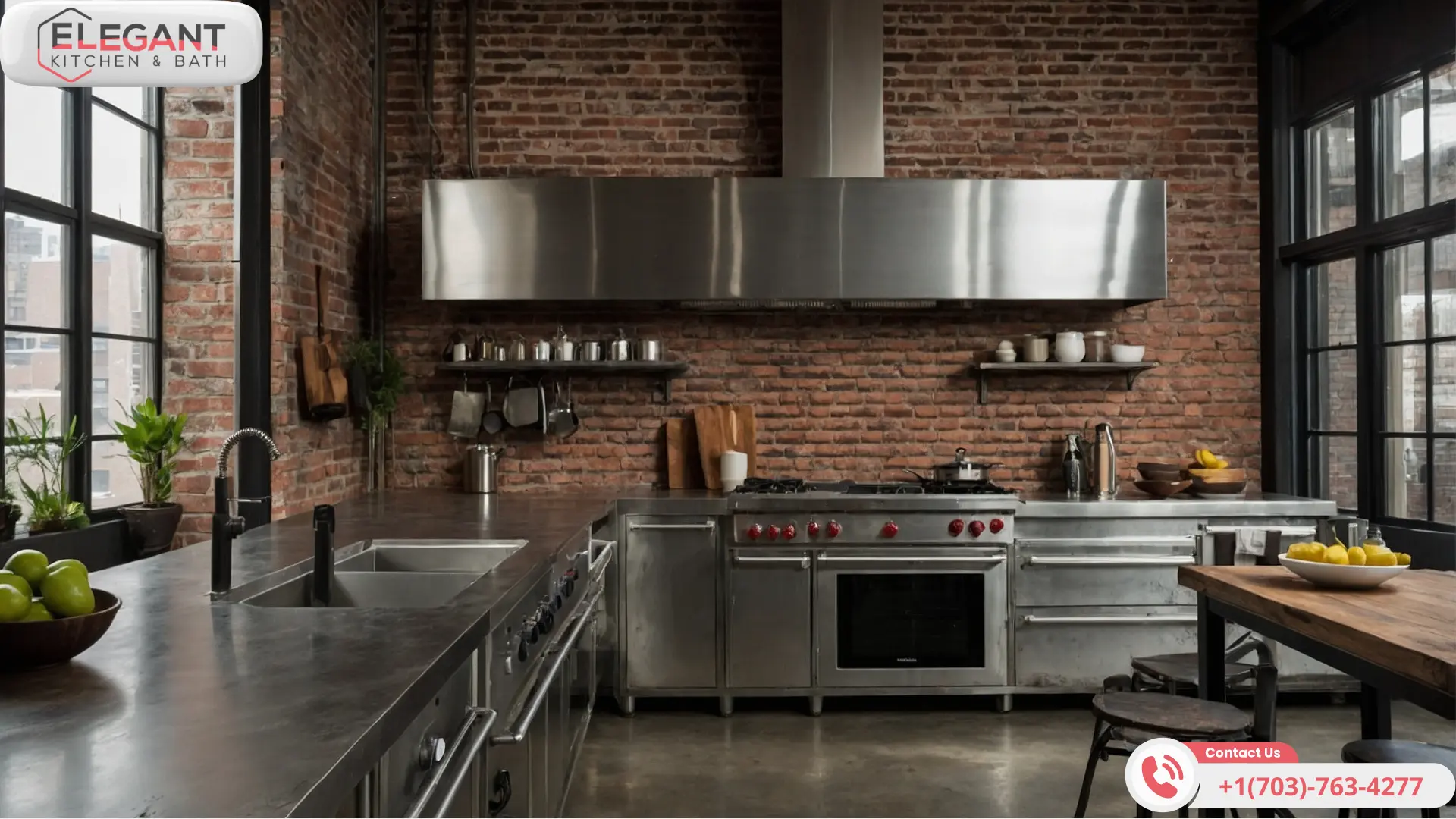
When selecting the perfect backsplash tile for your kitchen, choosing between herringbone and chevron patterns can be exciting and challenging.
These two timeless designs can transform your kitchen, adding visual interest, texture, and a touch of sophistication.
While both patterns share similarities, they possess distinct characteristics that can significantly impact the overall aesthetic of your space.
In this article, we’ll explore the key differences between herringbone and chevron tiles, helping you make an informed decision for your kitchen backsplash.
Key Takeaways for Herringbone vs. Chevron: Right Backsplash Tile for Your Kitchen
Definition and Differences: Herringbone tiles are arranged in a zigzag pattern where each tile intersects in a broken zigzag, resembling the bones of a fish. Chevron tiles form a continuous ‘V’ pattern, with each end cut at an angle to create precise points.
Timeless Appeal of Herringbone: Herringbone tile patterns have a classic and timeless look, often found in historical architecture, making them a versatile choice for various kitchen styles.
Contemporary Edge of Chevron: Chevron tiles offer a bold, modern statement that is ideal for contemporary kitchens that seek a striking visual impact.
Cut and Arrangement: Herringbone requires rectangular tiles and is easier to align without cutting specific angles. Chevron necessitates tiles cut at precise angles (usually 45 degrees) to achieve the seamless ‘V’ pattern.
Design Versatility: Herringbone suits traditional, rustic, or more subtle contemporary designs. Chevron fits well in ultra-modern, eclectic, or minimalist settings.
Installation Considerations: Herringbone is generally easier to install and more forgiving with minor misalignments. Chevron requires precision in cutting and aligning, making professional installation preferable.
Visual Effects: Herringbone patterns can make a kitchen appear more texturally rich and dynamic. Chevron patterns command attention and can serve as the focal point in akitchen space.
Practicality and Maintenance: Both patterns provide similar durability and ease of maintenance, making them practical choices for kitchen backsplash. Grout lines in both patterns can accumulate dirt, so choosing stain-resistant grout is advisable.
Timelessness and Trends: Despite fluctuating trends, herringbone is often considered more timeless due to its historical usage. Chevron, while trendy, may be more susceptible to changing design preferences over time.
Personal Style and Kitchen Dynamics: When choosing between herringbone and chevron, consider your personal style, kitchen layout, and existing décor elements to ensure a cohesive look.
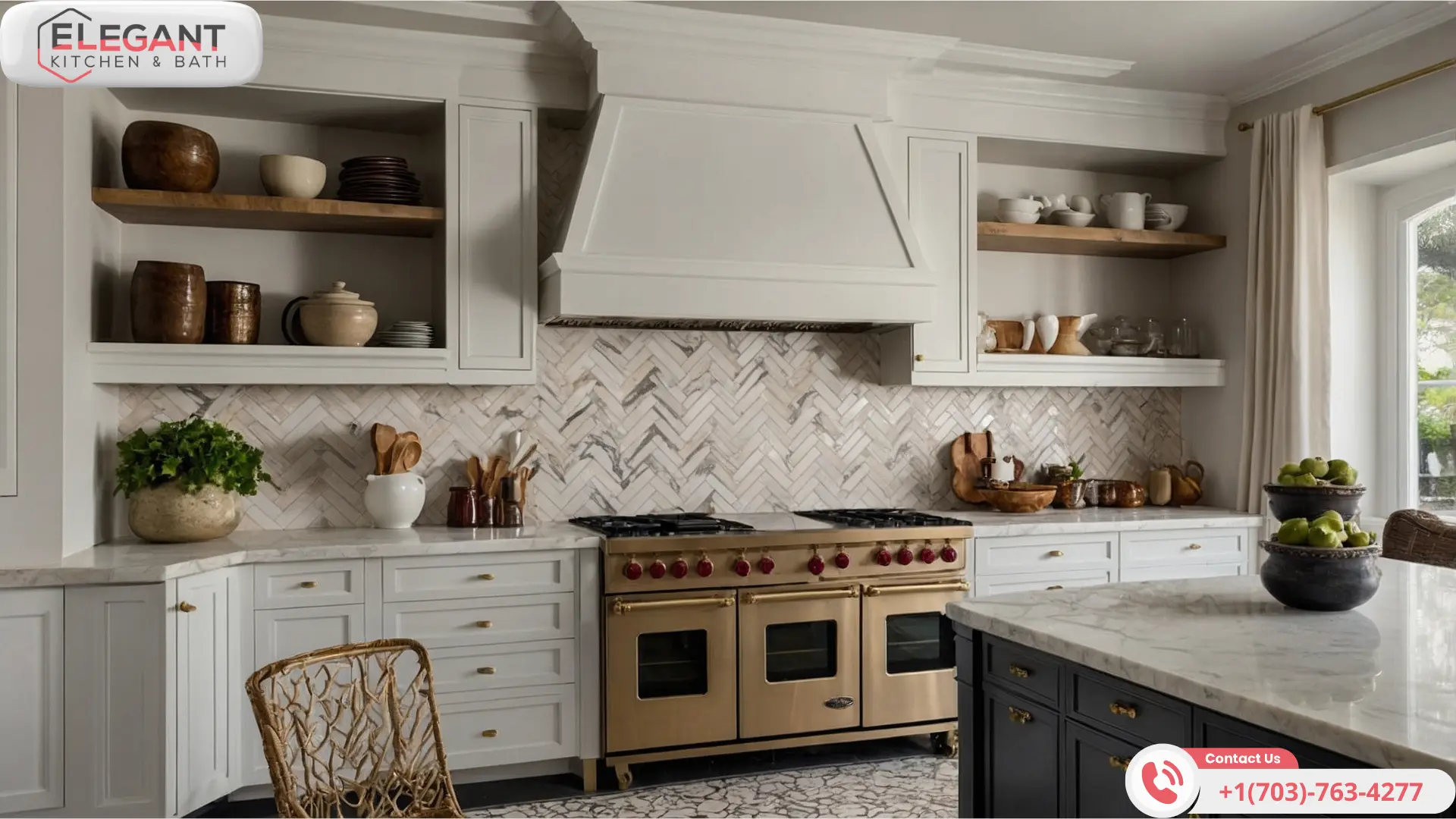
Herringbone tiles are arranged in a broken zigzag pattern, with each rectangular tile placed at a 45-degree angle to the next. This creates a staggered, interlocking pattern resembling a herringfish’s skeleton, hence the name “herringbone.” The pattern offers a classic and timeless look that complements various kitchen styles.
Chevron tiles, on the other hand, are arranged in a continuous zigzag pattern, with each tile meeting the next at a point. This creates a more uniform and linear appearance compared to the herringbone pattern. Chevron tiles are often more modern and contemporary, making them famous for trendy kitchen designs.
Herringbone tile has been a timeless classic in kitchen backsplash design for decades. Its staggered, interlocking pattern creates a sense of depth and movement, adding visual interest to any kitchen. The herringbone pattern’s versatility complements various kitchen styles, from traditional to contemporary.
The history of herringbone tile dates back centuries, with its origins in ancient Roman architecture. The pattern gained popularity in Europe during the 16th century and has become a staple in interior design. Its enduring appeal lies in its ability to create a sophisticated and timeless look.
When considering herringbone tile for a kitchen backsplash, homeowners have a wide range of options in terms of material, color, and size. The following table illustrates some popular choices:
Material
Color
Size
Porcelain
White
2″ x 8″
Ceramic
Gray
3″ x 6″
Marble
Carrara
1″ x 4″
By selecting the right combination of material, color, and size, homeowners can create a herringbone backsplash that perfectly complements their kitchen’s overall design aesthetic. Whether paired with classic white cabinets or modern stainless steel appliances, a herringbone tile backsplash is sure to make a lasting impression.
Chevron Tile: A Bold and Contemporary Choice
In recent years, chevron tile has emerged as a bold and contemporary choice for kitchen backsplashes. Its continuous zigzag pattern creates a striking visual impact, instantly updating the look of any kitchen. Chevron tile is an excellent option for homeowners seeking a modern and trendy design element.
The chevron tile’s clean lines and uniform appearance make it a perfect fit for minimalist and contemporary kitchen styles. When paired with sleek cabinetry and modern appliances, a chevron backsplash can create a cohesive and stylish look. The pattern’s dynamic nature adds energy and movement to the space, making it a focal point in the kitchen.
Chevron tile is available in various materials, colors, and sizes, allowing homeowners to customize their backsplash to suit their tastes. Popular materials include porcelain, ceramic, and glass, while color options range from classic white and gray to bold hues like blue and green. The size of the tiles can also vary, with larger tiles creating a more dramatic effect and smaller tiles offering a more subtle look.
When installing a chevron tile backsplash, it is essential to work with experienced professionals to ensure precise cuts and alignment. The continuous zigzag pattern requires careful planning and execution to achieve a seamless and visually appealing result. With proper installation, a chevron tile backsplash can elevate the style of any kitchen, creating a bold and contemporary statement that will impress guests and homeowners alike.
Key Differences: Cutting and Arrangement
The critical differences between herringbone and chevron tile patterns lie in their cutting and arrangement. Herringbone tiles are cut into rectangles and arranged in a staggered, interlocking pattern, with each tile placed at a 45-degree angle to the next. This creates a broken zigzag effect that adds depth and visual interest to the backsplash.
In contrast, chevron tiles are cut at a 45-degree angle on both ends, resulting in a point at one end and an inverted point at the other. These tiles are arranged in a continuous zigzag pattern, with each tile meeting the next at a point, creating a more uniform and linear appearance.
The cutting and arrangement of herringbone tiles require less precision compared to chevron tiles. The staggered pattern allows for some flexibility in the layout, making it more forgiving for slight variations in tile size or placement.
Chevron tiles, on the other hand, demand precise cutting and arrangement to maintain the continuous zigzag pattern. Any irregularities in the tiles or layout can disrupt the overall look of the backsplash, making it crucial to work with experienced professionals for installation.
Design Considerations: Which Pattern for Your Kitchen?
When choosing between herringbone and chevron tile patterns for your kitchen backsplash, consider the overall design style of your space. Herringbone tiles offer a classic and timeless look that complements traditional, transitional, and even contemporary kitchen styles. Chevron tiles, with their bold and linear appearance, are better suited for modern and minimalist kitchen designs.
The size of your kitchen and the scale of the backsplash area also play a role in selecting the correct pattern. Herringbone tiles create a sense of depth and movement, making them ideal for smaller kitchens or limited backsplash areas. Chevron tiles, with their continuous zigzag pattern, can make a bold statement in larger kitchens or expansive backsplash areas.
Consider the following factors when deciding between herringbone and chevron tile patterns:
Overall kitchen design style (traditional, transitional, contemporary, or modern)
Size of the kitchen and scale of the backsplash area
Desired visual impact (subtle depth or bold statement)
Ease of installation and maintenance
Ultimately, the choice between herringbone and chevron tile patterns for your kitchen backsplash comes down to personal preference and the desired aesthetic for your space. Both patterns offer unique visual appeal and can elevate the look of your kitchen when paired with suitable materials, colors, and overall design elements.
Herringbone Tile Ideas for Your Kitchen Backsplash
Herringbone tile offers a wide range of design possibilities for your kitchen backsplash. Here are some inspiring ideas to consider:
Classic white porcelain herringbone tiles create a timeless and elegant look. Pair them with white cabinets and marble countertops for a sophisticated and cohesive design.
Create a luxurious and high-end look with a Carrara marble herringbone backsplash. The natural veining and subtle gray tones of the marble add visual interest and texture to the space.
Chevron Tile Ideas for Your Kitchen Backsplash
Chevron tile offers a striking and modern look for kitchen backsplashes. Using matte porcelain tiles, homeowners can create a bold statement with a black-and-white chevron pattern. The high contrast and clean lines of this design add a dramatic and sophisticated touch to any kitchen.
For a more subtle yet stylish approach, consider using glass chevron tiles in a soft gray or blue hue. The glass’s reflective surface adds depth and luminosity to the backsplash, while the muted colors complement a variety of kitchen styles and color schemes.
Metallic chevron tiles, such as stainless steel or brushed brass, can add a luxurious and industrial-chic vibe to a kitchen. These tiles work particularly well in modern or contemporary spaces, and they pair beautifully with stainless steel appliances and sleek cabinetry.
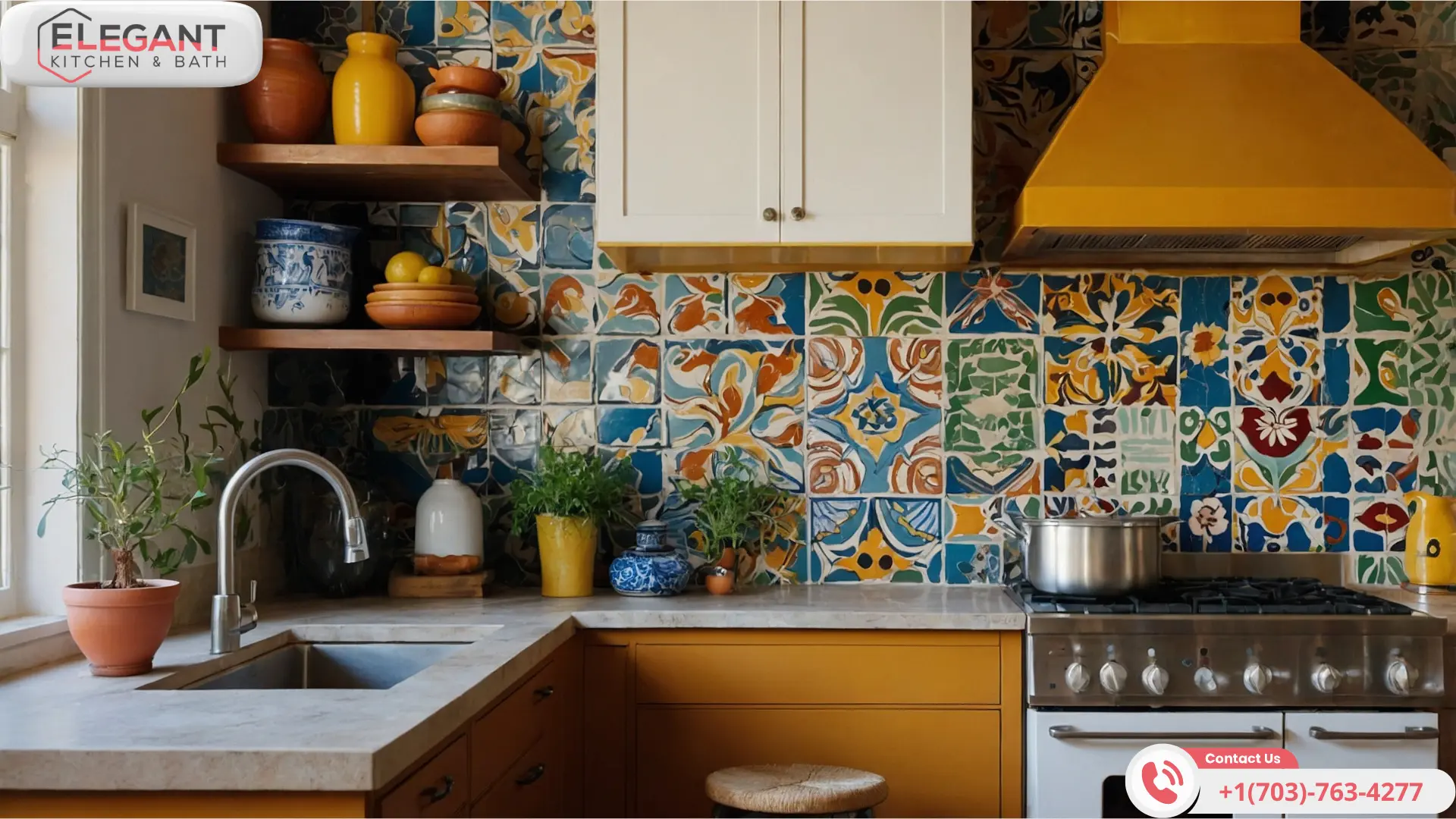
Homeowners seeking a unique and artisanal look can opt for handcrafted ceramic chevron tiles in a mix of earthy tones, such as terracotta, olive green, and mustard yellow. This eclectic design adds warmth and character to the kitchen, creating a cozy and inviting atmosphere.
Final Thoughts: Choosing the Right Backsplash Tile for Your Kitchen
Herringbone and chevron tile patterns offer unique visual appeal and design versatility for kitchen backsplashes. When choosing between these two popular options, homeowners should consider their kitchen’soverall style, the desired visual impact, and the scale of the backsplash area. Both patterns can be customized with various materials, colors, and sizes to suit individual preferences and create a personalized look.
Herringbone tiles provide a classic and timeless appearance that complements a wide range of kitchen styles, from traditional to contemporary. The staggered, interlocking pattern adds depth and movement to the backsplash, making it an ideal choice for smaller kitchens or limited backsplash areas. Homeowners can opt for classic white porcelain, bold ceramic colors, or luxurious Carrara marble to create a stunning herringbone backsplash.
Chevron tiles offer a bold and modern look that instantly updates the appearance of any kitchen. The continuous zigzag pattern creates a striking visual impact and works particularly well in minimalist and contemporary kitchen designs. Homeowners can choose from a variety of materials, such as matte porcelain, glass, or metallic tiles, and experiment with high-contrast color schemes or subtle hues to achieve their desired aesthetic.
Ultimately, the choice between herringbone and chevron tile for a kitchen backsplash depends on personal preference and the overall design goals for the space. By carefully considering the style, scale, and desired visual impact, homeowners can select the perfect backsplash tile pattern to elevate the look of their kitchen and create a stunning focal point that will impress guests and inspire culinary creativity.
FAQs for Herringbone vs. Chevron: Right Backsplash Tile for Your Kitchen
Is Chevron or herringbone better for a kitchen backsplash?
Both chevron and herringbone patterns can create stunning backsplashes, but the choice ultimately depends on your style and the overall aesthetic of your kitchen. Herringbone offers a classic, timeless look that complements both traditional and modern designs, while chevron, with its clean, angular lines, provides a bold, contemporary feel.
Does the Chevron tile need to be updated?
The Chevron tile is still relevant. It has gained popularity recently as homeowners seek fresh, modern designs for their kitchen remodels. The chevron pattern’s clean lines and geometric appeal make it a trendy choice for backsplashes, adding visual interest and a contemporary touch to any kitchen.
What is the difference between chevron and herringbone backsplash?
While chevron and herringbone patterns are rectangular tiles arranged in a zigzag formation, the two have fundamental differences. Chevron tiles are cut at a 45-degree angle and meet in perfect points, creating a continuous “V” shape. On the other hand, herringbone tiles are cut at 90-degree angles and interlock to form a broken zigzag pattern.
Is the herringbone backsplash out of style in 2024?
No, the herringbone backsplash is not expected to go out of style in 2024 or soon. As a classic pattern with a long history in design, herringbone has proven its staying power and adaptability to evolving trends. Its ability to blend with various kitchen styles and color palettes ensures that a herringbone backsplash will remain popular for years.
What is the most timeless kitchen backsplash?
Classic subway tiles are often considered the most timeless kitchen backsplash option. Their simple, rectangular shape and clean lines have been a staple in kitchen design for decades. When arranged in a traditional offset pattern or a herringbone layout, subway tiles create a backsplash that is both elegant and enduring.
What backsplash will always stay in style?
Neutral-colored backsplashes in classic patterns, such as subway tiles in a herringbone or offset arrangement, are unlikely to go out of style. These timeless designs can adapt to changing kitchen trends and color schemes, ensuring a lasting, elegant look for your backsplash.
What is the most practical kitchen backsplash?
Porcelain or ceramic tiles are among the most practical choices for kitchen backsplashes. These materials are durable, water-resistant, and easy to clean, making them ideal for the kitchen environment. Opting for a tile backsplash in neutral colors and classic patterns, such as herringbone or subway tiles, ensures practicality and timeless style.
What is the most popular backsplash right now?
Herringbone and chevron patterns have recently gained significant popularity as backsplash choices. These eye-catching designs add depth, texture, and visual interest to kitchen walls, making them trendy for homeowners seeking a fresh, modern look.
What are the kitchen backsplashes for 2024?
Predictions for popular kitchen backsplashes in 2024 include large-format tiles, bold geometric patterns, and textured finishes. Herringbone and chevron patterns are expected to maintain their popularity, with homeowners opting for larger tile sizes and unique color combinations to create striking, contemporary backsplashes.
Should the backsplash be lighter or darker?
Choosing between a lighter or darker backsplash depends on your kitchen’s overall design and the ambiance you want to create. Lighter backsplashes can make a kitchen feel brighter, more spacious, and airy, while darker backsplashes add depth, drama, and sophistication. Consider your kitchen’s color scheme, countertop material, and cabinetry to determine the best backsplash shade for your space.
What kind of backsplash makes a kitchen look bigger?
Light-colored backsplashes, particularly those with a glossy or reflective finish, can help make a kitchen appear more prominent. Opting for a herringbone or chevron pattern in a light, neutral color can add visual interest without overwhelming the space, creating the illusion of a more expansive kitchen.
How to make a kitchen look expensive?
Incorporating high-end materials, such as natural stone or handcrafted tiles, in your kitchen backsplash can instantly elevate the space and give it a luxurious feel. Opting for a herringbone or chevron pattern in a sophisticated neutral color or a rich, bold hue can add depth and drama, creating an elegant, expensive look.
How do I find the perfect backsplash for my kitchen?
To find the perfect backsplash for your kitchen:
Consider your style, the overall design aesthetic of your home, and your kitchen’s color scheme.
Collect inspirational images from magazines, online resources, and social media to help you narrow down your preferences.
Feel free to mix patterns, colors, and textures to create a unique, personalized look.
When in doubt, consult a professional kitchen designer, like those at Elegant Kitchen and Bath, to help you select the ideal backsplash for your space.
What is the best backsplash to brighten a kitchen?
Light-colored, glossy tiles in a herringbone or chevron pattern can help brighten a kitchen by reflecting light and creating a sense of openness. Opt for white, ivory, or pale neutral shades to maximize the brightening effect. Glass tiles or tiles with a metallic finish can also contribute to a brighter, more luminous kitchen backsplash.
Hear From Our Delighted Clients About Herringbone vs. Chevron: Right Backsplash Tile for Your Kitchen
Maria’s kitchen remodel, done by Elegant Kitchen, resulted in a stunning final product. She highly recommends visiting their showroom and speaking with Tayfun, who is very professional. Maria particularly appreciated the installation of her new chevron backsplash, which added a modern and sophisticated touch to her kitchen. Although a few items needed attention, Tayfun promptly sent his crew to address them. Maria is now in the process of obtaining a quote for her basement bathroom remodel.
Elegant Kitchen and Bath, with their unmatched expertise, transformed Leonard’s kitchen into a beautiful space with a stunning herringbone backsplash. He is now filled with anticipation to cook in his new kitchen for many years to come. Tayfun’s invaluable guidance on cabinets, colors, and the perfect backsplash pattern, tailored to Leonard’s style, was a testament to the team’s dedication.
The project manager, Enes, was extremely attentive and communicated superbly throughout the installation, making Leonard feel secure and valued. The entire team, with their outstanding work, completed the kitchen in just a week, surpassing the initial 2-week estimate. Leonard is now a loyal customer, ready to choose Elegant Kitchen and Bath for future projects.
Elegant Kitchen and Bath did a great job remodeling Amrita’s kitchen, which included new cabinets, countertops, partial wall removal, new flooring, and a stunning white herringbone backsplash. Everyone Amrita worked with was professional, courteous, and customer-friendly. Omer took the time to understand her goals and spent several sessions designing her new spacious kitchen while keeping her needs in mind.
The on-site manager, Enes, was always available to quickly answer questions and address concerns. Their crew was always on time and finished the project in 3 weeks, ahead of the promised 4-week timeline. Amrita appreciated that they cleaned up daily, removing all project debris and leaving her driveway clean. She highly recommends EKB for any remodeling project and thanks the team for their excellent work.
Choose Elegant Kitchen and Bath for your next kitchen backsplash project and experience the same level of satisfaction as Maria, Leonard, and Amrita. Our team is dedicated to delivering exceptional results that exceed your expectations.
Unleash the full potential of your kitchen’s style and functionality with Elegant Kitchen and Bath’s expertise in designing beautiful herringbone and chevron backsplash solutions. Our team’s deep knowledge of materials, patterns, and trends ensures you’ll receive personalized recommendations that bring your dream kitchen to life. Join our satisfied clients in experiencing the transformative power of an elegant backsplash tailored to your unique needs, and get inspired for your own potential project.
Herringbone tiles provide a classic and timeless appearance that complements various kitchen styles. In contrast, chevron tiles offer a bold and modern look that instantly updates the appearance of any kitchen.
The choice between herringbone and chevron tile for a kitchen backsplash depends on personal preference and the space’s overall design goals.
By carefully considering the style, scale, and desired visual impact, homeowners can select the perfect backsplash tile pattern to elevate the look of their kitchen and create a stunning focal point.
A kitchen backsplash not only protects your walls from splatters and spills but also serves as a focal point that can transform your kitchen’s entire look and feel.
With countless tile options, from classic subway tiles to modern metallic finishes, choosing the perfect backsplash for your kitchen remodel can be exciting yet overwhelming.
Whether you prefer the timeless elegance of natural stone, the playful patterns of mosaic tiles, or the sleek sophistication of glass and metal, the right backsplash tile can elevate your kitchen design to new heights.
Explore eight inspiring kitchen backsplash tile ideas to help you create the kitchen of your dreams.
Key Takeaways for 8 Kitchen Backsplash Tile Ideas for Kitchen Remodeling
Subway Tiles: Offer a timeless and versatile look for kitchen backsplashes, with options for customization through color and installation patterns.
Mosaic Tiles: Provide endless possibilities for creating unique and visually stunning backsplash designs using various materials, shapes, and patterns.
Geometric Tile Patterns: Add a contemporary and eye-catching element to kitchen backsplashes, with options for bold statements or subtle, understated designs.
Herringbone and Chevron Tile Patterns: Offer elegant and timeless options for kitchen backsplashes, each with distinct characteristics suited to different kitchen styles.
Rustic and Handmade Tiles: Offer a unique and charming option for kitchen backsplashes, showcasing artisanal craftsmanship and natural variations that add warmth and authenticity.
Metallic Tiles: Provide a sleek and modern look for kitchen backsplashes, available in finishes such as stainless steel, brass, and copper, adding a touch of luxury and sophistication.
[ez-toc]
Understanding the Characteristics and Popular Uses of Classic Subway Tiles
Subway tiles have been a staple in kitchen backsplashes for decades. These rectangular ceramic tiles, typically 3 inches by 6 inches, offer a timeless and versatile look that complements various kitchen styles. Subway tiles are known for their durability, ease of cleaning, and moisture resistance, making them an ideal choice for kitchen environments.
The classic white subway tile remains popular for those seeking a clean and simple aesthetic. When paired with dark grout, white subway tiles create a striking contrast that adds depth and character to the backsplash. Homeowners can also opt for colored subway tiles in shades of blue, green, or gray to introduce a pop of color and visual interest to their kitchen design.
Subway tiles offer flexibility in installation patterns, allowing homeowners to customize their backsplash design. The traditional running bond pattern, where tiles are staggered like bricks, creates a classic look. Alternatively, the herringbone pattern, featuring tiles arranged in a zigzag formation, adds a modern and dynamic touch to the kitchen backsplash.
Beyond their aesthetic appeal, subway tiles are also highly functional. Their glossy surface is easy to clean, preventing stains and grime from accumulating. The tiles’ resistance to heat and moisture makes them suitable for use behind stoves and sinks, protecting the wall from splashes and spills. With their combination of style and practicality, subway tiles continue to be a go-to choice for kitchen remodeling projects.
Exploring the Diverse Patterns and Materials of Mosaic Tiles
Mosaic tiles offer a world of possibilities for kitchen backsplashes, allowing homeowners to create unique and visually stunning designs. These tiles come in various materials, including glass, ceramic, porcelain, and natural stone, each offering distinct characteristics and benefits. Mosaic tiles can be found in multiple shapes, such as squares, rectangles, hexagons, and even irregular shapes, providing endless opportunities for creative expression.
Regarding patterns, mosaic tiles excel in creating intricate and eye-catching designs. From classic herringbone and chevron patterns to more complex geometrical arrangements, mosaic tiles can transform a kitchen backsplash into an actual work of art. Homeowners can mix and match different colors, textures, and finishes to create a one-of-a-kind backsplash that reflects their style and complements the kitchen design.
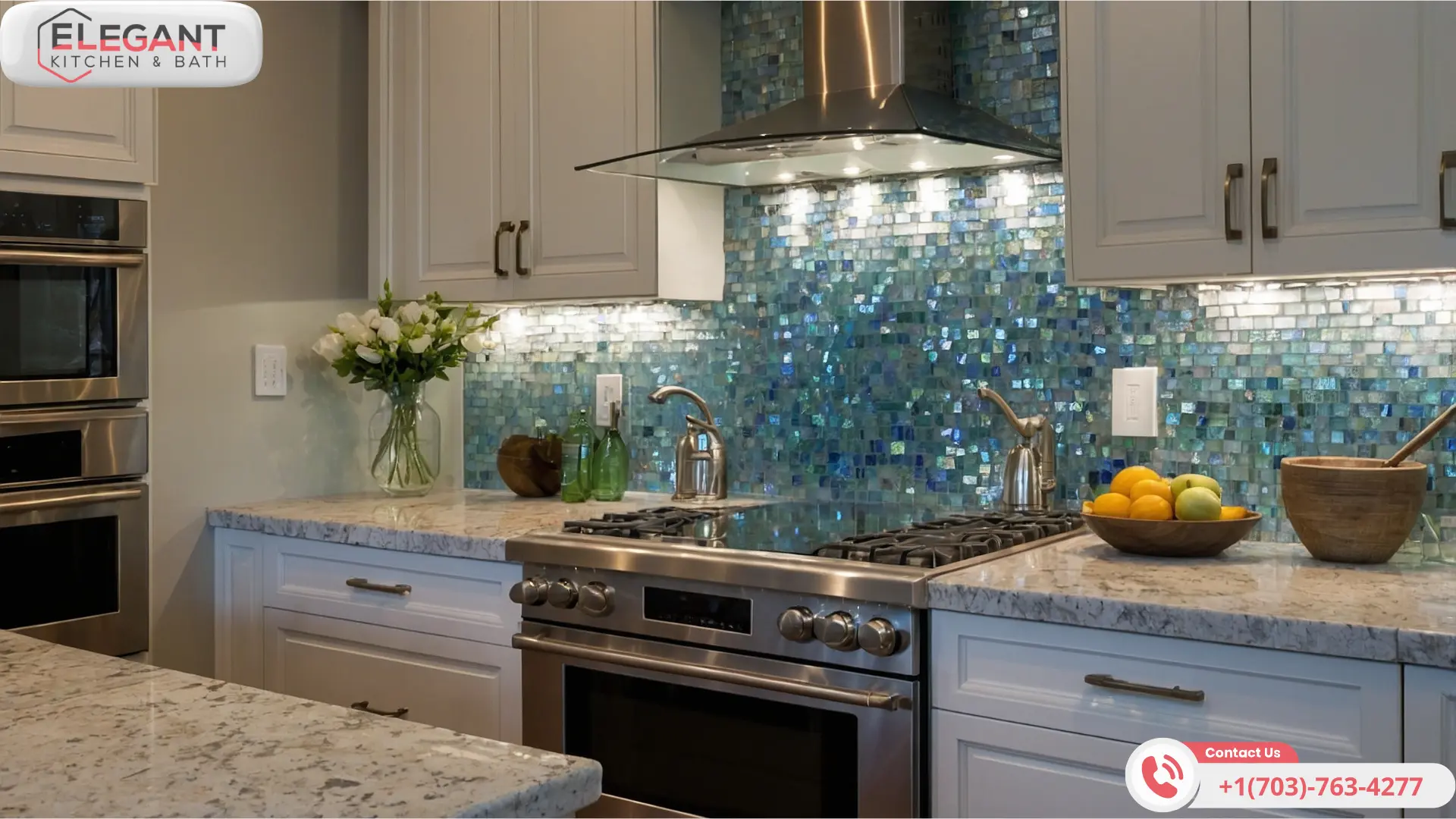
Glass mosaic tiles are trendy for kitchen backsplashes because they reflect light and create a luminous effect. They come in a spectrum of colors, from soft pastels to vibrant hues, allowing homeowners to introduce a desired mood or atmosphere into their kitchen. Glass mosaic tiles are also easy to clean and maintain, making them a practical choice for the kitchen environment.
Natural stone mosaic tiles, such as marble, travertine, and limestone, bring a sense of luxury and sophistication to the kitchen backsplash. These tiles showcase natural stone’s inherent beauty and variation, with each tile displaying unique veining, coloration, and texture. Natural stone mosaic tiles can create a striking contrast and add depth to the backsplash design when combined with other materials like glass or metal.
How Geometric Tile Patterns Add Modern Flair to Your Kitchen
Geometric tile patterns offer a contemporary and eye-catching option for kitchen backsplashes. These tiles feature clean lines, sharp angles, and repeating shapes that create a sense of movement and visual interest. Homeowners can choose from geometric patterns, such as hexagons, diamonds, triangles, and trapezoids, to add a modern flair to their kitchen design.
Geometric tiles can create bold and graphic statements in the kitchen backsplash. By combining different colors, sizes, and finishes, homeowners can design unique patterns that become the kitchen’s focal point. Geometric tiles in monochromatic color schemes, such as black and white or shades of gray, create a sleek and sophisticated look.
Metallic geometric tiles, such as those in stainless steel or brass finishes, add a touch of glamour and luxury to the kitchen backsplash. These reflective surfaces catch the light and create a dynamic interplay of shadows and highlights, enhancing the visual depth of the backsplash.Metallic geometric tiles pair well with modern kitchen appliances and fixtures, creating a cohesive and stylish aesthetic.
Geometric tile patterns can also be used to create subtle and understated designs. By using tiles in soft, neutral colors and arranging them in a simple repeating pattern, homeowners can achieve a modern look that complements rather than overwhelms the overall kitchen design. This approach works well in minimalist and Scandinavian-style kitchens, where clean lines and muted colors are key elements.
Herringbone vs. Chevron: Choosing the Right Tile Pattern for Your Space
Herringbone and chevron tile patterns offer a timeless and elegant look for kitchen backsplashes. While both patterns feature a zigzag arrangement, they have distinct characteristics that set them apart. Understanding the differences between these two patterns can help homeowners choose the right one for their kitchen remodeling project.
The herringbone pattern consists of rectangular tiles arranged in a staggered zigzag formation, creating a visual effect reminiscent of fish bones. This pattern adds depth and texture to the backsplash, making it a popular choice for traditional and contemporary kitchen styles. Herringbone tiles can be installed using various materials, such as ceramic, porcelain, or natural stone, allowing homeowners to customize the look to their preferences.
On the other hand, the chevron pattern features tiles cut at a 45-degree angle and arranged to create a continuous zigzag pattern. This pattern creates a sense of movement and directionality, drawing the eye along the backsplash. Chevron tiles offer a more modern and streamlined look than the herringbone pattern, making them a popular choice for minimalist and contemporary kitchen designs.
When deciding between herringbone and chevron tile patterns, homeowners should consider the overall style of their kitchen and the desired visual impact. The herringbone pattern works well in kitchens with traditional or transitional styles, while the chevron pattern complements modern and minimalist aesthetics. Ultimately, the choice between these two patterns comes down to personal preference and the specific design goals for the kitchen remodeling project.
The Reflective Beauty and Maintenance Tips for Glass Tile Backsplashes
Glass tile backsplashes add a lustrous and reflective quality to kitchen spaces, creating a bright and airy atmosphere. The smooth, glossy surface of glass tiles bounces light around the room, making even small kitchens feel more spacious and open. Glass tiles come in a wide array of colors, from soft pastels to bold hues, allowing homeowners to create a backsplash that complements their personal style and kitchen design.
When installing a glass tile backsplash, using the proper adhesive and grout is important to ensure a secure and long-lasting installation. A professional tile installer can help navigate the challenges of working with glass tiles, such as achieving a level and even surface. Proper substrate preparation and a high-quality, white thinset mortar are essential for a successful glass tile backsplash installation.
Regular cleaning is necessary to maintain the beauty and clarity of a glass tile backsplash. Homeowners can use a soft cloth or sponge with a mild soap and water solution to wipe down the tiles and remove grease or grime. A non-abrasive cleaner specifically designed for glass surfaces can be used for tougher stains, followed by a thorough rinse with clean water.
Homeowners should avoid using abrasive cleaners or scrubbers on glass tile backsplashes, as these can scratch or dull the surface over time. It’s also important to promptly address any chips or cracks in the tiles to prevent moisture from seeping behind the backsplash and causing damage to the wall. With proper care and maintenance, a glass tile backsplash can retain its reflective beauty and enhance the kitchen’s ambiance for years.
Marble and Natural Stone Tiles: Pros, Cons, and Maintenance Tips
Marble and natural stone tiles bring timeless elegance and luxury to kitchen backsplashes. These materials showcase unique veining, coloration, and texture, adding depth and character to the kitchen design. Homeowners can choose from various natural stone options, such as marble, granite, travertine, and limestone, each with its own distinct beauty.
While marble and natural stone tiles offer undeniable aesthetic appeal, they also come with specific considerations. These materials are porous and prone to staining and etching if improperly sealed and maintained. Acidic substances like wine, citrus, and tomato-based products can cause damage to the surface of natural stone tiles.
Regular sealing is necessary to protect and maintain marble and natural stone backsplashes. Homeowners should apply a high-quality sealer specifically designed for the type of stone used in their backsplash. This helps prevent stains and makes cleaning easier. Wiping up spills promptly and avoiding abrasive cleaners are also essential for preserving the beauty of natural stone tiles.
Despite the maintenance requirements, many homeowners find the stunning appearance and durability of marble and natural stone tiles worth the effort. When properly cared for, these materials can last for decades, providing a timeless and sophisticated backdrop in the kitchen. The unique characteristics of each tile ensure that no two natural stone backsplashes are precisely alike, adding to their charm and appeal.
Incorporating Rustic and Handmade Tiles for a Unique Kitchen Design
Rustic and handmade tiles offer a unique and charming option for kitchen backsplashes. These tiles showcase the artisanal craftsmanship and natural variations that make each piece one-of-a-kind. Incorporating rustic and handmade tiles into a kitchen design adds warmth, texture, and a sense of authenticity to the space.
Homeowners can choose from a variety of rustic and handmade tile materials, such as:
Terracotta tiles with earthy tones and a natural matte finish
Handcrafted ceramic tiles with irregular edges and glazed surfaces
Reclaimed wood tiles that bring a touch of nature indoors
Hand-painted tiles featuring unique patterns and motifs
When incorporating rustic and handmade tiles into a kitchen backsplash, it’s important to consider the overall design aesthetic. These tiles work well in farmhouses, cottages, and Mediterranean-style kitchens, whose organic and imperfect qualities complement the rustic charm. Pairing these tiles with natural wood cabinetry, exposed beams, and vintage-inspired fixtures creates a cohesive and inviting kitchen design.
To showcase the beauty of rustic and handmade tiles, homeowners can opt for a simple and understated backsplash layout. A classic offset pattern or a straight stack arrangement allows each tile’s unique characteristics to shine without overwhelming the space. Grout color can also play a role in highlighting the tiles’ texture and variation, with a contrasting grout color emphasizing the handcrafted quality of the backsplash.
Creating a Sleek, Modern Look with Metallic Backsplash Tiles
Metallic backsplash tiles offer a sleek and modern look for kitchen remodeling projects. Available in finishes such as stainless steel, brass, and copper, they add a touch of luxury and sophistication to the kitchen. Their reflective surfaces catch the light, creating a dynamic and visually striking backsplash.
Homeowners can choose from various metallic tile options to achieve their desired aesthetic:
Brushed stainless steel tiles for a cool and industrial look
Polished brass tiles add warmth and elegance
Hammered copper tiles for a rustic yet refined texture
Mosaic tiles combining different metallic finishes for a unique and eye-catching design
When incorporating metallic backsplash tiles, it’s important to consider the overall kitchen design. These tiles pair well with modern cabinetry, sleek appliances, and minimalist fixtures. Homeowners can create a cohesive look by coordinating the backsplash’s metallic finish with other kitchen elements, such as cabinet hardware or light fixtures.
To make a bold statement, homeowners can opt for a full-wall metallic backsplash that extends from the countertop to the ceiling. Alternatively, a smaller section of metallic tiles can be used as an accent, paired with neutral tiles or painted walls, for a balanced and sophisticated look.
FAQs for Kitchen Backsplash Tile Ideas
What is the trend in kitchen backsplash in 2024?
In 2024, kitchen backsplash trends are all about making a bold statement. Homeowners embrace vibrant colors, intricate patterns, and unique textures to create a focal point in their kitchen designs. Bold geometric patterns, such as chevron and herringbone layouts, are gaining popularity, particularly with eye-catching materials like patterned cement tiles or glazed ceramic tiles. Matte finishes are also in vogue, offering a modern and sophisticated look. Natural stone tiles, including marble and quartzite, remain luxurious and valued for their organic beauty and durability. Mixed materials, such as glass and metal, are another emerging trend, adding depth and visual interest to the backsplash area.
What backsplash tile always stays in style?
Subway tile backsplashes are a timeless choice that always stays in style. Their classic, clean lines and versatile appearance make them a perennial favorite in kitchen designs. Subway tiles come in various sizes, colors, and finishes, allowing homeowners to create a look that complements their style preferences. Whether you opt for traditional white subway tiles or explore more contemporary options like larger formats or unique patterns, this backsplash option offers a timeless appeal that can seamlessly transition through design trends. Additionally, subway tiles are practical and easy to maintain, making them a functional choice for busy kitchens.
What is the most popular backsplash for a kitchen?
In 2024, the most popular backsplash for kitchens is expected to be subway tiles, particularly in larger sizes and with unique patterns or colors. The classic subway tile is reimagined with modern twists, such as herringbone and chevron patterns, adding visual interest and depth to the backsplash area. While traditional white subway tiles remain popular, homeowners are also exploring bolder colors like deep blues, greens, and even blacks to create a striking contrast against their cabinetry and countertops. Additionally, larger subway tile formats, such as 4×12 or 6×12 inches, are gaining traction for their ability to create a seamless and contemporary look.
What are the kitchen splashbacks for 2024?
Kitchen splashbacks for 2024 are about making a statement with large-format tiles, textured surfaces, and natural stone materials. Homeowners gravitate towards oversized tiles, often 12×24 inches or larger, for a sleek and minimalist look. Textured surfaces, such as three-dimensional tiles or those with a raised pattern, are also trending, adding depth and visual interest to the backsplash area. Natural stone materials like marble, quartzite, and slate are famous for their organic beauty and durability. Mixed materials, such as combining glass and metal, are another emerging trend, creating a unique and eye-catching backsplash design.
Are white kitchens out for 2024?
While white kitchens are not entirely out for 2024, they are evolving to incorporate more warmth, personality, and contrast. Homeowners are moving away from the stark, all-white kitchen aesthetic and instead embracing pops of color, mixed materials, and natural wood accents to add depth and visual interest. For example, white cabinetry may be paired with a bold, patterned backsplash or a rich, wood-toned island. Additionally, warm metallic accents like brass or copper hardware and lighting fixtures soften the crisp white palette. Overall, the trend is moving towards a more balanced and layered approach, where white serves as a clean canvas for other design elements to shine.
What color backsplash is timeless?
A white backsplash is considered timeless in kitchen design. White has a clean, fresh, and versatile appeal that complements any style, from traditional to contemporary. A white backsplash can create a cohesive and seamless look, tying together various elements in the kitchen while also reflecting light and making the space feel brighter and more open. Whether you choose classic subway tiles, sleek marble slabs, or textured ceramic tiles, a white backsplash offers a neutral backdrop that can easily transition through design trends and color schemes. Additionally, white backsplashes are practical and easy to maintain, making them a functional choice for busy kitchens.
What backsplash to avoid?
When selecting a backsplash for your kitchen, it’s generally advisable to avoid highly trendy or overly personalized designs that may not appeal to future buyers. Extremely bold patterns or colors, while potentially eye-catching, can quickly become outdated and may need to align with changing design preferences. Similarly, backsplashes that are too specific to your taste or lifestyle may not resonate with others, making it challenging to sell your home in the future. Instead, opt for more timeless and versatile options that seamlessly transition through design trendsand complement various styles.
Should the countertop be lighter or darker than the backsplash?
Choosing between a lighter or darker countertop and the backsplash depends on the desired effect and overall kitchen design. Lighter countertops can create a more open and airy feel, reflecting light and making the space appear larger and brighter. They also provide a clean and fresh canvas for the backsplash to take center stage. On the other hand, darker countertops add depth and contrast, creating a bold and dramatic look when paired with a lighter backsplash. They can also help to ground the space and provide a warm, cozy ambiance. Ultimately, the decision should be based on your preferences, the overall color scheme, and the desired contrast level in your kitchen design.
What color tile always stays in style?
White tile is a color that never goes out of style, making it a timeless choice for kitchen backsplashes, floors, and other surfaces. White tile has a clean, fresh, and versatile appeal that complements various design aesthetics, from traditional to contemporary. It reflects light and creates a bright, airy atmosphere, making it an excellent choice for smaller spaces or kitchens with limited natural light.
Additionally, white tile is easy to maintain. It can be paired with a wide range of colors and materials, allowing you to update the look of your kitchen without having to replace the tile itself. Whether you choose classic subway tiles, sleek marble slabs, or textured ceramic tiles, a white tile backsplash or floor will remain stylish and timeless.
Should tile be lighter or darker than walls?
Choosing a lighter or darker tile for the wall color depends on the desired effect and overall design aesthetic. Lighter tiles can create a sense of openness and airiness, reflecting light and making the space appear larger and brighter. They also provide a clean, fresh canvas for the walls to take center stage. On the other hand, darker tiles can add depth and contrast, creating a bold and dramatic look when paired with lighter walls. They can also help to ground the space and provide a warm, cozy ambiance. Ultimately, the choice should be based on your preferences, the overall color scheme, and the desired contrast level in your kitchen or bathroom design.
Are 12×12 tiles still being updated?
While 12×12 tiles were once a popular choice for kitchen and bathroom floors, they are becoming less common in modern designs, which favor larger format tiles. However, 12×12 tiles can still be used effectively in specific styles, such as traditional or rustic kitchens, where their smaller size can contribute to a cozy and charming aesthetic. Additionally, they may be a practical choice for smaller spaces or areas with irregular layouts, as larger tiles can be more challenging to install in tight spaces or around intricate corners. Ultimately, the decision to use 12×12 tiles should be based on your style preferences and the overall design aesthetic you aim to achieve.
Is hexagon tile going out of style?
Hexagon tiles will be around for a while. Their unique geometric shape and versatility in creating exciting patterns and designs have made them popular in modern kitchen and bathroom renovations. Hexagon tiles can create eye-catching backsplashes, statement floors, or even accent walls, adding visual interest and depth to a space. They come in various materials, including ceramic, porcelain, and natural stone, allowing homeowners to choose a tile that complements their desired style and budget.
Additionally, hexagon tiles can be arranged in various patterns, such as honeycomb and herringbone, or even mixed with other tile shapes, providing endless design possibilities. With their timeless appeal and ability to add character to a space, hexagon tiles will likely remain popular for homeowners seeking to create a stylish and unique look.
Hear From Our Delighted Clients About Choosing the Perfect Kitchen Backsplash Tile
Dmitry praised Elegant Kitchen and Bath for their exceptional work on his kitchen renovation, which included selecting the ideal backsplash tile. He appreciated how the team was timely, attentive, clean, and responsive to his needs throughout the process.
Dmitry was particularly impressed with Omer’s guidance in choosing a backsplash tile that complemented his new kitchen layout and design. The EKB team presented various options, from classic subway tiles to modern mosaic patterns, ensuring Dmitry found the perfect fit for his style and budget. Thanks to their expertise, Dmitry’s kitchen now boasts a stunning, eye-catching backsplash that ties the entire space together.
Mark expressed his satisfaction with Elegant Kitchen and Bath’s kitchen remodel, which involved installing new cabinets, removing a partial wall, and selecting the perfect backsplash tile. He commended Omer for taking the time to understand their goals and presenting several layout options, resulting in a more open and storage-friendly space.
Mark appreciated the team’s attention to detail, especially when addressing concerns about the uneven floor. Enes and his installers provided clear explanations at each step, promptly answered questions, and maintained steady progress. The backsplash tile selection process was seamless, with EKB offering expert advice on materials, colors, and patterns that would best suit Mark’s new kitchen design.
Herbert shared his outstanding experience with Elegant Kitchen and Bath’s complete kitchen remodel, which included selecting the ideal backsplash tile to complement his new space. He praised the team for their exceptional communication, high-quality work, and prompt handling of minor issues.
Herbert was thrilled with the initial design support provided by Tayfun, who helped him navigate the vast array of backsplash tile options. The EKB team offered insights on the latest trends, durability, and maintenance requirements, ensuring Herbert chose a backsplash that looked stunning and fit his lifestyle. The result was a beautifully coordinated kitchen with a backsplash that perfectly tied together the cabinets, countertops, and flooring.
Choosing the perfect kitchen backsplash tile is essential to any successful kitchen remodeling project. By partnering with the experienced professionals at Elegant Kitchen and Bath, you can benefit from their expertise in selecting the suitable materials, colors, and patterns to create a cohesive and stylish look. Join our satisfied clients in experiencing the transformative power of a well-designed backsplash that elevates your kitchen.
Conclusion
Kitchen backsplash tiles offer numerous options for enhancing style and functionality during remodeling.
From classic subway tiles to intricate mosaic patterns, each type of tile brings unique characteristics and benefits to the kitchen design.
When selecting the perfect backsplash tile, homeowners should consider factors such as overall kitchen style, desired maintenance level, visual impact, and compatibility with other elements.
By exploring diverse kitchen backsplash tile ideas and working with experienced professionals, homeowners can transform their kitchens into stunning, inviting spaces that express their style and create a beautiful, functional focal point.
Planning a kitchen remodel involves many critical decisions, including choosing suitable tiles. This choice can considerably impact your kitchen’s aesthetics, durability, and cost.
Marble and porcelain are two popular kitchen tile options, each boasting distinct advantages and drawbacks. These unique properties of both materials play a significant role in their suitability to different homeowner preferences and lifestyles.
Choosing between these two can be daunting, given that both offer different qualities that are equally appealing. This comprehensive guide aims to simplify this complex decision by highlighting the critical differences between marble and porcelain tiles, helping you determine the ideal option for your kitchen remodel.
Keep reading to learn the differences between marble and porcelain tiles and discover which option is best for your kitchen remodel.
Key Takeaways for Marble vs. Porcelain Tile in Kitchen Remodeling
1. Marble and Porcelain tiles each have distinctive traits that influence their durability, maintenance, and aesthetic value in kitchen remodels. 2. Marble, a natural stone, offers a timeless beauty featuring exclusive veining patterns, making each piece one of a kind. 3. On the other hand, porcelain is a flexible, man-made material that can mimic various looks, including natural stone patterns. 4. Porcelain tiles exhibit more durability than marble tiles, making them more suitable forhigh-traffic areas. 5. In terms of maintenance, porcelain tiles are more straightforward and less demanding as they do not absorb stains or liquids. 6. Given their porous nature, Marble tiles need regular sealing to maintain their beauty and prevent staining. 7. When contemplating between Marble and Porcelain tiles, homeowners need to contemplate their preferences, living patterns, and financial plan to make the most
suitable choice. 8. A major consideration is cost-effectiveness, with porcelain tiles generally being more affordable in comparison to genuine marble. 9. Lastly, understanding and considering the unique benefits and drawbacks of marble and porcelain tiles will help homeowners make an informed choice, resulting in a successful kitchen remodel.
[ez-toc]
Understanding the Basics of Marble and Porcelain Tiles
When considering marble or porcelain tile for a kitchen remodel, it’s essential to understand the key characteristics and differences between these popular materials. Marble and porcelain tiles each have unique properties that affect their durability, maintenance requirements, and overall appearance.
Marble tile is a natural stone material sourced from quarries around the world. It is composed primarily of calcite or dolomite, forms of calcium carbonate. The unique veining and color variations in marble occur due to mineral impurities during the stone’s formation.
Marble tiles are known for their elegance and timeless beauty, making them a popular choice for kitchen countertops, backsplashes, and flooring. Each piece of marble is unique, showcasing the natural patterns and hues created by the earth over millions of years.
What Defines Porcelain Tile?
Porcelain tile is a manufactured ceramic material crafted from clay, sand, and other natural elements. These ingredients are fired at extremely high temperatures, resulting in a dense, durable, and non-porous tile resistant to staining, scratching, and moisture absorption.
Porcelain tiles are available in a wide range of colors, patterns, and finishes, including options that mimic the look of natural stone, wood, or concrete. This versatility makes porcelain an excellent choice for homeowners seeking durability and style in their kitchen remodel.
Porcelain tile is a manufactured ceramic material.
It is crafted from a mixture of clay, sand, and other natural elements.
Porcelain tiles are fired at extremely high temperatures.
This results in a dense, durable, and non-porous tile
Porcelain is resistant to staining, scratching, and moisture absorption.
It is available in various colors, patterns, and finishes.
Porcelain can mimic the look of natural stone, wood, or concrete.
Key Differences in Composition
Here are the two paragraphs on the topic of Key Differences in Composition between marble and porcelain tiles:
The primary difference in Composition between marble and porcelain tile lies in their origins. Marble is a natural stone formed by the metamorphosis of limestone or dolomite. At the same time, porcelain is a manufactured ceramic material crafted from clay, sand, and other natural elements fired at high temperatures.
Another critical distinction is porosity. Marble is a porous material that can absorb liquids and stains more quickly, requiring regular sealing to maintain its appearance. In contrast, porcelain tile is non-porous and highly resistant to staining, moisture absorption, and scratching without additional sealing.
Aesthetic Appeal: Marble vs. Porcelain
When selecting the perfect tile for your kitchen remodel, marble and porcelain offer distinct aesthetic advantages. Marble’s natural beauty, with its unique veining and color variations, is unparalleled, while porcelain provides incredible versatility in design options.
Ultimately, choosing these two materials will depend on your style preferences and the overall look you want to achieve in your kitchen.
The Natural Beauty of Marble
Marble’s natural beauty is unmatched, with each piece displaying unique veining patterns and color variations. These distinctive markings are created by mineral impurities present during the stone’s formation, resulting in a one-of-a-kind appearance that adds character and elegance to any kitchen.
Marble’s timeless appeal has made it a sought-after material for centuries, gracing the floors and walls of palaces, sculptures, and modern kitchens. Its luminous surface and soft, organic feel contribute to a sense of luxury and sophistication that elevates the overall aesthetic of the space:
Marble displays unique veining patterns and color variations.
Mineral impurities create distinctive markings during stone formation.
Each piece of marble is one-of-a-kind.
Marble adds character and elegance to any kitchen.
It has been a sought-after material for centuries.
Marble graces floors and walls of palaces, sculptures, and modern kitchens
Its luminous surface and soft, organic feel contribute to a sense of luxury and sophistication.
The Versatility of Porcelain Designs
Porcelain tile offers unmatched versatility in design options, allowing homeowners to achieve virtually any desired aesthetic in their kitchen remodel. From classic and contemporary styles to rustic and industrial looks, porcelain tiles can be manufactured to mimic the appearance of natural stone, wood, concrete, or metal.
The advanced digital printing technology used in porcelain tile production enables manufacturers to create stunningly realistic patterns and textures nearly indistinguishable from their natural counterparts. This versatility empowers homeowners to select a tile that perfectly complements their kitchen’s color scheme, cabinetry, and overall design vision.
Matching Tiles to Your Kitchen Style
When selecting marble or porcelain tiles for a kitchen remodel, consider the overall style and design of the space. For traditional and classic kitchens, marble tiles with subtle veining and neutral colors can provide an elegant and timeless look. In contrast, modern and contemporary kitchens may benefit from the sleek and uniform appearance of porcelain tiles in bold colors or large-format sizes.
Homeowners can mix and match marble and porcelain tiles to create a unique and personalized kitchen design. For example, using marble tiles for a backsplash and porcelain tiles for the flooring can provide a balance of natural beauty and durability. Ultimately, the key to successfully matching tiles to your kitchen style is to consider the tiles’ color palette, texture, and pattern for the other design elements in the space.
Durability and Maintenance: What to Expect
When considering marble or porcelain tile for a kitchen remodel, it’s crucial to understand the differences in durability and maintenance requirements between these two popular materials.
Marble’s porous nature makes it more susceptible to staining and etching, while porcelain’s dense Composition provides superior resistance to wear and tear.
Additionally, the ease of cleaning and maintaining each material varies, impacting your kitchen’s long-term appearance and functionality.
Marble’s Porosity and Staining Potential
Here are the two paragraphs on the topic of Marble’s Porosity and Staining Potential: Marble is a porous natural stone that can absorb liquids, oils, and other substances that may lead to staining. Without proper sealing and maintenance, spills from acidic substances like wine, citrus juice, or tomato sauce can etch the surface of the marble, leaving permanent marks or dullness.
To minimize the risk of staining and etching, marble tiles require regular sealing with a high-quality stone sealer. Homeowners should be prepared to reseal their marble tiles every few months to a year, depending on the use and exposure to potential staining agents in the kitchen.
Porcelain’s Resistance to Wear and Tear
Porcelain tile offers superior durability and resistance to wear and tear compared to marble. Its dense, non-porous Composition makes it highly resistant to scratches, chips, and stains, ensuring a long-lasting and beautiful kitchen surface.
Porcelain tiles are also less likely to crack or break under heavy foot traffic or impacts from dropped objects. This durability makes porcelain ideal for high-traffic kitchens or homes with children and pets.
Ease of Cleaning Marble vs. Porcelain
Cleaning marble tiles requires more effort and caution than cleaning porcelain tiles. Due to marble’s porous nature, it is essential to use pH-neutral cleaners specifically designed for natural stone to avoid etching or damaging the surface. Acidic or abrasive cleaners can quickly dull the finish of marble tiles, requiring professional restoration.
In contrast, porcelain tiles are much easier to clean and maintain. Their non-porous surface resists staining and can be cleaned with a wide range of common household cleaners without the risk of damage. Porcelain’s low-maintenance properties make it an attractive choice for homeowners who prefer a hassle-free cleaning routine in their kitchen.
Cost Comparison for Your Remodel Budget
When planning a kitchen remodel, budgeting is critical in determining the best tile choice for your project. Both marble and porcelain tiles come with different price points and long-term value considerations.
Understanding the upfront costs and potential long-term expenses associated with each material can help homeowners make an informed decision that aligns with their remodeling budgetand overall goals.
Upfront Cost of Marble Tiles
Marble tiles tend to have a higher upfront cost compared to porcelain tiles. The marble price can vary significantly depending on the stone’s type, color, and rarity, with some high-end options costing several times more per square foot than budget-friendly porcelain alternatives.
In addition to the tiles’ cost, homeowners should factor in the expense of professional installation, as marble requires skilled craftsmanship to ensure a proper and long-lasting fit. The cost of sealing materials and ongoing maintenance should also be considered when budgeting for a marble tile installation.
Upfront Cost of Porcelain Tiles
Porcelain tiles generally have a lower upfront cost than marble tiles, making them a more budget-friendly option for kitchen remodels. Homeowners can find various porcelain tile styles and designs at different prices, allowing them to achieve their desired aesthetic without breaking the bank.
While high-end porcelain tiles that mimic natural stone may have a higher price tag, they are still typically less expensive than genuine marble. The cost-effectiveness of porcelain tiles, combined with their durability and low-maintenance properties, makes them an attractive choice for homeowners working with a limited remodeling budget:
Porcelain tiles have a lower upfront cost compared to marble.
Porcelain tiles come in various styles and designs at different price points.
Homeowners can achieve their desired aesthetic without breaking the bank.
High-end porcelain tiles that mimic natural stone may have a higher price tag.
However, they are still typically less expensive than genuine marble.
Porcelain tiles are cost-effective, durable, and low maintenance.
Long-Term Value Assessment
Factors such as durability, maintenance costs, and potential resale value should be considered when assessing the long-term value of marble and porcelain tiles. While marble may have a higher upfront cost, its timeless beauty and luxurious appeal can increase home value and marketability.
Conversely, porcelain tiles offer excellent long-term value due to their durability and low maintenance requirements. The cost savings associated with less frequent repairs, replacements, and professional upkeep can add up over time, making porcelain an intelligent investment for budget-conscious homeowners.
Installation Considerations for Homeowners
When planning a kitchen remodel with marble or porcelain tiles, homeowners must consider the unique installation requirements for each material. Marble’s distinctive veining patterns and porcelain’s flexibility in installation methods can significantly impact the overall look and feel of the finished project.
Marble’s unique veining patterns require careful consideration during the installation process. To create a cohesive and visually appealing design, it is essential to lay out the marble tiles and assess the flow of the veins before installing them.
Working with a skilled and experienced installer can ensure that the marble tiles are cut and placed to maximize the beauty of the natural patterns. Additionally, book-matching or vein-matching techniques can be employed to create a stunning, mirrored effect across adjacent tiles:
Lay out marble tiles and assess the flow of veins before installation.
Work with a skilled installer to ensure proper cutting and placement.
Utilize book-matching or vein-matching techniques for a mirrored effect.
Porcelain’s Flexibility in Installation Methods
Porcelain tiles offer greater flexibility in installation methods than marble. They can be installed using a variety of patterns, such as straight lay, diagonal, herringbone, or modular designs, allowing homeowners to create unique and personalized looks in their kitchens.
Porcelain tiles offer various installation options, allowing homeowners to create unique and personalized layouts in their kitchen remodels. From traditional straight-lay patterns to more intricate designs like herringbone or modular arrangements, porcelain’s versatility enables a customized look that complements any style preference.
In addition to pattern flexibility, porcelain tiles come in various sizes, from small mosaic tiles to large-format options. This variety opens up endless possibilities for creating visually striking and functional kitchen designs:
Porcelain tiles offer a wide range of installation options.
Homeowners can create unique and personalized layouts.
Installation patterns include straight lay, herringbone, and modular designs.
Porcelain’s versatility enables a customized look to complement any style.
Tiles come in various sizes, from small mosaics to large-format options.
The variety of sizes allows for visually striking and functional kitchen designs.
Which Tiles Are Better for Various Kitchen Areas?
When selecting marble or porcelain tiles for a kitchen remodel, it’s essential to consider the specific areas where the tiles will be installed.
Different parts of the kitchen require different requirements in terms of durability, resistance to moisture, and overall aesthetics.
Understanding the unique needs of high-traffic floors, backsplashes, and countertops can help homeowners decide which tile material best suits each application.
Choosing Tiles for High Traffic Floors
When selecting tiles for high-traffic kitchen floors, porcelain is often the superior choice due to its exceptional durability and resistance to wear and tear. Its dense, non-porous Composition makes it highly resistant to scratches, chips, and stains, ensuring a long-lasting and beautiful kitchen floor that can withstand the demands of daily use.
In contrast, while visually stunning, there may be better options than marble tiles for high-traffic kitchen floors. Marble’s porous nature makes it more susceptible to staining, etching, and scratching, which can detract from its appearance over time:
Porcelain is often the superior choice for high-traffic kitchen floors.
Its dense, non-porous Composition makes it highly durable.
Porcelain is resistant to scratches, chips, and stains.
It ensures a long-lasting and beautiful floor that can withstand daily use.
There may be better options than marble tiles for high-traffic floors.
Marble’s porous nature makes it more susceptible to staining, etching, and scratching.
This can detract from marble’s appearance over time.
Backsplash and Countertop Considerations
Regarding kitchen backsplashes and countertops, marble and porcelain tiles can be excellent choices, depending on the homeowner’s style preferences and maintenance expectations. Marble’s timeless beauty and unique veining patterns can create a stunning focal point in the kitchen, elevating the overall design aesthetic.
However, porcelain tiles that mimic the look of marble offer a more practical alternative for homeowners who desire the elegance of marble without the high maintenance requirements. Porcelain’s non-porous surface is highly resistant to staining and etching, making it an ideal choice for kitchen backsplashes and countertops where spills and splatters occur daily.
Environmental Impact and Sustainability
As homeowners become increasingly conscious of their environmental impact, considering the sustainability of building materials is an essential aspect of any kitchen remodel. Both marble and porcelain tiles have unique ecological considerations that can influence the decision-making process for eco-minded individuals.
By understanding these materials’ sourcing, production, and lifecycle, homeowners can make informed choices that align with their values and contribute to a more sustainable future.
Marble’s Natural Sourcing and Longevity
Marble is a natural stone quarried from the earth, making it a finite resource. However, its longevity and durability can contribute to its overall sustainability. When properly maintained, marble tiles can last for decades, reducing the need for frequent replacements and minimizing waste.
Additionally, marble’s timeless appeal ensures that it remains a desirable material for years to come, further extending its lifecycle and reducing the likelihood of trendy updates contributing to unnecessary waste.
Porcelain’s Eco-Friendly Manufacturing
Porcelain tiles use natural materials, including clay, sand, and feldspar. Many porcelain tile manufacturers have adopted eco-friendly practices, such as recycling water and waste materials during production, to minimize their environmental impact.
Furthermore, porcelain’s durability and long lifespan contribute to its sustainability by reducing the need for frequent replacements. When a porcelain tile reaches the end of its useful life, it can often be recycled or repurposed, minimizing its environmental footprint.
Conclusion: Making the Best Choice for Your Kitchen
In conclusion, marble and porcelain tiles offer unique benefits and drawbacks for kitchen remodels. By carefully considering aesthetics, durability, maintenance, cost, and environmental impact, homeowners can decide which best suits their needs and preferences.
Whether you choose marble’s timeless elegance or porcelain’s versatility and durability, working with an experienced and reputable company like Elegant Kitchen and Bath can ensure a successful and stunning kitchen transformation.
Best Options for Backsplashes and Countertops
Both marble and porcelain tiles offer unique advantages for kitchen backsplashes and countertops. Marble’s timeless beauty and distinctive veining patterns can create a stunning focal point, elevating the overall design aesthetic of the kitchen. However, porcelain tiles that mimic the look of marble provide a more practical alternative for homeowners who desire the elegance of marble without the high maintenance requirements.
Porcelain’s non-porous surface is highly resistant to staining and etching, making it an ideal choice for areas where spills and splatters occur daily. This durability ensures that the backsplash and countertop remain beautiful and functional for years, with minimal upkeep required.
The Role of Slip Resistance in Your Kitchen
When selecting the perfect tile for your kitchen remodel, it’s crucial to consider the role of slip resistance in creating a safe and functional space. Both marble and porcelain tiles offer unique safety features that can help prevent slips and falls, ensuring a secure environment for you and your family.
By understanding the slip-resistant properties of each material, you can make an informed decision that prioritizes both style and safety in your kitchen design.
Safety Features of Marble
Marble tiles offer a natural slip resistance due to their slightly textured surface. This inherent texture provides added traction, reducing the risk of slips and falls in the kitchen, even when the surface is wet.
Also, honed or tumbled marble finishes can enhance slip resistance, creating a more matte and less slippery surface than polished marble. These finishes are particularly beneficial for kitchen floors, where safety is a top priority:
Marble tiles have a slightly textured surface that provides natural slip resistance.
The inherent texture reduces the risk of slips and falls, even when wet.
Honed or tumbled marble finishes enhance slip resistance further.
These finishes create a more matte and less slippery surface than polished marble.
Honed or tumbled finishes are particularly beneficial for kitchen floors, where safety is crucial.
Porcelain’s Slip-Resistant Options
Porcelain tiles are available in various finishes with varying degrees of slip resistance. Textured or matte-finished porcelain tiles provide excellent traction for kitchen floors, minimizing the risk of slips and falls in high-traffic areas.
Some porcelain tiles are designed explicitly with slip-resistant properties, featuring slightly raised patterns or a gritty surface that enhances friction. These specialized tiles are ideal for kitchen spaces prone to moisture, such as areas near the sink or dishwasher, ensuring a safer environment for all users.
Incorporating Marble and Porcelain in Your Kitchen Design
For example, you can use durable porcelain tiles on your kitchen floor for high-traffic areas and elegant marble tiles for your backsplash or countertop to create a stunning focal point. This combination allows you to enjoy the best of both worlds: porcelain’s practicality and marble’s timeless beauty.
Mixing and Matching Tiles for a Unique Look
Feel free to mix and match marble and porcelain tiles to create a one-of-a-kind kitchen design. Combining different colors, patterns, and textures allows you to craft a space that reflects your style and complements your home’s overall aesthetic.
When mixing tiles, consider using marble for accent pieces, such as a herringbone-patterned backsplash or a waterfall-edge island countertop, while using porcelain tiles for most of your flooring and wall surfaces. This approach allows you to showcase the natural beauty of marble while maintaining the durability and low-maintenance benefits of porcelain in high-use areas.
Safety Features of Porcelain
Porcelain tiles offer a range of slip-resistant options, making them an excellent choice for kitchen floors and other moisture-prone areas. Many porcelain tiles with textured or matte finishes increase traction, reducing the risk of slips and falls in high-traffic areas.
Some porcelain tiles are explicitly engineered with slip-resistant properties, such as slightly raised patterns or gritty surfaces that enhance friction. These specialized tiles are particularly useful in kitchen spaceswhere spills occur every day, such as near the sink or dishwasher:
Porcelain tiles are available with textured or matte finishes for increased traction.
Slip-resistant porcelain tiles reduce the risk of slips and falls in high-traffic areas.
Some porcelain tiles are engineered with raised patterns or gritty surfaces for enhanced friction.
Specialized slip-resistant tiles are ideal for moisture-prone areas, such as near sinks or dishwashers.
Making Your Decision: Marble or Porcelain?
When selecting the perfect tile for your kitchen remodel, deciding between marble and porcelain ultimately depends on your priorities and lifestyle.
By weighing the aesthetic appeal of each material against its practical considerations, such as durability, maintenance, and cost, you can determine which option best aligns with your needs and preferences.
Weighing Aesthetics Against Practicality
When deciding between marble and porcelain tiles for your kitchen remodel, it is essential to balance aesthetic preferences with practical considerations. While marble’s timeless beauty and unique veining patterns may be the perfect fit for your design vision, its porous nature, and higher maintenance requirements should also be considered.
On the other hand, porcelain tiles offer a wide range of styles and designs that can closely mimic the look of marble while providing superior durability and ease of maintenance. Homeowners should carefully evaluate their lifestyle, budget, and long-term expectations when weighing the aesthetic appeal of each material against its practical benefits.
When to Choose Marble
Homeowners should consider choosing marble tiles for their kitchen remodel when they prioritize the unique beauty and timeless elegance that only natural stone can provide. Marble’s distinctive veining patterns and luxurious appearance can elevate the kitchen’s overall aesthetic, creating a stunning focal point showcasing the homeowner’s style.
Marble tiles are an excellent choice for those who appreciate natural stone’s inherent value and prestige. They are particularly well-suited for homeowners who are willing to invest the time and effort required to maintain the surface properly, ensuring its enduring beauty for years to come:
Prioritize the unique beauty and timeless elegance of natural stone.
Elevate the overall aesthetic of the kitchen with marble’s distinctive veining.
Create a stunning focal point that showcases personal style.
Appreciate the inherent value and prestige of natural stone.
Willing to invest time and effort in proper maintenance
When to Choose Porcelain
Porcelain tiles are ideal for homeowners who prioritize durability, low maintenance, and versatility in their kitchen remodels. The non-porous nature of porcelain makes it highly resistant to stains, scratches, and moisture, ensuring a long-lasting and beautiful surface that can withstand the demands of a busy kitchen.
Homeowners should consider porcelain tiles when they desire the look of natural stone, wood, or concrete without the associated upkeep and maintenance requirements. Porcelain’s vast array of styles, colors, and patterns allows endless design possibilities. It is an excellent option for creating a personalized and functional kitchen space that seamlessly integrates with their lifestyle and budget.
Our skilled designers and artisans will work closely with you to understand your unique needs and help you select the perfect tile materials for your space. With our expertise and commitment to quality, you can trust that your kitchen remodel will be executed flawlessly, resulting in a beautiful, functional, and long-lasting space that you and your family will enjoy for years.
FAQs for Marble vs. Porcelain Tiles in Kitchen Remodeling
What size tiles make a kitchen look bigger?
Larger tiles with fewer grout lines can create the illusion of a more spacious kitchen. Smaller tiles with more grout lines make a space look busier and more cluttered. Here are some tips:
Use large format tiles (12×24 inches or larger) on floors and walls to minimize grout lines.
Opt for rectangular tiles in a horizontal pattern to make the room appear wider.
Choose tiles with a glossy or polished finish to reflect light and make the space feel more open.
Use the same tile from floor to wall for a seamless, continuous look.
What is the best material for kitchen tile?
Porcelain tile is considered the best overall material for kitchen tile floors and walls. Its key advantages include:
Extremely durable and resistant to scratches, cracks, and moisture
Various colors, patterns, and finishes are available to mimic natural stone.
Low maintenance and easy-to-clean
It does not require regular sealing like natural stone.
Porcelain – Its non-porous, glazed surface resists stains, spills, and odors. It just needs occasional mopping.
Glass – Glass tiles have a non-porous, impervious surface that prevents dirt and grime from penetrating. Wipe clean with a damp cloth.
Large Format – Larger tiles mean fewer grout lines to clean and maintain compared to smaller mosaic tiles.
Polished/Glazed – Tiles with a polished or glazed finish have a smoother, non-porous surface that is easier to wipe clean.
The grout used is also essential – epoxy grout is more stain-resistant than cement-based grout in kitchens.
Is porcelain or marble better for kitchen floors?
Porcelain is generally better for kitchen floors due to its durability, resistance to scratches and stains, and ease of maintenance. Marble, while beautiful, is softer and more porous and requires regular sealing and maintenance to prevent damage from spills and scratches.
What tile material is best for the kitchen?
Porcelain tile is often considered the best material for kitchen floors. It is highly durable, non-porous, and resistant to stains and scratches, making it ideal for high-traffic and spill-prone areas like kitchens. Additionally, porcelain tiles come in various designs, including those that mimic the look of natural stone like marble, providing both aesthetic appeal and practicality.
Which is more expensive, marble or porcelain tile?
Marble is significantly more expensive than porcelain tile. It can cost around $40 per square foot or more, while porcelain tiles are generally much cheaper. Additionally, the installation costs for marble are higher due to its fragility and the specialized skills required for handling and setting it.
Can you tell the difference between marble and porcelain tile?
It can be challenging to distinguish between high-quality porcelain tiles and natural marble. Porcelain tiles can be manufactured to mimic the appearance of marble, fooling most people closely. However, marble has a unique natural veining and a more relaxed touch, while porcelain is more uniform and smoother to the touch.
What are the benefits of porcelain over marble?
Porcelain tiles offer several benefits over marble:
Durability: Porcelain is more resistant to scratches, stains, and wear.
Maintenance: Porcelain requires less maintenance and does not need regular sealing.
Cost: Porcelain is more cost-effective both in terms of material and installation.
Resistance to Extreme Temperatures: Porcelain can withstand extreme temperatures without damage.
Customizable Designs: Porcelain tiles come in a wide range of designs, including those that mimic natural stones like marble, allowing for aesthetic flexibility.
Hear From Our Delighted Clients About Marble vs. Porcelain Tile for Kitchen Remodels
Kevin Stout recently had his kitchen remodeled by Elegant Kitchen & Bath and was thoroughly impressed with the entire process. From the initial design phase, where Omer provided detailed visual renderings, to the final touches, every step exceeded Kevin’s expectations. The project was completed ahead of schedule, thanks to the meticulous planning and frequent communication from Enes, the project manager. Kevin appreciated the team’s ability to address unforeseen issues, such as relocating electrical and gas lines to optimize kitchen space. The accent lighting added a beautiful touch to the finished kitchen. Kevin highly recommends Elegant Kitchen & Bath for their exceptional craftsmanship and professionalism.
Kifah Tlaib had a fantastic experience with Tayfun and his team during a recent kitchen remodel. Tayfun’s commitment to excellent service and honesty stood out, making the entire process smooth and efficient. The team’s strong work ethic and attention to detail ensured a beautifully remodeled kitchen. Kifah highly recommends Elegant Kitchen & Bath for anyone looking to transform their kitchen space with precision and care.
Megan Mahoney cannot praise Elegant Kitchen & Bath enough for their outstanding work on her kitchen remodel. Omer, Enes, and the rest of the team were professional, responsive, punctual, and maintained a tidy workspace throughout the project. Despite the inherent stress of kitchen remodeling, the team made the process as seamless as possible. Megan highly recommends Elegant Kitchen & Bath for their dedication to delivering high-quality results and exceptional customer service.
Elevate Your Kitchen with Marble or Porcelain Tile
Experience the same level of satisfaction as Kevin, Kifah, and Megan by choosing Elegant Kitchen & Bath for your next kitchen remodel. Whether you prefer the timeless elegance of marble or the durability and versatility of porcelain tile, our team is dedicated to delivering exceptional results that exceed your expectations. Our expertise in materials, patterns, and trends ensures personalized recommendations that bring your dream kitchen to life. Join our satisfied clients in experiencing the transformative power of a beautifully remodeled kitchentailored to your unique needs.
Conclusion
Deciding between marble and porcelain tiles for a kitchen remodel is a significant decision that requires careful consideration of factors such as aesthetics, durability, maintenance, cost, and environmental impact.
Marble offers timeless elegance and unique veining patterns that elevate the kitchen’s overall design, while porcelain provides versatility, durability, and low maintenance requirements. Homeowners should weigh their priorities, lifestyle, and budget when choosing these popular tile options.
Partnering with a reputable company like usElegant Kitchen and Bath ensures a successful kitchen renovation project, regardless of the tile material chosen.