Selecting the perfect backsplash color for a kitchen is a crucial aspect of interior design that can dramatically impact the overall aesthetic. This decision intertwines with other elements, such as the countertop,cabinetry, and even extends to bathroom walls, creating a cohesive look throughout the home.
The right backsplash color can elevate a kitchen’s ambiance, tie together disparate design elements, and reflect the homeowner’s style. In this article, readers will discover essential tips for choosing the ideal backsplash color to complement their kitchen’s unique character and functionality.
Key Takeaways for Choosing the Right Backsplash Color for Your Kitchen
Impact on Aesthetics: The backsplash color significantly influences the kitchen’s visual appeal and overall ambiance.
Existing Elements: Consider the colors of countertops, cabinetry, and flooring to ensure a harmonious look.
Lighting Effects: Natural and artificial lighting should be evaluated to understand how the backsplash color appears throughout the day.
Popular Colors: Common backsplash colors include white, gray, blue, green, and earthy tones, each offering unique aesthetic benefits.
Functionality: Backsplash materials should be practical, especially in high-traffic areas, to withstand cleaning and resist stains.
Mood Creation: The chosen color can affect the kitchen’s mood and atmosphere, enhancing feelings of warmth, coolness, or spaciousness.
Style Emulation: Select a backsplash color that aligns with your desired kitchen style, such as modern, rustic, or coastal.
Tile Size: Tile size affects the visual impact—larger tiles offer a sleek look, while smaller ones add texture and detail.
Contrast vs. Matching: Decide between contrasting or matching the backsplash with the countertop for different visual effects.
Color Interaction: Consider how backsplash colors interact with adjacent spaces and elements like appliances or dining areas.
Grout Color: The color of the grout can impact the overall look, influencing the appearance of the backsplash tiles.
Community Insights: Drawing from collective homeowner experiences can provide practical tips and alternative perspectives on choosing backsplash colors.
[ez-toc]
Things to Consider When Choosing a Backsplash Color
Selecting the ideal backsplash color for a kitchen involves carefully considering various factors. The chosen hue can significantly impact the overall aesthetic and functionality of the space. Each aspect is crucial, from the desired effect of the colors to matching existing elements like kitchen cabinets and marble countertops. The style, size, and pattern of tiles or mosaics contribute to the visual impact, while proper lighting and kitchen functionality should be noticed. Additionally, the choice of grout color can subtly influence the final look. By evaluating these essential elements, homeowners can make an informed decision that enhances their kitchen’s appearance and practicality.
What Do You Want Its Colors to Accomplish?
The colors chosen for a kitchen backsplash can serve multiple purposes, from creating visual harmony to enhancing the overall ambiance. Homeowners may opt for hues that complement existing elements such as woodcabinetry, ceramicfloor tiles, or granite countertops. Alternatively, they might select colors that contrast these features to create a focal point or add visual interest to the space.
When determining the desired effect of backsplash colors, consider the following factors:
Mood and atmosphere
Visual expansion or contraction of the space
Coordination with adjacent rooms, such as a shower area
Reflectivity and light distribution
Maintenance and cleaning requirements
Find the Style You’d Like to Emulate
Kitchen renovation projects often begin with selecting a style that resonates with the homeowner’s vision. Whether it’s a modern, industrial look featuring exposed brick or a sleek, contemporary design incorporating quartz surfaces, the chosen style sets the tone for the entire room. This decision influences the backsplash color and other elements such as flooring, cabinetry, and ceiling treatments.
Emulating a specific style guides color choices and material selections throughout the kitchen. For instance, a farmhouse-inspired kitchen might feature natural, earthy tones, while a minimalist approach could lean towards monochromatic schemes. The following table illustrates popular kitchen styles and their corresponding color palettes:
Kitchen Style
Color Palette
Typical Materials
Modern
Whites, Grays, Bold Accents
Glass, Stainless Steel, Quartz
Rustic
Warm Earth Tones
Wood, Stone, Brick
Coastal
Blues, Greens, Sandy Beiges
Ceramic Tile, Painted Wood
Industrial
Grays, Blacks, Metallic Accents
Concrete, Metal, Exposed Brick
Find the Right Size to Deliver the Right Impact
The size of backsplash tiles plays a crucial role in creating the desired visual impact in a kitchen. Larger tiles can create a sleek, modern look and make a small space appear more expansive, while smaller tiles or intricate patterns like a herringbone pattern can add texture and visual interest. Homeowners should consider the scale of their kitchen, including the sink area and available wall space when selecting tile sizes for their backsplash.
The chosen tile size can also influence the kitchen’s overall aesthetic, potentially tying in with other home improvementprojects throughout the house. For instance, a backsplash featuring smaller tiles might complement the intricate patterns in the bedroomcarpet, creating a cohesive design theme that flows from one room to another. Ultimately, the right tile size will balance visual appeal with practical considerations, enhancing the kitchen’s functionality and style.
Match Your Backsplash With Existing Elements
Matching the backsplash with existing elements in the kitchen creates a cohesive and harmonious design. Homeowners should consider the colors and materials of their cabinets, countertops, and flooring when selecting a backsplash color. For instance, greyporcelain tiles can complement stainless steel appliances and cool-toned countertops, while taupe-colored backsplashes pair well with warm wood tones.
The choice of building materials for the backsplash also plays a crucial role in achieving a unified look. Metal accents or tiles can add a modern touch to contemporary kitchens, while natural stone or ceramic tiles better suit traditional or rustic styles. Designers often recommend selecting a backsplash color that ties together different elements in the kitchen, creating a balanced and visually appealing space:
Existing Element
Complementary Backsplash Color
Suggested Material
Dark Wood Cabinets
Light Beige or Cream
Ceramic or Porcelain
White Marble Countertops
Soft Grey or Silver
Glass or Metal
Stainless Steel Appliances
Charcoal or Slate
Porcelain or Natural Stone
Neutral Beige Flooring
Taupe or Warm Brown
Travertine or Limestone
Consider the Lighting in Your Kitchen
The lighting in a kitchen significantly influences the perception of backsplash colors and materials. Natural light from windows or skylights can enhance the reflective properties of glass tile or stainless steel elements, while artificial lighting may alter the appearance of porcelaintile hues. Designers recommend evaluating backsplash options under various lighting conditions to ensure the chosen color maintains its desired effect throughout the day.
When selecting a backsplash color, homeowners should consider how it will interact withtask lighting and ambient illumination. The price of energy-efficient LED fixtures can be offset by their ability to showcase the backsplash’s true colors and textures. Additionally, the lighting scheme in adjacent spaces, such as the dining room, should create a cohesive flow between areas.
Consider the Functionality of Your Kitchen
The functionality of a kitchen plays a pivotal role in selecting an appropriate backsplash color and material. High-traffic areas near cooktops and sinks require durable materials that withstand frequent cleaning and resist stains. Stainless steelbacksplashes offer excellent durability and complement modern kitchen remodel designs, while Zellij tiles provide a unique aesthetic and easy-to-clean surface for busy cooking zones.
Homeowners should consider the practicality of their backsplash, cooking habits, and maintenance preferences. Light-colored backsplashes may require more frequent cleaning but can brighten up a dark kitchen, while darker hues can conceal minor stains and reduce visible wear. Quality caulk during installation ensures a watertight seal, protecting the underlying wall from moisture damage and preserving the backsplash’s appearance over time.
Should the Backsplash Be Lighter or Darker Than the Countertop?
Choosing a lighter or darker backsplash than the countertop depends on various factors, including the overall kitchen design and desired aesthetic. Homeowners often select contrasting colors to create visual interest, like how a well-manicured lawn complements a home’s exterior.
Lighter backsplashes can brighten a kitchen space, reflecting more light and making the area appear larger. This effect is particularly beneficial in kitchens with limited natural light, similar to how a fireplace illuminates a dark room.
Darker backsplashes, on the other hand, can add depth and sophistication to a kitchen. They create a striking contrast against lighter countertops, reminiscent of how shades of blue in artwork stand out against a neutral background.
Ultimately, choosing between a lighter or darker backsplash depends on personal preference and the overall design goals. Designers often recommend considering the kitchen’s color scheme, lighting, and other elements when making this decision:
Countertop Color
Lighter Backsplash
Darker Backsplash
Light
Creates a seamless look
Adds contrast and depth
Dark
Brightens the space
Creates a cohesive appearance
Neutral
Enhances brightness
Adds visual interest
Color Scheme Kitchen Backsplashes in 2022
In 2022, kitchen backsplash color schemes embraced a diverse palette, reflecting homeowners’ desire to infuse personality into their culinary spaces. From the calming hues of gray to the warmth of brown and the timeless appeal of white, backsplash choices evolved to complement various design aesthetics. Bold touches of black, refreshing greens, and sunny yellows added vibrancy, while blues and earthy tones created serene atmospheres. Daring color schemes gained popularity, inspiring homeowners to experiment with unique combinations. These trends are often showcased on platforms like Houzz, influencing kitchen renovations and extending to other home areas, such as patios and window treatments.
Fire Up the Kitchen With Some Gray Kitchen Backsplashes
Gray kitchen backsplashes emerged as a versatile choice in 2022, offering a sophisticated backdrop that complemented various design elements. This neutral hue provided homeowners a canvas for experimenting with bold accents, such as vibrant chair cushions or energizing artwork, without overwhelming the space.
The popularity of gray backsplashes extended beyond the kitchen, influencing design choices in other home areas, from basement renovations to accessibility features. Designers embraced gray’s adaptability to create cohesive transitions between rooms and enhance the overall aesthetic appeal of living spaces.
Bring in the Brown Kitchen Backsplash
Brown kitchen backsplashes gained popularity in 2022, offering a warm and inviting aesthetic to culinary spaces. This earthy hue complemented various design elements, from wood flooring to butcher block countertops, creating a cohesive and natural ambiance. Homeowners embraced brown backsplashes as an alternative to monochrome schemes, adding depth and character to their kitchens.
Designers creatively incorporated brown backsplashes to highlight architectural features or create focal points within the kitchen. Brown’s versatility allowed for seamless integration with different color palettes, making it an excellent choice for those seeking a timeless and sophisticated look. As a result, brown backsplashes became a frequent topic in home improvement FAQs and design advertisements, showcasing their appeal and functionality.
Warm and inviting aesthetic
Complementary to wood elements
Alternative to monochrome schemes
Versatile integration with various color palettes
Popular topic in design resources
The Classic White Kitchen Backsplash
White kitchen backsplashes maintained their popularity in 2022, offering homeowners a timeless and versatile option. White tiles’ clean, bright appearance, whether in classic subway patterns or modern hexagon shapes, complemented various kitchen styles and color schemes. This neutral backdrop allowed other elements, such as soapstone countertops or statement light fixtures, to take center stage in the kitchen design.
Designers often paired white backsplashes with contrasting elements to create visual interest. Dark-colored stoves or retail-inspired open shelving provided striking contrasts against the crisp white tiles, adding depth and character to the kitchen space. The reflective qualities of white backsplashes also helped to enhance natural and artificial lighting, making kitchens appear more spacious and inviting.
A Touch of Black in the Kitchen
Black backsplashes emerged as a bold statement in 2022 kitchen designs, adding sophistication and depth to culinary spaces. This dramatic hue created striking contrasts with lighter elements, such as white cabinetry or travertine countertops, transforming the kitchen landscape. Homeowners incorporated black backsplashes to anchor their kitchen designs, like a well-designed pantry that organizes and defines storage spaces.
Designers skillfully integrated black backsplashes with home automation features, creating sleek, modern kitchens that seamlessly blended technology and aesthetics. Black’s versatility allowed for creative pairings with various textures and materials, from glossy tiles that mimicked the sheen of wet sand to matte finishes that absorbed light, adding visual interest and dimension to the space.
Dash of Green Goodness
Green backsplashes brought a refreshing and natural element to kitchens in 2022, offering a versatile range from soft sage to vibrant emerald tones. These hues complemented various kitchen materials, including concrete countertops and stainless steel appliances, creating a harmonious blend of nature-inspired design. Homeowners used green backsplashes to add depth and visual interest, much like a well-placed curtain frames a window view.
Designers creatively incorporated green backsplashes, often pairing them with neutral primers to enhance their vibrancy and ensure long-lasting color. The popularity of green in kitchen design extended beyond backsplashes, influencing choices in photography displays and accent pieces throughout the home. This trend reflected a growing desire to bring elements of the outdoors into interior spaces, creating a sense of tranquility and connection to nature:
Sage green for a subtle, calming effect
Emerald tones for a bold, luxurious statement
Mint green to create a fresh, invigorating atmosphere
Forest green for a rich, earthy ambiance
Olive green to complement warm wood tones
Squeeze in Some Yellows
Yellow backsplashes injected vibrant energy into kitchens in 2022, adding a cheerful dimension to culinary spaces. This sunny hue complemented various design elements, from farmhouse-inspired shiplap walls to modern upholstery fabrics, creating a welcoming atmosphere that brightened even the most utilitarian areas of the kitchen.
Designers creatively incorporated yellow backsplashes to highlight architectural features or create focal points within the kitchen’s construction. Yellow’s versatility allowed for seamless integration with different color palettes, making it an excellent choice for those seeking to add warmth and personality to their cooking spaces.
A Blend of Blues
Blue backsplashes emerged as a popular choice in 2022 kitchen designs, offering a versatile range of hues that complement various architectural styles. From deep navy to soft sky blue, these tones created a tranquil atmosphere reminiscent of Art Deco aesthetics. Architects incorporated blue backsplashes to add depth and visual interest, often pairing them with contrasting materials such as copper fixtures or oakcabinetry.
The blend of blues in kitchen backsplashes allowed homeowners to experiment with different textures and finishes. Glossy polyvinyl chloride tiles mimicked the sheen of ocean waves, while matte ceramic options provided a more subdued look. This versatility made blue backsplashes an attractive choice for those seeking to create a cohesive design theme throughout their living spaces:
Blue Hue
Complementary Material
Design Style
Navy
Copper Fixtures
Modern Industrial
Sky Blue
Oak Cabinetry
Coastal Farmhouse
Teal
Stainless Steel
Contemporary
Turquoise
White Marble
Mediterranean
Weave in Earthy Tones
Earthy tones wove into kitchen backsplash designs in 2022, offering a grounding presence that complemented various architectural styles. These natural hues, ranging from warm beige to rich slate, created a harmonious backdrop that enhanced the beauty of other kitchen elements. Designers skillfully incorporated these earthen shades to evoke a sense of timelessness and connection to nature within culinary spaces.
The versatility of earthy tones allows for creative pairings with complementary colors, resulting in sophisticated and inviting kitchen environments. Homeowners embraced these organic hues to add depth and texture to their kitchens, often combining them with elements like tin ceilings or natural stone countertops to create a cohesive and visually appealing aesthetic.
Be Brave With a Daring Color Scheme
In 2022, homeowners embraced daring color schemes for kitchen backsplashes, pushing the boundaries of traditional design. Bold palettes incorporated vibrant hues and unexpected combinations, transforming backsplashes into striking focal points that rivaled the visual impact of a statement vanity in a bathroom.
Designers encouraged clients to adopt a “no-regrets” policy when selecting bold backsplash colors, emphasizing the transformative power of a well-executed color scheme. These audacious choices often extended beyond the kitchen, influencing the overall aesthetic of open-concept living spaces and creating a cohesive yet dynamic home environment.
Should the Backsplash Tile Match the Countertop Color?
Designers often debate whether backsplash tiles should match the countertop color. This decision depends on various factors, including the overall kitchen design, desired aesthetic, and personal preferences. Homeowners in Minneapolis and other cities often seek guidance from professionals to achieve the perfect balance between complementary and contrasting elements.
Matching backsplash tiles to countertop colors can create a seamless, cohesive look. This approach works particularly well with neutral tones or using materials like quartzite for both surfaces. However, contrasting colors can add visual interest and depth to the kitchen, creating a dynamic interplay between different elements.
Some homeowners opt for bold color choices, such as turquoise backsplash tiles paired with a more subdued countertop. This approach can create a striking focal point in the kitchen, drawing the eye and adding personality to the space. Others prefer a more subtle contrast, using different shades of the same color family to create a harmonious yet visually exciting design.
The choice between matching or contrasting backsplash and countertop colors ultimately depends on the desired effect and the kitchen’s overall style. Designers recommend considering factors such as lighting, cabinet color, and other design elements when making this decision. The following table illustrates common approaches to pairing backsplash and countertop colors:
Countertop Color
Matching Backsplash
Contrasting Backsplash
Effect
White Quartzite
White Subway Tile
Turquoise Glass Tile
Cohesive vs. Bold
Gray Granite
Gray Ceramic Tile
Tin Metallic Tile
Seamless vs. Textured
Beige Marble
Beige Stone Mosaic
Blue Porcelain Tile
Monochromatic vs. Accent
Black Soapstone
Black Glass Tile
White Marble Tile
Dramatic vs. Classic
Insights From the Community
Homeowners across diverse communities have shared valuable insights on selecting the perfect backsplash color for their kitchens. These collective experiences encompass various considerations, from choosing durable laminates to exploring contemporary color combinations. The impact of kitchen colors on mood has gained attention, with some homeowners drawing inspiration from unexpected sources like brass fixtures or maplecabinetry. Design ideas often transcend the kitchen, influencing adjacent spaces such as living rooms or even garages. As leatherupholstery in dining areas complements kitchen aesthetics, the holistic approach to home design becomes evident in these community-driven discussions.
How Do I Choose a Kitchen Laminate?
Selecting kitchen laminate requires careful consideration of architectural elements and color harmony. Homeowners often explore options complementing existing features, such as silver appliances or triangle-shaped accent pieces. The durability and cost-effectiveness of laminate make it an attractive choice for those seeking to update their kitchen’s aesthetic without a significant investment.
When choosing kitchen laminate, individuals should consider how it will interact with other design elements, such as a blue backsplash tile or a white and gold backsplash. Laminate’s versatility allows for creative combinations, enabling homeowners to achieve a cohesive look that reflects their style while maintaining practicality in the kitchen space.
Tips to Help You Choose Your Best Kitchen Tiles
Selecting the ideal kitchen tiles involves considering various factors that contribute to the overall aesthetic and functionality of the space. White kitchen wall tiles offer a timeless appeal, creating a bright and clean atmosphere, while a gray backsplash can provide a sophisticated and modern look. Homeowners seeking a versatile option choose a backsplash for white cabinets, as it allows for color and pattern selection flexibility.
When choosing kitchen tiles, it’s essential to consider the existing color scheme and design elements. A beige backsplash can create a warm and inviting atmosphere, complementing natural wood tones and earthy color palettes. For those looking to add a pop of color, a blue kitchen backsplash can infuse energy and visual interest into the space. Ultimately, the choice of kitchen tiles should reflect personal style while enhancing the overall design of the kitchen:
Consider the color scheme of existing cabinets and countertops.
Evaluate the amount of natural light in the kitchen.
Determine the desired level of contrast or harmony.
Assess the durability and maintenance requirements of different tile materials.
Explore various patterns and layouts to create visual interest.
Latest Color Combinations for Modular Kitchen Design
Modern modular kitchen designs embrace innovative color combinations that harmonize with various backsplash options. The best backsplash for white cabinets often incorporates bold hues or contrasting textures, such as a grey backsplash tile that adds depth and sophistication to the space. Alternatively, a gold and white backsplash creates a luxurious ambiance, elevating the kitchen’s overall aesthetic.
When selecting a backsplash color for modular kitchens, homeowners increasingly opt for versatile choices that complement diverse design elements. A white brick backsplash, for instance, offers a timeless appeal while providing a neutral backdrop for colorful accents or statement pieces. This adaptability allows for seamless integration with evolving color trends and personal preferences in modular kitchen designs.
Design Ideas for a Contemporary & Modern Kitchen
Contemporary and modern kitchen designs often incorporate sleek backsplash options to create a cohesive and stylish aesthetic. A green backsplash adds a fresh, natural element to the space, while a white kitchen backsplash offers a clean, timeless look that complements various color schemes. Blue backsplashes bring a sense of tranquility and depth to modern kitchens, creating a striking focal point against neutral cabinetry.
Grey backsplashes have gained popularity in contemporary kitchen designs, offering a sophisticated and versatile backdrop for other design elements. For those seeking a more subdued look, a neutral backsplash provides a subtle canvas that allows other features, such as statement lighting or bold countertops, to take center stage. These diverse backsplash options enable homeowners to customize their modern kitchens to reflect their style while maintaining a cohesive and up-to-date aesthetic.
Modular Kitchen Color Combination: Transforming Your Kitchen With Style and Elegance
Modular kitchen color combinations have revolutionized how homeowners approach kitchen design, offering myriad options to transform spaces with style and elegance. Integrating backsplash color ideas is crucial in this transformation, ranging from a vibrant green glass backsplash to a sophisticated grey kitchen backsplash. These elements harmonize with cabinetry and countertops to create a cohesive and visually striking kitchen environment.
Designers have embraced the versatility of modular kitchen color schemes, incorporating bold choices like a yellow backsplash to add warmth and energy or opting for the timeless appeal of a white kitchen backsplashtile for a clean, modern aesthetic. The thoughtful selection of backsplash colors and materials enables homeowners to express their style while maintaining the functionality and efficiency that modular kitchens are known for.
Your Kitchen Color Can Affect Your Mood
The choice of kitchen color, particularly in the backsplash selection, significantly influences mood and atmosphere. A neutral kitchen backsplash creates a calm, versatile backdrop, while a colorful backsplash tile injects energy and personality into the space. The best backsplash for white kitchen cabinets often balances these extremes, allowing homeowners to create a harmonious environment that suits their emotional needs.
Blue kitchen backsplash tiles evoke tranquility and depth, making them an excellent choice for those seeking a serene cooking environment. Conversely, a modern backsplash for white kitchen designs might incorporate bold, contrasting hues to stimulate creativity and excitement. The psychological impact of these color choices extends beyond aesthetics, influencing the overall ambiance and potentially affecting culinary experiences and social interactions within the kitchen space.
FAQs for Choosing the Right Backsplash Color
How to choose color for kitchen backsplash?
Choosing the right backsplash color is critical to creating a cohesive and stylish kitchen. Here’s a breakdown of factors to consider:
Harmonize with existing elements: The backsplash should complement your countertops, cabinetry, and kitchen style. Consider using a color that contrasts subtly or creates a harmonious blend.
Reflect your style: Do you prefer a bold statement or a subtle touch? Choose a color that reflects your taste and complements the overall mood you want to create in your kitchen.
Consider lighting effects: Lighting can significantly impact how colors appear. Choose a backsplash color that looks good in both natural and artificial light.
Think about the visual impact: A light-colored backsplash can make a small kitchen feel larger, while a dark backsplash can create a more intimate atmosphere.
Explore different tile materials: Tile materials like ceramic, porcelain, glass, or natural stone can impact the overall look and feel of your backsplash.
Should backsplash be lighter or darker than cabinets?
The choice between lighter or darker backsplash depends on your desired aesthetic and the existing colors in your kitchen.
Lighter backsplash: Creates a brighter and more spacious feel, especially in smaller kitchens. It can also make your cabinets appear more prominent.
Darker backsplash: Adds depth and drama, creating a cozy and intimate atmosphere. It can also make your cabinets appear less prominent.
What color should the backsplash match?
The backsplash doesn’t necessarily have to match any specific element perfectly. Instead, focus on creating a harmonious color scheme.
Matching countertops: A backsplash that complements the countertop color can create a cohesive look.
Matching cabinetry: A backsplash that complements the cabinetry color can create a coherent and balanced look.
Matching a specific accent color: If your kitchen has a particular accent color, you can choose a backsplash that complements it.
What is the rule of thumb for backsplash?
The general rule of thumb for a backsplash is to choose a color or material that enhances the kitchen’s overall design. It should complement the other elements, such as the cabinets, countertops, and flooring, to create a cohesive and visually appealing space.
Should a backsplash match a countertop or floor?
While the backsplash does not necessarily match the countertop or floor, choosing a color or material that coordinates with these elements is often a good idea. This helps create a cohesive and visually appealing kitchen design.
What not to do with a kitchen backsplash?
Avoid choosing a too busy or overpowering backsplash, as it can overwhelm the space. Additionally, it’s generally not recommended to use a backsplash that clashes with the other elements in the kitchen, as this can create a disjointed and chaotic appearance.
Is white grout a bad idea for a kitchen backsplash?
White grout can be a good choice for a kitchen backsplash, as it can help create a clean and modern look. However, it’s essential to remember that white grout may require more maintenance, as it can easily show dirt and stains. Darker grout colors may be a better option, and that is very useful.
What color should a backsplash be?
The ideal backsplash color will depend on your kitchen’s overall style and design. Neutral colors like white, gray, or beige are classic and versatile options, while bolder colors like blue, green, or black can create a more dramatic and eye-catching look. Ultimately, the best backsplash color is the one that harmonizes with the other elements in your kitchen and reflects your style.
What color to paint a backsplash?
When deciding what color to paint a backsplash, consider the overall kitchen design and color harmony with your countertops, cabinetry, and flooring. Neutral colors such as white, beige, and gray are popular because they complement various kitchen styles and provide a timeless aesthetic. For those looking to add a bold statement, shades like navy blue, emerald green, or even black can create a striking visual impact. It’s essential to consider lighting effects, as natural and artificial lighting can alter the appearance of your chosen backsplash color.
What color backsplash is timeless?
A timeless backsplash color often involves neutral tones that seamlessly blend with any kitchen remodel. White subway tiles are a classic choice, known for their versatility and ability to harmonize with elements like countertops and cabinetry. Other enduring options include soft grays and beige tones, which offer a subtle elegance that doesn’t overshadow other kitchen features. These colors create a cohesive look and are favored for their ability to stay in style through changing trends.
What is the trend in backsplash in 2024?
The trend in backsplash colors for 2024 leans towards earthy, natural hues that evoke a sense of tranquility and connection to nature. Colors like sage green, terracotta, and warm taupe are gaining popularity for adding warmth and character to the kitchen design. Additionally, there is a growing preference for textured and patterned tiles that add depth and visual interest. Using sustainable and eco-friendly materials is also a significant trend, reflecting a broader movement towards responsible home improvement practices.
What color tile never goes out of style?
White tiles are a classic choice that never goes out of style. They offer a clean, crisp look that enhances a kitchen’s brightness and openness. White subway tiles, in particular, are a favorite in kitchen design for their timeless appeal and versatility. Gray tiles also maintain their popularity due to their neutrality and ability to complement various color schemes and styles. These colors are perfect for homeowners, creating a timeless kitchen style that remains elegant through the years.
What is the best color for a backsplash?
The best backsplash color depends on your kitchen’s overall design and preferences. However, many homeowners and designers on platforms like Reddit and Quora suggest neutral tones for versatility. White, light gray and beige are popular choices as they can harmonize with various kitchen elements and create a timeless look. Some users recommend bolder colors to make a statement, especially in modern kitchens. Consider factors like countertops, cabinetry, and the mood you want to create when selecting your backsplash color.
What color backsplash is timeless?
Based on discussions in interior design forums, white and neutral-toned backsplashes are often considered timeless. These colors can adapt to changing kitchen styles and provide a clean, fresh look. Light-colored subway tiles, for instance, have been a popular choice for decades. However, some Quora users argue that classic natural stone colors like beige or light gray can withstand time while adding texture and depth to your kitchen design.
What is the kitchen cabinet color for 2024?
According to recent trends discussed on home improvement subreddits, 2024 is seeing a rise in nature-inspired cabinet colors. Soft greens, warm earth tones, and deep blues are gaining popularity. However, white and wood-toned cabinets remain classic choices. When choosing your cabinet color, consider how it will harmonize with your backsplash color selection and other kitchen elements to create a cohesive look.
What color kitchen appliances are in style in 2024?
Based on user experiences shared on Quora and Reddit’s home design communities, stainless steel continues to be a popular choice for kitchen appliances in 2024 due to its versatility and timeless appeal. However, a trend towards matte black appliances is growing for a sleek, modern look. Some users report an increased interest in colored appliances, particularly in subtle hues like slate gray or navy blue, which can complement various backsplash colors and kitchen styles.
Hear from Our Delighted Clients About Backsplash Color
Melanie Buckley raves about Elegant Kitchen and Bath’s impressive renovation of their 20-year-old kitchen in just 14 days. Starting in March 2024, the company worked methodically and thoughtfully, ensuring customer satisfaction at every step. Melanie praises the seamless collaboration between the design team and general contractors, their exceptional craftsmanship, and their immaculate workspace. Even when deciding to demolish a wall mid-project, the team provided necessary inspections and expert guidance. Melanie highly recommends this professional and exceptional business.
Leonard Smith is delighted with the beautiful transformation of Elegant Kitchen and Bath’s kitchen. He commends Tayfun for providing outstanding guidance on cabinets and colors and project manager Enes for his attentiveness and superb communication. Leonard highlights the team’s efficiency, completing the project in just one week despite a two-week estimate. He has looked forward to enjoying the new kitchen for years and would gladly choose Elegant Kitchen and Bath for future projects.
Amrita Prasad praises Elegant Kitchen and Bath for their excellent jobremodelingher kitchen, which included new cabinets, countertops, partial wall removal, and flooring. She commends designer Omer for his attentiveness, non-pushy approach, and on-site manager Enes’s quick responsiveness. Amrita appreciates the crew’s punctuality, cleanliness, and efficiency, completing the project a week before schedule. She highlights the seamless process and highly recommends Elegant Kitchen and Bath for any remodeling project.
Experience the same level of satisfaction as Melanie, Leonard, and Amrita by entrusting your kitchen or bathroom renovation to Elegant Kitchen and Bath. Our dedicated team of designers, project managers, and skilled artisans work together to bring your dream space to life, exceeding your expectations with exceptional results. From expert design guidance to efficient project management and superior craftsmanship, we ensure a smooth remodeling process that transforms your space while prioritizing your needs and preferences. With our commitment to timely completion, attention to detail, and customer satisfaction, your renovation journey is in expert hands.
Conclusion
Selecting the ideal backsplash color for a kitchen involves carefully considering various factors. From traditional backsplash tile white options to modern white backsplash designs, homeowners have many choices to complement their kitchen’s aesthetic. The decision-making process requires a balance between personal style preferences and practical considerations.
Green kitchen backsplash tiles have gained popularity for their ability to bring a fresh, natural element to culinary spaces. Depending on the chosen shade and material, these vibrant hues can create a striking focal point or serve as a subtle accent. Homeowners seeking to make a bold statement often opt for a colorful backsplash, incorporating various hues to add personality and visual interest to their kitchens.
A colorful kitchen backsplash can transform a space, injecting energy and character into even the most mundane cooking areas. However, considering how these vibrant choices will interact with other design elements, such as cabinetry, countertops, and flooring, is essential. The key to a successful backsplash color selection is creating a cohesive look that enhances the kitchen design.
Ultimately, the perfect backsplash color depends on individual preferences, existing kitchen elements, and desired atmosphere. Whether opting for a classic white tile or a bold, colorful design, homeowners should consider the long-term impact of their choice on the kitchen’s functionality and aesthetic appeal. By carefully weighing these factors, individuals can select a backsplash color that not only complements their kitchen but also reflects their style:
Evaluate existing color schemes and design elements.
Consider the desired mood and atmosphere.
Assess practical factors such as maintenance and durability.
Balance personal preferences with long-term functionality.
Explore various materials and textures to achieve the desired look.
Transform your kitchen into a stunning masterpiece with natural stone backsplashes, from marble’s timeless elegance to the slate’s textural allure.
Whether you prefer the classic look of marble tiles, the rustic charm of travertine, or the intricate patterns of mosaic designs, natural stone backsplashes offer endless possibilities to elevate your kitchen’s style.
With proper installation and grout selection, these beautiful and durable materials will stand the test of time.
Keep reading to discover eight captivating natural stone backsplash designs that will inspire your kitchen to remodel.
Key Takeaways – From Marble to Slate: 8 Natural Stone Backsplash Designs to Remodel Your Kitchen
Marble and Granite for Timeless Elegance and Durability:Marble and granite remain popular for kitchen backsplashes due to their timeless elegance and durability. Marble offers unique veining patterns and luxurious appearances, while granite provides unmatched durability, making it ideal for high-traffic areas.
Travertine and Limestone for Rustic Charm: Travertine and limestone backsplashes create a warm, rustic charm that complements various design elements. These stones bring earthy tones and textured surfaces, adding a cozy and inviting atmosphere to the kitchen.
Quartzite and Onyx for Luxurious and Unique Appeal: Quartzite and Onyx are resilient and visually stunning options, offering unique crystalline structures and luxurious appearances. With its translucent properties, Onyx can be backlit to create a captivating ambiance.
Soapstone and Slate for Sophisticated Looks with Low Maintenance: Soapstone and slate backsplashes provide sleek, sophisticated aesthetics with low maintenance requirements. Soapstone is non-porous and resistant to stains and bacteria, while slate offers a distinctive, layered appearance that adds depth and character.
Regular Sealing and Proper Cleaning Essential: Regular sealing and cleaning with pH-neutral cleaners are crucial for maintaining natural stone backsplashes’ beauty and longevity. Natural stones can be porous and require protective sealants to prevent stains and damage.
Installation Tips for Long-lasting Results: Proper installation techniques, such as applying high-quality sealers and choosing suitable grout, are essential for ensuring natural stone backsplashes’ durability and aesthetic appeal. Working with experienced professionals can help achieve seamless and lasting results.
Creating Focal Points with Unique Patterns and Colors: Natural stone backsplashes can be striking focal points in a kitchen. From marble’s unique veining to Onyx’s translucent beauty, choosing the correct pattern and color can elevate the kitchen’s design, creating a stunning centerpiece.
[ez-toc]
Marble Backsplash: Timeless Elegance
Marble backsplashes add a touch of timeless elegance to any kitchen or bathroom, seamlessly complementing granitecountertops and stylish cabinetry.
This natural stone’s unique veining patterns and luxurious appearance make it a popular choice among interior design enthusiasts.
When selecting marble for your kitchen backsplash, consider the overall aesthetic, durability, and maintenance requirements to ensure a stunning and long-lasting installation.
Why Choose Marble for Your Kitchen Backsplash?
Marble backsplashes offer a classic beauty that elevates the kitchen’s overall aesthetic, seamlessly blending with various design styles, from traditional to contemporary. Its timeless elegance pairs well with other natural stone elements like slate, brick, or quartzite countertops, creating a cohesive and sophisticated look.
The unique veining patterns and luxurious appearance of marble make it a standout choice for kitchen backsplashes, drawing the eye and becoming a focal point in the room. When combined with thoughtful lighting, a marble backsplash can showcase its inherent beauty and add depth to the kitchen’s design.
Tips for Maintaining a Marble Backsplash
To maintain the timeless beauty of a marble backsplash, it is essential to seal the stone regularly, as marble is more porous than other natural stones like quartz or limestone. Applying a high-quality sealer every few months helps prevent stains and etching from acidic substances, ensuring the backsplash remains as stunning as the day it was installed.
When cleaning a marble backsplash, use a soft cloth or sponge with a mild, pH-neutral cleaner specifically designed for natural stone surfaces. Avoid using abrasive materials like scouring pads or harsh chemicals that can damage the marble’s delicate surface. Always rinse the backsplash thoroughly with water after cleaning to prevent any residue from dulling the stone’s shine.
Granite Backsplash: Durable and Versatile
In addition to marble, granite is another popular natural stone choice for kitchen backsplashes, offering durability and versatility.
This igneous rock, formed from magma or lava, is more complex than marble and less prone to staining, making it an ideal option for busy kitchens.
Granite backsplashes come in various colors and patterns, from classic Carrara-inspired designs to bold, dramatic hues that can complement ceramic tiles, drywall, or even a fireplace surround.
Benefits of a Granite Backsplash in Your Kitchen
Granite backsplashes offer unmatched durability, making them ideal for high-traffic kitchens. Their resistance to scratches, stains, and heat ensures a long-lasting and low-maintenance addition to your kitchen design, whether paired with wood cabinets or a sleek, modern wall finish.
The versatility of granite allows for endless design possibilities, from classic black and white patterns to eye-catching, vibrant hues that can serve as a stunning focal point in your kitchen. With a wide range of colors and patterns available, granite backsplashes can easily complement various design styles, from rustic farmhouse to contemporary chic, as showcased on popular platforms like Houzz:
Design Style
Complementary Materials
Granite Color Options
Rustic Farmhouse
Wood, Brick, Copper
Cream, Beige, Brown
Modern Minimalist
Stainless Steel, Glass, Onyx
Black, White, Gray
Mid-Century Modern
Walnut, Terrazzo, Brass
Green, Blue, Yellow
Granite Backsplash Installation Tips
When installing a granite backsplash, homeowners should consider the surrounding materials, such as carpet, metal, or woodflooring, to ensure a cohesive and harmonious design. Applying a high-quality stone sealer to the granite before installation helps protect the natural stone from stains and moisture damage, ensuring a long-lasting and beautiful backsplash.
Consider incorporating hexagon or other geometric-shaped granite tiles into the backsplash design for a unique and eye-catching look. These unconventional shapes add visual interest and can elevate the kitchen’s overall aesthetic, making the backsplash a standout feature in any home improvement project.
Travertine Backsplash: Rustic Charm
Consider a travertine backsplash for a more rustic and earthy charm in your kitchen or bedroom.
This natural stone, formed from limestone deposits near hot springs, features unique textures and warm, inviting hues ranging from beige to rich browns.
Travertine backsplashes can be paired with various materials, such as porcelain tile or wood, to create a cozy and welcoming atmosphere in any room.
In the following sections, we will explore the travertine’s unique appeal and provide tips on caring for this natural stone backsplash to ensure its longevity and beauty.
The Unique Appeal of Travertine
Travertine’s unique appeal lies in its naturally textured surface and warm, earthy tones, which can range from light beige to deep bronze. These tones contrast with sleek, modern finishes like stainless steel or Carraramarble. When used as a backsplash, travertine can create a cozy, rustic atmosphere in any kitchen, transforming the space into an inviting hub for gathering and entertaining.
The stone’s porous nature and subtle variations in color and pattern make each travertine backsplash a one-of-a-kind installation, adding character and depth to the kitchen’s design. Travertine can be paired with various materials, from classic woodcabinetry to industrial-inspired metal accents. This makes it a versatile choice for homeowners seeking to infuse their kitchen with natural beauty and timeless charm.
How to Care for a Travertine Backsplash
To maintain a travertine backsplash’s rustic charm, homeowners should regularly seal the stone using a high-quality sealant, especially in areas prone to moisture, such as near the sink or in a basement kitchen. Applying a sealer every six months to a year helps protect the porous surface from stains and water damage.
When cleaning a travertine backsplash, use a pH-neutral cleaner specifically designed for natural stone to avoid damaging the delicate surface. Gently wipe the backsplash with a soft cloth or sponge, avoiding abrasive materials that could scratch the stone’s unique texture or arabesque patterns.
Limestone Backsplash: Warm and Inviting
Limestone backsplashes offer a warm and inviting alternative to popular natural stone options like marble herringbone or mosaic backsplashes.
With its soft, earthy tones and subtle texture, limestone can create a cozy atmosphere in any kitchen, seamlessly blending with various design elements such as porcelain tiles or woodcabinetry.
In the following sections, we will explore the pros of using limestone for your natural stone backsplash and provide tips on maintaining its timeless beauty.
Creating a Cozy Atmosphere with Limestone
Limestone backsplashes create a cozy and inviting atmosphere in the kitchen, with their warm, earthy tones and subtle texture that complement various design elements like stone veneer backsplashes or soapstone backsplashes. The soft, natural appearance of limestone adds a touch of rustic charm to the space, making it feel as welcoming as a travertine backsplash kitchen or a marblehexagon backsplash.
When paired with woodcabinetry or sandstone backsplashes, limestone helps to create a harmonious and balanced look that enhances the overall comfort and appeal of the kitchen. The material’s versatility allows it to blend seamlessly with different styles, from traditional to modern, making it a popular choice for homeowners looking to remodel their kitchens with natural stone backsplashes.
Maintaining the Beauty of Limestone
To keep a limestone backsplash looking its best in a rustic stone backsplash kitchen, homeowners should seal the natural stone regularly using a high-quality sealer explicitly designed for limestone. Applying a sealer every 6-12 months helps protect the porous surface from stains, etching, and moisture damage, ensuring the stone kitchen backsplash remains a beautiful focal point for years to come.
When cleaning a limestone backsplash, use a soft cloth or sponge with a pH-neutral cleaner formulated for natural stone. Avoid abrasive materials or harsh chemicals that can damage the delicate surface of the stone for backsplash, and always rinse the area thoroughly with water after cleaning to prevent any residue from dulling the limestone’s natural beauty in a travertine backsplash or other stone backsplash design.
Quartzite Backsplash: Luxurious and Resilient
Quartzite is a top choice for homeowners seeking a luxurious and resilient natural stone backsplash for their kitchens.
This metamorphic rock, formed from sandstone subjected to intense heat and pressure, offers unparalleled durability and stunning visual appeal. It is ideal for a rustic stone backsplash or a sleek, modern design.
Quartzite’s unique crystalline structure and wide range of colors, from soft grays to vibrant blues, allow it to seamlessly complement various design elements, such as natural stone tile backsplash or tumbled travertine backsplash, creating a cohesive and sophisticated look in any kitchen.
Why Quartzite is a Top Choice for Backsplashes
Quartzite’s unparalleled durability and resistance to scratches, stains, and heat make it an ideal choice for high-traffic kitchens. Its resilient nature ensures that the backsplash will maintain its stunning appearance for years, even in daily wear and tear.
The luxurious appearance of quartzite, with its unique crystalline structure and wide range of colors, elevates any kitchen design. From soft, neutral tones to bold, vibrant hues, quartzite backsplashes can seamlessly incorporate into various styles, from rustic farmhouses to sleek, modern spaces.
Installation and Care Tips for Quartzite
When installing a quartzite backsplash, homeowners should work with experienced professionals who understand the unique properties of this natural stone. The installation requires precision and care to ensure a seamless and long-lasting result showcasing the quartzite’s beauty.
To maintain the luxurious appearance of a quartzite backsplash, it is essential to clean the surface regularly using a soft cloth and a pH-neutral cleaner specifically designed for natural stone. Sealing the quartzite every 6-12 months helps protect it from stains and etching, preserving its stunning crystalline structure for years to come.
Onyx Backsplash: Translucent Beauty
For a truly stunning and one-of-a-kind backsplash, consider the translucent beauty of Onyx.
This semi-precious stone offers a captivating appearance with its unique veining patterns and ability to be backlit, creating a mesmerizing ambiance in any kitchen.
Onyx backsplashes can be paired with various design elements, from sleek stainless steel to rustic wood, making them a versatile choice for homeowners looking to add a touch of luxury and sophistication to their kitchen remodel.
The Unique Appeal of Onyx in Kitchen Design
Onyx’s translucent nature and mesmerizing veining patterns make it a unique and captivating choice for kitchen backsplashes. When backlit, an onyx backsplash creates a stunning ambiance, transforming the kitchen into a luxurious and sophisticated space that becomes the home’s focal point.
The versatility of Onyx allows it to complement a wide range of design styles, from sleek and modern to rustic and traditional. By pairing an onyx backsplash with elements such as stainless steel appliances, woodcabinetry, or natural stone countertops, homeowners can create a cohesive and visually striking kitchen design that showcases their style and elevates the overall aesthetic.
Caring for an Onyx Backsplash
To maintain the translucent beauty of an onyx backsplash, it is essential to seal the stone regularly using a high-quality sealer designed explicitly for Onyx. This sealing helps protect the delicate surface from stains, etching, and moisture damage.
When cleaning an onyx backsplash, use a soft, damp cloth with a pH-neutral cleaner formulated for natural stone. Avoid abrasive materials or harsh chemicals that can dull or scratch the stone’s unique appearance:
Cleaning Method
Frequency
Products to Use
Damp Cloth
Daily
Water, pH-Neutral Cleaner
Sealing
Every 6-12 Months
High-Quality Onyx Sealer
Soapstone Backsplash: Sleek and Sophisticated
Consider a soapstone backsplash for a sleek and sophisticated look in your kitchen.
This natural stone offers a unique, matte finish that pairs well with various design elements, from modern stainless steel appliances to traditional woodcabinetry.
Soapstone’s non-porous nature and resistance to stains and bacteria make it an ideal choice for busy kitchens. At the same time, its subtle veining and color variations add depth and character to the space.
The Advantages of Soapstone for Backsplashes
Soapstone’s non-porous nature and resistance to stains and bacteria make it an ideal choice for busy kitchens. Its sleek, matte finish and subtle veining add depth and character to the space, complementing various modern and traditional design elements.
Soapstone backsplashes offer a range of advantages for homeowners looking to remodel their kitchen:
Durability and resistance to heat, stains, and bacteria
Sleek, matte finish that complements modern and traditional styles
Subtle veining and color variations that add depth and character
Low maintenance and easy-to-clean
The natural stone’s ability to withstand high temperatures and low maintenance requirements make it a practical and stylish choice for any kitchen backsplash.
Tips for Soapstone Maintenance
To maintain the sleek appearance of a soapstone backsplash, homeowners should oil the stone regularly using mineral oil or a specialized soapstone sealer. This process helps to enhance the stone’s natural patina and protect it from stains and scratches.
When cleaning a soapstone backsplash, use a soft cloth dampened with warm water and a mild, pH-neutral cleaner. Avoid using abrasive materials or harsh chemicals that can damage the stone’s smooth surface, and always rinse the backsplash thoroughly with water after cleaning to prevent any residue from dulling the soapstone’s natural beauty.
This metamorphic rock, formed from shale or mudstone, offers a distinctive, layered appearance that adds depth and character to any kitchen design.
Slate backsplashes come in various colors, from deep grays to rich, earthy tones, and can be paired with multiple design elements, such as woodcabinetry or stainless steel appliances, to create a cohesive and visually striking look.
Enhancing Your Kitchen with Slate
Slate backsplashes offer a unique opportunity to enhance a kitchen’s visual appeal and textural richness. Slate’s layered, rustic appearance adds depth and character to the space, creating a captivating focal point that draws the eye and complements various design elements.
When paired with woodcabinetry, slate backsplashes create a warm and inviting atmosphere, while stainless steel appliances provide a striking contrast that highlights the stone’s natural beauty. The wide range of colors available in slate, from deep grays to rich, earthy tones, allows homeowners to select a hue that perfectly complements their kitchen’s overall design aesthetic:
Slate Color
Complementary Design Elements
Kitchen Style
Deep Gray
Stainless Steel, White Cabinetry
Modern, Industrial
Earthy Green
Wood Cabinetry, Copper Accents
Rustic, Farmhouse
Rich Purple
Gold Fixtures, Cream Cabinetry
Luxurious, Traditional
Caring for a Slate Backsplash
To maintain the slate backsplash’s textural allure, homeowners should regularly seal the stone using a high-quality, penetrating sealer explicitly designed for slate. This helps protect the porous surface from stains and moisture damage, ensuring the backsplash retains its distinctive, layered appearance for years.
When cleaning a slate backsplash, use a soft cloth or sponge with a pH-neutral cleaner formulated for natural stone. Avoid using abrasive materials or acidic cleaners that can etch or dull the stone’s surface. Always rinse the backsplash thoroughly with water after cleaning to prevent any residue from accumulating in the slate’s natural crevices.
FAQs for 8 Natural Stone Backsplash Designs
Is natural stone good for a kitchen backsplash?
Natural stone can make an excellent kitchen backsplash material—durable options like marble, granite, travertine, and slate offer timeless beauty and a high-end look. However, natural stone is more porous than some other materials, so it requires regular sealing to prevent staining and discoloration, especially in areas prone to grease and moisture, like behind the stove. Proper sealing and maintenance are essential for natural stone backsplashes.
Should backsplash be lighter or darker than countertop?
There’s no hard and fast rule, but generally, a lighter backsplash creates a sense of spaciousness, while a darker backsplash adds depth and drama. Consider the overall color scheme of your kitchen and your personal preference. For example, a white marble backsplash can brighten a kitchen with dark cabinetry, while a dark granite backsplash can create a dramatic contrast with lighter countertops.
Are stone backsplashes trendy?
Stone backsplashes, particularly in materials like [marble], [travertine], and [soapstone], have been a popular choice for kitchen design in recent years and are expected to remain a trendy option in 2024 and beyond. The natural beauty and unique variations in stone make it a timeless choice that can work with various kitchen styles, from traditional to modern. However, some homeowners caution that very textured or porous natural stone can be challenging to keep clean in a busy kitchen environment.
What style of backsplash is best for kitchen?
The best style depends on your taste and the overall design of your kitchen. Here are some popular options:
Marble is a classic choice for a luxurious and elegant look. Carrara marble, with its distinctive veining, is trendy.
Granite is a durable and versatile option in various colors and patterns.
Travertine is a natural stone with a warm, earthy tone and a unique textured surface. It’s often used to create a rustic or Mediterranean feel.
Slate is a durable and elegant option with a natural, earthy look. It’s often used to create a modern or contemporary feel.
Quartzite is a durable and beautiful stone that is often mistaken for marble. It’s an excellent choice for high-traffic areas.
What is the trend in backsplash in 2024?
While natural stone backsplashes remain timeless, some current trends include:
Marble Herringbone Backsplash: A classic herringbone pattern with a modern twist.
The focus is on making the splashback an actual design statement piece that complements the kitchen style.
What kitchen backsplash is timeless?
Some of the most timeless kitchen backsplash options include:
Subway tile – A classic, versatile choice that works with a variety of kitchen styles
Natural stone like marble, granite, or travertine – Offer a high-end, luxurious look that never goes out of style
Solid surface or quartz – Sleek, non-porous materials that are easy to clean and maintain
Stainless steel – A modern, industrial-inspired option that is highly durable
These materials and styles have remained popular for decades and will likely continue being sought-after choices for kitchen backsplashes.
What is the best color for a kitchen splashback?
There is no single “best” color for a kitchen splashback, as the ideal color will depend on the overall style and palette of the kitchen. Some popular and versatile splashback color options include:
White – Creates a clean, bright look and pairs well with many kitchen styles
Neutral tones like beige, gray, or taupe – Offer a timeless, sophisticated look
Bold, jewel-toned colors like deep blue, emerald green, or rich red – Add a dramatic pop of color
Natural stone colors like white marble, gray soapstone, or beige travertine – Complement the kitchen’s material palette
Ultimately, the best splashback color complements the space’s cabinetry, countertops, and other design elements.
What is the luckiest color for a kitchen?
No scientific evidence supports the idea of lucky kitchen colors. However, many people find that green, yellow, and orange evoke warmth, happiness, and abundance.
What is the easiest splashback to clean?
Some of the easiest-to-clean kitchen splashback materials include:
Glass: Smooth, non-porous surface that wipes clean easily
Stainless steel: Highly resistant to stains and fingerprints
Quartz or solid surface: Non-porous, seamless materials that resist stains and are simple to wipe down
Tile: Ceramic and porcelain tiles have a glazed surface that is relatively low-maintenance
Laminate: A budget-friendly option that is durable and easy to clean
Proper sealing and regular cleaning are required to maintain the appearance and prevent staining of natural stone options like marble, granite, or travertine. Consulting with a kitchen design professional can help you select the most practical and low-maintenance splashback material.
How do I choose a splashback?
When choosing a kitchen splashback, consider the following factors:
Style and Aesthetics: Select a splashback material and design that complements the kitchen style, from traditional to modern.
Functionality: Consider how easy the splashback will be to clean and maintain, especially in high-use areas like behind the stove.
Budget: Natural stone and specialty tile options are more expensive than basic tile or laminate.
Durability: Look for heat-, stain-, and scratch-resistant materials.
Maintenance: Porous materials like natural stone require regular sealing to prevent staining.
Lighting: Reflective materials like glass or glossy tile can help brighten the space.
Consulting with a kitchen design professional can help you weigh these factors and select the perfect splashback for your space.
Are stone backsplashes expensive?
Natural stone backsplashes can be more expensive than other options, but the exact cost can vary widely depending on the specific material and installation. Some factors that impact the cost of a stone backsplash include:
Stone Type: Luxurious materials like marble, travertine, and soapstone are more expensive than granite or slate.
Thickness: Thicker, slab-style stone backsplashes cost more than thinner tile options.
Installation: Professional installation by experienced masons can add to the overall cost.
Size of the Area: Larger kitchen backsplashes require more material and labor, increasing the total price.
Finishing Touches: Intricate patterns, custom cuts, and specialized edging can drive up the cost.
Natural stone backsplashes can range from $15 to $60 per square foot, not including installation. While more expensive upfront, stone backsplashes are often considered worthwhile investments that add lasting value and beauty to a kitchen.
Does natural stone backsplash need to be sealed?
Yes, natural stone backsplashes typically require regular sealing to maintain their appearance and protect against stains and damage. If left unsealed, porous materials like marble, travertine, and limestone can absorb liquids, grease, and other kitchen spills. The sealing process involves applying a penetrating sealer that soaks into the stone’s surface, creating a protective barrier.
Sealants should be reapplied every 1-3 years, depending on the stone type and kitchen use level. Proper sealing is crucial for natural stone backsplashes to prevent discoloration, etching, and other damage over time. Consulting with a stone care professional can help determine your stone backsplash’s proper sealing schedule and products.
What is the most practical backsplash?
When it comes to practicality, some of the most durable and easy-to-clean backsplash options include:
Tile: Ceramic, porcelain, and natural stone tiles are classic, low-maintenance choices.
Glass: Tempered glass backsplashes have a smooth, wipeable surface.
Stainless steel: Highly resistant to stains, scratches, and heat.
Quartz or solid surface: Non-porous materials that resist stains and are simple to wipe down.
Laminate: An affordable option that is durable and easy to maintain.
For busy kitchens, it’s best to avoid highly porous or textured materials like [natural stone] or [brick], as they can be more challenging to keep clean. Consulting a kitchen design professional can help you select the most practical backsplash for your needs and lifestyle.
Is the stone backsplash outdated?
No, stone backsplashes are not considered outdated. Natural stone options like marble, granite, travertine, and soapstone remain popular and timeless for kitchen backsplashes. While some design trends come and go, stone’s natural beauty and unique variations make it a classic material that can work with various kitchen styles, from traditional to contemporary.
Stone backsplashes will continue to be a sought-after option in 2024 and beyond. That said, some homeowners caution that highly textured or porous natural stone can be more challenging to keep clean in a busy kitchen environment. Proper sealing and maintenance are crucial to preserving the appearance of a stone backsplash over time.
What backsplash does not go out of style?
Some of the most timeless and enduring backsplash options that are unlikely to go out of style include:
Subway tile: A classic, versatile choice that works with a variety of kitchen styles
Natural stone like marble, granite, or travertine: Offer a high-end, luxurious look that never goes out of fashion
Solid surface or quartz: Sleek, non-porous materials that are easy to clean and maintain
Stainless steel: A modern, industrial-inspired option that is highly durable
Glass: Provides a smooth, reflective surface that can complement many design aesthetics
These materials and styles have remained popular for decades and will likely continue being sought-after choices for kitchen backsplashes. The key is selecting a backsplash that complements the overall style and design of the kitchen.
What should you avoid in a backsplash?
When choosing a kitchen backsplash, it’s generally best to avoid the following:
Highly Textured or Porous Materials: Surfaces with grooves, crevices, or porosity, like natural stone or brick, can be challenging to keep clean and may discolor over time.
Busy Patterns: Overly intricate or busy backsplash patterns can make a kitchen feel cluttered and dated more quickly.
Trendy Styles: While it’s tempting to go for the latest backsplash craze, trendy designs may need to be updated sooner than classic options.
Incompatible Colors: Backsplash colors that clash with the kitchen’s cabinetry, countertops, or other design elements can create an inharmonious look.
Difficult-to-Clean Materials: Backsplashes made of materials that are prone to staining or require extensive maintenance, like unsealed natural stone, may not be the most practical choice.
Excessive Grout Lines: Backsplashes with abundantly visible grout lines, especially in darker colors, can make a space feel dated.
The key is choosing a backsplash that feels fresh, timeless, and harmonious with the kitchen design. Consulting with a kitchen design professional can help you avoid outdated trends.
Hear From Our Delighted Clients About Natural Stone Backsplash Designs
Lauren and her family are thrilled with their recent bathroom to remodel by Elegant Kitchen and Bath. They were impressed with Tayfun and Javier’s timely communication and project management skills. The project was completed quickly and efficiently, resulting in a beautiful new bathroom that exceeded their expectations. Lauren highly recommends Elegant Kitchen and Bath to family, friends, and anyone seeking a reliable contractor.
John Hoddinott and his family are pleased with the new kitchen, which Elegant Kitchen and Bath designed and installed. They worked closely with Tayfun to finalize the design, going through several plans before settling on the perfect one. The project manager, Enes, was highly responsive and promptly addressed all questions. Gersen and his crew overcame various challenges during installation, constantly finding creative solutions. While a few minor issues arose after completion, Enes quickly resolved them, demonstrating excellent customer service.
Melanie Buckley is incredibly impressed with Elegant Kitchen and Bath’s professionalism and efficiency. They renovated her 20-year-old kitchen in just 14 days, starting in March 2024. The team worked thoughtfully and methodically, keeping Melanie informed and satisfied throughout the process. The design team and general contractors collaborated seamlessly to ensure the project stayed on schedule. Melanie was consistently impressed by their craftsmanship and meticulous workspace. Even when she decided to demolish a wall mid-project, Elegant Kitchen and Bath provided expert guidance and necessary inspections, making the demolition a success. Melanie highly recommends this exceptional business.
Experience the same level of satisfaction as Lauren, John, and Melanie by entrusting your kitchen or bathroom renovation to Elegant Kitchen and Bath. Our dedicated team of designers, project managers, and skilled artisans work together to bring your dream space to life, exceeding your expectations with exceptional results.
From the luxurious veining of marble to the rustic charm of travertine, the sleek sophistication of soapstone, and the textural allure of slate, each natural stone provides a unique aesthetic that complements various design styles.
By incorporating a stunning natural stone backsplash, homeowners can create a captivating focal point that enhances the beauty and functionality of their kitchen for years to come.
Looking for basement ideas to turn that unused space under your home into something incredible? Perhaps you want an extra bedroom for guests or a stylish place to entertain, or a cute den-like living room to watch movies? Whatever your basement dreams, leaving it as a dingy dungeon or dumping ground for holiday decor and ski equipment is a waste of valuable square footage! Why not create extra living space for your homeinstead? A basement conversion can boost thesizeof your home whether you excavate to create it or remodel it to turn an existing one into usable space.
[ez-toc]
#1. CREATE A COZY READING NOOK
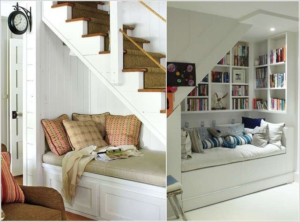
Grab your favorite page-turner, and hunker down away from all the tech terrors and screen strain, with a gorgeous reading nook idea. A must for book lovers, create a curl-up and switch-off space with a plethora of plump, soft, and super squishy scatter pillows, an ambient reading light, and open shelves or a DIY bookshelf, stacked with a library of literary lovelies.
Shown here, we love this inviting built-in reading nook cocoon – it has dive-in appeal and offers an unexpected yet wonderful addition (almost a room within a room) to the overallbasement design and layout.
Look for clever workarounds of mechanical systems or ductwork in finished basement spaces. This cozy niche for reading or lounging was created around some existing mechanical and structural elements. The lowered ceiling in the nook looksnatural to the larger spaceand also makes a detached, comfortable and quiet alcove in the larger basement TV room.
Dark blue/black paint deepens the moodiness.Recessed and decorative lighting help accent the walls and provide the right setting for curling up with a good book. Practically speaking, the seating area also doubles as a twin-sized guest bed, with a mattress tucked under the custom cushions, that can be used for overflow house guests or late nights.
#2. CREATE A COMFORTABLE SPACE WITH FURNITURE AND LAYERS
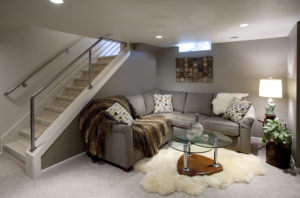
Layering your room can be as easy as adding a few comfy pillows, blankets… And even a rug to anchor it all together. While most people just shop and go… I challenge you to think about the textures and colors behind your pieces – it goes a long way in creating that comfy, ‘I could dive in and stay here all day” feeling! My best tip here is not to be afraid to mix and match your favorite seasonal colors to compliment your room. Pillows, blankets, and rugs are pieces that can be interchangeable…
Giving your room a fresh, new home feel with every addition! Also, if you’re like us, our downstairs is a high-traffic area, so using a large area rug can not only cozy up and anchor the room, but it keeps your flooring safe!
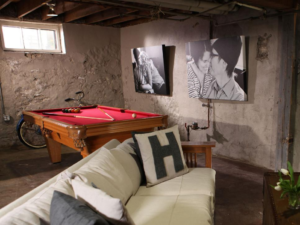
#3. CREATE A SECRET ROCK STAR HANGOUT | A Useful and Aesthetic Basement
FAQs for A Useful and Aesthetic Basement
Why are basements useful?
Basements serve multiple purposes that enhance the functionality of a home. They provide additional living space, which can be used for various activities such as storage, recreation, or even as a separate living area for guests or family members. Basements can also improve a home’s energy efficiency by providing insulation and reducing heating costs. Moreover, they can increase a property’s resale value, making them a valuable investment.
What is the best use of a basement?
The best use of a basement largely depends on individual needs and preferences. Common uses include:
Home Office: A quiet area away from the main living spaces for work or study.
Guest Suite: An independent living area for visitors, complete with a bathroom and kitchenette.
Storage: A place to keep seasonal items, tools, and other belongings that are not used frequently.
Laundry Room: A dedicated space for laundry appliances, often with added storage for cleaning supplies.
What is a basement called?
A basement is often referred to as a “cellar” in some regions, particularly when it is primarily used for storage or wine. In architectural terms, it may also be called a “lower level” or “sublevel” when referring to its position relative to the main floors of a building.
How do you build a good basement?
Building a good basement involves several key steps:
Planning and Design: Determine the purpose of the basement and create a design that maximizes space and functionality.
Excavation: Digging out the area to the required depth, ensuring proper drainage and support.
Foundation: Pouring concrete footings and walls to provide a strong base.
Waterproofing: Applying waterproof membranes and drainage systems to prevent moisture issues.
Insulation: Installing insulation to enhance energy efficiency and comfort.
Finishing: Adding flooring, walls, and ceilings to create a livable space.
What adds most value to a basement?
To maximize the value of a basement, consider the following enhancements:
Finishing the Space: A well-finished basement can significantly increase home value.
Adding a Bathroom: Including a bathroom can make the basement more functional and appealing.
Creating an Open Layout: An open design can make the space feel larger and more inviting.
Installing Egress Windows: These windows provide natural light and safety, making the space more livable.
Upgrading Utilities: Modern heating, cooling, and electrical systems can enhance comfort and efficiency.
What is the least expensive way to build a basement?
The least expensive way to build a basement typically involves:
Using Simple Materials: Opt for cost-effective materials for walls and flooring.
Minimizing Excavation: If possible, build on a site with a naturally lower elevation to reduce excavation costs.
Basic Finishing: Keep finishes simple and functional rather than luxurious.
DIY Work: If you have the skills, doing some of the work yourself can save on labor costs.
Planning for Future Upgrades: Start with a basic structure that can be upgraded over time as budget allows.
These FAQs can help guide potential customers in understanding the benefits and considerations of basements, enhancing their experience with your company’s offerings.
Have you always dreamt of a rock and roll lifestyle? Crowd surf sofas in your very own escape space, and lockout everyday stresses… With an after-party chillout zone where all the cool cats… (And perhaps, early mid-life crisis cats) can relax or silent disco all night long.
To achieve a rock star look, you’ll need a bar cabinet or DIY bar cart with attitude… Moody lighting galore (it’s all about creating a sultry atmosphere), and a prized collection of iconic… So album cover worthy framed artworks in a gallery wall idea formation. And obviously, not forgetting a stellar built-in music system.
Remodel your home with Elegant Kitchen and Bath, offering various services including basement.