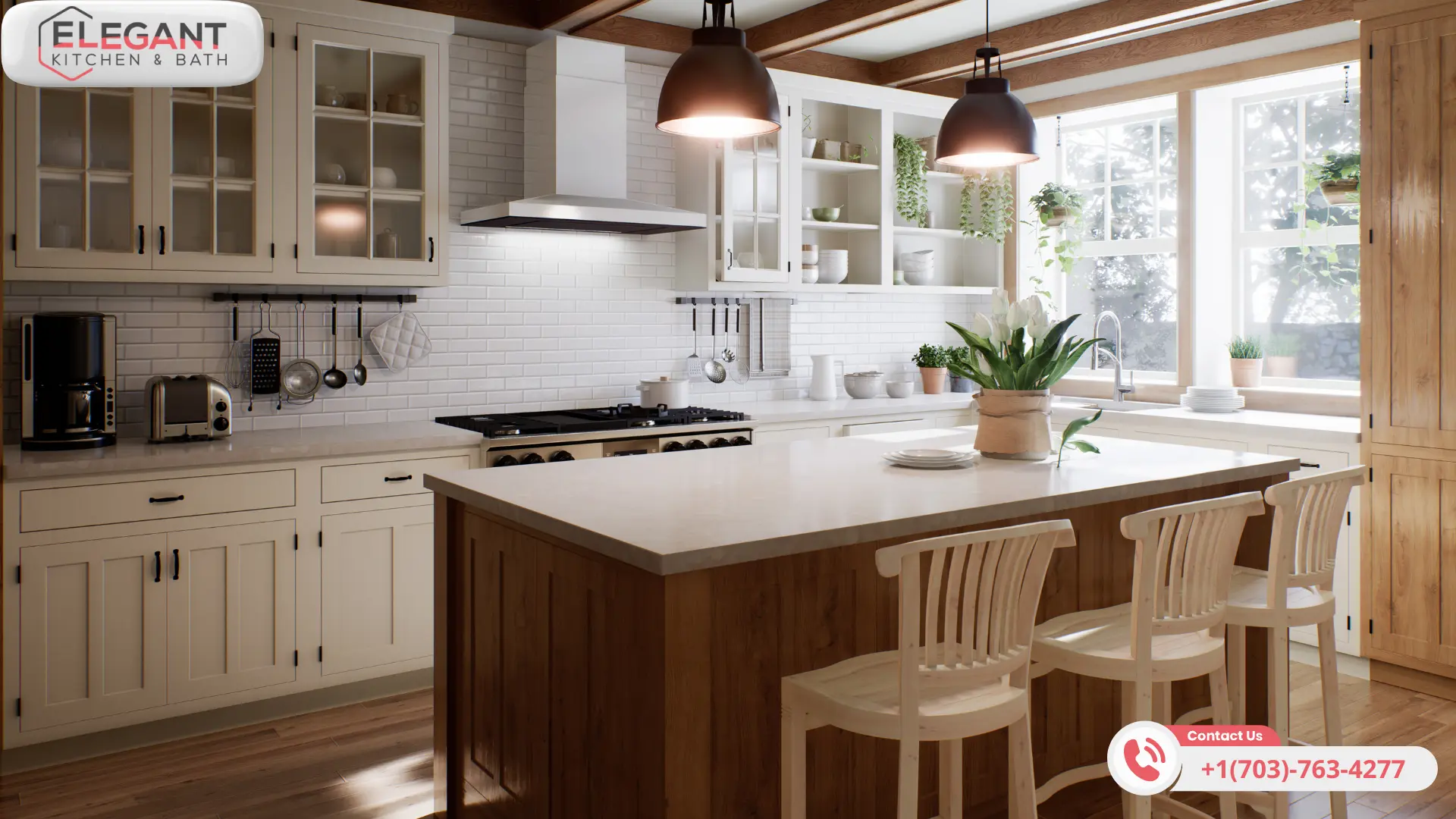
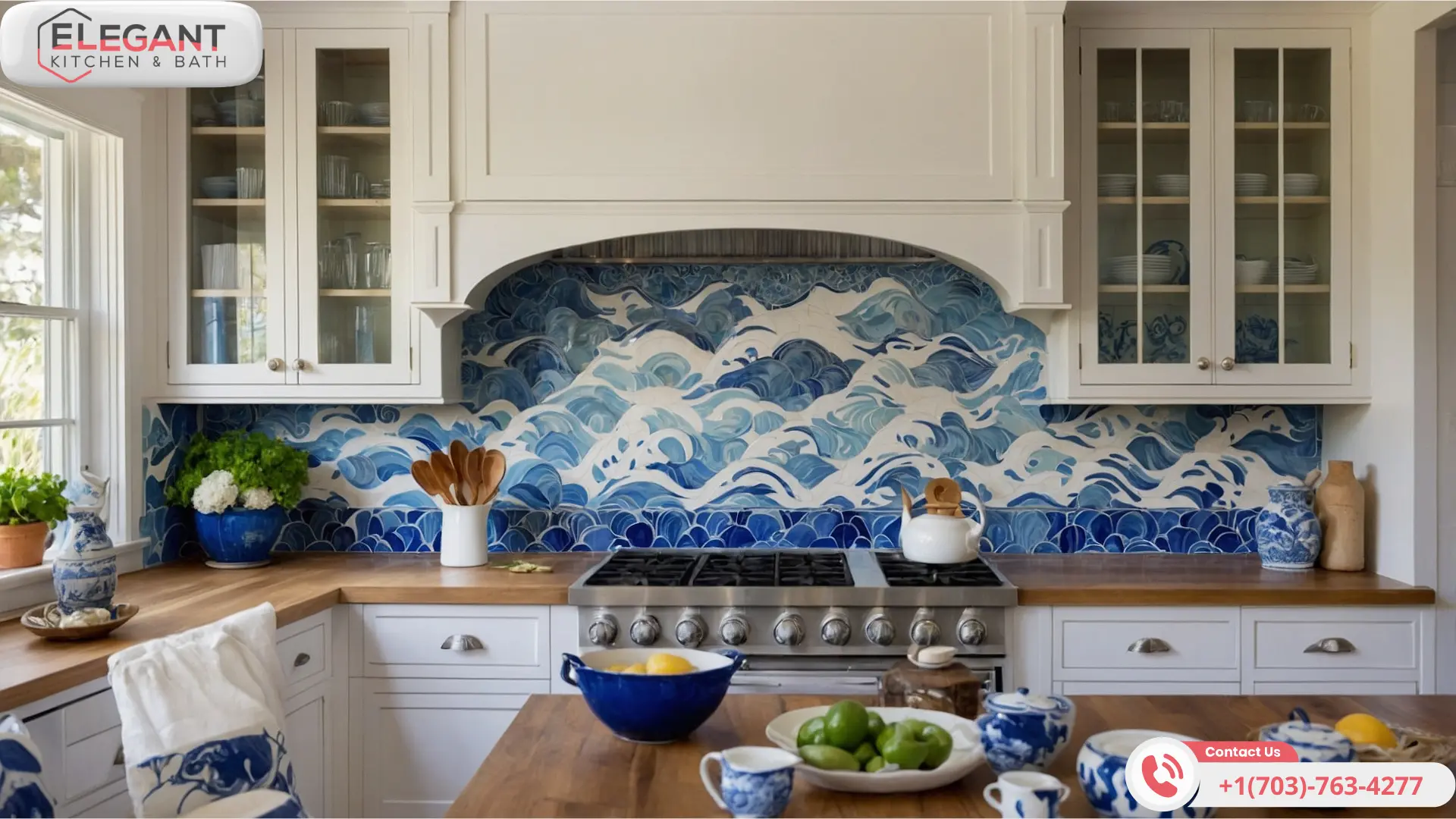
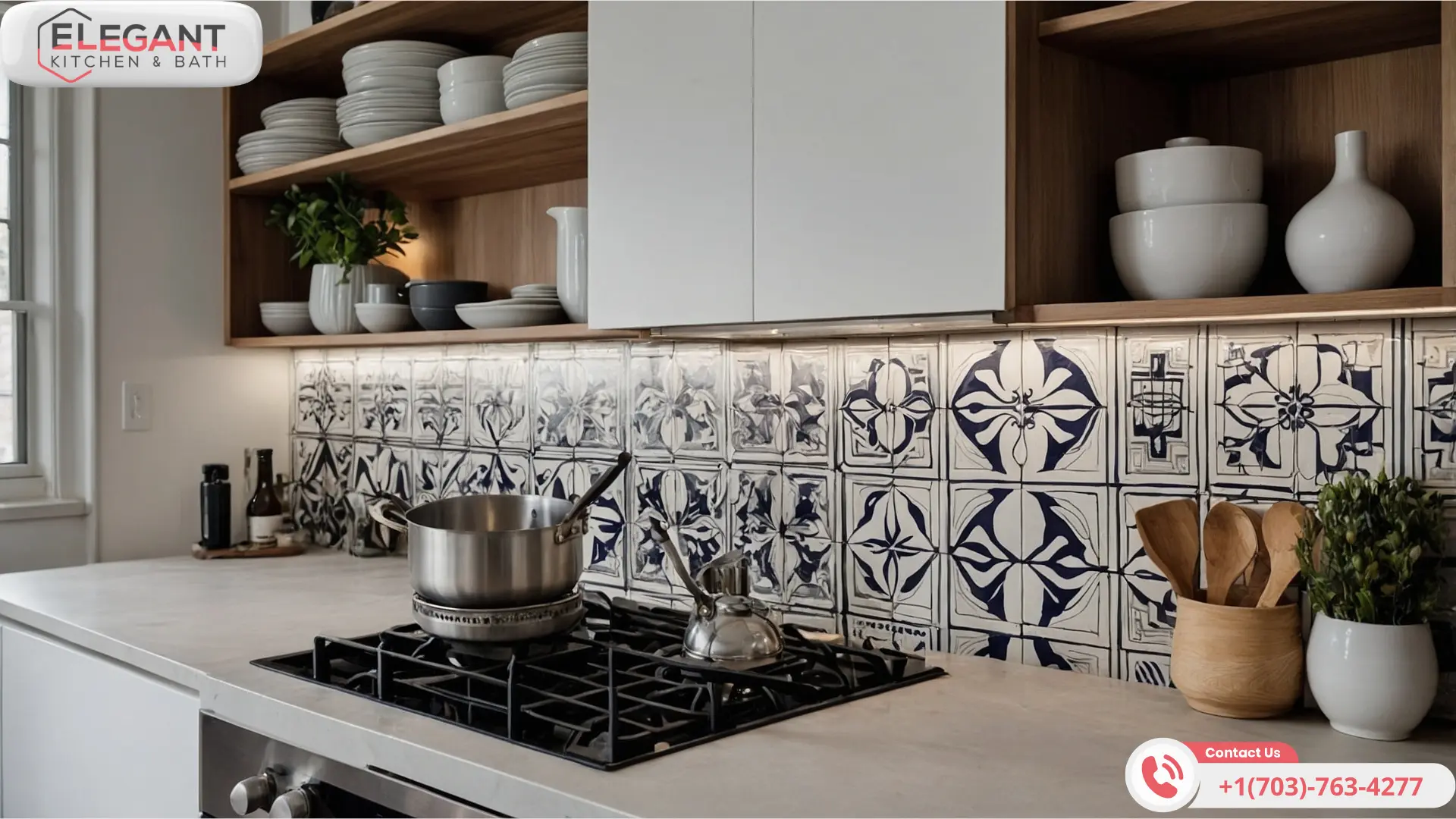
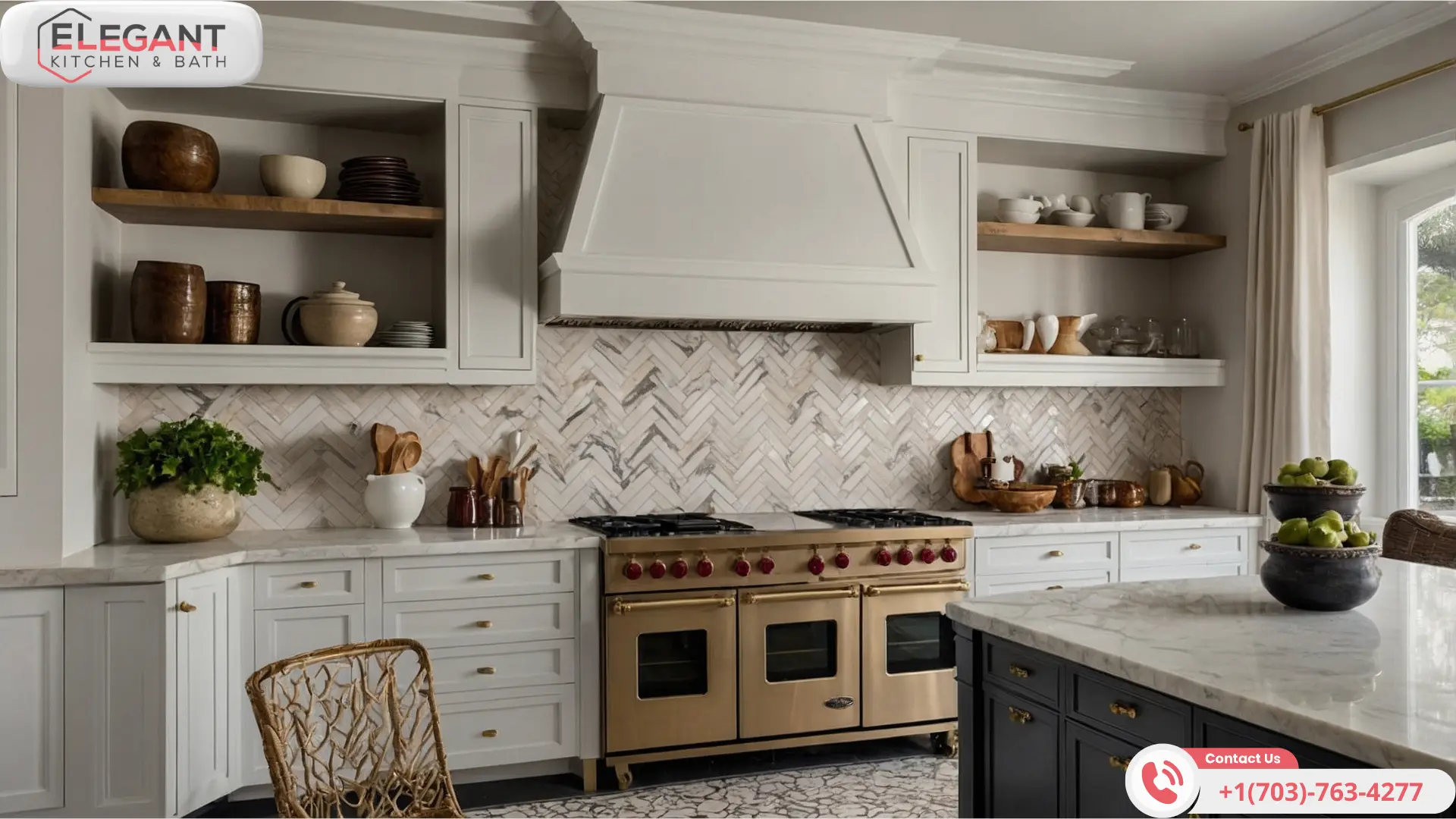
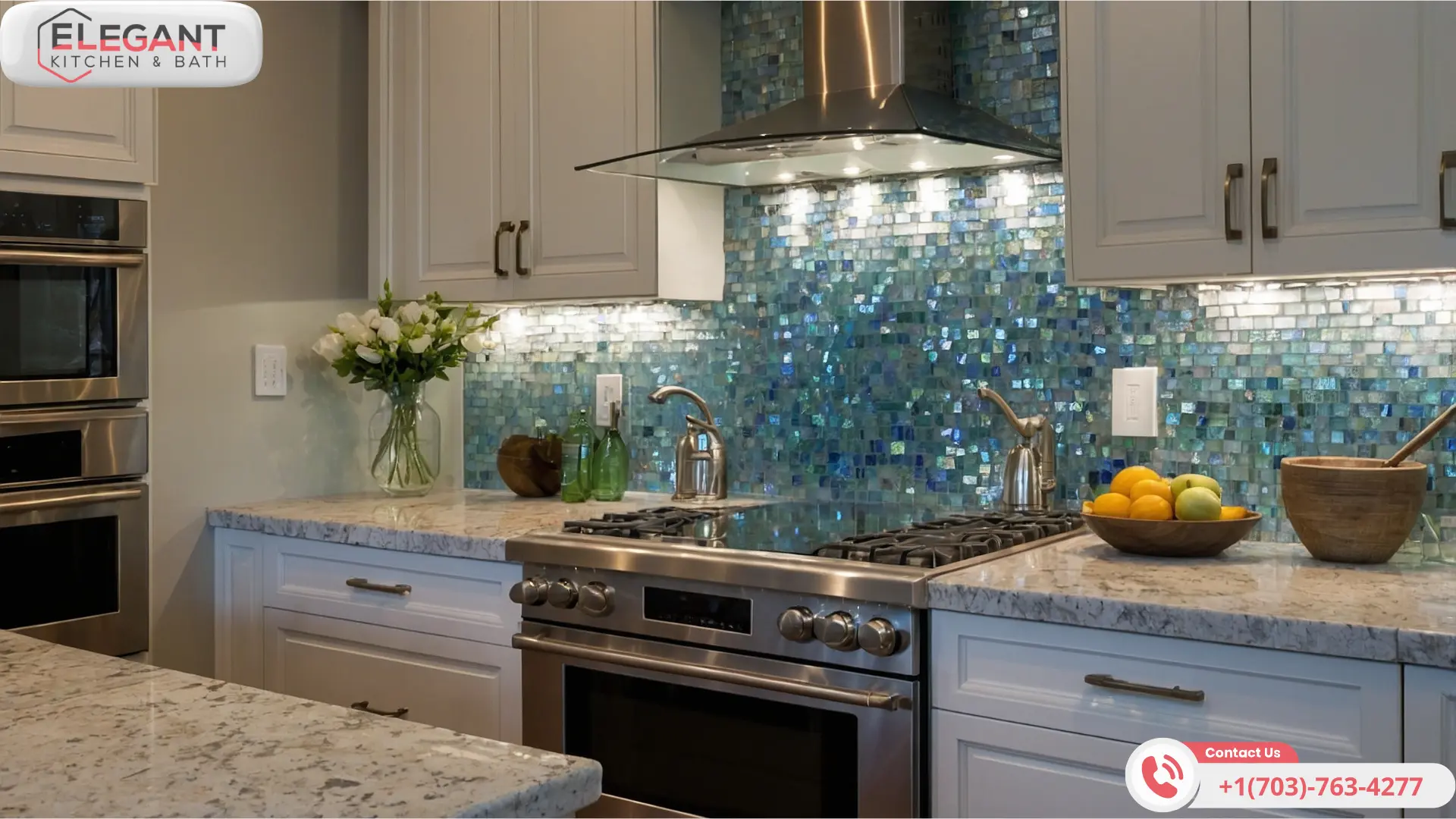
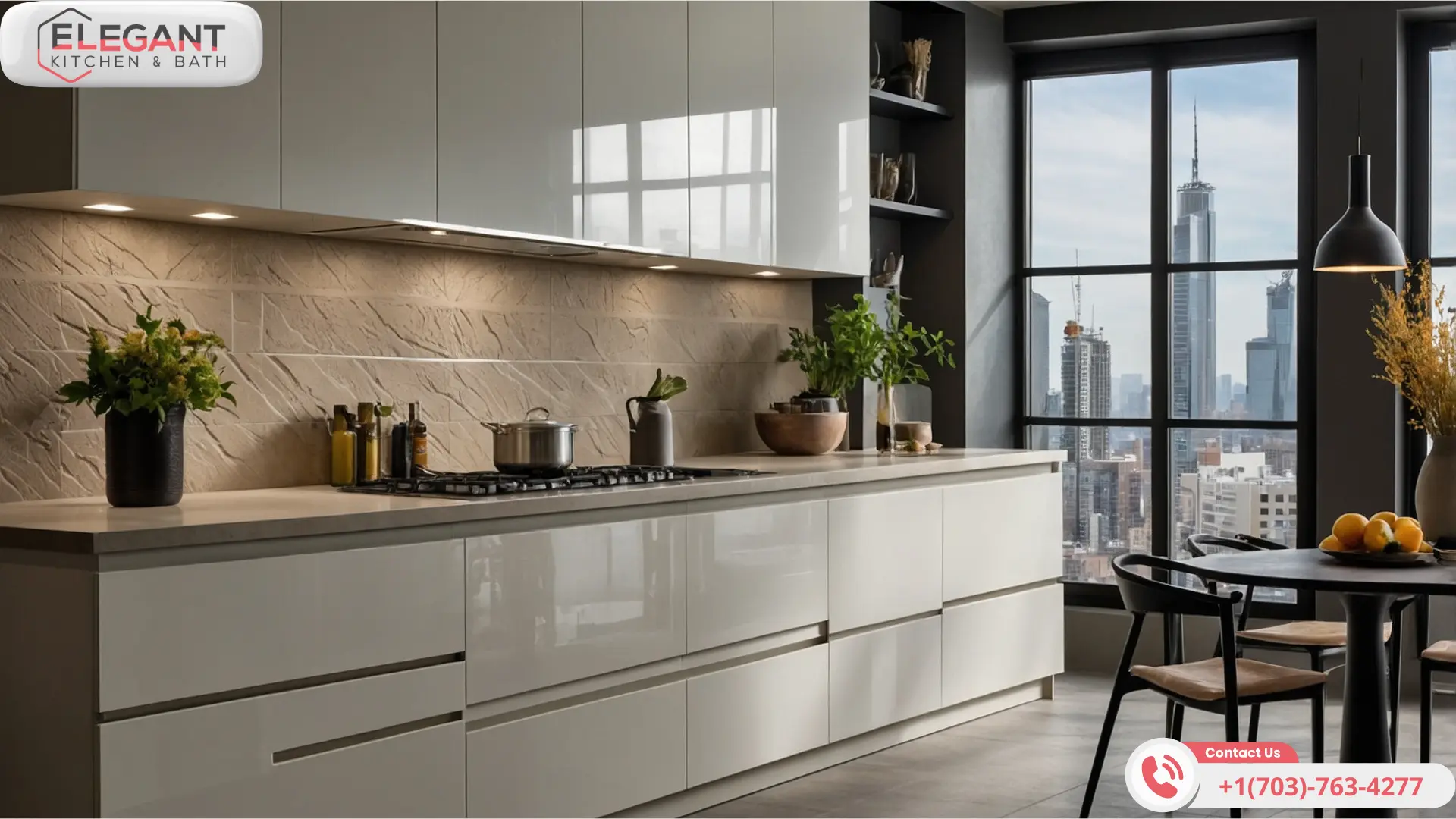
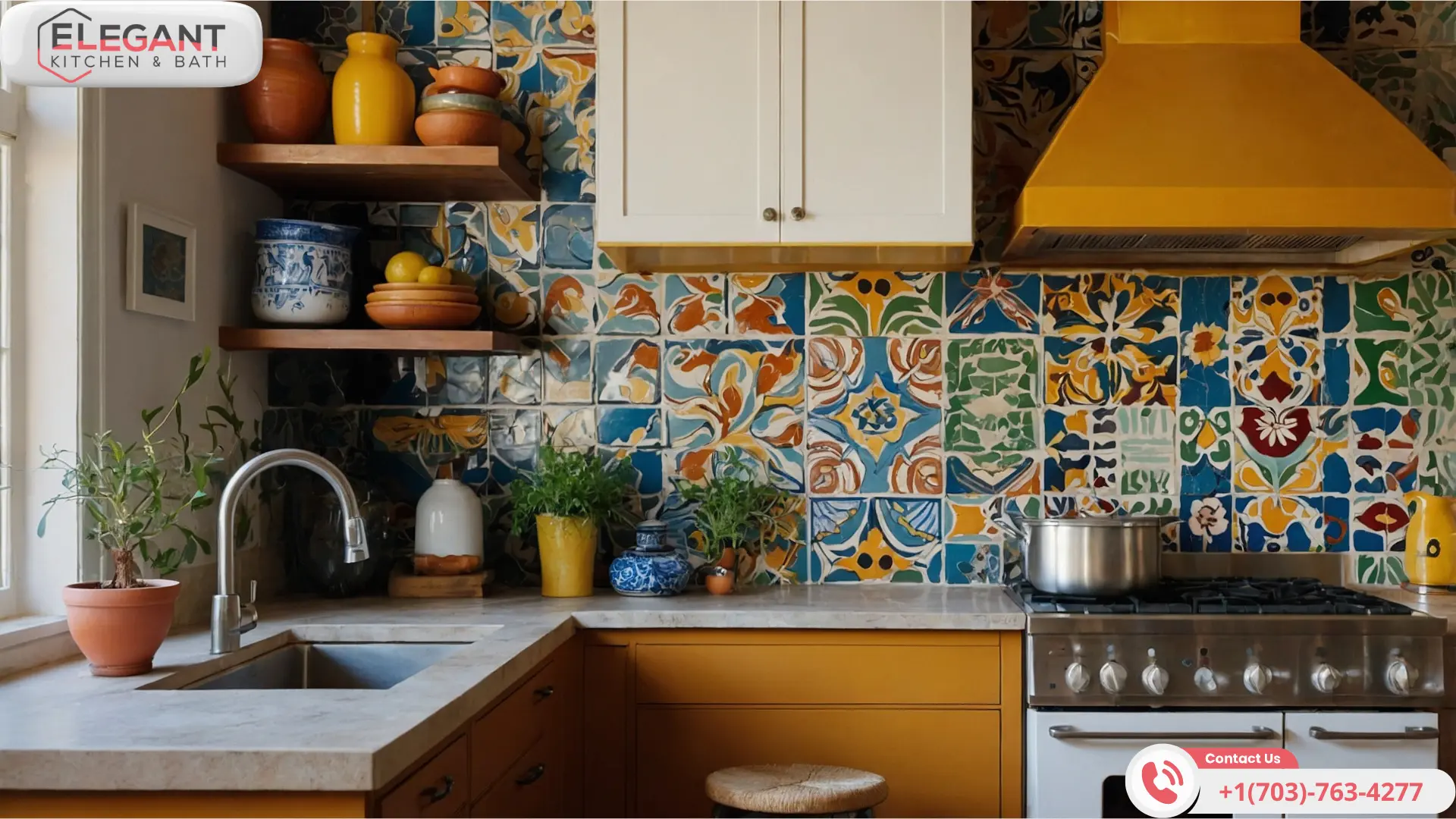
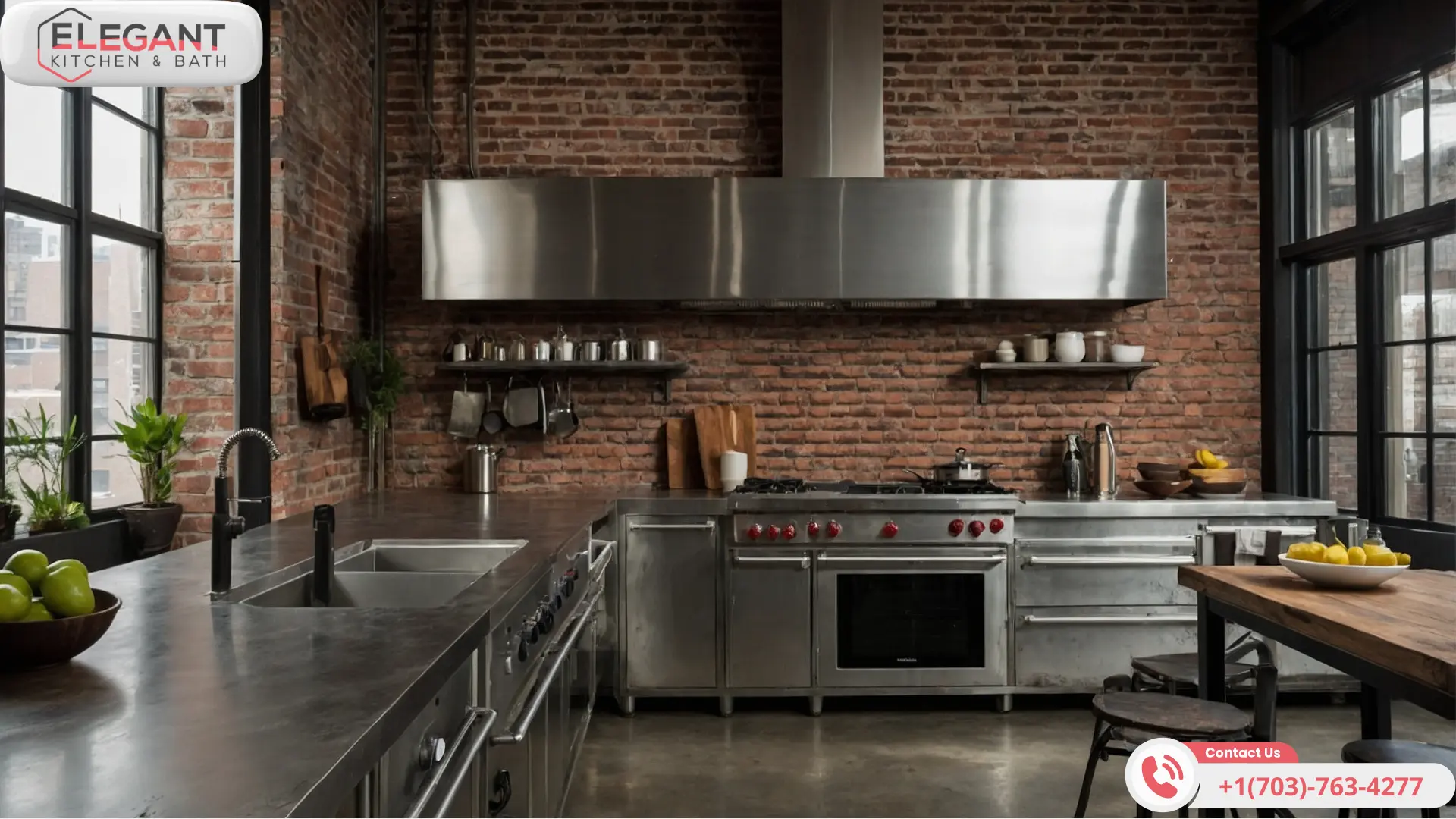
Selecting the perfect backsplash color for a kitchen is a crucial aspect of interior design that can dramatically impact the overall aesthetic. This decision intertwines with other elements, such as the countertop,cabinetry, and even extends to bathroom walls, creating a cohesive look throughout the home.
The right backsplash color can elevate a kitchen’s ambiance, tie together disparate design elements, and reflect the homeowner’s style. In this article, readers will discover essential tips for choosing the ideal backsplash color to complement their kitchen’s unique character and functionality.
Key Takeaways for Choosing the Right Backsplash Color for Your Kitchen
Impact on Aesthetics: The backsplash color significantly influences the kitchen’s visual appeal and overall ambiance.
Existing Elements: Consider the colors of countertops, cabinetry, and flooring to ensure a harmonious look.
Lighting Effects: Natural and artificial lighting should be evaluated to understand how the backsplash color appears throughout the day.
Popular Colors: Common backsplash colors include white, gray, blue, green, and earthy tones, each offering unique aesthetic benefits.
Functionality: Backsplash materials should be practical, especially in high-traffic areas, to withstand cleaning and resist stains.
Mood Creation: The chosen color can affect the kitchen’s mood and atmosphere, enhancing feelings of warmth, coolness, or spaciousness.
Style Emulation: Select a backsplash color that aligns with your desired kitchen style, such as modern, rustic, or coastal.
Tile Size: Tile size affects the visual impact—larger tiles offer a sleek look, while smaller ones add texture and detail.
Contrast vs. Matching: Decide between contrasting or matching the backsplash with the countertop for different visual effects.
Color Interaction: Consider how backsplash colors interact with adjacent spaces and elements like appliances or dining areas.
Grout Color: The color of the grout can impact the overall look, influencing the appearance of the backsplash tiles.
Community Insights: Drawing from collective homeowner experiences can provide practical tips and alternative perspectives on choosing backsplash colors.
[ez-toc]
Things to Consider When Choosing a Backsplash Color
Selecting the ideal backsplash color for a kitchen involves carefully considering various factors. The chosen hue can significantly impact the overall aesthetic and functionality of the space. Each aspect is crucial, from the desired effect of the colors to matching existing elements like kitchen cabinets and marble countertops. The style, size, and pattern of tiles or mosaics contribute to the visual impact, while proper lighting and kitchen functionality should be noticed. Additionally, the choice of grout color can subtly influence the final look. By evaluating these essential elements, homeowners can make an informed decision that enhances their kitchen’s appearance and practicality.
What Do You Want Its Colors to Accomplish?
The colors chosen for a kitchen backsplash can serve multiple purposes, from creating visual harmony to enhancing the overall ambiance. Homeowners may opt for hues that complement existing elements such as woodcabinetry, ceramicfloor tiles, or granite countertops. Alternatively, they might select colors that contrast these features to create a focal point or add visual interest to the space.
When determining the desired effect of backsplash colors, consider the following factors:
Mood and atmosphere
Visual expansion or contraction of the space
Coordination with adjacent rooms, such as a shower area
Reflectivity and light distribution
Maintenance and cleaning requirements
Find the Style You’d Like to Emulate
Kitchen renovation projects often begin with selecting a style that resonates with the homeowner’s vision. Whether it’s a modern, industrial look featuring exposed brick or a sleek, contemporary design incorporating quartz surfaces, the chosen style sets the tone for the entire room. This decision influences the backsplash color and other elements such as flooring, cabinetry, and ceiling treatments.
Emulating a specific style guides color choices and material selections throughout the kitchen. For instance, a farmhouse-inspired kitchen might feature natural, earthy tones, while a minimalist approach could lean towards monochromatic schemes. The following table illustrates popular kitchen styles and their corresponding color palettes:
Kitchen Style
Color Palette
Typical Materials
Modern
Whites, Grays, Bold Accents
Glass, Stainless Steel, Quartz
Rustic
Warm Earth Tones
Wood, Stone, Brick
Coastal
Blues, Greens, Sandy Beiges
Ceramic Tile, Painted Wood
Industrial
Grays, Blacks, Metallic Accents
Concrete, Metal, Exposed Brick
Find the Right Size to Deliver the Right Impact
The size of backsplash tiles plays a crucial role in creating the desired visual impact in a kitchen. Larger tiles can create a sleek, modern look and make a small space appear more expansive, while smaller tiles or intricate patterns like a herringbone pattern can add texture and visual interest. Homeowners should consider the scale of their kitchen, including the sink area and available wall space when selecting tile sizes for their backsplash.
The chosen tile size can also influence the kitchen’s overall aesthetic, potentially tying in with other home improvementprojects throughout the house. For instance, a backsplash featuring smaller tiles might complement the intricate patterns in the bedroomcarpet, creating a cohesive design theme that flows from one room to another. Ultimately, the right tile size will balance visual appeal with practical considerations, enhancing the kitchen’s functionality and style.
Match Your Backsplash With Existing Elements
Matching the backsplash with existing elements in the kitchen creates a cohesive and harmonious design. Homeowners should consider the colors and materials of their cabinets, countertops, and flooring when selecting a backsplash color. For instance, greyporcelain tiles can complement stainless steel appliances and cool-toned countertops, while taupe-colored backsplashes pair well with warm wood tones.
The choice of building materials for the backsplash also plays a crucial role in achieving a unified look. Metal accents or tiles can add a modern touch to contemporary kitchens, while natural stone or ceramic tiles better suit traditional or rustic styles. Designers often recommend selecting a backsplash color that ties together different elements in the kitchen, creating a balanced and visually appealing space:
Existing Element
Complementary Backsplash Color
Suggested Material
Dark Wood Cabinets
Light Beige or Cream
Ceramic or Porcelain
White Marble Countertops
Soft Grey or Silver
Glass or Metal
Stainless Steel Appliances
Charcoal or Slate
Porcelain or Natural Stone
Neutral Beige Flooring
Taupe or Warm Brown
Travertine or Limestone
Consider the Lighting in Your Kitchen
The lighting in a kitchen significantly influences the perception of backsplash colors and materials. Natural light from windows or skylights can enhance the reflective properties of glass tile or stainless steel elements, while artificial lighting may alter the appearance of porcelaintile hues. Designers recommend evaluating backsplash options under various lighting conditions to ensure the chosen color maintains its desired effect throughout the day.
When selecting a backsplash color, homeowners should consider how it will interact withtask lighting and ambient illumination. The price of energy-efficient LED fixtures can be offset by their ability to showcase the backsplash’s true colors and textures. Additionally, the lighting scheme in adjacent spaces, such as the dining room, should create a cohesive flow between areas.
Consider the Functionality of Your Kitchen
The functionality of a kitchen plays a pivotal role in selecting an appropriate backsplash color and material. High-traffic areas near cooktops and sinks require durable materials that withstand frequent cleaning and resist stains. Stainless steelbacksplashes offer excellent durability and complement modern kitchen remodel designs, while Zellij tiles provide a unique aesthetic and easy-to-clean surface for busy cooking zones.
Homeowners should consider the practicality of their backsplash, cooking habits, and maintenance preferences. Light-colored backsplashes may require more frequent cleaning but can brighten up a dark kitchen, while darker hues can conceal minor stains and reduce visible wear. Quality caulk during installation ensures a watertight seal, protecting the underlying wall from moisture damage and preserving the backsplash’s appearance over time.
Should the Backsplash Be Lighter or Darker Than the Countertop?
Choosing a lighter or darker backsplash than the countertop depends on various factors, including the overall kitchen design and desired aesthetic. Homeowners often select contrasting colors to create visual interest, like how a well-manicured lawn complements a home’s exterior.
Lighter backsplashes can brighten a kitchen space, reflecting more light and making the area appear larger. This effect is particularly beneficial in kitchens with limited natural light, similar to how a fireplace illuminates a dark room.
Darker backsplashes, on the other hand, can add depth and sophistication to a kitchen. They create a striking contrast against lighter countertops, reminiscent of how shades of blue in artwork stand out against a neutral background.
Ultimately, choosing between a lighter or darker backsplash depends on personal preference and the overall design goals. Designers often recommend considering the kitchen’s color scheme, lighting, and other elements when making this decision:
Countertop Color
Lighter Backsplash
Darker Backsplash
Light
Creates a seamless look
Adds contrast and depth
Dark
Brightens the space
Creates a cohesive appearance
Neutral
Enhances brightness
Adds visual interest
Color Scheme Kitchen Backsplashes in 2022
In 2022, kitchen backsplash color schemes embraced a diverse palette, reflecting homeowners’ desire to infuse personality into their culinary spaces. From the calming hues of gray to the warmth of brown and the timeless appeal of white, backsplash choices evolved to complement various design aesthetics. Bold touches of black, refreshing greens, and sunny yellows added vibrancy, while blues and earthy tones created serene atmospheres. Daring color schemes gained popularity, inspiring homeowners to experiment with unique combinations. These trends are often showcased on platforms like Houzz, influencing kitchen renovations and extending to other home areas, such as patios and window treatments.
Fire Up the Kitchen With Some Gray Kitchen Backsplashes
Gray kitchen backsplashes emerged as a versatile choice in 2022, offering a sophisticated backdrop that complemented various design elements. This neutral hue provided homeowners a canvas for experimenting with bold accents, such as vibrant chair cushions or energizing artwork, without overwhelming the space.
The popularity of gray backsplashes extended beyond the kitchen, influencing design choices in other home areas, from basement renovations to accessibility features. Designers embraced gray’s adaptability to create cohesive transitions between rooms and enhance the overall aesthetic appeal of living spaces.
Bring in the Brown Kitchen Backsplash
Brown kitchen backsplashes gained popularity in 2022, offering a warm and inviting aesthetic to culinary spaces. This earthy hue complemented various design elements, from wood flooring to butcher block countertops, creating a cohesive and natural ambiance. Homeowners embraced brown backsplashes as an alternative to monochrome schemes, adding depth and character to their kitchens.
Designers creatively incorporated brown backsplashes to highlight architectural features or create focal points within the kitchen. Brown’s versatility allowed for seamless integration with different color palettes, making it an excellent choice for those seeking a timeless and sophisticated look. As a result, brown backsplashes became a frequent topic in home improvement FAQs and design advertisements, showcasing their appeal and functionality.
Warm and inviting aesthetic
Complementary to wood elements
Alternative to monochrome schemes
Versatile integration with various color palettes
Popular topic in design resources
The Classic White Kitchen Backsplash
White kitchen backsplashes maintained their popularity in 2022, offering homeowners a timeless and versatile option. White tiles’ clean, bright appearance, whether in classic subway patterns or modern hexagon shapes, complemented various kitchen styles and color schemes. This neutral backdrop allowed other elements, such as soapstone countertops or statement light fixtures, to take center stage in the kitchen design.
Designers often paired white backsplashes with contrasting elements to create visual interest. Dark-colored stoves or retail-inspired open shelving provided striking contrasts against the crisp white tiles, adding depth and character to the kitchen space. The reflective qualities of white backsplashes also helped to enhance natural and artificial lighting, making kitchens appear more spacious and inviting.
A Touch of Black in the Kitchen
Black backsplashes emerged as a bold statement in 2022 kitchen designs, adding sophistication and depth to culinary spaces. This dramatic hue created striking contrasts with lighter elements, such as white cabinetry or travertine countertops, transforming the kitchen landscape. Homeowners incorporated black backsplashes to anchor their kitchen designs, like a well-designed pantry that organizes and defines storage spaces.
Designers skillfully integrated black backsplashes with home automation features, creating sleek, modern kitchens that seamlessly blended technology and aesthetics. Black’s versatility allowed for creative pairings with various textures and materials, from glossy tiles that mimicked the sheen of wet sand to matte finishes that absorbed light, adding visual interest and dimension to the space.
Dash of Green Goodness
Green backsplashes brought a refreshing and natural element to kitchens in 2022, offering a versatile range from soft sage to vibrant emerald tones. These hues complemented various kitchen materials, including concrete countertops and stainless steel appliances, creating a harmonious blend of nature-inspired design. Homeowners used green backsplashes to add depth and visual interest, much like a well-placed curtain frames a window view.
Designers creatively incorporated green backsplashes, often pairing them with neutral primers to enhance their vibrancy and ensure long-lasting color. The popularity of green in kitchen design extended beyond backsplashes, influencing choices in photography displays and accent pieces throughout the home. This trend reflected a growing desire to bring elements of the outdoors into interior spaces, creating a sense of tranquility and connection to nature:
Sage green for a subtle, calming effect
Emerald tones for a bold, luxurious statement
Mint green to create a fresh, invigorating atmosphere
Forest green for a rich, earthy ambiance
Olive green to complement warm wood tones
Squeeze in Some Yellows
Yellow backsplashes injected vibrant energy into kitchens in 2022, adding a cheerful dimension to culinary spaces. This sunny hue complemented various design elements, from farmhouse-inspired shiplap walls to modern upholstery fabrics, creating a welcoming atmosphere that brightened even the most utilitarian areas of the kitchen.
Designers creatively incorporated yellow backsplashes to highlight architectural features or create focal points within the kitchen’s construction. Yellow’s versatility allowed for seamless integration with different color palettes, making it an excellent choice for those seeking to add warmth and personality to their cooking spaces.
A Blend of Blues
Blue backsplashes emerged as a popular choice in 2022 kitchen designs, offering a versatile range of hues that complement various architectural styles. From deep navy to soft sky blue, these tones created a tranquil atmosphere reminiscent of Art Deco aesthetics. Architects incorporated blue backsplashes to add depth and visual interest, often pairing them with contrasting materials such as copper fixtures or oakcabinetry.
The blend of blues in kitchen backsplashes allowed homeowners to experiment with different textures and finishes. Glossy polyvinyl chloride tiles mimicked the sheen of ocean waves, while matte ceramic options provided a more subdued look. This versatility made blue backsplashes an attractive choice for those seeking to create a cohesive design theme throughout their living spaces:
Blue Hue
Complementary Material
Design Style
Navy
Copper Fixtures
Modern Industrial
Sky Blue
Oak Cabinetry
Coastal Farmhouse
Teal
Stainless Steel
Contemporary
Turquoise
White Marble
Mediterranean
Weave in Earthy Tones
Earthy tones wove into kitchen backsplash designs in 2022, offering a grounding presence that complemented various architectural styles. These natural hues, ranging from warm beige to rich slate, created a harmonious backdrop that enhanced the beauty of other kitchen elements. Designers skillfully incorporated these earthen shades to evoke a sense of timelessness and connection to nature within culinary spaces.
The versatility of earthy tones allows for creative pairings with complementary colors, resulting in sophisticated and inviting kitchen environments. Homeowners embraced these organic hues to add depth and texture to their kitchens, often combining them with elements like tin ceilings or natural stone countertops to create a cohesive and visually appealing aesthetic.
Be Brave With a Daring Color Scheme
In 2022, homeowners embraced daring color schemes for kitchen backsplashes, pushing the boundaries of traditional design. Bold palettes incorporated vibrant hues and unexpected combinations, transforming backsplashes into striking focal points that rivaled the visual impact of a statement vanity in a bathroom.
Designers encouraged clients to adopt a “no-regrets” policy when selecting bold backsplash colors, emphasizing the transformative power of a well-executed color scheme. These audacious choices often extended beyond the kitchen, influencing the overall aesthetic of open-concept living spaces and creating a cohesive yet dynamic home environment.
Should the Backsplash Tile Match the Countertop Color?
Designers often debate whether backsplash tiles should match the countertop color. This decision depends on various factors, including the overall kitchen design, desired aesthetic, and personal preferences. Homeowners in Minneapolis and other cities often seek guidance from professionals to achieve the perfect balance between complementary and contrasting elements.
Matching backsplash tiles to countertop colors can create a seamless, cohesive look. This approach works particularly well with neutral tones or using materials like quartzite for both surfaces. However, contrasting colors can add visual interest and depth to the kitchen, creating a dynamic interplay between different elements.
Some homeowners opt for bold color choices, such as turquoise backsplash tiles paired with a more subdued countertop. This approach can create a striking focal point in the kitchen, drawing the eye and adding personality to the space. Others prefer a more subtle contrast, using different shades of the same color family to create a harmonious yet visually exciting design.
The choice between matching or contrasting backsplash and countertop colors ultimately depends on the desired effect and the kitchen’s overall style. Designers recommend considering factors such as lighting, cabinet color, and other design elements when making this decision. The following table illustrates common approaches to pairing backsplash and countertop colors:
Countertop Color
Matching Backsplash
Contrasting Backsplash
Effect
White Quartzite
White Subway Tile
Turquoise Glass Tile
Cohesive vs. Bold
Gray Granite
Gray Ceramic Tile
Tin Metallic Tile
Seamless vs. Textured
Beige Marble
Beige Stone Mosaic
Blue Porcelain Tile
Monochromatic vs. Accent
Black Soapstone
Black Glass Tile
White Marble Tile
Dramatic vs. Classic
Insights From the Community
Homeowners across diverse communities have shared valuable insights on selecting the perfect backsplash color for their kitchens. These collective experiences encompass various considerations, from choosing durable laminates to exploring contemporary color combinations. The impact of kitchen colors on mood has gained attention, with some homeowners drawing inspiration from unexpected sources like brass fixtures or maplecabinetry. Design ideas often transcend the kitchen, influencing adjacent spaces such as living rooms or even garages. As leatherupholstery in dining areas complements kitchen aesthetics, the holistic approach to home design becomes evident in these community-driven discussions.
How Do I Choose a Kitchen Laminate?
Selecting kitchen laminate requires careful consideration of architectural elements and color harmony. Homeowners often explore options complementing existing features, such as silver appliances or triangle-shaped accent pieces. The durability and cost-effectiveness of laminate make it an attractive choice for those seeking to update their kitchen’s aesthetic without a significant investment.
When choosing kitchen laminate, individuals should consider how it will interact with other design elements, such as a blue backsplash tile or a white and gold backsplash. Laminate’s versatility allows for creative combinations, enabling homeowners to achieve a cohesive look that reflects their style while maintaining practicality in the kitchen space.
Tips to Help You Choose Your Best Kitchen Tiles
Selecting the ideal kitchen tiles involves considering various factors that contribute to the overall aesthetic and functionality of the space. White kitchen wall tiles offer a timeless appeal, creating a bright and clean atmosphere, while a gray backsplash can provide a sophisticated and modern look. Homeowners seeking a versatile option choose a backsplash for white cabinets, as it allows for color and pattern selection flexibility.
When choosing kitchen tiles, it’s essential to consider the existing color scheme and design elements. A beige backsplash can create a warm and inviting atmosphere, complementing natural wood tones and earthy color palettes. For those looking to add a pop of color, a blue kitchen backsplash can infuse energy and visual interest into the space. Ultimately, the choice of kitchen tiles should reflect personal style while enhancing the overall design of the kitchen:
Consider the color scheme of existing cabinets and countertops.
Evaluate the amount of natural light in the kitchen.
Determine the desired level of contrast or harmony.
Assess the durability and maintenance requirements of different tile materials.
Explore various patterns and layouts to create visual interest.
Latest Color Combinations for Modular Kitchen Design
Modern modular kitchen designs embrace innovative color combinations that harmonize with various backsplash options. The best backsplash for white cabinets often incorporates bold hues or contrasting textures, such as a grey backsplash tile that adds depth and sophistication to the space. Alternatively, a gold and white backsplash creates a luxurious ambiance, elevating the kitchen’s overall aesthetic.
When selecting a backsplash color for modular kitchens, homeowners increasingly opt for versatile choices that complement diverse design elements. A white brick backsplash, for instance, offers a timeless appeal while providing a neutral backdrop for colorful accents or statement pieces. This adaptability allows for seamless integration with evolving color trends and personal preferences in modular kitchen designs.
Design Ideas for a Contemporary & Modern Kitchen
Contemporary and modern kitchen designs often incorporate sleek backsplash options to create a cohesive and stylish aesthetic. A green backsplash adds a fresh, natural element to the space, while a white kitchen backsplash offers a clean, timeless look that complements various color schemes. Blue backsplashes bring a sense of tranquility and depth to modern kitchens, creating a striking focal point against neutral cabinetry.
Grey backsplashes have gained popularity in contemporary kitchen designs, offering a sophisticated and versatile backdrop for other design elements. For those seeking a more subdued look, a neutral backsplash provides a subtle canvas that allows other features, such as statement lighting or bold countertops, to take center stage. These diverse backsplash options enable homeowners to customize their modern kitchens to reflect their style while maintaining a cohesive and up-to-date aesthetic.
Modular Kitchen Color Combination: Transforming Your Kitchen With Style and Elegance
Modular kitchen color combinations have revolutionized how homeowners approach kitchen design, offering myriad options to transform spaces with style and elegance. Integrating backsplash color ideas is crucial in this transformation, ranging from a vibrant green glass backsplash to a sophisticated grey kitchen backsplash. These elements harmonize with cabinetry and countertops to create a cohesive and visually striking kitchen environment.
Designers have embraced the versatility of modular kitchen color schemes, incorporating bold choices like a yellow backsplash to add warmth and energy or opting for the timeless appeal of a white kitchen backsplashtile for a clean, modern aesthetic. The thoughtful selection of backsplash colors and materials enables homeowners to express their style while maintaining the functionality and efficiency that modular kitchens are known for.
Your Kitchen Color Can Affect Your Mood
The choice of kitchen color, particularly in the backsplash selection, significantly influences mood and atmosphere. A neutral kitchen backsplash creates a calm, versatile backdrop, while a colorful backsplash tile injects energy and personality into the space. The best backsplash for white kitchen cabinets often balances these extremes, allowing homeowners to create a harmonious environment that suits their emotional needs.
Blue kitchen backsplash tiles evoke tranquility and depth, making them an excellent choice for those seeking a serene cooking environment. Conversely, a modern backsplash for white kitchen designs might incorporate bold, contrasting hues to stimulate creativity and excitement. The psychological impact of these color choices extends beyond aesthetics, influencing the overall ambiance and potentially affecting culinary experiences and social interactions within the kitchen space.
FAQs for Choosing the Right Backsplash Color
How to choose color for kitchen backsplash?
Choosing the right backsplash color is critical to creating a cohesive and stylish kitchen. Here’s a breakdown of factors to consider:
Harmonize with existing elements: The backsplash should complement your countertops, cabinetry, and kitchen style. Consider using a color that contrasts subtly or creates a harmonious blend.
Reflect your style: Do you prefer a bold statement or a subtle touch? Choose a color that reflects your taste and complements the overall mood you want to create in your kitchen.
Consider lighting effects: Lighting can significantly impact how colors appear. Choose a backsplash color that looks good in both natural and artificial light.
Think about the visual impact: A light-colored backsplash can make a small kitchen feel larger, while a dark backsplash can create a more intimate atmosphere.
Explore different tile materials: Tile materials like ceramic, porcelain, glass, or natural stone can impact the overall look and feel of your backsplash.
Should backsplash be lighter or darker than cabinets?
The choice between lighter or darker backsplash depends on your desired aesthetic and the existing colors in your kitchen.
Lighter backsplash: Creates a brighter and more spacious feel, especially in smaller kitchens. It can also make your cabinets appear more prominent.
Darker backsplash: Adds depth and drama, creating a cozy and intimate atmosphere. It can also make your cabinets appear less prominent.
What color should the backsplash match?
The backsplash doesn’t necessarily have to match any specific element perfectly. Instead, focus on creating a harmonious color scheme.
Matching countertops: A backsplash that complements the countertop color can create a cohesive look.
Matching cabinetry: A backsplash that complements the cabinetry color can create a coherent and balanced look.
Matching a specific accent color: If your kitchen has a particular accent color, you can choose a backsplash that complements it.
What is the rule of thumb for backsplash?
The general rule of thumb for a backsplash is to choose a color or material that enhances the kitchen’s overall design. It should complement the other elements, such as the cabinets, countertops, and flooring, to create a cohesive and visually appealing space.
Should a backsplash match a countertop or floor?
While the backsplash does not necessarily match the countertop or floor, choosing a color or material that coordinates with these elements is often a good idea. This helps create a cohesive and visually appealing kitchen design.
What not to do with a kitchen backsplash?
Avoid choosing a too busy or overpowering backsplash, as it can overwhelm the space. Additionally, it’s generally not recommended to use a backsplash that clashes with the other elements in the kitchen, as this can create a disjointed and chaotic appearance.
Is white grout a bad idea for a kitchen backsplash?
White grout can be a good choice for a kitchen backsplash, as it can help create a clean and modern look. However, it’s essential to remember that white grout may require more maintenance, as it can easily show dirt and stains. Darker grout colors may be a better option, and that is very useful.
What color should a backsplash be?
The ideal backsplash color will depend on your kitchen’s overall style and design. Neutral colors like white, gray, or beige are classic and versatile options, while bolder colors like blue, green, or black can create a more dramatic and eye-catching look. Ultimately, the best backsplash color is the one that harmonizes with the other elements in your kitchen and reflects your style.
What color to paint a backsplash?
When deciding what color to paint a backsplash, consider the overall kitchen design and color harmony with your countertops, cabinetry, and flooring. Neutral colors such as white, beige, and gray are popular because they complement various kitchen styles and provide a timeless aesthetic. For those looking to add a bold statement, shades like navy blue, emerald green, or even black can create a striking visual impact. It’s essential to consider lighting effects, as natural and artificial lighting can alter the appearance of your chosen backsplash color.
What color backsplash is timeless?
A timeless backsplash color often involves neutral tones that seamlessly blend with any kitchen remodel. White subway tiles are a classic choice, known for their versatility and ability to harmonize with elements like countertops and cabinetry. Other enduring options include soft grays and beige tones, which offer a subtle elegance that doesn’t overshadow other kitchen features. These colors create a cohesive look and are favored for their ability to stay in style through changing trends.
What is the trend in backsplash in 2024?
The trend in backsplash colors for 2024 leans towards earthy, natural hues that evoke a sense of tranquility and connection to nature. Colors like sage green, terracotta, and warm taupe are gaining popularity for adding warmth and character to the kitchen design. Additionally, there is a growing preference for textured and patterned tiles that add depth and visual interest. Using sustainable and eco-friendly materials is also a significant trend, reflecting a broader movement towards responsible home improvement practices.
What color tile never goes out of style?
White tiles are a classic choice that never goes out of style. They offer a clean, crisp look that enhances a kitchen’s brightness and openness. White subway tiles, in particular, are a favorite in kitchen design for their timeless appeal and versatility. Gray tiles also maintain their popularity due to their neutrality and ability to complement various color schemes and styles. These colors are perfect for homeowners, creating a timeless kitchen style that remains elegant through the years.
What is the best color for a backsplash?
The best backsplash color depends on your kitchen’s overall design and preferences. However, many homeowners and designers on platforms like Reddit and Quora suggest neutral tones for versatility. White, light gray and beige are popular choices as they can harmonize with various kitchen elements and create a timeless look. Some users recommend bolder colors to make a statement, especially in modern kitchens. Consider factors like countertops, cabinetry, and the mood you want to create when selecting your backsplash color.
What color backsplash is timeless?
Based on discussions in interior design forums, white and neutral-toned backsplashes are often considered timeless. These colors can adapt to changing kitchen styles and provide a clean, fresh look. Light-colored subway tiles, for instance, have been a popular choice for decades. However, some Quora users argue that classic natural stone colors like beige or light gray can withstand time while adding texture and depth to your kitchen design.
What is the kitchen cabinet color for 2024?
According to recent trends discussed on home improvement subreddits, 2024 is seeing a rise in nature-inspired cabinet colors. Soft greens, warm earth tones, and deep blues are gaining popularity. However, white and wood-toned cabinets remain classic choices. When choosing your cabinet color, consider how it will harmonize with your backsplash color selection and other kitchen elements to create a cohesive look.
What color kitchen appliances are in style in 2024?
Based on user experiences shared on Quora and Reddit’s home design communities, stainless steel continues to be a popular choice for kitchen appliances in 2024 due to its versatility and timeless appeal. However, a trend towards matte black appliances is growing for a sleek, modern look. Some users report an increased interest in colored appliances, particularly in subtle hues like slate gray or navy blue, which can complement various backsplash colors and kitchen styles.
Hear from Our Delighted Clients About Backsplash Color
Melanie Buckley raves about Elegant Kitchen and Bath’s impressive renovation of their 20-year-old kitchen in just 14 days. Starting in March 2024, the company worked methodically and thoughtfully, ensuring customer satisfaction at every step. Melanie praises the seamless collaboration between the design team and general contractors, their exceptional craftsmanship, and their immaculate workspace. Even when deciding to demolish a wall mid-project, the team provided necessary inspections and expert guidance. Melanie highly recommends this professional and exceptional business.
Leonard Smith is delighted with the beautiful transformation of Elegant Kitchen and Bath’s kitchen. He commends Tayfun for providing outstanding guidance on cabinets and colors and project manager Enes for his attentiveness and superb communication. Leonard highlights the team’s efficiency, completing the project in just one week despite a two-week estimate. He has looked forward to enjoying the new kitchen for years and would gladly choose Elegant Kitchen and Bath for future projects.
Amrita Prasad praises Elegant Kitchen and Bath for their excellent jobremodelingher kitchen, which included new cabinets, countertops, partial wall removal, and flooring. She commends designer Omer for his attentiveness, non-pushy approach, and on-site manager Enes’s quick responsiveness. Amrita appreciates the crew’s punctuality, cleanliness, and efficiency, completing the project a week before schedule. She highlights the seamless process and highly recommends Elegant Kitchen and Bath for any remodeling project.
Experience the same level of satisfaction as Melanie, Leonard, and Amrita by entrusting your kitchen or bathroom renovation to Elegant Kitchen and Bath. Our dedicated team of designers, project managers, and skilled artisans work together to bring your dream space to life, exceeding your expectations with exceptional results. From expert design guidance to efficient project management and superior craftsmanship, we ensure a smooth remodeling process that transforms your space while prioritizing your needs and preferences. With our commitment to timely completion, attention to detail, and customer satisfaction, your renovation journey is in expert hands.
Conclusion
Selecting the ideal backsplash color for a kitchen involves carefully considering various factors. From traditional backsplash tile white options to modern white backsplash designs, homeowners have many choices to complement their kitchen’s aesthetic. The decision-making process requires a balance between personal style preferences and practical considerations.
Green kitchen backsplash tiles have gained popularity for their ability to bring a fresh, natural element to culinary spaces. Depending on the chosen shade and material, these vibrant hues can create a striking focal point or serve as a subtle accent. Homeowners seeking to make a bold statement often opt for a colorful backsplash, incorporating various hues to add personality and visual interest to their kitchens.
A colorful kitchen backsplash can transform a space, injecting energy and character into even the most mundane cooking areas. However, considering how these vibrant choices will interact with other design elements, such as cabinetry, countertops, and flooring, is essential. The key to a successful backsplash color selection is creating a cohesive look that enhances the kitchen design.
Ultimately, the perfect backsplash color depends on individual preferences, existing kitchen elements, and desired atmosphere. Whether opting for a classic white tile or a bold, colorful design, homeowners should consider the long-term impact of their choice on the kitchen’s functionality and aesthetic appeal. By carefully weighing these factors, individuals can select a backsplash color that not only complements their kitchen but also reflects their style:
Evaluate existing color schemes and design elements.
Consider the desired mood and atmosphere.
Assess practical factors such as maintenance and durability.
Balance personal preferences with long-term functionality.
Explore various materials and textures to achieve the desired look.
Selecting the perfect backsplash tile arrangement can transform an ordinary kitchen into an exquisite masterpiece, courtesy of one’s keen design sense and Elegant Kitchen and Bath’s expert services.
From the classic elegance of hexagon shapes to the intricate appeal of arabesque patterns that whisper tales of Morocco, each offers a unique ambiance that resonates with individual style preferences.
This article will guide you through the aesthetic and practical considerations of different backsplash tile patterns, helping you create a focal point that complements your taste and enhances your home’s interior.
Key Takeaways for Essential Guide to Backsplash Tile Arrangement Patterns
Influence on Style and Functionality: The selection of kitchen backsplash tiles is crucial in determining the space’s style and functionality.
Versatility of Mosaic Tiles: Mosaic tiles offer a versatile option for kitchen design, enabling personal expression through various textures and colors.
Precision in Installation: Accurate installation is essential for maximizing the aesthetic value of complex tile patterns such as the Herringbone and Moroccan Fish Scale.
Timeless Appeal of Subway Tiles: Subway tiles remain classic and adaptable, providing simplicity and elegance for kitchen and bathroom renovations.
Personalization with Chevron and Mosaic Patterns: Chevron and mosaic patterns allow for significant customization, enabling homeowners to infuse individual personality into their kitchen design through selective color and material choices.
Popular Patterns in Modern Design: Patterns such as the brick layout, herringbone, and subway tiles are popular in modern kitchen and bath designs for their ability to marry tradition with contemporary aesthetics.
Characteristics of Herringbone Pattern: The herringbone pattern is known for its intricate layout, which captivates with its movement and depth, making it a sophisticated choice for kitchen backsplashes.
Minimalist Subway Tile Pattern: Subway tiles offer a minimalist charm with clean lines and rectangular shapes. They simplify maintenance while enhancing the visual rhythm of the kitchen space.
Combining Function and Aesthetics: Patterns like the Moroccan Fish Scale add a touch of glamour to kitchen and bath designs, combining aesthetic splendor with practical benefits like light reflection and easy cleaning.
[ez-toc]
Different Types of Kitchen Backsplash Tile Patterns That Can Be Used
The selection of a kitchen backsplash is crucial in integrating function and style. It is a focal point while protecting walls from inevitable splashes and spills.
Homeowners and designers often turn to mosaic tiles to create a distinctive design statement, resulting in a canvas of unparalleled aesthetic appeal.
Such tiles embody craftsmanship and elevate any room into a realm where design meets durability.
Each tile choice adds a unique layer of texture and depth by incorporating materials ranging from glossy ceramic to reflective steel.
The right pattern can mimic the grandeur of an artist’s mosaic as quickly as it can deliver the understated elegance of a woven carpet, inviting a personal touch to the kitchen’s ambiance.
Explore Popular and Timeless Patterns
In the realm of elegant kitchen and bath design, the brick pattern remains a perennial favorite for its ability to marry tradition with modernity. By laying porcelain tiles in a staggered, brick-like arrangement, light dances across the kitchen wall to create a warm and inviting atmosphere and allow for a display of creativity, with color and texture combinations that personalize the space.
The herringbone pattern, a classic choice, infuses the kitchen with a sense of sophisticated charm. This distinctive zigzag arrangement captivates the eye, leading it dynamically across the wall. Employing porcelain tile in this pattern synergizes durability with elegance, crafting a backsplash that withstands the test of time while amplifying the natural light in the room.
Herringbone Pattern
Taking inspiration from the precise angles and timeless appeal of the iconic New York City subway, the herringbone pattern ushers a convergence of history and contemporary style into the kitchen environment.
Renowned for its intricate layout that emulates the bones of the herring fish, this pattern captivates with its movement and depth, promoting a sophisticated interplay of shadows and highlights.
When considering the herringbone design, homeowners are drawn to various materials, including the earthy sophistication of travertine, which can infuse a space with warmth and an air of rustic elegance.
Considering color schemes that complement the complex design, careful selection can create a backsplash that serves as a protective surface and transforms into a canvas for artistic expression.
To ensure the integrity of such a striking pattern, installation tips centered around precision setting and alignment become as crucial as the tiles themselves. These tips turn the installation into an almost methodical art form, akin to curating a gallery wall or crafting an evocative piece of advertising on a moving cart.
Description and Characteristics
The herringbone pattern, which resembles classic Zellijtile designs, presents an intricate artistry that requires an experienced architect’s discerning eye. This interlacing arrangement exudes precision as each ceramictile, akin to brickwork’s sturdiness, converges to form a directional pattern that guides the viewer’s gaze across the surface.
In detailing the characteristic aspects of the herringbone pattern, one notes the contrast and balance achieved with alternating shades, such as the subtle integration of olive hues, which provide a natural backdrop to the ceramic elements. The complexity of this pattern transforms each backsplash into a statement piece that is both protective and decoratively impressive.
Installation Tips
Integrating the herringbone pattern requires a meticulous approach, especially when maneuvering around cabinetry and fixtures. Skilled practitioners recommend using laser levels to maintain the integrity of this pattern, ensuring that the wood or porcelain tiles align seamlessly to provide a continuous flow that complements the cabinetry with added dimension.
Attention to detail during installation is paramount in proximity to focal areas such as the sink, where tile arrangement can elevate the practicality and appearance. Careful measurement and cutting of the porcelain tiles ensure a snug fit that mirrors the symmetry and balance essential to the overall design, integrating the tiles into an exquisite backdrop that merges functionality with artistry.
Subway Tile Pattern
In the tapestry of kitchen backsplash designs, the subway tile pattern emerges as a quintessential selection, revered for its harmonious blend of simplicity and understated style.
Characterized by its clean lines and rectangular shapes, it offers a canvas on which paint and grout can play pivotal roles in accentuating or softening the transition between tile and cabinetry.
As the protective sentinel above the stove, subway tiles preserve the wall’s integrity with their easy-to-clean surface and reflect light, creating a larger, more open space.
From the rich hues kissing the lower tiles to the subtle tones reaching the ceiling, homeowners are offered various popular color choices that anchor the room’s aesthetic.
Furthermore, with many creative layout ideas available, the subway tilepattern is a versatile player capable of adapting to any homeowner’s vision, whether they seek a timeless backdrop or a modern geometric play in their culinary sanctuary.
Description and Characteristics
Exemplifying minimalist charm, the subway tilepattern shields privacy against the kitchen’s bustling activity and embellishes the wall with a clean, orderly aesthetic. The adhesive strength bonding of each rectangular piece ensures a lasting and durable presence, reinforcing the tranquil continuity that this traditional arrangement represents.
Set at a classic ninety-degree angle, subway tiles in the kitchen generate a visual rhythm that is comforting and functional, aligning with the principles of minimalism that many homeowners appreciate. This simple design captures and reflects the kitchen’slight, enhancing the sense of space within the heart of the home.
Popular Color Choices
Amidst the array of hues available for subway tile in kitchen renovations, a trend leans toward the understated elegance of granite-gray, encompassing the sturdiness of New York City’s iconic architecture. This shade adds a contemporary twist and complements stainless steel appliances and fixtures, creating a cohesive visual experience.
Conversely, the purity of classic white subway tiles remains a sought-after choice for those transforming their bathroom space. White reflects light with an unyielding vibrancy, establishing a sense of cleanliness and spaciousness, paramount in bathroomaesthetics.
Pattern
Material
Color
Characteristic
Herringbone
Ceramic
Olive
Precision and Direction
Zellij
Earthenware
Various
Artisan Craftsmanship
Brickwork
Porcelain
Neutral
Rustic Sturdiness
Subway Tile Shade
Renovation Space
Complementary Fixtures
Visual Impact
Granite-gray
Kitchen
Stainless steel appliances
Contemporary, cohesive
Classic white
Bathroom
Chrome fixtures
Clean, spacious
Creative Layout Ideas
The transformative power of the subway tilepattern is fully realized when homeowners employ it to elevate their space. Nestled beneath kitchen cabinets, slate and marble subway tiles interlock, inviting luxury and time-honored consistency into the room’s heart. Each natural stone’s vein patterning contributes to a tapestry of texture and grandeur.
Meticulously aligning marble subway tiles in an offset or chevron pattern beneath kitchen cabinets complements the pristine surfaces and introduces an artistic flair to the culinary environment. Utilizing such patterns becomes a statement of refined taste, subtly turning the backsplash into a centerpiece that commands attention and conversation.
Moroccan Fish Scale Pattern
Within the decorative landscape of backsplash tiling, the Moroccan fish scale pattern rises as an enchanting option, blending the allure of art deco with contemporary design sensibilities.
Unlike the straight lines of the subway or the angular precision of the herringbone, these tiles cascade gracefully, resembling delicate rows of shimmering fish scales that introduce a seductive curvature to the kitchen.
Often seen enhancing the spaces between countertop and cabinet, this pattern’s whimsy is tempered by its resemblance to the prized facets of a diamond. It affords a touch of glamour to both minimalist and opulently styled kitchens.
The pattern’s compatibility extends beyond kitchens to heighten the sophistication of furniture accents or to create captivating shower environments.
Elegance aside, practicality reigns, with maintenance tips necessary to ensure this design’s intricate beauty endures in the high-traffic reality of modern homes.
Description and Characteristics
In decorative tiles, the Moroccan fish scale pattern emerges as a work of art, fusing functionality with aesthetic splendor. Utilizing glass in its composition, the Moroccan fish scale pattern elevates the space with light-reflecting qualities that create a sense of openness while adhering to a home’s privacy policy with its ingenious layout.
The timeless allure of the Moroccan fish scale tile lies not just in its visual harmony but in its ability to infuse any room with a burst of color. Each artfully crafted hue cascades across the surface, beckoning viewers to appreciate the intricate dance of light and color within the pattern.
Tile Pattern
Material
Primary Benefit
Artistic Value
Moroccan Fish Scale
Glass
Light-Reflective and Privacy
Color Variation and Visual Harmony
Adding a Touch of Glamour
The Moroccan Fish Scale pattern radiates an aesthetic allure that moves beyond the conventional to introduce beauty into every corner of a room. Its unique shape and lustrous finish allow it to act as a stunning juxtaposition against the starker, more industrial textures of concretefloors or quartz countertops, offering a breath of sophistication and mystique to the designspace.
In deft hands, the intricate contours of the Moroccan Fish Scale tiles come together to create a backsplash that is both a focal point and a seamless enhancement to the room’s overall glamour. Through the interplay of light and the innate elegance of these tiles, kitchens, and baths acquire a timeless charm that complements their functionality with undeniable beauty.
Maintenance Tips
Maintaining the lustrous appearance of Moroccan Fish Scale tiles in a farmhouse setting involves a gentle, cautious approach to cleaning: one that preserves each tile’s unique shape and finish. To keep the monochrome or colorful arrays spotless, it’s recommended to use mild detergents with soft cloths, avoiding harsh chemicals that can tarnish the surface or degrade the metal inlays, if present.
Much like the angular lines of a herringbone pattern, the curvature and edges of Moroccan Fish Scale tiles necessitate attentive care during routine upkeep. Wiping in the direction of the tile’s configuration can prevent the accumulation of grime within the grooves, ensuring that the pattern’s allure remains a highlight in any culinary domain:
Cleaning Method
Tile Shape
Setting
Consideration
Soft cloth with mild detergent
Moroccan Fish Scale
Farmhouse
Preserve metallic finish
Directional wiping
Curved/Edged
Various
Prevent grime build-up
Chevron Pattern
Exemplifying a symphony of precision and artistry, the chevron pattern claims its rightful spot as a towering trend in modern kitchendesign.
Selecting this angular motif allows homeowners to craft a vibrant and refined palette, effortlessly establishing a center of focus.
The chequette’s versatile design options offer endless possibilities as it weaves through interior design. They harmonize with various décor themes while bringing an added dimension of sophistication to any culinary environment.
Trending in Modern Kitchens
In modern kitchens, the chevron pattern stands out as a design that captures the essence of contemporary elegance. Its interlocking V-shape provides a geometric dimension that is both dynamic and sophisticated, making it a popular choice among homeowners seeking to infuse their space with a fresh and updated look.
The appeal of the chevron pattern has surged in recent years, with its ability to introduce movement and visual interest in a sleek, polished manner. Its versatility allows it to act as both an understated backdrop or a striking statement piece, depending on the chosen colorpalette and tile material.
Versatile Design Options
The chevron pattern’s adaptability shines when it meshes with different tile materials, allowing for a varied interplay between gloss and matte finishes. By pairing lustrous glass with subdued limestone, designers can draw a compelling contrast, adding visual interest and tactile variety.
With the chevron pattern, customization reaches new heights as homeowners choose from a spectrum of sizes, thus dictating the dynamic flow of the pattern. Large-format tiles in a chevron layout convey boldness, while smaller, delicately sized tiles offer a more intricate and subtle approach:
Tile Size
Impact
Finish
Material
Large-format
Bold
Gloss
Glass
Small-format
Subtle
Matte
Limestone
Incorporating color into the chevron design allows for personalized expression ranging from monochromatic elegance to a vibrant mosaic, punctuating the kitchen with energy. This flexibility in color application gives homeowners the liberty to create a backsplash that resonates with their style while maintaining the pattern’s inherent sophistication.
MosaicPattern
The mosaicpattern, an artistic ensemble of varying shapes, sizes, and colors, allows homeowners to curate a distinctive and personalized kitchen landscape.
By cleverly mixing and matching tiles, each space can display a unique tapestry that reflects individual taste and creativity.
Such arrangements protect kitchen walls and serve as a canvas for custom looks, ranging from intricate, multi-hued patterns to elegant, monochromatic designs.
This section delves into the intricate possibilities and techniques for concocting a backsplash that is as much a focal point of the home as a functional surface.
Mixing and Matching Tiles
The art of mixing and matching tiles within a mosaicpattern offers an unparalleled opportunity to reflect one’s style and flair in kitchendesign. Careful selection of varying hues and textures brings a distinct character to the space, where each tile placement is a deliberate choice contributing to the overall visual narrative.
Mosaic backsplashes become bespoke art installations, with homeowners playing the curator’s role, orchestrating a harmonious blend of glass, ceramic, and stone. This careful curation ensures that the kitchen’s aesthetic is both an extension of the homeowner’s tastes and a testament to timeless design sensibility.
Creating a Custom Look
A kitchen’s personality shines brightest when a mosaic backsplash comes into play, enabling a harmonious marriage of assorted shapes and colors. Homeowners can create a visual panorama that encapsulates their essence and elevates the kitchen to more than just a culinary workspace by handpicking tiles that resonate on a personal and thematic level.
The crafted alignment of these tiles implements individuality into the kitchen’sdesign landscape, reflecting the homeowner’s aesthetic pursuit. Applying diverse materials and hues generates an unparalleled custom backsplash, transforming it into the cornerstone of the home’s creative expression and design ethos.
FAQs for Backsplash Tile Arrangement Patterns
How do you plan a backsplash tile layout?
When planning a backsplash tile layout, it’s essential to start by centering the design on the most prominent features of the kitchen, such as the stove, sink, or windows. Starting from the center ensures the most visible areas have the most appealing tile arrangement. Begin by laying out an entire tile on the left side of the longest wall, then work your way across, adjusting the layout to minimize cuts and create a balanced, symmetrical design. Use spacers to maintain consistent grout lines and ensure everything is level. Pay close attention to corners, as minor imperfections will be most noticeable.
How to design a backsplash pattern?
There are many creative backsplash tile patterns, each offering a unique aesthetic. Some popular options include:
Subway Tile: The classic, timeless 3×6 inch subway tile in a staggered, offset pattern is a perennial favorite for its simplicity and elegance.
Herringbone: This chevron-style pattern creates a dynamic, eye-catching design that adds visual interest.
Moroccan Fish Scale: The overlapping scalloped tiles in this pattern evoke a sense of old-world charm and sophistication.
Mosaic Tiles: Small mosaic tiles, whether glass, stone, or ceramic, allow for intricate, artistic arrangements that can serve as the focal point of the kitchen.
Hexagon Shapes: Hexagonal tiles offer a modern, geometric look that works well in both traditional and contemporary kitchens.
Arabesque Patterns: Flowing, organic arabesque patterns lend a sense of movement and fluidity to the backsplash.
What are the rules for kitchen backsplash design?
When designing a kitchen backsplash, there are a few key principles to keep in mind:
Function and Style: The backsplash should look beautiful, practical, and easy to clean, as it will be exposed to splashes and spills.
Light Reflection: Lighter-colored tiles, such as white or light gray, can help brighten and visually expand the space by reflecting light.
Precision in Installation: Proper tile installation is crucial for achieving a seamless, professional-looking backsplash. Ensure the tiles are level and have consistent grout lines.
Timeless Appeal: While trends come and go, classic tile patterns like Subway, herringbone, and Moroccan fish scales tend to have a more timeless aesthetic.
Personalization: Tile patterns offer an opportunity to infuse your style and creativity into the kitchen design.
How should you stagger tile?
Staggering the tiles or using an offset pattern is a common backsplash technique. This technique involves laying the tiles in a brickwork-style pattern, where the center of each tile aligns with the grout line between the tiles above and below it. This approach creates a more visually exciting and dynamic layout than a straight, grid-like pattern. The most common offset is a 1/3 pattern, where each tile is offset by one-third of its length from the tile above and below. This creates a pleasing, balanced look and helps minimize the seams’ appearance.
What tile pattern is best for a kitchen backsplash?
There is no single “best” tile pattern for a kitchen backsplash, as the ideal choice will depend on the overall style and design of the kitchen. However, some of the most popular and versatile options include:
Subway Tile: The classic 3×6 inch subway tile in a staggered, offset pattern is a timeless choice that works well in traditional and contemporary kitchens.
Herringbone: This dynamic, chevron-style pattern adds visual interest and a sense of movement to the backsplash.
Mosaic Tiles: Small mosaic tiles, whether glass, stone, or ceramic, allow for intricate, artistic arrangements that can serve as the focal point of the kitchen.
Hexagon Shapes: Hexagonal tiles offer a modern, geometric look that complements both classic and contemporary kitchen designs.
Arabesque Patterns: Flowing, organic arabesque patterns lend a sense of elegance and sophistication to the backsplash.
The key is to choose a tile pattern that complements the kitchen’s overall style and aesthetic while also considering factors like ease of maintenance andlight reflection.
What backsplash tile never goes out of style?
Regarding kitchen backsplash tiles, the classic subway tile is a timeless choice that never goes out of style. The simple, rectangular 3×6 inch subway tile has been a staple in kitchens for over a century, and its clean, minimalist look works well in a wide range of design styles, from traditional to modern. The appeal of subway tiles lies in their versatility and timeless charm. They can be laid in a classic staggered, offset pattern for a traditional look or in a more contemporary, linear arrangement for a sleek, modern aesthetic.
Subway tiles also come in various colors, from crisp white to muted grays and blues, allowing you to tailor the look to your kitchen’s overall design. In addition to their enduring style, subway tiles are practical and easy to maintain, making them a smart choice for the busy kitchen environment. Their smooth, non-porous surface is resistant to stains and easy to wipe clean, ensuring your backsplash looks fresh and pristine for years.
Where should you not put backsplash?
While backsplashes are a common and often essential feature in kitchens, there are a few areas where they may not be necessary or appropriate:
Behind Appliances: If an appliance, such as a refrigerator or oven, is flush against the wall, there’s no need to extend the backsplash behind it. The appliance will cover that area, and the backsplash will not be visible.
Above Upper Cabinets: If your kitchen has tall upper cabinets that reach the ceiling, a backsplash above them may not be necessary. The cabinets themselves can serve as a visual and functional barrier.
Underneath Floating Shelves: If you have installed floating shelves on the wall, skip the backsplash in that area. The shelves can create a clean, uninterrupted look without a backsplash.
Behind a Range Hood: If your kitchen has a large, prominent range hood, the backsplash may not need to extend to it. The range hood can become the focal point, and a shorter backsplash may be more appropriate.
The key is to consider your kitchen’s overall design and where a backsplash would (or wouldn’t) enhance the space’s aesthetic and functionality.
Do you leave a gap between countertop and backsplash?
Generally, it’s recommended to leave a small gap (about 1/8 inch) between the countertop and backsplash. This gap allows for natural expansion and contraction of materials and prevents cracking. The gap is typically filled with a flexible caulk that matches the grout or countertop color. However, some modern designs opt for a seamless look with no gap. Consult a professional installer to determine the best materials and kitchen design approach.
Should backsplash be flush with countertop?
While a flush installation can create a sleek, modern look, there are better choices than this one. A slight countertop overhang (about 1/4 inch) is often preferred as it helps prevent water from seeping behind the backsplash. The decision ultimately depends on your kitchen design goals, materials, and practical considerations. Discuss options with your installer to find the best solution that balances aesthetics and functionality in your kitchen.
What size tile looks best as kitchen backsplash?
The ideal tile size depends on your kitchen’s style and the overall look you want to achieve. However, some popular options include:
Subway tiles (3×6 inches): These offer a classic, timeless appeal and work well in various backsplash tile arrangement patterns, such as brick layouts or herringbone.
Mosaic tiles (1×1 inch or smaller) are perfect for creating intricate mosaic tile arrangements and adding visual interest.
Large-format tiles (12×24 inches or larger) Can create a sleek, modern look with fewer grout lines.
Mid-sized tiles (4×4 or 6×6 inches): Versatile options in many kitchen styles.
When choosing tile size, consider your kitchen size, decor, and personal preferences. Experimenting with different backsplash tile patterns can help you find the perfect balance of function and style.
What is the most popular backsplash right now?
As of 2024, several backsplash trends are gaining popularity:
Subway tiles remain a favorite due to theirversatility and timeless appeal. Modern variations include larger formats and unique finishes.
Geometric patterns: Hexagon shapes and arabesque patterns are trending, offering a fresh take on traditional tile layouts.
Natural materials: Stone and marble-look tiles are popular for their elegance and organic feel.
Textured tiles: Three-dimensional tiles add depth and visual interest to kitchen backsplashes.
Bold colors: While white and neutral tones are common, more homeowners are experimenting with vibrant hues and contrasting grout colors.
Moroccan Fish Scale or mermaid tiles offer a unique, eye-catching alternative to traditional shapes.
Remember, the best choice depends on your style and how it complements your kitchen design.
What are the kitchen splashbacks for 2024?
In 2024, kitchen splashback trends are focusing on both aesthetics and functionality. Some popular options include:
Innovative patterns: Chevron, herringbone, and various mosaic patterns are gaining traction because they add visual interest.
Smart tiles: Backsplashes with integrated LED lighting or touch-sensitive controls are becoming more common in modern kitchen designs.
Metallic finishes: Copper, brass, and stainless steel backsplashes add a touch of luxury and complement modern appliances.
Seamless surfaces: Large-format porcelain slabs or quartz that match the countertop create a cohesive, easy-to-clean look.
Textured ceramics: Tiles with subtle 3D patterns add depth without overwhelming the space.
Colorful grout: Using contrasting grout colors to highlight tile patterns is a growing trend.
When choosing a backsplash, consider how it will integrate with your overall kitchen design, balancing current trends with timeless appeal and practical considerations like ease of cleaning and durability.
What is the rule of thumb for backsplash?
A good rule of thumb for backsplash tile arrangement patterns is to balance function and aesthetics. Whether you choose hexagon shapes, arabesque patterns, or classic subway tiles, the key is ensuring that the pattern complements the kitchen design. Patterns like herringbone or chevron can add amodern touch, while mosaic tiles offer versatility and artistic expression. Precision in tile installation is crucial for achieving a cohesive look, and considering light reflection can enhance the kitchen’s ambiance.
Should backsplash go to the ceiling or cabinets?
Deciding whether your backsplash should extend to the ceiling or just up to the cabinets depends on your kitchen’s design and your personal preference. Extending the backsplash to the ceiling is an excellent option for a dramatic effect and to create a sense of height, especially with intricate patterns like Moroccan Fish Scale or mosaic tiles. However, stopping at the bottom of the cabinets is a classic choice that works well with timeless patterns like subway tiles, providing a clean and minimalist look.
Should backsplash go on top of countertop or behind?
Typically, backsplashes are installed on top of the countertop rather than behind it. This approach ensures a seamless transition between the countertop and the backsplash, helping to prevent water damage and making cleaning easier. Patterns like brick layout or herringbone can create a continuous flow that enhances both function and style in your kitchen.
Should backsplash be lighter or darker than countertop?
The color of your backsplash with your countertop can significantly impact the kitchen’s aesthetics. Lighter backsplashes can create a bright, open feel, enhancing light reflection and making the space feel larger. Darker backsplashes, on the other hand, can add depth and elegance, particularly in modern kitchen designs. Whether you choose lighter or darker tones, it’s essential to consider the overall color scheme and how different backsplash tile patterns, like chevron or mosaic, will interact with your countertop.
How to choose a backsplash tile arrangement pattern?
Choosing the right backsplash tile arrangement pattern is crucial for enhancing the overall design and style of your kitchen or bathroom. The tile pattern you select can dramatically impact the room’s visual appeal, making it essential to consider various factors such as the tile size, color, shape, and the overall design theme of your space. Here are some key considerations to help you choose the ideal backsplash tile arrangement pattern:
Consider Your Kitchen or Bathroom Design Style: The first step in selecting a backsplash tile pattern is to assess the overall design style of your kitchen or bathroom. For modern and contemporary spaces, clean and simple patterns like horizontal brick layout or stacked patterns create a sleek, streamlined look. In contrast, more traditional or rustic spaces benefit from intricate patterns like herringbone, chevron, or mosaic arrangements that add texture and visual interest.
Choose the Right Tile Shape and Size: The shape and size of your tiles can significantly influence the backsplash pattern. Larger tiles can make small spaces appear larger and are often used in minimalist or modern designs with simple patterns like subway tiles in a straight or offset pattern. Smaller tiles or uniquely shaped options, like hexagon or arabesque tiles, are perfect for more elaborate patterns that become the focal point of your space.
Evaluate the Color and Material of the Tile: The color and material of your backsplash tiles should complement the existing color scheme and materials in your kitchen or bathroom. For a cohesive look, choose tiles that either match or contrast harmoniously with your countertops, cabinetry, and flooring. Glass tiles, marble, ceramic, and porcelain are popular materials that offer a wide range of colors and finishes. If you prefer a subtle, cohesive look, opt for neutral or monochrome tiles in a straightforward layout. For a bolder statement, choose brightly colored tiles arranged in a dynamic pattern like herringbone or diagonal layouts.
Factor in the Room’s Size and Lighting: The size of your kitchen or bathroom, along with the lighting, plays a crucial role in selecting the right tile pattern. For smaller spaces, simpler patterns like the classic horizontal brick pattern can help make the room feel more open and less cluttered. In larger spaces, you can experiment with bolder patterns like basketweave or windmill designs that add character and visual impact. Adequate lighting will also highlight the texture and intricacy of more complex patterns, making them stand out beautifully.
Test Patterns Before Final Decision: Before committing to a backsplash tile pattern, it’s always a good idea to test different layouts by placing sample tiles on the wall. This approach allows you to visualize how the pattern will look in your space under different lighting conditions and against your existing décor. You can also use digital design tools or work with a professional designer to see how various patterns will complement your kitchen or bathroom’s aesthetic.
Align with Your Personal Style and Maintenance Needs: Ultimately, your backsplash should reflect your personal style and practical needs. If you prefer low-maintenance options, consider simpler patterns with fewer grout lines, which are easier to clean. If you enjoy a more decorative look and don’t mind a bit of upkeep, intricate patterns with smaller tiles and more grout lines can add a stunning visual appeal.
Choosing the perfect backsplash tile arrangement pattern is all about balancing style, function, and personal preference. Whether you opt for a classic subway tile pattern, a sophisticated herringbone layout, or a trendy geometric design, the right pattern can elevate your kitchen or bathroom, adding both beauty and value to your home.
Hear from Our Delighted Clients About Backsplash Tile Arrangement Patterns
Ramya Rakky enthusiastically recommendsElegant Kitchen and Bath for their kitchen renovation. Designer Emri patiently assisted them through various ideas and customizations for their kitchen design. Project manager Tayfun efficiently handled the project, paying close attention to details and ensuring timely completion. Ramya appreciated owner Arif’s personal involvement in addressing concerns about load-bearing wall removal. Overall, their positive experience makes them happy to recommend Elegant Kitchen and Bath.
Susan Saslow praises Elegant Kitchen & Design for their excellent artistry. She and her family love their new kitchen and are delighted with their choice. Susan particularly commends the wonderful staff, highlighting their positive experience throughout the renovation.
Cintia Sacani expresses excellent satisfaction with Elegant Kitchen and Bath’s complete remodeling of their large kitchen. Despite the project taking longer than initially expected (five weeks), Cintia couldn’t be happier with the final result. She emphasizes the exceptional quality of work down to the finest detail, and the crew’s consistently courteous and professional behavior. Based on their experience, Cintia highly recommends Elegant Kitchen and Bath.
Experience the same level of satisfaction as Ramya, Susan, and Cintia by entrusting your kitchen or bathroom renovation to Elegant Kitchen and Bath. Our dedicated team of designers, project managers, and skilled artisans work together to bring your dream space to life, exceeding your expectations with exceptional results. From expert design guidance to efficient project management and superior craftsmanship, we ensure a smooth remodeling process that transforms your space while prioritizing your needs and preferences.
Conclusion
The selection of a backsplash tile arrangement pattern is transformative. It offers a protective function and a pivotal design element that enhances the kitchen’s ambiance.
From the classic elegance of herringbone and the timeless simplicity of subway tiles to the dynamic chevron and artistically complex mosaic patterns, each choice reflects personal style while contributing to a room’s overall aesthetic.
These patterns not only introduce texture and depth but also present practical benefits by creating visually engaging spaces that can endure the rigors of kitchen activity.
A deliberate choice in backsplash tilepattern cements the room’s character, marrying beauty with functionality to elevate any kitchen or bathroomdesign.
Glass backsplashes have become popular for kitchens, offering a sleek, modern aesthetic that complements various design styles. While often associated with bathrooms, glass tile can transform kitchen spaces by adding depth and light reflection to countertop areas. Homeowners can create stunning mosaic patterns or opt for larger glass panels, providing a seamless and easy-to-clean surface behind cooking areas. This article will explore cost-effective solutions for incorporating glass backsplashes into your kitchen design, ensuring a stylish upgrade without breaking the bank.
Key Takeaways for Elegant and Cost-Effective Glass Backsplash Ideas for Kitchens
Affordable Elegance: Glass backsplashes provide a chic and modern look to kitchens without hefty price tags, rivaling the luxury appeal of more expensive materials like marble.
DIY Installation: Homeowners can save on installation costs by undertaking DIY glass backsplash projects, achieving professional-quality results with readily available tools and materials.
Eco-Friendly Options: Repurposing and recycling glass materials can offer environmentally friendly and cost-effective alternatives for backsplash projects without sacrificing style or quality.
Versatile Material Choices: Various types of glass, such as tempered, frosted, textured, and mirrored, allow homeowners to choose the best options to match their design preferences and needs.
Budget-Friendly Cleaning: Maintaining the pristine look of glass backsplashes is affordable and straightforward, using everyday household items like mild dish soap and vinegar solutions.
Recycling and Repurposing Glass: Sourcing second-hand glass tiles or reusing existing glass items can lead to unique, creative, and sustainable backsplash designs.
Strategic Design Implementation: Utilize strategic placement of reflective glass panels, textures, and lighting to enhance kitchen aesthetics and functional space efficiency.
Durability and Maintenance: Glass backsplashes are durable, easy to clean, and require minimal upkeep compared to other materials, contributing to their long-term cost-effectiveness.
Multiple Design Options: From classic subway tiles to intricate mosaics, glass backsplashes offer many design possibilities, allowing homeowners to personalize their kitchen spaces affordably.
[ez-toc]
Choosing Affordable Glass Backsplash Options
Glass backsplashes offer kitchens a sleek and modern aesthetic, but they don’t have to break the bank. Interior design enthusiasts can find cost-effective solutions that rival the elegance of high-end materials like marble. From shower-inspired designs to easy-to-install options using adhesive instead of grout, numerous affordable glass backsplash choices are available. This section explores various types of glass materials and compares prices and quality to help homeowners select budget-friendly options that enhance their kitchen’s appearance without compromising style.
Identify Different Types of Glass Material
Glass backsplashes come in various types, each offering unique qualities for kitchenrenovation projects. Tempered glass, known for its strength and safety, withstands heat and impact better than regular glass, making it ideal for areas near stovetops and sinks. Frosted glass provides a softer, more diffused look that complements modern kitchen designs and can be easily cleaned like other glass surfaces.
Textured glass adds depth and visual interest to the room, creating subtle patterns that can mask fingerprints and water spots. The mirrored glass reflects light, making small kitchens appear larger and brighter. These glass options can be installed directly onto drywall or over existing surfaces like tile or metal, offering versatility in new construction and remodeling projects.
Compare Prices and Quality for Budget-Fitting Options
Homeowners seeking budget-friendly glass backsplash options can find alternatives that rival the appearance of pricier materials like granite. By comparing prices and quality across various suppliers, individuals can discover cost-effective solutions that complement their cabinetry and sink without compromising on design aesthetics. Glass mosaic tiles, for instance, offer a luxurious look at a fraction of the cost of high-end glass panels.
When evaluating affordable glass backsplash options, it’s essential to consider upfront costs and long-term durability. While ceramic tiles may initially seem more economical, glass backsplashes are often a better investment due to their longevity and ease of maintenance. Homeowners can explore discount retailers, online marketplaces, and local glass shops to find competitively priced options that align with their budget and kitchen design vision.
DIY Installation Techniques to Save Money
Installing a glass backsplash can be a rewarding home improvement project that saves money while adding a touch of elegance to the kitchen. DIY enthusiasts can confidently tackle this task using tools and materials such as thinset, caulk, and silver-toned accessories. From preparing the surface to applying adhesive and setting glass tiles in a herringbone pattern, homeowners can follow a step-by-step guide to achieve professional-looking results. This section explores the essential tools and materials needed for self-installation and provides a detailed walkthrough of the process, empowering individuals to transform their kitchens without breaking the bank.
Tools and Materials Needed for Self-Installation
Self-installation of a glass backsplash requires a specific set of tools and materials to ensure a successful project. Essential items include a glass cutter, safety glasses, gloves, tile spacers, and a notched trowel for applying adhesive. Homeowners may also consider using glass mosaic tiles for added visual interest, similar to those used in bedroom or fireplace designs.
A high-quality thin-setmortar or silicone-based adhesive designed for glass tiles is crucial. Additional materials may include grout, caulk, and cleaning supplies. Those opting for a hexagon or slate-inspired pattern will need a level and measuring tape to ensure precise placement. The following list outlines the essential tools and materials required for a DIY glass backsplash installation:
Glass cutter and running pliers
Safety equipment (glasses, gloves, dust mask)
Adhesive (thin-setmortar or silicone-based)
Notched trowel
Tile spacers
Grout and grout float
Caulk and caulking gun
Level and measuring tape
Cleaning supplies (sponges, microfiber cloths)
Step-by-Step Guide to Installing Your Glass Backsplash
Installing a glass backsplash begins with proper wall preparation. Remove any existing backsplash material, whether carpet, porcelain, or wood, and ensure the wall surface is clean, dry, and smooth. Using a notched trowel, apply a layer of thin-setmortar, creating grooves for better adhesion.
Next, carefully place the glass tiles onto the wall, using spacers to maintain consistent gaps. Consider incorporating quartz accents or creating a focal point behind the stove for a polished look. Allow the adhesive to dry completely before grouting and sealing the backsplash:
Step
Action
Tips
1
Prepare wall surface
Ensure smooth, clean, and dry
2
Apply adhesive
Use notched trowel for even application
3
Place glass tiles
Use spacers for consistent gaps
4
Allow adhesive to dry
Follow manufacturer’s instructions
5
Grout and seal
Use appropriate products for glass tiles
Maximizing Space With Reflective Glass Features
Reflective glass backsplashes offer an ingenious solution for maximizing perceived space in kitchens, rivaling the visual impact of traditional materials like brick or copper. These sleek surfaces protect walls and amplify light, creating an illusion of depth that can transform even the most compact culinary spaces. By strategically incorporating beige tones or brand-specific color schemes, homeowners can achieve a cohesive look while enhancing the room‘s dimensions. To further explore these space-enhancing techniques, interested parties may call inquiries to design professionals who specialize in innovative glass applications for kitchens.
Designing With Light to Enhance Kitchen Size Perception
Reflective glass backsplashes transform kitchens by maximizing light distribution, creating an illusion of expanded space. Homeowners can enhance this effect by strategically placing under-cabinet lighting or pendant fixtures to illuminate the glass surface, bouncing light throughout the room and making even small rectangular kitchens appear more spacious.
Popular design platforms like Houzz showcase innovative ways to incorporate reflective glass in cooking areas, often utilizing silicon-based adhesives for seamless installation. These sleek surfaces amplify light and serve as easy-to-clean backdrops for culinary activities, addressing common kitchen design while elevating the space’s overall aesthetic.
Strategic Placement for Maximum Impact and Efficiency
Strategic placement of reflective glass backsplashes maximizes their impact and efficiency in kitchen design. Installers position tempered glass panels to capture and distribute daylight, creating a brighter and more spacious atmosphere. This technique proves especially effective in kitchens with limited natural light sources, transforming them into luminous culinary spaces.
Designers often incorporate glass features near windows or opposite reflective surfaces to amplify the light-enhancing effect. Combining different glass textures, such as pebble or bead patterns, with strategic placement, homeowners achieve functional and aesthetic benefits during kitchen construction. These thoughtfully positioned glass elements protect walls and contribute to the overall visual appeal of the space.
Install reflective glass near windows to maximize natural light.
Position glass panels opposite existing reflective surfaces
Combine various glass textures for visual interest.
Use tempered glass for safety and durability.
Consider pebble or bead patterns for unique designs.
Recycling Options for an Eco-Friendly Approach
Eco-conscious homeowners seeking an affordable kitchen makeover can explore recycling options for their glass backsplash projects. Individuals can create stunning arabesque patterns or bronze-inspired designs without compromising quality by repurposing existing materials or sourcing second-hand glass tiles. This approach reduces costs and minimizes environmental impact, eliminating the need for new mortar production and reducing waste. Creative reuse of glass from various sources within the home can yield unique backslash features, transforming kitchens into sustainable showcases of innovative design.
Finding Second-Hand Glass Tiles That Look Brand New
Savvy homeowners can discover second-hand glass tiles that rival the beauty of new materials while supporting sustainable practices. Local salvage yards, online marketplaces, and architectural salvage stores often offer high-quality glass tiles removed from renovation projects, providing an eco-friendly alternative to purchasing new products. These reclaimed tiles can be cleaned and restored to their original luster, ready to transform kitchen walls or ceilings.
To ensure the best results when working with second-hand glass tiles, buyers should inspect each piece for chips or cracks and remove any residual dust or adhesive using a utility knife. Before installation, it’s crucial to verify that the existing wall can support the weight of glass tiles or consider installing a cement board for added stability. The following table outlines critical considerations when sourcing and preparing second-hand glass tiles for a backsplash project:
Remove dust and old adhesive with appropriate tools
Wall Preparation
Assess wall strength or install cement board if needed
Compatibility
Ensure tiles match in size and thickness for a uniform look
Creative Ways to Reuse Existing Glass in Your Home
Homeowners can repurpose existing glass items to create unique and eco-friendly backsplashes. Old windows, mirrors, or even glass tabletops can be cut to size and installed using masticadhesive, transforming them into stylish glass splashbacks that rival the look of new materials. This approach not only reduces waste but also adds character to the kitchen, with the potential to incorporate interesting textures or patterns found in repurposed glass.
Creative individuals might consider using broken glass pieces to form mosaic designs, setting them in concrete for a durable and visually striking backsplash. Alternatively, colored glass bottles can be flattened and arranged to create a one-of-a-kind feature wall, secured with a strong adhesive, and grouted for a seamless finish. These innovative reuse methods offer an alternative to traditional plastic or prefabricated backsplash options, allowing homeowners to express their creativity while maintaining an environmentally conscious approach to kitchen design.
Maintaining Your Glass Backsplash on a Budget
Maintaining a glass backsplash on a budget requires simple yet effective strategies. Homeowners can preserve the beauty of their kitchen splashbacks without resorting to expensive cleaning products or professional services. Regular maintenance using everyday household items ensures that glass splashback kitchens retain luster and functionality.
A mixture of warm water and mild dish soap suffices for most situations to clean splashbacks effectively. A solution of equal parts white vinegar and water proves highly effective for tougher stains or grease buildup. These budget-friendly methods keep splashbacks in kitchens looking pristine without needing costly specialized cleaners.
Prevention plays a crucial role in affordably maintaining glass backsplashes. Wiping down the surface after cooking sessions prevents the accumulation of stubborn stains and grease. This simple habit reduces the frequency of deep cleaning sessions, saving time and money in the long run.
For those with an antique mirror backsplash, gentle cleaning techniques preserve the delicate finish. A soft, lint-free cloth dampened with distilled water carefully removes dust and light stains without damaging the aged patina. This approach maintains the unique character of antique glass while keeping maintenance costs low.
FAQs for Elegant and Cost-Effective Glass Backsplash Ideas
Is a glass backsplash a good idea?
Glass backsplashes are an excellent choice for kitchens. They are easy to clean, have a sleek and modern look, and complement various kitchen styles and designs. They are also durable, resistant to stains and moisture, and can help brighten a kitchen by reflecting light.
Is glass backsplash more expensive than tile?
Glass backsplashes are generally more expensive than traditional tile backsplashes. The cost of glass tiles can be 2-3 times higher than ceramic or porcelain tiles. However, glass tiles’ low maintenance and long-lasting nature can offset the higher initial cost.
What is the downside with glass tiles?
The main downsides of glass tiles are that they can be more challenging to install and require specialized tools and techniques. They are also more prone to scratches and chips than ceramic or porcelain tiles. Additionally, glass tiles may show water spots and hard water stains more quickly than other materials.
Does glass tile crack easily?
Glass tiles are generally less durable than ceramic or porcelain tiles and can be more prone to cracking or chipping, especially if not installed correctly. However, with the correct installation techniques and proper care, glass tiles can be a long-lasting and durable option for a backsplash.
How long does glass tile last?
Properly installed and maintained, glass tiles can last many years, often 10-20 years or more. The longevity of glass tiles depends on factors such as the quality of the tiles, the installation process, and how well the tiles are cared for. Glass tiles are resistant to moisture, stains, and fading, contributing to their long-lasting nature.
Does glass tile need to be sealed?
Glass tiles do not typically require sealing, as they are non-porous and resistant to stains and moisture. However, the grout between the glass tiles may need to be sealed to prevent staining and water damage. Following the manufacturer’s instructions for properly installing and maintaining glass tiles and their associated grout is essential.
Does glass tile scratch?
Glass tiles can be more prone to scratching than other tile materials, such as ceramic or porcelain. However, the degree of scratching can depend on the quality and hardness of the glass tiles, as well as how they are installed and maintained. Proper care, such as using cutting boards and avoiding abrasive cleaners, can help minimize scratching on glass tile backsplashes. Remember, when choosing a backsplash material, it’s essential to consider factors such as your style preferences, maintenance requirements, and budget. Glass backsplashes can be a beautiful and practical option. Still, they may require more care and attention compared to some other tile materials.
Are glass tiles good for backsplash?
Absolutely! Glass tiles are a fantastic choice for kitchen backsplashes. They’re durable, easy to clean, and come in many colors, finishes, and sizes. Whether you prefer a sleek and modern look with large glass panels or a touch of artistic flair with iridescent glass mosaics, a glass tile option is perfect for your kitchen.
What is the disadvantage of glass backsplash?
While glass backsplashes offer many advantages, there are a few considerations:
Cost: Glass tiles can be pricier than ceramic or porcelain, especially for intricate designs or specialty glass. However, their longevity and timeless appeal can make them a worthwhile investment.
Potential for Cracking: While durable, glass can crack under heavy impact. Choosing tempered glass, especially behind cooktops, can mitigate this risk.
Visible Grout Lines: Like most tile options, Glass tiles require grout. While some prefer the look of seamless glass panels, grout lines can be minimized with smaller grout joints and a grout color that complements the tile.
Is glass backsplash more expensive than tile?
Generally, yes. Glass backsplashes are more expensive than ceramic or porcelain tile options. However, the price difference varies depending on the type of glass tile, design complexity, and installation costs. Simple glass subway tile installations might be comparable to mid-range ceramic, while intricate glass mosaics or large-format glass panels will be on the higher end.
Is a glass backsplash hard to maintain?
Not at all! Glass backsplashes are incredibly easy to maintain. Their non-porous surface resists stains and mildew, making them a breeze to clean with a damp cloth. Unlike natural stone, glass doesn’t require sealing, making it a low-maintenance option for busy kitchens.
What are the pros and cons of a glass splashback?
Let’s break down the pros and cons:
Pros:
Stunning Aesthetics: Glass backsplashes instantly elevate kitchen aesthetics with their reflective surfaces, vibrant colors, and design versatility.
Easy Maintenance: Their non-porous nature makes cleaning a breeze, resisting stains, mildew, and grease.
Durability: Glass is highly resistant to heat, moisture, and scratches, making it suitable for kitchen environments.
Light Reflection: Glass reflects light, making your kitchen appear brighter and more spacious.
Design Versatility: Available in countless colors, shapes, sizes, and finishes, allowing for endless design possibilities.
Cons:
Higher Cost: Glass backsplashes can be more expensive compared to some tile options.
Potential for Cracking: While durable, glass can crack under heavy impact. Opting for tempered glass, especially in high-impact areas, is recommended.
Visible Grout Lines: Grout lines can be a drawback for those seeking a seamless look. However, using smaller grout joints and a complementary grout color can minimize their appearance.
Are glass splashbacks out of fashion?
Absolutely not! Glass splashbacks remain a timeless and trendy choice for kitchens. Their versatility complements various design styles, from modern, minimalist, traditional, and eclectic. With endless color and design options, glass backsplashes remain popular for homeowners seeking to enhance their kitchen’s style and functionality.
What are the problems with glass tile?
While generally a fantastic choice, potential drawbacks of glass tile include:
Cost: Glass tile can be more expensive than ceramic or porcelain.
Breakage: While durable, glass can crack or chip under heavy impact. Choosing tempered glass, especially in high-impact areas, is crucial.
Installation: Installing glass tile can be trickier than other materials and might require experienced installers, potentially increasing labor costs.
Do glass tiles need grout?
Yes, most glass tiles require grout. Grout fills the spaces between tiles, providing stability, preventing water damage, and adding to the overall aesthetic. While some large-format glass panels can be installed with minimal grout lines, most glass tile installations involve grouting. Choosing a grout color that complements the tile is essential for a cohesive look.
Hear from Our Delighted Clients About Glass Backsplash
Melanie Buckley was particularly impressed with the company’s efficiency and professionalism, noting that her 20-year-old kitchen was renovated in just 14 days. She appreciated the methodical approach of the design team and general contractors, who worked in unison to ensure a smooth and timely process. Melanie also highlighted the team’s flexibility and problem-solving skills, praising their ability to accommodate a last-minute wall demolition.
John Hoddinott echoed these sentiments, commending Tayfun’s design expertiseand Enes’s exceptional project management. He appreciated the team’s patience in working through multiple design iterations to find the perfect fit for his new kitchen. John also praised Gersen and his installation crew for their craftsmanship and problem-solving abilities, highlighting their ability to overcome challenges and deliver a high-quality result.
S&A offered a glowing testimonial, emphasizing their kitchen remodel’s “Elegant” outcome. They were particularly impressed with Arif’s design ingenuity, noting his ability to translate their needs into a stunning and functional space. S&A also commended Enes for his professionalism and proactive communication, ensuring the project stayed on schedule and promptly addressed any concerns. The installation team’s expertise, work ethic, and commitment to cleanliness were noticed.
Entrust your kitchen or bathroom renovation to Elegant Kitchen and Bath and experience the same level of satisfaction as Melanie, John, and S&A. Our team of talented designers, dedicated project managers, and skilled artisans work in perfect harmony to transform your vision into a reality. With meticulous attention to detail, a commitment to open communication, and an unwavering dedication to exceeding expectations, we make your dream space a stunning reality.
Conclusion
Glass backsplashes offer an affordable and stylish solution for kitchen renovations. Homeowners can transform their spaces with a glass splashback kitchen without breaking the bank. From budget-friendly options to DIY installation techniques, numerous ways exist to achieve a high-end look at a fraction of the cost.
The versatility of glass backsplashes in kitchen designs allows for endless possibilities. Whether opting for classic blue glass subway tile or a trendy sea glass backsplash, homeowners can find options that suit their style and budget. These materials enhance the kitchen’s aesthetic appeal and provide practical benefits such as easy maintenance and durability.
By exploring cost-effective alternatives and implementing smart design strategies, homeowners can maximize the impact of their glass backsplash. Strategic placement of reflective surfaces and creative lighting can make even small kitchens appear more spacious and inviting. Additionally, eco-friendly approaches like recycling and repurposing glass materials offer environmental and financial benefits.
Maintaining a glass backsplash on a budget is achievable with proper care and simple cleaning techniques. By following these cost-effective solutions, homeowners can enjoy the beauty and functionality of their glass backsplash for years to come:
Choose affordable glass materials that mimic high-end options.
Consider DIY installation to save on labor costs.
Utilize recycled or repurposed glass for an eco-friendly approach.
Implement strategic design techniques to maximize visual impact.
Maintain the backsplash with simple, budget-friendly cleaning methods.
Transform your kitchen into a stunning masterpiece with natural stone backsplashes, from marble’s timeless elegance to the slate’s textural allure.
Whether you prefer the classic look of marble tiles, the rustic charm of travertine, or the intricate patterns of mosaic designs, natural stone backsplashes offer endless possibilities to elevate your kitchen’s style.
With proper installation and grout selection, these beautiful and durable materials will stand the test of time.
Keep reading to discover eight captivating natural stone backsplash designs that will inspire your kitchen to remodel.
Key Takeaways – From Marble to Slate: 8 Natural Stone Backsplash Designs to Remodel Your Kitchen
Marble and Granite for Timeless Elegance and Durability:Marble and granite remain popular for kitchen backsplashes due to their timeless elegance and durability. Marble offers unique veining patterns and luxurious appearances, while granite provides unmatched durability, making it ideal for high-traffic areas.
Travertine and Limestone for Rustic Charm: Travertine and limestone backsplashes create a warm, rustic charm that complements various design elements. These stones bring earthy tones and textured surfaces, adding a cozy and inviting atmosphere to the kitchen.
Quartzite and Onyx for Luxurious and Unique Appeal: Quartzite and Onyx are resilient and visually stunning options, offering unique crystalline structures and luxurious appearances. With its translucent properties, Onyx can be backlit to create a captivating ambiance.
Soapstone and Slate for Sophisticated Looks with Low Maintenance: Soapstone and slate backsplashes provide sleek, sophisticated aesthetics with low maintenance requirements. Soapstone is non-porous and resistant to stains and bacteria, while slate offers a distinctive, layered appearance that adds depth and character.
Regular Sealing and Proper Cleaning Essential: Regular sealing and cleaning with pH-neutral cleaners are crucial for maintaining natural stone backsplashes’ beauty and longevity. Natural stones can be porous and require protective sealants to prevent stains and damage.
Installation Tips for Long-lasting Results: Proper installation techniques, such as applying high-quality sealers and choosing suitable grout, are essential for ensuring natural stone backsplashes’ durability and aesthetic appeal. Working with experienced professionals can help achieve seamless and lasting results.
Creating Focal Points with Unique Patterns and Colors: Natural stone backsplashes can be striking focal points in a kitchen. From marble’s unique veining to Onyx’s translucent beauty, choosing the correct pattern and color can elevate the kitchen’s design, creating a stunning centerpiece.
[ez-toc]
Marble Backsplash: Timeless Elegance
Marble backsplashes add a touch of timeless elegance to any kitchen or bathroom, seamlessly complementing granitecountertops and stylish cabinetry.
This natural stone’s unique veining patterns and luxurious appearance make it a popular choice among interior design enthusiasts.
When selecting marble for your kitchen backsplash, consider the overall aesthetic, durability, and maintenance requirements to ensure a stunning and long-lasting installation.
Why Choose Marble for Your Kitchen Backsplash?
Marble backsplashes offer a classic beauty that elevates the kitchen’s overall aesthetic, seamlessly blending with various design styles, from traditional to contemporary. Its timeless elegance pairs well with other natural stone elements like slate, brick, or quartzite countertops, creating a cohesive and sophisticated look.
The unique veining patterns and luxurious appearance of marble make it a standout choice for kitchen backsplashes, drawing the eye and becoming a focal point in the room. When combined with thoughtful lighting, a marble backsplash can showcase its inherent beauty and add depth to the kitchen’s design.
Tips for Maintaining a Marble Backsplash
To maintain the timeless beauty of a marble backsplash, it is essential to seal the stone regularly, as marble is more porous than other natural stones like quartz or limestone. Applying a high-quality sealer every few months helps prevent stains and etching from acidic substances, ensuring the backsplash remains as stunning as the day it was installed.
When cleaning a marble backsplash, use a soft cloth or sponge with a mild, pH-neutral cleaner specifically designed for natural stone surfaces. Avoid using abrasive materials like scouring pads or harsh chemicals that can damage the marble’s delicate surface. Always rinse the backsplash thoroughly with water after cleaning to prevent any residue from dulling the stone’s shine.
Granite Backsplash: Durable and Versatile
In addition to marble, granite is another popular natural stone choice for kitchen backsplashes, offering durability and versatility.
This igneous rock, formed from magma or lava, is more complex than marble and less prone to staining, making it an ideal option for busy kitchens.
Granite backsplashes come in various colors and patterns, from classic Carrara-inspired designs to bold, dramatic hues that can complement ceramic tiles, drywall, or even a fireplace surround.
Benefits of a Granite Backsplash in Your Kitchen
Granite backsplashes offer unmatched durability, making them ideal for high-traffic kitchens. Their resistance to scratches, stains, and heat ensures a long-lasting and low-maintenance addition to your kitchen design, whether paired with wood cabinets or a sleek, modern wall finish.
The versatility of granite allows for endless design possibilities, from classic black and white patterns to eye-catching, vibrant hues that can serve as a stunning focal point in your kitchen. With a wide range of colors and patterns available, granite backsplashes can easily complement various design styles, from rustic farmhouse to contemporary chic, as showcased on popular platforms like Houzz:
Design Style
Complementary Materials
Granite Color Options
Rustic Farmhouse
Wood, Brick, Copper
Cream, Beige, Brown
Modern Minimalist
Stainless Steel, Glass, Onyx
Black, White, Gray
Mid-Century Modern
Walnut, Terrazzo, Brass
Green, Blue, Yellow
Granite Backsplash Installation Tips
When installing a granite backsplash, homeowners should consider the surrounding materials, such as carpet, metal, or woodflooring, to ensure a cohesive and harmonious design. Applying a high-quality stone sealer to the granite before installation helps protect the natural stone from stains and moisture damage, ensuring a long-lasting and beautiful backsplash.
Consider incorporating hexagon or other geometric-shaped granite tiles into the backsplash design for a unique and eye-catching look. These unconventional shapes add visual interest and can elevate the kitchen’s overall aesthetic, making the backsplash a standout feature in any home improvement project.
Travertine Backsplash: Rustic Charm
Consider a travertine backsplash for a more rustic and earthy charm in your kitchen or bedroom.
This natural stone, formed from limestone deposits near hot springs, features unique textures and warm, inviting hues ranging from beige to rich browns.
Travertine backsplashes can be paired with various materials, such as porcelain tile or wood, to create a cozy and welcoming atmosphere in any room.
In the following sections, we will explore the travertine’s unique appeal and provide tips on caring for this natural stone backsplash to ensure its longevity and beauty.
The Unique Appeal of Travertine
Travertine’s unique appeal lies in its naturally textured surface and warm, earthy tones, which can range from light beige to deep bronze. These tones contrast with sleek, modern finishes like stainless steel or Carraramarble. When used as a backsplash, travertine can create a cozy, rustic atmosphere in any kitchen, transforming the space into an inviting hub for gathering and entertaining.
The stone’s porous nature and subtle variations in color and pattern make each travertine backsplash a one-of-a-kind installation, adding character and depth to the kitchen’s design. Travertine can be paired with various materials, from classic woodcabinetry to industrial-inspired metal accents. This makes it a versatile choice for homeowners seeking to infuse their kitchen with natural beauty and timeless charm.
How to Care for a Travertine Backsplash
To maintain a travertine backsplash’s rustic charm, homeowners should regularly seal the stone using a high-quality sealant, especially in areas prone to moisture, such as near the sink or in a basement kitchen. Applying a sealer every six months to a year helps protect the porous surface from stains and water damage.
When cleaning a travertine backsplash, use a pH-neutral cleaner specifically designed for natural stone to avoid damaging the delicate surface. Gently wipe the backsplash with a soft cloth or sponge, avoiding abrasive materials that could scratch the stone’s unique texture or arabesque patterns.
Limestone Backsplash: Warm and Inviting
Limestone backsplashes offer a warm and inviting alternative to popular natural stone options like marble herringbone or mosaic backsplashes.
With its soft, earthy tones and subtle texture, limestone can create a cozy atmosphere in any kitchen, seamlessly blending with various design elements such as porcelain tiles or woodcabinetry.
In the following sections, we will explore the pros of using limestone for your natural stone backsplash and provide tips on maintaining its timeless beauty.
Creating a Cozy Atmosphere with Limestone
Limestone backsplashes create a cozy and inviting atmosphere in the kitchen, with their warm, earthy tones and subtle texture that complement various design elements like stone veneer backsplashes or soapstone backsplashes. The soft, natural appearance of limestone adds a touch of rustic charm to the space, making it feel as welcoming as a travertine backsplash kitchen or a marblehexagon backsplash.
When paired with woodcabinetry or sandstone backsplashes, limestone helps to create a harmonious and balanced look that enhances the overall comfort and appeal of the kitchen. The material’s versatility allows it to blend seamlessly with different styles, from traditional to modern, making it a popular choice for homeowners looking to remodel their kitchens with natural stone backsplashes.
Maintaining the Beauty of Limestone
To keep a limestone backsplash looking its best in a rustic stone backsplash kitchen, homeowners should seal the natural stone regularly using a high-quality sealer explicitly designed for limestone. Applying a sealer every 6-12 months helps protect the porous surface from stains, etching, and moisture damage, ensuring the stone kitchen backsplash remains a beautiful focal point for years to come.
When cleaning a limestone backsplash, use a soft cloth or sponge with a pH-neutral cleaner formulated for natural stone. Avoid abrasive materials or harsh chemicals that can damage the delicate surface of the stone for backsplash, and always rinse the area thoroughly with water after cleaning to prevent any residue from dulling the limestone’s natural beauty in a travertine backsplash or other stone backsplash design.
Quartzite Backsplash: Luxurious and Resilient
Quartzite is a top choice for homeowners seeking a luxurious and resilient natural stone backsplash for their kitchens.
This metamorphic rock, formed from sandstone subjected to intense heat and pressure, offers unparalleled durability and stunning visual appeal. It is ideal for a rustic stone backsplash or a sleek, modern design.
Quartzite’s unique crystalline structure and wide range of colors, from soft grays to vibrant blues, allow it to seamlessly complement various design elements, such as natural stone tile backsplash or tumbled travertine backsplash, creating a cohesive and sophisticated look in any kitchen.
Why Quartzite is a Top Choice for Backsplashes
Quartzite’s unparalleled durability and resistance to scratches, stains, and heat make it an ideal choice for high-traffic kitchens. Its resilient nature ensures that the backsplash will maintain its stunning appearance for years, even in daily wear and tear.
The luxurious appearance of quartzite, with its unique crystalline structure and wide range of colors, elevates any kitchen design. From soft, neutral tones to bold, vibrant hues, quartzite backsplashes can seamlessly incorporate into various styles, from rustic farmhouses to sleek, modern spaces.
Installation and Care Tips for Quartzite
When installing a quartzite backsplash, homeowners should work with experienced professionals who understand the unique properties of this natural stone. The installation requires precision and care to ensure a seamless and long-lasting result showcasing the quartzite’s beauty.
To maintain the luxurious appearance of a quartzite backsplash, it is essential to clean the surface regularly using a soft cloth and a pH-neutral cleaner specifically designed for natural stone. Sealing the quartzite every 6-12 months helps protect it from stains and etching, preserving its stunning crystalline structure for years to come.
Onyx Backsplash: Translucent Beauty
For a truly stunning and one-of-a-kind backsplash, consider the translucent beauty of Onyx.
This semi-precious stone offers a captivating appearance with its unique veining patterns and ability to be backlit, creating a mesmerizing ambiance in any kitchen.
Onyx backsplashes can be paired with various design elements, from sleek stainless steel to rustic wood, making them a versatile choice for homeowners looking to add a touch of luxury and sophistication to their kitchen remodel.
The Unique Appeal of Onyx in Kitchen Design
Onyx’s translucent nature and mesmerizing veining patterns make it a unique and captivating choice for kitchen backsplashes. When backlit, an onyx backsplash creates a stunning ambiance, transforming the kitchen into a luxurious and sophisticated space that becomes the home’s focal point.
The versatility of Onyx allows it to complement a wide range of design styles, from sleek and modern to rustic and traditional. By pairing an onyx backsplash with elements such as stainless steel appliances, woodcabinetry, or natural stone countertops, homeowners can create a cohesive and visually striking kitchen design that showcases their style and elevates the overall aesthetic.
Caring for an Onyx Backsplash
To maintain the translucent beauty of an onyx backsplash, it is essential to seal the stone regularly using a high-quality sealer designed explicitly for Onyx. This sealing helps protect the delicate surface from stains, etching, and moisture damage.
When cleaning an onyx backsplash, use a soft, damp cloth with a pH-neutral cleaner formulated for natural stone. Avoid abrasive materials or harsh chemicals that can dull or scratch the stone’s unique appearance:
Cleaning Method
Frequency
Products to Use
Damp Cloth
Daily
Water, pH-Neutral Cleaner
Sealing
Every 6-12 Months
High-Quality Onyx Sealer
Soapstone Backsplash: Sleek and Sophisticated
Consider a soapstone backsplash for a sleek and sophisticated look in your kitchen.
This natural stone offers a unique, matte finish that pairs well with various design elements, from modern stainless steel appliances to traditional woodcabinetry.
Soapstone’s non-porous nature and resistance to stains and bacteria make it an ideal choice for busy kitchens. At the same time, its subtle veining and color variations add depth and character to the space.
The Advantages of Soapstone for Backsplashes
Soapstone’s non-porous nature and resistance to stains and bacteria make it an ideal choice for busy kitchens. Its sleek, matte finish and subtle veining add depth and character to the space, complementing various modern and traditional design elements.
Soapstone backsplashes offer a range of advantages for homeowners looking to remodel their kitchen:
Durability and resistance to heat, stains, and bacteria
Sleek, matte finish that complements modern and traditional styles
Subtle veining and color variations that add depth and character
Low maintenance and easy-to-clean
The natural stone’s ability to withstand high temperatures and low maintenance requirements make it a practical and stylish choice for any kitchen backsplash.
Tips for Soapstone Maintenance
To maintain the sleek appearance of a soapstone backsplash, homeowners should oil the stone regularly using mineral oil or a specialized soapstone sealer. This process helps to enhance the stone’s natural patina and protect it from stains and scratches.
When cleaning a soapstone backsplash, use a soft cloth dampened with warm water and a mild, pH-neutral cleaner. Avoid using abrasive materials or harsh chemicals that can damage the stone’s smooth surface, and always rinse the backsplash thoroughly with water after cleaning to prevent any residue from dulling the soapstone’s natural beauty.
This metamorphic rock, formed from shale or mudstone, offers a distinctive, layered appearance that adds depth and character to any kitchen design.
Slate backsplashes come in various colors, from deep grays to rich, earthy tones, and can be paired with multiple design elements, such as woodcabinetry or stainless steel appliances, to create a cohesive and visually striking look.
Enhancing Your Kitchen with Slate
Slate backsplashes offer a unique opportunity to enhance a kitchen’s visual appeal and textural richness. Slate’s layered, rustic appearance adds depth and character to the space, creating a captivating focal point that draws the eye and complements various design elements.
When paired with woodcabinetry, slate backsplashes create a warm and inviting atmosphere, while stainless steel appliances provide a striking contrast that highlights the stone’s natural beauty. The wide range of colors available in slate, from deep grays to rich, earthy tones, allows homeowners to select a hue that perfectly complements their kitchen’s overall design aesthetic:
Slate Color
Complementary Design Elements
Kitchen Style
Deep Gray
Stainless Steel, White Cabinetry
Modern, Industrial
Earthy Green
Wood Cabinetry, Copper Accents
Rustic, Farmhouse
Rich Purple
Gold Fixtures, Cream Cabinetry
Luxurious, Traditional
Caring for a Slate Backsplash
To maintain the slate backsplash’s textural allure, homeowners should regularly seal the stone using a high-quality, penetrating sealer explicitly designed for slate. This helps protect the porous surface from stains and moisture damage, ensuring the backsplash retains its distinctive, layered appearance for years.
When cleaning a slate backsplash, use a soft cloth or sponge with a pH-neutral cleaner formulated for natural stone. Avoid using abrasive materials or acidic cleaners that can etch or dull the stone’s surface. Always rinse the backsplash thoroughly with water after cleaning to prevent any residue from accumulating in the slate’s natural crevices.
FAQs for 8 Natural Stone Backsplash Designs
Is natural stone good for a kitchen backsplash?
Natural stone can make an excellent kitchen backsplash material—durable options like marble, granite, travertine, and slate offer timeless beauty and a high-end look. However, natural stone is more porous than some other materials, so it requires regular sealing to prevent staining and discoloration, especially in areas prone to grease and moisture, like behind the stove. Proper sealing and maintenance are essential for natural stone backsplashes.
Should backsplash be lighter or darker than countertop?
There’s no hard and fast rule, but generally, a lighter backsplash creates a sense of spaciousness, while a darker backsplash adds depth and drama. Consider the overall color scheme of your kitchen and your personal preference. For example, a white marble backsplash can brighten a kitchen with dark cabinetry, while a dark granite backsplash can create a dramatic contrast with lighter countertops.
Are stone backsplashes trendy?
Stone backsplashes, particularly in materials like [marble], [travertine], and [soapstone], have been a popular choice for kitchen design in recent years and are expected to remain a trendy option in 2024 and beyond. The natural beauty and unique variations in stone make it a timeless choice that can work with various kitchen styles, from traditional to modern. However, some homeowners caution that very textured or porous natural stone can be challenging to keep clean in a busy kitchen environment.
What style of backsplash is best for kitchen?
The best style depends on your taste and the overall design of your kitchen. Here are some popular options:
Marble is a classic choice for a luxurious and elegant look. Carrara marble, with its distinctive veining, is trendy.
Granite is a durable and versatile option in various colors and patterns.
Travertine is a natural stone with a warm, earthy tone and a unique textured surface. It’s often used to create a rustic or Mediterranean feel.
Slate is a durable and elegant option with a natural, earthy look. It’s often used to create a modern or contemporary feel.
Quartzite is a durable and beautiful stone that is often mistaken for marble. It’s an excellent choice for high-traffic areas.
What is the trend in backsplash in 2024?
While natural stone backsplashes remain timeless, some current trends include:
Marble Herringbone Backsplash: A classic herringbone pattern with a modern twist.
The focus is on making the splashback an actual design statement piece that complements the kitchen style.
What kitchen backsplash is timeless?
Some of the most timeless kitchen backsplash options include:
Subway tile – A classic, versatile choice that works with a variety of kitchen styles
Natural stone like marble, granite, or travertine – Offer a high-end, luxurious look that never goes out of style
Solid surface or quartz – Sleek, non-porous materials that are easy to clean and maintain
Stainless steel – A modern, industrial-inspired option that is highly durable
These materials and styles have remained popular for decades and will likely continue being sought-after choices for kitchen backsplashes.
What is the best color for a kitchen splashback?
There is no single “best” color for a kitchen splashback, as the ideal color will depend on the overall style and palette of the kitchen. Some popular and versatile splashback color options include:
White – Creates a clean, bright look and pairs well with many kitchen styles
Neutral tones like beige, gray, or taupe – Offer a timeless, sophisticated look
Bold, jewel-toned colors like deep blue, emerald green, or rich red – Add a dramatic pop of color
Natural stone colors like white marble, gray soapstone, or beige travertine – Complement the kitchen’s material palette
Ultimately, the best splashback color complements the space’s cabinetry, countertops, and other design elements.
What is the luckiest color for a kitchen?
No scientific evidence supports the idea of lucky kitchen colors. However, many people find that green, yellow, and orange evoke warmth, happiness, and abundance.
What is the easiest splashback to clean?
Some of the easiest-to-clean kitchen splashback materials include:
Glass: Smooth, non-porous surface that wipes clean easily
Stainless steel: Highly resistant to stains and fingerprints
Quartz or solid surface: Non-porous, seamless materials that resist stains and are simple to wipe down
Tile: Ceramic and porcelain tiles have a glazed surface that is relatively low-maintenance
Laminate: A budget-friendly option that is durable and easy to clean
Proper sealing and regular cleaning are required to maintain the appearance and prevent staining of natural stone options like marble, granite, or travertine. Consulting with a kitchen design professional can help you select the most practical and low-maintenance splashback material.
How do I choose a splashback?
When choosing a kitchen splashback, consider the following factors:
Style and Aesthetics: Select a splashback material and design that complements the kitchen style, from traditional to modern.
Functionality: Consider how easy the splashback will be to clean and maintain, especially in high-use areas like behind the stove.
Budget: Natural stone and specialty tile options are more expensive than basic tile or laminate.
Durability: Look for heat-, stain-, and scratch-resistant materials.
Maintenance: Porous materials like natural stone require regular sealing to prevent staining.
Lighting: Reflective materials like glass or glossy tile can help brighten the space.
Consulting with a kitchen design professional can help you weigh these factors and select the perfect splashback for your space.
Are stone backsplashes expensive?
Natural stone backsplashes can be more expensive than other options, but the exact cost can vary widely depending on the specific material and installation. Some factors that impact the cost of a stone backsplash include:
Stone Type: Luxurious materials like marble, travertine, and soapstone are more expensive than granite or slate.
Thickness: Thicker, slab-style stone backsplashes cost more than thinner tile options.
Installation: Professional installation by experienced masons can add to the overall cost.
Size of the Area: Larger kitchen backsplashes require more material and labor, increasing the total price.
Finishing Touches: Intricate patterns, custom cuts, and specialized edging can drive up the cost.
Natural stone backsplashes can range from $15 to $60 per square foot, not including installation. While more expensive upfront, stone backsplashes are often considered worthwhile investments that add lasting value and beauty to a kitchen.
Does natural stone backsplash need to be sealed?
Yes, natural stone backsplashes typically require regular sealing to maintain their appearance and protect against stains and damage. If left unsealed, porous materials like marble, travertine, and limestone can absorb liquids, grease, and other kitchen spills. The sealing process involves applying a penetrating sealer that soaks into the stone’s surface, creating a protective barrier.
Sealants should be reapplied every 1-3 years, depending on the stone type and kitchen use level. Proper sealing is crucial for natural stone backsplashes to prevent discoloration, etching, and other damage over time. Consulting with a stone care professional can help determine your stone backsplash’s proper sealing schedule and products.
What is the most practical backsplash?
When it comes to practicality, some of the most durable and easy-to-clean backsplash options include:
Tile: Ceramic, porcelain, and natural stone tiles are classic, low-maintenance choices.
Glass: Tempered glass backsplashes have a smooth, wipeable surface.
Stainless steel: Highly resistant to stains, scratches, and heat.
Quartz or solid surface: Non-porous materials that resist stains and are simple to wipe down.
Laminate: An affordable option that is durable and easy to maintain.
For busy kitchens, it’s best to avoid highly porous or textured materials like [natural stone] or [brick], as they can be more challenging to keep clean. Consulting a kitchen design professional can help you select the most practical backsplash for your needs and lifestyle.
Is the stone backsplash outdated?
No, stone backsplashes are not considered outdated. Natural stone options like marble, granite, travertine, and soapstone remain popular and timeless for kitchen backsplashes. While some design trends come and go, stone’s natural beauty and unique variations make it a classic material that can work with various kitchen styles, from traditional to contemporary.
Stone backsplashes will continue to be a sought-after option in 2024 and beyond. That said, some homeowners caution that highly textured or porous natural stone can be more challenging to keep clean in a busy kitchen environment. Proper sealing and maintenance are crucial to preserving the appearance of a stone backsplash over time.
What backsplash does not go out of style?
Some of the most timeless and enduring backsplash options that are unlikely to go out of style include:
Subway tile: A classic, versatile choice that works with a variety of kitchen styles
Natural stone like marble, granite, or travertine: Offer a high-end, luxurious look that never goes out of fashion
Solid surface or quartz: Sleek, non-porous materials that are easy to clean and maintain
Stainless steel: A modern, industrial-inspired option that is highly durable
Glass: Provides a smooth, reflective surface that can complement many design aesthetics
These materials and styles have remained popular for decades and will likely continue being sought-after choices for kitchen backsplashes. The key is selecting a backsplash that complements the overall style and design of the kitchen.
What should you avoid in a backsplash?
When choosing a kitchen backsplash, it’s generally best to avoid the following:
Highly Textured or Porous Materials: Surfaces with grooves, crevices, or porosity, like natural stone or brick, can be challenging to keep clean and may discolor over time.
Busy Patterns: Overly intricate or busy backsplash patterns can make a kitchen feel cluttered and dated more quickly.
Trendy Styles: While it’s tempting to go for the latest backsplash craze, trendy designs may need to be updated sooner than classic options.
Incompatible Colors: Backsplash colors that clash with the kitchen’s cabinetry, countertops, or other design elements can create an inharmonious look.
Difficult-to-Clean Materials: Backsplashes made of materials that are prone to staining or require extensive maintenance, like unsealed natural stone, may not be the most practical choice.
Excessive Grout Lines: Backsplashes with abundantly visible grout lines, especially in darker colors, can make a space feel dated.
The key is choosing a backsplash that feels fresh, timeless, and harmonious with the kitchen design. Consulting with a kitchen design professional can help you avoid outdated trends.
Hear From Our Delighted Clients About Natural Stone Backsplash Designs
Lauren and her family are thrilled with their recent bathroom to remodel by Elegant Kitchen and Bath. They were impressed with Tayfun and Javier’s timely communication and project management skills. The project was completed quickly and efficiently, resulting in a beautiful new bathroom that exceeded their expectations. Lauren highly recommends Elegant Kitchen and Bath to family, friends, and anyone seeking a reliable contractor.
John Hoddinott and his family are pleased with the new kitchen, which Elegant Kitchen and Bath designed and installed. They worked closely with Tayfun to finalize the design, going through several plans before settling on the perfect one. The project manager, Enes, was highly responsive and promptly addressed all questions. Gersen and his crew overcame various challenges during installation, constantly finding creative solutions. While a few minor issues arose after completion, Enes quickly resolved them, demonstrating excellent customer service.
Melanie Buckley is incredibly impressed with Elegant Kitchen and Bath’s professionalism and efficiency. They renovated her 20-year-old kitchen in just 14 days, starting in March 2024. The team worked thoughtfully and methodically, keeping Melanie informed and satisfied throughout the process. The design team and general contractors collaborated seamlessly to ensure the project stayed on schedule. Melanie was consistently impressed by their craftsmanship and meticulous workspace. Even when she decided to demolish a wall mid-project, Elegant Kitchen and Bath provided expert guidance and necessary inspections, making the demolition a success. Melanie highly recommends this exceptional business.
Experience the same level of satisfaction as Lauren, John, and Melanie by entrusting your kitchen or bathroom renovation to Elegant Kitchen and Bath. Our dedicated team of designers, project managers, and skilled artisans work together to bring your dream space to life, exceeding your expectations with exceptional results.
From the luxurious veining of marble to the rustic charm of travertine, the sleek sophistication of soapstone, and the textural allure of slate, each natural stone provides a unique aesthetic that complements various design styles.
By incorporating a stunning natural stone backsplash, homeowners can create a captivating focal point that enhances the beauty and functionality of their kitchen for years to come.
When considering an upgrade to your kitchen, the elegance of a stainless steel kitchen backsplash cannot be understated.
Elegant Kitchen and Bath recognizes the timeless appeal of this material, which complements other kitchen stalwarts such as bronze faucets and terra cotta floor tiles, creating a harmonious palette.
Not only does a stainless steel backsplash provide an impeccable gas stove backsplash that withstands heat and splatters, but it also champions eco-friendly living through its recyclable nature.
Durability converges with style in a solution that redefines the culinary space.
In this article, discover how these sleek, functional features of stainless steel backsplash can transform your kitchen into a chef’s dream.
Key Takeaways for Why Choose a Stainless Steel Kitchen Backsplash
Exceptional Durability and Maintenance Ease: Stainless steel backsplashes are renowned for their robustness, resisting heat, moisture, and stains. Regular cleaning with mild detergent and water keeps them looking new and prevents damage.
Hygienic Properties: Stainless steel’s non-porous nature prevents mold and bacteria growth, making it a highly hygienic option for kitchen environments.
Heat Resistance: Ideal for areas behind stoves, stainless steel can withstand high temperatures without damage, providing a safe and durable cooking environment.
Reflective Properties: Stainless steel’s reflective surface can enhance the lighting in your kitchen, making small spacesappear larger and more open.
Resistance to Rust and Corrosion: Stainless steel remains impervious to corrosion and rust, unlike materials like ceramic tiles, which may suffer from moisture damage over time.
customization Options: Homeowners can choose from various thicknesses, patterns, and finishes, as well as custom dimensions, to perfectly fit their kitchen layout and personal style.
Simplified Installation and Maintenance: Stainless steel backsplashes are easy for DIY enthusiasts and professional installers to install and maintain. Routine wiping and gentle cleaning agents keep the backsplash in top condition, ensuring it retains its charm and functionality.
[ez-toc]
Enhancing Your Kitchen’s Durability With Stainless Steel
In kitchen renovations, selecting a stainless steel kitchen backsplash is tantamount to bestowing a gift upon the heart of the home.
Not only does it bring a sleek and sophisticated aesthetic that seamlessly complements other kitchen essentials like the sink, but its benefits are manifold.
This durable alloy stands resilient against the wear of kitchen activities, staunchly resisting rust and corrosion to maintain its alluring sheen over time.
Capable of withstanding high temperatures without succumbing to damage, stainless steel is a steadfast guardian protecting kitchen walls from spills and splatters.
Additionally, for those valuing practicality as much as style, the ease with which one can cleanse surfaces of water spots and other blemishes significantly curtails the rigors of maintenance.
A stainless steel backsplash is not merely a decorative piece—it’s a practical investment in enduring beauty and functionality.
Resists Rust and Corrosion for Long-Term Beauty
The inherent resilience of stainless steel in the face of environmental aggressors makes it an exemplary choice for the kitchen. Unlike its counterparts, such as ceramic tiles, which might succumb to the adverse effects of moisture over time, stainless steel remains impervious to corrosion, ensuring that the area around the kitchen stove retains its lustrous appeal with minimal effort.
Carefully engineered to endure, stainless steel backsplashes require a damp sponge for cleaning, eschewing the need for harsh chemicals that might degrade other materials. Even the tiniest elements, like the tin screws often used to secure a backsplash, are chosen for their ability to withstand kitchen challenges, reinforcing the overall structure without the threat of rust compromising the composition.
Withstands High Temperatures Without Damage
A metal stove backsplash enhances the kitchen’s overall design and offers a robust shield for the wall against the high heat emitted from the cooktop. Its strong composition retains its integrity even as temperatures soar, ensuring that the wall behind your cooking space is protected from the potential ravages of heat exposure. Investing in this practical tool for your kitchen goes beyond a mere aesthetic makeover; it is a safety measure. The longevity of a stainless steel backsplash negates frequent replacements, thereby providing homeowners with peace of mind and a sound long-term payment into the value and durability of their culinary environment.
Easy to Clean, Reducing Maintenance Hassles
Maintaining a pristine kitchen becomes a seamless task with a stainless steel backsplash. Unlike materials such as marble, which require specialized cleaners to avoid damage, stainless steel resists the need for abrasive cleaning agents, thus preserving its color and finish without incurring additional costs.
The practicality of stainless steel extends to its knack for simplifying kitchen upkeep routines. Homeowners are often pleasantly surprised by the minimal effort required to wipe away splashes and stains, allowing the space to maintain its aesthetic value without the price of high maintenance or the use of harsh chemicals.
The Aesthetic Appeal of Stainless Steel Backsplashes
In the quest for kitchen refinement, incorporating a stainless steel backsplash unlocks a dimension of modern elegance—a contemporary visual that aligns sleekness with function.
Stainless steel proves versatile, amplifying the sophistication of various kitchen accouterments, from range hood backsplashes that stretch loftily to meet the height of kitchendesign aspirations to appliances that embody culinary efficiency.
Its reflective quality augments a space’s brightness, crafting the illusion of an expanded cooking area, and harmonizes effortlessly with various styles, including the textural contrasts presented by brick finishes.
Enhancing bathroom fixtures with its gleaming surfaces also elevates the culinary space, underscoring the kitchen’s role as a focal point of home hospitality and lively gatherings.
Adds a Sleek, Modern Look to Any Kitchen
A stainless steelsheet metal for backsplash introduces a clean, minimalist look currently at the forefront of kitchendesign trends. This sleek surface contrasts dramatically with natural elements like wood, creating a contemporary vibe that can enhance culinary space while being a practical choice for those looking to combine home improvement with sustainability.
As homeowners sift through options for kitchen upgrades, a stainless steel backsplash stands out as an element that can dramatically alter the perception of the space. Its reflective surface not only increases the perceived volume of a room but also triumphs as a stylish statement piece, ensuring that a kitchen’s aesthetic is as meticulously curated as the recipes that emerge from it.
Complements Various Kitchen Appliances and Styles
The seamless integration of a stainless steelmetal backsplash into a kitchen’sdesign can be credited with creating an environment that celebrates both form and function. Its reflective surface complements the sleek lines of modern appliances. It coexists harmoniously with more rustic elements, such as a copper range hood or a statement fireplace, offering a versatile backdrop that suits various design preferences.
Design Element
Contribution to Aesthetic
Functional Benefit
Stainless Steel Metal Backsplash
Reflective surface enhances other kitchen features
Easy maintenance, durable against heat and moisture
Modern Appliances
Sleek lines complement the metal’s sheen
Creates a cohesive, high-end look
Copper Range Hood/Fireplace
Textural contrast adds depth to the kitchen design
Brings warmth and a classic touch to the modernity
Designers often credit the metal backsplash with elevating a kitchen’sdesign without overpowering existing styles. Whether paired with the shiny accents of stainless steel appliances or offering a sleek counterpoint to the warm hues of a copperfireplace, the metal backsplash is a testament to the flexibility and enduring appeal of thoughtful kitchendesign.
Reflects Light to Make Your Kitchen Look Larger
The luminous surface of a stainless steel backsplash is not just durable; it ingeniously multiplies the presence of light in the kitchen, impacting the perception of space. When sunlight or artificial light bounces off the backsplash, it infuses the room with a brighter ambiance. It makes even the most compact kitchens appear larger, offering a spaciousness not limited by the square footage.
Homeowners will appreciate how stainless steel complements high-end appliances, like a whisper-quiet dishwasher, and the choice of furniture gracing their kitchen. Without the need for a significant overhaul involving lumber or a heavily laden cart, the addition of a sleek backsplash can transform a kitchen, creating a sense of expansion that is as agreeable to the eyes as it is to the owner’s credit card.
Stainless Steel Backsplashes: A Hygienic Choice
In stark contrast to porous materials that can harbor bacteria and mold, a stainless steel kitchen backsplash offers a non-porous surface that is a formidable barrier to these unwanted microorganisms.
As families navigate daily routines from meal preparation to package delivery, the importance of a hygienic kitchen environment cannot be overstated.
Unlike the grout lines found in tile or mosaic backsplashes, the seamless expanse of a metal backdrop—especially one tailored for the high-heat environment of a backsplash for a gas stove—permits effective sanitization.
With simple cleaning protocols, homeowners ensure their culinary space remains immaculately clean, safeguarding the well-being of all who gather there.
Non-Porous Surface Prevents Bacteria and Mold Growth
The superiority of stainless steel in kitcheninterior design hinges on its aesthetic allure and its non-porous nature, which staunchly guards against the proliferation of bacteria and mold. Homes that brandish these backsplashes benefit from a heightened standard of cleanliness, no small detail in spaces where health and food safety are paramount.
Resourceful homeowners treasure the ease that comes with the non-porous surfaces of their kitchen investment, as they can swiftly wipe away messes and residues. With such attributes, these stainless steel solutions ensure a hygienic kitchen that beams with light and cleanliness, further fortified by reliable information confirming their antimicrobial properties.
Easy to Sanitize for a Cleaner Kitchen Environment
A stainless steel backsplash offers more than just a shimmer of silver; it provides an uncompromising surface that is notably simple to sanitize. Without intricate textures where mold and bacteria might dwell, a stainless backsplash behind the stove ensures cleanliness beyond superficial luster.
Furthermore, the corrosion resistance allows for the regular use of gentle cleaning agents without the fear of leaving stains or fingerprint marks. This application maintains the backsplash’s pristine condition, fostering a cleaner and more inviting kitchen environment.
Feature
Hygienic Benefit
Maintenance Ease
Non-Porous Surface
Prevents mold and bacteria growth
Cleans without harsh chemicals
Corrosion Resistance
Stands strong against cleaners
Prevents etching and fingerprint residue
Stainless Backsplash Behind Stove
Withstands high temperatures and food splatters
Easy wipe-down after cooking
Customization Options for Your Kitchen Backsplash
As discerning homeowners contemplate the junction where functionality meets artistry, choosing a stainless steel kitchen backsplash becomes a pivotal decision in the design process.
This choice isn’t merely about selecting a protective surface but crafting an extension of the kitchen’s personality.
The proper thickness must be gauged for durability and to harmonize with the countertop’s weight and feel.
Exploring the realm of patterns and finishes opens a vista of unique styles, turning a simple backspace into a statement piece that could rival the elegance of a glass or granite feature.
For those with non-traditional kitchen layouts, custom dimensions offer a bespoke solution. They ensure that each metallic panel fits the allocated space as perfectly as a meticulously measured business card.
Beyond its practical benefits, the stainless steel backsplash offers an opportunity for personal expression within the culinary space.
Choosing the Right Thickness for Your Needs
When embarking on a kitchen upgrade, selecting the optimal thickness for a stainless steel backsplash hinges on balancing durability with an aesthetic finish. A thicker gauge offers robustness and a sense of solidity, ideal for those seeking extended warranty protection and an enduring impression akin to traditionalbrass fixtures.
Conversely, a thinner stainless steel plane can afford a sleeker, more delicate appearance while providing the necessary shield against kitchen mishaps. Homeowners should peruse the FAQ sections or seek coupon deals from providers like Elegant Kitchen and Bath, who often feature helpful guides and offers to assist in these tactile decisions, much like the design inspirations found on platforms such as Houzz.
Exploring Patterns and Finishes for Unique Styles
The selection of stainless backsplash tiles allows homeowners to enhance the visual harmony between the backsplash and their cabinetry, creating a cohesive look that complements the kitchenaesthetics. Whether the aim is to match the cool undertones of contemporary cabinet finishes or to introduce an eye-catching pattern behind the stove, the appropriate choice of finish can transform the feel of the entire space.
To ensure the exclusivity of each kitchen’s design, Elegant Kitchen and Bath invites clients to provide their email addresses for access to a personal consultation. This level of customization facilitates decisions about edge detailing and tile arrangements, tailoring the stainless steel backdrop to become a signature element within the kitchen’s style narrative.
Custom Dimensions to Fit Any Kitchen Layout
Each customer’skitchen layout is as unique as their taste, and a black stainless backsplash can be customized to align perfectly with their space’s specific dimensions and contours. With precision cutting tools, the stainless steel can be tailored to accommodate any area, ensuring the beauty of the backsplash is continuous and seamless down to the last millimeter.
To ensure a perfect fit around corners and appliances, a skilled installation incorporates high-grade silicone, rendering any custom-sized stainless steel backsplash impervious to the hazards of cooking splashes and paint discolorations. Such meticulous customization results in a harmonious blend of functionality and aesthetics, elevating the overall appeal of the kitchen environment.
Installation and Maintenance Simplified
The decision to embrace the contemporary finesse of a stainless steel backsplash transforms a kitchen visually and practically.
With professional input essential for accurate measuring and successful installation, homeowners can be assured that their investment perfectly complements the ceiling’s expanse and the utilitarian plane below.
For hands-on individuals, ample resources pave the way for DIY installation, offering a quick view into the process of shaping brushed metal into a culinary shield.
Moreover, maintaining this signature sheet metal’s luster requires particular know-how to prevent scratches and ensure that its diamond-like resilience against kitchen elements endures through countless family dinners and festive gatherings.
Professional Tips for Measuring and Installation
Ensuring the precise fit of a stainless steel backsplash necessitates meticulous measuring. Even the slightest deviation can lead to visible gaps that detract from the steel’s seamless, mirror-like quality. Professionals recommend employing a high-quality tape measure and checking dimensions multiple times before cutting to accommodate the unique characteristics of each kitchen space.
Upon successful installation of the stainless back splash, maintaining its lustrous appeal is straightforward—regular cleaning with a gentle soap and water mixture, followed by a wipe-down with a soft microfiber cloth, will sustain its gleaming presence. This routine helps avoid the accumulation of residues that can impair the metallic sheen, ensuring the backdrop remains an eye-catching feature in the kitchen.
Cutting and Installation Options for DIY Enthusiasts
For the tenacious DIY enthusiast, a stainless kitchen backsplash can be installed quickly, using adhesive methods requiring minimal tools and no complex training. Adhering a metal backsplash behind a stove becomes an achievable weekend project, transforming a functional necessity into an engaging personal undertaking.
The DIY approach offers room for customization when considering a stainless stove or range backsplash. By carefully measuring, cutting, and applying adhesive, homeowners can take pride in crafting while ensuring their personal touch is evident in the fit and finish of their kitchen upgrade.
Tips for Maintaining the Shine and Preventing Scratches
To ensure the stainless steel backsplash retains its sophisticated shape and sheen, regular cleaning followed by drying is imperative. A solution of mild detergent diluted in warm water acts as a gentle yet effective cleaner, which, after scrubbing with a non-abrasive pad, should then be thoroughly dried with a soft towel to prevent water spots and mineral deposits from diminishing its shine.
When it comes to protecting the backsplash from the daily onslaught of kitchen activity, particularly the intense heat that can warp inferior materials, it’s recommended to employ stainless steel cleaning products sourced from regions known for excellence in metallurgy, such as Mexico. These specially formulated cleaners preserve the luster and create a protective barrier against scratches and heat-induced discoloration.
Maintenance Aspect
Procedure
Benefit
Cleaning Routine
Gentle detergent solution and non-abrasive pad, followed by drying with a soft towel
Prevents water spots and maintains shine
Use of Specialized Cleaning Products
Apply cleaners made specifically for stainless steel
Creates a protective layer to minimize scratches and heat damage
Cost-Effective Kitchen Upgrades
When considering a kitchen makeover, savvy homeowners weigh each addition’s merit in terms of cost efficiency and enduring quality.
Opting for a stainless steel backsplash is a judicious choice. It is a paragon of durability and financial savvy in home renovation.
While assessing the durability of stainless steel against other popular backsplash materials, one must account for the long-term savings afforded by its robust nature, which gracefully withstands the trials of time and usage.
A thorough comparison of upfront and long-term costs linked with diverse backsplash options can illuminate the value of stainless steel as an economically sound investment in the pursuit of kitchen elegance and resilience.
Longevity Makes Stainless Steel a Smart Investment
Investing in a stainless steel backsplash is synonymous with investing in the future of a home’s culinary space. Its steadfast nature guarantees that its initial gleam and functionality are preserved far beyond the installation date, transcending the ebb and flow of trends and daily use.
The decision to integrate a stainless steel backsplash into a kitchendesign extends beyond immediate gratification; it is a pledge toward enduring sophistication. Stainless steel’s resilience ensures that kitchens remain stylish and stand up to the rigor of frequent cooking, making it a prudent long-term addition to any home.
Benefits
Cost-saving Factor
Practical Implications
Durability
Reduces need for replacements
Withstands frequent usage
Timelessness
Avoids costs related to trend-chasing
Maintains modern aesthetic
Comparing Costs With Other Backsplash Materials
When homeowners evaluate their kitchen upgrade options, they confront various materials, each with its price point and longevity. Stainless steel emerges as an economical contender when placed alongside popular alternatives such as ceramic tiles or glass, often outlasting these options in terms of durability and timeless appeal.
The upfront cost of a stainless steel backsplash could be higher than that of other options like traditional tile. However, stainless steel’s extended lifespan and lower maintenance costs quickly balance the scales, creating cost savings over time. Understanding the long-term value is critical for making an informed investment in kitchenaesthetics and practicality.
Material
Upfront Cost
Longevity
Maintenance Costs
Stainless Steel
Higher
Significantly longer
Lower
Ceramic Tile
Lower
Shorter
Higher (due to grouting, etc.)
Glass
Moderate
Varies
Moderate (due to cleaning)
FAQs for a Stainless Steel Kitchen Backsplash
Is stainless steel good for kitchen backsplash?
Yes, stainless steel is an excellent material for kitchen backsplashes. It is durable, easy to clean, and resistant to heat, moisture, and stains. Stainless steel backsplashes are a popular choice for their modern, sleek appearance and ability to withstand the demands of a busy kitchen.
What is the best backsplash for industrial kitchen?
The best backsplash for an industrial kitchen is a stainless steel kitchen backsplash. Stainless steel backsplashes are highly favored for industrial-style kitchens due to several key reasons:
Durability: Stainless steel is incredibly durable and can withstand the heavy use and harsh conditions typical of industrial kitchens. It resists dents, scratches, and heat, making it a practical choice.
Ease of Maintenance: Stainless steel backsplashes are effortless to clean. A simple wipe with a damp cloth and mild detergent can keep the surface spotless, essential in a high-activity environment.
Aesthetic Appeal: Stainless steel’s sleek, modern look complements the raw, utilitarian aesthetic of industrial kitchens, adding a professional and polished touch to the space.
Hygiene: Stainless steel is non-porous, meaning it does not harbor bacteria or mold, which is crucial for maintaining a hygienic cooking space.
Reflective Surface: Stainless steel’s reflective nature can help brighten the kitchen by reflecting light, making the space feel larger and more open.
Why is stainless steel good for kitchens?
Stainless steel is a popular choice for kitchens due to its numerous benefits:
Easy to Clean: Stainless steel has a smooth, non-porous surface that is easy to wipe down and clean, even in high-traffic areas like the backsplash.
Heat and moisture Resistant: Stainless steel can withstand high temperatures and moisture, making it an ideal choice for areas near the stove or sink.
Hygienic: Stainless steel does not harbor bacteria or mold, making it a hygienic choice for kitchen surfaces.
Versatile Design: Stainless steel backsplashes can complement a wide range of kitchen styles, from modern to traditional, and can be customized with different finishes and patterns.
Is a stainless steel backsplash hard to keep clean?
No, stainless steel backsplashes are generally easy to keep clean. Their smooth, non-porous surface makes them resistant to stains and easy to wipe down. Regular cleaning with a mild detergent or stainless steel cleaner can help maintain the backsplash’s shine and prevent the buildup of grease, food, and other kitchen messes.
What is the best material for kitchen splashbacks?
While there are several excellent options for kitchen backsplashes, stainless steel is often considered one of the best materials due to its durability, easy maintenance, and versatile design. Other popular materials include:
Ceramic or Porcelain Tiles Offer a wide range of colors and patterns but may require more maintenance than stainless steel.
Glass Tiles: Provide a sleek, modern look and are easy to clean, but can be more expensive than other options.
Natural Stone (e.g., Marble and Granite) Offers a luxurious, timeless look, but they may be more prone to staining and require more maintenance.
What is the most practical kitchen backsplash?
Stainless steel is often considered one of the best practical and low-maintenance kitchen backsplash options. Its durability, ease of cleaning, and resistance to heat, moisture, and stains make it a highly functional choice for busy kitchens.
What is the most timeless kitchen backsplash?
While trends come and go, classic materials like subway tiles, natural stone, and stainless steel are often considered the most timeless options for kitchen backsplashes. Stainless steel, in particular, has a timeless, modern aesthetic that can complement a wide range of kitchen styles and designs.
What is the trend in kitchen backsplash in 2024?
In 2024, industry experts predict that the trend for kitchen backsplashes will continue to favor durable, low-maintenance materials like stainless steel, natural stone, and large-format tiles. Homeowners increasingly prioritize functionality and easy maintenance over purely aesthetic considerations, making stainless steel a popular choice for its practical benefits.
What is the current trend for kitchen backsplashes?
The current trends in kitchen backsplashes include:
Stainless Steel: Sleek, modern, and highly functional
Large-Format Tiles: Provide a clean, minimalist look
Natural Stone: Offer a luxurious, timeless aesthetic
Textured or Patterned Tiles: Add visual interest and personality to the kitchen
How thick should a stainless steel backsplash be?
Stainless steel backsplashes are typically available in thicknesses ranging from 18 gauge (1.2mm) to 16 gauge (1.6mm). The thickness you choose will depend on your personal preference and the specific requirements of your kitchen. Thicker stainless steel is more durable and resistant to dents but may be more expensive. Many homeowners opt for a 16-gauge or 18-gauge stainless steel backsplash, which balances strength and affordability.
How do you clean a stainless steel backsplash?
Cleaning a stainless steel backsplash is generally easy:
Wipe down the surface with a microfiber cloth or soft sponge and a mild detergent or stainless steel cleaner.
Rinse the backsplash with clean water and dry it thoroughly with a clean cloth.
For tougher stains or buildup, use a small amount of baking soda or white vinegar on a damp cloth, then rinse and dry.
Avoid using abrasive cleaners or scrubbing pads, which can scratch the stainless steel surface.
Are stainless steel splashbacks hard to clean?
No, stainless steel splashbacks are generally easy to clean and maintain. The smooth, non-porous surface resists stains and buildup, making it simple to wipe down with a mild detergent or stainless steel cleaner. Regular cleaning and drying can keep a stainless steel backsplash looking its best.
How to get scratches out of a stainless steel backsplash?
To remove minor scratches from a stainless steel backsplash, you can try the following:
Clean the area thoroughly with a mild detergent or stainless steel cleaner, then dry it thoroughly.
Apply a small amount of toothpaste (non-gel) to the scratched area and gently rub it in with a soft cloth or sponge.
Rinse the area with clean water and dry it thoroughly.
For deeper scratches, follow the manufacturer’s instructions. You may need to use a stainless steel polish or scratch-removal product.
Does toothpaste really remove scratches on stainless steel?
Yes, toothpaste can effectively and inexpensively remove minor scratches from stainless steel surfaces, including backsplashes. The mild abrasives in toothpaste can help buff out minor scratches without damaging the stainless steel. However, you may need a dedicated stainless steel polish or scratch-removal product for deeper or more significant scratches for best results.
How do you remove marks from stainless steel splashback?
To remove marks, stains, or buildup from a stainless steel splashback, try the following:
Mix a solution of warm water and a mild detergent or stainless steel cleaner.
Dip a soft cloth or sponge into the solution and gently wipe down the affected area.
Rinse the area with clean water and dry it thoroughly with a clean cloth.
For tougher stains, apply a small amount of white vinegar or baking soda to a damp cloth, rinse, and dry.
Avoid using abrasive cleaners or scrubbing pads, which can scratch the stainless steel surface.
How to stop stainless steel from scratching?
To help prevent scratches on a stainless steel backsplash, consider the following tips:
Use soft, non-abrasive cleaning tools like microfiber cloths or sponges.
Avoid harsh chemicals, abrasive cleaners, or steel wool, as these can scratch the surface.
Wipe up spills and splatters promptly to prevent them from drying and becoming more challenging to remove.
Place felt or rubber bumpers on the edges of the backsplash to protect it from impacts.
Be careful when handling heavy or sharp objects near the backsplash to avoid accidental scratches.
Will vinegar remove stains from stainless steel?
Yes, white vinegar can be an effective and gentle way to remove stains and buildup from stainless steel surfaces, including backsplashes. The acidity in vinegar helps break down and lift away stubborn stains and residue. To use vinegar for stain removal:
Mix equal parts white vinegar and water in a spray bottle.
Spray the solution onto the affected area and let it sit for a few minutes.
Wipe the area clean with a soft cloth or sponge, then rinse with clean water and dry thoroughly.
How to remove burn marks from stainless steel backsplash?
To remove burn marks or discoloration from a stainless steel backsplash, try the following:
Make a paste with baking soda and water, then gently rub it onto the affected area using a soft cloth or sponge.
Let the paste sit for a few minutes, then rinse the area with clean water and dry it thoroughly.
For more stubborn burn marks, follow the same process, but add a small amount of white vinegar or a stainless steel cleaner.
Avoid using abrasive cleaners or scrubbing pads, which can further damage the stainless steel surface.
Always test any cleaning method on a small, inconspicuous area first to ensure it doesn’t damage the stainless steel further.
Hear From Our Delighted Clients About Stainless Steel Kitchen Backsplash
Carrie Dellinger is more than satisfied with the kitchen remodel completed by Elegant Kitchen and Bath. She is especially pleased with the new, functional space, which they now thoroughly enjoy for cooking. Tayfun was crucial in selecting cabinets and colors, ensuring the final design perfectly matched their vision. The team’s overall performance was remarkable, and Carrie looks forward to partnering with Elegant Kitchen and Bath for future projects.
After a meticulous comparison of eight different companies, Darlene Lesser chose Elegant Kitchens for her kitchen remodel. Emre was attentive, listening carefully to her requirements and designing a stunning L-shaped kitchen from the previous U-shaped layout, complete with a 10-foot island. His commitment extended to accompanying her to the stone distributor, ensuring the chosen stone complemented the two-tone cabinets beautifully. The professionalism and punctuality of the crews stood out, as they meticulously handled every detail from design through to execution. Darlene expressed profound gratitude and strongly recommended Elegant Kitchens for their exceptional service and craftsmanship.
Mark Mazur expresses excellent satisfaction with the kitchen renovation handled by Elegant Kitchen and Bath. The project involved installing new cabinets, partially removing a wall, and laying new flooring. From the beginning, Omer was instrumental in understanding their vision and exploring various layout options, which resulted in a more open space and significantly more storage. The team, led by Enes, was diligent in addressing the challenge of the uneven existing floor, ensuring it was perfectly leveled and looked great. Their communication was clear, and any questions were promptly addressed, keeping the project on track and leading to a successful completion. Mark is highly pleased with the outcome and appreciates the team’s dedication.
Experience the same level of satisfaction as Carrie, Darlene, and Mark by entrusting your kitchen renovation to Elegant Kitchen and Bath. Our dedicated designers, project managers, and skilled artisans work together to bring your dream kitchen to life, delivering exceptional results that exceed your expectations.
Conclusion
A stainless steel kitchen backsplash is an astute fusion of enduring elegance and unparalleled practicality, resisting rust, high temperatures, and bacterial growth with effortless cleanup.
Its reflective surface amplifies light to visually expand the kitchen while complementing varied design elements and appliances for a customizable, modern aesthetic.
Stainless steel’s longevity and low maintenance offer a cost-effective solution, significantly reducing the need for replacements and maintaining its allure over time.
Choosing this material means investing in a hygienic, durable, and timeless feature that uplifts the heart of the home with both style and substance.
Mosaic backsplashes offer a dazzling array of options to elevate any elegant kitchen and bath with their intricate designs and splashes of color.
From the lustrous shimmer of a pearl-inspired pattern to the earthy tones of clay, these tiles add beauty and practicality, protecting walls from the rigors of plumbing mishaps and cooking splatters.
Alongside their aesthetic appeal, mosaic tiles’ durability means a marriage of form and function that stands the test of time, even under the strokes of a busy chef’s paintbrush.
In this article, we unfold the secrets to selecting and installing the mosaic backsplash that will become the centerpiece of your culinary haven.
Key Takeaways for Mosaic Backsplash Patterns and Materials: A Complete Guide for Any Kitchen
Fusion of Beauty and Functionality: Mosaic backsplashes combine aesthetic appeal with practical durability, significantly enhancing kitchen and bath aesthetics.
Influence of Material Choice: The selected materials—such as glass, natural stone, and ceramics—affect a kitchen’s visual style and sustainability.
Color Trends and Design Personalization: Color choices and custom designs in mosaic backsplashes play a critical role in creating a cohesive and psychologically pleasing kitchen environment.
Importance of Professional Installation: Professional installation is recommended for precision and longevity. DIY projects require careful attention to detail and proper technique.
Need for Regular Maintenance: Maintaining and cleaning mosaic tiles is essential to preserving their appearance and functional integrity over time.
Variety of Patterns: Homeowners can choose from intricate floral designs to modern geometrical layouts, each contributing uniquely to the kitchen’s character.
Historical Influence on Modern Designs: Historical mosaic patterns are being reinterpreted with modern materials, offering a blend of antiquity and contemporary style.
Rise of Custom Designs: Custom mosaic backsplash designs are gaining popularity, allowing homeowners to personalize their spaces with unique and artistic pieces.
Material Comparisons: Natural stone, glass, and ceramic materials offer distinct aesthetics and practical benefits. The choice impacts both durability and the overall ambiance of the kitchen.
Balancing Aesthetic and Practical Considerations: Choosing the perfect mosaic involves balancing visual appeal with functionality, ensuring the backsplash complements the kitchen’s theme while withstanding daily usage.
[ez-toc]
Discovering the Variety in Mosaic Backsplash Patterns
As one ventures deeper into kitchenaesthetics, one will encounter a dazzling array of mosaic backsplash patterns that can transform a room.
The choice of pattern can define the kitchen’s character, from the elegance of intricate florals that breathe life into space to the stark precision of modern geometrics that provide a contemporary edge.
Historical patterns carry a storied past into present designs, offering a nostalgic touch to the modern home.
Meanwhile, the rise of custom mosaic designs caters to the individualistic homeowner seeking a unique statement piece.
Within this diverse spectrum, materials like wood can introduce warmth and texture, while bullnose edges and diamond shapes lend a refined finish to the grand tapestry of tiles.
In this exploration, the interplay between pattern, roomdesign, and tactile materials creates a tile narrative as rich and detailed as the mosaics.
From Intricate Florals to Modern Geometrics
The art of cooking is elevated to a visual celebration when an elegant kitchen and bath design incorporates the soft, flowing patterns of intricate florals in a mosaic backsplash. These delicate designs often feature glass tile, bringing light and movement to the splash zone, keeping the area functional and a focal point of beauty and craftsmanship.
Conversely, kitchens that adopt a sharp, clean-lined aesthetic benefit from modern geometric backsplashes, where symmetry and focus converge. The use of glass tile within these patterns amplifies this effect, reflecting light in a way that energizes the space and anchors the room’s modern ethos.
Influences of Historical Patterns on Contemporary Designs
Historical motifs, etched in the annals of time, show a renaissance within modern mosaic backsplash designs, offering homeowners the chance to infuse their spaces with a sense of antiquity. Once graced in palatial quarters, these patterns are now being reinterpreted with contemporary materials such as granite and ceramic, allowing for a harmonious blend of durability and timeless elegance.
The resistance of granite to heat makes it an ideal companion for the kitchen’s busy backdrop, where the old meets the new in a dance of resilience and style. Meanwhile, advancements in ceramic production echo the heirloom quality of historic designs, providing an opportunity for homeowners to their current home aesthetics.
Exploring the Rise of Custom Mosaic Designs
The trend toward bespoke living spaces has propelled the popularity of custom mosaic designs to the forefront of kitchen and bathroom renovations. Homeowners are seeking out artisans or utilizing online tools, akin to a secret password, to create personalized tiles that reflect their unique tastes, leading to a surge of one-of-a-kind mosaic backsplashes that serve as functional and artistic centerpieces in their homes.
Elegant Kitchen and Bath offers a treasure trove of inspiration. It connects homeowners with professional designers who can translate their vision into reality with precision and artistry, ensuring each mosaic piece fits seamlessly into the grander scheme of their bespoke kitchen or bathroom transformation.
Navigating Through Mosaic Backsplash Materials
Embarking on the quest for the perfect mosaic backsplash, homeowners and designers alike scrutinize the intersection of form, function, and sustainability offered by various materials.
Whether selecting natural stone with its organic allure, glass that conveys a contemporary shimmer, or ceramic for traditional charm, each choice impacts the overall aesthetics of a kitchen.
The tactile pebble-like feel of nature stone imbues a space with earthy textures, revitalizing the walls that frame the everyday stove.
Within glass mosaics, the expansive palette ranges from vibrant hues to monochrome tones, catering to diverse design visions.
Meanwhile, eco-friendly materials are gaining momentum, responding to an increase in environmental awareness among consumers desiring sustainability and style.
As the discussion shifts to longevity, it’s essential to measure which revered materials can withstand the test of time and maintain their beauty in a bustling kitchen environment.
Comparing Nature Stone, Glass, and Ceramic Mosaics
When contrasting natural stone, glass, and ceramic materials for mosaic backsplashes, the aesthetics and functional qualities of each can be as distinct as the designs they form. With its inherent variations and brass accents, natural stone offers enduring strength and a touch of opulence, reflecting a depth of color and texture that mass-produced materials struggle to imitate.
Conversely, glass brings luminosity and a modern flare to mosaic designs, whether they’re cast in hexagon silhouettes or classic rectangles. Glass’s translucence amplifies light and color, a property uniquely distinct from the matte surface of porcelaintile. This look provides a quieter harmony and a robust alternative suitable for high-traffic areas.
Sustainability and Eco-Friendly Materials in Focus
Integrating sustainable and eco-friendly materials in interior design is becoming paramount, with metal mosaics emerging as a resilient and recyclable option. Metal’s sleek presence, exceptionally when finished in lustrous silver, can introduce a modern industrial charm while aligning with green building practices.
Masters of the trowel are now turning more frequently towards travertine, revered for its low environmental impact and the warm, natural aesthetic it lends to kitchen spaces. Its durability and timeless appeal offer an eco-conscious alternative that satisfies both the practical needs of a backsplash and the stylistic demands of discerning homeowners.
The Durability Debate: Which Material Lasts the Longest?
In the marketplace of ideas concerning kitchen longevity, the countertop stands at the vanguard of the durability debate. The mosaic of choices forces homeowners to decide whether to invest more upfront in robust materials like granite or quartz that could withstand the march of time or to go for budget-friendly options that may necessitate future renovations.
Among the materials vying for permanence, stainless steel emerges as a formidable contender. It effortlessly pairs with mosaic tiles to create an impervious barrier against moisture and wear. Sealed adequately with caulk and cared for, stainless steel can provide an enduring luster to the backsplash, safeguarding the space against the cycles of cooking splatters and water exposure.
The Impact of Color Trends on Mosaic Backsplashes
The interplay of color trends in the design world extends to the selection of mosaic backsplashes, where color is not just an aesthetic choice but a crucial element of the room’s psychological ambiance.
As homeowners and designers study the latest palettes, they decide whether bold or neutral hues best suit their culinary environments.
The choice of tilecolor can profoundly affect the mood of the kitchenspace, with vibrant tones injecting energy and softer shades cultivating calm.
The porosity and texture of materials, whether sleek glass or earthy ceramics, are additional considerations as they interact with color to absorb or reflect light.
Even the textile-like patterns within the mosaic can come to life or recede quietly into the background, influenced by the selected color scheme. At the same time, adhesive techniques ensure that the chosen hues maintain their integrity and longevity through years of kitchen activity.
How Color Trends Influence Mosaic Designs
The rhythm of color trends pulsates through the realm of mosaic backsplash designs, as contemporary palettes dictate the choice of tiles, influencing not only the visual landscape but also the perceived geometry of the space. A well-curated color selection can soften or accentuate the angularity of a room’sshape, guiding the eye and framing the kitchen’s architecture.
When wielding a utility knife to trim mosaic tiles, the artisan’s selection is heavily influenced by the current vogue in hues, ensuring each slice of slate or limestone contributes to an ensemble that’s both of the moment and timeless. In this context, the interplay between emerging color trends and traditional materials like limestone forges a delicate balance between novelty and heritage in design.
Color Trend Impact
Shape Consideration
Material Selection
Enhances spatial geometry
Shapes kitchen architecture
Slate and limestone trend
Dictates tile choice
Highlights or softens angles
Reverberates through material texture
The Psychological Effects of Color in Kitchen Spaces
The careful application of grout between the kaleidoscopic array of tiles serves a practical purpose and subtly influences the culinary centerpiece’s ambiance. A farmhouse-style kitchen, with its penchant for rustic authenticity and honed surfaces, can evoke tranquility or excitement depending on whether the grout frames each tile in stark contrast or complements them with a harmonious hue.
In a space where the day begins and ends, the sponge technique on mosaic tiles can impart a delicate beige patina, softening the kitchen’s atmosphere and inviting warmth. This particular hue, a staple in the modern-day palette, harmonizes with natural light to create a welcoming aura, especially when juxtaposed against a farmhouse aesthetic’s robust, rural charm.
Bold vs. Neutral: What to Choose for Your Space
In-homeimprovement, the dichotomy of bold versus neutral tones beckons a discerning choice that significantly impacts spatial dynamics. Those wielding a tape measure and envisioning a bold statement might gravitate towards rich, saturated colors that infuse the kitchen with audacity and zest.
Conversely, a neutral palette measured in swaths of subdued hues can impart an understated elegance, often sought after in homes where tranquility leads the design narrative. The subtlety of neutral tones accentuates light, creating a serene backdrop that subtly allows features like a classic herringbone pattern or an intricate interlockingtiledesign to assert their presence.
Design Approach
Color Palette
Impact on Space
Bold Choices
Rich and Saturated
Assertive Presence
Neutral Tones
Subdued Hues
Tranquil Elegance
How to Choose the Perfect Mosaic Tile for Your Kitchen
Choosing the perfect mosaictile for a kitchen backsplash transcends mere decoration; it reflects the homeowner’s personality and the home’s inherent theme.
As families consider the myriad options, from the reflective sheen of mirror tiles that can brighten any space to the earthy tones of rock textures that ground the room’sdesign, aligning the backsplash with the kitchen’s overarching theme becomes a journey toward realizing a dream.
While beauty is paramount, the balance between aesthetic allure and practical functionality must be carefully maintained.
Homeowners must choose between the opulent veining of Carrara marble, which can impart a luxe finish, and the simplicity of glass tiles, which provide a contemporary and clean look.
While budget considerations remain paramount, investing in high-quality mosaic tiles sets the stage for an enduring kitchen backdrop that will captivate and inspire for years.
Matching the Backsplash to Your Kitchen’s Theme
The quest for the perfect mosaic backsplash is not solely about aesthetics; it’s anchoring the kitchen’s visual energy to its overall theme. Aligning the backsplash with elements like steel appliances or marble countertops ensures continuity in design, creating a seamless flow that enhances the kitchen’senergy and vibe.
Before settling the mosaic tiles into place with mortar, homeowners must envision the daily routines their kitchens withstand—from the early morning coffee rituals to the evening unwinding in a steaming shower. The right mosaic balances the robustness required for such activities with the thematic elements of the living space, ultimately serving as an extension of the kitchen’s soul.
Design Element
Material Match
Activity Consideration
Kitchen Energy
Steel Appliances
Morning Coffee
Visual Continuity
Marble Countertops
Evening Routine
Balancing Aesthetic Appeal With Practical Function
In kitchendesign, the aesthetic triangle – consisting of the backsplash, kitchen cabinet, and sink – forms the cornerstone of visual appeal. However, the enchanting allure of a cerulean bluetilemosaic must be judiciously counterpoised with considerations for practical durability, especially in areas prone to moisture and wear.
Striking this equilibrium implies selecting tiles that not merely echo the hue of the waters but also embody resilience against the daily splashes and spills characteristic of the sink area. Homeowners must contemplate the interplay between the visual splendor that captivates the gaze and the robust materials that protect the integrity of the kitchen cabinet and backsplash from moisture’s inexorable effects.
Design Element
Color Aesthetics
Functional Longevity
Backsplash
Blue Mosaic
Moisture Resistance
Kitchen Cabinet
Visual Harmony
Endurance against Wear
Sink Area
Color Coordination
Daily Exposure Tolerance
Budgeting for High-Quality Mosaic Tiles
Allocating funds for a kitchen overhaul requires careful contemplation, especially when selecting materials defining the space. High-quality glassmosaic tiles, recommended for their long-lasting sheen and minimal upkeep, might present an initial investment but save on long-term maintenance expenses, sidestepping frequent replacements due to daily soap and water contact damage.
Incorporating complementary colors within the glassmosaicdesign can establish an air of sophistication and minimalism, transforming a kitchen into a work of art. Savvy homeowners understand that a higher upfront cost for premium materials can result in a space that exudes elegance while offering the functional resilience needed for the rigors of kitchen use.
Mixing and Matching Mosaic Tiles for Unique Looks
In the quest for a backsplash that encapsulates beauty and individuality, homeowners delight in the creative challenge of mixing and matching mosaic tiles.
A carefully curated palette becomes the canvas upon which patterns of varying shapes and colors intertwine, evoking the timeless elegance of Carrara marble or the playful spirit of a vibrant design experiment.
Professional interior designers often share their wisdom through tips that help distill this vibrant complexity into coherent beauty.
One gains invaluable insights into transformative design strategies by studying kitchen makeover narratives that resonate with success.
Homeowners seeking to tread this mosaic path frequently leave their email addresses with design websites, hungry for the latest tips and stories to fuel their remodeling journey.
The Art of Combining Different Shapes and Colors
Integrating disparate shapes and hues, the artful selection of mosaic tiles can enliven the kitchen’s backsplash against the subdued canvases of cabinetry and floor. Often, the infusion of a burnished copper trim can bind these elements, lending a coherent story to the water’s reflective dance across the backsplash and tying the artistic elements seamlessly together.
The craftsmanship of harmonizing varied tile shapes and pigmentations is akin to composing a visual symphony, where each piece’s artistry contributes to the overall ambiance. Influences from water and copper hues provide a tranquil background, establishing an interplay between the floor’s texture and the cabinetry’s solidity that captivates the observer’s gaze.
Tips From Professional Interior Designers
Professional interior designers stress the importance of considering the practicality of mosaictile choices and their aesthetic appeal. They advise homeowners to consider tiles resistant to stain and discoloration, such as those made from quartz. These tiles offer a lustrous finish, long-term durability, and ease of maintenance.
Another valuable insight from design experts is to play with texture to add depth to the space. For instance, incorporating a brick-patterned mosaic as a focal point can impart a rustic charm that complements sleeker surfaces, allowing designers to create a sophisticated fusion of old-world appeal and contemporary design sensibilities.
Learning From Successful Kitchen Makeover Stories
Studying the transformational tales of kitchen makeovers reveals a tapestry of choices that blend creativity with functionality. Success stories often highlight how a bold combination of mosaic tiles rejuvenates the space and reflects the homeowners’ personality, providing inspiration for those embarking on their own redesign endeavors.
Case studies from remodels that have stood the test of time demonstrate the importance of material selection, illustrating how harmonizing durable tiles with bespoke designs can give rise to a kitchen that is both visually striking and suited to the rigors of daily use. These narratives often emphasize that an attentive blend of colors, patterns, and textures is essential to crafting a practical and aesthetically pleasing backsplash.
Installation Tips for Mosaic Tile Backsplashes
Embarking on the installation of a mosaictile backsplash is a transformative endeavor that necessitates meticulous planning and execution.
Preparing your space entails safeguarding countertops and ensuring walls are clean, level, and ready to become the foundation for your new aesthetic centerpiece.
When contemplating the installation process, homeowners face a pivotal decision to either take on the project themselves or enlist the expertise of professionals who can guarantee precision and expedient completion.
Understanding the nuances of upkeep post-installation will ensure your mosaic backsplash’s longevity and enduring beauty, keeping it a hygienic and striking feature of your kitchen for years to come.
Preparing Your Space for a New Backsplash
Before the first tile is placed, transforming your kitchen begins with a clean slate. Homeowners should ensure that the surface for the new mosaic backsplash is pristine and devoid of residue or imperfections that could hinder tile adhesion. A thorough inspection for evenness and wall integrity sets the stage for a successful installation.
Wise renovators take preventative steps to guard against potential damage during installation. This meticulousness involves protecting adjacent areas, such as countertops, with durable coverings and removing any electrical outlet covers to prevent interference. This provides a secure and uninterrupted base for the delicate work of applying mosaic tiles.
Do-It-Yourself vs. Professional Installation Choices
When installing a mosaictile backsplash, homeowners consider whether to undertake the project independently or recruit seasoned professionals. A do-it-yourself endeavor may offer personal satisfaction and a cost-saving opportunity. Yet, it demands a steady hand and an unwavering commitment to detail to match the finesse of a specialist’s work.
Conversely, engaging professional installers assures quality and efficiency. Experts come equipped with precise tools and honed skills, ensuring each tile aligns flawlessly and adheres securely, transforming the envisioned design into a lasting testament to craftsmanship.
Maintaining Your Mosaic Backsplash Over Time
Maintaining the pristine condition of your mosaic backsplash extends beyond routine cleaning to include safeguarding it from potential harm. Regularly wiping the surface with a mild detergent and soft cloth can keep the tiles sparkling and free from grime, yet it’s vital to avoid abrasive cleaners that could scratch the finish or damage the grout.
Attention to seals and grout integrity significantly influences the longevity of a mosaic backsplash. Periodically checking and resealing the grout can prevent moisture penetration and subsequent mold growth, ensuring the backsplash remains a hygienic and attractive element of your kitchen decor.
FAQs for Mosaic Backsplash Patterns and Materials
What tile material is best for backsplash?
The best tile materials for a backsplash are glass, ceramic, porcelain, and natural stone like marble or granite. Glass tiles are durable, easy to clean, and come in various colors and finishes. Ceramic and porcelain tiles are also popular for their affordability and design flexibility. Natural stone tiles like marble and granite add a luxurious look but require more maintenance.
What do I need to install mosaic tile backsplash?
To install a mosaic tile backsplash, you’ll need thin-set mortar, grout, a notched trowel, a tile cutter, a wet saw, a sponge, and a grout float. Prepare the wall surface by cleaning it thoroughly and applying a primer if needed. Apply the thin-set mortar to the wall using the notched trowel, then press the mosaic tiles into place. Allow the mortar to dry, then apply grout between the tiles using the grout float. Finally, clean the tiles and seal the grout.
What material should backsplash be?
The best materials for a kitchen backsplash are durable, easy to clean, and resistant to moisture and stains. Popular options include glass, ceramic, porcelain, and natural stone tiles like marble or granite. These materials provide a practical surface and offer various design possibilities to complement your kitchen’s aesthetic.
How to design a mosaic tile pattern?
Consider your kitchen’s overall style and theme when designing a mosaic tile pattern. Popular mosaic patterns include geometric shapes like hexagons or herringbone and more organic, nature-inspired designs. Experiment with different tile sizes, shapes, and colors to create a unique and visually exciting backsplash. You can also incorporate complementary colors or materials, such as glass, metal, or natural stone, to add depth and contrast to the design.
What is the mosaic pattern?
Mosaic patterns can take on various designs, from geometric shapes like hexagons or herringbone to more organic, nature-inspired motifs. Some popular mosaic patterns include:
Geometric patterns: Hexagons, triangles, diamonds, or a mix of shapes
Floral or organic patterns: Inspired by nature, with curving lines and organic shapes
Historical patterns: Inspired by traditional mosaic designs, such as those found in ancient Roman or Byzantine art
Modern patterns: Clean, minimalist designs with bold colors or metallic accents
What technique is used to make mosaics?
The most common technique for making mosaics is the direct method, where individual tile pieces are arranged and adhered directly to a surface, such as a wall or floor. This technique allows for greater creative control and customization of the pattern. Another technique is the indirect method, where the mosaic is first assembled on a mesh or paper backing, then transferred and adhered to the desired surface.
What surfaces can you mosaic on for beginners?
For beginners, some of the best surfaces to mosaic on include:
Walls (interior or exterior)
Floors (indoor or outdoor)
Tabletops or countertops
Planters or garden decor
Mirrors or picture frames: The key is to choose a stable, flat surface that can adequately support the weight and adhesion of the mosaic tiles. Proper surface preparation, adhesives, and grouts are essential for a successful mosaic project.
What are the three main types of mosaics?
The three main types of mosaics are:
Ceramic mosaics: Made from small pieces of ceramic tile, these are a popular and affordable option for backsplashes and other indoor surfaces.
Glass mosaics: Crafted from small pieces of glass, these mosaics offer a wide range of colors and finishes and are durable and easy to clean.
Natural stone mosaics: Utilizing small pieces of natural stone like marble, granite, or travertine, these mosaics add a luxurious, high-end look to any space.
What kind of grout to use for mosaics?
For mosaic tile installations, you’ll want to use high-quality sanded grout. Sanded grout is more durable and less prone to cracking than unsanded grout, making it the better choice for a backsplash or other high-traffic areas. Be sure to select a grout compatible with the tile material and the expected moisture levels in the space.
What is the best glue to use for mosaics?
The best adhesive for mosaic tiles is a thin-set mortar for tile installations. Look for a modified thin-set mortar, which is more flexible and better suited for smaller tile pieces. Always follow the manufacturer’s instructions for proper application and drying times.
What shapes do mosaics use?
Mosaic tiles can be cut into a wide variety of shapes, including:
Squares and rectangles
Triangles
Hexagons
Circles and ovals
Organic, freeform shapes: The choice of shapes can significantly impact the overall pattern and aesthetic of the mosaic design, from geometric and modern to more organic and nature-inspired.
What is a mosaic tile pattern?
Mosaic tile patterns can take on various designs, from geometric shapes like hexagons or herringbone to more organic, nature-inspired motifs. Some popular mosaic patterns include:
Geometric patterns: Hexagons, triangles, diamonds, or a mix of shapes
Floral or organic patterns: Inspired by nature, with curving lines and organic shapes
Historical patterns: Inspired by traditional mosaic designs, such as those found in ancient Roman or Byzantine art
Modern patterns: Clean, minimalist designs with bold colors or metallic accents
What do you seal mosaics with?
Mosaics can be sealed with a variety of products, depending on the tile material and the intended use of the mosaic:
For glass or ceramic mosaics, a clear, water-based sealer or grout sealer can help protect the grout and tiles from stains and moisture.
A penetrating sealer is recommended for natural stone mosaics to prevent stains and water damage.
Epoxy or polyurethane sealers can also provide a durable, high-gloss finish for mosaic projects.
Do I need to seal mosaic tile backsplash?
Sealing a mosaic tile backsplash is generally recommended but only sometimes necessary. Sealing the grout and tiles can help protect them from stains, moisture, and discoloration over time. However, some tile materials, such as glass or glazed ceramic, may not require sealing if they are inherently non-porous. It’s best to follow the manufacturer’s instructions or consult a professional to determine whether sealing is necessary for your mosaic backsplash project.
What is a good backing for mosaics?
The best backing for a mosaic tile backsplash is a cement-based backer board or a moisture-resistant drywall. These substrates provide a stable, flat surface that can adequately support the weight and adhesion of the mosaic tiles. A weather-resistant backer board or a concrete substrate may be more suitable for outdoor applications. Always follow the manufacturer’s instructions for proper installation and compatibility with the tile material.
Is mosaic backsplash in style?
Yes, mosaic backsplashes are very much in style for kitchens in 2024. Mosaic tiles offer a unique and eye-catching look that can add depth, texture, and visual interest to a kitchen backsplash. They are available in various materials, colors, and patterns, making them a versatile choice for any kitchen design style, from traditional to modern.
What is the current trend for backsplash?
Some of the top backsplash trends for 2024 include:
Mosaic tiles in geometric patterns like hexagons or herringbone
Natural stone tiles like marble or granite in neutral tones
Ceramic or porcelain tiles that mimic the look of wood or brick
Minimalist designs with large format tiles or slabs
What is the most practical splashback?
The most practical splashback is durable, easy to clean, and resistant to moisture and stains. Some of the most practical splashback materials include:
Glass tiles: Durable, non-porous, and easy to clean
Ceramic or porcelain tiles: Affordable, durable, and available in a wide range of colors and finishes
Quartz or granite: Durable, non-porous, and resistant to stains and scratches
What is the trend in backsplash in 2024?
Some of the top backsplash trends for 2024 include:
Mosaic tiles in geometric patterns like hexagons or herringbone
Glass tiles in bold colors or metallic finishes
Natural stone tiles like marble or granite in neutral tones
Ceramic or porcelain tiles that mimic the look of wood or brick
Minimalist designs with large format tiles or slabs
Backsplashes that extend to the ceiling for a dramatic look
Backsplashes that incorporate open shelving or niches for storage and display
Is mosaic tile ceramic or porcelain?
Mosaic tiles can be made from various materials, including ceramic, porcelain, glass, natural stone, and metal. Ceramic and porcelain mosaic tiles are popular choices for their durability, affordability, and design flexibility. Glass mosaic tiles are also a common option, offering a wide range of colors and finishes.
Do you need special adhesive for mosaic tiles?
Yes, it would help if you typically had a special adhesive for mosaic tiles. Because mosaic tiles are small and have a high surface area, they require a robust and flexible adhesive that can hold them in place without slipping or cracking. A thin-set mortar is the most common adhesive used for mosaic tile installations. Choose a mortar suitable for the tile material and the wall surface.
What tile materials are best for a mosaic kitchen backsplash?
Popular materials for mosaic backsplashes include glass, ceramic, porcelain, and natural stone like marble, travertine, or limestone. Glass mosaic tiles offer a reflective, modern look while being easy to clean. Ceramic and porcelain tiles provide durability and diverse design options. Natural stone adds elegance but may require more maintenance. Metal mosaics made of stainless steel or other metals are another striking option. The best material depends on your kitchen design, budget, and maintenance preferences.
What are some trending mosaic backsplash patterns and designs?
Mosaic backsplashes allow for creative, personalized designs. Some popular patterns include herringbone, hexagon, intricate florals, modern geometrics, and historical motifs. Bold color choices like complementary colors or neutral tones are both trending. Mixing different tile materials like glass with ceramic or metal creates visual interest. Custom mosaic designs tailored to your aesthetic are a great way to make your kitchen backsplash a focal point. Minimalist patterns and classic subway tile layouts remain stylish choices as well.
How do I choose a mosaic backsplash to fit my kitchen design?
Consider your kitchen style, cabinet color, countertop material, and flooring when selecting a mosaic tile backsplash. HGTV recommends choosing a backsplash color that complements your counters and cabinets without exactly matching for a dynamic look. Elegant Kitchen and Bath’s website is an excellent source of inspiration for mosaic kitchen backsplash ideas and examples of coordinating them with different kitchen designs. Ordering samples lets you see how mosaic tiles look in your space’s lighting before finalizing your choice.
What are some tips for maintaining and cleaning a mosaic tile backsplash?
Mosaic tile backsplashes are generally easy to maintain with regular, gentle cleaning. Avoid abrasive cleaners or scrubbers that may scratch tiles. Clean up splatters and spills promptly to prevent staining grout or damaging more porous natural stone tiles. Periodically reseal grout lines and natural stones following manufacturer guidelines to protect them. Repair any chipped or cracked tiles promptly to maintain the backsplash’s look and functionality. With proper care, a mosaic tile backsplash can provide a durable, attractive accent to your kitchen design for many years.
Hear From Our DelightedClients About Mosaic Backsplash Patterns and Materials
Gersen and his installation crew skillfully navigated various challenges, always finding practical solutions. The final result was outstanding. Even when minor issues emerged after completion, Enes quickly followed up to ensure they were resolved. John and his family are thrilled with their beautiful new kitchen.
Kevin Stout is incredibly impressed with Elegant Kitchen & Bath’s work on their kitchen remodel. Every project phase surpassed their expectations, with frequent communication and completion ahead of the estimated timeline.
The initial design phase was enjoyable, with Omer guiding them through 3-4 sessions. The visual design renderings allowed them to envision their new kitchen. Thanks to the upfront time invested by Omer and Enes in taking measurements and discussing their preferences, the initial concept design closely matched the final product. This made subsequent design sessions highly productive and ultimately led Kevin to choose Elegant Kitchen & Bath for the remodel.
The cabinet delivery and material procurement timeframes were accurate, enabling the project to start on schedule. Oscar, the crew lead, collaborated effectively with Enes and the team during the demolition, remodel, and build phases. Communication was proactive and frequent. Elegant Kitchen & Bath even rectified corners cut by the original builder, relocating infrastructure to create additional space in the kitchen as per the design. The accent lighting installed enhances the kitchen’s ambiance in the evenings.
Kevin and his family are thrilled with the stunning result and would gladly work with Elegant Kitchen & Bath again for future projects.
When unexpected water damage struck David Prophet’s kitchen, he felt overwhelmed about proceeding with repairs. However, all his concerns vanished once he partnered with Elegant Kitchen and Bath. The team meticulously helped David plan every aspect of his dream kitchen, and the result surpassed his wildest expectations.
Despite anticipating a longer timeline, the team completed the project in under three weeks, maintaining excellent communication. David highly recommends Elegant Kitchen and Bath for their top-notch work, exceptional communication, and dedicated, professional team. He looks forward to collaborating with them again in the future.
Entrust your kitchen renovation to Elegant Kitchen and Bath and experience the same level of satisfaction as John, Kevin, and David. Our talented designers, project managers, and skilled artisans collaborate to bring your dream kitchen to life, delivering outstanding results that exceed your expectations.
Exploring mosaic backsplash patterns and materials is vital in crafting a kitchen with character and style, reflecting personal tastes and thematic continuity.
Color, shape, and texture interplay within diverse materials can significantly impact a room’s ambiance and functionality.
Choosing the right combination of tiles—considering factors like durability, ecological impact, and color trends—ensures aesthetic allure and long-term practicality.
Homeowners and designers who invest time in understanding these facets achieve a unique and enduring kitchen centerpiece that marries beauty with everyday resilience.
A kitchen backsplash not only protects your walls from splatters and spills but also serves as a focal point that can transform your kitchen’s entire look and feel.
With countless tile options, from classic subway tiles to modern metallic finishes, choosing the perfect backsplash for your kitchen remodel can be exciting yet overwhelming.
Whether you prefer the timeless elegance of natural stone, the playful patterns of mosaic tiles, or the sleek sophistication of glass and metal, the right backsplash tile can elevate your kitchen design to new heights.
Explore eight inspiring kitchen backsplash tile ideas to help you create the kitchen of your dreams.
Key Takeaways for 8 Kitchen Backsplash Tile Ideas for Kitchen Remodeling
Subway Tiles: Offer a timeless and versatile look for kitchen backsplashes, with options for customization through color and installation patterns.
Mosaic Tiles: Provide endless possibilities for creating unique and visually stunning backsplash designs using various materials, shapes, and patterns.
Geometric Tile Patterns: Add a contemporary and eye-catching element to kitchen backsplashes, with options for bold statements or subtle, understated designs.
Herringbone and Chevron Tile Patterns: Offer elegant and timeless options for kitchen backsplashes, each with distinct characteristics suited to different kitchen styles.
Rustic and Handmade Tiles: Offer a unique and charming option for kitchen backsplashes, showcasing artisanal craftsmanship and natural variations that add warmth and authenticity.
Metallic Tiles: Provide a sleek and modern look for kitchen backsplashes, available in finishes such as stainless steel, brass, and copper, adding a touch of luxury and sophistication.
[ez-toc]
Understanding the Characteristics and Popular Uses of Classic Subway Tiles
Subway tiles have been a staple in kitchen backsplashes for decades. These rectangular ceramic tiles, typically 3 inches by 6 inches, offer a timeless and versatile look that complements various kitchen styles. Subway tiles are known for their durability, ease of cleaning, and moisture resistance, making them an ideal choice for kitchen environments.
The classic white subway tile remains popular for those seeking a clean and simple aesthetic. When paired with dark grout, white subway tiles create a striking contrast that adds depth and character to the backsplash. Homeowners can also opt for colored subway tiles in shades of blue, green, or gray to introduce a pop of color and visual interest to their kitchen design.
Subway tiles offer flexibility in installation patterns, allowing homeowners to customize their backsplash design. The traditional running bond pattern, where tiles are staggered like bricks, creates a classic look. Alternatively, the herringbone pattern, featuring tiles arranged in a zigzag formation, adds a modern and dynamic touch to the kitchen backsplash.
Beyond their aesthetic appeal, subway tiles are also highly functional. Their glossy surface is easy to clean, preventing stains and grime from accumulating. The tiles’ resistance to heat and moisture makes them suitable for use behind stoves and sinks, protecting the wall from splashes and spills. With their combination of style and practicality, subway tiles continue to be a go-to choice for kitchen remodeling projects.
Exploring the Diverse Patterns and Materials of Mosaic Tiles
Mosaic tiles offer a world of possibilities for kitchen backsplashes, allowing homeowners to create unique and visually stunning designs. These tiles come in various materials, including glass, ceramic, porcelain, and natural stone, each offering distinct characteristics and benefits. Mosaic tiles can be found in multiple shapes, such as squares, rectangles, hexagons, and even irregular shapes, providing endless opportunities for creative expression.
Regarding patterns, mosaic tiles excel in creating intricate and eye-catching designs. From classic herringbone and chevron patterns to more complex geometrical arrangements, mosaic tiles can transform a kitchen backsplash into an actual work of art. Homeowners can mix and match different colors, textures, and finishes to create a one-of-a-kind backsplash that reflects their style and complements the kitchen design.
Glass mosaic tiles are trendy for kitchen backsplashes because they reflect light and create a luminous effect. They come in a spectrum of colors, from soft pastels to vibrant hues, allowing homeowners to introduce a desired mood or atmosphere into their kitchen. Glass mosaic tiles are also easy to clean and maintain, making them a practical choice for the kitchen environment.
Natural stone mosaic tiles, such as marble, travertine, and limestone, bring a sense of luxury and sophistication to the kitchen backsplash. These tiles showcase natural stone’s inherent beauty and variation, with each tile displaying unique veining, coloration, and texture. Natural stone mosaic tiles can create a striking contrast and add depth to the backsplash design when combined with other materials like glass or metal.
How Geometric Tile Patterns Add Modern Flair to Your Kitchen
Geometric tile patterns offer a contemporary and eye-catching option for kitchen backsplashes. These tiles feature clean lines, sharp angles, and repeating shapes that create a sense of movement and visual interest. Homeowners can choose from geometric patterns, such as hexagons, diamonds, triangles, and trapezoids, to add a modern flair to their kitchen design.
Geometric tiles can create bold and graphic statements in the kitchen backsplash. By combining different colors, sizes, and finishes, homeowners can design unique patterns that become the kitchen’s focal point. Geometric tiles in monochromatic color schemes, such as black and white or shades of gray, create a sleek and sophisticated look.
Metallic geometric tiles, such as those in stainless steel or brass finishes, add a touch of glamour and luxury to the kitchen backsplash. These reflective surfaces catch the light and create a dynamic interplay of shadows and highlights, enhancing the visual depth of the backsplash.Metallic geometric tiles pair well with modern kitchen appliances and fixtures, creating a cohesive and stylish aesthetic.
Geometric tile patterns can also be used to create subtle and understated designs. By using tiles in soft, neutral colors and arranging them in a simple repeating pattern, homeowners can achieve a modern look that complements rather than overwhelms the overall kitchen design. This approach works well in minimalist and Scandinavian-style kitchens, where clean lines and muted colors are key elements.
Herringbone vs. Chevron: Choosing the Right Tile Pattern for Your Space
Herringbone and chevron tile patterns offer a timeless and elegant look for kitchen backsplashes. While both patterns feature a zigzag arrangement, they have distinct characteristics that set them apart. Understanding the differences between these two patterns can help homeowners choose the right one for their kitchen remodeling project.
The herringbone pattern consists of rectangular tiles arranged in a staggered zigzag formation, creating a visual effect reminiscent of fish bones. This pattern adds depth and texture to the backsplash, making it a popular choice for traditional and contemporary kitchen styles. Herringbone tiles can be installed using various materials, such as ceramic, porcelain, or natural stone, allowing homeowners to customize the look to their preferences.
On the other hand, the chevron pattern features tiles cut at a 45-degree angle and arranged to create a continuous zigzag pattern. This pattern creates a sense of movement and directionality, drawing the eye along the backsplash. Chevron tiles offer a more modern and streamlined look than the herringbone pattern, making them a popular choice for minimalist and contemporary kitchen designs.
When deciding between herringbone and chevron tile patterns, homeowners should consider the overall style of their kitchen and the desired visual impact. The herringbone pattern works well in kitchens with traditional or transitional styles, while the chevron pattern complements modern and minimalist aesthetics. Ultimately, the choice between these two patterns comes down to personal preference and the specific design goals for the kitchen remodeling project.
The Reflective Beauty and Maintenance Tips for Glass Tile Backsplashes
Glass tile backsplashes add a lustrous and reflective quality to kitchen spaces, creating a bright and airy atmosphere. The smooth, glossy surface of glass tiles bounces light around the room, making even small kitchens feel more spacious and open. Glass tiles come in a wide array of colors, from soft pastels to bold hues, allowing homeowners to create a backsplash that complements their personal style and kitchen design.
When installing a glass tile backsplash, using the proper adhesive and grout is important to ensure a secure and long-lasting installation. A professional tile installer can help navigate the challenges of working with glass tiles, such as achieving a level and even surface. Proper substrate preparation and a high-quality, white thinset mortar are essential for a successful glass tile backsplash installation.
Regular cleaning is necessary to maintain the beauty and clarity of a glass tile backsplash. Homeowners can use a soft cloth or sponge with a mild soap and water solution to wipe down the tiles and remove grease or grime. A non-abrasive cleaner specifically designed for glass surfaces can be used for tougher stains, followed by a thorough rinse with clean water.
Homeowners should avoid using abrasive cleaners or scrubbers on glass tile backsplashes, as these can scratch or dull the surface over time. It’s also important to promptly address any chips or cracks in the tiles to prevent moisture from seeping behind the backsplash and causing damage to the wall. With proper care and maintenance, a glass tile backsplash can retain its reflective beauty and enhance the kitchen’s ambiance for years.
Marble and Natural Stone Tiles: Pros, Cons, and Maintenance Tips
Marble and natural stone tiles bring timeless elegance and luxury to kitchen backsplashes. These materials showcase unique veining, coloration, and texture, adding depth and character to the kitchen design. Homeowners can choose from various natural stone options, such as marble, granite, travertine, and limestone, each with its own distinct beauty.
While marble and natural stone tiles offer undeniable aesthetic appeal, they also come with specific considerations. These materials are porous and prone to staining and etching if improperly sealed and maintained. Acidic substances like wine, citrus, and tomato-based products can cause damage to the surface of natural stone tiles.
Regular sealing is necessary to protect and maintain marble and natural stone backsplashes. Homeowners should apply a high-quality sealer specifically designed for the type of stone used in their backsplash. This helps prevent stains and makes cleaning easier. Wiping up spills promptly and avoiding abrasive cleaners are also essential for preserving the beauty of natural stone tiles.
Despite the maintenance requirements, many homeowners find the stunning appearance and durability of marble and natural stone tiles worth the effort. When properly cared for, these materials can last for decades, providing a timeless and sophisticated backdrop in the kitchen. The unique characteristics of each tile ensure that no two natural stone backsplashes are precisely alike, adding to their charm and appeal.
Incorporating Rustic and Handmade Tiles for a Unique Kitchen Design
Rustic and handmade tiles offer a unique and charming option for kitchen backsplashes. These tiles showcase the artisanal craftsmanship and natural variations that make each piece one-of-a-kind. Incorporating rustic and handmade tiles into a kitchen design adds warmth, texture, and a sense of authenticity to the space.
Homeowners can choose from a variety of rustic and handmade tile materials, such as:
Terracotta tiles with earthy tones and a natural matte finish
Handcrafted ceramic tiles with irregular edges and glazed surfaces
Reclaimed wood tiles that bring a touch of nature indoors
Hand-painted tiles featuring unique patterns and motifs
When incorporating rustic and handmade tiles into a kitchen backsplash, it’s important to consider the overall design aesthetic. These tiles work well in farmhouses, cottages, and Mediterranean-style kitchens, whose organic and imperfect qualities complement the rustic charm. Pairing these tiles with natural wood cabinetry, exposed beams, and vintage-inspired fixtures creates a cohesive and inviting kitchen design.
To showcase the beauty of rustic and handmade tiles, homeowners can opt for a simple and understated backsplash layout. A classic offset pattern or a straight stack arrangement allows each tile’s unique characteristics to shine without overwhelming the space. Grout color can also play a role in highlighting the tiles’ texture and variation, with a contrasting grout color emphasizing the handcrafted quality of the backsplash.
Creating a Sleek, Modern Look with Metallic Backsplash Tiles
Metallic backsplash tiles offer a sleek and modern look for kitchen remodeling projects. Available in finishes such as stainless steel, brass, and copper, they add a touch of luxury and sophistication to the kitchen. Their reflective surfaces catch the light, creating a dynamic and visually striking backsplash.
Homeowners can choose from various metallic tile options to achieve their desired aesthetic:
Brushed stainless steel tiles for a cool and industrial look
Polished brass tiles add warmth and elegance
Hammered copper tiles for a rustic yet refined texture
Mosaic tiles combining different metallic finishes for a unique and eye-catching design
When incorporating metallic backsplash tiles, it’s important to consider the overall kitchen design. These tiles pair well with modern cabinetry, sleek appliances, and minimalist fixtures. Homeowners can create a cohesive look by coordinating the backsplash’s metallic finish with other kitchen elements, such as cabinet hardware or light fixtures.
To make a bold statement, homeowners can opt for a full-wall metallic backsplash that extends from the countertop to the ceiling. Alternatively, a smaller section of metallic tiles can be used as an accent, paired with neutral tiles or painted walls, for a balanced and sophisticated look.
FAQs for Kitchen Backsplash Tile Ideas
What is the trend in kitchen backsplash in 2024?
In 2024, kitchen backsplash trends are all about making a bold statement. Homeowners embrace vibrant colors, intricate patterns, and unique textures to create a focal point in their kitchen designs. Bold geometric patterns, such as chevron and herringbone layouts, are gaining popularity, particularly with eye-catching materials like patterned cement tiles or glazed ceramic tiles. Matte finishes are also in vogue, offering a modern and sophisticated look. Natural stone tiles, including marble and quartzite, remain luxurious and valued for their organic beauty and durability. Mixed materials, such as glass and metal, are another emerging trend, adding depth and visual interest to the backsplash area.
What backsplash tile always stays in style?
Subway tile backsplashes are a timeless choice that always stays in style. Their classic, clean lines and versatile appearance make them a perennial favorite in kitchen designs. Subway tiles come in various sizes, colors, and finishes, allowing homeowners to create a look that complements their style preferences. Whether you opt for traditional white subway tiles or explore more contemporary options like larger formats or unique patterns, this backsplash option offers a timeless appeal that can seamlessly transition through design trends. Additionally, subway tiles are practical and easy to maintain, making them a functional choice for busy kitchens.
What is the most popular backsplash for a kitchen?
In 2024, the most popular backsplash for kitchens is expected to be subway tiles, particularly in larger sizes and with unique patterns or colors. The classic subway tile is reimagined with modern twists, such as herringbone and chevron patterns, adding visual interest and depth to the backsplash area. While traditional white subway tiles remain popular, homeowners are also exploring bolder colors like deep blues, greens, and even blacks to create a striking contrast against their cabinetry and countertops. Additionally, larger subway tile formats, such as 4×12 or 6×12 inches, are gaining traction for their ability to create a seamless and contemporary look.
What are the kitchen splashbacks for 2024?
Kitchen splashbacks for 2024 are about making a statement with large-format tiles, textured surfaces, and natural stone materials. Homeowners gravitate towards oversized tiles, often 12×24 inches or larger, for a sleek and minimalist look. Textured surfaces, such as three-dimensional tiles or those with a raised pattern, are also trending, adding depth and visual interest to the backsplash area. Natural stone materials like marble, quartzite, and slate are famous for their organic beauty and durability. Mixed materials, such as combining glass and metal, are another emerging trend, creating a unique and eye-catching backsplash design.
Are white kitchens out for 2024?
While white kitchens are not entirely out for 2024, they are evolving to incorporate more warmth, personality, and contrast. Homeowners are moving away from the stark, all-white kitchen aesthetic and instead embracing pops of color, mixed materials, and natural wood accents to add depth and visual interest. For example, white cabinetry may be paired with a bold, patterned backsplash or a rich, wood-toned island. Additionally, warm metallic accents like brass or copper hardware and lighting fixtures soften the crisp white palette. Overall, the trend is moving towards a more balanced and layered approach, where white serves as a clean canvas for other design elements to shine.
What color backsplash is timeless?
A white backsplash is considered timeless in kitchen design. White has a clean, fresh, and versatile appeal that complements any style, from traditional to contemporary. A white backsplash can create a cohesive and seamless look, tying together various elements in the kitchen while also reflecting light and making the space feel brighter and more open. Whether you choose classic subway tiles, sleek marble slabs, or textured ceramic tiles, a white backsplash offers a neutral backdrop that can easily transition through design trends and color schemes. Additionally, white backsplashes are practical and easy to maintain, making them a functional choice for busy kitchens.
What backsplash to avoid?
When selecting a backsplash for your kitchen, it’s generally advisable to avoid highly trendy or overly personalized designs that may not appeal to future buyers. Extremely bold patterns or colors, while potentially eye-catching, can quickly become outdated and may need to align with changing design preferences. Similarly, backsplashes that are too specific to your taste or lifestyle may not resonate with others, making it challenging to sell your home in the future. Instead, opt for more timeless and versatile options that seamlessly transition through design trendsand complement various styles.
Should the countertop be lighter or darker than the backsplash?
Choosing between a lighter or darker countertop and the backsplash depends on the desired effect and overall kitchen design. Lighter countertops can create a more open and airy feel, reflecting light and making the space appear larger and brighter. They also provide a clean and fresh canvas for the backsplash to take center stage. On the other hand, darker countertops add depth and contrast, creating a bold and dramatic look when paired with a lighter backsplash. They can also help to ground the space and provide a warm, cozy ambiance. Ultimately, the decision should be based on your preferences, the overall color scheme, and the desired contrast level in your kitchen design.
What color tile always stays in style?
White tile is a color that never goes out of style, making it a timeless choice for kitchen backsplashes, floors, and other surfaces. White tile has a clean, fresh, and versatile appeal that complements various design aesthetics, from traditional to contemporary. It reflects light and creates a bright, airy atmosphere, making it an excellent choice for smaller spaces or kitchens with limited natural light.
Additionally, white tile is easy to maintain. It can be paired with a wide range of colors and materials, allowing you to update the look of your kitchen without having to replace the tile itself. Whether you choose classic subway tiles, sleek marble slabs, or textured ceramic tiles, a white tile backsplash or floor will remain stylish and timeless.
Should tile be lighter or darker than walls?
Choosing a lighter or darker tile for the wall color depends on the desired effect and overall design aesthetic. Lighter tiles can create a sense of openness and airiness, reflecting light and making the space appear larger and brighter. They also provide a clean, fresh canvas for the walls to take center stage. On the other hand, darker tiles can add depth and contrast, creating a bold and dramatic look when paired with lighter walls. They can also help to ground the space and provide a warm, cozy ambiance. Ultimately, the choice should be based on your preferences, the overall color scheme, and the desired contrast level in your kitchen or bathroom design.
Are 12×12 tiles still being updated?
While 12×12 tiles were once a popular choice for kitchen and bathroom floors, they are becoming less common in modern designs, which favor larger format tiles. However, 12×12 tiles can still be used effectively in specific styles, such as traditional or rustic kitchens, where their smaller size can contribute to a cozy and charming aesthetic. Additionally, they may be a practical choice for smaller spaces or areas with irregular layouts, as larger tiles can be more challenging to install in tight spaces or around intricate corners. Ultimately, the decision to use 12×12 tiles should be based on your style preferences and the overall design aesthetic you aim to achieve.
Is hexagon tile going out of style?
Hexagon tiles will be around for a while. Their unique geometric shape and versatility in creating exciting patterns and designs have made them popular in modern kitchen and bathroom renovations. Hexagon tiles can create eye-catching backsplashes, statement floors, or even accent walls, adding visual interest and depth to a space. They come in various materials, including ceramic, porcelain, and natural stone, allowing homeowners to choose a tile that complements their desired style and budget.
Additionally, hexagon tiles can be arranged in various patterns, such as honeycomb and herringbone, or even mixed with other tile shapes, providing endless design possibilities. With their timeless appeal and ability to add character to a space, hexagon tiles will likely remain popular for homeowners seeking to create a stylish and unique look.
Hear From Our Delighted Clients About Choosing the Perfect Kitchen Backsplash Tile
Dmitry praised Elegant Kitchen and Bath for their exceptional work on his kitchen renovation, which included selecting the ideal backsplash tile. He appreciated how the team was timely, attentive, clean, and responsive to his needs throughout the process.
Dmitry was particularly impressed with Omer’s guidance in choosing a backsplash tile that complemented his new kitchen layout and design. The EKB team presented various options, from classic subway tiles to modern mosaic patterns, ensuring Dmitry found the perfect fit for his style and budget. Thanks to their expertise, Dmitry’s kitchen now boasts a stunning, eye-catching backsplash that ties the entire space together.
Mark expressed his satisfaction with Elegant Kitchen and Bath’s kitchen remodel, which involved installing new cabinets, removing a partial wall, and selecting the perfect backsplash tile. He commended Omer for taking the time to understand their goals and presenting several layout options, resulting in a more open and storage-friendly space.
Mark appreciated the team’s attention to detail, especially when addressing concerns about the uneven floor. Enes and his installers provided clear explanations at each step, promptly answered questions, and maintained steady progress. The backsplash tile selection process was seamless, with EKB offering expert advice on materials, colors, and patterns that would best suit Mark’s new kitchen design.
Herbert shared his outstanding experience with Elegant Kitchen and Bath’s complete kitchen remodel, which included selecting the ideal backsplash tile to complement his new space. He praised the team for their exceptional communication, high-quality work, and prompt handling of minor issues.
Herbert was thrilled with the initial design support provided by Tayfun, who helped him navigate the vast array of backsplash tile options. The EKB team offered insights on the latest trends, durability, and maintenance requirements, ensuring Herbert chose a backsplash that looked stunning and fit his lifestyle. The result was a beautifully coordinated kitchen with a backsplash that perfectly tied together the cabinets, countertops, and flooring.
Choosing the perfect kitchen backsplash tile is essential to any successful kitchen remodeling project. By partnering with the experienced professionals at Elegant Kitchen and Bath, you can benefit from their expertise in selecting the suitable materials, colors, and patterns to create a cohesive and stylish look. Join our satisfied clients in experiencing the transformative power of a well-designed backsplash that elevates your kitchen.
Conclusion
Kitchen backsplash tiles offer numerous options for enhancing style and functionality during remodeling.
From classic subway tiles to intricate mosaic patterns, each type of tile brings unique characteristics and benefits to the kitchen design.
When selecting the perfect backsplash tile, homeowners should consider factors such as overall kitchen style, desired maintenance level, visual impact, and compatibility with other elements.
By exploring diverse kitchen backsplash tile ideas and working with experienced professionals, homeowners can transform their kitchens into stunning, inviting spaces that express their style and create a beautiful, functional focal point.
It would help if you were careful while you are picking your bathroom products. Bath batteries are small details within the bathroom space and can be solved quickly. However, an intelligent battery exchange not only adds style and aesthetics to the bathroom but also benefits the budget.
It increases environmental awareness and even regulates bathroom life habits. That’s why battery manufacturers have yet to stop at all in the innovation marathon about the functionality of batteries as much as forms for years.
The water crisis, the agenda of our planet, underlines our approach to saving bathroom products. In any area that comes into interaction with water. Environmental awareness is now being taught at primary schools in all countries.
So, everyone is now making much more conscious purchases during the renovation of all the parts that make up the kitchen and bathroom products. While we do this in the primary habitat, we are creating new, dynamic, sparkling, minimal spaces. These spaces are accessible from old wood, free from rust or brick textures—same reflex, same in the bathroom.
Key Takeaways for Bathroom Products
1. Choosing the right bathroom products is essential not only for aesthetic appeal but also for budget and environmental considerations.
2. Bathroom renovations today are much more environmentally conscious, prioritizing water-saving products.
3. Minimalist bathroom decor and modern design ideas are prominent trends, valuing both functionality and aesthetic appeal.
4. Luxury bathroom renovations are an investment that turns bathrooms into private spas, incorporating high-end materials and state-of-the-art technology.
5. Eco-friendly bath products, made from natural and organic materials, are becoming more popular due to their reduced environmental impact.
6. Matte gold bathroom accessories provide a subtle and contemporary elegance to the bathroom setting.
7. Contemporary bathroom sinks have evolved into unique statement pieces, offering various designs and material options.
8. Quality bathroom fixtures are an essential investment for the proper functionality and longevity of the bathroom.
9. When choosing bathroom furniture, key considerations should include durability, moisture resistance, ease of cleaning, and aesthetic appeal.
10. Elegant Kitchen and Bathcompany offers a range of remodeling services for kitchens, bathrooms, basements, and more.
Remember, the most effective bathroom renovation combines style, functionality, and sustainability, transforming your bathroom into a personalized sanctuary.
[ez-toc]
What Are The Best Quality Bathroom Products?
The black contour is a staple of minimal industrial bathrooms, and we see this emphasis most in the displacement of chromium. So we welcome you to the top of the black fixtures. There’s a real retrospective wind here. The U-shaped batteries that we’ve seen in the kitchens in recent yearshave been returning to the bathrooms in season 2023-24, wearing a few flashy colors.
With ambitious finishes like matte gold, rose gold and copper but designed in a very lean form, these luminaires say, “You can create a clean and sexy look in the bathroom.” In this case, we advise you to pay attention to the sinks and ceramics as well as to maintain the same modern luxury line. In recent years, we have underlined the bathroom decorationmode.
Enhancing Bathroom Aesthetics with Minimalist Bathroom Decor
When considering a bathroom makeover, minimalist bathroom decor is a trend that’s both timeless and functional. This style emphasizes simplicity and clean lines, promoting a sense of tranquility and space.
Incorporating elements like floating contemporary bathroom sinks and frameless mirrors can give the bathroom a sleek, uncluttered look. Minimalism doesn’t mean bland; using textured tiles or a singular piece of art can add character without overwhelming the space.
Embracing Modern Bathroom Design Ideas
Modern bathroom designideas focus on clean lines, geometric shapes, and a monochromatic color palette with occasional bursts of color. Features like large, walk-in showers with clear glass panels and freestanding bathtubs are popular in modern designs. Innovative lighting solutions and quality bathroom fixtures also play a significant role in modern bathrooms, offering both style and functionality.
Transforming Spaces with Luxury Bathroom Renovations
For those looking to add a touch of opulence,luxury bathroom renovations can transform an ordinary bathroom products into a private spa. This could involve high-end materials like marble or granite, sophisticated color schemes, and state-of-the-art technology like intelligent mirrors and heated floors.
Luxury renovations often include custom features like dual vanities, oversized showers, and soaking tubs, making the bathroom not just a functional space but a sanctuary.
Going Green with Eco-Friendly Bath Products
Incorporating eco-friendly bath products is an excellent way to make your bathroom more sustainable. These products, made from natural and organic materials, reduce the environmental footprint and are healthier for users.
Eco-friendly products include organic cotton towels, biodegradable soaps, and shampoos, as well as low-flow toilets and shower heads that conserve water without compromising performance.
The Allure of Matte Gold Bathroom Accessories
Matte gold bathroom accessories offer a touch of elegance and sophistication. Unlike the traditional shiny gold, matte gold provides a more subtle and contemporary look.
These accessories, which can include faucets, towel bars, and light fixtures, bring warmth to the bathroom and pair well with a variety of color palettes, from dark hues to pastels.
Innovations in Contemporary Bathroom Sinks
Contemporary bathroom sinks are more than just functional; they are statement pieces. With designs ranging from vessel sinks sitting atop the counter to under-mount sinks for a seamless look, these sinks can significantly influence the bathroom’s overall style. Materials like tempered glass, stone, or modern composites offer durability and unique aesthetics.
This style can be softened with wood accents or enhanced with modern touches like quality bathroom fixtures in brushed nickel or chrome. Industrial design is about embracing the unfinished, making it a bold choice for a bathroom.
The Importance of Quality Bathroom Fixtures
Investing in quality bathroom fixtures is crucial for the longevity and functionality of your bathroom. High-quality fixtures, made from durable materials and with superior craftsmanship, can withstand daily use and maintain their appearance over time. Additionally, they often come with better warranties and customer support, providing peace of mind and value for money.
FAQs for Bathroom Products
A wide variety of high-quality bathroom products and furniture is available to suit different styles, budgets, and needs. When renovating a bathroom or selecting new products, it’s important to consider factors like durability, moisture resistance, ease of cleaning, and overall aesthetics.
What are the different types of bathroom products available?
The main categories of bathroom products include:
– Bathroom furniture like vanities, cabinets, shelves and storage units
– Sanitaryware such as toilets, sinks, bathtubs and shower enclosures
– Faucets, showerheads, and other plumbing fixtures
– Countertops made from materials like quartz, granite, marble, or solid surface
– Flooring options such as tile, luxury vinyl plank, or engineered wood
– Lighting, including vanity lights, ceiling lights, and accent lighting
– Mirrors and medicine cabinets
– Bathroom accessories like towel bars, robe hooks, andtoilet paper holders
What materials are commonly used for bathroom furniture?
Popular and durable materials for bathroom cabinetry include:
– Solid hardwoods like oak, maple, and cherry that are correctly sealed for moisture resistance
– Plywood, an engineered wood that is more stable and water-resistant than solid wood
– MDF (medium-density fiberboard), which provides a smooth surface for painted finishes
– PVC or thermofoil, which is highly moisture-resistant
– Metal options like stainless steel for a modern look
– Proper sealing and finishing to protect wood from humidity
– Solid hardware like soft-close drawer glides and door hinges
– Reinforced cabinet bases to support heavy stone countertops
– Reputable brands with strong warranties
What styles of bathroom furniture are popular?
Some of the top bathroom design styles include:
– Modern and contemporary styles featuring clean lines and minimal adornment
– Transitional looks that blend traditional and modern elements
– Farmhouse chic with shaker-style cabinets and barn door accents
– Rustic designs incorporating natural wood, stone, and industrial touches
– Spa-like retreats using soothing colors and organic materials
What should I consider when choosing a bathroom vanity unit?
Key factors to keep in mind when selecting a vanity include:
– Ensuring it fits well in your bathroom layout with enough clearance for doors and walkways
– Choosing a style that complements the overall design aesthetic of your space
– Determining if you need a single or double sink based on your household’s needs
– Opting for drawers and cabinets that provide ample, well-organized storage
– Picking a durable countertop material that is easy to maintain
How do I prevent bathroom furniture from warping or swelling due to moisture?
To avoid moisture damage to bathroom cabinets and vanities:
– Select products made from water-resistant materials like thermofoil, plywood or MDF
– Ensure wood is properly sealed and finished
– Use a bathroom exhaust fan during showers and baths to remove excess humidity
– Wipe up any standing water or condensation from surfaces
– Open vanity doors and drawers occasionally to allow air circulation
What are the best quality bathroom product brands?
Some of the top manufacturers known for well-made, reliable bathroom products and furniture include:
– Kohler, which offers a wide range of stylish, innovative bathroom products
– Delta Faucet, a leader in quality sinks and faucets
– American Standard, known for high-performing toilets and sanitaryware
– James Martin Vanities, a maker of premium solid wood bathroom furniture
– Robern for well-crafted, functional bathroom mirrors, vanities and lighting
What types of bathroom accessories are essential?
Must-have bathroom accessories for a functional space include:
– Bath towels and a place to hang them, like a towel bar or hook
– A bath mat or rug for outside the tub or shower
– Toothbrush holders and soap dishes
– A toilet paper holder and toilet brush
– A trash can for waste
– Storage solutions for toiletries and styling tools
How often should I clean my bathroom, and what products should I use?
Aim to clean your bathroom weekly using products formulated for the specific surfaces in your space. For example:
– Use a mild, non-abrasive cleaner for vanity cabinets and mirrors
– Choose an acid-free, disinfecting cleaner for toilets and sinks
– Opt for a mold and mildew-fighting spray or wipes for showers and tubs
– Vacuum or sweep floors before mopping with a cleaner suited to the material
Accessories like toothbrush holders and soap dishes should be cleaned more frequently every few days to avoid germ buildup.
Wipe down counters and spot clean mirrors and faucets as needed.
What factors should I consider before starting a bathroom renovation project?
Before embarking on a bathroom remodel, think about:
– Your overall budget and desired scope of the project
– Prioritizing which elements you want to splurge or save on
– Selecting products and materials that will last in the moist environment
– Ensuring the new layout will be functional for your household’s needs
– Hiring licensed, reputable contractors for any plumbing or electrical work
– Having a flexible timeline in case of unexpected delays
– Making arrangements to use another bathroom during the renovation
By considering these considerations and opting for well-made, water-resistant products and materials, you can create a beautiful, functional bathroom that you’ll enjoy for years to come.
Conclusion: Crafting the Perfect Bathroom Experience
Crafting the perfect bathroom experience involves a mix of style, functionality, and sustainability. Whether it’s through quality bathroom products, best quality bathroom products, or modern bathroom design ideas, the goal is to create a space that resonates with personal style and meets practical needs.
Adding luxury bathroom renovationsor eco-friendly bath products can elevate this experience, making the bathroom not just a room but a retreat.