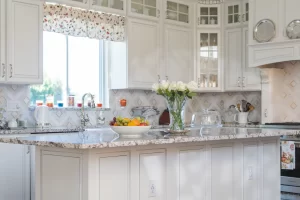
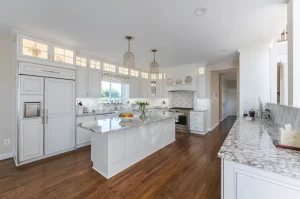
Choosing between quartz vs granite countertops remains one of the most important decisions for Northern Virginia homeowners planning kitchen or bathroom renovations in 2026. Both materials offer exceptional durability and beauty, but understanding their differences in cost, maintenance requirements, and style versatility will help you make the right choice for your Herndon, Reston, or Centreville home. This comprehensive guide explores everything you need to know about these premium countertop materials to ensure your investment aligns with your lifestyle and design goals.
Key Takeaway
While both quartz and granite offer premium quality for Northern Virginia homes, quartz provides superior low-maintenance performance and consistent patterning at $60-$120 per square foot, making it ideal for busy households. Granite offers unique natural beauty and heat resistance at $50-$100 per square foot, appealing to homeowners who value one-of-a-kind stone aesthetics. Your choice ultimately depends on whether you prioritize maintenance convenience and uniformity (quartz) or natural variation and traditional elegance (granite).
[ez-toc]
Understanding Quartz and Granite Countertops
Before diving into the quartz vs granite debate, it’s essential to understand what each material actually is. Granite is a natural stone quarried directly from the earth, cut into slabs, and polished for use in homes. Each granite slab features unique patterns, veining, and color variations created by nature over millions of years, ensuring no two installations are exactly alike.
Quartz countertops, on the other hand, are engineered surfaces made from approximately 90-95% natural quartz crystals combined with polymer resins and pigments. This manufacturing process allows for greater control over appearance, creating consistent patterns and a wide range of colors not found in nature. The engineered composition also eliminates the natural porosity found in granite, creating a non-porous surface that resists staining without sealing.
How Manufacturing Affects Performance
The fundamental difference between natural granite and engineered quartz significantly impacts their performance characteristics. Granite’s natural formation creates microscopic pores that can absorb liquids if not properly sealed, while quartz’s manufactured density creates an impermeable barrier. This distinction becomes particularly relevant for Northern Virginia homeowners who value low-maintenance solutions in their busy households.
Cost Comparison for Northern Virginia Installations
When budgeting for northern virginia countertops, understanding the total investment beyond material costs helps homeowners make informed decisions. In 2026, quartz typically ranges from $60 to $120 per square foot installed, while granite costs $50 to $100 per square foot installed. However, these figures represent only part of the financial picture.
Initial Investment Breakdown
Premium quartz brands like Caesarstone and Cambria command higher prices at $100-$120 per square foot, offering exceptional pattern consistency and warranties. Mid-range quartz options from Silestone or MSI provide excellent value at $70-$90 per square foot. For granite, exotic varieties with dramatic veining from Brazil or India can reach $100 per square foot, while domestic granite from quarries in Georgia or North Carolina typically costs $50-$70 per square foot.
Installation costs in Northern Virginia generally add $30-$50 per square foot for either material, depending on the complexity of your kitchen layout and edge details. Undermount sink cutouts, cooktop openings, and decorative edges increase labor costs similarly for both kitchen countertop materials.
Long-Term Cost Considerations
While granite may offer lower upfront costs, the long-term maintenance requirements affect total ownership expenses. Granite requires professional sealing every 1-2 years at $100-$200 per application to maintain stain resistance. Over a 15-year period, these sealing costs can add $1,500 to $3,000 to your total investment.
Quartz eliminates these recurring maintenance expenses entirely, as the non-porous surface never requires sealing. For Chantilly and Ashburn homeowners planning to stay in their homes long-term, quartz’s maintenance-free nature often justifies the slightly higher initial cost.
Maintenance and Care Requirements
The daily care requirements for quartz vs granite differ significantly, influencing homeowner satisfaction over time. Understanding these differences helps match the right material to your lifestyle and cleaning preferences.
Granite Maintenance Essentials
Granite demands regular attention to maintain its protective seal and appearance. Homeowners should clean granite daily with pH-neutral cleaners specifically formulated for natural stone, avoiding acidic substances like lemon juice or vinegar that can etch the surface. The sealing schedule varies based on granite density and color—lighter granites typically require more frequent sealing than darker varieties.
Testing your granite’s seal involves placing a few drops of water on the surface. If the water beads up, your seal remains effective. If water absorbs and darkens the stone within 10 minutes, resealing becomes necessary. This simple test should be performed every six months to ensure optimal protection.
Quartz Care Simplicity
Quartz countertops revolutionize kitchen maintenance with their remarkably simple care routine. Daily cleaning requires only mild soap and water or common household cleaners, with no special products needed. The non-porous surface prevents bacteria growth and eliminates the possibility of staining from wine, coffee, or cooking oils—even if spills sit overnight.
However, quartz does have limitations. High heat can damage the resin binders, requiring trivets or hot pads for pots and pans. Additionally, prolonged direct sunlight exposure in rooms with large windows may cause subtle color shifts over many years, though modern formulations have significantly improved UV resistance.
Style and Design Considerations
In 2026, both materials offer extensive design possibilities for northern virginia countertops, but their aesthetic characteristics serve different design visions. The choice between natural variation and controlled consistency often determines which material best suits your renovation goals.
Granite’s Natural Beauty
Granite provides unparalleled natural beauty with movement and depth that cannot be replicated by engineered materials. Popular granite colors for Northern Virginia homes include Alaskan White, Ubatuba (a rich dark green with gold flecks), Santa Cecilia (golden tones with burgundy highlights), and Kashmir White (subtle grey veining on cream backgrounds).
The inherent variation in granite means selecting your exact slab becomes crucial. Visiting stone yards in Sterling or Fairfax allows you to inspect full slabs and ensure the veining pattern, color intensity, and overall appearance match your vision. This variability means each granite installation creates a truly unique focal point in your kitchen.
Quartz’s Versatility and Consistency
Quartz excels in providing predictable, consistent patterning throughout your entire installation. In 2026, quartz manufacturers offer hundreds of colors and patterns, including designs that convincingly mimic Carrara marble, Calacatta marble, and even natural granite—without the maintenance challenges of these natural stones.
Current trends favor quartz in bold veining patterns for statement islands, solid colors for minimalist contemporary kitchens, and textured finishes that add subtle dimension. Waterfall edge installations, where countertops extend vertically to the floor, showcase quartz’s ability to create seamless, book-matched patterns impossible to achieve with natural stone.
Matching Materials to Design Styles
For traditional kitchens featuring warm wood cabinetry and classic detailing, granite often provides the authentic natural stone aesthetic that complements timeless design. Transitional and contemporary spaces benefit from quartz’s clean lines and consistent patterning, which supports the streamlined aesthetic these styles demand.
Durability and Performance
Both kitchen countertop materials offer exceptional longevity, but their performance characteristics differ in ways that matter for daily use. Understanding these distinctions helps homeowners choose surfaces that support their cooking and entertaining habits.
Heat Resistance
Granite wins the heat resistance competition decisively. As a natural stone formed under extreme heat and pressure, granite tolerates direct contact with hot pots and pans without damage. Homeowners can place a hot skillet directly from the stove onto granite countertops without concern, though using trivets remains best practice to prevent thermal shock that could cause cracking.
Quartz’s resin binders limit heat tolerance to approximately 300°F. Exposing quartz to temperatures above this threshold can cause discoloration, cracking, or warping. Northern Virginia homeowners who do extensive cooking or frequently use cast iron cookware should factor this limitation into their decision.
Scratch and Impact Resistance
Both materials demonstrate excellent scratch resistance under normal kitchen use, though their mechanisms differ. Granite’s hardness (typically 6-7 on the Mohs scale) resists knife scratches naturally, while quartz (typically 7 on the Mohs scale) achieves similar performance through its engineered density. Neither surface should be used as a cutting board, as both can dull knives and sustain minor damage from excessive force.
For impact resistance, both materials can chip if subjected to severe force, particularly along edges and corners. Professional countertop installation includes edge reinforcement and proper support structures to minimize chip risk. Quartz repairs may blend more seamlessly than granite repairs due to its manufactured consistency.
Stain Resistance Performance
This category shows the most significant performance difference between the materials. Unsealed or poorly sealed granite can absorb liquids, oils, and pigments, potentially creating permanent stains. Common culprits include red wine, beet juice, cooking oils, and acidic substances. Even with proper sealing, highly porous granite varieties remain vulnerable to staining.
Quartz’s non-porous composition provides virtually stain-proof performance. Homeowners can leave wine glasses, coffee cups, or olive oil bottles on quartz surfaces indefinitely without fear of staining. This characteristic makes quartz particularly appealing for busy Fairfax and Loudoun County families who prioritize worry-free surfaces.
Environmental and Health Factors
Sustainability and indoor air quality considerations increasingly influence material selection for health-conscious Northern Virginia homeowners in 2026. Both quartz and granite present distinct environmental profiles worth examining.
Sustainability Considerations
Granite’s sustainability depends largely on sourcing practices. Domestically quarried granite from the United States reduces transportation emissions compared to imported varieties from Brazil or India. The quarrying process does disrupt landscapes, though reputable suppliers implement reclamation practices. Granite is entirely natural and contains no synthetic components, appealing to homeowners seeking minimally processed materials.
According to the National Kitchen & Bath Association, quartz manufacturing has evolved to incorporate recycled glass and mirrors into some product lines, improving sustainability profiles. However, the manufacturing process requires significant energy, and the resin binders are petroleum-based products. Some manufacturers now offer carbon-neutral production facilities and take-back programs for old countertops, addressing environmental concerns.
Health and Indoor Air Quality
Both materials rate well for indoor air quality when properly installed. Granite emits no volatile organic compounds (VOCs) and poses no health risks for residential use. Historical concerns about radon emissions from granite have been thoroughly debunked by multiple scientific studies—granite countertops contribute negligible radon to indoor air.
Quartz products certified by GreenGuard meet strict standards for low chemical emissions. Quality quartz brands release minimal VOCs after installation, typically dissipating within 24-48 hours. Homeowners sensitive to chemicals should verify GreenGuard certification and ensure adequate ventilation during and immediately after installation.
Antimicrobial Properties
Quartz’s non-porous surface naturally inhibits bacterial growth by preventing moisture and food particles from penetrating the material. This inherent antimicrobial property maintains hygienic surfaces without special treatments. Some quartz manufacturers incorporate additional antimicrobial agents, though the base material’s density provides primary protection.
Properly sealed granite also resists bacterial growth, but microscopic pores in natural stone can harbor bacteria if seals deteriorate. Maintaining granite’s seal ensures optimal hygiene performance, making regular sealing not just about stain prevention but also about food safety.
Making the Right Choice for Your NOVA Home
Selecting between quartz vs granite requires evaluating your specific priorities, lifestyle requirements, and design preferences. Northern Virginia homeowners should consider several factors before making this significant investment in their homes.
Choose Quartz If You Value:
Low maintenance living – Busy families in Herndon, Reston, and Vienna appreciate quartz’s zero-maintenance requirements. No sealing appointments, no special cleaners, and no worry about stains create genuine peace of mind for households with children, frequent entertaining, or demanding schedules.
Consistent appearance – Homeowners who prefer predictable, uniform patterning benefit from quartz’s manufactured consistency. This characteristic particularly suits contemporary and modern kitchens where clean lines and controlled aesthetics drive design decisions.
Worry-free surfaces – If you want to enjoy your kitchen without constantly monitoring for spills or potential damage, quartz eliminates anxiety. Set down wine glasses, coffee mugs, and olive oil bottles without second thoughts.
Choose Granite If You Value:
Natural uniqueness – For homeowners who appreciate authentic natural materials and one-of-a-kind aesthetics, granite’s organic variation creates irreplaceable character. Each installation becomes a unique art piece formed by geological processes.
Heat tolerance – Serious cooks who regularly work with high-heat cooking methods, cast iron skillets, or hot pots appreciate granite’s superior heat resistance. Place hot cookware directly on surfaces without concern (though trivets remain recommended).
Traditional aesthetics – Classic and traditional kitchen designs often benefit from granite’s authentic stone appearance, which has graced high-end homes for generations. The time-tested appeal of natural granite complements traditional architectural details.
Professional Installation Matters
Regardless of which material you choose, professional countertop installation significantly impacts performance and longevity. Kitchen and bathroom remodeling specialists ensure proper template measurements, adequate support structures, and seamless fabrication. For Northern Virginia homeowners, selecting experienced local installers familiar with regional building codes and climate considerations protects your investment.
Conclusion
The quartz vs granite decision ultimately reflects your personal priorities rather than one material’s absolute superiority. Quartz delivers unmatched convenience, consistency, and maintenance-free performance, making it ideal for busy Northern Virginia households seeking practical luxury. Granite offers timeless natural beauty, exceptional heat tolerance, and unique character that appeals to homeowners valuing authentic materials.
For Centreville, Chantilly, and Ashburn residents planning 2026 renovations, both materials represent sound investments that enhance home value and daily living. Consider visiting local showrooms to experience both kitchen countertop materials firsthand, examining samples under your home’s lighting conditions, and consulting with experienced designers who understand Northern Virginia’s design preferences.
Your countertops will serve your household for decades—choosing the material that best matches your lifestyle, aesthetic preferences, and maintenance expectations ensures satisfaction for years to come. Whether you select the natural majesty of granite or the engineered excellence of quartz, both materials will transform your kitchen into a space that beautifully supports your family’s daily life.
Selecting the ideal material for a kitchen island countertop involves balancing aesthetics, functionality, and durability. From classic choices like wood and granite to modern options such as resin and engineered quartz, homeowners face a myriad of possibilities.
Natural materials like maple offer warmth and character, while innovative liquid resins create unique, customizable surfaces. In this article, we’ll explore various countertop materials to help you decide on your kitchen island.
Key Takeaways for Choosing the Right Kitchen Island Countertop Material: Top 5 Ideas
Diverse Material Options: Kitchen island countertops are available in various materials, each offering unique advantages and drawbacks. Options include traditional choices like granite and wood and modern alternatives like epoxy and engineered quartz.
Essential Considerations: Durability, maintenance, aesthetic appeal, and cost are crucial in selecting the suitable countertop material. Practical needs, like resistance to common kitchen stains, should be balanced against visual impact.
Popular Choices: Quartz and granite are top picks for their durability and aesthetic appeal. Quartz is especially noted for its non-porous surface, making it resistant to stains and scratches, while granite is celebrated for its natural beauty.
Wood Countertops: Wood countertops add warmth and character but require more maintenance than stone or engineered materials. Regular oiling and careful cleaning are essential to preserve their appearance.
Innovative Options: Porcelain and sintered stone are emerging as innovative options. These materials offer exceptional durability and design flexibility and compete vigorously with traditional stone countertops.
Lifestyle Impact: A homeowner’s lifestyle significantly influences the choice of countertop material. Busy households prioritize durability and ease of maintenance, while design-focused individuals may opt for high-end natural stones.
Cost Considerations: The cost of countertop materials can vary widely. Porcelain and polyester resin are more budget-friendly than high-end natural stones like granite and marble. Long-term maintenance costs should also be considered.
Versatile Quartz: Quartz countertops are highly favored for their durability, low maintenance, and aesthetic versatility. They resist bacteria and don’t require sealing, making them ideal for busy kitchens.
Granite’s Timeless Appeal: Granite remains popular due to its natural beauty and durability. Each slab is unique, offering various colors and patterns that elevate any kitchen design.
Balancing Practicality and Style: Choosing the perfect countertop involves balancing aesthetic preferences with practical needs. Factors like kitchen traffic, usage patterns, and long-term durability are crucial in making an informed decision that aligns with style and functionality.
[ez-toc]
Understanding Your Options for Kitchen Island Countertops
Kitchen island countertops offer homeowners myriad options, each with distinct advantages and drawbacks. The manufacturing processes and final products vary significantly from traditional materials like granite to modern alternatives such as epoxy and metal. Durability, maintenance requirements, aesthetic appeal, and cost are crucial in decision-making. Practical considerations, such as resistance to stains from juice spills, must be weighed against visual impact. Additionally, lifestyle factors heavily influence material selection, as busy households may prioritize resilience over luxury. By examining the pros and cons of each option, homeowners can make informed choices that align with their needs and preferences.
Exploring the Variety of Countertop Materials Available
Kitchen island countertops come in various materials, each offering unique characteristics and aesthetics. From natural stone options like granite and sandstone to engineered surfaces like quartz, homeowners can select from multiple textures, colors, and finishes to complement their kitchendesign. Glass countertops provide a sleek, modern look. At the same time, teak offers a warm, organic feel for those seeking a more natural ambiance.
These materials’ construction and manufacturing processes greatly influence their durability, maintenance requirements, and overall performance. Quartz countertops, for instance, combine natural quartz crystals with resins to create a non-porous surface that resists stains and scratches. On the other hand, natural materials like sandstone may require more frequent sealing to maintain their appearance and functionality in a busy kitchen environment.
Durability and Maintenance: Key Considerations
Durability is crucial in selecting kitchen island countertops, as these surfaces endure constant wear and tear from daily use. Materials like granite and quartz offer exceptional resistance to scratches and impacts, while softer options like butcher block may show signs of wear more quickly. Homeowners must consider their lifestyle and usage patterns when evaluating the long-term performance of different countertop materials.
Maintenance requirements vary significantly among countertop materials, impacting aesthetics and functionality. While some surfaces, like terrazzo, demand regular sealing to prevent staining, others, like engineered quartz, require minimal upkeep. The ease of cleaning and resistance to common kitchen hazards, such as heat and moisture, should factor into the decision-making process. Here’s a comparison of durability and maintenance characteristics for popular countertop materials:
Material
Durability
Maintenance
Granite
High
Moderate (periodic sealing)
Quartz
High
Low
Butcher Block
Moderate
High (regular oiling)
Terrazzo
High
Moderate (periodic sealing)
Aesthetic Appeal vs. Practical Use
Choosing between aesthetic appeal and practical use often presents a challenging dilemma for homeowners selecting kitchen island countertops. Materials like granite and slate offer striking visual impact, enhancing the overall aesthetics of the kitchenspace. However, these natural stone options may require more maintenance and care to preserve their beauty.
On the other hand, practical materials such as butcher blocks provide functional surfaces ideal for food preparation but may need more visual sophistication than their stone counterparts. Homeowners must weigh the importance of aesthetics against the practicality of daily use, considering factors like resistance to stains from everyday kitchen items such as soap. The following table illustrates the balance between aesthetic appeal and practical use for various countertop materials:
Material
Aesthetic Appeal
Practical Use
Granite
High
Moderate
Slate
High
Moderate
Butcher Block
Moderate
High
Quartz
High
High
Cost Comparison of Various Materials
The cost of kitchen island countertops varies significantly across different materials, with porcelain and polyester resin options often providing more budget-friendly alternatives to high-end natural stones. Factors such as brand reputation, material quality, and installation complexity influence the overall price of a countertopproject. Homeowners should consider upfront and long-term maintenance expenses when evaluating their options.
Natural stone countertops like granite and marble typically command premium prices, while engineered materials such as quartz offer a balance between cost and durability. Butcher block countertops, which require regular oiling, are affordable for those seeking a warm, natural aesthetic. The wide range of available materials allows homeowners to find a solution that fits their budget without compromising style or functionality.
How Lifestyle Influences Material Choice
A homeowner’s lifestyle significantly influences the choice of kitchen island countertop material. Busy households with children may prioritize durable, solid surface options that resist scratches and stains. At the same time, design-conscious individuals might opt for high-end natural stone to elevate their interior design aesthetic.
The frequency of cooking and entertaining also plays a role in material selection. Avid cooks may prefer heat-resistant surfaces like granite, while those who use their kitchen as a social hub might choose materials that complement their furniture and overall décor. Some homeowners even incorporate unique elements like talc-based countertops to create a distinctive focal point in their kitchenspace.
Why Quartz Countertops Are a Top Choice
Quartz countertops have surged in popularity for kitchen islands, offering a compelling blend of durability, low maintenance, and aesthetic appeal. Unlike natural stone options, quartz resists bacteria growth and withstands daily wear and tear. Its non-porous surface eliminates the need for sealing, making it an ideal choice for busy kitchens. While the initial price of quartz may exceed that of some alternatives like tile or laminate, its longevity and versatility often justify the investment. Quartz complements various design styles, from modern to traditional, and coordinates seamlessly with other kitchen elements, such as floors and sinks. This engineered stone‘s wide range of colors and patterns allows homeowners to achieve the look of natural stone without the associated maintenance challenges.
Benefits of Quartz in Durability and Maintenance
Quartz countertops excel in durability and maintenance, making them an excellent choice for kitchen island surfaces. These engineered stones resist scratches, chips, and stains better than many natural alternatives, withstanding the rigors of daily use in busy kitchen spaces. Quartz also repels acid from common kitchen ingredients, preserving its appearance even after prolonged exposure.
During a kitchen remodel, homeowners appreciate quartz‘s low maintenance requirements and consistent color throughout the material. Quartz doesn’t require regular sealing or unique cleaning routines, unlike natural stones such as walnut butcher blocks. This table illustrates the benefits of quartz compared to other popular countertop materials:
Feature
Quartz
Granite
Marble
Butcher Block
Scratch Resistance
High
Moderate
Low
Low
Stain Resistance
High
Moderate
Low
Low
Maintenance
Low
Moderate
High
High
Color Consistency
High
Moderate
Low
Moderate
Quartz vs. Natural Stone: A Comparison
Quartz, an engineered stone, competes with natural stone options like granite and marble for kitchen island countertops. Chefs appreciate quartz‘s consistent performance and durability, while natural stone offers unique patterns and textures. Quartz resists stains and scratches better than most natural stones, making it ideal for busy kitchens.
Natural stone countertops generally handle heat better than quartz, allowing direct placement of hot pots and pans. However, quartz manufacturers have improved heat resistance in recent years. Both quartz and natural stone outperform materials like steel or paper-based composites in terms of longevity and aesthetic appeal.
The Aesthetic Versatility of Quartz
Quartz countertops offer remarkable aesthetic versatility, making them popular for kitchen remodeling projects. Unlike ceramic or concrete options, quartz combines natural mineral particles with resins to create a wide array of colors and patterns, mimicking the look of various stones or offering unique designs that are impossible to achieve with natural materials.
Customizing quartz countertops allows homeowners to match their kitchen island to any design scheme, from traditional to ultra-modern. This versatility, coupled with quartz‘s durability and environmentally friendly production process, positions it as a top contender for those seeking style and substance in their kitchen surfaces.
Understanding the Cost of Quartz Countertops
Quartz countertops offer excellent value for kitchen islands, balancing cost with durability and design flexibility. While initial prices may exceed those of laminate or tile options, quartz‘s longevity and resistance to water damage often result in lower long-term expenses. The material’s compatibility with various cabinetry styles further enhances its cost-effectiveness in overall kitchendesign.
The beauty of quartz countertops stems from their engineered composition, which blends natural quartz with polyester resins. This manufacturing process allows various color options and patterns, often cheaper than comparable natural stone alternatives. Homeowners can achieve their desired aesthetic without compromising quality or breaking their budget.
The Timeless Appeal of Granite Countertops
Granite countertops have long been a staple in kitchendesign, offering a unique blend of natural beauty and durability that few other building materials can match. Unlike synthetic options such as plastic, Corian, or engineered quartzite, granite‘s organic patterns and rich colors provide a timeless elegance that complements various kitchen styles, from traditional oakcabinetry to modern minimalist designs. Its enduring popularity stems from its ability to withstand the rigors of daily use while maintaining its lustrous appearance for years. Homeowners appreciate granite‘s customization versatility and relatively straightforward maintenance requirementscompared to other natural stone options.
Why Granite Has Remained Popular for Years
Granite‘s enduring popularity in home improvement projects stems from its unparalleled natural beauty and durability. Unlike materials such as limestone or cement, granite resists scratches, heat, and stains, maintaining its luxurious appearance even after years of heavy use in busy kitchens.
The unique patterns and rich color variations in granitecountertops create a sense of elegance that materials like stainless steel or engineered surfaces struggle to match. As granite ages, it develops a subtle patina that enhances its character, further contributing to its timeless appeal and making it a preferred choice for homeowners seeking long-lasting value in their kitchen investments.
Caring for Granite: Tips and Tricks
Caring for granite countertops requires less effort than maintaining marble or soapstone surfaces, but regular attention ensures their longevity and beauty. Homeowners should clean granite daily with a mild soap and warm water solution, avoiding harsh chemicals that might damage the stone’s finish or affect nearby kitchen cabinets.
Sealing granite countertops annually protects them from stains and enhances their natural luster. This process fits most homeowners’ budgets and doesn’t require advanced Javascript knowledge. For stubborn stains, a poultice made from baking soda and water can lift the discoloration without harming the granite‘s surface.
Customization Options With Granite
Granite countertops offer extensive customization options, allowing homeowners to create unique kitchen island surfaces that complement their overall design aesthetic. Fabricators can cut granite slabs into various shapes and sizes, accommodating different island configurations and integrating features like built-in cutting boards. The natural variations in granite‘s patterns and colors provide opportunities for selecting pieces that harmonize with other elements in the kitchen, such as cabinetry and flooring.
Edge profiles present another avenue for customization, ranging from simple beveled edges to more elaborate ogee or waterfall designs. Homeowners can also incorporate inlays of contrasting materials, such as stainless steel or colored grout, to create distinctive accents. While primarily associated with kitchens, granite‘s versatility extends to bathroom vanities, where its ability to resist mold and stains makes it an excellent choice for high-moisture environments.
Customization Option
Description
Benefit
Slab Selection
Choose specific granite patterns and colors
Personalized aesthetic
Edge Profiles
Various edge designs available
Enhanced visual appeal
Inlays
Incorporate contrasting materials
Unique design accents
Surface Finish
Polished, honed, or leathered options
Tailored texture and appearance
Laminate Countertops: Budget-Friendly Choices
Laminate countertops offer a cost-effective solution for kitchen island surfaces, combining affordability with versatility. Modern laminate technology has vastly improved the material’s appearance and durability, allowing it to mimic the look of natural stone or even copper. While not as heat-resistant as rock-based options, laminate can withstand typical cooking activities when proper precautions are taken, such as using trivets for hot pots. Homeowners can now achieve luxurious aesthetics without breaking the bank, and laminate’s durability has increased to rival more expensive materials in certain aspects. This budget-friendly option provides a practical choice for those seeking to balance style and functionality in their kitchendesign.
Advancements in Laminate Technology
Modern laminate countertops have undergone significant technological advancements, improving their durability and aesthetic appeal. Manufacturers now utilize high-definition printing techniques to create realistic stone and wood grain patterns that rival the appearance of natural materials. These improvements allow homeowners to achieve luxurious looks without the high costs of premium countertop options.
Enhanced wear resistance and improved edge treatments have extended the lifespan of laminate countertops. New manufacturing processes incorporate antimicrobial properties, making these surfaces more hygienic for food preparation areas. Advances in core materials have also increased laminate’s resistance to moisture and impact, addressing previous limitations of this budget-friendly option:
Advancement
Benefit
Impact on Performance
High-Definition Printing
Realistic Patterns
Enhanced Aesthetics
Improved Edge Treatments
Seamless Appearance
Increased Durability
Antimicrobial Properties
Improved Hygiene
Better Food Safety
Enhanced Core Materials
Moisture Resistance
Extended Lifespan
How to Make Your Laminate Countertops Look Luxurious
Laminate countertops can achieve a luxurious appearance by carefully selecting high-end patterns and textures that mimic premium materials like marble or granite. Pairing these sophisticated laminates with upscale hardware and fixtures elevates the overall aesthetic of the kitchen island. Homeowners can enhance the luxurious look by opting for seamless edge profiles and under-mount sinks, creating a sleek, high-end finish.
Strategic lighting plays a crucial role in showcasing laminate countertops’ upscale appearance. Installing under-cabinet LED strips or pendant lights above the kitchen island highlights the countertop‘s surface, emphasizing its texture and depth. Complementing the laminate with high-quality backsplashes and well-chosen accessories completes the luxurious transformation of budget-friendly kitchen island countertops.
Comparing the Durability of Laminate to Other Materials
Laminate countertops offer surprising durability compared to other materials, particularly in scratch and stain resistance. While they may not match natural stone or quartz’s longevity, modern laminates can withstand daily wear and tear. Their resistance to moisture and chemicals often surpasses that of wood or certain types of tile.
Heat resistance remains a limitation for laminate countertops compared to materials like granite or engineered stone. However, laminate’s affordability and ease of replacement can offset this drawback for budget-conscious homeowners. The following table compares the durability aspects of laminate to other common countertop materials:
Material
Scratch Resistance
Stain Resistance
Heat Resistance
Overall Durability
Laminate
Moderate
High
Low
Moderate
Granite
High
Moderate
High
High
Quartz
High
High
Moderate
High
Wood
Low
Low
Low
Low
Bringing Warmth to Your Kitchen With Wood Countertops
Wood countertops bring a unique warmth and character to kitchen islands, offering a natural alternative to stone or synthetic materials. From dense hardwoods like maple and oak to exotic species such as teak and zebrawood, each type of wood imparts distinct visual and functional qualities to the kitchen space. Proper protection and maintenance are crucial for preserving the beauty and longevity of wood countertops, as they are more susceptible to scratches and water damage than other materials. Integrating wood with complementary materials like stone or metal can create striking visual contrasts and enhance the overall design aesthetic of the kitchen, making wood a versatile choice for homeowners seeking a blend of tradition and modern style.
Types of Wood and Their Unique Characteristics
Wood countertops offer a diverse range of options for kitchen islands, each with distinct characteristics. Maple provides a light, uniform appearance, and excellent durability, while oak‘s prominent grain patterns and natural resistance to moisture make it a popular choice for busy kitchens. Walnut countertops bring rich, dark tones and a smooth texture, ideal for creating a luxurious atmosphere.
Exotic woods like teak and zebrawood offer unique visual appeal and exceptional durability. Teak‘s natural oils make it resistant to water and decay, while zebrawood’s striking grain patterns create a bold focal point in any kitchendesign. Though technically grass, bamboo provides a sustainable alternative with its rapid growth, light, and contemporary aesthetics.
Protecting Your Wood Countertops From Damage
Protecting wood countertops from damage requires diligent care and maintenance. Regularly applying food-grade mineraloil or beeswax creates a protective barrier against moisture and stains, preserving the wood‘s natural beauty. Homeowners should avoid placing hot pots directly on the surface and use cutting boards to prevent scratches.
Addressing spills promptly and using gentle cleaning methods helps maintain the integrity of wood countertops. A mixture of mild soap and warm water suffices for routine cleaning while avoiding harsh chemicals or abrasive scrubbers to prevent damage to the wood‘s finish. Implementing these protective measures ensures the longevity and attractiveness of woodkitchen island countertops:
Protection Method
Benefit
Frequency
Mineral Oil Application
Moisture Resistance
Monthly
Cutting Board Use
Scratch Prevention
Always
Gentle Cleaning
Surface Preservation
Daily
Prompt Spill Cleanup
Stain Prevention
Immediately
Integrating Wood Countertops With Other Materials
Integrating woodcountertops with other materials creates visually striking and functional kitchen island designs. Combining wood with stone, such as granite or marble, offers a balance of warmth and elegance. Stainless steel accents or appliances paired with wood countertops provide a contemporary contrast that appeals to modern aesthetics.
Homeowners can incorporate glass elements, such as raised glass bars or inlaid glass sections, to add depth and interest to wood countertops. Mixing different wood species or using contrasting wood grains within the same countertopdesign creates unique patterns and textures. The following table illustrates popular material combinations with wood countertops:
Wood Type
Complementary Material
Design Style
Maple
Granite
Traditional
Walnut
Stainless Steel
Modern
Oak
Glass
Eclectic
Bamboo
Concrete
Industrial
Innovative Materials: Exploring Porcelain and Sintered Stone
Porcelain and sintered stone represent cutting-edge innovations in kitchen island countertop materials, offering homeowners advanced alternatives to traditional options. These engineered surfaces combine exceptional durability with sophisticated aesthetics, challenging the dominance of natural stone and quartz in high-end kitchendesign. Porcelain countertops have gained traction for their sleek appearance and remarkable resistance to heat and stains, while sintered stone pushes the boundaries of material science with its ultra-compact structure. As these modern materials enter the market, they present unique advantages and considerations compared to classic countertop choices, prompting a reevaluation of performance, style, and value in kitchen renovations.
The Rising Popularity of Porcelain Countertops
Porcelain countertops have become popular among homeowners seeking durable and stylish kitchen island surfaces. Their exceptional resistance to heat, scratches, and stains has positioned them as formidable competitors to traditional materials like granite and quartz. The ability to manufacture porcelain in large, thin slabs has expanded design possibilities, allowing for seamless installations and unique aesthetic options.
Advancements in digital printing technology have enabled porcelain manufacturers to replicate the look of natural stone with remarkable accuracy. This development has attracted consumers who desire the appearance of marble or quartzite without the associated maintenance concerns. The combination of practicality and visual appeal has solidified porcelain‘s place as a top choice for modern kitchen renovations.
Sintered Stone: The New Frontier in Countertop Materials
The sintered stone represents a revolutionary advancement in countertop materials, offering unparalleled durability and versatility for kitchen islands. This engineered surface combines natural minerals and pigments under extreme heat and pressure, resulting in a non-porous, ultra-compact material that resists scratches, stains, and UV radiation. Sintered stone’s ability to withstand high temperatures makes it an ideal choice for busy kitchens where hot pots and pans are frequently used.
The manufacturing process of sintered stone allows for a wide range of colors and patterns, including realistic marble and concrete looks. Its thin profile and large format slabs enable creative design applications like waterfall edges and seamless backsplashes. As awareness of sintered stone grows, it challenges traditional materials in performance and aesthetics, offering homeowners a cutting-edge option for kitchen island countertops.
How These Modern Materials Compare to Classics
Porcelain and sintered stone countertops offer superior heat and scratch resistance compared to classic materials like granite and marble. These modern options boast enhanced durability and lower maintenance requirements, making them attractive alternatives for busy kitchens. Their non-porous surfaces resist staining and bacterial growth, surpassing the performance of traditional natural stone countertops in terms of hygiene and ease of cleaning.
Classic materials like granite and marble offer unique, natural patterns, and porcelain and sintered stone provide a more comprehensive range of consistent colors and designs. These engineered materials allow for thinner profiles and larger slab sizes, enabling seamless installations and creative design possibilities that may be challenging to achieve with traditional stone. However, classic materials’ timeless appeal and proven longevity continue to make them popular for homeowners seeking a traditional aesthetic.
Deciding on the Perfect Countertop Material for Your Kitchen Island
Selecting the ideal countertop material for a kitchen island involves carefully considering multiple factors. Homeowners must balance functionality and aesthetic appeal, evaluating how different materials align with their daily usage patterns and kitchen traffic. The decision-making process extends beyond immediate needs, encompassing long-term considerations such as durability, maintenance requirements, and potential impact on property value. By examining these crucial aspects, individuals can make informed choices that enhance their kitchen experience and prove beneficial in the future.
Balancing Functionality With Style
Balancing functionality with style in kitchen island countertops requires careful consideration of both practical needs and aesthetic preferences. Homeowners must evaluate how different materials perform under their specific usage patterns while complementing the kitchendesign. Durable materials like quartz or granite may offer the best resilience and visual appeal for high-traffic kitchens.
The choice of countertop material can significantly impact the kitchen‘s atmosphere and functionality. While a sleek marble surface might create a luxurious ambiance, it may not withstand the rigors of daily cooking and food preparation or more robust alternatives. Striking the right balance often involves compromising between ideal appearance and practical performance to achieve a satisfying long-term solution.
Assessing Your Kitchen’s Traffic and Usage Patterns
Assessing kitchen traffic and usage patterns is crucial in selecting the ideal countertop material for a kitchen island. High-traffic kitchens with frequent cooking activities requiredurable surfaces that resist scratches, stains, and heat. Families with young children or frequent entertainers may prioritize materials that can withstand spills and impacts.
The type of cooking and food preparation typically performed on the kitchen island influences material selection. Bakers prefer cool, smooth surfaces like marble for rolling dough, while those who frequently use hot pots and pans should consider heat-resistant options such as granite or quartz. Evaluating these usage patterns ensures that the chosen countertop material aligns with the homeowner’s lifestyle and cooking habits.
Future-Proofing Your Choice: Longevity and Resale Value
Choosing a durable kitchen island countertop material ensures a wise investment for homeowners. Durable options like quartz and granite often maintain appeal and functionality for decades, potentially increasing a property’s resale value. These materials resist wear and tear, preserving their appearance even after years of use.
Future-proofing countertop choices involves considering timeless designs that will remain attractive to potential buyers. Neutral colors and classic patterns typically offer broader appeal, while trendy or highly personalized selections may limit a home’s marketability. When deciding, homeowners should weigh the initial cost against the material’s expected lifespan and its potential impact on the kitchen aesthetics.
FAQs for Choosing the Right Kitchen Island Countertop Material
What is the best countertop material for a kitchen island?
The best countertop material for a kitchen island depends on your needs and preferences. Quartz is a popular choice as it is non-porous, stain-resistant, and requires minimal maintenance. Granite is another durable option that comes in various colors and patterns. Butcher block provides a warm, natural look but requires more maintenance.
What material is used for a kitchen island?
Common materials used for kitchen island countertops include quartz, granite, butcher block, marble, and solid surface. The choice depends on budget, maintenance requirements, and desired aesthetic.
What top is best for a kitchen island?
The best top for a kitchen island depends on your needs and preferences. Quartz is a popular choice as it is non-porous, stain-resistant, and requires minimal maintenance. Granite is another durable option that comes in various colors and patterns. Butcher block provides a warm, natural look but requires more maintenance.
What is the best material for kitchen countertops?
The best material for kitchen countertops depends on your needs and preferences. Quartz is a popular choice as it is non-porous, stain-resistant, and requires minimal maintenance. Granite is another durable option that comes in various colors and patterns. Marble provides a classic look but is more porous and requires more maintenance.
Is quartz cheaper than granite?
Quartz is generally more expensive than granite. However, the cost can vary depending on the brand, style, and material quality.
Can you put hot pans on quartz?
Hot pans should not be placed directly on quartz countertops, which can cause discoloration. Granite is a better option.
What is the newest countertop material?
Some of the newest and most innovative countertop materials include Dekton and Pyrolave. Dekton is an ultra-compact surface designed for exterior cladding and is highly durable. Pyrolave is an enameled lava stone that is heat-resistant, stain-proof, and expensive.
What is the most durable countertop?
The most durable countertop material is quartz. Engineered from a blend of natural quartz and resins, quartz countertops are tough and resistant to scratches, chips, and cracks. They are also non-porous, making them highly resistant to stains and bacteria, perfect for busy kitchens. Compared to natural stone options like granite or marble, quartz countertops require minimal maintenance.
What countertops do chefs prefer?
Professional chefs often prefer stainless steel countertops for their kitchens. Stainless steel is incredibly durable, heat-resistant, and easyto clean, making it ideal for a high-use environment. However, many chefs opt for granite or butcher block countertops for home kitchens where aesthetics and versatility are essential. Granite provides a solid, heat-resistant surface perfect for various culinary tasks, while butcher block countertops offer a warm, organic feel and are excellent for chopping and prepping food.
What are the best countertops to avoid stains?
Quartz and stainless steel countertops are excellent choices for avoiding stains. Quartz is non-porous and highly resistant to staining from common kitchen substances like wine, coffee, and oils. Stainless steel, being non-porous and easy to clean, also effectively resists staining. If you prefer a natural stone, granite countertops are relatively stain-resistant when properly sealed, though they require periodic resealing to maintain their resistance.
Can you put hot pans on granite?
Yes, you can put hot pans on granite countertops. Granite is highly heat-resistant and can withstand the high temperatures of pots and pans straight from the stove or oven. However, while granite can handle the heat, it’s always a good practice to use trivets or hot pads to avoid potential thermal shock, which could cause the stone to crack over time. Additionally, using trivets can help maintain the longevity and appearance of your granite countertop.
Should I put my cooktop in my island?
It’s a popular choice! Integrating your cooktop into your kitchen island can create a stunning focal point and improve workflow. However, it does require careful planning. You’ll need to consider:
Ventilation: Island cooktops require powerful range hoods or downdrafts to handle smoke and grease.
Electrical and Plumbing: These must be professionally installed within the island structure.
Safety: Ensure adequate space around the cooktop to prevent accidents and allow for safe food prep.
What are the disadvantages of an island sink?
While convenient, island sinks have a few potential drawbacks:
Plumbing: Running plumbing lines to the island can increase installation costs.
Visibility: Dirty dishes in the sink might be more visible from other areas of your home.
Splatter: Water splashes from the sink and can land on surrounding countertops and flooring.
What is the best material for island countertops?
The “best” material depends on your needs and style! Here’s a breakdown:
Durability: For maximum durability, consider granite, quartz, or marble. These natural stones are heat and scratch-resistant.
Warmth: Butcher block countertops add warmth and a classic look. They require regular oiling and are less heat-resistant than stone.
Modern Aesthetic: Quartz, with its wide range of colors and patterns, offers a sleek and contemporary aesthetic.
How do I choose the suitable material for my countertop?
Consider these factors:
Lifestyle: Do you have a busy family or entertain frequently? Choose a durable material like granite or quartz.
Budget: Materials like butcher blocks and some granites are more budget-friendly than high-end marble or quartz.
Maintenance: Quartz is low-maintenance, while butcher block and marble require more care.
Style: Match your countertop material to your overall interior design aesthetic.
What is the most expensive countertop material?
High-end natural stones like marble, quartzite, and exotic granite are typically the most expensive countertop materials.
What is the best material for a kitchen island?
There’s no single “best” material! It depends on your priorities. Here are some popular options:
Granite: Durable, heat-resistant, and available in various colors and patterns.
Quartz: Engineered stone that’s highly durable, low-maintenance, and in many colors.
Marble: Elegant and timeless but more susceptible to scratches and etching than granite or quartz.
Butcher Block: Warm, inviting, and ideal for food prep, but requires regular oiling and maintenance.
Wood: Reclaimed wood can add a unique and rustic charm to your island.
Remember to consider your budget, lifestyle, and desired aesthetic when deciding. For expert guidance on selecting the perfect kitchen island countertop material for your Northern Virginia home, contact the professionals at Elegant Kitchen and Bath today!
Should a kitchen island have a sink or cooktop?
The decision to include a sink or cooktop in your kitchen island depends on your needs and kitchen layout. Many homeowners prefer having a sink on the island for easy food prep and cleanup. Others opt for a cooktop to create a social cooking experience. Consider your cooking habits and kitchen workflow when making this choice.
How do I choose an island for my kitchen?
When selecting a kitchen island, consider the following factors:
Size: Ensure proper clearance around the island (at least 36 inches).
Functionality: Determine if you need storage, seating, or appliances.
Countertop material: Choose a durable option like granite, quartz, or butcher block.
Budget: Balance your desires with your financial constraints.
What are the disadvantages of an island cooktop?
While an island cooktop can be attractive, there are some potential drawbacks:
Ventilation challenges: Installing a proper hood over an island can be complex.
Safety concerns: Open flames or hot surfaces may be hazardous in a high-traffic area.
Reduced counter space: The cooktop takes up a valuable prep area.
Cleaning difficulties: Grease and food splatters may spread to seating areas.
Limited electrical outlets: Power supply to the island may be restricted.
What countertop material lasts the longest?
Among the most durable countertop materials are:
Granite: Highly resistant to scratches, heat, and stains when adequately sealed.
Quartz: An engineered stone that’s non-porous and highly durable.
Concrete: Can last a lifetime with proper maintenance.
Stainless steel: Resistant to heat and bacteria, popular in commercial kitchens.
Granite and quartz are long-lasting options that maintain their appearance over time.
What is the lowest maintenance countertop material?
For those seeking a low-maintenance option, consider:
Quartz: Non-porous, resistant to stains, and doesn’t require sealing.
Solid surface (e.g., Corian): Can be easily buffed to remove scratches.
Laminate: Inexpensive and easy to clean, though less durable than stone options.
Stainless steel: Easy to clean and sanitize, though it may show fingerprints.
Quartz is the go-to low-maintenance option that combines durability with ease of care. When choosing your kitchen island countertop material, consider factors like durability, maintenance, aesthetics, and how it complements your cabinetry and overall interior design. Whether you prefer the natural beauty of marble, the warmth of wood like butcher block, or the durability of engineered stones, there’s a perfect countertop material for every kitchen island.
Hear from Our Delighted Clients About Kitchen Island Countertop Materials
Amani Barghouty highly recommends Elegant Kitchen and Bath, praising their professionalism, competence, and friendliness throughout kitchen remodeling. From the initial house visit to the final walkthrough, Amani was impressed with the seamless coordination between the design team led by Tayfun, the project management team headed by Enes, and the crew led by Oscar. The experience exceeded Amani’s expectations, prompting plans to use Elegant Kitchen and Bath for future projects.
S&A is thrilled with their “Elegant” kitchen remodel by Elegant Kitchen & Bath. They commend the team, praising designer Arif for his exceptional ideas, flexibility, and professionalism and project manager Enes for outstanding coordination. The installation team earned kudos for their expertise, work ethic, and cleanliness. S&A appreciates the company’s focus on customer satisfaction, noting that the project started and finished on schedule without issues. They highly recommend Elegant Kitchen and Bath for any kitchen and bath remodeling projects.
John Hoddinott expresses great satisfaction with his new kitchen, which Elegant Kitchen and Bath designed. He worked closely with Tayfun, exploring multiple design plans to find the perfect fit. John praises project manager Enes for his attentiveness and quick follow-ups. He commends Gersen and his crew for their problem-solving skills when faced with installation challenges. John is pleased with the result and notes that Enes promptly addressed and resolved minor issues even after completion.
Choose Elegant Kitchen & Bath for your renovation needs and experience the same level of satisfaction as Amani, S&A, and John. Our dedicated team excels in kitchen remodels, offering expert design guidance, efficient project management, and superior craftsmanship. From personalized design consultations to meticulous attention to detail and hands-on project management, we ensure a smooth remodeling process that transforms your space while prioritizing your satisfaction.
With our ability to handle custom requests, maintain clear communication, and deliver exceptional results, we’re committed to exceeding your expectations and creating a kitchen you’ll love for years. Whether it’s a complete renovation, partial remodel, or tackling unexpected challenges, our team’s expertise and dedication shine through in every project. Our focus on customer satisfaction, punctuality, and cleanliness sets us apart, making your remodeling journey seamless and enjoyable.
Conclusion
Choosing the right material for your kitchen island countertop significantly impacts both functionality and aesthetics in your kitchenspace. Homeowners must carefully consider factors such as durability, maintenance requirements, cost, and visual appeal to make an informed decision that aligns with their lifestyle and design preferences. Modern innovations like porcelain and sintered stone offer exciting alternatives to traditional materials, expanding the options available to suit diverse needs and tastes. Choosing the perfect countertop ensures long-term satisfaction, enhances the kitchen experience, and potentially increases the property’s value.
Transform your kitchen into a stunning masterpiece with natural stone backsplashes, from marble’s timeless elegance to the slate’s textural allure.
Whether you prefer the classic look of marble tiles, the rustic charm of travertine, or the intricate patterns of mosaic designs, natural stone backsplashes offer endless possibilities to elevate your kitchen’s style.
With proper installation and grout selection, these beautiful and durable materials will stand the test of time.
Keep reading to discover eight captivating natural stone backsplash designs that will inspire your kitchen to remodel.
Key Takeaways – From Marble to Slate: 8 Natural Stone Backsplash Designs to Remodel Your Kitchen
Marble and Granite for Timeless Elegance and Durability:Marble and granite remain popular for kitchen backsplashes due to their timeless elegance and durability. Marble offers unique veining patterns and luxurious appearances, while granite provides unmatched durability, making it ideal for high-traffic areas.
Travertine and Limestone for Rustic Charm: Travertine and limestone backsplashes create a warm, rustic charm that complements various design elements. These stones bring earthy tones and textured surfaces, adding a cozy and inviting atmosphere to the kitchen.
Quartzite and Onyx for Luxurious and Unique Appeal: Quartzite and Onyx are resilient and visually stunning options, offering unique crystalline structures and luxurious appearances. With its translucent properties, Onyx can be backlit to create a captivating ambiance.
Soapstone and Slate for Sophisticated Looks with Low Maintenance: Soapstone and slate backsplashes provide sleek, sophisticated aesthetics with low maintenance requirements. Soapstone is non-porous and resistant to stains and bacteria, while slate offers a distinctive, layered appearance that adds depth and character.
Regular Sealing and Proper Cleaning Essential: Regular sealing and cleaning with pH-neutral cleaners are crucial for maintaining natural stone backsplashes’ beauty and longevity. Natural stones can be porous and require protective sealants to prevent stains and damage.
Installation Tips for Long-lasting Results: Proper installation techniques, such as applying high-quality sealers and choosing suitable grout, are essential for ensuring natural stone backsplashes’ durability and aesthetic appeal. Working with experienced professionals can help achieve seamless and lasting results.
Creating Focal Points with Unique Patterns and Colors: Natural stone backsplashes can be striking focal points in a kitchen. From marble’s unique veining to Onyx’s translucent beauty, choosing the correct pattern and color can elevate the kitchen’s design, creating a stunning centerpiece.
[ez-toc]
Marble Backsplash: Timeless Elegance
Marble backsplashes add a touch of timeless elegance to any kitchen or bathroom, seamlessly complementing granitecountertops and stylish cabinetry.
This natural stone’s unique veining patterns and luxurious appearance make it a popular choice among interior design enthusiasts.
When selecting marble for your kitchen backsplash, consider the overall aesthetic, durability, and maintenance requirements to ensure a stunning and long-lasting installation.
Why Choose Marble for Your Kitchen Backsplash?
Marble backsplashes offer a classic beauty that elevates the kitchen’s overall aesthetic, seamlessly blending with various design styles, from traditional to contemporary. Its timeless elegance pairs well with other natural stone elements like slate, brick, or quartzite countertops, creating a cohesive and sophisticated look.
The unique veining patterns and luxurious appearance of marble make it a standout choice for kitchen backsplashes, drawing the eye and becoming a focal point in the room. When combined with thoughtful lighting, a marble backsplash can showcase its inherent beauty and add depth to the kitchen’s design.
Tips for Maintaining a Marble Backsplash
To maintain the timeless beauty of a marble backsplash, it is essential to seal the stone regularly, as marble is more porous than other natural stones like quartz or limestone. Applying a high-quality sealer every few months helps prevent stains and etching from acidic substances, ensuring the backsplash remains as stunning as the day it was installed.
When cleaning a marble backsplash, use a soft cloth or sponge with a mild, pH-neutral cleaner specifically designed for natural stone surfaces. Avoid using abrasive materials like scouring pads or harsh chemicals that can damage the marble’s delicate surface. Always rinse the backsplash thoroughly with water after cleaning to prevent any residue from dulling the stone’s shine.
Granite Backsplash: Durable and Versatile
In addition to marble, granite is another popular natural stone choice for kitchen backsplashes, offering durability and versatility.
This igneous rock, formed from magma or lava, is more complex than marble and less prone to staining, making it an ideal option for busy kitchens.
Granite backsplashes come in various colors and patterns, from classic Carrara-inspired designs to bold, dramatic hues that can complement ceramic tiles, drywall, or even a fireplace surround.
Benefits of a Granite Backsplash in Your Kitchen
Granite backsplashes offer unmatched durability, making them ideal for high-traffic kitchens. Their resistance to scratches, stains, and heat ensures a long-lasting and low-maintenance addition to your kitchen design, whether paired with wood cabinets or a sleek, modern wall finish.
The versatility of granite allows for endless design possibilities, from classic black and white patterns to eye-catching, vibrant hues that can serve as a stunning focal point in your kitchen. With a wide range of colors and patterns available, granite backsplashes can easily complement various design styles, from rustic farmhouse to contemporary chic, as showcased on popular platforms like Houzz:
Design Style
Complementary Materials
Granite Color Options
Rustic Farmhouse
Wood, Brick, Copper
Cream, Beige, Brown
Modern Minimalist
Stainless Steel, Glass, Onyx
Black, White, Gray
Mid-Century Modern
Walnut, Terrazzo, Brass
Green, Blue, Yellow
Granite Backsplash Installation Tips
When installing a granite backsplash, homeowners should consider the surrounding materials, such as carpet, metal, or woodflooring, to ensure a cohesive and harmonious design. Applying a high-quality stone sealer to the granite before installation helps protect the natural stone from stains and moisture damage, ensuring a long-lasting and beautiful backsplash.
Consider incorporating hexagon or other geometric-shaped granite tiles into the backsplash design for a unique and eye-catching look. These unconventional shapes add visual interest and can elevate the kitchen’s overall aesthetic, making the backsplash a standout feature in any home improvement project.
Travertine Backsplash: Rustic Charm
Consider a travertine backsplash for a more rustic and earthy charm in your kitchen or bedroom.
This natural stone, formed from limestone deposits near hot springs, features unique textures and warm, inviting hues ranging from beige to rich browns.
Travertine backsplashes can be paired with various materials, such as porcelain tile or wood, to create a cozy and welcoming atmosphere in any room.
In the following sections, we will explore the travertine’s unique appeal and provide tips on caring for this natural stone backsplash to ensure its longevity and beauty.
The Unique Appeal of Travertine
Travertine’s unique appeal lies in its naturally textured surface and warm, earthy tones, which can range from light beige to deep bronze. These tones contrast with sleek, modern finishes like stainless steel or Carraramarble. When used as a backsplash, travertine can create a cozy, rustic atmosphere in any kitchen, transforming the space into an inviting hub for gathering and entertaining.
The stone’s porous nature and subtle variations in color and pattern make each travertine backsplash a one-of-a-kind installation, adding character and depth to the kitchen’s design. Travertine can be paired with various materials, from classic woodcabinetry to industrial-inspired metal accents. This makes it a versatile choice for homeowners seeking to infuse their kitchen with natural beauty and timeless charm.
How to Care for a Travertine Backsplash
To maintain a travertine backsplash’s rustic charm, homeowners should regularly seal the stone using a high-quality sealant, especially in areas prone to moisture, such as near the sink or in a basement kitchen. Applying a sealer every six months to a year helps protect the porous surface from stains and water damage.
When cleaning a travertine backsplash, use a pH-neutral cleaner specifically designed for natural stone to avoid damaging the delicate surface. Gently wipe the backsplash with a soft cloth or sponge, avoiding abrasive materials that could scratch the stone’s unique texture or arabesque patterns.
Limestone Backsplash: Warm and Inviting
Limestone backsplashes offer a warm and inviting alternative to popular natural stone options like marble herringbone or mosaic backsplashes.
With its soft, earthy tones and subtle texture, limestone can create a cozy atmosphere in any kitchen, seamlessly blending with various design elements such as porcelain tiles or woodcabinetry.
In the following sections, we will explore the pros of using limestone for your natural stone backsplash and provide tips on maintaining its timeless beauty.
Creating a Cozy Atmosphere with Limestone
Limestone backsplashes create a cozy and inviting atmosphere in the kitchen, with their warm, earthy tones and subtle texture that complement various design elements like stone veneer backsplashes or soapstone backsplashes. The soft, natural appearance of limestone adds a touch of rustic charm to the space, making it feel as welcoming as a travertine backsplash kitchen or a marblehexagon backsplash.
When paired with woodcabinetry or sandstone backsplashes, limestone helps to create a harmonious and balanced look that enhances the overall comfort and appeal of the kitchen. The material’s versatility allows it to blend seamlessly with different styles, from traditional to modern, making it a popular choice for homeowners looking to remodel their kitchens with natural stone backsplashes.
Maintaining the Beauty of Limestone
To keep a limestone backsplash looking its best in a rustic stone backsplash kitchen, homeowners should seal the natural stone regularly using a high-quality sealer explicitly designed for limestone. Applying a sealer every 6-12 months helps protect the porous surface from stains, etching, and moisture damage, ensuring the stone kitchen backsplash remains a beautiful focal point for years to come.
When cleaning a limestone backsplash, use a soft cloth or sponge with a pH-neutral cleaner formulated for natural stone. Avoid abrasive materials or harsh chemicals that can damage the delicate surface of the stone for backsplash, and always rinse the area thoroughly with water after cleaning to prevent any residue from dulling the limestone’s natural beauty in a travertine backsplash or other stone backsplash design.
Quartzite Backsplash: Luxurious and Resilient
Quartzite is a top choice for homeowners seeking a luxurious and resilient natural stone backsplash for their kitchens.
This metamorphic rock, formed from sandstone subjected to intense heat and pressure, offers unparalleled durability and stunning visual appeal. It is ideal for a rustic stone backsplash or a sleek, modern design.
Quartzite’s unique crystalline structure and wide range of colors, from soft grays to vibrant blues, allow it to seamlessly complement various design elements, such as natural stone tile backsplash or tumbled travertine backsplash, creating a cohesive and sophisticated look in any kitchen.
Why Quartzite is a Top Choice for Backsplashes
Quartzite’s unparalleled durability and resistance to scratches, stains, and heat make it an ideal choice for high-traffic kitchens. Its resilient nature ensures that the backsplash will maintain its stunning appearance for years, even in daily wear and tear.
The luxurious appearance of quartzite, with its unique crystalline structure and wide range of colors, elevates any kitchen design. From soft, neutral tones to bold, vibrant hues, quartzite backsplashes can seamlessly incorporate into various styles, from rustic farmhouses to sleek, modern spaces.
Installation and Care Tips for Quartzite
When installing a quartzite backsplash, homeowners should work with experienced professionals who understand the unique properties of this natural stone. The installation requires precision and care to ensure a seamless and long-lasting result showcasing the quartzite’s beauty.
To maintain the luxurious appearance of a quartzite backsplash, it is essential to clean the surface regularly using a soft cloth and a pH-neutral cleaner specifically designed for natural stone. Sealing the quartzite every 6-12 months helps protect it from stains and etching, preserving its stunning crystalline structure for years to come.
Onyx Backsplash: Translucent Beauty
For a truly stunning and one-of-a-kind backsplash, consider the translucent beauty of Onyx.
This semi-precious stone offers a captivating appearance with its unique veining patterns and ability to be backlit, creating a mesmerizing ambiance in any kitchen.
Onyx backsplashes can be paired with various design elements, from sleek stainless steel to rustic wood, making them a versatile choice for homeowners looking to add a touch of luxury and sophistication to their kitchen remodel.
The Unique Appeal of Onyx in Kitchen Design
Onyx’s translucent nature and mesmerizing veining patterns make it a unique and captivating choice for kitchen backsplashes. When backlit, an onyx backsplash creates a stunning ambiance, transforming the kitchen into a luxurious and sophisticated space that becomes the home’s focal point.
The versatility of Onyx allows it to complement a wide range of design styles, from sleek and modern to rustic and traditional. By pairing an onyx backsplash with elements such as stainless steel appliances, woodcabinetry, or natural stone countertops, homeowners can create a cohesive and visually striking kitchen design that showcases their style and elevates the overall aesthetic.
Caring for an Onyx Backsplash
To maintain the translucent beauty of an onyx backsplash, it is essential to seal the stone regularly using a high-quality sealer designed explicitly for Onyx. This sealing helps protect the delicate surface from stains, etching, and moisture damage.
When cleaning an onyx backsplash, use a soft, damp cloth with a pH-neutral cleaner formulated for natural stone. Avoid abrasive materials or harsh chemicals that can dull or scratch the stone’s unique appearance:
Cleaning Method
Frequency
Products to Use
Damp Cloth
Daily
Water, pH-Neutral Cleaner
Sealing
Every 6-12 Months
High-Quality Onyx Sealer
Soapstone Backsplash: Sleek and Sophisticated
Consider a soapstone backsplash for a sleek and sophisticated look in your kitchen.
This natural stone offers a unique, matte finish that pairs well with various design elements, from modern stainless steel appliances to traditional woodcabinetry.
Soapstone’s non-porous nature and resistance to stains and bacteria make it an ideal choice for busy kitchens. At the same time, its subtle veining and color variations add depth and character to the space.
The Advantages of Soapstone for Backsplashes
Soapstone’s non-porous nature and resistance to stains and bacteria make it an ideal choice for busy kitchens. Its sleek, matte finish and subtle veining add depth and character to the space, complementing various modern and traditional design elements.
Soapstone backsplashes offer a range of advantages for homeowners looking to remodel their kitchen:
Durability and resistance to heat, stains, and bacteria
Sleek, matte finish that complements modern and traditional styles
Subtle veining and color variations that add depth and character
Low maintenance and easy-to-clean
The natural stone’s ability to withstand high temperatures and low maintenance requirements make it a practical and stylish choice for any kitchen backsplash.
Tips for Soapstone Maintenance
To maintain the sleek appearance of a soapstone backsplash, homeowners should oil the stone regularly using mineral oil or a specialized soapstone sealer. This process helps to enhance the stone’s natural patina and protect it from stains and scratches.
When cleaning a soapstone backsplash, use a soft cloth dampened with warm water and a mild, pH-neutral cleaner. Avoid using abrasive materials or harsh chemicals that can damage the stone’s smooth surface, and always rinse the backsplash thoroughly with water after cleaning to prevent any residue from dulling the soapstone’s natural beauty.
This metamorphic rock, formed from shale or mudstone, offers a distinctive, layered appearance that adds depth and character to any kitchen design.
Slate backsplashes come in various colors, from deep grays to rich, earthy tones, and can be paired with multiple design elements, such as woodcabinetry or stainless steel appliances, to create a cohesive and visually striking look.
Enhancing Your Kitchen with Slate
Slate backsplashes offer a unique opportunity to enhance a kitchen’s visual appeal and textural richness. Slate’s layered, rustic appearance adds depth and character to the space, creating a captivating focal point that draws the eye and complements various design elements.
When paired with woodcabinetry, slate backsplashes create a warm and inviting atmosphere, while stainless steel appliances provide a striking contrast that highlights the stone’s natural beauty. The wide range of colors available in slate, from deep grays to rich, earthy tones, allows homeowners to select a hue that perfectly complements their kitchen’s overall design aesthetic:
Slate Color
Complementary Design Elements
Kitchen Style
Deep Gray
Stainless Steel, White Cabinetry
Modern, Industrial
Earthy Green
Wood Cabinetry, Copper Accents
Rustic, Farmhouse
Rich Purple
Gold Fixtures, Cream Cabinetry
Luxurious, Traditional
Caring for a Slate Backsplash
To maintain the slate backsplash’s textural allure, homeowners should regularly seal the stone using a high-quality, penetrating sealer explicitly designed for slate. This helps protect the porous surface from stains and moisture damage, ensuring the backsplash retains its distinctive, layered appearance for years.
When cleaning a slate backsplash, use a soft cloth or sponge with a pH-neutral cleaner formulated for natural stone. Avoid using abrasive materials or acidic cleaners that can etch or dull the stone’s surface. Always rinse the backsplash thoroughly with water after cleaning to prevent any residue from accumulating in the slate’s natural crevices.
FAQs for 8 Natural Stone Backsplash Designs
Is natural stone good for a kitchen backsplash?
Natural stone can make an excellent kitchen backsplash material—durable options like marble, granite, travertine, and slate offer timeless beauty and a high-end look. However, natural stone is more porous than some other materials, so it requires regular sealing to prevent staining and discoloration, especially in areas prone to grease and moisture, like behind the stove. Proper sealing and maintenance are essential for natural stone backsplashes.
Should backsplash be lighter or darker than countertop?
There’s no hard and fast rule, but generally, a lighter backsplash creates a sense of spaciousness, while a darker backsplash adds depth and drama. Consider the overall color scheme of your kitchen and your personal preference. For example, a white marble backsplash can brighten a kitchen with dark cabinetry, while a dark granite backsplash can create a dramatic contrast with lighter countertops.
Are stone backsplashes trendy?
Stone backsplashes, particularly in materials like [marble], [travertine], and [soapstone], have been a popular choice for kitchen design in recent years and are expected to remain a trendy option in 2024 and beyond. The natural beauty and unique variations in stone make it a timeless choice that can work with various kitchen styles, from traditional to modern. However, some homeowners caution that very textured or porous natural stone can be challenging to keep clean in a busy kitchen environment.
What style of backsplash is best for kitchen?
The best style depends on your taste and the overall design of your kitchen. Here are some popular options:
Marble is a classic choice for a luxurious and elegant look. Carrara marble, with its distinctive veining, is trendy.
Granite is a durable and versatile option in various colors and patterns.
Travertine is a natural stone with a warm, earthy tone and a unique textured surface. It’s often used to create a rustic or Mediterranean feel.
Slate is a durable and elegant option with a natural, earthy look. It’s often used to create a modern or contemporary feel.
Quartzite is a durable and beautiful stone that is often mistaken for marble. It’s an excellent choice for high-traffic areas.
What is the trend in backsplash in 2024?
While natural stone backsplashes remain timeless, some current trends include:
Marble Herringbone Backsplash: A classic herringbone pattern with a modern twist.
The focus is on making the splashback an actual design statement piece that complements the kitchen style.
What kitchen backsplash is timeless?
Some of the most timeless kitchen backsplash options include:
Subway tile – A classic, versatile choice that works with a variety of kitchen styles
Natural stone like marble, granite, or travertine – Offer a high-end, luxurious look that never goes out of style
Solid surface or quartz – Sleek, non-porous materials that are easy to clean and maintain
Stainless steel – A modern, industrial-inspired option that is highly durable
These materials and styles have remained popular for decades and will likely continue being sought-after choices for kitchen backsplashes.
What is the best color for a kitchen splashback?
There is no single “best” color for a kitchen splashback, as the ideal color will depend on the overall style and palette of the kitchen. Some popular and versatile splashback color options include:
White – Creates a clean, bright look and pairs well with many kitchen styles
Neutral tones like beige, gray, or taupe – Offer a timeless, sophisticated look
Bold, jewel-toned colors like deep blue, emerald green, or rich red – Add a dramatic pop of color
Natural stone colors like white marble, gray soapstone, or beige travertine – Complement the kitchen’s material palette
Ultimately, the best splashback color complements the space’s cabinetry, countertops, and other design elements.
What is the luckiest color for a kitchen?
No scientific evidence supports the idea of lucky kitchen colors. However, many people find that green, yellow, and orange evoke warmth, happiness, and abundance.
What is the easiest splashback to clean?
Some of the easiest-to-clean kitchen splashback materials include:
Glass: Smooth, non-porous surface that wipes clean easily
Stainless steel: Highly resistant to stains and fingerprints
Quartz or solid surface: Non-porous, seamless materials that resist stains and are simple to wipe down
Tile: Ceramic and porcelain tiles have a glazed surface that is relatively low-maintenance
Laminate: A budget-friendly option that is durable and easy to clean
Proper sealing and regular cleaning are required to maintain the appearance and prevent staining of natural stone options like marble, granite, or travertine. Consulting with a kitchen design professional can help you select the most practical and low-maintenance splashback material.
How do I choose a splashback?
When choosing a kitchen splashback, consider the following factors:
Style and Aesthetics: Select a splashback material and design that complements the kitchen style, from traditional to modern.
Functionality: Consider how easy the splashback will be to clean and maintain, especially in high-use areas like behind the stove.
Budget: Natural stone and specialty tile options are more expensive than basic tile or laminate.
Durability: Look for heat-, stain-, and scratch-resistant materials.
Maintenance: Porous materials like natural stone require regular sealing to prevent staining.
Lighting: Reflective materials like glass or glossy tile can help brighten the space.
Consulting with a kitchen design professional can help you weigh these factors and select the perfect splashback for your space.
Are stone backsplashes expensive?
Natural stone backsplashes can be more expensive than other options, but the exact cost can vary widely depending on the specific material and installation. Some factors that impact the cost of a stone backsplash include:
Stone Type: Luxurious materials like marble, travertine, and soapstone are more expensive than granite or slate.
Thickness: Thicker, slab-style stone backsplashes cost more than thinner tile options.
Installation: Professional installation by experienced masons can add to the overall cost.
Size of the Area: Larger kitchen backsplashes require more material and labor, increasing the total price.
Finishing Touches: Intricate patterns, custom cuts, and specialized edging can drive up the cost.
Natural stone backsplashes can range from $15 to $60 per square foot, not including installation. While more expensive upfront, stone backsplashes are often considered worthwhile investments that add lasting value and beauty to a kitchen.
Does natural stone backsplash need to be sealed?
Yes, natural stone backsplashes typically require regular sealing to maintain their appearance and protect against stains and damage. If left unsealed, porous materials like marble, travertine, and limestone can absorb liquids, grease, and other kitchen spills. The sealing process involves applying a penetrating sealer that soaks into the stone’s surface, creating a protective barrier.
Sealants should be reapplied every 1-3 years, depending on the stone type and kitchen use level. Proper sealing is crucial for natural stone backsplashes to prevent discoloration, etching, and other damage over time. Consulting with a stone care professional can help determine your stone backsplash’s proper sealing schedule and products.
What is the most practical backsplash?
When it comes to practicality, some of the most durable and easy-to-clean backsplash options include:
Tile: Ceramic, porcelain, and natural stone tiles are classic, low-maintenance choices.
Glass: Tempered glass backsplashes have a smooth, wipeable surface.
Stainless steel: Highly resistant to stains, scratches, and heat.
Quartz or solid surface: Non-porous materials that resist stains and are simple to wipe down.
Laminate: An affordable option that is durable and easy to maintain.
For busy kitchens, it’s best to avoid highly porous or textured materials like [natural stone] or [brick], as they can be more challenging to keep clean. Consulting a kitchen design professional can help you select the most practical backsplash for your needs and lifestyle.
Is the stone backsplash outdated?
No, stone backsplashes are not considered outdated. Natural stone options like marble, granite, travertine, and soapstone remain popular and timeless for kitchen backsplashes. While some design trends come and go, stone’s natural beauty and unique variations make it a classic material that can work with various kitchen styles, from traditional to contemporary.
Stone backsplashes will continue to be a sought-after option in 2024 and beyond. That said, some homeowners caution that highly textured or porous natural stone can be more challenging to keep clean in a busy kitchen environment. Proper sealing and maintenance are crucial to preserving the appearance of a stone backsplash over time.
What backsplash does not go out of style?
Some of the most timeless and enduring backsplash options that are unlikely to go out of style include:
Subway tile: A classic, versatile choice that works with a variety of kitchen styles
Natural stone like marble, granite, or travertine: Offer a high-end, luxurious look that never goes out of fashion
Solid surface or quartz: Sleek, non-porous materials that are easy to clean and maintain
Stainless steel: A modern, industrial-inspired option that is highly durable
Glass: Provides a smooth, reflective surface that can complement many design aesthetics
These materials and styles have remained popular for decades and will likely continue being sought-after choices for kitchen backsplashes. The key is selecting a backsplash that complements the overall style and design of the kitchen.
What should you avoid in a backsplash?
When choosing a kitchen backsplash, it’s generally best to avoid the following:
Highly Textured or Porous Materials: Surfaces with grooves, crevices, or porosity, like natural stone or brick, can be challenging to keep clean and may discolor over time.
Busy Patterns: Overly intricate or busy backsplash patterns can make a kitchen feel cluttered and dated more quickly.
Trendy Styles: While it’s tempting to go for the latest backsplash craze, trendy designs may need to be updated sooner than classic options.
Incompatible Colors: Backsplash colors that clash with the kitchen’s cabinetry, countertops, or other design elements can create an inharmonious look.
Difficult-to-Clean Materials: Backsplashes made of materials that are prone to staining or require extensive maintenance, like unsealed natural stone, may not be the most practical choice.
Excessive Grout Lines: Backsplashes with abundantly visible grout lines, especially in darker colors, can make a space feel dated.
The key is choosing a backsplash that feels fresh, timeless, and harmonious with the kitchen design. Consulting with a kitchen design professional can help you avoid outdated trends.
Hear From Our Delighted Clients About Natural Stone Backsplash Designs
Lauren and her family are thrilled with their recent bathroom to remodel by Elegant Kitchen and Bath. They were impressed with Tayfun and Javier’s timely communication and project management skills. The project was completed quickly and efficiently, resulting in a beautiful new bathroom that exceeded their expectations. Lauren highly recommends Elegant Kitchen and Bath to family, friends, and anyone seeking a reliable contractor.
John Hoddinott and his family are pleased with the new kitchen, which Elegant Kitchen and Bath designed and installed. They worked closely with Tayfun to finalize the design, going through several plans before settling on the perfect one. The project manager, Enes, was highly responsive and promptly addressed all questions. Gersen and his crew overcame various challenges during installation, constantly finding creative solutions. While a few minor issues arose after completion, Enes quickly resolved them, demonstrating excellent customer service.
Melanie Buckley is incredibly impressed with Elegant Kitchen and Bath’s professionalism and efficiency. They renovated her 20-year-old kitchen in just 14 days, starting in March 2024. The team worked thoughtfully and methodically, keeping Melanie informed and satisfied throughout the process. The design team and general contractors collaborated seamlessly to ensure the project stayed on schedule. Melanie was consistently impressed by their craftsmanship and meticulous workspace. Even when she decided to demolish a wall mid-project, Elegant Kitchen and Bath provided expert guidance and necessary inspections, making the demolition a success. Melanie highly recommends this exceptional business.
Experience the same level of satisfaction as Lauren, John, and Melanie by entrusting your kitchen or bathroom renovation to Elegant Kitchen and Bath. Our dedicated team of designers, project managers, and skilled artisans work together to bring your dream space to life, exceeding your expectations with exceptional results.
From the luxurious veining of marble to the rustic charm of travertine, the sleek sophistication of soapstone, and the textural allure of slate, each natural stone provides a unique aesthetic that complements various design styles.
By incorporating a stunning natural stone backsplash, homeowners can create a captivating focal point that enhances the beauty and functionality of their kitchen for years to come.
Embarking on a kitchen remodel can be both an exciting and bewildering experience, especially when it comes to selecting the perfect countertops to complement your space.
With a myriad of options like the lustrous sheen of granite countertops, the modern allure of quartz countertops, or the classic charm of laminate, the decision extends far beyond mere aesthetics.
Price, materials, colors, and styles converge to define the functionality and ambiance of your kitchen oasis.
Whether you’re eyeing the elegance of a marble countertop for a kitchen island or the sleek edge profiles of a stone countertop for your kitchen counters, understanding the nuances of each choice is pivotal.
Keep reading to navigate through the vast sea of countertop options and pinpoint the ideal match for your culinary sanctuary.
Types of countertops
Embarking on the quest for the ideal countertop is a transformative aspect of any kitchen or bathroom remodel. The choice isn’t just about selecting sturdy surfaces for daily tasks; it’s about making a statement of style and practicality that contributes to both the ambiance and functionality of your space.
As we explore the world of countertops, we discover a diverse range of materials, each boasting its own unique strengths and aesthetic appeal.
Consider quartz countertops, known for their seamless blend of natural minerals and resins. These surfaces are not only durable but also sleek, offering a modern look that complements various interior designs. Brands like Cambria and Silestone showcase an array of quartz options, each presenting distinctive colors and patterns that transform countertops into centerpieces of your home.
Then there’s granite, a natural stone celebrated for its robustness and heat-resistant properties. Each granite slab, a masterpiece crafted by nature, brings a unique pattern and a sense of timeless elegance, ready to enhance any kitchen or bathroom.
As you navigate through these choices, understanding the unique composition and appeal of each material becomes crucial. Whether it’s the elegance of quartz, the natural allure of granite, or another material, the right selection will pave the way to a final, stunning addition to your remodel project.
Quartz
Quartz countertops are a symbol of modern elegance, highly esteemed by industry professionals and homeowners for their perfect blend of functionality and aesthetic appeal. Crafted from one of the hardest minerals on earth, these surfaces are engineered to withstand the daily challenges of kitchen and bathroom use. They resist stains and scratches with remarkable ease, maintaining their beauty over time.
What sets quartz apart is its customization. Available through a network of specialized quartz countertop companies, each piece is tailor-made to meet the exact needs of your kitchen or bathroom. This customization extends to a wide range of stunning color options and edge profiles, allowing you to choose a design that truly reflects your personal style.
As you embark on your selection journey, you’ll find exceptional customer service guiding you at every step. The goal is to help you finalize a quartz kitchen countertop that not only meets your functional needs but also becomes the centerpiece of your home’s interior design.
Granite
Granite countertops are synonymous with luxury and resilience in the world of countertop materials. These surfaces are renowned for their captivating natural patterns, each piece a unique work of art forged by geological processes over millennia. They offer homeowners not just a functional surface, but a slice of ancient art for their kitchens and bathrooms.
Opting for a granite countertop means choosing a high-value addition to your home. Granite is celebrated for its inherent resistance to heat and scratches, making it a practical yet elegant choice. It’s a favorite among those who value natural beauty combined with lifetime durability.
The journey to installing granite countertops often begins with finding skilled local installers. Their expertise is crucial in ensuring that each granite slab is precisely cut and finished to fit your space perfectly. The installation process is meticulous, involving not just the placement of the countertop but also the integration of sinks and faucets, and the harmonious matching with backsplashes. This attention to detail brings to life a refined and practical kitchen or bathroom space.
Professional fabricators use advanced tools like CNC machineryand waterjet or sawjet systems to shape and polish the granite. They offer a range of finishes and edge profiles, allowing you to tailor the granite to your aesthetic preferences. This level of customization ensures that your granite countertop is not just a surface, but a central element of your home’s design.
Cambria
Cambria countertops are a standout choice for those seeking both elegance and durability in their kitchen or bathroom remodels. Renowned for their quality, Cambria worktops are crafted from the purest quartz, ensuring that each countertop is not only visually stunning but also exceptionally durable, and capable of withstanding daily use.
What sets Cambria apart is their commitment to customer satisfaction. This begins with the wide array of designs they offer. Whether you’re looking for a sleek, modern look or something more traditional, Cambria’s range of styles means there’s something for every taste. You can start exploring these options by searching for ‘Cambria countertops near me’ or using online visualizers to find the perfect match for your space.
Choosing Cambria also means ensuring a high-quality installation. Cambria connects clients with certified countertop installers who are specifically trained to handle their products. This guarantees that every Cambria countertop is installed with the utmost precision and care, ensuring not just a new surface, but a transformation of your kitchen or bathroom into a more refined and functional space.
For those interested in exploring Cambria countertops further, visiting Elegant Kitchen and Bath can provide additional insights and inspiration. Here, you can delve deeper into the unique qualities of Cambria countertops and how they can enhance your home remodeling project.
Silestone
Silestone is an excellent choice for those who value both customization and resilience in their kitchen and bathroom designs. This innovative countertop material, made from a blend of natural quartz and other hard minerals, is designed to exceed the highest standards of durability and hygienic performance.
What truly sets Silestone apart is its stunning range of colors and textures. This variety offers a perfect balance of style and strength, allowing designers and homeowners to create spaces that reflect their personal tastes and lifestyles. Whether you’re planning a kitchen remodel or a bathroom upgrade, Silestone’s vibrant color options ensure a custom, bespoke touch to your project.
Another significant advantage of Silestone is its non-porous surface. This feature makes it resistant to everyday stains and a strong defense against bacteria. For homeowners, this means peace of mind and ease of maintenance, knowing their surfaces are as hygienic as they are beautiful.
By choosing Silestone, you’re not just selecting a countertop material; you’re embracing a solution that combines aesthetic flexibility with practical benefits, making it a smart choice for any modern kitchen or bathroom.
How much does a countertop cost?
When planning a kitchen remodel or bathroom update, understanding the cost of countertops is crucial. The price can vary significantly, influenced by factors like the quality of the material, the complexity of the design, and your geographical location. It’s important for homeowners to consider both the initial investment and the long-term value a durable countertop will add to their home.
For those on a tighter budget, a standard laminate countertop can be an affordable yet aesthetically pleasing choice. It offers a good balance between cost and appearance, without putting too much strain on your finances. On the other hand, materials like granite and quartz, while more expensive, provide unmatched durability and can even increase your property’s value. This makes them a worthwhile investment for many, despite the higher initial cost.
To get the best deal, it’s advisable to search for ‘countertops near me’ to gather competitive quotes from local fabricators and installers. Remember, professional installation can make up a significant part of the total cost. Finding skilled countertop installers who offer quality craftsmanship at a fair price is essential.
In the end, the cost of a countertop is more than just its price tag; it’s an investment in your home’s functionality and aesthetic appeal. Weigh your options carefully. Consider the elegance of natural stone countertops like marble or granite against the practicality and affordability of engineered surfaces like quartz or laminate. The right choice should align with both your lifestyle and budget.
Materials: What is the best material for a countertop?
Deciding on the best countertop material is a crucial part of any kitchen or bathroom renovation. Homeowners weigh factors like durability, maintenance, and aesthetics in their decision-making process. Amidst the plethora of options, here are some popular choices:
Natural Stones (Marble and Granite): These materials offer timeless beauty and outstanding resilience. Marble and granite are enduring favorites for those who prioritize elegance and longevity. They are especially suited for homeowners looking for a luxurious, long-lasting surface.
Quartz: This material has become a modern classic in countertop surfaces. Known for its uniform appearance and robustness, quartz is engineered by combining natural minerals with polymer resins. This results in a countertop that resists stains and scratches, ideal for households seeking a balance between luxury and practicality.
Laminate: For those on a tight budget, laminate offers versatility and affordability. It provides a wide range of design options, replicating the look of more expensive materials. While not as durable as stone, it offers a commendable level of durability, making it an attractive choice for quick kitchen updates or cost-effective replacements.
Eco-Friendly Options (Recycled Glass, Bio-Based Composites): These materials are perfect for eco-conscious consumers. They offer a blend of sustainability and contemporary style, aligning with green design principles without sacrificing the latest trends in home décor. These options are becoming increasingly popular for those looking to make environmentally responsible choices.
Each material brings its unique set of benefits and challenges. The best choice depends on individual needs, preferences, and budget, ensuring that every homeowner can find a countertop material that perfectly suits their renovation project.
Should countertops be darker than cabinets?
The choice of whether countertops should be darker than cabinets is a key element in kitchen and bathroom design, significantly impacting the overall aesthetic. This decision hinges on the desired contrast and ambiance in the space.
Darker Countertops: Opting for a darker countertop against lighter cabinetry can create a bold and contemporary look. This contrast can ground the space and provide a visually striking element, especially effective in kitchens and bathrooms with ample natural or artificial light. Darker countertops can add depth and warmth to these rooms.
Lighter Countertops: On the other hand, choosing a lighter countertop, particularly when paired with pale wood or white cabinets, can give the room a seamless and airy feel. This approach is often beneficial in smaller spaces, as it can enhance the perception of openness, making the area feel more inviting and spacious.
Interior design experts suggest considering the room’s natural lighting and the ambiance you wish to create when selecting countertop colors. In well-lit or larger spaces, darker countertops might be preferred to add character, while lighter counters can be ideal for brightening rooms with limited natural light.
Ultimately, the decision is subjective and depends on personal taste and the overall design vision for the space. Homeowners should choose a color scheme that they will be happy with in the long term, ensuring it reflects their style and harmonizes with other design elements in their home.
What are the countertop trends?
Staying abreast of the latest countertop trends is essential for anyone looking to enhance their kitchen or bathroom with a fresh, contemporary vibe. Today’s homeowners gravitate toward materials and styles that meld aesthetic appeal with functional performance.
Natural textures are redefining countertop design, with homeowners and interior designers alike favoring the tactile quality and visual depth that materials like leathered granite and honed marble provide. The gentle, matte finish of these surfaces offers a sophisticated and understated alternative to the highly polished look that has long dominated kitchens and bathrooms.
Trend
Material
Finish
Texture Emphasis
Granite, Marble
Leathered, Honed
Eco-Friendly
Recycled Glass, Bio-composites
Varies
Bold Veining
Quartz, Marble
Polished, Matte
Integrated Sinks
Quartz, Solid Surface
Seamless
Eco-conscious choices have also surged, with innovative countertop materials catering to the green movement. Recycled glass countertops and bio-based composites are rising in popularity, demonstrating that sustainability and stylishness can coexist effortlessly within a modern home.
The allure of dramatic veining continues to attract attention, prompting fabricators to push the boundaries with materials that showcase bold, intricate patterns. As these vibrant designs become focal points of the room, they command admiration and spark conversation, embodying artistry that resonates with the personal style of the discerning homeowner.
Frequently Asked Questions
What are the different types of countertops available in the market?
The market offers a dazzling array of countertops, each boasting unique characteristics and aesthetics, from the sleek, luxurious sheen of granite and marble countertops to the versatile and contemporary appeal of quartz and laminate surfaces. Homeowners and renovators alike can find an array of options, including heat-resistant stone countertops, budget-friendly laminate, and the custom-designed allure of Caesarstone, ensuring a match for every kitchen remodel vision and practical need.
How much does it typically cost to install a new countertop?
The cost of installing a new countertop can vary widely, often ranging from $1,500 to $4,500, but the actual price tag hinges on materials, labor, and the size of the project. Factors such as the choice between a granite countertop or a budget-friendly laminate option, the complexity of the installation, and the pricing structures of local countertop installers all play pivotal roles in the final cost.
What factors should I consider when choosing the material for my countertop?
When selecting the ideal material for a countertop, it’s essential to weigh factors such as durability, maintenance, aesthetic preferences, and budget, acknowledging that each material from laminate to granite carries its unique set of properties and costs. In addition to these primary considerations, one must also contemplate the countertop’s intended use, as this will influence the choice between the heat-resistant robustness of a granite countertop and the versatile patterns of a laminate alternative.
Should I opt for a countertop color that is darker than my kitchen cabinets?
Selecting a countertop color that is darker than your kitchen cabinets can create a striking contrast, enhancing the visual dynamics of your kitchen space. It’s essential to consider the balance and harmony within the area; a darker countertop, such as a deep granite or richly veined marble, can ground the look of the room and draw the eye to the work surfaces.
What are the current trends in countertop styles and designs?
Current trends in countertop styles and designs are showing a strong preference for minimalism with sleek, monochromatic looks, often featuring quartz countertops for their durability and range of color options. There’s also a revival of bold patterns and unique textures in materials like marble countertops and granite slabs, catering to a more personalized and luxurious aesthetic in both kitchen and bathroom remodels.
Conclusion
Selecting the perfect countertop is more than just a design choice in your kitchen or bathroom renovation; it’s a blend of style and functionality that reflects your personal taste and meets your daily needs. The ideal selection balances durability, maintenance, aesthetics, and budget.
Material Choices: Whether it’s the timeless beauty and resilience of natural stones like granite, the consistency and robustness of quartz, the affordability and versatility of laminate, or the sustainability of eco-friendly materials, each option offers unique benefits.
Color Considerations: The choice between darker countertops for contrast and warmth or lighter ones for a sense of openness can significantly influence the ambiance of your space.
Trending Styles: Current trends are gravitating towards natural textures, eco-conscious materials, dramatic veining, and integrated sinks, offering more ways to personalize your space.
Remember, the key is to balance your personal preferences with practical considerations. A well-chosen countertop not only elevates the beauty of your home but also enhances its value and functionality.
Ready to make your choice or need more guidance? Visit Elegant Kitchen and Bath for more inspiration and expert advice. Our team is dedicated to helping you find the perfect countertop that aligns with your vision and lifestyle. Contact us today to start transforming your kitchen or bathroom into the space of your dreams.
 How Manufacturing Affects Performance
 Granite Maintenance Essentials
 Sustainability Considerations