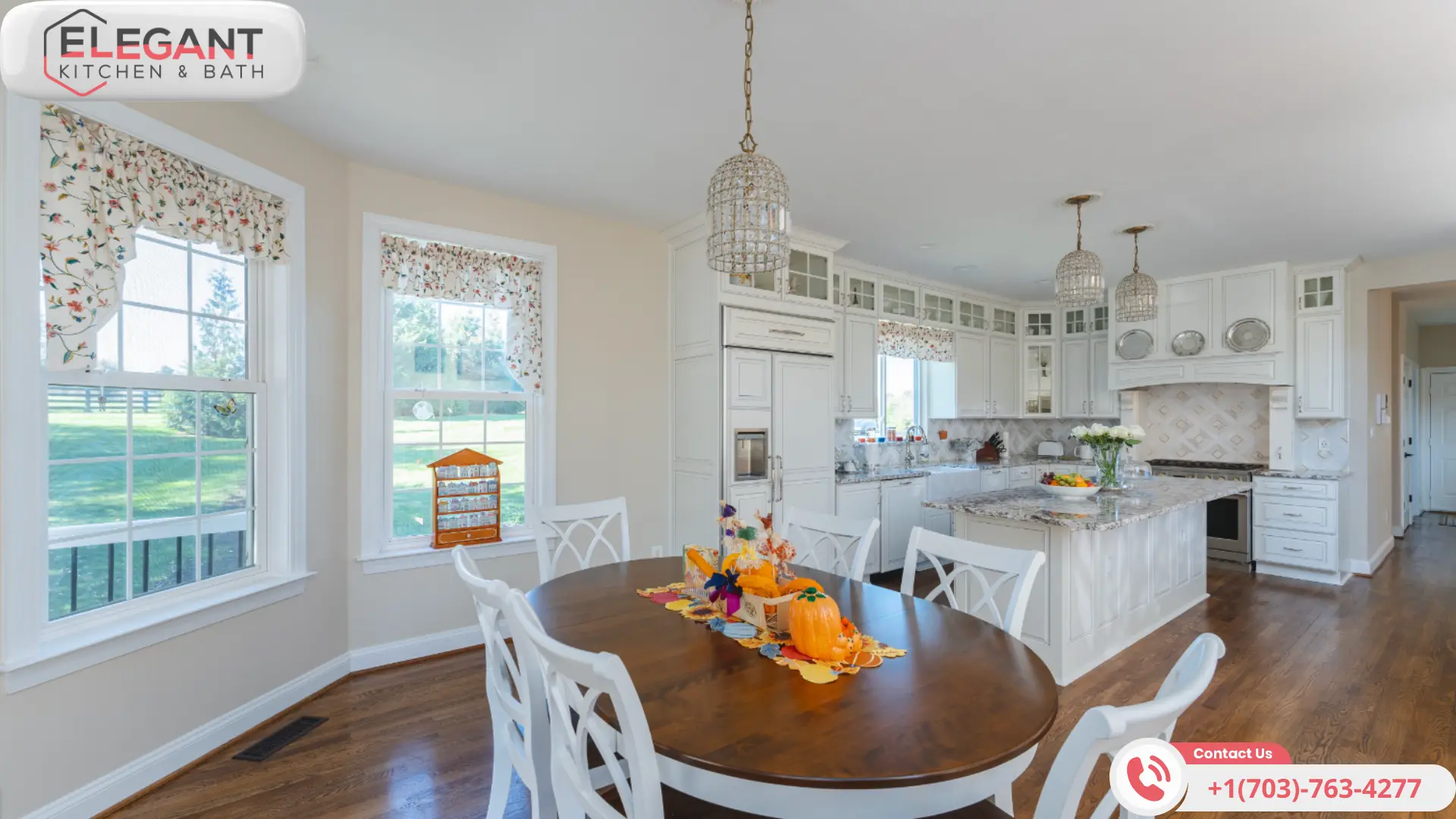
Why Choose Home Addition Design Over Moving?
Home addition design has emerged as a compelling alternative to the traditional approach of relocating when families need more space. As housing markets continue to present challenges with limited inventory and rising prices, more homeowners are discovering that expanding their current homes offers advantages they may never have considered. The decision between moving to a larger property and investing in thoughtful space expansion represents one of the most significant choices modern families face, with implications that extend far beyond immediate spatial needs.
Home addition design fundamentally transforms how families approach their evolving housing requirements without sacrificing the community connections, location benefits, and emotional investments they have built over years of residence. Rather than starting over in unfamiliar neighborhoods with unknown variables, strategic home expansion allows families to address specific spatial challenges while building upon the foundation of their established lives. This approach requires careful consideration of numerous factors, from financial implications and design possibilities to regulatory requirements and long-term lifestyle goals.
Understanding the complete picture of both moving and expansion options empowers homeowners to make decisions based on comprehensive analysis rather than assumptions about which approach might best serve their families. The complexity of these decisions demands thorough exploration of costs, benefits, challenges, and opportunities associated with each path forward, ensuring that families can confidently choose the direction that aligns with their unique circumstances and long-term objectives.

Key Takeaways for Why Choose Home Addition Design Over Moving?
- Home Addition Design Offers Custom Solutions: Home additions let homeowners tailor their living spaces to fit their evolving needs, whether adding a home office, expanding the kitchen, or creating guest suites—something moving to another house often cannot deliver.
- Moving Comes With High, Often Hidden Costs: Relocating involves significant financial burdens beyond just the price of a new home, including realtor commissions, closing costs, moving expenses, temporary housing, and potential higher taxes.
- Emotional and Social Disruption Is Real When Moving: Relocation can cause considerable stress, disrupt routines, and sever valuable connections to schools, friends, and communities that families have built over the years.
- Home Additions Preserve What You Already Love: Expanding your home allows you to stay rooted in familiar neighborhoods, maintain established routines, and keep the benefits of your home’s character and location.
- Strategic Additions Can Boost Property Value: Thoughtful and well-executed home additions—like kitchen or master suite expansions—can significantly increase a property’s market value, sometimes recouping much of the investment.
- Modern Needs Drive Addition Popularity: Trends such as remote work, multigenerational living, and environmental consciousness have fueled a surge in home additions, making them more relevant and desirable in today’s housing market.
- Comparing Costs: Additions Often Win in the Long Run: While moving and adding space require investment, the latter typically delivers better returns and immediate lifestyle improvements, especially for families staying put for several years.
- Professional Help Is Essential for Success: A design-build team offers crucial expertise, helping navigate local codes, design integration, and project management, ensuring the addition is safe, aesthetic, and compliant.
- Navigating Permits and Regulations Is Critical: Building permits, zoning, and possibly HOA rules can complicate additions. Early professional attention to these legal aspects prevents costly delays and ensures compliance.
- Realistic Planning and Timelines Make the Difference: Home additions require thorough planning, budgeting, and patience—understanding timelines and expecting some disruption is key to a successful, stress-minimized project.
[ez-toc]
Introduction to Home Addition Design
What Is Home Addition Design?
Home addition design represents a comprehensive approach to expanding existing living spaces through thoughtful architectural planning and construction. This process involves creating additional rooms, expanding current spaces, or reimagining the layout of a home to serve the occupants’ evolving better better needs. Unlike simple home renovations that work within existing footprints, home additions fundamentally change a property’s structure and square footage.
The design process typically begins with thoroughly assessing the existing structure, evaluating the lot’s potential, and carefully considering local building codes and zoning requirements. Professional designers work closely with homeowners to understand their needs, whether creating a larger kitchen remodel, adding a master suite, or incorporating specialized spaces like home offices or entertainment areas. This collaborative approach ensures that new additions integrate seamlessly with the existing architecture while maximizing functionality and aesthetic appeal.
Modern home addition design encompasses everything from single-room extensions to multi-story expansions, each requiring careful consideration of structural integrity, utility systems, and design continuity. The goal extends beyond simply adding square footage to creating harmonious living spaces that enhance the overall functionality and value of the home.

The Rising Popularity of Home Additions in 2025
Current market trends reveal a significant shift in homeowner preferences, with home addition design experiencing unprecedented growth in popularity. Several factors contribute to this trend, including escalating real estate prices, limited housing inventory, and changing lifestyle needs from recent global shifts toward remote work and extended family living arrangements.
Economic considerations play a substantial role in this growing preference for additions over relocation. As housing prices continue to climb in many markets, the cost-effectiveness of expanding existing homes becomes increasingly attractive compared to purchasing larger properties. Historically low interest rates for renovation loans have made home additions more accessible to a broader range of homeowners.
The pandemic has also influenced how people view and use their homes, with many families recognizing the need for dedicated workspaces, improved kitchen designs, expanded outdoor living areas, and more flexible room configurations. These evolving needs often align perfectly with what home addition design can accomplish, making it a practical solution for modern living challenges.
Furthermore, environmental consciousness has led many homeowners to prefer renovating and expanding existing structures rather than contributing to the environmental impact of new construction. This sustainable approach to housing aligns with broader trends toward responsible consumption and environmental stewardship.
The Hidden Costs of Moving
Financial Costs: Realtor Fees, Closing Costs & More
Moving to a new home involves numerous expenses that extend far beyond the purchase price, many of which homeowners underestimate when comparing options. Real estate commissions typically consume six percent of a home’s sale price, representing tens of thousands of dollars for most properties. For instance, when selling a $400,000 home, realtor fees alone can reach $24,000 before considering additional costs.
Closing costs add another substantial expense, typically two to five percent of the home’s purchase price. These costs include loan origination fees, appraisal costs, title insurance, attorney fees, and various inspections required for the transaction. For a $500,000 home purchase, closing costs can easily exceed $15,000, creating a significant financial burden many families struggle to anticipate fully.
Moving expenses can be surprisingly costly, particularly for long-distance relocations or moves involving valuable items requiring special handling. Professional moving services, temporary storage, packing materials, and potential time off work can combine to create expenses ranging from several thousand to tens of thousands of dollars, depending on the complexity of the move.
Property taxes represent another ongoing cost consideration that can significantly impact monthly housing expenses. Moving to a larger home or different area may result in substantially higher annual property tax obligations, affecting long-term affordability calculations that homeowners must consider.
Emotional Stress and Disruption of Daily Life
The psychological and emotional toll of relocating often proves more challenging than anticipated, affecting every family member differently. Children may struggle with leaving familiar schools, friends, and activities, while adults face the stress of establishing new professional networks, finding reliable service providers, and adapting to unfamiliar communities.
The moving process creates months of disruption, from initial house hunting to final settlement and adjustment periods. Families must coordinate showings while maintaining their current homes in showing condition, manage multiple inspections and negotiations, and handle the logistics of coordinating sale and purchase timelines. This extended period of uncertainty can strain family relationships and impact work performance.
Establishing new routines and connections in unfamiliar neighborhoods requires significant time and emotional energy. Parents must research and evaluate new schools, healthcare providers, and extracurricular activities while children adjust to new environments and social dynamics. These adjustments can take months or even years to fully resolve, creating ongoing stress during what should be an exciting life transition.
Additionally, the loss of established community connections—whether through religious organizations, community groups, or longtime neighbors—can create feelings of isolation and disconnection that impact overall well-being and quality of life.

Hidden Expenses You Might Overlook When Relocating
Beyond obvious moving costs, numerous hidden expenses can significantly impact the total cost of relocation. Utility setup fees, deposits, and connection charges can add hundreds or thousands of dollars to moving expenses, particularly when relocating to different service areas requiring new accounts and deposits.
Home maintenance and repair costs often surprise new homeowners, even when purchasing properties that appeared move-in ready during initial inspections. Different ages, construction methods, and maintenance histories mean new homes may require unexpected repairs, updates, or modifications to meet family preferences and safety standards.
Address changes necessitate updates to numerous accounts, subscriptions, and legal documents, some of which involve processing fees or early termination penalties. Professional services like attorneys, accountants, and financial advisors may require replacement, potentially involving setup fees and time investments to establish new relationships.
Storage costs can become significant expenses when new homes don’t accommodate all belongings immediately, or when closing dates don’t align perfectly. Temporary housing expenses may also arise when families must vacate their current homes before their new properties become available, creating additional financial pressure during an already expensive transition period.
Benefits of Home Addition Design
Tailored Spaces to Fit Your Lifestyle
Home addition design offers unparalleled opportunities to create spaces that match family lifestyles and functional requirements. Unlike purchasing existing homes that may require compromises or extensive modifications, additions allow homeowners to design spaces that address specific needs and preferences from the ground up.
Modern families often require specialized spaces that weren’t common in older home designs. Home additions can incorporate dedicated home offices with proper lighting and technology infrastructure, craft rooms with specialized storage and ventilation, or multi-generational living spaces that provide privacy while maintaining family connections. These customized solutions address contemporary living needs in ways that standard floor plans rarely accommodate.
The design process allows for creative problem-solving that maximizes functionality and aesthetic appeal. For example, a kitchen addition can incorporate specific appliance preferences, workflow optimization, and storage solutions tailored to family cooking and entertaining patterns. Similarly, bathroom additions can address accessibility needs, storage challenges, or luxury preferences that enhance daily living experiences.
Integrating existing home systems and architectural styles ensures that additions are natural extensions rather than obvious attachments. Skilled designers can create seamless transitions that enhance the home design while providing the specific functionality that prompted the addition project.
Preserve the Home and Neighborhood You Love
Many families develop deep emotional connections to their homes and communities beyond mere shelter considerations. Home addition design allows families to maintain these critical connections while adapting their living spaces to meet changing needs. This preservation of emotional and social investment often proves invaluable for long-term family satisfaction and stability.
Established neighborhoods offer benefits that new developments may lack, including mature landscaping, established infrastructure, convenient location advantages, and strong community connections. Children can continue attending familiar schools and participating in established activities while parents maintain professional and social networks that support career and personal development.
The character and charm of older homes often cannot be replicated in new construction, particularly in areas with distinctive architectural styles or historical significance. Home additions can preserve these unique characteristics while incorporating modern amenities and functionality that enhance livability without sacrificing architectural integrity.
Neighborhood location advantages, such as proximity to employment centers, quality schools, recreational facilities, or cultural amenities, often appreciate over time and may be difficult to replicate in available properties within reasonable price ranges. Expanding existing homes allows families to maintain these location benefits while achieving desired space improvements.

Increase Your Property’s Long-Term Value
Strategic home additions can significantly enhance property values when designed and executed thoughtfully. Unlike some improvement projects that may not provide strong returns on investment, well-planned additions typically add value that meets or exceeds their cost, particularly in desirable neighborhoods where similar expanded homes command premium prices.
Kitchen additions and bathroom additions consistently rank among the most valuable home improvements, as these spaces directly impact daily living quality and are primary considerations for potential buyers. Modern, well-designed kitchens and bathrooms can transform a home’s appeal and marketability while providing immediate benefits for current occupants.
Additional square footage generally increases property values proportionally, particularly when additions maintain architectural consistency and design quality. Master suite additions, family room expansions, and functional specialty spaces like home offices have become increasingly valuable as buyer preferences evolve toward more versatile and spacious living arrangements.
The timing of value realization also favors additions over moving in many cases. While moving costs are immediate and represent pure expenses, additional investments typically begin providing returns through enhanced living experiences immediately and continue appreciating as property values increase over time.
Common Types of Home Additions
Kitchen and Bathroom Expansions
Kitchen additions represent some of the most transformative and valuable home improvement projects. They address both functional needs and aesthetic desires while significantly impacting daily living quality. Modern families often require larger cooking and gathering spaces that can accommodate multiple activities simultaneously, from meal preparation and casual dining to homework supervision and social entertaining.
Contemporary kitchen design trends emphasize open floor plans that integrate cooking areas with adjacent living spaces, creating seamless family activities and entertaining flow. Kitchen additions can achieve these layout improvements while incorporating modern appliances, increased storage capacity, and improved workflow patterns that enhance functionality and enjoyment of these critical spaces.
Bathroom additions address capacity and luxury considerations that significantly impact family comfort and home value. Growing families often require additional bathrooms to reduce morning congestion and provide privacy for different age groups. Master bathroom remodeling projects can transform utilitarian spaces into spa-like retreats that offer relaxation and luxury experiences within the home environment.
The technical complexity of kitchen and bathroom additions requires careful coordination of plumbing, electrical, and ventilation systems, making professional design and construction essential for successful outcomes. These projects often involve structural modifications, utility relocations, and code compliance issues that require experienced professionals to navigate successfully.
Master Suite Additions
Master suite additions represent comprehensive living space enhancements that provide private retreats within family homes. These projects typically combine expanded bedroom areas with luxurious bathroom facilities and often include additional amenities like walk-in closets, sitting areas, or private balconies that create hotel-like experiences in residential settings.
The privacy benefits of master suite additions prove particularly valuable for families with children or multi-generational living arrangements. Separate entrances, soundproofing considerations, and strategic placement relative to other family areas can create peaceful adult spaces that don’t interfere with household activities while providing parents with private retreat options.
Bathroom design within master suite additions often incorporates luxury features like separate soaking tubs, oversized showers, double vanities, and high-end finishes that transform daily routines into relaxing experiences. These spaces can address specific user preferences and accessibility needs while creating long-term value through premium amenities.
Storage solutions within master suite additions can address wardrobe organization challenges through custom closet systems, built-in furniture, and specialized storage areas for personal items, seasonal clothing, and accessories. These organizational improvements can significantly impact daily routines and overall bedroom functionality.

Sunrooms, Home Offices, and Guest Suites
Specialty home additions address specific lifestyle needs that have become increasingly important in modern living arrangements. Sunrooms provide a year-round connection to outdoor environments while offering climate-controlled comfort that extends usable living space regardless of weather conditions. These versatile areas can serve multiple functions, from reading retreats and exercise spaces to informal dining areas and plant sanctuaries.
Home office additions have gained tremendous importance as remote work arrangements become more common and permanent. Dedicated office spaces provide professional environments that support productivity while maintaining separation between work and family life. These spaces can incorporate specialized lighting, technology infrastructure, soundproofing, and storage solutions that enhance work effectiveness while maintaining home comfort.
Guest suite additions provide accommodation for visiting family members or overnight guests while maintaining household privacy and comfort. These self-contained spaces often include private bathrooms and separate entrances that allow guests to come and go without disrupting family routines. Guest suites can provide potential caregiver accommodation or transitional living arrangements for families with aging parents.
The flexibility of specialty additions allows homeowners to create unique spaces that reflect their personal interests and hobbies. For example, art studios, music rooms, libraries, or workshop spaces can be incorporated into addition designs, providing dedicated areas for pursuing personal interests while maintaining organized household functionality.
Comparing Costs: Moving vs. Home Addition Design
Initial Investment Breakdown
Understanding the complete financial picture requires careful analysis of all moving costs and adding options. Moving costs begin with home sale expenses, including realtor commissions, staging costs, marketing expenses, and potential price reductions needed to facilitate quick sales. These immediate costs can consume ten percent or more of a home’s value before considering purchase-related expenses.
New home purchase costs include down payments, closing costs, inspection fees, and moving expenses that can easily total fifty thousand dollars or more for mid-range properties. New homes often require immediate improvements, repairs, or modifications to meet family preferences, adding unexpected expenses to the relocation budget.
Home addition design costs vary significantly based on project scope, complexity, and finish quality, but they typically range from moderate investments for simple room additions to substantial investments for comprehensive expansion projects. These costs include design fees, permits, construction labor, materials, and temporary living arrangements during construction periods.
Financing options differ significantly between moving and addition projects. Mortgage financing typically offers better terms for home purchases, while renovation loans or home equity financing support addition projects. Interest rates, loan terms, and qualification requirements vary between these options and can significantly impact total project costs over time.
Return on Investment (ROI) and Long-Term Value
Home additions often provide a superior return on investment compared to moving, particularly when projects address common buyer preferences and maintain architectural integrity with existing structures. Well-executed kitchen and bathroom remodeling projects typically recover seventy to ninety percent of their cost through increased property values while providing immediate lifestyle benefits for current occupants.
The timing of value realization favors additions over moving in most circumstances. Moving costs represent immediate expenses with no recovery potential, while additional investments begin providing returns through enhanced living experiences immediately and continue appreciating as property values increase over time. This dual benefit structure makes additions particularly attractive for families planning to remain in their homes for several years.
Market conditions significantly impact return calculations for both options. In appreciating markets, additions may provide returns exceeding their initial costs, while moving expenses remain pure, regardless of market performance. Additionally, additions allow homeowners to benefit from future property value increases on improved properties rather than starting over in new locations.
Tax implications also favor additions in many cases, with improvement costs potentially qualifying for various deductions and depreciation benefits while moving expenses typically provide no tax advantages. Professional financial advice can help homeowners understand specific tax implications based on individual circumstances and local regulations.
Which Option Makes Sense Financially?
Financial decision-making requires a comprehensive analysis of immediate and long-term cost implications, considering family circumstances, market conditions, and personal priorities. Families planning to remain in their current locations for five or more years typically find home additions more cost-effective than moving, particularly when current neighborhoods offer location advantages that would be expensive to replicate elsewhere.
The size and scope of space needs significantly impact cost-effectiveness calculations. Minor space adjustments may be more economically addressed through moving, while substantial space requirements often favor addition approaches that can be implemented in phases over time as budgets allow. This flexibility provides financial advantages that moving cannot match.
Credit and financing considerations often favor additions over moving, particularly for families with significant equity in current properties. Home equity financing typically offers better terms than new mortgage financing, while avoiding the credit impacts associated with simultaneous sale and purchase transactions that can complicate moving scenarios.
Personal financial stability and risk tolerance should guide decision-making processes. Additions allow families to control project timing, scope, and budget more precisely than moving scenarios that depend on market conditions, buyer behavior, and property availability factors beyond homeowner control.

Planning a Successful Home Addition Design
Working with a Professional Design-Build Team
The complexity of home addition design makes professional expertise essential for successful project outcomes. Design-build teams provide integrated services that streamline project management while ensuring design vision, construction quality, and budget control. This collaborative approach reduces coordination challenges while maintaining accountability for all project aspects.
Experienced professionals bring technical knowledge of structural requirements, building codes, utility systems, and architectural integration that homeowners typically lack. This expertise prevents costly mistakes, ensures code compliance, and optimizes design solutions that maximize functionality while maintaining budget constraints. Professional involvement also provides access to trade contractors, material suppliers, and specialized equipment needed for complex construction projects.
Professional guidance significantly benefits the design process. It helps homeowners articulate their needs, explore creative solutions, and make informed decisions about materials, layouts, and features. Skilled designers can visualize spatial relationships, identify potential problems, and propose alternatives that homeowners might not consider independently.
Project management capabilities ensure construction proceeds smoothly, on schedule, and within budget parameters. Professional contractors coordinate subcontractors, manage material deliveries, handle inspection scheduling, and address unexpected issues that inevitably arise during construction. This management reduces stress for homeowners while ensuring quality outcomes.
Navigating Permits, Zoning, and Local Regulations
Building permits and regulatory compliance represent critical aspects of home addition design that require careful attention to avoid project delays, cost overruns, or legal complications. Local building codes establish minimum standards for structural integrity, electrical systems, plumbing installations, and safety features that must be incorporated into addition designs regardless of aesthetic preferences.
Zoning regulations control building placement, height restrictions, setback requirements, and lot coverage limitations that may restrict addition possibilities or require design modifications. Understanding these constraints early in the design process prevents expensive redesign requirements and ensures that proposed additions comply with local development standards.
Historic district regulations, homeowner association requirements, and environmental protection standards may impose additional design constraints that affect appearance and construction methods. These regulations vary significantly between jurisdictions and require local expertise to navigate successfully without compromising project goals.
Permit application processes typically require detailed architectural drawings, structural calculations, and construction specifications demonstrating code compliance and design intent. Professional preparation of these documents ensures regulatory approval while providing clear construction guidance that prevents misunderstandings and quality issues during building phases.
Timeline: What to Expect from Start to Finish
Home addition design projects typically require several months from initial consultation through completion, with timelines varying based on project complexity, permit approval processes, and seasonal construction considerations. Understanding realistic timeframes helps homeowners plan appropriately for temporary inconveniences while maintaining reasonable expectations about project progression.
The design phase usually requires four to eight weeks of comprehensive planning, including site analysis, design development, material selection, and permit application preparation. This planning investment proves crucial for successful outcomes and should not be rushed despite the homeowner’s eagerness to begin construction activities.
Permit approval processes vary significantly between jurisdictions but typically require two to six weeks for standard residential additions. Complex projects or areas with lengthy review processes may require additional time, making early permit application submission essential for maintaining project schedules.
Construction phases proceed in logical sequences, beginning with site preparation, foundation work, and structural framing before moving to mechanical systems, insulation, and finish work. Weather conditions, material availability, and inspection scheduling can affect construction timelines, requiring homeowners to be flexible and patient throughout the building process.

FAQs for Why Choose Home Addition Design Over Moving
How do you design a new addition?
Designing a new home addition starts with assessing your current floor plan and defining your goals for space expansion—whether you need a kitchen addition, bathroom addition, master suite, or home office. Work with a design-build team to ensure your home addition design blends seamlessly with your existing inside and out structure. Consider how the addition will look from the street, how it will function for your daily life, and how it can increase your property value. Professional drawings and careful planning are essential for obtaining building permits, accurate estimates, and matching your current home’s style, materials, and proportions.
How to get started with a home addition?
To start with a home addition, first clarify your goals—what new space do you need, and how will it improve your lifestyle? Next, set a realistic budget by considering financial costs, potential return on investment, and how the addition might affect your property value in the current housing market. Gather documents like your property deed, floor plans, and local building codes. Consult with experienced contractors or a design-build team to discuss your vision, get detailed estimates, and ensure your plans comply with zoning laws and neighborhood guidelines. Obtaining the required building permits is a crucial step before construction begins.
What are some home addition ideas?
Popular home addition ideas include:
- Kitchen additions or bump-outs for more cooking and entertaining space
- Bathroom additions for convenience and increased property value
- Expanding or adding a master suite for a private retreat
- Creating a dedicated home office for remote work
- Guest suites or in-law suites for visitors or multigenerational living
- Sunrooms or enclosed patios for year-round enjoyment
- Garage or attic conversions for extra bedrooms, gyms, or studios
- Modular additions for quick, cost-effective space expansion
- Finished basements for family rooms or play areas
What are the different types of home additions?
The most common types of home additions include kitchen additions, bathroom additions, master suites, home offices, guest suites, sunrooms, bump-outs, and second-story additions. Each type of home addition design serves a unique purpose—whether it’s adding living space, increasing comfort, or boosting property value without the stress of moving.
What is considered a home addition?
A home addition is any structural expansion that adds usable square footage to your house. This includes new rooms, extended floors, or converted spaces like garages or basements. A well-planned home addition design enhances your layout and provides tailored spaces for growing needs, often with a better return on investment than buying a new home.
What is the difference between home extension and home addition?
A home addition adds new space to the structure, such as a new room or level. On the other hand, a home extension typically means expanding an existing room, like extending a kitchen or living room. Both involve permits and remodeling, but additions usually offer more flexibility for complete space expansion without relocation hassle.
Are house additions a smart investment?
House additions typically provide a 60-80% return on investment, making them financially smarter than moving in most housing markets. Kitchen additions and master suite expansions offer the highest property value increases while avoiding the financial costs of real estate commissions, moving expenses, and closing fees. Unlike relocation, home addition design allows you to invest in your current property while creating tailored spaces that meet your needs.
Are home additions a good idea?
Home additions are an excellent alternative to moving, especially when you love your neighborhood but need more space. They eliminate the emotional stress of relocation while providing customized space expansion that perfectly fits your lifestyle. With proper building permits and a qualified design-build team, additions like bathroom additions, home offices, or guest suites can enhance your daily living without the disruption of finding new housing in an uncertain real estate market.
How do I choose the best home addition ideas?
The best home addition design starts with identifying your specific space needs and budget constraints. Popular options include kitchen additions for entertaining, master suites for privacy, home offices for remote work, and guest suites for hosting family. Consider your property’s layout, local building permit requirements, and long-term return on investment. A professional design-build team can help evaluate which remodeling approach offers the best value while maintaining your home’s architectural integrity and maximizing functionality.

What Our Customers Say About Elegant Kitchen and Bath
Shelley’s review showcases Elegant Kitchen & Bath’s expertise in managing large-scale renovation projects with exceptional results. Her testimonial highlights the company’s patient and thorough approach to planning, with designer Omer working meticulously through every detail to ensure perfection. The review emphasizes Oscar and his crew’s punctuality and meticulous attention to detail, demonstrating the team’s commitment to precision craftsmanship. Shelley particularly praises project manager Hakan’s daily oversight and proactive problem-solving abilities, ensuring smooth project execution from start to finish. Her enthusiastic recommendation reflects the company’s comprehensive project management and unwavering dedication to client satisfaction.
Amy’s testimonial celebrates Elegant Kitchen & Bath’s ability to bring clients’ long-held visions to life through expert kitchen and powder room renovations. Her experience highlights the company’s seamless project flow from design conception to construction completion, remarkably delivered on schedule. The review commends designer Omer’s competence and detail-oriented approach, project manager Hakan’s exceptional oversight, and crew lead AJ’s skilled leadership throughout the renovation process. Amy’s testimony particularly emphasizes the team’s successful handling of complex structural work, including load-bearing beam installation, transforming her main level layout. Her satisfaction with the clear and helpful communication throughout the renovation underscores the company’s commitment to transparency and client engagement.
Lauren’s review demonstrates Elegant Kitchen & Bath’s transformative power in modernizing vintage homes, successfully converting her 1970s kitchen into her dream space. Her testimonial emphasizes how the company makes daunting major remodels feel effortless through expert guidance and seamless execution. The review highlights designer Omer’s immediate understanding of the client’s vision during initial consultations, showcasing the team’s intuitive design expertise. Lauren praises project manager Enes’s excellent communication throughout the project and Nelson and his crew’s top-notch quality workmanship. After extensive work in just two weeks, her amazement demonstrates the company’s efficiency and skilled project coordination. Lauren’s eagerness to use Elegant Kitchen & Bath for future bathroom renovations reflects the lasting client relationships built through exceptional service and results.
Transform your living space into the home of your dreams with Elegant Kitchen and Bath, where exceptional design meets unparalleled craftsmanship. Our dedicated team of designers, project managers, and skilled artisans is ready to bring your vision to life, whether it’s a stunning kitchen renovation, a luxurious bathroom transformation, or any other home improvement project. Contact us today to schedule your consultation and join our growing family of satisfied clients who have experienced the perfect blend of innovation, quality, and professional service. Don’t wait to start your home transformation journey – reach out now and let us help you create spaces you’ll love for years.
In summary, a modern bathroom or kitchen remodel offers Virginia homeowners the perfect blend of efficiency, style, and lasting value. By leveraging expert design guidance, quality craftsmanship, and attentive project management, even the most outdated spaces can be transformed into contemporary retreats that feel fresh and inviting. When you partner with experienced local remodelers like Elegant Kitchen and Bath, your newly renovated space will enhance daily comfort and boost your home’s appeal and market value for years.

Conclusion
The decision between pursuing home addition design and relocating to a new property represents one of the most significant choices homeowners face when their living spaces no longer meet evolving needs. This comprehensive analysis reveals that additions often provide superior financial returns, lifestyle benefits, and long-term satisfaction compared to the stress and expense of moving to new properties.
Home additions offer unique opportunities to create perfectly tailored living spaces while preserving valuable community connections and location advantages that families have cultivated over years of residence. The ability to maintain familiar schools, professional networks, and neighborhood relationships while enhancing living spaces provides emotional and practical benefits that relocation cannot replicate.
From financial perspectives, the hidden costs of moving often exceed homeowner expectations while providing no lasting value, whereas thoughtfully planned additions typically recover their costs through increased property values while providing immediate lifestyle improvements. The flexibility to implement additional projects in phases as budgets allow provides financial advantages that moving scenarios cannot match.
The growing sophistication of home addition design services and evolving construction techniques and material options make it possible to achieve dramatic space improvements while maintaining architectural integrity and neighborhood character. Professional design-build teams can navigate complex regulatory requirements while delivering customized solutions that address specific family needs and preferences.
Success in home addition design requires careful planning, realistic budgeting, and professional expertise to achieve desired outcomes. Families who invest time in thorough planning and work with experienced professionals achieve excellent results that enhance their living experiences while building long-term financial value. Whether pursuing kitchen additions, bathroom expansions, or comprehensive space reconfigurations, the key lies in approaching these projects with clear goals, adequate budgets, and realistic timelines that support successful completion.
The evidence strongly suggests that for most families, especially those satisfied with their current neighborhoods and planning to remain in their homes for several years, home addition design provides superior outcomes compared to relocation options. This approach allows families to create ideal living environments while preserving valuable community connections and building lasting financial value through strategic property improvements.
Remodel your home with Elegant Kitchen and Bath, offering various services including home addition remodeling. Discover our unique services via our home addition projects.
Elegant Kitchen and Bath, offers kitchen remodeling, bathroom remodeling, basement remodeling, and home addition remodeling services across a broad area, including
Herndon, Chantilly, Centreville, Reston, Sterling, GreatFalls, Ashburn, Fairfax, McLean, Manassas, Haymarket, Burke, Vienna,
Falls Church, Annandale, Springfield, Alexandria and Arlington.
Ready to transform your home with a licensed contractor?
Visit Elegant Kitchen and Bath to start your journey toward your modern kitchen today.
Tags: bathroom addition, benefits of home addition design, building permits, design-build team, emotional stress, financial costs, financial implications of relocating, guest suite, home addition design, home addition vs moving costs, home office, housing market, increasing property value with additions, kitchen addition, master suite, moving, neighborhood, Property value, real estate, relocation, remodeling, Return on investment, space expansion, tailored spaces, working with design-build team