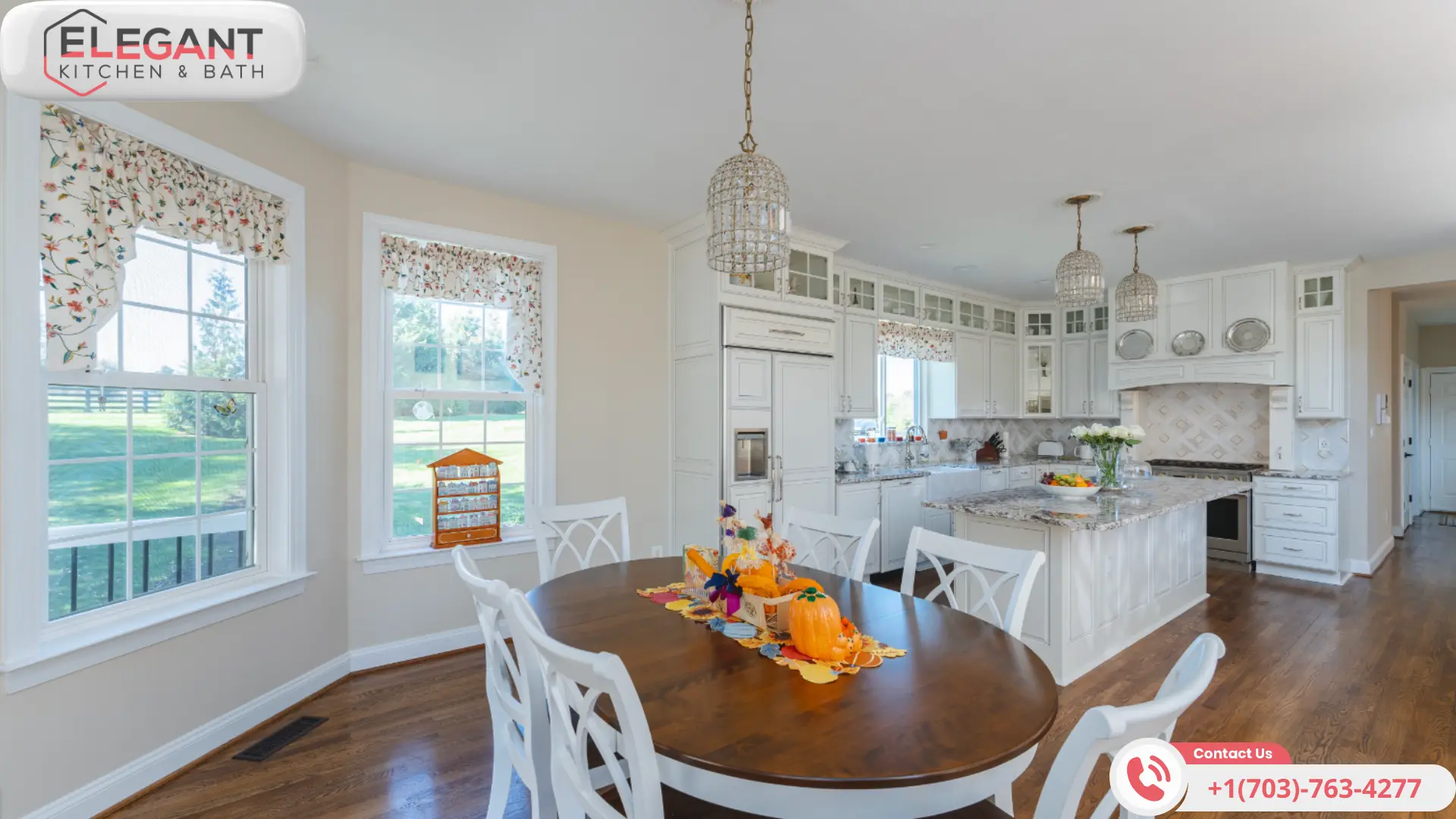
The modern laundry room has evolved beyond a cramped utility space tucked away in the basement or garage. Today’s homeowners recognize the potential of this essential area to become both a functional workspace and an aesthetically pleasing extension of their home’s design philosophy. As we navigate through 2025, innovative laundry room design concepts transform these spaces into highly efficient, beautifully appointed rooms that serve multiple purposes while maintaining their primary function.
Contemporary home remodeling trends emphasize the importance of maximizing every square foot of living space, and the laundry room presents an exceptional opportunity to achieve this goal. Whether working with a spacious dedicated room or a compact closet configuration, thoughtful design choices can create a space that enhances daily routines while contributing to the overall value and functionality of the home.
Key Takeaways for the Top 5 Laundry Room Design Ideas for 2025
Good Design Boosts Home Value: Investing in a professionally designed laundry room—with quality storage, appliances, and finishes—can increase your home’s resale value and appeal to buyers.
Smart Storage Is Essential: Custom cabinetry, pull-out hampers, folding stations, and efficient use of vertical space keep your laundry area organized and clutter-free.
Choose Energy-Efficient Appliances and Fixtures: Modern washers, dryers, and water-saving sinks save energy and money and offer features like smart connectivity for remote operation and monitoring.
Multipurpose Layouts Are Trending: Laundry rooms are increasingly being combined with mudrooms, pet-washing stations, home offices, or craft areas to make the most of available space.
Small Laundry Rooms Can Be High-Function: Innovative design benefits compact spaces; stackable appliances, wall-mounted storage, and ergonomic folding stations make even tiny laundry rooms practical and pleasant.
Finishes and Colors Set the Mood: Bold tile backsplashes, accent walls, and trendy fixtures like matte black, brass, or brushed nickel add style and character. Popular color palettes for 2025 include warm whites, soft greys, and relaxing earth tones.
Smart Technology Enhances Convenience: Intelligent lighting, ventilation, mobile app integration for appliances, motion sensors, and voice control streamline laundry tasks and improve energy efficiency.
Professional Planning Prevents Costly Mistakes: Expert design and installation ensure optimal workflow, proper ventilation, utility connections, and moisture management, avoiding common renovation pitfalls.
Quality Renovations Deliver Long-Term Value: Thoughtful planning, professional craftsmanship, and durable materials result in laundry rooms that are attractive, functional, and stand the test of time, making everyday life easier and more enjoyable.
[ez-toc]
Why Laundry Room Design Matters in 2025
Understanding the significance of well-planned laundry room renovation projects requires examining how these spaces function within the broader context of modern living. Investing in professional design and quality materials pays dividends in daily convenience, long-term home value, and satisfaction.
The Evolving Role of Laundry Spaces in Modern Homes
The traditional concept of the laundry room as a purely utilitarian space has given way to a more sophisticated understanding of how these areas can enhance daily life. Modern families spend considerable time managing household tasks, and a well-designed laundry room can streamline these activities while providing a pleasant environment for necessary chores.
Contemporary bathroom and kitchen remodeling projects often incorporate laundry considerations, recognizing that these functions frequently overlap in smaller homes or apartments. Integrating laundry facilities with other household systems requires careful planning to ensure optimal workflow and prevent conflicts between different activities occurring simultaneously.
The shift toward remote work has also influenced laundry room design, as homeowners seek to create multipurpose spaces that accommodate various daily tasks. This evolution reflects a broader trend in residential design toward flexibility and efficiency in space utilization.
Boosting Home Value with a Well-Designed Laundry Room
Professional home renovation projects that include comprehensive laundry room updates typically yield substantial returns on investment. Real estate professionals consistently note that buyers pay particular attention to storage solutions, appliance quality, and overall functionality when evaluating potential homes.
The impact of thoughtful custom cabinetry extends beyond mere aesthetics to encompass practical considerations such as organization systems, durability, and maintenance requirements. Quality materials and professional installation ensure that these improvements will serve homeowners effectively for years while maintaining their visual appeal.
Key Elements of Functional and Stylish Laundry Rooms
Successful laundry room design balances competing priorities: efficiency, aesthetics, storage capacity, and budget considerations. The most effective approaches begin with thoroughly analyzing how the space will be used and what specific functions it must accommodate.
Ventilation is a critical but often overlooked aspect of laundry room planning. Proper air circulation prevents moisture buildup, which can lead to mold, mildew, and structural damage over time. Professional designers understand the importance of integrating mechanical ventilation systems with the overall room design to ensure functionality and visual appeal.
Lighting design is equally essential in creating a pleasant and functional workspace. Adequate illumination for detailed tasks such as stain treatment and folding must be balanced with ambient lighting that creates a welcoming atmosphere. Modern LED technologies offer excellent solutions combining energy efficiency and superior light quality.
1. Smart Storage Solutions for a Clutter-Free Space
Effective storage systems form the foundation of any successful laundry room renovation. The challenge lies in accommodating diverse items ranging from bulk detergent containers to delicate specialty products, while maintaining easy access and visual organization. Contemporary storage solutions address these needs through innovative design approaches that maximize capacity without overwhelming the space.
Custom Cabinetry and Built-Ins
Custom cabinetry solutions offer unparalleled flexibility in addressing specific storage requirements while maintaining consistency with the home’s overall design aesthetic. Unlike generic storage options, custom installations can accommodate unique space constraints, unusual dimensions, and specific functional requirements that mass-produced alternatives cannot address effectively.
The process of designing custom storage begins with a detailed inventory of items to be stored, consideration of the frequency of use, and analysis of workflow patterns. Professional designers understand that effective cabinet installation requires careful attention to both immediate needs and potential future requirements as household circumstances change over time.
Modern custom cabinetry incorporates advanced hardware systems that enhance functionality while maintaining clean visual lines. Soft-close drawer mechanisms, adjustable shelving systems, and specialized organizers for cleaning supplies are just a few of the innovations distinguishing professional installations from amateur approaches.
Quality materials selection proves crucial for laundry room applications, where exposure to moisture, temperature fluctuations, and chemical cleaning products creates challenging environmental conditions. Professional-grade finishes and construction techniques ensure longevity and maintain appearance despite these demanding circumstances.
Pull-Out Hampers and Folding Stations
Integrated hamper systems eliminate the visual clutter associated with traditional laundry baskets while providing superior organization capabilities. Professional home remodeling projects increasingly incorporate these solutions as homeowners recognize their practical benefits and aesthetic advantages.
The design of effective folding stations requires careful consideration of ergonomics, available space, and integration with other room functions. Proper height selection prevents back strain during extended folding sessions, while adequate surface area accommodates various garment types and folding techniques. Quality hardware ensures smooth operation and long-term reliability.
Ventilated hamper designs address hygiene concerns while maintaining organizational benefits. Incorporating antimicrobial materials and finishes further enhances these systems’ practical value, particularly in households with active family members or specific health considerations.
Vertical Storage and Open Shelving Trends
Maximizing vertical space utilization represents a fundamental principle of effective laundry room design. Professional approaches carefully balance enclosed storage with open shelving to create visual interest while maintaining practical functionality. The strategic placement of open shelving can display attractive containers and frequently used items while keeping less appealing necessities concealed within closed cabinetry.
Integrating vertical storage systems with room proportions requires professional expertise to avoid overwhelming smaller spaces or creating awkward visual relationships in larger rooms. Proper scale and proportion ensure that storage solutions enhance rather than detract from the overall design composition.
Contemporary open shelving systems incorporate advanced materials and finishes that resist moisture and staining while maintaining their appearance over time. The selection of appropriate shelf depths, spacing, and support systems ensures visual appeal and practical functionality for years of reliable service.
2. Energy-Efficient Appliances and Fixtures
The selection of appropriate appliances and fixtures significantly impacts any laundry room renovation project’s immediate functionality and long-term operating costs. Modern energy-efficient technologies offer substantial improvements in performance while reducing environmental impact and utility expenses. Understanding these options enables homeowners to make informed decisions aligned with their immediate needs and long-term objectives.
Best Washer and Dryer Combos for 2025
Contemporary washing machine and dryer technologies incorporate advanced features that improve cleaning performance while reducing resource consumption. High-efficiency models utilize sophisticated water management systems, variable speed motors, and intelligent control algorithms to optimize each wash cycle based on load characteristics and fabric requirements.
Integrating smart connectivity features allows remote monitoring and control capabilities that enhance convenience while providing valuable usage data. These systems can alert users to maintenance requirements, optimize energy consumption based on utility rate schedules, and provide detailed performance metrics that help users understand and improve their laundry practices.
Professional appliance installation ensures optimal performance and longevity while maintaining warranty coverage. Proper leveling, connection procedures, and ventilation requirements vary among different models and manufacturers, making professional expertise particularly valuable for achieving the best possible results.
Space planning considerations influence appliance selection, primarily when standard dimensions may not provide optimal fit or functionality. Professional designers understand how to evaluate trade-offs between features, capacity, and spatial requirements to identify the most appropriate solutions for specific situations.
Water-Saving Faucets and Utility Sinks
Modern utility sink designs combine practical functionality with attractive aesthetics that complement contemporary laundry room design themes. Deep basin configurations accommodate large items such as comforters and pet beds, while specialized features such as built-in washboards provide additional utility for specific cleaning tasks.
Water-efficient faucet technologies reduce consumption without compromising performance through innovative aerator designs, flow restriction mechanisms, and user-friendly control systems. These improvements translate directly into reduced utility costs while supporting environmental conservation objectives.
Integrating utility sinks with surrounding cabinetry and countertop surfaces requires careful planning to ensure proper support, appropriate drainage, and seamless visual transitions. Professional installation addresses these technical requirements while maintaining the aesthetic integrity of the overall design composition.
Temperature control capabilities prove particularly valuable in laundry applications, where different cleaning tasks may require specific water temperatures. Quality fixtures incorporate reliable mixing valves and temperature limiting devices that enhance convenience and safety during daily use.
Appliance Placement for Maximum Efficiency
Optimal appliance positioning requires careful analysis of workflow patterns, utility connections, and spatial relationships within the broader room design. Professional home renovation approaches consider these factors comprehensively to create layouts that minimize unnecessary movement while maintaining visual appeal and practical functionality.
Ventilation requirements significantly influence appliance placement decisions, particularly for gas dryers and high-capacity electric models. Proper ductwork design and installation ensure efficient operation while preventing moisture and lint buildup that can compromise indoor air quality and create safety hazards.
The relationship between appliances and surrounding storage systems affects daily convenience and long-term satisfaction. Strategic placement of frequently used supplies, temporary storage areas, and work surfaces creates efficient workflows that reduce the time and effort required for routine laundry tasks.
Accessibility considerations become particularly important in households with family members with mobility limitations or other special needs. Professional designers understand relevant accessibility standards and can incorporate appropriate modifications without compromising the overall design aesthetic or functionality.
3. Multipurpose Laundry Room Layouts
Contemporary home remodeling trends increasingly emphasize the value of multipurpose spaces that serve several functions efficiently rather than dedicating square footage to single-purpose rooms. The modern laundry room presents exceptional opportunities for this approach, as its core functions often complement other household activities that benefit from similar infrastructure and spatial characteristics.
Combining Laundry with Mudroom or Pet Wash Area
Integrating laundry facilities with mudroom functions creates natural synergies that enhance convenience and efficiency. These spaces typically require similar flooring materials, drainage capabilities, and storage solutions, making their combination both practical and economical from a home renovation perspective.
The plumbing and ventilation infrastructure in laundry rooms significantly benefits pet washing stations. The addition of appropriate fixtures, non-slip flooring surfaces, and specialized storage for pet care supplies transforms these spaces into comprehensive care centers that effectively serve multiple family needs.
Professional design approaches carefully consider traffic flow patterns to prevent conflicts between different activities occurring simultaneously. Strategic placement of entry points, work areas, and storage systems ensures that family members can perform various tasks without interfering with each other’s activities.
The selection of appropriate materials becomes particularly important in multipurpose applications where exposure to outdoor elements, pet-related moisture, and cleaning chemicals creates demanding environmental conditions. Professional-grade finishes and construction techniques ensure durability and maintain appearance despite these challenging circumstances.
Integrating a Home Office or Craft Station
Incorporating workspace functionality within laundry rooms addresses the growing need for flexible home office solutions while maximizing space efficiency. Careful planning ensures that office equipment and supplies remain protected from moisture and cleaning product exposure while maintaining convenient access during work activities.
Craft and hobby activities often benefit from the infrastructure present in laundry rooms, including adequate lighting, ventilation, and cleanup facilities. Adding appropriate work surfaces, specialized storage systems, and organizational tools creates dedicated spaces for creative pursuits without requiring separate room allocations.
Noise isolation considerations become particularly important when combining office functions with appliance operations. Professional designers understand acoustic principles and can incorporate appropriate sound management solutions that maintain productivity and comfort during simultaneous activities.
Technology integration requirements for home office functions must be carefully coordinated with laundry room electrical systems to ensure adequate capacity and appropriate safety measures. Professional electrical work ensures compliance with relevant codes while providing reliable power for all intended applications.
Making the Most of Small Laundry Room Spaces
Compact laundry spaces present unique challenges that require creative solutions and careful attention to spatial efficiency. Professional laundry room design approaches maximize functionality through innovative storage solutions, strategic appliance selection, and thoughtful layout optimization techniques.
Stackable appliance configurations can free up valuable floor space for additional storage or workspace functions. However, proper support structures, ventilation arrangements, and accessibility considerations must be addressed to ensure safe and convenient operation over time.
Wall-mounted systems provide additional storage and workspace capabilities without consuming precious floor area. Professional installation ensures adequate support for intended loads while maintaining visual appeal and practical functionality throughout daily use.
Multi-level design approaches efficiently utilize vertical space through carefully planned storage systems, work surfaces, and organizational tools. Integrating these elements requires professional expertise to achieve optimal results while maintaining safety and convenience standards.
4. Trending Finishes and Color Palettes
Contemporary laundry room design trends reflect broader movements in residential aesthetics while addressing the specific functional requirements of these hardworking spaces. The selection of appropriate finishes, colors, and materials significantly impacts both immediate visual appeal and long-term maintenance requirements, making professional guidance particularly valuable for achieving optimal results.
Bold Tile Backsplashes and Accent Walls
Modern backsplash designs serve both protective and aesthetic functions, shielding wall surfaces from moisture and cleaning product exposure while creating focal points that enhance the overall room design. Contemporary tile technologies offer exceptional durability and stain resistance while providing unlimited design possibilities through varied colors, textures, and patterns.
Integrating accent walls within laundry room renovation projects creates visual interest and defines functional zones without requiring significant structural modifications. Professional designers understand the importance of balancing bold design elements with practical considerations such as cleaning requirements and long-term maintenance needs.
Grout selection and installation techniques significantly impact both appearance and performance over time. Professional tile installation incorporates appropriate sealers, proper joint sizing, and quality materials that maintain their appearance despite exposure to moisture and cleaning chemicals.
The relationship between backsplash designs and surrounding elements requires careful coordination to achieve cohesive visual results. Professional approaches consider lighting interactions, cabinet finishes, countertop materials, and flooring selections to create harmonious compositions that enhance rather than compete.
Matte Black, Brass, and Brushed Nickel Fixtures
Contemporary fixture finishes reflect sophisticated design sensibilities while providing practical benefits such as reduced maintenance requirements and improved durability. Matte black finishes create a dramatic visual contrast while concealing water spots and fingerprints that would be readily apparent on glossy surfaces.
Brass accents add warmth and elegance to laundry room design schemes while complementing traditional and contemporary aesthetics. Quality brass fixtures incorporate protective coatings that maintain appearance without requiring specialized cleaning products or techniques.
Brushed nickel finishes provide timeless appeal, exceptional durability, and ease of maintenance. These surfaces resist corrosion and staining while maintaining their appearance through regular cleaning with standard household products.
Coordinating fixture finishes throughout connected spaces creates visual continuity that enhances the overall design composition. Professional designers understand how to select appropriate finishes that complement existing elements while maintaining design integrity across multiple rooms.
2025 Color Trends for a Modern Laundry Room
Contemporary color palettes emphasize sophisticated neutrals enhanced by carefully selected accent colors that create visual interest without overwhelming smaller spaces. Professional home remodeling approaches incorporate these trends while considering practical factors such as maintenance requirements and long-term satisfaction.
Warm white and soft gray foundations provide versatile backgrounds that accommodate various accent colors and design elements while maintaining timeless appeal. These neutral bases allow homeowners to incorporate trending colors through easily changeable elements such as accessories, textiles, and decorative objects.
Earth-tone accents, including sage green, warm terracotta, and soft blues, create calming environments that make routine tasks more pleasant while reflecting current design movements toward biophilic and wellness-focused interiors. These colors work particularly well in spaces where natural light may be limited.
The psychological impact of color selection in frequently used spaces influences daily mood and satisfaction levels. Professional designers understand these relationships and can recommend color schemes that promote positive emotional responses while maintaining practical functionality.
5. Tech-Enhanced Laundry Rooms for Smart Living
Integrating advanced technology within laundry room design projects reflects broader trends toward smart home automation while addressing specific functional requirements of these essential spaces. Modern technological solutions enhance convenience, improve efficiency, and provide valuable monitoring capabilities that help homeowners optimize their laundry practices and maintain their equipment effectively.
Smart Lighting and Ventilation Systems
Intelligent lighting systems automatically adjust illumination levels based on natural light availability, time of day, and specific task requirements. These systems reduce energy consumption while ensuring optimal visibility for detailed work such as stain treatment and sorting activities. Professional installation ensures proper integration with existing electrical systems while maintaining compatibility with home automation platforms.
Advanced ventilation controls monitor humidity levels, air quality, and temperature to optimize indoor environmental conditions automatically. These systems prevent moisture buildup that can lead to mold and mildew problems while maintaining comfortable working conditions throughout the year.
Motion-sensing capabilities enhance convenience and energy efficiency by activating lighting and ventilation systems only when needed. Professional programming ensures appropriate sensitivity levels and timing parameters that respond to actual usage patterns while avoiding false activations.
Integrating smart systems with mobile device applications provides remote monitoring and control capabilities that enhance convenience while providing valuable usage data. Professional installation ensures reliable connectivity and proper configuration for optimal performance and user satisfaction.
Mobile App Integration for Laundry Appliances
Contemporary washing machines and dryers increasingly incorporate connectivity features that enable remote monitoring, control, and diagnostic capabilities through smartphone applications. These systems provide valuable information about cycle progress, maintenance requirements, and energy consumption patterns that help users optimize their laundry practices.
Scheduling capabilities allow users to program wash and dry cycles to take advantage of off-peak utility rates while ensuring that laundry completion aligns with daily routines. Professional appliance installation ensures proper network connectivity and optimal performance of these advanced features.
Diagnostic and maintenance alerts help prevent costly repairs and extend equipment life by warning of potential problems early and reminding users about routine maintenance tasks. These features are particularly valuable for busy households where equipment maintenance might be overlooked.
Integration with home automation systems enables coordination between laundry appliances and other household systems such as water heaters, HVAC equipment, and electrical load management systems. Professional system design ensures optimal performance while preventing conflicts between different automated functions.
Motion-Sensing Faucets and Voice-Control Features
Hands-free faucet operation proves particularly valuable in laundry applications where users’ hands may be soiled or occupied with other tasks. Motion-sensing technologies provide reliable activation while conserving water through automatic shut-off features that prevent waste from inadvertent activation.
Voice control integration allows users to operate various room systems without physical contact, enhancing convenience and hygiene. Professional installation ensures proper microphone placement and acoustic optimization for reliable voice recognition even in noisy environments.
Coordinating multiple smart systems requires careful planning to prevent interference and ensure reliable operation. Professional design approaches consider communication protocols, power requirements, and user interface design to create cohesive systems that enhance rather than complicate daily routines.
Privacy and security considerations become increasingly important as more household systems incorporate connectivity features. Professional installation includes appropriate network security measures and privacy controls that protect user data while maintaining system functionality.
How to Start Your Laundry Room Renovation
Embarking on a comprehensive laundry room renovation project requires careful planning, realistic budgeting, and professional expertise to achieve optimal results. The complexity of modern laundry room designs, incorporating advanced appliances, sophisticated storage systems, and integrated technology, makes professional guidance particularly valuable for ensuring successful outcomes.
Setting a Budget and Timeline
Realistic budget development begins with a thorough assessment of existing conditions, identification of specific improvement objectives, and understanding the full scope of work required to achieve desired results. Professional home renovation cost estimates account for all necessary components, including materials, labor, permits, and potential complications that may arise during construction.
Timeline planning must consider appliance delivery schedules, permit approval processes, and coordination with other household activities to minimize disruption during construction. Experienced contractors understand typical project phases and can provide realistic schedule estimates that account for potential delays and seasonal factors.
The relationship between budget constraints and design objectives requires careful balance to ensure that essential functions receive adequate investment while maintaining overall project feasibility. Professional guidance helps prioritize improvements that provide maximum value while identifying areas where modest investments can yield significant benefits.
Contingency planning proves essential for renovation projects, as unforeseen complications such as plumbing issues, electrical upgrades, or structural modifications can impact both timeline and budget. Professional project management includes appropriate contingency allowances and alternative approaches to address potential challenges effectively.
Choosing the Right Contractor or Design Firm
Professional kitchen remodeling and bathroom remodeling experience often translates well to laundry room projects, as these spaces share similar infrastructure requirements and design challenges. Contractors with demonstrated expertise in residential utility spaces understand the technical requirements and regulatory considerations that ensure successful project completion.
Licensing and insurance verification protect homeowners from liability while ensuring work meets applicable building codes and safety standards. Professional contractors maintain appropriate coverage and credentials, demonstrating their commitment to quality workmanship and customer protection.
Portfolio review provides valuable insight into design capabilities, construction quality, and aesthetic sensibilities that influence project outcomes. Previous work examples help homeowners evaluate whether a particular contractor’s approach aligns with their vision and expectations for their specific project.
Communication styles and project management approaches significantly impact the renovation experience and final results. Professional contractors provide clear explanations, regular progress updates, and responsive customer service that builds confidence and ensures satisfaction throughout construction.
Avoiding Common Laundry Room Remodeling Mistakes
Inadequate planning for utility requirements represents one of the most costly mistakes in laundry room renovation projects. Professional designers understand electrical capacity requirements, plumbing system limitations, and ventilation needs that must be addressed to ensure proper appliance operation and code compliance.
Insufficient storage planning fails to account for the diverse items that must be accommodated in functional laundry rooms. Professional approaches begin with detailed inventories of storage requirements and consider future needs to ensure that completed projects provide adequate capacity for all necessary items.
Poor workflow planning creates inefficient layouts that make routine tasks more difficult and time-consuming than necessary. Professional designers understand optimal relationships between appliances, storage systems, and work areas that minimize unnecessary movement while maintaining visual appeal.
Inadequate attention to moisture management can lead to serious problems, including mold growth, structural damage, and indoor air quality issues. Professional construction techniques and material selection address these challenges through appropriate vapor barriers, ventilation systems, and water-resistant finishes.
FAQs for the Top 5 Laundry Room Design Ideas for 2025
What are some laundry room design ideas for remodel inspiration?
The top laundry room design ideas for 2025 focus on custom cabinetry, smart storage solutions, and multifunctional spaces. Popular trends include ceiling-height cabinets for maximum storage, bold color palettes like deep navy or sage green, and mixed finishes like matte black fixtures with brushed nickel hardware. Integrating energy-efficient appliances, utility sinks, and smart technology enhances beauty and workflow. Many homeowners also incorporate mudroom integration, pet wash areas, and multipurpose features to make the laundry room a true home hub.
How do you decorate a laundry room?
Decorate your laundry room using vibrant paint colors, bold wallpaper, or patterned tile backsplashes to add personality. Layer in decorative lighting, such as pendant lights or under-cabinet LEDs, and include open shelving for stylish storage baskets and jars. Incorporate artwork, plants, and unique hardware to make the space inviting. Mixing textures and finishes—like matte cabinetry with glossy tiles—creates visual interest and elevates the overall look.
How can I make my laundry room more beautiful and functional?
To create a beautiful and functional laundry room, prioritize custom cabinetry for tailored storage, use vertical space with ceiling-height cabinets, and install built-in features like pull-out drying racks and hidden hampers. Choose energy-efficient appliances and add a utility sink for convenience. Good lighting design, proper ventilation, and a straightforward workflow between washer, dryer, and folding areas are essential. Consider integrating the laundry room with a mudroom or adding a pet wash station for utility. Keep countertops clutter-free and use containers or baskets to maintain organization.
What multipurpose features can I add to my laundry room?
Modern laundry rooms are evolving into multifunctional spaces. Consider integrating a mudroom area with seating and shoe storage, a pet wash station with a utility sink, or a compact home office nook. Incorporating smart technology, such as energy-efficient appliances and touchless faucets, can enhance convenience. Custom cabinetry with built-in drying racks and pull-out hampers also maximizes functionality.
Which colors and finishes are most popular for modern laundry rooms?
In 2025, popular laundry room color palettes include soft butter yellow, pistachio green, and deep navy blue, offering a fresh and inviting atmosphere. Finishes like matte black fixtures, brushed nickel hardware, and natural wood accents trend, providing a modern yet timeless appeal. Decorative tile backsplashes and quartz countertops add both style and durability.
What is the best way to add storage to a laundry room?
Maximizing storage in a laundry room involves utilizing vertical space with tall cabinets and open shelving. Incorporate custom cabinetry to house laundry essentials and cleaning supplies. Pull-out hampers, over-the-door organizers, and under-appliance storage drawers can further optimize space. Adding a countertop over front-loading machines creates a convenient folding area.
How to design a small laundry room?
A small laundry room requires strategic planning to maximize every square inch of space. Start by vertically stacking your washer and dryer to free up floor space for custom cabinetry and storage solutions. Install wall-mounted shelving above the appliances and add a fold-down counter for folding clothes. Consider multipurpose spaces by incorporating a utility sink that doubles as a pet wash area. Use light color palettes and adequate lighting design to make the space feel larger, while matte black fixtures or brushed nickel hardware add modern appeal without overwhelming the room.
How to design a laundry room?
Effective laundry room design focuses on creating an efficient workflow that moves from dirty to clean to stored. Position your washer, dryer, and utility sink logically, leaving enough space between appliances for comfortable operation. Install custom cabinetry for detergent storage and hanging rods for air-drying clothes. Ensure proper ventilation to prevent moisture buildup and consider energy-efficient appliances to reduce utility costs. Add tile backsplashes for easy cleaning and incorporate smart technology like motion-sensor lighting or app-controlled appliances for convenience.
What is a laundry room called?
A laundry room is also commonly called a utility room, wash room, or mudroom when it serves multiple functions. In home remodeling projects, these spaces are often referred to as laundry centers or utility spaces, especially when they integrate additional features like pet washing stations, storage for outdoor gear, or homework areas. The term “mudroom integration” describes when the laundry room combines with an entryway space, creating a multipurpose area that handles cleaning clothes and managing daily household transitions.
How much should a laundry room cost?
A laundry room renovation typically costs between $1,300 and $14,825, depending on size, materials, and features. Basic remodels with standard appliances and minimal upgrades start at the lower end. In contrast, larger projects with custom cabinetry, energy-efficient appliances, and luxury finishes like tile backsplashes or matte black fixtures can reach the higher end.
Is it a utility room or a laundry room?
A laundry room is a utility room dedicated to washing and drying clothes, often equipped with energy-efficient appliances and utility sinks. Utility rooms may serve broader purposes, like storage or cleaning supply organization. Still, in 2025 trends, laundry rooms are multipurpose spaces with mudroom integrations or pet wash areas for added functionality.
What are the top laundry room design trends for 2025?
Top laundry room design trends 2025 include smart technology like app-controlled washers, bold color palettes such as deep navy or sage green, and custom cabinetry for storage solutions. Homeowners embrace multipurpose spaces with mudroom integration, pet wash areas, and utility sinks. Stylish tile backsplashes, matte black fixtures, brushed nickel hardware, and enhanced lighting design improve aesthetics and workflow, while energy-efficient appliances and proper ventilation ensure sustainability.
What Our Customers Say About Elegant Kitchen and Bath
Dennis’s comprehensive review showcases Elegant Kitchen & Bath’s mastery in dual-space renovations, successfully transforming his kitchen and powder room with exceptional coordination. His testimonial highlights the company’s seamless integration from design conception to project completion, with designer Omer’s professional expertise guiding clients through complex product selection processes, including cabinets, counters, and flooring. The review emphasizes project manager Hakan and site leader A.J.’s outstanding communication throughout the demolition and construction phases.
Dennis particularly praises the consistent crew assignment strategy, which maximized efficiency and maintained quality consistency throughout the renovation. His experience demonstrates the company’s reliable scheduling and on-time delivery, with the only change order being client-requested electrical upgrades. Dennis’s testimony of swift punchlist completion without debate reflects the company’s commitment to quality assurance and client satisfaction.
Mike’s testimonial demonstratesElegant Kitchen & Bath’s ability to build lasting client relationships through consistent excellence, as evidenced by his repeat business spanning decades. Through designer Omar’s expert guidance, his review highlights the successful modernization of a 30-year-old bathroom into an excellent space. The testimonial emphasizes project manager Enes’s exceptional attentiveness and immediate responsiveness to client concerns, showcasing the company’s proactive communication standards. Mike praises Gerson and his team’s tireless skill and dedication in delivering on-time project completion. His enthusiastic endorsement of the company’s industry-leading customer service and responsiveness to client desires underscores Elegant Kitchen & Bath’s reputation for pride in craftsmanship and unwavering commitment to client happiness.
Rachael’s review exemplifies Elegant Kitchen & Bath’stransformative expertise in converting small, outdated kitchens into dream spaces that exceed client expectations. Her testimonial highlights the collaborative design approach of designers Tayfun and Hakan, who provided excellent guidance and support throughout the renovation journey. The review emphasizes how the design team successfully brought her vision to life through expert consultation and planning. Rachael particularly commends Oscar and his team’s outstanding workmanship and exceptional respect for the client’s home during construction. Her amazement at the customer service exceeding expectations demonstrates Elegant Kitchen & Bath’s commitment to delivering premium client experiences that surpass industry standards.
Transform your living space into the home of your dreams with Elegant Kitchen and Bath, where exceptional design meets unparalleled craftsmanship. Our dedicated team of expert designers, attentive project managers, and skilled craftsmen is ready to bring your vision to life, whether it’s a stunning kitchen transformation, a luxurious bathroom renovation, or any other home improvement project. Contact us today to schedule your consultation and join our growing family of satisfied clients who have experienced the perfect blend of innovative design, superior quality, and exceptional customer service. Don’t wait to start your home transformation journey – reach out now and let us help you create spaces you’ll love for decades to come.
In summary, a modern bathroom or kitchen remodel offers Virginia homeowners the perfect combination of functionality, style, and long-term value. By partnering with experienced design professionals, quality craftsmen, and dedicated project managers, even the most outdated spaces can be transformed into contemporary sanctuaries that enhance daily living. When you choose trusted local remodelers like Elegant Kitchen and Bath, your newly renovated space will elevate your daily comfort and significantly boost your home’s appeal and market value for years to come.
Conclusion
The evolution of laundry room design in 2025 reflects a sophisticated understanding of how these essential spaces can enhance daily life while contributing to overall home value and functionality. Contemporary approaches balance aesthetic appeal with practical requirements through innovative storage solutions, energy-efficient appliances, and smart technology integration, transforming routine tasks into more pleasant and efficient experiences.
Professional home remodeling expertise is invaluable for navigating the complexity of modern laundry room projects, from initial planning to final completion. The integration of advanced systems, coordination of multiple trades, and attention to both immediate needs and long-term satisfaction require knowledge and experience that ensure optimal results within realistic budgets and timelines.
Investing in comprehensive laundry room renovation projects yields benefits that extend beyond improved functionality to encompass enhanced home value, reduced operating costs, and increased daily satisfaction. Quality materials, professional installation, and thoughtful design create spaces that serve families effectively for years to come while maintaining their visual appeal and practical performance.
Success in laundry room renovation depends on careful planning, realistic expectations, and professional execution that addresses both technical requirements and aesthetic objectives. Homeowners who approach these projects with appropriate preparation and expert guidance create spaces that truly enhance their daily lives while providing lasting value and satisfaction.
An attic renovation represents one of the most practical and valuable home improvement projects available to homeowners today. That neglected space above your ceiling holds tremendous potential, waiting to be transformed into a functional, beautiful living space.
While many homeowners store holiday decorations and forgotten belongings in their attics, this underutilized area offers an opportunity to expand your home’s livable square footage without the expense and disruption of a traditional home addition.
Key Takeaways for Top 5 Attic Renovation Ideas to Maximize Your Space
Attic Renovations Unlock Hidden Space: Attics often represent 25-50% of a home’s square footage. Renovating this area is an effective way to expand living space without building costly additions.
Boost Property Value Significantly: A well-executed attic remodel can recoup 70-80% of renovation costs and potentially increase your home’s value by 15-20%, making your house more appealing to future buyers.
Flexibility for Evolving Needs: Attics can be customized for various uses, such as guest rooms, home offices, playrooms, gyms, or luxurious suites, adapting to changing family dynamics.
Guest Bedroom Conversion: Transforming your attic into a cozy guest bedroom involves careful space planning, proper insulation, creative lighting with dormers or skylights, and built-in storage to maximize comfort and usability.
Home Office or Creative Studio: Attics are great for focused workspaces due to their semi-seclusion. Optimize natural and artificial lighting, install sufficient power outlets, and use custom storage to make the most of the space.
Playroom or Teen Hangout Zone: Safety is paramount: install gates, cushioned floors, rounded furniture, and tamper-resistant outlets. Use soundproofing and durable materials, and create defined zones for different activities with smart, accessible storage.
Private Home Gym: To keep the area organized and functional, gyms need special flooring (like rubber), proper airflow, and ventilation (including skylights and fans), plus wall-mounted storage for gear.
Luxurious Primary Suite: When converting your attic into a suite, plan bathroom plumbing near existing pipes, install proper ventilation and moisture controls, use skylights for natural light, and design custom closets to maximize every corner.
Critical Planning and Permits: Understand local building codes, including requirements for ceiling height, structural support, and emergency exits. Professional assessments are crucial to avoid costly mistakes and ensure safety.
Structural, HVAC, and Ventilation Considerations: Older homes may require roof reinforcement or dormers to create more usable space. Independent HVAC systems (like mini-splits) and proper roof ventilation are essential for year-round comfort and energy efficiency.
[ez-toc]
Why Consider an Attic Renovation?
Make the Most of Unused Square Footage
The typical attic represents 25-50% of a home’s available space, square footage you’re already paying for in mortgage payments, property taxes, and insurance. A thoughtful attic conversion unlocks this dormant potential, often adding 300-500 square feet of living space to your home. Unlike basement remodels that may contend with moisture issues or external additions that require extensive permitting, an attic frequently offers a more straightforward path to gaining usable space.
Boost Property Value with Smart Upgrades
A well-executed attic remodel can deliver an impressive return on investment. According to industry data, homeowners typically recoup 70-80% of their renovation costs in added property value. Properties with converted attics often stand out in competitive real estate markets, as potential buyers appreciate the additional square footage and versatility these spaces provide. Consider that a finished attic can increase your home’s value by 15-20% when properly designed and integrated with your existing living spaces.
Customize Your Space for Evolving Needs
As family dynamics change, so do spatial requirements. Whether accommodating adult children returning home, creating space for aging parents, or establishing a dedicated area for growing personal interests, an attic conversion offers flexibility for life’s evolving circumstances. The semi-detached nature of attic spaces makes them ideal for functions requiring privacy or noise separation from the main living areas.
1. Create a Cozy Guest Bedroom
Space Planning and Insulation Tips
Transforming your attic into a welcoming guest bedroom requires thoughtful space planning. Begin with a thorough structural assessment to identify the usable floor area while accounting for ceiling height restrictions. Most building codes require at least 7 feet of headroom over 50% of the floor area for habitable rooms.
Proper thermal insulation represents one of the most critical components of a comfortable attic bedroom. To create an effective thermal envelope, consider installing spray foam insulation (R-value of 3.5-6.5 per inch) between rafters. Supplement with radiant barrier installation beneath the roof decking to reflect summer heat and keep the space comfortable year-round. Remember that attics can experience temperature fluctuations 15-20 degrees more extreme than lower floors without proper insulation.
Lighting and Window Solutions for Attics
Natural light transforms an attic from cave-like to inviting. Dormer windows bring in light and create additional headroom and visual interest. For roof slopes facing south or west, consider skylights with solar-powered blinds to manage excessive sunlight and heat gain. Modern skylight options include remote-controlled venting features that help regulate temperature and humidity.
Recessed LED fixtures work well with sloped ceilings for artificial lighting while consuming 75% less energy than traditional incandescent bulbs. Install wall sconces to provide ambient light without consuming floor space, and incorporate task lighting near reading areas.
Privacy and Comfort Considerations
Focus on comfort elements to create a genuinely welcoming guest retreat. Install sound insulation in the floor to minimize noise transfer between the attic and rooms below. Consider built-in storage solutions that conform to sloped walls to maximize usable space and provide guests with room for their belongings.
Temperature regulation presents a common challenge in attic spaces. Install a mini-split HVAC system for independent climate control without extensive ductwork modifications. These systems operate at 30% higher efficiency than traditional forced-air systems, allowing guests to adjust temperatures to their preference.
2. Design a Home Office or Creative Studio
Optimizing Lighting and Power Access
Natural light drastically improves productivity and well-being in a workspace. Position your desk to capitalize on available window light while avoiding glare on computer screens. Consider installing tubular skylights in areas where traditional windows aren’t possible—these devices use reflective tubing to channel sunlight from the roof into interior spaces with minimal heat transfer.
A functional home office or studio requires robust electrical planning. Incorporate multiple dedicated circuits to handle the increased power demands of professional equipment. Install numerous outlets at desk height to minimize cord visibility and trip hazards. Consider integrating USB charging ports and wireless charging stations into custom desk designs to reduce adapter clutter.
Storage Ideas for Small Workspaces
Maximize efficiency with built-in cabinetry that utilizes typically wasted knee-wall spaces. Custom shelving fitted precisely to sloped ceilings transforms awkward angles into functional storage. Consider installing rolling file cabinets that can nest under built-in desks when not in use, providing flexibility in small spaces.
Incorporate a mix of open and closed storage options. Open shelving keeps frequently accessed items visible and accessible, while cabinet storage with doors maintains visual order for supplies and reference materials that aren’t aesthetically pleasing.
Creating an Inspiring, Productive Atmosphere
The semi-secluded nature of attic spaces provides an advantage for concentration and focused work. Enhance this quality by implementing proper acoustic treatment with sound-absorbing panels or textiles that serve double duty as visual interest points.
Choose a color palette that promotes the desired work atmosphere—cooler blues and greens for analytical thinking spaces, warmer yellows and terra cotta tones for creative environments. Incorporate biophilic elements like indoor plants that thrive in natural light, often abundant in properly renovated attic spaces.
3. Build a Playroom or Teen Hangout Zone
Safety Considerations for Kids and Teens
Safety represents the foremost concern when creating child-friendly attic spaces. Install safety gates at stairway entrances for younger children. Consider carpeted flooring with thick padding to cushion potential falls and dampen noise. Round all exposed corners on built-in furnishings, and secure heavy furniture to wall studs to prevent tipping hazards.
For electrical safety, use tamper-resistant outlets and run wiring inside walls rather than along surfaces. Install smoke detectors and carbon monoxide monitors, ensuring they interconnect with other alarms throughout the house. Plan multiple egress options and ensure windows meet emergency escape requirements with accessible opening mechanisms.
Soundproofing and Durable Materials
Implement comprehensive acoustic insulation to contain the inevitable noise of active play or teen gatherings. Install acoustical ceiling panels that absorb up to 80% of sound reflections. Consider installing a floating floor system with rubber underlayment to reduce impact noise transfer.
Select materials designed to withstand vigorous use. Luxury vinyl plank flooring offers excellent durability, easy maintenance, and a comfortable underfoot feel. For wall surfaces in high-activity zones, consider washable paint finishes or industrial-grade vinyl wallcoverings that resist stains and can be wiped clean repeatedly.
Functional Layouts for Play and Storage
Design distinctive zones for different activities—a quiet reading nook, active play area, crafting station, or gaming center. Incorporate modular furniture that adapts as children grow and interests change. Consider installing ceiling-mounted projectors and retractable screens for movie nights or gaming that don’t consume valuable floor space.
Implement smart storage solutions with color-coded organization systems to encourage cleanup. Built-in cubbies, labeled bins, and toy chests that double as seating maximize functionality in limited space. Design storage at appropriate heights for intended users, ensuring children can independently access and put away their belongings.
4. Transform into a Private Home Gym
Flooring Options for Exercise Equipment
Selecting appropriate flooring forms the foundation of a functional home gym. Rubber flooring provides excellent durability and shock absorption, protecting exercisers and the structural subfloor beneath. At 3/8-inch thickness, rubber flooring can absorb the impact of weights up to 150 pounds without damaging the underlying structure.
For areas designated for yoga or floor exercises, consider cork flooring, which offers natural antimicrobial properties and comfortable resilience. Interlocking foam tiles provide another cost-effective solution, particularly valuable in areas where equipment might be frequently reconfigured.
Airflow and Ventilation Essentials
Exercise generates heat and humidity, making proper ventilation crucial in attic gym spaces. Install energy recovery ventilators to exchange stale, moist air with fresh outdoor air while preserving indoor temperature. Consider ceiling fans designed for sloped installations to improve air circulation without consuming floor space.
For natural ventilation, operable skylights or awning windows near the roof’s peak facilitate the natural stack effect, allowing warm air to escape. Supplement with dehumidifiers during humid seasons to maintain optimal exercise conditions and protect the structure from moisture damage.
Space-Saving Storage for Fitness Gear
Maximize available space with wall-mounted storage systems designed specifically for fitness equipment. Install adjustable shelving and hooks to accommodate items of different sizes, from resistance bands to yoga mats. Consider custom cabinetry with specialized compartments for workout accessories, towels, and supplements.
For weight storage, install reinforced shelving rated for the specific load or consider specialized weight trees positioned directly over structural support points. In areas with reduced headroom due to roof pitch, utilize vertical space with tall, narrow cabinets.
5. Convert into a Luxurious Primary Suite
Adding a Bathroom: What to Know
Creating a primary bathroom in attic space requires careful planning around plumbing considerations. Position new bathrooms near existing supply and drain lines to minimize structural interventions and reduce costs by 20-30%. Pump-assisted drainage systems offer solutions when gravity-fed plumbing isn’t feasible due to the attic’s position above existing bathrooms.
Measure carefully to ensure adequate standing height for shower installations in sloped ceiling areas. Consider wet room designs with fully waterproofed floors and walls instead of traditional shower enclosures—these eliminate height concerns while creating a spa-like atmosphere. Install proper bathroom ventilation with humidity-sensing fans that automatically adjust to moisture levels, protecting your investment from potential water damage.
Skylights and Lighting Ideas
Natural light dramatically enhances the luxury feel of attic primary suites. For light and ventilation benefits, consider motorized skylights with rain sensors and remote operation. Position these carefully to avoid direct overhead placement above the bed while providing abundant illumination.
Layer artificial lighting to create different moods and functional zones. Install cove lighting along the perimeter where sloped ceilings meet knee walls to create an illusion of higher ceilings. Incorporate wall-washing fixtures to highlight architectural features and counteract the closing-in feeling sometimes experienced in attic spaces.
Closet and Storage Design Tips
Custom closet systems transform challenging attic angles into organized storage assets. Utilize areas of reduced height for shoe racks, drawers, and accessory storage, reserving full-height sections for hanging clothes. Install pull-down clothing rods in higher areas to maximize accessibility without sacrificing storage capacity.
If space permits, consider installing a center island with drawers, which would provide additional storage while creating a focal point in the dressing area. Incorporate motion-sensor lighting inside closets to illuminate contents without requiring wall space for switches. For the ultimate luxury, include a built-in valet rod for outfit planning and a dedicated jewelry drawer with felt lining and organization dividers.
Key Considerations Before Starting Your Attic Renovation
Building Codes and Permits
Before beginning any attic conversion, familiarize yourself with local building regulations. Most municipalities require permits for attic renovations, particularly when changing the space’s function to habitable rooms. Standard code requirements include minimum ceiling heights (typically 7’6″ for at least 50% of the floor area), proper emergency egress windows, and adequate floor support for the intended use.
Engage with a professional who understands local codes to assess feasibility before proceeding with design plans. This initial investment typically represents only 5-10% of the total project cost, but can prevent costly mistakes and permit issues later.
Structural Integrity and Ceiling Height
Most homes built before 1980 were not designed with attic living space in mind, necessitating structural modifications. Have an engineer evaluate your existing roof truss system to determine whether reinforcement is needed. Converting from truss to rafter systems can cost $10,000-$15,000, but creates the open space necessary for comfortable living areas.
Ceiling height constraints often present the most significant challenge in attic conversions. Dormer additions can increase headroom while adding architectural interest and natural light. These structural modifications typically add $10,000-$30,000 to renovation costs but dramatically improve the usability and value of the finished space.
Heating, Cooling, and Ventilation
Attics experience more extreme temperature variations than any other area of the home, making effective HVAC planning essential. Extending existing ductwork may be possible, but many attic renovations benefit from independent systems like mini-splits that provide zoned temperature control without significantly modifying your home’s current HVAC infrastructure.
Proper roof ventilation remains crucial to prevent moisture accumulation and extreme temperature fluctuations even after conversion. Continuous ridge and soffit vents maintain airflow in the space between insulation and roofing materials, prolonging roof life and improving energy efficiency.
FAQs for Top 5 Attic Renovation Ideas to Maximize Your Space
What is the average cost of an attic renovation?
The average cost of an attic renovation ranges from $7,500 to $35,000, with most homeowners spending around $20,000 to finish an attic into a livable space. Costs can vary widely based on the size of the attic, the complexity of the project, and your location. For example, converting an attic into a primary suite or adding dormer windows can increase costs, sometimes up to $80,000 or more for extensive renovations. Key factors influencing price include insulation, flooring, ventilation, skylights, dormer windows, and compliance with building codes. For a basic storage conversion, costs are lower, while creating a guest bedroom, home office, or creative studio will be at the higher end of the range.
Is it worth converting an attic?
Converting an attic is often worth the investment because it turns unused space into valuable, functional square footage that can serve as a guest bedroom, home office, playroom, teen hangout, or home gym. Attic renovations typically offer a strong return on investment (ROI), with most projects recouping 50–80% or more in added property value. Beyond financial benefits, an attic conversion can improve your home’s energy efficiency with better insulation, increase natural light with skylights or dormer windows, and enhance overall comfort and aesthetics. If you need more livable space and want to boost property value, an attic renovation is a smart home improvement choice.
How do I know if my attic can be converted?
To determine if your attic can be converted, start by checking the ceiling height—most building codes require at least 7 feet (2.2 meters) of headroom over a significant portion of the space to be considered livable. The attic should also have at least 70 square feet of floor space. Next, assess the structural integrity: the floor joists and roof structure must be strong enough to support the additional weight of flooring, insulation, and furnishings. Proper access is essential, so you’ll need a staircase that meets code requirements.
Finally, ensure your attic can accommodate necessary upgrades for insulation, ventilation, and natural light (such as skylights or dormer windows), and check local building codes and permit requirements before starting your attic renovation project. Consulting a professional contractor or structural engineer is highly recommended to confirm feasibility and safety.
What are some finished attic room ideas?
Finished attics can be transformed into versatile spaces such as a guest bedroom, home office, creative studio, playroom, teen hangout, or home gym. Features like skylights, dormer windows, and built-in storage can maximize natural light and functionality, enhancing livable space and property value.
What can you do with your attic?
An attic renovation can convert underutilized space into functional areas like a primary suite, cozy reading nook, or dedicated workspace. Ensuring proper insulation, ventilation, and adherence to building codes is essential to create a comfortable and compliant living area.
How do you decorate an attic?
Decorating an attic involves optimizing the unique architecture by using light colors to open the space, installing skylights or dormer windows for natural light, and selecting low-profile furniture to accommodate sloped ceilings. Incorporating built-in storage solutions and ensuring adequate insulation and ventilation will enhance aesthetics and comfort.
Do I need a permit to finish my attic?
Yes, you typically need a permit to finish your attic, as most local building departments require permits for any renovation that changes your home’s structural, electrical, plumbing, or mechanical systems. Attic renovations usually involve adding new livable space, which requires adherence to building codes for safety, ceiling height, egress, insulation, and ventilation requirements. Check with your local building department for specific requirements in your area before starting any attic conversion project.
How much is a complete attic conversion?
A complete attic conversion typically costs between $30,000 and $75,000, depending on the scope of work and existing conditions. Basic conversions start around $30,000, while comprehensive renovations with primary suites, dormers, and high-end finishes can exceed $75,000. Major cost factors include structural modifications, adding dormers or skylights, HVAC extensions, electrical work, insulation, flooring, and finishing. Investing in a quality attic renovation often yields a 70-80% return on investment through increased property value.
Do you need permission to convert an attic?
Yes, you need permission in the form of proper permits to convert an attic into livable space. This renovation falls under building code jurisdiction, affecting your home’s structural integrity, fire safety, and habitability. The permitting process ensures your attic conversion meets minimum requirements for ceiling height, floor support, ventilation, insulation, emergency exits, and electrical safety. Working without required permits can result in fines, forced removal of improvements, complications when selling your home, and potential insurance claim denials if issues arise.
Can attic renovation add value to my home?
Yes, attic renovation can significantly increase your home’s property value by adding livable space and square footage. Converting an attic into a functional area like a guest bedroom, home office, or primary suite appeals to buyers seeking versatile spaces. Proper insulation, ventilation, and compliance with building codes ensure the renovation maximizes value.
What can you do with a finished or remodeled attic?
A finished attic can be transformed into versatile spaces like a home office, guest bedroom, creative studio, playroom, teen hangout, or home gym. Attic conversions allow homeowners to customize the space with skylights, dormer windows, and durable flooring to suit their lifestyle. With proper insulation and ventilation, the remodeled attic becomes a comfortable, functional home extension tailored to your needs.
Is a renovated attic a good addition to your home?
Absolutely, a renovated attic is an excellent home improvement. It adds usable square footage without expanding your home’s footprint. It creates livable space for a primary suite, home gym, or creative studio, enhancing functionality and comfort. Thoughtful additions like skylights, proper insulation, and adherence to building codes ensure the attic is a valuable, energy-efficient addition.
What Our Customers Say About Elegant Kitchen and Bath
Mike Baker Mike’s review highlights Elegant Kitchen and Bath’s exceptional renovation expertise with older homes, transforming his 30-year-old bathroom into a beautiful modern space. His testimony emphasizes the company’s trustworthiness and reliability, having chosen them again after previous successful projects. The review praises the designer Omar for his creative vision, project manager Enes for his immediate responsiveness to every question and concern, and Gerson’s team for their tireless and skilled craftsmanship. Mike’s enthusiastic recommendation showcases the company’s outstanding customer service, professionalism, and commitment to client satisfaction at every stage of the renovation.
Rachael O’Rourke Rachael’s testimonial emphasizes Elegant Kitchen & Bath’s ability to maximize small spaces with transformative designs. Her experience highlights how the team successfully turned her outdated kitchen into her dream space through expert guidance and creative vision. The review particularly commends designers Tayfun and Hakan’s excellent support throughout the project, ensuring her vision came to life perfectly. Rachael also praises Oscar and his crew for their outstanding workmanship and respectful treatment of her home during renovation. Her delight with the customer service exceeding her expectations underscores the company’s dedication to excellence in every aspect of kitchen remodeling.
Ross J Ross’s review highlights Elegant Kitchen & Bath’s efficiency and precision in project execution, completing his kitchen renovation on schedule in two and a half weeks. His testimony showcases the company’s comprehensive approach from design to completion, with special mention of the accurate renderings and expert guidance on bold design choices like dark blue cabinets and complementary countertops. The review praises the team’s attention to detail, quality materials, and exceptional follow-up service even after project completion. Ross’s satisfaction with the fair pricing, professional handling of issues, and outstanding service from Enis and Omer demonstrates the company’s commitment to delivering transformative results that exceed client expectations.
Transform your living space into thehome of your dreams with Elegant Kitchen and Bath, where exceptional design meets unparalleled craftsmanship. Our dedicated team of designers, project managers, and skilled artisans is ready to bring your vision to life, whether it’s a stunning kitchen renovation, a luxurious bathroom transformation, or any other home improvement project. Contact us today to schedule your consultation and join our growing family of satisfied clients who have experienced the perfect blend of innovation, quality, and professional service. Don’t wait to start your home transformation journey – reach out now and let us help you create spaces you’ll love for years.
In summary, a modern bathroom or kitchen remodel offers Virginia homeowners the perfect blend of efficiency, style, and lasting value. By leveraging expert design guidance, quality craftsmanship, and attentive project management, even the most outdated spaces can be transformed into contemporary retreats that feel fresh and inviting. When you partner with experienced local remodelers like Elegant Kitchen and Bath, your newly renovated space will enhance daily comfort and boost your home’s appeal and market value for years to come.
Conclusion
An attic renovation is one of the most impactful home improvement projects available to homeowners looking to maximize their living space. By thoughtfully converting this often overlooked area into functional, beautiful accommodations, you can significantly increase your home’s usable square footage and market value.
Whether you envision a tranquil guest retreat, a productive home office, an engaging playroom, an invigorating fitness center, or a luxurious primary suite, the possibilities for transformation are limited only by your imagination and structural parameters. The key to success lies in comprehensive planning, addressing structural requirements, and focusing on the elements that make attic spaces unique—interesting angles, abundant natural light potential, and a sense of retreat from the main living areas.
Before embarking on your attic conversion journey, consult with design and construction professionals experienced in attic remodeling to ensure your vision aligns with what’s structurally and financially feasible. With proper planning and execution, your attic can transform from forgotten storage into your home’s most distinctive and valued space—a true testament to smart design and thoughtful home improvement.
Are you feeling cramped in your current living space? Does your growing family need more room to thrive? A well-planned room addition can transform your home, increase its value, and enhance its functionality.
At Elegant Kitchen and Bath, we understand that expanding your home is a significant investment. This comprehensive guide will walk you through everything you need to know about planning the perfect room addition for your Northern Virginia home.
Key Takeaways for How to Plan the Perfect Room Addition for Your Home
Expanding living space: Adding a room provides valuable extra square footage, easing any cramped feeling and supporting a growing family or changing needs.
Understanding permits and codes: Ensure you obtain the necessary permits and comply with local building codes to avoid complications.
Choosing the right addition type: Options include family rooms for gatherings, bedrooms for more sleeping space, home offices for work, and sunrooms or bonus rooms for flexible use.
Considering en-suite bathrooms: Adding an en-suite bathroom to a bedroom addition increases privacy, comfort, and the home’s market value.
Focusing on home office needs: Dedicated office additions should prioritize lighting, acoustics, storage, and technology for productivity.
Achieving seamless integration: Match your home’s architectural style and materials to create a unified look that extends from the inside to the outside.
Maximizing light and ventilation: Use strategic window and door placement to enhance comfort, energy efficiency, and ambiance in your new space.
Working with qualified professionals: Hire licensed contractors and design experts for quality workmanship, code compliance, and a smooth project from start to finish.
[ez-toc]
Understanding the Benefits of a Room Addition
Expanding Your Living Space
One of the most obvious benefits of a room addition is the extra square footage it provides. Whether your family is growing or you simply need more space for daily activities, adding a room can eliminate the cramped feeling that comes with outgrowing your home. A thoughtfully designedhome addition creates breathing room for everyone, allowing for more comfortable living without the stress and expense of moving to a new house.
Boosting Property Value
A professional room addition isn’t just about improving your current living situation—it’s also a wise investment in your property’s future. In the competitive Northern Virginia real estate market, homes with additional living space typically command higher prices. According to industry data, homeowners can recoup a significant portion of their home addition costs when they sell, making it one of the more financially sound home improvement projects you can undertake.
Customizing Your Home to Fit Your Needs
The most significant advantage of a room addition is the opportunity to customize your home exactly to your specifications. Unlike purchasing a new home, where compromises are often necessary, a custom home addition allows you to create space that perfectly aligns with your lifestyle needs. Whether you’re dreaming of a spacious family room, a tranquil master suite, or a productive home office, your addition can be tailored to enhance your quality of life.
Key Factors to Consider Before Starting a Room Addition
Determining Your Goals and Vision
Before diving into a home renovation project of this magnitude, take time to define what you want to achieve clearly. Are you looking to create more space for entertaining guests? Do you need an additional bedroom for a growing family? Perhaps you’re envisioning a home office for remote work? Understanding your primary objectives will guide every subsequent decision in the room addition process.
Create a wish list of features and prioritize them according to your needs and budget. Consider how the new space will be utilized not only immediately, but also in the years to come. A well-planned room addition should serve your needs for decades, adapting to your family’s changing lifestyle.
Setting a Realistic Budget
The cost of a room addition varies widely, depending on factors such as size, materials, labor, and the existing structure of your home. In the Herndon, VA area, homeowners can expect to invest anywhere from $150 to $350 per square foot for a quality home addition, depending on the complexity and finishes.
When establishing your budget, we recommend including a contingency fund of at least 10-15% for unexpected expenses. Home remodeling projects, especially those involving existing structures, can reveal hidden issues that need addressing. Working with an experienced general contractor, such as Elegant Kitchen and Bath, helps minimize surprises and keeps your project within its financial parameters.
Checking Local Building Codes and Permits
Northern Virginia municipalities have specific building codes and zoning regulations that govern home additions. In Herndon and surrounding areas, permits are required for structural changes, electrical work, plumbing modifications, and other aspects of your room addition.
The permitting process can be complex, involving multiple departments and inspections. Working with a knowledgeable, licensed contractor familiar with local regulations ensures that your project complies with all relevant requirements. At Elegant Kitchen and Bath, we handle the permitting process for our clients, navigating the bureaucratic requirements while ensuring all work meets or exceeds code standards.
Choosing the Right Room Addition Type
Family Room Addition
A family room addition creates invaluable space for household members to gather, relax, and entertain. These additions typically feature open floor plans, comfortable seating areas, and entertainment options. When designing a family room, consider incorporating features such as built-in shelving, a fireplace, or a multimedia system to enhance functionality and comfort.
For Herndon homeowners, a family room addition often becomes the heart of the home, especially when connected to the kitchen or other high-traffic areas. Our designers excel at creating warm, inviting spaces that foster togetherness while complementing your home’s existing layout.
Bedroom Addition
A bedroom addition provides immediate relief for growing families or those needing guest accommodations. Whether you’re adding a master suite or a standard bedroom, considerations include closet space, natural light, privacy, and proximity to bathrooms.
With remote work becoming increasingly common, a dedicated home office addition offers tremendous value for professionals. These spaces prioritize functionality, with a focus on lighting, acoustics, storage, and seamless technology integration.
A well-designed home office provides separation between work and home life—something many people struggle with when working from makeshift spaces. Consider incorporating built-in desks, cabinetry, sound insulation, and sufficient electrical outlets to create a productive environment that fosters focus and efficiency.
Sunroom or Bonus Room Addition
A sunroom addition bridges indoor and outdoor living, allowing you to enjoy Virginia’s beautiful seasons without exposure to the elements. These light-filled spaces typically feature extensive windows, energy-efficient glass, and comfortable furnishings suitable for year-round use.
Alternatively, a bonus room addition offers flexible space that can evolve with your needs—perhaps serving initially as a playroom for young children, later transitioning to a teen hangout, and eventually becoming a hobby space or guest room. This adaptability makes bonus rooms excellent long-term investments for families at any stage.
Designing Your Room Addition for Seamless Integration
Matching Architectural Style and Materials
A successful room addition should feel like it was always part of your home, not an afterthought. Achieving this seamless look requires careful attention to your home’s existing architectural style, rooflines, exterior materials, and overall proportions.
Our design experts at Elegant Kitchen and Bath prioritize cohesive integration, selecting exterior finishes that match or complement your home’s current appearance. From roof shingles and siding to windows and trim details, every element is carefully chosen to create visual continuity between the old and new spaces.
Creating a Cohesive Interior Flow
Within your home, the addition should blend seamlessly with existing spaces, featuring thoughtful connections that enhance rather than disrupt the home’s layout. This may involve widening doorways, removing walls, or reevaluating traffic patterns to ensure the new space feels cohesive and integrated.
Pay particular attention to flooring transitions, ceiling heights, moldings, and other interior finishes. Our interior designers coordinate these elements to create visual harmony throughout your home, sometimes using the opportunity to update adjacent spaces for a fresh, cohesive look.
Planning for Natural Light and Ventilation
Nothing makes a room more welcoming than abundant natural light and proper air circulation. When designing your room addition, strategically place windows and doors to maximize daylight while considering privacy and energy efficiency.
For Northern Virginia homes, properly positioned windows can capture southern exposure for passive solar heating in winter while incorporating overhangs or awnings to prevent overheating in summer. Consider adding skylights, solar tubes, or clerestory windows to bring light into areas where traditional windows aren’t feasible.
Hiring the Right Professionals for Your Room Addition
Working with a Licensed Contractor
A room addition represents a significant investment in your home and should be entrusted only to qualified, professional contractors. A licensed general contractor brings technical expertise, project management skills, and accountability to your project.
When selecting a contractor, verify licensing and insurance, check references, review past projects, and ensure they have specific experience with room additions similar to yours. The right contractor will provide detailed estimates, clear contracts, and regular communication throughout the project.
Consulting with a Design Expert
While some contractors offer design services, complex room additions often benefit from specialized design expertise. Architects and interior designers bring spatial thinking, problem-solving skills, and aesthetic knowledge that can elevate your project from functional to exceptional.
Professional designers help optimize space utilization, enhance flow between rooms, select suitable materials, and create lighting plans that maximize the functionality and aesthetic appeal of your new space. Their involvement often saves money in the long run by preventing costly design mistakes and creating more efficient, livable spaces.
Why Elegant Kitchen and Bath Is Your Trusted Partner
Our team handles every aspect of your room addition, from initial concept and permits to final finishing touches. We take pride in our transparent communication, meticulous attention to detail, and adherence to schedules and budgets. As a locally owned general contractor, we understand the architectural styles, building requirements, and homeowner expectations of Northern Virginia.
FAQs for How to Plan the Perfect Room Addition for Your Home
What is a room addition?
A room addition is a home remodeling project that involves building new living space, such as a family room, master suite, home office, sunroom, or bonus room, onto your existing house. This type of home addition expands your living space, enhances interior flow, and can significantly boost your property value when designed to blend with your home’s architectural style and meet local building codes. Room additions are ideal for growing families, creating dedicated workspaces, or simply enhancing comfort without the need for a move.
What is a modular room addition?
A modular room addition is a pre-fabricated structure built off-site in a factory and then delivered and attached to your home. Modular additions provide a quicker and more cost-effective way to expand your living space, with less disruption compared to traditional construction methods. They are customizable to match your existing home’s design, can be used for bedrooms, bathrooms, home offices, or even entire wings, and typically cost 10-20% less than conventional additions. Modular additions are also energy-efficient and can be customized to meet accessibility needs.
How do you build a room addition?
Building a room addition involves several key steps:
Planning & Design: Define your needs (e.g., family room, master suite), set a realistic budget, and consult with a general contractor or architect to create a design that fits your home’s style and maximizes natural light and ventilation.
Site Preparation & Foundation: Prepare the site, excavate if needed, and build the foundation to support the new structure.
Framing & Roofing: Construct the walls, roof, and floor, ensuring the addition integrates seamlessly with your existing home10.
Mechanical, Electrical, Plumbing: Install wiring, plumbing, and HVAC systems according to code.
Insulation, Drywall, and Finishes: Insulate, hang drywall, paint, and complete interior finishes like flooring, trim, and cabinetry.
Final Inspections:Schedule inspections to ensure everything meets code before moving in.
Hiring an experienced general contractor is highly recommended, as they coordinate the entire process, manage subcontractors, and ensure quality and compliance with all regulations. Each project is unique, so timelines and costs will vary depending on the size, design complexity, and your location.
How much should I budget for a room addition?
You should typically budget between $100 to $300 per square foot for a room addition, depending on the design, materials, and complexity. A simple sunroom or bonus room costs less, while a full master suite or family room addition with plumbing and custom finishes will be on the higher end. Always factor in expenses such as permits, building codes, general contractor fees, and upgrades to natural light and ventilation to ensure a seamless interior flow with your existing home.
How much does a 10×10 bedroom addition cost?
A standard 10×10 bedroom addition typically costs between $10,000 and $30,000. This range can vary based on your home’s architectural style, desired finishes, and whether you’re adding features such as built-in storage, upgraded windows for improvednatural light, or enhancing ventilation. Keep in mind that even a small home addition, like this, can significantly boost your property value when thoughtfully designed to complement your home’s flow.
How to legally add a bedroom?
To legally add a bedroom, you must first obtain the proper permits from your local building department and ensure the new space meets all building codes. This includes requirements for minimum square footage, ceiling height, a means of egress (like a window for emergency exit), and proper ventilation. Working with a licensed general contractor and possibly an architect will help align your room addition with your home’s design style=”font-weight: 400;”>, remodeling goals, and zoning laws, ensuring everything is built safely and legally.
How much does it cost to add a 12×12 room?
The cost to add a 12×12 room typically ranges from $18,000 to $36,000, but can exceed $50,000, depending on factors such as the room’s purpose (bedroom, bathroom, or kitchen), materials, and labor costs.
What is the cheapest way to add on a room?
The most cost-effective ways to add a room include finishing an existing space, such as a basement or attic, opting for a bump-out addition, or converting a garage, as these options minimize the need for new foundation or roofing work.
How do I choose a room addition?
Choosing a room addition starts with identifying your needs, such as expanding living space for a family room, master suite, or home office. Consider your budget, the architectural style of your home, and how the addition will blend with the existing interior flow. Prioritize natural light and ventilation, especially for a sunroom or bonus room, and ensure the design enhances property value. Consult a general contractor to align your vision with practical options.
What makes a successful room addition project?
A successful room addition project hinges on clear planning, a realistic budget, and hiring an experienced general contractor. Focus on a design that complements your home’s architectural style and meets building codes and permit requirements. Incorporate natural light, ventilation, and seamless interior flow to elevate functionality. Regular communication with your contractor ensures the project stays on track and enhances property value.
How does a room addition work?
A room addition involves designing and building a new living space, like a family room or home office, to expand your home. The process starts with planning the design and budget, securing permits, and hiring a general contractor. Construction follows, adhering to building codes and integrating the addition with your home’s architectural style. The result is a functional space that boosts property value and improves interior flow.
What is a home addition?
A home addition is a new structure built onto an existing home that expands the living space of the property. Home additions can range from simple bump-outs to full second stories. They may include family rooms, master suites, home offices, sunrooms, or bonus rooms that seamlessly integrate with your current architectural style and interior flow.
How much does a home addition cost?
Room addition costs typically range from $20,000 to $200,000, depending on size, complexity, and finishes. A basic 200-square-foot family room might cost $40,000-$60,000, while a high-end master suite addition could exceed $100,000. Budget considerations should include design fees, permits, construction materials, labor, plumbing, electrical work, HVAC modifications, and interior finishes.
What Our Customers Say About Elegant Kitchen and Bath
Glenn’s review highlights Elegant Kitchen and Bath’s expertise in creating custom shower solutions tailored to specific client needs. His testimony showcases how the team delivered a perfect master bathroom transformation through collaborative design and expert execution. The review praises designer Omar for capturing their vision precisely, project manager Enes for maintaining consistent communication throughout the project, and the specialized crew members who demonstrated expertise in plumbing, carpentry, tiling, and painting. Glenn’s amazement at the final transformation demonstrates the company’s ability to exceed client expectations through professional coordination and skilled craftsmanship.
Ross’s testimonial emphasizes Elegant Kitchen and Bath’s efficiency and design excellence, completing a bold kitchen transformation in just two and a half weeks. His experience highlights their seamless design process, featuring accurate renderings and expert guidance on complementary design elements, such as selecting the perfect countertop for dark blue cabinets. The review particularly commends their attentiveness to post-completion details, premium quality materials throughout the project, and fair pricing. Ross’s praise for Enis and Omer’s fantastic partnership, along with his delight in the completely transformed kitchen,reflects the company’s commitment to customer satisfaction and exceptional results.
Rachael’s review highlights Elegant Kitchen & Bath’s expertise in maximizing small spaces through thoughtful design and expert renovation. Her testimony highlights how they successfully transformed a small, outdated kitchen into her dream space. The review praises designers Tayfun and Hakan for their excellent guidance and support in bringing her vision to life, as well as Oscar and his team’s outstanding workmanship and respectful treatment of her home. Rachael’s emphasis on customer service that exceeded her expectations underscores the company’s comprehensive approach to client satisfaction through every phase of the renovation journey.
Transform your living space into the home of your dreams with Elegant Kitchen and Bath, where exceptional design meets unparalleled craftsmanship. Our dedicated team of designers, project managers, and skilled artisans is ready to bring your vision to life, whether it’s a stunning kitchen renovation, a luxurious bathroom transformation, or any other home improvement project. Contact us today to schedule your consultation and join our growing family of satisfied clients who have experienced the perfect blend of innovation, quality, and professional service. Don’t wait to start your home transformation journey – reach out now and let us help you create spaces you’ll love for years.
In summary, a modern bathroom or kitchenremodel offers Virginia homeowners the perfect blend of efficiency, style, and lasting value. By leveraging expert design guidance, quality craftsmanship, and attentive project management, even the most outdated spaces can be transformed into contemporary retreats that feel fresh and inviting. When you partner with experienced local remodelers like Elegant Kitchen and Bath, your newly renovated space will not only enhance daily comfort but also boost your home’s appeal and market value for years to come.
Conclusion
A well-executed room addition transforms your living space while increasing your home’s functionality and value. By carefully considering your needs, budget, and design preferences, you can create an addition that seamlessly integrates with your existing home while providing the extra space your family requires.
The key to success lies in thorough planning, realistic expectations, and partnership with experienced professionals who understand the complexities of home additions. At Elegant Kitchen and Bath, we’re committed to guiding Herndon homeowners through every step of the process, from initial concept to final walkthrough.
Ready to explore how a room addition could transform your Northern Virginia home? Contact our team at Elegant Kitchen and Bath today to schedule a consultation. We’ll help you evaluate your options, understand the possibilities, and create a space that perfectly complements your lifestyle and home.
Are you considering expanding the living space of your Virginia home? Dormeradditions offer a practical solution, adding both functionality and aesthetic appeal.
This article explores the top 5 dormeraddition ideas for Virginia homeowners, providing insights into gable, shed, eyebrow, hipped, and walldormers. We’ll guide you through the unique features of each style, helping you make an informed decision for yourhome improvement project. By the end, you’ll understand the key factors to consider before embarking on a dormeraddition, ensuring your investment enhances your home’s value and livability.
Key Takeaways for 5 Dormer Addition Ideas for Virginia Homeowners
Proper planning and local compliance are essential: Successful dormer projects require careful planning and adherence to local building codes and permit regulations to avoid delays, fines, or legal issues.
Multiple dormer styles offer unique benefits: From gable and shed to eyebrow, hipped, and wall dormers, each style brings its own functional, aesthetic, and energy-efficient advantages to your home.
Dormers flood upper floors with natural light and ventilation: Dormer additions increase sunlight and improve air circulation, making upper levels brighter and more comfortable while reducing reliance on artificial lighting.
They create valuable, usable space: By adjusting the roofline, dormers transform attics or upper floors into practical living areas, such as bedrooms, offices, or bathrooms, without expanding the home’s footprint.
Style matching is crucial for cohesive design: Choosing materials, siding, and window styles that match the existing exterior ensures the dormer looks like an integral part of your home, preserving visual harmony.
Gable dormers blend classic looks with function: Gable dormers suit Colonial, Cape Cod, and Craftsman homes, maximizing attic space and headroom, and typically cost $10,000–$30,000 in Virginia.
Shed dormers maximize floor space and flexibility: Shed dormers are ideal for adding full-size rooms, like bathrooms or offices, due to their simple structure and ability to provide maximum usable area.
Eyebrow dormers add architectural charm: These curved dormers work well with steep roof pitches, offering modest increases in space and light while providing distinctive style at a generally lower cost.
Hipped dormers offer balanced proportions and enhanced weather protection: Especially suitable for Colonial and Craftsman homes, hipped dormers improve insulation, shed water efficiently, and withstand Virginia’s variable climate.
Wall dormers are perfect for expanding or adding new rooms: These dormers extend straight up from the wall, creating substantial new space on upper floors, and offer a strong return on investment by adding both utility and value.
Work with licensed professionals for best results: Selecting an experienced, licensed contractor ensures high-quality work, compliance with codes, solid timelines, and dependable project management for your dormer addition.
[ez-toc]
Why Choose a Dormer Addition for Your Virginia Home?
Dormeradditions offer Virginia homeowners multiple benefits, enhancing both form and function. These architectural elements boost curb appeal and home value while introducing natural light and ventilation to upper levels. By creating more usable space, dormers transform attics or second floors into functional areas, making them ideal for expanding kitchens or adding bathrooms. Whether in American Foursquare homes or other styles, dormeradditions combine wood craftsmanship with practical plumbing solutions.
Boosting Curb Appeal and Home Value
Dormeradditions significantly enhance a Virginia home’scurb appeal, transforming its exterior appearance and increasing its market value. By adding architectural interest to the front of the house, dormers create a more visually appealing facade, particularly when paired with complementary siding and roofing materials.
These additions not only enhance aesthetics but also offer practical benefits, including increased livingspace and improved ventilation. A well-designed dormer can accommodate a new bathroom or expand an existing one, while also allowing for better heat circulation and natural light in upper floors. Even on homes with flat roofs, dormers can be strategically placed to maximize both functionality and visual appeal.
Adding Natural Light and Ventilation
Dormeradditions significantly enhance natural light and ventilation in homes in Virginia. By extending the roof and adding windows, dormers allow sunlight to penetrate deeper into the living space, creating a brighter and more inviting atmosphere. The additional windows also improve air circulation, reducing the need for artificial lighting and cooling systems.
Various dormer styles, such as sheddormers, can be designed to maximize light and ventilation. These structures can be built between existing rafters, creating a sunroom-like space that floods the upper floors with natural light. Proper ventilation through these dormers helps regulate temperature and moisture levels, contributing to a more comfortable and energy-efficient home.
Creating More Usable Space in Upper Levels
Dormeradditions significantly expand usable space in the upper levels of Virginia homes. By extending the roof and creating vertical walls, dormers transform attics or second floors into functional living areas. This renovation can add valuable square footage without altering the home’s footprint, making it an efficient solution for growing families or homeowners seeking extra space.
The additional wallspace provided by dormers allows for versatile room configurations, accommodating various needs such as home offices, bedrooms, or bathrooms. Proper flashinginstallation during therenovation ensures water resistance, protecting the new space from leaks. Homeowners should consult their insurance provider to update coverage for the expanded living area, ensuring protection for their investment.
1. Gable Dormer Addition: A Classic Touch with Functionality
Gabledormeradditions offer Virginia homeowners a classic architectural element that enhances both aesthetics and functionality. This section explores ideal home styles for gabledormers, techniques for maximizing atticspace, and estimated costs and materials in Virginia. Gabledormers provide a cost-effective way to increase home equity through strategic construction and additions, making them a popular choice for homeowners seeking to expand their living space.
Ideal Home Styles for Gable Dormers
Gabledormers complement various architectural styles prevalent in Virginia, including Colonial, Cape Cod, and Craftsman homes. These dormers enhance the atticspace while maintaining the overall design integrity of the house. Homeowners considering a gabledormeraddition should take into account the style of their existing roof and the potential impact on their home’s aesthetic appeal.
The designfee for incorporating gabledormers varies depending on the project’s complexity and the chosen materials. Architects and designers can create custom gabledormer plans that maximize atticspace utilization while ensuring the addition seamlessly integrates with the home’s existing structure. This thoughtful approach to gabledormerdesign can significantly increase both the functionality and value of a Virginia home.
Maximizing Attic Space with a Gable Design
Gabledormeradditions in Northern Virginia homes maximize attic space by creating vertical walls and increasing headroom. Homeowners can optimize this newly created area by installing drywall and spray foam insulation, enhancing both comfort and energyefficiency. The gabledesign enables the strategic placement of windows, allowing natural light to enter the attic and transform it into a functional living space.
For homes with hip roofs, incorporating a gabledormer can significantly expand usable attic area. This addition not only increases square footage but also provides opportunities for built-in storage solutions along the lower sections of the sloped roof. By carefully planning the dormer‘s size and position, homeowners can create a spacious and versatile atticroom that enhances the value of their property.
Estimated Costs and Materials in Virginia
Gabledormeradditions in Virginia typically cost between $10,000 and $30,000, depending on size, materials, and complexity. The price includes labor, roofing materials, windows, and interior finishes. Homeowners should consider how this investment impacts their property value and curb appeal when planning a home remodeling project.
Common materials for gabledormers include wooden rafters, plywood sheathing, and asphalt shingles to match the existing roof. Insulation between floor joists and in the walls is crucial for energy efficiency. The following table outlines typical materials and their purposes in a gabledormeraddition:
Material
Purpose
Wooden Rafters
Structural support for the dormer roof
Plywood Sheathing
Base layer for roofing materials
Asphalt Shingles
Weather protection and aesthetic matching
Insulation
Energy efficiency and temperature control
2. Shed Dormer Addition: Expanding Living Space with Simplicity
Sheddormeradditions provide Virginia homeowners with a simple yet effective way to expand their living space. These versatile structures seamlessly integrate with existing rooflines, providing ample room for bathrooms, bedrooms, or offices. This section explores design tips for matching the exterior, building considerations specific to Northern Virginia, and how sheddormers can enhance various spaces, including garages. From ceilingheight to asphalt shingle selection, proper planning ensures a successful dormeraddition.
Perfect for Bathrooms, Bedrooms, or Offices
Sheddormeradditions provide an ideal solution for expanding living space in Virginia homes, particularly for creating new bathrooms, bedrooms, or offices. The architecturaldesign of sheddormers allows for maximum headroom and floorspace, making them perfect for installing full-sized fixtures in bathrooms or accommodating queen-sized beds in bedrooms.
The versatility of sheddormers extends to home office spaces, where the additional room can be utilized for built-in desks and storage solutions. By incorporating exposed beams into the design, homeowners can add character to these new spaces while maintaining structural integrity. The increased ceilingheight in sheddormers also allows for improved lighting and ventilation, enhancing the overall comfort and functionality of the added room.
Design Tips for a Seamless Exterior Match
When designing a sheddormeraddition in Herndon, VA, homeowners should focus on matching the exterior of the addition to their existing home. This involves selecting compatible roofing materials, siding, and windows that blend seamlessly with the current structure. By carefully considering these elements, homeowners can ensure their additionenhancescurb appeal while staying within budget.
To achieve a cohesive look, contractors often recommend using the same windowstyle and trim as the main house. This attention to detail helps the dormeraddition blend seamlessly into the original construction. When signing a contract for the project, homeowners should discuss specific design elements to ensure the final result meets their expectations and complements their home’s architecturalstyle.
Building Considerations in Northern Virginia
Buildingsheddormeradditions in Northern Virginia requires careful consideration of local architecture and regulations. Contractors like Elegant Kitchen and Bath must account for the region’s diverse housing styles, from traditionalhip roofs to modern porch designs. These professionals ensure that dormeradditions complement existing structures while meeting local building codes.
Northern Virginia‘s climate necessitates proper insulation and weatherproofing for sheddormers. Contractors focus on selecting materials that withstand seasonal temperature fluctuations and precipitation. The following table outlines key considerations for sheddormerconstruction in Northern Virginia:
Consideration
Description
Roof Pitch
Must match or complement existing roof
Insulation
Proper R-value for energy efficiency
Waterproofing
Essential for preventing leaks
Structural Support
Reinforcement for snow loads
3. Eyebrow Dormer Addition: Subtle Curves for Style and Charm
Eyebrow dormers provide Virginia homeowners with a subtle yet charming addition to their homes. These curved structures integrate seamlessly with existing rooflines, enhancing architectural balance. This section examines where eyebrow dormers are most effective, their integration with various roof styles, and available customization options. From gabled roofs to foam insulation, eyebrow dormers combine aesthetic appeal with practical space-enhancing carpentry.
Where Eyebrow Dormers Work Best
Eyebrow dormers are most effective in homes with steep roof pitches, offering an elegant solution for increasing floorspace with minimal additional building costs. These subtle curves enhance the architectural character of Virginia homes, particularly those with traditional or colonial styles. Homeowners seeking a modest height increase in their attic or upper floors often find eyebrow dormers an ideal choice for home improvement style=”font-weight: 400;”> projects.
The gentle arc of eyebrow dormers complements various roof styles, including gabled and hipped roofs. While they may not offer as much additional space as a full sheddormer, eyebrow dormers provide a cost-effective way to introduce natural light and ventilation to interior spaces. Their unique design often results in a lower sheddormercost compared to other dormer types, making them an attractive option for budget-conscious homeowners.
The following table outlines the key characteristics of eyebrow dormers:
Feature
Description
Shape
Gentle curved arc
Roof Compatibility
Steep pitches, gabled, hipped
Space Addition
Modest increase in height and light
Cost
Generally lower than full dormers
Architectural Balance and Roofline Integration
Eyebrow dormeradditions integrate seamlessly with existing rooflines, enhancing architectural balance in Virginia homes. These subtle curves complement brick facades and continue the overall design aesthetic. Homeowners adding a dormer of this style can maintain their home’s original character while increasing functionality.
When planning dormeradditions, architects consider the entire roofline to ensure harmonious integration. Eyebrow dormers can be strategically placed to accentuate key features of the home, creating a balanced and visually appealing exterior. Homeowners can showcase their renovations on Facebook and Instagram, highlighting the elegant transformation achieved through these unique architectural elements.
Costs and Customization Options
The cost of eyebrow dormeradditions in Virginia varies depending on the roof pitch, complexity, and desired aesthetic. Homeowners can expect to invest between $10,000 and $25,000 for a typical eyebrow dormer, with prices increasing for larger or more intricate designs. The return on investment for these charming additions often surpasses that of standard dormerwindows due to their unique architectural appeal.
Customization options for eyebrow dormers include various window styles, ranging from single-pane to multi-light configurations. Homeowners can select materials that complement their existing roof, such as copper flashing or decorative trim, to enhance the dormer‘s integration with the overall homedesign. The curvature of the dormer can also be adjusted to suit different roof pitches, allowing for a tailored look that enhances the property‘s visual appeal.
4. Hipped Dormer Addition: A Unique Look with Balanced Proportions
Hipped dormeradditions offer Virginia homeowners a unique architectural element that enhances Colonial and Craftsman homes. This section explores the structural requirements and design considerations for integrating hipped dormers, including foundation and framing aspects. It also examines how these dormers provide superior weather protection in Virginia’s climate, complementing existing gabled dormers and offering practical information on paint selection and maintenance.
Enhancing Colonial and Craftsman Homes
Hipped dormeradditions enhance Colonial and Craftsman homes in Virginia by introducing balanced proportions and architectural interest. These dormers complement the existing roofline while providing additional living space and natural light. Homeowners can incorporate energy-efficient materials into dormerconstruction, thereby improving the overallenergy performance of their homes.
When designing hipped dormers for Colonial or Craftsman styles, architects consider the home’s existing features, such as tile roofing or basementwindows. The dormer‘s proportions are carefully calculated to ensure a harmonious blend with the original structure. Many contractors offer warranties on their work, giving homeowners peace of mind when undertaking such additions. Here are key considerations for hipped dormeradditions:
Matching roof pitch and materials
Integrating with existing architectural elements
Sizing the dormer for optimal balance
Incorporating energy-efficient windows and insulation
Ensuring proper waterproofing and drainage
Structural Requirements and Design Considerations
Hipped dormeradditions require careful structural planning to ensure proper integration with the existing roof. Contractors must assess the load-bearing capacity of the current joists and rafters, often reinforcing them to support the additional weight. The exteriordesign of hipped dormers should complement the home’s architecture, with special attention paid to matching roof pitch and materials.
When designing hipped dormers, homeowners should consider how they will interact with other roof features, such as existing sheddormers. Proper flashing and waterproofing are crucial to prevent leaks where the new structure meets the main roof. Contractors often address frequently asked questions about structural integrity and weather resistance during the planning phase, ensuring homeowners understand the full scope of the project.
Weather Protection Benefits in Virginia’s Climate
Hip dormer additions offer superior weather protection benefits in Virginia’s variable climate. The sloped design of hipped dormers efficiently sheds water and snow, reducing the risk of leaks and ice dams. This makes them an ideal choice for home addition remodeling projects in regions prone to heavy precipitation and temperature fluctuations.
When working with a general contractoron a hipped dormer addition, homeowners can expect enhanced insulation and energy efficiency. The compact shape of hipped dormers minimizes exposure to wind and extreme temperatures, contributing to better climate control within the home. This design feature can lead to lower heating and cooling costs, making hip dormers a practical and cost-effective choice for homeowners in Virginia.
Efficient water and snow shedding
Reduced risk of leaks and ice dams
Enhanced insulation and energy efficiency
Improved climate control
Potential for lower heating and cooling costs
5. Wall Dormer Addition: Blending Form and Function on Upper Floors
Walldormeradditions provide Virginia homeowners with a versatile solution for expanding their upper floors. This section examines how these dormers can add or enlarge rooms, the importance of matching them to the existing siding and windows, and their impact on the long-term home value. Walldormers seamlessly blend form and function, providing practical space while enhancing a home’s aesthetic appeal and potential return on investment.
Perfect for Adding a Room or Expanding an Existing One
Walldormeradditions provide an excellent solution for Virginia homeowners looking to add a room or expand an existing one on their upper floors. These versatile structures extend the usable space vertically, creating ample headroom and floor area for new bedrooms, home offices, or recreational spaces. By strategically placing walldormers, homeowners can transform cramped attics into functional living areas without altering the home’s footprint.
The design flexibility of walldormers allows for customization to suit specific needs. Homeowners can incorporate built-in storage solutions, window seats, or even small balconies to maximize the utility of the new space. When planning a walldormeraddition, it’s crucial to consider factors such as natural light, ventilation, and insulation to ensure the new room is comfortable and energy-efficient year-round.
Matching Wall Dormers to Siding and Windows
Matching walldormers to existing siding and windows is crucial for maintaining a cohesive exterior appearance in Virginia homes. Homeowners should select materials and styles that complement the house‘s current facade, ensuring a seamless integration. This process often involves choosing siding that matches the texture, color, and pattern of the existing exterior, while window designs should align with those already present on the home.
When designing walldormers, architects and contractors focus on creating a balanced look that enhances the home’s overall aesthetics. They consider factors such as the roof pitch, trim details, and architecturalstyle to ensure the new addition seamlessly blends in with the original construction. The following table outlines key considerations for matching walldormers to existing elements:
Element
Matching Considerations
Siding
Texture, color, pattern
Windows
Style, size, frame material
Roof
Pitch, shingle type, color
Trim
Style, color, dimensions
ROI and Long-Term Home Value
Walldormeradditions in Virginia homes offer a significant return on investment (ROI) and contribute to the property’s long-term value. These additions increase usable square footage, enhancing the property‘s overall worth. Homeowners can expect an average ROI of 70-80% for well-designed walldormers, making them a sound financial investment in addition to their functional benefits.
The long-term value of walldormers extends beyond immediate financial returns. These additions improve energy efficiency, increase natural light, and enhance the home’s aesthetic appeal. By creating more versatile living spaces, walldormers make properties more attractive to potential buyers, potentially reducing time on the market if the homeowner decides to sell. Factors contributing to the ROI and long-term value include:
Increased square footage
Improved energy efficiency
Enhanced curb appeal
Greater versatility in living spaces
Potential for faster resale
Key Factors to Consider Before Starting a Dormer Addition Project
Before embarking on a dormeraddition project in Virginia, homeowners must consider several key factors. These include understanding local building codes and permit requirements, selecting a licensed remodeling contractor, and carefully planning the timeline, budget, and materials to ensure a seamless project. Each of these elements plays a crucial role in ensuring a successful and compliant dormeraddition that enhances both the functionality and value of the home.
Building Codes and Permits in Virginia
Virginia homeowners must navigate local building codes and obtain necessary permits before starting a dormeraddition project. These regulations vary by jurisdiction and typically cover aspects such as structural integrity, fire safety, and zoning restrictions. Homeowners should consult their local building department to understand specific requirements and ensure compliance throughout the construction process.
Obtaining proper permits is crucial for legal and safety reasons. Failure to secure required approvals can result in fines, project delays, or even demolition orders. Homeowners should work with experienced contractors who are familiar with local regulations and can assist in navigating the permit application process, ensuring a smooth and compliant dormeraddition project.
Working with a Licensed Remodeling Contractor
Selecting a licensed remodeling contractor is crucial for Virginia homeowners undertaking dormeraddition projects. Licensed contractors possess the necessary expertise and credentials to ensure the project meets local building codes and safety standards. Homeowners should verify a contractor‘s license status through the Virginia Department of Professional and Occupational Regulation before engaging their services.
A reputable licensed contractor will provide detailed project estimates, including materials, labor costs, and timelines. They will also handle permit applications and inspections, streamlining the construction process. Homeowners should request references and review past projects to assess the contractor‘s quality of work and reliability before making a final decision.
Timeline, Budget, and Material Selection
Careful planning of the timeline, budget, and material selection is crucial for the successful completion of dormeraddition projects in Virginia. Homeowners should work closely with their contractors to establish a realistic timeline, taking into account potential weather delays and material procurement timelines. A detailed budget should include contingencies for unforeseen issues, ensuring financial stability throughout the project.
Material selection plays a crucial role in bothaesthetics and durability. Virginia’s climate demands materials that can withstand humidity and temperature fluctuations. Homeowners should consider energy-efficient options for windows and insulation, striking a balance between upfront costs and long-term savings. Choosing materials that complement the existing structure will enhance the home’s overall appeal and value.
FAQs for Top 5 Dormer Addition Ideas for Virginia Homeowners
What is a dormer addition?
A dormer addition is an extension built out from a sloped roof, usually featuring a window, to increase usable living space, add natural light, and improve ventilation in areas like attics or upper floors. Dormer additions are popular among Virginia homeowners for maximizing attic space, enhancing curb appeal, and making homes feel brighter and more spacious.
How do you frame a dormer addition?
Framing a dormer addition involves carefully cutting and supporting the existing roof structure, then building new walls, rafters, and a roof for the dormer. For gable dormers, you will cut the rafters, install headers, and frame the dormer walls, ensuring that the load is transferred properly to the floor joists or roof rafters.
Consider adding a dormer when you need more headroom or usable space in your attic, want to create an extra bedroom or bathroom, or wish to bring more natural light and ventilation to upper floors. A dormer addition is also ideal if you’re planning a roof replacement, want to increase your home’s energy efficiency, or are looking to improve curb appeal and property value before selling. Always ensure the design complements your existing roof style—such as shed, gable, eyebrow, hipped, or wall dormers—and meets local building codes for safety and efficiency.
What is the cheapest type of dormer?
The most budget-friendly dormer addition is typically the shed dormer. It has a simple roofline and fewer angles, which keeps construction costs lower than those of more complex types, such as gable or hipped dormers. Shed dormers are a smart option for Virginia homeowners looking to increase attic space, add natural light, or improve ventilation without stretching their budget.
Can any house have a dormer?
Most homes can have a dormer addition, but it depends on your roof’s pitch, structure, and local building codes. A qualified remodeling contractor can assess if your existing roof and attic space can support a dormer and recommend the right type, whether it’s a gable dormer, eyebrow dormer, or wall dormer. With the right planning, dormers can boost curb appeal, expand living space, and increase your property value.
Do dormer additions increase home value for Virginia homeowners?
Yes, a dormer addition can significantly increase your home value in Virginia. By adding extra living space, natural light, and enhancing curb appeal, dormers make your home more attractive to potential buyers and increase your property value. A well-designed dormer can be a significant selling point.
What’s the difference between a dormer and a mansard roof?
The main difference lies in their design and structural impact. A dormer is a roofed structure that projects from a sloping roof, typically featuring a window. A mansard roof, on the other hand, involves more extensive restructuring of the roof to create nearly vertical walls and a flat or shallow-pitched roof. Mansards maximize attic space, while dormers offer a less complex way to add living space and natural light.
How much space does a dormer addition add to a house?
A dormer addition typically adds 25 to 250 square feet of living space, depending on the type and size. Shed dormers maximize attic space for Virginia homeowners, often creating room for bedrooms or offices, while eyebrow or gable dormers add less but enhance natural light and ventilation. The added space boosts home value and curb appeal by transforming underused attics into functional areas.
How much does it cost to add a dormer to a home?
A dormer addition costs $12,000 to $30,000 on average, or $90 to $150 per square foot, for homeowners in Virginia. Costs vary based on dormer type—shed dormers are pricier due to size, while eyebrow dormers cost less, around $4,000. Factors like roofing materials, insulation, and building codes compliance with a trusted remodeling contractor like Elegant Kitchen & Bath affect the price, enhancing energy efficiency and property value.
What are the benefits of adding a dormer?
Adding a dormer to your home provides multiple advantages, including increased living space, improved natural light and ventilation, enhanced curb appeal, and higher property value. Dormers transform unusable attic space into functional rooms by extending the ceiling height and floor area. The additional windows bring more natural light and fresh air into your home, creating a brighter, more comfortable environment. From an exterior perspective, a well-designed dormer addition can dramatically improve your home’s architectural character and street presence, potentially increasing your home value by 10-20% when professionally executed.
Can I add a dormer to my home?
Yes, most Virginia homeowners can add a dormer to their home, but several factors determine feasibility, including your roof structure, local building codes, HOA restrictions, and budget considerations. Your existing roof must have adequate structural support or be reinforced to accommodate the new dormer. Before starting any dormer addition project, you’ll need to obtain proper permits from your local building department and ensure your plans comply with Virginia’s residential building codes. Working with an experienced remodeling contractor who specializes in dormer additions will help navigate these requirements and determine the best dormer style for your specific home.
What Our Customers Say About Elegant Kitchen and Bath in Northern Virginia
Dennis’s review highlights Elegant Kitchen and Bath’s comprehensive excellence, from design through to the completion of his kitchen and powder room remodel. The testimony praises designer Omer for providing exceptional expertise throughout the design process and product selection, which brought all elements together beautifully. The review spotlights project manager Hakan and site leader A.J.’s excellent communication and efficiency with the same crew throughout the project. Dennis emphasizes their impressive quality of work, on-time completion, and expeditious handling of minor punchlist items without debate. His enthusiastic recommendation reinforces the company’s reputation for professional service and exceptional results.
Abhinav’s testimonial underscores Elegant Kitchen and Bath’s professionalism and skill in bathroom conversions. His experience highlights how they successfully transformed a half bath into a full bath with remarkable expertise. The review praises Omer’s excellent guidance with planning and Ines’s attentive day-to-day execution management. Abhinav expresses appreciation for Grayson and his team’s knowledge and skillful craftsmanship, and his willingness to recommend them for any home renovation project reflects the company’s consistent delivery of quality results and customer satisfaction.
Carmen’s review demonstrates Elegant Kitchen and Bath’s exceptional ability to bring clients’ dream kitchens to life through attentive design. Her experience highlights how designer Omer stood out from multiple competitors by being the only one to present renderings incorporating all their specific requests while working within their budget. The testimony spotlights project manager Hakan’s professionalism and excellent communication, alongside the outstanding quality work and trustworthiness of Oscar, Israel and Kevin’s remodeling crew. Carmen’s plans to hire them again for laundry and basement wet bar projects validate the company’sdedication to customer satisfaction and exceptional craftsmanship.
Transform your living space into the home of your dreams with Elegant Kitchen and Bath, where exceptional design meets unparalleled craftsmanship. Our dedicated team of designers, project managers, and skilled artisans are ready to bring your vision to life, whether it’s a stunning kitchen renovation, a luxurious bathroom transformation, or any other home improvement project. Contact us today to schedule your consultation and join our growing family of satisfied clients who have experienced the perfect blend of innovation, quality, and professional service. Don’t wait to start your home transformation journey – reach out now and let us help you create spaces you’ll love for years.
Conclusion
Dormeradditions offer Virginia homeowners valuable opportunities to enhance their living spaces. From gable and sheddormers to eyebrow, hipped, and walldormers, each style provides unique benefits in terms of functionality, aesthetics, and home value.
Selecting the right dormer type depends on factors such as existing architecture, space requirements, and budget constraints. Homeowners should carefully consider their specific needs and consult with licensed professionals to determine the most suitable dormeraddition for their property.
Proper planning, including adherence to local building codes, obtaining necessary permits, and collaborating with reputable contractors, is essential for the successful completion of dormer projects. These steps ensure that additions are safe, compliant, and enhance the overall quality of the home.
By investing in well-designed dormeradditions, Virginia homeowners can significantly improve their living spaces, increase property values, and enjoy long-term benefits in terms of comfort, energy efficiency, and aesthetic appeal.
When selecting the perfect backsplash tile for your kitchen, choosing between herringbone and chevron patterns can be exciting and challenging.
These two timeless designs can transform your kitchen, adding visual interest, texture, and a touch of sophistication.
While both patterns share similarities, they possess distinct characteristics that can significantly impact the overall aesthetic of your space.
In this article, we’ll explore the key differences between herringbone and chevron tiles, helping you make an informed decision for your kitchen backsplash.
Key Takeaways for Herringbone vs. Chevron: Right Backsplash Tile for Your Kitchen
Definition and Differences: Herringbone tiles are arranged in a zigzag pattern where each tile intersects in a broken zigzag, resembling the bones of a fish. Chevron tiles form a continuous ‘V’ pattern, with each end cut at an angle to create precise points.
Timeless Appeal of Herringbone: Herringbone tile patterns have a classic and timeless look, often found in historical architecture, making them a versatile choice for various kitchen styles.
Contemporary Edge of Chevron: Chevron tiles offer a bold, modern statement that is ideal for contemporary kitchens that seek a striking visual impact.
Cut and Arrangement: Herringbone requires rectangular tiles and is easier to align without cutting specific angles. Chevron necessitates tiles cut at precise angles (usually 45 degrees) to achieve the seamless ‘V’ pattern.
Design Versatility: Herringbone suits traditional, rustic, or more subtle contemporary designs. Chevron fits well in ultra-modern, eclectic, or minimalist settings.
Installation Considerations: Herringbone is generally easier to install and more forgiving with minor misalignments. Chevron requires precision in cutting and aligning, making professional installation preferable.
Visual Effects: Herringbone patterns can make a kitchen appear more texturally rich and dynamic. Chevron patterns command attention and can serve as the focal point in akitchen space.
Practicality and Maintenance: Both patterns provide similar durability and ease of maintenance, making them practical choices for kitchen backsplash. Grout lines in both patterns can accumulate dirt, so choosing stain-resistant grout is advisable.
Timelessness and Trends: Despite fluctuating trends, herringbone is often considered more timeless due to its historical usage. Chevron, while trendy, may be more susceptible to changing design preferences over time.
Personal Style and Kitchen Dynamics: When choosing between herringbone and chevron, consider your personal style, kitchen layout, and existing décor elements to ensure a cohesive look.
Herringbone tiles are arranged in a broken zigzag pattern, with each rectangular tile placed at a 45-degree angle to the next. This creates a staggered, interlocking pattern resembling a herringfish’s skeleton, hence the name “herringbone.” The pattern offers a classic and timeless look that complements various kitchen styles.
Chevron tiles, on the other hand, are arranged in a continuous zigzag pattern, with each tile meeting the next at a point. This creates a more uniform and linear appearance compared to the herringbone pattern. Chevron tiles are often more modern and contemporary, making them famous for trendy kitchen designs.
Herringbone tile has been a timeless classic in kitchen backsplash design for decades. Its staggered, interlocking pattern creates a sense of depth and movement, adding visual interest to any kitchen. The herringbone pattern’s versatility complements various kitchen styles, from traditional to contemporary.
The history of herringbone tile dates back centuries, with its origins in ancient Roman architecture. The pattern gained popularity in Europe during the 16th century and has become a staple in interior design. Its enduring appeal lies in its ability to create a sophisticated and timeless look.
When considering herringbone tile for a kitchen backsplash, homeowners have a wide range of options in terms of material, color, and size. The following table illustrates some popular choices:
Material
Color
Size
Porcelain
White
2″ x 8″
Ceramic
Gray
3″ x 6″
Marble
Carrara
1″ x 4″
By selecting the right combination of material, color, and size, homeowners can create a herringbone backsplash that perfectly complements their kitchen’s overall design aesthetic. Whether paired with classic white cabinets or modern stainless steel appliances, a herringbone tile backsplash is sure to make a lasting impression.
Chevron Tile: A Bold and Contemporary Choice
In recent years, chevron tile has emerged as a bold and contemporary choice for kitchen backsplashes. Its continuous zigzag pattern creates a striking visual impact, instantly updating the look of any kitchen. Chevron tile is an excellent option for homeowners seeking a modern and trendy design element.
The chevron tile’s clean lines and uniform appearance make it a perfect fit for minimalist and contemporary kitchen styles. When paired with sleek cabinetry and modern appliances, a chevron backsplash can create a cohesive and stylish look. The pattern’s dynamic nature adds energy and movement to the space, making it a focal point in the kitchen.
Chevron tile is available in various materials, colors, and sizes, allowing homeowners to customize their backsplash to suit their tastes. Popular materials include porcelain, ceramic, and glass, while color options range from classic white and gray to bold hues like blue and green. The size of the tiles can also vary, with larger tiles creating a more dramatic effect and smaller tiles offering a more subtle look.
When installing a chevron tile backsplash, it is essential to work with experienced professionals to ensure precise cuts and alignment. The continuous zigzag pattern requires careful planning and execution to achieve a seamless and visually appealing result. With proper installation, a chevron tile backsplash can elevate the style of any kitchen, creating a bold and contemporary statement that will impress guests and homeowners alike.
Key Differences: Cutting and Arrangement
The critical differences between herringbone and chevron tile patterns lie in their cutting and arrangement. Herringbone tiles are cut into rectangles and arranged in a staggered, interlocking pattern, with each tile placed at a 45-degree angle to the next. This creates a broken zigzag effect that adds depth and visual interest to the backsplash.
In contrast, chevron tiles are cut at a 45-degree angle on both ends, resulting in a point at one end and an inverted point at the other. These tiles are arranged in a continuous zigzag pattern, with each tile meeting the next at a point, creating a more uniform and linear appearance.
The cutting and arrangement of herringbone tiles require less precision compared to chevron tiles. The staggered pattern allows for some flexibility in the layout, making it more forgiving for slight variations in tile size or placement.
Chevron tiles, on the other hand, demand precise cutting and arrangement to maintain the continuous zigzag pattern. Any irregularities in the tiles or layout can disrupt the overall look of the backsplash, making it crucial to work with experienced professionals for installation.
Design Considerations: Which Pattern for Your Kitchen?
When choosing between herringbone and chevron tile patterns for your kitchen backsplash, consider the overall design style of your space. Herringbone tiles offer a classic and timeless look that complements traditional, transitional, and even contemporary kitchen styles. Chevron tiles, with their bold and linear appearance, are better suited for modern and minimalist kitchen designs.
The size of your kitchen and the scale of the backsplash area also play a role in selecting the correct pattern. Herringbone tiles create a sense of depth and movement, making them ideal for smaller kitchens or limited backsplash areas. Chevron tiles, with their continuous zigzag pattern, can make a bold statement in larger kitchens or expansive backsplash areas.
Consider the following factors when deciding between herringbone and chevron tile patterns:
Overall kitchen design style (traditional, transitional, contemporary, or modern)
Size of the kitchen and scale of the backsplash area
Desired visual impact (subtle depth or bold statement)
Ease of installation and maintenance
Ultimately, the choice between herringbone and chevron tile patterns for your kitchen backsplash comes down to personal preference and the desired aesthetic for your space. Both patterns offer unique visual appeal and can elevate the look of your kitchen when paired with suitable materials, colors, and overall design elements.
Herringbone Tile Ideas for Your Kitchen Backsplash
Herringbone tile offers a wide range of design possibilities for your kitchen backsplash. Here are some inspiring ideas to consider:
Classic white porcelain herringbone tiles create a timeless and elegant look. Pair them with white cabinets and marble countertops for a sophisticated and cohesive design.
Create a luxurious and high-end look with a Carrara marble herringbone backsplash. The natural veining and subtle gray tones of the marble add visual interest and texture to the space.
Chevron Tile Ideas for Your Kitchen Backsplash
Chevron tile offers a striking and modern look for kitchen backsplashes. Using matte porcelain tiles, homeowners can create a bold statement with a black-and-white chevron pattern. The high contrast and clean lines of this design add a dramatic and sophisticated touch to any kitchen.
For a more subtle yet stylish approach, consider using glass chevron tiles in a soft gray or blue hue. The glass’s reflective surface adds depth and luminosity to the backsplash, while the muted colors complement a variety of kitchen styles and color schemes.
Metallic chevron tiles, such as stainless steel or brushed brass, can add a luxurious and industrial-chic vibe to a kitchen. These tiles work particularly well in modern or contemporary spaces, and they pair beautifully with stainless steel appliances and sleek cabinetry.
Homeowners seeking a unique and artisanal look can opt for handcrafted ceramic chevron tiles in a mix of earthy tones, such as terracotta, olive green, and mustard yellow. This eclectic design adds warmth and character to the kitchen, creating a cozy and inviting atmosphere.
Final Thoughts: Choosing the Right Backsplash Tile for Your Kitchen
Herringbone and chevron tile patterns offer unique visual appeal and design versatility for kitchen backsplashes. When choosing between these two popular options, homeowners should consider their kitchen’soverall style, the desired visual impact, and the scale of the backsplash area. Both patterns can be customized with various materials, colors, and sizes to suit individual preferences and create a personalized look.
Herringbone tiles provide a classic and timeless appearance that complements a wide range of kitchen styles, from traditional to contemporary. The staggered, interlocking pattern adds depth and movement to the backsplash, making it an ideal choice for smaller kitchens or limited backsplash areas. Homeowners can opt for classic white porcelain, bold ceramic colors, or luxurious Carrara marble to create a stunning herringbone backsplash.
Chevron tiles offer a bold and modern look that instantly updates the appearance of any kitchen. The continuous zigzag pattern creates a striking visual impact and works particularly well in minimalist and contemporary kitchen designs. Homeowners can choose from a variety of materials, such as matte porcelain, glass, or metallic tiles, and experiment with high-contrast color schemes or subtle hues to achieve their desired aesthetic.
Ultimately, the choice between herringbone and chevron tile for a kitchen backsplash depends on personal preference and the overall design goals for the space. By carefully considering the style, scale, and desired visual impact, homeowners can select the perfect backsplash tile pattern to elevate the look of their kitchen and create a stunning focal point that will impress guests and inspire culinary creativity.
FAQs for Herringbone vs. Chevron: Right Backsplash Tile for Your Kitchen
Is Chevron or herringbone better for a kitchen backsplash?
Both chevron and herringbone patterns can create stunning backsplashes, but the choice ultimately depends on your style and the overall aesthetic of your kitchen. Herringbone offers a classic, timeless look that complements both traditional and modern designs, while chevron, with its clean, angular lines, provides a bold, contemporary feel.
Does the Chevron tile need to be updated?
The Chevron tile is still relevant. It has gained popularity recently as homeowners seek fresh, modern designs for their kitchen remodels. The chevron pattern’s clean lines and geometric appeal make it a trendy choice for backsplashes, adding visual interest and a contemporary touch to any kitchen.
What is the difference between chevron and herringbone backsplash?
While chevron and herringbone patterns are rectangular tiles arranged in a zigzag formation, the two have fundamental differences. Chevron tiles are cut at a 45-degree angle and meet in perfect points, creating a continuous “V” shape. On the other hand, herringbone tiles are cut at 90-degree angles and interlock to form a broken zigzag pattern.
Is the herringbone backsplash out of style in 2024?
No, the herringbone backsplash is not expected to go out of style in 2024 or soon. As a classic pattern with a long history in design, herringbone has proven its staying power and adaptability to evolving trends. Its ability to blend with various kitchen styles and color palettes ensures that a herringbone backsplash will remain popular for years.
What is the most timeless kitchen backsplash?
Classic subway tiles are often considered the most timeless kitchen backsplash option. Their simple, rectangular shape and clean lines have been a staple in kitchen design for decades. When arranged in a traditional offset pattern or a herringbone layout, subway tiles create a backsplash that is both elegant and enduring.
What backsplash will always stay in style?
Neutral-colored backsplashes in classic patterns, such as subway tiles in a herringbone or offset arrangement, are unlikely to go out of style. These timeless designs can adapt to changing kitchen trends and color schemes, ensuring a lasting, elegant look for your backsplash.
What is the most practical kitchen backsplash?
Porcelain or ceramic tiles are among the most practical choices for kitchen backsplashes. These materials are durable, water-resistant, and easy to clean, making them ideal for the kitchen environment. Opting for a tile backsplash in neutral colors and classic patterns, such as herringbone or subway tiles, ensures practicality and timeless style.
What is the most popular backsplash right now?
Herringbone and chevron patterns have recently gained significant popularity as backsplash choices. These eye-catching designs add depth, texture, and visual interest to kitchen walls, making them trendy for homeowners seeking a fresh, modern look.
What are the kitchen backsplashes for 2024?
Predictions for popular kitchen backsplashes in 2024 include large-format tiles, bold geometric patterns, and textured finishes. Herringbone and chevron patterns are expected to maintain their popularity, with homeowners opting for larger tile sizes and unique color combinations to create striking, contemporary backsplashes.
Should the backsplash be lighter or darker?
Choosing between a lighter or darker backsplash depends on your kitchen’s overall design and the ambiance you want to create. Lighter backsplashes can make a kitchen feel brighter, more spacious, and airy, while darker backsplashes add depth, drama, and sophistication. Consider your kitchen’s color scheme, countertop material, and cabinetry to determine the best backsplash shade for your space.
What kind of backsplash makes a kitchen look bigger?
Light-colored backsplashes, particularly those with a glossy or reflective finish, can help make a kitchen appear more prominent. Opting for a herringbone or chevron pattern in a light, neutral color can add visual interest without overwhelming the space, creating the illusion of a more expansive kitchen.
How to make a kitchen look expensive?
Incorporating high-end materials, such as natural stone or handcrafted tiles, in your kitchen backsplash can instantly elevate the space and give it a luxurious feel. Opting for a herringbone or chevron pattern in a sophisticated neutral color or a rich, bold hue can add depth and drama, creating an elegant, expensive look.
How do I find the perfect backsplash for my kitchen?
To find the perfect backsplash for your kitchen:
Consider your style, the overall design aesthetic of your home, and your kitchen’s color scheme.
Collect inspirational images from magazines, online resources, and social media to help you narrow down your preferences.
Feel free to mix patterns, colors, and textures to create a unique, personalized look.
When in doubt, consult a professional kitchen designer, like those at Elegant Kitchen and Bath, to help you select the ideal backsplash for your space.
What is the best backsplash to brighten a kitchen?
Light-colored, glossy tiles in a herringbone or chevron pattern can help brighten a kitchen by reflecting light and creating a sense of openness. Opt for white, ivory, or pale neutral shades to maximize the brightening effect. Glass tiles or tiles with a metallic finish can also contribute to a brighter, more luminous kitchen backsplash.
Hear From Our Delighted Clients About Herringbone vs. Chevron: Right Backsplash Tile for Your Kitchen
Maria’s kitchen remodel, done by Elegant Kitchen, resulted in a stunning final product. She highly recommends visiting their showroom and speaking with Tayfun, who is very professional. Maria particularly appreciated the installation of her new chevron backsplash, which added a modern and sophisticated touch to her kitchen. Although a few items needed attention, Tayfun promptly sent his crew to address them. Maria is now in the process of obtaining a quote for her basement bathroom remodel.
Elegant Kitchen and Bath, with their unmatched expertise, transformed Leonard’s kitchen into a beautiful space with a stunning herringbone backsplash. He is now filled with anticipation to cook in his new kitchen for many years to come. Tayfun’s invaluable guidance on cabinets, colors, and the perfect backsplash pattern, tailored to Leonard’s style, was a testament to the team’s dedication.
The project manager, Enes, was extremely attentive and communicated superbly throughout the installation, making Leonard feel secure and valued. The entire team, with their outstanding work, completed the kitchen in just a week, surpassing the initial 2-week estimate. Leonard is now a loyal customer, ready to choose Elegant Kitchen and Bath for future projects.
Elegant Kitchen and Bath did a great job remodeling Amrita’s kitchen, which included new cabinets, countertops, partial wall removal, new flooring, and a stunning white herringbone backsplash. Everyone Amrita worked with was professional, courteous, and customer-friendly. Omer took the time to understand her goals and spent several sessions designing her new spacious kitchen while keeping her needs in mind.
The on-site manager, Enes, was always available to quickly answer questions and address concerns. Their crew was always on time and finished the project in 3 weeks, ahead of the promised 4-week timeline. Amrita appreciated that they cleaned up daily, removing all project debris and leaving her driveway clean. She highly recommends EKB for any remodeling project and thanks the team for their excellent work.
Choose Elegant Kitchen and Bath for your next kitchen backsplash project and experience the same level of satisfaction as Maria, Leonard, and Amrita. Our team is dedicated to delivering exceptional results that exceed your expectations.
Unleash the full potential of your kitchen’s style and functionality with Elegant Kitchen and Bath’s expertise in designing beautiful herringbone and chevron backsplash solutions. Our team’s deep knowledge of materials, patterns, and trends ensures you’ll receive personalized recommendations that bring your dream kitchen to life. Join our satisfied clients in experiencing the transformative power of an elegant backsplash tailored to your unique needs, and get inspired for your own potential project.
Herringbone tiles provide a classic and timeless appearance that complements various kitchen styles. In contrast, chevron tiles offer a bold and modern look that instantly updates the appearance of any kitchen.
The choice between herringbone and chevron tile for a kitchen backsplash depends on personal preference and the space’s overall design goals.
By carefully considering the style, scale, and desired visual impact, homeowners can select the perfect backsplash tile pattern to elevate the look of their kitchen and create a stunning focal point.