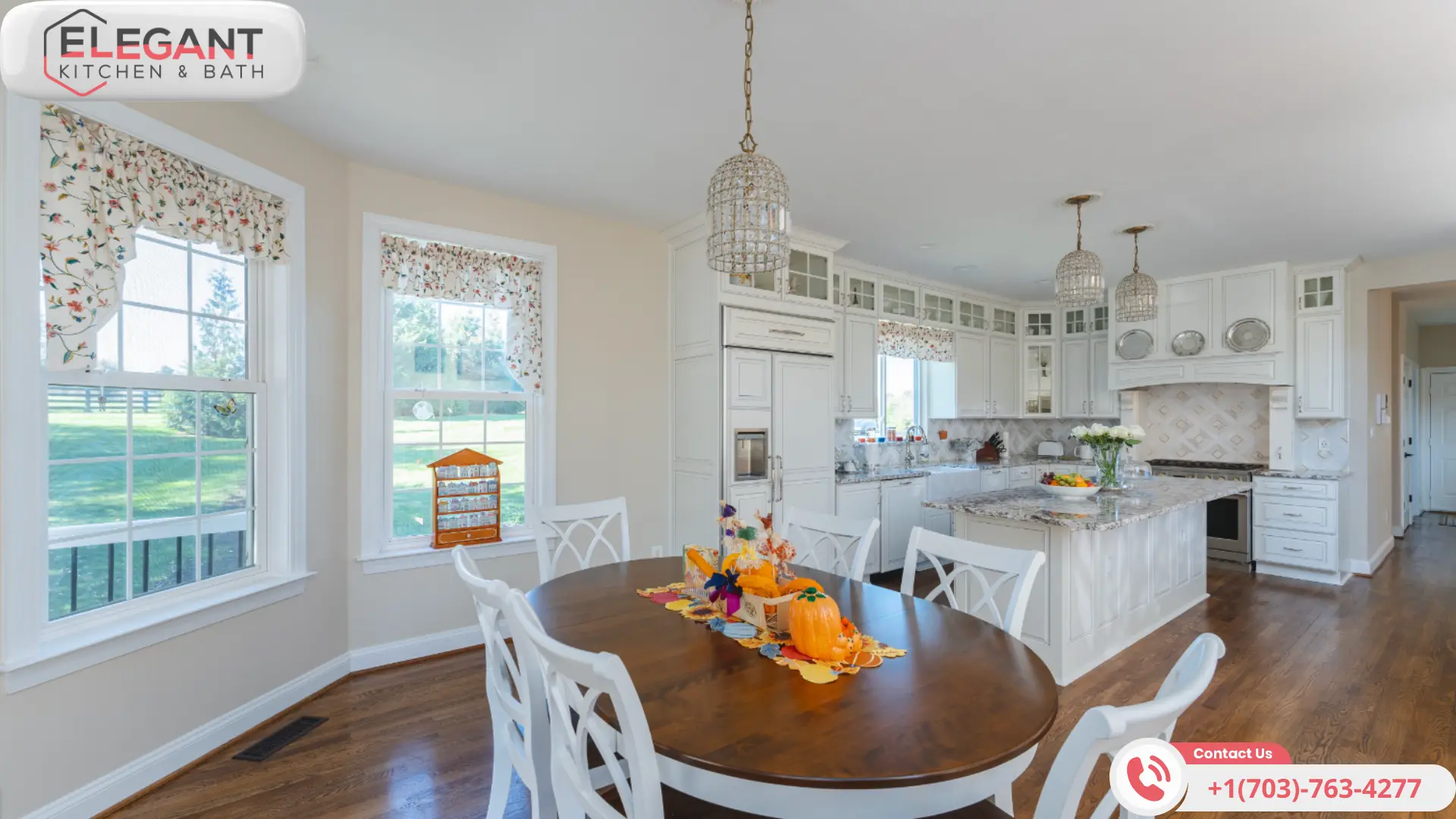
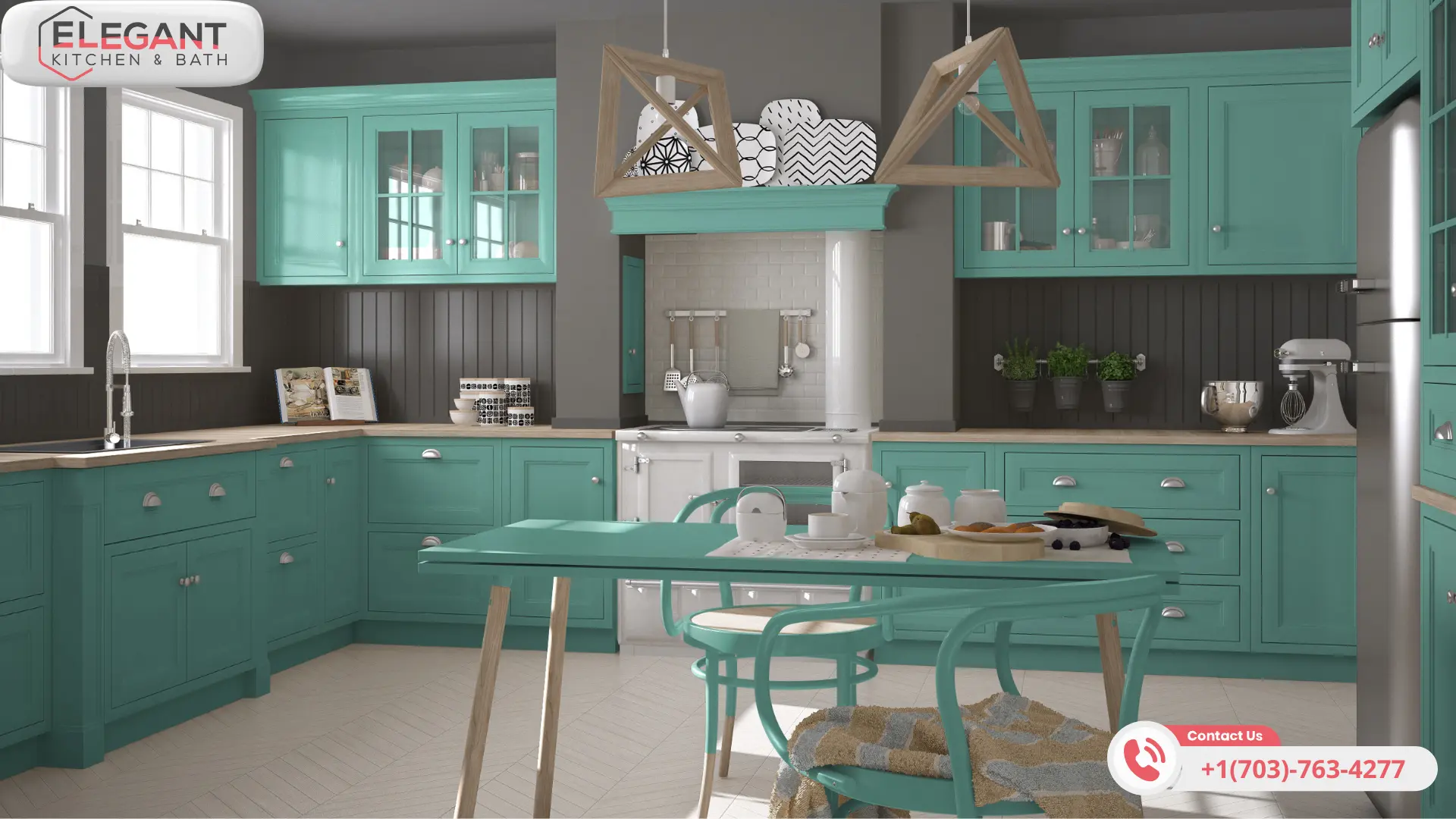
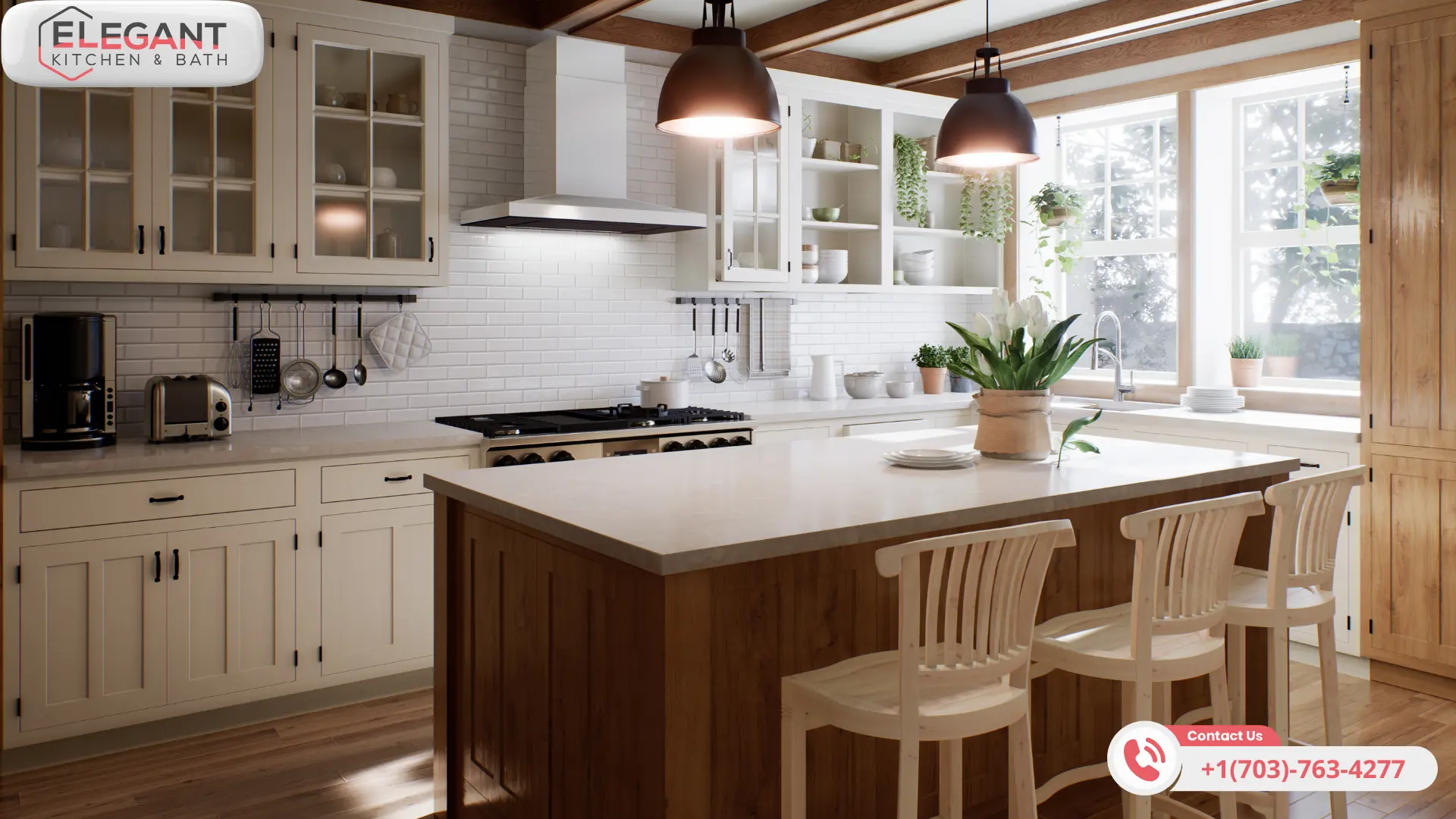
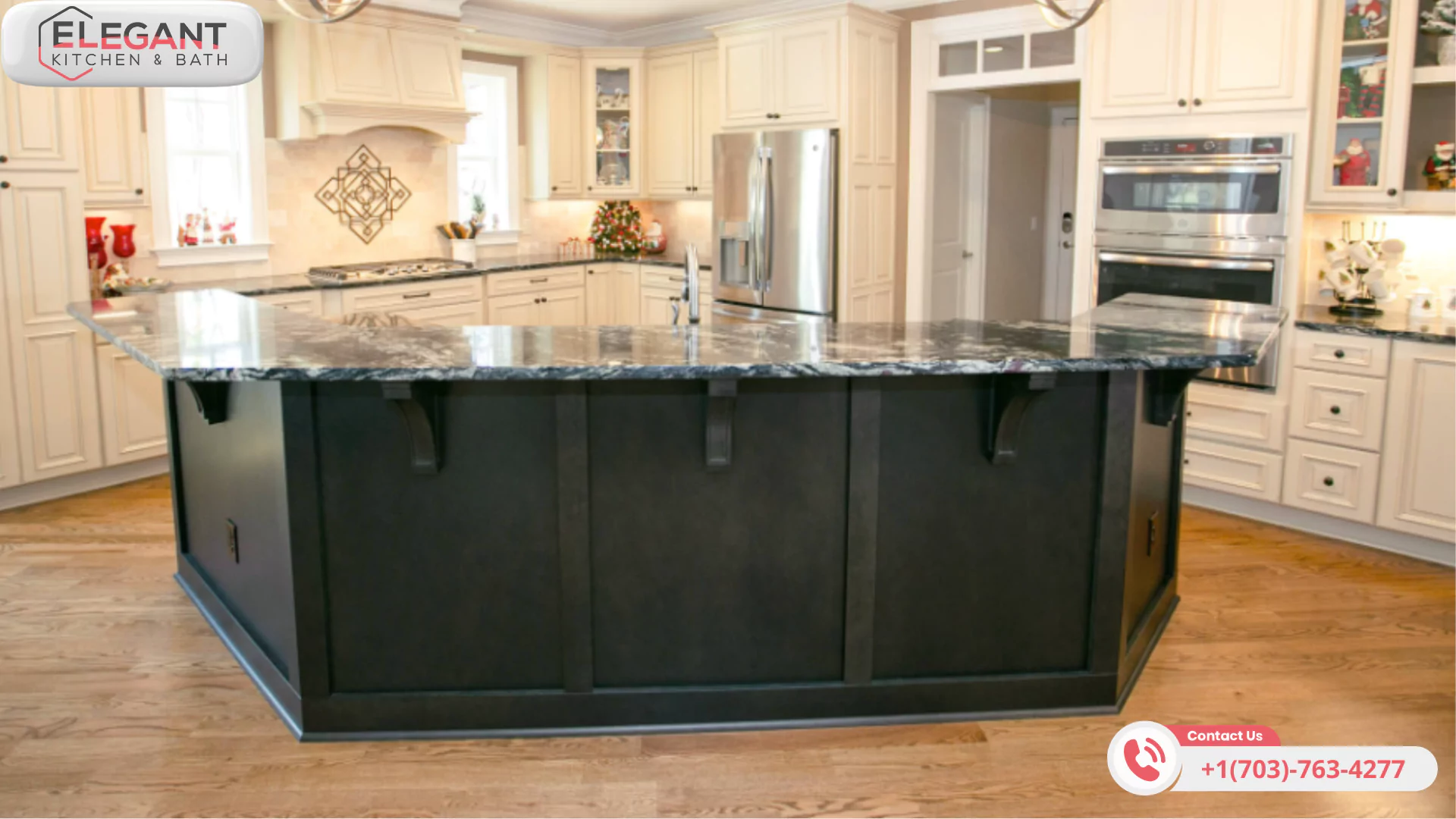
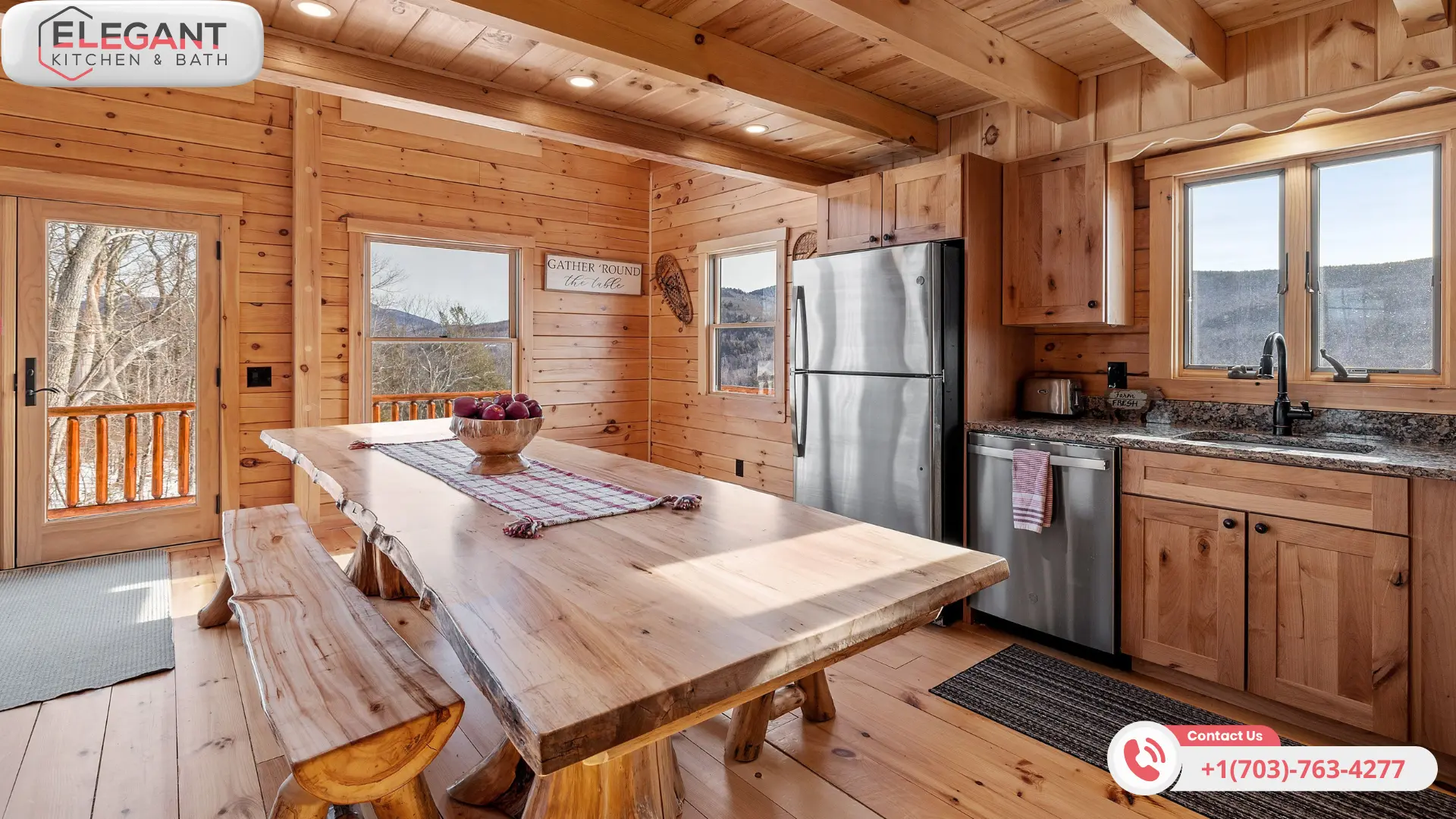
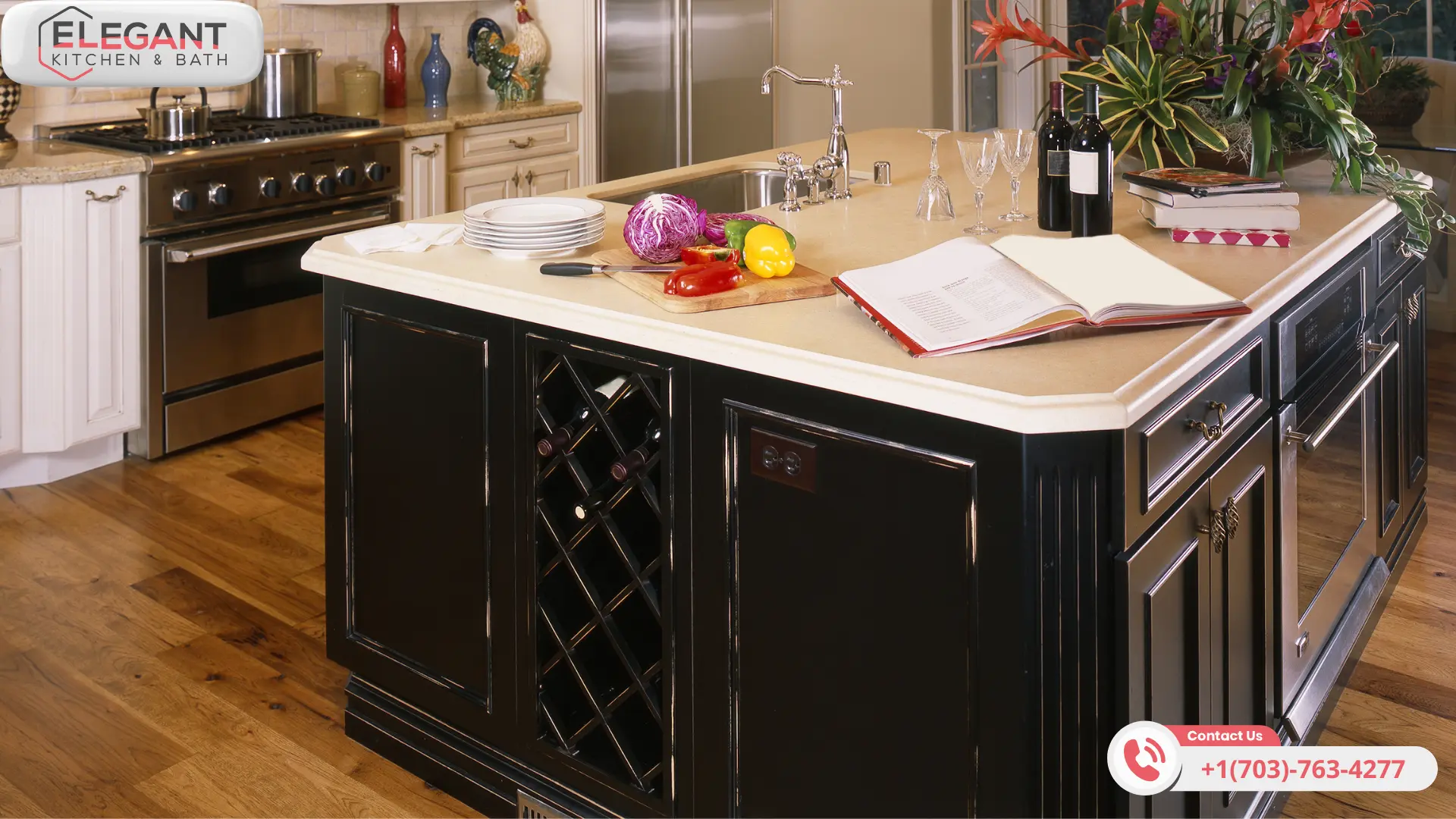
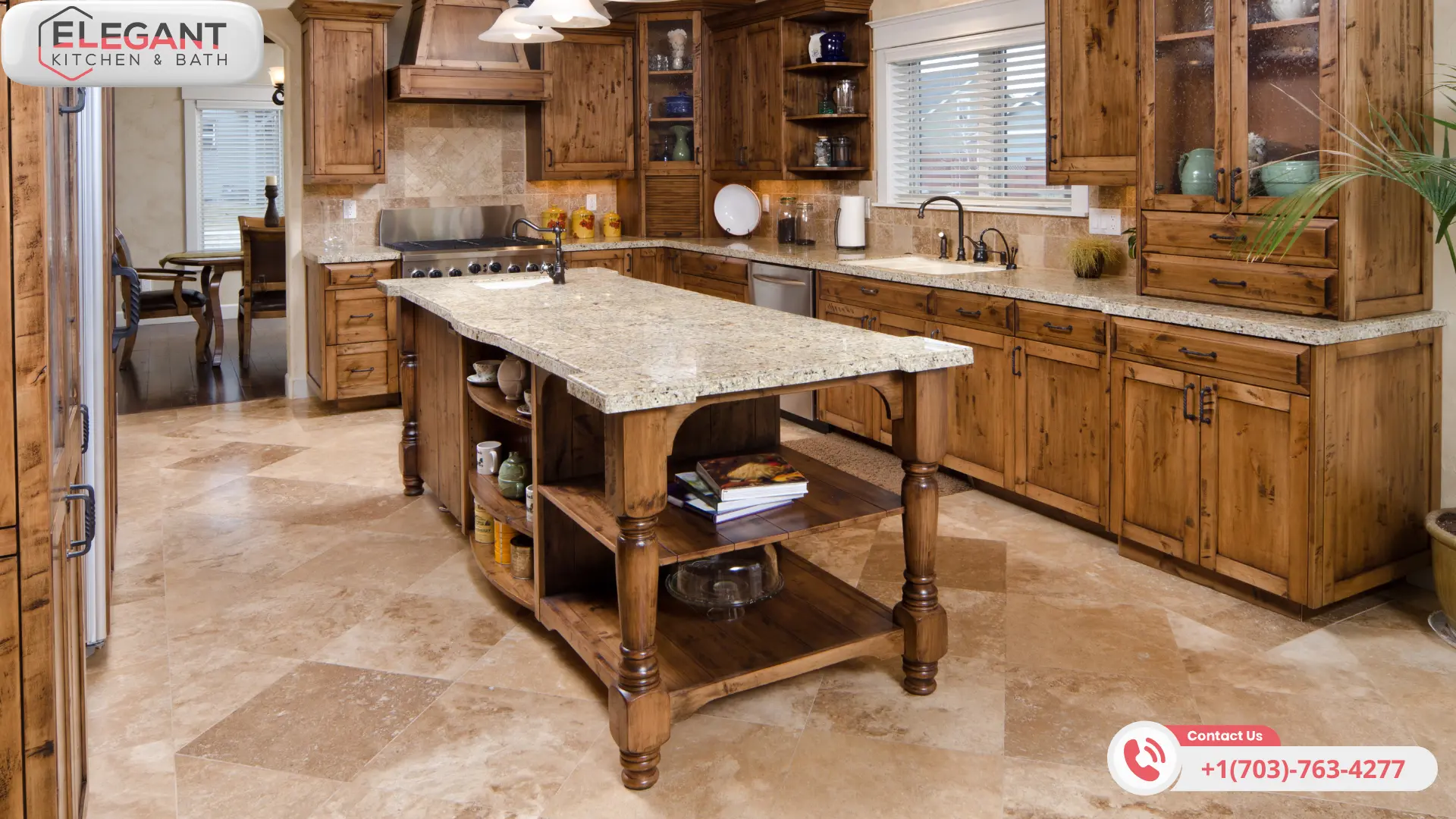
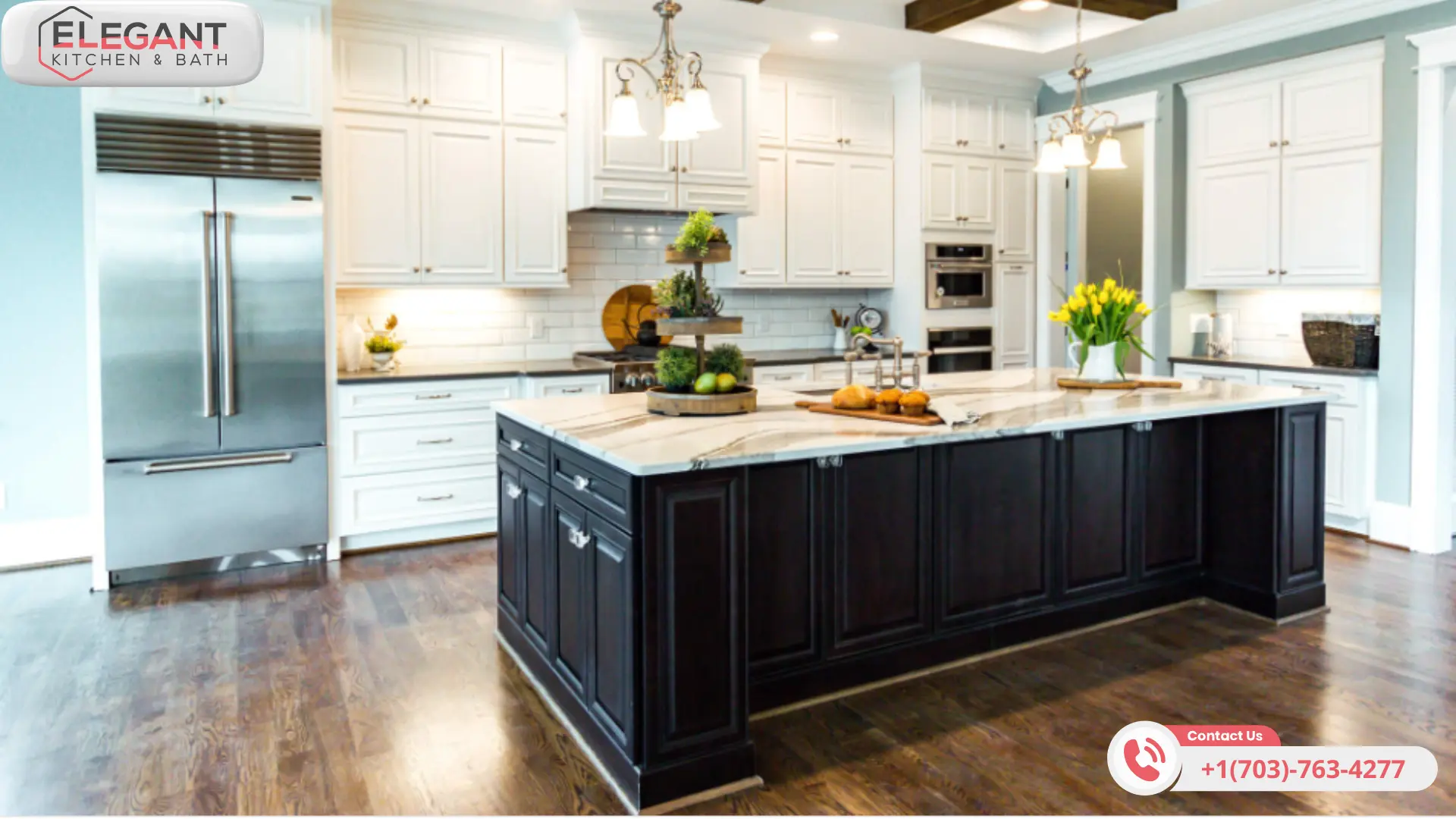
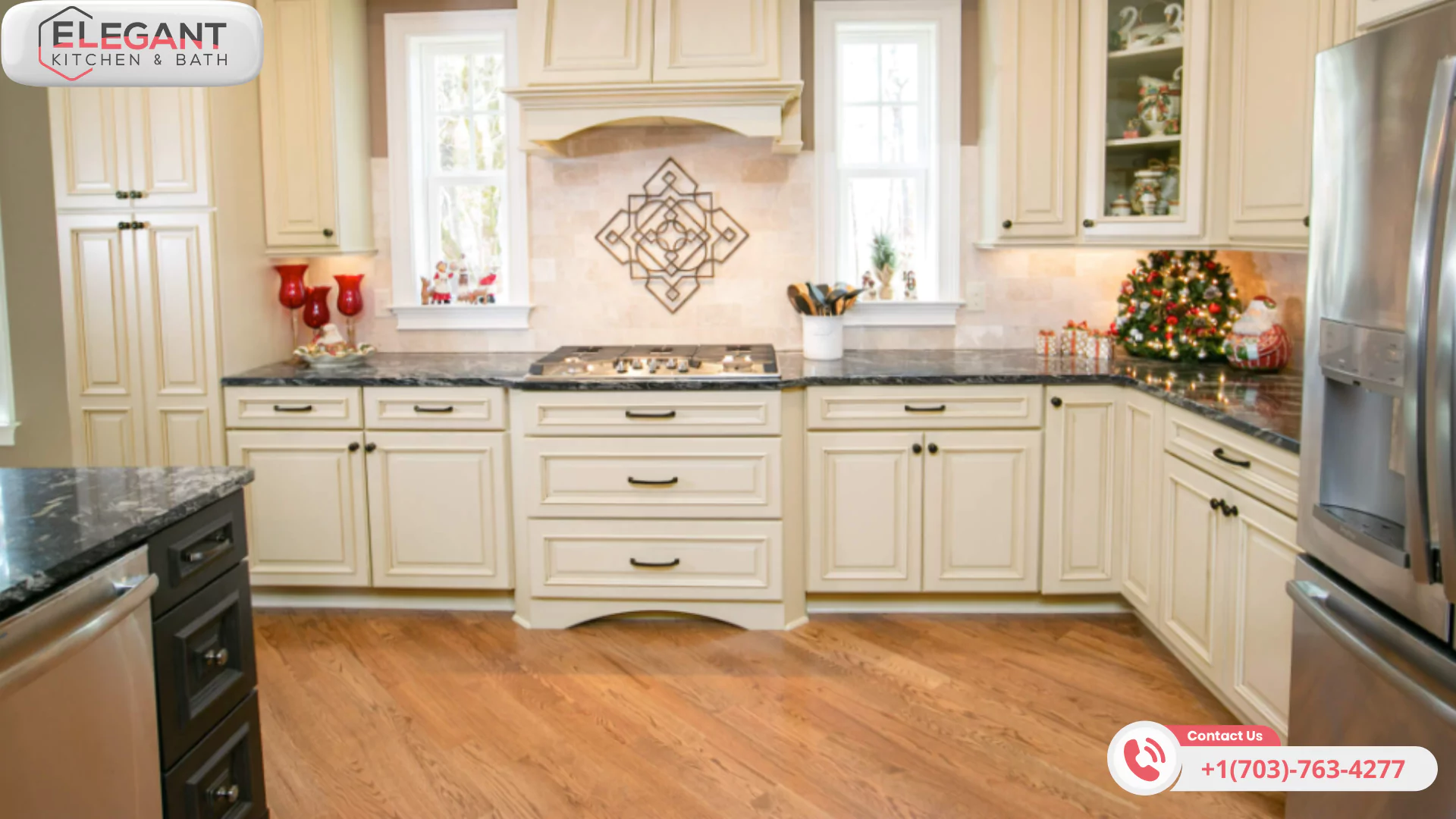
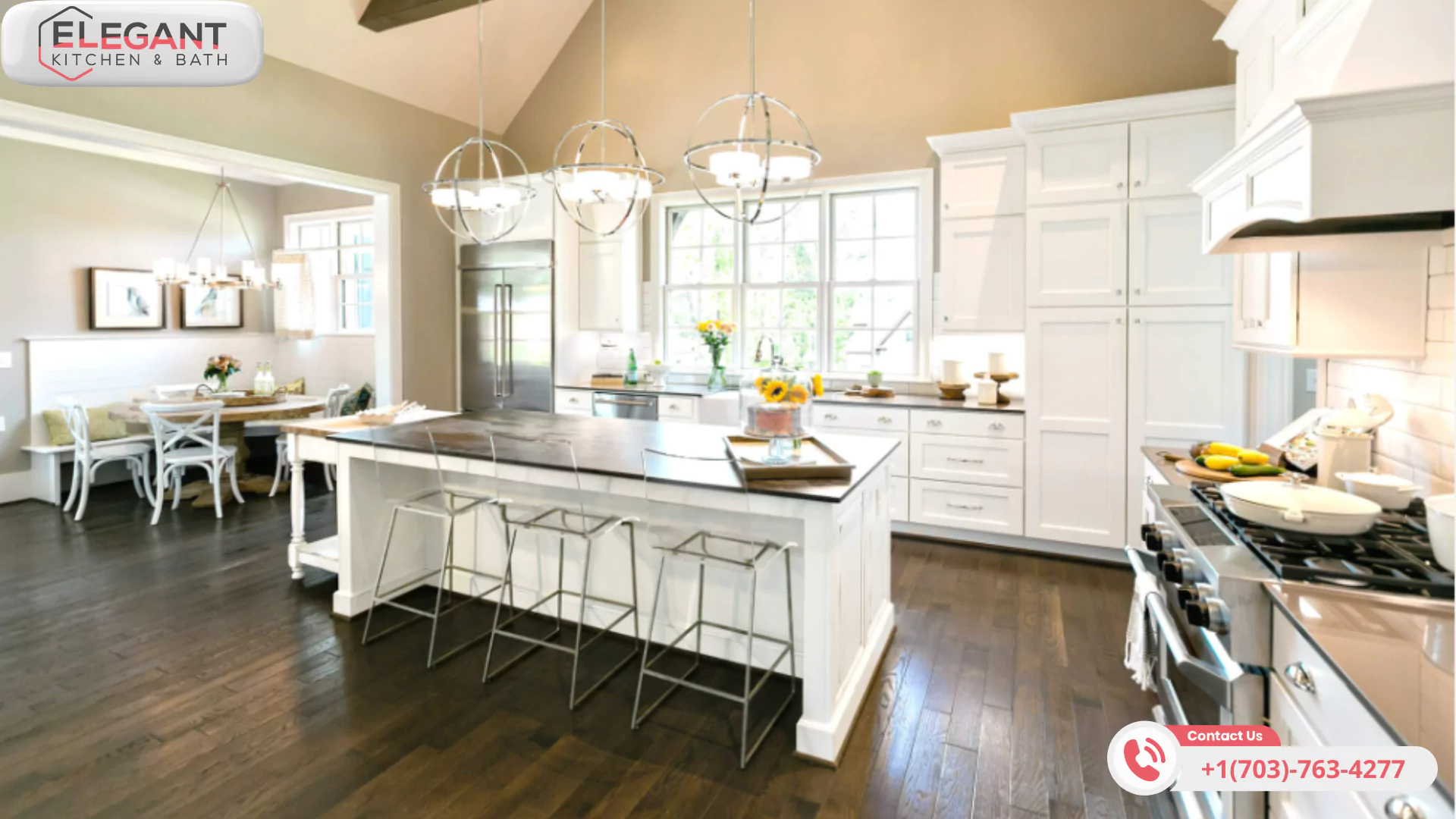
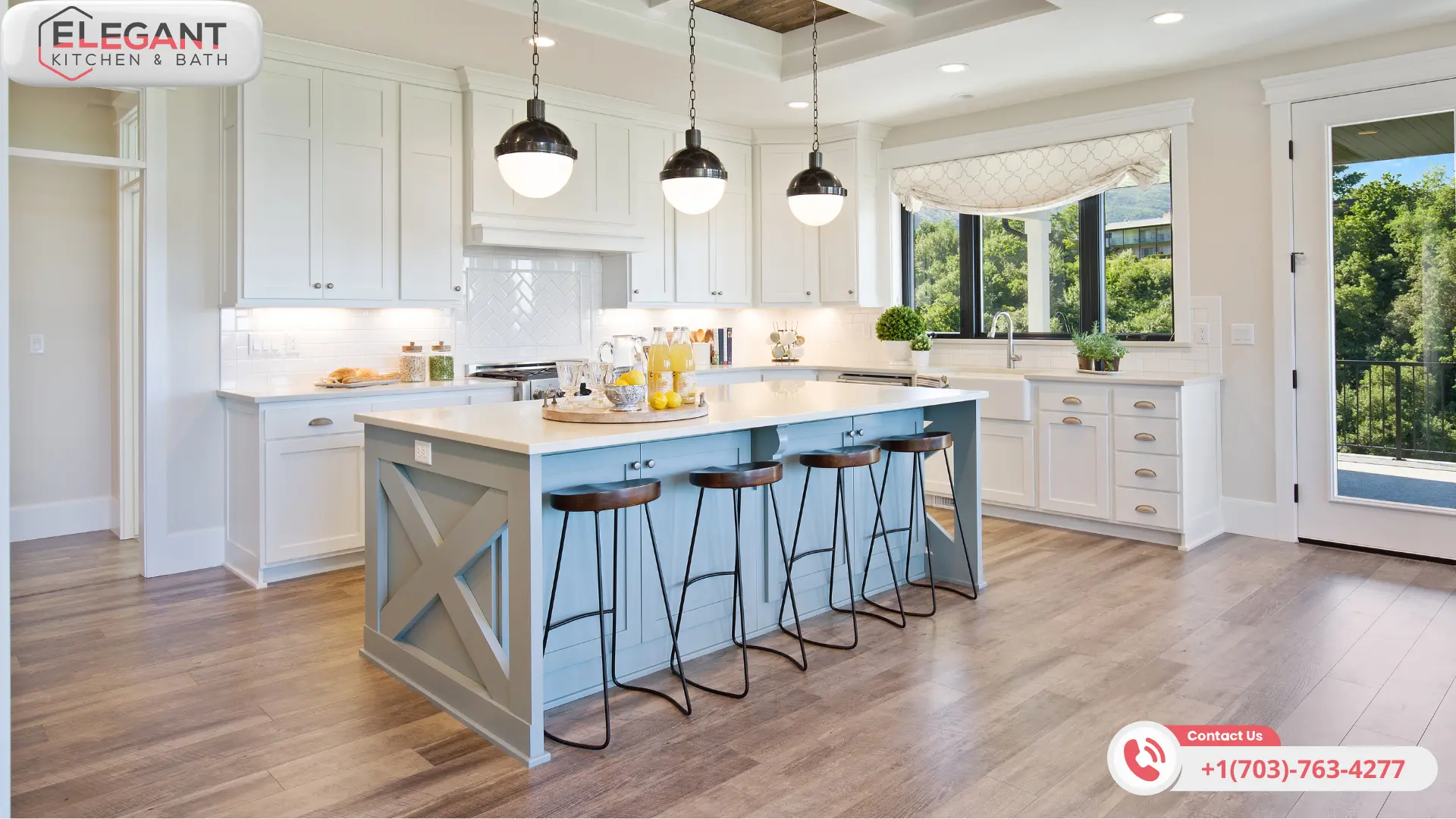
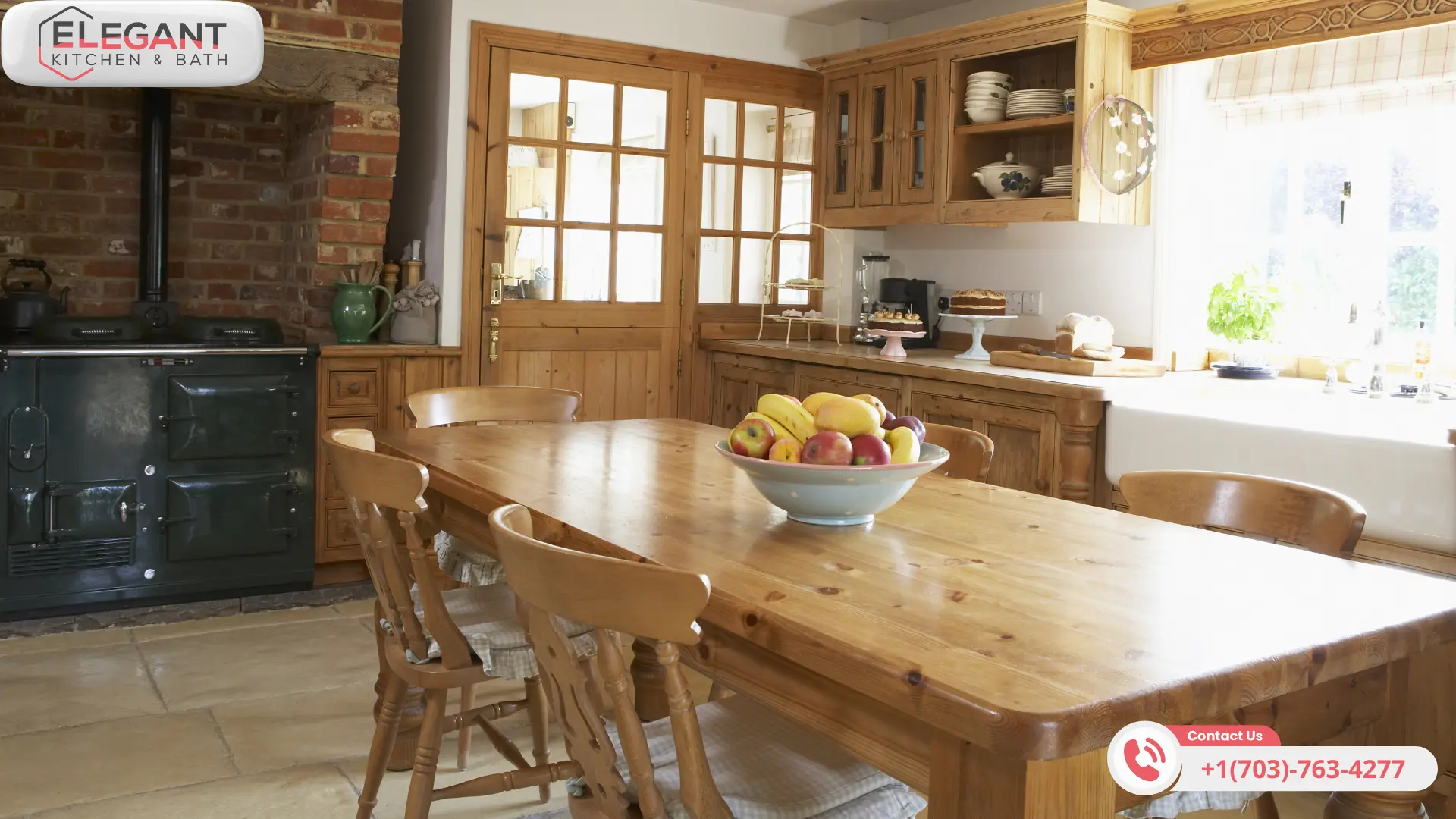
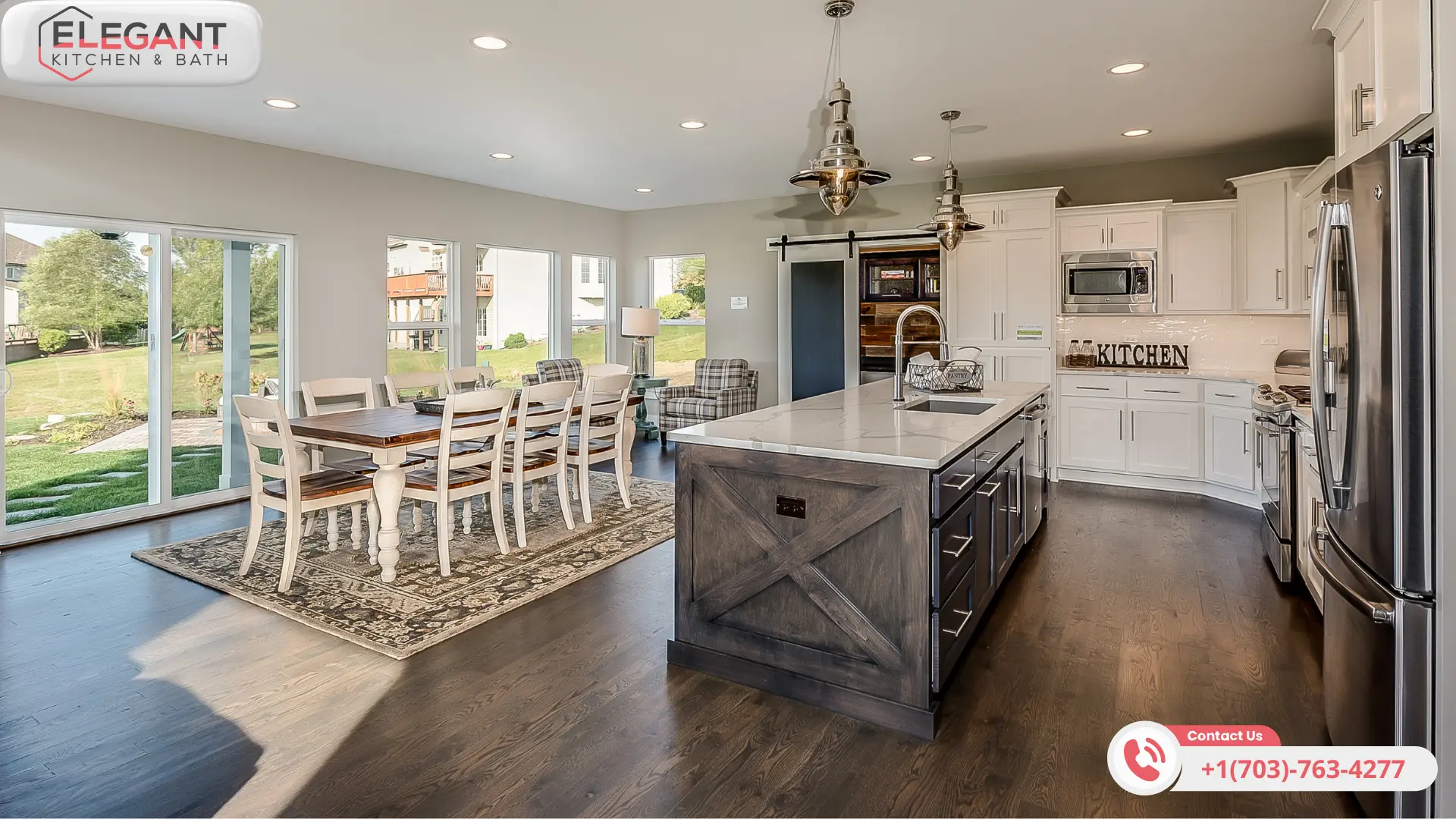
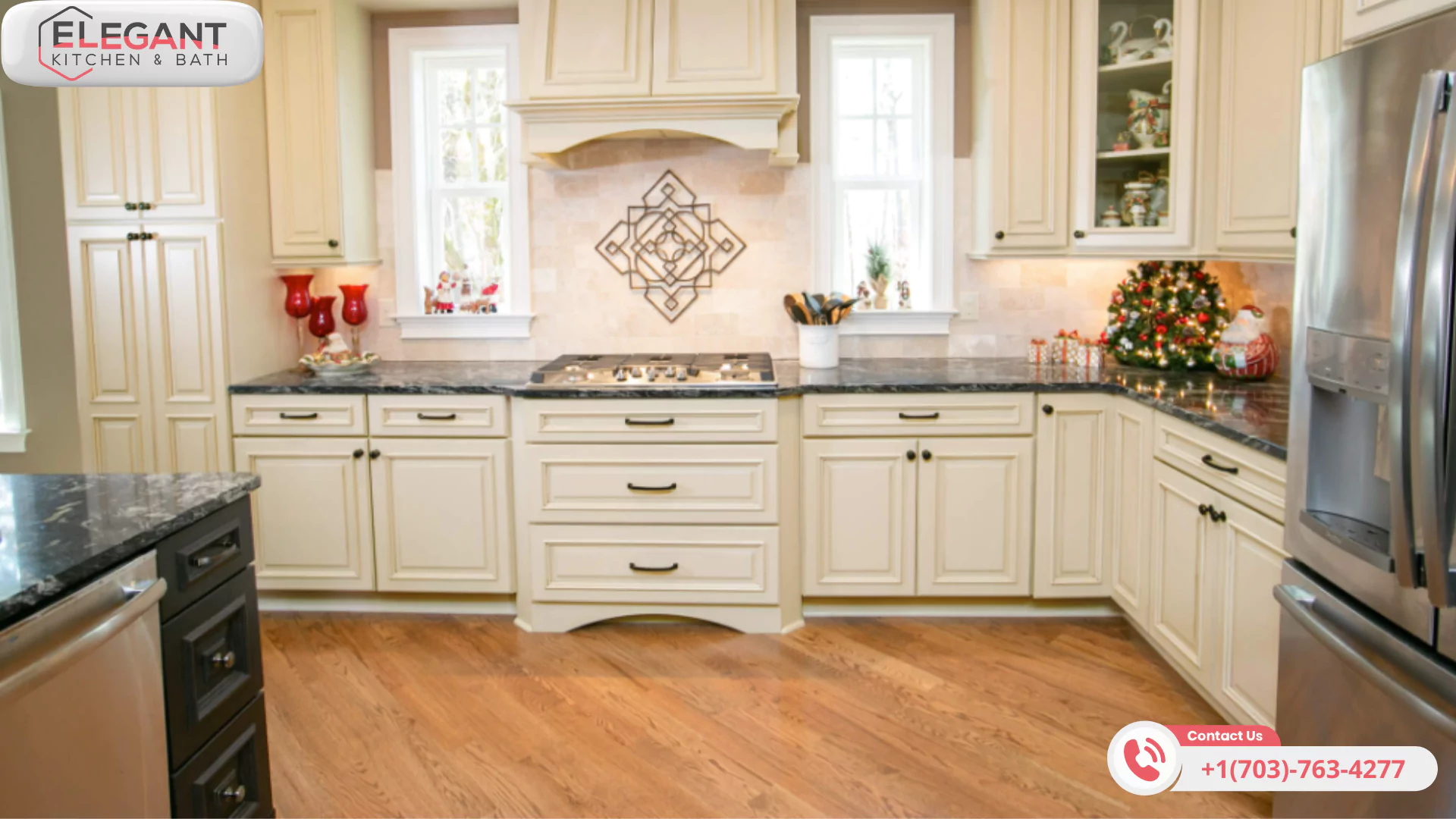
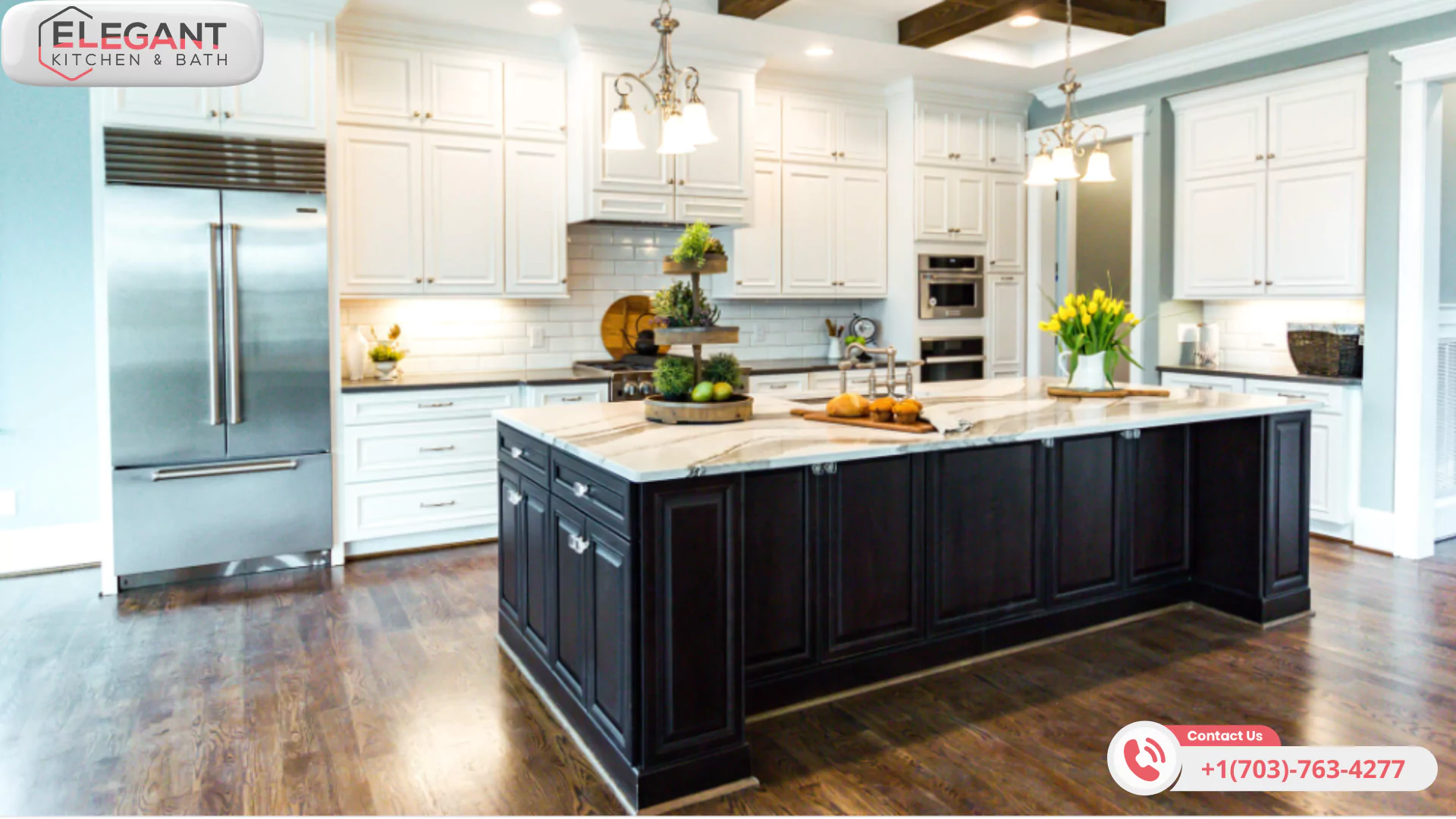
The kitchen serves as the heart of every home, where families gather to share meals, conversations, and create lasting memories. When this central space no longer meets your needs or reflects your lifestyle, a kitchen remodeling project can breathe new life into your home while significantly increasing its value. However, embarking on a kitchen renovation without proper planning can quickly turn into an overwhelming and costly endeavor.
This comprehensive kitchen remodeling guide provides homeowners with essential insights and practical strategies to navigate the complexities of transforming their culinary space. Whether you’re considering a complete overhaul or targeted improvements, understanding the fundamental principles of successful kitchen design will help you make informed decisions that align with your vision, budget, and long-term goals. From initial planning stages to selecting the right professionals, this guide covers the critical elements that separate successful renovations from costly mistakes.
Key Takeaways for The Ultimate Kitchen Remodeling Guide: Top 6 Essentials
Clearly Define Your Remodeling Goals: Start by pinpointing the reasons behind your kitchen remodel—whether it’s to improve functionality, update the style, or increase home value. Clearly articulated goals ensure your project remains focused and on track.
Assess Your Current Kitchen: Walk through your daily routines and identify what works and what doesn’t, such as pain points in storage, lighting, or workflow. Involve all household members in this assessment for a holistic view.
Prioritize Needs Over Wants: Distinguish essential upgrades (safety, functionality, or structural issues) from nice-to-have features (luxury finishes or gadgets). This helps you budget wisely and avoid overspending.
Set a Realistic Budget (with a Contingency Fund): Know the average costs (minor: $15,000–$30,000; major: $40,000–$80,000+), and always allocate 10–20% extra for unexpected expenses—factor in costs for possible temporary living arrangements during construction.
Explore Financing and Cost-Saving Strategies: Consider home equity or personal loans, and look for cost-saving opportunities such as retaining the existing layout, opting for mid-range appliances, and scheduling the renovation for off-peak contractor seasons.
Choose the Best Layout for Your Space and Lifestyle: Select a kitchen layout (such as L-shape, U-shape, galley, or open-concept) based on your space and how you typically use the kitchen. Ensure your choice supports smooth workflow and daily activities.
Optimize the Work Triangle and Workflow: Position your sink, stove, and refrigerator to minimize unnecessary steps, and consider additional work zones for prep, cooking, and cleaning if your kitchen is busy or multi-purpose.
Focus on Quality Materials and Finishes: Balance durability, aesthetics, and cost when selecting cabinets, counters, flooring, and fixtures. Stock, semi-custom, or custom cabinetry each has its pros and cons; quartz and granite are standout countertop options; and flooring choices should prioritize durability and water resistance.
Incorporate Flexible and Vertical Storage: Integrate vertical cabinets up to the ceiling and wall-mounted storage for frequently used items. Pull-out shelves and door-mounted racks ensure easy access and organized spaces.
Work with Licensed and Experienced Professionals: Hire licensed contractors for safety, quality, and code compliance. Check credentials, references, and past work; ask specific questions about timelines, change orders, and warranties.
Plan Thoroughly and Communicate Clearly: Success comes from detailed planning, realistic budgeting, and open communication with your contractor. Be prepared for the unexpected and keep the project aligned with your original goals for a kitchen that enhances both daily life and home value.
[ez-toc]
1. Define Your Kitchen Remodeling Goals
Identify the Purpose of the Remodel
Before diving into design catalogs or contractor consultations, successful kitchen remodeling begins with clearly defining your objectives. Understanding why you want to remodel helps establish a focused direction for your project and prevents costly changes during the construction process. Some homeowners prioritize increasing their home’s resale value, while others focus on enhancing its functionality for their daily cooking needs.
Consider whether your primary motivation centers on addressing specific problems, such as insufficient storage, outdated appliances, or poor traffic flow. Alternatively, your goals may involve creating a more modern aesthetic, accommodating lifestyle changes such as frequent entertaining, or adapting the space for aging in place. Each objective influences design decisions, material selections, and budget allocations in different ways.
The most successful kitchen renovations occur when homeowners can articulate specific outcomes they want to achieve. For instance, rather than simply enjoying a “better kitchen,” identify concrete goals, such as “creating more counter space for meal preparation” or “improving lighting for evening cooking.” This clarity helps guide every subsequent decision in your remodeling journey.
Assess What’s Working and What’s Not
Conducting an honest evaluation of your current kitchen’s strengths and weaknesses provides valuable insights for yourkitchen design process. Walk through your typical cooking and dining routines, noting where you encounter frustrations or inefficiencies. Pay attention to traffic patterns, storage accessibility, and workspace adequacy during different times of day.
Document specific issues such as insufficient counter space near the stove, poor lighting over work areas, or cabinets that are difficult to reach. Equally important is recognizing elements that function well, such as a convenient pantry location or a window that provides natural light. These positive aspects can be preserved and enhanced rather than unnecessarily altered.
Consider involving family members in this assessment process, as different users may have varying perspectives on the kitchen’s functionality. Someone who primarily handles cleanup might identify different pain points than the primary cook. This collaborative evaluation ensures your kitchen remodeling project addresses the needs of all household members.
Prioritize Needs Over Wants
Distinguishing between essential improvements and desirable upgrades helps establish a realistic framework for your kitchen renovation project. Needs typically involve functional issues that impact daily use, safety concerns, or structural problems that require attention. Wants often relate to aesthetic preferences, luxury features, or convenience upgrades that enhance the experience but aren’t strictly necessary.
Create separate lists for must-have improvements versus nice-to-have features. This exercise proves invaluable when making budget decisions or facing unexpected costs during construction. Understanding your priorities also helps communicate effectively with contractors and designers about which elements are non-negotiable versus flexible.
Remember that addressing fundamental needs first often provides the foundation for incorporating desired features later. For example, ensuring adequate electrical capacity for modern appliances takes precedence over selecting premium finishes, though both contribute to a successful kitchen remodeling outcome.
2. Set a Realistic Budget
Average Kitchen Remodeling Costs
Understanding typical kitchen remodeling costs helps establish realistic expectations and prevents budget overruns that can derail your project. National averages indicate that minor kitchen renovations typically range from $15,000 to $30,000, while major remodels can cost between $40,000 and $80,000 or more, depending on the scope and material choices.
Several factors significantly influence kitchen renovation costs, including the size of your space, the extent of structural changes, appliance selections, and regional labor rates. Premium materials and custom features can substantially increase expenses, while strategic choices about where to splurge versus save can help optimize your investment.
Labor costs typically account for 20-35% of the total budget, with the remainder allocated to materials, appliances, and permits. Understanding this breakdown helps you evaluate contractor bids and make informed decisions about which tasks you can handle yourself versus those that require professional expertise.
Budgeting for Unexpected Expenses
Even the most carefully planned kitchen remodeling projects encounter unforeseen challenges that impact the budget. Industry experts recommend setting aside 10-20% of your total budget as a contingency fund to cover issues such as outdated electrical systems, plumbing complications, or structural surprises that may be discovered during demolition.
Common unexpected expenses include bringing electrical or plumbing systems up to current codes, addressing water damage or structural issues behind walls, or modifying plans due to measurement discrepancies. While these situations can be frustrating, having a financial buffer prevents them from derailing your entire project.
Additionally, consider potential costs for temporary living arrangements if your kitchen renovation extends longer than anticipated. Eating out frequently or setting up a temporary cooking space can add hundreds of dollars to your monthly expenses during construction.
Financing Options and Cost-Saving Tips
Several financing strategies can help homeowners manage kitchen remodeling expenses without compromising their financial stability. Home equity loans or lines of credit often offer favorable interest rates for substantial renovations, while personal loans may be more suitable for smaller projects. Some contractors provide financing programs; however, it’s essential to compare the terms carefully.
Strategic cost-saving approaches can significantly reduce expenses without sacrificing quality. Consider retaining the existing layout to avoid costly plumbing and electrical relocations, selecting mid-range appliances with professional features, or opting for stock cabinets with custom hardware for a high-end appearance.
Timing your kitchen renovation during contractors‘ slower seasons might yield better pricing and more flexible scheduling. Additionally, handling specific tasks like painting or simple installations yourself can reduce labor costs, though be realistic about your skills and available time.
3. Choose a Functional Kitchen Layout
Popular Kitchen Layout Types (L-shape, U-shape, Galley, etc.)
The foundation of effective kitchen design lies in selecting a layout that optimizes your available space while supporting your cooking and lifestyle needs. Each layout configuration offers distinct advantages and works better in certain situations, making it crucial to understand how different arrangements impact functionality and flow.
The L-shaped layout efficiently utilizes corner space and works well in open-concept homes where the kitchen connects to living areas. This configuration provides ample counter space and storage while maintaining an open feel that facilitates conversation and movement between rooms. U-shaped kitchens maximize storage and workspace by utilizing three walls, making them ideal for serious cooks who need extensive counter space and storage capacity.
Galley kitchens, featuring parallel counters, excel in narrow spaces and promote efficient workflow between cooking zones. Island layouts are most effective in larger spaces, offering additional storage, workspace, and often seating for casual dining. Understanding these fundamental patterns helps guide your kitchen remodeling decisions and ensures that your new layout supports, rather than hinders, your daily routines.
The Work Triangle and Efficient Workflow
The work triangle concept, which connects the sink, stove, and refrigerator, remains a cornerstone of functional kitchen design, despite evolving cooking habits and changing kitchen configurations. This principle aims to minimize unnecessary steps between primary work areas while avoiding traffic interference from other household members.
Modern kitchen remodeling often expands this concept to accommodate multiple cooks and specialized appliances. Consider creating work zones for different activities, such as food preparation, cooking, cleaning, and storage. Each zone should contain the tools and storage needed for its specific function, reducing the need to move frequently between areas.
Effective workflow design also considers the sequence of cooking activities, placing frequently used items within easy reach of their corresponding work areas. For example, positioning pot and pan storage near the cooktop or keeping cutting boards and knives close to the main preparation area can enhance efficiency and reduce kitchen frustration.
Open-Concept vs. Traditional Layouts
The choice between open-concept and traditional kitchen design has a significant impact on how your space functions and feels within your home’s overall layout. Open-concept designs create seamless connections between the kitchen and adjacent living spaces, promoting social interaction and making smaller homes feel more spacious.
However, open layouts also present challenges such as cooking odors spreading throughout the home, increased noise levels, and the need to maintain a constantly tidy appearance since the kitchen remains visible from other rooms. Traditional closed kitchens offer more privacy for cooking activities and better contain messes and odors, but may feel isolated from family activities.
Consider your lifestyle and entertaining habits when making this decision. Families who enjoy cooking together and frequently entertain often prefer open-concept layouts, while those who prefer focused cooking environments or have varying schedules might appreciate traditional layouts. Your kitchen remodeling project should reflect your specific needs rather than following trends that don’t suit your situation.
4. Select Quality Materials and Finishes
Cabinets: Stock, Semi-Custom, or Custom?
Cabinet selection represents one of the most significant decisions in your kitchen remodeling project, as these elements typically consume 35-40% of the total budget while dramatically impacting both functionality and aesthetics. Understanding the differences between stock, semi-custom, and custom options helps you make informed choices that balance quality, features, and cost considerations.
Stock cabinets offer the most economical option, manufactured in standard sizes and finishes with limited customization possibilities. These pre-made units are well-suited for standard kitchen layouts and provide good value for budget-conscious homeowners. However, stock cabinets may require compromises in storage optimization and might not fit perfectly in all spaces.
Semi-custom cabinets provide a middle ground, offering standard construction with some customization options for sizes, finishes, and interior accessories. This category often provides the best balance of quality, features, and value for most kitchen renovation projects. Custom cabinets offer unlimited design possibilities and a perfect fit, but come with significantly higher costs and longer lead times.
Countertops: Quartz, Granite, or Butcher Block?
Countertop selection has a significant impact on both the appearance and functionality of your kitchen design, making it essential to understand how different materials perform in real-world use. Each option offers distinct advantages and limitations that should align with your cooking habits, maintenance preferences, and aesthetic goals.
Quartz countertops provide exceptional durability, consistent appearance, and low maintenance requirements, making them increasingly popular for busy kitchens. These engineered surfaces resist stains, scratches, and bacteria while offering consistent patterns and colors. However, quartz typically costs more than natural stone options and can be damaged by excessive heat from hot pots and pans.
Granite countertops offer natural beauty with unique patterns and excellent heat resistance, making them ideal for serious cooks who frequently use hot cookware. Proper sealing maintains granite’s stain resistance, though this natural stone requires more maintenance than engineered alternatives. Butcher block provides warmth and character at a lower cost, but requires regular maintenance and can be damaged by water and heat if not adequately cared for.
Flooring, Backsplashes, and Fixtures
The selection of flooring, backsplashes, and fixtures completes your kitchen remodeling vision while providing practical benefits that enhance daily use. These elements must withstand heavy use, frequent cleaning, and potential spills while contributing to the overall design aesthetic.
Backsplash design has evolved beyond its original purpose of protection to become a major design focal point in modern kitchen design. Consider how your backsplash choice coordinates with countertops and cabinets while providing easy cleanup behind cooking areas. Similarly, fixture selections, including faucets, lighting, and hardware, should strike a balance between aesthetic appeal and functional performance, as well as long-term durability.
5. Maximize Storage and Space
Smart Cabinetry and Built-In Solutions
Practical storage solutions transform even modest kitchens into highly functional spaces that accommodate all your culinary tools and ingredients. Modern kitchen remodeling emphasizes maximizing every available inch through thoughtful cabinet design and innovative storage accessories that make items easily accessible.
Consider incorporating features like pull-out drawers in base cabinets, which provide better visibility and access than traditional shelves. Lazy Susans in corner cabinets eliminate dead space and make stored items easily reachable. Vertical dividers for baking sheets and cutting boards prevent these awkward items from cluttering cabinets, while specialized organizers for spices, utensils, and cleaning supplies keep everything in its designated place.
Built-in solutions such as appliance garages hide small appliances while keeping them readily accessible, and integrated trash and recycling centers maintain a clean appearance while providing convenient waste management. These thoughtful details separate professionally designedkitchen renovations from simple cosmetic updates.
Kitchen Islands and Pantry Designs
Kitchen islands serve multiple functions in modernkitchen design, providing additional workspace, storage, and often seating for casual dining or homework activities. When planning an island, ensure adequate clearance on all sides for comfortable movement and consider incorporating different height levels to accommodate various activities.
Island storage can include deep drawers for pots and pans, open shelving for cookbooks or decorative items, and specialized storage for items like wine or small appliances. If your island features seating, plan for adequate knee space and consider the relationship between seating height and counter height to ensure comfortable use.
Pantry design has evolved significantly, with walk-in pantries offering extensive storage in an organized and accessible format. Even smaller pantries benefit from adjustable shelving, clear storage containers, and door-mounted racks that maximize vertical space. The key lies in creating systems that make inventory visible and accessible while accommodating items of various sizes.
Vertical Storage and Pull-Out Drawers
Maximizing vertical space represents one of the most effective strategies for increasing kitchen storage capacity without expanding the room’s footprint. Tall cabinets that extend to the ceiling provide substantial additional storage for items used less frequently, while step-down shelving accommodates items of different heights efficiently.
Pull-out drawers in base cabinets eliminate the need to reach into deep, dark spaces, providing complete visibility of stored items. These drawers work particularly well for storing heavy items, such as small appliances, canned goods, and cookware. Consider incorporating drawers of varying depths to efficiently accommodate different types of items.
Wall-mounted storage solutions, including open shelving, magnetic strips for knives, and hanging racks for frequently used tools, keep essential items within easy reach while freeing up counter space. The key lies in balancing open storage for frequently used items with closed storage for a clean, organized appearance.
6. Hire the Right Kitchen Remodeling Professionals
Why Work with a Licensed Remodeling Company
Partnering with licensed remodeling contractors provides essential protections and expertise that significantly impact the success of your project and the safety of your family. Licensed professionals demonstrate their commitment to industry standards through ongoing education, insurance coverage, and adherence to local building codes and regulations.
Licensed contractors possess the knowledge and experience to navigate complex permitting processes, ensure proper installation of electrical and plumbing systems, and address unexpected challenges that commonly arise during kitchen renovations. They also carry appropriate insurance coverage that protects homeowners from liability issues and provides recourse in the event of problems that occur during or after construction.
Working with established remodeling companies also provides access to professional networks, including architects, designers, and specialized tradespeople who contribute to superior project outcomes. These relationships often result in better pricing on materials and more efficient project scheduling compared to managing multiple individual contractors independently.
What to Look for in a Contractor
Evaluating potential kitchen remodeling contractors requires careful consideration of multiple factors beyond simple price comparisons. Look for contractors with extensive experience specifically in kitchen renovations, as this specialized knowledge significantly impacts the quality and efficiency of the project.
Request references from recent clients and take time to view completed projects in person when possible. This firsthand observation reveals the quality of workmanship, attention to detail, and ability to execute various design styles. Additionally, check online reviews and Better Business Bureau ratings to understand the contractor’s reputation and their approach to problem resolution.
Verify that contractors maintain the appropriate licensing, insurance, and bonding required for your area. Request copies of these documents and confirm their validity with issuing agencies. Professional contractors readily provide this information and understand its importance for homeowner protection.
Questions to Ask Before You Hire
Conducting thorough interviews with potential contractors helps identify the best fit for your kitchen remodeling project while establishing clear expectations for communication, timeline, and project management. Prepare specific questions that reveal their experience, approach, and reliability.
Ask about their typical project timeline and factors that might cause delays. Understand their change order process and how additional costs are handled in the event of unexpected issues. Inquire about their cleanup procedures and the measures they take to minimize disruption to your daily life during construction.
Request detailed information about warranty coverage for both materials and workmanship. Understand what happens if problems arise months or years after project completion. Professional contractors stand behind their work and provide clear warranty terms that protect your investment in your kitchen renovation.
FAQs for The Ultimate Kitchen Remodeling Guide: Top 6 Essentials
In what order should you renovate a kitchen?
The ideal order for a kitchen renovation is: planning and designing your kitchen layout, demolition (removing old cabinets, countertops, appliances), making any structural changes (walls, windows), updating plumbing and electrical systems, repairing and painting walls, installing cabinets, countertops, and sink, adding backsplash, laying flooring, and finally installing appliances and fixtures. This sequence minimizes mess and ensures that each step builds on the previous one, resulting in a smooth kitchen renovation.
What is the 3×4 kitchen rule?
The 3×4 kitchen rule is a kitchen design guideline that recommends having three separate counter spaces, each about four feet long, and positioning your sink, stove, and refrigerator within a compact area to maximize efficiency and workflow. Another interpretation is that the sum of the distances between these three main work centers should not exceed 26 feet, with each leg of the triangle between 4 and 9 feet, ensuring a functional kitchen layout and easy movement between work zones.
Is $10,000 enough for a kitchen remodel?
A $10,000 budget is generally sufficient for a minor kitchen remodel or cosmetic updates, such as painting cabinets, installing budget-friendly countertops, updating backsplashes, changing cabinet hardware, and refreshing lighting fixtures. However, it is usually insufficient for a complete kitchen renovation that includes new custom cabinets, high-end appliances, or significant layout changes. The size of your kitchen, material choices, and labor costs will affect how far your budget stretches.
What is a realistic budget for a kitchen remodel?
A realistic budget for a kitchen remodel typically ranges from $10,000 to $60,000, depending on the size of your kitchen, the extent of the renovation, and the quality of materials and appliances you choose. Experts recommend spending 5-15% of your home’s value on a kitchen remodel to maximize your return on investment. For example, if your home is worth $300,000, a budget between $15,000 and $45,000 is a good starting point. Always prioritize your must-haves, consider storage, workflow, and kitchen island requirements, and plan for a contingency fund to cover unexpected expenses.
Does the dishwasher go in before or after the countertop?
The dishwasher is installed after the countertop is in place. In a typical kitchen renovation, countertops are installed first to ensure a perfect fit, and then appliances, such as dishwashers, are slid into place beneath. This approach protects both the countertop and the appliance, ensuring correct height alignment under the kitchen design layout.
What are the rules for kitchen countertops?
Kitchen countertops should follow both function and flow. According to most kitchen remodeling guides, countertops should be at a standard height (36 inches), provide a minimum of 24 inches of clearance on either side of the sink and stove, and leave at least 15 inches of clearance above. Select durable materials like quartz or granite for high-traffic areas and ensure the surface complements your kitchen layout, workflow, and cabinet design.
What costs the most in a kitchen remodel?
Cabinets are usually the most expensive part of a kitchen remodel. They can account for 25–40% of the total renovation budget, especially when opting for custom cabinets. Countertops, appliances, and labor also contribute significantly. A well-planned kitchen remodeling guide emphasizes budgeting for these major expenses to maintain balance across storage, design, and function.
What is the average timeline for a kitchen remodel?
A complete kitchen renovation typically takes 6 to 12 weeks from start to finish. The timeline depends on the complexity of your kitchen layout, custom cabinet lead times, and permit requirements. Minor updates, such as countertops and backsplashes, can be completed in 2-3 weeks, while full remodels involving structural changes may take up to 16 weeks. Planning and ordering materials adds another 4-6 weeks before construction begins.
Do you install flooring before cabinets in a kitchen remodeling project?
Install flooring before cabinets in most kitchen renovation projects. This approach ensures a proper workflow, protects your investment, and creates clean sightlines throughout the space. However, when using expensive hardwood or natural stone, many contractors install flooring around the cabinet footprint to minimize material and cost waste. Your kitchen design professional can recommend the best sequence based on your specific flooring and cabinet choices.
When remodeling a kitchen, where to start?
Start your kitchen remodeling guide journey with planning your layout and establishing your budget. First, evaluate your current work triangle, which includes the sink, stove, and refrigerator, to optimize your workflow. Next, determine if you need permits for structural changes, and then select major appliances to ensure they meet proper electrical and plumbing requirements. This kitchen renovation sequence prevents costly changes later and helps contractors provide accurate estimates for your project.
How much should I budget for a kitchen renovation?
Budget 10-20% of your home value for a kitchen renovation to maximize return on investment. Mid-range remodels typically cost between $25,000 and $50,000, while high-end projects range from $60,000 to $150,000. Allocate 35% for cabinets, 20% for labor, 15% for appliances, 10% for countertops, and 20% for flooring, fixtures, and finishing touches. Always include a 10-15% contingency fund for unexpected issues.
What are the most important elements in kitchen design?
Before starting your kitchen renovation, plan your budget and kitchen layout carefully to avoid unexpected costs. Many homeowners wish they’d prioritized the work triangle (sink, stove, refrigerator) for better workflow and considered storage needs upfront. Researching contractors thoroughly, understanding material costs such as cabinets and countertops, and anticipating potential disruptions (e.g., temporary loss of kitchen use) can help prevent stress. Setting aside a contingency fund and clarifying your kitchen design goals—whether for home value or functionality—ensures a smoother process.
How long does a complete kitchen remodel take?
A full kitchen remodel typically takes 6 to 12 weeks, depending on the scope and complexity of the project. Simple updates, such as new flooring or backsplashes, may be completed in 4–8 weeks, while custom cabinets, layout changes, or high-end appliances can extend timelines to 3–4 months. Delays in material delivery or permitting can add time, so work closely with your contractor to streamline the process.
How much does it cost to remodel a 12×12 kitchen?
The cost to remodel a 12×12 kitchen ranges from $15,000 to $40,000, with an average cost of around $21,600. Budget-friendly options, such as prefabricated cabinets and laminate countertops, keep costs within $10,000–$20,000. In contrast, luxury features like custom cabinets, granite countertops, or a kitchen island can increase costs to $50,000 or more. Labor, appliances, and fixtures also impact the budget, so plan carefully to align with your goals.
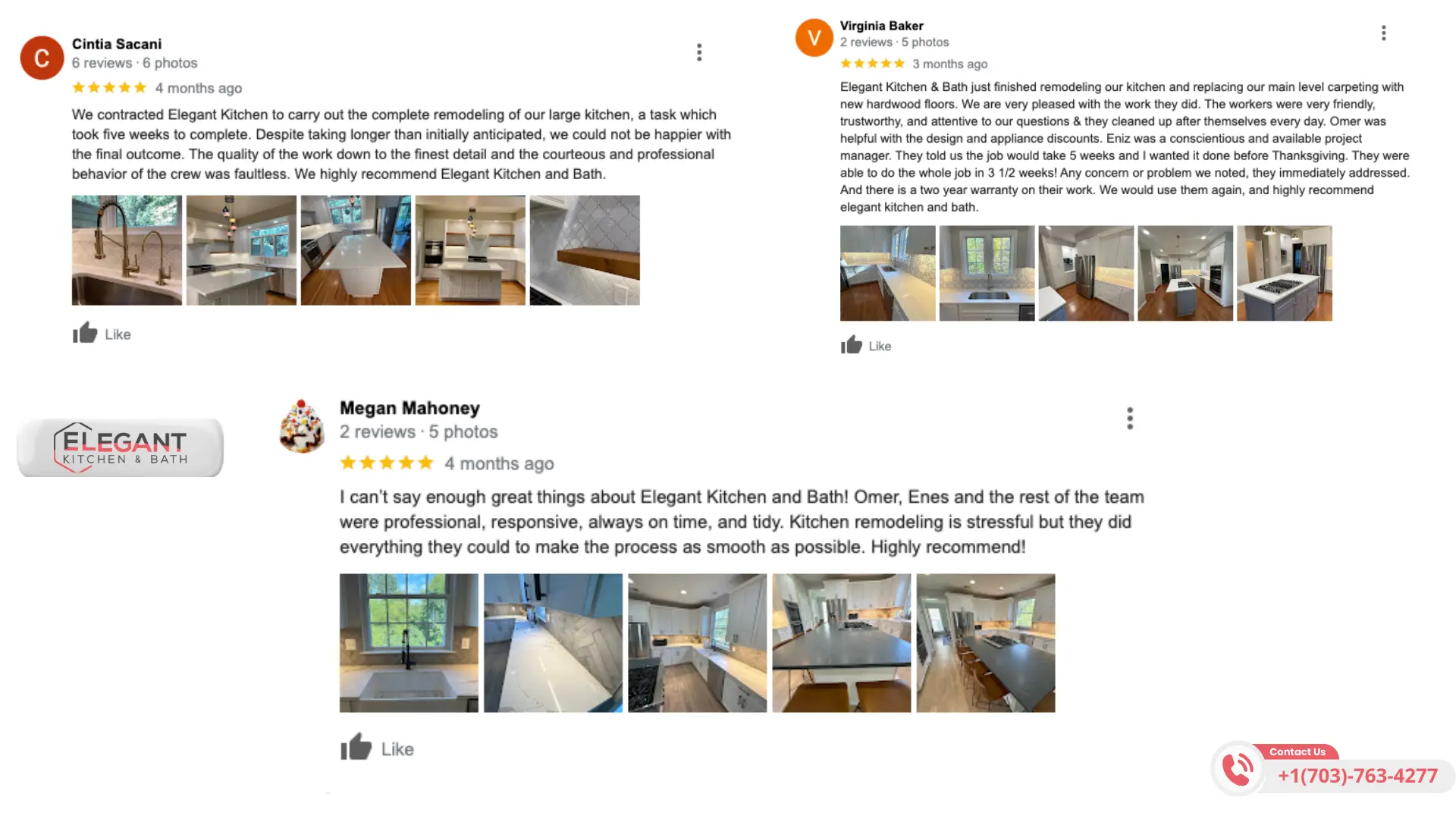
What Our Customers Say About Elegant Kitchen and Bath
Herbert’s comprehensive testimonial showcases Elegant Kitchen & Bath’s expertise in multifaceted home renovations, which included a complete kitchen remodel, as well as the refinishing and installation of first-floor hardwood flooring and painting in the family room, hallways, and home office areas. His review demonstrates the company’s reliable project delivery, with the kitchen renovation completed within the promised 3.5-week timeline. Herbert particularly emphasizes project manager Tayfun’s outstanding communication throughout the entire process, ensuring clients remain informed and confident during construction phases.
The review highlights the company’s commitment to quality craftsmanship with prompt and professional resolution of minor issues that naturally arise during complex renovations. Herbert’s testimony that this is “the absolute best remodeling effort” he has ever experienced reflects Elegant Kitchen & Bath’s exceptional standards, from initial design support through project closeout. His endorsement validates the company’s numerous 5-star ratings and demonstrates its ability to exceed client expectations across multiple renovation disciplines.
Genevieve’s review exemplifies Elegant Kitchen & Bath’s ability to cultivate lasting client relationships through consistent excellence, as demonstrated by her return business for multiple projects. Her testimonial highlights the successful transformation of her basement remodeling project, which included the addition of a new bathroom and updated flooring. Through designer Arif’s expert guidance, the review highlights the company’s innovative problem-solving approach, particularly in creating seamless elevation transitions for bathroom installations that maintain aesthetic appeal.
The review highlights project manager Tayfun’s exceptional professionalism and proactive communication, ensuring clients are kept informed even when they’re away during construction. Genevieve praises Oscar and his team’s friendly, professional approach, combined with effective craftsmanship, particularly highlighting their attention to detail in tile work and painting. Her appreciation for the team’s collaborative spirit in accommodating client preferences demonstrates Elegant Kitchen & Bath’s commitment to personalized service and client satisfaction throughout the renovation process.
Brandon’s testimonial demonstrates Elegant Kitchen & Bath’s mastery in comprehensive kitchen renovations, completing a full transformation that included structural modifications, wall removal, new flooring installation, and the addition of an 8-foot island with new cabinetry. His initial skepticism about the promised 3-week timeline transformed into amazement as the team consistently delivered on their commitment. The review highlights the company’s exceptional reliability, with crews arriving punctually every day while maintaining professional courtesy and flexibility in response to client-requested changes.
Brandon particularly commends the team’s responsive problem-solving approach, noting how cabinet issues were resolved without delay, reflecting the company’s dedication to quality assurance. His testimony of “truly enjoying” working with contractors speaks to Elegant Kitchen & Bath’s unique ability to make renovation experiences positive and stress-free. The review emphasizes the company’s competitive pricing advantage, being the best value among five contractor quotes, while maintaining superior quality, budget adherence, and timeline precision under the leadership of Emre, Tayfun, Oscar, and their skilled team.
Transform your living space into the home of your dreams with Elegant Kitchen and Bath, where exceptional design meets unparalleled craftsmanship. Our dedicated team of expert designers, attentive project managers, and skilled craftsmen is ready to bring your vision to life, whether it’s a stunning kitchen transformation, a luxurious bathroom renovation, or comprehensive multi-room projects. Contact us today to schedule your consultation and join our growing family of satisfied clients who have experienced the perfect blend of innovative design, superior quality, and exceptional customer service. Don’t wait to start your home transformation journey – reach out now and let us help you create spaces you’ll love for decades to come.
In summary, a modern kitchen or bathroom remodel provides Virginia homeowners with the ideal combination of functionality, style, and long-term value. By partnering with experienced design professionals, quality craftsmen, and dedicated project managers, even the most complex renovation projects can be transformed into contemporary spaces that enhance daily living. When you choose trusted local remodelers like Elegant Kitchen and Bath, your newly renovated space will elevate your daily comfort and significantly boost your home’s appeal and market value for years to come.
Conclusion
Completing a kitchen remodeling project requires careful planning, informed decision-making, and collaboration with qualified professionals who understand the complexities of modernkitchen design. By following the six essential steps outlined in this comprehensive guide, homeowners can navigate the renovation process with confidence, avoiding common pitfalls that can derail projects and exceed budgets.
Remember that effective kitchen renovation goes beyond selecting beautiful materials and trendy designs. The most successful projects strike a balance between aesthetic appeal and functional efficiency, creating spaces that enhance daily life while providing lasting value. Take time to thoroughly plan your project, establish realistic budgets that include contingencies, and select professionals whose expertise aligns with your vision and values.
Your kitchen represents a significant investment in both your home’s value and your family’s quality of life. Approaching this kitchen remodeling journey with patience, clear goals, and professional guidance ensures that your new space will provide years of cooking enjoyment, family gatherings, and lasting satisfaction. The effort invested in proper planning and execution pays dividends through improved functionality, enhanced aesthetics, and the pride that comes from creating a space that truly reflects your lifestyle and preferences.
Is your kitchen in need of a fresh, elegant update? As we approach 2025, exciting new trends in kitchen remodeling are emerging. This guide will explore innovative layouts, trendy materials, and smart technology that can transform your space. From sustainable options to chic color palettes, we’ll cover everything you need to know for an elegant kitchen remodel in Virginia.
Key Takeaways for 2025’s Most Elegant Kitchen Remodeling Ideas
Integration of Technology and Sustainability: Kitchens in 2025 will combine smart technology with sustainable materials, enhancing functionality and style.
Open-Concept Designs: Open-concept layouts featuring multifunctional islands and layered lighting will create inviting spaces that promote social interaction.
Focus on Eco-Friendly Materials: Sustainable materials and energy-efficient appliances will be central to eco-conscious kitchen remodeling trends.
Smart Storage Solutions: Effective storage options will be essential, with features like floor-to-ceiling cabinets and hidden compartments to maintain a clutter-free environment.
Multi-Functional Islands: Kitchen islands will serve as central hubs for cooking and socializing. They are often equipped with integrated smart appliances and customizable storage.
Trendy Countertop Materials: Popular materials such as quartz and marble will dominate kitchen designs, offering durability alongside aesthetic appeal.
Rich Cabinet Finishes: Two-tone cabinetry and warm wood tones will enhance visual interest and contribute to a timeless kitchen design.
Layered Lighting Techniques: Layered lighting strategies will be crucial for creating ambiance, with task, ambient, and accent lighting working together effectively.
Color Trends for 2025: Neutral tones paired with bold accent colors will define kitchen aesthetics, allowing homeowners to create stylish yet timeless spaces.
[ez-toc]
Introduction to 2025 Kitchen Remodeling Trends
Kitchen remodeling trends are evolving rapidly in 2025, with elegance taking center stage in modern designs. Homeowners are seeking innovative solutions for kitchen backsplashes, sinks, and cabinets that blend functionality with style. Kitchen islands are becoming focal points, offering both practicality and aesthetic appeal. These trends reflect a growing desire for sophisticated, efficient spaces that cater to contemporary lifestyles.
Why Kitchen Remodeling is Evolving in 2025
Kitchenremodeling trends in 2025 are evolving to meet homeowners’ changing needs. The focus has shifted towards creating elegant kitchen spaces, seamlessly blending functionality with style. Homeowners prioritize durable flooring options, innovative countertop materials, and eye-catching backsplash designs to elevate their kitchens’ aesthetic appeal.
The demand for elegant kitchen remodeling solutions has led to the development of smart technologies and sustainable materials. From energy-efficient appliances to eco-friendly countertops, these advancements are reshaping how kitchens are designed and utilized. The integration of multifunctional spaces and customizable features allows homeowners to create personalized kitchens that cater to their unique lifestyles and preferences:
Smart appliances for enhanced efficiency
Sustainable materials for eco-conscious design
Customizable layouts for personalized functionality
Multifunctional spaces for versatile use
How Elegance Plays a Key Role in Modern Designs
Elegance has become a cornerstone of modern kitchen design trends, elevating spaces beyond mere functionality. Luxury kitchens now incorporate sleek materials, minimalist aesthetics, and sophisticated color palettes to create anatmosphere of refined beauty and timeless appeal.
Smart kitchen technologies seamlessly integrate with elegant designs, offering style and convenience. Sustainable kitchen solutions, such as eco-friendly materials and energy-efficient appliances, are incorporated into modern kitchens without compromising elegance, demonstrating that sustainability and luxury coexist harmoniously.
Innovative Layouts for Elegant Kitchens
Innovative layouts are revolutionizing elegant kitchens in 2025. Open-concept designs with defined zones maximize functionality, while smart storage solutions optimize space utilization. Multi-functional kitchen islands serve as focal points, incorporating quartz or marble countertops and pendant lighting. These layouts blend practicality with style, creating sophisticated spaces that cater to modern lifestyles.
Open-Concept Kitchens with Defined Zones
Open-concept kitchens with defined zones are revolutionizing modern kitchen layouts. These designs blend cooking, dining, and living areas seamlessly while maintaining distinct functional spaces. Kitchen islands serve as central hubs, often incorporating multi-functional features such as prep sinks, seating areas, and storage solutions.
Smart storage solutions are transforming small kitchen designs into spacious and functional areas. Open-concept kitchens benefit from innovative storage systems that maximize vertical space, utilizing floor-to-ceiling cabinets and pull-out pantries. Two-tone cabinets add visual interest and create the illusion of a larger space, especially when combined with warm wood tones.
In 2025, elegant kitchens will incorporate hidden storage elements seamlessly into their layouts. Under-counter appliances, retractable countertops, and multi-functional kitchen islands with built-in storage compartments optimize space utilization. These smart solutions allow homeowners to maintain a clutter-free environment while enhancing the overall aesthetics of their open-concept kitchen.
The Role of Multi-Functional Kitchen Islands
Multifunctional kitchen islands have become the centerpiece of elegant kitchens in 2025. They offer versatile solutions for storage, food preparation, and social gatherings. These islands often feature statement backsplashes that serve as focal points, complementing the kitchen finishes and creating a cohesive design. They maximize functionality with integrated smart appliances and innovative kitchen storage solutionswhile maintaining a sleek appearance.
Kitchen organization reaches new heights with multi-functional islands, incorporating pull-out drawers, hidden compartments, and adjustable shelving systems. These features allow homeowners to customize their storage space according to their needs, ensuring a clutter-free and efficient cooking environment. The integration of charging stations and smart home controls further enhances the island’s utility, making it a hub for both culinary activities and modern living:
Feature
Function
Benefit
Statement Backsplash
Visual Focal Point
Enhances Aesthetics
Smart Appliances
Integrated Technology
Increases Efficiency
Customizable Storage
Organizational Flexibility
Maximizes Space Utilization
Trending Materials and Finishes for 2025
In 2025, kitchenremodeling trends will embrace eco-friendly materials, natural tones, and bold accent colors. Popular countertop materials like quartz and marble will take center stage, while modern cabinetry will feature rich finishes in two-tone and warm wood tones. Statement backsplashes with unique patterns will add visual interest, complemented by layered lighting for a sophisticated ambiance.
Popular Countertop Materials: Quartz, Marble, and More
Quartz and marble lead the way in 2025’s kitchenremodeling trends, offering durability and elegance to Virginia kitchens. These materials enhance kitchen functionality while providing a sleek, contemporary look. LED lighting integrated into countertops adds a modern touch, illuminating work areas and creating ambiance.
Other popular countertop options include recycled glass, concrete, and high-end laminates, catering to diverse kitchen remodel ideas. These materials offer unique textures and colors, allowing homeowners to personalize their contemporary kitchens. Virginiakitchen remodeling experts recommend considering factors such as maintenance, durability, and style when selecting countertop materials:
Quartz: Low-maintenance and highly durable
Marble: Luxurious appearance with natural variations
Recycled glass: Eco-friendly option with vibrant colors
Rich Cabinet Finishes: Two-Tone and Warm Wood Tones
High-end kitchens in 2025 embrace rich cabinet finishes, with two-tone designs and warm wood tones taking center stage. These durable kitchen materials enhance the visual appeal and contribute to a timeless kitchen design. Homeowners can pair light upper cabinets with darker lower cabinets or mix wood tones with painted finishes to create depth and interest in their kitchen spaces.
Kitchenflooring and tiles are crucial in complementing these rich cabinet finishes. Designers recommend selecting flooring materials that harmonize with the chosen cabinet colors and textures, creating a cohesive look throughout the kitchen. Natural stone or wood-look tiles offer durability and style, perfectly balancing the warmth of wood-toned cabinets or contrasting sleek, modern finishes.
Statement Backsplashes with Unique Patterns
Statement backsplashes with unique patterns have become a cornerstone of kitchen decor in Virginia homes. These eye-catching elements are focal points in custom kitchens, elevating the overall design and reflecting homeowners’ personal styles. These backsplashes add depth and character to ergonomic kitchen spaces, from intricate geometric shapes to bold floral motifs.
Kitchen fixtures complement these statement backsplashes, creating a harmonious blend of form and function. Designers in Virginia incorporate materials such as glass tiles, metallic finishes, and textured ceramics to achieve striking visual effects. These innovative backsplash designs not only enhance aesthetics but also contribute to the overall functionality of the kitchen, offering easy-to-clean surfaces that withstand dailyuse:
Backsplash Pattern
Material
Design Impact
Geometric
Glass Tiles
Modern, Sleek
Floral
Textured Ceramic
Warm, Inviting
Metallic
Stainless Steel
Industrial, Chic
Lighting Ideas for an Elegant Kitchen Remodel
Lighting is crucial in elegant kitchen trends, transforming spaces with layered illumination for function and ambiance. In 2025’s personalized kitchen designs, pendant lights over islands and dining areas create focal points in upscale kitchens. LED accents add modern elegance, enhancing functional kitchen design while providing kitchen inspiration for homeowners seeking a sophisticated aesthetic.
Layered Lighting for Function and Ambiance
Layered lighting is a key element in future-proof kitchen designs. It combines task, ambient, and accent lighting to create a functional and inviting space. Remodeling trends in 2025 emphasize the importance of versatile lighting solutions that adapt to various activities and moods. Homeowners can achieve optimal illumination for cooking, dining, and entertaining by incorporating multiple light sources at different levels.
Smart lighting systems are becoming integral to elegant kitchen remodels, allowing users to adjust brightness and color temperature throughout the day. These advanced fixtures contribute to energy efficiency and enhance the overall ambiance of the kitchen style=”font-weight: 400;”>. The strategic placement of under-cabinet lights,recessed ceiling fixtures, and decorative pendants creates a harmonious blend of form and function:
Lighting Type
Location
Purpose
Task Lighting
Under Cabinets
Illuminate Work Surfaces
Ambient Lighting
Ceiling Fixtures
Overall Room Illumination
Accent Lighting
Pendants, Sconces
Highlight Design Features
Pendant Lights Over Islands and Dining Areas
Pendant lights have become a staple in elegant kitchen designs, especially when placed over islands and dining areas. These fixtures serve as functional task lighting and striking decorative elements, enhancing the space’s overall aesthetic. In 2025, homeowners opt for unique pendant designs that complement their kitchen‘s style, from sleek modern pieces to rustic industrial options.
The strategic placement of pendant lights creates visual interest and defines specific areas within open-concept kitchens. Homeowners can achieve optimal illumination for food preparation, casual dining, and entertaining by selecting the appropriate size, height, and number of pendants. This thoughtful approach to lighting design improves functionality and adds a touch of sophistication to the kitchen‘s ambiance.
LED Accents for Modern Elegance
LED accents have revolutionized modern kitchen design, offering sleek, energy-efficient lighting solutions for elegant spaces. These versatile fixtures can be integrated into cabinet undersides, toe kicks, and even within glass-front cabinets to create a sophisticated ambiance. Homeowners in Virginia are embracing LED strip lights to highlight architectural features and add depth to their kitchen layouts.
Smart LED systems allow for customizable color temperatures and brightness levels, adapting to daily activities. From task lighting for food preparation to soft, warm hues for entertaining, LED accents provide functionality and style. These innovative lighting solutions complement other design elements in the kitchen, enhancing the overall aesthetic appeal while contributing to energy savings.
2025 Color Trends for Elegant Kitchens
2025 kitchen color trends blend timeless elegance with bold accents. Neutral and natural tones create a classic foundation, while strategic pops of color add vibrancy. Designers focus on harmonizing colors with finishes and fixtures for a cohesive look. These trends offer homeowners versatile options to transform their kitchens into stylish, contemporary spaces.
Neutral and Natural Tones for a Timeless Look
Neutral and natural tones will dominate elegant kitchen designs in 2025, offering a timeless aesthetic that appeals to homeowners seeking sophisticated spaces. These muted palettes, ranging from soft whites to warm beiges and earthy grays, create a versatile backdrop for kitchen remodeling projects. Designers recommend incorporating these colors through cabinet finishes, countertops, and wall treatments to establish a cohesive and enduring look.
To enhance the elegance of neutral kitchens, homeowners can introduce subtle texture variations and natural materials. Wood accents, stone surfaces, and metallic fixtures add depth and interest to the space without compromising the understated color scheme. This approach allows for easy updates and personalization over time, making it an ideal choice for those investing in long-term kitchen renovations:
Color
Application
Effect
Soft White
Cabinets
Brightens Space
Warm Beige
Walls
Creates Warmth
Earthy Gray
Countertops
Adds Sophistication
Bold Accent Colors to Elevate Your Space
Bold accent colors are making a splash in elegant kitchen designs for 2025, adding vibrancy and personality to neutral palettes. Homeowners incorporate rich hues like deep blues, emerald greens, and warm terracottas through strategic elements such as kitchen islands, backsplashes, or statement appliances. These pops of color create focal points and inject energy into the space without overwhelming the overall design.
Designers recommend using color sparingly and purposefully to balance bold accents with elegance. A colorful range hood, for instance, can become a striking centerpiece in an otherwise neutral kitchen. Alternatively, colorful pendant lights or bar stools can add a playful touch to a sophisticated space. This thoughtful approach to color ensures the kitchen remains timeless while reflecting the homeowner’s unique style.
How to Match Colors with Finishes and Fixtures
Matching colors with finishes and fixtures is crucial for creating a cohesive and elegant kitchen design in 2025. Designers recommend selecting a primary color palette that complements the chosen finishes, such as coordinating cabinet colors with countertop materials. For instance, warm wood tones pair nicely with earthy neutrals, while cool-toned cabinetry harmonizes with sleek stainless steel appliances.
To achieve a balanced look, homeowners should consider the undertones of their chosen materials and finishes. Metallic fixtures, like brass or copper, can add warmth to cool color schemes, while chrome or nickel accents complement cooler palettes. When selecting accent colors, designers suggest drawing inspiration from existing elements in the kitchen, such as backsplash tiles or decorative accessories:
Elegant kitchens in 2025 seamlessly integrate smart technology for enhanced efficiency and style. Smart appliances streamline cooking processes, while integrated tech creates a seamless culinary experience. Future-proofing kitchens with smart home features ensure long-term functionality and value. These advancements combine form and function, elevating kitchen design to new heights of sophistication and convenience.
Smart Appliances for Efficiency and Style
Smart appliances will revolutionize elegant kitchens in 2025, offering homeowners a perfect blend of efficiency and style. These cutting-edge devices seamlessly integrate with home automation systems, allowing users to control cooking processes, monitor energy consumption, and manage food inventory through smartphone apps or voice commands. From refrigerators with built-in cameras to ovens with precise temperature control, these appliances enhance the cooking experience while maintaining a sleek, modern aesthetic.
Energy efficiency is a key feature ofsmart kitchen appliances, contributing to sustainability and cost savings. Induction cooktops provide rapid heating with minimal energy loss, while smart dishwashers optimize water usage based on load size and soil levels. These high-tech appliances streamline daily tasks and elevate the kitchen’s overall design, featuring sleek touchscreens and customizable interfaces that complement contemporary cabinetry and finishes.
Integrated Tech for a Seamless Cooking Experience
Integrated technology has revolutionized the cooking experience in elegant kitchens of 2025. Smart countertops with built-in touchscreens display recipes, cooking timers, and nutritional information, allowing homeowners to access culinary resources without cluttering their workspace. Voice-activated assistants seamlessly control appliances, adjust lighting, and manage kitchen tasks, creating a hands-free cooking environment.
Connected kitchen ecosystems enable synchronization between devices, optimizing cooking processes and energy efficiency. For example, a smart oven can communicate with a recipe app to automatically set the correct temperature and cooking time. In contrast, a smart refrigerator can suggest recipes based on available ingredients. These integrated technologies not only enhance convenience but also contribute to a sleek, modern aesthetic inelegant kitchen designs:
Future-Proofing Your Kitchen with Smart Home Features
In 2025, homeowners must future-proof their kitchens with smart home features. Integrated systems allow seamless lighting, temperature, and security control through centralized hubs or smartphone apps. Voice-activated assistants and gesture controls enable the hands-free operation of appliances and fixtures, enhancing convenience and hygiene in the kitchen environment.
Energy management systems optimize power consumption by monitoring usage patterns and adjusting settings accordingly. Smart outlets and power strips automatically shut off idle devices, while intelligent lighting adapts to natural light levels throughout the day. These features not only improve efficiency but also contribute to long-term cost savingsand sustainability:
Smart Feature
Function
Benefit
Centralized Control Hub
Manages all smart devices
Streamlined operation
Voice-Activated Assistants
Hands-free control
Enhanced convenience
Energy Management System
Optimizes power usage
Cost savings and efficiency
Sustainability in Elegant Kitchen Remodeling
Sustainability will be central toelegant kitchen remodeling in 2025. Eco-friendly materials, energy-efficient appliances, and sustainable renovation practices transform kitchens into environmentally conscious spaces. Homeowners can create stylish, functional kitchens while reducing their carbon footprint and long-term energy costs. These green solutions offer aesthetic appeal and practical benefits for modern kitchen designs.
Low-VOC paints and finishes are gaining popularity for their minimal environmental impact and improved indoor air quality. Designers are incorporating cork and linoleum flooring as durable, renewable alternatives to traditional materials. These eco-conscious choices allow homeowners to create stylish kitchenswhile prioritizing sustainability.
Energy-Efficient Appliances and Fixtures
Energy-efficient appliances and fixtures have become essential components of elegant kitchen remodeling in 2025. Homeowners are investing in ENERGY STAR certified refrigerators, dishwashers, and ovens that significantly reduce energy consumption while maintaining high performance. These state-of-the-art appliances lower utility bills and contribute to a more sustainable lifestyle.
LED lighting fixtures have revolutionized kitchen illumination, offering superior energy efficiency and longevity. Smart faucets with motion sensors and programmable settings help conserve water without compromising functionality. These eco-friendly fixtures seamlessly blend with modern kitchen designs, proving that sustainability and style coexist harmoniously in today’s elegant kitchens.
Water conservation plays a crucial role in sustainable kitchen renovations. Low-flow faucets, tankless water heaters, and grey water systems are integrated seamlessly into elegant designs. Homeowners increasingly opt for locally sourced materials and products, reducing transportation emissions and supporting regional economies. These sustainable practices not only minimize environmental impact but also create healthier, more efficient kitchens for the long term:
Deconstruction and material salvage
Energy-efficient design principles
Water conservation systems
Locally sourced materials and products
Long-term efficiency and health benefits
Design Tips from Elegant Kitchen and Bath Experts
Elegant Kitchen and Bath experts offer valuable insights for transforming kitchens in 2025. They guide homeowners in incorporating the latest trends while balancing aesthetics with functionality. These professionals also provide tips on creating spaces that reflect personal style, ensuring kitchens are chic and practical. Their expertise helps navigate the complexities of modern kitchen design,delivering on-trend and timeless results.
How to Incorporate 2025 Trends into Your Remodel
Incorporating 2025 trends into kitchen remodels requires a thoughtful blend of contemporary elements and timeless design principles. Elegant Kitchen and Bath experts recommend starting with a neutral base palette and then introducing modern touches through statement backsplashes, innovative lighting fixtures, or smart appliances. This approach allows homeowners to embrace current trends while maintaining a classic foundation that will endure beyond fads.
Designers suggest focusing on multifunctional spaces and sustainable materials to integrate 2025 trends seamlessly. Open-concept layouts with defined zones cater to the growing demand for versatile kitchens, while eco-friendly countertops and energy-efficient appliances align with the increasing emphasis on sustainability. Homeowners can create a current and enduring kitchen by carefully selecting key trendy elements and balancing them with timeless features.
Balancing Aesthetics with Functionality
Balancing aesthetics with functionality is crucial inelegant kitchen design. Experts recommend focusing on key elements that serve dual purposes, such as statement light fixtures that provide ambiance and task lighting. They advise incorporating hidden storage solutions within stylish cabinetry to maintain a clutter-free appearance while maximizing space efficiency.
To achieve this balance, designers suggest selecting beautiful and durable materials. For instance, quartz countertops provide a luxurious look while resisting stains and scratches. Additionally, they recommend thoughtful placement of appliances and work zones to create a visually appealing flow that enhances the kitchen‘s functionality:
Design Element
Aesthetic Value
Functional Benefit
Statement Light Fixtures
Visual Impact
Task Lighting
Hidden Storage
Clean Appearance
Space Efficiency
Quartz Countertops
Luxurious Look
Durability
Creating a Space that Reflects Your Style
Elegant kitchen design requires creating a space that reflects personal style, essential in elegant kitchen design. Experts recommend incorporating unique elements like custom hardware, artisanal tiles, or statement lighting fixtures. Homeowners can showcase their individuality through carefully selected color schemes, textures, and finishes that align with their aesthetic preferences.
To achieve a cohesive look, designers suggest creating a mood board that combines inspiration from various sources. This visual guide helps homeowners and professionals collaborate effectively, ensuring the final design captures the desired ambiance and functionality. The key is to balance trendy elements with timeless features, creating a kitchen that feels both current and personally meaningful:
Select custom hardware that reflects personal taste
Incorporate artisanal tiles or unique backsplash designs
Choose statement lighting fixtures as focal points
Develop a cohesive color scheme and texture palette
Create a mood board to guide the design process
Elegant Kitchen and Bathroom Remodeling in Virginia
Elegant Kitchen and Bath offers expert remodeling services for Virginia homes, combining local expertise with cutting-edge design trends. The company’s commitment to quality and customer satisfaction is evident in its impressive portfolio of successful projects and glowing client testimonials. Homeowners seeking to transform their kitchens and bathrooms can benefit fromElegant Kitchen and Bath’s tailored approach and proven track record in the region.
Why Choose Elegant Kitchen and Bath for Your Remodel
Elegant Kitchen and Bath is a premier choice for kitchen remodeling in Virginia, offering expertise, innovation, and personalized service. Its team of skilled designers and craftsmen specializes in creating custom kitchens that reflect the latest trends while maintaining timeless elegance. With a deep understanding of local preferences and building codes, Elegant Kitchen and Bath ensures that each project meets the highest quality and compliance standards.
Homeowners benefit from Elegant Kitchen and Bath’s comprehensive remodelingapproach, including detailed consultations, 3D design renderings, and transparent project management. Their commitment to using high-quality materials and energy-efficient solutions aligns with the growing demand for sustainable kitchen designs. Clients can expect a seamless remodeling experience that transforms their vision into reality, resulting in a kitchen that enhances both the value and functionality of their home:
Expert designers and skilled craftsmen
Custom designs blending trends with timeless elegance
Comprehensive project management
High-quality, sustainable materials
3D design renderings for visualization
Local Expertise Tailored to Virginia Homes
Elegant Kitchen and Bath’s local expertise is tailored to Virginia homes, offering remodeling solutions that cater to the region’s region’s unique architectural styles and preferences. Their designers are well-versed in Virginia’s colonial, craftsman, and contemporary aesthetics, ensuring that each kitchen renovationseamlessly integrates with the home’s overall character.
The company’s understanding of local building codes and regulations streamlines the renovation process for Virginia homeowners. Elegant Kitchen and Bath’s team adapts designs to accommodate the specific challenges of older home standards in the area, such as limited space or outdated plumbing systems. This local knowledge translates into efficient, compliant, and beautifully executed kitchen remodels:
Elegant Kitchen and Bath’s client success stories showcase their commitment to exceptional remodeling results. Homeowners across Virginia have praised the company’s attention to detail, innovative designs, and seamless project management. These testimonials highlight how Elegant Kitchen and Bath transforms outdated spaces into stunning, functional kitchens that exceed expectations.
One satisfied client in Herndon remarked on the company’s ability to blend modern trends with classic elements, creating atimelesskitchen that perfectly suited their home’s character. Another homeowner in Chantilly commended Elegant Kitchen and Bath for their expertise in maximizing storage and efficiency in a small space, demonstrating the company’s versatility in handling diverse remodeling challenges.
FAQs for 2025’s Most Elegant Kitchen Remodeling Ideas
What is a kitchen remodel idea?
A kitchen remodel idea encompasses various design concepts to enhance your kitchen space’s functionality and aesthetic appeal. Popular ideas include integrating smart technology for appliances, opting for sustainable materials like bamboo or recycled glass for countertops and cabinetry, and creating open layouts that promote better flow and interaction. Elegant Kitchen and Bath specializes in crafting personalized solutions that reflect your style while prioritizing functionality, ensuring your kitchen becomes your home’s true centerpiece.
How to start a kitchen remodel project?
Starting a kitchen remodel project begins with careful planning. First, assess your current kitchen layout and identify areas that need improvement, such as storage, appliances, or lighting. Next, set a budget that aligns with your goals. Consulting with professionals like Elegant Kitchen and Bath can provide valuable insights into kitchen design trends and help refine your vision. Finally, create a timeline for the project, considering the phases of demolition, construction, and installation of new features.
How do you plan a kitchen remodel?
Planning a kitchen remodel involves several key steps:
Define Your Goals: Determine your goal—more storage, updated appliances, or a fresh look.
Research Design Trends: Explore current kitchen remodeling ideas and trends that resonate with your style.
Budgeting: Establish a budget that covers materials, labor, and unexpected costs.
Layout Consideration: Think about how you use your kitchen. Elegant Kitchen and Bath can help optimize the layout for better functionality.
Select Materials: Choose cabinetry, countertops, backsplashes, and flooring that complement your design vision while being durable.
Hire Professionals: Collaborate with designers and contractors specializing in elegant kitchen remodeling to ensure quality results.
What is the trend in kitchens in 2025?
The trend in kitchens for 2025 is toward personalization and sustainability. Homeowners increasingly opt for unique designs that reflect their tastes while incorporating eco-friendly materials. Expect more integrated appliances that blend seamlessly into cabinetry and natural stone countertops paired with bold backsplashes to create striking visual contrasts. Moreover, smart technology will play a significant role in enhancing functionality.
What is replacing the kitchen island in 2025?
In 2025, the traditional kitchen island is being reimagined with multifunctional features such as movable islands or modular units that can adapt to various needs. These new designs focus on flexibility and can serve multiple purposes—from additional prep space to dining areas or even integrated storage solutions. This shift further allows homeowners to customize their kitchens while maintaining an elegant aesthetic.
What is the new look for kitchens in 2025?
The new look for kitchens in 2025 emphasizes clean lines and minimalism combined with warm tones and textures. Expect rich wood finishes paired with sleek metal accents, creating a sophisticated yet inviting atmosphere. Layered lighting will enhance functionality and ambiance, highlighting key areas like countertops and backsplashes. Elegant Kitchen and Bath stays ahead of these trends by offering innovative designs that marry elegance with practicality.
What is the best order to remodel a kitchen?
Remodeling a kitchen is a multi-stage process, and a well-defined order ensures efficiency and minimizes disruptions. Generally, the demolition phase comes first, where old cabinets, countertops, flooring, and appliances are removed. Next comes the rough-in stage, which involves electrical work, plumbing updates, HVAC modifications, and inspections. After the rough-in is complete, the installation phase begins. This typically starts with installing new flooring, cabinetry, countertops, backsplash, appliances, and the sink and fixtures. The final steps involve finishing touches like painting, installing hardware, and thoroughly cleaning.
At Elegant Kitchen and Bath, our expert team in Virginia meticulously manages each step, ensuring a smooth and stress-free kitchen remodeling experience. We prioritize open communication throughout the process, keeping you informed and involved every step of the way. This structured approach, combined with our commitment to elegant kitchen remodeling, ensures your project is completed on time and within budget, resulting in a stunning and functional kitchen.
Can you remodel a kitchen for $5000?
A $5,000 budget for a kitchen remodel can be used to make some impactful updates, especially if you’re focusing on cosmetic changes or DIY projects. You might consider refreshing your kitchen cabinets with a new coat of paint, updating hardware, or installing a new backsplash.Swapping out outdated lighting fixtures can also make a noticeable difference. However, a larger budget is generally required for a full-scale renovation involving new appliances, countertops, and cabinetry to achieve the desired results, especially if you aim for an elegant kitchen.
For a more comprehensive understanding of kitchen remodeling costs and how to maximize your budget, we encourage you to contact Elegant Kitchen and Bath for a free consultation. Our team can provide expert guidance and tailored solutions to help you achieve your kitchen design goals, regardless of your budget.
Is $10,000 enough for a kitchen remodel?
A $10,000 budget opens up more possibilities for your kitchen remodeling project than a smaller budget. With this amount, you could replace some appliances, refresh your countertops, and update your cabinetry. You can also incorporate some of the 2025 kitchen trends, such as smart technology or using sustainable materials. However, a complete, high-end, elegant kitchen remodel, including custom kitchen layouts, a statement kitchen island, and top-of-the-line appliances, typically requires a more substantial investment.
The final cost will depend on the scope of your project, the materials you choose, and the labor involved. Elegant Kitchen and Bath specializes in creating elegant kitchen remodeling solutions in Virginia. We can help you explore various kitchen design ideas and create a personalized plan that aligns with your budget and vision.
What color cabinets are in for 2025?
Looking ahead to 2025 kitchen trends, we anticipate a continued emphasis on natural and earthy tones for kitchen cabinets. Warm neutrals, such as soft creams, warm grays, and muted greens, will continue to be popular choices, creating a calming and inviting atmosphere. These versatile colors pair beautifully with various countertops and backsplash materials, allowing for flexibility in kitchen design. Deep blues and rich greens are gaining traction for those seeking a bolder look, adding a touch of drama and sophistication to the elegant kitchen. Ultimately, the best cabinet color for your kitchen remodel will depend on your style and the overall aesthetic you’re aiming to achieve.
Elegant Kitchen and Bath stays at the forefront of kitchen design trends and can guide you in selecting the perfect color palette for your elegant kitchen remodeling project in Virginia. We consider factors such as lighting, existing décor, and desired functionality to ensure a cohesive and visually appealing result.
What is the most expensive part of a kitchen remodel?
The costliest part of a kitchen remodel often depends on your specific design goals, but typically, cabinetry takes the lead. High-quality kitchen cabinets can account for 30-40% of the total budget due to their customization options, premium materials, and craftsmanship. Other significant expenses include kitchen countertops made from materials like quartz or marble, high-end appliances with smart technology, and intricate kitchen backsplash designs that complement the overall style.
At Elegant Kitchen and Bath, we specialize in creating luxurious yet practical kitchen layouts that maximize your investment. Our team can help you prioritize elements based on your style preferences and ensure that your Virginia remodeling project meets aesthetic and functional goals.
Do floors go in first or last during a kitchen remodel?
In most kitchen remodeling projects, floors are installed last to prevent damage from heavy tools or construction activity. However, there are exceptions depending on the scope of your renovation. For example, if you’re replacing kitchen cabinets, it’s common to install flooring up to the cabinetry to avoid wasting material.
At Elegant Kitchen and Bath, our experts guide you through every step, ensuring the process aligns with your vision for an elegant kitchen design.Whether you prefer sleek tiles or sustainable floor materials, we help integrate them seamlessly into your kitchen layout.
How much does it cost to renovate a 12×12 kitchen?
Renovating a 12×12 kitchen typically costs between $20,000 and $50,000, depending on the materials, design complexity, and appliances. For an elegant kitchen remodeling project, investing in quality kitchen cabinets, countertops, lighting, and backsplash designs can elevate the space’s sophistication and functionality.
Our team at Elegant Kitchen and Bath specializes in crafting timeless kitchen remodeling ideas tailored to your budget and lifestyle. Whether you’re incorporating the latest 2025 kitchen trends or focusing on smart technology, we ensure your 12×12 kitchen becomes a centerpiece of beauty and practicality.
How much does it cost to renovate a 12×12 kitchen?
Renovating a 12×12 kitchen typically costs between $20,000 and $50,000, depending on the materials, design complexity, and appliances. For an elegant kitchen remodeling project, investing in quality kitchen cabinets, countertops, lighting, and backsplash designs can elevate the space’s sophistication and functionality.
Our team at Elegant Kitchen and Bath specializes in crafting timeless kitchen remodeling ideas tailored to your budget and lifestyle. Whether you’re incorporating the latest 2025 kitchen trends or focusing on smart technology, we ensure your 12×12 kitchen becomes a centerpiece of beauty and practicality.
What is the trend in backsplash in 2025?
The 2025 kitchen backsplash trends are all about bold statements and embracing sustainable materials. Expect to see full-height backsplashes crafted from natural stone or quartz, which seamlessly blend with countertops. Metallic accents, textured tiles, and artistic mosaic designs are also gaining popularity for adding depth and elegance to kitchen remodeling projects.
At Elegant Kitchen and Bath, we bring these innovative ideas to life, ensuring your kitchen backsplash becomes a focal point in your design. Whether you want a classic or modern look, our experts help you choose from the latest kitchen design trends to create a stylish and timeless space.
What Color Cabinets Never Go Out of Style?
White and classic wood-tone cabinets remain the most timeless choices for elegant kitchen remodeling in 2025. However, sophisticated neutrals like soft greige, warm taupe, and muted sage are gaining significant popularity. These colors offer versatility and longevity in kitchen design, allowing homeowners to create contemporary and enduring spaces.
At Elegant Kitchen and Bath, we recommend custom cabinetry in neutral tones that can quickly adapt to changing design trends while maintaining a sophisticated aesthetic. Our design experts specialize in selecting stunning cabinet colors today and will continue to impress for years to come.
What Color Appliances Are in Style in 2025?
In 2025, kitchen appliance trends are moving towards sleek, minimalist designs focusing on smart technology and sustainability. Stainless steel remains a classic choice, but we’re seeing a rise in:
Matte black appliances for a modern, sophisticated look
Panel-ready appliances that blend seamlessly with cabinetry
Subtle metallic finishes like champagne bronze and slate
Smart appliances with integrated technology that enhance kitchen functionality
Elegant Kitchen and Bath stays ahead of the curve by offering curated appliance selections that combine cutting-edge design with intelligent home technology. These selections ensure that your kitchen is beautiful and highly functional.
What Are the Kitchen Trends for 2025?
Kitchen design in 2025 is all about creating intelligent, sustainable, and multifunctional spaces:
Design Highlights:
Smart technology integration
Sustainable and eco-friendly materials
Multi-functional kitchen islands
Innovative storage solutions
Open and flexible kitchen layouts
Key Trends:
Sustainability: Eco-friendly materials like recycled countertops and energy-efficient appliances
Smart Technology: Voice-activated features, smart refrigerators, and integrated charging stations
Minimalist Design: Clean lines, hidden storage, and clutter-free spaces
Biophilic Elements: Natural materials, indoor herb gardens, and connection to outdoor spaces
Personalized Functionality: Custom kitchen layouts that adapt to individual lifestyle needs
Elegant Kitchen and Bath excels in translating these trends into personalized kitchen remodeling solutions that reflect your unique style and functional requirements.
What Is a Realistic Budget for a Kitchen Remodel in Virginia?
In Virginia, kitchen remodeling costs can vary widely based on the scope and complexity of the project. For 2025, here’s a breakdown:
Budget Ranges:
Minor Remodel: $15,000 – $30,000
Mid-Range Remodel: $30,000 – $65,000
High-End Remodel: $65,000 – $125,000+
Factors influencing cost include:
Kitchen size
Quality of materials
Extent of structural changes
Smart technology integration
Custom cabinetry and countertops
Appliance selection
Elegant Kitchen and Bath offers transparent pricing and customized solutions to match every budget, ensuring you get maximum value for your investment.
Is Elegant Kitchen and Bath a Good Contractor?
While we cannot provide direct testimonials, Elegant Kitchen and Bath stands out through our:
Ramya Rakky’s review offers a comprehensive endorsement of Elegant Kitchen and Bath’s kitchen renovation services, emphasizing the company’sexceptional design support and project management. Her experience was distinguished by designer Emri’s patient and collaborative approach to customization and Tayfun’s efficient project management, characterized by meticulous attention to detail and timely follow-ups. The personal involvement of owner Arif in addressing technical concerns about load-bearing wall removal further underscores the company’s commitment to client communication and technical expertise. Ramya’s glowing recommendation reflects the company’s holistic and client-focused approach to kitchen remodeling.
Kevin Stout’s testimonial provides an in-depth account of Elegant Kitchen and Bath’s exceptional kitchen remodeling capabilities, highlighting the company’s comprehensive and client-centered approach. The review emphasizes the outstanding design process led by Omer, featuring multiple collaborative sessions and visual design renderings that closely match the final product. Project manager Enes and crew lead Oscar were praised for their proactive communication and technical precision, including strategic infrastructure improvements and creative lighting solutions. Kevin particularly noted the team’s ability to exceed project timelines and address previous construction shortcomings, demonstrating the company’s superior craftsmanship and attention to detail. The testimonial culminates in a strong endorsement, with Kevin expressing enthusiasm about potential future collaborations.
Herbert Kearsley’s review showcases Elegant Kitchen and Bath’s comprehensive renovation expertise, encompassing a complete kitchen remodel, hardwood floor refinishing, and painting services. The testimonial underscores the company’s exceptional project execution and communication, praising project manager Tayfun’s outstanding communication and professional problem-solving. Highlighting the team’s ability to complete the kitchen renovation in the promised 3.5 weeks, Herbert emphasizes the company’s reliability, high-quality workmanship, and prompt resolution of minor issues. The review culminates in a powerful endorsement, positioning Elegant Kitchen and Bath as a top-tier remodeling service that consistently delivers beyond client expectations.
Conclusion
The 2025 kitchenremodeling trends showcase a harmonious blend of elegance, functionality, and sustainability. Homeowners can transform their spaces with innovative layouts, smart technologies, and eco-friendly materials that reflect current design aesthetics while ensuring long-term value.
Elegant Kitchen and Bath offers expert services tailored to Virginia homes, combining local knowledge with cutting-edge design trends. Their comprehensive approach to remodeling ensures clients receive personalized solutions that meet their unique needs and preferences.
By incorporating these chic remodeling ideas, homeowners can create visually stunning, highly efficient, and environmentally conscious kitchens. The focus on smart features and sustainable practices aligns with the growing demand for future-proof home designs.
As kitchens evolve as central hubs for family life and entertaining, investing in a thoughtful remodel can significantly enhance a home’s functionality and value. Elegant Kitchen and Bath stands ready to guide Virginia homeowners, through this transformative process, delivering exceptional results that stand the test of time.
Remodel your home with Elegant Kitchen and Bath, offering various services including kitchen remodeling. Discover our unique services viaour kitchen projects.
Installing a kitchen island can enhance your cooking experience and provide additional storage, but the process can seem overwhelming. This guide will walk you through essential steps, from planning your kitchen island installation to selecting the ideal design that complements your existing layout.
Readers will also learn about incorporating fixtures like a cooktop or oven into their new island. Whether you optimize floor space or add practical features like drawers and carts, this comprehensive guide will address common challenges and help streamline your project effectively.
Key Takeaways for Complete Guide to Installing Kitchen Island
Define the Island’s Purpose: Determine the primary function of the island—whether for food preparation, casual dining, or additional storage—to guide material and design choices.
Set a Realistic Budget: To avoid unexpected expenses, create a budget that includes all costs related to cabinetry, countertops, appliances, and installation.
Choose Durable Materials: Select robust materials for countertops and cabinetry that can withstand daily use and enhance the longevity of the kitchen island.
Select the Ideal Design: Choose a kitchen island design that complements kitchen aesthetics while maximizing functionality with practical storage solutions.
Incorporate Storage Solutions: To enhance organization and accessibility, design the island with various storage options, such as cabinets, drawers, and open shelving.
Integrate Seating Options: Include seating arrangements like bar stools or benches to create a social hub in the kitchen while ensuring adequate, comfortable space.
Prepare Your Kitchen for Installation: Gather necessary tools, measure accurately, protect surfaces, and clear the workspace to facilitate a smooth installation process.
To ensure a functional kitchen island, follow a step-by-step installation process: Build a sturdy base, install cabinets and drawers, secure the countertop, and connect electrical components safely.
Customize Features to Suit Your Needs: Tailor the island’s features—like integrated appliances or designated cooking areas—to fit your household’s needs and enhance overall usability.
[ez-toc]
Planning Your Kitchen Island Installation
Planning a kitchen island installation involves several key considerations. First, homeowners must assess space and layout requirements to ensure proper functionality. Defining the island’s purpose—such as incorporating a sink or additional storage for pantry items—is essential. Setting a realistic budget and understanding local building codes are also crucial steps. Lastly, deciding between DIY and professional installation will impact the overall project.
Assessing Space and Layout Requirements
Assessing space and layout requirements is crucial in planning a kitchen island installation. Homeowners should begin by measuring the dimensions of the kitchen, noting the footprint available for the additional cabinetry. A well-planned island should allow for comfortable movement, maintain at least 42 to 48 inches of clearance, and accommodate traffic flow and ease of use, especially if incorporating a dishwasher or ventilator nearby.
Additionally, the design of the island should reflect its intended use, whether for meal preparation with a butcher block top or as an area for family gatherings. Homeowners might consider how the island complements existing woodcabinetry and whether it will serve as extra storage or cooking space. Understanding these factors will guide the selection of materials and features, ensuring the final design aligns with functionality and aesthetics.
Consideration
Details
Space Requirements
Maintain 42-48 inches clearance around the island
Intended Use
Determine if the island will include a sink, storage, or seating
Kitchen Layout
Assess flow with existing cabinetry and appliances
Materials
Choose appropriate surfaces like wood or butcher block
Defining the Purpose and Functionality
Defining the purpose and functionality of a kitchen island is essential for maximizing its utility in a home. Homeowners should consider whether the kitchen island will serve as a food prep area, a casual dining spot, or additional storage space. Choosing a durable countertop material, such as steel or granite, can enhance aesthetics and functionality, ensuring it withstands daily use.
Setting a realistic budget for a kitchen island installation is crucial in planning, as it helps homeowners avoid unexpected expenses. A well-defined budget should account for cabinetry, countertops, appliances, and installation costs. Homeowners should also consider potential additional expenses, such asplumbing and electricalwork, notably if the island will include a sink or integrated appliances.
To better manage costs, homeowners can prioritize the essential features they want in their kitchen islands. Homeowners can create a functional design that meets their needs without overspending by focusing on must-have elements—such as durable materials for countertops or sufficient storage options.
Understanding Local Building Codes
Understanding local building codes is essential for anyone planning to install a kitchen island. These regulations ensure safety, functionality, and compliance with local standards, thereby protecting homeowners from potential fines and construction complications. Homeowners should contact their local building authority early in the planning process to familiarize themselves with specific requirements related to electrical, plumbing, and structural elements that may affect the kitchen island installation.
In addition to verifying safety regulations, understanding local building codes can help homeowners maximize their kitchen design and utility. For instance, some codes may dictate the installation height of countertops or the necessary clearance around appliances. By prioritizing these guidelines, homeowners can ensure that their kitchen island not only meets their personal design preferences but also adheres to legal standards for an efficient and safe cook space:
Building Code Consideration
Details
Electrical Compliance
Ensure all outlets meet local safety standards
Plumbing Requirements
Adhere to codes for sink installations if included
Space Regulations
Maintain required clearance around appliances
Structural Integrity
Verify load-bearing requirements for expansion
Deciding Between DIY and Professional Installation
When deciding between DIY and professional installation for a kitchen island, homeowners should evaluate their skill level and the project’s complexity. For those with experience in home improvement, DIY installation can be a cost-effective solution, allowing for customization and a personal touch in the design. However, if the kitchen island involves plumbing or electrical work or the homeowner lacks the necessary tools and expertise, hiring a professional can ensure compliance with safety standards and building codes, ultimately providing peace of mind.
Additionally, budget considerations play a vital role in this decision. While DIY projects can reduce labor costs, they may lead to unexpected expenses if mistakes occur. Engaging professionals can offer valuable insights and streamline the installation process, which can be especially beneficial for complex designs. Homeowners can weigh these factors to determine the best approach that aligns with their goals and ensures a successful kitchen island installation.
Selecting the Ideal Kitchen Island Design
Selecting theideal kitchen island designrequires careful consideration of several key factors. Choosing the right materials and finishes ensures durability and aesthetic appeal while incorporating effective storage solutions that maximize functionality. Additionally, integrating seating options can enhance usability, and matching the kitchen’s style and aesthetics creates a cohesive look. Customizing features to suit specific needs further personalizes the space, making it a central hub for activity.
Choosing the Right Materials and Finishes
Choosing suitable materials and finishes for a kitchen island is crucial for ensuring durability and achieving the desired aesthetic. Options such asgranite orquartz countertops provide a robust surface that can withstand daily use while maintaining a polished look. When selecting cabinetry, all-wood materials offer longevity and can complement existing kitchen decor, allowing for a cohesive design that enhances the overall functionality of the space.
In addition to aesthetics, homeowners should consider the practical benefits of various finishes. For instance, amatte finishcan reduce the visibility of scratches and fingerprints, making it an ideal choice for busy kitchens. Meanwhile, incorporating materials like stainless steel for appliances and fixtures can create a modern edge, complementing the woodcabinetry and adding to the contemporary feel of the kitchen island, ultimately making it a versatile centerpiece.
Incorporating Storage Solutions
Incorporating storage solutions into a kitchen island is essential for maximizing efficiency and organization. Various options, such as cabinets, drawers, and open shelving, can be integrated to provide ample space for kitchen essentials, cookware, and even small appliances. By assessing the household’s needs, homeowners can design an island that serves functional purposes and enhances thekitchen’s overall aesthetic appeal.
For example, pull-out cabinets can offer deep storage for pots and pans, while open shelves create a platform for displaying decorative items or frequently used ingredients. A built-in wine rack or spice drawer can further personalize the kitchen island, catering to the homeowner’s cooking habits. This thoughtful incorporation of storage solutions contributes to a well-organized kitchen island that meets the demands of modern cooking spaces:
Storage Solution
Benefits
Cabinets
Provides concealed storage for large items
Drawers
Organizes utensils and small tools efficiently
Open Shelving
Offers easy access to essentials and showcases decor
Built-in Wine Rack
Stores wine bottles conveniently, enhancing entertainment
Spice Drawer
Facilitates easy access to spices for everyday cooking
Integrating Seating Options
Integrating seating options into a kitchen island design enhances usability and fosters an inviting atmosphere for family gatherings and casual dining. Depending on their available space and intended island use, homeowners can choose from various seating arrangements, such as overhangs for bar stools or integrated benches. This flexibility allows the kitchen island to serve as both a practical workspace and a social hub, essential for modern households.
To optimize seating functionality, it is vital to maintain adequate clearance and comfort for users. Ideally, a minimum of 24 inches of space per seat should be provided to ensure ease of movement and accessibility. By assessing the family’s lifestyle and entertaining habits, an island can be designed to seamlessly integrate seating while maintaining its primary purpose in the kitchen: serving as a functional prep and cooking area. This thoughtful approach to seating can significantly enhance the overall experience of the kitchen space:
Seating Option
Benefits
Bar Stools
Provides informal seating for casual meals and conversations
Allows for easy access and promotes a relaxed dining experience
Matching Your Kitchen’s Style and Aesthetics
Matching the kitchen island design with the overall style and aesthetics of the kitchen is essential for a harmonious look. Homeowners should evaluate their kitchen’s features, such as cabinetry color, countertop materials, and flooring, to ensure a cohesive visual appeal. For instance, if the kitchen embraces a modern style with sleek lines and neutral tones, selecting a minimalist island design with complementary finishes can enhance the aesthetic flow and create an inviting environment.
Style elements such as hardware, fixtures, andcolor schemes can further unify the kitchen space. Choosing cabinetry for the island that aligns with the main kitchen cabinetry facilitates a seamless transition between areas. By thoughtfully considering these aspects, homeowners can ensure their kitchen island serves a functional purpose and elevates the overall design, making it a focal point that reflects their taste and enhances the kitchen’s ambiance.
Customizing Features to Suit Your Needs
Customizing features for a kitchen island allows homeowners to create a space that addresses their specific needs and enhances overall functionality. Individuals can incorporate elements like integrated appliance spaces, designated cooking areas, and even wine storage by considering personal usage patterns, such as meal preparation or family gatherings. Utilizing materials and finishes that align with existing kitchen aesthetics supports personalization. It ensures seamless integration, allowing the kitchen island to serve as a practical workspace and a stylish focal point.
Additionally, homeowners can enhance the usability of their kitchen islands by adding features such as pull-out drawers or built-in charging stations for devices. Tailoring these elements to the household’s daily routines increases the island’s value. For example, a family that enjoys cooking together might prioritize ample counter space, while those who entertain frequently may benefit from adding seating options. These thoughtful customizations transform the kitchen island into a functional hub that supports daily activities and accommodates social interactions, ultimately elevating the kitchen experience.
Preparing Your Kitchen for Installation
Preparing the kitchen for a successful island installation involves several crucial steps. First, homeowners must gather all essential tools and supplies to streamline the process. Next, precise measuring and marking of the installation area ensure accuracy. Considerations for electrical and plumbing requirements are vital to avoid future complications. Additionally, protecting floors and surfaces will prevent damage during the installation, while removing obstacles and clearing the workspace will create a safe and efficient environment.
Gathering Essential Tools and Supplies
Gathering essential tools and supplies is a crucial first step in the kitchen island installation process. Homeowners should ensure they have reliable tools, including a level, stud finder, drill, measuring tape, and a saw suitable for the island material. These tools will facilitate a smoother installation experience and help prevent delays caused by last-minute purchases or unforeseen issues.
In addition to tools, it is essential to stock up on necessary supplies such as screws, brackets, and adhesive if building the island from scratch. Choosing high-quality materials will not only contribute to the durability of the installation but also enhance the overall aesthetics of the kitchen. By preparing adequately with the right tools and supplies, homeowners can streamline the process and ensure that their new kitchen island meets both functional and design expectations.
Measuring and Marking the Installation Area
Measuring and marking the installation area for a kitchen island is crucial to achieving a successful setup. Homeowners should begin by determining the precise location of the island, keeping in mind the clearance requirements of 42 to 48 inches around the island to ensure easy movement. Once a suitable spot is selected, measuring the space designated for the island will help choose an appropriate size that complements the kitchen layout.
After establishing dimensions, it is essential to accurately mark the island’s outline on the floor with painter’s tape or chalk. This representation allows homeowners to visualize the island’s footprint and assess the kitchen’s overall flow while identifying potential obstructions. Having these markers in place establishes a clear guideline for the installation, facilitating a smoother and more efficient process:
Task
Description
Determine Location
Select a suitable spot in the kitchen considering traffic flow.
Measure Dimensions
Measure the area to ensure proper sizing of the island.
Mark Outline
Use painter’s tape or chalk to outline the island’s footprint.
Assess Space
Check for any obstructions and make adjustments as needed.
Handling Electrical and Plumbing Considerations
Handling electrical and plumbing considerations is vital to preparing for a kitchen island installation. For instances involving a sink or appliances, homeowners must ensure that plumbing lines are accessible and installed correctly to avoid leaks. Engaging a licensed plumber to oversee these installations helps ensure compliance with local building codes, mitigating the risks of future plumbing issues.
Additionally, electrical planning becomes crucial when considering countertop outlets or integrated appliances. Homeowners should evaluate the electrical load requirements and consult a qualified electrician to determine the best outlet placement. Properly managing these elements enhances functionality and improves safety, allowing homeowners to enjoy their new kitchen island without concern for electrical hazards or plumbing malfunctions.
Protecting Floors and Surfaces
Protecting floors and surfaces during a kitchen island installation is essential to prevent damage from heavy equipment and materials. Homeowners should take proactive measures by using drop cloths or hardboard sheets to shield the flooring. This safeguards surfaces from scratches and dents and provides a cleaner workspace as debris and dust accumulate during installation.
Securing furniture and adjacent surfaces is crucial to avoid accidents and unintentional damage. Wrapping nearby cabinetry, countertops, or appliances with protective materials can minimize the risk of scuffs or scratches. By taking these precautions, homeowners can ensure a smooth installation experience, ultimately preserving theirkitchen’s integrity and aesthetic appeal:
Protection Measure
Description
Drop Cloths
Use to cover floors, preventing scratches and spills.
Hardboard Sheets
Provide durable protection against heavy materials.
Protective Wrapping
Wrap surrounding surfaces to safeguard against damage.
Removing Obstacles and Clearing the Workspace
When preparing for kitchen island installation, removing obstacles and clearing the workspace is vital for a smooth process. Homeowners should relocate any furniture, appliances, or decorative items that may obstruct the installation area. This prevents accidental damage to these items and provides ample room for contractors or DIY enthusiasts to maneuver safely while installing the new island.
In addition to moving larger objects, homeowners should organize tools and materials to create an efficient workspace. Individuals can work more effectively by keeping essential tools within reach, minimizing clutter, and reducing potential delays. A well-prepared environment enhances focus and streamlines the installation, making addressing any unexpected issues during the kitchen island project easier.
Step-by-Step Installation Process
The step-by-step installation process for a kitchen island encompasses several critical tasks to achieve functionality and aesthetic appeal. First, building the island base sets the foundation for stability. Next, installing cabinets and drawers maximizes storage solutions. Securing the countertop properly ensures durability while connecting electrical components and managing plumbing installations for sinks and appliances, solidifying the island’s utility. Each step is vital in creating anefficient and organized kitchen space.
Building the Island Base
Building the island base is a foundational step in the kitchen island installation process. Careful preparation is essential, as the base supports the entire structure and must be level to prevent future issues. Homeowners should begin by verifying the location, ensuring the layout accommodates electrical and plumbing needs. This precision will help avoid complications during the installation of cabinets and countertops.
Once the placement is confirmed, constructing a sturdy frame using qualitymaterials such as plywood or hardwood is recommended. Securely fastening the components together will provide stability and durability for the island. Moreover, aligning the base with the surrounding cabinetry can enhance the visual coherence of the kitchen. This foundational step sets the groundwork for a functional and aesthetically pleasing kitchen island, ultimately improving the overall cooking and entertaining experience:
Task
Description
Verify Location
Ensure the placement accommodates electrical and plumbing needs.
Construct Frame
Use plywood or hardwood for a sturdy base.
Secure Components
Fasten parts together to provide stability.
Align with Cabinetry
Ensure the base aligns with existing cabinetry for a cohesive look.
Installing Cabinets and Drawers
Installing cabinets and drawers as part of a kitchen island is a critical step affecting functionality and aesthetic appeal. Homeowners should ensure the base is leveled and securely anchored to the floor. This stability provides a reliable foundation for the cabinets, which can then be attached directly to the island’s frame, ensuring that they are aligned with existingkitchen cabinetry for a seamless look.
Once the cabinets are mounted, installing the drawers requires careful adjustment to ensure smooth operation. It’s essential to follow the manufacturer’s instructions for the hardware, ensuring all components are square and even. Properly installed drawers improve accessibility and can significantly enhance the overall efficiency of the kitchen. Therefore, attention to detail during this process pays off in the long run, offering practical benefits and an inviting kitchen space.
Securing the Countertop Properly
Securing the countertop properly is vital for ensuring the stability and durability of a kitchen island. Homeowners should align the countertop with the base frame, using adhesive or silicone caulk to bond the materials securely. This step prevents movement and protects the integrity of the installation, especially when heavy objects are placed on the countertop.
Additionally, it is essential to fasten the countertop with screws or brackets, depending on the material used, such as granite or quartz. Ensuring all edges are sealed will help prevent moisture ingress, which can lead to damage over time. By taking these precautions, homeowners can enhance the longevity and performance of their kitchen island, providing a functional space for cooking and entertaining.
Connecting Electrical Components Safely
Connecting electrical components safely is crucial for any kitchen island installation, particularly when integrating outlets for appliances or lighting. Homeowners should start by reviewing local electrical codes and determining the electrical load required for the new island. Consulting a licensed electrician can ensure that all wiring and outlets are installed correctly, minimizing the risk of electrical hazards and ensuring compliance with safety standards.
During the installation process, ensuring proper grounding and securing wiring within junction boxes is essential. Adequate labeling of circuits will aid in any future modifications or troubleshooting. Taking these proactive steps not only enhances the safety of the kitchen island but also enriches the functionality of the space by providing convenient access to power sources where it’s most needed:
Electrical Safety Consideration
Importance
Review Local Codes
Ensures compliance and identifies requirements for installations.
Hire a Licensed Electrician
Provides expertise in safe and effective electrical work.
Use Proper Grounding
Prevents electrical shock and enhances system safety.
Label Circuits
Aids in maintenance and future modifications for clarity.
Plumbing Installation for Sinks and Appliances
Plumbing installation for sinks and appliances within a kitchen island requires meticulous planning and execution to ensure functionality and compliance with local building codes. Homeowners should begin by assessing the plumbing needs for their specific layout, considering factors such as sink placement and the need for additional appliances like dishwashers or refrigerators. Engaging a licensed plumber for this part of the installation is advisable, as they can provide theexpertise needed to connect water supply lines and drainage effectively, reducing the risk of leaks or complications later on.
In addition to professional assistance, homeowners should familiarize themselves with the necessary plumbing components required for the installation. This typically includes pipes, fittings, and shut-off valves, all of which must be compatible with the existing plumbing infrastructure. Properly planning for drainage and ensuring adequate venting will contribute to a smooth plumbing installation, allowing the kitchen island to function as intended without any future plumbing issues. Preparedness in managing these plumbing elements sets a strong foundation for both kitchen efficiency and overall convenience:
Plumbing Consideration
Description
Sink Placement
Determine the best location for easy access and drainage.
Pipe and Fittings
Ensure compatibility with existing plumbing systems.
Drainage and Venting
Plan for effective drainage to prevent clogs.
Professional Help
Engage a licensed plumber for the installation process.
Adding Fixtures and Appliances
Adding fixtures and appliances to a kitchen island enhances its functionality and convenience. This section covers essential elements, including installing sinks and faucets, integrating cooktops and ovens, setting up effective lighting solutions, and adding electrical outlets and USB ports. Proper ventilation is also crucial for maintaining a safe atmosphere. Each topic provides practical insights to ensure a seamless kitchen island experience.
Installing Sinks and Faucets
Careful planning ensures optimal functionality when installing sinks and faucets on a kitchen island. Homeowners should determine the best location for the sink to allow easy access to water supply lines and drainage. Engaging a licensed plumber during this process can streamline installation and help avoid potential leaks, ensuring compliance with local building codes.
Additionally, selecting high-quality fixtures can enhance the kitchen’s overall aesthetic while providing durability against wear and tear. Homeowners can opt for faucets that complement theirkitchen’s design, whether a modern pull-down style or a classic gooseneck. Properly installing these components facilitates efficient meal preparation and cleanup and transforms the kitchen island into a central hub for family gatherings and entertaining.
Integrating Cooktops and Ovens
Integrating cooktops and ovens into a kitchen island design greatly enhances functionality and the cooking experience. Homeowners should carefully consider the placement of these appliances to ensure they are easily accessible for meal preparation while also facilitating efficient traffic flow within the kitchen. Proper installation involves coordinating with local building codes and providing adequate ventilation and electrical supply to accommodate the appliance specifications.
When selecting cooktops and ovens for the kitchen island, homeowners can opt for various styles, including gas, electric, or induction units, depending on their cooking preferences. It is crucial to consult with professionals during installation to ensure all components are safely and securely integrated. By effectively incorporating these appliances, the kitchen island can become a versatile cooking space that fosters creativity and enhances family interactions during meal preparation.
Setting Up Lighting Solutions
Setting up effective lighting solutions for a kitchen island is essential to enhance both functionality and aesthetics. Homeowners should consider incorporating a mix of task lighting, such as pendant lights, and ambient lighting to create a well-lit workspace for meal preparation and family gatherings. For instance, adjustable pendant fixtures above the island provide focused illumination and add a decorative touch that complements the kitchen’s overall design.
Additionally, integrating under-cabinet lighting can enhance visibility and add visual interest to the kitchen island. This type of lighting helps illuminate the countertop, making it easier for homeowners to carry out tasks while benefiting from energy-efficient LED options. Ensuring that the lighting is not too harsh and provides a warm ambiance will create an inviting atmosphere, making the kitchen a central hub for cooking and entertaining:
Illuminates the countertop and improves visibility.
Recessed Lighting
Provides overall ambient light for the kitchen.
LED Options
Energy-efficient and long-lasting for reduced costs.
Adding Electrical Outlets and USB Ports
Adding electrical outlets and USB ports to a kitchen island significantly enhances its functionality, providing convenient access to power sources for kitchen appliances and devices. Homeowners should evaluate the layout early in the planning stage to determine the optimal placement of outlets, considering where kitchen gadgets will be used most frequently. For instance, placing outlets near prep areas allows seamless use of mixers, blenders, and other small appliances, keeping countertops clutter-free.
Moreover, incorporating USB ports into the design caters to the increasing reliance on technology in the kitchen. Whether charging smartphones, tablets, or other devices, these ports simplify daily tasks and enhance user experience. It is advisable to work with a qualified electrician to ensure safe installation, complying with local electrical codes while maximizing convenience and efficiency in the kitchen island setup:
Feature
Benefits
Electrical Outlets
Provides power for small appliances and gadgets.
USB Ports
Facilitates easy charging of devices.
Convenient Placement
Reduces clutter by keeping devices accessible.
Electrical Code Compliance
Ensures safe installation and functionality.
Ensuring Proper Ventilation
Ensuring proper ventilation in a kitchen island is essential for maintaining a safe and comfortable cooking environment. Homeowners should consider incorporating a range hood or downdraft ventilation system, especially if the island integrates a cooktop. These systems effectively remove smoke, steam, and odors, promoting airquality and enhancing culinary experiences within the kitchen.
Proper placement is critical to maximizing efficiency, whether opting for a recirculating or ducted ventilation system. The installation should allow precise airflow while fitting seamlessly with the kitchen’s design. Engaging a professional can provide valuable insights into the best solutions for ventilation needs and help ensure compliance with local building codes, ultimately creating a more enjoyable cooking atmosphere.
Final Touches and Maintenance Tips
Applying finishes and sealants is essential for protecting the kitchen island’s materials and enhancing its appearance. Following this, homeowners should focus on installing hardware and accessories to ensure functionality. Cleaning up after installation is vital for a tidy workspace, and conducting a final safety check guarantees everything is secure. Lastly, regular maintenance will extend the longevity of the kitchen island, ensuring it remains a valuable addition to the home.
Applying Finishes and Sealants
Applying finishes and sealants to a kitchen island is a critical step that ensures long-lasting protection and enhances the overall aesthetic. Homeowners should select quality products specifically designed for kitchen surfaces, such as polyurethane or food-safe mineral oil, which can safeguard woodcabinetry and countertops from moisture, stains, and wear. Proper application of these finishes not only prevents damage but also brings out the beauty of the materials, making the kitchen island a focal point in the space.
To achieve optimal results, applying multiple thin coats rather than a single thick layer is advisable, allowing adequate drying time between applications. This technique promotes even coverage and durable protection. Regular maintenance should be considered after the finishes are applied to restore the island’s shine and address any minor scratches or wear. Implementing these practices will ensure the kitchen island remains functional and visually appealing for years to come:
Step
Action
Select Finishes
Choose quality products suited for kitchen surfaces.
Preparation
Sand surfaces to ensure a smooth finish.
Application
Apply multiple thin coats, allowing drying time in between.
Maintenance
Regularly restore shine and address minor scratches.
Installing Hardware and Accessories
Installing hardware and accessories is essential in finalizing a kitchen island design, significantly enhancing functionality and visual appeal. Homeowners should carefully choose hardware such as cabinet handles, knobs, and drawer pulls that align with the overall style of the kitchen. This attention to detail adds a polished finish to the kitchen island and ensures easy use when accessing storage areas.
In addition to hardware, selecting the right accessories can elevate the kitchen island experience. For instance, incorporating a towel bar, cutting boards, and utensil holders can streamline the cooking process and promote organization. A well-equipped kitchen island provides convenience and accessibility, ultimately enhancing the efficiency of meal preparation and entertaining:
Hardware/Accessory
Benefit
Cabinet Handles
Improves accessibility to cabinets and drawers.
Towel Bar
Keeps towels within reach for convenience.
Cutting Boards
Facilitates meal prep with accessible tools.
Utensil Holders
Organizes kitchen tools for quick access.
Cleaning Up After Installation
Cleaning up after a kitchen island installation is essential to ensure a tidy workspace and prepare the kitchen for immediate use. Homeowners should start by removing any construction debris, such as dust, packaging materials, and leftover screws, from the surrounding area. A thorough cleaning improves the aesthetics of the new kitchen island and helps maintain hygiene, mainly if food preparation occurs soon after installation.
Furthermore, wiping down the surfaces of the kitchen island is essential to remove any adhesive residue or dust left from the installation process. A gentle cleaner suitable for the materials involved—such as wood or stone—can protect the finishes while enhancing their shine. By taking these practical steps, homeowners can create a welcoming kitchen environment that showcases their new island effectively:
Cleaning Task
Purpose
Remove Construction Debris
Eliminates dust and packaging for a tidy workspace.
Wipe Down Surfaces
Removes residual adhesives and enhances the aesthetic.
Use Appropriate Cleaners
Protects the finish and preserves the materials.
Conducting a Final Safety Check
A final safety check is essential after installing a kitchen island. Homeowners should thoroughly examine all connections, including electrical and plumbing installations, to ensure they meet safety standards and local building codes. Additionally, ensuring all surfaces are secure and that any potentially hazardous areas are addressed helps prevent accidents and provides a safe cooking environment.
During the safety check, it is advisable to test all appliances and fixtures integrated into the kitchen island. This includes verifying that faucets operate correctly, electrical outlets function and ventilation systems are effective. By performing these final checks, homeowners can confidently enjoy their new kitchen island, knowing it is stylish but also safe and functional.
Maintaining Your Kitchen Island for Longevity
Regular care is essential to maintaining a kitchen island’s longevity. Homeowners should routinely clean the surfaces with cleaners suited for the materials used, whether wood or stone. This helps preserve the finish and prevents the accumulation of dirt and stains, ensuring that the island remains a focal point in the kitchen for years.
In addition to cleaning, it’s essential for homeowners to periodically check for any signs of wear or damage, such as loose hardware or scratches. Addressing these minor issues promptly not only enhances the appearance of the kitchen island but also prevents more significant problems down the line. Regular maintenance, including resealing countertops and tightening fixtures as needed, plays a key role in extending the life and functionality of the kitchen island:
Maintenance Task
Purpose
Regular Cleaning
Preserves appearance and prevents stains.
Inspect for Wear
Identifies minor issues before they become major problems.
Reseal Countertops
Maintains surface durability and water resistance.
Tighten Fixtures
Ensures stability and safe usage of the island.
FAQs for Complete Guide to Installing Kitchen Island
Do you need a kitchen island?
Whether you need a kitchen island depends on several factors, including your kitchen size, lifestyle, and how you use the space. A kitchen island can offer numerous advantages, such as increased countertop space, additional storage, and even seating options, making it a versatile addition to your kitchen. If you need more room for meal prep, cooking, or entertaining guests, installing a kitchen island can transform your space by adding functionality and style.
However, before deciding to install a kitchen island, it’s essential to assess the available space in your kitchen. There should be sufficient room around the island for comfortable movement and to ensure it doesn’t obstruct key areas like the stove, refrigerator, or sink. At Elegant Kitchen and Bath, we assist homeowners in evaluating their space requirements and layout planning to determine if installing a kitchen island will enhance their kitchen’s flow and functionality. Our team ensures that every island installation is tailored to fit your space without compromising comfort or efficiency.
What is a kitchen island?
A kitchen island is a freestanding unit typically placed in the center of the kitchen to offer additional workspace, storage, and sometimes seating. Installing kitchen island can also incorporate appliances such as a sink, cooktop, or even a built-in microwave. Islands are highly customizable, allowing you to choose from a wide variety of materials for countertops, cabinetry, and finishes that match the aesthetic of your kitchen.
When you decide to install a kitchen island, it’s crucial to consider its purpose and functionality. Do you need more storage? Would you like extra seating for casual dining? Or perhaps you’re looking for adesign feature that adds visual appeal. At Elegant Kitchen and Bath, we help you through every installation stage, from design considerations to selecting materials, ensuring that your island looks beautiful and serves a practical purpose in your daily kitchen activities.
Are islands a good idea for a kitchen?
Yes, kitchen islands are generally a fantastic addition to most kitchens, offering a variety of benefits that enhance both functionality and style. Installing a kitchen island can provide extra countertop space, making meal preparation more convenient and organized. Islands can also include additional storage solutions, such as cabinets, shelves, or drawers, helping to reduce clutter in the rest of your kitchen. For many homeowners, a kitchen island becomes the kitchen’s focal point, where family and friends can gather, chat, or enjoy informal meals.
However, the effectiveness of installing a kitchen island largely depends on careful planning and design. You’ll need to consider the overall layout of your kitchen to ensure the island doesn’t disrupt traffic flow or interfere with key kitchen work zones like the sink, stove, and refrigerator. Elegant Kitchen and Bath specializes in custom kitchen island installations that factor in space requirements, safety standards, and optimal layout planning to ensure your kitchen island enhances your cooking and socializing experiences without overwhelming the space.
Should a kitchen island be functional?
Yes, functionality is one of the most important aspects when installing a kitchen island. While it’s tempting to focus on aesthetics alone, a kitchen island should also meet your specific needs and enhance the usability of your kitchen. For instance, if you need more prep space, the island’s countertop should be large enough for cooking and meal prep activities. If storage is a concern, you can include drawers, cabinets, or shelves in the island’s design. Many homeowners also opt for built-in appliances, such as cooktops, dishwashers, or sinks, to make their islands more multi-functional.
Installing a kitchen island that is both functional and beautiful requires attention to detail in the planning phase. Every element should be designed to serve a practical purpose, from storage solutions and seating options to electrical considerations for lighting and outlets. Additionally, plumbing requirements must be addressed if you consider adding a sink or dishwasher. At Elegant Kitchen and Bath, we take pride in our comprehensive approach to island installations, ensuring that your kitchen island matches your kitchen’s style and enhances its everyday functionality. We guide you through the step-by-step process of design, materials selection, and professional installation, leaving you with a kitchen island that suits your lifestyle and home’s aesthetic.
What is the best layout for a kitchen island?
The best layout for a kitchen island depends on your specific needs and kitchen space. When planning your kitchen island installation, consider the following factors:
Space requirements: Ensure adequate clearance (typically 36-48 inches) around all sides of the island for easy movement.
Purpose and functionality: Determine if your island will primarily serve as a prep area, dining space, or both.
Kitchen work triangle: Position the island to complement the flow between your sink, stove, and refrigerator.
Seating options: If you plan to include seating, allow 24 inches of width per person and 15 inches of knee space.
The cost-effectiveness of buying versus building a kitchen island depends on several factors:
Materials selection: Pre-made islands may be cheaper if you opt for standard materials, while custom builds allow for high-end finishes.
Size and complexity: Larger, more complex islands with features like electrical outlets or plumbing are often more economical when custom-built.
DIY vs. professional installation: If you have the skills, a DIY installation can save on labor costs.
Customization: Building allows more personalization to match your kitchen’s aesthetic and specific needs.
Elegant Kitchen and Bath offers both pre-made and custom island options. Our team can provide a detailed cost breakdown to help you decide based on your budget and desired features.
What new trend is replacing the kitchen island?
While kitchen islands remain popular, some emerging trends offer alternatives:
Multi-level workstations: These provide varied heights for different tasks and can incorporate seating.
Peninsula extensions: These offer functionality similar to that of islands but are connected to existing cabinetry.
Mobile cart islands: These provide flexibility and can be moved as needed.
Dining table integration: Some homeowners opt for large dining tables double as prep spaces.
At Elegant Kitchen and Bath, we stay ahead of design trends while focusing on timeless functionality. Our design team can help you explore these alternatives or create a unique solution for your space and lifestyle.
What is the average cost to build a kitchen island?
The cost of building a kitchen island can vary widely based on several factors:
Size and materials: A bare 24-square-foot island might start around $2,000, while larger, high-end installations can exceed $10,000.
Features: Adding electrical outlets, plumbing, or specialized storage solutions will increase costs.
Labor: Professional installation typically adds $500-$1,000 to the total cost.
Customization: Bespoke designs and premium materials can significantly impact the price.
Elegant Kitchen and Bath offers a range of options to fit various budgets. We provide transparent pricing and can help you prioritize features that offer the best value for your investment.
How do I start the process of installing a kitchen island?
To begin your kitchen island installation journey:
Assess your space: Measure your kitchen and consider the ideal location for your island.
Define your needs: Determine the primary functions your island will serve.
Set a budget: Consider both materials and labor costs.
Research design options: Look for inspiration that matches your kitchen’s style.
Consult professionals: Reach out to experts like Elegant Kitchen and Bath for guidance.
Our team at Elegant Kitchen and Bath can guide you through every step of the process, from initial design considerations to the final installation. We ensure all electrical and plumbing requirements are met, and your new island complies with local building codes and safety standards.
Can I install a kitchen island myself?
While DIY installation is possible, it requires careful planning and a range of skills:
Design expertise: Understanding layout planning and space requirements.
Construction knowledge: Familiarity with building codes and safety standards.
Tool proficiency: Access to and ability to use specialized tools and supplies.
Time commitment: DIY installations often take longer than professional jobs.
Elegant Kitchen and Bath offers consultation services for those considering DIY to ensure the soundness of their plans. We can also provide partial assistance, handling complex aspects like electrical work or plumbing while you tackle more straightforward tasks.
Remember, a professionally installed kitchen island often adds value to your home and meets all safety and quality standards.
What is replacing a kitchen island?
While a kitchen island offers numerous benefits, every kitchen has better fits. Sometimes, homeowners with smaller kitchens or who prefer a different workflow might opt for alternatives. Popular replacements include:
Peninsulas: These offer similar functionality to islands, providing extra counter space, storage, and sometimes seating, but they’re attached to a wall or cabinet run, saving valuable floor space. This can be an excellent option for smaller kitchens where an island might feel cramped. Careful layout planning is still crucial to ensure proper workflow and traffic flow.
Mobile Carts: These offer flexibility and can be moved around as needed, providing extra counter space or storage wherever required. They’re a good option for renters or those who frequently change their kitchen layout. While they don’t offer the same extensive storage or seating options as an island, they can be a cost-effective solution.
Fold-down Tables or Shelves: These space-saving solutions can be tucked away when not in use, providing extra counter space or a small dining area when needed. They’re ideal for very small kitchens or those who only occasionally require extra workspace.
Rethinking the Layout: Sometimes, the best alternative to a kitchen island is simply optimizing the existing layout. This might involve rearranging appliances, adding more efficient storage solutions within existing cabinets, or extending countertops.
At Elegant Kitchen and Bath, our expert designers can help you explore all available options, including kitchen island installation or alternatives, to create a kitchen that perfectly suits your needs and space. We specialize in optimizing kitchen layouts and can guide you through selecting the best solution for your unique situation.
Does a kitchen island add value to a home?
A well-designed and professionally installed kitchen island can significantly increase your home’s value. It enhances the kitchen’s functionality and aesthetic appeal, a key selling point for many homebuyers. Factors that influence the value added by a kitchen island include:
Functionality: Islands incorporating extra storage, seating, or appliances (like a cooktop or sink) add more value than bare islands. Consider your purpose and functionality when designing your island.
Design and Materials: High-quality materials and a design that complements the kitchen aestheticare crucial. Choose materials that match your existing kitchen and consider customization options to create a truly unique space. Elegant Kitchen and Bath offers a wide selection of premium materials, including Cambria, granite, quartz, and Silestone, to help you create a stunning and valuable kitchen island.
Professional Installation: A professional installation ensures the island is appropriately integrated into the kitchen’s electrical and plumbing systems, meeting all safety standards and building codes. This is essential for both functionality and safety, and it also impacts the perceived value of the renovation. Our expert team at Elegant Kitchen and Bath specializes in professional kitchen island installation, ensuring a seamless and high-quality result.
What adds the most value to a kitchen?
While a kitchen island can be a valuable addition, other renovations can significantly boost your kitchen’s value. These include:
Cabinet Upgrades: Replacing outdated cabinets with modern, stylish options can dramatically transform the look and feel of your kitchen.
Countertop Replacement: Upgrading to high-quality countertops like granite or quartz adds beauty and durability.
Appliance Updates: Modern, energy-efficient appliances are highly desirable for potential homebuyers.
Efficient Layout: A well-planned layout optimizes workflow and maximizes space utilization.
Elegant Kitchen and Bath offers a comprehensive range of kitchen remodeling services, encompassing everything from cabinet and countertop upgrades to complete kitchen overhauls. We can help you prioritize renovations to maximize your return on investment.
Are kitchen islands fixed to the floor?
Most kitchen islands are indeed secured to the floor for stability and safety. This is especially important for islands with heavy countertops, built-in appliances, or plumbing. The specific attachment method depends on the island’s construction and the flooring material. Professional installers, like the team at Elegant Kitchen and Bath, have the expertise to ensure your island is securely and correctly installed, adhering to all safety standards and building codes. While some smaller, mobile islands exist, these typically offer limited functionality compared to fixed islands.
Does a kitchen island need to be anchored?
Yes, when installing a kitchen island, it is essential to anchor it securely to the floor. Proper anchoring ensures the stability and safety of the island, mainly if it will be used for heavy tasks like food preparation or additional seating. An unsecured kitchen island can tip over or shift, leading to accidents. During the installation process, the cabinets of the kitchen island should be anchored through the flooring and into the subfloor using construction screws or anchors. This is particularly crucial if your island includes features like a sink or stove, which add weight and require additional support. By following best practices for installing kitchen islands, you can create a safe and functional centerpiece in your kitchen.
How are kitchen islands secured to the floor?
Securing a kitchen island to the floor is a vital step in the installation process that ensures its stability and functionality. Several methods are used for securing kitchen islands, depending on the type of flooring and the island’s design.
Screwing through the cabinet base: This method involves using long construction screws that go through the base of the cabinets into the subfloor beneath. This is common for wooden or tile floors.
Using anchors: If your home has a concrete slab foundation, you can use wedge anchors to secure the kitchen island directly to the concrete.
Floating islands: For islands designed without direct attachment to the floor, you can stabilize them with a weighted frame beneath.
These methods keep your kitchen island in place and allow for better use of space and functionality within your kitchen layout. Proper installation ensures that your kitchen island serves its purpose effectively while adhering to safety standards.
Is it hard to install a kitchen island?
The difficulty level of installing a kitchen island can vary significantly based on several factors, including your experience with DIY projects and the complexity of your chosen design. For those who are comfortable with tools and have some experience in home improvement, installing a kitchen island can be a rewarding project that enhances both functionality and aesthetics in your space.
However, it may be more challenging if you are new to home improvement or if your installation involves plumbing or electrical work—such as adding a sink or outlets. In such cases, hiring professionals for installation can ensure that all aspects are correctly managed according to building codes and safety standards.
At Elegant Kitchen and Bath, we offer expert guidance throughout the installing kitchen island. Our team assists with layout planning, selection of materials, and any necessary customization to meet your needs. Whether you choose a DIY installation or opt for professional help, having clear steps and understanding space requirements will make the process smoother.
Do you install kitchen islands before flooring?
When planning for installing a kitchen island, it is generally advisable to install it before laying down any new flooring. This approach provides several advantages:
Easier Access: Installing the kitchen island first allows easier access to plumbing and electrical systems that may need to be connected beneath it.
Future Flooring Replacements: If you ever decide to replace your flooring in the future, having installed your kitchen island first means you won’t have to cut around existing cabinetry, simplifying this process.
Design Considerations: Installing before flooring allows you to visualize better how everything fits together in your space.
By prioritizing these aspects during installation, you create an efficient workflow that enhances both functionality and aesthetics in your kitchen design.
Should a kitchen island go on top of flooring or subfloor?
It should be placed on top of the subfloor rather than directly on the finished flooring for optimal stability when installing a kitchen island. Here are some reasons why this practice is recommended:
Stability: Placing an island on subflooring provides better stability and reduces movement over time, which is crucial for maintaining safety during use.
Future Adjustments: If you ever need to adjust or remove your kitchen island for renovations or repairs, having it on subflooring makes this process much more manageable.
Preventing Damage: Installing on subflooring helps avoid potential issues related to flooring expansion or contraction if an island is placed directly on floating floors.
Following these guidelines during installation ensures that your kitchen island remains securely in place while providing maximum functionality.
Why don’t you put flooring under kitchen cabinets?
There are several practical reasons why flooring is often not installed under kitchen cabinets:
Weight Distribution: Kitchen cabinets are heavy and can compress certain types of flooring over time. Not installing flooring underneath helps prevent damage.
Ease of Renovation: If you plan to replace cabinets or flooring in the future, having no flooring underneath simplifies this process significantly.
Moisture Management: In case of spills or leaks, not having flooring under cabinets allows for better drainage and reduces moisture-related issues such as mold growth.
At Elegant Kitchen and Bath, we understand these considerations when guiding clients through their projects. Our team emphasizes proper planning during installations so that every aspect—from layout planning to materials selection—is handled with care. This attention ensures aesthetic matching and functional efficiency when designing your dream kitchen with an expertly installed kitchen island.
Hear from Our Delighted Clients About Installing Kitchen Island
Mary Paige Rodgers’ experience with ElegantKitchen and Bath, a leadingkitchen remodeling contractor in Northern Virginia, was exceptional. She praised the company’s comprehensive approach, from the thorough design and showroom experience to the detailed initial proposal. Mary highlighted the excellence of the project manager, foreman, and crew, noting their kindness, helpfulness, and remarkable skill across all aspects of the project. Her enthusiasm for future collaborations underscoresElegant Kitchen and Bath’s success in delivering high-qualityhome remodeling services that exceed client expectations.
Amani Barghouty’s testimonial further cementElegant Kitchen and Bath’s reputation as a top-tier home remodeling contractor. She described her experience, from the initial house visit to the final walkthrough, as characterized by total professionalism, convincing competence, and extreme friendliness. Amani praised the seamless coordination between the design team led by Tayfun, the project management team under Enes, and the crew headed by Oscar. Her glowing recommendation and intention to return for future projects highlight Elegant Kitchen and Bath’s ability to exceed expectations in kitchen remodeling and overall home transformation.
Chase Ponder’s review reinforces Elegant Kitchen and Bath’s status as an outstandingkitchen remodeling contractor. He commended the team’s hard work, thoroughness, and excellent communication throughout the project. Chase was particularly impressed with the contractor’s regular updates on progress and scheduling. The outstanding quality of the new countertops and backsplash installation satisfied Chase, prompting him to recommend Elegant Kitchen and Bath for similar projects.
These testimonials collectively showcase ElegantKitchen and Bath’s excellence across various aspects of home renovation. The company consistently delivers high-quality results, from comprehensive kitchen remodels to specific installations. Clients repeatedly praise the team’s professionalism, communication, skill, and attention to detail. The company’s ability to coordinate effectively between design, management, and execution teams demonstrates its integrated approach to home remodeling.
Whether handling extensive renovations or focused upgrades, Elegant Kitchen and Bath proves to be a versatile and reliable choice for homeowners in Northern Virginia seeking top-notch home remodeling services. Their commitment to exceeding client expectations and delivering outstanding results solidifies their position as a regional premier contractor.
Conclusion
The “Complete Guide to Installing Your Kitchen Island” is essential for homeowners looking to enhance their kitchen’s functionality and style. This guide emphasizes the importance of thorough planning, from assessing space requirements to understanding local building codes, to ensure a well-executed installation.
Homeowners can create a cohesive and inviting space by carefully considering materials, integrating storage solutions, and involving professionals when necessary. Ultimately, a well-designed kitchen island serves as a functional workspace and becomes a focal point that elevates the entire kitchen experience.
Remodel your home with Elegant Kitchen and Bath, offering various services and products including kitchen island. Discover our unique services likeinstalling kitchen island.
Homeowners in Virginia are increasingly turning to large kitchen islands as a centerpiece of their kitchenremodeling projects. These versatile structures provide additional workspace and serve as a focal point for social gatherings and family activities. A well-designed large kitchenisland can transform the heart of your home, offering both functionality and aesthetic appeal.
In this article, we’ll explore how to maximize the potential of your large kitchenisland, from storage solutions to material selection. Whether planning a complete kitchen overhaul or upgrading your current space, these tips will help you create a stunning and practical island that enhances your home’s value and daily life.
Key Takeaways for Maximize Functionality With a Large Kitchen Island
Versatile Centerpiece: Large kitchen islands serve as multifunctional focal points in modern kitchens, enhancing utility and aesthetics.
Smart Design: Thoughtful design and strategic planning can transform an island into a cooking, entertaining, and socializing hub.
Storage Solutions: Incorporating smart storage options, such as deep drawers and custom shelving, can streamline kitchen organization and improve efficiency.
Material Selection: Choosing durable and aesthetically pleasing materials ensures that the island complements the kitchen’s overall design and can withstand daily use.
Increased Workspace: A well-designed island provides ample countertop space for various culinary tasks, improving workflow and productivity.
Social Interaction: Islands foster social gatherings by integrating seating areas and breakfast bars, making them ideal for family and friends to connect.
Tailored Features: Customizing the island with features like prep sinks, built-in appliances, and wine coolers enhances its functionality for specific needs.
Zoning for Efficiency: Creating distinct zones for food preparation, cooking, and cleanup optimizes workflow and allows multiple users to work simultaneously.
Aesthetic Balance: A flourishing kitchen island balances aesthetics and functionality by carefully selecting colors, finishes, and materials.
Integrated Appliances: Strategically incorporating appliances, such as cooktops and microwaves, into the island can streamline cooking processes and save counter space.
Enhanced Value: A well-designed kitchen island increases the home’s value by improving functionality and visual appeal.
Designing Your Large Kitchen Island for Optimal Use
A large kitchen island is the centerpiece of an Elegant kitchen design, offering abundant storage and expansive countertop space for bathroom remodeling. When designing this crucial element, homeowners must consider the layout and flow of their kitchen, strike a balance between aesthetics and functionality, and tailor the island to their specific needs. The island becomes a versatile hub for cooking, entertaining, and daily life by carefully planning these aspects.
Considering Layout and Flow
The layout of a large kitchenisland significantly impacts the overall flow and functionality of the space. When planning a kitchenremodeling project, homeowners should consider the island‘s placement of other key elements, such as the refrigerator, stove, and sink. This strategic positioning ensures efficient movement and creates a seamless workflow for cooking and entertaining.
A well-designed kitchenisland balances aesthetics and functionality, enhancing the space’s visual appeal and practicality. Homeowners can achieve this balance by carefully selecting materials, colors, and finishes that complement the kitchendesign while incorporating functional elements such as ample workspace, efficient storage solutions, and proper lighting.
The island should feature a mix of storage options to maximize functionality, including drawers, cabinets, and open shelving. These storage solutions can be tailored to specific needs, such as deep drawers for pots and pans or specialized compartments for small appliances. By thoughtfully integrating these elements, the island becomes a central hub thatimproves the kitchen‘s flow and overall efficiency.
Incorporate ample workspace for food preparation and cooking
Integrate a mix of storage options (drawers, cabinets, shelving)
Install proper lighting to enhance functionality
Tailor storage solutions to specific needs.
Tailoring the Island to Your Needs
Tailoring a large kitchenisland to specific needs involves selecting durablematerials and incorporating multi-functional elements. Homeowners can choose from various countertop options, such as granite, quartz, or butcher block, based on their cooking habits and aesthetic preferences. The island‘s design can include hiddenstorage compartments, pull-out cutting boards, or built-in appliances to maximize functionality.
For those who enjoy entertaining, the island can be customized with a wine cooler, extra seating, or a second sink for food preparation. The island‘s size and shape can be adjusted to accommodate the homeowner’s lifestyle, whether it’s a long, narrow design for a galley kitchen or a large, L-shaped island for spacious layouts. By carefully considering these factors, homeowners can create a personalized island that enhances their kitchen experience.
Incorporating Storage Solutions in Your Large Kitchen Island
A large kitchenisland offers ample opportunities for innovative storage solutions, transforming it into a multifunctional space that caters to the entire family. By incorporating deep drawers, customshelving, and hiddenstorage options, homeowners can maximize the island‘s potential to house cookware, appliances, and even a bar or cooler. These thoughtful storage additions enhance the island‘s functionality and streamline kitchenorganization, making it easier to access essentials while maintaining a clutter-free cooking and entertainingarea. Whether integrating a cooktop or creating dedicated spaces for small appliances, the proper storage solutions can elevate a large kitchenisland from a simple workspace to the heart of the home.
Adding Deep Drawers and Cabinets
Deep drawers and cabinets transform a large kitchenisland into a storage powerhouse. These features provide ample space for organizing cookware, utensils, and small appliances, creating efficient zones within the kitchen. Modern deep drawers offer smooth-glide mechanisms and customizable dividers, enhancing accessibility and organization.
Strategically placed cabinets near the sinkarea optimize functionality and streamline workflow. Homeowners can incorporate specialized storage solutions, such as pull-out trash bins, recycling centers, or custom-sized compartments for specific items. This thoughtful approach to storagedesign maximizes the island‘s potential and contributes to a clutter-free kitchen environment:
Customshelving enhances the functionality of a large kitchenisland during renovation. Homeowners can tailor shelvingdimensions and arrangements to accommodate specific items, from cookbooks to decorative pieces. Open shelving adds visual interest and allows for easy access to frequently used items, while proper lighting accentuates the display.
Integrating customshelving with existing cabinetry creates a cohesive look and maximizes storage potential. Designers can incorporate adjustable shelves, pull-out organizers, or even hidden compartments to suit individual needs. This versatile approach to storagedesign ensures that every inch of the island is utilized effectively:
Shelving Type
Advantages
Best Uses
Open Shelving
Easy access, visual appeal
Cookbooks, decorative items
Adjustable Shelves
Flexibility, customization
Varying sizes of kitchenware
Pull-out Organizers
Maximizes space, improves organization
Spices, small appliances
Utilizing Hidden Storage Options
Hiddenstorage options in large kitchen islands combine aesthetics with functionaldesign, preserving clean lines while maximizingstorage capacity. These concealed compartments seamlessly integrate with the island‘s structure, providing ergonomic solutions for storing rarely used items or bulky appliances. Designers can incorporate pop-up outlets, hidden trash bins, or secret drawers to enhance the island‘s utility without compromising its visual appeal.
The integration of hiddenstorage improves the overall workflow of the kitchen, reducing clutter and creating a more efficient cooking environment. Homeowners can customize these storage options to suit their needs, such as installing a pull-out spice rack or a retractable mixing stand. Utilizing these innovative solutions, the large kitchenisland becomes a versatile centerpiece that adapts to various tasks while maintaining a sleek and organized appearance.
Choosing the Right Materials for Your Large Kitchen Island
Selecting the suitable materials for a large kitchenislandmaximizes functionality and creates a spacious, efficient workspace. As kitchendesigntrends style=”font-weight: 400;”> evolve, homeowners have many options, allowing them to balance durability, aesthetics, and practicality. By exploring various countertopmaterials, considering the best base options, and combining different elements for a unique look, homeowners can create a kitchenisland that serves as a focal point and enhances their cooking space’s overall efficiency. The careful selection of materials ensures that the island withstandsdaily wear and tear while complementing the kitchen‘s design aesthetic.
Exploring Durable Countertop Options
Selecting durablecountertopmaterials for a large kitchenisland enhances its usability and longevity. Homeowners can choose from various surfaces such as granite, quartz, or butcher block, each offering unique features and aesthetic appeal. These materials withstand daily wear and tear while providing ample workspace for cooking and entertaining.
When exploring countertop options, homeowners can draw inspiration from current designtrends and consider how different materials complement their kitchen‘s overall style. Upgrades like waterfall edges or integrated sinks can elevate the island‘s functionality and visual impact. By carefully selecting countertopmaterials, homeowners create a kitchenisland that serves as a practical workspace and a stylish focal point.
Selecting the Best Base Materials
Selecting the best base materials for a large kitchenisland involves considering durability, aesthetics, and customization options. Wood, metal, and engineered materials offer various benefits, allowing homeowners to choose a base that complements their kitchen‘s style while providing ample support for the countertop. The base material selection impacts the island‘s overall appearance and functionality, making it a crucial decision in the kitchenimprovement process.
Homeowners can explore innovative base designs incorporating storage solutions or decorative elements, enhancing the island‘s utility and visual appeal. Combining different materials or finishes can create a unique look that separates their kitchen. The base material choice also affects the island‘s maintenance requirements and longevity, influencing long-term satisfaction with the kitchenrenovation:
Base Material
Advantages
Considerations
Wood
Warm aesthetic, customizable
Requires regular maintenance
Metal
Durable, modern look
Can be prone to scratches
Engineered Materials
Low maintenance, versatile
May lack natural warmth
Combining Different Materials for a Unique Look
Combining different materials for a large kitchenisland creates a unique and visually appealing focal point. Homeowners can mix and match wood, stone, and metal materials to create a custom look that reflects their style. This approach allows for creative expression while maintaining functionality and durability.
Designers can incorporate contrasting textures and colors to add depth and interest to the island. For example, a sleek quartz countertop paired with a rustic wood base perfectly balances modern and traditional elements. By thoughtfully selecting and combining materials, homeowners can create a one-of-a-kind kitchenisland that serves as both a functionalworkspace and a stunning design feature:
Enhancing Social Spaces with a Large Kitchen Island
A large kitchenisland is a versatile centerpiece, transforming the kitchen into a dynamic social hub. By incorporating thoughtful design elements, homeowners can create inviting seating areas, functional breakfast bars, and multi-purpose spaces for entertaining. These enhancements maximize the island‘s utility and foster a welcoming atmosphere where family and guests can gather, share meals, and interact. Integrating these social-centric features elevates the kitchenisland from a mere workspace to the heart of the home, seamlessly blending culinary tasks with social activities.
Designing a Seating Area for Family and Guests
Designing a seatingarea for a large kitchenisland transforms it into a social hub for families and guests. The layout should balance comfort with functionality, incorporating ergonomicseating options that complement the island‘s height and design. Proper spacing ensures guests can comfortably interact and allow easy movement around the kitchen.
Homeowners can choose from various seating styles to match their kitchen‘s aesthetic and maximize the island‘s potential as a gathering space. Consider these options when designing the seatingarea:
Bar stools for a sleek, modern look
Built-in benches for a cozy, family-friendly atmosphere
Swivel chairs for versatility and ease of movement
Counter-height chairs for a more traditional dining experience
Adjustable-height seating to accommodate users of different sizes.
Incorporating a Breakfast Bar
Incorporating a breakfast bar into a large kitchenisland enhances its functionality as a social hub. This versatile feature provides a casual dining space for quick meals, homework sessions, or informal gatherings. Homeowners can customize the breakfast bar‘s size and design to accommodate their needs and available space.
When designing a breakfast bar, consider the following elements to maximize its utility and appeal:
Adequate overhang for comfortable seating
Proper lighting to create an inviting atmosphere
Convenient power outlets for electronics
Durable, easy-to-clean surfaces for daily use
Storage solutions beneath the bar for extra convenience.
Creating a Multi-Functional Space for Entertaining
Creating a multi-functionalspace for entertaining transforms a large kitchenisland into a versatile centerpiece. Homeowners can incorporate features such as a built-in wine cooler, a prep sink, or a warming drawer to enhance the island‘s utility during social gatherings. These additions allow hosts to prepare and serve food efficiently while engaging with guests.
To maximize the island‘s potential as an entertainment hub, consider integrating technology and custom storage solutions. Smart appliances, hidden charging stations, and specialized compartments for serving ware contribute to a seamless entertaining experience. The following elements can elevate the island‘s functionality for social events:
Retractable cutting boards for food preparation
Built-in ice maker for effortless drink service
Modular serving stations for buffet-style setups
Integrated sound system for ambient music
Adjustable mood lighting to set the right atmosphere.
Integrating Appliances into Your Large Kitchen Island
Integrating appliances into a large kitchenisland elevates its functionality, transforming it into a central hub for cooking and entertaining. Homeowners can streamline their workflow by strategically incorporating essential appliances; homeowners can streamline their workflow and maximize the island‘s potential. From installing a cooktop for convenient food preparation, including a built-in microwave or oven for easy access, and even adding a wine cooler or beverage center for entertaining, these additions enhance the island‘s versatility. Careful planning and thoughtful placement of appliances ensure that the kitchenisland becomes a multifunctional space that caters to various culinary needs while maintaining an efficient and organized layout.
Installing a Cooktop for Convenience
Installing a cooktop in a large kitchenisland enhances convenience and efficiency in meal preparation. This configuration allows the chef to face guests while cooking, promoting social interaction and enabling better supervision of children in the kitchen. Homeowners can choose from various cooktop options, including gas, electric, or induction, to suit their cooking preferences and kitchendesign.
Proper ventilation is crucial when integrating a cooktop into the island. Designers can incorporate a downdraft system or a stylish overhead hood to ensure adequate air circulation and maintain a clean cooking environment. Consider the following factors when installing a cooktop on your kitchenisland:
Including a built-in microwave or oven in a large kitchenisland maximizes functionality and streamlines the cooking process. This integration frees up valuable counter space and creates a cohesive look in the kitchen. Homeowners can choose between a microwave drawer, which offers easy access and a sleek appearance, or a full-sized oven for more extensive cooking capabilities.
Consider factors such as proper ventilation, electrical requirements, and ergonomic placement when incorporating these appliances. The following considerations help ensure a successful integration:
Determine the ideal height for comfortable and safe use
Ensure adequate clearance around the appliance for safety
Install heat-resistant materials in the surrounding cabinetry
Incorporate proper ventilation to prevent overheating
Plan for convenient access to electrical outlets.
Adding a Wine Cooler or Beverage Center
Adding a wine cooler or beverage center to a large kitchenisland enhances its functionality and creates a dedicated space for storing and serving drinks. This integration allows homeowners to keep beverages at optimal temperatures while freeing up valuable refrigerator space. Wine enthusiasts can showcase their collection, while families can enjoy easy access to refreshments during gatherings.
Consider capacity, temperature control, and designaesthetics when incorporating a wine cooler or beverage center. Proper placement within the island ensures convenient access without disrupting the overall workflow. Choose a model that complements the kitchen‘s style and meets specific storage needs:
Select a size that fits the available space and storage requirements
Opt for dual-zone coolers to accommodate different types of beverages
Consider UV-protected glass doors to protect wine from light exposure
Choose energy-efficient models to minimize power consumption
Integrate smart features for temperature monitoring and control.
Maximizing Counter Space with a Large Kitchen Island
A large kitchenisland offers ample opportunities to maximize counter space, enhancing the kitchen’s overall functionality. By extending the countertop, homeowners can create expansive work areas for various culinary tasks. The addition of a prep sink further streamlines food preparation, allowing for efficient multitasking and improved workflow. Moreover, strategically organizing the island into distinct zones for different kitchen activities optimizes space utilization and enhances productivity. These thoughtful design elements transform the kitchenisland into a versatile centerpiece that caters to diverse cooking needs while maintaining a clutter-free and organized environment.
Extending the Countertop for Extra Work Area
Extending the countertop of a large kitchenisland creates additional work areas, enhancing the overall functionality of the space. This expansion allows homeowners to accommodate multiple cooking tasks simultaneously, from food preparation to plating and serving. Maximizing the available surface area, the extended countertop provides ample room for small appliances, cooking utensils, and ingredients, streamlining the cooking process.
Designers can incorporate various materials and finishes to create a visually appealing and practical extended countertop. Consider the following options to maximize the functionality of your extended kitchenislandcountertop style=”font-weight: 400;”>:
Add a raised bar for casual dining or entertaining
Integrate a lower section for baking or pastry preparation
Include a pull-out cutting board for extra workspace
Incorporate a built-in trivet for hot pots and pans
Install a pop-up electrical outlet for small appliances.
Incorporating a Prep Sink for Added Efficiency
Incorporating a prep sink into a large kitchenisland significantly enhances efficiency and workflow. This additional water source allows for simultaneous food preparation and cleanup, reducing traffic around the main sink and creating a more organized cooking environment. The prep sink‘s strategic placement facilitates easy access to water for washing produce, filling pots, or rinsing utensils without interrupting other kitchen activities.
Consider size, depth, and faucet style when designing the prep sink area to ensure optimal functionality. A well-placed prep sink can transform the kitchenisland into a self-contained workstation, enabling smooth transitions between tasks and minimizing unnecessary movement. This thoughtful addition improves the cooking experience and enhances the island‘s overall utility as a central hub in the kitchen.
Creating Zones for Different Kitchen Tasks
Creating distinct zones for different kitchen tasks on a large island optimizes workflow and efficiency. Designers can designate specific areas for food preparation, cooking, and cleanup, allowing multiple users to work simultaneously without interference. This zoning approach streamlines kitchen activities and reduces unnecessary movement, creating a more organized and productive cooking environment.
Thoughtful placement of appliances, storage, and work surfaces within each zone facilitates smooth transitions between tasks. For example, locating the prep zone near the refrigerator and pantry allows easy access to ingredients, while positioning the cooking zone adjacent to utensil storage ensures essential tools are within reach. By strategically organizing the island into functionalzones, homeowners can maximize its potential as a versatile workspace that caters to various culinary needs.
FAQs for Large Kitchen Island
Does island overhang need support?
Yes, a large kitchen island with an overhang generally requires support, significantly if the overhang extends more than 12 inches. Without adequate support, the overhang can become unstable and pose safety risks. There are various ways to support a kitchen island overhang, such as using corbels, brackets, or sturdy legs that match the island’s aesthetic. The choice of support depends on the size of the overhang, the material selection for the countertop, and the overall design of the island. By ensuring proper support, you maintain the functionality and safety of your kitchen island and contribute to your kitchen’s cohesive design and layout.
Is it cheaper to buy or build a kitchen island?
The cost of buying versus building a large kitchen island depends on several factors, including material selection, custom features, and the complexity of the design. Pre-built kitchen islands can be more affordable and convenient, especially if you find a design that fits your kitchen’s aesthetics and functionality needs. However, building one might be better if you want a tailored large kitchen island with specific features like deep drawers, custom shelving, or integrated appliances. Although creating a custom island can be more expensive upfront, it offers greater flexibility in design, functionality, and storage solutions, making it a worthwhile investment in enhancing your kitchen’s overall value and functionality.
How much does it cost to put an island in a kitchen?
The cost of installing a large kitchen island can vary widely based on factors like the size of the island, material selection, and the inclusion of custom features. On average, a bare kitchen island might cost between $3,000 and $5,000, while a large, custom-built island with durable countertop options and integrated appliances could range from $10,000 to $20,000 or more. The final cost also depends on the complexity of the installation, such asplumbing and electrical work for sinks or built-in appliances. Investing in a well-designed, functional kitchen island can significantly enhance your kitchen’s workspace and social interaction, making it a versatile centerpiece that boosts the room’s layout and flow.
Is a kitchen island worth it?
A large kitchen island is worth the investment for many homeowners, as it is a versatile centerpiece that enhances the kitchen’s aesthetics and functionality. A well-designed kitchen island can provide ample workspace, improve storage solutions with hidden storage, deep drawers, and custom shelving options, and facilitate social interaction during meal prep or casual gatherings. Additionally, a large kitchen island can help in zoning for efficiency, making your kitchen more organized and easy to navigate. Whether you’re looking to improve your kitchen’s layout and flow or add a touch of aesthetic balance, a kitchen island with tailored features and durable materials is a valuable addition that can also increase the overall value of your home.
What is a large kitchen island called?
A large kitchen island is often called a “statement piece” or “the heart of the kitchen.” It is a versatile centerpiece that combines functionality, storage solutions, and a workspace for food preparation, social interaction, and enhanced value to the kitchen design.
What size is a large kitchen island?
A “large” kitchen island is not defined, as the size depends on yourkitchen’s dimensions. However, an island 10 feet long or more could be large and fit nicely in a spacious kitchen. The key is ensuring the island doesn’t occupy over 10% of the kitchen’s square footage.
Is a 10 foot kitchen island too big?
Whether a 10-foot kitchen island is too big depends on the size of your kitchen. A 10-foot island can provide ample workspace, storage, and seating in a large kitchen. However, it may need to be more dominant in a smaller kitchen and restrict traffic flow. Generally, the island should have between 42 and 48 inches of clearance between its edge and the surrounding countertops or walls.
How much is a huge kitchen island?
The cost of a huge kitchen island can vary widely depending on factors such as size, materials, and customization. On average, kitchen island installation costs around $4,000. Larger islands with integrated appliances, deep drawers, custom shelving, and durable countertop options like quartz or granite can cost significantly more.
Is it cheaper to buy or build a kitchen island?
Building a custom kitchen island can be more cost-effective than buying a pre-made unit, especially if you have specific size requirements or want to incorporate unique features. However, building an island requires carpentry skills and tools, which may only be feasible for some. Buying a ready-made island can be more convenient, but you may have to compromise size and customization.
Can you put an island in a 10 ft wide kitchen?
Installing a kitchen island in a 10-foot-wide kitchen is generally not recommended, as it may make the space feel cramped and restrict traffic flow. If you have a U-shaped kitchen, the opening should be at least 10 feet wide to accommodate an island without causing claustrophobia. Consider alternative storage and workspace solutions in a small kitchen, such as a rolling cart or a peninsula.
How many stools for a 10 foot island?
The number of stools that can fit on a 10-foot island depends on the width of the island and the size of the stools. As a general guideline, allow for a minimum of 24 inches of width per seat. For comfortable seating, aim for a depth of 18 to 24 inches and a height of 28 to 32 inches from the seat to the floor. With these dimensions, a 10-foot island could accommodate 4 to 6 stools, depending on the specific size and configuration of the island and stools.
Is a 10 inch island overhang enough?
A 10-inch overhang can sometimes be sufficient for legroom, but it could be better for a comfortable seating area. If you plan to use your large kitchen island for casual dining or as a breakfast bar, aim for a larger overhang of 12-15 inches. This provides ample legroom for most adults and allows for comfortable seating with bar stools.
What is the best overhang for an island?
The best overhang for your island depends on its intended use and the surrounding space. Here’s a quick guide:
Minimal Overhang (6-8 inches): This option is suitable for large kitchen islands primarily used as workspaces. It offers a slight lip to conceal countertop edges and prevent spills.
Standard Seating Overhang (12-15 inches): Ideal for incorporating seating, providing comfortable legroom for bar stools and casual dining.
Extended Overhang (18+ inches): This creates a more defined dining area, accommodating table-height seating and potentially integrating features like a built-in banquette.
How much overhang for a breakfast bar?
Aim for an overhang of 12-15 inches for a breakfast bar to ensure comfortable legroom for those seated. This allows for a relaxed dining experience without feeling cramped. Consider the height of your bar stools, providing enough clearance between the seat and the countertop.
What is the maximum overhang for quartz countertops?
The maximum overhang for a quartz countertop depends on its thickness and support structure. Generally, a 1.5-inch thick quartz countertop can handle an overhang of 10-12 inches without additional support. For larger overhangs (up to 18 inches), you must incorporate corbels, brackets, or a countertop support leg for structural integrity.
Is a 9 ft island too big?
A 9 ft island is not necessarily too big, as a large kitchen island can serve as a versatile centerpiece offering numerous functional and aesthetic benefits. The ideal size depends on your kitchen’s layout and your specific needs. A spacious island provides ample workspace, storage solutions, and room for seating or integrated appliances. However, ensuring proper traffic flow and clearance around the island is crucial for an efficient and comfortable cooking experience.
How big of an island for 4 stools?
An island of 7-9 feet is generally recommended for comfortably accommodating four stools or chairs. This size allows for sufficient knee and leg room while providing a generous surface area for dining, food preparation, or socializing. Remember that the island’s depth should be at least 3 feet to accommodate stools on one side and ample workspace on the other.
How many stools for a 9 ft island?
A 9-foot island can typically accommodate 4-5 stools or chairs, depending on the design and overhang size. At least 24 inches of clearance between stools is essential for comfortable seating. Additionally, consider the depth of the island’s overhang, which should be at least 12-15 inches to provide ample knee space for those seated on the island.
How far should an island be from the sink?
When planning a large kitchen island, it’s recommended that there be at least 42-48 inches of clearance between the island and the sink or other kitchen appliances. This distance ensures efficient workflow and prevents congestion or traffic jams in the kitchen. However, the exact distance may vary based on your kitchen’s layout, the size of the island, and your personal preferences for zoning and traffic flow.
Remember, a large kitchen island is an investment that can enhance your home’s functionality, aesthetics, and value. At Elegant Kitchen and Bath, our experienced designers can help you create a tailored solution that seamlessly integrates a spacious island into your kitchen’s cohesive design. We consider material selection, durable countertop options, deep drawers, custom shelving, hidden storage options, and the best base materials to ensure your island meets your practical needs while complementing your desired aesthetic.
Hear from Our Delighted Clients About Large Kitchen Island
Ramya Rakky engaged Elegant Kitchen and Bath for their kitchen renovation and is delighted to share their experience. Designer Emri patiently assisted them in exploring various ideas and accommodating their customization needs for the kitchen designs. Tayfun efficiently managed the project, paying close attention to detail and ensuring all necessary follow-ups were completed on time. Ramya appreciated when owner Arif visited to address their concerns about removing a load-bearing wall. Ramya is happy with the work and highly recommends Elegant Kitchen and Bath.
SN1202 recently had their kitchen remodeled by Elegant Kitchen & Bath, and the result is genuinely “Elegant.” They were incredibly pleased with everyone involved in the project, from the leading designer, Arif, and project manager, Enes, to the installation team. SN1202 thanks Arif for his exceptional design ideas, accommodating their needs throughout the design process, and creating a new kitchen designthey love. They also appreciate Enes’s demeanor, professionalism, and outstanding project management, ensuring the project started and finished as scheduled without any delays or issues.
SN1202 commends the installation team for their expertise, quality work, excellent work ethics, and cleanliness. From day one, they felt they were in good hands with the Elegant Kitchen & Bath team and appreciated their focus on customer satisfaction. SN1202 is very happy with their “Elegant” kitchen design and final product, and they look forward to working with the team again. They highly recommend Elegant Kitchen and Bath for any kitchen and bath remodeling projects.
Susan Saslow praises Elegant Kitchen & Design for their excellent artistry. She loves her new kitchen and is glad she chose this company. Susan appreciates the superb staff and their exceptional work throughout the project.
Choose Elegant Kitchen & Bath for your renovationneeds and experience the same level of satisfaction as Ramya, SN1202, and Susan. Our dedicated team excels in kitchen and bathroom remodels,offering personalized design guidance, efficient project management, and superior craftsmanship. From custom designs tailored to your preferences to meticulous attention to detail and hands-on project management, we ensure a smooth remodeling process that transforms your space while prioritizing your satisfaction.
With our ability to handle custom requests, maintain clear communication, and deliver exceptional results, we’re committed to exceeding your expectations and creating spaces you’ll love for years. Whether it’s a complete renovation or addressing specific concerns like load-bearing wall removal, our team’s expertise and dedication shine through in every project. Our focus on customer satisfaction, punctuality, cleanliness, and efficiency sets us apart, making your remodeling journey seamless and enjoyable. Trust us to stay on schedule, efficiently complete your project with professionalism and skill, and provide you with an “Elegant” final product you’ll cherish.
Conclusion
A large kitchenisland serves as a versatile centerpiece, enhancing both the functionality and aesthetics of modern kitchens. Homeowners who invest in thoughtful design and strategic planning can transform their islands into multi-functional hubs that cater to various needs, from food preparation to socializing.
By incorporating smartstorage solutions, integrating appliances, and maximizing counter space, kitchen islands become efficient workstations that streamline culinary tasks. The addition of seating areas and entertainment features further elevates the island‘s role as a gathering spot for family and friends.
Careful consideration of materials, layout, and customization options ensures that the kitchenisland meets practical requirements and complements the space’s overall design aesthetic. This attention to detail creates a cohesive and visually appealing kitchen environment.
Ultimately, a well-designed large kitchenisland offers numerous benefits to homeowners, including:
Increased workspace for food preparation and cooking
Enhanced storage capacity for kitchen essentials
Improved workflow and efficiency in daily tasks
A central hub for social interaction and entertaining
Added value and appeal to the home’s overall design.
Remodel your home with Elegant Kitchen and Bath, offering various services including large kitchen island.
Vintage furniture enthusiasts and kitchen renovation aficionados have discovered a creative way to blend style and functionality through upcycling and repurposing old pieces into stunning kitchen islands. This trend breathes new life into antique treasures while providing unique, one-of-a-kind focal points for modern kitchens.
From dressers to workbenches, these transformations showcase the versatility of vintage furniture and offer practical storage solutions. This article explores ten inspiring examples of turning vintage finds into extraordinary kitchen islands that combine charm and utility. Let’s dive into ten unique kitchen island transformations.
Key Takeaways for 10 Unique Vintage Furniture Kitchen Island Transformations
Repurposing Vintage Furniture: Old furniture such as dressers, tables, and cabinets can be creatively transformed into unique and functional kitchen islands.
Combining Style with Functionality: These transformations blend antique charm with modern utility, providing aesthetic appeal and practical storage solutions.
Sustainability and Personalization: Repurposing vintage furniture is an eco-friendly approach that allows for personalized home design, making each kitchen island unique.
Types of Furniture Used: Various types of vintage furniture, including dressers, tables, cabinets, workbenches, and desks, can be repurposed as kitchen islands.
Cost-Effective DIY Projects: DIY kitchen island projects using repurposed vintage furniture are often more cost-effective than traditional custom-built options.
Choosing the Right Piece: The key to a successful transformation is choosing vintage furniture that fits the kitchen’s dimensions, style, and functional needs.
Modification and Reinforcement: Modifying furniture typically involves reinforcing its structure, replacing surfaces with durable materials like butcher blocks or stone, and adapting storage options.
Styling and Aesthetic Enhancements: Styling the repurposed furniture involves choosing complementary countertop materials, custom hardware, paint or stain, and decorative elements to match the kitchen decor.
Unique Design Opportunities: Repurposing different furniture pieces provides distinct design opportunities, such as combining farmhouse tables with modern elements or integrating workbench functionality in a kitchen setting.
Practical Enhancements: Adding practical features like sinks, cooktops, electrical outlets, or additional storage solutions can enhance the functionality of the new kitchen island.
Creativity in Upcycling: Transforming vintage buffets, desks, or even sideboards into kitchen islands showcases the value of creative upcycling in home improvement projects.
Balancing Old and New: Successfully blending vintage charm with contemporary needs involves carefully selecting materials, thoughtful modifications, and strategic decorating to create a balanced, functional, and stylish kitchen centerpiece.
[ez-toc]
Repurposing Vintage Dressers into Kitchen Islands
Repurposing vintage dressers into kitchen islands offers a creative approach to DIY kitchen island projects, blending antique elegance with modern functionality. This transformation adds rustic charm to kitchens and is a unique home improvement venture. The process involves careful selection of suitable dressers, strategic modifications, and thoughtful styling to integrate the piece into existing interior design seamlessly. By following specific steps and incorporating personal touches, homeowners can create a one-of-a-kind kitchen centerpiece that combines storage, workspace, and vintage appeal.
Choosing the Right Dresser for Your Kitchen Island
Selecting an appropriate vintage dresser forms the foundation of a successful kitchen island transformation. The ideal piece should align with the kitchen’s dimensions, style, and functional requirements. Homeowners must consider height, width, and structural integrity when choosing a dresser for this creative furniture makeover.
The chosen dresser should offer ample storage space and a sturdy surface to serve as a functional decor element in the kitchen. Custom kitchen island projects often incorporate sustainable design principles by repurposing existing furniture, making vintage dressers an excellent choice for those seeking eco-friendly creative ideas:
Converting a vintage dresser into a kitchen island involves several stylish transformations that enhance functionality and interior design. The process begins with cleaning and repairing the dresser, reinforcing its structure to withstand daily kitchen use. Homeowners then modify the top surface, often replacing it with a durable material like butcher block or stone to create a practical workspace.
The following steps focus on adapting the dresser’s storage capabilities to suit kitchen needs. This may involve removing drawers to create open shelving for pantry items or installing a kitchen cabinetinsert for better organization. Finally, the wood is treated and painted or stained to complement the existing kitchen decor, completing the transformation into a unique and functional island.
Styling Tips for Your Dresser Kitchen Island
Styling a dresser-turned-kitchen island involves carefully selecting a countertop material that complements the vintage piece while providing durability for daily use. Homeowners can choose from various options, such as butcher block, marble, or quartz, and attach them securely with wood glue or specialized adhesive to ensure longevity.
The dresser’s original cabinetry and drawer configuration can be enhanced with custom hardware, paint, or stain to match the kitchen’s aesthetic. Preserving some of the dresser’s original features while updating others creates a balanced look that honors its vintage charm while serving modern kitchenneeds.
Turning Antique Tables into Functional Kitchen Islands
Antique tables, once relegated to formal dining rooms, are finding new life as distinctive kitchen islands through creative makeovers. These versatile pieces offer many possibilities for homeowners seeking unique, character-rich additions to their culinary spaces. From farmhouse tables to ornate desks, various antique styles can be transformed into functional islands with sinks, tile countertops, and ample storage. The process involves careful selection, strategic modifications, and thoughtful styling to ensure the repurposed table seamlessly integrates with modern kitchen needs while preserving its vintage charm.
Selecting an Antique Table for Your Kitchen Island
Selecting an antique table for a kitchen island transformation requires carefully considering aesthetics and functionality. The chosen piece should complement the kitchen’s existing style while offering sufficient surface area and potential for storage modifications. Homeowners should examine the table’s construction, focusing on sturdy lumber and secure joints that can withstand the rigors of daily kitchen use.
Before finalizing a selection, assessing the table’s height and stability on the kitchen floor is crucial, ensuring it can comfortably accommodate food preparation and casual dining. A thorough inspection of the wood’s condition is necessary, as extensive renovation may be required if the surface shows signs of wear. Homeowners should be prepared to refinish the table with a brush, applying a durable sealant to protect against moisture and stains common in kitchen environments.
Modification Ideas for Antique Table Kitchen Islands
Modifying antique tables into kitchen islands offers numerous opportunities for enhancing functionality and style. Homeowners can add storage solutions by installing shelves or drawers beneath the table’s surface, utilizing caulk to ensure a seamless finish. Farmhouse-style tables lend themselves to this transformation, with their rustic charm complementing modern kitchen designs.
To elevate the aesthetic appeal, consider incorporating decorative elements such as ceiling-inspired molding along the edges or spray painting the base in a bold color to create a striking contrast. These modifications increase the island’s utility and add a unique touch to the kitchen’s overall design.
Add storage with shelves or drawers.
Install a sink or cooktop for added functionality.
Extend the tabletop with a butcher block or stone.
Create a breakfast bar with additional seating.
Incorporate wine racks or spice storage.
Enhancing the Look of Your Antique Table Island
Enhancing the look of an antique table island involves thoughtful design choices that blend vintage charm with modern functionality. Homeowners can elevate the island’s appearance by adding a luxurious marble top, which provides a durable work surface and introduces an elegant contrast to the table’s aged wood. Incorporating a built-in cutting board offers aesthetic and practical benefits for a more rustic appeal.
Proper lighting is crucial in showcasing the antique table island’s unique features. Pendant lights or a vintage chandelier suspended above the island create a focal point while illuminating the workspace. Those seeking additional storage can transform the island into a bookcase-inspired piece, adding shelves for cookbooks or display items. Alternatively, a painted kitchen island in a bold hue can breathe new life into the antique piece, making it a standout element in the kitchen’s design.
The following table illustrates popular enhancement options for antique table islands:
Old cabinets offer a wealth of potential for creating stylish and functional kitchen islands through clever repurposing. This kitchen island makeover approach combines the charm of vintage furniture with practical storage solutions, making it an ideal choice for budget-conscious home projects. By selecting the right cabinet, homeowners can transform these discarded pieces into stunning focal points, often incorporating materials like plywood to enhance durability and aesthetics. The process may involve modifying cabinet doors or adding a shelf to maximize utility while preserving the piece’s original character. From farmhouse chic to industrial modern, cabinet-based kitchen islands can be tailored to various design preferences, providing a unique and personalized touch to any culinary space.
Finding the Perfect Old Cabinet for Your Kitchen Island
Finding the perfect old cabinet for a kitchen island transformation requires careful consideration of size, style, and structural integrity. The ideal piece should fit comfortably within the kitchen’s layout, typically measuring between 24 to 36 inches in depth and 36 to 72 inches in width. Homeowners should seek out cabinets with solid construction, preferably made from durable materials like oak or maple, to ensure longevity in a high-traffic kitchen environment.
When selecting a cabinet, consider its potential to complement existing kitchen elements, such as bronze hardware or stainless steel appliances. The chosen piece should offer ample storage space and have the capacity to be modified for specific kitchen needs. Vintage cabinets sourced from salvage yards, antique shops, or even old wall units from other rooms in the house can make excellent candidates for this creative transformation:
Cabinet Type
Pros
Cons
Vintage Buffet
Ample storage, decorative details
May require height adjustment
Old Bathroom Vanity
Built-in sink option, water-resistant
Limited counter space
Antique Armoire
Tall storage, unique design
Might need significant modification
Repurposed Wall Cabinet
Often the right height, modular
May lack depth for island use
Transforming an Old Cabinet into a Kitchen Island
Transforming an old cabinet into a kitchen island begins with assessing the piece’s structural integrity and making necessary repairs. Homeowners often strengthen the cabinet’s base with additional support beams, securing them with a nail gun for durability. The top surface typically requires replacement, with butcher block emerging as a popular choice for its warmth and functionality in the kitchen setting.
Customization options abound, allowing individuals to tailor the island to their needs. Some opt to install a small sink, repurposing fixtures from a bathroom renovation, while others create specialized storage solutions using a jig to craft custom dividers. For those seeking guidance, many DIY enthusiasts share their experiences and tips via email address subscriptions, offering valuable insights into the transformation process.
Design Inspirations for Cabinet Kitchen Islands
Design inspirations for cabinet kitchen islands often draw from unexpected sources, transforming pieces initially intended for other rooms into functional culinary centerpieces. A vintage bedroom dresser can become a charming island when topped with a butcher block surface and adorned with a statement light fixture. At the same time, a repurposed laundry room cabinet offers ample storage and a unique aesthetic at a fraction of the price of custom-built options.
Creative homeowners have reimagined antique filing cabinets as sleek, industrial-style islands, with pull-out drawers for utensil storage and a polished metal top for food preparation. Others have breathed new life into old credenzas by raising them on casters for mobility and adding a tile backsplash to create a multifunctional cooking and entertaining space that seamlessly blends vintage charm with modern convenience.
Transforming Vintage Buffets into Kitchen Islands
Vintage buffets offer a unique opportunity to create stunning kitchen islands that blend nostalgia with functionality. Often found in basements or antique shops, these pieces can be transformed into central hubs of culinary activity with some creative homemaking techniques. By carefully selecting the right buffet, modifying its structure, and applying decorative elements like shiplap, homeowners can craft a one-of-a-kind island that complements their kitchen’s floor plan.
The process involves more than just a coat of primer; it requires thoughtful consideration of the buffet’s original features and how they can be adapted to serve modern kitchenneeds. From choosing the perfect piece to the final decorative touches, transforming a vintage buffet into a kitchen island is a rewarding project that adds character and utility to the heart of the home.
Choosing the Right Vintage Buffet for Your Kitchen Island
Selecting the right vintage buffet for a kitchen island transformation requires careful consideration of size, style, and structural integrity. Homeowners should measure their kitchen space, including the desired island footprint and walkway clearance, to ensure the buffet fits seamlessly into the floor plan. The chosen piece should complement the kitchen’s decor, whether a favorite mid-century modern sideboard or a cherished family heirloom from one’s mother.
When evaluating potential buffets, inspect the piece for quality construction and sturdy materials, avoiding those with plastic components or flimsy particleboard. Consider the buffet’s storage capacity and layout, ensuring it can accommodate kitchen essentials. Even unexpected pieces, like a repurposed sewing cabinet or a compact buffet from a condominium, can make unique and functional kitchen islands with proper modifications.
The following table outlines key factors to consider when choosing a vintage buffet for a kitchen island transformation:
Factor
Importance
Considerations
Size
High
Must fit kitchen space and provide adequate workspace
Style
Medium
Should complement existing kitchen decor
Construction
High
Solid wood preferred, avoid plastic or particleboard
Storage
Medium
Adequate drawers and cabinets for kitchen items
Potential for Modification
High
Ability to adapt for kitchen use (e.g., adding a countertop)
How to Modify a Vintage Buffet into a Kitchen Island
Modifying a vintage buffet into a kitchen island begins with removing existing hardware and preparing the surface for its new role. The transformation often involves raising the buffet to standard counter height, which may require adding a custom base or legs. Homeowners can repurpose materials from other areas of the house, such as using a discarded living room coffee table for additional storage beneath the buffet.
The next step focuses on creating a durable work surface, typically by installing a countertop material like a butcher block or stone. To enhance functionality, consider adding features such as a towel bar on one end or a pull-out cutting board. These modifications transform the vintage piece into a practical kitchen workstation while preserving its unique character.
The following table outlines critical steps in modifying a vintage buffet into a kitchen island:
Step
Description
Materials Needed
Preparation
Remove hardware, sand surfaces
Sandpaper, screwdriver
Height Adjustment
Add base or legs to raise buffet
Lumber, brackets, screws
Countertop Installation
Attach new work surface
Countertop material, adhesive
Functional Additions
Install towel bar, cutting board
Hardware, pull-out mechanisms
Finishing
Paint or stain, reattach hardware
Paint, stain, new hardware
Decorating Tips for Your Buffet Kitchen Island
Decorating a buffet kitchen island involves balancing functionality with aesthetic appeal. Homeowners can enhance the island’s charm by displaying vintage kitchen accessories on open shelves or incorporating decorative elements like corbels or beadboard panels. Choosing hardware complements the buffet’s original style while adding modern functionality, such as soft-close drawer slides, creating a seamless blend of old and new.
Color is crucial in integrating the buffet island into the kitchen’s design scheme. A fresh coat of paint in a hue contrasting with existing cabinetry can make the island a striking focal point. Alternatively, staining the wood to highlight its natural grain preserves the buffet’s vintage character while ensuring it withstands the rigors of daily kitchen use.
Converting Old Workbenches into Unique Kitchen Islands
Old workbenches present a unique opportunity for homeowners seeking to create distinctive kitchen islands that blend industrial charm with practical functionality. These sturdy pieces, often found in workshops or salvage yards, offer robust construction and ample workspace ideal for culinary tasks. The transformation process involves careful selection of a suitable workbench, strategic modifications to adapt it for kitchen use, and creative styling to integrate it seamlessly into the existing decor.
By repurposing these utilitarian pieces, homeowners can craft one-of-a-kind kitchen islands that serve as conversation starters and efficient work centers, adding character and history to their culinary spaces.
Identifying Suitable Workbenches for Kitchen Islands
Identifying suitable workbenches for kitchen island conversions requires careful consideration of size, structure, and style. The ideal workbench should have a sturdy frame, preferably solid wood or metal, capable of supporting heavy kitchen equipment and withstanding daily use. Homeowners should look for pieces with dimensions that fit comfortably within their kitchen layout, typically measuring between 36 to 42 inches in height and 24 to 36 inches in depth.
When selecting a workbench, consider its potential for modification and storage capacity. Pieces with built-in drawers or shelves offer valuable storage options for kitchen essentials. Workbenches with unique features such as vice grips or tool organizers can be repurposed creatively, adding character to the kitchen island while serving practical functions:
Steps to Convert a Workbench into a Kitchen Island
Converting a workbench into a kitchen island begins with thoroughly cleaning and repairing the existing structure. The workbench receives a fresh coat of paint or stain to protect the wood and enhance its appearance. Homeowners then install a durable countertop, such as butcher block or stone, to create a food-safe work surface.
To enhance functionality, the workbench undergoes modifications like adding casters for mobility or installing electrical outlets for small appliances. Custom storage solutions transform the workbench into a practical kitchen hub, including pull-out drawers or hanging pot racks. The final touches incorporate decorative elements that complement the kitchen’s aesthetic, such as vintage drawer pulls or a coordinating backsplash.
Styling Ideas for Workbench Kitchen Islands
Styling workbench kitchen islands offer numerous opportunities to showcase the piece’s industrial heritage while seamlessly integrating it into modern kitchens. Homeowners can accentuate the workbench’s rugged charm by pairing it with sleek, contemporary bar stools or incorporating pendant lighting with vintage-inspired Edison bulbs. Adding a reclaimed wood top or a polished concrete surface can further enhance the island’s character, creating a striking focal point in the kitchen.
Consider incorporating woven baskets for storage or displaying potted herbs on the surface to soften the workbench’s utilitarian appearance. Mixing materials, such as combining the workbench’s wood or metal frame with glass shelving or ceramic tile accents, can create a visually interesting contrast. These styling choices help transform the workbench into a unique kitchen island that balances functionality with aesthetic appeal.
Upcycling Vintage Desks into Kitchen Islands
Vintage desks offer a wealth of potential for creating unique kitchen islands, combining classic charm with modern functionality. These versatile pieces, often found in attics, flea markets, or antique shops, can be transformed into stunning focal points that serve as workspace and storage solutions. Upcycling a vintage desk into a kitchen island involves careful selection of the right piece, strategic modifications to enhance its utility, and creative styling to integrate it into the kitchen’s design seamlessly.
From roll-top desks to executive writing tables, various styles can be adapted to suit different kitchen aesthetics, providing homeowners with a one-of-a-kind addition that reflects their personal taste and culinary needs.
Selecting a Vintage Desk for Your Kitchen Island
Selecting a vintage desk for a kitchen island transformation requires careful consideration of size, style, and structural integrity. The chosen desk should fit comfortably within the kitchen’s layout, typically measuring 30 to 36 inches in height and offering sufficient surface area for food preparation and casual dining. Homeowners should seek out desks with solid construction, preferably made from durable hardwoods like oak or mahogany, to ensure longevity in a high-traffic kitchen environment.
When evaluating potential desks, consider their storage capabilities and potential for modification. Desks with built-in drawers or cubbies offer valuable storage options for kitchen essentials, while open designs allow easy customization. The desk’s style should complement the kitchen’s existing aesthetic, whether it’s a sleek mid-century piece or an ornate Victorian writing desk:
Measure kitchen space to ensure proper fit.
Assess the desk’s construction and material quality.
Evaluate storage options and modification potential.
Consider desk style about kitchen aesthetic.
Inspect for any necessary repairs or refurbishments.
Conversion Process for Desk Kitchen Islands
The conversion process for deskkitchen islands begins with a thorough assessment and preparation of the vintage piece. Craftsmen remove unnecessary components like drawers or panels to accommodate new features like a countertop or additional storage. They reinforce the desk’s structure to withstand the rigors of daily kitchen use, often adding support beams or brackets to ensure stability.
Next, the desk undergoes modifications to enhance its functionality as a kitchen island. This may involve raising the height to standard counter level, installing a durable work surface, and incorporating practical elements such as a towel bar or built-in cutting board. Finishing touches include refinishing or repainting the desk to complement the kitchen’s color scheme and adding new hardware that balances vintage charm with modern utility.
Design Tips for Desk Kitchen Islands
Designers enhance deskkitchen islands by incorporating complementary elements that bridge the gap between vintage charm and modern functionality. They often add a contrasting countertop material, such as sleek quartz or rustic butcher block, to create visual interest and provide a durable work surface. Pendant lighting suspended above the island accentuates its unique features while providing task illumination for food preparation.
Creative storage solutions transform deskkitchen islands into practical culinary hubs. Designers repurpose desk drawers to house utensils or spices, while open shelving beneath the desktop displays cookbooks or decorative items. Some opt to install a wine rack or stemware holder, maximizing the island’s utility and creating a sophisticated focal point in the kitchen.
Creating Kitchen Islands from Antique Sideboards
Antique sideboards offer a wealth of potential for creating distinctive kitchen islands that blend vintage elegance with modern functionality. Once relegated to formal dining rooms, these stately pieces can be reimagined as central hubs of culinary activity, providing ample storage and workspace while adding character to the kitchen. The transformation process involves:
Carefully select the right sideboard.
Modifying its structure to suit kitchen needs.
Enhancing its features to integrate with contemporary design elements seamlessly.
From ornate Victorian buffets to sleek mid-century credenzas, antique sideboards can be adapted to various kitchen styles, offering homeowners a unique opportunity to infuse their culinary spaces with history and personality.
Finding the Perfect Antique Sideboard for a Kitchen Island
Finding the perfect antique sideboard for a kitchen island transformation requires careful consideration of size, style, and structural integrity. The ideal piece should fit comfortably within the kitchen’s dimensions, typically measuring 36 to 42 inches in height and offering sufficient surface area for food preparation and casual dining. Homeowners should seek out sideboards with solid construction, preferably crafted from durable hardwoods like oak or mahogany, to ensure longevity in a high-traffic kitchen environment.
When evaluating potential sideboards, assess their storage capabilities and potential for modification. Pieces with built-in drawers, cabinets, or shelves offer valuable storage options for kitchen essentials, while open designs allow easy customization. The sideboard’s style should complement the kitchen’s existing aesthetic, whether a rustic farmhouse piece or an elegant Art Deco buffet. Consider the following factors when selecting an antique sideboard for your kitchen island:
Measure kitchen space to ensure proper fit.
Assess the sideboard’s construction and material quality.
Evaluate storage options and modification potential.
Consider sideboard style for kitchen aesthetic
Inspect for any necessary repairs or refurbishments.
Check for unique features that can be repurposed (e.g., wine racks, cutlery drawers)
How to Transform a Sideboard into a Kitchen Island
Transforming a sideboard into a kitchen island begins with preparing the piece for its new role. This involves removing unnecessary elements, such as ornate backboards or fragile glass panels, and reinforcing the structure to withstand daily kitchen use. The sideboard’s height may need adjustment to align with standard counter heights, which can be achieved by adding a custom base or casters for mobility.
Next, focus on enhancing the sideboard’s functionality as a kitchen island. Install a durable countertop material, such as butcher block or stone, to create a food-safe work surface. Modify the interior storage to accommodate kitchen essentials, adding pull-out shelves or dividers. Consider incorporating modern conveniences like electrical outlets or a small prep sink to maximize utility:
Step
Description
Materials Needed
Preparation
Remove unnecessary elements, reinforce structure
Screwdriver, wood glue, support brackets
Height Adjustment
Add base or casters to reach counter height
Lumber, casters, screws
Countertop Installation
Attach new work surface
Countertop material, adhesive, sealant
Storage Modification
Add shelves, dividers, or organizers
Wood, drawer slides, hardware
Functional Additions
Install outlets, sink, or other features
Electrical components, plumbing fixtures
Enhancing Your Sideboard Kitchen Island
Enhancing a sideboard kitchen island involves thoughtful design choices that blend vintage charm with modern functionality. Add a statement backsplash behind the island to create visual interest and protect the wall from splatters. Install task lighting, such as pendant lights or under-cabinet LEDs, to illuminate the workspace and highlight the sideboard’s unique features.
Accessorize the island to maximize its utility and aesthetic appeal. Incorporate decorative elements that complement the sideboard’s style, such as vintage-inspired canisters or a curated collection of cookbooks. Add practical touches like a pull-out cutting board or a built-in wine rack to enhance the island’s functionality:
Install a marble or quartz countertop for durability and elegance
Add bar stools for casual seating and entertaining
Incorporate open shelving for displaying decorative items
Mount hooks or a pot rack for hanging frequently used utensils
Install a toe kick vacuum for easy cleanup
Making Kitchen Islands from Vintage Trunks
Vintage trunks offer a unique opportunity to create eye-catching kitchen islands that blend history with functionality. These weathered travelers, once used for storing clothes and personal belongings during long journeys, can be repurposed into charming focal points in modern kitchens. The transformation process involves:
Carefully select an appropriate trunk.
Modifying its structure to serve as a practical workspace.
Styling it to complement existing kitchen decor.
Various styles, from steamer trunks to military footlockers, can be adapted to suit different kitchen aesthetics. This provides homeowners with a conversation-starting island that reflects their taste and adds a touch of nostalgia to their culinary space.
Choosing the Right Trunk for a Kitchen Island
Selecting the right trunk for a kitchen island transformation requires careful consideration of size, condition, and style. The ideal trunk should fit comfortably within the kitchen’s dimensions, typically measuring 30 to 36 inches in height and offering sufficient surface area for food preparation. Homeowners should seek out trunks with solid construction, preferably made from durable materials like wood or metal, to ensure longevity in a high-traffic kitchen environment.
When evaluating potential trunks, assess their structural integrity and potential for modification. Look for exciting pieces like leather straps, metal hardware, or unique latches that add character to the kitchen island. Consider the trunk’s style about the existing kitchen aesthetic, whether it’s a rustic steamer trunk or a sleek vintage luggage piece:
Measure kitchen space to ensure proper fit
Assess the trunk’s construction and material quality
Evaluate the potential for adding a countertop and storage
Consider trunk style for kitchen decor
Inspect for any necessary repairs or refurbishments
Look for unique features that can be incorporated into the design
Conversion Techniques for Trunk Kitchen Islands
Converting a vintage trunk into a kitchen island begins with reinforcing the structure to withstand daily use. Craftsmen often add internal bracing and a sturdy base to elevate the trunk to counter height, ensuring stability and functionality. The trunk’s lid may be replaced with a durable countertop material, such as butcher block or stone, to create a food-safe work surface.
The interior of the trunk undergoes modifications to enhance storage capabilities. Skilled artisans may install custom shelving, drawers, or pull-out organizers to maximize space utilization. Some homeowners preserve the trunk’s original compartments, repurposing them for specialized kitchen tools or linens storage. The exterior receives careful restoration, maintaining its vintage patina while ensuring it can withstand the rigors of a kitchen environment.
Styling Ideas for Trunk Kitchen Islands
Styling trunk kitchen islands involves blending vintage charm with modern functionality. Designers often incorporate elements highlighting the trunk’s unique features, such as displaying its original hardware or preserving travel stickers. Adding a glass top allows the trunk’s interior to serve as a display case for curios or kitchen collectibles, creating a conversation piece.
Accessorizing the trunk island enhances its visual appeal and practicality. Consider hanging vintage kitchen utensils or copper pots above the island to complement its antique aesthetic. Incorporate modern bar stools with industrial or rustic elements to create a cohesive look that bridges old and new:
Install a butcher block countertop for a warm, inviting surface
Add iron casters for mobility and industrial flair
Use vintage luggage tags as unique drawer pulls
Create a herb garden in repurposed suitcases atop the island
Incorporate a pull-out cutting board made from reclaimed wood
Repurposing Old Bookshelves into Functional Kitchen Islands
Old bookshelves present a unique opportunity for homeowners seeking to create distinctive kitchen islands that combine storage efficiency with culinary functionality. Often overlooked in home libraries or thrift stores, these versatile pieces can be reimagined as central hubs of kitchen activity, offering ample shelf space for cookbooks, appliances, and decorative items. The transformation process involves:
Carefully select an appropriate bookshelf.
Modifying its structure to meet kitchen requirements.
Styling it to complement existing decor.
Various styles, from rustic farmhouse shelving units to sleek mid-century bookcases, can suit different kitchen aesthetics, providing a cost-effective and personalized alternative to traditionalkitchen islands.
Identifying Suitable Bookshelves for Kitchen Islands
Identifying suitable bookshelves for kitchen island transformations requires careful consideration of size, structure, and style. The ideal bookshelf should fit comfortably within the kitchen’s dimensions, typically measuring 36 to 42 inches in height and offering sufficient surface area for food preparation. Homeowners should seek out bookshelves with solid construction, preferably made from durable materials like hardwood or metal, to ensure longevity in a high-traffic kitchen environment.
When evaluating potential bookshelves, assess their storage capabilities and potential for modification. Look for pieces with adjustable shelves or modular designs for easy customization. Consider the bookshelf’s style about the existing kitchen aesthetic, whether a rustic ladder shelf or a sleek floating bookcase. The following factors are crucial when selecting a bookshelf for a kitchen island conversion:
Measure kitchen space to ensure proper fit
Assess the bookshelf’s construction and material quality
Evaluate storage options and modification potential
Consider bookshelf style for kitchen decor
Inspect for any necessary repairs or reinforcements
Look for unique features that can be repurposed (e.g., built-in drawers, sliding doors)
Steps to Transform a Bookshelf into a Kitchen Island
Transforming a bookshelf into a kitchen island begins with reinforcing the structure to withstand daily use. Craftsmen add a solid base or casters to elevate the bookshelf to counter height, ensuring stability and mobility. The top surface receives a durable countertop material, such as butcher block or stone, creating a food-safe workspace.
The bookshelf’s interior undergoes strategic modifications to enhance its functionality as a kitchen island. Artisans may install custom dividers, pull-out shelves, or specialized storage solutions to accommodate kitchen essentials. The exterior receives a fresh coat of paint or stain to protect the wood and integrate the piece into the kitchen’s color scheme.
Design Inspirations for Bookshelf Kitchen Islands
Design inspirations for bookshelf kitchen islands often draw from eclectic sources, blending traditional kitchen storage’s functionality with literary spaces’ charm. Designers incorporate elements such as chalkboard panels on end caps for grocery lists or menu planning while integrating wine racks into lower shelves, transforming the island into a multifunctional entertaining hub. Mixing open and closed storage options, such as adding cabinet doors to select sections, creates visual interest and allows for display and concealed organization.
Creative lighting solutions elevate bookshelf kitchen islands, with under-shelf LED strips illuminating work areas and showcasing decorative items. Some designers opt for a dual-sided approach, creating a prep area on one side and casual dining space on the other, complete with bar stools and a slight overhang for comfortable seating. Incorporating materials like reclaimed wood or industrial metal accents adds texture and character, seamlessly blending the bookshelf’s past life with its new culinary purpose.
Turning Vintage Console Tables into Kitchen Islands
Vintage console tables offer a unique opportunity to create stylish and functional kitchen islands that blend classic elegance with modern utility. These slender pieces, often found in entryways or living rooms, can be reimagined as central hubs for culinary activities, providing additional workspace and storage in kitchens of all sizes. The transformation process involves:
Carefully select an appropriate console table.
Modifying its structure to meet kitchen requirements.
Styling it to complement existing decor.
From ornate Victorian pieces to sleek mid-century designs, various console table styles can be adapted to suit different kitchen aesthetics, offering homeowners a cost-effective and personalized alternative to traditional kitchen islands.
Selecting the Right Console Table for Your Kitchen Island
Selecting the right console table for a kitchen island transformation requires careful consideration of size, style, and structural integrity. The ideal piece should fit comfortably within the kitchen’s dimensions, typically measuring 30 to 36 inches in height and offering sufficient surface area for food preparation. Homeowners should seek out console tables with solid construction, preferably made from durable hardwoods, to ensure longevity in a high-traffic kitchen environment.
When evaluating potential console tables, assess their potential for modification and storage capacity. Look for pieces with interesting architectural details or unique features that can add character to the kitchen island. Consider the console table’s style and the existing kitchen aesthetic, whether a rustic farmhouse piece or an elegant Art Deco design, to ensure a cohesive look.
How to Convert a Console Table into a Kitchen Island
Converting a console table into a kitchen island begins with reinforcing the structure to withstand daily use. Craftsmen add a solid base or sturdy legs to elevate the table to counter height, ensuring stability and functionality. The top surface receives a durable countertop material, such as butcher block or stone, creating a food-safe workspace.
Artisans may install custom shelving, drawers, or pull-out organizers beneath the console table’s surface to enhance storage capabilities. Some homeowners add a towel bar or hooks to one end for easy access to kitchen linens. The exterior undergoes careful restoration, maintaining its vintage charm while ensuring it can withstand the rigors of a kitchen environment:
Reinforce structure and adjust height
Install durable countertop
Add storage solutions
Incorporate functional accessories
Restore and protect exterior finish
Styling Tips for Console Table Kitchen Islands
Styling console table kitchen islands involves balancing the piece’s vintage charm with modern functionality. Designers often incorporate contrasting elements, such as pairing a rustic wooden console with sleek stainless steel appliances or adding contemporary pendant lighting above an antique table. Choosing accessories that complement the console’s era and the kitchen’s overall aesthetic creates a cohesive look.
To maximize the console table’s utility as a kitchen island, consider adding bar stools for casual seating or installing a pot rack above for easy access to cookware. Incorporating decorative elements like a vase of fresh herbs or a collection of vintage kitchen utensils adds personality while maintaining the island’s practicality. The following table outlines key styling considerations for console table kitchen islands:
Styling Element
Purpose
Examples
Contrasting Materials
Create visual interest
Wood with marble, metal with glass
Functional Accessories
Enhance practicality
Bar stools, pot racks, utensil holders
Decorative Items
Add personality
Vintage canisters, potted herbs, artwork
Lighting
Highlight features and provide task lighting
Pendant lights, under-cabinet LEDs
FAQs for Kitchen Island Transformations
What can I repurpose to make a kitchen island?
You can repurpose a variety of vintage furniture pieces to create a unique and functional kitchen island, such as:
The key is finding a piece with the right size, shape, and storage capabilities to fit your kitchen’s needs. With creativity and DIY skills, you can transform these vintage items into beautiful and practical kitchen islands.
Can you make a kitchen island out of a dresser?
Yes, you can make a kitchen island out of an old dresser! Dressers often have the perfect dimensions and storage features to work well as a kitchen island. Remove the drawers, add a sturdy top (like butcher block or stone), and have a unique, functional island. The dresser’s existing drawers and shelves can provide excellent storage for kitchen essentials.
How can I make a cheap kitchen island?
There are several budget-friendly ways to create a kitchen island, including:
Repurposing an old piece of furniture like a dresser, desk, or cabinet
Building your island using basic materials from a home improvement store
Modifying an IKEA cabinet or other ready-made base
Upcycling an old computer desk or other piece of furniture
The key is finding a suitable base and adding a durable, attractive countertop. With some DIY skills, you can create a custom kitchen island for a fraction of the cost of a store-bought model.
Can a carpenter build a kitchen island?
A skilled carpenter can build a custom kitchen island from scratch. They have the woodworking expertise to design and construct an island that perfectly fits your kitchen’s dimensions and your specific needs.
A carpenter can select the ideal materials, incorporate storage features, and add custom details like drawers, shelves, or seating. While building a custom island requires more time and investment, the result can be a beautifully crafted, one-of-a-kind piece that enhances your kitchen’s functionality and style.
Is it cheaper to buy or build a kitchen island?
Building your kitchen island is generally cheaper than purchasing a pre-made model. Making it yourself allows you to source more affordable materials and customize the design to your needs. Pre-made kitchen islands from retailers can be expensive, often costing $1,000 or more.
However, the cost savings of a DIY island depends on your skills and the project’s complexity. The costs can increase quickly if you hire a carpenter or purchase specialized tools. For those with basic DIY abilities, repurposing an old piece of furniture or using ready-made components is often the most budget-friendly route.
Are kitchen islands screwed to the floor?
Kitchen islands are not always screwed directly to the floor. Many islands are freestanding, meaning they sit on the floor without being permanently attached. This allows for more flexibility in placement and the ability to move the island if needed.
However, some kitchen islands, significantly larger or heavier ones, may be secured to the floor to provide extra stability. This is often done by screwing the island’s legs or base directly into the floor. Securing the island can prevent it from shifting or tipping over, primarily if it supports heavy countertops or appliances.
The decision to screw an island to the floor depends on the specific design, size, and intended use of the island in the kitchen layout.
Are kitchen islands a waste of space?
Kitchen islands are generally a good use of space, as they can provide significant functional and storage benefits when designed and placed properly. Some key advantages of kitchen islands include:
Additional counter space for food prep, cooking, and dining
Extra storage through drawers, shelves, or cabinets
Potential seating for casual meals or socializing
Ability to create a natural division between kitchen and living areas
However, an island may take up too much floor space in smaller kitchens, disrupting the room’s flow. It’s essential to carefully measure your kitchen and plan the island’s size and placement to ensure it enhances the space rather than feeling cramped or obstructive.
When should you not use a kitchen island?
There are a few situations where a kitchen island may not be the best choice:
Awkward kitchen layouts – If the kitchen has an odd shape or is divided into separate zones, an island may need to fit better or serve a useful purpose.
Insufficient clearance—There must be adequate space (at least 36-42 inches) around the island for people to move comfortably.
There is no need for extra prep space or storage. An island may only provide additional functionality if your kitchen has multiple spaces and storage.
In these cases, it may be better to forgo the island and focus on optimizing the existing kitchen layout and features.
When should you not use a kitchen island?
While kitchen islands are coveted additions, they are only sometimes the perfect fit. Here are some scenarios where you might want to reconsider:
Limited Space: In a small kitchen, an island can obstruct flow and make the space feel cramped. Always prioritize comfortable walkways.
Awkward Layout: If your kitchen has an unusual shape or limited wall space, fitting in an island might create awkward angles or disrupt the work triangle.
Limited Functionality: A kitchen island might become a wasted space if you rarely cook or entertain. Consider your lifestyle and kitchen usage.
Is it better to have a stove or sink on a kitchen island?
Both options have pros and cons; the “better” choice depends on your needs and preferences.
Stove in Island:
Pros: It creates a social cooking experience, allows for a dramatic overhead range hood, and can improve kitchen flow.
Cons: Additional electrical and ventilation considerations are required, and grease splatters might need more frequent cleaning.
Sink in Island:
Pros: Convenient for prepping and cleaning while facing guests, can create a dedicated washing zone.
Cons: It might require rerouting plumbing and limits countertop space for food preparation.
Consider your kitchen layout, budget for plumbing/electrical work, and how you envision using your island.
Are kitchen islands still fashionable?
Absolutely! Kitchen islands remain a highly sought-after feature. However, the trend is shifting towards more personalized and unique designs. Gone are the days of cookie-cutter islands.
Here’s where vintage furniture transformations come in:
Upcycling antique furniture, like vintage dressers, buffets, desks, or workbenches, into kitchen islands is a rising trend. This approach allows you to:
Inject Personality: Transform your kitchen with a one-of-a-kind statement piece that reflects your style.
Embrace Sustainability: Give new life to old furniture, reducing waste and promoting eco-friendly design.
Control the Budget: DIY kitchen island transformations can be more affordable than purchasing new ones, especially when using repurposed materials.
What are the island trends in 2024?
In 2024, kitchen island trends focus on sustainable design, multi-functionality, and customization. Upcycling vintage furniture into kitchen islands is gaining popularity for its eco-friendliness and unique charm. Stone countertops like marble or granite, butcher block tops, and custom hardware are also trending. Additionally, islands incorporating storage solutions and seating options are highly sought after, providing functionality and aesthetic appeal.
How to decorate around a kitchen island?
Decorating around a kitchen island involves balancing functionality with style. Here are some tips:
Lighting: Install pendant lights or chandeliers to highlight the island and create a focal point.
Seating: Add bar stools or chairs that complement the island’s style, whether farmhouse, industrial, or modern.
Storage: Utilize open shelving or cabinets within the island for accessible storage solutions.
Decorative Accents: To add personality, use vintage pieces, custom hardware, and creative makeovers. Consider placing a butcher block or stone countertop for a stylish and practical surface.
Color Coordination: Match the island with the overall kitchen palette, or choose a contrasting color to make it stand out.
What is an island-shaped kitchen?
An island-shaped kitchen features a central kitchen island that serves as the focal point and main workspace. This layout promotes a functional kitchen by providing additional counter space, storage solutions, and often a seating area. The island can be used for food preparation, casual dining, and workspace for various home improvement projects.
What is the best shape for an island?
The best shape for a kitchen island depends on the kitchen layout and how you plan to use the island. Here are some common shapes:
Rectangular: Ideal for long kitchens, providing ample workspace and seating.
Square: Suitable for larger, open kitchens, offering balanced proportions and versatility.
L-Shaped: Great for maximizing space in a corner, providing distinct zones for cooking and seating.
U-shaped: Best for large kitchens, offering extensive counter space and storage.
For a kitchen island transformation using vintage furniture, consider the piece’s original shape—whether it’s a workbench, dresser, buffet, or desk—and how it can be repurposed to fit your kitchen’s needs.
What are the disadvantages of an island kitchen layout?
While kitchen islands can be beneficial, there are some potential drawbacks:
They require significant floor space, which may not be suitable for smaller kitchens.
Islands may limit flexibility in kitchen layout and traffic flow.
Without proper ventilation, cooking odors may linger in open-concept spaces.
Additional electrical and plumbing work may be necessary, increasing costs.
However, clever kitchen island transformation projects can mitigate many of these issues, especially when repurposing vintage furniture.
Is it better to have a kitchen table or island?
The choice between a kitchen table and an island depends on your specific needs and space:
Kitchen islands offer more versatility, combining workspace, storage, and casual seating.
Tables are better for formal dining and can be moved easily.
Islands are ideal for open-concept layouts and can incorporate appliances.
Tables may be preferable in smaller kitchens where space is at a premium.
Many homeowners find that upcycling vintage furniture into a kitchen island offers the best of both worlds, combining a traditional table’s charm with an island’s functionality.
Are kitchen islands worth it?
Kitchen islands can be a worthwhile investment for many homeowners:
They provide additional counter space and storage.
Islands can serve as a focal point for social gatherings.
DIY kitchen island projects, especially those involving transforming vintage furniture, can be cost-effective and add unique character to your space.
According to discussions on Reddit and Quora, many users find that the added functionality and aesthetic appeal of a kitchen island, particularly one created through creative upcycling, outweighs the initial investment.
Does a kitchen island add value?
Kitchen islands typically add value to a home:
They’re a desirable feature for many homebuyers.
Islands can make a kitchen appear more spacious and high-end.
Unique, custom islands (such as those made from repurposed vintage furniture) can set your home apart in the real estate market.
Home improvement enthusiasts on online forums often report that their kitchen island transformations enhanced their daily living experience and contributed to increased property value.
How can I create a kitchen island on a budget?
Repurposing vintage furniture is an excellent way to create a budget-friendly kitchen island. Consider transforming old dressers, buffets, or workbenches into functional kitchen islands. This approach saves money and adds unique character to your kitchen through creative upcycling.
What are some creative ideas for kitchen island transformations?
Popular ideas include:
Converting an antique dresser into an island with a butcher block top
Transforming a vintage workbench into an industrial-style island
Repurposing an old desk or buffet into a farmhouse-style island
Adding custom hardware and a stone countertop to a salvaged cabinet for a luxury look
How can I maximize storage in my kitchen island transformation?
When repurposing vintage furniture for your kitchen island, consider the following:
Adding drawers or shelves to open spaces
Installing hooks or racks on the sides for hanging utensils or pots
Incorporating pull-out bins for trash or recycling
Creating custom storage solutions that fit your specific needs
Remember to focus on sustainable design and functional kitchen solutions when planning your kitchen island transformation project.
Hear from Our Delighted Clients About Kitchen Island Transformations
Melanie Buckley is thoroughly impressed with Elegant Kitchen and Bath’s efficiency and professionalism. They completed her 20-year-old kitchen renovation in just 14 days! The process began in January 2024, with work starting on March 1st. Melanie praises the company’s methodical approach, ensuring client satisfaction at every step. She highlights the seamless collaboration between the design team and general contractors, keeping the project on schedule.
Melanie commends their daily craftsmanship and immaculate workspace maintenance. When she decided to demolish a wall mid-project, the team provided necessary inspections and expert guidance. Melanie highly recommends this exceptional and professional business.
Amrita Prasad is delighted with the remodel of the Elegant Kitchenand Bath, which includes new cabinets, countertops, partial wall removal, and flooring. She commends the team for their professionalism, courtesy, and customer-friendly approach. Amrita highlights Omer’s attentive design process, praising his understanding of their goals and non-pushy approach. She appreciates on-site manager Enes for his availability and quick response to concerns. The crew’s punctuality and cleanliness impressed Amrita, as did their ability to complete the project in 3 weeks, ahead of the 4-week promise. She highly recommends EKB for any remodeling project.
John Hoddinott expresses great satisfaction with his new kitchen, which Elegant Kitchen and Bath designed. He worked closely with Tayfun, exploring multiple design plans to find the perfect fit. John praises project manager Enes for his attentiveness and quick follow-ups. He commends Gersen and his crew for their problem-solving skills when faced with installation challenges. John is pleased with the result and notes that Enes promptly addressed and resolved minor issues even after completion.
Choose Elegant Kitchen & Bath for your renovation needs and experience the same level of satisfaction as Melanie, Amrita, and John. Our dedicated team excels in kitchen remodels, offering expert design guidance, efficient project management, and superior craftsmanship. From personalized design consultations to meticulous attention to detail and hands-on project management, we ensure a smooth remodeling process that transforms your space while prioritizing your satisfaction.
With our ability to handle custom requests, maintain clear communication, and deliver exceptional results, we’re committed to exceeding your expectations and creating a kitchen you’ll love for years. Whether it’s a complete renovation, partial remodel, or tackling unexpected challenges, our team’s expertise and dedication shine through in every project.
Conclusion
The transformation of vintage furniture into kitchen islands represents a remarkable fusion of creativity, functionality, and sustainability in home design. These unique projects breathe new life into cherished pieces, giving them a renewed purpose in the heart of the home. Homeowners who embark on these DIY ventures not only create one-of-a-kind focal points for their kitchens but also contribute to eco-friendly practices by repurposing existing materials.
Each of the ten vintage furniture transformations explored in this article offers distinct advantages and challenges. From dressers and workbenches to buffets and bookshelves, these conversions cater to a wide range of aesthetic preferences and practical needs. The versatility of these projects allows for customization to fit various kitchen layouts and design schemes, making them accessible to homeowners with diverse tastes and spaces.
The process of converting vintage furniture into kitchen islands involves careful consideration of several key factors. These include selecting the right piece, modifying its structure for kitchen use, and styling it to complement existing decor. Successful transformations require a balance of preserving the furniture’s original character while adapting it to meet modern culinary needs:
Assess the furniture’s size, condition, and potential for modification
Reinforce the structure to withstand daily kitchen use
Install durable, food-safe work surfaces
Enhance storage capabilities with custom solutions
Add functional elements like electrical outlets or sinks
Style the island to integrate with the kitchen’s aesthetic
As homeowners continue seeking unique and personalized solutions for their living spaces, the trend of repurposingvintage furniture into kitchen islands will likely grow. These transformations add character and functionality to kitchens and serve as a testament to the enduring appeal of craftsmanship and the creative potential of upcycling. By embracing these innovative projects, individuals can create distinctive culinary spaces that reflect their style and commitment to sustainable design practices.
When selecting the perfect backsplash tile for your kitchen, choosing between herringbone and chevron patterns can be exciting and challenging.
These two timeless designs can transform your kitchen, adding visual interest, texture, and a touch of sophistication.
While both patterns share similarities, they possess distinct characteristics that can significantly impact the overall aesthetic of your space.
In this article, we’ll explore the key differences between herringbone and chevron tiles, helping you make an informed decision for your kitchen backsplash.
Key Takeaways for Herringbone vs. Chevron: Right Backsplash Tile for Your Kitchen
Definition and Differences: Herringbone tiles are arranged in a zigzag pattern where each tile intersects in a broken zigzag, resembling the bones of a fish. Chevron tiles form a continuous ‘V’ pattern, with each end cut at an angle to create precise points.
Timeless Appeal of Herringbone: Herringbone tile patterns have a classic and timeless look, often found in historical architecture, making them a versatile choice for various kitchen styles.
Contemporary Edge of Chevron: Chevron tiles offer a bold, modern statement that is ideal for contemporary kitchens that seek a striking visual impact.
Cut and Arrangement: Herringbone requires rectangular tiles and is easier to align without cutting specific angles. Chevron necessitates tiles cut at precise angles (usually 45 degrees) to achieve the seamless ‘V’ pattern.
Design Versatility: Herringbone suits traditional, rustic, or more subtle contemporary designs. Chevron fits well in ultra-modern, eclectic, or minimalist settings.
Installation Considerations: Herringbone is generally easier to install and more forgiving with minor misalignments. Chevron requires precision in cutting and aligning, making professional installation preferable.
Visual Effects: Herringbone patterns can make a kitchen appear more texturally rich and dynamic. Chevron patterns command attention and can serve as the focal point in akitchen space.
Practicality and Maintenance: Both patterns provide similar durability and ease of maintenance, making them practical choices for kitchen backsplash. Grout lines in both patterns can accumulate dirt, so choosing stain-resistant grout is advisable.
Timelessness and Trends: Despite fluctuating trends, herringbone is often considered more timeless due to its historical usage. Chevron, while trendy, may be more susceptible to changing design preferences over time.
Personal Style and Kitchen Dynamics: When choosing between herringbone and chevron, consider your personal style, kitchen layout, and existing décor elements to ensure a cohesive look.
Herringbone tiles are arranged in a broken zigzag pattern, with each rectangular tile placed at a 45-degree angle to the next. This creates a staggered, interlocking pattern resembling a herringfish’s skeleton, hence the name “herringbone.” The pattern offers a classic and timeless look that complements various kitchen styles.
Chevron tiles, on the other hand, are arranged in a continuous zigzag pattern, with each tile meeting the next at a point. This creates a more uniform and linear appearance compared to the herringbone pattern. Chevron tiles are often more modern and contemporary, making them famous for trendy kitchen designs.
Herringbone tile has been a timeless classic in kitchen backsplash design for decades. Its staggered, interlocking pattern creates a sense of depth and movement, adding visual interest to any kitchen. The herringbone pattern’s versatility complements various kitchen styles, from traditional to contemporary.
The history of herringbone tile dates back centuries, with its origins in ancient Roman architecture. The pattern gained popularity in Europe during the 16th century and has become a staple in interior design. Its enduring appeal lies in its ability to create a sophisticated and timeless look.
When considering herringbone tile for a kitchen backsplash, homeowners have a wide range of options in terms of material, color, and size. The following table illustrates some popular choices:
Material
Color
Size
Porcelain
White
2″ x 8″
Ceramic
Gray
3″ x 6″
Marble
Carrara
1″ x 4″
By selecting the right combination of material, color, and size, homeowners can create a herringbone backsplash that perfectly complements their kitchen’s overall design aesthetic. Whether paired with classic white cabinets or modern stainless steel appliances, a herringbone tile backsplash is sure to make a lasting impression.
Chevron Tile: A Bold and Contemporary Choice
In recent years, chevron tile has emerged as a bold and contemporary choice for kitchen backsplashes. Its continuous zigzag pattern creates a striking visual impact, instantly updating the look of any kitchen. Chevron tile is an excellent option for homeowners seeking a modern and trendy design element.
The chevron tile’s clean lines and uniform appearance make it a perfect fit for minimalist and contemporary kitchen styles. When paired with sleek cabinetry and modern appliances, a chevron backsplash can create a cohesive and stylish look. The pattern’s dynamic nature adds energy and movement to the space, making it a focal point in the kitchen.
Chevron tile is available in various materials, colors, and sizes, allowing homeowners to customize their backsplash to suit their tastes. Popular materials include porcelain, ceramic, and glass, while color options range from classic white and gray to bold hues like blue and green. The size of the tiles can also vary, with larger tiles creating a more dramatic effect and smaller tiles offering a more subtle look.
When installing a chevron tile backsplash, it is essential to work with experienced professionals to ensure precise cuts and alignment. The continuous zigzag pattern requires careful planning and execution to achieve a seamless and visually appealing result. With proper installation, a chevron tile backsplash can elevate the style of any kitchen, creating a bold and contemporary statement that will impress guests and homeowners alike.
Key Differences: Cutting and Arrangement
The critical differences between herringbone and chevron tile patterns lie in their cutting and arrangement. Herringbone tiles are cut into rectangles and arranged in a staggered, interlocking pattern, with each tile placed at a 45-degree angle to the next. This creates a broken zigzag effect that adds depth and visual interest to the backsplash.
In contrast, chevron tiles are cut at a 45-degree angle on both ends, resulting in a point at one end and an inverted point at the other. These tiles are arranged in a continuous zigzag pattern, with each tile meeting the next at a point, creating a more uniform and linear appearance.
The cutting and arrangement of herringbone tiles require less precision compared to chevron tiles. The staggered pattern allows for some flexibility in the layout, making it more forgiving for slight variations in tile size or placement.
Chevron tiles, on the other hand, demand precise cutting and arrangement to maintain the continuous zigzag pattern. Any irregularities in the tiles or layout can disrupt the overall look of the backsplash, making it crucial to work with experienced professionals for installation.
Design Considerations: Which Pattern for Your Kitchen?
When choosing between herringbone and chevron tile patterns for your kitchen backsplash, consider the overall design style of your space. Herringbone tiles offer a classic and timeless look that complements traditional, transitional, and even contemporary kitchen styles. Chevron tiles, with their bold and linear appearance, are better suited for modern and minimalist kitchen designs.
The size of your kitchen and the scale of the backsplash area also play a role in selecting the correct pattern. Herringbone tiles create a sense of depth and movement, making them ideal for smaller kitchens or limited backsplash areas. Chevron tiles, with their continuous zigzag pattern, can make a bold statement in larger kitchens or expansive backsplash areas.
Consider the following factors when deciding between herringbone and chevron tile patterns:
Overall kitchen design style (traditional, transitional, contemporary, or modern)
Size of the kitchen and scale of the backsplash area
Desired visual impact (subtle depth or bold statement)
Ease of installation and maintenance
Ultimately, the choice between herringbone and chevron tile patterns for your kitchen backsplash comes down to personal preference and the desired aesthetic for your space. Both patterns offer unique visual appeal and can elevate the look of your kitchen when paired with suitable materials, colors, and overall design elements.
Herringbone Tile Ideas for Your Kitchen Backsplash
Herringbone tile offers a wide range of design possibilities for your kitchen backsplash. Here are some inspiring ideas to consider:
Classic white porcelain herringbone tiles create a timeless and elegant look. Pair them with white cabinets and marble countertops for a sophisticated and cohesive design.
Create a luxurious and high-end look with a Carrara marble herringbone backsplash. The natural veining and subtle gray tones of the marble add visual interest and texture to the space.
Chevron Tile Ideas for Your Kitchen Backsplash
Chevron tile offers a striking and modern look for kitchen backsplashes. Using matte porcelain tiles, homeowners can create a bold statement with a black-and-white chevron pattern. The high contrast and clean lines of this design add a dramatic and sophisticated touch to any kitchen.
For a more subtle yet stylish approach, consider using glass chevron tiles in a soft gray or blue hue. The glass’s reflective surface adds depth and luminosity to the backsplash, while the muted colors complement a variety of kitchen styles and color schemes.
Metallic chevron tiles, such as stainless steel or brushed brass, can add a luxurious and industrial-chic vibe to a kitchen. These tiles work particularly well in modern or contemporary spaces, and they pair beautifully with stainless steel appliances and sleek cabinetry.
Homeowners seeking a unique and artisanal look can opt for handcrafted ceramic chevron tiles in a mix of earthy tones, such as terracotta, olive green, and mustard yellow. This eclectic design adds warmth and character to the kitchen, creating a cozy and inviting atmosphere.
Final Thoughts: Choosing the Right Backsplash Tile for Your Kitchen
Herringbone and chevron tile patterns offer unique visual appeal and design versatility for kitchen backsplashes. When choosing between these two popular options, homeowners should consider their kitchen’soverall style, the desired visual impact, and the scale of the backsplash area. Both patterns can be customized with various materials, colors, and sizes to suit individual preferences and create a personalized look.
Herringbone tiles provide a classic and timeless appearance that complements a wide range of kitchen styles, from traditional to contemporary. The staggered, interlocking pattern adds depth and movement to the backsplash, making it an ideal choice for smaller kitchens or limited backsplash areas. Homeowners can opt for classic white porcelain, bold ceramic colors, or luxurious Carrara marble to create a stunning herringbone backsplash.
Chevron tiles offer a bold and modern look that instantly updates the appearance of any kitchen. The continuous zigzag pattern creates a striking visual impact and works particularly well in minimalist and contemporary kitchen designs. Homeowners can choose from a variety of materials, such as matte porcelain, glass, or metallic tiles, and experiment with high-contrast color schemes or subtle hues to achieve their desired aesthetic.
Ultimately, the choice between herringbone and chevron tile for a kitchen backsplash depends on personal preference and the overall design goals for the space. By carefully considering the style, scale, and desired visual impact, homeowners can select the perfect backsplash tile pattern to elevate the look of their kitchen and create a stunning focal point that will impress guests and inspire culinary creativity.
FAQs for Herringbone vs. Chevron: Right Backsplash Tile for Your Kitchen
Is Chevron or herringbone better for a kitchen backsplash?
Both chevron and herringbone patterns can create stunning backsplashes, but the choice ultimately depends on your style and the overall aesthetic of your kitchen. Herringbone offers a classic, timeless look that complements both traditional and modern designs, while chevron, with its clean, angular lines, provides a bold, contemporary feel.
Does the Chevron tile need to be updated?
The Chevron tile is still relevant. It has gained popularity recently as homeowners seek fresh, modern designs for their kitchen remodels. The chevron pattern’s clean lines and geometric appeal make it a trendy choice for backsplashes, adding visual interest and a contemporary touch to any kitchen.
What is the difference between chevron and herringbone backsplash?
While chevron and herringbone patterns are rectangular tiles arranged in a zigzag formation, the two have fundamental differences. Chevron tiles are cut at a 45-degree angle and meet in perfect points, creating a continuous “V” shape. On the other hand, herringbone tiles are cut at 90-degree angles and interlock to form a broken zigzag pattern.
Is the herringbone backsplash out of style in 2024?
No, the herringbone backsplash is not expected to go out of style in 2024 or soon. As a classic pattern with a long history in design, herringbone has proven its staying power and adaptability to evolving trends. Its ability to blend with various kitchen styles and color palettes ensures that a herringbone backsplash will remain popular for years.
What is the most timeless kitchen backsplash?
Classic subway tiles are often considered the most timeless kitchen backsplash option. Their simple, rectangular shape and clean lines have been a staple in kitchen design for decades. When arranged in a traditional offset pattern or a herringbone layout, subway tiles create a backsplash that is both elegant and enduring.
What backsplash will always stay in style?
Neutral-colored backsplashes in classic patterns, such as subway tiles in a herringbone or offset arrangement, are unlikely to go out of style. These timeless designs can adapt to changing kitchen trends and color schemes, ensuring a lasting, elegant look for your backsplash.
What is the most practical kitchen backsplash?
Porcelain or ceramic tiles are among the most practical choices for kitchen backsplashes. These materials are durable, water-resistant, and easy to clean, making them ideal for the kitchen environment. Opting for a tile backsplash in neutral colors and classic patterns, such as herringbone or subway tiles, ensures practicality and timeless style.
What is the most popular backsplash right now?
Herringbone and chevron patterns have recently gained significant popularity as backsplash choices. These eye-catching designs add depth, texture, and visual interest to kitchen walls, making them trendy for homeowners seeking a fresh, modern look.
What are the kitchen backsplashes for 2024?
Predictions for popular kitchen backsplashes in 2024 include large-format tiles, bold geometric patterns, and textured finishes. Herringbone and chevron patterns are expected to maintain their popularity, with homeowners opting for larger tile sizes and unique color combinations to create striking, contemporary backsplashes.
Should the backsplash be lighter or darker?
Choosing between a lighter or darker backsplash depends on your kitchen’s overall design and the ambiance you want to create. Lighter backsplashes can make a kitchen feel brighter, more spacious, and airy, while darker backsplashes add depth, drama, and sophistication. Consider your kitchen’s color scheme, countertop material, and cabinetry to determine the best backsplash shade for your space.
What kind of backsplash makes a kitchen look bigger?
Light-colored backsplashes, particularly those with a glossy or reflective finish, can help make a kitchen appear more prominent. Opting for a herringbone or chevron pattern in a light, neutral color can add visual interest without overwhelming the space, creating the illusion of a more expansive kitchen.
How to make a kitchen look expensive?
Incorporating high-end materials, such as natural stone or handcrafted tiles, in your kitchen backsplash can instantly elevate the space and give it a luxurious feel. Opting for a herringbone or chevron pattern in a sophisticated neutral color or a rich, bold hue can add depth and drama, creating an elegant, expensive look.
How do I find the perfect backsplash for my kitchen?
To find the perfect backsplash for your kitchen:
Consider your style, the overall design aesthetic of your home, and your kitchen’s color scheme.
Collect inspirational images from magazines, online resources, and social media to help you narrow down your preferences.
Feel free to mix patterns, colors, and textures to create a unique, personalized look.
When in doubt, consult a professional kitchen designer, like those at Elegant Kitchen and Bath, to help you select the ideal backsplash for your space.
What is the best backsplash to brighten a kitchen?
Light-colored, glossy tiles in a herringbone or chevron pattern can help brighten a kitchen by reflecting light and creating a sense of openness. Opt for white, ivory, or pale neutral shades to maximize the brightening effect. Glass tiles or tiles with a metallic finish can also contribute to a brighter, more luminous kitchen backsplash.
Hear From Our Delighted Clients About Herringbone vs. Chevron: Right Backsplash Tile for Your Kitchen
Maria’s kitchen remodel, done by Elegant Kitchen, resulted in a stunning final product. She highly recommends visiting their showroom and speaking with Tayfun, who is very professional. Maria particularly appreciated the installation of her new chevron backsplash, which added a modern and sophisticated touch to her kitchen. Although a few items needed attention, Tayfun promptly sent his crew to address them. Maria is now in the process of obtaining a quote for her basement bathroom remodel.
Elegant Kitchen and Bath, with their unmatched expertise, transformed Leonard’s kitchen into a beautiful space with a stunning herringbone backsplash. He is now filled with anticipation to cook in his new kitchen for many years to come. Tayfun’s invaluable guidance on cabinets, colors, and the perfect backsplash pattern, tailored to Leonard’s style, was a testament to the team’s dedication.
The project manager, Enes, was extremely attentive and communicated superbly throughout the installation, making Leonard feel secure and valued. The entire team, with their outstanding work, completed the kitchen in just a week, surpassing the initial 2-week estimate. Leonard is now a loyal customer, ready to choose Elegant Kitchen and Bath for future projects.
Elegant Kitchen and Bath did a great job remodeling Amrita’s kitchen, which included new cabinets, countertops, partial wall removal, new flooring, and a stunning white herringbone backsplash. Everyone Amrita worked with was professional, courteous, and customer-friendly. Omer took the time to understand her goals and spent several sessions designing her new spacious kitchen while keeping her needs in mind.
The on-site manager, Enes, was always available to quickly answer questions and address concerns. Their crew was always on time and finished the project in 3 weeks, ahead of the promised 4-week timeline. Amrita appreciated that they cleaned up daily, removing all project debris and leaving her driveway clean. She highly recommends EKB for any remodeling project and thanks the team for their excellent work.
Choose Elegant Kitchen and Bath for your next kitchen backsplash project and experience the same level of satisfaction as Maria, Leonard, and Amrita. Our team is dedicated to delivering exceptional results that exceed your expectations.
Unleash the full potential of your kitchen’s style and functionality with Elegant Kitchen and Bath’s expertise in designing beautiful herringbone and chevron backsplash solutions. Our team’s deep knowledge of materials, patterns, and trends ensures you’ll receive personalized recommendations that bring your dream kitchen to life. Join our satisfied clients in experiencing the transformative power of an elegant backsplash tailored to your unique needs, and get inspired for your own potential project.
Herringbone tiles provide a classic and timeless appearance that complements various kitchen styles. In contrast, chevron tiles offer a bold and modern look that instantly updates the appearance of any kitchen.
The choice between herringbone and chevron tile for a kitchen backsplash depends on personal preference and the space’s overall design goals.
By carefully considering the style, scale, and desired visual impact, homeowners can select the perfect backsplash tile pattern to elevate the look of their kitchen and create a stunning focal point.
Cozy Country kitchens with a cozy feel have a charming and rustic appeal that radiates warmth and comfort. These spaces are ideal for gathering, sharing, and creating memories. They perfectly merge practicality with rustic charm, bringing visions of sizzling casseroles, freshly baked bread, and pleasant conversations over hot and steamy cups of coffee.
Each kitchen combines traditional elements with modern design, creating a space for both cooking and storytelling.
In this article, we’ll explore ten enchanting country kitchen design inspirations that bring nostalgia and contemporary flair to the forefront of your home.
Keep reading to discover how to infuse your kitchen spacewith the cozy, country warmth that feels even better than grandma’s.
Key Takeaways
Blending Eras with Vintage and Modern Elements: Seamlessly integrate vintage finds and natural materials like wood to weave a narrative of warmth and history, creating a timeless and contemporary space.
Showcasing Heritage through Display Cabinets: Utilize open shelving and glass-front cabinets to exhibit heirloom dishware, merging functionality with personal storytelling and adding depth to the kitchen’s character.
Crafting Ambiance with Strategic Lighting: Carefully select lighting to foster an inviting atmosphere that enhances the space’s aesthetics and the functionality of meal preparation and social gatherings.
Merging Tradition with Modernity in Design: Combine modern amenities with traditional design elements to balance cutting-edge functionality and the quaint charm of countryside living.
Creating a Heart of the Home with a Welcoming Island: Design a kitchen island as the centerpiece, with functional features like a farmhouse sink and built-in cutting boards, encouraging communal cooking and conversation.
Fostering Comfort with Optimal Seating Arrangements: Arrange seating thoughtfully to create inviting spaces for family and friends to gather, share meals, and spend quality time together in comfort.
Setting the Scene with Mood Lighting: Implement various lighting solutions, from pendant lights to under-cabinet lighting, to create layers of warmth and hospitality, making every kitchen corner welcoming.
Authenticity in Materials and Color: Embrace earth tones, natural materials, and soft, soothing colors to craft a space grounded in nature and authenticity, reflecting the essence of country living.
Harmonizing Indoor and Outdoor Elements: Integrate botanical themes and maximize natural light to blur the boundaries between indoor and outdoor spaces, cultivating a kitchen that’s both a culinary workspace and a serene retreat.
[ez-toc]
Better Than Grandma’s
Imagine stepping into a kitchen where every corner tells a story, a space that exudes warmth and charm, rivaling even the most cherished memories of grandma’s cooking haven. This dream can become a reality by weaving vintage finds, heirloom dishware, and rich wood accents into the heart of the home.
Such elements bridge the gap between the simplicity of country living and the depth of personal history, transforming the kitchen into a cozy retreat. The upcoming discussions will unravel the magic behind incorporating these timeless pieces, showcasing how they serve as functional additions and contribute to the kitchen’s overall ambiance.
From displaying treasured plates and bowls to introducing wood in various forms, these design choices invite a sense of nostalgia, beckoning one to gather, cook, and dine in a place that feels truly like home.
Incorporating Vintage Finds for That Old-Time Charm
Incorporating vintage finds into a country kitchen weaves a tapestry of stories and memories, adding genuine old-time charm that cannot be replicated by new purchases alone. The quest for the perfect antique wood table, a set of aged brass candlesticks, or even quaint porcelain canisters can turn the design into a treasure hunt, promising unique character in every choice. These pieces bring aesthetic appeal and evoke a sense of history and warmth, making the kitchen a vibrant canvas of past and present.
Finding the right vintage piece, like a farmhouse apron sink or a chandelier with a patina that whispers tales of yesteryears, brings an unrivaled coziness to the heart of the home. These elements create a timeless and comfortably functional space when seamlessly blended with modern convenience. The blending of eras, the marriage of rustic charm with contemporary ease, sets a cozy country kitchen apart, transforming meals and gatherings into richly layered experiences.
The Art of Displaying Heirloom Dishware
The art of displaying heirloom dishware within a cozy country kitchen transforms ordinary shelves and cabinetry into personal galleries, showcasing a lineage of family meals and celebrations. Open shelving or glass-front cabinets serve as the perfect stage for these treasures, allowing patterns of bygone days to blend with the kitchen’s daily life, thus infusing spaces with warmth and familial legacy.
Homeowners invite stories and history into their culinary spaces by carefully arranging pieces, such as a collection of hand-painted plates or antique silverware. This purposeful display honors the past and enriches the present, transforming meal preparation and dining into an experience of beauty and continuity.
Embracing Wood Accents to Warm Up the Kitchen
Wood accents play a pivotal role in bestowing a kitchen with the warmth and serenity characteristic of a country retreat. From the rich, comforting hues of a farmhouse wood dining table to the rustic allure of wooden beams overhead, these natural elements introduce a tactile, organic beauty that echoes the soulful essence of countryside living. The inviting patina of wood, each piece bespeaking its journey and story, adds layers of depth and warmth, encouraging moments of togetherness and culinary creativity.
The strategic placement of wood in various forms, whether through cabinetry, flooring, or an intricate cutting board display, anchors the kitchen’s design, marrying function with aesthetics. This union of utility and beauty creates a space that is not just about cooking meals but celebrating the art of home-making. Enveloping the room with an embrace of wood softens the edges of modern appliances and stone countertops, knitting together a kitchen that is as cozy as it is inspiring.
Made to Gather Country Kitchens
A country kitchen, by its very essence, beckons family and friends to come together, creating a warm, communal heart within the home. Elements like a thoughtfully designed kitchen island, seating arrangements that encourage lingering over meals, and lighting that casts a welcoming glow over every gathering are central to this inviting atmosphere.
Each design choice is crucial in crafting a space where memories are made, stories are shared, and meals become occasions.
As we explore these aspects, we unveil how to cultivate a kitchen environment that’s not just built for cooking but is a beacon of hospitality and warmth, genuinely making it a place ‘Made to Gather.’
Designing a Welcoming Kitchen Island
Designing a welcoming kitchen island involves thoughtful consideration of form and function, blending them to create a focal point where warmth meets practicality. An island with a farmhouse sink or a built-in cutting board emphasizes utility while inviting participation in meal preparations and casual conversations.
The right dimensions play a crucial role in fostering an inviting atmosphere: ensuring ample leg space and comfortable seating can turn the kitchen island into a gathering and culinary activity hub. Choices such as bar stools with soft, upholstered seats or antique wooden chairs can add layers of comfort and aesthetic appeal, enhancing the kitchen’s welcoming ambiance:
A farmhouse sink integrated into the island invites family members to assist in meal preparations, turning kitchen tasks into bonding moments.
Built-in cutting boards emphasize the kitchen’s role as a hands-on haven for culinary creativity and sharing recipes.
Ample leg space under the island ensures everyone feels comfortable joining the kitchen activities regardless of age.
Soft, upholstered seats or antique wooden chairs marry function with comfort, encouraging guests to linger longer
Optimal Seating Arrangements for Family Meals
Creating optimal seating arrangements for family meals begins with selecting a dining set that reflects the cozy ambiance of a country kitchen while accommodating the household’s needs. With its welcoming broad surface, a farmhouse wood dining table becomes a communal area where everyone can gather comfortably, sharing meals and conversations, reinforcing the kitchen’s role as the heart of the home.
Selecting the proper chairs can significantly enhance your dining area’s look and comfort. Choosing cushioned chairs with supportive backs or adding a rustic bench can bring a touch of country charm and practicality. These seating options are perfect for long, relaxed family dinners and ensure that the kitchen remains a favorite gathering spot for sharing food and stories.
Lighting That Sets the Mood for Gatherings
Lighting is crucial in setting the mood for gatherings in a cozy country kitchen, making it an indispensable element in creating an inviting atmosphere. A well-chosen array of light fixtures, from pendant lights casting a warm glow over the kitchen island to soft, under-cabinet lighting, can transform the kitchen from a mere culinary space to a heartwarming center for social interaction. These lighting choices illuminate tasks and beckon family and friends to come together, fostering an environment of warmth and hospitality.
Moreover, including a classic chandelier or rustic wall sconces adds character and charm, echoing the kitchen’s country aesthetic while providing layers of light that enhance the room’s welcoming feel. The strategic placement of lighting fixtures ensures that every corner is softly lit, inviting intimate conversations and lingering over meals, thus making the kitchen a prime location for gatherings that extend well beyond the preparation and consumption of food.
Quintessential Country Kitchen Designs
As we delve deeper into the essence of cozy country kitchen design inspirations, focusing on the foundational elements becomes indispensable for achieving that sought-after rustic charm.
Exploring classic color palettes provides a solid base, invoking a sense of calm and comfort synonymous with country living.
Using natural materials not only assures authenticity but also introduces textures and hues that are inherently warm and inviting.
Furthermore, selecting appliances that resonate with country-style aesthetics is key to maintaining thematic coherence, ensuring modern conveniences blend seamlessly with traditional design values.
These factors collectively contribute to creating a kitchen space that is as welcoming as it is functional, embodying the quintessence of country living.
Classic Color Palettes for a Country Feel
The foundation of any cozy country kitchen design lies in the harmony of its color palette, a subtle yet powerful tool that can envelop the space in a blanket of comfort and serenity. Classic color choices often draw from nature, incorporating soft greens, warm creams, and earthy browns to create an inviting and soothing backdrop.
The inclusion of these colors sets the stage for a narrative that unfolds through layers of texture and warmth:
Creamy whites and soft beiges offer a bright and airy feel, reflecting natural light and amplifying the sense of space.
Earthy tones like terracotta and sage green ground the design, linking the indoor environment with the natural world outside.
Accents in muted blues or lavenders add a touch of whimsy and differentiation, ensuring the design remains lively and dynamic.
Selecting Natural Materials for Authenticity
Embracing natural materials transcends mere design choice, anchoring the soul of a cozy country kitchen in authenticity and rustic charm. Stone countertops, exposed brick walls, and hardwood floors celebrate their origins’ inherent beauty and texture, infusing the space with a sense of timelessness and grounding it in nature.
The selection of soapstone for a smooth, durable surface or reclaimed wood for cabinetry champions eco-friendly practices and weaves a narrative of history and resilience into the kitchen’s character. These elements, rich in patina and individuality, foster a connection between the kitchen and the natural world, underscoring the effortless grace of country living.
How to Choose Country-Styled Appliances
Choosing country-styled appliances requires a delicate balance between modern functionality and traditional aesthetics. Look for items that boast retro designs but are equipped with the latest technology to ensure they’re as practical as picturesque.
When considering which appliances to integrate into a country kitchen, prioritize those that embody a classic or vintage feel without compromising on efficiency:
Opt for a range cooker with an enamel finish, reminiscent of traditional farmhouse kitchens but with state-of-the-art cooking technology.
Select refrigerators with a panel-ready design, allowing them to blend seamlessly with your rustic cabinetry.
Consider incorporating appliances in muted tones such as cream, matte black, or soft pastels to complement the country color palette
Nature’s Hue
The essence of a cozy country kitchen extends beyond mere construction and curated décor—it’s about embedding the spirit of nature within its very walls. As a prominent design inspiration, Nature’s Hue advocates for a seamless blend of the outdoors with the indoor cooking space.
Each of these aspects contributes to creating a harmonious environment where the boundaries between nature and indoor living gently blur, inviting a serene and inviting atmosphere that encourages calmness, connection, and creativity in culinary endeavors.
Bringing the Outdoors in With Botanical Themes
Integrating botanical themes into a country kitchen setting invites a refreshing burst of nature indoors, transforming the space into a lively and serene retreat. Homeowners can achieve a balanced fusion of rustic charm and the rejuvenating energy of the outdoors by incorporating elements such as herb gardens on window sills, floral or leaf-patterned wallpapers, and nature-inspired artwork.
Such design choices not only enhance the aesthetic appeal of the kitchen but also promote a harmonious living environment:
Herb gardens add beauty and practicality, offering fresh ingredients for cooking while infusing the room with natural scents.
Floral and leaf-patterned wallpapers or backsplashes introduce vibrant textures and colors, echoing the diverse palette of nature.
Nature-inspired artwork and décor pieces are visual reminders of the natural world’s tranquility and beauty, fostering a calm and inviting atmosphere.
Earth Tones and Natural Colors to Soothe the Soul
Embracing earth tones and natural colors in a cozy country kitchen lays the foundation for a space that nurtures calm and tranquility. These hues, drawn from the palette of the natural world, wrap the room in a soothing embrace, providing a comforting retreat from the buzz of modern life.
The deliberate choice of soft greens, gentle browns, and muted beiges invites a serene atmosphere, encouraging moments of mindfulness and connection in the heart of the home. This color scheme sets the stage for a kitchen that harmonizes with nature, creating a seamless flow between indoor and outdoor spaces:
Soft greens mirror the lushness of the outdoors, bringing a sense of freshness and vitality.
Gentle browns and muted beiges tap into the earth’s palette, offering warmth and stability.
Incorporating these colors promotes a subtle energy shift, transforming the kitchen into a sanctuary of peace and relaxation.
Using Natural Light to Enhance the Kitchen’s Beauty
Maximizing natural light in a country kitchen fundamentally transforms the space, illuminating its features and casting a warm, welcoming glow. Strategically placed windows or skylights that capture the day’s changing light brighten the room and enhance the natural textures of wood and stone, showcasing the beauty of the materials central to this style.
Moreover, the thoughtful consideration of natural light within the design process can significantly elevate the room’s ambiance, making it feel larger and more open. By allowing sunlight to spill across the floors and countertops, a country kitchen becomes a vibrant area that encourages a connection with the outdoors, seamlessly bridging the gap between nature and indoor comfort.
Style Fusion
In exploring cozy country kitchen designs, Style Fusion emerges as a pivotal touchstone, inviting an innovative synthesis of elements to enrich the comforting allure of countryside aesthetics.
This approach encompasses the seamless incorporation of modern amenities, ensuring functionality meets rustic charm while also daring to interject industrial elements for an intriguing contrast that captivates and surprises.
The art of mixing patterns such as florals and plaids introduces a layer of depth and visual interest, crafting spaces that are both dynamic and harmoniously balanced.
As we delve into these aspects, the country kitchen transforms into a canvas where tradition and innovation, comfort and sophistication, interweave to create a uniquely inviting environment.
Blending Modern Amenities With Country Aesthetics
The fusion of modern amenities with country aesthetics offers a unique pathway to creating highly functional kitchens steeped in rustic charm. Innovative homeowners and designers now ingeniously incorporate sleek, state-of-the-art appliances and smart home technologies without detracting from the quintessential country warmth.
These blended spaces resonate with those who cherish traditional countryside vibes yet demand the convenience of contemporary living. The result is a kitchen that not only serves as a culinary center but also stands as a testament to the harmonious balance between past and present:
High-efficiency smart ovens nestle within bespoke, handcrafted cabinetry, marrying old-world craftsmanship with the precision of modern cooking technology.
Integrated refrigerators and dishwashers seamlessly blend into the surroundings, maintaining the aesthetic continuity of the kitchen while offering cutting-edge functionality.
LED lighting solutions, designed to mimic traditional lanterns’ soft, warm glow, provide energy-efficient illumination that enhances the cozy atmosphere.
Introducing Industrial Elements for a Unique Twist
Introducing industrial elements into a cozy country kitchen offers a distinctive twist that balances rustic charm with contemporary sleekness. Using metal finishes, concrete countertops, or exposed ductwork infuses the space with a touch of the unexpected, creating a visually striking counterpoint to the traditional warmth of country design. This juxtaposition elevates the aesthetic, making the kitchen a place for culinary endeavors and a standout example of design innovation.
Including industrial-inspired lighting fixtures, such as pendant lamps with a metallic finish or Edison bulb sconces, further accentuates this unique style blend. These elements contribute to a layered and textured kitchen environment that is both inviting and edgy:
Metal finishes on cabinetry hardware or stools introduce a sleek, modern vibe that complements the natural materials traditionally found in country kitchens.
Concrete countertops offer durability and a raw aesthetic that beautifully contrasts with wood’s softness and the color palette’s warmth.
Exposed ductwork and beams not only celebrate the architecture of the space but also lend an authentic industrial feel that enriches the overall design.
Mixing Patterns: Florals and Plaids for Depth
Mixing patterns in a cozy country kitchen enhances the room’s visual depth and injects a lively spirit into the space. Florals and plaids, when thoughtfully combined, strike a delightful balance between rustic charm and homely elegance. This juxtaposition brings a dynamic yet harmonious ambiance, making the kitchen feel welcoming and intriguing.
The art of layering these patterns fosters an environment rich in textures and colors, where every glance reveals a new detail to admire. By introducing floral patterns through curtains or upholstery and complementing them with plaid tablecloths or kitchen towels, the design achieves a captivating complexity:
Floral curtains add a burst of natural beauty reminiscent of a blooming garden.
Plaid tablecloths anchor the design with their traditional, familiar feel.
Kitchen towels effortlessly blend floral and plaid patterns, serving as a perfect combination of two distinct styles.
Country Strong
Embarking on a journey to infuse the kitchen with a cozy country charm inevitably leads to considering the robustness and endurance of every chosen detail.
In a domain where warmth meets function, prioritizing durable surfaces and structures becomes essential.
This segment delves into the significance of selecting materials that enhance the kitchen’s aesthetic and promise longevity.
From the resilience of rugged flooring options adept at handling high traffic to the timeless elegance and sturdiness of solid wood cabinets, each choice underpins the kitchen’s ability to withstand the bustling activities of daily life while retaining its inviting allure.
The blend of durability and design fortifies the country kitchen, making it a haven of strength and beauty.
Durable Surfaces That Stand the Test of Time
Choosing surfaces that stand the test of time in cozy country kitchens is not just a matter of style but of necessity. Materials such as soapstone countertops, terracotta tiles, and reclaimed wood floors possess the durability required for the heart of the home, ensuring that the space remains functional and beautiful for years to come.
These durable materials tell a story of resilience and beauty, enhancing the kitchen’s aesthetic while promising longevity:
Soapstone, known for its milky appearance and resistance to heat, becomes more beautiful with age, acquiring a patina that adds character to the kitchen.
Terracotta tiles bring a touch of the outdoors inside, offering a sturdy and timeless flooring option that withstands the rigors of kitchen traffic.
Reclaimed wood floors, rich in history and texture, provide a sturdy foundation that celebrates the charm of past generations.
Rugged Flooring Options for High Traffic
In the heart of a country kitchen, where the hustle of daily activities converges, selecting rugged flooring options becomes essential to withstand high traffic. Stone pavers present a robust solution, blending seamlessly with the country’s aesthetic while offering unparalleled durability and ease of maintenance. Their natural variance in color and texture adds an earthy charm, aligning with the rustic appeal of country kitchen designs.
Another formidable choice for high-traffic areas is ceramic tile, known for its hard-wearing properties and versatility in design. Ceramic tiles can emulate the look of natural stone or wood while providing the resilience needed in a bustling kitchen environment. Easy to clean and resistant to stains and scratches, ceramic flooring ensures the country kitchen remains both inviting and well-appointed over years of family gatherings and culinary explorations.
Solid Wood Cabinets: A Staple of Country Durability
Solid wood cabinets are the quintessence of durability and timeless aesthetics in the heart of a cozy country kitchen. Their robust nature ensures they can withstand the rigors of daily use, making them an indispensable element in a design that values functionality and beauty.
Embracing solid wood cabinets is not merely a stylistic choice but a nod to the enduring strength that characterizes country living:
These cabinets offer unparalleled longevity, becoming more distinguished with age as they develop a rich patina.
Their customizability allows for a seamless fit into the kitchen’s overall design, ensuring that every inch of space is utilized efficiently and with style.
Crafted from renewable resources, they also underscore an environmentally conscious approach to kitchen design, blending sustainability with the rustic charm of a country aesthetic.
Cozy Country Kitchen FAQs
To create a country kitchen look, incorporate elements that evoke a warm, rustic, and homey atmosphere.
How can I make my kitchen look like a country kitchen?
1. Use Warm, Earthy Colors and Materials: Opt for natural wood for cabinets, flooring, and furniture. Warm, earthy tones or pastel colors can add to the country feel. 2. Incorporate Antique or Vintage Pieces: Adding antique or vintage lighting fixtures, furniture, or decor can give your kitchen that timeless country charm. Consider antique lighting or a rustic/vintage wooden island as focal points. 3. Open Shelving and Glass Cabinet Doors: Open shelving or cabinets with glass doors can display colorful vintage dishes or cookware, contributing to the country’s aesthetic. 4. Include a Farmhouse Sink: A classic element in country kitchens is the farmhouse sink, which adds functionality and style. 5. Decorative Tiles and Backsplashes: To add character and color, use patterned tiles for the backsplash, especially those with floral or traditional designs. 6. Wooden Beams and Architectural Details: Exposed wooden beams or paneled walls can enhance the rustic feel of a country kitchen.
What makes a kitchen feel cozy?
1. Plants and Greenery: Healthy plants or a small herb garden can bring life and warmth to the kitchen space. 2. Warm Lighting: Soft, warm lighting, possibly from pendant lights or under-cabinet lighting, can create a welcoming and cozy atmosphere. 3. Textiles and Soft Furnishings: Rugs, curtains, and cushions in warm colors or patterns add texture and comfort. 4. Personal Touches: Displaying personal items like family photos, cookbooks, or handmade items can make the kitchen feel more lived-in and cozy. 5. Functional Clutter: A lived-in look with orderly arranged spices, cookbooks, and cooking utensils suggests the kitchen is frequently used and loved.
What is a country kitchen layout?
1. U-shaped or L-shaped Layouts: These layouts are common in country kitchens. They provide ample counter space and facilitate an efficient work triangle between the stove, sink, and refrigerator. 2. Island or Peninsula: If space allows, an island or peninsula can serve as a central gathering point, adding extra prep space and seating. It can also house a farmhouse sink or stove. 3. Eat-In Area: Country kitchens often feature an area for a dining table or a banquette seating area, emphasizing the kitchen as a space for gathering and eating together. 4. Open Shelving and Display Areas: Open shelves or glass-front cabinets display dishes, glassware, or decorative items, contributing to the open and inviting feel of a country kitchen.
What is the most popular kitchen look?
The most popular kitchen look leans towards a blend of functionality and aesthetic appeal, often drawing inspiration from farmhouse kitchens. This style emphasizes a warm, inviting atmosphere, featuring elements like apron-front sinks, open shelving, and a mix of wood and metal materials. The French farmhouse kitchen, in particular, is celebrated for its rustic charm and use of natural materials, making it a sought-after design.
What is the kitchen color for 2024?
While specific color trends can vary, a movement towards earthy, warm tones is anticipated for 2024. These include soft greens, blues, and neutral palettes that evoke a sense of calm and connection to nature. In the context of a farmhouse kitchen, these colors complement the wooden furniture and natural stone elements commonly found in such designs, aligning with the timeless appeal of French country interiors.
What color kitchen is timeless?
Timeless kitchens often feature neutral colors like whites, beiges, and soft grays. These colors serve as a versatile backdrop that can be easily accented with colorful decor or updated as trends change. White is particularly popular in farmhouse kitchens for making spaces feel larger and brighter while highlighting the beauty of natural wood furniture and stone sinks.
What color cabinets will never go out of style?
White cabinets are widely regarded as a timeless choice that will never go out of style. Their clean, bright appearance brings a sense of freshness and light to the kitchen, complementing various interior design styles from the classic French farmhouse to more modern interpretations. White cabinets also offer the flexibility to pair with different colors and materials, from rustic wooden countertops to sleek stainless steel sinks.
What color cabinets will always be in style?
In addition to white, soft, muted colors like sage green, light blue, and warm gray are increasingly considered colors that will always be in style for kitchen cabinets. These colors add a subtle hint of color while maintaining a timeless appeal, especially in farmhouse kitchens, where they can harmonize with natural wood furniture and stone sinks, embodying the essence of French country interior design.
What is the luckiest color for a kitchen?
While the concept of a “luckiest” color can be subjective and influenced by cultural beliefs, generally, colors that evoke a sense of warmth, happiness, and prosperity are considered auspicious. Yellow, for example, is often associated with joy and energy, making it a popular choice for kitchens. Yellow through walls, cabinets, or decor can create a cheerful and welcoming space in a farmhouse kitchen, complementing the rustic charm of wooden furniture and farmhouse sinks.
In summary, the most popular and timeless kitchen designs favor functionality, warmth, and natural materials, with color palettes that include neutrals and soft, earthy tones. Farmhouse kitchens, particularly those inspired by French country interior design, embody these principles through rustic wooden furniture, natural stone sinks, and a focus on creating a cozy, inviting atmosphere.
Hear It From Our Happy Customers
Cintia Sacani: Praised Elegant Kitchen for transforming her large kitchen in Herndon, noting the project’s meticulous attention to detailand the team’s professionalism. Despite a timeline extension, her satisfaction with the final outcome was unparalleled, earning Elegant Kitchen her high recommendation.
Megan Mahoney: Raved about her stress-free kitchen remodel in Herndon with Elegant Kitchen and Bath. She applauded the team’s punctuality, tidiness, and professionalism, highlighting Omer and Enes for making the renovation process as smooth as possible. Megan highly recommends their services.
Virginia Baker: Celebrated her kitchen’s transformation and new hardwood floors in Herndon, courtesy of Elegant Kitchen & Bath. She was impressed by the team’s efficiency, completing the project ahead of a tight Thanksgiving deadline. Virginia appreciated the attentive service, prompt problem-solving, and the added peace of mind from a two-year warranty, recommending them for anyone’s next project.
Inspired to Enhance Your Space in Herndon?
Join our happy customers in Virginia, like Cintia, Megan, and Virginia, in bringing your kitchen or bathroom dreams to life. With Elegant Kitchen & Bath, experience commitment, quality, and a personalized touch on every project. Reach out for a consultation, and let’s create your dream space together!
Conclusion
The essence of crafting a cozy country kitchen lies in harmoniously blending elements of rustic charm with modern functionality. By incorporating timeless pieces such as vintage finds, heirloom dishware, and rich wood accents, these design inspirations transform kitchens into spaces that bridge the gap between past and present.
Emphasizing the importance of durable materials, like soapstone countertops and solid wood cabinets, ensures these heartwarming spaces withstand daily activities while retaining their inviting allure.
The strategic introduction of modern amenities alongside traditional aesthetics highlights the seamless fusion of convenience with classic country warmth. Embracing natural elements and maximizing natural light reinforces the connection to the outdoors, enhancing the kitchen’s serene and welcoming atmosphere.
Ultimately, these ten cozy country kitchen design inspirations celebrate the art of gathering, cooking, and creating memories, making each meal and moment shared within these spaces profoundly meaningful and richly layered.
Nestling the essence of rural bliss into the heart of your home begins with crafting a rustic country kitchen that exudes warmth, character, and timeless charm. From the rich patina of aged wood to the tactile delight of earthenware, this kitchen style celebrates the simplicity and beauty found in the countryside.
It’s about melding the sentimental allure of farmhouse aesthetics with modern comforts to create a space where every meal feels like a gathering. With a focus on natural materials, soft color palettes, and functional yet beautiful design, turning your kitchen into a rustic retreat is simpler than you might think.
Keep reading to discover how to infuse your cooking space with a country kitchen charm that feels fresh and deeply rooted in tradition.
Key Takeaways
Embracing Natural Materials Like Wood and Stone Enhances the Authenticity and Warmth of a Rustic Country Kitchen
Incorporating Vintage or Reclaimed Items Adds Unique Character and Tells a Story, Infusing the Kitchen With Personality
The Classic Farmhouse Sink Blends Traditional Charm With Modern Functionality, Becoming a Focal Point of the Kitchen
Rustic Lighting Fixtures, Such as Pendant Lights and Chandeliers, Play a Crucial Role in Creating a Warm and Inviting Atmosphere
Open Shelving and the Careful Display of Heirlooms and Everyday Items Personalize the Space, Making the Kitchen Truly One’s Own
[ez-toc]
Bringing Rustic Charm to Your Country Kitchen
A rustic country kitchen’s allure lies in its ability to blend functionality with the charming aesthetics of bygone eras. To infuse your kitchen with this timeless appeal, starting with natural materials sets a solid foundation of authenticity, effortlessly evoking the simplicity and warmth of country living.
Furthermore, integrating vintage or reclaimed items adds unique character and tells a story with every piece.With its generous proportions, the classic farmhouse sink becomes a focal point, enriching the kitchen’s traditional charm.
Lighting, too, plays a critical role; opting for rustic fixtures casts a warm, inviting glow, enhancing the cozy ambiance. Inclusion of open shelving encourages a welcoming, homey feel. It allows for the display of heirlooms and everyday items alike, making the space truly yours. Each element, carefully chosen, weaves together to embody the essence of rustic country kitchen charm.
Choose Natural Materials for Authenticity
Embracing natural materials is the core of creating a rustic country kitchen that exudes authenticity and warmth. Wood, with its inherent variations in grain and color, brings life and texture into the space, whether as exposed beams, hardwood floors, or custom cabinetry. This choice anchors the kitchen in a rustic aesthetic and celebrates the timeless beauty of nature’s gifts.
Stone and terracotta offer additional layers of texture and earthiness, complementing the wood while introducing an element of rugged elegance. Countertops hewn from granite or marble add a touch of sophistication, whereas terracotta tiles on the floor or walls infuse the kitchen with a farmhouse charm that is both durable and appealing. By prioritizing these materials, homeowners invite the essence of the countryside into the heart of their home, creating a functional and enchantingly rustic kitchen.
Incorporate Vintage or Reclaimed Items
Incorporating vintage or reclaimed items into a rustic country kitchen breathes life and history into the space. These pieces, rich with their own stories, lend an unparalleled depth that new items simply cannot replicate. A well-loved farmhouse table or a set of weathered chairs serves a function and becomes a conversation starter, imbuing the kitchen with layers of personality and charm.
Seeking out unique, reclaimed elements like a barnwood pantry door or antique brass fixtures allows for a creative and environmentally friendly approach to designing a country kitchen. This practice of repurposing brings a sense of sustainability and respect for the past, aligning perfectly with the rustic ethos that values beauty and practicality. Through the thoughtful integration of these items, the kitchen transformsinto a space that celebrates both form and history.
Add a Farmhouse Sink for a Touch of Tradition
Introducing a farmhouse sink into the kitchen serves as a nod to traditional design while offering modern functionality. Its spacious basin accommodates large pots and pans, blending seamlessly into the daily rhythm of meal preparation and cleanup. This blend of utility and aesthetic appeal solidifies its place as a quintessential element in a rustic country kitchen.
The aesthetic allure of the farmhouse sink lies in its simplicity and depth, characteristics that echo the principles of rustic country decor. By choosing this style, homeowners infuse their space with a sense of heritage and craftsmanship, drawing connections to the kitchens of yesteryears while catering to contemporary needs.
Select Rustic Lighting Fixtures for Warmth
Lighting fixtures with a rustic flair are essential for enhancing a country kitchen’s warmth and inviting atmosphere. Opting for pendant lights made from repurposed wood, wrought iron, or vintage copper infuses the space with a soft, subtle glow, mimicking the serene ambiance of a sunset over a pastoral landscape. These carefully selected pieces add illumination and a decorative element that complements the rustic theme.
Furthermore, the strategic placement of rustic lighting can accentuate key areas of the kitchen, such as over the farmhouse sink or kitchen island, creating focal points that draw the eye. Chandeliers with a patina finish or wall sconces that feature mason jars as light covers serve as light sources and art pieces that embody the spirit of country living. Through these thoughtful details, the kitchen becomes a space filled with warmth and charm.
Incorporate Open Shelving for a Homey Feel
Integrating open shelving into a rustic country kitchen maximizes storage space and promotes a sense of openness and accessibility. The shelves invite homeowners to display their cherished collections of vintage dishware, glass jars filled with pantry staples, or eclectic finds that speak to the kitchen’s rustic theme, infusing the space with personality and warmth.
The aesthetic appeal of open shelving lies in its ability to transform everyday items into decorative accents, seamlessly blending functionality with design. By arranging items thoughtfully, these open spaces become more than just storage; they become picturesque displays that contribute to the kitchen’s overall charm, encouraging a welcoming, lived-in atmosphere that guests and family members can enjoy.
Color Schemes That Celebrate Country Life
The palette of a rustic country kitchen plays a crucial role in capturing the essence of rural charm. It isn’t just about selecting colors at random but rather orchestrating a symphony of shades that reflect the serene and bountiful nature of the countryside.
To achieve this, homeowners can dive into various color schemes that bring out the best in their kitchen spaces. Embracing earthy tones grounds the design in nature’s palette, offering a solid foundation reminiscent of fertile soil and dense forests.
Soft, muted colors create a calming atmosphere, transforming the kitchen into a tranquil haven. For those looking to inject vibrancy into their culinary space, incorporating pops of bright color through accent pieces can revitalize the area without overwhelming the senses.
Lastly, the contrast between white elements and wood textures provides a visual balance that highlights the kitchen’s rustic appeal, making it appear timeless yet contemporary. Each color choice, thoughtfully selected, contributes to a cohesive look that celebrates country life at its finest.
Embrace Earthy Tones for a Natural Look
Embracing earthy tones in a rustic country kitchen instantly anchors the space in authenticity, mirroring the undisturbed beauty of the natural world. Shades like terracotta, olive, slate, and sun-baked ochre resonate with the textures and hues of the countryside, creating a serene and grounded atmosphere.
This palette brings warmth and depth and establishes a connection between home and nature. Incorporating these colors through wall paints, cabinetry, and accessories harmonizes the interior with the rustic charm intrinsic to country living:
Wall paints in soft earth tones set a calming backdrop.
Cabinetry and furniture in deeper earth hues build on the natural foundation.
Accessories and textiles add layers of texture and warmth, completing the look.
Use Soft, Muted Colors for a Calming Atmosphere
Soft, muted colors serve as the heart of a calming ambiance in a rustic country kitchen, transforming it into a tranquil retreat from the hustle and bustle of daily life. Shades like pastel blues, gentle greens, and creamy whites draw inspiration from the sky, fields, and farmhouse linens, creating a serene visual harmony that soothes the soul.
This approach to color enhances the room’s natural light and acts as a subtle backdrop that allows the rich textures and materials of a rustic kitchen—such as wood, stone, and terracotta—to stand out truly. By prioritizing soft, muted colors, decorators craft both light-filled and inviting spaces where every moment spent is a gentle reminder of simpler, peaceful times.
Add Pops of Bright Color With Accent Pieces
Incorporating bright color accents creates a vibrant contrast that infuses life into the rustic country kitchen, acting as sparks of joy amidst the tranquil tones that dominate the space. Strategically placed vibrant kitchenware, lively backsplashes, or even a boldly painted accent wall can break the monotony, injecting a dynamic energy. These splashes of color animate the kitchen and reflect the homeowner’s personality and style, making the space uniquely theirs.
The thoughtful integration of colorful textiles such as curtains, rugs, and tea towels further enhances the charm of a rustic country kitchen. These elements serve a practical purpose and as vehicles for introducing patterns and hues that enliven the room. Alternatively, fresh flowers or a bowl of citrus fruits can act as natural and changeable accents, offering a refreshing pop of color that complements the earthy, rustic backdrop.
Create Contrast With White and Wood
The juxtaposition between pristine white elements and the natural warmth of wood establishes a visual harmony that encapsulates the essence of rustic country kitchen charm. White, whether applied to walls, ceilings, or even cabinetry, offers a bright, clean canvas that makes the kitchen feel more spacious and welcoming.
Wood, conversely, introduces a sense of authenticity and timelessness with its rich textures and hues. Integrating wood in the form of exposed beams, hardwood floors, or handcrafted kitchen islands gives the space depth and character, setting the perfect stage for a rustic yet elegant culinary sanctuary.
Essential Elements of Country Kitchen Décor
The heart of rustic country kitchen charm is its embrace of comfort, tradition, and the allure of the simple life. Certain decorative elements are non-negotiable in truly capturing the essence of this beloved style. Showcasing classic kitchenware as decorative pieces emphasizes functionality and adds a touch of rustic elegance.
The simple act of displaying fresh flowers or aromatic herb pots introduces a lively freshness that invigorates the space. Textiles like plaid or gingham breathe coziness into the room, wrapping it in a quaint, cottage-like warmth.
Lastly, including wrought iron or copper accents provides a durable, timeless appeal, ensuring the kitchen feels grounded in tradition yet teeming with character. Together, these elements weave the fabric of a country kitchen that’s both inviting and picturesque.
Showcase Classic Kitchenware as Decorative Elements
Integrating classic kitchenware as decorative elements serves a dual purpose, marrying functionality with aesthetic appeal. Enameled cast iron pots, vintage mason jars filled with dry goods, and antique utensils displayed against a rustic backdrop provide convenience and add layers of charm and character to the country kitchen.
Utilizing open shelving or hanging racks makes these timeless pieces shine, transforming everyday kitchen tools into art. The visual appeal of well-loved copper pans and wooden spoons arranged thoughtfully encapsulates the essence of rustic living and evokes a sense of nostalgia:
Item
Material
Function
Decorative Impact
Cast Iron Skillet
Iron
Cooking
Rustic charm
Mason Jars
Glass
Storage
Vintage appeal
Wooden Spoons
Wood
Stirring/Mixing
Warmth and authenticity
Display Fresh Flowers or Herb Pots for Freshness
Displaying fresh flowers or vibrant herb pots brings a touch of nature indoors and injects a breeze of freshness into a rustic country kitchen. This simple yet profoundly impactful gesture adds life and color, complementing the earthy tones and natural materials that characterize the rustic theme.
The presence of fresh flora or green herbs enriches the kitchen’s aesthetic appeal and enhances its functionality, providing culinary herbs right at a cook’s fingertips. Bunches of lavender, pots of rosemary, or vases filled with wildflowers contribute to an environment that is more welcoming and aromatics:
Herb/Flower
Container
Location
Impact
Lavender
Clay Pot
Windowsill
Calming Aroma
Rosemary
Mason Jar
Kitchen Island
Culinary Use & Fragrance
Wildflowers
Vase
Center Table
Aesthetic Appeal
Use Plaid or Gingham Patterns for a Cozy Touch
Incorporating plaid or gingham patterns introduces a layer of coziness essential to achieving the quintessential rustic country kitchen ambiance. These patterns, synonymous with cottage charm and comfort, offer a tactile and visual softness that transforms the kitchen into a welcoming retreat.
Whether adorning window treatments, tablecloths, or upholstered seating, plaid and gingham fabrics infuse the space with a homely warmth. Their timeless appeal bridges traditional aesthetics with modern design sensibilities, creating a harmonious blend that feels fresh and familiar.
Incorporate Wrought Iron or Copper Accents
Incorporating wrought iron or copper accents into a rustic country kitchen instantly elevates the space with a hint of heritage and durability. These materials, known for their sturdy nature and timeless appeal, serve as functional and decorative elements. Wrought iron offers an understated elegance when used in hardware and lighting fixtures, while copper brings warmth and a vibrant patina that deepens over time.
The strategic placement of these accents can transform the mundane into the extraordinary: drawer pulls, cabinet handles, and faucets in these materials perform their basic duties and become focal points in the kitchen’s overall design. Additionally, when copper pots and pans are displayed, they not only enhance the culinary experience but also add to the visual feast of the kitchen’s decor:
Drawer pulls in wrought iron add a touch of rustic elegance.
Cabinet handles in copper introduce a warm, inviting glow.
Displaying copper cookware contributes both functionality and style.
Furniture Selections That Speak Comfort and Style
In crafting a rustic country kitchen, selecting the right furniture is paramount to achieving comfort and style. Furniture serves as the foundation for functionality in this space and plays a vital role in conveying the rustic charm inherent in the country’s aesthetic.
At the heart of these selections lies the iconic farmhouse table, which effortlessly becomes the room’s focal point. Accompanying this centerpiece are wooden chairs or benches that introduce an element of traditional craftsmanship and warmth.
For those seeking additional prep space without sacrificing style, a rustic kitchen island seamlessly integrates into the design, enhancing the kitchen’s functionality and aesthetic appeal. Furthermore, incorporating a cozy nook provides an intimate setting for small meals and gatherings, tying together the overall theme of warmth and hospitality that defines the rustic country kitchen.
Choose a Farmhouse Table as the Centerpiece
Selecting a farmhouse table as the kitchen’s centerpiece is an authentic nod to rustic country charm that balances style and tradition. With its robust build and spacious surface, this iconic piece of furniture offers a welcoming space where families can gather to share meals and stories and create lasting memories.
The aesthetic appeal of the farmhouse table lies in its simplicity and warmth, making it an indispensable asset in any rustic country kitchen. It acts as a statement piece that anchors the room’s décor, blending with natural materials and vintage accents to evoke a sense of timeless comfort and style.
Opt for Wooden Chairs or Benches for Seating
In a rustic country kitchen, opting for wooden chairs or benches for seating not only complements the aesthetic but also enhances the warmth and welcoming nature of the space. Crafted from natural materials, these seating options bring undeniable charm and a sense of time-honored tradition, making the kitchen a warm gathering place for loved ones.
The selection of wooden chairs and benches can transform the dining area into a hallmark of rustic comfort while seamlessly blending with the overall decor theme: farmhouse tables, exposed beams, and open shelving. Their sturdy construction and timeless design offer a practical solution that speaks volumes about the homeowner’s taste for comfort and style.
Seating Option
Material
Effect on Ambiance
Wooden Chairs
Oak, Pine, Maple
Introduces traditional craftsmanship and warmth
Wooden Benches
Reclaimed Wood
Creates a cozy, communal dining experience
Select a Rustic Kitchen Island for Extra Prep Space
Introducing a rustic kitchen island to your country kitchen provides extra prep space and a versatile piece of furniture that enriches the room’s overall decor. Its sturdy, weathered surface invites culinary exploration while seamlessly blending into the rustic aesthetic of the room.
The kitchen island becomes a central hub for family activities, from meal preparation to casual dining, embodying the spirit of country living. Accentuated by its practicality, a rustic kitchen island is the perfect addition for those looking to enhance their kitchen’s functionality without compromising on style:
The island’s ample surface offers room for baking, chopping, and other culinary tasks.
With the option to add stools, it transforms into a cozy spot for morning coffee or informal meals.
Add a Cozy Kitchen Nook for Small Meals and Gatherings
Adding a cozy kitchen nook creates a special corner within the rustic country kitchen where informal meals and intimate gatherings come to life. This charming addition not only maximizes the use of space but also invites quiet breakfasts or evening tea, surrounded by the warmth of wooden finishes and soft lighting, enhancing the room’s inviting atmosphere.
With comfort as a priority, the kitchen nook showcases thoughtful use of every corner to promote connection and hospitality. It embodies the essence of rustic charm, making it the perfect spot for solitary reflection and cherished conversations, seamlessly blending style and practicality.
Creative Storage Solutions for the Rustic Kitchen
In the realm of rustic country kitchen charm, smart and stylish storage solutions are paramount to maintaining the space’s aesthetics and functionality. Integrating practical yet visually appealing storage options can transform cluttered countertopsand cramped cabinets into organized, serene environments that reflect a rustic ethos.
Options range from using Mason jars to store dry goods, creatively showcasing your cookware on a pot rack, repurposing antique furniture for unique storage needs, and utilizing wicker baskets to organize everyday essentials.
Each method caters to the demand for convenience and order and contributes significantly to the kitchen’s overall country ambiance.
Use Mason Jars for Storing Dry Goods
Pursuing beauty and utility within the rustic country kitchen, using Mason jars for storing dry goods emerges as a quintessential strategy. These glass jars, emblematic of vintage charm, provide a clear view of contents like flour, sugar, pasta, and beans, effortlessly marrying form with function. The transparent nature facilitates easy identification and contributes to an organized aesthetic, turning storage into a display of textured hues and shapes.
Moreover, Mason jars introduce an element of sustainability and simplicity, echoing the rustic kitchen’s ethos. By repurposing them as storage solutions, homeowners tap into eco-friendly practices, reducing reliance on plastic and embracing a more mindful way of living. This practical yet visually appealing approach enhances the kitchen’s character, ensuring that even the most mundane items become integral to its charm.
Install a Pot Rack to Display Cookware
Embracing the rustic charm of a country kitchen involves choosing the right materials and colors and selecting functional elements that enhance the space’s aesthetic. Installing a pot rack to display cookware is a strategy that marries functionality with decorative allure: it allows homeowners to organize and showcase their collection of pots and pans, turning utensils into part of the décor.
The kitchen gains a focal point that emphasizes the rustic theme by opting for a wrought iron or wooden pot rack.The pot rack’s strategic placement over a kitchen island or sink makes cookware easily accessible while adding visual interest to the layout.
The strategic placement of the pot rack over a kitchen island or sink makes cookware easily accessible while adding visual interest to the layout.
Pot racks, equipped with hooks and shelves, offer flexible storage solutions for a variety of cookware sizes and shapes.
Moreover, this approach not only declutters cabinets but also highlights the beauty of copper, cast iron, and vintage cookware, contributing to the kitchen’s warmth and inviting atmosphere. The practical aspect of having essential cooking tools at hand blends seamlessly with the rustic kitchen’s ethos, where form and function coexist harmoniously.
Repurpose Antique Furniture for Unique Storage
In the spirit of rustic country kitchen charm, repurposing antique furniture for unique storage solutions adds layers of character and serves practical purposes. A vintage armoire, for example, can be transformed into an elegant pantry, housing everything from table linens to dry goods, marrying functionality with classic design. This creative approach honors the past while fulfilling the needs of modern living.
Transforming an old dresser into a kitchen island instantly boosts storage and workspace: the top becomes a cutting board or baking station, while drawers offer hidden spots for utensils and spices. This adaptation not only breathes new life into a piece of furniture but also exemplifies the innovative spirit of rustic kitchen design:
Antique Piece
New Function
Benefit
Armoire
Pantry Storage
Ample space for cooking essentials with style
Dresser
Kitchen Island
Extra workspace and organized drawer storage
By integrating these repurposed pieces, homeowners introduce unique storage solutions highlighting the rustic aesthetic while enhancing functionality. These adaptations showcase creativity and resourcefulness and contribute significantly to the kitchen’s warm, inviting atmosphere.
Opt for Wicker Baskets for Organizing Essentials
Wicker baskets are ideal organizing solutions in a rustic country kitchen, offering a blend of practicality and aesthetic appeal. Their natural texture and craftsmanship add an authentic touch, seamlessly fitting into the rustic theme while providing ample storage for utensils, linens, and pantry items. This choice enhances the kitchen’s functionality without compromising its charming country vibe.
Incorporating wicker baskets beneath open shelving or on top of cabinets simplifies clutter management and maintains the neatness of the kitchen space. Their versatile nature allows for easy relocation and repurposing, making them a quintessential element in the dynamic environment of a country kitchen. Moreover, their visual warmth and casual elegance contribute significantly to the overall ambiance, reinforcing the essence of rustic decor.
Lighting and Accessories That Enhance the Rustic Vibe
Navigating the nuances of lighting and accessories is pivotal in encapsulating the essence of rustic country kitchen charm. A thoughtful selection can warmly illuminate the space and beckon a bygone era into the present.
From the grandeur of wrought iron or antler chandeliers, which command attention and evoke a sense of tradition, to the functional beauty of vintage or industrial-style pendants, which highlight key areas like kitchen islands, each choice contributes to the storytelling of the kitchen’s design. Creative integration of antique kitchen tools as wall art infuses the space with nostalgia, transforming everyday objects into memorabilia.
Not to be overlooked, the addition of a braided rug offers warmth and texture underfoot and weaves together the decorative narrative, ensuring that every element within the rustic country kitchen harmonizes to create a haven of comfort and style.
Hang a Wrought Iron or Antler Chandelier for a Statement
In a rustic country kitchen, hanging a wrought iron or antler chandelier is more than just a choice of illumination; it’s a bold statement that anchors the space in tradition and rugged elegance. These chandeliers not only serve as a primary light source but also as a dramatic focal point, blending seamlessly with the kitchen’s rustic aesthetic. With their intricate designs and powerful presence, they command attention, drawing the eye upward and enhancing the room’s overall sense of grandeur.
Whether crafted from the rugged twists of antlers or the classic lines of wrought iron, each chandelier tells a unique story of craftsmanship and heritage. The choice between the two materials allows homeowners to fine-tune the kitchen’s ambiance, selecting a piece that resonates with the room’s existing decor and personal taste:
Material
Style
Atmosphere Created
Wrought Iron
Classic, Timeless
Elicits a sense of history and durability.
Antler
Rustic, Natural
Brings the outdoor beauty inside, adding warmth and an organic touch.
Use Vintage or Industrial-Style Pendants Over Islands
Choosing vintage or industrial-style pendant lights to hover over kitchen islands introduces an understated sophistication, mingling beautifully with the rustic aesthetics of a country kitchen. These lighting fixtures act as jewels, illuminating the prep and dining area while accentuating the kitchen’s charm and functionality.
The strategic placement of these pendant lights ensures that the island—an essential gathering spot and workspace—receives focused, task-oriented lighting. This thoughtful positioning enhances the usability of the space, making cooking and socializing more enjoyable:
Lighting Style
Location
Effect
Vintage Pendant
Over Kitchen Island
Adds an element of historical elegance.
Industrial Pendant
Over Dining Area
Introduces a contemporary, functional aesthetic.
Decorate With Antique Kitchen Tools as Wall Art
Decorating with antique kitchen tools as wall art is a creative way to pay homage to the culinary traditions of the past while adding depth and character to a rustic country kitchen. Weathered rolling pins, vintage egg beaters, and cast iron skillets, mounted on walls or hanging from reclaimed wood beams, serve as a testament to the artistry and history of cooking. This decor approach transforms functional utensils into visually captivating stories, blending seamlessly with the kitchen’s overall theme.
Placing these historical pieces in the spotlight not only celebrates the aesthetics of bygone cooking methods but also fosters a connection between the kitchen’s contemporary usage and its ancestral roots. The sight of these antique tools, artfully displayed, invokes a sense of nostalgia and warmth, making the kitchen more inviting. Their placement acts as a conversation starter, enriching the space with layers of meaning and beauty unique to the rustic country kitchen aesthetic.
Place a Braided Rug for Warmth and Texture
Introducing a braided rug into the rustic country kitchen adds an essential layer of warmth and texture, transforming the floor into a snug and beautiful extension of the space. The intricate patterns and rich colors of these rugs marry perfectly with the rustic décor, enhancing the inviting atmosphere.
The functionality of a braided rug goes beyond mere aesthetics: it provides a cushy barrier between cold floors and bare feet, making the kitchen a more comfortable place to cook and gather. Durable and easy to clean, these rugs stand up to the high traffic of a bustling kitchen, proving beautiful can also be practical.
Hanging a wrought iron or antler chandelier adds tradition and rugged elegance.
Using vintage or industrial-style pendants brings focused lighting and style above key areas like islands or dining spots.
Decorating with antique kitchen tools as wall art celebrates culinary history while adding depth to the décor.
Placing a braided rug introduces warmth and texture, creating an inviting kitchen atmosphere.
Rustic Country Kitchen Charm: Home Décor Tips & Ideas FAQs
How do you style a rustic kitchen?
To style a rustic kitchen, focus on natural materials like wood (cabinetry, countertops, floors), stone (countertops), and exposed beams or brick walls. Incorporate vintage or antique pieces like an old farmhouse table, rustic light fixtures, and open shelving. Use a warm, earthy color palette drawing from nature. Add texture with fabrics like burlap or linen. Bring in live plants and greenery.
How do I make my kitchen look like a farmhouse kitchen?
For a farmhouse kitchen look, use shaker-style cabinetry, apron-front sinks, butcher block countertops, and vintage-inspired hardware and light fixtures. Incorporate open shelving and a kitchen island or farmhouse table. Use light colors like white or cream paired with natural wood tones. Add vintage accessories like mason jars, pitchers, or antique signs. Shiplap walls are a classic farmhouse touch.
What is the difference between rustic and farmhouse?
Rustic style embraces a rough, natural, aged look with exposed wood beams, stone, and vintage elements. Farmhouse style is more polished, with a fresh, bright aesthetic incorporating shaker cabinets, apron sinks, vintage accents and a neutral color palette. Rustic leans more rugged while farmhouse is cozy yet refined.
How to decorate a rustic farmhouse?
For a rustic farmhouse look, mix rustic wood beams or floors with white shaker cabinets and apron sinks. Use butcher block or reclaimed wood countertops. Incorporate vintage accents like antique signs, mason jars, pitchers. Add texture with linen or burlap fabrics. Use a warm, neutral color scheme drawing from nature. Exposed brick, open shelving and farmhouse tables work well.
How do you make rustic look elegant?
To make rustic style look elegant, balance the rough, natural elements with refined touches. Use high-end materials like marble countertops paired with rustic wood beams. Mix antique furniture with modern light fixtures. Incorporate luxe fabrics like silk or velvet. Use a neutral color palette with pops of rich jewel tones. Add metallic accents like brass or gold.
Can you mix rustic and farmhouse?
Yes, rustic and farmhouse styles can be mixed by combining rustic natural elements like exposed wood beams with classic farmhouse features like shaker cabinets, apron sinks and vintage accents. Use a neutral color palette and mix woods, metals and textiles. Just be intentional about blending the two aesthetics cohesively.
What is the difference between country and farmhouse style?
Country style embraces a more traditional, lived-in aesthetic with floral patterns, antique furniture, and a variety of wood tones and textures. Farmhouse is more minimalist, with clean lines, neutral colors, vintage accents and an emphasis on natural materials like shiplap and butcher block. Country leans more cluttered while farmhouse is simple yet cozy.
By incorporating keywords like country kitchen, cabinetry, countertops, renovation, floors, and comfort food, these answers provide comprehensive styling tips for achieving a rustic, farmhouse or country kitchen aesthetic.
Discover Local Kitchen Remodeling Excellence with Our Happy Customers
Kevin Stout:
Kevin Stout‘s review highlights the incredible job Elegant Kitchen & Bath did on his kitchen remodel, exceeding expectations in all phases. The initial design phase was pleasant, with Omer providing visual renderings and a concept design closely matching the finished product. The demolition, remodel, and build phase, led by Oscar and managed by Enes, stayed on schedule with proactive communication. Kevin is pleased with the amazing finished product and would use Elegant Kitchen & Bath for future projects.
Kifah Tlaib:
During a recent kitchen remodel, Kifah Tlaib was impressed by Tayfun and his team’s dedication to excellent service and honesty. The team’s work ethic and attention to detail resulted in an efficient and beautifully remodeled space. Kifah highly recommends their services.
Maria Goodwin:
Maria Goodwinshares her satisfaction with the stunning final product of her kitchen remodel by Elegant Kitchen. She advises visiting their showroom and speaking with Tayfun, whom she describes as very professional. Although a few items needed attention post-remodel, Tayfun was prompt in sending his crew to address them.
Are You Ready to Elevate Your Home with the Top Kitchen Remodeling Contractor in Virginia?
Join the ranks of our esteemed clients in Virginia, like Kevin, Kifah, and Maria, who turned to us for their home renovations. When searching for kitchen remodeling Virginia, look no further than Elegant Kitchen and Bath Virginia reviews. We pride ourselves on delivering tailor-made renovation solutions with an unwavering commitment to excellence. As your kitchen remodeling contractor, we’re excited to bring our expertise to your doorstep. Connect with us for a personalized consultation, and embark on a journey to transform your home into the sanctuary you deserve.
Conclusion
Creating a rustic country kitchen melds both aesthetics and functionality, establishing a space that is warm, inviting, and rich with tradition.
Utilizing natural materials like wood and stone, along with vintage or reclaimed items, infuses authenticity and tells a unique story with each piece.
The inclusion of elements such as a classic farmhouse sink, rustic lighting fixtures, and open shelving enhances the traditional charm, while the choice of color schemes and decorative items like classic kitchenware, fresh flowers, and textiles adds layers of warmth and personality. Smart furniture selections and creative storage solutions ensure the space is both comfortable and practical.
Careful consideration of lighting and accessories, including the use of antique items and soft textiles, brings the essence of rustic country living to life.
Overall, these tips and ideas highlight the importance of blending history, functionality, and style to create a rustic country kitchen that celebrates the simple beauty of country life.