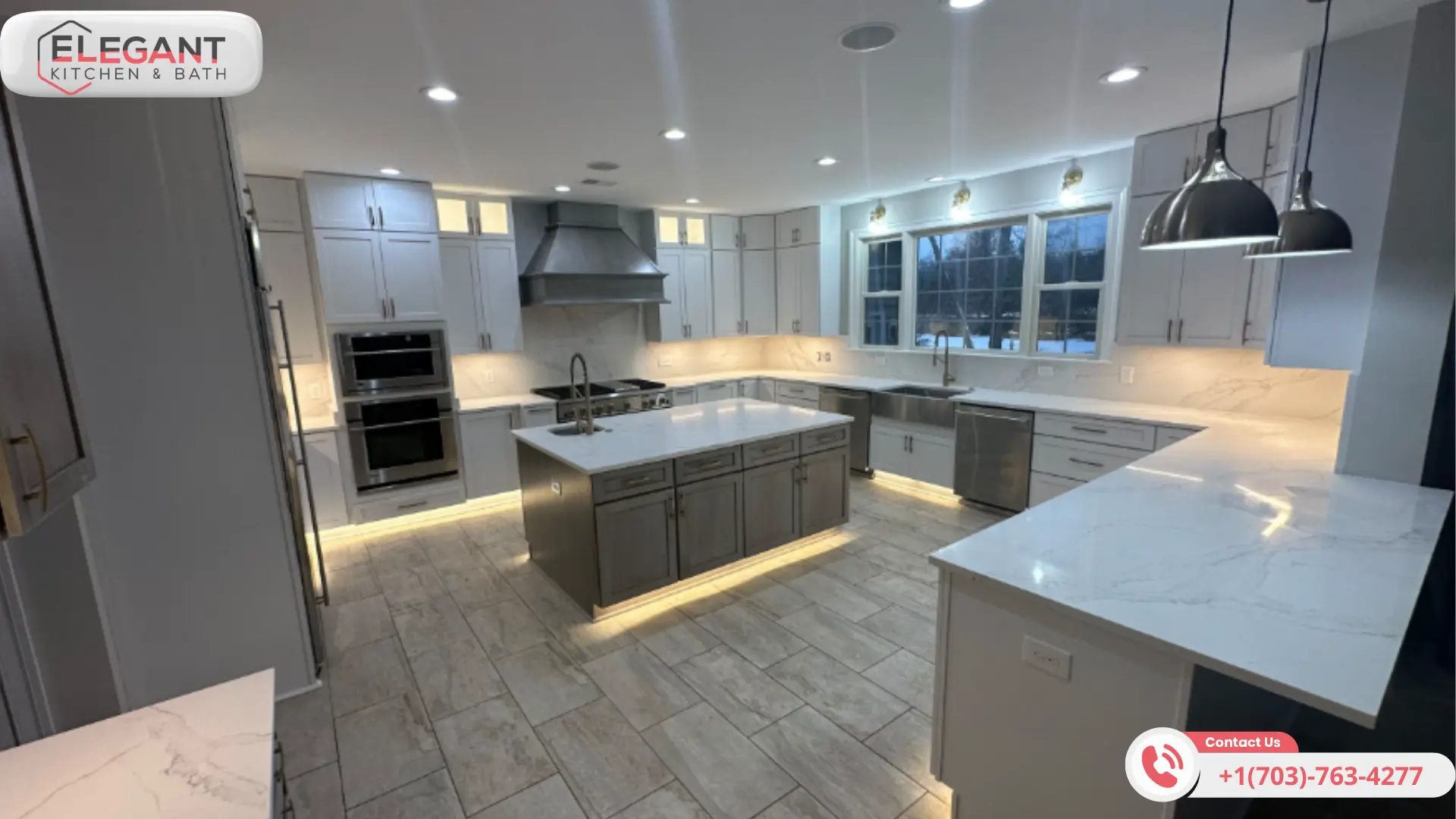
Transforming a kitchen into a sanctuary of function and style begins with paying attention to the details – particularly the backsplash.
As a key element in kitchendesign, backsplashes go beyond their utilitarian roots of protecting walls from splatters to becoming canvases for artistic expression.
Elegant Kitchen and Bath understands this, helping homeowners become pros in showcasing their style.
From the whimsical charm of mosaic tiles to the contemporary sheen of metallic accents, every choice reflects a homeowner’s taste and the room’s intended ambiance.
In this article, we delve into the world of backsplash trends, guiding you from the internet’s vast inspiration to the warm light of your unique kitchenspace.
Key Takeaways for How to Implement Backsplash Design Trends at Home
Amplify Light in Small Kitchens: Use reflective and light-colored tiles to enhance light and create a spacious feel in smaller kitchens.
Ease of Installation with Smart Tiles: Consider smart tiles for their flexibility and ease of installation. They provide a modern twist on traditional designs.
LED Lighting Integration: Incorporate LED lighting into backsplashes to enhance ambiance and offer energy-efficient task lighting.
Technological Advancements: Leverage innovations such as interactive features and smart home integrations in backsplash materials for a customizable kitchen experience.
Durability and Aesthetic Appeal: Select materials that marry durability with aesthetic appeal, like marble, which offers resilience and opulence.
Engaging Color Palettes: Utilize natural elements for color inspiration, integrating greens from the garden into your kitchen’s color scheme to connect indoors with the outdoors.
Tile Size and Shape: Choose appropriate tile sizes and shapes, like larger tiles for a sense of expansiveness or smaller ones for added intricacy and visual interest.
Texture Adds Depth: Incorporate textured tiles, such as those imitating wood grains or raised ceramic patterns, to add depth and character to your backsplash.
Vibrant Backsplash Colors: Introduce bold colors through your backsplash to make a striking visual statement while balancing them with neutral tones for harmony.
Metallic Backdrop Choices: Opt for metallic backsplashes, being mindful of the difference in ambiance created by materials such as stainless steel or copper.
Smart Backsplash Features: Consider programmable LEDs, digital screens, and smart connectivity in backsplash designs to plan for future trends, enhancing functionality and style.
[ez-toc]
Choosing the Right Tiles for Your Kitchen Backsplash
The quest for the perfect kitchen backdrop often begins with scrutinizing the pulse of current elegant kitchen and bath trends, where the selection of backsplash tiles plays a pivotal role in crafting a culinary sanctuary.
While sources like Forbes illuminate emerging designs, homeowners face a mosaic of choices ranging from sleek, contemporary hues to classic, rustic textures.
In sync with this evolution, selecting a material that marries durability with aesthetic appeal is critical to a long-lasting and stylish kitchen.
The color palette is equally paramount. It sets the stage for the room’s ambiance and influences the overall design theme.
Moreover, the decision-making extends to the tiles’ dimension, with each shape and size offering a different visual impact—whether to create a subtle backdrop or a bold ‘picture frame‘ around culinary activities.
This journey involves embracing fashion and a thoughtful convergence of function and form, leading to a kitchen that truly reflects individual tastes and lifestyles.
Identifying the Latest Trends in Kitchen Tiles
In the current tapestry of kitchen innovation, privacy and practicality converge in backsplash design. Home enthusiasts gravitate towards tiles that offer a visual retreat and an intimate corner for those cherished wine evenings, ensuring a blend of personal space within the kitchen’s communal environment.
Meanwhile, DIY aficionados breathe new life into traditional practices by incorporating elements like crown molding into tile arrangements. This trend elevates the kitchen’sarchitecture, infusing a classical sophistication that harmonizes with the bespoke nature of modern culinary spaces.
Selecting the Best Tile Material for Durability and Style
In the design studio, experts often highlight the importance of material choice in kitchen backsplash installations. Marble, renowned for its luxurious appeal and resilience, is a top pick. This material not only withstands the frequent splashes from sink and laundry activities but also adds an air of opulence to the kitchen’saesthetics.
Homeowners are drawn to the timeless beauty of marble, which effortlessly complements a wide array of hues and design elements. This natural stone becomes a focal point, creating a seamless transition from everyday functionality to high-end style, thus capturing the essence of durability meeting design.
Finding a Color Scheme That Matches Your Kitchen
The garden outside your window isn’t just for admiration or a serene view while you sip your morning coffee; it can also serve as designinspiration for your kitchen’scolor palette. Mirroring the greens of the lawn or the blooms that dot your flowerbeds, you can introduce a backsplash that genuinely connects your interior to the natural world beyond the pane.
On the canvas of your kitchen walls, the shape and flow of tile work contribute significantly to the visual harmony of the space. Incorporating a herringbone pattern can add dynamism and directional flow, guiding the eye across your culinary landscape just as a winding path does through a carefully curated garden.
Deciding on the Size and Shape of Tiles for Your Design
Selecting the appropriate size and shape for kitchen tiles requires a keen eye for detail and an understanding how these elements influence the interior design narrative. Tile size can subtly alter a kitchen’s spatial dynamics; larger tiles can create a sense of expansiveness, while smaller pieces add a touch of intricacy and rhythm to the space. Scale is a crucial consideration, as it must harmonize with the room’s dimensions and the fixtures to achieve a balanced architectural statement.
When contemplating the sculpture of the tiles, professionals weigh how shapes interact with lighting and heat, crafting an ambiance that is both functional and evocative. Rectangular subway tiles continue to be a mainstay in backsplash design, but trends are shifting towards more diverse geometries that challenge the conventional. Geometric tiles, for instance, paired with strategic lighting, can cast dramatic shadows that animate the walls, adding a multimediadimension to the kitchen’s atmosphere.
Incorporating Textured Tiles to Add Depth
The tactile sensation of texture infuses a kitchen backsplash with layers of visual interest and character.
From the rustic charm of exposed brick to the subtle undulations of plaster, these surfaces reflect light and shadow, creating a dynamic visual feast.
Shows on HGTV often highlight the transformative power of texture, revealing how it can turn any wall into a statement piece.
As homeowners peruse these displays, the allure of a personalized touch becomes irresistible.
Seeking to strike a delicate balance, the key lies in selecting textures that complement rather than compete with the existing elements, such as cabinet finishes or countertop materials.
Furthermore, as homeowners move through the installation process, practical tips ensure textured tiles are more than advertising gimmicks, becoming an integral, lived-in element of their kitchen allure.
Exploring Different Textures for a Unique Backsplash
Advancements in tile texture have opened a new frontier in kitchenaesthetics, allowing homeowners to juxtapose the sleekness of their cabinetry with backsplashes that provide contrasting tactility. For instance, tiles imitating the natural grains of hardwood deliver warmth and an organic touch to spaces usually dominated by stone or metal.
Envisioning the backsplash as the kitchen’scurtain, ceramic tiles with raised or indented patterns can play with light and shadows like water ripples in a sunlit pond. The interaction between light and texture gives life to the walls and serves as a canvas for culinary creativity and expression.
Texture Type
Visual Impact
Complements With
Wood Imitation
Warmth and Natural Feel
Stone Countertops, Metallic Fixtures
Raised Ceramic
Dynamic Light Play
Sleek Cabinetry
Indented Patterns
Subtle Shadows
Minimalist Decor
Combining Textures Without Overwhelming the Space
When integrating textured tiles to enliven one’s space, the approach should be akin to arranging a fine artcollage: selecting each piece to complement the others without dominating the scene. One handy tip is to employ neutral-colored textured tiles as a subtle backdrop, where the everyday towel hangs in style without clashing with the intricacies of the wall.
In spaces where calm and continuity are desired, the key is to weave textures into the design without creating visual discord. For instance, aligning the seam of a textured tile with cabinet edges can marry style and serenity, allowing a cohesive aesthetic that flows smoothly throughout the kitchen.
Installation Tips for Textured Tiles
When bathroom elegance is the goal, transitioning backsplash design from concept to reality hinges on proper installation. Designers often recommend employing a specialist when tackling textured tile, especially if aiming for complex patterns that resemble a mural. This meticulous process demands precision to ensure the textural nuances are perfectly accentuated and align seamlessly with the surrounding furniture.
Moreover, before affixing the tile, it’s imperative to evaluate the underlying wall condition; designers insist on a level, clean surface for optimal adherence. Skilled installers will suggest the best adhesives and grouts that complement the unique texture of the tile, navigating through every step to guarantee a flawless, enduring application that transcends mere functionality, transforming kitchen and bathroom spaces into works of art.
Introducing a Pop of Color With Your Backsplash
Introducing a vibrant backsplash is akin to planting a botanical burst of color within the heart of your home.
As one pivots from the living room’s tranquility to the kitchen’s dynamic vibrancy, bold backsplash hues bridge spaces, infusing energy under the soft glow of under-cabinet lighting.
These expanses of color elicit dialogue with the earthiness of clay pot accents and are as functional as they are decorative, simplifying cleanups from the day’s culinary exploits.
Calibration is critical; balancing these robust tones with the neutral shades of surrounding walls and tinted floor tiles highlights the kitchen’sarchitecture and cements the harmony within the interior design.
Proper stewarding of such investment starts with understanding the care and maintenance of colored tiles and a commitment to preserving the kitchen’s newfound zest for years.
Selecting the Right Bold Colors for Your Kitchen
Selecting bold colors for your kitchen backsplash is a strategic decision that can enhance the aesthetic and even impact the marketability of your home in the real estate realm. A striking cobalt or a deep burgundy can act as a lively centerpiece, creating a visual statement that captivates attention akin to an art piece or a vibrant advertisement within one’s home.
Incorporating metals such as copper into the color scheme can soften the transition from the kitchen to other utility areas, such as the laundryroom, providing a cohesive look that ties together the functional zones of a home. The reflective properties of metal accents within the backsplash not only introduce a chic element but can also amplify natural and artificial light, resulting in an inviting, luminous space.
Balancing Colored Backsplash With Neutral Kitchen Tones
In kitchendesign, introducing a colored backsplash requires a blend of creativity and restraint to achieve the desired aesthetic without overwhelming the senses. Neutral tones offer a canvas upon which the vibrant character of an accent wall can shine, with materials like travertine providing a subtle, textural counterpoint to glossier, more vivid tiles.
Pairing a bold backsplash with neutral kitchen tones allows homeowners to imprint their style brand while maintaining a harmonious experience throughout the space. The strategic use of color creates focal points, drawing the eye and enlivening the environment without clashing with the serenity of the surrounding décor.
Design Element
Neutral Tone Material
Accent Color
Backsplash
Travertine
Rich Aqua or Bold Emerald
Cabinetry
Warm Oak or Classic White
Satin Brass Handles
Flooring
Polished Concrete
Colored Tile Insets
Care and Maintenance of Colored Tiles
Maintaining the vibrancy of your backsplash’s colored tiles is akin to preserving the lushness in your wardrobe’s most popular garments: it demands attention to detail and a respectful approach to care. It’s pivotal to regard each tile like a piece of fine clothing, handling them with the same meticulousness as a cherished silk blouse or a dapper suit.
Just as a mirror reflects our style, the tiles within the home reflect taste. Striking a balance between rigorous maintenance and budget can be a delicate endeavor. Homeowners should employ gentle yet effective cleaning agents tailored for colored tiles to prevent discoloration, ensuring lasting radiance without eclipsing the allure or integrity of their statement-making backsplash.
Cleaning Aspect
Consideration
Maintenance Method
Tile Material
Color-preserving cleaning agents
Gentle, pH-neutral solutions
Grout Care
Prevention of staining and discoloration
Regular sealing and spot cleaning
Long-term upkeep
Balance between thoroughness and budget
Scheduled cleaning routines
The Rise of Metallic Backsplash Designs
As the trend toward sleek and shiny kitchen features ascends to the forefront of interior design, metallic backsplashes emerge as a brilliant reply to the call for contemporary minimalism.
Strategically installed metal panels reflect light, stretching it across the room and drawing the gaze toward the ceiling, creating an illusion of expanded space.
Homeowners are faced with a selection conundrum: They must choose between the cool sophistication of stainless steel, the warmth of copper, and the novelty of other metals.
Pairing these reflective surfaces with wood flooring creates a harmonious blend of modern and rustic.
With this backdrop, learning proper maintenance becomes essential, ensuring the metallic shine complements the kitchen’s stylish ensemble with enduring luster.
Choosing Between Stainless Steel, Copper, and Other Metals
When approaching a renovation, homeowners must assess the impact of their backsplash material in terms of aesthetics, longevity, and compatibility with the rest of their interiors. A designer’s expertise can be invaluable in discerning whether the reflective sheen of stainless steel aligns with the existing motif or if the more subdued, warm undertones of copper would prove a more harmonious match.
In the vast arena of kitchen upgrades, metals like brass can infuse a vintage charm or modern sophistication, depending on the design context. Recognizing brass as a versatile and timeless material, homeowners and designers integrate it as a focal point, ensuring that kitchen backdrops resonate with contemporary and traditional interiors.
Designing With Metal Tiles for Modern Kitchens
As contemporary kitchen landscapes continue to evolve, metal tiles offer a bold counterpoint to traditional countertop materials. The seamless integration of stainless steel or copper tiles provides a practical, easy-to-clean surface and exudes a futuristic charm that instantly modernizes any culinary space.
In the design of chic, modern kitchens, the reflection and texture of metal tiles can be particularly striking when juxtaposed with the transparency of glass fixtures or the natural warmth of cork flooring. This combination creates a visually arresting backdrop and reinforces the kitchen’s function as a space for culinary creativity and social gathering, akin to the convivial atmosphere of a shower room where ideas and conversations flow freely.
Tips for Cleaning and Maintaining Metallic Tiles
Regular upkeep is paramount to ensuring metallic tiles’ longevity and continued shine. For routine cleaning, use a soft, linen cloth dampened with warm, soapy water, avoiding harsh chemicals that can mar the metal’s finish. This gentle approach will maintain the integrity of your backsplash, preserving the vintage elegance or farmhouse charm that metallic tiles bring to your dining room or kitchenspace.
A deeper cleaning may be necessary in areas where moisture and grease accumulation are a concern, such as behind a stove in a dining room. To tackle tricky spots and restore the molding and tiles to their original luster, combine vinegar and water—an effective yet mild solution. With these simple maintenance steps, the metallic backdrop to your culinary haven remains an enduring, radiant feature.
Eco-Friendly Backsplash Materials to Consider
Amidst the ebb and flow of interior designtrends, homeowners seeking understated elegance and longevity in their renovations are turning to eco-friendly backsplash materials.
These sustainable tile options appeal to those with an eye for quiet luxury, interweaving the pillars of sustainability with sophisticated design sensibilities.
The benefits of using recycled materials stretch beyond the environmental impact, presenting a tactile story of conservation that adds a unique narrative to the room.
As consumers delve into green design, discovering and sourcing eco-friendly tiles becomes an invigorating journey toward a harmonious, sustainable home.
Discovering Sustainable Tile Options
One may encounter innovative materials that offer a fresh take on traditional design when exploring sustainable tile options. An interiordesigner may suggest reclaimed wood tiles as a rich, environmentally responsible choice that injects without sacrificing aesthetic appeal. Often rescued from old barns or maritime structures, these tiles bring a storyline to your space as deep as the blue ocean.
Sensible storage solutions within the home often employ practical and sustainable materials, yet the area behind the sink needs to be noticed. Homeowners are increasingly turning to tiles made from recycled glass, which reduce waste and add a pop of color and vibrancy to the kitchen, resonating with an eco-conscious ethos.
Material
Sustainability Factor
Design Appeal
Reclaimed Wood
High, repurposes old lumber
Warm, rustic ambiance with rich history
Recycled Glass
High, reduces landfill waste
Bright, reflective surfaces that enliven the space
Benefits of Using Recycled Materials for Your Backsplash
Incorporating recycled materials into kitchen backsplashes offers a compelling advantage: the fusion of sustainability and cost savings. By repurposing previously used items like glass, ceramic, and even cartons, homeowners can employ technology to reinvigorate these materials into stylish, eco-conscious tiles. This innovation in resource reuse saves money by reducing manufacturing costs. It contributes to the kitchen’s aesthetics, offering various textures and pastel hues that complement various decor styles.
Embracing eco-friendly materials such as recycled tiles can transform your kitchen from simply a place of meal preparation into a canvas of eco-design. These materials, often requiring less paint and energy-intensive processes to produce, not only lessen the environmental footprint but also bring a unique aspect to the space, hinting at a story of conservation that resonates with the home’s overall narrative and design ethos:
Material Source
Eco-friendly Aspect
Design Impact
Recycled Glass
Less energy and paint in production
Pastel-toned and light-reflective surfaces
Repurposed Ceramic
Diverts waste from landfills
Diverse textures and robust finish
Upcycled Carton
Reduces deforestation impact
Earthy, natural appearance
How to Find and Source Eco-Friendly Tiles
Finding the right eco-friendly tiles to complement the kitchen cabinet or add flair to a bedroom doesn’t have to be as elusive as capturing the essence of summer on a canvas. Seek out local artisans and illustrators who specialize in upcycled art. They often have connections to suppliers of reclaimed materials that can be transformed into unique and sustainable backsplashes.
Residents aspiring to source eco-friendly tiles can consult with design professionals who prioritize green materials. These experts can guide homeowners to niche markets and specialty stores, where one-of-a-kind tiles, crafted with environmental consciousness, await to bring an artistic and eco-friendly ambiance to the comfort of their living spaces.
Installing a Backsplash on a Budget
Many homeowners need help navigating the intersection of functionality and artistry in home improvement, enhancing their kitchens without draining their wallets.
Crafting a backsplash that integrates sophistication with practicality can infuse a wall with new life while adhering to a restrained budget.
A myriad of cost-effective solutions exist for those looking to incorporate the arch of innovation into their culinary quarters.
DIY backsplash ideas that economize without sacrificing style, locating affordable tiles and materials that imbue elegance, and adeptly estimating the cost of your backsplash project—all pave the way for a striking transformation that harmonizes with the overall design vision without imposing a financial burden.
DIY Backsplash Ideas That Save Money
For the thrifty homeowner, ingeniously repurposing common materials allows fashioning a distinctive kitchen backsplash on a shoestring budget. Adhesive vinyl tiles, for example, can mimic the opulence of natural stone or ceramic at a fraction of the cost and can be applied easily, bringing a swift and satisfying refresh to any cooking space.
Another cost-effective strategy is to employ peel-and-stick backsplash sheets in various styles ranging from geometric patterns to faux finishes. These sheets require minimal tools for installation and offer the dual benefit of being both budget-friendly and an instant visual upgrade to the kitchen environment:
DIY Option
Cost Efficiency
Installation Ease
Adhesive Vinyl Tiles
High
Very Easy
Peel-and-Stick Sheets
High
Very Easy
Where to Find Affordable Tiles and Materials
The journey to locate affordable tiles and materials for kitchen upgrades often leads homeowners to the bustling aisles of local home improvement stores. These hubs of renovation supplies frequently offer a variety of clearance items, including end-of-line tiles and overstock materials, presenting an economical pathway to achieving a designer look without the high-end price tag.
Another resourceful avenue for savvy shoppers is online marketplaces, where one can unearth discounted tiles from sellers who may have excess supplies from completed projects or misordered quantities. These platforms facilitate cost savings and provide access to a broader array of materials, enabling homeowners to tailor their backsplash to their unique tastes and budget constraints.
How to Estimate Your Backsplash Project Cost
Budgeting a kitchen backsplash project demands accuracy and foresight. Homeowners should start by measuring the backsplash area to determine the square footage, which dictates the quantity of tile needed. This approach will form the foundation of the cost estimation.
Next, considering the price range of the chosen materials, including the costs of additional supplies such as adhesives, grouts, and sealants, allows homeowners to create a comprehensive budget. They must also factor in potential labor costs if they plan to enlist professional assistance, ensuring that the final cost aligns with their financial plan.
Backsplash Ideas for Small Kitchens
The dimensions of a small kitchen present unique design challenges that call for innovative solutions, especially when selecting the perfect backsplash.
Reflective tiles can create an illusion of depth, making the kitchen more spacious.
The right backsplash pattern serves a functional purpose and can also visually expand the area, guiding the eye to accentuate the room’s best features.
Meanwhile, a thoughtful combination of colors and textures can enhance the overall aesthetic without overwhelming the limited space.
This strategic approach to backsplash design is essential for homeowners seeking to optimize their kitchen’s appeal and functionality.
Making a Small Kitchen Appear Larger With Reflective Tiles
Reflective tiles possess the unique ability to harness natural and artificial light and cast it back into the kitchen, effectively receding the boundaries of a small kitchen. By thoughtfully placing reflective backsplashes, designers can achieve a sense of expanded space, creating an airy and larger feel in cozy kitchen nooks.
Homeowners can enhance the expansive visual effect by selecting light-colored, glossy tiles for their kitchen backsplash. When used, the reflective quality bounces light around the room, contributing to a clean, fresh ambiance that makes tighter spaces seem surprisingly spacious and inviting.
Choosing the Right Backsplash Pattern to Enhance Space
Selecting the ideal backsplash pattern is transformative, magnifying the perceived expanse of smaller kitchens. One such pattern is the vertical orientation of tiles—subway tiles placed in a stack bond or vertical herringbone pattern guide the eye upward, making ceilings appear higher and contributing to a more spacious feel.
Focus on patterns that create uninterrupted visual flow to maximize the impression of space. Diagonal tile patterns, for example, draw attention away from the confines of walls, granting a sense of movement and depth that can open out the area:
Backsplash Pattern
Visual Effect
Ideal Application
Vertical Orientation
Heightens walls, elongates space
Stack bond, Vertical herringbone
Diagonal Orientation
Creates movement, expands visually
Diagonal tile placement
Consider the power of light when choosing colors and finishes for backsplash patterns. Reflective surfaces and lighter hues in patterns like a chevron or a scale motif can enhance natural and artificial light, contributing to a brighter, airier kitchen ambiance.
Combining Colors and Textures Smartly in Tight Spaces
In the canvas of a compact kitchen, the judicious interplay of color and texture can be transformative. Opt for a backsplash that introduces a lighter palette to give the illusion of space. At the same time, textures such as subtle grooves or matte finishes can add sophistication without cluttering visual real estate.
To impart depth within a small kitchen’s confines, complement neutral tones with sporadic pops of rich color in your backsplash selection. This strategy draws the eye as a design highlight and breaks the monotony, giving the space a layered effect without overpowering the senses.
How to Protect and Maintain Your Backsplash
Maintaining the luster and longevity of a beautifully implemented backsplash is paramount to preserving this crucial kitchen feature’s aesthetic value and functionality.
Regular upkeep routines and the judicious selection of cleaning products tailored to the backsplash’s specific materials are crucial to ensuring its lasting appeal.
Moreover, recognizing when the task transcends the DIY realm and necessitates the finesse of a professional’s touch is equally essential in safeguarding the backsplash’s integrity and vibrancy.
The following insights offer a guide to daily and weekly maintenance practices, advice on selecting the optimal cleaning agents for various backsplash tiles, and wisdom on discerning the appropriate time to enlist professional maintenance services.
Daily and Weekly Maintenance Routines
Routine cleaning should be done with diligence to preserve the integrity and appearance of your backsplash. A soft cloth or sponge dipped in a mixture of warm water and mild dish soap can be gently employed across the tiles to remove everyday grime and splatters that accumulate from cooking, ensuring the backsplash retains its original sheen and color.
Devoting a specific day each week to a more thorough cleanse can prevent the build-up of dirt that can sometimes escape daily spot cleaning. Utilizing a non-abrasive cleaner designed for the specific type of tile in your backsplash will help maintain its condition without causing damage, keeping the design accents in your kitchen vibrant and pristine over time.
Best Products for Cleaning Different Types of Backsplash Tiles
The diverse array of backsplash tiles available to homeowners necessitates a tailored approach to cleaning that respects the material’s distinct qualities. For glazed ceramic and porcelain tiles, a simple solution of warm water mixed with a gentle pH-neutral detergent can effectively remove splatters and stains, preserving the shine and hue without the risk of etching the surface.
When dealing with natural stone tiles such as slate, marble, or granite, a specialized stone cleaner is imperative to protect the porous surfaces from damage and discoloration. These cleaners are specifically formulated to cut through grease and grime while safeguarding the natural beauty and integrity of the stone, ensuring that the backsplash remains an elegant and durable part of the home’s décor.
When to Call a Professional for Backsplash Maintenance
Every backsplash comes to a time when the accumulated wear from daily kitchen activities necessitates the expertise of a professional. Due to the complex nature of the tile material, such as tumbled marble that requires resealing or the appearance of persistent stains and mold that resist household cleaning efforts, professional maintenance services provide the necessary skill set to rejuvenate your kitchen’s focal point.
Homeowners should consider enlisting a professional if their backsplash tiles are damaged or if a renovation project affects the backsplash area. A qualified technician not only repairs chips and cracks with precision but also ensures the integrity of the waterproofing and seals behind the tiles, safeguarding against any potential water damage that could compromise the wall’s structural integrity.
Incorporating Smart Technology Into Your Backsplash
In today’s fast-paced world, kitchen designs are not just about static aesthetics; they are increasingly about incorporating dynamic, smart solutions that blend form and function.
The backsplash area, once solely a practical surface for protecting walls from splashes and stains, is now a canvas for technological innovation.
With options like smart tiles for effortless alterations and the integration of LED lighting, these advancements offer a distinctive visual appeal and enhanced utility and personalization.
Smart tiles, with their user-friendly interfaces and changeable styles, are revolutionizing how homeowners approach kitchendesign. They make it more straightforward to match the backsplash with evolving décor trends.
As we delve into the impact of these smart solutions, it’s evident that they are shaping the backbone of contemporary kitchen designs and elevating the culinary space to new heights of sophistication.
Using Smart Tiles for Easy Updates and Changes
In kitchen customization, smart tiles are a game-changer. They offer homeowners the flexibility to refresh their backsplash without engaging in a complete renovation. Replete with self-adhesive backing, these innovative tiles allow for swift style alterations, accommodating changing tastes and trends with relative ease.
As a testament to convenience, applying smart tiles negates the need for traditional installation equipment, thus circumventing the disruption and debris associated with typical tile work. Change becomes as simple as choosing a new design and affixing it to the surface, transforming the kitchen backdrop in the blink of an eye.
Integrating LED Lighting Into Your Backsplash Design
Enlightening the kitchen with LED backlighting can transmute an ordinary backsplash into a remarkable design statement. By strategically embedding LED strips or panels behind translucent or clear materials, homeowners can create an ambient glow that illuminates and accentuates the kitchen’s features. This technique not only provides soft, energy-efficient lighting but also enhances the aesthetic allure of the backsplash, thereby marrying utility with a touch of modern luxury.
Home designers are increasingly advising the integration of LED lighting as a savvy approach to elevate the kitchen’s ambiance. Such installations offer the dual benefits of task lighting over work surfaces and a dramatic visual effect that can be adjusted with dimmers to suit different moods or occasions. The inclusion of this versatile lighting solution in backsplash designs is a testament to its growing prominence as a sophisticated and functional kitchen accent.
The Role of Smart Tiles in Modern Kitchen Designs
Smart tiles are an avant-garde fixture in contemporary kitchen layouts, embracing technology as an integral design element. They offer an interactive experience with features like heat sensitivity and color-changing capabilities. These allow the backsplash to respond to environmental changes or user interaction, ushering a futuristic ambiance into today’s kitchens.
In the architectural narrative of modern homes, smart tiles stand as an emblem of innovation. They seamlessly integrate with automated systems to offer visually appealing and functionally responsive kitchen backdrops. This heightened personalization transforms the kitchen environment, allowing homeowners to tailor the aesthetic to suit their mood or the occasion with just a simple command.
The Future of Backsplash Design Trends
As homeowners and designers gaze toward the horizon of interior decoration, backsplash design stands as a beacon of innovation.
Within this expanse, we witness the emergence of groundbreaking trends poised to redefine the aesthetic and functionality of kitchenwallspace.
Anticipating the next wave of design elements hones in on the crossroads where ingenuity meets practicality.
Technological advancements are set to infuse the backsplash with unprecedented interactive features while pursuing futuristic materials and application techniques that stretch the bounds of creativity.
The future of backsplash design is an unfolding narrative of textures, colors, and smart technologies that transform the simple act of protecting kitchen walls into an expression of forward-thinking artistry.
Predicting the Next Big Things in Backsplash Designs
Design connoisseurs anticipate that future backsplash designs will shatter conventional boundaries, incorporating materials that offer both sustainability and cutting-edge aesthetics. Materials that change hue with temperature shifts, or those that can be switched on to become transparent or opaque, are expected to be at the forefront, offering unmatched customizability and a bold departure from traditional tile artistry.
Moreover, integrating digital technology into backsplash surfaces is predicted to evolve, leading to interactive displays that can stream visual content, integrate with smart home devices, or provide recipe inspiration at the swipe of a hand. These innovations promise to turn the backsplash from a mere kitchen accent into a dynamic focal point of home interaction and entertainment.
How Technology Will Influence Future Backsplash Trends
Technology is poised to become a transformative force in backsplash design, melding digital advancement with interior decor. Innovations like programmable LEDs and digital screens embedded within backsplash materials will allow homeowners to customize their kitchen’s ambiance instantaneously, tailoring light intensity and color to fit the mood or time of day.
The advent of smart home integration will elevate backsplash functionality, allowing surfaces to interact seamlessly with other smart kitchen appliances. This synergy will not only enhance convenience and efficiency but is also anticipated to introduce interactive elements, such as recipe projections and touch controls, directly onto the backsplash surface:
Technological Feature
Backsplash Integration
Homeowner Benefit
Programmable LEDs
Customizable lighting behind tiles
Adjustable ambiance and decor flexibility
Digital Screens
Interactive displays within backsplash
Real-time recipe assistance and entertainment
Smart Home Connectivity
Sensors and controllers embedded in materials
Automated interaction with kitchen devices
Incorporating Futuristic Materials and Techniques
Implementing innovative materials like backsplash tiles that display digital art or artificial intelligence-curated patterns creates a buzz in residential design. These high-tech surfaces offer homeowners the chance to decorate and interact with their environment in ways that were once confined to science fiction.
Another technique gaining traction is using augmented reality in backsplash installations, enabling individuals to visualize their choices in real time before committing. Such technological advancements empower homeowners to take design risks confidently, ensuring the final result is both contemporarily stylish and deeply personalized.
FAQs for Backsplash Design Trends
What is the current trend in backsplash?
Some of the top backsplash design trends for modern interiors include:
Sleek geometric patterns like herringbone or chevron
Bold, vibrant colors like blues and greens
Large format tiles (60x60cm or 120x60cm) with minimal grout lines
Metallic accents and mosaic tiles
Eco-friendly and sustainable materials like recycled glass
How to design a backsplash pattern?
When planning a backsplash pattern, consider the shape and size of your tiles:
For a 45° corner wall, start each row with a full tile to avoid slivers—alternate starting with a full tile every other row.
Subway tiles can be installed in staggered brick or linear patterns.
Hexagon, square, or rectangular tiles allow for more creative patterns like herringbone or mosaic.
What is the rule of thumb for backsplash?
A few general guidelines for backsplash design:
The backsplash should complement your cabinets and countertops, not clash.
Subway tile is a classic choice that will always stay in style.
Avoid a 4″ granite backsplash, which looks dated and redundant if you tile the total height.
What not to do with a kitchen backsplash?
Some backsplash mistakes to avoid:
Choosing a backsplash that contradicts the cabinet colors.
Installing a backsplash before deciding on the countertops and cabinets.
Covering the entire wall in tile can make the space feel like a prison.
Should the backsplash be lighter or darker than the countertop?
The backsplash can be lighter, darker, or the same color as the countertop. The key is to create contrast and visual interest. Some ideas:
A white backsplash with dark countertops creates a classic, high-contrast look.
A backsplash in a similar tone to the countertop creates a seamless, sophisticated look.
A backsplash in a contrasting color adds a bold, eye-catching element.
What are the disadvantages of backsplash?
The main drawbacks of a backsplash are:
Tile can be difficult to clean, especially in corners.
Grout lines require regular cleaning and sealing to prevent stains.
Tile trends come and go so that a trendy backsplash may look dated in a few years.
Should a backsplash match a countertop or floor?
The backsplash does not have to match the countertop or floor exactly, but it should coordinate with the kitchen’s overall color scheme and style.
Some tips:
Pick an accent color from an adjoining room to tie the spaces together.
Use the same material as the countertop for a seamless look.
Complement the floor tile with a similar color or pattern in the backsplash.
How to pick a backsplash color?
When choosing a backsplash color, consider:
The cabinet and countertop colors create a cohesive palette.
The kitchen’s overall style – classic, modern, farmhouse, etc.
Personal preference and how much color you want to incorporate.
Bringing home tile samples to compare with the actual kitchen lighting.
Neutral tones like white, gray, and beige are always a safe choice, while vibrant colors like green or blue make a bold statement.
What backsplash is timeless?
Timeless backsplashes transcend fleeting trends and maintain their appeal for years to come. While personal style plays a role, some enduring options include:
Subway tile: A classic choice for a reason, subway tile offers clean lines and versatility. It can be installed in various patterns (horizontal, herringbone, vertical) and complement traditional and modern kitchens.
Marble backsplash: Marble exudes elegance and sophistication. Its natural veining adds visual interest and pairs beautifully with various countertop materials.
Neutral tones: A neutral color palette for your backsplash, such as white, cream, gray, or beige, creates a timeless backdrop that won’t feel dated.
What is the trend in sinks in 2024?
While this article focuses on backsplash design trends, let’s address your sink question! 2024 sees a rise in these sink trends:
Integrated sinks: These sinks seamlessly blend with the countertop material, creating a streamlined and cohesive look. Popular materials for integrated sinks include quartz and solid surfaces.
Are stainless steel kitchen sinks still in style?
Absolutely! Stainless steel sinks remain popular due to their durability, affordability, and resistance to stains and heat. They complement various kitchen styles, especially modern and industrial.
How to Implement the Backsplash Design Trends at Home?
Choose the Right Materials: Explore various kitchen tile materials, including ceramic, porcelain, glass, and natural stone. Consider factors like durability, maintenance, and your budget.
Experiment with Tile Size and Shape: Mix and match tile size and shape to create visual interest. Large-format tiles can make a space feel larger, while smaller mosaic tiles add intricate detail.
Embrace Color and Texture: Inject personality into your backsplash with vibrant backsplash colors or textured tiles. Consider using a bold color as a focal point or incorporating patterned tiles for a unique look.
Incorporate Lighting: LED lighting integration under cabinets or behind glass tiles can enhance the dimension and ambiance of your backsplash.
Think Long-Term: While following every fleeting trend is tempting, prioritize timeless elements that will stand the test of time.
Consult with Professionals: If unsure where to start, consult a qualified interior designer or contractor. They can guide you through the selection process and ensure a professional installation.
Do you leave a gap between countertop and backsplash?
Typically, there should be no gap between the countertop and the backsplash to prevent water damage and food particles from getting stuck. This seamless transition enhances the durability of your kitchen surfaces and aligns with modern backsplash ideas, ensuring a clean and continuous look. Using materials like silicone caulk helps achieve a flawless finish, which is crucial for maintaining the integrity of the countertop and the backsplash.
Should countertops be lighter or darker than cabinets?
Choosing between lighter or darker countertops relative to cabinets often depends on the desired aesthetic and room size. Lighter countertops can brighten a space and make it appear larger, a helpful trick for smaller kitchens. Conversely, darker countertops often create a striking contrast, especially with lighter cabinetry, embodying bold backsplash colors and vibrant backsplash designs. It ultimately boils down to personal preference and the overall design theme, such as neutral tones or bold colors.
What is the trend in backsplash in 2024?
In 2024, backsplash design trends are leaning towards innovative and sustainable materials. Eco-friendly backsplashes, like recycled glass backsplash and sustainable backsplash options, are becoming increasingly popular. Technological advancements are also evident with integrating LED lighting and smart backsplash features, enhancing functionality and ambiance. Aesthetic trends include vibrant backsplash colors, metallic accents, and textured tiles, providing both style and sustainability.
Are farmhouse sinks trendy or timeless?
Farmhouse sinks, also known as apron-front sinks, blend trendiness and timelessness. Their large, deep basins are ideal for heavy-duty use, while their aesthetic appeal complements various kitchen styles from traditional to modern. While they align with the rustic, vintage vibe often seen in farmhouse kitchens, their functionality and design adapt well to modern backsplash ideas, making them a versatile choice in kitchen design.
What are the rules for kitchen backsplash design?
While there are no strict rules, some key principles for backsplash design include:
Complement your countertops and cabinets.
Consider the overall style of your kitchen.
Choose durable, easy-to-clean materials.
Ensure proper installation for longevity.
Balance aesthetics with functionality
Popular options include mosaic tiles, metallic accents, and marble backsplashes. Remember, the best backsplash is one that suits your taste and lifestyle.
What is the current trend in backsplash design?
Current backsplash design trends focus on:
Sustainable materials like recycled glass and eco-friendly options
Textured tiles for added depth and interest
Large-format tiles for a sleek, modern look
Integration of LED lighting for ambiance and functionality
Smart backsplash features incorporating technology
Many homeowners are also experimenting with vibrant backsplash colors or opting for metallic backsplashes to add a touch of glamour.
What is the latest trend for kitchen splashbacks?
The latest kitchen splashback trends include:
Bold geometric patterns and unique tile shapes
Mixing different materials and textures
Extended backsplashes that reach the ceiling
Minimalist designs with neutral tones
Incorporation of technological advancements like touchless controls
DIY backsplash options are also gaining popularity as homeowners seek personalized, budget-friendly solutions.
What are the kitchen splashbacks for 2024?
Anticipated kitchen splashback trends for 2024 include:
Sustainable and eco-friendly materials
Smart backsplashes with integrated technology
Metallic finishes and accents
Oversized tiles or seamless surfaces
Bold, statement-making designs and colors
Hear from Our Delighted Clients About Backsplash Design Trends
Susan Saslow is delighted with Elegant Kitchen & Design’s work on her new kitchen. She praises the excellent workmanship and commends the staff for being wonderful to work with throughout the process.
Pam Simms and her wife are thrilled with the renovation of the Elegant Kitchen and Bath’s kitchen. They highlight Arif’s ability to transform their ideas into the perfect kitchen design. Pam emphasizes the team’s professionalism and success in exceeding expectations. Special thanks go to Tayfun, the Project Manager, for his patient and professional oversight and to Bryan and his contracting team for their excellent design execution. The Simms family has looked forward to enjoying their beautiful new kitchen for years and highly recommends Elegant Kitchen and Bath for future projects.
S&A is delighted with their kitchen remodel by Elegant Kitchen & Bath. They praise the entire team, particularly designer Arif, for his exceptional ideas and accommodating approach, and project manager Enes for his professionalism and outstanding coordination. S&A appreciates the team’s adherence to the schedule, expertise, work ethic, and cleanliness. They express confidence in Elegant Kitchen & Bath’s focus on customer satisfaction and are pleased with their “Elegant” kitchen design and final product. S&A highly recommends the company for any kitchen and bath remodeling projects.
Choose Elegant Kitchen and Bath for your renovation needs and experience the same level of satisfaction as Susan, Pam, her wife, and S&A. Our dedicated team excels in kitchen remodels, offering expert design guidance, efficient project management, and superior craftsmanship. From personalized design consultations to timely project completion and meticulous work, we ensure a smooth remodeling process that transforms your space while prioritizing your satisfaction. With our ability to bring your vision to life, complete projects on schedule, and maintain clear communication, we’re committed to exceeding your expectations and delivering exceptional results. Our focus on customer satisfaction and our team’s expertise and professionalism make us the ideal choice for turning your kitchen renovation dreams into reality.
Conclusion
Implementing backsplash designtrends can rejuvenate a kitchen’saesthetics, introducing materials and patterns that transform functionality into creative expression.
Strategic tile choices and incorporating technology like smart tiles or LED lighting not only customize a space but elevate it, reflecting the homeowner’s style.
With sustainable options and eco-friendly materials, backsplash upgrades offer a responsible choice that aligns with contemporary environmental values.
Ultimately, keeping abreast of backsplash trends can lead to a kitchen that’s both a statement in design and a testament to the homeowner’s ingenuity and awareness.
Embarking on a kitchenrenovation journey can transform the heart of your home into a functional showpiece, with the stylish addition of a natural stone backsplash as a focal point.
Homeowners often balance aesthetics with practicality, as materials like porcelain offer durability while options such as paint provide economic flexibility.
When considering an elegant kitchen and bath overhaul, it’s crucial to consider immediate gratification, added home improvement value, and potential insurance benefits.
Estimating the total investment in natural stone can be complex, considering the spectrum of stone varieties and associated installation costs.
In this article, we’ll break down the costs of a natural stone kitchen backsplash, offering insight into how this feature can enhance your space without breaking the bank.
Key Takeaways for Comparison of Popular Natural Stone Backsplash Costs
Natural Stone Backsplashes: These offer both durability and timeless elegance, making them a top choice for kitchen designs.
Cost Variability: The type of stone and installation complexity significantly impact the overall cost of a backsplash project.
Stone Types: Marble and granite are luxurious but require more maintenance, while slate and travertine offer rustic charm and cost-effectiveness.
Aesthetic and Budget Balance: Proper planning and material selection can help homeowners balance aesthetics and budget constraints.
Material Spectrum: Natural stone materials include granite, marble, soapstone, and travertine, each with unique cost implications.
Factors Influencing Costs: Availability, exclusivity, extraction site, and technological advancements in mining and stone cutting shape the pricing.
Installation Costs: These hinge on material costs, labor, and additional expenses such as grout, sealing, and potential kitchen adjustments.
Granite: Known for its robustness and varied patterns, granite is a premium choice for durability and aesthetic appeal.
Marble: Renowned for its elegance, marble requires more maintenance due to its susceptibility to staining and etching.
Slate: A practical, low-maintenance option with earthy charm, slate offers a cost-effective yet durable solution for kitchen backsplashes.
Travertine: Valued for its warm tones and natural texture, travertine provides a rustic appeal with moderate maintenance needs, making it an economical choice.
[ez-toc]
Understanding the Spectrum of Natural Stone Materials
As homeowners survey the vast landscape of available design materials for enhancing their kitchen’s elegant kitchen and bath aesthetic and functionality, natural stone is a formidable choice for adding elegance and character to the space.
Installing a backsplash behind the stove not only guards against splatters but also serves as a focal point of the kitchen, harmonizing with glass cabinets and limestone flooring to create a cohesive look.
With various natural stone types to consider, including granite, marble, soapstone, and travertine, the price spectrum is broad and influenced by many factors.
The forthcoming analysis aims to demystify the cost structure, journeying through the veins of each stone variety, unraveling their unique compositions, and shedding light on the subtleties that dictate the pricing of these natural treasures.
Understanding the interplay between the stone’s inherent characteristics and external market dynamics is critical to an informed decision-making process. Both will be meticulously examined.
Identifying the Types of Natural Stone
When considering incorporating natural stone in kitchen backsplashes, the distinction between various stone types can dictate the floor design’s ambiance and durability. Renowned for its classic appeal and veining, Carrara marble is a coveted choice. Yet, its susceptibility to staining urges homeowners to mull over the feedback from prior installations within their zip code, considering the regional lifestyle and maintenance patterns.
In contrast, those seeking a more rustic or modern industrial flair might gravitate towards travertine or concrete options, which boast endurance akin to traditionalkitchen tiles while offering a distinct textural presence. Such materials harmonize with the functional demands of kitchen floors, ensuring that the chosen backsplash not only elevates the room’s aesthetic but also stands the test of time against culinary endeavors and daily foot traffic.
Price Range Per Natural Stone Type
Integrating natural stone into a kitchendesign often implies a delicate balance between cost and aesthetic appeal, particularly when choosing the stone type for a backsplash. Variants like granite and marble, while offering robustness and a distinguished appearance by echoing the grandeur of metal or the warmth of wood, can come with a higher cost, dependent on factors such as rarity and origin.
In the financial schema of kitchen renovations, the type of natural stone selected directly influences the overall expense. Lower-cost options, such as slate, align with a homeowner’s terms of service regarding budget without compromising the style and protection demanded of a kitchenwall surface, setting a harmonious fusion of economy and function.
Factors Influencing the Price of Stone
The pricing of natural stone used in kitchen backsplashes is shaped by various vital factors, availability and exclusivity being chief among them. The extraction site and the amount of stone that can be mined without compromising the environment tie directly into the cost, asserting the “all rights reserved” doctrine that protects the natural resources and landscapes from where these stones originate.
Technological advancements in mining and stone cutting have also altered the pricing landscape for kitchen backsplashes. Innovations have brought high-quality porcelaintile replicas into the mainstream, presenting a cost-effective yet visually similar counterpart to premium stone slabs. However, at the other end of the spectrum, authentic stone pieces, particularly those that mimic the industrial aesthetic of steel or the vintage charm of tin, are priced on their singularity and the complex processes required to prepare them for residential use.
Stone Type
Durability
Color Spectrum
Cost Comparison
Granite
High
Varied
$$$
Marble
Medium to High
Primarily Beige to White
$$$
Travertine
Medium
Beige to Brown
$$
Slate
High
Muted Earth Tones
$
Porcelain Tile
Medium to High
Wide Range
$
How Much Does It Cost to Install Backsplash Per Square Foot?
The financial implications of outfitting a kitchen with a resplendent natural stone backsplash hinge on multiple variables, including the average cost of materials like slate and the requisite labor involved.
When juxtaposed with other materials, natural stone emerges as a premium yet durable option that arguably brings a more authentic luster as it interfaces with the room’s furniture and light streaming through the window.
It’s essential not to fixate on the per-square-foot price tag merely but also account for ancillary expenditures, such as high-quality grout, installation nuances, and potential adjustments to surrounding kitchen areas.
This comprehensive approach to costing ensures a more accurate forecast of the investment necessary for homeowners to elevate their space with natural stone elegance.
Average Cost of Natural Stone Backsplashes
The quest for infusing one’s domestic realm with the sophistication of a natural stone backsplash embarks on a path where design intertwines with economics. The average cost for these stylish backsplashes is often steered by the intricate dance between the desired stone’s market availability and retail pricing fluctuations, delivering a spectrum of options tailored to diverse customer preferences and project scopes.
Consider the vibrant tableau of a kitchen backsplash, where the artsy finesse of mosaic designs meets the enduring nature of the stone. These bespoke details, coupled with the need for specialty mortar that underpins their longevity, add layers to cost considerations, often prompting customers to conduct a thorough evaluation of both materials and craftsmanship expenses:
Material
Design Complexity
Mortar Type
Average Cost (per sq ft)
Granite
Simple to Moderate
Standard
$15-$30
Marble
High
Specialty
$20-$50
Travertine
Moderate
Enhanced
$15-$40
Slate
Simple
Standard
$10-$25
Mosaic
High
Specialty
$25-$60
Price Comparison With Other Materials
As homeowners assess the myriad facets of kitchenrenovation, comparing backsplash materials illuminates natural stone’s superior durability and allure against more conventional choices. Where mirror tiles may offer a reflective sheen evocative of a pristine lawn at dawn, they lack the timeless distinction of a natural stone like Carrara, which brings a depth of sophistication and permanence unattainable by lesser materials.
In their exploration beyond the traditional confines of the kitchen and into areas such as the basement and outdoor spaces, discerning homeowners recognize that travertine, with its inherent resilience and earthen charm, offers a versatility that synthetic alternatives cannot match. This adaptability, coupled with a natural aesthetic, positions travertine as a cost-effective yet luxurious choice that transcends the bounds of mere trendiness, ensuring enduring value across various home environments.
Additional Costs to Consider
As homeowners delve into the finer details of installing natural stone backsplashes, it becomes paramount to factor in potential ancillary expenses that may affect the final price. Among these considerations is the selection of materials accompanying the stone, such as ceramic accents that complement marble’s opulence or stainless steel features that create a contemporary edge. The choices made here can have a consequential impact on both labor and material costs.
In addition to the primary materials, elements peripheral to the backsplash warrant attention for a comprehensive cost assessment. The transition from backsplash to carpet in the adjacent dining area, or the matching of tile work to existing features in the bathroom, necessitates precision crafting. Further investment in tailored pieces ensures the cohesion of a home’s aesthetic, which inevitably incurs a higher expenditure than standard installations:
Additional Element
Associated Room
Material
Impact on Cost
Accents
Kitchen/Bathroom
Ceramic/Stainless Steel
Medium to High
Transitioning
Dining Area
Carpet to Stonework
Variable
Backsplash Installation Cost Factors
The journey to a resplendent kitchen often traverses the intricacies of backsplash installation, a vital element of construction that marries aesthetics with functionality.
A homeowner’s vision for an elegant kitchen space may include a backsplash that elegantly wraps around the shower area or adds a luxurious touch above the stove with onyx tiles in a herringbone pattern.
Yet the path to achieving this transformative kitchen feature is paved with considerations that profoundly impact budget allocation.
The installation process is multifaceted, from the square footage of the designated backsplash area, influencing both material cost and labor time, to the complexity of the chosen design layout.
Hazards and preparation work must be addressed for a flawless finish, such as ensuring surfaces are level and waterproofed.
Additionally, the expenses associated with removing an existing backsplash must be noticed, for they require skillful extraction to prepare the way for the new design.
These factors collectively guide homeowners through the financial landscape of creating their ideal kitchen.
Size and Area of Backsplash
The size and area designated for a backsplash significantly influence the project’s total cost, particularly regarding materials and waste. Larger areas may require more tiles and can lead to more unused material, especially if unique shapes or designs around cabinetry dictate numerous cuts, resulting in increased waste. Consequently, homeowners must accurately measure and carefully plan their renovation to optimize material utilization and cost efficiency.
Moreover, the specific type of material chosen, such as glasstile, can affect the overall installation cost due to factors like the need for precise cutting tools or special adhesives to withstand kitchenheat. Therefore, a detailed assessment of the backsplash dimensions and the properties of the chosen materials is critical in forecasting the renovationbudget and minimizing financial surprises:
Material Type
Backsplash Area (sq ft)
Expected Waste (%)
Special Requirements
Glass Tile
30
10
Heat Resistant Adhesive
Natural Stone
45
15
Sealing for Protection
Backsplash Material
The material selected for a kitchen backsplash profoundly impacts the overall project’s price, extending beyond mere aesthetics to encompass durability and ease of maintenance.Suppose the chosen material is also intended to line the space surrounding a fireplace. In that case, homeowners must consider the stone’s resistance to high temperatures, affecting both material choice and additional heat and pest control treatments.
While the lustrous appeal of marble and granites can infuse a kitchen with the splendor reminiscent of a well-tended garden, the necessity of specialized maintenance tools can increment the expense further. The materials’ versatility, resistance to wear, and ease of cleaning should align with the household’s lifestyle, ensuring the backsplash remains immaculate without needing constant pest management or garden-like care.
Complexity of Layout
The complexity of a backsplash’s layout can significantly escalate installation costs, as intricate patterns demand meticulous cutting and fitting of each piece. Designs featuring mixed media, such as combining brick with traditional tiles, require careful coordination and the correct type of adhesive to ensure long-term durability under the varied conditions experienced in areas such as the kitchen or garage.
Laying tiles in a herringbone or chevron pattern increases the visual impact and the careful planning and precise execution needed to align each segment. Such complexity not only challenges the installer’s skill but also integrates a layer of sophistication into a smart home equipped with up-to-date home automation systems, necessitating strategic planning and integration:
Layout Complexity
Pattern Type
Materials Used
Adhesive Requirement
Installation Difficulty
Low
Standard
Ceramic Tile
Standard
Basic
Medium
Mixed Media (Tile & Brick)
Varied
Specialized
Intermediate
High
Herringbone/Chevron
Natural Stone
High-strength
Advanced
Hazards and Preparation Work
Before installing a natural stone backsplash, one must consider preparing the work area to prevent potential hazards. This preparation may include securing plumbing features near the kitchensink and stove to avoid water damage or disruptions during kitchenremodeling.
Since masonry work can stir up dust and debris, especially when fitting materials like granite around fixtures, careful isolation and protection of the space are imperative to safeguard against any contaminants that might compromise the integrity of the installation process.
Preparation Step
Hazard Mitigation
Area
Materials Involved
Securing plumbing features
Prevent water damage
Kitchen sink and stove area
Pipes and fittings
Dust isolation and protection
Minimize contamination
Entire work area
Granite, dust barriers
Existing Backsplash Removal Expenses
During the preliminary stages of a kitchen remodel, assessing the cost of removing an existing backsplash requires attention to potential water damage. Stripping away old tiles might reveal issues such as moisture ingress, akin to the hidden depths of a swimming pool, necessitating immediate rectification to ensure a pristine foundation for the new design.
Precision akin to cutting a diamond is requisite when removing an intricate backsplash. This procedure involves careful dismantling to preserve the integrity of underlying walls bathed in the kitchen’s light during the day. Such meticulous work is often reflected in the removal costs, which are integral to the overall remodeling budget.
Estimating the Total Cost for Your Backsplash Project
Before affixing a natural stone backsplash to their kitchen, homeowners must meticulously evaluate the expenses.
The preparation stage encompasses calculating material costs, ranging from chic hexagon tiles that marry well with a quartzcountertop to the rustic elegance of clay stones that echo the kitchen’scolor scheme.
Equally critical is an appraisal of labor costs, which fluctuate based on the intricacy of installation and the artisanal expertise required.
Lastly, a prudent budget will allocate funds for unforeseen expenses, those hidden variables that lurk beneath the surface, much like undiscovered veins within a quarry.
This careful financial contemplation ensures the investment yields an enduring and magnificent addition to one’s culinary haven.
Calculating Material Costs
Calculating material costs for a natural stone backsplash begins with considering the potential for stains inherent to the chosen material. Some stones, like marble, may require more frequent sealing and could contribute to a higher maintenance budget over time. Homeowners should also consider the value of aesthetic appeal, often comparing the sophistication of natural stone to gaining a prized gift card for an upscale home décor store.
When weighing the options, it’s essential to include the price of unique elements within the backsplash design, such as pebble accents that add an organic touch. While these features may not significantly alter the cost, they resonate with a homeowner’s personal touch, much like selecting a custom paintcolor for a garage door, representing a small but crucial portion of the overall wage paid for materials and artistry:
Material Type
Maintenance Frequency
Special Feature
Cost Impact
Marble
High
N/A
Increased
Travertine
Medium
Pebble Accents
Moderate
Slate
Low
Custom Edge
Variable
Estimating Labor Costs
When considering the labor costs for installing a natural stone backsplash, your home’s privacy during construction is often overlooked. Hiring a trusted general contractor can offer peace of plenty, knowing skilled professionals are handling the project with respect for your personal space. Labor expenses will vary depending on the contractor’s experience, especially if intricate work around kitchen cabinets or near the ceiling is involved.
Another determinant of labor costs is the type of stone installed; soapstone, for example, may necessitate a higher degree of craftsmanship than other materials due to its unique properties. Understanding these nuances is crucial, as the labor required to finesse stone behind kitchen cabinets or to ensure flush mounting with the ceiling can impact the budget significantly:
Stone Type
Installation Complexity
Area of Focus
Estimated Labor Cost Range
Soapstone
High
Around kitchen cabinets, ceiling corners
$500 – $800
Granite
Medium
Kitchen sink area, general backsplash
$300 – $600
Marble
Varied
Full backsplash coverage
$400 – $700
Budgeting for Unforeseen Expenses
Unforeseen expenses often materialize as hidden defects or necessary adjustments discovered during the renovation process, compelling homeowners to seek the expertise of a handyman. Whether addressing the nuances of drywall preparation behind a stove or the need to integrate the backsplash seamlessly with an adjacent patio entrance, these unexpected costs can fluctuate, demanding flexibility in budgeting for the project’s successful completion.
Thus, prudent homeowners allocate additional funds, an often overlooked aspect of interior design planning, to account for the discovery of underlying issues such as compromised rock foundations or unpredictable alterations. As the backsplash installation progresses, these reserved resources safeguard against potential budget strain, ensuring that unforeseen financial hurdles maintain the kitchen space’s aesthetic and functional aspirations.
Backsplash Installation Cost by Material
Transitioning into a detailed cost analysis, it is essential to address the array of materials available for kitchen backsplashes, each with distinct qualities and corresponding price points.
Prospective renovators pore over faqs seeking insights into the durability and upkeep of popular tiles such as granite, with its robust composition, and marble, prized for its unparalleled elegance.
Slate, an often-understated choice, offers a unique blend of resilience and aesthetic versatility.
Meanwhile, travertine and limestone hold their own in exquisite materials, with natural patterns that lend a bespoke look to any kitchen.
Beyond aesthetic considerations, practical aspects like waterproofing play a pivotal role in the longevity and cost-efficiency of these stone options.
Identifying the value encapsulated in each tile type is crucial for homeowners to ensure a synergistic balance between splendor and practicality in their culinary sanctuaries.
The investment in a granite backsplash is reflected in its longevity and capacity to add substantial value to a property. Since each granite slab is unique with its distinctive veins and colorations, homeowners can expect a one-of-a-kind kitchen feature that is as much a statement of personal style as it is a pragmatic surface for the bustling activities of a home kitchen.
Marble
Marble emerges as the epitome of opulence in the world of natural stone backsplashes, inviting a breath of classical sophistication into any kitchen setting. Renowned for its graceful veining and subtle sheen, marble backsplashes provide an air of timeless elegance that can serve as the centerpiece of culinary spaces, speaking to the refined tastes of the homeowner.
Installation costs for marble can reflect its luxurious status, with the sourcing and finishing of this particular stone contributing to its premium placement in the market. Moreover, its heralded beauty comes with considerations for maintenance; the stone’s susceptibility to etching and staining may prompt the need for periodic sealing, a factor that subtly influences the long-term financial outlook of a marble backsplash investment.
Slate
Slate offers durability and earthy charm, making it a practical choice for homeowners who desire a low-maintenance yet visually striking backsplash. Its natural resilience to heat and minimal care requirements solidify its role as a viable contender in the palette of kitchenrenovation materials.
The cost of a slate backsplash installation generally hinges on the slate’s grade and finish quality. While it is more affordable than its luxurious counterparts like marble, precise installation may add to the overall cost, reflecting the craftsmanship needed to handle its unique textural properties:
Slate Quality
Finish Type
Installation Difficulty
Cost Range (per sq ft)
Standard
Natural Cleft
Moderate
$10-$20
Premium
Honed or Polished
High
$20-$30
Given its textural complexities, those considering slate must also weigh the potential for variations in thickness that can impact the ease of installation. Despite these considerations, slate remains a cost-effective and robust option, granting an inviting, rustic appeal to kitchen spaces.
Travertine
Travertine garners accolades for its warm, earthy tones and natural pitted surface, which provide a distinct texture that evokes the rustic ambiance of Tuscan landscapes. Often chosen for its unique aesthetic features, travertine backsplashes can bring an element of the outdoors inside, offering a cozy and inviting atmosphere to any kitchen backdrop.
The cost-efficiency of travertine makes it an attractive option for homeowners seeking the luxury of natural stone without the steep price tag associated with granite or marble. While its porous nature may require a sealant for protection, the stone’s overall longevity and ease of care ensconces it as a sensible yet stylish choice for kitchen renovations:
Travertine Features
Aesthetic Appeal
Maintenance Needs
Cost Effectiveness
Warm tones, natural texture
Rustic, inviting
Sealing required
High
Despite requiring periodic maintenance, travertine’s durability underlines its role as a practical selection for lively kitchen environments. Homeowners who prioritize functionality and style find travertine the perfect match, harmonizing their kitchen’sdesign with enduring natural beauty.
Limestone
Limestone has an old-world charm, its subtle texture and range of natural hues lending an air of sophistication to any kitchendesign. This stone option embodies a gentle warmth and provides a softer, more muted contrast than its counterparts, aligning with various interior décor themes.
As a cost consideration, limestone presents an economical alternative to more opulent stones while maintaining a high level of elegance. Its porous nature necessitates sealing for durability, a small compromise for the value it adds to the heart of the home:
Limestone Trait
Visual Effect
Sealing Requirement
Affordability
Natural tones and textures
Old-world elegance
Regular maintenance
Cost-effective
While it requires care to preserve its porous surface, limestone’s longevity and aesthetic reward those who choose it for their kitchen backdrop. It remains a preferred choice for homeowners who value appearance and fiscal prudence in their remodeling projects.
How to Save Money on Your Natural Stone Backsplash
Envisioning a kitchen adorned with a beautiful natural stone backsplash can be met with the reality of its associated costs, leading savvy homeowners to seek strategies to temper the financial impact of such an undertaking.
Homeowners can craft a cost-effective plan by exploring economical stone selections that offer a similar aesthetic at a reduced price, scrutinizing the marketplace for competitive quotes from various installation professionals, and adopting more straightforward, more streamlined designs that necessitate less intricate and costly labor.
Such approaches ensure the pursuit of elegance and quality within a backsplash renovation project without conceding to overstretching their budgetary constraints.
Choosing Economical Stone Options
Thrifty homeowners keen on impeccable design yet mindful of expenses often turn to less expensive stone alternatives that mirror the aesthetics of high-end stones. Quartz and porcelain, for example, provide the luxurious look of marble or granite while being significantly more affordable and often even more durable, allowing budget-conscious individuals to achieve their envisioned kitchen without compromising style or quality.
Another cost-saving strategy is the judicious selection of remnants for smaller backsplash areas, which can lead to substantial savings. Providers may offer discounted prices for leftover sections of slabs, which are perfect for covering limited spaces behind sinks or stoves. This offer presents an opportunity to incorporate premium natural stone into the kitchen décor at a fraction of the usual cost.
Comparing Quotes From Different Installers
Engaging multiple installers and soliciting various bids is a prudent strategy that enables homeowners to gain a broader perspective on the costlandscape for their backsplash project. By undertaking this comparison, cost disparities often emerge, highlighting differences in quality of service and materials that may otherwise go undetected. This gives homeowners a better chance of balancing affordability and expertise.
A homeowner’s due diligence in evaluating installer credentials ensures confidence in the artistry and the prospect of uncovering competitive pricing models catering to budget constraints. Requesting detailed quotes illuminates the scope and scale of services provided, allowing homeowners to make informed decisions grounded in thorough market research and financial consideration.
Opting for Simpler Designs to Lower Labor Costs
Streamlining the design of a natural stone backsplash can significantly reduce installation time and labor costs. Homeowners can opt for larger, standard-sized tiles, which necessitate fewer cuts and adjustments, granting a swift and efficient installation process that mitigates labor expenses.
The aesthetic allure of natural stone need not be sacrificed for simplicity; uniform tiles can be arranged in elegant, classic patterns that still captivate the eye while allowing for a more cost-effective installation. By choosing straightforward designs, homeowners reap the dual benefits of a stylish kitchen feature and a gentle impact on the renovationbudget.
By concentrating on the fundamental aspects of backsplash design, homeowners position themselves to lower installation costs without compromising the intrinsic elegance of natural stone.
The Long-Term Value of Natural Stone Backsplashes
Embarking upon the installation of a natural stone backsplash within a kitchen environment is a decision that bears significant long-term repercussions.
Recognizing this natural stone not only as a current design enhancement but also as an investment that shoulders the passage of time requires an in-depth examination of its enduring qualities.
As homeowners evaluate the prospect, the paramount factors of durability and maintenance emerge as crucial to ensuring the backsplash remains an attractive and functional feature for years to come.
Furthermore, natural stone’s aesthetic appeal is a testament to its timeless character. It holds visual allure even as trends shift, solidifying its status as a wise choice for those seeking to harmonize immediate satisfaction with far-sighted value.
Durability and Maintenance
The selection of a natural stone backsplash is synonymous with choosing a feature of high durability for the kitchen, often outlasting other materials that succumb to the daily rigors of cooking and cleaning. Stones such as granite and slate are applauded for their hardiness, resisting heat and scratches that might otherwise mar less robust surfaces, thus ensuring an extended lifespan with minimal change to their pristine appearance.
Although certain stones like marble and limestone require more attentive care, involving sealing and swift cleanup of spills to prevent staining, the regular maintenance conducive to these elegant surfaces reinforces their durability. Careful upkeep becomes a small compromise for the homeowners, given the substantial durability and timeless elegance that a well-maintained stone backsplash contributes to the kitchen’s aesthetic and functionality.
Impact on Property Value
Integrating a natural stone backsplash in the kitchen enhances the home’s current appeal and long-term marketability. Homes featuring such upscale elements tend to attract discerning buyers willing to pay a premium for quality finishes, a factor that positively leans on the property’s resale value.
Real estate professionals often highlight natural stone features as key selling points in listings, understanding their draw for potential homeowners. The investment in a stone backsplash radiates throughout the property, juxtaposing functionality with luxury, which raises the home’s value above similar listings without such refined enhancements.
Feature
Resale Appeal
Potential Value Increase
Natural Stone Backsplash
High
3-5%
Aesthetic Appeal Over Time
The beauty of a natural stone backsplash transcends fleeting design trends, providing a kitchen with an enduring and captivating feature. Its innate patterns and color variations, derived from millennia of geological processes, ensure that the backsplash’s charm does not fade, much like a classic piece of artwork that continues to captivate over time.
Embracing the natural variations in stone, each kitchen gains a unique statement piece that can complement any changes in interior décor across decades. The natural stone’s inherent robustness against the elements preserves its visual integrity, ensuring the backsplash remains as aesthetically appealing in the future as it was the day it was installed.
FAQs for Natural Stone Backsplash Costs
How much does a stone backsplash cost?
The cost of a natural stone backsplash can vary widely depending on the specific material, area size, and installation complexity. On average, natural stone backsplashes range from $15 to $50 per square foot for the materials alone. The total cost can range from $30 to $100 per square foot when factoring in professional installation.
How much should a backsplash cost?
The overall cost of a backsplash installation depends on several factors, including the square footage, type of material, and project complexity. A basic subway tile backsplash may cost $10-$20 per square foot, while a natural stone backsplash can range from $30-$100 per square foot. The most economical backsplash options are typically ceramic or porcelain tile, while natural stones like marble, granite, and soapstone are more expensive than others.
Are stone backsplashes expensive?
Natural stone backsplashes are generally more expensive than other backsplash materials. Marble, granite, slate, travertine, and other natural stones can cost $30-$100 per square foot installed. The material and labor costs are higher for stone backsplashes due to the specialized cutting, installation, and sealing required. However, natural stone backsplashes can add significant value and elegance to a kitchen design.
What is the most economical backsplash?
The most economical backsplash options are typically ceramic or porcelain tile. These tile materials can cost as little as $1-$5 per square foot for the tiles, with installation adding another $5-$15 per square foot. Other affordable backsplash choices include laminate, vinyl, and peel-and-stick options, ranging from $1-$20 per square foot installed. Natural stone backsplashes, while more premium, tend to be the most expensive at $30-$100 per square foot installed.
What is the cheapest splashback option?
The cheapest splashback or backsplash options are laminate, vinyl, or peel-and-stick materials. These can cost as little as $1-$5 per square foot for the materials, with installation adding another $5-$10 per square foot. Ceramic and porcelain tiles are also relatively affordable, ranging from $10-$20 per square foot installed. Natural stone backsplashes, such as marble, granite, or soapstone, are generally the most expensive splashback option, costing $30-$100 per square foot installed.
What is the best low maintenance backsplash?
Non-porous materials like glass, stainless steel, or solid surface options are ideal for a low-maintenance backsplash. These materials are easy to clean and resist staining or discoloration. Natural stone backsplashes, such as granite or soapstone, can be good low-maintenance choices if adequately sealed. Ceramic and porcelain tiles are moderately low-maintenance, requiring regular cleaning and re-sealing of the grout lines. Laminate, vinyl, and peel-and-stick backsplashes are among the easiest to maintain.
Should backsplash be lighter or darker than countertop?
There is no definitive rule, but it is recommended that you choose a backsplash that contrasts with the countertop material. If the countertop is dark, a lighter backsplash can help brighten the space. Conversely, a darker backsplash can add depth and drama if the countertop is light. Ultimately, the best approach is to consider kitchen design and personal aesthetic preferences. Matching the backsplash and countertop tones can create a cohesive, streamlined look.
What is the most popular backsplash right now?
Some of the most popular backsplash materials currently include:
Natural stone like granite, soapstone, or travertine
Neutral colors like white, gray, and beige remain popular, but bold colors and patterns are trending. Non-porous materials like quartz, glass, and sealed natural stone are the most practical and durable backsplash choices.
What is the most practical backsplash?
The most practical backsplash materials are typically non-porous, easy to clean, and highly durable. Some of the most practical backsplash options include:
Quartz or engineered stone
Glass tile
Stainless steel
Solid surface materials
Sealed natural stone like granite or soapstone
These materials resist staining, scratching, and moisture damage, making them ideal for the high-use kitchen environment. They are also relatively low-maintenance, requiring only basic cleaning. Ceramic and porcelain tile can also be practical choices if the grout is sealed correctly. Avoid porous materials like unsealed natural stone, which require more intensive care and cleaning.
How much does a stone slab backsplash cost?
The cost of a stone slab backsplash can vary greatly depending on the type of stone used. Natural stone backsplash costs range from $40 to $200 per square foot, including materials and installation. High-end materials like marble and onyx are pricier, whereas slate and limestone are more cost-effective backsplash options.
How much does a 50 ft backsplash cost?
The total cost of a 50-square-foot backsplash will depend on the type of natural stone chosen. For example, if you select a granite backsplash, the cost could range from $2,000 to $10,000. This estimate includes the marble and granite backsplash costs and installation expenses.
Is natural stone good for backsplash?
Yes, natural stone is an excellent choice for a backsplash. It offers durability and a variety of design options and adds a touch of elegance to any kitchen. While the backsplash installation cost may be higher than other materials, the benefits, such as a durable kitchen backsplash and elegant kitchen design, make it worthwhile. Popular options include marble, granite, travertine, soapstone, and onyx, each with unique pros and cons.
What is the most expensive backsplash?
The most expensive backsplashes are typically made from high-end materials like onyx, marble, and certain types of granite. Due to their weight and complexity of installation, these materials have higher material costs and installation costs.
Are slab backsplashes more expensive than tile?
Yes, slab backsplashes are generally more expensive than tile backsplashes. Slabs require more material and often involve more complex stone backsplash installation processes. However, slabs offer a seamless and luxurious look that many homeowners find appealing, making them a premium choice in kitchen design with natural stone.
Is a slab backsplash trendy?
Yes, slab backsplashes are currently trendy in modern kitchen design. Natural stone slab backsplashes, such as marble or granite, offer a sleek, seamless look that many homeowners find elegant and sophisticated. However, it’s important to consider that natural stone backsplash costs can be higher for slab installations than tile options. The cost difference depends on factors like the type of stone, slab size, and installation complexity. While trendy, slab backsplashes may require more maintenance and be more expensive to replace if trends change.
Is a quartz backsplash a good idea?
While quartz is an excellent material for countertops, natural stone options are often preferred for backsplashes due to their unique aesthetics and value. Materials like marble, granite, or slate offer authentic beauty and can increase your home’s value. Natural stone backsplash costs vary, with options like slate or limestone potentially being more cost-effective than quartz. Each stone type has its pros and cons regarding durability, maintenance, and style. For example, a marble backsplash cost might be higher, but it provides a timeless, luxurious look that many homeowners desire.
What is the most durable backsplash?
Granite is often considered the most durable backsplash material among natural stone options. Granite backsplash cost is typically mid-range compared to other stones, offering an excellent balance of durability and value. It’s resistant to scratches, heat, and stains when adequately sealed. Other durable options include slate and soapstone. While marble is popular for its elegance, it’s softer and more porous, requiring more maintenance. When considering backsplash material comparison, factor in initial costs, long-term durability, and maintenance requirements to find the best value for your kitchen remodel.
Can heat damage quartz backsplash?
While this question concerns quartz, it’s important to note that natural stone backsplashes generally have better heat resistance. For example, granite and slate backsplashes can withstand high temperatures without damage. Marble, while heat-resistant, may be more susceptible to etching from acidic substances. When comparing backsplash cost breakdown, heat-resistant natural stones offer better long-term value, especially in busy kitchens. The cost to install a backsplash made of heat-resistant natural stone might be higher initially, but it can provide peace of mind and durability in the long run.
Hear from Our Delighted Clients about Natural Stone Backsplash Costs
Leonard Smith and his family are thrilled with their kitchen transformation by Elegant Kitchen and Bath. Tayfun’s exceptional guidance on cabinet and color selections was instrumental in achieving their desired look. Project manager Enes was impressed with his attentiveness and superb communication throughout the process. The team’s outstanding work exceeded expectations, completing the project in just one week – half the estimated time! Leonard’s experience left him eager to choose Elegant Kitchen and Bath for future home improvement projects.
Amrita Prasad highly recommends Elegant Kitchen and Bath for their professional and customer-friendly approach to kitchen remodeling. Their project included new cabinets, countertops, partial wall removal, and flooring. Omer’s dedication to understanding their goals resulted in a spacious kitchen design tailored to their needs. On-site manager Enes was always available to address concerns promptly. The crew’s punctuality, cleanliness, and efficiency led to project completion a week before schedule. Amrita appreciated the daily cleanup and debris removal, ensuring a seamless remodeling experience.
Carrie Dellinger expresses great satisfaction with her kitchen remodel by Elegant Kitchen and Bath. She particularly commends Tayfun for his excellent guidance in selecting cabinets and colors. The team’s fantastic work has resulted in a kitchen that Carrie and her family love and enjoy cooking in daily. Their positive experience has made Elegant Kitchen and Bath their go-to choice for future home improvement projects.
Experience the same level of satisfaction as Leonard, Amrita, and Carrie by entrusting your kitchen or bathroom renovation to Elegant Kitchen and Bath. Our dedicated team of designers, project managers, and skilled artisans work together to bring your dream space to life, exceeding your expectations with exceptional results. From expert design guidance to efficient project management and superior craftsmanship, we ensure a smooth remodeling process that transforms your space while prioritizing your needs and preferences.
Conclusion
Conducting a comprehensive cost analysis of natural stone kitchen backsplashes is vital for homeowners to balance upfront investments with long-term value.
Smart selections of stone type, installation complexity, and maintenance requirements can directly influence the renovation’s overall cost efficiency.
A natural stone backsplash enhances aesthetic appeal and raises property value, offering a favorable return on investment.
Considering material and labor costs, careful budgeting ensures a successful kitchen upgrade, harmonizing luxury with practicality.
Transform your kitchen into a stunning masterpiece with natural stone backsplashes, from marble’s timeless elegance to the slate’s textural allure.
Whether you prefer the classic look of marble tiles, the rustic charm of travertine, or the intricate patterns of mosaic designs, natural stone backsplashes offer endless possibilities to elevate your kitchen’s style.
With proper installation and grout selection, these beautiful and durable materials will stand the test of time.
Keep reading to discover eight captivating natural stone backsplash designs that will inspire your kitchen to remodel.
Key Takeaways – From Marble to Slate: 8 Natural Stone Backsplash Designs to Remodel Your Kitchen
Marble and Granite for Timeless Elegance and Durability:Marble and granite remain popular for kitchen backsplashes due to their timeless elegance and durability. Marble offers unique veining patterns and luxurious appearances, while granite provides unmatched durability, making it ideal for high-traffic areas.
Travertine and Limestone for Rustic Charm: Travertine and limestone backsplashes create a warm, rustic charm that complements various design elements. These stones bring earthy tones and textured surfaces, adding a cozy and inviting atmosphere to the kitchen.
Quartzite and Onyx for Luxurious and Unique Appeal: Quartzite and Onyx are resilient and visually stunning options, offering unique crystalline structures and luxurious appearances. With its translucent properties, Onyx can be backlit to create a captivating ambiance.
Soapstone and Slate for Sophisticated Looks with Low Maintenance: Soapstone and slate backsplashes provide sleek, sophisticated aesthetics with low maintenance requirements. Soapstone is non-porous and resistant to stains and bacteria, while slate offers a distinctive, layered appearance that adds depth and character.
Regular Sealing and Proper Cleaning Essential: Regular sealing and cleaning with pH-neutral cleaners are crucial for maintaining natural stone backsplashes’ beauty and longevity. Natural stones can be porous and require protective sealants to prevent stains and damage.
Installation Tips for Long-lasting Results: Proper installation techniques, such as applying high-quality sealers and choosing suitable grout, are essential for ensuring natural stone backsplashes’ durability and aesthetic appeal. Working with experienced professionals can help achieve seamless and lasting results.
Creating Focal Points with Unique Patterns and Colors: Natural stone backsplashes can be striking focal points in a kitchen. From marble’s unique veining to Onyx’s translucent beauty, choosing the correct pattern and color can elevate the kitchen’s design, creating a stunning centerpiece.
[ez-toc]
Marble Backsplash: Timeless Elegance
Marble backsplashes add a touch of timeless elegance to any kitchen or bathroom, seamlessly complementing granitecountertops and stylish cabinetry.
This natural stone’s unique veining patterns and luxurious appearance make it a popular choice among interior design enthusiasts.
When selecting marble for your kitchen backsplash, consider the overall aesthetic, durability, and maintenance requirements to ensure a stunning and long-lasting installation.
Why Choose Marble for Your Kitchen Backsplash?
Marble backsplashes offer a classic beauty that elevates the kitchen’s overall aesthetic, seamlessly blending with various design styles, from traditional to contemporary. Its timeless elegance pairs well with other natural stone elements like slate, brick, or quartzite countertops, creating a cohesive and sophisticated look.
The unique veining patterns and luxurious appearance of marble make it a standout choice for kitchen backsplashes, drawing the eye and becoming a focal point in the room. When combined with thoughtful lighting, a marble backsplash can showcase its inherent beauty and add depth to the kitchen’s design.
Tips for Maintaining a Marble Backsplash
To maintain the timeless beauty of a marble backsplash, it is essential to seal the stone regularly, as marble is more porous than other natural stones like quartz or limestone. Applying a high-quality sealer every few months helps prevent stains and etching from acidic substances, ensuring the backsplash remains as stunning as the day it was installed.
When cleaning a marble backsplash, use a soft cloth or sponge with a mild, pH-neutral cleaner specifically designed for natural stone surfaces. Avoid using abrasive materials like scouring pads or harsh chemicals that can damage the marble’s delicate surface. Always rinse the backsplash thoroughly with water after cleaning to prevent any residue from dulling the stone’s shine.
Granite Backsplash: Durable and Versatile
In addition to marble, granite is another popular natural stone choice for kitchen backsplashes, offering durability and versatility.
This igneous rock, formed from magma or lava, is more complex than marble and less prone to staining, making it an ideal option for busy kitchens.
Granite backsplashes come in various colors and patterns, from classic Carrara-inspired designs to bold, dramatic hues that can complement ceramic tiles, drywall, or even a fireplace surround.
Benefits of a Granite Backsplash in Your Kitchen
Granite backsplashes offer unmatched durability, making them ideal for high-traffic kitchens. Their resistance to scratches, stains, and heat ensures a long-lasting and low-maintenance addition to your kitchen design, whether paired with wood cabinets or a sleek, modern wall finish.
The versatility of granite allows for endless design possibilities, from classic black and white patterns to eye-catching, vibrant hues that can serve as a stunning focal point in your kitchen. With a wide range of colors and patterns available, granite backsplashes can easily complement various design styles, from rustic farmhouse to contemporary chic, as showcased on popular platforms like Houzz:
Design Style
Complementary Materials
Granite Color Options
Rustic Farmhouse
Wood, Brick, Copper
Cream, Beige, Brown
Modern Minimalist
Stainless Steel, Glass, Onyx
Black, White, Gray
Mid-Century Modern
Walnut, Terrazzo, Brass
Green, Blue, Yellow
Granite Backsplash Installation Tips
When installing a granite backsplash, homeowners should consider the surrounding materials, such as carpet, metal, or woodflooring, to ensure a cohesive and harmonious design. Applying a high-quality stone sealer to the granite before installation helps protect the natural stone from stains and moisture damage, ensuring a long-lasting and beautiful backsplash.
Consider incorporating hexagon or other geometric-shaped granite tiles into the backsplash design for a unique and eye-catching look. These unconventional shapes add visual interest and can elevate the kitchen’s overall aesthetic, making the backsplash a standout feature in any home improvement project.
Travertine Backsplash: Rustic Charm
Consider a travertine backsplash for a more rustic and earthy charm in your kitchen or bedroom.
This natural stone, formed from limestone deposits near hot springs, features unique textures and warm, inviting hues ranging from beige to rich browns.
Travertine backsplashes can be paired with various materials, such as porcelain tile or wood, to create a cozy and welcoming atmosphere in any room.
In the following sections, we will explore the travertine’s unique appeal and provide tips on caring for this natural stone backsplash to ensure its longevity and beauty.
The Unique Appeal of Travertine
Travertine’s unique appeal lies in its naturally textured surface and warm, earthy tones, which can range from light beige to deep bronze. These tones contrast with sleek, modern finishes like stainless steel or Carraramarble. When used as a backsplash, travertine can create a cozy, rustic atmosphere in any kitchen, transforming the space into an inviting hub for gathering and entertaining.
The stone’s porous nature and subtle variations in color and pattern make each travertine backsplash a one-of-a-kind installation, adding character and depth to the kitchen’s design. Travertine can be paired with various materials, from classic woodcabinetry to industrial-inspired metal accents. This makes it a versatile choice for homeowners seeking to infuse their kitchen with natural beauty and timeless charm.
How to Care for a Travertine Backsplash
To maintain a travertine backsplash’s rustic charm, homeowners should regularly seal the stone using a high-quality sealant, especially in areas prone to moisture, such as near the sink or in a basement kitchen. Applying a sealer every six months to a year helps protect the porous surface from stains and water damage.
When cleaning a travertine backsplash, use a pH-neutral cleaner specifically designed for natural stone to avoid damaging the delicate surface. Gently wipe the backsplash with a soft cloth or sponge, avoiding abrasive materials that could scratch the stone’s unique texture or arabesque patterns.
Limestone Backsplash: Warm and Inviting
Limestone backsplashes offer a warm and inviting alternative to popular natural stone options like marble herringbone or mosaic backsplashes.
With its soft, earthy tones and subtle texture, limestone can create a cozy atmosphere in any kitchen, seamlessly blending with various design elements such as porcelain tiles or woodcabinetry.
In the following sections, we will explore the pros of using limestone for your natural stone backsplash and provide tips on maintaining its timeless beauty.
Creating a Cozy Atmosphere with Limestone
Limestone backsplashes create a cozy and inviting atmosphere in the kitchen, with their warm, earthy tones and subtle texture that complement various design elements like stone veneer backsplashes or soapstone backsplashes. The soft, natural appearance of limestone adds a touch of rustic charm to the space, making it feel as welcoming as a travertine backsplash kitchen or a marblehexagon backsplash.
When paired with woodcabinetry or sandstone backsplashes, limestone helps to create a harmonious and balanced look that enhances the overall comfort and appeal of the kitchen. The material’s versatility allows it to blend seamlessly with different styles, from traditional to modern, making it a popular choice for homeowners looking to remodel their kitchens with natural stone backsplashes.
Maintaining the Beauty of Limestone
To keep a limestone backsplash looking its best in a rustic stone backsplash kitchen, homeowners should seal the natural stone regularly using a high-quality sealer explicitly designed for limestone. Applying a sealer every 6-12 months helps protect the porous surface from stains, etching, and moisture damage, ensuring the stone kitchen backsplash remains a beautiful focal point for years to come.
When cleaning a limestone backsplash, use a soft cloth or sponge with a pH-neutral cleaner formulated for natural stone. Avoid abrasive materials or harsh chemicals that can damage the delicate surface of the stone for backsplash, and always rinse the area thoroughly with water after cleaning to prevent any residue from dulling the limestone’s natural beauty in a travertine backsplash or other stone backsplash design.
Quartzite Backsplash: Luxurious and Resilient
Quartzite is a top choice for homeowners seeking a luxurious and resilient natural stone backsplash for their kitchens.
This metamorphic rock, formed from sandstone subjected to intense heat and pressure, offers unparalleled durability and stunning visual appeal. It is ideal for a rustic stone backsplash or a sleek, modern design.
Quartzite’s unique crystalline structure and wide range of colors, from soft grays to vibrant blues, allow it to seamlessly complement various design elements, such as natural stone tile backsplash or tumbled travertine backsplash, creating a cohesive and sophisticated look in any kitchen.
Why Quartzite is a Top Choice for Backsplashes
Quartzite’s unparalleled durability and resistance to scratches, stains, and heat make it an ideal choice for high-traffic kitchens. Its resilient nature ensures that the backsplash will maintain its stunning appearance for years, even in daily wear and tear.
The luxurious appearance of quartzite, with its unique crystalline structure and wide range of colors, elevates any kitchen design. From soft, neutral tones to bold, vibrant hues, quartzite backsplashes can seamlessly incorporate into various styles, from rustic farmhouses to sleek, modern spaces.
Installation and Care Tips for Quartzite
When installing a quartzite backsplash, homeowners should work with experienced professionals who understand the unique properties of this natural stone. The installation requires precision and care to ensure a seamless and long-lasting result showcasing the quartzite’s beauty.
To maintain the luxurious appearance of a quartzite backsplash, it is essential to clean the surface regularly using a soft cloth and a pH-neutral cleaner specifically designed for natural stone. Sealing the quartzite every 6-12 months helps protect it from stains and etching, preserving its stunning crystalline structure for years to come.
Onyx Backsplash: Translucent Beauty
For a truly stunning and one-of-a-kind backsplash, consider the translucent beauty of Onyx.
This semi-precious stone offers a captivating appearance with its unique veining patterns and ability to be backlit, creating a mesmerizing ambiance in any kitchen.
Onyx backsplashes can be paired with various design elements, from sleek stainless steel to rustic wood, making them a versatile choice for homeowners looking to add a touch of luxury and sophistication to their kitchen remodel.
The Unique Appeal of Onyx in Kitchen Design
Onyx’s translucent nature and mesmerizing veining patterns make it a unique and captivating choice for kitchen backsplashes. When backlit, an onyx backsplash creates a stunning ambiance, transforming the kitchen into a luxurious and sophisticated space that becomes the home’s focal point.
The versatility of Onyx allows it to complement a wide range of design styles, from sleek and modern to rustic and traditional. By pairing an onyx backsplash with elements such as stainless steel appliances, woodcabinetry, or natural stone countertops, homeowners can create a cohesive and visually striking kitchen design that showcases their style and elevates the overall aesthetic.
Caring for an Onyx Backsplash
To maintain the translucent beauty of an onyx backsplash, it is essential to seal the stone regularly using a high-quality sealer designed explicitly for Onyx. This sealing helps protect the delicate surface from stains, etching, and moisture damage.
When cleaning an onyx backsplash, use a soft, damp cloth with a pH-neutral cleaner formulated for natural stone. Avoid abrasive materials or harsh chemicals that can dull or scratch the stone’s unique appearance:
Cleaning Method
Frequency
Products to Use
Damp Cloth
Daily
Water, pH-Neutral Cleaner
Sealing
Every 6-12 Months
High-Quality Onyx Sealer
Soapstone Backsplash: Sleek and Sophisticated
Consider a soapstone backsplash for a sleek and sophisticated look in your kitchen.
This natural stone offers a unique, matte finish that pairs well with various design elements, from modern stainless steel appliances to traditional woodcabinetry.
Soapstone’s non-porous nature and resistance to stains and bacteria make it an ideal choice for busy kitchens. At the same time, its subtle veining and color variations add depth and character to the space.
The Advantages of Soapstone for Backsplashes
Soapstone’s non-porous nature and resistance to stains and bacteria make it an ideal choice for busy kitchens. Its sleek, matte finish and subtle veining add depth and character to the space, complementing various modern and traditional design elements.
Soapstone backsplashes offer a range of advantages for homeowners looking to remodel their kitchen:
Durability and resistance to heat, stains, and bacteria
Sleek, matte finish that complements modern and traditional styles
Subtle veining and color variations that add depth and character
Low maintenance and easy-to-clean
The natural stone’s ability to withstand high temperatures and low maintenance requirements make it a practical and stylish choice for any kitchen backsplash.
Tips for Soapstone Maintenance
To maintain the sleek appearance of a soapstone backsplash, homeowners should oil the stone regularly using mineral oil or a specialized soapstone sealer. This process helps to enhance the stone’s natural patina and protect it from stains and scratches.
When cleaning a soapstone backsplash, use a soft cloth dampened with warm water and a mild, pH-neutral cleaner. Avoid using abrasive materials or harsh chemicals that can damage the stone’s smooth surface, and always rinse the backsplash thoroughly with water after cleaning to prevent any residue from dulling the soapstone’s natural beauty.
This metamorphic rock, formed from shale or mudstone, offers a distinctive, layered appearance that adds depth and character to any kitchen design.
Slate backsplashes come in various colors, from deep grays to rich, earthy tones, and can be paired with multiple design elements, such as woodcabinetry or stainless steel appliances, to create a cohesive and visually striking look.
Enhancing Your Kitchen with Slate
Slate backsplashes offer a unique opportunity to enhance a kitchen’s visual appeal and textural richness. Slate’s layered, rustic appearance adds depth and character to the space, creating a captivating focal point that draws the eye and complements various design elements.
When paired with woodcabinetry, slate backsplashes create a warm and inviting atmosphere, while stainless steel appliances provide a striking contrast that highlights the stone’s natural beauty. The wide range of colors available in slate, from deep grays to rich, earthy tones, allows homeowners to select a hue that perfectly complements their kitchen’s overall design aesthetic:
Slate Color
Complementary Design Elements
Kitchen Style
Deep Gray
Stainless Steel, White Cabinetry
Modern, Industrial
Earthy Green
Wood Cabinetry, Copper Accents
Rustic, Farmhouse
Rich Purple
Gold Fixtures, Cream Cabinetry
Luxurious, Traditional
Caring for a Slate Backsplash
To maintain the slate backsplash’s textural allure, homeowners should regularly seal the stone using a high-quality, penetrating sealer explicitly designed for slate. This helps protect the porous surface from stains and moisture damage, ensuring the backsplash retains its distinctive, layered appearance for years.
When cleaning a slate backsplash, use a soft cloth or sponge with a pH-neutral cleaner formulated for natural stone. Avoid using abrasive materials or acidic cleaners that can etch or dull the stone’s surface. Always rinse the backsplash thoroughly with water after cleaning to prevent any residue from accumulating in the slate’s natural crevices.
FAQs for 8 Natural Stone Backsplash Designs
Is natural stone good for a kitchen backsplash?
Natural stone can make an excellent kitchen backsplash material—durable options like marble, granite, travertine, and slate offer timeless beauty and a high-end look. However, natural stone is more porous than some other materials, so it requires regular sealing to prevent staining and discoloration, especially in areas prone to grease and moisture, like behind the stove. Proper sealing and maintenance are essential for natural stone backsplashes.
Should backsplash be lighter or darker than countertop?
There’s no hard and fast rule, but generally, a lighter backsplash creates a sense of spaciousness, while a darker backsplash adds depth and drama. Consider the overall color scheme of your kitchen and your personal preference. For example, a white marble backsplash can brighten a kitchen with dark cabinetry, while a dark granite backsplash can create a dramatic contrast with lighter countertops.
Are stone backsplashes trendy?
Stone backsplashes, particularly in materials like [marble], [travertine], and [soapstone], have been a popular choice for kitchen design in recent years and are expected to remain a trendy option in 2024 and beyond. The natural beauty and unique variations in stone make it a timeless choice that can work with various kitchen styles, from traditional to modern. However, some homeowners caution that very textured or porous natural stone can be challenging to keep clean in a busy kitchen environment.
What style of backsplash is best for kitchen?
The best style depends on your taste and the overall design of your kitchen. Here are some popular options:
Marble is a classic choice for a luxurious and elegant look. Carrara marble, with its distinctive veining, is trendy.
Granite is a durable and versatile option in various colors and patterns.
Travertine is a natural stone with a warm, earthy tone and a unique textured surface. It’s often used to create a rustic or Mediterranean feel.
Slate is a durable and elegant option with a natural, earthy look. It’s often used to create a modern or contemporary feel.
Quartzite is a durable and beautiful stone that is often mistaken for marble. It’s an excellent choice for high-traffic areas.
What is the trend in backsplash in 2024?
While natural stone backsplashes remain timeless, some current trends include:
Marble Herringbone Backsplash: A classic herringbone pattern with a modern twist.
The focus is on making the splashback an actual design statement piece that complements the kitchen style.
What kitchen backsplash is timeless?
Some of the most timeless kitchen backsplash options include:
Subway tile – A classic, versatile choice that works with a variety of kitchen styles
Natural stone like marble, granite, or travertine – Offer a high-end, luxurious look that never goes out of style
Solid surface or quartz – Sleek, non-porous materials that are easy to clean and maintain
Stainless steel – A modern, industrial-inspired option that is highly durable
These materials and styles have remained popular for decades and will likely continue being sought-after choices for kitchen backsplashes.
What is the best color for a kitchen splashback?
There is no single “best” color for a kitchen splashback, as the ideal color will depend on the overall style and palette of the kitchen. Some popular and versatile splashback color options include:
White – Creates a clean, bright look and pairs well with many kitchen styles
Neutral tones like beige, gray, or taupe – Offer a timeless, sophisticated look
Bold, jewel-toned colors like deep blue, emerald green, or rich red – Add a dramatic pop of color
Natural stone colors like white marble, gray soapstone, or beige travertine – Complement the kitchen’s material palette
Ultimately, the best splashback color complements the space’s cabinetry, countertops, and other design elements.
What is the luckiest color for a kitchen?
No scientific evidence supports the idea of lucky kitchen colors. However, many people find that green, yellow, and orange evoke warmth, happiness, and abundance.
What is the easiest splashback to clean?
Some of the easiest-to-clean kitchen splashback materials include:
Glass: Smooth, non-porous surface that wipes clean easily
Stainless steel: Highly resistant to stains and fingerprints
Quartz or solid surface: Non-porous, seamless materials that resist stains and are simple to wipe down
Tile: Ceramic and porcelain tiles have a glazed surface that is relatively low-maintenance
Laminate: A budget-friendly option that is durable and easy to clean
Proper sealing and regular cleaning are required to maintain the appearance and prevent staining of natural stone options like marble, granite, or travertine. Consulting with a kitchen design professional can help you select the most practical and low-maintenance splashback material.
How do I choose a splashback?
When choosing a kitchen splashback, consider the following factors:
Style and Aesthetics: Select a splashback material and design that complements the kitchen style, from traditional to modern.
Functionality: Consider how easy the splashback will be to clean and maintain, especially in high-use areas like behind the stove.
Budget: Natural stone and specialty tile options are more expensive than basic tile or laminate.
Durability: Look for heat-, stain-, and scratch-resistant materials.
Maintenance: Porous materials like natural stone require regular sealing to prevent staining.
Lighting: Reflective materials like glass or glossy tile can help brighten the space.
Consulting with a kitchen design professional can help you weigh these factors and select the perfect splashback for your space.
Are stone backsplashes expensive?
Natural stone backsplashes can be more expensive than other options, but the exact cost can vary widely depending on the specific material and installation. Some factors that impact the cost of a stone backsplash include:
Stone Type: Luxurious materials like marble, travertine, and soapstone are more expensive than granite or slate.
Thickness: Thicker, slab-style stone backsplashes cost more than thinner tile options.
Installation: Professional installation by experienced masons can add to the overall cost.
Size of the Area: Larger kitchen backsplashes require more material and labor, increasing the total price.
Finishing Touches: Intricate patterns, custom cuts, and specialized edging can drive up the cost.
Natural stone backsplashes can range from $15 to $60 per square foot, not including installation. While more expensive upfront, stone backsplashes are often considered worthwhile investments that add lasting value and beauty to a kitchen.
Does natural stone backsplash need to be sealed?
Yes, natural stone backsplashes typically require regular sealing to maintain their appearance and protect against stains and damage. If left unsealed, porous materials like marble, travertine, and limestone can absorb liquids, grease, and other kitchen spills. The sealing process involves applying a penetrating sealer that soaks into the stone’s surface, creating a protective barrier.
Sealants should be reapplied every 1-3 years, depending on the stone type and kitchen use level. Proper sealing is crucial for natural stone backsplashes to prevent discoloration, etching, and other damage over time. Consulting with a stone care professional can help determine your stone backsplash’s proper sealing schedule and products.
What is the most practical backsplash?
When it comes to practicality, some of the most durable and easy-to-clean backsplash options include:
Tile: Ceramic, porcelain, and natural stone tiles are classic, low-maintenance choices.
Glass: Tempered glass backsplashes have a smooth, wipeable surface.
Stainless steel: Highly resistant to stains, scratches, and heat.
Quartz or solid surface: Non-porous materials that resist stains and are simple to wipe down.
Laminate: An affordable option that is durable and easy to maintain.
For busy kitchens, it’s best to avoid highly porous or textured materials like [natural stone] or [brick], as they can be more challenging to keep clean. Consulting a kitchen design professional can help you select the most practical backsplash for your needs and lifestyle.
Is the stone backsplash outdated?
No, stone backsplashes are not considered outdated. Natural stone options like marble, granite, travertine, and soapstone remain popular and timeless for kitchen backsplashes. While some design trends come and go, stone’s natural beauty and unique variations make it a classic material that can work with various kitchen styles, from traditional to contemporary.
Stone backsplashes will continue to be a sought-after option in 2024 and beyond. That said, some homeowners caution that highly textured or porous natural stone can be more challenging to keep clean in a busy kitchen environment. Proper sealing and maintenance are crucial to preserving the appearance of a stone backsplash over time.
What backsplash does not go out of style?
Some of the most timeless and enduring backsplash options that are unlikely to go out of style include:
Subway tile: A classic, versatile choice that works with a variety of kitchen styles
Natural stone like marble, granite, or travertine: Offer a high-end, luxurious look that never goes out of fashion
Solid surface or quartz: Sleek, non-porous materials that are easy to clean and maintain
Stainless steel: A modern, industrial-inspired option that is highly durable
Glass: Provides a smooth, reflective surface that can complement many design aesthetics
These materials and styles have remained popular for decades and will likely continue being sought-after choices for kitchen backsplashes. The key is selecting a backsplash that complements the overall style and design of the kitchen.
What should you avoid in a backsplash?
When choosing a kitchen backsplash, it’s generally best to avoid the following:
Highly Textured or Porous Materials: Surfaces with grooves, crevices, or porosity, like natural stone or brick, can be challenging to keep clean and may discolor over time.
Busy Patterns: Overly intricate or busy backsplash patterns can make a kitchen feel cluttered and dated more quickly.
Trendy Styles: While it’s tempting to go for the latest backsplash craze, trendy designs may need to be updated sooner than classic options.
Incompatible Colors: Backsplash colors that clash with the kitchen’s cabinetry, countertops, or other design elements can create an inharmonious look.
Difficult-to-Clean Materials: Backsplashes made of materials that are prone to staining or require extensive maintenance, like unsealed natural stone, may not be the most practical choice.
Excessive Grout Lines: Backsplashes with abundantly visible grout lines, especially in darker colors, can make a space feel dated.
The key is choosing a backsplash that feels fresh, timeless, and harmonious with the kitchen design. Consulting with a kitchen design professional can help you avoid outdated trends.
Hear From Our Delighted Clients About Natural Stone Backsplash Designs
Lauren and her family are thrilled with their recent bathroom to remodel by Elegant Kitchen and Bath. They were impressed with Tayfun and Javier’s timely communication and project management skills. The project was completed quickly and efficiently, resulting in a beautiful new bathroom that exceeded their expectations. Lauren highly recommends Elegant Kitchen and Bath to family, friends, and anyone seeking a reliable contractor.
John Hoddinott and his family are pleased with the new kitchen, which Elegant Kitchen and Bath designed and installed. They worked closely with Tayfun to finalize the design, going through several plans before settling on the perfect one. The project manager, Enes, was highly responsive and promptly addressed all questions. Gersen and his crew overcame various challenges during installation, constantly finding creative solutions. While a few minor issues arose after completion, Enes quickly resolved them, demonstrating excellent customer service.
Melanie Buckley is incredibly impressed with Elegant Kitchen and Bath’s professionalism and efficiency. They renovated her 20-year-old kitchen in just 14 days, starting in March 2024. The team worked thoughtfully and methodically, keeping Melanie informed and satisfied throughout the process. The design team and general contractors collaborated seamlessly to ensure the project stayed on schedule. Melanie was consistently impressed by their craftsmanship and meticulous workspace. Even when she decided to demolish a wall mid-project, Elegant Kitchen and Bath provided expert guidance and necessary inspections, making the demolition a success. Melanie highly recommends this exceptional business.
Experience the same level of satisfaction as Lauren, John, and Melanie by entrusting your kitchen or bathroom renovation to Elegant Kitchen and Bath. Our dedicated team of designers, project managers, and skilled artisans work together to bring your dream space to life, exceeding your expectations with exceptional results.
From the luxurious veining of marble to the rustic charm of travertine, the sleek sophistication of soapstone, and the textural allure of slate, each natural stone provides a unique aesthetic that complements various design styles.
By incorporating a stunning natural stone backsplash, homeowners can create a captivating focal point that enhances the beauty and functionality of their kitchen for years to come.
Upgrading your kitchen with a stylish tile backsplash is an excellent way to add personality and value to your home.
While the process may seem daunting, installing a tile backsplash is a manageable DIY project that can be completed in a weekend with the right tools, materials, and guidance.
With a wide variety of tile options, from classic subway tiles to colorful mosaics, you can create a backsplash that perfectly complements your kitchen’s style and enhances its overall aesthetic.
In this article, we’ll walk you through installing a kitchen tile backsplash, providing tips and tricks to ensure a successful and professional-looking result.
Key Takeaways for Kitchen Tile Backsplash Installation
– Meticulous Planning and Preparation: Successful kitchen tile backsplash installation begins with accurate measurements, careful selection of tiles, and thorough planning of materials and tools needed.
– Essential Tools and Materials: Gather all necessary tools, such as tile cutters, notched trowels, and grout floats, and choose the suitable adhesive and grout to ensure a professional finish.
– Wall Preparation: Properly clean and, if necessary, prime the wall surface to create a stable base for the tiles—Mark guidelines to maintain a straight and even layout.
– Adhesive Application: Mix and apply the tile adhesive correctly, ensuring even coverage and a strong bond between the tiles and the wall.
– Tile Installation: Start from the bottom center, use spacers for even gaps, and cut tiles precisely to fit around obstacles. Ensure tiles are level and aligned with guidelines.
– Grouting: Choose the right grout color, apply it evenly, and clean excess grout from the tiles to achieve a seamless and polished look.
– Finishing Touches: Seal the grout to protect it from moisture and stains, caulk the edges for a clean finish, and perform a thorough final cleanup.
– Maintenance: Regular cleaning, dealing with grout haze, and performing spot repairs will keep the backsplash looking its best over time.
Our article provides a comprehensive guide to installing a kitchen tile backsplash, from planning and preparation to the final touches and maintenance, ensuring a professional and long-lasting result.
[ez-toc]
Planning Your Kitchen Tile Backsplash Project
Before diving into the installation process, meticulously planning your kitchen tile backsplash project is essential.
This process involves measuring the space accurately to determine the total area that needs to be covered, selecting the right tiles that complement your kitchen’s style and color scheme, and calculating the materials needed to complete the project successfully.
Measuring the Space Accurately
To ensure a successful kitchen tile backsplash installation, homeowners must first accurately measure the space where the tiles will be placed. This measurement involves using a tape measure to determine the width and height of the backsplash area, considering any outlets, switches, or other obstacles that may affect the layout.
Once the measurements are recorded, adding a small percentage to the total square footage is important to account for waste and cuts. This extra material will be useful when making necessary adjustments during the installation process.
Selecting the Right Tiles for Your Kitchen
Selecting the right tiles for your kitchen backsplash is crucial in creating a cohesive and visually appealing design. When choosing tiles, consider your kitchen’s overall style, color scheme, and personal preferences. Explore various materials, patterns, and sizes to find the perfect fit for your space.
Consider your kitchen’s maintenance and durability requirements when making your tile selection. Opt for tiles that are easy to clean and resistant to moisture, heat, and stains to ensure a long-lasting and functional backsplash.
Calculating the Amount of Materials Needed
To calculate the amount of materials needed for a kitchen tile backsplash project, start by determining the total square footage of the area to be tiled. Multiply the width by the height of the backsplash space, then add an extra 10% to account for cuts and waste.
In addition to tiles, consider the amount of adhesive, grout, and other supplies required for the installation. Consult with a professional or refer to the manufacturer’s guidelines to estimate the quantities needed based on the size of your project.
Tools and Materials You Will Need
Before beginning your kitchen tile backsplash installation, gathering all the necessary tools and materials is crucial to ensure a smooth and efficient process.
The right equipment will save you time and guarantee a professional-looking result.
This section will cover the essential tools for the job, discuss choosing the appropriate adhesive and grout, and explore additional supplies to make your installation easy.
List of Essential Tools for the Job
To ensure a successful kitchen tile backsplash installation, homeowners should gather essential tools such as a tile cutter, wet saw, notched trowel, and grout float. Other necessary items include a level, measuring tape, spacers, and a rubber mallet for tapping tiles into place.
Safety equipment like safety glasses and gloves is crucial for protecting against debris and sharp edges during installation. These readily available tools will help streamline the project and ensure a professional-looking result.
Choosing the Right Adhesive and Grout
Selecting the appropriate adhesive and grout is essential for a successful kitchen tile backsplash installation. When choosing an adhesive, consider factors such as the type of tile being used, the substrate material, and the level of moisture exposure in the area. Opt for a high-quality, water-resistant adhesive for your specific tileand substrate combination.
Grout protects the tiles and creates a seamless, finished look. Choose a grout color that complements your tile selection and matches the desired aesthetic of your kitchen. Remember the maintenance requirements and opt for a grout that is easy to clean and resistant to stains and mildew.
The key factors to consider when selecting adhesive and grout are:
Factor
Adhesive
Grout
Tile Type
Compatible with tile material
Complements tile color and style
Substrate Material
Suitable for the wall surface
–
Moisture Exposure
Water-resistant formula
Resistant to stains and mildew
Maintenance
Easy to apply and clean
Simple to maintain and clean
Additional Supplies for a Smooth Installation
It’s helpful to have extra supplies, such as a sponge, bucket, clean clothes, and a utility knife, for the kitchen tile backsplash installation.
Drop cloths or plastic sheeting should be available to protect countertops and appliances from debris and damage during the installation. Painter’s tape can also create clean lines and prevent adhesive or grout from contacting surfaces that should remain untouched.
Preparing the Wall for Tile Installation
Before beginning the actual tile installation process, it is crucial to properly prepare the wall surface to ensure a successful and long-lasting kitchen backsplash.
This preparation involves several key steps, including thoroughly cleaning the wall, applying primer if necessary, and marking guidelines to maintain a straight and even layout.
Completing these preparatory measures allows homeowners to create a solid foundation for their tile backsplash and avoid potential issues later.
Cleaning the Wall Surface
Before beginning the tile installation process, cleaning the wall surface thoroughly is essential. Remove any dirt, grease, or debris using a degreaser or all-purpose cleaner and a scrub brush or sponge.
Once the surface is clean, allow it to dry completely before proceeding to the next step. If any damage or uneven areas are present, repair them with spackling compound or drywall mud, then sand the surface smooth once dry.
The key steps to cleaning the wall surface are:
Step
Action
1
Remove dirt, grease, and debris
2
Clean with degreaser or all-purpose cleaner
3
Allow surface to dry completely
4
Repair any damage or uneven areas
5
Sand repaired areas smooth
Applying Primer if Necessary
Sometimes, a primer must be applied to the wall surface before installing a kitchen tile backsplash. Primer helps create a stable, even surface for the tiles to adhere to and can prevent moisture damage or adhesive failure.
Priming is essential if the wall has been recently painted or repaired or is covered in a glossy or non-porous material. Apply a high-quality, water-resistant primer using a roller or brush and allow it to dry completely before proceeding with the tile installation.
Marking Your Guidelines
It is crucial to mark clear guidelines on the wall to ensure a perfectly straight and even layout for the kitchen tile backsplash. Start by precisely locating the wall’s center point, and then use a level to confidently draw a vertical line from the countertop to the upper cabinets. Then, create a horizontal line at the backsplash’s height, ensuring unwavering levelness across the wall.
These guidelines will serve as a reference point throughout the installation process, helping to maintain a consistent and professional-looking result. As the tile installation progresses, periodically check the alignment of the tiles against these lines to make any necessary adjustments.
Mixing and Applying the Tile Adhesive
With the wall surface properly prepared, it’s time to mix and apply the tile adhesive.
In this section, we’ll cover the process of preparing the adhesive mixture, discuss techniques for applying the adhesive to the wall, and provide key tips to ensure a strong hold.
Preparing the Adhesive Mixture
To prepare the adhesive mixture for installing a kitchen tile backsplash, begin by carefully reading the manufacturer’s instructions on the packaging. This will guide you to the proper ratio of adhesive powder to water and any specific mixing requirements.
In a clean bucket, gradually add the adhesive powder to the recommended amount of water while stirring continuously with a mixing paddle attached to a drill. Mix the adhesive thoroughly until it reaches a smooth, lump-free consistency, similar to the thickness of pancake batter.
Applying Adhesive to the Wall
To apply the adhesive to the wall, use a notched trowel with the appropriate size notches for your tile type. Begin spreading the adhesive onto the wall, starting at the bottom and working your way up in small sections, holding the trowel at a 45-degree angle to create even ridges.
Ensure that the adhesive covers the entire area where the tiles will be placed, but avoid applying too much, as this can cause the tiles to slip or create an uneven surface. Work in manageable sections to prevent the adhesive from drying out before the tiles are set.
The key steps for applying adhesive to the wall are:
Step
Action
1
Select a notched trowel with the appropriate size notches for your tile type
2
Begin spreading the adhesive at the bottom of the wall, working in small sections
3
Hold the trowel at a 45-degree angle to create even ridges
4
Ensure the adhesive covers the entire area where tiles will be placed
5
Work in manageable sections to prevent the adhesive from drying out
Key Tips for a Strong Hold
For a strong kitchen tile backsplash, choose the right adhesive and follow the manufacturer’s instructions for the best results.</s10 Another key tip is to apply the adhesive evenly, using the proper notched trowel size. This tip creates a consistent layer of glue that promotes a secure bond between the tiles and the wall surface.
Key tips for a strong hold:
Tip
Description
Choose the right adhesive
Select an adhesive compatible with your tile type and substrate material
Follow manufacturer’s instructions
Mix and apply the adhesive according to the manufacturer’s guidelines
Use the proper notched trowel size
Ensure even adhesive application for a secure bond
Work in manageable sections
Prevent the adhesive from drying out before setting tiles
Laying the Tiles for Your Backsplash
With the wall surface prepared and the adhesive applied, it’s time to start laying the tiles for your kitchen backsplash.
This stage requires careful attention to detail and precision to ensure a professional-looking result.
In this section, we’ll guide you through starting your first row of tiles, cutting tiles to fit as needed, and using tile spacers to maintain even spacing throughout the installation.
Starting Your First Row of Tiles
To lay the first row of tiles for the kitchen backsplash, start at the bottom center of the wall, using the previously marked guidelines as a reference. Place the first tile firmly against the wall, ensuring it is level and aligned with the vertical and horizontal lines.
As you continue placing tiles along the first row, use tile spacers to maintain consistent gaps between each tile. These spacers will help create an even and professional-looking installation while allowing room for the grout to be applied later.
Cutting Tiles to Fit as Needed
As you progress through the tile installation, you may encounter areas that require cutting tiles to fit around outlets, switches, or corners. Carefully measure and mark the tiles using a wet saw or tile cutter to ensure a precise fit.
Always wear safety glasses and gloves when cutting tiles to protect yourself from debris and sharp edges. Cut slowly and steadily to avoid chipping or cracking the tiles.
Key tools and techniques for cutting tiles to fit:
Tool/Technique
Purpose
Wet saw
Cutting straight lines and making precise cuts
Tile cutter
Scoring and snapping tiles for smaller cuts
Measuring and marking
Ensuring accurate cuts for a perfect fit
Safety equipment
Protecting yourself from debris and sharp edges
Ensuring Even Spacing With Tile Spacers
Tile spacers are essential for maintaining consistent gaps between tiles during installation. They come in various sizes, allowing you to create the desired spacing for your kitchen backsplash design.
To use tile spacers, place them at the corners of each tile as you lay them on the wall. Press the tiles against the spacers to ensure even spacing throughout the backsplash.
The importance of using tile spacers for even spacing:
Benefit
Description
Consistent gaps
Spacers help maintain uniform spacing between tiles
Professional appearance
Even spacing contributes to a polished, professional look
Proper grout application
Consistent gaps allow for easier and more effective grout application
Prevents tile shifting
Spacers help keep tiles in place while the adhesive sets
Applying Grout to Your Tile Backsplash
With the tiles securely in place, applying the grout is the next crucial step in creating a stunning kitchen tile backsplash.
Grout fills the spaces between the tiles, creating a seamless and polished look while also protecting the tiles from moisture and debris.
In this section, we’ll guide you through choosing the right grout color, mixing and applying the grout, and cleaning excess grout from the tiles for a professional-looking finish.
Neutral grout colors like white, gray, or beige are popular options for a classic, timeless look that allows the beauty of the tiles to take center stage. For a bolder statement, choosing a contrasting grout color can add depth and visual interest to the backsplash, making it a focal point in the kitchen.
Mixing and Applying the Grout
To mix the grout:
Follow the manufacturer’s instructions carefully.
Add the appropriate amount of water to the grout powder and stir until it reaches a smooth, lump-free consistency.
Once the grout is mixed, let it sit for about 10 minutes before applying it to the tile backsplash using a rubber float held at a 45-degree angle.
Work the grout into the spaces between the tiles, ensuring that all gaps are filled. Use the float to remove excess grout from the tile surfaces, holding it at a 90-degree angle and moving diagonally across the tiles. Allow the grout to set for about 15-30 minutes before proceeding to the cleaning stage.
Cleaning Excess Grout From Tiles
Once the grout has been applied and set for the recommended time, cleaning any excess grout from the tile surfaces is crucial. Using a damp sponge, gently wipe the tiles in a circular motion, rinsing the sponge frequently in clean water to avoid spreading the grout and creating a hazy film.
After the initial cleaning, allow the grout to dry for about an hour before performing a final wipe-down with a clean, dry cloth to remove any remaining haze. This step ensures the tile backsplash has a polished, professional appearance, showcasing the tiles’ beauty and the grout’s clean lines.
Finishing Touches for a Professional Look
Here is one introductory paragraph for the subsection “Finishing Touches for a Professional Look”:
After completing the tile installation and grout application, a few essential finishing touches will elevate your kitchen backsplash professionally.
These steps include sealing the grout to protect it from moisture and stains, caulking the edges for a clean and polished look, and performing a thorough final cleanup to ensure your newly tiled backsplash is spotless and ready to impress.
Sealing the Grout for Longevity
Sealing the newly installed grout is essential to ensuring its longevity and durability. Grout sealant creates a protective barrier that prevents moisture, stains, and debris from penetrating the grout lines, keeping the backsplash looking fresh and new for years to come.
Homeowners should apply the grout sealant according to the manufacturer’s instructions, using a soft brush or roller to coat the grout lines evenly. For optimal protection, allow the adhesive to dry completely before applying a second coat.
Caulking the Edges for a Clean Line
Caulking the edges is crucial for a polished, professional look for a kitchen tile backsplash. Applying a bead of caulk along the seams where the backsplash meets the countertop and any corners or edges creates a seamless transition and prevents moisture from seeping behind the tiles.
When caulking, use a high-quality, mildew-resistant silicone caulk that matches the grout color. Apply the caulk smoothly and evenly, using a caulking gun and a damp finger or caulk finishing tool to create a clean, crisp line for a perfect finishing touch.
The Final Cleanup
After completing the tile installation, grout application, and caulking, it is time for a thorough final cleanup. This step involves removing any remaining debris, dust, or residue from the tile surface and surrounding areas, ensuring the backsplash looks pristine and ready to impress.
Homeowners should use a soft, damp cloth or sponge to wipe down the tiles, paying close attention to any hard-to-reach spots or corners. Once the surface is clean and debris-free, it is essential to dry the tiles completely with a clean, lint-free cloth to prevent water spots or streaks.
Regular cleaning, dealing with grout haze, and addressing any necessary spot repairs will ensure that your backsplash remains a beautiful and functional focal point in your kitchen.
Regular Cleaning Advice
Here are two paragraphs on “Regular Cleaning Advice” for the “Maintenance Tips for Your Tile Backsplash” subsection:
To maintain the beauty and cleanliness of a kitchen tile backsplash, homeowners should establish a regular cleaning routine. This routine involves wiping down the tiles with a soft, damp cloth or sponge and a mild, non-abrasive cleaner to remove dirt, grease, or food splatters.
It’s essential to avoid using harsh chemicals or abrasive cleaning tools, as these can damage the tile surface or grout. For tougher stains, a mixture of warm water and a gentle, pH-neutral cleaner can be used, followed by a thorough rinse with clean water and drying with a soft cloth.
Dealing With Grout Haze
Grout haze, a common issue after tile installation, is a thin, whitish film that forms on the surface of the tiles. This haze can be caused by improper cleaning during the grouting process or by using too much grout, which can settle onto the tiles and dry, creating an unsightly appearance.
To remove grout haze, homeowners can use a commercial grout haze remover or create a simple solution of equal parts white vinegar and water. Apply the solution to the affected tiles using a soft cloth or sponge, gently scrubbing in a circular motion to loosen the haze. Rinse the tiles thoroughly with clean water and dry them with a soft, lint-free cloth to reveal the shine of the newly installed backsplash.
Methods for dealing with grout haze:
Method
Description
Commercial grout haze remover
A specially formulated product designed to remove grout haze effectively
White vinegar and water solution
A simple, homemade solution that can help loosen and remove grout haze
Gentle scrubbing
Using a soft cloth or sponge to gently scrub the affected tiles in a circular motion
Thorough rinsing and drying
Rinsing the tiles with clean water and drying with a lint-free cloth to reveal the shine
Spot Repair for Tiles and Grout
Despite regular maintenance and cleaning, kitchen tile backsplashes may occasionally experience damage, such as chipped or cracked tiles or deteriorating grout. In these cases, spot repairs can help restore the appearance and integrity of the backsplash without requiring a complete overhaul.
For minor chips or cracks in tiles, homeowners can use clear epoxy or a color-matched repair kit to fill the damaged area, following the manufacturer’s instructions carefully. When grout begins to crack or crumble, removing the damaged grout using a grout saw or rotary tool is essential. Then, new grout can be applied to the affected areas, ensuring a seamless blend with the existing grout lines.
Installing Your Dream Kitchen Backsplash Tile: FAQs and Guide
Ready to transform your kitchen with a stylish and durable tile backsplash? Whether you’re drawn to the timeless elegance of a white backsplash, captivated by the modern chic of a white hexagon backsplash, or envisioning the luxurious gleam of a calacatta gold backsplash, this guide is here to help. We’ll answer your most pressing questions, covering everything from choosing the right materials to achieving a flawless finish.
White Herringbone Backsplash: A classic pattern with a modern twist, adding visual interest and texture.
White and Gold Backsplash: A touch of glamour and sophistication, perfect for elevating any kitchen style.
Black and White Backsplash: A timeless and versatile choice, creating a bold and graphic statement.
White Stone Backsplash: Natural beauty and durability, with options ranging from marble to quartz.
White Peel and Stick Backsplash: A convenient and budget-friendly option for a quick and easy update.
FAQs for Backsplash Installation:
Can a beginner install a kitchen backsplash?
Absolutely! While not a beginner project in the strictest sense, installing a backsplash is achievable for DIYers with patience and a willingness to learn. Careful planning, the right tools, and a methodical approach are key. Numerous online tutorials and videos offer step-by-step guidance.
What is the labor cost to install a tile backsplash?
Professional installation typically ranges from $10 to $35 per square foot for labor alone, translating to $1000-$1500 for an average-sized kitchen. Factors influencing cost include job complexity, tile type, and location. DIY saves on labor but requires factoring in tool costs and your time.
How many hours does it take to install a kitchen backsplash?
Professionals generally complete a 30-40 square foot backsplash installation within 1-2 days (8-16 labor hours), including tile setting and grouting. DIYers should anticipate spending 2-3 times longer, especially for first-timers. Intricate designs, small tiles, and obstacles like outlets will extend the timeline.
What gets installed first – backsplash or countertop?
Always install countertops before the backsplash. This prioritization ensures proper countertop fitting and leveling without interference. It also provides a stable base for the bottom tile row. Tiling first can result in uneven or poorly fitted countertops.
Do you leave a gap between the tile and the countertop?
To accommodate expansion and contraction, maintain a small 1/16″ to 1/8″ gap between the bottom tile row and the countertop. This gap is filled with caulk, not grout, for flexibility and a water-resistant seal.
Do you have to caulk between the backsplash and countertop?
Absolutely. Caulk, not grout, is essential in the countertop-backsplash gap. Its flexibility allows for movement and creates a watertight seal. Choose caulk that matches your grout color for a seamless look.
Does the tile backsplash end at the cabinet or countertop?
Extend the backsplash to the countertop’s edge, even if the upper cabinets are shorter. This renewal creates a more polished appearance. Consider a side splash or open shelving to fill gaps between the counter and cabinets.
Can backsplash tile go over drywall?
In most cases, yes. The drywall is in good condition and not subject to excessive moisture, which provides a suitable tiling surface. Sand the drywall to roughen the paint and improve adhesive grip. Repair any torn drywall paper with patching compound and skim coating for a smooth surface.
Do I need to install a backer board for a backsplash?
A cement backer board is generally unnecessary for kitchen backsplashes. It’s primarily used for floor tile stiffness or as a water-resistant base in showers. Standard drywall suffices for most backsplashes. For very heavy tiles, add extra drywall screws for support.
How to prep drywall for a tile backsplash?
Repair any damage with drywall compound and sand smooth.
Sand glossy paint to create a rougher surface.
Prime with a sealer like Gardz to prevent moisture issues with exposed drywall paper.
Ensure the surface is clean, dry, and dust-free before tiling.
What adhesive should I use for a tile backsplash?
Opt for pre-mixed acrylic or latex tile adhesive, commonly known as mastic. User-friendly and affordable, mastic allows for adjustments during installation. Apply it evenly with a notched trowel. Choose a high-quality adhesive recommended for your tile type from a reputable tile supplier. Avoid construction adhesives like Liquid Nails, which are unsuitable for tile.
Ready to Begin Your Backsplash Transformation?
Armed with this information, you’re well on your way to creating a stunning and functional kitchen backsplash. Whether you’re drawn to the clean simplicity of a white kitchen backsplash or inspired by the endless white backsplash ideas style=”font-weight: 400;”> available, careful planning and execution will result in a space you’ll love for years to come.
How Elegant Kitchen & Bath Simplified Tile Installation for Their Customers
Kevin Stout praised Elegant Kitchen & Bath for their exceptional work on his kitchen remodel, particularly highlighting the ease of the tile installation process. The initial design phase was seamless, with Omer providing detailed visual renderings that closely matched the final product.
During the demolition and installation phases, led by Oscar and managed by Enes, the team maintained a strict schedule and communicated proactively. Kevin was especially impressed with how the team handled the tile installation, ensuring precise measurements and a professional finish. He noted that using high-quality adhesive, grout, and meticulous attention to detail resulted in a flawless backsplash that exceeded his expectations.
Kifah Tlaib was equally impressed with the tile installation during his kitchen remodel. Tayfun and his team demonstrated a strong work ethic and attention to detail, which made the entire process smooth and efficient. Kifah appreciated how the team meticulously prepared the wall surface, applied the adhesive evenly, and used tile spacers to maintain consistent gaps.
This careful approach ensured a professional-looking result that enhanced the overall aesthetic of his kitchen. Kifah highly recommends Elegant Kitchen & Bath for their dedication to making the tile installation process straightforward and stress-free.
Maria Goodwin shared her satisfaction with the stunning final product of her kitchen remodel, particularly the beautifully installed tile backsplash. She advised visiting their showroom and speaking with Tayfun, who was very professional and knowledgeable. Maria noted that the team promptly addressed post-installation issues, ensuring the tiles were perfectly aligned and the grout was applied seamlessly. The use of high-quality materials and the team’s expertise in tile installation made the process easy. They resulted in a backsplash that added significant value and beauty to her kitchen.
Elegant Kitchen & Bath’s commitment to excellence in tile installation is evident in these customer reviews. Our meticulous planning, use of high-quality materials, and attention to detail give a smooth and professional installation process, resulting in beautiful and durable kitchen backsplashes.
We pride ourselves on delivering tailor-made renovation solutions with an unwavering commitment to excellence. As your kitchen remodeling contractor, we’re excited to bring our expertise to your doorstep. Connect with us for a personalized consultation, and embark on a journey to transform your home into the sanctuary you deserve.
Following a step-by-step guide, homeowners can successfully plan, prepare, and execute the installation process, ensuring a professional-looking result.
Proper maintenance and care, including regular cleaning, dealing with grout haze, and addressing spot repairs, will keep your newly installed backsplash looking stunning for years to come.
With the right tools, techniques, and attention to detail, you can create a beautiful and durable kitchen tile backsplash that will envy all who enter your home.
A stunning white kitchen backsplash can elevate the look of any modern home, creating a clean, fresh, and timeless aesthetic. With countless design options available, from classic subway tiles to elegant marble and intricate patterns, there’s a perfect white backsplash solution for every style and budget.
Whether you’re looking to create a bright and airy atmosphere or add a touch of sophistication to your cooking space, a well-chosen white backsplash can make all the difference.
Versatility: White backsplashes complement various design styles, from minimalist to farmhouse chic, making them suitable for any modern kitchen.
Material Options: Homeowners can choose from a variety of materials for white backsplashes, including classic subway tiles, elegant marble, and textured white stone. Each offers durability and ease of maintenance.
Patterns and Layouts: Unique patterns such as herringbone, chevron, or basketweave can add depth and interest to a white backsplash, enhancing its simplicity without detracting from its elegance.
Lighting: Proper lighting, such as under-cabinet or pendant lights, can highlight the texture and sheen of white backsplash tiles, creating a warm and inviting atmosphere.
Small-Scale Tiles: Small-scale tiles like mosaics or penny rounds add intricate detail and character to white kitchens, with options to use contrasting grout colors for added definition.
Marble Backsplashes: Marble backsplashes, such as Calacatta, Carrara, or Statuario, add luxury and sophistication with their unique veining and subtle color variations, though they require regular maintenance.
Chevron and Herringbone Patterns: A white chevron or herringbone backsplash adds a modern and dynamic look, creating visual interest and texture in the kitchen.
Bright and Warm White Kitchens: Bright white kitchens use high-gloss cabinetry and reflective materials to create an open and airy feel. In contrast, warm white kitchens incorporate cream or ivory tones for a cozy and inviting atmosphere.
Timeless Appeal: White subway tile backsplashes are a timeless choice that remains popular due to their clean, structured look and ability to blend seamlessly with various kitchen styles.
[ez-toc]
Timeless White Backsplash
A timeless white backsplash serves as the perfect backdrop for any modern kitchen. Its clean and crisp appearance effortlessly complements various design styles, from minimalist to farmhouse chic. The versatility of a white backsplash allows homeowners to experiment with other elements in the kitchen, such as colorful appliances or bold countertops, without overwhelming the space.
When selecting materials for a white backsplash, homeowners have many options. Classic subway tiles, elegant marble, or even textured white stone can create a stunning and timeless look. These materials offer visual appeal and provide durability and ease of maintenance, ensuring that the backsplash remains beautiful for years to come.
The simplicity of a white backsplash can be elevated through the use of unique patterns or layouts. Herringbone, chevron, or basketweave patterns add depth and interest to the space without detracting from the overall elegance. Alternatively, incorporating varying shades of white or introducing subtle texture through handcrafted tiles can create a more dynamic and visually engaging backsplash.
Lighting plays a crucial role in showcasing the beauty of a white backsplash. Under-cabinet lighting or strategically placed pendant lights can highlight the texture and sheen of the tiles, creating a warm and inviting atmosphere in the kitchen. The white backsplash’s reflective nature also helps bounce light around the room, making the space feel brighter and more spacious.
Small-Scale Backsplash Tile
Small-scale backsplash tiles offer a delicate and intricate look that can add depth and character to a white kitchen. These petite tiles, such as mosaic or penny rounds, create a visually stunning backdrop that draws the eye without overwhelming the space. The smaller size of the tiles allows for creative patterns and designs that can be tailored to suit any homeowner’s style.
When incorporating small-scale tiles into a white kitchen backsplash, consider using a contrasting grout color to emphasize the pattern and add definition. A darker grout against white tiles creates a striking visual effect, while a lighter grout can provide a more subtle and seamless appearance. Experimenting with grout colors allows homeowners to customize their backsplash and create a unique look that complements their kitchen’s overall design.
Small-scale backsplash tiles are not limited to traditional materials like ceramic or porcelain. Glass, natural stone, and even metal tiles can create a luxurious and eye-catching backsplash. These materials offer a range of textures and finishes that can elevate the sophistication of a white kitchen while still maintaining the timeless elegance of a neutral palette.
To make a small-scale tile backsplash the focal point of a white kitchen, consider extending the tiles to the ceiling or creating a feature wall behind the stove or sink. This design choice adds visual interest to the space and protects the walls from splashes and stains, ensuring that the kitchen remains beautiful and functional for years to come.
Classic White Kitchen
A classic white kitchen is a timeless choice that exudes elegance and sophistication. It creates a clean, fresh, bright, inviting, and functional atmosphere. White kitchens offer a blank canvas, allowing homeowners to showcase their style through accessories, artwork, and other design elements.
When designing a classic white kitchen, consider the following elements to create a cohesive and stylish space:
Cabinetry: Choose simple, streamlined cabinets in a crisp white finish for a timeless look.
Countertops: Opt for neutral countertops, such as white marble or quartz, to complement the white cabinetry.
Backsplash: To tie the space together, select a white backsplash material, such as subway tiles or mosaics.
Lighting: Incorporate a mix of task and ambient lighting to create a warm and inviting atmosphere.
Hardware: Add a touch of elegance with classic hardware finishes, such as polished nickel or brushed gold.
To prevent a classic white kitchen from feeling sterile or monotonous, incorporate various textures and subtle patterns throughout the space. Textured tiles, woven accessories, or a patterned Roman shade can achieve this.
A classic white kitchen is a versatile choice that can be easily updated with new accessories, artwork, or paint colors. Its timeless appeal and adaptability make it popular among homeowners and designers.
Gorgeous Marble Backsplash
A gorgeous marble backsplash adds a touch of luxury and sophistication to any white kitchen. The natural veining and subtle variations in color create a stunning visual interest that elevates the space’s overall design. Marble backsplashes come in various styles, from classic subway tiles to intricate mosaics, allowing homeowners to customize their kitchen to suit their tastes.
When incorporating a marble backsplash into a white kitchen, consider the following options:
Calacatta marble: Known for its bold, dramatic veining and crisp white background.
Carrara marble: Features softer, more subtle veining, and a slightly warmer white tone.
Statuario marble: Offers a striking contrast between its bright white background and dark, bold veining.
To showcase the beauty of a marble backsplash, pair it with simple, streamlined cabinets and neutral countertops. This change allows the natural character of the marble to take center stage and become the focal point of the kitchen. Incorporating under-cabinet lighting or pendant lights can further highlight the stunning texture and veining of the marble, creating a warm and inviting atmosphere.
While marble is a timeless and durable choice for kitchen backsplashes, it does require regular maintenance to keep it looking its best. Sealing the marble helps to protect it from stains and etching, ensuring that the backsplash remains a beautiful and functional element of the white kitchen for years to come.
White Chevron Backsplash
A white chevron backsplash adds a modern and dynamic touch to any kitchen. The zigzag pattern creates a sense of movement and energy, while the crisp white color maintains a clean and timeless aesthetic. This eye-catching design is perfect for homeowners looking to add a touch of contemporary flair to their space.
When incorporating a white chevron backsplash, consider the following options:
Elongated white subway tiles installed in a herringbone pattern
To balance the bold pattern of a white chevron backsplash, pair it with simple, streamlined cabinets and countertops in complementary colors. This pairing makes the backsplash a striking focal point without overwhelming the space. Incorporate modern hardware and lighting fixtures to complete the contemporary look.
A white chevron backsplash is a versatile choice that can be adapted to suit various kitchen styles, from sleek and minimalist to warm and industrial. Its timeless appeal and ability to add visual interest make it popular among homeowners and designers seeking to create a modern and sophisticated white kitchen.
Glam White Kitchen Backsplash
A glam white kitchen backsplash adds a touch of luxury and sophistication to any modern home. It creates a stunning focal point that elevates the overall design, making it feel elegant and inviting.
When incorporating a glam white backsplash, consider the following options:
Mother-of-pearl tiles that shimmer and reflect light
High-gloss ceramic tiles with a mirrored finish
White glass tiles with a metallic accent, such as gold or silver
Carrara marble tiles with a polished, reflective surface
To enhance the glamorous look of a white kitchen backsplash, pair it with sleek, modern cabinets and high-end appliances in complementary finishes, such as stainless steel or brushed gold. Incorporate statement lighting fixtures, such as a crystal chandelier or pendant lights, to add a touch of elegance and sophistication to the space.
A glam white kitchen backsplash is perfect for homeowners who want to create a luxurious and stylish kitchen that feels both modern and timeless. Its ability to reflect light and add visual interest makes it a stunning addition to any home.
Bright White Kitchen
A bright white kitchen creates a fresh, clean, modern, inviting, and timeless atmosphere. The crisp white cabinetry, countertops, and backsplash work together to reflect light, making the space feel open and airy. This bright and luminous aesthetic is perfect for homeowners who want to create a contemporary, sophisticated kitchen that feels welcoming and functional.
Opt for high-gloss white cabinetry and a sleek white quartz or marble countertop to achieve a bright white kitchen. The backsplash should be a focal point, featuring a range of white materials such as glossy subway tiles, mirrored glass tiles, or a clean, white-painted surface. These reflective materials will bounce light around the room, enhancing the bright and spacious feel of the kitchen.
Incorporate modern lighting fixtures, such as recessed lights or slim, linear pendants, to further illuminate the space and highlight the beauty of the white surfaces. Pair the bright white elements with stainless steel appliances and minimalist hardware to complete the contemporary look. To add a touch of warmth and texture, consider incorporating natural wood accents through floating shelves, barstools, or a butcher block kitchen island.
A bright white kitchen is a versatile choice that can be adapted to suit various design styles, from sleek and minimalist to coastal and Scandinavian-inspired. Its ability to create a fresh and luminous atmosphere makes it a popular choice among homeowners and designers alike, ensuring that the kitchen remains a beautiful and functional heart of the home for years to come.
Warm White Kitchen Backsplash
A warm white kitchen backsplash creates a soft, inviting atmosphere that exudes comfort and sophistication. This timeless choice perfectly balances a crisp, modern aesthetic and a cozy, welcoming feel. Homeowners can create an elegant and approachable kitchen by incorporating warm white tones, such as cream or ivory.
When selecting materials for a warm white kitchen backsplash, consider the following options:
Handmade ceramic tiles with a subtle texture and warm undertones
Honed Calacatta marble with soft, creamy veining
Travertine tiles in a warm, ivory shade
Painted brick or shiplap for a rustic, farmhouse-inspired look
To enhance its inviting feel:
Pair a warm white backsplash with natural wood elements, such as open shelving or a reclaimed wood island.
Incorporate soft, warm lighting through pendant or under-cabinet lighting to create a cozy ambiance.
Complete the look with warm metal accents, such as brushed gold or copper hardware, to add a touch of elegance and depth to the space.
A warm white kitchen backsplash is a versatile choice that complements a wide range of design styles, from traditional to contemporary. Its ability to create a welcoming and sophisticated atmosphere makes it a popular choice for homeowners seeking to create a timeless and inviting kitchen that will be enjoyed for years.
Contemporary White Backsplash
A contemporary white backsplash is perfect for homeowners creating a sleek and modern kitchen. This minimalist design features clean lines, simple patterns, and a crisp white palette that exudes sophistication and elegance. The backsplash is a stunning focal point, drawing the eye and setting the tone for the entire space.
When selecting materials for a contemporary white backsplash, opt for tiles with a smooth, glossy finish, such as large-format porcelain or glass. These materials reflect light, making the kitchen feel bright and spacious. For a more textured look, consider incorporating a subtle pattern, such as a hexagon or chevron, using matte or satin-finish tiles.
To complement the contemporary white backsplash:
Pair it with sleek, minimalist cabinetry in a matching white or contrasting color, such as dark gray or black.
To maintain the streamlined aesthetic, incorporate modern hardware, such as slim, stainless steel pulls or integrated handles.
Complete the look with a waterfall-edge quartz countertop and modern, geometric light fixtures.
A contemporary white backsplash is a timeless choice that adapts seamlessly to evolving design trends. Its clean, minimalist appearance creates a versatile backdrop that allows homeowners to experiment with bolder elements, such as colorful appliances or statement lighting, without overwhelming the space. This elegant and sophisticated design choice ensures that the kitchen remains a beautiful and functional heart of the home for years to come.
White Subway Tile Backsplash
A white subway tile backsplash is a timeless and versatile choice for any modern kitchen. This classic design features rectangular tiles arranged in a brick-like pattern, creating a clean and structured look. The crisp white color of the tiles reflects light, making the kitchen feel bright, spacious, and inviting.
When incorporating a white subway tile backsplash, homeowners have several options to customize the look:
Choose between traditional glossy or contemporary matte finishes
Experiment with different grout colors for a subtle or bold contrast
Arrange tiles in a classic horizontal pattern or a modern vertical layout
Opt for larger or smaller tile sizes to create a unique visual interest
To enhance the timeless appeal of a white subway tile backsplash, pair it with complementary elements such as white or light-colored cabinetry, neutral countertops, and modern hardware. Incorporate open shelving or glass-front cabinets to break up the expanse of tiles and add visual depth to the space.
A white subway tile backsplash seamlessly blends with various design styles, from traditional to contemporary, making it a popular choice for homeowners seeking a versatile and enduring kitchen design. Its ability to adapt to evolving trends ensures the kitchen remains a beautiful and functional space for years.
Sophisticated Shine
A sophisticated, shiny white kitchen backsplash adds a touch of glamour and elegance to any modern home. Glossy white tiles, such as high-gloss ceramic or glass, reflect light beautifully, creating a bright and spacious atmosphere. This polished look works well in contemporary kitchens with sleek cabinetry and modern appliances.
To achieve a sophisticated, shiny white backsplash, consider the following options:
Large-format, high-gloss porcelain tiles for a seamless, mirror-like effect
White glass subway tiles with a reflective finish for a classic yet modern look
Mother-of-pearl mosaic tiles that shimmer and catch the light
Polished Carrara marble tiles for a luxurious and timeless appearance
When paired with modern lighting fixtures, such as pendant lights or under-cabinet lighting, a sophisticated, shiny white backsplash becomes a stunning focal point in the kitchen. The reflective surface bounces light around the room, creating a bright, inviting, stylish, and functional atmosphere.
Pair the shiny white backsplash with complementary elements, such as stainless steel appliances, chrome or polished nickel hardware, and a crisp white or light-colored countertop to complete the look. This cohesive design approach results in a sophisticated and modern kitchen that will impress.
Marble Backsplash Makeover
A marble backsplash makeover transforms a white kitchen into a luxurious and sophisticated space. Marble’s natural beauty, with its unique veining and color variations, adds depth and character to the room. When paired with crisp white cabinetry and countertops, a marble backsplash becomes a stunning focal point that elevates the overall design.
Homeowners have several options when incorporating a marble backsplash into their white kitchen:
Classic subway tiles in Carrara or Calacatta marble for a timeless look
Hexagon or penny round marble mosaic tiles for added texture and visual interest
Large-format marble slabs for a seamless and modern appearance
Honed or polished finishes to customize the level of shine and sophistication
To highlight the beauty of a marble backsplash, consider installing under-cabinet lighting or pendant lights that illuminate the stone’s natural texture and veining. The marble’s reflective quality will help bounce light around the room, creating a bright and inviting atmosphere in the kitchen.
While marble is a stunning choice for a white kitchen backsplash, it is essential to note that it does require regular maintenance to keep it looking its best. Sealing the marble helps to protect it from stains and etching, ensuring that the backsplash remains a beautiful and functional element of the space for years to come.
Moroccan-Style White Kitchen Backsplash
A Moroccan-style white kitchen backsplash introduces an exotic and elegant touch to a modern home. Moroccan tiles’ intricate patterns and textures create a captivating focal point that complements the crisp white cabinetry and countertops. This fusion of traditional and contemporary elements creates a unique and sophisticated kitchen design.
Homeowners can choose from various Moroccan tile patterns, such as arabesque, quatrefoil, or star and cross, to create a stunning white backsplash. These tiles often feature a matte or slightly glossy finish, adding depth and dimension to the kitchen walls. The subtle variations in shade and texture within the white tiles contribute to the overall visual interest of the space.
To enhance the Moroccan-inspired look, consider incorporating decorative elements such as carved wood shelving, a mosaic tile border, or a patterned Roman shade. These accessories can pick up on the colors and motifs found in the backsplash, creating a cohesive and stylish design. Adding warm metallic accents, such as brass or copper, can further emphasize the exotic charm of the Moroccan-style white kitchen backsplash.
A Moroccan-style white kitchen backsplash is perfect for homeowners seeking to infuse their modern kitchen with global inspiration. The timeless beauty of white, combined with Moroccan tiles’ intricate patterns and textures, creates a stunning, sophisticated, functional, and visually appealing space.
Modern Black-and-White Kitchen Backsplash
A modern black-and-white kitchen backsplash creates a bold and sophisticated statement in any contemporary home. The high-contrast color palette is timeless and trendy, providing a striking backdrop for sleek white cabinetry and modern appliances. This monochromatic design adds visual interest and depth to the kitchen while maintaining a clean and minimalist aesthetic.
Homeowners can achieve this look by incorporating black and white tiles in various patterns and materials. Glossy black subway tiles paired with crisp white grout create a sleek and polished appearance, while matte black and white mosaic tiles offer a more textured and dimensional look.
To balance the bold contrast of a black-and-white backsplash, incorporate modern lighting fixtures, such as pendant lights or recessed lighting, to illuminate the space and highlight the stunning tile work. Pair the backsplash with black and white accents throughout the kitchen, such as black hardware against whitecabinetry or a white quartz countertop with subtle black veining, to create a cohesive and sophisticated look.
A modern black-and-white kitchen backsplash is a daring and stylish choice for homeowners seeking to create a contemporary and visually striking kitchen design. The timeless elegance of this color combination ensures that the backsplash will remain a beautiful and functional element of the space for years to come while also allowing for flexibility in updating other design elements as trends evolve.
Sleek Marble White Kitchen Backsplash
A sleek white marble kitchen backsplash epitomizes sophistication and luxury in a modern home. The natural beauty of marble, with its unique veining patterns and subtle color variations, creates a stunning focal point that elevates the kitchen design. The marble backsplash adds depth, texture, and a touch of elegance to the space when paired with crisp white cabinetry and countertops.
Homeowners can choose from various marble options to achieve their desired aesthetic. Carrara marble, known for its soft gray veining against a white background, offers a classic and timeless look. In contrast, Calacatta marble, with its bolder and more dramatic veining, creates a luxurious and eye-catching statement.
To enhance the sleek appearance of a marble white kitchen backsplash, consider installing large-format tiles or slabs to minimize grout lines and create a seamless, modern look. Pair the backsplash with contemporary lighting fixtures, such as recessed or pendant lights, to highlight the natural beauty of the marble and create a bright and inviting atmosphere in the kitchen.
While a sleek white marble kitchen backsplash is undeniably beautiful, it must be noted that marble requires regular maintenance to keep it looking its best. Sealing the marble helps protect it from stains and etching, ensuring that the backsplash remains a stunning and functional kitchen element for years to come.
White Kitchen Backsplash With Colorful Cabinets
A white kitchen backsplash paired with colorful cabinets creates a stunning and dynamic design in a modern home. The crisp, neutral backdrop of the white backsplash allows the vibrant hues of the cabinetry to take center stage, making a bold and playful statement. This unexpected combination of a classic white backsplash and eye-catching, colorful cabinets results in a stylish and memorable kitchen.
When choosing a white backsplash to complement colorful cabinets, consider the following options:
Glossy white subway tiles for a sleek and timeless look
Textured white mosaic tiles to add depth and visual interest
Large-format white porcelain tiles for a modern, seamless appearance
Matte white hexagon tiles for a subtle, geometric touch
To balance the boldness of the colorful cabinets, incorporate modern lighting fixtures, such as pendant lights or under-cabinet lighting, to highlight the white backsplash and create a bright and inviting atmosphere. Pair the white backsplash and colorful cabinets with neutral countertops, such as white quartz or light-colored wood, to maintain a sense of cohesion and balance in the kitchen.
A white kitchen backsplash with colorful cabinets is perfect for homeowners who want to infuse their modern kitchen with personality and whimsy. This unique combination of classic and contemporary elements creates a functional and visually striking space, ensuring that the kitchen remains a beautiful and enjoyable heart of the home for years to come.
Herringbone Tile Inset
A herringbone tile inset is a stunning way to add visual interest and texture to a white kitchen backsplash. This classic pattern, featuring rectangular tiles arranged in a zigzag formation, creates a sense of movement and depth that draws the eye and elevates the overall design.
When incorporating a herringbone tile inset into a white kitchen backsplash, consider the following options:
Choose a contrasting grout color to emphasize the pattern and add definition
Opt for a smaller tile size to create a more intricate and detailed look
Experiment with different materials, such as marble, porcelain, or glass, to achieve the desired aesthetic
To showcase the beauty of a herringbone tile inset, consider placing it in a prominent location, such as behind the stove or sink. This strategic placement allows the intricate pattern to serve as a focal point in the white kitchen, drawing the eye and adding a touch of sophistication to the space.
A herringbone tile inset is a timeless choice that complements a wide range of kitchen styles, from traditional to contemporary. Its ability to add visual interest and texture to a white backsplash makes it a popular choice among homeowners and designers seeking to create a stunning and elegant kitchen that will be admired for years.
FAQs for White Kitchen Backsplash for Modern Homes
What kitchen backsplash won’t go out of style?
Classic white subway tiles are a timeless choice for a kitchen backsplash that won’t go out of style. They pair well with various kitchen cabinet colors and styles, from traditional to modern. For a fresh twist, consider using larger-format subway tiles (like 4×8 or 4×12 inches) in a staggered pattern. These subway tiles create a clean, streamlined look that complements your kitchen cabinets without appearing too trendy.
What style of backsplash is it in?
Currently, textured and natural-looking tiles like zellige are popular for kitchen backsplashes. These handcrafted clay tiles come in soft, earthy tones that add warmth and character to a white kitchen. Another trendy option is a brick backsplash kitchen, which brings a cozy, rustic charm. A marble backsplash kitchen is always in style for a more refined look, especially when paired with white cabinets.
What size tile is the kitchen backsplash?
The most common sizes for kitchen backsplash tiles are 3×6 inches (classic subway tile) and 4×4 inches (square). However, larger format tiles like 4×8, 4×12, or even 6×12 inches are gaining popularity for a less busy, more contemporary look. The size you choose depends on your style and the overall design of your kitchen. Remember that larger tiles can make a small kitchen feel more spacious, while smaller tiles add texture and visual interest.
What kind of backsplash makes a kitchen look bigger?
To make a kitchen look bigger, opt for a light-colored backsplash that reflects light and creates a sense of openness. White or pale-colored tiles are an excellent choice, blending seamlessly with white kitchen cabinets and making the space feel brighter. A glossy finish can also help bounce light around the room, making it appear larger. For a cohesive look, consider extending the backsplash to the ceiling, which draws the eye upward and gives the illusion of higher ceilings. Finally, choose a simple pattern or larger tiles to minimize visual clutter and maintain a spacious feel.
What color backsplash works best with an all-white kitchen?
A classic white subway tile backsplash in an all-white kitchen with white cabinets is a timeless choice that will never go out of style. Consider a white marble or mother-of-pearl tile backsplash for a more luxurious look, adding subtle texture and shine. If you want to add a touch of color, consider a pale blue, green, or gray backsplash that will complement the white kitchen cabinets without overwhelming the space.
What are the backsplash trends for 2024?
In 2024, we expect to see a mix of classic and modern kitchen backsplash trends. Timeless materials like marble and subway tile will remain popular but with a twist. Look for marble mosaic backsplash designs, chevron backsplash patterns, and small-scale backsplash tiles in hexagonal or penny-round shapes. Contemporary backsplash trends will include large-format tiles, slab backsplashes, and metallic accents for a sleek, minimalist look.
What is the most timeless kitchen backsplash?
Subway tile backsplashes are considered the most timeless kitchen backsplash option. They have been popular for decades and are favorites among homeowners and designers. A classic white subway tile backsplash works well with various kitchen styles, from traditional to modern, and complements any color of kitchen cabinets. Consider a marble herringbone backsplash or a calacatta gold backsplash for a timeless yet elegant look.
What kind of backsplash makes a kitchen look bigger?
Choose a backsplash that reflects light and creates a sense of openness to make a kitchen appear more prominent. White or light-colored backsplashes, such as a classic white subway tile or a pale-colored geometric backsplash, will help brighten the space and make it feel more expansive. Glass tiles and glossy finishes can also help bounce light around the room. For a seamless look, consider extending the backsplash to the ceiling, which draws the eye upward and gives the illusion of higher ceilings.
Should the backsplash be lighter or darker than the countertop?
The backsplash can be either lighter or darker than the countertop, depending on the overall look you want to achieve. A lighter backsplash will help brighten the space and make it feel more open, while a darker backsplash can add depth and contrast. The key is to choose colors and materials that complement each other and create a cohesive look. If you have dark countertops, a light backsplash can provide balance, while a dark backsplash can make a dramatic, sophisticated look when paired with light countertops.
What is the rule of thumb for backsplash design?
One important rule of thumb for backsplash design is to consider the style of your kitchen cabinets and countertops. The backsplash should complement these elements without overwhelming them. Another guideline is to choose a backsplash that is timeless rather than trendy so it will look great for years to come. Finally, ensure the backsplash is functional and beautiful – it should be easy to clean and resistant to stains and moisture.
What color backsplash with a white kitchen?
An all-white kitchen provides a blank canvas for your backsplash! While you can’t go wrong with white, don’t be afraid to introduce color and personality. Here are a few ideas:
Warm it up: A creamy ivory, beige, or light greige backsplash can add subtle warmth and dimension to your white kitchen cabinets.
Go bold: Inject personality with a vibrant color like blue, green, or even a pop of yellow. Consider picking up a hue from your artwork or décor.
Embrace texture: A white backsplash doesn’t have to be boring! Explore textured tiles like a white marble herringbone backsplash for visual interest.
What is the trend in backsplash in 2024?
2024 is all about embracing natural elements and personalized style. Here are a few trending backsplash ideas:
Nature-inspired: Think earthy tones, organic textures, and materials like stone and wood. A rock backsplash can bring a touch of the outdoors in.
Statement slabs: Large-format slabs, especially in natural stone like a white marble backsplash, are famous for their luxurious and seamless look.
Geometric patterns: Geometric backsplash designs add a modern edge to kitchen cabinets, particularly in a Chevron backsplash pattern.
What is the most timeless kitchen backsplash?
For a kitchen backsplash that will stand the test of time, consider these classic options:
Subway tile: A Subway tile backsplash in a classic white or cream color offers a clean, versatile look that complements any kitchen cabinets.
Marble: Timelessly elegant, a marble backsplash, especially in a classic calacatta gold backsplash design, adds sophistication and value to your kitchen.
Neutral Stone: Stone backsplashes in shades of beige, gray, or taupe provide a neutral backdrop that won’t feel dated.
What is the current trend for backsplash?
Current backsplash trends are moving towards bolder statements and personalized touches:
Colorful grout: Don’t underestimate the power of grout! Using a contrasting or colorful grout with your backsplash can completely transform the look.
Metallic accents: To add a touch of glam, incorporate metallic backsplash tiles, like a Glam kitchen backsplash, into your design.
Mixed materials: Combining different materials, like wood, tile, metal, and glass, creates a unique and personalized focal point.
What backsplash will not go out of style?
Some backsplash choices have enduring appeal:
Classic White: A classic white backsplash is always a good choice. It’s clean and bright and complements any style of kitchen cabinet.
Natural Stone: Like slate backsplash, natural stone backsplashes have a timeless beauty that adds character and value to your kitchen.
Simple Patterns: Subtle patterns, like a herringbone or chevron design, add visual interest without feeling trendy or overwhelming.
Should the backsplash be lighter or darker?
The best approach depends on your desired effect:
Lighter backsplash: A lighter backsplash can make your kitchen feel larger and brighter, especially when paired with white cabinets.
Darker backsplash: A darker backsplash can create a moodier, more dramatic look. It can also help to disguise stains and splatters better.
What is the rule of thumb for backsplash?
While there are no hard and fast rules, here are some guidelines:
Height: A standard backsplash height is 18 inches, but you can go higher or lower depending on your preference and ceiling height.
Coverage: Extend your backsplash behind your range or cooktop for easier cleaning and a cohesive look.
Balance: Consider the overall balance of your kitchen. If you have busy countertops, opt for a more straightforward backsplash, and vice versa.
Should the backsplash match the countertop or cabinets?
Your backsplash doesn’t have to match either perfectly, but it should complement them:
Matching countertops: Matching your backsplash to your countertops can create a seamless and cohesive look.
Matching cabinets: Matching your backsplash to your kitchen cabinets can help unify the space, especially if you have many different finishes.
Complementary contrast: Choosing a backsplash that complements but contrasts with your countertops and cabinets can add visual interest.
What kind of backsplash makes a kitchen look bigger?
To create the illusion of more space:
Reflective surfaces: Choose glossy tiles or a mother-of-pearl tile backsplash that reflects light, making the space feel larger.
Light colors: Light-colored backsplashes, especially in white or cream, help brighten the kitchen and make it feel more open.
Small-scale tiles: Small-scale backsplash tile, like a marble mosaic backsplash, can trick the eye into thinking the space is larger than it is.
Continuous backsplash: Running your backsplash to the ceiling can create a sense of height and grandeur.
Remember, these are just a few ideas to get you started. The best white kitchen backsplash for your modern home will depend on your style and the overall design of your space! For more personalized advice and design inspiration, contact the experts at Elegant Kitchen and Bath. We’re here to help you create the kitchen of your dreams!
Hear From Our Delighted Clients About Elegant White Kitchen Backsplash Ideas
Pam and her wife recently completed an amazing kitchen renovation with Elegant Kitchen and Bath. After meeting with several companies, they chose EKB for their professionalism and ability to bring their vision to life. Arif expertly translated their ideas into a perfect kitchen design, while Tayfun, the Project Manager, ensured the project was managed with patience and professionalism. Pam also praised Bryan and his team for their excellent craftsmanship. Pam highly recommends Elegant Kitchen and Bath for their exceptional work and respectful treatment throughout the project.
Brandon Williams was thoroughly impressed with Elegant Kitchen and Bath’s work on his full kitchen renovation, which included knocking down walls, adding new flooring, an 8 ft island, and new cabinets. Despite initial skepticism about the timeline, the project was completed in just three weeks. Brandon appreciated the team’s punctuality, politeness, and responsiveness to changes. He was particularly impressed with their ability to stick to the budget and timeline, as well as their competitive pricing. Brandon highly recommends EKB for their quality work and professionalism.
Genevieve S is a returning client of Elegant Kitchen and Bath, having recently completed a basement remodeling project that included adding a new bathroom and updating the flooring. She praised Arif for his design assistance and Tayfun for his professional project management, especially since she was away during the project. Genevieve was impressed with the team’s attention to detail, quality of work, and excellent customer service. She highly recommends EKB for their effective and friendly team, who are skilled at their craft and attentive to client preferences.Experience the same level of satisfaction as Pam, Brandon, and Genevieve by choosing Elegant Kitchen and Bath for your next kitchen project. Our team is dedicated to delivering exceptional results that exceed your expectations.
Elevate your kitchen’s style and functionality with Elegant Kitchen and Bath’s expertise in designing beautiful white backsplash solutions. Our team’s deep knowledge of materials, patterns, and trends ensures you’ll receive personalized recommendations that bring your dream kitchen to life. Join our satisfied clients in experiencing the transformative power of an elegant white backsplash tailored to your unique needs.
White backsplashes offer a clean and crisp backdrop that complements a wide range of styles, from classic to contemporary. They allow homeowners to showcase their taste through colorful accessories, appliances, and cabinetry.
White tiles’ reflective nature helps bounce light around the room, creating a bright and inviting atmosphere in the kitchen.
Whether opting for classic subway tiles, intricate herringbone patterns, or luxurious marble, a white kitchen backsplash is a stunning and sophisticated choice that ensures the heart of the home remains beautiful and functional for years to come.