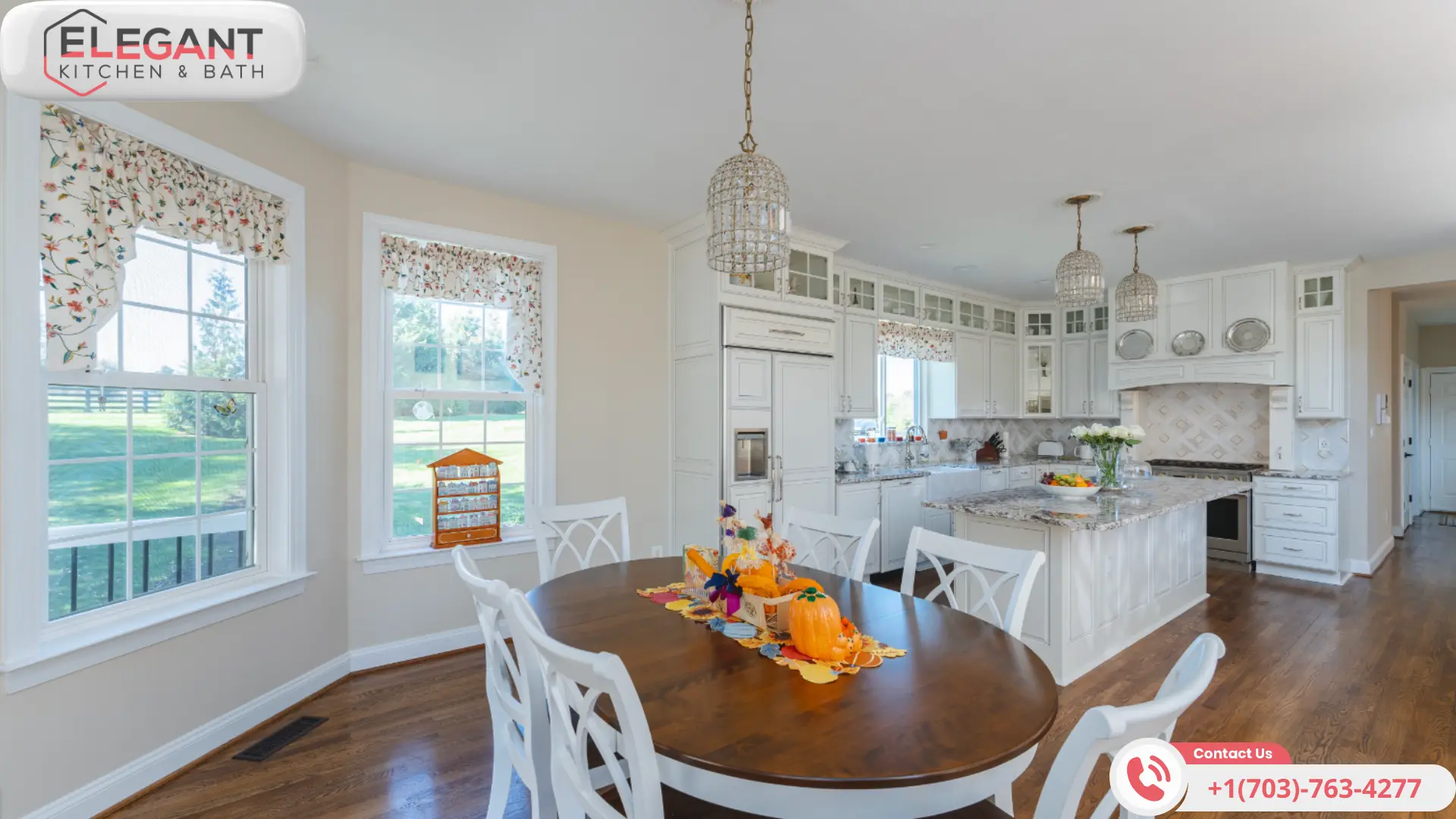
Choosing between quartz vs granite countertops remains one of the most important decisions for Northern Virginia homeowners planning kitchen or bathroom renovations in 2026. Both materials offer exceptional durability and beauty, but understanding their differences in cost, maintenance requirements, and style versatility will help you make the right choice for your Herndon, Reston, or Centreville home. This comprehensive guide explores everything you need to know about these premium countertop materials to ensure your investment aligns with your lifestyle and design goals.
Key Takeaway
While both quartz and granite offer premium quality for Northern Virginia homes, quartz provides superior low-maintenance performance and consistent patterning at $60-$120 per square foot, making it ideal for busy households. Granite offers unique natural beauty and heat resistance at $50-$100 per square foot, appealing to homeowners who value one-of-a-kind stone aesthetics. Your choice ultimately depends on whether you prioritize maintenance convenience and uniformity (quartz) or natural variation and traditional elegance (granite).
[ez-toc]
Understanding Quartz and Granite Countertops
Before diving into the quartz vs granite debate, it’s essential to understand what each material actually is. Granite is a natural stone quarried directly from the earth, cut into slabs, and polished for use in homes. Each granite slab features unique patterns, veining, and color variations created by nature over millions of years, ensuring no two installations are exactly alike.
Quartz countertops, on the other hand, are engineered surfaces made from approximately 90-95% natural quartz crystals combined with polymer resins and pigments. This manufacturing process allows for greater control over appearance, creating consistent patterns and a wide range of colors not found in nature. The engineered composition also eliminates the natural porosity found in granite, creating a non-porous surface that resists staining without sealing.
How Manufacturing Affects Performance
The fundamental difference between natural granite and engineered quartz significantly impacts their performance characteristics. Granite’s natural formation creates microscopic pores that can absorb liquids if not properly sealed, while quartz’s manufactured density creates an impermeable barrier. This distinction becomes particularly relevant for Northern Virginia homeowners who value low-maintenance solutions in their busy households.
Cost Comparison for Northern Virginia Installations
When budgeting for northern virginia countertops, understanding the total investment beyond material costs helps homeowners make informed decisions. In 2026, quartz typically ranges from $60 to $120 per square foot installed, while granite costs $50 to $100 per square foot installed. However, these figures represent only part of the financial picture.
Initial Investment Breakdown
Premium quartz brands like Caesarstone and Cambria command higher prices at $100-$120 per square foot, offering exceptional pattern consistency and warranties. Mid-range quartz options from Silestone or MSI provide excellent value at $70-$90 per square foot. For granite, exotic varieties with dramatic veining from Brazil or India can reach $100 per square foot, while domestic granite from quarries in Georgia or North Carolina typically costs $50-$70 per square foot.
Installation costs in Northern Virginia generally add $30-$50 per square foot for either material, depending on the complexity of your kitchen layout and edge details. Undermount sink cutouts, cooktop openings, and decorative edges increase labor costs similarly for both kitchen countertop materials.
Long-Term Cost Considerations
While granite may offer lower upfront costs, the long-term maintenance requirements affect total ownership expenses. Granite requires professional sealing every 1-2 years at $100-$200 per application to maintain stain resistance. Over a 15-year period, these sealing costs can add $1,500 to $3,000 to your total investment.
Quartz eliminates these recurring maintenance expenses entirely, as the non-porous surface never requires sealing. For Chantilly and Ashburn homeowners planning to stay in their homes long-term, quartz’s maintenance-free nature often justifies the slightly higher initial cost.
Maintenance and Care Requirements
The daily care requirements for quartz vs granite differ significantly, influencing homeowner satisfaction over time. Understanding these differences helps match the right material to your lifestyle and cleaning preferences.
Granite Maintenance Essentials
Granite demands regular attention to maintain its protective seal and appearance. Homeowners should clean granite daily with pH-neutral cleaners specifically formulated for natural stone, avoiding acidic substances like lemon juice or vinegar that can etch the surface. The sealing schedule varies based on granite density and color—lighter granites typically require more frequent sealing than darker varieties.
Testing your granite’s seal involves placing a few drops of water on the surface. If the water beads up, your seal remains effective. If water absorbs and darkens the stone within 10 minutes, resealing becomes necessary. This simple test should be performed every six months to ensure optimal protection.
Quartz Care Simplicity
Quartz countertops revolutionize kitchen maintenance with their remarkably simple care routine. Daily cleaning requires only mild soap and water or common household cleaners, with no special products needed. The non-porous surface prevents bacteria growth and eliminates the possibility of staining from wine, coffee, or cooking oils—even if spills sit overnight.
However, quartz does have limitations. High heat can damage the resin binders, requiring trivets or hot pads for pots and pans. Additionally, prolonged direct sunlight exposure in rooms with large windows may cause subtle color shifts over many years, though modern formulations have significantly improved UV resistance.
Style and Design Considerations
In 2026, both materials offer extensive design possibilities for northern virginia countertops, but their aesthetic characteristics serve different design visions. The choice between natural variation and controlled consistency often determines which material best suits your renovation goals.
Granite’s Natural Beauty
Granite provides unparalleled natural beauty with movement and depth that cannot be replicated by engineered materials. Popular granite colors for Northern Virginia homes include Alaskan White, Ubatuba (a rich dark green with gold flecks), Santa Cecilia (golden tones with burgundy highlights), and Kashmir White (subtle grey veining on cream backgrounds).
The inherent variation in granite means selecting your exact slab becomes crucial. Visiting stone yards in Sterling or Fairfax allows you to inspect full slabs and ensure the veining pattern, color intensity, and overall appearance match your vision. This variability means each granite installation creates a truly unique focal point in your kitchen.
Quartz’s Versatility and Consistency
Quartz excels in providing predictable, consistent patterning throughout your entire installation. In 2026, quartz manufacturers offer hundreds of colors and patterns, including designs that convincingly mimic Carrara marble, Calacatta marble, and even natural granite—without the maintenance challenges of these natural stones.
Current trends favor quartz in bold veining patterns for statement islands, solid colors for minimalist contemporary kitchens, and textured finishes that add subtle dimension. Waterfall edge installations, where countertops extend vertically to the floor, showcase quartz’s ability to create seamless, book-matched patterns impossible to achieve with natural stone.
Matching Materials to Design Styles
For traditional kitchens featuring warm wood cabinetry and classic detailing, granite often provides the authentic natural stone aesthetic that complements timeless design. Transitional and contemporary spaces benefit from quartz’s clean lines and consistent patterning, which supports the streamlined aesthetic these styles demand.
Durability and Performance
Both kitchen countertop materials offer exceptional longevity, but their performance characteristics differ in ways that matter for daily use. Understanding these distinctions helps homeowners choose surfaces that support their cooking and entertaining habits.
Heat Resistance
Granite wins the heat resistance competition decisively. As a natural stone formed under extreme heat and pressure, granite tolerates direct contact with hot pots and pans without damage. Homeowners can place a hot skillet directly from the stove onto granite countertops without concern, though using trivets remains best practice to prevent thermal shock that could cause cracking.
Quartz’s resin binders limit heat tolerance to approximately 300°F. Exposing quartz to temperatures above this threshold can cause discoloration, cracking, or warping. Northern Virginia homeowners who do extensive cooking or frequently use cast iron cookware should factor this limitation into their decision.
Scratch and Impact Resistance
Both materials demonstrate excellent scratch resistance under normal kitchen use, though their mechanisms differ. Granite’s hardness (typically 6-7 on the Mohs scale) resists knife scratches naturally, while quartz (typically 7 on the Mohs scale) achieves similar performance through its engineered density. Neither surface should be used as a cutting board, as both can dull knives and sustain minor damage from excessive force.
For impact resistance, both materials can chip if subjected to severe force, particularly along edges and corners. Professional countertop installation includes edge reinforcement and proper support structures to minimize chip risk. Quartz repairs may blend more seamlessly than granite repairs due to its manufactured consistency.
Stain Resistance Performance
This category shows the most significant performance difference between the materials. Unsealed or poorly sealed granite can absorb liquids, oils, and pigments, potentially creating permanent stains. Common culprits include red wine, beet juice, cooking oils, and acidic substances. Even with proper sealing, highly porous granite varieties remain vulnerable to staining.
Quartz’s non-porous composition provides virtually stain-proof performance. Homeowners can leave wine glasses, coffee cups, or olive oil bottles on quartz surfaces indefinitely without fear of staining. This characteristic makes quartz particularly appealing for busy Fairfax and Loudoun County families who prioritize worry-free surfaces.
Environmental and Health Factors
Sustainability and indoor air quality considerations increasingly influence material selection for health-conscious Northern Virginia homeowners in 2026. Both quartz and granite present distinct environmental profiles worth examining.
Sustainability Considerations
Granite’s sustainability depends largely on sourcing practices. Domestically quarried granite from the United States reduces transportation emissions compared to imported varieties from Brazil or India. The quarrying process does disrupt landscapes, though reputable suppliers implement reclamation practices. Granite is entirely natural and contains no synthetic components, appealing to homeowners seeking minimally processed materials.
According to the National Kitchen & Bath Association, quartz manufacturing has evolved to incorporate recycled glass and mirrors into some product lines, improving sustainability profiles. However, the manufacturing process requires significant energy, and the resin binders are petroleum-based products. Some manufacturers now offer carbon-neutral production facilities and take-back programs for old countertops, addressing environmental concerns.
Health and Indoor Air Quality
Both materials rate well for indoor air quality when properly installed. Granite emits no volatile organic compounds (VOCs) and poses no health risks for residential use. Historical concerns about radon emissions from granite have been thoroughly debunked by multiple scientific studies—granite countertops contribute negligible radon to indoor air.
Quartz products certified by GreenGuard meet strict standards for low chemical emissions. Quality quartz brands release minimal VOCs after installation, typically dissipating within 24-48 hours. Homeowners sensitive to chemicals should verify GreenGuard certification and ensure adequate ventilation during and immediately after installation.
Antimicrobial Properties
Quartz’s non-porous surface naturally inhibits bacterial growth by preventing moisture and food particles from penetrating the material. This inherent antimicrobial property maintains hygienic surfaces without special treatments. Some quartz manufacturers incorporate additional antimicrobial agents, though the base material’s density provides primary protection.
Properly sealed granite also resists bacterial growth, but microscopic pores in natural stone can harbor bacteria if seals deteriorate. Maintaining granite’s seal ensures optimal hygiene performance, making regular sealing not just about stain prevention but also about food safety.
Making the Right Choice for Your NOVA Home
Selecting between quartz vs granite requires evaluating your specific priorities, lifestyle requirements, and design preferences. Northern Virginia homeowners should consider several factors before making this significant investment in their homes.
Choose Quartz If You Value:
Low maintenance living – Busy families in Herndon, Reston, and Vienna appreciate quartz’s zero-maintenance requirements. No sealing appointments, no special cleaners, and no worry about stains create genuine peace of mind for households with children, frequent entertaining, or demanding schedules.
Consistent appearance – Homeowners who prefer predictable, uniform patterning benefit from quartz’s manufactured consistency. This characteristic particularly suits contemporary and modern kitchens where clean lines and controlled aesthetics drive design decisions.
Worry-free surfaces – If you want to enjoy your kitchen without constantly monitoring for spills or potential damage, quartz eliminates anxiety. Set down wine glasses, coffee mugs, and olive oil bottles without second thoughts.
Choose Granite If You Value:
Natural uniqueness – For homeowners who appreciate authentic natural materials and one-of-a-kind aesthetics, granite’s organic variation creates irreplaceable character. Each installation becomes a unique art piece formed by geological processes.
Heat tolerance – Serious cooks who regularly work with high-heat cooking methods, cast iron skillets, or hot pots appreciate granite’s superior heat resistance. Place hot cookware directly on surfaces without concern (though trivets remain recommended).
Traditional aesthetics – Classic and traditional kitchen designs often benefit from granite’s authentic stone appearance, which has graced high-end homes for generations. The time-tested appeal of natural granite complements traditional architectural details.
Professional Installation Matters
Regardless of which material you choose, professional countertop installation significantly impacts performance and longevity. Kitchen and bathroom remodeling specialists ensure proper template measurements, adequate support structures, and seamless fabrication. For Northern Virginia homeowners, selecting experienced local installers familiar with regional building codes and climate considerations protects your investment.
Conclusion
The quartz vs granite decision ultimately reflects your personal priorities rather than one material’s absolute superiority. Quartz delivers unmatched convenience, consistency, and maintenance-free performance, making it ideal for busy Northern Virginia households seeking practical luxury. Granite offers timeless natural beauty, exceptional heat tolerance, and unique character that appeals to homeowners valuing authentic materials.
For Centreville, Chantilly, and Ashburn residents planning 2026 renovations, both materials represent sound investments that enhance home value and daily living. Consider visiting local showrooms to experience both kitchen countertop materials firsthand, examining samples under your home’s lighting conditions, and consulting with experienced designers who understand Northern Virginia’s design preferences.
Your countertops will serve your household for decades—choosing the material that best matches your lifestyle, aesthetic preferences, and maintenance expectations ensures satisfaction for years to come. Whether you select the natural majesty of granite or the engineered excellence of quartz, both materials will transform your kitchen into a space that beautifully supports your family’s daily life.
When homeowners in Herndon, VA, and surrounding areas of Northern Virginia consider kitchen remodeling, they often seek unique design elements that transform their space. ElegantKitchen & Bath, a leading provider of kitchen and bathroom remodeling services, has noticed a growing trend: the use of sage green backsplashes. This versatile color choice offers a perfect blend of style and functionality, enhancing the overall aesthetic of any kitchen.
Key Takeaways for 6 Reasons to Choose a Sage Green Backsplash for Your Kitchen
Calming Atmosphere: Sage green backsplashes create a serene environment in kitchens, complementing various design styles and promoting tranquility.
Eco-Friendly Options: Low-VOC sage green tiles improve indoor air quality, making them a sustainable choice for homeowners.
Timeless Versatility: Sage Green’s adaptability allows it to remain stylish in changing design trends, ensuring long-lasting appeal.
Maintenance and Durability: With proper care, sage green backsplashes can preserve their beauty and functionality over time, making them a practical choice.
Cabinet Color Harmony: Sage green complements a wide range of cabinet colors, from white to dark wood, enhancing the kitchen’s overall design.
Countertop Compatibility: The hue blends beautifully with various countertop materials, including marble and quartz, creating a cohesive look.
Visual Appeal Enhancement: Sage green backsplashes elevate the kitchen’s aesthetic, serving as striking focal points that draw attention.
Depth and Dimension: The subtle variations in sage green tiles add visual interest, creating a dynamic appearance in the kitchen.
Color Palette Integration: Sage green harmonizes with bold and soft hues, making it versatile for diverse color schemes.
Commitment to Sustainability: Choosing Sage Green reflects a dedication to eco-conscious design and aligns with sustainable practices in home improvement.
[ez-toc]
Adds a Natural and Calming Ambiance to Your Kitchen
Homeowners seeking tranquility in their kitchens often turn to sage green backsplash tile for its soothing properties. This versatile hue, available in various materials like glass and shapes like hexagons, brings nature’s calming essence indoors. A sage green tile backsplash creates a serene backdrop for culinary and bathroom remodeling activities, effortlessly complementing natural materials and fostering a relaxing cooking environment. By incorporating this subtle yet impactful color, kitchens transform into peaceful sanctuaries that blend harmoniously with modern and traditional design elements.
Embrace the Serenity of Nature in Your Space
Incorporating a sage green backsplash in your kitchen or bathroom allows you to embrace the serenity of nature within your living space. This calming hue, reminiscent of lush foliage, connects to the outdoors and promotes a sense of tranquility in interior design. Whether used as a mosaic feature or an entire wall treatment, sage green adds a touch of organic beauty to your surroundings.
Sage Green’s versatility extends beyond backsplashes, complementing various countertop materials and color schemes. This nature-inspired tone cantransform yourkitchen or bathroom into a peaceful retreat, offering a respite from the hustle and bustle of daily life. Integrating this soothing color into your space creates an environment that nurtures well-being and fosters a harmonious atmosphere.
Perfect for Creating a Relaxing Cooking Environment
A sage green backsplash creates a relaxing cooking environment by infusing the kitchen with a soothing colorpalette. When applied to ceramic tiles or other backsplash materials, this calming hue is a visual anchor that promotes tranquility and reduces stress while preparing meals.
How Sage Green Backsplash Tile Complements Natural Materials
Sage green backsplash tiles harmonize effortlessly with natural materials, creating a cohesive, organic, elegant kitchen anddesign. The subtle greenhue complements the veining in marble countertops, enhancing their natural beauty while providing a soothing contrast. Whether light or dark, wood cabinetry gains depth and warmth when paired with sage green tiles.
Sage Green’s versatility allows it to adapt to various lighting conditions, enhancing the overall ambiance of the elegant kitchen and design. In spaces with abundant natural light, sage green tiles reflect and soften the illumination, creating a serene atmosphere. This green tone also works well with other earth-inspired elements, such as stone accents or textured ceramics, further strengthening the connection to nature in the kitchendesign.
Versatility in Pairing with Different Kitchen Styles
Sage green backsplashes offer remarkable versatility in elegant kitchen anddesign, seamlessly integrating with various modern and traditional styles. This adaptable hue complements various cabinet colors and countertop materials, creating harmonious spaces that reflect personal tastes. Whether paired withsleekglass tiles or textured ceramics, sage green adds depth and character to kitchen floors and walls. Its subtle shades of green can form an eleganttriangle with other design elements, enhancing the overallaesthetic appeal of thespace.
Works Well with Both Modern and Traditional Designs
Sage green backsplashes seamlessly integrate into modern and traditional elegant kitchen and design. In contemporary spaces, sleek porcelain tiles in a herringbone pattern create a sophisticated focal point, while in conventional kitchens, textured ceramic tiles add depth and character. This versatile hue complements various kitchen cabinet finishes, from crisp white to rich wood tones.
Sage Green’s adaptability extends beyond the kitchen, making it an excellent bathroom choice. A sage green backsplash with a herringbone pattern in a showerroom creates a spa-like atmosphere, effortlessly blending withnatural stone or marble accents. This color‘s ability to bridge different design styles makes it a timeless choice for homeowners seeking a balanced and harmonious aesthetic.
Matching Sage Green Tile Backsplash with Various Cabinet Colors
Sage green backsplashes harmonize beautifully with a wide range of cabinet colors, enhancing the kitchen’s overall aesthetic. This versatile hue complements white cabinets, creating a fresh and airy feel. It also pairs well with dark wood tones for a rich, earthy look. Sage green tiles can even accentuate the warmth of stainless steel appliances and sinks, adding depth to the kitchen‘s design.
Sage green’s subtle nature is a neutral backdrop for various kitchen elements, including furniture and fixtures. Whether paired with rustic brick accents or sleek porcelain countertops, sage green backsplashes provide a cohesive foundation that ties different design elements together. This adaptability makes sage green an excellent choice for homeowners looking to create a timeless and stylish kitchenspace.
Combining Sage Green Chevron Pattern with Different Countertop Materials
Sage green backsplashes blend seamlessly with various countertop materials, creating a harmonious, elegant kitchen and design. This versatile hue complements the rich tones of woodflooring, adding warmth to the space. Homeowners can find inspiration on Houzz for combining sage green tiles with marble, granite, or quartz countertops, resulting in a sophisticated look that extends from the kitchen to the bedroom.
The subtle green tones pair exceptionally well with stainless steel appliances and fixtures, creating a balanced aesthetic. Sage green chevron pattern backsplash can also enhance the visual appeal of exposed ceiling beams, adding depth and character to the overall design. This combination of elements creates a cohesive look that seamlessly integrates different materials and textures:
Countertop Material
Sage Green Backsplash Effect
Marble
Enhances natural veining patterns
Granite
Complements speckled textures
Quartz
Adds depth to solid colors
Wood
It creates a warm, organic feel
Stainless Steel
Balances cool tones with earthy hues
Enhances the Visual Appeal of Your Kitchen
Sage green backsplashes transform kitchens, elevating their visual appeal beyond mere functionality. This versatile hue creates striking focal points, enhancing overall aesthetics and adding depth to spaces. Whether paired with a sleek cart for added storage or complementing yellow accents, sage green tiles offer endless possibilities for home improvement. The color‘s subtle variations, accentuated by carefully chosen grout, create dimension and interest. From a simple tap replacement to a complete kitchen overhaul, incorporating sage green into your design scheme can dramatically boost your kitchen‘s visual allure.
Creating a Focal Point with a Sage Green Backsplash
An elegant sage green backsplash creates a stunning focal point behind the stove, drawing the eye and anchoring the elegant kitchen anddesign. The subtle hue of sage complements natural materials like slate flooring or quartz countertops, infusing the space with a calm energy.
Homeowners can enhance the visualimpact by selecting textured tiles or incorporating bamboo accents, adding depth and interest to the sage green backdrop. This versatile color choice allows for creative expression while maintaining a timeless appeal that transforms the kitchen into a captivating centerpiece of the home.
How Sage Green Subway Tile Backsplash Elevates the Overall Aesthetic
Sage greensubway tile backsplash elevates kitchenaesthetics by introducing a soft, sophisticated hue that complements various design elements. This versatile color enhances the visual appeal of metal appliances and fixtures, creating a harmonious balance between cool and warm tones. The subtle green shade also beautifully frames kitchen windows, drawing attention to natural light sources and outdoor views.
The shape and pattern of sage green subway tiles can further enhance the overall aesthetic, adding depth and dimension to the kitchen‘s design. Whether used in a herringbone pattern or as large-format tiles, sage green creates a timeless look that increases home value and may even boost resale potential when putting the house on the market or refinancing with a credit card.
Using Sage Green to Add Depth and Dimension
Sage green backsplashes add depth and dimension to kitchens, creating visual interest beyond flat paint surfaces. This versatile hue complements granite countertops and enhances the ambiance around fireplaces, making the space feel more cohesive. The subtle variations in sage green tiles, reminiscent of a diamond‘s facets, catch the light differently throughout the day, giving the kitchen a dynamic appearance.
Homeowners can subtly contrast existing elements like carpets or flooring in sage green. The gentle green tones provide a soothing backdrop that doesn’t overpower other design features, allowing for a harmonious blend of textures and materials. This thoughtful color choice can transform a kitchen from ordinary to extraordinary:
Sage green backsplashes offer a versatile foundation for kitchencolor schemes, effortlessly complementing various palettes. This adaptable hueintegrates with neutral tones, adds a subtle pop of color as an accent, and harmonizes with bold and soft hues. Whether used in a pantryrenovation or as part of a larger basement overhaul, sage green brings natural beauty to any space. Its ability to blend with various colors, from earthy browns to vibrant turquoise, makes it an ideal choice for homeowners seeking a timeless yet fresh look in their kitchens.
Pairing Sage Green with Neutral Tones
Sage green backsplashes harmonize beautifully with neutral tones, creating a serene and timeless kitchen aesthetic. This versatile hue complements the warm undertones of farmhouse-style interiors while seamlessly pairing with cool grays in modern concrete or cement surfaces. The earthy quality of sage green softens the industrial look of these materials, striking a perfect balance between rustic charm and contemporary elegance.
When combined with neutral tones, sage green backsplashes evoke the tranquility of a well-manicured lawn, bringing a touch of nature indoors. The subtle greenhue enhances the warmth of brass fixtures and hardware, adding a layer of sophistication to the overall design. This combination of sage green and neutrals creates a versatile backdrop that allows for easy updates to kitchen decor without significant renovations.
Adding a Pop of Color with Sage Green Accents
Sage green accents add a subtle color to kitchen designs, creating visual interest without overwhelming the space. This versatile hue complements a wide range of color palettes, from cool whites to warm earthy tones, allowing architects to incorporate it seamlessly into various design schemes. Sage green backsplashes reflect heat efficiently, making them an excellent choice for areas near cooking surfaces.
Homeowners can further enhance the impact of sage green accents by pairing them with complementary elements such as copperpendant lights or antique mirrors. These additions create a cohesive palette that ties the entire kitchen together, balancing the soothing qualities of sage with metallic accents for a sophisticated look:
Element
Complementary Color
Effect
Sage Green Backsplash
Copper
Warm contrast
Sage Green Tiles
Antique Gold
Vintage charm
Sage Accent Wall
Crisp White
Fresh, clean look
Sage Cabinets
Natural Wood
Organic harmony
How Sage Green Harmonizes with Bold and Soft Hues
Sage green harmonizes effortlessly with bold and soft hues, creating versatile kitchen designs. This adaptable hue complements vibrant blues, adding depth to the space without overwhelming it. Sage green’s soothing quality balances intense colors, making it an ideal choice for homeowners seeking a cohesive palette.
When paired with softer tones, sage green backsplashes create a serene atmosphere reminiscent of a spa-like retreat. The subtle arabesque patterns in sage green tiles can add visual interest while maintaining a calm ambiance. This versatile color serves as a perfect backdrop for displaying decorative items or a thoughtful gift card from a loved one:
Color Pairing
Effect
Mood
Sage Green + Bold Blue
Dynamic contrast
Energetic
Sage Green + Soft Beige
Subtle harmony
Tranquil
Sage Green + Rich Burgundy
Luxurious depth
Sophisticated
Sage Green + Pale Yellow
Fresh Balance
Cheerful
Eco-Friendly and Sustainable Design Choice
Sage green backsplashes offer more than just aesthetic appeal; they represent a commitment to sustainable design and eco-conscious living. Homeowners can opt for sustainable materials like recycled glass or locally sourced limestone in their sage green backsplash, aligning withenvironmentally friendly practices. Many brands now offer low-VOC paints and tiles in sage green hues, reducing harmful emissions and improving indoor air quality.
This color choice reflects a growing trend towards eco-friendly kitchens, complementing energy-efficient appliances like ENERGY STAR-certified refrigerators. By incorporating sage green elements, designers can create a harmonious space that balances natural beauty with environmental responsibility, often pairing well with sustainable materials such as reclaimed wood or recycled copper accents.
Opt for Sustainable Materials in Your Sage Green Backsplash
Homeowners can enhance their sage green backsplash with sustainable materials that complement outdoor spaces like patios and landscaped gardens.Recycledglass tiles in sage hues offer an eco-friendly option that reflects natural light, creating a seamless transition from the kitchen to outdoor areas. These materials reduce environmental impact and add a unique texture to the backsplashdesign.
Incorporating sustainable sage green materials extends beyond the kitchen, influencing choices in bedroom decor and home automation systems. For example, low-VOC sage green paints on accent walls can create a cohesive look throughout the home. In contrast, energy-efficient smart home devices in complementarycolors likepurple can enhance the eco-friendly design aesthetic. This holistic approach to sustainability ensures that the sage green backsplash becomes part of a larger, environmentally conscious home design strategy.
Low-VOC Paints and Tiles in Sage Green
Low-VOC sage green paints and tiles offer an eco-friendly alternative for kitchen backsplashes, reducing harmful emissions and improving indoor air quality. These sustainable options range from soft sage hues reminiscent of forest undergrowth to deeper emerald tones, allowing homeowners to create a natural, calming atmosphere while minimizing environmental impact. Fireclay Tile, known for its eco-conscious production methods, offers a variety of sage green options that complement sustainable kitchen designs.
Homeowners can further enhance their eco-friendly backsplash by choosing water-based low-VOC paints in sage green shades, which provide excellent coverage and durability without compromising air quality. For those seeking a natural stone look, low-VOC sealants can be applied to travertine tiles in sage green hues, combining theelegance of natural stonewith environmentally responsible practices. These sustainable choices enable homeowners to create a beautiful, health-conscious kitchen spacethat aligns with their environmental values.
How Sage Green Color Reflects a Commitment to Eco-Conscious Design
Sage green backsplashes reflect a commitment to eco-conscious design by creating a natural atmosphere that complements sustainable construction practices. This earthy hue pairs well with reclaimed materials like butcher block countertops, emphasizing a connection to nature and reducing the demand for new resources.
Beyond the elegant kitchen and design, sage green elements can influence eco-friendly choices in other home areas, such as energy-efficient laundry appliances or beige low-VOC paints for adjacent rooms. By incorporating this versatile color, homeowners demonstrate their dedication to environmentally responsible design choices throughout their living spaces.
Timeless Appeal That Will Last for Years
Sage green backsplashes offer a timeless appeal that transcends fleeting design trends, ensuring a lasting impact on kitchenaesthetics. This versatile hue complements various materials, from sleek glass mosaics to rustic cement tiles, and even pairs well with exposed beams for a harmonious look. The enduring nature of sage green allows it to adapt seamlessly to changing styles, whether incorporated into a modern terrazzo-inspired design or as a backdrop for a vintage desk. As a classic choice for kitchens, sage green backsplashes maintain their fresh appearance over time, standing up to the rigors of daily use while evoking a sense of tranquility and natural beauty.
Why Sage Green is a Classic Choice for Kitchens
Sage green‘s timeless appeal stems from its versatility and connection to nature, making it a classic choice for kitchen backsplashes. This soothing hue evokes the tranquility of a garden while offering a sophisticated alternative to bolder olive green tones. Homeowners appreciate sage green‘s ability to complement various design elements, from rustic vanities to modern adhesive tiles, ensuring its enduring popularity.
The enduring charm of sage green lies in its adaptability to changing design trends and its ability to create a calming atmosphere in the heart of the home. This versatile color works well with a wide range of kitchen tools and accessories, allowing for easy updates without a complete overhaul. Sage green‘s timeless quality ensures that kitchens maintain their fresh and inviting appearance for years to come:
Element
Sage Green Compatibility
Design Impact
Natural Wood
High
Warm, organic feel
Stainless Steel
Medium
Modern contrast
White Marble
High
Elegant sophistication
Brass Fixtures
Medium
Vintage charm
Maintaining the Fresh Look of a Sage Green Backsplash
Maintaining the fresh look of a sage green backsplash involves regular cleaning and proper sealing to protect against stains and moisture. Homeowners can enhance the backsplash’s appearance by maximizing daylighting, which brings out the subtle variations in the sage green hues. For those with questions about maintenance, consulting a comprehensive FAQ can provide valuable insights on preserving the backsplash’s beauty.
Sage green backsplashes pair well with terracotta accents, creating a warm and inviting atmosphere in the kitchen. This versatile color extends beyond the elegant kitchen and design, complementing garage interiors or inspiring decorative stickers in other home areas. By incorporating these elements, homeowners can ensure their sage green backsplash remains a timeless and cohesive part of their overall design scheme.
How Sage Green Backsplashes Stand the Test of Time
Sage green backsplashes stand the test of time by offering a versatile and enduring color choice that adapts to evolving design trends. Thistimeless hue seamlessly integrates with various kitchen, from contemporary to traditional, ensuring its relevance for years to come. The subtle, natural tone of sage green creates a backdrop that complements changing art pieces and decor, allowing homeowners to update their kitchen‘s aesthetic without replacing the backsplash.
Sage green backsplashes’ longevity extends beyond visual appeal, as high-quality materials and proper installation contribute to their durability. Resistant to fading and discoloration, sage green tiles maintain their fresh appearance even after years of exposure to sunlight and daily use. This resilience makes sage green backsplashes a wise investment for homeowners seeking a long-lasting and visually appealing kitchen feature.
FAQs for 6 Reasons to Choose a Sage Green Backsplash for Your Kitchen
What color complements sage green in a kitchen?
Sage green is a versatile color that pairs beautifully with various shades. Some of the best colors to complement a sage green kitchen include:
White and Cream: These neutral shades create a fresh and clean look, enhancing the calming atmosphere of sage green.
Navy Blue: This deep hue adds sophistication and depth, making it an excellent choice for a bold contrast against sage green.
Soft Pink and Peach: These warm tones evoke a cheerful and inviting vibe, perfect for a cozy kitchen space.
Light Gray: A subtle gray can provide a modern touch while maintaining a serene environment.
Brass Accents: Incorporating brass hardware and fixtures can add warmth and elegance, balancing the cool tones of sage green.
When selecting a tile to pair with a sage green backsplash, consider the following options:
White Subway Tiles: Classic and timeless, white subway tiles create a crisp contrast that allows the sage green to stand out.
Light Gray Tiles: These provide a soft, understated backdrop that complements the natural tones of sage green.
Muted Earthy Tones: Terracotta or beige tiles can add warmth and a rustic feel, enhancing the organic vibe of a sage green kitchen.
Navy Blue Tiles: For a bolder statement, navy blue tiles can create a striking contrast that adds depth and sophistication.
These tile choices can enhance the visual appeal of your sage green tile backsplash while maintaining a cohesive look in your kitchen design.
What does sage green symbolize?
Sage green is often associated with several positive attributes:
Tranquility: The soft, muted tones of sage green evoke a sense of calm and relaxation, making it ideal for creating a peaceful kitchen environment.
Nature: This color reflects the beauty of the natural world, symbolizing growth, renewal, and harmony.
Balance: Sage green embodies a sense of equilibrium, making it a versatile choice that complements modern and traditional styles.
Sustainability: Sage green is often viewed as a sustainable choice in interior design because it resonates with eco-friendly and natural materials.
Incorporating sage green into your kitchen can enhance the overall ambiance while promoting well-being.
What color complements sage?
Colors that complement sage green include:
Dusty Pink: This soft hue adds a touch of femininity and warmth.
Olive Green: A deeper green can create a monochromatic palette that feels rich and layered.
Charcoal Gray: This dark neutral provides a sophisticated contrast, perfect formodern kitchens.
Creamy Neutrals: Shades like beige or taupe can soften the look and create a cozy atmosphere.
These complementary colors can enhance sage green’s versatility, making it a timeless choice for various kitchen designs.
What color goes with a sage green kitchen?
Sage green is an incredibly versatile color that pairs well with a wide range of hues, allowing you to create a harmonious design tailored to your style. Consider combining your sage green kitchen elements with neutral tones such as creamy whites, soft grays, and warm beiges for a calming and cohesive atmosphere. These colors complement the natural undertones of a sage green backsplash, enhancing its timeless appeal and creating a serene environment.
If you’re aiming for a modern style, incorporating darker shades like charcoal gray or deep navy blue can add depth and contrast, making your sage green tile backsplash stand out beautifully. For a more traditional style, earthy tones like rich browns and terracotta work wonderfully alongside sage green, especially with natural materials like wooden cabinetry or stone countertops.
Additionally, metallic accents in brushed gold or matte black can provide a touch of elegance and visual appeal, seamlessly tying together various elements within your kitchen design. Choosing colors should reflect your taste while contributing to a harmonious and inviting kitchen space.
What is a complementary color to sage green?
The complementary color to sage green is typically found on the opposite side of the color wheel, which includes shades of muted reds and pinks, such as dusty rose or soft coral. Incorporating these colors can create a striking and balanced color palette, adding a subtle pop of color that enhances the aesthetic appeal of your kitchen.
Complementary colors can be as simple as adding decorative elements like curtains, rugs, or artwork featuring these hues, accentuating your sage green backsplash tile. This approach brings a sense of vibrancy and warmth to your kitchen while maintaining a cohesive and tranquil ambiance.
For those who prefer a more subdued look, consider incorporating soft lavender or muted mustard tones, which beautifully complement sage green. These colors introduce complexity and sophistication to your kitchen design, allowing your sage green subway tile backsplash to remain the focal point while adding depth and interest to the overall space.
Remember, experimenting with different shades and textures can help you find the perfect balance that suits your style and enhances your kitchen’svisualappeal.
Is sage green a good color for a house?
Sage green can be an excellent color choice for a house. It is a soft, muted green with gray undertones that creates a calming and serene atmosphere. Sage green has a timeless appeal and is considered a neutral color, making it a versatile option that can work well with various design styles, from traditional to modern. The natural and earthy tone of sage green can create a sense of tranquility and coziness in a home while complementing a wide range of exterior materials and landscaping. Many homeowners find sage green to be a soothing and welcoming color that can enhance the curb appeal of their property.
What color season is sage green?
Sage green is often associated with the “autumn” or “winter” color seasons. As a muted, earthy green, it has a slightly cooler undertone that aligns well with these seasons’ more subdued color palettes. Individuals with cooler skin tones and hair colors tend to find that sage green complements their features, creating a harmonious and natural-looking aesthetic. The soft, gray-green hue of sage can also work well for those with neutral or warm skin tones, making it a versatile color choice for a wide range of personal styles and preferences.
What does green sage do spiritually?
Green sage is often used in spiritual practices and rituals for its cleansing and purifying properties. It is believed to have the ability to clear negative energy, promote relaxation, and foster a sense of inner peace and balance. The smoke from burning sage is thought to help create a calming and meditative atmosphere, making it a popular choice for smudging, which involves wafting the smoke to cleanse a space or individual. Additionally, the green color of sage is associated with growth, renewal, and the natural world, making it a symbol of harmony and connection with the earth. Many individuals use green sage as part of their spiritual or wellness routines to promote a sense of grounding, clarity, and overall well-being.
Is sage green in style for a kitchen backsplash?
Yes, sage green is a trendy and on-trend color choice for kitchen backsplashes. The soft, earthy tone of sage green can create a calming and inviting atmosphere in the kitchen while adding a touch of natural beauty and sophistication. Sage green kitchen backsplashes are often paired with white or light-colored cabinets, allowing the backsplash to stand out and serve as a focal point in the space. The versatility of sage green also makes it an excellent option for modern and traditional kitchen designs, as it can complement a wide range of countertop materials, appliances, and other design elements.
Many homeowners are drawn to sage green backsplash tiles’ eco-friendly and low-maintenance qualities, which can contribute to a more sustainable and easy-to-clean kitchen environment.
What color goes with sage green in the kitchen?
When selecting colors to pair with sage green in the kitchen, it’s essential to consider the overall design theme and the mood you wish to create. Here are some excellent color combinations to consider:
Neutral Whites and Creams: Pairing your sage green backsplash with crisp whites or creamy tones creates a fresh and airy atmosphere, making your kitchen feel more spacious and inviting. This combination is perfect for a classic and timeless look that always stays in style.
Soft Grays: Incorporating soft gray tones can enhance the modern style of your kitchen, providing a sleek and sophisticated backdrop that allows your sage green tile to shine. This pairing offers a subtle contrast that adds depth without overwhelming the space.
Warm Wood Tones: Natural materials like oak or walnut for cabinetry or flooring complement the earthy nature of sage green, creating a cozy and organic feel. This combination is ideal for embracing an eco-friendly kitchen design emphasizing sustainability and warmth.
Muted Blues and Teals: Muted blue or teal accents can create a harmonious and serene environment. These colors blend seamlessly with sage green while adding a touch of coolness and elegance to your kitchen design.
Earthy Browns and Beiges: Earthy tones like brown and beige work wonderfully with sage green, especially when aiming for a traditional style. This combination evokes a sense of comfort and stability, making your kitchen a welcoming space for family and friends.
Subtle Pastels: For a more playful and unique approach, consider pairing sage green with soft pastel colors like blush pink or light lavender. These combinations can add a subtle pop of color and personality, enhancing the aesthetic enhancement of your kitchen.
By thoughtfully selecting complementary colors, you can create a cohesive and visually appealing kitchen design that reflects your style and enhances the beauty of your sage green backsplash.
What color floor goes with a sage green backsplash?
Choosing the right floor color to accompany your sage green backsplash is crucial for creating a balanced and cohesive kitchen design. Here are several options that work exceptionally well:
Light Hardwood Floors: Floors made from light woods like maple or ash provide a warm and natural foundation that complements the earthy tones of sage green tiles. This combination enhances the calming atmosphere of your kitchen while adding a touch of timeless appeal and elegance.
Neutral Tile Floors: Opting for soft gray, beige, or creamy white tiles can create a clean and understated backdrop that allows your sage green backsplash tile to be the focal point. These neutral tones contribute to a spacious and airy feel, suitable for modern and traditional styles.
Dark Hardwood Floors: Consider dark hardwood floors in hues like walnut or espresso for a more dramatic and modern style. The rich, deep tones contrast the sage green color backsplash tile, adding depth and visual appeal to your kitchen. This pairing works particularly well when balanced with lighter countertops and cabinetry.
Stone or Slate Floors: Incorporating natural materials such as stone or slate flooring introduces texture and a sense of rugged elegance to your kitchen. These earthy and varied tones harmonize beautifully with sage green, reinforcing an eco-friendly and sustainable kitchen design.
Patterned or Textured Floors: To add personality and uniqueness to yourspace, consider patterned tiles featuring subtle colors that complement sage green, such as muted blues, grays, or beiges. Textured flooring can add layers of interest and enhance the overall aesthetic enhancement of your kitchen.
When selecting flooring, consider the countertop materials and cabinetry colors to ensure a harmonious design throughout your kitchen. Additionally, choose durable and low-maintenance flooring options to ensure longevity and ease of upkeep, maintaining the beauty andfunctionality of your kitchen for years to come.
Does grey go with sage green?
The pairing of grey and sage green is a match made in design heaven. These two hues complement each other beautifully, creating a harmonious and visually appealing aesthetic in any kitchen. Grey’s inherent coolness provides a neutral backdrop, allowing sage green’s earthiness to shine. This combination is incredibly versatile and adaptable to a range of design styles.
For a modern and sleek aesthetic, consider pairing your sage green backsplash with cabinets in a cool-toned grey. This creates a clean and contemporary feel, especially when accented with stainless steel appliances and minimalist fixtures. Conversely, if you envision a cozier and more traditional ambiance, opt for warmer grey tones for your cabinets. The grey’s warmth will complement the sage green’s natural warmth, resulting in an inviting and sophisticated space.
Is sage green still in style in 2024?
Sage green transcends fleeting trends. Its enduring appeal lies in its connection to nature, ability to evoke a sense of calm and serenity, and versatility, seamlessly blending with various design styles. Unlike bolder colors that can quickly feel dated, sage green has a timeless quality that ensures its longevity in kitchen design.
This timelessness is particularly evident when sage green is incorporated through durable and enduring materials like ceramic tile. A sage green tile backsplash, whether in a classic subway tile pattern or a more intricate mosaic design, will look fresh and current for years. It’s an investment in style that will stand the test of time.
What is a complementary countertop for a sage green backsplash tile?
One of the many advantages of a sage green backsplash is its versatility in pairing with a wide array of countertop materials. This flexibility allows you to create a kitchen design that aligns perfectly with your style and preferences. Here are a few compelling countertop options to consider:
Warm and Earthy: To enhance your sage green backsplash’s natural, organic feel, consider countertops made of warm and inviting materials. Butcher block countertops introduce a beautiful warmth and rustic charm, while warm-toned granite adds a touch of elegance and sophistication. Wood-look quartz countertops provide a similar aesthetic with the added benefit of low maintenance.
Light and Airy: For a kitchen that feels bright, spacious, and airy, opt for countertops in lighter hues. White or cream quartz countertops create a crisp and clean backdrop that allows the sage green to take center stage. With its classic elegance, marble can also be a stunning choice, but it’s essential to consider its maintenance requirements. Lighter shades of concrete countertops offer a modern and industrial feel while maintaining a sense of airiness.
Bold and Contrasting: Consider pairing your sage green backsplash with striking countertops if you’re drawn to a more daring and dramatic aesthetic. Black granite countertops create a sophisticated and luxurious look, while soapstone offers a more rustic and earthy vibe. Even dark grey quartz can add depth and visual interest without overpowering the sage green.
What is the green color trend in 2024?
While sage green remains a beloved and enduring choice for kitchen design, 2024 welcomes a broader spectrum of green hues into the spotlight. Homeowners and designers are embracing green’s versatility and calming influence, exploring its many shades and tones to create captivating kitchen spaces.
Rich forest greens, reminiscent of lush woodlands, are gaining popularity for their ability to infuse kitchens with depth and sophistication. These deeper greens work beautifully in kitchens with natural wood cabinets and warm metallic accents. With its jewel-toned richness, Emerald Green adds a touch of luxury and drama to kitchen design.
If you’re drawn to a bolder green hue but still gravitate towards the timeless appeal of sage green, consider incorporating the bolder shade as an accent color alongside your sage green backsplash. This approach allows you to infuse your kitchen with trendy elements while maintaining balance and timelessness.
Ultimately, the most successful kitchen designs reflect the homeowner’s unique style and preferences. At Elegant Kitchen and Bath, our experienced designers are dedicated to guiding you through the design processand helping you select the perfect green hues and materials to create a kitchen you’ll love for years.
Hear from Our Delighted Clients About 6 Reasons to Choose a Sage Green Backsplash for Your Kitchen
Melanie Buckley was genuinely impressed withElegant Kitchen and Bath’s efficient and outstanding kitchen renovation. Melanie met with the company in January 2024, and by March 1st, the remodel started. The design team and general contractors worked seamlessly to keep the project on schedule. Melanie was delighted by the craftsmanship and immaculate workspace maintained throughout the process. When Melanie decided to demolish a wall midway, the Elegant Kitchen and Bath team provided the necessary inspectors and clever guidance to ensure the demolition was successful.
Melanie highly recommends this professional and exceptional business for their dedication to customer satisfaction and delivering outstanding results.
Elegant Kitchen and Bath transformed Leonard Smith’s kitchen beautifully. Leonard loves his new kitchen and looks forward to cooking in it for many years. Tayfun provided outstanding guidance on cabinets and colors, while the project manager, Enes, was highly attentive and communicated superbly. The team delivered exceptional work, completing the project in just one week, even though they had initially estimated a 2-week timeline. Leonard would gladly choose Elegant Kitchen and Bath again for future projects.
Amani Barghouty praises the Elegant Kitchen and Bath team as professional, competent, and extremely friendly. From the design team led by Tayfun to the project management team led by Enes and the crew led by Oscar, Amani found the entire process easy and smooth. The team exceeded Amani’s expectations, and she thoroughly recommends Elegant Kitchen and Bath for anyone considering a remodeling project. Amani knows she will return to them for her next project.
Based on the new reviews, Elegant Kitchen and Bath continues to impress its customers with its exceptional design expertise, efficient project management, and high-quality craftsmanship. The team’s dedication to customer satisfaction, clear communication, and ability to complete projects within or even ahead of schedule have garnered it a stellar reputation. Customers like Melanie, Leonard, and Amani have all had remarkable experiences, leading them to highly recommend Elegant Kitchen and Bath for any kitchen and bathroom remodelingneeds.
Conclusion
Sage green backsplashes offer a versatile and timeless solution for kitchendesign. This soothing hue creates a calming atmosphere while complementing various color palettes and design styles. Homeowners who choose sage green for their kitchens benefit from its ability to add depth, dimension, and natural beauty to their spaces.
Sage green backsplashes are eco-friendly, aligning with the growing trend towards sustainable living. Low-VOC paints, and tiles in this color demonstrate a commitment to environmentally conscious design choices. Homeowners can create a healthy and stylish kitchen environment by opting for sage green.
The enduring appeal of sage green ensures that kitchens maintain their fresh look for years to come. This classic color choice stands the test of time, adapting to changing design trends and personal preferences. Proper maintenance of sage green backsplashes preserves their beauty and functionality, making them a wise long-term investment.
Ultimately, sage green backsplashes offer a perfect balance of style, versatility, and sustainability. They enhance the visual appeal of kitchens while providing a soothing backdrop for daily activities. Homeowners who choose sage green for their backsplashes can enjoy a timeless and elegantkitchendesign that will remain relevant and attractive for years.
Remodel your home with Elegant Kitchen and Bath, offering various services including sage green backsplash.
Selecting the ideal material for a kitchen island countertop involves balancing aesthetics, functionality, and durability. From classic choices like wood and granite to modern options such as resin and engineered quartz, homeowners face a myriad of possibilities.
Natural materials like maple offer warmth and character, while innovative liquid resins create unique, customizable surfaces. In this article, we’ll explore various countertop materials to help you decide on your kitchen island.
Key Takeaways for Choosing the Right Kitchen Island Countertop Material: Top 5 Ideas
Diverse Material Options: Kitchen island countertops are available in various materials, each offering unique advantages and drawbacks. Options include traditional choices like granite and wood and modern alternatives like epoxy and engineered quartz.
Essential Considerations: Durability, maintenance, aesthetic appeal, and cost are crucial in selecting the suitable countertop material. Practical needs, like resistance to common kitchen stains, should be balanced against visual impact.
Popular Choices: Quartz and granite are top picks for their durability and aesthetic appeal. Quartz is especially noted for its non-porous surface, making it resistant to stains and scratches, while granite is celebrated for its natural beauty.
Wood Countertops: Wood countertops add warmth and character but require more maintenance than stone or engineered materials. Regular oiling and careful cleaning are essential to preserve their appearance.
Innovative Options: Porcelain and sintered stone are emerging as innovative options. These materials offer exceptional durability and design flexibility and compete vigorously with traditional stone countertops.
Lifestyle Impact: A homeowner’s lifestyle significantly influences the choice of countertop material. Busy households prioritize durability and ease of maintenance, while design-focused individuals may opt for high-end natural stones.
Cost Considerations: The cost of countertop materials can vary widely. Porcelain and polyester resin are more budget-friendly than high-end natural stones like granite and marble. Long-term maintenance costs should also be considered.
Versatile Quartz: Quartz countertops are highly favored for their durability, low maintenance, and aesthetic versatility. They resist bacteria and don’t require sealing, making them ideal for busy kitchens.
Granite’s Timeless Appeal: Granite remains popular due to its natural beauty and durability. Each slab is unique, offering various colors and patterns that elevate any kitchen design.
Balancing Practicality and Style: Choosing the perfect countertop involves balancing aesthetic preferences with practical needs. Factors like kitchen traffic, usage patterns, and long-term durability are crucial in making an informed decision that aligns with style and functionality.
[ez-toc]
Understanding Your Options for Kitchen Island Countertops
Kitchen island countertops offer homeowners myriad options, each with distinct advantages and drawbacks. The manufacturing processes and final products vary significantly from traditional materials like granite to modern alternatives such as epoxy and metal. Durability, maintenance requirements, aesthetic appeal, and cost are crucial in decision-making. Practical considerations, such as resistance to stains from juice spills, must be weighed against visual impact. Additionally, lifestyle factors heavily influence material selection, as busy households may prioritize resilience over luxury. By examining the pros and cons of each option, homeowners can make informed choices that align with their needs and preferences.
Exploring the Variety of Countertop Materials Available
Kitchen island countertops come in various materials, each offering unique characteristics and aesthetics. From natural stone options like granite and sandstone to engineered surfaces like quartz, homeowners can select from multiple textures, colors, and finishes to complement their kitchendesign. Glass countertops provide a sleek, modern look. At the same time, teak offers a warm, organic feel for those seeking a more natural ambiance.
These materials’ construction and manufacturing processes greatly influence their durability, maintenance requirements, and overall performance. Quartz countertops, for instance, combine natural quartz crystals with resins to create a non-porous surface that resists stains and scratches. On the other hand, natural materials like sandstone may require more frequent sealing to maintain their appearance and functionality in a busy kitchen environment.
Durability and Maintenance: Key Considerations
Durability is crucial in selecting kitchen island countertops, as these surfaces endure constant wear and tear from daily use. Materials like granite and quartz offer exceptional resistance to scratches and impacts, while softer options like butcher block may show signs of wear more quickly. Homeowners must consider their lifestyle and usage patterns when evaluating the long-term performance of different countertop materials.
Maintenance requirements vary significantly among countertop materials, impacting aesthetics and functionality. While some surfaces, like terrazzo, demand regular sealing to prevent staining, others, like engineered quartz, require minimal upkeep. The ease of cleaning and resistance to common kitchen hazards, such as heat and moisture, should factor into the decision-making process. Here’s a comparison of durability and maintenance characteristics for popular countertop materials:
Material
Durability
Maintenance
Granite
High
Moderate (periodic sealing)
Quartz
High
Low
Butcher Block
Moderate
High (regular oiling)
Terrazzo
High
Moderate (periodic sealing)
Aesthetic Appeal vs. Practical Use
Choosing between aesthetic appeal and practical use often presents a challenging dilemma for homeowners selecting kitchen island countertops. Materials like granite and slate offer striking visual impact, enhancing the overall aesthetics of the kitchenspace. However, these natural stone options may require more maintenance and care to preserve their beauty.
On the other hand, practical materials such as butcher blocks provide functional surfaces ideal for food preparation but may need more visual sophistication than their stone counterparts. Homeowners must weigh the importance of aesthetics against the practicality of daily use, considering factors like resistance to stains from everyday kitchen items such as soap. The following table illustrates the balance between aesthetic appeal and practical use for various countertop materials:
Material
Aesthetic Appeal
Practical Use
Granite
High
Moderate
Slate
High
Moderate
Butcher Block
Moderate
High
Quartz
High
High
Cost Comparison of Various Materials
The cost of kitchen island countertops varies significantly across different materials, with porcelain and polyester resin options often providing more budget-friendly alternatives to high-end natural stones. Factors such as brand reputation, material quality, and installation complexity influence the overall price of a countertopproject. Homeowners should consider upfront and long-term maintenance expenses when evaluating their options.
Natural stone countertops like granite and marble typically command premium prices, while engineered materials such as quartz offer a balance between cost and durability. Butcher block countertops, which require regular oiling, are affordable for those seeking a warm, natural aesthetic. The wide range of available materials allows homeowners to find a solution that fits their budget without compromising style or functionality.
How Lifestyle Influences Material Choice
A homeowner’s lifestyle significantly influences the choice of kitchen island countertop material. Busy households with children may prioritize durable, solid surface options that resist scratches and stains. At the same time, design-conscious individuals might opt for high-end natural stone to elevate their interior design aesthetic.
The frequency of cooking and entertaining also plays a role in material selection. Avid cooks may prefer heat-resistant surfaces like granite, while those who use their kitchen as a social hub might choose materials that complement their furniture and overall décor. Some homeowners even incorporate unique elements like talc-based countertops to create a distinctive focal point in their kitchenspace.
Why Quartz Countertops Are a Top Choice
Quartz countertops have surged in popularity for kitchen islands, offering a compelling blend of durability, low maintenance, and aesthetic appeal. Unlike natural stone options, quartz resists bacteria growth and withstands daily wear and tear. Its non-porous surface eliminates the need for sealing, making it an ideal choice for busy kitchens. While the initial price of quartz may exceed that of some alternatives like tile or laminate, its longevity and versatility often justify the investment. Quartz complements various design styles, from modern to traditional, and coordinates seamlessly with other kitchen elements, such as floors and sinks. This engineered stone‘s wide range of colors and patterns allows homeowners to achieve the look of natural stone without the associated maintenance challenges.
Benefits of Quartz in Durability and Maintenance
Quartz countertops excel in durability and maintenance, making them an excellent choice for kitchen island surfaces. These engineered stones resist scratches, chips, and stains better than many natural alternatives, withstanding the rigors of daily use in busy kitchen spaces. Quartz also repels acid from common kitchen ingredients, preserving its appearance even after prolonged exposure.
During a kitchen remodel, homeowners appreciate quartz‘s low maintenance requirements and consistent color throughout the material. Quartz doesn’t require regular sealing or unique cleaning routines, unlike natural stones such as walnut butcher blocks. This table illustrates the benefits of quartz compared to other popular countertop materials:
Feature
Quartz
Granite
Marble
Butcher Block
Scratch Resistance
High
Moderate
Low
Low
Stain Resistance
High
Moderate
Low
Low
Maintenance
Low
Moderate
High
High
Color Consistency
High
Moderate
Low
Moderate
Quartz vs. Natural Stone: A Comparison
Quartz, an engineered stone, competes with natural stone options like granite and marble for kitchen island countertops. Chefs appreciate quartz‘s consistent performance and durability, while natural stone offers unique patterns and textures. Quartz resists stains and scratches better than most natural stones, making it ideal for busy kitchens.
Natural stone countertops generally handle heat better than quartz, allowing direct placement of hot pots and pans. However, quartz manufacturers have improved heat resistance in recent years. Both quartz and natural stone outperform materials like steel or paper-based composites in terms of longevity and aesthetic appeal.
The Aesthetic Versatility of Quartz
Quartz countertops offer remarkable aesthetic versatility, making them popular for kitchen remodeling projects. Unlike ceramic or concrete options, quartz combines natural mineral particles with resins to create a wide array of colors and patterns, mimicking the look of various stones or offering unique designs that are impossible to achieve with natural materials.
Customizing quartz countertops allows homeowners to match their kitchen island to any design scheme, from traditional to ultra-modern. This versatility, coupled with quartz‘s durability and environmentally friendly production process, positions it as a top contender for those seeking style and substance in their kitchen surfaces.
Understanding the Cost of Quartz Countertops
Quartz countertops offer excellent value for kitchen islands, balancing cost with durability and design flexibility. While initial prices may exceed those of laminate or tile options, quartz‘s longevity and resistance to water damage often result in lower long-term expenses. The material’s compatibility with various cabinetry styles further enhances its cost-effectiveness in overall kitchendesign.
The beauty of quartz countertops stems from their engineered composition, which blends natural quartz with polyester resins. This manufacturing process allows various color options and patterns, often cheaper than comparable natural stone alternatives. Homeowners can achieve their desired aesthetic without compromising quality or breaking their budget.
The Timeless Appeal of Granite Countertops
Granite countertops have long been a staple in kitchendesign, offering a unique blend of natural beauty and durability that few other building materials can match. Unlike synthetic options such as plastic, Corian, or engineered quartzite, granite‘s organic patterns and rich colors provide a timeless elegance that complements various kitchen styles, from traditional oakcabinetry to modern minimalist designs. Its enduring popularity stems from its ability to withstand the rigors of daily use while maintaining its lustrous appearance for years. Homeowners appreciate granite‘s customization versatility and relatively straightforward maintenance requirementscompared to other natural stone options.
Why Granite Has Remained Popular for Years
Granite‘s enduring popularity in home improvement projects stems from its unparalleled natural beauty and durability. Unlike materials such as limestone or cement, granite resists scratches, heat, and stains, maintaining its luxurious appearance even after years of heavy use in busy kitchens.
The unique patterns and rich color variations in granitecountertops create a sense of elegance that materials like stainless steel or engineered surfaces struggle to match. As granite ages, it develops a subtle patina that enhances its character, further contributing to its timeless appeal and making it a preferred choice for homeowners seeking long-lasting value in their kitchen investments.
Caring for Granite: Tips and Tricks
Caring for granite countertops requires less effort than maintaining marble or soapstone surfaces, but regular attention ensures their longevity and beauty. Homeowners should clean granite daily with a mild soap and warm water solution, avoiding harsh chemicals that might damage the stone’s finish or affect nearby kitchen cabinets.
Sealing granite countertops annually protects them from stains and enhances their natural luster. This process fits most homeowners’ budgets and doesn’t require advanced Javascript knowledge. For stubborn stains, a poultice made from baking soda and water can lift the discoloration without harming the granite‘s surface.
Customization Options With Granite
Granite countertops offer extensive customization options, allowing homeowners to create unique kitchen island surfaces that complement their overall design aesthetic. Fabricators can cut granite slabs into various shapes and sizes, accommodating different island configurations and integrating features like built-in cutting boards. The natural variations in granite‘s patterns and colors provide opportunities for selecting pieces that harmonize with other elements in the kitchen, such as cabinetry and flooring.
Edge profiles present another avenue for customization, ranging from simple beveled edges to more elaborate ogee or waterfall designs. Homeowners can also incorporate inlays of contrasting materials, such as stainless steel or colored grout, to create distinctive accents. While primarily associated with kitchens, granite‘s versatility extends to bathroom vanities, where its ability to resist mold and stains makes it an excellent choice for high-moisture environments.
Customization Option
Description
Benefit
Slab Selection
Choose specific granite patterns and colors
Personalized aesthetic
Edge Profiles
Various edge designs available
Enhanced visual appeal
Inlays
Incorporate contrasting materials
Unique design accents
Surface Finish
Polished, honed, or leathered options
Tailored texture and appearance
Laminate Countertops: Budget-Friendly Choices
Laminate countertops offer a cost-effective solution for kitchen island surfaces, combining affordability with versatility. Modern laminate technology has vastly improved the material’s appearance and durability, allowing it to mimic the look of natural stone or even copper. While not as heat-resistant as rock-based options, laminate can withstand typical cooking activities when proper precautions are taken, such as using trivets for hot pots. Homeowners can now achieve luxurious aesthetics without breaking the bank, and laminate’s durability has increased to rival more expensive materials in certain aspects. This budget-friendly option provides a practical choice for those seeking to balance style and functionality in their kitchendesign.
Advancements in Laminate Technology
Modern laminate countertops have undergone significant technological advancements, improving their durability and aesthetic appeal. Manufacturers now utilize high-definition printing techniques to create realistic stone and wood grain patterns that rival the appearance of natural materials. These improvements allow homeowners to achieve luxurious looks without the high costs of premium countertop options.
Enhanced wear resistance and improved edge treatments have extended the lifespan of laminate countertops. New manufacturing processes incorporate antimicrobial properties, making these surfaces more hygienic for food preparation areas. Advances in core materials have also increased laminate’s resistance to moisture and impact, addressing previous limitations of this budget-friendly option:
Advancement
Benefit
Impact on Performance
High-Definition Printing
Realistic Patterns
Enhanced Aesthetics
Improved Edge Treatments
Seamless Appearance
Increased Durability
Antimicrobial Properties
Improved Hygiene
Better Food Safety
Enhanced Core Materials
Moisture Resistance
Extended Lifespan
How to Make Your Laminate Countertops Look Luxurious
Laminate countertops can achieve a luxurious appearance by carefully selecting high-end patterns and textures that mimic premium materials like marble or granite. Pairing these sophisticated laminates with upscale hardware and fixtures elevates the overall aesthetic of the kitchen island. Homeowners can enhance the luxurious look by opting for seamless edge profiles and under-mount sinks, creating a sleek, high-end finish.
Strategic lighting plays a crucial role in showcasing laminate countertops’ upscale appearance. Installing under-cabinet LED strips or pendant lights above the kitchen island highlights the countertop‘s surface, emphasizing its texture and depth. Complementing the laminate with high-quality backsplashes and well-chosen accessories completes the luxurious transformation of budget-friendly kitchen island countertops.
Comparing the Durability of Laminate to Other Materials
Laminate countertops offer surprising durability compared to other materials, particularly in scratch and stain resistance. While they may not match natural stone or quartz’s longevity, modern laminates can withstand daily wear and tear. Their resistance to moisture and chemicals often surpasses that of wood or certain types of tile.
Heat resistance remains a limitation for laminate countertops compared to materials like granite or engineered stone. However, laminate’s affordability and ease of replacement can offset this drawback for budget-conscious homeowners. The following table compares the durability aspects of laminate to other common countertop materials:
Material
Scratch Resistance
Stain Resistance
Heat Resistance
Overall Durability
Laminate
Moderate
High
Low
Moderate
Granite
High
Moderate
High
High
Quartz
High
High
Moderate
High
Wood
Low
Low
Low
Low
Bringing Warmth to Your Kitchen With Wood Countertops
Wood countertops bring a unique warmth and character to kitchen islands, offering a natural alternative to stone or synthetic materials. From dense hardwoods like maple and oak to exotic species such as teak and zebrawood, each type of wood imparts distinct visual and functional qualities to the kitchen space. Proper protection and maintenance are crucial for preserving the beauty and longevity of wood countertops, as they are more susceptible to scratches and water damage than other materials. Integrating wood with complementary materials like stone or metal can create striking visual contrasts and enhance the overall design aesthetic of the kitchen, making wood a versatile choice for homeowners seeking a blend of tradition and modern style.
Types of Wood and Their Unique Characteristics
Wood countertops offer a diverse range of options for kitchen islands, each with distinct characteristics. Maple provides a light, uniform appearance, and excellent durability, while oak‘s prominent grain patterns and natural resistance to moisture make it a popular choice for busy kitchens. Walnut countertops bring rich, dark tones and a smooth texture, ideal for creating a luxurious atmosphere.
Exotic woods like teak and zebrawood offer unique visual appeal and exceptional durability. Teak‘s natural oils make it resistant to water and decay, while zebrawood’s striking grain patterns create a bold focal point in any kitchendesign. Though technically grass, bamboo provides a sustainable alternative with its rapid growth, light, and contemporary aesthetics.
Protecting Your Wood Countertops From Damage
Protecting wood countertops from damage requires diligent care and maintenance. Regularly applying food-grade mineraloil or beeswax creates a protective barrier against moisture and stains, preserving the wood‘s natural beauty. Homeowners should avoid placing hot pots directly on the surface and use cutting boards to prevent scratches.
Addressing spills promptly and using gentle cleaning methods helps maintain the integrity of wood countertops. A mixture of mild soap and warm water suffices for routine cleaning while avoiding harsh chemicals or abrasive scrubbers to prevent damage to the wood‘s finish. Implementing these protective measures ensures the longevity and attractiveness of woodkitchen island countertops:
Protection Method
Benefit
Frequency
Mineral Oil Application
Moisture Resistance
Monthly
Cutting Board Use
Scratch Prevention
Always
Gentle Cleaning
Surface Preservation
Daily
Prompt Spill Cleanup
Stain Prevention
Immediately
Integrating Wood Countertops With Other Materials
Integrating woodcountertops with other materials creates visually striking and functional kitchen island designs. Combining wood with stone, such as granite or marble, offers a balance of warmth and elegance. Stainless steel accents or appliances paired with wood countertops provide a contemporary contrast that appeals to modern aesthetics.
Homeowners can incorporate glass elements, such as raised glass bars or inlaid glass sections, to add depth and interest to wood countertops. Mixing different wood species or using contrasting wood grains within the same countertopdesign creates unique patterns and textures. The following table illustrates popular material combinations with wood countertops:
Wood Type
Complementary Material
Design Style
Maple
Granite
Traditional
Walnut
Stainless Steel
Modern
Oak
Glass
Eclectic
Bamboo
Concrete
Industrial
Innovative Materials: Exploring Porcelain and Sintered Stone
Porcelain and sintered stone represent cutting-edge innovations in kitchen island countertop materials, offering homeowners advanced alternatives to traditional options. These engineered surfaces combine exceptional durability with sophisticated aesthetics, challenging the dominance of natural stone and quartz in high-end kitchendesign. Porcelain countertops have gained traction for their sleek appearance and remarkable resistance to heat and stains, while sintered stone pushes the boundaries of material science with its ultra-compact structure. As these modern materials enter the market, they present unique advantages and considerations compared to classic countertop choices, prompting a reevaluation of performance, style, and value in kitchen renovations.
The Rising Popularity of Porcelain Countertops
Porcelain countertops have become popular among homeowners seeking durable and stylish kitchen island surfaces. Their exceptional resistance to heat, scratches, and stains has positioned them as formidable competitors to traditional materials like granite and quartz. The ability to manufacture porcelain in large, thin slabs has expanded design possibilities, allowing for seamless installations and unique aesthetic options.
Advancements in digital printing technology have enabled porcelain manufacturers to replicate the look of natural stone with remarkable accuracy. This development has attracted consumers who desire the appearance of marble or quartzite without the associated maintenance concerns. The combination of practicality and visual appeal has solidified porcelain‘s place as a top choice for modern kitchen renovations.
Sintered Stone: The New Frontier in Countertop Materials
The sintered stone represents a revolutionary advancement in countertop materials, offering unparalleled durability and versatility for kitchen islands. This engineered surface combines natural minerals and pigments under extreme heat and pressure, resulting in a non-porous, ultra-compact material that resists scratches, stains, and UV radiation. Sintered stone’s ability to withstand high temperatures makes it an ideal choice for busy kitchens where hot pots and pans are frequently used.
The manufacturing process of sintered stone allows for a wide range of colors and patterns, including realistic marble and concrete looks. Its thin profile and large format slabs enable creative design applications like waterfall edges and seamless backsplashes. As awareness of sintered stone grows, it challenges traditional materials in performance and aesthetics, offering homeowners a cutting-edge option for kitchen island countertops.
How These Modern Materials Compare to Classics
Porcelain and sintered stone countertops offer superior heat and scratch resistance compared to classic materials like granite and marble. These modern options boast enhanced durability and lower maintenance requirements, making them attractive alternatives for busy kitchens. Their non-porous surfaces resist staining and bacterial growth, surpassing the performance of traditional natural stone countertops in terms of hygiene and ease of cleaning.
Classic materials like granite and marble offer unique, natural patterns, and porcelain and sintered stone provide a more comprehensive range of consistent colors and designs. These engineered materials allow for thinner profiles and larger slab sizes, enabling seamless installations and creative design possibilities that may be challenging to achieve with traditional stone. However, classic materials’ timeless appeal and proven longevity continue to make them popular for homeowners seeking a traditional aesthetic.
Deciding on the Perfect Countertop Material for Your Kitchen Island
Selecting the ideal countertop material for a kitchen island involves carefully considering multiple factors. Homeowners must balance functionality and aesthetic appeal, evaluating how different materials align with their daily usage patterns and kitchen traffic. The decision-making process extends beyond immediate needs, encompassing long-term considerations such as durability, maintenance requirements, and potential impact on property value. By examining these crucial aspects, individuals can make informed choices that enhance their kitchen experience and prove beneficial in the future.
Balancing Functionality With Style
Balancing functionality with style in kitchen island countertops requires careful consideration of both practical needs and aesthetic preferences. Homeowners must evaluate how different materials perform under their specific usage patterns while complementing the kitchendesign. Durable materials like quartz or granite may offer the best resilience and visual appeal for high-traffic kitchens.
The choice of countertop material can significantly impact the kitchen‘s atmosphere and functionality. While a sleek marble surface might create a luxurious ambiance, it may not withstand the rigors of daily cooking and food preparation or more robust alternatives. Striking the right balance often involves compromising between ideal appearance and practical performance to achieve a satisfying long-term solution.
Assessing Your Kitchen’s Traffic and Usage Patterns
Assessing kitchen traffic and usage patterns is crucial in selecting the ideal countertop material for a kitchen island. High-traffic kitchens with frequent cooking activities requiredurable surfaces that resist scratches, stains, and heat. Families with young children or frequent entertainers may prioritize materials that can withstand spills and impacts.
The type of cooking and food preparation typically performed on the kitchen island influences material selection. Bakers prefer cool, smooth surfaces like marble for rolling dough, while those who frequently use hot pots and pans should consider heat-resistant options such as granite or quartz. Evaluating these usage patterns ensures that the chosen countertop material aligns with the homeowner’s lifestyle and cooking habits.
Future-Proofing Your Choice: Longevity and Resale Value
Choosing a durable kitchen island countertop material ensures a wise investment for homeowners. Durable options like quartz and granite often maintain appeal and functionality for decades, potentially increasing a property’s resale value. These materials resist wear and tear, preserving their appearance even after years of use.
Future-proofing countertop choices involves considering timeless designs that will remain attractive to potential buyers. Neutral colors and classic patterns typically offer broader appeal, while trendy or highly personalized selections may limit a home’s marketability. When deciding, homeowners should weigh the initial cost against the material’s expected lifespan and its potential impact on the kitchen aesthetics.
FAQs for Choosing the Right Kitchen Island Countertop Material
What is the best countertop material for a kitchen island?
The best countertop material for a kitchen island depends on your needs and preferences. Quartz is a popular choice as it is non-porous, stain-resistant, and requires minimal maintenance. Granite is another durable option that comes in various colors and patterns. Butcher block provides a warm, natural look but requires more maintenance.
What material is used for a kitchen island?
Common materials used for kitchen island countertops include quartz, granite, butcher block, marble, and solid surface. The choice depends on budget, maintenance requirements, and desired aesthetic.
What top is best for a kitchen island?
The best top for a kitchen island depends on your needs and preferences. Quartz is a popular choice as it is non-porous, stain-resistant, and requires minimal maintenance. Granite is another durable option that comes in various colors and patterns. Butcher block provides a warm, natural look but requires more maintenance.
What is the best material for kitchen countertops?
The best material for kitchen countertops depends on your needs and preferences. Quartz is a popular choice as it is non-porous, stain-resistant, and requires minimal maintenance. Granite is another durable option that comes in various colors and patterns. Marble provides a classic look but is more porous and requires more maintenance.
Is quartz cheaper than granite?
Quartz is generally more expensive than granite. However, the cost can vary depending on the brand, style, and material quality.
Can you put hot pans on quartz?
Hot pans should not be placed directly on quartz countertops, which can cause discoloration. Granite is a better option.
What is the newest countertop material?
Some of the newest and most innovative countertop materials include Dekton and Pyrolave. Dekton is an ultra-compact surface designed for exterior cladding and is highly durable. Pyrolave is an enameled lava stone that is heat-resistant, stain-proof, and expensive.
What is the most durable countertop?
The most durable countertop material is quartz. Engineered from a blend of natural quartz and resins, quartz countertops are tough and resistant to scratches, chips, and cracks. They are also non-porous, making them highly resistant to stains and bacteria, perfect for busy kitchens. Compared to natural stone options like granite or marble, quartz countertops require minimal maintenance.
What countertops do chefs prefer?
Professional chefs often prefer stainless steel countertops for their kitchens. Stainless steel is incredibly durable, heat-resistant, and easyto clean, making it ideal for a high-use environment. However, many chefs opt for granite or butcher block countertops for home kitchens where aesthetics and versatility are essential. Granite provides a solid, heat-resistant surface perfect for various culinary tasks, while butcher block countertops offer a warm, organic feel and are excellent for chopping and prepping food.
What are the best countertops to avoid stains?
Quartz and stainless steel countertops are excellent choices for avoiding stains. Quartz is non-porous and highly resistant to staining from common kitchen substances like wine, coffee, and oils. Stainless steel, being non-porous and easy to clean, also effectively resists staining. If you prefer a natural stone, granite countertops are relatively stain-resistant when properly sealed, though they require periodic resealing to maintain their resistance.
Can you put hot pans on granite?
Yes, you can put hot pans on granite countertops. Granite is highly heat-resistant and can withstand the high temperatures of pots and pans straight from the stove or oven. However, while granite can handle the heat, it’s always a good practice to use trivets or hot pads to avoid potential thermal shock, which could cause the stone to crack over time. Additionally, using trivets can help maintain the longevity and appearance of your granite countertop.
Should I put my cooktop in my island?
It’s a popular choice! Integrating your cooktop into your kitchen island can create a stunning focal point and improve workflow. However, it does require careful planning. You’ll need to consider:
Ventilation: Island cooktops require powerful range hoods or downdrafts to handle smoke and grease.
Electrical and Plumbing: These must be professionally installed within the island structure.
Safety: Ensure adequate space around the cooktop to prevent accidents and allow for safe food prep.
What are the disadvantages of an island sink?
While convenient, island sinks have a few potential drawbacks:
Plumbing: Running plumbing lines to the island can increase installation costs.
Visibility: Dirty dishes in the sink might be more visible from other areas of your home.
Splatter: Water splashes from the sink and can land on surrounding countertops and flooring.
What is the best material for island countertops?
The “best” material depends on your needs and style! Here’s a breakdown:
Durability: For maximum durability, consider granite, quartz, or marble. These natural stones are heat and scratch-resistant.
Warmth: Butcher block countertops add warmth and a classic look. They require regular oiling and are less heat-resistant than stone.
Modern Aesthetic: Quartz, with its wide range of colors and patterns, offers a sleek and contemporary aesthetic.
How do I choose the suitable material for my countertop?
Consider these factors:
Lifestyle: Do you have a busy family or entertain frequently? Choose a durable material like granite or quartz.
Budget: Materials like butcher blocks and some granites are more budget-friendly than high-end marble or quartz.
Maintenance: Quartz is low-maintenance, while butcher block and marble require more care.
Style: Match your countertop material to your overall interior design aesthetic.
What is the most expensive countertop material?
High-end natural stones like marble, quartzite, and exotic granite are typically the most expensive countertop materials.
What is the best material for a kitchen island?
There’s no single “best” material! It depends on your priorities. Here are some popular options:
Granite: Durable, heat-resistant, and available in various colors and patterns.
Quartz: Engineered stone that’s highly durable, low-maintenance, and in many colors.
Marble: Elegant and timeless but more susceptible to scratches and etching than granite or quartz.
Butcher Block: Warm, inviting, and ideal for food prep, but requires regular oiling and maintenance.
Wood: Reclaimed wood can add a unique and rustic charm to your island.
Remember to consider your budget, lifestyle, and desired aesthetic when deciding. For expert guidance on selecting the perfect kitchen island countertop material for your Northern Virginia home, contact the professionals at Elegant Kitchen and Bath today!
Should a kitchen island have a sink or cooktop?
The decision to include a sink or cooktop in your kitchen island depends on your needs and kitchen layout. Many homeowners prefer having a sink on the island for easy food prep and cleanup. Others opt for a cooktop to create a social cooking experience. Consider your cooking habits and kitchen workflow when making this choice.
How do I choose an island for my kitchen?
When selecting a kitchen island, consider the following factors:
Size: Ensure proper clearance around the island (at least 36 inches).
Functionality: Determine if you need storage, seating, or appliances.
Countertop material: Choose a durable option like granite, quartz, or butcher block.
Budget: Balance your desires with your financial constraints.
What are the disadvantages of an island cooktop?
While an island cooktop can be attractive, there are some potential drawbacks:
Ventilation challenges: Installing a proper hood over an island can be complex.
Safety concerns: Open flames or hot surfaces may be hazardous in a high-traffic area.
Reduced counter space: The cooktop takes up a valuable prep area.
Cleaning difficulties: Grease and food splatters may spread to seating areas.
Limited electrical outlets: Power supply to the island may be restricted.
What countertop material lasts the longest?
Among the most durable countertop materials are:
Granite: Highly resistant to scratches, heat, and stains when adequately sealed.
Quartz: An engineered stone that’s non-porous and highly durable.
Concrete: Can last a lifetime with proper maintenance.
Stainless steel: Resistant to heat and bacteria, popular in commercial kitchens.
Granite and quartz are long-lasting options that maintain their appearance over time.
What is the lowest maintenance countertop material?
For those seeking a low-maintenance option, consider:
Quartz: Non-porous, resistant to stains, and doesn’t require sealing.
Solid surface (e.g., Corian): Can be easily buffed to remove scratches.
Laminate: Inexpensive and easy to clean, though less durable than stone options.
Stainless steel: Easy to clean and sanitize, though it may show fingerprints.
Quartz is the go-to low-maintenance option that combines durability with ease of care. When choosing your kitchen island countertop material, consider factors like durability, maintenance, aesthetics, and how it complements your cabinetry and overall interior design. Whether you prefer the natural beauty of marble, the warmth of wood like butcher block, or the durability of engineered stones, there’s a perfect countertop material for every kitchen island.
Hear from Our Delighted Clients About Kitchen Island Countertop Materials
Amani Barghouty highly recommends Elegant Kitchen and Bath, praising their professionalism, competence, and friendliness throughout kitchen remodeling. From the initial house visit to the final walkthrough, Amani was impressed with the seamless coordination between the design team led by Tayfun, the project management team headed by Enes, and the crew led by Oscar. The experience exceeded Amani’s expectations, prompting plans to use Elegant Kitchen and Bath for future projects.
S&A is thrilled with their “Elegant” kitchen remodel by Elegant Kitchen & Bath. They commend the team, praising designer Arif for his exceptional ideas, flexibility, and professionalism and project manager Enes for outstanding coordination. The installation team earned kudos for their expertise, work ethic, and cleanliness. S&A appreciates the company’s focus on customer satisfaction, noting that the project started and finished on schedule without issues. They highly recommend Elegant Kitchen and Bath for any kitchen and bath remodeling projects.
John Hoddinott expresses great satisfaction with his new kitchen, which Elegant Kitchen and Bath designed. He worked closely with Tayfun, exploring multiple design plans to find the perfect fit. John praises project manager Enes for his attentiveness and quick follow-ups. He commends Gersen and his crew for their problem-solving skills when faced with installation challenges. John is pleased with the result and notes that Enes promptly addressed and resolved minor issues even after completion.
Choose Elegant Kitchen & Bath for your renovation needs and experience the same level of satisfaction as Amani, S&A, and John. Our dedicated team excels in kitchen remodels, offering expert design guidance, efficient project management, and superior craftsmanship. From personalized design consultations to meticulous attention to detail and hands-on project management, we ensure a smooth remodeling process that transforms your space while prioritizing your satisfaction.
With our ability to handle custom requests, maintain clear communication, and deliver exceptional results, we’re committed to exceeding your expectations and creating a kitchen you’ll love for years. Whether it’s a complete renovation, partial remodel, or tackling unexpected challenges, our team’s expertise and dedication shine through in every project. Our focus on customer satisfaction, punctuality, and cleanliness sets us apart, making your remodeling journey seamless and enjoyable.
Conclusion
Choosing the right material for your kitchen island countertop significantly impacts both functionality and aesthetics in your kitchenspace. Homeowners must carefully consider factors such as durability, maintenance requirements, cost, and visual appeal to make an informed decision that aligns with their lifestyle and design preferences. Modern innovations like porcelain and sintered stone offer exciting alternatives to traditional materials, expanding the options available to suit diverse needs and tastes. Choosing the perfect countertop ensures long-term satisfaction, enhances the kitchen experience, and potentially increases the property’s value.
When selecting the perfect backsplash tile for your kitchen, choosing between herringbone and chevron patterns can be exciting and challenging.
These two timeless designs can transform your kitchen, adding visual interest, texture, and a touch of sophistication.
While both patterns share similarities, they possess distinct characteristics that can significantly impact the overall aesthetic of your space.
In this article, we’ll explore the key differences between herringbone and chevron tiles, helping you make an informed decision for your kitchen backsplash.
Key Takeaways for Herringbone vs. Chevron: Right Backsplash Tile for Your Kitchen
Definition and Differences: Herringbone tiles are arranged in a zigzag pattern where each tile intersects in a broken zigzag, resembling the bones of a fish. Chevron tiles form a continuous ‘V’ pattern, with each end cut at an angle to create precise points.
Timeless Appeal of Herringbone: Herringbone tile patterns have a classic and timeless look, often found in historical architecture, making them a versatile choice for various kitchen styles.
Contemporary Edge of Chevron: Chevron tiles offer a bold, modern statement that is ideal for contemporary kitchens that seek a striking visual impact.
Cut and Arrangement: Herringbone requires rectangular tiles and is easier to align without cutting specific angles. Chevron necessitates tiles cut at precise angles (usually 45 degrees) to achieve the seamless ‘V’ pattern.
Design Versatility: Herringbone suits traditional, rustic, or more subtle contemporary designs. Chevron fits well in ultra-modern, eclectic, or minimalist settings.
Installation Considerations: Herringbone is generally easier to install and more forgiving with minor misalignments. Chevron requires precision in cutting and aligning, making professional installation preferable.
Visual Effects: Herringbone patterns can make a kitchen appear more texturally rich and dynamic. Chevron patterns command attention and can serve as the focal point in akitchen space.
Practicality and Maintenance: Both patterns provide similar durability and ease of maintenance, making them practical choices for kitchen backsplash. Grout lines in both patterns can accumulate dirt, so choosing stain-resistant grout is advisable.
Timelessness and Trends: Despite fluctuating trends, herringbone is often considered more timeless due to its historical usage. Chevron, while trendy, may be more susceptible to changing design preferences over time.
Personal Style and Kitchen Dynamics: When choosing between herringbone and chevron, consider your personal style, kitchen layout, and existing décor elements to ensure a cohesive look.
Herringbone tiles are arranged in a broken zigzag pattern, with each rectangular tile placed at a 45-degree angle to the next. This creates a staggered, interlocking pattern resembling a herringfish’s skeleton, hence the name “herringbone.” The pattern offers a classic and timeless look that complements various kitchen styles.
Chevron tiles, on the other hand, are arranged in a continuous zigzag pattern, with each tile meeting the next at a point. This creates a more uniform and linear appearance compared to the herringbone pattern. Chevron tiles are often more modern and contemporary, making them famous for trendy kitchen designs.
Herringbone tile has been a timeless classic in kitchen backsplash design for decades. Its staggered, interlocking pattern creates a sense of depth and movement, adding visual interest to any kitchen. The herringbone pattern’s versatility complements various kitchen styles, from traditional to contemporary.
The history of herringbone tile dates back centuries, with its origins in ancient Roman architecture. The pattern gained popularity in Europe during the 16th century and has become a staple in interior design. Its enduring appeal lies in its ability to create a sophisticated and timeless look.
When considering herringbone tile for a kitchen backsplash, homeowners have a wide range of options in terms of material, color, and size. The following table illustrates some popular choices:
Material
Color
Size
Porcelain
White
2″ x 8″
Ceramic
Gray
3″ x 6″
Marble
Carrara
1″ x 4″
By selecting the right combination of material, color, and size, homeowners can create a herringbone backsplash that perfectly complements their kitchen’s overall design aesthetic. Whether paired with classic white cabinets or modern stainless steel appliances, a herringbone tile backsplash is sure to make a lasting impression.
Chevron Tile: A Bold and Contemporary Choice
In recent years, chevron tile has emerged as a bold and contemporary choice for kitchen backsplashes. Its continuous zigzag pattern creates a striking visual impact, instantly updating the look of any kitchen. Chevron tile is an excellent option for homeowners seeking a modern and trendy design element.
The chevron tile’s clean lines and uniform appearance make it a perfect fit for minimalist and contemporary kitchen styles. When paired with sleek cabinetry and modern appliances, a chevron backsplash can create a cohesive and stylish look. The pattern’s dynamic nature adds energy and movement to the space, making it a focal point in the kitchen.
Chevron tile is available in various materials, colors, and sizes, allowing homeowners to customize their backsplash to suit their tastes. Popular materials include porcelain, ceramic, and glass, while color options range from classic white and gray to bold hues like blue and green. The size of the tiles can also vary, with larger tiles creating a more dramatic effect and smaller tiles offering a more subtle look.
When installing a chevron tile backsplash, it is essential to work with experienced professionals to ensure precise cuts and alignment. The continuous zigzag pattern requires careful planning and execution to achieve a seamless and visually appealing result. With proper installation, a chevron tile backsplash can elevate the style of any kitchen, creating a bold and contemporary statement that will impress guests and homeowners alike.
Key Differences: Cutting and Arrangement
The critical differences between herringbone and chevron tile patterns lie in their cutting and arrangement. Herringbone tiles are cut into rectangles and arranged in a staggered, interlocking pattern, with each tile placed at a 45-degree angle to the next. This creates a broken zigzag effect that adds depth and visual interest to the backsplash.
In contrast, chevron tiles are cut at a 45-degree angle on both ends, resulting in a point at one end and an inverted point at the other. These tiles are arranged in a continuous zigzag pattern, with each tile meeting the next at a point, creating a more uniform and linear appearance.
The cutting and arrangement of herringbone tiles require less precision compared to chevron tiles. The staggered pattern allows for some flexibility in the layout, making it more forgiving for slight variations in tile size or placement.
Chevron tiles, on the other hand, demand precise cutting and arrangement to maintain the continuous zigzag pattern. Any irregularities in the tiles or layout can disrupt the overall look of the backsplash, making it crucial to work with experienced professionals for installation.
Design Considerations: Which Pattern for Your Kitchen?
When choosing between herringbone and chevron tile patterns for your kitchen backsplash, consider the overall design style of your space. Herringbone tiles offer a classic and timeless look that complements traditional, transitional, and even contemporary kitchen styles. Chevron tiles, with their bold and linear appearance, are better suited for modern and minimalist kitchen designs.
The size of your kitchen and the scale of the backsplash area also play a role in selecting the correct pattern. Herringbone tiles create a sense of depth and movement, making them ideal for smaller kitchens or limited backsplash areas. Chevron tiles, with their continuous zigzag pattern, can make a bold statement in larger kitchens or expansive backsplash areas.
Consider the following factors when deciding between herringbone and chevron tile patterns:
Overall kitchen design style (traditional, transitional, contemporary, or modern)
Size of the kitchen and scale of the backsplash area
Desired visual impact (subtle depth or bold statement)
Ease of installation and maintenance
Ultimately, the choice between herringbone and chevron tile patterns for your kitchen backsplash comes down to personal preference and the desired aesthetic for your space. Both patterns offer unique visual appeal and can elevate the look of your kitchen when paired with suitable materials, colors, and overall design elements.
Herringbone Tile Ideas for Your Kitchen Backsplash
Herringbone tile offers a wide range of design possibilities for your kitchen backsplash. Here are some inspiring ideas to consider:
Classic white porcelain herringbone tiles create a timeless and elegant look. Pair them with white cabinets and marble countertops for a sophisticated and cohesive design.
Create a luxurious and high-end look with a Carrara marble herringbone backsplash. The natural veining and subtle gray tones of the marble add visual interest and texture to the space.
Chevron Tile Ideas for Your Kitchen Backsplash
Chevron tile offers a striking and modern look for kitchen backsplashes. Using matte porcelain tiles, homeowners can create a bold statement with a black-and-white chevron pattern. The high contrast and clean lines of this design add a dramatic and sophisticated touch to any kitchen.
For a more subtle yet stylish approach, consider using glass chevron tiles in a soft gray or blue hue. The glass’s reflective surface adds depth and luminosity to the backsplash, while the muted colors complement a variety of kitchen styles and color schemes.
Metallic chevron tiles, such as stainless steel or brushed brass, can add a luxurious and industrial-chic vibe to a kitchen. These tiles work particularly well in modern or contemporary spaces, and they pair beautifully with stainless steel appliances and sleek cabinetry.
Homeowners seeking a unique and artisanal look can opt for handcrafted ceramic chevron tiles in a mix of earthy tones, such as terracotta, olive green, and mustard yellow. This eclectic design adds warmth and character to the kitchen, creating a cozy and inviting atmosphere.
Final Thoughts: Choosing the Right Backsplash Tile for Your Kitchen
Herringbone and chevron tile patterns offer unique visual appeal and design versatility for kitchen backsplashes. When choosing between these two popular options, homeowners should consider their kitchen’soverall style, the desired visual impact, and the scale of the backsplash area. Both patterns can be customized with various materials, colors, and sizes to suit individual preferences and create a personalized look.
Herringbone tiles provide a classic and timeless appearance that complements a wide range of kitchen styles, from traditional to contemporary. The staggered, interlocking pattern adds depth and movement to the backsplash, making it an ideal choice for smaller kitchens or limited backsplash areas. Homeowners can opt for classic white porcelain, bold ceramic colors, or luxurious Carrara marble to create a stunning herringbone backsplash.
Chevron tiles offer a bold and modern look that instantly updates the appearance of any kitchen. The continuous zigzag pattern creates a striking visual impact and works particularly well in minimalist and contemporary kitchen designs. Homeowners can choose from a variety of materials, such as matte porcelain, glass, or metallic tiles, and experiment with high-contrast color schemes or subtle hues to achieve their desired aesthetic.
Ultimately, the choice between herringbone and chevron tile for a kitchen backsplash depends on personal preference and the overall design goals for the space. By carefully considering the style, scale, and desired visual impact, homeowners can select the perfect backsplash tile pattern to elevate the look of their kitchen and create a stunning focal point that will impress guests and inspire culinary creativity.
FAQs for Herringbone vs. Chevron: Right Backsplash Tile for Your Kitchen
Is Chevron or herringbone better for a kitchen backsplash?
Both chevron and herringbone patterns can create stunning backsplashes, but the choice ultimately depends on your style and the overall aesthetic of your kitchen. Herringbone offers a classic, timeless look that complements both traditional and modern designs, while chevron, with its clean, angular lines, provides a bold, contemporary feel.
Does the Chevron tile need to be updated?
The Chevron tile is still relevant. It has gained popularity recently as homeowners seek fresh, modern designs for their kitchen remodels. The chevron pattern’s clean lines and geometric appeal make it a trendy choice for backsplashes, adding visual interest and a contemporary touch to any kitchen.
What is the difference between chevron and herringbone backsplash?
While chevron and herringbone patterns are rectangular tiles arranged in a zigzag formation, the two have fundamental differences. Chevron tiles are cut at a 45-degree angle and meet in perfect points, creating a continuous “V” shape. On the other hand, herringbone tiles are cut at 90-degree angles and interlock to form a broken zigzag pattern.
Is the herringbone backsplash out of style in 2024?
No, the herringbone backsplash is not expected to go out of style in 2024 or soon. As a classic pattern with a long history in design, herringbone has proven its staying power and adaptability to evolving trends. Its ability to blend with various kitchen styles and color palettes ensures that a herringbone backsplash will remain popular for years.
What is the most timeless kitchen backsplash?
Classic subway tiles are often considered the most timeless kitchen backsplash option. Their simple, rectangular shape and clean lines have been a staple in kitchen design for decades. When arranged in a traditional offset pattern or a herringbone layout, subway tiles create a backsplash that is both elegant and enduring.
What backsplash will always stay in style?
Neutral-colored backsplashes in classic patterns, such as subway tiles in a herringbone or offset arrangement, are unlikely to go out of style. These timeless designs can adapt to changing kitchen trends and color schemes, ensuring a lasting, elegant look for your backsplash.
What is the most practical kitchen backsplash?
Porcelain or ceramic tiles are among the most practical choices for kitchen backsplashes. These materials are durable, water-resistant, and easy to clean, making them ideal for the kitchen environment. Opting for a tile backsplash in neutral colors and classic patterns, such as herringbone or subway tiles, ensures practicality and timeless style.
What is the most popular backsplash right now?
Herringbone and chevron patterns have recently gained significant popularity as backsplash choices. These eye-catching designs add depth, texture, and visual interest to kitchen walls, making them trendy for homeowners seeking a fresh, modern look.
What are the kitchen backsplashes for 2024?
Predictions for popular kitchen backsplashes in 2024 include large-format tiles, bold geometric patterns, and textured finishes. Herringbone and chevron patterns are expected to maintain their popularity, with homeowners opting for larger tile sizes and unique color combinations to create striking, contemporary backsplashes.
Should the backsplash be lighter or darker?
Choosing between a lighter or darker backsplash depends on your kitchen’s overall design and the ambiance you want to create. Lighter backsplashes can make a kitchen feel brighter, more spacious, and airy, while darker backsplashes add depth, drama, and sophistication. Consider your kitchen’s color scheme, countertop material, and cabinetry to determine the best backsplash shade for your space.
What kind of backsplash makes a kitchen look bigger?
Light-colored backsplashes, particularly those with a glossy or reflective finish, can help make a kitchen appear more prominent. Opting for a herringbone or chevron pattern in a light, neutral color can add visual interest without overwhelming the space, creating the illusion of a more expansive kitchen.
How to make a kitchen look expensive?
Incorporating high-end materials, such as natural stone or handcrafted tiles, in your kitchen backsplash can instantly elevate the space and give it a luxurious feel. Opting for a herringbone or chevron pattern in a sophisticated neutral color or a rich, bold hue can add depth and drama, creating an elegant, expensive look.
How do I find the perfect backsplash for my kitchen?
To find the perfect backsplash for your kitchen:
Consider your style, the overall design aesthetic of your home, and your kitchen’s color scheme.
Collect inspirational images from magazines, online resources, and social media to help you narrow down your preferences.
Feel free to mix patterns, colors, and textures to create a unique, personalized look.
When in doubt, consult a professional kitchen designer, like those at Elegant Kitchen and Bath, to help you select the ideal backsplash for your space.
What is the best backsplash to brighten a kitchen?
Light-colored, glossy tiles in a herringbone or chevron pattern can help brighten a kitchen by reflecting light and creating a sense of openness. Opt for white, ivory, or pale neutral shades to maximize the brightening effect. Glass tiles or tiles with a metallic finish can also contribute to a brighter, more luminous kitchen backsplash.
Hear From Our Delighted Clients About Herringbone vs. Chevron: Right Backsplash Tile for Your Kitchen
Maria’s kitchen remodel, done by Elegant Kitchen, resulted in a stunning final product. She highly recommends visiting their showroom and speaking with Tayfun, who is very professional. Maria particularly appreciated the installation of her new chevron backsplash, which added a modern and sophisticated touch to her kitchen. Although a few items needed attention, Tayfun promptly sent his crew to address them. Maria is now in the process of obtaining a quote for her basement bathroom remodel.
Elegant Kitchen and Bath, with their unmatched expertise, transformed Leonard’s kitchen into a beautiful space with a stunning herringbone backsplash. He is now filled with anticipation to cook in his new kitchen for many years to come. Tayfun’s invaluable guidance on cabinets, colors, and the perfect backsplash pattern, tailored to Leonard’s style, was a testament to the team’s dedication.
The project manager, Enes, was extremely attentive and communicated superbly throughout the installation, making Leonard feel secure and valued. The entire team, with their outstanding work, completed the kitchen in just a week, surpassing the initial 2-week estimate. Leonard is now a loyal customer, ready to choose Elegant Kitchen and Bath for future projects.
Elegant Kitchen and Bath did a great job remodeling Amrita’s kitchen, which included new cabinets, countertops, partial wall removal, new flooring, and a stunning white herringbone backsplash. Everyone Amrita worked with was professional, courteous, and customer-friendly. Omer took the time to understand her goals and spent several sessions designing her new spacious kitchen while keeping her needs in mind.
The on-site manager, Enes, was always available to quickly answer questions and address concerns. Their crew was always on time and finished the project in 3 weeks, ahead of the promised 4-week timeline. Amrita appreciated that they cleaned up daily, removing all project debris and leaving her driveway clean. She highly recommends EKB for any remodeling project and thanks the team for their excellent work.
Choose Elegant Kitchen and Bath for your next kitchen backsplash project and experience the same level of satisfaction as Maria, Leonard, and Amrita. Our team is dedicated to delivering exceptional results that exceed your expectations.
Unleash the full potential of your kitchen’s style and functionality with Elegant Kitchen and Bath’s expertise in designing beautiful herringbone and chevron backsplash solutions. Our team’s deep knowledge of materials, patterns, and trends ensures you’ll receive personalized recommendations that bring your dream kitchen to life. Join our satisfied clients in experiencing the transformative power of an elegant backsplash tailored to your unique needs, and get inspired for your own potential project.
Herringbone tiles provide a classic and timeless appearance that complements various kitchen styles. In contrast, chevron tiles offer a bold and modern look that instantly updates the appearance of any kitchen.
The choice between herringbone and chevron tile for a kitchen backsplash depends on personal preference and the space’s overall design goals.
By carefully considering the style, scale, and desired visual impact, homeowners can select the perfect backsplash tile pattern to elevate the look of their kitchen and create a stunning focal point.
 How Manufacturing Affects Performance
 Granite Maintenance Essentials
 Sustainability Considerations