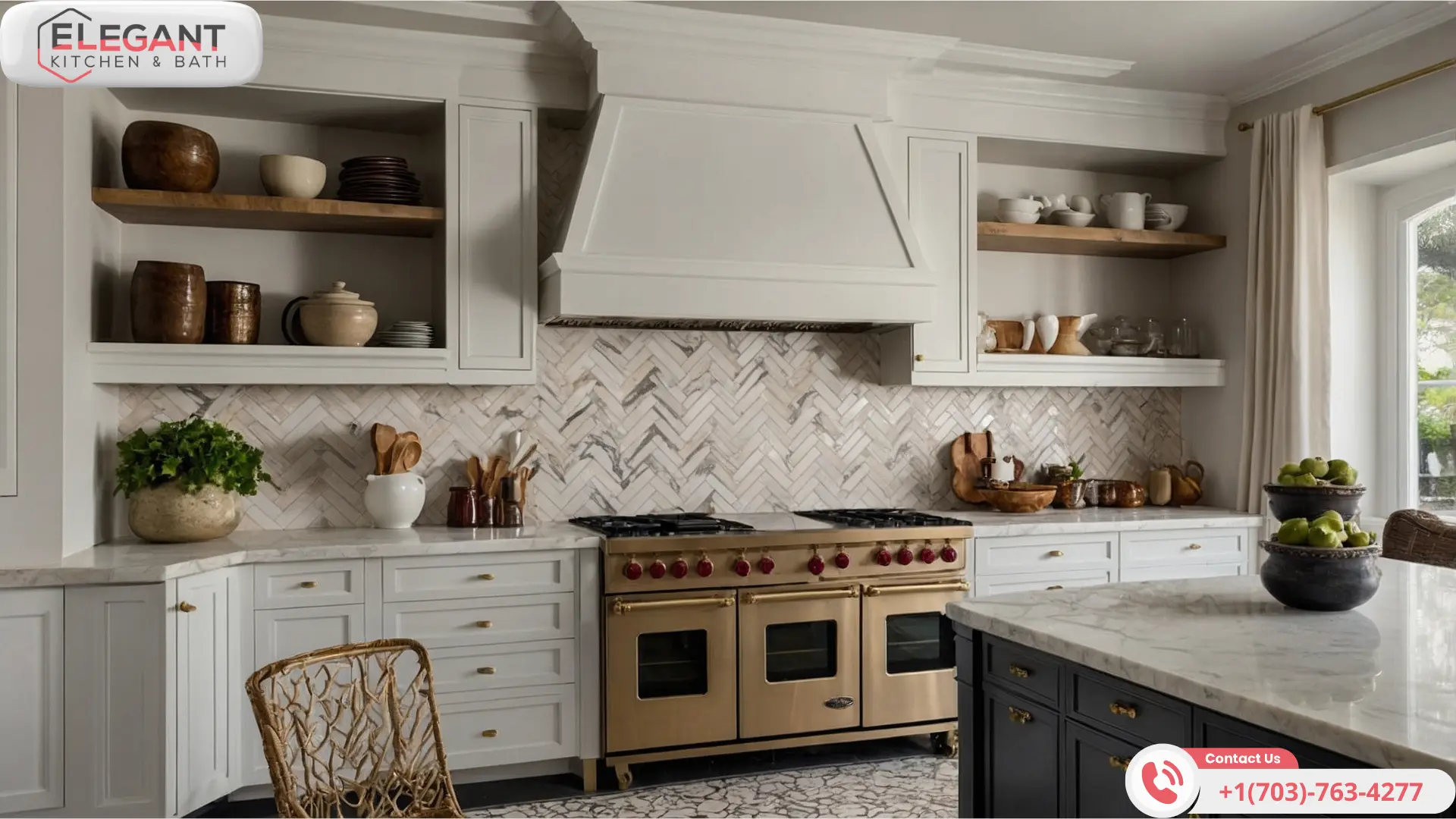
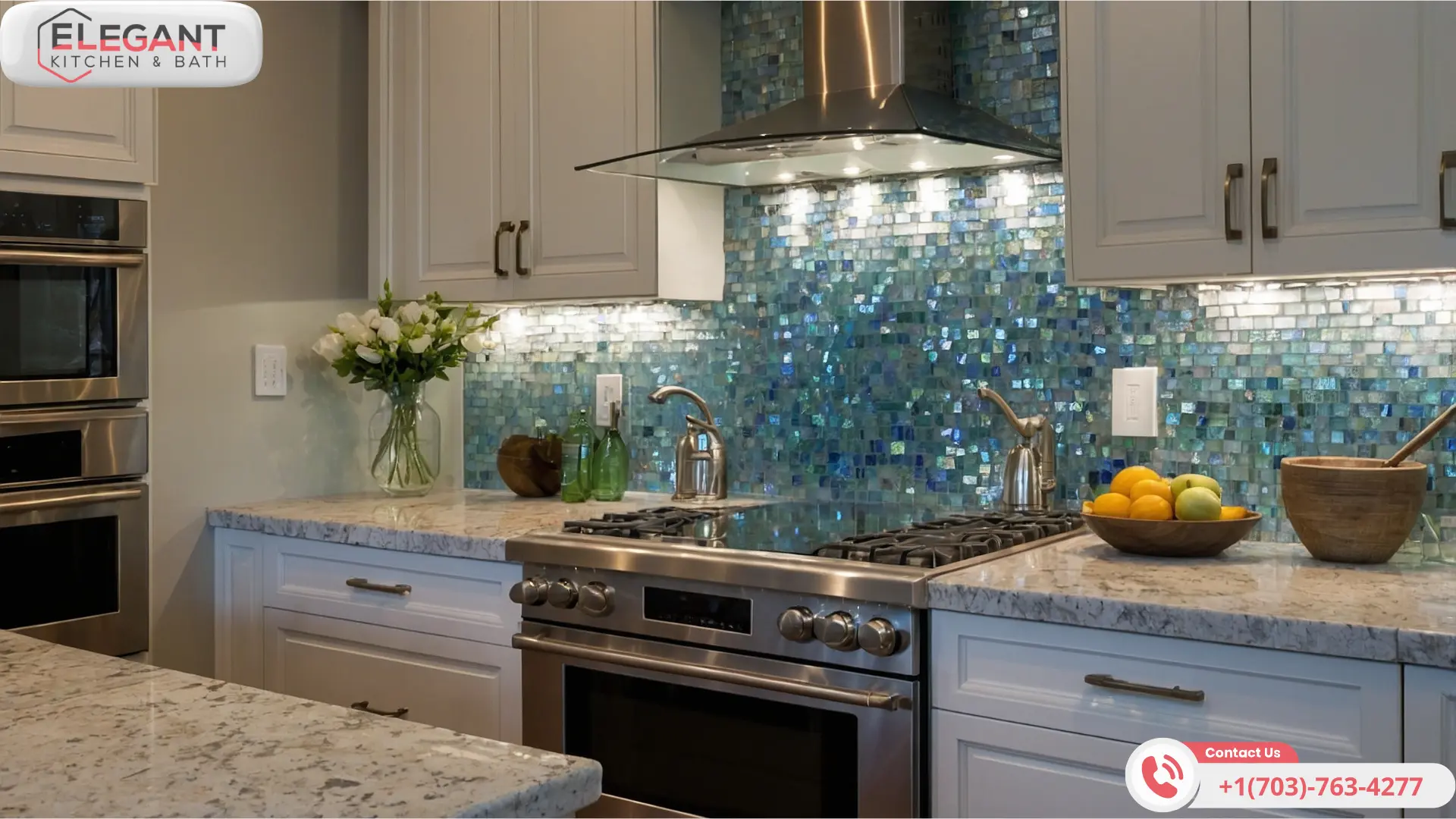
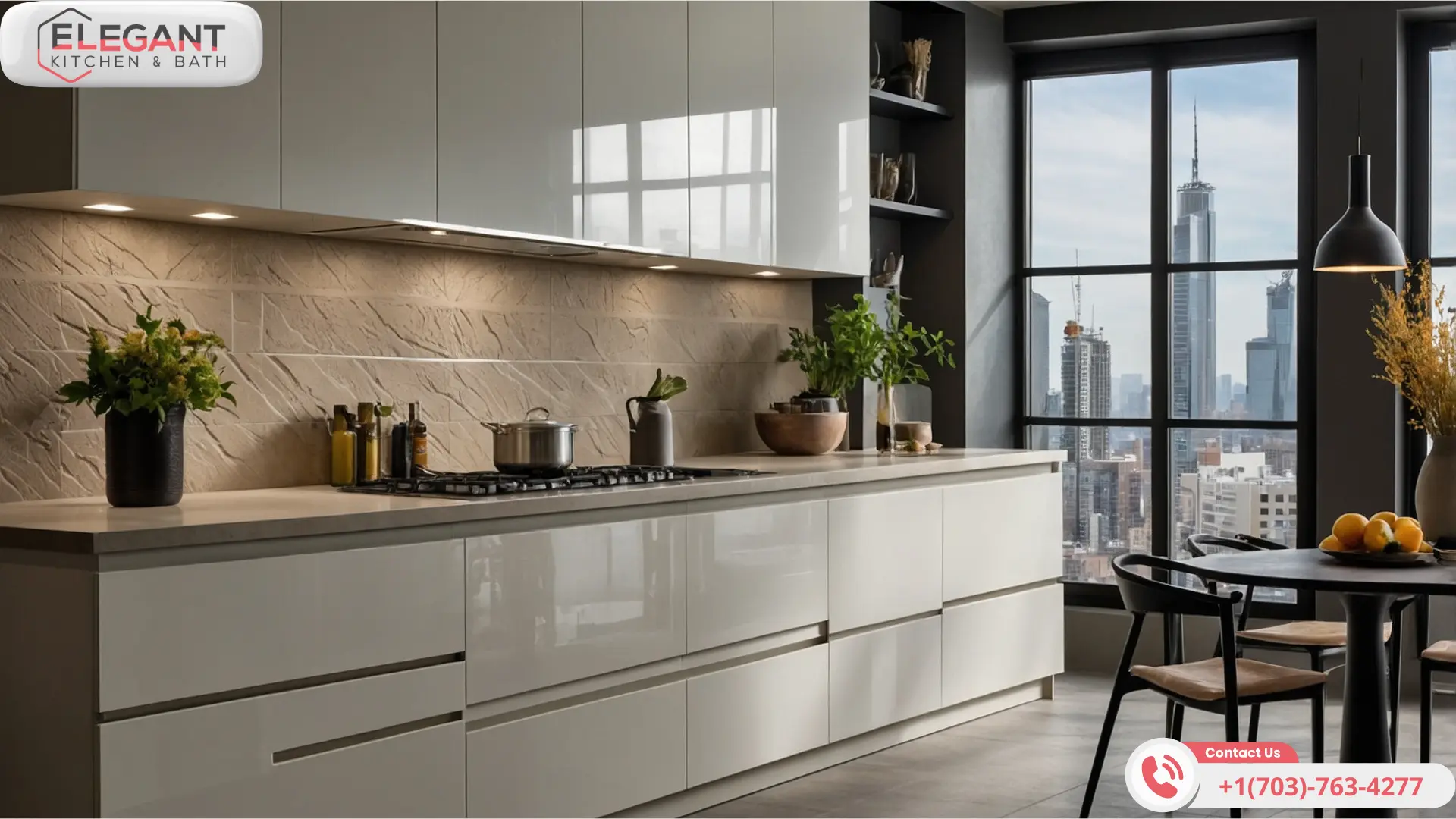
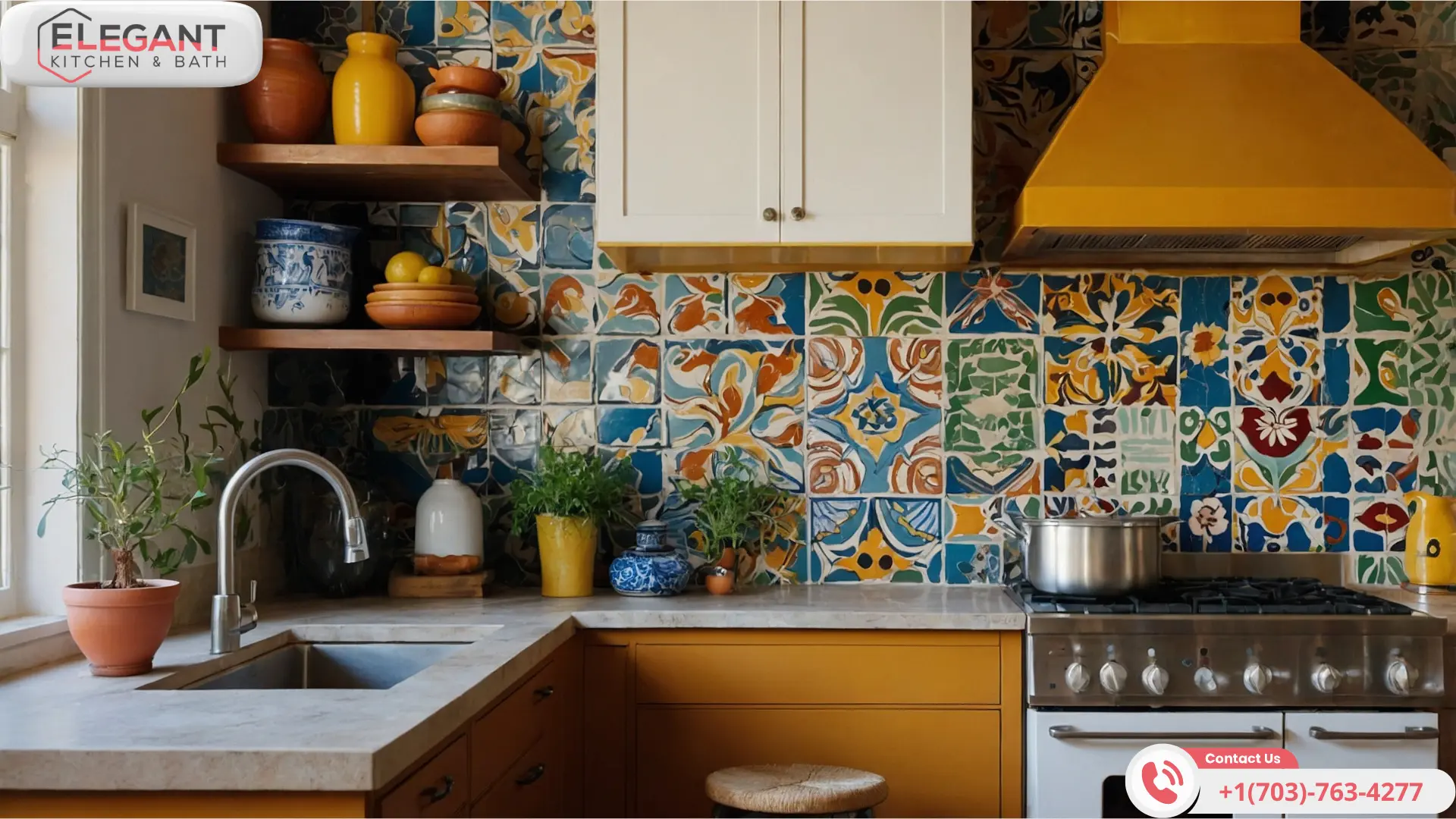
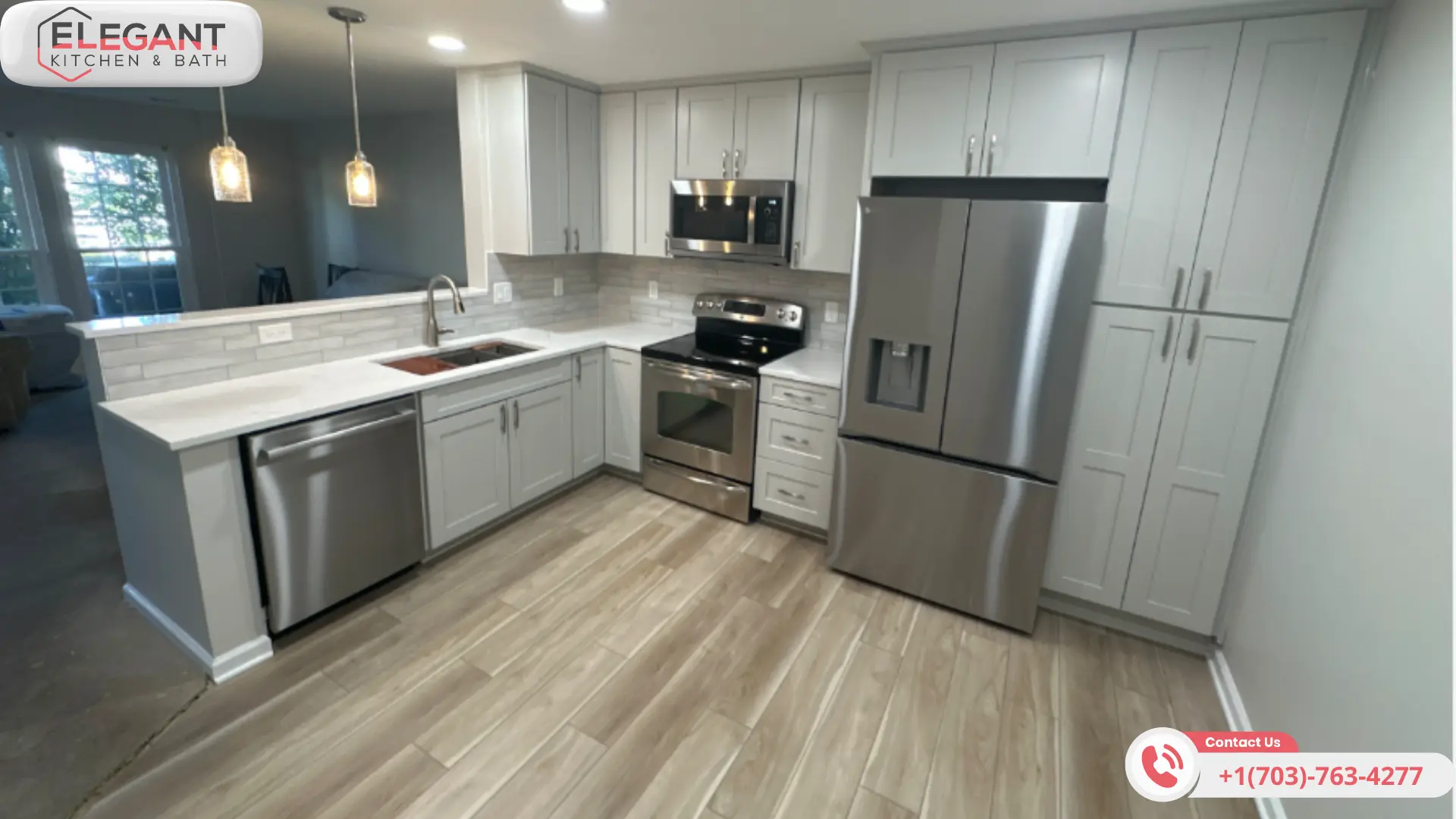
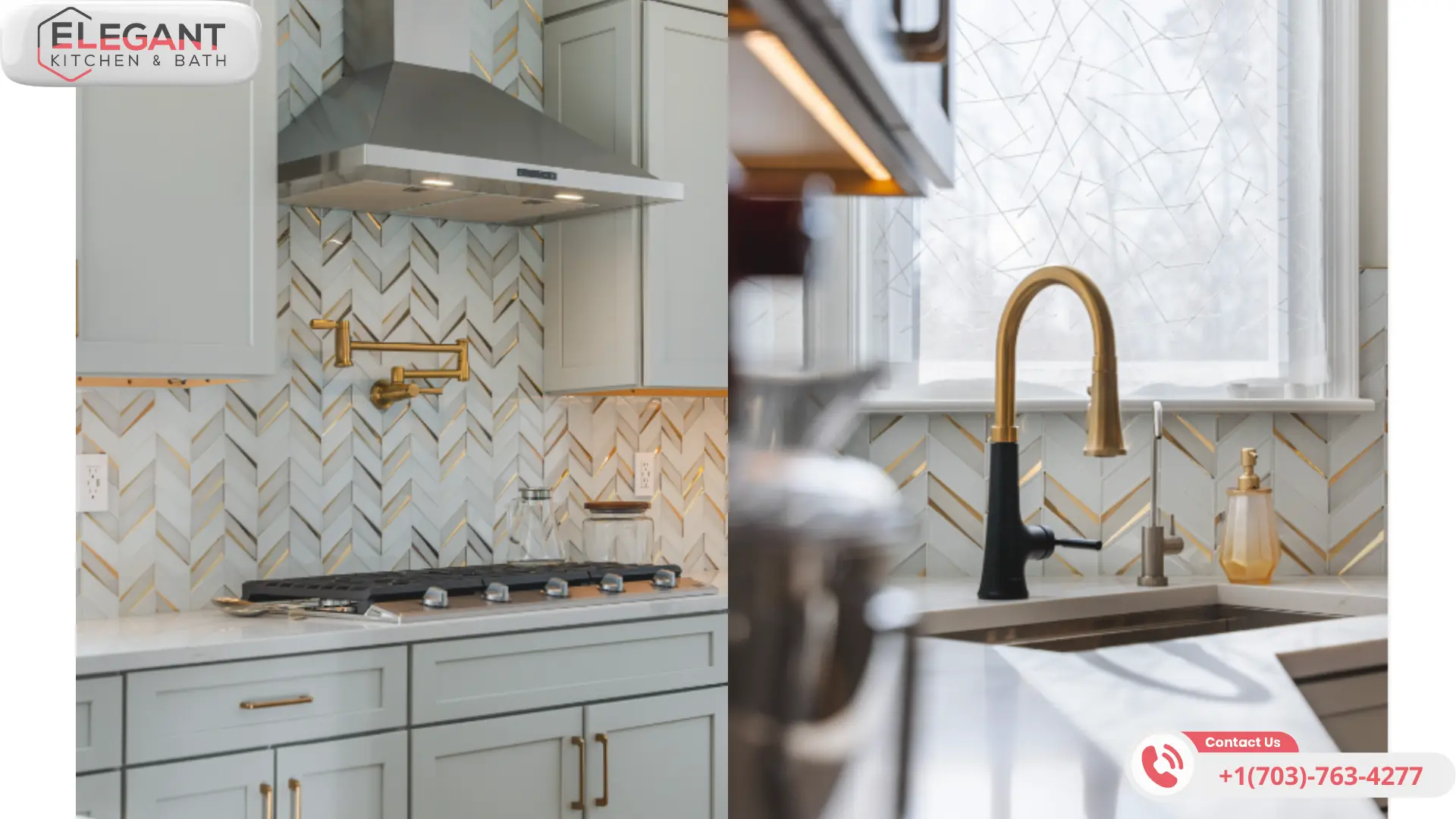
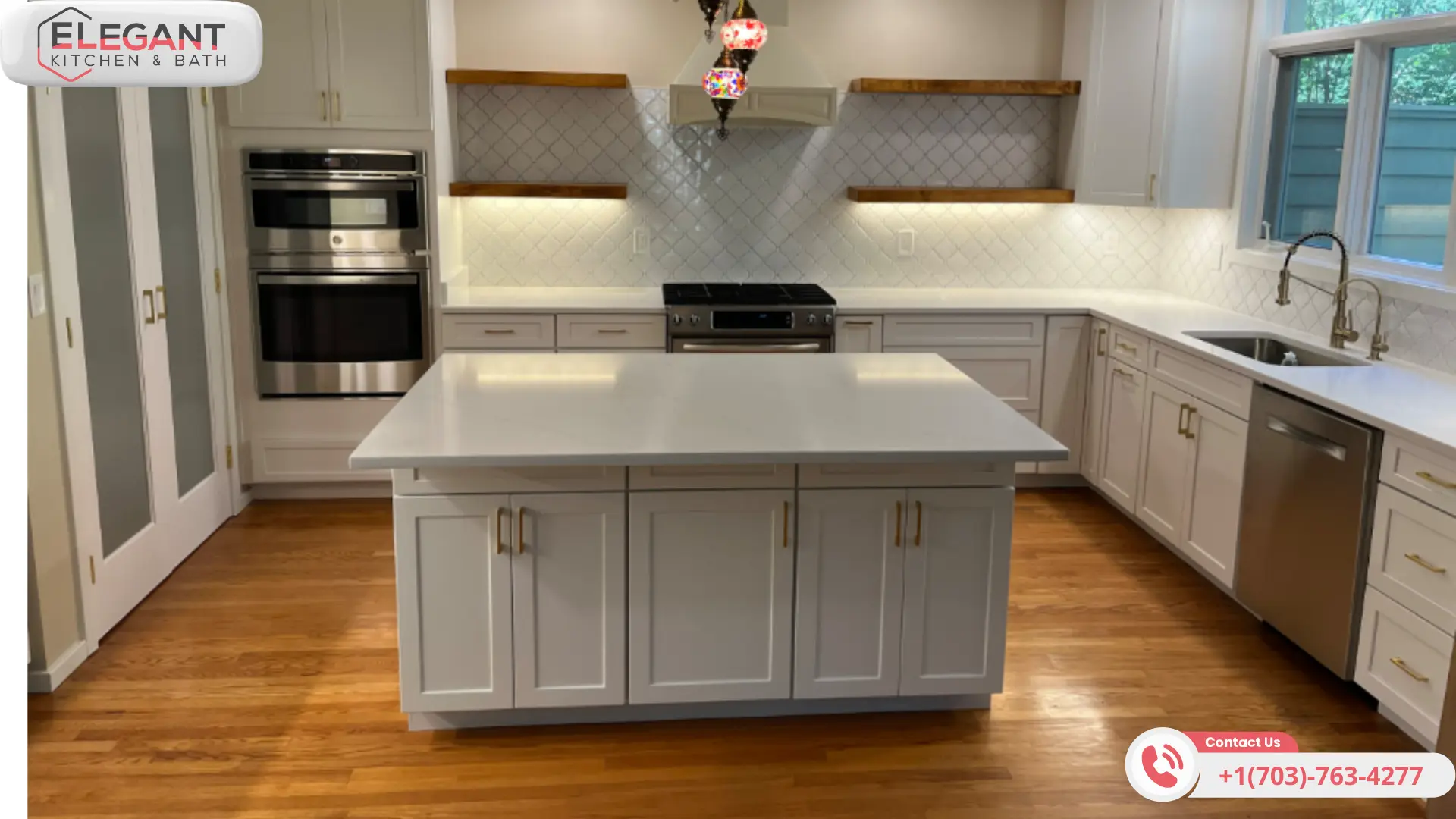
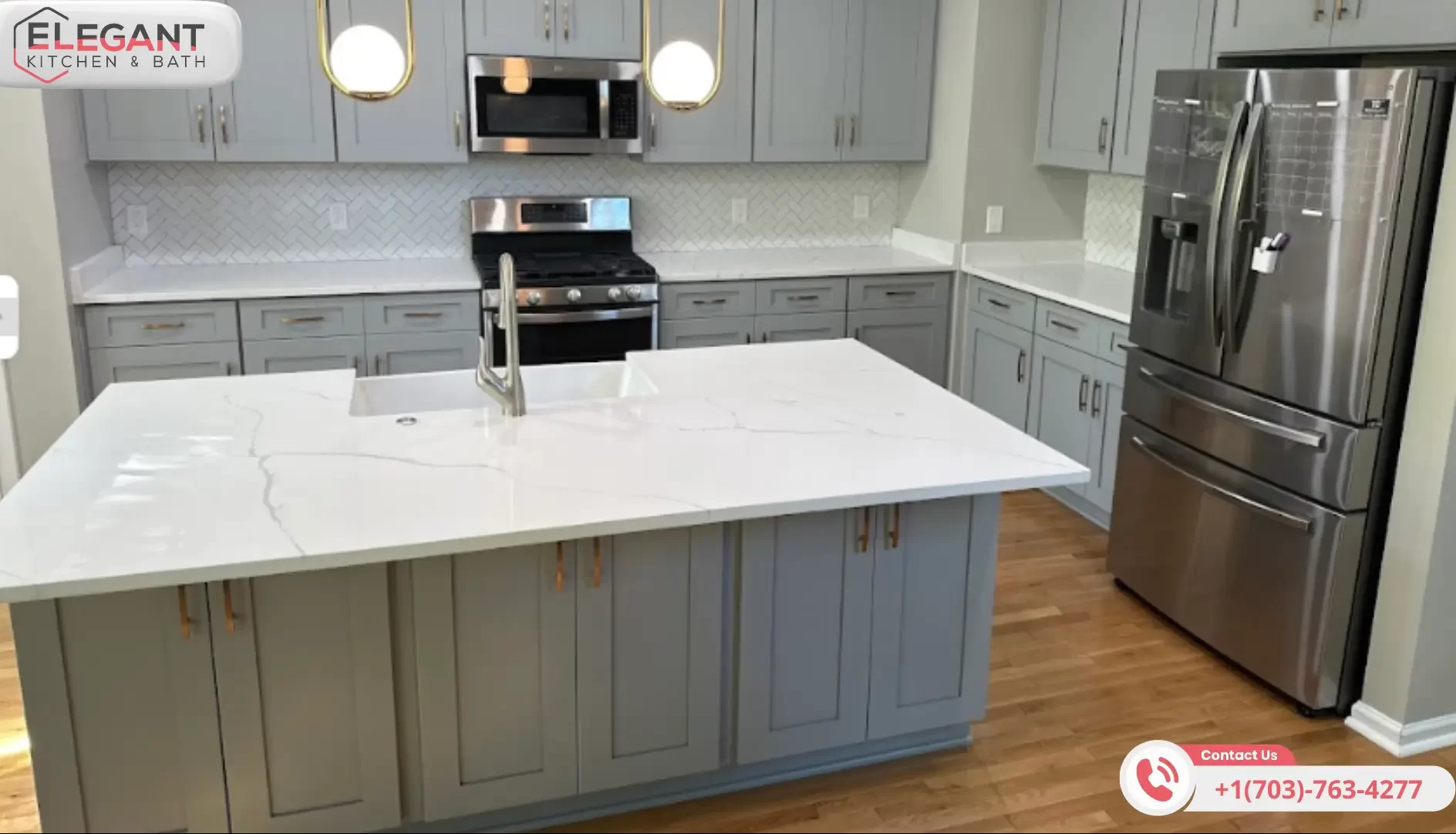
Elegant Kitchen and Bath taps into various subway tile backsplash designs, transforming any kitchen into a mosaic of modernity and sophistication.
The simple addition of these brick-shaped beauties can elevate the room’s aesthetic, lending an air of crafted elegance to the heart of your home.
With a wide range of colors, textures, and patterns available, the design possibilities are limitless.
These subway tile ideas promise to re-involve your kitchen’s ambiance, from creating a sanctuary of serene blues to infusing a dynamic flair with a herringbone pattern.
Keep reading to discover how to master the art of subway tile backsplashes for a kitchen that captivates with every detail.
Key Takeaways for Exploring Subway Tile Backsplash Design Variations
Subway Tile Choices Impact Kitchen Aesthetics: Selecting colors and finishes for subway tiles plays a crucial role in harmonizing and enhancing the overall aesthetics of the kitchen. Different hues and textures offer unique ambiance possibilities, from serene blues to vibrant patterns.
Reflective Tiles Enhance Kitchen Lighting: Using reflective subway tiles can significantly enhance the lighting in the kitchen, both natural and artificial, by playing with light reflections and creating a bright, airy atmosphere.
Grout Selection Matters: The color and width of grout can either emphasize or soften the subway tile patterns, playing a key role in the visual impact of the backsplash. Careful selection of grout helps unify the kitchen space’s tile design.
Mixing Tile Sizes Adds Visual Interest: Incorporating various subway tile sizes can create dynamic visual effects, define different kitchen zones, and add depth and texture. This technique can make smaller spaces appear larger and more intricate.
Bold Tiles Bring Life to Neutral Kitchens: Introducing bold-colored subway tiles can energize a kitchen when balanced with neutral elements like wood or stone. This combination adds a striking focal point without overwhelming the overall design harmony.
Subway Tile Adapts to Various Design Styles: The versatility of subway tiles makes them suitable for different design aesthetics, from modern and sleek to traditional and classic. They are a timeless choice that adapts well to evolving styles.
Strategic Color Placement Transforms Spaces: Planning the placement of colors and patterns within the subway tiles can significantly alter the kitchen’s ambiance. Techniques such as gradient transitions or herringbone patterns add a sophisticated touch.
The transformative allure of subway tiles, an homage to the iconic New York City subwayaesthetics, has made them a revered choice for kitchen backsplashes.
Deciding on the perfect hue that complements the character of your space is vital; whether it’s understated porcelain tile offering a timeless touch or vibrant glass tile bestowing a modern flare,elegant kitchen and bath color choice is critical.
Harmonizing these tiles with the sleek surfaces of kitchen appliances presents a cohesive design narrative. In contrast, integrating reflective ceramic tiles can amplify the natural or artificial lighting within the culinary enclave – an approach that marries functionality with visual appeal.
Choosing the Right Color for Your Space
When orchestrating a kitchen’s aesthetic transformation, the selection of a porcelain tile can act as a defining element, seamlessly fusing with the texture of wood cabinets to foster an ambiance of warmth and sophistication. With attention paid to complementary shades, this duo works in concert to outline the kitchen’s architectural nuance, enhancing the cabinetry’s natural beauty and introducing a new dimension to the space.
Color selection is a pivotal factor in kitchen harmony, with the hue of subway tile playing a crucial role in uniting or delineating the elements within the kitchen’sdesign milieu. For instance, a deep, earthy porcelain tone can augment the richness of wood grain, making cabinetry command attention amidst the broader canvas. Lighter shades foster an aura of expansiveness, adding a sense of dimension and open airiness to the kitchen space.
Matching Tiles With Kitchen Appliances
A harmonious symphony of design elements is essential in any kitchenrenovation, and the choice of subway tile can significantly influence the relationship with kitchen appliances. Opting for a grout that echoes the shade of stainless-steel appliances can create a fluid transition from tile to tech. In contrast, a glossy finish on the tiles can reflect light to underscore sleekness, giving the kitchen a sophisticated flair that befits modern culinary spaces.
Integrating subway tiles in shades that complement or contrast kitchen appliances can dramatically alter the interaction of space and form. If the intention is to craft an ambiance of continuity, one might choose a rectangletile in a hue that blends with the paint of the cabinetry, perfectly framing the sink and creating a visually seamless kitchen workspace with an undercurrent of thoughtful design.
Element
Choice
Impact
Subway Tile Finish
Glossy
Reflects light, enhances appliance sleekness
Grout Shade
Stainless-steel Echo
Creates seamless transition with appliances
Tile Hue & Cabinetry Paint
Complementary/Contrasting
Frames sink, unifies or distinguishes spaces
Accentuating Lighting With Reflective Tiles
Advances in tile technology have propelled the humble subwaytile to a level where it not only serves as a practical backsplash material but also plays a pivotal role in manipulating the illumination within a kitchen. The use of reflective ceramic or glass subway tiles can create an enthralling dance of light across the room, magnifying the comforting glow descending from the ceiling and showcasing the rich textures of wood flooring below.
Material
Reflection
Interaction with Light
Glass Subway Tiles
High
Maximizes brightness, enlarges space perception
Ceramic Subway Tiles
Moderate
Softly diffuses light, adds warmth
Matte Subway Tiles
Low
Minimizes glare, offers subdued ambiance
During a kitchenrenovation, homeowners seek to upgrade functionality and inject a spark of New York City flair. Incorporating glossy subway tiles that capture and redistribute light contributes to a sense of spaciousness, echoing the expansive vistas of the city’s sky. This clever interplay with artificial and natural light sources transforms a kitchen from merely a cooking space into a vibrant home hub reminiscent of the city that never sleeps.
Use Medium Blue Tiles to Create a Serene Backsplash
In the pursuit of tranquility and elegance in the kitchen, medium blue subway tiles as a backsplash can evoke the calming essence of an ocean breeze.
This choice delicately coordinates with a vast spectrum of countertop materials, offering a peaceful counterpart to natural stone or a striking juxtaposition against industrial concrete.
Homeowners are enticed to select the ideal shade of blue that resonates with their aesthetic sensibilities and pays subtle tribute to the storied tiles of New York City subway stations.
Moreover, the interplay of blue tiles with elements such as brass fixtures and green botanical accents in the kitchen or pantry creates a tableau reminiscent of a serene bathroom oasis.
Grout selection becomes a delicate balance – it should highlight the blue tones without overwhelming them, completing the transformative vision of the backsplash with finesse.
Coordinating Blue Tiles With Countertops
The seemingly effortless sophistication of marble countertops offers a sublime canvas upon which medium blue subway tiles can weave their magic, creating a sanctuary-like ambiance analogous to a peaceful shower retreat. As the veined patterns of marble intersect with the uniformity of the subway tiles, they command a serene yet dynamic visual password to the kitchen’s identity.
The combination pivots towards contemporary elegance when medium blue tiles meet the sleek edges of glass countertops in juxtaposition. This pairing crafts an optical harmony with a light resembling water gently cascading over a glass barrier in a modern showerdesign, infusing the kitchen with a fluid and airy charm.
Selecting the Perfect Shade of Blue
Selecting the ideal shade of blue for your kitchen’s subway tile can be an enriching process that marries aesthetics with individuality. The chosen hue should act as both a canvas and an accent, enhancing the interplay of light with the floor’s material and complementing the overall shape and flow of the space. Picking the right tone requires a careful examination of how the tile will interact with both natural and interior lighting, ensuring the color remains accurate at all hours of the day.
The aesthetics of a serene kitchen often draw on the psychological effects of color, with blue evoking calmness and focus. When logging into their personal space, homeowners should feel an immediate sense of tranquility. Therefore, selecting a blue that not only aligns with the kitchen’sdesign but also serves as a restful backdrop is crucial. The tiles must resonate with the existing decor and the desired ambiance, setting a peaceful tone for every culinary login.
Tile Factor
Consideration
Impact on Selection
Light Interaction
Natural and Interior Lighting
Ensures chosen hue is accurate throughout the day
Space Harmony
Overall Shape and Flow
Complements spatial dynamics and design elements
Psychological Influence
Color’s Effect on Mood
Evokes tranquility for a peaceful cooking environment
Tips for Grout Selection
In interior design, the art of grout selection for subway tile is akin to choosing the right frame for a piece of art. For a medium blue tile backsplash posted on a kitchenwall, one might consider a lighter groutcolor to accentuate the herringbone pattern, reminiscent of the intricacies of a finely crafted fireplace mantel.
Groutcolor can elevate or subdue the visual impact of a tiled surface. When medium blue tiles grace the walls of a kitchen, selecting a darker grout shade can parallel the bold lines that define a contemporary fireplace, creating a striking contrast that anchors the room’s aesthetic.
Elevate Your Kitchen With Gradient Subway Tiles
Revolutionizing the ambiance of a kitchen through the ingenious use of gradient subway tiles is a trend at the forefront of moderninterior design.
The strategic planning of color progression from shade to shade entails meticulous attention, creating an enchanting visual narrative that flows effortlessly across the backsplash.
Designers often deliberate between vertical and horizontal tile arrangements, bringing unique structural perception and stylish edge to the culinary space.
Interspersing accent colors within the gradient can introduce a captivating sense of depth, breaking the monochromatic scheme and endowing the kitchen with a bespoke, designer quality that is sophisticated and rich in visual texture.
Planning a Seamless Color Transition
Orchestrating a smooth color transition in subway tile backsplashes requires a meticulous blend of hues that mimic the subtle gradation seen in natural phenomena such as dusk or dawn. Designers often recommend a gentle shift from lighter tones at the top, which can make the ceilings feel higher, cascading down to darker shades that ground the space and draw the eye through the kitchen landscape.
The designer’s vision for seamless color transition in subway tile installations is realized by carefully selecting and placing each tile, ensuring that adjacent colors flow without stark delineation. This approach creates a backsplash and a centerpiece that conveys movement and depth, transforming the backsplash into an artful tapestry that commands attention and conversation.
Ideas for Vertical vs. Horizontal Arrangements
Designers are pushing the boundaries of tradition with the strategic orientation of subway tiles. A vertical arrangement ascends majestically, stretching the perception of height and bringing an unexpected twist to the classic subway pattern, lending a touch of modernity and visual interest that guides the gaze upward in a rhythmic fashion.
Conversely, a horizontal layout offers a more traditional approach with the potential for innovation through gradient hues. This timeless configuration can create a broadening effect, visually expanding the kitchen’s horizon and providing a tranquil continuity that complements the linear nature of countertops and cabinets, anchoring the space with a sense of grounded elegance.
Incorporating Accent Colors for Depth
The strategic injection of accent colors into a gradient subway tile backdrop offers a splash of vibrancy and a layered effect that gives the illusion of depth. These dashes of unexpected color play a subtle yet transformative role, drawing the eye and infusing the kitchen with a dynamic aesthetic that transcends the ordinary backsplash.
Design experts often recommend selecting accent hues that resonate with key elements in the kitchen, such as cookware, seating, or decorative objects, to foster an interconnectedness within the space. This artful coordination establishes a dialogue between the backsplash and the room’s accessories, culminating in a cohesive and inviting kitchen environment.
Experimenting With a Herringbone Tile Pattern
Veering from the customary alignments, a herringbone tile pattern offers an infusion of dimensionality and architectural interest to any kitchen backsplash.
This intricate layout, reminiscent of a chevron’s elegance, introduces a dynamic rhythm into the kitchen’sdesign, interplaying with light and shadow to bring the wall to life.
In the upcoming sections, homeowners and design enthusiasts will receive a comprehensive guide on how to lay the foundation for this classic pattern, the nuances in tile selection to complement the angular display, and expert advice on selecting wall colors that harmonize with the zigzag motif of a herringbone arrangement. This guide aims to elevate the kitchen’s character to a symphony of style and sophistication.
Step-by-Step Guide to Laying Herringbone
Beguiling enthusiasts and professionals alike, the herringbone pattern requires a keen eye for detail and a steady hand. Embarking on this tiling adventure calls for the tiles to be angled at 45 degrees, ensuring the point of each tile is aligned with the end of the adjacent one, which cultivates the characteristic zigzag motif that herringbone is celebrated for.
After meticulously measuring and marking the wall’s center point as a reference, the first few tiles are laid without adhesive to confirm the pattern’s trajectory across the backsplash. This dry layout is a critical stride, allowing adjustments to the alignment before the permanent application of thin-set mortar, the binding agent that secures the tiles in their elegant dance across the kitchenwall.
Choosing Tiles for a Herringbone Backsplash
Choosing the ideal tiles for a herringbone backsplash is an exercise in balance and elegance, where both the size and color of the tiles become focal points. Rectangular tiles, traditionally twice as long as they are wide, are favored to achieve the herringbone’s signature zigzag pattern, allowing for a visually fluid transition that adds sophistication to the culinary space.
When selecting tiles for the herringbone design, homeowners often gravitate towards materials that offer subtle texture or a slight variation in hue. These nuances can highlight the intricate layout without overwhelming the senses. Porcelain and ceramic remain popular for their many finishes and shades, ensuring that the backsplash functions as a visual centerpiece and complements the kitchen’s overall aesthetic.
Complementing Wall Colors With Herringbone Patterns
Integrating a herringbone tile pattern into a kitchen’s decor introduces a striking visual statement, necessitating thoughtful consideration of the surrounding wallcolor. To amplify herringbone’s architectural depth, walls painted in muted tones like soft grey or warm beiges can serve as a serene backdrop, allowing the pattern to stand as the focal point without competing for attention.
Selecting wall colors that are subtle contrasts with the tilecolor can also enrich the dynamic texture of a herringbone backsplash. By choosing a slightly darker or lighter wall hue, homeowners can create a delicate interplay of shades that accentuates the weaving angles of the tiles, resulting in an elevated aesthetic cohesion that enhances the overall kitchenspace.
Mixing and Matching Subway Tile Sizes for Impact
The creative application of subway tile in kitchen backsplashes has evolved. Designers now advocate for blending various tile sizes to construct a unique and engaging visual narrative.
This mixed-size approach serves not merely as a design statement but also employs clever visual tricks that can transform the perception of space within the kitchen.
Large tiles can foster a sense of grandeur and openness, while smaller tiles can add intricate detail and texture.
The ingenious placement and combination of these tiles and the strategic grout use enhance the kitchen ambiance.
This technique lets homeowners personalize their environment while achieving harmonious balance and striking impact.
Balancing Large and Small Tiles
Infusing a kitchendesign with large and small subway tiles can establish a striking visual dialogue within the space. Large tiles can accentuate spaciousness and bring a bold, contemporary touch, while smaller tiles introduce texture and detail that captivate the observer and draw them into the kitchen’s unique narrative.
The deft juxtaposition of tile sizes demands a discerning choice where scale creates not chaos but a deliberate artistic expression. Designers often deploy larger tiles as a foundation, setting an expansive stage upon which the smaller tiles can perform, articulating nuances of light and shadow that enliven the kitchen’s atmosphere.
Visual Tricks to Enhance Space With Tile Sizes
Understanding the optical illusions created by various subway tile sizes allows homeowners to manipulate the perception of space within their kitchens masterfully. Significantly, skilled designers utilize large-format tiles to convey a sense of expansiveness, their broad surfaces diminishing visible seams and creating an uninterrupted canvas that visually stretches the walls.
Conversely, incorporating smaller tiles can generate depth and intricacy, enticing the eye with their detailed patterns and the subtle play of light and shadow they invite. Strategically pairing these smaller tiles in proximity to larger ones can delineate cooking zones or highlight architectural features, thereby optimizing the kitchen’s spatial dynamics:
Tile Size
Effect on Space
Application
Large-Format Tiles
Enhances perceived openness
Wall expanses, minimalist styles
Small Tiles
Adds texture and depth
Accent areas, detailed patterning
Mixed Sizes
Defines areas, offers visual interest
–
The Role of Grout in Mixed Tile Designs
In the tapestry of kitchendesign, grout serves as an unsung hero, seamlessly binding together the varied elements of mixed-size subwaytile installations. Its role becomes dramatically magnified when different tile sizes converge, as the grout lines act as subtle guides that navigate the eye across the varied landscape, maintaining a coherent visual thread throughout the design.
The strategic selection of groutcolor and width cannot be overstated in mixed tile designs: it melds the diverse tile dimensions into a unified structure. When pairing large-scale tiles with their miniature counterparts, a contrasting grout shade can accentuate the bold geometry; simultaneously, a grout hue that closely matches the tiles can create an illusion of continuity that softens the transition between sizes:
Tile Combination
Grout Color
Visual Outcome
Large & Small Tiles
Contrasting Shade
Highlights geometric pattern
Large & Small Tiles
Matching Shade
Softens transition, enhances unity
Adding a Pop of Color With Bold Subway Tiles
The modern kitchen, a hub of family activity and entertainment, is the perfect canvas for injecting a vibrant personality through the strategic use of bold subway tiles.
Judicious color selection is key to achieving a balance between audacity and harmony. Ensure the chosen shades resonate with the kitchen’s existing décor and enhance its character.
As we navigate through strategies for threading vibrant hues into kitchendesign, we’ll explore how bold tiles can be tempered with natural elements to maintain a refined yet impactful aesthetic, inspiring those looking to revitalize their culinary space without succumbing to visual overload.
Selecting Bold Colors That Complement Your Decor
Revitalizing a kitchen with bold subway tiles requires a delicate alchemy of shade selection that enhances the kitchen’s existing materials and hues. Design experts underscore the importance of choosing a tilecolor that sets off the natural beauty of stone countertops or the warm tones of woodcabinetry, thereby creating a harmonious yet striking visual landscape within the culinary space.
Integrating vibrant subway tiles into the kitchen’s backdrop calls for a discerning eye that distills the space’s essence and injects life with carefully chosen, vivid hues. The aim is to achieve a balance that anchors the room while allowing the tiles to serve as a dynamic focal point, complementing fixtures and furnishings and imbuing the area with an artful exuberance.
Strategies for Introducing Color Without Overwhelming
Injecting lively subway tiles into a kitchendesign without creating a sensory overload requires a nuanced strategy. Carefully curating areas of color that act as deliberate focal points enables the rest of the kitchen to maintain a neutral palette, fostering a dynamic yet balanced ambiance. Choosing one or two walls for a color infusion, rather than blanketing the entire kitchen with vibrancy, offers a controlled splash of personality that uplifts without dominating.
To temper the boldness of vibrant tiles, designers often balance them with subdued fixtures and natural finishes: matte black faucets or wooden cutting boards. Strategic color blocking with bold subway tiles can also delineate specific areas or functions within the kitchen, such as highlighting a breakfast nook or beverage station, thus integrating color with a purposeful design intention:
Design Element
Color Strategy
Intended Effect
Bold Subway Tiles
Color Blocking
Defines areas, adds functional vibrancy
Neutral Fixtures
Matte, Subdued Finishes
Counterbalances tile boldness
Natural Accents
Wood, Stone Textures
Softens color impact, adds warmth
Pairing Bold Tiles With Neutral Elements
Careful curation of neutral elements ensures that bold subway tiles blend harmoniously into the kitchen milieu. Incorporating organic materials such as unstained wooden shelves and sleek stone countertops provides a balanced backdrop. At the same time, the vivid hues of the tiles infuse the space with a dash of playful sophistication.
Designers recommend offsetting the drama of richly colored tiles with understated wallpaint and minimalist cabinetry. This contrast ensures that the kitchen retains a refined tranquility, allowing the statement-making backsplash to take center stage without overwhelming the senses.
FAQs for Subway Tile Backsplash Design Variations
1. What is the best pattern for subway tile?
The best subway tile pattern depends on your style and the overall aesthetic you want to achieve. Staggered patterns are more traditional and timeless, while stacked patterns are more modern and trendy. Staggered patterns can add texture and character to your backsplash, while stacked patterns create a clean, streamlined look.
2. Are subway tile backsplashes still in style?
Yes, subway tile backsplashes are still in style. They are a classic choice that can be adapted to various design styles, from modern to traditional. They are versatile and can be paired with different colors, patterns, and materials to create a unique look.
3. What is the most popular way to lay subway tile?
The most popular way to lay subway tile is in a staggered pattern. This timeless pattern can be used in modern and traditional kitchens. Staggered patterns can also help to hide any imperfections in the tile installation.
4. What backsplash tile never goes out of style?
Subway tile is a timeless choice that never goes out of style. It is a classic design element that can be used in various modern and traditional settings. Subway tile can be paired with different colors, patterns, and materials to create a unique look that suits your style.
5. What is the trend in backsplash in 2024?
In 2024, the trend in backsplash design is towards bold colors and patterns. Subway tile backsplashes can be paired with bold colors and patterns to create a modern and trendy look. Neutral elements such as white or gray can also make a clean and timeless look.
6. What backsplashes are outdated?
Outdated backsplash designs include overly ornate or busy patterns. Simple and clean designs are more popular and timeless. Subway tile backsplashes are a classic choice that can be adapted to various design styles and never go out of style.
7. Should backsplash be lighter or darker than countertop?
The choice between a lighter or darker backsplash depends on your style and the overall aesthetic you want to achieve. A lighter backsplash can create a clean and bright look, while a darker backsplash can create a dramatic and bold look. Subway tile backsplashes can be paired with different colors to create a unique look that suits your style.
8. What should you avoid backsplash?
Avoid using overly ornate or busy patterns for your backsplash. Simple and clean designs are more popular and timeless. Subway tile backsplashes are a classic choice that can be adapted to various design styles and never go out of style.
9. What is the most timeless backsplash?
The most timeless backsplash is a simple and clean design. Subway tile backsplashes are a classic choice that can be adapted to various design styles and always stay in style. They can be paired with different colors, patterns, and materials to create a unique look that suits your style.
10. Is subway tile trendy or timeless?
Subway tile is timeless. It is a classic design element that can be used in various modern and traditional settings. Subway tile can be paired with different colors, patterns, and materials to create a unique look that suits your style.
11. Are four backsplashes out of style?
No, four backsplashes are not out of style. Subway tile backsplashes can be used in various modern and traditional settings. They are versatile and can be paired with different colors, patterns, and materials to create a unique look that suits your style.
12. Is marble subway tile timeless?
Yes, marble subway tile is timeless. Marble is a classic material used in various modern and traditional settings. Marble subway tile can be paired with different colors, patterns, and materials to create a unique look that suits your style.
13. What is the trend in tile in 2024?
In 2024, the trend in tile is towards bold colors and patterns. Subway tile backsplashes can be paired with bold colors and patterns to create a modern and trendy look. Neutral elements such as white or gray can also make a clean and timeless look.
14. What size subway tile is trending?
The size of trending subway tiles varies depending on personal style and design preferences. However, smaller subway tiles (e.g., 2.5″ x 5″) are popular for creating a more modern and sleek look, while larger tiles (e.g., 4″ x 12″) are popular for creating a more traditional and classic look.
Hear From Our Delighted Clients About Subway Tile Backsplash Design Variations
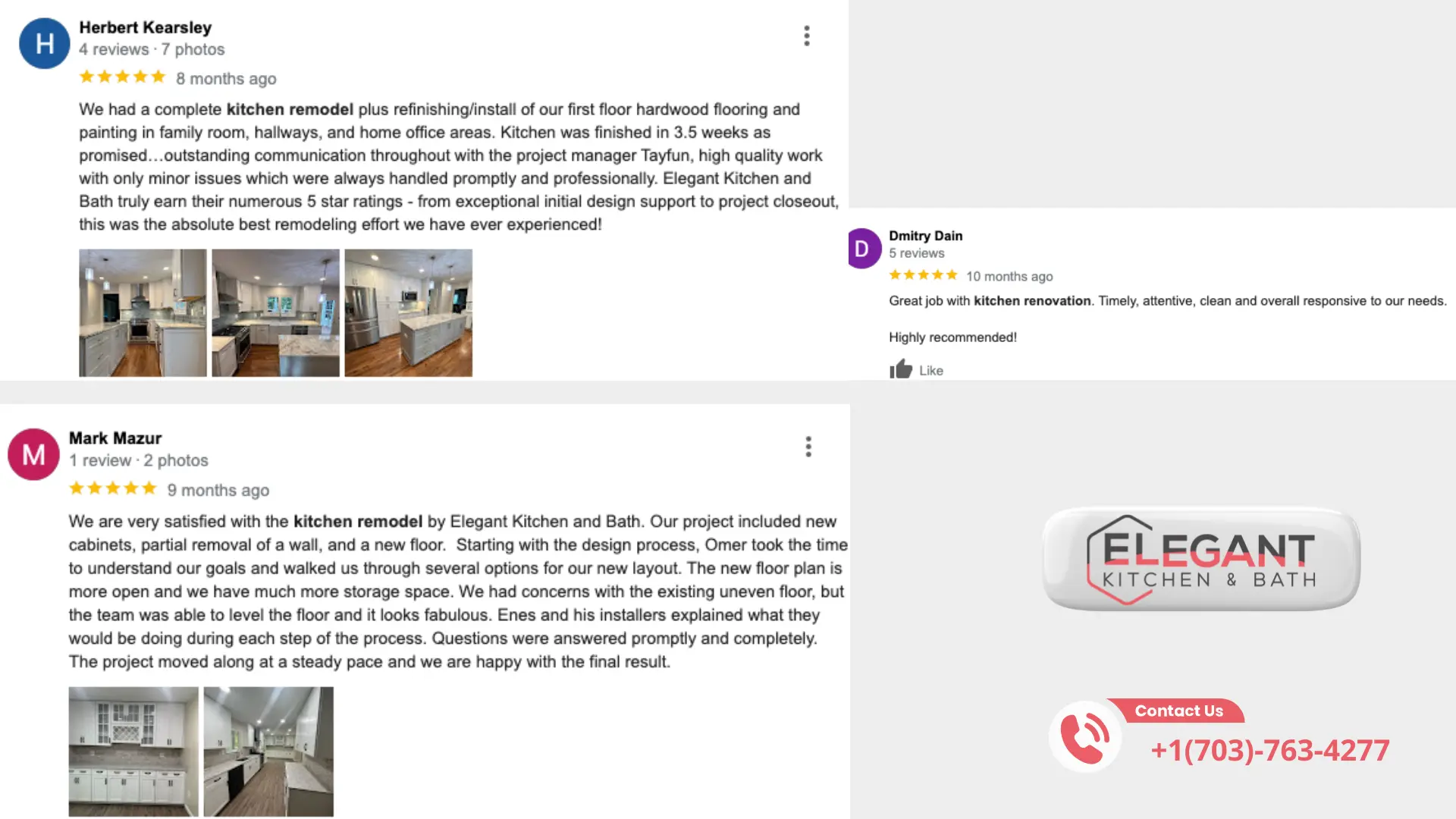
Ramya and her family recently completed a kitchen renovation with Elegant Kitchen and Bath and couldn’t be happier with the results. Their designer, Emri, patiently worked with them to incorporate their ideas and customizations into the kitchen design.
The project was expertly managed by Tayfun, who paid close attention to every detail and ensured all necessary follow-ups were completed on time. Ramya appreciated that the owner, Arif, personally visited to address their concerns about removing a load-bearing wall. Overall, Ramya is thrilled with the work and highly recommends Elegant Kitchen and Bath.
Amrita Prasad is delighted with Elegant Kitchen and Bath’s kitchen remodeling work, which includes new cabinets, countertops, partial wall removal, and new flooring. She found the entire team to be professional, courteous, and customer-friendly. Omer took the time to understand their goals and designed a spacious kitchen that met their needs without being pushy.
The on-site manager, Enes, was always available to answer questions and quickly address concerns. The crew was punctual and finished the project in just three weeks, earlier than the promised 4-week timeline. Amrita appreciated that the crew cleaned up daily, removing all project debris and leaving their driveway clean. She highly recommends EKB for any remodeling project and thanks the entire team for their seamless work.
Leonard Smith is thrilled with the beautiful kitchen transformation by Elegant Kitchen and Bath. Tayfun provided outstanding guidance on cabinets and colors, while the project manager, Enes, was highly attentive and communicated superbly.
The entire team delivered outstanding work, completing the kitchen in just one week, surpassing the initial 2-week estimate. Leonard and his family love their new kitchen and look forward to cooking in it for many years. They would gladly choose Elegant Kitchen and Bath for future projects.
Experience the same level of satisfaction as Ramya, Amrita, and Leonard by entrusting your kitchen renovation to Elegant Kitchen and Bath. Our dedicated team of designers, project managers, and skilled artisans work together to bring your dream kitchen to life, delivering exceptional results that exceed your expectations.
Conclusion
Innovative subway tile backsplash ideas are transformative, introducing visual depth and character to the kitchen while enriching the existing decor from sophisticated to serene atmospheres.
Incorporating various colors, sizes, and patterns, from the herringbone arrangement to bold color pops, offers a personalized touch that can define the kitchenspace.
Through strategic design choices, homeowners can manipulate light, space perception, and mood, ensuring the backsplash is functional and a central feature.
Subway tile backsplashes, these timeless tiles add a touch of sophistication to any kitchen or bathroom remodeling project, elevating the space to new heights of elegance.
Whether paired with sleek marble countertops or incorporated into a classic kitchendesign, subway tiles are a versatile choice tailored to any style.
Keep reading to discover the secrets behind the enduring appeal of subway tiles and learn how the experts at Elegant Kitchen & Bath can help you create a truly stunning space.
Key Takeaways for Subway Tile Backsplash: A Timeless Choice for Any Kitchen
Enduring Elegance: Subway tile backsplashes remain a classic and stylish choice for kitchens, offering a clean, simple aesthetic that complements a wide range of design styles.
Beyond the Basics: While the traditional 3×6-inch white ceramic tile is iconic, subway tiles are available in various materials, sizes, colors, and shapes, allowing for endless customization and creative expression.
Material World: Explore classic ceramic and porcelain, sleek glass, or luxurious natural stone options like marble and travertine to match your desired aesthetic and budget.
Size Matters: From delicate 2×4-inch mosaics to bold 6×12-inch tiles, choosing different sizes can dramatically impact your backsplash’s overall look and feel.
Layout as Art:Traditional running bond patterns are always in style, but don’t be afraid to experiment with herringbone, chevron, basketweave, or even vertical installations for a modern twist.
Grout Power: Grout color significantly impacts the final look. Contrasting grout emphasizes the tile pattern while matching grout creates a seamless appearance.
Mix and Match Master: Combine subway tiles with other design elements, such as metal finishes, cabinetry styles, and other tile types, to create a personalized and eclectic kitchen.
Light and Space: When choosing tile material and color, consider the size of your kitchen and the amount of natural light. Lighter tiles can brighten smaller spaces, while darker tiles add depth to larger kitchens.
Beyond the Backsplash: Subway tiles are versatile enough to be used on floors, shower surrounds, and even bathroom walls, creating a cohesive design throughout your home.
Expert Advice: Consult with experienced designers to navigate the vast selection of subway tile options and ensure a coherent, well-designed kitchen that meets your needs and style preferences.
Professional Installation: Proper installation is crucial for a long-lasting and beautiful backsplash. Trust experienced professionals to handle surface preparation, tile placement, and grout application.
Timeless Investment: Subway tile backsplashes are a durable, easy-to-maintain option that adds value to your home and remains stylish for years.
[ez-toc]
The Timeless Look of Subway Tiles
Thanks to their timeless elegance and versatility, subway tiles have been a beloved choice for kitchen backsplashes for decades.
These classic rectangular tiles, typically made from ceramic or porcelain, come in various materials, including glass and natural stone.
Homeowners can explore different sizes, from the traditional 3×6-inch tiles to larger or smaller variations and unique shapes like hexagons.
With various layout options, such as herringbone, basket weave, or stacked, subway tiles offer endless possibilities to create fresh, modern looks in any kitchen style.
Compare Materials
When comparing materials for a subway tile backsplash, homeowners can choose from classic ceramic or porcelain tiles, as well as more unique options like glass or natural stone. Glass subway tiles offer a sleek, modern look and can be found in a variety of colors, including trendy blue hues that create a striking focal point in the kitchen. Natural stone tiles, such as marble or travertine, bring a touch of luxury and organic texture to the subway backsplashdesign.
In addition to traditional rectangular subway tiles, mosaic tiles in various shapes and sizes can add visual interest and dimension to the kitchenwall. Mixing and matching different materials, colors, and patterns within the subway tile backsplash allows for endless customization and creativity in the kitchendesign.
Explore Multiple Sizes
Subway tiles are not limited to the standard 3×6-inch size. Homeowners can explore a range of sizes to create a unique look in their kitchen or bathroom. Larger tiles, such as 4×12 or 6×18 inches, can make a bold statement and minimize grout lines for easier maintenance.
On the other hand, smaller mosaic tiles in 1×2 or 2×4 inch sizes can add intricate detail and visual interest to the backsplash or countertop. These options include:
Glassmosaic tiles for a glossy, modern look
Porcelaintile mosaics for durability and versatility
Natural stone mosaics for a luxurious, organic texture
Choosing a groutcolor that complements or contrasts with the tile can also significantly impact the overall appearance of the subway tile backsplash. Matching the groutcolor to the tile creates a seamless, uniform look while contrasting grout can highlight the pattern and add depth to the design.
Create New Looks With Layouts
Subway tile layouts offer many design possibilities for kitchen backsplashes, allowing homeowners to create unique and captivating looks. The backsplash becomes a stunning focal point that elevates the kitchen aesthetic by arranging tiles in patterns like herringbone, chevron, or basketweave. These layouts add visual interest and movement, much like the flow of water over rocks or the staggered pattern of bricks in a wall.
Experimenting with unconventional layouts can also yield striking results. For example, arranging subway tiles vertically rather than horizontally creates a modern, elongated look that draws the eye upward, visually expanding the space. Other creative layout options include:
Stacked bond for a clean, contemporary feel
Diagonal or 45-degree angle for a dynamic, energetic vibe
Alternating tile sizes or colors for a playful, rhythmic pattern
Mix and Match
Mixing and matching subway tiles with other interior design elements creates a personalized and eclectic look in the kitchen. Homeowners can pair subway tiles with complementary metal finishes on hardware, light fixtures, or a stunning range hood to add depth and character to the room.
Subway tiles also beautifully complement various cabinetry styles, from traditional shaker to sleek, modern designs. Incorporating subway tiles in a shower surround or bathroomwall can create a cohesive look throughout the home, tying together the kitchen and bathroom‘s timeless aesthetic.
Consider Your Space
When selecting subway tiles for a kitchen backsplash, homeowners should consider the space’s overall design aesthetic. Tile materials such as ceramic, porcelain, or glass can significantly impact the room‘s ambiance, as can the color palette, which existing cabinetry, countertops, or paint colors may influence.
Additionally, the size of the kitchen and the amount of natural light it receives can guide the choice of subway tile. In smaller spaces or kitchens with limited natural light, using glass tiles or lighter colors can help reflect light and create a sense of openness. In contrast, larger or darker tiles can add depth and character to more expansive kitchens with ample lighting.
Our Experts Can Help
Elegant Kitchen & Bath’s experienced designers are well-versed in the intricacies of subway tile backsplashes, from classic herringbone patterns to modern interpretations inspired by the iconic New York City subway. They work closely with clients to select the perfect tiles and layouts that complement theirkitchen cabinets, countertops, and overall design aesthetic.
The team’s expertise extends beyond design. They provide professional installation services to ensure a flawless finish. From properly preparing the surface to selecting suitable adhesive and grouting techniques, their attention to detail guarantees a stunning and durable backsplash that will endure daily use around the sink and cooking areas.
Ask the Experts
As homeowners embark on their kitchen remodeling journey, they often have questions about subway tiles, from their versatility in applications like travertine floors and slate ceilings to the intricacies of installation and groutcolor selection.
Our experts at Elegant Kitchen & Bath are here to provide guidance and ensure your privacy throughout the process, whether you’re working with classic ceramic tiles or exploring modern options like cement.
Let’s dive into some of the most common questions surrounding this timeless backsplash choice.
What Is Subway Tile?
Subway tile is a classic rectangular ceramictile that typically measures 3×6 inches, resembling the tiles used in the early 20th-century New York City subway stations. Its simple, clean lines and glossy finish create a timeless look that complements various kitchen styles, from traditional to modern and pairs well with stainless steel appliances and fixtures.
The versatile shape of subway tiles allows for creative layout patterns, such as herringbone or stacked, which can add visual interest and dimension to a backsplash. When combined with reflective materials like glass or mirrors, subway tiles help bounce light around the kitchen, making the space brighter and more open, especially around the stove area.
Why Is It Called Subway Tile?
Subway tile derives its name from the iconic ceramic tiles used in the early 20th-century New York City subway stations. The glossy, white 3×6-inch tiles arranged in a running bond pattern became synonymous with the city’s underground transit system, much like the distinctive brickwork and arabesque mosaics in other architectural landmarks of the era.
The subway tile‘s popularity quickly spread beyond the underground, finding its way into homes and businesses as a durable, easy-to-clean surface for kitchens and bathrooms. Its timeless appeal and versatility have made it a classic choice for backsplashes, showers, and even flooring, often paired with natural stone accents like granite, limestone, or pebble tiles.
Can Subway Tiles Be Used on the Floor?
Subway tiles can be used on kitchen floors, offering a durable and stylish surface that complements the backsplash. When selecting subway tiles for the floor, homeowners should consider factors such as slip resistance, tile thickness, and the overall design aesthetic to ensure a cohesive look that meets the high-traffic area’s demands without breaking the bank.
Porcelain subway tiles are a favorite choice for kitchen floors due to their durability, water resistance, and ability to withstand heavy foot traffic. These tiles can be arranged in classic patterns like herringbone or basket weave, which add visual interest and disguise dirt and debris between cleanings, making them a practical and stylish addition to any kitchen.
Which Color Grout Should Be Used With Subway Tiles?
The groutcolor choice for subway tiles depends on the desired aesthetics and overall design vision for the kitchen. A contrasting groutcolor, such as dark gray or black against white tiles, can create a bold, graphic look that emphasizes the tile pattern and complements modern quartzitecountertops or sleek, dark furniture. Alternatively, a subdued groutcolor that blends with the tile, like beige or light gray, results in a more seamless appearance, ideal for showcasing the inherent beauty of handmade or natural stone tiles.
Homeowners should consider the maintenance and practicality of their groutcolor selection. Lighter grout colors may require more frequent cleaning to maintain their appearance, while darker colors can help conceal dirt and stains, making them a practical choice for high-traffic kitchens. Ultimately, the groutcolor should enhance the chosen subway tile and contribute to a cohesive, well-designed kitchen that reflects the homeowner’s style and meets their functional needs.
The process of selecting the perfect groutcolor for your subway tile backsplash can be summarized in the following table:
Grout Color
Effect
Maintenance
Contrasting (dark gray, black)
Bold, graphic look; emphasizes tile pattern
Conceals dirt and stains
Blending (beige, light gray)
Seamless appearance; showcases natural stone or handmade tiles
Requires more frequent cleaning
Choosing the right groutcolor is crucial to any home improvement project involving subway tiles. By carefully considering the desired aesthetics, maintenance requirements, and overall design vision, homeowners can create a stunning and functional kitchen backsplash that elevates the elegance of their space.
What Size Is a Standard Subway Tile?
The standard size for subway tiles is 3×6 inches, a versatile dimension that works well in most kitchen designs. This classic size allows for various layout patterns, from the traditional running bond to herringbone or diamond. It complements multiple materials, including ceramic, porcelain, and luxurious options like Carraramarble.
While 3×6 inches is the most common size, subway tiles are available in various dimensions to suit different design preferences and kitchen scales. Some popular variations include:
2×4 inches for a more delicate, intricate look
4×8 inches for a modern, elongated appearance
6×12 inches for a bold, statement-making backsplash
Homeowners can also mix and match sizes to create unique patterns and visual interest, such as combining 3×6-inch tiles with smaller 1×1-inch mosaics in contrasting colors or materials like copper or glass. This customization allows for a genuinely personalized backsplash that reflects the homeowner’s style and complements the kitchen‘s overall design, from the cooking area to the sink.
How Do You Install Subway Tile?
Installing subway tile is a multi-step process that requires careful planning and attention to detail. Prepare the surface, ensuring it is clean, dry, and level. Apply a thin-set mortar using a notched trowel, then place the tiles in the desired pattern, using spacers to maintain consistent grout lines. For a sustainable renovation, consider using recycled terrazzo or glasstile accents around the fireplace or sink area to add visual interest.
Once the tiles are set, allow the mortar to cure according to the manufacturer’s instructions. Next, apply grout using a rubber float, working diagonally across the tiles to fill the joints evenly. Clean excess grout with a damp sponge and allow it to cure before sealing. By following these steps and selecting quality materials from a reputable brand, homeowners can achieve a beautiful, long-lasting subway tile backsplash that elevates their kitchen‘s elegance.
The key steps in installing subway tile can be summarized in the following table:
Step
Description
1. Prepare Surface
Ensure the surface is clean, dry, and level
2. Apply Mortar
Use a notched trowel to apply thin-set mortar
3. Place Tiles
Arrange tiles in desired pattern, using spacers for consistent grout lines
4. Apply Grout
Fill joints with grout using a rubber float, working diagonally across tiles
5. Clean and Seal
Remove excess grout with a damp sponge, allow to cure, then seal the grout
FAQs for Subway Tile Backsplash
What is the most classic kitchen backsplash?
The most classic kitchen backsplash is the subway tile. This timeless design has been a staple in kitchens for decades, offering a clean, simple, and versatile look that complements various styles and materials. Subway tiles are rectangular, typically 3×6 inches, and often arranged in a brick pattern to create a cohesive and visually appealing design.
Is subway tile backsplash timeless?
Yes, subway tile backsplashes are considered timeless. They have been popular for generations and are a sought-after design element in kitchens. Their classic look ensures they will stay in style quickly, making them a wise investment for homeowners who want a backsplash that will remain stylish for years.
Are Subway tile backsplashes still in style?
Yes, subway tile backsplashes are still very much in style. They have remained a popular choice for kitchen renovations and new constructions due to their versatility, ease of maintenance, and classic aesthetic. While design trendsmay shift, subway tiles remain relevant and a staple in modern kitchens.
What backsplash is timeless?
Subway tile backsplashes are considered timeless. They have been a popular choice for decades and are a sought-after design element in kitchens. Their classic look ensures they will stay in style quickly, making them a wise investment for homeowners who want a backsplash that will remain stylish for years.
What backsplash will never go out of style?
Subway tile backsplashes are unlikely to go out of style. They have been a staple in kitchens for generations and continue to be a popular choice for their classic look, ease of maintenance, and versatility. Their timeless design ensures they will remain a stylish option for years.
What is the trend in backsplash in 2024?
In 2024, the trend in backsplashes is shifting towards more luxurious and high-end materials such as marble and quartz. However, subway tile backsplashes continue to be a popular choice for their classic look, ease of maintenance, and affordability. Additionally, there is a growing interest in unique patterns and arrangements, such as herringbone and chevron, to add visual interest to the kitchen.
Is the subway tile outdated?
No, subway tile backsplashes are not outdated. They have remained a popular choice for kitchen renovations and new constructions due to their versatility, ease of maintenance, and classic aesthetic. While design trends may shift, subway tiles have remained relevant and remain a staple in modern kitchens.
Are 4 backsplashes out of style?
Yes, 4-inch backsplashes are generally considered outdated. They were popular but have been replaced by more modern and sleek designs. Today, homeowners often opt for full-height backsplashes or those that extend to the ceiling to create a more cohesive and visually appealing look.
What is the most popular backsplash for a kitchen?
The most popular kitchen backsplash is the subway tile backsplash. This timeless design has been a staple in kitchens for decades, offering a clean, simple, and versatile look that complements various styles and materials. Subway tiles are rectangular, typically 3×6 inches, and often arranged in a brick pattern to create a cohesive and visually appealing design.
Should backsplash be lighter or darker than countertop?
Whether the backsplash should be lighter or darker than the countertop depends on personal preference and the kitchen’s overall aesthetic. A lighter backsplash can create a sense of brightness and airiness, while a darker backsplash can add depth and contrast. Ultimately, the decision should be based on the desired visual effect and the kitchen’s style.
What is the easiest backsplash to maintain?
Subway tile backsplashes are considered one of the easiest to maintain. They are made of ceramic or porcelain, which are durable and resistant to stains and scratches. The grout lines between the tiles can also be sealed to prevent stains and make cleaning easier. This application makes subway tile backsplashes a practical choice for busy kitchens.
Are 4-inch backsplashes outdated?
Yes, 4-inch backsplashes are generally considered outdated. They were popular but have been replaced by more modern and sleek designs. Today, homeowners often opt for full-height backsplashes or those that extend to the ceiling to create a more cohesive and visually appealing look.
Is subway tile good for a kitchen backsplash?
Without a doubt! The beauty of subway kitchen backsplash lies in its versatility and practicality. It’s incredibly easy to clean and essential in a high-traffic area like the kitchen. Plus, it complements various kitchen styles, from traditional to modern farmhouses. Whether you prefer a crisp white subway backsplash, a pop of color with a blue subway backsplash tile, or the sleek look of kitchen backsplash subway glass tile, subway tile is a fantastic option.
Is subway tile classic or trendy?
The answer is both! Subway tile backsplashes have graced kitchens for over a century, earning their place as a classic design element. But don’t mistake “classic” for boring. While the traditional 3×6 backsplash tile remains timeless, you can easily incorporate trendy twists. Consider a beveled backsplash tile for vintage charm or a 3×12 tile backsplash for a more modern aesthetic.
Is Subway tile out of style in 2024?
Not! Subway tile backsplashes will continue to be a top choice for homeowners in 2024. Their enduring appeal lies in their ability to adapt to evolving design trends. While the classic white subway backsplash remains popular, homeowners embrace unique layouts, grout colors, and tile sizes to create fresh and modern looks.
What size subway tile is timeless?
The classic 3×6 backsplash tile is considered the most timeless subway tile size. It provides a balanced and proportional look that complements a wide range of kitchen styles. However, don’t shy away from exploring other sizes, like the increasingly popular 3×12 tile backsplash, for a more contemporary feel.
How do you make subway tile look modern?
There are many ways to give your subway kitchen backsplash a modern edge:
Grout Color: Instead of traditional white grout, opt for a contrasting color like gray or black for a dramatic effect.
Vertical Installation: Break from tradition and vertically install your subway kitchen wall tiles for a fresh, unexpected look.
Creative Layouts: Explore patterns like herringbone, chevron, or basketweave to add visual interest to your subway style backsplash.
Mixed Materials: Combine subway tile with other tile shapes, sizes, or materials, such as hexagons or natural stone, for a dynamic and personalized backsplash.
Why do people like subway tiles?
People love subway tile backsplash for several reasons:
Timeless Design: Subway tile transcends trends, offering a classic look that won’t feel dated in a few years.
Design Versatility: From traditional to modern, subway tile complements a wide array of kitchen styles.
Budget-Friendly: Compared to other tile options, subway tile is generally affordable.
Easy Maintenance: The smooth surface of subway tile makes it easy to clean and maintain.
DIY-Friendly Installation: Subway tile is relatively easy to install, making it an excellent option for DIY enthusiasts.
Bonus Tip: For a renter-friendly and budget-conscious alternative, consider subway peel and stick backsplash options like stickgoo tiles. These tiles offer the look of real subway tile without the commitment of permanent installation. For a sophisticated and timeless look in your kitchen, a subway tile backsplash is the perfect choice.
Its clean lines and classic design will add a touch of elegance to any space. Plus, subway tiles are highly versatile and can complement various kitchen styles, from traditional to modern. Don’t forget the bonus tip: If you’re a renter or working on a tight budget, consider peel and stick options like stickgoo tiles for a temporary, affordable solution that still delivers the charm of subway tile.
Hear From Our Delighted Clients About Their Experiences in Subway Tile Backsplash
Elegant Kitchen and Bath has consistently delivered exceptional results, as evidenced by the glowing testimonials from satisfied clients.
Leonard Smith was thrilled with his kitchen’s beautiful transformation. He praised Tayfun’s guidance on cabinet and color selections and the outstanding work of the entire team. The project was completed in just one week, exceeding the initial two-week estimate.
After unexpected water damage, David Prophet turned to Elegant Kitchen and Bath to help map out the details of his dream kitchen. The team’s superior communication and professionalism put his concerns at ease, and the final result exceeded his expectations. The kitchen was completed in under three weeks, much faster than anticipated.
Carrie Dellinger was delighted with the wonderful job Elegant Kitchen and Bath did remodeling her kitchen. She commended Tayfun for his excellent guidance in cabinet and color selection and expressed her love for cooking in the new, transformed space. Carrie said she would use Elegant Kitchen and Bath again for future projects.
Across these testimonials, clients consistently praise Elegant Kitchen and Bath’s dedication to customer satisfaction, attention to detail, and efficient project management. The company’s ability to deliver outstanding results, often ahead of schedule, has earned its clients’ trust and loyalty.
Conclusion
Subway tile backsplashes offer a timeless and versatile solution for elevating kitchen elegance.
Homeowners can explore a variety of materials, sizes, and layouts to create unique and captivating looks that complement their kitchen‘s overall design aesthetic.
Mixing and matching subway tiles with other interior design elements, such as complementary metal finishes or cabinetry styles, personalizes the space and adds depth and character.
Elegant Kitchen & Bath’s experienced designers provide expert guidance and professional installation services to ensure a stunning and durable subway tile backsplash that endures daily use and enhances the beauty of any kitchen.
Elegant Kitchen and Bath understands the importance of sustainability in home design, and eco-friendly kitchen backsplash tiles are a perfect way to embrace this concept.
Instead of contributing to the growing plastic waste problem, consider using materials like bamboo or tiles made from recycled content.
These options reduce environmental impact and add a unique and stylish touch to your kitchen.
Keep reading to discover the benefits of eco-friendly backsplash tiles and how they can transform your home into a sustainable haven.
Key Takeaways for Eco Friendly Kitchen Backsplash Tiles
Sustainable Materials for a Better Tomorrow: Utilizing eco-friendly kitchen backsplash tiles such as recycled glass, bamboo, and reclaimed wood helps reduce waste and conserves natural resources, supporting a more sustainable future.
Healthier Home Environment: Sustainable backsplash tiles minimize harsh chemicals and promote better indoor air quality, contributing to a healthier living space for you and your family.
Durability and Low Maintenance: These tiles are designed to withstand a busy kitchen’s daily wear and tear. They are easy to clean and maintain, reducing the need for frequent replacements and harsh cleaning products.
Cost-Efficiency: Eco-friendly backsplash tiles often provide cost-effective solutions. They can be more affordable than traditional materials like marble or granite and are suitable for DIY projects, reducing labor costs.
Integration with Other Sustainable Elements: Eco-friendly backsplash tiles can seamlessly integrate with other sustainable kitchen elements, such as energy-efficient appliances and low-VOC cabinetry, creating a cohesive and environmentally responsible kitchen.
Trendsetting Designs: The growing popularity of eco-friendly tiles has led to innovative designs that not only enhance visual appeal but also contribute to a circular economy by reusing materials and reducing landfill waste.
[ez-toc]
What Are Kitchen Tiles Backsplash?
Kitchen tile backsplashes play a vital role in protecting walls from water, heat, and other kitchen-related damage while adding a stylish touch to your space.
When choosing backsplash tiles, consider environmentally friendly options that are durable, easy to clean, and resistant to moisture and electricity.
These sustainable tiles contribute to a greener home and enhance your kitchen’s overall design and functionality.
Defining the Role and Purpose
Kitchen backsplash tiles serve a dual purpose in an eco-friendly kitchen: they protect the walls from splatters and spills while enhancing the overall aesthetic appeal. These tiles come in various sustainable materials, such as recycled glass or natural stone, and can be arranged in eye-catching patterns like hexagons or herringbones.
An eco-friendly kitchen backsplash contributes to a greener home and adds a unique, personalized touch to the space. By choosing materials that are durable, easy to clean, and resistant to moisture and heat, homeowners can ensure their backsplash remains functional and beautiful for years to come.
The Importance in Kitchen Design
Kitchen backsplash tiles play a crucial role in the overall interior design of a sustainable kitchen. By incorporating eco-friendly materials such as recycled glass, natural stone, or metal, homeowners can create a visually appealing and environmentally conscious space that reflects their commitment to a greener lifestyle.
In addition to their aesthetic value, sustainable backsplash tiles contribute to a kitchen‘s functionality and efficiency. By choosing materials that are easy to clean and maintain, homeowners can reduce waste and minimize the need for harsh cleaning products, further promoting a zero waste approach to kitchendesign:
Material
Eco-Friendly Benefits
Design Possibilities
Recycled Glass
Reduces waste, conserves resources
Colorful, translucent, unique patterns
Natural Stone
Durable, long-lasting, low maintenance
Timeless, elegant, versatile
Metal
Recyclable, heat-resistant, easy to clean
Modern, sleek, reflective surfaces
By selecting sustainable backsplash tiles that align with their personal style and environmental values, homeowners can create a kitchen that looks beautiful and contributes to a more sustainable future. Features like a compost bin or recycling station near the backsplash can further emphasize the commitment to eco-friendly living and inspire others to adopt similar practices in their homes.
Reasons for the Popularity of Backsplash Tiles
The popularity of eco-friendly kitchen backsplash tiles has skyrocketed in recent years as homeowners seek to create sustainable and stylish spaces.
These tiles offer various textures and colors, allowing endless design possibilities that complement any kitchen style, from rustic farmhouse to sleek and modern.
Backsplash tiles are also incredibly durable and long-lasting, withstanding the daily wear and tear of cooking, cleaning with sponges and paper towels, and even the heat and moisture from dishwashers and stainless steel appliances.
Additionally, eco-friendly tile options provide cost-effective solutions. They are often easier to install than other materials, making them an attractive choice for homeowners looking to upgrade their kitchen backsplash while minimizing their environmental impact.
Variety in Textures and Colors
Eco-friendly kitchen backsplash tiles come in a stunning array of textures and colors, allowing homeowners to create unique designs that complement their countertops and cabinetry. Fromrustic wood-look tiles to intricate mosaic patterns, the possibilities are endless.
Sustainable materials like recycled glass and natural stone offer a variety of finishes, such as glossy, matte, or textured, to add depth and visual interest to the backsplash. These diverse options enable homeowners to create a personalized look that reflects their style and values:
Texture
Color
Eco-Friendly Material
Wood-look
Earth tones
Recycled porcelain
Mosaic
Vibrant hues
Recycled glass
Smooth
Neutral shades
Natural stone
Durability and Longevity
Eco-friendly kitchen backsplash tiles are incredibly durable, withstanding the wear and tear of daily cooking, cleaning, and exposure to heat and moisture from appliances like the refrigerator. These tiles are designed to resist chipping, cracking, and fading, ensuring a long-lasting and beautiful backsplash that requires minimal maintenance.
Sustainable materials like recycled glass, natural stone, and porcelain are environmentally friendly and built to endure the test of time. By choosing these durable options, homeowners can enjoy a stunning and functional backsplash for years to come without the need for frequent repairs or replacements:
Resistant to chipping and cracking
Withstands heat and moisture from appliances
Minimal maintenance required
Long-lasting beauty and functionality
Design Flexibility for Any Style
Eco-friendly kitchen backsplash tiles offer unparalleled design flexibility, seamlessly adapting to any style, from traditional to contemporary. These versatile tiles can mimic the look of natural materials like wood or stone or feature unique patterns and colors, allowing homeowners to create a backsplash that complements their existing countertops, cabinetry, and even elements like cottonkitchen towels or paper towel holders.
Sustainable materials such as recycled glass, porcelain, and natural stone can be cut and arranged in various shapes and sizes, enabling intricate designs that range from classic subway tiles to modern geometric patterns. Homeowners can even opt for adhesivetile mats or silicone-based grout to further simplify installation and maintenance, ensuring their eco-friendly backsplash remains a striking focal point in their kitchen for years.
Cost-Effective Solutions
Eco-friendly kitchenbacksplash tiles offer cost-effective solutions for homeowners looking to create a sustainable and stylish space. These tiles are often more affordable than traditional materials like marble or granite, making them an attractive option for budget-conscious renovators who want to incorporate eco-friendly elements in their kitchen or bathroom.
Sustainable backsplash tiles, such as those made from recycled glass or porcelain, come in a wide range of colors and styles, allowing homeowners to achieve their desired look without breaking the bank. Installing these tiles is also relatively simple, reducing labor costs and making them a cost-effective choice for DIY enthusiasts:
Additionally, eco-friendly backsplash tiles are incredibly durable and long-lasting, withstanding the heat from ovens and the moisture from steam-cleaning stainless steel appliances. This durability ensures that homeowners won’t need to replace their backsplash frequently, saving them money in the long run and reducing the environmental impact of theirkitchenrenovation.
Ease of Installation Compared to Other Materials
Eco-friendly kitchen backsplash tiles offer a simple installation process compared to other materials like marble or stone. Many sustainable tile options, such as those made from recycled glass or porcelain, come in sheets or mosaic patterns that are easy to apply using adhesive mats or pre-mixed grout.
This user-friendly installation method allows homeowners to complete their backsplash projects quickly and efficiently without needing specialized tools or extensive experience. By choosing eco-friendly tiles that are simple to install, homeowners can save time and money while creating a beautiful and sustainable kitchen backsplash:
Easy-to-apply sheet or mosaic patterns
Adhesive mats or pre-mixed grout for quick installation
No specialized tools or extensive experience is required
Beautiful and sustainable kitchen backsplash with minimal effort
In addition to their ease of installation, eco-friendly backsplash tiles are also simple to clean and maintain. Most sustainable materials, such as recycled glass or porcelain, are non-porous and resistant to stains, making them easy to wipe clean with a damp cloth or sponge. This low-maintenance feature ensures that the backsplash remains hygienic and attractive, even in the presence of everyday kitchen items like coffee filters, bottles, and kitchen utensils.
When exploring eco-friendly kitchen backsplash options, homeowners have a wealth of sustainable materials, each offering its unique aesthetic and environmental benefits.
These eco-friendly options enhance the kitchen’s visual appeal and contribute to a more sustainable home, reducing waste and conserving natural resources.
Whether you prefer the rustic charm of reclaimed wood or the sleek, modern edge of stainless steel tiles, eco-friendly backsplash materials can be easily incorporated into your kitchendesign, complementing elements like the sink, ceramic dishes, and even the credit card used to purchase these sustainable products.
By opting for an eco-friendly backsplash, homeowners can create a beautiful, functional, and environmentally conscious space that reflects their values and contributes to a greener future.
Recycled Glass Tiles for a Glossy Finish
Recycled glass tiles offer a glossy, eye-catching finish for eco-friendly kitchen backsplashes. These sustainable tiles are made from post-consumer glass, such as bottles and jars, which are crushed, melted, and reformed into beautiful, durable tiles that reduce your home’s carbon footprint.
In various colors and patterns, recycled glass tiles can be easily incorporated into any kitchendesign, complementing elements like stainless steel appliances, dishwashing liquid dispensers, and even your favorite teabrand. The glossy surface of these tiles is not only visually appealing but also easy to clean and maintain, making them a practical choice for busy kitchens:
Sustainable and eco-friendly
Reduces waste and carbon footprint
Wide range of colors and patterns
Complements various kitchen elements
Easy to clean and maintain
When selecting recycled glass tiles for your kitchen backsplash, consider the overall style of your space and choose a color and pattern that enhances your existing décor. Remember that while eco-friendly options may come at a slightly higher price point, the long-term benefits for both yourhome and the environment make them a worthwhile investment.
Reclaimed Wood for a Rustic Touch
Reclaimed wood tiles bring a rustic, warm touch to eco-friendly kitchen backsplashes. Often sourced from old barns, factories, or even shipping pallets, these tiles repurpose the wood and give it new life in your sustainable kitchendesign.
Reclaimed wood tiles’ unique character and patina can complement various kitchen elements, from butcher block countertops to beeswax-coated wooden utensils. When selecting reclaimed wood tiles for your backsplash, consider the overall style of your space and choose a finish that enhances your existing décor:
Weathered gray for a beachy, coastal vibe
Rich, warm browns for a cozy, farmhouse feel
Whitewashed planks for a bright, airy atmosphere
Reclaimed wood tiles are not only visually appealing but also durable and easy to maintain. They withstand the daily wear and tear of cooking, baking, and cleaning with scrubbers and sponges. By incorporating these eco-friendly tiles into your kitchen backsplash, you can create a stunning focal point that reflects your commitment to sustainability and complements the overall design of your space, from the countertops to the flooring.
Terracotta Tiles for a Warm Feel
Terracotta tiles imbue an eco-friendly kitchen backsplash with warmth and earthy charm. Made from natural clay and often arranged in a classic herringbone pattern, they bring a touch of the outdoors inside while reducing waste associated with synthetic materials like plastic wrap and disposable food storage containers.
The rich, reddish hues of terracotta tiles complement a variety of kitchen elements, from wooden cutting boards used to chop vegetables to the vibrant colors of fresh produce displayed on the countertop. By incorporating these eco-friendly tiles into the backsplash design, homeowners can create a welcoming and sustainable kitchen that celebrates the beauty of natural materials.
Cork Tiles for Unique Texture
Cork tiles offer a unique texture to eco-friendly kitchen backsplashes. These sustainable tiles are harvested from the bark of corkoak trees. This process does not harm the tree and is certified by the Forest Stewardship Council, ensuring responsible management of the forests.
The natural texture of cork tiles adds depth and interest to the backsplash, complementing various kitchen elements, from the smooth surfaces of stainless steel appliances to the rustic charm of mason jarstorage containers displayed on open shelving. By incorporating cork tiles into the backsplash design, homeowners can create a visually appealing and tactile surface that reflects their commitment to sustainability while seamlessly integrating with other eco-friendly elements like bambooclothing and low-VOC cabinetry finishes that reduce greenhouse gas emissions.
Natural Stone for Timeless Elegance
Natural stone tiles bring timeless elegance to eco-friendly kitchen backsplashes. Sourced from quarries worldwide, these tiles are cut and polished to showcase their unique veining and color variations, creating a stunning focal point that complements modern and traditional kitchen designs.
From marble’s classic beauty to slate’s rustic charm, natural stone tiles offer a wide range of options to suit any style. When selecting natural stone for your backsplash, consider the durability and maintenance requirements of each type:
Granite: Highly durable and heat-resistant, ideal for areas near the stove
Marble: Elegant and timeless, requires regular sealing to prevent stains
Slate: Naturally non-porous and slip-resistant, perfect for high-traffic areas
Limestone: Soft and porous, requires regular sealing and gentle cleaning with a soft brush
By incorporating natural stone tiles into your eco-friendly kitchenrenovation, you can create a backsplash that enhances the visual appeal of your space and contributes to a more sustainable home. Unlike synthetic materials like polyvinyl chloride (PVC), natural stone is a long-lasting and environmentally friendly choice that adds value to your kitchen for years.
Bamboo Tiles for a Contemporary Look
Bamboo tiles offer a contemporary and sustainable option for eco-friendly kitchen backsplashes. This fast-growing grass has a lower carbonfootprint than traditional materials, making it an environmentally conscious choice for any room in the home.
The sleek, linear texture of bamboo tiles complements modern kitchen elements, from the clean lines of stainless steel appliances to the minimalist design of a reusablewaterbottle displayed on the countertop. When paired with accents like a hammered coppersink or a rustic breadbox, bamboo tiles create a stunning contrast that adds visual interest to the backsplash.
Stainless Steel Tiles for a Modern Edge
Stainless steel tiles lend a sleek, modern edge to eco-friendly kitchen backsplashes. These recycled metal tiles are not only stylish but also highly durable, withstanding the wear and tear of daily cooking and cleaning, from the heat of the shower to the occasional mishap with a linennapkin or straw.
The reflective surface of stainless steel tiles can make a small kitchenspace feel larger and brighter, reminiscent of the shimmering wings of a bee in flight. By incorporating these eco-friendly tiles into the backsplash design, homeowners can create a contemporary and sustainable focal point that complements their modern appliances and décor.
Tips for Selecting Eco-Friendly Tiles
When selecting eco-friendly tiles for your kitchen backsplash, consider the materials’ sustainability, sourcing, and long-term durability.
As you embark on your home improvement journey toward sustainable living, keep in mind that your choices can have a significant impact on the environment, from reducing waste in landfills to minimizing the use of harsh detergents and oil-based cleaners.
By prioritizing eco-friendly options, you create a stunning and functional backsplash and contribute to a greener future for your home and the planet.
Do Your Research on Sustainable Materials
When researching sustainable materials for your eco-friendly kitchen backsplash, consider options that have a minimal impact on climate change, such as recycled glass or bamboo. These materials help reduce waste and conserve natural resources, ensuring a greener future for your home and the planet.
As you explore sustainable tile options, look for durable and easy-to-clean materials that can withstand the daily wear and tear of cooking, from splatters of fruit juice to the occasional mishap with an aluminum pot or drink spill. By selecting eco-friendly and long-lasting tiles, you can create a beautiful and functional backsplash that reflects your commitment to sustainable living.
Prioritize Local and Ethically Sourced Options
When selecting eco-friendly backsplash tiles, prioritize local and ethically sourced options to support sustainable practices and reduce the environmental impact of transportation. Look for tiles made by local artisans or manufacturers who utilize sustainable production methods, such as using recycled materials or harnessing daylight in their workshops to minimize energy consumption.
Ethically sourced tiles ensure that the materials used in your backsplash, from the clay to the glazes, are obtained responsibly and without exploiting workers or damaging the environment. By choosing local and ethically sourced options, you contribute to a more sustainable supply chain and support businesses that prioritize eco-friendly practices:
Locally crafted tiles that reduce transportation emissions
Ethically sourced materials that support fair labor practices
Manufacturers who utilize sustainable production methods, such as harnessing daylight or using energy-efficient equipment like microwave ovens
Tiles made from recycled materials, minimizing waste and conserving resources.
Suppliers who offer sustainable products for other areas of the home, such as energy-efficient light bulbs or eco-friendly laundry detergents
Consider Durability and Maintenance
When selecting eco-friendly kitchen backsplash tiles, it’s crucial to consider their durability and maintenance requirements. Tiles made from sustainable materials like cork or recycled glass should withstand the daily wear and tear of cooking, from boilingwater splashing onto the surface to the occasional spill of organic cottontea towels used for cleaning.
By choosing tiles that are easy to clean and maintain, homeowners can reduce their reliance on harsh chemicals and minimize their contribution to plasticpollution and cosmeticswaste. Durable, low-maintenance backsplash tiles create a beautiful and functional kitchen and promote a more sustainable lifestyle by reducing frequent repairs or replacements.
Top 3 Kitchen Backsplash Tile Trends in 2023
As homeowners increasingly prioritize sustainability in their kitchen renovations, eco-friendly backsplash tiles are taking center stage.
From recycled glass mosaics to natural fiber tiles made from coconut husks, these trendsetting options reduce waste and add unique texture and visual interest to the space.
Homeowners can now enjoy a guilt-free snack in their kitchen, knowing that their stylish backsplash—from the plumbing fixtures to the reusableplasticbagstorage solutions—contributes to a greener home.
A Preview of Upcoming Eco-Friendly Trends
In 2023, eco-friendly kitchen backsplash tiles made a bold statement, combining sustainability with stunning aesthetics. From tiles made of recycled materials to those featuring natural textures and earthy hues, these upcoming trends prove that green living can be both stylish and functional, even in the heart of the home.
Expect to see innovative designs that seamlessly integrate with other eco-friendly kitchen elements, such as energy-efficient cooktops and plants that purify the air. These trendsetting backsplash tiles not only reduce waste but also create a harmonious and inviting atmosphere, perfect for preparing meals with a utility knife or serving dishes in a beautiful bowl:
Trend
Material
Eco-Friendly Feature
Recycled Glass Mosaics
Post-consumer glass
Reduces waste in landfills
Natural Fiber Tiles
Coconut husks, jute
Biodegradable and renewable
Reclaimed Wood Planks
Salvaged wood
Repurposes discarded materials
Why Is Tiles Kitchen Backsplash the Makeover Your Home Needs?
Incorporating eco-friendly kitchen backsplash tiles is the perfect makeover your home needs to enhance its sustainability and style.
Choosing tiles made from recycled materials or natural resources can reduce your home’s environmental impact and minimize pollution associated with traditional tile production.
These eco-friendly tiles seamlessly complement other sustainable elements in your kitchen, such as energy-efficient appliances and low-VOC kitchen cabinets, contributing to a healthier and more environmentally conscious living space.
With the growing pressure to adopt green building practices in home construction and renovation, opting for an eco-friendly backsplash is a small but significant step towards creating a more sustainable future.
Enhancing Your Kitchen’s Sustainability and Style
Eco-friendly kitchen backsplash tiles offer a stunning way to enhance your kitchen‘s sustainability and style.
By incorporating tiles made from recycled materials or natural resources, you can create a visually appealing focal point that reflects your commitment to green living.
These sustainable tiles come in a wide range of colors, patterns, and textures, allowing you to customize your backsplash to complement your existing kitchen elements, from the sleek lines of your refrigerator to the rustic charm of your wooden knife block.
Whether you opt for the glossy sheen of recycled glass mosaics or terracotta’s warm, earthy tones, an eco-friendly backsplash can elevate your kitchen‘s aesthetic while reducing its environmental footprint.
In addition to their visual appeal, sustainable backsplash tiles contribute to a healthier home environment.
Many eco-friendly options, such as those made from bamboo or cork, are naturally resistant to moisture and mold growth, ensuring a more hygienic kitchen.
By choosing tiles that are easy to clean and maintain, you can minimize the use of harsh chemicals and cleaning agents, promoting better indoor air quality for you and your coffee spoons.
Making the Sustainable Choice for Your Home
Selecting eco-friendly kitchen backsplash tiles is a sustainable choice that benefits your home and the environment.
Opting for tiles made from recycled materials or natural resources contributes to a circular economy that reduces waste and conserves valuable resources.
These sustainable tiles enhance the visual appeal of your kitchen and promote a healthier living space by minimizing the use of harmful chemicals and synthetic materials.
As you embark on your home improvement journey, consider the long-term impact of your choices, from the durability of your backsplash tiles to their potential to reduce your carbonfootprint and energy consumption.
By choosing a sustainable kitchen backsplash, you will join a growing movement of homeowners who prioritize eco-friendly living and green building practices.
Your decision to incorporate sustainable tiles benefits your home and sets an example for others, inspiring them to make more environmentally conscious choices in their renovations.
Embracing a Greener Future, One Tile at a Time
Choosing an eco-friendly backsplash is an excellent opportunity to embrace a greener future for your home and the environment.
By incorporating tiles made from sustainable materials, you are actively reducing waste, conserving resources, and promoting a more eco-conscious way of life.
Every tile you select contributes to a larger movement toward sustainability in home design and construction.
From recycled glass that reduces landfillwaste to natural stone that minimizes the use of synthetic materials, your eco-friendly backsplash is a testament to your commitment to a greener future.
As you enjoy your morning cup of tea poured from a stainless steelkettle, take pride in knowing that your kitchen‘s sustainable design is part of a growing trend towards environmentally responsible living.
By embracing eco-friendly tiles, you enhance the beauty and functionality of your space and inspire others to make similar choices in their homes.
Your eco-friendly backsplash serves as a daily reminder of the positive impact that small changes can have on the planet.
As you prepare meals, wash dishes, and gather with loved ones in your kitchen, you can feel confident that your sustainable tiles contribute to a brighter, greener future for future generations.
FAQs for Eco-Friendly Kitchen Backsplash Tiles
What is the most sustainable backsplash?
The most sustainable backsplash option often combines eco-friendly materials and practices. At Elegant Kitchen and Bath, we recommend considering recycled content, such as recycled glass tiles, and durable materials like natural stone or terracotta tiles. These options reduce waste and provide a long-lasting and low-maintenance solution for your kitchen backsplash.
What is the best tile for a kitchen backsplash?
The best tile for a kitchen backsplash depends on your style and preferences. However, eco-friendly options like bamboo tiles, cork tiles, and organic pattern tiles offer a unique touch and can add a stylish element to your kitchen design. These materials are also known for their durability and ease of cleaning, making them a practical choice for a busy kitchen.
Is porcelain or ceramic better for a kitchen backsplash?
Both porcelain and ceramic tiles can be eco-friendly options for a kitchen backsplash. Look for tiles with high recycled content or natural materials like terracotta. These options are environmentally friendly and provide a durable and low-maintenance solution for your kitchen.
What is the safest backsplash for kitchen?
When it comes to safety, consider tiles with low-VOC (volatile organic compound) cabinetry and a glossy finish. These options reduce the risk of chemical exposure and make cleaning easier. Additionally, opt for tiles with a non-slip surface to prevent accidents in the kitchen.
What is the best alternative to tile backsplash?
If you’re looking for an alternative to traditional tile backsplashes, consider peel-and-stick tiles or a groutless backsplash. These options are easy to install and can be removed without damaging the underlying surface, making them an excellent choice for renters or those who frequently change their kitchen design.
What is a groutless backsplash?
A groutless backsplash is a tile installation method that eliminates the need for grout, making it easier to clean and maintain. This option is ideal for those who want a low-maintenance backsplash solution. At Elegant Kitchen and Bath, we can help you design and install a groutless backsplash that fits your unique style and needs.
What is the lowest maintenance backsplash?
The lowest-maintenance backsplash option often combines durable materials with easy-to-clean surfaces. Consider natural stone, terracotta, or recycled glass tiles, known for their durability and ease of cleaning. These options reduce the need for frequent maintenance and cleaning products, making them an excellent choice for a sustainable home.
What backsplash tile never goes out of style?
Natural stone and terracotta tiles are timeless options that never go out of style. These materials are durable, easy to clean, and can be paired with various kitchen designs, making them a versatile choice for a sustainable kitchen backsplash.
Is there a tile that does not require grout?
Yes, there are several options for tiles that do not require grout, making them an excellent choice for those seeking a low-maintenance backsplash. Some popular choices include recycled glass tiles and large format bamboo tiles. These tiles can provide a seamless look, which adds a unique touch and a stylish kitchen design. They are also easy to clean and contribute to a healthy home environment by minimizing the spaces where dirt and mold can accumulate.
What kitchen backsplashes should be avoided?
When aiming for a sustainable home, avoiding backsplashes made from non-renewable resources or those with high VOC (volatile organic compound) emissions is best. Materials like plastic or vinyl can be off-gas and are not environmentally friendly. Instead, opt for eco-friendly kitchen backsplash tiles made from natural stone, terracotta tiles, or reclaimed wood. These options are better for the environment and add a unique touch to your kitchen design.
What are the kitchen splashback trends for 2024?
The trends for kitchen splashbacks in 2024 focus heavily on sustainability and eco-friendly materials. Popular choices include bamboo tiles, cork tiles, and recycled glass tiles. These materials support a circular economy and emphasize the importance of using recycled content. Natural stone and terracotta tiles are also favored for their high durability and organic patterns. Kitchens also incorporate low-VOC cabinetry and energy-efficient appliances to create a sustainable kitchen environment.
What is the most eco-friendly backsplash?
Choosing the most eco-friendly backsplash depends on your priorities, but top contenders include:
Recycled Glass Tiles: These tiles divert glass from landfills and often use recycled content in their production. Look for options with high recycled content and local sourcing to minimize transportation impact.
Reclaimed Wood: Reclaimed wood backsplashes bring warmth and character to your kitchen while saving trees. Ensure the wood is responsibly sourced and finished with low-VOC sealants.
Terracotta Tiles: These tiles are made from natural clay and are incredibly durable, lasting decades. Their natural, earthy tones complement many kitchen styles.
What is the best material to use for kitchen backsplash?
The “best” material depends on your desired aesthetic and practical needs. However, for an eco-conscious choice, consider these factors:
Durability: Opt for materials like recycled glass, terracotta, or reclaimed wood, known for their longevity and resilience against moisture and heat.
Sustainability: Prioritize materials with recycled content, responsibly sourced natural materials, or those manufactured with low environmental impact.
Maintenance: Choose a material that’s easy to clean and maintain, reducing the need for harsh cleaning products.
What is the best backsplash tile to keep clean?
For easy cleaning, consider these options:
Recycled Glass Tiles: Their non-porous surface resists stains and wipes clean with a damp cloth.
Natural Stone (with proper sealing): Granite, marble, and slate, when properly sealed, can be relatively easy to clean.
What is the best tile for a backsplash?
The best tile blends style, sustainability, and practicality. Here are some top contenders:
Eco-Friendly Kitchen Backsplash Tiles: This broad category encompasses various options like recycled glass, reclaimed wood, and terracotta, offering unique aesthetics and eco-friendly benefits.
Bamboo Tiles: A fast-growing, renewable resource, bamboo tiles add a touch of natural elegance and can be surprisingly durable.
Cork Tiles: Cork is naturally antimicrobial and water-resistant and provides a unique textured look.
What is the trend in backsplash in 2024?
In 2024, expect to see a continued emphasis on sustainable and nature-inspired designs:
Organic Pattern Tiles: Tiles mimicking natural elements like wood grain, stone textures, or botanical motifs are gaining popularity.
Sustainable Kitchen Elements: Homeowners increasingly prioritize eco-friendly materials like recycled glass, reclaimed wood, and natural stone.
Unique Touch: Expect to see bold colors, geometric patterns, and handcrafted tiles adding personality and character to kitchen backsplashes.
Hear From Our Delighted Clients About Their Experiences in Eco-Friendly Kitchen Backsplash
Melanie Buckley was thoroughly impressed with Elegant Kitchen and Bath’s efficiency and professionalism, highlighting the company’s ability to complete her 20-year-old kitchen renovation in just 14 days. Starting in January 2024, the project was completed by March 1st, exceeding Melanie’s expectations.
She appreciated the methodical approach, ensuring her satisfaction at each stage. The seamless collaboration between the design team and contractors ensured the project stayed on schedule. Melanie was particularly impressed by the team’s craftsmanship, immaculate work ethic, and their ability to accommodate a last-minute wall demolition, navigating the necessary inspections and providing clever solutions. She highly recommends Elegant Kitchen and Bath for their exceptional service and professionalism.
Leonard Smith raves about the beautiful kitchen transformation Elegant Kitchen and Bath delivered, expressing excitement to enjoy the space for years to come. He commends Tayfun for his exceptional guidance on cabinet and color selection, making the design process seamless. Leonard also highlights the attentive and communicative approach of his project manager, Enes, who ensured a smooth renovation. Impressed by the team’s efficiency, Leonard shares that the project was completed in a week, surpassing the initial two-week estimate. He wholeheartedly recommends Elegant Kitchen and Bath for future projects.
Amrita Prasad expresses great satisfaction with Elegant Kitchen and Bath’s handling of her kitchen remodel, which included new cabinets, countertops, flooring, and partial wall removal. She praises the team’s professionalism, courtesy, and customer-centric approach. Amrita highlights Omer’s dedication to understanding her needs and designing a spacious kitchen, appreciating his patient and non-pushy demeanor.
She commends Enes, the on-site manager, for his consistent availability, prompt response to concerns, and clear communication. Amrita was particularly impressed by the team’s punctuality, completing the project within three weeks, ahead of the four-week schedule. She also appreciated the daily cleanup routine, ensuring a clean and organized work environment. Overall, Amrita highly recommends Elegant Kitchen and Bath for any remodeling project, emphasizing the seamless process and exceptional results.
Elegant Kitchen and Bath consistently surpasses client expectations, as evidenced by the glowing testimonials. Our team’s dedication to customer satisfaction, meticulous attention to detail, and efficient project management ensure a smooth and enjoyable renovation experience. We pride ourselves on our ability to transform outdated kitchens into stunning, functional spaces that our clients are thrilled to enjoy for years to come.
Conclusion: Investing in a Sustainable and Stylish Kitchen
Investing in eco-friendly kitchen backsplash tiles is a smart choice for homeowners looking to create a sustainable and stylish home.
These tiles enhance the visual appeal of the kitchen while contributing to a healthier living environment by minimizing harmful chemicals and promoting better indoor air quality.
Eco-friendly backsplash tiles integrate with other sustainable kitchen elements, such as energy-efficient appliances, low-VOC cabinetry, and green cleaning solutions. By making environmentally conscious choices during a kitchen remodel, homeowners can create a space that promotes their and the planet’s health.
As the demand for sustainable living continues to grow, investing in eco-friendly kitchen backsplash tiles is a small but significant step towards creating a greener future. By embracing sustainable design practices, homeowners can enjoy a beautiful, functional, and environmentally responsible kitchen that reflects their values and contributes to a more sustainable world.
When selecting the perfect backsplash tile for your kitchen, choosing between herringbone and chevron patterns can be exciting and challenging.
These two timeless designs can transform your kitchen, adding visual interest, texture, and a touch of sophistication.
While both patterns share similarities, they possess distinct characteristics that can significantly impact the overall aesthetic of your space.
In this article, we’ll explore the key differences between herringbone and chevron tiles, helping you make an informed decision for your kitchen backsplash.
Key Takeaways for Herringbone vs. Chevron: Right Backsplash Tile for Your Kitchen
Definition and Differences: Herringbone tiles are arranged in a zigzag pattern where each tile intersects in a broken zigzag, resembling the bones of a fish. Chevron tiles form a continuous ‘V’ pattern, with each end cut at an angle to create precise points.
Timeless Appeal of Herringbone: Herringbone tile patterns have a classic and timeless look, often found in historical architecture, making them a versatile choice for various kitchen styles.
Contemporary Edge of Chevron: Chevron tiles offer a bold, modern statement that is ideal for contemporary kitchens that seek a striking visual impact.
Cut and Arrangement: Herringbone requires rectangular tiles and is easier to align without cutting specific angles. Chevron necessitates tiles cut at precise angles (usually 45 degrees) to achieve the seamless ‘V’ pattern.
Design Versatility: Herringbone suits traditional, rustic, or more subtle contemporary designs. Chevron fits well in ultra-modern, eclectic, or minimalist settings.
Installation Considerations: Herringbone is generally easier to install and more forgiving with minor misalignments. Chevron requires precision in cutting and aligning, making professional installation preferable.
Visual Effects: Herringbone patterns can make a kitchen appear more texturally rich and dynamic. Chevron patterns command attention and can serve as the focal point in akitchen space.
Practicality and Maintenance: Both patterns provide similar durability and ease of maintenance, making them practical choices for kitchen backsplash. Grout lines in both patterns can accumulate dirt, so choosing stain-resistant grout is advisable.
Timelessness and Trends: Despite fluctuating trends, herringbone is often considered more timeless due to its historical usage. Chevron, while trendy, may be more susceptible to changing design preferences over time.
Personal Style and Kitchen Dynamics: When choosing between herringbone and chevron, consider your personal style, kitchen layout, and existing décor elements to ensure a cohesive look.
Herringbone tiles are arranged in a broken zigzag pattern, with each rectangular tile placed at a 45-degree angle to the next. This creates a staggered, interlocking pattern resembling a herringfish’s skeleton, hence the name “herringbone.” The pattern offers a classic and timeless look that complements various kitchen styles.
Chevron tiles, on the other hand, are arranged in a continuous zigzag pattern, with each tile meeting the next at a point. This creates a more uniform and linear appearance compared to the herringbone pattern. Chevron tiles are often more modern and contemporary, making them famous for trendy kitchen designs.
Herringbone tile has been a timeless classic in kitchen backsplash design for decades. Its staggered, interlocking pattern creates a sense of depth and movement, adding visual interest to any kitchen. The herringbone pattern’s versatility complements various kitchen styles, from traditional to contemporary.
The history of herringbone tile dates back centuries, with its origins in ancient Roman architecture. The pattern gained popularity in Europe during the 16th century and has become a staple in interior design. Its enduring appeal lies in its ability to create a sophisticated and timeless look.
When considering herringbone tile for a kitchen backsplash, homeowners have a wide range of options in terms of material, color, and size. The following table illustrates some popular choices:
Material
Color
Size
Porcelain
White
2″ x 8″
Ceramic
Gray
3″ x 6″
Marble
Carrara
1″ x 4″
By selecting the right combination of material, color, and size, homeowners can create a herringbone backsplash that perfectly complements their kitchen’s overall design aesthetic. Whether paired with classic white cabinets or modern stainless steel appliances, a herringbone tile backsplash is sure to make a lasting impression.
Chevron Tile: A Bold and Contemporary Choice
In recent years, chevron tile has emerged as a bold and contemporary choice for kitchen backsplashes. Its continuous zigzag pattern creates a striking visual impact, instantly updating the look of any kitchen. Chevron tile is an excellent option for homeowners seeking a modern and trendy design element.
The chevron tile’s clean lines and uniform appearance make it a perfect fit for minimalist and contemporary kitchen styles. When paired with sleek cabinetry and modern appliances, a chevron backsplash can create a cohesive and stylish look. The pattern’s dynamic nature adds energy and movement to the space, making it a focal point in the kitchen.
Chevron tile is available in various materials, colors, and sizes, allowing homeowners to customize their backsplash to suit their tastes. Popular materials include porcelain, ceramic, and glass, while color options range from classic white and gray to bold hues like blue and green. The size of the tiles can also vary, with larger tiles creating a more dramatic effect and smaller tiles offering a more subtle look.
When installing a chevron tile backsplash, it is essential to work with experienced professionals to ensure precise cuts and alignment. The continuous zigzag pattern requires careful planning and execution to achieve a seamless and visually appealing result. With proper installation, a chevron tile backsplash can elevate the style of any kitchen, creating a bold and contemporary statement that will impress guests and homeowners alike.
Key Differences: Cutting and Arrangement
The critical differences between herringbone and chevron tile patterns lie in their cutting and arrangement. Herringbone tiles are cut into rectangles and arranged in a staggered, interlocking pattern, with each tile placed at a 45-degree angle to the next. This creates a broken zigzag effect that adds depth and visual interest to the backsplash.
In contrast, chevron tiles are cut at a 45-degree angle on both ends, resulting in a point at one end and an inverted point at the other. These tiles are arranged in a continuous zigzag pattern, with each tile meeting the next at a point, creating a more uniform and linear appearance.
The cutting and arrangement of herringbone tiles require less precision compared to chevron tiles. The staggered pattern allows for some flexibility in the layout, making it more forgiving for slight variations in tile size or placement.
Chevron tiles, on the other hand, demand precise cutting and arrangement to maintain the continuous zigzag pattern. Any irregularities in the tiles or layout can disrupt the overall look of the backsplash, making it crucial to work with experienced professionals for installation.
Design Considerations: Which Pattern for Your Kitchen?
When choosing between herringbone and chevron tile patterns for your kitchen backsplash, consider the overall design style of your space. Herringbone tiles offer a classic and timeless look that complements traditional, transitional, and even contemporary kitchen styles. Chevron tiles, with their bold and linear appearance, are better suited for modern and minimalist kitchen designs.
The size of your kitchen and the scale of the backsplash area also play a role in selecting the correct pattern. Herringbone tiles create a sense of depth and movement, making them ideal for smaller kitchens or limited backsplash areas. Chevron tiles, with their continuous zigzag pattern, can make a bold statement in larger kitchens or expansive backsplash areas.
Consider the following factors when deciding between herringbone and chevron tile patterns:
Overall kitchen design style (traditional, transitional, contemporary, or modern)
Size of the kitchen and scale of the backsplash area
Desired visual impact (subtle depth or bold statement)
Ease of installation and maintenance
Ultimately, the choice between herringbone and chevron tile patterns for your kitchen backsplash comes down to personal preference and the desired aesthetic for your space. Both patterns offer unique visual appeal and can elevate the look of your kitchen when paired with suitable materials, colors, and overall design elements.
Herringbone Tile Ideas for Your Kitchen Backsplash
Herringbone tile offers a wide range of design possibilities for your kitchen backsplash. Here are some inspiring ideas to consider:
Classic white porcelain herringbone tiles create a timeless and elegant look. Pair them with white cabinets and marble countertops for a sophisticated and cohesive design.
Create a luxurious and high-end look with a Carrara marble herringbone backsplash. The natural veining and subtle gray tones of the marble add visual interest and texture to the space.
Chevron Tile Ideas for Your Kitchen Backsplash
Chevron tile offers a striking and modern look for kitchen backsplashes. Using matte porcelain tiles, homeowners can create a bold statement with a black-and-white chevron pattern. The high contrast and clean lines of this design add a dramatic and sophisticated touch to any kitchen.
For a more subtle yet stylish approach, consider using glass chevron tiles in a soft gray or blue hue. The glass’s reflective surface adds depth and luminosity to the backsplash, while the muted colors complement a variety of kitchen styles and color schemes.
Metallic chevron tiles, such as stainless steel or brushed brass, can add a luxurious and industrial-chic vibe to a kitchen. These tiles work particularly well in modern or contemporary spaces, and they pair beautifully with stainless steel appliances and sleek cabinetry.
Homeowners seeking a unique and artisanal look can opt for handcrafted ceramic chevron tiles in a mix of earthy tones, such as terracotta, olive green, and mustard yellow. This eclectic design adds warmth and character to the kitchen, creating a cozy and inviting atmosphere.
Final Thoughts: Choosing the Right Backsplash Tile for Your Kitchen
Herringbone and chevron tile patterns offer unique visual appeal and design versatility for kitchen backsplashes. When choosing between these two popular options, homeowners should consider their kitchen’soverall style, the desired visual impact, and the scale of the backsplash area. Both patterns can be customized with various materials, colors, and sizes to suit individual preferences and create a personalized look.
Herringbone tiles provide a classic and timeless appearance that complements a wide range of kitchen styles, from traditional to contemporary. The staggered, interlocking pattern adds depth and movement to the backsplash, making it an ideal choice for smaller kitchens or limited backsplash areas. Homeowners can opt for classic white porcelain, bold ceramic colors, or luxurious Carrara marble to create a stunning herringbone backsplash.
Chevron tiles offer a bold and modern look that instantly updates the appearance of any kitchen. The continuous zigzag pattern creates a striking visual impact and works particularly well in minimalist and contemporary kitchen designs. Homeowners can choose from a variety of materials, such as matte porcelain, glass, or metallic tiles, and experiment with high-contrast color schemes or subtle hues to achieve their desired aesthetic.
Ultimately, the choice between herringbone and chevron tile for a kitchen backsplash depends on personal preference and the overall design goals for the space. By carefully considering the style, scale, and desired visual impact, homeowners can select the perfect backsplash tile pattern to elevate the look of their kitchen and create a stunning focal point that will impress guests and inspire culinary creativity.
FAQs for Herringbone vs. Chevron: Right Backsplash Tile for Your Kitchen
Is Chevron or herringbone better for a kitchen backsplash?
Both chevron and herringbone patterns can create stunning backsplashes, but the choice ultimately depends on your style and the overall aesthetic of your kitchen. Herringbone offers a classic, timeless look that complements both traditional and modern designs, while chevron, with its clean, angular lines, provides a bold, contemporary feel.
Does the Chevron tile need to be updated?
The Chevron tile is still relevant. It has gained popularity recently as homeowners seek fresh, modern designs for their kitchen remodels. The chevron pattern’s clean lines and geometric appeal make it a trendy choice for backsplashes, adding visual interest and a contemporary touch to any kitchen.
What is the difference between chevron and herringbone backsplash?
While chevron and herringbone patterns are rectangular tiles arranged in a zigzag formation, the two have fundamental differences. Chevron tiles are cut at a 45-degree angle and meet in perfect points, creating a continuous “V” shape. On the other hand, herringbone tiles are cut at 90-degree angles and interlock to form a broken zigzag pattern.
Is the herringbone backsplash out of style in 2024?
No, the herringbone backsplash is not expected to go out of style in 2024 or soon. As a classic pattern with a long history in design, herringbone has proven its staying power and adaptability to evolving trends. Its ability to blend with various kitchen styles and color palettes ensures that a herringbone backsplash will remain popular for years.
What is the most timeless kitchen backsplash?
Classic subway tiles are often considered the most timeless kitchen backsplash option. Their simple, rectangular shape and clean lines have been a staple in kitchen design for decades. When arranged in a traditional offset pattern or a herringbone layout, subway tiles create a backsplash that is both elegant and enduring.
What backsplash will always stay in style?
Neutral-colored backsplashes in classic patterns, such as subway tiles in a herringbone or offset arrangement, are unlikely to go out of style. These timeless designs can adapt to changing kitchen trends and color schemes, ensuring a lasting, elegant look for your backsplash.
What is the most practical kitchen backsplash?
Porcelain or ceramic tiles are among the most practical choices for kitchen backsplashes. These materials are durable, water-resistant, and easy to clean, making them ideal for the kitchen environment. Opting for a tile backsplash in neutral colors and classic patterns, such as herringbone or subway tiles, ensures practicality and timeless style.
What is the most popular backsplash right now?
Herringbone and chevron patterns have recently gained significant popularity as backsplash choices. These eye-catching designs add depth, texture, and visual interest to kitchen walls, making them trendy for homeowners seeking a fresh, modern look.
What are the kitchen backsplashes for 2024?
Predictions for popular kitchen backsplashes in 2024 include large-format tiles, bold geometric patterns, and textured finishes. Herringbone and chevron patterns are expected to maintain their popularity, with homeowners opting for larger tile sizes and unique color combinations to create striking, contemporary backsplashes.
Should the backsplash be lighter or darker?
Choosing between a lighter or darker backsplash depends on your kitchen’s overall design and the ambiance you want to create. Lighter backsplashes can make a kitchen feel brighter, more spacious, and airy, while darker backsplashes add depth, drama, and sophistication. Consider your kitchen’s color scheme, countertop material, and cabinetry to determine the best backsplash shade for your space.
What kind of backsplash makes a kitchen look bigger?
Light-colored backsplashes, particularly those with a glossy or reflective finish, can help make a kitchen appear more prominent. Opting for a herringbone or chevron pattern in a light, neutral color can add visual interest without overwhelming the space, creating the illusion of a more expansive kitchen.
How to make a kitchen look expensive?
Incorporating high-end materials, such as natural stone or handcrafted tiles, in your kitchen backsplash can instantly elevate the space and give it a luxurious feel. Opting for a herringbone or chevron pattern in a sophisticated neutral color or a rich, bold hue can add depth and drama, creating an elegant, expensive look.
How do I find the perfect backsplash for my kitchen?
To find the perfect backsplash for your kitchen:
Consider your style, the overall design aesthetic of your home, and your kitchen’s color scheme.
Collect inspirational images from magazines, online resources, and social media to help you narrow down your preferences.
Feel free to mix patterns, colors, and textures to create a unique, personalized look.
When in doubt, consult a professional kitchen designer, like those at Elegant Kitchen and Bath, to help you select the ideal backsplash for your space.
What is the best backsplash to brighten a kitchen?
Light-colored, glossy tiles in a herringbone or chevron pattern can help brighten a kitchen by reflecting light and creating a sense of openness. Opt for white, ivory, or pale neutral shades to maximize the brightening effect. Glass tiles or tiles with a metallic finish can also contribute to a brighter, more luminous kitchen backsplash.
Hear From Our Delighted Clients About Herringbone vs. Chevron: Right Backsplash Tile for Your Kitchen
Maria’s kitchen remodel, done by Elegant Kitchen, resulted in a stunning final product. She highly recommends visiting their showroom and speaking with Tayfun, who is very professional. Maria particularly appreciated the installation of her new chevron backsplash, which added a modern and sophisticated touch to her kitchen. Although a few items needed attention, Tayfun promptly sent his crew to address them. Maria is now in the process of obtaining a quote for her basement bathroom remodel.
Elegant Kitchen and Bath, with their unmatched expertise, transformed Leonard’s kitchen into a beautiful space with a stunning herringbone backsplash. He is now filled with anticipation to cook in his new kitchen for many years to come. Tayfun’s invaluable guidance on cabinets, colors, and the perfect backsplash pattern, tailored to Leonard’s style, was a testament to the team’s dedication.
The project manager, Enes, was extremely attentive and communicated superbly throughout the installation, making Leonard feel secure and valued. The entire team, with their outstanding work, completed the kitchen in just a week, surpassing the initial 2-week estimate. Leonard is now a loyal customer, ready to choose Elegant Kitchen and Bath for future projects.
Elegant Kitchen and Bath did a great job remodeling Amrita’s kitchen, which included new cabinets, countertops, partial wall removal, new flooring, and a stunning white herringbone backsplash. Everyone Amrita worked with was professional, courteous, and customer-friendly. Omer took the time to understand her goals and spent several sessions designing her new spacious kitchen while keeping her needs in mind.
The on-site manager, Enes, was always available to quickly answer questions and address concerns. Their crew was always on time and finished the project in 3 weeks, ahead of the promised 4-week timeline. Amrita appreciated that they cleaned up daily, removing all project debris and leaving her driveway clean. She highly recommends EKB for any remodeling project and thanks the team for their excellent work.
Choose Elegant Kitchen and Bath for your next kitchen backsplash project and experience the same level of satisfaction as Maria, Leonard, and Amrita. Our team is dedicated to delivering exceptional results that exceed your expectations.
Unleash the full potential of your kitchen’s style and functionality with Elegant Kitchen and Bath’s expertise in designing beautiful herringbone and chevron backsplash solutions. Our team’s deep knowledge of materials, patterns, and trends ensures you’ll receive personalized recommendations that bring your dream kitchen to life. Join our satisfied clients in experiencing the transformative power of an elegant backsplash tailored to your unique needs, and get inspired for your own potential project.
Herringbone tiles provide a classic and timeless appearance that complements various kitchen styles. In contrast, chevron tiles offer a bold and modern look that instantly updates the appearance of any kitchen.
The choice between herringbone and chevron tile for a kitchen backsplash depends on personal preference and the space’s overall design goals.
By carefully considering the style, scale, and desired visual impact, homeowners can select the perfect backsplash tile pattern to elevate the look of their kitchen and create a stunning focal point.
A kitchen backsplash not only protects your walls from splatters and spills but also serves as a focal point that can transform your kitchen’s entire look and feel.
With countless tile options, from classic subway tiles to modern metallic finishes, choosing the perfect backsplash for your kitchen remodel can be exciting yet overwhelming.
Whether you prefer the timeless elegance of natural stone, the playful patterns of mosaic tiles, or the sleek sophistication of glass and metal, the right backsplash tile can elevate your kitchen design to new heights.
Explore eight inspiring kitchen backsplash tile ideas to help you create the kitchen of your dreams.
Key Takeaways for 8 Kitchen Backsplash Tile Ideas for Kitchen Remodeling
Subway Tiles: Offer a timeless and versatile look for kitchen backsplashes, with options for customization through color and installation patterns.
Mosaic Tiles: Provide endless possibilities for creating unique and visually stunning backsplash designs using various materials, shapes, and patterns.
Geometric Tile Patterns: Add a contemporary and eye-catching element to kitchen backsplashes, with options for bold statements or subtle, understated designs.
Herringbone and Chevron Tile Patterns: Offer elegant and timeless options for kitchen backsplashes, each with distinct characteristics suited to different kitchen styles.
Rustic and Handmade Tiles: Offer a unique and charming option for kitchen backsplashes, showcasing artisanal craftsmanship and natural variations that add warmth and authenticity.
Metallic Tiles: Provide a sleek and modern look for kitchen backsplashes, available in finishes such as stainless steel, brass, and copper, adding a touch of luxury and sophistication.
[ez-toc]
Understanding the Characteristics and Popular Uses of Classic Subway Tiles
Subway tiles have been a staple in kitchen backsplashes for decades. These rectangular ceramic tiles, typically 3 inches by 6 inches, offer a timeless and versatile look that complements various kitchen styles. Subway tiles are known for their durability, ease of cleaning, and moisture resistance, making them an ideal choice for kitchen environments.
The classic white subway tile remains popular for those seeking a clean and simple aesthetic. When paired with dark grout, white subway tiles create a striking contrast that adds depth and character to the backsplash. Homeowners can also opt for colored subway tiles in shades of blue, green, or gray to introduce a pop of color and visual interest to their kitchen design.
Subway tiles offer flexibility in installation patterns, allowing homeowners to customize their backsplash design. The traditional running bond pattern, where tiles are staggered like bricks, creates a classic look. Alternatively, the herringbone pattern, featuring tiles arranged in a zigzag formation, adds a modern and dynamic touch to the kitchen backsplash.
Beyond their aesthetic appeal, subway tiles are also highly functional. Their glossy surface is easy to clean, preventing stains and grime from accumulating. The tiles’ resistance to heat and moisture makes them suitable for use behind stoves and sinks, protecting the wall from splashes and spills. With their combination of style and practicality, subway tiles continue to be a go-to choice for kitchen remodeling projects.
Exploring the Diverse Patterns and Materials of Mosaic Tiles
Mosaic tiles offer a world of possibilities for kitchen backsplashes, allowing homeowners to create unique and visually stunning designs. These tiles come in various materials, including glass, ceramic, porcelain, and natural stone, each offering distinct characteristics and benefits. Mosaic tiles can be found in multiple shapes, such as squares, rectangles, hexagons, and even irregular shapes, providing endless opportunities for creative expression.
Regarding patterns, mosaic tiles excel in creating intricate and eye-catching designs. From classic herringbone and chevron patterns to more complex geometrical arrangements, mosaic tiles can transform a kitchen backsplash into an actual work of art. Homeowners can mix and match different colors, textures, and finishes to create a one-of-a-kind backsplash that reflects their style and complements the kitchen design.
Glass mosaic tiles are trendy for kitchen backsplashes because they reflect light and create a luminous effect. They come in a spectrum of colors, from soft pastels to vibrant hues, allowing homeowners to introduce a desired mood or atmosphere into their kitchen. Glass mosaic tiles are also easy to clean and maintain, making them a practical choice for the kitchen environment.
Natural stone mosaic tiles, such as marble, travertine, and limestone, bring a sense of luxury and sophistication to the kitchen backsplash. These tiles showcase natural stone’s inherent beauty and variation, with each tile displaying unique veining, coloration, and texture. Natural stone mosaic tiles can create a striking contrast and add depth to the backsplash design when combined with other materials like glass or metal.
How Geometric Tile Patterns Add Modern Flair to Your Kitchen
Geometric tile patterns offer a contemporary and eye-catching option for kitchen backsplashes. These tiles feature clean lines, sharp angles, and repeating shapes that create a sense of movement and visual interest. Homeowners can choose from geometric patterns, such as hexagons, diamonds, triangles, and trapezoids, to add a modern flair to their kitchen design.
Geometric tiles can create bold and graphic statements in the kitchen backsplash. By combining different colors, sizes, and finishes, homeowners can design unique patterns that become the kitchen’s focal point. Geometric tiles in monochromatic color schemes, such as black and white or shades of gray, create a sleek and sophisticated look.
Metallic geometric tiles, such as those in stainless steel or brass finishes, add a touch of glamour and luxury to the kitchen backsplash. These reflective surfaces catch the light and create a dynamic interplay of shadows and highlights, enhancing the visual depth of the backsplash.Metallic geometric tiles pair well with modern kitchen appliances and fixtures, creating a cohesive and stylish aesthetic.
Geometric tile patterns can also be used to create subtle and understated designs. By using tiles in soft, neutral colors and arranging them in a simple repeating pattern, homeowners can achieve a modern look that complements rather than overwhelms the overall kitchen design. This approach works well in minimalist and Scandinavian-style kitchens, where clean lines and muted colors are key elements.
Herringbone vs. Chevron: Choosing the Right Tile Pattern for Your Space
Herringbone and chevron tile patterns offer a timeless and elegant look for kitchen backsplashes. While both patterns feature a zigzag arrangement, they have distinct characteristics that set them apart. Understanding the differences between these two patterns can help homeowners choose the right one for their kitchen remodeling project.
The herringbone pattern consists of rectangular tiles arranged in a staggered zigzag formation, creating a visual effect reminiscent of fish bones. This pattern adds depth and texture to the backsplash, making it a popular choice for traditional and contemporary kitchen styles. Herringbone tiles can be installed using various materials, such as ceramic, porcelain, or natural stone, allowing homeowners to customize the look to their preferences.
On the other hand, the chevron pattern features tiles cut at a 45-degree angle and arranged to create a continuous zigzag pattern. This pattern creates a sense of movement and directionality, drawing the eye along the backsplash. Chevron tiles offer a more modern and streamlined look than the herringbone pattern, making them a popular choice for minimalist and contemporary kitchen designs.
When deciding between herringbone and chevron tile patterns, homeowners should consider the overall style of their kitchen and the desired visual impact. The herringbone pattern works well in kitchens with traditional or transitional styles, while the chevron pattern complements modern and minimalist aesthetics. Ultimately, the choice between these two patterns comes down to personal preference and the specific design goals for the kitchen remodeling project.
The Reflective Beauty and Maintenance Tips for Glass Tile Backsplashes
Glass tile backsplashes add a lustrous and reflective quality to kitchen spaces, creating a bright and airy atmosphere. The smooth, glossy surface of glass tiles bounces light around the room, making even small kitchens feel more spacious and open. Glass tiles come in a wide array of colors, from soft pastels to bold hues, allowing homeowners to create a backsplash that complements their personal style and kitchen design.
When installing a glass tile backsplash, using the proper adhesive and grout is important to ensure a secure and long-lasting installation. A professional tile installer can help navigate the challenges of working with glass tiles, such as achieving a level and even surface. Proper substrate preparation and a high-quality, white thinset mortar are essential for a successful glass tile backsplash installation.
Regular cleaning is necessary to maintain the beauty and clarity of a glass tile backsplash. Homeowners can use a soft cloth or sponge with a mild soap and water solution to wipe down the tiles and remove grease or grime. A non-abrasive cleaner specifically designed for glass surfaces can be used for tougher stains, followed by a thorough rinse with clean water.
Homeowners should avoid using abrasive cleaners or scrubbers on glass tile backsplashes, as these can scratch or dull the surface over time. It’s also important to promptly address any chips or cracks in the tiles to prevent moisture from seeping behind the backsplash and causing damage to the wall. With proper care and maintenance, a glass tile backsplash can retain its reflective beauty and enhance the kitchen’s ambiance for years.
Marble and Natural Stone Tiles: Pros, Cons, and Maintenance Tips
Marble and natural stone tiles bring timeless elegance and luxury to kitchen backsplashes. These materials showcase unique veining, coloration, and texture, adding depth and character to the kitchen design. Homeowners can choose from various natural stone options, such as marble, granite, travertine, and limestone, each with its own distinct beauty.
While marble and natural stone tiles offer undeniable aesthetic appeal, they also come with specific considerations. These materials are porous and prone to staining and etching if improperly sealed and maintained. Acidic substances like wine, citrus, and tomato-based products can cause damage to the surface of natural stone tiles.
Regular sealing is necessary to protect and maintain marble and natural stone backsplashes. Homeowners should apply a high-quality sealer specifically designed for the type of stone used in their backsplash. This helps prevent stains and makes cleaning easier. Wiping up spills promptly and avoiding abrasive cleaners are also essential for preserving the beauty of natural stone tiles.
Despite the maintenance requirements, many homeowners find the stunning appearance and durability of marble and natural stone tiles worth the effort. When properly cared for, these materials can last for decades, providing a timeless and sophisticated backdrop in the kitchen. The unique characteristics of each tile ensure that no two natural stone backsplashes are precisely alike, adding to their charm and appeal.
Incorporating Rustic and Handmade Tiles for a Unique Kitchen Design
Rustic and handmade tiles offer a unique and charming option for kitchen backsplashes. These tiles showcase the artisanal craftsmanship and natural variations that make each piece one-of-a-kind. Incorporating rustic and handmade tiles into a kitchen design adds warmth, texture, and a sense of authenticity to the space.
Homeowners can choose from a variety of rustic and handmade tile materials, such as:
Terracotta tiles with earthy tones and a natural matte finish
Handcrafted ceramic tiles with irregular edges and glazed surfaces
Reclaimed wood tiles that bring a touch of nature indoors
Hand-painted tiles featuring unique patterns and motifs
When incorporating rustic and handmade tiles into a kitchen backsplash, it’s important to consider the overall design aesthetic. These tiles work well in farmhouses, cottages, and Mediterranean-style kitchens, whose organic and imperfect qualities complement the rustic charm. Pairing these tiles with natural wood cabinetry, exposed beams, and vintage-inspired fixtures creates a cohesive and inviting kitchen design.
To showcase the beauty of rustic and handmade tiles, homeowners can opt for a simple and understated backsplash layout. A classic offset pattern or a straight stack arrangement allows each tile’s unique characteristics to shine without overwhelming the space. Grout color can also play a role in highlighting the tiles’ texture and variation, with a contrasting grout color emphasizing the handcrafted quality of the backsplash.
Creating a Sleek, Modern Look with Metallic Backsplash Tiles
Metallic backsplash tiles offer a sleek and modern look for kitchen remodeling projects. Available in finishes such as stainless steel, brass, and copper, they add a touch of luxury and sophistication to the kitchen. Their reflective surfaces catch the light, creating a dynamic and visually striking backsplash.
Homeowners can choose from various metallic tile options to achieve their desired aesthetic:
Brushed stainless steel tiles for a cool and industrial look
Polished brass tiles add warmth and elegance
Hammered copper tiles for a rustic yet refined texture
Mosaic tiles combining different metallic finishes for a unique and eye-catching design
When incorporating metallic backsplash tiles, it’s important to consider the overall kitchen design. These tiles pair well with modern cabinetry, sleek appliances, and minimalist fixtures. Homeowners can create a cohesive look by coordinating the backsplash’s metallic finish with other kitchen elements, such as cabinet hardware or light fixtures.
To make a bold statement, homeowners can opt for a full-wall metallic backsplash that extends from the countertop to the ceiling. Alternatively, a smaller section of metallic tiles can be used as an accent, paired with neutral tiles or painted walls, for a balanced and sophisticated look.
FAQs for Kitchen Backsplash Tile Ideas
What is the trend in kitchen backsplash in 2024?
In 2024, kitchen backsplash trends are all about making a bold statement. Homeowners embrace vibrant colors, intricate patterns, and unique textures to create a focal point in their kitchen designs. Bold geometric patterns, such as chevron and herringbone layouts, are gaining popularity, particularly with eye-catching materials like patterned cement tiles or glazed ceramic tiles. Matte finishes are also in vogue, offering a modern and sophisticated look. Natural stone tiles, including marble and quartzite, remain luxurious and valued for their organic beauty and durability. Mixed materials, such as glass and metal, are another emerging trend, adding depth and visual interest to the backsplash area.
What backsplash tile always stays in style?
Subway tile backsplashes are a timeless choice that always stays in style. Their classic, clean lines and versatile appearance make them a perennial favorite in kitchen designs. Subway tiles come in various sizes, colors, and finishes, allowing homeowners to create a look that complements their style preferences. Whether you opt for traditional white subway tiles or explore more contemporary options like larger formats or unique patterns, this backsplash option offers a timeless appeal that can seamlessly transition through design trends. Additionally, subway tiles are practical and easy to maintain, making them a functional choice for busy kitchens.
What is the most popular backsplash for a kitchen?
In 2024, the most popular backsplash for kitchens is expected to be subway tiles, particularly in larger sizes and with unique patterns or colors. The classic subway tile is reimagined with modern twists, such as herringbone and chevron patterns, adding visual interest and depth to the backsplash area. While traditional white subway tiles remain popular, homeowners are also exploring bolder colors like deep blues, greens, and even blacks to create a striking contrast against their cabinetry and countertops. Additionally, larger subway tile formats, such as 4×12 or 6×12 inches, are gaining traction for their ability to create a seamless and contemporary look.
What are the kitchen splashbacks for 2024?
Kitchen splashbacks for 2024 are about making a statement with large-format tiles, textured surfaces, and natural stone materials. Homeowners gravitate towards oversized tiles, often 12×24 inches or larger, for a sleek and minimalist look. Textured surfaces, such as three-dimensional tiles or those with a raised pattern, are also trending, adding depth and visual interest to the backsplash area. Natural stone materials like marble, quartzite, and slate are famous for their organic beauty and durability. Mixed materials, such as combining glass and metal, are another emerging trend, creating a unique and eye-catching backsplash design.
Are white kitchens out for 2024?
While white kitchens are not entirely out for 2024, they are evolving to incorporate more warmth, personality, and contrast. Homeowners are moving away from the stark, all-white kitchen aesthetic and instead embracing pops of color, mixed materials, and natural wood accents to add depth and visual interest. For example, white cabinetry may be paired with a bold, patterned backsplash or a rich, wood-toned island. Additionally, warm metallic accents like brass or copper hardware and lighting fixtures soften the crisp white palette. Overall, the trend is moving towards a more balanced and layered approach, where white serves as a clean canvas for other design elements to shine.
What color backsplash is timeless?
A white backsplash is considered timeless in kitchen design. White has a clean, fresh, and versatile appeal that complements any style, from traditional to contemporary. A white backsplash can create a cohesive and seamless look, tying together various elements in the kitchen while also reflecting light and making the space feel brighter and more open. Whether you choose classic subway tiles, sleek marble slabs, or textured ceramic tiles, a white backsplash offers a neutral backdrop that can easily transition through design trends and color schemes. Additionally, white backsplashes are practical and easy to maintain, making them a functional choice for busy kitchens.
What backsplash to avoid?
When selecting a backsplash for your kitchen, it’s generally advisable to avoid highly trendy or overly personalized designs that may not appeal to future buyers. Extremely bold patterns or colors, while potentially eye-catching, can quickly become outdated and may need to align with changing design preferences. Similarly, backsplashes that are too specific to your taste or lifestyle may not resonate with others, making it challenging to sell your home in the future. Instead, opt for more timeless and versatile options that seamlessly transition through design trendsand complement various styles.
Should the countertop be lighter or darker than the backsplash?
Choosing between a lighter or darker countertop and the backsplash depends on the desired effect and overall kitchen design. Lighter countertops can create a more open and airy feel, reflecting light and making the space appear larger and brighter. They also provide a clean and fresh canvas for the backsplash to take center stage. On the other hand, darker countertops add depth and contrast, creating a bold and dramatic look when paired with a lighter backsplash. They can also help to ground the space and provide a warm, cozy ambiance. Ultimately, the decision should be based on your preferences, the overall color scheme, and the desired contrast level in your kitchen design.
What color tile always stays in style?
White tile is a color that never goes out of style, making it a timeless choice for kitchen backsplashes, floors, and other surfaces. White tile has a clean, fresh, and versatile appeal that complements various design aesthetics, from traditional to contemporary. It reflects light and creates a bright, airy atmosphere, making it an excellent choice for smaller spaces or kitchens with limited natural light.
Additionally, white tile is easy to maintain. It can be paired with a wide range of colors and materials, allowing you to update the look of your kitchen without having to replace the tile itself. Whether you choose classic subway tiles, sleek marble slabs, or textured ceramic tiles, a white tile backsplash or floor will remain stylish and timeless.
Should tile be lighter or darker than walls?
Choosing a lighter or darker tile for the wall color depends on the desired effect and overall design aesthetic. Lighter tiles can create a sense of openness and airiness, reflecting light and making the space appear larger and brighter. They also provide a clean, fresh canvas for the walls to take center stage. On the other hand, darker tiles can add depth and contrast, creating a bold and dramatic look when paired with lighter walls. They can also help to ground the space and provide a warm, cozy ambiance. Ultimately, the choice should be based on your preferences, the overall color scheme, and the desired contrast level in your kitchen or bathroom design.
Are 12×12 tiles still being updated?
While 12×12 tiles were once a popular choice for kitchen and bathroom floors, they are becoming less common in modern designs, which favor larger format tiles. However, 12×12 tiles can still be used effectively in specific styles, such as traditional or rustic kitchens, where their smaller size can contribute to a cozy and charming aesthetic. Additionally, they may be a practical choice for smaller spaces or areas with irregular layouts, as larger tiles can be more challenging to install in tight spaces or around intricate corners. Ultimately, the decision to use 12×12 tiles should be based on your style preferences and the overall design aesthetic you aim to achieve.
Is hexagon tile going out of style?
Hexagon tiles will be around for a while. Their unique geometric shape and versatility in creating exciting patterns and designs have made them popular in modern kitchen and bathroom renovations. Hexagon tiles can create eye-catching backsplashes, statement floors, or even accent walls, adding visual interest and depth to a space. They come in various materials, including ceramic, porcelain, and natural stone, allowing homeowners to choose a tile that complements their desired style and budget.
Additionally, hexagon tiles can be arranged in various patterns, such as honeycomb and herringbone, or even mixed with other tile shapes, providing endless design possibilities. With their timeless appeal and ability to add character to a space, hexagon tiles will likely remain popular for homeowners seeking to create a stylish and unique look.
Hear From Our Delighted Clients About Choosing the Perfect Kitchen Backsplash Tile
Dmitry praised Elegant Kitchen and Bath for their exceptional work on his kitchen renovation, which included selecting the ideal backsplash tile. He appreciated how the team was timely, attentive, clean, and responsive to his needs throughout the process.
Dmitry was particularly impressed with Omer’s guidance in choosing a backsplash tile that complemented his new kitchen layout and design. The EKB team presented various options, from classic subway tiles to modern mosaic patterns, ensuring Dmitry found the perfect fit for his style and budget. Thanks to their expertise, Dmitry’s kitchen now boasts a stunning, eye-catching backsplash that ties the entire space together.
Mark expressed his satisfaction with Elegant Kitchen and Bath’s kitchen remodel, which involved installing new cabinets, removing a partial wall, and selecting the perfect backsplash tile. He commended Omer for taking the time to understand their goals and presenting several layout options, resulting in a more open and storage-friendly space.
Mark appreciated the team’s attention to detail, especially when addressing concerns about the uneven floor. Enes and his installers provided clear explanations at each step, promptly answered questions, and maintained steady progress. The backsplash tile selection process was seamless, with EKB offering expert advice on materials, colors, and patterns that would best suit Mark’s new kitchen design.
Herbert shared his outstanding experience with Elegant Kitchen and Bath’s complete kitchen remodel, which included selecting the ideal backsplash tile to complement his new space. He praised the team for their exceptional communication, high-quality work, and prompt handling of minor issues.
Herbert was thrilled with the initial design support provided by Tayfun, who helped him navigate the vast array of backsplash tile options. The EKB team offered insights on the latest trends, durability, and maintenance requirements, ensuring Herbert chose a backsplash that looked stunning and fit his lifestyle. The result was a beautifully coordinated kitchen with a backsplash that perfectly tied together the cabinets, countertops, and flooring.
Choosing the perfect kitchen backsplash tile is essential to any successful kitchen remodeling project. By partnering with the experienced professionals at Elegant Kitchen and Bath, you can benefit from their expertise in selecting the suitable materials, colors, and patterns to create a cohesive and stylish look. Join our satisfied clients in experiencing the transformative power of a well-designed backsplash that elevates your kitchen.
Conclusion
Kitchen backsplash tiles offer numerous options for enhancing style and functionality during remodeling.
From classic subway tiles to intricate mosaic patterns, each type of tile brings unique characteristics and benefits to the kitchen design.
When selecting the perfect backsplash tile, homeowners should consider factors such as overall kitchen style, desired maintenance level, visual impact, and compatibility with other elements.
By exploring diverse kitchen backsplash tile ideas and working with experienced professionals, homeowners can transform their kitchens into stunning, inviting spaces that express their style and create a beautiful, functional focal point.
Many homeowners prioritize maximizing space efficiency and optimizing workflows in the kitchen when undertaking a remodeling project. A well-designed modern kitchen cabinet layout enhances functionality and streamlines daily tasks, making cooking and entertaining a breeze.
Homeowners can create a beautiful and highly efficient kitchen by carefully considering cabinet layout, dimensions, storage solutions, and overall design.
In this article, we will explore the essential elements of an efficient kitchen cabinet layout and guide you through achieving the perfect balance of form and function in your kitchen remodeling project.
Key Takeaways for Functional Cabinet Layouts
Planning and understanding personal needs are crucial for creating a functional layout that optimizes kitchen space and enhances workflow.
Innovative storage solutions, such as pull-out cabinets, Lazy Susans, and custom drawer organizers, can significantly enhance kitchen space efficiency.
3D modeling software and professional designers in Elegant Kitchen and Bath can aid homeowners in visualizing and refining their kitchen design before commencing construction.
Including adequate counter space around key appliances enhances efficiency and minimizes clutter, which aids in easy meal preparation.
Incorporating vertical storage space for tools like cutting boards and trays can maximize the kitchen cabinet layout’s space efficiency.
Light colors can enhance the kitchen’s look and functionality, especially when paired with strategic lighting solutions.
Matte finishes can reduce cleaning time as they are better at concealing smudges and fingerprints than glossy finishes.
3D modeling software allows homeowners to experiment with different kitchen configurations before physical construction, smoothing out the design process.
Utilizing 3D Modeling Software and Consulting With Professional Designers Allows Homeowners to Visualize and Refine Their Kitchen Design Before Construction Begins.
Setting a Realistic Budget That Accounts for Custom Cabinetry, Innovative Storage Solutions, and a Contingency Fund Ensures a Successful Kitchen Remodel That Prioritizes Functionality and Efficiency
[ez-toc]
List Must-Haves for an Efficient Kitchen
To maximize space efficiencies and optimize workflows in the kitchen, homeowners must carefully consider their specific needs and plan accordingly. A well-designed kitchen layout considers the household’s unique requirements, ensuring the space is visually appealing and highly functional.
By identifying essential elements and strategically placing them within the kitchen, homeowners can create a space that streamlines their daily tasks and enhances their overall cooking experience.
Identify Your Kitchen Workflow Needs
When planning a kitchen remodel, homeowners should carefully assess their daily routines and cooking habits to identify essential workflow needs. This process involves evaluating the frequency and complexity of meal preparation, the number of people typically working in the kitchen, and any specific storage or appliance requirements. By understanding these unique needs, homeowners can create a tailored layout that optimizes efficiency and functionality.
To identify kitchen workflow needs, homeowners should consider factors such as the proximity of key appliances, the amount of counter space required for food preparation, and the ease of access to frequently used items. By strategically placing these elements within the kitchen layout, homeowners can minimize unnecessary movement and streamline their cooking processes, resulting in a more enjoyable and efficient kitchen experience.
Decide on Essential Appliances and Their Placement
When selecting essential appliances for a kitchen remodel, homeowners should prioritize those that align with their cooking habits and lifestyle. The most common must-have appliances include a refrigerator, stove, oven, and dishwasher, but additional items such as a microwave, range hood, or built-in coffee maker may also be considered based on individual preferences.
The placement of these appliances is crucial for optimizing workflow and efficiency in the kitchen. The kitchen work triangle, which involves the strategic positioning of the refrigerator, stove, and sink, should be a key consideration in the layout design. This arrangement minimizes the distance between these frequently used areas, reducing unnecessary movement and making meal preparation more seamless:
Position the refrigerator near the kitchen entrance for easy access to ingredients.
Place the stove and oven in a central location, with ample counter space on either side for food preparation.
Ensure the dishwasher is located near the sink for efficient loading and unloading of dishes.
Consider integrating specialty appliances, such as a built-in microwave or coffee maker, into the cabinetry for a seamless look and improved functionality.
Plan for Adequate Counter Space Near Key Appliances
Adequate counter space near key appliances is essential for a functional and efficient kitchen layout. Homeowners should plan for ample workspace around the stove, oven, and refrigerator to facilitate easy meal preparation and minimize clutter.
When designing the kitchen layout, consider incorporating expansive stretches of countertop on either side of the stove and oven, allowing sufficient room for food preparation, plating, and placing small appliances. Similarly, ensure the refrigerator is flanked by counter space to provide a convenient surface for unloading groceries and organizing ingredients.
Include Sufficient Storage for Tools and Ingredients
Sufficient storage for tools and ingredients is crucial for maintaining an organized and efficient kitchen. Homeowners should carefully assess their cooking habits and the types of items they frequently use to determine the optimal storage solutions for their needs.
When planning storage, consider the following options:
Install deep drawers near the stove and oven to store pots, pans, and baking sheets.
Include a mix of upper and lower cabinets to maximize vertical space and accommodate various item sizes.
Incorporate pull-out pantry shelves or a walk-in pantry for easy access to dry goods and bulk items.
To keep frequently used tools within reach, utilize vertical storage solutions, such as wall-mounted racks or magnetic knife strips.
Design a dedicated spice storage area, such as a shallow drawer or pull-out rack, to keep seasonings organized and easily accessible.
By carefully planning and implementing sufficient storage solutions tailored to their unique needs, homeowners can create a clutter-free and highly functional kitchen environment that streamlines meal preparation and enhances the overall cooking experience.
Kitchen Cabinet Layout & Dimensions for Maximum Efficiency
To maximize space efficiencies and optimize workflows in the kitchen, homeowners must carefully consider the layout and dimensions of their cabinetry.
By strategically designing cabinet storage and placement, households can create a highly functional and organized kitchen environment that streamlines meal preparation and enhances the cooking experience.
Key considerations for cabinet layout include:
Incorporating deep drawers for storing pots and pans.
Utilizing vertical storage solutions for cutting boards and trays.
Allowing ample countertop space between the sink and stove.
Embracing the classic work triangle concept.
Opt for Deep Drawers for Pots and Pans
Deep drawers provide an optimal storage solution for pots, pans, and other bulky kitchen items. By incorporating deep drawers into the cabinet layout, homeowners can maximize space efficiency and keep these essential tools organized and easily accessible.
When designing the cabinet layout, consider placing deep drawers near the stove and oven to streamline the cooking process. This strategic placement minimizes excessive movement during meal preparation, as pots and pans can be quickly retrieved and stored without disrupting the workflow.
Use Vertical Storage for Cutting Boards and Trays
Vertical storage solutions are an excellent way to maximize space efficiency in kitchen cabinets, particularly for cutting boards and trays. By incorporating vertical dividers or specialized racks, homeowners can store these items upright, making them easily accessible and preventing them from taking up valuable shelf space.
When designing the cabinet layout, consider the following vertical storage options for cutting boards and trays:
Install vertical dividers in a deep drawer to keep cutting boards and trays organized and easily accessible.
Incorporate a pull-out vertical rack next to the sink or dishwasher for convenient storage and air-drying of these items.
Utilize the back of cabinet doors to mount vertical racks or hooks for hanging cutting boards and trays.
Allow Ample Countertop Space Between the Sink and Stove
Providing sufficient countertop space between the sink and stove is crucial for maintaining an efficient and functional kitchen workspace. This area serves as a primary food preparation zone, and having ample room to work can significantly streamline the cooking process.
When planning the cabinet layout, ensure at least 24 to 36 inches of uninterrupted countertop space between the sink and stove. This planning space allows for comfortable food preparation, ingredient staging, and placement of small appliances without causing clutter or disrupting the workflow.
Embrace the Classic Work Triangle Concept
The classic work triangle concept is a time-tested approach to kitchen design that focuses on efficiently placing the three main work areas: the sink, stove, and refrigerator. By positioning these key elements in a triangular layout, homeowners can minimize unnecessary movement and create a seamless workflow during meal preparation.
When designing the cabinet layout, consider the following tips for embracing the work triangle concept:
Position the sink, stove, and refrigerator at points of an imaginary triangle, with each leg of the triangle measuring between 4 and 9 feet.
Ensure that the sum of all three sides of the triangle does not exceed 26 feet for optimal efficiency.
Minimize obstacles within the work triangle, such as islands or peninsulas, to maintain easy access and flow between key work areas.
Allow for Ample Countertop Space Between the Sink and Stove
Providing adequate countertop space between the sink and stove is essential for creating an efficient and functional kitchen workspace. This area serves as the primary food preparation zone, and having ample room to work can significantly streamline the cooking process, reducing clutter and ensuring a smooth workflow.
When planning the cabinet layout, designers should allow at least 24 to 36 inches of uninterrupted countertop space between the sink and stove. This space allows for comfortable food preparation, ingredients staging, and placing small appliances without impeding movement or causing congestion in the kitchen. Consider the following factors when optimizing countertop space between the sink and stove:
Ensure sufficient space for food preparation tasks, such as chopping, mixing, and plating.
Allow room for placing frequently used small appliances, such as a coffee maker or toaster.
Provide a landing space for hot items removed from the stove or oven.
Maintain clear pathways for easy access to the sink and stove during meal preparation.
Consider the Classic Work Triangle Concept
The classic work triangle concept is a time-tested approach to kitchen design that focuses on efficiently placing the three main work areas: the sink, stove, and refrigerator. By positioning these key elements in a triangular layout, designers can minimize unnecessary movement and create a seamless workflow during meal preparation.
When incorporating the work triangle concept into the cabinet layout, designers should aim to position the sink, stove, and refrigerator at points of an imaginary triangle, with each leg of the triangle measuring between 4 and 9 feet. The sum of all three sides of the triangle should not exceed 26 feet for optimal efficiency, and obstacles such as islands or peninsulas should be minimized within the work triangle to maintain easy access and flow between the key work areas.
Choosing Colors, Finish, & Design That Enhance Efficiency
The selection of colors, finishes, and materials is crucial in designing a kitchen that maximizes space efficiency and optimizes workflow.
By making strategic choices in these areas, homeowners can create a kitchen environment that enhances the overall aesthetic and supports the functional aspects of the space, ultimately leading to a more enjoyable and productive cooking experience.
Select Light Colors to Make Spaces Appear Larger
Light colors can make a kitchen feel more spacious and open, which is particularly beneficial in smaller or more compact layouts. When selecting colors for cabinets, walls, and countertops, consider using light, neutral shades such as white, cream, light gray, or pale pastels.
These colors reflect light, creating a bright, airy atmosphere that expands the space visually. In addition to making the kitchen appear larger, light colors contribute to a clean and fresh aesthetic, which can help create a sense of order and efficiency.
Light colors can enhance the kitchen’s overall ambiance and functionality when paired with strategic lighting solutions, such as under-cabinet lighting or pendant lights over workspaces.
Use Matte Finishes to Reduce Cleaning Time
Matte finishes have gained popularity recently for their contemporary and sophisticated look and practical benefits in the kitchen.
Unlike glossy finishes, which tend to show smudges, fingerprints, and water spots more readily, matte finishes help to conceal these imperfections, reducing the need for constant cleaning and maintenance.
When selecting finishes for cabinets, countertops, and appliances, consider incorporating matte options to minimize the time and effort required for upkeep. For example, matte black or slate gray cabinets can provide a sleek and modern look while being more forgiving of daily wear and tear.
Similarly, matte-finish countertops, such as honed granite or soapstone, offer a sophisticated appearance while requiring less frequent polishing and sealing than their glossy counterparts.
Pick Easy-to-Clean Materials and Surfaces
In addition to selecting matte finishes, choosing materials and surfaces that are inherently easy to clean can significantly improve the efficiency and maintenance of the kitchen.
When making decisions about countertops, flooring, and backsplashes, prioritize materials resistant to stains, scratches, and moisture. These qualities will help simplify the cleaning process and maintain the longevity of the surfaces.
Some examples of easy-to-clean materials include:
Quartz countertops: Non-porous, resistant to stains and scratches, and require minimal maintenance
Porcelain or ceramic tile flooring: Durable, water-resistant, and easy to wipe clean
Glass or stainless steel backsplashes: Smooth, non-porous surfaces that are simple to wipe down and maintain
Laminate cabinets: Affordable, durable, and easy to clean with just a damp cloth
Homeowners can create a visually appealing and easy-to-maintain space by incorporating these materials into the kitchen design. This material allows more time to be spent cooking and enjoying the space rather than cleaning it.
Implement Design Features That Support Workflow
When planning the layout and design of a kitchen, it is essential to incorporate features that support and enhance the space’s natural workflow.
By strategically placing key elements and implementing functional design solutions, homeowners can create a kitchen that is intuitive to use and maximizes efficiency.
Some design features that support workflow include:
Open shelving: Provides easy access to frequently used items and helps to keep the kitchen organized
Pull-out pantry: Maximizes storage space and makes it simple to view and retrieve ingredients
Island with seating: Offers additional workspace for food preparation and a casual dining area for quick meals
Dedicated beverage station: Keeps drinks and related supplies organized and easily accessible, minimizing traffic in the main work areas
Integrated appliances
Select Light Colors to Make Spaces Appear Larger
Light colors have the remarkable ability to visually expand a kitchen, creating the illusion of a more spacious and open environment. When selecting colors for cabinets, walls, and countertops, homeowners should consider incorporating light, neutral shades such as white, cream, light gray, or pale pastels to maximize the room’s perceived size.
In addition to making the kitchen feel larger, light colors contribute to a bright, clean, and fresh aesthetic, promoting a sense of order and efficiency. When combined with strategic lighting solutions, such as under-cabinet lighting or pendant lights over workspaces, light colors can further enhance the overall ambiance and functionality of the kitchen:
White or off-white cabinets reflect light and create a timeless, spacious look.
Light gray or beige walls provide a neutral backdrop that complements various design styles.
Pale pastel accents, such as soft blues or greens, add a touch of color without overwhelming the space.
Light-colored countertops, such as white quartz or marble, contribute to a seamless, expansive feel.
Use Matte Finishes to Reduce Cleaning Time
Matte finishes have gained popularity recently for their contemporary, sophisticated look and practical benefits in the kitchen. Compared to glossy finishes, which tend to highlight smudges, fingerprints, and water spots, matte finishes help to conceal these imperfections, reducing the need for constant cleaning and maintenance.
When selecting finishes for cabinets, countertops, and appliances, homeowners should consider matte options to minimize the time and effort required for upkeep. For example:
Matte black or slate gray cabinets provide a sleek, modern look while being more forgiving of daily wear and tear.
Matte finish countertops, such as honed granite or soapstone, offer sophistication and require less frequent polishing and sealing than their glossy counterparts.
Matte finish appliances, such as stainless steel with a brushed or satin finish, resist fingerprints and are easier to clean.
Pick Easy-to-Clean Materials and Surfaces
Choosing materials and surfaces that are inherently easy to clean can significantly improve the efficiency and maintenance of the kitchen. When deciding about countertops, flooring, and backsplashes, homeowners should prioritize materials resistant to stains, scratches, and moisture, as these qualities will help simplify the cleaning process and maintain the longevity of the surfaces.
Some examples of easy-to-clean materials include:
Quartz countertops: Non-porous, resistant to stains and scratches, and requiring minimal maintenance
Porcelain or ceramic tile flooring: Durable, water-resistant, and easy to wipe clean
Glass or stainless steel backsplashes: Smooth, non-porous surfaces that are simple to wipe down and maintain
Laminate cabinets: Affordable, durable, and easy to clean with just a damp cloth
Implement Design Features That Support Workflow
Incorporating design features that support and enhance the natural workflow of the kitchen is essential for creating an intuitive and efficient space. By strategically placing key elements and implementing functional design solutions, homeowners can maximize the kitchen’s potential and streamline daily tasks.
Some design features that support workflow include:
Open shelving: Provides easy access to frequently used items and helps to keep the kitchen organized
Pull-out pantry: Maximizes storage space and makes it simple to view and retrieve ingredients
Island with seating: Offers additional workspace for food preparation and a casual dining area for quick meals
Dedicated beverage station: Keeps drinks and related supplies organized and easily accessible, minimizing traffic in the main work areas
Use Matte Finishes to Reduce Cleaning Time
Matte finishes have gained popularity recently for their contemporary, sophisticated look and practical benefits in the kitchen. Unlike glossy finishes, which tend to highlight smudges, fingerprints, and water spots, matte finishes help to conceal these imperfections, reducing the need for constant cleaning and maintenance.
When selecting finishes for cabinets, countertops, and appliances, homeowners should consider incorporating matte options to minimize the time and effort required for upkeep:
Matte black or slate gray cabinets provide a sleek, modern look while being more forgiving of daily wear and tear.
Matte finish countertops like honed granite or soapstone require less maintenance than glossy ones.
Matte finish appliances, such as stainless steel with a brushed or satin finish, resist fingerprints and are easier to clean.
Pick Easy-to-Clean Materials and Surfaces
Choosing easy-to-clean materials and surfaces is crucial for maintaining an efficient and low-maintenance kitchen. Homeowners should opt for non-porous, stain-resistant, and durable options such as quartz countertops, porcelain or ceramic tile flooring, and glass or stainless steel backsplashes.
These materials not only simplify the cleaning process but also contribute to the longevity of the kitchen’s surfaces. By investing in easy-to-clean materials, homeowners can spend more time enjoying their kitchen and less time on tedious upkeep tasks.
Implement Design Features That Support Workflow
Implementing design features that support workflow is essential for creating a functional and efficient kitchen. Homeowners should consider incorporating elements such as open shelving, pull-out pantries, and dedicated beverage stations to streamline daily tasks and minimize traffic in the main work areas.
Other design features that can enhance workflow include:
A well-placed island with seating, offering additional workspace for food preparation and a casual dining area
Integrated appliances that blend seamlessly with the cabinetry, creating a cohesive and clutter-free look
Strategic lighting solutions, such as task lighting over workspaces and accent lighting in key areas, to improve visibility and create a more inviting atmosphere
By thoughtfully incorporating these design elements into the kitchen layout, homeowners can create a visually appealing space optimized for their unique needs and workflow preferences.
Making It Functional With Innovative Storage Solutions
To maximize space efficiency and optimize kitchen workflows, homeowners must look beyond the basic layout and incorporate innovative storage solutions.
By implementing creative and functional storage options, such as pull-out cabinets, lazy Susans, appliance garages, and custom drawer organizers, homeowners can make the most of every inch of their kitchen space while streamlining daily tasks and reducing clutter.
These smart storage solutions improve the kitchen’s functionality and create a more organized and visually appealing environment.
Install Pull-Out Cabinets for Easy Access
Pull-out cabinets are a game-changer in maximizing storage space and accessibility in the kitchen. These innovative solutionsallow homeowners to easily view and retrieve items in the back of deep cabinets, eliminating the need to dig through stacks of pots, pans, or ingredients.
Installing pull-out cabinets in various kitchen areas, such as near the stove for pots and pans, in the pantry for dry goods, or the base cabinets for cleaning supplies, can greatly enhance the space’s functionality and efficiency. This improvement streamlines daily tasks and helps maintain a clutter-free and organized kitchen environment.
Use Lazy Susans in Corners to Maximize Space
Lazy Susans are an excellent solution for maximizing storage space in corner cabinets, which are often underutilized due to their awkward configuration. By installing a rotating tray or turntable, homeowners can easily access items stored in the deep recesses of corner cabinets, making the most of this valuable kitchen real estate.
Lazy Susans come in various sizes and styles to accommodate different cabinet dimensions and storage needs, such as:
Full-circle Lazy Susans for blind corner cabinets
Half-circle Lazy Susans for diagonal corner cabinets
D-shaped Lazy Susans for maximizing space in shallow corner cabinets
Two-tier Lazy Susans for increased storage capacity
By incorporating Lazy Susans into their corner cabinet design, homeowners can ensure that no space is wasted while improving the accessibility and organization of their kitchen storage.
Integrate Appliance Garages for Small Appliances
Appliance garages are a smart and stylish solution for keeping small appliances like toasters, blenders, and coffee makers easily accessible while maintaining a clutter-free countertop. Homeowners can create a designated space for these items by integrating appliance garages into the kitchen design, making them easy to use and store when not in use.
These innovative storage solutions can be customized to fit the specific dimensions and needs of the kitchen, with options such as roll-up doors, sliding doors, or even vertical lift-up doors to maximize space efficiency. Homeowners can enjoy a more organized and functional space that streamlines their daily routines by incorporating appliance garages into the kitchen layout.
Opt for Custom Drawer Organizers
Custom drawer organizers are an excellent way to maximize space efficiency and neatly arrange kitchen essentials. By investing in tailor-made organizers for utensils, cutlery, and cooking tools, homeowners can ensure that every item has a designated place, making it easy to find and access what they need during meal preparation.
These bespoke storage solutions can be designed to fit the exact dimensions of the drawers, allowing for optimal use of space and preventing items from shifting or becoming cluttered over time. Custom drawer organizers improve the kitchen’s functionality and contribute to a more visually appealing and organized environment, enhancing the overall experience of cooking and entertaining in the space.
The Finished Design: Visualizing Your Efficient Kitchen
With the layout optimized and storage solutions carefully selected, it’s time to visualize the finished design of your efficient kitchen.
By leveraging cutting-edge technology and professional expertise, homeowners can comprehensively understand how their new kitchen will look and function before any physical work begins.
This crucial step in the design process allows for refinements and adjustments, ensuring that the final result meets the homeowner’s needs and exceeds their expectations.
Use 3D Software to Preview Cabinet Layouts.
Advances in 3D modeling software have revolutionized how homeowners visualize their kitchen designs. Using these powerful tools, designers can create detailed, interactive representations of the proposed cabinet layouts, allowing homeowners to explore their new kitchen from every angle.
This immersive experience provides a clearer understanding of how the space will look and feel, making it easier to identify potential issues or areas for improvement.
3D software also enables homeowners to experiment with different cabinet styles, colors, and finishes, providing a realistic preview of how these choices will impact the kitchen’s overall aesthetic.
By visualizing these elements in a virtual environment, homeowners can make more informed decisions and feel confident in their final selections.
Experiment With Different Configurations Virtually
One of the most significant advantages of using 3D software in kitchen design is the ability to experiment with various layout configurations without needing physical construction.
Homeowners can work with their designers to explore alternative placement options for key elements such as the sink, stove, and refrigerator, assessing how each configuration impacts the overall workflow and efficiency of the space.
Virtual experimentation allows homeowners to test different storage solutions and cabinet arrangements, ensuring that the final design maximizes space efficiency and meets their unique organizational needs.
Homeowners can iterate through multiple configurations in a virtual environment to find the optimal layout for their lifestyle and cooking habits.
Consult With a Designer for Professional Insight
While 3D software provides a powerful tool for visualizing kitchen designs, it’s essential to consult a professional designer to ensure that the final layout is aesthetically pleasing and functionally sound.
Experienced kitchen designers bring a wealth of knowledge and expertise to the process, offering valuable insights and recommendations to help homeowners maximize their space.
During consultation, designers can assess the homeowner’s needs, preferences, and lifestyle and provide personalized guidance on layout optimization, storage solutions, and material selections. By collaborating with a designer, homeowners can benefit from professional input and ensure their new kitchen looks beautiful and performs at the highest level.
Make Adjustments Based on Simulation Results
Once the initial kitchen design has been created and visualized using 3D software, homeowners and their designers can use the simulation results to identify areas for improvement and make necessary adjustments.
This iterative process allows for fine-tuning layout, storage, and aesthetic elements, ensuring the final design is as efficient and functional as possible. By carefully analyzing the virtual model, homeowners and designers can assess traffic flow, workspace accessibility, and storage capacity and make informed decisions about necessary changes.
This collaborative process of evaluation and refinement ultimately leads to a kitchen design tailored to the homeowner’s specific needs and optimized for maximum efficiency.
Use 3D Software to Preview Cabinet Layouts.
3D modeling software has revolutionized how homeowners visualize their kitchen designs, allowing for detailed, interactive representations of proposed cabinet layouts. By leveraging these powerful tools, designers can create immersive experiences that provide a clearer understanding of how the space will look and feel, making it easier to identify potential issues or areas for improvement.
Homeowners can utilize virtual reality technology to experiment with different cabinet designs, hues, and materials. VR provides them with a lifelike visualization of how these selections will impact the overall aesthetic of their kitchen space, empowering them to make well-informed choices and feel self-assured in their ultimate decisions.
Explore various cabinet door styles, such as shaker, flat panel, or raised panel
Test different color schemes, from traditional white to bold, trendy hues
Compare the visual impact of different hardware options, such as knobs or pulls
Assess the functionality of various cabinet accessories, like pull-out shelves or lazy Susans
Experiment With Different Configurations Virtually
One of the most significant advantages of using 3D software in kitchen design is the ability to experiment with various layout configurations without needing physical construction. Homeowners can work with their designers to explore alternative placement options for key elements such as the sink, stove, and refrigerator, assessing how each configuration impacts the overall workflow and efficiency of the space.
Virtual experimentation allows homeowners to test different storage solutions and cabinet arrangements, ensuring that the final design maximizes space efficiency and meets their unique organizational needs. Homeowners can find the optimal layout for their lifestyle and cooking habits by iterating through multiple configurations in a virtual environment.
Consult With a Designer for Professional Insight
While 3D software provides a powerful tool for visualizing kitchen designs, consulting with a professional designer is essential to ensure the final layout is aesthetically pleasing and functionally sound. Experienced kitchen designers bring a wealth of knowledge and expertise to the process, offering valuable insights and recommendations to help homeowners make the most of their space.
During the consultation, designers assess the homeowner’s needs, preferences, and lifestyle, providing personalized guidance on layout optimization, storage solutions, and material selections. By collaborating with a designer, homeowners can benefit from professional input and ensure their new kitchen looks beautiful and performs at the highest level.
Make Adjustments Based on Simulation Results
Once the initial kitchen design has been created and visualized using 3D software, homeowners and their designers can use the simulation results to identify areas for improvement and make necessary adjustments. This iterative process allows for fine-tuning layout, storage, and aesthetic elements, ensuring the final design is as efficient and functional as possible.
By carefully analyzing the virtual model, homeowners and designers can assess factors such as traffic flow, workspace accessibility, and storage capacity, making informed decisions about any changes that need to be made. This collaborative process of evaluation and refinement ultimately leads to a kitchen design tailored to the homeowner’s specific needs and optimized for maximum efficiency.
Experiment With Different Configurations Virtually
Virtual experimentation through 3D software empowers homeowners to explore various layout configurations without needing physical construction. By collaborating with their designer, they can assess how alternative placements of key elements like the sink, stove, and refrigerator impact the kitchen’s workflow and efficiency.
Testing different storage solutions and cabinet arrangements in a virtual environment ensures that the final design maximizes space efficiency and meets the homeowner’s unique organizational needs. This iterative process allows homeowners to find the optimal layout that complements their lifestyle and cooking habits.
Consult With a Designer for Professional Insight
While 3D software is a powerful tool for visualizing kitchen designs, consulting with a professional designer is essential to ensure the final layout is beautiful and functional. Experienced kitchen designers offer valuable insights and recommendations, helping homeowners make the most of their space based on their unique needs, preferences, and lifestyle.
During consultation, designers assess the homeowner’s requirements and provide personalized guidance on layout optimization, storage solutions, and material selections. By collaborating with a skilled designer, homeowners can create a kitchen that looks stunning and performs at the highest level, tailored to their specific needs and optimized for maximum efficiency.
Make Adjustments Based on Simulation Results
After creating and visualizing the initial kitchen design using 3D software, homeowners and designers can analyze the simulation results to identify areas for improvement. By carefully assessing factors such as traffic flow, workspace accessibility, and storage capacity within the virtual model, they can make informed decisions about necessary changes to optimize the design:
Adjust the placement of appliances and workstations to improve workflow efficiency
Refine the overall layout to ensure a seamless flow between key areas of the kitchen
Experiment with different lighting options to enhance functionality and ambiance
This collaborative process of evaluation and refinement allows homeowners and designers to fine-tune the layout, storage solutions, and aesthetic elements until the final design is perfectly tailored to the homeowner’s specific needs and optimized for maximum efficiency.
By making these adjustments based on the simulation results, they can create a stunning kitchen that performs at the highest level, ensuring a beautiful and functional space for years.
Kitchen Cabinetry Costs: Budgeting for Efficiency
When budgeting for a kitchen remodel that prioritizes space efficiency and optimized workflows, it’s essential to carefully consider the costs associated with cabinetry, as this element often accounts for a significant portion of the overall budget.
By researching the average costs of custom versus stock cabinets, factoring in expenses for innovative storage solutions, setting aside a contingency budget for unplanned upgrades, and considering the long-term savings from efficient layouts, homeowners can make informed decisions that balance their financial constraints with their desire for a highly functional and well-designed kitchen.
Research Average Costs of Custom vs. Stock Cabinets
Researching the average costs of custom and stock cabinets is crucial for creating a realistic budget for a kitchen remodel. Custom cabinets offer unparalleled flexibility in design and functionality, allowing homeowners to tailor their storage solutions to their specific needs, but they come at a higher price point. On the other hand, stock cabinets are more affordable and readily available but may provide a different customization or space optimization level.
When comparing the costs of custom and stock cabinets, homeowners should consider factors such as the quality of materials, construction methods, and the level of craftsmanship involved. While custom cabinets may have a higher upfront cost, they often provide better long-term value due to their durability, superior functionality, and potential to increase the home’s resale value.
Factor in Expenses for Innovative Storage Solutions
When budgeting for a kitchen remodel that prioritizes space efficiency, it’s important to factor in the expenses associated with innovative storage solutions. While these solutions may come at an additional cost, they can significantly enhance the kitchen’s functionality and organization, making them a worthwhile investment.
Homeowners should research the costs of various storage options, such as:
Pull-out shelves and drawers for easy access to deep cabinets
Lazy Susans for maximizing corner cabinet space
Appliance garages for keeping countertops clutter-free
Custom drawer organizers for utensils and cooking tools
Vertical dividers for storing baking sheets and cutting boards
By allocating a portion of the budget to these innovative storage solutions, homeowners can ensure that their new kitchen looks beautiful and functions at the highest level, with every item easily accessible and well-organized.
Set Aside a Contingency Budget for Unplanned Upgrades
Setting aside a contingency budget for unplanned upgrades is a wise decision when planning a kitchen remodel, focusing on maximizing space efficiencies and optimizing workflows. Even with careful planning and budgeting, unexpected expenses can arise during the renovation process, such as the need for additional storage solutions or the discovery of hidden structural issues.
By allocating a portion of the overall budget, typically 10-20%, to a contingency fund, homeowners can ensure that they have the financial flexibility to address these unforeseen challenges without compromising the quality or functionality of their new kitchen. This contingency budget allows for the incorporation of additional space-saving features or the resolution of any issues that may impact the overall efficiency of the layout.
Consider Long-Term Savings From Efficient Layouts
When budgeting for a kitchen remodel, it’s essential to consider the long-term savings that can result from an efficient layout. A well-designed kitchen that maximizes space efficiency and optimizes workflows can reduce energy consumption, lower utility bills, and increase productivity, ultimately saving homeowners money in the long run.
Moreover, an efficient kitchen layout can contribute to a higher resale value for the home, as potential buyers often prioritize functionality and organization when evaluating a property. By investing in a thoughtfully designed kitchen that prioritizes space optimization, homeowners can enjoy a more comfortable and efficient cooking environment while positioning their homes for a better return on investment.
FAQs: Efficient Kitchen Cabinet Layout: Expert Tips and Tricks
Which kitchen layout is the most efficient kitchen arrangement?
The most efficient kitchen layout often depends on the specific needs and space available, but the “work triangle” concept is widely regarded as a key principle. This layout positions the sink, stove, and refrigerator at three points of a triangle, minimizing the distance between these essential areas to streamline cooking and cleaning processes. This concept is supported by various sources, emphasizing its importance in both small and large kitchens.
What is the golden rule for kitchen design?
The golden rule for kitchen design is the “work triangle” principle. This rule suggests that the three main work areas in a kitchen—the sink, stove, and refrigerator—should form a triangle. The total distance between these points should ideally be between 12 and 26 feet to ensure efficiency and ease of movement. Modern kitchen design also considers creating specific zones for prepping, cooking, cleaning, and storage to enhance functionality.
How do you organize kitchen cabinets efficiently?
Efficient kitchen cabinet organization involves several strategies:
1. Declutter: Remove items you don’t use regularly.
2. Group Similar Items: Store similar items, such as pots and pans, near the stove and dishes near the dishwasher.
3. Use Storage Solutions: Invest in shelves, racks, and containers to maximize space.
4. Label Items: Use labels for containers and shelves to easily locate items.
5. Accessibility: Place frequently used items in easily accessible locations, while less frequently used items can be stored in higher or lower cabinets.
How should I layout my kitchen cabinets?
When laying out kitchen cabinets, consider the following tips:
1. Proximity to Work Zones: Place cabinets near their work zones. For example, store pots and pans near the stove and dishes near the dishwasher or sink.
2. Vertical Space: Utilize vertical space by installing upper cabinets for items that are not used daily.
3. Drawer Organization: Use drawer organizers for utensils and small items to keep them tidy and accessible.
4. Corner Solutions: To make the most of awkward spaces, implement solutions like lazy Susans or pull-out shelves in corner cabinets.
5. Pantry Space: If possible, include a pantry cabinet for bulk storage of food items.
How do I make a perfect kitchen layout?
Creating a perfect kitchen layout involves several key steps:
1. Decide on Appliances and Sink: Choose your large appliances and sink first, as their specifications will influence the rest of the layout.
2. Work Triangle: To minimize unnecessary movement, ensure an efficient work triangle between the stove, sink, and refrigerator.
3. Create Zones: Designate specific zones for prepping, cooking, clean-up, and putting away items around your appliances and sink.
4. Storage Planning: Plan ample storage with cabinets, drawers, and pantry space. Consider specialized storage for pots, pans, and utensils.
5. Counter Space: Ensure you have enough space for food preparation and other tasks, especially around the cooktop and sink.
6. Lighting and Ventilation: Incorporate adequate lighting and proper ventilation to enhance functionality and comfort.
7. Accessibility and Safety: Design the kitchen to be accessible for all family members and include safety features like non-slip flooring and fire extinguishers.
What are the general rules for kitchen layout?
The general rule in kitchen layout is to follow the “work triangle” principle, which involves positioning the sink, stove, and refrigerator in a triangular formation. This triangle minimizes the distance between these key areas, making the kitchen more efficient and reducing unnecessary movement. Additionally, it’s important to create distinct zones for different tasks (prepping, cooking, cleaning) and ensure ample storage and counter space.
What is the best practical kitchen layout?
The best practical kitchen layout depends on the available space and your needs. Common layouts include:
1. L-Shaped Kitchen: This kitchen is ideal for open spaces. It provides ample counter space and allows for a small dining area.
2. U-shaped kitchen: Offers maximum storage and counter space, suitable for larger kitchens.
3. Galley Kitchen: Efficient for small spaces, with two parallel walls for appliances and counters.
4. Island Kitchen: This kitchen adds extra counter and storage space, ideal for larger kitchens and open floor plans.
Each layout has advantages, and the best choice will depend on your kitchen’s size, shape, and use of space.
Hear From Our Delighted Clients with Kitchen Cabinet Layouts
Amrita praised Elegant Kitchen and Bath for excellently remodeling their kitchen. The project included new cabinets and countertops, partial wall removal, and new flooring. She commended the professionalism, courtesy, and customer-friendly approach of everyone they worked with.
Amrita highlighted Omer’s dedication to understanding their needs and designing their new spacious kitchen while considering their requirements. The on-site manager, Enes, was always available to promptly address any concerns. The crew completed the project in 3 weeks, ahead of the promised 4-week timeline. Amrita appreciated that they cleaned up daily, removed debris regularly, and kept the driveway clean throughout the seamless process. She highly recommends EKB for any remodeling project.
Leonard Smith shared that Elegant Kitchen and Bath beautifully transformed their kitchen. They love their new kitchen and look forward to cooking there for many years. Leonard commended Tayfun for his outstanding guidance on cabinets and colors and Enes for being extremely attentive and communicative throughout the project.
The team delivered outstanding work, completing the kitchen a week ahead of the 2-week estimate. Due to Elegant Kitchen and Bath‘s exceptional service, Leonard gladly recommends them for future projects.
Carrie Dellinger expressed delight at Elegant Kitchen and Bath’s work on remodeling their kitchen. They love their new kitchen and thoroughly enjoy cooking in it. Carrie praised Tayfun for his excellent guidance in selecting cabinets and colors.
She commended the team’s amazing job and stated that they would definitely use Elegant Kitchen and Bath again for future projects.
Maximizing space efficiencies and optimizing workflows through layout optimization is crucial for creating a highly functional and enjoyable kitchen.
Careful planning and strategic design decisions, such as implementing the work triangle concept, selecting space-saving appliances, and incorporating innovative storage solutions, can significantly enhance the kitchen’s overall efficiency.
By collaborating with experienced designers and leveraging advanced 3D modeling software, homeowners can visualize and refine their kitchen layouts to ensure optimal performance and aesthetics.
Investing in a well-designed, efficient kitchen improves daily life and contributes to the home’s long-term value.
Deciding on the perfect finishes and colors for your kitchen cabinets is akin to setting the stage for the heart of your home. It’s not merely about picking hues you love; it involves evaluating your kitchen’s dimensions, understanding the various finishes available, and how they interplay with light to create the desired ambiance. Your role in this process is crucial, as it’s your unique vision that will transform your kitchen into a space that truly reflects your style and needs.
Keep reading to unlock the secrets to choosing the best kitchen cabinet finishes and colors. These insights will not only transform your space into a culinary haven but also inspire and excite you about the endless possibilities of your kitchen remodel.
Key Takeaways for Cabinet Finishes and Colors
It’s important to assess your kitchen’s dimensions and layout before choosing cabinet finishes and colors to ensure they harmoniously fit into your space and optimize functionality.
Different cabinet finishes, such as laminate, wood, or glass, each have unique benefits and aesthetic appeals. Laminates are durable and low-maintenance, while wood exudes a timeless feel.
The interplay of natural and artificial lighting greatly influences the appearance of chosen cabinet colors and can play a crucial role in enhancing your kitchen’s ambiance.
Modern trends and timeless hues are critical in selecting kitchen cabinet colors. While trends introduce a contemporary feel, timeless shades ensure the kitchen remains relevant and appealing over time.
Cabinets, countertops, and backsplashes should be coordinated to achieve a cohesive and visually pleasing look in your kitchen.
Understanding the durability, maintenance, and aesthetic appeal of different cabinet finishes is important to align your choices with your lifestyle and design preferences.
Evaluating the impact of natural and artificial light on different cabinet colors can significantly influence the kitchen’s ambiance.
Evaluate Your Kitchen’s Size and Layout Before Choosing Cabinets
Before selecting the kitchen cabinet finishes and colors that catch your eye, it’s critical to take a step back and assess the canvas you’re working on – your kitchen’s size and layout.
Measuring your kitchen’s dimensions and considering the layout is more than a preparatory step; it’s a strategic move to enhance your design’s overall cohesiveness and efficiency.
By focusing on these aspects, you’ll set a strong foundation for your decisions regarding cabinet finishes and colors, ensuring they complement your kitchen’s unique characteristics.
Measure the Dimensions of Your Kitchen Space
Your kitchen remodel Journey begins with an essential and detailed task: measuring the dimensions of your kitchen space. This initial step ensures that every cabinet choice, from finish to color, aligns perfectly with my kitchen’s spatial constraints and possibilities. By obtaining precise measurements, you create a reliable blueprint to guide every subsequent decision in the remodeling process.
You will understand the importance of not just the width and height of each wall but also considering windows, doors, and any other architectural features that will influence cabinet placement. Accuracy in these measurements is crucial, as it helps me visualize the potential layout and ensures that the kitchen remains a functional and beautiful heart of my home. This thorough approach sets the stage for selecting cabinet finishes and colors to enhance the kitchen’s aesthetic and utility.
Consider the Layout and How Cabinets Will Fit In
After meticulously measuring every nook and cranny of the kitchen, the next step is to analyze its layout keenly. At this stage, we must visualize how the new cabinets will seamlessly blend into the current space. Methodically pondering the connectivity between key work areas – the sink, stove, and refrigerator – guarantees that the selected cabinets amplify this connectivity rather than impede it. It’s a delicate equilibrium between visual appeal and practicality, ensuring that every kitchen maneuver is effortless and streamlined.
Next comes pondering the visual weight and balance cabinets will bring to the kitchen. It’s not merely about where they will fit but how they’ll shape the room’s character. Will tall cabinets overwhelm the space or draw the eye upwards, making the room feel larger? This deep dive into the layout’s potential shapes not only the practicality of the kitchen but also its ambiance, setting the stage for selecting cabinet finishes and colors that genuinely match the vision.
Understanding Different Cabinet Finishes and Their Benefits
As you delve deeper into the nuances of kitchen design, a crucial aspect to consider is the variety of cabinet finishes available and their respective benefits.
Each finish, whether laminate, wood, or glass, offers unique charm and functional advantages. Exploring these options allows you to weigh durability, maintenance, and aesthetic appeal. This step is indispensable for aligning your final choices with your lifestyle requirements and design preferences, ensuring that the kitchen looks cohesive and withstands the demands of daily use.
Explore Options Like Laminate, Wood, or Glass Finishes
Regarding cabinet finishes, laminate options are appealing because they are durable and easy to maintain. This material can mimic the look of wood or stone at a more affordable price, making it a practical choice for kitchen remodels. With a wide range of colors and patterns, it provides the flexibility to achieve the desired aesthetic without compromising durability.
On the other hand, wood finishes’ natural beauty and timeless appeal speak to a kitchen’s desire for warmth and character. Each piece offers unique grain patterns and colors, infusing a sense of individuality and elegance into the space. Conversely, glass finishes catch attention for their ability to open the kitchen, making it appear brighter and more spacious. This choice promises an upscale feel while offering the bonus of showcasing beautiful dishes or glassware.
When considering cabinet finishes for a kitchen remodel, it’s important to weigh the pros and cons of each option:
Laminate Cabinets
– Pros: Durable, low maintenance, cost-effective, wide variety of colors and patterns
– Cons: Can look less high-end compared to wood, not as long-lasting, difficult to repair if damaged
Wood Cabinets
– Pros: Natural beauty, timeless look, can be customized with stains/paint, adds value to home
– Cons: More expensive, requires regular maintenance, can be damaged by moisture and pests
Glass Cabinets
– Pros: Makes kitchen look brighter and larger, offers display opportunities, suits various design styles
– Cons: Requires frequent cleaning, limits storage privacy, can be more expensive, prone to breaking
Ultimately, the best cabinet finish depends on individual priorities regarding budget, maintenance, aesthetics, and functionality. Combining finishes like glass uppers and wood lowers can balance style and practicality.
Learn About the Durability, Maintenance, and Aesthetic Appeal of Each Finish
Understanding the durability, maintenance, and aesthetic appeal of different cabinet finishes is pivotal in my decision-making process. For instance, laminate finishes stand out due to their robustness against scratches and spills—features that promise longevity and ease of care, making them ideal choices for a bustling kitchen. This practical appeal and the vast range of style options enable me to blend functionality with my taste seamlessly.
On the flip side, while wood finishes exude a warm and inviting aura, they command a higher level of maintenance to preserve their beauty over time. Their susceptibility to moisture and temperature changes necessitates periodic sealing or refinishing. However, the unique charm and luxurious feel they add to my kitchen space make this extra effort worthwhile, confirming that their aesthetic appeal significantly weighs on my final cabinet selection.
How Light Affects Cabinet Colors to Enhance Your Kitchen Ambiance
To fully grasp the impact of lighting on kitchen aesthetics, it’s crucial to recognize how both natural and artificial light greatly influence the appearance of our selected cabinet colors.
The interplay of light with cabinet finishes can transform the mood and feel of a kitchen, making this aspect a paramount consideration in our selection process.
As we explore the impact of natural light on various hues and the strategic use of artificial lighting to enhance cabinet appeal, we open up new dimensions in creating a kitchen that’s not just functional but also visually captivating.
Study the Impact of Natural Light on Different Colors
Understanding the impact of natural light on different cabinet colors is like unlocking a new level in kitchen design. The amount and quality of sunlight pouring into my kitchen can dramatically shift how cabinet colors look throughout the day, from warm morning light enhancing soft hues to brighter afternoon light making vibrant colors pop.
Equally, natural light can amplify the beauty of cabinet finishes or cast unintended shadows, altering the atmosphere of the entire space. This knowledge prompts us to consider carefully how the changing light will interact with chosen colors, ensuring that the ambiance remains inviting and visually appealing at all hours.
Use Artificial Lighting Strategically to Complement Cabinet Colors
The strategic use of artificial lighting is invaluable in showcasing the cabinet colors I carefully chose. By embedding under-cabinet lighting, I can illuminate the backsplash and work surfaces, subtly enriching the hues of the cabinets and bringing a warm glow that enhances the overall kitchen aesthetic. This approach highlights the cabinets’ beauty and adds depth to the space, creating a more inviting atmosphere where every detail stands out.
Integrating spotlights and adjustable LED strips allows me to control the intensity and direction of light in my kitchen, further accentuating the cabinet finishes and colors. This flexibility enables me to adjust the lighting according to the time of day or the mood I wish to create, ensuring that the cabinets—and, by extension, the kitchen—look their best. It’s a conscious decision that marries functionality with visual appeal, elevating the kitchen from merely a place of meal preparation to a showcase of design sophistication.
Trends vs. Timelessness in Kitchen Cabinet Colors
As I navigate the path toward my dream kitchen, I find myself at a crossroads between the allure of current color trends and the enduring attractiveness of timeless hues for kitchen cabinets. This decision isn’t just about aesthetics; it reflects my style and the longevity of my kitchen’s appeal.
Identifying the latest trends allows me to inject modern vibrancy into my space while considering timeless colors that promise an elegant and appealing design despite changing fashions. It’s a delicate balance, striving to create a contemporary and perpetually welcoming kitchen.
Identify Current Color Trends for Kitchen Cabinets
Exploring the current color trends for kitchen cabinets is like navigating a vivid palette of possibilities: exciting and revealing. Soft, muted colors such as sage greens and dusty blues are gaining popularity for their ability to introduce a serene, natural feel into the kitchen, marrying well with modern and traditional designs.
Another trend that has caught my eye is the bold move towards dark, dramatic colors: deep blues, rich greens, and even matte blacks. These hues add a layer of sophistication and depth to the kitchen, standing out as a statement against the more common light and neutral shades.
Trend
Color Examples
Design Compatibility
Soft & Muted
Sage Green, Dusty Blue, White
Modern & Traditional
Dark & Dramatic
Deep Blue, Rich Green, Matte Black
Contemporary
Weigh the Benefits of Choosing Timeless Over Trendy Colors
In the stirring Journey towards selecting the perfect kitchen cabinet colors and finishes, I’ve learned that the allure of timeless hues holds a unique charm. These hues promise a kitchen that stands the test of time, gracefully sidestepping the ebb and flow of fleeting trends.
Opting for timeless colors is a nod to enduring elegance and a strategic investment: the assurance that my kitchen will maintain its appeal and relevance for years. Such a choice grants peace of mind, knowing my selections will not fall out of favor or necessitate updates to keep up with the latest fads.
Timeless hues offer enduring appeal, avoiding the fickleness of trends.
Choosing classic colors is a strategic investment in the kitchen’s long-term aesthetic and market value.
A timeless palette ensures the kitchen space remains relevant and appealing over time.
Coordinating Your Cabinets With Countertops and Backsplash
Transitioning from the comprehensive exploration of cabinet finishes and colors, my next focal point zeros in on the art of coordination between cabinets, countertops, and backsplash.
This phase is crucial for cultivating a cohesive and visually appealing kitchen environment. Emphasizing compatibility and contrast, I delve into strategies for pairing cabinet colors with countertops to achieve a harmonious and compelling look.
It’s about striking the perfect balance that resonates with my design aspirations, ensuring each component complements the others while elevating the space’s overall aesthetic.
Match or Contrast Cabinet Colors With Countertops for a Harmonious Look
Choosing between matching or contrasting my cabinet colors with countertops for a harmonious kitchen look is a balance of art and science. Matched colors create a seamless, unified space, evoking an aura of tranquility and order. At the same time, contrasts introduce dynamic energy and depth that capture attention and define distinct areas within the kitchen.
Style
Approach
Effect
Matched
Coherent Colors
Unified, Tranquil Space
Contrasted
Divergent Hues
Dynamic, Defined Spaces
Ultimately, whether I lean toward matching or contrasting depends on my desired atmosphere and the overall design vision for my kitchen. Vibrant contrasts can energize the space, making it lively and inviting, while a matched approach lends a sense of serene sophistication that’s both timeless and elegant.
FAQs: Choosing the Best Kitchen Cabinet Finishes & Colors
How do I pick the right color for my kitchen cabinets?
When selecting a cabinet color, consider the following factors:
Kitchen Size: Light colors like white, cream, or soft grays can make a small kitchen feel more open and airy. Darker shades like navy, forest green, or black can make a large space cozy.
Lighting: Evaluate the natural and artificial lighting in your kitchen. Bright whites and light colors enhance well-lit spaces, while richer tones add warmth to rooms with less natural light.
Style: Neutral colors like white, gray, and beige work well with most design styles. Bolder hues like blues, greens, and pinks can create a focal point in traditional, transitional, or contemporary kitchens.
Countertops: Coordinate your cabinet color with your countertop material and color. Light cabinets pair beautifully with dark counters and vice versa. Matching tones can also work if you incorporate contrasting textures or finishes.
Longevity: Opt for timeless colors that won’t feel dated in a few years. Neutral shades and classic colors like navy or forest green tend to have more staying power than trends.
What is the best finish for kitchen cabinets?
The best cabinet finish depends on your desired look, durability needs, and maintenance preferences:
Paint: Available in countless colors, painted cabinets can be matte, satin, semi-gloss, or high-gloss. Enamel paint is the most durable option.
Stain: Stained cabinets highlight the natural wood grain and are available in various shades, from light to dark.
Glaze: A glaze finish adds depth and dimension to painted or stained cabinets, creating an antique or distressed look.
Laminate: Laminate finishes mimic the look of wood or solid colors and are highly durable and easy to clean.
Melamine is a smooth, non-porous finish that resists moisture and stains, making it ideal for high-traffic kitchens.
Varnish: A varnish topcoat adds a protective layer and a subtle sheen to natural wood cabinets.
Should cabinets be lighter or darker than countertops?
There is no definitive rule, as both options can work beautifully. However, here are some general guidelines:
Lighter Cabinets and darker Countertops: This combination creates a sense of contrast and can make a small kitchenfeel more open and airy.
Darker Cabinets and Lighter Countertops: This pairing adds depth and drama to a space, making it feel cozier and more intimate.
Matching Tones: Cabinets and countertops in similar shades can create a cohesive, seamless look, especially in modern or minimalist designs.
The key is to consider the overall effect you want in your kitchen and balance the colors and textures accordingly.
What is the most timeless kitchen cabinet color?
While trends come and go, some cabinet colors have proven to be enduring choices:
White: A classic choice that never goes out of style, white cabinets create a clean, bright, and airy feel in any kitchen.
Off-White/Cream: These warm neutrals offer a softer alternative to stark white while maintaining a timeless appeal.
Gray: From light to charcoal shades, gray cabinets have become a popular neutral option that complements various design styles.
Navy Blue: A rich, sophisticated hue, navy blue cabinets add depth and character to a kitchen while remaining timeless.
Natural Wood Tones: Cabinets in warm wood finishes like oak, cherry, or walnut are timeless and can suit traditional or modern aesthetics.
When selecting a timeless cabinet color, consider your personal style preferences and the overall design of your kitchen to ensure a lasting, cohesive look.
What color cabinets never go out of style?
White cabinets are considered timeless and never go out of style. They offer a clean, versatile look that can adapt to various design trends and personal styles. Additionally, neutral shades like cream, beige, taupe, and greige also maintain popularity due to their classic appeal and ability to complement a wide range of kitchen designs.
What is the most popular kitchen cabinet color for 2024?
The most popular kitchen cabinet color for 2024 is white. White cabinets dominate due to their versatility and ability to make spaces appear larger and brighter. They provide a neutral backdrop that can be easily updated with different accessories and finishes. However, other colors like navy blue, sage green, and natural wood tones are trending.
What is the number one kitchen cabinet color?
White remains the number one kitchen cabinet color. Its timeless appeal and ability to blend seamlessly with various design elements make it a perennial favorite among homeowners and designers alike.
Are grey cabinets out of style in 2024?
No, grey cabinets are not out of style in 2024. Grey continues to be a popular choice due to its sophisticated and versatile nature. Various shades of grey, including green undertones, create elegant and modern kitchen designs. The key is to choose the right shade and pair it with complementary colors and finishes to avoid an outdated look.
Are wood cabinets coming back in 2024?
Yes, wood cabinets are making a strong comeback in 2024. The trend is moving towards natural wood finishes, including light and medium wood tones like white oak and walnut. A desire for warmth, texture, and a connection to nature in kitchen designs drives this resurgence. Wood cabinets offer a timeless and cozy appeal that many homeowners find attractive.
What are some other trending kitchen cabinet colors for 2024?
In addition to white, other trending kitchen cabinet colors for 2024 include:
– Sage Green: Brings a calming, natural feel to the kitchen, connecting the space to the outdoors.
– Warm Beige: Provides a cozy and inviting atmosphere, perfect for creating a warm and welcoming kitchen.
– Blush Pink: Adds a subtle, elegant touch that can brighten the kitchen space.
– Charcoal Gray: Creates a sleek and modern aesthetic, especially when paired with lighter elements.
How can I incorporate different finishes in my kitchen cabinets?
Mixing and matching finishes is a popular trend in kitchen design. You can use a satin finish on upper cabinets and a semi-gloss finish on lower ones or combine wood with painted surfaces to create visual interest and depth. The key is to choose finishes that complement each other and create a cohesive look.
What are the benefits of choosing wood cabinets?
Wood cabinets offer several benefits, including:
– Timeless Appeal: Wood cabinets have a classic look that never goes out of style.
– Warmth and Texture: They add warmth and texture to the kitchen, making it more inviting.
– Durability: High-quality wood cabinets are durable and can last many years with proper care.
– Customization: Wood can be stained or painted in various colors to match your design preferences.
Can I repaint my kitchen cabinets myself?
You can repaint your kitchen cabinets, but it requires careful preparation and the right materials. Sanding the cabinets thoroughly, using a high-quality primer, and applying multiple coats of paint can achieve a professional finish. If you are not confident in your painting skills, hiring a professional to ensure a flawless result may be best.
Are white kitchens out for 2024?
White kitchens, long a staple in home design, are declining in popularity in 2024. While they remain a classic choice for their clean and timeless appeal, many homeowners and designers are shifting towards more vibrant and earthy tones.
According to design experts, people seek to infuse more personality and warmth into their kitchens, moving away from the all-white aesthetic that sometimes feels bland and ubiquitous. However, white kitchens are not entirely out; they are being updated with modern twists, such as mixing textures and incorporating warm, creamy whites instead of stark whites.
What color wood is in style in 2024?
In 2024, wood tones that reflect a connection to nature and evoke a sense of warmth and sophistication are trending. The most popular wood colors include:
– Deep Charcoals, Midnight Blues, and Forest Greens: These moody hues boldly add drama and sophistication to wood finishes.
– Natural Wood Tones: Stains that enhance the natural beauty of wood, such as warm oak, honeyed maple, and rich walnut, are favored for their authenticity and warmth.
– Dark Woods: Rich, deep tones like walnut, cherry, and mahogany are returning, offering a blend of old-world charm and modern elegance.
– Warm and Earthy Tones: Colors like terracotta, caramel, and clay are gaining popularity for their cozy and inviting feel.
Are raised panel cabinets outdated?
Raised panel cabinets, known for their traditional and ornate design, are considered less popular in 2024 compared to more contemporary styles like shaker cabinets. While they offer a classic and durable appeal, their intricate design can appear outdated, especially in modern or minimalist kitchen settings. Raised panel cabinets are often associated with a more formal and traditional aesthetic, which may not align with the current trend towards simpler, cleaner lines and more versatile designs. However, they can still be a great choice for homeowners looking to create a formal, classic kitchen ambiance.
For more information on choosing the best kitchen cabinet finishes and colors, visit Elegant Kitchen & Bath or consult with one of our experienced designers.
Hear From More Satisfied Customers for your Cabinets
Amrita praised Elegant Kitchen and Bath for doing an excellent job remodeling their kitchen. The project included new cabinets and countertops, partial wall removal, and new flooring. She commended the professionalism, courtesy, and customer-friendly approach of everyone they worked with.
Amrita highlighted Omer’s dedication in understanding their needs and designing their new spacious kitchen while keeping their requirements in mind. Enes, the on-site manager, was always available to address any concerns promptly. The crew completed the project in 3 weeks, ahead of the promised 4-week timeline. Amrita appreciated that they cleaned up every day, removed debris regularly, and kept the driveway clean throughout the process, which was seamless. She highly recommends EKB for any remodelingproject.
Gloria recently had her bathroom renovated by Elegant Kitchen Bath and was delighted with the results. She praised the designer, Alex, for his professionalism, attention to detail, and ability to bring her vision to life with a perfect blend of functionality and elegance. Gloria found the workmanship top-notch, and the entire process was smooth and stress-free. She highly recommends Elegant Kitchen Bath, especially Alex, for anyone looking to transform their space with style and precision.
Leonard Smith shared that Elegant Kitchen and Bath beautifully transformed their kitchen. They love their new kitchen and look forward to cooking there for many years. Leonard commended Tayfun for his outstanding guidance on cabinets and colors, and Enes for being extremely attentive and communicative throughout the project.
The entire team delivered outstanding work, completing the kitchen in a week, ahead of the 2-week estimate. Leonard gladly recommends Elegant Kitchen and Bath for future projects due to their exceptional service.
Elevate Your Home with Elegant Kitchen & Bath
Inspired by the glowing reviews from satisfied clients like Amrita Prasad, Gloria Bermudez, and Leonard Smith? It’s time to revitalize your living space with Elegant Kitchen & Bath. Whether you envision a stunning kitchen makeover or a luxurious bathroom renovation, our team is dedicated to delivering excellence and a personalized experience tailored to your unique vision.At Elegant Kitchen & Bath, we specialize in creating functional and elegant kitchen spaces using top-quality products. Our kitchen remodeling projectsfeature:
Custom Cabinetry: Designed to maximize storage and enhance the aesthetic appeal of your kitchen.
Quartz and Granite Countertops: Durable and stylish surfaces that add a touch of luxury.
Modern Appliances: State-of-the-art appliances that blend seamlessly with your kitchen design.
Innovative Lighting Solutions: Enhance the ambiance and functionality of your kitchen with our range of lighting options.
Smart Storage Solutions: Optimize space with our innovative storage designs, including pull-out shelves and hidden compartments.
Join our growing list of delighted clients and embark on your dream home renovation journey with Elegant Kitchen & Bath. Contact us today for a consultation, and let’s craft your idealliving spacetogether, where style, functionality, and personalized service converge seamlessly.
Selecting the right finishes and colors for kitchen cabinets is a crucial decision that greatly influences the functionality and aesthetics of your kitchen space. Measuring your kitchen’s dimensions and understanding its layout are foundational steps that ensure your chosen cabinets fit seamlessly and enhance the flow within the room.
Considering various cabinet finishes, such as laminate, wood, or glass, allows you to weigh their durability, maintenance needs, and visual appeal against your lifestyle and design preferences.
The impact of natural and artificial lighting cannot be overstated. It significantly affects how cabinet colors are perceived, influencing your kitchen’s ambiance. Balancing current trends with timeless hues in cabinet colors ensures your kitchen remains contemporary yet enduringly elegant.
Coordinating cabinets with countertops and backsplashes further refines your space’scohesion and visual interest. Ultimately, a thoughtful approach to selecting kitchen cabinet finishes and colors sets the stage for a functional and durable kitchen, a true reflection of your style, and a welcoming heart of the home.
Kitchen design for your home combines creativity and practicality, crafting a space that’s as beautiful as it is functional. The journey to your dream kitchen starts with a deep dive into your unique space and needs, followed by navigating the financial landscape to set a feasible budget.
With the myriad design styles, materials, and appliances available, making these selections can feel exhilarating yet overwhelming. Keep reading to unlock expert insights and tips on bringing your custom kitchen vision to life.
Key Takeaways for Right Custom Kitchen Design
1. Understanding your kitchen’s unique space and specific needs is crucial in achieving a functional and aesthetically pleasing design.
2. Establishing a thoughtful budget that includes costs for design, materials, labor, and appliances is paramount for a successful renovation project.
3. To ensure aesthetic cohesion throughout your home, align your kitchen’s design style with the home’s overall theme.
4. Choosing durable materials and finishes for your kitchen allows for longevity and ease of maintenance.
5. Adequate communication with professional designers or architects is vital to translating your vision to reality and ensuring a harmonious working relationship.
6. Selecting the right appliances that balance functionality with aesthetic appeal is integral to kitchen design.
7. Consider future upgrades or technological integrations in your initial kitchen design for a future-proof and efficient kitchen.
8. Your chosen materials and finishes warranty and maintenance requirements should be considered to ensure sustainability and practicality in your kitchen design.
9. Identifying your storage needs and the multifunctionality ofmodern kitchens helps shape the designchoices for creating functional and organized spaces.
10. Assessing the natural light and existing layout can help enhance the kitchen’s mood, functionality, and energy efficiency.
[ez-toc]
Understanding Your Space and Needs for a Custom Kitchen
Designing a custom kitchen requires thoroughly evaluating the homeowner’s unique needs and space. Storage, functionality, and natural lighting are crucial factors in the design process. The kitchen should be equipped to handle daily meal preparation and serve as a hospitable setting for gatherings. Personalizing the design ensures the final space is aesthetically pleasing and aligned with the homeowner’s lifestyle and preferences.
Evaluate the Size and Shape of Your Kitchen Area
Accurately measuring every aspect of the space and understanding architectural features’ size, shape, and placement is crucial when redesigning a kitchen.These fundamental dimensions allow for the creation of design possibilities that enhance functionality and aesthetic appeal. A meticulous approach to planning ensures that new elements fit physically and harmonize with the existing architectural features.
By considering the placement of windows, doors, and any structural beams or columns that could impact the layout, we can guide decisions about cabinetry, appliance placement, and overall design. Understanding the standard dimensions and ergonomic principles further ensures the design optimally utilizes the available space. With the integration of form and function, we can create a beautiful and practical kitchenperfectly tailored to the home’s unique character.
Identify Your Storage and Functionality Requirements
Intelligent storage solutions and multifunctionality are critical aspects of designing a custom kitchen. Cabinets that combine aesthetic appeal with practical utility create a multifunctional, streamlined, and visually appealing space. Incorporating hidden pantries and custom-built islands adds value by maximizing usable space within the kitchen, making it perfect for cooking and socializing. Focusing on these aspects tailors the kitchen to the homeowner’s lifestyle, ensuring it supports daily needs efficiently.
Consider the Natural Light and Existing Layout
Assessing how natural light plays within the space transformed my understanding of the kitchen’s dynamics: it became clear that harnessing the sun’s path could dramatically influence the mood and utility of my cooking haven. Positioning work areas to take advantage of morning or evening light boosts energy efficiency and paints my culinary activities in the best possible light.
Time of Day
Light Quality
Activity Area
Morning
Soft & Inviting
Breakfast Nook
Midday
Bright & Energetic
Prep Station
Evening
Warm & Cozy
Dining Area
By analyzing your kitchen’s current layout, you identified ways to optimize its flow and functionality without making any drastic changes. Simple adjustments, such as relocating the dishwasher closer to the sink or installing a cooktop with an integrated ventilation system, can significantly impact the room’s ergonomics. With a strategic approach, you could seamlessly blend your kitchen’s existing character with new, efficient designs. By taking the time to evaluate the space and make thoughtful changes, you created a kitchen that looks great and works perfectly for you.
Define Your Cooking and Entertaining Style
Defining my cooking and entertaining style was akin to sketching the soul of my kitchen: it had to reflect both my culinary passion and my warmth in hosting gatherings. The kitchen’s layout and amenities are needed to support these diverse scenarios, from intimate family dinners to lively social events.
Type of Gathering
Essential Features
Preferred Atmosphere
Family Dinners
Large, welcoming island with seating
Warm and Comfortable
Social Events
Open plan for easy circulation, bar area
Lively and Inviting
Considering the energy and dynamic of hosting, I imagined a versatile kitchen that could adapt: an easily accessible wine cooler for pleasant evenings and a multifunctional multifunctional to quick meals and elaborate feasts. This foresight was driven by the desire to create a kitchen and craft an experience centered around communion, taste, and the joy of sharing meals.
Setting a Budget for Your Custom Kitchen Project
As you begin your journey toward achieving the perfect custom kitchen design, you will quickly realize the importance of establishing a well-planned and thoughtful budget. To ensure you have a comprehensive understanding of the current market’s pricing, you will invest considerable time and effort in researching the average costs associated with custom kitchens. You will delve deep into the details, analyzing the prices of various materials, appliances, and labor costs to ensure that my budget is realistic and that I can make informed decisions about the design and style of my dream kitchen.
This exploration extended beyond mere aesthetics, encompassing materials, labor, and essential appliances, all of which play significant roles in the financial blueprint of a kitchen renovation. Recognizing the finite nature of resources, I determined my financial boundaries early on, setting clear priorities to guide my spending.
Amidst these fiscal considerations, exploring financing options or savvy savings strategies emerged as a critical step, presenting avenues to achieve my dream kitchen without compromising my financial health. This holistic approach to budgeting grounded my design ambitions in reality and paved the way for a project that balances ambition with practicality.
Research Average Costs for Custom Kitchen Designs
Initiating the quest to pinpoint the ideal custom kitchen design begins with a realistic appraisal of potential expenses: it’s about achieving a balance between dreams and the ledger. Tapping into resources like the National Association of Home Builders or platforms like Houzz offered me a comprehensive overview, highlighting that kitchen renovation costs vary widely based on geography, materials, and design complexity.
Armed with understanding and specific figures, my endeavor transitioned from abstract planning to strategic financial mapping. This foundational knowledge empowered me to engage in informed dialogues with potential contractors, ensuring my budget was respected and enabling me to make adjustments as necessary without compromising the essence of my vision.
Factor in Expenses for Materials, Labor, and Appliances
Leafing through the myriad options for materials, from the sleek elegance of quartz countertops to the timeless charm of hardwood floors, I was face-to-face with the reality that quality impacts price significantly. Deciding on appliances was another story; the dream of a high-end refrigerator or an energy-efficient dishwasher meant balancing desire with the dollars, ensuring each choice was a step towards aesthetics and functionality.
Conversations with kitchen remodeling contractors brought another dimension to light – the cost of skilled labor. It was clear that the expertise of a seasoned kitchen remodel contractor or a custom cabinet designer wasn’t just desirable but necessary to bring the vision of my custom kitchen to life. These discussions served as a reminder of the importance of factoring in labor costs early, safeguarding against unexpected expenses that could derail the project’s financial plan.
Determine Your Financial Limits and Priorities
Setting precise financial boundaries was a task I approached with a clear head and a detailed plan, recognizing that a well-defined budget is the backbone of a successful custom kitchen project. I weighed my desires against my financial capacity, leading me to prioritize aspects of the design that held the most value to me, whether it was investing in energy-efficient appliances or splurging on a marble countertop.
Equally important was my commitment to reserve a portion of my budget as a contingency fund. This preparedness for unforeseen costs, from delivery delays to last-minute changes in design, ensured that my kitchen remodeling journey would be as stress-free as possible, keeping financial strain at bay.
Explore Financing Options or Savings Strategies
Investigating various financing options became a pivotal step in my kitchen renovation journey, leading me to consider loans and lines of credit offered by financial institutions such as credit unions and banks. This exploration allowed me to discover financial products with favorable interest rates and terms aligned with my project timeline, ensuring I could undertake the renovation without straining my savings.
Simultaneously, I honed in on practical savings strategies, such as taking advantage of seasonal sales for appliances and materials or utilizing cashback offers and gift cards to procure high-quality items at a reduced cost. This approach helped me stretch my budget further, allowing me to allocate funds toward higher-priority aspects of my custom kitchen design without compromising quality or aesthetics.
Choosing the Right Kitchen Design Style for Your Home
As we ventured into the realm of custom kitchen design, our primary focus shifted to determining the style that resonated most profoundly with our taste and our home’s architectural nuances.
Understanding that kitchens are not merely spaces for culinary endeavors but also a significant aspect of our home’s overall aesthetic and mood, we embarked on a journey to familiarize ourselves with various kitchen design styles. It became clear that matching the kitchen’s style with our home’s overarching theme was about achieving a cohesive look and creating a space that embodies a timeless charm and warm ambiance.
As we pondered potential styles’ longevity and visual appeal, the importance of partnering with a skilled designer became undeniable. This collaboration promised to refine our vision and transform it into a cohesive, functional, and beautiful kitchen spacethat perfectly aligns with our lifestyle and aesthetic preferences.
Get Familiar With Different Kitchen Design Styles
Diving into the diversity of kitchen design styles was like opening the door to an array of possibilities, from the sleek, minimalistic lines of a modern design to the cozy, elaborate details of a traditional setup. Each style spoke a different language, yet the ultimate goal remained the same: to find a match that resonates with my personality and complements the architectural essence of my home.
Explorations will help you appreciate the unique characteristics that define popular kitchen styles. Modern kitchensboast clean, straightforward designs emphasizing functionality, while Traditional styles invoke a sense of warmth with their classic details and ornate fixtures. It wasn’t just about picking a style off the shelf; it was about imagining my life moving within these spaces, cooking, entertaining, and making memories.
Design Style
Key Characteristics
Best For
Modern
Sleek lines, minimalistic, function-forward
Those who love a clean, clutter-free aesthetic
Traditional
Ornate details, warm colors, classic elements
Those seeking a cozy, timeless atmosphere
Farmhouse
Rustic elements, open shelving, apron sinks
Those aiming for a charming, country-inspired vibe
Industrial
Raw materials, exposed pipes, functional pieces
Those who prefer a bold, edgy look with historical nuances
Match the Kitchen Style With Your Home’s Overall Theme
Matching the kitchen style with my home’s overall theme required deep diving into the architectural essence and existing decor. I needed to select a design that seamlessly blends with the house’s character, ensuring the transition between spaces feels natural and harmonious.
I leaned into the nuances of my home’s architecture, drawing inspiration from its lines, textures, and color schemes. This careful consideration ensured the kitchen wouldn’t stand out as an isolated project but as a thoughtful extension of my home’s existing aesthetic, adding to its charm and cohesion.
Consider the Longevity and Appeal of the Chosen Style
Reflecting on the longevity and appeal of my chosen kitchen style became a cornerstone of decision-making. I sought a timeless design that would endure the ebbs and flows of trends and maintain its allure and functionality, ensuring my investment would hold its value and satisfaction for years.
I envisioned a kitchen that would grow with my family and adapt to our evolving tastes while retaining its core aesthetic beauty. This foresight guided me toward selecting materials and designs known for their durability and classic appeal, securing my custom kitchen’s enduring charm and efficiency.
Consult With a Designer to Refine Your Vision
Enlisting the expertise of a designer became a pivotal point in my journey to realizing the perfect custom kitchen. Their seasoned eye could take my scattered ideas and coalesce them into a beautiful and practical design. They bridge the gap between dreaming and doing.
Collaborating with a designer opened avenues I hadn’t considered, from innovative storage solutions to achieving the perfect balance between aesthetics and functionality. This guidance was instrumental in avoiding common pitfalls and ensuring every decision contributed to a cohesive and enjoyable space.
Moving on to selecting materials and finishes that stand the test of time, I understood this is a pivotal point in the custom kitchen design process.
It’s not just about choosing components that look good on day one; it’s about selecting materials for countertops and cabinetry that hold up under the rigors of daily use without sacrificing the vision I have for my space. Similarly, the finishes I opt for need to resonate with my design style and offer the durability and ease of maintenance I value.
Balancing cost and quality becomes a delicate dance, especially when considering flooring, backsplashes, and hardware, as each element contributes to the overall aesthetic and functionality of the kitchen.
Moreover, checking warranty and maintenance requirements offers an additional layer of security in my choices, ensuring each aspect of my kitchen’s design is as enduring as it is enchanting.
Learn About Durable Materials for Countertops and Cabinetry
Delving into selecting materials for countertops and cabinetry, I became acutely aware of the balance between aesthetic appeal and long-term durability. Quartz and granite emerged as standout countertops, offering resilience against scratches and heat and a timeless beauty that complements various design aesthetics. Solid wood stood the test of time for cabinetry, promising an enduring look and feel alongside the practical advantage of repairability, should it ever be necessary.
As I further explored options, the material’s resistance to moisture, especially for cabinetry near the sink and dishwasher, became a top consideration. I discovered that materials such as stainless steel and high-pressure laminate offer superb moisture resistance, ensuring the longevity and maintenance ease of the kitchen’s busiest areas. These discoveries empowered me to make informed decisions, providing the heart of my home would be welcoming and withstand the demands of daily life.
Choose Finishes That Complement Your Design Style
Settling on finishes that mirror my broader vision for my custom kitchen design became an exercise in harmonizing functionality with personal aesthetics. It involved selecting paint that not only withstood the test of daily kitchen activities but also matched the mood and tone of my space, ensuring the chosen colors brought warmth and depth, complementing the overall theme of my home.
Assessing the lighting fixtures’ design was equally critical, as they serve both a decorative and functional purpose. I favored pendant lights that illuminated the workspaces efficiently and acted as statement pieces, adding a layer of sophistication and character to the kitchen. This careful consideration ensured that each finish, whether the sheen of the cabinet handles or the texture of the backsplash, contributed cohesively to the kitchen’s aesthetic allure.
Balance Cost and Quality for Flooring, Backsplashes, and Hardware
In my journey to design the perfect custom kitchen, understanding the importance of balancing cost and quality for flooring, backsplashes, and hardware was pivotal. It became clear that investing wisely in these areas could dramatically enhance the kitchen’s durability and visual appeal without unnecessarily inflating the budget.
For example, while exploring options for flooring, I gravitated toward materials that promised longevity and ease of maintenance, such as porcelain tiles, which offer the beauty of natural stone but at a fraction of the price. Similarly, selecting elegant and robust hardware ensured my kitchen would maintain its functionality and style over time, showcasing that thoughtful choices can lead to significant savings and enduring beauty.
Check Warranty and Maintenance Requirements
While selecting materials and finishes for my custom kitchen, giving attention to warranty and maintenance requirements emerged as a crucial step. This offered an added layer of protection for my investment and provided insight into the longevity and durability I could expect from each component. By prioritizing products backed by solid warranties and clear maintenance guidelines, I ensured my kitchen would stand the test of time with as little hassle as possible.
As I navigated through different options, understanding the specific warranty and maintenance details helped me gauge the actual value behind each price tag. Despite their higher upfront cost, it became evident that some materials presented a more economical choice in the long run due to their comprehensive warranty coverage and minimal maintenance needs. This informed decision-making process was instrumental in creating a space that was visually appealing but also practical and sustainable.
Integrating Appliances Seamlessly Into Your Design
Choosing the right appliances is a crucial step toward a beautiful custom kitchen that aligns perfectly with your cooking and lifestyle needs. It’s about balancing functionality and form; every piece should serve a purpose while contributing to the space’s overall aesthetic.
Effective integration goes beyond just picking out models; it’s about envisioning their role within the kitchen’s design, from their size and placement to their energy efficiency and how they’ll look amidst your chosen cabinetry and color schemes.
Moreover, with the rapid advancement in home technology, planning for future upgrades or integrations has become an indispensable aspect of ensuring your kitchen remains as functional tomorrow as it is today.
Decide on Appliance Features That Meet Your Cooking Needs
Choosing appliances that align with my cooking and lifestyle needs transformed the kitchen from a mere workspace to a culinary haven explicitly tailored to my way of life. This meant prioritizing features that made everyday tasks smoother and more enjoyable, from quick preheat functions on the oven for impromptu baking sessions to a powerful yet quiet dishwasher that could effortlessly handle the aftermath of dinner parties.
The selection process involved identifying which tasks I performed most frequently and the frustrations I wanted to eliminate: a revelation that guided me toward appliances designed to solve those specific challenges. For instance, I opted for a refrigerator with a dedicated herb storage compartment to preserve the freshness of my ingredients, enhance the flavors of meals, and reduce waste. This approach ensured that each appliance not only fit aesthetically but also truly enhanced my cooking experiences:
Appliance
Must-have Feature
Benefit
Oven
Quick Preheat
Reduces wait time for baking
Dishwasher
Quiet Operation
Allows for comfortable conversation post-dinner
Refrigerator
Herb Storage
Keeps ingredients fresh longer
Select Sizes and Placements That Enhance Functionality
Selecting the right sizes and appliance placements is vital in creating a kitchen that combines form and function seamlessly. It’s about understanding your space and making smart choices that optimize the flow of movement, from opening the refrigerator door without bumping into the island to ensuring the dishwasher is easily accessible from the sink. These decisions are not just about aesthetics; they’re about creating a space where efficiency and ease of use are paramount.
Planning the placement of each appliance involves a strategy that considers every aspect of kitchen use. For instance, placing the cooktop in a central location allows for effortless multitasking while ensuring the oven is comfortable. It eliminates the need for unnecessary bending or stretching. Such thoughtful positioning not only enhances the kitchen’s functionality but also contributes to a safer and more enjoyable cooking experience:
Appliance
Positioning Strategy
Functional Benefit
Cooktop
Central Location
Facilitates multitasking and accessibility
Oven
Comfortable Height Placement
Reduces strain, improves safety
Dishwasher
Near the Sink
Streamlines cleanup process
Consider Energy Efficiency and Aesthetic Appeal
Energy efficiency in appliances is not just a buzzword for me; it’s a cornerstone of my kitchen design philosophy that intertwines with aesthetic appeal. I meticulously sought out appliances whose sleek, modern finishes complemented the overall design of my kitchen yet offered the latest energy-saving technologies. This dual focus ensures my kitchen is striking and kind to my energy bills and the environment.
Considering the aesthetic appeal alongside energy efficiency brought an exciting challenge to the design process. I carefully selected each piece for its ability to blend seamlessly into my custom kitchen’s design, from the sleek lines of an energy-efficient refrigerator to the understated elegance of a high-performance dishwasher. This approach ensured that my kitchen’s style was elevated without compromising on the commitment to sustainability and cost-effectiveness.
Plan for Future Upgrades or Technology Integrations
Anticipating the evolution of technology and its integration into my kitchen was a forward-thinking move. Ensuring my design could accommodate future advancements meant opting for intelligent, adaptable layouts and pre-wiring for high-tech appliances. This foresight promises a kitchen that can evolve with emerging trends and innovations, keeping my space at the forefront of efficiency and convenience.
Considering the trajectory of home technology, I also planned for the seamless incorporation of home automation systems. Whether it’s enhancing the functionality of appliances or integrating new gadgets for entertainment and comfort, I strived to create a foundation that supports these upgrades. This approach guarantees my kitchen remains relevant and is a pioneer in leveraging technology for a better living experience.
Collaborating With Kitchen Design Professionals
Choosing the right team to bring my custom kitchen design to life is as crucial as the design itself. I entrust my vision, budget, and functional requirements to someone who can translate them into a space that looks and works beautifully.
With the journey already underway, I knew it was time to find a kitchen designer or architect whose work resonates with my style and has a reputation for excellence. Clear communication would be essential—not just in conveying my ideas and limitations but also in understanding their proposals and adjustments.
It’s not merely about sketches and materials; it’s about fostering a collaborative relationship that ensures the entire project flows smoothly, guaranteeing a result that’s not just satisfactory but exceeds my expectations.
This step isn’t just a phase in the process—it’s the foundation upon which the success of my kitchen renovation is built.
Research and Select a Reputable Kitchen Designer or Architect
Finding the right professional to bring my custom kitchen dream to reality started with meticulous research. I delved into portfolios and explored the backgrounds of various kitchen designers and architects, focusing on those whose previous projects and design ethos resonated with my vision for functionality and aesthetics. Choosing a partner whose experience and creative flair would complement my unique needs and aspirations for my kitchen space was paramount.
After compiling a list of prospective designers, I prioritized setting up consultations to discuss my project in detail. These meetings were instrumental in gauging the professional’s understanding and enthusiasm for my vision. During these conversations, I sought to confirm their credentials, evaluate their communication skills, and verify their reputation within the industry through client feedback and reviews. This thorough vetting process ensured my confidence in their ability to flawlessly execute my custom kitchen design.
Communicate Your Vision, Budget, and Requirements Clearly
It was crucial to ensure clear communication with the kitchen designer or architect about their vision, budget, and specific requirements, and they handled this step with precision and care. They articulated what they wanted their kitchen to embody, highlighting their non-negotiable preferences for materials, styles, and functionalities while being upfront about the project’s financial parameters.
This process involved sharing inspirational images and discussing how those concepts could be adapted to fit their space’s unique dimensions and characteristics. They stressed the importance of maintaining a transparent dialogue throughout the design process, allowing for adjustments and ensuring that the evolving design remained aligned with their original vision and budget constraints.
Review and Adjust the Proposed Custom Kitchen Designs
Receiving the initial kitchen designs from my chosen professional was a significant milestone in my project. My immediate task was to examine every detail closely, ensuring that the proposal aligned with my vision and addressed the functional aspects of my space. It was a moment of collaboration, and my feedback could lead to refinement and enhancements.
Adjustments to the design were inevitable, as this iterative process is crucial for achieving the best possible outcome. KFundamentalchanges might include reallocating space for better flow, tweaking materials for a more cohesive look, or even rethinking storage solutions for improved efficiency. Each modification brought us closer to realizing the kitchen of my dreams:
Design Aspect
Original Proposal
Adjustment
Island Size
Large, dominating space
Reduced for better movement
Countertop Material
Marble
Switched to quartz for durability
Cabinet Placement
Perimeter layout
Adjusted for an L-shape to enhance flow
Ensure a Good Working Relationship for a Smooth Project Flow
Maintaining a positive working relationship with kitchen design professionals is akin to nurturing the seeds of a successful project. The individual prioritized establishing a rapport based on mutual respect and clear, consistent communication. This groundwork facilitated a smoother workflow and fostered an environment where creative ideas could flourish without hindrance, underscoring the project’s collaborative nature.
Emphasizing responsiveness and openness to feedback with the design team was crucial in ensuring the project’s direction aligned with the individual’s vision at every milestone. They found that acknowledging the team’s expertise while confidently voicing their opinions created a balance that propelled the project forward efficiently, minimizing misunderstandings and maximizing their shared goal: to realize a kitchen that embodies their aspirations and the design excellence of the professionals involved.
FAQs for Right Custom Kitchen Design
What is the golden rule for kitchen design?
The golden rule of kitchen design is the “work triangle”—an imaginary line drawn between the sink, refrigerator, and stove. These three elements should be close enough to move between easily but not so close that the kitchen feels cramped. Aim for each leg of the triangle to be between 4 and 9 feet, with the total of all three legs not exceeding 26 feet. This efficient layout makes cooking and cleaning much easier.
Where do I start when planning a kitchen?
Start by evaluating how you currently use your kitchen and what improvements you’d like to see in layout, storage, appliances, etc. Measure your space and sketch different floor plans to visualize the possibilities. Research different cabinet styles, countertop materials, flooring options, and appliances to understand the cost and what you like aesthetically. Set a realistic budget, then consult a kitchen designer or remodeling professional to refine your plans.
Is it cheaper to build your kitchen?
Building and installing your kitchen cabinets and countertops can save you money on labor costs, typically accounting for 50% or more of a kitchen remodel. However, achieving professional-looking results requires a significant time investment and a high level of DIY skill. Prefabricated or RTA (ready-to-assemble) cabinets offer a good middle ground, costing less than fully custom cabinets while still allowing for some customization.
How much does it cost to build a kitchen from scratch?
The cost of building a kitchen from scratch varies widely depending on the size of the space, quality of materials, and scope of the project. A full kitchen remodel costs between $12,000 and $35,000, with high-end remodels costing $50,000 to $100,000 or more. To keep costs down, consider making minor layout changes rather than moving plumbing and electrical, choosing mid-range finishes, and doing some of the work yourself.
How do you make a kitchen look expensive?
Focus on key elements like lighting, hardware, and backsplash tile to give your kitchen a high-end look without breaking the bank. Install under-cabinet LED lighting to brighten the space and highlight beautiful countertops. Choose sleek; modern cabinet pulls and knobs in a finish like brushed nickel or matte black. Add a luxe backsplash using large-format tiles or a striking material like marble or stainless steel. Paint cabinets a rich color like navy blue or charcoal gray, and finish the look with stylish accessories and appliances.
What is the biggest expense in a kitchen remodel?
Cabinetry is typically the biggest expense in a kitchen remodel, accounting for 25-30% of the total budget. Custom cabinets are the most expensive option, followed by semi-custom and stock cabinets. Countertops are another significant expense, with materials like natural stone, quartz, and solid surfaces costing $50 to $200 per square foot installed. Appliances can also take a big bite out of your budget, especially if you opt for professional-grade models.
What is the most expensive thing in a kitchen remodel?
The most expensive elements of a kitchen remodel are typically custom cabinetry, high-end countertops like marble or quartzite, and professional-grade appliances. Custom cabinets can cost $20,000 or more easily, while luxury countertops run $200 per square foot or higher. A pro-style range alone can set you back $10,000 or more. If you want to splurge on just one element, consider investing in a standout backsplash or a show-stopping island with premium finishes.
What is the most expensive part of a kitchen?
The most expensive part of a kitchen is usually the cabinetry, followed closely by countertops and appliances. These three elements combined often account for 60-70% of the total kitchen remodel cost. Luxury materials like custom wood cabinets, natural stone countertops, and pro-style appliances drive up costs significantly. Installation and labor are also major expenses, particularly if you change the layout or move plumbing and electrical lines. Proper budgeting and careful selection of materials can help keep costs under control.
Do I need an architect for a new kitchen?
It depends on the scope of your kitchen remodel. If you are making significant layout changes, moving plumbing/electrical, or removing load-bearing walls, you will likely need an architect or structural engineer to provide drawings for permits. However, a kitchen designer can handle the plans for a more basic kitchen update with the same layout. The key is to first check with your local building department to determine what permits are required in your specific situation.
Who draws up kitchen plans?
1. Kitchen Designers—Many cabinet retailers and home improvement stores, such as Lowe’s, Home Depot, and IKEA, offer kitchen design services. Their designers can create 3D layouts showing the cabinets and appliances.
2. Interior Designers – An interior designer can create a complete kitchen design, specifying all materials, finishes, cabinets, and appliances.
4. Contractors—Some design-build contractors, like Elegant Kitchen and Bath, have an in-house designer who creates kitchen plans.
The quality of design varies significantly between contractors.
How much does a professional kitchen design cost?
Kitchen design fees vary based on the professional, the scope of the project, and your location. Here are some rough estimates:
– Kitchen designers at home improvement stores like Lowe’s or Home Depot often provide free basic design services, expecting you to purchase their cabinets and materials.
– Independent kitchen or interior designers may charge $50-$200 per hour, or 10-20% of the total project cost, for their design services.
– Architects typically charge 8-12% of the total construction costs for a major kitchen remodel requiring structural changes. A $100,000 renovation would cost $8,000-$12,000 in design fees.
Design-build firms often bundle design fees into their overall project costs, typically 15-20% higher than hiring an architect and contractor separately.
Does Elegant Kitchen and Bath help in designing kitchens?
Yes, We offer kitchen design services. You can schedule a consultation with our kitchen designer either in-store or online. They will take measurements, create a 3D rendering of your kitchen, and provide a quote for cabinets and installation. The design service is free with estimates, but you must purchase the cabinets and materials from Elegant Kitchen and Bath.
How many hours does it take to design a kitchen?
The time required to design a kitchen depends on the complexity of the project and the professional doing the work. Here are some estimates:
– A kitchen designer at a home improvement store can often create an initial 3D design in a few hours after taking measurements and discussing your preferences.
– An independent kitchen or interior designer may spend 20-30 hours creating a complete design package, including floor plans, elevations, renderings, and material selections.
– An architect may spend 40-50 hours designing a kitchen for a major remodel, including construction drawings and coordination with structural engineers and contractors.
– A homeowner using online design tools like IKEA or Lowe’s can spend anywhere from a few hours to a few weeks designing their kitchen layout, depending on their skill level and the intricacy of the design.
In summary, whether you need an architect for your kitchen remodel depends on the scope of work. For simple updates, a kitchen designer can create the necessary plans. However, an architect or engineer may require major structural, plumbing, or electricity renovations. Expect design fees to range from free to over $10,000, depending on the professional and complexity. The design process can take anywhere from a few hours to several weeks.
Discover Local Kitchen Remodeling Excellence with Our Happy Customers
Joel Hyer:
Joel Hyer praises Elegant Kitchen and Bath for their excellent work on his Master Bath and Jack & Jill remodels. The team walked them through the design process, showing various options and materials. Although they purchased light fixtures elsewhere, Elegant Kitchen and Bath accommodated this and adjusted the final price. Joel appreciates Omar Sumus’s patience and help selecting, finalizing, and computer modeling their choices. The remodeled bathrooms turned out amazing, thanks to the hands-on work by Enes El and his crew. When a small valve leak occurred post-remodel, the team promptly fixed it at no charge. Joel and his wife are thrilled with their decision to choose Elegant Kitchen and Bath for their remodels.
Leonard Smith:
Leonard Smith is delighted with Elegant Kitchen and Bath’s beautiful transformation of their kitchen. Tayfun provided exceptional guidance on cabinets and colors, while project manager Enes was attentive and communicated superbly. The team delivered outstanding work, completing the kitchen in just one week, surpassing the initial two-week estimate. Leonard and his family look forward to cooking in their new kitchen for years and would gladly choose Elegant Kitchen and Bath for future projects.
Mark Dunscomb:
Mark Dunscomb expresses his appreciation for Elegant’s kitchen design services. The team listened attentively, spent ample time with him, and provided excellent suggestions. Mark found their design services far superior to those of the few other companies he had visited previously.
Are You Ready to Elevate Your Home with the Best Kitchen Remodeling Contractor in Virginia?
Join the ranks of our esteemed clients in Virginia, like Joel, Leonard, Mark, Kevin, Kifah, and Maria, who turned to us for their home renovations. When searching for kitchen remodeling in Virginia, look no further than Elegant Kitchen and Bath reviews. We pride ourselves on delivering tailor-made renovation solutions with an unwavering commitment to excellence. As your kitchen remodelingcontractor, we’re excited to bring our expertise to your doorstep. Connect with us for a personalized consultation, and embark on a journey to transform your home into the sanctuary you deserve.
Conclusion
To choose the right custom kitchen design, you must evaluate your kitchen’s size, shape, storage, and lighting while acknowledging your lifestyle and budget. Selecting durable materials and finishes, integrating appliances that match your lifestyle demands, and collaborating with experienced kitchen design professionals ensure your vision is translated into an aesthetically pleasing and highly functional space.