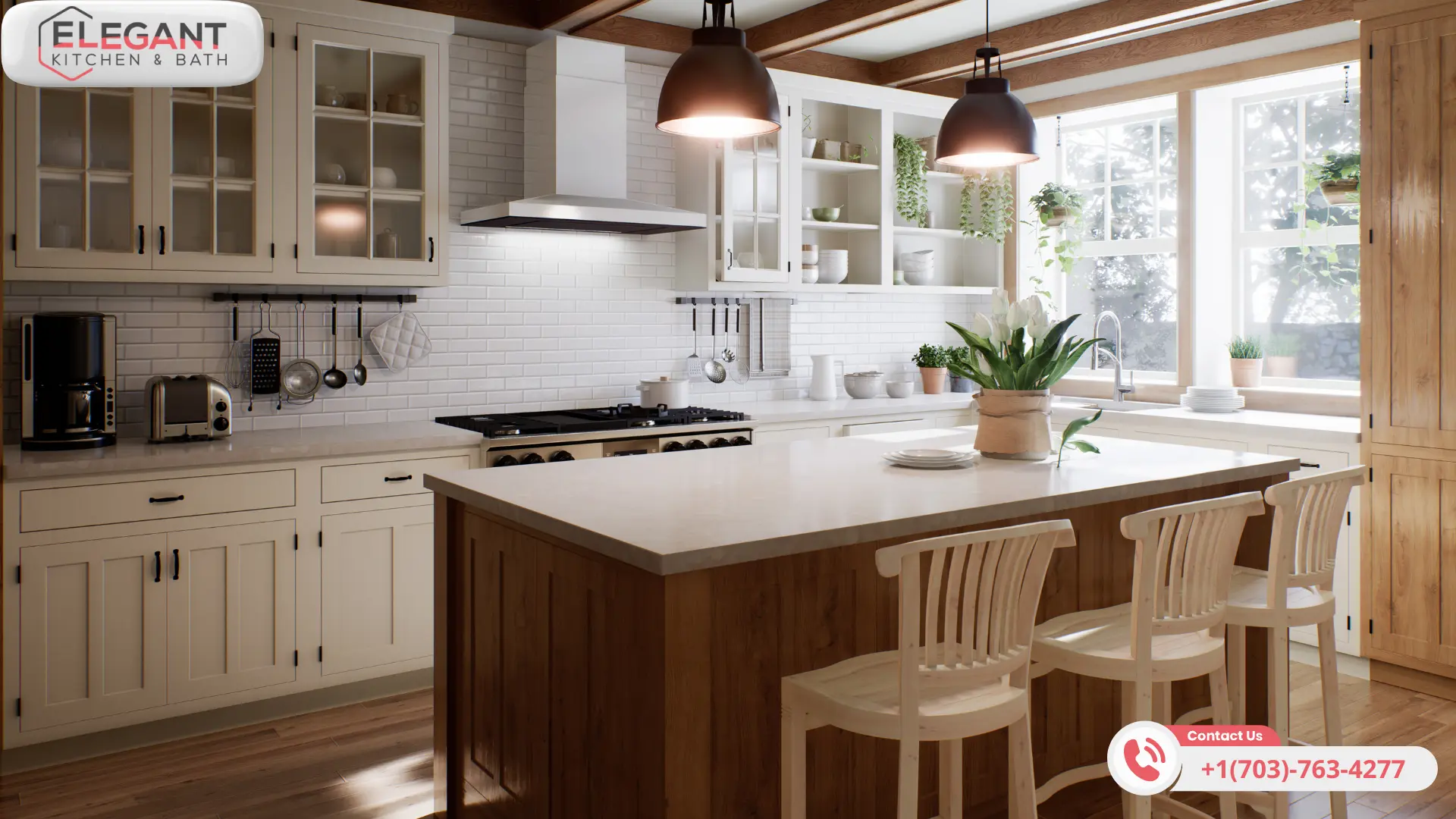
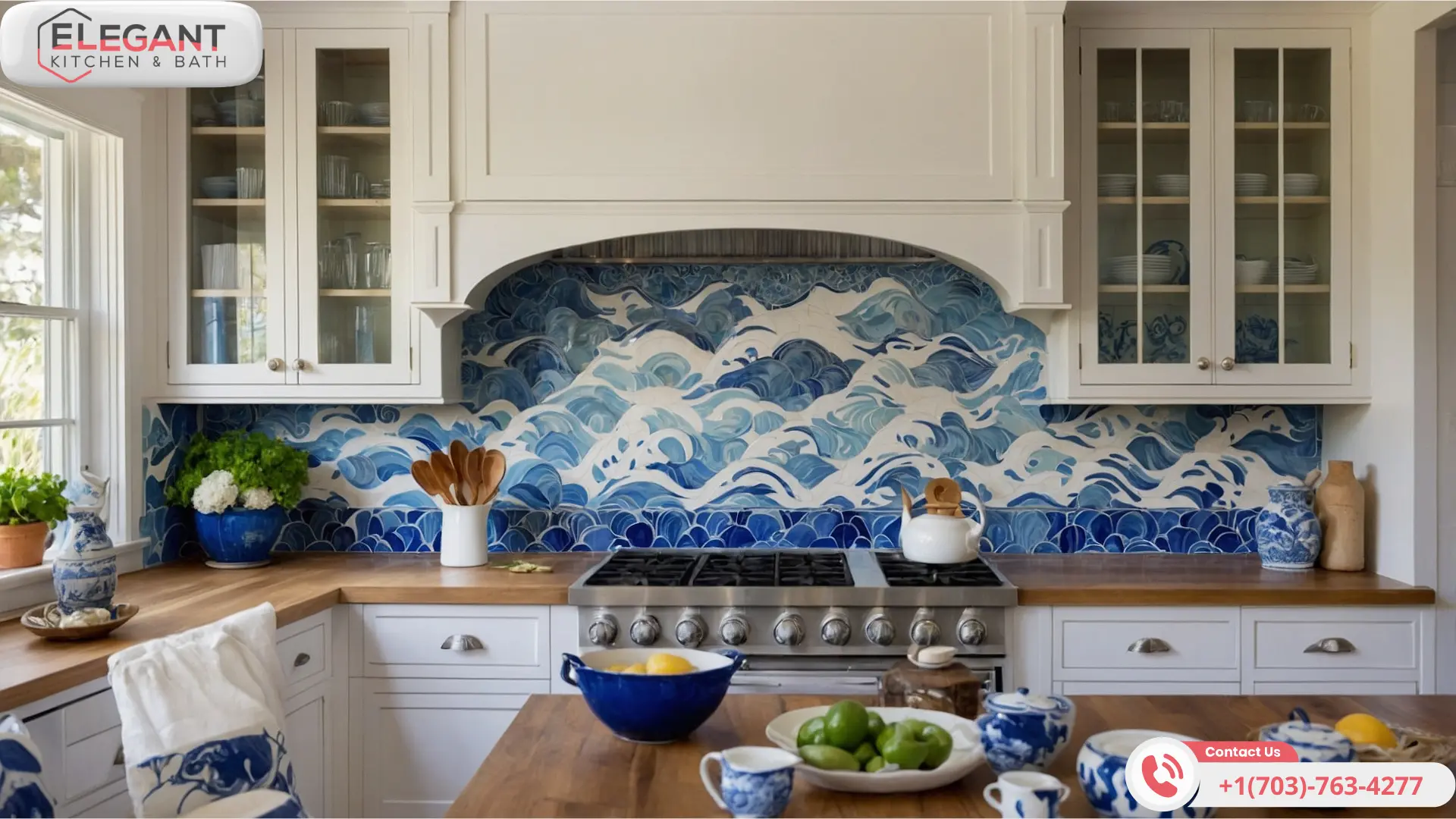
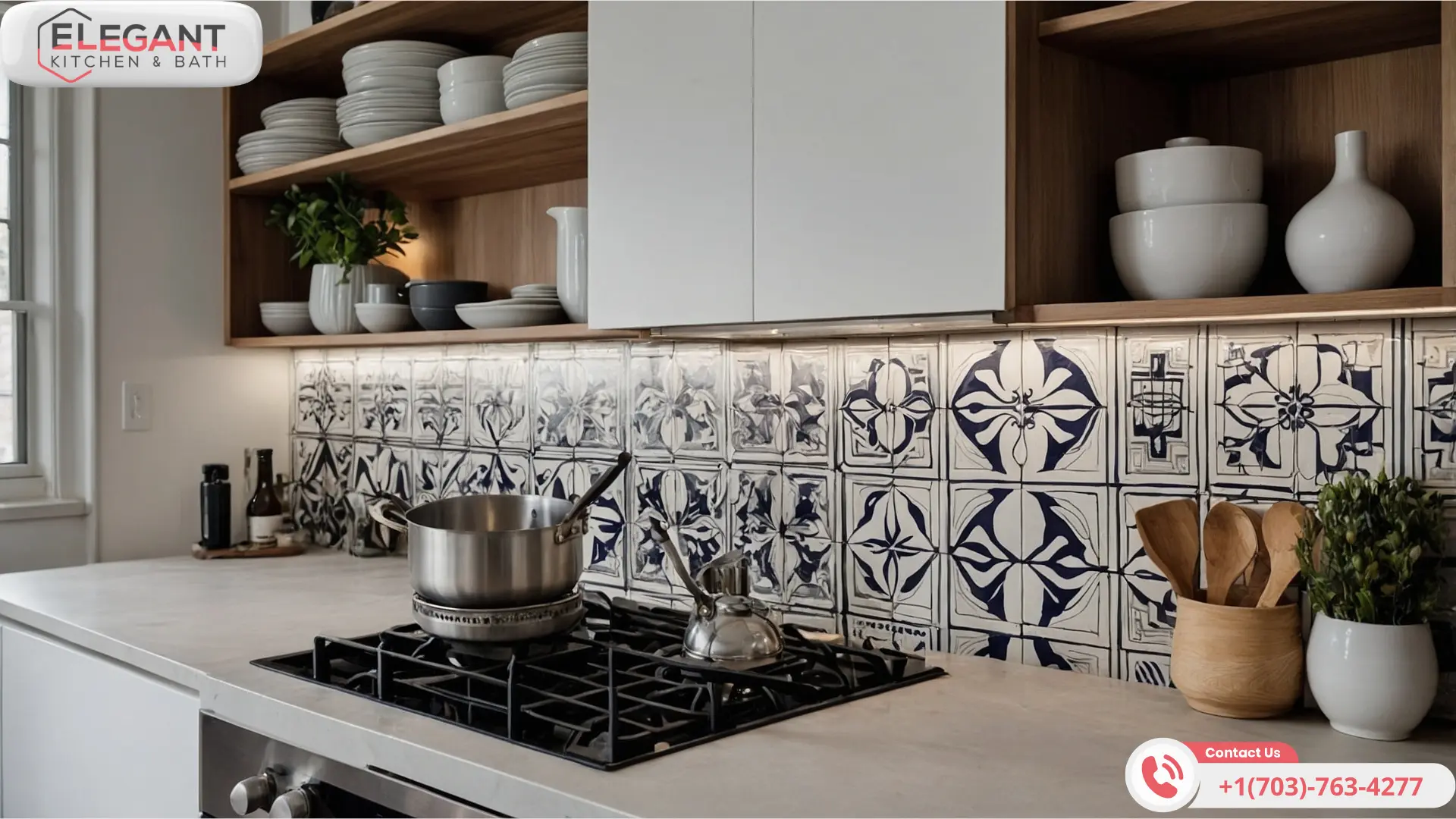
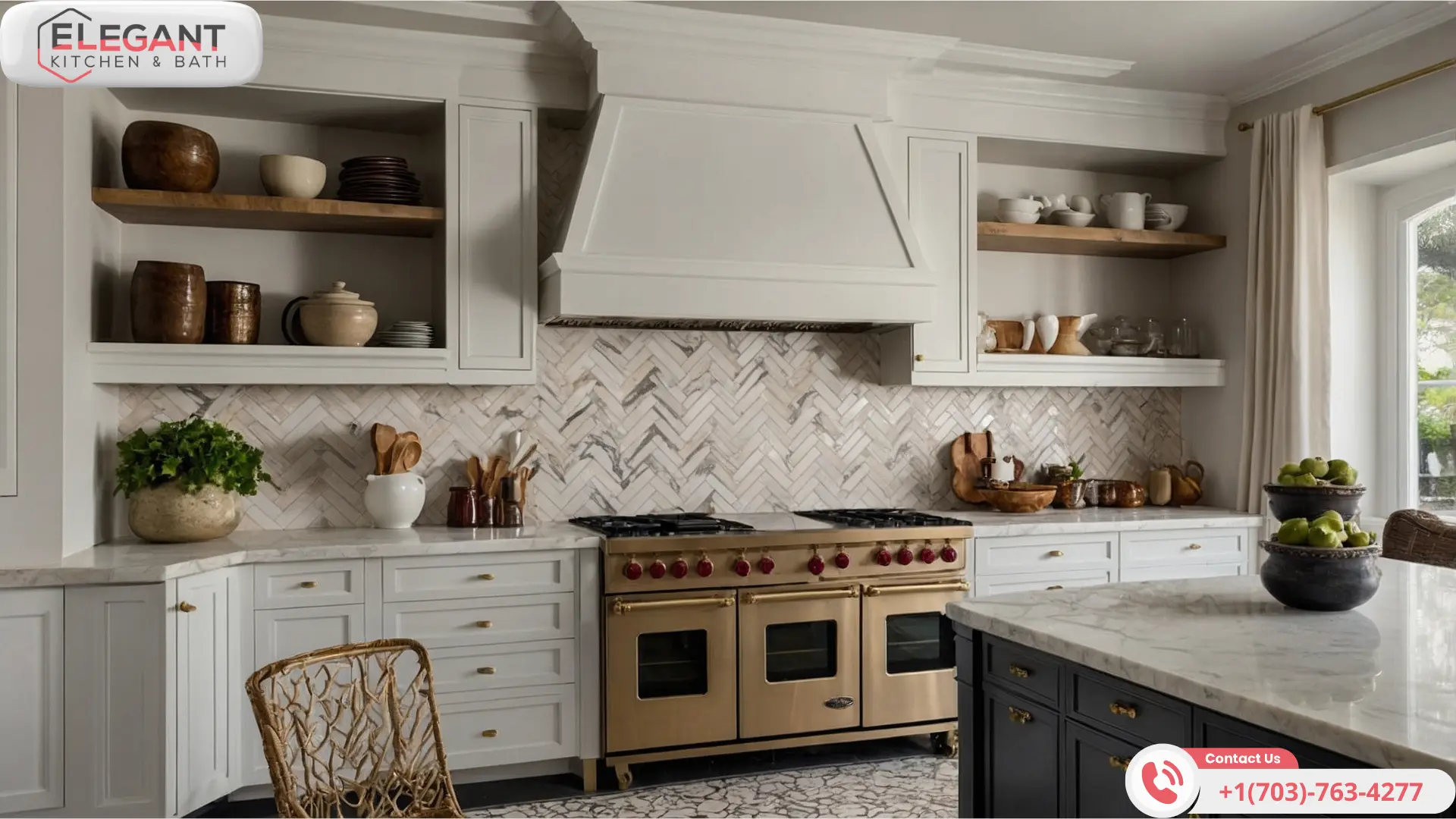
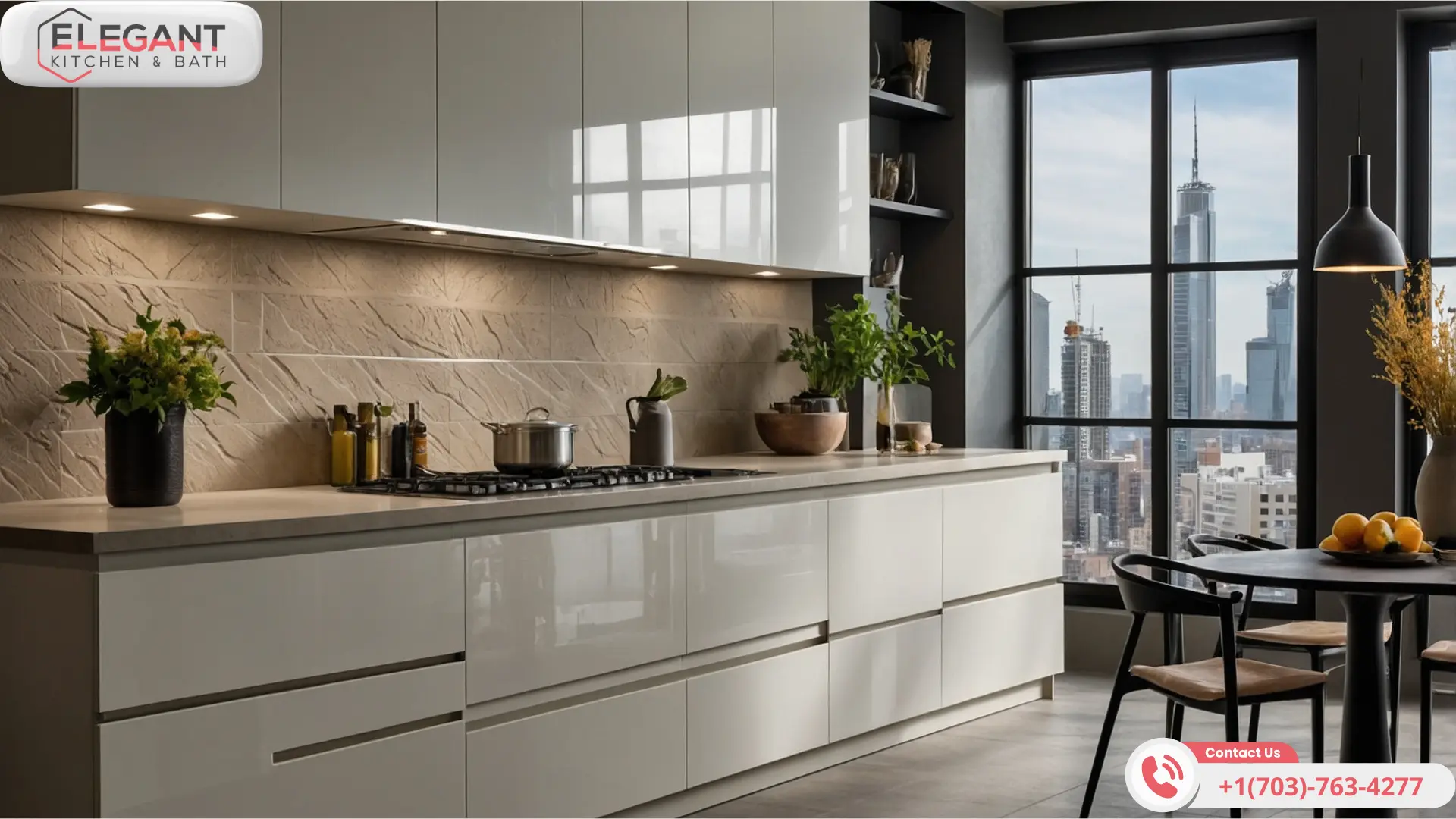
Selecting the perfect backsplash tile arrangement can transform an ordinary kitchen into an exquisite masterpiece, courtesy of one’s keen design sense and Elegant Kitchen and Bath’s expert services.
From the classic elegance of hexagon shapes to the intricate appeal of arabesque patterns that whisper tales of Morocco, each offers a unique ambiance that resonates with individual style preferences.
This article will guide you through the aesthetic and practical considerations of different backsplash tile patterns, helping you create a focal point that complements your taste and enhances your home’s interior.
Key Takeaways for Essential Guide to Backsplash Tile Arrangement Patterns
Influence on Style and Functionality: The selection of kitchen backsplash tiles is crucial in determining the space’s style and functionality.
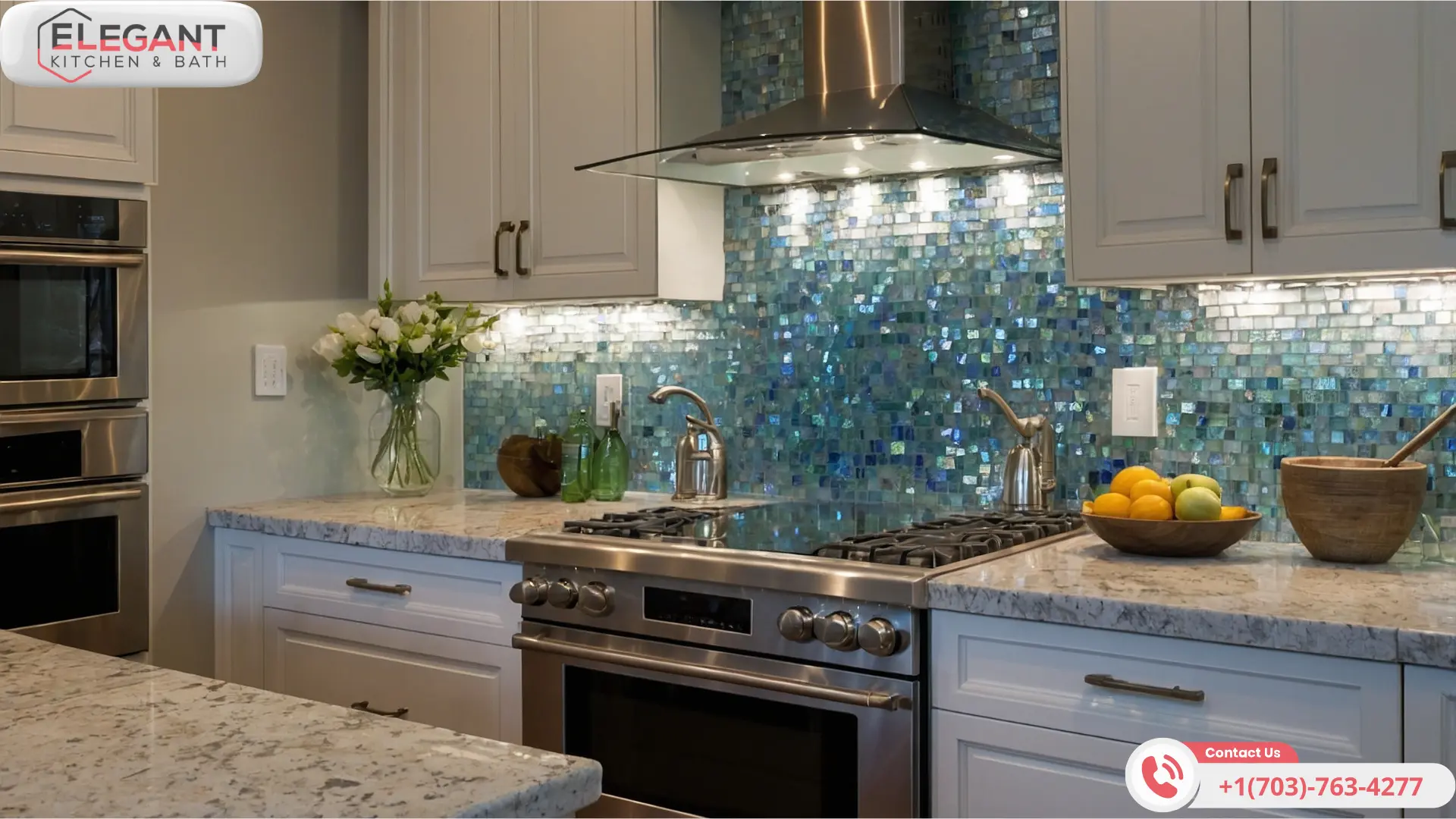
Versatility of Mosaic Tiles: Mosaic tiles offer a versatile option for kitchen design, enabling personal expression through various textures and colors.
Precision in Installation: Accurate installation is essential for maximizing the aesthetic value of complex tile patterns such as the Herringbone and Moroccan Fish Scale.
Timeless Appeal of Subway Tiles: Subway tiles remain classic and adaptable, providing simplicity and elegance for kitchen and bathroom renovations.
Personalization with Chevron and Mosaic Patterns: Chevron and mosaic patterns allow for significant customization, enabling homeowners to infuse individual personality into their kitchen design through selective color and material choices.
Popular Patterns in Modern Design: Patterns such as the brick layout, herringbone, and subway tiles are popular in modern kitchen and bath designs for their ability to marry tradition with contemporary aesthetics.
Characteristics of Herringbone Pattern: The herringbone pattern is known for its intricate layout, which captivates with its movement and depth, making it a sophisticated choice for kitchen backsplashes.
Minimalist Subway Tile Pattern: Subway tiles offer a minimalist charm with clean lines and rectangular shapes. They simplify maintenance while enhancing the visual rhythm of the kitchen space.
Combining Function and Aesthetics: Patterns like the Moroccan Fish Scale add a touch of glamour to kitchen and bath designs, combining aesthetic splendor with practical benefits like light reflection and easy cleaning.
[ez-toc]
Different Types of Kitchen Backsplash Tile Patterns That Can Be Used
The selection of a kitchen backsplash is crucial in integrating function and style. It is a focal point while protecting walls from inevitable splashes and spills.
Homeowners and designers often turn to mosaic tiles to create a distinctive design statement, resulting in a canvas of unparalleled aesthetic appeal.
Such tiles embody craftsmanship and elevate any room into a realm where design meets durability.
Each tile choice adds a unique layer of texture and depth by incorporating materials ranging from glossy ceramic to reflective steel.
The right pattern can mimic the grandeur of an artist’s mosaic as quickly as it can deliver the understated elegance of a woven carpet, inviting a personal touch to the kitchen’s ambiance.
Explore Popular and Timeless Patterns
In the realm of elegant kitchen and bath design, the brick pattern remains a perennial favorite for its ability to marry tradition with modernity. By laying porcelain tiles in a staggered, brick-like arrangement, light dances across the kitchen wall to create a warm and inviting atmosphere and allow for a display of creativity, with color and texture combinations that personalize the space.
The herringbone pattern, a classic choice, infuses the kitchen with a sense of sophisticated charm. This distinctive zigzag arrangement captivates the eye, leading it dynamically across the wall. Employing porcelain tile in this pattern synergizes durability with elegance, crafting a backsplash that withstands the test of time while amplifying the natural light in the room.
Herringbone Pattern
Taking inspiration from the precise angles and timeless appeal of the iconic New York City subway, the herringbone pattern ushers a convergence of history and contemporary style into the kitchen environment.
Renowned for its intricate layout that emulates the bones of the herring fish, this pattern captivates with its movement and depth, promoting a sophisticated interplay of shadows and highlights.
When considering the herringbone design, homeowners are drawn to various materials, including the earthy sophistication of travertine, which can infuse a space with warmth and an air of rustic elegance.
Considering color schemes that complement the complex design, careful selection can create a backsplash that serves as a protective surface and transforms into a canvas for artistic expression.
To ensure the integrity of such a striking pattern, installation tips centered around precision setting and alignment become as crucial as the tiles themselves. These tips turn the installation into an almost methodical art form, akin to curating a gallery wall or crafting an evocative piece of advertising on a moving cart.
Description and Characteristics
The herringbone pattern, which resembles classic Zellijtile designs, presents an intricate artistry that requires an experienced architect’s discerning eye. This interlacing arrangement exudes precision as each ceramictile, akin to brickwork’s sturdiness, converges to form a directional pattern that guides the viewer’s gaze across the surface.
In detailing the characteristic aspects of the herringbone pattern, one notes the contrast and balance achieved with alternating shades, such as the subtle integration of olive hues, which provide a natural backdrop to the ceramic elements. The complexity of this pattern transforms each backsplash into a statement piece that is both protective and decoratively impressive.
Installation Tips
Integrating the herringbone pattern requires a meticulous approach, especially when maneuvering around cabinetry and fixtures. Skilled practitioners recommend using laser levels to maintain the integrity of this pattern, ensuring that the wood or porcelain tiles align seamlessly to provide a continuous flow that complements the cabinetry with added dimension.
Attention to detail during installation is paramount in proximity to focal areas such as the sink, where tile arrangement can elevate the practicality and appearance. Careful measurement and cutting of the porcelain tiles ensure a snug fit that mirrors the symmetry and balance essential to the overall design, integrating the tiles into an exquisite backdrop that merges functionality with artistry.
Subway Tile Pattern
In the tapestry of kitchen backsplash designs, the subway tile pattern emerges as a quintessential selection, revered for its harmonious blend of simplicity and understated style.
Characterized by its clean lines and rectangular shapes, it offers a canvas on which paint and grout can play pivotal roles in accentuating or softening the transition between tile and cabinetry.
As the protective sentinel above the stove, subway tiles preserve the wall’s integrity with their easy-to-clean surface and reflect light, creating a larger, more open space.
From the rich hues kissing the lower tiles to the subtle tones reaching the ceiling, homeowners are offered various popular color choices that anchor the room’s aesthetic.
Furthermore, with many creative layout ideas available, the subway tilepattern is a versatile player capable of adapting to any homeowner’s vision, whether they seek a timeless backdrop or a modern geometric play in their culinary sanctuary.
Description and Characteristics
Exemplifying minimalist charm, the subway tilepattern shields privacy against the kitchen’s bustling activity and embellishes the wall with a clean, orderly aesthetic. The adhesive strength bonding of each rectangular piece ensures a lasting and durable presence, reinforcing the tranquil continuity that this traditional arrangement represents.
Set at a classic ninety-degree angle, subway tiles in the kitchen generate a visual rhythm that is comforting and functional, aligning with the principles of minimalism that many homeowners appreciate. This simple design captures and reflects the kitchen’slight, enhancing the sense of space within the heart of the home.
Popular Color Choices
Amidst the array of hues available for subway tile in kitchen renovations, a trend leans toward the understated elegance of granite-gray, encompassing the sturdiness of New York City’s iconic architecture. This shade adds a contemporary twist and complements stainless steel appliances and fixtures, creating a cohesive visual experience.
Conversely, the purity of classic white subway tiles remains a sought-after choice for those transforming their bathroom space. White reflects light with an unyielding vibrancy, establishing a sense of cleanliness and spaciousness, paramount in bathroomaesthetics.
Pattern
Material
Color
Characteristic
Herringbone
Ceramic
Olive
Precision and Direction
Zellij
Earthenware
Various
Artisan Craftsmanship
Brickwork
Porcelain
Neutral
Rustic Sturdiness
Subway Tile Shade
Renovation Space
Complementary Fixtures
Visual Impact
Granite-gray
Kitchen
Stainless steel appliances
Contemporary, cohesive
Classic white
Bathroom
Chrome fixtures
Clean, spacious
Creative Layout Ideas
The transformative power of the subway tilepattern is fully realized when homeowners employ it to elevate their space. Nestled beneath kitchen cabinets, slate and marble subway tiles interlock, inviting luxury and time-honored consistency into the room’s heart. Each natural stone’s vein patterning contributes to a tapestry of texture and grandeur.
Meticulously aligning marble subway tiles in an offset or chevron pattern beneath kitchen cabinets complements the pristine surfaces and introduces an artistic flair to the culinary environment. Utilizing such patterns becomes a statement of refined taste, subtly turning the backsplash into a centerpiece that commands attention and conversation.
Moroccan Fish Scale Pattern
Within the decorative landscape of backsplash tiling, the Moroccan fish scale pattern rises as an enchanting option, blending the allure of art deco with contemporary design sensibilities.
Unlike the straight lines of the subway or the angular precision of the herringbone, these tiles cascade gracefully, resembling delicate rows of shimmering fish scales that introduce a seductive curvature to the kitchen.
Often seen enhancing the spaces between countertop and cabinet, this pattern’s whimsy is tempered by its resemblance to the prized facets of a diamond. It affords a touch of glamour to both minimalist and opulently styled kitchens.
The pattern’s compatibility extends beyond kitchens to heighten the sophistication of furniture accents or to create captivating shower environments.
Elegance aside, practicality reigns, with maintenance tips necessary to ensure this design’s intricate beauty endures in the high-traffic reality of modern homes.
Description and Characteristics
In decorative tiles, the Moroccan fish scale pattern emerges as a work of art, fusing functionality with aesthetic splendor. Utilizing glass in its composition, the Moroccan fish scale pattern elevates the space with light-reflecting qualities that create a sense of openness while adhering to a home’s privacy policy with its ingenious layout.
The timeless allure of the Moroccan fish scale tile lies not just in its visual harmony but in its ability to infuse any room with a burst of color. Each artfully crafted hue cascades across the surface, beckoning viewers to appreciate the intricate dance of light and color within the pattern.
Tile Pattern
Material
Primary Benefit
Artistic Value
Moroccan Fish Scale
Glass
Light-Reflective and Privacy
Color Variation and Visual Harmony
Adding a Touch of Glamour
The Moroccan Fish Scale pattern radiates an aesthetic allure that moves beyond the conventional to introduce beauty into every corner of a room. Its unique shape and lustrous finish allow it to act as a stunning juxtaposition against the starker, more industrial textures of concretefloors or quartz countertops, offering a breath of sophistication and mystique to the designspace.
In deft hands, the intricate contours of the Moroccan Fish Scale tiles come together to create a backsplash that is both a focal point and a seamless enhancement to the room’s overall glamour. Through the interplay of light and the innate elegance of these tiles, kitchens, and baths acquire a timeless charm that complements their functionality with undeniable beauty.
Maintenance Tips
Maintaining the lustrous appearance of Moroccan Fish Scale tiles in a farmhouse setting involves a gentle, cautious approach to cleaning: one that preserves each tile’s unique shape and finish. To keep the monochrome or colorful arrays spotless, it’s recommended to use mild detergents with soft cloths, avoiding harsh chemicals that can tarnish the surface or degrade the metal inlays, if present.
Much like the angular lines of a herringbone pattern, the curvature and edges of Moroccan Fish Scale tiles necessitate attentive care during routine upkeep. Wiping in the direction of the tile’s configuration can prevent the accumulation of grime within the grooves, ensuring that the pattern’s allure remains a highlight in any culinary domain:
Cleaning Method
Tile Shape
Setting
Consideration
Soft cloth with mild detergent
Moroccan Fish Scale
Farmhouse
Preserve metallic finish
Directional wiping
Curved/Edged
Various
Prevent grime build-up
Chevron Pattern
Exemplifying a symphony of precision and artistry, the chevron pattern claims its rightful spot as a towering trend in modern kitchendesign.
Selecting this angular motif allows homeowners to craft a vibrant and refined palette, effortlessly establishing a center of focus.
The chequette’s versatile design options offer endless possibilities as it weaves through interior design. They harmonize with various décor themes while bringing an added dimension of sophistication to any culinary environment.
Trending in Modern Kitchens
In modern kitchens, the chevron pattern stands out as a design that captures the essence of contemporary elegance. Its interlocking V-shape provides a geometric dimension that is both dynamic and sophisticated, making it a popular choice among homeowners seeking to infuse their space with a fresh and updated look.
The appeal of the chevron pattern has surged in recent years, with its ability to introduce movement and visual interest in a sleek, polished manner. Its versatility allows it to act as both an understated backdrop or a striking statement piece, depending on the chosen colorpalette and tile material.
Versatile Design Options
The chevron pattern’s adaptability shines when it meshes with different tile materials, allowing for a varied interplay between gloss and matte finishes. By pairing lustrous glass with subdued limestone, designers can draw a compelling contrast, adding visual interest and tactile variety.
With the chevron pattern, customization reaches new heights as homeowners choose from a spectrum of sizes, thus dictating the dynamic flow of the pattern. Large-format tiles in a chevron layout convey boldness, while smaller, delicately sized tiles offer a more intricate and subtle approach:
Tile Size
Impact
Finish
Material
Large-format
Bold
Gloss
Glass
Small-format
Subtle
Matte
Limestone
Incorporating color into the chevron design allows for personalized expression ranging from monochromatic elegance to a vibrant mosaic, punctuating the kitchen with energy. This flexibility in color application gives homeowners the liberty to create a backsplash that resonates with their style while maintaining the pattern’s inherent sophistication.
MosaicPattern
The mosaicpattern, an artistic ensemble of varying shapes, sizes, and colors, allows homeowners to curate a distinctive and personalized kitchen landscape.
By cleverly mixing and matching tiles, each space can display a unique tapestry that reflects individual taste and creativity.
Such arrangements protect kitchen walls and serve as a canvas for custom looks, ranging from intricate, multi-hued patterns to elegant, monochromatic designs.
This section delves into the intricate possibilities and techniques for concocting a backsplash that is as much a focal point of the home as a functional surface.
Mixing and Matching Tiles
The art of mixing and matching tiles within a mosaicpattern offers an unparalleled opportunity to reflect one’s style and flair in kitchendesign. Careful selection of varying hues and textures brings a distinct character to the space, where each tile placement is a deliberate choice contributing to the overall visual narrative.
Mosaic backsplashes become bespoke art installations, with homeowners playing the curator’s role, orchestrating a harmonious blend of glass, ceramic, and stone. This careful curation ensures that the kitchen’s aesthetic is both an extension of the homeowner’s tastes and a testament to timeless design sensibility.
Creating a Custom Look
A kitchen’s personality shines brightest when a mosaic backsplash comes into play, enabling a harmonious marriage of assorted shapes and colors. Homeowners can create a visual panorama that encapsulates their essence and elevates the kitchen to more than just a culinary workspace by handpicking tiles that resonate on a personal and thematic level.
The crafted alignment of these tiles implements individuality into the kitchen’sdesign landscape, reflecting the homeowner’s aesthetic pursuit. Applying diverse materials and hues generates an unparalleled custom backsplash, transforming it into the cornerstone of the home’s creative expression and design ethos.
FAQs for Backsplash Tile Arrangement Patterns
How do you plan a backsplash tile layout?
When planning a backsplash tile layout, it’s essential to start by centering the design on the most prominent features of the kitchen, such as the stove, sink, or windows. Starting from the center ensures the most visible areas have the most appealing tile arrangement. Begin by laying out an entire tile on the left side of the longest wall, then work your way across, adjusting the layout to minimize cuts and create a balanced, symmetrical design. Use spacers to maintain consistent grout lines and ensure everything is level. Pay close attention to corners, as minor imperfections will be most noticeable.
How to design a backsplash pattern?
There are many creative backsplash tile patterns, each offering a unique aesthetic. Some popular options include:
Subway Tile: The classic, timeless 3×6 inch subway tile in a staggered, offset pattern is a perennial favorite for its simplicity and elegance.
Herringbone: This chevron-style pattern creates a dynamic, eye-catching design that adds visual interest.
Moroccan Fish Scale: The overlapping scalloped tiles in this pattern evoke a sense of old-world charm and sophistication.
Mosaic Tiles: Small mosaic tiles, whether glass, stone, or ceramic, allow for intricate, artistic arrangements that can serve as the focal point of the kitchen.
Hexagon Shapes: Hexagonal tiles offer a modern, geometric look that works well in both traditional and contemporary kitchens.
Arabesque Patterns: Flowing, organic arabesque patterns lend a sense of movement and fluidity to the backsplash.
What are the rules for kitchen backsplash design?
When designing a kitchen backsplash, there are a few key principles to keep in mind:
Function and Style: The backsplash should look beautiful, practical, and easy to clean, as it will be exposed to splashes and spills.
Light Reflection: Lighter-colored tiles, such as white or light gray, can help brighten and visually expand the space by reflecting light.
Precision in Installation: Proper tile installation is crucial for achieving a seamless, professional-looking backsplash. Ensure the tiles are level and have consistent grout lines.
Timeless Appeal: While trends come and go, classic tile patterns like Subway, herringbone, and Moroccan fish scales tend to have a more timeless aesthetic.
Personalization: Tile patterns offer an opportunity to infuse your style and creativity into the kitchen design.
How should you stagger tile?
Staggering the tiles or using an offset pattern is a common backsplash technique. This technique involves laying the tiles in a brickwork-style pattern, where the center of each tile aligns with the grout line between the tiles above and below it. This approach creates a more visually exciting and dynamic layout than a straight, grid-like pattern. The most common offset is a 1/3 pattern, where each tile is offset by one-third of its length from the tile above and below. This creates a pleasing, balanced look and helps minimize the seams’ appearance.
What tile pattern is best for a kitchen backsplash?
There is no single “best” tile pattern for a kitchen backsplash, as the ideal choice will depend on the overall style and design of the kitchen. However, some of the most popular and versatile options include:
Subway Tile: The classic 3×6 inch subway tile in a staggered, offset pattern is a timeless choice that works well in traditional and contemporary kitchens.
Herringbone: This dynamic, chevron-style pattern adds visual interest and a sense of movement to the backsplash.
Mosaic Tiles: Small mosaic tiles, whether glass, stone, or ceramic, allow for intricate, artistic arrangements that can serve as the focal point of the kitchen.
Hexagon Shapes: Hexagonal tiles offer a modern, geometric look that complements both classic and contemporary kitchen designs.
Arabesque Patterns: Flowing, organic arabesque patterns lend a sense of elegance and sophistication to the backsplash.
The key is to choose a tile pattern that complements the kitchen’s overall style and aesthetic while also considering factors like ease of maintenance andlight reflection.
What backsplash tile never goes out of style?
Regarding kitchen backsplash tiles, the classic subway tile is a timeless choice that never goes out of style. The simple, rectangular 3×6 inch subway tile has been a staple in kitchens for over a century, and its clean, minimalist look works well in a wide range of design styles, from traditional to modern. The appeal of subway tiles lies in their versatility and timeless charm. They can be laid in a classic staggered, offset pattern for a traditional look or in a more contemporary, linear arrangement for a sleek, modern aesthetic.
Subway tiles also come in various colors, from crisp white to muted grays and blues, allowing you to tailor the look to your kitchen’s overall design. In addition to their enduring style, subway tiles are practical and easy to maintain, making them a smart choice for the busy kitchen environment. Their smooth, non-porous surface is resistant to stains and easy to wipe clean, ensuring your backsplash looks fresh and pristine for years.
Where should you not put backsplash?
While backsplashes are a common and often essential feature in kitchens, there are a few areas where they may not be necessary or appropriate:
Behind Appliances: If an appliance, such as a refrigerator or oven, is flush against the wall, there’s no need to extend the backsplash behind it. The appliance will cover that area, and the backsplash will not be visible.
Above Upper Cabinets: If your kitchen has tall upper cabinets that reach the ceiling, a backsplash above them may not be necessary. The cabinets themselves can serve as a visual and functional barrier.
Underneath Floating Shelves: If you have installed floating shelves on the wall, skip the backsplash in that area. The shelves can create a clean, uninterrupted look without a backsplash.
Behind a Range Hood: If your kitchen has a large, prominent range hood, the backsplash may not need to extend to it. The range hood can become the focal point, and a shorter backsplash may be more appropriate.
The key is to consider your kitchen’s overall design and where a backsplash would (or wouldn’t) enhance the space’s aesthetic and functionality.
Do you leave a gap between countertop and backsplash?
Generally, it’s recommended to leave a small gap (about 1/8 inch) between the countertop and backsplash. This gap allows for natural expansion and contraction of materials and prevents cracking. The gap is typically filled with a flexible caulk that matches the grout or countertop color. However, some modern designs opt for a seamless look with no gap. Consult a professional installer to determine the best materials and kitchen design approach.
Should backsplash be flush with countertop?
While a flush installation can create a sleek, modern look, there are better choices than this one. A slight countertop overhang (about 1/4 inch) is often preferred as it helps prevent water from seeping behind the backsplash. The decision ultimately depends on your kitchen design goals, materials, and practical considerations. Discuss options with your installer to find the best solution that balances aesthetics and functionality in your kitchen.
What size tile looks best as kitchen backsplash?
The ideal tile size depends on your kitchen’s style and the overall look you want to achieve. However, some popular options include:
Subway tiles (3×6 inches): These offer a classic, timeless appeal and work well in various backsplash tile arrangement patterns, such as brick layouts or herringbone.
Mosaic tiles (1×1 inch or smaller) are perfect for creating intricate mosaic tile arrangements and adding visual interest.
Large-format tiles (12×24 inches or larger) Can create a sleek, modern look with fewer grout lines.
Mid-sized tiles (4×4 or 6×6 inches): Versatile options in many kitchen styles.
When choosing tile size, consider your kitchen size, decor, and personal preferences. Experimenting with different backsplash tile patterns can help you find the perfect balance of function and style.
What is the most popular backsplash right now?
As of 2024, several backsplash trends are gaining popularity:
Subway tiles remain a favorite due to theirversatility and timeless appeal. Modern variations include larger formats and unique finishes.
Geometric patterns: Hexagon shapes and arabesque patterns are trending, offering a fresh take on traditional tile layouts.
Natural materials: Stone and marble-look tiles are popular for their elegance and organic feel.
Textured tiles: Three-dimensional tiles add depth and visual interest to kitchen backsplashes.
Bold colors: While white and neutral tones are common, more homeowners are experimenting with vibrant hues and contrasting grout colors.
Moroccan Fish Scale or mermaid tiles offer a unique, eye-catching alternative to traditional shapes.
Remember, the best choice depends on your style and how it complements your kitchen design.
What are the kitchen splashbacks for 2024?
In 2024, kitchen splashback trends are focusing on both aesthetics and functionality. Some popular options include:
Innovative patterns: Chevron, herringbone, and various mosaic patterns are gaining traction because they add visual interest.
Smart tiles: Backsplashes with integrated LED lighting or touch-sensitive controls are becoming more common in modern kitchen designs.
Metallic finishes: Copper, brass, and stainless steel backsplashes add a touch of luxury and complement modern appliances.
Seamless surfaces: Large-format porcelain slabs or quartz that match the countertop create a cohesive, easy-to-clean look.
Textured ceramics: Tiles with subtle 3D patterns add depth without overwhelming the space.
Colorful grout: Using contrasting grout colors to highlight tile patterns is a growing trend.
When choosing a backsplash, consider how it will integrate with your overall kitchen design, balancing current trends with timeless appeal and practical considerations like ease of cleaning and durability.
What is the rule of thumb for backsplash?
A good rule of thumb for backsplash tile arrangement patterns is to balance function and aesthetics. Whether you choose hexagon shapes, arabesque patterns, or classic subway tiles, the key is ensuring that the pattern complements the kitchen design. Patterns like herringbone or chevron can add amodern touch, while mosaic tiles offer versatility and artistic expression. Precision in tile installation is crucial for achieving a cohesive look, and considering light reflection can enhance the kitchen’s ambiance.
Should backsplash go to the ceiling or cabinets?
Deciding whether your backsplash should extend to the ceiling or just up to the cabinets depends on your kitchen’s design and your personal preference. Extending the backsplash to the ceiling is an excellent option for a dramatic effect and to create a sense of height, especially with intricate patterns like Moroccan Fish Scale or mosaic tiles. However, stopping at the bottom of the cabinets is a classic choice that works well with timeless patterns like subway tiles, providing a clean and minimalist look.
Should backsplash go on top of countertop or behind?
Typically, backsplashes are installed on top of the countertop rather than behind it. This approach ensures a seamless transition between the countertop and the backsplash, helping to prevent water damage and making cleaning easier. Patterns like brick layout or herringbone can create a continuous flow that enhances both function and style in your kitchen.
Should backsplash be lighter or darker than countertop?
The color of your backsplash with your countertop can significantly impact the kitchen’s aesthetics. Lighter backsplashes can create a bright, open feel, enhancing light reflection and making the space feel larger. Darker backsplashes, on the other hand, can add depth and elegance, particularly in modern kitchen designs. Whether you choose lighter or darker tones, it’s essential to consider the overall color scheme and how different backsplash tile patterns, like chevron or mosaic, will interact with your countertop.
How to choose a backsplash tile arrangement pattern?
Choosing the right backsplash tile arrangement pattern is crucial for enhancing the overall design and style of your kitchen or bathroom. The tile pattern you select can dramatically impact the room’s visual appeal, making it essential to consider various factors such as the tile size, color, shape, and the overall design theme of your space. Here are some key considerations to help you choose the ideal backsplash tile arrangement pattern:
Consider Your Kitchen or Bathroom Design Style: The first step in selecting a backsplash tile pattern is to assess the overall design style of your kitchen or bathroom. For modern and contemporary spaces, clean and simple patterns like horizontal brick layout or stacked patterns create a sleek, streamlined look. In contrast, more traditional or rustic spaces benefit from intricate patterns like herringbone, chevron, or mosaic arrangements that add texture and visual interest.
Choose the Right Tile Shape and Size: The shape and size of your tiles can significantly influence the backsplash pattern. Larger tiles can make small spaces appear larger and are often used in minimalist or modern designs with simple patterns like subway tiles in a straight or offset pattern. Smaller tiles or uniquely shaped options, like hexagon or arabesque tiles, are perfect for more elaborate patterns that become the focal point of your space.
Evaluate the Color and Material of the Tile: The color and material of your backsplash tiles should complement the existing color scheme and materials in your kitchen or bathroom. For a cohesive look, choose tiles that either match or contrast harmoniously with your countertops, cabinetry, and flooring. Glass tiles, marble, ceramic, and porcelain are popular materials that offer a wide range of colors and finishes. If you prefer a subtle, cohesive look, opt for neutral or monochrome tiles in a straightforward layout. For a bolder statement, choose brightly colored tiles arranged in a dynamic pattern like herringbone or diagonal layouts.
Factor in the Room’s Size and Lighting: The size of your kitchen or bathroom, along with the lighting, plays a crucial role in selecting the right tile pattern. For smaller spaces, simpler patterns like the classic horizontal brick pattern can help make the room feel more open and less cluttered. In larger spaces, you can experiment with bolder patterns like basketweave or windmill designs that add character and visual impact. Adequate lighting will also highlight the texture and intricacy of more complex patterns, making them stand out beautifully.
Test Patterns Before Final Decision: Before committing to a backsplash tile pattern, it’s always a good idea to test different layouts by placing sample tiles on the wall. This approach allows you to visualize how the pattern will look in your space under different lighting conditions and against your existing décor. You can also use digital design tools or work with a professional designer to see how various patterns will complement your kitchen or bathroom’s aesthetic.
Align with Your Personal Style and Maintenance Needs: Ultimately, your backsplash should reflect your personal style and practical needs. If you prefer low-maintenance options, consider simpler patterns with fewer grout lines, which are easier to clean. If you enjoy a more decorative look and don’t mind a bit of upkeep, intricate patterns with smaller tiles and more grout lines can add a stunning visual appeal.
Choosing the perfect backsplash tile arrangement pattern is all about balancing style, function, and personal preference. Whether you opt for a classic subway tile pattern, a sophisticated herringbone layout, or a trendy geometric design, the right pattern can elevate your kitchen or bathroom, adding both beauty and value to your home.
Hear from Our Delighted Clients About Backsplash Tile Arrangement Patterns
Ramya Rakky enthusiastically recommendsElegant Kitchen and Bath for their kitchen renovation. Designer Emri patiently assisted them through various ideas and customizations for their kitchen design. Project manager Tayfun efficiently handled the project, paying close attention to details and ensuring timely completion. Ramya appreciated owner Arif’s personal involvement in addressing concerns about load-bearing wall removal. Overall, their positive experience makes them happy to recommend Elegant Kitchen and Bath.
Susan Saslow praises Elegant Kitchen & Design for their excellent artistry. She and her family love their new kitchen and are delighted with their choice. Susan particularly commends the wonderful staff, highlighting their positive experience throughout the renovation.
Cintia Sacani expresses excellent satisfaction with Elegant Kitchen and Bath’s complete remodeling of their large kitchen. Despite the project taking longer than initially expected (five weeks), Cintia couldn’t be happier with the final result. She emphasizes the exceptional quality of work down to the finest detail, and the crew’s consistently courteous and professional behavior. Based on their experience, Cintia highly recommends Elegant Kitchen and Bath.
Experience the same level of satisfaction as Ramya, Susan, and Cintia by entrusting your kitchen or bathroom renovation to Elegant Kitchen and Bath. Our dedicated team of designers, project managers, and skilled artisans work together to bring your dream space to life, exceeding your expectations with exceptional results. From expert design guidance to efficient project management and superior craftsmanship, we ensure a smooth remodeling process that transforms your space while prioritizing your needs and preferences.
Conclusion
The selection of a backsplash tile arrangement pattern is transformative. It offers a protective function and a pivotal design element that enhances the kitchen’s ambiance.
From the classic elegance of herringbone and the timeless simplicity of subway tiles to the dynamic chevron and artistically complex mosaic patterns, each choice reflects personal style while contributing to a room’s overall aesthetic.
These patterns not only introduce texture and depth but also present practical benefits by creating visually engaging spaces that can endure the rigors of kitchen activity.
A deliberate choice in backsplash tilepattern cements the room’s character, marrying beauty with functionality to elevate any kitchen or bathroomdesign.
When considering an upgrade to your kitchen, the elegance of a stainless steel kitchen backsplash cannot be understated.
Elegant Kitchen and Bath recognizes the timeless appeal of this material, which complements other kitchen stalwarts such as bronze faucets and terra cotta floor tiles, creating a harmonious palette.
Not only does a stainless steel backsplash provide an impeccable gas stove backsplash that withstands heat and splatters, but it also champions eco-friendly living through its recyclable nature.
Durability converges with style in a solution that redefines the culinary space.
In this article, discover how these sleek, functional features of stainless steel backsplash can transform your kitchen into a chef’s dream.
Key Takeaways for Why Choose a Stainless Steel Kitchen Backsplash
Exceptional Durability and Maintenance Ease: Stainless steel backsplashes are renowned for their robustness, resisting heat, moisture, and stains. Regular cleaning with mild detergent and water keeps them looking new and prevents damage.
Hygienic Properties: Stainless steel’s non-porous nature prevents mold and bacteria growth, making it a highly hygienic option for kitchen environments.
Heat Resistance: Ideal for areas behind stoves, stainless steel can withstand high temperatures without damage, providing a safe and durable cooking environment.
Reflective Properties: Stainless steel’s reflective surface can enhance the lighting in your kitchen, making small spacesappear larger and more open.
Resistance to Rust and Corrosion: Stainless steel remains impervious to corrosion and rust, unlike materials like ceramic tiles, which may suffer from moisture damage over time.
customization Options: Homeowners can choose from various thicknesses, patterns, and finishes, as well as custom dimensions, to perfectly fit their kitchen layout and personal style.
Simplified Installation and Maintenance: Stainless steel backsplashes are easy for DIY enthusiasts and professional installers to install and maintain. Routine wiping and gentle cleaning agents keep the backsplash in top condition, ensuring it retains its charm and functionality.
[ez-toc]
Enhancing Your Kitchen’s Durability With Stainless Steel
In kitchen renovations, selecting a stainless steel kitchen backsplash is tantamount to bestowing a gift upon the heart of the home.
Not only does it bring a sleek and sophisticated aesthetic that seamlessly complements other kitchen essentials like the sink, but its benefits are manifold.
This durable alloy stands resilient against the wear of kitchen activities, staunchly resisting rust and corrosion to maintain its alluring sheen over time.
Capable of withstanding high temperatures without succumbing to damage, stainless steel is a steadfast guardian protecting kitchen walls from spills and splatters.
Additionally, for those valuing practicality as much as style, the ease with which one can cleanse surfaces of water spots and other blemishes significantly curtails the rigors of maintenance.
A stainless steel backsplash is not merely a decorative piece—it’s a practical investment in enduring beauty and functionality.
Resists Rust and Corrosion for Long-Term Beauty
The inherent resilience of stainless steel in the face of environmental aggressors makes it an exemplary choice for the kitchen. Unlike its counterparts, such as ceramic tiles, which might succumb to the adverse effects of moisture over time, stainless steel remains impervious to corrosion, ensuring that the area around the kitchen stove retains its lustrous appeal with minimal effort.
Carefully engineered to endure, stainless steel backsplashes require a damp sponge for cleaning, eschewing the need for harsh chemicals that might degrade other materials. Even the tiniest elements, like the tin screws often used to secure a backsplash, are chosen for their ability to withstand kitchen challenges, reinforcing the overall structure without the threat of rust compromising the composition.
Withstands High Temperatures Without Damage
A metal stove backsplash enhances the kitchen’s overall design and offers a robust shield for the wall against the high heat emitted from the cooktop. Its strong composition retains its integrity even as temperatures soar, ensuring that the wall behind your cooking space is protected from the potential ravages of heat exposure. Investing in this practical tool for your kitchen goes beyond a mere aesthetic makeover; it is a safety measure. The longevity of a stainless steel backsplash negates frequent replacements, thereby providing homeowners with peace of mind and a sound long-term payment into the value and durability of their culinary environment.
Easy to Clean, Reducing Maintenance Hassles
Maintaining a pristine kitchen becomes a seamless task with a stainless steel backsplash. Unlike materials such as marble, which require specialized cleaners to avoid damage, stainless steel resists the need for abrasive cleaning agents, thus preserving its color and finish without incurring additional costs.
The practicality of stainless steel extends to its knack for simplifying kitchen upkeep routines. Homeowners are often pleasantly surprised by the minimal effort required to wipe away splashes and stains, allowing the space to maintain its aesthetic value without the price of high maintenance or the use of harsh chemicals.
The Aesthetic Appeal of Stainless Steel Backsplashes
In the quest for kitchen refinement, incorporating a stainless steel backsplash unlocks a dimension of modern elegance—a contemporary visual that aligns sleekness with function.
Stainless steel proves versatile, amplifying the sophistication of various kitchen accouterments, from range hood backsplashes that stretch loftily to meet the height of kitchendesign aspirations to appliances that embody culinary efficiency.
Its reflective quality augments a space’s brightness, crafting the illusion of an expanded cooking area, and harmonizes effortlessly with various styles, including the textural contrasts presented by brick finishes.
Enhancing bathroom fixtures with its gleaming surfaces also elevates the culinary space, underscoring the kitchen’s role as a focal point of home hospitality and lively gatherings.
Adds a Sleek, Modern Look to Any Kitchen
A stainless steelsheet metal for backsplash introduces a clean, minimalist look currently at the forefront of kitchendesign trends. This sleek surface contrasts dramatically with natural elements like wood, creating a contemporary vibe that can enhance culinary space while being a practical choice for those looking to combine home improvement with sustainability.
As homeowners sift through options for kitchen upgrades, a stainless steel backsplash stands out as an element that can dramatically alter the perception of the space. Its reflective surface not only increases the perceived volume of a room but also triumphs as a stylish statement piece, ensuring that a kitchen’s aesthetic is as meticulously curated as the recipes that emerge from it.
Complements Various Kitchen Appliances and Styles
The seamless integration of a stainless steelmetal backsplash into a kitchen’sdesign can be credited with creating an environment that celebrates both form and function. Its reflective surface complements the sleek lines of modern appliances. It coexists harmoniously with more rustic elements, such as a copper range hood or a statement fireplace, offering a versatile backdrop that suits various design preferences.
Design Element
Contribution to Aesthetic
Functional Benefit
Stainless Steel Metal Backsplash
Reflective surface enhances other kitchen features
Easy maintenance, durable against heat and moisture
Modern Appliances
Sleek lines complement the metal’s sheen
Creates a cohesive, high-end look
Copper Range Hood/Fireplace
Textural contrast adds depth to the kitchen design
Brings warmth and a classic touch to the modernity
Designers often credit the metal backsplash with elevating a kitchen’sdesign without overpowering existing styles. Whether paired with the shiny accents of stainless steel appliances or offering a sleek counterpoint to the warm hues of a copperfireplace, the metal backsplash is a testament to the flexibility and enduring appeal of thoughtful kitchendesign.
Reflects Light to Make Your Kitchen Look Larger
The luminous surface of a stainless steel backsplash is not just durable; it ingeniously multiplies the presence of light in the kitchen, impacting the perception of space. When sunlight or artificial light bounces off the backsplash, it infuses the room with a brighter ambiance. It makes even the most compact kitchens appear larger, offering a spaciousness not limited by the square footage.
Homeowners will appreciate how stainless steel complements high-end appliances, like a whisper-quiet dishwasher, and the choice of furniture gracing their kitchen. Without the need for a significant overhaul involving lumber or a heavily laden cart, the addition of a sleek backsplash can transform a kitchen, creating a sense of expansion that is as agreeable to the eyes as it is to the owner’s credit card.
Stainless Steel Backsplashes: A Hygienic Choice
In stark contrast to porous materials that can harbor bacteria and mold, a stainless steel kitchen backsplash offers a non-porous surface that is a formidable barrier to these unwanted microorganisms.
As families navigate daily routines from meal preparation to package delivery, the importance of a hygienic kitchen environment cannot be overstated.
Unlike the grout lines found in tile or mosaic backsplashes, the seamless expanse of a metal backdrop—especially one tailored for the high-heat environment of a backsplash for a gas stove—permits effective sanitization.
With simple cleaning protocols, homeowners ensure their culinary space remains immaculately clean, safeguarding the well-being of all who gather there.
Non-Porous Surface Prevents Bacteria and Mold Growth
The superiority of stainless steel in kitcheninterior design hinges on its aesthetic allure and its non-porous nature, which staunchly guards against the proliferation of bacteria and mold. Homes that brandish these backsplashes benefit from a heightened standard of cleanliness, no small detail in spaces where health and food safety are paramount.
Resourceful homeowners treasure the ease that comes with the non-porous surfaces of their kitchen investment, as they can swiftly wipe away messes and residues. With such attributes, these stainless steel solutions ensure a hygienic kitchen that beams with light and cleanliness, further fortified by reliable information confirming their antimicrobial properties.
Easy to Sanitize for a Cleaner Kitchen Environment
A stainless steel backsplash offers more than just a shimmer of silver; it provides an uncompromising surface that is notably simple to sanitize. Without intricate textures where mold and bacteria might dwell, a stainless backsplash behind the stove ensures cleanliness beyond superficial luster.
Furthermore, the corrosion resistance allows for the regular use of gentle cleaning agents without the fear of leaving stains or fingerprint marks. This application maintains the backsplash’s pristine condition, fostering a cleaner and more inviting kitchen environment.
Feature
Hygienic Benefit
Maintenance Ease
Non-Porous Surface
Prevents mold and bacteria growth
Cleans without harsh chemicals
Corrosion Resistance
Stands strong against cleaners
Prevents etching and fingerprint residue
Stainless Backsplash Behind Stove
Withstands high temperatures and food splatters
Easy wipe-down after cooking
Customization Options for Your Kitchen Backsplash
As discerning homeowners contemplate the junction where functionality meets artistry, choosing a stainless steel kitchen backsplash becomes a pivotal decision in the design process.
This choice isn’t merely about selecting a protective surface but crafting an extension of the kitchen’s personality.
The proper thickness must be gauged for durability and to harmonize with the countertop’s weight and feel.
Exploring the realm of patterns and finishes opens a vista of unique styles, turning a simple backspace into a statement piece that could rival the elegance of a glass or granite feature.
For those with non-traditional kitchen layouts, custom dimensions offer a bespoke solution. They ensure that each metallic panel fits the allocated space as perfectly as a meticulously measured business card.
Beyond its practical benefits, the stainless steel backsplash offers an opportunity for personal expression within the culinary space.
Choosing the Right Thickness for Your Needs
When embarking on a kitchen upgrade, selecting the optimal thickness for a stainless steel backsplash hinges on balancing durability with an aesthetic finish. A thicker gauge offers robustness and a sense of solidity, ideal for those seeking extended warranty protection and an enduring impression akin to traditionalbrass fixtures.
Conversely, a thinner stainless steel plane can afford a sleeker, more delicate appearance while providing the necessary shield against kitchen mishaps. Homeowners should peruse the FAQ sections or seek coupon deals from providers like Elegant Kitchen and Bath, who often feature helpful guides and offers to assist in these tactile decisions, much like the design inspirations found on platforms such as Houzz.
Exploring Patterns and Finishes for Unique Styles
The selection of stainless backsplash tiles allows homeowners to enhance the visual harmony between the backsplash and their cabinetry, creating a cohesive look that complements the kitchenaesthetics. Whether the aim is to match the cool undertones of contemporary cabinet finishes or to introduce an eye-catching pattern behind the stove, the appropriate choice of finish can transform the feel of the entire space.
To ensure the exclusivity of each kitchen’s design, Elegant Kitchen and Bath invites clients to provide their email addresses for access to a personal consultation. This level of customization facilitates decisions about edge detailing and tile arrangements, tailoring the stainless steel backdrop to become a signature element within the kitchen’s style narrative.
Custom Dimensions to Fit Any Kitchen Layout
Each customer’skitchen layout is as unique as their taste, and a black stainless backsplash can be customized to align perfectly with their space’s specific dimensions and contours. With precision cutting tools, the stainless steel can be tailored to accommodate any area, ensuring the beauty of the backsplash is continuous and seamless down to the last millimeter.
To ensure a perfect fit around corners and appliances, a skilled installation incorporates high-grade silicone, rendering any custom-sized stainless steel backsplash impervious to the hazards of cooking splashes and paint discolorations. Such meticulous customization results in a harmonious blend of functionality and aesthetics, elevating the overall appeal of the kitchen environment.
Installation and Maintenance Simplified
The decision to embrace the contemporary finesse of a stainless steel backsplash transforms a kitchen visually and practically.
With professional input essential for accurate measuring and successful installation, homeowners can be assured that their investment perfectly complements the ceiling’s expanse and the utilitarian plane below.
For hands-on individuals, ample resources pave the way for DIY installation, offering a quick view into the process of shaping brushed metal into a culinary shield.
Moreover, maintaining this signature sheet metal’s luster requires particular know-how to prevent scratches and ensure that its diamond-like resilience against kitchen elements endures through countless family dinners and festive gatherings.
Professional Tips for Measuring and Installation
Ensuring the precise fit of a stainless steel backsplash necessitates meticulous measuring. Even the slightest deviation can lead to visible gaps that detract from the steel’s seamless, mirror-like quality. Professionals recommend employing a high-quality tape measure and checking dimensions multiple times before cutting to accommodate the unique characteristics of each kitchen space.
Upon successful installation of the stainless back splash, maintaining its lustrous appeal is straightforward—regular cleaning with a gentle soap and water mixture, followed by a wipe-down with a soft microfiber cloth, will sustain its gleaming presence. This routine helps avoid the accumulation of residues that can impair the metallic sheen, ensuring the backdrop remains an eye-catching feature in the kitchen.
Cutting and Installation Options for DIY Enthusiasts
For the tenacious DIY enthusiast, a stainless kitchen backsplash can be installed quickly, using adhesive methods requiring minimal tools and no complex training. Adhering a metal backsplash behind a stove becomes an achievable weekend project, transforming a functional necessity into an engaging personal undertaking.
The DIY approach offers room for customization when considering a stainless stove or range backsplash. By carefully measuring, cutting, and applying adhesive, homeowners can take pride in crafting while ensuring their personal touch is evident in the fit and finish of their kitchen upgrade.
Tips for Maintaining the Shine and Preventing Scratches
To ensure the stainless steel backsplash retains its sophisticated shape and sheen, regular cleaning followed by drying is imperative. A solution of mild detergent diluted in warm water acts as a gentle yet effective cleaner, which, after scrubbing with a non-abrasive pad, should then be thoroughly dried with a soft towel to prevent water spots and mineral deposits from diminishing its shine.
When it comes to protecting the backsplash from the daily onslaught of kitchen activity, particularly the intense heat that can warp inferior materials, it’s recommended to employ stainless steel cleaning products sourced from regions known for excellence in metallurgy, such as Mexico. These specially formulated cleaners preserve the luster and create a protective barrier against scratches and heat-induced discoloration.
Maintenance Aspect
Procedure
Benefit
Cleaning Routine
Gentle detergent solution and non-abrasive pad, followed by drying with a soft towel
Prevents water spots and maintains shine
Use of Specialized Cleaning Products
Apply cleaners made specifically for stainless steel
Creates a protective layer to minimize scratches and heat damage
Cost-Effective Kitchen Upgrades
When considering a kitchen makeover, savvy homeowners weigh each addition’s merit in terms of cost efficiency and enduring quality.
Opting for a stainless steel backsplash is a judicious choice. It is a paragon of durability and financial savvy in home renovation.
While assessing the durability of stainless steel against other popular backsplash materials, one must account for the long-term savings afforded by its robust nature, which gracefully withstands the trials of time and usage.
A thorough comparison of upfront and long-term costs linked with diverse backsplash options can illuminate the value of stainless steel as an economically sound investment in the pursuit of kitchen elegance and resilience.
Longevity Makes Stainless Steel a Smart Investment
Investing in a stainless steel backsplash is synonymous with investing in the future of a home’s culinary space. Its steadfast nature guarantees that its initial gleam and functionality are preserved far beyond the installation date, transcending the ebb and flow of trends and daily use.
The decision to integrate a stainless steel backsplash into a kitchendesign extends beyond immediate gratification; it is a pledge toward enduring sophistication. Stainless steel’s resilience ensures that kitchens remain stylish and stand up to the rigor of frequent cooking, making it a prudent long-term addition to any home.
Benefits
Cost-saving Factor
Practical Implications
Durability
Reduces need for replacements
Withstands frequent usage
Timelessness
Avoids costs related to trend-chasing
Maintains modern aesthetic
Comparing Costs With Other Backsplash Materials
When homeowners evaluate their kitchen upgrade options, they confront various materials, each with its price point and longevity. Stainless steel emerges as an economical contender when placed alongside popular alternatives such as ceramic tiles or glass, often outlasting these options in terms of durability and timeless appeal.
The upfront cost of a stainless steel backsplash could be higher than that of other options like traditional tile. However, stainless steel’s extended lifespan and lower maintenance costs quickly balance the scales, creating cost savings over time. Understanding the long-term value is critical for making an informed investment in kitchenaesthetics and practicality.
Material
Upfront Cost
Longevity
Maintenance Costs
Stainless Steel
Higher
Significantly longer
Lower
Ceramic Tile
Lower
Shorter
Higher (due to grouting, etc.)
Glass
Moderate
Varies
Moderate (due to cleaning)
FAQs for a Stainless Steel Kitchen Backsplash
Is stainless steel good for kitchen backsplash?
Yes, stainless steel is an excellent material for kitchen backsplashes. It is durable, easy to clean, and resistant to heat, moisture, and stains. Stainless steel backsplashes are a popular choice for their modern, sleek appearance and ability to withstand the demands of a busy kitchen.
What is the best backsplash for industrial kitchen?
The best backsplash for an industrial kitchen is a stainless steel kitchen backsplash. Stainless steel backsplashes are highly favored for industrial-style kitchens due to several key reasons:
Durability: Stainless steel is incredibly durable and can withstand the heavy use and harsh conditions typical of industrial kitchens. It resists dents, scratches, and heat, making it a practical choice.
Ease of Maintenance: Stainless steel backsplashes are effortless to clean. A simple wipe with a damp cloth and mild detergent can keep the surface spotless, essential in a high-activity environment.
Aesthetic Appeal: Stainless steel’s sleek, modern look complements the raw, utilitarian aesthetic of industrial kitchens, adding a professional and polished touch to the space.
Hygiene: Stainless steel is non-porous, meaning it does not harbor bacteria or mold, which is crucial for maintaining a hygienic cooking space.
Reflective Surface: Stainless steel’s reflective nature can help brighten the kitchen by reflecting light, making the space feel larger and more open.
Why is stainless steel good for kitchens?
Stainless steel is a popular choice for kitchens due to its numerous benefits:
Easy to Clean: Stainless steel has a smooth, non-porous surface that is easy to wipe down and clean, even in high-traffic areas like the backsplash.
Heat and moisture Resistant: Stainless steel can withstand high temperatures and moisture, making it an ideal choice for areas near the stove or sink.
Hygienic: Stainless steel does not harbor bacteria or mold, making it a hygienic choice for kitchen surfaces.
Versatile Design: Stainless steel backsplashes can complement a wide range of kitchen styles, from modern to traditional, and can be customized with different finishes and patterns.
Is a stainless steel backsplash hard to keep clean?
No, stainless steel backsplashes are generally easy to keep clean. Their smooth, non-porous surface makes them resistant to stains and easy to wipe down. Regular cleaning with a mild detergent or stainless steel cleaner can help maintain the backsplash’s shine and prevent the buildup of grease, food, and other kitchen messes.
What is the best material for kitchen splashbacks?
While there are several excellent options for kitchen backsplashes, stainless steel is often considered one of the best materials due to its durability, easy maintenance, and versatile design. Other popular materials include:
Ceramic or Porcelain Tiles Offer a wide range of colors and patterns but may require more maintenance than stainless steel.
Glass Tiles: Provide a sleek, modern look and are easy to clean, but can be more expensive than other options.
Natural Stone (e.g., Marble and Granite) Offers a luxurious, timeless look, but they may be more prone to staining and require more maintenance.
What is the most practical kitchen backsplash?
Stainless steel is often considered one of the best practical and low-maintenance kitchen backsplash options. Its durability, ease of cleaning, and resistance to heat, moisture, and stains make it a highly functional choice for busy kitchens.
What is the most timeless kitchen backsplash?
While trends come and go, classic materials like subway tiles, natural stone, and stainless steel are often considered the most timeless options for kitchen backsplashes. Stainless steel, in particular, has a timeless, modern aesthetic that can complement a wide range of kitchen styles and designs.
What is the trend in kitchen backsplash in 2024?
In 2024, industry experts predict that the trend for kitchen backsplashes will continue to favor durable, low-maintenance materials like stainless steel, natural stone, and large-format tiles. Homeowners increasingly prioritize functionality and easy maintenance over purely aesthetic considerations, making stainless steel a popular choice for its practical benefits.
What is the current trend for kitchen backsplashes?
The current trends in kitchen backsplashes include:
Stainless Steel: Sleek, modern, and highly functional
Large-Format Tiles: Provide a clean, minimalist look
Natural Stone: Offer a luxurious, timeless aesthetic
Textured or Patterned Tiles: Add visual interest and personality to the kitchen
How thick should a stainless steel backsplash be?
Stainless steel backsplashes are typically available in thicknesses ranging from 18 gauge (1.2mm) to 16 gauge (1.6mm). The thickness you choose will depend on your personal preference and the specific requirements of your kitchen. Thicker stainless steel is more durable and resistant to dents but may be more expensive. Many homeowners opt for a 16-gauge or 18-gauge stainless steel backsplash, which balances strength and affordability.
How do you clean a stainless steel backsplash?
Cleaning a stainless steel backsplash is generally easy:
Wipe down the surface with a microfiber cloth or soft sponge and a mild detergent or stainless steel cleaner.
Rinse the backsplash with clean water and dry it thoroughly with a clean cloth.
For tougher stains or buildup, use a small amount of baking soda or white vinegar on a damp cloth, then rinse and dry.
Avoid using abrasive cleaners or scrubbing pads, which can scratch the stainless steel surface.
Are stainless steel splashbacks hard to clean?
No, stainless steel splashbacks are generally easy to clean and maintain. The smooth, non-porous surface resists stains and buildup, making it simple to wipe down with a mild detergent or stainless steel cleaner. Regular cleaning and drying can keep a stainless steel backsplash looking its best.
How to get scratches out of a stainless steel backsplash?
To remove minor scratches from a stainless steel backsplash, you can try the following:
Clean the area thoroughly with a mild detergent or stainless steel cleaner, then dry it thoroughly.
Apply a small amount of toothpaste (non-gel) to the scratched area and gently rub it in with a soft cloth or sponge.
Rinse the area with clean water and dry it thoroughly.
For deeper scratches, follow the manufacturer’s instructions. You may need to use a stainless steel polish or scratch-removal product.
Does toothpaste really remove scratches on stainless steel?
Yes, toothpaste can effectively and inexpensively remove minor scratches from stainless steel surfaces, including backsplashes. The mild abrasives in toothpaste can help buff out minor scratches without damaging the stainless steel. However, you may need a dedicated stainless steel polish or scratch-removal product for deeper or more significant scratches for best results.
How do you remove marks from stainless steel splashback?
To remove marks, stains, or buildup from a stainless steel splashback, try the following:
Mix a solution of warm water and a mild detergent or stainless steel cleaner.
Dip a soft cloth or sponge into the solution and gently wipe down the affected area.
Rinse the area with clean water and dry it thoroughly with a clean cloth.
For tougher stains, apply a small amount of white vinegar or baking soda to a damp cloth, rinse, and dry.
Avoid using abrasive cleaners or scrubbing pads, which can scratch the stainless steel surface.
How to stop stainless steel from scratching?
To help prevent scratches on a stainless steel backsplash, consider the following tips:
Use soft, non-abrasive cleaning tools like microfiber cloths or sponges.
Avoid harsh chemicals, abrasive cleaners, or steel wool, as these can scratch the surface.
Wipe up spills and splatters promptly to prevent them from drying and becoming more challenging to remove.
Place felt or rubber bumpers on the edges of the backsplash to protect it from impacts.
Be careful when handling heavy or sharp objects near the backsplash to avoid accidental scratches.
Will vinegar remove stains from stainless steel?
Yes, white vinegar can be an effective and gentle way to remove stains and buildup from stainless steel surfaces, including backsplashes. The acidity in vinegar helps break down and lift away stubborn stains and residue. To use vinegar for stain removal:
Mix equal parts white vinegar and water in a spray bottle.
Spray the solution onto the affected area and let it sit for a few minutes.
Wipe the area clean with a soft cloth or sponge, then rinse with clean water and dry thoroughly.
How to remove burn marks from stainless steel backsplash?
To remove burn marks or discoloration from a stainless steel backsplash, try the following:
Make a paste with baking soda and water, then gently rub it onto the affected area using a soft cloth or sponge.
Let the paste sit for a few minutes, then rinse the area with clean water and dry it thoroughly.
For more stubborn burn marks, follow the same process, but add a small amount of white vinegar or a stainless steel cleaner.
Avoid using abrasive cleaners or scrubbing pads, which can further damage the stainless steel surface.
Always test any cleaning method on a small, inconspicuous area first to ensure it doesn’t damage the stainless steel further.
Hear From Our Delighted Clients About Stainless Steel Kitchen Backsplash
Carrie Dellinger is more than satisfied with the kitchen remodel completed by Elegant Kitchen and Bath. She is especially pleased with the new, functional space, which they now thoroughly enjoy for cooking. Tayfun was crucial in selecting cabinets and colors, ensuring the final design perfectly matched their vision. The team’s overall performance was remarkable, and Carrie looks forward to partnering with Elegant Kitchen and Bath for future projects.
After a meticulous comparison of eight different companies, Darlene Lesser chose Elegant Kitchens for her kitchen remodel. Emre was attentive, listening carefully to her requirements and designing a stunning L-shaped kitchen from the previous U-shaped layout, complete with a 10-foot island. His commitment extended to accompanying her to the stone distributor, ensuring the chosen stone complemented the two-tone cabinets beautifully. The professionalism and punctuality of the crews stood out, as they meticulously handled every detail from design through to execution. Darlene expressed profound gratitude and strongly recommended Elegant Kitchens for their exceptional service and craftsmanship.
Mark Mazur expresses excellent satisfaction with the kitchen renovation handled by Elegant Kitchen and Bath. The project involved installing new cabinets, partially removing a wall, and laying new flooring. From the beginning, Omer was instrumental in understanding their vision and exploring various layout options, which resulted in a more open space and significantly more storage. The team, led by Enes, was diligent in addressing the challenge of the uneven existing floor, ensuring it was perfectly leveled and looked great. Their communication was clear, and any questions were promptly addressed, keeping the project on track and leading to a successful completion. Mark is highly pleased with the outcome and appreciates the team’s dedication.
Experience the same level of satisfaction as Carrie, Darlene, and Mark by entrusting your kitchen renovation to Elegant Kitchen and Bath. Our dedicated designers, project managers, and skilled artisans work together to bring your dream kitchen to life, delivering exceptional results that exceed your expectations.
Conclusion
A stainless steel kitchen backsplash is an astute fusion of enduring elegance and unparalleled practicality, resisting rust, high temperatures, and bacterial growth with effortless cleanup.
Its reflective surface amplifies light to visually expand the kitchen while complementing varied design elements and appliances for a customizable, modern aesthetic.
Stainless steel’s longevity and low maintenance offer a cost-effective solution, significantly reducing the need for replacements and maintaining its allure over time.
Choosing this material means investing in a hygienic, durable, and timeless feature that uplifts the heart of the home with both style and substance.
Embarking on a quest for the perfect backsplash can elevate a kitchen from charming to extraordinary, creating a focal point that complements the vision of any elegant kitchen and bath design.
With an array of ceramic tiles at your disposal, the wall behind your culinary workspace transforms into a canvas waiting for its artful ensemble of color, shape, and texture.
The journey of selecting the right pieces is as crucial as the strokes of a maestro’s brush, ensuring a lasting impact that blends functionality with aesthetic allure.
Keep reading to uncover the secrets of crafting a backsplash that will last a lifetime and reflect the unique character of your home’s heart.
Key Takeaways for Choosing Ideal Ceramic Tile for Kitchen Backsplash
Diverse Tile Options: Ceramic tiles offer a wide range of styles, from rustic to modern, allowing you to personalize your kitchen backsplash.
Durability is Key: Kitchen backsplashes face heat, moisture, and impact. Prioritize durable tiles like limestone or those with shapes that minimize grout lines.
Color and Finish Impact: Light colors brighten a space, while dark colors create a cozier feel. Glossy finishes reflect light, while matte finishes offer a subtler look.
Size and Shape Influence: Large tiles create a spacious feel, while small tiles allow for intricate details. Unique shapes add personality and visual interest.
Light vs. Dark Considerations: Light tiles maximize light reflection, while dark tiles offer a moodier ambiance. Consider your kitchen’s lighting and desired atmosphere.
Matching with Existing Decor: Harmonize your backsplash with your cabinets and countertops. Consider the interplay of colors and materials for a cohesive look.
Layout and Pattern Options: Popular tile patterns like diamond or herringbone add visual interest. Customize patterns to fit your kitchen’s layout and style.
Installation Expertise Matters: Proper wall preparation, adhesive, and grout selection are crucial for a lasting backsplash. Evaluate your DIY skills or consider hiring a professional for a flawless finish.
[ez-toc]
Understanding the Different Types of Ceramic Tiles
In the quest to create the quintessential backdrop for their culinary creations, homeowners must consider the diverse array of ceramic tiles available.
These tiles, made of the earth’s own clay, serve as a practical cover for walls exposed to cooking mishaps and a canvas for expressing personal style.
Before one settles on the perfect piece of tile, it is imperative to confront the myriad of choices head-on.
Delving into the world of tiles, one must navigate the pivotal aspects of aesthetic desire, ranging from rustic shiplap charms to modern minimalist sheens.
The journey continues by scrutinizing the resilience ofelegant kitchen and bath tiles against the routine duress of kitchen activities, ensuring the selected tile stands as a steadfast ally against stains and moisture.
A reflection on the plethora of color and finish options may follow, allowing for a harmonization—or daring contrast—with existing decor.
Lastly, choosing tiles requires thoughtful consideration of the dimensions and shapes that will frame the culinary workspace. These physical attributes dictate the final visual impact and practicality of installation, notably influencing the amount of grout needed to usher all pieces into a cohesive whole.
Identify Your Style Preference
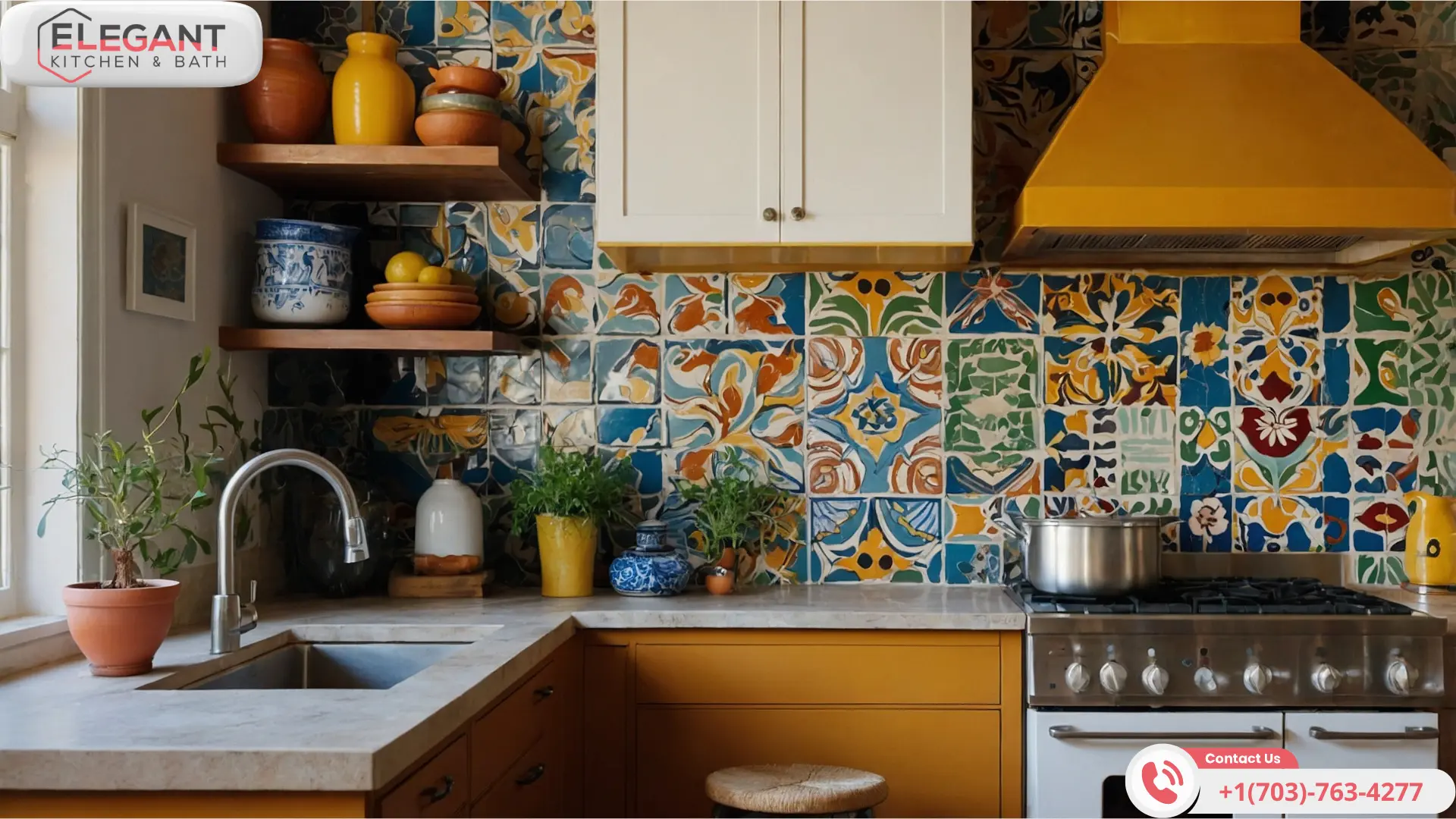
Envisioning the perfect ambiance for a kitchenspace starts with identifying a style that reflects both personality and the home’s overarching theme. For those drawn to the breezy grandeur of a Mediterranean villa, tiles reflecting the blues and terracottas of Morocco can transform a backsplash into a vibrant piece of art, infusing every meal with an exotic flourish.
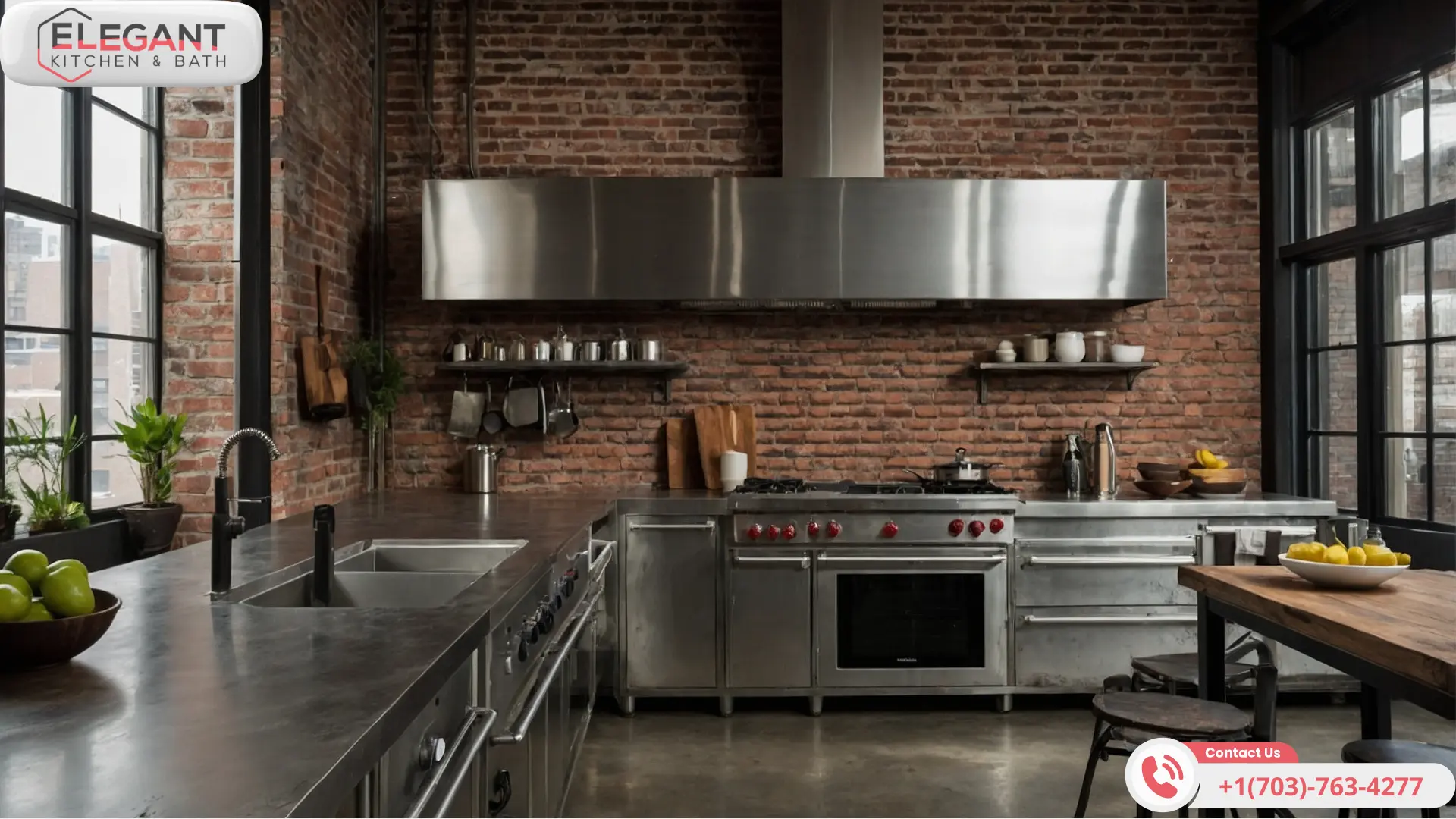
Moving beyond the geographical inspirations, homeowners may find allure in the industrial simplicity of concrete-style tiles. These often come in rectangle shapes that evoke an urban art gallery sentiment, allowing the clean lines and muted tones to contrast the busy nature of kitchen environments.
Assess the Durability of Tiles
The resilience of a kitchen’sceramictile, juxtaposed against the gleaming countertop, is paramount when evaluating options. Homeowners seeking enduring beauty must consider tiles that stand up to culinary vigor, with limestone emerging as a formidable candidate known for its sturdiness. Limestone effectively elevates the rustic farmhouse aesthetic while promising longevity amidst the daily grind of kitchen activities.
For those who prefer a touch of geometric elegance, hexagon, and fish-scale tiles offer unique visual appeal and notable durability. These shapes fit snugly together, minimizing grout lines and reducing potential areas where wear and staining might occur. Thus, the kitchen’s backsplash remains an unwavering backdrop to the bustling counterscape.
Evaluate the Color and Finish Options
The tapestry of color in ceramic tiles spans a broad spectrum, inviting homeowners to weave their taste into the fabric of their kitchen. A daring green backsplash can breathe life and energy into a space, encouraging growth and renewal as a backdrop to the daily culinary theater.
Finish, on the other hand, acts as the subtler yet significant counterpart to color, dictating how light interacts with the surface of each tile. Homeowners might experiment with a glossy finish to reflect more light in a smaller kitchen or opt for the muted, earthy appeal of wood or cement finishes that ground the space in warmth and organic texture.
Consider the Size and Shape Variations
When envisioning a kitchen backsplash, one must consider the size and shape of ceramic tiles. Large-format tiles can create a sleek, uninterrupted canvas of blue, imbuing a sense of tranquility reminiscent of a serene showerspace. In contrast, smaller tiles can add intricate detail and texture, inviting a closer look and a more intimate spatial experience.
A ceramic tile’s shape can dictate a kitchen’s aesthetic and flow. Geometric shapes such as hexagons or arabesques introduce dynamic energy, while traditional rectangles and squares support a more classic feel that melds seamlessly with elements like home automation devices, ensuring the space remains both up-to-date and timelessly elegant:
TileSize
Effect on Space
Associated Style
Large-format
Expansive, seamless
Modern, Tranquil
Small mosaic
Detail-rich, textured
Intimate, Artisan
Geometric shapes
Dynamic, Bold
Contemporary, Energetic
Rectangle/Square
Classic, Streamlined
Traditional, Harmonious
Choosing a Ceramic Tile Color Scheme for Your Backsplash
The journey of selecting the ideal ceramictile for a kitchen backsplash often leads homeowners down a path filled with critical style decisions.
The color scheme is at the heart of this decision-making process, and it can dramatically affect the ambiance of the space.
These hues harmonize or contrast with the hues of the kitchenfurniture and cabinets, drawing focus to areas of interest or blending seamlessly for a unified theme.
Matching tiles with your cabinet and countertop can enhance the existing fixtures by bringing out the correct shade and tone.
Additionally, the chosen colors influence the perception of space in the kitchen. Yellow might project a sunny expansiveness, while darker shades could offer a sense of coziness.
Choosing the right color scheme can help align the backsplash aesthetically with the room’s overall design narrative.
Comparing Light vs. Dark Tile Colors
Lighting is pivotal in selecting between light and dark tile colors, as each interacts distinctively with the ambient and task lighting within the kitchenspace. Light-colored tiles can brighten a room, reflecting light onto the floor and highlighting the subtleties in the cabinetry design. In contrast, dark-colored tiles may absorb light, creating a cozier, more grounded aesthetic.
Homeowners who flirt with incorporating purple into their backsplash often find themselves balancing the fine line between vibrancy and tranquility. A darker shade of purple can bring a touch of regal elegance that pairs beautifully with dark floor tones. At the same time, lighter lavender tiles can act as a gift card to serenity, softening the overall look and enhancing the innate charm of the cabinetry.
Matching Tiles With Your Cabinet and Countertop
A carefully selected backsplash serves as more than just a protective surface; it becomes a statement piece that unites the kitchen’s architecture with the home’s design aesthetic. When pairing tiles with cabinetry, consider how the natural light from the windows will interact with the materials, ensuring the backspace harmonizes with the tones of steel appliances and California-inspired open spaces.
Modern trends often blend the functionality of countertops with the beauty of terrazzotile work, creating a cohesive flow that accentuates the sleekness of a kitchen’sdesign. The fusion of tile textures with the smooth lines of cabinetry establishes an inviting atmosphere where culinary creativity thrives amid the elegance of thoughtfully chosen materials.
Understanding the Impact of Color on Space Perception
The interplay of color within a kitchen environment extends beyond mere aesthetic choice; it fundamentally transforms the perceived energy of the space. For instance, a backsplash adorned in the warm, reflective hues of bronze can summon the eclectic vibrancy of a San Francisco loft, weaving an aura of creativity and modernity into the room’s core.
In contrast, darker tiles, such as those in deep onyx, can imbue a kitchen with a grounding presence, absorbing excess light and offering a stark juxtaposition to metallic accents or steel appliances. Such strategic color choices can manipulate the room’s dimensions, either expanding the perception of space or encapsulating it in an intimate embrace.
Backsplash Color
Perceived Energy
Impact on Space
Bronze
Vibrant, Modern
Expansive, Reflective
Onyx
Grounding, Sophisticated
Cozy, Absorptive
The Role of Size and Shape in Tile Selection
As homeowners delve into the nuance of backsplash design, they must notice the interplay of size and shape with the room’saesthetics.
Small tiles beckon with their inherent capacity to bring forth detailed, intricate patterns, offering an artisan touch that can juxtapose the stoic beauty of a granitecountertop.
Conversely, large tiles bestow a spacious feel, transforming the kitchen into a seemingly wider expanse with minimal grout lines and broad surfaces that elegantly reflect the light.
For those seeking to imbue their space with a distinctive look, unique tile shapes serve as the architect of individuality, breaking the mold of conventional design.
Incorporating beige tones with unconventional forms can harmonize the overall aesthetic, allowing the room to resonate with a personalized flair that captures both the eye and the imagination.
Small Tiles for Detailed Backsplash Design
Small tiles offer an unparalleled level of detail that can elevate the aesthetic of any kitchen backsplash. Emulating the intricate patterns found in textile designs, these diminutive tiles create an exquisite mosaic, capturing the attention with their meticulous arrangement and the interplay of light and shadow.
Small porcelain tiles incorporated into a backsplash can mimic the reflective qualities of tin and copper, introducing a metallic sheen that dances across the kitchenwall. Coupled with pieces resembling mirror fragments, the backsplash can become a visually spellbinding activity center, reflecting both natural and artificial light to create a dynamic environment.
TileMaterial
Visual Impact
Design Influence
Porcelain
Gleaming, Crisp
Textile Patterns
Tin/Copper
Metallic Radiance
Industrial Chic
Mirror
Reflective Dynamics
Modern Elegance
Large Tiles for a Spacious Feel
When choosing large tiles, homeowners embrace the visual expanse such selections lend to the kitchenspace. When set against a backdrop of drywall, substantial tile pieces reduce the complexity of patterns, allowing the eye to glide over smooth quartzite or art deco-inspired designs with minimal interruption by grouted lines.
The presence of large tiles can further act as a protective barrier, shielding walls from water and stains. This practical benefit is amplified when paired with stainless steel appliances that reflect their grandeur. With careful installation, these generous tiles create a contiguous look that can make even compact kitchens feel boundlessly spacious.
as homeowners contemplate a kitchenrenovation that reflects a unique personality and zest, the allure of distinctive tile shapes becomes evident. Whether it’s the classic charm of travertine with its natural, earthy tones that echo the tranquility of a garden or the intricate designs of hand-cut zellij tiles that tell a story with each piece, these unique shapes become the centerpiece of a backsplash that captivates and inspires.
Moreover, the allure of specialty-shaped glass tiles is becoming increasingly popular among those seeking to infuse their spaces with light and color. These reflective elements can transform a kitchen into a luminous sanctuary, akin to stepping into a sun-dappled garden. They bring depth and movement to the backsplash and add a layer of sophistication to the overall renovation.
The Finish Matters: Glossy vs. Matte Ceramic Tiles
Choosing the perfect ceramictile for a backsplash demands attention to detail, not the least of which is the tiles’ finish.
The reflection of light off a glossy-finished tile can dramatically alter the perception of color and space, enhancing the luminosity of the area surrounding the sink and complementing the other interior design elements.
Conversely, MatteMatte finished tiles absorb light, offering a more subdued and timeless aesthetic that may harmonize with a room’splumbing fixtures and cabinetry.
Beyond the immediate visual effect, the finish of a tile significantly influences its maintenance and durability—an essential consideration for any kitchenspace.
Reflecting your kitchen’s functional necessity and stylistic aspirations, understanding these finishes is key to ensuring the backsplash meets and exceeds the needs of daily use and design preference.
Advantages of Glossy Finished Tiles
Glossy finished tiles, often selected for lustrous sheen, can make bathroom spaces more expansive and vibrant. The reflective surface captures and bounces light around the room, playing with geometry and illumination to visually enhance the area around the stove or any focal point.
Moreover, these tiles offer practical benefits in moisture-prone areas, as the slick surface helps repel water and oil splatters from cooking, which can be wiped away easily. This feature, alongside their semblance to polished brick, adds a sophisticated charm to kitchens, merging functionality with aesthetic elegance.
When to Choose Matte Finished Tiles
Matte-finished tiles are an exemplary choice for homeowners aiming to craft a backsplash with understated elegance. Their non-reflective nature means they’re less prone to showing water marks or stains, making them a practical option for the bustle of kitchen activity.
In spaces where the desired ambiance leans towards the rustic, such as a shabby chic motif, matte tiles contribute an earthy, textural quality that complements distressed furniture and vintage decor. Home improvement enthusiasts might select a muted hue in a matte finish to bring a soothing, tactile presence to their kitchen backsplash.
Finish Type
Visual Effect
Maintenance Level
Style Compatibility
Matte
Soft, Textural
High – Resists showing stains
Shabby Chic, Rustic
Glossy
Bright, Reflective
Medium – Easy to clean but shows marks
Modern, Contemporary
Considering the all-rights reserved policy for material selection, homeowners should deliberate on the finish of their tiles as it influences both the aesthetic and the longevity of their backsplash. Matte-finished tiles, blessed with the ability to conceal smudges and splatters, offer a serene backdrop that enriches the hue of adjacent kitchen components.
How Finish Affects Maintenance and Durability
The enduring appeal of a backsplash rests not only in its design but also in its ability to withstand the rigors of daily use, something that the finish of ceramic tiles directly impacts. Brands that offer a matte finish tend to cater to those who appreciate their backsplash bearing the beauty of Carrara marble without the maintenance fuss, as these tiles are less likely to show water spots or accidental splashes from the day’s culinary endeavors.
In contrast, glossy tiles may require more attentive care to maintain their radiant sheen, yet the upkeep is a small price for the drama and pebble-smooth elegance they bring to akitchen’sdesign. Whether gleaming or subdued, the finish significantly affects a tile’s resistance to wear and the required cleaning frequency, ensuring that the chosen brand’s product meshes with your taste and matches your lifestyle expectations.
How to Decide on the Tile Layout and Patterns
The selection of ceramic tiles for a backsplash is not solely determined by color or size but also by the layout and pattern that brings an artistic stroke to the kitchen.
Exploring popular tile patterns becomes an adventurous excursion into the realm of design possibilities, where the classic simplicity of a monochrome theme may elegantly contrast the organic richness of walnutcabinetry.
Homeowners face the delightful challenge of customizing these patterns to harmonize with the space’s ambiance, considering factors like heat resistance near stoves and the visual transition to the pantry.
Guidance emerges through tips for mixing and matching tiles, where the rugged texture of rock-inspired ceramics can intertwine with smooth surfaces to create a tactile and visual feast.
Perfectly chosen patterns act as the culminating brushstroke on a home’s canvas, encapsulating personal style and functional needs in each meticulous placement.
Exploring Popular Tile Patterns
The elegance of a diamond pattern interspersed with silver accents creates a backsplash that is not only a focal point in the kitchen but also forms a visual bridge to the dining room, fostering a sense of openness and connectedness. When placed diligently against the kitchen cabinet, this pattern ensures a balance between privacy for prep areas and a welcoming ambiance for guests.
Incorporating a diamond layout behind the stove and transitioning into a simpler, straight pattern near the kitchen cabinet, homeowners blend functionality with aesthetic allure, protecting walls from heat and spills without preceding style. The hint of silver in this design offers a subtle nod to the metallic fixtures and appliances, marrying durability with timeless elegance.
Customizing Patterns to Your Space
Just as the right password unlocks a secure and personalized space, the optimal customization of tile patterns in your kitchen can transform a simple backsplash into a reflection of your unique tastes. Take a lawn’s intricate landscaping as inspiration; varied marble patterns paired with sleek lines near the refrigerator can infuse the kitchen with a sense of timeless elegance and modern sophistication.
Tips for Mixing and Matching Tiles
The artistry of a backsplash can extend upward, seamlessly merging with the architectural details of a room, such as a classic tinceiling. Homeowners eager to create a cohesive design narrative might consider pairing arabesque-shaped tiles with a freshly painted ceiling, ensuring a smooth visual flow from the counters to the carpet beneath one’s feet. This artistic concatenation grants a sense of completeness, gracing the space with elegance and intention.
Choosing tiles that complement the broader design elements within the kitchen, such as the color of the carpet or the sheen of a tinceiling, can result in a backsplash that truly anchors the room’s decor. Strategic use of color, pattern, and texture invites a bespoke blend that can transform the backsplash from a mere functional surface to a tapestry of personal style, a testament to thoughtful design acumen.
Element
TileDesign
Complementary Feature
Ceiling
Arabesque Tiles
Tin Ceiling Aesthetics
Floor
Textured Tiles
Color-Coordinated Carpet
Walls
Paint-Compatible Tiles
Cohesive Paint Scheme
Importance of Durability and Maintenance
Embarking on the journey to elevate a home’s kitchen with the perfectceramictile backsplash compels a meticulous selection process, where the emphasis on durability steers the final choice.
The rigors of day-to-day kitchen demands often test a tile’s longevity, akin to the constant exposure of Carrara marble to the elements at a bustling swimming pool – it must endure without compromising its aesthetic appeal.
Suitable tiles repel the daily assailment akin to a high-traffic basement passage and resonate with the gleaming endurance of brass fixtures that withstand the test of time.
Opting for easy-to-clean surfaces, homeowners streamline ongoing maintenance, eschewing constant scrubbing for simple wipe-downs, much like erasing a slate of advertisements.
Such considerations ensure that the backsplash, a centerpiece of functional decor, remains as impeccable as the day it was installed, upholding its protective role and contribution to the kitchen’s overall grandeur.
Selecting Tiles Resistant to Wear and Tear
In pursuing a backsplash that embodies resilience, homeowners should consider the geometry of their kitchen and the enduring strength of materials, much like the sturdiness found in the triangle trusses of a roof. Selecting tiles with the robust density of Manhattan’sslate walkways ensures longevity, enabling patios to retain their charm through seasons of foot traffic and weather challenges.
When choosing tiles that will remain as unyielding as a patio enduring the busy hum of a Manhattan café, a preference for slate-like surfaces can be paramount. These selections will equip a kitchen with a backsplash that protects like a roof overhead, promising steadfastness in the face of culinary tempests and time’s relentless passage.
Easy-to-Clean Options for a Practical Backsplash
Adjacent to the cooktop, an area prone to splatters and spills, homeowners should consider glass tiles that can effortlessly restore their shine with a simple wipe. The transparent or reflective nature of glass adds sparkle to the kitchen and stands as a favorite for its low-maintenance qualities, ensuring that beauty effortlessly aligns with practicality.
Elsewhere, incorporating quartz tiles in a mosaicdesign marries sophistication with ease of care. Renowned for its non-porous surface, quartz resists stains and requires minimal effort, allowing a mosaic backsplash’s intricate beauty to remain a focal point in the kitchen without the burden of extensive upkeep.
Considerations for Long-Term Tile Durability
When pondering the longevity of a backsplash, porcelaintile emerges as a prime contender due to its renowned durability. Its dense body provides a hardwearing surface capable of withstanding the kitchen’s dynamic environment, where the frenetic pace of meal prepping meets the daily rituals of family life.
Advancements in tile manufacturing have bolstered porcelaintile’s reputation as a stalwart choice for those seeking to invest in a backsplash that offers enduring elegance. This material resists fading and scratching, a testament to its ability to uphold its pristine appearance over years of service, even under the luminous assault of direct sunlight and the abrasive trials of cleaning agents.
Budgeting for Your Ceramic Tile Backsplash Project
Embarking on the transformative journey of a backsplash renovation involves aesthetic choices and careful financial planning.
Homeowners must navigate through the delicate landscape of costs, ensuring the selected ceramic tiles provide allure and value for money.
Determining the cost per square foot becomes the cornerstone of budget management, as this calculation frames the entire project within feasibility.
It is equally imperative to strike a harmonious balance between the lure of high-end tiles and the pragmatism of affordability while exploring avenues to economize on installation expenses without detracting from the craftsmanship that brings the project to fruition.
These monetary considerations are crucial stepping stones in creating a backsplash that meets both design aspirations and budgetary constraints.
Determining the Cost Per Square Foot
Calculating the cost per square foot is an integral process for ascertaining the total expense for a tile backsplash project. This figure takes into account the price of the tiles themselves, along with the cost of additional materials and labor, painting a comprehensive picture of the overall financial investment required.
Homeowners are advised to seek quotations from several suppliers and contractors to accurately pinpoint the cost per square foot, which can vary widely based on the tiles’ quality and the installation’s complexity. Armed with these figures, one can formulate a budget that aligns with the vision for their space and the constraints of their wallet.
Finding Balance Between Quality and Affordability
Finding a middle ground between top-notch quality and affordability in ceramic tiles often demands a judicious eye. Homeowners must weigh the longevity and aesthetics of premium options against cost-saving alternatives that maintain the overall vision of their kitchen backdrop.
Comparing costs and benefits becomes a strategic exercise where homeowners can opt for mid-range priced tiles that provide a semblance of luxury without the steep price tag. Such choices may offer durable finishes and contemporary designs that align closely with more expensive selections:
Tile Quality
Price Range
Longevity
Design Options
Premium
High
Extensive
Exquisite and varied
Mid-range
Moderate
Reasonable
Contemporary and stylish
Cost-saving
Low
Limited
Basic and functional
Saving on Installation Costs Without Compromising Quality
One effective method to reduce installation costs without sacrificing quality is to select ceramic tiles that are straightforward to install. Opting for larger tiles can minimize the number of cuts and intricate layouts required, allowing for a smoother and potentially faster installation process.
Homeowners who possess basic tiling skills might also consider a DIY approach. Preventing professional installation fees can result in significant savings, as the only expense is the purchase of high-quality tiles and necessary supplies.
Strategy
Cost Impact
Quality Retention
Larger Tile Selection
Reduces installation complexity and time
Maintains aesthetic and functional integrity
DIY Installation
Eliminates professional installation fees
Dependent on the homeowner’s competency level
Installation Tips for a Flawless Finish
Securing an exemplary selection of ceramic tiles for a kitchen backsplash is just the beginning; it is paramount to ensure their installation reflects the same level of perfection.
Before the first tile is laid, the wall must be prepared to provide a clean, sturdy base that will hold the tiles in place for years.
Selecting the appropriate adhesive and grout follows—a critical step that affects both the tiled surface’s durability and aesthetics.
For many, the decision between taking on a do-it-yourself project or enlisting professional services can be challenging, with considerations of time, skill, and cost coming into play.
Embarking on installing a ceramictile backsplash begins with the meticulous preparation of the walls, a process akin to setting the stage for a grand performance. Homeowners need to ensure that the surfaces are clean and level, as any imperfections could result in tiles that do not adhere properly or appear misaligned, detracting from the backsplash’s visual appeal.
After removing any old tile or residual adhesive, an application of primer on the drywall reinforces the bond between the wall and the new tiles. It’s this critical foundation work that aids in the prevention of potential moisture issues, providing a secure canvas upon which to lay the carefully chosen ceramic tiles for a seamless and enduring installation.
Choosing the Right Adhesive and Grout
When choosing adhesive and grout for a ceramictile backsplash, homeowners should scrutinize the materials’ compatibility with their selected tiles. A high-quality thin-set mortar is recommended for a bond that endures thermal expansion and moisture challenges, especially for areas prone to heat and water exposure—the selection of the right adhesive forms the bedrock of a durable and resilient backsplash installation.
The grace of a backsplash also lies in the finishing touch of grout, which seals the deal visually and functionally. With options ranging from sanded to unsanded and an array of colors to match or contrast with the tiles, selecting a grout that complements the design adds coherence while ensuring a defense against water and grime, thereby elongating the life and luster of the backsplash.
Type of Adhesive
Recommended Use
Type of Grout
Visual Effect
Thin-set Mortar
Heat and water exposure areas
Sanded Grout
Textured, color-rich finish
Mastic
Dry areas with less frequent moisture
Unsanded Grout
Smooth finish for delicate tiles
DIY vs. Professional Installation: Making the Right Choice
When faced with the decision of DIY versus professional installation for a ceramictile backsplash, homeowners must carefully assess their skills against the potential complexities of the project. Tiling requires precision and patience; thus, taking on the task independently necessitates confidence in one’s ability to execute each step flawlessly, from preparing the surface to positioning tiles with exacting symmetry.
On the other hand, entrusting the job to experienced professionals can provide peace of mind, especially for intricate designs or larger kitchen spaces. Investing in a skilled contractor’s expertise often translates to a superior finish. The subtleties of tile cutting and grout application are managed with practiced hands, ensuring a backsplash that is a testament to craftsmanship.
FAQs on Selecting the Ideal Ceramic Tile for Your Backsplash
How to choose tiles for backsplash?
Choosing the perfect tiles for your backsplash involves considering various factors such as style, durability, and maintenance. Start by identifying the overall aesthetic you want to achieve in your kitchen. Ceramic tile selection should complement your countertops and cabinetry. Consider using colors and patterns that enhance your kitchen’s design for a cohesive look. Additionally, consider the tiles’ durability and ease of maintenance, especially in a kitchen setting where spills and splatters are common.
Should the backsplash be lighter or darker than the countertop?
The choice between a lighter or darker backsplash compared to your countertop depends on the style and look you aim to achieve. A lighter backsplash can create a bright and airy feel, making the kitchen appear more spacious. On the other hand, a darker backsplash can add depth and contrast, creating a striking focal point. Both options can be stunning, so consider your personal style and the overall aesthetics of your kitchen.
What size tile looks best as a kitchen backsplash?
The best size for kitchen backsplash tiles often depends on the layout and design of your kitchen. Common choices include subway tiles (usually 3×6 inches), which offer a classic and timeless look. Larger tiles, such as 4×12 inches or even larger rectangles, can create a modern and sleek appearance. Smaller mosaic tiles, including hexagon or herringbone patterns, add intricate detail and texture. Ultimately, the size and pattern should align with your kitchen’s overall design and your style.
What tile material is best for backsplash?
The best material for a backsplash tile depends on your aesthetics, durability, and maintenance priorities. Ceramic tiles are a popular choice due to their versatility, affordability, and ease of cleaning. Glass tiles offer a sleek, modern look and reflect light beautifully. For a more luxurious feel, consider materials like granite or marble, though they may require more maintenance. Stainless steel tiles are durable and perfect for a contemporary kitchen.
What is the most popular backsplash tile?
Subway tiles continue to be one of the most popular choices for kitchen backsplashes. Their classic, clean lines suit various kitchen styles, from traditional to modern. Other popular options include glass tiles, which offer a sleek and reflective surface, and ceramic tiles, available in numerous colors and patterns. Mosaic tiles, featuring materials like glass, stone, and metal, are also favored for their ability to add intricate detail and texture.
What tiles are best for a kitchen splashback?
The best tiles for a kitchen splashback should combine aesthetics, durability, and ease of maintenance. Ceramic tiles are an excellent choice due to their wide range of styles, colors, and patterns, as well as their durability and low maintenance. Glass tiles are another great option, offering a modern and reflective surface that’s easy to clean. Consider granite or marble tiles for a more luxurious, high-end look, though they may require more upkeep. Ultimately, the best tile will depend on your kitchen’s design and personal preferences.
What is better for a backsplash – porcelain or ceramic?
Both porcelain and ceramic tiles are excellent choices for backsplashes. Porcelain tiles are denser and less porous, making them more durable and stain-resistant. However, ceramic tiles come in a wider variety of styles and are typically more budget-friendly. Consider your specific needs when selecting between the two.
How do I know if my tiles are ceramic or porcelain?
Porcelain tiles are usually thicker and heavier than ceramic. The color extends all the way through porcelain, while ceramic tiles may have a different color underneath the glaze. If you can see the tile’s natural color on the unglazed edges, it’s likely ceramic.
How can you tell good quality ceramic tile?
High-quality ceramic tiles will have consistent color, minimal defects or chips, and a uniform thickness. They should also have a solid glaze that resists scratches. Reading customer reviews and purchasing from reputable brands can help you select a quality product.
How do I choose ceramic tile for my backsplash?
When selecting a ceramic tile backsplash, consider your style, the overall aesthetics of your kitchen, and your budget. Think about the size and shape of the tiles, such as rectangles or hexagons, and the finish (glossy or matte)—Also, factor in the tile’s durability and required maintenance. Explore various tile layouts and patterns to create a unique look. Samples can help you visualize the final result before deciding—Remember to plan for either DIY or professional installation based on your skills and budget.
Do ceramic tiles crack easily?
Ceramic tiles, when properly installed, are quite durable and resistant to cracking. Their resilience makes them a popular choice for kitchen backsplashes. However, like any material, they can crack if subjected to a significant impact or installed improperly. Ensuring a professional installation and using quality materials can significantly reduce the risk of cracking, providing a long-lasting and beautiful backsplash.
What is the life expectancy of ceramic tile?
Ceramic tiles are known for their longevity. With proper care and maintenance, they can last for several decades. Many homeowners find their ceramic tile backsplashes remain beautiful and functional for 20-30 years. This durability makes ceramic tile an excellent investment for your kitchen, combining both aesthetic appeal and long-term value.
Which is better, porcelain tile or ceramic tile?
Both porcelain and ceramic tiles have advantages, making them suitable for different applications. Porcelain tiles are denser, more durable, and generally less porous than ceramic tiles, making them an excellent choice for high-traffic areas and surfaces exposed to moisture. However, ceramic tiles offer a wide range of design options, are typically more affordable, and are perfectly suited for kitchen backsplashes where extreme durability is less critical. Ultimately, the choice depends on your specific needs and preferences, but ceramic tile backsplash options provide a versatile and stylish solution for most backsplash applications.
Hear From Our Delighted Clients About Their Experiences in Selecting the Ideal Ceramic Tile for Kitchen Backsplash
John Hoddinott worked closely with Elegant (Tayfun) to design a new kitchen for his home, and he is thrilled with the results. The design process involved exploring 5 or 6 different plans before determining the optimal layout. John commends the project manager, Enes, for his attentiveness and prompt follow-up on any questions that arose during the process. He also praises Gersen and his crew for their resourcefulness in overcoming various challenges during the installation and for always finding practical solutions. Despite a few minor post-completion issues, Enes swiftly addressed them, ensuring John’s complete satisfaction with the outcome.
ME. Dash1811 had a fantastic experience with Elegant Kitchen and Bath from beginning to end, wholeheartedly recommending their services. After obtaining three quotes for their project, Elegant Kitchen and Bath stood out from the start. The team successfully transformed a small, outdated bathroom into a stunning space while staying within the specified budget. ME. Dash1811 highly commends the exceptional customer service provided by Omer and Enes, who were always accessible and promptly answered any inquiries. The entire job was skillfully handled by Javier, who consistently arrived on time and maintained a clean work area each day. ME. Dash1811 expresses excellent satisfaction with the finished bathroom and looks forward to collaborating with Elegant Kitchen and Bath on future projects.
Melanie Buckley is thoroughly impressed with Elegant Kitchen and Bath’s efficiency and professionalism, highlighting the company’s ability to complete her 20-year-old kitchen renovation in just 14 days. Starting in January 2024, the project was completed by March 1st, exceeding Melanie’s expectations. She appreciated the systematic approach, ensuring her satisfaction at each stage. The seamless collaboration between the design team and contractors ensured the project stayed on schedule. Melanie was particularly impressed by the team’s craftsmanship, immaculate work ethic, and their ability to accommodate a last-minute wall demolition, navigating the necessary inspections and providing clever solutions. She highly recommends this professional and exceptional business for their outstanding service.
Elegant Kitchen and Bath consistently surpasses client expectations, as evidenced by these glowing testimonials. Our team’s dedication to customer satisfaction, meticulous attention to detail, and efficient project management ensure a smooth and enjoyable renovation experience. We pride ourselves on transforming outdated spaces into stunning, functional environments that our clients have been thrilled to enjoy for years.
Conclusion
Selecting the ideal ceramictile for a backsplash is a crucial process that combines the durability of the materials with the desired aesthetic, ensuring a long-lasting and attractive kitchen element.
Careful consideration of the tiles’ size, shape, and finish affects the backsplash’s visual allure and practical maintenance.
Budgeting wisely and contemplating the installation method, whether DIY or professional, are essential steps to achieving a flawless finish without compromising quality.
Ultimately, the right ceramictile choice enhances the kitchen’s functionality while echoing the homeowner’s unique style and culinary space vision.
A kitchen backsplash not only protects your walls from splatters and spills but also serves as a focal point that can transform your kitchen’s entire look and feel.
With countless tile options, from classic subway tiles to modern metallic finishes, choosing the perfect backsplash for your kitchen remodel can be exciting yet overwhelming.
Whether you prefer the timeless elegance of natural stone, the playful patterns of mosaic tiles, or the sleek sophistication of glass and metal, the right backsplash tile can elevate your kitchen design to new heights.
Explore eight inspiring kitchen backsplash tile ideas to help you create the kitchen of your dreams.
Key Takeaways for 8 Kitchen Backsplash Tile Ideas for Kitchen Remodeling
Subway Tiles: Offer a timeless and versatile look for kitchen backsplashes, with options for customization through color and installation patterns.
Mosaic Tiles: Provide endless possibilities for creating unique and visually stunning backsplash designs using various materials, shapes, and patterns.
Geometric Tile Patterns: Add a contemporary and eye-catching element to kitchen backsplashes, with options for bold statements or subtle, understated designs.
Herringbone and Chevron Tile Patterns: Offer elegant and timeless options for kitchen backsplashes, each with distinct characteristics suited to different kitchen styles.
Rustic and Handmade Tiles: Offer a unique and charming option for kitchen backsplashes, showcasing artisanal craftsmanship and natural variations that add warmth and authenticity.
Metallic Tiles: Provide a sleek and modern look for kitchen backsplashes, available in finishes such as stainless steel, brass, and copper, adding a touch of luxury and sophistication.
[ez-toc]
Understanding the Characteristics and Popular Uses of Classic Subway Tiles
Subway tiles have been a staple in kitchen backsplashes for decades. These rectangular ceramic tiles, typically 3 inches by 6 inches, offer a timeless and versatile look that complements various kitchen styles. Subway tiles are known for their durability, ease of cleaning, and moisture resistance, making them an ideal choice for kitchen environments.
The classic white subway tile remains popular for those seeking a clean and simple aesthetic. When paired with dark grout, white subway tiles create a striking contrast that adds depth and character to the backsplash. Homeowners can also opt for colored subway tiles in shades of blue, green, or gray to introduce a pop of color and visual interest to their kitchen design.
Subway tiles offer flexibility in installation patterns, allowing homeowners to customize their backsplash design. The traditional running bond pattern, where tiles are staggered like bricks, creates a classic look. Alternatively, the herringbone pattern, featuring tiles arranged in a zigzag formation, adds a modern and dynamic touch to the kitchen backsplash.
Beyond their aesthetic appeal, subway tiles are also highly functional. Their glossy surface is easy to clean, preventing stains and grime from accumulating. The tiles’ resistance to heat and moisture makes them suitable for use behind stoves and sinks, protecting the wall from splashes and spills. With their combination of style and practicality, subway tiles continue to be a go-to choice for kitchen remodeling projects.
Exploring the Diverse Patterns and Materials of Mosaic Tiles
Mosaic tiles offer a world of possibilities for kitchen backsplashes, allowing homeowners to create unique and visually stunning designs. These tiles come in various materials, including glass, ceramic, porcelain, and natural stone, each offering distinct characteristics and benefits. Mosaic tiles can be found in multiple shapes, such as squares, rectangles, hexagons, and even irregular shapes, providing endless opportunities for creative expression.
Regarding patterns, mosaic tiles excel in creating intricate and eye-catching designs. From classic herringbone and chevron patterns to more complex geometrical arrangements, mosaic tiles can transform a kitchen backsplash into an actual work of art. Homeowners can mix and match different colors, textures, and finishes to create a one-of-a-kind backsplash that reflects their style and complements the kitchen design.
Glass mosaic tiles are trendy for kitchen backsplashes because they reflect light and create a luminous effect. They come in a spectrum of colors, from soft pastels to vibrant hues, allowing homeowners to introduce a desired mood or atmosphere into their kitchen. Glass mosaic tiles are also easy to clean and maintain, making them a practical choice for the kitchen environment.
Natural stone mosaic tiles, such as marble, travertine, and limestone, bring a sense of luxury and sophistication to the kitchen backsplash. These tiles showcase natural stone’s inherent beauty and variation, with each tile displaying unique veining, coloration, and texture. Natural stone mosaic tiles can create a striking contrast and add depth to the backsplash design when combined with other materials like glass or metal.
How Geometric Tile Patterns Add Modern Flair to Your Kitchen
Geometric tile patterns offer a contemporary and eye-catching option for kitchen backsplashes. These tiles feature clean lines, sharp angles, and repeating shapes that create a sense of movement and visual interest. Homeowners can choose from geometric patterns, such as hexagons, diamonds, triangles, and trapezoids, to add a modern flair to their kitchen design.
Geometric tiles can create bold and graphic statements in the kitchen backsplash. By combining different colors, sizes, and finishes, homeowners can design unique patterns that become the kitchen’s focal point. Geometric tiles in monochromatic color schemes, such as black and white or shades of gray, create a sleek and sophisticated look.
Metallic geometric tiles, such as those in stainless steel or brass finishes, add a touch of glamour and luxury to the kitchen backsplash. These reflective surfaces catch the light and create a dynamic interplay of shadows and highlights, enhancing the visual depth of the backsplash.Metallic geometric tiles pair well with modern kitchen appliances and fixtures, creating a cohesive and stylish aesthetic.
Geometric tile patterns can also be used to create subtle and understated designs. By using tiles in soft, neutral colors and arranging them in a simple repeating pattern, homeowners can achieve a modern look that complements rather than overwhelms the overall kitchen design. This approach works well in minimalist and Scandinavian-style kitchens, where clean lines and muted colors are key elements.
Herringbone vs. Chevron: Choosing the Right Tile Pattern for Your Space
Herringbone and chevron tile patterns offer a timeless and elegant look for kitchen backsplashes. While both patterns feature a zigzag arrangement, they have distinct characteristics that set them apart. Understanding the differences between these two patterns can help homeowners choose the right one for their kitchen remodeling project.
The herringbone pattern consists of rectangular tiles arranged in a staggered zigzag formation, creating a visual effect reminiscent of fish bones. This pattern adds depth and texture to the backsplash, making it a popular choice for traditional and contemporary kitchen styles. Herringbone tiles can be installed using various materials, such as ceramic, porcelain, or natural stone, allowing homeowners to customize the look to their preferences.
On the other hand, the chevron pattern features tiles cut at a 45-degree angle and arranged to create a continuous zigzag pattern. This pattern creates a sense of movement and directionality, drawing the eye along the backsplash. Chevron tiles offer a more modern and streamlined look than the herringbone pattern, making them a popular choice for minimalist and contemporary kitchen designs.
When deciding between herringbone and chevron tile patterns, homeowners should consider the overall style of their kitchen and the desired visual impact. The herringbone pattern works well in kitchens with traditional or transitional styles, while the chevron pattern complements modern and minimalist aesthetics. Ultimately, the choice between these two patterns comes down to personal preference and the specific design goals for the kitchen remodeling project.
The Reflective Beauty and Maintenance Tips for Glass Tile Backsplashes
Glass tile backsplashes add a lustrous and reflective quality to kitchen spaces, creating a bright and airy atmosphere. The smooth, glossy surface of glass tiles bounces light around the room, making even small kitchens feel more spacious and open. Glass tiles come in a wide array of colors, from soft pastels to bold hues, allowing homeowners to create a backsplash that complements their personal style and kitchen design.
When installing a glass tile backsplash, using the proper adhesive and grout is important to ensure a secure and long-lasting installation. A professional tile installer can help navigate the challenges of working with glass tiles, such as achieving a level and even surface. Proper substrate preparation and a high-quality, white thinset mortar are essential for a successful glass tile backsplash installation.
Regular cleaning is necessary to maintain the beauty and clarity of a glass tile backsplash. Homeowners can use a soft cloth or sponge with a mild soap and water solution to wipe down the tiles and remove grease or grime. A non-abrasive cleaner specifically designed for glass surfaces can be used for tougher stains, followed by a thorough rinse with clean water.
Homeowners should avoid using abrasive cleaners or scrubbers on glass tile backsplashes, as these can scratch or dull the surface over time. It’s also important to promptly address any chips or cracks in the tiles to prevent moisture from seeping behind the backsplash and causing damage to the wall. With proper care and maintenance, a glass tile backsplash can retain its reflective beauty and enhance the kitchen’s ambiance for years.
Marble and Natural Stone Tiles: Pros, Cons, and Maintenance Tips
Marble and natural stone tiles bring timeless elegance and luxury to kitchen backsplashes. These materials showcase unique veining, coloration, and texture, adding depth and character to the kitchen design. Homeowners can choose from various natural stone options, such as marble, granite, travertine, and limestone, each with its own distinct beauty.
While marble and natural stone tiles offer undeniable aesthetic appeal, they also come with specific considerations. These materials are porous and prone to staining and etching if improperly sealed and maintained. Acidic substances like wine, citrus, and tomato-based products can cause damage to the surface of natural stone tiles.
Regular sealing is necessary to protect and maintain marble and natural stone backsplashes. Homeowners should apply a high-quality sealer specifically designed for the type of stone used in their backsplash. This helps prevent stains and makes cleaning easier. Wiping up spills promptly and avoiding abrasive cleaners are also essential for preserving the beauty of natural stone tiles.
Despite the maintenance requirements, many homeowners find the stunning appearance and durability of marble and natural stone tiles worth the effort. When properly cared for, these materials can last for decades, providing a timeless and sophisticated backdrop in the kitchen. The unique characteristics of each tile ensure that no two natural stone backsplashes are precisely alike, adding to their charm and appeal.
Incorporating Rustic and Handmade Tiles for a Unique Kitchen Design
Rustic and handmade tiles offer a unique and charming option for kitchen backsplashes. These tiles showcase the artisanal craftsmanship and natural variations that make each piece one-of-a-kind. Incorporating rustic and handmade tiles into a kitchen design adds warmth, texture, and a sense of authenticity to the space.
Homeowners can choose from a variety of rustic and handmade tile materials, such as:
Terracotta tiles with earthy tones and a natural matte finish
Handcrafted ceramic tiles with irregular edges and glazed surfaces
Reclaimed wood tiles that bring a touch of nature indoors
Hand-painted tiles featuring unique patterns and motifs
When incorporating rustic and handmade tiles into a kitchen backsplash, it’s important to consider the overall design aesthetic. These tiles work well in farmhouses, cottages, and Mediterranean-style kitchens, whose organic and imperfect qualities complement the rustic charm. Pairing these tiles with natural wood cabinetry, exposed beams, and vintage-inspired fixtures creates a cohesive and inviting kitchen design.
To showcase the beauty of rustic and handmade tiles, homeowners can opt for a simple and understated backsplash layout. A classic offset pattern or a straight stack arrangement allows each tile’s unique characteristics to shine without overwhelming the space. Grout color can also play a role in highlighting the tiles’ texture and variation, with a contrasting grout color emphasizing the handcrafted quality of the backsplash.
Creating a Sleek, Modern Look with Metallic Backsplash Tiles
Metallic backsplash tiles offer a sleek and modern look for kitchen remodeling projects. Available in finishes such as stainless steel, brass, and copper, they add a touch of luxury and sophistication to the kitchen. Their reflective surfaces catch the light, creating a dynamic and visually striking backsplash.
Homeowners can choose from various metallic tile options to achieve their desired aesthetic:
Brushed stainless steel tiles for a cool and industrial look
Polished brass tiles add warmth and elegance
Hammered copper tiles for a rustic yet refined texture
Mosaic tiles combining different metallic finishes for a unique and eye-catching design
When incorporating metallic backsplash tiles, it’s important to consider the overall kitchen design. These tiles pair well with modern cabinetry, sleek appliances, and minimalist fixtures. Homeowners can create a cohesive look by coordinating the backsplash’s metallic finish with other kitchen elements, such as cabinet hardware or light fixtures.
To make a bold statement, homeowners can opt for a full-wall metallic backsplash that extends from the countertop to the ceiling. Alternatively, a smaller section of metallic tiles can be used as an accent, paired with neutral tiles or painted walls, for a balanced and sophisticated look.
FAQs for Kitchen Backsplash Tile Ideas
What is the trend in kitchen backsplash in 2024?
In 2024, kitchen backsplash trends are all about making a bold statement. Homeowners embrace vibrant colors, intricate patterns, and unique textures to create a focal point in their kitchen designs. Bold geometric patterns, such as chevron and herringbone layouts, are gaining popularity, particularly with eye-catching materials like patterned cement tiles or glazed ceramic tiles. Matte finishes are also in vogue, offering a modern and sophisticated look. Natural stone tiles, including marble and quartzite, remain luxurious and valued for their organic beauty and durability. Mixed materials, such as glass and metal, are another emerging trend, adding depth and visual interest to the backsplash area.
What backsplash tile always stays in style?
Subway tile backsplashes are a timeless choice that always stays in style. Their classic, clean lines and versatile appearance make them a perennial favorite in kitchen designs. Subway tiles come in various sizes, colors, and finishes, allowing homeowners to create a look that complements their style preferences. Whether you opt for traditional white subway tiles or explore more contemporary options like larger formats or unique patterns, this backsplash option offers a timeless appeal that can seamlessly transition through design trends. Additionally, subway tiles are practical and easy to maintain, making them a functional choice for busy kitchens.
What is the most popular backsplash for a kitchen?
In 2024, the most popular backsplash for kitchens is expected to be subway tiles, particularly in larger sizes and with unique patterns or colors. The classic subway tile is reimagined with modern twists, such as herringbone and chevron patterns, adding visual interest and depth to the backsplash area. While traditional white subway tiles remain popular, homeowners are also exploring bolder colors like deep blues, greens, and even blacks to create a striking contrast against their cabinetry and countertops. Additionally, larger subway tile formats, such as 4×12 or 6×12 inches, are gaining traction for their ability to create a seamless and contemporary look.
What are the kitchen splashbacks for 2024?
Kitchen splashbacks for 2024 are about making a statement with large-format tiles, textured surfaces, and natural stone materials. Homeowners gravitate towards oversized tiles, often 12×24 inches or larger, for a sleek and minimalist look. Textured surfaces, such as three-dimensional tiles or those with a raised pattern, are also trending, adding depth and visual interest to the backsplash area. Natural stone materials like marble, quartzite, and slate are famous for their organic beauty and durability. Mixed materials, such as combining glass and metal, are another emerging trend, creating a unique and eye-catching backsplash design.
Are white kitchens out for 2024?
While white kitchens are not entirely out for 2024, they are evolving to incorporate more warmth, personality, and contrast. Homeowners are moving away from the stark, all-white kitchen aesthetic and instead embracing pops of color, mixed materials, and natural wood accents to add depth and visual interest. For example, white cabinetry may be paired with a bold, patterned backsplash or a rich, wood-toned island. Additionally, warm metallic accents like brass or copper hardware and lighting fixtures soften the crisp white palette. Overall, the trend is moving towards a more balanced and layered approach, where white serves as a clean canvas for other design elements to shine.
What color backsplash is timeless?
A white backsplash is considered timeless in kitchen design. White has a clean, fresh, and versatile appeal that complements any style, from traditional to contemporary. A white backsplash can create a cohesive and seamless look, tying together various elements in the kitchen while also reflecting light and making the space feel brighter and more open. Whether you choose classic subway tiles, sleek marble slabs, or textured ceramic tiles, a white backsplash offers a neutral backdrop that can easily transition through design trends and color schemes. Additionally, white backsplashes are practical and easy to maintain, making them a functional choice for busy kitchens.
What backsplash to avoid?
When selecting a backsplash for your kitchen, it’s generally advisable to avoid highly trendy or overly personalized designs that may not appeal to future buyers. Extremely bold patterns or colors, while potentially eye-catching, can quickly become outdated and may need to align with changing design preferences. Similarly, backsplashes that are too specific to your taste or lifestyle may not resonate with others, making it challenging to sell your home in the future. Instead, opt for more timeless and versatile options that seamlessly transition through design trendsand complement various styles.
Should the countertop be lighter or darker than the backsplash?
Choosing between a lighter or darker countertop and the backsplash depends on the desired effect and overall kitchen design. Lighter countertops can create a more open and airy feel, reflecting light and making the space appear larger and brighter. They also provide a clean and fresh canvas for the backsplash to take center stage. On the other hand, darker countertops add depth and contrast, creating a bold and dramatic look when paired with a lighter backsplash. They can also help to ground the space and provide a warm, cozy ambiance. Ultimately, the decision should be based on your preferences, the overall color scheme, and the desired contrast level in your kitchen design.
What color tile always stays in style?
White tile is a color that never goes out of style, making it a timeless choice for kitchen backsplashes, floors, and other surfaces. White tile has a clean, fresh, and versatile appeal that complements various design aesthetics, from traditional to contemporary. It reflects light and creates a bright, airy atmosphere, making it an excellent choice for smaller spaces or kitchens with limited natural light.
Additionally, white tile is easy to maintain. It can be paired with a wide range of colors and materials, allowing you to update the look of your kitchen without having to replace the tile itself. Whether you choose classic subway tiles, sleek marble slabs, or textured ceramic tiles, a white tile backsplash or floor will remain stylish and timeless.
Should tile be lighter or darker than walls?
Choosing a lighter or darker tile for the wall color depends on the desired effect and overall design aesthetic. Lighter tiles can create a sense of openness and airiness, reflecting light and making the space appear larger and brighter. They also provide a clean, fresh canvas for the walls to take center stage. On the other hand, darker tiles can add depth and contrast, creating a bold and dramatic look when paired with lighter walls. They can also help to ground the space and provide a warm, cozy ambiance. Ultimately, the choice should be based on your preferences, the overall color scheme, and the desired contrast level in your kitchen or bathroom design.
Are 12×12 tiles still being updated?
While 12×12 tiles were once a popular choice for kitchen and bathroom floors, they are becoming less common in modern designs, which favor larger format tiles. However, 12×12 tiles can still be used effectively in specific styles, such as traditional or rustic kitchens, where their smaller size can contribute to a cozy and charming aesthetic. Additionally, they may be a practical choice for smaller spaces or areas with irregular layouts, as larger tiles can be more challenging to install in tight spaces or around intricate corners. Ultimately, the decision to use 12×12 tiles should be based on your style preferences and the overall design aesthetic you aim to achieve.
Is hexagon tile going out of style?
Hexagon tiles will be around for a while. Their unique geometric shape and versatility in creating exciting patterns and designs have made them popular in modern kitchen and bathroom renovations. Hexagon tiles can create eye-catching backsplashes, statement floors, or even accent walls, adding visual interest and depth to a space. They come in various materials, including ceramic, porcelain, and natural stone, allowing homeowners to choose a tile that complements their desired style and budget.
Additionally, hexagon tiles can be arranged in various patterns, such as honeycomb and herringbone, or even mixed with other tile shapes, providing endless design possibilities. With their timeless appeal and ability to add character to a space, hexagon tiles will likely remain popular for homeowners seeking to create a stylish and unique look.
Hear From Our Delighted Clients About Choosing the Perfect Kitchen Backsplash Tile
Dmitry praised Elegant Kitchen and Bath for their exceptional work on his kitchen renovation, which included selecting the ideal backsplash tile. He appreciated how the team was timely, attentive, clean, and responsive to his needs throughout the process.
Dmitry was particularly impressed with Omer’s guidance in choosing a backsplash tile that complemented his new kitchen layout and design. The EKB team presented various options, from classic subway tiles to modern mosaic patterns, ensuring Dmitry found the perfect fit for his style and budget. Thanks to their expertise, Dmitry’s kitchen now boasts a stunning, eye-catching backsplash that ties the entire space together.
Mark expressed his satisfaction with Elegant Kitchen and Bath’s kitchen remodel, which involved installing new cabinets, removing a partial wall, and selecting the perfect backsplash tile. He commended Omer for taking the time to understand their goals and presenting several layout options, resulting in a more open and storage-friendly space.
Mark appreciated the team’s attention to detail, especially when addressing concerns about the uneven floor. Enes and his installers provided clear explanations at each step, promptly answered questions, and maintained steady progress. The backsplash tile selection process was seamless, with EKB offering expert advice on materials, colors, and patterns that would best suit Mark’s new kitchen design.
Herbert shared his outstanding experience with Elegant Kitchen and Bath’s complete kitchen remodel, which included selecting the ideal backsplash tile to complement his new space. He praised the team for their exceptional communication, high-quality work, and prompt handling of minor issues.
Herbert was thrilled with the initial design support provided by Tayfun, who helped him navigate the vast array of backsplash tile options. The EKB team offered insights on the latest trends, durability, and maintenance requirements, ensuring Herbert chose a backsplash that looked stunning and fit his lifestyle. The result was a beautifully coordinated kitchen with a backsplash that perfectly tied together the cabinets, countertops, and flooring.
Choosing the perfect kitchen backsplash tile is essential to any successful kitchen remodeling project. By partnering with the experienced professionals at Elegant Kitchen and Bath, you can benefit from their expertise in selecting the suitable materials, colors, and patterns to create a cohesive and stylish look. Join our satisfied clients in experiencing the transformative power of a well-designed backsplash that elevates your kitchen.
Conclusion
Kitchen backsplash tiles offer numerous options for enhancing style and functionality during remodeling.
From classic subway tiles to intricate mosaic patterns, each type of tile brings unique characteristics and benefits to the kitchen design.
When selecting the perfect backsplash tile, homeowners should consider factors such as overall kitchen style, desired maintenance level, visual impact, and compatibility with other elements.
By exploring diverse kitchen backsplash tile ideas and working with experienced professionals, homeowners can transform their kitchens into stunning, inviting spaces that express their style and create a beautiful, functional focal point.