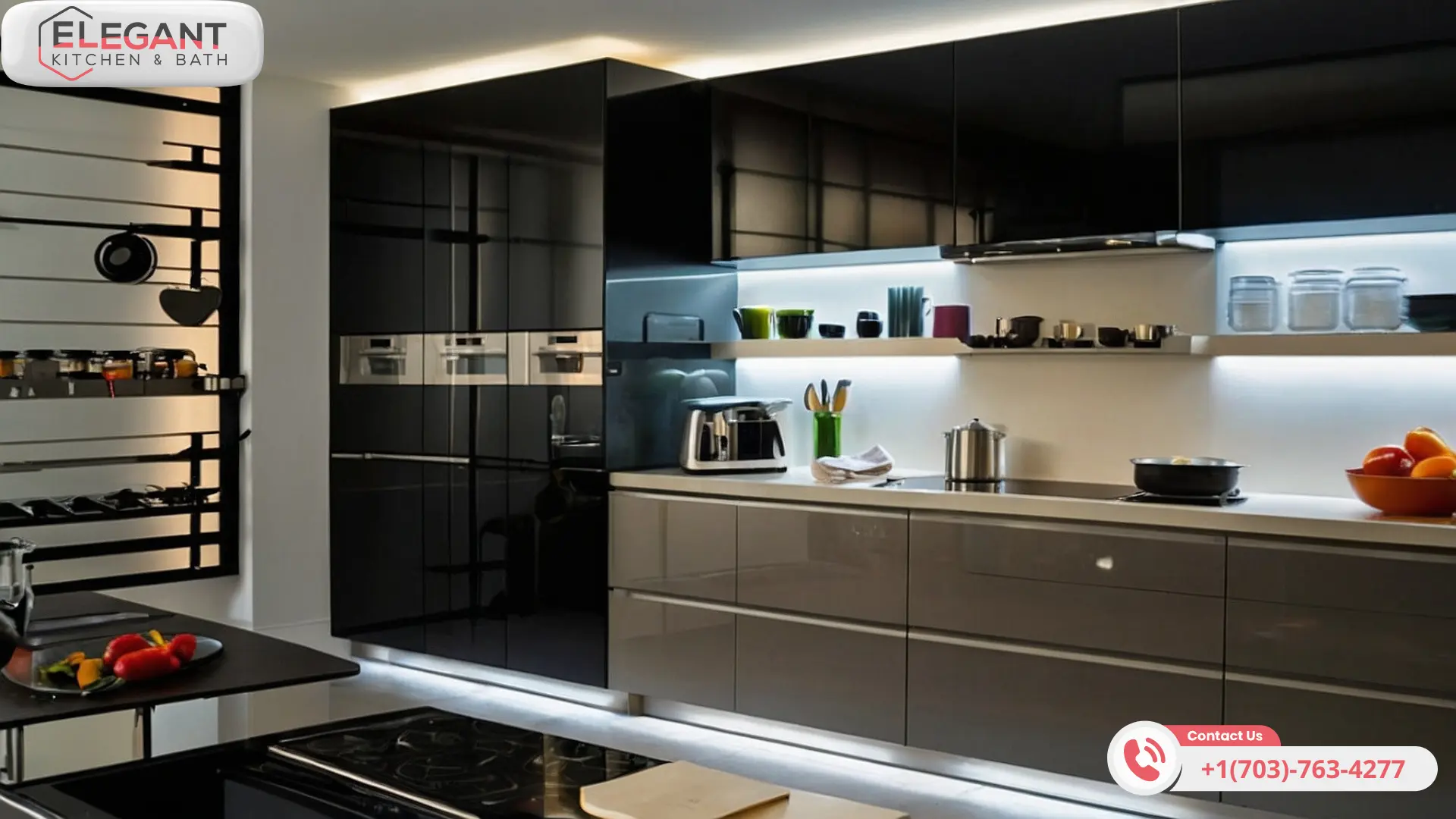
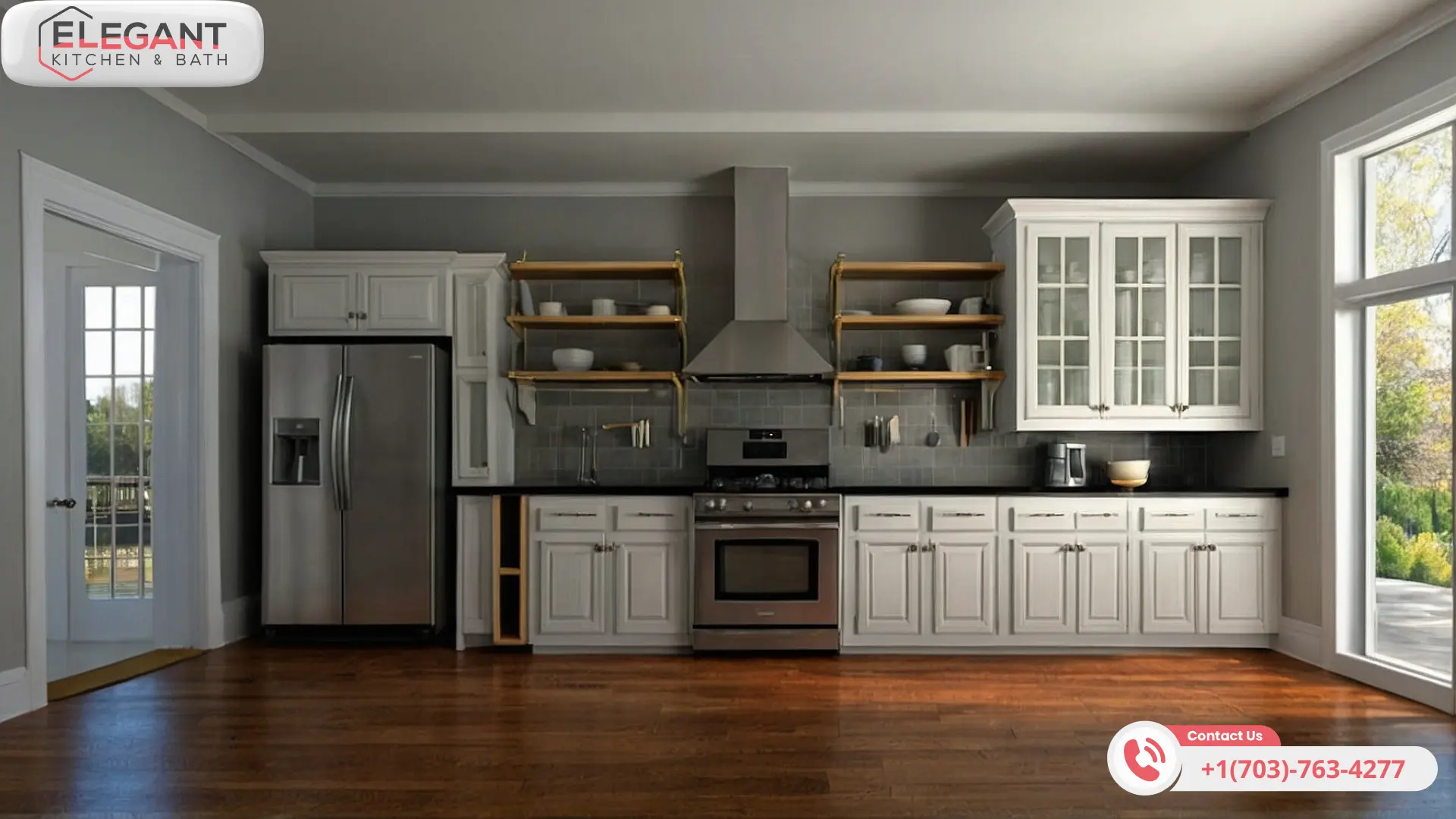
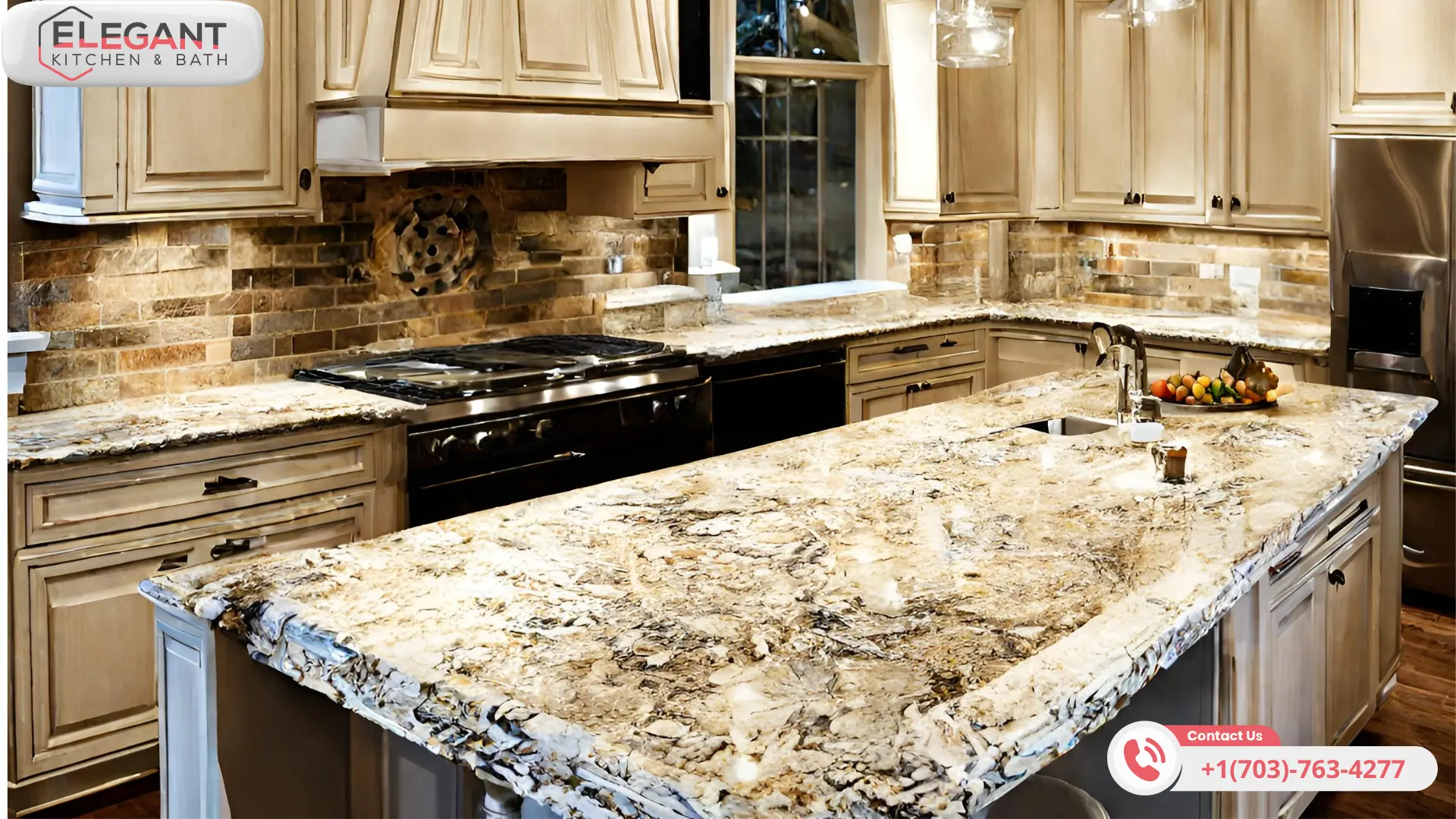
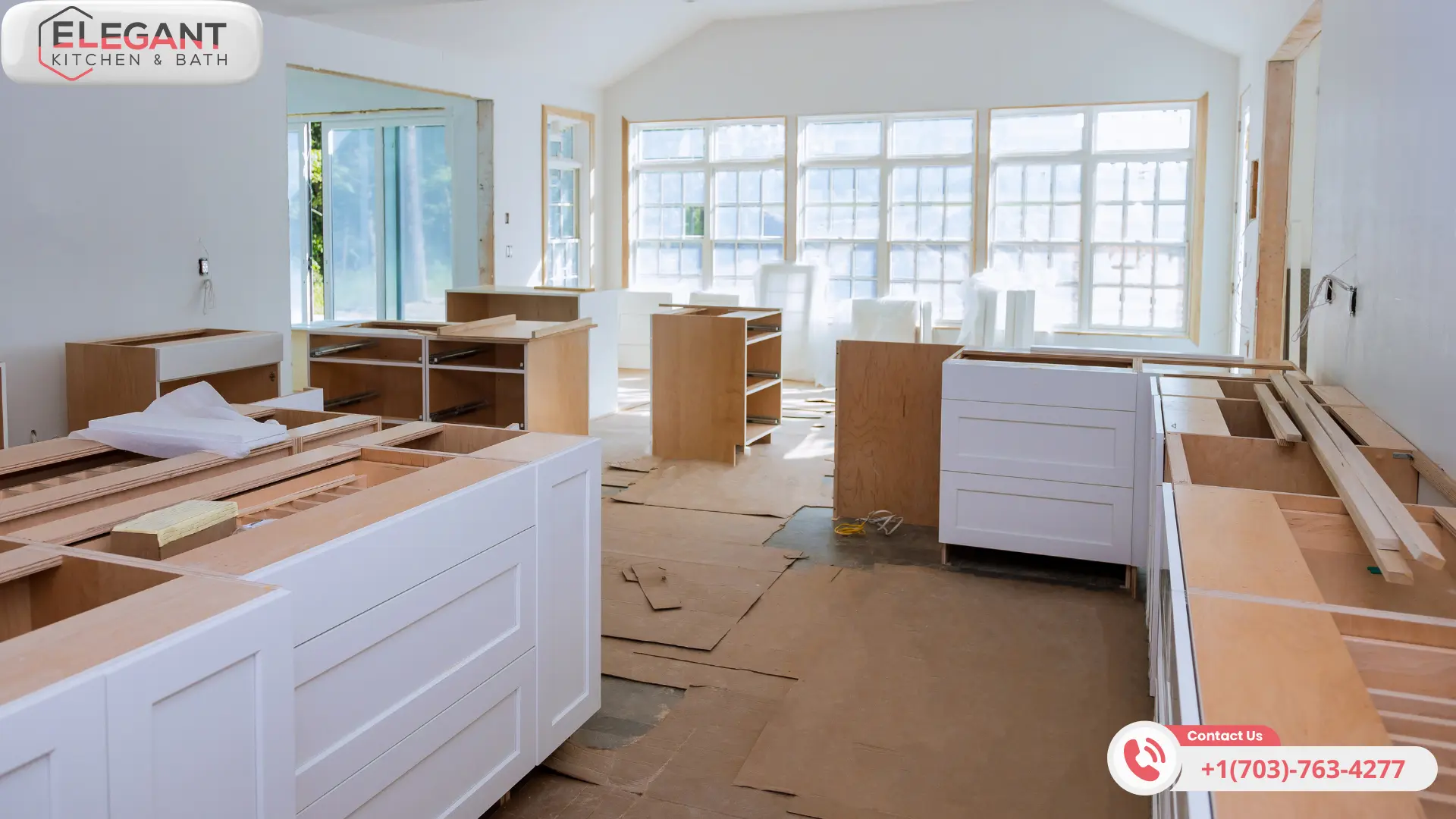
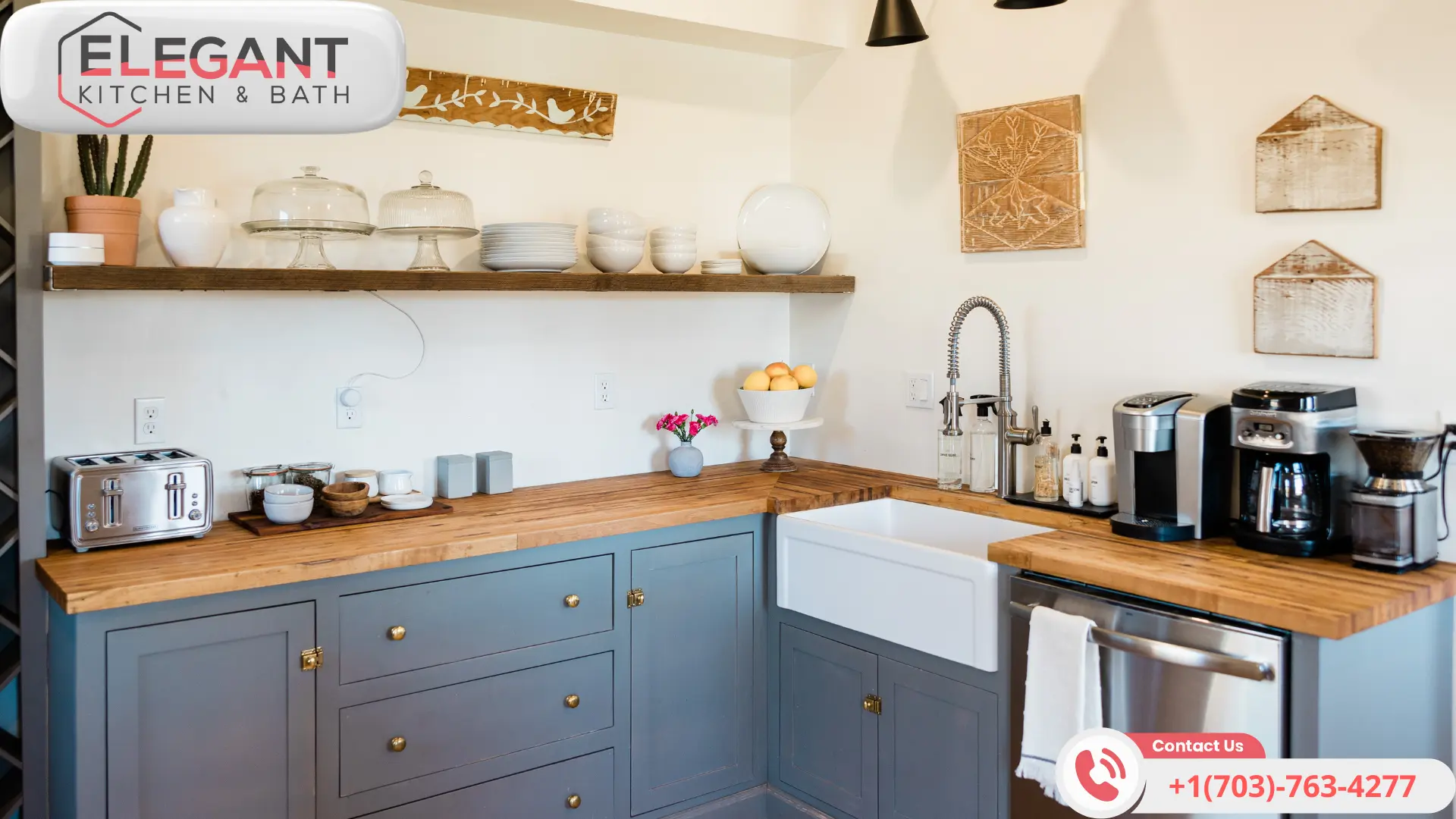
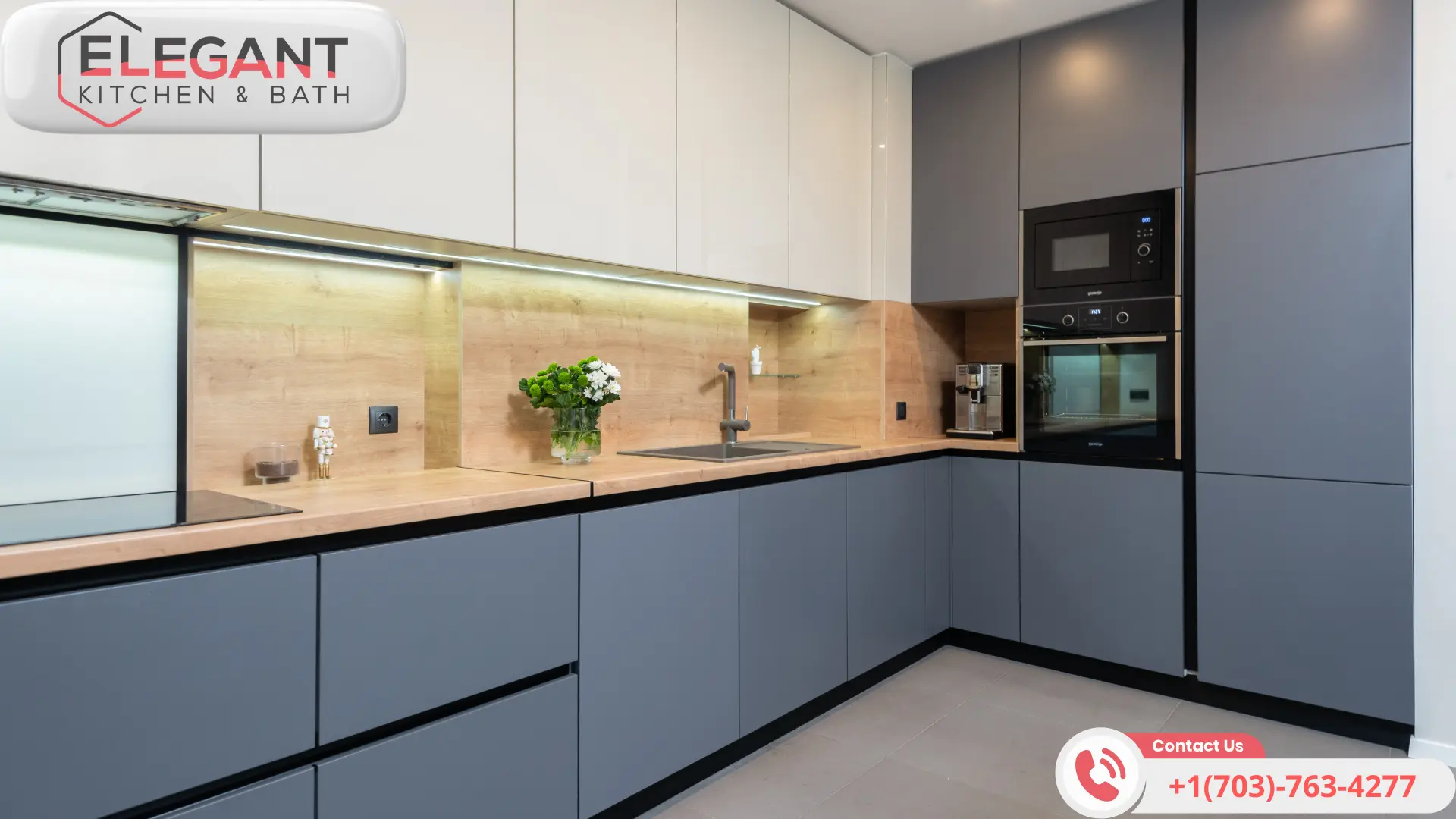
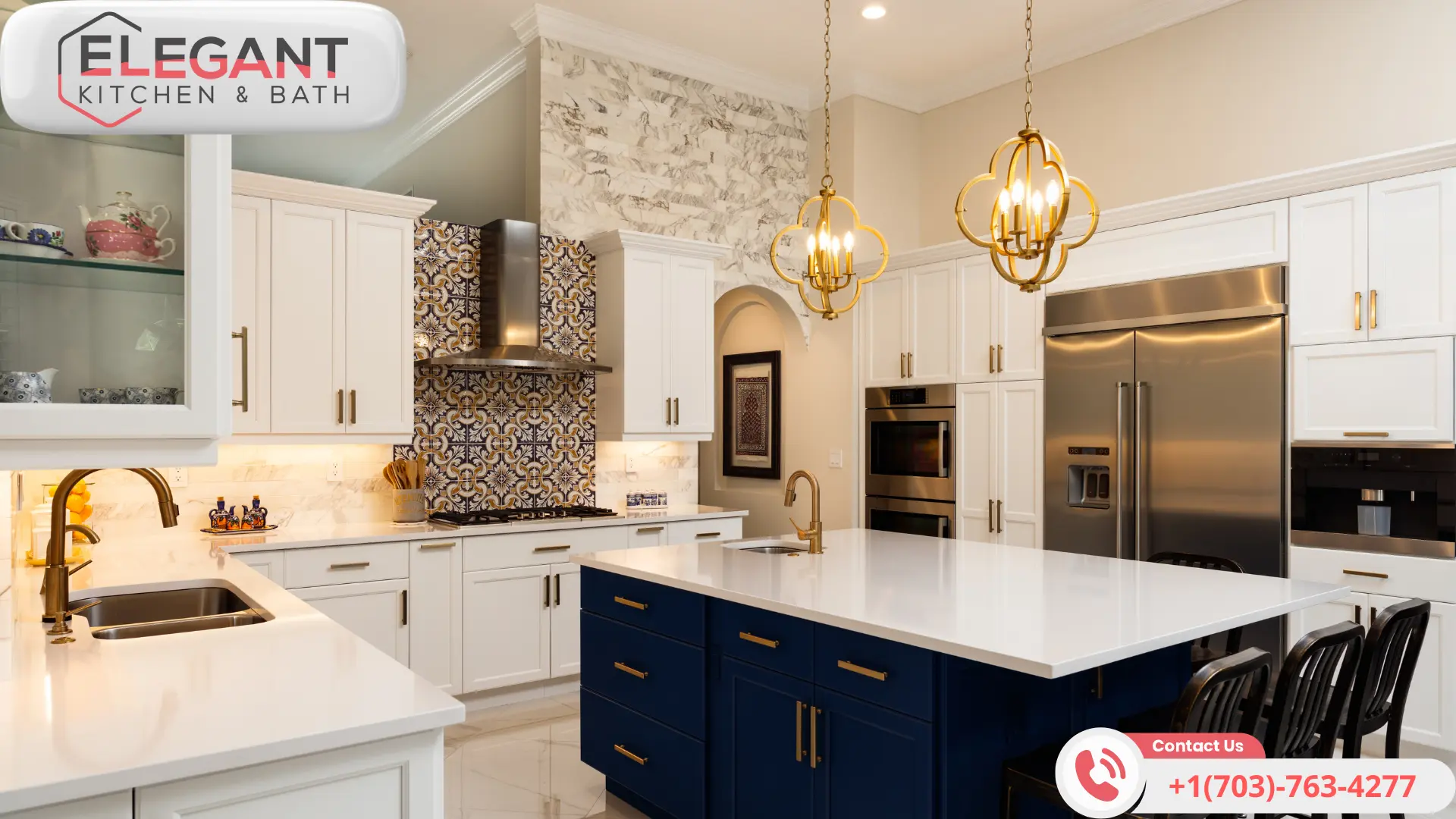
Kitchen remodeling can feel like navigating a maze, especially when choosing the perfect cabinets that blend style with functionality. Whether you’re toeing the line between cabinet refacing or considering a total replacement, the material, storage solutions, and hardware you select can profoundly transform your space.
Deciding on suitable kitchen cabinets is not just about aesthetics; it’s about creating a kitchen that reflects your lifestyle and meets your daily needs. Please keep reading for an insider’s guide on making the best cabinetry choices and ensuring their flawless installation, turning your kitchen renovation dream into reality.
Key Takeaways for Cabinet Installation in Kitchen Remodeling
1. The decision between refacing and replacing cabinets is determined by their current condition and is critical to your kitchen’s aesthetic appeal.
2. The material you choose for kitchen cabinets affects the overall look and feel of your remodel and should meet your durability and maintenance expectations.
3. Incorporating innovative storage solutions in the remodel, such as pull-out drawers and Lazy Susans, can significantly boost your kitchen’s efficiency.
4. Using over-the-cabinet accessories can help maximize available space and keep your kitchen organized.
5. Choosing appropriate cabinet hardware requires considering its contribution to the kitchen’s aesthetics and how it affects functionality.
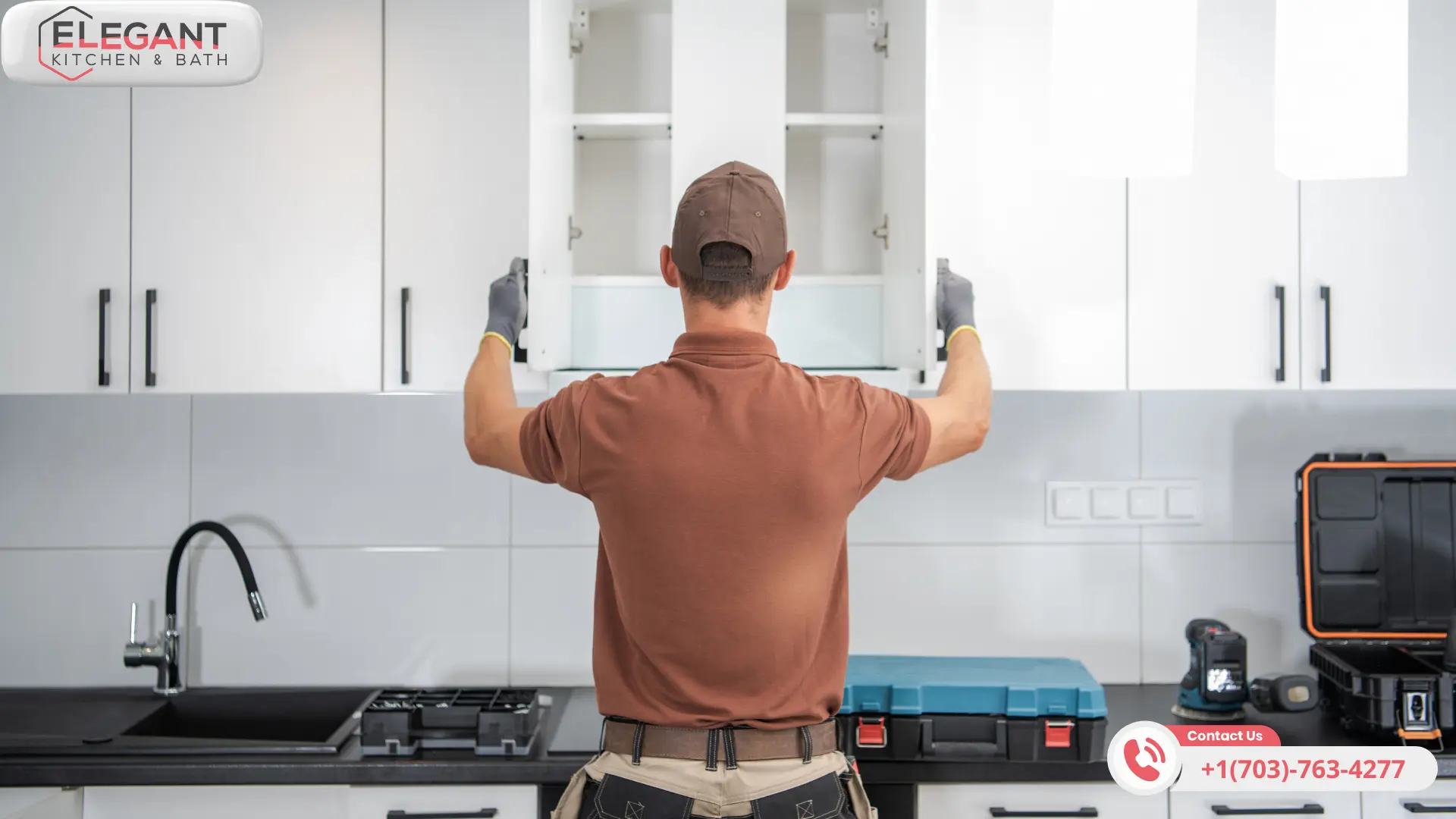
6. Cabinet installation is a process that requires careful preparation and strategic execution; starting with wall cabinets can make the procedure easier.
7. A polished look comes from detailing such as applying caulk on seams and edges, and adjusting doors and drawers for proper alignment.
8. The installation of hardware adds the finishing touches to your kitchen cabinets, enhancing their aesthetic value.
9. Conducting a thorough post-installation inspection with Elegant Kitchen and Bath allows for a close review of the installation and facilitates the transition from a renovation in progress to a fully functional kitchen.
10. Making informed decisions at every step of the process, from choosing the ideal materials to determining the layout, ensures a successful kitchen remodel.
[ez-toc]
Deciding Between Cabinet Refacing or Replacement
Deciding whether to reface or replace kitchen cabinets is pivotal in any kitchen renovation. This decision impacts the aesthetic appeal of your kitchen and the project’s cost and duration.
It’s essential to critically assess the current state of your cabinets because they set the tone for the room. Sometimes, the structure is solid, and a simple facelift can breathe new life into your kitchen.
Sometimes, complete replacement is necessary to meet your kitchen remodeling goals. Understanding the trade-offs between the cost and benefit of both options enables you to make an informed decision that aligns with your vision, budget, and the specific needs of your space.
Assess Your Current Cabinet Condition
Before diving into the vast sea of cabinet selection for your kitchen renovation, closely examining the existing cabinetry is crucial. The wear and tear your kitchen cabinets have endured over the years speaks volumes about whether they need a surface-level makeover or a complete overhaul.
A thorough examination might reveal that the bones of your kitchen cabinets are in excellent shape, suggesting that refacing could give them the fresh appearance your kitchen needs. Conversely, discovering extensive damage or realizing the layout no longer fits your lifestyle demands exploring new kitchen cabinets for a seamless transformation.
Compare the Costs and Benefits of Both Options
Refacing kitchen cabinets offers a cost-effective way to revamp your kitchen without the hefty price tag of a full replacement. This method preserves the existing structure while updating the exterior look, significantly reducing the cost and time involved in a kitchen renovation.
Choosing this option might make more sense for homeowners on a tight budget or those who are satisfied with the current layout of their kitchen.
On the other hand, replacing kitchen cabinets opens up a world of customization options, allowing for a completely new layout and design that can enhance your kitchen’s functionality and aesthetics. While this choice often involves a more significant investment and a longer project timeline, the outcome is a fully tailored space that can address every specific need and design preference, potentially increasing the overall value of your home.
Choose the Right Material for Your Kitchen Cabinets
Selecting the perfect material for your kitchen cabinets is a critical step that shapes the heart of your kitchen remodeling project. The journey through wood, laminate, and metal options is not just about finding a style that complements your kitchen’s aesthetics; it’s also about weighing factors such as durability, ease of maintenance, and how well each material aligns with your lifestyle needs.
Your choice will influence not only the look and feel of your kitchen but also its functionality and longevity, making it crucial to evaluate the pros and cons of each option carefully.
Explore Wood, Laminate, and Metal Cabinet Options
Wood cabinets offer a timeless charm that few materials can match, bringing warmth and natural beauty into the heart of your home. Their ability to be painted or stained means that wood cabinets can evolve with your tastes, making them a versatile choice for any kitchen remodeling project.
In contrast, laminate and metal cabinets present a modern flair that can withstand the rigors of a busy kitchen. Laminate is celebrated for its vast array of colors and patterns, offering durability at a friendly price point. At the same time, metal cabinets provide a sleek, industrial look that is easy to clean and resistant to pests and moisture.
Consider Durability, Maintenance, and Aesthetics
When selecting materials for kitchen cabinets as part of a kitchen renovation, it’s essential to consider durability, maintenance, and aesthetics. These components collectively dictate the long-term satisfaction and practicality of your choice. A material’s resistance to wear, ease of cleaning, and harmony with your kitchen’s design theme are paramount considerations.
For instance, durability ensures your kitchen cabinets can withstand daily use without showing signs of distress too quickly, which is crucial for a bustling household. Maintenance level is another critical factor, as some materials need more care than others to keep them looking their best. Lastly, the aesthetic appeal sets the stage for your kitchen’s overall ambiance, making it essential to choose a material that complements the interior design and reflects your style.
These advancements transform cluttered kitchens into models of efficiency and ease. From the clever integration of pull-out drawers and Lazy Susans to the strategic use of over-the-cabinet accessories, each element plays a pivotal role in maximizing space.
Integrating pull-out drawers and Lazy Susans into your kitchen cabinets transforms the heart of your home into a bastion of efficiency. These modernstorage solutions ensure that every item, from spices to heavy pots, is easily accessible, ending the tedious search through cluttered shelves.
By adding pull-out drawers, homeowners can significantly enhance the functionality of their kitchen, making it a breeze to organize and retrieve cooking essentials. Lazy Susans contribute by optimizing corner cabinet spaces, allowing for smooth, rotating access to all your kitchen necessities, thus maximizing every inch of your cabinet’s interior.
Maximize Space With Over-the-Cabinet Accessories
Over-the-cabinet accessories offer an ingenious way to reclaim unused space in your kitchen, making them a game-changer for kitchen renovations. These inventive solutions attach easily to the tops of cabinets or their doors, providing additional storage for everything from cutting boards to cleaning supplies without impacting the overall layout or design of the kitchen.
Incorporating these accessories into your kitchen cabinets enhances organization and contributes to a neat and orderly kitchen environment. They are particularly beneficial for small kitchens where every inch of space counts, allowing homeowners to maximize storage and effortlessly maintain a clutter-free zone.
Navigating the World of Cabinet Hardware
Now, it’s time to shift focus from the larger kitchen remodeling and cabinet selection components to the more minor yet equally significant hardware elements that can make or break your kitchen’s functionality and aesthetic.
Navigating the intricate world of cabinet hardware, from choosing between knobs and handles to ensuring these minute details align with your kitchen’s overall design theme, is a crucial step in the journey towards a kitchen that’s not only beautiful but practical.
This segment delves into how the proper selection and placement of hardware can elevate the usability of your kitchen cabinets while adding a cohesive finishing touch to your kitchen renovation project.
Selecting Knobs vs. Handles for Functionality
Selecting between knobs and handles for kitchen cabinets hinges on how you prioritize functionality in your kitchen’s daily use. Knobs offer a minimalist solution, often requiring only a single screw for installation, making them a discreet choice for a streamlined look. Yet, they may provide less grip than handles, which could be a crucial consideration for households with young children or individuals with limited hand dexterity.
On the other hand, handles tend to extend further from the cabinet doors and drawers, offering a more substantial area to grasp. This feature can significantly enhance the ease of opening heavy drawers or accessing cabinets frequently used during cooking and cleaning tasks. Their elongated design not only aids functionality but can also contribute to the aesthetic dimension of your kitchen renovation, serving as a statement piece in the overall design.
Coordinating Hardware With Your Kitchen’s Design Theme
Selecting the right hardware is the finishing touch that creates a seamless union between your kitchen’s style and functionality. When choosing knobs or handles, contemplate their style, finish, and material to ensure they align perfectly with your kitchen’s design theme. This thoughtful synchronization elevates the overall look, making your kitchen not just a collection of components but a cohesive masterpiece.
Consider the era or ambiance you aim for in your kitchen renovation: modern minimalism, rustic charm, or classic elegance. The hardware should echo this theme, acting as subtle accents that tie the room together. Whether it’s the sleek lines of brushed nickel for a contemporary kitchen or the intricate details of antique brass for a more traditional space, the right choice enriches the aesthetic appeal of your kitchen cabinets and, by extension, your entire kitchen.
The Step-by-Step Guide to Cabinet Installation
Embarking on the cabinet installation phase of your kitchen renovation signifies a pivotal shift towards manifesting your dream space. With an array of choices made – from selecting the ideal materials to determining the layout – it’s time to transition from vision to reality.
The process demands meticulous preparation, beginning with clearing the space and gathering the necessary tools to ensure a smooth and efficient installation. A strategic approach unfolds, advocating for installing wall cabinets before base cabinets, thus minimizing spatial constraints and facilitating a more straightforward setup.
This guide seeks to arm homeowners with the knowledge to navigate this critical phase and ensure their kitchen remodeling journey culminates in success.
Prepare the Space and Assemble the Tools Needed
Beginning the installation with a clear workspace ensures safety and efficiency, making it crucial to remove existing kitchen items and furniture. This step creates a blank canvas, allowing precise measurements and unhindered movement during the cabinet installation.
Gather all necessary tools beforehand, including a level, drill, screws, and measuring tape, to streamline the installation. Having these tools ready minimizes disruptions, enabling a smoother transition from planning to actual cabinet placement within your kitchen renovation project.
Hanging Wall Cabinets Before Base Cabinets
Initiating the installation process with wall cabinets sets a strategic foundation for the rest of the kitchen’s layout. By starting at this elevated point, you avoid the complication of maneuvering around or potentially damaging the base cabinets, ensuring a smoother workflow and safeguarding the integrity of your newly selected kitchen components.
Mounting wall cabinets first provides a clear advantage in visualizing and adjusting the spatial arrangement. This approach allows for precise alignment and distribution of cabinetry, ensuring that every piece fits perfectly into its designated space. It’s a method that streamlines the installation process, turning the vision of your kitchen renovation into a reality with efficiency and ease.
Ensuring a Smooth Finish After Installation
After the cabinets are securely in place, the final touches are paramount for achieving a polished look in your kitchen renovation. Carefully applying caulk along the seams and edges ensures a seamless transition between cabinets and walls, creating a clean, finished appearance. This step not only enhances the visual appeal but also aids in protecting against moisture intrusion, which can be detrimental to cabinet longevity.
Adjusting the doors and drawers for alignment follows as a critical post-installation task. Fine adjustments to the hinges and sliders ensure that each door hangs correctly and each drawer slides smoothly. This attention to detail guarantees not only the functionality of your kitchen cabinets but also contributes to the overall aesthetic harmony of the space. Installing the chosen hardware is the joyful culmination of your kitchen remodeling journey. Once knobs or handles are securely fastened, they transcend their practical purpose, adding a layer of style and personality to the kitchen. It’s a moment where the vision fully materializes, reflecting your taste and the effort poured into the selection process.
The final stage thoroughly cleans the workspace, removing construction debris, dust, and packaging materials. This step signifies the transition from a work-in-progress to a fully functional and renovated kitchen, ready to be enjoyed. This cleanup process also allows you to inspect the installation closely, ensuring every aspect of the renovation meets your expectations.
Choosing & Installing Cabinets in Kitchen Remodeling FAQs
We wrote concise answers to Choosing & Installing Cabinets inyour kitchen remodeling process based on the Reddit sources and our 15 years of experience.
What should I choose first when remodeling my kitchen?
Start by deciding on the overall theme and selecting appliances and countertopsfirst. Following this guide, you can confidently plan changes for your cabinets, flooring, and backsplash before beginning your first project. There’s some flexibility, but significant items like appliances, counters, and cabinet layout should be determined upfront. The most expensive items are usually cabinets and countertops, so prioritize those decisions early. Demolition, repairs, painting, and lighting typically come before cabinets and floors. The exact order depends on your specific plans, but start with the big picture in mind.
What order do you install kitchen cabinets?
The general order for installing kitchen cabinets is:
1. Remove old cabinets and flooring
2. Make any needed repairs to walls and subfloor
3. Install new flooring up to where cabinets will sit
4. Install lower cabinets first, starting in the corner
5. Install upper wall cabinets, using a laser level and clamps to keep them aligned
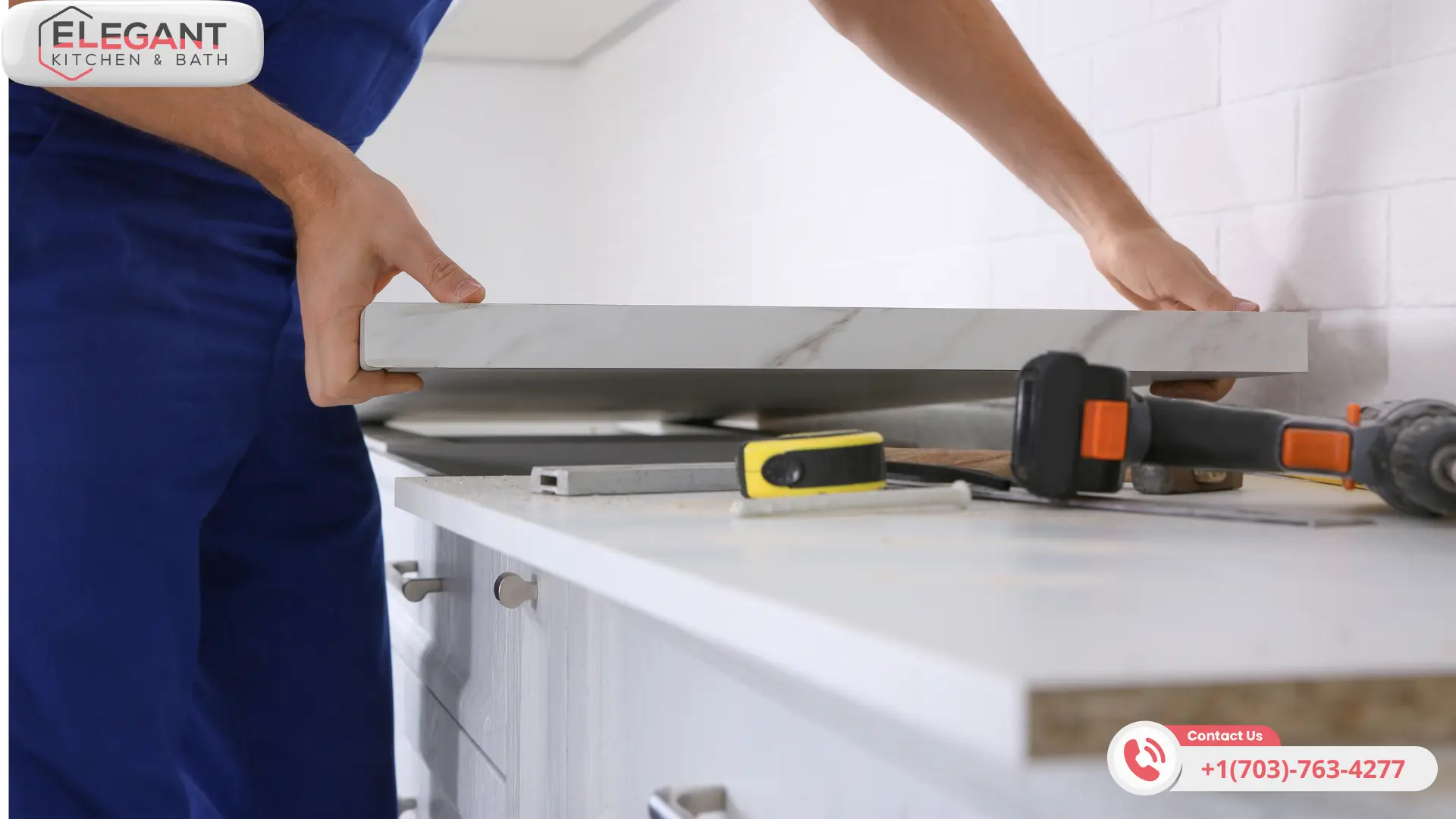
6. Install countertops
7. Install appliances
8. Install cabinet hardware, trim, and kickplates
Installing flooring under appliances can create a seamless and neat look. However, it’s crucial to remember that cabinets should not be placed on the flooring. To avoid any accidental damage to the newly installed cabinetry, it is recommended that the walls and ceilings be painted before installing the cabinets. This will prevent any unsightly splatters and ensure a professional appearance of the final product.
Where do you start when installing kitchen cabinets?
Begin installing base cabinets in the corner of the kitchen, working outward. Find the highest point of the floor and mark a level line on the wall for the bottom of the upper cabinets, often 54-56″ above the floor. Use a laser level to keep everything aligned. Start installing upper cabinets at the corner, clamping them together as you secure them to each other and the wall. Remove doors and drawers first to make the cabinets lighter and easier to handle. Shim cabinets level as needed. Screw cabinets to wall studs and each other for stability.
When remodeling a kitchen, do you do floors or cabinets first?
There are two schools of thought – floors first or cabinets first. With floors first, cabinets sit on top of the finished floor. If cabinets are changed later but makes future floor replacement harder. Many contractors prefer to install cabinets first on the subfloor or underlayment, then install flooring up to the cabinets. This makes the flooring easier to change and ensures appliances fit correctly. However, some flooring warranties require a gap around cabinets for expansion. The right approach depends on your specific flooring type, kitchen configuration, and long-term plans. Consult flooring and cabinet suppliers for recommendations.
What is the most expensive part of a kitchen remodel?
Cabinets and countertops are typically the most expensive elements of a kitchen remodel. Custom or semi-custom cabinets made of high-end materials can easily cost an average kitchen $20,000-$40,000 or more. Stone countertops like granite or quartz can also cost$5,000-$10,000+.Appliances are another big expense, especially pro-style ranges and built-in refrigerators. Moving plumbing, gas lines, or electrical equipment also adds significant costs. A high-end kitchen renovation can reach $100,000 or more in a large kitchen. Labor and installation account for a substantial portion of the budget as well.
Which cabinets are usually installed first?
Base (lower) cabinets are typically installed before wall (upper) cabinets when remodeling a kitchen. Start by installing the corner base cabinet, checking that it’s level and plumb, then work outward, clamping and screwing the cabinets together as you go. Once all base cabinets are in, mark a level line for the bottom of the upper cabinets and install them, starting at a corner. This approach allows you to ensure the base cabinets are level and secured first to provide a stable surface for countertops. Wall cabinets are then aligned to the level base cabinets below.
Do kitchen cabinets go on the subfloor or finished floor?
Opinions vary on whether to install cabinets on the subfloor or finished floor. Many contractors prefer to install cabinets on bare subfloor or underlayment, then install finished flooring up to the cabinets. By ensuring easy floor replacement and proper alignment of appliances, you can prevent any potential issues like pinching floating floors. It is important to remember these things to maintain a safe and functional living space. However, some designers prefer the look of cabinets sitting on the finished floor. If installing on a finished floor, leave a small gap for expansion and scribe cabinets to fit tightly. Check the flooring warranty—some require a gap around cabinets and islands.
Do kitchen cabinets go on the floor or subfloor?
Kitchen cabinets should be installed directly on the subfloor or underlayment rather than on the finished floor. Installing and replacing the flooring is easier when cabinets are installed later. It also ensures that appliances like dishwashers and stoves align properly with countertops, usually placed on the finished floor. Since cabinets are securely attached to the wall and each other, they do not require the support of the finished floor. However, when installing on a subfloor, it is important to consider the thickness of the finished floor when measuring the height of the cabinets.
Should walls be painted before cabinets are installed?
It is essential to paint the walls and ceiling before installing new cabinets. Protect newcabinets from paint splatters and damage by painting before installation. Say goodbye to the hassle of cutting in around objects while painting. With this technique, you can paint without worrying about ruining your edges. It makes painting a breeze and gives you a neat, professional finish every time.
The following order of operations is a must: repair the drywall, prime and paint the walls, install cabinets and countertops, install backsplash, install flooring, and touch-up paint. If you intend to preserve existing cabinets, it is imperative to paint them before installing new flooring to avoid damaging the floors. For the best results, install new cabinets only after painting the room but before installing the finished flooring.
Discover Local Kitchen Remodeling Excellence with Our Happy Customers
Kevin Stout:
Kevin Stout‘s review highlights the incredible job Elegant Kitchen & Bath did on his kitchen remodel, exceeding expectations in all phases. The initial design phase was pleasant, with Omer providing visual renderings and a concept design closely matching the finished product. The demolition, remodel, and build phase, led by Oscar and managed by Enes, stayed on schedule with proactive communication. Kevin is pleased with the amazing finished product and would use Elegant Kitchen & Bath for future projects.
Kifah Tlaib:
During a recent kitchen remodel, Kifah Tlaib was impressed by Tayfun and his team’s dedication to excellent service and honesty. The team’s work ethic and attention to detail resulted in an efficient and beautifully remodeled space. Kifah highly recommends their services.
Maria Goodwin:
Maria Goodwinshares her satisfaction with the stunning final product of her kitchen remodel by Elegant Kitchen. She advises visiting their showroom and speaking with Tayfun, whom she describes as very professional. Although a few items needed attention post-remodel, Tayfun was prompt in sending his crew to address them.
Are You Ready to Elevate Your Home with the Top Kitchen Remodeling Contractor in Virginia?
Join the ranks of our esteemed clients in Virginia, like Kevin, Kifah, and Maria, who turned to us for their home renovations. When searching for kitchen remodeling Virginia, look no further than Elegant Kitchen and Bath Virginia reviews. We pride ourselves on delivering tailor-made renovation solutions with an unwavering commitment to excellence. As your kitchen remodeling contractor, we’re excited to bring our expertise to your doorstep. Connect with us for a personalized consultation, and embark on a journey to transform your home into the sanctuary you deserve.
Conclusion
The guide underscores the critical decisions homeowners face when renovating their kitchens, focusing on cabinet refacing versus replacement, material selection, incorporation of innovative storage solutions, hardware choices, and the steps for successful cabinet installation.
Integrating modern storage solutions like pull-out drawers and over-the-cabinet accessories maximizes space and efficiency. Choosing the right hardware, including knobs and handles, enhances both usability and design coherence.
Finally, following a structured installation process, from preparing the space to ensuring a polished finish, is vital for achieving a dream kitchen that is functional and beautiful. Remodels comprehensive approach transforms the kitchen’s appearance and significantly boosts its usability and overall home value.
Kitchenremodeling projects can transform your home but also have potential pitfalls. Homeowners often must correct critical design mistakes, from misplaced kitchen islands to problematic bathroomremodeling choices. These errors can impact your property’s functionality, aesthetics, and resale value.
Incorporating cohesive details like coordinated hardware finishes or consistent brand aesthetics across appliances can elevate the design.
Avoid overloading the kitchen with excessive decorative details that lack function and compromise practicality.
Choose lighting fixturesthat complement the design while providing adequate illumination for food preparation and cooking tasks.
Tailor kitchen designs to individual lifestyles by considering cooking habits, storage requirements, and family dynamics.
Create a kitchen that reflects genuine habits and preferences, focusing ondesign choices that enhanceeveryday experiences.
Incorporate efficient storage solutions like pull-out drawers and vertical cabinetry to maximize available workspace while maintaining a clean, open feel.
When selecting lighting fixtures, prioritize functionality over aesthetics. This will ensure adequate illumination for work areas while complementing the overall design.
[ez-toc]
Understanding the Pitfalls of Forcing an Island Into Your Kitchen
Kitchen islands can transform a space but are only sometimes the right choice. Many homeowners, eager for additional kitchen countertop space, make critical errors when incorporating islands into their bathroomremodeling designs. Elegant Kitchen and Bath, a leader in Renovation and Remodeling, often encounters two common mistakes: forcing an island into a space that needs to be bigger and considering workflow around the island. These missteps can turn anElegant kitchen renovation into a costlyand impractical endeavor. Understanding these pitfalls is crucial for creating a functional and beautiful kitchen layout.
Mistake #1: Forcing an Island When Space Doesn’t Allow
Elegant Kitchen and Bath experts in Herndon, VA, recommend a minimum of 36 inches of clearance on all sides of an island. This ensures adequate space for opening appliances, cabinets, and drawers while allowing smooth traffic flow. It is essential to account for this clearance to avoid a crowded kitchen that compromises functionality and theaesthetic appeal of new flooring.
Mistake #2: Not Considering Workflow Around the Island
Effective kitchen design requires careful consideration of workflow around an island. Homeowners often need to pay more attention to the strategic placement of key elements like the sink, stove, and refrigerator on the island. This oversight can lead to inefficient movement and wasted space, compromising the functionality of the entire kitchen.
A well-designed kitchen island should enhance, not hinder, the kitchen‘s workflow. Interiordesigners recommend following the “kitchen work triangle” principle, which optimizes the relationship between the main work areas. Failing to incorporate this concept can result in a poorly functioning space, regardless of how beautiful the cabinets or backsplash may be.
Common Island Workflow Mistakes
Potential Consequences
Design Solutions
Blocking major pathways
Reduced kitchen efficiency
Ensure 36″ clearance around island
Ignoring work triangle
Inefficient food preparation
Optimize placement of sink, stove, and refrigerator
Overcrowding with appliances
Limited counter space
Balance appliance integration with open work areas
The Consequences of Cluttered Countertops
Cluttered countertops can significantly impact the functionality and aesthetic appeal of a kitchen. Homeowners often need to pay more attention to maintaining clear working areas, sacrificing valuable space for decorative items or unnecessary appliances. This oversight can lead to inefficient use of countertop surfaces, hindering food preparation and cooking activities.
Proper kitchen design should balance functionality and aesthetics, incorporating adequate storage solutions and thoughtful placement of items to maximize available light and space. Elegant Kitchen and Bath experts emphasize the need for strategic planning regarding countertop organization and kitchencabinetdesign to create a harmonious and efficient culinary environment.
Mistake #3: Sacrificing Functional Space for Decorative Items
Homeowners often clutter their countertops with decorative items, sacrificing valuable workspace in the kitchentriangle. This misplacement of objects can disrupt the efficient workflow between the sink, refrigerator, and heat sources, leading to a less functional kitchen environment.
Elegant Kitchen and Bath experts advise prioritizing functional space over decorative elements. They recommend strategically placing essential items within the kitchentriangle, ensuring easy access to the sink, refrigerator, and cooking areas. This approach maximizes efficiency and minimizes unnecessary movement during food preparation:
Keep countertops clear near the sink for food prep
Maintain open space adjacent to the refrigerator for unloading groceries
Preserve countertop areas near the stove for cooking utensils and ingredients
Designate specific zones for small appliances to avoid cluttering prime work areas
Utilize vertical storage solutions to free up valuable counter space.
Mistake #4: Underestimating the Need for Clear Working Areas
Many homeowners need to pay more attention to the importance of clear working areas in their kitchens, leading to inefficient cooking processes and cluttered spaces. This oversight often results in limited counter space for food preparation, forcing cooks to utilize areas near the sink or dishwasher, which can create safety hazards and reduce overall kitchen functionality.
Elegant Kitchen and Bath experts emphasize the need for ample, unobstructed counter space to facilitate smooth culinary operations. They recommend incorporating clever storage solutions, such as pull-out drawers and vertical cabinetry, to maximize available workspace while maintaining a clean, open feel that extends from the countertops to the ceiling.
Why Choosing White Grout Can Be a Kitchen Design Flaw
Selecting grout color might seem like a minor detail in kitchenrenovation, but it can significantly impact the overall aesthetic and maintenance of the space. While white grout remains a popular choice for its clean appearance, it often proves problematic inhigh-traffic areas like kitchen walls and floors. Homeowners frequently overlook the long-term implications of this decision, failing to consider the accessibility of cleaning solutions and the potential strain on their budget. Understanding the challenges associated with white grout is crucial for creating a kitchen design that balances visual appeal with practicality.
Mistake #5: Overlooking Maintenance and Aesthetic Challenges
Homeowners often overlook the maintenance challenges associated with white grout in kitchen designs. While white grout can create a clean, crisp look around the stove and other areas, it quickly shows signs of wear and discoloration from food particles and grease splatters during meal preparation. This oversight can lead to increased cleaning frequency and potential aesthetic issues, detracting from the kitchenaesthetics.
Additionally, many fail to consider how white grout interacts with other kitchen elements, such as furniture and ventilation systems. Dark-colored cabinets or appliances can create a stark contrast that may not align with the desired design aesthetic. Proper consideration of grout color about these elements is crucial for achieving a cohesive andvisually appealing kitchenspace<span style=”font-weight: 400;”>:
Grout Color
Advantages
Disadvantages
White
Clean, crisp appearance
High maintenance, shows stains easily
Gray
Hides dirt, versatile
May appear dull over time
Colored
Adds visual interest, low maintenance
Can limit future design changes
The Drawbacks of Ultra-Deep Cabinets in Kitchen Design
Ultra-deep cabinets may seem like an attractive storage solution, but they often create more problems than they solve in kitchen design. Homeowners frequently overlook the importance of accessibility and organization when opting for these spacious cabinets, leading to wasted space and inefficient use of storage. This oversight can impact the kitchen‘s functionality and extend to other home areas, such as the pantry or bathroom. While deep cabinets offer ample room for pots, pans, and even small appliances, they can make reaching items stored at the back challenging, potentially leading to underutilized space and forgotten items.
Additionally, the choice of cabinet depth can affect other design elements, from paint colors to the placement of stainless steel appliances, ultimately influencing the overall flow and efficiency of the kitchenspace.
Mistake #6: Making Accessibility and Organization an Afterthought
Homeowners often dream of spacious cupboards but overlook the importance of accessibility and organization. Ultra-deep cabinets can make retrieving small appliances and tableware challenging and frustrating simple tasks. Poorly planned storage spaces may force users to reach awkwardly or kneel to access items at the back of lower cabinets, potentially leading to discomfort or injury.
Efficient kitchen design prioritizes ease of use and logical organization. Thoughtful cabinet layouts consider placing frequently used items near the ovenand work areas. By incorporating pull-out shelves, lazy Susans, or custom organizers, homeowners can maximize storage while maintaining accessibility, ensuring their kitchen functions as efficiently as it looks.
Navigating the Fine Line of Kitchen Shine and Lighting
Striking the right balance between shine and lighting in a kitchen remodel can significantly impactaesthetics and functionality. Many homeowners must make more critical decisions when selecting reflective surfaces and lighting fixtures, often overlooking the interplay between these elements and their effect on the kitcheninterior. Every surface contributes to the kitchen‘s luminosity, from upper cabinets to recycling bins.
Proper illumination enhances the visual appeal and improves the efficiency of storage spaces and work areas. Understanding how to incorporate shine and lighting effectively can transform a kitchen from ordinary to extraordinary, creating a beautiful and practical space.
Mistake #7: Limiting Your Shine to One Aspect of the Kitchen
Homeowners often concentrate shine on a single kitchen element, such as glossy countertops or stainless steel appliances, neglecting the potential of other surfaces. This oversight can imbalance the kitchen‘s luminosity, leaving areas like waste management zones or spicestorage in the shadows and disrupting the visual flow.
A well-designed kitchen incorporates shine across various elements, from metal hardware to woodcabinetry finishes, creating a harmonious and bright environment. Homeowners can achieve a more cohesive and visually appealing kitchen design by thoughtfully distributing reflective surfaces throughout the space, including often-overlooked areas like the toaster nook.
Mistake #8: Dimming Your Kitchen’s Potential With Poor Lighting Choices
Inadequate lighting choices can severely hamper a kitchen‘s functionality and aesthetic appeal. Many homeowners need to pay more attention to proper illumination, opting for insufficient overhead lighting or poorly placed pendant fixtures that cast shadows on crucial work areas. This oversight can make tasks like food preparation and waste management challenging, especially when combined with dark tile or stainless steel surfaces that absorb light.
Adequate kitchen lighting requires a layered approach that considers task, ambient, and accent lighting at various heights. Refraining from incorporating adjustablelighting options or failing to account for naturallight sources can result in a dim, uninviting space. Proper lighting design enhances the kitchen‘s ambiance, highlights architectural features, and ensures optimal visibility for all kitchen activities.
The Detail Dilemma: Where Less or More Can Go Wrong
Kitchen design requires a delicate balance between aesthetic appeal and functionality, especially in compact spaces like galley kitchens. Homeowners often need help finding the proper equilibrium, either skimping on crucial details or overwhelming the space with excessive ornamentation. As a creative director at Future plc notes, “The key lies in thoughtful incorporation of elements that serve both form and function.”
Every detail contributes to the overall design, from selecting the appropriate glass for cabinet doors to choosing the right cooktop. Striking this balance ensures a cohesive look while maintaining practicality, avoiding the pitfalls of both minimalism and over-embellishment.
Mistake #9: Avoiding the Details That Tie the Design Together
Homeowners often need to pay more attention to the importance of cohesive details in kitchen design, missing opportunities to elevate their space. Neglecting elements like coordinated hardware finishes or consistent brandaesthetics across appliances can result in a disjointed appearance, diminishing the overall impact of the renovationinvestment.
Elegant Kitchen and Bath experts emphasize the significance of thoughtful details, such as matching brass fixtures or selecting complementary inch measurements for cabinetry and countertops. These seemingly small choices can tie the entire design together, creating a polished look that justifies the money spent on the kitchen remodel.
Mistake #10: Overloading on Decorative Details Without Function
Homeowners often need to pay more attention to the temptation of overloading their kitchens with decorative details that lack functional purpose. Excessive molding, ornate marble patterns, and intricately designed cabinet doors can overwhelm the space, detracting from the kitchen‘s primary function as a culinary workspace. This approach frequently results in a cluttered appearance that hinders the efficient use of kitchen appliances and impedes the cookingexperience.
The desire for a visually striking kitchen should maintain its practicality. Elegant Kitchen and Bath experts caution against sacrificing valuable counter space for purely aesthetic elements or installing ornamental features that interfere with essential equipment like dishwashers or coffee machines. Instead, they advocate for a balanced approach incorporating tasteful design elements while prioritizing functionality and ease of use.
Lighting in Kitchens: Bright Ideas vs. Common Mistakes
Lighting plays a pivotal role in kitchen design, influencing functionality and ambiance. Many homeowners focus solely on aesthetics, neglecting the practical aspects of illumination. This oversight can lead to inadequate task lighting, poor color rendering, and imbalanced symmetry within the space. Understanding the interplay between form and function in kitchen lighting is crucial for creating a stunning space that effectively supports culinary activities.
Avoiding common lighting mistakes can transform a kitchen from a visually appealing yet impractical area into a harmonious blend of style and substance.
Mistake #11: Opting for All Style and No Substance in Lighting Fixtures
Homeowners often prioritize aesthetics over functionality when selecting kitchen lighting fixtures. Choosing ornate chandeliers or trendy pendant lights without considering their light output or distribution can leave crucial work areas in shadow, compromising the kitchen‘s usability.
Elegant Kitchen and Bath experts recommend balancing style with substance in lighting choices. They advise homeowners to select fixtures that complement the kitchen‘s design while providing adequate illumination for food preparation and cooking tasks. This approach ensures a kitchen that is both visually appealing and highly functional:
Evaluate the light output and distribution of fixtures before purchase
Consider task lighting for specific work areas like countertops and islands
Incorporate dimmable options for versatility in lighting levels
Choose fixtures with appropriate color temperature for accurate food preparation
Ensure proper placement of lights to avoid casting shadows on work surfaces.
Designing Your Kitchen for Yourself, Not Others
Kitchen design should prioritize personal preferences and lifestyle requirements over fleeting trends or others’ expectations. Many homeowners fall into the trap of creating spaces that look impressive but fail to meet their daily needs. This oversight can lead to visually stunning kitchens that are impractical for those who use them most.
Understanding how to balance aesthetics with functionality while staying true to one’s unique habits and routines is crucial for creating a kitchen that truly enhances the quality of life. Avoiding common mistakes in this area can result in a space that looks great and supports and simplifies daily activities.
Mistake #12: Ignoring Your Personal Needs in the Design Process
Homeowners often overlook their unique habits and preferences when designing their kitchens, opting for trendy layouts or features that may not align with their daily routines. This oversight can result in an impressive kitchen that needs to support its primary users’ specific needs, leading to frustration and inefficiency in everyday tasks.
Elegant Kitchen and Bath experts emphasize tailoring kitchen designs to individual lifestyles. They recommend considering cooking habits, storage requirements, and family dynamics when planning the layout and selecting appliances. This personalized approach ensures a beautiful kitchen and enhances the quality of life for those who use it most frequently.
Mistake #13: Creating Spaces That Don’t Reflect Your Lifestyle
Homeowners frequently design kitchens that do not align with their lifestyles, prioritizing aesthetics over practicality. This misalignment often results in underutilized spaces, impractical layouts, or features that complicate rather than simplify daily routines.
Elegant Kitchen and Bath experts stress the importance of creating a kitchen that reflects the homeowner’s genuine habits and preferences. They advise against incorporating trendy elements that may look appealing but serve no practical purpose, instead focusing on design choices that enhance the family’s everyday experiences in the kitchen.
FAQs for 13 Kitchen Design Mistakes To Avoid: Expert Insights
What is the average cost of a kitchen remodel in Virginia?
The average cost of a kitchen remodel in Virginia can vary significantly based on the project’s scope, the materials chosen, and the level of customization. On average, a mid-range kitchen remodel might cost between $20,000 and $50,000, while high-end renovations can exceed $75,000. It’s important to factor in costs for cabinetry, countertops, kitchen islands, lighting choices, and appliances, as these can quickly add up. Avoiding common kitchen design mistakes, such as inefficient storage solutions and poorly planned kitchen layouts, can help ensure that your investment creates a functional and aesthetically pleasing space.
What should you not forget when remodeling a kitchen?
When remodeling a kitchen, it’s crucial to recognize several key factors. First, pay attention to the kitchen triangle (the arrangement between the stove, sink, and refrigerator) as it significantly impacts the workflow and efficiency. Integrating smart storage solutions ensures ample countertop space for food prep and avoids cluttered countertops. Lighting choices are another critical aspect—both task and ambient lighting can enhance the kitchen’s functionality and aesthetics.
Don’t forget accessibility; cabinetry should be easy to reach, and the kitchen island should not obstruct movement. Finally, consider maintenance challenges such as selecting white grout, which, while stylish, may require more frequent cleaning to maintain its appearance.
What kitchen will never go out of style?
A kitchen that embraces timeless design principles will likely always stay in style. A classic kitchen layout focusing on the kitchen triangle, well-organized cabinetry, and functional space is always in demand. Neutral color palettes, mainly white or wood tones, paired with durable materials likequartz countertops and stainless-steel appliances, offer long-lasting appeal.
Incorporatingtraditional elements like shaker cabinets, subway tiles, and simple yet elegant lighting fixtures ensures your kitchen remains aesthetically pleasing for years. Avoiding fleeting trends and instead opting for a balance between aesthetics and efficiency can help create a kitchen that withstands the test of time.
What do I wish I knew before remodeling my kitchen?
Before diving into akitchen remodeling project, many homeowners wish they had better understood the importance of planning and foresight. One of the most common regrets is not considering how the kitchen design would align with their lifestyle and personal preferences. Issues such as inadequate storage solutions, poor countertop organization, and lighting that needs to illuminate workspaces adequately can lead to frustration. Many also wish they had paid more attention to the kitchen layout, ensuring the kitchen island was the right size and didn’t disrupt the flow.
The golden rule for kitchen design is creating a functional and efficient workspace that meets your needs and preferences. This involves optimizing the layout, storage solutions, and workflow considerations to maximize your available space.
What are the rules when designing a kitchen?
When designing a kitchen, it’s important to consider factors such as:
Accessibility: Ensure that all essential items are within easy reach and that the layout allows for smooth movement between workstations.
Storage: Incorporate ample storage solutions, such as cabinets, drawers, and shelves, to keep your kitchen organized and clutter-free.
Lighting: Choose a combination of task, ambient, and natural light to create a well-lit and inviting space.
Workflow: Arrange your kitchen to promote efficient workflow, such as placing the refrigerator, sink, and stove in a triangular pattern (the kitchen triangle).
What kitchen remodel won’t go out of style?
A timeless kitchen remodel often features classic elements such as:
Focusing on these timeless features and avoiding trendy elements can create a kitchen that will remain stylish for years.
What kitchen design is most effective?
The most effective kitchen design maximizes efficiency and functionality while meeting your needs and preferences. This often involves:
Optimizing the layout
Incorporating ample storage solutions
Ensuring accessibility to essential items
Creating a smooth workflow.
The specific design that works best for you will depend on factors such as the size and shape of your kitchen, cooking habits, and lifestyle.
What are the six-six basic kitchen designs?
The six basic kitchen designs are:
L-shaped
U-shaped
Galley
Island
Peninsula
One-wall.
Each design has advantages and disadvantages, and the best choice will depend on the size and shape of your kitchen and your specific needs and preferences.
What kitchen layout do chefs prefer?
Chefs often prefer a kitchen layout that promotes efficiency and workflow, such as the U-shaped or L-shaped design. These layouts allow for a clear separation of workstations, such as the prep, cooking, and cleaning areas, while keeping essential items within easy reach.
What is the least efficient kitchen shape?
The least efficient kitchen shape is often considered the one-wall design, as it can feel cramped and limit workflow. However, with careful planning and optimization, even a one-wall kitchen can be made functional and efficient.
What is the most popular kitchen layout today?
The most popular kitchen layout today is the L-shaped design. This layout offers a good balance of functionality and aesthetics, with ample counter space and storage solutions. The L-shape also allows for a separate dining or living area, making it a popular choice for open-concept floor plans.
What order should I design my kitchen?
Tackling your kitchen design in the correct order can save you headaches (and budget overruns!) down the line. Here’s a general sequence to follow:
Functionality First: Before you fall in love with a particular style of cabinetry, think about how you use your kitchen. Consider your workflow considerations, such as how many cooks are usually in the space and what appliances are non-negotiable. Do you entertain frequently? Do you need a dedicated coffee station? Mapping out these functional space needs will inform your layout.
Layout Lockdown: Now’s the time to nail down your kitchen layout. The classic kitchen triangle (sink, stove, refrigerator) is a great starting point for ensuring efficiency. Factor in traffic flow the placement of your kitchen island (if you have one), and provide ample counter space for prepping and plating.
Countertop Organization: Speaking of counter space, consider how you’ll maintain countertop organization. Built-in spice racks, utensil organizers, and charging stations can minimize clutter and enhance functionality.
Appliance Selection: Once you’ve sorted out your layout and storage, you can finalize your appliance choices. Consider size, features, and how they integrate with your kitchen design.
Cabinetry & Countertops: Now for the fun part! Explore different cabinetry styles, finishes, and materials. Consider the durability of your countertops, especially if you do a lot of cooking. Remember, white grout might look chic, but can be a maintenance challenge!
Finishing Touches: Once the major elements are in place, personalize them withbacksplash designs, hardware, and decorative items.
How do I make a perfect kitchen layout?
There’s no single “perfect” kitchen layout, as it depends on your space, needs, and cooking style. However, some tried-and-true principles guide a successful design:
Traffic Flow: Consider how people move through the space, especially if you have an open-concept kitchen. Ensure there’s enough clearance around walkways and seating areas.
Island Living: Consider its purpose if you’re incorporating a kitchen island. Will it be primarily for prepping, dining, or a bit of both? Your island’s size and placement will impact traffic flow and functionality.
Accessibility: Design with accessibility in mind, especially if you have young children or family members with mobility issues. Lower cabinets, pull-out shelves, and easy-to-reach storage can make a difference.
Do I need a permit to remodel my kitchen in Virginia?
Yes, in most cases, you’ll need a permit to remodel your kitchen in Virginia. The specific requirements vary depending on the scope of your renovation and your local jurisdiction. It’s essential to check with your county or city’s building department to determine the necessary permits and inspections. Failing to obtain the proper permits can result in fines and delays.
What is the golden rule for kitchen design?
The golden rule of kitchen design is Form follows function. While aesthetics are important, a genuinely successful kitchen prioritizes functionality and ease of use. Before you get caught up in the latest trends, ensure your layout, storage, and appliances support your cooking style and lifestyle. Remember, a beautiful kitchen that’s a pain to cook in is a significant kitchen design mistake!
What are some current trends in kitchen design to keep in mind when remodeling?
When planning a kitchen remodeling project, it’s crucial to balancetimeless elegancewith modern trends for a fresh yet enduring space. Some popular kitchendesign trends include incorporating large islands that provide ample workspace and seating, embracing a mix of materials like wood and stone for visual interest, optimizing storage with clever cabinetry solutions, and opting for a bright, airy aesthetic with lighter colors and improved lighting choices. However, be careful not to prioritize fleeting trends over your personal preferences and the functionality of your kitchen. Working with experienced kitchen design professionals can help you avoid costly mistakes and create a space that beautifully suits your lifestyle.
What is the ideal kitchen layout for efficiency and workflow?
The optimal kitchen layout depends on the size and shape of your space and how you plan to use your kitchen. The classic “work triangle” that places the refrigerator, stove, and sink at points of a triangle for efficiency is a helpful guideline but shouldn’t be adhered to at the expense of your unique needs. Generally, thecooking area should be between the refrigerator and sink to create a smooth workflow while preparing meals. Landing areas following significant appliances provide essential workspace. An island can enhance both counter space and storage. Consulting with a kitchen design specialist is the best way to explore layout options to make your dream kitchen a reality while avoiding costly mistakes.
Where is the best location for a refrigerator in kitchen design?
Placing your refrigerator in the right location is critical for accessibility and overall kitchen design flow. Typically, the fridge should be situated at one point of the work triangle near the kitchen entrance so people can access it without disrupting the cook. However, only locating it directly next to a wall or at the end of cabinets makes it harder to open the doors fully and complicates retrieving items. If possible, leave 15″ on the handle side for clearance. Counter space on both sides of the fridge is also helpful in setting down items. If you have a second fridge in the kitchen, the garage, or the basement, you’ll have more flexibility with placement.
What kitchen layout is the most budget-friendly?
If you’re looking toremodel your kitchen on a budget, a galley layout with two parallel walls is often the most economical kitchen design. With a narrow walkway between two walls of cabinetry and appliances, galley kitchens use limited space efficiently and require fewer materials. One money-saving tip is maintaining existing electrical and plumbing locations to minimize costs. Opting for open shelving instead of upper cabinets can reduce expenses while keeping items accessible.
Focusing on one or two splurge items, like aquality countertop material or stylish light fixture, can elevate the design while controlling costs. An experienced kitchen designer can suggest creative ways to get the most value and impact within your budget.
The key is carefully considering your kitchen priorities and ideal workflow in the planning phase. Consulting with professionals and exploring your options thoroughly before beginning construction can help you avoid expensive mistakes and ensure you have a kitchen design you’ll love for years. At Elegant Kitchen and Bath, our expert team is ready to guide you in creating the functional and beautiful kitchen of your dreams.
Hear from Our Delighted Clients About Kitchen Design Mistakes To Avoid: Expert Insights
Amani Barghouty’s experience with Elegant Kitchen and Bath was exceptional. The team demonstrated unwavering professionalism, competence, and friendliness from the initial consultation to the final walkthrough. Amani commends the seamless collaboration between the design team led by Tayfun, Enes’s project management team, and Oscar’s crew. Their expertise and dedication made the kitchen remodeling process a breeze, surpassing Amani’s expectations. Without hesitation, Amani recommends Elegant Kitchen and Bath for anyone considering a remodeling projectand looks forward to working with them again.
Lorna Schmid’s experience with Elegant Kitchen & Bath was equally impressive. The company transformed their kitchen and main bedroom, delivering top-notch results. The kitchen counters were replaced, including lowering a breakfast bar to create a spacious counter with seating and a bookcase. The main bedroom and bathroom were completely revamped, with new wood floors in the bedroom and a stunning spa-like bathroom featuring a pocket door and a large walk-in shower.
Lorna appreciates the team’s ability to accommodate their custom requests, with designer Omur bringing their plans to life and project manager Enes leading a skilled crew of Gersen, Westley, and Romereo. The transformation exceeded their expectations, and Lorna wholeheartedly recommends Elegant Kitchen & Bath for their efficiency and positive attitude.
John Hoddinott had a similarly positive experience working with Elegant Kitchen and Bath on their kitchen remodel. Designer Tayfun patiently worked with them through multiple iterations of the design, ensuring they arrived at the perfect plan for their home. Project manager Enes was attentive and responsive throughout the process, promptly addressing any questions or concerns. Gersen and his crew skillfully navigated the challenges during the installation, always finding practical solutions.
The result was a stunning new kitchen that truly impressed John and his family. Even after the project’s completion, Enes quickly followed up to resolve any minor issues, demonstrating thecompany’s commitment to customer satisfaction.
ChooseElegant Kitchen and Bath for your remodeling needs and experience the same professionalism, expertise, and dedication that Amani, Lorna, and John enjoyed. Our team excels in kitchen and bathroom renovations, delivering exceptional results that exceed expectations. From personalized design consultations to efficient project management and skilled craftsmanship, we ensure a seamless remodeling process that transforms your space while prioritizing your satisfaction.
With our ability to handle custom requests, maintain clear communication, and navigate challenges with innovative solutions, we’re committed to bringing your vision to life. Whether it’s a complete kitchen overhaul, a main bedroom and bathroom retreat, or any other remodeling project, our team’s expertise and dedication shine through in every aspect of our work. Trust us to deliver stunning results, often surpassing your initial expectations, and to stand by our work even after the project’s completion.
Experience the Elegant Kitchen and Bath difference and join the countless satisfied customers who have entrusted their homes to our capable hands. Let us transform your space into a beautiful, functional, personalized haven you’ll cherish for years.
Conclusion
Avoiding common kitchen design mistakes is crucial for creating a functional and aesthetically pleasing space. When planning a kitchen remodel, homeowners should carefully consider their lifestyle needs, space limitations, and personal preferences.
Elegant Kitchen and Bath experts emphasize balancing form and function in kitchen design. They advise against forcing islands into small spaces, neglecting workflow considerations, and overlooking the practical aspects of material choices.
Proper lighting, thoughtful organization, and strategic use of decorative elements are critical in creating a successful kitchen design. Homeowners should prioritize these aspects while avoiding the pitfalls of over-embellishment or excessive minimalism.
Homeowners can create beautiful kitchens and enhance their daily lives by learning from these common mistakes. A well-designed kitchen should reflect users’ unique needs and preferences, ensuring long-term satisfaction and functionality.