Efficient Kitchen Cabinet Layout: Expert Tips and Tricks
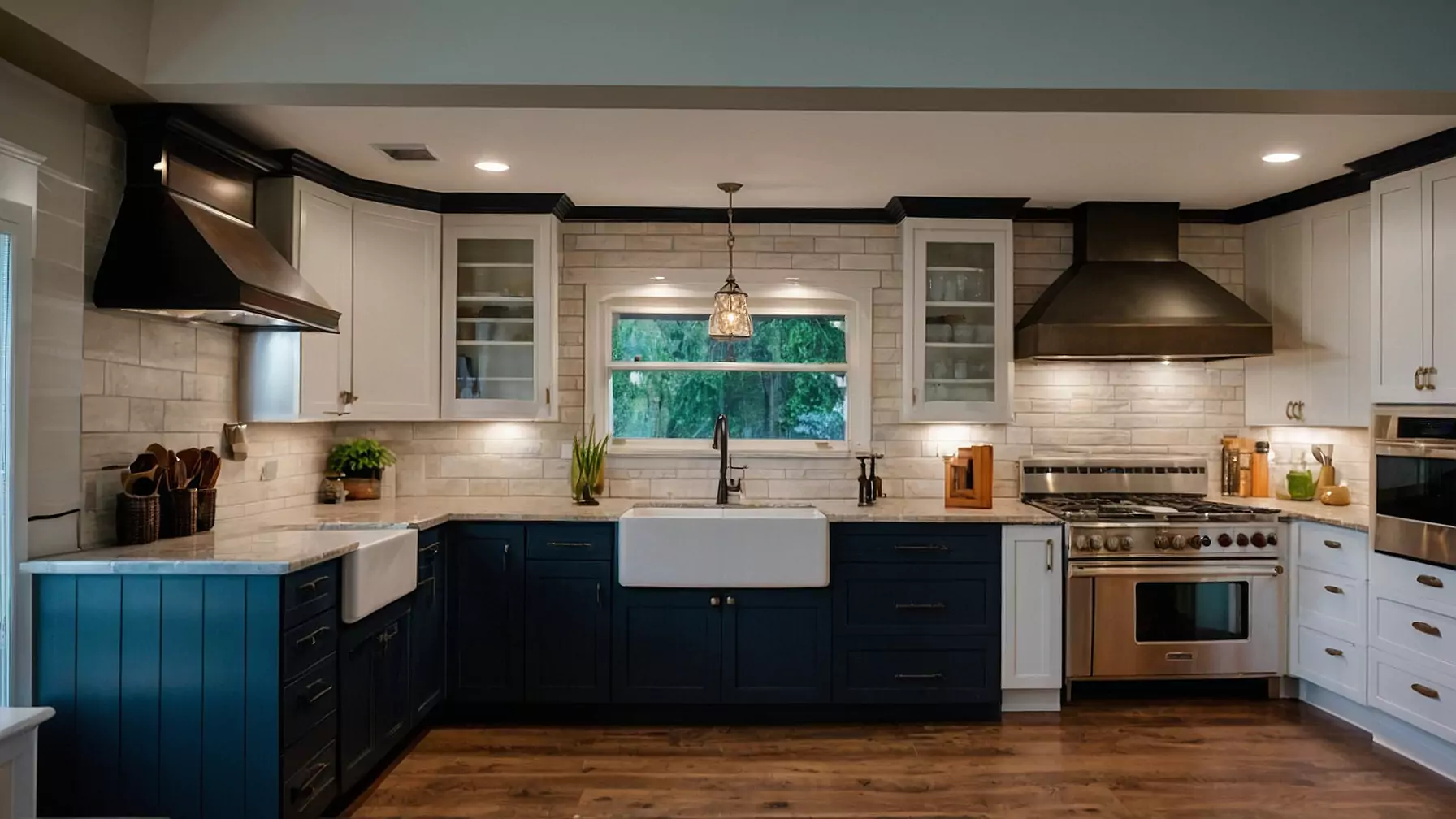
Many homeowners prioritize maximizing space efficiency and optimizing workflows in the kitchen when undertaking a remodeling project. A well-designed modern kitchen cabinet layout enhances functionality and streamlines daily tasks, making cooking and entertaining a breeze.
Homeowners can create a beautiful and highly efficient kitchen by carefully considering cabinet layout, dimensions, storage solutions, and overall design.
In this article, we will explore the essential elements of an efficient kitchen cabinet layout and guide you through achieving the perfect balance of form and function in your kitchen remodeling project.

Key Takeaways for Functional Cabinet Layouts
- Planning and understanding personal needs are crucial for creating a functional layout that optimizes kitchen space and enhances workflow.
- A strategic selection of colors, finishes, and easy-to-clean materials can boost the kitchen’s visual appeal while reducing maintenance requirements.
- Innovative storage solutions, such as pull-out cabinets, Lazy Susans, and custom drawer organizers, can significantly enhance kitchen space efficiency.
- 3D modeling software and professional designers in Elegant Kitchen and Bath can aid homeowners in visualizing and refining their kitchen design before commencing construction.
- Setting a realistic budget with a contingency fund and accounts for custom cabinetry and innovative storage solutions can ensure the success of a kitchen remodel.
- Including adequate counter space around key appliances enhances efficiency and minimizes clutter, which aids in easy meal preparation.
- Incorporating vertical storage space for tools like cutting boards and trays can maximize the kitchen cabinet layout’s space efficiency.
- Light colors can enhance the kitchen’s look and functionality, especially when paired with strategic lighting solutions.
- Matte finishes can reduce cleaning time as they are better at concealing smudges and fingerprints than glossy finishes.
- 3D modeling software allows homeowners to experiment with different kitchen configurations before physical construction, smoothing out the design process.
- Utilizing 3D Modeling Software and Consulting With Professional Designers Allows Homeowners to Visualize and Refine Their Kitchen Design Before Construction Begins.
- Setting a Realistic Budget That Accounts for Custom Cabinetry, Innovative Storage Solutions, and a Contingency Fund Ensures a Successful Kitchen Remodel That Prioritizes Functionality and Efficiency
[ez-toc]
List Must-Haves for an Efficient Kitchen
To maximize space efficiencies and optimize workflows in the kitchen, homeowners must carefully consider their specific needs and plan accordingly. A well-designed kitchen layout considers the household’s unique requirements, ensuring the space is visually appealing and highly functional.
By identifying essential elements and strategically placing them within the kitchen, homeowners can create a space that streamlines their daily tasks and enhances their overall cooking experience.
Identify Your Kitchen Workflow Needs
When planning a kitchen remodel, homeowners should carefully assess their daily routines and cooking habits to identify essential workflow needs. This process involves evaluating the frequency and complexity of meal preparation, the number of people typically working in the kitchen, and any specific storage or appliance requirements. By understanding these unique needs, homeowners can create a tailored layout that optimizes efficiency and functionality.
To identify kitchen workflow needs, homeowners should consider factors such as the proximity of key appliances, the amount of counter space required for food preparation, and the ease of access to frequently used items. By strategically placing these elements within the kitchen layout, homeowners can minimize unnecessary movement and streamline their cooking processes, resulting in a more enjoyable and efficient kitchen experience.
Decide on Essential Appliances and Their Placement
When selecting essential appliances for a kitchen remodel, homeowners should prioritize those that align with their cooking habits and lifestyle. The most common must-have appliances include a refrigerator, stove, oven, and dishwasher, but additional items such as a microwave, range hood, or built-in coffee maker may also be considered based on individual preferences.
The placement of these appliances is crucial for optimizing workflow and efficiency in the kitchen. The kitchen work triangle, which involves the strategic positioning of the refrigerator, stove, and sink, should be a key consideration in the layout design. This arrangement minimizes the distance between these frequently used areas, reducing unnecessary movement and making meal preparation more seamless:
- Position the refrigerator near the kitchen entrance for easy access to ingredients.
- Place the stove and oven in a central location, with ample counter space on either side for food preparation.
- Ensure the dishwasher is located near the sink for efficient loading and unloading of dishes.
- Consider integrating specialty appliances, such as a built-in microwave or coffee maker, into the cabinetry for a seamless look and improved functionality.

Plan for Adequate Counter Space Near Key Appliances
Adequate counter space near key appliances is essential for a functional and efficient kitchen layout. Homeowners should plan for ample workspace around the stove, oven, and refrigerator to facilitate easy meal preparation and minimize clutter.
When designing the kitchen layout, consider incorporating expansive stretches of countertop on either side of the stove and oven, allowing sufficient room for food preparation, plating, and placing small appliances. Similarly, ensure the refrigerator is flanked by counter space to provide a convenient surface for unloading groceries and organizing ingredients.
Include Sufficient Storage for Tools and Ingredients
Sufficient storage for tools and ingredients is crucial for maintaining an organized and efficient kitchen. Homeowners should carefully assess their cooking habits and the types of items they frequently use to determine the optimal storage solutions for their needs.
When planning storage, consider the following options:
- Install deep drawers near the stove and oven to store pots, pans, and baking sheets.
- Include a mix of upper and lower cabinets to maximize vertical space and accommodate various item sizes.
- Incorporate pull-out pantry shelves or a walk-in pantry for easy access to dry goods and bulk items.
- To keep frequently used tools within reach, utilize vertical storage solutions, such as wall-mounted racks or magnetic knife strips.
- Design a dedicated spice storage area, such as a shallow drawer or pull-out rack, to keep seasonings organized and easily accessible.
By carefully planning and implementing sufficient storage solutions tailored to their unique needs, homeowners can create a clutter-free and highly functional kitchen environment that streamlines meal preparation and enhances the overall cooking experience.

Kitchen Cabinet Layout & Dimensions for Maximum Efficiency
To maximize space efficiencies and optimize workflows in the kitchen, homeowners must carefully consider the layout and dimensions of their cabinetry.
By strategically designing cabinet storage and placement, households can create a highly functional and organized kitchen environment that streamlines meal preparation and enhances the cooking experience.
Key considerations for cabinet layout include:
- Incorporating deep drawers for storing pots and pans.
- Utilizing vertical storage solutions for cutting boards and trays.
- Allowing ample countertop space between the sink and stove.
- Embracing the classic work triangle concept.
Opt for Deep Drawers for Pots and Pans
Deep drawers provide an optimal storage solution for pots, pans, and other bulky kitchen items. By incorporating deep drawers into the cabinet layout, homeowners can maximize space efficiency and keep these essential tools organized and easily accessible.
When designing the cabinet layout, consider placing deep drawers near the stove and oven to streamline the cooking process. This strategic placement minimizes excessive movement during meal preparation, as pots and pans can be quickly retrieved and stored without disrupting the workflow.
Use Vertical Storage for Cutting Boards and Trays
Vertical storage solutions are an excellent way to maximize space efficiency in kitchen cabinets, particularly for cutting boards and trays. By incorporating vertical dividers or specialized racks, homeowners can store these items upright, making them easily accessible and preventing them from taking up valuable shelf space.
When designing the cabinet layout, consider the following vertical storage options for cutting boards and trays:
- Install vertical dividers in a deep drawer to keep cutting boards and trays organized and easily accessible.
- Incorporate a pull-out vertical rack next to the sink or dishwasher for convenient storage and air-drying of these items.
- Utilize the back of cabinet doors to mount vertical racks or hooks for hanging cutting boards and trays.

Allow Ample Countertop Space Between the Sink and Stove
Providing sufficient countertop space between the sink and stove is crucial for maintaining an efficient and functional kitchen workspace. This area serves as a primary food preparation zone, and having ample room to work can significantly streamline the cooking process.
When planning the cabinet layout, ensure at least 24 to 36 inches of uninterrupted countertop space between the sink and stove. This planning space allows for comfortable food preparation, ingredient staging, and placement of small appliances without causing clutter or disrupting the workflow.
Embrace the Classic Work Triangle Concept
The classic work triangle concept is a time-tested approach to kitchen design that focuses on efficiently placing the three main work areas: the sink, stove, and refrigerator. By positioning these key elements in a triangular layout, homeowners can minimize unnecessary movement and create a seamless workflow during meal preparation.
When designing the cabinet layout, consider the following tips for embracing the work triangle concept:
- Position the sink, stove, and refrigerator at points of an imaginary triangle, with each leg of the triangle measuring between 4 and 9 feet.
- Ensure that the sum of all three sides of the triangle does not exceed 26 feet for optimal efficiency.
- Minimize obstacles within the work triangle, such as islands or peninsulas, to maintain easy access and flow between key work areas.
Allow for Ample Countertop Space Between the Sink and Stove
Providing adequate countertop space between the sink and stove is essential for creating an efficient and functional kitchen workspace. This area serves as the primary food preparation zone, and having ample room to work can significantly streamline the cooking process, reducing clutter and ensuring a smooth workflow.
When planning the cabinet layout, designers should allow at least 24 to 36 inches of uninterrupted countertop space between the sink and stove. This space allows for comfortable food preparation, ingredients staging, and placing small appliances without impeding movement or causing congestion in the kitchen. Consider the following factors when optimizing countertop space between the sink and stove:
- Ensure sufficient space for food preparation tasks, such as chopping, mixing, and plating.
- Allow room for placing frequently used small appliances, such as a coffee maker or toaster.
- Provide a landing space for hot items removed from the stove or oven.
- Maintain clear pathways for easy access to the sink and stove during meal preparation.
Consider the Classic Work Triangle Concept
The classic work triangle concept is a time-tested approach to kitchen design that focuses on efficiently placing the three main work areas: the sink, stove, and refrigerator. By positioning these key elements in a triangular layout, designers can minimize unnecessary movement and create a seamless workflow during meal preparation.
When incorporating the work triangle concept into the cabinet layout, designers should aim to position the sink, stove, and refrigerator at points of an imaginary triangle, with each leg of the triangle measuring between 4 and 9 feet. The sum of all three sides of the triangle should not exceed 26 feet for optimal efficiency, and obstacles such as islands or peninsulas should be minimized within the work triangle to maintain easy access and flow between the key work areas.

Choosing Colors, Finish, & Design That Enhance Efficiency
The selection of colors, finishes, and materials is crucial in designing a kitchen that maximizes space efficiency and optimizes workflow.
By making strategic choices in these areas, homeowners can create a kitchen environment that enhances the overall aesthetic and supports the functional aspects of the space, ultimately leading to a more enjoyable and productive cooking experience.
Select Light Colors to Make Spaces Appear Larger
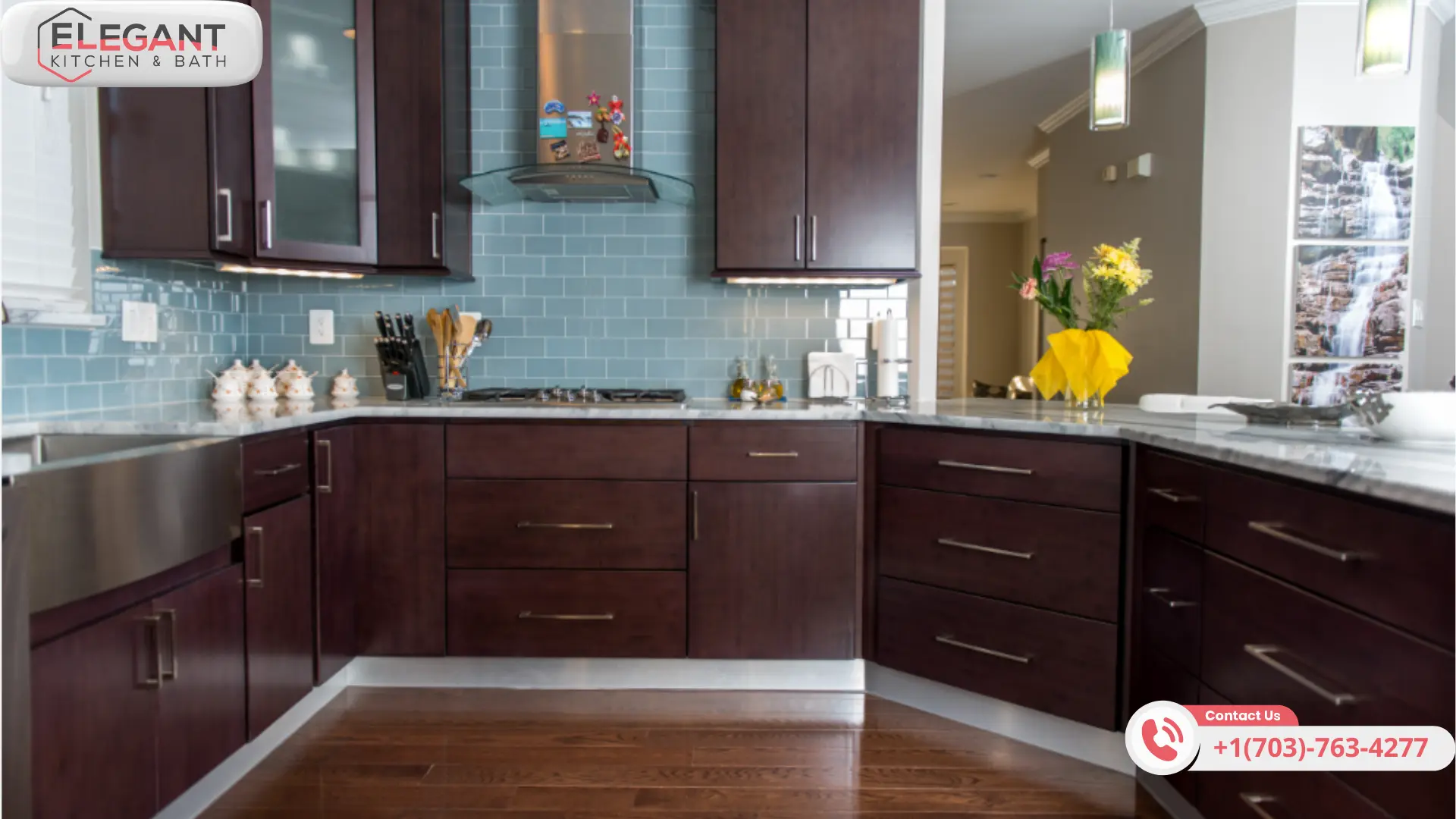
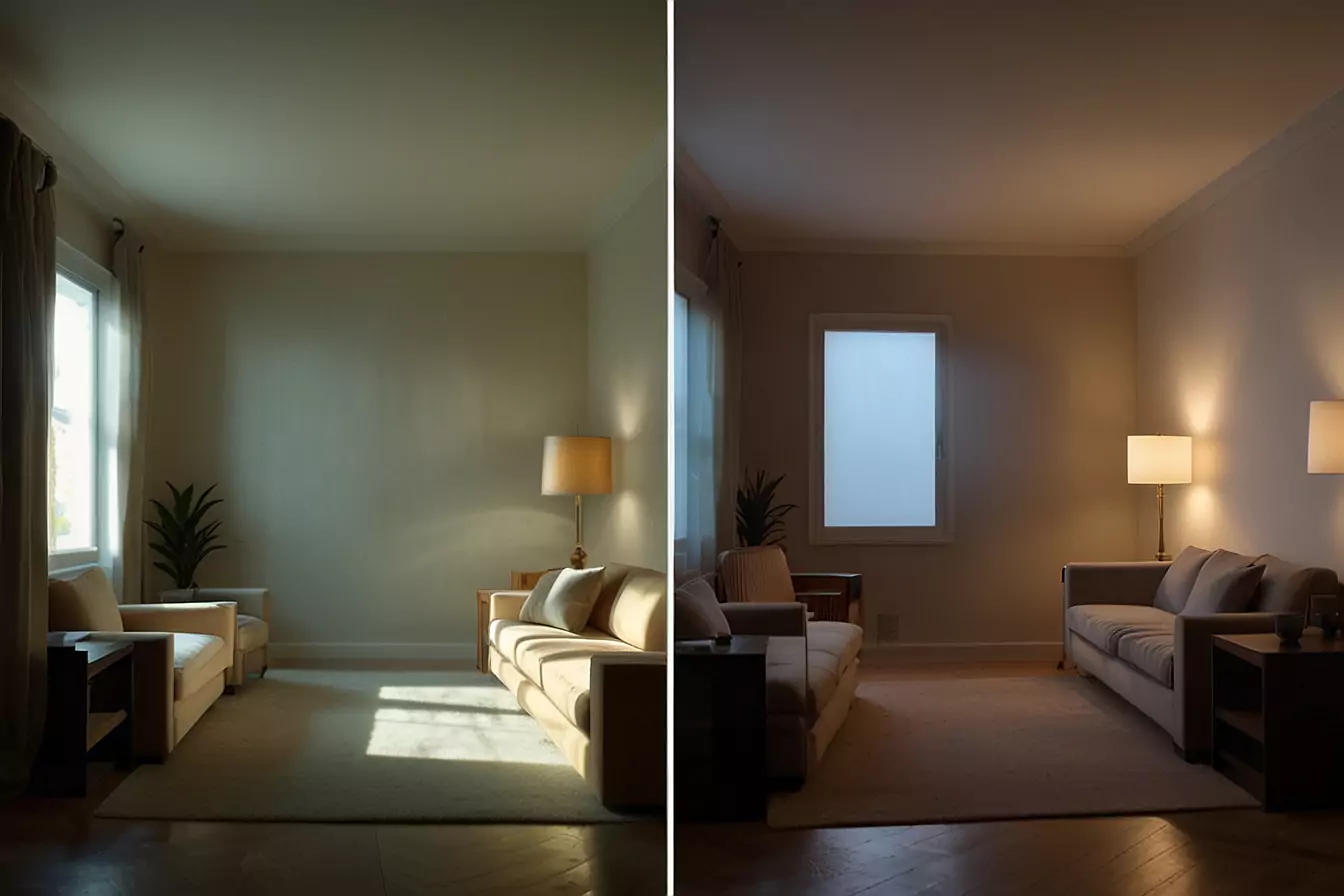
Light colors can make a kitchen feel more spacious and open, which is particularly beneficial in smaller or more compact layouts. When selecting colors for cabinets, walls, and countertops, consider using light, neutral shades such as white, cream, light gray, or pale pastels.
These colors reflect light, creating a bright, airy atmosphere that expands the space visually. In addition to making the kitchen appear larger, light colors contribute to a clean and fresh aesthetic, which can help create a sense of order and efficiency.
Light colors can enhance the kitchen’s overall ambiance and functionality when paired with strategic lighting solutions, such as under-cabinet lighting or pendant lights over workspaces.
Use Matte Finishes to Reduce Cleaning Time
Matte finishes have gained popularity recently for their contemporary and sophisticated look and practical benefits in the kitchen.
Unlike glossy finishes, which tend to show smudges, fingerprints, and water spots more readily, matte finishes help to conceal these imperfections, reducing the need for constant cleaning and maintenance.
When selecting finishes for cabinets, countertops, and appliances, consider incorporating matte options to minimize the time and effort required for upkeep. For example, matte black or slate gray cabinets can provide a sleek and modern look while being more forgiving of daily wear and tear.
Similarly, matte-finish countertops, such as honed granite or soapstone, offer a sophisticated appearance while requiring less frequent polishing and sealing than their glossy counterparts.
Pick Easy-to-Clean Materials and Surfaces
In addition to selecting matte finishes, choosing materials and surfaces that are inherently easy to clean can significantly improve the efficiency and maintenance of the kitchen.
When making decisions about countertops, flooring, and backsplashes, prioritize materials resistant to stains, scratches, and moisture. These qualities will help simplify the cleaning process and maintain the longevity of the surfaces.
Some examples of easy-to-clean materials include:
- Quartz countertops: Non-porous, resistant to stains and scratches, and require minimal maintenance
- Porcelain or ceramic tile flooring: Durable, water-resistant, and easy to wipe clean
- Glass or stainless steel backsplashes: Smooth, non-porous surfaces that are simple to wipe down and maintain
- Laminate cabinets: Affordable, durable, and easy to clean with just a damp cloth
Homeowners can create a visually appealing and easy-to-maintain space by incorporating these materials into the kitchen design. This material allows more time to be spent cooking and enjoying the space rather than cleaning it.
Implement Design Features That Support Workflow
When planning the layout and design of a kitchen, it is essential to incorporate features that support and enhance the space’s natural workflow.
By strategically placing key elements and implementing functional design solutions, homeowners can create a kitchen that is intuitive to use and maximizes efficiency.
Some design features that support workflow include:
- Open shelving: Provides easy access to frequently used items and helps to keep the kitchen organized
- Pull-out pantry: Maximizes storage space and makes it simple to view and retrieve ingredients
- Island with seating: Offers additional workspace for food preparation and a casual dining area for quick meals
- Dedicated beverage station: Keeps drinks and related supplies organized and easily accessible, minimizing traffic in the main work areas
- Integrated appliances

Select Light Colors to Make Spaces Appear Larger
Light colors have the remarkable ability to visually expand a kitchen, creating the illusion of a more spacious and open environment. When selecting colors for cabinets, walls, and countertops, homeowners should consider incorporating light, neutral shades such as white, cream, light gray, or pale pastels to maximize the room’s perceived size.
In addition to making the kitchen feel larger, light colors contribute to a bright, clean, and fresh aesthetic, promoting a sense of order and efficiency. When combined with strategic lighting solutions, such as under-cabinet lighting or pendant lights over workspaces, light colors can further enhance the overall ambiance and functionality of the kitchen:
- White or off-white cabinets reflect light and create a timeless, spacious look.
- Light gray or beige walls provide a neutral backdrop that complements various design styles.
- Pale pastel accents, such as soft blues or greens, add a touch of color without overwhelming the space.
- Light-colored countertops, such as white quartz or marble, contribute to a seamless, expansive feel.
Use Matte Finishes to Reduce Cleaning Time
Matte finishes have gained popularity recently for their contemporary, sophisticated look and practical benefits in the kitchen. Compared to glossy finishes, which tend to highlight smudges, fingerprints, and water spots, matte finishes help to conceal these imperfections, reducing the need for constant cleaning and maintenance.
When selecting finishes for cabinets, countertops, and appliances, homeowners should consider matte options to minimize the time and effort required for upkeep. For example:
- Matte black or slate gray cabinets provide a sleek, modern look while being more forgiving of daily wear and tear.
- Matte finish countertops, such as honed granite or soapstone, offer sophistication and require less frequent polishing and sealing than their glossy counterparts.
- Matte finish appliances, such as stainless steel with a brushed or satin finish, resist fingerprints and are easier to clean.
Pick Easy-to-Clean Materials and Surfaces
Choosing materials and surfaces that are inherently easy to clean can significantly improve the efficiency and maintenance of the kitchen. When deciding about countertops, flooring, and backsplashes, homeowners should prioritize materials resistant to stains, scratches, and moisture, as these qualities will help simplify the cleaning process and maintain the longevity of the surfaces.
Some examples of easy-to-clean materials include:
- Quartz countertops: Non-porous, resistant to stains and scratches, and requiring minimal maintenance
- Porcelain or ceramic tile flooring: Durable, water-resistant, and easy to wipe clean
- Glass or stainless steel backsplashes: Smooth, non-porous surfaces that are simple to wipe down and maintain
- Laminate cabinets: Affordable, durable, and easy to clean with just a damp cloth
Implement Design Features That Support Workflow
Incorporating design features that support and enhance the natural workflow of the kitchen is essential for creating an intuitive and efficient space. By strategically placing key elements and implementing functional design solutions, homeowners can maximize the kitchen’s potential and streamline daily tasks.
Some design features that support workflow include:
- Open shelving: Provides easy access to frequently used items and helps to keep the kitchen organized
- Pull-out pantry: Maximizes storage space and makes it simple to view and retrieve ingredients
- Island with seating: Offers additional workspace for food preparation and a casual dining area for quick meals
- Dedicated beverage station: Keeps drinks and related supplies organized and easily accessible, minimizing traffic in the main work areas
Use Matte Finishes to Reduce Cleaning Time
Matte finishes have gained popularity recently for their contemporary, sophisticated look and practical benefits in the kitchen. Unlike glossy finishes, which tend to highlight smudges, fingerprints, and water spots, matte finishes help to conceal these imperfections, reducing the need for constant cleaning and maintenance.
When selecting finishes for cabinets, countertops, and appliances, homeowners should consider incorporating matte options to minimize the time and effort required for upkeep:
- Matte black or slate gray cabinets provide a sleek, modern look while being more forgiving of daily wear and tear.
- Matte finish countertops like honed granite or soapstone require less maintenance than glossy ones.
- Matte finish appliances, such as stainless steel with a brushed or satin finish, resist fingerprints and are easier to clean.
Pick Easy-to-Clean Materials and Surfaces
Choosing easy-to-clean materials and surfaces is crucial for maintaining an efficient and low-maintenance kitchen. Homeowners should opt for non-porous, stain-resistant, and durable options such as quartz countertops, porcelain or ceramic tile flooring, and glass or stainless steel backsplashes.
These materials not only simplify the cleaning process but also contribute to the longevity of the kitchen’s surfaces. By investing in easy-to-clean materials, homeowners can spend more time enjoying their kitchen and less time on tedious upkeep tasks.
Implement Design Features That Support Workflow
Implementing design features that support workflow is essential for creating a functional and efficient kitchen. Homeowners should consider incorporating elements such as open shelving, pull-out pantries, and dedicated beverage stations to streamline daily tasks and minimize traffic in the main work areas.
Other design features that can enhance workflow include:
- A well-placed island with seating, offering additional workspace for food preparation and a casual dining area
- Integrated appliances that blend seamlessly with the cabinetry, creating a cohesive and clutter-free look
- Strategic lighting solutions, such as task lighting over workspaces and accent lighting in key areas, to improve visibility and create a more inviting atmosphere
By thoughtfully incorporating these design elements into the kitchen layout, homeowners can create a visually appealing space optimized for their unique needs and workflow preferences.

Making It Functional With Innovative Storage Solutions
To maximize space efficiency and optimize kitchen workflows, homeowners must look beyond the basic layout and incorporate innovative storage solutions.
By implementing creative and functional storage options, such as pull-out cabinets, lazy Susans, appliance garages, and custom drawer organizers, homeowners can make the most of every inch of their kitchen space while streamlining daily tasks and reducing clutter.
These smart storage solutions improve the kitchen’s functionality and create a more organized and visually appealing environment.
Install Pull-Out Cabinets for Easy Access
Pull-out cabinets are a game-changer in maximizing storage space and accessibility in the kitchen. These innovative solutions allow homeowners to easily view and retrieve items in the back of deep cabinets, eliminating the need to dig through stacks of pots, pans, or ingredients.
Installing pull-out cabinets in various kitchen areas, such as near the stove for pots and pans, in the pantry for dry goods, or the base cabinets for cleaning supplies, can greatly enhance the space’s functionality and efficiency. This improvement streamlines daily tasks and helps maintain a clutter-free and organized kitchen environment.
Use Lazy Susans in Corners to Maximize Space
Lazy Susans are an excellent solution for maximizing storage space in corner cabinets, which are often underutilized due to their awkward configuration. By installing a rotating tray or turntable, homeowners can easily access items stored in the deep recesses of corner cabinets, making the most of this valuable kitchen real estate.
Lazy Susans come in various sizes and styles to accommodate different cabinet dimensions and storage needs, such as:
- Full-circle Lazy Susans for blind corner cabinets
- Half-circle Lazy Susans for diagonal corner cabinets
- D-shaped Lazy Susans for maximizing space in shallow corner cabinets
- Two-tier Lazy Susans for increased storage capacity
By incorporating Lazy Susans into their corner cabinet design, homeowners can ensure that no space is wasted while improving the accessibility and organization of their kitchen storage.
Integrate Appliance Garages for Small Appliances
Appliance garages are a smart and stylish solution for keeping small appliances like toasters, blenders, and coffee makers easily accessible while maintaining a clutter-free countertop. Homeowners can create a designated space for these items by integrating appliance garages into the kitchen design, making them easy to use and store when not in use.
These innovative storage solutions can be customized to fit the specific dimensions and needs of the kitchen, with options such as roll-up doors, sliding doors, or even vertical lift-up doors to maximize space efficiency. Homeowners can enjoy a more organized and functional space that streamlines their daily routines by incorporating appliance garages into the kitchen layout.
Opt for Custom Drawer Organizers
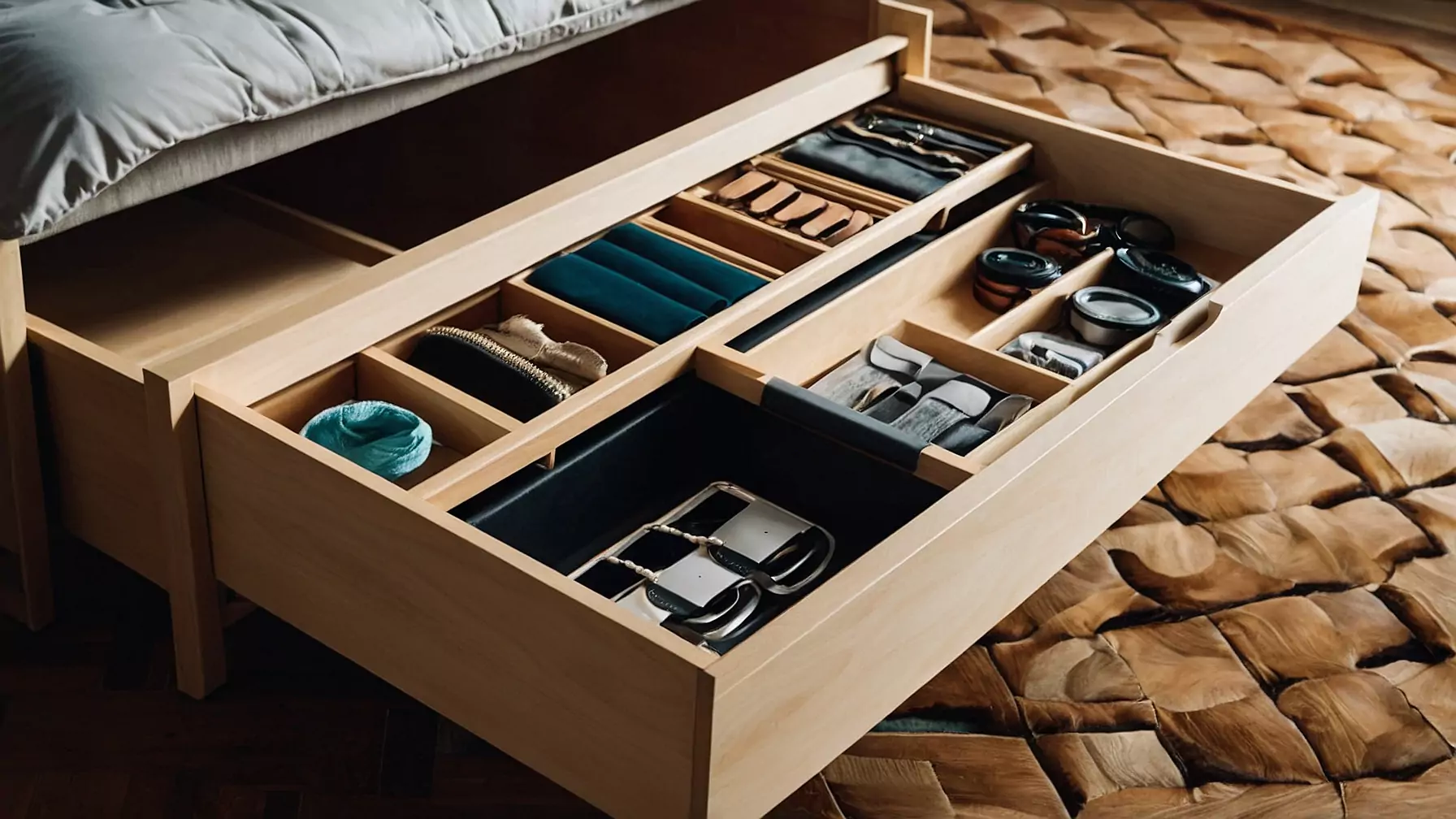
Custom drawer organizers are an excellent way to maximize space efficiency and neatly arrange kitchen essentials. By investing in tailor-made organizers for utensils, cutlery, and cooking tools, homeowners can ensure that every item has a designated place, making it easy to find and access what they need during meal preparation.
These bespoke storage solutions can be designed to fit the exact dimensions of the drawers, allowing for optimal use of space and preventing items from shifting or becoming cluttered over time. Custom drawer organizers improve the kitchen’s functionality and contribute to a more visually appealing and organized environment, enhancing the overall experience of cooking and entertaining in the space.

The Finished Design: Visualizing Your Efficient Kitchen
With the layout optimized and storage solutions carefully selected, it’s time to visualize the finished design of your efficient kitchen.
By leveraging cutting-edge technology and professional expertise, homeowners can comprehensively understand how their new kitchen will look and function before any physical work begins.
This crucial step in the design process allows for refinements and adjustments, ensuring that the final result meets the homeowner’s needs and exceeds their expectations.
Use 3D Software to Preview Cabinet Layouts.
Advances in 3D modeling software have revolutionized how homeowners visualize their kitchen designs. Using these powerful tools, designers can create detailed, interactive representations of the proposed cabinet layouts, allowing homeowners to explore their new kitchen from every angle.
This immersive experience provides a clearer understanding of how the space will look and feel, making it easier to identify potential issues or areas for improvement.
3D software also enables homeowners to experiment with different cabinet styles, colors, and finishes, providing a realistic preview of how these choices will impact the kitchen’s overall aesthetic.
By visualizing these elements in a virtual environment, homeowners can make more informed decisions and feel confident in their final selections.

Experiment With Different Configurations Virtually
One of the most significant advantages of using 3D software in kitchen design is the ability to experiment with various layout configurations without needing physical construction.
Homeowners can work with their designers to explore alternative placement options for key elements such as the sink, stove, and refrigerator, assessing how each configuration impacts the overall workflow and efficiency of the space.
Virtual experimentation allows homeowners to test different storage solutions and cabinet arrangements, ensuring that the final design maximizes space efficiency and meets their unique organizational needs.
Homeowners can iterate through multiple configurations in a virtual environment to find the optimal layout for their lifestyle and cooking habits.
Consult With a Designer for Professional Insight
While 3D software provides a powerful tool for visualizing kitchen designs, it’s essential to consult a professional designer to ensure that the final layout is aesthetically pleasing and functionally sound.
Experienced kitchen designers bring a wealth of knowledge and expertise to the process, offering valuable insights and recommendations to help homeowners maximize their space.
During consultation, designers can assess the homeowner’s needs, preferences, and lifestyle and provide personalized guidance on layout optimization, storage solutions, and material selections. By collaborating with a designer, homeowners can benefit from professional input and ensure their new kitchen looks beautiful and performs at the highest level.
Make Adjustments Based on Simulation Results
Once the initial kitchen design has been created and visualized using 3D software, homeowners and their designers can use the simulation results to identify areas for improvement and make necessary adjustments.
This iterative process allows for fine-tuning layout, storage, and aesthetic elements, ensuring the final design is as efficient and functional as possible. By carefully analyzing the virtual model, homeowners and designers can assess traffic flow, workspace accessibility, and storage capacity and make informed decisions about necessary changes.
This collaborative process of evaluation and refinement ultimately leads to a kitchen design tailored to the homeowner’s specific needs and optimized for maximum efficiency.
Use 3D Software to Preview Cabinet Layouts.
3D modeling software has revolutionized how homeowners visualize their kitchen designs, allowing for detailed, interactive representations of proposed cabinet layouts. By leveraging these powerful tools, designers can create immersive experiences that provide a clearer understanding of how the space will look and feel, making it easier to identify potential issues or areas for improvement.
Homeowners can utilize virtual reality technology to experiment with different cabinet designs, hues, and materials. VR provides them with a lifelike visualization of how these selections will impact the overall aesthetic of their kitchen space, empowering them to make well-informed choices and feel self-assured in their ultimate decisions.
- Explore various cabinet door styles, such as shaker, flat panel, or raised panel
- Test different color schemes, from traditional white to bold, trendy hues
- Compare the visual impact of different hardware options, such as knobs or pulls
- Assess the functionality of various cabinet accessories, like pull-out shelves or lazy Susans
Experiment With Different Configurations Virtually
One of the most significant advantages of using 3D software in kitchen design is the ability to experiment with various layout configurations without needing physical construction. Homeowners can work with their designers to explore alternative placement options for key elements such as the sink, stove, and refrigerator, assessing how each configuration impacts the overall workflow and efficiency of the space.
Virtual experimentation allows homeowners to test different storage solutions and cabinet arrangements, ensuring that the final design maximizes space efficiency and meets their unique organizational needs. Homeowners can find the optimal layout for their lifestyle and cooking habits by iterating through multiple configurations in a virtual environment.
Consult With a Designer for Professional Insight
While 3D software provides a powerful tool for visualizing kitchen designs, consulting with a professional designer is essential to ensure the final layout is aesthetically pleasing and functionally sound. Experienced kitchen designers bring a wealth of knowledge and expertise to the process, offering valuable insights and recommendations to help homeowners make the most of their space.
During the consultation, designers assess the homeowner’s needs, preferences, and lifestyle, providing personalized guidance on layout optimization, storage solutions, and material selections. By collaborating with a designer, homeowners can benefit from professional input and ensure their new kitchen looks beautiful and performs at the highest level.

Make Adjustments Based on Simulation Results
Once the initial kitchen design has been created and visualized using 3D software, homeowners and their designers can use the simulation results to identify areas for improvement and make necessary adjustments. This iterative process allows for fine-tuning layout, storage, and aesthetic elements, ensuring the final design is as efficient and functional as possible.
By carefully analyzing the virtual model, homeowners and designers can assess factors such as traffic flow, workspace accessibility, and storage capacity, making informed decisions about any changes that need to be made. This collaborative process of evaluation and refinement ultimately leads to a kitchen design tailored to the homeowner’s specific needs and optimized for maximum efficiency.
Experiment With Different Configurations Virtually
Virtual experimentation through 3D software empowers homeowners to explore various layout configurations without needing physical construction. By collaborating with their designer, they can assess how alternative placements of key elements like the sink, stove, and refrigerator impact the kitchen’s workflow and efficiency.
Testing different storage solutions and cabinet arrangements in a virtual environment ensures that the final design maximizes space efficiency and meets the homeowner’s unique organizational needs. This iterative process allows homeowners to find the optimal layout that complements their lifestyle and cooking habits.
Consult With a Designer for Professional Insight
While 3D software is a powerful tool for visualizing kitchen designs, consulting with a professional designer is essential to ensure the final layout is beautiful and functional. Experienced kitchen designers offer valuable insights and recommendations, helping homeowners make the most of their space based on their unique needs, preferences, and lifestyle.
During consultation, designers assess the homeowner’s requirements and provide personalized guidance on layout optimization, storage solutions, and material selections. By collaborating with a skilled designer, homeowners can create a kitchen that looks stunning and performs at the highest level, tailored to their specific needs and optimized for maximum efficiency.

Make Adjustments Based on Simulation Results
After creating and visualizing the initial kitchen design using 3D software, homeowners and designers can analyze the simulation results to identify areas for improvement. By carefully assessing factors such as traffic flow, workspace accessibility, and storage capacity within the virtual model, they can make informed decisions about necessary changes to optimize the design:
- Adjust the placement of appliances and workstations to improve workflow efficiency
- Modify cabinet configurations to maximize storage space and accessibility
- Refine the overall layout to ensure a seamless flow between key areas of the kitchen
- Experiment with different lighting options to enhance functionality and ambiance
This collaborative process of evaluation and refinement allows homeowners and designers to fine-tune the layout, storage solutions, and aesthetic elements until the final design is perfectly tailored to the homeowner’s specific needs and optimized for maximum efficiency.
By making these adjustments based on the simulation results, they can create a stunning kitchen that performs at the highest level, ensuring a beautiful and functional space for years.

Kitchen Cabinetry Costs: Budgeting for Efficiency
When budgeting for a kitchen remodel that prioritizes space efficiency and optimized workflows, it’s essential to carefully consider the costs associated with cabinetry, as this element often accounts for a significant portion of the overall budget.
By researching the average costs of custom versus stock cabinets, factoring in expenses for innovative storage solutions, setting aside a contingency budget for unplanned upgrades, and considering the long-term savings from efficient layouts, homeowners can make informed decisions that balance their financial constraints with their desire for a highly functional and well-designed kitchen.
Research Average Costs of Custom vs. Stock Cabinets
Researching the average costs of custom and stock cabinets is crucial for creating a realistic budget for a kitchen remodel. Custom cabinets offer unparalleled flexibility in design and functionality, allowing homeowners to tailor their storage solutions to their specific needs, but they come at a higher price point. On the other hand, stock cabinets are more affordable and readily available but may provide a different customization or space optimization level.
When comparing the costs of custom and stock cabinets, homeowners should consider factors such as the quality of materials, construction methods, and the level of craftsmanship involved. While custom cabinets may have a higher upfront cost, they often provide better long-term value due to their durability, superior functionality, and potential to increase the home’s resale value.
Factor in Expenses for Innovative Storage Solutions
When budgeting for a kitchen remodel that prioritizes space efficiency, it’s important to factor in the expenses associated with innovative storage solutions. While these solutions may come at an additional cost, they can significantly enhance the kitchen’s functionality and organization, making them a worthwhile investment.
Homeowners should research the costs of various storage options, such as:
- Pull-out shelves and drawers for easy access to deep cabinets
- Lazy Susans for maximizing corner cabinet space
- Appliance garages for keeping countertops clutter-free
- Custom drawer organizers for utensils and cooking tools
- Vertical dividers for storing baking sheets and cutting boards
By allocating a portion of the budget to these innovative storage solutions, homeowners can ensure that their new kitchen looks beautiful and functions at the highest level, with every item easily accessible and well-organized.
Set Aside a Contingency Budget for Unplanned Upgrades
Setting aside a contingency budget for unplanned upgrades is a wise decision when planning a kitchen remodel, focusing on maximizing space efficiencies and optimizing workflows. Even with careful planning and budgeting, unexpected expenses can arise during the renovation process, such as the need for additional storage solutions or the discovery of hidden structural issues.
By allocating a portion of the overall budget, typically 10-20%, to a contingency fund, homeowners can ensure that they have the financial flexibility to address these unforeseen challenges without compromising the quality or functionality of their new kitchen. This contingency budget allows for the incorporation of additional space-saving features or the resolution of any issues that may impact the overall efficiency of the layout.
Consider Long-Term Savings From Efficient Layouts
When budgeting for a kitchen remodel, it’s essential to consider the long-term savings that can result from an efficient layout. A well-designed kitchen that maximizes space efficiency and optimizes workflows can reduce energy consumption, lower utility bills, and increase productivity, ultimately saving homeowners money in the long run.
Moreover, an efficient kitchen layout can contribute to a higher resale value for the home, as potential buyers often prioritize functionality and organization when evaluating a property. By investing in a thoughtfully designed kitchen that prioritizes space optimization, homeowners can enjoy a more comfortable and efficient cooking environment while positioning their homes for a better return on investment.

FAQs: Efficient Kitchen Cabinet Layout: Expert Tips and Tricks
Which kitchen layout is the most efficient kitchen arrangement?
The most efficient kitchen layout often depends on the specific needs and space available, but the “work triangle” concept is widely regarded as a key principle. This layout positions the sink, stove, and refrigerator at three points of a triangle, minimizing the distance between these essential areas to streamline cooking and cleaning processes. This concept is supported by various sources, emphasizing its importance in both small and large kitchens.
What is the golden rule for kitchen design?
The golden rule for kitchen design is the “work triangle” principle. This rule suggests that the three main work areas in a kitchen—the sink, stove, and refrigerator—should form a triangle. The total distance between these points should ideally be between 12 and 26 feet to ensure efficiency and ease of movement. Modern kitchen design also considers creating specific zones for prepping, cooking, cleaning, and storage to enhance functionality.
How do you organize kitchen cabinets efficiently?
Efficient kitchen cabinet organization involves several strategies:
1. Declutter: Remove items you don’t use regularly.
2. Group Similar Items: Store similar items, such as pots and pans, near the stove and dishes near the dishwasher.
3. Use Storage Solutions: Invest in shelves, racks, and containers to maximize space.
4. Label Items: Use labels for containers and shelves to easily locate items.
5. Accessibility: Place frequently used items in easily accessible locations, while less frequently used items can be stored in higher or lower cabinets.
How should I layout my kitchen cabinets?
When laying out kitchen cabinets, consider the following tips:
1. Proximity to Work Zones: Place cabinets near their work zones. For example, store pots and pans near the stove and dishes near the dishwasher or sink.
2. Vertical Space: Utilize vertical space by installing upper cabinets for items that are not used daily.
3. Drawer Organization: Use drawer organizers for utensils and small items to keep them tidy and accessible.
4. Corner Solutions: To make the most of awkward spaces, implement solutions like lazy Susans or pull-out shelves in corner cabinets.
5. Pantry Space: If possible, include a pantry cabinet for bulk storage of food items.

How do I make a perfect kitchen layout?
Creating a perfect kitchen layout involves several key steps:
1. Decide on Appliances and Sink: Choose your large appliances and sink first, as their specifications will influence the rest of the layout.
2. Work Triangle: To minimize unnecessary movement, ensure an efficient work triangle between the stove, sink, and refrigerator.
3. Create Zones: Designate specific zones for prepping, cooking, clean-up, and putting away items around your appliances and sink.
4. Storage Planning: Plan ample storage with cabinets, drawers, and pantry space. Consider specialized storage for pots, pans, and utensils.
5. Counter Space: Ensure you have enough space for food preparation and other tasks, especially around the cooktop and sink.
6. Lighting and Ventilation: Incorporate adequate lighting and proper ventilation to enhance functionality and comfort.
7. Accessibility and Safety: Design the kitchen to be accessible for all family members and include safety features like non-slip flooring and fire extinguishers.
What are the general rules for kitchen layout?
The general rule in kitchen layout is to follow the “work triangle” principle, which involves positioning the sink, stove, and refrigerator in a triangular formation. This triangle minimizes the distance between these key areas, making the kitchen more efficient and reducing unnecessary movement. Additionally, it’s important to create distinct zones for different tasks (prepping, cooking, cleaning) and ensure ample storage and counter space.
What is the best practical kitchen layout?
The best practical kitchen layout depends on the available space and your needs. Common layouts include:
1. L-Shaped Kitchen: This kitchen is ideal for open spaces. It provides ample counter space and allows for a small dining area.
2. U-shaped kitchen: Offers maximum storage and counter space, suitable for larger kitchens.
3. Galley Kitchen: Efficient for small spaces, with two parallel walls for appliances and counters.
4. Island Kitchen: This kitchen adds extra counter and storage space, ideal for larger kitchens and open floor plans.
Each layout has advantages, and the best choice will depend on your kitchen’s size, shape, and use of space.

Hear From Our Delighted Clients with Kitchen Cabinet Layouts
Amrita Prasad
Amrita praised Elegant Kitchen and Bath for excellently remodeling their kitchen. The project included new cabinets and countertops, partial wall removal, and new flooring. She commended the professionalism, courtesy, and customer-friendly approach of everyone they worked with.
Amrita highlighted Omer’s dedication to understanding their needs and designing their new spacious kitchen while considering their requirements. The on-site manager, Enes, was always available to promptly address any concerns. The crew completed the project in 3 weeks, ahead of the promised 4-week timeline. Amrita appreciated that they cleaned up daily, removed debris regularly, and kept the driveway clean throughout the seamless process. She highly recommends EKB for any remodeling project.
Leonard Smith
Leonard Smith shared that Elegant Kitchen and Bath beautifully transformed their kitchen. They love their new kitchen and look forward to cooking there for many years. Leonard commended Tayfun for his outstanding guidance on cabinets and colors and Enes for being extremely attentive and communicative throughout the project.
The team delivered outstanding work, completing the kitchen a week ahead of the 2-week estimate. Due to Elegant Kitchen and Bath‘s exceptional service, Leonard gladly recommends them for future projects.
Carrie Dellinger
Carrie Dellinger expressed delight at Elegant Kitchen and Bath’s work on remodeling their kitchen. They love their new kitchen and thoroughly enjoy cooking in it. Carrie praised Tayfun for his excellent guidance in selecting cabinets and colors.
She commended the team’s amazing job and stated that they would definitely use Elegant Kitchen and Bath again for future projects.
An efficient kitchen cabinet layout creates a functional and organized cooking space. By carefully considering factors like workflow, storage needs, and appliance placement, you can maximize efficiency and make the most of your kitchen’s square footage. Join our satisfied clients in experiencing the transformative power of Elegant Kitchen & Bath’s kitchen remodeling project and cabinet layout design expertise.
Conclusion
Maximizing space efficiencies and optimizing workflows through layout optimization is crucial for creating a highly functional and enjoyable kitchen.
Careful planning and strategic design decisions, such as implementing the work triangle concept, selecting space-saving appliances, and incorporating innovative storage solutions, can significantly enhance the kitchen’s overall efficiency.
By collaborating with experienced designers and leveraging advanced 3D modeling software, homeowners can visualize and refine their kitchen layouts to ensure optimal performance and aesthetics.
Investing in a well-designed, efficient kitchen improves daily life and contributes to the home’s long-term value.
Elegant Kitchen and Bath offers kitchen remodeling, bathroom remodeling, basement remodeling, and home addition remodeling services across a broad area, including
Herndon, Chantilly, Centreville, Reston, Sterling, GreatFalls, Ashburn, Fairfax, McLean, Manassas, Haymarket, Burke,
Vienna, Falls Church, Annandale, Springfield, Alexandria and Arlington.
Ready to transform your home with a licensed contractor?
Visit Elegant Kitchen and Bath to start your journey toward your modern kitchen today.
Tags: 3D Software, Cabinet Layout, Custom Cabinetry, Daily Tasks, Drawer Organizers, Efficient Kitchen, elegant kitchen and bath, elegant kitchen and bath reviews, Innovative storage, kitchen design, kitchen remodel, Layout Configurations, Light Colors, Matte Finishes, Meal Preparation, Personal Needs, Professional Designers, Pull-Out Cabinets, Space Efficiency, Storage Solutions, Visual Appeal, Workflow Optimization