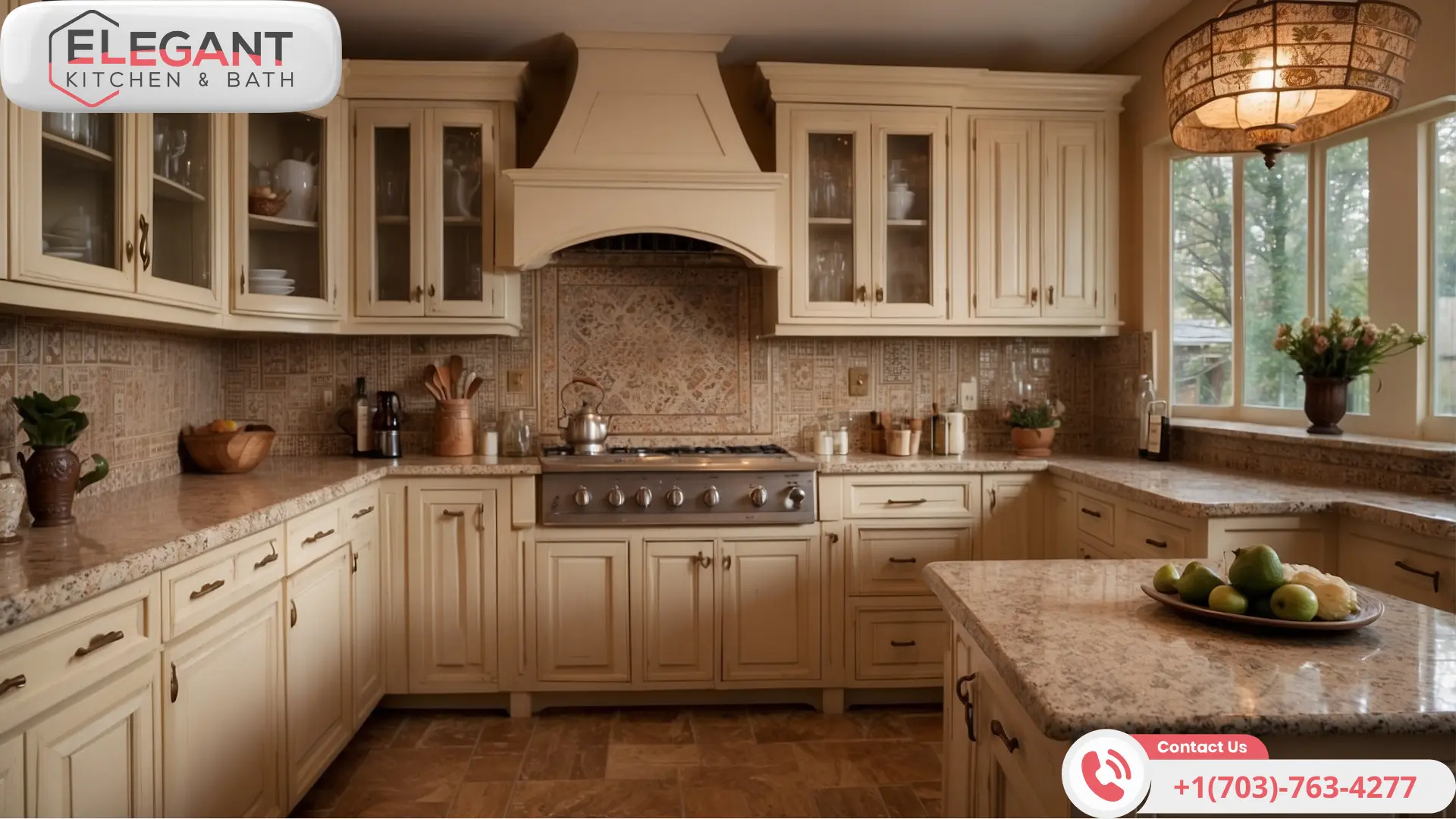
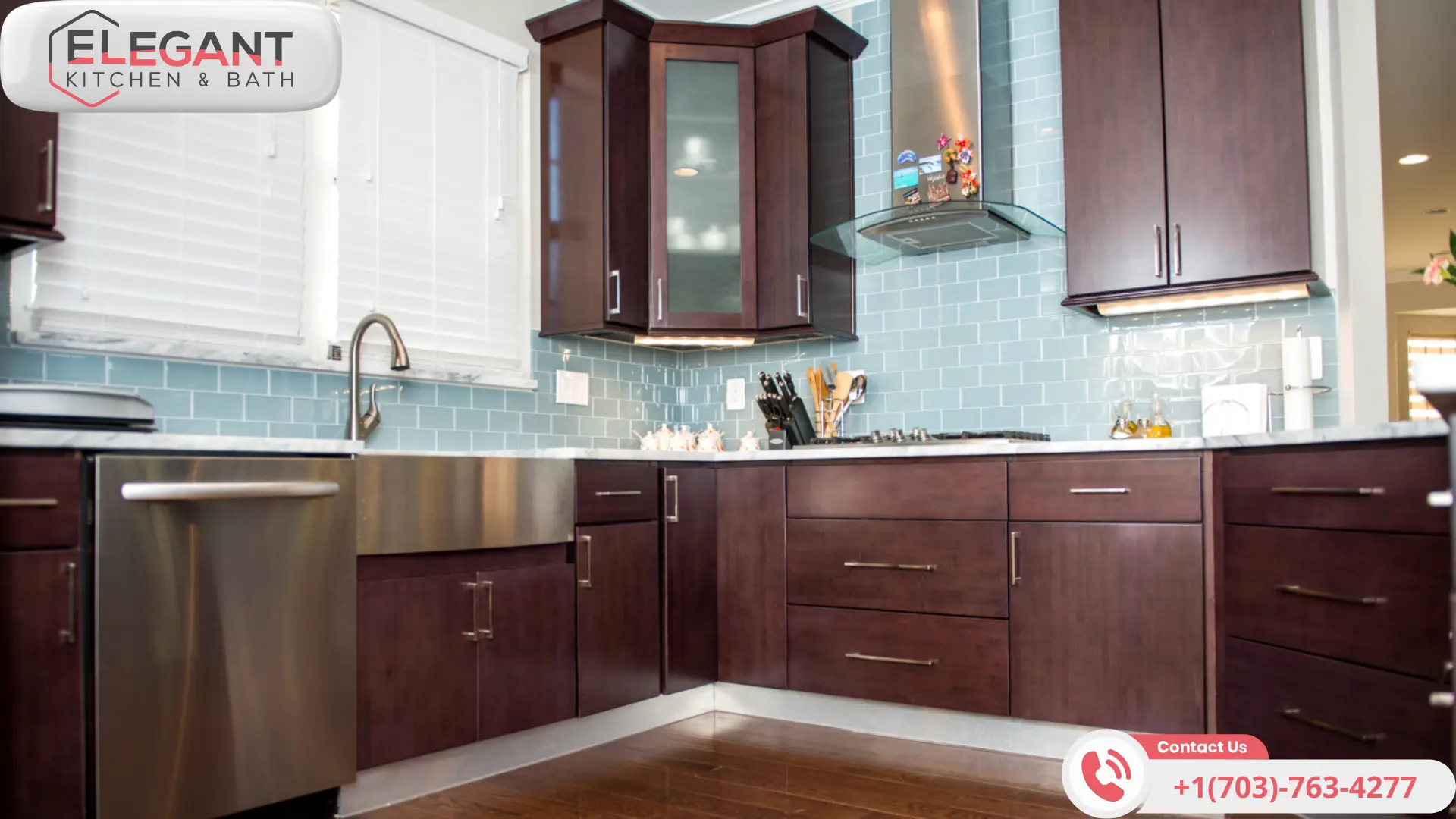
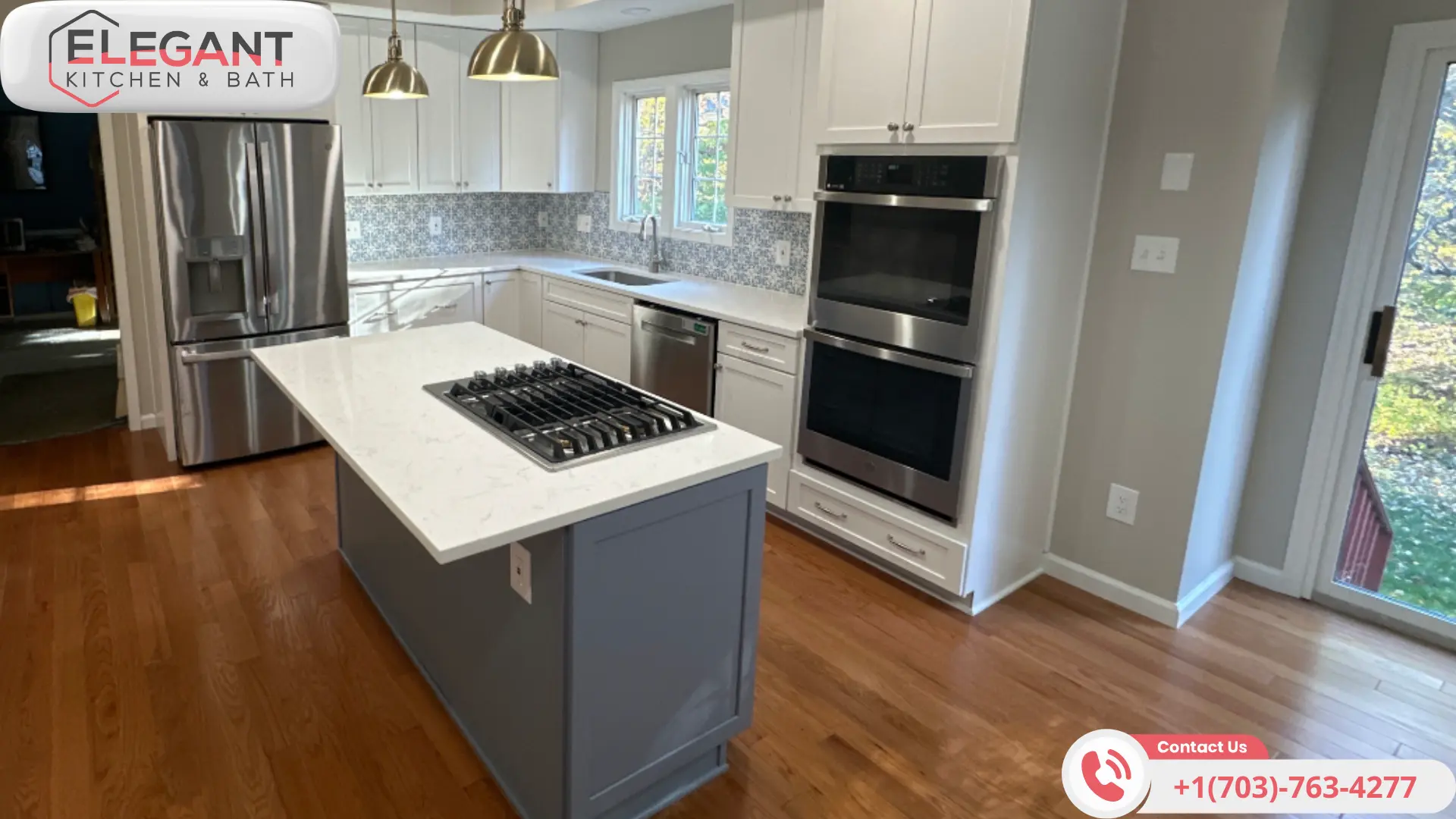
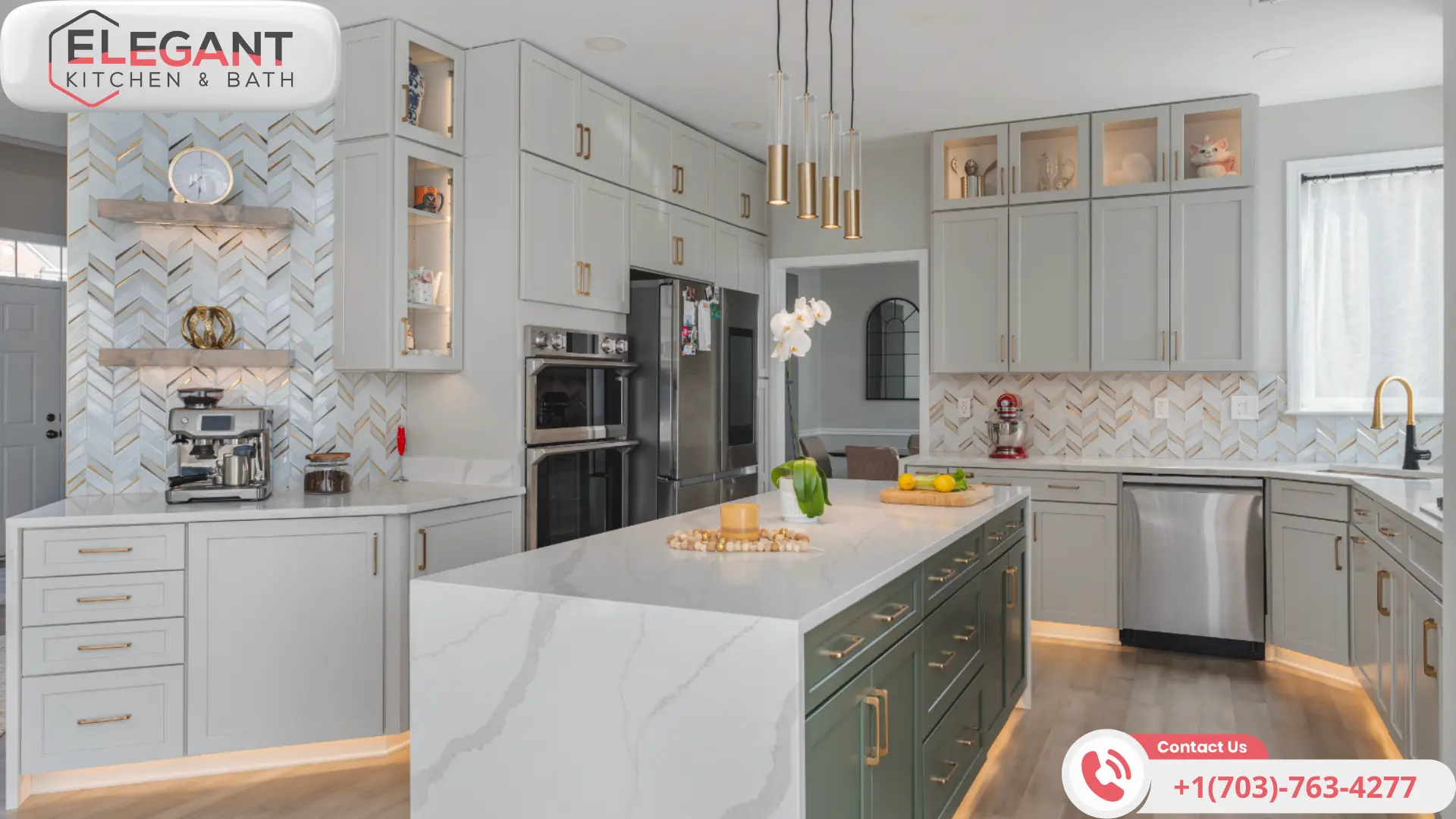
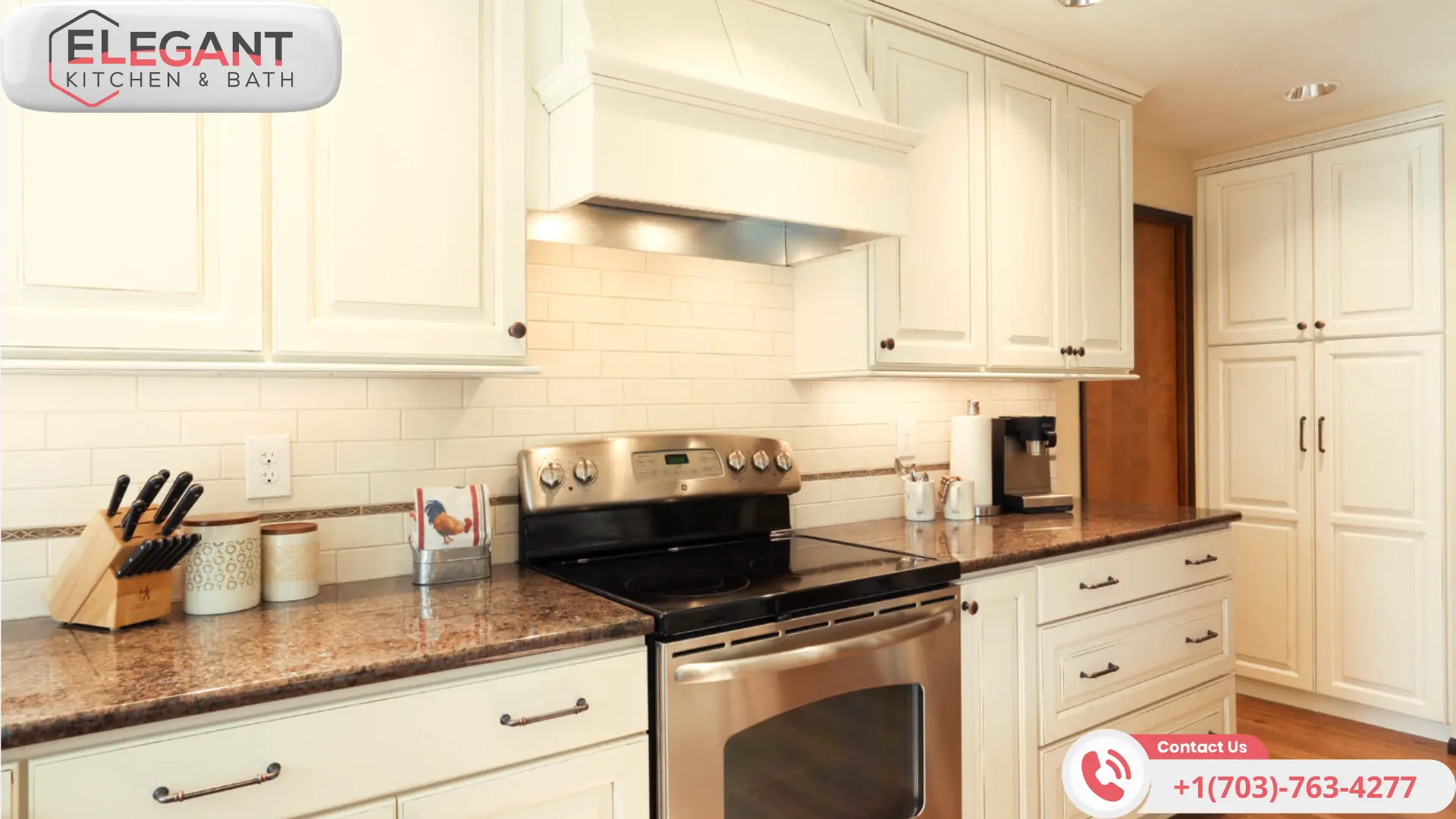
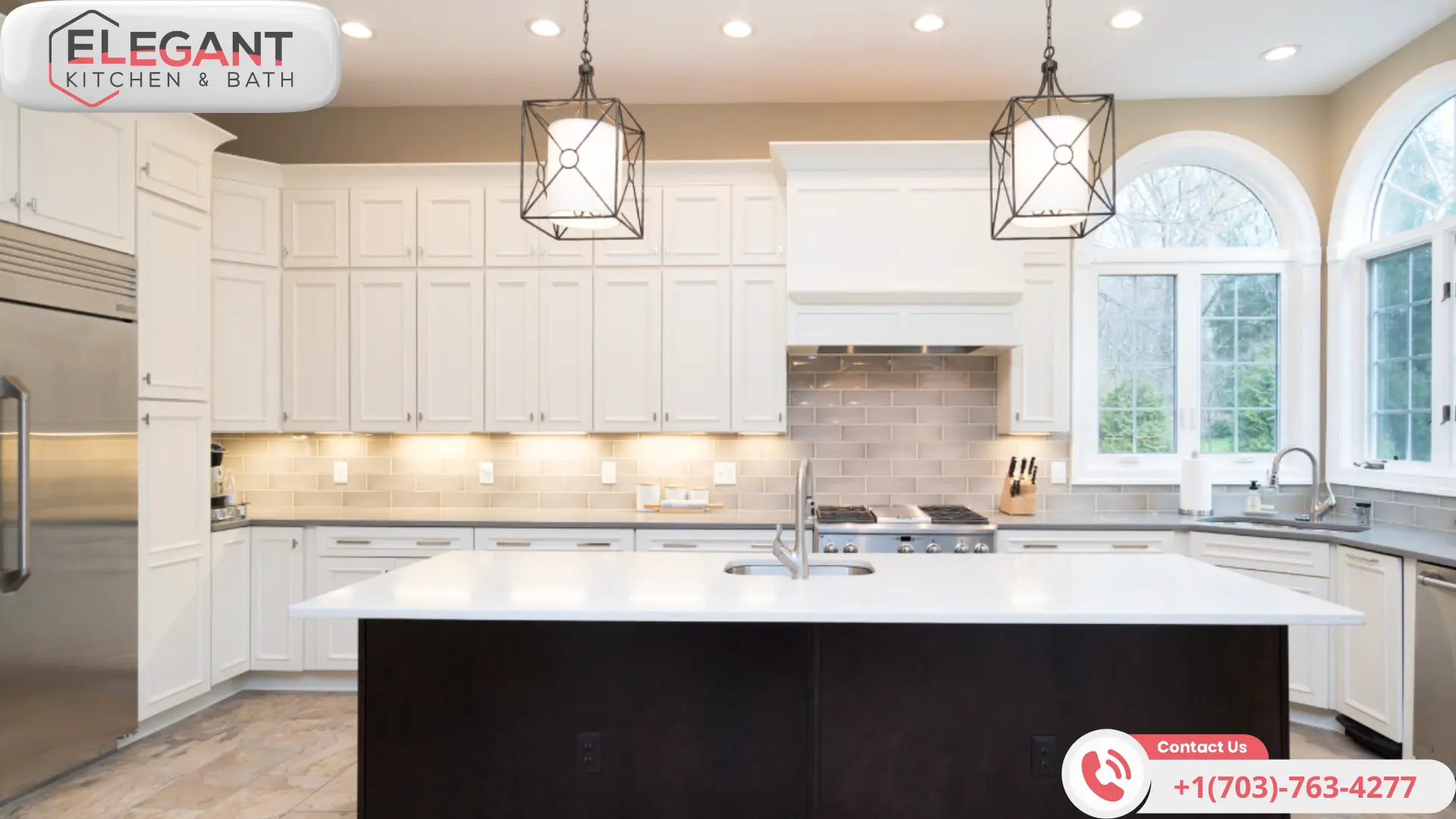
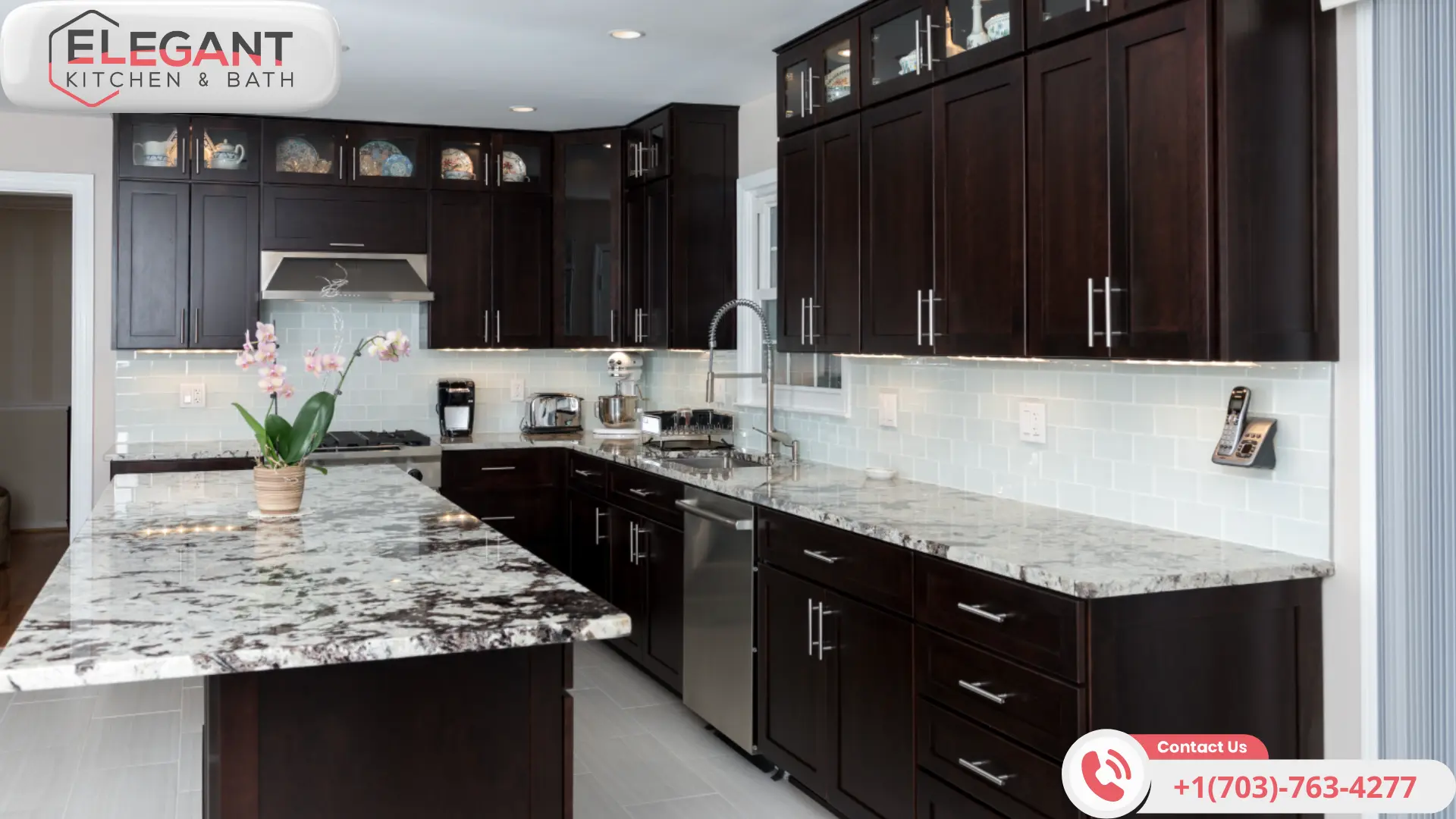
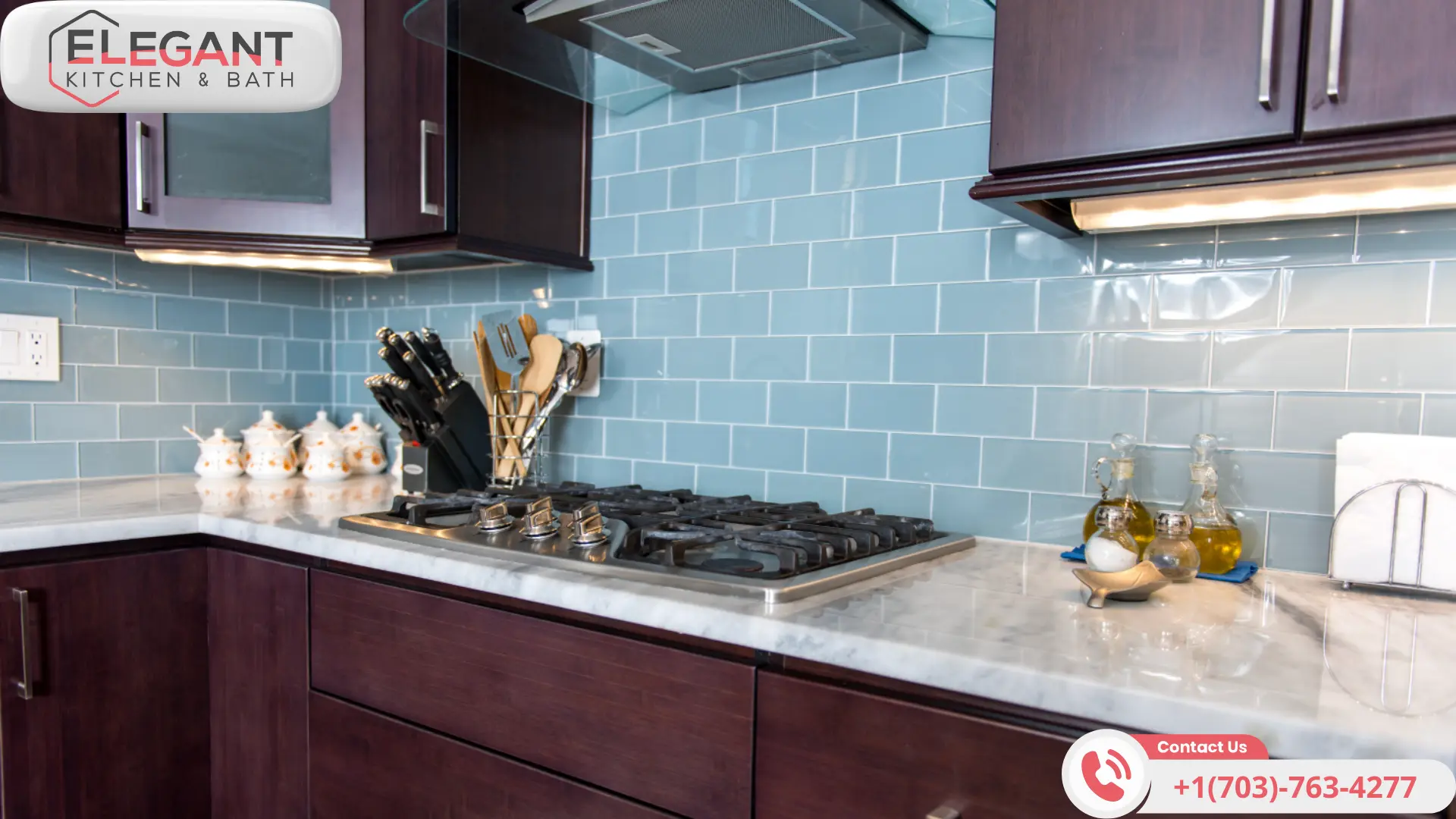
Selecting the perfect backsplash tile arrangement can transform an ordinary kitchen into an exquisite masterpiece, courtesy of one’s keen design sense and Elegant Kitchen and Bath’s expert services.
From the classic elegance of hexagon shapes to the intricate appeal of arabesque patterns that whisper tales of Morocco, each offers a unique ambiance that resonates with individual style preferences.
This article will guide you through the aesthetic and practical considerations of different backsplash tile patterns, helping you create a focal point that complements your taste and enhances your home’s interior.
Key Takeaways for Essential Guide to Backsplash Tile Arrangement Patterns
Influence on Style and Functionality: The selection of kitchen backsplash tiles is crucial in determining the space’s style and functionality.
Versatility of Mosaic Tiles: Mosaic tiles offer a versatile option for kitchen design, enabling personal expression through various textures and colors.
Precision in Installation: Accurate installation is essential for maximizing the aesthetic value of complex tile patterns such as the Herringbone and Moroccan Fish Scale.
Timeless Appeal of Subway Tiles: Subway tiles remain classic and adaptable, providing simplicity and elegance for kitchen and bathroom renovations.
Personalization with Chevron and Mosaic Patterns: Chevron and mosaic patterns allow for significant customization, enabling homeowners to infuse individual personality into their kitchen design through selective color and material choices.
Popular Patterns in Modern Design: Patterns such as the brick layout, herringbone, and subway tiles are popular in modern kitchen and bath designs for their ability to marry tradition with contemporary aesthetics.
Characteristics of Herringbone Pattern: The herringbone pattern is known for its intricate layout, which captivates with its movement and depth, making it a sophisticated choice for kitchen backsplashes.
Minimalist Subway Tile Pattern: Subway tiles offer a minimalist charm with clean lines and rectangular shapes. They simplify maintenance while enhancing the visual rhythm of the kitchen space.
Combining Function and Aesthetics: Patterns like the Moroccan Fish Scale add a touch of glamour to kitchen and bath designs, combining aesthetic splendor with practical benefits like light reflection and easy cleaning.
[ez-toc]
Different Types of Kitchen Backsplash Tile Patterns That Can Be Used
The selection of a kitchen backsplash is crucial in integrating function and style. It is a focal point while protecting walls from inevitable splashes and spills.
Homeowners and designers often turn to mosaic tiles to create a distinctive design statement, resulting in a canvas of unparalleled aesthetic appeal.
Such tiles embody craftsmanship and elevate any room into a realm where design meets durability.
Each tile choice adds a unique layer of texture and depth by incorporating materials ranging from glossy ceramic to reflective steel.
The right pattern can mimic the grandeur of an artist’s mosaic as quickly as it can deliver the understated elegance of a woven carpet, inviting a personal touch to the kitchen’s ambiance.
Explore Popular and Timeless Patterns
In the realm of elegant kitchen and bath design, the brick pattern remains a perennial favorite for its ability to marry tradition with modernity. By laying porcelain tiles in a staggered, brick-like arrangement, light dances across the kitchen wall to create a warm and inviting atmosphere and allow for a display of creativity, with color and texture combinations that personalize the space.
The herringbone pattern, a classic choice, infuses the kitchen with a sense of sophisticated charm. This distinctive zigzag arrangement captivates the eye, leading it dynamically across the wall. Employing porcelain tile in this pattern synergizes durability with elegance, crafting a backsplash that withstands the test of time while amplifying the natural light in the room.
Herringbone Pattern
Taking inspiration from the precise angles and timeless appeal of the iconic New York City subway, the herringbone pattern ushers a convergence of history and contemporary style into the kitchen environment.
Renowned for its intricate layout that emulates the bones of the herring fish, this pattern captivates with its movement and depth, promoting a sophisticated interplay of shadows and highlights.
When considering the herringbone design, homeowners are drawn to various materials, including the earthy sophistication of travertine, which can infuse a space with warmth and an air of rustic elegance.
Considering color schemes that complement the complex design, careful selection can create a backsplash that serves as a protective surface and transforms into a canvas for artistic expression.
To ensure the integrity of such a striking pattern, installation tips centered around precision setting and alignment become as crucial as the tiles themselves. These tips turn the installation into an almost methodical art form, akin to curating a gallery wall or crafting an evocative piece of advertising on a moving cart.
Description and Characteristics
The herringbone pattern, which resembles classic Zellijtile designs, presents an intricate artistry that requires an experienced architect’s discerning eye. This interlacing arrangement exudes precision as each ceramictile, akin to brickwork’s sturdiness, converges to form a directional pattern that guides the viewer’s gaze across the surface.
In detailing the characteristic aspects of the herringbone pattern, one notes the contrast and balance achieved with alternating shades, such as the subtle integration of olive hues, which provide a natural backdrop to the ceramic elements. The complexity of this pattern transforms each backsplash into a statement piece that is both protective and decoratively impressive.
Installation Tips
Integrating the herringbone pattern requires a meticulous approach, especially when maneuvering around cabinetry and fixtures. Skilled practitioners recommend using laser levels to maintain the integrity of this pattern, ensuring that the wood or porcelain tiles align seamlessly to provide a continuous flow that complements the cabinetry with added dimension.
Attention to detail during installation is paramount in proximity to focal areas such as the sink, where tile arrangement can elevate the practicality and appearance. Careful measurement and cutting of the porcelain tiles ensure a snug fit that mirrors the symmetry and balance essential to the overall design, integrating the tiles into an exquisite backdrop that merges functionality with artistry.
Subway Tile Pattern
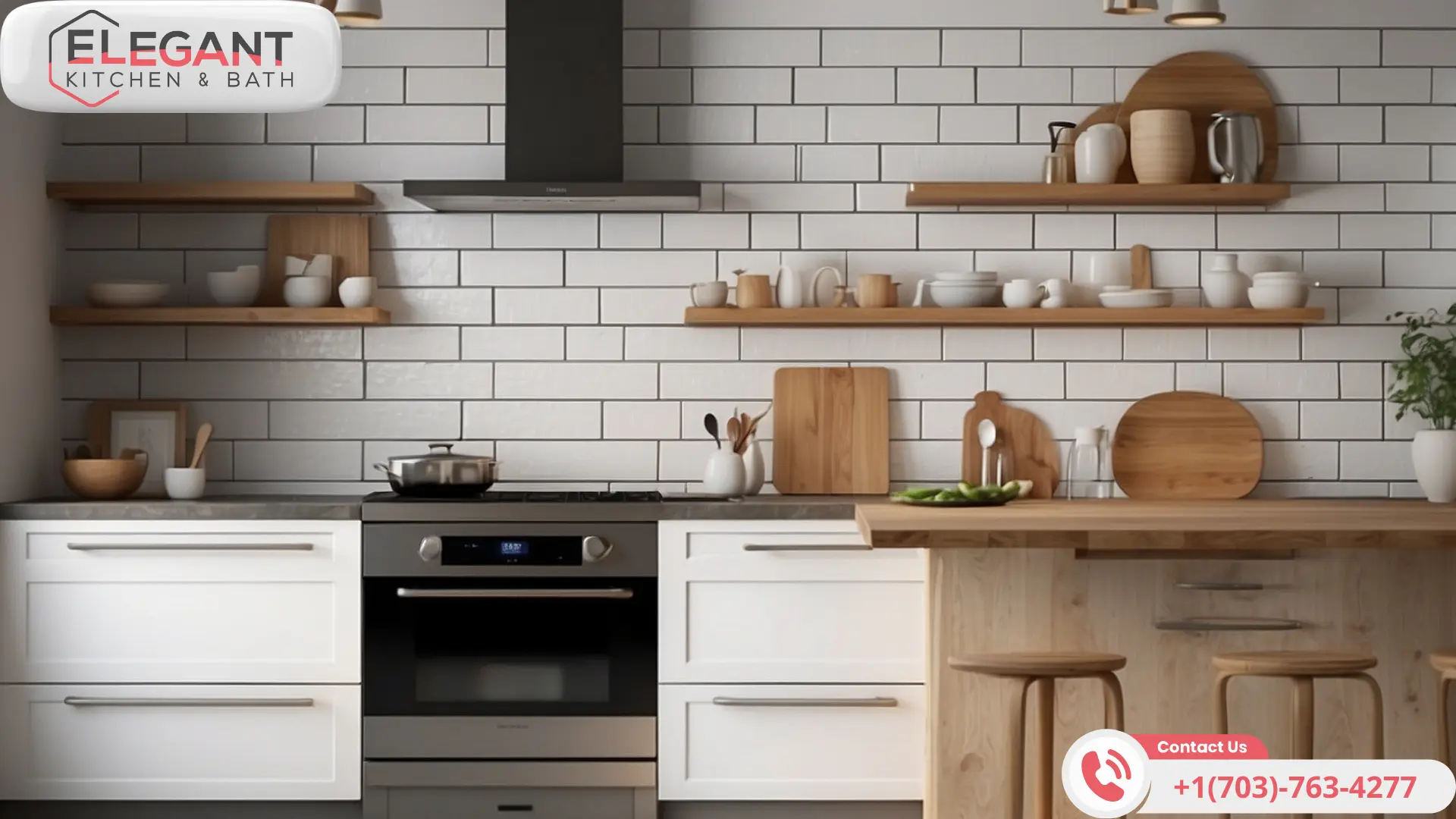
In the tapestry of kitchen backsplash designs, the subway tile pattern emerges as a quintessential selection, revered for its harmonious blend of simplicity and understated style.
Characterized by its clean lines and rectangular shapes, it offers a canvas on which paint and grout can play pivotal roles in accentuating or softening the transition between tile and cabinetry.
As the protective sentinel above the stove, subway tiles preserve the wall’s integrity with their easy-to-clean surface and reflect light, creating a larger, more open space.
From the rich hues kissing the lower tiles to the subtle tones reaching the ceiling, homeowners are offered various popular color choices that anchor the room’s aesthetic.
Furthermore, with many creative layout ideas available, the subway tilepattern is a versatile player capable of adapting to any homeowner’s vision, whether they seek a timeless backdrop or a modern geometric play in their culinary sanctuary.
Description and Characteristics
Exemplifying minimalist charm, the subway tilepattern shields privacy against the kitchen’s bustling activity and embellishes the wall with a clean, orderly aesthetic. The adhesive strength bonding of each rectangular piece ensures a lasting and durable presence, reinforcing the tranquil continuity that this traditional arrangement represents.
Set at a classic ninety-degree angle, subway tiles in the kitchen generate a visual rhythm that is comforting and functional, aligning with the principles of minimalism that many homeowners appreciate. This simple design captures and reflects the kitchen’slight, enhancing the sense of space within the heart of the home.
Popular Color Choices
Amidst the array of hues available for subway tile in kitchen renovations, a trend leans toward the understated elegance of granite-gray, encompassing the sturdiness of New York City’s iconic architecture. This shade adds a contemporary twist and complements stainless steel appliances and fixtures, creating a cohesive visual experience.
Conversely, the purity of classic white subway tiles remains a sought-after choice for those transforming their bathroom space. White reflects light with an unyielding vibrancy, establishing a sense of cleanliness and spaciousness, paramount in bathroomaesthetics.
Pattern
Material
Color
Characteristic
Herringbone
Ceramic
Olive
Precision and Direction
Zellij
Earthenware
Various
Artisan Craftsmanship
Brickwork
Porcelain
Neutral
Rustic Sturdiness
Subway Tile Shade
Renovation Space
Complementary Fixtures
Visual Impact
Granite-gray
Kitchen
Stainless steel appliances
Contemporary, cohesive
Classic white
Bathroom
Chrome fixtures
Clean, spacious
Creative Layout Ideas
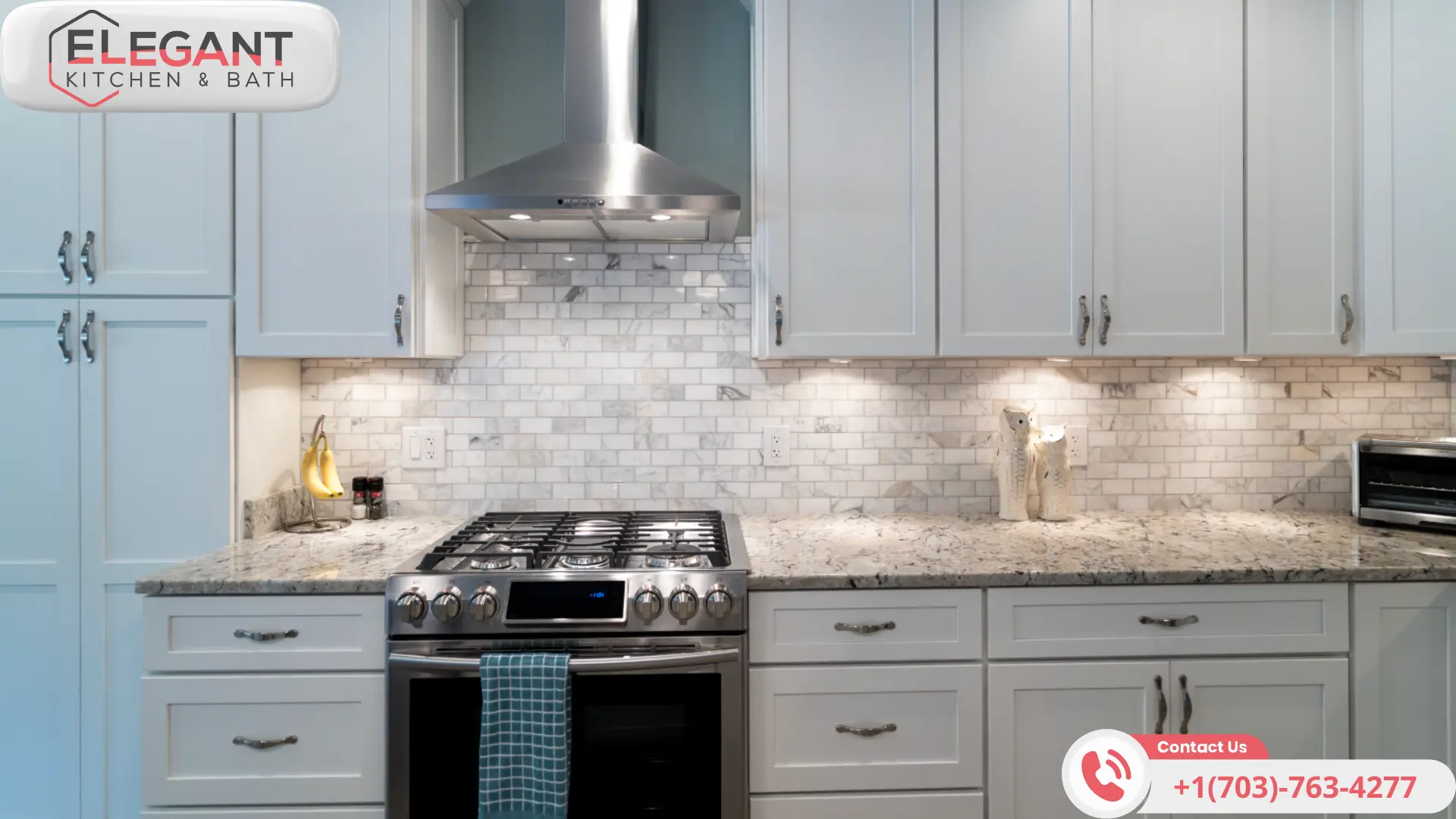
The transformative power of the subway tilepattern is fully realized when homeowners employ it to elevate their space. Nestled beneath kitchen cabinets, slate and marble subway tiles interlock, inviting luxury and time-honored consistency into the room’s heart. Each natural stone’s vein patterning contributes to a tapestry of texture and grandeur.
Meticulously aligning marble subway tiles in an offset or chevron pattern beneath kitchen cabinets complements the pristine surfaces and introduces an artistic flair to the culinary environment. Utilizing such patterns becomes a statement of refined taste, subtly turning the backsplash into a centerpiece that commands attention and conversation.
Moroccan Fish Scale Pattern
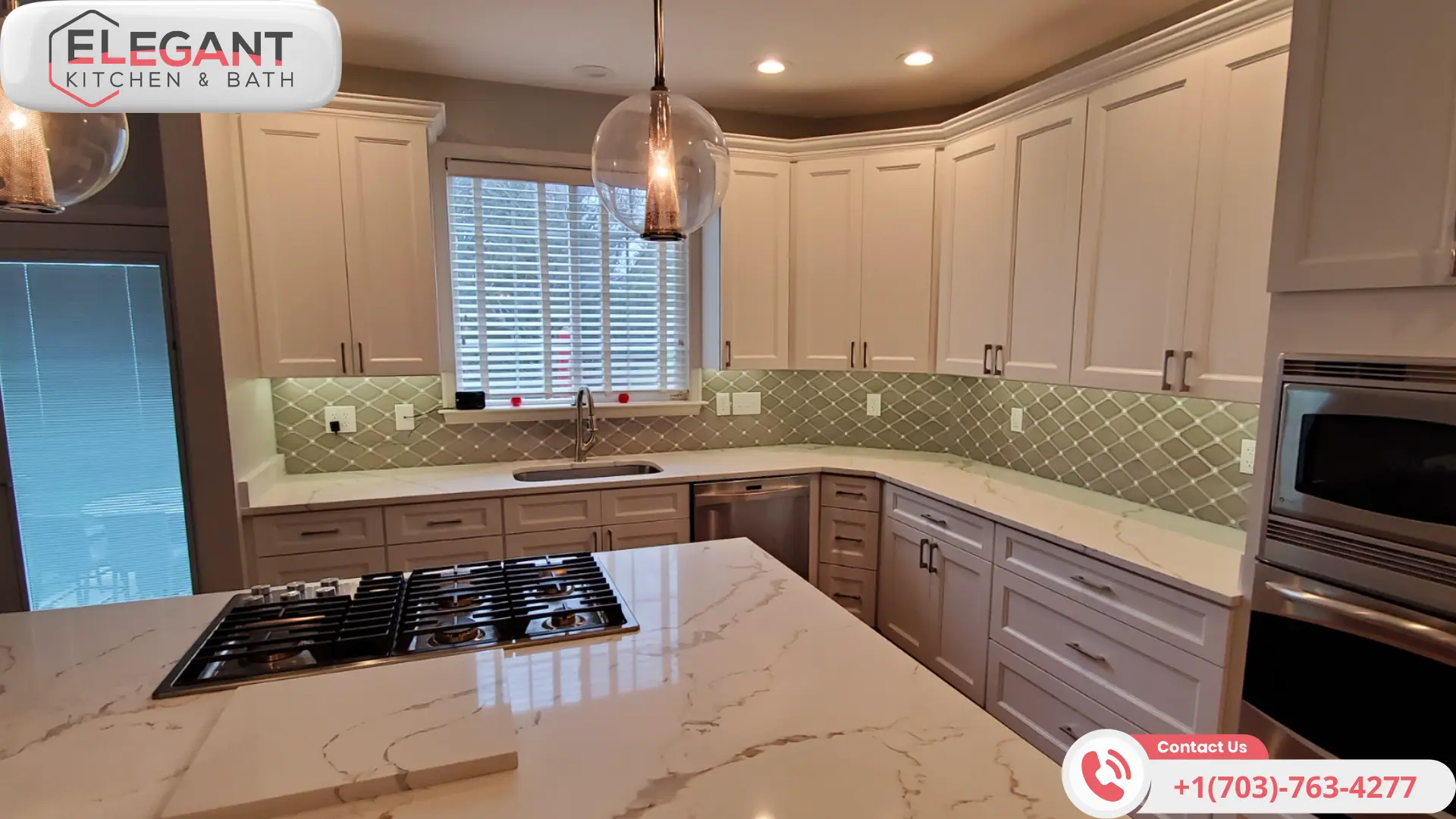
Within the decorative landscape of backsplash tiling, the Moroccan fish scale pattern rises as an enchanting option, blending the allure of art deco with contemporary design sensibilities.
Unlike the straight lines of the subway or the angular precision of the herringbone, these tiles cascade gracefully, resembling delicate rows of shimmering fish scales that introduce a seductive curvature to the kitchen.
Often seen enhancing the spaces between countertop and cabinet, this pattern’s whimsy is tempered by its resemblance to the prized facets of a diamond. It affords a touch of glamour to both minimalist and opulently styled kitchens.
The pattern’s compatibility extends beyond kitchens to heighten the sophistication of furniture accents or to create captivating shower environments.
Elegance aside, practicality reigns, with maintenance tips necessary to ensure this design’s intricate beauty endures in the high-traffic reality of modern homes.
Description and Characteristics
In decorative tiles, the Moroccan fish scale pattern emerges as a work of art, fusing functionality with aesthetic splendor. Utilizing glass in its composition, the Moroccan fish scale pattern elevates the space with light-reflecting qualities that create a sense of openness while adhering to a home’s privacy policy with its ingenious layout.
The timeless allure of the Moroccan fish scale tile lies not just in its visual harmony but in its ability to infuse any room with a burst of color. Each artfully crafted hue cascades across the surface, beckoning viewers to appreciate the intricate dance of light and color within the pattern.
Tile Pattern
Material
Primary Benefit
Artistic Value
Moroccan Fish Scale
Glass
Light-Reflective and Privacy
Color Variation and Visual Harmony
Adding a Touch of Glamour
The Moroccan Fish Scale pattern radiates an aesthetic allure that moves beyond the conventional to introduce beauty into every corner of a room. Its unique shape and lustrous finish allow it to act as a stunning juxtaposition against the starker, more industrial textures of concretefloors or quartz countertops, offering a breath of sophistication and mystique to the designspace.
In deft hands, the intricate contours of the Moroccan Fish Scale tiles come together to create a backsplash that is both a focal point and a seamless enhancement to the room’s overall glamour. Through the interplay of light and the innate elegance of these tiles, kitchens, and baths acquire a timeless charm that complements their functionality with undeniable beauty.
Maintenance Tips
Maintaining the lustrous appearance of Moroccan Fish Scale tiles in a farmhouse setting involves a gentle, cautious approach to cleaning: one that preserves each tile’s unique shape and finish. To keep the monochrome or colorful arrays spotless, it’s recommended to use mild detergents with soft cloths, avoiding harsh chemicals that can tarnish the surface or degrade the metal inlays, if present.
Much like the angular lines of a herringbone pattern, the curvature and edges of Moroccan Fish Scale tiles necessitate attentive care during routine upkeep. Wiping in the direction of the tile’s configuration can prevent the accumulation of grime within the grooves, ensuring that the pattern’s allure remains a highlight in any culinary domain:
Cleaning Method
Tile Shape
Setting
Consideration
Soft cloth with mild detergent
Moroccan Fish Scale
Farmhouse
Preserve metallic finish
Directional wiping
Curved/Edged
Various
Prevent grime build-up
Chevron Pattern
Exemplifying a symphony of precision and artistry, the chevron pattern claims its rightful spot as a towering trend in modern kitchendesign.
Selecting this angular motif allows homeowners to craft a vibrant and refined palette, effortlessly establishing a center of focus.
The chequette’s versatile design options offer endless possibilities as it weaves through interior design. They harmonize with various décor themes while bringing an added dimension of sophistication to any culinary environment.
Trending in Modern Kitchens
In modern kitchens, the chevron pattern stands out as a design that captures the essence of contemporary elegance. Its interlocking V-shape provides a geometric dimension that is both dynamic and sophisticated, making it a popular choice among homeowners seeking to infuse their space with a fresh and updated look.
The appeal of the chevron pattern has surged in recent years, with its ability to introduce movement and visual interest in a sleek, polished manner. Its versatility allows it to act as both an understated backdrop or a striking statement piece, depending on the chosen colorpalette and tile material.
Versatile Design Options
The chevron pattern’s adaptability shines when it meshes with different tile materials, allowing for a varied interplay between gloss and matte finishes. By pairing lustrous glass with subdued limestone, designers can draw a compelling contrast, adding visual interest and tactile variety.
With the chevron pattern, customization reaches new heights as homeowners choose from a spectrum of sizes, thus dictating the dynamic flow of the pattern. Large-format tiles in a chevron layout convey boldness, while smaller, delicately sized tiles offer a more intricate and subtle approach:
Tile Size
Impact
Finish
Material
Large-format
Bold
Gloss
Glass
Small-format
Subtle
Matte
Limestone
Incorporating color into the chevron design allows for personalized expression ranging from monochromatic elegance to a vibrant mosaic, punctuating the kitchen with energy. This flexibility in color application gives homeowners the liberty to create a backsplash that resonates with their style while maintaining the pattern’s inherent sophistication.
MosaicPattern
The mosaicpattern, an artistic ensemble of varying shapes, sizes, and colors, allows homeowners to curate a distinctive and personalized kitchen landscape.
By cleverly mixing and matching tiles, each space can display a unique tapestry that reflects individual taste and creativity.
Such arrangements protect kitchen walls and serve as a canvas for custom looks, ranging from intricate, multi-hued patterns to elegant, monochromatic designs.
This section delves into the intricate possibilities and techniques for concocting a backsplash that is as much a focal point of the home as a functional surface.
Mixing and Matching Tiles
The art of mixing and matching tiles within a mosaicpattern offers an unparalleled opportunity to reflect one’s style and flair in kitchendesign. Careful selection of varying hues and textures brings a distinct character to the space, where each tile placement is a deliberate choice contributing to the overall visual narrative.
Mosaic backsplashes become bespoke art installations, with homeowners playing the curator’s role, orchestrating a harmonious blend of glass, ceramic, and stone. This careful curation ensures that the kitchen’s aesthetic is both an extension of the homeowner’s tastes and a testament to timeless design sensibility.
Creating a Custom Look
A kitchen’s personality shines brightest when a mosaic backsplash comes into play, enabling a harmonious marriage of assorted shapes and colors. Homeowners can create a visual panorama that encapsulates their essence and elevates the kitchen to more than just a culinary workspace by handpicking tiles that resonate on a personal and thematic level.
The crafted alignment of these tiles implements individuality into the kitchen’sdesign landscape, reflecting the homeowner’s aesthetic pursuit. Applying diverse materials and hues generates an unparalleled custom backsplash, transforming it into the cornerstone of the home’s creative expression and design ethos.
FAQs for Backsplash Tile Arrangement Patterns
How do you plan a backsplash tile layout?
When planning a backsplash tile layout, it’s essential to start by centering the design on the most prominent features of the kitchen, such as the stove, sink, or windows. Starting from the center ensures the most visible areas have the most appealing tile arrangement. Begin by laying out an entire tile on the left side of the longest wall, then work your way across, adjusting the layout to minimize cuts and create a balanced, symmetrical design. Use spacers to maintain consistent grout lines and ensure everything is level. Pay close attention to corners, as minor imperfections will be most noticeable.
How to design a backsplash pattern?
There are many creative backsplash tile patterns, each offering a unique aesthetic. Some popular options include:
Subway Tile: The classic, timeless 3×6 inch subway tile in a staggered, offset pattern is a perennial favorite for its simplicity and elegance.
Herringbone: This chevron-style pattern creates a dynamic, eye-catching design that adds visual interest.
Moroccan Fish Scale: The overlapping scalloped tiles in this pattern evoke a sense of old-world charm and sophistication.
Mosaic Tiles: Small mosaic tiles, whether glass, stone, or ceramic, allow for intricate, artistic arrangements that can serve as the focal point of the kitchen.
Hexagon Shapes: Hexagonal tiles offer a modern, geometric look that works well in both traditional and contemporary kitchens.
Arabesque Patterns: Flowing, organic arabesque patterns lend a sense of movement and fluidity to the backsplash.
What are the rules for kitchen backsplash design?
When designing a kitchen backsplash, there are a few key principles to keep in mind:
Function and Style: The backsplash should look beautiful, practical, and easy to clean, as it will be exposed to splashes and spills.
Light Reflection: Lighter-colored tiles, such as white or light gray, can help brighten and visually expand the space by reflecting light.
Precision in Installation: Proper tile installation is crucial for achieving a seamless, professional-looking backsplash. Ensure the tiles are level and have consistent grout lines.
Timeless Appeal: While trends come and go, classic tile patterns like Subway, herringbone, and Moroccan fish scales tend to have a more timeless aesthetic.
Personalization: Tile patterns offer an opportunity to infuse your style and creativity into the kitchen design.
How should you stagger tile?
Staggering the tiles or using an offset pattern is a common backsplash technique. This technique involves laying the tiles in a brickwork-style pattern, where the center of each tile aligns with the grout line between the tiles above and below it. This approach creates a more visually exciting and dynamic layout than a straight, grid-like pattern. The most common offset is a 1/3 pattern, where each tile is offset by one-third of its length from the tile above and below. This creates a pleasing, balanced look and helps minimize the seams’ appearance.
What tile pattern is best for a kitchen backsplash?
There is no single “best” tile pattern for a kitchen backsplash, as the ideal choice will depend on the overall style and design of the kitchen. However, some of the most popular and versatile options include:
Subway Tile: The classic 3×6 inch subway tile in a staggered, offset pattern is a timeless choice that works well in traditional and contemporary kitchens.
Herringbone: This dynamic, chevron-style pattern adds visual interest and a sense of movement to the backsplash.
Mosaic Tiles: Small mosaic tiles, whether glass, stone, or ceramic, allow for intricate, artistic arrangements that can serve as the focal point of the kitchen.
Hexagon Shapes: Hexagonal tiles offer a modern, geometric look that complements both classic and contemporary kitchen designs.
Arabesque Patterns: Flowing, organic arabesque patterns lend a sense of elegance and sophistication to the backsplash.
The key is to choose a tile pattern that complements the kitchen’s overall style and aesthetic while also considering factors like ease of maintenance andlight reflection.
What backsplash tile never goes out of style?
Regarding kitchen backsplash tiles, the classic subway tile is a timeless choice that never goes out of style. The simple, rectangular 3×6 inch subway tile has been a staple in kitchens for over a century, and its clean, minimalist look works well in a wide range of design styles, from traditional to modern. The appeal of subway tiles lies in their versatility and timeless charm. They can be laid in a classic staggered, offset pattern for a traditional look or in a more contemporary, linear arrangement for a sleek, modern aesthetic.
Subway tiles also come in various colors, from crisp white to muted grays and blues, allowing you to tailor the look to your kitchen’s overall design. In addition to their enduring style, subway tiles are practical and easy to maintain, making them a smart choice for the busy kitchen environment. Their smooth, non-porous surface is resistant to stains and easy to wipe clean, ensuring your backsplash looks fresh and pristine for years.
Where should you not put backsplash?
While backsplashes are a common and often essential feature in kitchens, there are a few areas where they may not be necessary or appropriate:
Behind Appliances: If an appliance, such as a refrigerator or oven, is flush against the wall, there’s no need to extend the backsplash behind it. The appliance will cover that area, and the backsplash will not be visible.
Above Upper Cabinets: If your kitchen has tall upper cabinets that reach the ceiling, a backsplash above them may not be necessary. The cabinets themselves can serve as a visual and functional barrier.
Underneath Floating Shelves: If you have installed floating shelves on the wall, skip the backsplash in that area. The shelves can create a clean, uninterrupted look without a backsplash.
Behind a Range Hood: If your kitchen has a large, prominent range hood, the backsplash may not need to extend to it. The range hood can become the focal point, and a shorter backsplash may be more appropriate.
The key is to consider your kitchen’s overall design and where a backsplash would (or wouldn’t) enhance the space’s aesthetic and functionality.
Do you leave a gap between countertop and backsplash?
Generally, it’s recommended to leave a small gap (about 1/8 inch) between the countertop and backsplash. This gap allows for natural expansion and contraction of materials and prevents cracking. The gap is typically filled with a flexible caulk that matches the grout or countertop color. However, some modern designs opt for a seamless look with no gap. Consult a professional installer to determine the best materials and kitchen design approach.
Should backsplash be flush with countertop?
While a flush installation can create a sleek, modern look, there are better choices than this one. A slight countertop overhang (about 1/4 inch) is often preferred as it helps prevent water from seeping behind the backsplash. The decision ultimately depends on your kitchen design goals, materials, and practical considerations. Discuss options with your installer to find the best solution that balances aesthetics and functionality in your kitchen.
What size tile looks best as kitchen backsplash?
The ideal tile size depends on your kitchen’s style and the overall look you want to achieve. However, some popular options include:
Subway tiles (3×6 inches): These offer a classic, timeless appeal and work well in various backsplash tile arrangement patterns, such as brick layouts or herringbone.
Mosaic tiles (1×1 inch or smaller) are perfect for creating intricate mosaic tile arrangements and adding visual interest.
Large-format tiles (12×24 inches or larger) Can create a sleek, modern look with fewer grout lines.
Mid-sized tiles (4×4 or 6×6 inches): Versatile options in many kitchen styles.
When choosing tile size, consider your kitchen size, decor, and personal preferences. Experimenting with different backsplash tile patterns can help you find the perfect balance of function and style.
What is the most popular backsplash right now?
As of 2024, several backsplash trends are gaining popularity:
Subway tiles remain a favorite due to theirversatility and timeless appeal. Modern variations include larger formats and unique finishes.
Geometric patterns: Hexagon shapes and arabesque patterns are trending, offering a fresh take on traditional tile layouts.
Natural materials: Stone and marble-look tiles are popular for their elegance and organic feel.
Textured tiles: Three-dimensional tiles add depth and visual interest to kitchen backsplashes.
Bold colors: While white and neutral tones are common, more homeowners are experimenting with vibrant hues and contrasting grout colors.
Moroccan Fish Scale or mermaid tiles offer a unique, eye-catching alternative to traditional shapes.
Remember, the best choice depends on your style and how it complements your kitchen design.
What are the kitchen splashbacks for 2024?
In 2024, kitchen splashback trends are focusing on both aesthetics and functionality. Some popular options include:
Innovative patterns: Chevron, herringbone, and various mosaic patterns are gaining traction because they add visual interest.
Smart tiles: Backsplashes with integrated LED lighting or touch-sensitive controls are becoming more common in modern kitchen designs.
Metallic finishes: Copper, brass, and stainless steel backsplashes add a touch of luxury and complement modern appliances.
Seamless surfaces: Large-format porcelain slabs or quartz that match the countertop create a cohesive, easy-to-clean look.
Textured ceramics: Tiles with subtle 3D patterns add depth without overwhelming the space.
Colorful grout: Using contrasting grout colors to highlight tile patterns is a growing trend.
When choosing a backsplash, consider how it will integrate with your overall kitchen design, balancing current trends with timeless appeal and practical considerations like ease of cleaning and durability.
What is the rule of thumb for backsplash?
A good rule of thumb for backsplash tile arrangement patterns is to balance function and aesthetics. Whether you choose hexagon shapes, arabesque patterns, or classic subway tiles, the key is ensuring that the pattern complements the kitchen design. Patterns like herringbone or chevron can add amodern touch, while mosaic tiles offer versatility and artistic expression. Precision in tile installation is crucial for achieving a cohesive look, and considering light reflection can enhance the kitchen’s ambiance.
Should backsplash go to the ceiling or cabinets?
Deciding whether your backsplash should extend to the ceiling or just up to the cabinets depends on your kitchen’s design and your personal preference. Extending the backsplash to the ceiling is an excellent option for a dramatic effect and to create a sense of height, especially with intricate patterns like Moroccan Fish Scale or mosaic tiles. However, stopping at the bottom of the cabinets is a classic choice that works well with timeless patterns like subway tiles, providing a clean and minimalist look.
Should backsplash go on top of countertop or behind?
Typically, backsplashes are installed on top of the countertop rather than behind it. This approach ensures a seamless transition between the countertop and the backsplash, helping to prevent water damage and making cleaning easier. Patterns like brick layout or herringbone can create a continuous flow that enhances both function and style in your kitchen.
Should backsplash be lighter or darker than countertop?
The color of your backsplash with your countertop can significantly impact the kitchen’s aesthetics. Lighter backsplashes can create a bright, open feel, enhancing light reflection and making the space feel larger. Darker backsplashes, on the other hand, can add depth and elegance, particularly in modern kitchen designs. Whether you choose lighter or darker tones, it’s essential to consider the overall color scheme and how different backsplash tile patterns, like chevron or mosaic, will interact with your countertop.
How to choose a backsplash tile arrangement pattern?
Choosing the right backsplash tile arrangement pattern is crucial for enhancing the overall design and style of your kitchen or bathroom. The tile pattern you select can dramatically impact the room’s visual appeal, making it essential to consider various factors such as the tile size, color, shape, and the overall design theme of your space. Here are some key considerations to help you choose the ideal backsplash tile arrangement pattern:
Consider Your Kitchen or Bathroom Design Style: The first step in selecting a backsplash tile pattern is to assess the overall design style of your kitchen or bathroom. For modern and contemporary spaces, clean and simple patterns like horizontal brick layout or stacked patterns create a sleek, streamlined look. In contrast, more traditional or rustic spaces benefit from intricate patterns like herringbone, chevron, or mosaic arrangements that add texture and visual interest.
Choose the Right Tile Shape and Size: The shape and size of your tiles can significantly influence the backsplash pattern. Larger tiles can make small spaces appear larger and are often used in minimalist or modern designs with simple patterns like subway tiles in a straight or offset pattern. Smaller tiles or uniquely shaped options, like hexagon or arabesque tiles, are perfect for more elaborate patterns that become the focal point of your space.
Evaluate the Color and Material of the Tile: The color and material of your backsplash tiles should complement the existing color scheme and materials in your kitchen or bathroom. For a cohesive look, choose tiles that either match or contrast harmoniously with your countertops, cabinetry, and flooring. Glass tiles, marble, ceramic, and porcelain are popular materials that offer a wide range of colors and finishes. If you prefer a subtle, cohesive look, opt for neutral or monochrome tiles in a straightforward layout. For a bolder statement, choose brightly colored tiles arranged in a dynamic pattern like herringbone or diagonal layouts.
Factor in the Room’s Size and Lighting: The size of your kitchen or bathroom, along with the lighting, plays a crucial role in selecting the right tile pattern. For smaller spaces, simpler patterns like the classic horizontal brick pattern can help make the room feel more open and less cluttered. In larger spaces, you can experiment with bolder patterns like basketweave or windmill designs that add character and visual impact. Adequate lighting will also highlight the texture and intricacy of more complex patterns, making them stand out beautifully.
Test Patterns Before Final Decision: Before committing to a backsplash tile pattern, it’s always a good idea to test different layouts by placing sample tiles on the wall. This approach allows you to visualize how the pattern will look in your space under different lighting conditions and against your existing décor. You can also use digital design tools or work with a professional designer to see how various patterns will complement your kitchen or bathroom’s aesthetic.
Align with Your Personal Style and Maintenance Needs: Ultimately, your backsplash should reflect your personal style and practical needs. If you prefer low-maintenance options, consider simpler patterns with fewer grout lines, which are easier to clean. If you enjoy a more decorative look and don’t mind a bit of upkeep, intricate patterns with smaller tiles and more grout lines can add a stunning visual appeal.
Choosing the perfect backsplash tile arrangement pattern is all about balancing style, function, and personal preference. Whether you opt for a classic subway tile pattern, a sophisticated herringbone layout, or a trendy geometric design, the right pattern can elevate your kitchen or bathroom, adding both beauty and value to your home.
Hear from Our Delighted Clients About Backsplash Tile Arrangement Patterns
Ramya Rakky enthusiastically recommendsElegant Kitchen and Bath for their kitchen renovation. Designer Emri patiently assisted them through various ideas and customizations for their kitchen design. Project manager Tayfun efficiently handled the project, paying close attention to details and ensuring timely completion. Ramya appreciated owner Arif’s personal involvement in addressing concerns about load-bearing wall removal. Overall, their positive experience makes them happy to recommend Elegant Kitchen and Bath.
Susan Saslow praises Elegant Kitchen & Design for their excellent artistry. She and her family love their new kitchen and are delighted with their choice. Susan particularly commends the wonderful staff, highlighting their positive experience throughout the renovation.
Cintia Sacani expresses excellent satisfaction with Elegant Kitchen and Bath’s complete remodeling of their large kitchen. Despite the project taking longer than initially expected (five weeks), Cintia couldn’t be happier with the final result. She emphasizes the exceptional quality of work down to the finest detail, and the crew’s consistently courteous and professional behavior. Based on their experience, Cintia highly recommends Elegant Kitchen and Bath.
Experience the same level of satisfaction as Ramya, Susan, and Cintia by entrusting your kitchen or bathroom renovation to Elegant Kitchen and Bath. Our dedicated team of designers, project managers, and skilled artisans work together to bring your dream space to life, exceeding your expectations with exceptional results. From expert design guidance to efficient project management and superior craftsmanship, we ensure a smooth remodeling process that transforms your space while prioritizing your needs and preferences.
Conclusion
The selection of a backsplash tile arrangement pattern is transformative. It offers a protective function and a pivotal design element that enhances the kitchen’s ambiance.
From the classic elegance of herringbone and the timeless simplicity of subway tiles to the dynamic chevron and artistically complex mosaic patterns, each choice reflects personal style while contributing to a room’s overall aesthetic.
These patterns not only introduce texture and depth but also present practical benefits by creating visually engaging spaces that can endure the rigors of kitchen activity.
A deliberate choice in backsplash tilepattern cements the room’s character, marrying beauty with functionality to elevate any kitchen or bathroomdesign.
Elevate your kitchen’s aesthetic with elegant porcelaintile backsplash designs. Porcelain tiles offer a durable, versatile, and visually appealing solution for creating a stunning backdrop in your culinary space.
From classic subway tiles to intricate mosaic patterns, porcelain backsplashes provide endless possibilities to complement any kitchen style, whether modern, traditional, or contemporary. Keep reading to discover inspiring ideas and expert tips for incorporating a porcelaintile backsplash into your dream kitchen.
Key Takeaways for Porcelain Tile Backsplash Ideas to Transform Your Kitchen
Porcelain Tile Backsplashes Offer Versatility and Durability: Porcelain tile backsplashes are a durable, water-resistant, and versatile option for kitchen and bathroom spaces. They offer endless design possibilities that complement various styles, from traditional to modern aesthetics.
Proper Installation and Maintenance Are Crucial: Ensuring the longevity of a porcelain backsplash requires correct installation techniques and regular maintenance. Adequate preparation, adhesive, and consistent cleaning routines are essential to pristine tiles.
Creative Patterns and Colors Enhance Kitchen Design: Different tile patterns, colors, and finishes, such as hexagonal shapes or soft neutral tones, can transform the kitchen backsplash into a stunning focal point. Experimenting with various designs can help achieve a unique and personalized look.
Eco-Friendly Tiles Support Sustainability: Eco-friendly porcelain tiles contribute to a healthier indoor environment and promote sustainable manufacturing practices. These tiles often use recycled content and energy-efficient production, which help conserve natural resources and reduce carbon footprints.
Porcelain Tiles Offer a Timeless and Elegant Solution: Porcelain tiles provide a timeless and elegant backsplash option that seamlessly integrates with various kitchen elements like countertops, floors, and cabinetry, ensuring a cohesive and stylish design.
Enhancing Small Kitchens with Light-Colored Tiles: Light-colored porcelain tiles can create a spacious and airy feel in small kitchens. Utilizing lighter grout colors and specific patterns like herringbone or chevron can make the kitchen appear more extensive and open.
Installing Porcelain Tiles Involves Key Techniques: Successful tile installation includes preparing the wall surface, applying thin-set mortar, using spacers for consistent grout lines, and properly sealing the grout to protect against stains and moisture.
Porcelain Backsplashes Are Low Maintenance: Daily cleaning, using mild pH-neutral cleaners, and periodic deep cleaning is essential to maintain the beauty of porcelain tile backsplashes. Regular inspections and prompt damage repairs will also help preserve their appearance.
Colorful Porcelain Tiles Add Vibrancy: Introducing colorful porcelain tiles, whether bold hues or soft pastels, can significantly enhance the kitchen’s aesthetic. These choices allow homeowners to reflect their style and create an inviting, vibrant kitchen atmosphere.
[ez-toc]
Discover Timeless Porcelain Tile Backsplash Ideas
Porcelaintile backsplashes offer a sophisticated and enduring option for kitchen design, seamlessly complementing countertops, floors, and walls. These versatile tiles are suitable for kitchens and excel in bathroom settings thanks to their durability and water-resistant properties. With a wide array of designs mimicking natural materials like marble and stone, porcelain backsplashes provide limitless possibilities for creating a stunning and timeless kitchen aesthetic.
Why Choose Porcelain for Your Kitchen Backsplash
Porcelaintile backsplashes offer a durable and water-resistant solution for your kitchen, making them an ideal choice for areas prone to moisture and spills. Unlike wood or other porous materials, porcelain tiles are easy to clean and maintain, ensuring a hygienic and stylish cooking environment.
With a wide range of colors, patterns, and textures, porcelain tiles allow for endless design possibilities in your kitchen. From sleek and modern to rustic and traditional, you can find a porcelaintile that complements your interior design style and seamlessly integrates with your countertops, floors, and cabinets:
Porcelain tiles also offer excellent waterproofing properties, making them a perfect choice for areas exposed to moisture, such as behind the sink or stove. When properly installed with grout, porcelain backsplashes create a durable barrier against water damage, ensuring the longevity of your kitchen’s beautiful design.
Top Trends in Porcelain Tile Designs
Hexagon-shaped porcelain tiles have emerged as a popular design trend for kitchen backsplashes. They add a modern geometric flair to the space and can be arranged in various patterns, creating a visually striking backdrop that complements traditional and contemporary cabinetry.
Another trending design option is beige and neutral-toned porcelain tiles, which offer a timeless and versatile look. These subtle hues can be paired with a wide range of countertop materials and kitchen cart finishes, allowing for a cohesive and stylish design throughout the kitchen.
Tips for Selecting the Perfect Porcelain Backsplash
When selecting a porcelain backsplash, consider the kitchen’s overall design aesthetic and choose a tile that complements the countertops, cabinets, and flooring. Popular options include classic subway tiles, intricate arabesque patterns, and natural-looking slate or brick textures. Experimenting with different colors, sizes, and finishes can help create a unique and personalized look.
Durability and ease of maintenance should also be considered when choosing a porcelain backsplash. Porcelain tiles are highly resistant to stains, scratches, and moisture, making them ideal for busy kitchens. Consider incorporating metal accents or mosaic tiles to create a focal point behind the stove or sink area for added visual interest.
How to Choose the Right Porcelain Tile for Your Style
Selecting the right porcelaintile backsplash when renovating your kitchen is crucial to creating a cohesive and stylish room. With a wide array of colors, shapes, and patterns, porcelain tiles offer the versatility needed to match your kitchen aesthetics. The possibilities are endless, from classic subway tiles to intricate herringbone patterns and even glass tile accents. Porcelain tiles can also mimic the look of natural materials like limestone, allowing you to achieve a desired style without compromising durability and ease of maintenance. You can create a stunning and personalized kitchen design by understanding color schemes, exploring various tile shapes, and matching the backsplash with your cabinetry.
Understanding Color Schemes and Kitchen Aesthetics
Consider your kitchen’s overall color scheme when selecting a porcelain tile backsplash. Opting for neutral tones like beige, gray, or white can create a timeless backdrop that complements various traditional and modern styles. Incorporate vibrant hues or patterns that harmonize with your cabinetry, countertops, and appliances, such as terracotta or large-format tiles, for a bolder look.
Your kitchen’s aesthetic plays a significant role in determining the perfect porcelaintile backsplash. Consider the following styles and their corresponding tile choices:
Classic and traditional kitchens: Subway tiles, travertine, or herringbone patterns
Modern and minimalist spaces:Large format tiles, sleek geometric shapes, or monochromatic color schemes
Rustic and farmhouse-inspired kitchens: Weathered finishes, natural stone lookalikes, or handcrafted ceramic tiles
Understanding your kitchen’s color scheme and overall aesthetic allows you to narrow down your porcelaintile options and create a cohesive design.
Porcelain Tile Shapes That Elevate Your Kitchen
The shape of porcelain tiles can significantly impact a kitchen backsplash’s overall look and feel. Hexagonal tiles add a modern, geometric flair that beautifully reflects light, while arabesque and lantern shapes introduce an elegant, timeless aesthetic. Homeowners can also opt for large format tiles to create a seamless, minimalist look that complements sleek, modern sinks and concrete countertops.
When selecting the perfect tile shape for a kitchen backsplash, consider the lighting and overall style of the space. Elongated shapes like subway tiles can make a small kitchen appear more prominent, while mosaics and intricate patterns add visual interest and depth. Ultimately, the right porcelaintile shape can elevate the kitchen design and provide a stunning focal point, making the backsplash a worthwhile home improvement investment at any price point.
Matching Porcelain Tiles With Kitchen Cabinetry
When selecting porcelain tiles for a kitchen backsplash, consider the color and finish of the cabinetry. Light-colored tiles in a satin or matte finish can create a soft, elegant look when paired with white or cream cabinets. In contrast, darker tiles with a glossy finish can add depth and sophistication to espresso or black cabinetry.
Porcelain tiles with a natural stone look, such as marble or travertine, can beautifully complement wood cabinets, creating a timeless and inviting atmosphere. Choose tiles that share undertones with the cabinetry for a cohesive design, such as cool gray tones for silver-finished cabinets or warm beige hues for golden oak.
Installation Techniques for a Seamless Porcelain Backsplash
When embarking on a kitchen renovationproject, installing a porcelaintile backsplash is a crucial step that can transform the look and feel of your space. The proper techniques and best practices are essential to ensure a seamless installation. From preparing your walls for tile installation to following a step-by-step guide and adding finishing touches, this section will provide you with the knowledge needed to achieve a professional-looking backsplash that will withstand the test of time.
Whether you’re a DIY enthusiast or planning to hire a contractor, understanding the installation process can help you make informed decisions and ensure your porcelaintile backsplash is installed correctly, enhancing the beauty and functionality of your kitchen for years to come. So, let’s dive into the world of porcelaintile installation and discover the secrets to a flawless backsplash that will envy your guests and the perfect backdrop for your culinary creations, from the stove to the countertops and everything in between.
Preparing Your Walls for Porcelain Tile Installation
Before installing porcelain tiles, ensure the wall surface is clean, dry, and free from debris or building material residue. Use a level to check for unevenness, and apply a layer of cement board or backer board to create a flat, stable surface for the tiles.
Mark the layout of the porcelain tiles on the wall, taking into account any patterns or designs, such as encaustic tiles or copper accents. Use a tile cutter or wet saw to precisely cut the tiles to fit around outlets, switches, or other obstacles, ensuring a seamless and professional look.
Step-by-Step Guide to Installing Porcelain Tiles
Begin the porcelaintileinstallation process by applying a layer of thin-set mortar to the prepared wall surface using a notched trowel. Press the tiles firmly into the mortar, ensuring they are level and evenly spaced, using spacers to maintain consistent grout lines between each tile.
Once the tiles are in place, allow the mortar to cure according to the manufacturer’s instructions before applying grout. Mix the grout to a smooth consistency and apply it to the gaps between the tiles using a rubber float, wiping away any excess with a damp sponge:
Apply thin-set mortar to the wall using a notched trowel
Press porcelain tiles firmly into the mortar, ensuring they are level and evenly spaced
Use spacers to maintain consistent grout lines between each tile
Allow the mortar to cure according to the manufacturer’s instructions
Mix grout to a smooth consistency and apply it to gaps between tiles using a rubber float
Wipe away excess grout with a damp sponge for a clean finish
Consider incorporating quartzite or ivory-colored porcelain tiles in your backsplash design for a touch of elegance. These materials can add a luxurious feel to your kitchen, complementing modern appliances and home automation systems. When selecting tile sizes, remember that larger format tiles, such as 12-inch by 24-inch, can create a seamless, contemporary look, while smaller 3-inch by 6-inch subway tiles offer a classic, timeless aesthetic.
Finishing Touches to Ensure Durability
To ensure the longevity of a porcelaintile backsplash, homeowners should apply a penetrating sealer to the grout lines, protecting them from stains and moisture. For a unique touch, consider incorporating accent tiles made from natural materials like pebble or quartz, which can add visual interest and texture to the backsplash design.
When selecting grout colors, opt for hues that complement the porcelain tiles and overall kitchen aesthetic, such as a crisp white to accompany classic white ceramic subway tiles or a soft gray to blend seamlessly with modern, neutral-toned tiles.
Following the manufacturer’s terms of service and guidelines for proper installation and maintenance, a porcelaintile backsplash can remain beautiful and durable for years, withstanding the daily wear and tear of kitchen activities, from cooking and cleaning to the occasional spill of liquids.
Maximizing Small Kitchens With Porcelain Tile Backsplashes
In small kitchens, the choice of ceramic backsplash tiles can significantly impact the perceived size and spaciousness of the room. Light-colored porcelain tiles, such as white ceramic backsplash tile or white porcelain backsplash, can create a bright and airy atmosphere, making the kitchen look larger. The grout color also plays a crucial role in maximizing the visual appeal of a small kitchen, with lighter hues helping to create a seamless and expansive look. Additionally, carefully selected patterns for kitchen backsplash porcelain tile can enhance the kitchen’s perceived size, drawing the eye and creating an illusion of depth.
Choosing Light-Colored Tiles for a Spacious Feel
Light-colored porcelain backsplash tiles can create a sense of spaciousness in small kitchens. A white or pale-hued kitchen ceramic backsplash tile can make the space feel larger and more open by reflecting light and visually expanding the room.
When selecting a porcelain backsplash for a small kitchen, consider the following options:
White subway tiles for a classic, timeless look
Pale gray or beige porcelain tiles for a modern, neutral aesthetic
Glossy or polished finishes enhance light reflection and create a brighter atmosphere
By opting for a light-colored porcelain backsplash kitchen, homeowners can maximize the visual appeal of their small space and create a welcoming, airy environment.
The Role of Grout Color in Small Kitchens
When paired with porcelain tile backsplashes, the choice of grout color can significantly impact the perceived size of a small kitchen. Opting for a grout color that closely matches the tile creates a cohesive, seamless look that helps to expand the space visually.
Alternatively, a contrasting grout color can add depth and dimension to the backsplash, creating a striking focal point that draws the eye away from the kitchen’s limited size. When selecting a contrasting grout color, it’s essential to consider the overall color scheme of the kitchen to ensure a harmonious and balanced design.
Patterns That Enhance Perceived Kitchen Size
Carefully selected patterns for porcelaintile backsplashes can create the illusion of depth and spaciousness in small kitchens. By drawing the eye and creating visual interest, these patterns can divert attention from the kitchen’s limited size.
Some effective patterns for enhancing the perceived size of a small kitchen include:
Herringbone or chevron patterns to elongate the backsplash and create a sense of movement
Vertical or stacked tile layouts draw the eye upward and make the ceiling appear higher
Large-format tiles with minimal grout lines to create a seamless, uninterrupted surface
By incorporating these patterns into a porcelaintile backsplash, homeowners can maximize the visual impact of their small kitchen and create a stunning, spacious-feeling design.
Porcelain Backsplash Maintenance and Care Tips
Maintaining the beauty and durability of a porcelaintile backsplash is essential for preserving the overall aesthetic of a kitchen. By implementing proper cleaning routines, promptly addressing stains and spills, and following long-term care practices, homeowners can ensure their porcelain tiles remain pristine for years. This section will explore the various methods and techniques for effectively cleaning and caring for porcelain backsplashes, helping to keep them looking as stunning as the day they were installed.
Daily Cleaning Routines for Porcelain Tiles
A daily cleaning routine is highly recommended to maintain the pristine appearance of porcelaintile backsplashes. Begin by wiping down the tiles with a soft, damp cloth or sponge to remove any surface dirt, dust, or debris. For tougher stains or grease splatters, use a mild, pH-neutral cleaner specifically designed for porcelain tiles, following the manufacturer’s instructions.
Avoiding abrasive materials or harsh chemicals that can damage the tile surface or grout when cleaning porcelain backsplashes is crucial. Instead, opt for gentle, non-abrasive cleaning tools such as microfiber cloths or soft-bristled brushes to maintain the integrity of the tiles:
Use a soft, damp cloth or sponge for daily wiping.
Choose a mild, pH-neutral cleaner for tougher stains.
Avoid abrasive materials or harsh chemicals.
Opt for gentle, non-abrasive cleaning tools like microfiber cloths or soft-bristled brushes.
Dealing With Stains and Spills on Your Backsplash
Accidents happen; when they do, it’s essential to act quickly to prevent stains from falling into the porcelain tiles or grout. Blot up spills immediately with a clean, absorbent cloth or paper towel, not spreading the spill further. For tougher stains, such as tomato sauce or coffee, apply a baking soda paste or a specialized porcelaintilestain remover, allowing it to sit for several minutes before gently scrubbing and rinsing with clean water.
To minimize the risk of stains on a porcelain backsplash, consider applying a grout sealer to protect the porous material between the tiles. This application creates an invisible barrier that repels moisture and prevents stains from penetrating deep into the grout lines. Homeowners should reapply the sealer every 1-2 years, depending on the level of kitchen activity and exposure to potential staining agents, to maintain optimal protection and keep their porcelain backsplash looking flawless.
Long-Term Care Practices to Keep Tiles Pristine
To maintain the long-term beauty of porcelaintile backsplashes, homeowners should perform regular deep cleaning sessions. These sessions involve using a steam cleaner or a mixture of warm water and a mild, pH-neutral detergent to thoroughly clean the tiles and grout lines, removing any built-up dirt, grime, or residue.
In addition to regular cleaning, inspect the porcelain backsplash periodically for any signs of damage, such as cracked or chipped tiles or deteriorating grout. Address these issues promptly by replacing damaged tiles and re-grouting as needed to prevent further deterioration and maintain the integrity of the backsplash:
Perform regular deep cleaning sessions using a steam cleaner or mild detergent solution.
Inspect the backsplash periodically for signs of damage, such as cracked or chipped tiles.
Address any issues promptly by replacing damaged tiles and re-grouting as needed.
Innovative Layouts and Patterns for Porcelain Backsplashes
Porcelaintile backsplashes offer endless possibilities for creating a stunning and unique focal point in the kitchen. With many layouts, patterns, and tile combinations available, homeowners can unleash their creativity and design a backsplash that genuinely reflects their style. From dynamic herringbone and chevron patterns to the bold statement of mixing and matching tiles and the sleek, modern look of large-format tiles, the options for crafting an elegant and eye-catching porcelain backsplash are limitless.
Herringbone and Chevron Patterns for Dynamic Walls
When incorporated into porcelain tile backsplashes, herringbone, and chevron patterns create a dynamic and visually striking appearance. These eye-catching layouts add depth, movement, and a touch of sophistication to any kitchen design, instantly elevating the overall aesthetic.
When selecting between herringbone and chevron patterns, consider the desired effect and the size of the kitchen space:
Herringbone patterns feature tiles arranged in a zigzag formation, creating a more subtle and intricate look that adds visual interest without overwhelming the space.
Chevron patterns are characterized by tiles meeting at a central point to form a V-shape. This results in a bolder, more geometric appearance that can make a dramatic statement in larger kitchens.
Mixing and Matching Tiles for a Unique Backsplash
Mixing and matching porcelain tiles is an excellent way to create a one-of-a-kind backsplash that reflects personal style. By combining different colors, patterns, and sizes, homeowners can design a unique and eye-catching focal point in their kitchen.
When mixing and matching tiles, consider the following tips to ensure a cohesive and visually appealing design:
Choose a unifying color or theme to tie the various tiles together.
Incorporate a range of sizes, from small mosaics to larger format tiles, for added visual interest.
Use contrasting textures like matte and glossy finishes to create depth and dimension.
Establish a focal point by strategically placing a unique or bold tile pattern in a prominent area.
By carefully selecting and arranging a mix of porcelain tiles, homeowners can transform their kitchen backsplash into stunning artwork that showcases their style.
Using Large Format Tiles for a Modern Look
Large formatporcelain tiles, typically 12 inches or more long, create a sleek and modern look when used in kitchen backsplashes. These size-able tiles minimize grout lines, resulting in a seamless, uncluttered appearance that complements contemporary kitchen designs.
When incorporating large format tiles into a porcelain backsplash, consider the overall proportions of the kitchen space to ensure a balanced and harmonious look. Pair these expansive tiles with similarly sized countertops and cabinetry for a cohesive design, creating a sense of continuity and flow throughout the kitchen.
Incorporating Colorful Porcelain Tiles for a Vibrant Kitchen
Colorful porcelain tiles can transform a kitchen backsplash into a vibrant and eye-catching focal point. Homeowners can infuse their kitchen with personality and style by incorporating bold hues, soft pastels, or strategic color blocking. The following sections explore various ways to use colorful porcelain tiles to create a stunning and inviting atmosphere that reflects individual taste and complements the kitchen design.
Bright and Bold Colors That Make a Statement
Incorporating bright and bold porcelain tiles into a kitchen backsplash can create a striking statement and instantly energize the space. Vivid hues like vibrant blues, fiery reds, or sunny yellows draw the eye and infuse the kitchen with a lively, cheerful atmosphere. These daring color choices work particularly well when paired with neutral cabinetry and countertops, allowing the backsplash to take center stage.
When selecting bold colors for a porcelaintile backsplash, consider the overall color scheme of the kitchen to ensure a cohesive and harmonious design. Homeowners can opt for a single, vibrant hue to create a uniform, impactful look or mix and match complementary colors for a dynamic, eye-catching effect. By embracing bright and bold porcelain tiles, a kitchen backsplash becomes a captivating focal point that radiates energy and personality.
Pastel Tiles for a Soft and Inviting Atmosphere
Pastel porcelain tiles offer a soft and inviting alternative for kitchen backsplashes, creating a soothing and welcoming atmosphere. Delicate shades of pale pink, mint green, or light blue can imbue the space with tranquility and sophistication, making the kitchen feel like a cozy and peaceful retreat.
When incorporating pastel tiles into a porcelain backsplash, consider the following combinations to create a harmonious and inviting design:
Pastel Color
Complementary Accents
Overall Effect
Pale Pink
Soft Gray, White
Romantic and Feminine
Mint Green
Crisp White, Light Wood
Fresh and Invigorating
Light Blue
Beige, Champagne Gold
Calming and Serene
By carefully selecting pastel porcelain tiles and pairing them with complementary accents, homeowners can create a soft, inviting kitchen backsplash that exudes charm and tranquility. This gentle color palette is perfect for those seeking a peaceful and sophisticated atmosphere in their culinary space.
Color Blocking With Porcelain Tiles
Color blocking with porcelain tiles creates a dynamic and modern kitchen backsplash design. Combining contrasting or complementary colors in distinct sections allows homeowners to craft a visually striking and engaging focal point that draws the eye and adds depth to the space.
When planning a color-blocked porcelaintile backsplash, consider the kitchen’s overall color scheme and select hues that harmonize with the cabinetry, countertops, and appliances. Experimenting with various color combinations, such as navy blue, crisp white, deep green, and soft gray, can create a unique, personalized design that reflects individual style and taste.
The Elegance of Minimalist Porcelain Backsplash Designs
Minimalist porcelain backsplash designs offer a timeless, sophisticated aesthetic that complements various kitchen styles. By embracing simplicity and clean lines, these elegant backsplashes create a sense of calm and spaciousness in the kitchen, allowing other elements, such as countertops and appliances, to shine.
The following sections explore the various aspects of minimalist porcelaintile designs, from monochromatic color schemes and understated patterns to the choice between matte and glossy finishes. They give homeowners the knowledge to create a stunning, refined backsplash that effortlessly elevates their kitchen’s overall aesthetic.
Monochromatic Color Schemes for a Sleek Look
Monochromatic color schemes featuring varying shades of a single hue create a sleek and sophisticated look for minimalist porcelain backsplash designs. Homeowners can achieve a cohesive, streamlined aesthetic that exudes elegance and simplicity by focusing on a single-color family, such as white, gray, or beige.
When selecting a monochromatic palette for a porcelaintile backsplash, consider the kitchen’s overall style and color scheme to ensure a harmonious and balanced design. Subtle variations in shade and texture within the chosen hue can add depth and visual interest to the backsplash without compromising the minimalist aesthetic.
Minimalist Patterns That Emphasize Simplicity
Minimalist patterns in porcelaintile backsplashes emphasize simplicity and understated elegance. Subtle geometric shapes, such as thin stripes or delicate dots, can add a touch of visual interest without overwhelming the sleek and streamlined aesthetic.
Other minimalist pattern options for porcelain backsplashes include:
Tone-on-tone designs featuring a single hue in varying shades
Organic, flowing lines that create a sense of movement and fluidity
Monochromatic mosaic tiles arranged in a simple, repeating pattern
By incorporating these minimalist patterns into a porcelaintile backsplash, homeowners can achieve a timeless and sophisticated look that complements the overall simplicity of their kitchen design.
Matte vs. Glossy Finishes in Minimalist Designs
When selecting a finish for minimalist porcelain backsplash designs, homeowners can choose between matte and glossy options. Matte finishes offer a soft, subtle appearance that enhances the sleek and understated aesthetic of minimalist designs while also providing a non-reflective surface that helps conceal smudges and fingerprints.
Glossy finishes, on the other hand, introduce a touch of elegance and sophistication to minimalist porcelain backsplashes. The reflective surface of glossy tiles bounces light around the kitchen, creating a brighter and more open feel, which can be particularly beneficial in smaller spaces or kitchens with limited natural light.
Sustainable and Eco-Friendly Porcelain Tile Options
As homeowners become increasingly conscious of their environmental impact, sustainable and eco-friendly porcelaintile options have gained popularity in kitchen backsplash designs. These environmentally responsible tiles contribute to the overall elegance and sophistication of the kitchen and promote a healthier and more sustainable living space. By understanding the manufacturing processes, identifying eco-friendly options, and recognizing the benefits of choosing sustainable tiles, homeowners can make informed decisions when selecting porcelain backsplashes that align with their values and contribute to a greener future.
Overview of Eco-Friendly Porcelain Tile Manufacturing
Eco-friendly porcelaintilemanufacturing prioritizes sustainable practices and materials to minimize the environmental impact of production. This process often involves using recycled content, such as post-consumer glass and ceramic waste, in the tile body and implementing energy-efficient techniques like heat recovery systems and advanced kiln technology to reduce energy consumption.
Additionally, many eco-friendly porcelaintile manufacturers employ water conservation methods, such as closed-loop systems and rainwater harvesting, to minimize water usage during production. By incorporating these sustainable practices, manufacturers can create high-quality, durable porcelain tiles that contribute to a healthier environment:
Sustainable Practice
Environmental Benefit
Using recycled content
Reduces waste and conserves natural resources
Implementing energy-efficient techniques
Lowers energy consumption and greenhouse gas emissions
Employing water conservation methods
Minimizes water usage and preserves freshwater resources
How to Identify Sustainable Porcelain Tile Options
To identify sustainable porcelaintile options for a kitchen backsplash, look for products that have earned third-party certifications, such as LEED, Green Squared, or Cradle to Cradle. These certifications indicate that the tiles have met stringent environmental and social responsibility standards throughout their lifecycle, from raw material extraction to disposal.
Additionally, research the manufacturer’s commitment to sustainability by reviewing their environmental policies, such as waste reduction initiatives, energy-efficient production processes, and recycled materials. Opting for locally sourced porcelain tiles can also reduce the environmental impact associated with transportation:
Certification
Environmental Benefit
LEED
Recognizes sustainable building practices and materials
Green Squared
Ensures tile products meet environmental and social responsibility standards
Cradle to Cradle
Promotes the use of safe, healthy, and recyclable materials
Benefits of Choosing Eco-Friendly Tiles for Your Kitchen
Choosing eco-friendly porcelain tiles for a kitchen backsplash offers numerous benefits to homeowners and the environment. These sustainable tiles contribute to healthier indoor air quality by minimizing the presence of volatile organic compounds (VOCs) and other harmful chemicals often found in traditional tile products. By selecting tiles made with recycled content and produced using energy-efficient processes, homeowners can reduce their carbon footprint and support environmentally responsible manufacturing practices.
In addition to their environmental advantages, eco-friendly porcelain tiles are highly durable and long-lasting, making them an excellent investment for any kitchen.Their resilient surface resists scratches, stains, and moisture, ensuring a stunning, easy-to-maintain backsplash that will endure time. By opting for sustainable porcelain tiles, homeowners can create an elegant, timeless, and environmentally conscious kitchen design that reflects their values and contributes to a greener future.
FAQs for Porcelain Tile Backsplash Ideas
Is porcelain tile OK for backsplash?
Yes, porcelain tiles are an excellent choice for kitchen backsplashes. They are highly durable, water-resistant, and easy to clean, making them a practical and stylish option. Porcelain tiles come in a wide range of designs, from classic subway tiles to modern mosaic patterns, allowing you to personalize your kitchen design and create a cohesive look with your countertops and cabinetry.
Can you use porcelain tiles as splashback?
Yes, porcelain tiles are an excellent choice for kitchen backsplashes or splashbacks. Porcelain tiles are durable, water-resistant, and easy to clean, making them a practical and elegant option for kitchen splashbacks. Porcelain tiles come in various styles and colors, allowing you to personalize your kitchen design and create a cohesive look with your countertops and cabinetry.
What is the trend in backsplash in 2024?
The trends in kitchen backsplashes for 2024 are expected to include:
Large format porcelain tiles: Larger sizes, such as 24×24 or 12×24 inches, are becoming increasingly popular for a modern, minimalist look.
Textured and patterned tiles: Tiles with intricate patterns, 3D textures, and unique shapes are expected to be popular for adding visual interest to the kitchen.
Soft, neutral colors: Beige, gray, and other light-colored tiles are expected to remain popular for their timeless and versatile appeal.
Sustainable and eco-friendly tiles: Homeowners are increasingly seeking out porcelain tiles with recycled content and energy-efficient production to align with their environmental values.
Is porcelain tile good for kitchen walls?
Yes, porcelain tiles and backsplashes are an excellent choice for kitchen walls. Porcelain tiles are highly durable, water-resistant, and easy to clean, making them a practical and visually appealing option for kitchen walls. Porcelain tiles come in various styles, colors, and patterns, allowing you to personalize your kitchen design and create a cohesive look throughout the space.
Are porcelain tiles too heavy for walls?
No, porcelain tiles, including kitchen backsplashes, are generally not too heavy for walls. Porcelain tiles are a durable and versatile building material that can be safely installed on walls if the proper tile adhesive and installation techniques are used. The weight of porcelain tiles is typically not a concern for kitchen backsplashes, as the tiles are securely adhered to the wall and distributed evenly. However, it’s always best to consult with a professional tile installer to ensure the proper tile base and installation methods are used for your specific kitchen layout and wall conditions.
Do porcelain tiles crack easily?
No, porcelain tiles are generally not prone to cracking easily. Porcelain tiles are highly durable and resistant to cracking, making them practical and long-lasting for kitchen backsplashes and other high-traffic areas. However, it’s essential to ensure that the tile installation is done correctly, with the proper tile adhesive and grout application, to minimize the risk of cracking or chipping. Additionally, adequate tile maintenance, such as regular cleaning and grout sealing, can help preserve the durability and longevity of your porcelain tile backsplash.
Which tile is stronger: porcelain or ceramic?
Porcelain tiles are generally stronger and more durable than ceramic tiles. The main differences are:
Composition: Porcelain tiles are made from a more refined and denser clay mixture, while ceramic tiles are made from a more porous clay mixture.
Water Absorption: Porcelain tiles have a lower water absorption rate (less than 0.5%) than ceramic tiles (up to 7%), making them more water-resistant and durable.
Hardness: Porcelain tiles are generally more challenging and scratch-resistant than ceramic tiles, making them a better choice for high-traffic areas like kitchens.
Maintenance: Porcelain tiles are easier to clean and less prone to staining than ceramic tiles.
Cost: Porcelain tiles are typically more expensive than ceramic tiles, but their superior durability and performance often justify the higher price.
How long will porcelain tile last?
With proper installation and maintenance, porcelain tiles can last for decades, often outlasting the lifespan of the kitchen or bathroomin which they are installed. On average, a well-installed and adequately maintained porcelain tile backsplash can last 50 to 100 years or more.
Porcelain tiles are highly resistant to wear, scratches, and stains, making them durable and long-lasting for kitchen backsplashes and other high-traffic areas. To ensure the maximum lifespan of your porcelain tile backsplash, it is essential to use the proper tile adhesive, grout, and installation techniques, regularly maintain the tiles, and protect the grout from stains and moisture.
What is the best base to lay porcelain tiles?
The best base to lay porcelain tiles is a sturdy, level, and moisture-resistant substrate. These bases typically include:
Cement backer board: A cement-based board that provides a stable and waterproof foundation for porcelain tiles.
Plywood subfloor: A sturdy, adequately prepared, and leveled plywood can provide a suitable base for porcelain tile installation.
Concrete slab: A properly cured and level concrete slab can be a strong foundation for porcelain tiles.
Thin-set mortar: A high-quality thin-set mortar is essential for securely adhering the porcelain tiles to the substrate.
Regardless of the base material, ensuring the surface is clean, level, and free of debris or unevenness before laying the porcelain tiles is crucial. This checking will help prevent issues like cracking, chipping, or uneven tile installation in the long run.
Do porcelain tiles scratch easily?
No, porcelain tiles are generally not prone to scratching easily. Porcelain tiles are known for their exceptional hardness and durability, making them highly resistant to scratches, chips, and other surface damage.
The hardness and density of porcelain tiles, combined with their low porosity, make them less susceptible to scratches compared to softer materials like natural stone or ceramic tiles. However, it’s important to note that while porcelain tiles are highly scratch-resistant, they are not entirely immune to scratches, especially if subjected to heavy impact or abrasion.
To maintain the pristine appearance of your porcelain tile backsplash, it’s recommended that you use cutting boards and avoid dragging heavy objects across the surface.
Can you fix scratched porcelain tile?
Yes, it is possible to fix scratched porcelain tiles, though the extent of the repair will depend on the severity of the scratch. For minor scratches or surface blemishes, you can try the following:
Cleaning: Use a mild, pH-neutral cleaner and a soft cloth to gently clean the affected area, which may help minimize the appearance of the scratch.
Polishing: Use a porcelain tile polish or sealant to help fill in and blend the scratch, restoring the tile’s shine and luster.
For more significant scratches or chips, it may be necessary to replace the affected tile. Consult a professional tile installer for guidance on the best course of action for your situation.
How do you keep porcelain tiles shiny?
To keep your porcelain tiles looking shiny and new, follow these tips:
Regular Cleaning: Clean the tiles regularly with a mild, pH-neutral tile cleaner and a soft cloth or mop. Avoid harsh chemicals or abrasive cleaners that can dull the tile’s surface.
Polishing and Sealing: Periodically, use a porcelain tile polish or sealant to restore the tile’s shine and protect the surface from scratches and stains.
Grout Maintenance: Keep the grout lines clean and sealed to prevent discoloration and staining, which can detract from the overall appearance of the tile.
Avoid Abrasion: Use cutting boards and avoid dragging heavy objects across the tile surface to minimize scratches and maintain the tile’s glossy finish.
Deep Cleaning: Periodically, use a deep cleaning solution to remove any built-up grime or residue that regular cleaning may not address.
These simple steps can keep your porcelain tiles looking shiny and new for years.
Is porcelain good for a kitchen backsplash?
Yes, porcelain tiles are an excellent choice for a kitchen backsplash. Porcelain tiles offer several benefits that make them a fantastic option for this high-traffic and moisture-prone area:
Durability: Porcelain tiles are highly resistant to scratches, chips, and other types of damage, making them a durable and long-lasting choice for a kitchen backsplash.
Water-Resistance: Porcelain tiles have a low porosity, which means they are highly resistant to water and moisture, making them ideal for a kitchen backsplash.
Easy Maintenance: Porcelain tiles are easy to clean and maintain, requiring only a mild, pH-neutral cleaner and a soft cloth or mop.
Aesthetic Appeal: Porcelain tiles come in various styles, colors, and patterns, allowing you to personalize your kitchen design and create a cohesive look with your countertops and cabinetry.
Whether you choose a classic subway tile pattern, a modern mosaic design, or a unique textured or patterned tile, porcelain tiles are an excellent choice for a beautiful and functional kitchen backsplash.
How can I update my kitchen backsplash without removing it?
If you want to update your kitchen backsplash without removing the existing tiles, there are a few options you can consider:
Tile Stencils: Use decorative tile stencils to create a new pattern or design over the backsplash. This approach can give your kitchen a fresh, updated look without needing a total tile replacement.
Tile Paint: Apply a specialized tile paint or epoxy coating to the existing backsplash tiles. This application can change the tiles’ color and finish, transforming your kitchen’s overall appearance.
Tile Decals: Apply removable tile decals or adhesive tiles over the existing backsplash. This application allows you to experiment with different patterns, colors, and designs without a permanent commitment.
Tile Trim or Accents: To create a fresh, updated look, add decorative tile trim, borders, or accent tiles around the perimeter of the existing backsplash.
Tile Overlays: Install a thin, lightweight tile overlay directly on top of the existing backsplash, creating a new surface without a complete removal and replacement.
These options can help you update your kitchen backsplash and enhance its visual appeal without the time, effort, and cost of a complete backsplash replacement.
Should the backsplash be lighter or darker than the countertop?
When it comes to the relationship between the kitchen backsplash and the countertop, there are a few general guidelines to consider:
Contrast: For a visually striking and cohesive kitchen design, choosing a backsplash that provides a contrasting color or tone to the countertop is often recommended. This approach can help the backsplash stand out as a focal point in the kitchen.
Complementary Colors: Alternatively, you can select a backsplash that complements the countertop’s color, creating a cohesive and harmonious look.
Lighter or Darker: A lighter-colored backsplash can help visually expand a small kitchen, while a darker backsplash can create a more dramatic and cozy atmosphere.
Personal Preference: Ultimately, the choice between a lighter or darker backsplash compared to the countertop is a matter of personal preference and the overall design aesthetic you’re aiming to achieve.
By considering these factors, you can select a backsplash that complements and enhances the look of your kitchen countertops, creating a visually appealing and cohesive design.
Hear from Our Delighted Clients About Porcelain Tile Backsplash Ideas
Herbert Kearsley was delighted with the comprehensive services provided by Elegant Kitchen and Bath. He had a complete kitchen remodel, refinishing, and installing first-floor hardwood flooring and painting in the family room, hallways, and home office areas.
The kitchen was finished in 3.5 weeks, as promised, and Herbert was impressed by the outstanding communication throughout the project with the project manager, Tayfun. The quality of work was exceptional, with only minor issues that were promptly and professionally addressed.
Overall, Herbert states that Elegant Kitchen and Bath truly earned their numerous 5-star ratings, providing exceptional design support, project management, and delivery from start to finish. He considers this to be the best remodeling experience he has ever had.
Ramya Rakky and her family were delighted with the renovation work of the Elegant Kitchen and Bath kitchen. Their designer, Emri, patiently worked with them to incorporate their ideas and customizations into the kitchen design.
The project was expertly managed by Tayfun, who paid close attention to every detail and ensured all necessary follow-ups were completed on time. Ramya appreciated that the owner, Arif, personally visited to address their concerns about removing a load-bearing wall. Ramya is thrilled with the work and highly recommends Elegant Kitchen and Bath.
Brandon Williams used Elegant Kitchen and Bath for a complete kitchen renovation, which included knocking down walls, adding new flooring, an 8-foot island, and new cabinets. Despite his initial skepticism, he was impressed that the project was completed injust three weeks. Brandon found the Elegant Kitchen and Bath team highly professional, punctual, and open to making necessary changes.
When a minor issue with a cabinet arose, it was fixed without delay. Brandon enjoyed working with the team and was super impressed with their quality of work, ability to stick to the budget and timeline, and overall professionalism. He mentions that Elegant Kitchen and Bath had the best price compared to the five contractors he had quotes from.
Porcelaintile backsplashes offer a sophisticated and enduring option for kitchen design. They seamlessly complement countertops, floors, and walls. With various designs mimicking natural materials like marble and stone, porcelain backsplashes provide limitless possibilities for creating a stunning and timeless kitchen aesthetic.
Homeowners can choose from various layouts, patterns, and color schemes to reflect their style and create a vibrant or minimalist look.
By opting for eco-friendly porcelaintile options and following proper installation and maintenance techniques, homeowners can ensure their elegant backsplash remains a beautiful and sustainable focal point in their kitchen for years.
Mosaic backsplashes offer a dazzling array of options to elevate any elegant kitchen and bath with their intricate designs and splashes of color.
From the lustrous shimmer of a pearl-inspired pattern to the earthy tones of clay, these tiles add beauty and practicality, protecting walls from the rigors of plumbing mishaps and cooking splatters.
Alongside their aesthetic appeal, mosaic tiles’ durability means a marriage of form and function that stands the test of time, even under the strokes of a busy chef’s paintbrush.
In this article, we unfold the secrets to selecting and installing the mosaic backsplash that will become the centerpiece of your culinary haven.
Key Takeaways for Mosaic Backsplash Patterns and Materials: A Complete Guide for Any Kitchen
Fusion of Beauty and Functionality: Mosaic backsplashes combine aesthetic appeal with practical durability, significantly enhancing kitchen and bath aesthetics.
Influence of Material Choice: The selected materials—such as glass, natural stone, and ceramics—affect a kitchen’s visual style and sustainability.
Color Trends and Design Personalization: Color choices and custom designs in mosaic backsplashes play a critical role in creating a cohesive and psychologically pleasing kitchen environment.
Importance of Professional Installation: Professional installation is recommended for precision and longevity. DIY projects require careful attention to detail and proper technique.
Need for Regular Maintenance: Maintaining and cleaning mosaic tiles is essential to preserving their appearance and functional integrity over time.
Variety of Patterns: Homeowners can choose from intricate floral designs to modern geometrical layouts, each contributing uniquely to the kitchen’s character.
Historical Influence on Modern Designs: Historical mosaic patterns are being reinterpreted with modern materials, offering a blend of antiquity and contemporary style.
Rise of Custom Designs: Custom mosaic backsplash designs are gaining popularity, allowing homeowners to personalize their spaces with unique and artistic pieces.
Material Comparisons: Natural stone, glass, and ceramic materials offer distinct aesthetics and practical benefits. The choice impacts both durability and the overall ambiance of the kitchen.
Balancing Aesthetic and Practical Considerations: Choosing the perfect mosaic involves balancing visual appeal with functionality, ensuring the backsplash complements the kitchen’s theme while withstanding daily usage.
[ez-toc]
Discovering the Variety in Mosaic Backsplash Patterns
As one ventures deeper into kitchenaesthetics, one will encounter a dazzling array of mosaic backsplash patterns that can transform a room.
The choice of pattern can define the kitchen’s character, from the elegance of intricate florals that breathe life into space to the stark precision of modern geometrics that provide a contemporary edge.
Historical patterns carry a storied past into present designs, offering a nostalgic touch to the modern home.
Meanwhile, the rise of custom mosaic designs caters to the individualistic homeowner seeking a unique statement piece.
Within this diverse spectrum, materials like wood can introduce warmth and texture, while bullnose edges and diamond shapes lend a refined finish to the grand tapestry of tiles.
In this exploration, the interplay between pattern, roomdesign, and tactile materials creates a tile narrative as rich and detailed as the mosaics.
From Intricate Florals to Modern Geometrics
The art of cooking is elevated to a visual celebration when an elegant kitchen and bath design incorporates the soft, flowing patterns of intricate florals in a mosaic backsplash. These delicate designs often feature glass tile, bringing light and movement to the splash zone, keeping the area functional and a focal point of beauty and craftsmanship.
Conversely, kitchens that adopt a sharp, clean-lined aesthetic benefit from modern geometric backsplashes, where symmetry and focus converge. The use of glass tile within these patterns amplifies this effect, reflecting light in a way that energizes the space and anchors the room’s modern ethos.
Influences of Historical Patterns on Contemporary Designs
Historical motifs, etched in the annals of time, show a renaissance within modern mosaic backsplash designs, offering homeowners the chance to infuse their spaces with a sense of antiquity. Once graced in palatial quarters, these patterns are now being reinterpreted with contemporary materials such as granite and ceramic, allowing for a harmonious blend of durability and timeless elegance.
The resistance of granite to heat makes it an ideal companion for the kitchen’s busy backdrop, where the old meets the new in a dance of resilience and style. Meanwhile, advancements in ceramic production echo the heirloom quality of historic designs, providing an opportunity for homeowners to their current home aesthetics.
Exploring the Rise of Custom Mosaic Designs
The trend toward bespoke living spaces has propelled the popularity of custom mosaic designs to the forefront of kitchen and bathroom renovations. Homeowners are seeking out artisans or utilizing online tools, akin to a secret password, to create personalized tiles that reflect their unique tastes, leading to a surge of one-of-a-kind mosaic backsplashes that serve as functional and artistic centerpieces in their homes.
Elegant Kitchen and Bath offers a treasure trove of inspiration. It connects homeowners with professional designers who can translate their vision into reality with precision and artistry, ensuring each mosaic piece fits seamlessly into the grander scheme of their bespoke kitchen or bathroom transformation.
Navigating Through Mosaic Backsplash Materials
Embarking on the quest for the perfect mosaic backsplash, homeowners and designers alike scrutinize the intersection of form, function, and sustainability offered by various materials.
Whether selecting natural stone with its organic allure, glass that conveys a contemporary shimmer, or ceramic for traditional charm, each choice impacts the overall aesthetics of a kitchen.
The tactile pebble-like feel of nature stone imbues a space with earthy textures, revitalizing the walls that frame the everyday stove.
Within glass mosaics, the expansive palette ranges from vibrant hues to monochrome tones, catering to diverse design visions.
Meanwhile, eco-friendly materials are gaining momentum, responding to an increase in environmental awareness among consumers desiring sustainability and style.
As the discussion shifts to longevity, it’s essential to measure which revered materials can withstand the test of time and maintain their beauty in a bustling kitchen environment.
Comparing Nature Stone, Glass, and Ceramic Mosaics
When contrasting natural stone, glass, and ceramic materials for mosaic backsplashes, the aesthetics and functional qualities of each can be as distinct as the designs they form. With its inherent variations and brass accents, natural stone offers enduring strength and a touch of opulence, reflecting a depth of color and texture that mass-produced materials struggle to imitate.
Conversely, glass brings luminosity and a modern flare to mosaic designs, whether they’re cast in hexagon silhouettes or classic rectangles. Glass’s translucence amplifies light and color, a property uniquely distinct from the matte surface of porcelaintile. This look provides a quieter harmony and a robust alternative suitable for high-traffic areas.
Sustainability and Eco-Friendly Materials in Focus
Integrating sustainable and eco-friendly materials in interior design is becoming paramount, with metal mosaics emerging as a resilient and recyclable option. Metal’s sleek presence, exceptionally when finished in lustrous silver, can introduce a modern industrial charm while aligning with green building practices.
Masters of the trowel are now turning more frequently towards travertine, revered for its low environmental impact and the warm, natural aesthetic it lends to kitchen spaces. Its durability and timeless appeal offer an eco-conscious alternative that satisfies both the practical needs of a backsplash and the stylistic demands of discerning homeowners.
The Durability Debate: Which Material Lasts the Longest?
In the marketplace of ideas concerning kitchen longevity, the countertop stands at the vanguard of the durability debate. The mosaic of choices forces homeowners to decide whether to invest more upfront in robust materials like granite or quartz that could withstand the march of time or to go for budget-friendly options that may necessitate future renovations.
Among the materials vying for permanence, stainless steel emerges as a formidable contender. It effortlessly pairs with mosaic tiles to create an impervious barrier against moisture and wear. Sealed adequately with caulk and cared for, stainless steel can provide an enduring luster to the backsplash, safeguarding the space against the cycles of cooking splatters and water exposure.
The Impact of Color Trends on Mosaic Backsplashes
The interplay of color trends in the design world extends to the selection of mosaic backsplashes, where color is not just an aesthetic choice but a crucial element of the room’s psychological ambiance.
As homeowners and designers study the latest palettes, they decide whether bold or neutral hues best suit their culinary environments.
The choice of tilecolor can profoundly affect the mood of the kitchenspace, with vibrant tones injecting energy and softer shades cultivating calm.
The porosity and texture of materials, whether sleek glass or earthy ceramics, are additional considerations as they interact with color to absorb or reflect light.
Even the textile-like patterns within the mosaic can come to life or recede quietly into the background, influenced by the selected color scheme. At the same time, adhesive techniques ensure that the chosen hues maintain their integrity and longevity through years of kitchen activity.
How Color Trends Influence Mosaic Designs
The rhythm of color trends pulsates through the realm of mosaic backsplash designs, as contemporary palettes dictate the choice of tiles, influencing not only the visual landscape but also the perceived geometry of the space. A well-curated color selection can soften or accentuate the angularity of a room’sshape, guiding the eye and framing the kitchen’s architecture.
When wielding a utility knife to trim mosaic tiles, the artisan’s selection is heavily influenced by the current vogue in hues, ensuring each slice of slate or limestone contributes to an ensemble that’s both of the moment and timeless. In this context, the interplay between emerging color trends and traditional materials like limestone forges a delicate balance between novelty and heritage in design.
Color Trend Impact
Shape Consideration
Material Selection
Enhances spatial geometry
Shapes kitchen architecture
Slate and limestone trend
Dictates tile choice
Highlights or softens angles
Reverberates through material texture
The Psychological Effects of Color in Kitchen Spaces
The careful application of grout between the kaleidoscopic array of tiles serves a practical purpose and subtly influences the culinary centerpiece’s ambiance. A farmhouse-style kitchen, with its penchant for rustic authenticity and honed surfaces, can evoke tranquility or excitement depending on whether the grout frames each tile in stark contrast or complements them with a harmonious hue.
In a space where the day begins and ends, the sponge technique on mosaic tiles can impart a delicate beige patina, softening the kitchen’s atmosphere and inviting warmth. This particular hue, a staple in the modern-day palette, harmonizes with natural light to create a welcoming aura, especially when juxtaposed against a farmhouse aesthetic’s robust, rural charm.
Bold vs. Neutral: What to Choose for Your Space
In-homeimprovement, the dichotomy of bold versus neutral tones beckons a discerning choice that significantly impacts spatial dynamics. Those wielding a tape measure and envisioning a bold statement might gravitate towards rich, saturated colors that infuse the kitchen with audacity and zest.
Conversely, a neutral palette measured in swaths of subdued hues can impart an understated elegance, often sought after in homes where tranquility leads the design narrative. The subtlety of neutral tones accentuates light, creating a serene backdrop that subtly allows features like a classic herringbone pattern or an intricate interlockingtiledesign to assert their presence.
Design Approach
Color Palette
Impact on Space
Bold Choices
Rich and Saturated
Assertive Presence
Neutral Tones
Subdued Hues
Tranquil Elegance
How to Choose the Perfect Mosaic Tile for Your Kitchen
Choosing the perfect mosaictile for a kitchen backsplash transcends mere decoration; it reflects the homeowner’s personality and the home’s inherent theme.
As families consider the myriad options, from the reflective sheen of mirror tiles that can brighten any space to the earthy tones of rock textures that ground the room’sdesign, aligning the backsplash with the kitchen’s overarching theme becomes a journey toward realizing a dream.
While beauty is paramount, the balance between aesthetic allure and practical functionality must be carefully maintained.
Homeowners must choose between the opulent veining of Carrara marble, which can impart a luxe finish, and the simplicity of glass tiles, which provide a contemporary and clean look.
While budget considerations remain paramount, investing in high-quality mosaic tiles sets the stage for an enduring kitchen backdrop that will captivate and inspire for years.
Matching the Backsplash to Your Kitchen’s Theme
The quest for the perfect mosaic backsplash is not solely about aesthetics; it’s anchoring the kitchen’s visual energy to its overall theme. Aligning the backsplash with elements like steel appliances or marble countertops ensures continuity in design, creating a seamless flow that enhances the kitchen’senergy and vibe.
Before settling the mosaic tiles into place with mortar, homeowners must envision the daily routines their kitchens withstand—from the early morning coffee rituals to the evening unwinding in a steaming shower. The right mosaic balances the robustness required for such activities with the thematic elements of the living space, ultimately serving as an extension of the kitchen’s soul.
Design Element
Material Match
Activity Consideration
Kitchen Energy
Steel Appliances
Morning Coffee
Visual Continuity
Marble Countertops
Evening Routine
Balancing Aesthetic Appeal With Practical Function
In kitchendesign, the aesthetic triangle – consisting of the backsplash, kitchen cabinet, and sink – forms the cornerstone of visual appeal. However, the enchanting allure of a cerulean bluetilemosaic must be judiciously counterpoised with considerations for practical durability, especially in areas prone to moisture and wear.
Striking this equilibrium implies selecting tiles that not merely echo the hue of the waters but also embody resilience against the daily splashes and spills characteristic of the sink area. Homeowners must contemplate the interplay between the visual splendor that captivates the gaze and the robust materials that protect the integrity of the kitchen cabinet and backsplash from moisture’s inexorable effects.
Design Element
Color Aesthetics
Functional Longevity
Backsplash
Blue Mosaic
Moisture Resistance
Kitchen Cabinet
Visual Harmony
Endurance against Wear
Sink Area
Color Coordination
Daily Exposure Tolerance
Budgeting for High-Quality Mosaic Tiles
Allocating funds for a kitchen overhaul requires careful contemplation, especially when selecting materials defining the space. High-quality glassmosaic tiles, recommended for their long-lasting sheen and minimal upkeep, might present an initial investment but save on long-term maintenance expenses, sidestepping frequent replacements due to daily soap and water contact damage.
Incorporating complementary colors within the glassmosaicdesign can establish an air of sophistication and minimalism, transforming a kitchen into a work of art. Savvy homeowners understand that a higher upfront cost for premium materials can result in a space that exudes elegance while offering the functional resilience needed for the rigors of kitchen use.
Mixing and Matching Mosaic Tiles for Unique Looks
In the quest for a backsplash that encapsulates beauty and individuality, homeowners delight in the creative challenge of mixing and matching mosaic tiles.
A carefully curated palette becomes the canvas upon which patterns of varying shapes and colors intertwine, evoking the timeless elegance of Carrara marble or the playful spirit of a vibrant design experiment.
Professional interior designers often share their wisdom through tips that help distill this vibrant complexity into coherent beauty.
One gains invaluable insights into transformative design strategies by studying kitchen makeover narratives that resonate with success.
Homeowners seeking to tread this mosaic path frequently leave their email addresses with design websites, hungry for the latest tips and stories to fuel their remodeling journey.
The Art of Combining Different Shapes and Colors
Integrating disparate shapes and hues, the artful selection of mosaic tiles can enliven the kitchen’s backsplash against the subdued canvases of cabinetry and floor. Often, the infusion of a burnished copper trim can bind these elements, lending a coherent story to the water’s reflective dance across the backsplash and tying the artistic elements seamlessly together.
The craftsmanship of harmonizing varied tile shapes and pigmentations is akin to composing a visual symphony, where each piece’s artistry contributes to the overall ambiance. Influences from water and copper hues provide a tranquil background, establishing an interplay between the floor’s texture and the cabinetry’s solidity that captivates the observer’s gaze.
Tips From Professional Interior Designers
Professional interior designers stress the importance of considering the practicality of mosaictile choices and their aesthetic appeal. They advise homeowners to consider tiles resistant to stain and discoloration, such as those made from quartz. These tiles offer a lustrous finish, long-term durability, and ease of maintenance.
Another valuable insight from design experts is to play with texture to add depth to the space. For instance, incorporating a brick-patterned mosaic as a focal point can impart a rustic charm that complements sleeker surfaces, allowing designers to create a sophisticated fusion of old-world appeal and contemporary design sensibilities.
Learning From Successful Kitchen Makeover Stories
Studying the transformational tales of kitchen makeovers reveals a tapestry of choices that blend creativity with functionality. Success stories often highlight how a bold combination of mosaic tiles rejuvenates the space and reflects the homeowners’ personality, providing inspiration for those embarking on their own redesign endeavors.
Case studies from remodels that have stood the test of time demonstrate the importance of material selection, illustrating how harmonizing durable tiles with bespoke designs can give rise to a kitchen that is both visually striking and suited to the rigors of daily use. These narratives often emphasize that an attentive blend of colors, patterns, and textures is essential to crafting a practical and aesthetically pleasing backsplash.
Installation Tips for Mosaic Tile Backsplashes
Embarking on the installation of a mosaictile backsplash is a transformative endeavor that necessitates meticulous planning and execution.
Preparing your space entails safeguarding countertops and ensuring walls are clean, level, and ready to become the foundation for your new aesthetic centerpiece.
When contemplating the installation process, homeowners face a pivotal decision to either take on the project themselves or enlist the expertise of professionals who can guarantee precision and expedient completion.
Understanding the nuances of upkeep post-installation will ensure your mosaic backsplash’s longevity and enduring beauty, keeping it a hygienic and striking feature of your kitchen for years to come.
Preparing Your Space for a New Backsplash
Before the first tile is placed, transforming your kitchen begins with a clean slate. Homeowners should ensure that the surface for the new mosaic backsplash is pristine and devoid of residue or imperfections that could hinder tile adhesion. A thorough inspection for evenness and wall integrity sets the stage for a successful installation.
Wise renovators take preventative steps to guard against potential damage during installation. This meticulousness involves protecting adjacent areas, such as countertops, with durable coverings and removing any electrical outlet covers to prevent interference. This provides a secure and uninterrupted base for the delicate work of applying mosaic tiles.
Do-It-Yourself vs. Professional Installation Choices
When installing a mosaictile backsplash, homeowners consider whether to undertake the project independently or recruit seasoned professionals. A do-it-yourself endeavor may offer personal satisfaction and a cost-saving opportunity. Yet, it demands a steady hand and an unwavering commitment to detail to match the finesse of a specialist’s work.
Conversely, engaging professional installers assures quality and efficiency. Experts come equipped with precise tools and honed skills, ensuring each tile aligns flawlessly and adheres securely, transforming the envisioned design into a lasting testament to craftsmanship.
Maintaining Your Mosaic Backsplash Over Time
Maintaining the pristine condition of your mosaic backsplash extends beyond routine cleaning to include safeguarding it from potential harm. Regularly wiping the surface with a mild detergent and soft cloth can keep the tiles sparkling and free from grime, yet it’s vital to avoid abrasive cleaners that could scratch the finish or damage the grout.
Attention to seals and grout integrity significantly influences the longevity of a mosaic backsplash. Periodically checking and resealing the grout can prevent moisture penetration and subsequent mold growth, ensuring the backsplash remains a hygienic and attractive element of your kitchen decor.
FAQs for Mosaic Backsplash Patterns and Materials
What tile material is best for backsplash?
The best tile materials for a backsplash are glass, ceramic, porcelain, and natural stone like marble or granite. Glass tiles are durable, easy to clean, and come in various colors and finishes. Ceramic and porcelain tiles are also popular for their affordability and design flexibility. Natural stone tiles like marble and granite add a luxurious look but require more maintenance.
What do I need to install mosaic tile backsplash?
To install a mosaic tile backsplash, you’ll need thin-set mortar, grout, a notched trowel, a tile cutter, a wet saw, a sponge, and a grout float. Prepare the wall surface by cleaning it thoroughly and applying a primer if needed. Apply the thin-set mortar to the wall using the notched trowel, then press the mosaic tiles into place. Allow the mortar to dry, then apply grout between the tiles using the grout float. Finally, clean the tiles and seal the grout.
What material should backsplash be?
The best materials for a kitchen backsplash are durable, easy to clean, and resistant to moisture and stains. Popular options include glass, ceramic, porcelain, and natural stone tiles like marble or granite. These materials provide a practical surface and offer various design possibilities to complement your kitchen’s aesthetic.
How to design a mosaic tile pattern?
Consider your kitchen’s overall style and theme when designing a mosaic tile pattern. Popular mosaic patterns include geometric shapes like hexagons or herringbone and more organic, nature-inspired designs. Experiment with different tile sizes, shapes, and colors to create a unique and visually exciting backsplash. You can also incorporate complementary colors or materials, such as glass, metal, or natural stone, to add depth and contrast to the design.
What is the mosaic pattern?
Mosaic patterns can take on various designs, from geometric shapes like hexagons or herringbone to more organic, nature-inspired motifs. Some popular mosaic patterns include:
Geometric patterns: Hexagons, triangles, diamonds, or a mix of shapes
Floral or organic patterns: Inspired by nature, with curving lines and organic shapes
Historical patterns: Inspired by traditional mosaic designs, such as those found in ancient Roman or Byzantine art
Modern patterns: Clean, minimalist designs with bold colors or metallic accents
What technique is used to make mosaics?
The most common technique for making mosaics is the direct method, where individual tile pieces are arranged and adhered directly to a surface, such as a wall or floor. This technique allows for greater creative control and customization of the pattern. Another technique is the indirect method, where the mosaic is first assembled on a mesh or paper backing, then transferred and adhered to the desired surface.
What surfaces can you mosaic on for beginners?
For beginners, some of the best surfaces to mosaic on include:
Walls (interior or exterior)
Floors (indoor or outdoor)
Tabletops or countertops
Planters or garden decor
Mirrors or picture frames: The key is to choose a stable, flat surface that can adequately support the weight and adhesion of the mosaic tiles. Proper surface preparation, adhesives, and grouts are essential for a successful mosaic project.
What are the three main types of mosaics?
The three main types of mosaics are:
Ceramic mosaics: Made from small pieces of ceramic tile, these are a popular and affordable option for backsplashes and other indoor surfaces.
Glass mosaics: Crafted from small pieces of glass, these mosaics offer a wide range of colors and finishes and are durable and easy to clean.
Natural stone mosaics: Utilizing small pieces of natural stone like marble, granite, or travertine, these mosaics add a luxurious, high-end look to any space.
What kind of grout to use for mosaics?
For mosaic tile installations, you’ll want to use high-quality sanded grout. Sanded grout is more durable and less prone to cracking than unsanded grout, making it the better choice for a backsplash or other high-traffic areas. Be sure to select a grout compatible with the tile material and the expected moisture levels in the space.
What is the best glue to use for mosaics?
The best adhesive for mosaic tiles is a thin-set mortar for tile installations. Look for a modified thin-set mortar, which is more flexible and better suited for smaller tile pieces. Always follow the manufacturer’s instructions for proper application and drying times.
What shapes do mosaics use?
Mosaic tiles can be cut into a wide variety of shapes, including:
Squares and rectangles
Triangles
Hexagons
Circles and ovals
Organic, freeform shapes: The choice of shapes can significantly impact the overall pattern and aesthetic of the mosaic design, from geometric and modern to more organic and nature-inspired.
What is a mosaic tile pattern?
Mosaic tile patterns can take on various designs, from geometric shapes like hexagons or herringbone to more organic, nature-inspired motifs. Some popular mosaic patterns include:
Geometric patterns: Hexagons, triangles, diamonds, or a mix of shapes
Floral or organic patterns: Inspired by nature, with curving lines and organic shapes
Historical patterns: Inspired by traditional mosaic designs, such as those found in ancient Roman or Byzantine art
Modern patterns: Clean, minimalist designs with bold colors or metallic accents
What do you seal mosaics with?
Mosaics can be sealed with a variety of products, depending on the tile material and the intended use of the mosaic:
For glass or ceramic mosaics, a clear, water-based sealer or grout sealer can help protect the grout and tiles from stains and moisture.
A penetrating sealer is recommended for natural stone mosaics to prevent stains and water damage.
Epoxy or polyurethane sealers can also provide a durable, high-gloss finish for mosaic projects.
Do I need to seal mosaic tile backsplash?
Sealing a mosaic tile backsplash is generally recommended but only sometimes necessary. Sealing the grout and tiles can help protect them from stains, moisture, and discoloration over time. However, some tile materials, such as glass or glazed ceramic, may not require sealing if they are inherently non-porous. It’s best to follow the manufacturer’s instructions or consult a professional to determine whether sealing is necessary for your mosaic backsplash project.
What is a good backing for mosaics?
The best backing for a mosaic tile backsplash is a cement-based backer board or a moisture-resistant drywall. These substrates provide a stable, flat surface that can adequately support the weight and adhesion of the mosaic tiles. A weather-resistant backer board or a concrete substrate may be more suitable for outdoor applications. Always follow the manufacturer’s instructions for proper installation and compatibility with the tile material.
Is mosaic backsplash in style?
Yes, mosaic backsplashes are very much in style for kitchens in 2024. Mosaic tiles offer a unique and eye-catching look that can add depth, texture, and visual interest to a kitchen backsplash. They are available in various materials, colors, and patterns, making them a versatile choice for any kitchen design style, from traditional to modern.
What is the current trend for backsplash?
Some of the top backsplash trends for 2024 include:
Mosaic tiles in geometric patterns like hexagons or herringbone
Natural stone tiles like marble or granite in neutral tones
Ceramic or porcelain tiles that mimic the look of wood or brick
Minimalist designs with large format tiles or slabs
What is the most practical splashback?
The most practical splashback is durable, easy to clean, and resistant to moisture and stains. Some of the most practical splashback materials include:
Glass tiles: Durable, non-porous, and easy to clean
Ceramic or porcelain tiles: Affordable, durable, and available in a wide range of colors and finishes
Quartz or granite: Durable, non-porous, and resistant to stains and scratches
What is the trend in backsplash in 2024?
Some of the top backsplash trends for 2024 include:
Mosaic tiles in geometric patterns like hexagons or herringbone
Glass tiles in bold colors or metallic finishes
Natural stone tiles like marble or granite in neutral tones
Ceramic or porcelain tiles that mimic the look of wood or brick
Minimalist designs with large format tiles or slabs
Backsplashes that extend to the ceiling for a dramatic look
Backsplashes that incorporate open shelving or niches for storage and display
Is mosaic tile ceramic or porcelain?
Mosaic tiles can be made from various materials, including ceramic, porcelain, glass, natural stone, and metal. Ceramic and porcelain mosaic tiles are popular choices for their durability, affordability, and design flexibility. Glass mosaic tiles are also a common option, offering a wide range of colors and finishes.
Do you need special adhesive for mosaic tiles?
Yes, it would help if you typically had a special adhesive for mosaic tiles. Because mosaic tiles are small and have a high surface area, they require a robust and flexible adhesive that can hold them in place without slipping or cracking. A thin-set mortar is the most common adhesive used for mosaic tile installations. Choose a mortar suitable for the tile material and the wall surface.
What tile materials are best for a mosaic kitchen backsplash?
Popular materials for mosaic backsplashes include glass, ceramic, porcelain, and natural stone like marble, travertine, or limestone. Glass mosaic tiles offer a reflective, modern look while being easy to clean. Ceramic and porcelain tiles provide durability and diverse design options. Natural stone adds elegance but may require more maintenance. Metal mosaics made of stainless steel or other metals are another striking option. The best material depends on your kitchen design, budget, and maintenance preferences.
What are some trending mosaic backsplash patterns and designs?
Mosaic backsplashes allow for creative, personalized designs. Some popular patterns include herringbone, hexagon, intricate florals, modern geometrics, and historical motifs. Bold color choices like complementary colors or neutral tones are both trending. Mixing different tile materials like glass with ceramic or metal creates visual interest. Custom mosaic designs tailored to your aesthetic are a great way to make your kitchen backsplash a focal point. Minimalist patterns and classic subway tile layouts remain stylish choices as well.
How do I choose a mosaic backsplash to fit my kitchen design?
Consider your kitchen style, cabinet color, countertop material, and flooring when selecting a mosaic tile backsplash. HGTV recommends choosing a backsplash color that complements your counters and cabinets without exactly matching for a dynamic look. Elegant Kitchen and Bath’s website is an excellent source of inspiration for mosaic kitchen backsplash ideas and examples of coordinating them with different kitchen designs. Ordering samples lets you see how mosaic tiles look in your space’s lighting before finalizing your choice.
What are some tips for maintaining and cleaning a mosaic tile backsplash?
Mosaic tile backsplashes are generally easy to maintain with regular, gentle cleaning. Avoid abrasive cleaners or scrubbers that may scratch tiles. Clean up splatters and spills promptly to prevent staining grout or damaging more porous natural stone tiles. Periodically reseal grout lines and natural stones following manufacturer guidelines to protect them. Repair any chipped or cracked tiles promptly to maintain the backsplash’s look and functionality. With proper care, a mosaic tile backsplash can provide a durable, attractive accent to your kitchen design for many years.
Hear From Our DelightedClients About Mosaic Backsplash Patterns and Materials
Gersen and his installation crew skillfully navigated various challenges, always finding practical solutions. The final result was outstanding. Even when minor issues emerged after completion, Enes quickly followed up to ensure they were resolved. John and his family are thrilled with their beautiful new kitchen.
Kevin Stout is incredibly impressed with Elegant Kitchen & Bath’s work on their kitchen remodel. Every project phase surpassed their expectations, with frequent communication and completion ahead of the estimated timeline.
The initial design phase was enjoyable, with Omer guiding them through 3-4 sessions. The visual design renderings allowed them to envision their new kitchen. Thanks to the upfront time invested by Omer and Enes in taking measurements and discussing their preferences, the initial concept design closely matched the final product. This made subsequent design sessions highly productive and ultimately led Kevin to choose Elegant Kitchen & Bath for the remodel.
The cabinet delivery and material procurement timeframes were accurate, enabling the project to start on schedule. Oscar, the crew lead, collaborated effectively with Enes and the team during the demolition, remodel, and build phases. Communication was proactive and frequent. Elegant Kitchen & Bath even rectified corners cut by the original builder, relocating infrastructure to create additional space in the kitchen as per the design. The accent lighting installed enhances the kitchen’s ambiance in the evenings.
Kevin and his family are thrilled with the stunning result and would gladly work with Elegant Kitchen & Bath again for future projects.
When unexpected water damage struck David Prophet’s kitchen, he felt overwhelmed about proceeding with repairs. However, all his concerns vanished once he partnered with Elegant Kitchen and Bath. The team meticulously helped David plan every aspect of his dream kitchen, and the result surpassed his wildest expectations.
Despite anticipating a longer timeline, the team completed the project in under three weeks, maintaining excellent communication. David highly recommends Elegant Kitchen and Bath for their top-notch work, exceptional communication, and dedicated, professional team. He looks forward to collaborating with them again in the future.
Entrust your kitchen renovation to Elegant Kitchen and Bath and experience the same level of satisfaction as John, Kevin, and David. Our talented designers, project managers, and skilled artisans collaborate to bring your dream kitchen to life, delivering outstanding results that exceed your expectations.
Exploring mosaic backsplash patterns and materials is vital in crafting a kitchen with character and style, reflecting personal tastes and thematic continuity.
Color, shape, and texture interplay within diverse materials can significantly impact a room’s ambiance and functionality.
Choosing the right combination of tiles—considering factors like durability, ecological impact, and color trends—ensures aesthetic allure and long-term practicality.
Homeowners and designers who invest time in understanding these facets achieve a unique and enduring kitchen centerpiece that marries beauty with everyday resilience.
Elegant Kitchen and Bath presents the top 10 kitchen backsplash tile trends in 2024, offering a stunning array of stylish ideas to elevate your culinary space.
These backsplash designs cater to every taste and style, from bold geometric patterns and timeless marble to vibrant colors and eco-friendly options.
Whether you’re drawn to the classic charm of hexagon tiles or the cutting-edge appeal of high-tech materials, discover the perfect backsplash to transform your kitchen into a true masterpiece.
Key Takeaways Top 10 Kitchen Backsplash Tile Trends in 2024: Stylish Ideas
Geometric Glamour: Embrace bold patterns and unique shapes to add a dramatic flair to your kitchen with geometric tile designs.
Natural Stone: Opt for natural stone tiles like marble and granite for a timeless and elegant look.
Sustainable Style: Choose eco-friendly materials and designs to create a stylish yet environmentally conscious backsplash.
Metallic Finishes: Incorporate metallic tiles for a luxurious, high-end feel that adds shine and sophistication.
Go Big: Large-format tiles can make a striking statement and create a seamless, clean look in your kitchen.
Color Pop: Add vibrancy and playfulness to your kitchen with tiles in bold, lively colors.
Subway Tile Reinvented: Update the classic subway tile look with new colors, sizes, and patterns to keep it fresh and current.
Texture Play: Use 3D and textured tiles to add depth and tactile interest to your backsplash.
Eclectic Charm: Mix and match different tile styles, colors, and textures for a unique and personalized backsplash.
The Future is Now: Incorporate high-tech tiles with features like LED lighting and smart surface capabilities for a modern, futuristic kitchen.
[ez-toc]
Geometric Glamour: Bold Backsplash Tile Ideas
Geometric backsplash tiles are making a bold statement in kitchen interior design for 2024. Homeowners are embracing the glamorous appeal of mosaic patterns and angular shapes to create eye-catching focal points behind their countertops. These daring tile choices infuse kitchens with modernsophistication and visual intrigue.
Various geometric tile options, from hexagons to diamonds, allow for endless creative possibilities. Designers mix and match shapes, sizes, and colors to craft unique backsplash designs that reflect the homeowner’s style. The interplay of light and shadow across the dimensional surface adds depth and movement to the kitchen.
Glass tiles are a popular choice for geometric backsplashes, offering a sleek and reflective finish that enhances the overall luminosity of the space. The translucent nature of glass allows for a subtle interplay of color and light, creating a dynamic and ever-changing backdrop. These geometric glass tiles come alive when paired with under-cabinet lighting, casting mesmerizing patterns across the countertop.
As geometric backsplash tiles continue to trend in 2024, homeowners are discovering the power of this bold design element to remodel their kitchens into stylish and contemporary spaces. With the right combination of shape, color, and material, a geometric backsplash can elevate the entire look and feel of the kitchen, making it a true showstopper in the heart of the home.
Natural Stone Backsplash Tile Ideas: Timeless Elegance
Natural stone backsplash tiles continue to captivate homeowners with their timeless elegance in 2024. The organic beauty of materials like marble, granite, and travertine effortlessly elevates the design of any kitchen, complementing both traditional and contemporary cabinetry styles.
Natural stone’s veining and color variations create a one-of-a-kind backsplash that adds depth and character to the kitchen walls. Each slab tells a unique story, infusing the space with natural wonder and sophistication.
Designers are innovatively incorporating natural stone backsplash tiles, such as extending the backsplash to the ceiling or creating a seamless transition from the countertop to the wall. This cohesive approach creates a stunning visual continuity that ties the kitchen design together.
Homeowners also opt for honed or leathered finishes on natural stone backsplash tiles, offering a more subdued and tactile experience than polished surfaces. These matte finishes beautifully complement the natural wood floors and textured elements often found in modern kitchen designs.
In 2024, eco-friendly backsplash tiles will gain popularity as homeowners prioritize sustainability in their kitchen renovations. Porcelain and ceramic tiles, made from natural materials requiring less energy, will emerge as environmentally conscious choices.
Reclaimed wood tiles bring a rustic charm to the backsplash while reducing waste and promoting responsible forestry practices. The natural patina and unique grain patterns of salvaged wood add warmth and character to the kitchen:
Manufacturers are also developing innovative tile materials incorporating recycled content, such as tiles made from reclaimed industrial waste or post-consumer plastics. Homeowners can create a stylish and environmentally responsible kitchen design by choosing these sustainable backsplash options.
Metallic Finishes: Backsplash Tile Ideas with a Luxurious Touch
Metallic backsplash tiles bring a touch of luxury and sophistication to kitchens in 2024. From sleek stainless steel to warm copper hues, metal tiles create a glamorous backdrop that complements modern and traditional cabinetry styles.
Homeowners can choose from various metallic finishes, such as brushed nickel, antique bronze, or rose gold, to achieve their desired aesthetic. These reflective surfaces catch the light and add depth to the kitchen, making the space more expansive and inviting.
Designers creatively combine metallic tiles with contrasting materials like wood or brick for an eclectic look. They also use metal tiles to create stunning accent walls or highlight specific kitchen areas, such as behind the stove or above the sink.
While metallic tiles are more commonly associated with kitchen backsplashes, they can also be used in bathroom designs to add a luxurious touch. When paired with the right grout color and porcelain tile flooring, metallic backsplash tiles can transform any bathroom into a stunning and sophisticated retreat.
Go Big: Large Format Backsplash Tile Ideas
Large format backsplash tiles are making a bold statement in kitchen design for 2024. Homeowners are embracing the dramatic impact of oversized tiles, which create a seamless and expansive look behind the stove and countertops. These sizeable tiles minimize grout lines, creating a cleaner and more contemporary aesthetic.
Designers are incorporating large format tiles in various materials, from sleek glass to natural stone. Monochrome color schemes, such as all-white or all-black, are particularly striking when applied to these expansive tiles, creating a sense of sophistication and unity in the kitchen.
Mirrored tiles in large formats offer a glamorous, space-enhancing option for kitchen backsplashes. When strategically placed behind the stove or near windows, these reflective surfaces bounce light around the room, making the kitchen feel brighter and more open.
Large-format rock tiles bring a touch of nature into the kitchen for a more organic and textural look. These substantial tiles showcase the inherent beauty of natural stone, with its unique veining and color variations, creating a backsplash that serves as a stunning focal point in the heart of the home.
Color Pop: Playful & Vibrant Backsplash Tile Ideas
In 2024, colorful backsplash tiles are taking center stage in kitchen renovations, infusing the heart of the home with vibrant energy and a playful personality. Homeowners are embracing bold hues and lively patterns to create a focal point that reflects their unique style and brings joy to the cooking experience.
Designers incorporate color in various ways, from monochromatic schemes to eclectic mixes. Some popular choices include:
Bright, saturated colors like cobalt blue, emerald green, or sunny yellow
Pastel shades like soft pink, mint green, or pale lavender
Patterned tiles featuring geometric shapes, floral motifs, or abstract designs
Colorful zellige tiles, with their handcrafted imperfections and glossy finishes, are particularly trendy in 2024. These Moroccan-inspired tiles add a touch of global flair to the kitchen backsplash, creating a visually stunning and tactile surface that begs to be admired.
When paired with neutral kitchen cabinets and countertops, a colorful backsplash becomes the show’s star, drawing the eye and energizing the space. For a cohesive look, homeowners can paint an accent wall in a coordinating color or incorporate small appliances and accessories that echo the hues found in the backsplash tiles.
In 2024, classic subway tiles are getting a modern makeover, breathing new life into kitchen backsplashes. Designers are experimenting with unique shapes, such as elongated rectangles or hexagons, to create a fresh take on this timeless style.
Homeowners also opt for larger-format subway tiles, which offer a cleaner look with fewer grout lines. These oversized tiles, often 4″x 12″ or 6″x 18″, create a seamless backdrop that beautifully complements stainless steel appliances and plumbing fixtures.
Sustainability is a key consideration in subway tile selection, with many homeowners choosing recycled glass or eco-friendly ceramic options. These materials contribute to a greener home and add a subtle shimmer and depth to the backsplash.
Designers incorporate contrasting grout colors or arrange subway tiles in eye-catching patterns like herringbone or basket weave to create a focal point around the sink area. These small details elevate the classic subway tile backsplash, making it a stylish and contemporary choice for the modern kitchen.
Texture Play: 3D & Textured Backsplash Tile Ideas
In 2024, textured and 3D backsplash tiles are heating the kitchen design scene, adding depth and visual interest to the heart of the home. These tactile tiles create a captivating focal point that draws the eye and invites touch, transforming the backsplash into a work of art.
Designers are incorporating a variety of textures and patterns, from wavy ripples to geometric reliefs, to create a dynamic and immersive backsplash experience:
Texture
Description
Wavy ripples
Undulating surface that mimics the movement of water
Geometric reliefs
Raised patterns featuring angular shapes and lines
Woven textures
Interlacing patterns that resemble fabric or basketry
Organic impressions
Nature-inspired textures like leaves, branches, or stones
For a truly immersive experience, some homeowners extend the textured backsplash tiles to the ceiling, creating a continuous surface that envelops the entire room. This bold design choice transforms the kitchen into a sculptural space that blurs the line between function and art.
In 2024, eclectic backsplash designs that mix and match various tile styles are gaining popularity among homeowners who crave a personalized and artful kitchen. By combining different colors, shapes, and textures, designers create one-of-a-kind backsplashes that reflect the homeowner’s unique tastes and add visual interest to the space. Adhesive tiles make it easy to create these custom designs without needing professional installation.
Terrazzo tiles, with their speckled and colorful appearance, are a favorite choice for eclectic backsplashes. Designers mix terrazzo tiles with other materials like glass or metal to create a layered, tactile look that draws the eye and sparks conversation.
Art Deco-inspired tiles featuring bold geometric shapes and rich colors are another popular option for eclectic backsplashes. When combined with more traditional tile styles, like subway or penny tiles, these art deco elements add a touch of retro glamour to the kitchen.
As open floor plans dominate home design, eclectic backsplashes serve as a visual bridge between the kitchen and adjacent living spaces. By incorporating colors and patterns that echo those found in the living room or dining area, designers create a cohesive and harmonious look that enhances the overall flow and connectivity of the home while maintaining a sense of privacy in each distinct space.
The Future is Now: High-Tech Backsplash Tile Ideas
In 2024, high-tech backsplash tiles will revolutionizekitchen design, offering homeowners innovative solutions that blend style and functionality. These cutting-edge tiles incorporate advanced features like built-in lighting, touch sensitivity, and customizable displays, transforming the backsplash into an interactive hub of the modern kitchen.
Smart tiles with integrated LED lighting allow homeowners to adjust the ambiance of their kitchen with a simple touch or voice command. These light-emitting tiles create a soft, diffused glow that enhances the overall aesthetics of the space while providing task lighting for cooking and food preparation:
Smart Tile Feature
Benefit
Built-in LED lighting
Adjustable ambiance and task lighting
Touch sensitivity
Easy control and customization
Voice command integration
Hands-free operation
Some high-tech backsplash tiles even incorporate digital displays, allowing homeowners to showcase recipes, family photos, or abstract art. These customizable displays can be programmed to match the kitchen’s color scheme or to display dynamic patterns that mimic the look of natural materials like marble or concrete.
Designers are exploring new ways to integrate smart features into backsplash tiles as technology advances. The possibilities for high-tech backsplashes are endless, from self-cleaning surfaces to energy-harvesting materials. By embracing these innovative solutions, homeowners can create a kitchen that is not only stylish but also technologically advanced, making their culinary experiences more efficient, enjoyable, and visually stunning.
FAQs for Top 10 Kitchen Backsplash Tile Trends in 2024
What is the trend in kitchen backsplash in 2024?
In 2024, kitchen backsplashes will be no longer just practical elements but art pieces. Bold patterns and unique materials will make them stand out and become a focal point in the kitchen. Popular trends include statement backsplashes with mosaic tile designs, bold geometric patterns, or stunning marble slabs.
What is the current trend for kitchen backsplashes?
The current trend for kitchen backsplashes is to create a focal point in the kitchen. This can be achieved through statement backsplashes with bold patterns and unique materials, such as mosaic tile designs, geometric patterns, or marble slabs.
What are the kitchen splashbacks for 2024?
Some popular kitchen splashback trends for 2024 include:
Bold Color Palettes: Deep blues, rich greens, and warm earth tones are famous for adding personality and depth to kitchen cabinetry.
Advanced Technology Integration: Touchless faucets, voice-controlled appliances, and LED strips under cabinets enhance kitchen functionality and aesthetics.
Multi-Functional Islands: Kitchen islands now offer additional storage, built-in appliances, and seating, becoming a versatile space for social gatherings.
Custom Storage Solutions: Tailored drawer dividers, pull-out cabinets, and hidden appliances are gaining popularity for maximizing space and minimizing clutter.
Open Shelving and Glass Fronts: Displaying fine China and glassware as part of the kitchen decor is a trend that adds elegance and personalization.
Mixed Metals and Textures: Combining different metals and textures creates visual interest and layers in the kitchen.
Integrated Lighting: LED strips under cabinets, statement pendant lights, and adjustable track lighting create ambiance and highlight the kitchen’s best features.
What backsplash is timeless?
A timeless backsplash choice is often a neutral color, such as white or gray, which can complement various kitchen styles and colors. This approach ensures that the backsplash remains stylish and functional for years.
What is the most practical kitchen splashback?
The most practical kitchen splashback is easy to clean and maintain. Glass or acrylic splashbacks are famous for their durability and low maintenance requirements.
What are the rules for splashbacks in kitchens?
Some general rules for splashbacks in kitchens include:
Contrast: Choose a backsplash color contrasting with the surrounding kitchen elements to create visual interest.
Functionality: Ensure the backsplash is easy to clean and maintain.
Style: Select a backsplash that complements the overall kitchen style and aesthetic.
What is the best color for a kitchen splashback?
The best color for a kitchen splashback depends on the style and aesthetic. However, bold colors like deep blues, rich greens, and warm earth tones are popular for adding personality and depth to kitchen cabinetry.
Is it cheaper to tile or splashback?
The cost of tiling versus splashback depends on the materials and methods used. Tiling can be more cost-effective, especially for larger areas. However, splashbacks made of glass or acrylic can be more expensive but offer durability and low maintenance.
Is glass splashback better than tiles?
Glass splashbacks are often preferred for their durability and low maintenance requirements. They are also easy to clean and can provide a sleek, modern look. However, tiles can be more cost effective and offer many design options.
Are acrylic splashbacks better than tiles?
Acrylic splashbacks are known for their durability and resistance to scratches and stains. They are also easy to clean and can provide a modern, sleek look. However, tiles offer more design flexibility and are more cost-effective.
What type of splashback is best?
The best type of splashback depends on the kitchen style, aesthetic, and functional requirements. Some popular options include glass, acrylic, and tile splashbacks, each with advantages and disadvantages.
What type of tiles are best for splashback?
The best type of tiles for a splashback depends on the desired look and functionality. Some popular options include:
Glass Tiles: Offer a sleek, modern look and are easy to clean.
Ceramic Tiles: Provide a wide range of design options and are durable.
Natural Stone Tiles: Add a touch of elegance and sophistication but require more maintenance.
What are the disadvantages of glass splashbacks?
Some disadvantages of glass splashbacks include:
Cost: Glass splashbacks can be more expensive than other options.
Breakage: Glass splashbacks can break if not handled carefully.
Scratches: Glass splashbacks can scratch easily, requiring more maintenance.
Hear From Our Delighted Clients About Their Experiences in Kitchen Backsplash Tile Trends
Carrie Dellinger expressed her delight with Elegant Kitchen and Bath‘s outstanding work on her kitchen remodel. She thoroughly enjoys cooking in her newly renovated space and appreciates Tayfun’s guidance in selecting cabinets and colors. Carrie commended the team for their fantastic job and would not hesitate to work with Elegant Kitchen and Bath again.
Virginia Baker expressed satisfaction with Elegant Kitchen & Bath’s recent kitchen remodel and hardwood flooring installation. She praised the workers for their friendly, trustworthy, and attentive demeanor and tidiness throughout the project. Virginia appreciated Omer’s assistance with the design and appliance discounts and commended Eniz for his conscientious and available project management. Despite her tight deadline, the team completed the job ahead of schedule and promptly addressed any concerns or problems. Virginia highly recommends Elegant Kitchen and Bath and would use their services again.
Donna Vincent Roa had an impressive experience with Elegant Kitchen and Bath for her kitchen remodeling project. She was initially drawn to their comprehensive website, which showcased their offerings and allowed her to test ideas using the kitchen design tool. During her meeting with Arif, Donna appreciated his promptness, courtesy, and respect for her ideas and plans. She valued his professional expertise in enhancing her design direction and maximizing the available space.
Donna and the Elegant Kitchen and Bath team worked together seamlessly throughout the process. She visited their showroom in Herndon to confirm her selections and was impressed by the variety of kitchen mock-ups and elements on display. The team’s exactness, precision, and attention to detail were particularly noteworthy, as was their daily cleanup of project debris. The dynamic team completed the project in under three weeks, with minimal disruptions to Donna’s home office, which was located near the kitchen.
Elegant Kitchen and Bath consistently delivers exceptional kitchen remodeling experiences, as evidenced by the glowing reviews from our satisfied clients. Our team’s expertise, attention to detail, and commitment to customer satisfaction ensure that every project is executed flawlessly, resulting in stunning, functional spaces that our clients will cherish for years.
Conclusion
The top kitchen backsplash tile trends in 2024 offer a diverse array of styles, materials, and designs that cater to every homeowner’s taste and transform the heart of the home into a stylish and inviting space.
As the kitchen’s focal point, the backsplash serves both functional and aesthetic purposes. It protects walls from cooking splatters while adding visual interest and personality to the room.
Innovative materials like recycled glass and smart tiles with integrated lighting provide limitless possibilities for creating unique, one-of-a-kind backsplashes.
As kitchen design evolves, backsplash trends will undoubtedly push the boundaries of what’s possible, reflecting each homeowner’s distinct personality and lifestyle.