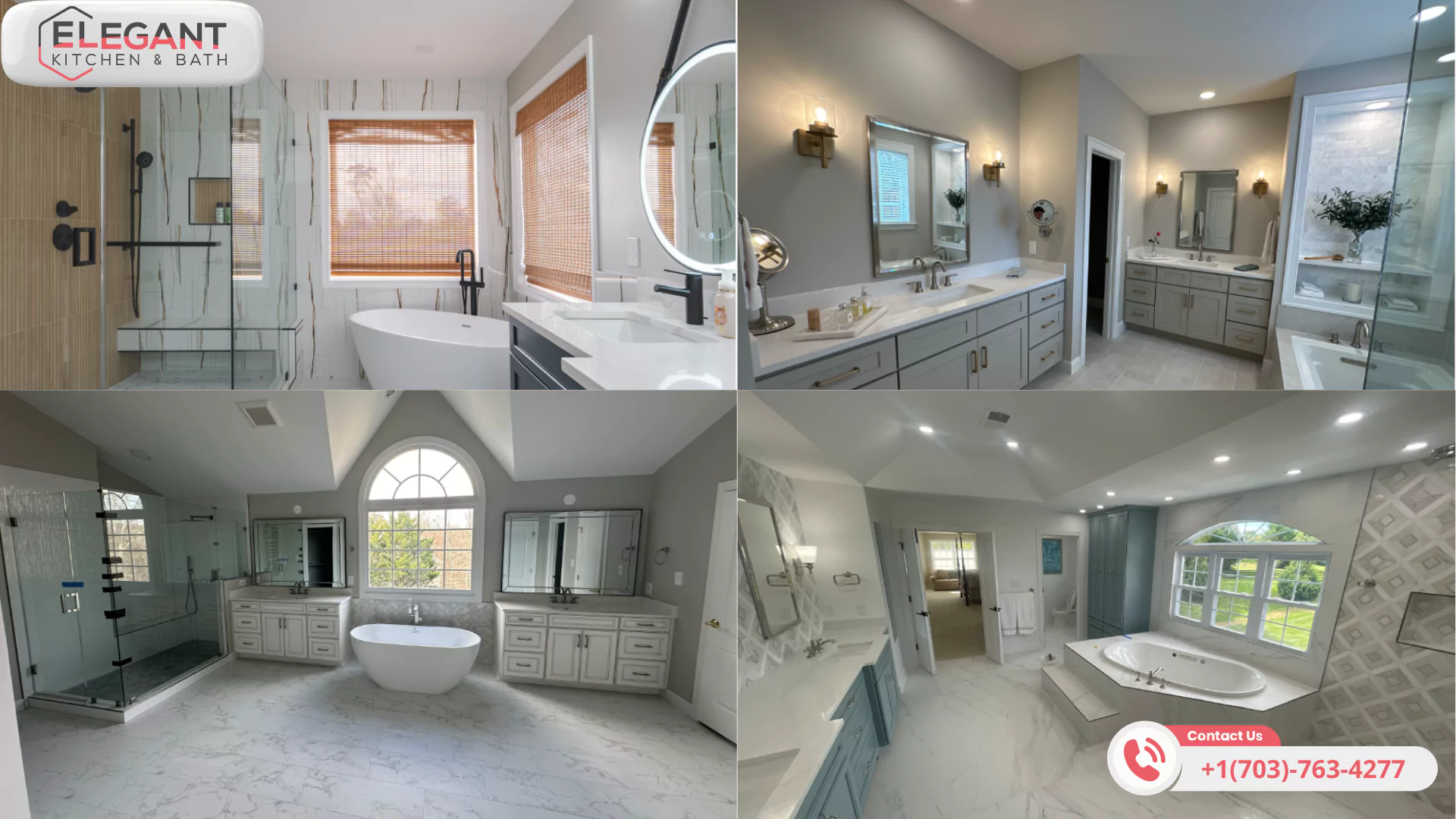
Choosing lighting plays a pivotal role in shaping the ambiance of our homes. Beyond its basic functionality, the proper lighting setup can dramatically alter our living spaces’ mood and aesthetic appeal. From casting a warm, inviting glow in the living room to ensuring bright, efficient illumination in the kitchen, selecting the perfect lighting is an art form that demands thoughtful consideration and a keen design sensibility.
Layers of Lighting: The process of selecting home lighting involves understanding the combination of ambient, task, and accent lighting to create an attractive, functional lighting scheme.
Lighting as a lifestyle: It is important to consider each room’s role while selecting light fittings so that they can support the activities in the space.
Choosing the Right Bulbs: Choosing the right light bulbs, like ones with a good color temperature and brightness, is essential to invoke the desired ambiance for each room.
Lighting FAQs: The higher the lumens of a bulb, the brighter it is and spacing the recessed lights correctly in a room is essential to avoid uneven distribution.
Indoor and outdoor Lighting: The same level of consideration should be given to both indoor and outdoor lighting design in terms of aesthetics and energy efficiency.
In today’s eco-conscious world, energy efficiency stands at the forefront of interior lighting considerations. Transitioning from traditional incandescent bulbs to energy-saving alternatives like compact fluorescent (CFL) bulbs or light-emitting diode (LED) bulbs can significantly reduce electricity consumption. This shift promises lower utility bills and marks a step towards reducing our environmental footprint, aligning economic savings with social responsibility.
Tailoring Lighting to Each Room
Embarking on the quest for ideal home lighting involves customizing your choices to meet the unique requirements of each room. Achieving a well-lit space means balancing safety, functionality, and aesthetic harmony with the room’s intended purpose and decor. Let’s explore how to navigate the selection process for various areas within your home.
Living Room Lighting: Setting the Scene
As the heart of the home, the living room is a versatile space for relaxation and socializing. The challenge lies in finding a lighting scheme that marries functionality with style. Ambient lighting can be achieved through recessed fixtures, while accent lighting can spotlight art or architectural details. Decorative lamps add a layer of soft, cozy light, and a statement central fixture should offer adjustable mood lighting for different occasions.
Kitchen Lighting: Culinary Illumination
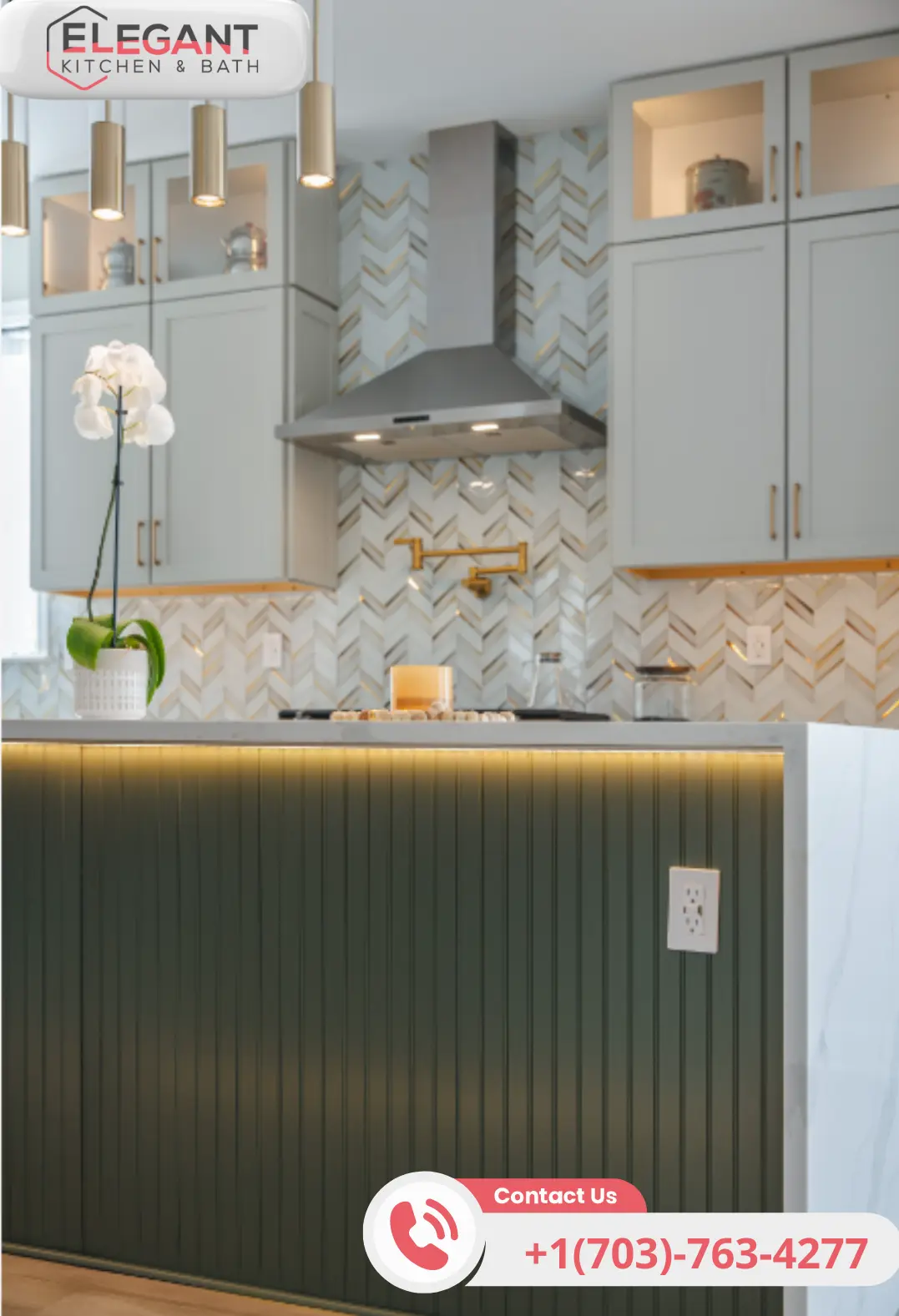
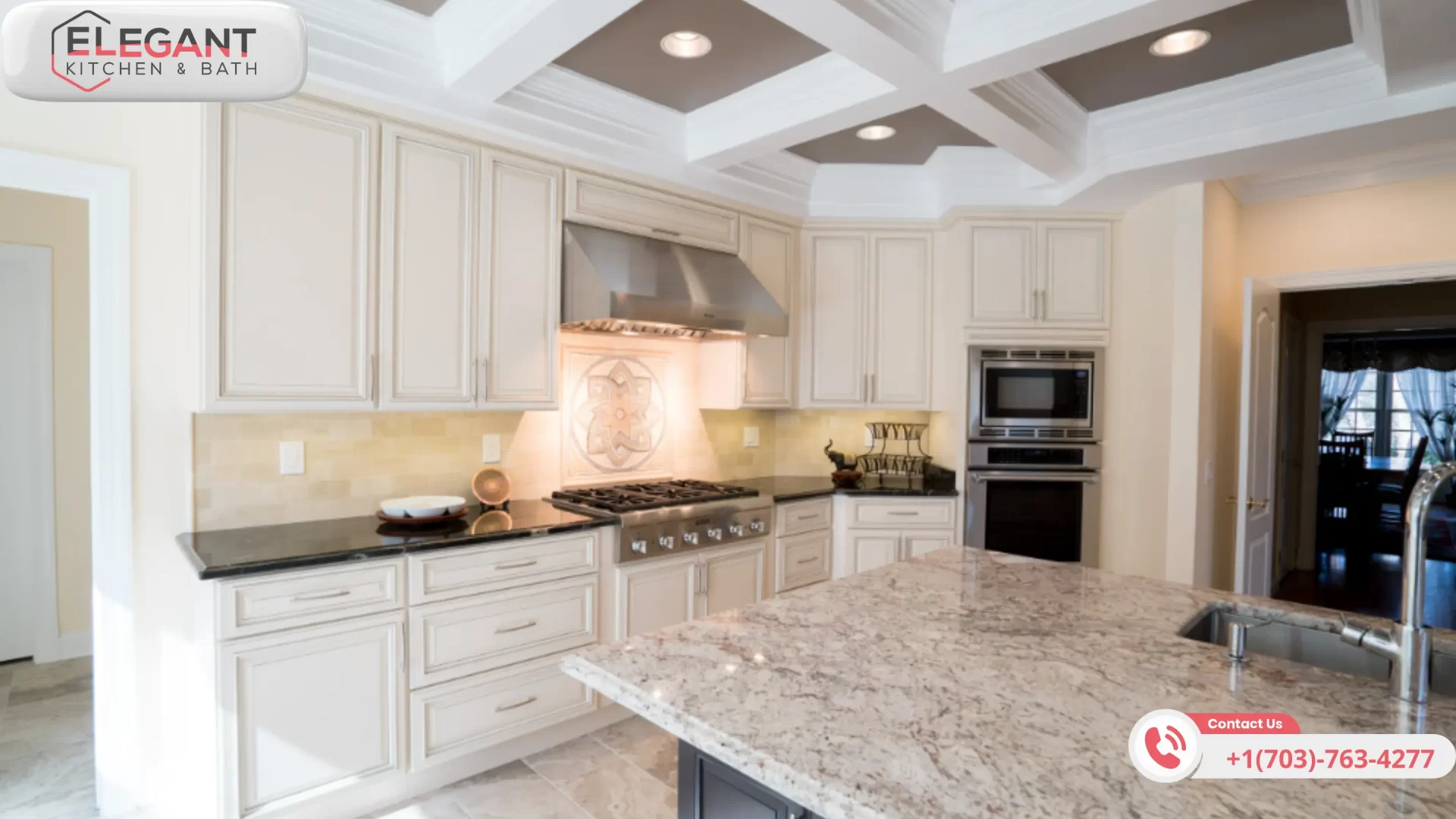
The kitchen, a bustling hub of activity, demands lighting that supports its multifunctional role. Task lighting is crucial for safety and ease during meal preparation, while pendant lights over akitchen island introduce an element of sophistication. Under-cabinet, economical, and practical lighting eliminates shadows on work surfaces, ensuring focused light where it’s most needed.
Bedroom Lighting: A Tranquil Retreat
Lighting should cultivate a calm and restful environment in the bedroom. A combination of overhead lights and bedside lamps allows for general and reading illumination. Opt for gentle, warm lighting to create an inviting atmosphere, with dimmer switches to adjust brightness for comfort at any time.
Entrance and Hallways: Welcoming Light
The entryway, the first impression of your home, deserves lighting that makes a statement. An elegant chandelier or pendant light can be a focal point in a spacious foyer, while flush mounts suit more compact spaces. Hallways should be evenly lit for safety, with strategically placed switches and modern fixtures like wall sconces or track lighting.
Beyond the Basics: Lighting as Lifestyle
When selecting lighting for your home, consider each room’s role in your daily life. Lighting should not only be aesthetically pleasing but also support the activities that occur within each space. For example, a home office may benefit from bright, refreshing light, whereas a bathroom might favor softer, layered lighting solutions.
The Art of Choosing Home Lighting
The process of selecting home lighting transcends mere aesthetics. It involves understanding the interplay of ambient, task, and accent lighting and how these layers can be combined to achieve a functional yet attractive lighting scheme.
The Best Interior Lights for Home Use
Identifying the best lighting fixtures and bulbs for your home requires navigating many options. Today’s market offers everything from smart bulbs that adjust color and brightness to sophisticated fixtures that can be controlled remotely, enhancing convenience and energy efficiency.
Outdoor Lighting: Extending Beauty Beyond Walls
While primarily focused on indoor lighting, it’s worth noting the role of landscaping in outdoor lighting design. Properly planned outdoor lighting can prolong the visual appeal of your landscaping into the evening, requiring the same level of design consideration and energy efficiency as indoor lighting.
The Significance of Landscape Design in Lighting
The strategic implementation of outdoor lighting underscores the importance of landscape design. The proper lighting can accentuate landscape features, enhance security, and create an inviting outdoor ambiance that complements your home’s interior lighting.
Consider the bulb’s color temperature. 2700K is closest to incandescent bulbs and provides a warm, cozy feel. 3000-3500K is a good neutral white popular for homes. 4000K and above is bright white, which is better for task lighting and offices.
Use LED bulbs for energy efficiency. Look for lumens rather than watts to determine brightness. Higher lumens mean a brighter bulb.
– Think about the style and size of the light fixtures. Recessed lights are popular but can look dated if overused. Pendant lights, chandeliers, and sconces can add more visual interest.
– Put lights on dimmers so you can adjust the brightness and mood as needed.
How do I decide where to put the lights?
– Place recessed lights 12-18″ from walls to illuminate the vertical surfaces and make the room feel brighter, rather than just lighting the floor.
– Avoid placing recessed lights in the middle of a room. Concentrate them around the perimeter.
– Use a mix of overhead ambient lighting, task lighting over work areas, and accent lighting to highlight artwork or features.
– Space recessed lights evenly, usually 4-5 feet apart for 8-foot ceilings. Divide the ceiling height by 2 to get the spacing.
What are the four types of lighting?
The four main types of lighting are:
1. Ambient lighting – Overall illumination, usually from overhead fixtures
2. Task lighting – Brighter light focused on a work area like a kitchen counter
3. Accent lighting – Highlights artwork or architectural features
4. Decorative lighting – Fixtures that are meant to be seen and admired
Which lights are used in interior design?
Interior designers use a variety of light fixtures, including:
– Recessed lights
– Pendant lights and chandeliers
– Table and floor lamps
– Wall sconces
– Under-cabinet and cove lighting
– Picture lights and spotlights for artwork
What is the best LED color for the interior?
For interior residential lighting, warm white LED colors are recommended:
– 2700K for a cozy, incandescent-like glow
– 3000K for a soft white that is popular in homes
– 3500K for a neutral white that is not too cool
Higher color temperatures like 4000K and 5000K are better for task lighting and commercial spaces.
What color lighting is in style?
Warm color temperatures in the 2700-3000K range are currently the most popular and stylish for homes. This provides an inviting, relaxing atmosphere.
What light fixtures are outdated?
Some dated light fixture styles include
– Large, ornate brass chandeliers
– Hollywood-style bathroom vanity strips
– Fluorescent tube lights
– Tiffany-style glass shades
What light fixtures never go out of style?
Classic light fixtures that tend to remain in style include:
– Simple, industrial-style pendants
– Shaded wall sconces
– Slim profile recessed lighting
– Streamlined metal pharmacy lamps
– Minimalist chandeliers
What is the most flattering color lighting?
Warm white light in the 2700-3000K range is considered the most flattering on skin tones and clothing. It provides a soft, glowing effect.
In summary, choose 2700-3000K warm white LED bulbs for a timeless, flattering look in living spaces, with brighter 3500-4000K bulbs for task areas. Layer different types of lighting and put them on dimmers for flexibility. Avoid overusing recessed lights and dated fixture styles. The key is to create a comfortable, inviting atmosphere.
Conclusion: Illuminating Your Home with Purpose and Panache
The journey to perfect home lighting is a complex yet rewarding endeavor. It’s about merging practicality with enchantment, crafting a lighting landscape that is as functional as captivating. Whether lighting a cozy nook or a grand entryway, the right choices can transform your home from ordinary to extraordinary.
Thank you for exploring the art of choosing a light for your home interior. For more insights and inspiration, follow us on social media and seek personalized advice.
It would help if you were careful while you are picking your bathroom products. Bath batteries are small details within the bathroom space and can be solved quickly. However, an intelligent battery exchange not only adds style and aesthetics to the bathroom but also benefits the budget.
It increases environmental awareness and even regulates bathroom life habits. That’s why battery manufacturers have yet to stop at all in the innovation marathon about the functionality of batteries as much as forms for years.
The water crisis, the agenda of our planet, underlines our approach to saving bathroom products. In any area that comes into interaction with water. Environmental awareness is now being taught at primary schools in all countries.
So, everyone is now making much more conscious purchases during the renovation of all the parts that make up the kitchen and bathroom products. While we do this in the primary habitat, we are creating new, dynamic, sparkling, minimal spaces. These spaces are accessible from old wood, free from rust or brick textures—same reflex, same in the bathroom.
Key Takeaways for Bathroom Products
1. Choosing the right bathroom products is essential not only for aesthetic appeal but also for budget and environmental considerations.
2. Bathroom renovations today are much more environmentally conscious, prioritizing water-saving products.
3. Minimalist bathroom decor and modern design ideas are prominent trends, valuing both functionality and aesthetic appeal.
4. Luxury bathroom renovations are an investment that turns bathrooms into private spas, incorporating high-end materials and state-of-the-art technology.
5. Eco-friendly bath products, made from natural and organic materials, are becoming more popular due to their reduced environmental impact.
6. Matte gold bathroom accessories provide a subtle and contemporary elegance to the bathroom setting.
7. Contemporary bathroom sinks have evolved into unique statement pieces, offering various designs and material options.
8. Quality bathroom fixtures are an essential investment for the proper functionality and longevity of the bathroom.
9. When choosing bathroom furniture, key considerations should include durability, moisture resistance, ease of cleaning, and aesthetic appeal.
10. Elegant Kitchen and Bathcompany offers a range of remodeling services for kitchens, bathrooms, basements, and more.
Remember, the most effective bathroom renovation combines style, functionality, and sustainability, transforming your bathroom into a personalized sanctuary.
[ez-toc]
What Are The Best Quality Bathroom Products?
The black contour is a staple of minimal industrial bathrooms, and we see this emphasis most in the displacement of chromium. So we welcome you to the top of the black fixtures. There’s a real retrospective wind here. The U-shaped batteries that we’ve seen in the kitchens in recent yearshave been returning to the bathrooms in season 2023-24, wearing a few flashy colors.
With ambitious finishes like matte gold, rose gold and copper but designed in a very lean form, these luminaires say, “You can create a clean and sexy look in the bathroom.” In this case, we advise you to pay attention to the sinks and ceramics as well as to maintain the same modern luxury line. In recent years, we have underlined the bathroom decorationmode.
Enhancing Bathroom Aesthetics with Minimalist Bathroom Decor
When considering a bathroom makeover, minimalist bathroom decor is a trend that’s both timeless and functional. This style emphasizes simplicity and clean lines, promoting a sense of tranquility and space.
Incorporating elements like floating contemporary bathroom sinks and frameless mirrors can give the bathroom a sleek, uncluttered look. Minimalism doesn’t mean bland; using textured tiles or a singular piece of art can add character without overwhelming the space.
Embracing Modern Bathroom Design Ideas
Modern bathroom designideas focus on clean lines, geometric shapes, and a monochromatic color palette with occasional bursts of color. Features like large, walk-in showers with clear glass panels and freestanding bathtubs are popular in modern designs. Innovative lighting solutions and quality bathroom fixtures also play a significant role in modern bathrooms, offering both style and functionality.
Transforming Spaces with Luxury Bathroom Renovations
For those looking to add a touch of opulence,luxury bathroom renovations can transform an ordinary bathroom products into a private spa. This could involve high-end materials like marble or granite, sophisticated color schemes, and state-of-the-art technology like intelligent mirrors and heated floors.
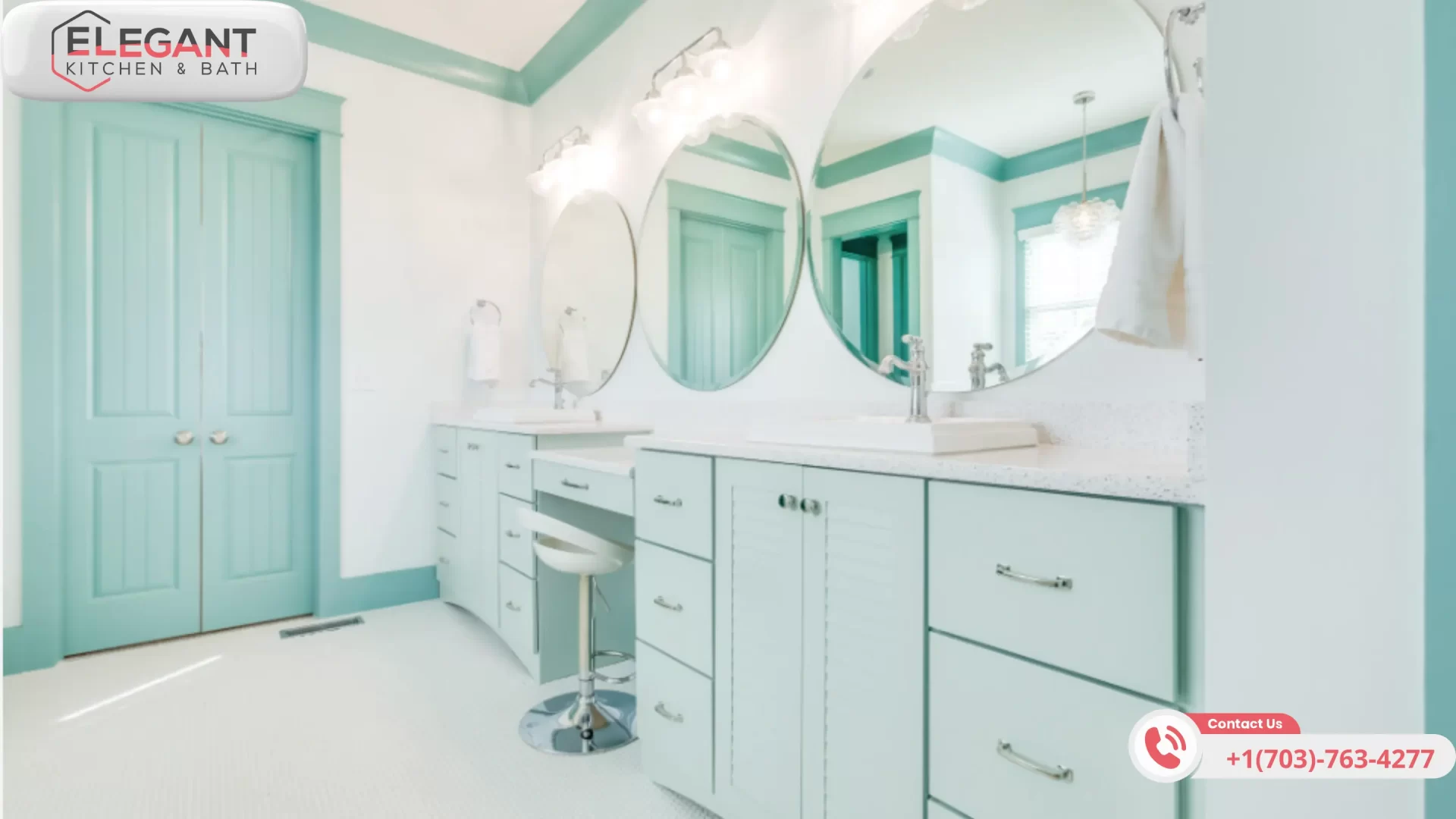
Luxury renovations often include custom features like dual vanities, oversized showers, and soaking tubs, making the bathroom not just a functional space but a sanctuary.
Going Green with Eco-Friendly Bath Products
Incorporating eco-friendly bath products is an excellent way to make your bathroom more sustainable. These products, made from natural and organic materials, reduce the environmental footprint and are healthier for users.
Eco-friendly products include organic cotton towels, biodegradable soaps, and shampoos, as well as low-flow toilets and shower heads that conserve water without compromising performance.
The Allure of Matte Gold Bathroom Accessories
Matte gold bathroom accessories offer a touch of elegance and sophistication. Unlike the traditional shiny gold, matte gold provides a more subtle and contemporary look.
These accessories, which can include faucets, towel bars, and light fixtures, bring warmth to the bathroom and pair well with a variety of color palettes, from dark hues to pastels.
Innovations in Contemporary Bathroom Sinks
Contemporary bathroom sinks are more than just functional; they are statement pieces. With designs ranging from vessel sinks sitting atop the counter to under-mount sinks for a seamless look, these sinks can significantly influence the bathroom’s overall style. Materials like tempered glass, stone, or modern composites offer durability and unique aesthetics.
This style can be softened with wood accents or enhanced with modern touches like quality bathroom fixtures in brushed nickel or chrome. Industrial design is about embracing the unfinished, making it a bold choice for a bathroom.
The Importance of Quality Bathroom Fixtures
Investing in quality bathroom fixtures is crucial for the longevity and functionality of your bathroom. High-quality fixtures, made from durable materials and with superior craftsmanship, can withstand daily use and maintain their appearance over time. Additionally, they often come with better warranties and customer support, providing peace of mind and value for money.
FAQs for Bathroom Products
A wide variety of high-quality bathroom products and furniture is available to suit different styles, budgets, and needs. When renovating a bathroom or selecting new products, it’s important to consider factors like durability, moisture resistance, ease of cleaning, and overall aesthetics.
What are the different types of bathroom products available?
The main categories of bathroom products include:
– Bathroom furniture like vanities, cabinets, shelves and storage units
– Sanitaryware such as toilets, sinks, bathtubs and shower enclosures
– Faucets, showerheads, and other plumbing fixtures
– Countertops made from materials like quartz, granite, marble, or solid surface
– Flooring options such as tile, luxury vinyl plank, or engineered wood
– Lighting, including vanity lights, ceiling lights, and accent lighting
– Mirrors and medicine cabinets
– Bathroom accessories like towel bars, robe hooks, andtoilet paper holders
What materials are commonly used for bathroom furniture?
Popular and durable materials for bathroom cabinetry include:
– Solid hardwoods like oak, maple, and cherry that are correctly sealed for moisture resistance
– Plywood, an engineered wood that is more stable and water-resistant than solid wood
– MDF (medium-density fiberboard), which provides a smooth surface for painted finishes
– PVC or thermofoil, which is highly moisture-resistant
– Metal options like stainless steel for a modern look
– Proper sealing and finishing to protect wood from humidity
– Solid hardware like soft-close drawer glides and door hinges
– Reinforced cabinet bases to support heavy stone countertops
– Reputable brands with strong warranties
What styles of bathroom furniture are popular?
Some of the top bathroom design styles include:
– Modern and contemporary styles featuring clean lines and minimal adornment
– Transitional looks that blend traditional and modern elements
– Farmhouse chic with shaker-style cabinets and barn door accents
– Rustic designs incorporating natural wood, stone, and industrial touches
– Spa-like retreats using soothing colors and organic materials
What should I consider when choosing a bathroom vanity unit?
Key factors to keep in mind when selecting a vanity include:
– Ensuring it fits well in your bathroom layout with enough clearance for doors and walkways
– Choosing a style that complements the overall design aesthetic of your space
– Determining if you need a single or double sink based on your household’s needs
– Opting for drawers and cabinets that provide ample, well-organized storage
– Picking a durable countertop material that is easy to maintain
How do I prevent bathroom furniture from warping or swelling due to moisture?
To avoid moisture damage to bathroom cabinets and vanities:
– Select products made from water-resistant materials like thermofoil, plywood or MDF
– Ensure wood is properly sealed and finished
– Use a bathroom exhaust fan during showers and baths to remove excess humidity
– Wipe up any standing water or condensation from surfaces
– Open vanity doors and drawers occasionally to allow air circulation
What are the best quality bathroom product brands?
Some of the top manufacturers known for well-made, reliable bathroom products and furniture include:
– Kohler, which offers a wide range of stylish, innovative bathroom products
– Delta Faucet, a leader in quality sinks and faucets
– American Standard, known for high-performing toilets and sanitaryware
– James Martin Vanities, a maker of premium solid wood bathroom furniture
– Robern for well-crafted, functional bathroom mirrors, vanities and lighting
What types of bathroom accessories are essential?
Must-have bathroom accessories for a functional space include:
– Bath towels and a place to hang them, like a towel bar or hook
– A bath mat or rug for outside the tub or shower
– Toothbrush holders and soap dishes
– A toilet paper holder and toilet brush
– A trash can for waste
– Storage solutions for toiletries and styling tools
How often should I clean my bathroom, and what products should I use?
Aim to clean your bathroom weekly using products formulated for the specific surfaces in your space. For example:
– Use a mild, non-abrasive cleaner for vanity cabinets and mirrors
– Choose an acid-free, disinfecting cleaner for toilets and sinks
– Opt for a mold and mildew-fighting spray or wipes for showers and tubs
– Vacuum or sweep floors before mopping with a cleaner suited to the material
Accessories like toothbrush holders and soap dishes should be cleaned more frequently every few days to avoid germ buildup.
Wipe down counters and spot clean mirrors and faucets as needed.
What factors should I consider before starting a bathroom renovation project?
Before embarking on a bathroom remodel, think about:
– Your overall budget and desired scope of the project
– Prioritizing which elements you want to splurge or save on
– Selecting products and materials that will last in the moist environment
– Ensuring the new layout will be functional for your household’s needs
– Hiring licensed, reputable contractors for any plumbing or electrical work
– Having a flexible timeline in case of unexpected delays
– Making arrangements to use another bathroom during the renovation
By considering these considerations and opting for well-made, water-resistant products and materials, you can create a beautiful, functional bathroom that you’ll enjoy for years to come.
Conclusion: Crafting the Perfect Bathroom Experience
Crafting the perfect bathroom experience involves a mix of style, functionality, and sustainability. Whether it’s through quality bathroom products, best quality bathroom products, or modern bathroom design ideas, the goal is to create a space that resonates with personal style and meets practical needs.
Adding luxury bathroom renovationsor eco-friendly bath products can elevate this experience, making the bathroom not just a room but a retreat.