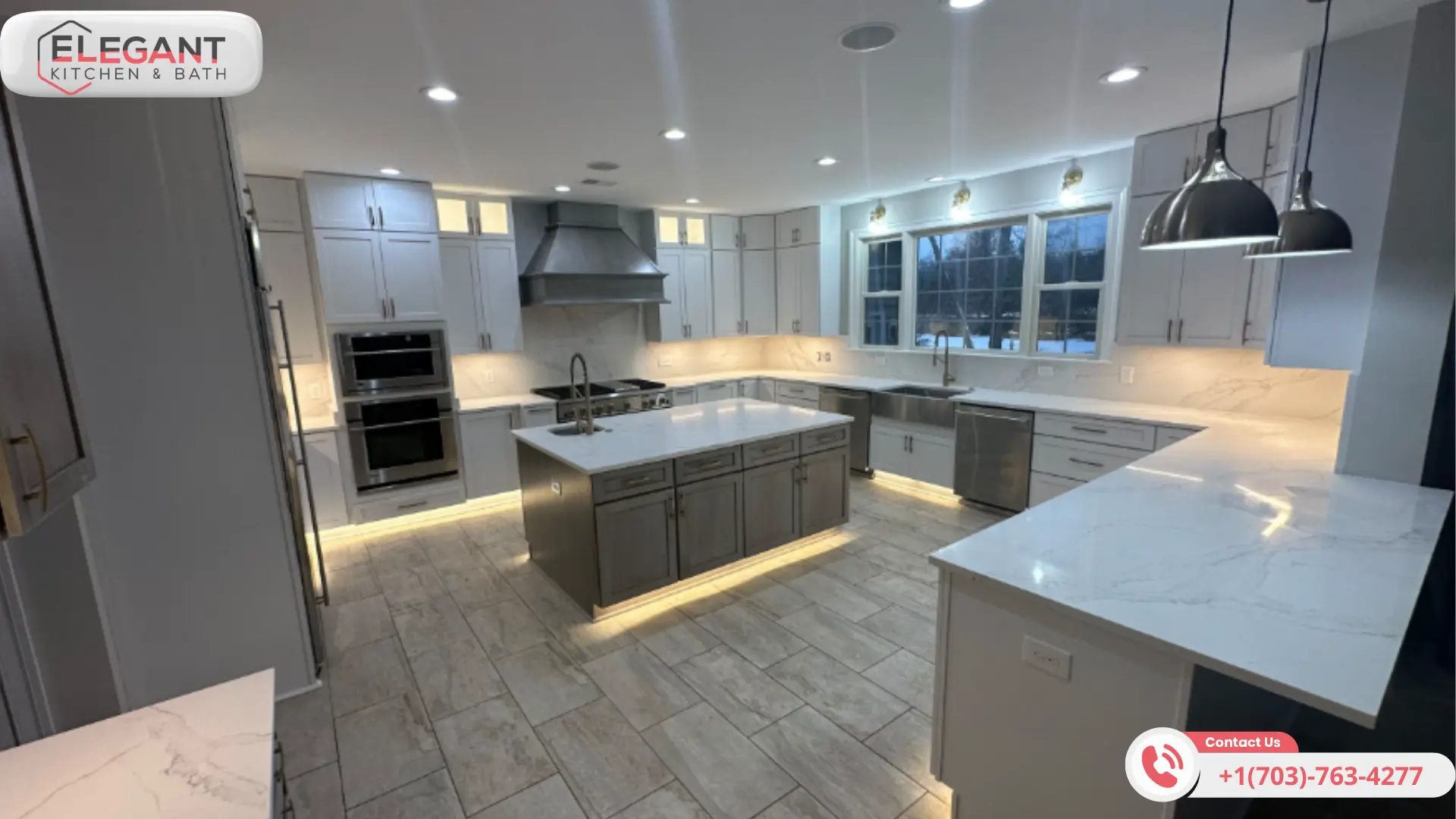
Choosing the right kitchen remodeling contractor can make the difference between a dream renovation and a costly nightmare. In Herndon, VA, homeowners are discovering that exceptional kitchen renovations are not just about beautiful designs—they’re about finding professionals who combine expertise, reliability, and genuine care for their clients’ vision.
The following five client stories showcase fundamental transformations that demonstrate what’s possible when skilled kitchen contractors bring years of experience, attention to detail, and commitment to quality to every project. These stories reveal the journey from initial consultation to final reveal, highlighting the challenges overcome and the spectacular results achieved.
Whether you’re considering a complete kitchen remodel or exploring your options for updating your culinary space, these authentic experiences provide valuable insights into what makes a truly successful renovation project.
Local Expertise Matters: Hiring a local Herndon, VA kitchen remodeling contractor ensures a deep understanding of area building codes, permit requirements, and the unique challenges of regional home styles, resulting in smoother, more compliant renovations.
Comprehensive Project Management is Essential: Effective contractors oversee every phase of the remodel—from planning to execution—ensuring clear communication, careful scheduling, and proactive solution-finding to avoid delays or disruptions.
Structural Modifications Require Expertise: Successful open-concept transformations, such as removing load-bearing walls, demand detailed planning and engineering expertise to ensure safety and maximize results.
Small Spaces Benefit from Creative Solutions: Professional remodelers can dramatically enhance compact kitchens with smart storage, strategic lighting, and design tricks that make small spaces feel larger and more functional.
Attention to Detail Defines Quality: Exceptional results stem from thorough quality control, precise installations, and careful craftsmanship, not just visible finishes but also the elements behind the walls.
Personalized Design Yields Unique Results: Great contractors collaborate with clients to tailor layouts, materials, and styles to their preferences, ensuring kitchens reflect each homeowner’s vision and lifestyle.
Timelines Can Be Efficiently Managed: With strong planning and effective supplier relationships, even major renovations—such as a total kitchen overhaul—can be completed on aggressive timelines without compromising quality.
Premium Materials Make a Lasting Difference: Using high-quality materials and finishes, sourced from trusted suppliers, ensures a beautiful, durable kitchen that stands the test of time.
Transparent Communication Reduces Stress: Consistent updates, open dialogue, and honest discussions about challenges keep clients informed and comfortable throughout the renovation process.
Professionalism Leads to Client Satisfaction: When contractors combine expertise, meticulous project management, and a respect for clients’ homes, the result is remarkable transformations, seamless experiences, and kitchens that consistently exceed expectations.
[ez-toc]
Why Choose a Local Kitchen Remodeling Contractor in Herndon, VA?
The Benefits of Hiring Local Experts
Working with a local kitchen remodeling contractor Herndon offers distinct advantages that extend far beyond convenience. Local contractors possess in-depth knowledge of area building codes, permit requirements, and architectural styles commonly found in Northern Virginia homes. This expertise streamlines the renovation process, helping to avoid costly delays and compliance issues.
Local kitchen designers understand the unique challenges posed by Herndon’s diverse housing stock, from colonial-style homes to contemporary constructions. They’re familiar with common structural limitations, electrical systems, and plumbing configurations typical in the area. This knowledge enables more accurate project estimates and realistic timelines.
Additionally, local contractors have established relationships with trusted suppliers, subcontractors, and inspectors throughout the region. These connections often translate to better material pricing, faster delivery times, and smoother inspection processes. When issues arise—as they inevitably do in any renovation—local professionals can mobilize resources quickly to keep projects on track.
What Sets Elegant Kitchen and Bath Apart
The distinction between average and exceptional kitchen renovation services becomes apparent in the details. Superior contractors prioritize comprehensive project management, maintaining clear communication channels throughout every phase of the construction process. They understand that a successful kitchen remodel requires coordination of multiple trades, careful scheduling, and proactive problem-solving.
Quality craftsmanship extends beyond visible surfaces to include proper installation techniques, durable material selection, and attention to functional details that enhance daily use. The best kitchen contractors invest in ongoing education about new products, techniques, and design trends to deliver cutting-edge solutions.
Exceptional service also means respecting clients’ homes and schedules. Professional contractors maintain clean work areas, protect existing finishes, and minimize disruption to daily routines. They provide detailed project timelines, regular progress updates, and transparent communication about any challenges or changes that arise.
Dennis Smythe – Seamless Kitchen and Powder Room Remodel
Efficient Project Coordination and Timeline Management
Dennis Smythe’s renovation project encompassed both a complete kitchen remodel and powder room update, requiring careful coordination to minimize disruption to his family’s daily routine. The project began with a comprehensive assessment of existing conditions, including electrical capacity, plumbing locations, and structural considerations.
The kitchen renovation timeline was meticulously planned to sequence demolition, rough-in work, and installations efficiently. By coordinating electrical and plumbing modifications with the general construction schedule, the project team minimized the time the kitchen remained non-functional. This careful planning proved especially valuable for a busy family that relies heavily on its kitchen space.
Material ordering and delivery schedules were synchronized with construction phases to avoid storage issues and ensure components arrived precisely when needed. This level of project management prevented delays and kept the renovation moving smoothly toward completion.
High-Quality Craftsmanship with Excellent Communication
Throughout the renovation process, Dennis received regular updates on progress, upcoming milestones, and any decisions that required his input. This transparent communication style helped him feel confident about the project’s direction and timeline, reducing the stress typically associated with major home renovations.
The construction team demonstrated exceptional attention to detail in both visible and behind-the-scenes work. Custom cabinetry installation required precise measurements and careful fitting to achieve seamless integration with existing architectural elements. Countertop installation was executed with particular care to ensure perfect alignment and secure mounting.
Quality control measures were implemented at each phase, with thorough inspections before proceeding to subsequent steps. This methodical approach prevented issues from compounding and ensured that each element met high standards before additional work commenced.
Result: A Stunning, Functional New Space
The completed kitchen design successfully transformed Dennis’s outdated space into a modern, highly functional culinary area that perfectly suits his family’s lifestyle. The new layout optimizes workflow while providing ample storage and preparation space for daily cooking and entertaining.
Modern kitchen appliances were seamlessly integrated into the design, creating a cohesive appearance while dramatically improving functionality. The updated electrical system accommodates current and future appliance needs, while improved lighting enhances both task performance and ambient atmosphere.
The powder room renovation complemented the kitchen updates, creating a cohesive design theme throughout the main level. Both spaces now reflect contemporary style while maintaining compatibility with the home’s overall architectural character.
Amy Hynes – Structural Redesign for an Open Concept Home
From Vision to Reality: Designing the Dream Layout
Amy Hynes envisioned transforming her compartmentalized kitchen into an open, flowing space that would serve as the heart of her home. This ambitious kitchen renovation required significant structural modifications to achieve the desired open-concept layout while maintaining the home’s structural integrity.
The design process began with detailed architectural drawings that explored various configuration options. Space planning considerations included traffic flow, work triangle efficiency, and sight lines between the kitchen and adjacent living areas. Multiple design iterations were developed to optimize both functionality and aesthetics.
Structural engineering consultations were essential to determine load-bearing requirements and safe removal procedures for existing walls. This technical analysis ensured that the dramatic layout changes could be implemented without compromising the home’s structural stability.
Overcoming Structural Challenges with Expertise
The kitchen remodel required removing a load-bearing wall, necessitating the installation of a structural beam to safely redistribute weight loads. This complex work required careful coordination with structural engineers and building inspectors to ensure compliance with all safety codes.
Electrical and plumbing systems required extensive reconfiguration to accommodate the new layout. Kitchen lighting design was reimagined entirely to provide appropriate illumination for the expanded space while creating visual interest and ambiance.
HVAC modifications were necessary to maintain comfortable temperatures and air circulation in the newly opened space. The mechanical systems were carefully planned to remain concealed while providing optimal performance throughout the enlarged area.
Result: A Bright, Open, and Elegant Kitchen
The transformation exceeded Amy’s expectations, creating a seamless flow between kitchen, dining, and living areas. The open layout dramatically increased natural light penetration throughout the space, making the entire main level feel larger and more inviting.
The new kitchen island serves as both a functional workspace and social hub, providing additional storage, preparation area, and casual seating. Its strategic placement maintains the work triangle efficiency while creating a natural gathering point for family and guests.
Contemporary kitchen finishes complement the home’s existing décor while establishing the kitchen as a sophisticated focal point. The cohesive design successfully balances form and function, creating a space that’s both beautiful and highly practical for daily use.
Rachael O’Rourke’s compact kitchen presented unique challenges that required creative solutions to maximize functionality within tight spatial constraints. The small kitchen remodel focused on optimizing every square inch while creating an impression of increased space and openness.
The design strategy emphasized vertical storage solutions, innovative cabinet configurations, and multi-functional elements. Kitchen storage solutions included pull-out drawers, corner carousel units, and overhead cabinets that extend to the ceiling, dramatically increasing storage capacity without cluttering the space.
Color selection and lighting design were crucial elements in making the small space feel larger and more inviting. Light-colored finishes, strategic mirror placement, and layered lighting created visual depth and brightness that countered the space’s physical limitations, enhancing its overall appeal.
Exceptional Customer Service Throughout
Throughout the renovation process, Rachael received personalized attention that addressed her specific needs and concerns. The compact workspace required careful planning to maintain access to essential areas of her home during construction.
Material selections were guided by expert advice about products that would perform well in smaller spaces while maintaining durability and style. Kitchen finishes were chosen to reflect light, resist showing wear, and contribute to the overall sense of spaciousness.
The construction team demonstrated particular care in working within the confined space, using specialized techniques to minimize dust, noise, and disruption. Daily cleanup procedures ensured that the rest of the home remained comfortable and functional throughout the renovation period.
Result: A Dream Kitchen That Exceeds Expectations
The completed kitchen transformation successfully created a highly functional space that feels significantly larger than its actual square footage. Clever design solutions provided ample storage, generous counter space, and room for multiple people to work comfortably.
Efficient kitchen layout maximizes the work triangle while incorporating modern conveniences that enhance daily cooking experiences. Every element was carefully chosen and positioned to contribute to both functionality and visual appeal.
The renovation proved that size limitations need not compromise style or functionality. Rachael’s new kitchen demonstrates how thoughtful design and skilled execution can transform even the most challenging spaces into beautiful, highly functional areas.
Ross J’s kitchen renovation embraced dramatic design elements while maintaining sophisticated balance and timeless appeal. The project featured bold color choices that required careful coordination with materials, finishes, and lighting to achieve the desired impact without overwhelming the space.
The kitchen color scheme incorporated rich, saturated tones balanced by neutral accents and natural materials. This approach created visual interest and personality while ensuring the design would remain appealing over time. Material selection emphasized quality and durability alongside aesthetic considerations.
Kitchen backsplash design played a crucial role in tying together the bold color palette with complementary textures and patterns. The backsplash served as both a functional element and a statement piece that enhanced the overall design concept.
Delivering On Time and Beyond the Finish Line
Project management for Ross’s renovation emphasized meeting established deadlines while maintaining uncompromising quality standards. The construction schedule was carefully planned to accommodate the custom elements and specialized finishes required for the bold design.
Professional installation of custom elements required experienced craftspeople who understood the precision necessary to achieve the desired results. Each component was carefully measured, fabricated, and installed to ensure a perfect fit and finish.
Quality assurance procedures were implemented throughout the project to ensure that all elements met the specified requirements and performance standards. This attention to detail ensured that the completed kitchen would function flawlessly while maintaining its stunning appearance.
Result: Modern Elegance and Full Client Satisfaction
The completed modern kitchen design successfully achieved Ross’s vision of bold sophistication. The dramatic elements work harmoniously together, creating a space that’s both visually striking and highly functional for daily use.
Premium kitchen materials were expertly installed and finished to showcase their quality and beauty. The craftsmanship evident in every detail reflects the skill and care invested in the project from concept to completion.
Ross’s satisfaction with both the process and results demonstrates how clear communication, skilled execution, and attention to detail contribute to successful renovation outcomes. The kitchen now serves as both a functional workspace and a stunning showcase of contemporary design.
Lauren Perry LaBelle’s kitchen represented a classic 1970s design that had become functionally obsolete and aesthetically outdated. The complete kitchen renovation required updating every aspect of the space, from layout and electrical systems to finishes and appliances.
The original layout featured compartmentalized spaces, a limited counter area, and inadequate storage. The renovation opened sight lines, reconfigured work areas, and maximized available space through intelligent kitchen planning. Modern workflow principles guided the new layout, enhancing cooking efficiency and daily functionality.
Electrical system upgrades were essential to support the contemporary requirements of appliances and lighting. The original wiring was completely replaced to meet current codes and provide adequate capacity for modernkitchen technology and convenience features.
Smooth Communication and Timely Execution
Despite the comprehensive scope of Lauren’s renovation, the project maintained clear communication channels and adhered to established timelines. Regular progress meetings ensured that she remained informed about developments and upcoming decisions throughout the construction process.
The kitchen renovation timeline was compressed to minimize disruption while maintaining quality standards. This accelerated schedule required exceptional coordination between trades and careful sequencing of construction activities.
Material sourcing and delivery scheduling were critical to maintaining the aggressive timeline. Advanced planning and strong supplier relationships enabled the team to obtain all necessary components on schedule despite the project’s compressed timeframe.
Result: A Timeless Look Completed in Just Two Weeks
The remarkably efficient two-week transformation completely modernized Lauren’s kitchen while maintaining classic design elements that ensure lasting appeal. The timeless kitchen design successfully balances contemporary functionality with enduring style principles.
Updated kitchen features include modern appliances, improved lighting, expanded storage, and enhanced counter space. Every element was selected and installed to provide years of reliable service while maintaining aesthetic appeal.
The rapid completion timeline demonstrates how proper planning, skilled execution, and effective project management can achieve remarkable results without compromising quality. Lauren’s satisfaction with both the process and outcome validates the effectiveness of this comprehensive approach.
What You Can Expect When Working with Elegant Kitchen and Bath
Personalized Design Support
Professional kitchen design services begin with a comprehensive consultation to understand each client’s unique needs, preferences, and lifestyle requirements. This personalized approach ensures that every design decision supports the client’s specific goals and enhances their daily experiences.
Custom kitchen solutions are developed through collaborative design processes that consider functional requirements, aesthetic preferences, and budget parameters. Multiple design options are typically presented, allowing clients to make informed decisions about their renovation direction.
Technical expertise guides material selection, space planning, and systems integration to ensure optimal performance and longevity. Professional designers stay current with industry trends, product innovations, and best practices to provide clients with cutting-edge solutions.
Transparent Communication & Professional Project Management
Kitchen renovation project management encompasses detailed planning, regular communication, and proactive problem-solving throughout the construction process. Clients receive comprehensive project timelines, milestone schedules, and regular progress updates.
Transparent communication includes honest discussions about challenges, potential changes, and budget considerations. Professional contractors maintain open dialogue to ensure clients remain informed and comfortable with project developments.
Quality control procedures are implemented at each construction phase to verify that work meets established standards before proceeding. This systematic approach prevents issues from accumulating and ensures consistent quality throughout the project.
Premium Materials and Finishes
High-quality kitchen materials are sourced from reputable suppliers known for durability, performance, and aesthetic appeal. Material selection considers both immediate impact and long-term satisfaction to ensure lasting value.
Custom kitchen cabinetry options include various wood species, finish techniques, and hardware selections to achieve desired aesthetic and functional outcomes. Cabinet construction emphasizes durability and precision fitting for years of reliable service.
Luxury kitchen finishes encompass countertops, backsplashes, flooring, and fixtures that complement the overall design while providing superior performance characteristics. Premium materials are professionally installed to showcase their quality and ensure optimal longevity.
FAQs for Kitchen Remodeling Contractor Herndon VA: 5 Client Stories
How much should I expect to pay for a kitchen remodel in Herndon, VA?
A typical kitchen remodel in Herndon, VA, ranges from $15,500 to $65,000, depending on project size, design, and material selection. Minor remodels typically range from $15,500 to $25,000, while mid-scale projects cost between $28,000 and $45,000. High-end, major kitchen remodels—especially those with custom cabinetry, premium materials, open concept layouts, or extensive structural modifications—can reach $50,000–$65,000 or more. A kitchen remodeling contractor with local expertise can help create a personalized design that fits both your vision and budget [1].
Is $10,000 enough for a kitchen remodel?
A $10,000 budget covers cosmetic updates and minor renovations, such as painting cabinets, upgrading countertops, new backsplash, and hardware changes—especially if you have a small kitchen or do some work yourself. However, $10,000 is generally not enough for a complete remodel with layout changes, all-new appliances, or structural revamps in Herndon. Careful project management and DIY involvement can stretch your budget, but larger improvements may require a higher investment for quality craftsmanship and long-term client satisfaction [2].
How much does it cost to remodel a 20×20 kitchen?
Remodeling a 20×20 kitchen—a spacious, functional kitchen—typically costs between $60,000 and $120,000, depending on the selection of premium materials, the complexity of the kitchen design, and the extent of the renovation challenges. Larger kitchens require more materials and labor, particularly if you’re investing in custom cabinetry, luxury countertops, or creating an open-concept space. A kitchen contractor with experience in project timeline management can offer estimates tailored to your needs, ensuring quality workmanship and communication throughout your home renovation [3].
What is a realistic budget for a kitchen remodel?
A realistic budget for a complete kitchen renovation typically ranges from $15,000–$50,000+, with the average near $26,000–$27,000 — depending on kitchen size, material quality, structural modifications, and overall design scope [4].
Minor renovations (small kitchen solutions, paint, hardware, lighting): $10K–$20K
Mid‑range remodels (custom cabinetry, new countertops, updated appliances): $20K–$40K
High‑end projects (luxury appliances, premium materials, open concept layout changes): $50K+ Always allot 10–20% contingency for surprises like demo, structural work, or unseen renovation challenges.
What are the three most expensive items in a kitchen remodel?
The three priciest elements almost always are:
Cabinetry and hardware – typically 25–30% of your budget, especially with custom or semi‑custom cabinets that feature pull‑outs, soft‑close mechanisms, or bespoke design.
Appliances – can account for 12–14%, particularly luxury or smart brands (Sub‑Zero, Wolf, etc.), built‑in ovens, or specialty units.
Countertops and surfaces – around 10% of total spend, depending on material (granite, quartz, marble) and fabrication complexity.
Labor, including installation, plumbing, electrical, flooring, and design support, is also a significant cost at roughly 17–25%.
How do you negotiate a kitchen remodel?
Start clear and empowered:
Get at least three quotes from kitchen contractors, using consistent materials, cabinetry style, appliances, and timeline for side‑by‑side comparison.
Be specific about materials—ask for plywood‑box cabinets rather than MDF, consistent hardware levels, and confirm labor and warranty inclusion.
Negotiate line items: cabinet pricing, labor, demo, subcontracting, or offer paying cash for discounts.
Adjust scope to manage cost: refacing existing cabinets or choosing mid-range finishes can still deliver quality craftsmanship and a personalized design from your local kitchen remodeling contractor in Herndon, VA, while optimizing the project timeline and material selection [5].
What time of year is the cheapest to remodel a kitchen?
The cheapest time of year to remodel a kitchen is typically during the off-peak seasons, specifically late fall (October-December) and winter (January-early March). During these months, kitchen remodeling contractor Herndon professionals often have lighter schedules, which can lead to more competitive pricing and better availability for your kitchen remodeling project. Planning your home renovation in advance can help you secure preferred local expertise for your functional kitchen transformation.
Is $50,000 enough for a kitchen remodel?
Yes, $50,000 can be enough for a substantial kitchen remodel, particularly for smaller kitchens or projects that maintain the existing layout, avoiding major structural modifications. This budget allows for high-quality custom cabinetry and premium materials, such as quartz countertops, ensuring exceptional craftsmanship. A kitchen remodeling contractor Herndon team can help you maximize this budget through smart project management and personalized design, ensuring client satisfaction for your Herndon, VA home.
How much should a 10×10 kitchen remodel cost?
A 10×10 kitchen remodel typically costs between $15,000 and $45,000, with a national average often falling between $15,000 and $25,000. The total cost for your kitchen design in Herndon, VA, will depend on factors such as your material selection, the quality of finishes, and whether you introduce structural modifications or opt for a new open-concept layout. A kitchen contractor offering small kitchen solutions can provide a detailed estimate based on your specific renovation challenges and desired level of quality craftsmanship.
Is $30,000 enough for a kitchen remodel?
$30,000 can cover a comprehensive kitchen remodeling project with careful planning and material selection. This budget typically allows for quality cabinetry updates, durable countertops, mid-range appliances, and professional installation when working with an experienced kitchen remodeling contractor Herndon. Many homeowners in Herndon, VA, successfully achieve beautiful kitchen transformations within this range by focusing on smart design choices and prioritizing functional kitchen improvements. Our local expertise helps maximize your investment through strategic project management and personalized design solutions that deliver excellent client satisfaction.
What is the most expensive part of a kitchen remodel?
Custom cabinetry typically represents the most significant expense in kitchen remodeling, accounting for approximately 29% of your total renovation budget. Quality craftsmanship in cabinet construction and installation requires a significant investment, especially for structural modifications or open-concept designs. Labor costs follow as the second significant expense, representing 25-40% of total project costs, depending on the complexity of your home renovation. Premium materials for countertops and high-end appliances also contribute substantially to overall expenses. A skilled kitchen contractor in Herndon, VA, can help balance these costs by selecting materials wisely and managing the project timeline efficiently.
Is $20,000 enough for a kitchen remodel?
$20,000 can support a modest kitchen renovation focused on cosmetic updates and essential improvements. This budget works well for small kitchen solutions, including cabinet refacing, laminate countertops, basic appliance upgrades, and fresh paint or flooring. While structural modifications and open concept changes may exceed this budget, strategic renovation challenges can be addressed through creative kitchen design approaches. Our communication throughout the project timeline ensures you understand exactly what improvements are achievable within your budget. Many Herndon homeowners find that focusing on high-impact, cost-effective updates delivers significant improvement in both function and aesthetics while maintaining quality craftsmanship standards.
What is the best way to pay for a kitchen remodel?
Financing a kitchen remodel in Herndon, VA, typically involves a combination of savings, home equity loans, or personal loans to strike a balance between affordability and quality. Home equity loans usually offer lower interest rates, leveraging your home’s value, while personal loans provide flexibility without collateral. Some opt for credit cards for smaller projects, but high interest rates can add up. Working with a kitchen remodeling contractor in Herndon, such as Elegant Kitchen & Bath, ensures clear project management and accurate cost estimates, helping you choose a payment plan that aligns with your budget and timeline.
Is $100,000 enough for a kitchen remodel?
A $100,000 budget is typically sufficient for a high-quality kitchen remodel in Herndon, VA, covering custom cabinetry, premium materials, and structural modifications. Costs vary based on kitchen size, material selection, and design complexity. For instance, open-concept designs or small kitchen solutions may require additional structural work, impacting the budget. Partnering with a local kitchen contractor, such as Elegant Kitchen & Bath, ensures quality craftsmanship and personalized design within your financial plan, maximizing client satisfaction.
What adds the most value to a kitchen remodel?
Custom cabinetry, modern appliances, and open-concept layouts are the features that add the most value to a kitchen remodel in Herndon, VA. These upgrades enhance functionality and appeal, with custom cabinetry offering tailored storage and premium materials boosting durability. Open-concept designs create spacious and inviting kitchens, while energy-efficient appliances appeal to buyers. A kitchen remodeling contractor in Herndon, such as Elegant Kitchen & Bath, combines local expertise and meticulous project management to deliver a functional kitchen that enhances your home’s value and ensures lasting client satisfaction.
Conclusion
These five client stories demonstrate that exceptional kitchen renovations result from the combination of skilled craftsmanship, thoughtful design, and professional project management. Each project presented unique challenges that were successfully overcome through expertise, creativity, and commitment to client satisfaction.
Whether addressing structural modifications, space limitations, bold design preferences, or aggressive timelines, the right kitchen remodeling contractor brings solutions that transform challenges into opportunities for exceptional results. The consistent themes across these stories—clear communication, quality craftsmanship, and attention to detail—represent the hallmarks of professional renovation services.
For Herndon homeowners considering kitchen remodeling, these stories illustrate what’s possible when working with experienced professionals who understand that successful renovations require more than just construction skills. They demand a comprehensive approach that encompasses design expertise, project management capabilities, and genuine commitment to client satisfaction.
The transformation of these five kitchens proves that with the right partner, any renovation challenge can be overcome to create spaces that exceed expectations and provide years of satisfaction. These results reflect the difference that professional expertise, quality materials, and dedicated service make in achieving truly exceptional kitchen renovations.
Vintage furniture enthusiasts and kitchen renovation aficionados have discovered a creative way to blend style and functionality through upcycling and repurposing old pieces into stunning kitchen islands. This trend breathes new life into antique treasures while providing unique, one-of-a-kind focal points for modern kitchens.
From dressers to workbenches, these transformations showcase the versatility of vintage furniture and offer practical storage solutions. This article explores ten inspiring examples of turning vintage finds into extraordinary kitchen islands that combine charm and utility. Let’s dive into ten unique kitchen island transformations.
Key Takeaways for 10 Unique Vintage Furniture Kitchen Island Transformations
Repurposing Vintage Furniture: Old furniture such as dressers, tables, and cabinets can be creatively transformed into unique and functional kitchen islands.
Combining Style with Functionality: These transformations blend antique charm with modern utility, providing aesthetic appeal and practical storage solutions.
Sustainability and Personalization: Repurposing vintage furniture is an eco-friendly approach that allows for personalized home design, making each kitchen island unique.
Types of Furniture Used: Various types of vintage furniture, including dressers, tables, cabinets, workbenches, and desks, can be repurposed as kitchen islands.
Cost-Effective DIY Projects: DIY kitchen island projects using repurposed vintage furniture are often more cost-effective than traditional custom-built options.
Choosing the Right Piece: The key to a successful transformation is choosing vintage furniture that fits the kitchen’s dimensions, style, and functional needs.
Modification and Reinforcement: Modifying furniture typically involves reinforcing its structure, replacing surfaces with durable materials like butcher blocks or stone, and adapting storage options.
Styling and Aesthetic Enhancements: Styling the repurposed furniture involves choosing complementary countertop materials, custom hardware, paint or stain, and decorative elements to match the kitchen decor.
Unique Design Opportunities: Repurposing different furniture pieces provides distinct design opportunities, such as combining farmhouse tables with modern elements or integrating workbench functionality in a kitchen setting.
Practical Enhancements: Adding practical features like sinks, cooktops, electrical outlets, or additional storage solutions can enhance the functionality of the new kitchen island.
Creativity in Upcycling: Transforming vintage buffets, desks, or even sideboards into kitchen islands showcases the value of creative upcycling in home improvement projects.
Balancing Old and New: Successfully blending vintage charm with contemporary needs involves carefully selecting materials, thoughtful modifications, and strategic decorating to create a balanced, functional, and stylish kitchen centerpiece.
[ez-toc]
Repurposing Vintage Dressers into Kitchen Islands
Repurposing vintage dressers into kitchen islands offers a creative approach to DIY kitchen island projects, blending antique elegance with modern functionality. This transformation adds rustic charm to kitchens and is a unique home improvement venture. The process involves careful selection of suitable dressers, strategic modifications, and thoughtful styling to integrate the piece into existing interior design seamlessly. By following specific steps and incorporating personal touches, homeowners can create a one-of-a-kind kitchen centerpiece that combines storage, workspace, and vintage appeal.
Choosing the Right Dresser for Your Kitchen Island
Selecting an appropriate vintage dresser forms the foundation of a successful kitchen island transformation. The ideal piece should align with the kitchen’s dimensions, style, and functional requirements. Homeowners must consider height, width, and structural integrity when choosing a dresser for this creative furniture makeover.
The chosen dresser should offer ample storage space and a sturdy surface to serve as a functional decor element in the kitchen. Custom kitchen island projects often incorporate sustainable design principles by repurposing existing furniture, making vintage dressers an excellent choice for those seeking eco-friendly creative ideas:
Converting a vintage dresser into a kitchen island involves several stylish transformations that enhance functionality and interior design. The process begins with cleaning and repairing the dresser, reinforcing its structure to withstand daily kitchen use. Homeowners then modify the top surface, often replacing it with a durable material like butcher block or stone to create a practical workspace.
The following steps focus on adapting the dresser’s storage capabilities to suit kitchen needs. This may involve removing drawers to create open shelving for pantry items or installing a kitchen cabinetinsert for better organization. Finally, the wood is treated and painted or stained to complement the existing kitchen decor, completing the transformation into a unique and functional island.
Styling Tips for Your Dresser Kitchen Island
Styling a dresser-turned-kitchen island involves carefully selecting a countertop material that complements the vintage piece while providing durability for daily use. Homeowners can choose from various options, such as butcher block, marble, or quartz, and attach them securely with wood glue or specialized adhesive to ensure longevity.
The dresser’s original cabinetry and drawer configuration can be enhanced with custom hardware, paint, or stain to match the kitchen’s aesthetic. Preserving some of the dresser’s original features while updating others creates a balanced look that honors its vintage charm while serving modern kitchenneeds.
Turning Antique Tables into Functional Kitchen Islands
Antique tables, once relegated to formal dining rooms, are finding new life as distinctive kitchen islands through creative makeovers. These versatile pieces offer many possibilities for homeowners seeking unique, character-rich additions to their culinary spaces. From farmhouse tables to ornate desks, various antique styles can be transformed into functional islands with sinks, tile countertops, and ample storage. The process involves careful selection, strategic modifications, and thoughtful styling to ensure the repurposed table seamlessly integrates with modern kitchen needs while preserving its vintage charm.
Selecting an Antique Table for Your Kitchen Island
Selecting an antique table for a kitchen island transformation requires carefully considering aesthetics and functionality. The chosen piece should complement the kitchen’s existing style while offering sufficient surface area and potential for storage modifications. Homeowners should examine the table’s construction, focusing on sturdy lumber and secure joints that can withstand the rigors of daily kitchen use.
Before finalizing a selection, assessing the table’s height and stability on the kitchen floor is crucial, ensuring it can comfortably accommodate food preparation and casual dining. A thorough inspection of the wood’s condition is necessary, as extensive renovation may be required if the surface shows signs of wear. Homeowners should be prepared to refinish the table with a brush, applying a durable sealant to protect against moisture and stains common in kitchen environments.
Modification Ideas for Antique Table Kitchen Islands
Modifying antique tables into kitchen islands offers numerous opportunities for enhancing functionality and style. Homeowners can add storage solutions by installing shelves or drawers beneath the table’s surface, utilizing caulk to ensure a seamless finish. Farmhouse-style tables lend themselves to this transformation, with their rustic charm complementing modern kitchen designs.
To elevate the aesthetic appeal, consider incorporating decorative elements such as ceiling-inspired molding along the edges or spray painting the base in a bold color to create a striking contrast. These modifications increase the island’s utility and add a unique touch to the kitchen’s overall design.
Add storage with shelves or drawers.
Install a sink or cooktop for added functionality.
Extend the tabletop with a butcher block or stone.
Create a breakfast bar with additional seating.
Incorporate wine racks or spice storage.
Enhancing the Look of Your Antique Table Island
Enhancing the look of an antique table island involves thoughtful design choices that blend vintage charm with modern functionality. Homeowners can elevate the island’s appearance by adding a luxurious marble top, which provides a durable work surface and introduces an elegant contrast to the table’s aged wood. Incorporating a built-in cutting board offers aesthetic and practical benefits for a more rustic appeal.
Proper lighting is crucial in showcasing the antique table island’s unique features. Pendant lights or a vintage chandelier suspended above the island create a focal point while illuminating the workspace. Those seeking additional storage can transform the island into a bookcase-inspired piece, adding shelves for cookbooks or display items. Alternatively, a painted kitchen island in a bold hue can breathe new life into the antique piece, making it a standout element in the kitchen’s design.
The following table illustrates popular enhancement options for antique table islands:
Old cabinets offer a wealth of potential for creating stylish and functional kitchen islands through clever repurposing. This kitchen island makeover approach combines the charm of vintage furniture with practical storage solutions, making it an ideal choice for budget-conscious home projects. By selecting the right cabinet, homeowners can transform these discarded pieces into stunning focal points, often incorporating materials like plywood to enhance durability and aesthetics. The process may involve modifying cabinet doors or adding a shelf to maximize utility while preserving the piece’s original character. From farmhouse chic to industrial modern, cabinet-based kitchen islands can be tailored to various design preferences, providing a unique and personalized touch to any culinary space.
Finding the Perfect Old Cabinet for Your Kitchen Island
Finding the perfect old cabinet for a kitchen island transformation requires careful consideration of size, style, and structural integrity. The ideal piece should fit comfortably within the kitchen’s layout, typically measuring between 24 to 36 inches in depth and 36 to 72 inches in width. Homeowners should seek out cabinets with solid construction, preferably made from durable materials like oak or maple, to ensure longevity in a high-traffic kitchen environment.
When selecting a cabinet, consider its potential to complement existing kitchen elements, such as bronze hardware or stainless steel appliances. The chosen piece should offer ample storage space and have the capacity to be modified for specific kitchen needs. Vintage cabinets sourced from salvage yards, antique shops, or even old wall units from other rooms in the house can make excellent candidates for this creative transformation:
Cabinet Type
Pros
Cons
Vintage Buffet
Ample storage, decorative details
May require height adjustment
Old Bathroom Vanity
Built-in sink option, water-resistant
Limited counter space
Antique Armoire
Tall storage, unique design
Might need significant modification
Repurposed Wall Cabinet
Often the right height, modular
May lack depth for island use
Transforming an Old Cabinet into a Kitchen Island
Transforming an old cabinet into a kitchen island begins with assessing the piece’s structural integrity and making necessary repairs. Homeowners often strengthen the cabinet’s base with additional support beams, securing them with a nail gun for durability. The top surface typically requires replacement, with butcher block emerging as a popular choice for its warmth and functionality in the kitchen setting.
Customization options abound, allowing individuals to tailor the island to their needs. Some opt to install a small sink, repurposing fixtures from a bathroom renovation, while others create specialized storage solutions using a jig to craft custom dividers. For those seeking guidance, many DIY enthusiasts share their experiences and tips via email address subscriptions, offering valuable insights into the transformation process.
Design Inspirations for Cabinet Kitchen Islands
Design inspirations for cabinet kitchen islands often draw from unexpected sources, transforming pieces initially intended for other rooms into functional culinary centerpieces. A vintage bedroom dresser can become a charming island when topped with a butcher block surface and adorned with a statement light fixture. At the same time, a repurposed laundry room cabinet offers ample storage and a unique aesthetic at a fraction of the price of custom-built options.
Creative homeowners have reimagined antique filing cabinets as sleek, industrial-style islands, with pull-out drawers for utensil storage and a polished metal top for food preparation. Others have breathed new life into old credenzas by raising them on casters for mobility and adding a tile backsplash to create a multifunctional cooking and entertaining space that seamlessly blends vintage charm with modern convenience.
Transforming Vintage Buffets into Kitchen Islands
Vintage buffets offer a unique opportunity to create stunning kitchen islands that blend nostalgia with functionality. Often found in basements or antique shops, these pieces can be transformed into central hubs of culinary activity with some creative homemaking techniques. By carefully selecting the right buffet, modifying its structure, and applying decorative elements like shiplap, homeowners can craft a one-of-a-kind island that complements their kitchen’s floor plan.
The process involves more than just a coat of primer; it requires thoughtful consideration of the buffet’s original features and how they can be adapted to serve modern kitchenneeds. From choosing the perfect piece to the final decorative touches, transforming a vintage buffet into a kitchen island is a rewarding project that adds character and utility to the heart of the home.
Choosing the Right Vintage Buffet for Your Kitchen Island
Selecting the right vintage buffet for a kitchen island transformation requires careful consideration of size, style, and structural integrity. Homeowners should measure their kitchen space, including the desired island footprint and walkway clearance, to ensure the buffet fits seamlessly into the floor plan. The chosen piece should complement the kitchen’s decor, whether a favorite mid-century modern sideboard or a cherished family heirloom from one’s mother.
When evaluating potential buffets, inspect the piece for quality construction and sturdy materials, avoiding those with plastic components or flimsy particleboard. Consider the buffet’s storage capacity and layout, ensuring it can accommodate kitchen essentials. Even unexpected pieces, like a repurposed sewing cabinet or a compact buffet from a condominium, can make unique and functional kitchen islands with proper modifications.
The following table outlines key factors to consider when choosing a vintage buffet for a kitchen island transformation:
Factor
Importance
Considerations
Size
High
Must fit kitchen space and provide adequate workspace
Style
Medium
Should complement existing kitchen decor
Construction
High
Solid wood preferred, avoid plastic or particleboard
Storage
Medium
Adequate drawers and cabinets for kitchen items
Potential for Modification
High
Ability to adapt for kitchen use (e.g., adding a countertop)
How to Modify a Vintage Buffet into a Kitchen Island
Modifying a vintage buffet into a kitchen island begins with removing existing hardware and preparing the surface for its new role. The transformation often involves raising the buffet to standard counter height, which may require adding a custom base or legs. Homeowners can repurpose materials from other areas of the house, such as using a discarded living room coffee table for additional storage beneath the buffet.
The next step focuses on creating a durable work surface, typically by installing a countertop material like a butcher block or stone. To enhance functionality, consider adding features such as a towel bar on one end or a pull-out cutting board. These modifications transform the vintage piece into a practical kitchen workstation while preserving its unique character.
The following table outlines critical steps in modifying a vintage buffet into a kitchen island:
Step
Description
Materials Needed
Preparation
Remove hardware, sand surfaces
Sandpaper, screwdriver
Height Adjustment
Add base or legs to raise buffet
Lumber, brackets, screws
Countertop Installation
Attach new work surface
Countertop material, adhesive
Functional Additions
Install towel bar, cutting board
Hardware, pull-out mechanisms
Finishing
Paint or stain, reattach hardware
Paint, stain, new hardware
Decorating Tips for Your Buffet Kitchen Island
Decorating a buffet kitchen island involves balancing functionality with aesthetic appeal. Homeowners can enhance the island’s charm by displaying vintage kitchen accessories on open shelves or incorporating decorative elements like corbels or beadboard panels. Choosing hardware complements the buffet’s original style while adding modern functionality, such as soft-close drawer slides, creating a seamless blend of old and new.
Color is crucial in integrating the buffet island into the kitchen’s design scheme. A fresh coat of paint in a hue contrasting with existing cabinetry can make the island a striking focal point. Alternatively, staining the wood to highlight its natural grain preserves the buffet’s vintage character while ensuring it withstands the rigors of daily kitchen use.
Converting Old Workbenches into Unique Kitchen Islands
Old workbenches present a unique opportunity for homeowners seeking to create distinctive kitchen islands that blend industrial charm with practical functionality. These sturdy pieces, often found in workshops or salvage yards, offer robust construction and ample workspace ideal for culinary tasks. The transformation process involves careful selection of a suitable workbench, strategic modifications to adapt it for kitchen use, and creative styling to integrate it seamlessly into the existing decor.
By repurposing these utilitarian pieces, homeowners can craft one-of-a-kind kitchen islands that serve as conversation starters and efficient work centers, adding character and history to their culinary spaces.
Identifying Suitable Workbenches for Kitchen Islands
Identifying suitable workbenches for kitchen island conversions requires careful consideration of size, structure, and style. The ideal workbench should have a sturdy frame, preferably solid wood or metal, capable of supporting heavy kitchen equipment and withstanding daily use. Homeowners should look for pieces with dimensions that fit comfortably within their kitchen layout, typically measuring between 36 to 42 inches in height and 24 to 36 inches in depth.
When selecting a workbench, consider its potential for modification and storage capacity. Pieces with built-in drawers or shelves offer valuable storage options for kitchen essentials. Workbenches with unique features such as vice grips or tool organizers can be repurposed creatively, adding character to the kitchen island while serving practical functions:
Steps to Convert a Workbench into a Kitchen Island
Converting a workbench into a kitchen island begins with thoroughly cleaning and repairing the existing structure. The workbench receives a fresh coat of paint or stain to protect the wood and enhance its appearance. Homeowners then install a durable countertop, such as butcher block or stone, to create a food-safe work surface.
To enhance functionality, the workbench undergoes modifications like adding casters for mobility or installing electrical outlets for small appliances. Custom storage solutions transform the workbench into a practical kitchen hub, including pull-out drawers or hanging pot racks. The final touches incorporate decorative elements that complement the kitchen’s aesthetic, such as vintage drawer pulls or a coordinating backsplash.
Styling Ideas for Workbench Kitchen Islands
Styling workbench kitchen islands offer numerous opportunities to showcase the piece’s industrial heritage while seamlessly integrating it into modern kitchens. Homeowners can accentuate the workbench’s rugged charm by pairing it with sleek, contemporary bar stools or incorporating pendant lighting with vintage-inspired Edison bulbs. Adding a reclaimed wood top or a polished concrete surface can further enhance the island’s character, creating a striking focal point in the kitchen.
Consider incorporating woven baskets for storage or displaying potted herbs on the surface to soften the workbench’s utilitarian appearance. Mixing materials, such as combining the workbench’s wood or metal frame with glass shelving or ceramic tile accents, can create a visually interesting contrast. These styling choices help transform the workbench into a unique kitchen island that balances functionality with aesthetic appeal.
Upcycling Vintage Desks into Kitchen Islands
Vintage desks offer a wealth of potential for creating unique kitchen islands, combining classic charm with modern functionality. These versatile pieces, often found in attics, flea markets, or antique shops, can be transformed into stunning focal points that serve as workspace and storage solutions. Upcycling a vintage desk into a kitchen island involves careful selection of the right piece, strategic modifications to enhance its utility, and creative styling to integrate it into the kitchen’s design seamlessly.
From roll-top desks to executive writing tables, various styles can be adapted to suit different kitchen aesthetics, providing homeowners with a one-of-a-kind addition that reflects their personal taste and culinary needs.
Selecting a Vintage Desk for Your Kitchen Island
Selecting a vintage desk for a kitchen island transformation requires careful consideration of size, style, and structural integrity. The chosen desk should fit comfortably within the kitchen’s layout, typically measuring 30 to 36 inches in height and offering sufficient surface area for food preparation and casual dining. Homeowners should seek out desks with solid construction, preferably made from durable hardwoods like oak or mahogany, to ensure longevity in a high-traffic kitchen environment.
When evaluating potential desks, consider their storage capabilities and potential for modification. Desks with built-in drawers or cubbies offer valuable storage options for kitchen essentials, while open designs allow easy customization. The desk’s style should complement the kitchen’s existing aesthetic, whether it’s a sleek mid-century piece or an ornate Victorian writing desk:
Measure kitchen space to ensure proper fit.
Assess the desk’s construction and material quality.
Evaluate storage options and modification potential.
Consider desk style about kitchen aesthetic.
Inspect for any necessary repairs or refurbishments.
Conversion Process for Desk Kitchen Islands
The conversion process for deskkitchen islands begins with a thorough assessment and preparation of the vintage piece. Craftsmen remove unnecessary components like drawers or panels to accommodate new features like a countertop or additional storage. They reinforce the desk’s structure to withstand the rigors of daily kitchen use, often adding support beams or brackets to ensure stability.
Next, the desk undergoes modifications to enhance its functionality as a kitchen island. This may involve raising the height to standard counter level, installing a durable work surface, and incorporating practical elements such as a towel bar or built-in cutting board. Finishing touches include refinishing or repainting the desk to complement the kitchen’s color scheme and adding new hardware that balances vintage charm with modern utility.
Design Tips for Desk Kitchen Islands
Designers enhance deskkitchen islands by incorporating complementary elements that bridge the gap between vintage charm and modern functionality. They often add a contrasting countertop material, such as sleek quartz or rustic butcher block, to create visual interest and provide a durable work surface. Pendant lighting suspended above the island accentuates its unique features while providing task illumination for food preparation.
Creative storage solutions transform deskkitchen islands into practical culinary hubs. Designers repurpose desk drawers to house utensils or spices, while open shelving beneath the desktop displays cookbooks or decorative items. Some opt to install a wine rack or stemware holder, maximizing the island’s utility and creating a sophisticated focal point in the kitchen.
Creating Kitchen Islands from Antique Sideboards
Antique sideboards offer a wealth of potential for creating distinctive kitchen islands that blend vintage elegance with modern functionality. Once relegated to formal dining rooms, these stately pieces can be reimagined as central hubs of culinary activity, providing ample storage and workspace while adding character to the kitchen. The transformation process involves:
Carefully select the right sideboard.
Modifying its structure to suit kitchen needs.
Enhancing its features to integrate with contemporary design elements seamlessly.
From ornate Victorian buffets to sleek mid-century credenzas, antique sideboards can be adapted to various kitchen styles, offering homeowners a unique opportunity to infuse their culinary spaces with history and personality.
Finding the Perfect Antique Sideboard for a Kitchen Island
Finding the perfect antique sideboard for a kitchen island transformation requires careful consideration of size, style, and structural integrity. The ideal piece should fit comfortably within the kitchen’s dimensions, typically measuring 36 to 42 inches in height and offering sufficient surface area for food preparation and casual dining. Homeowners should seek out sideboards with solid construction, preferably crafted from durable hardwoods like oak or mahogany, to ensure longevity in a high-traffic kitchen environment.
When evaluating potential sideboards, assess their storage capabilities and potential for modification. Pieces with built-in drawers, cabinets, or shelves offer valuable storage options for kitchen essentials, while open designs allow easy customization. The sideboard’s style should complement the kitchen’s existing aesthetic, whether a rustic farmhouse piece or an elegant Art Deco buffet. Consider the following factors when selecting an antique sideboard for your kitchen island:
Measure kitchen space to ensure proper fit.
Assess the sideboard’s construction and material quality.
Evaluate storage options and modification potential.
Consider sideboard style for kitchen aesthetic
Inspect for any necessary repairs or refurbishments.
Check for unique features that can be repurposed (e.g., wine racks, cutlery drawers)
How to Transform a Sideboard into a Kitchen Island
Transforming a sideboard into a kitchen island begins with preparing the piece for its new role. This involves removing unnecessary elements, such as ornate backboards or fragile glass panels, and reinforcing the structure to withstand daily kitchen use. The sideboard’s height may need adjustment to align with standard counter heights, which can be achieved by adding a custom base or casters for mobility.
Next, focus on enhancing the sideboard’s functionality as a kitchen island. Install a durable countertop material, such as butcher block or stone, to create a food-safe work surface. Modify the interior storage to accommodate kitchen essentials, adding pull-out shelves or dividers. Consider incorporating modern conveniences like electrical outlets or a small prep sink to maximize utility:
Step
Description
Materials Needed
Preparation
Remove unnecessary elements, reinforce structure
Screwdriver, wood glue, support brackets
Height Adjustment
Add base or casters to reach counter height
Lumber, casters, screws
Countertop Installation
Attach new work surface
Countertop material, adhesive, sealant
Storage Modification
Add shelves, dividers, or organizers
Wood, drawer slides, hardware
Functional Additions
Install outlets, sink, or other features
Electrical components, plumbing fixtures
Enhancing Your Sideboard Kitchen Island
Enhancing a sideboard kitchen island involves thoughtful design choices that blend vintage charm with modern functionality. Add a statement backsplash behind the island to create visual interest and protect the wall from splatters. Install task lighting, such as pendant lights or under-cabinet LEDs, to illuminate the workspace and highlight the sideboard’s unique features.
Accessorize the island to maximize its utility and aesthetic appeal. Incorporate decorative elements that complement the sideboard’s style, such as vintage-inspired canisters or a curated collection of cookbooks. Add practical touches like a pull-out cutting board or a built-in wine rack to enhance the island’s functionality:
Install a marble or quartz countertop for durability and elegance
Add bar stools for casual seating and entertaining
Incorporate open shelving for displaying decorative items
Mount hooks or a pot rack for hanging frequently used utensils
Install a toe kick vacuum for easy cleanup
Making Kitchen Islands from Vintage Trunks
Vintage trunks offer a unique opportunity to create eye-catching kitchen islands that blend history with functionality. These weathered travelers, once used for storing clothes and personal belongings during long journeys, can be repurposed into charming focal points in modern kitchens. The transformation process involves:
Carefully select an appropriate trunk.
Modifying its structure to serve as a practical workspace.
Styling it to complement existing kitchen decor.
Various styles, from steamer trunks to military footlockers, can be adapted to suit different kitchen aesthetics. This provides homeowners with a conversation-starting island that reflects their taste and adds a touch of nostalgia to their culinary space.
Choosing the Right Trunk for a Kitchen Island
Selecting the right trunk for a kitchen island transformation requires careful consideration of size, condition, and style. The ideal trunk should fit comfortably within the kitchen’s dimensions, typically measuring 30 to 36 inches in height and offering sufficient surface area for food preparation. Homeowners should seek out trunks with solid construction, preferably made from durable materials like wood or metal, to ensure longevity in a high-traffic kitchen environment.
When evaluating potential trunks, assess their structural integrity and potential for modification. Look for exciting pieces like leather straps, metal hardware, or unique latches that add character to the kitchen island. Consider the trunk’s style about the existing kitchen aesthetic, whether it’s a rustic steamer trunk or a sleek vintage luggage piece:
Measure kitchen space to ensure proper fit
Assess the trunk’s construction and material quality
Evaluate the potential for adding a countertop and storage
Consider trunk style for kitchen decor
Inspect for any necessary repairs or refurbishments
Look for unique features that can be incorporated into the design
Conversion Techniques for Trunk Kitchen Islands
Converting a vintage trunk into a kitchen island begins with reinforcing the structure to withstand daily use. Craftsmen often add internal bracing and a sturdy base to elevate the trunk to counter height, ensuring stability and functionality. The trunk’s lid may be replaced with a durable countertop material, such as butcher block or stone, to create a food-safe work surface.
The interior of the trunk undergoes modifications to enhance storage capabilities. Skilled artisans may install custom shelving, drawers, or pull-out organizers to maximize space utilization. Some homeowners preserve the trunk’s original compartments, repurposing them for specialized kitchen tools or linens storage. The exterior receives careful restoration, maintaining its vintage patina while ensuring it can withstand the rigors of a kitchen environment.
Styling Ideas for Trunk Kitchen Islands
Styling trunk kitchen islands involves blending vintage charm with modern functionality. Designers often incorporate elements highlighting the trunk’s unique features, such as displaying its original hardware or preserving travel stickers. Adding a glass top allows the trunk’s interior to serve as a display case for curios or kitchen collectibles, creating a conversation piece.
Accessorizing the trunk island enhances its visual appeal and practicality. Consider hanging vintage kitchen utensils or copper pots above the island to complement its antique aesthetic. Incorporate modern bar stools with industrial or rustic elements to create a cohesive look that bridges old and new:
Install a butcher block countertop for a warm, inviting surface
Add iron casters for mobility and industrial flair
Use vintage luggage tags as unique drawer pulls
Create a herb garden in repurposed suitcases atop the island
Incorporate a pull-out cutting board made from reclaimed wood
Repurposing Old Bookshelves into Functional Kitchen Islands
Old bookshelves present a unique opportunity for homeowners seeking to create distinctive kitchen islands that combine storage efficiency with culinary functionality. Often overlooked in home libraries or thrift stores, these versatile pieces can be reimagined as central hubs of kitchen activity, offering ample shelf space for cookbooks, appliances, and decorative items. The transformation process involves:
Carefully select an appropriate bookshelf.
Modifying its structure to meet kitchen requirements.
Styling it to complement existing decor.
Various styles, from rustic farmhouse shelving units to sleek mid-century bookcases, can suit different kitchen aesthetics, providing a cost-effective and personalized alternative to traditionalkitchen islands.
Identifying Suitable Bookshelves for Kitchen Islands
Identifying suitable bookshelves for kitchen island transformations requires careful consideration of size, structure, and style. The ideal bookshelf should fit comfortably within the kitchen’s dimensions, typically measuring 36 to 42 inches in height and offering sufficient surface area for food preparation. Homeowners should seek out bookshelves with solid construction, preferably made from durable materials like hardwood or metal, to ensure longevity in a high-traffic kitchen environment.
When evaluating potential bookshelves, assess their storage capabilities and potential for modification. Look for pieces with adjustable shelves or modular designs for easy customization. Consider the bookshelf’s style about the existing kitchen aesthetic, whether a rustic ladder shelf or a sleek floating bookcase. The following factors are crucial when selecting a bookshelf for a kitchen island conversion:
Measure kitchen space to ensure proper fit
Assess the bookshelf’s construction and material quality
Evaluate storage options and modification potential
Consider bookshelf style for kitchen decor
Inspect for any necessary repairs or reinforcements
Look for unique features that can be repurposed (e.g., built-in drawers, sliding doors)
Steps to Transform a Bookshelf into a Kitchen Island
Transforming a bookshelf into a kitchen island begins with reinforcing the structure to withstand daily use. Craftsmen add a solid base or casters to elevate the bookshelf to counter height, ensuring stability and mobility. The top surface receives a durable countertop material, such as butcher block or stone, creating a food-safe workspace.
The bookshelf’s interior undergoes strategic modifications to enhance its functionality as a kitchen island. Artisans may install custom dividers, pull-out shelves, or specialized storage solutions to accommodate kitchen essentials. The exterior receives a fresh coat of paint or stain to protect the wood and integrate the piece into the kitchen’s color scheme.
Design Inspirations for Bookshelf Kitchen Islands
Design inspirations for bookshelf kitchen islands often draw from eclectic sources, blending traditional kitchen storage’s functionality with literary spaces’ charm. Designers incorporate elements such as chalkboard panels on end caps for grocery lists or menu planning while integrating wine racks into lower shelves, transforming the island into a multifunctional entertaining hub. Mixing open and closed storage options, such as adding cabinet doors to select sections, creates visual interest and allows for display and concealed organization.
Creative lighting solutions elevate bookshelf kitchen islands, with under-shelf LED strips illuminating work areas and showcasing decorative items. Some designers opt for a dual-sided approach, creating a prep area on one side and casual dining space on the other, complete with bar stools and a slight overhang for comfortable seating. Incorporating materials like reclaimed wood or industrial metal accents adds texture and character, seamlessly blending the bookshelf’s past life with its new culinary purpose.
Turning Vintage Console Tables into Kitchen Islands
Vintage console tables offer a unique opportunity to create stylish and functional kitchen islands that blend classic elegance with modern utility. These slender pieces, often found in entryways or living rooms, can be reimagined as central hubs for culinary activities, providing additional workspace and storage in kitchens of all sizes. The transformation process involves:
Carefully select an appropriate console table.
Modifying its structure to meet kitchen requirements.
Styling it to complement existing decor.
From ornate Victorian pieces to sleek mid-century designs, various console table styles can be adapted to suit different kitchen aesthetics, offering homeowners a cost-effective and personalized alternative to traditional kitchen islands.
Selecting the Right Console Table for Your Kitchen Island
Selecting the right console table for a kitchen island transformation requires careful consideration of size, style, and structural integrity. The ideal piece should fit comfortably within the kitchen’s dimensions, typically measuring 30 to 36 inches in height and offering sufficient surface area for food preparation. Homeowners should seek out console tables with solid construction, preferably made from durable hardwoods, to ensure longevity in a high-traffic kitchen environment.
When evaluating potential console tables, assess their potential for modification and storage capacity. Look for pieces with interesting architectural details or unique features that can add character to the kitchen island. Consider the console table’s style and the existing kitchen aesthetic, whether a rustic farmhouse piece or an elegant Art Deco design, to ensure a cohesive look.
How to Convert a Console Table into a Kitchen Island
Converting a console table into a kitchen island begins with reinforcing the structure to withstand daily use. Craftsmen add a solid base or sturdy legs to elevate the table to counter height, ensuring stability and functionality. The top surface receives a durable countertop material, such as butcher block or stone, creating a food-safe workspace.
Artisans may install custom shelving, drawers, or pull-out organizers beneath the console table’s surface to enhance storage capabilities. Some homeowners add a towel bar or hooks to one end for easy access to kitchen linens. The exterior undergoes careful restoration, maintaining its vintage charm while ensuring it can withstand the rigors of a kitchen environment:
Reinforce structure and adjust height
Install durable countertop
Add storage solutions
Incorporate functional accessories
Restore and protect exterior finish
Styling Tips for Console Table Kitchen Islands
Styling console table kitchen islands involves balancing the piece’s vintage charm with modern functionality. Designers often incorporate contrasting elements, such as pairing a rustic wooden console with sleek stainless steel appliances or adding contemporary pendant lighting above an antique table. Choosing accessories that complement the console’s era and the kitchen’s overall aesthetic creates a cohesive look.
To maximize the console table’s utility as a kitchen island, consider adding bar stools for casual seating or installing a pot rack above for easy access to cookware. Incorporating decorative elements like a vase of fresh herbs or a collection of vintage kitchen utensils adds personality while maintaining the island’s practicality. The following table outlines key styling considerations for console table kitchen islands:
Styling Element
Purpose
Examples
Contrasting Materials
Create visual interest
Wood with marble, metal with glass
Functional Accessories
Enhance practicality
Bar stools, pot racks, utensil holders
Decorative Items
Add personality
Vintage canisters, potted herbs, artwork
Lighting
Highlight features and provide task lighting
Pendant lights, under-cabinet LEDs
FAQs for Kitchen Island Transformations
What can I repurpose to make a kitchen island?
You can repurpose a variety of vintage furniture pieces to create a unique and functional kitchen island, such as:
The key is finding a piece with the right size, shape, and storage capabilities to fit your kitchen’s needs. With creativity and DIY skills, you can transform these vintage items into beautiful and practical kitchen islands.
Can you make a kitchen island out of a dresser?
Yes, you can make a kitchen island out of an old dresser! Dressers often have the perfect dimensions and storage features to work well as a kitchen island. Remove the drawers, add a sturdy top (like butcher block or stone), and have a unique, functional island. The dresser’s existing drawers and shelves can provide excellent storage for kitchen essentials.
How can I make a cheap kitchen island?
There are several budget-friendly ways to create a kitchen island, including:
Repurposing an old piece of furniture like a dresser, desk, or cabinet
Building your island using basic materials from a home improvement store
Modifying an IKEA cabinet or other ready-made base
Upcycling an old computer desk or other piece of furniture
The key is finding a suitable base and adding a durable, attractive countertop. With some DIY skills, you can create a custom kitchen island for a fraction of the cost of a store-bought model.
Can a carpenter build a kitchen island?
A skilled carpenter can build a custom kitchen island from scratch. They have the woodworking expertise to design and construct an island that perfectly fits your kitchen’s dimensions and your specific needs.
A carpenter can select the ideal materials, incorporate storage features, and add custom details like drawers, shelves, or seating. While building a custom island requires more time and investment, the result can be a beautifully crafted, one-of-a-kind piece that enhances your kitchen’s functionality and style.
Is it cheaper to buy or build a kitchen island?
Building your kitchen island is generally cheaper than purchasing a pre-made model. Making it yourself allows you to source more affordable materials and customize the design to your needs. Pre-made kitchen islands from retailers can be expensive, often costing $1,000 or more.
However, the cost savings of a DIY island depends on your skills and the project’s complexity. The costs can increase quickly if you hire a carpenter or purchase specialized tools. For those with basic DIY abilities, repurposing an old piece of furniture or using ready-made components is often the most budget-friendly route.
Are kitchen islands screwed to the floor?
Kitchen islands are not always screwed directly to the floor. Many islands are freestanding, meaning they sit on the floor without being permanently attached. This allows for more flexibility in placement and the ability to move the island if needed.
However, some kitchen islands, significantly larger or heavier ones, may be secured to the floor to provide extra stability. This is often done by screwing the island’s legs or base directly into the floor. Securing the island can prevent it from shifting or tipping over, primarily if it supports heavy countertops or appliances.
The decision to screw an island to the floor depends on the specific design, size, and intended use of the island in the kitchen layout.
Are kitchen islands a waste of space?
Kitchen islands are generally a good use of space, as they can provide significant functional and storage benefits when designed and placed properly. Some key advantages of kitchen islands include:
Additional counter space for food prep, cooking, and dining
Extra storage through drawers, shelves, or cabinets
Potential seating for casual meals or socializing
Ability to create a natural division between kitchen and living areas
However, an island may take up too much floor space in smaller kitchens, disrupting the room’s flow. It’s essential to carefully measure your kitchen and plan the island’s size and placement to ensure it enhances the space rather than feeling cramped or obstructive.
When should you not use a kitchen island?
There are a few situations where a kitchen island may not be the best choice:
Awkward kitchen layouts – If the kitchen has an odd shape or is divided into separate zones, an island may need to fit better or serve a useful purpose.
Insufficient clearance—There must be adequate space (at least 36-42 inches) around the island for people to move comfortably.
There is no need for extra prep space or storage. An island may only provide additional functionality if your kitchen has multiple spaces and storage.
In these cases, it may be better to forgo the island and focus on optimizing the existing kitchen layout and features.
When should you not use a kitchen island?
While kitchen islands are coveted additions, they are only sometimes the perfect fit. Here are some scenarios where you might want to reconsider:
Limited Space: In a small kitchen, an island can obstruct flow and make the space feel cramped. Always prioritize comfortable walkways.
Awkward Layout: If your kitchen has an unusual shape or limited wall space, fitting in an island might create awkward angles or disrupt the work triangle.
Limited Functionality: A kitchen island might become a wasted space if you rarely cook or entertain. Consider your lifestyle and kitchen usage.
Is it better to have a stove or sink on a kitchen island?
Both options have pros and cons; the “better” choice depends on your needs and preferences.
Stove in Island:
Pros: It creates a social cooking experience, allows for a dramatic overhead range hood, and can improve kitchen flow.
Cons: Additional electrical and ventilation considerations are required, and grease splatters might need more frequent cleaning.
Sink in Island:
Pros: Convenient for prepping and cleaning while facing guests, can create a dedicated washing zone.
Cons: It might require rerouting plumbing and limits countertop space for food preparation.
Consider your kitchen layout, budget for plumbing/electrical work, and how you envision using your island.
Are kitchen islands still fashionable?
Absolutely! Kitchen islands remain a highly sought-after feature. However, the trend is shifting towards more personalized and unique designs. Gone are the days of cookie-cutter islands.
Here’s where vintage furniture transformations come in:
Upcycling antique furniture, like vintage dressers, buffets, desks, or workbenches, into kitchen islands is a rising trend. This approach allows you to:
Inject Personality: Transform your kitchen with a one-of-a-kind statement piece that reflects your style.
Embrace Sustainability: Give new life to old furniture, reducing waste and promoting eco-friendly design.
Control the Budget: DIY kitchen island transformations can be more affordable than purchasing new ones, especially when using repurposed materials.
What are the island trends in 2024?
In 2024, kitchen island trends focus on sustainable design, multi-functionality, and customization. Upcycling vintage furniture into kitchen islands is gaining popularity for its eco-friendliness and unique charm. Stone countertops like marble or granite, butcher block tops, and custom hardware are also trending. Additionally, islands incorporating storage solutions and seating options are highly sought after, providing functionality and aesthetic appeal.
How to decorate around a kitchen island?
Decorating around a kitchen island involves balancing functionality with style. Here are some tips:
Lighting: Install pendant lights or chandeliers to highlight the island and create a focal point.
Seating: Add bar stools or chairs that complement the island’s style, whether farmhouse, industrial, or modern.
Storage: Utilize open shelving or cabinets within the island for accessible storage solutions.
Decorative Accents: To add personality, use vintage pieces, custom hardware, and creative makeovers. Consider placing a butcher block or stone countertop for a stylish and practical surface.
Color Coordination: Match the island with the overall kitchen palette, or choose a contrasting color to make it stand out.
What is an island-shaped kitchen?
An island-shaped kitchen features a central kitchen island that serves as the focal point and main workspace. This layout promotes a functional kitchen by providing additional counter space, storage solutions, and often a seating area. The island can be used for food preparation, casual dining, and workspace for various home improvement projects.
What is the best shape for an island?
The best shape for a kitchen island depends on the kitchen layout and how you plan to use the island. Here are some common shapes:
Rectangular: Ideal for long kitchens, providing ample workspace and seating.
Square: Suitable for larger, open kitchens, offering balanced proportions and versatility.
L-Shaped: Great for maximizing space in a corner, providing distinct zones for cooking and seating.
U-shaped: Best for large kitchens, offering extensive counter space and storage.
For a kitchen island transformation using vintage furniture, consider the piece’s original shape—whether it’s a workbench, dresser, buffet, or desk—and how it can be repurposed to fit your kitchen’s needs.
What are the disadvantages of an island kitchen layout?
While kitchen islands can be beneficial, there are some potential drawbacks:
They require significant floor space, which may not be suitable for smaller kitchens.
Islands may limit flexibility in kitchen layout and traffic flow.
Without proper ventilation, cooking odors may linger in open-concept spaces.
Additional electrical and plumbing work may be necessary, increasing costs.
However, clever kitchen island transformation projects can mitigate many of these issues, especially when repurposing vintage furniture.
Is it better to have a kitchen table or island?
The choice between a kitchen table and an island depends on your specific needs and space:
Kitchen islands offer more versatility, combining workspace, storage, and casual seating.
Tables are better for formal dining and can be moved easily.
Islands are ideal for open-concept layouts and can incorporate appliances.
Tables may be preferable in smaller kitchens where space is at a premium.
Many homeowners find that upcycling vintage furniture into a kitchen island offers the best of both worlds, combining a traditional table’s charm with an island’s functionality.
Are kitchen islands worth it?
Kitchen islands can be a worthwhile investment for many homeowners:
They provide additional counter space and storage.
Islands can serve as a focal point for social gatherings.
DIY kitchen island projects, especially those involving transforming vintage furniture, can be cost-effective and add unique character to your space.
According to discussions on Reddit and Quora, many users find that the added functionality and aesthetic appeal of a kitchen island, particularly one created through creative upcycling, outweighs the initial investment.
Does a kitchen island add value?
Kitchen islands typically add value to a home:
They’re a desirable feature for many homebuyers.
Islands can make a kitchen appear more spacious and high-end.
Unique, custom islands (such as those made from repurposed vintage furniture) can set your home apart in the real estate market.
Home improvement enthusiasts on online forums often report that their kitchen island transformations enhanced their daily living experience and contributed to increased property value.
How can I create a kitchen island on a budget?
Repurposing vintage furniture is an excellent way to create a budget-friendly kitchen island. Consider transforming old dressers, buffets, or workbenches into functional kitchen islands. This approach saves money and adds unique character to your kitchen through creative upcycling.
What are some creative ideas for kitchen island transformations?
Popular ideas include:
Converting an antique dresser into an island with a butcher block top
Transforming a vintage workbench into an industrial-style island
Repurposing an old desk or buffet into a farmhouse-style island
Adding custom hardware and a stone countertop to a salvaged cabinet for a luxury look
How can I maximize storage in my kitchen island transformation?
When repurposing vintage furniture for your kitchen island, consider the following:
Adding drawers or shelves to open spaces
Installing hooks or racks on the sides for hanging utensils or pots
Incorporating pull-out bins for trash or recycling
Creating custom storage solutions that fit your specific needs
Remember to focus on sustainable design and functional kitchen solutions when planning your kitchen island transformation project.
Hear from Our Delighted Clients About Kitchen Island Transformations
Melanie Buckley is thoroughly impressed with Elegant Kitchen and Bath’s efficiency and professionalism. They completed her 20-year-old kitchen renovation in just 14 days! The process began in January 2024, with work starting on March 1st. Melanie praises the company’s methodical approach, ensuring client satisfaction at every step. She highlights the seamless collaboration between the design team and general contractors, keeping the project on schedule.
Melanie commends their daily craftsmanship and immaculate workspace maintenance. When she decided to demolish a wall mid-project, the team provided necessary inspections and expert guidance. Melanie highly recommends this exceptional and professional business.
Amrita Prasad is delighted with the remodel of the Elegant Kitchenand Bath, which includes new cabinets, countertops, partial wall removal, and flooring. She commends the team for their professionalism, courtesy, and customer-friendly approach. Amrita highlights Omer’s attentive design process, praising his understanding of their goals and non-pushy approach. She appreciates on-site manager Enes for his availability and quick response to concerns. The crew’s punctuality and cleanliness impressed Amrita, as did their ability to complete the project in 3 weeks, ahead of the 4-week promise. She highly recommends EKB for any remodeling project.
John Hoddinott expresses great satisfaction with his new kitchen, which Elegant Kitchen and Bath designed. He worked closely with Tayfun, exploring multiple design plans to find the perfect fit. John praises project manager Enes for his attentiveness and quick follow-ups. He commends Gersen and his crew for their problem-solving skills when faced with installation challenges. John is pleased with the result and notes that Enes promptly addressed and resolved minor issues even after completion.
Choose Elegant Kitchen & Bath for your renovation needs and experience the same level of satisfaction as Melanie, Amrita, and John. Our dedicated team excels in kitchen remodels, offering expert design guidance, efficient project management, and superior craftsmanship. From personalized design consultations to meticulous attention to detail and hands-on project management, we ensure a smooth remodeling process that transforms your space while prioritizing your satisfaction.
With our ability to handle custom requests, maintain clear communication, and deliver exceptional results, we’re committed to exceeding your expectations and creating a kitchen you’ll love for years. Whether it’s a complete renovation, partial remodel, or tackling unexpected challenges, our team’s expertise and dedication shine through in every project.
Conclusion
The transformation of vintage furniture into kitchen islands represents a remarkable fusion of creativity, functionality, and sustainability in home design. These unique projects breathe new life into cherished pieces, giving them a renewed purpose in the heart of the home. Homeowners who embark on these DIY ventures not only create one-of-a-kind focal points for their kitchens but also contribute to eco-friendly practices by repurposing existing materials.
Each of the ten vintage furniture transformations explored in this article offers distinct advantages and challenges. From dressers and workbenches to buffets and bookshelves, these conversions cater to a wide range of aesthetic preferences and practical needs. The versatility of these projects allows for customization to fit various kitchen layouts and design schemes, making them accessible to homeowners with diverse tastes and spaces.
The process of converting vintage furniture into kitchen islands involves careful consideration of several key factors. These include selecting the right piece, modifying its structure for kitchen use, and styling it to complement existing decor. Successful transformations require a balance of preserving the furniture’s original character while adapting it to meet modern culinary needs:
Assess the furniture’s size, condition, and potential for modification
Reinforce the structure to withstand daily kitchen use
Install durable, food-safe work surfaces
Enhance storage capabilities with custom solutions
Add functional elements like electrical outlets or sinks
Style the island to integrate with the kitchen’s aesthetic
As homeowners continue seeking unique and personalized solutions for their living spaces, the trend of repurposingvintage furniture into kitchen islands will likely grow. These transformations add character and functionality to kitchens and serve as a testament to the enduring appeal of craftsmanship and the creative potential of upcycling. By embracing these innovative projects, individuals can create distinctive culinary spaces that reflect their style and commitment to sustainable design practices.
A stunning white kitchen backsplash can elevate the look of any modern home, creating a clean, fresh, and timeless aesthetic. With countless design options available, from classic subway tiles to elegant marble and intricate patterns, there’s a perfect white backsplash solution for every style and budget.
Whether you’re looking to create a bright and airy atmosphere or add a touch of sophistication to your cooking space, a well-chosen white backsplash can make all the difference.
Versatility: White backsplashes complement various design styles, from minimalist to farmhouse chic, making them suitable for any modern kitchen.
Material Options: Homeowners can choose from a variety of materials for white backsplashes, including classic subway tiles, elegant marble, and textured white stone. Each offers durability and ease of maintenance.
Patterns and Layouts: Unique patterns such as herringbone, chevron, or basketweave can add depth and interest to a white backsplash, enhancing its simplicity without detracting from its elegance.
Lighting: Proper lighting, such as under-cabinet or pendant lights, can highlight the texture and sheen of white backsplash tiles, creating a warm and inviting atmosphere.
Small-Scale Tiles: Small-scale tiles like mosaics or penny rounds add intricate detail and character to white kitchens, with options to use contrasting grout colors for added definition.
Marble Backsplashes: Marble backsplashes, such as Calacatta, Carrara, or Statuario, add luxury and sophistication with their unique veining and subtle color variations, though they require regular maintenance.
Chevron and Herringbone Patterns: A white chevron or herringbone backsplash adds a modern and dynamic look, creating visual interest and texture in the kitchen.
Bright and Warm White Kitchens: Bright white kitchens use high-gloss cabinetry and reflective materials to create an open and airy feel. In contrast, warm white kitchens incorporate cream or ivory tones for a cozy and inviting atmosphere.
Timeless Appeal: White subway tile backsplashes are a timeless choice that remains popular due to their clean, structured look and ability to blend seamlessly with various kitchen styles.
[ez-toc]
Timeless White Backsplash
A timeless white backsplash serves as the perfect backdrop for any modern kitchen. Its clean and crisp appearance effortlessly complements various design styles, from minimalist to farmhouse chic. The versatility of a white backsplash allows homeowners to experiment with other elements in the kitchen, such as colorful appliances or bold countertops, without overwhelming the space.
When selecting materials for a white backsplash, homeowners have many options. Classic subway tiles, elegant marble, or even textured white stone can create a stunning and timeless look. These materials offer visual appeal and provide durability and ease of maintenance, ensuring that the backsplash remains beautiful for years to come.
The simplicity of a white backsplash can be elevated through the use of unique patterns or layouts. Herringbone, chevron, or basketweave patterns add depth and interest to the space without detracting from the overall elegance. Alternatively, incorporating varying shades of white or introducing subtle texture through handcrafted tiles can create a more dynamic and visually engaging backsplash.
Lighting plays a crucial role in showcasing the beauty of a white backsplash. Under-cabinet lighting or strategically placed pendant lights can highlight the texture and sheen of the tiles, creating a warm and inviting atmosphere in the kitchen. The white backsplash’s reflective nature also helps bounce light around the room, making the space feel brighter and more spacious.
Small-Scale Backsplash Tile
Small-scale backsplash tiles offer a delicate and intricate look that can add depth and character to a white kitchen. These petite tiles, such as mosaic or penny rounds, create a visually stunning backdrop that draws the eye without overwhelming the space. The smaller size of the tiles allows for creative patterns and designs that can be tailored to suit any homeowner’s style.
When incorporating small-scale tiles into a white kitchen backsplash, consider using a contrasting grout color to emphasize the pattern and add definition. A darker grout against white tiles creates a striking visual effect, while a lighter grout can provide a more subtle and seamless appearance. Experimenting with grout colors allows homeowners to customize their backsplash and create a unique look that complements their kitchen’s overall design.
Small-scale backsplash tiles are not limited to traditional materials like ceramic or porcelain. Glass, natural stone, and even metal tiles can create a luxurious and eye-catching backsplash. These materials offer a range of textures and finishes that can elevate the sophistication of a white kitchen while still maintaining the timeless elegance of a neutral palette.
To make a small-scale tile backsplash the focal point of a white kitchen, consider extending the tiles to the ceiling or creating a feature wall behind the stove or sink. This design choice adds visual interest to the space and protects the walls from splashes and stains, ensuring that the kitchen remains beautiful and functional for years to come.
Classic White Kitchen
A classic white kitchen is a timeless choice that exudes elegance and sophistication. It creates a clean, fresh, bright, inviting, and functional atmosphere. White kitchens offer a blank canvas, allowing homeowners to showcase their style through accessories, artwork, and other design elements.
When designing a classic white kitchen, consider the following elements to create a cohesive and stylish space:
Cabinetry: Choose simple, streamlined cabinets in a crisp white finish for a timeless look.
Countertops: Opt for neutral countertops, such as white marble or quartz, to complement the white cabinetry.
Backsplash: To tie the space together, select a white backsplash material, such as subway tiles or mosaics.
Lighting: Incorporate a mix of task and ambient lighting to create a warm and inviting atmosphere.
Hardware: Add a touch of elegance with classic hardware finishes, such as polished nickel or brushed gold.
To prevent a classic white kitchen from feeling sterile or monotonous, incorporate various textures and subtle patterns throughout the space. Textured tiles, woven accessories, or a patterned Roman shade can achieve this.
A classic white kitchen is a versatile choice that can be easily updated with new accessories, artwork, or paint colors. Its timeless appeal and adaptability make it popular among homeowners and designers.
Gorgeous Marble Backsplash
A gorgeous marble backsplash adds a touch of luxury and sophistication to any white kitchen. The natural veining and subtle variations in color create a stunning visual interest that elevates the space’s overall design. Marble backsplashes come in various styles, from classic subway tiles to intricate mosaics, allowing homeowners to customize their kitchen to suit their tastes.
When incorporating a marble backsplash into a white kitchen, consider the following options:
Calacatta marble: Known for its bold, dramatic veining and crisp white background.
Carrara marble: Features softer, more subtle veining, and a slightly warmer white tone.
Statuario marble: Offers a striking contrast between its bright white background and dark, bold veining.
To showcase the beauty of a marble backsplash, pair it with simple, streamlined cabinets and neutral countertops. This change allows the natural character of the marble to take center stage and become the focal point of the kitchen. Incorporating under-cabinet lighting or pendant lights can further highlight the stunning texture and veining of the marble, creating a warm and inviting atmosphere.
While marble is a timeless and durable choice for kitchen backsplashes, it does require regular maintenance to keep it looking its best. Sealing the marble helps to protect it from stains and etching, ensuring that the backsplash remains a beautiful and functional element of the white kitchen for years to come.
White Chevron Backsplash
A white chevron backsplash adds a modern and dynamic touch to any kitchen. The zigzag pattern creates a sense of movement and energy, while the crisp white color maintains a clean and timeless aesthetic. This eye-catching design is perfect for homeowners looking to add a touch of contemporary flair to their space.
When incorporating a white chevron backsplash, consider the following options:
Elongated white subway tiles installed in a herringbone pattern
To balance the bold pattern of a white chevron backsplash, pair it with simple, streamlined cabinets and countertops in complementary colors. This pairing makes the backsplash a striking focal point without overwhelming the space. Incorporate modern hardware and lighting fixtures to complete the contemporary look.
A white chevron backsplash is a versatile choice that can be adapted to suit various kitchen styles, from sleek and minimalist to warm and industrial. Its timeless appeal and ability to add visual interest make it popular among homeowners and designers seeking to create a modern and sophisticated white kitchen.
Glam White Kitchen Backsplash
A glam white kitchen backsplash adds a touch of luxury and sophistication to any modern home. It creates a stunning focal point that elevates the overall design, making it feel elegant and inviting.
When incorporating a glam white backsplash, consider the following options:
Mother-of-pearl tiles that shimmer and reflect light
High-gloss ceramic tiles with a mirrored finish
White glass tiles with a metallic accent, such as gold or silver
Carrara marble tiles with a polished, reflective surface
To enhance the glamorous look of a white kitchen backsplash, pair it with sleek, modern cabinets and high-end appliances in complementary finishes, such as stainless steel or brushed gold. Incorporate statement lighting fixtures, such as a crystal chandelier or pendant lights, to add a touch of elegance and sophistication to the space.
A glam white kitchen backsplash is perfect for homeowners who want to create a luxurious and stylish kitchen that feels both modern and timeless. Its ability to reflect light and add visual interest makes it a stunning addition to any home.
Bright White Kitchen
A bright white kitchen creates a fresh, clean, modern, inviting, and timeless atmosphere. The crisp white cabinetry, countertops, and backsplash work together to reflect light, making the space feel open and airy. This bright and luminous aesthetic is perfect for homeowners who want to create a contemporary, sophisticated kitchen that feels welcoming and functional.
Opt for high-gloss white cabinetry and a sleek white quartz or marble countertop to achieve a bright white kitchen. The backsplash should be a focal point, featuring a range of white materials such as glossy subway tiles, mirrored glass tiles, or a clean, white-painted surface. These reflective materials will bounce light around the room, enhancing the bright and spacious feel of the kitchen.
Incorporate modern lighting fixtures, such as recessed lights or slim, linear pendants, to further illuminate the space and highlight the beauty of the white surfaces. Pair the bright white elements with stainless steel appliances and minimalist hardware to complete the contemporary look. To add a touch of warmth and texture, consider incorporating natural wood accents through floating shelves, barstools, or a butcher block kitchen island.
A bright white kitchen is a versatile choice that can be adapted to suit various design styles, from sleek and minimalist to coastal and Scandinavian-inspired. Its ability to create a fresh and luminous atmosphere makes it a popular choice among homeowners and designers alike, ensuring that the kitchen remains a beautiful and functional heart of the home for years to come.
Warm White Kitchen Backsplash
A warm white kitchen backsplash creates a soft, inviting atmosphere that exudes comfort and sophistication. This timeless choice perfectly balances a crisp, modern aesthetic and a cozy, welcoming feel. Homeowners can create an elegant and approachable kitchen by incorporating warm white tones, such as cream or ivory.
When selecting materials for a warm white kitchen backsplash, consider the following options:
Handmade ceramic tiles with a subtle texture and warm undertones
Honed Calacatta marble with soft, creamy veining
Travertine tiles in a warm, ivory shade
Painted brick or shiplap for a rustic, farmhouse-inspired look
To enhance its inviting feel:
Pair a warm white backsplash with natural wood elements, such as open shelving or a reclaimed wood island.
Incorporate soft, warm lighting through pendant or under-cabinet lighting to create a cozy ambiance.
Complete the look with warm metal accents, such as brushed gold or copper hardware, to add a touch of elegance and depth to the space.
A warm white kitchen backsplash is a versatile choice that complements a wide range of design styles, from traditional to contemporary. Its ability to create a welcoming and sophisticated atmosphere makes it a popular choice for homeowners seeking to create a timeless and inviting kitchen that will be enjoyed for years.
Contemporary White Backsplash
A contemporary white backsplash is perfect for homeowners creating a sleek and modern kitchen. This minimalist design features clean lines, simple patterns, and a crisp white palette that exudes sophistication and elegance. The backsplash is a stunning focal point, drawing the eye and setting the tone for the entire space.
When selecting materials for a contemporary white backsplash, opt for tiles with a smooth, glossy finish, such as large-format porcelain or glass. These materials reflect light, making the kitchen feel bright and spacious. For a more textured look, consider incorporating a subtle pattern, such as a hexagon or chevron, using matte or satin-finish tiles.
To complement the contemporary white backsplash:
Pair it with sleek, minimalist cabinetry in a matching white or contrasting color, such as dark gray or black.
To maintain the streamlined aesthetic, incorporate modern hardware, such as slim, stainless steel pulls or integrated handles.
Complete the look with a waterfall-edge quartz countertop and modern, geometric light fixtures.
A contemporary white backsplash is a timeless choice that adapts seamlessly to evolving design trends. Its clean, minimalist appearance creates a versatile backdrop that allows homeowners to experiment with bolder elements, such as colorful appliances or statement lighting, without overwhelming the space. This elegant and sophisticated design choice ensures that the kitchen remains a beautiful and functional heart of the home for years to come.
White Subway Tile Backsplash
A white subway tile backsplash is a timeless and versatile choice for any modern kitchen. This classic design features rectangular tiles arranged in a brick-like pattern, creating a clean and structured look. The crisp white color of the tiles reflects light, making the kitchen feel bright, spacious, and inviting.
When incorporating a white subway tile backsplash, homeowners have several options to customize the look:
Choose between traditional glossy or contemporary matte finishes
Experiment with different grout colors for a subtle or bold contrast
Arrange tiles in a classic horizontal pattern or a modern vertical layout
Opt for larger or smaller tile sizes to create a unique visual interest
To enhance the timeless appeal of a white subway tile backsplash, pair it with complementary elements such as white or light-colored cabinetry, neutral countertops, and modern hardware. Incorporate open shelving or glass-front cabinets to break up the expanse of tiles and add visual depth to the space.
A white subway tile backsplash seamlessly blends with various design styles, from traditional to contemporary, making it a popular choice for homeowners seeking a versatile and enduring kitchen design. Its ability to adapt to evolving trends ensures the kitchen remains a beautiful and functional space for years.
Sophisticated Shine
A sophisticated, shiny white kitchen backsplash adds a touch of glamour and elegance to any modern home. Glossy white tiles, such as high-gloss ceramic or glass, reflect light beautifully, creating a bright and spacious atmosphere. This polished look works well in contemporary kitchens with sleek cabinetry and modern appliances.
To achieve a sophisticated, shiny white backsplash, consider the following options:
Large-format, high-gloss porcelain tiles for a seamless, mirror-like effect
White glass subway tiles with a reflective finish for a classic yet modern look
Mother-of-pearl mosaic tiles that shimmer and catch the light
Polished Carrara marble tiles for a luxurious and timeless appearance
When paired with modern lighting fixtures, such as pendant lights or under-cabinet lighting, a sophisticated, shiny white backsplash becomes a stunning focal point in the kitchen. The reflective surface bounces light around the room, creating a bright, inviting, stylish, and functional atmosphere.
Pair the shiny white backsplash with complementary elements, such as stainless steel appliances, chrome or polished nickel hardware, and a crisp white or light-colored countertop to complete the look. This cohesive design approach results in a sophisticated and modern kitchen that will impress.
Marble Backsplash Makeover
A marble backsplash makeover transforms a white kitchen into a luxurious and sophisticated space. Marble’s natural beauty, with its unique veining and color variations, adds depth and character to the room. When paired with crisp white cabinetry and countertops, a marble backsplash becomes a stunning focal point that elevates the overall design.
Homeowners have several options when incorporating a marble backsplash into their white kitchen:
Classic subway tiles in Carrara or Calacatta marble for a timeless look
Hexagon or penny round marble mosaic tiles for added texture and visual interest
Large-format marble slabs for a seamless and modern appearance
Honed or polished finishes to customize the level of shine and sophistication
To highlight the beauty of a marble backsplash, consider installing under-cabinet lighting or pendant lights that illuminate the stone’s natural texture and veining. The marble’s reflective quality will help bounce light around the room, creating a bright and inviting atmosphere in the kitchen.
While marble is a stunning choice for a white kitchen backsplash, it is essential to note that it does require regular maintenance to keep it looking its best. Sealing the marble helps to protect it from stains and etching, ensuring that the backsplash remains a beautiful and functional element of the space for years to come.
Moroccan-Style White Kitchen Backsplash
A Moroccan-style white kitchen backsplash introduces an exotic and elegant touch to a modern home. Moroccan tiles’ intricate patterns and textures create a captivating focal point that complements the crisp white cabinetry and countertops. This fusion of traditional and contemporary elements creates a unique and sophisticated kitchen design.
Homeowners can choose from various Moroccan tile patterns, such as arabesque, quatrefoil, or star and cross, to create a stunning white backsplash. These tiles often feature a matte or slightly glossy finish, adding depth and dimension to the kitchen walls. The subtle variations in shade and texture within the white tiles contribute to the overall visual interest of the space.
To enhance the Moroccan-inspired look, consider incorporating decorative elements such as carved wood shelving, a mosaic tile border, or a patterned Roman shade. These accessories can pick up on the colors and motifs found in the backsplash, creating a cohesive and stylish design. Adding warm metallic accents, such as brass or copper, can further emphasize the exotic charm of the Moroccan-style white kitchen backsplash.
A Moroccan-style white kitchen backsplash is perfect for homeowners seeking to infuse their modern kitchen with global inspiration. The timeless beauty of white, combined with Moroccan tiles’ intricate patterns and textures, creates a stunning, sophisticated, functional, and visually appealing space.
Modern Black-and-White Kitchen Backsplash
A modern black-and-white kitchen backsplash creates a bold and sophisticated statement in any contemporary home. The high-contrast color palette is timeless and trendy, providing a striking backdrop for sleek white cabinetry and modern appliances. This monochromatic design adds visual interest and depth to the kitchen while maintaining a clean and minimalist aesthetic.
Homeowners can achieve this look by incorporating black and white tiles in various patterns and materials. Glossy black subway tiles paired with crisp white grout create a sleek and polished appearance, while matte black and white mosaic tiles offer a more textured and dimensional look.
To balance the bold contrast of a black-and-white backsplash, incorporate modern lighting fixtures, such as pendant lights or recessed lighting, to illuminate the space and highlight the stunning tile work. Pair the backsplash with black and white accents throughout the kitchen, such as black hardware against whitecabinetry or a white quartz countertop with subtle black veining, to create a cohesive and sophisticated look.
A modern black-and-white kitchen backsplash is a daring and stylish choice for homeowners seeking to create a contemporary and visually striking kitchen design. The timeless elegance of this color combination ensures that the backsplash will remain a beautiful and functional element of the space for years to come while also allowing for flexibility in updating other design elements as trends evolve.
Sleek Marble White Kitchen Backsplash
A sleek white marble kitchen backsplash epitomizes sophistication and luxury in a modern home. The natural beauty of marble, with its unique veining patterns and subtle color variations, creates a stunning focal point that elevates the kitchen design. The marble backsplash adds depth, texture, and a touch of elegance to the space when paired with crisp white cabinetry and countertops.
Homeowners can choose from various marble options to achieve their desired aesthetic. Carrara marble, known for its soft gray veining against a white background, offers a classic and timeless look. In contrast, Calacatta marble, with its bolder and more dramatic veining, creates a luxurious and eye-catching statement.
To enhance the sleek appearance of a marble white kitchen backsplash, consider installing large-format tiles or slabs to minimize grout lines and create a seamless, modern look. Pair the backsplash with contemporary lighting fixtures, such as recessed or pendant lights, to highlight the natural beauty of the marble and create a bright and inviting atmosphere in the kitchen.
While a sleek white marble kitchen backsplash is undeniably beautiful, it must be noted that marble requires regular maintenance to keep it looking its best. Sealing the marble helps protect it from stains and etching, ensuring that the backsplash remains a stunning and functional kitchen element for years to come.
White Kitchen Backsplash With Colorful Cabinets
A white kitchen backsplash paired with colorful cabinets creates a stunning and dynamic design in a modern home. The crisp, neutral backdrop of the white backsplash allows the vibrant hues of the cabinetry to take center stage, making a bold and playful statement. This unexpected combination of a classic white backsplash and eye-catching, colorful cabinets results in a stylish and memorable kitchen.
When choosing a white backsplash to complement colorful cabinets, consider the following options:
Glossy white subway tiles for a sleek and timeless look
Textured white mosaic tiles to add depth and visual interest
Large-format white porcelain tiles for a modern, seamless appearance
Matte white hexagon tiles for a subtle, geometric touch
To balance the boldness of the colorful cabinets, incorporate modern lighting fixtures, such as pendant lights or under-cabinet lighting, to highlight the white backsplash and create a bright and inviting atmosphere. Pair the white backsplash and colorful cabinets with neutral countertops, such as white quartz or light-colored wood, to maintain a sense of cohesion and balance in the kitchen.
A white kitchen backsplash with colorful cabinets is perfect for homeowners who want to infuse their modern kitchen with personality and whimsy. This unique combination of classic and contemporary elements creates a functional and visually striking space, ensuring that the kitchen remains a beautiful and enjoyable heart of the home for years to come.
Herringbone Tile Inset
A herringbone tile inset is a stunning way to add visual interest and texture to a white kitchen backsplash. This classic pattern, featuring rectangular tiles arranged in a zigzag formation, creates a sense of movement and depth that draws the eye and elevates the overall design.
When incorporating a herringbone tile inset into a white kitchen backsplash, consider the following options:
Choose a contrasting grout color to emphasize the pattern and add definition
Opt for a smaller tile size to create a more intricate and detailed look
Experiment with different materials, such as marble, porcelain, or glass, to achieve the desired aesthetic
To showcase the beauty of a herringbone tile inset, consider placing it in a prominent location, such as behind the stove or sink. This strategic placement allows the intricate pattern to serve as a focal point in the white kitchen, drawing the eye and adding a touch of sophistication to the space.
A herringbone tile inset is a timeless choice that complements a wide range of kitchen styles, from traditional to contemporary. Its ability to add visual interest and texture to a white backsplash makes it a popular choice among homeowners and designers seeking to create a stunning and elegant kitchen that will be admired for years.
FAQs for White Kitchen Backsplash for Modern Homes
What kitchen backsplash won’t go out of style?
Classic white subway tiles are a timeless choice for a kitchen backsplash that won’t go out of style. They pair well with various kitchen cabinet colors and styles, from traditional to modern. For a fresh twist, consider using larger-format subway tiles (like 4×8 or 4×12 inches) in a staggered pattern. These subway tiles create a clean, streamlined look that complements your kitchen cabinets without appearing too trendy.
What style of backsplash is it in?
Currently, textured and natural-looking tiles like zellige are popular for kitchen backsplashes. These handcrafted clay tiles come in soft, earthy tones that add warmth and character to a white kitchen. Another trendy option is a brick backsplash kitchen, which brings a cozy, rustic charm. A marble backsplash kitchen is always in style for a more refined look, especially when paired with white cabinets.
What size tile is the kitchen backsplash?
The most common sizes for kitchen backsplash tiles are 3×6 inches (classic subway tile) and 4×4 inches (square). However, larger format tiles like 4×8, 4×12, or even 6×12 inches are gaining popularity for a less busy, more contemporary look. The size you choose depends on your style and the overall design of your kitchen. Remember that larger tiles can make a small kitchen feel more spacious, while smaller tiles add texture and visual interest.
What kind of backsplash makes a kitchen look bigger?
To make a kitchen look bigger, opt for a light-colored backsplash that reflects light and creates a sense of openness. White or pale-colored tiles are an excellent choice, blending seamlessly with white kitchen cabinets and making the space feel brighter. A glossy finish can also help bounce light around the room, making it appear larger. For a cohesive look, consider extending the backsplash to the ceiling, which draws the eye upward and gives the illusion of higher ceilings. Finally, choose a simple pattern or larger tiles to minimize visual clutter and maintain a spacious feel.
What color backsplash works best with an all-white kitchen?
A classic white subway tile backsplash in an all-white kitchen with white cabinets is a timeless choice that will never go out of style. Consider a white marble or mother-of-pearl tile backsplash for a more luxurious look, adding subtle texture and shine. If you want to add a touch of color, consider a pale blue, green, or gray backsplash that will complement the white kitchen cabinets without overwhelming the space.
What are the backsplash trends for 2024?
In 2024, we expect to see a mix of classic and modern kitchen backsplash trends. Timeless materials like marble and subway tile will remain popular but with a twist. Look for marble mosaic backsplash designs, chevron backsplash patterns, and small-scale backsplash tiles in hexagonal or penny-round shapes. Contemporary backsplash trends will include large-format tiles, slab backsplashes, and metallic accents for a sleek, minimalist look.
What is the most timeless kitchen backsplash?
Subway tile backsplashes are considered the most timeless kitchen backsplash option. They have been popular for decades and are favorites among homeowners and designers. A classic white subway tile backsplash works well with various kitchen styles, from traditional to modern, and complements any color of kitchen cabinets. Consider a marble herringbone backsplash or a calacatta gold backsplash for a timeless yet elegant look.
What kind of backsplash makes a kitchen look bigger?
Choose a backsplash that reflects light and creates a sense of openness to make a kitchen appear more prominent. White or light-colored backsplashes, such as a classic white subway tile or a pale-colored geometric backsplash, will help brighten the space and make it feel more expansive. Glass tiles and glossy finishes can also help bounce light around the room. For a seamless look, consider extending the backsplash to the ceiling, which draws the eye upward and gives the illusion of higher ceilings.
Should the backsplash be lighter or darker than the countertop?
The backsplash can be either lighter or darker than the countertop, depending on the overall look you want to achieve. A lighter backsplash will help brighten the space and make it feel more open, while a darker backsplash can add depth and contrast. The key is to choose colors and materials that complement each other and create a cohesive look. If you have dark countertops, a light backsplash can provide balance, while a dark backsplash can make a dramatic, sophisticated look when paired with light countertops.
What is the rule of thumb for backsplash design?
One important rule of thumb for backsplash design is to consider the style of your kitchen cabinets and countertops. The backsplash should complement these elements without overwhelming them. Another guideline is to choose a backsplash that is timeless rather than trendy so it will look great for years to come. Finally, ensure the backsplash is functional and beautiful – it should be easy to clean and resistant to stains and moisture.
What color backsplash with a white kitchen?
An all-white kitchen provides a blank canvas for your backsplash! While you can’t go wrong with white, don’t be afraid to introduce color and personality. Here are a few ideas:
Warm it up: A creamy ivory, beige, or light greige backsplash can add subtle warmth and dimension to your white kitchen cabinets.
Go bold: Inject personality with a vibrant color like blue, green, or even a pop of yellow. Consider picking up a hue from your artwork or décor.
Embrace texture: A white backsplash doesn’t have to be boring! Explore textured tiles like a white marble herringbone backsplash for visual interest.
What is the trend in backsplash in 2024?
2024 is all about embracing natural elements and personalized style. Here are a few trending backsplash ideas:
Nature-inspired: Think earthy tones, organic textures, and materials like stone and wood. A rock backsplash can bring a touch of the outdoors in.
Statement slabs: Large-format slabs, especially in natural stone like a white marble backsplash, are famous for their luxurious and seamless look.
Geometric patterns: Geometric backsplash designs add a modern edge to kitchen cabinets, particularly in a Chevron backsplash pattern.
What is the most timeless kitchen backsplash?
For a kitchen backsplash that will stand the test of time, consider these classic options:
Subway tile: A Subway tile backsplash in a classic white or cream color offers a clean, versatile look that complements any kitchen cabinets.
Marble: Timelessly elegant, a marble backsplash, especially in a classic calacatta gold backsplash design, adds sophistication and value to your kitchen.
Neutral Stone: Stone backsplashes in shades of beige, gray, or taupe provide a neutral backdrop that won’t feel dated.
What is the current trend for backsplash?
Current backsplash trends are moving towards bolder statements and personalized touches:
Colorful grout: Don’t underestimate the power of grout! Using a contrasting or colorful grout with your backsplash can completely transform the look.
Metallic accents: To add a touch of glam, incorporate metallic backsplash tiles, like a Glam kitchen backsplash, into your design.
Mixed materials: Combining different materials, like wood, tile, metal, and glass, creates a unique and personalized focal point.
What backsplash will not go out of style?
Some backsplash choices have enduring appeal:
Classic White: A classic white backsplash is always a good choice. It’s clean and bright and complements any style of kitchen cabinet.
Natural Stone: Like slate backsplash, natural stone backsplashes have a timeless beauty that adds character and value to your kitchen.
Simple Patterns: Subtle patterns, like a herringbone or chevron design, add visual interest without feeling trendy or overwhelming.
Should the backsplash be lighter or darker?
The best approach depends on your desired effect:
Lighter backsplash: A lighter backsplash can make your kitchen feel larger and brighter, especially when paired with white cabinets.
Darker backsplash: A darker backsplash can create a moodier, more dramatic look. It can also help to disguise stains and splatters better.
What is the rule of thumb for backsplash?
While there are no hard and fast rules, here are some guidelines:
Height: A standard backsplash height is 18 inches, but you can go higher or lower depending on your preference and ceiling height.
Coverage: Extend your backsplash behind your range or cooktop for easier cleaning and a cohesive look.
Balance: Consider the overall balance of your kitchen. If you have busy countertops, opt for a more straightforward backsplash, and vice versa.
Should the backsplash match the countertop or cabinets?
Your backsplash doesn’t have to match either perfectly, but it should complement them:
Matching countertops: Matching your backsplash to your countertops can create a seamless and cohesive look.
Matching cabinets: Matching your backsplash to your kitchen cabinets can help unify the space, especially if you have many different finishes.
Complementary contrast: Choosing a backsplash that complements but contrasts with your countertops and cabinets can add visual interest.
What kind of backsplash makes a kitchen look bigger?
To create the illusion of more space:
Reflective surfaces: Choose glossy tiles or a mother-of-pearl tile backsplash that reflects light, making the space feel larger.
Light colors: Light-colored backsplashes, especially in white or cream, help brighten the kitchen and make it feel more open.
Small-scale tiles: Small-scale backsplash tile, like a marble mosaic backsplash, can trick the eye into thinking the space is larger than it is.
Continuous backsplash: Running your backsplash to the ceiling can create a sense of height and grandeur.
Remember, these are just a few ideas to get you started. The best white kitchen backsplash for your modern home will depend on your style and the overall design of your space! For more personalized advice and design inspiration, contact the experts at Elegant Kitchen and Bath. We’re here to help you create the kitchen of your dreams!
Hear From Our Delighted Clients About Elegant White Kitchen Backsplash Ideas
Pam and her wife recently completed an amazing kitchen renovation with Elegant Kitchen and Bath. After meeting with several companies, they chose EKB for their professionalism and ability to bring their vision to life. Arif expertly translated their ideas into a perfect kitchen design, while Tayfun, the Project Manager, ensured the project was managed with patience and professionalism. Pam also praised Bryan and his team for their excellent craftsmanship. Pam highly recommends Elegant Kitchen and Bath for their exceptional work and respectful treatment throughout the project.
Brandon Williams was thoroughly impressed with Elegant Kitchen and Bath’s work on his full kitchen renovation, which included knocking down walls, adding new flooring, an 8 ft island, and new cabinets. Despite initial skepticism about the timeline, the project was completed in just three weeks. Brandon appreciated the team’s punctuality, politeness, and responsiveness to changes. He was particularly impressed with their ability to stick to the budget and timeline, as well as their competitive pricing. Brandon highly recommends EKB for their quality work and professionalism.
Genevieve S is a returning client of Elegant Kitchen and Bath, having recently completed a basement remodeling project that included adding a new bathroom and updating the flooring. She praised Arif for his design assistance and Tayfun for his professional project management, especially since she was away during the project. Genevieve was impressed with the team’s attention to detail, quality of work, and excellent customer service. She highly recommends EKB for their effective and friendly team, who are skilled at their craft and attentive to client preferences.Experience the same level of satisfaction as Pam, Brandon, and Genevieve by choosing Elegant Kitchen and Bath for your next kitchen project. Our team is dedicated to delivering exceptional results that exceed your expectations.
Elevate your kitchen’s style and functionality with Elegant Kitchen and Bath’s expertise in designing beautiful white backsplash solutions. Our team’s deep knowledge of materials, patterns, and trends ensures you’ll receive personalized recommendations that bring your dream kitchen to life. Join our satisfied clients in experiencing the transformative power of an elegant white backsplash tailored to your unique needs.
White backsplashes offer a clean and crisp backdrop that complements a wide range of styles, from classic to contemporary. They allow homeowners to showcase their taste through colorful accessories, appliances, and cabinetry.
White tiles’ reflective nature helps bounce light around the room, creating a bright and inviting atmosphere in the kitchen.
Whether opting for classic subway tiles, intricate herringbone patterns, or luxurious marble, a white kitchen backsplash is a stunning and sophisticated choice that ensures the heart of the home remains beautiful and functional for years to come.