Elegant Porcelain Tile Backsplash Designs for Your Kitchen
Elevate your kitchen’s aesthetic with elegant porcelain tile backsplash designs. Porcelain tiles offer a durable, versatile, and visually appealing solution for creating a stunning backdrop in your culinary space.
From classic subway tiles to intricate mosaic patterns, porcelain backsplashes provide endless possibilities to complement any kitchen style, whether modern, traditional, or contemporary. Keep reading to discover inspiring ideas and expert tips for incorporating a porcelain tile backsplash into your dream kitchen.

Key Takeaways for Porcelain Tile Backsplash Ideas to Transform Your Kitchen
- Porcelain Tile Backsplashes Offer Versatility and Durability: Porcelain tile backsplashes are a durable, water-resistant, and versatile option for kitchen and bathroom spaces. They offer endless design possibilities that complement various styles, from traditional to modern aesthetics.
- Proper Installation and Maintenance Are Crucial: Ensuring the longevity of a porcelain backsplash requires correct installation techniques and regular maintenance. Adequate preparation, adhesive, and consistent cleaning routines are essential to pristine tiles.
- Creative Patterns and Colors Enhance Kitchen Design: Different tile patterns, colors, and finishes, such as hexagonal shapes or soft neutral tones, can transform the kitchen backsplash into a stunning focal point. Experimenting with various designs can help achieve a unique and personalized look.
- Eco-Friendly Tiles Support Sustainability: Eco-friendly porcelain tiles contribute to a healthier indoor environment and promote sustainable manufacturing practices. These tiles often use recycled content and energy-efficient production, which help conserve natural resources and reduce carbon footprints.
- Porcelain Tiles Offer a Timeless and Elegant Solution: Porcelain tiles provide a timeless and elegant backsplash option that seamlessly integrates with various kitchen elements like countertops, floors, and cabinetry, ensuring a cohesive and stylish design.
- Enhancing Small Kitchens with Light-Colored Tiles: Light-colored porcelain tiles can create a spacious and airy feel in small kitchens. Utilizing lighter grout colors and specific patterns like herringbone or chevron can make the kitchen appear more extensive and open.
- Installing Porcelain Tiles Involves Key Techniques: Successful tile installation includes preparing the wall surface, applying thin-set mortar, using spacers for consistent grout lines, and properly sealing the grout to protect against stains and moisture.
- Porcelain Backsplashes Are Low Maintenance: Daily cleaning, using mild pH-neutral cleaners, and periodic deep cleaning is essential to maintain the beauty of porcelain tile backsplashes. Regular inspections and prompt damage repairs will also help preserve their appearance.
- Colorful Porcelain Tiles Add Vibrancy: Introducing colorful porcelain tiles, whether bold hues or soft pastels, can significantly enhance the kitchen’s aesthetic. These choices allow homeowners to reflect their style and create an inviting, vibrant kitchen atmosphere.
[ez-toc]
Discover Timeless Porcelain Tile Backsplash Ideas
Porcelain tile backsplashes offer a sophisticated and enduring option for kitchen design, seamlessly complementing countertops, floors, and walls. These versatile tiles are suitable for kitchens and excel in bathroom settings thanks to their durability and water-resistant properties. With a wide array of designs mimicking natural materials like marble and stone, porcelain backsplashes provide limitless possibilities for creating a stunning and timeless kitchen aesthetic.
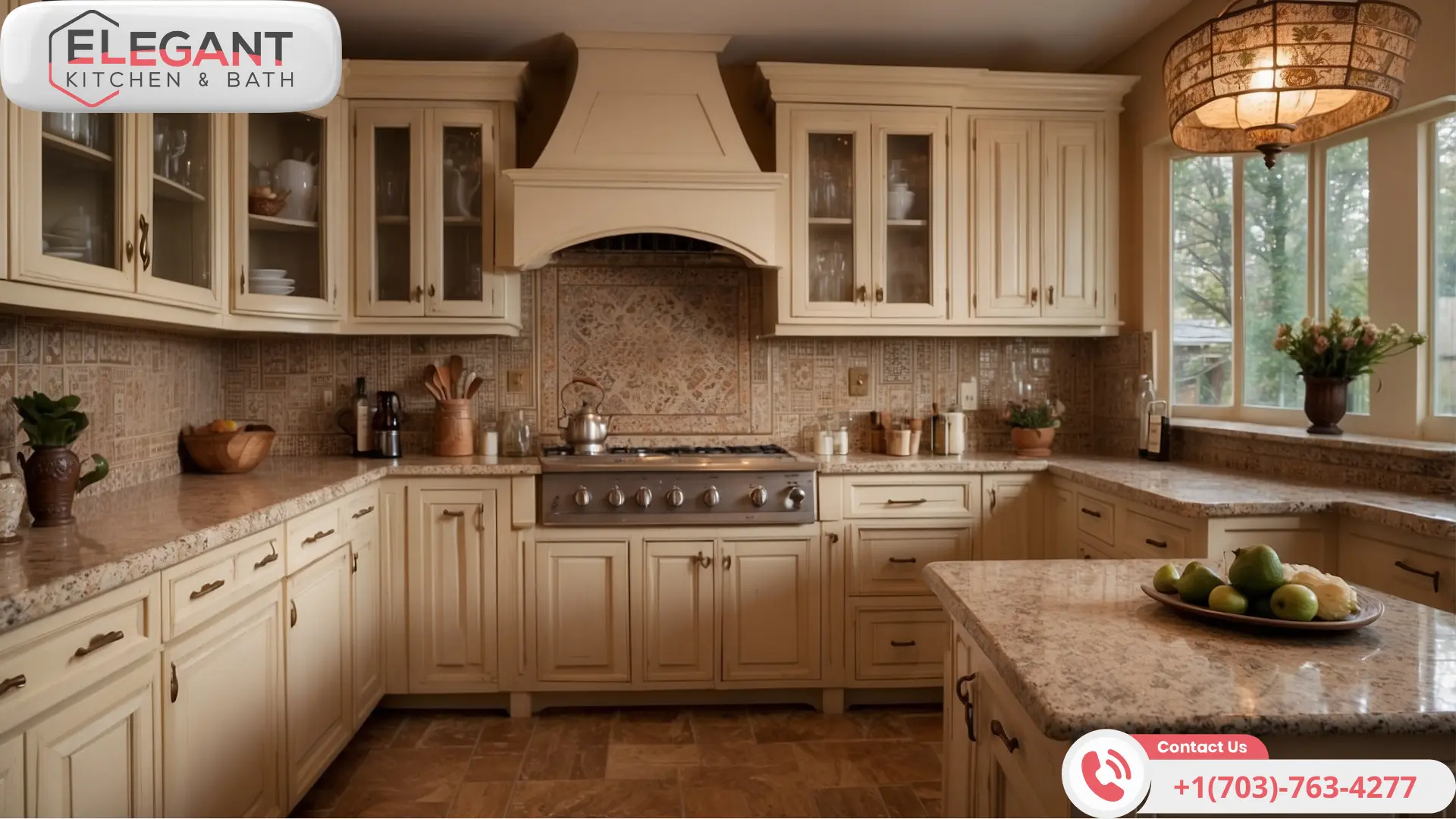
Why Choose Porcelain for Your Kitchen Backsplash
Porcelain tile backsplashes offer a durable and water-resistant solution for your kitchen, making them an ideal choice for areas prone to moisture and spills. Unlike wood or other porous materials, porcelain tiles are easy to clean and maintain, ensuring a hygienic and stylish cooking environment.
With a wide range of colors, patterns, and textures, porcelain tiles allow for endless design possibilities in your kitchen. From sleek and modern to rustic and traditional, you can find a porcelain tile that complements your interior design style and seamlessly integrates with your countertops, floors, and cabinets:
| Porcelain Tile Advantages | Design Versatility |
|---|---|
| Durable and water-resistant | Wide range of colors and patterns |
| Easy to clean and maintain | Complements various interior design styles |
| Suitable for kitchen and bathroom settings | Seamlessly integrates with countertops and floors |
Porcelain tiles also offer excellent waterproofing properties, making them a perfect choice for areas exposed to moisture, such as behind the sink or stove. When properly installed with grout, porcelain backsplashes create a durable barrier against water damage, ensuring the longevity of your kitchen’s beautiful design.
Top Trends in Porcelain Tile Designs
Hexagon-shaped porcelain tiles have emerged as a popular design trend for kitchen backsplashes. They add a modern geometric flair to the space and can be arranged in various patterns, creating a visually striking backdrop that complements traditional and contemporary cabinetry.
Another trending design option is beige and neutral-toned porcelain tiles, which offer a timeless and versatile look. These subtle hues can be paired with a wide range of countertop materials and kitchen cart finishes, allowing for a cohesive and stylish design throughout the kitchen.
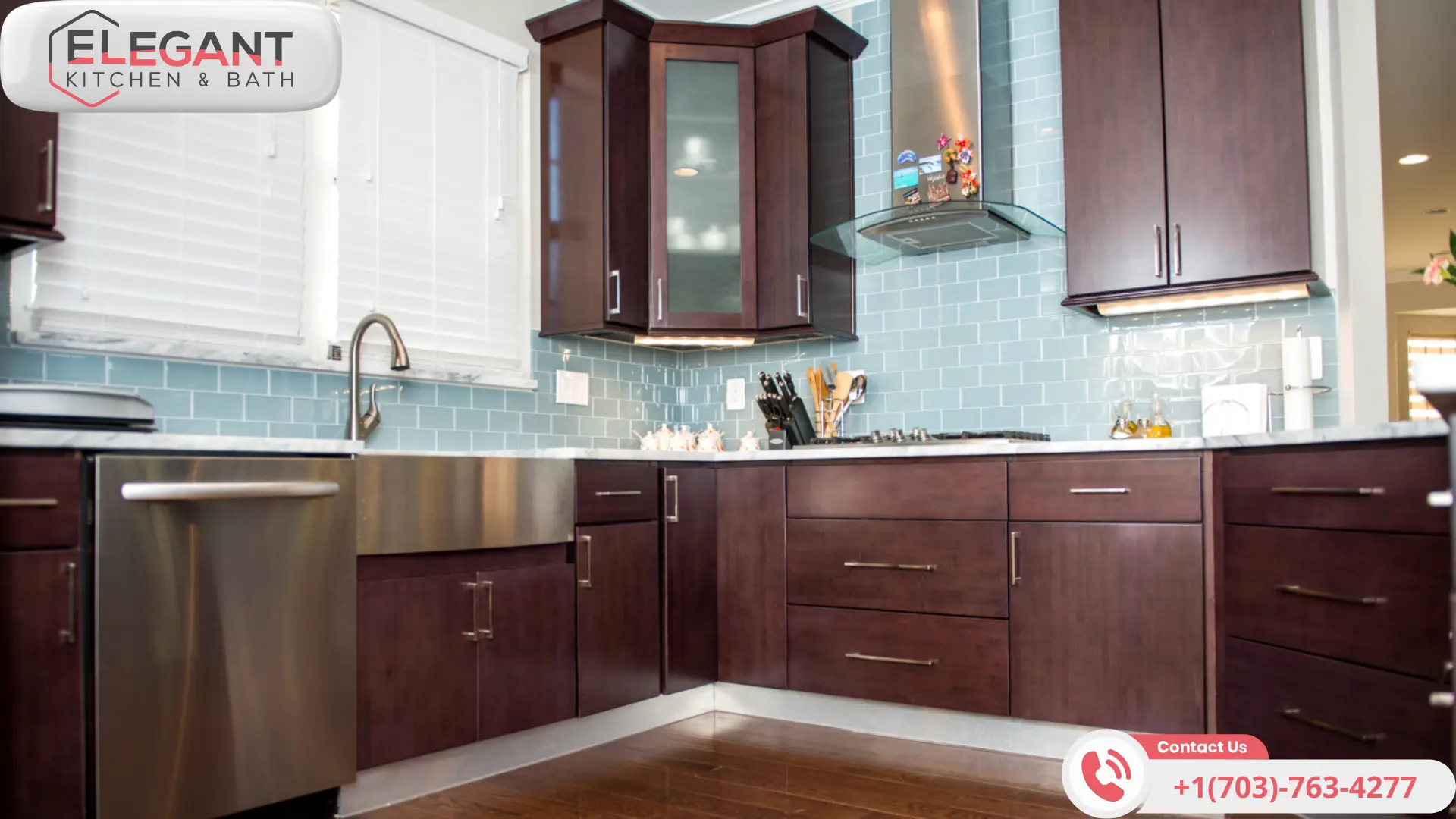
Tips for Selecting the Perfect Porcelain Backsplash
When selecting a porcelain backsplash, consider the kitchen’s overall design aesthetic and choose a tile that complements the countertops, cabinets, and flooring. Popular options include classic subway tiles, intricate arabesque patterns, and natural-looking slate or brick textures. Experimenting with different colors, sizes, and finishes can help create a unique and personalized look.
Durability and ease of maintenance should also be considered when choosing a porcelain backsplash. Porcelain tiles are highly resistant to stains, scratches, and moisture, making them ideal for busy kitchens. Consider incorporating metal accents or mosaic tiles to create a focal point behind the stove or sink area for added visual interest.
How to Choose the Right Porcelain Tile for Your Style
Selecting the right porcelain tile backsplash when renovating your kitchen is crucial to creating a cohesive and stylish room. With a wide array of colors, shapes, and patterns, porcelain tiles offer the versatility needed to match your kitchen aesthetics. The possibilities are endless, from classic subway tiles to intricate herringbone patterns and even glass tile accents. Porcelain tiles can also mimic the look of natural materials like limestone, allowing you to achieve a desired style without compromising durability and ease of maintenance. You can create a stunning and personalized kitchen design by understanding color schemes, exploring various tile shapes, and matching the backsplash with your cabinetry.

Understanding Color Schemes and Kitchen Aesthetics
Consider your kitchen’s overall color scheme when selecting a porcelain tile backsplash. Opting for neutral tones like beige, gray, or white can create a timeless backdrop that complements various traditional and modern styles. Incorporate vibrant hues or patterns that harmonize with your cabinetry, countertops, and appliances, such as terracotta or large-format tiles, for a bolder look.
Your kitchen’s aesthetic plays a significant role in determining the perfect porcelain tile backsplash. Consider the following styles and their corresponding tile choices:
- Classic and traditional kitchens: Subway tiles, travertine, or herringbone patterns
- Modern and minimalist spaces: Large format tiles, sleek geometric shapes, or monochromatic color schemes
- Rustic and farmhouse-inspired kitchens: Weathered finishes, natural stone lookalikes, or handcrafted ceramic tiles
Understanding your kitchen’s color scheme and overall aesthetic allows you to narrow down your porcelain tile options and create a cohesive design.
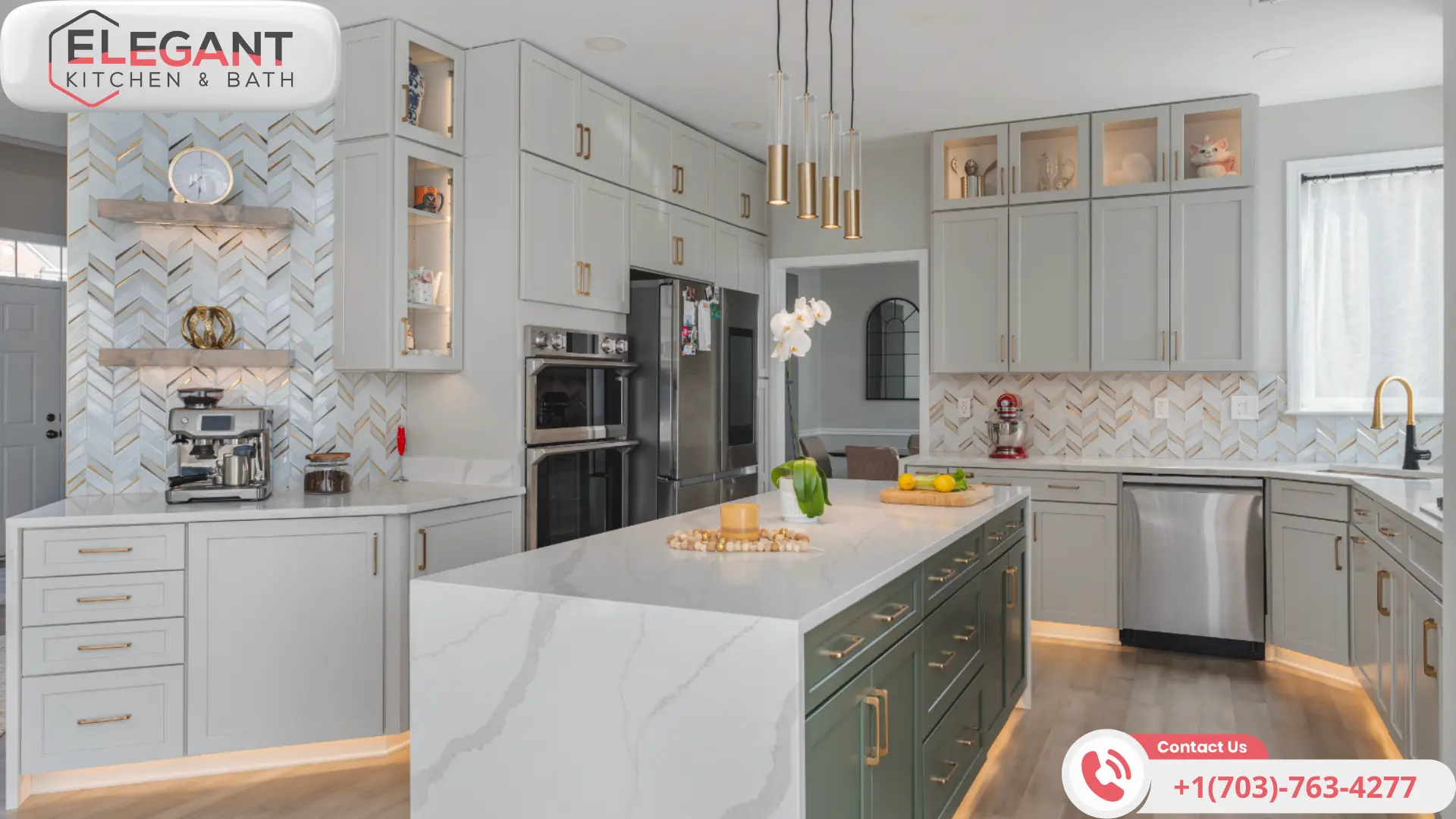
Porcelain Tile Shapes That Elevate Your Kitchen
The shape of porcelain tiles can significantly impact a kitchen backsplash’s overall look and feel. Hexagonal tiles add a modern, geometric flair that beautifully reflects light, while arabesque and lantern shapes introduce an elegant, timeless aesthetic. Homeowners can also opt for large format tiles to create a seamless, minimalist look that complements sleek, modern sinks and concrete countertops.
When selecting the perfect tile shape for a kitchen backsplash, consider the lighting and overall style of the space. Elongated shapes like subway tiles can make a small kitchen appear more prominent, while mosaics and intricate patterns add visual interest and depth. Ultimately, the right porcelain tile shape can elevate the kitchen design and provide a stunning focal point, making the backsplash a worthwhile home improvement investment at any price point.
Matching Porcelain Tiles With Kitchen Cabinetry
When selecting porcelain tiles for a kitchen backsplash, consider the color and finish of the cabinetry. Light-colored tiles in a satin or matte finish can create a soft, elegant look when paired with white or cream cabinets. In contrast, darker tiles with a glossy finish can add depth and sophistication to espresso or black cabinetry.
Porcelain tiles with a natural stone look, such as marble or travertine, can beautifully complement wood cabinets, creating a timeless and inviting atmosphere. Choose tiles that share undertones with the cabinetry for a cohesive design, such as cool gray tones for silver-finished cabinets or warm beige hues for golden oak.
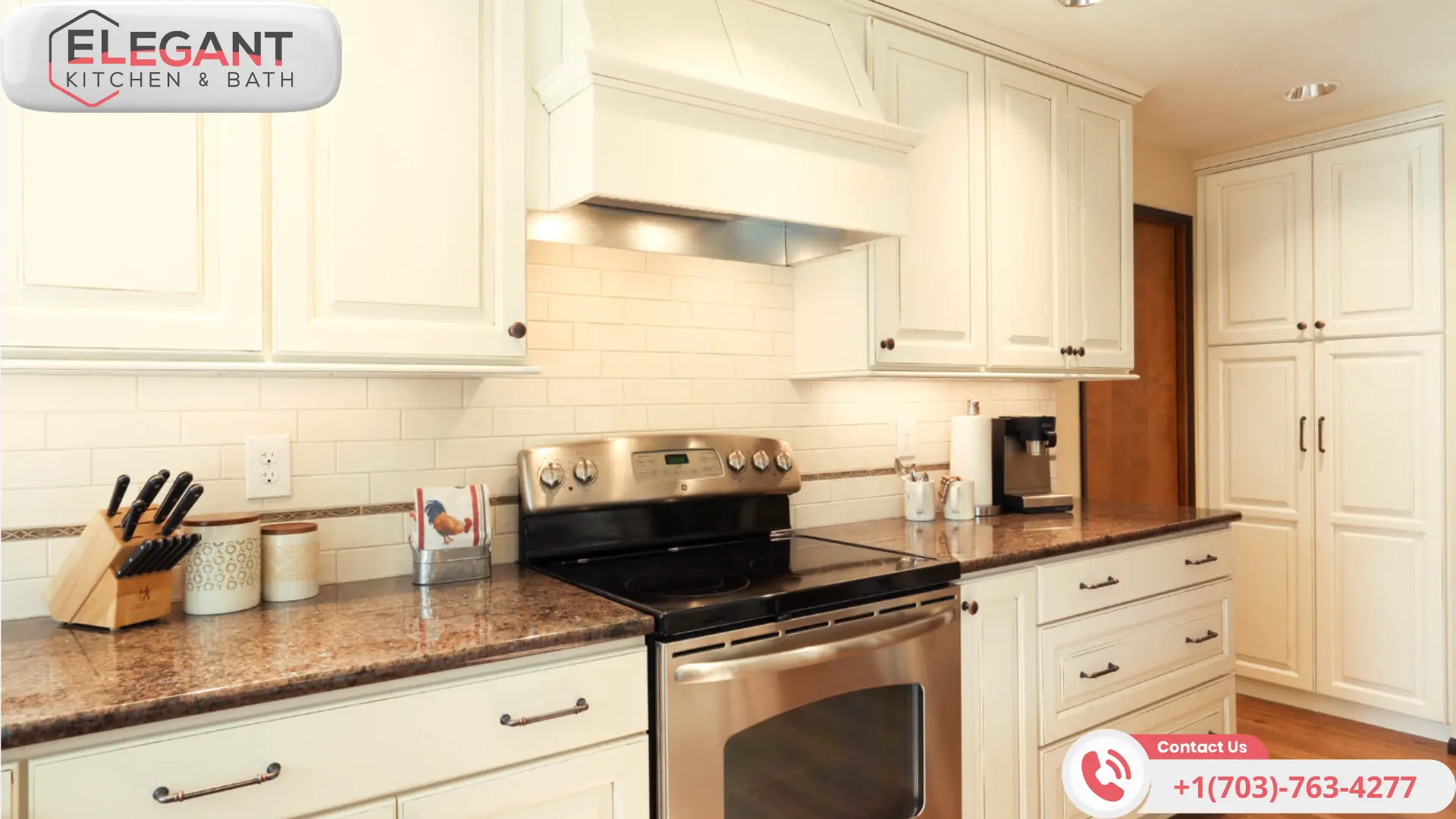
Installation Techniques for a Seamless Porcelain Backsplash
When embarking on a kitchen renovation project, installing a porcelain tile backsplash is a crucial step that can transform the look and feel of your space. The proper techniques and best practices are essential to ensure a seamless installation. From preparing your walls for tile installation to following a step-by-step guide and adding finishing touches, this section will provide you with the knowledge needed to achieve a professional-looking backsplash that will withstand the test of time.
Whether you’re a DIY enthusiast or planning to hire a contractor, understanding the installation process can help you make informed decisions and ensure your porcelain tile backsplash is installed correctly, enhancing the beauty and functionality of your kitchen for years to come. So, let’s dive into the world of porcelain tile installation and discover the secrets to a flawless backsplash that will envy your guests and the perfect backdrop for your culinary creations, from the stove to the countertops and everything in between.
Preparing Your Walls for Porcelain Tile Installation
Before installing porcelain tiles, ensure the wall surface is clean, dry, and free from debris or building material residue. Use a level to check for unevenness, and apply a layer of cement board or backer board to create a flat, stable surface for the tiles.
Mark the layout of the porcelain tiles on the wall, taking into account any patterns or designs, such as encaustic tiles or copper accents. Use a tile cutter or wet saw to precisely cut the tiles to fit around outlets, switches, or other obstacles, ensuring a seamless and professional look.
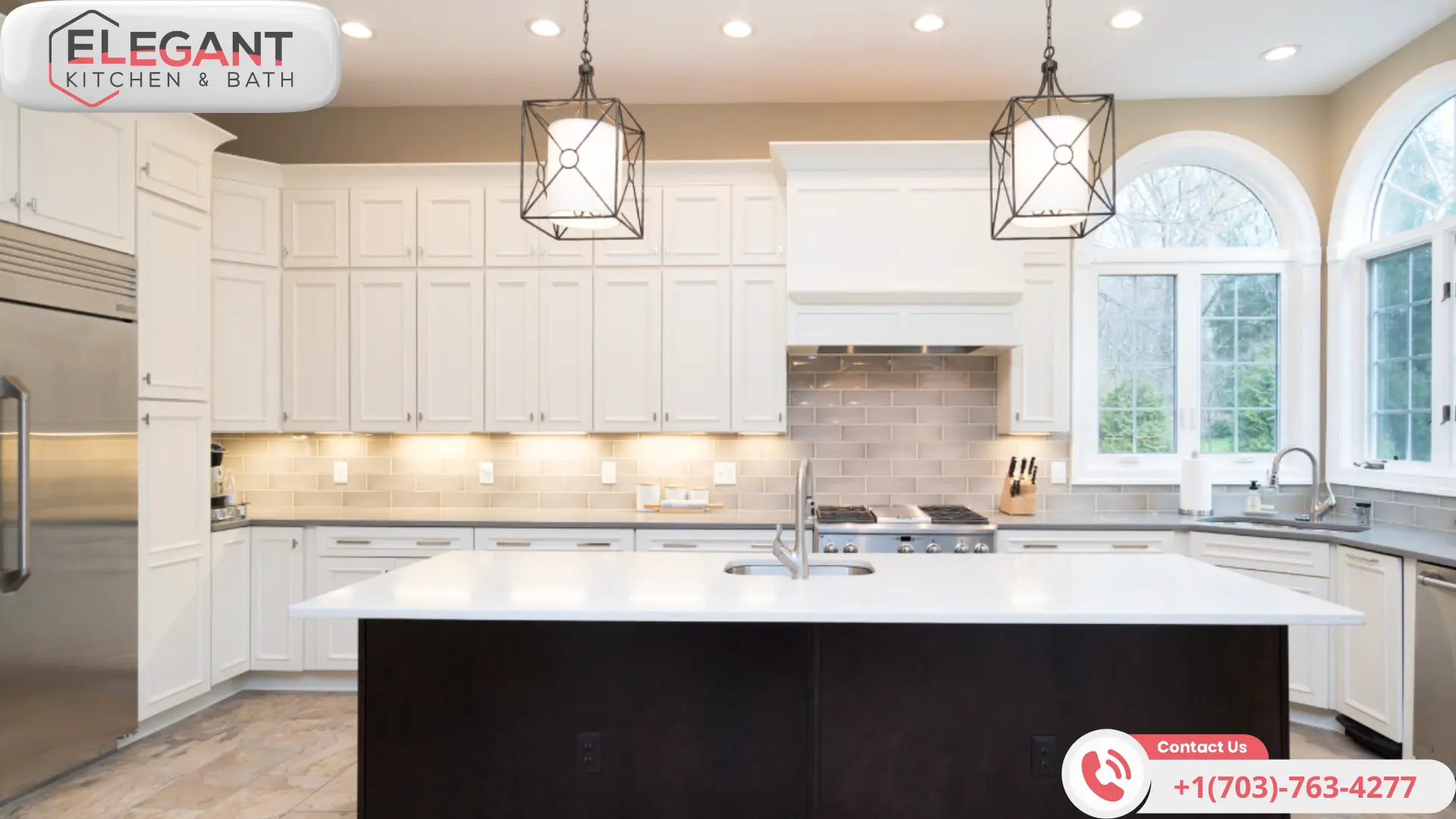
Step-by-Step Guide to Installing Porcelain Tiles
Begin the porcelain tile installation process by applying a layer of thin-set mortar to the prepared wall surface using a notched trowel. Press the tiles firmly into the mortar, ensuring they are level and evenly spaced, using spacers to maintain consistent grout lines between each tile.
Once the tiles are in place, allow the mortar to cure according to the manufacturer’s instructions before applying grout. Mix the grout to a smooth consistency and apply it to the gaps between the tiles using a rubber float, wiping away any excess with a damp sponge:
- Apply thin-set mortar to the wall using a notched trowel
- Press porcelain tiles firmly into the mortar, ensuring they are level and evenly spaced
- Use spacers to maintain consistent grout lines between each tile
- Allow the mortar to cure according to the manufacturer’s instructions
- Mix grout to a smooth consistency and apply it to gaps between tiles using a rubber float
- Wipe away excess grout with a damp sponge for a clean finish
Consider incorporating quartzite or ivory-colored porcelain tiles in your backsplash design for a touch of elegance. These materials can add a luxurious feel to your kitchen, complementing modern appliances and home automation systems. When selecting tile sizes, remember that larger format tiles, such as 12-inch by 24-inch, can create a seamless, contemporary look, while smaller 3-inch by 6-inch subway tiles offer a classic, timeless aesthetic.

Finishing Touches to Ensure Durability
To ensure the longevity of a porcelain tile backsplash, homeowners should apply a penetrating sealer to the grout lines, protecting them from stains and moisture. For a unique touch, consider incorporating accent tiles made from natural materials like pebble or quartz, which can add visual interest and texture to the backsplash design.
When selecting grout colors, opt for hues that complement the porcelain tiles and overall kitchen aesthetic, such as a crisp white to accompany classic white ceramic subway tiles or a soft gray to blend seamlessly with modern, neutral-toned tiles.
Following the manufacturer’s terms of service and guidelines for proper installation and maintenance, a porcelain tile backsplash can remain beautiful and durable for years, withstanding the daily wear and tear of kitchen activities, from cooking and cleaning to the occasional spill of liquids.
Maximizing Small Kitchens With Porcelain Tile Backsplashes
In small kitchens, the choice of ceramic backsplash tiles can significantly impact the perceived size and spaciousness of the room. Light-colored porcelain tiles, such as white ceramic backsplash tile or white porcelain backsplash, can create a bright and airy atmosphere, making the kitchen look larger. The grout color also plays a crucial role in maximizing the visual appeal of a small kitchen, with lighter hues helping to create a seamless and expansive look. Additionally, carefully selected patterns for kitchen backsplash porcelain tile can enhance the kitchen’s perceived size, drawing the eye and creating an illusion of depth.
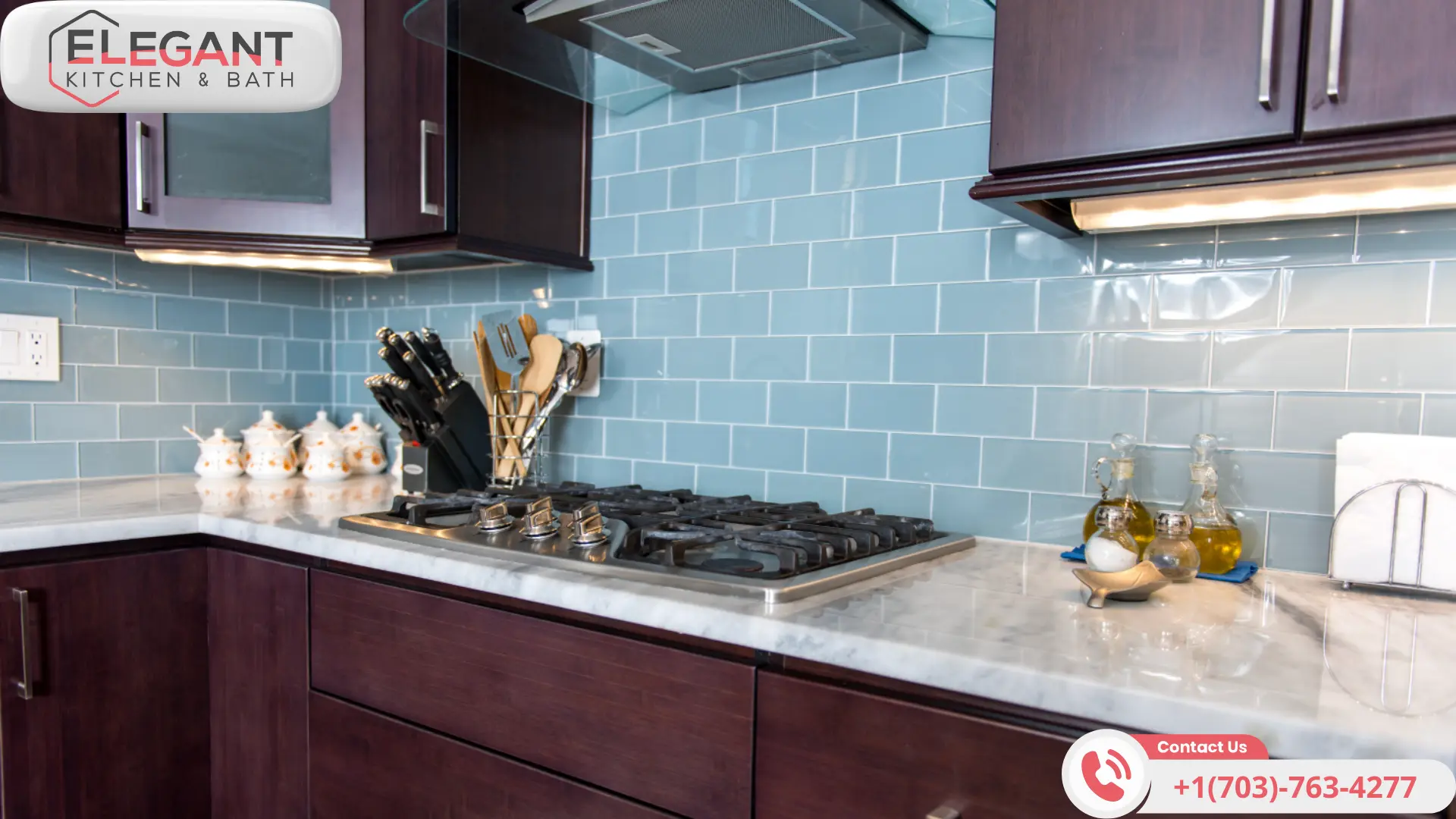
Choosing Light-Colored Tiles for a Spacious Feel
Light-colored porcelain backsplash tiles can create a sense of spaciousness in small kitchens. A white or pale-hued kitchen ceramic backsplash tile can make the space feel larger and more open by reflecting light and visually expanding the room.
When selecting a porcelain backsplash for a small kitchen, consider the following options:
- White subway tiles for a classic, timeless look
- Pale gray or beige porcelain tiles for a modern, neutral aesthetic
- Glossy or polished finishes enhance light reflection and create a brighter atmosphere
By opting for a light-colored porcelain backsplash kitchen, homeowners can maximize the visual appeal of their small space and create a welcoming, airy environment.
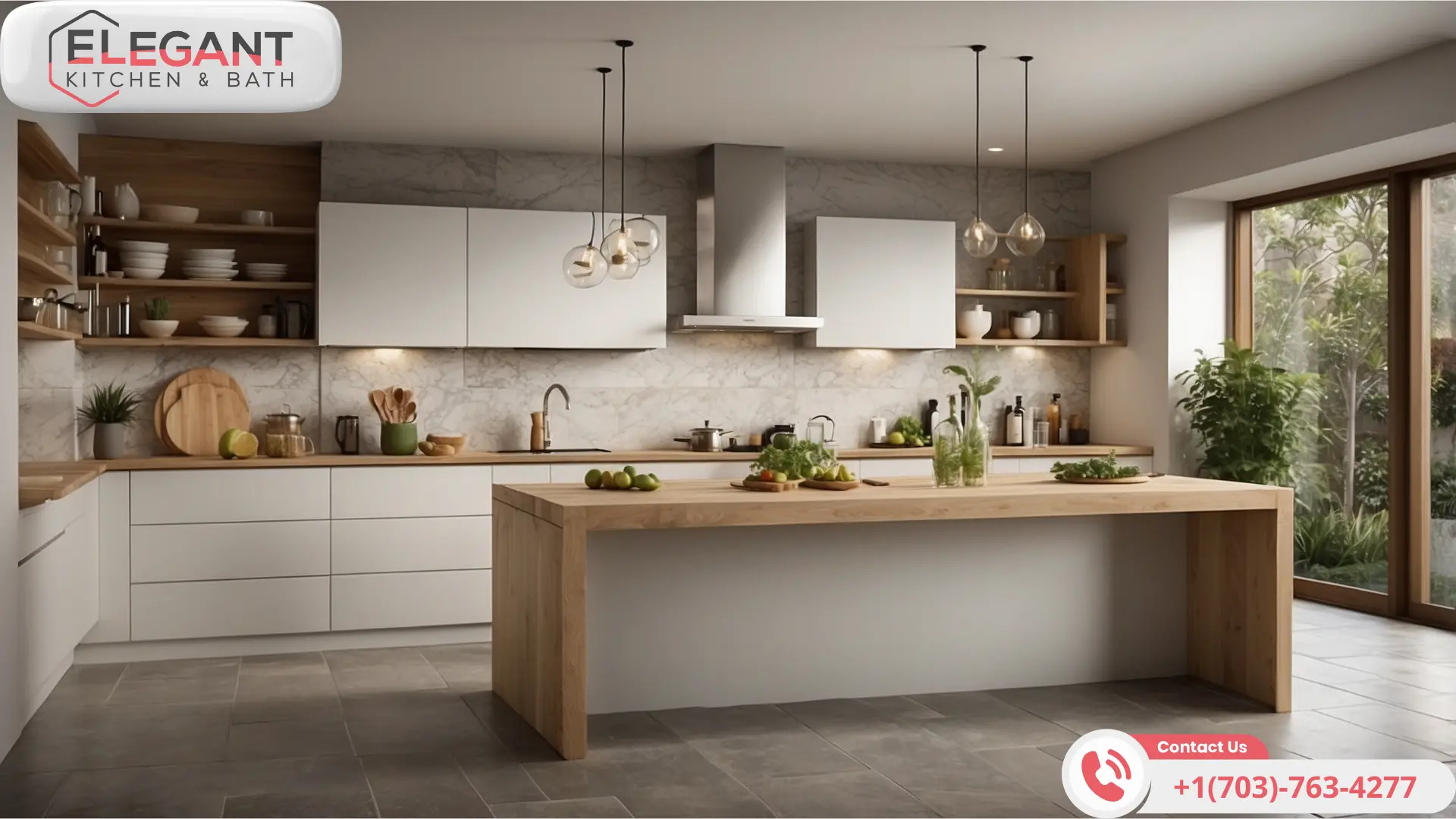
The Role of Grout Color in Small Kitchens
When paired with porcelain tile backsplashes, the choice of grout color can significantly impact the perceived size of a small kitchen. Opting for a grout color that closely matches the tile creates a cohesive, seamless look that helps to expand the space visually.
Alternatively, a contrasting grout color can add depth and dimension to the backsplash, creating a striking focal point that draws the eye away from the kitchen’s limited size. When selecting a contrasting grout color, it’s essential to consider the overall color scheme of the kitchen to ensure a harmonious and balanced design.
Patterns That Enhance Perceived Kitchen Size
Carefully selected patterns for porcelain tile backsplashes can create the illusion of depth and spaciousness in small kitchens. By drawing the eye and creating visual interest, these patterns can divert attention from the kitchen’s limited size.
Some effective patterns for enhancing the perceived size of a small kitchen include:
- Herringbone or chevron patterns to elongate the backsplash and create a sense of movement
- Vertical or stacked tile layouts draw the eye upward and make the ceiling appear higher
- Large-format tiles with minimal grout lines to create a seamless, uninterrupted surface
By incorporating these patterns into a porcelain tile backsplash, homeowners can maximize the visual impact of their small kitchen and create a stunning, spacious-feeling design.
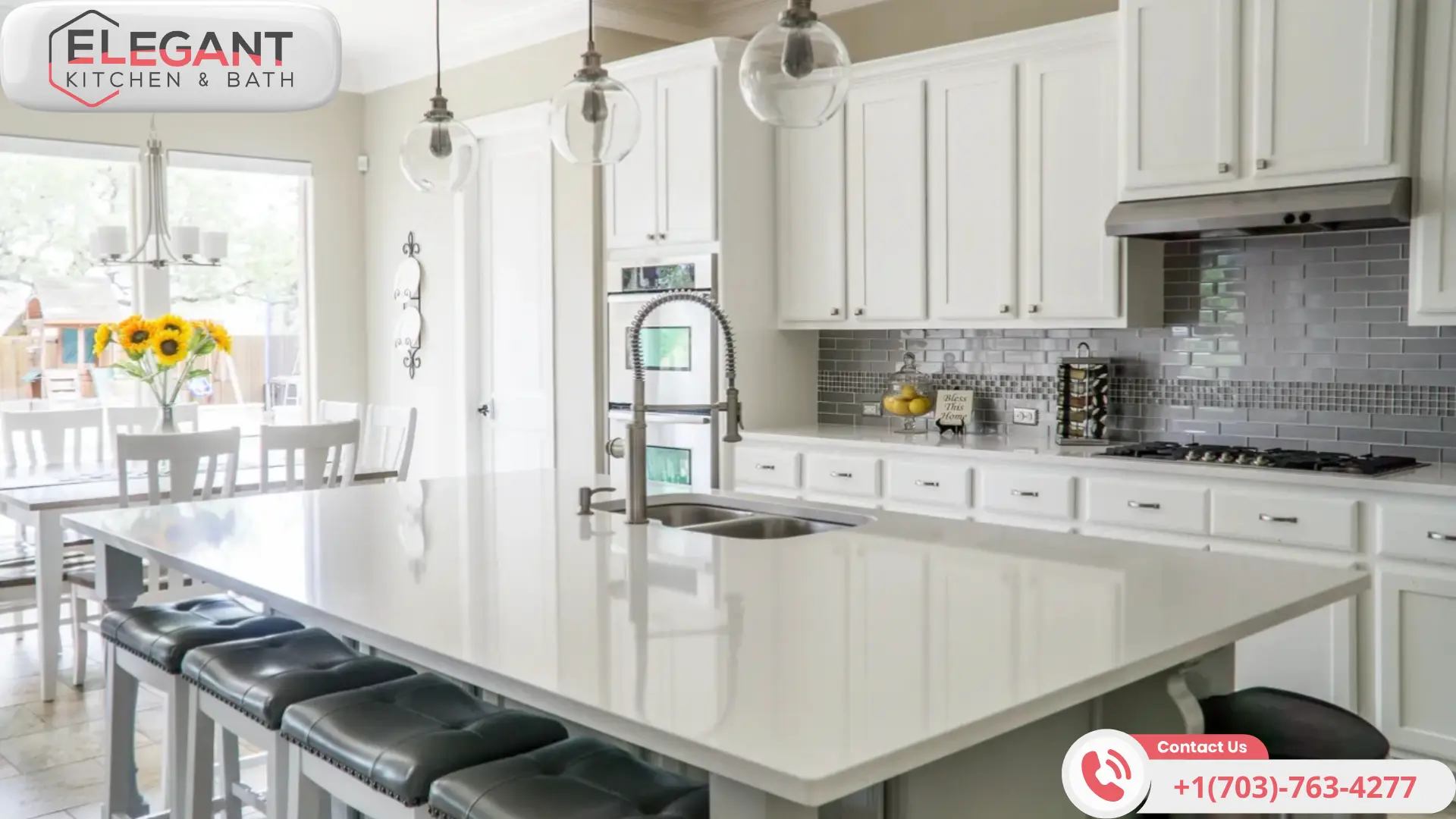
Porcelain Backsplash Maintenance and Care Tips
Maintaining the beauty and durability of a porcelain tile backsplash is essential for preserving the overall aesthetic of a kitchen. By implementing proper cleaning routines, promptly addressing stains and spills, and following long-term care practices, homeowners can ensure their porcelain tiles remain pristine for years. This section will explore the various methods and techniques for effectively cleaning and caring for porcelain backsplashes, helping to keep them looking as stunning as the day they were installed.
Daily Cleaning Routines for Porcelain Tiles
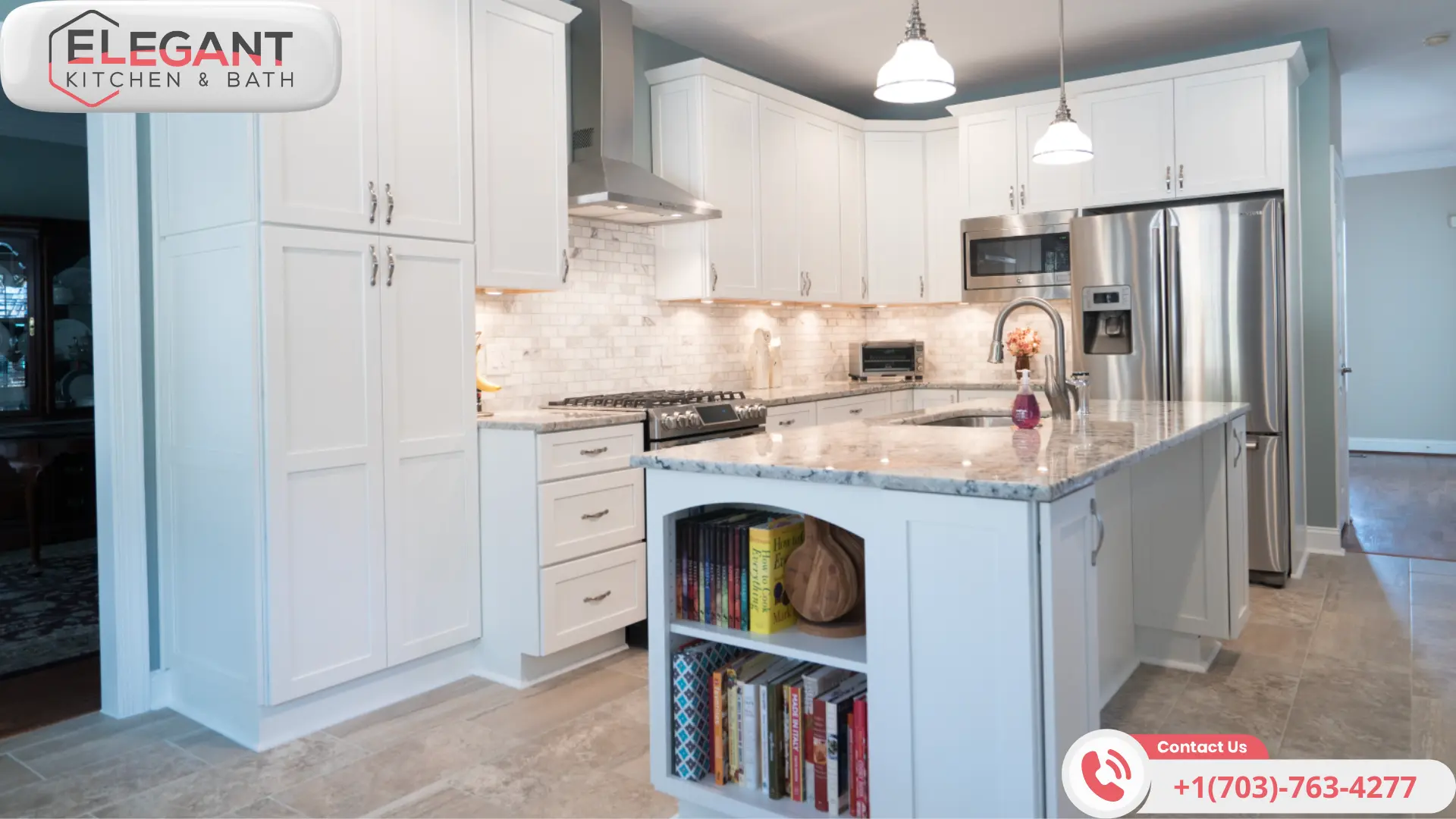
A daily cleaning routine is highly recommended to maintain the pristine appearance of porcelain tile backsplashes. Begin by wiping down the tiles with a soft, damp cloth or sponge to remove any surface dirt, dust, or debris. For tougher stains or grease splatters, use a mild, pH-neutral cleaner specifically designed for porcelain tiles, following the manufacturer’s instructions.
Avoiding abrasive materials or harsh chemicals that can damage the tile surface or grout when cleaning porcelain backsplashes is crucial. Instead, opt for gentle, non-abrasive cleaning tools such as microfiber cloths or soft-bristled brushes to maintain the integrity of the tiles:
- Use a soft, damp cloth or sponge for daily wiping.
- Choose a mild, pH-neutral cleaner for tougher stains.
- Avoid abrasive materials or harsh chemicals.
- Opt for gentle, non-abrasive cleaning tools like microfiber cloths or soft-bristled brushes.
Dealing With Stains and Spills on Your Backsplash
Accidents happen; when they do, it’s essential to act quickly to prevent stains from falling into the porcelain tiles or grout. Blot up spills immediately with a clean, absorbent cloth or paper towel, not spreading the spill further. For tougher stains, such as tomato sauce or coffee, apply a baking soda paste or a specialized porcelain tile stain remover, allowing it to sit for several minutes before gently scrubbing and rinsing with clean water.
To minimize the risk of stains on a porcelain backsplash, consider applying a grout sealer to protect the porous material between the tiles. This application creates an invisible barrier that repels moisture and prevents stains from penetrating deep into the grout lines. Homeowners should reapply the sealer every 1-2 years, depending on the level of kitchen activity and exposure to potential staining agents, to maintain optimal protection and keep their porcelain backsplash looking flawless.
Long-Term Care Practices to Keep Tiles Pristine
To maintain the long-term beauty of porcelain tile backsplashes, homeowners should perform regular deep cleaning sessions. These sessions involve using a steam cleaner or a mixture of warm water and a mild, pH-neutral detergent to thoroughly clean the tiles and grout lines, removing any built-up dirt, grime, or residue.
In addition to regular cleaning, inspect the porcelain backsplash periodically for any signs of damage, such as cracked or chipped tiles or deteriorating grout. Address these issues promptly by replacing damaged tiles and re-grouting as needed to prevent further deterioration and maintain the integrity of the backsplash:
- Perform regular deep cleaning sessions using a steam cleaner or mild detergent solution.
- Inspect the backsplash periodically for signs of damage, such as cracked or chipped tiles.
- Address any issues promptly by replacing damaged tiles and re-grouting as needed.
Innovative Layouts and Patterns for Porcelain Backsplashes
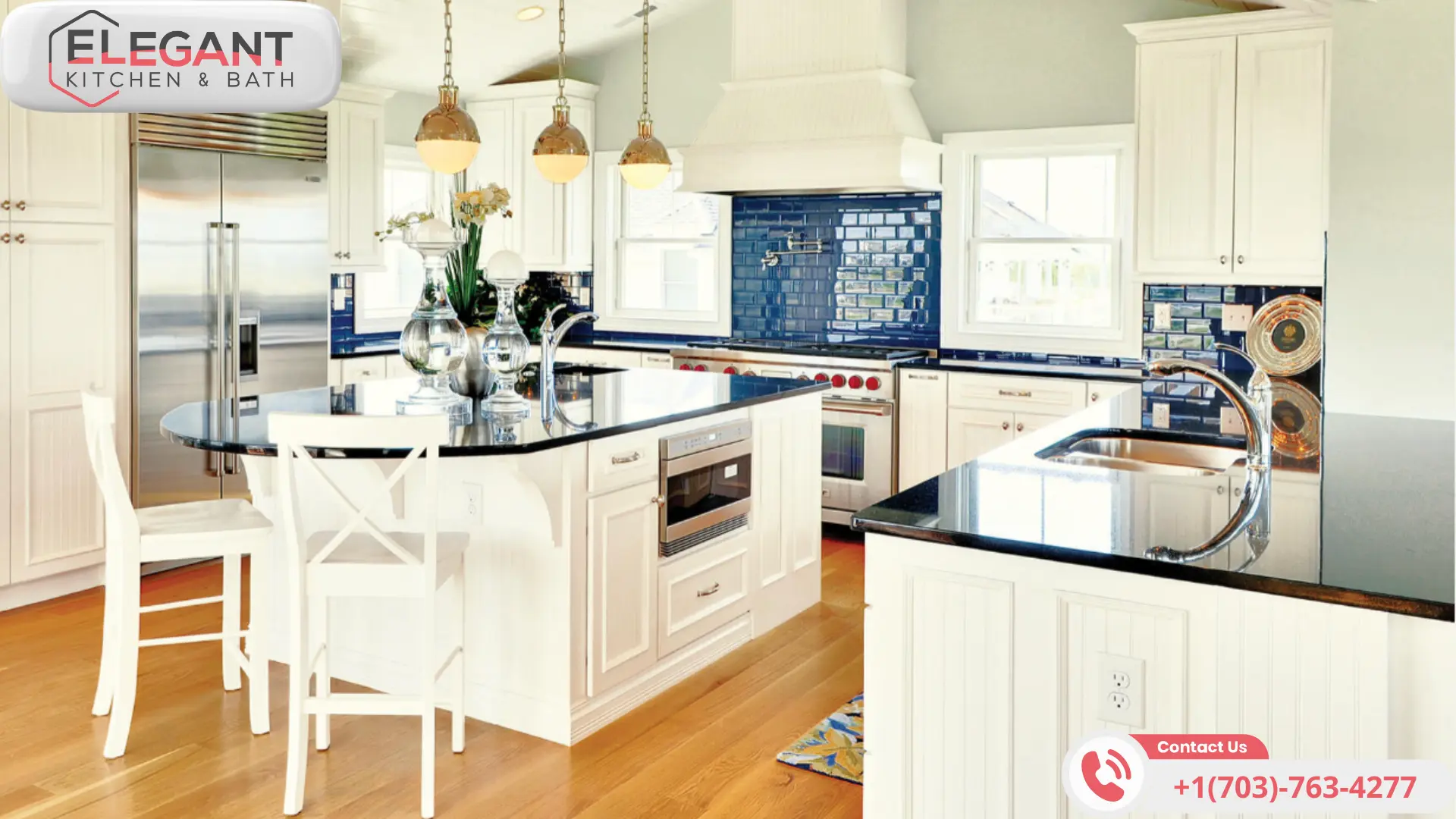
Porcelain tile backsplashes offer endless possibilities for creating a stunning and unique focal point in the kitchen. With many layouts, patterns, and tile combinations available, homeowners can unleash their creativity and design a backsplash that genuinely reflects their style. From dynamic herringbone and chevron patterns to the bold statement of mixing and matching tiles and the sleek, modern look of large-format tiles, the options for crafting an elegant and eye-catching porcelain backsplash are limitless.
Herringbone and Chevron Patterns for Dynamic Walls
When incorporated into porcelain tile backsplashes, herringbone, and chevron patterns create a dynamic and visually striking appearance. These eye-catching layouts add depth, movement, and a touch of sophistication to any kitchen design, instantly elevating the overall aesthetic.
When selecting between herringbone and chevron patterns, consider the desired effect and the size of the kitchen space:
- Herringbone patterns feature tiles arranged in a zigzag formation, creating a more subtle and intricate look that adds visual interest without overwhelming the space.
- Chevron patterns are characterized by tiles meeting at a central point to form a V-shape. This results in a bolder, more geometric appearance that can make a dramatic statement in larger kitchens.
Mixing and Matching Tiles for a Unique Backsplash
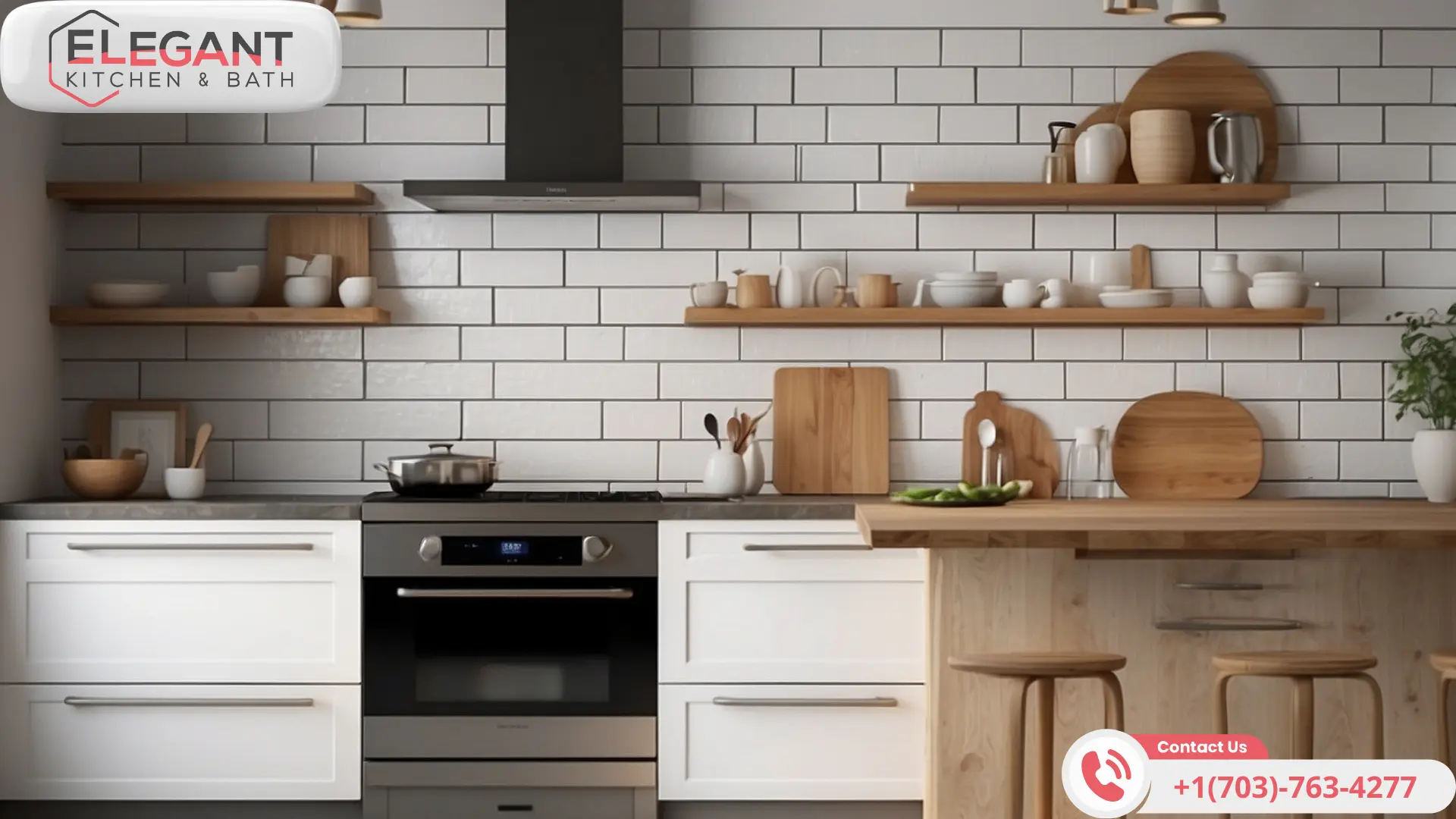
Mixing and matching porcelain tiles is an excellent way to create a one-of-a-kind backsplash that reflects personal style. By combining different colors, patterns, and sizes, homeowners can design a unique and eye-catching focal point in their kitchen.
When mixing and matching tiles, consider the following tips to ensure a cohesive and visually appealing design:
- Choose a unifying color or theme to tie the various tiles together.
- Incorporate a range of sizes, from small mosaics to larger format tiles, for added visual interest.
- Use contrasting textures like matte and glossy finishes to create depth and dimension.
- Establish a focal point by strategically placing a unique or bold tile pattern in a prominent area.
By carefully selecting and arranging a mix of porcelain tiles, homeowners can transform their kitchen backsplash into stunning artwork that showcases their style.
Using Large Format Tiles for a Modern Look
Large format porcelain tiles, typically 12 inches or more long, create a sleek and modern look when used in kitchen backsplashes. These size-able tiles minimize grout lines, resulting in a seamless, uncluttered appearance that complements contemporary kitchen designs.
When incorporating large format tiles into a porcelain backsplash, consider the overall proportions of the kitchen space to ensure a balanced and harmonious look. Pair these expansive tiles with similarly sized countertops and cabinetry for a cohesive design, creating a sense of continuity and flow throughout the kitchen.
Incorporating Colorful Porcelain Tiles for a Vibrant Kitchen
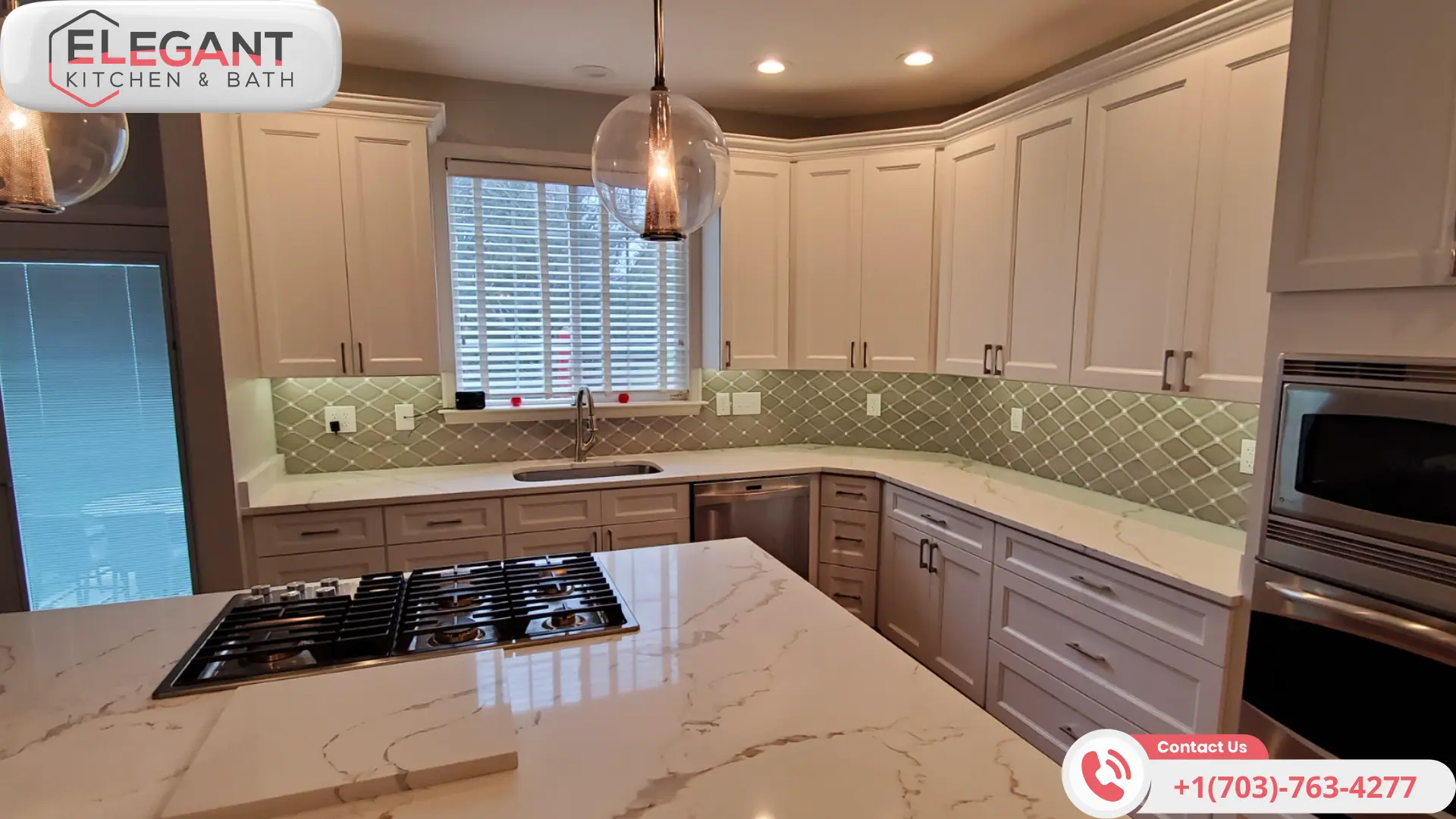
Colorful porcelain tiles can transform a kitchen backsplash into a vibrant and eye-catching focal point. Homeowners can infuse their kitchen with personality and style by incorporating bold hues, soft pastels, or strategic color blocking. The following sections explore various ways to use colorful porcelain tiles to create a stunning and inviting atmosphere that reflects individual taste and complements the kitchen design.
Bright and Bold Colors That Make a Statement
Incorporating bright and bold porcelain tiles into a kitchen backsplash can create a striking statement and instantly energize the space. Vivid hues like vibrant blues, fiery reds, or sunny yellows draw the eye and infuse the kitchen with a lively, cheerful atmosphere. These daring color choices work particularly well when paired with neutral cabinetry and countertops, allowing the backsplash to take center stage.
When selecting bold colors for a porcelain tile backsplash, consider the overall color scheme of the kitchen to ensure a cohesive and harmonious design. Homeowners can opt for a single, vibrant hue to create a uniform, impactful look or mix and match complementary colors for a dynamic, eye-catching effect. By embracing bright and bold porcelain tiles, a kitchen backsplash becomes a captivating focal point that radiates energy and personality.
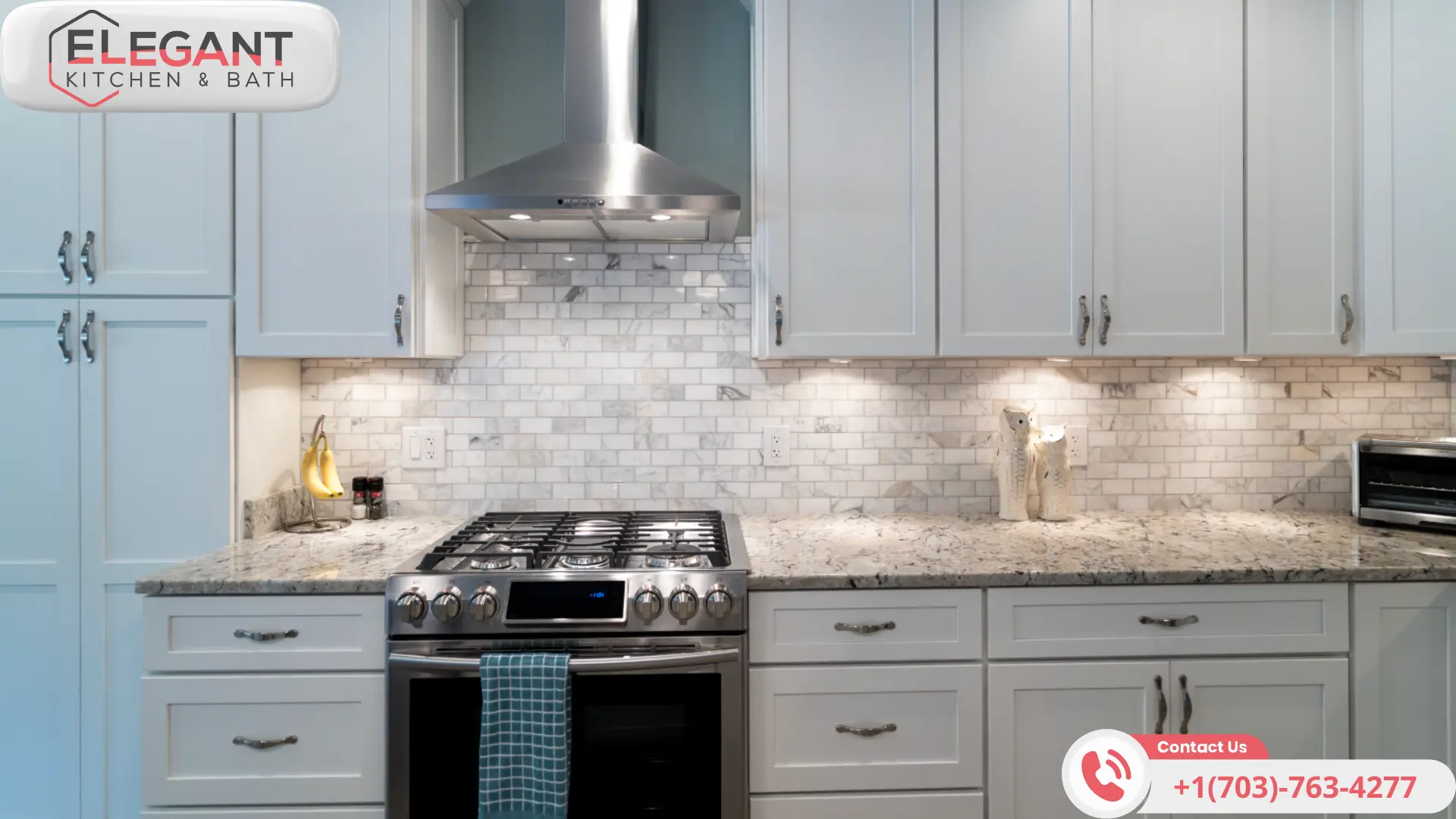
Pastel Tiles for a Soft and Inviting Atmosphere
Pastel porcelain tiles offer a soft and inviting alternative for kitchen backsplashes, creating a soothing and welcoming atmosphere. Delicate shades of pale pink, mint green, or light blue can imbue the space with tranquility and sophistication, making the kitchen feel like a cozy and peaceful retreat.
When incorporating pastel tiles into a porcelain backsplash, consider the following combinations to create a harmonious and inviting design:
| Pastel Color | Complementary Accents | Overall Effect |
|---|---|---|
| Pale Pink | Soft Gray, White | Romantic and Feminine |
| Mint Green | Crisp White, Light Wood | Fresh and Invigorating |
| Light Blue | Beige, Champagne Gold | Calming and Serene |
By carefully selecting pastel porcelain tiles and pairing them with complementary accents, homeowners can create a soft, inviting kitchen backsplash that exudes charm and tranquility. This gentle color palette is perfect for those seeking a peaceful and sophisticated atmosphere in their culinary space.
Color Blocking With Porcelain Tiles
Color blocking with porcelain tiles creates a dynamic and modern kitchen backsplash design. Combining contrasting or complementary colors in distinct sections allows homeowners to craft a visually striking and engaging focal point that draws the eye and adds depth to the space.
When planning a color-blocked porcelain tile backsplash, consider the kitchen’s overall color scheme and select hues that harmonize with the cabinetry, countertops, and appliances. Experimenting with various color combinations, such as navy blue, crisp white, deep green, and soft gray, can create a unique, personalized design that reflects individual style and taste.
The Elegance of Minimalist Porcelain Backsplash Designs
Minimalist porcelain backsplash designs offer a timeless, sophisticated aesthetic that complements various kitchen styles. By embracing simplicity and clean lines, these elegant backsplashes create a sense of calm and spaciousness in the kitchen, allowing other elements, such as countertops and appliances, to shine.
The following sections explore the various aspects of minimalist porcelain tile designs, from monochromatic color schemes and understated patterns to the choice between matte and glossy finishes. They give homeowners the knowledge to create a stunning, refined backsplash that effortlessly elevates their kitchen’s overall aesthetic.
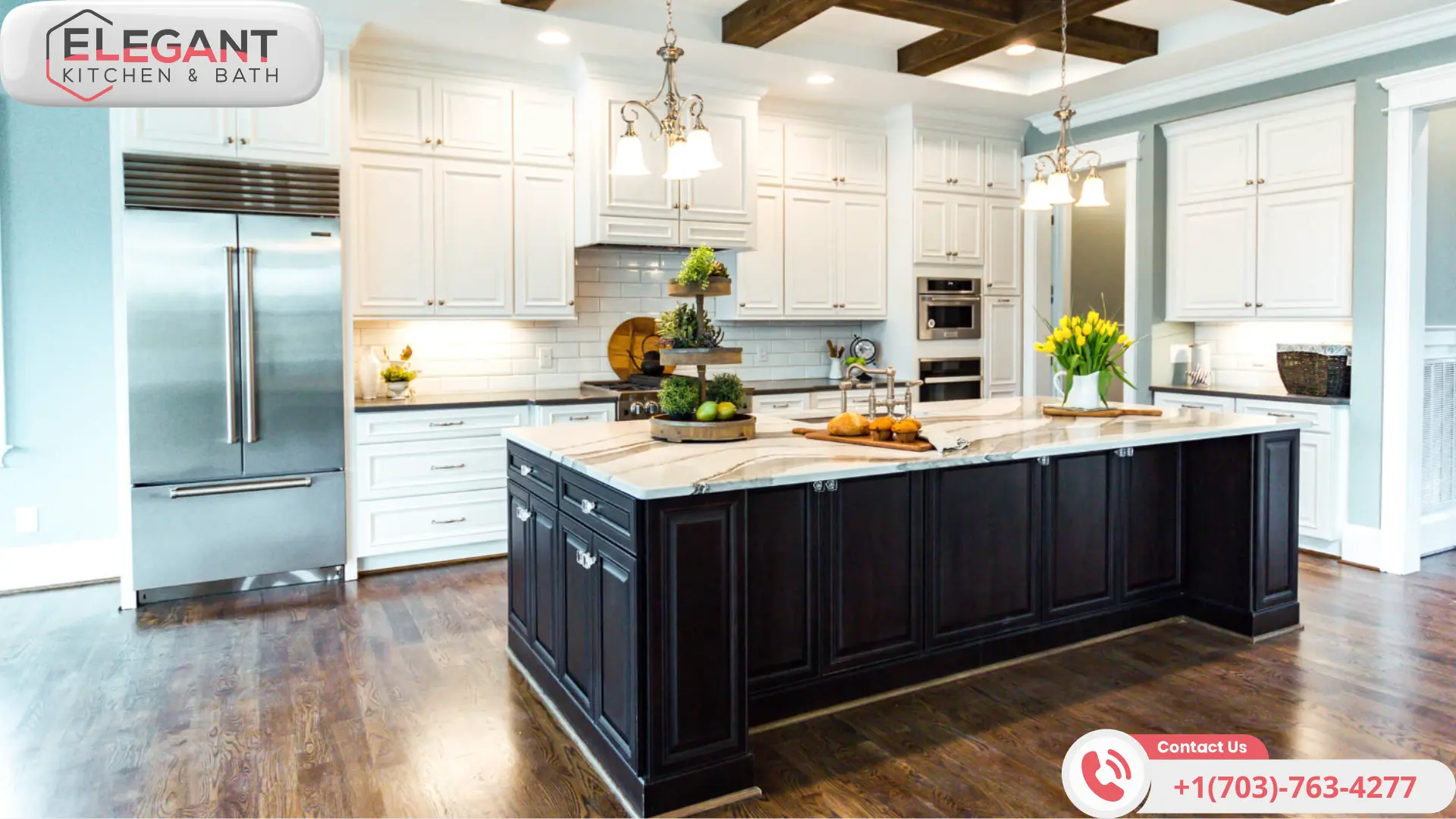
Monochromatic Color Schemes for a Sleek Look
Monochromatic color schemes featuring varying shades of a single hue create a sleek and sophisticated look for minimalist porcelain backsplash designs. Homeowners can achieve a cohesive, streamlined aesthetic that exudes elegance and simplicity by focusing on a single-color family, such as white, gray, or beige.
When selecting a monochromatic palette for a porcelain tile backsplash, consider the kitchen’s overall style and color scheme to ensure a harmonious and balanced design. Subtle variations in shade and texture within the chosen hue can add depth and visual interest to the backsplash without compromising the minimalist aesthetic.
Minimalist Patterns That Emphasize Simplicity
Minimalist patterns in porcelain tile backsplashes emphasize simplicity and understated elegance. Subtle geometric shapes, such as thin stripes or delicate dots, can add a touch of visual interest without overwhelming the sleek and streamlined aesthetic.
Other minimalist pattern options for porcelain backsplashes include:
- Tone-on-tone designs featuring a single hue in varying shades
- Organic, flowing lines that create a sense of movement and fluidity
- Monochromatic mosaic tiles arranged in a simple, repeating pattern
By incorporating these minimalist patterns into a porcelain tile backsplash, homeowners can achieve a timeless and sophisticated look that complements the overall simplicity of their kitchen design.

Matte vs. Glossy Finishes in Minimalist Designs
When selecting a finish for minimalist porcelain backsplash designs, homeowners can choose between matte and glossy options. Matte finishes offer a soft, subtle appearance that enhances the sleek and understated aesthetic of minimalist designs while also providing a non-reflective surface that helps conceal smudges and fingerprints.
Glossy finishes, on the other hand, introduce a touch of elegance and sophistication to minimalist porcelain backsplashes. The reflective surface of glossy tiles bounces light around the kitchen, creating a brighter and more open feel, which can be particularly beneficial in smaller spaces or kitchens with limited natural light.
Sustainable and Eco-Friendly Porcelain Tile Options
As homeowners become increasingly conscious of their environmental impact, sustainable and eco-friendly porcelain tile options have gained popularity in kitchen backsplash designs. These environmentally responsible tiles contribute to the overall elegance and sophistication of the kitchen and promote a healthier and more sustainable living space. By understanding the manufacturing processes, identifying eco-friendly options, and recognizing the benefits of choosing sustainable tiles, homeowners can make informed decisions when selecting porcelain backsplashes that align with their values and contribute to a greener future.
Overview of Eco-Friendly Porcelain Tile Manufacturing
Eco-friendly porcelain tile manufacturing prioritizes sustainable practices and materials to minimize the environmental impact of production. This process often involves using recycled content, such as post-consumer glass and ceramic waste, in the tile body and implementing energy-efficient techniques like heat recovery systems and advanced kiln technology to reduce energy consumption.
Additionally, many eco-friendly porcelain tile manufacturers employ water conservation methods, such as closed-loop systems and rainwater harvesting, to minimize water usage during production. By incorporating these sustainable practices, manufacturers can create high-quality, durable porcelain tiles that contribute to a healthier environment:
| Sustainable Practice | Environmental Benefit |
|---|---|
| Using recycled content | Reduces waste and conserves natural resources |
| Implementing energy-efficient techniques | Lowers energy consumption and greenhouse gas emissions |
| Employing water conservation methods | Minimizes water usage and preserves freshwater resources |
How to Identify Sustainable Porcelain Tile Options
To identify sustainable porcelain tile options for a kitchen backsplash, look for products that have earned third-party certifications, such as LEED, Green Squared, or Cradle to Cradle. These certifications indicate that the tiles have met stringent environmental and social responsibility standards throughout their lifecycle, from raw material extraction to disposal.
Additionally, research the manufacturer’s commitment to sustainability by reviewing their environmental policies, such as waste reduction initiatives, energy-efficient production processes, and recycled materials. Opting for locally sourced porcelain tiles can also reduce the environmental impact associated with transportation:
| Certification | Environmental Benefit |
|---|---|
| LEED | Recognizes sustainable building practices and materials |
| Green Squared | Ensures tile products meet environmental and social responsibility standards |
| Cradle to Cradle | Promotes the use of safe, healthy, and recyclable materials |
Benefits of Choosing Eco-Friendly Tiles for Your Kitchen
Choosing eco-friendly porcelain tiles for a kitchen backsplash offers numerous benefits to homeowners and the environment. These sustainable tiles contribute to healthier indoor air quality by minimizing the presence of volatile organic compounds (VOCs) and other harmful chemicals often found in traditional tile products. By selecting tiles made with recycled content and produced using energy-efficient processes, homeowners can reduce their carbon footprint and support environmentally responsible manufacturing practices.
In addition to their environmental advantages, eco-friendly porcelain tiles are highly durable and long-lasting, making them an excellent investment for any kitchen. Their resilient surface resists scratches, stains, and moisture, ensuring a stunning, easy-to-maintain backsplash that will endure time. By opting for sustainable porcelain tiles, homeowners can create an elegant, timeless, and environmentally conscious kitchen design that reflects their values and contributes to a greener future.
FAQs for Porcelain Tile Backsplash Ideas
Is porcelain tile OK for backsplash?
Yes, porcelain tiles are an excellent choice for kitchen backsplashes. They are highly durable, water-resistant, and easy to clean, making them a practical and stylish option. Porcelain tiles come in a wide range of designs, from classic subway tiles to modern mosaic patterns, allowing you to personalize your kitchen design and create a cohesive look with your countertops and cabinetry.
Can you use porcelain tiles as splashback?
Yes, porcelain tiles are an excellent choice for kitchen backsplashes or splashbacks. Porcelain tiles are durable, water-resistant, and easy to clean, making them a practical and elegant option for kitchen splashbacks. Porcelain tiles come in various styles and colors, allowing you to personalize your kitchen design and create a cohesive look with your countertops and cabinetry.
What is the trend in backsplash in 2024?
The trends in kitchen backsplashes for 2024 are expected to include:
- Large format porcelain tiles: Larger sizes, such as 24×24 or 12×24 inches, are becoming increasingly popular for a modern, minimalist look.
- Textured and patterned tiles: Tiles with intricate patterns, 3D textures, and unique shapes are expected to be popular for adding visual interest to the kitchen.
- Soft, neutral colors: Beige, gray, and other light-colored tiles are expected to remain popular for their timeless and versatile appeal.
- Sustainable and eco-friendly tiles: Homeowners are increasingly seeking out porcelain tiles with recycled content and energy-efficient production to align with their environmental values.
Is porcelain tile good for kitchen walls?
Yes, porcelain tiles and backsplashes are an excellent choice for kitchen walls. Porcelain tiles are highly durable, water-resistant, and easy to clean, making them a practical and visually appealing option for kitchen walls. Porcelain tiles come in various styles, colors, and patterns, allowing you to personalize your kitchen design and create a cohesive look throughout the space.
Are porcelain tiles too heavy for walls?
No, porcelain tiles, including kitchen backsplashes, are generally not too heavy for walls. Porcelain tiles are a durable and versatile building material that can be safely installed on walls if the proper tile adhesive and installation techniques are used. The weight of porcelain tiles is typically not a concern for kitchen backsplashes, as the tiles are securely adhered to the wall and distributed evenly. However, it’s always best to consult with a professional tile installer to ensure the proper tile base and installation methods are used for your specific kitchen layout and wall conditions.
Do porcelain tiles crack easily?
No, porcelain tiles are generally not prone to cracking easily. Porcelain tiles are highly durable and resistant to cracking, making them practical and long-lasting for kitchen backsplashes and other high-traffic areas. However, it’s essential to ensure that the tile installation is done correctly, with the proper tile adhesive and grout application, to minimize the risk of cracking or chipping. Additionally, adequate tile maintenance, such as regular cleaning and grout sealing, can help preserve the durability and longevity of your porcelain tile backsplash.
Which tile is stronger: porcelain or ceramic?
Porcelain tiles are generally stronger and more durable than ceramic tiles. The main differences are:
- Composition: Porcelain tiles are made from a more refined and denser clay mixture, while ceramic tiles are made from a more porous clay mixture.
- Water Absorption: Porcelain tiles have a lower water absorption rate (less than 0.5%) than ceramic tiles (up to 7%), making them more water-resistant and durable.
- Hardness: Porcelain tiles are generally more challenging and scratch-resistant than ceramic tiles, making them a better choice for high-traffic areas like kitchens.
- Maintenance: Porcelain tiles are easier to clean and less prone to staining than ceramic tiles.
- Cost: Porcelain tiles are typically more expensive than ceramic tiles, but their superior durability and performance often justify the higher price.
How long will porcelain tile last?
With proper installation and maintenance, porcelain tiles can last for decades, often outlasting the lifespan of the kitchen or bathroom in which they are installed. On average, a well-installed and adequately maintained porcelain tile backsplash can last 50 to 100 years or more.
Porcelain tiles are highly resistant to wear, scratches, and stains, making them durable and long-lasting for kitchen backsplashes and other high-traffic areas. To ensure the maximum lifespan of your porcelain tile backsplash, it is essential to use the proper tile adhesive, grout, and installation techniques, regularly maintain the tiles, and protect the grout from stains and moisture.
What is the best base to lay porcelain tiles?
The best base to lay porcelain tiles is a sturdy, level, and moisture-resistant substrate. These bases typically include:
- Cement backer board: A cement-based board that provides a stable and waterproof foundation for porcelain tiles.
- Plywood subfloor: A sturdy, adequately prepared, and leveled plywood can provide a suitable base for porcelain tile installation.
- Concrete slab: A properly cured and level concrete slab can be a strong foundation for porcelain tiles.
- Thin-set mortar: A high-quality thin-set mortar is essential for securely adhering the porcelain tiles to the substrate.
Regardless of the base material, ensuring the surface is clean, level, and free of debris or unevenness before laying the porcelain tiles is crucial. This checking will help prevent issues like cracking, chipping, or uneven tile installation in the long run.
Do porcelain tiles scratch easily?
No, porcelain tiles are generally not prone to scratching easily. Porcelain tiles are known for their exceptional hardness and durability, making them highly resistant to scratches, chips, and other surface damage.
The hardness and density of porcelain tiles, combined with their low porosity, make them less susceptible to scratches compared to softer materials like natural stone or ceramic tiles. However, it’s important to note that while porcelain tiles are highly scratch-resistant, they are not entirely immune to scratches, especially if subjected to heavy impact or abrasion.
To maintain the pristine appearance of your porcelain tile backsplash, it’s recommended that you use cutting boards and avoid dragging heavy objects across the surface.
Can you fix scratched porcelain tile?
Yes, it is possible to fix scratched porcelain tiles, though the extent of the repair will depend on the severity of the scratch. For minor scratches or surface blemishes, you can try the following:
- Cleaning: Use a mild, pH-neutral cleaner and a soft cloth to gently clean the affected area, which may help minimize the appearance of the scratch.
- Polishing: Use a porcelain tile polish or sealant to help fill in and blend the scratch, restoring the tile’s shine and luster.
For more significant scratches or chips, it may be necessary to replace the affected tile. Consult a professional tile installer for guidance on the best course of action for your situation.
How do you keep porcelain tiles shiny?
To keep your porcelain tiles looking shiny and new, follow these tips:
- Regular Cleaning: Clean the tiles regularly with a mild, pH-neutral tile cleaner and a soft cloth or mop. Avoid harsh chemicals or abrasive cleaners that can dull the tile’s surface.
- Polishing and Sealing: Periodically, use a porcelain tile polish or sealant to restore the tile’s shine and protect the surface from scratches and stains.
- Grout Maintenance: Keep the grout lines clean and sealed to prevent discoloration and staining, which can detract from the overall appearance of the tile.
- Avoid Abrasion: Use cutting boards and avoid dragging heavy objects across the tile surface to minimize scratches and maintain the tile’s glossy finish.
- Deep Cleaning: Periodically, use a deep cleaning solution to remove any built-up grime or residue that regular cleaning may not address.
These simple steps can keep your porcelain tiles looking shiny and new for years.
Is porcelain good for a kitchen backsplash?
Yes, porcelain tiles are an excellent choice for a kitchen backsplash. Porcelain tiles offer several benefits that make them a fantastic option for this high-traffic and moisture-prone area:
- Durability: Porcelain tiles are highly resistant to scratches, chips, and other types of damage, making them a durable and long-lasting choice for a kitchen backsplash.
- Water-Resistance: Porcelain tiles have a low porosity, which means they are highly resistant to water and moisture, making them ideal for a kitchen backsplash.
- Easy Maintenance: Porcelain tiles are easy to clean and maintain, requiring only a mild, pH-neutral cleaner and a soft cloth or mop.
- Aesthetic Appeal: Porcelain tiles come in various styles, colors, and patterns, allowing you to personalize your kitchen design and create a cohesive look with your countertops and cabinetry.
Whether you choose a classic subway tile pattern, a modern mosaic design, or a unique textured or patterned tile, porcelain tiles are an excellent choice for a beautiful and functional kitchen backsplash.
How can I update my kitchen backsplash without removing it?
If you want to update your kitchen backsplash without removing the existing tiles, there are a few options you can consider:
- Tile Stencils: Use decorative tile stencils to create a new pattern or design over the backsplash. This approach can give your kitchen a fresh, updated look without needing a total tile replacement.
- Tile Paint: Apply a specialized tile paint or epoxy coating to the existing backsplash tiles. This application can change the tiles’ color and finish, transforming your kitchen’s overall appearance.
- Tile Decals: Apply removable tile decals or adhesive tiles over the existing backsplash. This application allows you to experiment with different patterns, colors, and designs without a permanent commitment.
- Tile Trim or Accents: To create a fresh, updated look, add decorative tile trim, borders, or accent tiles around the perimeter of the existing backsplash.
- Tile Overlays: Install a thin, lightweight tile overlay directly on top of the existing backsplash, creating a new surface without a complete removal and replacement.
These options can help you update your kitchen backsplash and enhance its visual appeal without the time, effort, and cost of a complete backsplash replacement.
Should the backsplash be lighter or darker than the countertop?
When it comes to the relationship between the kitchen backsplash and the countertop, there are a few general guidelines to consider:
- Contrast: For a visually striking and cohesive kitchen design, choosing a backsplash that provides a contrasting color or tone to the countertop is often recommended. This approach can help the backsplash stand out as a focal point in the kitchen.
- Complementary Colors: Alternatively, you can select a backsplash that complements the countertop’s color, creating a cohesive and harmonious look.
- Lighter or Darker: A lighter-colored backsplash can help visually expand a small kitchen, while a darker backsplash can create a more dramatic and cozy atmosphere.
- Personal Preference: Ultimately, the choice between a lighter or darker backsplash compared to the countertop is a matter of personal preference and the overall design aesthetic you’re aiming to achieve.
By considering these factors, you can select a backsplash that complements and enhances the look of your kitchen countertops, creating a visually appealing and cohesive design.

Hear from Our Delighted Clients About Porcelain Tile Backsplash Ideas
Herbert Kearsley was delighted with the comprehensive services provided by Elegant Kitchen and Bath. He had a complete kitchen remodel, refinishing, and installing first-floor hardwood flooring and painting in the family room, hallways, and home office areas.
The kitchen was finished in 3.5 weeks, as promised, and Herbert was impressed by the outstanding communication throughout the project with the project manager, Tayfun. The quality of work was exceptional, with only minor issues that were promptly and professionally addressed.
Overall, Herbert states that Elegant Kitchen and Bath truly earned their numerous 5-star ratings, providing exceptional design support, project management, and delivery from start to finish. He considers this to be the best remodeling experience he has ever had.
Ramya Rakky and her family were delighted with the renovation work of the Elegant Kitchen and Bath kitchen. Their designer, Emri, patiently worked with them to incorporate their ideas and customizations into the kitchen design.
The project was expertly managed by Tayfun, who paid close attention to every detail and ensured all necessary follow-ups were completed on time. Ramya appreciated that the owner, Arif, personally visited to address their concerns about removing a load-bearing wall. Ramya is thrilled with the work and highly recommends Elegant Kitchen and Bath.
Brandon Williams used Elegant Kitchen and Bath for a complete kitchen renovation, which included knocking down walls, adding new flooring, an 8-foot island, and new cabinets. Despite his initial skepticism, he was impressed that the project was completed in just three weeks. Brandon found the Elegant Kitchen and Bath team highly professional, punctual, and open to making necessary changes.
When a minor issue with a cabinet arose, it was fixed without delay. Brandon enjoyed working with the team and was super impressed with their quality of work, ability to stick to the budget and timeline, and overall professionalism. He mentions that Elegant Kitchen and Bath had the best price compared to the five contractors he had quotes from.

Conclusion
Porcelain tile backsplashes offer a sophisticated and enduring option for kitchen design. They seamlessly complement countertops, floors, and walls. With various designs mimicking natural materials like marble and stone, porcelain backsplashes provide limitless possibilities for creating a stunning and timeless kitchen aesthetic.
Homeowners can choose from various layouts, patterns, and color schemes to reflect their style and create a vibrant or minimalist look.
By opting for eco-friendly porcelain tile options and following proper installation and maintenance techniques, homeowners can ensure their elegant backsplash remains a beautiful and sustainable focal point in their kitchen for years.
Elegant Kitchen and Bath offers kitchen remodeling, bathroom remodeling, basement remodeling, and home addition remodeling services across a broad area, including
Herndon, Chantilly, Centreville, Reston, Sterling, GreatFalls, Ashburn, Fairfax, McLean, Manassas, Haymarket, Burke, Vienna, Falls Church, Annandale, Springfield, Alexandria and Arlington.
Ready to transform your home with a licensed contractor?
Visit Elegant Kitchen and Bath to start your journey toward your modern kitchen today.
Tags: backsplash ideas, classic subway tiles, cohesive kitchen design, colorful porcelain tiles, consistent grout lines, contemporary kitchen backsplash, durable porcelain tiles, Eco-friendly tiles, elegant porcelain tile designs, energy-efficient tile production, grout protection, hexagonal tile, intricate tile patterns, kitchen focal point, kitchen visual appeal, light-colored kitchen tiles, Modern kitchen backsplash, Mosaic patterns, personalized kitchen design, porcelain tile backsplash, porcelain tile backsplash designs, porcelain tile cabinetry, porcelain tile countertops, porcelain tile floors, porcelain tile grout, porcelain tile kitchen, proper tile installation, recycled tile content, soft neutral tiles, subway tiles, sustainable tiles, thin-set mortar, tile adhesive, tile colors, Tile durability, Tile maintenance, Tile patterns, timeless porcelain tiles, traditional kitchen backsplash, versatile porcelain tiles, vibrant kitchen tiles, water-resistant tiles


