Many homeowners prioritize maximizing space efficiency and optimizing workflows in the kitchen when undertaking a remodeling project. A well-designed modern kitchen cabinet layout enhances functionality and streamlines daily tasks, making cooking and entertaining a breeze.
Homeowners can create a beautiful and highly efficient kitchen by carefully considering cabinet layout, dimensions, storage solutions, and overall design.
In this article, we will explore the essential elements of an efficient kitchen cabinet layout and guide you through achieving the perfect balance of form and function in your kitchen remodeling project.
Key Takeaways for Functional Cabinet Layouts
Planning and understanding personal needs are crucial for creating a functional layout that optimizes kitchen space and enhances workflow.
Innovative storage solutions, such as pull-out cabinets, Lazy Susans, and custom drawer organizers, can significantly enhance kitchen space efficiency.
3D modeling software and professional designers in Elegant Kitchen and Bath can aid homeowners in visualizing and refining their kitchen design before commencing construction.
Including adequate counter space around key appliances enhances efficiency and minimizes clutter, which aids in easy meal preparation.
Incorporating vertical storage space for tools like cutting boards and trays can maximize the kitchen cabinet layout’s space efficiency.
Light colors can enhance the kitchen’s look and functionality, especially when paired with strategic lighting solutions.
Matte finishes can reduce cleaning time as they are better at concealing smudges and fingerprints than glossy finishes.
3D modeling software allows homeowners to experiment with different kitchen configurations before physical construction, smoothing out the design process.
Utilizing 3D Modeling Software and Consulting With Professional Designers Allows Homeowners to Visualize and Refine Their Kitchen Design Before Construction Begins.
Setting a Realistic Budget That Accounts for Custom Cabinetry, Innovative Storage Solutions, and a Contingency Fund Ensures a Successful Kitchen Remodel That Prioritizes Functionality and Efficiency
[ez-toc]
List Must-Haves for an Efficient Kitchen
To maximize space efficiencies and optimize workflows in the kitchen, homeowners must carefully consider their specific needs and plan accordingly. A well-designed kitchen layout considers the household’s unique requirements, ensuring the space is visually appealing and highly functional.
By identifying essential elements and strategically placing them within the kitchen, homeowners can create a space that streamlines their daily tasks and enhances their overall cooking experience.
Identify Your Kitchen Workflow Needs
When planning a kitchen remodel, homeowners should carefully assess their daily routines and cooking habits to identify essential workflow needs. This process involves evaluating the frequency and complexity of meal preparation, the number of people typically working in the kitchen, and any specific storage or appliance requirements. By understanding these unique needs, homeowners can create a tailored layout that optimizes efficiency and functionality.
To identify kitchen workflow needs, homeowners should consider factors such as the proximity of key appliances, the amount of counter space required for food preparation, and the ease of access to frequently used items. By strategically placing these elements within the kitchen layout, homeowners can minimize unnecessary movement and streamline their cooking processes, resulting in a more enjoyable and efficient kitchen experience.
Decide on Essential Appliances and Their Placement
When selecting essential appliances for a kitchen remodel, homeowners should prioritize those that align with their cooking habits and lifestyle. The most common must-have appliances include a refrigerator, stove, oven, and dishwasher, but additional items such as a microwave, range hood, or built-in coffee maker may also be considered based on individual preferences.
The placement of these appliances is crucial for optimizing workflow and efficiency in the kitchen. The kitchen work triangle, which involves the strategic positioning of the refrigerator, stove, and sink, should be a key consideration in the layout design. This arrangement minimizes the distance between these frequently used areas, reducing unnecessary movement and making meal preparation more seamless:
Position the refrigerator near the kitchen entrance for easy access to ingredients.
Place the stove and oven in a central location, with ample counter space on either side for food preparation.
Ensure the dishwasher is located near the sink for efficient loading and unloading of dishes.
Consider integrating specialty appliances, such as a built-in microwave or coffee maker, into the cabinetry for a seamless look and improved functionality.
Plan for Adequate Counter Space Near Key Appliances
Adequate counter space near key appliances is essential for a functional and efficient kitchen layout. Homeowners should plan for ample workspace around the stove, oven, and refrigerator to facilitate easy meal preparation and minimize clutter.
When designing the kitchen layout, consider incorporating expansive stretches of countertop on either side of the stove and oven, allowing sufficient room for food preparation, plating, and placing small appliances. Similarly, ensure the refrigerator is flanked by counter space to provide a convenient surface for unloading groceries and organizing ingredients.
Include Sufficient Storage for Tools and Ingredients
Sufficient storage for tools and ingredients is crucial for maintaining an organized and efficient kitchen. Homeowners should carefully assess their cooking habits and the types of items they frequently use to determine the optimal storage solutions for their needs.
When planning storage, consider the following options:
Install deep drawers near the stove and oven to store pots, pans, and baking sheets.
Include a mix of upper and lower cabinets to maximize vertical space and accommodate various item sizes.
Incorporate pull-out pantry shelves or a walk-in pantry for easy access to dry goods and bulk items.
To keep frequently used tools within reach, utilize vertical storage solutions, such as wall-mounted racks or magnetic knife strips.
Design a dedicated spice storage area, such as a shallow drawer or pull-out rack, to keep seasonings organized and easily accessible.
By carefully planning and implementing sufficient storage solutions tailored to their unique needs, homeowners can create a clutter-free and highly functional kitchen environment that streamlines meal preparation and enhances the overall cooking experience.
Kitchen Cabinet Layout & Dimensions for Maximum Efficiency
To maximize space efficiencies and optimize workflows in the kitchen, homeowners must carefully consider the layout and dimensions of their cabinetry.
By strategically designing cabinet storage and placement, households can create a highly functional and organized kitchen environment that streamlines meal preparation and enhances the cooking experience.
Key considerations for cabinet layout include:
Incorporating deep drawers for storing pots and pans.
Utilizing vertical storage solutions for cutting boards and trays.
Allowing ample countertop space between the sink and stove.
Embracing the classic work triangle concept.
Opt for Deep Drawers for Pots and Pans
Deep drawers provide an optimal storage solution for pots, pans, and other bulky kitchen items. By incorporating deep drawers into the cabinet layout, homeowners can maximize space efficiency and keep these essential tools organized and easily accessible.
When designing the cabinet layout, consider placing deep drawers near the stove and oven to streamline the cooking process. This strategic placement minimizes excessive movement during meal preparation, as pots and pans can be quickly retrieved and stored without disrupting the workflow.
Use Vertical Storage for Cutting Boards and Trays
Vertical storage solutions are an excellent way to maximize space efficiency in kitchen cabinets, particularly for cutting boards and trays. By incorporating vertical dividers or specialized racks, homeowners can store these items upright, making them easily accessible and preventing them from taking up valuable shelf space.
When designing the cabinet layout, consider the following vertical storage options for cutting boards and trays:
Install vertical dividers in a deep drawer to keep cutting boards and trays organized and easily accessible.
Incorporate a pull-out vertical rack next to the sink or dishwasher for convenient storage and air-drying of these items.
Utilize the back of cabinet doors to mount vertical racks or hooks for hanging cutting boards and trays.
Allow Ample Countertop Space Between the Sink and Stove
Providing sufficient countertop space between the sink and stove is crucial for maintaining an efficient and functional kitchen workspace. This area serves as a primary food preparation zone, and having ample room to work can significantly streamline the cooking process.
When planning the cabinet layout, ensure at least 24 to 36 inches of uninterrupted countertop space between the sink and stove. This planning space allows for comfortable food preparation, ingredient staging, and placement of small appliances without causing clutter or disrupting the workflow.
Embrace the Classic Work Triangle Concept
The classic work triangle concept is a time-tested approach to kitchen design that focuses on efficiently placing the three main work areas: the sink, stove, and refrigerator. By positioning these key elements in a triangular layout, homeowners can minimize unnecessary movement and create a seamless workflow during meal preparation.
When designing the cabinet layout, consider the following tips for embracing the work triangle concept:
Position the sink, stove, and refrigerator at points of an imaginary triangle, with each leg of the triangle measuring between 4 and 9 feet.
Ensure that the sum of all three sides of the triangle does not exceed 26 feet for optimal efficiency.
Minimize obstacles within the work triangle, such as islands or peninsulas, to maintain easy access and flow between key work areas.
Allow for Ample Countertop Space Between the Sink and Stove
Providing adequate countertop space between the sink and stove is essential for creating an efficient and functional kitchen workspace. This area serves as the primary food preparation zone, and having ample room to work can significantly streamline the cooking process, reducing clutter and ensuring a smooth workflow.
When planning the cabinet layout, designers should allow at least 24 to 36 inches of uninterrupted countertop space between the sink and stove. This space allows for comfortable food preparation, ingredients staging, and placing small appliances without impeding movement or causing congestion in the kitchen. Consider the following factors when optimizing countertop space between the sink and stove:
Ensure sufficient space for food preparation tasks, such as chopping, mixing, and plating.
Allow room for placing frequently used small appliances, such as a coffee maker or toaster.
Provide a landing space for hot items removed from the stove or oven.
Maintain clear pathways for easy access to the sink and stove during meal preparation.
Consider the Classic Work Triangle Concept
The classic work triangle concept is a time-tested approach to kitchen design that focuses on efficiently placing the three main work areas: the sink, stove, and refrigerator. By positioning these key elements in a triangular layout, designers can minimize unnecessary movement and create a seamless workflow during meal preparation.
When incorporating the work triangle concept into the cabinet layout, designers should aim to position the sink, stove, and refrigerator at points of an imaginary triangle, with each leg of the triangle measuring between 4 and 9 feet. The sum of all three sides of the triangle should not exceed 26 feet for optimal efficiency, and obstacles such as islands or peninsulas should be minimized within the work triangle to maintain easy access and flow between the key work areas.
Choosing Colors, Finish, & Design That Enhance Efficiency
The selection of colors, finishes, and materials is crucial in designing a kitchen that maximizes space efficiency and optimizes workflow.
By making strategic choices in these areas, homeowners can create a kitchen environment that enhances the overall aesthetic and supports the functional aspects of the space, ultimately leading to a more enjoyable and productive cooking experience.
Select Light Colors to Make Spaces Appear Larger
Light colors can make a kitchen feel more spacious and open, which is particularly beneficial in smaller or more compact layouts. When selecting colors for cabinets, walls, and countertops, consider using light, neutral shades such as white, cream, light gray, or pale pastels.
These colors reflect light, creating a bright, airy atmosphere that expands the space visually. In addition to making the kitchen appear larger, light colors contribute to a clean and fresh aesthetic, which can help create a sense of order and efficiency.
Light colors can enhance the kitchen’s overall ambiance and functionality when paired with strategic lighting solutions, such as under-cabinet lighting or pendant lights over workspaces.
Use Matte Finishes to Reduce Cleaning Time
Matte finishes have gained popularity recently for their contemporary and sophisticated look and practical benefits in the kitchen.
Unlike glossy finishes, which tend to show smudges, fingerprints, and water spots more readily, matte finishes help to conceal these imperfections, reducing the need for constant cleaning and maintenance.
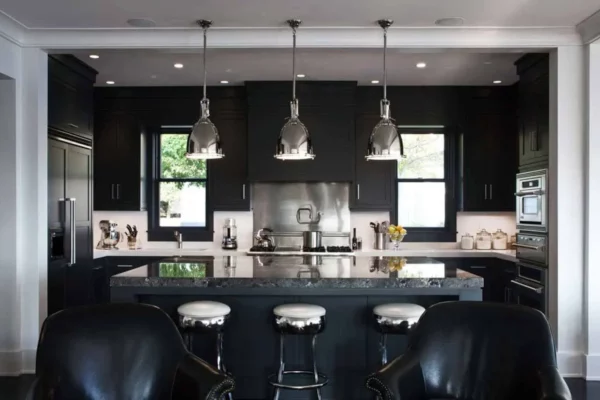
When selecting finishes for cabinets, countertops, and appliances, consider incorporating matte options to minimize the time and effort required for upkeep. For example, matte black or slate gray cabinets can provide a sleek and modern look while being more forgiving of daily wear and tear.
Similarly, matte-finish countertops, such as honed granite or soapstone, offer a sophisticated appearance while requiring less frequent polishing and sealing than their glossy counterparts.
Pick Easy-to-Clean Materials and Surfaces
In addition to selecting matte finishes, choosing materials and surfaces that are inherently easy to clean can significantly improve the efficiency and maintenance of the kitchen.
When making decisions about countertops, flooring, and backsplashes, prioritize materials resistant to stains, scratches, and moisture. These qualities will help simplify the cleaning process and maintain the longevity of the surfaces.
Some examples of easy-to-clean materials include:
Quartz countertops: Non-porous, resistant to stains and scratches, and require minimal maintenance
Porcelain or ceramic tile flooring: Durable, water-resistant, and easy to wipe clean
Glass or stainless steel backsplashes: Smooth, non-porous surfaces that are simple to wipe down and maintain
Laminate cabinets: Affordable, durable, and easy to clean with just a damp cloth
Homeowners can create a visually appealing and easy-to-maintain space by incorporating these materials into the kitchen design. This material allows more time to be spent cooking and enjoying the space rather than cleaning it.
Implement Design Features That Support Workflow
When planning the layout and design of a kitchen, it is essential to incorporate features that support and enhance the space’s natural workflow.
By strategically placing key elements and implementing functional design solutions, homeowners can create a kitchen that is intuitive to use and maximizes efficiency.
Some design features that support workflow include:
Open shelving: Provides easy access to frequently used items and helps to keep the kitchen organized
Pull-out pantry: Maximizes storage space and makes it simple to view and retrieve ingredients
Island with seating: Offers additional workspace for food preparation and a casual dining area for quick meals
Dedicated beverage station: Keeps drinks and related supplies organized and easily accessible, minimizing traffic in the main work areas
Integrated appliances
Select Light Colors to Make Spaces Appear Larger
Light colors have the remarkable ability to visually expand a kitchen, creating the illusion of a more spacious and open environment. When selecting colors for cabinets, walls, and countertops, homeowners should consider incorporating light, neutral shades such as white, cream, light gray, or pale pastels to maximize the room’s perceived size.
In addition to making the kitchen feel larger, light colors contribute to a bright, clean, and fresh aesthetic, promoting a sense of order and efficiency. When combined with strategic lighting solutions, such as under-cabinet lighting or pendant lights over workspaces, light colors can further enhance the overall ambiance and functionality of the kitchen:
White or off-white cabinets reflect light and create a timeless, spacious look.
Light gray or beige walls provide a neutral backdrop that complements various design styles.
Pale pastel accents, such as soft blues or greens, add a touch of color without overwhelming the space.
Light-colored countertops, such as white quartz or marble, contribute to a seamless, expansive feel.
Use Matte Finishes to Reduce Cleaning Time
Matte finishes have gained popularity recently for their contemporary, sophisticated look and practical benefits in the kitchen. Compared to glossy finishes, which tend to highlight smudges, fingerprints, and water spots, matte finishes help to conceal these imperfections, reducing the need for constant cleaning and maintenance.
When selecting finishes for cabinets, countertops, and appliances, homeowners should consider matte options to minimize the time and effort required for upkeep. For example:
Matte black or slate gray cabinets provide a sleek, modern look while being more forgiving of daily wear and tear.
Matte finish countertops, such as honed granite or soapstone, offer sophistication and require less frequent polishing and sealing than their glossy counterparts.
Matte finish appliances, such as stainless steel with a brushed or satin finish, resist fingerprints and are easier to clean.
Pick Easy-to-Clean Materials and Surfaces
Choosing materials and surfaces that are inherently easy to clean can significantly improve the efficiency and maintenance of the kitchen. When deciding about countertops, flooring, and backsplashes, homeowners should prioritize materials resistant to stains, scratches, and moisture, as these qualities will help simplify the cleaning process and maintain the longevity of the surfaces.
Some examples of easy-to-clean materials include:
Quartz countertops: Non-porous, resistant to stains and scratches, and requiring minimal maintenance
Porcelain or ceramic tile flooring: Durable, water-resistant, and easy to wipe clean
Glass or stainless steel backsplashes: Smooth, non-porous surfaces that are simple to wipe down and maintain
Laminate cabinets: Affordable, durable, and easy to clean with just a damp cloth
Implement Design Features That Support Workflow
Incorporating design features that support and enhance the natural workflow of the kitchen is essential for creating an intuitive and efficient space. By strategically placing key elements and implementing functional design solutions, homeowners can maximize the kitchen’s potential and streamline daily tasks.
Some design features that support workflow include:
Open shelving: Provides easy access to frequently used items and helps to keep the kitchen organized
Pull-out pantry: Maximizes storage space and makes it simple to view and retrieve ingredients
Island with seating: Offers additional workspace for food preparation and a casual dining area for quick meals
Dedicated beverage station: Keeps drinks and related supplies organized and easily accessible, minimizing traffic in the main work areas
Use Matte Finishes to Reduce Cleaning Time
Matte finishes have gained popularity recently for their contemporary, sophisticated look and practical benefits in the kitchen. Unlike glossy finishes, which tend to highlight smudges, fingerprints, and water spots, matte finishes help to conceal these imperfections, reducing the need for constant cleaning and maintenance.
When selecting finishes for cabinets, countertops, and appliances, homeowners should consider incorporating matte options to minimize the time and effort required for upkeep:
Matte black or slate gray cabinets provide a sleek, modern look while being more forgiving of daily wear and tear.
Matte finish countertops like honed granite or soapstone require less maintenance than glossy ones.
Matte finish appliances, such as stainless steel with a brushed or satin finish, resist fingerprints and are easier to clean.
Pick Easy-to-Clean Materials and Surfaces
Choosing easy-to-clean materials and surfaces is crucial for maintaining an efficient and low-maintenance kitchen. Homeowners should opt for non-porous, stain-resistant, and durable options such as quartz countertops, porcelain or ceramic tile flooring, and glass or stainless steel backsplashes.
These materials not only simplify the cleaning process but also contribute to the longevity of the kitchen’s surfaces. By investing in easy-to-clean materials, homeowners can spend more time enjoying their kitchen and less time on tedious upkeep tasks.
Implement Design Features That Support Workflow
Implementing design features that support workflow is essential for creating a functional and efficient kitchen. Homeowners should consider incorporating elements such as open shelving, pull-out pantries, and dedicated beverage stations to streamline daily tasks and minimize traffic in the main work areas.
Other design features that can enhance workflow include:
A well-placed island with seating, offering additional workspace for food preparation and a casual dining area
Integrated appliances that blend seamlessly with the cabinetry, creating a cohesive and clutter-free look
Strategic lighting solutions, such as task lighting over workspaces and accent lighting in key areas, to improve visibility and create a more inviting atmosphere
By thoughtfully incorporating these design elements into the kitchen layout, homeowners can create a visually appealing space optimized for their unique needs and workflow preferences.
Making It Functional With Innovative Storage Solutions
To maximize space efficiency and optimize kitchen workflows, homeowners must look beyond the basic layout and incorporate innovative storage solutions.
By implementing creative and functional storage options, such as pull-out cabinets, lazy Susans, appliance garages, and custom drawer organizers, homeowners can make the most of every inch of their kitchen space while streamlining daily tasks and reducing clutter.
These smart storage solutions improve the kitchen’s functionality and create a more organized and visually appealing environment.
Install Pull-Out Cabinets for Easy Access
Pull-out cabinets are a game-changer in maximizing storage space and accessibility in the kitchen. These innovative solutionsallow homeowners to easily view and retrieve items in the back of deep cabinets, eliminating the need to dig through stacks of pots, pans, or ingredients.
Installing pull-out cabinets in various kitchen areas, such as near the stove for pots and pans, in the pantry for dry goods, or the base cabinets for cleaning supplies, can greatly enhance the space’s functionality and efficiency. This improvement streamlines daily tasks and helps maintain a clutter-free and organized kitchen environment.
Use Lazy Susans in Corners to Maximize Space
Lazy Susans are an excellent solution for maximizing storage space in corner cabinets, which are often underutilized due to their awkward configuration. By installing a rotating tray or turntable, homeowners can easily access items stored in the deep recesses of corner cabinets, making the most of this valuable kitchen real estate.
Lazy Susans come in various sizes and styles to accommodate different cabinet dimensions and storage needs, such as:
Full-circle Lazy Susans for blind corner cabinets
Half-circle Lazy Susans for diagonal corner cabinets
D-shaped Lazy Susans for maximizing space in shallow corner cabinets
Two-tier Lazy Susans for increased storage capacity
By incorporating Lazy Susans into their corner cabinet design, homeowners can ensure that no space is wasted while improving the accessibility and organization of their kitchen storage.
Integrate Appliance Garages for Small Appliances
Appliance garages are a smart and stylish solution for keeping small appliances like toasters, blenders, and coffee makers easily accessible while maintaining a clutter-free countertop. Homeowners can create a designated space for these items by integrating appliance garages into the kitchen design, making them easy to use and store when not in use.
These innovative storage solutions can be customized to fit the specific dimensions and needs of the kitchen, with options such as roll-up doors, sliding doors, or even vertical lift-up doors to maximize space efficiency. Homeowners can enjoy a more organized and functional space that streamlines their daily routines by incorporating appliance garages into the kitchen layout.
Opt for Custom Drawer Organizers
Custom drawer organizers are an excellent way to maximize space efficiency and neatly arrange kitchen essentials. By investing in tailor-made organizers for utensils, cutlery, and cooking tools, homeowners can ensure that every item has a designated place, making it easy to find and access what they need during meal preparation.
These bespoke storage solutions can be designed to fit the exact dimensions of the drawers, allowing for optimal use of space and preventing items from shifting or becoming cluttered over time. Custom drawer organizers improve the kitchen’s functionality and contribute to a more visually appealing and organized environment, enhancing the overall experience of cooking and entertaining in the space.
The Finished Design: Visualizing Your Efficient Kitchen
With the layout optimized and storage solutions carefully selected, it’s time to visualize the finished design of your efficient kitchen.
By leveraging cutting-edge technology and professional expertise, homeowners can comprehensively understand how their new kitchen will look and function before any physical work begins.
This crucial step in the design process allows for refinements and adjustments, ensuring that the final result meets the homeowner’s needs and exceeds their expectations.
Use 3D Software to Preview Cabinet Layouts.
Advances in 3D modeling software have revolutionized how homeowners visualize their kitchen designs. Using these powerful tools, designers can create detailed, interactive representations of the proposed cabinet layouts, allowing homeowners to explore their new kitchen from every angle.
This immersive experience provides a clearer understanding of how the space will look and feel, making it easier to identify potential issues or areas for improvement.
3D software also enables homeowners to experiment with different cabinet styles, colors, and finishes, providing a realistic preview of how these choices will impact the kitchen’s overall aesthetic.
By visualizing these elements in a virtual environment, homeowners can make more informed decisions and feel confident in their final selections.
Experiment With Different Configurations Virtually
One of the most significant advantages of using 3D software in kitchen design is the ability to experiment with various layout configurations without needing physical construction.
Homeowners can work with their designers to explore alternative placement options for key elements such as the sink, stove, and refrigerator, assessing how each configuration impacts the overall workflow and efficiency of the space.
Virtual experimentation allows homeowners to test different storage solutions and cabinet arrangements, ensuring that the final design maximizes space efficiency and meets their unique organizational needs.
Homeowners can iterate through multiple configurations in a virtual environment to find the optimal layout for their lifestyle and cooking habits.
Consult With a Designer for Professional Insight
While 3D software provides a powerful tool for visualizing kitchen designs, it’s essential to consult a professional designer to ensure that the final layout is aesthetically pleasing and functionally sound.
Experienced kitchen designers bring a wealth of knowledge and expertise to the process, offering valuable insights and recommendations to help homeowners maximize their space.
During consultation, designers can assess the homeowner’s needs, preferences, and lifestyle and provide personalized guidance on layout optimization, storage solutions, and material selections. By collaborating with a designer, homeowners can benefit from professional input and ensure their new kitchen looks beautiful and performs at the highest level.
Make Adjustments Based on Simulation Results
Once the initial kitchen design has been created and visualized using 3D software, homeowners and their designers can use the simulation results to identify areas for improvement and make necessary adjustments.
This iterative process allows for fine-tuning layout, storage, and aesthetic elements, ensuring the final design is as efficient and functional as possible. By carefully analyzing the virtual model, homeowners and designers can assess traffic flow, workspace accessibility, and storage capacity and make informed decisions about necessary changes.
This collaborative process of evaluation and refinement ultimately leads to a kitchen design tailored to the homeowner’s specific needs and optimized for maximum efficiency.
Use 3D Software to Preview Cabinet Layouts.
3D modeling software has revolutionized how homeowners visualize their kitchen designs, allowing for detailed, interactive representations of proposed cabinet layouts. By leveraging these powerful tools, designers can create immersive experiences that provide a clearer understanding of how the space will look and feel, making it easier to identify potential issues or areas for improvement.
Homeowners can utilize virtual reality technology to experiment with different cabinet designs, hues, and materials. VR provides them with a lifelike visualization of how these selections will impact the overall aesthetic of their kitchen space, empowering them to make well-informed choices and feel self-assured in their ultimate decisions.
Explore various cabinet door styles, such as shaker, flat panel, or raised panel
Test different color schemes, from traditional white to bold, trendy hues
Compare the visual impact of different hardware options, such as knobs or pulls
Assess the functionality of various cabinet accessories, like pull-out shelves or lazy Susans
Experiment With Different Configurations Virtually
One of the most significant advantages of using 3D software in kitchen design is the ability to experiment with various layout configurations without needing physical construction. Homeowners can work with their designers to explore alternative placement options for key elements such as the sink, stove, and refrigerator, assessing how each configuration impacts the overall workflow and efficiency of the space.
Virtual experimentation allows homeowners to test different storage solutions and cabinet arrangements, ensuring that the final design maximizes space efficiency and meets their unique organizational needs. Homeowners can find the optimal layout for their lifestyle and cooking habits by iterating through multiple configurations in a virtual environment.
Consult With a Designer for Professional Insight
While 3D software provides a powerful tool for visualizing kitchen designs, consulting with a professional designer is essential to ensure the final layout is aesthetically pleasing and functionally sound. Experienced kitchen designers bring a wealth of knowledge and expertise to the process, offering valuable insights and recommendations to help homeowners make the most of their space.
During the consultation, designers assess the homeowner’s needs, preferences, and lifestyle, providing personalized guidance on layout optimization, storage solutions, and material selections. By collaborating with a designer, homeowners can benefit from professional input and ensure their new kitchen looks beautiful and performs at the highest level.
Make Adjustments Based on Simulation Results
Once the initial kitchen design has been created and visualized using 3D software, homeowners and their designers can use the simulation results to identify areas for improvement and make necessary adjustments. This iterative process allows for fine-tuning layout, storage, and aesthetic elements, ensuring the final design is as efficient and functional as possible.
By carefully analyzing the virtual model, homeowners and designers can assess factors such as traffic flow, workspace accessibility, and storage capacity, making informed decisions about any changes that need to be made. This collaborative process of evaluation and refinement ultimately leads to a kitchen design tailored to the homeowner’s specific needs and optimized for maximum efficiency.
Experiment With Different Configurations Virtually
Virtual experimentation through 3D software empowers homeowners to explore various layout configurations without needing physical construction. By collaborating with their designer, they can assess how alternative placements of key elements like the sink, stove, and refrigerator impact the kitchen’s workflow and efficiency.
Testing different storage solutions and cabinet arrangements in a virtual environment ensures that the final design maximizes space efficiency and meets the homeowner’s unique organizational needs. This iterative process allows homeowners to find the optimal layout that complements their lifestyle and cooking habits.
Consult With a Designer for Professional Insight
While 3D software is a powerful tool for visualizing kitchen designs, consulting with a professional designer is essential to ensure the final layout is beautiful and functional. Experienced kitchen designers offer valuable insights and recommendations, helping homeowners make the most of their space based on their unique needs, preferences, and lifestyle.
During consultation, designers assess the homeowner’s requirements and provide personalized guidance on layout optimization, storage solutions, and material selections. By collaborating with a skilled designer, homeowners can create a kitchen that looks stunning and performs at the highest level, tailored to their specific needs and optimized for maximum efficiency.
Make Adjustments Based on Simulation Results
After creating and visualizing the initial kitchen design using 3D software, homeowners and designers can analyze the simulation results to identify areas for improvement. By carefully assessing factors such as traffic flow, workspace accessibility, and storage capacity within the virtual model, they can make informed decisions about necessary changes to optimize the design:
Adjust the placement of appliances and workstations to improve workflow efficiency
Refine the overall layout to ensure a seamless flow between key areas of the kitchen
Experiment with different lighting options to enhance functionality and ambiance
This collaborative process of evaluation and refinement allows homeowners and designers to fine-tune the layout, storage solutions, and aesthetic elements until the final design is perfectly tailored to the homeowner’s specific needs and optimized for maximum efficiency.
By making these adjustments based on the simulation results, they can create a stunning kitchen that performs at the highest level, ensuring a beautiful and functional space for years.
Kitchen Cabinetry Costs: Budgeting for Efficiency
When budgeting for a kitchen remodel that prioritizes space efficiency and optimized workflows, it’s essential to carefully consider the costs associated with cabinetry, as this element often accounts for a significant portion of the overall budget.
By researching the average costs of custom versus stock cabinets, factoring in expenses for innovative storage solutions, setting aside a contingency budget for unplanned upgrades, and considering the long-term savings from efficient layouts, homeowners can make informed decisions that balance their financial constraints with their desire for a highly functional and well-designed kitchen.
Research Average Costs of Custom vs. Stock Cabinets
Researching the average costs of custom and stock cabinets is crucial for creating a realistic budget for a kitchen remodel. Custom cabinets offer unparalleled flexibility in design and functionality, allowing homeowners to tailor their storage solutions to their specific needs, but they come at a higher price point. On the other hand, stock cabinets are more affordable and readily available but may provide a different customization or space optimization level.
When comparing the costs of custom and stock cabinets, homeowners should consider factors such as the quality of materials, construction methods, and the level of craftsmanship involved. While custom cabinets may have a higher upfront cost, they often provide better long-term value due to their durability, superior functionality, and potential to increase the home’s resale value.
Factor in Expenses for Innovative Storage Solutions
When budgeting for a kitchen remodel that prioritizes space efficiency, it’s important to factor in the expenses associated with innovative storage solutions. While these solutions may come at an additional cost, they can significantly enhance the kitchen’s functionality and organization, making them a worthwhile investment.
Homeowners should research the costs of various storage options, such as:
Pull-out shelves and drawers for easy access to deep cabinets
Lazy Susans for maximizing corner cabinet space
Appliance garages for keeping countertops clutter-free
Custom drawer organizers for utensils and cooking tools
Vertical dividers for storing baking sheets and cutting boards
By allocating a portion of the budget to these innovative storage solutions, homeowners can ensure that their new kitchen looks beautiful and functions at the highest level, with every item easily accessible and well-organized.
Set Aside a Contingency Budget for Unplanned Upgrades
Setting aside a contingency budget for unplanned upgrades is a wise decision when planning a kitchen remodel, focusing on maximizing space efficiencies and optimizing workflows. Even with careful planning and budgeting, unexpected expenses can arise during the renovation process, such as the need for additional storage solutions or the discovery of hidden structural issues.
By allocating a portion of the overall budget, typically 10-20%, to a contingency fund, homeowners can ensure that they have the financial flexibility to address these unforeseen challenges without compromising the quality or functionality of their new kitchen. This contingency budget allows for the incorporation of additional space-saving features or the resolution of any issues that may impact the overall efficiency of the layout.
Consider Long-Term Savings From Efficient Layouts
When budgeting for a kitchen remodel, it’s essential to consider the long-term savings that can result from an efficient layout. A well-designed kitchen that maximizes space efficiency and optimizes workflows can reduce energy consumption, lower utility bills, and increase productivity, ultimately saving homeowners money in the long run.
Moreover, an efficient kitchen layout can contribute to a higher resale value for the home, as potential buyers often prioritize functionality and organization when evaluating a property. By investing in a thoughtfully designed kitchen that prioritizes space optimization, homeowners can enjoy a more comfortable and efficient cooking environment while positioning their homes for a better return on investment.
FAQs: Efficient Kitchen Cabinet Layout: Expert Tips and Tricks
Which kitchen layout is the most efficient kitchen arrangement?
The most efficient kitchen layout often depends on the specific needs and space available, but the “work triangle” concept is widely regarded as a key principle. This layout positions the sink, stove, and refrigerator at three points of a triangle, minimizing the distance between these essential areas to streamline cooking and cleaning processes. This concept is supported by various sources, emphasizing its importance in both small and large kitchens.
What is the golden rule for kitchen design?
The golden rule for kitchen design is the “work triangle” principle. This rule suggests that the three main work areas in a kitchen—the sink, stove, and refrigerator—should form a triangle. The total distance between these points should ideally be between 12 and 26 feet to ensure efficiency and ease of movement. Modern kitchen design also considers creating specific zones for prepping, cooking, cleaning, and storage to enhance functionality.
How do you organize kitchen cabinets efficiently?
Efficient kitchen cabinet organization involves several strategies:
1. Declutter: Remove items you don’t use regularly.
2. Group Similar Items: Store similar items, such as pots and pans, near the stove and dishes near the dishwasher.
3. Use Storage Solutions: Invest in shelves, racks, and containers to maximize space.
4. Label Items: Use labels for containers and shelves to easily locate items.
5. Accessibility: Place frequently used items in easily accessible locations, while less frequently used items can be stored in higher or lower cabinets.
How should I layout my kitchen cabinets?
When laying out kitchen cabinets, consider the following tips:
1. Proximity to Work Zones: Place cabinets near their work zones. For example, store pots and pans near the stove and dishes near the dishwasher or sink.
2. Vertical Space: Utilize vertical space by installing upper cabinets for items that are not used daily.
3. Drawer Organization: Use drawer organizers for utensils and small items to keep them tidy and accessible.
4. Corner Solutions: To make the most of awkward spaces, implement solutions like lazy Susans or pull-out shelves in corner cabinets.
5. Pantry Space: If possible, include a pantry cabinet for bulk storage of food items.
How do I make a perfect kitchen layout?
Creating a perfect kitchen layout involves several key steps:
1. Decide on Appliances and Sink: Choose your large appliances and sink first, as their specifications will influence the rest of the layout.
2. Work Triangle: To minimize unnecessary movement, ensure an efficient work triangle between the stove, sink, and refrigerator.
3. Create Zones: Designate specific zones for prepping, cooking, clean-up, and putting away items around your appliances and sink.
4. Storage Planning: Plan ample storage with cabinets, drawers, and pantry space. Consider specialized storage for pots, pans, and utensils.
5. Counter Space: Ensure you have enough space for food preparation and other tasks, especially around the cooktop and sink.
6. Lighting and Ventilation: Incorporate adequate lighting and proper ventilation to enhance functionality and comfort.
7. Accessibility and Safety: Design the kitchen to be accessible for all family members and include safety features like non-slip flooring and fire extinguishers.
What are the general rules for kitchen layout?
The general rule in kitchen layout is to follow the “work triangle” principle, which involves positioning the sink, stove, and refrigerator in a triangular formation. This triangle minimizes the distance between these key areas, making the kitchen more efficient and reducing unnecessary movement. Additionally, it’s important to create distinct zones for different tasks (prepping, cooking, cleaning) and ensure ample storage and counter space.
What is the best practical kitchen layout?
The best practical kitchen layout depends on the available space and your needs. Common layouts include:
1. L-Shaped Kitchen: This kitchen is ideal for open spaces. It provides ample counter space and allows for a small dining area.
2. U-shaped kitchen: Offers maximum storage and counter space, suitable for larger kitchens.
3. Galley Kitchen: Efficient for small spaces, with two parallel walls for appliances and counters.
4. Island Kitchen: This kitchen adds extra counter and storage space, ideal for larger kitchens and open floor plans.
Each layout has advantages, and the best choice will depend on your kitchen’s size, shape, and use of space.
Hear From Our Delighted Clients with Kitchen Cabinet Layouts
Amrita praised Elegant Kitchen and Bath for excellently remodeling their kitchen. The project included new cabinets and countertops, partial wall removal, and new flooring. She commended the professionalism, courtesy, and customer-friendly approach of everyone they worked with.
Amrita highlighted Omer’s dedication to understanding their needs and designing their new spacious kitchen while considering their requirements. The on-site manager, Enes, was always available to promptly address any concerns. The crew completed the project in 3 weeks, ahead of the promised 4-week timeline. Amrita appreciated that they cleaned up daily, removed debris regularly, and kept the driveway clean throughout the seamless process. She highly recommends EKB for any remodeling project.
Leonard Smith shared that Elegant Kitchen and Bath beautifully transformed their kitchen. They love their new kitchen and look forward to cooking there for many years. Leonard commended Tayfun for his outstanding guidance on cabinets and colors and Enes for being extremely attentive and communicative throughout the project.
The team delivered outstanding work, completing the kitchen a week ahead of the 2-week estimate. Due to Elegant Kitchen and Bath‘s exceptional service, Leonard gladly recommends them for future projects.
Carrie Dellinger expressed delight at Elegant Kitchen and Bath’s work on remodeling their kitchen. They love their new kitchen and thoroughly enjoy cooking in it. Carrie praised Tayfun for his excellent guidance in selecting cabinets and colors.
She commended the team’s amazing job and stated that they would definitely use Elegant Kitchen and Bath again for future projects.
Maximizing space efficiencies and optimizing workflows through layout optimization is crucial for creating a highly functional and enjoyable kitchen.
Careful planning and strategic design decisions, such as implementing the work triangle concept, selecting space-saving appliances, and incorporating innovative storage solutions, can significantly enhance the kitchen’s overall efficiency.
By collaborating with experienced designers and leveraging advanced 3D modeling software, homeowners can visualize and refine their kitchen layouts to ensure optimal performance and aesthetics.
Investing in a well-designed, efficient kitchen improves daily life and contributes to the home’s long-term value.
Deciding on the perfect finishes and colors for your kitchen cabinets is akin to setting the stage for the heart of your home. It’s not merely about picking hues you love; it involves evaluating your kitchen’s dimensions, understanding the various finishes available, and how they interplay with light to create the desired ambiance. Your role in this process is crucial, as it’s your unique vision that will transform your kitchen into a space that truly reflects your style and needs.
Keep reading to unlock the secrets to choosing the best kitchen cabinet finishes and colors. These insights will not only transform your space into a culinary haven but also inspire and excite you about the endless possibilities of your kitchen remodel.
Key Takeaways for Cabinet Finishes and Colors
It’s important to assess your kitchen’s dimensions and layout before choosing cabinet finishes and colors to ensure they harmoniously fit into your space and optimize functionality.
Different cabinet finishes, such as laminate, wood, or glass, each have unique benefits and aesthetic appeals. Laminates are durable and low-maintenance, while wood exudes a timeless feel.
The interplay of natural and artificial lighting greatly influences the appearance of chosen cabinet colors and can play a crucial role in enhancing your kitchen’s ambiance.
Modern trends and timeless hues are critical in selecting kitchen cabinet colors. While trends introduce a contemporary feel, timeless shades ensure the kitchen remains relevant and appealing over time.
Cabinets, countertops, and backsplashes should be coordinated to achieve a cohesive and visually pleasing look in your kitchen.
Understanding the durability, maintenance, and aesthetic appeal of different cabinet finishes is important to align your choices with your lifestyle and design preferences.
Evaluating the impact of natural and artificial light on different cabinet colors can significantly influence the kitchen’s ambiance.
Evaluate Your Kitchen’s Size and Layout Before Choosing Cabinets
Before selecting the kitchen cabinet finishes and colors that catch your eye, it’s critical to take a step back and assess the canvas you’re working on – your kitchen’s size and layout.
Measuring your kitchen’s dimensions and considering the layout is more than a preparatory step; it’s a strategic move to enhance your design’s overall cohesiveness and efficiency.
By focusing on these aspects, you’ll set a strong foundation for your decisions regarding cabinet finishes and colors, ensuring they complement your kitchen’s unique characteristics.
Measure the Dimensions of Your Kitchen Space
Your kitchen remodel Journey begins with an essential and detailed task: measuring the dimensions of your kitchen space. This initial step ensures that every cabinet choice, from finish to color, aligns perfectly with my kitchen’s spatial constraints and possibilities. By obtaining precise measurements, you create a reliable blueprint to guide every subsequent decision in the remodeling process.
You will understand the importance of not just the width and height of each wall but also considering windows, doors, and any other architectural features that will influence cabinet placement. Accuracy in these measurements is crucial, as it helps me visualize the potential layout and ensures that the kitchen remains a functional and beautiful heart of my home. This thorough approach sets the stage for selecting cabinet finishes and colors to enhance the kitchen’s aesthetic and utility.
Consider the Layout and How Cabinets Will Fit In
After meticulously measuring every nook and cranny of the kitchen, the next step is to analyze its layout keenly. At this stage, we must visualize how the new cabinets will seamlessly blend into the current space. Methodically pondering the connectivity between key work areas – the sink, stove, and refrigerator – guarantees that the selected cabinets amplify this connectivity rather than impede it. It’s a delicate equilibrium between visual appeal and practicality, ensuring that every kitchen maneuver is effortless and streamlined.
Next comes pondering the visual weight and balance cabinets will bring to the kitchen. It’s not merely about where they will fit but how they’ll shape the room’s character. Will tall cabinets overwhelm the space or draw the eye upwards, making the room feel larger? This deep dive into the layout’s potential shapes not only the practicality of the kitchen but also its ambiance, setting the stage for selecting cabinet finishes and colors that genuinely match the vision.
Understanding Different Cabinet Finishes and Their Benefits
As you delve deeper into the nuances of kitchen design, a crucial aspect to consider is the variety of cabinet finishes available and their respective benefits.
Each finish, whether laminate, wood, or glass, offers unique charm and functional advantages. Exploring these options allows you to weigh durability, maintenance, and aesthetic appeal. This step is indispensable for aligning your final choices with your lifestyle requirements and design preferences, ensuring that the kitchen looks cohesive and withstands the demands of daily use.
Explore Options Like Laminate, Wood, or Glass Finishes
Regarding cabinet finishes, laminate options are appealing because they are durable and easy to maintain. This material can mimic the look of wood or stone at a more affordable price, making it a practical choice for kitchen remodels. With a wide range of colors and patterns, it provides the flexibility to achieve the desired aesthetic without compromising durability.
On the other hand, wood finishes’ natural beauty and timeless appeal speak to a kitchen’s desire for warmth and character. Each piece offers unique grain patterns and colors, infusing a sense of individuality and elegance into the space. Conversely, glass finishes catch attention for their ability to open the kitchen, making it appear brighter and more spacious. This choice promises an upscale feel while offering the bonus of showcasing beautiful dishes or glassware.
When considering cabinet finishes for a kitchen remodel, it’s important to weigh the pros and cons of each option:
Laminate Cabinets
– Pros: Durable, low maintenance, cost-effective, wide variety of colors and patterns
– Cons: Can look less high-end compared to wood, not as long-lasting, difficult to repair if damaged
Wood Cabinets
– Pros: Natural beauty, timeless look, can be customized with stains/paint, adds value to home
– Cons: More expensive, requires regular maintenance, can be damaged by moisture and pests
Glass Cabinets
– Pros: Makes kitchen look brighter and larger, offers display opportunities, suits various design styles
– Cons: Requires frequent cleaning, limits storage privacy, can be more expensive, prone to breaking
Ultimately, the best cabinet finish depends on individual priorities regarding budget, maintenance, aesthetics, and functionality. Combining finishes like glass uppers and wood lowers can balance style and practicality.
Learn About the Durability, Maintenance, and Aesthetic Appeal of Each Finish
Understanding the durability, maintenance, and aesthetic appeal of different cabinet finishes is pivotal in my decision-making process. For instance, laminate finishes stand out due to their robustness against scratches and spills—features that promise longevity and ease of care, making them ideal choices for a bustling kitchen. This practical appeal and the vast range of style options enable me to blend functionality with my taste seamlessly.
On the flip side, while wood finishes exude a warm and inviting aura, they command a higher level of maintenance to preserve their beauty over time. Their susceptibility to moisture and temperature changes necessitates periodic sealing or refinishing. However, the unique charm and luxurious feel they add to my kitchen space make this extra effort worthwhile, confirming that their aesthetic appeal significantly weighs on my final cabinet selection.
How Light Affects Cabinet Colors to Enhance Your Kitchen Ambiance
To fully grasp the impact of lighting on kitchen aesthetics, it’s crucial to recognize how both natural and artificial light greatly influence the appearance of our selected cabinet colors.
The interplay of light with cabinet finishes can transform the mood and feel of a kitchen, making this aspect a paramount consideration in our selection process.
As we explore the impact of natural light on various hues and the strategic use of artificial lighting to enhance cabinet appeal, we open up new dimensions in creating a kitchen that’s not just functional but also visually captivating.
Study the Impact of Natural Light on Different Colors
Understanding the impact of natural light on different cabinet colors is like unlocking a new level in kitchen design. The amount and quality of sunlight pouring into my kitchen can dramatically shift how cabinet colors look throughout the day, from warm morning light enhancing soft hues to brighter afternoon light making vibrant colors pop.
Equally, natural light can amplify the beauty of cabinet finishes or cast unintended shadows, altering the atmosphere of the entire space. This knowledge prompts us to consider carefully how the changing light will interact with chosen colors, ensuring that the ambiance remains inviting and visually appealing at all hours.
Use Artificial Lighting Strategically to Complement Cabinet Colors
The strategic use of artificial lighting is invaluable in showcasing the cabinet colors I carefully chose. By embedding under-cabinet lighting, I can illuminate the backsplash and work surfaces, subtly enriching the hues of the cabinets and bringing a warm glow that enhances the overall kitchen aesthetic. This approach highlights the cabinets’ beauty and adds depth to the space, creating a more inviting atmosphere where every detail stands out.
Integrating spotlights and adjustable LED strips allows me to control the intensity and direction of light in my kitchen, further accentuating the cabinet finishes and colors. This flexibility enables me to adjust the lighting according to the time of day or the mood I wish to create, ensuring that the cabinets—and, by extension, the kitchen—look their best. It’s a conscious decision that marries functionality with visual appeal, elevating the kitchen from merely a place of meal preparation to a showcase of design sophistication.
Trends vs. Timelessness in Kitchen Cabinet Colors
As I navigate the path toward my dream kitchen, I find myself at a crossroads between the allure of current color trends and the enduring attractiveness of timeless hues for kitchen cabinets. This decision isn’t just about aesthetics; it reflects my style and the longevity of my kitchen’s appeal.
Identifying the latest trends allows me to inject modern vibrancy into my space while considering timeless colors that promise an elegant and appealing design despite changing fashions. It’s a delicate balance, striving to create a contemporary and perpetually welcoming kitchen.
Identify Current Color Trends for Kitchen Cabinets
Exploring the current color trends for kitchen cabinets is like navigating a vivid palette of possibilities: exciting and revealing. Soft, muted colors such as sage greens and dusty blues are gaining popularity for their ability to introduce a serene, natural feel into the kitchen, marrying well with modern and traditional designs.
Another trend that has caught my eye is the bold move towards dark, dramatic colors: deep blues, rich greens, and even matte blacks. These hues add a layer of sophistication and depth to the kitchen, standing out as a statement against the more common light and neutral shades.
Trend
Color Examples
Design Compatibility
Soft & Muted
Sage Green, Dusty Blue, White
Modern & Traditional
Dark & Dramatic
Deep Blue, Rich Green, Matte Black
Contemporary
Weigh the Benefits of Choosing Timeless Over Trendy Colors
In the stirring Journey towards selecting the perfect kitchen cabinet colors and finishes, I’ve learned that the allure of timeless hues holds a unique charm. These hues promise a kitchen that stands the test of time, gracefully sidestepping the ebb and flow of fleeting trends.
Opting for timeless colors is a nod to enduring elegance and a strategic investment: the assurance that my kitchen will maintain its appeal and relevance for years. Such a choice grants peace of mind, knowing my selections will not fall out of favor or necessitate updates to keep up with the latest fads.
Timeless hues offer enduring appeal, avoiding the fickleness of trends.
Choosing classic colors is a strategic investment in the kitchen’s long-term aesthetic and market value.
A timeless palette ensures the kitchen space remains relevant and appealing over time.
Coordinating Your Cabinets With Countertops and Backsplash
Transitioning from the comprehensive exploration of cabinet finishes and colors, my next focal point zeros in on the art of coordination between cabinets, countertops, and backsplash.
This phase is crucial for cultivating a cohesive and visually appealing kitchen environment. Emphasizing compatibility and contrast, I delve into strategies for pairing cabinet colors with countertops to achieve a harmonious and compelling look.
It’s about striking the perfect balance that resonates with my design aspirations, ensuring each component complements the others while elevating the space’s overall aesthetic.
Match or Contrast Cabinet Colors With Countertops for a Harmonious Look
Choosing between matching or contrasting my cabinet colors with countertops for a harmonious kitchen look is a balance of art and science. Matched colors create a seamless, unified space, evoking an aura of tranquility and order. At the same time, contrasts introduce dynamic energy and depth that capture attention and define distinct areas within the kitchen.
Style
Approach
Effect
Matched
Coherent Colors
Unified, Tranquil Space
Contrasted
Divergent Hues
Dynamic, Defined Spaces
Ultimately, whether I lean toward matching or contrasting depends on my desired atmosphere and the overall design vision for my kitchen. Vibrant contrasts can energize the space, making it lively and inviting, while a matched approach lends a sense of serene sophistication that’s both timeless and elegant.
FAQs: Choosing the Best Kitchen Cabinet Finishes & Colors
How do I pick the right color for my kitchen cabinets?
When selecting a cabinet color, consider the following factors:
Kitchen Size: Light colors like white, cream, or soft grays can make a small kitchen feel more open and airy. Darker shades like navy, forest green, or black can make a large space cozy.
Lighting: Evaluate the natural and artificial lighting in your kitchen. Bright whites and light colors enhance well-lit spaces, while richer tones add warmth to rooms with less natural light.
Style: Neutral colors like white, gray, and beige work well with most design styles. Bolder hues like blues, greens, and pinks can create a focal point in traditional, transitional, or contemporary kitchens.
Countertops: Coordinate your cabinet color with your countertop material and color. Light cabinets pair beautifully with dark counters and vice versa. Matching tones can also work if you incorporate contrasting textures or finishes.
Longevity: Opt for timeless colors that won’t feel dated in a few years. Neutral shades and classic colors like navy or forest green tend to have more staying power than trends.
What is the best finish for kitchen cabinets?
The best cabinet finish depends on your desired look, durability needs, and maintenance preferences:
Paint: Available in countless colors, painted cabinets can be matte, satin, semi-gloss, or high-gloss. Enamel paint is the most durable option.
Stain: Stained cabinets highlight the natural wood grain and are available in various shades, from light to dark.
Glaze: A glaze finish adds depth and dimension to painted or stained cabinets, creating an antique or distressed look.
Laminate: Laminate finishes mimic the look of wood or solid colors and are highly durable and easy to clean.
Melamine is a smooth, non-porous finish that resists moisture and stains, making it ideal for high-traffic kitchens.
Varnish: A varnish topcoat adds a protective layer and a subtle sheen to natural wood cabinets.
Should cabinets be lighter or darker than countertops?
There is no definitive rule, as both options can work beautifully. However, here are some general guidelines:
Lighter Cabinets and darker Countertops: This combination creates a sense of contrast and can make a small kitchenfeel more open and airy.
Darker Cabinets and Lighter Countertops: This pairing adds depth and drama to a space, making it feel cozier and more intimate.
Matching Tones: Cabinets and countertops in similar shades can create a cohesive, seamless look, especially in modern or minimalist designs.
The key is to consider the overall effect you want in your kitchen and balance the colors and textures accordingly.
What is the most timeless kitchen cabinet color?
While trends come and go, some cabinet colors have proven to be enduring choices:
White: A classic choice that never goes out of style, white cabinets create a clean, bright, and airy feel in any kitchen.
Off-White/Cream: These warm neutrals offer a softer alternative to stark white while maintaining a timeless appeal.
Gray: From light to charcoal shades, gray cabinets have become a popular neutral option that complements various design styles.
Navy Blue: A rich, sophisticated hue, navy blue cabinets add depth and character to a kitchen while remaining timeless.
Natural Wood Tones: Cabinets in warm wood finishes like oak, cherry, or walnut are timeless and can suit traditional or modern aesthetics.
When selecting a timeless cabinet color, consider your personal style preferences and the overall design of your kitchen to ensure a lasting, cohesive look.
What color cabinets never go out of style?
White cabinets are considered timeless and never go out of style. They offer a clean, versatile look that can adapt to various design trends and personal styles. Additionally, neutral shades like cream, beige, taupe, and greige also maintain popularity due to their classic appeal and ability to complement a wide range of kitchen designs.
What is the most popular kitchen cabinet color for 2024?
The most popular kitchen cabinet color for 2024 is white. White cabinets dominate due to their versatility and ability to make spaces appear larger and brighter. They provide a neutral backdrop that can be easily updated with different accessories and finishes. However, other colors like navy blue, sage green, and natural wood tones are trending.
What is the number one kitchen cabinet color?
White remains the number one kitchen cabinet color. Its timeless appeal and ability to blend seamlessly with various design elements make it a perennial favorite among homeowners and designers alike.
Are grey cabinets out of style in 2024?
No, grey cabinets are not out of style in 2024. Grey continues to be a popular choice due to its sophisticated and versatile nature. Various shades of grey, including green undertones, create elegant and modern kitchen designs. The key is to choose the right shade and pair it with complementary colors and finishes to avoid an outdated look.
Are wood cabinets coming back in 2024?
Yes, wood cabinets are making a strong comeback in 2024. The trend is moving towards natural wood finishes, including light and medium wood tones like white oak and walnut. A desire for warmth, texture, and a connection to nature in kitchen designs drives this resurgence. Wood cabinets offer a timeless and cozy appeal that many homeowners find attractive.
What are some other trending kitchen cabinet colors for 2024?
In addition to white, other trending kitchen cabinet colors for 2024 include:
– Sage Green: Brings a calming, natural feel to the kitchen, connecting the space to the outdoors.
– Warm Beige: Provides a cozy and inviting atmosphere, perfect for creating a warm and welcoming kitchen.
– Blush Pink: Adds a subtle, elegant touch that can brighten the kitchen space.
– Charcoal Gray: Creates a sleek and modern aesthetic, especially when paired with lighter elements.
How can I incorporate different finishes in my kitchen cabinets?
Mixing and matching finishes is a popular trend in kitchen design. You can use a satin finish on upper cabinets and a semi-gloss finish on lower ones or combine wood with painted surfaces to create visual interest and depth. The key is to choose finishes that complement each other and create a cohesive look.
What are the benefits of choosing wood cabinets?
Wood cabinets offer several benefits, including:
– Timeless Appeal: Wood cabinets have a classic look that never goes out of style.
– Warmth and Texture: They add warmth and texture to the kitchen, making it more inviting.
– Durability: High-quality wood cabinets are durable and can last many years with proper care.
– Customization: Wood can be stained or painted in various colors to match your design preferences.
Can I repaint my kitchen cabinets myself?
You can repaint your kitchen cabinets, but it requires careful preparation and the right materials. Sanding the cabinets thoroughly, using a high-quality primer, and applying multiple coats of paint can achieve a professional finish. If you are not confident in your painting skills, hiring a professional to ensure a flawless result may be best.
Are white kitchens out for 2024?
White kitchens, long a staple in home design, are declining in popularity in 2024. While they remain a classic choice for their clean and timeless appeal, many homeowners and designers are shifting towards more vibrant and earthy tones.
According to design experts, people seek to infuse more personality and warmth into their kitchens, moving away from the all-white aesthetic that sometimes feels bland and ubiquitous. However, white kitchens are not entirely out; they are being updated with modern twists, such as mixing textures and incorporating warm, creamy whites instead of stark whites.
What color wood is in style in 2024?
In 2024, wood tones that reflect a connection to nature and evoke a sense of warmth and sophistication are trending. The most popular wood colors include:
– Deep Charcoals, Midnight Blues, and Forest Greens: These moody hues boldly add drama and sophistication to wood finishes.
– Natural Wood Tones: Stains that enhance the natural beauty of wood, such as warm oak, honeyed maple, and rich walnut, are favored for their authenticity and warmth.
– Dark Woods: Rich, deep tones like walnut, cherry, and mahogany are returning, offering a blend of old-world charm and modern elegance.
– Warm and Earthy Tones: Colors like terracotta, caramel, and clay are gaining popularity for their cozy and inviting feel.
Are raised panel cabinets outdated?
Raised panel cabinets, known for their traditional and ornate design, are considered less popular in 2024 compared to more contemporary styles like shaker cabinets. While they offer a classic and durable appeal, their intricate design can appear outdated, especially in modern or minimalist kitchen settings. Raised panel cabinets are often associated with a more formal and traditional aesthetic, which may not align with the current trend towards simpler, cleaner lines and more versatile designs. However, they can still be a great choice for homeowners looking to create a formal, classic kitchen ambiance.
For more information on choosing the best kitchen cabinet finishes and colors, visit Elegant Kitchen & Bath or consult with one of our experienced designers.
Hear From More Satisfied Customers for your Cabinets
Amrita praised Elegant Kitchen and Bath for doing an excellent job remodeling their kitchen. The project included new cabinets and countertops, partial wall removal, and new flooring. She commended the professionalism, courtesy, and customer-friendly approach of everyone they worked with.
Amrita highlighted Omer’s dedication in understanding their needs and designing their new spacious kitchen while keeping their requirements in mind. Enes, the on-site manager, was always available to address any concerns promptly. The crew completed the project in 3 weeks, ahead of the promised 4-week timeline. Amrita appreciated that they cleaned up every day, removed debris regularly, and kept the driveway clean throughout the process, which was seamless. She highly recommends EKB for any remodelingproject.
Gloria recently had her bathroom renovated by Elegant Kitchen Bath and was delighted with the results. She praised the designer, Alex, for his professionalism, attention to detail, and ability to bring her vision to life with a perfect blend of functionality and elegance. Gloria found the workmanship top-notch, and the entire process was smooth and stress-free. She highly recommends Elegant Kitchen Bath, especially Alex, for anyone looking to transform their space with style and precision.
Leonard Smith shared that Elegant Kitchen and Bath beautifully transformed their kitchen. They love their new kitchen and look forward to cooking there for many years. Leonard commended Tayfun for his outstanding guidance on cabinets and colors, and Enes for being extremely attentive and communicative throughout the project.
The entire team delivered outstanding work, completing the kitchen in a week, ahead of the 2-week estimate. Leonard gladly recommends Elegant Kitchen and Bath for future projects due to their exceptional service.
Elevate Your Home with Elegant Kitchen & Bath
Inspired by the glowing reviews from satisfied clients like Amrita Prasad, Gloria Bermudez, and Leonard Smith? It’s time to revitalize your living space with Elegant Kitchen & Bath. Whether you envision a stunning kitchen makeover or a luxurious bathroom renovation, our team is dedicated to delivering excellence and a personalized experience tailored to your unique vision.At Elegant Kitchen & Bath, we specialize in creating functional and elegant kitchen spaces using top-quality products. Our kitchen remodeling projectsfeature:
Custom Cabinetry: Designed to maximize storage and enhance the aesthetic appeal of your kitchen.
Quartz and Granite Countertops: Durable and stylish surfaces that add a touch of luxury.
Modern Appliances: State-of-the-art appliances that blend seamlessly with your kitchen design.
Innovative Lighting Solutions: Enhance the ambiance and functionality of your kitchen with our range of lighting options.
Smart Storage Solutions: Optimize space with our innovative storage designs, including pull-out shelves and hidden compartments.
Join our growing list of delighted clients and embark on your dream home renovation journey with Elegant Kitchen & Bath. Contact us today for a consultation, and let’s craft your idealliving spacetogether, where style, functionality, and personalized service converge seamlessly.
Selecting the right finishes and colors for kitchen cabinets is a crucial decision that greatly influences the functionality and aesthetics of your kitchen space. Measuring your kitchen’s dimensions and understanding its layout are foundational steps that ensure your chosen cabinets fit seamlessly and enhance the flow within the room.
Considering various cabinet finishes, such as laminate, wood, or glass, allows you to weigh their durability, maintenance needs, and visual appeal against your lifestyle and design preferences.
The impact of natural and artificial lighting cannot be overstated. It significantly affects how cabinet colors are perceived, influencing your kitchen’s ambiance. Balancing current trends with timeless hues in cabinet colors ensures your kitchen remains contemporary yet enduringly elegant.
Coordinating cabinets with countertops and backsplashes further refines your space’scohesion and visual interest. Ultimately, a thoughtful approach to selecting kitchen cabinet finishes and colors sets the stage for a functional and durable kitchen, a true reflection of your style, and a welcoming heart of the home.
Revamping your bathroom can breathe new life into your home, transforming it into a luxurious sanctuary. From sleek floating vanities that create an illusion of space to modern walk-in showers that add a touch of elegance, each idea promises to elevate your bathroom’s style and functionality.
Textured wall tiles, statement freestanding bathtubs, smart storage solutions, and dramatic lighting can all play a pivotal role in this transformation.
Keep reading to uncover ten stylish bathroom remodel ideas that will turn your bathroom into the ultimate retreat.
Key Takeaways
1. Maximizing Space: Utilize floating vanities and built-in niches to create a clutter-free environment that maximizes floor visibility and enhances the room’s openness.
2. Modern Aesthetics: Incorporate sleek design elements like frameless glass doors, floating shelves, and wall-mounted faucets to give the bathroom a modern and stylish appearance.
3. Functional Lighting: Employ strategic lighting solutions, including LED strip lighting, task lighting, and dramatic lighting fixtures, to create a functional yet stylish atmosphere.
4. Luxury Features: Install features like freestanding bathtubs, rainfall showerheads, and high-end materials like natural stone to create a spa-like experience and add a touch of luxury.
5. Storage Solutions: Integrate smart storage options to meet organizational needs without compromising on style, ensuring a functional yet elegant space.
6. Innovative Design: Adopt geometric patterns, textured wall tiles, and niche lighting to add depth and character, transforming the bathroom into a stylish oasis.
7. Enhanced Functionality: Opt for design choices that combine aesthetics with practicality, like efficient use of space and easy-to-maintain surfaces.
8. Personal Touch:Customize the bathroom with elements that reflect personal style and preferences, making it a unique and welcoming space.
9. Quality Materials: Choose durable and high-quality materials that not only look good but also withstand the test of time, ensuring lasting appeal.
10. Overall Transformation: Aim for a comprehensive remodel that not only updates the bathroom’s look but also improves its functionality, making it a more enjoyable and efficient space.
[ez-toc]
Elevate Your Bathroom With a Floating Vanity
Transitioning to a floating vanity offers not only a sleek, modern touch to any bathroom but also enhances the perception of space through increased floor visibility. This concept, a cornerstone in contemporary bathroom design, effectively marries style with practicality.
When choosing a floating vanity, one must prioritize sleek designs that enhance the room’s openness, thereby creating an illusion of more space. Integrating wall-mounted faucets can amplify this effect, offering a minimalist look while maximizing usable counter space.
Opting for a sleek design when selecting a floating vanity can make a significant difference in enhancing the floor visibility in a bathroom. These types of vanities, devoid of cumbersome legs or bulky bases, provide an uninterrupted view of the floor, contributing to an airier and more spacious feel in the space.
This choice becomes particularly impactful when paired with the right materials and colors. Light hues and reflective surfaces, for instance, can magnify this spatial advantage by bouncing light around the room, making the bathroom appear larger and more inviting:
Mirrored or high-gloss finishes on cabinet fronts to amplify light.
Neutral or light-colored countertops that complement the overall design while keeping the space open and bright.
Slim, minimalist hardware that enhances the vanity’s sleekness without overwhelming the design.
Consider Wall-Mounted Faucets to Save Space
Wall-mounted faucets emerge as a key solution for those aiming to maximize space within their bathroom remodel. By attaching directly to the wall above the sink, they eliminate the need for a traditional vanity countertop setup, thus freeing up precious space. This space-saving design allows homeowners to opt for a slender floating vanity without sacrificing functionality, ensuring every square inch of the bathroom is used to its full potential.
Additionally, wall-mounted faucets contribute to a cleaner, streamlined look that enhances the bathroom’s overall aesthetic. The absence of clutter around the sink area not only simplifies cleaning efforts but also brings about an element of sophistication. By choosing this style, homeowners can imbue their space with a modern flair that also serves practical purposes, making the bathroom appear more organized and spacious.
Select a Vanity With Built-in Storage Options
Selecting a vanity with built-in storage options is a strategic move for a bathroom remodel that prioritizes both design and functionality. These vanities are ingeniously designed to offer a plethora of storage within a compact form, ensuring that every item finds its place without cluttering the bathroom. Such a choice not only streamlines the look of the space but also caters to the practical need for organization.
This smart storage solution allows homeowners to keep countertops clear and maintain a tidy appearance, reinforcing the bathroom’s modern and spacious feel. The integration of drawers, shelves, and compartments within the floating vanity design is a testament to how contemporary solutions can fuse aesthetics with efficiency, making the bathroom a standout area in the home.
Install a Walk-in Shower for a Modern Touch
Embracing the sleek, understated luxury of a walk-in shower can dramatically elevate a bathroom’s ambiance, merging functionality with cutting-edge design. This modern feature not only enhances the visual appeal of the space but also introduces a level of sophistication that is both practical and aesthetic.
To further refine this upscale transformation, homeowners can consider several enhancements. Opting for frameless glass doors contributes to a seamless, open feel, expanding the visual space and inviting in more light.
Incorporating a rainfall showerhead adds a touch of indulgence, transforming every shower into a spa-like experience. Moreover, the addition of built-in niches ensures that functionality is not overlooked, providing convenient storage solutions that maintain the sleek, clutter-free lines of the design.
These thoughtful considerations weave together to create a walk-in shower that stands as a hallmark of contemporary bathroom elegance.
Opt for Frameless Glass Doors for an Open Feel
Opting for frameless glass doors in a walk-in shower unifies elegance with spaciousness, creating an unobstructed view that enhances the bathroom’s openness. This choice plays a crucial role in cultivating a light-filled and airy environment, inviting a seamless flow of daylight that accentuates the room’s dimensions.
The visual continuity established by frameless glass doors not only expands the perceived space but also elevates the overall design aesthetic. Their sleek, minimalistic appearance acts as a modern statement piece that complements any contemporary bathroom layout.
Frameless glass doors foster an illusion of a larger bathroom space.
They encourage the entry of more natural light, making the room feel more welcoming and vibrant.
By introducing a sleek, minimalistic design element, frameless glass doors become a key feature in modern bathroom aesthetics.
Incorporate a Rainfall Showerhead for Luxury
Incorporating a rainfall showerhead into your bathroom remodel brings a dash of luxury and sophistication into the everyday act of showering. This particular fixture elevates the shower experience to a spa-like indulgence, transforming the simple act of bathing into a soothing ritual. The broad, gentle flow mimics the calming effect of rain, offering a therapeutic and immersive experience that can set a serene tone for the entire day.
By choosing a rainfall showerhead, homeowners not only enhance the aesthetics of their bathroom but also invest in their comfort and well-being. The sleek design serves as a visual focal point, while its functionality promotes relaxation and rejuvenation. This thoughtful addition signifies a shift towards prioritizing personal spaces as sanctuaries for health and happiness:
Rainfall showerheads deliver a gentle, enveloping flow, distinguishing them from more traditional models.
Their design acts as both a luxurious centerpiece and a practical feature that heightens the sensory shower experience.
Integrating this element contributes to a modern and sophisticated bathroom ambiance, emphasizing homeowners’ commitment to creating personal havens within their homes.
Add Built-in Niches for Storage
Adding built-in niches for storage within a walk-in shower marries convenience with sleek design, creating a clutter-free environment that enhances the room’s modern aesthetic. These niches provide the perfect place to store essential bathing items, such as shampoos, soaps, and conditioners, within arm’s reach without disrupting the shower’s streamlined appearance.
The strategic inclusion of built-in niches not only elevates the functionality of a walk-in shower but also contributes to the overall spacious and organized feel of the bathroom. By eliminating the need for hanging racks or freestanding shelves, these niches ensure a tidy, harmonious space that complements the bathroom’s contemporary design:
Built-in niches streamline the storage of shower essentials.
They contribute to a clean, uncluttered shower area.
The design enhances the bathroom’s modern aesthetic and functionality.
Add Depth With Textured Wall Tiles
Breathing new life into your bathroom involves more than just updating fixtures and a fresh coat of paint; it’s about creating texture, depth, and a visual appeal that speaks to your personal style. Adding textured wall tiles accomplishes just that, ushering in an element of sophistication and design-forward thinking to any renovation project.
Whether it’s through the introduction of geometric patterns that bring a dynamic energy to the space, the use of natural stone for a refined elegance, or the integration of niche lighting that casts a spotlight on the intricate textures, these design choices promise to elevate the bathroom from a simple functional space to a stylish sanctuary.
Each option not only enhances the aesthetic quality of the bathroom but also invites a multi-sensory experience, making the space feel more luxurious and inviting.
Explore Geometric Patterns for a Dynamic Look
Geometric patterns on wall tiles introduce a dynamic visual appeal that energizes the bathroom space. The interplay of shapes and lines not only adds a layer of depth but also infuses the room with a modern, artistic vibe. This choice transforms the bathroom into a more vibrant and lively area, making a bold design statement.
Opting for geometric patterns in textured wall tiles allows homeowners to craft a unique bathroom aesthetic. Whether it’s the sharp angles of a herringbone pattern or the soft curves of circular motifs, these designs serve to elevate the overall look of the bathroom, rooting it firmly in contemporary style while maintaining a timeless elegance.
Use Natural Stone for a Touch of Elegance
Incorporating natural stone into a bathroom remodelbrings an undeniable touch of elegance and a connection to the earth that many other materials cannot match. The organic textures and unique patterns found in stone tiles transform walls into focal points of natural beauty and serene sophistication.
Whether opting for the timeless luxury of marble, the warm hues of travertine, or the rugged charm of slate, natural stone offers a versatile palette to suit any design vision. This enhancement not only increases the bathroom’s aesthetic appeal but also contributes to a sense of tranquility and luxury:
Marble tiles for a classic and luxurious feel.
Travertine tiles to add warmth with their earthy tones.
Slate tiles for a touch of rugged elegance and texture.
Integrate Niche Lighting to Highlight the Textures
Integrating niche lighting into a bathroom adorned with textured wall tiles can elevate the space’s ambiance, casting a soft glow that accentuates the intricate details and textures of the tiles. This strategic illumination becomes not just a source of light but a design element that enhances the visual depth and interest of the bathroom.
The practice of embedding lighting within niches or shelves surrounding textured tiles ensures that every groove and pattern is highlighted, showcasing the dynamic shadows and highlights that contribute to the room’s overall aesthetic. This thoughtful inclusion marries functionality with design, transforming ordinary bathrooms into extraordinary spaces:
Embedded lighting within niches accentuates wall textures, creating a focal point.
Moving beyond the conventional, a freestanding tub offers endless possibilities in design through its bold shapes and materials, transforming it into more than a bath feature—it becomes a piece of art that commands attention. By strategically positioning the tub as the room’s centerpiece, homeowners create an immersive sanctuary that draws the eye and calms the mind.
Complementing this with a floor-mounted tub filler not only adds to the elegance but also enhances the overall spa-like experience, marrying functionality with design in a seamless blend of style.
Choose a Bold Shape or Material
Choosing a bold shape or material for a freestanding bathtub immediately transforms a bathroom into a statement of luxury and style. Modern designs often feature unexpected materials such as copper or concrete, providing not just a bath but a centerpiece that reflects personal taste and architectural finesse. This choice elevates the aesthetic of the space, drawing attention and creating a focal point that’s both visually appealing and uniquely personal.
Incorporating a freestanding bathtub with a distinctive shape, such as an oval, asymmetrical, or even a custom sculptural form, adds an artistic touch to the bathroom. Such designs serve not only as functional pieces for relaxation but also as conversation starters, blending seamlessly with the room’s overall decor yet standing out due to their avant-garde nature. This approach ensures that the bathroom emanates sophistication and a bespoke quality that is unmatched.
Position Your Tub as the Focal Point of the Room
Positioning your tub as the room’s focal point turns the freestanding bathtub from a mere functional element into the heart of your bathroom’s design. By carefully selecting its placement, usually at a strategic point visible upon entering, it draws the eye and sets the tone for the space’s aesthetic and ambience.
This deliberate choice not only enhances the visual appeal of the bathroom but also elevates the entire bathing experience. A bathtub placed to command attention encourages a sense of tranquility and luxury, making every dip akin to a retreat within the comforts of home.
Pair With a Floor-Mounted Tub Filler
Integrating a floor-mounted tub filler with your freestanding bathtub is not just about functionality; it’s a style statement that speaks volumes about your taste in sophisticated bathroom design. This elegant fixture stands as a testament to refined aesthetics, ensuring that your soaking sanctuary is both opulent and well-appointed.
The selection of a floor-mounted tub filler adds an extra layer of luxury and convenience, highlighting the freestanding bathtub as the centerpiece of your bathroom. Its sleek form and precise engineering amplify the spa-like atmosphere, providing an indulgent escape within the comfort of your own home.
Incorporate Smart Storage Solutions
Revamping your bathroom goes beyond mere aesthetics; it’s about maximizing every inch of space with innovative solutions. Smart storage options not only streamline the organization but also contribute significantly to the room’s overall style and functionality.
These clever solutions can transform cluttered bathrooms into sleek, efficient spaces where everything has its place. From floating shelves that offer easy access to essentials, through making practical use of the often-overlooked area above the toilet, to mirror cabinets that masterfully serve dual purposes, each strategic choice plays a part in the bathroom’s transformation.
These ideas not only ensure that your space remains tidy but also enhance the bathroom’s design by integrating functional elements seamlessly into the aesthetic.
Install Floating Shelves for Easy Access
Installing floating shelves offers the practical advantage of keeping bathroom essentials within reach, enhancing the functionality of the space significantly. This design choice does more than just offer convenience; it opens up the floor area, contributing to an illusion of more space in smaller bathrooms.
Floating shelves aren’t just practical; they serve as a platform for decorative items that add personality to your bathroom: think plants, luxury bath products, or art pieces. The integration of such elements enhances the aesthetic appeal of the room while maintaining a clutter-free environment:
Provides easy access to frequently used items.
Enhances the perception of space in compact bathrooms.
Serves as a display area for decorative elements.
Utilize the Space Above the Toilet
Utilizing the space above the toilet transforms often overlooked areas into valuable storage zones. This smart solution maximizes the available square footage in any bathroom, making it particularly beneficial in layouts where space is at a premium. By adding cabinets or open shelves above the toilet, homeowners gain additional room to stow away toiletries, linens, and other essentials, keeping the bathroom clutter-free and organized.
Incorporating storage solutions above the toilet also offers an opportunity to enhance the bathroom’s design aesthetic. Selecting shelving or cabinetry that complements the room’s existing style creates a cohesive look, while the addition of decorative items or houseplants on these elevated spaces can add a touch of personal flair. This not only optimizes functionality but also elevates the overall ambiance of the bathroom.
Opt for Mirror Cabinets for Dual Functionality
Opting for mirror cabinets introduces a clever marriage of style and practicality to any bathroom remodeling project. These ingenious units serve as not only an essential reflective surface but also as discreet storage, keeping countertops free of clutter while maintaining a sleek, streamlined appearance.
The dual functionality of mirror cabinets elevates the bathroom’s design by blending utility with aesthetic appeal seamlessly. This choice allows homeowners to maximize their space efficiency, offering a smart solution for storing toiletries and essentials without sacrificing the bathroom’s overall elegant and clean look.
Transform the Space With Dramatic Lighting
Lighting plays a pivotal role in elevating the ambiance and functionality of any bathroom space, making it a key component of a stylish remodel. By thoughtfully selecting and positioning lighting fixtures, homeowners can transform their bathrooms into serene retreats or dynamic showcases of design.
From the elegance of a chandelier or pendant light suspended above a soaking tub to the contemporary flair of LED strip lighting, the options for creating drama and depth with light are endless.
Moreover, incorporating task lighting around the vanity ensures that practicality aligns seamlessly with aesthetic appeal, casting the perfect glow for daily routines. Each lighting choice not only enhances the visual appeal of the space but also contributes to its overall mood and utility, making lighting an indispensable element in any bathroom refurbishment project.
Install a Chandelier or Pendant Light Above the Tub
Introducing a chandelier or pendant light above the tub can instantly elevate the bathroom’s ambience, transforming it into a luxurious sanctuary. This singular addition creates a focal point that draws the eye, highlighting the tub area as a centerpiece of relaxation and style.
The illumination from a chandelier or pendant light bathes the space in a warm, inviting glow, setting the perfect mood for unwinding after a long day. It’s a design choice that melds function with elegance, offering both adequate lighting and a touch of sophistication to the bathroom’s overall decor.
Use LED Strip Lighting for a Modern Vibe
Integrating LED strip lighting introduces a cutting-edge atmosphere to any bathroom, instantly bestowing it with a modern and sophisticated ambiance. This sleek lighting option can be cleverly positioned in niches or under vanity units to create a floating effect, enhancing the room’s futuristic appeal while providing functional, mood-setting illumination.
The versatility of LED strip lighting allows for imaginative placements, such as along shower walls or encased within mirror edges, to achieve a high-end, custom look. Homeowners who embrace this contemporary lighting solution benefit from both its energy efficiency and its ability to sculpt a visually intriguing space that stands at the forefront of modern design.
Incorporate Task Lighting Around the Vanity
Incorporating task lighting around the vanity significantly elevates the functionality and style of any bathroom space. This strategic addition ensures precise illumination where it’s needed most, facilitating daily grooming rituals with ease. By choosing fixtures that blend seamlessly with the bathroom’s design, homeowners can maintain a cohesive aesthetic while enhancing practicality.
Opting for sconces or pendant lights on either side of the mirror serves to eliminate shadows and provide even lighting, making tasks like applying makeup or shaving less of a chore. This thoughtful inclusion not only improves visibility but also introduces an element of luxury, transforming the vanity area into a well-lit, inviting space.
FAQs for bathroom remodel ideas
What adds the most value to a bathroom?
Remodeling a bathroom can add significant value to your home, but it’s essential to consider which changes will provide the most benefit. Updating the floor, wall, and shower tiles can give your bathroom a fresh and modern look. Replacing outdated fixtures such as the toilet, sink, and faucet with energy-efficient models can also increase the bathroom’s value. Adding a bathtub or upgrading an existing one can be a selling point for families with young children. Additionally, improving the bathroom’s heat, plumbing, and electrical systems can enhance its functionality and appeal to potential buyers.
What is the most expensive part of a bathroom remodel?
The most expensive part of a bathroom remodel typically involves the cost of labor, particularly for plumbing and electrical work. Hiring a skilled plumber and electrician is crucial to ensure that the bathroom reconstruction is up to code and functions correctly. Other significant expenses include the cost of materials, such as high-quality tiles, fixtures, and vanity. The size of the bathroom and the scope of the project can also be factors that influence the overall cost.
How can I make my small bathroom look luxurious?
To make a small bathroom look luxurious, consider incorporating elements of interior design that maximize space and light. Using a large mirror can create the illusion of a larger room, while installing proper lighting fixtures can brighten up the space. Choosing a light color scheme for the walls and floor can also make the bathroom appear more spacious. Adding a touch of elegance with high-end materials, such as marble or granite, can elevate the bathroom’s overall look and feel.
What color paint makes a bathroom look bigger?
Light and neutral colors, such as white, cream, or soft gray, can make a bathroom look bigger. These colors reflect light and create an airy atmosphere, giving the illusion of a more spacious room. Painting the ceiling the same color as the walls can also help to elongate the space.
What color bathroom sells a house?
Neutral colors, such as white, beige, or gray, are often preferred for bathrooms when selling a house. These colors appeal to a wide range of buyers and create a clean, fresh look. Additionally, they provide a blank canvas that allows potential buyers to envision their personal style in the space.
What is the most relaxing color for a bathroom?
Soft blues and greens are often considered the most relaxing colors for a bathroom. These colors evoke a sense of calm and tranquility, reminiscent of nature. They can also create a spa-like atmosphere, making the bathroom a peaceful retreat.
What color psychology for bathrooms?
Color psychology plays a significant role in setting the mood and atmosphere of a bathroom. Cool colors, such as blue and green, can create a calming and relaxing environment, while warm colors like red and orange can energize and invigorate. Neutral colors, such as white and beige, provide a clean and timeless look.
What color do you not want to see in a bathroom?
Dark and bold colors, such as black, deep red, or dark purple, may not be ideal for a bathroom, as they can make the space feel smaller and more enclosed. Additionally, overly bright or vibrant colors can be overwhelming in a bathroom setting.
What is a beautiful color for a bathroom?
A beautiful color for a bathroom depends on personal preference and the desired atmosphere. Soft blues, greens, and neutrals are popular choices for creating a calming and spa-like environment. Bolder colors, such as navy blue or deep gray, can add sophistication and drama when used in moderation.
What is the latest color trend for bathrooms?
The latest color trends for bathrooms in 2024 include earthy tones, such as terracotta, sage green, and muted blues. These colors create a soothing and organic atmosphere, reflecting a desire for connection with nature.
What are the best bathroom colors for 2024?
The best bathroom colors for 2024 are expected to be earthy tones, such as terracotta, sage green, and muted blues. These colors provide a calming and organic atmosphere, reflecting a desire for connection with nature. Additionally, classic neutrals like white, cream, and gray remain popular choices for their timeless appeal.
Discover the Excellence of Elegant Kitchen and Bath Through Our Customer’s Eyes
John Basarir:
John Basarir rates his experience with Elegant Kitchen and Bath as 5 out of 5 stars, highlighting the amazing service from start to finish. He commends the design team, project manager, and the extremely professional and courteous work crew for making the complete overhaul of the master bath a pleasant experience. John appreciates the team’s genuine care, pride in their work, and attentiveness to both big and small requests. He eagerly anticipates the next bathroom remodel with Elegant Kitchen and Bath.
Mark:
Mark shares his enthusiasm and satisfaction with a 5 out of 5 stars rating, marveling at how wonderful the entire project turned out. For years, he had envisioned this project, and Elegant Kitchen and Bath made it a reality. He praises the exceptional job done on the remodeling of his kitchen, noting how the project was beautifully completed on budget and on time. Mark extends his gratitude to the entire team and expresses his love for the new kitchen.
Are You Ready to Transform Your Home with the Top Kitchen and Bathroom Remodeling Contractor in Virginia?
Join the ranks of our esteemed clients in Virginia, like John Basarir and Mark, who turned to us for their home renovations. When searching for kitchen and bathroom remodeling in Virginia, look no further than Elegant Kitchen and Bath Virginia reviews. We pride ourselves on delivering tailor-made renovation solutions with an unwavering commitment to excellence. As your kitchen and bathroom contractor, we’re excited to bring our expertise to your doorstep. Connect with us for a personalized consultation, and embark on a journey to transform your home into the sanctuary you deserve.
Conclusion
Transforming your bathroom through ten stylish remodel ideas significantly enhances both the functionality and aesthetic appeal of your space. By introducing a floating vanity, you create an illusion of increased floor space, amplifying the room’s openness and modernity.
Wall-mounted faucets save space while adding a minimalist feel, and built-in storage within the vanity ensures organization without sacrificing style. The addition of a walk-in shower, equipped with frameless glass doors and a rainfall showerhead, introduces a touch of luxury and sophistication, making every shower a spa-like experience.
Textured wall tiles add depth and visual interest, bringing a dynamic energy or natural elegance to the room. A freestanding bathtub becomes a striking focal point, elevating the space into a sanctuary of relaxation.
Smart storage solutions, including floating shelves and mirror cabinets, optimize space and maintain a clutter-free environment. Dramatic lighting, from chandeliers to LED strip lighting, sets the mood and enhances the bathroom’s overall ambiance.
Altogether, these remodel ideas transform your bathroom into a stylish, welcoming retreat that combines luxury with utmost functionality.
DIY Kitchen remodel steps for your kitchen needs a serious planning. In this article we navigate this journey’s necessitates with a detailed roadmap, an astute understanding of your needs, and a keen eye for aesthetics.
You don’t need to be one of the ‘kitchen contractors near me’ to initiate this process; it begins with delineating a clear vision that reflects your lifestyle and personal taste. The very first step lies in assessing the functionality of your current kitchen space.
What works? What doesn’t?
Is there an errant light fixture hanging awkwardly over the oven? Is the wall separating your kitchen from the dining room proving more restrictive than helpful? Or perhaps one of those ‘kitchen and bath remodeling contractors near me’ would prove handy in revamping your plumbing system? These questions can guide you through potentially overlooked aspects and help you chart areas requiring attention.
Next, time must be taken to scrutinize various styles that resonate with you. Whether it’s modern minimalism, country chic, or classic elegance that catches your eye, having a decided theme will aid significantly when selecting fixtures like lighting appliances or tile designs for walls and floors.
Don’t forget about utility spaces such as pantries too – are they conveniently located, or do they need reshuffling within plans? Remember that kitchens aren’t solitary entities but integral parts of overall interior design composition; therefore, ensuring harmony between kitchens and adjoining spaces like bedrooms or living rooms is crucial.
Planning your kitchen remodel might seem an arduous task. But with a meticulous approach and due consideration to all aspects – aesthetics, cost, functionality, and code-compliances – you can carve out a clear path to your dream kitchen.
[ez-toc]
Selecting the Right Materials for Your Kitchen Makeover
Choosing the appropriate materials for your kitchen makeover can be a task that requires careful contemplation and research. Considering factors like durability, aesthetics, maintenance, and price is essential.
A kitchen’s functionality revolves mainly around cooking; thus, the materials chosen should withstand heat and moisture while offering high performance. Regarding countertops, the butcher block has been gaining popularity due to its robustness and warmth, which adds an enticing visual appeal. This type of countertop is crafted from pieces of wood adhered together to form a sturdy working surface. The butcher block is adept for food preparation and possesses a price advantage over options like granite or quartz.
Solid wood for your kitchen cabinet can offer longevity while lending an innate elegance. You may consider refurbishing existing cabinets if they are in good structural condition – another cost-effective strategy showcasing wood’s beauty. Flooring in kitchens undergoes much strain from frequent foot traffic, spills, drops, and not forgetting the occasional scrape from moving appliances around. In this regard, ceramic tiles or wood flooringbecome leading choices due to their durability and ease of cleaning.
A vital yet often overlooked aspect during kitchen renovations is plumbing. Selecting quality materials for plumbing will ensure fewer headaches with leaks or pipe bursts – it’s an investment that ultimately saves on cost in the long run. Walls and ceilings form the backdrop against which all other elements stand out; hence, they also demand attention during your renovation. While paint remains popular for walls due to its low cost and extensive color palette options, consider adding texture with ceramic tiles or stone veneers for an exquisite touch.
For ceilings, water-resistant gypsum boards installed by a general contractor can keep your kitchen free from the danger of leakages while also lending a polished look. The remarkable transformation does not stop with the construction phase. Equally important is outfitting your space with elements that pronounce its purpose – cooking. The oven is the heart of any kitchen.
Thus, splurging on an energy-efficient model will aid in preparing delectable meals and control utility costs. Furthermore, organizing your pantry with innovative storage solutions can ensure a clutter-free and efficient cooking environment.
While taking on a DIY kitchen and bathroom remodeling projectmight seem daunting, breaking it down into manageable tasks and remembering these tips can make the process less overwhelming and more enjoyable. Whether you’re working alongside a general contractor or flying solo on this venture, remember that meticulous planning coupled with choosing quality materials will result in a kitchen that is as beautiful as it is functional.
DIY Cabinet Refurbishing and Painting Techniques
Embarking on a do-it-yourself kitchen remodel is an ambitious endeavor but can be incredibly rewarding, especially when you begin with the cabinets. Cabinets define the room’s aesthetic and functionality, serving as storage units for your cooking utensils and pantry items and as design statements.
Refurbishing your cabinets is a rewarding part of kitchen makeovers near me, and it doesn’t have to be daunting. The first step is to remove all the doors and drawers from the cabinets, ensuring each piece is labeled correctly so they can easily be reassembled. Then comes the cleaning process: using water and dish soap to eliminate any dust or grease that might prevent paint from adhering correctly. After cleaning, sanding your cabinet faces will create an ideal surface for painting.
Start with a medium-grit paper to remove any old paint or finish before moving on to finer grits for smoothness. Once you’re done sanding, apply a coat of primer to help the paint stick better and last longer. Painting your cabinets can significantly impact the price of your kitchen remodel since it allows you to drastically change your space without completely replacing all units in the room. It’s crucial to consider both durability and aesthetics: choose semi-gloss or gloss paints that are easier to clean and repel moisture effectively in high-traffic areas like kitchens.
The process involves applying thin coats using either a brush or roller, depending on what works best for you; then, allow each coat adequate time to dry before applying another one. Consider matching with other elements like laminate flooring or countertop surfaces for color selection. Suppose you plan to renovate more than just your cooking area and consider remodeling your kitchen and bathroom. In that case, it is essential to remember that a cohesive design throughout the spaces can create a harmonious living environment. One way to achieve this is to coordinate the colors of the cabinets across both projects.
Once the painting is complete, it’s time to reassemble the doors and drawers with new or refurbished hardware. This step, albeit time-consuming, signals the significant transformation your kitchen has undergone. It’s almost like having a kitchen makeover service near me come in, but with the added satisfaction of knowing you did it yourself. Inevitably, tasks during your DIY remodel may require an electrician or handyperson.
Next to general construction and contractor work, cabinet refurbishing is an approachable project that adds value to your home without breaking the bank. So don’t be daunted by the task; see it as a stepping stone toward claiming ownership over every corner of your space—from bedroom to pantry—and start living in a truly tailored home.
Innovative Storage Solutions for a Clutter-Free Kitchen
In the vast arena of kitchen remodeling, an essential element that often gets overshadowed by more visually appealing aspects, such as countertops or lighting, is storage. Innovative storage solutions provide a space for everything in your kitchen and contribute significantly to maintaining a clutter-free environment.
The construction phase of any kitchen renovation project provides an opportune time to brainstorm and implement smart storage designs. Pull-out racks for pots and pans, lazy Susans in corner cabinets, or designated drawers for spices can drastically enhance your kitchen’s functionality and return on investment. A common dilemma homeowners face revolves around large appliances such as the dishwasher. Where should it be placed for maximum efficiency?
A savvy solution is to incorporate it near the sink area; this allows easy loading and unloading without traversing across the room with dripping dishes. Also, consider integrating it into existing cabinetry for a seamless look.
The phrase’ kitchen contractors near me’ might yield many options on your search engine, but remember that not all may have expertise in maximizing storage solutions during a remodel. Therefore, while choosing one, ensure their portfolio includes innovative designs in small spaces or complex layouts.
A farmhouse-style kitchen typically calls for open shelving – an aesthetic yet practical way to store frequently used items within arm’s reach. However, coordinating them in attractive arrangements requires some skill; consulting with an interior design blog could offer valuable tips.
While discussing kitchens, let’s not forget about its closest kin – the bathroom! Like your culinary space, employing clever storage solutions here can amplify its utility manifold. Recessed medicine cabinets or built-in shower niches are some ideas that marry functionality with design. Materials used are equally central when discussing storage spaces– solid surface shelves are durable and low-maintenance. At the same time, laminate flooring can withstand high foot traffic during busy mornings without showing wear easily.
Ceramic tile, too, is another popular choice due to its immense versatility and longevity. When planning a kitchen and bath remodeling project, it’s essential not to neglect the role of qualified tradespeople. From certified electricians ensuring safe installations to experienced plumbers fitting out your new sink, their expertise is as crucial as the aesthetic elements.
Considering all these factors, you might search for ‘kitchen remodel near me’ or ‘kitchen renovation near me.’ Remember that the cost is not merely an expense but an investment into making your dream kitchen come true – a space that is clutter-free, efficient, and undeniably yours.
Upgrading Kitchen Appliances Within Your Budget
One of the key areas where your kitchen renovation can genuinely shine, both functionally and aesthetically, is through the careful upgrade of your appliances. This task can seem daunting, especially with the myriad options available and the significant cost implications.
However, this process can be managed efficiently with a well-thought-out approach and understanding what is achievable within your budget. When embarking on a kitchen makeover quest, one might seek professional help by searching for ‘kitchen makeovers near me’ or ‘kitchen and bath remodeling contractors near me.’ While this route offers undeniable advantages in expertise and convenience, doing so may inflate your overall renovation cost. On the other hand, taking a DIY approach can provide an excellent opportunity to optimize expenses while adding a personalized touch to your project.
A handyman’s first task would generally be upgrading the sink – often considered the workhorse of any kitchen. Choose durable materials like stainless steel or quartz that offer long-lasting service without compromising style. A stainless-steel sink paired with a matching faucet will lend an air of modernity to your space while being cost-effective. Next on our list is stove replacement.
For cooking enthusiasts, considering high-end models could lead to substantial long-term benefits in terms of cooking efficiency and energy savings. But remember – opting for top-tier appliances is not always necessary; mid-range models often balance functionality and affordability.
If creating culinary delights is more than just a necessity for you but rather engulfed in sheer passion, then investing in a state-of-the-art oven should not be overlooked during your kitchen renovation; after all, it will undoubtedly serve as one’s best companion while immersed in gastronomic adventures. Lighting fixtures play another integral role in enhancing ambiance and practicality within your dining room, from ambient lighting creating soft mood-enhancing illumination from overhead light fixtures to task lights focusing directly onto countertops or cabinetry.
Choose fixtures that complement the overall style of your kitchen while providing sufficient illumination for safe, comfortable cooking. When it comes to cabinetry and countertops, options are endless. Consider the functionality and durability of each material in addition to its cost. For example, quartz countertops offer an unbeatable combination of durability and elegance but can be costly.
Alternatively, laminate or butcher-block surfaces might be a more budget-conscious choice. At last, don’t forget to factor in the return on investment when planning your kitchen appliance upgrades. It’s well-known that kitchen renovations offer one of the highest returns on investment when it comes time to sell your home – so every dollar spent can be viewed as an investment in your property’s future value. While constructing or remodeling a kitchen may seem overwhelming at first glance, with careful planning and research, along with some elbow grease – you can end up with a highly functional and aesthetically pleasing space without breaking the bank.
Installing New Countertops: Tips and Tricks
Installing new countertops can be a monumental task in your kitchen renovation journey, and it is not without its challenges. However, with careful planning and execution, this task can add exceptional value to your kitchen’s aesthetics and functionality. The first step in installing a countertop involves precise measurements of where the countertop will sit, including any space that a cooktop or dishwasher will occupy.
It’s also crucial to account for cabinetry or wall interference before ordering your countertop material. When choosing the material for your countertops, one might lean towards stainless steel due to its sleek appearance and durability.
It certainly lends an air of professionalism to any galley it graces with its presence. However, if you are looking for something warmer and more rustic, wood could be an excellent alternative.
It pairs beautifully with farmhouse-style kitchens and perfectly contrasts stainless steel appliances. While some homeowners might feel confident in their construction abilities to install countertops independently, many will want the reassurance of hiring kitchen contractors near them.
These professionals bring with them years of experience in kitchen remodeling and have access to tools that most homeowners need to possess. When searching online for “kitchen contractors near me,” ensure you check out their blog if they have one – a lot can be gleaned from these insights into past projects.
Once the countertop installation begins, remember that precision is paramount. Keep all appliances, such as cooktops or dishwashers, well clear from the construction area until needed – you don’t want anything damaged during this process!
Also, consider safety precautions such as putting up temporary wall barriers or sealing off sections with tiles or laminate flooring covered by protective sheeting. After installation comes the finishing touches, like installing backsplashes, often chosen to compliment the new countertops’ design aesthetic.
Everything must be harmonized in your kitchen renovation, whether for contemporary stainless steel fixtures or traditional wood cabinetry. Think about the lighting in your kitchen.
The gleam of stainless steel countertops under well-placed lights can be breathtaking, as can the glow of warm wood under soft ambient illumination. Be strategic with your lighting placements – avoid shadows cast where you chopped vegetables or read recipes.
Installing new countertops during a kitchen remodel can be a complex process but one that brings immense satisfaction once completed. Whether you opt for sleek stainless steel or rustic wood, hire a handyperson, or go the whole DIY route with blog tutorials and sheer determination, following these tips and tricks will ensure your new countertop installation is a resounding success.
Lighting Up Your Kitchen: Modern and Efficient Options
As you embark on your kitchen renovation journey, it’s crucial not to overlook the importance of adequate lighting. Illumination serves a dual function in a kitchen, promoting utility and aesthetics.
A well-lit room can enhance the appearance of your new quartz countertops or refurbished cabinets and provide essential visibility for cooking and other tasks. It is important to have a well-planned lighting scheme that coordinates with your floor plan. This involves incorporating ambient, task, and accent lighting into your design. Ambient or general lighting is typically achieved with ceiling fixtures or recessed lights and provides overall illumination for the room.
Task lighting comes into play over areas where specific tasks are performed, such as above the stove or sink, where proper visibility is vital for safety and functionality. Considering your budget and preferences, consider exploring energy-efficient options such as LED lights, which consume less power than traditional incandescent bulbs.
They also have a longer lifespan, which means lower replacement costs in the long run – an angle worthy of note for any frugal renovator keen on sustainability. Accent lighting, although often regarded as optional or extravagant by some homeowners, is worth considering if you wish to highlight certain architectural elements in your kitchen, such as open shelving units or showcased dishware collections.
This can be achieved through strip lights mounted under cabinets or spotlighting specific areas. Of course, natural light should be maximized where possible – an aspect often overlooked amidst discussions about artificial illumination strategies.
If your kitchen has access to ample natural light through large windows or skylights, lay out your floor plan so that tall appliances or cabinetry don’t block these sources. Remember that every detail matters when it comes to creating a perfectly balanced and functional kitchen space; this includes picking out suitable dining room furniture that complements the overall theme of the renovated area and selecting matching hardware for cabinetry.
Yet crucially, ensure your kitchen remodeling endeavor adheres to code. Hiring certified kitchen and bath remodeling contractors can save you the headaches associated with permits, safety regulations, and quality craft.
This might seem like an additional expense to your already tight budget on credit, but it’s a worthy investment that will pay off. So whether you’re looking at a comprehensive galley kitchen overhaul or just sprucing up an outdated wall – a well-thought-out lighting plan, along with meticulous execution, will elevate the final result from good to spectacular.
The Finishing Touch: Backsplash Installation Made Easy
As you approach the sunset phase of your kitchen remodel, one element that can add a unique flourish is the backsplash. The backsplash is an aesthetic enhancement and a practical guard against splashes from cooking endeavors, effectively marrying functionality and design.
Making this installation is often seen as a formidable task. However, with some guidance and patience, it can be accomplished smoothly without necessitating the engagement of a general contractor.
When choosing the perfect backsplash to complement your cabinetry and overall kitchen aesthetic, it’s essential to consider quality and price. Materials range from ceramic tile to quartz or even stainless steel, each offering distinct visual appeal and benefits.
Ensure that whatever you choose aligns well with your floor plan and budget; after all, there’s no need for this facet of home improvement to break the bank or max out credit. Before starting construction on your backsplash, measure the wall area where it will be installed.
Make sure you consider any wall sockets or switches when measuring – precision here pays dividends in fitting tiles around these features later. Once measurements are complete, use chalk lines on your wall to create a clear guide, which will help when applying each tile.
The application process begins by spreading adhesive onto a small wall section using a notched trowel – think of this like buttering bread but with more defined ridges to improve tile adhesion. Next comes placing the tiles carefully according to your planned pattern – whether herringbone or subway-style or something more bespoke suited for cozier spaces like galley kitchens and tiny pantries off from main cooking areas.
After laying tiles down evenly along the chalk outline, allow time to set them firm before grouting between them for additional hold and a seamless finish. A crucial tip is never to rush any stage; patience ensures every tile sets well without displacement or distortion.
Upon completing your backsplash, allow ample time for everything to dry before exposing it to any cooking splatter. After the adhesive and grout have fully dried, apply a sealant.
This additional layer of protection will extend the life of your newly installed backsplash and maintain its quality. The process may seem daunting, especially if this is your first kitchen remodel or home improvement venture.
However, remember that even if you falter, there’s always an opportunity for improvement or correction with DIY projects. With careful consideration and detailed implementation following these steps, you can install a beautiful backsplash that adds utility and artistic flair to your cooking area – the crowning achievement in what has hopefully been a rewarding journey of kitchen remodeling.
An accomplishment worthy of sharing across blogs or social media platforms as an inspiration for other DIY enthusiasts. So give yourself credit for creating a delightful space to joyfully cook delicious meals!
Finalizing Your Kitchen Remodel: Safety Checks and Decor Tips
As you near the completion of your kitchen renovation, careful attention to safety checks becomes paramount. It is always prudent to consult a general contractor at this stage who can validate the quality of craft and adherence to building codes.
A chief concern in kitchen and bath remodeling is the plumbing system. Everything from your sink, dishwasher, cooktop, and even refrigerators often require water connections, requiring thorough inspections for leaks or pressure issues.
Concurrently, electrical safety checks are also crucial. An expert electrician should verify all outlets, lighting fixtures, and appliance connections for any possible faults.
Theimportance of such a stepcannot be overstated, as faulty wiring can spell disaster for your home improvement project and pose serious threats like electrical fires or shocks. After ensuring the room is safe and functional, you must carefully consider decor tips that will help accentuate your refurbished cabinetry and quartz or butcher block countertops.
Lighting is critical in highlighting these craftsmanship pieces – subtle under-cabinet lighting can make your steel handles gleam, while pendant lights over an island can bring out the depth in your quartz countertop. Choosing a backsplash that complements the countertops and cabinets can add an element of cohesion to the space.
For instance, a simple white subway tile backsplash would provide balance without overwhelming the natural materials if you’ve chosen butcher block countertops with wood cabinetry. Appliances made from stainless steel will add sleekness and modernity to any kitchen renovation near me or in far-flung locations!
Their timeless appeal works well with most color schemes and provides easy cleaning options. Flooring choices should also synergize with other design elements within the room.
If you opted for wooden cabinets but prefer cooler tones on your floor, consider using grey-toned tiles, as they beautifully contrast with warm wood tones while providing durability against spills and foot traffic. Remember, sometimes less is more for those on credit budget constraints during their kitchen renovation journey.
A few hand-picked standout pieces, like a vintage-inspired cooktop or a stylish butcher block island, can serve as focal points in the room without breaking the bank. It’s the little finishing touches that truly make a house feel like a home.
Don’t overlook the power of personal objects and mementos that reflect your taste – an heirloom teapot set on open shelving or family photos on a magnetic fridge board. Remember, your kitchen isn’t just an assembly of steel, wood, and quartz – it’s where you’ll make memories for years to come.
FAQs
In what order should I remodel my kitchen?
Embarking on a kitchen remodel begins with a clear vision and a solid plan. Start with design and layout considerations, followed by an assessment and demolition of current fixtures. Next, tackle any structural modifications, plumbing, electrical, and HVAC updates. Once the groundwork is laid out, proceed with the installation of cabinets and countertops. Final steps include completing the flooring, painting, and adding those final touches to make your kitchen shine. For a seamless process and expert guidance, exploreElegant Kitchen and Bath.
How long does kitchen demo take?
The timeline for a kitchen demolition pivots on the scope and scale of your project. Typically, a basic teardown can be completed within a day or two, while more extensive renovations requiring structural changes may extend up to a week. To ensure a well-orchestrated demolition, consider reaching out to the pros atElegant Kitchen and Bath.
When remodeling a kitchen do you do floors or cabinets first?
Precision is key in kitchen remodeling. Installing cabinets first ensures that they are level and secure, laying the perfect foundation for your floor installation afterward. This sequence prevents potential damage to the flooring and can result in a meticulously polished look.
Why don’t you put flooring under kitchen cabinets?
Efficiency meets practicality when you choose to install flooring around, rather than beneath, your kitchen cabinets. This strategic move can cut down on unnecessary waste and expense while allowing easy access for future plumbing or electrical work.
Should flooring go under or around cabinets?
Generally, it’s best practice to lay flooring around cabinets. This approach ensures the cabinets are stable and the flooring can freely expand and contract. However, for appliances that sit level with the cabinetry, like dishwashers, the flooring should slip underneath to maintain continuity and ease of maintenance.
Should vinyl plank flooring be installed under kitchen cabinets?
Navigating the expansion and contraction of vinyl plank flooring means it should be installed around, not under, kitchen cabinets. This allows for natural movement without the risk of buckling, keeping your kitchen aesthetically pleasing and structurally sound.
Should you install vinyl flooring before or after cabinets?
In the world of kitchen renovation, vinyl flooring typically takes the stage after cabinet installation. Laying your vinyl after ensures that the structural integrity and movement of the flooring remain uncompromised. For expert advice and installation services, visitElegant Kitchen and Bath.
Do cabinets go on top of flooring or subfloor?
When precision matters, cabinets rest directly on the subfloor, which provides a stable and level base for your entire kitchen setup. The flooring then embraces the cabinets from all sides, marrying form and function in your kitchen design.
Concluding Your Kitchen Remodel Journey
Renovating your kitchen is not just a physical change, but also a journey to create the kitchen of your dreams. For residents in Northern Virginia, Elegant Kitchen, and Bath is your trusted partner in bringing bespoke kitchen transformations to life. With an unwavering commitment to craftsmanship and a deep understanding of the unique kitchen remodeling needs of Northern Virginia households, we are ready to guide you from inspiration to installation. Don’t let another day pass wishing for your ideal kitchen.
Contact Elegant Kitchen and Bath today at +1 (703)-763-4277, or visit our Herndon showroom to experience the unparalleled service and expertise that await you. Your perfect Virginia kitchen remodelis within reach, and it starts with Elegant Kitchen and Bath.
The battle between modern and traditional bathroom designs is a tale of two styles, each with its charm and philosophy.
Modern design often captivates with its sleek, minimalistic elements and cutting-edge amenities, providing a sanctuary that breathes contemporary elegance into the home.
On the other side of the spectrum stands traditional design, where the warmth of classic fixtures, rich wood trims, and timeless motifs create a space that exudes comfort and familiarity.
Those looking to embark on a bathroom remodel face the challenging yet creative decision of which path to follow.
Keep reading as we delve into the nuances of both styles, revealing the advantages and inconveniences they bring to the realm of home improvement.
Key Takeaways
Modern Bathroom Design Emphasizes Minimalism, Clean Lines, and Advanced Technology for a Sleek Look
Traditional Bathroom Design Treasures Detail, Comfort, and a Classic Aesthetic, Often Incorporating Ornamental Elements and Rich Textures
Maintenance and Space Considerations Are Practical Aspects to Weigh When Choosing Between Modern or Traditional Bathroom Styles
A Hybrid Bathroom Design Can Merge the Best of Modern Minimalism With Traditional Warmth to Create a Personalized and Functional Space
The Choice of Bathroom Design Impacts Not Only Aesthetics but Also the Adaptability and Future Relevance of Space
What is Modern Bathroom Design?
Immersing oneself in modern bathroom designunveils a realm where minimalism coexists with luxury. Characterized by sleek lines and an uncluttered approach, this design philosophy prioritizes simplicity and function. It facilitates a space that is not only efficient but also visually stunning.
The heart of modern bathroom design lies in its commitment to clean geometry and an absence of ornate detailing. Materials such as glass, metal, and composite surfaces typically grace the modern bathroom, reflecting a penchant for surfaces that gleam with understated elegance. Fixtures and fittings often boast a chrome or stainless steel finish to enhance the ultra-modern ambiance.
Lighting plays a pivotal role in transforming a bathroom into a contemporary sanctuary: think of strategically placed light fixtures like sconces, or a bold chandelier to anchor the room. Seamless integration with the room’s architecture is emphasized to maintain the integrity of the design lines:
Element
Role in Modern Bathroom Design
Geometry
Framework for clean, uncluttered space
Materials
Use of sleek, reflective surfaces
Lighting
Functional and aesthetic, enhances spatial dynamics
Fixtures
Chrome or stainless, adding to the high-end feel
In terms of amenities, modern design advocates for pieces like floating vanities and wall-mounted toilets, conserving floor space for a more expansive feel. It’s a style that champions the notion of the bathroom as a retreat, a place to rejuvenate and escape the bustle of daily life while maintaining a strong sense of contemporary aesthetics.
Pros of Modern Bathroom Design
Modern bathroom design captivates with its blend of innovation and simplistic beauty. The preeminence of clean lines, minimalist color schemes, and the integration of advanced technology sets the stage for an environment where tranquility and practicality flourish.
The adoption of materials like glass, quartz, and polished metal contributes to the enduring allure of modern bathrooms. These elements reflect light and contribute to a brighter, airier atmosphere, an essential component in creating a space that feels both expansive and inviting.
Functionality takes center stage in modern design, with smart storage solutions and sleek fixtures such as rainfall showerheads and hands-free faucets. The incorporation of these elements not only appeals to the aesthetically minded but also to those who value an experience tailored to efficiency and comfort.
With a focus on form and function, modern bathrooms present a versatile canvas for personal expression. They serve as a serene backdrop for bold art pieces or as a harmonious setting for textural contrasts, such as pairing smooth porcelain tiles with the warmth of wood accents.
Cons of Modern Bathroom Design
Despite the allure of modern bathroom designs, they may not resonate with every individual’s sense of comfort or aesthetic preference. For some, the stark lines and minimalist approach can feel impersonal or cold, lacking the homely warmth traditional styles offer through their detailed craftsmanship and natural materials.
Modern bathroom renovations often come at a premium due to the high-cost materials like marble, quartz, and high-end fixtures that define the style. These renovations might also necessitate professional expertise from experienced bathroom designers or architects, further inflating the project budget.
An ultramodern design insists on seamless functionality and often integrates the latest technology, which may require frequent updates to stay ahead. Homeowners not inclined towards regularly embracing new tech might find this aspect of modernity both challenging and unnecessary, especially in a bathroom setting.
Adherence to the principles of minimalism and sleek geometrics can sometimes limit the scope for personal expression in decoration. While modern bathrooms exude elegance, they may not cater to those who seek to display eclectic tastes or an array of personal artifacts, as the design ethos calls for clutter-free surfaces and a strict color palette.
What is Traditional Design?
Veering into the domain of traditional design transports one to an era of timeless elegance, where attention to detail and comfort reign supreme. Traditional bathroom design exudes a classic allure that typically features rich textures, substantial furniture-like cabinetry, and a more liberal use of color and patterns than its modern counterpart.
The essence of traditional design lies in its homage to the past: think of a stately clawfoot tub, ornate lighting fixtures such as vintage sconces, and pedestal sinks that speak to an age-old sophistication. Often, the color palette sways toward the warm and inviting, with hues that resonate with a sense of familiarity and ease.
Element
Essence in Traditional Bathroom Design
Cabinetry
Furniture-like, substantial, rich in detail
Color Palette
Warm hues offering familiarity and comfort
Fixtures
Ornate, echoing vintage charm
Focus
Comfort and detailed craftsmanship
Inherent in the traditional approach is the creation of a space that feels lived-in and cozy, a stark contrast to the stark and industrial look that can sometimes characterize modern designs. The integration of elements like wood-paneled walls, a plush armchair, or a decorative chandelier can instantly warm up the room, infusing it with an inviting ambiance.
Lighting in traditional spaces is not just about utility; it’s an elaborate dance of ambiance and decoration. From the soft glow of a table lamp resting on a marble countertop to the intricate patterns cast by an overhead crystal chandelier, each light fixture contributes to the classic charm of the bathroom’s overall design.
Pros of Traditional Bathroom Design
Traditional bathroom design is like a warm embrace, evoking a sense of history and nostalgia. Its benefits extend beyond mere aesthetics, offering a sanctuary that cherishes comfort and classic beauty. This style basks in the glory of rich wood finishes, ornamental fixtures, and the luxurious feel of plush towels and ornate rugs.
The durability and time-tested appeal of traditional bathroom elements ensures that this style remains a cherished option. Owners relish in the richness of detailed cabinetry and the depths of classic color schemes that stand the test of time, not succumbing to the ebb and flow of passing trends.
Moreover, traditional design exudes an air of opulence and grandeur that is often unattainable in more minimalistic approaches: The craftsmanship in a carved wooden vanity or the intricate metalwork on a vintage faucet creates a palpable sense of luxury that modern design can sometimes overlook.
Cherished comfort and classic beauty with rich wood finishes and ornamental touches
The lasting appeal of timeless elements resistant to fleeting trends
Distinct sense of grandeur through exquisite craftsmanship
Enhanced sense of luxury and opulence in every fixture and furnishing
For those who value a personal touch, the traditional bathroom is a haven for showcasing heirlooms and unique finds. Spaces flourish with personality as each chosen piece tells a story, weaving together a rich tapestry of personal history and artful expression within the sanctuary of one’s home.
Cons of Traditional Bathroom Design
While traditional bathroom design offers warmth and depth, its intricate nature can pose practical challenges. Maintenance of the detailed woodwork, metal finishes, and ornate tiles requires dedicated care to preserve their luster and functionality over time.
The substantial nature of traditional bathroom furnishings can also demand considerable space, rendering this style less suitable for the compact dimensions of many contemporary homes. The grandiose vanities and elaborate bathtubs may become encumbrances in a smaller bathroom setting, leaving little room for maneuverability and essential storage.
Adherence to traditional aesthetics often precludes the integration of cutting-edge technology that could elevate the functionality of the space. This may lead to bathrooms that feel dated, as they lack modern conveniences like digital temperature controls and water-saving fixtures that are synonymous with today’s environmental consciousness.
Design preferences are fluid, and the decorative elements favored in traditional bathrooms can be subject to the whims of changing tastes. This might result in a space that, over time, could appear outmoded and in need of an update to align with current design trends, potentially diminishing its appeal to future homeowners or guests.
Consider Mixed Design for Your Bathroom
Contemplating a balance between modern and traditional bathroom designs opens a corridor to creativity: one where individuality and functionality dance in harmony. This hybrid approach allows for a curated atmosphere that celebrates both the cutting-edge of modernism and the ornate elegance of tradition.
Design Aspect
Modern Influence
Traditional Influence
Materials
Sleek glass and metal
Rich woods and classic stone
Color Scheme
Monochromatic and neutral
Warm hues and varied patterns
Fixtures
Minimalist and tech-forward
Decorative with historical gravitas
Atmosphere
Streamlined and tranquil
Cosy and inviting
A mixed design strategy incorporates the sleek fixtures and unblemished surfaces of the modern bathroom while infusing the warmth and substantive quality of traditional pieces. One might pair a minimalist vanity with a classic clawfoot tub or install state-of-the-art lighting above a vintage pedestal sink.
The marriage of these design elements creates a space that is not only aesthetically pleasing but also resonates with the homeowner’s unique style preferences. It’s a thoughtful assembly where a modern glass shower enclosure might exist beside a rustic, wood-framed mirror.
Opting for a mixed bathroom design brings an element of timeless versatility: while fads ebb and flow, a well-integrated space remains both practical and stylish. It enables the homeowner to upgrade individual elements over time, ensuring the bathroom’s design remains fresh and relevant.
Frequently Asked Questions
What are the key features of modern bathroom design?
Modern bathroom design melds aesthetic simplicity with functional sophistication, embracing features such as sleek vanities, frameless shower enclosures, and the integration of smart technology for a tailored ambiance. These spaces often sport neutral palettes accented by bold textures and patterns, ensuring that each aspect from lighting to cabinetry is thoughtfully curated to invoke serenity and streamline the daily routine.
How does modern bathroom design differ from traditional design?
Modern bathroom design often embraces minimalism, clean lines, and contemporary materials such as marble and glass, creating an open, luxurious atmosphere; in contrast, traditional design may feature classic elements, with detailed wood cabinetry and vintage fixtures that evoke a warm, timeless ambiance. While the modern approach leans toward sleek and functional vanity spaces, often dominated by straight edges and neutral color palettes, traditional bathrooms luxuriate in the ornate—from brass faucets to patterned tile floors, each component contributes to an overall sense of heritage and comfort.
What are the advantages of choosing a modern bathroom design?
A modern bathroom design outfits a space with sleek minimalism and cutting-edge functionality, creating an environment that’s both serene and efficient. The streamlined aesthetic harmonizes the latest materials and innovative technology, such as marble countertops and smart showers, enhancing both the value and user experience of the home.
What are some drawbacks of opting for a traditional bathroom design?
Traditional bathroom designs can often lack the innovation and adaptability of more contemporary styles, potentially leading to an aesthetic that feels outdated more quickly. Moreover, the conventional layout and materials might not cater to the evolving technological advancements and personalized comfort that many homeowners seek in modern bathroom remodeling projects.
Can I incorporate elements of both modern and traditional design in my bathroom?
Absolutely, blending modern and traditional design elements in your bathroom can create a unique and timeless space. This approach, often referred to as “transitional design,” combines the best of both worlds, offering the sleek, clean lines of modern design along with the classic elegance of traditional styles.
Here are a few tips on how to achieve this:
Mix Materials and Textures: Use a combination of materials like glass, metal, and wood. For instance, you could pair a modern glass shower enclosure with a traditional wooden vanity.
Neutral Color Palette: Stick to neutral colors as they work well in both modern and traditional designs. You can then add color through accessories or artwork.
Classic Layout with Modern Fixtures: Keep the layout traditional but use modern fixtures and lighting. This could include streamlined sinks and taps, or contemporary lighting solutions.
Blend Furniture Styles: Incorporate a mix of furniture styles – a traditional freestanding bathtub can be complemented with modern chairs or stools.
Accessorize Thoughtfully: Choose accessories that bridge both styles. For example, a vintage mirror can work beautifully with a modern basin.
Remember, the key to a successful blend is balance. You don’t want one style to overpower the other. It’s about creating a cohesive look that reflects your taste.
Interested in exploring this unique design approach for your bathroom? At Elegant Kitchen and Bath, we specialize in creating custom bathroom designs that perfectly match your vision. Whether you’re leaning more towards a modern flair a traditional ambiance, or a blend of both, our team is here to bring your dream bathroom to life. Contact us today to start your bathroom transformation journey!
Conclusion
In the debate between modern vs. traditional bathroom designs, neither style reigns absolute.
Modern design offers an aesthetic of sleek minimalism and incorporates advanced technology for a clean and efficient space that suits those who prefer a contemporary look.
On the other hand, traditional design provides a sense of warmth and grandeur, with detailed craftsmanship that appeals to those in search of comfort and timeless elegance.
Ultimately, the importance lies in personal preference, lifestyle, and the specific needs of the homeowner.
Mixed designs, blending elements of both schools, are emerging as a popular choice for their balance of functionality and individual expression, allowing homeowners to craft unique, versatile spaces that can evolve.
The kitchen is unquestionably the heart of the home, a place not only for cooking but also for gathering, entertaining, and making memories. A well-designed kitchen not only enhances your daily lifestyle but also adds significant value to your property. In this blog post, we’re showcasing 5 elegant kitchen remodels that serve as a source of inspiration for homeowners looking to infuse both style and function into their kitchen space.
Ranging from sleek, modern designs to classic and cozy traditional kitchens, each of these remodels exemplifies the potential of a space when it is crafted with care, precision, and a keen eye for design. With attention to detail and a commitment to quality, Elegant Kitchen and Bath has transformed these spaces into examples of what it means to marry aesthetics with practicality. Our chosen remodels highlight the diverse tastes and needs of our clients, ensuring that there is something to spark an idea in every reader.
Whether you’re considering a complete kitchen overhaul or are looking for smaller updates that can still make a big impact, the following designs are sure to motivate and guide your renovation journey. We invite you to explore how each kitchen remodel stands out with its unique features, and how we can apply similar concepts to your next project, tailored to suit your individual preferences and lifestyle.
So, let’s dive in and explore these transformative kitchen makeovers that promise to ignite your imagination and give you a glimpse into the exceptional workmanship of Elegant Kitchen and Bath. With a focus on the lost art of craftsmanship, we’re excited to show you how we can bring your dream kitchen to life, ensuring every detail is perfected for a space you’ll cherish for years to come.
Contact us today if you’re ready to begin your kitchen remodel journey, or continue reading for a dose of inspiration that will leave you eager to start planning your new kitchen.
1- The Modern Minimalist Kitchen
When it comes to kitchen design, the mantra “less is more” can speak volumes in a Modern Minimalist Kitchen. Simplicity, clean lines, and a monochromatic color scheme define this style, creating a serene and clutter-free space. In one of our most celebrated remodels, we stripped away the unnecessary, maximizing both space and efficiency.
Maximizing Space and Functionality
A minimalist approach often involves innovative storage solutions and a focus on open spaces. We designed this kitchen with custom cabinetry that extends up to the ceiling, providing ample storage while maintaining a sleek appearance. Built-in appliances seamlessly blend into the design, allowing for a streamlined look that is both modern and timeless.
Sleek Appliances and Fixtures
Choosing the right appliances and fixtures is crucial in a minimalist kitchen. We selected high-quality stainless steel appliances for their functionality and their contribution to the kitchen’s modern aesthetic. Each fitting and fixture, from the under-mount sink to the slim-profile faucet, was carefully chosen to complement the minimalist vibe, ensuring that the kitchen is not only beautiful but also highly practical.
The result is a kitchen that embodies the spirit of minimalism without sacrificing warmth or usability. It’s a testament to how a space can be transformed with a less-is-more philosophy, resulting in a kitchen that’s as easy to use as it is on the eyes. If the Modern Minimalist Kitchen speaks to you, consider how these design principles could be applied to rejuvenate your own space with Elegant Kitchen and Bath’s expertise.
The quintessential Classic Farmhouse Kitchen is a blend of warmth, nostalgia, and hearty functionality, making it an evergreen favorite among homeowners. Our interpretation of this beloved style combines the rustic appeal of the countryside with the conveniences of modern living, creating a space where families can gather, cook, and create memories in comfort.
Rustic Charm Meets Modern Comfort
In this remodel, traditional design elements like a farmhouse sink and shaker-style cabinetry set the stage for a kitchen that feels both homey and stylish. We infused modern comforts through updated appliances and unobtrusive technology that enhance the cooking experience without detracting from the rustic charm. Energy-efficient lighting with a vintage look illuminates the space, ensuring that it’s practical at all hours.
Details That Define
The devil is in the details, and in a farmhouse kitchen, those details are what make the space truly shine. We focused on features like classic subway tile backsplashes and butcher block countertops, which offer durability and timeless appeal. Accents such as wrought iron hardware and a sliding barn door for the pantry provide the finishing touches that encapsulate the farmhouse aesthetic.
This Elegant Kitchen and Bath remodel shows how a balance of old and new can coexist harmoniously, offering all the modern amenities while still honoring the past. It’s a kitchen that beckons you to bake bread, enjoy family meals, and relish in the simpler pleasures of life. If this style resonates with you, let’s collaborate to weave the essence of the farmhouse into your kitchen renovation.
Next, we’ll explore a kitchen designed for the culinary enthusiast who adores technology as much as they love the art of cooking – stay with us as we reveal the High-Tech Gourmet Kitchen.
3- The High-Tech Gourmet Kitchen
Catering to the home chef who craves efficiency and the thrill of culinary innovation, the High-Tech Gourmet Kitchen remodel fuses cutting-edge technology with professional-grade design. This kitchen is not just a place to cook; it’s a modern command center for the passionate epicurean, where technology enhances the cooking experience.
Top-Tier Appliances for the Home Chef
Every gourmet kitchen demands appliances that meet the needs of advanced cooking techniques and recipes. We incorporated state-of-the-art ovens and cooktops that offer precise temperature control and multiple cooking modes. A smart refrigerator not only keeps ingredients fresh but also helps manage grocery lists and meal planning with its built-in touchscreen.
Smart Kitchen Integrations
The High-Tech Gourmet Kitchen is also about seamless integration of smart home technology. From voice-activated faucets to smart lighting systems, we make sure that convenience is at your command. An integrated home assistant can help set timers, play your favorite cooking playlist, or even display a recipe video, all without lifting a finger.
The combination of professional-quality appliances and smart technology in this Elegant Kitchen and Bath remodel aims to provide the ultimate cooking experience. It’s a kitchen where the joy of creating exquisite meals is enhanced by the marvels of modern technology. If you’re inspired by the marriage of tech and taste, your culinary adventure could begin with your own High-Tech Gourmet Kitchen renovation.
In the following section, we’ll take a refreshing turn towards a design that captures the essence of the shore. Get ready to be swept away by the airy and tranquil Coastal Retreat Kitchen.
4- The Coastal Retreat Kitchen
Envision the soothing ambiance of a seaside haven with breezy colors and textures that evoke a sense of calm and relaxation. The Coastal Retreat Kitchen we crafted is an embodiment of this serene coastal spirit, designed to meld the tranquility of beach living with the practicality required for everyday kitchen activities.
Light, Bright, and Breezy
To replicate the invigorating openness of the coast, we began with a color palette inspired by the sand and sea. Soft blues, whites, and sandy neutrals work in harmony to create an environment that feels open and light-filled. We incorporated large windows and strategically placed lighting to maximize natural light, casting a warm and welcoming glow throughout the day.** Skylights** were also fitted to invite the sky inside, providing a dynamic light source that shifts from the bright cheer of daytime to the subtle twinkle of starlight.
The choice of materials played a pivotal role in enhancing the coastal vibe, with painted shiplap walls adding texture and a nod to traditional beachside cottages. The flooring is a durable, yet beautiful, driftwood-inspired tile that withstands the hustle and bustle of family life while maintaining the beachy aesthetic.
Natural Materials and Textures
Incorporating natural materials was key to achieving an authentic coastal feel. We used reclaimed wood for select countertops, adding warmth and a touch of history to the space. Each piece tells a story, with the wood’s natural patina acting as a counterpoint to the kitchen’s otherwise crisp, modern surfaces. The backsplash features subtle sea glass tiles that reflect light and mimic the shimmering qualities of the ocean, bringing in a gentle undercurrent of coastal elegance that ties the entire space together.
In crafting this Coastal Retreat Kitchen, every detail was carefully considered to ensure that the result would not only be beautiful and functional but also provide a daily retreat from the hectic pace of life. The result is more than just a kitchen; it’s a daily getaway that celebrates the ease and casual grace of coastal living.
As we move on from the tranquil shores, prepare to encounter a kitchen space that celebrates the rich tapestry of personal tastes and interests. The next kitchen in our showcase is the Eclectic Collector’s Kitchen—a treasure trove of unique style and personality.
5- The Eclectic Collector’s Kitchen
The Eclectic Collector’s Kitchen is where individuality shines and personal collections become part of the home’s character. This remodel focuses on providing a creative haven for those who cherish their unique finds, from antique utensils to modern art pieces, each adding its own story to the kitchen’s tapestry.
Displaying Your Unique Style
Central to this kitchen’s design is the bespoke open shelving that serves as a stage for the homeowner’s eclectic mix of artifacts and kitchenware. These dedicated display areas encourage the homeowner’s personality to radiate throughout the space. The shelves are crafted from reclaimed wood, adding texture and a warmth that balances out the more contemporary elements of the kitchen. Anchoring the space is a statement island, where the collector’s most prized possessions can be showcased and enjoyed not just as functional items but as art.
To ensure these personal elements truly stand out, the backdrop of the kitchen maintains neutral tones and simple lines, allowing each collected item to make its statement. Carefully positioned accent lighting highlights these personal vignettes, turning them into focal points that catch the eye and spark conversation.
Blending Old with New
This kitchen is not just a gallery for well-loved items; it’s also a fully functional, modern culinary space. The key to marrying the old with the new in this setting lies in selecting appliances that reflect the kitchen’s character while providing cutting-edge performance. Stainless steel appliances with classic design lines find their place amongst the antique decor, and state-of-the-art induction cooktops sit comfortably atop age-worn counters.
The Eclectic Collector’s Kitchen is a testament to the homeowner’s journey, representing a fluid mix of eras and styles. It’s a personal sanctuary that doesn’t conform to a single design doctrine but instead celebrates the rich array of personal preferences and histories. In this kitchen, every meal prepared and every moment shared becomes part of the ongoing story that the space tells.
Elegant Kitchen and Bath has demonstrated through each of these five remodels that a kitchen is not merely a cooking area but a canvas where life’s moments are crafted and cherished. Whether you draw inspiration from the sleek lines of modern design, the comforting touch of the traditional, or the distinctiveness of the eclectic, your kitchen has the potential to be an extraordinary space that is both functional and reflective of your style.
In conclusion, these examples underline how a carefully considered and expertly executed kitchen remodel can not only rejuvenate a home but inspire a whole new way of living within its walls. Each of these remodels stands as evidence of our commitment to creating spaces that are uniquely tailored to our client’s desires and our dedication to the art of craftsmanship in every project we undertake.
If you are ready to begin the journey of transforming your kitchen into a space as unique as you are, reach out to us at Elegant Kitchen and Bath, and let’s bring your vision to life.
Key Elements of a Successful Kitchen Remodel
When embarking on a kitchen remodel, some crucial elements are the foundation of not just a functional kitchen, but one that resonates with your style and enhances your home’s overall aesthetic. Understanding these key components can make the difference between a good kitchen design and a great one.
Functionality and Flow
The layout is paramount in kitchen design. A successful remodel always considers the ‘kitchen work triangle’—the placement of the sink, stove, and refrigerator. However, contemporary designs often go beyond this, thinking about how the kitchen flows into adjacent spaces and how it accommodates the needs of all who use it. We incorporate elements like spacious walkways, ample counter space, and strategically located storage to ensure ease of movement and usability. A cleverly designed kitchen island can serve multiple functions, from food preparation to casual dining and social gatherings, becoming the heart of your kitchen’s layout.
Zoning is another important concept, with different areas designated for cooking, cleaning, storage, and preparation. Each zone is equipped with the necessary tools and space, ensuring efficiency and a structured approach to your kitchen activities.
Material and Color Choices
Materials and color choices set the tone for the kitchen’s look and feel. Durability and maintenance are as important as the aesthetic appeal of the surfaces chosen. For countertops, options like quartz, granite, and marble not only look stunning but are built to last. Cabinets should be crafted from high-quality materials that can withstand daily wear and tear, with finishes that complement the overall design theme of your home.
Color can evoke mood and define character. Whether you’re drawn to the clean look of all-white kitchens or the bold statement of darker hues, color plays a critical role in creating your kitchen’s personality. Neutral palettes offer timeless appeal and flexibility, allowing you to bring in color through accessories and décor that can be easily changed over time.
In summary, a successful kitchen remodel hinges on these key elements—creating a space that is as functional as it is beautiful. With a focus on layout, flow, materials, and color choices, Elegant Kitchen and Bath works to ensure that each kitchen is not only a reflection of our client’s desires but also a space that stands the test of time, both in quality and design.
Looking ahead, we will wrap up our conclusion, drawing together all the inspirational threads from these remodels to encourage and guide you in your kitchen renovation journey.
The journey through these five distinctive kitchen remodels by Elegant Kitchen and Bath unveils the limitless possibilities that a well-executed renovation can offer. Each kitchen presented here, from the sleek Modern Minimalist to the personal Eclectic Collector, provides a glimpse into the transformative power of thoughtful design and masterful craftsmanship. These remodels serve not only as inspiration but as a testament to how a space can be perfectly tailored to the needs, tastes, and aspirations of its owners.
A kitchen remodel is more than a mere update — it’s a reimagining of one of the most vital spaces in your home. It’s about adapting the heart of your household to the evolving rhythm of your life, crafting an area that’s both a pleasure to cook in and a joy to live in. Whether you’re looking for a space that can handle the bustle of a growing family or a serene spot to indulge gourmet passions, the key lies in a design that marries your desires with impeccable function.
Elegant Kitchen and Bath is dedicated to creating such spaces, customizing each project to reflect the unique character and lifestyle of our clients. With a commitment to excellence and the lost art of craftsmanship, we ensure that our kitchens are not only stunning to look at but are also enduring and enjoyable for years to come.
As you contemplate your own kitchen’s potential, remember that your renovation journey is an opportunity to not just refresh a space but to enhance the way you live. With the right partnership and a clear vision, your dream kitchen can become a reality, a place where memories are made, traditions are honored, and daily life is savored.
If you’re ready to take the first step towards your elegant kitchen remodel, contact Elegant Kitchen and Bath today. Let’s collaborate to create a kitchen that is truly the heart of your home.
And finally, we invite you to stay connected as we continue to explore the world of home renovations, design inspirations, and the craftsmanship that brings it all to life. Your dream kitchen awaits, and we’re here to help you make it a reality.
Discover the step-by-step process that transforms your space into a haven of elegance and functionality.
Introduction
Embarking on a remodeling project is a significant step towards realizing your dream home. At Elegant Kitchen and Bath, we specialize in kitchen remodeling, bathroom renovation, and more, offering a streamlined process that ensures satisfaction at every phase. Let’s walk through our process that has transformed numerous homes in Northern Virginia.
The journey to your dream space begins with an initial consultation where our experts understand your vision, needs, and the functionalities you desire in your renovated space. Whether it’s kitchen renovation or basement remodeling, this step lays the foundation for a successful project. Learn more about our services.
Step 2: Design
Post consultation, our team crafts a design that embodies your vision. Leveraging modern technology, we offer a glimpse into the future through 3D designs, helping you visualize the transformation, be it the installation of custom cabinets in your kitchen or modern bathroom vanities in your restroom.
Step 3: Material Selection
Choosing the right materials is a pivotal step in any remodeling project. At this stage, we guide you in selecting the best materials for your countertops, flooring, and more, ensuring a harmonious blend of style and functionality. Our extensive range of options, including a variety of kitchen cabinets, allows for a personalized approach to suit your taste and budget.
Step 4: Remodeling
With a well-laid plan and the right materials in place, the construction phase commences. Our team of professionals works meticulously to bring the design to life, adhering to the highest standards of quality and craftsmanship. From home addition remodeling to decking, every detail is handled with utmost precision to ensure the final outcome is nothing short of perfect.
Conclusion
The Elegant Kitchen and Bath process is designed to turn your dream into reality, offering a seamless journey from consultation to the realization of your dream space. With over a decade of experience in transforming homes, we are your trusted partner in all your remodeling endeavors. Ready to take the first step? Contact us to schedule a consultation and embark on the journey to your dream home.
In the prestigious enclave of McLean, Virginia, homeowners with a vision for luxury and sophistication turn to Elegant Kitchen and Bath for their remodeling needs. As a distinguished provider of high-end remodeling services, we specialize in transforming the essential spaces of your home into showcases of elegance and comfort. Without the confines of a traditional showroom, our focus is solely on delivering unparalleled service directly to you, ensuring each project reflects the pinnacle of luxury design and craftsmanship. Let’s explore the bespoke services that make Elegant Kitchen and Bath the premier choice for discerning homeowners in McLean.
[ez-toc]
Kitchen Remodeling: The Heart of Your Home Reimagined
The kitchen is more than just a place for meal preparation; it’s the heart of your home, where family and friends gather to create lasting memories. At Elegant Kitchen and Bath, we understand the importance of this space, and our kitchen remodeling service is designed to transform your kitchen into a stunning and functional masterpiece. Our team of experienced designers works closely with you to bring your vision to life, selecting the perfect materials, fixtures, and finishes to create a kitchen that is not only beautiful but also reflects your personal style and meets your lifestyle needs.
Bathroom Remodeling: A Sanctuary of Luxury and Relaxation
Your bathroom should be a sanctuary, a place where you can unwind and rejuvenate in comfort and privacy. With Elegant Kitchen and Bath’s bathroom remodeling service, we turn ordinary bathrooms into luxurious retreats. From spa-like master baths to stylish and efficient guest bathrooms, our team is adept at designing spaces that combine aesthetic beauty with practical functionality. Using only the highest quality materials and the latest design trends, we ensure your new bathroom is a perfect blend of luxury, comfort, and style.
Basement Remodeling: Unlocking the Potential of Your Home
The basement offers untapped potential to expand your living space and enhance your home’s value. Whether you dream of a vibrant entertainment area, a cozy family room, a home gym, or an elegant wine cellar, Elegant Kitchen and Bath’s basement remodeling service can make it a reality. Our skilled designers and craftsmen are experts at transforming underutilized basements into functional and inviting spaces that align with your specific needs and aspirations. With a focus on quality and innovation, we ensure your remodeled basement adds a new dimension of luxury to your home.
A Commitment to Excellence and Personalized Service
At Elegant Kitchen and Bath, we are committed to delivering excellence in every project we undertake. Our approach is centered on personalized service, understanding that each homeowner’s needs and visions are unique. By choosing us for your remodeling project, you’re not just getting a contractor; you’re gaining a dedicated partner committed to achieving the highest standards of quality and customer satisfaction. We manage every aspect of the project with meticulous attention to detail, from initial design to final execution, ensuring a seamless and stress-free experience for our clients.
Experience Luxury Remodeling in McLean: FAQs
What are the latest trends in kitchen remodeling in McLean, Virginia?
The latest trends in kitchen remodeling in McLean include the use of bold colors, such as navy blue cabinets paired with white kitchens, to create a striking contrast. Homeowners are also focusing on high-end finishes and state-of-the-art appliances to add a touch of luxury to their kitchen spaces.
How complicated is the permitting process for remodeling in Fairfax County?
The permitting process in Fairfax County can be quite complex for homeowners. It is essential to be aware of the requirements and to plan for potential delays due to the intricate nature of the local regulations. It’s advisable to consult with professionals who are familiar with the county’s permitting process to navigate it effectively.
What should I consider before undertaking a bathroom remodel in McLean?
Before starting a bathroom remodel, consider the scope of your project and whether it will require permits, especially if you plan to change the layout or make significant plumbing or electrical changes. It’s also important to think about the long-term functionality and resale value of the upgrades you’re planning to implement.
Is it common to tear down existing homes for new construction in McLean?
In McLean and the broader Fairfax County area, there is a phenomenon of “teardown houses,” where older, modest homes are replaced with larger, more luxurious ones. This trend is part of a broader movement towards upscale living and modernization in the region.
What are the costs associated with building a new house versus remodeling in McLean?
Building a new house can be a significant investment, often running into several millions of dollars, depending on the size and specifications of the home. Remodeling can be a more cost-effective option, but it’s important to get a detailed estimate and consider all associated costs, including potential overruns.
How does the real estate market in McLean affect remodeling decisions?
The real estate market in McLean is competitive, with high demand for properties. This can influence remodeling decisions, as homeowners may opt for upgrades that will increase their home’s value and appeal in a hot market. It’s also worth noting that some buyers are waiving home inspections, which can be risky but is a testament to the competitiveness of the market.
What are some unique considerations for basement remodeling in McLean?
When remodeling a basement in McLean, consider the purpose of the space, whether it’s for entertainment, additional living quarters, or storage. Also, be mindful of moisture and water damage issues that are common in basements, and ensure proper waterproofing and mold remediation measures are taken.
Begin Your Transformation Journey Today
If you reside in McLean and envision a home that exudes luxury, elegance, and sophistication, Elegant Kitchen and Bath is here to bring your dreams to life. Contact us today to discuss your remodeling project, and let us show you how we can transform your home into a space that is truly extraordinary. Follow us on Instagram for updates and inspiration, and take the first step towards realizing the home of your dreams with Elegant Kitchen and Bath.





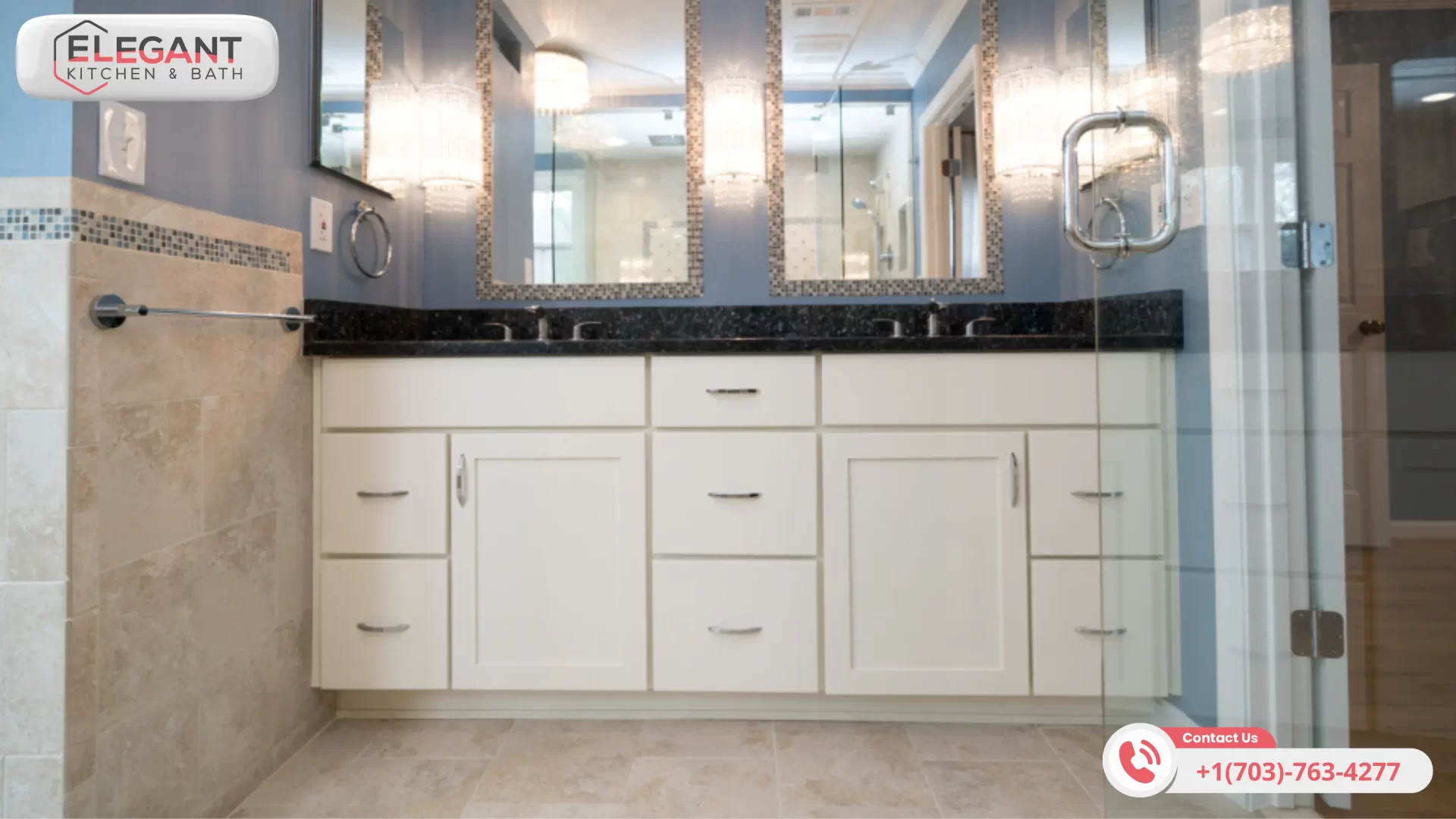
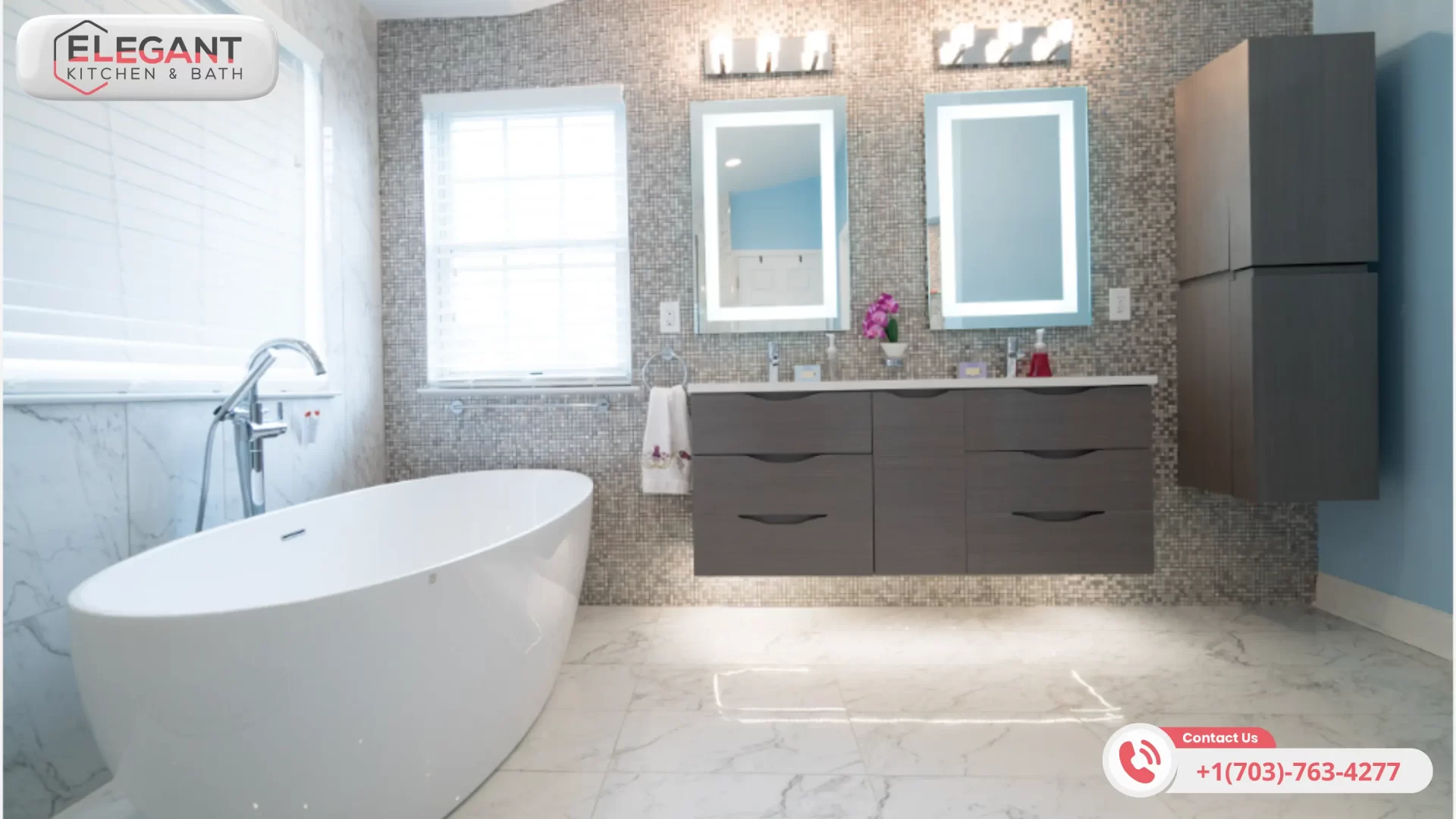
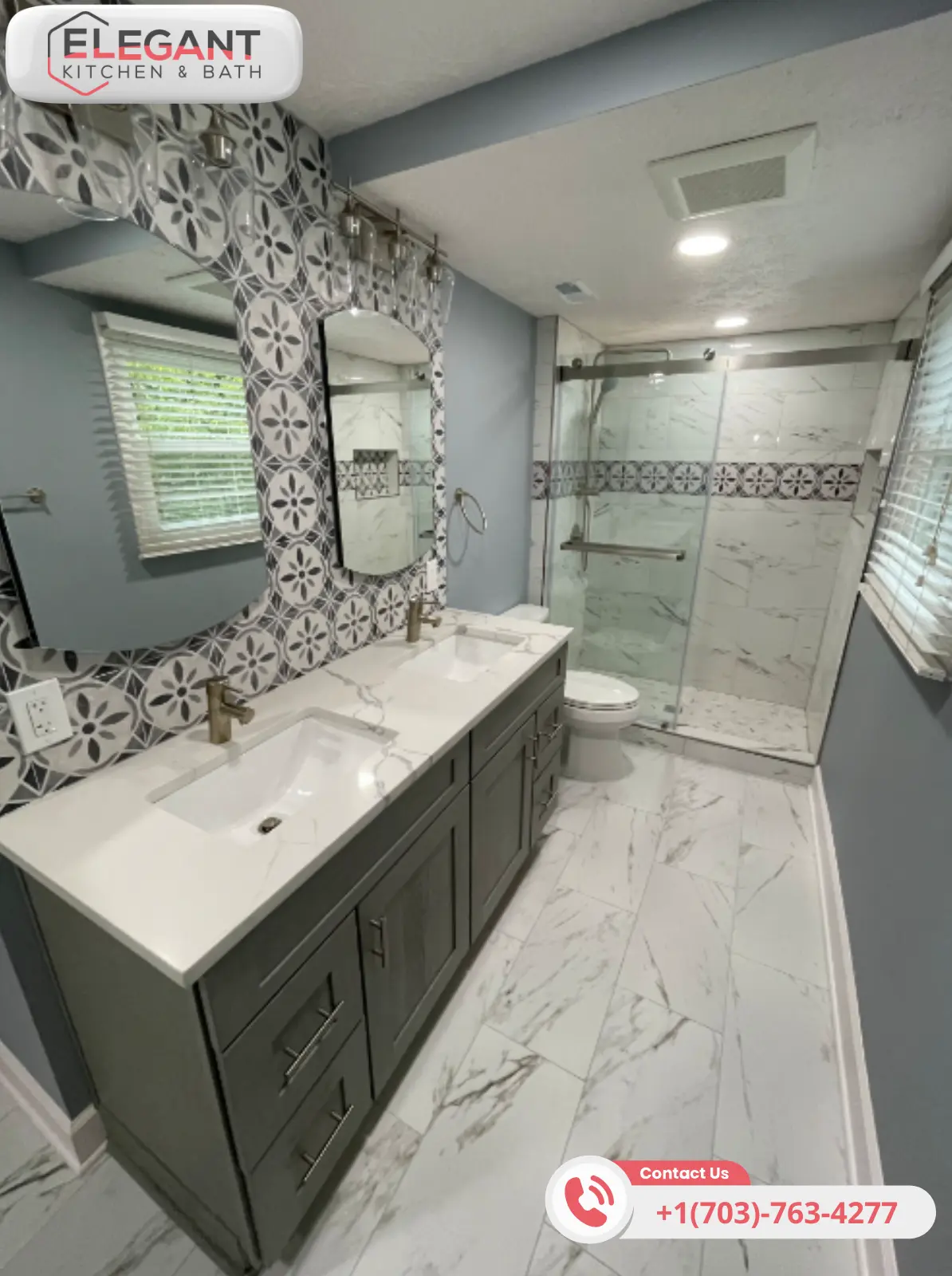
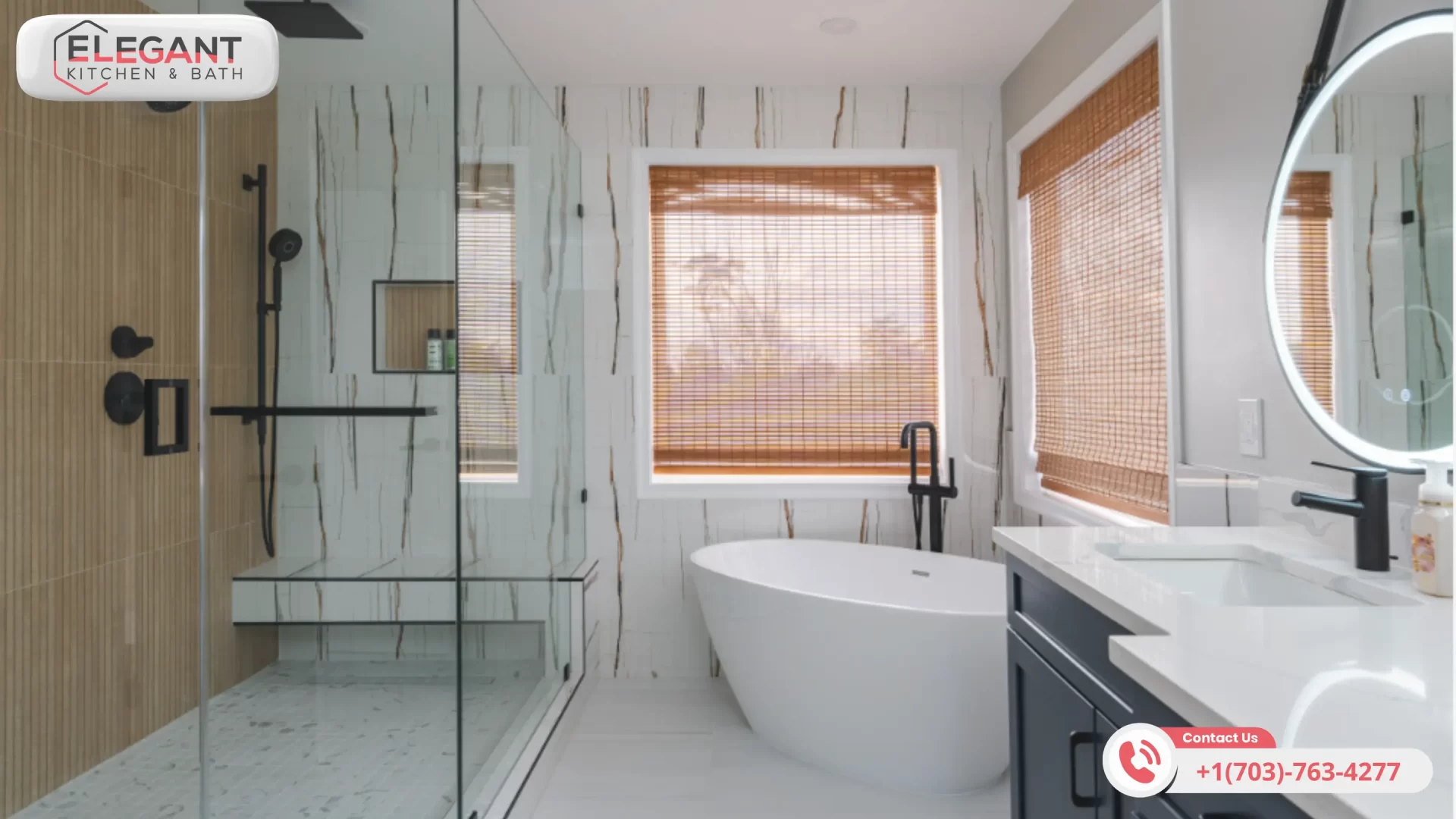
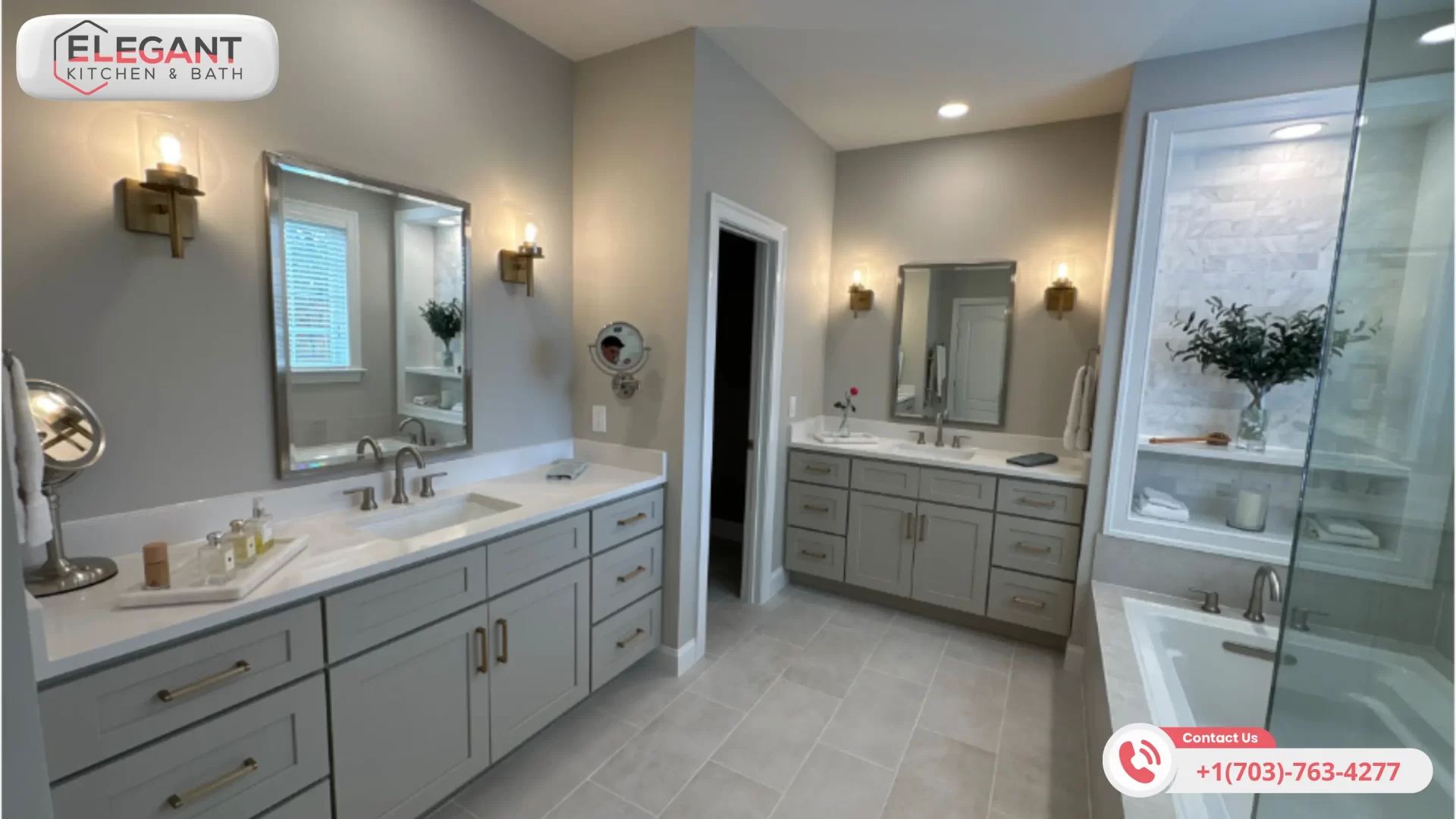
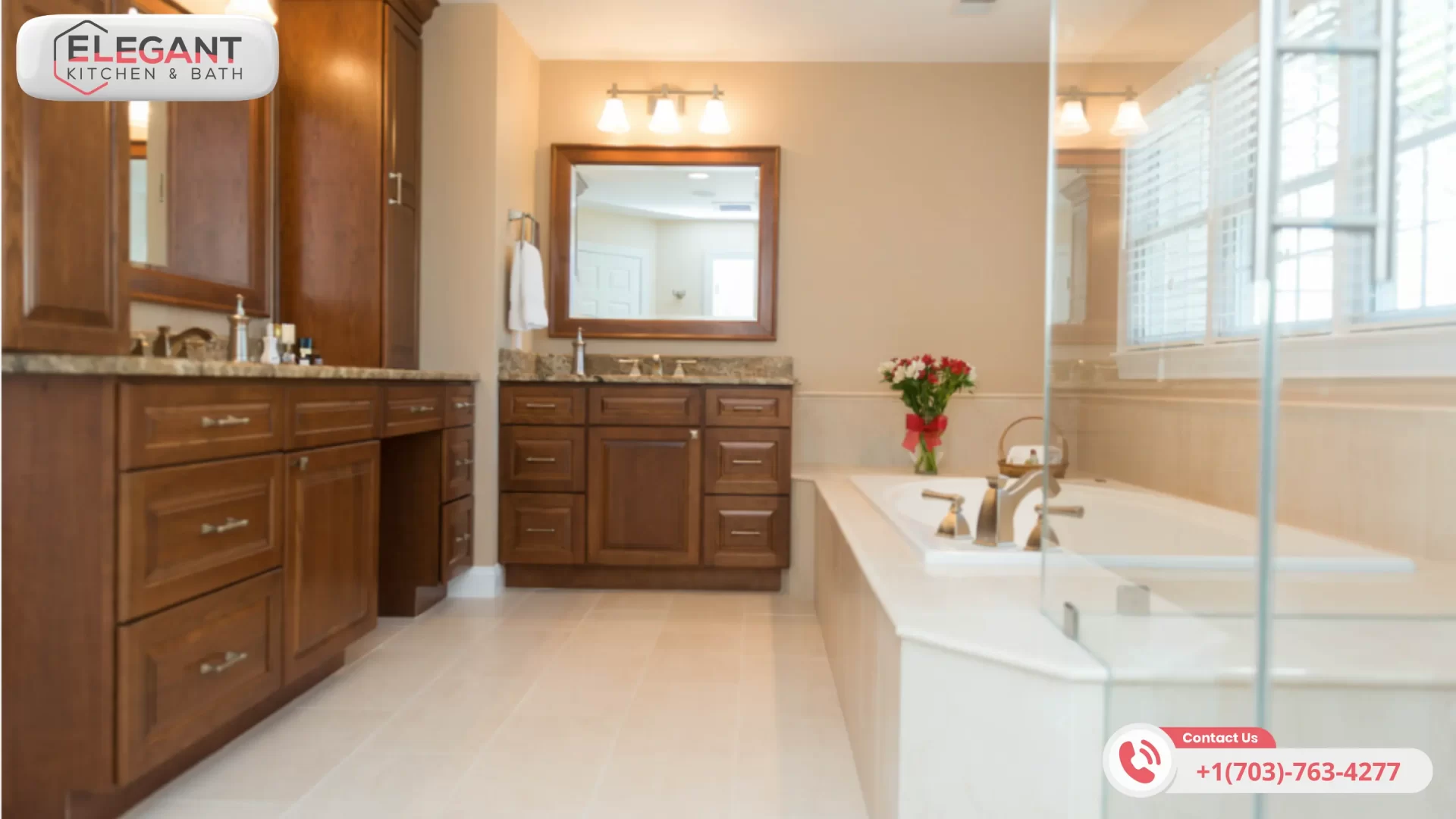
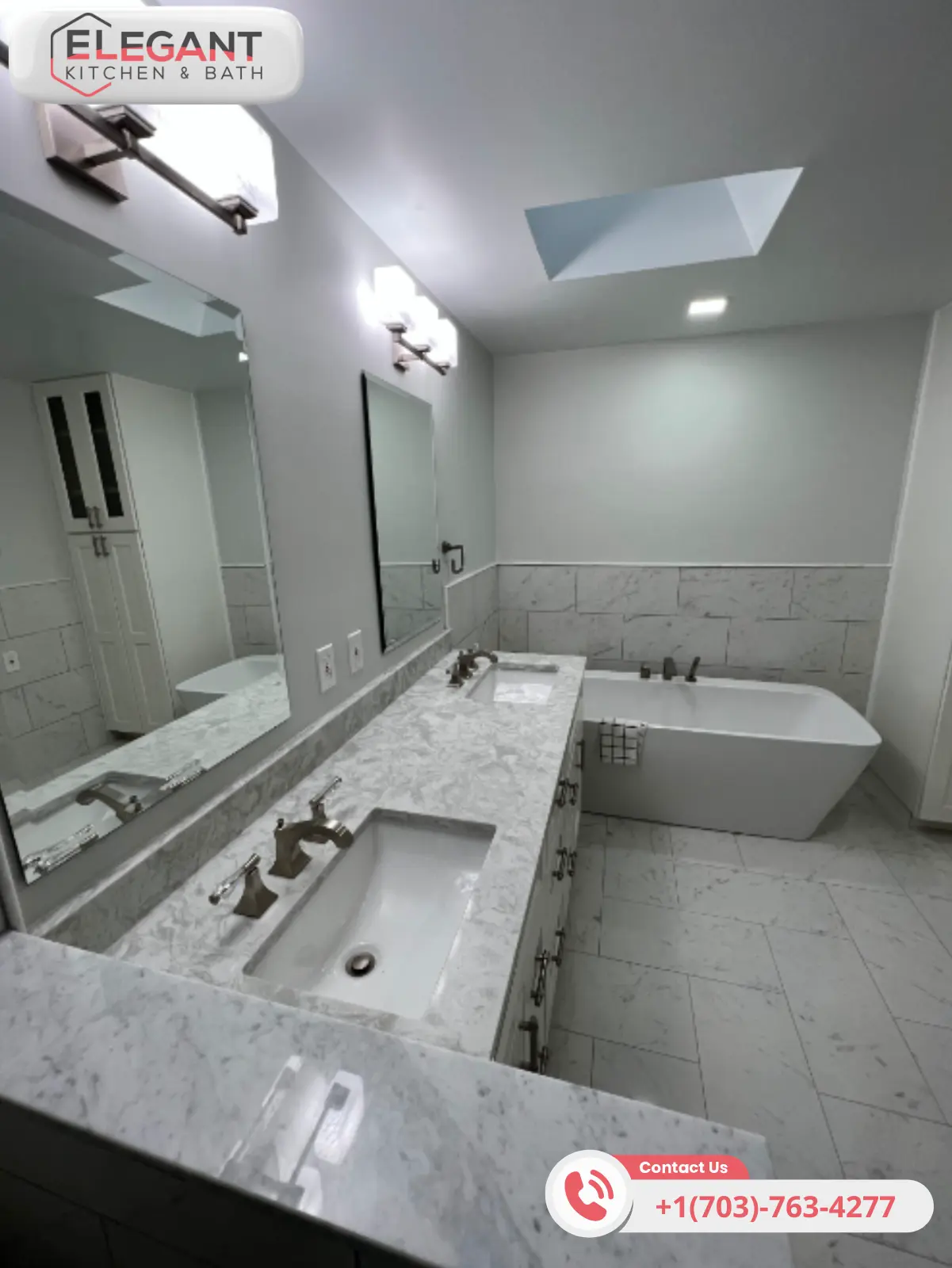
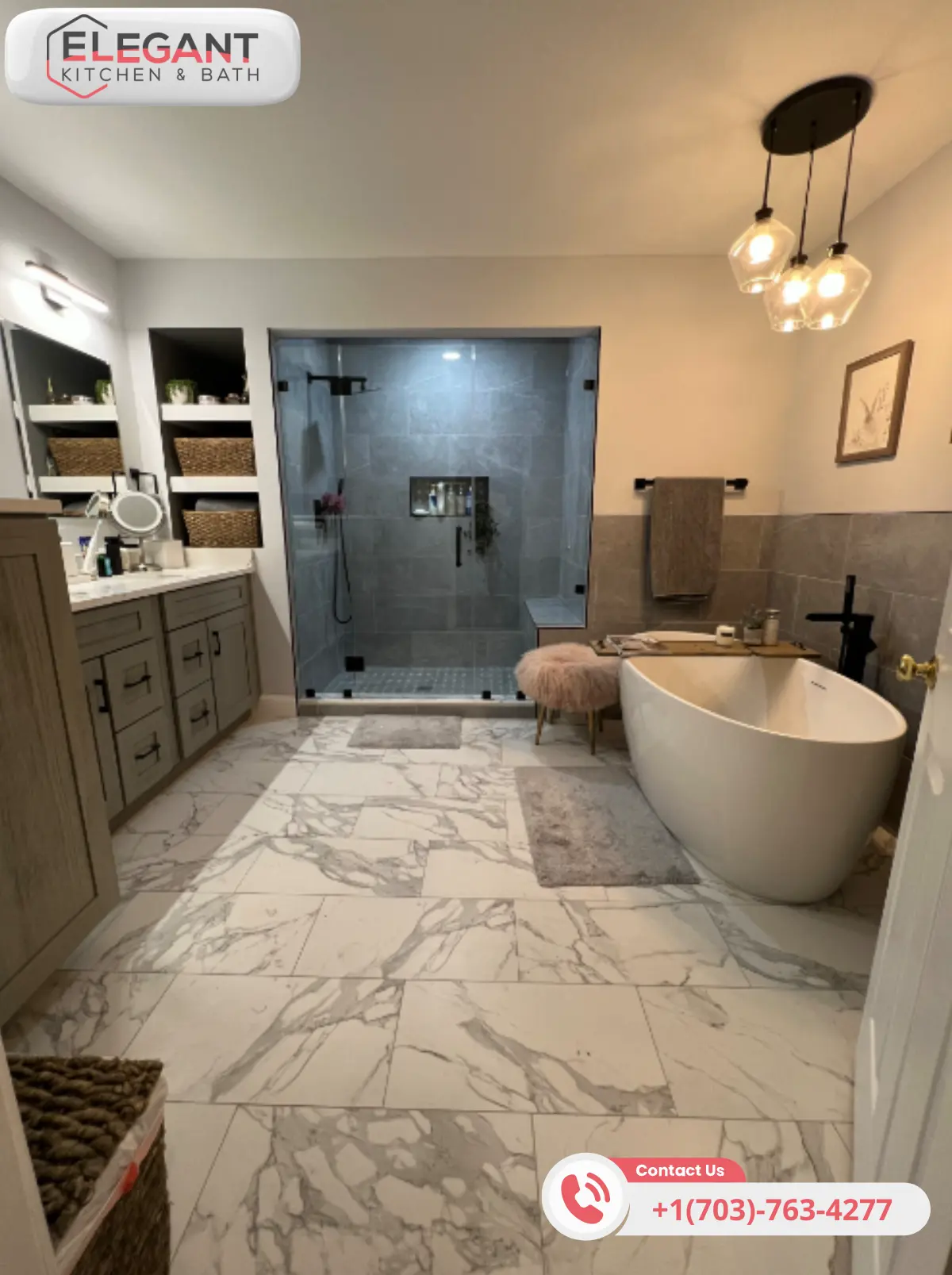
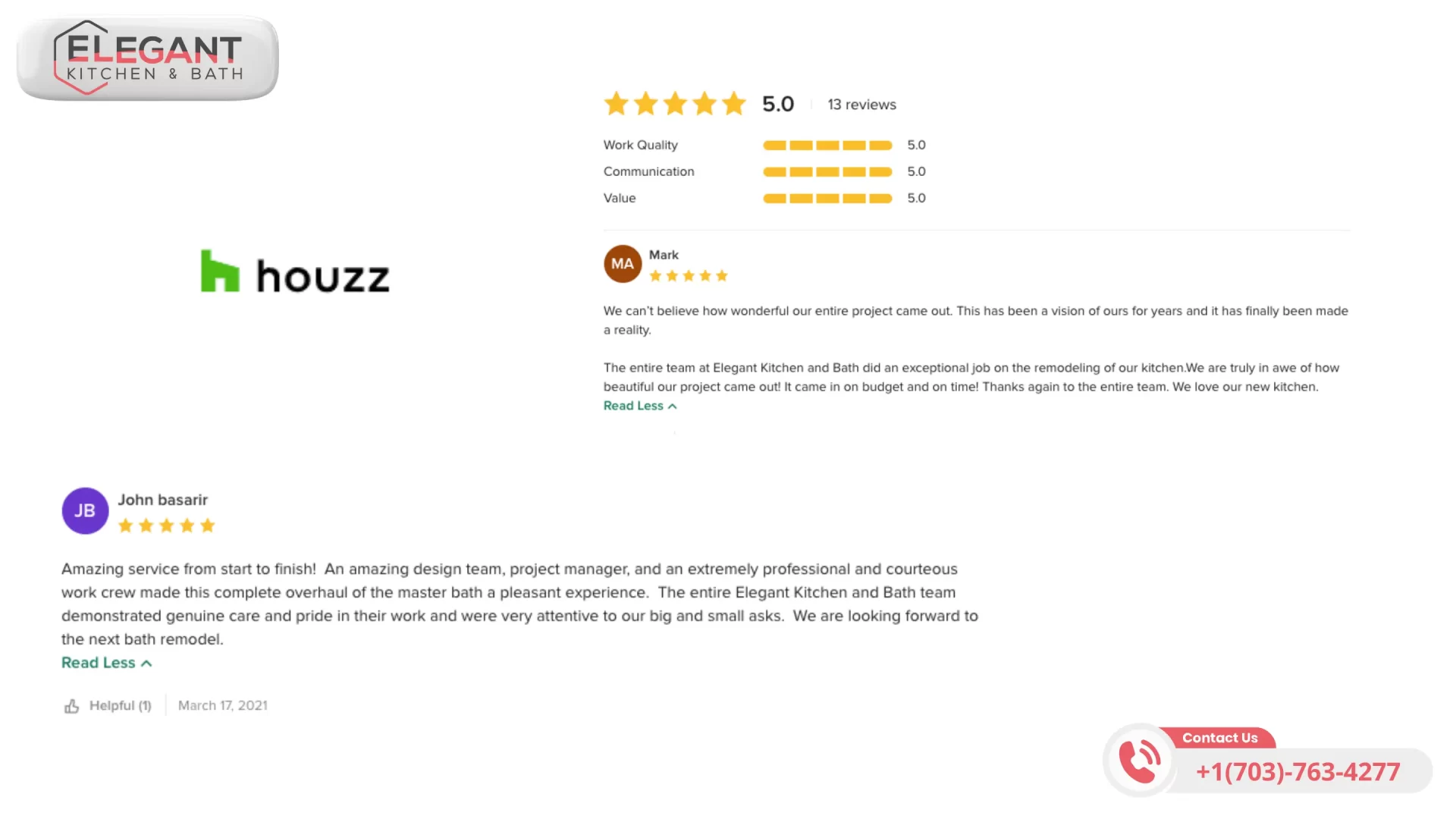
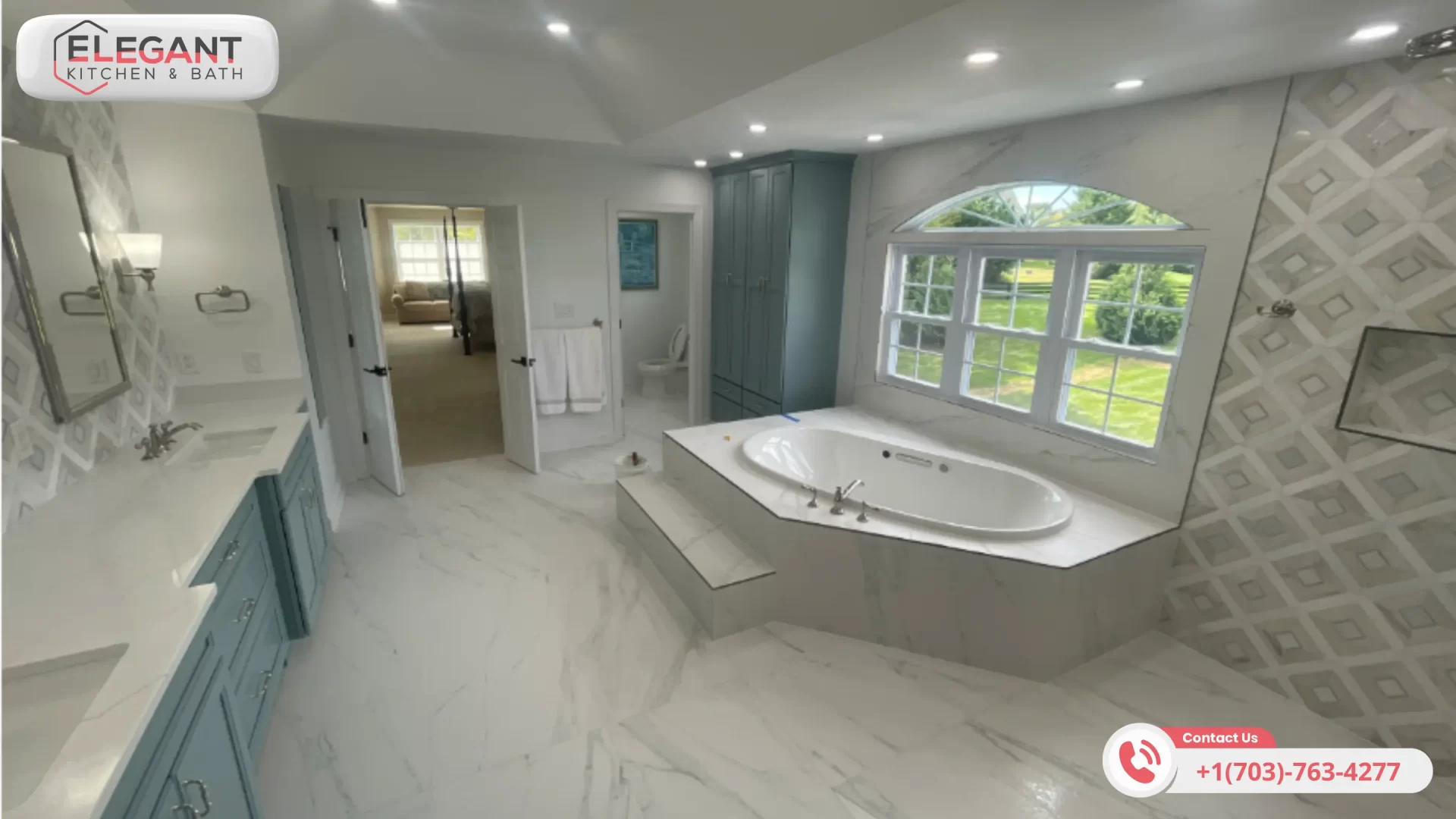
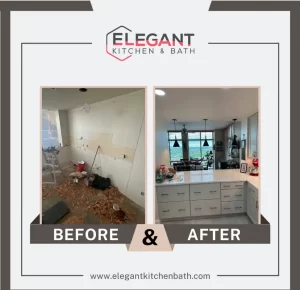
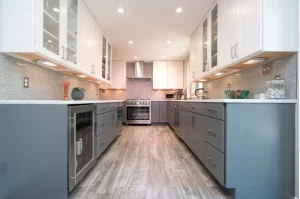
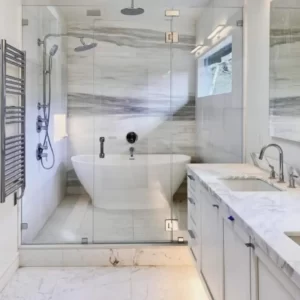
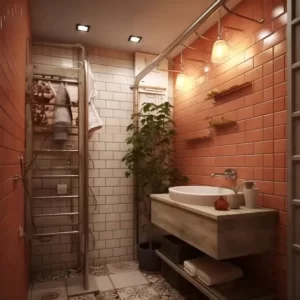
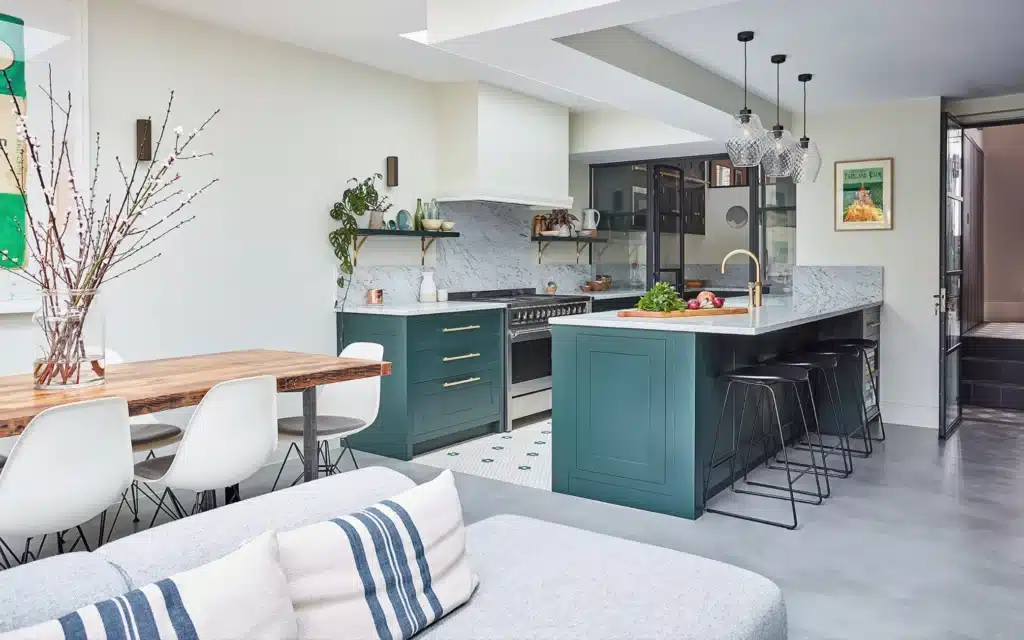
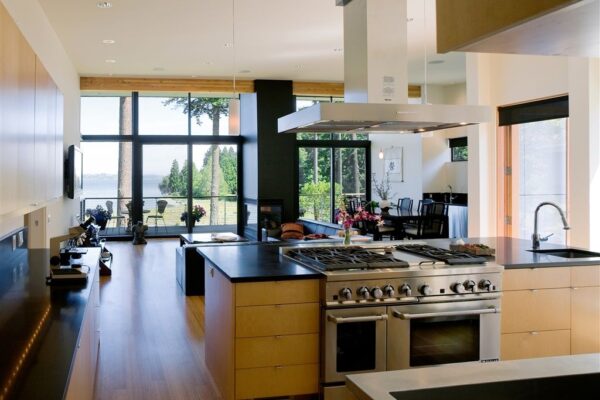
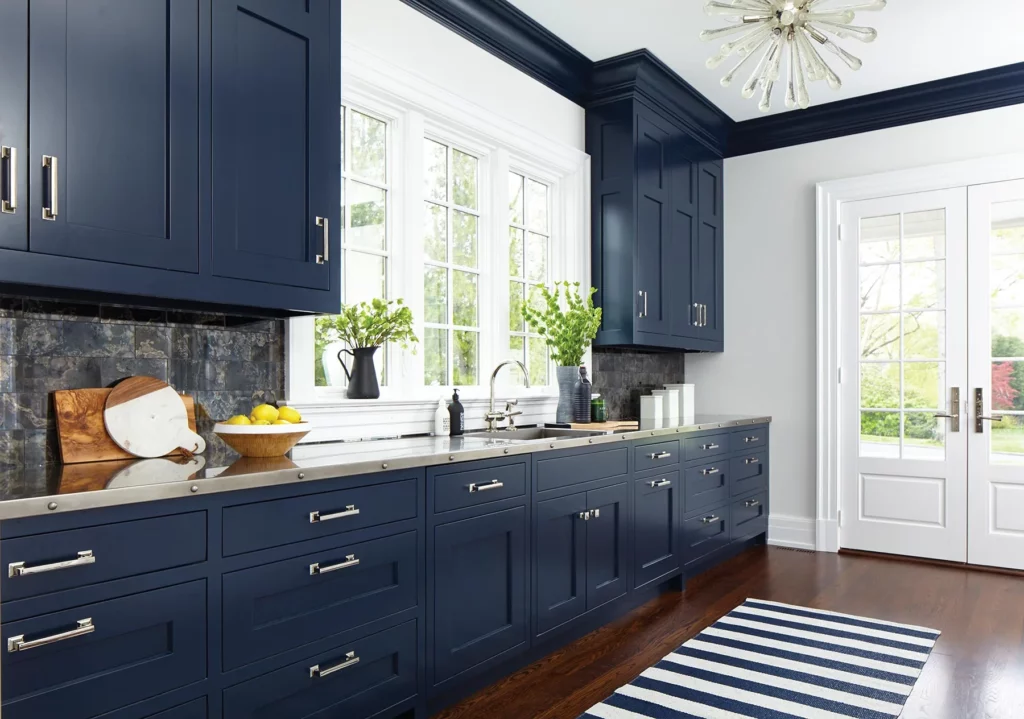
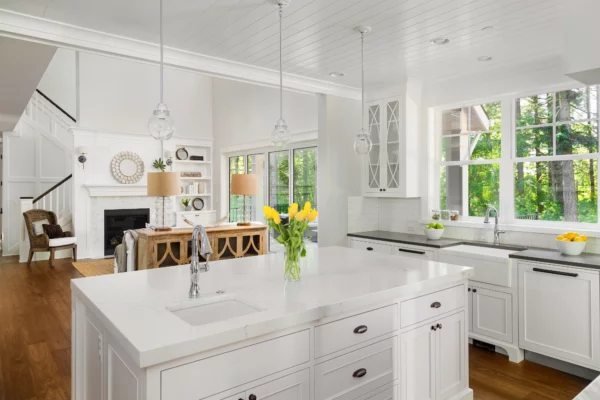 Envision the soothing ambiance of a seaside haven with breezy colors and textures that evoke a sense of calm and relaxation. The Coastal Retreat Kitchen we crafted is an embodiment of this serene coastal spirit, designed to meld the tranquility of beach living with the practicality required for everyday kitchen activities.