The battle between modern and traditional bathroom designs is a tale of two styles, each with its charm and philosophy.
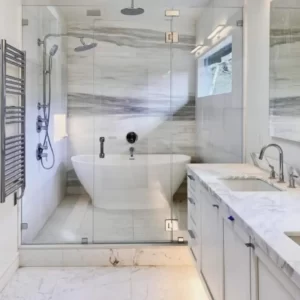
Modern design often captivates with its sleek, minimalistic elements and cutting-edge amenities, providing a sanctuary that breathes contemporary elegance into the home.
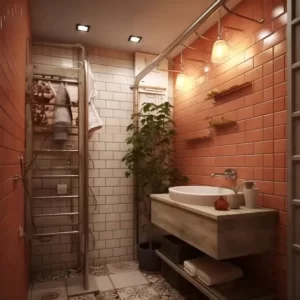
On the other side of the spectrum stands traditional design, where the warmth of classic fixtures, rich wood trims, and timeless motifs create a space that exudes comfort and familiarity.
Those looking to embark on a bathroom remodel face the challenging yet creative decision of which path to follow.
Keep reading as we delve into the nuances of both styles, revealing the advantages and inconveniences they bring to the realm of home improvement.
Key Takeaways
Modern Bathroom Design Emphasizes Minimalism, Clean Lines, and Advanced Technology for a Sleek Look
Traditional Bathroom Design Treasures Detail, Comfort, and a Classic Aesthetic, Often Incorporating Ornamental Elements and Rich Textures
Maintenance and Space Considerations Are Practical Aspects to Weigh When Choosing Between Modern or Traditional Bathroom Styles
A Hybrid Bathroom Design Can Merge the Best of Modern Minimalism With Traditional Warmth to Create a Personalized and Functional Space
The Choice of Bathroom Design Impacts Not Only Aesthetics but Also the Adaptability and Future Relevance of Space
What is Modern Bathroom Design?
Immersing oneself in modern bathroom designunveils a realm where minimalism coexists with luxury. Characterized by sleek lines and an uncluttered approach, this design philosophy prioritizes simplicity and function. It facilitates a space that is not only efficient but also visually stunning.
The heart of modern bathroom design lies in its commitment to clean geometry and an absence of ornate detailing. Materials such as glass, metal, and composite surfaces typically grace the modern bathroom, reflecting a penchant for surfaces that gleam with understated elegance. Fixtures and fittings often boast a chrome or stainless steel finish to enhance the ultra-modern ambiance.
Lighting plays a pivotal role in transforming a bathroom into a contemporary sanctuary: think of strategically placed light fixtures like sconces, or a bold chandelier to anchor the room. Seamless integration with the room’s architecture is emphasized to maintain the integrity of the design lines:
Element
Role in Modern Bathroom Design
Geometry
Framework for clean, uncluttered space
Materials
Use of sleek, reflective surfaces
Lighting
Functional and aesthetic, enhances spatial dynamics
Fixtures
Chrome or stainless, adding to the high-end feel
In terms of amenities, modern design advocates for pieces like floating vanities and wall-mounted toilets, conserving floor space for a more expansive feel. It’s a style that champions the notion of the bathroom as a retreat, a place to rejuvenate and escape the bustle of daily life while maintaining a strong sense of contemporary aesthetics.
Pros of Modern Bathroom Design
Modern bathroom design captivates with its blend of innovation and simplistic beauty. The preeminence of clean lines, minimalist color schemes, and the integration of advanced technology sets the stage for an environment where tranquility and practicality flourish.
The adoption of materials like glass, quartz, and polished metal contributes to the enduring allure of modern bathrooms. These elements reflect light and contribute to a brighter, airier atmosphere, an essential component in creating a space that feels both expansive and inviting.
Functionality takes center stage in modern design, with smart storage solutions and sleek fixtures such as rainfall showerheads and hands-free faucets. The incorporation of these elements not only appeals to the aesthetically minded but also to those who value an experience tailored to efficiency and comfort.
With a focus on form and function, modern bathrooms present a versatile canvas for personal expression. They serve as a serene backdrop for bold art pieces or as a harmonious setting for textural contrasts, such as pairing smooth porcelain tiles with the warmth of wood accents.
Cons of Modern Bathroom Design
Despite the allure of modern bathroom designs, they may not resonate with every individual’s sense of comfort or aesthetic preference. For some, the stark lines and minimalist approach can feel impersonal or cold, lacking the homely warmth traditional styles offer through their detailed craftsmanship and natural materials.
Modern bathroom renovations often come at a premium due to the high-cost materials like marble, quartz, and high-end fixtures that define the style. These renovations might also necessitate professional expertise from experienced bathroom designers or architects, further inflating the project budget.
An ultramodern design insists on seamless functionality and often integrates the latest technology, which may require frequent updates to stay ahead. Homeowners not inclined towards regularly embracing new tech might find this aspect of modernity both challenging and unnecessary, especially in a bathroom setting.
Adherence to the principles of minimalism and sleek geometrics can sometimes limit the scope for personal expression in decoration. While modern bathrooms exude elegance, they may not cater to those who seek to display eclectic tastes or an array of personal artifacts, as the design ethos calls for clutter-free surfaces and a strict color palette.
What is Traditional Design?
Veering into the domain of traditional design transports one to an era of timeless elegance, where attention to detail and comfort reign supreme. Traditional bathroom design exudes a classic allure that typically features rich textures, substantial furniture-like cabinetry, and a more liberal use of color and patterns than its modern counterpart.
The essence of traditional design lies in its homage to the past: think of a stately clawfoot tub, ornate lighting fixtures such as vintage sconces, and pedestal sinks that speak to an age-old sophistication. Often, the color palette sways toward the warm and inviting, with hues that resonate with a sense of familiarity and ease.
Element
Essence in Traditional Bathroom Design
Cabinetry
Furniture-like, substantial, rich in detail
Color Palette
Warm hues offering familiarity and comfort
Fixtures
Ornate, echoing vintage charm
Focus
Comfort and detailed craftsmanship
Inherent in the traditional approach is the creation of a space that feels lived-in and cozy, a stark contrast to the stark and industrial look that can sometimes characterize modern designs. The integration of elements like wood-paneled walls, a plush armchair, or a decorative chandelier can instantly warm up the room, infusing it with an inviting ambiance.
Lighting in traditional spaces is not just about utility; it’s an elaborate dance of ambiance and decoration. From the soft glow of a table lamp resting on a marble countertop to the intricate patterns cast by an overhead crystal chandelier, each light fixture contributes to the classic charm of the bathroom’s overall design.
Pros of Traditional Bathroom Design
Traditional bathroom design is like a warm embrace, evoking a sense of history and nostalgia. Its benefits extend beyond mere aesthetics, offering a sanctuary that cherishes comfort and classic beauty. This style basks in the glory of rich wood finishes, ornamental fixtures, and the luxurious feel of plush towels and ornate rugs.
The durability and time-tested appeal of traditional bathroom elements ensures that this style remains a cherished option. Owners relish in the richness of detailed cabinetry and the depths of classic color schemes that stand the test of time, not succumbing to the ebb and flow of passing trends.
Moreover, traditional design exudes an air of opulence and grandeur that is often unattainable in more minimalistic approaches: The craftsmanship in a carved wooden vanity or the intricate metalwork on a vintage faucet creates a palpable sense of luxury that modern design can sometimes overlook.
Cherished comfort and classic beauty with rich wood finishes and ornamental touches
The lasting appeal of timeless elements resistant to fleeting trends
Distinct sense of grandeur through exquisite craftsmanship
Enhanced sense of luxury and opulence in every fixture and furnishing
For those who value a personal touch, the traditional bathroom is a haven for showcasing heirlooms and unique finds. Spaces flourish with personality as each chosen piece tells a story, weaving together a rich tapestry of personal history and artful expression within the sanctuary of one’s home.
Cons of Traditional Bathroom Design
While traditional bathroom design offers warmth and depth, its intricate nature can pose practical challenges. Maintenance of the detailed woodwork, metal finishes, and ornate tiles requires dedicated care to preserve their luster and functionality over time.
The substantial nature of traditional bathroom furnishings can also demand considerable space, rendering this style less suitable for the compact dimensions of many contemporary homes. The grandiose vanities and elaborate bathtubs may become encumbrances in a smaller bathroom setting, leaving little room for maneuverability and essential storage.
Adherence to traditional aesthetics often precludes the integration of cutting-edge technology that could elevate the functionality of the space. This may lead to bathrooms that feel dated, as they lack modern conveniences like digital temperature controls and water-saving fixtures that are synonymous with today’s environmental consciousness.
Design preferences are fluid, and the decorative elements favored in traditional bathrooms can be subject to the whims of changing tastes. This might result in a space that, over time, could appear outmoded and in need of an update to align with current design trends, potentially diminishing its appeal to future homeowners or guests.
Consider Mixed Design for Your Bathroom
Contemplating a balance between modern and traditional bathroom designs opens a corridor to creativity: one where individuality and functionality dance in harmony. This hybrid approach allows for a curated atmosphere that celebrates both the cutting-edge of modernism and the ornate elegance of tradition.
Design Aspect
Modern Influence
Traditional Influence
Materials
Sleek glass and metal
Rich woods and classic stone
Color Scheme
Monochromatic and neutral
Warm hues and varied patterns
Fixtures
Minimalist and tech-forward
Decorative with historical gravitas
Atmosphere
Streamlined and tranquil
Cosy and inviting
A mixed design strategy incorporates the sleek fixtures and unblemished surfaces of the modern bathroom while infusing the warmth and substantive quality of traditional pieces. One might pair a minimalist vanity with a classic clawfoot tub or install state-of-the-art lighting above a vintage pedestal sink.
The marriage of these design elements creates a space that is not only aesthetically pleasing but also resonates with the homeowner’s unique style preferences. It’s a thoughtful assembly where a modern glass shower enclosure might exist beside a rustic, wood-framed mirror.
Opting for a mixed bathroom design brings an element of timeless versatility: while fads ebb and flow, a well-integrated space remains both practical and stylish. It enables the homeowner to upgrade individual elements over time, ensuring the bathroom’s design remains fresh and relevant.
Frequently Asked Questions
What are the key features of modern bathroom design?
Modern bathroom design melds aesthetic simplicity with functional sophistication, embracing features such as sleek vanities, frameless shower enclosures, and the integration of smart technology for a tailored ambiance. These spaces often sport neutral palettes accented by bold textures and patterns, ensuring that each aspect from lighting to cabinetry is thoughtfully curated to invoke serenity and streamline the daily routine.
How does modern bathroom design differ from traditional design?
Modern bathroom design often embraces minimalism, clean lines, and contemporary materials such as marble and glass, creating an open, luxurious atmosphere; in contrast, traditional design may feature classic elements, with detailed wood cabinetry and vintage fixtures that evoke a warm, timeless ambiance. While the modern approach leans toward sleek and functional vanity spaces, often dominated by straight edges and neutral color palettes, traditional bathrooms luxuriate in the ornate—from brass faucets to patterned tile floors, each component contributes to an overall sense of heritage and comfort.
What are the advantages of choosing a modern bathroom design?
A modern bathroom design outfits a space with sleek minimalism and cutting-edge functionality, creating an environment that’s both serene and efficient. The streamlined aesthetic harmonizes the latest materials and innovative technology, such as marble countertops and smart showers, enhancing both the value and user experience of the home.
What are some drawbacks of opting for a traditional bathroom design?
Traditional bathroom designs can often lack the innovation and adaptability of more contemporary styles, potentially leading to an aesthetic that feels outdated more quickly. Moreover, the conventional layout and materials might not cater to the evolving technological advancements and personalized comfort that many homeowners seek in modern bathroom remodeling projects.
Can I incorporate elements of both modern and traditional design in my bathroom?
Absolutely, blending modern and traditional design elements in your bathroom can create a unique and timeless space. This approach, often referred to as “transitional design,” combines the best of both worlds, offering the sleek, clean lines of modern design along with the classic elegance of traditional styles.
Here are a few tips on how to achieve this:
Mix Materials and Textures: Use a combination of materials like glass, metal, and wood. For instance, you could pair a modern glass shower enclosure with a traditional wooden vanity.
Neutral Color Palette: Stick to neutral colors as they work well in both modern and traditional designs. You can then add color through accessories or artwork.
Classic Layout with Modern Fixtures: Keep the layout traditional but use modern fixtures and lighting. This could include streamlined sinks and taps, or contemporary lighting solutions.
Blend Furniture Styles: Incorporate a mix of furniture styles – a traditional freestanding bathtub can be complemented with modern chairs or stools.
Accessorize Thoughtfully: Choose accessories that bridge both styles. For example, a vintage mirror can work beautifully with a modern basin.
Remember, the key to a successful blend is balance. You don’t want one style to overpower the other. It’s about creating a cohesive look that reflects your taste.
Interested in exploring this unique design approach for your bathroom? At Elegant Kitchen and Bath, we specialize in creating custom bathroom designs that perfectly match your vision. Whether you’re leaning more towards a modern flair a traditional ambiance, or a blend of both, our team is here to bring your dream bathroom to life. Contact us today to start your bathroom transformation journey!
Conclusion
In the debate between modern vs. traditional bathroom designs, neither style reigns absolute.
Modern design offers an aesthetic of sleek minimalism and incorporates advanced technology for a clean and efficient space that suits those who prefer a contemporary look.
On the other hand, traditional design provides a sense of warmth and grandeur, with detailed craftsmanship that appeals to those in search of comfort and timeless elegance.
Ultimately, the importance lies in personal preference, lifestyle, and the specific needs of the homeowner.
Mixed designs, blending elements of both schools, are emerging as a popular choice for their balance of functionality and individual expression, allowing homeowners to craft unique, versatile spaces that can evolve.
From transforming a crumbling attic into a sunlit bedroom to stretching the footprint of a living room to accommodate larger family gatherings, each square foot added synchronizes with a client’s dreams and practical needs.
Not only does it pave the way for enhanced comfort and functionality, but strategically planned expansions often bolster the overall market worth of the property.
As homeowners weigh the potential return on investment against the tangible pleasure of a customized space, the allure of home additions becomes increasingly pronounced.
Keep reading to unearth the nuances of this transformative process and how it might just be the smartest investment decision a homeowner can make.
Key Takeaways
Home Additions Can Boost a Property’s Functionality and Long-Term Financial Value
Strategic Planning and Quality Construction Are Essential for a Worthwhile Return on Investment
Adhering to Zoning Laws and Obtaining the Right Permits Is Critical to Home Addition Success
Professional Expertise From Architects to Tradespeople Is Vital for Bringing Home Addition Visions to Life
Amid a society where maximizing property utility is paramount, homeowners are rediscovering the inherent value that lies in expanding their living domains.
Embracing the concept of a home addition not only enhances the immediate comfort and functionality with extra square footage but also paves the way for substantial long-term financial gains.
Whether investing in an elegant sunroom, a spacious bedroom, or a well-appointed kitchenette, the decision to augment a home’s footprint can transform everyday living while bolstering the property’s market worth.
Enticing as the prospect may be, property owners often find themselves navigating a labyrinth of construction costs, zoning laws, and contractor selection—the very details that, once mastered, unlock the dual delight of increased living space and investment potential.
Immediate Benefits of Additional Square Footage
Expanding a home’s interior heralds the promise of customized amenities tailored to individual preferences. A newly added bathroom gleams with modern efficiency, while an expansive dining room births a haven for family gatherings and the fond memories destined to follow.
Such additions are not mere extensions of space but become transformative elements that elevate the functionality and aesthetic appeal of a residence. A capacious bedroom that affords serene repose or a sunlit attic converted to an artist’s studio expresses the homeowner’s ingenuity through the thoughtful use of added square footage.
Long-Term Financial Advantages
Adding square footage to a residence can yield a solid return on investment, particularly in markets where space is at a premium. With thoughtful design and quality construction, a home addition can significantly raise a property’s resale value, making it a wise financial move for homeowners looking to build equity.
A strategically planned home extension, such as adding a second story or crafting a seamless house addition design, often leads to a noticeable increase in property desirability. This desirability, when coupled with the rising trends in housing demands, positions the homeowner to command a higher price if and when the decision to sell surfaces.
Customization to Fit Your Lifestyle
Envision a space precisely molded to the rhythm of daily life, each room echoing personal taste and lifestyle—a home where every nook is a statement of individuality.
This is the quintessence of a home addition, an investment that not only redefines the contours of a dwelling but morphs with life’s evolving chapters.
The flexibility to tailor a living environment, from the swell of a sunroom to the tucked-away privacy of a study, ensures a habitat primed for current delights and future life shifts.
Prioritizing adaptability during the planning stages fosters an abode that resonates with the homeowner’s changing needs, cementing a home addition as a testament to foresight and personalization.
Tailoring to Your Needs
Selecting the right home addition requires a keen eye that visualizes not just the present requirements but anticipates future lifestyle changes. Every choice, from the precise location of a fireplace to the dimensions of a laundry room, serves as a direct response to the homeowner’s evolving narrative. The process becomes an intricate dance of discernment, ensuring that space adapts seamlessly to life’s unpredictable script.
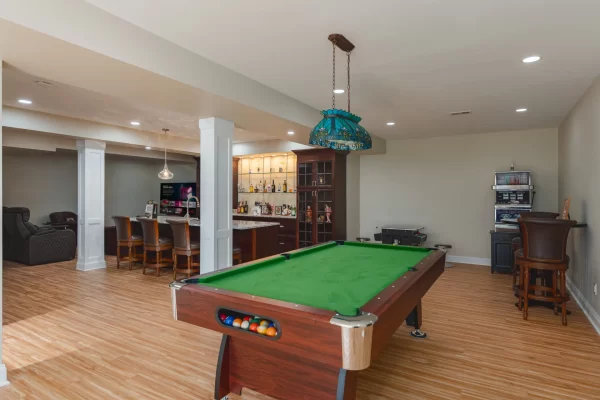
Homeowners opting for bespoke additions such as a screened porch for summer evenings or a versatile basement with potential for multiple uses, ensure their home evolves in synchrony with their aspirations. It’s this personalized approach that allows the newly crafted spaces to not only meet immediate needs but also offer the flexibility for adaptation as family dynamics and individual pursuits transform over time.
Adaptability for Future Changes
The landscape of personal and professional lives is perpetually shifting, demanding spaces that not only serve current pleasures but also accommodate impending transitions. A room addition, with its foundational flexibility, stands as a shrewd and nimble response to the dynamic requirements that accompany milestones such as remote work trends, expanding families, or the pursuit of new hobbies.
Today’s home addition is tomorrow’s essential space, underpinning the role of a home as a malleable setting for life’s unpredictability. Forward-thinking design, from the integration of carpentry that supports future modifications to the incorporation of easily alterable lighting fixtures, captures the essence of longevity and adaptability within a structure:
Provision for roughed-in plumbing allows for easy bathroom or kitchenette installation as needs arise.
Designs incorporating joists and beams that accommodate potential load changes pave the path for seamless future expansions.
Open floor plans afford the capability to partition or merge living areas, echoing the fluidity of contemporary lifestyles.
Maximizing Property Utilization
In a landscape where every inch of property holds potential for enhancement and utility, the transformation of unused space into meaningful living areas embodies strategic investment wisdom.
Converting areas once relegated to storage or subject to the whims of weather into integral parts of a home’s interior canvas extends a residence’s functionality while thoughtfully capitalizing on its existing footprint.
This evolution from outdoor to indoor living not only revitalizes underutilized zones but also reflects a commitment to maximizing the comfort and value of one’s home.
Unused Space Transformation
Transforming dormant areas of a residence into functional spaces exemplifies an intelligent approach to home improvement; it’s about leveraging every square inch. By repurposing an attic into a vibrant office or turning a rarely-used porch into a cozy four-season room, homeowners breathe new life into their properties, making every part of their investment work for them.
Untapped spaces brim with the potential to enhance both lifestyle and property value, by extending a home’s livable square footage through thoughtful renovation. A disused garage finds a new purpose as a self-contained guest suite, creating not only additional room for living but also opening avenues for rental income or multigenerational living arrangements, thereby achieving a blend of personal utility and financial foresight.
Outdoor to Indoor
Reimagining the boundaries between outdoor and indoor spaces stands at the forefront of home addition trends. Property owners are discovering the untapped potential in converting areas like underused patios or seasonal decks into all-season rooms, effectively bringing the natural allure of the outdoors inside while maintaining the comfort of a controlled interior environment.
The transformation involves more than just upgrading a space; it’s about redefining the home’s living area. By enclosing a patio or building over a deck, dwellers gain year-round access to a place that merges the charm of the landscape with the amenities of an indoor haven, enhancing both the livability and aesthetic of the home.
Overcoming the Limitations of Your Current Home
The quest for a living space that accurately aligns with one’s evolving lifestyle is both a common and compelling reason for homeowners to consider a home addition.
Addressing spatial challenges head-on and enhancing the overall functionality of a home is not just a matter of convenience but often a strategic maneuver toward a significant upgrade in one’s quality of life.
An expertly planned and executed home addition serves as a shrewd investment with the potential to recalibrate the current limitations of a residence into opportune possibilities for growth, utility, and enjoyment.
Addressing Spatial Challenges
Acknowledging and addressing spatial challenges is an initial step toward refining one’s home for both present and future demands. When the existing structure can no longer sustain a growing family or the need for a home office, a well-planned addition becomes a decisive solution that elevates and reinvigorates a residence.
Expansion projects such as constructing a new bedroom or enlarging a cramped kitchen defy the constraints that once hindered a home’s potential. With expert guidance and a clear vision, these additions emerge as ingenious responses to pressing spatial limitations, exemplifying how strategic planning amplifies a property’s livability and appeal.
Enhanced Functionality
The realization of a home addition often heralds a renaissance of functionality within a residence, liberating homeowners from the constraints of original layouts. The strategic inclusion of elements like a mudroom equipped with durable tile floors or a multipurpose basement catering to both entertainment and storage needs exemplifies the transformation into a domicile that serves myriad purposes adeptly.
By incorporating state-of-the-art home systems through a home addition, residents witness a remarkable surge in their property’s efficiency. Modern HVAC units tailored to the new space and upgraded electrical wiring are investments that not only cater to present needs but also prepare the home for future technological advancements, ensuring that the residence operates at the pinnacle of functionality.
This delicate equilibrium, where understanding the costs intersects with the projected return on investment, forms the cornerstone of a well-informed decision.
Securing this balance not only promises a deft blend of enhanced living space and financial soundness but fortifies the home’s standing as a prudent, long-term asset in one’s portfolio.
Understanding the Costs
Grasping the complexities of home addition costs begins with a methodical breakdown of each contributing factor. Homeowners must consider the expense involved in materials, from lumber and concrete for the foundation to the drywall defining the walls and ceiling. Engaging with reputable contractors, electricians, and plumbers is crucial, as their expertise dictates not only the quality of work but also the associated labor costs.
In addition to that, the price of a home addition extends beyond the mere tally of construction expenses. Property owners should factor in the costs stemming from architect consultations, permit acquisitions and landscape alterations that might ensue. Each element plays into the overall fee, shaping the cost structure that must be carefully balanced against the anticipated benefits of the renovation.
Return on Investment (ROI)
Home additions stand as a beacon of strategic investment, with their value often quantified through the lens of return on investment (ROI). These enhancements to property can significantly outpace the initial outlay when executed with precision, offering homeowners a tangible increase in equity, which may flourish in future real estate transactions.
Recognizing the substantial rise in a home’s marketability post-renovation, homeowners find comfort in the knowledge that their financial commitment often translates into a robust ROI. This realization aligns with the insights from the National Association of Realtors, which consistently document home expansion projects — particularly those that increase the utility and aesthetic of a property — as top contributors to resale value.
Planning and Execution
The journey from concept to completion of home addition is replete with strategic planning and meticulous execution, essential to the success of what could be the best investment homeowners make.
A venture of this magnitude requires careful navigation through the intricacies of zoning laws and securing the necessary permits – a testament to the importance of adhering to local building codes for a seamless construction experience.
Equally pivotal is the selection of seasoned professionals from architects to general contractors; these alliances are the bedrock upon which homeowners can construct their vision, ensuring that expansions are not only compliant with legal standards but also exemplify precision and excellence in design and craftsmanship.
Navigating Zoning and Permits
Embarking on the journey of a home addition entails a thorough understanding of the local zoning ordinances that dictate land use and building requirements in your area. Homeowners must engage with experts who are skilled in interpreting these regulations to ensure that the envisioned addition aligns with property boundaries and adheres to all pertinent zoning laws, thereby laying a solid foundation for the project’s progression.
The process of obtaining permits is equally critical, as it serves to certify that the design and planned construction of the home addition meet all safety standards and building codes. Homeowners must entrust this phase to professionals who can proficiently navigate the often complex permit application, acquiring approvals that are essential to both initiate construction and maintain the trajectory of the investment toward success.
Partnering with the Right Professionals
Identifying and collaborating with seasoned professionals is not a choice but a necessity when considering the addition of a room or multiple rooms to a property. This partnership transcends beyond simple delegation; it establishes a symbiotic relationship where the expertise of architects, general contractors, and specialized tradespeople such as electricians and plumbers weave together to turn a vision into a structurally sound and aesthetically pleasing reality.
An array of proficient specialists stands between a concept and its realization. Homeowners must marshal a talented team capable of comprehensively understanding the blueprints of their envisioned space and meticulously bringing it to life while adhering to the stringent demands of schedule and budget:
Professional
Role in Home Addition
Impact
Architect
Blueprint Design and Vision Alignment
Ensures that the addition harmonizes with existing structures and fulfills homeowner’s expectations
Guarantees that all phases of the project are executed efficiently, on time, and within the set budget
Specialized Tradespeople
Electrical, Plumbing, Carpentry Work
Ensures that the technical aspects meet safety regulations and work quality standards
Frequently Asked Questions
How does expanding my living space through a home addition add value to my property?
Expanding your living space with a home addition can significantly boost your property’s market appeal and functionality, often resulting in a substantial increase in its overall value. Complementing the original structure with well-conceived spaces, such as an extra bedroom, bathroom, or sunroom, allows homeowners to tailor their property to market demands or personal needs, making it more attractive to future buyers or more enjoyable for the current residents.
Can a home addition be customized to fit my specific lifestyle and needs?
Absolutely, a home addition can be tailored to mesh seamlessly with your lifestyle and preferences, ensuring that whether you need an expansive new bedroom, a dedicated remote work office, or a serene sunroom, every facet aligns with your unique vision and requirements. Engaging with adept architects and skilled home addition contractors will elevate the creation of your space, illuminating the path toward a bespoke annex that resonates with your day-to-day living.
What are the advantages of maximizing property utilization through a home addition?
Maximizing property utilization through a home addition offers a multitude of advantages, such as creating extra living space for a growing family or adding a specialized area like a sunroom or a home office. These expansions can significantly boost the property’s value, offering a favorable return on investment, while simultaneously enhancing the homeowner’s quality of life by tailoring the living environment to their evolving needs.
How can a home addition help me overcome the limitations of my current home?
A home addition opens up a realm of possibilities, breaking the bounds of your existing space constraints and transforming your living area to meet evolving needs. Whether it’s crafting that sun-drenched sunroom for serene afternoons or adding an extra bedroom to accommodate a growing family, a thoughtfully designed extension can revitalize your property’s functionality and aesthetic appeal.
How do I determine the cost versus benefit of a home addition and ensure a successful planning and execution process?
Determining the cost versus benefit of a home addition involves assessing the potential return on investment, considering the value it adds to your property, and juxtaposing this with the overall home addition costs. Ensuring a successful planning and execution process requires meticulous research, engaging with skilled professionals such as architects and general contractors, and adhering to zoning laws and building codes.
Conclusion
Investing in a home addition is not just about adding square footage; it’s about enhancing your quality of life and securing your financial future. Throughout this discussion, we’ve seen that home additions can be transformative, offering immediate enjoyment and long-term economic benefits. Whether it’s creating that sunlit reading nook you’ve always wanted, expanding your kitchen for culinary adventures, or adding an entire second story for your growing family, the possibilities are as boundless as your needs and creativity.
A home addition allows you to customize your living space in a way that purchasing a new home simply cannot match. It’s a personalized investment; one that molds your home to fit your evolving lifestyle while also increasing the overall value of your property. In essence, a well-planned addition can serve as the ultimate investment—one that pays dividends in comfort, satisfaction, and market appeal.
As we wrap up, remember that while the prospect of expanding your home is exciting, it’s also a complex venture that requires careful planning, a clear understanding of costs, and, most importantly, the right team to bring your vision to life. Navigating zoning laws, permits, and construction can be overwhelming, but with the aid of experienced professionals, your project can proceed smoothly from concept to completion.
If the potential of a home addition has piqued your interest and you’re ready to explore how this investment can transform your living space, Elegant Kitchen and Bath is here to guide you. Our expertise in crafting beautiful, functional, and value-adding spaces means that your home addition will be in capable hands.
Take the first step towards a smarter investment and an enhanced lifestyle by scheduling a consultation with us today. Let us help you navigate the exciting journey of expanding your home. For more information, insights, and inspiration for your home addition, be sure to peruse our comprehensive resources and past project portfolios. Your dream space awaits, and we at Elegant Kitchen and Bath are eager to bring it into reality.