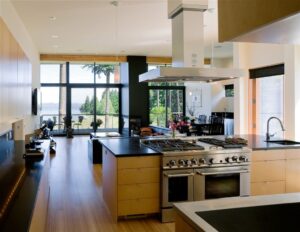
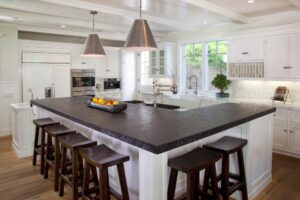
6 Kitchen Remodeling Ideas for Small Spaces
Small kitchens present unique opportunities for creative design solutions that can transform cramped spaces into functional and beautiful areas, serving as the heart of the home. While working with limited square footage may seem challenging, thoughtful kitchen remodeling ideas can maximize every inch of available space, creating an environment that feels open, organized, and inviting. The key lies in understanding how to balance functionality with aesthetics, ensuring that every design choice serves multiple purposes while maintaining the visual appeal that makes a kitchen truly special.
Modern homeowners increasingly recognize that small kitchens can be just as practical and stylish as their larger counterparts when designed with intention and creativity. The secret to successful small space design involves strategic planning that addresses storage needs, workflow efficiency, and visual enhancement techniques that make the space feel larger than its actual dimensions. Through careful consideration of layout, materials, lighting, and storage solutions, even the most compact kitchen can be transformed into a highly functional workspace that accommodates cooking, entertaining, and daily family activities.

Key Takeaways for 6 Kitchen Remodeling Ideas for Small Spaces
- Maximize Vertical Storage: Utilize floor-to-ceiling cabinets and open shelving to capitalize on wall height and create additional storage without compromising your floor space.
- Balance Open vs. Closed Storage: Open shelving adds airiness but requires tidy organization, while closed cabinets keep things hidden and maintain a clean, uncluttered space.
- Choose Multi-Functional Appliances: Opt for appliances that serve multiple purposes, such as combination ovens and compact, built-in, or stackable models to save space.
- Incorporate Dual-Purpose Furniture: Kitchen islands, tables, and seating that offer storage, prep, and dining options maximize functionality in tight quarters.
- Optimize Layout with Galley or L-Shaped Designs: Galley kitchens are ideal for narrow spaces, while L-shaped layouts effectively utilize corners and facilitate smooth traffic flow.
- Use Light Colors and Reflective Surfaces: Light paint, glossy tiles, and glass cabinet doors reflect more light, making the kitchen appear larger and brighter.
- Layer Task and Ambient Lighting: Combine under-cabinet, recessed, and pendant lights to create both focused work zones and overall illumination, enhancing the space visually and functionally.
- Install Pull-Out Pantries and Lazy Susans: Utilize narrow spaces and corners with pull-out pantry units and rotating shelves to maximize accessible storage.
- Get Creative with Hidden Storage: Add storage in unexpected places, such as toe-kick drawers beneath cabinets, or behind cabinet doors for spices and utensils.
- Avoid Overcrowding: Don’t cram in too many elements; prioritize simplicity and avoid clutter, choosing features that genuinely add value and usability.
- Prioritize Workflow and Accessibility: Ensure the “work triangle” (sink, stove, fridge) is efficient, and arrange appliances and storage for easy access, especially for all household members.
- Invest in Quality Over Quantity: Since you’re working with less space, you can often afford higher-quality finishes or appliances, making your small kitchen feel luxurious and well-appointed.
[ez-toc]
Why Small Kitchen Remodeling Is Worth It
Benefits of Maximizing a Compact Kitchen
Investing in small kitchen remodeling delivers remarkable returns that extend far beyond simple aesthetic improvements. A well-designed compact kitchen can significantly increase property value while dramatically improving daily living experiences for homeowners who spend considerable time preparing meals and gathering with family members. The focused nature of small space design often leads to more efficient workflows, as everything remains within easy reach, reducing the time and energy required for meal preparation and cleanup activities.

Maximizing a compact kitchen also encourages more organized living habits, as every item must have a designated place within the carefully planned storage system. This level of organization often extends to other areas of the home, creating a more streamlined lifestyle that reduces stress and increases productivity. Additionally, smaller kitchens typically require less maintenance and cleaning time, freeing up valuable hours for other activities while maintaining a consistently tidy appearance that enhances the overall home environment.
The cost-effectiveness of kitchen renovation projects in smaller spaces allows homeowners to invest in higher-quality materials and appliances that might be financially impractical in larger kitchens. This means that compact kitchens can feature premium finishes, professional-grade appliances, and custom storage solutions that create a luxury experience within a smaller footprint. The concentrated impact of these quality elements often produces more dramatic visual transformations than similar investments spread across larger spaces.
Common Small Kitchen Design Challenges and Solutions
Small kitchen spaces typically present several recurring challenges that require creative solutions to overcome effectively. Limited counter space often tops the list of concerns, as homeowners struggle to find adequate work surfaces for meal preparation while maintaining clear areas for appliances and storage needs. This challenge can be addressed through innovative approaches such as extending countertops over appliances, incorporating fold-down work surfaces, and utilizing vertical space for additional prep areas that don’t consume valuable floor space.
Storage limitations represent another significant challenge in compact kitchen design, as traditional cabinet configurations may not provide sufficient space for cookware, dishes, food items, and small appliances. The solution lies in maximizing every available cubic inch through strategic storage planning that includes utilizing wall space, cabinet interiors, and unconventional areas such as toe kicks and ceiling spaces. Modern storage accessories and organizational systems can transform even the smallest cabinets into highly efficient storage powerhouses.
Traffic flow issues commonly arise in small kitchens where multiple people may need to work simultaneously or where the kitchen connects to other living areas. Addressing these concerns requires careful consideration of the kitchen layout and ensuring that pathways remain clear while providing adequate workspace for cooking activities. Solutions often involve repositioning appliances, adjusting cabinet door swing directions, and incorporating space-saving features that maintain functionality without creating bottlenecks.

1. Use Vertical Space for Smart Storage
Installing Floor-to-Ceiling Cabinets
Floor-to-ceiling cabinets represent one of the most effective strategies for maximizing storage capacity in small kitchens while creating a dramatic visual impact that draws the eye upward, making the space feel taller and more expansive. These custom cabinets utilize every available inch of wall space, providing storage opportunities that extend far beyond traditional upper cabinet configurations. The key to successful implementation lies in careful planning that ensures the highest shelves remain accessible through the use of step stools or pull-down mechanisms while maintaining the sleek, uninterrupted lines that create visual continuity.
When designing floor-to-ceiling storage systems, consider incorporating different storage zones that correspond to usage frequency and accessibility requirements. Lower sections should house frequently used items such as dishes, glasses, and cooking utensils, while upper areas can accommodate seasonal items, specialty cookware, and bulk storage containers. The middle sections work well for everyday dishes and food items that require regular access but don’t demand the convenience of lower shelf placement.
The visual impact of floor-to-ceiling cabinets extends beyond mere storage benefits, as these installations create a sense of architectural permanence and luxury that elevates the entire kitchen design. When finished with high-quality materials and hardware, these cabinets become focal points that demonstrate attention to detail and commitment to maximizing space efficiency. The unbroken lines of full-height cabinetry also help create a more organized appearance by eliminating the visual clutter that often accumulates on top of traditional upper cabinets.
Open Shelving vs. Closed Storage: Pros and Cons
The decision between open shelving and closed storage systems has a significant impact on both the functionality and aesthetic appeal of small kitchen spaces. Open shelving creates an immediate sense of spaciousness by eliminating the visual weight of cabinet doors while providing easy access to frequently used items such as dishes, glassware, and decorative objects. This approach works particularly well in kitchens where homeowners maintain consistently organized storage habits and enjoy displaying attractive dishware and accessories as part of the overall design scheme.
However, open shelving requires ongoing maintenance to preserve its attractive appearance, as dust accumulation and visual clutter can quickly diminish the intended effect. Items stored on open shelves must be carefully curated and regularly organized to maintain the clean, streamlined look that makes this storage method effective in small spaces. Additionally, open shelving may not provide adequate protection for delicate items or sufficient concealment for less attractive but necessary kitchen supplies.
Closed storage systems offer superior organizational capabilities and protection for stored items, while maintaining a consistently clean appearance, regardless of the organizational state of the cabinet contents. Kitchen cabinets with solid doors can accommodate a wider variety of storage needs without impacting the visual appeal of the space, making them ideal for homeowners who prefer a more forgiving storage system. The choice often comes down to personal lifestyle preferences, maintenance commitment levels, and the specific storage requirements of individual households.

2. Choose Multi-Functional Fixtures and Appliances
Space-Saving Appliance Ideas
Modern kitchen appliances designed specifically for small spaces offer remarkable functionality without consuming excessive countertop or floor space. Combination units, such as microwave-convection ovens, washer-dryer combinations, and refrigerator-freezer drawers, provide multiple functions within a single footprint, significantly reducing the need for individual appliances while maintaining complete cooking and food storage capabilities. These innovative solutions often feature advanced technology that rivals or exceeds the performance of traditional separate appliances.
Counter-depth refrigerators create a streamlined appearance that integrates seamlessly with cabinetry while providing substantial storage capacity without protruding into valuable walkway space. Similarly, compact dishwashers designed to fit within standard cabinet openings offer full washing capabilities while consuming minimal space, making them ideal for small kitchen environments where every square inch matters. Under-counter appliances such as wine refrigerators, ice makers, and beverage centers can add luxury amenities without impacting primary workspace areas.
Stackable and built-in appliance configurations maximize vertical space utilization while creating clean, integrated appearances that enhance the overall design aesthetic. Wall-mounted microwaves, built-in coffee makers, and integrated warming drawers eliminate countertop clutter while providing convenient access to frequently used appliances. These space-saving solutions often require careful planning during the design phase but deliver significant functionality improvements that justify the additional coordination required.
Dual-Purpose Islands, Tables, and Seating
Kitchen islands designed with multiple functions serve as central hubs, providing workspace, storage, and seating within compact footprints that maximize utility without overwhelming small spaces. Rolling islands offer flexibility that allows homeowners to reconfigure their kitchen layout based on specific activities, moving the additional workspace out of the way when the whole floor space is needed for traffic flow or entertaining. These mobile solutions often feature enhancements such as cutting board tops, built-in storage, and towel bars, which further enhance their functionality.
Fixed islands with integrated seating eliminate the need for separate dining furniture while providing casual meal spaces that encourage family interaction and informal entertaining. Bar-height configurations can create visual separation between kitchen and living areas without blocking sight lines. At the same time, standard-height designs offer more comfortable seating options for extended meals or homework activities. Storage capabilities built into island bases can accommodate a wide range of items, from pots and pans to small appliances and cleaning supplies.
Multi-functional tables that serve as both prep surfaces and dining areas provide flexible solutions for kitchens where dedicated dining spaces aren’t feasible. Drop-leaf tables expand when needed for meal service but fold down to preserve walkway space during cooking activities. Built-in banquette seating with integrated storage combines dining functionality with additional organization capabilities, making efficient use of corner areas that might otherwise remain underutilized in small kitchen designs.

3. Optimize Layout With a Galley or L-Shaped Design
Why Galley Kitchens Work in Tight Spaces
Galley kitchen layouts excel in narrow spaces by creating efficient work triangles that minimize movement between key work areas while maximizing counter space and storage opportunities along two parallel walls. This configuration naturally guides workflow from one end to the other, creating logical sequences for food preparation, cooking, and cleanup activities. The linear nature of galley designs makes them particularly effective in spaces where width limitations prevent more complex layout configurations.
The efficiency of galley kitchens stems from their ability to place everything within easy reach while maintaining separate zones for different activities. One side might accommodate the refrigerator and food preparation areas, while the opposite wall houses the cooking surface and cleanup zone. This separation prevents conflicts between multiple users while ensuring that each region has adequate workspace and storage to support its intended functions.
Successful galley designs require careful attention to corridor width, ensuring adequate space for cabinet doors, appliance access, and comfortable movement while avoiding the cramped feeling that can result from insufficient clearance. The recommended minimum width of four feet between opposing countertops provides adequate workspace while allowing cabinet doors and appliances to operate correctly. Visual tricks, such as using light colors, reflective surfaces, and strategic lighting, can enhance the sense of spaciousness within these efficient layouts.
Efficient L-Shaped Layout Tips
L-shaped kitchen designs optimize corner spaces, creating natural work triangles that facilitate a smooth workflow between major appliances and work areas. This configuration works particularly well in small spaces that connect to adjacent rooms, as the L-shape can define the kitchen area without creating barriers that impede traffic flow or visual connections. The corner location often provides opportunities for creative storage solutions and can accommodate specialized features such as lazy Susans or pull-out organizers.
The key to successful L-shaped layouts lies in properly proportioning each leg of the configuration to ensure adequate workspace while avoiding awkward proportions that can make the kitchen feel unbalanced. Longer legs provide more counter space and storage opportunities, while shorter configurations work better in very compact spaces where every inch must be carefully allocated. Corner appliance placement requires special consideration to ensure adequate clearance for doors and drawers while maintaining accessibility.
Kitchen design professionals often recommend placing the sink at the corner junction to take advantage of natural light from windows while creating a central focal point that anchors the entire layout. This positioning allows the cooking and food preparation areas to extend along each leg of the L-shape, creating logical workflow patterns that support efficient meal preparation. Storage planning in L-shaped kitchens should address the unique requirements of corner cabinets while maximizing the linear storage opportunities along each wall section.

4. Incorporate Light Colors and Reflective Surfaces
Best Paint Colors for a Brighter Kitchen
Light paint colors serve as the foundation for creating spacious-feeling kitchens by reflecting available light and creating visual continuity that makes walls appear to recede rather than advance toward the center of the room. Pure white remains the most effective choice for maximizing brightness and creating a clean, fresh appearance that complements virtually any accent color or design style. However, warm whites with subtle undertones can add personality while maintaining the space-enhancing benefits of light coloration.
Soft neutral colors such as pale gray, cream, and light beige provide gentle alternatives to stark white while preserving the light-reflecting properties that make small spaces feel larger. These colors work particularly well as backdrop colors, allowing kitchen fixtures, appliances, and accessories to stand out as focal points. The key lies in selecting colors with sufficient lightness values to maintain a bright, airy feeling while providing enough warmth to create welcoming and comfortable environments.
Color temperature considerations play a crucial role in paint selection, as cool undertones can make small spaces feel larger but may also make them feel less inviting. In contrast, warm undertones create cozy atmospheres that may feel more confining in compact areas. Testing paint colors under different lighting conditions helps ensure that selections will perform as expected throughout the day, as natural light conditions change. Kitchen remodeling projects benefit from paint selections that complement both natural and artificial lighting systems.
Using Glossy Tiles, Mirrors, and Glass Cabinet Doors
Reflective surfaces multiply available light while creating visual depth that makes small kitchens appear more spacious than their actual dimensions. Glossy tiles on backsplashes and walls reflect light throughout the space, providing easy-to-clean surfaces that maintain their appearance with minimal maintenance. Large-format tiles reduce grout lines, creating smoother, more continuous reflective surfaces that enhance the space-expanding effect.
Strategic mirror placement can dramatically increase the apparent size of small kitchens by reflecting views of the space back on itself, creating the illusion of extended dimensions. Mirrored backsplashes serve dual purposes by protecting walls from cooking splashes while reflecting light and views throughout the kitchen. However, mirror placement requires careful consideration of what will be reflected, ensuring that the reflected views enhance rather than detract from the overall appearance.
Glass cabinet doors create visual transparency, allowing the eye to penetrate storage areas and making the kitchen feel less confined while showcasing attractive dishware and glassware. Frosted or textured glass provides privacy for storage contents while maintaining light transmission properties. The combination of glass doors with interior cabinet lighting creates dramatic effects that add luxury appeal while enhancing functionality through improved visibility of stored items.

5. Add Strategic Lighting to Expand the Space
Task vs. Ambient Lighting: What You Need
Effective kitchen lighting design requires a careful balance between task-specific illumination and general ambient lighting, creating comfortable and welcoming environments. Task lighting addresses specific work area needs such as food preparation, cooking, and cleanup activities. In contrast, ambient lighting provides overall illumination that makes the space comfortable for conversation and casual activities. The layered approach, which combines both types, creates flexible lighting systems that adapt to different usage scenarios throughout the day.
Task lighting requirements vary by location and activity, with food preparation areas needing bright, shadow-free illumination that allows accurate color perception and detailed work. Under-cabinet lighting systems provide excellent task illumination for countertop activities while eliminating shadows cast by upper cabinets. Pendant lights over islands or peninsulas provide focused task lighting while contributing to the overall ambient lighting system and serving as decorative elements that enhance the design.
Ambient lighting systems create the foundation lighting that makes kitchens comfortable for all activities beyond specific task requirements. Recessed lighting provides even, general illumination without consuming visual space or conflicting with other design elements. Dimmer controls enable ambient lighting levels to be adjusted according to the time of day, activity requirements, and personal preferences, creating flexibility that enhances the functionality of small kitchen spaces.
Under-Cabinet and Recessed Lighting Tricks
Under-cabinet lighting systems transform small kitchens by eliminating shadows on work surfaces while creating dramatic visual effects that make spaces appear larger and more luxurious. LED strip lights offer energy-efficient, long-lasting illumination that generates minimal heat, while also providing options for color temperature adjustment and dimming control. Proper installation requires attention to both electrical requirements and heat management to ensure safe and reliable operation over extended periods.
The positioning of under-cabinet lights significantly impacts their effectiveness, with placement toward the front edge of cabinets providing the most even illumination of the work surface while minimizing shadows from users’ bodies during work activities. Battery-powered options offer installation flexibility in situations where electrical access is challenging, though hardwired systems provide more reliable long-term performance. Professional installation ensures proper electrical connections and optimal light placement for maximum effectiveness.
Recessed lighting placement requires strategic planning to provide adequate general illumination while avoiding conflicts with cabinet locations and ceiling-mounted systems such as ventilation fans. Spacing calculations based on ceiling height and fixture specifications ensure even light distribution, eliminating bright spots and dark areas. Adjustable trim options allow fine-tuning of light direction to minimize glare while maximizing functional illumination for work activities and general kitchen use.

6. Install Compact and Stylish Storage Solutions
Pull-Out Pantries and Lazy Susans
Pull-out pantries maximize storage capacity in narrow spaces by utilizing vertical storage principles while maintaining easy access to all stored items. These systems work particularly well in spaces too narrow for traditional pantry configurations, transforming awkward gaps between appliances or in corner locations into highly functional storage areas. Full-extension drawer slides ensure smooth operation while providing complete access to stored items without the frustration of items becoming lost in deep, hard-to-reach areas.
The organizational benefits of pull-out pantry systems extend beyond simply increasing storage capacity, as the visibility of all stored items reduces food waste and simplifies meal planning activities. Adjustable shelving accommodates items of varying heights while wire or solid shelf options provide different storage solutions for various types of food items and containers. Integration with existing cabinetry creates a seamless appearance that maintains design continuity while adding substantial functionality.
Lazy Susans transform corner cabinets from difficult-to-access storage areas into highly functional spaces that accommodate everything from dishes and cookware to small appliances and cleaning supplies. Modern lazy Susan systems offer improved designs that maximize storage capacity while providing smooth, reliable operation that withstands heavy daily use. Kidney-shaped shelves make better use of corner space than traditional round configurations, while full-circle options work well in larger corner cabinets.
Hidden Storage Hacks That Make a Big Difference
Hidden storage solutions create additional organization opportunities in unexpected locations throughout small kitchens, maximizing every available cubic inch without impacting the visual appeal or functionality of primary spaces. Toe-kick drawers utilize the space beneath base cabinets to store flat items, such as baking sheets, cutting boards, and serving trays, which would otherwise consume valuable cabinet space. These pull-out systems make efficient use of previously wasted space while keeping frequently used items easily accessible.
Cabinet door-mounted storage systems transform the interior surfaces of cabinet doors into valuable organization space for spices, cleaning supplies, cutting boards, and other flat items. These systems work particularly well in small kitchens where every storage opportunity must be maximized. However, careful weight considerations ensure that cabinet hinges can support the additional load without premature failure. Adjustable mounting systems accommodate different door sizes and storage requirements.
Built-in storage solutions integrated into unexpected locations create seamless organization opportunities that maintain clean, uncluttered appearances. Appliance garages hide small appliances while keeping them easily accessible for daily use. Integrated spice storage within backsplash areas provides convenient access while maintaining an organized appearance. These hidden solutions often require planning during the design phase but deliver significant functionality improvements that justify the additional coordination required.
| Remodeling Idea | Quick Example |
|---|---|
| Vertical Storage | Install tall cabinets |
| Open vs. Closed Storage | Combine open shelves & cabinets |
| Multi-Functional Fixtures | Use combo oven-microwave |
| Space-Saving Island | Add a rolling kitchen cart |
| Light Colors & Reflection | Choose white paint, glossy tiles |
| Strategic Lighting | Under-cabinet LED strips |
Small Kitchen Remodeling Mistakes to Avoid
Overcrowding With Too Many Elements
One of the most common kitchen remodeling mistakes involves attempting to incorporate too many design elements, storage solutions, or decorative features within limited space, resulting in cluttered, chaotic environments that feel smaller and less functional than well-planned, simplified designs. The temptation to maximize every possible feature often leads to compromised functionality as competing elements interfere with each other and create visual confusion that overwhelms the senses rather than creating the calm, organized atmosphere that makes small kitchens successful.
Successful small kitchen design requires disciplined editing that prioritizes essential functions while eliminating unnecessary elements that consume space without delivering proportional benefits. This might mean choosing between multiple storage solutions, limiting decorative elements to a few impactful pieces, or selecting appliances based on actual usage patterns rather than aspirational cooking goals. The principle of “less is more” proves particularly relevant in compact spaces where every element must justify its presence through functionality, beauty, or both.
The visual impact of overcrowding extends beyond mere aesthetic concerns, as cluttered environments create psychological stress that makes spaces feel confining and uncomfortable. Simplified designs with carefully selected elements create calm, organized appearances that make small kitchens feel more spacious while supporting efficient workflows. Professional kitchen design services help homeowners make these difficult decisions by providing objective guidance based on experience with similar projects and understanding of how different elements interact within limited spaces.
Ignoring Workflow and Accessibility
Kitchen workflow considerations become even more critical in small spaces where inefficient layouts can create significant daily frustrations and safety concerns. The classic work triangle concept, connecting the refrigerator, cooking surface, and sink, remains relevant in compact kitchens. However, the specific configuration may require creative adaptation to fit within available space constraints. Ignoring these fundamental workflow principles often results in kitchens that look attractive but prove frustrating to use for actual cooking activities.
Accessibility planning ensures that kitchen spaces remain functional for users of all ages, abilities, and physical characteristics throughout the installation’s lifespan. This includes considerations such as counter heights, cabinet door styles, appliance placement, and clearance requirements that accommodate wheelchairs, walkers, or other mobility aids. Universal design principles create kitchens that work better for everyone while maintaining attractive appearances that don’t compromise aesthetic goals.
Storage accessibility represents another crucial consideration that impacts daily functionality, as beautiful storage solutions that require excessive effort to access often remain unused. At the same time, items accumulate in more convenient but less organized locations. Cabinet hardware selections, shelf heights, and door configurations should reflect actual usage patterns and physical capabilities of primary users. The most efficient small kitchen designs strike a balance between theoretical storage capacity and practical accessibility, creating systems that support rather than hinder daily activities.

FAQs for 6 Kitchen Remodeling Ideas for Small Spaces
What is a realistic budget for a kitchen remodel?
A realistic budget for a small kitchen remodel typically ranges from $10,500 to $25,000, with the national average around $16,000 for minor updates and $26,000 for a complete remodel. The final cost depends on the size of your kitchen, the materials you select, and the extent of your kitchen remodeling project. For compact kitchens, focusing on smart kitchen storage, multi-functional appliances, and efficient kitchen design can help maximize your investment while keeping costs manageable.
What is the best order to remodel a kitchen?
The best order to remodel a kitchen is:
- Plan your kitchen remodeling ideas and set a clear budget
- Hire a contractor or finalize your DIY plans
- Order all materials and appliances
- Demolish the old kitchen (remove cabinets, countertops, appliances)
- Complete rough-in work (plumbing, electrical, HVAC)
- Pass necessary inspections
- Install flooring
- Install cabinets and storage solutions (open shelving, closed storage)
- Install countertops and backsplash
- Install appliances and fixtures
- Add finishing touches like paint, hardware, and lighting (task lighting, ambient lighting)
This sequence helps prevent damage to new finishes and ensures a smooth workflow, especially in small kitchen spaces where every step counts.
What is the 3×4 kitchen rule?
The 3×4 kitchen rule suggests that your kitchen should have three separate countertop areas, each approximately four feet long, to create efficient zones for food preparation, cooking, and cleaning. This rule is inspired by the kitchen work triangle, which places the sink, stove, and refrigerator in a triangular layout to minimize unnecessary movement. While achieving three 4-foot counters can be challenging in a compact kitchen, aiming for distinct zones using kitchen islands, pull-out pantries, or even vertical space with open shelving and hidden storage can help optimize workflow and organization.
How do I start a kitchen remodel project?
Begin with a clear plan that outlines the layout, budget, and priorities. Measure the space, choose a design—such as a galley or L-shaped—and decide which compact appliances, pull-out pantries, or multi-functional fixtures you’ll include. Consider starting with modular cabinets (e.g., IKEA) and sourcing appliances early to ensure proper fit in your compact kitchen.
How do you plan a kitchen remodel?
Your planning should encompass layout optimization, efficient storage, and effective lighting. Plan for vertical space (cabinets to ceiling), open shelving, hidden storage (e.g. false toe kicks, pull-out spice racks), and both task and ambient lighting. Declutter before building—only keep items you use daily.
How to make a kitchen remodel a stylish success?
Focus on cohesive design: choose light colors, reflective surfaces, and consistent finishes across cabinetry, countertops, and hardware. Add personality with open shelving displaying curated dishware. Invest in high-impact, low-cost upgrades, such as under-cabinet lighting and eye-catching hardware, to elevate style without overspending.
What is the golden kitchen rule?
The golden kitchen rule is to maintain a clear work triangle between the sink, stove, and fridge for efficient workflow. This layout optimizes movement in a small kitchen, ensuring functionality during kitchen remodeling. Strategic placement of these elements enhances compact kitchen designs, making daily tasks seamless.
What is the 60-30-10 rule in kitchen design?
The 60-30-10 rule in kitchen design uses 60% of a dominant color, 30% of a secondary color, and 10% of an accent color. This balance creates visual harmony in small kitchens. For kitchen remodeling ideas, apply light colors for 60% (walls), medium tones for 30% (cabinets), and bold accents for 10% (decor) to make compact spaces feel open.
Where should you place a fridge in an L-shaped kitchen?
In an L-shaped kitchen, place the fridge at one end of the layout to maintain an efficient work triangle. This maximizes counter space and flow in a small kitchen. For kitchen remodeling, ensure the fridge is located near open shelving or pull-out pantries for easy access, which enhances storage in compact designs.
What time of year is the cheapest to remodel a kitchen?
The cheapest time of year to remodel a kitchen is typically late fall and winter (November-February). During these off-peak seasons, contractor demand is lower, which can lead to more flexible scheduling, potential discounts on labor, and sometimes even seasonal sales on materials like cabinets and appliances.
Is $10,000 enough for a kitchen remodel?
Yes, $10,000 can be enough for a kitchen remodel, especially for a small kitchen or a minor update. This budget often allows for cosmetic changes, such as painting cabinets, updating hardware, replacing a sink, installing a new backsplash, and potentially upgrading some appliances or flooring. For a complete remodel including new cabinetry and significant layout changes, you need a higher budget. When considering kitchen remodeling ideas for a compact kitchen, focus on wise choices like light colors, efficient storage, and multi-functional appliances to maximize your investment within this budget.
Can I remodel a kitchen for $5,000?
Yes, you can absolutely remodel a kitchen for $5,000, though it will likely involve a more DIY-focused approach and strategic material choices. This budget is best suited for minor renovations, such as painting existing cabinets, adding open shelving to save on new cabinet costs, updating the backsplash, replacing light fixtures, or choosing budget-friendly countertops like laminate. For a small kitchen, prioritizing key visual updates and enhancing kitchen storage with solutions like pull-out pantries or lazy Susans can make a significant impact without breaking the bank.
How to makeover a kitchen cheaply?
Paint existing cabinets instead of replacing them to save up to 25% of your kitchen remodeling budget. Focus on high-impact, low-cost kitchen remodeling ideas, such as updating cabinet hardware to modern brass or matte black finishes, incorporating open shelving for enhanced vertical space utilization, and installing under-cabinet task lighting. For small kitchen renovations, consider DIY projects such as painting walls in light colors to make compact kitchens appear larger, adding peel-and-stick backsplash tiles, and organizing with pull-out pantries or lazy Susan systems for improved kitchen storage. Multi-functional appliances and reflective surfaces can also transform your kitchen design without breaking the budget.
What is the most expensive part of a kitchen remodel?
Cabinetry is typically the most expensive component of a kitchen remodel, often accounting for 25% or more of the total budget. Custom cabinets can cost significantly more than stock options, making them the most significant expense even in small kitchen remodeling projects. The following are typically the highest costs: countertops (especially those made of granite or quartz) and high-end appliances. For compact kitchen renovations, consider keeping your existing cabinet boxes and replacing only the doors and hardware, or opt for semi-custom cabinets instead of fully custom ones. Kitchen islands and layout changes involving plumbing or electrical work also add substantial costs to kitchen remodeling projects.
Do floors go in first or last kitchen remodel?
The general rule for kitchen remodeling is to install flooring first, followed by cabinets, countertops, backsplash, and finally appliances. Installing floors before cabinets is especially important for hardwood flooring, as it’s much easier to fit hardwood under cabinets than to cut around them. However, some contractors prefer to install cabinets first to save on flooring materials, since the floor won’t be visible under permanent fixtures. For small kitchen renovations, a flooring-first approach works better with galley kitchen or L-shaped kitchen layouts, where precise cuts around multiple cabinet configurations would be challenging. This sequence also allows for better kitchen lighting installation and ensures clean lines with your kitchen design.

What Our Customers Say About Elegant Kitchen and Bath
Herbert’s comprehensive testimonial showcases Elegant Kitchen & Bath’s versatility in handling multi-faceted renovation projects that extend beyond traditional kitchen and bathroom remodeling. His complete kitchen remodel, combined with hardwood flooring refinishing and strategic painting, demonstrates the company’s ability to coordinate complex, whole-home transformations while maintaining its signature efficiency and quality standards. The completion of his kitchen renovation within the promised 3.5-week timeline reinforces the company’s commitment to reliable project scheduling and delivery excellence.
The testimonial particularly highlights project manager Tayfun’s outstanding communication throughout the entire construction process, ensuring clients remain fully informed and confident at every project milestone. Herbert’s praise for the team’s prompt and professional handling of minor issues reflects Elegant Kitchen & Bath’s commitment to resolving problems promptly and ensuring customer satisfaction. His recognition of the company’s numerous 5-star ratings and declaration that this was “the absolute best remodeling effort” he has ever experienced validates the company’s consistent delivery of exceptional design support from initial consultation through final project closeout.
Brandon’s enthusiastic review demonstrates Elegant Kitchen & Bath’s exceptional capability in executing complex structural renovations while maintaining their reputation for speed, quality, and professionalism. His complete kitchen renovation involved significant structural modifications, including the removal of walls and comprehensive space reconfiguration, showcasing the company’s expertise in handling challenging architectural changes alongside traditional remodeling services. The completion of this extensive project within the promised 3-week timeline, despite Brandon’s initial skepticism, exemplifies the company’s ability to exceed client expectations even on the most demanding renovation schedules.
The testimonial particularly emphasizes the team’s remarkable consistency and reliability, with crew members arriving punctually every day while maintaining courteous professionalism throughout the construction process. Brandon’s appreciation for the team’s openness to modifications and their swift resolution of cabinet issues demonstrates Elegant Kitchen & Bath’s commitment to flexible customer service and immediate quality assurance. His confession that he “truly enjoyed working with them” – a rare sentiment among homeowners dealing with contractors – speaks to the company’s unique ability to transform potentially stressful renovation experiences into positive collaborative partnerships. The additional recognition of their competitive pricing among the five contractor quotes further validates their exceptional value proposition.
Megan’s heartfelt testimonial highlights Elegant Kitchen & Bath’s understanding that successful kitchen remodeling requires not only technical expertise but also exceptional customer care throughout what can be a stressful renovation process. Her praise for team members Omer and Enes demonstrates the company’s investment in skilled professionals who combine technical competence with outstanding interpersonal skills. The testimonial emphasizes the team’s consistent professionalism, responsiveness, and punctuality – qualities that transform challenging renovation projects into smooth, manageable experiences for homeowners.
The review particularly highlights the company’s commitment to maintaining clean and organized work environments throughout the construction process, reflecting its respect for clients’ homes and daily routines. Megan’s acknowledgment that kitchen remodeling is inherently stressful, coupled with her praise for the team’s efforts to minimize that stress, demonstrates Elegant Kitchen & Bath’s comprehensive approach to customer service that addresses both the practical and emotional aspects of home renovation. Her enthusiastic recommendation reflects the company’s success in creating positive renovation experiences that clients are eager to share with others.
Transform your living space into the home of your dreams with Elegant Kitchen and Bath, where exceptional design meets unparalleled craftsmanship. Our dedicated team of expert designers, attentive project managers, and skilled craftsmen is ready to bring your vision to life, whether it’s a stunning kitchen transformation, a luxurious bathroom renovation, or comprehensive multi-room projects. Contact us today to schedule your consultation and join our growing family of satisfied clients who have experienced the perfect blend of innovative design, superior quality, and exceptional customer service. Don’t wait to start your home transformation journey – reach out now and let us help you create spaces you’ll love for decades to come.
In summary, a modern kitchen or bathroom remodel provides Virginia homeowners with the ideal combination of functionality, style, and long-term value. By partnering with experienced design professionals, quality craftsmen, and dedicated project managers, even the most complex renovation projects can be transformed into contemporary spaces that enhance daily living. When you choose trusted local remodelers like Elegant Kitchen and Bath, your newly renovated space will elevate your daily comfort and significantly boost your home’s appeal and market value for years to come.
Conclusion
Transforming small kitchens into highly functional, beautiful spaces requires thoughtful planning that balances competing priorities while maximizing every available square inch. The kitchen remodeling ideas presented throughout this comprehensive guide demonstrate that space limitations need not compromise functionality, style, or comfort when approached with creativity and strategic thinking. From vertical storage solutions that reach toward the ceiling to multi-functional fixtures that serve multiple purposes, each strategy contributes to creating kitchens that feel spacious, organized, and welcoming despite their compact dimensions.
The success of small kitchen transformations depends largely on understanding how different elements work together to create cohesive environments that support daily activities while reflecting personal style preferences. Strategic use of light colors and reflective surfaces can make spaces appear larger, while carefully planned lighting systems enhance both functionality and ambiance. Custom storage solutions tailored to specific needs and usage patterns ensure that every item has a designated place, reducing clutter while improving organization and efficiency.
Perhaps most importantly, successful small kitchen remodeling requires avoiding common mistakes that can compromise both functionality and aesthetic appeal. Resisting the temptation to overcrowd spaces with too many elements while maintaining focus on workflow efficiency creates environments that truly serve their intended purposes. When executed thoughtfully, small kitchen renovations deliver remarkable transformations that prove size limitations cannot prevent the creation of beautiful, highly functional spaces that serve as the true hearts of the home, supporting everything from daily meal preparation to family gatherings and entertaining activities.

Remodel your home with Elegant Kitchen and Bath, offering various services including home addition remodeling. Discover our unique services via our home addition projects.
Elegant Kitchen and Bath, offers kitchen remodeling, bathroom remodeling, basement remodeling, and home addition remodeling services across a broad area, including
Herndon, Chantilly, Centreville, Reston, Sterling, GreatFalls, Ashburn, Fairfax, McLean, Manassas, Haymarket, Burke, Vienna,
Falls Church, Annandale, Springfield, Alexandria and Arlington.
Ready to transform your home with a licensed contractor?
Visit Elegant Kitchen and Bath to start your journey toward your modern kitchen today.
Tags: Ambient lighting, best kitchen layout for small spaces, closed storage, compact kitchen, compact kitchen appliance solutions, galley kitchen, hidden storage, kitchen design, Kitchen islands, Kitchen Lighting, kitchen remodeling, kitchen remodeling ideas, kitchen storage, L-shaped kitchen, lazy Susan, Light Colors, maximize storage in small kitchen, multi-functional appliances, multi-functional kitchen furniture ideas, Open Shelving, pull-out pantries, Reflective Surfaces, Small kitchen, small kitchen lighting tips, Task Lighting, vertical space
 Discover Local Bathroom Remodeling Excellence with Our Happy Customers