Discover the Best Countertop Options for Modern Kitchens
The one that grabs people’s attention right away is the countertops. They have the power to breathe new life into your kitchen and can pull the whole look together. It is a place where you want to gather with friends and family.
A well-chosen countertop will be the heart of your house, which makes your kitchen more useful and easier to maintain. Also, it serves as an essential design element of your kitchen.
Some materials may be surprising to you, but each of them has its advantages and disadvantages, all of which need to be weighed when choosing.
Some materials, such as bamboo, zinc, and stainless steel, may prove to be too expensive and hard to maintain for most people. For most homeowners, they will include materials such as slab granite, engineered stone/quartz, solid surface material, as well as traditional laminates and ceramic tile.
But it’s best to rule nothing out until you learn a little more about each option.
1: Laminate
Pros:
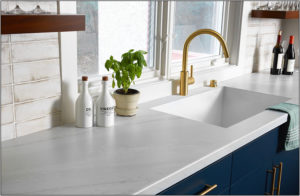
Laminate countertops are one of the most affordable options.
Installation is an easy DIY project when you install pre-fabricated (post-form) countertop sections.
Great variety is possible if you build a countertop from scratch using designer laminates. Thousands of colors and patterns are available.
Cons:
Laminates are considered inferior by some home buyers; they may be a drawback when you try to sell your home.
Laminates can peel up, chip, and scorch easily.
Laminate countertops can feel hollow and lightweight compared to other materials.
Laminates are now available in such diversity that they are making a big comeback. Look at laminates once you see what is available.
2: Granite Slab
Pros:
Solid granite slabs make very heavy and durable countertops.
No two pieces of granite are alike, making each countertop unique.
Considered a premium building material, granite countertops tend to improve home real estate values.
No-seam countertops are usually possible.
Cons:
Granite is a fairly expensive material.
Like many other types of natural stone, granite requires periodic sealing in order to protect it from stains.
Granite is not a DIY-friendly material—pros must install it.
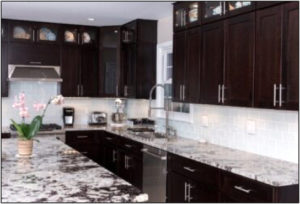
Of the natural stone options, granite slabs are the most popular, and for good reason. Solid granite slabs make very heavy and durable countertops and improve home values. Slabs are a better choice than the other granite options—modular granite and granite tile.
3: Slate
Pros:
Slate is non-porous and resists stains well.
Slate fights bacteria very well.
Hard, durable stone and slate countertops hold up very well.
Slate is usually less costly than granite, marble, or soapstone.
Cons:
Slate does have a gritty, matte texture that may need to be better suited for many kitchen preparation applications.
When discussing the best countertops for any kitchen, it’s essential to consider both aesthetics and functionality. A countertop not only has to match the overall design theme of your kitchen but also needs to withstand the daily wear and tear of kitchen activities.
For bathrooms where the environment is more humid and often subject to chemical exposure (such as cleaning agents), the best countertop bathroom options are those that resist moisture and are easy to clean. Materials like quartz and granite are popular choices due to their durability and ease of maintenance.
They also add a touch of luxury and sophistication to any bathroom space.
Best Countertops
In terms of versatility and affordability, laminates are often considered the best countertops for those on a budget. They come in a vast array of designs and can mimic the look of more expensive materials like natural stone or wood.
Additionally, modern laminate countertops are much more durable and resistant to staining and scratching than their predecessors, making them a practical choice for both kitchen and bathroom environments.
For those looking to make an environmental statement with their kitchen design, sustainable materials like recycled glass or bamboo can be the best countertops. These materials offer unique aesthetics and are often more eco-friendly than traditional countertop materials.
Conclusion
In conclusion, when determining which type of countertops are the best, it’s crucial to consider factors like durability, maintenance, cost, and your personal style preferences.
Whether you’re renovating your kitchen or bathroom, the right countertop can significantly enhance both the functionality and aesthetic appeal of the space. With a variety of materials available, from classic granite to innovative laminate designs, there’s a countertop option to suit every need and taste.
FAQs
What is the most popular choice for a countertop material?
Quartz is one of the most common choices for countertops since it doesn’t need to be sealed, and its seams blend well. Granite has been the standard for years and remains popular for its durability, high-end look, and added value to your home. Both are expensive, although quartz countertops are engineered stone, require more work, and are priced higher.
Which countertop is the easiest to maintain?
Several countertops take the prize for the easiest maintenance, namely laminate, quartz, and stainless steel. Quartz can withstand hot pots, sharp knives, and red wine spills without additional sealing or care. It’s also waterproof.
Stainless steel never needs sealing or refinishing, is easy to clean with mild soap products, and won’t be stained by foods or dyes. They are heat resistant, standing up to hot pots and pans. Laminate is also non-porous and doesn’t need any sealing but can eventually chip. Still, since it’s the least expensive, it’s the cheapest to replace.
What is the most affordable countertop?
Laminate countertops are the least expensive countertop options. You can dress them up by getting extras like end caps, mitred corners, or rounded, bullnose edges. You can get custom laminates made to look like granite, marble, or butcher block. They’re lightweight and easy to install, but they can get scratched, burned, stained, chipped, or start peeling.
Let Us Explain Why Investing In Your Kitchen Renovation Could Be A Great Idea
Many feel that they cannot do it or that it would be too expensive. This is a mistake. The best investment in a new kitchen is a remodel!
Customers often tell us: “I have a small kitchen, so there is not much I can do.” or “We’re on a tight budget, so we need to keep our kitchen layout the same.” But in fact, in every kitchen, there are ample opportunities for interesting design solutions and layouts that you could not even think of, and they are affordable.
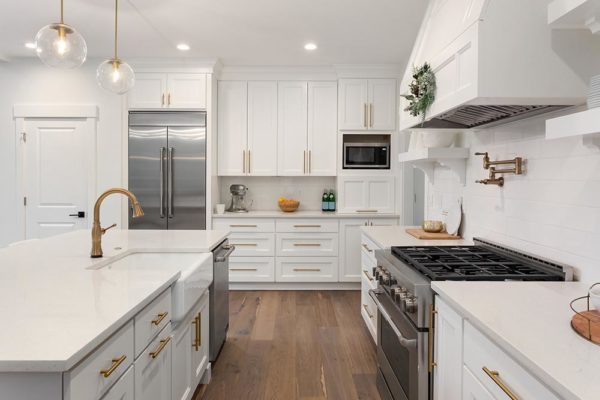
Best Investment in a New Kitchen
What most people need to realize is that a little moving of an appliance or a doorway or adding or removing a cabinet can make a huge difference to an entire layout. Kitchen renovation includes the installation of floors, tiles, cabinets, household appliances, and other materials of your choice.
Changing the location of interior parts does not affect the overall construction costs as much as you might think. Even moving a doorway, which can cost $500, can be offset by design improvements that make furniture more standard and less expensive, but most importantly, more functional and nicer to look at!
Many options make a kitchen expensive, but improving the layout is not one of them.
Choosing a door with a specific design without searching carefully or buying a set with overglaze makes the interior more expensive to build.
Also, you can easily find an alternative to expensive material options with the same wear.
The Biggest Impact On Your Budget
The biggest impact on the kitchen budget can be the purchase of household appliances. However, an interior designer always wants you to get the most for your money and will find an alternative to any of the home appliances. Since, in many cases, an alternative can be found, and often, the difference between the less expensive options could be more perceptible.
For example, tearing down a wall for a few thousand dollars can save you a lot of money on the purchase of additional furniture.
The choice of style, doors, equipment, and furniture is certainly an important part of the repair, but not the first. The layout possibilities, available materials, and many kitchen designer details help clients to make the most impact on your satisfaction with the finished project and cost.
Therefore, it is necessary to start with the selection of a good professional who, based on your budget, will help you create a really cozy corner in your home.
When embarking on a kitchen renovation, the possibilities are endless, and choosing the right elements is crucial. A modular kitchen design is a flexible option that suits various spaces, especially for those looking to maximize efficiency in their kitchen. Modular designs offer the advantage of customizing your kitchen to fit your specific needs and preferences.
Kitchen Cabinet Design: Best Investment in Your New Kitchen
For those seeking inspiration, kitchen design ideas are abundant. From simple kitchen design that focuses on minimalism and functionality to modern kitchen design that incorporates the latest trends and high-tech appliances, the options are limitless. It’s essential to choose a design that not only reflects your style but also complements the overall architecture of your home.
Kitchen Organization Ideas
Kitchen organization ideas play a pivotal role in maintaining the functionality of your space. Innovative storage solutions, such as pull-out drawers, corner cabinets, and overhead racks, can significantly enhance the usability and efficiency of your kitchen, especially if you’re working with a smaller area.
Speaking of which, small kitchen ideas are particularly relevant for urban homes where space is at a premium. Clever design strategies such as utilizing vertical space, opting for multifunctional furniture, and choosing light colors can make a small kitchen feel larger and more open.
Ikea Kitchen Cabinets: Best Investment in Your New Kitchen
Ikea kitchen cabinets have gained popularity for their affordability and versatility. They offer a wide range of styles and sizes, making them a suitable choice for various kitchen layouts, from compact to expansive.
Small Kitchen Design: Best Investment in Your New Kitchen
For those with limited space, small kitchen design can be challenging but rewarding. It’s about making the most of every inch, whether it’s through smart cabinet solutions or multi-purpose appliances. Creative use of space and lighting can turn a small kitchen into a comfortable and stylish area.
Lastly, outdoor kitchen ideas are perfect for those who love to entertain or simply enjoy dining al fresco. An outdoor kitchen extends your living space and can be as simple or elaborate as you desire. From basic grill stations to fully equipped kitchens with refrigerators and sinks, outdoor kitchens are an excellent addition to any home.
Conclusion: Best Investment in Your New Kitchen
In conclusion, the best investment in your new kitchen hinges on thoughtful planning and design. Whether it’s a modular kitchen design, innovative kitchen cabinet design, or practical kitchen organization ideas, each element plays a crucial role in creating a functional and aesthetically pleasing kitchen.
Remember, the goal is to design a kitchen that not only looks great but also enhances the efficiency and enjoyment of your culinary experiences.
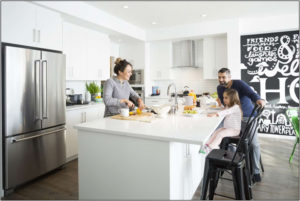
Designing a kitchen is something of an ever-evolving learning process, simply because how we use our kitchens is changing constantly. Where once, one member of the household confined themselves to cook, kitchens are now family spaces used for cooking, obviously, but entertaining, dining, work, and even lounging.
Easy simple kitchen design is best done by experienced professionals – but only hand-in-hand with you. That is because how you use your kitchen will affect the design choices you will make deeply.
Our kitchen design tips"}” data-sheets-userformat=”{"2":277185,"3":{"1":0},"9":0,"10":0,"12":0,"14":{"1":2,"2":3355443},"15":""helvetica neue", Helvetica, Arial, sans-serif","16":11,"21":0}”>kitchen design tips step-by-step will help you discover how to design a kitchen like a professional.
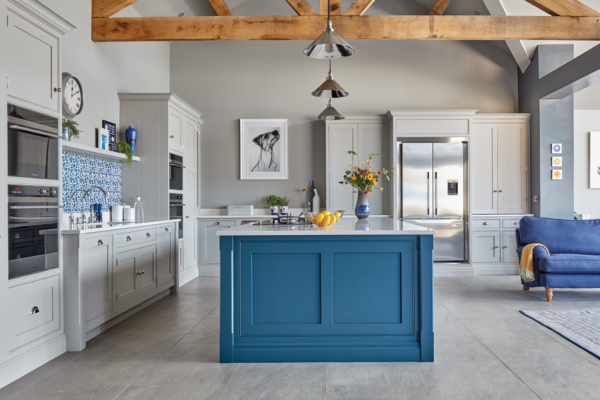
Don’t create spaces that look odd and that can’t be cleaned.
Never leave crown moldings closer than 9 inches from a ceiling. Once you get within a foot of the ceiling you should have the cabinetry and molding meet the ceiling.
Location and type of sink: kitchen design tips
Corner sinks are avoided by pros because dishwashers and cabinets open up to where you stand at the sink, and countertops are far less functional. two-bowl sinks should also be avoided in favor of large single-bowl sinks. Having a large bowl to work with and being able to accommodate large pots, trays, and baking sheets is more useful than a second small bowl. The double sink is an echo of the past, left before dishwashers.
Keep cabinetry the same distance away from each side of a window.
Keep cabinet doors the same size and on either side of a window, sink or cooktop.
Bad kitchen design can reduce the value of an entire home.
Some cabinet door styles, or colors are so unpopular they that destroy the value of a home. Arched wall cabinet doors or golden oak stained kitchens are home value detractors. Pickled pinkish stain and white raised panel plastic Thermofoil cabinets are also home value killers.
Raising a wall cabinet all the way to the ceiling is a bad idea.
Never run cabinets all the way to the ceiling without a two-piece crown molding or a solid wood spacer. Ceilings are never level and there needs to be some way to disguise this. This is why professionals use 36 vs 42-inch kitchen cabinets in a room that’s 96 inches high.
Never put 8 feet of cabinets in an 8-foot space.
Professional kitchen designers know that walls are out of plumb or have bulges and that you can NEVER completely fill a space with whole cabinets. Fillers allow designers to make the adjustments that make a kitchen look right.
Good designers will stack cabinets with small cabinet doors on top to avoid overly tall wall cabinets.
Good designers use 42″ high wall cabinets infrequently and would NEVER use anything higher. Builders and amateurs use these heights to maximize cabinetry not realizing that the higher height looks out of proportion and gives little added space benefit. Cabinetry doors look best when their size is closer to The Golden Ratio.
Always upgrade to all plywood construction or at the very least make every exposed surface real plywood.
Particle board cabinets, besides being less strong, have plastic pictures of wood on their sides that discolor and peal quickly.
Highly grained man-made quartz and Corian countertop patterns such as the beautiful Cambria Britannica cannot be seamed inconspicuously.
These patterns only work on tops without seams.
NEVER start the demolition on a job without a completed design plan finalized.
NO time is EVER saved rushing. When contractors know what the complete project entails, costs are lowered, and the job runs smoothly.
The people that finish first are never the ones that started first they are the ones that planned to completion first and then started. When you hear a story about a kitchen that took 6 months or a year this was the fault of the unprofessional people organizing the job.
Pay attention to the quality of the material.
How much cabinets cost has little to do with their durability and more to do with the cabinet lines ability to customize. Because of this, doing an uncomplicated design in a popular door style and finish, like a white shaker style, in an expensive cabinet line is just throwing money away.
Higher price level stone and man-made tops are not more durable, they only cost more because of their color and pattern.
You need to carefully consider the space.
The first constructive step in starting a kitchen design tips project is having a professional kitchen designer measure the space. Any design work or material selections made prior to a professional kitchen designer measuring is inefficient and can lead to frustrations when surprises and problems are revealed to you by someone with more knowledge and experience.
The best kitchen designers will not ask for the design you want.
They will show you designs that make sense for your space and that you should at least consider. You can make changes from there to arrive at the kitchen that you want after considering what a professional would do with your space. Saving money on material selections will make almost any design affordable. So, keeping a layout the same ALMOST NEVER makes sense. It is the design itself that gives value to your home. Upgrading to professional appliances or custom styles and colors can be beautiful but the added expense is wasted if the design itself is poor.
Designers who give customers what they think they want, at least without showing them what’s possible, take the easy way out, and the final kitchen always suffers. All experienced kitchen designers know probably hundreds of kitchen design tips. And our team of professionals is ready to voice them to you!
When you think about kitchen design tips, make functionality a top priority by incorporating a well-organized layout that promotes a smooth workflow. For your countertops and backsplashes, choose stylish yet durable materials that enhance both aesthetics and practicality in your culinary space. This will help you create a beautiful and functional kitchen that you’ll love to cook in for years to come.
Kitchenremodeling projects can transform your home but also have potential pitfalls. Homeowners often must correct critical design mistakes, from misplaced kitchen islands to problematic bathroomremodeling choices. These errors can impact your property’s functionality, aesthetics, and resale value.
Incorporating cohesive details like coordinated hardware finishes or consistent brand aesthetics across appliances can elevate the design.
Avoid overloading the kitchen with excessive decorative details that lack function and compromise practicality.
Choose lighting fixturesthat complement the design while providing adequate illumination for food preparation and cooking tasks.
Tailor kitchen designs to individual lifestyles by considering cooking habits, storage requirements, and family dynamics.
Create a kitchen that reflects genuine habits and preferences, focusing ondesign choices that enhanceeveryday experiences.
Incorporate efficient storage solutions like pull-out drawers and vertical cabinetry to maximize available workspace while maintaining a clean, open feel.
When selecting lighting fixtures, prioritize functionality over aesthetics. This will ensure adequate illumination for work areas while complementing the overall design.
[ez-toc]
Understanding the Pitfalls of Forcing an Island Into Your Kitchen
Kitchen islands can transform a space but are only sometimes the right choice. Many homeowners, eager for additional kitchen countertop space, make critical errors when incorporating islands into their bathroomremodeling designs. Elegant Kitchen and Bath, a leader in Renovation and Remodeling, often encounters two common mistakes: forcing an island into a space that needs to be bigger and considering workflow around the island. These missteps can turn anElegant kitchen renovation into a costlyand impractical endeavor. Understanding these pitfalls is crucial for creating a functional and beautiful kitchen layout.
Mistake #1: Forcing an Island When Space Doesn’t Allow
Elegant Kitchen and Bath experts in Herndon, VA, recommend a minimum of 36 inches of clearance on all sides of an island. This ensures adequate space for opening appliances, cabinets, and drawers while allowing smooth traffic flow. It is essential to account for this clearance to avoid a crowded kitchen that compromises functionality and theaesthetic appeal of new flooring.
Mistake #2: Not Considering Workflow Around the Island
Effective kitchen design requires careful consideration of workflow around an island. Homeowners often need to pay more attention to the strategic placement of key elements like the sink, stove, and refrigerator on the island. This oversight can lead to inefficient movement and wasted space, compromising the functionality of the entire kitchen.
A well-designed kitchen island should enhance, not hinder, the kitchen‘s workflow. Interiordesigners recommend following the “kitchen work triangle” principle, which optimizes the relationship between the main work areas. Failing to incorporate this concept can result in a poorly functioning space, regardless of how beautiful the cabinets or backsplash may be.
Common Island Workflow Mistakes
Potential Consequences
Design Solutions
Blocking major pathways
Reduced kitchen efficiency
Ensure 36″ clearance around island
Ignoring work triangle
Inefficient food preparation
Optimize placement of sink, stove, and refrigerator
Overcrowding with appliances
Limited counter space
Balance appliance integration with open work areas
The Consequences of Cluttered Countertops
Cluttered countertops can significantly impact the functionality and aesthetic appeal of a kitchen. Homeowners often need to pay more attention to maintaining clear working areas, sacrificing valuable space for decorative items or unnecessary appliances. This oversight can lead to inefficient use of countertop surfaces, hindering food preparation and cooking activities.
Proper kitchen design should balance functionality and aesthetics, incorporating adequate storage solutions and thoughtful placement of items to maximize available light and space. Elegant Kitchen and Bath experts emphasize the need for strategic planning regarding countertop organization and kitchencabinetdesign to create a harmonious and efficient culinary environment.
Mistake #3: Sacrificing Functional Space for Decorative Items
Homeowners often clutter their countertops with decorative items, sacrificing valuable workspace in the kitchentriangle. This misplacement of objects can disrupt the efficient workflow between the sink, refrigerator, and heat sources, leading to a less functional kitchen environment.
Elegant Kitchen and Bath experts advise prioritizing functional space over decorative elements. They recommend strategically placing essential items within the kitchentriangle, ensuring easy access to the sink, refrigerator, and cooking areas. This approach maximizes efficiency and minimizes unnecessary movement during food preparation:
Keep countertops clear near the sink for food prep
Maintain open space adjacent to the refrigerator for unloading groceries
Preserve countertop areas near the stove for cooking utensils and ingredients
Designate specific zones for small appliances to avoid cluttering prime work areas
Utilize vertical storage solutions to free up valuable counter space.
Mistake #4: Underestimating the Need for Clear Working Areas
Many homeowners need to pay more attention to the importance of clear working areas in their kitchens, leading to inefficient cooking processes and cluttered spaces. This oversight often results in limited counter space for food preparation, forcing cooks to utilize areas near the sink or dishwasher, which can create safety hazards and reduce overall kitchen functionality.
Elegant Kitchen and Bath experts emphasize the need for ample, unobstructed counter space to facilitate smooth culinary operations. They recommend incorporating clever storage solutions, such as pull-out drawers and vertical cabinetry, to maximize available workspace while maintaining a clean, open feel that extends from the countertops to the ceiling.
Why Choosing White Grout Can Be a Kitchen Design Flaw
Selecting grout color might seem like a minor detail in kitchenrenovation, but it can significantly impact the overall aesthetic and maintenance of the space. While white grout remains a popular choice for its clean appearance, it often proves problematic inhigh-traffic areas like kitchen walls and floors. Homeowners frequently overlook the long-term implications of this decision, failing to consider the accessibility of cleaning solutions and the potential strain on their budget. Understanding the challenges associated with white grout is crucial for creating a kitchen design that balances visual appeal with practicality.
Mistake #5: Overlooking Maintenance and Aesthetic Challenges
Homeowners often overlook the maintenance challenges associated with white grout in kitchen designs. While white grout can create a clean, crisp look around the stove and other areas, it quickly shows signs of wear and discoloration from food particles and grease splatters during meal preparation. This oversight can lead to increased cleaning frequency and potential aesthetic issues, detracting from the kitchenaesthetics.
Additionally, many fail to consider how white grout interacts with other kitchen elements, such as furniture and ventilation systems. Dark-colored cabinets or appliances can create a stark contrast that may not align with the desired design aesthetic. Proper consideration of grout color about these elements is crucial for achieving a cohesive andvisually appealing kitchenspace<span style=”font-weight: 400;”>:
Grout Color
Advantages
Disadvantages
White
Clean, crisp appearance
High maintenance, shows stains easily
Gray
Hides dirt, versatile
May appear dull over time
Colored
Adds visual interest, low maintenance
Can limit future design changes
The Drawbacks of Ultra-Deep Cabinets in Kitchen Design
Ultra-deep cabinets may seem like an attractive storage solution, but they often create more problems than they solve in kitchen design. Homeowners frequently overlook the importance of accessibility and organization when opting for these spacious cabinets, leading to wasted space and inefficient use of storage. This oversight can impact the kitchen‘s functionality and extend to other home areas, such as the pantry or bathroom. While deep cabinets offer ample room for pots, pans, and even small appliances, they can make reaching items stored at the back challenging, potentially leading to underutilized space and forgotten items.
Additionally, the choice of cabinet depth can affect other design elements, from paint colors to the placement of stainless steel appliances, ultimately influencing the overall flow and efficiency of the kitchenspace.
Mistake #6: Making Accessibility and Organization an Afterthought
Homeowners often dream of spacious cupboards but overlook the importance of accessibility and organization. Ultra-deep cabinets can make retrieving small appliances and tableware challenging and frustrating simple tasks. Poorly planned storage spaces may force users to reach awkwardly or kneel to access items at the back of lower cabinets, potentially leading to discomfort or injury.
Efficient kitchen design prioritizes ease of use and logical organization. Thoughtful cabinet layouts consider placing frequently used items near the ovenand work areas. By incorporating pull-out shelves, lazy Susans, or custom organizers, homeowners can maximize storage while maintaining accessibility, ensuring their kitchen functions as efficiently as it looks.
Navigating the Fine Line of Kitchen Shine and Lighting
Striking the right balance between shine and lighting in a kitchen remodel can significantly impactaesthetics and functionality. Many homeowners must make more critical decisions when selecting reflective surfaces and lighting fixtures, often overlooking the interplay between these elements and their effect on the kitcheninterior. Every surface contributes to the kitchen‘s luminosity, from upper cabinets to recycling bins.
Proper illumination enhances the visual appeal and improves the efficiency of storage spaces and work areas. Understanding how to incorporate shine and lighting effectively can transform a kitchen from ordinary to extraordinary, creating a beautiful and practical space.
Mistake #7: Limiting Your Shine to One Aspect of the Kitchen
Homeowners often concentrate shine on a single kitchen element, such as glossy countertops or stainless steel appliances, neglecting the potential of other surfaces. This oversight can imbalance the kitchen‘s luminosity, leaving areas like waste management zones or spicestorage in the shadows and disrupting the visual flow.
A well-designed kitchen incorporates shine across various elements, from metal hardware to woodcabinetry finishes, creating a harmonious and bright environment. Homeowners can achieve a more cohesive and visually appealing kitchen design by thoughtfully distributing reflective surfaces throughout the space, including often-overlooked areas like the toaster nook.
Mistake #8: Dimming Your Kitchen’s Potential With Poor Lighting Choices
Inadequate lighting choices can severely hamper a kitchen‘s functionality and aesthetic appeal. Many homeowners need to pay more attention to proper illumination, opting for insufficient overhead lighting or poorly placed pendant fixtures that cast shadows on crucial work areas. This oversight can make tasks like food preparation and waste management challenging, especially when combined with dark tile or stainless steel surfaces that absorb light.
Adequate kitchen lighting requires a layered approach that considers task, ambient, and accent lighting at various heights. Refraining from incorporating adjustablelighting options or failing to account for naturallight sources can result in a dim, uninviting space. Proper lighting design enhances the kitchen‘s ambiance, highlights architectural features, and ensures optimal visibility for all kitchen activities.
The Detail Dilemma: Where Less or More Can Go Wrong
Kitchen design requires a delicate balance between aesthetic appeal and functionality, especially in compact spaces like galley kitchens. Homeowners often need help finding the proper equilibrium, either skimping on crucial details or overwhelming the space with excessive ornamentation. As a creative director at Future plc notes, “The key lies in thoughtful incorporation of elements that serve both form and function.”
Every detail contributes to the overall design, from selecting the appropriate glass for cabinet doors to choosing the right cooktop. Striking this balance ensures a cohesive look while maintaining practicality, avoiding the pitfalls of both minimalism and over-embellishment.
Mistake #9: Avoiding the Details That Tie the Design Together
Homeowners often need to pay more attention to the importance of cohesive details in kitchen design, missing opportunities to elevate their space. Neglecting elements like coordinated hardware finishes or consistent brandaesthetics across appliances can result in a disjointed appearance, diminishing the overall impact of the renovationinvestment.
Elegant Kitchen and Bath experts emphasize the significance of thoughtful details, such as matching brass fixtures or selecting complementary inch measurements for cabinetry and countertops. These seemingly small choices can tie the entire design together, creating a polished look that justifies the money spent on the kitchen remodel.
Mistake #10: Overloading on Decorative Details Without Function
Homeowners often need to pay more attention to the temptation of overloading their kitchens with decorative details that lack functional purpose. Excessive molding, ornate marble patterns, and intricately designed cabinet doors can overwhelm the space, detracting from the kitchen‘s primary function as a culinary workspace. This approach frequently results in a cluttered appearance that hinders the efficient use of kitchen appliances and impedes the cookingexperience.
The desire for a visually striking kitchen should maintain its practicality. Elegant Kitchen and Bath experts caution against sacrificing valuable counter space for purely aesthetic elements or installing ornamental features that interfere with essential equipment like dishwashers or coffee machines. Instead, they advocate for a balanced approach incorporating tasteful design elements while prioritizing functionality and ease of use.
Lighting in Kitchens: Bright Ideas vs. Common Mistakes
Lighting plays a pivotal role in kitchen design, influencing functionality and ambiance. Many homeowners focus solely on aesthetics, neglecting the practical aspects of illumination. This oversight can lead to inadequate task lighting, poor color rendering, and imbalanced symmetry within the space. Understanding the interplay between form and function in kitchen lighting is crucial for creating a stunning space that effectively supports culinary activities.
Avoiding common lighting mistakes can transform a kitchen from a visually appealing yet impractical area into a harmonious blend of style and substance.
Mistake #11: Opting for All Style and No Substance in Lighting Fixtures
Homeowners often prioritize aesthetics over functionality when selecting kitchen lighting fixtures. Choosing ornate chandeliers or trendy pendant lights without considering their light output or distribution can leave crucial work areas in shadow, compromising the kitchen‘s usability.
Elegant Kitchen and Bath experts recommend balancing style with substance in lighting choices. They advise homeowners to select fixtures that complement the kitchen‘s design while providing adequate illumination for food preparation and cooking tasks. This approach ensures a kitchen that is both visually appealing and highly functional:
Evaluate the light output and distribution of fixtures before purchase
Consider task lighting for specific work areas like countertops and islands
Incorporate dimmable options for versatility in lighting levels
Choose fixtures with appropriate color temperature for accurate food preparation
Ensure proper placement of lights to avoid casting shadows on work surfaces.
Designing Your Kitchen for Yourself, Not Others
Kitchen design should prioritize personal preferences and lifestyle requirements over fleeting trends or others’ expectations. Many homeowners fall into the trap of creating spaces that look impressive but fail to meet their daily needs. This oversight can lead to visually stunning kitchens that are impractical for those who use them most.
Understanding how to balance aesthetics with functionality while staying true to one’s unique habits and routines is crucial for creating a kitchen that truly enhances the quality of life. Avoiding common mistakes in this area can result in a space that looks great and supports and simplifies daily activities.
Mistake #12: Ignoring Your Personal Needs in the Design Process
Homeowners often overlook their unique habits and preferences when designing their kitchens, opting for trendy layouts or features that may not align with their daily routines. This oversight can result in an impressive kitchen that needs to support its primary users’ specific needs, leading to frustration and inefficiency in everyday tasks.
Elegant Kitchen and Bath experts emphasize tailoring kitchen designs to individual lifestyles. They recommend considering cooking habits, storage requirements, and family dynamics when planning the layout and selecting appliances. This personalized approach ensures a beautiful kitchen and enhances the quality of life for those who use it most frequently.
Mistake #13: Creating Spaces That Don’t Reflect Your Lifestyle
Homeowners frequently design kitchens that do not align with their lifestyles, prioritizing aesthetics over practicality. This misalignment often results in underutilized spaces, impractical layouts, or features that complicate rather than simplify daily routines.
Elegant Kitchen and Bath experts stress the importance of creating a kitchen that reflects the homeowner’s genuine habits and preferences. They advise against incorporating trendy elements that may look appealing but serve no practical purpose, instead focusing on design choices that enhance the family’s everyday experiences in the kitchen.
FAQs for 13 Kitchen Design Mistakes To Avoid: Expert Insights
What is the average cost of a kitchen remodel in Virginia?
The average cost of a kitchen remodel in Virginia can vary significantly based on the project’s scope, the materials chosen, and the level of customization. On average, a mid-range kitchen remodel might cost between $20,000 and $50,000, while high-end renovations can exceed $75,000. It’s important to factor in costs for cabinetry, countertops, kitchen islands, lighting choices, and appliances, as these can quickly add up. Avoiding common kitchen design mistakes, such as inefficient storage solutions and poorly planned kitchen layouts, can help ensure that your investment creates a functional and aesthetically pleasing space.
What should you not forget when remodeling a kitchen?
When remodeling a kitchen, it’s crucial to recognize several key factors. First, pay attention to the kitchen triangle (the arrangement between the stove, sink, and refrigerator) as it significantly impacts the workflow and efficiency. Integrating smart storage solutions ensures ample countertop space for food prep and avoids cluttered countertops. Lighting choices are another critical aspect—both task and ambient lighting can enhance the kitchen’s functionality and aesthetics.
Don’t forget accessibility; cabinetry should be easy to reach, and the kitchen island should not obstruct movement. Finally, consider maintenance challenges such as selecting white grout, which, while stylish, may require more frequent cleaning to maintain its appearance.
What kitchen will never go out of style?
A kitchen that embraces timeless design principles will likely always stay in style. A classic kitchen layout focusing on the kitchen triangle, well-organized cabinetry, and functional space is always in demand. Neutral color palettes, mainly white or wood tones, paired with durable materials likequartz countertops and stainless-steel appliances, offer long-lasting appeal.
Incorporatingtraditional elements like shaker cabinets, subway tiles, and simple yet elegant lighting fixtures ensures your kitchen remains aesthetically pleasing for years. Avoiding fleeting trends and instead opting for a balance between aesthetics and efficiency can help create a kitchen that withstands the test of time.
What do I wish I knew before remodeling my kitchen?
Before diving into akitchen remodeling project, many homeowners wish they had better understood the importance of planning and foresight. One of the most common regrets is not considering how the kitchen design would align with their lifestyle and personal preferences. Issues such as inadequate storage solutions, poor countertop organization, and lighting that needs to illuminate workspaces adequately can lead to frustration. Many also wish they had paid more attention to the kitchen layout, ensuring the kitchen island was the right size and didn’t disrupt the flow.
The golden rule for kitchen design is creating a functional and efficient workspace that meets your needs and preferences. This involves optimizing the layout, storage solutions, and workflow considerations to maximize your available space.
What are the rules when designing a kitchen?
When designing a kitchen, it’s important to consider factors such as:
Accessibility: Ensure that all essential items are within easy reach and that the layout allows for smooth movement between workstations.
Storage: Incorporate ample storage solutions, such as cabinets, drawers, and shelves, to keep your kitchen organized and clutter-free.
Lighting: Choose a combination of task, ambient, and natural light to create a well-lit and inviting space.
Workflow: Arrange your kitchen to promote efficient workflow, such as placing the refrigerator, sink, and stove in a triangular pattern (the kitchen triangle).
What kitchen remodel won’t go out of style?
A timeless kitchen remodel often features classic elements such as:
Focusing on these timeless features and avoiding trendy elements can create a kitchen that will remain stylish for years.
What kitchen design is most effective?
The most effective kitchen design maximizes efficiency and functionality while meeting your needs and preferences. This often involves:
Optimizing the layout
Incorporating ample storage solutions
Ensuring accessibility to essential items
Creating a smooth workflow.
The specific design that works best for you will depend on factors such as the size and shape of your kitchen, cooking habits, and lifestyle.
What are the six-six basic kitchen designs?
The six basic kitchen designs are:
L-shaped
U-shaped
Galley
Island
Peninsula
One-wall.
Each design has advantages and disadvantages, and the best choice will depend on the size and shape of your kitchen and your specific needs and preferences.
What kitchen layout do chefs prefer?
Chefs often prefer a kitchen layout that promotes efficiency and workflow, such as the U-shaped or L-shaped design. These layouts allow for a clear separation of workstations, such as the prep, cooking, and cleaning areas, while keeping essential items within easy reach.
What is the least efficient kitchen shape?
The least efficient kitchen shape is often considered the one-wall design, as it can feel cramped and limit workflow. However, with careful planning and optimization, even a one-wall kitchen can be made functional and efficient.
What is the most popular kitchen layout today?
The most popular kitchen layout today is the L-shaped design. This layout offers a good balance of functionality and aesthetics, with ample counter space and storage solutions. The L-shape also allows for a separate dining or living area, making it a popular choice for open-concept floor plans.
What order should I design my kitchen?
Tackling your kitchen design in the correct order can save you headaches (and budget overruns!) down the line. Here’s a general sequence to follow:
Functionality First: Before you fall in love with a particular style of cabinetry, think about how you use your kitchen. Consider your workflow considerations, such as how many cooks are usually in the space and what appliances are non-negotiable. Do you entertain frequently? Do you need a dedicated coffee station? Mapping out these functional space needs will inform your layout.
Layout Lockdown: Now’s the time to nail down your kitchen layout. The classic kitchen triangle (sink, stove, refrigerator) is a great starting point for ensuring efficiency. Factor in traffic flow the placement of your kitchen island (if you have one), and provide ample counter space for prepping and plating.
Countertop Organization: Speaking of counter space, consider how you’ll maintain countertop organization. Built-in spice racks, utensil organizers, and charging stations can minimize clutter and enhance functionality.
Appliance Selection: Once you’ve sorted out your layout and storage, you can finalize your appliance choices. Consider size, features, and how they integrate with your kitchen design.
Cabinetry & Countertops: Now for the fun part! Explore different cabinetry styles, finishes, and materials. Consider the durability of your countertops, especially if you do a lot of cooking. Remember, white grout might look chic, but can be a maintenance challenge!
Finishing Touches: Once the major elements are in place, personalize them withbacksplash designs, hardware, and decorative items.
How do I make a perfect kitchen layout?
There’s no single “perfect” kitchen layout, as it depends on your space, needs, and cooking style. However, some tried-and-true principles guide a successful design:
Traffic Flow: Consider how people move through the space, especially if you have an open-concept kitchen. Ensure there’s enough clearance around walkways and seating areas.
Island Living: Consider its purpose if you’re incorporating a kitchen island. Will it be primarily for prepping, dining, or a bit of both? Your island’s size and placement will impact traffic flow and functionality.
Accessibility: Design with accessibility in mind, especially if you have young children or family members with mobility issues. Lower cabinets, pull-out shelves, and easy-to-reach storage can make a difference.
Do I need a permit to remodel my kitchen in Virginia?
Yes, in most cases, you’ll need a permit to remodel your kitchen in Virginia. The specific requirements vary depending on the scope of your renovation and your local jurisdiction. It’s essential to check with your county or city’s building department to determine the necessary permits and inspections. Failing to obtain the proper permits can result in fines and delays.
What is the golden rule for kitchen design?
The golden rule of kitchen design is Form follows function. While aesthetics are important, a genuinely successful kitchen prioritizes functionality and ease of use. Before you get caught up in the latest trends, ensure your layout, storage, and appliances support your cooking style and lifestyle. Remember, a beautiful kitchen that’s a pain to cook in is a significant kitchen design mistake!
What are some current trends in kitchen design to keep in mind when remodeling?
When planning a kitchen remodeling project, it’s crucial to balancetimeless elegancewith modern trends for a fresh yet enduring space. Some popular kitchendesign trends include incorporating large islands that provide ample workspace and seating, embracing a mix of materials like wood and stone for visual interest, optimizing storage with clever cabinetry solutions, and opting for a bright, airy aesthetic with lighter colors and improved lighting choices. However, be careful not to prioritize fleeting trends over your personal preferences and the functionality of your kitchen. Working with experienced kitchen design professionals can help you avoid costly mistakes and create a space that beautifully suits your lifestyle.
What is the ideal kitchen layout for efficiency and workflow?
The optimal kitchen layout depends on the size and shape of your space and how you plan to use your kitchen. The classic “work triangle” that places the refrigerator, stove, and sink at points of a triangle for efficiency is a helpful guideline but shouldn’t be adhered to at the expense of your unique needs. Generally, thecooking area should be between the refrigerator and sink to create a smooth workflow while preparing meals. Landing areas following significant appliances provide essential workspace. An island can enhance both counter space and storage. Consulting with a kitchen design specialist is the best way to explore layout options to make your dream kitchen a reality while avoiding costly mistakes.
Where is the best location for a refrigerator in kitchen design?
Placing your refrigerator in the right location is critical for accessibility and overall kitchen design flow. Typically, the fridge should be situated at one point of the work triangle near the kitchen entrance so people can access it without disrupting the cook. However, only locating it directly next to a wall or at the end of cabinets makes it harder to open the doors fully and complicates retrieving items. If possible, leave 15″ on the handle side for clearance. Counter space on both sides of the fridge is also helpful in setting down items. If you have a second fridge in the kitchen, the garage, or the basement, you’ll have more flexibility with placement.
What kitchen layout is the most budget-friendly?
If you’re looking toremodel your kitchen on a budget, a galley layout with two parallel walls is often the most economical kitchen design. With a narrow walkway between two walls of cabinetry and appliances, galley kitchens use limited space efficiently and require fewer materials. One money-saving tip is maintaining existing electrical and plumbing locations to minimize costs. Opting for open shelving instead of upper cabinets can reduce expenses while keeping items accessible.
Focusing on one or two splurge items, like aquality countertop material or stylish light fixture, can elevate the design while controlling costs. An experienced kitchen designer can suggest creative ways to get the most value and impact within your budget.
The key is carefully considering your kitchen priorities and ideal workflow in the planning phase. Consulting with professionals and exploring your options thoroughly before beginning construction can help you avoid expensive mistakes and ensure you have a kitchen design you’ll love for years. At Elegant Kitchen and Bath, our expert team is ready to guide you in creating the functional and beautiful kitchen of your dreams.
Hear from Our Delighted Clients About Kitchen Design Mistakes To Avoid: Expert Insights
Amani Barghouty’s experience with Elegant Kitchen and Bath was exceptional. The team demonstrated unwavering professionalism, competence, and friendliness from the initial consultation to the final walkthrough. Amani commends the seamless collaboration between the design team led by Tayfun, Enes’s project management team, and Oscar’s crew. Their expertise and dedication made the kitchen remodeling process a breeze, surpassing Amani’s expectations. Without hesitation, Amani recommends Elegant Kitchen and Bath for anyone considering a remodeling projectand looks forward to working with them again.
Lorna Schmid’s experience with Elegant Kitchen & Bath was equally impressive. The company transformed their kitchen and main bedroom, delivering top-notch results. The kitchen counters were replaced, including lowering a breakfast bar to create a spacious counter with seating and a bookcase. The main bedroom and bathroom were completely revamped, with new wood floors in the bedroom and a stunning spa-like bathroom featuring a pocket door and a large walk-in shower.
Lorna appreciates the team’s ability to accommodate their custom requests, with designer Omur bringing their plans to life and project manager Enes leading a skilled crew of Gersen, Westley, and Romereo. The transformation exceeded their expectations, and Lorna wholeheartedly recommends Elegant Kitchen & Bath for their efficiency and positive attitude.
John Hoddinott had a similarly positive experience working with Elegant Kitchen and Bath on their kitchen remodel. Designer Tayfun patiently worked with them through multiple iterations of the design, ensuring they arrived at the perfect plan for their home. Project manager Enes was attentive and responsive throughout the process, promptly addressing any questions or concerns. Gersen and his crew skillfully navigated the challenges during the installation, always finding practical solutions.
The result was a stunning new kitchen that truly impressed John and his family. Even after the project’s completion, Enes quickly followed up to resolve any minor issues, demonstrating thecompany’s commitment to customer satisfaction.
ChooseElegant Kitchen and Bath for your remodeling needs and experience the same professionalism, expertise, and dedication that Amani, Lorna, and John enjoyed. Our team excels in kitchen and bathroom renovations, delivering exceptional results that exceed expectations. From personalized design consultations to efficient project management and skilled craftsmanship, we ensure a seamless remodeling process that transforms your space while prioritizing your satisfaction.
With our ability to handle custom requests, maintain clear communication, and navigate challenges with innovative solutions, we’re committed to bringing your vision to life. Whether it’s a complete kitchen overhaul, a main bedroom and bathroom retreat, or any other remodeling project, our team’s expertise and dedication shine through in every aspect of our work. Trust us to deliver stunning results, often surpassing your initial expectations, and to stand by our work even after the project’s completion.
Experience the Elegant Kitchen and Bath difference and join the countless satisfied customers who have entrusted their homes to our capable hands. Let us transform your space into a beautiful, functional, personalized haven you’ll cherish for years.
Conclusion
Avoiding common kitchen design mistakes is crucial for creating a functional and aesthetically pleasing space. When planning a kitchen remodel, homeowners should carefully consider their lifestyle needs, space limitations, and personal preferences.
Elegant Kitchen and Bath experts emphasize balancing form and function in kitchen design. They advise against forcing islands into small spaces, neglecting workflow considerations, and overlooking the practical aspects of material choices.
Proper lighting, thoughtful organization, and strategic use of decorative elements are critical in creating a successful kitchen design. Homeowners should prioritize these aspects while avoiding the pitfalls of over-embellishment or excessive minimalism.
Homeowners can create beautiful kitchens and enhance their daily lives by learning from these common mistakes. A well-designed kitchen should reflect users’ unique needs and preferences, ensuring long-term satisfaction and functionality.
Kitchen Renovation Ideas: Transforming Your Space with Style
Is your kitchen in need of a makeover? Are you ready to turn your culinary space into a hub of style and functionality? Kitchen renovation is the answer, and we’re here to guide you through the process. In this comprehensive guide, we’ll explore exciting kitchen renovation ideas, discuss budget considerations, and provide tips for a successful remodel. Get ready to embark on a journey to transform your kitchen into the heart of your home.
Exploring Kitchen Renovation Ideas
1. Open Concept Kitchen
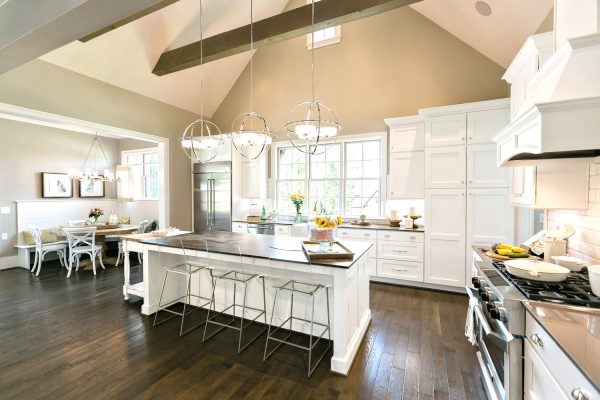
Open up your kitchen to create a spacious and inviting environment. Knock down walls to merge your kitchen with the dining or living area. An open concept kitchen promotes better flow and connectivity, making it perfect for modern living.
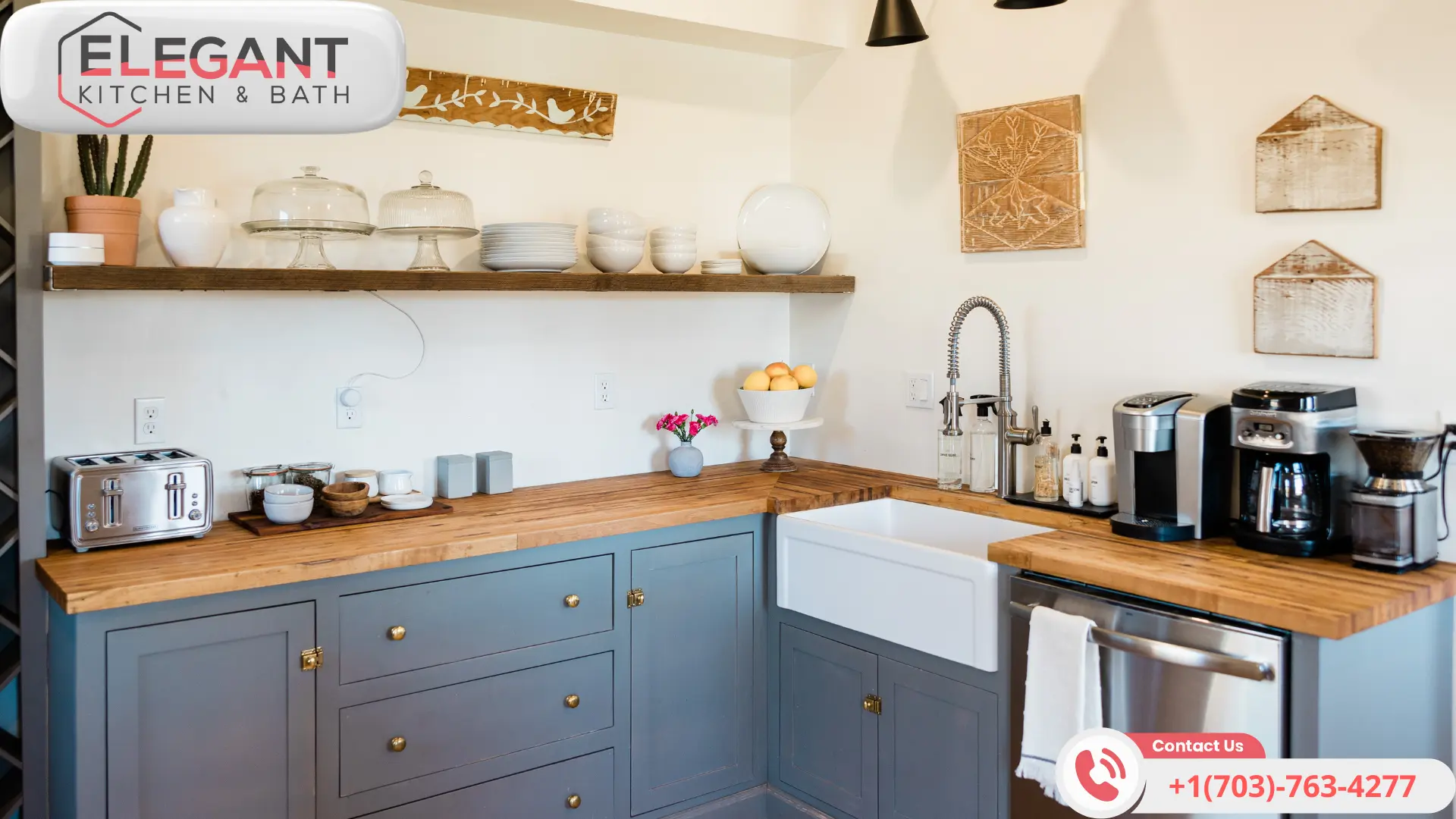
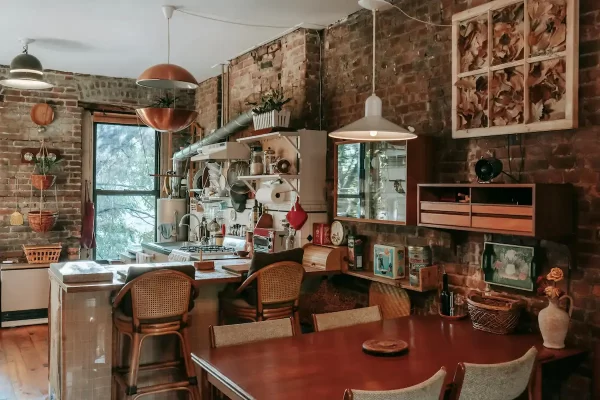
Bring warmth and character to your kitchen with a rustic renovation. Exposed wooden beams, reclaimed wood cabinets, and farmhouse-style sinks can add a cozy and inviting atmosphere. Rustic kitchens have a timeless appeal.
4. Smart Kitchen Technology
Embrace the future with smart kitchen technology. Install touchless faucets, smart appliances, and voice-activated assistants to make your kitchen efficient and tech-savvy. A smart kitchen simplifies daily tasks.
5. Bold Backsplash
Make a statement with a bold and eye-catching backsplash. Choose colorful tiles, geometric patterns, or textured materials to add personality to your kitchen. A unique backsplash becomes the focal point of your design.
6. Sustainable Design
Go green with an eco-friendly kitchen renovation ideas. Opt for energy-efficient appliances, recycled materials, and sustainable countertops. Sustainable kitchens not only benefit the environment but also save you money in the long run.
Kitchen Renovation Cost Considerations
Understanding the cost of a kitchen renovation is crucial for planning your project. Several factors can impact your budget:
1. Kitchen Size
The size of your kitchen plays a significant role in determining renovation costs. Larger kitchens require more materials and labor, leading to higher expenses.
2. Quality of Materials
The choice of materials, such as cabinets, countertops, and flooring, affects your budget. High-end materials will increase costs, while budget-friendly options can help you save.
3. Appliances
Upgrading or replacing appliances can be a substantial expense. Decide whether you need top-of-the-line appliances or if budget-friendly models suffice.
4. Labor Costs
Labor costs for construction, plumbing, and electrical work can vary based on location and complexity. Hiring experienced professionals ensures quality workmanship.
Check local building codes and permit requirements. Obtaining permits adds to the overall cost but ensures compliance with regulations.
Budget-Friendly Kitchen Renovation Ideas
If you’re working with a tight budget, don’t worry; there are plenty of ways to achieve a stunning kitchen transformation without breaking the bank:
1. Paint Cabinets
Give your existing cabinets a fresh coat of paint for an instant facelift. Choose a color that complements your new kitchen theme.
2. Replace Hardware
Updating cabinet knobs, handles, and faucets can make a significant difference in your kitchen’s appearance. It’s an affordable upgrade with a big impact.
3. Refinish Countertops
Rather than replacing countertops, consider refinishing them. Resurfacing can give your counters a new look at a fraction of the cost.
4. DIY Backsplash
Install a DIY backsplash using peel-and-stick tiles or inexpensive materials like beadboard. It’s a cost-effective way to add style to your kitchen.
5. Energy-Efficient Lighting
Upgrade to energy-efficient LED lighting to reduce electricity bills. Well-placed lighting can also enhance the ambiance of your kitchen.
Conclusion
Embarking on a kitchen renovation journey is an exciting endeavor. With the right ideas, budget considerations, and a well-thought-out plan, you can transform your kitchen into a functional and stylish space that suits your lifestyle. Whether you dream of an open concept kitchen, a minimalist design, or a rustic retreat, your kitchen renovation ideas can bring your vision to life. So, start planning, get creative, and turn your kitchen into the heart of your home. With the right team by your side, your kitchen renovation will be a rewarding experience that enhances your living space for years to come. Contact us to get professional help and renovate your kitchen today!
Best Design Ideas For New Kitchen: Turning Dreams into Reality
Are you looking to transform your kitchen into a beautiful and functional space? Whether you have a small kitchen or a spacious one, finding the right design ideas is the key to creating a kitchen that suits your style and needs. In this article, we’ll explore some of the best design ideas for new kitchens, including cabinets, islands, simple designs, and solutions for small spaces. Let’s turn your kitchen dreams into reality!
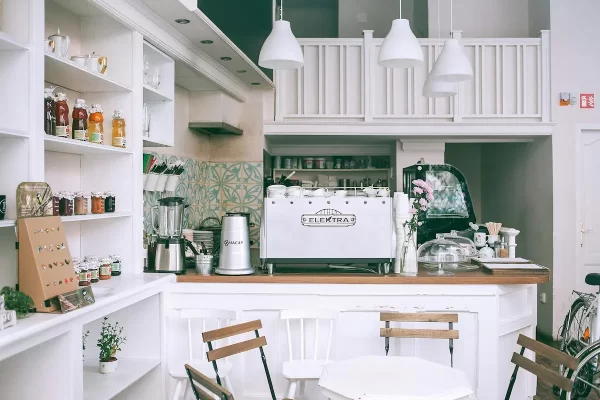
Open shelving is a trendy and practical choice for modern kitchens. It allows you to showcase your favorite dishes, cookware, and decor items while keeping them easily accessible. Open shelves can create a sense of openness and make your kitchen feel more spacious.
Two-Tone Cabinets
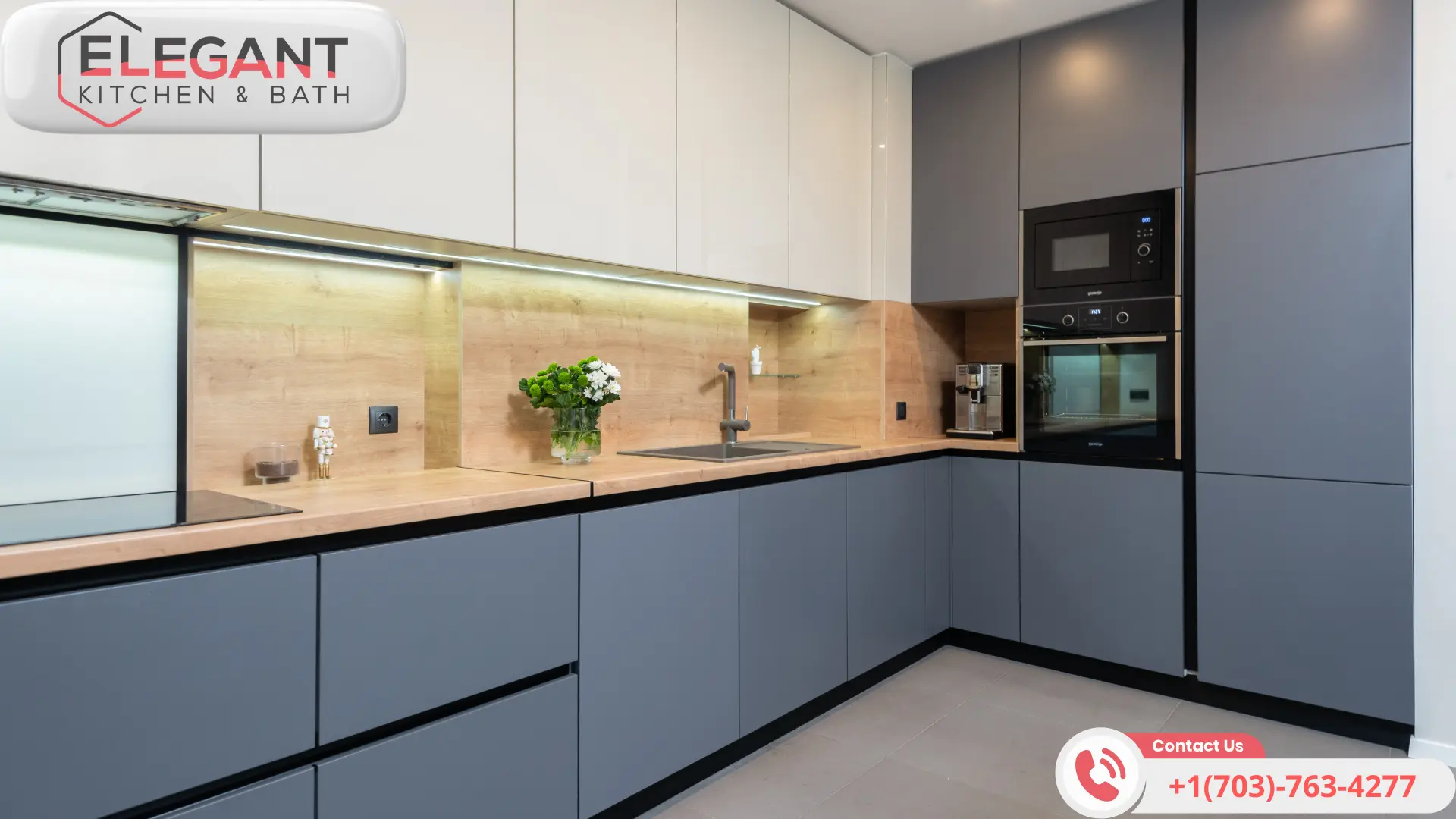
Adding a pop of color to your kitchen cabinets can instantly elevate the design. Consider two-tone cabinets, where the upper cabinets have a different color or finish than the lower ones. This adds depth and visual interest to your kitchen.
Minimalist Design
For those who appreciate simplicity and clean lines, a minimalist kitchen design is an excellent choice. Opt for sleek, handleless cabinets with hidden hardware for a streamlined look. Minimalist kitchens focus on functionality and uncluttered spaces.
Glass-Front Cabinets
Glass-front cabinets are perfect for showcasing your glassware, china, or decorative items. They add an elegant touch to your kitchen and create a sense of openness. You can choose clear glass for a classic look or frosted glass for a more subtle effect.
Consider an island that does more than just provide extra counter space. Incorporate features like a built-in sink, wine storage, or a breakfast bar. A multi-functional island adds convenience and style to your kitchen.
Contrasting Island
Create visual interest by choosing an island color or material that contrasts with the rest of your kitchen. For example, if your kitchen cabinets are white, a bold blue or black island can make a striking statement.
Waterfall Edge
A waterfall edge design involves extending the countertop material down the sides of the island, creating a continuous and elegant look. This design works well with various countertop materials, from marble to quartz.
Open Base Design
Opt for an open base or shelving beneath your island instead of closed cabinets. It gives your kitchen a more airy and contemporary feel. You can use the available space for storing cookbooks, baskets, or decorative items.
A neutral color palette, including shades of white, beige, or gray, can create a timeless and calming kitchen atmosphere. Neutral kitchens are easy to accessorize and adapt to changing styles.
Under-Cabinet Lighting
Under-cabinet lighting not only adds a touch of elegance but also serves a practical purpose. It illuminates your countertops, making meal preparation more comfortable. LED strips are energy-efficient options.
Streamlined Hardware
Choose cabinet hardware that complements your kitchen’s style. Sleek and minimalistic handles or knobs can enhance the clean lines of your kitchen cabinets.
Natural Materials
Incorporate natural materials like wood or stone into your kitchen design. Wooden countertops, exposed ceiling beams, or stone backsplashes can add warmth and character to your space.
Maximize vertical space with tall cabinets that reach the ceiling. Pull-out pantry shelves, wall-mounted racks, and magnetic knife strips can keep your small kitchen organized.
Light Color Scheme
Light colors, especially whites and pastels, can make a small kitchen feel more open and airy. Use light-colored cabinetry, backsplashes, and countertops to create a sense of space.
Mirrors and Glass
Mirrors can visually enlarge a small kitchen. Consider mirrored backsplashes or cabinet doors with glass inserts. These reflective surfaces bounce light and create an illusion of space.
Compact Appliances
Opt for compact and space-saving appliances designed for smaller kitchens. Drawer-style dishwashers, counter-depth refrigerators, and slim stoves can help you maximize your kitchen’s layout.
In conclusion, Best Design Ideas For New Kitchen is an exciting journey where you can bring your vision to life. Whether you’re focusing on cabinets, islands, simplicity, or small spaces, there are endless possibilities to explore. Remember that your kitchen is the heart of your home, and it should reflect your style while providing the functionality you need. So, start planning, get creative, and turn your kitchen into a masterpiece that suits your taste and lifestyle. Your dream kitchen is just a design away!
When it comes to home design, the kitchen holds a special place. It’s not just a place for cooking; it’s the heart of your home, where family gatherings and memorable moments happen. So, the answer to the question “Can I design my kitchen the way I want?” is a resounding YES! Your kitchen can be a reflection of your style and needs. In this article, we’ll explore the world of custom kitchen design and how you can create a functional, spacious, and personalized kitchen that suits your preferences.
Custom Kitchen Design: Turning Your Vision into Reality
Functional Kitchen Layout: Design My Kitchen
A functional kitchen layout is the foundation of an efficient kitchen. It’s about creating a space where everything flows smoothly, making your cooking tasks a breeze. Here are some key considerations for a functional kitchen layout:
The Working Triangle: The working triangle is a design principle that focuses on the efficient placement of the three main work areas in the kitchen: the stove, sink, and refrigerator. It’s essential to arrange these elements in a way that minimizes unnecessary movement and maximizes convenience.
storage solutions: Custom cabinets and storage solutions can make a world of difference in your kitchen. Consider pull-out pantry shelves, deep drawers, and vertical dividers to keep your kitchen organized and clutter-free.
Island or Peninsula: If space allows, adding an island or peninsula can provide extra counter space and a casual dining area. It’s a versatile addition that enhances both functionality and aesthetics.
Spacious Kitchen Design
A spacious kitchen doesn’t necessarily mean you need a large area. It’s about optimizing the available space to create an open and airy atmosphere. Here are some design ideas for a spacious kitchen:
Light Color Scheme: Light colors, especially on the floors, can create a sense of depth in your kitchen. They work wonders in both small and large kitchens, making them appear more expansive.
Natural Materials: Incorporating raw materials like wood can add warmth and character to your kitchen. Consider wooden countertops, cabinetry, or even a wooden ceiling for a touch of nature.
Open Concept: Open kitchens are a popular trend for a reason. Removing dividing walls between the kitchen and living areas can create a seamless and spacious flow. Decorative open shelves can serve as both functional storage and stylish room dividers.
Warm Colors: Using warm colors on the walls and kitchen elements can create a cozy and inviting atmosphere. Pair warm hues with a light color scheme to strike a balance between spaciousness and warmth.
Custom Kitchen Design Ideas: Design My Kitchen
Now that you know the essentials of a functional and spacious kitchen, let’s explore some custom design ideas that can turn your kitchen into a unique and personalized space:
Custom Cabinetry: Opt for custom-designed cabinets that fit your kitchen’s dimensions perfectly. You can choose from a wide range of materials, finishes, and hardware to match your style.
Personalized Backsplash: Your backsplash is an excellent canvas for personalization. Consider using custom tiles, mosaic patterns, or even a mural that reflects your personality.
Unique Lighting: Remember to underestimate the power of lighting in your kitchen. Choose unique light fixtures or pendant lights that add a touch of elegance and personality to the space.
Custom Countertops: Selecting the right countertop material is crucial. Custom countertops can be tailored to your needs, whether you prefer the durability of granite, the elegance of marble, or the low-maintenance quartz.
Kitchen Island Design: If you have space for an island, make it unique. Customize the size, shape, and features to suit your cooking and dining preferences. It can serve as a focal point and a functional workspace.
In conclusion, designing your kitchen exactly the way you want is not only possible but also highly encouraged. Your kitchen should be a space that reflects your personality, meets your functional needs, and provides a welcoming atmosphere. Whether you aim for a functional kitchen layout, a spacious kitchen design, or unique custom elements, your dream kitchen is within reach. So, roll up your sleeves, start planning, and turn your kitchen vision into reality. Remember, your kitchen is where memories are made, and it should be nothing short of perfect.
Best Design for Kitchen: Transforming Small Spaces into Stylish Havens
Kitchens hold a special place in our daily lives. They are the heart of our homes, where we gather to cook, share meals, and create cherished memories with our loved ones. Whether your kitchen is small or spacious, it should always exude a sense of cleanliness, spaciousness, and beauty. In this article, we’ll explore the best design ideas for kitchens, especially focusing on small spaces, to help you make the most of your culinary haven.
The Importance of Design for Kitchen
The design of your kitchen plays a pivotal role in enhancing both its functionality and aesthetics. A well-designed kitchen not only makes your daily cooking tasks more efficient but also elevates the overall look and feel of your home. Regardless of the size of your kitchen, there are innovative design concepts that can help you achieve the kitchen of your dreams.
Making Your Kitchen Stylish and Functional
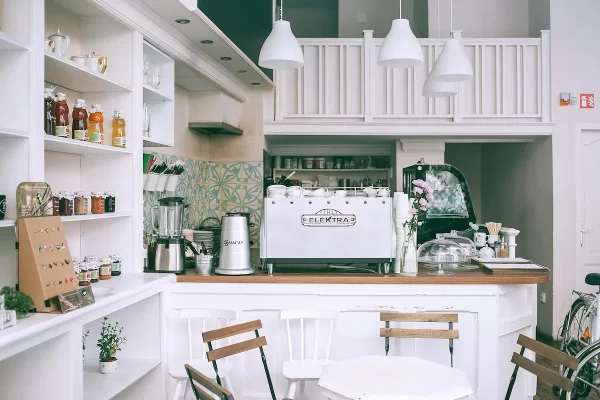
Creating a stylish design for kitchen that seamlessly combines form and function is achievable with the right design ideas. Whether you have a compact kitchen in a small house or a cozy corner in a larger space, the key is to optimize every inch for both practicality and visual appeal.
Small kitchens often lack ample storage, making it essential to maximize every available inch. Consider the following storage solutions:
Cabinet Organizers: Install pull-out trays, roll-out shelves, and dividers to keep your cabinets organized and accessible.
Vertical Storage: Utilize vertical wall space by adding open shelves or hanging racks for pots, pans, and utensils.
Under-Cabinet Drawers: Make use of the space beneath your upper cabinets with pull-out drawers or baskets for spices, cutlery, and kitchen gadgets.
Optimize Layout and Workflow
Efficient kitchen layouts are crucial in small spaces. The classic working triangle—comprising the sink, refrigerator, and stove—should be well-planned:
L-Shaped Kitchen: Place the sink and refrigerator on one side and the stove on the opposite side to create an efficient work triangle.
Galley Kitchen: In corridor-shaped kitchens, position the stove and refrigerator on the same counter for convenience.
Lighting Matters
Proper lighting can make a significant difference in a small kitchen. Here are some lighting ideas to consider:
Under-Cabinet Lighting: Install LED strips under upper cabinets to brighten countertops and create a cozy ambiance.
Pendant Lights: Hang pendant lights above the kitchen island or dining area to provide both task and decorative lighting.
Use Light Colors
Light colors can visually expand a small kitchen, making it appear more spacious. Consider light shades of paint, cabinetry, and countertops to create an airy and open feel.
Reflective Surfaces
Incorporate reflective surfaces, such as mirrored backsplashes or glossy tiles, to bounce light around the kitchen and add a touch of glamour.
Compact Appliances
Opt for compact and space-saving appliances that fit seamlessly into your kitchen without compromising on functionality. Look for slim refrigerators, small dishwashers, and versatile microwave ovens.
Open Shelving
Open shelving not only saves space but also adds an element of style to your kitchen. Display your favorite dishes, glassware, and cookware to create an inviting atmosphere.
Multi-Functional Furniture
Invest in multi-functional furniture pieces like a kitchen island with built-in storage or a dining table that can also serve as a workspace.
Modern Design Tiles
Choose modern and visually appealing tiles for your kitchen backsplash or flooring. Geometric patterns, subway tiles, and bold colors can add a contemporary touch to your small kitchen.
Interior Design for Kitchen: Combining Form and Function
The interior design of your kitchen should harmonize with your lifestyle and preferences. Consider the following interior design concepts to enhance the overall appeal of your kitchen:
Minimalist Design
A minimalist approach to kitchen design focuses on simplicity and functionality. Streamlined cabinetry, clean lines, and a clutter-free environment create a modern and visually pleasing space.
Monochromatic Color Schemes
Monochromatic color schemes, such as shades of white, gray, or beige, can create a timeless and sophisticated kitchen ambiance. These colors also make small kitchens appear larger.
Smart Kitchen Appliances
Embrace the latest in smart kitchen technology with appliances that offer convenience and efficiency. Smart refrigerators, ovens, and coffee makers can elevate your kitchen’s functionality.
If your kitchen opens up to an outdoor area, consider integrating the two spaces seamlessly. Sliding glass doors or large windows can blur the lines between indoors and outdoors, creating a unique dining experience.
Modern Design for Kitchen with Small Spaces
Modern kitchen design principles can work wonders in small spaces. Here are some ideas to achieve a contemporary look for your compact kitchen:
Handleless Cabinets
Opt for handleless cabinet doors for a sleek and minimalist appearance. Push-to-open mechanisms add to the modern aesthetic.
Floating Shelves
Install floating shelves instead of upper cabinets to maintain an open and spacious feel. These shelves can also serve as a display area for decorative items.
Bold Accents
Introduce bold and vibrant accents through kitchen accessories, such as colorful dishes, utensils, or small appliances, to infuse energy into your modern design.
Glass Elements
Incorporate glass elements, such as a glass backsplash or glass cabinet doors, to add transparency and a touch of sophistication to your kitchen.
Open Floor Plan
If possible, create an open floor plan that connects your kitchen to the living or dining area. This open layout fosters a sense of unity and spaciousness.
Designing for Kitchen for Small House Living
Living in a small house often means dealing with limited kitchen space. However, with the right design choices, you can make the most of every square foot:
Choose furniture that can be folded or expanded as needed. Foldable dining tables and wall-mounted workspaces are excellent options for small kitchens.
Opt for light and neutral color schemes to create a sense of openness and airiness. These colors visually enlarge your kitchen and create a welcoming atmosphere.
Multi-Purpose Islands
Consider a kitchen island that serves multiple purposes. An island with storage, a built-in sink, and a breakfast bar can make your small kitchen more versatile.
Final Thoughts
Designing a kitchen, whether for a small space, a small house, or a modern aesthetic, requires thoughtful planning and attention to detail. By incorporating clever storage solutions, optimizing layout and workflow, and embracing modern design elements, you can create a kitchen that not only meets your functional needs but also reflects your unique style.
Remember that your kitchen should be a space where you can cook, dine, and connect with loved ones, so prioritize both functionality and aesthetics in your design. With the right ideas and a touch of creativity, your kitchen can become the heart of your home, regardless of its size. So, start envisioning your dream kitchen today and turn it into a reality.
 Best Investment in a New Kitchen
 Don’t create spaces that look odd and that can’t be cleaned.







 Exploring Kitchen Renovation Ideas
 Design Ideas for New Kitchen Cabinets
 Custom Kitchen Design: Turning Your Vision into Reality
 Making Your Kitchen Stylish and Functional