Embarking on a DIY plumbing project can sometimes feel empowering and cost-effective. Still, it’s a field fraught with pitfalls for the untrained. The difference between a well-executed job and a disaster is often in the details that professional plumbers are trained to handle. Whether it’s installing a new fixture or attempting to clear a clog, understanding the most common DIY plumbing mistakes can save you from costly and frustrating outcomes.
Key Takeaways for DIY Plumbing Mistakes
1. Precision and Tools: DIY plumbing requires exact precision and the correct tools, especially when installing fixtures like toilets or faucets, to avoid leaks and water damage.
2. Water Supply Management: Acommon mistakein DIY plumbing is not shutting off the water supply before starting, which can lead to severe flooding and damage.
3. Proper Drain Traps: Using the correct type of trap, like a P-trap instead of an S-trap, is essential to prevent improper venting and sewer gas entry into the home.
4. Clog Handling: Clearing blocked drains requires the right approach; misuse of tools like drain snakes or chemical cleaners can damage plumbing fixtures or pipes.
5. Correct Pipe Connections: Ensuring proper connections between different types of pipes, such as copper and galvanized steel, is vital to prevent corrosion and leaks, using dielectric unions if necessary.
6. Understanding Plumbing Rough-In: The rough-in stage of plumbing, particularly in new constructions or remodeling, demands a thorough understanding of plumbing systems and adherence to codes, as errors can be costly to rectify.
7. Avoid Illegal Fittings: Using plumbing fittings that meet code requirements is crucial, as illegal fittings can lead to leaks, water contamination, and legal issues.
8. Comprehend and Avoid Mistakes: Knowledge of common plumbing mistakes and how to avoid them can prevent costly and time-consuming repairs.
9.Professional Help vs. DIY: While DIY plumbing can be empowering and cost-effective, understanding when to call in a professional can save from potential disasters, especially in complex or critical plumbing tasks.
[ez-toc]
Imperfect Installations
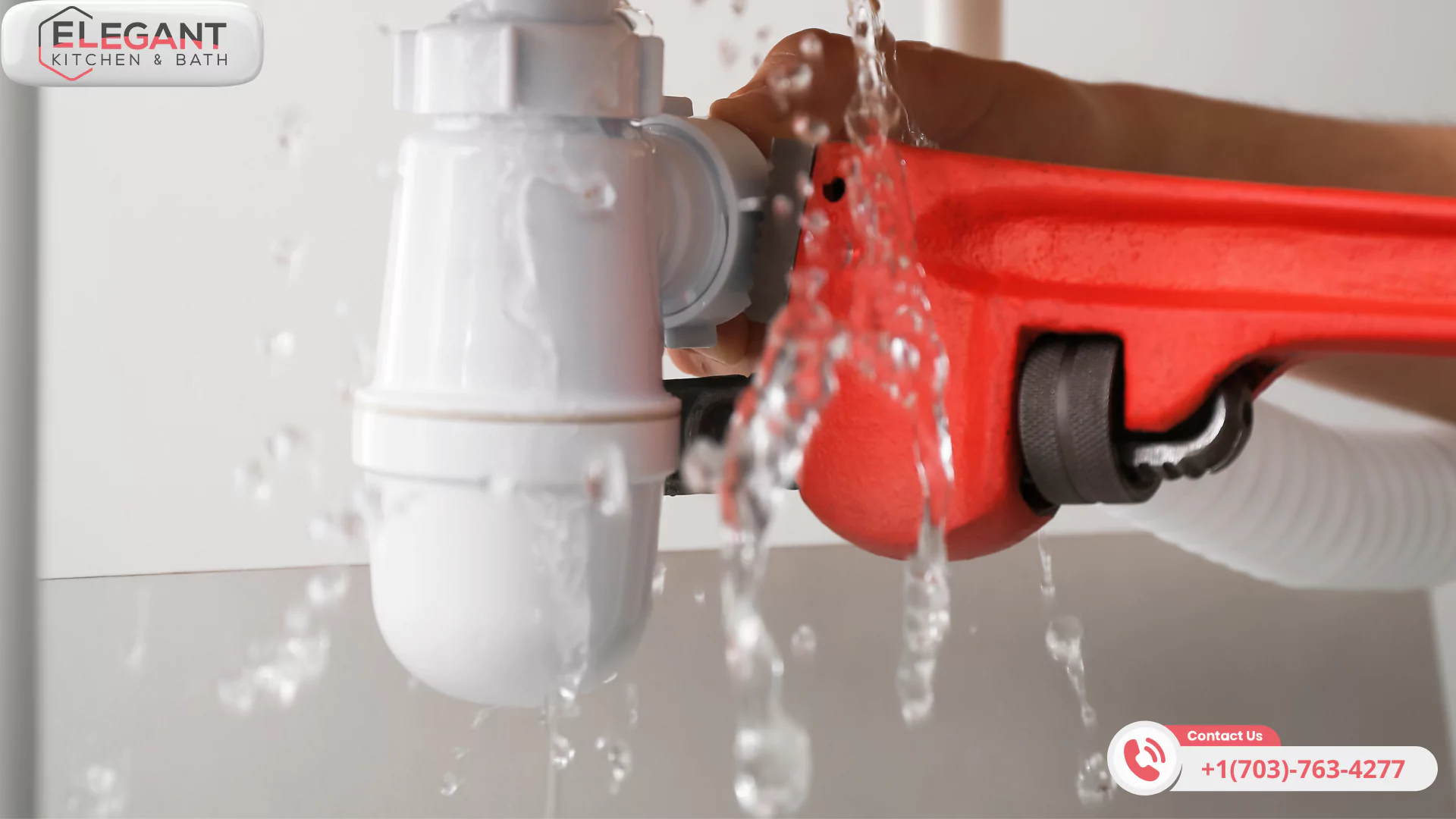
The allure of DIY can be strong when considering the installation offixtures like toilets or faucets. However, these tasks require precision and the correct tools. An improper installation can lead to leaks, water damage, and, eventually, significant repair bills. When tackling such projects, using the proper plumber parts’ names and understanding their function is critical to avoid DIY plumbing mistakes.
Leaving Water On
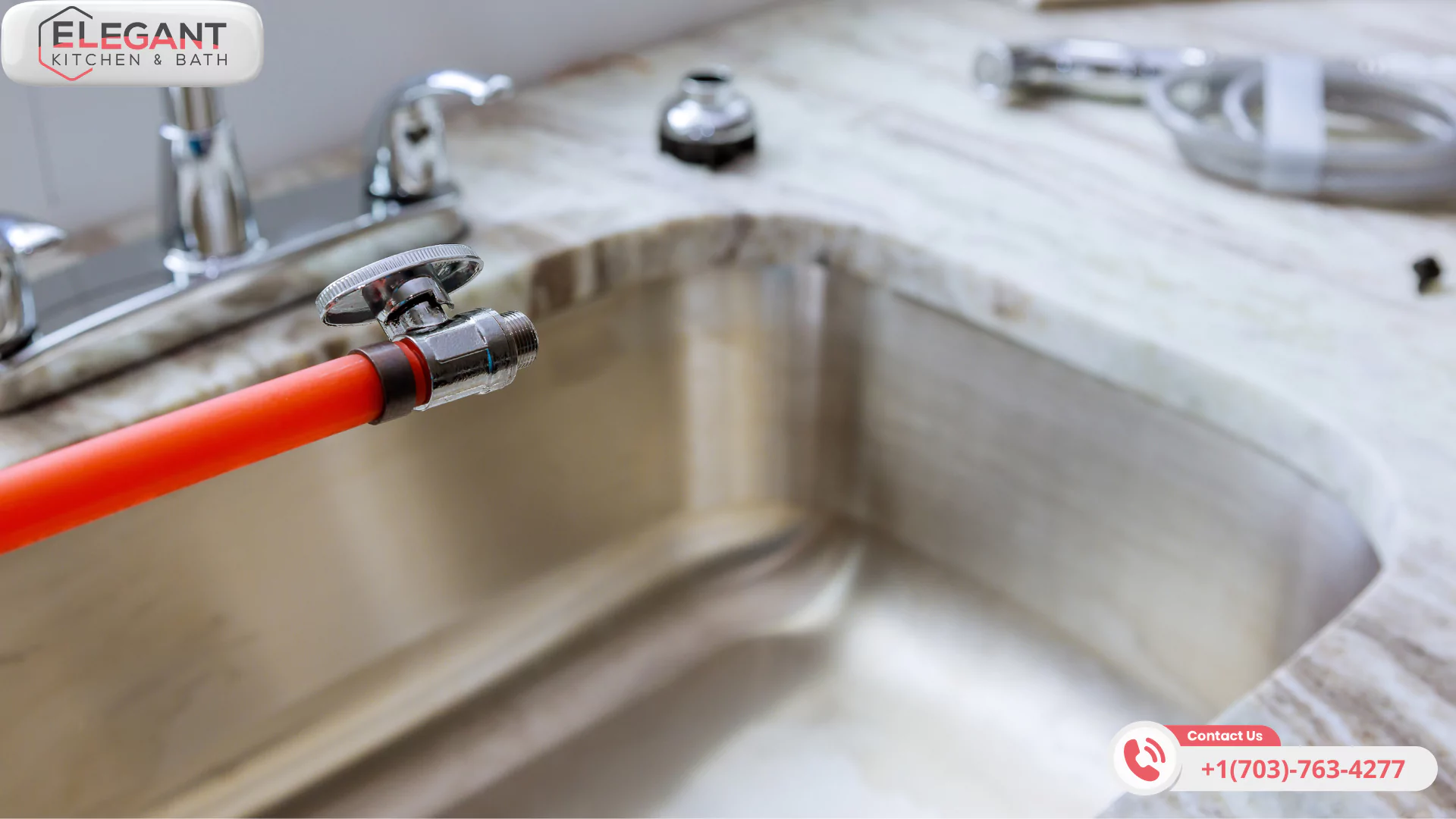
An astonishingly common oversight for many DIY enthusiasts is forgetting to shut off the water supply before starting work. This oversight is more than a mere inconvenience; it can lead to flooding, severewater damage, and the need for extensive repairs.
Wrong Trap
Choosing the wrong type of trap for sink drains is a common DIY plumbing mistake. Many homeowners mistakenly opt for an S-trap, which can lead to improper venting and allow harmful sewer gases to enter the home. A knowledgeable plumber will ensure that a correctly vented P-trap is installed, adhering to the plumbing code for drain lines.
Unclogging a Drain
Attempting to clear a blocked drain is a frequent DIY endeavor. However, without the right knowledge, you can cause more harm than good. For instance, using a drain snake inappropriately, such as in a toilet, can lead to damage to the porcelain. Moreover, chemical drain cleaners can be a risky choice, potentially damaging pipes and creating more issues than they solve.
Improper Connections
Professional plumbers often need help with proper connections. DIYers may need to realize the importance of correctly joining different types of pipes, such as copper to galvanized steel, which requires a specific connector to prevent corrosion. Dielectric unions are essential in these situations to keep the metals from contacting each other and prevent DIY Plumbing Mistakes.
The Complexities of DIY Plumbing Rough-In
DIY plumbing rough-in is a stage where many ambitious DIYers find themselves in over their heads. This step involves the installation of basic plumbing systems in a new construction orremodel before the walls and floors are finished. It’s a complex process that requires precise measurements, knowledge of plumbing code for drain lines, and understanding the layout of your home’s plumbing system. Mistakes at this stage can be particularly costly and difficult to rectify once construction has progressed.
The Perils of Illegal Plumbing Fittings
Another area of concern is the use of illegal plumbing fittings. These are components that do not meet the required codes and standards and can cause serious issues down the line, including leaks, water contamination, and even legal problems duringhome inspectionsor sales.
Avoiding Plumbing Mistakes to Avoid
To dodge the common pitfalls of plumbing, it’s important to recognize the plumbingmistakes to avoid. This includes everything from ensuring you have the correct tools and materials, like the properfloor leveling compound for wood subfloors when working on areas with wooden understructures, to using self-leveling concrete for creating a flat, even surface for installing plumbing fixtures on concrete floors.
DIY Plumbing in the Bathroom
DIY plumbing mistakes in the bathroom are especially prevalent due to the complexity of the fixtures and the critical nature of watertight installations. Whether it’sinstalling a new shower, replacing a toilet, or updating a sink, each task requires a thorough understanding of the plumbing system to avoid leaks, blockages, or worse.
Cost of DIY Plumbing Errors
The garage additioncost of DIY plumbing errors can quickly escalate beyond the savings of doing it yourself. This is especially true for tasks that seem straightforward, like replacing a faucet or fixing a running toilet, but can lead to significant issues if not done correctly.
Learning from Before and After Scenarios
Examining garage addition before and after scenarios, or in this case, plumbing repairs and installations can provide valuable insights. By understanding what went wrong in a failed DIY attempt, you can better appreciate the complexities of plumbing work and the importance of doing it right the first time.
In conclusion, while the DIY route can be tempting, plumbing is an area where expertise and experience are crucial. It’s essential to understand your limitations and when to call in a professional. By avoiding these common DIY plumbing mistakes, you can save yourself time, money, and the headache of dealing with the consequences of a job gone wrong. Whether it’s a small repair or a significant installation, considering the expertise of a seasoned plumber can ensure that your plumbing projects are completed efficiently and effectively, adhering to the proper codes and standards.
DIY Plumbing Mistakes FAQs
What are the most common plumbing mistakes?
Some of the most common plumbing mistakes include:
– Overtightening connections on supply tubes, pipes, fittings, and toilet bolts can lead to cracks and leaks.
– Drain cleaners should be used as a first choice instead of a plunger or drain snake, as the harsh chemicals can damage pipes.
– Wrapping thread tape backward or using the wrong type of tape for the application (e.g., using thin white tape on gas lines).
– Using the wrong drain fittings, such as an S-trap instead of a P-trap, can cause clogs and code violations.
– Sweating copper pipes with water still in the line, resulting in pinhole leaks.
– Not having the right tools for the job, leading to improper repairs and damage.
What is the most common plumbing item to fail in a residential home?
The most common plumbing item that fails in a residential home is the water heater, followed by pipes, faucets, and toilet leaks. Flexible supply lines connecting fixtures to the central plumbing are also prone to failure due to age, water chemistry, or physical damage.
What happens if you overtighten a water supply line?
Overtightening a water supply line can cause the fittings to crack immediately or over time, leading to leaks and potential water damage. Overtightening can also damage the threads, making it difficult to properly connect the supply line in the future.
What are common faults in plumbing?
Common faults in plumbing include:
– Leaks from pipes, faucets, and fixtures due to age, corrosion, or improper installation.
– Clogs in drains and toilets caused by hair, grease, and foreign objects.
– Poor water pressure due to pipe corrosion, mineral buildup, or improper pipe sizing.
– Sewer line backups from tree roots, pipe bellies, or damaged lines.
– Faulty water heaters due to age, sediment buildup, or improper pressure relief valve installation.
What is the most common plumbing repair?
Typical plumbing repairs include fixing leaks in pipes, faucets, and toilets, unclogging drains and toilets, and replacing faulty water heaters.
What is the hardest thing about plumbing?
One of the most challenging aspects of plumbing is accessing and repairing pipes in tight spaces or behind walls. Diagnosing the root cause of a plumbing issue can also be difficult, as the source of the problem may not always be apparent.
What clogs pipes the most?
Hair, grease, food particles, and foreign objects like toys or hygiene products are the most common causes of clogs in residential plumbing. Tree roots can also cause significant blockages in sewer lines.
What type of plumbing is no longer used?
Some types of plumbing that are no longer used or are not up to current codes include:
– Galvanized steel pipes, which are prone to corrosion and reduced water flow over time.
– Polybutylene pipes were used from the 1970s to the 1990s but are prone to breakage and leaks.
– S-traps do not have proper venting and can cause clogs and sewer gas odors.
– Certain materials like corrugated piping and rubber fittings that do not meet current plumbing codes.
What don’t most people know about plumbers?
Many people may not realize that plumbers:
– Undergo extensive training and licensing to ensure they are qualified to handle various plumbing issues safely and effectively.
– Often work in challenging and potentially hazardous conditions, such as tight spaces or exposure to chemicals and debris.
– Play a crucial role in protecting public health by ensuring that plumbing systems are functioning properly and not contaminating water supplies or causing unsanitary conditions.
– Can provide valuable advice on preventative maintenance and water conservation to help homeowners save money and avoid future plumbing problems.
What should I avoid when doing plumbing work?
When undertaking plumbing projects, whether DIY or professional, there are several critical mistakes to avoid to ensure a successful and efficient job. Here are some key points to keep in mind:
Ignoring Local Codes: Always check local plumbing codes and regulations before starting any plumbing work. Failing to comply can lead to costly fines and the need for rework.
Neglecting Proper Tools: Using the wrong tools can lead to damage and inefficiency. Invest in quality plumbing tools and ensure you have the right equipment for the job, such as pipe wrenches, plungers, and pipe cutters.
Overtightening Fittings: While it’s essential to ensure connections are secure, overtightening can damage fittings and lead to leaks. Use the appropriate torque specifications for each type of fitting.
Using Chemical Drain Cleaners: Many homeowners resort to chemical drain cleaners for clogged pipes, but these can cause more harm than good. They can corrode pipes and create additional blockages. Instead, consider mechanical methods like a plumber’s snake or call a professional.
Ignoring Signs of Leaks: If you notice damp spots, mold, or unusual water bills, these could be signs of leaks. Ignoring these signs can lead to extensive damage and costly repairs down the line.
Not Shutting Off Water Supply: Before starting any plumbing work, always shut off the water supply to avoid flooding and water damage. This is a crucial step that should never be overlooked.
Improper Pipe Sizing: Using the wrong size pipes can lead to low water pressure and inefficient plumbing systems. Ensure you select the appropriate pipe diameter for your specific needs.
Neglecting Ventilation: Proper ventilation is essential in plumbing systems to prevent pressure build-up and ensure efficient drainage. Avoid blocking vents or neglecting their maintenance.
What are the consequences of poor plumbing practices?
Poor plumbing practices can lead to a variety of serious issues, including:
Water Damage: Leaks or flooding due to improper installation can cause significant water damage to your home, leading to costly repairs and potential mold growth.
Increased Utility Bills: Undetected leaks or inefficient systems can result in higher water bills, impacting your overall budget.
Health Hazards: Contaminated water due to improper drainage or backflow can pose serious health risks to you and your family.
Legal Issues: Failing to comply with local plumbing codes can lead to fines and legal complications, especially if you plan to sell your home.
Elegant Kitchen and Bath Virginia Remodeling Company
The modern conveniences of a well-functioning plumbing system are often taken for granted—until they’re not. Whether it’s a clogged drain or a leaking pipe, plumbing issues can quickly escalate from minor annoyances to significant emergencies. This is why enlisting the expertise of professional plumbing services is crucial for any plumbing work in your home. Elegant Kitchen & Bath, your local plumbing authority, outlines the importance of relying on professionals for your plumbing needs.
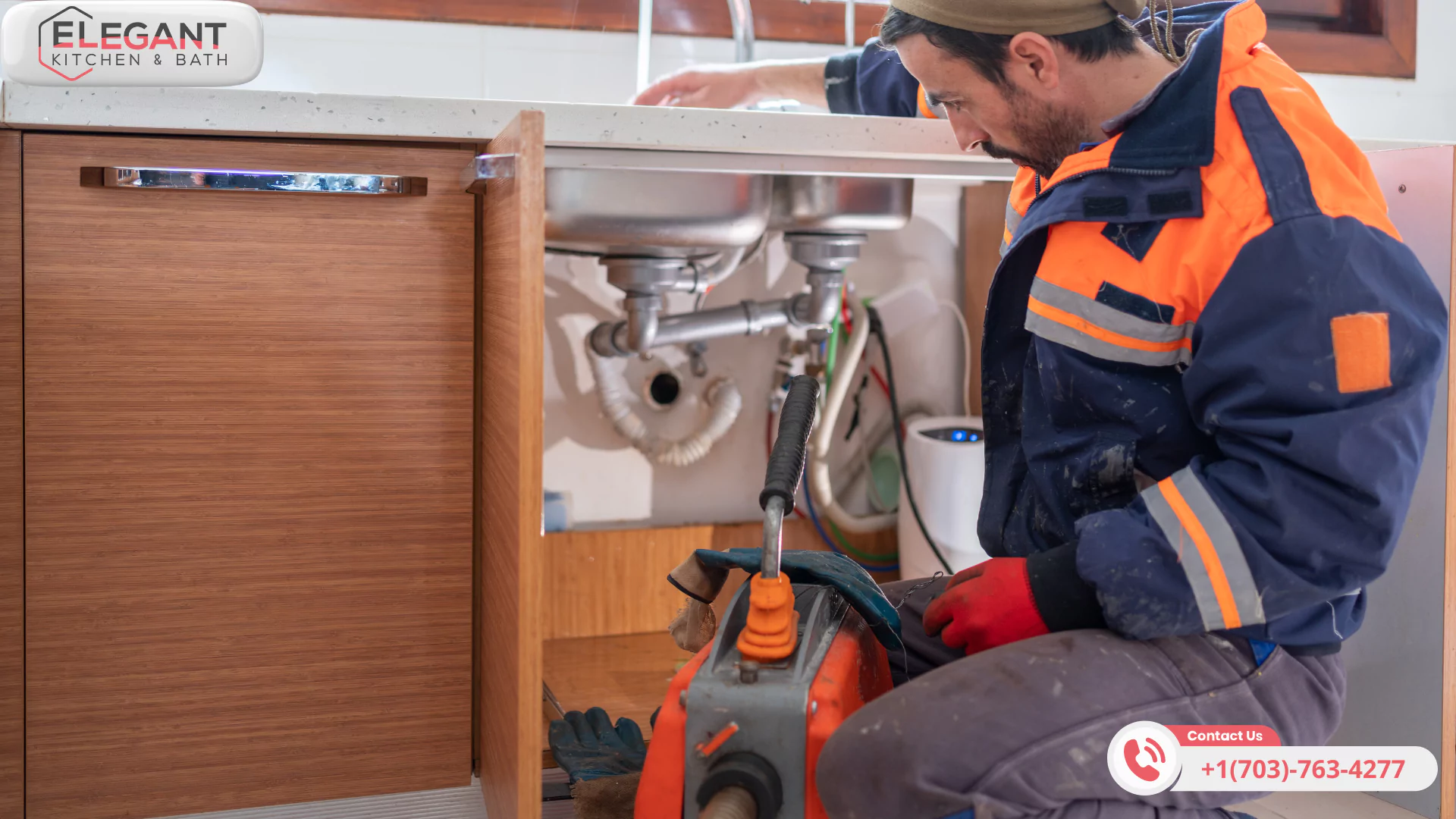
Plumbers are Highly Trained and Experienced
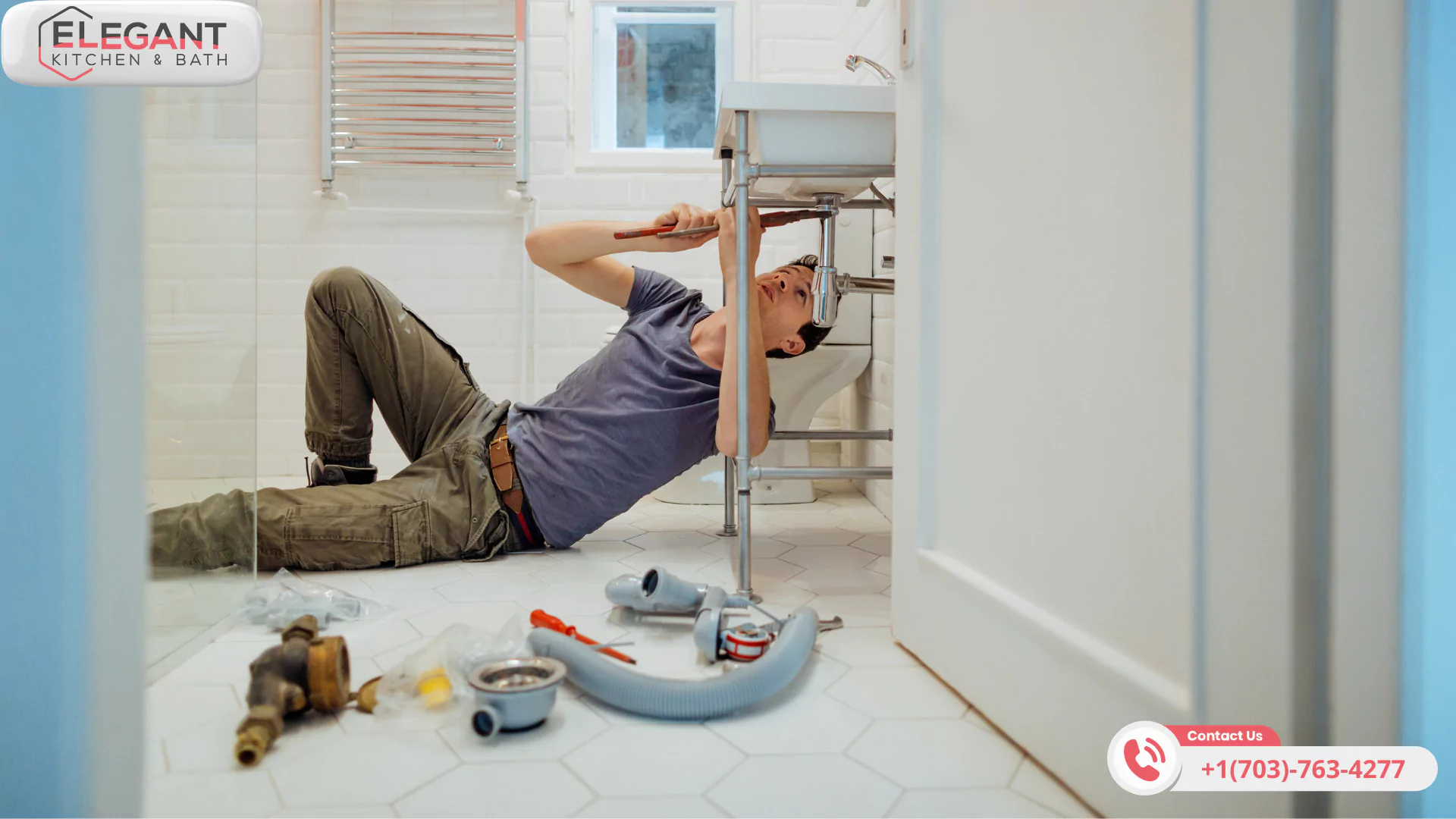
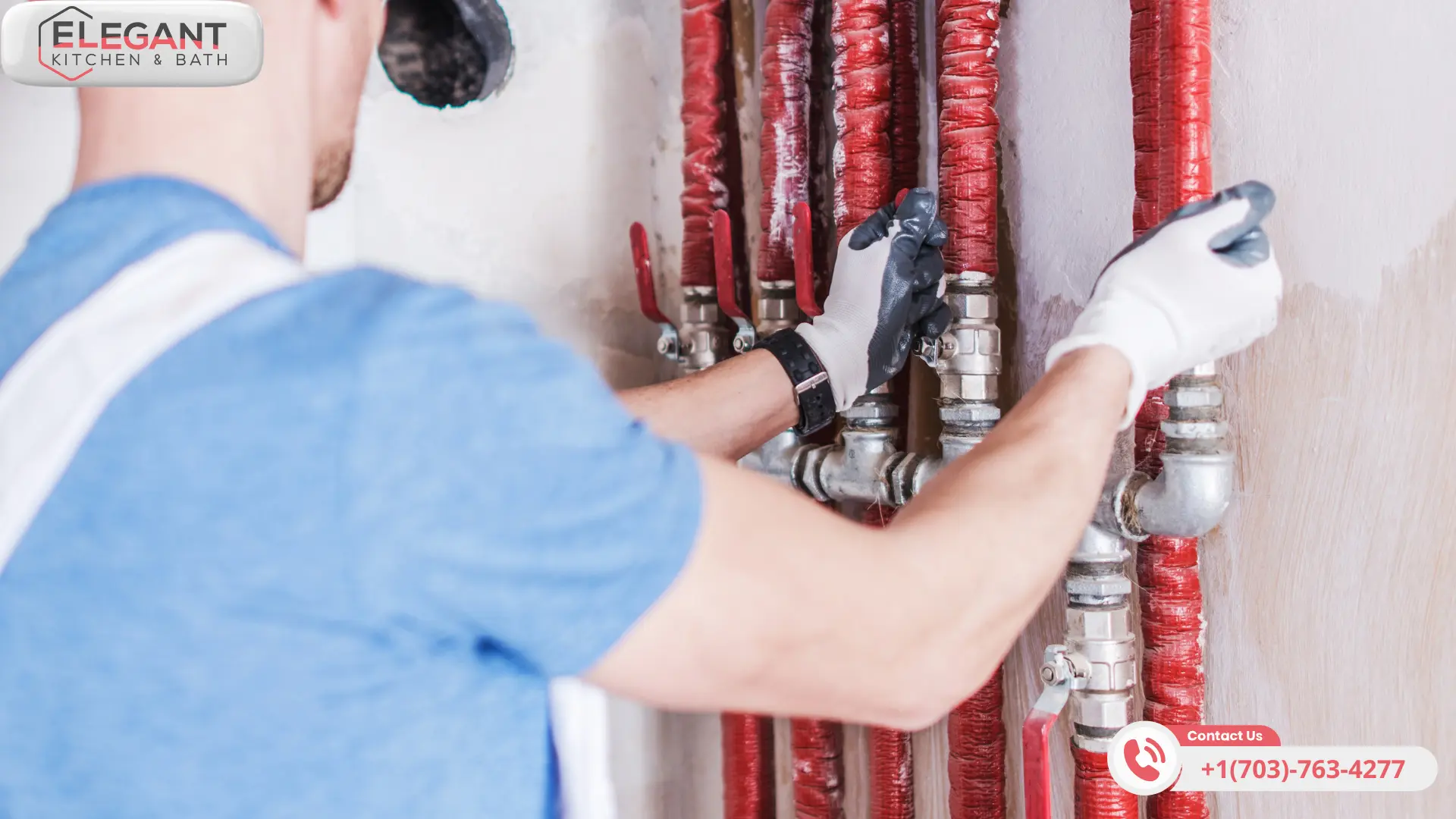
One of the most compelling reasons to hire a professional plumber is the level of training and experience they bring to the table. In contrast to amateurs or enthusiastic DIYers, professional plumbers are equipped with a deep understanding of plumbing systems and the intricacies involved in their repair and maintenance. Opting for a novice or taking the DIY route might seem cost-effective at first. Still, it often leads to more significant, costlier problems. By choosing professional expertise, you are investing in solutions, not just temporary fixes.
Plumbers Have the Right Tools and Equipment
The successful resolution of plumbing issues often depends on having the right tools for the job. Professional plumbing services come equipped with specialized tools that go far beyond the average household toolkit. These advanced tools, combined with the plumbers’ proficiency, allow for the accurate and efficient diagnosis and resolution of plumbing problems. When you hire a professional plumber, you’re not just paying for their skills; you’re also leveraging their access to the proper equipment, which can save both time and money in the long run.
Plumbers Offer Emergency Services
Plumbing emergencies, such as burst pipes or severe leaks, require immediate attention. In such dire situations, the rapid response and seasoned expertise of plumbing professionals are invaluable. They are adept at swiftly identifying the source of the problem and implementing effective solutions to mitigate damage and restore functionality. The availability of emergency services is a significant benefit when you hire a professional plumber; it ensures that help is just a call away when disaster strikes.
Plumbers Prevent Future Problems
Another critical advantage of employing professional plumbers is their ability to provide long-term solutions. Instead of merely patching up symptoms, they delve into the root cause of plumbing issues. With their extensive knowledge, they can recognize complex problems and enact durable fixes, aiming to prevent future recurrences. The foresight and thoroughness of professional plumbing services can save homeowners the trouble and expense of repeated repairs.
Expanding on the Value of Professional Plumbers
When faced with a plumbing challenge, the decision to hire a professional plumber can be the difference between a job well done and a botched attempt, leading to further complications. Here are additional insights into the benefits of choosing a professional for your plumbing needs:
Expertise in Complex Systems
Plumbing systems are more intricate than they appear. A professional plumber understands the complex networks of pipes and can navigate these systems to diagnose and repair issues without causing additional problems. This expertise is particularly crucial for substantial projects like remodels or new installations, where the entire plumbing system’s integrity is at stake.
Compliance with Codes and Regulations
A critical aspect often overlooked by DIY enthusiasts is adherence to local building codes and regulations. Professional plumbing services ensure that all work is up to code, avoiding legal issues and ensuring the safety of your home’s inhabitants. This compliance is particularly important when selling your home, as it can affect the sale process and valuation.
Detailed Diagnostics and Solutions
The difference between a temporary fix and a permanent solution often lies in the initial assessment. Professional plumbers conduct thorough diagnostics to understand the problem fully before proceeding with repairs. This detailed approach means that when you hire a professional plumber, you’re investing in a resolution designed to last.
Warranty and Insurance
When you entrust your plumbing needs to plumbing professionals, their work typically comes with a warranty. This guarantee offers peace of mind, knowing that should anything go wrong post-repair, the plumber will address it. Additionally, professional plumbers are insured, which protects your property from accidental damage during the plumbing work.
Cost-Effective in the Long Run
Although the upfront cost to hire a professional plumber may be higher than attempting a DIY repair, it is generally more cost-effective over time. By ensuring the job is done correctly the first time, you avoid the accumulation of expenses associated with recurring problems or damage from improper repairs.
Educating Homeowners
A lesser-known benefit of working with plumbing professionals is the knowledge they can impart. A good plumber will educate you about your home’s plumbing system, offering tips on maintenance and how to identify potential issues before they escalate. This empowerment can lead to better care of your plumbing and, consequently, fewer emergencies.
Customized Services
Each home and plumbing system is unique, and professional plumbing services recognize this. They provide personalized services, taking into account the specific requirements of your system and tailoring their approach accordingly. When you hire a professional plumber, you’re not getting a one-size-fits-all service; you’re getting a solution that’s right for your home.
Conclusion
In conclusion, the advantages of hiring a professional plumber are clear and numerous. From their specialized skills and tools to their ability to provide lasting solutions and prevent future problems, professional plumbers are an invaluable resource for homeowners. Whether you’re facing a minor repair or a major installation, the knowledge, efficiency, and peace of mind that come with professional plumbing services are well worth the investment.
Opting for professional landscaping not only enhances the visual appeal of your property but also comes with a multitude of additional benefits, including economic, environmental, and health advantages.
Economic Benefits of Professional Landscaping
Investing in professional landscaping can significantly impact your home’s market value and curb appeal. A well-maintained landscape is a strong selling point that can expedite the sale process and potentially increase your home’s value. While it’s possible to undertake landscaping as a DIY project, without the necessary expertise, you might inadvertently decrease your property value. A professional landscaping cost may initially seem like a bigger investment. Still, it pays off by safeguarding against potential damage and ensuring a polished look that appeals to buyers. Moreover, it’s reported that landscaping can yield over a 200% return, making it a wise financial decision.
Environmental Benefits of Landscaping
From an environmental standpoint, the environmental benefits of landscaping are extensive. Vegetation like trees, shrubs, and grass plays a crucial role in air quality improvement by filtering pollutants and releasing oxygen. This greening effect is important for carbon sequestration, with a single tree capable of absorbing approximately 26 pounds of carbon dioxide annually. Furthermore, landscaping contributes to soil stability and water conservation, aiding in erosion control and groundwater recharge, a vital ecological service.
Health Benefits of Landscaping
Turning our attention to wellness, the health benefits of landscaping are equally impressive. A well-designed landscape encourages outdoor activities, promoting physical and mental well-being. Interacting with nature has been scientifically proven to reduce stress levels, enhance mood, and boost overall happiness. The David Suzuki Foundation’s Nature Challenge reinforces this, highlighting the positive impact that just 30 minutes of nature can have on energy levels, stress reduction, and general health.
Disadvantages of Being a Landscape Designer
However, every profession has its challenges, and the disadvantages of being a landscape designer might include:
The importance of landscape architecture lies in its ability to blend functionality with aesthetics. Landscape architects are responsible for creating outdoor spaces that are harmonious with the natural environment, addressing concerns such as climate change and habitat loss while designing spaces that improve human and environmental health.
Importance of Landscape Design
Similarly, the importance of landscape design must be considered. It’s not just about planting trees and laying sod; it’s about creating outdoor spaces that reflect personal style, meet lifestyle needs, and are sustainable. Good landscape design considers the interactions between the natural and built environments, optimizing the use of resources and enhancing the quality of life for residents.
Uses of Landscaping
The uses of landscaping are numerous. Beyond aesthetics, landscaping can be used for privacy, to reduce noise pollution, to create outdoor living spaces, and even to regulate temperatures around a home by providing shade or wind protection. Strategically placed plants and the construction of landscape features like walls and water bodies can drastically alter the microclimate of an area.
Expanding the Scope of Professional Landscaping
While the initial benefits of professional landscaping are evident, it is also worth exploring the deeper impact of such an investment on various aspects of homeownership and lifestyle.
Long-Term Value and Professional Landscaping Cost
The professional landscaping cost is an investment that can enhance the long-term value of your property. It goes beyond simple lawn care to include designing, planning, and maintaining a cohesive aesthetic that complements your home’s architecture and the surrounding environment. This investment is not just in the plants and materials but also in the expertise of the landscapers, who can foresee and solve potential problems before they arise.
Advantages and Disadvantages of Landscaping
While the advantages of landscaping are numerous, there are also advantages and disadvantages of landscaping to consider. On the one hand, a well-landscaped property can save energy costs by providing natural cooling, attracting wildlife, and improving the livability of your community. On the other, it can require a significant amount of water and maintenance. If not designed with the local ecosystem in mind, it can disrupt native flora and fauna.
Balancing Aesthetics with Environmental Considerations
An essential aspect of landscaping is finding the balance between beauty and environmental stewardship. The importance of landscape architecture and design becomes evident when considering the use of native plants, which require less water and maintenance, and the strategic placement of trees for energy efficiency.
The Role of Landscape in Urban Spaces
The importance of landscape design is particularly highlighted in urban areas where green spaces are vital for environmental and psychological health. In these settings, landscaping can provide much-needed areas for relaxation and recreation, improve air quality, and even reduce urban heat islands.
The Broader Impacts of Landscaping
Beyond the individual benefits, the uses of landscaping extend to community and global levels. Landscaping can contribute to stormwater management, reduce erosion, and serve as a habitat for wildlife. The cumulative effect of these environmental benefits can have far-reaching implications for urban planning and environmental policy.
In summary, the decision to invest in professional landscaping has implications beyond the surface-level beauty of your home. It is an investment in your property’s value, the local environment, your health, and the aesthetic and functional quality of your community. When considering professional landscaping, it’s crucial to weigh the initial costs against the long-term benefits, balancing personal desires with ecological responsibility. Whether you’re looking to create a serene outdoor oasis or improve the practical aspects of your property, professional landscaping stands out as a multifaceted investment with profound benefits.
Choosing lighting plays a pivotal role in shaping the ambiance of our homes. Beyond its basic functionality, the proper lighting setup can dramatically alter our living spaces’ mood and aesthetic appeal. From casting a warm, inviting glow in the living room to ensuring bright, efficient illumination in the kitchen, selecting the perfect lighting is an art form that demands thoughtful consideration and a keen design sensibility.
Layers of Lighting: The process of selecting home lighting involves understanding the combination of ambient, task, and accent lighting to create an attractive, functional lighting scheme.
Lighting as a lifestyle: It is important to consider each room’s role while selecting light fittings so that they can support the activities in the space.
Choosing the Right Bulbs: Choosing the right light bulbs, like ones with a good color temperature and brightness, is essential to invoke the desired ambiance for each room.
Lighting FAQs: The higher the lumens of a bulb, the brighter it is and spacing the recessed lights correctly in a room is essential to avoid uneven distribution.
Indoor and outdoor Lighting: The same level of consideration should be given to both indoor and outdoor lighting design in terms of aesthetics and energy efficiency.
In today’s eco-conscious world, energy efficiency stands at the forefront of interior lighting considerations. Transitioning from traditional incandescent bulbs to energy-saving alternatives like compact fluorescent (CFL) bulbs or light-emitting diode (LED) bulbs can significantly reduce electricity consumption. This shift promises lower utility bills and marks a step towards reducing our environmental footprint, aligning economic savings with social responsibility.
Tailoring Lighting to Each Room
Embarking on the quest for ideal home lighting involves customizing your choices to meet the unique requirements of each room. Achieving a well-lit space means balancing safety, functionality, and aesthetic harmony with the room’s intended purpose and decor. Let’s explore how to navigate the selection process for various areas within your home.
Living Room Lighting: Setting the Scene
As the heart of the home, the living room is a versatile space for relaxation and socializing. The challenge lies in finding a lighting scheme that marries functionality with style. Ambient lighting can be achieved through recessed fixtures, while accent lighting can spotlight art or architectural details. Decorative lamps add a layer of soft, cozy light, and a statement central fixture should offer adjustable mood lighting for different occasions.
Kitchen Lighting: Culinary Illumination
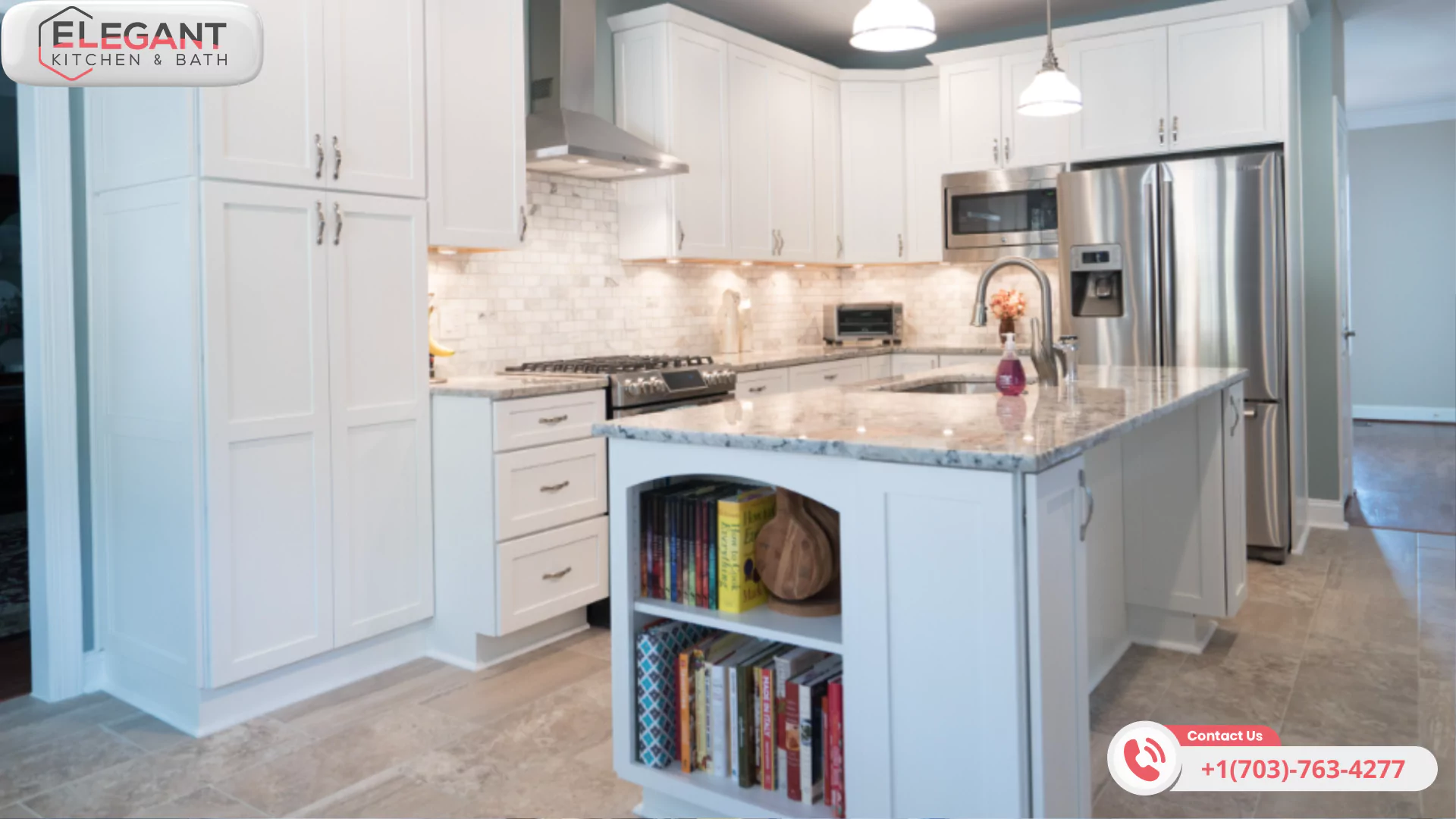
The kitchen, a bustling hub of activity, demands lighting that supports its multifunctional role. Task lighting is crucial for safety and ease during meal preparation, while pendant lights over akitchen island introduce an element of sophistication. Under-cabinet, economical, and practical lighting eliminates shadows on work surfaces, ensuring focused light where it’s most needed.
Bedroom Lighting: A Tranquil Retreat
Lighting should cultivate a calm and restful environment in the bedroom. A combination of overhead lights and bedside lamps allows for general and reading illumination. Opt for gentle, warm lighting to create an inviting atmosphere, with dimmer switches to adjust brightness for comfort at any time.
Entrance and Hallways: Welcoming Light
The entryway, the first impression of your home, deserves lighting that makes a statement. An elegant chandelier or pendant light can be a focal point in a spacious foyer, while flush mounts suit more compact spaces. Hallways should be evenly lit for safety, with strategically placed switches and modern fixtures like wall sconces or track lighting.
Beyond the Basics: Lighting as Lifestyle
When selecting lighting for your home, consider each room’s role in your daily life. Lighting should not only be aesthetically pleasing but also support the activities that occur within each space. For example, a home office may benefit from bright, refreshing light, whereas a bathroom might favor softer, layered lighting solutions.
The Art of Choosing Home Lighting
The process of selecting home lighting transcends mere aesthetics. It involves understanding the interplay of ambient, task, and accent lighting and how these layers can be combined to achieve a functional yet attractive lighting scheme.
The Best Interior Lights for Home Use
Identifying the best lighting fixtures and bulbs for your home requires navigating many options. Today’s market offers everything from smart bulbs that adjust color and brightness to sophisticated fixtures that can be controlled remotely, enhancing convenience and energy efficiency.
Outdoor Lighting: Extending Beauty Beyond Walls
While primarily focused on indoor lighting, it’s worth noting the role of landscaping in outdoor lighting design. Properly planned outdoor lighting can prolong the visual appeal of your landscaping into the evening, requiring the same level of design consideration and energy efficiency as indoor lighting.
The Significance of Landscape Design in Lighting
The strategic implementation of outdoor lighting underscores the importance of landscape design. The proper lighting can accentuate landscape features, enhance security, and create an inviting outdoor ambiance that complements your home’s interior lighting.
Consider the bulb’s color temperature. 2700K is closest to incandescent bulbs and provides a warm, cozy feel. 3000-3500K is a good neutral white popular for homes. 4000K and above is bright white, which is better for task lighting and offices.
Use LED bulbs for energy efficiency. Look for lumens rather than watts to determine brightness. Higher lumens mean a brighter bulb.
– Think about the style and size of the light fixtures. Recessed lights are popular but can look dated if overused. Pendant lights, chandeliers, and sconces can add more visual interest.
– Put lights on dimmers so you can adjust the brightness and mood as needed.
How do I decide where to put the lights?
– Place recessed lights 12-18″ from walls to illuminate the vertical surfaces and make the room feel brighter, rather than just lighting the floor.
– Avoid placing recessed lights in the middle of a room. Concentrate them around the perimeter.
– Use a mix of overhead ambient lighting, task lighting over work areas, and accent lighting to highlight artwork or features.
– Space recessed lights evenly, usually 4-5 feet apart for 8-foot ceilings. Divide the ceiling height by 2 to get the spacing.
What are the four types of lighting?
The four main types of lighting are:
1. Ambient lighting – Overall illumination, usually from overhead fixtures
2. Task lighting – Brighter light focused on a work area like a kitchen counter
3. Accent lighting – Highlights artwork or architectural features
4. Decorative lighting – Fixtures that are meant to be seen and admired
Which lights are used in interior design?
Interior designers use a variety of light fixtures, including:
– Recessed lights
– Pendant lights and chandeliers
– Table and floor lamps
– Wall sconces
– Under-cabinet and cove lighting
– Picture lights and spotlights for artwork
What is the best LED color for the interior?
For interior residential lighting, warm white LED colors are recommended:
– 2700K for a cozy, incandescent-like glow
– 3000K for a soft white that is popular in homes
– 3500K for a neutral white that is not too cool
Higher color temperatures like 4000K and 5000K are better for task lighting and commercial spaces.
What color lighting is in style?
Warm color temperatures in the 2700-3000K range are currently the most popular and stylish for homes. This provides an inviting, relaxing atmosphere.
What light fixtures are outdated?
Some dated light fixture styles include
– Large, ornate brass chandeliers
– Hollywood-style bathroom vanity strips
– Fluorescent tube lights
– Tiffany-style glass shades
What light fixtures never go out of style?
Classic light fixtures that tend to remain in style include:
– Simple, industrial-style pendants
– Shaded wall sconces
– Slim profile recessed lighting
– Streamlined metal pharmacy lamps
– Minimalist chandeliers
What is the most flattering color lighting?
Warm white light in the 2700-3000K range is considered the most flattering on skin tones and clothing. It provides a soft, glowing effect.
In summary, choose 2700-3000K warm white LED bulbs for a timeless, flattering look in living spaces, with brighter 3500-4000K bulbs for task areas. Layer different types of lighting and put them on dimmers for flexibility. Avoid overusing recessed lights and dated fixture styles. The key is to create a comfortable, inviting atmosphere.
Conclusion: Illuminating Your Home with Purpose and Panache
The journey to perfect home lighting is a complex yet rewarding endeavor. It’s about merging practicality with enchantment, crafting a lighting landscape that is as functional as captivating. Whether lighting a cozy nook or a grand entryway, the right choices can transform your home from ordinary to extraordinary.
Thank you for exploring the art of choosing a light for your home interior. For more insights and inspiration, follow us on social media and seek personalized advice.
Why you need regular chimney cleaning? You are comforted by the warm, flickering of the fire and the sound of crackling wood. Having a wood burning fireplace can keep you warm and cozy, especially when living in a cold Canadian climate. The comforting ambiance of a fireplace can quickly turn into a dangerous and destructive ordeal if your fireplace and chimney is not regularly maintained.
While you’re enjoying your fire, continued burning releases hydrocarbon gasses into your chimney. Unburned gasses can condense and deposit inside your chimney and harden into creosote. An accumulation of creosote will look like soot or, in its later stages, glazed over tar. If it gets hot enough and mixes with oxygen, this hazardous substance can easily ignite and cause a dangerous chimney fire.
Even before the deposits of creosote ignite, having it in your chimney is not good for you. Not only does it diminish the air quality in your home, blocked or dirty flues, chimneys and improper ventilation of burning fireplaces can cause dangerous carbon monoxide to be released in your home. If you own and use a fireplace you should have a carbon monoxide detector nearby.
Regular chimney cleaning and maintenance will also reduce the cost of needed or future repairs. Even if your chimney looks okay from the outside, a professional chimney inspection will determine if all components of your system are in good working order. When problems go unresolved it usually means the cost of having them fixed in the future rises and in worst case scenarios, could result in structural damage or full chimney replacement.
A clean chimney will also increase the efficiency of your fireplace. It will provide you with the most heat while reducing the amount of smoke that gets into the house.
Chimney Inspection:
It’s advised that you get your chimney inspected at least once a year, more if you use your fireplace quite often. Most chimney cleaning companies offer a quick and easy chimney inspection where they look for damage, obstructions, creosote build up and let you know if you need a chimney cleaning. In many cases the inspector will have equipment with them and could do the job on the spot.
DIY Chimney Cleaning?
It is possible to clean out your chimney yourself. But you will need special equipment like chimney brushes, extension poles and a powerful vacuum. It is a very strenuous job that could require some climbing and result in being completely covered in soot. Perhaps you should hire a chimney cleaner and watch how they do it before tackling this project yourself. If you do decide to go the DIY route, make sure to have your system inspected by a professional. They will be able to detect potential dangers or flaws that require repair.
What services does a professional plumber offer? Whether you’re installing new kitchen fixtures or repairing a leaky faucet in the bathroom, your professional plumber is there to help. They keep all the plumbing systems in your home working perfectly so you can focus on what’s important.
Elegant Kitchen & Bath is your local full-service plumber. They provide a range of services from bathrooms to hot water heaters. Here are some services a professional plumber will offer:
Bathroom Plumbing :
When you think of plumbing, the first thing that comes to mind probably has to do with your bathroom. And indeed, your professional plumber is an expert on all things bathroom related. This includes clogged drains, dripping taps, and new fixture installation. However, your plumber can also help make your bathroom (and home) more environmentally friendly, thus reducing your utility bills. For example, that leaking faucet increases your water consumption, so fixing it helps lower your home’s water usage. In addition, Always Plumbing & Heating can install newer fixtures (such as toilets and showers) that provide greater energy savings.
Kitchen Plumbing :
Between the dishwasher, fridge, and sink, your kitchen needs a good plumber. They repair everything from clogged sinks, leaky faucets, and broken garburators. And, of course, they help with drain cleaning.
If you’re renovating your kitchen, a professional plumber will install your new sink, faucet, and disposal. Always Plumbing stocks a wide variety of different styles and colors of fixtures to perfectly match your new kitchen. They also offer green options to lower your water consumption and utility bills.
Reverse Osmosis Filtration systems :
If you want the highest quality drinking water straight from the tap, then you need a reverse osmosis (RO) water filtration system. These systems use a thin membrane to remove odors and impurities, including fluoride, chlorine, and pesticides. As a result, your regular tap water is transformed into pure and fresh-tasting drinking water. Always Plumbing & Heating specializes in installing RO filtration systems, which can be placed throughout your home.
Water Heaters:
Two water heaters are available today: traditional hot water tanks and tankless water heaters. Hot water tanks require regular professional maintenance to combat calcium, lime, and hard water deposits that naturally accumulate. Your plumber can help with that. They also provide inspections, which let you know when it’s time to repair or replace. If your hot water tank is over 12 years old, you should consider replacing it. In that case, a tankless water heater is a great option. You get hot water on demand and can save 30% or more off your energy bill.
Elegant Kitchen & Bath professionally trained technicians handle your HVAC and plumbing needs so you can enjoy life. They also offer 24/7 emergency services in case something ever goes wrong. Contact them to install, maintain, and repair your HVAC and plumbing systems!
Properly maintaining a septic system is crucial for the health and efficiency of your home’s wastewater management. A well-maintained system not only prevents messy and expensive malfunctions but also ensures long-term functionality and environmental safety.
Pump Your Septic Tank Regularly
One of the most critical aspects of septic system maintenance is the regular pumping of the septic tank. This should be done before the tank gets full to prevent the buildup of sludge and scum, which can eventually be carried to the drain field, causing blockages and system failures. Regular pumping is essential regardless of whether your system discharges into a septic field or another type of drainage system.
Conserve Water to Protect Your Septic tank System
Efficient water usage is key to maintaining a healthy septic tank system. Excess water can overwhelm the system, causing solids to be flushed into the drain field prematurely, which can lead to clogging and potential system failure. Implementing water conservation practices in your home can prolong the life of your system and reduce the likelihood of costly repairs.
Be Mindful of What Goes Down the Drain
What you put down your drains significantly impacts your septic tank system. Solid particles can cause clogs and increase the strain on your system, leading to more frequent maintenance and potential damage. To keep your system functioning smoothly, avoid letting hard solids go down the drain and minimize the use of harsh chemicals that can disrupt the bacterial balance in your septic tank.
Avoid Harmful Septic Tank System Additives
While some products claim to benefit your septic tank system, many additives can actually harm it. These products might disrupt the natural bacterial action in the septic tank, alter the soil absorption characteristics, and even lead to groundwater contamination. Opt for household chemicals like detergents and drain cleaners, which are less disruptive to the system’s natural processes.
Do Not Dump Grease Down the Drain
Grease is particularly harmful to septic systems. It can clog pipes and accumulate in the septic tank, leading to major issues. Always dispose of cooking grease properly by placing it in a container and throwing it in the trash rather than pouring it down the drain.
Professional Septic Tank System Checks
Annual inspections by a professional are vital for the health of your septic Tank system. A professional can identify and address potential issues, such as cracks or backflow problems before they escalate. The frequency of these check-ups can vary depending on the size of your septic tank, the volume of wastewater, and the amount of solids entering the system.
Understanding Your Septic System
Septic System Diagram
A septic system diagram can be incredibly useful for homeowners. It provides a visual representation of how the system is laid out, including the location of the tank, pipes, and drain field. Understanding this layout is crucial for proper maintenance and when troubleshooting issues.
Septic Tank Design
Septic tank design plays a crucial role in the efficiency and longevity of your system. Tanks are designed to separate solids from liquids, allowing bacteria to break down waste. Knowing the specifics of your tank’s design can help in understanding its maintenance needs and potential issues.
Septic System Types and Cost
There are various septic system types and costs associated with them. From conventional systems to more advanced aerobic models, each type has its own installation and maintenance costs. Understanding these can help you budget for upfront installation and long-term upkeep.
Septic Tank Diagram
A septic tank diagram is essential for understanding the inner workings of your tank. It shows the different components of the tank, including the inlet and outlet pipes, the baffle, and the layers of scum, effluent, and sludge within the tank. This knowledge is crucial for effective maintenance and troubleshooting.
Septic Systems for Dummies
For those new to septic systems, resources like “Septic Systems for Dummies” can be invaluable.
Investing in quality furniture is not just about filling your space with items but about making a long-term investment in your home’s comfort and style. High-quality furniture transcends mere functionality; it brings aesthetic appeal, durability, and timeless elegance to your living environment.
The Longevity of Quality Furniture
One of the most significant advantages of quality furniture is its longevity. Unlike cheaper alternatives that deteriorate quickly, well-made furniture stands the test of time. This durability stems from superior materials and craftsmanship. When you invest in quality pieces, you’re not just buying a product; you’re investing in years of reliability and endurance.
The Cost-Effectiveness of Quality Furniture
While the initial cost of quality furniture may be higher, it’s more cost-effective in the long run. Cheap furniture often requires frequent replacements, whereas quality pieces can last for decades. This longevity makes quality furniture a wise financial decision, reducing the need for constant expenditure on replacements and repairs.
Aesthetics and Comfort
Quality furniture not only lasts longer but also provides superior comfort and aesthetic appeal. These pieces are designed with attention to detail, ensuring that they not only look good but feel good, too. The right furniture enhances the beauty of your space and contributes to a comfortable and inviting atmosphere.
Sustainability and Eco-Friendliness
In today’s world, sustainability is increasingly important. Quality furniture is often more sustainable, made from responsibly sourced materials, and built to last, reducing waste and the need for frequent replacements. Investing in such furniture is not only a choice for quality but also a step towards eco-friendly living.
The Impact on Home Value
Investing in quality furniture can also have a positive impact on your home’s value. Well-chosen pieces add to the overall appeal of your home, which can be beneficial if you ever decide to sell. High-quality furniture can make your space more attractive to potential buyers, potentially increasing your home’s market value.
Personalizing Your Space
Quality furniture allows you to personalize your space. Whether it’s a unique designer piece or a custom-made item, these furnishings let you express your style and create a home that truly reflects who you are.
Emotional Value and Heirloom Potential
There’s also an emotional value attached to quality furniture. These pieces often become part of your life’s journey, holding memories and sentimental value. Well-crafted furniture has the potential to become a family heirloom, passed down through generations.
The Process of Choosing Quality Furniture
When investing in quality furniture, take the time to research and choose pieces that truly resonate with your style and meet your functional needs. Look for reputable brands, pay attention to materials and craftsmanship, and consider the furniture’s functionality in your home.
Quality Versus Price
It’s important to distinguish between high price and high quality. Not all expensive furniture is high quality, and not all quality furniture is prohibitively costly. Learning to identify true quality, such as the type of wood, the craftsmanship, and the durability of the materials, is key to making wise purchasing decisions.
Making Quality Furniture Affordable
For those on a budget, there are ways to make quality furniture more affordable. Shopping during sales, exploring second-hand options, and buying piece by piece can make higher-quality options more accessible. Estate sales, auctions, and antique shops are great places to find unique, high-quality items at lower prices.
The Role of Quality Furniture in Home Design
Quality furniture plays a crucial role in overall home design. It can serve as a focal point in a room or complement other design elements. The right furniture can transform a space, influencing the ambiance and functionality of your home.
The Return on Investment
Ultimately, investing in quality furniture offers a return on investment that goes beyond financial aspects. It enhances your daily living experience, contributes to a sustainable lifestyle, and brings lasting beauty and comfort to your home.
In conclusion, the decision to invest in quality furniture is a decision to invest in the future of your home. It’s about creating a space that is comfortable, stylish, sustainable, and truly yours. With each carefully chosen piece, you’re building an environment that not only looks great but feels great, too, an environment that will continue to bring joy and comfort for many years to come.
 Plumbers are Highly Trained and Experienced
 Environmental Benefits of Landscaping
 The Longevity of Quality Furniture