Cleaning and caring of the hardwood floors… There are many benefits of hardwood floors. Not only do they offer a beautiful and timeless style, they can increase the value of your home, are durable, easy to clean and if cared for properly, can last a lifetime.
Here are some tips for cleaning and caring for your hardwood floors.
How to Clean Your Hardwood Floors:
Regular sweeping or vacuuming with a soft-bristled broom or vacuum attachment will prevent the build up of dirt and grit that could eventually scratch the surface of your hardwood flooring. Hardwood floors can be cleaned using a lightly damp microfiber mop. A hardwood floor cleaner may be used, ensuring it does not leave a residue on the floor. If in doubt, test in a corner or closet before doing the entire floor.Do not use a wet-mop or water to clean your hardwood floors.Avoid using harsh detergents, bleach, oil soaps, ammonia-based cleaners or acidic cleaners like vinegar or household cleaners containing citrus or tung oil.You can find a wood floor cleaner at an Elegant Kitchen & Bath or at a hardware store.
If there is a spill, make sure you wipe it up immediately. Or if you use a wood cleaner, make sure you dry up excess cleaner with a clean cloth if it does not evaporate quickly.If there is a stain caused by a food spill, water or your pet, apply your wood cleaner to a soft cloth and rub the area repetitively until the stain is removed.Never use a scouring pad or any cleaning aid that might contain metal or harsh detergents.The same cleaning method applies to grease, crayon or marks left from rubber shoes.If you still can’t remove the stain, contact a professional flooring company in Edmonton.
To remove stubborn materials like candle wax or chewing gum, put some ice cubes on the area to harden the substance.Then, once it is hardened, use a credit card or something plastic to scrape it away.Be careful not to scratch the surface.Once removed, clean the area with a slightly damp cloth.
Caring For Your Hardwood Floors:
Your hardwood flooring can last a lifetime if you care for them properly.Here are some things you can do around the house to prevent damage and prolong the life of your hardwood floors:
– Keep on top of your vacuuming and sweeping.
– Use window coverings that will help block UV rays and heat from direct sunlight. If exposed to UV and heat from sunlight, your floor will start to age.
– Use doormats at entry ways to protect the floor from outside dirt and moisture. Area rugs placed in high traffic areas can help protect your floor from regular wear, but do not use rubber or plastic mats as they could discolour the wood.
– Keep your pets’ nails trimmed to prevent scratches and clean their paws when they enter the house.
– Consider using a humidifier to help reduce wood shrinkage. You should keep the relative humidity in your home between 35% and 55%.
– Do not drag heavy furniture or appliances on the hardwood floor when you are moving it. You could place towels or an old blanket beneath the piece of furniture and slide it along on that in order to prevent scratching and gauging your floor.
– Avoid wearing shoes with spikes or damaged high heels on your floor.
Refinishing Hardwood Floors
If your hardwood floors are badly scratched and stained, or are badly aged and dull-looking, you should consider refinishing them.Hardwood floor refinishing can make your floors look like new again and is much more affordable than replacing the floor.Learn how to refinish your hardwood floors.
Do you know about the danger of a leaky roof? If you suspect you have a leak in your roof and that water is getting into your ceiling and wall, you need to do something about it immediately.Signs of water damage include peeling paint, stains on the ceiling or walls, sagging or warped surfaces and a musky or mildew smell.
Water can cause a lot of damage to your home and increase the risk of health hazards too.If you have a leak you should contact a professional roofing contractor to inspect and repair the leak.
Even if it is the middle of winter, Elegant Kitchen & Bath can give it a temporary fix that will hold you off until spring, or if need be, they have the experience, tools and expertise to install a new roof entirely.
Here are some dangers of ignoring your leaky roof:
Structural Deterioration:
If your roof has a leak, the first place water is going to enter in the attic or the ceiling. As water seeps through the ceiling, it may drip straight onto the attic floor damaging the insulation and causing mould problems. It damages everything in its path from the underside of the roof decking to a wall and then down along the framing. Over time, the wet wood develops rot and loses its strength.The roof can begin to sag.
Health Hazards:
Bacteria, fungi and mold can quickly grow- with a day or two of a water related issue.Mold can be especially harmful to your health and can lead to serious health issues such as nasal congestion, rhinitis, inflammations and asthma. It is especially harmful to those with allergies or illnesses that affect their immune system.If you suspect you have mold already, you need to get rid of it as soon as possible.
Decreased Energy Efficiency:
Have you noticed that your electricity bill has skyrocketed ever since you got a leak? A high utility bill is another side effect of a leaking roof, as water intrusion caused by it is detrimental to the insulation in the attic area. If your cellulose or fiberglass insulation comes in contact with water, it tends to get saturated. It takes a long time for this to dry out and loses a lot of its insulating properties.
In order to avoid further damage to your home and health, deal with your leaky roof as soon as possible.An Elegant Kitchen & Bath from RenovationFind.com will be able to inspect the issue and provide a solution.
Removing indoor mould, how to? Condensation, high humidity, water damage, poor building practices and poor ventilation in buildings could provide the perfect growing conditions for mould.Even short-term moisture problems in your home could lead to mould growth.This results in a high concentration of mould spores and mycotoxins in the air you breathe and can be a hazard to your health.
Signs you might have mould in your home:
A musty or mouldy smell in your home could mean you have hidden mould.Visible mould growth in cupboards, along walls, the ceiling or in corners obviously means you have a problem.
Water leaks and damage could have mould lurking nearby.If you see signs of water damage such as warped surfaces, stains or peeling paint you should inspect the area for mould.If the conditions are ideal, mould can grow on walls, ceilings, windows, insulation, air ducts, basements and even on furniture or clothing.
Health concerns of indoor mould:
If you have mould you should be concerned about your indoor air quality, especially if you are sensitive to mold spores.There are not many severe effects with short-term exposure to mould, but in the long-term you could experience coughing, itchy eyes, stuffy nose, sneezing and/or a sore throat.
Those with mould sensitivities or a weakened immune system could experience more concerning health issues such as allergic reactions, dangerous toxins and even infections.
Allergies:This is the most common effect of mould exposure and could result in respiratory symptoms ranging from hay fever to asthma.
Toxins:As their own natural defence system, moulds produce chemical by-products called fungal toxins or mycotoxins.These toxins can show up in a number of symptoms including lung inflammation, flu-like symptoms, sinusitis or lung disease.
Infections:Infections caused by mould are very rare in healthy individuals, but could pose a huge health risk to those with weakened immune systems caused by other diseases.Infections can occur in mucus membranes, throat, lungs, skin and eyes.
Note:Diagnosis of any health effects should be left to a medical professional.
Detecting & Removing indoor mould:
If you think you have mould in your home, contact the professionals at Elegant Kitchen and bath.They will also inspect for and remove other hazardous materials like asbestos and lead.In the case of mould, their specialists will inspect your home and determine the extent of your mould contamination.First they will do a visual inspection to pinpoint the areas and extent of mould growth using moisture metres, thermal cameras and borescopes.If deemed necessary, they might do some air sampling to determine the concentration of mould spores in the air.Air samples are submitted to a qualified third-party laboratory for testing and analysis.
Not only will they identify the source of the mould growth… But they can also view the trail of moisture to areas that might become affected and suggest some preventative measures.
– Containment of the area to be remediated with decontamination setup.
– Setup of HEPA-filtered air moving equipment to prevent any cross contamination.
– Careful removal of mould-impacted materials.
– Final clean of the contained area.
– Environmental consultant completes a clearance air test. (This step is optional but recommended)
If you clearly have or suspect you might have mould in your home, do not put yourself at risk!Contact Elegant Kitchen and Bath immediately and they will provide you with an assessment and plan of action to ensure your indoor air quality is safe for you and your family.They also provide services to remove other hazardous materials such as asbestos and lead.
Fireplace renovations and fireplace inserts When the weather outside is cold, nothing can be quite as warm and cozy as sitting in front of the fireplace. Whether you’re interested in renovating to include a brand new fireplace or would like to remodel your existing fireplace, you want to make sure you pick the right type of fireplace for your tastes.
Masonry Fireplaces
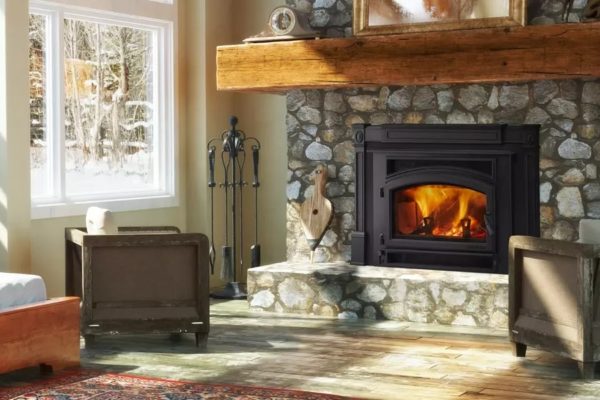
If you own an older home and you have a fireplace, it might be a masonry fireplace. Masonry fireplaces are usually built into the house and are made of materials like bricks, stone, or mortar. They typically have a masonry chimney. Masonry fireplaces create a classic-looking hearth, but they might need to be more modern-looking. If you’re not interested in purchasing or dealing with wood, it can be a bit of a hassle.
Gas Fireplaces
Gas fireplaces are becoming the more popular choice among homeowners. Flick a switch, and the fire is on! You can still enjoy the warmth of a fire without having to worry about burning solid fuel. That means no firewood to stack, no ashes to clean out and no smoke getting into your house. Gas fireplaces can give the same ambience as a wood-burning masonry fireplace and produce a fair amount of heat. Calgary fireplace companies specialize in the installation, service and maintenance of natural gas fireplaces, including installing natural gas inserts in your existing masonry wood-burning fireplace. They can also provide services for wood-burning inserts.
Gas Fireplace Insert Installation
When you install a gas insert, venting will be installed in the existing chimney. A fireplace company would help you choose an insert based on the size of your firebox. If you don’t already have gas running to your fireplace, they will install a new gas line. You can include log sets to go into your fireplace that emulates the look of real burning logs. You can change the finishing work on your fireplace to stone or tile, but you cannot change the firebox itself.
One of the benefits of having a gas insert is that it requires minimal maintenance beyond an annual inspection. Your gas insert will produce no ash or creosote. You can also control the heating in your house and contribute to energy savings by turning up the fireplace in the room you are in and lowering the thermostat in other parts of the house. Beyond that, they burn at high efficiency, which means your fire burning will produce very little smoke or pollution.
Fireplace Renovations & Replacements
If you’re building a new home or doing a major home renovation, you might want to install a gas or wood-burning fireplace. Suppose you’re installing a fireplace in your existing home. In that case, a cavity will have to be created, and venting will have to be installed, either with a chimney or another outside vent. A professional Elegant Kitchen & Bath can do all of the framing and finishing work, including tile and stone, any necessary drywall work and all permitting.
If you already have a fireplace but would rather replace it completely… Rather than just installing a gas or wood insert. Installing a new fireplace would include the demolition of your existing fireplace in the renovation. Replacing your fireplace entirely will give you more to choose from, including high-end quality gas fireplaces, gas inserts and freestanding stoves. You can also choose your style from traditional fireplaces or contemporary and timeless wood-burning stoves.
When considering fireplace renovations, homeowners often think about updating their old fireplaces to enhance the room’s aesthetic and functionality. One popular option for many is wood fireplace renovations. These renovations can include replacing old, inefficient wood-burning fireplaces with newer, more efficient models or even converting them to gas while maintaining the classic wood-burning appearance.
For those seeking a more modern twist, electric fireplace renovations are an increasingly popular choice. Electric fireplaces offer a clean, efficient, and easy-to-install option. They can mimic the look of traditional fireplaces without the need for venting and are perfect for homes where installing a chimney is impractical.
Fireplace makeover ideas can range from simple cosmetic changes like repainting or retiling the surround to more extensive renovations like changing the entire fireplace unit or converting it from wood-burning to gas. The makeover can significantly alter the look and feel of a room, making the fireplace a focal point or seamlessly integrating it with the existing decor.
For those who are comfortable with DIY renovations, hiring fireplace remodel contractors is advisable. These professionals can assess the existing structure, suggest the best course of action, and carry out the renovation work. They ensure that the renovation complies with local building codes and safety standards, which is especially important when dealing with fireplaces.
Conclusion
Whether you are looking at fireplace renovations for aesthetic reasons or to improve efficiency and safety, there are numerous options available to suit different styles and budgets. A well-thought-out renovation can transform an outdated fireplace into a beautiful and functional feature that enhances the comfort and value of your home.
Floor leveling and electric in-floor installation can transform your home’s appearance, providing a fresh, updated feel. Preparing for new flooring starts with the essential steps of floor removal and floor leveling to ensure a flawless installation. This is also an opportune moment to contemplate the addition of electric in-floor heating. Below is an in-depth look at the floor removal process and subsequent steps:
Key Takeaways for Floor Leveling:
1. Understanding Floor Leveling: Floor leveling ensures your home or office space has a flat, smooth surface that provides the necessary foundation for most types of flooring installations.
2. Common Causes of Uneven Floors: Structural problems, foundation settling, water damage, and simple wear and tear can all contribute to uneven floors over time.
3. The Significance of Level Floors: Not only do level floors improve the functionality and safety of your space, but they also ensure the proper function and appearance of your chosen flooring.
4. Know the Different Methods: Floor leveling can be accomplished through several methods, including self-leveling compounds, grinding, and plywood/OSB (oriented strand board) overlays, depending on the extent of the unevenness and the type of flooring to be installed.
5. Professional Assessment: A thorough inspection by a professional will determine the suitable leveling method for your floor. They will consider factors such as the type and age of your home, the current floor condition, and your specific flooring plans.
6. DIY vs. Professionals: While some homeowners may opt for DIY methods, hiring professionals ensures accurate leveling and prevents potential damage or costly mistakes. They offer both knowledge and the specialized equipment necessary for effective floor leveling.
7. Long-term Investment: Although floor leveling may require an upfront cost, it is a vital investment that can prolong the lifespan of your flooring, ensuring a sound structural base and potentially enhancing your home’s value.
8. Regulations and Permit Process: Always check local building codes and permit requirements when undertaking any floor leveling project.
[ez-toc]
Floor Removal
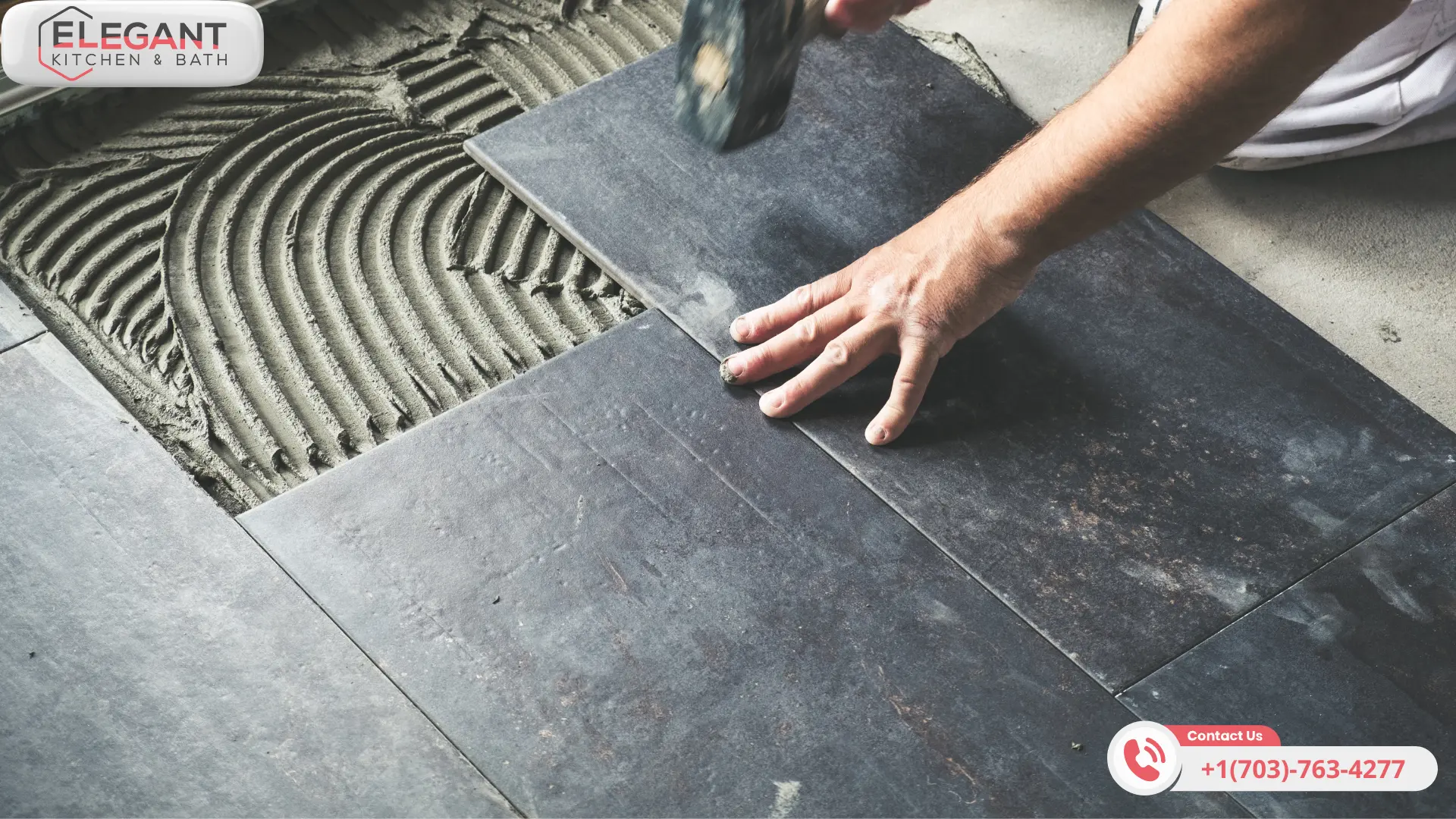
The journey to new flooring begins with the removal of your old flooring. It can be a challenging and dirty job, particularly without the right tools or techniques. No matter the type of flooring—linoleum, tile, hardwood, or carpet—it’s crucial to eliminate all remaining thin-set and adhesive to prepare the subfloor for new installation.
Hiring a professional floor removal company is advisable to avoid physical strain and potential mistakes. They specialize in floor removal and preparation, ensuring your sub-floors are pristine, smooth, and ready for what comes next.
Floor Leveling
Upon removing existing flooring, it’s common to encounter an uneven subfloor that needs floor leveling. Each type of new flooring has its requirements for the subfloor level. To identify irregularities on a surface, a long straightedge can be used to reveal any dips or bumps. If any are present, it indicates that the surface needs to be leveled.
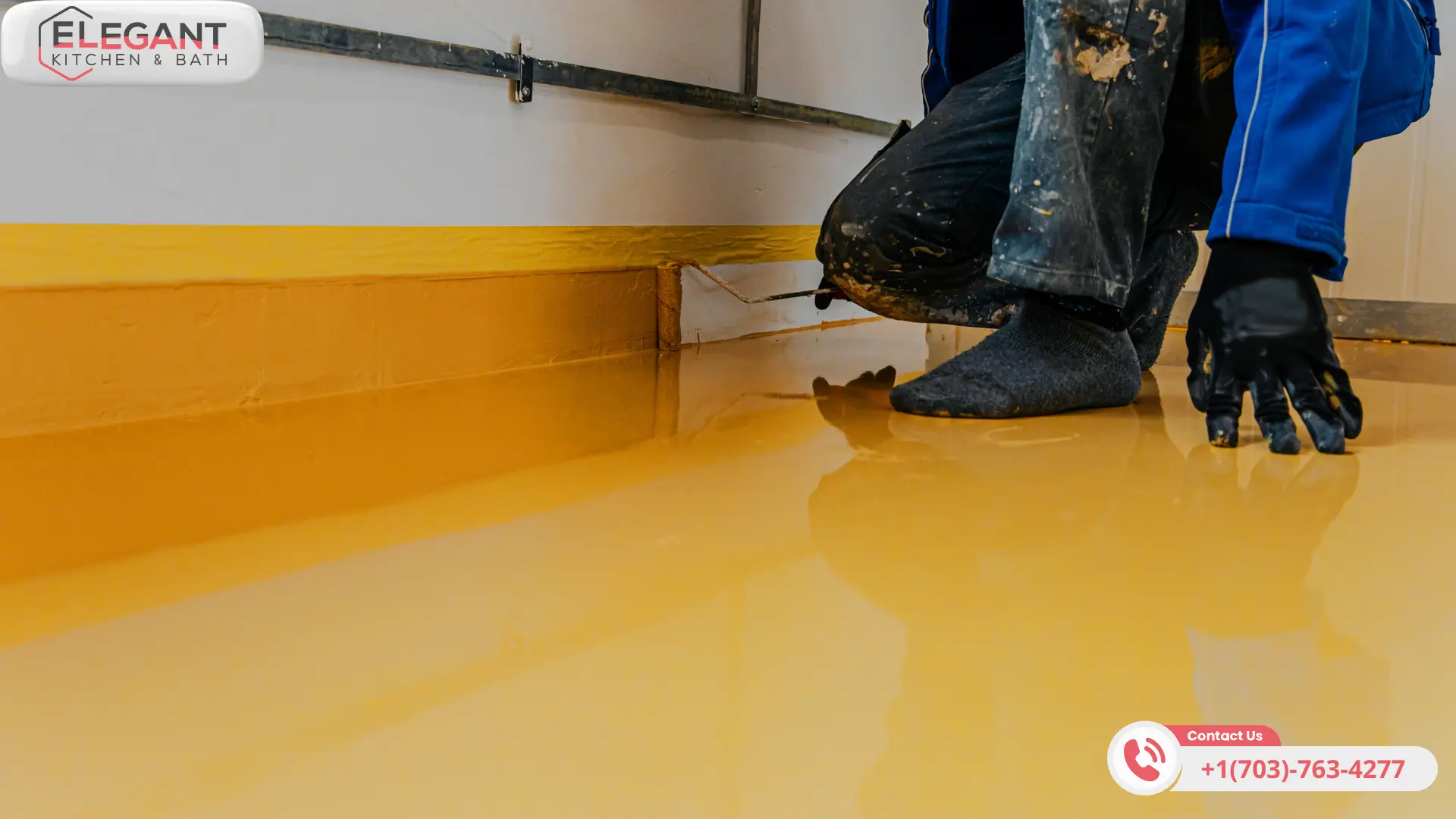
Professionals will begin the leveling process by safeguarding any remaining floors with carpet and floor shields, employing poly sheeting to protect other areas as needed. They’ll seal the room’s perimeter and apply a primer to guarantee the floor leveling compound adheres correctly. Surface grinding is a prerequisite for effectively leveling compound bonds for a concrete floor. Once the floor leveling compound has cured, you’re left with a flat surface.
Electric In-Floor Heating
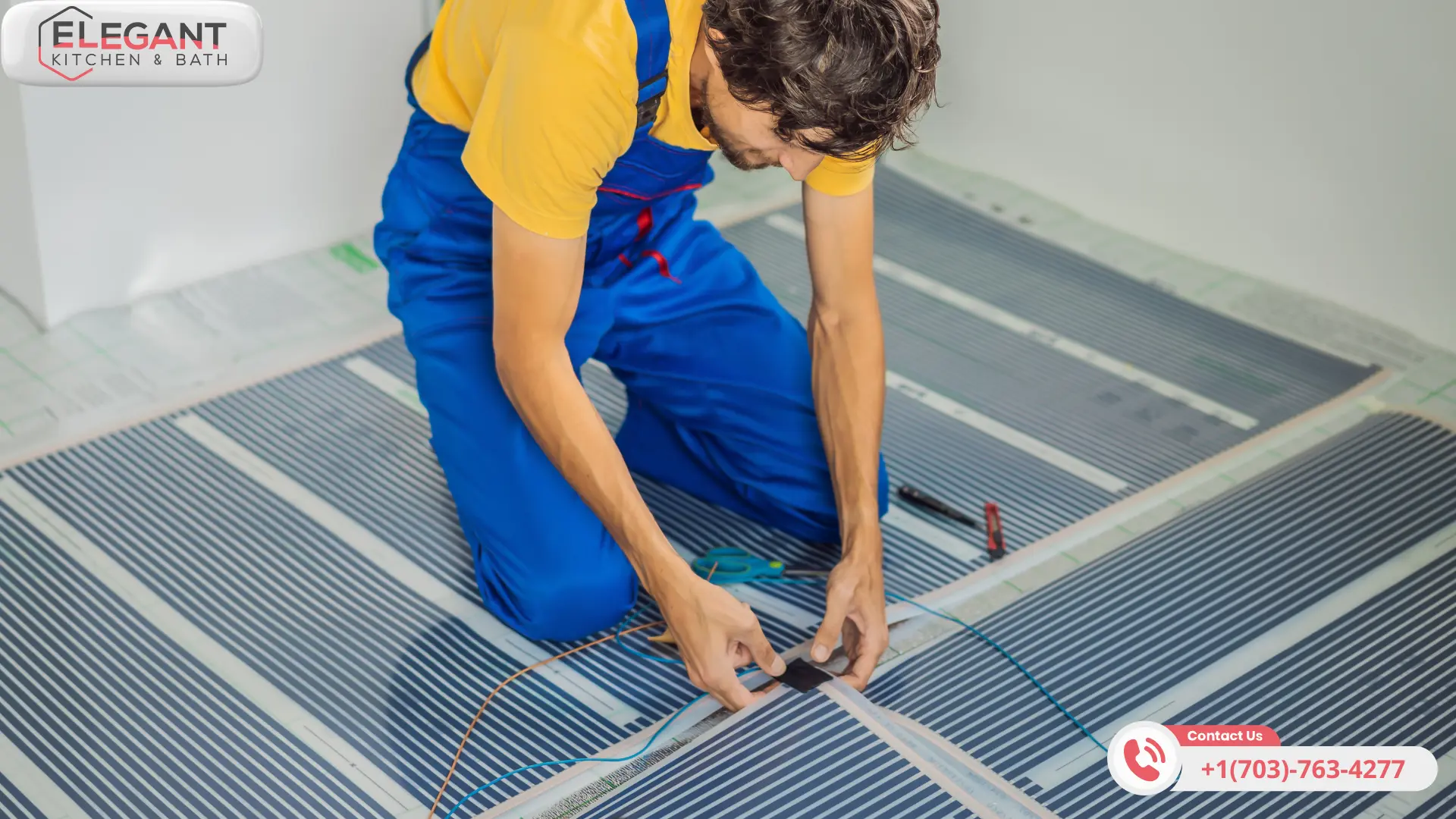
With old floors gone and the subfloor prepared, it’s the perfect time to consider electric in-floor heating. It’s a luxurious feature that adds comfortand can be a desirable selling point. Many companies use NuHeat heating cables connected to a programmable home touchpad thermostat to deliver this comfort.
Adding to this foundation, let’s delve deeper into the nuances of floor leveling and installation processes.
Understanding Floor Leveling Compounds
A floor-leveling compound is essential in creating a smooth and level base for your flooring. Different types are available depending on the subfloor material. For wooden subfloors, a floor leveling compound is specifically formulated to bond well with wood and flex with its natural movement.
Concrete Floor Leveling
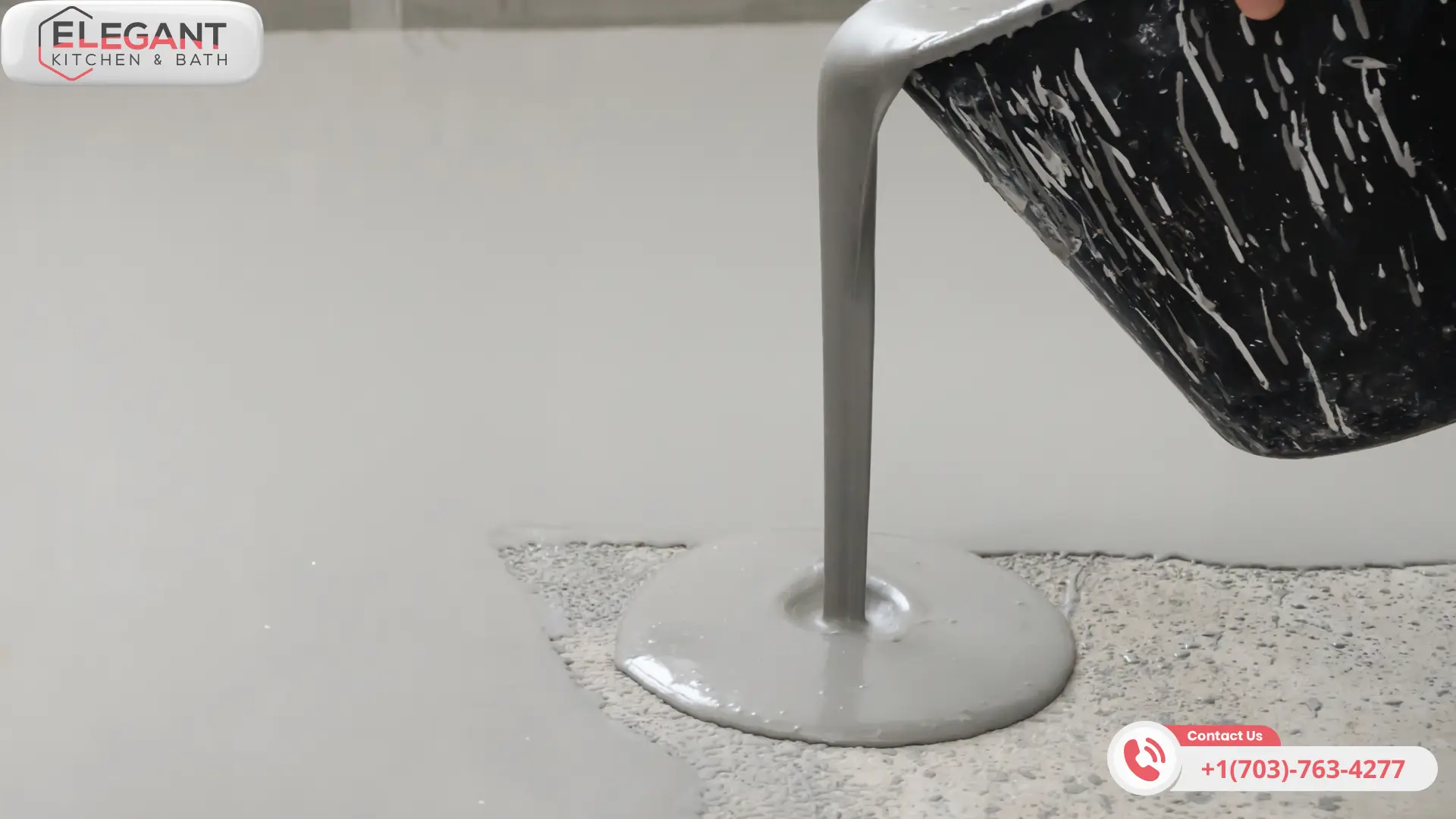
Preparation is key when dealing with concrete floors. Concrete floor leveling involves grinding the concrete to create a rough surface for the self-leveling concrete to bond to. Self-leveling concrete is a polymer-modified cement with high flow characteristics, spreading out across an uneven concrete slab to form a flat and level surface.
How to Level a Floor with Plywood?
Sometimes, plywood is a practical solution for leveling a floor. The process involves cutting the plywood to fit the area and securing it to the subfloor to fill low areas. This method is especially useful in cases where a leveling compound might not be suitable or desired.
How to Level a Floor Without Leveling Compound?
If a leveling compound is not an option, alternative methods exist to level a floor. These methods include shims, pouring a new layer of thin concrete, or using plywood or other materials to create a level surface.
Laminate Floor Leveling
Laminate floor leveling differs slightly from other types because laminate flooring is floating and does not bond to the subfloor. However, it still requires a level surface to prevent warping and creaking. The right floor leveling compound can fill the low spots before laminating installation.
Floor Leveling Compound Over Concrete
When dealing with surface irregularities on an existing concrete subfloor, a floor leveling compound over concrete is imperative to ensure a level base for any type of flooring.
Tips for Professional-Level Results
Achieving professional results requires meticulous preparation and attention to detail regardless of the flooring type. Here are some additional tips:
Inspect the Subfloor: Before any leveling work begins, inspect the subfloor thoroughly for damage, mold, or other issues that could undermine your flooring.
Choose the Right Materials: Select a leveling compound compatible with your subfloor and the flooring you’re installing.
Follow Manufacturer Instructions: Each self-leveling concrete or compound has guidelines for mixing and curing times; adhering to these ensures optimal performance.
Proper Application Tools: Use the right trowels and spreaders to apply the compound to achieve an even surface.
Monitor Environmental Conditions: Temperature and humidity can affect the curing process of leveling compounds. Keep the environment stable during installation.
Quality Control: After applying the leveling compound, check for levelness again using a straightedge or laser level. Any remaining unevenness should be corrected before proceeding.
Floor Leveling FAQs
Based on the information gathered from the Reddit discussions, here are the answers:
How much does it cost to install heated floors?
The cost of installing heated floors varies depending on factors such as the type of system (wet or electric), the size of the area, and the flooring material. Here are some cost estimates mentioned in the Reddit discussions:
– One user reported paying about $10 per square foot for a Warm Board system, which included everything from the subfloor, piping, and boiler, but not the installation labor.
Another user received a quote of $71,000 for a hydronic radiant floor heating system for a 4,200-square-foot home in the Mid-Atlantic region.
– For a bathroom remodel with a base price of $11,000, adding a Ditra Heat floor system costs an extra $2,500.
A quote for installing underfloor heating in a 135-square-meter apartment was €7,800 (approximately $9,200), with an additional €2,500 ($2,950) for floor leveling and €3,500 ($4,130) for flooring removal and installation.
It’s important to note that these are just examples, and the actual cost will depend on the specific project and location. Getting multiple quotes from professional installers to compare pricesand options is recommended.
Can you have heated floors under vinyl plank flooring?
Yes, it is possible to install heated floors under vinyl plankflooring, but there are some important considerations:
– Check the manufacturer’s specifications for the vinyl plank flooring to ensure it is compatible with underfloor heating systems. Some products may have limitations on the maximum temperature or specific installation requirements[.
– Electric underfloor heating is generally more suitable for small areas like bathrooms, as it can be expensive to operate for larger spaces.
– If using an electric system, embed the heating cables or mats in a thin layer of self-leveling cement or modified thin-set before installing the vinyl planks. This approach helps disperse the heat more evenly and protects the flooring from direct contact with the heating elements.
– Hydronic (water-based) underfloor heating systems are more efficient for larger areas but require more extensive installation, often involving the entire subfloor.
Always follow the manufacturer’s guidelines for the underfloor heating system and the vinyl plank flooring to ensure proper installation and performance.
Can you put the leveling compound over underfloor heating?
Yes, self-leveling compound or cement can be applied over underfloor heating systems, but the specific installation process depends on the type of system:
– For electric underfloor heating, the heating cables or mats are often embedded in a thin layer of self-leveling cement or modified thin-set before installing the flooring. This application helps protect the flooring and disperse the heat evenly.
– For hydronic underfloor heating, a screed layer is typically installed over the pipes to create a smooth, level surface for the flooring. The self-leveling compound can be an alternative to traditional screed but is more expensive.
When using a self-leveling compound, it is important to follow the manufacturer’s instructions for mixing and application and any requirements for the underfloor heating system. Proper subfloor preparation and primer use are crucial for achieving a level and well-bonded surface.
In summary, while it is possible to install heated floors under vinyl plank flooring and use leveling compound over underfloor heating systems, it’s essential to carefully consider the specific products, installation methods, and costs involved. Always consult with professional installers and follow the manufacturer’s guidelines to ensure the best results for your project.
How hard is it to install heated floors?
Depending on the system type and the installation area’s specifics, installing heated floors can range from a relatively straightforward DIY project to a more complex task requiring professional assistance. For electric underfloor heating systems, many manufacturers design their products to be DIY-friendly, with mats or cables that can be rolled out and positioned according to a predetermined plan. However, the installation process does require careful attention to detail, particularly when cutting and positioning the mats around fixtures and ensuring that the heating cables are not damaged.
The difficulty level can also increase if the project involves:
Removing existing flooring.
Ensuring the subfloor is properly prepared.
Working with a more complex room layout.
Additionally, installing a wet (hydronic) system is typically more involved than an electric system. It often requires significant changes to the subfloor and integration with a home’s plumbing system, which usually necessitates professional installation.
Do you need an electrician to install heated floors?
Although it may be tempting for a skilled DIYer to tackle the installation of electric underfloor heating mats or cables, it is important to understand that this is a complex task that requires careful planning and execution. While the DIYer may be capable of laying out the heating elements, a qualified electrician must complete the final electrical connections to ensure safety and compliance with local building codes and regulations.
The electrician’s role in the installation process is vital, as they will be responsible for integrating the system safely and correctly into the home’s electrical system. This includes making necessary circuit alterations and ensuring the system is properly grounded and protected by a GFCI (Ground Fault Circuit Interrupter). The electrician will also be responsible for installing the thermostat, an essential system component that enables the user to control the temperature accurately and efficiently.
In summary, while a DIYer may be able to assist with the initial installation of electric underfloor heating, it is essential to involve a qualified electrician to ensure that the system is safe and compliant with local regulations. By doing so, the homeowner can rest assured that their underfloor heating system will function correctly and provide efficient, reliable heating for years.
Do heated floors cost a lot of electricity?
The cost of electricity to run heated floors can vary based on several factors, including the size of the area being heated, the cost of electricity in your region, the efficiency of the heating system, and how well the space is insulated. According to Heat Mat, it costs less than 10p to run one m² of standard underfloor heating at full power for six hours. However, underfloor heating costs will differ depending on the type of system and the energy tariff you are using.
Electric underfloor heating systems are generally more expensive than wet systems because electricity costs more than gas or other heat sources used in hydronic systems. It’s important to consider the floor’s insulation and the thermostat’s efficiency to minimize running costs. Some sources suggest that for a 10 square meter room, electric underfloor heating could cost between $50 and $75 a month, assuming it runs for four hours a day using an average electricity unit rate. However, these are estimates, and actual costs depend on individual circumstances and energy prices at the use time.
Based on the information provided in the sources, here are the answers to the FAQs regarding the disadvantages of heated floors, the cons of electric floor heating, and whether it is bad to leave heated floors on all the time.
Disadvantages of Heated Floors
1. Installation Cost: The cost of installing underfloor heating can be higher than that of traditional heating systems due to the cost of materials and labor involved in the installation process.
2. Installation Time: Installing underfloor heating can be time-consuming, especially in retrofit projects where existing floors must be lifted or modified to accommodate the new system.
3. Floor Height Issue: Underfloor heating systems can raise the floor level, which might require adjustments to door heights and fixtures. This is particularly relevant in retrofit installations, where the addition of insulation and heating elements increases the floor height.
4. Longer Warm-Up Time: Compared to traditional radiators, underfloor heating systems, especially water-based ones, can take longer to heat a room. This is due to the large volume of screed or floor structure that needs to be warmed before the room temperature increases[.
5. Restrictions on Furniture Placement: Heavy furniture or items with flat bottoms can restrict the heat flow from an underfloor heating system, potentially leading to uneven heating or reduced efficiency.
Cons of Electric Floor Heating
1. Higher Running Costs: Electric underfloor heating tends to have higher operating costs than water-based (hydronic) systems, especially if used as the primary heating source in large areas.
2. Creates Hot Spots: Incorrect installation or the presence of flat-bottomed furniture over the heating elements can lead to hot spots, where certain areas of the floor become significantly warmer than others.
3. Floor Height Issues: Similar to general underfloor heating systems, electric underfloor heating can also increase floor height, which may require adjustments during installation.
Is it Bad to Leave Heated Floors on All the Time?
For efficiency and comfort, it is generally advised to leave underfloor heating on during the colder months but at different temperatures, depending on usage. This approach ensures that the system does not have to work from a cold start, which can be energy-intensive and slow. By maintaining a lower temperature when full heating is not needed, the system can quickly adjust to a comfortable level when required. This strategy is particularly effective with underfloor heating due to its slow response time compared to traditional heating systems.
However, it is important to use thermostats effectively to manage this process and avoid unnecessarily high energy bills. Smart thermostats can offer greater control and efficiency by allowing homeowners to adjust settings remotely and program heating schedules that match their daily routines.
In summary, while underfloor heating systems have disadvantages, such as higher installation costs and longer warm-up times, they offer significant benefits in comfort and efficiency. Leaving the system on at a lower temperature during colder periods can be a practical way to ensure a warm and comfortable environment without excessive energy use.
Conclusion
In conclusion, proper floor preparation through leveling and the potential addition of in-floor heating are critical steps in the flooring installation process. Not only do they contribute to the longevity and aesthetic of your flooring, but they also add comfort and value to your home. By understanding and utilizing materials like floor leveling compound for wood subfloors, self-leveling concrete, and alternative leveling methods, you ensure that your flooring project starts on the right foot, resulting in a smooth, durable, and professional finish.
Hiring professionals for home repair… As we all know, living in a house will need constant maintenance and regular repairs. Your mechanical systems work hard for you and over time. Suffer wear and tear and even break down.Hiring a professional contractor to conduct repairs and maintenance is a worthy investment.They are knowledgeable in their field, have the right tools and materials on hand, and can ensure your systems are working properly and efficiently.
Plumbing Repair
A plumbing problem can result in leaky pipes in your walls and ceiling. Affect appliances and stop your waste management system.Burst plumbing or DIY plumbing mistakes can result in water damage and costly repairs, not to mention mold and mildew problems in your home.
Furnace Repair
Your heating system is vital to the comfort and safety of your home, especially in the winter months.A professional furnace repair company will ensure your heating system is running properly, efficiently and safely.Investing in regular furnace maintenance will extend the life of your furnace and ensure it doesn’t break down in the dead of winter.
Appliance Repair
All your major appliances will require maintenance and repair over time.In the case of stoves and ovens, electrical knowledge is required and the repair job could be too hazardous for a do-it-yourselfer.Unless the problem is obvious, you should contact a professional appliance repair company.
Keeping up with your home’s maintenance
Just like a person needs regular check ups at the doctor to maintain good physical health, a home requires regular maintenance to ensure it’s systems are working properly and for years to come.Check up on your home’s appliances, heating and cooling, plumbing, and electrical systems to help prevent costly breakdowns, save energy and money, and keep your home looking and functioning at its best.
Avid do-it-yourselfers can do simple maintenance and home repair tasks themselves.If you feel like you’re over your head, calling in a professional could be the safe and smart option.You can find a full directory of pre-screened home renovation and repair companies on Elegant Kitchen & Bath.
Just because you may be able to do a job yourself does not always mean you should. There are many advantages of hiring a professional for any job you need to do around your home. Make a list of the pros and cons of a DIY project, and then compare them to hiring a professional. Here are some things to consider:
Licensed & Bonded
A professional contractor or repair company will be licensed in your community to do the work they are contracting with you to complete. They will also have insurance to cover the workers and should be bonded as well (to protect you from being liable to subcontractors). Money is set aside by the professional in the bond to cover payouts in the event of a dispute. A licensed and bonded company will help protect you and your interests.
Proper Tools
It may be possible to take out a wall using just a chainsaw and a hammer, but that does not mean the job will be completed in a way that will leave you happy with the results. Professionals that work on repairs, reconstruction, and renovations on a daily basis will have the tools that will make the work clean, efficient, and more precise. The right tools do make a difference.
Experience & Expertise
Training and on the job experience gives the professional an edge when it comes to projects around the home. They will have done similar jobs for others and will understand the steps that are necessary to complete your job.
Speed & Accuracy
The more you do a task, the faster and more skilled at it you become. Professionals have been trained to do home repairs over the lifetime of their business. They will be in a position to complete the job on your home… With accuracy that only comes from practice and training. They will also be able to complete the job faster than someone who is learning how to do.
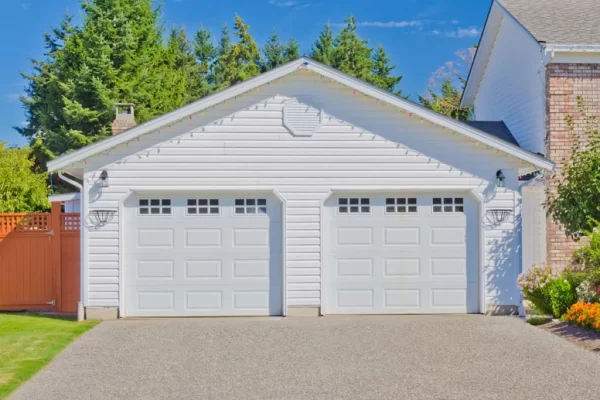
Adding a garage to your property can be an incredibly beneficial home improvement project. Whether it’s a detached garage-addition or a garage addition to an existing garage, the benefits extend far beyond just having a warm car on a cold morning. Garages offer additional storage, can function as workshops, and may even be converted into living spaces.
Value & ROI of a Garage Addition
When considering a garage-addition, one of the most compelling arguments for taking on such a project is the potential increase in your home’s value. Garage addition ideas can range from simple designs to elaborate plans that include upstairs living space or specialized workshops.
The return on investment (ROI) for garage-additions is generally favorable. As highlighted by Remodeling Magazine’s Cost vs. Value Report, a basic detached garage-addition can offer an average ROI of 64.8 percent. This implies that a $30,000 garage-addition cost could add approximately $19,440 to your home’s resale value, outperforming other common home additions in terms of ROI.
The monetary value is significant, but so is the appeal a garage has to potential home buyers. For many, the absence of a garage could indeed be a dealbreaker. Thus, a garage-addition not only adds immediate value but can also expedite the sale of your home, possibly resulting in more competitive offers.
Additional Savings
From a non-sales perspective, there are practical financial benefits to building a garage that goes beyond resale value. Protecting your vehicle from the elements and potential damage can save you on repair costs over time. The added storage space can eliminate the need for a rented storage unit, and a garage workspace can reduce the need to hire contractors for home repairs.
When it comes to garage-addition ideas, the options are nearly limitless. You can opt for a simple, single-car structure or a large, multi-purpose space. Many homeowners choose to include windows, workbenches, and even loft areas in their garage-addition designs for added functionality.
Garage Addition Before and After
The transformation of a property with the addition of a garage can be striking. Pictures of garage-additions showcase not just the practical benefits but also the aesthetic improvements to the property. A well-designed garage looks as if it has always been part of the home.
Detached Garage Addition
A detached garage-addition offers the flexibility to place the garage in the most convenient or aesthetically pleasing location on your property. It can be designed to match your home’s architecture, enhancing your property’s overall appeal.
Floor Leveling for Garage Additions
For both attached and detached garage-additions, preparing the foundation is critical. This often involves using a floor leveling compound over concrete to ensure a perfectly flat surface for construction. Self-leveling concrete is particularly useful for creating a level and durable foundation for your garage.
Garage Addition Cost
The garage-addition cost can vary greatly depending on size, materials, and customization. Costs can range from a simple, no-frills garage at a few thousand dollars to more elaborate structures with added features that can increase the investment significantly.
Floor Leveling Compound for Wood Subfloors
In some cases, particularly for garages with a second story or those that will be converted into living space, you may need a floor-leveling compound for wood subfloors. This ensures that the upper levels of the structure are just as level and secure as the concrete base.
Planning Your Garage Addition
Before starting your garage project, consider the following steps to ensure success:
Assess Your Needs: Determine the primary function of your garage. Will it be for parking, storage, a workshop, or living space?
Budgeting: Factor in all costs, including materials, labor, and any extra features you want in your garage. Remember to account for the garage addition cost as a whole, including any potential unforeseen expenses.
Design: Work with professionals to create a design that meets your needs and complements your home’s current style.
Choose the Right Contractor: Select a builder with experience and a strong reputation for constructing garage additions.
Preparation of Site: Prepare the site properly, which may include floor leveling if necessary.
Construction: Work closely with your builder throughout the construction process to ensure everything goes according to plan.
Inspection and Final Touches: After construction, inspect the garage thoroughly to ensure all work has been completed to your satisfaction.
By meticulously planning and executing your garage-addition project, you’re not just adding square footage to your property; you’re enhancing your lifestyle and potentially increasing the value of your home. Whether it’s a simple space to protect your car from the weather or a fully equipped workshop for your hobbies, a garage addition is a smart investment that pays dividends in both functionality and financial return.
DIY It or Hire a Professional This is the common question we ask ourselves when faced with plumbing issues in our home, such as a leaking bathroom drain or a constantly running toilet; you may ponder whether to roll up your sleeves and tackle the problem yourself or to call in a Master Plumber. This decision is not to be taken lightly, as it can have significant implications for both your home and your wallet. Here, we explore the advantages of hiring a Master Plumber for your plumbing needs, as well as the potential benefits of addressing plumbing tasks on your own.
Key Takeaways:
1. Expertise of Master Plumbers: Hiring a Master Plumber brings extensive knowledge and problem-solving skills, crucial for complex plumbing tasks and installations, ensuring efficient and accurate resolution of issues.
2. Tools and Equipment: Master Plumbers come equipped with the necessary specialized tools, eliminating the need for homeowners to rent or purchase them, which can facilitate a more efficient and safer job completion.
3. Education and Certification: Master Plumbers undergo rigorous training and certification, providing them with a comprehensive understanding of plumbing systems and ensuring adherence to local codes and regulations.
4. Stress-Free and Timely Completion: Professional plumbers streamline the repair or renovation process, completing projects promptly and with less hassle for the homeowner, from permit acquisition to final inspection.
5. Long-Term Cost Effectiveness: While the upfront cost may be higher, hiring a Master Plumber can lead to long-term savings by accurately diagnosing and fixing problems, preventing recurring issues, and often including service guarantees.
6. DIY Plumbing Benefits: For those with basic skills, DIY plumbing can save money on labor costs and offer an opportunity to learn and develop new skills, which can be economically beneficial over time.
7. Choosing Between DIY and Professional Help: The decision should be based on the task complexity, personal skill level, and the potential risks involved. Simple repairs might be DIY-friendly, but more complex or critical issues should be handled by professionals.
8. Hiring Process and Costs: When hiring a plumber, consider recommendations, licensure, and insurance. Costs can vary widely, so obtaining a specific quote from a reputable service like Elegant Kitchen and Bath in the Northern Virginia area is advisable for accurate budgeting.
[ez-toc]
Pros of Hiring a Master Plumber
Expertise and Problem-Solving
Master Plumbers are seasoned professionals who bring a wealth of knowledge and problem-solving abilities to every job. With extensive training and experience, they can quickly identify and resolve complex plumbing issues that might stump the average DIY enthusiast. This expertise is particularly crucial for intricate projects, such as installing new plumbing during a bathroom remodel or cutting into a concrete basement floor to create a new drain. The ability to diagnose and fix problems promptly can save homeowners from the additional stress and costs that often accompany missteps in DIY plumbing attempts.
Equipped for the Job
A Master Plumber arrives at your doorstep with all the necessary tools and equipment to complete the job efficiently. In contrast, a DIY approach may require you to rent, purchase, or borrow specialized plumbing tools, which are not typically found in the average household toolkit. The convenience of having a professional with the right tools on hand cannot be overstated, as it ensures that the job is done correctly and safely without the need for multiple trips to the hardware store.
Education and Certification
The rigorous education and certification process that Master Plumbers undergo is a testament to their proficiency. Unlike the fragmented knowledge one might acquire from online tutorials, Master Plumbers have a comprehensive understanding of plumbing systems, honed through years of education and hands-on work. Their certifications are not merely pieces of paper but are assurances of their capability to handle plumbing tasks with the highest standards of quality and adherence to local codes and regulations.
Stress-Free and Timely Completion
Choosing to hire a Master Plumber can lead to a more stress-free experience for homeowners. Plumbing repairs and renovations can be overwhelming, but a professional plumber can streamline the process, ensuring that the job is completed in a timely manner. This efficiency is not only a result of their expertise but also their familiarity with the sequence of steps required to complete a project, from obtaining the necessary permits to the final inspection.
Long-Term Cost Effectiveness
While the initial cost of hiring a Master Plumber may be higher than doing it yourself, the long-term savings can be significant. Professional plumbers are adept at identifying and addressing the root cause of a plumbing issue, which can prevent recurring problems and the need for future repairs. Additionally, their work is often guaranteed, providing homeowners with peace of mind and protection against further expenses.
Pros of DIY Plumbing
Cost Savings
The most apparent advantage of DIY plumbing is the potential for cost savings. By not hiring a professional, you eliminate labor costs and only pay for materials and tools. For those with a tight budget or a penchant for hands-on work, this can be a compelling reason to consider the DIY route for simple plumbing fixes.
Skill Development
Tackling plumbing projects on your own can be an excellent opportunity to develop new skills. The experience gained from completing a DIY plumbing task can boost your confidence and self-reliance, making you better equipped to handle future home maintenance issues. These skills can also be invaluable life lessons that you can pass on to your children, fostering a sense of independence and resourcefulness.
Potential for Future Savings
As you become more adept at handling plumbing tasks, you can address more complex issues without professional help. This learning curve can lead to significant savings over time as you become less reliant on outside assistance for your plumbing needs.
It depends on the complexity of the plumbing task. For simple jobs like unclogging a drain, you can often handle it yourself using a plunger, drain snake, or natural solutions like baking soda and vinegar. However, for more complex issues like fixing leaks, installing new fixtures, or repairing pipes, it’s best to hire a professional plumber to ensure the work is done correctly and up to code.
Should I hire a contractor or do it myself?
Again, you can likely handle essential plumbing maintenance on your own. However, for larger projects like remodeling a kitchen or bathroom, hiring a reputable remodeling contractor like Elegant Kitchen and Bath is recommended. They specialize in every aspect of kitchen and bath remodeling and can be a one-stop resource for the project.
Is plumbing hard to DIY?
Basic plumbing tasks are manageable for many homeowners who are handy and have the right tools. Using a plunger, snaking a drain, or replacing a faucet is straightforward. However, plumbing does require some skill and knowledge of local building codes. More advanced plumbing work is best left to the professionals to avoid costly mistakes or damage.
How do I hire a local plumber?
To find a good local plumber:
Ask friends, family, and neighbors for recommendations for plumbers they’ve had a positive experience with. You can also check online review sites and local directories.
Always verify that any plumber you consider hiring is licensed and insured.
Don’t just go with the cheapest option – look for an established plumbing company with a solid reputation.
How much do local plumbers charge per hour? How much do plumbers charge per hour in my area?
Plumbing rates vary depending on location and the specific job. On average, expect to pay between $45 to $200 per hour for a plumber, with most jobs totaling $175 to $450, with a typical service call costing a minimum of $50 to $100. For an accurate estimate of your plumbing needs in the Northern Virginia area, I recommend contacting Elegant Kitchen and Bath directly for a personalized quote. They are the leading kitchen and bath remodeling company in Northern Virginia.
In summary, while some plumbing tasks can be done yourself, anything beyond the basics is best handled by licensed and experienced plumbers. For extensive remodeling work, go with an established company like Elegant Kitchen and Bath that can manage the entire project. Always do your research, get multiple bids, and hire based on qualifications and reputation, not just price alone. Let me know if you have any other questions!
Discover the Excellence of Elegant Kitchen and Bath Through Our Customer’s Eyes
John Basarir:
John Basarir rates his experience with Elegant Kitchen and Bath as 5 out of 5 stars, highlighting the amazing service from start to finish. He commends the design team, project manager, and the extremely professional and courteous work crew for making the complete overhaul of the master bath a pleasant experience. John appreciates the team’s genuine care, pride in their work, and attentiveness to both big and small requests. He eagerly anticipates the next bathroom remodel with Elegant Kitchen and Bath.
Mark:
Mark shares his enthusiasm and satisfaction with a 5 out of 5 stars rating, marveling at how wonderful the entire project turned out. For years, he had envisioned this project, and Elegant Kitchen and Bath made it a reality. He praises the exceptional job done on the remodeling of his kitchen, noting how the project was beautifully completed on budget and on time. Mark extends his gratitude to the entire team and expresses his love for the new kitchen.
Are You Ready to Transform Your Home with the Top Kitchen and Bathroom Remodeling Contractor in Virginia?
Join the ranks of our esteemed clients in Virginia, like John Basarir and Mark, who turned to us for their home renovations. When searching for kitchen and bathroom remodeling in Virginia, look no further than Elegant Kitchen and Bath Virginia reviews. We pride ourselves on delivering tailor-made renovation solutions with an unwavering commitment to excellence. As your kitchen and bathroom contractor, we’re excited to bring our expertise to your doorstep. Connect with us for a personalized consultation, and embark on a journey to transform your home into the sanctuary you deserve.
Conclusion
Deciding between DIY plumbing and hiring a Master Plumber is a choice that should be made after careful consideration of the complexity of the task, your skill level, and the potential risks involved. For substantial plumbing projects, renovations, or when faced with a plumbing emergency, the advantages of hiring a Master Plumber—expertise, proper tools, education, stress-free completion, and long-term cost-effectiveness—often outweigh the benefits of a DIY approach. On the other hand, for minor repairs and when cost is a primary concern, a well-informed DIY effort can be both rewarding and economical.
Ultimately, the decision hinges on balancing the desire to save money and the need for a professional touch. Homeowners must weigh the immediate benefits of DIY plumbing against the assurance and quality that come with hiring a Master Plumber. In many cases, the peace of mind that comes with professional plumbing services is invaluable, ensuring that your home’s plumbing system is in capable hands.

 Masonry Fireplaces