Author: upmax Seo

An Idea About Kitchen Renovation in 2024

An Idea About Kitchen Renovation in 2024

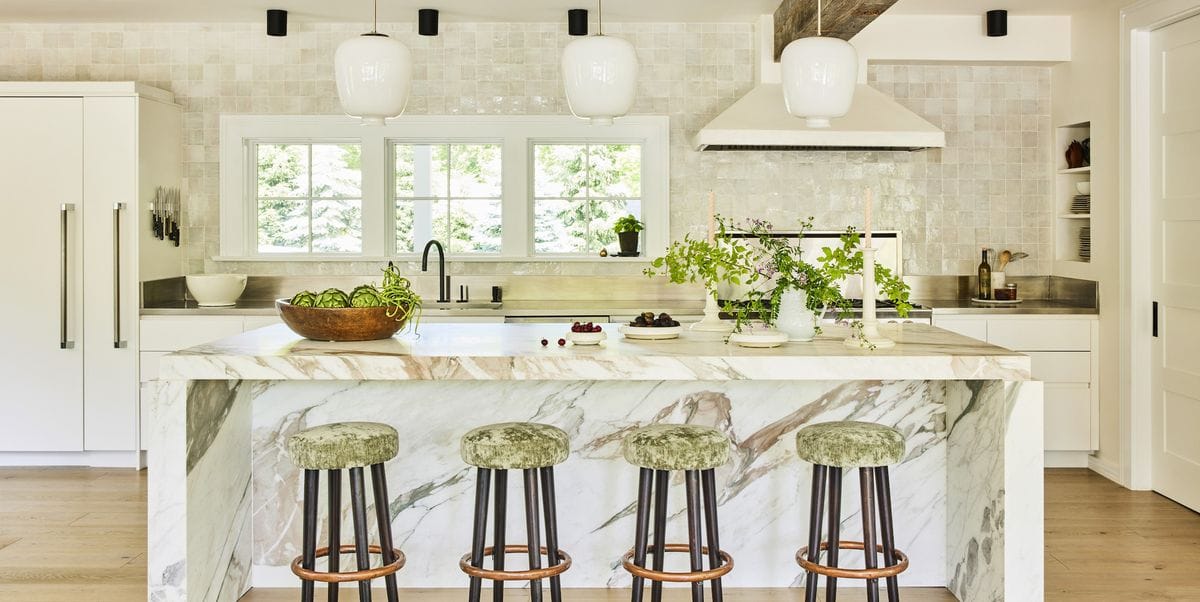
When it comes to kitchen design in 2024, it’s all about striking the perfect balance between simplicity and practicality. The current trends revolve around muted shades, elegant matte textures, and minimalist solutions. In this article, we’ll guide you through the process of selecting a trendy kitchen style that aligns with your preferences among a plethora of styles and materials available in the market.

Exploring the Top Kitchen Styles for 2024

Modern Style: The Epitome of Versatility

The modern kitchen style is a harmonious blend of understated design and practical functionality. It breaks free from rigid style boundaries and draws inspiration from a variety of design trends such as minimalism, Scandinavian, loft, hi-tech, and neoclassicism. This versatility makes it a standout interior trend in 2024, allowing you to create unique and highly functional kitchen spaces.

One of the distinctive features of the modern style is its suitability for both compact studio apartments and spacious kitchen living areas. In smaller spaces, it excels at designing compact kitchen sets. Conversely, in larger rooms, it can be expanded to incorporate a bar counter, an island, a dining area, a workspace, and even a cozy sofa for relaxation.

Scandinavian Style: Light and Airy Elegance

Scandinavian Style: Light and Airy Elegance

Scandinavian style continues to be a top choice for kitchens in 2024. It revolves around the combination of white surfaces with light wooden elements, resulting in a kitchen that feels airy, elegant, comfortable, and highly functional.

In the world of Scandinavian design, opulent jewelry, bright colors, and gilded accents are absolute taboos. Instead, Scandi embraces grace and an appearance of effortlessness. This practical approach makes it an ideal choice for kitchen interiors, as even minor cooking mishaps don’t disrupt the overall atmosphere.

The essence of Scandinavian design lies in its commitment to simplicity, respect for tradition, and a deep appreciation for nature. Textured surfaces, muted fabrics, and an abundance of natural light contribute to a warm and inviting interior. Moreover, the adaptable nature of this style allows homeowners to regularly refresh the space by experimenting with furniture arrangements, textiles, and intriguing accents like unique lamps, artistic vases, decorative wall panels, or cozy blankets.

Minimalism Style: Embracing Simplicity and Space

Minimalism Style: Embracing Simplicity and Space

Minimalism is synonymous with simplicity and style in 2024. Minimalist kitchens are characterized by clean lines, the absence of unnecessary details, and integrated handles that seamlessly blend with the smooth cabinet facades. By minimizing decorative elements, these kitchens maximize free space for living.

The shift towards minimalism is a response to the demands of modern life. Time is a precious commodity, and ornate cornices and elaborate decor elements require extensive cleaning and maintenance. Minimalist designs prioritize ease of cleaning, freeing up more time for homeowners to enjoy their favorite activities.

Proper lighting plays a crucial role in the layout of a minimalist kitchen, further enhancing the sense of space. Different areas of the kitchen feature dedicated lighting fixtures, including spotlights above the dining area, LED lights in the workspace, and both decorative and functional lighting in the storage zones. In 2024, diffused lighting is a prominent trend, casting a soft, cozy ambiance in the evenings and transforming the kitchen into a welcoming sanctuary.

Bridging the Gap Between Classic and Modern

Bridging the Gap Between Classic and Modern

In 2024, neoclassicism emerged as a trend that seamlessly merges classic aesthetics with modern functionality. It combines straight facades, reminiscent of classic design, with contemporary solutions such as efficient storage systems, high-tech appliances, and vibrant accents. This fusion breathes fresh life into kitchen interiors, making them appear both timeless and stylish.

Key characteristics of neoclassical style include a unified color scheme, the absence of overly flashy details, materials that mimic natural textures, and well-distributed lighting that enhances the overall ambiance. Functional innovations such as glass cooktops, modern chrome faucets, and cutting-edge appliances add a touch of novelty to this classic-meets-contemporary style.

Embark on Your Kitchen Renovation Journey

Embark on Your Kitchen Renovation Journey

As you embark on about kitchen renovation journey in 2024, consider these various styles to find the one that resonates with your preferences and lifestyle. A kitchen renovation is an opportunity to transform your space into a harmonious blend of aesthetics and functionality. Whether you gravitate towards the versatility of modern design, the airy elegance of Scandinavian style, the simplicity of minimalism, or the timeless appeal of neoclassicism, there’s a perfect kitchen style waiting for you.

Investing in about kitchen renovation is not only about enhancing the visual appeal of your home but also about improving the quality of your daily life. It’s an idea about kitchen renovation that can truly transform your living space into a modern masterpiece, where form meets function seamlessly. So, go ahead and embark on about kitchen renovation journey with confidence, knowing that you have a world of design possibilities at your fingertips in 2024.

Neoclassic Style | Idea About Kitchen Renovation

Neoclassic Style | Idea About Kitchen Renovation

Keeping up with the 2023 fashion for practical use, neoclassicism combines straight facades and the characteristic relief of a classic style with modern and functional solutions: thoughtful storage systems, high-tech appliances, and bright elements. This mix helps the kitchen look fresh and stylish.

Neoclassicism is characterized by:

– single color scheme

– lack of bright knock-out details,

– materials imitating natural

– quality fill lighting.

Accents of novelty in neoclassicism are usually functional: glass hobs, modern chrome faucets, latest generation appliances.

Exploring the Top Kitchen Styles for 2024

You can follow us on Social Media

For more information, you can contact us!

Upgrade To Home Automation In 2024

Embrace the Future: Upgrade to Home Automation in 2024

In recent years, home automation has transitioned from a luxury reserved for the elite to a practical and affordable choice for homeowners everywhere. The world of technology has continued to push boundaries, and the smart home industry has witnessed remarkable advancements. As a result, home automation is no longer a distant dream but a life-changing reality accessible to all.

home automation

Exploring the World of Home Automation

Security Cameras and Monitoring

One of the most significant advancements in home-automation is the integration of security cameras and monitoring systems. Imagine having the ability to view cameras strategically placed around your home, all from the convenience of your smartphone or other smart devices. Whether you’re at work, on vacation, or simply relaxing at home, you can keep a vigilant eye on your property.

But it doesn’t stop there. Smart doorbell cameras have taken home security to the next level. With a smart video doorbell, you can not only see who’s at your doorstep but also engage in real-time communication with visitors. Whether you need to instruct a delivery person on where to leave a package or simply want to have a conversation with a friend dropping by, it’s all possible with a smart video doorbell.

Advanced HVAC Control

Imagine the luxury of being able to control your home’s temperature from anywhere in the world. Home-automation makes it possible to adjust your heating and cooling system remotely, ensuring that you return to a perfectly comfortable environment. Are you worried about your teenagers tampering with the thermostat when you’re not around? With home automation, you can regain control and manage your HVAC system effortlessly through your device.

Lighting Controls and Programming

Smart lighting solutions have emerged as a game-changer in home automation. The ability to control your lights from anywhere in your home not only adds convenience but also helps you save energy. No more rushing back home to turn off lights you accidentally left on; with home-automation, you can do it with a simple tap on your device.

Moreover, light programming allows you to set the ambiance for various occasions. Imagine arriving home to a warm and welcoming atmosphere, with the lights dimmed just right for a quiet evening alone or a romantic night with your partner. Home automation can turn this into a reality, allowing you to set the mood even before you step through the front door.

Window Shades Control

Have you ever wished you could effortlessly open or close your window shades with the touch of a button? Home automation grants you this convenience and more. By automating your window shades, you can optimize energy efficiency by making the most of natural daylight. The shades can be programmed to open and close at specific times of the day, ensuring that your home is bathed in the perfect amount of light.

Energy Efficiency Benefits

Automated window shades contribute significantly to energy efficiency. They maximize the use of natural daylight, reducing the need for artificial lighting during the day. As a result, you’ll enjoy lower energy bills while reducing your carbon footprint. Additionally, precise control over shading systems is at your fingertips, allowing you to adjust the lighting conditions to your liking effortlessly.

Bringing Home Automation to Life

As you embark on your journey to upgrade to home automation in 2024, it’s crucial to partner with experts who understand the intricacies of this technology. That’s where home-automation companies like Elegant Kitchen & Bath come into play.

Elegant Kitchen & Bath: Your Home Automation Partner

Elegant Kitchen & Bath boasts a team of highly skilled professionals who specialize in a wide range of electrical services for both residential and commercial sectors. When it comes to home-automation, they are your trusted partners in turning your vision into reality.

Comprehensive Electrical Services

Their services encompass various electrical needs, ensuring that every aspect of your home-automation project is handled with precision and expertise. Some of their services include:

  • Electrical Inspections: Thorough inspections to identify any electrical issues and ensure the safety and functionality of your home’s electrical systems.
  • Repair and Replacement: Swift and reliable repair or replacement of electrical components, guaranteeing the uninterrupted operation of your home automation setup.
  • EV Charging: Installation and maintenance of electric vehicle (EV) charging stations, facilitating the transition to eco-friendly transportation.
  • Glowstone Lighting: Cutting-edge Glowstone lighting solutions to illuminate your space with elegance and energy efficiency.

As you leap into the world of home-automation in 2024, trust Elegant Kitchen & Bath to be your partner in creating a smart home that seamlessly blends technology, comfort, and convenience.

The Future Awaits

Upgrade to home automation in 2024 and embrace a future where your home is smarter, more efficient, and tailored to your lifestyle. With a plethora of possibilities and the expertise of home automation companies like Elegant Kitchen & Bath, your dream of a smart home is within reach. Transform your living space and experience the incredible benefits of home automation today.

You can follow us on Social Media

For more information, you can contact us!

What To Change During A Kitchen Renovation?

Are you contemplating a kitchen renovation? Embarking on this journey can be both exciting and challenging. With numerous options and possibilities, it’s crucial to have a clear direction. In this guide, we will explore kitchen renovation ideas that can breathe new life into your space. Whether you’re aiming for a small makeover or a complete overhaul, these insights will help you make informed decisions. Let’s dive in.

The Heart of Your Home: Kitchen Renovation Ideas

[ez-toc]

The Heart of Your Home: Kitchen Renovation Ideas

  • Cabinets: A Fresh Start

When it comes to a kitchen renovation, cabinets take center stage. They define the overall look and functionality of the space. Here’s what you need to consider:

– Cabinet Styles: Modern, traditional, or transitional? Explore various styles to find the one that resonates with your taste. Custom cabinets offer the flexibility to achieve your desired look and dimensions.

– Early Selection: Choosing cabinets early in the renovation process is crucial. Your cabinet style will influence other design choices, so make this decision upfront.

  • Backsplashes: Style Meets Function

Backsplashes are not merely decorative; they serve a functional role in your kitchen. Here’s what you should keep in mind:

– Material Matters: Given the kitchen’s wet environment, opt for a water-resistant or waterproof backsplash material that’s easy to clean. Single-surface options like stone or porcelain are low-maintenance choices.

– Tile Considerations: If you prefer tiles, be mindful of grout. While tiles offer versatility in design, grout can be challenging to maintain. Choose grout that’s both durable and easy to clean.

  • Appliances: Efficiency and Style

Upgrading your appliances during a kitchen renovation offers multiple benefits. Here’s what you need to know:

– Energy Efficiency: Newer appliances are more energy-efficient, leading to potential long-term savings on utility bills.

– Modern Features: Enjoy the advantages of modern features and improved performance in your kitchen. From smart technology to sleek aesthetics, the options are diverse.

– Sizing Strategy: If you’re updating cabinetry, choose your appliances first. Knowing the dimensions of your new appliances ensures a seamless fit within your cabinetry design.

  • Kitchen Island: Expanding Possibilities

A kitchen island can be a transformative addition to your space. Consider these factors when incorporating one:

– Versatile Functionality: Kitchen islands provide additional countertop space, extra storage, and even room for another sink. Customize it to meet your unique needs.

– Size Matters: Determine the island’s size based on your kitchen’s dimensions and your intended use. It can be as compact or spacious as required.

– Hidden Benefits: Explore creative ways to maximize your kitchen island. It can conceal appliances or serve as a multifunctional workspace.

Bringing Your Vision to Life

Elegant Kitchen & Bath is your partner in turning your kitchen renovation ideas into reality. Our professional services encompass interior and exterior residential renovations in Northern Virginia. Whether you’re remodeling kitchens, bathrooms, basements, or decks, we’re committed to delivering excellence in craftsmanship and customer service. No renovation project is too small or too extensive for us. Transform your kitchen into a space that blends aesthetics with functionality – contact Elegant Kitchen & Bath today. Your dream kitchen awaits.

Navigating Your Kitchen Renovation Journey

Undertaking a kitchen renovation is a significant endeavor, and it’s essential to approach it with careful planning and consideration. As you embark on this transformational journey, let’s delve deeper into each aspect of the renovation process and discover how to make the most of your kitchen space.

The Power of Cabinets: A Kitchen Renovation

Customization for a Unique Look

Custom cabinets offer the advantage of tailoring your kitchen’s appearance to your exact preferences. Whether you envision a sleek and modern design or a cozy and traditional feel, custom cabinets can bring your dream kitchen to life. You have the freedom to select materials, colors, styles, and hardware that align with current trends and your taste.

Early Decision-Making

When planning your kitchen renovation, prioritize the selection of cabinets early in the process. Your choice of cabinets will influence various design decisions, from the layout to the backsplash and countertop options. By deciding on cabinets upfront, you create a foundation for the entire project, ensuring a cohesive and harmonious result.

Backsplashes: Function Meets Style

In any kitchen, backsplashes play a crucial role in both aesthetics and functionality. Here’s how to make the most of this essential element.

The Right Material

Given the kitchen’s propensity for moisture and spills, it’s imperative to choose a backsplash material that can withstand the demands of daily use. Opt for materials that are water-resistant or even waterproof, making cleaning a breeze. Consider single-surface backsplashes crafted from stone or porcelain for a low-maintenance and visually pleasing option.

Tile Considerations

If you prefer the timeless appeal of tiles, keep grout in mind. While tiles allow for endless design possibilities, grout maintenance can be a concern. Select grout that is not only durable but also easy to clean, ensuring your kitchen maintains its pristine appearance effortlessly.

Elevating Efficiency with Appliances

Upgrading your kitchen appliances is a strategic decision that goes beyond aesthetics. Here’s why it matters:

Energy Efficiency

Newer appliances are designed to be more energy-efficient than their older counterparts. By incorporating these appliances into your kitchen renovation, you contribute to reduced energy consumption and potential long-term savings on utility bills.

Modern Features: a kitchen renovation

Today’s appliances offer an array of modern features that enhance your cooking experience. From smart technology that simplifies daily tasks to sleek and stylish designs aesthetics, there are compelling reasons to consider appliance upgrades.

Sizing Strategy

If your kitchen renovation involves updating cabinetry, it’s essential to select your appliances first. Knowing the dimensions of your new appliances ensures a seamless fit within your cabinetry design. This strategic approach prevents the need for cabinet modifications later in the project.

The Versatility of a Kitchen Renovation Island

Expanding Your Kitchen’s Horizons

A kitchen island can serve as the centerpiece of your culinary space, offering versatility and functionality. Here’s how to maximize its potential:

Versatile Functionality

Kitchen islands provide additional countertop space, storage options, and the opportunity for extra features such as sinks or seating areas. Tailor the isle to meet your specific needs, whether you require more prep space, storage, or a casual dining area.

Size Tailored to Your Space

The size of your kitchen island should harmonize with the overall dimensions of your kitchen. Whether you opt for a compact island in a smaller kitchen or a more extensive one in a spacious layout, thoughtful sizing ensures your island enhances your kitchen’s efficiency and aesthetics.

Hidden Benefits: a kitchen renovation

Explore innovative ways to make the most of your kitchen island. Consider designs that allow for concealed appliances or additional storage, maintaining a clutter-free and organized kitchen environment.

FAQs: What To Change During A Kitchen Renovation?

What order should things be done in a kitchen remodel?

The order of operations for a kitchen remodel typically follows this sequence:

  1. Demolition: Remove old fixtures, cabinets, flooring, and appliances.
  2. Structural Repairs: Address any issues with walls, ceilings, or floors.
  3. Plumbing, Electrical, and HVAC: Rough-in work for any new or moved services.
  4. Insulation and Drywall: Install insulation if needed, hang drywall, and apply finish.
  5. Painting: Paint ceilings and walls before installing cabinets and flooring.
  6. Flooring: Install new flooring.
  7. Cabinets and Countertops: Install cabinets first, then measure for countertops.
  8. Backsplash: Install after countertops.
  9. Appliances: Install after cabinets and countertops are in place.
  10. Finish Work: Install trim, toe kicks, and any remaining fixtures.

What not to forget when remodeling a kitchen?

Don’t forget to:

  • Plan for adequate storage and counter space.
  • Ensure proper ventilation and lighting.
  • Consider the workflow and appliance placement.
  • Choose durable and easy-to-clean materials.
  • Plan for enough electrical outlets and proper electrical circuits.

What I wish I knew before renovating my kitchen?

Before renovating, it’s helpful to know:

  • The importance of a solid plan and not making changes mid-renovation.
  • The necessity of a contingency budget, as costs often exceed initial estimates.
  • The value of quality drawer and cabinet hardware.
  • The impact of appliance and fixture choices on plumbing and electrical work.
  • The potential for project delays and the need for flexibility.

What things I need to do while kitchen remodeling?

During a remodel, you should:

  • Maintain clear communication with contractors and tradespeople.
  • Keep track of the project timeline and budget.
  • Make decisions promptly to avoid delays.
  • Protect other areas of your home from dust and debris.
  • Stay organized and keep essential items accessible.

Should I move out during kitchen remodel?

Whether to move out depends on the project’s scope and your tolerance for disruption. For extensive remodels, it may be more comfortable to relocate temporarily. If staying, set up a temporary kitchen and plan for limited access to cooking and cleaning facilities.

What are the 3 tips for kitchen renovation?

Three key tips are:

  1. Budget Wisely: Allocate funds for unexpected costs and prioritize spending on structural and functional improvements over purely aesthetic ones.
  2. Focus on Quality: Invest in high-quality cabinets, appliances, and workmanship, as these will endure daily use and add value to your home.
  3. Design for Function: Ensure the kitchen layout is practical, with a focus on the work triangle between the stove, sink, and refrigerator.

How do you live while your kitchen is being remodeled?

To live comfortably during a remodel:

  • Set up a temporary kitchen with essential appliances like a microwave, fridge, and hot plate.
  • Use disposable dishes or wash dishes in an alternative sink or tub.
  • Plan for simple meals that require minimal preparation.
  • Protect your belongings from dust and construction debris.

How can I remodel my kitchen without spending a fortune?

To save money:

  • Consider refacing or painting cabinets instead of replacing them.
  • Choose mid-range appliances that offer good value for money.
  • Use alternative materials for countertops and flooring that mimic high-end finishes.
  • Do some of the work yourself if you have the skills.

What is the biggest expense in a kitchen remodel?

Cabinets typically represent the largest expense in a kitchen remodel, followed by appliances and countertops. Labor costs can also be significant, especially for specialized work like plumbing and electrical.

What makes a kitchen look expensive?

A kitchen looks expensive when it has:

  • High-quality, well-crafted cabinetry with soft-close features.
  • Stone countertops and a complementary backsplash.
  • Professional-grade appliances and fixtures.
  • Designer lighting and thoughtful, layered lighting design.
  • Luxurious materials and finishes, such as hardwood flooring or custom tile work.

What adds value to a kitchen remodel?

Value-adding elements include:

  • Modern, energy-efficient appliances.
  • Stone or quartz countertops.
  • Functional layouts that improve the workflow.
  • Neutral color schemes that appeal to a wide range of buyers.
  • Quality fixtures and finishes that stand the test of time.

Elegant Kitchen and Bath Your Kitchen Renovation Partner

Elegant Kitchen & Bath is your trusted partner in bringing your kitchen renovation ideas to life. We specialize in interior and exterior residential renovations in Northern Virginia, offering expertise in remodeling kitchens, bathrooms, basements, and decks and crafting beautiful custom cabinetry. No matter the scale or complexity of your renovation project, you can rely on Elegant Kitchen & Bath for exceptional craftsmanship and unparalleled customer service. Transform your kitchen into a space that seamlessly blends aesthetics with functionality – contact us today to turn your dream kitchen into reality. Your journey to a revitalized kitchen begins here.

Thanks for reading What To Change During A Kitchen Renovation.

You can follow us on Social Media.

For more information, you can contact us!

How To Prevent Basement From Flooding

How to Prevent Basement Flooding: Essential Tips for a Dry and Secure Basement

Prevent Basements are:

  • A valuable part of many homes.
  • Providing extra storage space.
  • A place for laundry.
  • Even a cozy living area.

However, they are also susceptible to flooding, especially during heavy rains or when the snow melts. Preventing basement flooding is essential to protect your property and maintain a dry, safe, and functional space. In this comprehensive guide, we will explore various strategies and techniques to safeguard your Prevent basement from the threat of flooding.

how to prevent basement from flooding


  • Sump Pumps: Your First Line of Defense

Sump pumps are invaluable tools for preventing basement flooding. These devices are typically installed beneath your Prevent basement and work tirelessly to divert water away from your home’s foundation. If you don’t have a sump pump, consider getting one installed by a professional. However, more than merely having a sump pump is required; regular maintenance is crucial.

Maintenance Tips for Sump Pumps:

  • Schedule regular cleanings and inspections to ensure your sump pump is in optimal condition.
  • Install a sump pump alarm to receive alerts in case of any issues or failures.
  • In flood-prone areas, consider having a second sump pump as a backup.

Properly functioning sump pumps can be the difference between a dry Prevent basement and a costly flood, so pay attention to their maintenance.

  • Hose Bibs: Prevent Springtime Surprises

As winter turns to spring, it’s essential to inspect and maintain your hose bibs. The extreme cold of winter can lead to hairline fractures in these outdoor faucets, which often go unnoticed until they result in a flooded basement.

Steps to Prevent Hose Bib-Related Flooding:

  • Shut off the water supply to your hose bibs.
  • Cover the entire hose bib opening with your thumb.
  • Turn the water back on.
  • If you can hold the water in with your thumb, there may be a fracture in your pipes.

If you discover a leak, turn off the water immediately and call a plumber for repairs. Repeat this process for all hose bibs in your home to ensure they are leak-free.

  • Backwater Valve Installation and Maintenance

Installing and maintaining a backwater valve is a critical step in preventing basement flooding caused by sewer backups. This valve prevents sewage from flowing back into your basement during heavy rains or flooding.

Additional Plumbing and Drainage Maintenance:

  • Regularly check for signs of clogged drains and have them cleaned as needed.
  • Inspect your pipes and plumbing for damage, ensuring proper insulation.
  • Examine your home’s exterior to ensure water is not infiltrating.

By addressing these plumbing and drainage issues and installing a backwater valve, you can significantly reduce the risk of Prevent basement flooding.

  • Smart Leak Detection: Modern Protection

Incorporating smart leak detection technology into your home’s security measures is a wise choice. These devices can automatically shut off the main water supply when they detect plumbing leaks, broken pipes, or other water-related issues. Additionally, they send alerts to your smartphone through a dedicated app, offering peace of mind, especially during the winter months or when you are away from home.

Benefits of Smart Leak Detection:

  • Rapid response to plumbing leaks.
  • Prevention of water damage and potential flooding.
  • Remote monitoring and alerts for added convenience.

Investing in smart leak detection provides an extra layer of protection for your Prevent basement and the entire home.

  • Exterior Checks: Protecting Your Home from the Outside

The exterior of your home plays a significant role in preventing basement flooding. Ensure that no water infiltrates your home by following these steps:

  • Gutter Maintenance: Clean and inspect your gutters regularly to prevent blockages that can lead to overflowing water.
  • Foundation Inspection: Check for any signs of foundation damage and address them promptly.
  • Grading and Drainage: Examine the grading around your property to ensure that water flows away from your home’s foundation.

By maintaining your home’s exterior and addressing any potential issues, you can create an effective barrier against basement flooding.

  • Insurance Coverage: Understanding Your Protection

In the unfortunate event that your basement does flood, it’s essential to understand what your insurance will cover. While insurance policies may vary, they generally cover damages resulting from sudden and accidental events, such as burst pipes or water heater leaks.

Key Points Regarding Insurance:

  • Familiarize yourself with your insurance policy to understand what types of flooding are covered.
  • Keep records and documentation of your basement’s condition before any flooding occurs.
  • Contact your insurance provider promptly in the event of a flood to initiate the claims process.

Knowing your insurance coverage can provide financial relief in challenging situations.

  • Cleanup and Restoration: After the Flood

In the event of a Prevent basement flood, quick action is essential. Here are some steps to consider during the cleanup and restoration process:

  • Safety First: Ensure that the basement is safe to enter, and turn off electricity if necessary.
  • Remove Water: Use pumps, wet/dry vacuums, or professional services to remove standing water.
  • Drying: Thoroughly dry the area to prevent mold and mildew growth.
  • Sanitization: Clean and disinfect affected surfaces and belongings.
  • Repair and Restoration: Address any structural or cosmetic damage and consider measures to prevent future floods.

Professional cleanup and restoration services may be necessary, especially for extensive flooding.

Conclusion: Prevent Basement

Preventing basement flooding is a proactive and necessary step to protect your home and belongings. By following these essential tips and incorporating modern technologies, you can significantly reduce the risk of basement floods. Regular maintenance, smart leak detection, and a clear understanding of your insurance coverage are key elements in keeping your basement dry and secure.

Remember that a dry basement contributes to a healthier living environment and safeguards your property’s value. Invest in preventative measures and stay prepared to enjoy the peace of mind that comes with a dry and flood-free basement.

Thanks for reading How to Prevent Basement Flooding

You can follow us on Social Media

For more information, you can contact us!

Essential Home Inspection Guide: Navigating the Home Buying Process

An Important Step in The Home Buying Process

When it comes to buying a home, one of the most crucial steps in the process is the home inspection. Understanding what a home inspection entails and its significance can help you make an informed decision when purchasing a property. In this comprehensive guide, we will delve into the world of home inspections, exploring what they are, what they encompass, and why they are an essential part of the home-buying journey.

What Is A Home Inspection?

Let’s start with the basics. What is a home inspection? At its core, a home inspection is a visual, non-invasive snapshot of the condition of a home at the time of the inspection. It is a thorough assessment carried out by a trained and qualified home inspector. The primary purpose of a home inspection is to provide you with a clear understanding of the property’s condition, including any potential significant defects that may influence your buying decision.

During a typical home inspection, which usually takes between 2 and 3 hours, the inspector meticulously examines various aspects of the property. The duration of the inspection can vary depending on the size and condition of the home. Now, let’s take a closer look at what home inspectors focus on.

An Important Step in The Home Buying Process

What Do Home Inspectors Look At?

Home inspectors take on the role of detectives, examining every nook and cranny of the property. They leave no stone unturned, both figuratively and literally. Here’s a breakdown of what home inspectors scrutinize:

Roof

Inspecting the roof is a critical part of the process. Home inspectors look for roof penetrations, signs of damage, possible leaks, and issues with vents, flashing, skylights, chimneys, trim, gutters, and downspouts. They also assess the condition of eaves, soffits, and fascia.

Foundation

Foundation issues can be financially burdensome to address. Inspectors carefully check for evidence of damage, such as cracks, water penetration, or foundation movement. They examine the exterior, basement, and crawl spaces.

Exterior

The exterior of the property is thoroughly inspected. This includes decks, porches, walkways, and railings. The garage or shed is noticed, and inspectors ensure that the garage door opener functions correctly. Additionally, they evaluate the yard’s grading and drainage system to prevent potential flooding.

Mechanical Systems

Inspectors assess the plumbing system, examining all plumbing fixtures and faucets, water pressure, and visible pipes. They also help locate the house’s main water shutoff valve. Electrical systems are addressed, too. The inspector identifies the type of wiring in the home, checks the electrical panel, breakers, and fuses for any issues or fire hazards, and informs you about necessary electrical upgrades. Heating and cooling systems receive a comprehensive inspection, including the furnace, ductwork, insulation, and ventilation. They can provide insights into the age and efficiency of the furnace and whether it might need replacement in the near future. Additionally, they inspect the water heater and offer an estimate of when it may require replacement.

Fireplace

If the home boasts a fireplace, whether gas or wood-burning, inspectors ensure it operates safely and efficiently. They check the damper, door, and hearth and provide recommendations for required maintenance.

The Comprehensive Home Inspection Steps

The Comprehensive Home Inspection Steps

A full home inspection covers an extensive list of components, systems, and structural elements. The goal is to provide you with a comprehensive overview of the property’s condition. Here’s a summary of the steps involved in a home inspection:

  1. roof Inspection: Assessing the condition of the roof, including penetrations, damage, and potential issues with various roof components.
  2. Foundation Examination: Checking for signs of foundation damage, such as cracks, water penetration, or movement.
  3. Exterior Inspection: Thoroughly examine the exterior of the property, including decks, porches, walkways, railings, garage or shed, and yard grading and drainage.
  4. Mechanical Systems Evaluation: Inspecting the plumbing system, electrical wiring, panel, breakers, and fuses, as well as assessing heating, cooling, and insulation systems.
  5. Fireplace Assessment: Ensuring the safe and proper functioning of fireplaces, whether gas or wood-burning.

The Value of Being Present

Apart from alerting you to potential issues with your new home, a full home inspection also provides a valuable learning opportunity. Being present during the inspection allows you to gain insights into the inner workings of your property. This knowledge can be incredibly useful in the future as you become more familiar with your home’s unique features and maintenance requirements.

In summary, a home inspection is a crucial step in the home-buying process. It is a comprehensive evaluation carried out by professionals to ensure that you are well informed about the condition of the property you intend to purchase. By understanding the key components of a home inspection and its significance, you can navigate the home-buying journey with confidence, armed with the knowledge needed to make informed decisions about your investment. Remember that while a home inspector assesses the property’s condition, your real estate agent can guide you on how to respond to any issues identified during the inspection.

So, when you’re in the midst of buying a home, always remember that an important step for purchasing a home is a thorough and diligent home inspection. It’s a smart investment in your future, ensuring that your new home is a place of comfort and security for years to come.

The Role of Home Inspection in the Buying Process

Now that we’ve covered the essential aspects of what a home inspection entails let’s delve deeper into why it plays a pivotal role in the home-buying process.

Informed Decision-Making

One of the primary reasons for conducting a home inspection is to empower the prospective buyer with knowledge. It provides an unbiased assessment of the property’s condition. Armed with this information, you can make informed decisions about whether to proceed with the purchase or negotiate repairs or concessions with the seller.

Imagine you’re in the final stages of negotiating the purchase of your dream home. The home inspection report reveals some unexpected issues, such as a leaky roof or outdated electrical wiring. Without this critical information, you might have unknowingly inherited costly repairs after closing the deal. However, with a comprehensive inspection report in hand, you can make decisions that align with your budget and priorities.

Negotiating Tool

A home inspection can serve as a powerful negotiating tool. Suppose the inspection uncovers significant defects or necessary repairs. In that case, you can use this information to renegotiate the purchase price or request that the seller address the issues before the sale is finalized. This negotiation process can potentially save you thousands of dollars and ensure that you are not burdened with unexpected expenses once you move in.

It’s important to remember that while the home inspector’s role is to identify the condition of the residence, your real estate agent plays a crucial role in advising you on what repair requests or concessions are reasonable and fair. Their expertise can help you navigate the negotiation process effectively.

Peace of Mind

Buying a home is a significant investment, and it’s natural to have concerns about the property’s condition. A thorough home inspection can provide you with peace of mind. It validates that you are making a well-informed decision and that the property is in the condition you expect it to be.

Knowing that a professional has meticulously assessed the home and provided a detailed report can alleviate anxieties associated with the purchase. It allows you to move forward with confidence, knowing that you are making a sound investment in your future.

Long-Term Planning

Beyond the immediate benefits of a home inspection, the information gathered during this process can be invaluable for long-term planning. For instance, if the inspection report highlights that the roof has a few more years of life left, you can budget for its replacement in the future. If electrical upgrades are recommended, you can plan for those as well.

Additionally, understanding the property’s condition allows you to prioritize maintenance and repairs. By addressing issues early on, you can prevent them from becoming more significant and costly problems down the road. This proactive approach to homeownership can save you money and preserve the value of your investment.

Educating Homeowners

Home inspections not only benefit buyers but also educate homeowners. As a new homeowner, the insights gained during the inspection can help you understand your property better. You’ll learn about the location of critical systems, such as the main water shutoff valve or electrical panel. This knowledge can be invaluable in emergencies or when you decide to undertake home improvement projects.

Moreover, home inspectors often provide recommendations on maintenance and upkeep. Following their advice can extend the lifespan of various components in your home and ensure that it remains a safe and comfortable environment for you and your family.

Conclusion

In the realm of buying a home, a home inspection is not just a formality; it’s a vital step that should always be taken. It serves as a safeguard, protecting your investment and ensuring that you make a well-informed decision. From negotiating better terms to gaining peace of mind and planning for the future, the benefits of a thorough home inspection are far-reaching.

So, as you embark on your journey towards homeownership, remember that understanding the role of a home inspection and appreciating its importance can make all the difference. It’s not just about buying a home; it’s about securing your future and creating a place where you can build cherished memories for years to come.

You can follow us on Social Media

For more information, you can contact us!

Recreating An Old Ceiling

Recreating an Old Ceiling: Steps to Transform Your Space

Is your ceiling in need of a makeover? Whether it’s due to water damage, cracks caused by nearby construction, or simply a desire for a fresh look, recreating an old ceiling can breathe new life into your living space. In this article, we’ll explore the steps to play an old roof, helping you make the right choices for your ceiling renovation project.

recreating an old ceiling

Step 1: Repairing the Texture: Recreating An Old Ceiling

Repairing the existing texture patches on your ceiling can be an excellent option under specific circumstances. This approach is most suitable when:

  1. The ceiling texture has never been painted before.
  2. The damage to your ceiling, such as water leaks or cracks, is minor.
  3. The damaged areas are not in areas with intense lighting, where ceiling repairs must be a near-perfect match.
  4. You’re working within a budget that can’t accommodate a complete ceiling overhaul, and a 95% or greater match is acceptable.

Repairing the texture involves fixing the damaged areas, ensuring they blend seamlessly with the rest of the ceiling. This option is a cost-effective choice when the damage is relatively minor and doesn’t require extensive renovations.

Step 2: Scraping and Applying New Texture

If your ceiling renovation project requires a bit more than minor repairs, scraping down the old texture and applying a fresh texture finish might be the best solution. Consider this option when:

  1. Your ceiling intersects with cabinets that extend all the way to the ceiling, and you prefer to keep the cabinets during the renovation.
  2. Your room has a low ceiling (8 feet or lower) that you don’t want to reduce in height.
  3. Crown molding is in place, and you wish to preserve it without covering it with new drywall.
  4. Bead edges intersect with the ceiling, and you’d rather avoid removing them, installing new boards, and adding new bead corners.
  5. The walls have been recently painted, and you prefer not to repaint them.
  6. Minimal drywall patches are needed due to lighting changes.

Scraping the old texture and applying a new one allows you to revitalize your ceiling without major structural changes. It’s a practical choice when you need a significant update but want to avoid undergoing a complete ceiling overhaul.

Step 3: Removing and Installing New Drywall

In cases where the lighting changes in your space are extensive, leading to substantial drywall patching, you might opt for a more comprehensive approach. Removing the old ceiling and installing new drywall is a good option. Consider this when:

  1. The changes in lighting necessitate extensive drywall patching, but you still prefer to preserve the overall ceiling structure.
  2. You’re concerned about the ceiling’s condition, and there may be asbestos in the original joint compound or texture. Asbestos was used in some cases as recently as the mid-1980s.

With this option, you can remove the old ceiling to within 6 inches of cabinets or bead edges, install new drywall, finish the joints, and apply your chosen texture. It’s a more thorough renovation method that ensures your ceiling is up to modern standards.

Step 4: Installing a Second Layer of Drywall

For those who want to avoid disturbing the insulation and vapor barrier of the attic or have concerns about asbestos, installing a second layer of drywall is a preferred option. This method is suitable when:

  1. Your ceiling is on the top floor, and you don’t want to disrupt the blow-fill and vapor barrier of the attic.
  2. Your home is older, and you suspect there may be asbestos in the original joint compound or texture.

By adding a second layer of drywall on top of the existing one, you can efficiently renew your ceiling. Finish the drywall joints, apply the texture of your choice, and enjoy a refreshed ceiling without the need for a full demolition.

Expert Tips for a Successful Ceiling Recreation Project

Recreating an old ceiling is a significant home improvement project that requires careful planning and execution. To ensure the success of your ceiling recreation, consider these expert tips:

  • Evaluate the Extent of Damage: Recreating An Old Ceiling

Before deciding on the best approach to recreating your old ceiling, thoroughly assess the damage. Determine whether the damage is minor, such as small cracks or water stains, or if it’s more extensive, like widespread water damage or structural issues. Understanding the extent of the damage will help you choose the most suitable renovation method.

  • Set a Realistic Budget: Recreating An Old Ceiling

Ceiling recreation projects can vary significantly in cost depending on the chosen method and the scale of the renovation. Set a realistic budget for your project and consider factors such as materials, labor, and any unexpected expenses that may arise during the renovation. Having a clear budget will help you make informed decisions throughout the process.

  • Choose the Right Texture: Recreating An Old Ceiling

If you opt for repairing or applying a new texture to your ceiling, carefully select the texture that complements your overall interior design. Popular ceiling textures include popcorn, knockdown, and orange peel. Your choice of texture can impact the aesthetics of the entire room, so take your time to decide on the best fit.

  • Consider Lighting Design: Recreating An Old Ceiling

Lighting plays a crucial role in how your ceiling looks and feels. If you’re making changes to your lighting fixtures as part of the renovation, consider the placement and type of lighting you want. Well-placed lighting can highlight the texture and design of your ceiling, creating a more visually appealing space.

  • Hire a Professional Contractor: Recreating An Old Ceiling

While some ceiling recreation projects may be suitable for DIY enthusiasts, others require professional expertise. If your project involves extensive structural changes or if you need clarification on handling the renovation yourself, it’s wise to hire a qualified contractor. They can provide guidance, ensure safety, and deliver high-quality results.

  • Properly Prepare the Space: Recreating An Old Ceiling

Before starting the renovation, prepare the room for the work ahead. Remove furniture, cover floors, and walls to protect them from dust and debris, and ensure proper ventilation to minimize the impact of any fumes from materials like paint or texture compounds. Adequate preparation can streamline the renovation process and protect your home’s interior.

  • Prioritize Safety: Recreating An Old Ceiling

Safety should be a top priority during any renovation project. If you’re handling tasks like scraping old textures or working with tools, wear appropriate safety gear such as goggles, masks, and gloves. If you have concerns about asbestos, consider professional testing to ensure a safe working environment.

  • Plan for Disposal: Recreating An Old Ceiling

If your ceiling renovation involves removing old materials or creating debris, plan for proper disposal. Ensure that waste materials are disposed of in compliance with local regulations. Many renovation materials can be recycled or responsibly disposed of, so explore eco-friendly options when possible.

  • Final Inspections and Touch-Ups

Once the renovation work is complete, conduct a thorough inspection to ensure that the ceiling meets your expectations. Look for any imperfections, paint drips, or texture irregularities. Address any issues promptly with touch-up work to achieve a flawless finish.

  • Enjoy the Transformation

After all the hard work, take the time to enjoy the transformation of your ceiling. Revel in the improved aesthetics and functionality of your space. Whether you’ve opted for a repaired texture or an entirely new roof, the results can enhance the overall ambiance of your home.

Recreating an old ceiling is a rewarding home improvement project that can breathe new life into your living space. By following these expert tips and carefully planning your renovation, you can achieve a stunning and successful ceiling recreation that revitalizes your home for years to come.

Conclusion: Recreating An Old Ceiling

Recreating an old ceiling is a transformative process that can breathe new life into your living space. Whether you choose to repair the existing texture, scrape and apply unique texture, remove and install new drywall, or add a second layer of drywall, each approach has its merits, depending on your specific renovation needs.

Remember to assess the extent of damage, your budget, and your preferences before embarking on your ceiling renovation project. By carefully considering these factors and following the appropriate steps, you can achieve a stunning ceiling transformation that revitalizes your home.

Thanks for reading Recreating an Old Ceiling

You can follow us on Social Media

For more information, you can contact us!

Building Wine Room

Building Wine Room

As a wine connoisseur, you are passionate about your wine collection. Building a proper wine room in your home will ensure your investment is protected, give you a space to showcase your wine, and provide easy access when the occasion comes to enjoy a bottle.

A wine cellar designer can help you plan, design, and build a wine room in your home that is as unique as your collection. Gone are the days of dark and damp subterranean wine cellars. When using climate-controlled storage solutions, you can have your wine room built just about anywhere in your home, in your basement, living/dining area, spare bedroom, under the stairs, or even in a spare closet! They will work with you to create a custom wine room that suits your design style and budget.

building a wine room

Designing Your Wine Room

Whether you are building a new home or doing a renovation that includes a wine room, a wine cellar designer will assess your space, review your desires, show you examples of other projects, and discuss your budget and timeline.

From there, they will brainstorm design options with you using photographs, sketches, and material samples. They will present you with several possibilities regarding wine racking, climate control, walls, doors/windows, and lighting while keeping your budget in mind.

Once the design is laid out, you will receive a rough estimate for the total cost of your new wine room. You may choose to do some of the work yourself or hire an outside contractor to do some or all of the construction.

The next step will be CAD drawings in floor plan and elevation views… And a firm quote for materials and construction to be performed. There is a separate fee for the CAD drawings. But it will be credited to your project once it is signed off on.

Then all the materials will be ordered, trades scheduled, and the construction of your new wine room can begin!

Building Process

There are key components to consider before the construction of your wine room, which should be specified and installed by professional wine cellar designers and builders in Northern Virginia.

Climate control systems: Proper temperature and humidity are very important when you plan to age your wine. Find a dealer and distributor of several types of wine room cooling and humidification systems.

Insulation: Quality insulation and vapor barrier will ensure that your cooling system isn’t strained and is operating at peak efficiency. Insulation values of at least R-12 for the walls and R-24 for the ceiling are recommended. The wine room door should be of exterior grade and properly sealed.

Materials: The construction materials used will depend on the design of your wine room and the existing building construction. Material choices can include stone, metal, glass, wood, or reclaimed materials.

Racking: The choice of wine-racking materials is limited only by your imagination! A professional contractor can recommend the ideal style and configuration for your space… Using modular racking systems, custom racking, or a combination of the two.

Designing Your Wine Room Free

Creating a wine room in your home can be a reality, even without a large budget. Building a wine cellar on a budget is possible by focusing on essential elements like efficient racking and climate control. You can explore wine room design ideas online or consult with designers who might offer free initial consultations to get you started.

Designing Your Wine Room Ideas

When considering designing your wine room ideas, think about the overall theme of your home and how your wine room can complement it. For those with limited space, a small wine cellar for home can be a practical and elegant solution. Utilizing areas like under the stairs or converting a small closet into a wine storage area by how to build a wine cellar in a closet demonstrates that space constraints can be creatively overcome.

Cellar Design for Home

Cellar design for home can range from traditional to modern. Traditional designs often feature wood racking systems and classic décor, while modern designs might incorporate metal, glass, and minimalist aesthetics. Lighting also plays a significant role in wine room design ideas, with options like LED strip lights or accent lighting to highlight your collection.

When planning your wine room, consider how you’ll use the space. Will it be solely for storage, or do you want an area where you can also taste and enjoy your wines? This decision will influence the design and features of your wine room.

Building a Wine Cellar on a Budget

For those concerned about costs, building a wine cellar on a budget is feasible. You can save money by choosing more affordable materials, doing some of the work yourself, or opting for simpler design elements. However, don’t compromise on climate control and insulation, as these are crucial for preserving your wine collection.

Conclusion

Building a wine room in your home adds value both in terms of property value and lifestyle enhancement. Whether it’s a small project like how to build a wine cellar in a closet or a more elaborate setup, each wine room can be tailored to fit your personal style and collection needs. Remember, designing your wine room should be an enjoyable process that culminates in a space where you can proudly display and enjoy your wine collection for years to come.

A wine cellar designer can help you plan, design, and build a wine room in your home that is as unique as your collection. Gone are the days of dark and damp subterranean wine cellars. When using climate-controlled storage solutions, you can have your wine room built just about anywhere in your home, in your basement, living/dining area, spare bedroom, under the stairs, or even in a spare closet! They will work with you to create a custom wine room that suits your design style and budget.

Thanks for reading Building Wine Room

You can follow us on Social Media

For more information, you can contact us!

6 Signs It’s Time To Replace Your Concrete Driveway

Understanding the Importance of a Quality Concrete Driveway

While the aforementioned signs are clear indicators that it’s time to replace your concrete driveway, it’s essential to understand the importance of a quality concrete driveway. A driveway is not just a functional path for vehicles; it’s a significant element of your home’s exterior aesthetics and plays a crucial role in the first impression your property makes.

Choosing the Right Concrete Driveway Contractors

When considering a replacement, selecting the right concrete driveway contractors is crucial. The expertise and experience of the contractor will directly impact the longevity and appearance of your driveway. Look for contractors with a solid track record, positive customer reviews, and a portfolio of successful projects. They should be able to advise you on the best practices for driveway installation and maintenance.

Concrete Driveway Ideas: Enhancing Your Home’s Aesthetics

Innovative concrete driveway ideas can transform your home’s curb appeal dramatically. From stamped concrete patterns that mimic natural stone to colored concrete that complements your home’s exterior, there are numerous design options to explore. A well-thought-out driveway design can integrate seamlessly with your landscape, enhancing both the functionality and visual appeal of your outdoor space.

The Importance of Concrete Driveway Thickness

One critical aspect often overlooked is concrete driveway thickness. The thickness of your driveway should be chosen based on the type of vehicles it will support. Standard passenger vehicles may require less thickness compared to driveways used for heavier vehicles like RVs or trucks. Consulting with experienced contractors will help you determine the appropriate thickness for your driveway, ensuring its durability and longevity.

Maintaining Your Driveway: Concrete Driveway Repair

Regular maintenance and timely concrete driveway repair are vital for extending the life of your driveway. Addressing minor cracks and damage early can prevent them from developing into significant issues. Resealing your driveway every few years can also protect it from weather elements and wear and tear.

Advanced Materials and Techniques in Concrete Driveway Construction

Advancements in construction materials and techniques have opened up new possibilities for concrete driveways. High-performance concrete mixes and reinforcing materials can enhance the strength and durability of your driveway. Furthermore, modern installation techniques can improve drainage and minimize the risks of standing water and sinking.

Environmental Considerations and Solutions

Environmentally conscious homeowners might also explore eco-friendly options. Permeable concrete, for instance, allows water to pass through, reducing runoff and aiding in groundwater replenishment. These sustainable choices not only benefit the environment but can also be aesthetically pleasing and functional.

Planning for Your New Driveway

When planning for a new driveway, consider factors like the layout, size, and integration with your current landscape. A well-planned driveway not only serves its functional purpose but also enhances the overall appearance of your property.

Budgeting and Cost-Effective Solutions

Budgeting is another crucial aspect of driveway replacement. While opting for the cheapest option might be tempting, investing in quality materials and professional installation can save you money in the long run through reduced maintenance and repair costs.

Innovative Features for Your Concrete Driveway

Beyond the standard flat and gray appearance, modern concrete driveway ideas include a variety of textures, colors, and patterns. Stamped concrete, for instance, can mimic high-end materials like brick, slate, or stone, offering a luxurious look at a more affordable price. Acid staining or dying the concrete can also provide a unique coloration that stands out in your neighborhood.

Longevity and Durability: The Hallmarks of a Great Driveway

A key aspect of a driveway’s quality is its longevity and durability. A properly installed concrete driveway, with the right concrete driveway thickness, can last for decades with minimal maintenance. Factors like proper reinforcement, quality of materials, and professional installation play a crucial role in ensuring that your driveway withstands the test of time and usage.

Repair or Replace? Making the Right Decision

When faced with cracks and damage, the question arises whether to opt for concrete driveway repair or complete replacement. Minor, superficial cracks can often be repaired easily. However, extensive damage, deep cracks, or a driveway nearing the end of its expected lifespan might necessitate a full replacement. A professional assessment can help you make an informed decision.

The Role of Drainage in Driveway Longevity

Effective drainage is critical in preserving the integrity of your driveway. Poor drainage can lead to water pooling, which over time, can weaken the concrete and cause cracking and sinking. Innovative drainage solutions integrated into your driveway design can prevent these issues and extend the life of your driveway.

Customization: Reflecting Your Style

Your driveway can be a reflection of your style and taste. From choosing a particular color or pattern to integrating unique design elements like embedded LED lighting or borders, there are numerous ways to personalize your driveway. These customizations not only enhance the look of your driveway but also add a unique touch to your property’s overall appeal.

Eco-Friendly Options for the Environmentally Conscious

For those looking to reduce their environmental footprint, eco-friendly options are available. Recycled concrete aggregate can be used in the construction of your driveway, offering a sustainable alternative to traditional materials. Additionally, using local materials can reduce transportation-related emissions.

Preparing for Installation: What to Expect

Before the installation of a new driveway begins, it’s essential to understand the process. This includes preparing the site, which may involve removing the existing driveway, grading the land, and ensuring proper drainage. Understanding these steps can help you better prepare for the disruption and manage your expectations.

The Impact of Seasonal Changes on Concrete Driveways

Seasonal changes can affect the condition of your driveway. In colder climates, the freeze-thaw cycle can cause expansion and contraction in the concrete, leading to cracks. Choosing the right type of concrete and installation methods can mitigate these effects.

Cost Versus Value: Investing in Your Property

While the cost of installing or replacing a concrete driveway might seem high initially, it’s important to consider the value it adds to your property. A well-constructed driveway enhances curb appeal, contributes to the property’s resale value, and offers long-term savings by reducing the need for frequent repairs.

Conclusion: Your Driveway, Your Choice

In summary, replacing or installing a new concrete driveway is a decision that encompasses various factors – from aesthetics and functionality to environmental considerations and budget. By making informed choices about design, materials, and installation, you can ensure that your driveway is a valuable, durable, and attractive aspect of your home. Remember, the right concrete driveway contractors can guide you through this process, turning your vision into reality.

You can follow us on Social Media

For more information, you can contact us!