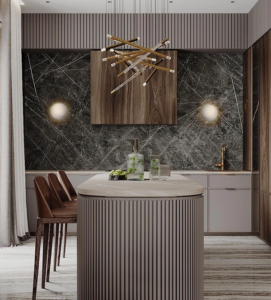
Kitchen cabinets are a key element in any kitchen design, providing ample storage space for your dishes, utensils, and appliances. Overhead cabinets, in particular, offer an efficient and stylish storage solution, helping to keep your kitchen organized and clutter-free. In this article, we will explore some of the latest overhead cabinet design ideas to help you create the perfect kitchen for your home.
Glass Doors
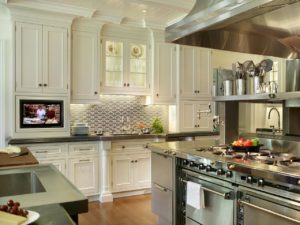
Glass doors on overhead cabinets can add a touch of elegance to your kitchen design, as well as make it easy to find what you’re looking for. Frosted glass, colored glass, or clear glass with interior lighting can add a modern touch, while also making your kitchen appear larger.
Open Shelving | Kitchen Overhead Cabinet Designs
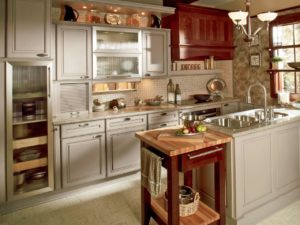
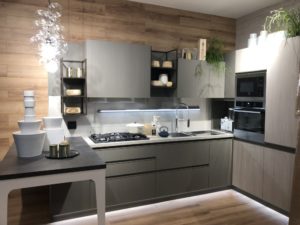
Open shelving is another trend that has become increasingly popular in recent years. This type of overhead cabinet design allows for easy access to frequently used items, while also providing an opportunity to display your favorite dishes and kitchen accessories. Open shelves can be used on their own or mixed with glass or solid cabinet doors for a more eclectic look.
Two-Tone Cabinets
Two-tone cabinets are a popular trend that allows you to add a pop of color to your kitchen while still keeping it sophisticated. With this design, the upper cabinets are a different color than the lower cabinets, creating a unique and eye-catching contrast. This design can be used with various color combinations, from light and dark shades of the same color to completely contrasting colors.
Handle-less overhead cabinets are another popular trend that adds a sleek and modern look to your kitchen. This design features cabinets with a push-to-open mechanism, eliminating the need for bulky handles and allowing for a cleaner look. This is a great option if you prefer a minimalist aesthetic or have limited space in your kitchen.
Kitchen islands have become a staple in many modern kitchens. They are a versatile and functional addition that can be used for food preparation, dining, and storage. However, when it comes to kitchen island dimensions, there are a few key factors to consider to ensure that your island is the perfect size for your space and needs. In this blog post, we’ll explore some kitchen island dimensions facts that can help guide your kitchen renovation or remodel.
Size and shape
The size and shape of your kitchen island should be proportional to the overall size of your kitchen. Generally, an island should be at least 2 feet wide and 4 feet long. This will provide enough space for food preparation and dining. For larger kitchens, a bigger island can be used to divide the space and provide additional storage and seating options.
Countertop height
The height of the kitchen island countertop should be comfortable for the user. The standard height is around 36 inches, which is the same as most kitchen countertops. However, if you plan to use your island for dining or as a bar, you may want to consider a higher countertop height, around 42 inches.
Seating | Kitchen Island Dimension Facts
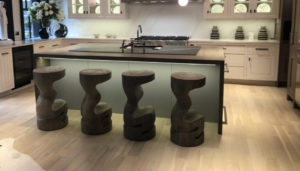
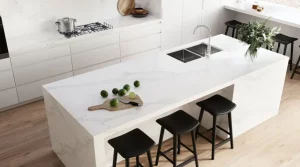
If you plan to use your kitchen island for dining or entertaining, you should consider the number of seats you want. Each seat requires around 24 inches of space, so a 4-foot island can comfortably seat two people, while a 6-foot island can seat three. If you plan to use bar stools, you should also consider the height of the stools and ensure they fit comfortably under the countertop.
Clearance space
It’s important to consider the clearance space around your kitchen island. You should allow for at least 3 feet of space between the island and other cabinets, appliances, or walls. This will ensure that you have enough room to move around the island and access other areas of the kitchen.
Storage
Storage is an important consideration when designing a kitchen island. The size and layout of your island should allow for ample storage, whether it’s in the form of cabinets, drawers, or open shelves. You should also consider the types of items you plan to store on your island, such as pots and pans or small appliances.
So, kitchen islands can be a great addition to any kitchen, but it’s important to consider the right dimensions to ensure that your island is functional and comfortable to use. When designing your kitchen island, consider the size and shape, countertop height, seating, clearance space, and storage needs. Working with a professional kitchen designer can also help ensure that your island is the perfect size for your space and needs.
The right kitchen curtains can make a big difference in the look and feel of your space. They can add color, texture, and style while providing privacy and light control. However, with so many different types of curtains to choose from, it can be hard to know where to start. So in this blog post, we’ll explore some kitchen curtain design ideas to inspire your next home project.
Cafe curtains
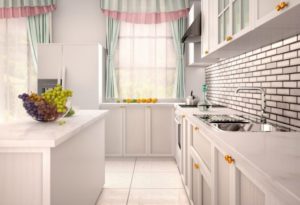
Cafe curtains are a popular choice for kitchens, as they provide privacy while still allowing natural light to filter in. They are typically hung on a tension rod and cover only the lower half of the window. Cafe curtains come in a variety of materials, including cotton, linen, and lace, and can add a touch of charm to any kitchen.
Valances | Kitchen Curtain Design Ideas
Valances are a great way to add color and style to your kitchen without completely covering your windows. They are typically hung on a rod or a tension wire and come in a variety of styles, from ruffled to tailored. Valances can be made from a variety of materials, including cotton, silk, and linen, and can be paired with other window treatments for added privacy and light control.
Roman shades | Kitchen Curtain Design Ideas
Roman shades are a popular choice for kitchens, as they provide privacy and light control while still allowing natural light to filter in. They are made from fabric and can be customized to fit your window size and style preferences. Roman shades come in a variety of materials, including cotton, linen, and silk, and can be paired with a valance for added style.
Patterned curtains
Patterned curtains can add a touch of color and personality to your kitchen. They come in a variety of styles, from bold florals to classic stripes, and can be used to complement your existing decor. Patterned curtains can be made from a variety of materials, including cotton, linen, and polyester, and can be paired with other window treatments for added privacy and light control.
Sheer curtains
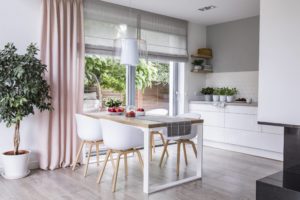
Sheer curtains are a great way to add a soft, romantic touch to your kitchen. They provide privacy while still allowing natural light to filter in… And can be paired with other window treatments for added light control. Sheer curtains come in a variety of materials, including cotton, silk, and linen… And can be customized to fit your window size and style preferences.
So, kitchen curtains can add color, texture, and style to your space while providing privacy and light control. When choosing your kitchen curtains, consider the style and color of your existing decor. As well as the amount of natural light you want to allow in. So with the right curtains, your kitchen can become a warm and welcoming space that reflects your personal style.
Kitchen Ceiling Lights To Illuminate Your Cooking Haven
The kitchen is often considered the heart of the home, where meals are prepared and memories are made. To make the most of your kitchen, it’s important to have proper lighting, and that includes ceiling lights. In this blog post, we’ll explore the different types of kitchen ceiling lights and how they can help illuminate your cooking haven.
Recessed lighting
Recessed lighting, also known as can lights, are fixtures that are installed directly into the ceiling. They provide a sleek, modern look and can be placed strategically to provide targeted lighting. Recessed lighting is a great option for kitchens with low ceilings or those that require focused lighting for certain areas.
Pendant lighting
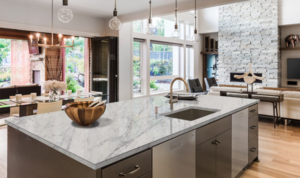
Pendant lighting is a popular choice for kitchen islands or breakfast bars. These fixtures hang from the ceiling and can be designed in a variety of styles and materials, from classic glass shades to modern metal designs. Pendant lights provide both ambient and task lighting, making them a versatile choice for any kitchen.
Flush-mount lighting | Kitchen Ceiling Lights
Flush-mount lighting is a simple, unobtrusive option for kitchen ceilings. These fixtures are installed directly against the ceiling, providing even lighting throughout the space. Flush-mount lights are a great option for kitchens with low ceilings or for those who want a minimalist look.
Chandeliers
Chandeliers may not be the first thing that comes to mind when thinking about kitchen lighting,
but they can be a stunning addition to the space. They can add a touch of elegance and sophistication to any kitchen and provide both ambient and task lighting. Chandeliers are often used in larger kitchens with high ceilings or open floor plans.
Track lighting | Kitchen Ceiling Lights
Track lighting is a flexible option that can be adjusted to provide targeted lighting for specific areas of the kitchen. These fixtures are installed on a track that can be angled and adjusted as needed. Track lighting is a great option for those who want to showcase specific elements of their kitchen, such as artwork or a particular appliance.
So, choosing the right kitchen ceiling lights can make a big difference in how your kitchen looks and functions. Whether you prefer recessed lighting for targeted illumination, pendant lighting for a decorative touch, flush-mount lighting for a simple look, chandeliers for an elegant vibe, or track lighting for flexibility, there are many options to choose from. When selecting your kitchen ceiling lights, it’s important to consider your specific needs, style preferences, and budget. Working with a professional lighting designer can also help ensure that you get the perfect lighting for your cooking haven.
Is a modular kitchen worth the money? A modular kitchen is a kitchen that is designed and built with pre-made cabinets and countertops, often made of materials like wood, steel or laminates, and can be easily assembled on-site. Modular kitchens have been gaining popularity in recent years, especially in urban areas where space is at a premium. However, many people wonder whether a modular kitchen is worth the money. In this blog post, we’ll explore the benefits of a modular kitchen and help you decide if it’s worth the investment.
Customization
One of the most significant benefits of a modular kitchen is the ability to customize it according to your needs and preferences. You can choose the size, style, color, and material of the cabinets, countertops, and accessories to fit your style and space requirements. This level of customization is not possible with traditional kitchen designs.
Space Optimization
Modular kitchens are designed to make the most efficient use of available space. They are customizable and can be designed to fit any space, from small studio apartments to large homes. This design ensures that every inch of space in the kitchen is utilized efficiently, which can help to reduce clutter and increase functionality.
Durability | Is A Modular Kitchen Worth The Money?
Modular kitchens are made of high-quality materials, making them durable and long-lasting. They are also easy to maintain, and repairs can be easily made in case of damage.
Cost-effective
A modular kitchen may seem expensive at first, but it can be a cost-effective investment in the long run. These kitchens are made of high-quality materials that are built to last, so you don’t need to worry about replacing them frequently. Additionally, the efficient use of space can save you money on other kitchen essentials, like storage units or accessories.
Aesthetic Appeal | Is A Modular Kitchen Worth The Money?
Modular kitchens are aesthetically pleasing and can add value to your home. The design and customization options available for modular kitchens can make your kitchen stand out and make it a focal point of your home.
In conclusion, a modular kitchen is worth the money if you are looking for a highly customizable… Efficient, and aesthetically pleasing kitchen that is built to last. While the upfront cost may seem high… The long-term benefits, including increased functionality, durability, and space optimization, make it a cost-effective investment. If you are looking to upgrade your kitchen and are considering a modular kitchen… So we recommend consulting with a professional to discuss the best options for your home and budget.
Small flies, also known as fruit flies, can be a common problem in the kitchen. They are attracted to food and can quickly multiply, making them difficult to get rid of. In this blog post, we’ll explore some effective methods for getting rid of small flies from the kitchen.
Identify the source
The first step to getting rid of small flies is to identify the source of the problem. Small flies are attracted to food, especially fruits, vegetables, and other organic matter. Check your kitchen for any overripe or decaying produce, and throw it away immediately. Make sure to clean up any spills or crumbs, and keep your kitchen as clean as possible.
Clean your drains | Getting Rid of Small Flies From The Kitchen
Small flies can also breed in drains. To eliminate any breeding sites, pour boiling water down your kitchen sink and bathroom drains. You can also use a mixture of vinegar and baking soda to clean your drains. First, pour boiling water down the drain, followed by a cup of baking soda. Then, pour a mixture of hot water and vinegar down the drain, and let it sit for a few minutes. Finally, rinse the drain with hot water again.
Use vinegar traps
Vinegar traps are an effective way to catch and eliminate small flies. Fill a small container with apple cider vinegar and add a few drops of dish soap. The dish soap will break the surface tension of the vinegar, making it easier for the flies to sink and drown. Place the container near the area where you have seen the most small flies, and replace it every few days.
Use fly paper or strips | Getting Rid of Small Flies From The Kitchen
Fly paper or strips are another effective way to catch small flies. Hang them in the areas where you have seen the most flies, and replace them every few days.
Use a fan or dehumidifier
Small flies are attracted to moist environments. Use a fan or dehumidifier to keep your kitchen dry and well-ventilated. This will make it less attractive to small flies and help to prevent their reproduction.
In conclusion, getting rid of small flies from the kitchen requires a multi-pronged approach. You need to identify the source of the problem, clean your drains, use traps or fly paper, and keep your kitchen clean and dry. With these methods, you can eliminate small flies from your kitchen and prevent them from returning. If you continue to have a problem with small flies, you may need to call in a pest control professional to assess the situation and provide more specialized treatment.
If you’re struggling to narrow down your options for kitchen countertops, fear not. Choosing the right countertop for your kitchen can be a daunting task, as there are many factors to consider. When making your decision, think about material availability, resistance to heat, scratches, and stains, waterproofing, aesthetics, sturdiness, ease of cleaning, and price point. It’s also helpful to envision how the countertop will complement other aspects of your kitchen, such as the cabinets, backsplash, and flooring. To make your decision-making process easier, we have some suggestions for you to explore. Take a look at our recommendations and choose the countertop that best meets your needs.
Indian White Marble
For those looking for a classic, elegant look for their kitchen countertops, Indian white marble is an excellent choice. This pre-polished stone is readily available in India and comes in a range of prices, from economical to expensive. The sturdiness of Indian marble makes it particularly long-lasting in Indian homes, where traditional grinding stones and stone-based chapati rolling boards are frequently used. To create a spacious and inviting kitchen, consider using white marble for the countertops, backsplash, and floors, and pair it with thoughtfully designed modular cabinets.
Stain-Resistant Quartz | Best Options For Kitchen Countertops
If you’re looking for a material that is both sleek and practical, quartz is an excellent choice. It’s available in a variety of colors, doesn’t stain easily, and is a favorite among many homeowners. Check out this kitchen with a mustard yellow quartz countertop, brick-style ceramic backsplash, printed floor tiles, and bright cabinets for inspiration. To help make your search for functional kitchen designs with quartz countertops easier, we’ve put together a blog for you. And don’t forget to check out our tips for cleaning quartz countertops.
Wood Countertops
For a kitchen with sensational aesthetics, consider choosing a wood countertop. Not only is it a stable and sturdy surface, but it also adds a rustic charm to the room. In an island kitchen setup, the wooden surface can also act as a multi-functional table, as seen in this design with additional storage features in a wood finish. While this countertop may require gentle handling to avoid scratches, it’s well worth it for the visual appeal it brings to the room when paired with a white tile backsplash and stunning lighting. Moreover, wood is one of the most eco-friendly options for kitchen countertops. Need more information? Check out our blog on wood countertops.
Black and Gold Ceramic Tile Countertops | Best Options For Kitchen Countertops
Ceramic tiles are an affordable and easy-to-maintain option for kitchen countertops. One of the biggest advantages of a ceramic countertop is its effortless cleaning. For a little added shimmer in your kitchen, consider black tiles with a splash of gold, as shown here. Printed tiles for the backsplash and bold cabinet colors can add some vibrancy and drama to the room. With a modular design like this, you can even match your tiles to the cabinet handles for added effect. If you’re a fan of the color black, don’t miss our blog on black countertops.
There comes a time in every homeowner’s life when they realize they need to renovate. Maybe your home has seen better days, or your needs are changing as you get older. Alternatively, you may be thinking of the environment and efficiency and eager to upgrade your home to match your eco-conscious ideals. Either way, you have to renovate.
Refresh your home:
Rejuvenating your home is the most obvious and common reason to renovate. If your current home looks drab and feels dysfunctional, it can drain your energy and create frustration. Instead, it should be a sanctuary from the world and a space that is uniquely you.
Home renovations span from minor upgrades and home repairs to complete redevelopment. The result should be a house that reflects your personality and suits your lifestyle. At Ajenda Projects, they understand how to revive your home using your needs as a guide.
Age-in-place:
Your needs are going to change with time. Consequently, it would be best if you had a home that could grow and change with you. Renovating your existing home is the perfect way to achieve this. Your home will continue to be a place of safety- and you won’t have to worry about the hassle of moving. In addition, age-in-place renovations provide accessibility and livability, especially for those with mobility or cognitive challenges.
Ajenda Projects are CHBA Certified Aging In Place Specialists. They have extensive experience modifying homes for your current (or future) needs. Their services include kitchen and bathroom remodels, entrance and door changes, grab bars, and lighting upgrades.
Improve health & safety: | Renovations To Consider
Did you know that the air inside your home has 2 or 5 times higher pollutants than outdoor air? These can have a devastating impact on the health of you and your family.
As a result, home renovation and maintenance often involve upgrading elements of your home directly linked to personal wellness. For example, whole air filtration and air quality monitors are crucial for removing contaminants from the air you breathe. Water filtration, antibacterial surfaces, and humidity control switches also help maintain your well-being.
Reduce your impact:
There are many good reasons to make your home more environmentally friendly. Firstly, it’s better for the planet. Secondly, it’s significantly easier on your wallet. Lastly, energy-efficient homes are more comfortable to be in.
Ajenda Projects recommends increasing insulation and reducing air leakage to reduce drafts, dampen noise penetration, and increase efficiency. A tighter home is less expensive to operate and much more cozy and quiet inside.
They also suggest installing solar systems, drain water heat recovery, complete home electrification, and electric vehicle chargers.