

Kitchen cabinet refacing and full cabinet replacement can both change the look of a kitchen, but they solve different problems. Refacing updates the visible cabinet surfaces while keeping the existing cabinet boxes in place. Full replacement removes the old cabinets and installs a new cabinet system. The right choice depends on the condition of the cabinet boxes, the quality of the layout, the storage problems inside the kitchen and the homeowner’s long-term plans.
Many Northern Virginia homeowners start this decision because the cabinet doors look dated. Maybe the finish is too dark, the door style feels heavy, the hinges are worn or the kitchen no longer matches the rest of the home. In some kitchens, a surface update is enough. In others, dated doors are only the visible part of a deeper problem: poor storage, awkward corners, weak drawers, damaged boxes, bad appliance placement or a layout that no longer fits the household.
This guide explains how to compare kitchen cabinet remodeling Northern Virginia homeowners often consider before choosing between cabinet refacing and full cabinet replacement. It covers cabinet condition, layout, storage, costs, countertops, flooring, resale, timelines, contractor questions and the planning details that help homeowners choose the right scope before ordering materials.
What Cabinet Refacing Means
Cabinet refacing keeps the existing cabinet boxes and updates the visible parts. In a typical refacing project, the doors and drawer fronts are replaced. The exposed cabinet frames are covered with matching veneer, laminate or another finish. Hardware may be updated. Hinges may be changed. Some projects also include minor cabinet modifications, new trim, soft-close hardware or a few storage accessories.
Refacing can make a kitchen look dramatically different without removing the entire cabinet system. It can be a practical choice when the existing layout works well, the boxes are structurally sound and the homeowner mainly wants a visual refresh. It is often considered when the cabinet footprint is staying the same and the budget needs to be more focused than a full kitchen remodel.
Refacing is not a magic fix for every kitchen. It does not change the basic cabinet layout. It does not make shallow drawers deeper. It does not create a larger island. It does not relocate appliances. It does not solve sagging cabinet boxes, water damage, weak shelves or poor installation. If those problems exist, replacement may be the better path.
What Full Cabinet Replacement Means
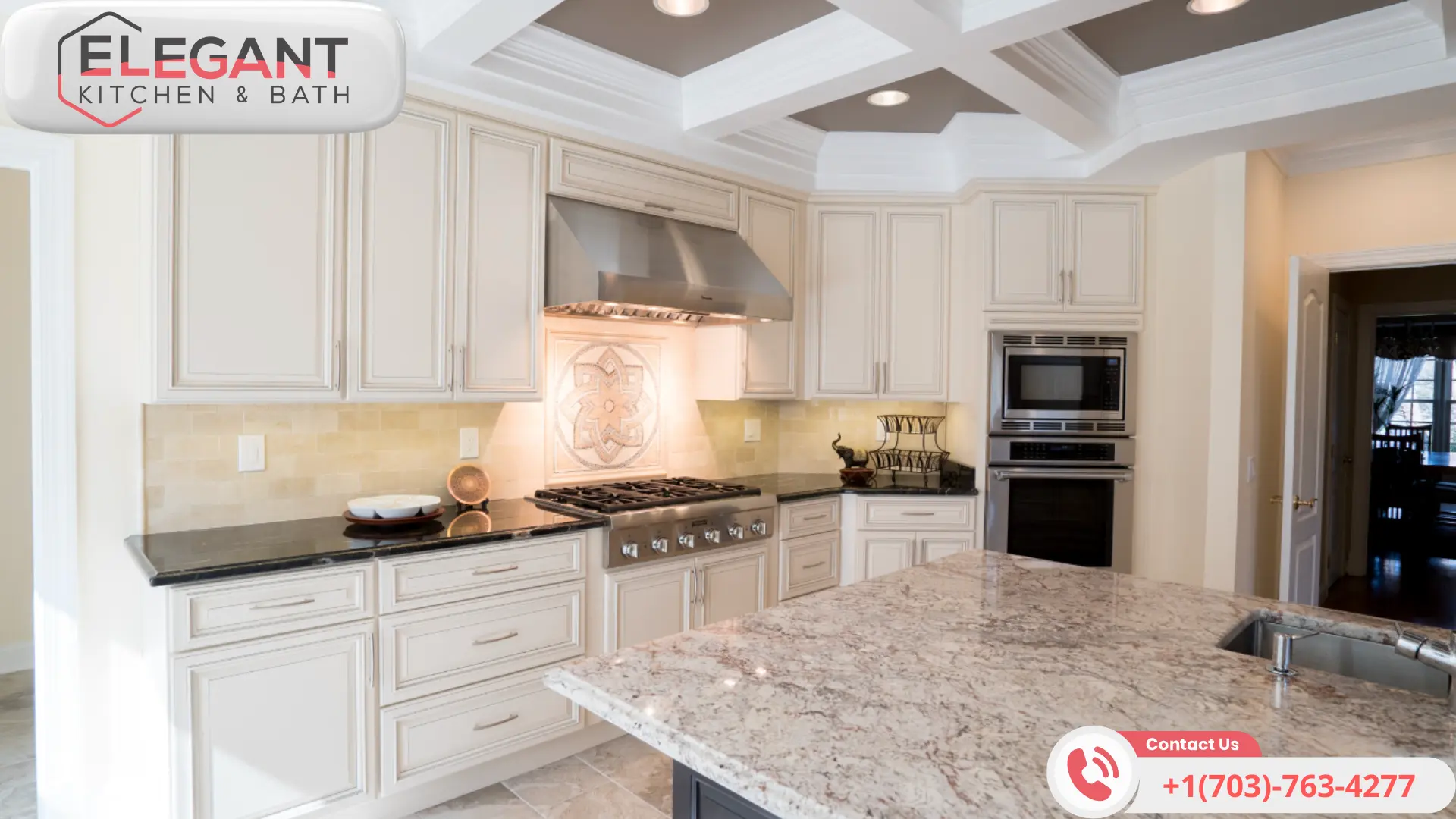 Full cabinet replacement removes the old cabinet system and installs new cabinets. This allows the kitchen to be planned from the ground up. Cabinet sizes, drawer banks, pantry storage, trash pull-outs, corner solutions, appliance panels, island layout, wall cabinet height and specialty storage can all be designed around the way the household uses the kitchen.
Replacement is usually part of a broader kitchen remodeling service. Once cabinets are removed, countertops, backsplash, flooring, lighting, electrical planning and appliance placement often become part of the conversation. That broader scope creates more decisions, but it also creates more opportunity to fix the kitchen instead of only refreshing it.
New cabinets make the most sense when the old cabinets are damaged, poorly built, poorly laid out or simply unable to support modern storage needs. They are also the right choice when homeowners want to change the footprint, add a larger island, move appliances or create a more open kitchen.
Quick Comparison Table
| Decision point | Cabinet refacing | Full cabinet replacement |
|---|---|---|
| Best fit | Cabinet boxes and layout are good, but doors and finishes are dated. | Cabinet structure, storage or layout needs major improvement. |
| Scope | New doors, drawer fronts, exterior finish, hardware and minor updates. | New cabinet boxes, doors, drawers, layout, storage accessories and often related remodeling. |
| Layout flexibility | Limited because the existing footprint stays mostly the same. | High because the cabinet plan can be redesigned. |
| Storage improvement | Moderate if accessories are added. | Strong because drawer banks, pantries and specialty storage can be planned. |
| Disruption | Usually lower than full replacement. | Higher because demolition and installation are broader. |
| Main risk | New faces may hide old functional problems. | Scope can expand without clear design priorities. |
Start With the Cabinet Boxes
The first question is not color. It is structure. Cabinet boxes are the foundation of a refacing project. If they are weak, warped, water damaged, poorly fastened or badly out of level, new doors and fronts will not solve the underlying problem. The kitchen may look better at first, but the old cabinet system will still limit performance.
Homeowners should inspect the sink base first because it often reveals water issues. Look for swelling, staining, soft material, loose panels and musty smells. Next, check whether drawers glide smoothly, whether doors align, whether shelves are sagging and whether the cabinets feel secure against the wall. If the boxes are particleboard and have absorbed moisture, refacing may not be a strong investment.
If the cabinet boxes are plywood, sturdy, square and well installed, refacing may be worth considering. If the boxes are failing or the layout is already frustrating, full replacement is usually the cleaner long-term answer.
Layout: The Biggest Hidden Factor
A kitchen can have attractive cabinet doors and still function poorly. Layout determines how people cook, clean, unload groceries, store pans, reach dishes, use the island and move through the room. Refacing keeps the layout largely intact. That is good when the layout works. It is limiting when the layout is the main problem.
Common layout frustrations include a refrigerator that blocks a walkway, a sink with little prep space nearby, a blind corner that wastes storage, narrow drawers, a small pantry, upper cabinets that are too short, a peninsula that traps traffic or an island that is too small for seating. Refacing does not solve these issues unless the changes are minor.
Full replacement allows the kitchen to be reworked. Appliance locations can be adjusted when plumbing, electrical and ventilation plans allow it. Drawer banks can replace door cabinets. Pantry storage can be added. Trash and recycling can move into a pull-out. Corner storage can be designed more intentionally. The kitchen can be planned as a working room, not just a finished surface.
When Cabinet Refacing Makes Sense
Cabinet refacing makes sense when the existing kitchen has a strong foundation. The cabinet boxes are solid. The layout works. The homeowner likes the appliance locations. Storage is acceptable. The main issue is that the cabinet style, color or finish feels dated. In that situation, new doors, drawer fronts and hardware can create a meaningful transformation.
Refacing can also be useful when homeowners want to limit disruption. A full cabinet replacement can affect countertops, backsplash, flooring and appliance installation. Refacing may avoid some of that work if the existing surfaces are staying in place. It can also be a practical option for homeowners preparing a home for sale when the kitchen needs a cleaner look but does not justify a full redesign.
The best refacing projects are honest about limits. They refresh appearance and may improve hardware. They do not change the bones of the kitchen. Homeowners should choose refacing only when they are comfortable keeping the current layout for years.
When Full Replacement Is the Better Choice
Full replacement is the better choice when the kitchen needs to work differently. If the existing cabinets are low quality, damaged or poorly laid out, refacing may only delay the real project. Replacement allows the kitchen to be planned around daily routines, storage needs and long-term value.
Replacement is especially useful when homeowners want deeper drawers, better pantry storage, a larger island, a different cooktop location, appliance panels, taller wall cabinets, improved lighting integration or a more open connection to nearby rooms. These changes require more than new doors.
Full replacement also pairs naturally with new countertops, backsplash, flooring and lighting. If those finishes also need updating, it may be more efficient to plan the kitchen as one coordinated remodel instead of doing separate projects that may create rework later.
Budget Factors to Compare
Cabinet refacing usually costs less than full replacement because the cabinet boxes stay in place and the scope is narrower. Cost factors include door style, drawer fronts, finish material, hardware, hinges, veneer work, trim, minor modifications and the number of cabinets. The more custom details added, the closer the project may get to replacement pricing.
Full cabinet replacement has a broader range because it includes new cabinet boxes, design, installation and possible changes to surrounding materials. Cabinet construction quality, door style, finish, drawer hardware, inserts, pantry cabinets, island cabinets and specialty storage all affect cost. If countertops, backsplash, flooring or electrical work are included, the overall project grows.
The lowest cost option is not always the best value. If refacing preserves a kitchen that still works well, it can be smart. If replacement prevents years of frustration and avoids future rework, it may be the better investment. The right comparison is cost versus problems solved.
Storage and Organization
Storage is one of the biggest reasons homeowners move from refacing to replacement. Older kitchens often have many door cabinets and fewer drawer banks. They may lack pull-outs, tray storage, spice storage, deep pot drawers, trash pull-outs and pantry organization. Refacing can add some accessories, but it cannot fully redesign cabinet function.
Replacement allows storage to be planned by zone. Cooking tools can sit near the range. Dishes can sit near the dishwasher. Pantry goods can be grouped in tall cabinets. Baking sheets can have vertical dividers. Small appliances can have a dedicated landing area. Trash and recycling can move out of sight. These details make the kitchen easier to use every day.

Countertops, Backsplash and Flooring
Cabinet decisions connect directly to countertops. If homeowners replace cabinets later, the existing countertops may need to be removed and may not survive the process. That is why it is risky to invest in premium countertops over cabinets that may soon be replaced. Before choosing refacing, homeowners should think about whether they will want new counters in the near future.
Backsplash can also be affected. New cabinet heights, new countertops or new range hood placement can change backsplash dimensions. Flooring matters too. If the old cabinets sit on top of flooring or the flooring was installed around them, cabinet replacement may expose gaps. Refacing usually avoids some of those complications because the footprint stays the same.
For this reason, homeowners should compare cabinets and surfaces together. Elegant Kitchen and Bath’s cabinet options, countertop options, tile options and project gallery can help homeowners see how finish decisions connect.
Decision Matrix
| Kitchen condition or goal | Likely better option | Reason |
|---|---|---|
| Cabinet boxes are solid and the layout works. | Cabinet refacing | The foundation is good, so a surface update may be enough. |
| Cabinet boxes are damaged, warped or weak. | Full replacement | New doors will not fix structural problems. |
| The kitchen needs more drawers, pantry storage or a larger island. | Full replacement | Storage and layout require a new cabinet plan. |
| The homeowner wants a resale refresh with limited disruption. | Cabinet refacing | A cleaner look may be enough if function is acceptable. |
| Countertops and backsplash also need replacement. | Often full replacement | Planning all finishes together can reduce rework. |
| The family plans to stay long term and cook daily. | Often full replacement | Daily function may justify a deeper redesign. |
Resale Considerations
Both options can support resale when chosen wisely. Refacing can help if the kitchen is functional but looks tired. New cabinet doors, hardware and a brighter finish can make the kitchen feel more current in photos and showings. This can be useful when the home is being prepared for sale and the goal is presentation rather than a full redesign.
Full replacement may support resale when the existing kitchen feels dated in both appearance and function. Buyers notice poor storage, awkward islands, old cabinet interiors and inefficient layouts. A well-designed replacement can make the kitchen feel more complete and move-in ready.
Homeowners should be careful not to overbuild only for resale. If they plan to live in the home for several years, daily comfort matters. The best choice should balance market appeal with how the household actually uses the kitchen.
Permits, Licensing and Contractor Questions
Cabinet refacing may not require the same coordination as a full remodel, but homeowners should still work with qualified professionals. Full replacement can involve electrical changes, plumbing adjustments, appliance relocation, ventilation work and other details that may require additional review depending on the local jurisdiction and project scope.
Virginia homeowners can verify contractor licensing through the official DPOR License Lookup. This is a useful step before signing a contract, especially when the project includes broader remodeling work beyond cabinet surfaces.
Good questions include: Are the existing cabinet boxes suitable for refacing? What happens if hidden damage is found? Are hinges and hardware included? Will the countertops stay in place? Can storage accessories be added? For replacement, homeowners should ask about design drawings, cabinet lead times, installation sequence, countertop templating, appliance specifications, electrical planning and project communication.
Common Mistakes to Avoid
The first mistake is choosing refacing because it is cheaper without checking cabinet condition. If the boxes are weak, the lower initial cost can become wasted money.
The second mistake is ignoring layout. A kitchen with poor workflow will still have poor workflow after new cabinet doors are installed.
The third mistake is replacing countertops before deciding on cabinets. If cabinets are replaced later, the countertop investment may be at risk.
The fourth mistake is choosing a door style without considering the whole kitchen. Cabinet color should coordinate with countertops, backsplash, flooring, wall color, lighting and hardware.
The fifth mistake is comparing proposals without matching scope. One refacing quote may include doors, drawer fronts, veneers, hardware and soft-close hinges. Another may not. A replacement quote may include design, demolition, installation and coordination, or it may separate those items. Complete scopes matter.
How to Choose the Right Option
Start with a cabinet inspection. If the boxes are damaged or poorly installed, move toward replacement. If they are strong and the layout works, refacing remains possible.
Next, list functional frustrations. If the problems are mostly cosmetic, refacing may fit. If the problems include storage, appliance placement, traffic flow or island size, replacement deserves serious consideration.
Then think about related finishes. If countertops, backsplash, flooring and lighting also need updates, a full kitchen plan may be more efficient. If those finishes are staying, refacing may reduce disruption.
Finally, compare the decision to your timeline. Homeowners preparing to sell soon may choose a focused refresh. Homeowners planning to stay long term may benefit from solving deeper layout and storage issues now.
How Elegant Kitchen and Bath Can Help
Elegant Kitchen and Bath can help homeowners compare cabinet refacing, cabinet replacement and full kitchen remodeling before a scope is chosen. The right answer depends on the cabinet structure, the layout, the storage needs, the surface finishes and the long-term plan for the home.
Homeowners can begin with cabinet products, review kitchen remodeling services, compare countertop services and look through the remodeling process. A clear planning conversation can prevent homeowners from spending money on a surface update when the kitchen really needs a stronger foundation.
Final Recommendation
Choose cabinet refacing when the existing cabinet boxes are strong, the layout works and the main issue is appearance. Choose full cabinet replacement when the kitchen needs better storage, stronger construction, a new layout or coordinated updates with countertops, backsplash and appliances.
The best cabinet decision is not only about what looks new. It is about what will still feel right after the project is complete. When cabinet structure, layout, storage and finishes are evaluated together, homeowners can choose the option that gives the kitchen better value, better function and a more intentional finished look.
Frequently Asked Questions
Is cabinet refacing cheaper than full replacement?
Usually, yes. Refacing keeps the existing cabinet boxes and updates the visible surfaces. Full replacement costs more because it includes new cabinet boxes, layout planning, installation and often related remodeling work.
When is cabinet refacing not worth it?
Refacing is usually not worth it when cabinet boxes are damaged, weak, warped, water-stained or poorly laid out. In those cases, full replacement is usually a better long-term investment.
Can I replace countertops while refacing cabinets?
Yes, but homeowners should confirm that the existing cabinet boxes are strong enough to keep for years. Installing new countertops over cabinets that may soon be replaced can create expensive rework.
Does full cabinet replacement mean a full kitchen remodel?
Not always, but cabinet replacement often connects to countertops, backsplash, flooring, lighting and appliances. Once those items are affected, the project should be planned like a coordinated kitchen remodel.
Which option is better for resale?
Refacing can help resale when the kitchen works well but looks dated. Full replacement may be better when the kitchen has poor storage, old cabinet interiors or an inefficient layout that buyers will notice.