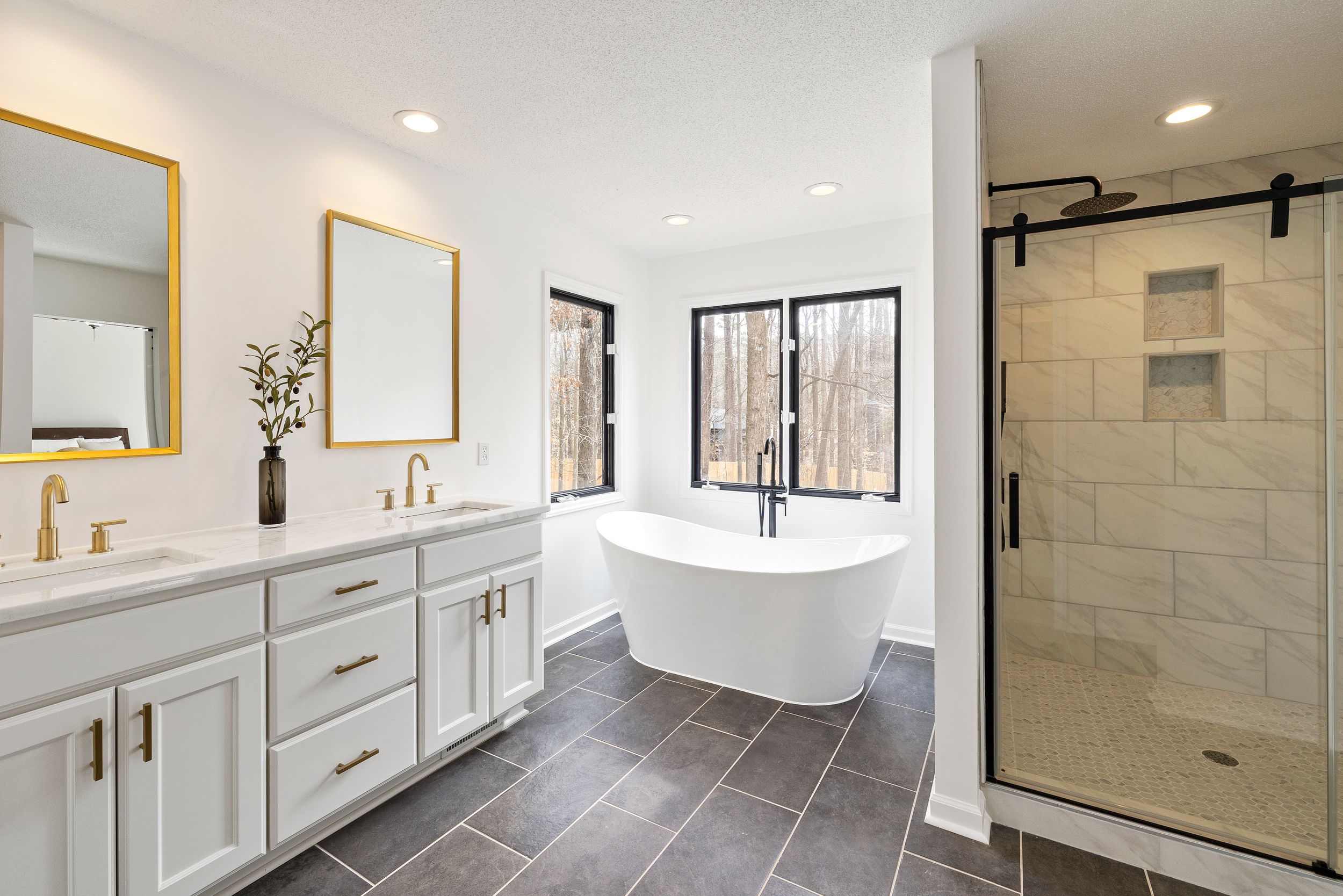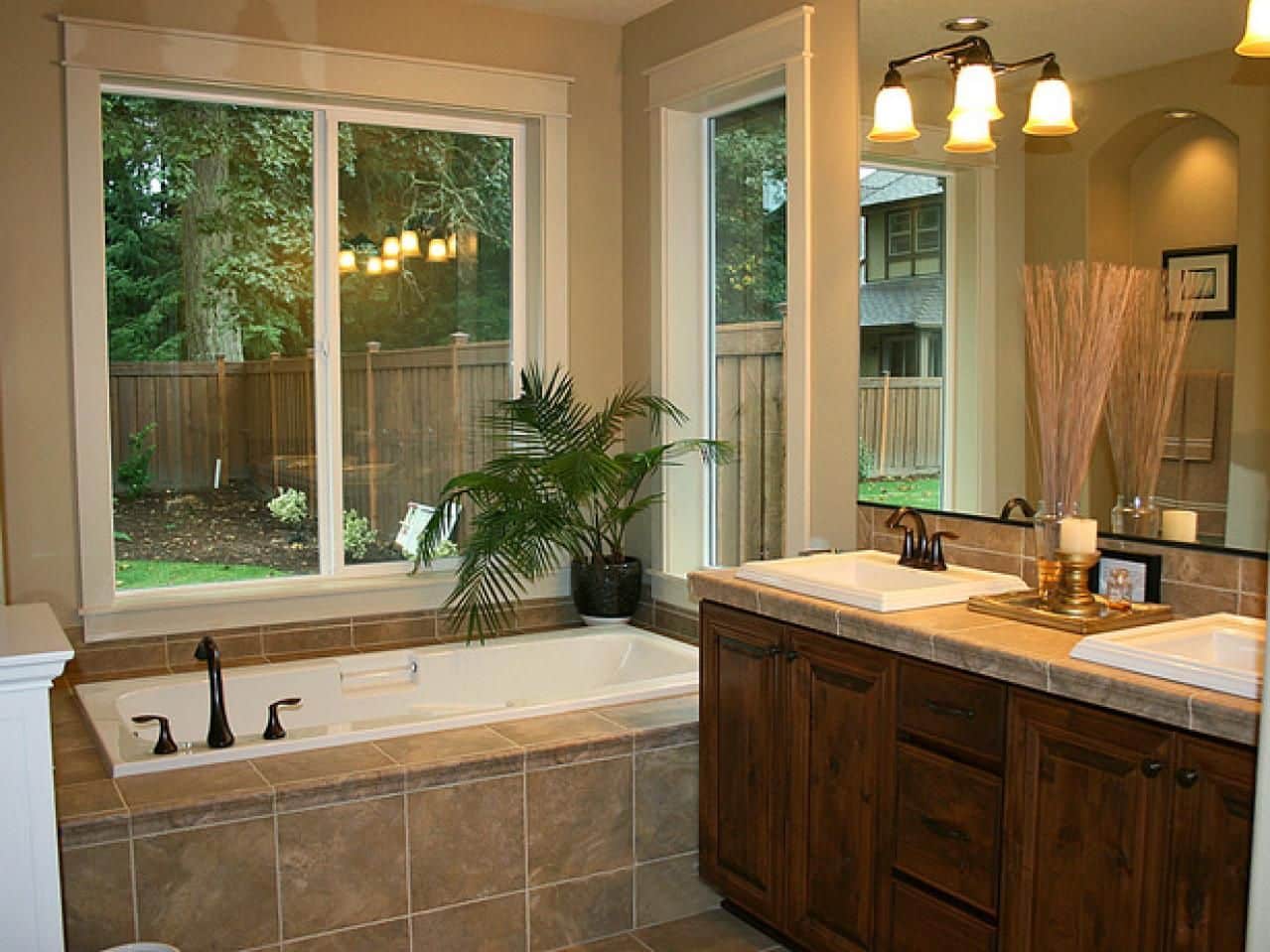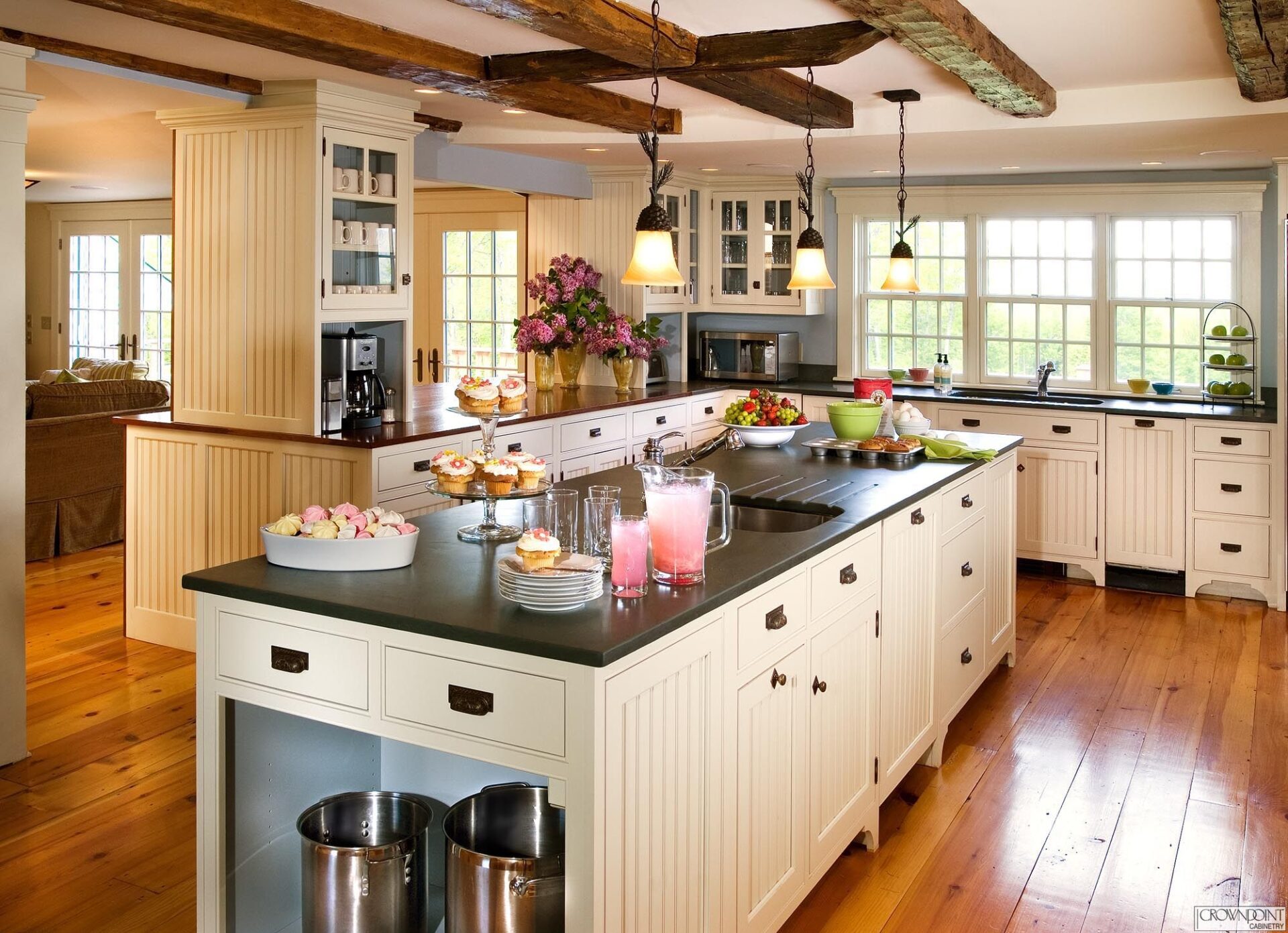
Author: upmax Seo

Benefits of Installing a Walk-In Shower

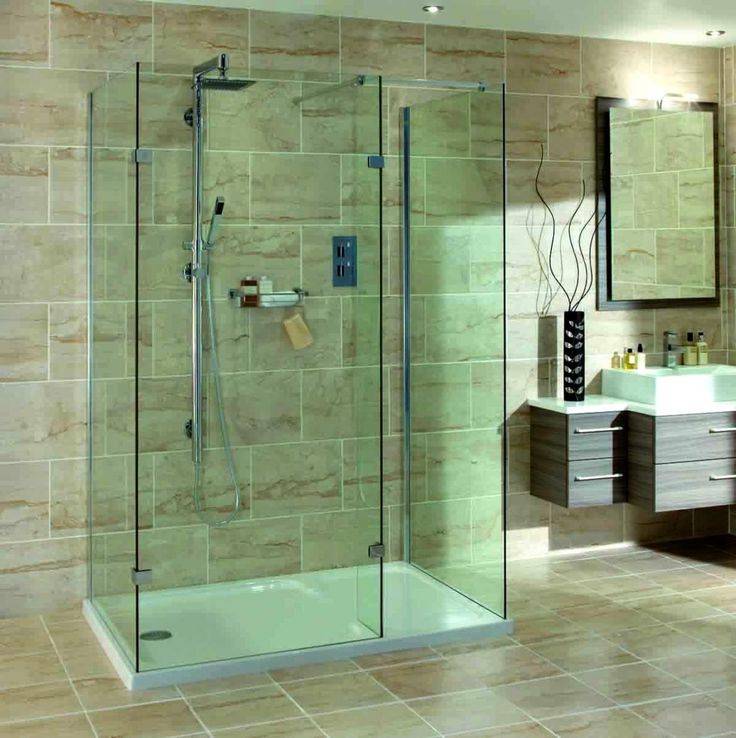
Walk-in showers are a contemporary bathroom feature that combines functionality with style. They are designed to be barrier-free, offering easy access and a seamless look. This design choice is aesthetically pleasing and caters to the needs of individuals with varying mobility levels, making it a brilliant addition to any home.

Design Versatility and Customization

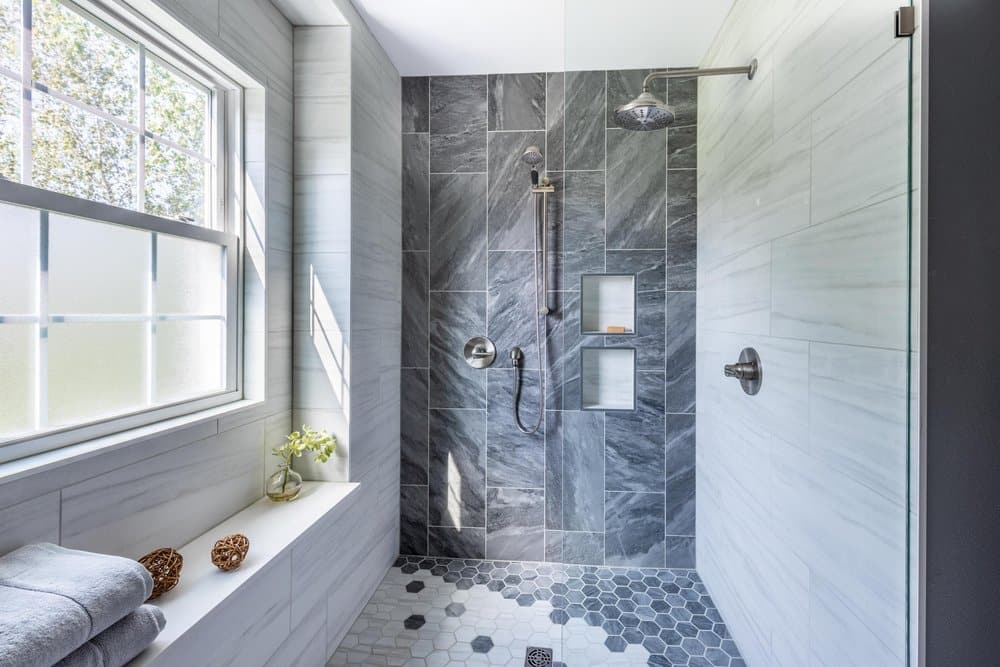
The design of walk-in showers is highly versatile, allowing customization to fit any bathroom layout and personal style. From the choice of tiles and fixtures to including features like built-in benches or high windows, walk-in showers can be tailored to create a unique and personal bathroom experience.

Space Efficiency and Accessibility

In smaller bathrooms, walk-in showers can save space by eliminating the need for a bathtub, or they can coexist with a tub in larger bathrooms. Their level entry design is a hallmark of universal design, making them accessible to all, regardless of age or mobility issues, which is a crucial consideration for a forever home.

Aesthetic Impact and Bathroom Ambiance

Walk-in showers can define the bathroom’s aesthetic, with options ranging from dramatic black tiles to serene color schemes. They can create a focal point or blend seamlessly with decor. The choice of materials and lighting can significantly impact the space’s ambiance.

walk-in-shower

Practical Considerations and Maintenance

Practicality is a crucial aspect of walk-in showers. They are typically easier to clean due to fewer crevices and joints, and their open design can prevent moisture and mold buildup. The lack of barriers can simplify cleaning, making maintenance more straightforward.

Long-Term Value and Adaptability

Installing a walk-in shower can be a wise investment for the future. It can accommodate changing needs over time, making it a feature that adds long-term value to a home. Whether for aging in place or for resale appeal, a walk-in shower can be a beneficial addition to any property.

Cost Considerations

While the upfront cost of installing a walk-in shower can vary, it’s essential to consider the long-term benefits and potential savings in maintenance. On average, a walk-in shower installation costs around $6,641, but this investment can enhance the home’s value and appeal to a broader range of buyers.

Walk-In Shower Benefits FAQs?

What are the disadvantages of a walk-in shower?

Walk-in showers can have several disadvantages, including:

Water Splashing: Without proper design, water can splash outside the shower area, leading to wet bathroom floors.
Privacy: Walk-in showers often have less privacy than traditional showers with doors, especially if they use clear glass partitions.
Temperature Control: Open designs may result in colder shower experiences, allowing heat to escape more easily than enclosed showers.
– Cost: Installing walk-in showers can be more expensive due to the need for waterproofing, custom glass, and potentially more intricate tiling work.
Accessibility: While accessible, if not designed with adequate safety features, they can pose a slip hazard, especially without proper flooring or grab bars.

Is it better to have a walk-in shower?

Whether a walk-in shower is better depends on individual needs and preferences. Walk-in showers offer several benefits, including:

Accessibility: They are easier to enter and exit, especially for people with mobility issues.
Aesthetic Appeal: Walk-in showers can add a modern and spacious look to a bathroom.
Customization: They offer more flexibility in design and customization to fit specific bathroom layouts and personal styles.

However, it is important to consider the potential disadvantages when deciding if a walk-in shower is the right choice for your home.

Is a walk-in shower a good investment?

A walk-in shower can be a good investment for several reasons:

Increased Home Value: Modern and accessible bathroom features like walk-in showers can increase a home’s appeal to potential buyers.
Longevity and Durability: With proper installation and materials, walk-in showers can be durable and long-lasting.
Energy Efficiency: Walk-in showers can be more water-efficient, especially with low-flow showerheads[.

However, the return on investment can vary based on the overall bathroom design, the quality of materials used, and market trends.

Do walk-in showers get water everywhere?

If not properly designed, walk-in showers can lead to water splashing outside the shower area. To minimize this issue, consider the following:

Proper Drainage: Ensure the shower floor is correctly sloped towards the drain.
Glass Panels or Curtains: Use glass panels or shower curtains to contain water splash.
Shower Layout: Position the showerhead and controls to direct water away from the shower entrance.

Implementing these design elements can help keep water contained within the shower area and prevent wet bathroom floors.

How do you stop water splashing in a walk-in shower?

1. Use of Shower Curtains or Additional Glass Panels: Installing a shower curtain or adding extra glass panels can help contain the water within the shower area. An extendable shower rail with a curtain that hangs close to the floor can be a cost-effective solution.

2. Install a Water Barrier or Dam: A collapsible water barrier or a plastic dam can be placed at the shower’s entrance to prevent water escaping. These barriers are designed to be low enough to step over easily while effectively keeping water contained.

3. Adjust the Showerhead Position: Positioning the showerhead away from the shower entrance and toward the back wall can reduce the amount of water that splashes out. Using a handheld showerhead can also give users more control over the direction of the water.

4. Ensure Proper Drainage: Correctly sloped shower floors can help minimize water pooling and splashing. The slope directs water away from the entrance and towards the drain more efficiently.

5. Use Absorbent Mats or Towels: Placing absorbent mats or towels outside the shower area can catch any water that does escape. These should be hung up to dry after each use to prevent mold and mildew growth.

How much, on average, is it to put in a walk-in shower?

Regarding the cost of installing a walk-in shower, the average price can vary significantly based on several factors, including the size of the shower, the materials used, the complexity of the installation, and regional labor rates. From the shared experiences:

DIY Installation Costs: For those who choose to do it themselves, costs can range from just above $1,000 to $4,000, depending on the extent of the work and the materials chosen. This range includes redoing plumbing, purchasing a new shower unit, and any necessary tiling or waterproofing.

Professional Installation Costs: The costs can vary when hiring professionals. Some users reported spending between $5,000 to $25,000 for a complete walk-in shower installation by a licensed contractor. This wide range accounts for basic installations to more luxurious, custom designs with significant plumbing changes. It’s important to get multiple quotes to understand the potential costs better and ensure that the contractor uses proper waterproofing techniques and materials to avoid future issues.

In summary, stopping water from splashing out of a walk-in shower involves practical adjustments and installations, while the cost of installing one can vary widely based on DIY versus professional installation and the project’s specifics.

Will Medicare pay for a walk-in shower?

Medicare typically does not cover the installation of walk-in showers as they are considered home modifications rather than medical necessities. However, there might be exceptions or specific conditions under which partial coverage or assistance is available, especially if the individual qualifies for both Medicaid (income-based) and Medicare (age-based), as having both can provide extra benefits. It’s advisable to check directly with Medicare and explore all possible programs or grants offering financial assistance for such home modifications.

How long does it take to install a walk-in shower?

The installation time for a walk-in shower can vary depending on several factors, including the project’s complexity, the condition of the existing bathroom, and whether it’s a direct replacement of a tub or a complete bathroom remodel. Generally, the installation can take anywhere from one day to three days. Some Reddit users have shared experiences indicating that simpler installations can be quick, while more involved projects, especially those requiring significant plumbing changes, might take longer.

How much does it cost to change a tub to a walk-in shower?

The cost to convert a tub to a walk-in shower can vary significantly based on location, materials, and the extent of the work required. Reddit users have reported a wide range of costs, from around $3,000 to $25,000. The lower end of the spectrum might cover basic installations with minimal changes, while the higher end could involve custom designs, high-quality materials, and significant plumbing alterations. It’s essential to get multiple quotes from contractors to understand the potential costs better and ensure that the chosen contractor uses proper waterproofing techniques and materials to avoid future issues.

layered lighting in bathroom remodeling

Conclusion

If you’re looking for a shower solution that offers a perfect combination of style, functionality, and adaptability, look no further than a walk-in shower. With its chic design, practical features, and ability to cater to different preferences and needs, a walk-in shower is ideal for anyone who wants to upgrade their bathroom experience. So why wait? Invest in a walk-in shower today and transform your daily routine into a luxurious and enjoyable experience.

Elegant Kitchen and Bath offers kitchen remodeling, bathroom remodeling, basement remodeling and home addition remodeling services across a broad area, including

Herndon, Chantilly, Centreville,Reston, Sterling, GreatFalls, AshburnFairfax, McLean, Manassas, Haymarket , Burke, Vienna, Falls Church, Annandale, Springfield, Alexandria and Arlington.

Ready to transform your bath with Elegant Kitchen and Bath in Virginia?

Visit Elegant Kitchen and Bath to start your journey toward your modern kitchen today.

Tags: , , , , , , , , , , , , , , , , , , ,

What You Need To Know About Marble Material

What You Need To Know About Marble Material

Marble is a timeless and elegant natural stone that has been used for centuries in architecture and interior design. Its luxurious appearance, unique veining patterns, and durability make it a popular choice for countertops, flooring, and decorative accents. If you’re considering incorporating marble into your home, it’s essential to understand its characteristics, benefits, and maintenance requirements. In this blog post, we’ll delve into what you need to know about marble material to help you make informed decisions for your design projects.

word1 | Elegant Kitchen and Bath | What You Need To Know About Marble Material | What You Need To Know About Marble Material

Natural Beauty and Variation

Marble is renowned for its natural beauty and unique veining patterns. Each piece of marble is distinct, with its own individual character and color variations. These variations are part of the stone’s charm and add depth and visual interest to any space. It’s important to embrace and appreciate the inherent variation in marble, as it creates a truly one-of-a-kind aesthetic.

Durability and Strength

Marble is a durable stone that can withstand the test of time when properly cared for. It is resistant to heat, making it an ideal choice for kitchen countertops. However, it is important to note that marble is a softer stone compared to granite or quartz, and it is more prone to scratching and chipping. Taking precautions such as using cutting boards and avoiding abrasive cleaners can help maintain its beauty and longevity.

Versatile Applications

Marble is a versatile material that can be used in various applications throughout your home. It is commonly used for kitchen and bathroom countertops, backsplashes, flooring, fireplace surrounds, and even as decorative accents such as tabletops or sculptures. Its versatility allows for endless design possibilities and the ability to create a cohesive look throughout your living spaces.

Care and Maintenance

Proper care and maintenance are crucial to preserve the beauty of marble. Here are a few essential tips:

  • Sealant: Marble is porous, which means it can absorb liquids and stains. Applying a high-quality sealant can help protect the stone and prevent staining. It’s recommended to reseal marble periodically to maintain its effectiveness.
  • Cleaning: Use a mild, pH-neutral cleaner specifically formulated for marble to clean the surface. Avoid harsh chemicals, acidic substances (such as lemon juice or vinegar), and abrasive cleaners, as they can damage the stone’s surface.
  • Wiping Spills: Immediately wipe up any spills to prevent them from seeping into the pores of the marble and causing stains.
  • Avoid Heat and Impact: While marble is heat-resistant, it’s advisable to use trivets or hot pads under hot pans or pots to protect the surface. Be cautious with heavy objects that can potentially chip or crack the stone.
  1. Long-Term Investment: Choosing marble for your home is an investment in timeless elegance and enduring beauty. Its durability and classic appeal can add value to your property. However, it’s important to consider your lifestyle and the level of maintenance required to ensure that marble is the right choice for your specific needs and preferences.

Contact us for professional help! Check out our instagram account for updates.

DIY Kitchen Remodel Pros and Cons

As a seasoned kitchen remodeler with a Twenty years of experience, we have seen the allure of DIY kitchen remodeling captivate many homeowners. The idea of personalizing your space while saving on costs is tempting, but it’s crucial to understand the full scope of what a DIY project entails. Let’s delve into the less-discussed realities of taking on a kitchen remodel without professional help.

[ez-toc]

The True Cost of “Savings”

While it’s true that DIY projects can cut out the labor costs of hiring professionals, this is often a shortsighted view of savings. The absence of professional expertise can lead to costly mistakes that not only drain your wallet but also compromise the integrity of your kitchen’s design and functionality. Moreover, the value of your time is an often overlooked expense. The countless hours spent on a DIY remodel could be invested elsewhere, potentially yielding greater returns, both financially and personally.

kitchen remodeling

The Creative Control Conundrum

Having the freedom to make every design decision can be empowering, but it also comes with a heavy burden. Without the seasoned eye of a professional, it’s easy to fall prey to design trends that may not stand the test of time or to make choices that clash with the overall flow of your home. The result can be a kitchen that looks disjointed or quickly feels outdated, necessitating further investment down the line.

The Satisfaction Trap

There’s no denying the pride that comes with completing a DIY project. However, this sense of accomplishment can be overshadowed by the stress and frustration that often accompany such undertakings. The journey from planning to execution is fraught with potential obstacles, and the emotional toll can be significant, especially if the end result falls short of expectations.

The Learning Curve

While learning new skills is a commendable pursuit, a kitchen remodel is a complex project that can quickly become overwhelming. The intricacies of plumbing, electrical work, and structural modifications require a depth of knowledge that typically comes from years of hands-on experience. Diving into these areas without proper training can lead to subpar work that may not only require costly fixes but also pose safety hazards.

The Time Investment

A DIY kitchen remodel is not a weekend project. It demands a substantial time commitment, often extending far beyond initial estimates. This can disrupt your daily life and put a strain on your household, turning what should be an exciting improvement into a prolonged inconvenience.

The Safety Factor

The risks involved in a DIY remodel cannot be overstated. From the proper use of power tools to the handling of materials, each step carries potential dangers. Without the appropriate safety training and equipment, you’re putting yourself at unnecessary risk.

The Hidden Costs

Unanticipated issues are a common theme in remodeling, and without the buffer of professional insight, these can quickly escalate into expensive problems. Whether it’s a measurement error or an unforeseen structural issue, the costs to rectify these mistakes can quickly surpass the budget of a professionally managed project.

Seeking Professional Guidance

For those considering a kitchen remodel, I cannot stress enough the value of professional guidance. With decades of experience, a professional can navigate the complexities of a remodel with precision and foresight, ensuring a result that is not only beautiful but also functional and safe.

DIY Kitchen Remodel Pros and Cons FAQs

Is it possible to renovate a kitchen yourself?

Yes, it is possible to renovate a kitchen yourself, especially if you are handy and pay attention to details. DIY kitchen renovations can be a cost-effective way to upgrade your kitchen, allowing you to save on labor costs and invest in higher quality materials. However, it requires a significant time commitment and may take longer than hiring professionals, especially if you’re working on it during weekends or in your spare time.

Is $10,000 enough for a kitchen remodel?

A $10,000 budget can be enough for a modest kitchen remodel if you keep your expectations realistic and are willing to do some of the work yourself. This budget might cover new countertops, a backsplash, new flooring, new cabinet hardware, and a few modest appliances. However, it’s unlikely to be sufficient for a full kitchen replacement without doing some of the work yourself[3].

What is the biggest expense in a kitchen remodel?

The biggest expenses in a kitchen remodel typically include cabinetry and labor costs. Cabinets can be particularly costly, especially if you opt for custom options. Labor costs can also add up quickly if you hire professionals for most of the renovation work.

Is $30,000 enough for a kitchen remodel?

A budget of $25,000 to $30,000 is generally considered sufficient for a low to mid-range kitchen remodel, including outsourcing all the work. This budget should allow for decent finishes and a complete update of the space.

How much should I spend on a kitchen remodel?

The amount you should spend on a kitchen remodel depends on the value of your home and your financial situation. A common rule of thumb is to spend between 5% and 15% of your home’s total value on a kitchen remodel. This ensures that you don’t over-invest in your kitchen in a way that doesn’t align with your home’s overall value.

What adds value to a kitchen remodel?

Features that add value to a kitchen remodel include modern appliances, quality countertops, efficient storage solutions, and an updated layout that improves the functionality of the space. High-quality materials and finishes also contribute to the overall value added by a remodel.

How much will a kitchen remodel increase home value?

A kitchen remodel can significantly increase home value, often offering a return on investment (ROI) of 50% to 80%. The exact increase in home value depends on the extent of the remodel, the quality of materials used, and the local real estate market.

How to negotiate a kitchen remodel?

To negotiate a kitchen remodel, start by getting multiple quotes to understand the price range for your project. Don’t automatically go for the lowest bid, as this may not result in the best quality work. Consider hiring individual tradespeople for different aspects of the remodel to save on the general contractor’s markup. If you’re not changing the layout significantly, you might not need a full design service, which can also save money. Be prepared to compromise on some aspects to stay within budget.

Connect with a Pro

If you’re on the fence about a DIY kitchen remodel, I invite you to reach out for a consultation. Let’s discuss how professional expertise can bring your vision to life without the pitfalls of going it alone. And for a glimpse into the transformations we’ve achieved, follow our Instagram account for updates and inspiration.Remember, a kitchen remodel is an investment in your home’s value and your quality of life. Make sure it’s done right.

Contact us for professional help! Check out our instagram account for updates.

Remodeling a Bathroom on a Budget

Remodeling a Bathroom on a Budget

Remodeling a bathroom is a fantastic way to breathe new life into your space and increase your home’s value. However, the perception of high costs often deters people from pursuing a bathroom remodel. The good news is that you can transform your bathroom on a budget without sacrificing style or functionality. In this blog post, we’ll explore practical tips and creative ideas to help you remodel your bathroom on a budget.

word1 | Elegant Kitchen and Bath | Remodeling a Bathroom on a Budget | What You Need To Know About Marble Material

Set a Realistic Budget

Before starting your bathroom remodel, determine how much you can comfortably spend. Establishing a budget will help you prioritize your expenses and make informed decisions throughout the process. Research the average costs of materials, fixtures, and labor to set a realistic budget that aligns with your financial capabilities.

Plan and Prioritize

Careful planning is crucial when remodeling on a budget. Assess your bathroom’s condition and identify the areas that need attention the most. Focus on essential upgrades like fixing leaks, improving ventilation, and addressing structural issues. Determine which elements you can tackle yourself and where professional help may be necessary. By prioritizing your remodel, you can allocate your budget effectively and achieve the most significant impact.

Refresh with Paint

Painting is a cost-effective way to transform any space, including your bathroom. A fresh coat of paint can instantly revive the room and give it a new look. Opt for light, neutral shades or soft pastels to create a bright and airy atmosphere. Consider painting the walls, cabinets, and vanity to achieve a cohesive and updated appearance.

word1 | Elegant Kitchen and Bath | Remodeling a Bathroom on a Budget | What You Need To Know About Marble Material

Update Fixtures and Hardware

Swapping out old fixtures and hardware can make a significant difference in the overall aesthetic of your bathroom. Replace outdated faucets, showerheads, towel bars, and drawer pulls with more modern and stylish options. Look for budget-friendly options that offer a sleek design without compromising quality. This simple upgrade can give your bathroom a refreshed and contemporary feel.

Focus on Lighting

Lighting plays a vital role in the ambiance and functionality of a bathroom. Consider replacing old light fixtures with energy-efficient LED options. Install a well-placed vanity light to provide ample illumination for grooming tasks. Consider adding accent lighting to highlight specific areas or architectural features. Good lighting can make a small bathroom feel more spacious and create a welcoming atmosphere.

Affordable Flooring Solutions

If your bathroom floor is worn out or outdated, you don’t have to splurge on expensive materials to achieve a fresh look. Explore budget-friendly flooring options such as vinyl, laminate, or ceramic tiles. These materials offer durability, versatility, and a wide range of styles to choose from. You can also consider refinishing or painting existing flooring for a budget-friendly alternative.

DIY Projects

Embrace your creative side and take on some do-it-yourself projects to save money. Simple tasks like painting, caulking, or installing shelving can be accomplished with basic tools and a little research. However, it’s important to know your limits and seek professional assistance for complex plumbing or electrical work to avoid potential costly mistakes.

Repurpose and Upcycle

Give your bathroom a unique touch by repurposing or upcycling items. Consider transforming an old dresser or table into a stylish vanity with a new sink and faucet. Look for vintage mirrors, shelving units, or storage containers at thrift stores or flea markets. With a little creativity, you can find affordable and one-of-a-kind pieces that add character to your bathroom.

Contact us for professional help! Check out our instagram account for updates.

Things To Know About Walk-In Showers

Greetings, dear readers! With a rich tapestry of 15 years woven into the fabric of kitchen and bathroom remodeling, We’ve seen trends come and go, but the allure of walk-in showers has only grown stronger. Today, I’m thrilled to share my insights on crafting the perfect walk-in shower, a sanctuary that marries luxury with practicality. Let’s dive into the essential elements that will transform your bathroom into a spa-like retreat.

[ez-toc]

Open and Spacious Design

The hallmark of a walk-in shower is its open, uncluttered design. Eschewing the traditional shower doors or curtains, this design philosophy champions an unobstructed flow, making your bathroom appear larger and more welcoming. Before embarking on this transformation, it’s crucial to assess your bathroom’s layout. The goal is to ensure ample space for a walk-in shower without compromising comfort or functionality.

word1 | Elegant Kitchen and Bath | Things To Know About Walk-In Showers | What You Need To Know About Marble Material

Accessibility and Safety: A Priority

The beauty of walk-in showers extends beyond their aesthetic appeal; they are a beacon of accessibility. With no curbs to navigate, they are a boon for those with mobility challenges, offering a seamless and safe entry. To elevate safety, I recommend incorporating non-slip flooring and installing sturdy grab bars. These thoughtful additions promise a secure and enjoyable showering experience for everyone in the family.

Tailor-Made for You: Customizable Features

The true joy of designing a walk-in shower lies in its customization potential. Whether you’re dreaming of a rainfall showerhead that mimics a gentle downpour or crave the convenience of handheld options, the choices are limitless. Don’t overlook the power of built-in amenities like seating, shelving, or storage niches. These personalized touches not only enhance your showering experience but also cater to your unique lifestyle needs.

Ensuring Durability: Waterproofing and Drainage

A successful walk-in shower marries form with function, and at the heart of this union is effective waterproofing and drainage. The absence of traditional enclosures demands meticulous attention to waterproofing walls, floors, and adjacent areas to safeguard against water damage. Equally important is selecting a reliable drainage system, be it a sleek linear drain or a classic center drain, to ensure swift water removal. Consulting with a seasoned professional can guide you to the best solutions for your design.

word1 | Elegant Kitchen and Bath | Things To Know About Walk-In Showers | What You Need To Know About Marble Material

The Art of Tile and Material Selection

Choosing the right materials can elevate your walk-in shower from a mere bathroom feature to a centerpiece. Opt for tiles that promise both beauty and safety, such as slip-resistant, easy-to-clean porcelain or ceramic. For those drawn to the opulence of natural stone, be prepared for a bit more upkeep to preserve their splendor. Engaging with a design professional can help navigate these choices, ensuring your walk-in shower is both stunning and enduring.

Ventilation and Moisture Control: Keeping It Fresh

The increased moisture from walk-in showers necessitates robust ventilation strategies. An efficient exhaust fan or a strategically placed window can work wonders in maintaining air quality and preventing the growth of mold and mildew. Proper ventilation not only preserves the integrity of your bathroom but also ensures a fresh and healthy environment for your daily rituals.

FAQs on Walk-In Showers

What are the disadvantages of a walk-in shower?

Walk-in showers may not be suitable for everyone, especially those with mobility issues who might find a walk-in tub more accessible. They can also be more expensive to install, particularly if you’re converting from a traditional tub setup. Water escaping the shower area and causing damage or creating a slip hazard is another concern. Additionally, walk-in showers might not appeal to buyers who prefer bathtubs, potentially affecting resale value.

What seniors need to know about walk-in showers?

For seniors, safety and accessibility are paramount. Walk-in showers should have non-slip floors, grab bars, and a seat or bench. The entrance should be flush with the floor to prevent tripping, and handheld showerheads can make bathing easier. It’s also advisable to consider professional installation to ensure all safety features are correctly implemented.

How do I keep water from coming out of my walk-in shower?

Proper design and installation are key to preventing water escape. Ensure the shower area is well-contained, with a slight slope towards the drain to facilitate water flow. Using a shower screen or curtain can help, as can installing a lip or threshold, though the latter may reduce accessibility. Strategic placement of showerheads away from the opening can also minimize water splashing out.

Do walk-in showers get water everywhere?

If not properly designed, walk-in showers can allow water to splash or flow into the bathroom area. However, with careful planning and the right features, such as effective drainage, splash guards, and correct showerhead placement, you can significantly reduce or eliminate this issue.

How do doorless showers keep water off the floor?

Doorless showers, also known as open showers, rely on careful design to keep water contained. This includes a well-sloped floor towards the drain, using glass panels or walls to block splashes, and ensuring the shower area is sufficiently deep. The use of water deflectors or rain-style showerheads can also reduce the amount of water that reaches the opening.

Is it a good idea to have a Doorless shower?

Doorless showers can be a stylish and accessible option, offering ease of cleaning and a spacious feel. However, they may not suit every bathroom layout or personal preference, as they can be cooler due to the open design and require more careful water management. Consider your bathroom’s size, layout, and your personal needs before deciding.

What floor do you need for a walk-in shower?

The flooring should be non-slip and water-resistant. Tiles made from porcelain or ceramic with a textured surface are popular choices. Smaller tiles can provide more grout lines, offering better slip resistance. It’s also crucial to ensure the floor is properly sloped towards the drain to prevent water accumulation.

How long should a doorless shower be?

 The length of a doorless shower can vary depending on the available space and personal preference. However, a minimum depth of 6 feet is often recommended to ensure water is contained within the shower area. This allows for a dry area where you can towel off without water reaching the bathroom floor.

By addressing these common questions and concerns, you can better understand whether a walk-in shower is the right choice for your home and how to design one that meets your needs and preferences.

Ready to Transform Your Bathroom?

Embarking on the journey to your dream walk-in shower can be exhilarating, and I’m here to guide you every step of the way. For more inspiration and professional advice, don’t hesitate to reach out. Follow us on Instagram for the latest updates and a peek into our transformative projects. Together, let’s create a space that reflects your vision, blending luxury with the utmost in functionality.

Contact us for professional help! Check out our instagram account for updates.

Making A Kitchen Remodel Wishlist

Welcome, home enthusiasts! With a quarter-century of experience in transforming kitchens, I’ve learned that the key to a successful remodel is a well-thought-out wishlist. This is more than just a list; it’s a blueprint for your dream kitchen. Let’s embark on this culinary journey together, as I share insights on crafting a comprehensive kitchen remodel wishlist that will serve as the cornerstone of your project.

[ez-toc]

Evaluate Your Current Kitchen

Every great remodel begins with a thorough assessment of what you currently have. Take a moment to live in your space and reflect. What features do you love? Which ones impede your culinary flow? From the layout to the lighting, and the appliances to the aesthetic, understanding your kitchen’s strengths and weaknesses is the first step in envisioning your ideal space. This evaluation is not just about what’s on the surface; it’s about recognizing the potential of your kitchen to become the heart of your home.

word1 | Elegant Kitchen and Bath | Making A Kitchen Remodel Wishlist | What You Need To Know About Marble Material

Determine Your Goals

As a seasoned kitchen remodeler, I’ve seen a wide array of objectives. Some homeowners seek a sanctuary for culinary creativity, others a hub for family gatherings, and many a blend of both. What are your main objectives? Is it to enhance storage, streamline your workflow, or perhaps to infuse your space with sustainable practices? By setting clear, prioritized goals, you’ll navigate the myriad of choices with confidence and clarity.

Enhance the Layout

The layout is the skeleton of your kitchen; it dictates the flow and function of the space. Whether you’re drawn to the sociability of an open-concept kitchen, the efficiency of a galley, or the classic appeal of a U-shaped or L-shaped configuration, the layout should cater to your lifestyle. Consider the golden triangle of sink, stove, and refrigerator, ensuring each component is placed for peak efficiency. If your current layout feels restrictive, let’s explore the possibilities of expansion or reconfiguration to craft a kitchen that truly fits.

Focus on Storage Solutions

A clutter-free kitchen is a joy to work in. Storage should be intuitive, ample, and adaptable. Envision cabinets with adjustable shelving, deep drawers for pots and pans, and pull-out organizers that bring everything within reach. Whether it’s a walk-in pantry, a multi-functional island, or innovative overhead solutions, your storage should be as personalized as your cooking style.

Upgrade Appliances

Appliances are the workhorses of the kitchen, and today’s options are smarter and more energy-efficient than ever. Evaluate which appliances are due for an upgrade and select models that not only complement your kitchen’s design but also enhance your lifestyle. From induction cooktops to smart refrigerators, the right appliances can revolutionize your kitchen experience while also being kind to the planet.

Lighting and Ambiance

Lighting sets the stage for every kitchen activity. It’s essential for safety, functionality, and ambiance. Task lighting should illuminate your workspaces, ambient lighting should softly fill the room, and accent lighting can highlight your kitchen’s best features. Consider a mix of pendant lights, under-cabinet LEDs, and recessed lighting to create a layered effect that’s both practical and atmospheric.

word1 | Elegant Kitchen and Bath | Making A Kitchen Remodel Wishlist | What You Need To Know About Marble Material

Making A Kitchen Remodel Wishlist FAQs

What I Wish I Knew Before Renovating My Kitchen?

Before renovating a kitchen, many wish they knew the importance of a solid plan and not changing decisions on accessories, finishes, and hardware once construction starts. It’s also crucial to understand the full scope of costs, including unexpected expenses, and the value of quality materials and workmanship. Additionally, the process can be time-consuming and disruptive, so preparing for the inconvenience and having a temporary kitchen setup can make the experience more manageable.

What is the Rule of Thumb for Kitchen Remodel?

A general rule of thumb for estimating kitchen remodel costs is to allocate about 50% of the budget to materials and the other 50% to labor. Another guideline suggests investing 10% of your home’s value into a kitchen remodel to ensure it adds value without overcapitalizing.

What do You Pick Out First When Remodeling a Kitchen?

When remodeling a kitchen, it’s advisable to start with the layout and major components such as cabinetry and appliances. These elements significantly impact the kitchen’s functionality and aesthetics, and their placement can dictate the location of electrical and plumbing fixtures.

What is the First Thing You Should Do if You Want to Redo Your Kitchen?

The first step in redoing your kitchen is to develop a clear plan. This includes setting a budget, determining the layout, and deciding on the style and functionality you want. It’s also important to research and select a reputable contractor or decide if you will undertake a DIY project.

Does Flooring or Cabinets go in First?

There’s some debate on whether flooring or cabinets should go in first. However, a common approach is to install cabinets first to avoid wasting flooring materials under the cabinetry. Yet, if you’re laying a floating floor, it should go in after the cabinets.

What are the 3 Tips for Kitchen Renovation?

Three key tips for kitchen renovation include:

  1. Plan Thoroughly: Before starting, have a detailed plan for your layout, budget, and materials.
  2. Focus on Functionality: Ensure the new design improves the kitchen’s functionality, considering the work triangle and storage solutions.
  3. Quality Materials: Invest in quality materials for cabinetry, countertops, and appliances to ensure longevity and add value to your home.

Is $10,000 Enough for Kitchen Remodel?

A $10,000 budget might be enough for a minor kitchen remodel, focusing on cosmetic changes like painting cabinets, updating hardware, and possibly replacing appliances or countertops. However, for more extensive renovations involving new cabinetry or changes to the layout, this budget may be insufficient.

What is the Biggest Expense in a Kitchen Remodel?

The biggest expense in a kitchen remodel is typically the cabinetry and hardware, which can account for up to 30% of the total cost. This includes both the materials and the labor for installation.

What Adds the Most Value to a Kitchen Remodel?

Features that add the most value to a kitchen remodel include modern appliances, quality cabinetry, durable and attractive countertops, and efficient layouts that improve the kitchen’s functionality. Additionally, updates that enhance the kitchen’s aesthetic appeal, such as fresh paint, new flooring, and updated lighting fixtures, can also significantly increase a home’s value.

Finishes and Materials

The materials and finishes you choose are the final brushstrokes on your kitchen masterpiece. They should resonate with your personal style, whether it’s sleek and modern, warm and traditional, or something uniquely you. From the resilience of quartz countertops to the warmth of hardwood floors, the tactile and visual elements of your kitchen should be both functional and reflective of your aesthetic.Embarking on a kitchen remodel is a journey of discovery and creativity. As a seasoned professional, I’m here to guide you through each step, ensuring that your wishlist becomes a reality. For more inspiration and advice, follow our Instagram account, where we share updates and success stories from kitchens we’ve brought to life. If you’re ready to take the next step, reach out for professional help. Together, we’ll create a kitchen that’s not just a space, but a story of your home.

Contact us for professional help! Check out our instagram account for updates.

Tags: , , , , , , , , , , , , , , , , ,

Ideas For Designing a Kitchen Island

Ideas For Designing a Kitchen Island

The kitchen island has become a central feature in modern kitchen design. Not only does it provide extra workspace and storage, but it also serves as a focal point for gathering and entertaining. If you’re looking to revamp your kitchen or create a new one, here are five creative ideas to inspire you when designing a kitchen island.

word1 | Elegant Kitchen and Bath | Ideas For Designing a Kitchen Island | What You Need To Know About Marble Material

Multifunctional Marvel

Make your kitchen island a multitasking powerhouse by incorporating various functions into its design. Consider adding a built-in sink, stovetop, or a combination of both. This allows you to prepare meals while still being in the heart of the action. Including a raised breakfast bar on one side creates a convenient dining space, perfect for casual meals or quick snacks.

Storage Haven

Efficient storage is essential in any kitchen, and your island can play a significant role in fulfilling this need. Design your island with ample storage options, such as deep drawers, open shelves, or custom cabinets. Incorporate organizational features like spice racks, dividers, and pull-out bins to maximize space utilization. A well-designed island can keep your kitchen clutter-free and make everything easily accessible.

Statement Piece

If you’re looking to make a bold design statement, consider creating a kitchen island that stands out from the rest of the kitchen. Experiment with different materials, such as reclaimed wood, marble, or colorful tiles, to create a visually stunning focal point. You can also play with unique shapes or incorporate decorative elements like pendant lights, artistic countertops, or intricate patterns to add personality and charm.

Social Hub

A kitchen island is an ideal gathering spot, so why not make it a social hub? Design the island with comfortable seating options, such as bar stools or bench seating, to encourage conversations and create a casual dining area. Install a wine rack or a small beverage refrigerator for easy access to refreshments. Additionally, integrating a built-in sound system or a TV screen can turn your island into a perfect entertainment center for family and friends.

Natural Connection

Bring the outdoors inside by incorporating natural elements into your kitchen island design. Opt for a butcher block or a live-edge wood countertop to add warmth and texture. Install a small indoor herb garden or planter boxes to grow fresh herbs or small plants. Integrating a sink with a large window above can offer a beautiful view and create a seamless connection with nature.

Contact us for professional help! Check out our instagram account for updates.

Best Ways To Finance Home Improvements

Revamping your home can inject a fresh lease of life into your living space, improve its usability, and potentially boost your property’s worth. Nonetheless, the financial implications of such undertakings can sometimes be quite substantial. On the brighter side, there are numerous funding alternatives at your disposal that can pave the way for your ambitious home revamp plans to come to fruition. In this piece, we aim to shed light on some of the most advantageous methods to secure funds for home renovation projects, thus enabling you to proceed with your dream improvements without putting undue strain on your financial resources.

[ez-toc]

Home Equity

Loan or Home Equity Line of Credit (HELOC): If you have built up equity in your home, a home equity loan or HELOC can provide you with a substantial amount of money to fund your home improvements. With a home equity loan, you receive a lump sum at a fixed interest rate, whereas a HELOC works like a credit card, allowing you to borrow as needed within a specified time frame. Both options typically have lower interest rates compared to personal loans or credit cards, making them an attractive choice for financing larger projects.

Cash-Out Refinance

A cash-out refinance involves replacing your existing mortgage with a new one that has a higher principal amount. The difference between the old and new mortgage is given to you in cash, which can be used to finance your home improvements. This option allows you to take advantage of potentially lower interest rates and extend your repayment term, providing you with more flexibility in managing your monthly payments.

word1 | Elegant Kitchen and Bath | Best Ways To Finance Home Improvements | What You Need To Know About Marble Material

Personal Loans

Personal loans are unsecured loans that can be used for a variety of purposes, including home improvements. They typically have fixed interest rates and repayment terms, making it easier to budget for your project. Personal loans are a popular choice for smaller to medium-sized renovations, as they often have a faster application process compared to other financing options.

Government Programs and Grants

Explore government programs and grants that are designed to assist homeowners with specific home improvement projects. For instance, the Federal Housing Administration (FHA) offers 203(k) loans, which combine the purchase or refinancing of a home with renovation costs. Additionally, there may be local or state programs that provide financial assistance or tax incentives for certain home improvements, particularly those focused on energy efficiency.

Credit Cards

Credit cards can be a convenient option for smaller-scale home improvements or when you need immediate access to funds. However, it’s important to consider the high interest rates associated with credit cards. If you choose this option, be sure to pay off the balance within the promotional period or utilize a credit card with a low introductory rate.

Savings and Budgeting

While it may not be a financing option per se, using your savings and budgeting effectively can be a smart way to finance home improvements. By planning and saving in advance, you can fund your project without incurring interest or debt. It may require patience and discipline, but this approach provides financial security and eliminates the need for repayment.

Contact us for professional help! Check out our instagram account for updates.

Best Ways To Finance Home Improvements: FAQs

What are the most common ways to finance home improvements?

How can I fund my home improvement projects?

Common financing options include:

Home Equity Loans: Borrow against the equity in your home at a fixed interest rate.
Home Equity Line of Credit (HELOC): A revolving credit line secured by your home’s equity.
Personal Loans: Unsecured loans based on credit history, with fixed or variable interest rates.
Credit Cards: Suitable for smaller projects if you can take advantage of low-interest promotions.
Cash-Out Refinance: Refinance your mortgage for more than you owe and use the difference for home improvements.
Government Loans: Look into government loan programs like FHA 203(k) for home renovations.

How do I choose the best financing option for my situation?

What factors should I consider when selecting a financing method for home improvements?

Consider the following factors:

Interest Rates: Compare rates to find the most cost-effective option.
Loan Terms: Evaluate the repayment period and how it affects monthly payments and total cost.
Equity: Assess the amount of equity you have in your home if considering equity-based loans.
Credit Score: Your credit score will impact your eligibility and the interest rate for unsecured loans.
Project Size: Larger projects may benefit from secured loans, while smaller ones could use credit cards or personal loans.
Tax Implications: Some home improvement loans may have tax-deductible interest.

Are there any low-interest or government-backed loans for home improvements?

Can I get a government-backed or low-interest loan for my home improvement project?

Yes, there are options such as:

FHA 203(k) Loans: Government-backed loans for home renovation and repair.
Title I Property Improvement Loans: Federally insured loans for both large and small improvements.
HomeStyle Renovation Loans: Offered by Fannie Mae for financing home improvements.
Energy Efficient Mortgages (EEMs): Loans for energy-saving home improvements.

 Can I use my home’s equity to finance improvements?

Is it a good idea to use home equity to finance home improvements?

Using home equity can be a good option if:

You Have Sufficient Equity: Typically, you need to have at least 15-20% equity in your home.
Interest Rates Are Favorable: Equity loans often have lower interest rates than personal loans or credit cards.
You Plan Significant Improvements: Equity financing is usually best for larger, long-term investments in your home.

However, remember that these loans use your home as collateral, so there’s a risk of foreclosure if you can’t make payments.

What should I watch out for when financing home improvements?

What are potential pitfalls in financing home improvements?

Be cautious of:

High-Interest Rates: Especially with credit cards or unsecured personal loans.
Overborrowing: Only borrow what you need and can afford to repay.
Secured Loans Risks: Defaulting on home equity loans can lead to foreclosure.
Predatory Lending Practices: Be wary of lenders with unclear terms or high fees.
Impact on Credit Score: Taking out new loans or maxing out credit cards can affect your credit score.

How does my credit score affect my home improvement financing options?

How important is my credit score when looking to finance home improvements?

Your credit score is crucial as it:

Determines Eligibility: Higher scores improve your chances of loan approval.
Affects Interest Rates: A better credit score can secure lower interest rates, making borrowing cheaper.
Influences Loan Terms: Good credit may lead to more favorable repayment terms and higher borrowing limits.

Are there any tax benefits to financing home improvements?

Can I receive tax deductions for financing home improvements?

ASome home improvement loans, particularly those secured by home equity, may have tax-deductible interest if the improvements add substantial value to the home, extend its life, or adapt it for new uses. However, tax laws change frequently, so consult a tax professional for the latest information.