
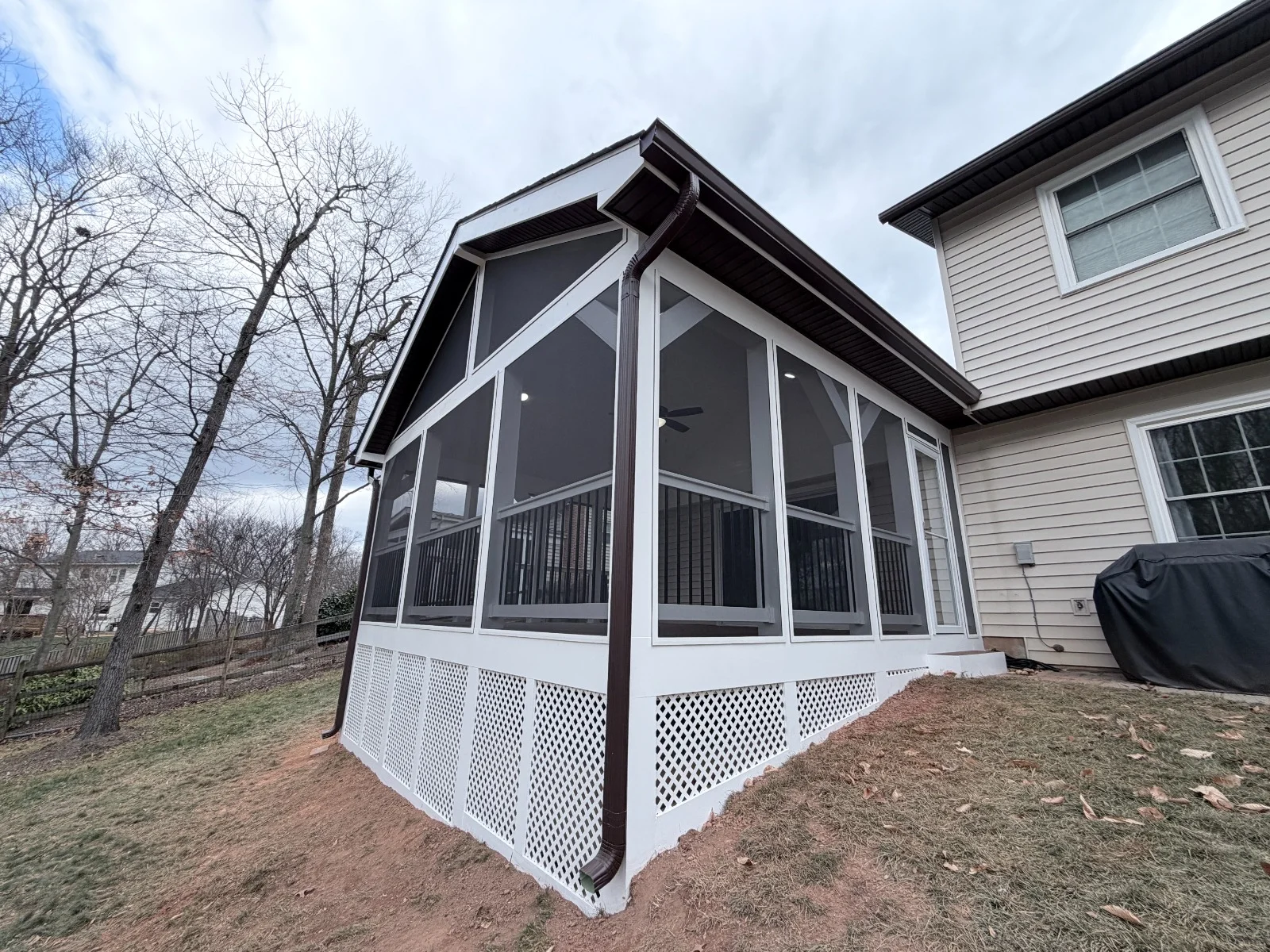
Decking in Northern Virginia is more than adding boards behind the house. A well-planned deck can become an outdoor dining room, a transition between the kitchen and backyard, a family gathering zone, a quiet coffee space, or part of a larger home addition and outdoor living project.
For homeowners in Herndon, Fairfax, Reston, Ashburn, Chantilly, McLean, Centreville, Vienna, Alexandria and nearby communities, the best deck projects start with practical planning: size, structure, stairs, railings, shade, privacy, materials, permits, drainage and how the new space connects to the home.
This guide explains what to think about before starting a deck remodel or new deck project with Elegant Kitchen and Bath’s Decking service.
Decking Planning Snapshot
| Planning Area | What to Decide | Why It Matters |
|---|---|---|
| Deck purpose | Dining, grilling, lounging, entertaining, backyard access | Controls size, layout and traffic flow. |
| Structure | Attached deck, freestanding deck, stairs, levels, posts | Affects permits, safety and construction details. |
| Materials | Wood, composite-style decking, railings, fasteners | Shapes maintenance, cost and lifespan. |
| Comfort | Shade, lighting, privacy, seating, storage | Makes the deck more usable after installation. |
| Permits | County/city requirements, HOA review, inspections | Protects the project from compliance problems. |
Why a Deck Is a High-Value Outdoor Remodeling Project
A deck can change how a home lives. It creates a usable outdoor room without the full complexity of an interior addition. For many Northern Virginia homeowners, a deck becomes the space where family dinners, summer gatherings, grilling, reading, container gardening and weekend downtime happen.
Decking can also support other remodeling goals. If the kitchen opens toward the backyard, a deck can make the kitchen feel larger and more connected to outdoor entertaining. If the home has a finished basement or walkout lower level, a deck or multi-level outdoor structure can improve circulation between indoor and outdoor spaces.
Decking Design Questions to Answer First
Before choosing a material or railing style, homeowners should define how the space should function. A deck built mainly for grilling needs different clearances than a deck built for quiet seating. A deck connected to a kitchen may need easy access, lighting and a dining zone. A deck connected to a sloped yard may need stairs, landings and stronger railing planning.
- How many people should the deck comfortably hold?
- Will the deck be used for dining, lounging, grilling or all three?
- Does the deck need stairs to the yard?
- Should the deck connect with a kitchen, basement, patio, pergola or home addition?
- Is privacy important because of neighboring homes?
- Will the deck need lighting, outlets or future shade coverage?
- Are there HOA rules, setbacks or local permit requirements?
Deck Materials: Wood vs Low-Maintenance Options
Deck material choice affects appearance, maintenance and long-term cost. Traditional wood can offer warmth and a natural look, but it usually needs more ongoing maintenance. Low-maintenance decking products can reduce upkeep and create a more consistent finish, but they still need correct framing, fastening, ventilation and installation details.
| Material Direction | Strength | Planning Note |
|---|---|---|
| Pressure-treated wood | Cost-conscious and familiar | Needs regular maintenance and inspection. |
| Cedar or premium wood | Natural warmth and upgraded appearance | Maintenance expectations should be clear. |
| Composite-style decking | Lower maintenance and consistent boards | Requires proper installation and heat/color planning. |
| PVC-style decking | Moisture resistance and low upkeep | Can have a different feel and price point. |
Deck Safety Details Homeowners Should Not Ignore
A deck must be beautiful, but it also has to be safe. Safety starts below the surface with footings, posts, beams, joists, ledger connections, fasteners and flashing. Railings, stairs and landings should also be planned carefully because they affect daily use and code compliance.
The North American Deck and Railing Association frequently emphasizes deck safety topics such as ledger boards, flashing and structural inspection. Ledger flashing is especially important because the area where the deck connects to the house can be vulnerable to moisture if it is not detailed correctly.
| Safety Area | What to Review | Why It Matters |
|---|---|---|
| Ledger board | Attachment, flashing, water management | Helps protect the deck-to-house connection. |
| Footings and posts | Size, depth, spacing, soil conditions | Supports the deck load. |
| Railings | Height, spacing, movement, attachment | Protects elevated deck areas. |
| Stairs | Rise, run, landings, handrails, lighting | Improves safety and usability. |
| Fasteners and hardware | Corrosion resistance and correct connectors | Reduces long-term structural risk. |
Do Deck Projects Require Permits in Northern Virginia?
Many deck projects require permit review, especially attached decks, elevated decks, decks with stairs, structural changes or projects connected to other exterior improvements. Requirements can vary by county, city and project scope, so homeowners should never assume a deck is exempt without checking local rules.
Fairfax County’s permit guidance includes decks among additions to existing homes that may require permits. The county also notes that permit applications can require drawings, plats, site-related plans and other documentation depending on the project. If you live in an HOA community, association approval may also be separate from county permit approval.
Useful starting points include Fairfax County’s permit guidance and the county’s review and permitting overview. Elegant Kitchen and Bath can help homeowners think through decking as part of a broader remodeling plan.
Deck Layout Ideas for Northern Virginia Homes
Kitchen-to-Deck Outdoor Dining
If the kitchen opens toward the backyard, a deck can become an extension of the cooking and dining area. This layout works well when homeowners want easier outdoor meals, grilling and entertaining. It also pairs naturally with kitchen remodeling because door placement, traffic flow and lighting can be considered together.
Multi-Level Deck for Sloped Yards
Many Northern Virginia homes have sloped lots. A multi-level deck can help connect the main living level to a lower yard, patio or basement walkout. This type of deck needs stronger planning for stairs, landings, railings and structural support.
Deck and Pergola Combination
A deck can feel more comfortable when it includes shade or partial coverage. A pergola can help define a seating or dining zone and make the outdoor space feel more complete. Homeowners interested in shade and outdoor structure planning can also review Pergolas & Winter Gardens.
Deck as Part of a Home Addition
Sometimes decking works best as part of a larger home expansion. If a homeowner is adding a family room, sunroom, expanded kitchen or second-story addition, the deck should be planned with the overall exterior circulation. See Home Addition Remodeling for related planning.
Decking Cost Factors
Decking cost depends on size, height, framing, materials, stairs, railings, demolition, permit requirements, site access and whether the project includes lighting, privacy screens, pergola features or related remodeling work. A ground-level deck with a simple shape is very different from an elevated multi-level deck with stairs and custom railing.
| Cost Factor | Lower Scope | Higher Scope |
|---|---|---|
| Size | Small grilling or seating deck | Large entertainment deck with multiple zones |
| Height | Low deck close to grade | Elevated deck with stairs and railings |
| Materials | Pressure-treated wood | Premium composite/PVC-style decking and upgraded railing |
| Site conditions | Easy access, simple yard | Sloped yard, drainage challenges, limited access |
| Features | Basic platform | Lighting, privacy, pergola, stairs, built-in seating |
How to Plan a Better Decking Project
- Define the purpose. Decide whether the deck is mainly for dining, lounging, grilling, backyard access or entertaining.
- Measure the transition from the house. Door location, threshold height and existing grade matter.
- Check permit and HOA requirements early. Approval delays can affect schedule.
- Choose materials based on maintenance expectations. A lower-maintenance surface may cost more upfront but reduce upkeep.
- Plan safety details before finishes. Footings, ledger flashing, railings and stairs are essential.
- Coordinate with other remodeling goals. Decking may connect with kitchens, basements, additions or pergolas.
Decking Service Areas
Elegant Kitchen and Bath serves homeowners across Northern Virginia, including Herndon, Chantilly, Centreville, Reston, Sterling, Great Falls, Ashburn, Fairfax, McLean, Vienna, Falls Church, Alexandria, Arlington, Leesburg and nearby communities. A local approach matters because lot conditions, permitting, HOA rules and home styles vary from one area to another.
FAQ: Decking in Northern Virginia
What should I plan before a deck remodel?
Plan the deck’s purpose, size, stairs, railing needs, material direction, shade, privacy, lighting, permit requirements and how the deck connects to the home.
Do deck projects require permits?
Many deck projects require permits, especially attached, elevated or structurally complex decks. Requirements vary by locality, so homeowners should check county or city rules before work begins.
Can decking connect with a home addition or kitchen project?
Yes. Decking often works well with kitchen remodeling, basement remodeling, home additions and pergola projects when indoor and outdoor circulation are planned together.
What is the safest part of a deck to review first?
Structural elements such as footings, posts, beams, joists, ledger connection, flashing, stairs and railings should be reviewed before decorative details.
Does Elegant Kitchen and Bath provide decking services in Northern Virginia?
Yes. Elegant Kitchen and Bath provides decking service support for homeowners planning outdoor living upgrades in Northern Virginia.