

Countertop replacement and full kitchen remodeling are two very different services, even though many homeowners begin both projects with the same thought: the kitchen no longer feels right. Maybe the counters are stained, chipped, dated or difficult to clean. Maybe the island feels too small. Maybe the cabinets still work, but the surface colors make the entire room feel older than it is. Or maybe the countertop is only one visible symptom of a deeper layout problem.
That distinction matters. A countertop replacement can be a smart, focused upgrade when the kitchen layout is already functional and the cabinets are in good condition. A full kitchen remodel is usually the better path when the room needs new storage, better appliance placement, improved traffic flow, updated lighting, new flooring or a different footprint. Choosing the wrong service can lead to frustration. Homeowners may spend money on beautiful new counters, then realize six months later that the cabinet layout still does not support daily life.
This guide explains how to compare countertop replacement and kitchen remodeling Northern Virginia homeowners often consider before making a major kitchen investment. It covers budget, cabinets, layout, surfaces, timelines, design priorities, contractor questions and the decision points that help determine whether a targeted countertop project or a complete remodel is the stronger choice.
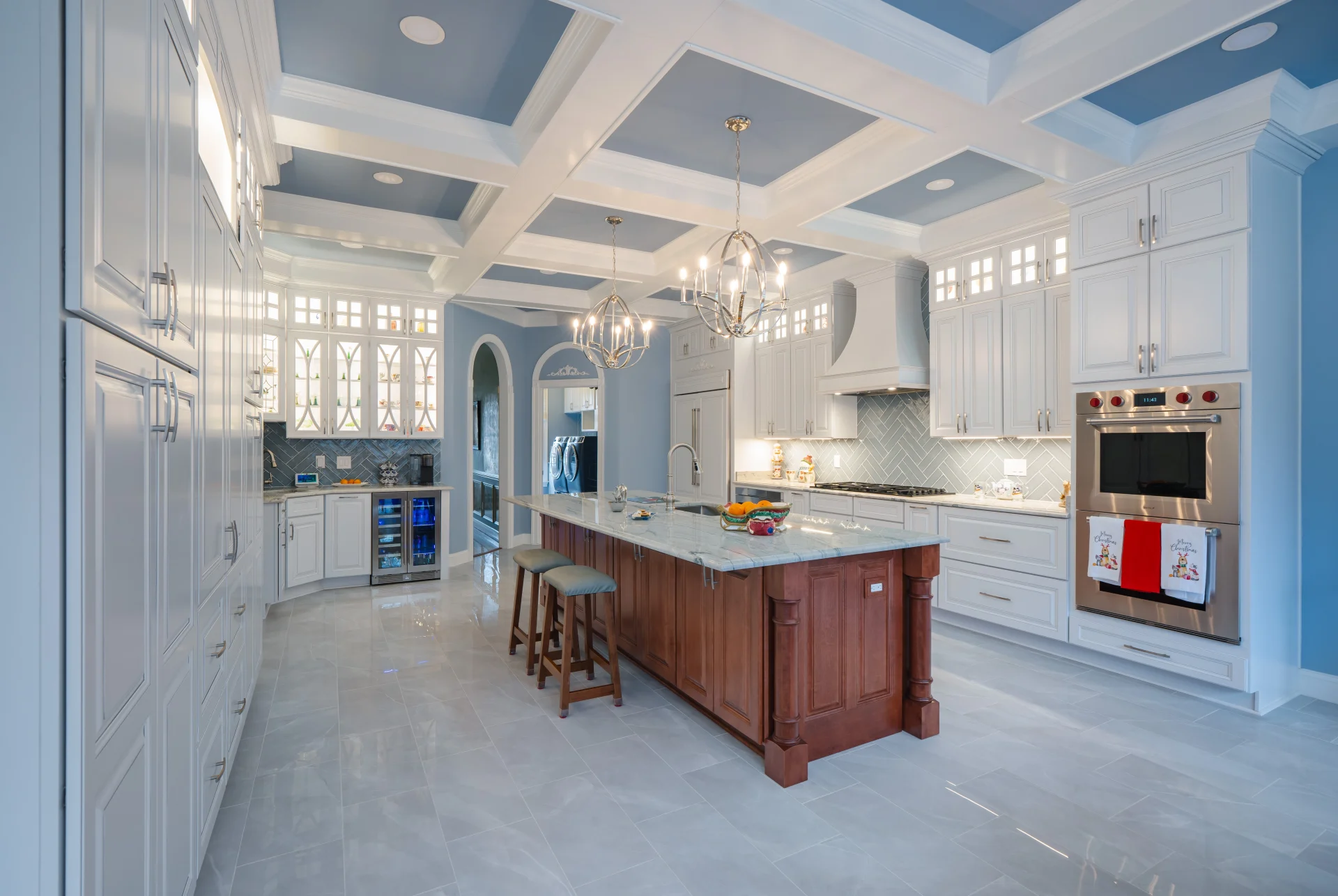
The Simple Difference Between the Two Services
Countertop replacement is a focused surface upgrade. The existing cabinets usually stay in place. The general layout remains the same. The project may include removing old counters, templating the new surface, fabricating slabs, installing new countertops, adding a sink, updating a faucet and coordinating backsplash repairs or replacement. It can make a kitchen look fresher without rebuilding the entire room.
A full kitchen remodel is broader. It may include layout changes, cabinet replacement, new countertops, backsplash, flooring, lighting, appliance relocation, plumbing adjustments, electrical work, ventilation, paint, trim and sometimes wall removal. It is the right service when the kitchen does not only look dated, but also fails to function well.
Both services can improve the home. The question is not which one is better in general. The question is which one matches the condition of the kitchen, the homeowner’s goals and the way the space will be used over the next several years.
When Countertop Replacement Makes Sense
Countertop replacement is often the right choice when the kitchen has a good foundation. If cabinets are sturdy, level, properly installed and laid out well, new countertops can create a major visual improvement without the cost and disruption of a full remodel. This is common in kitchens where the cabinet boxes are solid but the laminate, tile, old granite or dated color palette is holding the room back.
It is also a practical option for homeowners preparing for resale. A worn countertop can make an otherwise clean kitchen feel tired. Replacing the surface with a light quartz, warm neutral stone or durable solid surface can help the room photograph better and feel more current during showings. In that situation, the goal is not to redesign every inch. The goal is to remove a visible weakness and make the existing kitchen feel cared for.
Countertop replacement may also fit when the homeowner has a limited timeline. A full kitchen remodel requires more planning, ordering and construction coordination. A countertop-focused project is still detailed, especially during templating and fabrication, but it is usually simpler than replacing cabinets, moving utilities and coordinating multiple trades.
When a Full Kitchen Remodel Is the Better Investment
A full kitchen remodel becomes the stronger choice when the kitchen has structural or functional problems that countertops cannot fix. If cabinets are damaged, poorly configured, low quality, out of level or too small for the household, new counters may only cover an old problem. If the refrigerator blocks a walkway, the sink is too far from prep space, the island is awkward, the pantry is insufficient or the lighting is weak, a surface-only project will not solve the real issue.
Full remodeling is also the better path when homeowners want to change the room’s footprint. Removing a wall, opening the kitchen to a dining area, expanding an island, adding a pantry wall or relocating appliances all require a broader scope. Once plumbing, electrical, cabinets and flooring are involved, the project should be planned as a complete kitchen remodel instead of a countertop swap.
Long-term ownership is another factor. If homeowners expect to stay in the house for many years, a complete remodel can be designed around daily routines, storage, entertaining, work-from-home needs and aging-in-place comfort. The kitchen becomes a room designed for the household, not only a room with new surfaces.
Quick Comparison Table
| Decision point | Countertop replacement | Full kitchen remodel |
|---|---|---|
| Best fit | Cabinets and layout are already working. | Layout, storage, lighting or cabinets need major improvement. |
| Typical scope | Remove old counters, template, fabricate, install new surface, coordinate sink and faucet. | Cabinets, counters, backsplash, flooring, lighting, appliances, plumbing, electrical and layout planning. |
| Disruption level | Lower, with shorter active installation time. | Higher, with more decisions and construction phases. |
| Design flexibility | Limited by existing cabinet footprint. | High, because the room can be reconfigured. |
| Budget behavior | More focused and easier to contain. | Larger range because more systems and finishes are involved. |
| Main risk | New counters may highlight old cabinets or layout issues. | Scope can expand without clear planning and selections. |
Start by Inspecting the Cabinets
Cabinet condition is the first major checkpoint. Countertops are heavy, and a new surface needs a stable base. If cabinet boxes are weak, sagging, water damaged, poorly fastened or badly out of level, replacing only the countertops can become risky. Even a beautiful quartz or stone surface will not feel like a good investment if the cabinets underneath are failing.
Homeowners should look inside sink cabinets for water damage, check drawer operation, inspect hinges, confirm that base cabinets are secure and review whether the layout still supports modern storage needs. Older kitchens often lack deep drawers, trash pull-outs, tray dividers, spice storage, pantry organization and appliance garages. If the storage plan is a daily frustration, cabinet replacement may be more valuable than countertop replacement alone.
There are middle paths. Sometimes cabinets can be refaced, painted or modified while new counters are installed. Sometimes a small cabinet adjustment, such as adding a trash pull-out or replacing a desk area with storage, can improve the kitchen without a full redesign. But if the cabinets are a major problem, a full kitchen remodeling service is usually the cleaner long-term answer.
Think About Layout Before Choosing Material
Many homeowners start by choosing a countertop material, but layout should come first. A countertop upgrade can make a good layout look better. It cannot turn a poor layout into a great kitchen. Before selecting quartz, granite, quartzite or another surface, homeowners should ask how the room handles cooking, cleanup, storage, seating and traffic.
Important layout questions include: Is there enough prep space near the sink and cooktop? Does the refrigerator open comfortably? Are people constantly passing through the main work zone? Is the island the right size? Does the kitchen need more pantry storage? Are small appliances cluttering the counter because there is no better place for them? Is the backsplash area too crowded with outlets, switches or shallow cabinets?
If the answers point to layout problems, a full remodel should be considered. If the layout is strong and the main problem is surface age, countertop replacement may be an efficient upgrade. Elegant Kitchen and Bath’s countertop options and cabinet options can be reviewed together so the surface choice supports the rest of the room.
Countertop Materials and How They Affect the Decision
The countertop material can influence whether a focused replacement makes sense. Quartz is a common choice for Northern Virginia kitchens because it offers a polished look, strong durability and low maintenance. Granite and quartzite appeal to homeowners who like natural stone movement. Solid surface materials may work in practical or budget-sensitive settings. Porcelain slabs can create a modern look, though fabrication details and edge treatment should be discussed carefully.
Material choice should match lifestyle. A busy household may want a durable surface that handles everyday cooking and cleanup. A homeowner who loves natural variation may accept the maintenance expectations of certain stones. A compact kitchen may benefit from a light, quiet surface that keeps the room open. A large island may need slab planning so seams and veining look intentional.
For countertop replacement, material selection also has to respect the existing cabinets. A dramatic slab can look beautiful, but it may make older cabinets feel more dated. A very modern surface may clash with traditional cabinet doors. A warm neutral countertop can often bridge old and new better than a high-contrast statement surface.
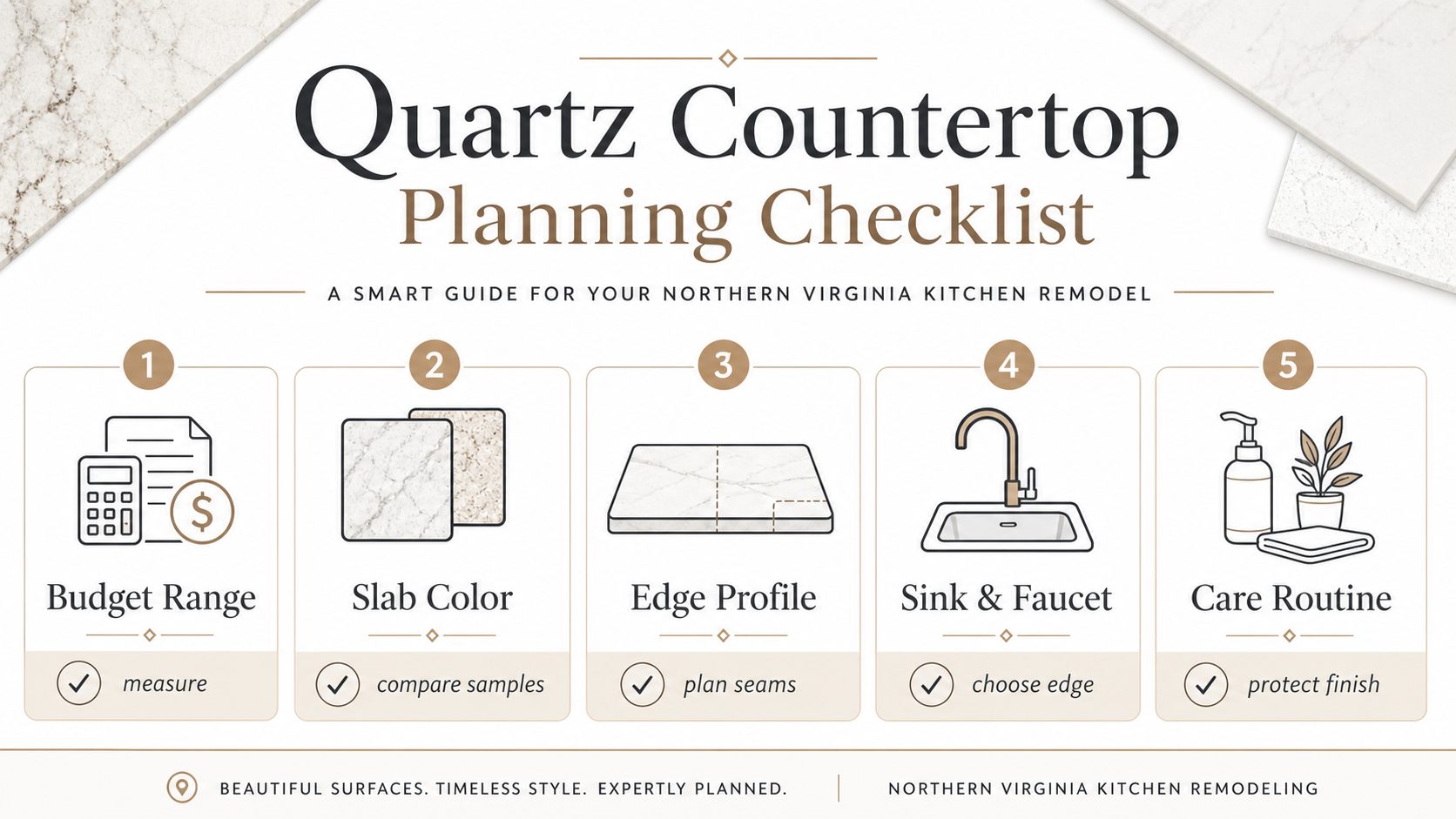
Budget: Focused Upgrade or Bigger Reset?
Budget is one of the clearest differences between the two services. Countertop replacement is usually easier to define because the scope is narrower. The main cost factors include material, square footage, slab count, fabrication, edge profile, cutouts, sink installation, removal of existing counters and backsplash coordination. Premium slabs, waterfall panels, complex shapes and large islands increase cost.
A full kitchen remodel has a wider budget range because it includes more categories. Cabinets, countertops, backsplash, flooring, lighting, appliances, plumbing, electrical, ventilation, demolition, carpentry and project management all affect the final number. The upside is that the money addresses the complete kitchen rather than one surface.
The key is to avoid a false economy. If a homeowner spends heavily on new counters while keeping cabinets that will need replacement soon, the project may create rework. Countertops are often removed when cabinets are replaced. That means a surface-only investment can be wasted if the room needs a larger remodel shortly afterward.
Timeline and Household Disruption
Countertop replacement can still take planning time, especially if slabs must be selected, templated, fabricated and scheduled. The active installation window is usually shorter than a full remodel, but the kitchen may be partially unusable during removal and installation. If a sink is replaced, plumbing reconnection needs coordination. If backsplash work is involved, the schedule may extend.
A full kitchen remodel is more disruptive because the room may be unavailable for weeks or longer, depending on scope, materials and inspections. Homeowners should plan temporary cooking, food storage, dust protection, pet routines, parking, deliveries and communication expectations before construction begins.
For many households, disruption is worth it when the kitchen will be significantly improved. But if the kitchen already works well and the goal is a quicker visual refresh, countertop replacement may be more comfortable.
Decision Matrix: Which Path Fits Your Kitchen?
| Kitchen condition or goal | Likely better path | Why |
|---|---|---|
| Cabinets are solid, layout works and the counters are dated. | Countertop replacement | The base is strong, so a surface upgrade can deliver visible value. |
| Cabinets are damaged, sagging or poorly installed. | Full kitchen remodel | New counters need a reliable cabinet base. |
| The kitchen needs a bigger island or better appliance placement. | Full kitchen remodel | Layout changes affect cabinets, electrical, flooring and counters. |
| The home is being prepared for sale soon. | Countertop replacement or light refresh | A focused upgrade may improve presentation without overbuilding. |
| The family plans to stay long term and the kitchen causes daily frustration. | Full kitchen remodel | The project can be designed around real routines and storage needs. |
| The backsplash, sink and faucet also need updating. | Either, depending on cabinets | These can be included in a countertop project, but cabinet condition still matters. |
Backsplash, Sink and Faucet Details
Countertop replacement often leads to other decisions. A new surface may not align perfectly with the old backsplash. Removing old counters can damage tile. A dated sink or faucet may look out of place against a new slab. For that reason, homeowners should decide early whether the project includes backsplash replacement, sink replacement and faucet upgrades.
Undermount sinks are popular because they create a clean look and make wiping crumbs into the sink easier. Workstation sinks, large single-bowl sinks and farmhouse sinks require more planning. Faucet holes, soap dispensers, filtered water taps and air switches should be confirmed before fabrication. Once the slab is cut, changes can be difficult or impossible.
Backsplash design should support the countertop, not fight it. If the countertop has strong veining, a simple backsplash may be best. If the countertop is quiet, the backsplash can carry more texture or pattern. In a full remodel, backsplash, lighting and cabinets can be selected together. In a countertop replacement, the new surface must coordinate with what stays.
Permits, Licensing and Contractor Checks
A simple countertop replacement may not require the same review as a larger kitchen remodel, but homeowners should still work with qualified professionals. If plumbing, electrical, structural changes, gas lines or major layout changes are involved, the project may require additional trade coordination and local code review. Requirements can vary by county, city and project scope, so homeowners should confirm expectations before work begins.
Virginia homeowners can verify contractor licensing through the official DPOR License Lookup. DPOR also explains that the Board for Contractors licenses businesses engaged in construction, removal, repair or improvement work on property owned by others. That makes license verification a sensible step before signing a remodeling contract, especially for larger kitchen projects.
Good contractor questions include: Who is responsible for templating? Who disconnects and reconnects plumbing? What happens if the cabinets are not level? How are seams approved? What is included in the proposal? Are backsplash repairs included? For a full remodel, homeowners should also ask about design process, scheduling, permits, inspections, payment milestones, material lead times and daily jobsite communication.
Common Mistakes to Avoid
The first mistake is replacing counters before confirming cabinet condition. If the cabinets are weak, out of level or nearing replacement, the project may create short-term improvement but long-term waste.
The second mistake is choosing a countertop from a small sample only. Large surfaces change the way color, movement and undertone appear. Homeowners should review larger samples or full slabs whenever possible, especially for veined materials.
The third mistake is ignoring lighting. Countertop color can look different under warm bulbs, cool bulbs, natural light and under-cabinet lighting. If the kitchen lighting is poor, the new surface may not look the way it did in the showroom.
The fourth mistake is treating backsplash as an afterthought. A dated backsplash can make a new countertop feel unfinished. A busy backsplash paired with a dramatic slab can make the kitchen feel visually crowded.
The fifth mistake is comparing proposals without matching scope. One countertop quote may include removal, sink cutout, edge profile and installation. Another may separate those items. A full kitchen remodel proposal can vary even more. Homeowners should compare complete scopes, not only headline numbers.
How to Plan the Project Step by Step
Start with an honest kitchen assessment. List what works and what does not. Separate cosmetic frustrations from functional problems. Cosmetic issues include dated color, worn surfaces and old backsplash tile. Functional problems include poor storage, bad traffic flow, weak lighting, appliance conflicts, damaged cabinets and insufficient prep space.
Next, inspect the cabinets. If they are solid and the layout works, countertop replacement may stay on the table. If the cabinets are failing or the layout does not support the household, move the conversation toward full remodeling.
Then review material direction. Choose countertop materials in relation to cabinets, flooring, backsplash, hardware and lighting. Do not select a slab in isolation. Bring samples together and review them in the actual home when possible.
After that, define the project scope. For countertop replacement, confirm removal, templating, fabrication, edge profile, sink, faucet, backsplash and plumbing coordination. For a full remodel, confirm design, demolition, cabinets, counters, backsplash, lighting, flooring, appliances, trade work, permits, inspections and schedule.
Finally, work with a contractor who can explain the sequence clearly. A strong process should reduce surprises. Elegant Kitchen and Bath’s remodeling process, countertop services and kitchen remodeling services are useful starting points for homeowners deciding which path fits.
Who Should Choose Countertop Replacement?
Countertop replacement is a good fit for homeowners who like their kitchen layout, trust the cabinet condition and want a meaningful visual upgrade without a major renovation. It is especially practical when the kitchen only needs a new surface, updated sink, fresh faucet and coordinated backsplash. It can also be a smart step for homeowners who need a cleaner, more marketable kitchen before listing a home.
The best candidates for countertop replacement are realistic about what the service can and cannot do. It can improve appearance, cleanup, durability and surface performance. It cannot add deep drawers, expand an island, fix traffic flow, create a pantry wall or move appliances. If those needs are central, the project should be larger.
Who Should Choose a Full Kitchen Remodel?
A full kitchen remodel is right for homeowners who want the room to work differently. If the kitchen lacks storage, feels crowded, has old cabinets, needs better lighting or does not connect well to nearby living spaces, a complete remodel can solve several problems at once. It also gives homeowners the chance to coordinate cabinets, countertops, backsplash, flooring, lighting and appliances from the beginning.
This path is especially valuable for long-term homeowners. Instead of making one visible update, the project can be designed around the way the household cooks, gathers, cleans, hosts and moves through the home. The finished kitchen can feel intentional because every decision supports the same plan.
Final Recommendation
If the cabinets are solid, the layout works and the main problem is an outdated surface, countertop replacement can be a smart investment. If the cabinets, layout, storage, lighting or appliance plan are part of the problem, a full kitchen remodel will usually deliver better long-term value. The right answer begins with a careful assessment, not a material sample.
For homeowners in Northern Virginia, the best next step is to compare both scopes before committing. Review the condition of the cabinets, define the daily frustrations, look at material options, ask practical contractor questions and decide whether the kitchen needs a focused refresh or a complete reset. When the scope matches the real problem, the finished project is more likely to feel beautiful, useful and worth the investment.
Frequently Asked Questions
Is countertop replacement worth it if the cabinets are old?
It depends on the condition of the cabinets. If the cabinets are sturdy, level and still functional, new countertops may be worthwhile. If the cabinets are damaged, weak or poorly laid out, a full kitchen remodel is usually a better long-term choice.
Can I replace countertops without replacing the backsplash?
Sometimes, but it depends on how the old countertop was installed and whether removal damages the tile. Many homeowners choose to update the backsplash at the same time so the finished kitchen looks complete.
Should I choose quartz for countertop replacement?
Quartz is a strong choice for many busy kitchens because it is durable, nonporous and available in many colors. The best material still depends on cabinet style, lighting, budget, maintenance expectations and design goals.
When does countertop replacement become a full remodel?
The project starts moving toward a full remodel when cabinets are replaced, appliances move, plumbing or electrical changes are significant, flooring changes, walls are altered or the kitchen layout is redesigned.
How should Northern Virginia homeowners choose a remodeling contractor?
Homeowners should compare complete scopes, review project experience, ask about scheduling and communication, and verify licensing through official resources such as Virginia DPOR License Lookup.