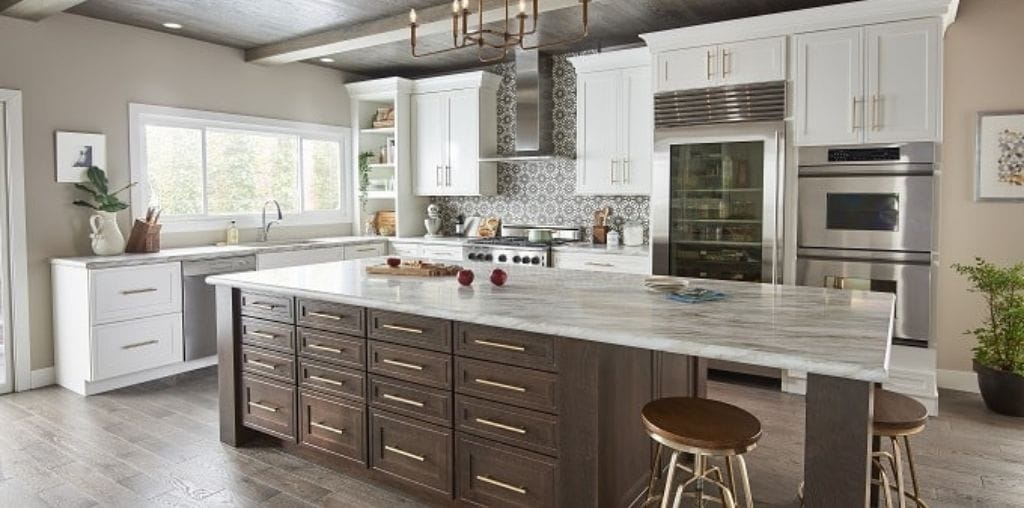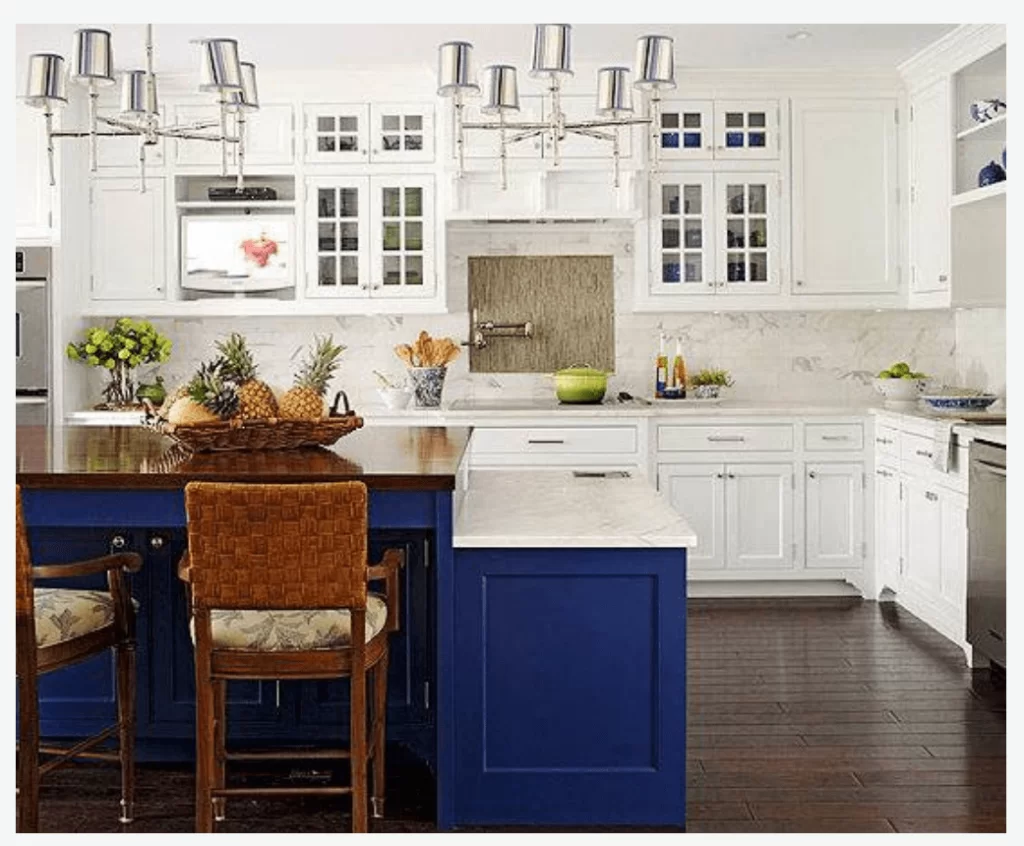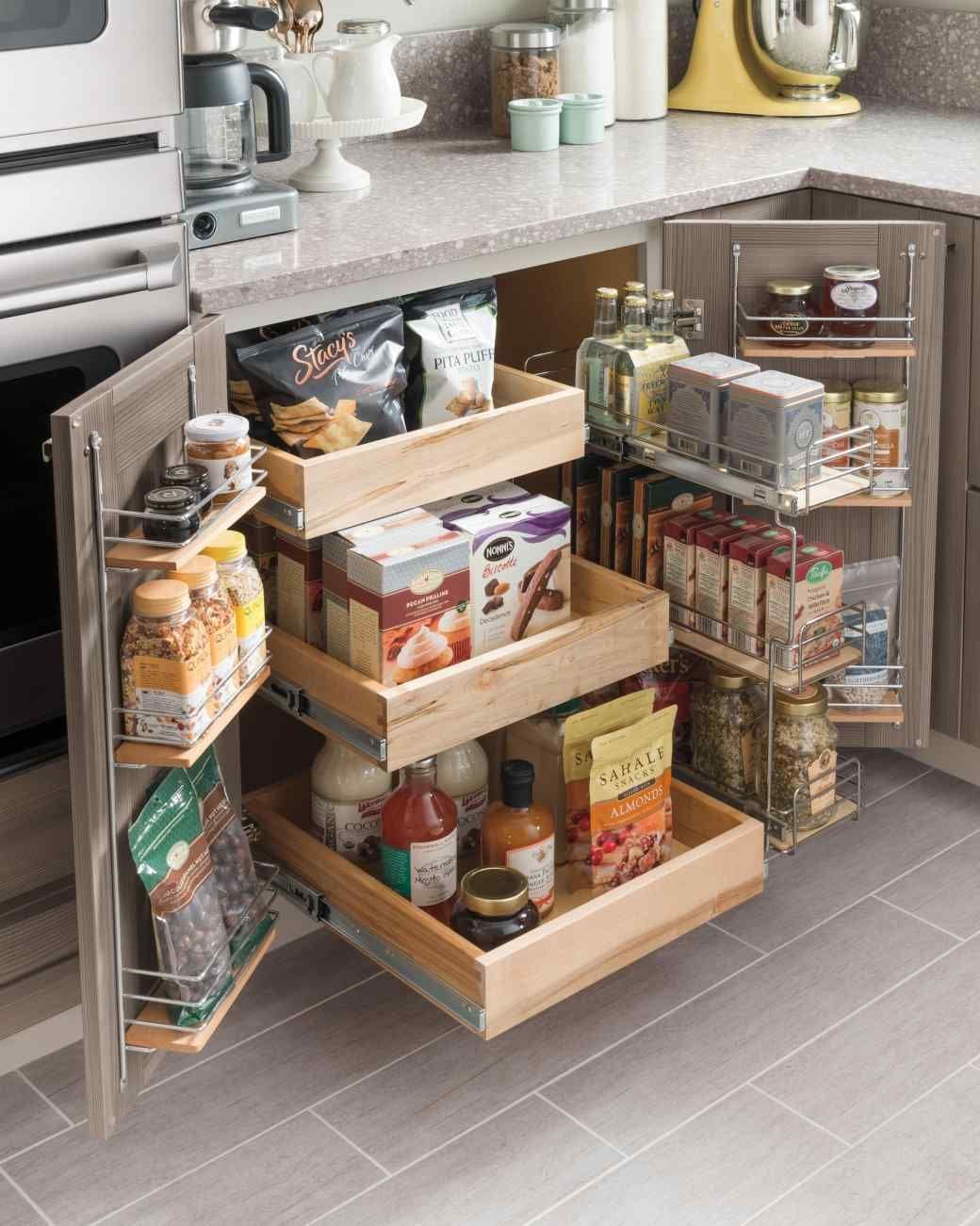
Selecting the ideal material for a kitchen island countertop involves balancing aesthetics, functionality, and durability. From classic choices like wood and granite to modern options such as resin and engineered quartz, homeowners face a myriad of possibilities.
Natural materials like maple offer warmth and character, while innovative liquid resins create unique, customizable surfaces. In this article, we’ll explore various countertop materials to help you decide on your kitchen island.
Key Takeaways for Choosing the Right Kitchen Island Countertop Material: Top 5 Ideas
Diverse Material Options: Kitchen island countertops are available in various materials, each offering unique advantages and drawbacks. Options include traditional choices like granite and wood and modern alternatives like epoxy and engineered quartz.
Essential Considerations: Durability, maintenance, aesthetic appeal, and cost are crucial in selecting the suitable countertop material. Practical needs, like resistance to common kitchen stains, should be balanced against visual impact.
Popular Choices: Quartz and granite are top picks for their durability and aesthetic appeal. Quartz is especially noted for its non-porous surface, making it resistant to stains and scratches, while granite is celebrated for its natural beauty.
Wood Countertops: Wood countertops add warmth and character but require more maintenance than stone or engineered materials. Regular oiling and careful cleaning are essential to preserve their appearance.
Innovative Options: Porcelain and sintered stone are emerging as innovative options. These materials offer exceptional durability and design flexibility and compete vigorously with traditional stone countertops.
Lifestyle Impact: A homeowner’s lifestyle significantly influences the choice of countertop material. Busy households prioritize durability and ease of maintenance, while design-focused individuals may opt for high-end natural stones.
Cost Considerations: The cost of countertop materials can vary widely. Porcelain and polyester resin are more budget-friendly than high-end natural stones like granite and marble. Long-term maintenance costs should also be considered.
Versatile Quartz: Quartz countertops are highly favored for their durability, low maintenance, and aesthetic versatility. They resist bacteria and don’t require sealing, making them ideal for busy kitchens.
Granite’s Timeless Appeal: Granite remains popular due to its natural beauty and durability. Each slab is unique, offering various colors and patterns that elevate any kitchen design.
Balancing Practicality and Style: Choosing the perfect countertop involves balancing aesthetic preferences with practical needs. Factors like kitchen traffic, usage patterns, and long-term durability are crucial in making an informed decision that aligns with style and functionality.
[ez-toc]
Understanding Your Options for Kitchen Island Countertops
Kitchen island countertops offer homeowners myriad options, each with distinct advantages and drawbacks. The manufacturing processes and final products vary significantly from traditional materials like granite to modern alternatives such as epoxy and metal. Durability, maintenance requirements, aesthetic appeal, and cost are crucial in decision-making. Practical considerations, such as resistance to stains from juice spills, must be weighed against visual impact. Additionally, lifestyle factors heavily influence material selection, as busy households may prioritize resilience over luxury. By examining the pros and cons of each option, homeowners can make informed choices that align with their needs and preferences.
Exploring the Variety of Countertop Materials Available
Kitchen island countertops come in various materials, each offering unique characteristics and aesthetics. From natural stone options like granite and sandstone to engineered surfaces like quartz, homeowners can select from multiple textures, colors, and finishes to complement their kitchendesign. Glass countertops provide a sleek, modern look. At the same time, teak offers a warm, organic feel for those seeking a more natural ambiance.
These materials’ construction and manufacturing processes greatly influence their durability, maintenance requirements, and overall performance. Quartz countertops, for instance, combine natural quartz crystals with resins to create a non-porous surface that resists stains and scratches. On the other hand, natural materials like sandstone may require more frequent sealing to maintain their appearance and functionality in a busy kitchen environment.
Durability and Maintenance: Key Considerations
Durability is crucial in selecting kitchen island countertops, as these surfaces endure constant wear and tear from daily use. Materials like granite and quartz offer exceptional resistance to scratches and impacts, while softer options like butcher block may show signs of wear more quickly. Homeowners must consider their lifestyle and usage patterns when evaluating the long-term performance of different countertop materials.
Maintenance requirements vary significantly among countertop materials, impacting aesthetics and functionality. While some surfaces, like terrazzo, demand regular sealing to prevent staining, others, like engineered quartz, require minimal upkeep. The ease of cleaning and resistance to common kitchen hazards, such as heat and moisture, should factor into the decision-making process. Here’s a comparison of durability and maintenance characteristics for popular countertop materials:
Material
Durability
Maintenance
Granite
High
Moderate (periodic sealing)
Quartz
High
Low
Butcher Block
Moderate
High (regular oiling)
Terrazzo
High
Moderate (periodic sealing)
Aesthetic Appeal vs. Practical Use
Choosing between aesthetic appeal and practical use often presents a challenging dilemma for homeowners selecting kitchen island countertops. Materials like granite and slate offer striking visual impact, enhancing the overall aesthetics of the kitchenspace. However, these natural stone options may require more maintenance and care to preserve their beauty.
On the other hand, practical materials such as butcher blocks provide functional surfaces ideal for food preparation but may need more visual sophistication than their stone counterparts. Homeowners must weigh the importance of aesthetics against the practicality of daily use, considering factors like resistance to stains from everyday kitchen items such as soap. The following table illustrates the balance between aesthetic appeal and practical use for various countertop materials:
Material
Aesthetic Appeal
Practical Use
Granite
High
Moderate
Slate
High
Moderate
Butcher Block
Moderate
High
Quartz
High
High
Cost Comparison of Various Materials
The cost of kitchen island countertops varies significantly across different materials, with porcelain and polyester resin options often providing more budget-friendly alternatives to high-end natural stones. Factors such as brand reputation, material quality, and installation complexity influence the overall price of a countertopproject. Homeowners should consider upfront and long-term maintenance expenses when evaluating their options.
Natural stone countertops like granite and marble typically command premium prices, while engineered materials such as quartz offer a balance between cost and durability. Butcher block countertops, which require regular oiling, are affordable for those seeking a warm, natural aesthetic. The wide range of available materials allows homeowners to find a solution that fits their budget without compromising style or functionality.
How Lifestyle Influences Material Choice
A homeowner’s lifestyle significantly influences the choice of kitchen island countertop material. Busy households with children may prioritize durable, solid surface options that resist scratches and stains. At the same time, design-conscious individuals might opt for high-end natural stone to elevate their interior design aesthetic.
The frequency of cooking and entertaining also plays a role in material selection. Avid cooks may prefer heat-resistant surfaces like granite, while those who use their kitchen as a social hub might choose materials that complement their furniture and overall décor. Some homeowners even incorporate unique elements like talc-based countertops to create a distinctive focal point in their kitchenspace.
Why Quartz Countertops Are a Top Choice
Quartz countertops have surged in popularity for kitchen islands, offering a compelling blend of durability, low maintenance, and aesthetic appeal. Unlike natural stone options, quartz resists bacteria growth and withstands daily wear and tear. Its non-porous surface eliminates the need for sealing, making it an ideal choice for busy kitchens. While the initial price of quartz may exceed that of some alternatives like tile or laminate, its longevity and versatility often justify the investment. Quartz complements various design styles, from modern to traditional, and coordinates seamlessly with other kitchen elements, such as floors and sinks. This engineered stone‘s wide range of colors and patterns allows homeowners to achieve the look of natural stone without the associated maintenance challenges.
Benefits of Quartz in Durability and Maintenance
Quartz countertops excel in durability and maintenance, making them an excellent choice for kitchen island surfaces. These engineered stones resist scratches, chips, and stains better than many natural alternatives, withstanding the rigors of daily use in busy kitchen spaces. Quartz also repels acid from common kitchen ingredients, preserving its appearance even after prolonged exposure.
During a kitchen remodel, homeowners appreciate quartz‘s low maintenance requirements and consistent color throughout the material. Quartz doesn’t require regular sealing or unique cleaning routines, unlike natural stones such as walnut butcher blocks. This table illustrates the benefits of quartz compared to other popular countertop materials:
Feature
Quartz
Granite
Marble
Butcher Block
Scratch Resistance
High
Moderate
Low
Low
Stain Resistance
High
Moderate
Low
Low
Maintenance
Low
Moderate
High
High
Color Consistency
High
Moderate
Low
Moderate
Quartz vs. Natural Stone: A Comparison
Quartz, an engineered stone, competes with natural stone options like granite and marble for kitchen island countertops. Chefs appreciate quartz‘s consistent performance and durability, while natural stone offers unique patterns and textures. Quartz resists stains and scratches better than most natural stones, making it ideal for busy kitchens.
Natural stone countertops generally handle heat better than quartz, allowing direct placement of hot pots and pans. However, quartz manufacturers have improved heat resistance in recent years. Both quartz and natural stone outperform materials like steel or paper-based composites in terms of longevity and aesthetic appeal.
The Aesthetic Versatility of Quartz
Quartz countertops offer remarkable aesthetic versatility, making them popular for kitchen remodeling projects. Unlike ceramic or concrete options, quartz combines natural mineral particles with resins to create a wide array of colors and patterns, mimicking the look of various stones or offering unique designs that are impossible to achieve with natural materials.
Customizing quartz countertops allows homeowners to match their kitchen island to any design scheme, from traditional to ultra-modern. This versatility, coupled with quartz‘s durability and environmentally friendly production process, positions it as a top contender for those seeking style and substance in their kitchen surfaces.
Understanding the Cost of Quartz Countertops
Quartz countertops offer excellent value for kitchen islands, balancing cost with durability and design flexibility. While initial prices may exceed those of laminate or tile options, quartz‘s longevity and resistance to water damage often result in lower long-term expenses. The material’s compatibility with various cabinetry styles further enhances its cost-effectiveness in overall kitchendesign.
The beauty of quartz countertops stems from their engineered composition, which blends natural quartz with polyester resins. This manufacturing process allows various color options and patterns, often cheaper than comparable natural stone alternatives. Homeowners can achieve their desired aesthetic without compromising quality or breaking their budget.
The Timeless Appeal of Granite Countertops
Granite countertops have long been a staple in kitchendesign, offering a unique blend of natural beauty and durability that few other building materials can match. Unlike synthetic options such as plastic, Corian, or engineered quartzite, granite‘s organic patterns and rich colors provide a timeless elegance that complements various kitchen styles, from traditional oakcabinetry to modern minimalist designs. Its enduring popularity stems from its ability to withstand the rigors of daily use while maintaining its lustrous appearance for years. Homeowners appreciate granite‘s customization versatility and relatively straightforward maintenance requirementscompared to other natural stone options.
Why Granite Has Remained Popular for Years
Granite‘s enduring popularity in home improvement projects stems from its unparalleled natural beauty and durability. Unlike materials such as limestone or cement, granite resists scratches, heat, and stains, maintaining its luxurious appearance even after years of heavy use in busy kitchens.
The unique patterns and rich color variations in granitecountertops create a sense of elegance that materials like stainless steel or engineered surfaces struggle to match. As granite ages, it develops a subtle patina that enhances its character, further contributing to its timeless appeal and making it a preferred choice for homeowners seeking long-lasting value in their kitchen investments.
Caring for Granite: Tips and Tricks
Caring for granite countertops requires less effort than maintaining marble or soapstone surfaces, but regular attention ensures their longevity and beauty. Homeowners should clean granite daily with a mild soap and warm water solution, avoiding harsh chemicals that might damage the stone’s finish or affect nearby kitchen cabinets.
Sealing granite countertops annually protects them from stains and enhances their natural luster. This process fits most homeowners’ budgets and doesn’t require advanced Javascript knowledge. For stubborn stains, a poultice made from baking soda and water can lift the discoloration without harming the granite‘s surface.
Customization Options With Granite
Granite countertops offer extensive customization options, allowing homeowners to create unique kitchen island surfaces that complement their overall design aesthetic. Fabricators can cut granite slabs into various shapes and sizes, accommodating different island configurations and integrating features like built-in cutting boards. The natural variations in granite‘s patterns and colors provide opportunities for selecting pieces that harmonize with other elements in the kitchen, such as cabinetry and flooring.
Edge profiles present another avenue for customization, ranging from simple beveled edges to more elaborate ogee or waterfall designs. Homeowners can also incorporate inlays of contrasting materials, such as stainless steel or colored grout, to create distinctive accents. While primarily associated with kitchens, granite‘s versatility extends to bathroom vanities, where its ability to resist mold and stains makes it an excellent choice for high-moisture environments.
Customization Option
Description
Benefit
Slab Selection
Choose specific granite patterns and colors
Personalized aesthetic
Edge Profiles
Various edge designs available
Enhanced visual appeal
Inlays
Incorporate contrasting materials
Unique design accents
Surface Finish
Polished, honed, or leathered options
Tailored texture and appearance
Laminate Countertops: Budget-Friendly Choices
Laminate countertops offer a cost-effective solution for kitchen island surfaces, combining affordability with versatility. Modern laminate technology has vastly improved the material’s appearance and durability, allowing it to mimic the look of natural stone or even copper. While not as heat-resistant as rock-based options, laminate can withstand typical cooking activities when proper precautions are taken, such as using trivets for hot pots. Homeowners can now achieve luxurious aesthetics without breaking the bank, and laminate’s durability has increased to rival more expensive materials in certain aspects. This budget-friendly option provides a practical choice for those seeking to balance style and functionality in their kitchendesign.
Advancements in Laminate Technology
Modern laminate countertops have undergone significant technological advancements, improving their durability and aesthetic appeal. Manufacturers now utilize high-definition printing techniques to create realistic stone and wood grain patterns that rival the appearance of natural materials. These improvements allow homeowners to achieve luxurious looks without the high costs of premium countertop options.
Enhanced wear resistance and improved edge treatments have extended the lifespan of laminate countertops. New manufacturing processes incorporate antimicrobial properties, making these surfaces more hygienic for food preparation areas. Advances in core materials have also increased laminate’s resistance to moisture and impact, addressing previous limitations of this budget-friendly option:
Advancement
Benefit
Impact on Performance
High-Definition Printing
Realistic Patterns
Enhanced Aesthetics
Improved Edge Treatments
Seamless Appearance
Increased Durability
Antimicrobial Properties
Improved Hygiene
Better Food Safety
Enhanced Core Materials
Moisture Resistance
Extended Lifespan
How to Make Your Laminate Countertops Look Luxurious
Laminate countertops can achieve a luxurious appearance by carefully selecting high-end patterns and textures that mimic premium materials like marble or granite. Pairing these sophisticated laminates with upscale hardware and fixtures elevates the overall aesthetic of the kitchen island. Homeowners can enhance the luxurious look by opting for seamless edge profiles and under-mount sinks, creating a sleek, high-end finish.
Strategic lighting plays a crucial role in showcasing laminate countertops’ upscale appearance. Installing under-cabinet LED strips or pendant lights above the kitchen island highlights the countertop‘s surface, emphasizing its texture and depth. Complementing the laminate with high-quality backsplashes and well-chosen accessories completes the luxurious transformation of budget-friendly kitchen island countertops.
Comparing the Durability of Laminate to Other Materials
Laminate countertops offer surprising durability compared to other materials, particularly in scratch and stain resistance. While they may not match natural stone or quartz’s longevity, modern laminates can withstand daily wear and tear. Their resistance to moisture and chemicals often surpasses that of wood or certain types of tile.
Heat resistance remains a limitation for laminate countertops compared to materials like granite or engineered stone. However, laminate’s affordability and ease of replacement can offset this drawback for budget-conscious homeowners. The following table compares the durability aspects of laminate to other common countertop materials:
Material
Scratch Resistance
Stain Resistance
Heat Resistance
Overall Durability
Laminate
Moderate
High
Low
Moderate
Granite
High
Moderate
High
High
Quartz
High
High
Moderate
High
Wood
Low
Low
Low
Low
Bringing Warmth to Your Kitchen With Wood Countertops
Wood countertops bring a unique warmth and character to kitchen islands, offering a natural alternative to stone or synthetic materials. From dense hardwoods like maple and oak to exotic species such as teak and zebrawood, each type of wood imparts distinct visual and functional qualities to the kitchen space. Proper protection and maintenance are crucial for preserving the beauty and longevity of wood countertops, as they are more susceptible to scratches and water damage than other materials. Integrating wood with complementary materials like stone or metal can create striking visual contrasts and enhance the overall design aesthetic of the kitchen, making wood a versatile choice for homeowners seeking a blend of tradition and modern style.
Types of Wood and Their Unique Characteristics
Wood countertops offer a diverse range of options for kitchen islands, each with distinct characteristics. Maple provides a light, uniform appearance, and excellent durability, while oak‘s prominent grain patterns and natural resistance to moisture make it a popular choice for busy kitchens. Walnut countertops bring rich, dark tones and a smooth texture, ideal for creating a luxurious atmosphere.
Exotic woods like teak and zebrawood offer unique visual appeal and exceptional durability. Teak‘s natural oils make it resistant to water and decay, while zebrawood’s striking grain patterns create a bold focal point in any kitchendesign. Though technically grass, bamboo provides a sustainable alternative with its rapid growth, light, and contemporary aesthetics.
Protecting Your Wood Countertops From Damage
Protecting wood countertops from damage requires diligent care and maintenance. Regularly applying food-grade mineraloil or beeswax creates a protective barrier against moisture and stains, preserving the wood‘s natural beauty. Homeowners should avoid placing hot pots directly on the surface and use cutting boards to prevent scratches.
Addressing spills promptly and using gentle cleaning methods helps maintain the integrity of wood countertops. A mixture of mild soap and warm water suffices for routine cleaning while avoiding harsh chemicals or abrasive scrubbers to prevent damage to the wood‘s finish. Implementing these protective measures ensures the longevity and attractiveness of woodkitchen island countertops:
Protection Method
Benefit
Frequency
Mineral Oil Application
Moisture Resistance
Monthly
Cutting Board Use
Scratch Prevention
Always
Gentle Cleaning
Surface Preservation
Daily
Prompt Spill Cleanup
Stain Prevention
Immediately
Integrating Wood Countertops With Other Materials
Integrating woodcountertops with other materials creates visually striking and functional kitchen island designs. Combining wood with stone, such as granite or marble, offers a balance of warmth and elegance. Stainless steel accents or appliances paired with wood countertops provide a contemporary contrast that appeals to modern aesthetics.
Homeowners can incorporate glass elements, such as raised glass bars or inlaid glass sections, to add depth and interest to wood countertops. Mixing different wood species or using contrasting wood grains within the same countertopdesign creates unique patterns and textures. The following table illustrates popular material combinations with wood countertops:
Wood Type
Complementary Material
Design Style
Maple
Granite
Traditional
Walnut
Stainless Steel
Modern
Oak
Glass
Eclectic
Bamboo
Concrete
Industrial
Innovative Materials: Exploring Porcelain and Sintered Stone
Porcelain and sintered stone represent cutting-edge innovations in kitchen island countertop materials, offering homeowners advanced alternatives to traditional options. These engineered surfaces combine exceptional durability with sophisticated aesthetics, challenging the dominance of natural stone and quartz in high-end kitchendesign. Porcelain countertops have gained traction for their sleek appearance and remarkable resistance to heat and stains, while sintered stone pushes the boundaries of material science with its ultra-compact structure. As these modern materials enter the market, they present unique advantages and considerations compared to classic countertop choices, prompting a reevaluation of performance, style, and value in kitchen renovations.
The Rising Popularity of Porcelain Countertops
Porcelain countertops have become popular among homeowners seeking durable and stylish kitchen island surfaces. Their exceptional resistance to heat, scratches, and stains has positioned them as formidable competitors to traditional materials like granite and quartz. The ability to manufacture porcelain in large, thin slabs has expanded design possibilities, allowing for seamless installations and unique aesthetic options.
Advancements in digital printing technology have enabled porcelain manufacturers to replicate the look of natural stone with remarkable accuracy. This development has attracted consumers who desire the appearance of marble or quartzite without the associated maintenance concerns. The combination of practicality and visual appeal has solidified porcelain‘s place as a top choice for modern kitchen renovations.
Sintered Stone: The New Frontier in Countertop Materials
The sintered stone represents a revolutionary advancement in countertop materials, offering unparalleled durability and versatility for kitchen islands. This engineered surface combines natural minerals and pigments under extreme heat and pressure, resulting in a non-porous, ultra-compact material that resists scratches, stains, and UV radiation. Sintered stone’s ability to withstand high temperatures makes it an ideal choice for busy kitchens where hot pots and pans are frequently used.
The manufacturing process of sintered stone allows for a wide range of colors and patterns, including realistic marble and concrete looks. Its thin profile and large format slabs enable creative design applications like waterfall edges and seamless backsplashes. As awareness of sintered stone grows, it challenges traditional materials in performance and aesthetics, offering homeowners a cutting-edge option for kitchen island countertops.
How These Modern Materials Compare to Classics
Porcelain and sintered stone countertops offer superior heat and scratch resistance compared to classic materials like granite and marble. These modern options boast enhanced durability and lower maintenance requirements, making them attractive alternatives for busy kitchens. Their non-porous surfaces resist staining and bacterial growth, surpassing the performance of traditional natural stone countertops in terms of hygiene and ease of cleaning.
Classic materials like granite and marble offer unique, natural patterns, and porcelain and sintered stone provide a more comprehensive range of consistent colors and designs. These engineered materials allow for thinner profiles and larger slab sizes, enabling seamless installations and creative design possibilities that may be challenging to achieve with traditional stone. However, classic materials’ timeless appeal and proven longevity continue to make them popular for homeowners seeking a traditional aesthetic.
Deciding on the Perfect Countertop Material for Your Kitchen Island
Selecting the ideal countertop material for a kitchen island involves carefully considering multiple factors. Homeowners must balance functionality and aesthetic appeal, evaluating how different materials align with their daily usage patterns and kitchen traffic. The decision-making process extends beyond immediate needs, encompassing long-term considerations such as durability, maintenance requirements, and potential impact on property value. By examining these crucial aspects, individuals can make informed choices that enhance their kitchen experience and prove beneficial in the future.
Balancing Functionality With Style
Balancing functionality with style in kitchen island countertops requires careful consideration of both practical needs and aesthetic preferences. Homeowners must evaluate how different materials perform under their specific usage patterns while complementing the kitchendesign. Durable materials like quartz or granite may offer the best resilience and visual appeal for high-traffic kitchens.
The choice of countertop material can significantly impact the kitchen‘s atmosphere and functionality. While a sleek marble surface might create a luxurious ambiance, it may not withstand the rigors of daily cooking and food preparation or more robust alternatives. Striking the right balance often involves compromising between ideal appearance and practical performance to achieve a satisfying long-term solution.
Assessing Your Kitchen’s Traffic and Usage Patterns
Assessing kitchen traffic and usage patterns is crucial in selecting the ideal countertop material for a kitchen island. High-traffic kitchens with frequent cooking activities requiredurable surfaces that resist scratches, stains, and heat. Families with young children or frequent entertainers may prioritize materials that can withstand spills and impacts.
The type of cooking and food preparation typically performed on the kitchen island influences material selection. Bakers prefer cool, smooth surfaces like marble for rolling dough, while those who frequently use hot pots and pans should consider heat-resistant options such as granite or quartz. Evaluating these usage patterns ensures that the chosen countertop material aligns with the homeowner’s lifestyle and cooking habits.
Future-Proofing Your Choice: Longevity and Resale Value
Choosing a durable kitchen island countertop material ensures a wise investment for homeowners. Durable options like quartz and granite often maintain appeal and functionality for decades, potentially increasing a property’s resale value. These materials resist wear and tear, preserving their appearance even after years of use.
Future-proofing countertop choices involves considering timeless designs that will remain attractive to potential buyers. Neutral colors and classic patterns typically offer broader appeal, while trendy or highly personalized selections may limit a home’s marketability. When deciding, homeowners should weigh the initial cost against the material’s expected lifespan and its potential impact on the kitchen aesthetics.
FAQs for Choosing the Right Kitchen Island Countertop Material
What is the best countertop material for a kitchen island?
The best countertop material for a kitchen island depends on your needs and preferences. Quartz is a popular choice as it is non-porous, stain-resistant, and requires minimal maintenance. Granite is another durable option that comes in various colors and patterns. Butcher block provides a warm, natural look but requires more maintenance.
What material is used for a kitchen island?
Common materials used for kitchen island countertops include quartz, granite, butcher block, marble, and solid surface. The choice depends on budget, maintenance requirements, and desired aesthetic.
What top is best for a kitchen island?
The best top for a kitchen island depends on your needs and preferences. Quartz is a popular choice as it is non-porous, stain-resistant, and requires minimal maintenance. Granite is another durable option that comes in various colors and patterns. Butcher block provides a warm, natural look but requires more maintenance.
What is the best material for kitchen countertops?
The best material for kitchen countertops depends on your needs and preferences. Quartz is a popular choice as it is non-porous, stain-resistant, and requires minimal maintenance. Granite is another durable option that comes in various colors and patterns. Marble provides a classic look but is more porous and requires more maintenance.
Is quartz cheaper than granite?
Quartz is generally more expensive than granite. However, the cost can vary depending on the brand, style, and material quality.
Can you put hot pans on quartz?
Hot pans should not be placed directly on quartz countertops, which can cause discoloration. Granite is a better option.
What is the newest countertop material?
Some of the newest and most innovative countertop materials include Dekton and Pyrolave. Dekton is an ultra-compact surface designed for exterior cladding and is highly durable. Pyrolave is an enameled lava stone that is heat-resistant, stain-proof, and expensive.
What is the most durable countertop?
The most durable countertop material is quartz. Engineered from a blend of natural quartz and resins, quartz countertops are tough and resistant to scratches, chips, and cracks. They are also non-porous, making them highly resistant to stains and bacteria, perfect for busy kitchens. Compared to natural stone options like granite or marble, quartz countertops require minimal maintenance.
What countertops do chefs prefer?
Professional chefs often prefer stainless steel countertops for their kitchens. Stainless steel is incredibly durable, heat-resistant, and easyto clean, making it ideal for a high-use environment. However, many chefs opt for granite or butcher block countertops for home kitchens where aesthetics and versatility are essential. Granite provides a solid, heat-resistant surface perfect for various culinary tasks, while butcher block countertops offer a warm, organic feel and are excellent for chopping and prepping food.
What are the best countertops to avoid stains?
Quartz and stainless steel countertops are excellent choices for avoiding stains. Quartz is non-porous and highly resistant to staining from common kitchen substances like wine, coffee, and oils. Stainless steel, being non-porous and easy to clean, also effectively resists staining. If you prefer a natural stone, granite countertops are relatively stain-resistant when properly sealed, though they require periodic resealing to maintain their resistance.
Can you put hot pans on granite?
Yes, you can put hot pans on granite countertops. Granite is highly heat-resistant and can withstand the high temperatures of pots and pans straight from the stove or oven. However, while granite can handle the heat, it’s always a good practice to use trivets or hot pads to avoid potential thermal shock, which could cause the stone to crack over time. Additionally, using trivets can help maintain the longevity and appearance of your granite countertop.
Should I put my cooktop in my island?
It’s a popular choice! Integrating your cooktop into your kitchen island can create a stunning focal point and improve workflow. However, it does require careful planning. You’ll need to consider:
Ventilation: Island cooktops require powerful range hoods or downdrafts to handle smoke and grease.
Electrical and Plumbing: These must be professionally installed within the island structure.
Safety: Ensure adequate space around the cooktop to prevent accidents and allow for safe food prep.
What are the disadvantages of an island sink?
While convenient, island sinks have a few potential drawbacks:
Plumbing: Running plumbing lines to the island can increase installation costs.
Visibility: Dirty dishes in the sink might be more visible from other areas of your home.
Splatter: Water splashes from the sink and can land on surrounding countertops and flooring.
What is the best material for island countertops?
The “best” material depends on your needs and style! Here’s a breakdown:
Durability: For maximum durability, consider granite, quartz, or marble. These natural stones are heat and scratch-resistant.
Warmth: Butcher block countertops add warmth and a classic look. They require regular oiling and are less heat-resistant than stone.
Modern Aesthetic: Quartz, with its wide range of colors and patterns, offers a sleek and contemporary aesthetic.
How do I choose the suitable material for my countertop?
Consider these factors:
Lifestyle: Do you have a busy family or entertain frequently? Choose a durable material like granite or quartz.
Budget: Materials like butcher blocks and some granites are more budget-friendly than high-end marble or quartz.
Maintenance: Quartz is low-maintenance, while butcher block and marble require more care.
Style: Match your countertop material to your overall interior design aesthetic.
What is the most expensive countertop material?
High-end natural stones like marble, quartzite, and exotic granite are typically the most expensive countertop materials.
What is the best material for a kitchen island?
There’s no single “best” material! It depends on your priorities. Here are some popular options:
Granite: Durable, heat-resistant, and available in various colors and patterns.
Quartz: Engineered stone that’s highly durable, low-maintenance, and in many colors.
Marble: Elegant and timeless but more susceptible to scratches and etching than granite or quartz.
Butcher Block: Warm, inviting, and ideal for food prep, but requires regular oiling and maintenance.
Wood: Reclaimed wood can add a unique and rustic charm to your island.
Remember to consider your budget, lifestyle, and desired aesthetic when deciding. For expert guidance on selecting the perfect kitchen island countertop material for your Northern Virginia home, contact the professionals at Elegant Kitchen and Bath today!
Should a kitchen island have a sink or cooktop?
The decision to include a sink or cooktop in your kitchen island depends on your needs and kitchen layout. Many homeowners prefer having a sink on the island for easy food prep and cleanup. Others opt for a cooktop to create a social cooking experience. Consider your cooking habits and kitchen workflow when making this choice.
How do I choose an island for my kitchen?
When selecting a kitchen island, consider the following factors:
Size: Ensure proper clearance around the island (at least 36 inches).
Functionality: Determine if you need storage, seating, or appliances.
Countertop material: Choose a durable option like granite, quartz, or butcher block.
Budget: Balance your desires with your financial constraints.
What are the disadvantages of an island cooktop?
While an island cooktop can be attractive, there are some potential drawbacks:
Ventilation challenges: Installing a proper hood over an island can be complex.
Safety concerns: Open flames or hot surfaces may be hazardous in a high-traffic area.
Reduced counter space: The cooktop takes up a valuable prep area.
Cleaning difficulties: Grease and food splatters may spread to seating areas.
Limited electrical outlets: Power supply to the island may be restricted.
What countertop material lasts the longest?
Among the most durable countertop materials are:
Granite: Highly resistant to scratches, heat, and stains when adequately sealed.
Quartz: An engineered stone that’s non-porous and highly durable.
Concrete: Can last a lifetime with proper maintenance.
Stainless steel: Resistant to heat and bacteria, popular in commercial kitchens.
Granite and quartz are long-lasting options that maintain their appearance over time.
What is the lowest maintenance countertop material?
For those seeking a low-maintenance option, consider:
Quartz: Non-porous, resistant to stains, and doesn’t require sealing.
Solid surface (e.g., Corian): Can be easily buffed to remove scratches.
Laminate: Inexpensive and easy to clean, though less durable than stone options.
Stainless steel: Easy to clean and sanitize, though it may show fingerprints.
Quartz is the go-to low-maintenance option that combines durability with ease of care. When choosing your kitchen island countertop material, consider factors like durability, maintenance, aesthetics, and how it complements your cabinetry and overall interior design. Whether you prefer the natural beauty of marble, the warmth of wood like butcher block, or the durability of engineered stones, there’s a perfect countertop material for every kitchen island.
Hear from Our Delighted Clients About Kitchen Island Countertop Materials
Amani Barghouty highly recommends Elegant Kitchen and Bath, praising their professionalism, competence, and friendliness throughout kitchen remodeling. From the initial house visit to the final walkthrough, Amani was impressed with the seamless coordination between the design team led by Tayfun, the project management team headed by Enes, and the crew led by Oscar. The experience exceeded Amani’s expectations, prompting plans to use Elegant Kitchen and Bath for future projects.
S&A is thrilled with their “Elegant” kitchen remodel by Elegant Kitchen & Bath. They commend the team, praising designer Arif for his exceptional ideas, flexibility, and professionalism and project manager Enes for outstanding coordination. The installation team earned kudos for their expertise, work ethic, and cleanliness. S&A appreciates the company’s focus on customer satisfaction, noting that the project started and finished on schedule without issues. They highly recommend Elegant Kitchen and Bath for any kitchen and bath remodeling projects.
John Hoddinott expresses great satisfaction with his new kitchen, which Elegant Kitchen and Bath designed. He worked closely with Tayfun, exploring multiple design plans to find the perfect fit. John praises project manager Enes for his attentiveness and quick follow-ups. He commends Gersen and his crew for their problem-solving skills when faced with installation challenges. John is pleased with the result and notes that Enes promptly addressed and resolved minor issues even after completion.
Choose Elegant Kitchen & Bath for your renovation needs and experience the same level of satisfaction as Amani, S&A, and John. Our dedicated team excels in kitchen remodels, offering expert design guidance, efficient project management, and superior craftsmanship. From personalized design consultations to meticulous attention to detail and hands-on project management, we ensure a smooth remodeling process that transforms your space while prioritizing your satisfaction.
With our ability to handle custom requests, maintain clear communication, and deliver exceptional results, we’re committed to exceeding your expectations and creating a kitchen you’ll love for years. Whether it’s a complete renovation, partial remodel, or tackling unexpected challenges, our team’s expertise and dedication shine through in every project. Our focus on customer satisfaction, punctuality, and cleanliness sets us apart, making your remodeling journey seamless and enjoyable.
Conclusion
Choosing the right material for your kitchen island countertop significantly impacts both functionality and aesthetics in your kitchenspace. Homeowners must carefully consider factors such as durability, maintenance requirements, cost, and visual appeal to make an informed decision that aligns with their lifestyle and design preferences. Modern innovations like porcelain and sintered stone offer exciting alternatives to traditional materials, expanding the options available to suit diverse needs and tastes. Choosing the perfect countertop ensures long-term satisfaction, enhances the kitchen experience, and potentially increases the property’s value.
Vintage furniture enthusiasts and kitchen renovation aficionados have discovered a creative way to blend style and functionality through upcycling and repurposing old pieces into stunning kitchen islands. This trend breathes new life into antique treasures while providing unique, one-of-a-kind focal points for modern kitchens.
From dressers to workbenches, these transformations showcase the versatility of vintage furniture and offer practical storage solutions. This article explores ten inspiring examples of turning vintage finds into extraordinary kitchen islands that combine charm and utility. Let’s dive into ten unique kitchen island transformations.
Key Takeaways for 10 Unique Vintage Furniture Kitchen Island Transformations
Repurposing Vintage Furniture: Old furniture such as dressers, tables, and cabinets can be creatively transformed into unique and functional kitchen islands.
Combining Style with Functionality: These transformations blend antique charm with modern utility, providing aesthetic appeal and practical storage solutions.
Sustainability and Personalization: Repurposing vintage furniture is an eco-friendly approach that allows for personalized home design, making each kitchen island unique.
Types of Furniture Used: Various types of vintage furniture, including dressers, tables, cabinets, workbenches, and desks, can be repurposed as kitchen islands.
Cost-Effective DIY Projects: DIY kitchen island projects using repurposed vintage furniture are often more cost-effective than traditional custom-built options.
Choosing the Right Piece: The key to a successful transformation is choosing vintage furniture that fits the kitchen’s dimensions, style, and functional needs.
Modification and Reinforcement: Modifying furniture typically involves reinforcing its structure, replacing surfaces with durable materials like butcher blocks or stone, and adapting storage options.
Styling and Aesthetic Enhancements: Styling the repurposed furniture involves choosing complementary countertop materials, custom hardware, paint or stain, and decorative elements to match the kitchen decor.
Unique Design Opportunities: Repurposing different furniture pieces provides distinct design opportunities, such as combining farmhouse tables with modern elements or integrating workbench functionality in a kitchen setting.
Practical Enhancements: Adding practical features like sinks, cooktops, electrical outlets, or additional storage solutions can enhance the functionality of the new kitchen island.
Creativity in Upcycling: Transforming vintage buffets, desks, or even sideboards into kitchen islands showcases the value of creative upcycling in home improvement projects.
Balancing Old and New: Successfully blending vintage charm with contemporary needs involves carefully selecting materials, thoughtful modifications, and strategic decorating to create a balanced, functional, and stylish kitchen centerpiece.
[ez-toc]
Repurposing Vintage Dressers into Kitchen Islands
Repurposing vintage dressers into kitchen islands offers a creative approach to DIY kitchen island projects, blending antique elegance with modern functionality. This transformation adds rustic charm to kitchens and is a unique home improvement venture. The process involves careful selection of suitable dressers, strategic modifications, and thoughtful styling to integrate the piece into existing interior design seamlessly. By following specific steps and incorporating personal touches, homeowners can create a one-of-a-kind kitchen centerpiece that combines storage, workspace, and vintage appeal.
Choosing the Right Dresser for Your Kitchen Island
Selecting an appropriate vintage dresser forms the foundation of a successful kitchen island transformation. The ideal piece should align with the kitchen’s dimensions, style, and functional requirements. Homeowners must consider height, width, and structural integrity when choosing a dresser for this creative furniture makeover.
The chosen dresser should offer ample storage space and a sturdy surface to serve as a functional decor element in the kitchen. Custom kitchen island projects often incorporate sustainable design principles by repurposing existing furniture, making vintage dressers an excellent choice for those seeking eco-friendly creative ideas:
Converting a vintage dresser into a kitchen island involves several stylish transformations that enhance functionality and interior design. The process begins with cleaning and repairing the dresser, reinforcing its structure to withstand daily kitchen use. Homeowners then modify the top surface, often replacing it with a durable material like butcher block or stone to create a practical workspace.
The following steps focus on adapting the dresser’s storage capabilities to suit kitchen needs. This may involve removing drawers to create open shelving for pantry items or installing a kitchen cabinetinsert for better organization. Finally, the wood is treated and painted or stained to complement the existing kitchen decor, completing the transformation into a unique and functional island.
Styling Tips for Your Dresser Kitchen Island
Styling a dresser-turned-kitchen island involves carefully selecting a countertop material that complements the vintage piece while providing durability for daily use. Homeowners can choose from various options, such as butcher block, marble, or quartz, and attach them securely with wood glue or specialized adhesive to ensure longevity.
The dresser’s original cabinetry and drawer configuration can be enhanced with custom hardware, paint, or stain to match the kitchen’s aesthetic. Preserving some of the dresser’s original features while updating others creates a balanced look that honors its vintage charm while serving modern kitchenneeds.
Turning Antique Tables into Functional Kitchen Islands
Antique tables, once relegated to formal dining rooms, are finding new life as distinctive kitchen islands through creative makeovers. These versatile pieces offer many possibilities for homeowners seeking unique, character-rich additions to their culinary spaces. From farmhouse tables to ornate desks, various antique styles can be transformed into functional islands with sinks, tile countertops, and ample storage. The process involves careful selection, strategic modifications, and thoughtful styling to ensure the repurposed table seamlessly integrates with modern kitchen needs while preserving its vintage charm.
Selecting an Antique Table for Your Kitchen Island
Selecting an antique table for a kitchen island transformation requires carefully considering aesthetics and functionality. The chosen piece should complement the kitchen’s existing style while offering sufficient surface area and potential for storage modifications. Homeowners should examine the table’s construction, focusing on sturdy lumber and secure joints that can withstand the rigors of daily kitchen use.
Before finalizing a selection, assessing the table’s height and stability on the kitchen floor is crucial, ensuring it can comfortably accommodate food preparation and casual dining. A thorough inspection of the wood’s condition is necessary, as extensive renovation may be required if the surface shows signs of wear. Homeowners should be prepared to refinish the table with a brush, applying a durable sealant to protect against moisture and stains common in kitchen environments.
Modification Ideas for Antique Table Kitchen Islands
Modifying antique tables into kitchen islands offers numerous opportunities for enhancing functionality and style. Homeowners can add storage solutions by installing shelves or drawers beneath the table’s surface, utilizing caulk to ensure a seamless finish. Farmhouse-style tables lend themselves to this transformation, with their rustic charm complementing modern kitchen designs.
To elevate the aesthetic appeal, consider incorporating decorative elements such as ceiling-inspired molding along the edges or spray painting the base in a bold color to create a striking contrast. These modifications increase the island’s utility and add a unique touch to the kitchen’s overall design.
Add storage with shelves or drawers.
Install a sink or cooktop for added functionality.
Extend the tabletop with a butcher block or stone.
Create a breakfast bar with additional seating.
Incorporate wine racks or spice storage.
Enhancing the Look of Your Antique Table Island
Enhancing the look of an antique table island involves thoughtful design choices that blend vintage charm with modern functionality. Homeowners can elevate the island’s appearance by adding a luxurious marble top, which provides a durable work surface and introduces an elegant contrast to the table’s aged wood. Incorporating a built-in cutting board offers aesthetic and practical benefits for a more rustic appeal.
Proper lighting is crucial in showcasing the antique table island’s unique features. Pendant lights or a vintage chandelier suspended above the island create a focal point while illuminating the workspace. Those seeking additional storage can transform the island into a bookcase-inspired piece, adding shelves for cookbooks or display items. Alternatively, a painted kitchen island in a bold hue can breathe new life into the antique piece, making it a standout element in the kitchen’s design.
The following table illustrates popular enhancement options for antique table islands:
Old cabinets offer a wealth of potential for creating stylish and functional kitchen islands through clever repurposing. This kitchen island makeover approach combines the charm of vintage furniture with practical storage solutions, making it an ideal choice for budget-conscious home projects. By selecting the right cabinet, homeowners can transform these discarded pieces into stunning focal points, often incorporating materials like plywood to enhance durability and aesthetics. The process may involve modifying cabinet doors or adding a shelf to maximize utility while preserving the piece’s original character. From farmhouse chic to industrial modern, cabinet-based kitchen islands can be tailored to various design preferences, providing a unique and personalized touch to any culinary space.
Finding the Perfect Old Cabinet for Your Kitchen Island
Finding the perfect old cabinet for a kitchen island transformation requires careful consideration of size, style, and structural integrity. The ideal piece should fit comfortably within the kitchen’s layout, typically measuring between 24 to 36 inches in depth and 36 to 72 inches in width. Homeowners should seek out cabinets with solid construction, preferably made from durable materials like oak or maple, to ensure longevity in a high-traffic kitchen environment.
When selecting a cabinet, consider its potential to complement existing kitchen elements, such as bronze hardware or stainless steel appliances. The chosen piece should offer ample storage space and have the capacity to be modified for specific kitchen needs. Vintage cabinets sourced from salvage yards, antique shops, or even old wall units from other rooms in the house can make excellent candidates for this creative transformation:
Cabinet Type
Pros
Cons
Vintage Buffet
Ample storage, decorative details
May require height adjustment
Old Bathroom Vanity
Built-in sink option, water-resistant
Limited counter space
Antique Armoire
Tall storage, unique design
Might need significant modification
Repurposed Wall Cabinet
Often the right height, modular
May lack depth for island use
Transforming an Old Cabinet into a Kitchen Island
Transforming an old cabinet into a kitchen island begins with assessing the piece’s structural integrity and making necessary repairs. Homeowners often strengthen the cabinet’s base with additional support beams, securing them with a nail gun for durability. The top surface typically requires replacement, with butcher block emerging as a popular choice for its warmth and functionality in the kitchen setting.
Customization options abound, allowing individuals to tailor the island to their needs. Some opt to install a small sink, repurposing fixtures from a bathroom renovation, while others create specialized storage solutions using a jig to craft custom dividers. For those seeking guidance, many DIY enthusiasts share their experiences and tips via email address subscriptions, offering valuable insights into the transformation process.
Design Inspirations for Cabinet Kitchen Islands
Design inspirations for cabinet kitchen islands often draw from unexpected sources, transforming pieces initially intended for other rooms into functional culinary centerpieces. A vintage bedroom dresser can become a charming island when topped with a butcher block surface and adorned with a statement light fixture. At the same time, a repurposed laundry room cabinet offers ample storage and a unique aesthetic at a fraction of the price of custom-built options.
Creative homeowners have reimagined antique filing cabinets as sleek, industrial-style islands, with pull-out drawers for utensil storage and a polished metal top for food preparation. Others have breathed new life into old credenzas by raising them on casters for mobility and adding a tile backsplash to create a multifunctional cooking and entertaining space that seamlessly blends vintage charm with modern convenience.
Transforming Vintage Buffets into Kitchen Islands
Vintage buffets offer a unique opportunity to create stunning kitchen islands that blend nostalgia with functionality. Often found in basements or antique shops, these pieces can be transformed into central hubs of culinary activity with some creative homemaking techniques. By carefully selecting the right buffet, modifying its structure, and applying decorative elements like shiplap, homeowners can craft a one-of-a-kind island that complements their kitchen’s floor plan.
The process involves more than just a coat of primer; it requires thoughtful consideration of the buffet’s original features and how they can be adapted to serve modern kitchenneeds. From choosing the perfect piece to the final decorative touches, transforming a vintage buffet into a kitchen island is a rewarding project that adds character and utility to the heart of the home.
Choosing the Right Vintage Buffet for Your Kitchen Island
Selecting the right vintage buffet for a kitchen island transformation requires careful consideration of size, style, and structural integrity. Homeowners should measure their kitchen space, including the desired island footprint and walkway clearance, to ensure the buffet fits seamlessly into the floor plan. The chosen piece should complement the kitchen’s decor, whether a favorite mid-century modern sideboard or a cherished family heirloom from one’s mother.
When evaluating potential buffets, inspect the piece for quality construction and sturdy materials, avoiding those with plastic components or flimsy particleboard. Consider the buffet’s storage capacity and layout, ensuring it can accommodate kitchen essentials. Even unexpected pieces, like a repurposed sewing cabinet or a compact buffet from a condominium, can make unique and functional kitchen islands with proper modifications.
The following table outlines key factors to consider when choosing a vintage buffet for a kitchen island transformation:
Factor
Importance
Considerations
Size
High
Must fit kitchen space and provide adequate workspace
Style
Medium
Should complement existing kitchen decor
Construction
High
Solid wood preferred, avoid plastic or particleboard
Storage
Medium
Adequate drawers and cabinets for kitchen items
Potential for Modification
High
Ability to adapt for kitchen use (e.g., adding a countertop)
How to Modify a Vintage Buffet into a Kitchen Island
Modifying a vintage buffet into a kitchen island begins with removing existing hardware and preparing the surface for its new role. The transformation often involves raising the buffet to standard counter height, which may require adding a custom base or legs. Homeowners can repurpose materials from other areas of the house, such as using a discarded living room coffee table for additional storage beneath the buffet.
The next step focuses on creating a durable work surface, typically by installing a countertop material like a butcher block or stone. To enhance functionality, consider adding features such as a towel bar on one end or a pull-out cutting board. These modifications transform the vintage piece into a practical kitchen workstation while preserving its unique character.
The following table outlines critical steps in modifying a vintage buffet into a kitchen island:
Step
Description
Materials Needed
Preparation
Remove hardware, sand surfaces
Sandpaper, screwdriver
Height Adjustment
Add base or legs to raise buffet
Lumber, brackets, screws
Countertop Installation
Attach new work surface
Countertop material, adhesive
Functional Additions
Install towel bar, cutting board
Hardware, pull-out mechanisms
Finishing
Paint or stain, reattach hardware
Paint, stain, new hardware
Decorating Tips for Your Buffet Kitchen Island
Decorating a buffet kitchen island involves balancing functionality with aesthetic appeal. Homeowners can enhance the island’s charm by displaying vintage kitchen accessories on open shelves or incorporating decorative elements like corbels or beadboard panels. Choosing hardware complements the buffet’s original style while adding modern functionality, such as soft-close drawer slides, creating a seamless blend of old and new.
Color is crucial in integrating the buffet island into the kitchen’s design scheme. A fresh coat of paint in a hue contrasting with existing cabinetry can make the island a striking focal point. Alternatively, staining the wood to highlight its natural grain preserves the buffet’s vintage character while ensuring it withstands the rigors of daily kitchen use.
Converting Old Workbenches into Unique Kitchen Islands
Old workbenches present a unique opportunity for homeowners seeking to create distinctive kitchen islands that blend industrial charm with practical functionality. These sturdy pieces, often found in workshops or salvage yards, offer robust construction and ample workspace ideal for culinary tasks. The transformation process involves careful selection of a suitable workbench, strategic modifications to adapt it for kitchen use, and creative styling to integrate it seamlessly into the existing decor.
By repurposing these utilitarian pieces, homeowners can craft one-of-a-kind kitchen islands that serve as conversation starters and efficient work centers, adding character and history to their culinary spaces.
Identifying Suitable Workbenches for Kitchen Islands
Identifying suitable workbenches for kitchen island conversions requires careful consideration of size, structure, and style. The ideal workbench should have a sturdy frame, preferably solid wood or metal, capable of supporting heavy kitchen equipment and withstanding daily use. Homeowners should look for pieces with dimensions that fit comfortably within their kitchen layout, typically measuring between 36 to 42 inches in height and 24 to 36 inches in depth.
When selecting a workbench, consider its potential for modification and storage capacity. Pieces with built-in drawers or shelves offer valuable storage options for kitchen essentials. Workbenches with unique features such as vice grips or tool organizers can be repurposed creatively, adding character to the kitchen island while serving practical functions:
Steps to Convert a Workbench into a Kitchen Island
Converting a workbench into a kitchen island begins with thoroughly cleaning and repairing the existing structure. The workbench receives a fresh coat of paint or stain to protect the wood and enhance its appearance. Homeowners then install a durable countertop, such as butcher block or stone, to create a food-safe work surface.
To enhance functionality, the workbench undergoes modifications like adding casters for mobility or installing electrical outlets for small appliances. Custom storage solutions transform the workbench into a practical kitchen hub, including pull-out drawers or hanging pot racks. The final touches incorporate decorative elements that complement the kitchen’s aesthetic, such as vintage drawer pulls or a coordinating backsplash.
Styling Ideas for Workbench Kitchen Islands
Styling workbench kitchen islands offer numerous opportunities to showcase the piece’s industrial heritage while seamlessly integrating it into modern kitchens. Homeowners can accentuate the workbench’s rugged charm by pairing it with sleek, contemporary bar stools or incorporating pendant lighting with vintage-inspired Edison bulbs. Adding a reclaimed wood top or a polished concrete surface can further enhance the island’s character, creating a striking focal point in the kitchen.
Consider incorporating woven baskets for storage or displaying potted herbs on the surface to soften the workbench’s utilitarian appearance. Mixing materials, such as combining the workbench’s wood or metal frame with glass shelving or ceramic tile accents, can create a visually interesting contrast. These styling choices help transform the workbench into a unique kitchen island that balances functionality with aesthetic appeal.
Upcycling Vintage Desks into Kitchen Islands
Vintage desks offer a wealth of potential for creating unique kitchen islands, combining classic charm with modern functionality. These versatile pieces, often found in attics, flea markets, or antique shops, can be transformed into stunning focal points that serve as workspace and storage solutions. Upcycling a vintage desk into a kitchen island involves careful selection of the right piece, strategic modifications to enhance its utility, and creative styling to integrate it into the kitchen’s design seamlessly.
From roll-top desks to executive writing tables, various styles can be adapted to suit different kitchen aesthetics, providing homeowners with a one-of-a-kind addition that reflects their personal taste and culinary needs.
Selecting a Vintage Desk for Your Kitchen Island
Selecting a vintage desk for a kitchen island transformation requires careful consideration of size, style, and structural integrity. The chosen desk should fit comfortably within the kitchen’s layout, typically measuring 30 to 36 inches in height and offering sufficient surface area for food preparation and casual dining. Homeowners should seek out desks with solid construction, preferably made from durable hardwoods like oak or mahogany, to ensure longevity in a high-traffic kitchen environment.
When evaluating potential desks, consider their storage capabilities and potential for modification. Desks with built-in drawers or cubbies offer valuable storage options for kitchen essentials, while open designs allow easy customization. The desk’s style should complement the kitchen’s existing aesthetic, whether it’s a sleek mid-century piece or an ornate Victorian writing desk:
Measure kitchen space to ensure proper fit.
Assess the desk’s construction and material quality.
Evaluate storage options and modification potential.
Consider desk style about kitchen aesthetic.
Inspect for any necessary repairs or refurbishments.
Conversion Process for Desk Kitchen Islands
The conversion process for deskkitchen islands begins with a thorough assessment and preparation of the vintage piece. Craftsmen remove unnecessary components like drawers or panels to accommodate new features like a countertop or additional storage. They reinforce the desk’s structure to withstand the rigors of daily kitchen use, often adding support beams or brackets to ensure stability.
Next, the desk undergoes modifications to enhance its functionality as a kitchen island. This may involve raising the height to standard counter level, installing a durable work surface, and incorporating practical elements such as a towel bar or built-in cutting board. Finishing touches include refinishing or repainting the desk to complement the kitchen’s color scheme and adding new hardware that balances vintage charm with modern utility.
Design Tips for Desk Kitchen Islands
Designers enhance deskkitchen islands by incorporating complementary elements that bridge the gap between vintage charm and modern functionality. They often add a contrasting countertop material, such as sleek quartz or rustic butcher block, to create visual interest and provide a durable work surface. Pendant lighting suspended above the island accentuates its unique features while providing task illumination for food preparation.
Creative storage solutions transform deskkitchen islands into practical culinary hubs. Designers repurpose desk drawers to house utensils or spices, while open shelving beneath the desktop displays cookbooks or decorative items. Some opt to install a wine rack or stemware holder, maximizing the island’s utility and creating a sophisticated focal point in the kitchen.
Creating Kitchen Islands from Antique Sideboards
Antique sideboards offer a wealth of potential for creating distinctive kitchen islands that blend vintage elegance with modern functionality. Once relegated to formal dining rooms, these stately pieces can be reimagined as central hubs of culinary activity, providing ample storage and workspace while adding character to the kitchen. The transformation process involves:
Carefully select the right sideboard.
Modifying its structure to suit kitchen needs.
Enhancing its features to integrate with contemporary design elements seamlessly.
From ornate Victorian buffets to sleek mid-century credenzas, antique sideboards can be adapted to various kitchen styles, offering homeowners a unique opportunity to infuse their culinary spaces with history and personality.
Finding the Perfect Antique Sideboard for a Kitchen Island
Finding the perfect antique sideboard for a kitchen island transformation requires careful consideration of size, style, and structural integrity. The ideal piece should fit comfortably within the kitchen’s dimensions, typically measuring 36 to 42 inches in height and offering sufficient surface area for food preparation and casual dining. Homeowners should seek out sideboards with solid construction, preferably crafted from durable hardwoods like oak or mahogany, to ensure longevity in a high-traffic kitchen environment.
When evaluating potential sideboards, assess their storage capabilities and potential for modification. Pieces with built-in drawers, cabinets, or shelves offer valuable storage options for kitchen essentials, while open designs allow easy customization. The sideboard’s style should complement the kitchen’s existing aesthetic, whether a rustic farmhouse piece or an elegant Art Deco buffet. Consider the following factors when selecting an antique sideboard for your kitchen island:
Measure kitchen space to ensure proper fit.
Assess the sideboard’s construction and material quality.
Evaluate storage options and modification potential.
Consider sideboard style for kitchen aesthetic
Inspect for any necessary repairs or refurbishments.
Check for unique features that can be repurposed (e.g., wine racks, cutlery drawers)
How to Transform a Sideboard into a Kitchen Island
Transforming a sideboard into a kitchen island begins with preparing the piece for its new role. This involves removing unnecessary elements, such as ornate backboards or fragile glass panels, and reinforcing the structure to withstand daily kitchen use. The sideboard’s height may need adjustment to align with standard counter heights, which can be achieved by adding a custom base or casters for mobility.
Next, focus on enhancing the sideboard’s functionality as a kitchen island. Install a durable countertop material, such as butcher block or stone, to create a food-safe work surface. Modify the interior storage to accommodate kitchen essentials, adding pull-out shelves or dividers. Consider incorporating modern conveniences like electrical outlets or a small prep sink to maximize utility:
Step
Description
Materials Needed
Preparation
Remove unnecessary elements, reinforce structure
Screwdriver, wood glue, support brackets
Height Adjustment
Add base or casters to reach counter height
Lumber, casters, screws
Countertop Installation
Attach new work surface
Countertop material, adhesive, sealant
Storage Modification
Add shelves, dividers, or organizers
Wood, drawer slides, hardware
Functional Additions
Install outlets, sink, or other features
Electrical components, plumbing fixtures
Enhancing Your Sideboard Kitchen Island
Enhancing a sideboard kitchen island involves thoughtful design choices that blend vintage charm with modern functionality. Add a statement backsplash behind the island to create visual interest and protect the wall from splatters. Install task lighting, such as pendant lights or under-cabinet LEDs, to illuminate the workspace and highlight the sideboard’s unique features.
Accessorize the island to maximize its utility and aesthetic appeal. Incorporate decorative elements that complement the sideboard’s style, such as vintage-inspired canisters or a curated collection of cookbooks. Add practical touches like a pull-out cutting board or a built-in wine rack to enhance the island’s functionality:
Install a marble or quartz countertop for durability and elegance
Add bar stools for casual seating and entertaining
Incorporate open shelving for displaying decorative items
Mount hooks or a pot rack for hanging frequently used utensils
Install a toe kick vacuum for easy cleanup
Making Kitchen Islands from Vintage Trunks
Vintage trunks offer a unique opportunity to create eye-catching kitchen islands that blend history with functionality. These weathered travelers, once used for storing clothes and personal belongings during long journeys, can be repurposed into charming focal points in modern kitchens. The transformation process involves:
Carefully select an appropriate trunk.
Modifying its structure to serve as a practical workspace.
Styling it to complement existing kitchen decor.
Various styles, from steamer trunks to military footlockers, can be adapted to suit different kitchen aesthetics. This provides homeowners with a conversation-starting island that reflects their taste and adds a touch of nostalgia to their culinary space.
Choosing the Right Trunk for a Kitchen Island
Selecting the right trunk for a kitchen island transformation requires careful consideration of size, condition, and style. The ideal trunk should fit comfortably within the kitchen’s dimensions, typically measuring 30 to 36 inches in height and offering sufficient surface area for food preparation. Homeowners should seek out trunks with solid construction, preferably made from durable materials like wood or metal, to ensure longevity in a high-traffic kitchen environment.
When evaluating potential trunks, assess their structural integrity and potential for modification. Look for exciting pieces like leather straps, metal hardware, or unique latches that add character to the kitchen island. Consider the trunk’s style about the existing kitchen aesthetic, whether it’s a rustic steamer trunk or a sleek vintage luggage piece:
Measure kitchen space to ensure proper fit
Assess the trunk’s construction and material quality
Evaluate the potential for adding a countertop and storage
Consider trunk style for kitchen decor
Inspect for any necessary repairs or refurbishments
Look for unique features that can be incorporated into the design
Conversion Techniques for Trunk Kitchen Islands
Converting a vintage trunk into a kitchen island begins with reinforcing the structure to withstand daily use. Craftsmen often add internal bracing and a sturdy base to elevate the trunk to counter height, ensuring stability and functionality. The trunk’s lid may be replaced with a durable countertop material, such as butcher block or stone, to create a food-safe work surface.
The interior of the trunk undergoes modifications to enhance storage capabilities. Skilled artisans may install custom shelving, drawers, or pull-out organizers to maximize space utilization. Some homeowners preserve the trunk’s original compartments, repurposing them for specialized kitchen tools or linens storage. The exterior receives careful restoration, maintaining its vintage patina while ensuring it can withstand the rigors of a kitchen environment.
Styling Ideas for Trunk Kitchen Islands
Styling trunk kitchen islands involves blending vintage charm with modern functionality. Designers often incorporate elements highlighting the trunk’s unique features, such as displaying its original hardware or preserving travel stickers. Adding a glass top allows the trunk’s interior to serve as a display case for curios or kitchen collectibles, creating a conversation piece.
Accessorizing the trunk island enhances its visual appeal and practicality. Consider hanging vintage kitchen utensils or copper pots above the island to complement its antique aesthetic. Incorporate modern bar stools with industrial or rustic elements to create a cohesive look that bridges old and new:
Install a butcher block countertop for a warm, inviting surface
Add iron casters for mobility and industrial flair
Use vintage luggage tags as unique drawer pulls
Create a herb garden in repurposed suitcases atop the island
Incorporate a pull-out cutting board made from reclaimed wood
Repurposing Old Bookshelves into Functional Kitchen Islands
Old bookshelves present a unique opportunity for homeowners seeking to create distinctive kitchen islands that combine storage efficiency with culinary functionality. Often overlooked in home libraries or thrift stores, these versatile pieces can be reimagined as central hubs of kitchen activity, offering ample shelf space for cookbooks, appliances, and decorative items. The transformation process involves:
Carefully select an appropriate bookshelf.
Modifying its structure to meet kitchen requirements.
Styling it to complement existing decor.
Various styles, from rustic farmhouse shelving units to sleek mid-century bookcases, can suit different kitchen aesthetics, providing a cost-effective and personalized alternative to traditionalkitchen islands.
Identifying Suitable Bookshelves for Kitchen Islands
Identifying suitable bookshelves for kitchen island transformations requires careful consideration of size, structure, and style. The ideal bookshelf should fit comfortably within the kitchen’s dimensions, typically measuring 36 to 42 inches in height and offering sufficient surface area for food preparation. Homeowners should seek out bookshelves with solid construction, preferably made from durable materials like hardwood or metal, to ensure longevity in a high-traffic kitchen environment.
When evaluating potential bookshelves, assess their storage capabilities and potential for modification. Look for pieces with adjustable shelves or modular designs for easy customization. Consider the bookshelf’s style about the existing kitchen aesthetic, whether a rustic ladder shelf or a sleek floating bookcase. The following factors are crucial when selecting a bookshelf for a kitchen island conversion:
Measure kitchen space to ensure proper fit
Assess the bookshelf’s construction and material quality
Evaluate storage options and modification potential
Consider bookshelf style for kitchen decor
Inspect for any necessary repairs or reinforcements
Look for unique features that can be repurposed (e.g., built-in drawers, sliding doors)
Steps to Transform a Bookshelf into a Kitchen Island
Transforming a bookshelf into a kitchen island begins with reinforcing the structure to withstand daily use. Craftsmen add a solid base or casters to elevate the bookshelf to counter height, ensuring stability and mobility. The top surface receives a durable countertop material, such as butcher block or stone, creating a food-safe workspace.
The bookshelf’s interior undergoes strategic modifications to enhance its functionality as a kitchen island. Artisans may install custom dividers, pull-out shelves, or specialized storage solutions to accommodate kitchen essentials. The exterior receives a fresh coat of paint or stain to protect the wood and integrate the piece into the kitchen’s color scheme.
Design Inspirations for Bookshelf Kitchen Islands
Design inspirations for bookshelf kitchen islands often draw from eclectic sources, blending traditional kitchen storage’s functionality with literary spaces’ charm. Designers incorporate elements such as chalkboard panels on end caps for grocery lists or menu planning while integrating wine racks into lower shelves, transforming the island into a multifunctional entertaining hub. Mixing open and closed storage options, such as adding cabinet doors to select sections, creates visual interest and allows for display and concealed organization.
Creative lighting solutions elevate bookshelf kitchen islands, with under-shelf LED strips illuminating work areas and showcasing decorative items. Some designers opt for a dual-sided approach, creating a prep area on one side and casual dining space on the other, complete with bar stools and a slight overhang for comfortable seating. Incorporating materials like reclaimed wood or industrial metal accents adds texture and character, seamlessly blending the bookshelf’s past life with its new culinary purpose.
Turning Vintage Console Tables into Kitchen Islands
Vintage console tables offer a unique opportunity to create stylish and functional kitchen islands that blend classic elegance with modern utility. These slender pieces, often found in entryways or living rooms, can be reimagined as central hubs for culinary activities, providing additional workspace and storage in kitchens of all sizes. The transformation process involves:
Carefully select an appropriate console table.
Modifying its structure to meet kitchen requirements.
Styling it to complement existing decor.
From ornate Victorian pieces to sleek mid-century designs, various console table styles can be adapted to suit different kitchen aesthetics, offering homeowners a cost-effective and personalized alternative to traditional kitchen islands.
Selecting the Right Console Table for Your Kitchen Island
Selecting the right console table for a kitchen island transformation requires careful consideration of size, style, and structural integrity. The ideal piece should fit comfortably within the kitchen’s dimensions, typically measuring 30 to 36 inches in height and offering sufficient surface area for food preparation. Homeowners should seek out console tables with solid construction, preferably made from durable hardwoods, to ensure longevity in a high-traffic kitchen environment.
When evaluating potential console tables, assess their potential for modification and storage capacity. Look for pieces with interesting architectural details or unique features that can add character to the kitchen island. Consider the console table’s style and the existing kitchen aesthetic, whether a rustic farmhouse piece or an elegant Art Deco design, to ensure a cohesive look.
How to Convert a Console Table into a Kitchen Island
Converting a console table into a kitchen island begins with reinforcing the structure to withstand daily use. Craftsmen add a solid base or sturdy legs to elevate the table to counter height, ensuring stability and functionality. The top surface receives a durable countertop material, such as butcher block or stone, creating a food-safe workspace.
Artisans may install custom shelving, drawers, or pull-out organizers beneath the console table’s surface to enhance storage capabilities. Some homeowners add a towel bar or hooks to one end for easy access to kitchen linens. The exterior undergoes careful restoration, maintaining its vintage charm while ensuring it can withstand the rigors of a kitchen environment:
Reinforce structure and adjust height
Install durable countertop
Add storage solutions
Incorporate functional accessories
Restore and protect exterior finish
Styling Tips for Console Table Kitchen Islands
Styling console table kitchen islands involves balancing the piece’s vintage charm with modern functionality. Designers often incorporate contrasting elements, such as pairing a rustic wooden console with sleek stainless steel appliances or adding contemporary pendant lighting above an antique table. Choosing accessories that complement the console’s era and the kitchen’s overall aesthetic creates a cohesive look.
To maximize the console table’s utility as a kitchen island, consider adding bar stools for casual seating or installing a pot rack above for easy access to cookware. Incorporating decorative elements like a vase of fresh herbs or a collection of vintage kitchen utensils adds personality while maintaining the island’s practicality. The following table outlines key styling considerations for console table kitchen islands:
Styling Element
Purpose
Examples
Contrasting Materials
Create visual interest
Wood with marble, metal with glass
Functional Accessories
Enhance practicality
Bar stools, pot racks, utensil holders
Decorative Items
Add personality
Vintage canisters, potted herbs, artwork
Lighting
Highlight features and provide task lighting
Pendant lights, under-cabinet LEDs
FAQs for Kitchen Island Transformations
What can I repurpose to make a kitchen island?
You can repurpose a variety of vintage furniture pieces to create a unique and functional kitchen island, such as:
The key is finding a piece with the right size, shape, and storage capabilities to fit your kitchen’s needs. With creativity and DIY skills, you can transform these vintage items into beautiful and practical kitchen islands.
Can you make a kitchen island out of a dresser?
Yes, you can make a kitchen island out of an old dresser! Dressers often have the perfect dimensions and storage features to work well as a kitchen island. Remove the drawers, add a sturdy top (like butcher block or stone), and have a unique, functional island. The dresser’s existing drawers and shelves can provide excellent storage for kitchen essentials.
How can I make a cheap kitchen island?
There are several budget-friendly ways to create a kitchen island, including:
Repurposing an old piece of furniture like a dresser, desk, or cabinet
Building your island using basic materials from a home improvement store
Modifying an IKEA cabinet or other ready-made base
Upcycling an old computer desk or other piece of furniture
The key is finding a suitable base and adding a durable, attractive countertop. With some DIY skills, you can create a custom kitchen island for a fraction of the cost of a store-bought model.
Can a carpenter build a kitchen island?
A skilled carpenter can build a custom kitchen island from scratch. They have the woodworking expertise to design and construct an island that perfectly fits your kitchen’s dimensions and your specific needs.
A carpenter can select the ideal materials, incorporate storage features, and add custom details like drawers, shelves, or seating. While building a custom island requires more time and investment, the result can be a beautifully crafted, one-of-a-kind piece that enhances your kitchen’s functionality and style.
Is it cheaper to buy or build a kitchen island?
Building your kitchen island is generally cheaper than purchasing a pre-made model. Making it yourself allows you to source more affordable materials and customize the design to your needs. Pre-made kitchen islands from retailers can be expensive, often costing $1,000 or more.
However, the cost savings of a DIY island depends on your skills and the project’s complexity. The costs can increase quickly if you hire a carpenter or purchase specialized tools. For those with basic DIY abilities, repurposing an old piece of furniture or using ready-made components is often the most budget-friendly route.
Are kitchen islands screwed to the floor?
Kitchen islands are not always screwed directly to the floor. Many islands are freestanding, meaning they sit on the floor without being permanently attached. This allows for more flexibility in placement and the ability to move the island if needed.
However, some kitchen islands, significantly larger or heavier ones, may be secured to the floor to provide extra stability. This is often done by screwing the island’s legs or base directly into the floor. Securing the island can prevent it from shifting or tipping over, primarily if it supports heavy countertops or appliances.
The decision to screw an island to the floor depends on the specific design, size, and intended use of the island in the kitchen layout.
Are kitchen islands a waste of space?
Kitchen islands are generally a good use of space, as they can provide significant functional and storage benefits when designed and placed properly. Some key advantages of kitchen islands include:
Additional counter space for food prep, cooking, and dining
Extra storage through drawers, shelves, or cabinets
Potential seating for casual meals or socializing
Ability to create a natural division between kitchen and living areas
However, an island may take up too much floor space in smaller kitchens, disrupting the room’s flow. It’s essential to carefully measure your kitchen and plan the island’s size and placement to ensure it enhances the space rather than feeling cramped or obstructive.
When should you not use a kitchen island?
There are a few situations where a kitchen island may not be the best choice:
Awkward kitchen layouts – If the kitchen has an odd shape or is divided into separate zones, an island may need to fit better or serve a useful purpose.
Insufficient clearance—There must be adequate space (at least 36-42 inches) around the island for people to move comfortably.
There is no need for extra prep space or storage. An island may only provide additional functionality if your kitchen has multiple spaces and storage.
In these cases, it may be better to forgo the island and focus on optimizing the existing kitchen layout and features.
When should you not use a kitchen island?
While kitchen islands are coveted additions, they are only sometimes the perfect fit. Here are some scenarios where you might want to reconsider:
Limited Space: In a small kitchen, an island can obstruct flow and make the space feel cramped. Always prioritize comfortable walkways.
Awkward Layout: If your kitchen has an unusual shape or limited wall space, fitting in an island might create awkward angles or disrupt the work triangle.
Limited Functionality: A kitchen island might become a wasted space if you rarely cook or entertain. Consider your lifestyle and kitchen usage.
Is it better to have a stove or sink on a kitchen island?
Both options have pros and cons; the “better” choice depends on your needs and preferences.
Stove in Island:
Pros: It creates a social cooking experience, allows for a dramatic overhead range hood, and can improve kitchen flow.
Cons: Additional electrical and ventilation considerations are required, and grease splatters might need more frequent cleaning.
Sink in Island:
Pros: Convenient for prepping and cleaning while facing guests, can create a dedicated washing zone.
Cons: It might require rerouting plumbing and limits countertop space for food preparation.
Consider your kitchen layout, budget for plumbing/electrical work, and how you envision using your island.
Are kitchen islands still fashionable?
Absolutely! Kitchen islands remain a highly sought-after feature. However, the trend is shifting towards more personalized and unique designs. Gone are the days of cookie-cutter islands.
Here’s where vintage furniture transformations come in:
Upcycling antique furniture, like vintage dressers, buffets, desks, or workbenches, into kitchen islands is a rising trend. This approach allows you to:
Inject Personality: Transform your kitchen with a one-of-a-kind statement piece that reflects your style.
Embrace Sustainability: Give new life to old furniture, reducing waste and promoting eco-friendly design.
Control the Budget: DIY kitchen island transformations can be more affordable than purchasing new ones, especially when using repurposed materials.
What are the island trends in 2024?
In 2024, kitchen island trends focus on sustainable design, multi-functionality, and customization. Upcycling vintage furniture into kitchen islands is gaining popularity for its eco-friendliness and unique charm. Stone countertops like marble or granite, butcher block tops, and custom hardware are also trending. Additionally, islands incorporating storage solutions and seating options are highly sought after, providing functionality and aesthetic appeal.
How to decorate around a kitchen island?
Decorating around a kitchen island involves balancing functionality with style. Here are some tips:
Lighting: Install pendant lights or chandeliers to highlight the island and create a focal point.
Seating: Add bar stools or chairs that complement the island’s style, whether farmhouse, industrial, or modern.
Storage: Utilize open shelving or cabinets within the island for accessible storage solutions.
Decorative Accents: To add personality, use vintage pieces, custom hardware, and creative makeovers. Consider placing a butcher block or stone countertop for a stylish and practical surface.
Color Coordination: Match the island with the overall kitchen palette, or choose a contrasting color to make it stand out.
What is an island-shaped kitchen?
An island-shaped kitchen features a central kitchen island that serves as the focal point and main workspace. This layout promotes a functional kitchen by providing additional counter space, storage solutions, and often a seating area. The island can be used for food preparation, casual dining, and workspace for various home improvement projects.
What is the best shape for an island?
The best shape for a kitchen island depends on the kitchen layout and how you plan to use the island. Here are some common shapes:
Rectangular: Ideal for long kitchens, providing ample workspace and seating.
Square: Suitable for larger, open kitchens, offering balanced proportions and versatility.
L-Shaped: Great for maximizing space in a corner, providing distinct zones for cooking and seating.
U-shaped: Best for large kitchens, offering extensive counter space and storage.
For a kitchen island transformation using vintage furniture, consider the piece’s original shape—whether it’s a workbench, dresser, buffet, or desk—and how it can be repurposed to fit your kitchen’s needs.
What are the disadvantages of an island kitchen layout?
While kitchen islands can be beneficial, there are some potential drawbacks:
They require significant floor space, which may not be suitable for smaller kitchens.
Islands may limit flexibility in kitchen layout and traffic flow.
Without proper ventilation, cooking odors may linger in open-concept spaces.
Additional electrical and plumbing work may be necessary, increasing costs.
However, clever kitchen island transformation projects can mitigate many of these issues, especially when repurposing vintage furniture.
Is it better to have a kitchen table or island?
The choice between a kitchen table and an island depends on your specific needs and space:
Kitchen islands offer more versatility, combining workspace, storage, and casual seating.
Tables are better for formal dining and can be moved easily.
Islands are ideal for open-concept layouts and can incorporate appliances.
Tables may be preferable in smaller kitchens where space is at a premium.
Many homeowners find that upcycling vintage furniture into a kitchen island offers the best of both worlds, combining a traditional table’s charm with an island’s functionality.
Are kitchen islands worth it?
Kitchen islands can be a worthwhile investment for many homeowners:
They provide additional counter space and storage.
Islands can serve as a focal point for social gatherings.
DIY kitchen island projects, especially those involving transforming vintage furniture, can be cost-effective and add unique character to your space.
According to discussions on Reddit and Quora, many users find that the added functionality and aesthetic appeal of a kitchen island, particularly one created through creative upcycling, outweighs the initial investment.
Does a kitchen island add value?
Kitchen islands typically add value to a home:
They’re a desirable feature for many homebuyers.
Islands can make a kitchen appear more spacious and high-end.
Unique, custom islands (such as those made from repurposed vintage furniture) can set your home apart in the real estate market.
Home improvement enthusiasts on online forums often report that their kitchen island transformations enhanced their daily living experience and contributed to increased property value.
How can I create a kitchen island on a budget?
Repurposing vintage furniture is an excellent way to create a budget-friendly kitchen island. Consider transforming old dressers, buffets, or workbenches into functional kitchen islands. This approach saves money and adds unique character to your kitchen through creative upcycling.
What are some creative ideas for kitchen island transformations?
Popular ideas include:
Converting an antique dresser into an island with a butcher block top
Transforming a vintage workbench into an industrial-style island
Repurposing an old desk or buffet into a farmhouse-style island
Adding custom hardware and a stone countertop to a salvaged cabinet for a luxury look
How can I maximize storage in my kitchen island transformation?
When repurposing vintage furniture for your kitchen island, consider the following:
Adding drawers or shelves to open spaces
Installing hooks or racks on the sides for hanging utensils or pots
Incorporating pull-out bins for trash or recycling
Creating custom storage solutions that fit your specific needs
Remember to focus on sustainable design and functional kitchen solutions when planning your kitchen island transformation project.
Hear from Our Delighted Clients About Kitchen Island Transformations
Melanie Buckley is thoroughly impressed with Elegant Kitchen and Bath’s efficiency and professionalism. They completed her 20-year-old kitchen renovation in just 14 days! The process began in January 2024, with work starting on March 1st. Melanie praises the company’s methodical approach, ensuring client satisfaction at every step. She highlights the seamless collaboration between the design team and general contractors, keeping the project on schedule.
Melanie commends their daily craftsmanship and immaculate workspace maintenance. When she decided to demolish a wall mid-project, the team provided necessary inspections and expert guidance. Melanie highly recommends this exceptional and professional business.
Amrita Prasad is delighted with the remodel of the Elegant Kitchenand Bath, which includes new cabinets, countertops, partial wall removal, and flooring. She commends the team for their professionalism, courtesy, and customer-friendly approach. Amrita highlights Omer’s attentive design process, praising his understanding of their goals and non-pushy approach. She appreciates on-site manager Enes for his availability and quick response to concerns. The crew’s punctuality and cleanliness impressed Amrita, as did their ability to complete the project in 3 weeks, ahead of the 4-week promise. She highly recommends EKB for any remodeling project.
John Hoddinott expresses great satisfaction with his new kitchen, which Elegant Kitchen and Bath designed. He worked closely with Tayfun, exploring multiple design plans to find the perfect fit. John praises project manager Enes for his attentiveness and quick follow-ups. He commends Gersen and his crew for their problem-solving skills when faced with installation challenges. John is pleased with the result and notes that Enes promptly addressed and resolved minor issues even after completion.
Choose Elegant Kitchen & Bath for your renovation needs and experience the same level of satisfaction as Melanie, Amrita, and John. Our dedicated team excels in kitchen remodels, offering expert design guidance, efficient project management, and superior craftsmanship. From personalized design consultations to meticulous attention to detail and hands-on project management, we ensure a smooth remodeling process that transforms your space while prioritizing your satisfaction.
With our ability to handle custom requests, maintain clear communication, and deliver exceptional results, we’re committed to exceeding your expectations and creating a kitchen you’ll love for years. Whether it’s a complete renovation, partial remodel, or tackling unexpected challenges, our team’s expertise and dedication shine through in every project.
Conclusion
The transformation of vintage furniture into kitchen islands represents a remarkable fusion of creativity, functionality, and sustainability in home design. These unique projects breathe new life into cherished pieces, giving them a renewed purpose in the heart of the home. Homeowners who embark on these DIY ventures not only create one-of-a-kind focal points for their kitchens but also contribute to eco-friendly practices by repurposing existing materials.
Each of the ten vintage furniture transformations explored in this article offers distinct advantages and challenges. From dressers and workbenches to buffets and bookshelves, these conversions cater to a wide range of aesthetic preferences and practical needs. The versatility of these projects allows for customization to fit various kitchen layouts and design schemes, making them accessible to homeowners with diverse tastes and spaces.
The process of converting vintage furniture into kitchen islands involves careful consideration of several key factors. These include selecting the right piece, modifying its structure for kitchen use, and styling it to complement existing decor. Successful transformations require a balance of preserving the furniture’s original character while adapting it to meet modern culinary needs:
Assess the furniture’s size, condition, and potential for modification
Reinforce the structure to withstand daily kitchen use
Install durable, food-safe work surfaces
Enhance storage capabilities with custom solutions
Add functional elements like electrical outlets or sinks
Style the island to integrate with the kitchen’s aesthetic
As homeowners continue seeking unique and personalized solutions for their living spaces, the trend of repurposingvintage furniture into kitchen islands will likely grow. These transformations add character and functionality to kitchens and serve as a testament to the enduring appeal of craftsmanship and the creative potential of upcycling. By embracing these innovative projects, individuals can create distinctive culinary spaces that reflect their style and commitment to sustainable design practices.
Kitchen islands have become the centerpiece of modern cooking spaces, offering both functionality and style. From sleek stainless steel surfaces to rustic wood designs, these versatile additions can house a stove, provide extra seating with stylish chairs, or serve as a gathering spot for family and friends.
Homeowners often draw inspiration from glossy magazine spreads, dreaming of the perfect kitchen island to elevate their culinary experience. This article will show modern kitchen island ideas that transform your cooking area into a stunning and efficient space.
Key Takeaways for Modern Kitchen Island Ideas to Transform Your Cooking Space
Proper Clearance is Crucial: Ensure comfortable movement and utility by maintaining adequate clearance around kitchen islands, typically 36-48 inches, depending on the space.
Versatility in Design: Kitchen islands can serve multiple purposes, such as food preparation, casual dining, and storage. They are adaptable to a variety of activities and needs.
Impact of Lighting: Select lighting that enhances the kitchen island and overall space. Options like pendant lights or under-cabinet LEDs can dramatically alter the ambiance.
Budget-Friendly Options: Repurposing furniture or engaging in DIY projects can create attractive kitchen islands without a significant financial investment.
Small Space Solutions: Compact islands or mobile units can optimize functionality in smaller kitchens without overwhelming the space.
Choosing Between Island and Peninsula: Assess the space and determine if a standalone island or a peninsula is more suitable. Each offers unique benefits and limitations.
Measurement and Planning: Accurate measurement of kitchen dimensions is critical for ensuring the island enhances the space rather than constricting it.
Stability and Installation: Properly secure kitchen islands to the floor using appropriate mounting methods to ensure stability and safety, especially for larger units with heavy countertops or built-in appliances.
Customization for Personal Touch: Prefabricated islands can be personalized with additional hardware, custom countertops, or paint to reflect individual style.
Creative Use of Materials: Low-cost materials with high visual impact, such as reclaimed wood or concrete countertops, can create stunning islands without breaking the bank.
Inspiration from Diverse Designs: Exploring a variety of kitchen island designs can inspire and guide homeowners toward creating their ideal culinary spaces that fit their personal style and practical needs.
[ez-toc]
Do I Have Room for a Kitchen Island? Yes, You Do!
Kitchen islands have become a coveted feature in modern homes, enhancing functionality and aesthetics. Even in smaller spaces, homeowners can incorporate these versatile elements by carefully considering their kitchens and exploring various island sizes. From compact designs with sleek metal finishes to larger units adorned with leather accents, there’s a solution for every kitchen. Proper planning ensures adequate clearance around the island, allowing for comfortable movement and the potential addition of ceiling fans or pendant lights. Glass elements can further open up the space, creating an advertisement-worthy culinary hub that maximizes both style and utility.
Homeowners should consider floor space and vertical dimensions, accounting for potential additions like a chandelier or shelf above the island. This comprehensive approach allows for creative solutions, such as incorporating a quartzcountertop that extends beyond the base to maximize surface area without compromising walkways:
Kitchen Element
Minimum Clearance
Ideal Clearance
Island to Wall
36 inches
42-48 inches
Island to Appliances
40 inches
48 inches
Island to Countertop
36 inches
40-44 inches
Consider the Clearance Space Around the Island
Kitchen islandclearance space is crucial to the kitchen’s functionality and flow. Designers recommend a minimum of 36 inches of clearance around all sides of the island, with 42-48 inches ideal for comfortable movement. This space ensures easy access to cabinets, appliances, and the island while allowing multiple people to work in the kitchen.
When planning the clearance, consider the overall floor plan and how the island integrates with existing features. Factor in the ceiling height, especially if incorporating pendant lights or a range hood above the island. Materials like butcher block or granite for the countertop may influence the island’s elevations and required clearance. For outdoor kitchens, similar principles apply when adding an island to a deck:
Island Feature
Recommended Clearance
Purpose
Seating Area
24-30 inches per person
Comfortable dining space
Walkway
36-48 inches
Easy circulation
Work Zone
42-48 inches
Ample food preparation area
Explore Different Island Sizes to Fit Your Space
Kitchen islands come in various sizes, allowing homeowners to find the perfect fit for their space. A compact island with a butcher block top can serve as a functional prep area in smaller kitchens, while larger spaces may accommodate expansive islands with integrated plumbing and appliances. The island’s interiors should harmonize with the room‘s aesthetics and complement existing countertop materials.
When selecting an island size, consider the distance from surrounding walls and fixtures to ensure proper clearance. A well-proportioned island enhances the kitchen’s functionality, potentially incorporating features like a breakfast bar or additional storage. Homeowners can explore custom options that maximize available space while adhering to design principles and personal preferences.
A Kitchen Island or a Kitchen Peninsula?
Choosing between a kitchen island and a peninsula hinges on carefully considering space, functionality, and aesthetic preferences. Modern kitchen designs with island features have become increasingly popular, offering versatility for meal preparation and casual dining. However, peninsulas can effectively bridge the gap between the kitchen and dining room, creating a seamless flow in open-concept layouts. Whether for a vintage-inspired island or a sleek peninsula, homeowners must evaluate their interior design goals, cooking habits, and entertainment needs. By assessing the kitchen and understanding the pros and cons of each option, individuals can make an informed choice that enhances both the practicality and visual appeal of their culinary space.
Understand the Pros and Cons of Each
Kitchen islands offer unparalleled versatility, serving as multifunctional hubs for food preparation, casual dining, and storage. Contemporary kitchen designs with island features often incorporate built-in appliances like dishwashers, enhancing efficiency while maintaining a sleek aesthetic. The 360-degree accessibility of islands facilitates smooth workflow and encourages social interaction, making them ideal for open-concept spaces.
Peninsulas, on the other hand, provide a seamless transition between the kitchen and adjacent rooms, optimizing space in L-shaped layouts. This furniture-like element can define cooking zones without fully enclosing the area, preserving sightlines and allowing for creative tile patterns that unify the kitchen with surrounding spaces. However, peninsulas may limit traffic flow and feel less flexible compared to freestanding islands regarding future layout changes.
Assess Your Kitchen Layout for the Best Fit
Assessing the kitchen layout determines whether an island or peninsula best suits the space. The room‘s signs, existing features like windows and doors, and the distance between significant appliances influence this decision. A spacious floor plan may accommodate a freestanding island, while a galley-style kitchen might benefit from a peninsula extending from one wall.
Consider traffic flow and how the addition will impact movement between the kitchen and adjacent rooms, such as the bedroom or living area. Evaluate the placement of essential elements like the sink and refrigerator on the proposed island or peninsula. A mobile cart offers flexibility for smaller kitchens, providing extra counter space when needed without permanently altering the layout.
Determine Your Entertaining and Cooking Needs
Determining entertaining and cooking needs guides the choice between a kitchen island and a peninsula. A spacious island accommodates multiple chefs and provides ample room for cookbook storage, while a peninsula may better suit intimate gatherings. Home automation features integrate seamlessly with either option, enhancing functionality for tech-savvy homeowners.
The kitchen island shines in larger kitchens, offering a waterfall-edgedesign that doubles as a statement piece. The island or peninsula color should complement the kitchen palette, creating a cohesive look. Consider the following factors when deciding between an island and a peninsula:
Feature
Kitchen Island
Kitchen Peninsula
Seating Capacity
4-6 people
2-4 people
Workspace
360-degree access
Limited to three sides
Layout Flexibility
High
Moderate
Space Requirement
Larger
Smaller
Secure Your Kitchen Island to the Floor
Securing a kitchen island to the floor ensures stability and safety, particularly for larger units featuring heavy countertops or built-in appliances. The process involves selecting an appropriate mounting method, gathering essential tools and materials, and following precise installation steps. Whether the island incorporates a sleek steeltap, houses a chest of drawers for tableware storage, or showcases a ceramicsink, proper anchoring prevents unwanted movement and potential accidents. This crucial step in island installation not only enhances the functionality of the cookingspace but also contributes to the overall elegance and durability of the kitchendesign.
Choose the Right Mounting Method for Your Island
Selecting the appropriate mounting method for a kitchen island requires careful consideration of the flooring material and the island’s material. Carpentry skills prove invaluable when installing islands on wooden floors, while concrete foundations demand specialized anchoring techniques. Homeowners should consult professionals to determine whether their existing floor can support the island or if additional reinforcement is necessary.
The chosen mounting method should seamlessly integrate with the kitchen‘s aesthetic, whether a modern design or a rustic patio-inspired space. Paint finishes on the islands conceal mounting hardware, while rattan accents add a touch of warmth to the overall look. Proper installation ensures the island remains stable and functional, enhancing the cooking experience and the room’s appeal.
Gather the Necessary Tools and Materials
Gathering the necessary tools and materials for securing a kitchen island to the floor requires careful consideration of the island’s land and the flooring type. Essential items include a drill, appropriate screws or bolts, a level, and mounting brackets compatible with the cabinetry style, whether it’s a small kitchen with an island or a more traditional setup.
The choice of materials should complement the island’s aesthetic, such as using stainless steel hardware for a contemporary look or opting for hidden fasteners to maintain the seamless appearance of quartzite or oak surfaces. Homeowners should also acquire specialized tools for working with specific flooring materials, ensuring a secure and visually appealing installation.
Follow Step-by-Step Instructions for Installation
Following step-by-step instructions for kitchen island installation ensures a secure and professional result. The process begins with precise measurements and floor marking, then carefully positioning the island base. Home improvement enthusiasts should pay close attention to leveling the structure, using shims if necessary, before proceeding with the anchoring process.
Once the island is level, installers can proceed with drilling pilot holes and securing the base to the floor using appropriate fasteners. This stage may involve woodworking skills to integrate the island seamlessly with existing cabinetry or to accommodate features like a built-in desk or stainless steel appliances. Finally, installers should check the island’s stability and make any necessary adjustments before adding the countertop, light fixtures, and other finishing touches.
Create a Good Mood With These Kitchen Island Lighting Ideas
Illuminating a kitchen island transcends functionality, becoming integral to the overall design aesthetic. From rustic farmhouse pendants that complement marble countertops to sleek, modern fixtures that contrast with a traditional refrigerator, lighting choices can dramatically alter the ambiance of a cookingspace. Thoughtful placement and layering of different light sources create a versatile environment suitable for various tasks, from food preparation to casual dining. Combining task lighting with ambient options allows homeowners to craft a welcoming atmosphere beyond the kitchen, seamlessly integrating with adjacent areas like a cozy carpeted dining nook or a sun-drenched lawn visible through large windows.
Explore Different Lighting Styles
Kitchen island lighting styles range from classic to contemporary, offering homeowners diverse options to complement their kitchen cabinet designs. Modern kitchen island ideas often incorporate sleek, minimalist fixtures in materials like brass or brushed nickel, creating a sophisticated focal point above the workspace. These fixtures can harmonize with blue accents or contrast with natural elements, such as views of a lush garden through adjacent windows.
Pendant lights in various shapes and sizes provide versatile lighting solutions for kitchen islands, allowing customized illumination based on the island’s functions. From industrial-inspired metal shades to elegant glass globes, these fixtures can enhance the overall aesthetic while providing task lighting for food preparation and casual dining. The following table illustrates popular lighting styles and their characteristics:
Determining optimal lighting placement for kitchen islands requires carefully considering the island’s interiors, function, and overall kitchenarchitecture. An architect can assist in creating a balanced lighting plan that complements the room while providing adequate task illumination. Proper placement ensures even light distribution across the island, enhancing functionality and aesthetic appeal.
When planning island lighting, homeowners should consider the relationship between light fixtures and other elements such as drawers, sinks, or prep areas. The height of pendant lights or chandeliers should be adjusted to avoid obstructing sightlines or interfering with activities. Balancing the lightingbudget with other kitchen and bathroomrenovation expenses is crucial for achieving a cohesive design throughout the home. Consider the following guidelines for optimal lighting placement:
Island Length
Number of Fixtures
Spacing
4-5 feet
2
24-30 inches apart
6-7 feet
3
30-36 inches apart
8+ feet
4 or more
36-40 inches apart
Combine Task and Ambient Lighting for Versatility
Combining task and ambient lighting creates a versatile kitchen island that adapts to various daily activities. Modern island centerpiece ideas often incorporate layered lighting schemes, utilizing pendant fixtures for focused illumination and under-cabinet LEDs for a soft, ambient glow. This approach ensures adequate brightness for food preparation while allowing for a more relaxed atmosphere during casual dining or entertaining.
Thoughtful placement of lighting elements enhances the kitchen island’s functionality and aesthetics. Adjustable pendants above the island provide targeted task lighting, while dimmable ambient fixtures illuminate the surrounding room, creating a cohesive look. Bar stools with built-in lighting can add an extra illumination layer, contributing to the overall ambiance and highlighting the island as a central gathering spot.
The following table illustrates effective lighting combinations for kitchen islands:
Transforming a kitchen with an elegant island doesn’t require extensive renovations or custom builds. Prefabricated islands offer a swift and stylish solution, seamlessly blending with existing decor while providing additional storage and workspace. These ready-made units can be easily customized with simple add-ons, such as unique hardware or a distinctive countertop, to create a personalized touch that reflects the homeowner’s For those seeking ultimate flexibility, mobile islands present an innovative option, allowing the cookingspace to adapt to various needs—from expanding pantry storage to accommodating a temporary dining table or even creating a makeshift mattress platform for overnight guests. These versatile island options combine functionality with aesthetics, elevating the kitchen without significant construction.
Find Prefabricated Islands That Match Your Style
Prefabricated kitchen islands offer homeowners a swift and stylish solution to enhance their cooking spaces. These ready-made units come in various designs, from sleek modern styles to rustic farmhouse-inspired pieces, allowing for seamless integration with existing kitchenaesthetics.
When selecting a prefabricated island, consider material compatibility, size constraints, and functional requirements. Many manufacturers provide customization options, enabling buyers to tailor the island to their specific needs while maintaining the convenience of a pre-built structure. The following table outlines popular prefabricated island styles and their key features:
Island Style
Key Features
Best Suited For
Contemporary
Clean lines, minimalist hardware
Modern kitchens with open layouts
Rustic
Distressed wood, wrought iron accents
Farmhouse or country-inspired spaces
Industrial
Metal frames, reclaimed wood tops
Urban lofts or eclectic designs
Traditional
Ornate details, rich wood finishes
Classic kitchen designs
Customize With Simple Add-Ons for a Personal Touch
Simple add-ons can transform a basic kitchen island into a personalized centerpiece. Homeowners can enhance prefabricated islands with unique hardware, such as vintage-inspired drawer pulls or sleek modern handles, to reflect their style. Customized countertops, ranging from butcher block to quartz, offer both aesthetic appeal and functional benefits.
Lighting fixtures present another opportunity for customization, with pendant lightsor under-cabinet LEDs adding ambiance and task illumination. Open shelving units or wine racks can be incorporated to display decorative items or store frequently used kitchen essentials, tailoring the island to the homeowner’s needs and preferences.
Consider Mobile Islands for Flexibility
Mobile kitchen islands offer unparalleled flexibility, allowing homeowners to adapt their cooking spaces to various needs. These versatile units can be easily moved to create additional workspaces during meal preparation or repositioned to accommodate larger gatherings, making them ideal for small kitchens and open-concept living areas.
When selecting a mobile island, consider features such as locking casters for stability, adjustable shelves for storage customization, and durable materials that withstand frequent movement. Some models incorporate folding extensions or drop-leaf tops, further enhancing their adaptability and maximizing functionality in compact spaces:
Feature
Benefit
Best For
Locking Casters
Stability when stationary
All kitchen sizes
Folding Extensions
Expandable work surface
Small kitchens
Adjustable Shelves
Customizable storage
Varying storage needs
Drop-leaf Top
Space-saving design
Compact living areas
Clever Kitchen Island Ideas on a Budget
Transforming a kitchen with an island is manageable for the budget. Savvy homeowners can create stunning focal points by repurposing existing furniture, selecting cost-effective materials with visual impact, and embarking on do-it-yourself projects. These approaches not only save money but also inject personality into the heart of the home. By thinking creatively and leveraging resourcefulness, individuals can craft custom islands that rival high-end designs, proving that style and functionality need not come with a hefty price tag.
Repurpose Furniture for a Unique Island
Repurposing existing furniture offers a budget-friendly approach to creating a distinctive kitchen island. Homeowners can transform vintage dressers, antique buffets, or old workbenches into functional and visually appealing islands serving as conversation pieces. This method saves money and adds character to the kitchen, blending personal style with practicality.
To repurpose furniture successfully, consider the piece’s structural integrity and make necessary modifications to ensure it meets kitchen requirements. Applying a durable finish, adding a complementary countertop, and installing casters for mobility can elevate a repurposed item into a fully functional island that enhances the kitchen’s aesthetic while providing valuable storage and workspace.
Use Low-Cost Materials With High Impact
Budget-conscious homeowners can create striking kitchen islands using affordable materials that deliver maximum visual impact. Reclaimed wood, often available at salvage yards or online marketplaces, offers a rustic charm and can be refinished to suit various kitchen styles. Concrete countertops, mixed and poured on-site, provide a sleek, modern look at a fraction of the cost of high-end stone options.
Creative use of paint and tile can transform inexpensive base cabinets into eye-catching island centerpieces. Bold colors or intricate mosaic designs draw attention while keeping costs low. Combining these affordable materials with strategic lighting and carefully chosen hardware elevates the overall aesthetic, resulting in a custom island that rivals more expensive alternatives:
Material
Visual Impact
Cost-Effectiveness
Reclaimed Wood
Rustic charm, unique character
High
Concrete Countertops
Modern, industrial appeal
Medium
Painted Cabinets
Bold color statements
Very High
Mosaic Tile
Intricate patterns, texture
Medium
DIY Your Way to a Custom Look Without Breaking the Bank
DIY kitchen island projects allow homeowners to create custom pieces that reflect their style while adhering to a budget. Individuals can craft unique islands for functional and aesthetic purposes by sourcing materials from discount stores, repurposing existing furniture, or utilizing basic carpentry skills. These projects often involve simple painting, staining, or adding decorative hardware to transform ordinary elements into extraordinary focal points.
DIY enthusiasts can incorporate design elements typically found in luxury kitchens to achieve a high-end look on a budget. Adding crown molding to stock cabinets, installing a waterfallcountertop edge, or incorporating open shelving can elevate the appearance without significantly increasing costs. The key to successful DIY island projects lies in careful planning, attention to detail, and creative problem-solving:
DIY Technique
Luxe Look Achieved
Cost-Saving Potential
Adding Crown Molding
Custom cabinetry appearance
High
Waterfall Countertop Edge
Sleek, modern aesthetic
Medium
Incorporating Open Shelving
Airy, custom-designed feel
High
Applying Decorative Hardware
Personalized, upscale touch
Very High
See Lots More Inspirational Kitchens
Exploring diverse kitchen island designs can spark creativity and guide homeowners toward their ideal culinary space. From compact galley kitchens to sprawling open-concept layouts, islands serve as functional centerpieces that reflect personal style and enhance workflow. Individuals can identify elements that resonate with their aesthetic preferences and practical needs by perusing an extensive collection of kitchen images. These visual resources showcase the latest materials, colors, and configuration trends, inspiring projects of various scales and budgets. Whether seeking ideas for a complete renovation or a minor update, immersing oneself in a gallery of innovative kitchen designs can illuminate possibilities and refine vision for the heart of the home.
Browse Our Full Gallery of Kitchens in Every Style, Size, and Price
The comprehensive gallery showcases various kitchen designs, catering to diverse tastes and spatial constraints. The collection offers inspiration for every aesthetic preference and budget, from sleek modern layouts with minimalist islands to rustic farmhouse-inspired spaces featuring reclaimed wood centerpieces.
Users can filter through the gallery based on specific criteria such as kitchen size, color schemes, or desired features like built-in appliances or seating options. This curated selection lets homeowners visualize potential space transformations, sparking ideas for minor updates and complete renovations.
Collect Ideas for Your Kitchen Island Project
Kitchen island projects benefit from thorough research and idea collection. Homeowners can create digital mood boards or physical scrapbooks, compiling images of inspiring designs, color schemes, and functional elements that align with their vision.
Gathering ideas from diverse sources, such as home improvement magazines, online platforms, and showrooms, helps refine preferences and identify practical solutions. This process enables individuals to curate a personalized collection of concepts, guiding discussions with designers or contractors and ensuring the final island design harmonizes with the kitchen aesthetic.
Sustainable options gain prominence, with reclaimed wood and recycled materials featuring in eco-conscious island designs. Modular configurations allow for customizable layouts, adapting to diverse spatial requirements and evolving culinary needs. These cutting-edge trends inspire homeowners to reimagine their kitchen islands as dynamic focal points that harmonize style with practicality.
FAQs for Modern Kitchen Island Ideas
Is it cheaper to buy or build a kitchen island?
Buying a kitchen island can be more cost-effective, especially if you opt for prefabricated or budget-friendly options. For instance, a 72″ large” white kitchen island with storage costs $1,799.99.
However, building a kitchen island can be more personalized and cheaper if you have the necessary skills and materials. For example, a DIY kitchen island with a solid wood timber frame can cost $2,242.50. Additionally, using reclaimed or repurposed materials can significantly reduce costs.
Are kitchen islands still fashionable?
Kitchen islands are still highly fashionable and functional. They provide additional workspace, storage, and seating, making them a versatile addition to any modern kitchen. Many homeowners and interior designers consider them essential for modern kitchen designs.
How can I make my kitchen island look nice?
Making your kitchen island look nice involves several design elements:
Island Lighting: Incorporate stylish lighting to highlight the island’s landscape.
Decorative Accents: To enhance the island’s aesthetic, add decorative items like vases, plants, or artwork.
Seating: Include comfortable seating options to create a cozy atmosphere.
Countertop Materials: To match your kitchen, choose from various countertop materials, such as marble, granite, or butcher block.
Storage: Opt for storage solutions like shelves, drawers, or cabinets to organize the island.
What is the average cost of a custom kitchen island?
The average cost of a custom kitchen island can vary widely depending on factors like materials, size, and features. Custom islands can range from $3,000 to $6,000 or more, depending on the complexity of the design and the materials used. For example, a solid wood timber frame kitchen island costs $2,242.50.
Are kitchen islands worth it?
Kitchen islands are worth it for several reasons:
Functionality: They provide additional workspace, storage, and seating.
Aesthetics: They can enhance the overall look of the kitchen.
Resale Value: They are often considered a desirable feature by potential buyers.
Does a kitchen island add value?
Kitchen islands can add value to a home by:
Increasing Functionality: Providing more workspace and storage.
Enhancing Aesthetics: Improving the overall appearance of the kitchen.
Increasing Resale Value: Making the home more attractive to potential buyers.
Why are kitchen islands so expensive?
Kitchen islands can be expensive due to several factors:
Customization: Custom designs and materials can significantly increase costs.
Installation: Professional installation can add to the overall cost.
Upgrade your lighting: Statement pendant lights over your kitchen island can instantly elevate the space.
Incorporate stylish hardware: Swap out essential knobs and pulls for eye-catching options in brass, copper, or brushed nickel.
Add decorative paneling: Give your island a custom look with wainscoting, shiplap, or beadboard.
Don’t front the details: Small touches like a beautiful vase of flowers or a bowl of fresh fruit can make a big difference.
What are the rules for kitchen islands?
While there are no set “rules,” consider these guidelines for optimal kitchen island functionality:
Work Triangle: Your island should enhance the flow between your sink, stove, and refrigerator. Aim for 4-6 feet of space between each zone.
Island Size: Leave at least 36 inches of clearance around all sides of the island for easy traffic flow.
Electrical Outlets: Incorporate outlets for convenient appliance use and charging.
Landing Space: Ensure you have enough countertop space on either side of your cooktop or sink for food prep.
When should you not have a kitchen island?
While kitchen islands are trendy, they aren’t for every kitchen. Consider skipping the island if:
Your kitchen needs to be big: An island can overwhelm a compact space and hinder movement.
It disrupts the flow: If an island blocks natural walkways or creates awkward corners, it’s to reconsider.
Can a kitchen island be too big?
Absolutely! A massive island in a small kitchen can make the room feel cramped. Conversely, a tiny island in a large kitchen can look awkward and out of place. The key is to choose a size that complements your kitchen’s features.
When should you not use a kitchen island?
Besides the reasons mentioned above, you might reconsider a kitchen island if:
You prefer a more open layout: Some homeowners find that islands create a visual barrier in the kitchen.
Your budget is limited: Custom islands can be expensive. Explore budget-friendly kitchen island options like prefabricated islands or consider a DIY approach.
Are kitchen islands out of date?
Not at all! Kitchen islands are constantly evolving to meet the needs of modern homeowners. With so many modern kitchen island ideas available, from versatile kitchen islands with built-in seating to compact kitchen islands designed for small spaces, they remain a stylish and functional addition to any kitchen.
What is the disadvantage of an island kitchen layout?
While kitchen islands offer many benefits, there are a few potential drawbacks to consider:
Space requirements: Islands need adequate clearance on all sides, which may not be feasible in smaller kitchens.
Workflow disruption: An island can interfere with the kitchen work triangle if poorly planned.
Cost: Adding an island, especially a custom kitchen island, can be expensive.
Inflexibility: Once installed, islands are not easily moved, which may limit future layout changes.
Despite these potential issues, many homeowners find that the advantages of versatile kitchen islands outweigh the drawbacks when adequately designed.
What is the most efficient kitchen layout with an island?
The most efficient kitchen layout with an island typically incorporates the classic work triangle principle while using the island to enhance functionality. Here are some tips for an efficient island layout:
Position the island to complement the work triangle (sink, stove, refrigerator).
Ensure there’s space (at least 36 inches) around the island for easy movement.
Consider using the island for one of the main work triangle elements, such as the sink or cooktop.
Incorporate kitchen island seating on one side for a multifunctional space.
Add storage and appliances to the island to maximize its utility.
Remember, the most efficient layout depends on your kitchen size and needs. Consider consulting with a kitchen designer to optimize your space.
How can I make my traditional kitchen look more modern?
To transform your cooking space from traditional to modern, consider these ideas:
Update cabinet hardware with sleek, minimalist designs.
Replace old light fixtures with modern island lighting or pendant lights.
Incorporate an elegant kitchen island with clean lines and contemporary materials.
Use a neutral color palette with pops of bold colors for a modern feel.
Replace traditional countertops with sleek materials like quartz or concrete.
Add open shelving to create a more open, airy feel.
Use creative kitchen materials like glass backsplashes or metal accents.
Even small changes can significantly impact the overall look of your kitchen, making it feel more modern and fresh.
Why do people like kitchen islands so much?
Kitchen islands have become increasingly popular due to their versatility and functionality. Here’s Here’sny homeowners love them:
Extra counter space: Islands provide additional workspace for meal prep and cooking.
Increased storage: Many islands offer cabinets, drawers, or open shelving for storage.
Multifunctionality: Islands can serve as eating areas, homework stations, or social gathering spots.
Improved workflow: Well-designed islands can enhance the kitchen work triangle.
Visual appeal: Islands can be a focal point in kitchen design, adding style and character.
Versatility: From compact kitchen islands to large custom designs, there’s a solution for every space.
Added value: A well-designed island can increase a home’s home’s value.
Whether you opt for a prefabricated or a custom kitchen island, these versatile additions can transform your cooking space.
How do I maximize my kitchen island space?
To maximize your kitchen island space, consider the following tips:
Incorporate Storage: Use cabinets, drawers, and shelves to store kitchen essentials. These elements keep your kitchen organized and maximize the use of space.
Multifunctional Design: Choose a design that allows for multiple uses, such as a prep area, dining space, and workstation.
Extend the Countertop: An extended countertop can provide additional seating and workspace, making the island more versatile.
Utilize Vertical Space: Install hooks or racks to hang pots, pans, and utensils, freeing up countertop space.
How do I make my kitchen island stand out?
There are several ways to make your kitchen island the focal point of your kitchen:
Bold Colors: Use contrasting colors to make your island pop. For instance, a sleek kitchen island in a bold color can create a striking visual impact.
Unique Materials: Incorporate creative kitchen materials like reclaimed wood, marble, or quartz to give your island a distinctive look.
Lighting: Install pendant lights or a chandelier above your island to highlight it and add a touch of elegance.
Decor Elements: Add decorative elements such as a vase of fresh flowers, a bowl of fruit, or stylish bar stools to enhance the island’s aesthetic.
Should a kitchen island be lighter or darker than cabinets?
The color of your kitchen island compared to your cabinets depends on the desired aesthetic:
Lighter Colors: A lighter kitchen island can create a sense of openness and brightness, making the space feel larger. A lighter kitchen is especially effective in small kitchen islands.
Darker Colors: A darker island can add depth and contrast, making it a standout feature in the kitchen. This works well in larger kitchens where the island can serve as a central focal point.
Matching Colors: Match the island with the cabinets for a cohesive look. This creates a unified and harmonious space.
Hear from Our Delighted Clients about Modern Kitchen Island Ideas
Melanie Buckley is thoroughly impressed with the Elegant Kitchen and bath and the high-quality renovation of her 20-year-old kitchen. She highlights their quick 14-day turnaround, methodical approach, and seamless coordination between the design team and contractors. Melanie appreciates their flexibility in accommodating a mid-project wall demolition and praises their exceptional craftsmanship and immaculate workspace maintenance.
Leonard Smith is delighted with his beautiful new kitchen by Elegant Kitchen and Bath. He commends Tayfun for providing outstanding guidance on cabinets and colors and project manager Enes for his attentiveness and excellent communication. Leonard is particularly impressed with the team’s ability to complete the project in just one week, half the estimated time. He expresses eagerness to enjoy cooking in the new space for years to come and would gladly choose Elegant Kitchen and Bath for future projects.
Amrita Prasad highly recommends Elegant Kitchen and Bath for their excellent kitchen remodel, which includes new cabinets, countertops, partial wall removal, and flooring. She praises Omer for his attentive design process and non-pushy approach and on-site manager Enes for his responsiveness to concerns. Amrita appreciates the crew’s professionalism, cleanliness, and efficiency, as well as completing the project a week before schedule. She describes the process as seamless and commends the team’s sentimentalism and customer-friendly attitude.
Choose Elegant Kitchen and Bath for your renovation needs and experience the same level of satisfaction as Melanie, Leonard, and Amrita. Our dedicated team excels in kitchen remodels, offering expert design guidance, efficient project management, and superior craftsmanship. From personalized design consultations to timely project completion and meticulous work, we ensure a smooth remodeling process that transforms your space while prioritizing your satisfaction. With our ability to bring your vision to life, complete projects ahead of schedule, and maintain clear communication, we’re committed to exceeding your expectations and delivering exceptional results.
Our focus on customer satisfaction, flexibility in accommodating changes, and our team’s expertise and professionalism make us the ideal choice for turning your kitchen renovation dreams into reality. Trust Elegant Kitchen and Bath to deliver outstanding results, often in less time than estimated, while maintaining a clean and organized workspace.
Conclusion
Kitchen islands are transformative focal points, elevating cooking spaces’ functionality and aesthetics. They offer versatile storage, food preparation, and casual dining solutions and adapt to various kitchen sizes and layouts. Whether opting for custom designs, prefabricated units, or budget-friendly DIY projects, homeowners can create personalized islands that reflect their unique style and meet specific needs.
By carefully considering clearance, lighting, and material choices, individuals can craft elegant kitchen islands that enhance their culinary environments’ overall ambiance and efficiency.
Green backsplashes have become increasingly popular for homeowners seeking to add a fresh and vibrant touch to their kitchens. The options are diverse and captivating, from the luxurious allure of emerald green tiles to the subtle elegance of sage green subway tiles. Moss green glass backsplashes offer a modern twist, while olive green ceramic tiles bring a rustic charm to any kitchen space. This article will explore ten stunning green backsplash ideas that transform your kitchen into a lively and inviting haven.
Key Takeaways for 10 Green Backsplash Ideas for a Fresh and Vibrant Kitchen
Diverse Options: Green backsplashes offer a variety of materials and shades that can create unique and personalized kitchen designs.
Aesthetic Enhancement: Carefully selecting the shade and material of green tiles can significantly improve the kitchen’s overall aesthetics and style.
Maintenance: Regular cleaning and proper maintenance are essential to preserving the beauty and longevity of green backsplash tiles.
Design Versatility: Green backsplashes can complement a range of design styles, from modern and contemporary to rustic and traditional.
Property Value: Incorporating unique and appealing green tiles in the kitchen can increase the property’s value.
Luxurious Emerald Green: Emerald green tiles offer a touch of opulence and sophistication, making them a standout choice for a luxurious kitchen design.
Subtle Sage Green: Sage green subway tiles provide a subtle elegance that blends seamlessly with various color palettes and decor styles.
Modern Moss Green Glass: Moss green glass backsplashes add a modern touch with their sleek appearance and reflective properties, creating a bright and spacious feel.
Rustic Olive Green: Olive green ceramic tiles bring a rustic charm to the kitchen, especially when paired with wooden accents and natural elements.
Bold Lime Green Mosaics: Lime green mosaic tiles make a bold statement and are ideal for injecting energy and creating eye-catching focal points in the kitchen.
Tranquil Teal Green: Teal green backsplashes evoke a coastal vibe and tranquil ambiance, perfect for a soothing and refreshing kitchen environment.
Contemporary Mint Green: Mint green hexagon tiles offer a contemporary twist. Their unique shape and fresh hue create dynamic patterns and visual interest.
Versatile Applications: Green tiles can be used in various ways, such as full backsplashes or accent strips behind key areas like the stove or sink.
Durability and Care: Selecting suitable materials and implementing regular care practices ensure that green backsplash tiles remain vibrant and long-lasting.
[ez-toc]
Emerald Green Tiles for a Luxurious Look
Emerald green tiles infuse kitchens with a sense of opulence and sophistication. This bold choice stands out among other green backsplash options, such as mint green hexagon tiles, lime green mosaic tiles, or pastel green tiles. While forest green natural stone and teal green backsplash designs offer unique appeal, emerald green tiles create a striking focal point that elevates the kitchen aesthetic. To successfully incorporate this luxurious look, homeowners must carefully consider the ideal shade of emerald, its compatibility with existing kitchen elements, and proper maintenance techniques to preserve the tiles’ lustrous appearance.
Choosing the Right Shade of Emerald Green
Selecting the ideal shade of emerald green for a kitchen backsplash requires careful consideration of the existing color palette and overall design aesthetic. Homeowners should explore various hues, ranging from deep hunter green backsplash options to brighter, more vibrant kitchen ideas, to find the perfect balance that complements their space.
Modern kitchen trends often incorporate bold color choices, and an emerald green backsplash can serve as a stunning focal point in an eco-friendly kitchen design. Kitchen design professionals recommend comparing tile samples in natural light to ensure the chosen shade enhances the room’s ambiance and aligns with the desired luxurious look.
Pairing Emerald Green with Other Kitchen Elements
Emerald green tiles harmonize beautifully with various kitchen elements, creating a sophisticated and cohesive design. Pair these luxurious tiles with crisp white cabinetry and stainless steel appliances for a subtle elegance. Alternatively, combine them with warm wood tones to achieve a rustic appeal that balances the opulence of emerald green.
Consider pairing emerald green tiles with sleek black accents or matte gold hardware to infuse contemporary flair into the kitchen. For those seeking a bold statement, contrasting emerald green with deep navy or charcoal gray elements creates a dramatic effect. Incorporating natural stone countertops or exposed brick walls alongside emerald green tiles can create an earthy feel, balancing luxury with organic textures.
Maintenance Tips for Emerald Green Tiles
Maintaining emerald green tiles ensures their luxurious look endures over time. Regular cleaning with a pH-neutral cleaner and soft cloth prevents buildup and preserves the tiles’ vibrant color. Homeowners should avoid abrasive cleaners or scrubbers that may damage the tile surface, compromising its durability and care.
Professional sealing enhances the tiles’ longevity and protects against stains, which is particularly important in kitchen environments. While emerald green tiles create a luxurious look, proper installation tips include using appropriate grout colors and ensuring even spacing for a polished finish. This attention to detail preserves the tiles’ elegant appearance, whether used to create a coastal vibe or a soft and inviting atmosphere in the kitchen.
Sage Green Subway Tiles for a Subtle Elegance
Sage green subway tiles offer a subtle elegance that can transform any kitchen into a fresh and inviting space. This versatile option combines the timeless appeal of subway tiles with the soothing hue of sage green, creating a harmonious backdrop for various kitchen styles. Homeowners appreciate the easy maintenance of these tiles, which complement a wide range of kitchen elements and decor choices. When appropriately installed, sage green subway tiles can enhance natural light in the space while providing opportunities to incorporate metallic accents for added visual interest. The following sections explore the benefits of using subway tiles, strategies for creating a cohesive look with sage green, and essential installation tips to achieve a flawless finish.
Benefits of Using Subway Tiles
Subway tiles offer numerous benefits for kitchen and bathroom designs. Their classic rectangular shape provides versatility, allowing for various installation patterns that can create visual interest. Subway tiles complement traditional and modern aesthetics, making them a timeless choice for homeowners seeking a fresh look without compromising style.
The smooth surface of subway tiles makes them easy to clean and maintain, a crucial factor for busy kitchens. While hexagon and mosaic tiles offer unique patterns, subway tiles provide a sleek backdrop that allows other design elements to shine. The uniform appearance of subway tiles can also make small spaces appear larger, making them an excellent choice for compact kitchens or bathrooms:
Benefit
Description
Versatility
Suitable for various installation patterns and design styles
Easy Maintenance
Smooth surface simplifies cleaning and upkeep
Visual Appeal
Creates a sleek backdrop and can make spaces appear larger
Creating a Cohesive Look with Sage Green
Sage green subway tiles create a cohesive look by blending seamlessly with various color palettes and interior design styles. This versatile ceramic option complements warm and cool tones, allowing homeowners to experiment with different wall colors and accessories. Porcelain tile variations in sage green can add depth and texture to the overall design, creating a harmonious atmosphere in the kitchen.
To achieve a balanced aesthetic, designers recommend pairing sage green subway tiles with complementary colors and materials. Natural wood elements, white cabinetry, or brushed metal fixtures can enhance the subtle elegance of sage green, creating a fresh and inviting space. Consider the following elements when incorporating sage green subway tiles into your kitchen design:
Complementary color schemes
Contrasting textures and materials
Lighting fixtures to enhance the tile’s hue
Coordinating countertops and cabinetry
Accent pieces to tie the design together
Installation Tips for Subway Tiles
Proper installation of sage green subway tiles ensures a flawless finish that enhances the kitchen’s overall aesthetic. Homeowners should begin by carefully planning the layout and considering the relationship between the tiles, countertop, and floor to achieve a cohesive look. Using a level and spacers helps maintain consistent grout lines, which is crucial for the classic subway tile pattern.
For a professional result, consider using a tile cart to keep materials organized and easily accessible during installation. While ceramic subway tiles are common, porcelain and glass options offer unique textures and light-reflecting properties that can elevate the sage green color. Regardless of the material chosen, proper sealing protects the tiles and grout from stains, preserving their subtle elegance for years.
Moss Green Glass Backsplash for a Modern Touch
Moss green glass backsplash adds a modern touch to kitchens, combining the sleek appearance of glass with the refreshing hue of moss green. This innovative design choice offers numerous advantages, including its ability to reflect light and create an illusion of space. The reflective properties of moss green glass enhance natural and artificial lighting, brightening the kitchen area while complementing other green elements or marble countertops. Unlike traditional tile options, glass backsplashes provide a seamless surface that simplifies cleaning and maintenance, making them ideal for busy households. Homeowners can explore shades of green within the moss spectrum to achieve the desired ambiance, aiming for a subtle earth tone or a more vibrant accent reminiscent of a lush forest shower.
Advantages of Glass Backsplash
Glass backsplashes offer several advantages over traditional materials like wood or brick. The smooth surface of the glass tile reflects light, creating a brighter and more spacious feel in the kitchen. This reflective quality enhances natural and artificial lighting, making the room appear larger and more inviting.
Glass backsplashes provide a seamless, easy-to-clean surface that resists stains and bacteria. Unlike porous materials such as wood or certain types of stone, glass does not absorb spills or odors, making it an ideal choice for busy kitchens. The sleek appearance of glass complements various furniture styles and design aesthetics, allowing homeowners to create a cohesive look throughout their kitchen space.
Reflective Properties of Moss Green Glass
Moss green glass backsplashes enhance the reflective properties of traditional glass, creating a unique interplay of light and color in the kitchen. The subtle green hue adds depth to the reflections, softening the overall effect and complementing various cabinetry finishes. This reflective quality can be further enhanced by incorporating a herringbone pattern, which creates visual interest and dimension.
The reflective nature of moss green glass contributes to the overall design aesthetic, potentially increasing the sale price of a home. It bounces light throughout the space, making the kitchen appear larger and brighter, and can even reflect ceiling elements, creating a sense of continuity and openness. Designers often utilize these properties to maximize the impact of both natural and artificial lighting in the kitchen:
Feature
Benefit
Light Reflection
Brightens kitchen space
Color Depth
Adds visual interest
Pattern Enhancement
Creates dimension
Space Perception
Makes room appear larger
Cleaning and Maintenance of Glass Backsplash
Maintaining a moss green glass backsplash proves effortless compared to other kitchen surfaces, such as those resembling a lawn or carpet. Regular cleaning with a mild glass cleaner and a soft cloth keeps the surface sparkling, preserving its diamond-like sheen and modern appeal. For stubborn stains, a mixture of warm water and dish soap effectively removes residue without damaging the glass.
Homeowners should avoid abrasive cleaners or scrubbers that might scratch the glass surface, potentially dulling its reflective properties or altering its blue-green hue. Unlike painted surfaces that may require touch-ups, glass backsplashes maintain their color and luster with minimal effort, ensuring a consistently fresh and vibrant appearance in the kitchen.
Olive Green Ceramic Tiles for a Rustic Appeal
Olive green ceramic tiles infuse kitchens with a rustic appeal, creating a warm and inviting atmosphere. These versatile tiles complement various design elements, including wooden accents, and can be strategically placed around windows and sinks to enhance the overall aesthetic. Homeowners embarking on kitchen home improvement projects often choose olive green for its earthy tone, which pairs well with turquoise and yellow accents. The following sections explore selecting the ideal olive green shade, incorporating wooden elements, and maintaining the durability of ceramic tiles to ensure a lasting, fresh look in the kitchen.
Finding the Perfect Olive Green Shade
Selecting the perfect olive green shade for ceramic tiles requires careful consideration of the kitchen’s overall color scheme and lighting conditions. Homeowners should evaluate tile samples under various lighting conditions, including natural light and artificial sources, to ensure the chosen shade complements existing elements like the tap and fireplace. The grout color also plays a crucial role in the final appearance, as it can either enhance or subdue the olive green hue.
When choosing olive green ceramic tiles, consider the shape and size of the tiles, such as rectangular options, which can influence the perceived intensity of the color. The heat resistance of ceramic tiles makes them suitable for use near cooking areas, ensuring the olive green shade remains vibrant even in high-temperature zones. By carefully selecting the perfect olive green shade, homeowners can create a rustic and inviting atmosphere that stands the test of time.
Combining Olive Green with Wooden Accents
Olive green ceramic tiles harmonize beautifully with wooden accents, creating a rustic and inviting kitchen space. The natural warmth of wood complements the earthy tones of olive green, resulting in a cohesive design that appeals to customers seeking a cozy atmosphere. Incorporating wooden elements, such as open shelving or a butcher block countertop near the stove, enhances the overall aesthetic and adds texture to the kitchen.
Designers often recommend pairing olive green tiles with light-colored quartz countertops to balance the richness of the green hues and wooden accents. This combination creates a visually appealing contrast while maintaining a fresh and vibrant ambiance. Homeowners can further enhance the rustic appeal by displaying art pieces or vintage kitchenware against the olive green backdrop, adding personality to the space:
Element
Material
Purpose
Backsplash
Olive Green Ceramic Tiles
Create rustic appeal
Countertops
Light-colored Quartz
Balance green hues
Accents
Wood (shelving, butcher block)
Add warmth and texture
Decor
Art pieces, vintage kitchenware
Enhance personality
Durability and Care for Ceramic Tiles
Ceramic tiles are durable and ideal for kitchens with olive green backsplashes. These tiles resist wear, scratches, and stains, ensuring their rustic appeal remains intact for years. Homeowners can maintain the tiles’ emerald-like luster by regularly cleaning them with a mild detergent and soft cloth, avoiding harsh chemicals that might damage the surface.
Proper care extends the lifespan of ceramic tiles, preserving their vibrant color and texture. A mixture of baking soda and water can be applied gently for stubborn stains, avoiding abrasive scrubbers that could scratch the surface. Homeowners should consult the manufacturer’s FAQ for specific care instructions, especially when dealing with unique shapes like arabesque tiles or special finishes like copper-infused glazes.
The following table outlines key aspects of ceramic tile durability and care:
Aspect
Description
Care Tip
Durability
Resistant to wear, scratches, and stains
Use protective pads under heavy objects
Cleaning
Regular maintenance with mild detergent
Avoid harsh chemicals and abrasive tools
Stain Removal
Gentle application of baking soda mixture
Test cleaning solution on inconspicuous area first
Longevity
Proper care preserves color and texture
Follow manufacturer’s care instructions
Mint Green Hexagon Tiles for a Contemporary Flair
Mint green hexagon tiles infuse kitchens with a contemporary flair, offering a fresh and vibrant aesthetic that captivates homeowners undertaking renovations. With their unique shape and soothing hue, these distinctive tiles create eye-catching patterns that elevate the overall design. While the price of hexagon tiles may vary, their impact on a kitchen’s ambiance is undeniable. Homeowners should consider the terms of service when selecting a contractor to ensure proper installation, especially when working with concrete surfaces. The following sections explore the creative possibilities of hexagon tile patterns, strategies for harmonizing mint green with modern appliances, and essential maintenance tips to preserve the tiles’ pristine appearance.
Unique Patterns with Hexagon Tiles
Hexagon tiles offer endless possibilities for creating unique patterns that transform kitchens into contemporary masterpieces. These versatile shapes allow for intricate designs extending beyond the kitchen, inspiring homeowners to incorporate similar aesthetics in adjacent spaces like patios or bedrooms. The geometric nature of hexagon tiles provides a modern foundation for integrating home automation features, seamlessly blending technology with style.
Designers often experiment with color gradients and alternating tile sizes to achieve striking visual effects that elevate the kitchen’s overall appeal. By strategically arranging mint green hexagon tiles, homeowners can create focal points or subtle transitions that draw the eye and add depth to the space.
Matching Mint Green with Modern Appliances
Matching mint green hexagon tiles with modern appliances creates a harmonious blend of contemporary style and natural beauty. Stainless steel appliances complement the cool tones of mint green, while slate-finished refrigerators and dishwashers provide a sophisticated contrast. This combination evokes the serenity of a well-tended garden, bringing a refreshing atmosphere to the kitchen space.
Homeowners can further enhance the pairing by incorporating cement countertops, which add an industrial edge to the mint green backsplash. The login screen of smart appliances can be customized to match the mint green color scheme, creating a cohesive look that seamlessly integrates technology with design. This thoughtful coordination of elements elevates the kitchen’s overall aesthetic, transforming it into a modern oasis of functionality and beauty.
Easy Maintenance Tips for Hexagon Tiles
Maintaining mint green hexagon tiles ensures their contemporary flair endures. Regular cleaning with a pH-neutral solution and a soft cloth preserves the tiles’ vibrant color and prevents buildup, especially in areas near steel appliances where water spots may occur. For stubborn stains, a paste made from baking soda and water applied gently with a non-abrasive spongeeffectively removes residue without damaging the tile surface.
Hexagon tiles, like terrazzo flooring, benefit from periodic sealing to protect against moisture and stains. Homeowners should apply a penetrating sealer annually, following manufacturer guidelines to maintain the tiles’ integrity and appearance. Promptly addressing any grout discoloration or damage prevents moisture from seeping beneath the tiles, ensuring the longevity of the mint green backsplash and preserving its fresh, contemporary aesthetic.
Lime Green Mosaic Tiles for a Bold Statement
Lime green mosaic tiles inject a bold and energetic vibe into kitchen designs, making a striking statement that captures attention and transforms the space. These vibrant tiles offer versatility in creating eye-catching focal points, adapting to various kitchen sizes, and maintaining their lively appearance over time. Homeowners seeking to infuse their kitchens with personality and flair often turn to lime green mosaics for their ability to create visual interest and brighten up even the most compact cooking areas. The following sections explore strategies for maximizing the impact of lime green tiles, innovative ways to incorporate them in smaller kitchens, and essential maintenance tips to preserve their vivid color and lustrous finish.
Creating a Focal Point with Lime Green
Lime green mosaic tiles create a stunning focal point in kitchens, drawing the eye and infusing the space with vibrant energy. Designers strategically place these bold tiles behind critical areas such as the stovetop or sink, transforming functional spaces into artistic centerpieces. The intricate patterns formed by mosaic tiles add depth and texture, elevating the kitchen’s overall aesthetic.
To maximize impact, homeowners can pair lime green mosaics with contrasting colors like crisp white or deep charcoal. This juxtaposition enhances the tiles’ vivid hue and creates a dynamic visual interest that anchors the kitchen design. Consider the following elements when creating a focal point with lime green mosaic tiles:
Strategic placement behind key kitchen features
Contrasting color pairings for enhanced visual impact
Varied tile sizes or shapes within the mosaic pattern
Complementary lighting to highlight the tiles’ texture
Coordinating accessories to tie the design together
Incorporating Lime Green in Small Kitchens
Incorporating lime green mosaic tiles in small kitchens requires strategic placement to maximize visual impact without overwhelming the space. Designers often recommend using these vibrant tiles as an accent strip or creating a compact backsplash area to add a pop of color and personality. This approach allows homeowners to enjoy the bold statement of lime green while maintaining a balanced and open feel in their compact kitchen.
Consider pairing lime green mosaics with light-colored cabinetry and reflective surfaces to enhance the illusion of space. This combination creates a bright and airy atmosphere, making the kitchen appear larger while showcasing the dynamic energy of the lime green tiles. The following table illustrates practical ways to incorporate lime green mosaic tiles in small kitchens:
Application
Description
Benefits
Accent Strip
Horizontal band of lime green tiles
Adds color without overwhelming
Compact Backsplash
Focused area behind sink or stove
Creates focal point in small space
Light Color Pairing
Lime green with white or light gray
Enhances brightness and spaciousness
Reflective Surfaces
Glossy finishes or metallic accents
Amplifies light and visual interest
Maintaining the Vibrancy of Mosaic Tiles
Preserving the vibrancy of lime green mosaic tiles requires regular maintenance and proper cleaning techniques. Homeowners should use a pH-neutral cleaner and soft cloth to gently remove dirt and grime, avoiding abrasive materials that could scratch or dull the tiles’ surface. Promptly addressing spills and stains prevents discoloration and maintains the tiles’ bold appearance.
Applying a high-quality sealant to tiles and grout lines protects against moisture penetration and enhances color retention. Periodic resealing, typically every one to two years, ensures the lime green mosaic tiles maintain their striking hue and continue to make a bold statement in the kitchen. Proper ventilation in the kitchen area also helps prevent moisture buildup, which can affect the tiles’ long-term vibrancy.
Forest Green Natural Stone for an Earthy Feel
Forest green natural stone backsplashes bring an earthy, organic feel to kitchens, creating a connection with nature that resonates with homeowners seeking a grounding presence in their culinary spaces. This rich, deep hue evokes the tranquility of dense woodlands, while the natural variations in stone textures add depth and character to kitchen designs. As a versatile choice, forest green natural stone complements a wide range of kitchen styles, from rustic farmhouse to sleek contemporary. The following sections explore the inherent benefits of natural stone backsplashes, techniques for enhancing forest green tones with natural light, and essential care practices to maintain the stone’s beauty and integrity over time.
Benefits of Natural Stone Backsplash
Natural stone backsplashes offer numerous benefits, including durability, heat resistance, and unique aesthetic appeal. Forest green natural stone, in particular, provides a rich, earthy backdrop that enhances the overall kitchen ambiance. These backsplashes withstand daily wear and tear, resisting scratches and stains better than many synthetic alternatives.
The inherent variations in natural stone create a one-of-a-kind appearance, ensuring each kitchen maintains its distinct character. Forest green stone backsplashes also improve indoor air quality, as they do not emit harmful volatile organic compounds (VOCs) often associated with manufactured materials. This eco-friendly choice aligns with sustainable design principles, appealing to environmentally conscious homeowners:
Natural light is crucial in enhancing the beauty of forest green natural stone backsplashes. Strategically placed windows or skylights can illuminate the stone’s surface, revealing subtle variations in color and texture that might otherwise go unnoticed. This interplay between light and stone creates a dynamic visual experience, bringing the backsplash to life throughout the day.
To maximize the impact of natural light on forest green stone, designers often recommend positioning the backsplash opposite windows or incorporating under-cabinet lighting. These techniques highlight the stone’s rich hues and intricate patterns, creating a captivating focal point in the kitchen. Consider the following methods to enhance forest green natural stone with natural light:
Install large windows or glass doors to flood the kitchen with daylight.
Use reflective surfaces to bounce light onto the backsplash.
Incorporate skylights or solar tubes for overhead illumination.
Position task lighting to accentuate specific areas of the backsplash
Choose light-colored countertops to contrast and highlight the forest-green stone.
Sealing and Caring for Natural Stone
Sealing forest green natural stone backsplashes protects them from stains, etching, and moisture damage. Homeowners should apply a high-quality penetrating sealer specifically designed for natural stone, following manufacturer instructions for optimal results. Regular resealing, typically every one to two years, maintains the stone’s protective barrier and preserves its earthy beauty.
Daily care for forest green natural stone involves gentle cleaning with pH-neutral cleaners and soft cloths to avoid scratching the surface. Promptly wiping up spills prevents potential staining or etching, especially from acidic substances like lemon juice or vinegar. For stubborn stains, consult a professional to ensure proper treatment without damaging the stone’s natural finish.
The following table outlines key aspects of sealing and caring for natural stone backsplashes:
Task
Frequency
Purpose
Sealing
Every 1-2 years
Protect against stains and moisture
Daily Cleaning
As needed
Maintain appearance and hygiene
Spill Cleanup
Immediately
Prevent staining and etching
Professional Cleaning
Annually
Deep clean and assess condition
Teal Green Backsplash for a Coastal Vibe
Teal green backsplashes infuse kitchens with a refreshing coastal vibe, evoking the tranquil hues of ocean waters and tropical landscapes. This vibrant yet soothing color choice creates a perfect backdrop for seaside-inspired decor while fostering a relaxing atmosphere that transforms the kitchen into a calming oasis. Teal green tiles offer versatility in design, complementing a wide range of coastal elements and providing a durable, low-maintenance solution for homeowners seeking a long-lasting and visually appealing backsplash option. The following sections explore strategies for harmonizing teal green with coastal decor, cultivating a serene ambiance, and essential maintenance practices to preserve the backsplash’s beauty and integrity over time.
Pairing Teal Green with Coastal Decor
Teal green backsplashes harmonize beautifully with coastal decor elements, creating a cohesive and inviting kitchen atmosphere. Natural materials like driftwood, rattan, and seagrass complement the teal hue, while white or cream-colored cabinetry enhances its vibrancy. Incorporating nautical accents like rope handles or porthole-inspired windows further reinforces the coastal theme.
To balance the bold teal backsplash, designers often recommend using sandy neutrals for countertops and flooring. Brushed nickel or chrome fixtures add a subtle sparkle reminiscent of sunlight on water, completing the coastal-inspired kitchen design. By carefully selecting complementary elements, homeowners can create a space that captures the essence of seaside living while maintaining a fresh and modern aesthetic.
Creating a Relaxing Atmosphere with Teal Green
Teal green backsplashes create a relaxing atmosphere by emulating the calming effects of water and nature. The soothing hue reduces stress and promotes a sense of tranquility in the kitchen, making it an ideal choice for homeowners seeking a peaceful culinary environment. Soft, diffused lighting further enhances the serene ambiance, casting a gentle glow on the teal tiles and creating a spa-like retreat within the home.
To maximize the relaxing potential of teal green backsplashes, designers often incorporate organic textures and natural materials throughout the kitchen. Wooden elements, such as butcher block countertops or open shelving, add warmth and balance to the cool teal tones. Combining these elements fosters a harmonious space that encourages relaxation and mindfulness during meal preparation and family gatherings.
Longevity and Maintenance of Teal Green Tiles
Teal green tiles offer exceptional longevity when properly maintained, ensuring the kitchen’s coastal vibe endures for years. Regular cleaning with a pH-neutral solution and soft cloth preserves the tiles’ vibrant color and prevents buildup, especially in areas prone to splashes and spills. A high-quality sealer annually protects the tiles from stains and moisture, maintaining their lustrous appearance and structural integrity.
To extend the lifespan of teal green tiles, homeowners should promptly address any grout discoloration or damage. Regrouting when necessary prevents moisture from seeping beneath the tiles, which could compromise their adhesion and overall durability. By following these maintenance practices, the teal green backsplash will continue to evoke a coastal atmosphere, providing a fresh and vibrant focal point in the kitchen for years to come.
Pastel Green Tiles for a Soft and Inviting Kitchen
Pastel green tiles offer a soft and inviting aesthetic for kitchen backsplashes, creating a gentle ambiance that balances freshness with tranquility. These light-hued tiles provide a versatile foundation for various design styles, from vintage-inspired to contemporary minimalist. Homeowners can achieve a cohesive look by carefully selecting the right shade of pastel green and pairing it with complementary neutral tones. Proper cleaning techniques are essential to maintain the delicate beauty of pastel green tiles, ensuring the backsplash retains its soft allure for years to come. The following sections explore strategies for achieving the perfect pastel green look, harmonizing with neutral elements, and preserving the tiles’ pristine appearance through effective maintenance practices.
Achieving a Pastel Green Look
Achieving a pastel green look in kitchen backsplashes requires careful consideration of tile shades and lighting conditions. Homeowners should select tiles with a soft, muted green hue that complements the kitchen’s overall color palette. Natural light enhances the delicate nature of pastel green, so positioning the backsplash near windows or under-cabinet lighting can maximize its visual appeal.
Designers often recommend incorporating textured tiles or varying tile sizes within the pastel green scheme to create depth and interest. This approach adds a subtle dimension to the backsplash without compromising its soft and inviting aesthetic. Consider the following factors when selecting pastel green tiles for a kitchen backsplash:
Factor
Consideration
Shade
Choose a soft, muted green hue
Lighting
Position near natural or under-cabinet light sources
Texture
Incorporate subtle variations for added depth
Size
Mix tile sizes to create visual interest
Complementing Pastel Green with Neutral Tones
Complementing pastel green tiles with neutral tones creates a harmonious and balanced kitchen aesthetic. Soft whites, warm beiges, and light grays provide a soothing backdrop, allowing gentle green hues to shine without overwhelming the space. This combination evokes a sense of tranquility and freshness, perfect for creating an inviting culinary environment.
Designers often recommend incorporating neutral elements through cabinetry, countertops, and flooring to achieve a cohesive look. The following neutral tones pair exceptionally well with pastel green backsplashes:
Crisp white for a clean, modern appeal
Warm cream for a cozy, inviting atmosphere
Soft gray for a sophisticated, contemporary edge
Natural wood tones for an organic, earthy feel
Matte black accents for subtle contrast and depth
Cleaning Tips for Pastel Green Tiles
Maintaining pastel green tiles requires gentle cleaning techniques to preserve their soft and inviting appearance. Use a pH-neutral cleaner and a soft microfiber cloth to remove everyday dirt and grime without damaging the delicate finish. For tougher stains, create a paste using baking soda and water, applying it carefully to avoid scratching the tile surface.
Regular maintenance prevents buildup and ensures the pastel green tiles retain fresh looks. Avoid harsh chemicals or abrasive scrubbers that could dull the tiles’ subtle hue or damage their protective coating. After cleaning, dry the tiles thoroughly with a clean, lint-free cloth to prevent water spots and maintain their pristine appearance:
Use pH-neutral cleaners for routine maintenance.
Apply a baking soda paste for stubborn stains.
Avoid abrasive materials and harsh chemicals.
Dry tiles thoroughly after cleaning
Implement a regular cleaning schedule.
Hunter Green Backsplash for a Bold and Elegant Kitchen
Hunter green backsplashes add a bold and elegant touch to kitchens, offering a sophisticated alternative to lighter green hues. This deep, rich color creates a striking focal point that exudes timeless charm and versatility. When incorporating hunter green tiles into kitchen designs, homeowners must carefully consider the ideal shade, explore complementary metallic accents, and implement proper care routines to maintain the backsplash’s luxurious appearance. By mastering these aspects, designers can create stunning kitchen spaces that showcase the enduring allure of hunter green while ensuring long-lasting beauty and functionality.
Choosing the Right Hunter Green Shade
Selecting the ideal hunter green shade for a kitchen backsplash requires careful consideration of the space’s lighting and overall color palette. Homeowners should evaluate samples under various lighting conditions to ensure the chosen hue maintains its rich, elegant appearance throughout the day. Natural light can significantly impact the perception of hunter green, so assessing how the shade interacts with artificial and natural illumination is essential.
To achieve a cohesive look, designers recommend pairing hunter green tiles with complementary colors that enhance their depth and sophistication. Consider the following factors when choosing the proper hunter green shade for a kitchen backsplash:
Factor
Consideration
Undertones
Evaluate blue or yellow undertones for desired effect
Contrast
Determine level of contrast with adjacent surfaces
Finish
Choose matte or glossy finish based on design goals
Tile Material
Select ceramic, glass, or natural stone for varied appearances
Pairing Hunter Green with Metallic Accents
Pairing hunter green backsplashes with metallic accents creates a luxurious and sophisticated kitchen aesthetic. Gold hardware and fixtures complement the deep green hues, adding warmth and elegance to the space. Brushed nickel or chrome elements provide a more remarkable contrast, enhancing the backsplash’s rich tones and creating a modern, polished look.
Incorporating metallic accents through light fixtures, cabinet pulls, and appliances balances the bold hunter green backsplash. Designers often recommend mixing metallic finishes to add depth and visual interest to the kitchen design. The following table illustrates effective metallic pairings for hunter green backsplashes:
Metallic Finish
Effect
Best Used For
Antique Brass
Warm, vintage appeal
Cabinet hardware, pendant lights
Polished Nickel
Modern, sleek contrast
Faucets, appliance handles
Copper
Rich, earthy complement
Decorative accents, range hoods
Matte Gold
Subtle luxury
Light fixtures, drawer pulls
Long-Term Care for Hunter Green Tiles
Long-term care for hunter green tiles ensures their bold and elegant appearance endures over time. Regular cleaning with pH-neutral solutions and soft microfiber cloths prevents buildup and maintains the tiles’ rich color. Applying a high-quality sealer protects the hunter green backsplash from stains and moisture, preserving its luxurious look for years.
Homeowners should promptly address any grout discoloration or damage to prevent moisture infiltration and maintain the backsplash’s integrity. Avoiding abrasive cleaners and harsh chemicals protects the tiles’ finish. At the same time, periodic professional deep cleaning rejuvenates the hunter green hues and ensures the backsplash continues to make a striking statement in the kitchen.
FAQs for Green Backsplash
What is the trend in backsplash in 2024?
Green backsplashes are expected to be a popular trend in 2024. Shades like emerald green tiles, sage green subway tiles, moss green glass backsplash, olive green ceramic tiles, and mint green hexagon tiles will be in high demand. Green backsplashes offer a fresh and vibrant look that can enhance the aesthetic of any kitchen.
What backsplash will never go out of style?
Subway tiles, especially in white, are considered a timeless choice that will never go out of style. They offer a classic look that can suit various kitchen designs, from traditional to modern.
What backsplashes are outdated?
Busy or artsy backsplashes can quickly become outdated. Avoid patterns or designs that are too trendy or overwhelming. Instead, opt for a more subtle and versatile option like a green backsplash, which can add a touch of elegance and sophistication to your kitchen.
What are the kitchen splashbacks for 2024?
In 2024, green backsplashes are expected to be popular for kitchen splashbacks. Emerald green tiles, sage green subway tiles, moss green glass backsplash, olive green ceramic tiles, and mint green hexagon tiles will be in high demand. Depending on the overall design, these colors offer a fresh and vibrant look that can add a modern touch or a rustic charm to your kitchen.
What is the easiest backsplash to maintain?
Smooth, non-porous materials like glass or porcelain tiles are generally the easiest to maintain. They are less likely to stain or absorb grease and can be easily wiped clean. Avoid porous materials like natural stone, which require more frequent sealing and cleaning.
Where should you not put backsplash?
Backsplashes are typically installed behind the stove, sink, and countertops. However, it’s not recommended to install a backsplash in areas where it may serve a practical purpose, such as behind appliances or in corners where it is challenging to clean.
What is a groutless backsplash?
A groutless backsplash is a continuous surface material that covers the wall without any visible grout lines. It offers a seamless and modern look, making it easier to clean and maintain. Examples include solid surface materials like quartz, granite, or large-format tiles.
Should backsplash be shiny or matte?
Choosing between a shiny or matte backsplash depends on personal preference and the kitchen’s overall design. Shiny backsplashes, such as glass or high-gloss ceramic tiles, can add a luxurious look and reflect light, making the space appear brighter. Matte backsplashes, such as honed natural stone or matte porcelain tiles, offer a more subtle and sophisticated look, creating a tranquil ambiance in the kitchen.
What backsplash does not go out of style?
While trends come and go, a classic white subway tile backsplash remains timeless and versatile. It provides a clean backdrop for any kitchen design and complements various color palettes. However, a green backsplash can be a fantastic choice if you want a more unique and modern option.
What is the best color green for a kitchen?
The “best” green for your kitchen depends on your preference and the overall design aesthetic you aim for. Here are some popular choices:
Emerald green tiles: Bring a luxurious look and a touch of sophistication to your kitchen.
Sage green subway tiles: Offer a subtle elegance and a tranquil ambiance.
Moss green glass backsplash: Adds a modern touch and a touch of rustic charm.
Olive green ceramic tiles: Create a warm and inviting atmosphere.
Lime green mosaic tiles: Make a bold statement and inject energy into your kitchen.
Teal green backsplash: Provides a vibrant and refreshing feel.
Mint green hexagon tiles: Offer a unique and stylish look.
Which color shade is best for kitchen?
There’s no one-size-fits-all answer. Consider the following factors:
Lighting: Natural light can enhance lighter shades of green, while darker greens might appear more dramatic in low-light kitchens.
Cabinetry: Green backsplashes can complement light and dark cabinets, but consider the overall balance and contrast.
Personal preference: Choose a shade that speaks to you and aligns with your design vision.
Is green tile in style?
Absolutely! Green tile is experiencing a resurgence in popularity, offering a fresh and vibrant alternative to traditional backsplash options. Green backsplashes can add a touch of nature, create a calming atmosphere, and enhance the overall aesthetic of your kitchen.
What color should the backsplash match?
The backsplash can perfectly match everything. It can complement the cabinets, countertops, or even the overall color scheme of your kitchen. For example, a green backsplash can beautifully contrast white cabinets or create a harmonious flow with wooden countertops.
Should the backsplash be lighter or darker?
This decision depends on your personal preference and the overall design concept. A lighter green backsplash can create a brighter and more airy feel, while a darker green can add depth and drama.
Where should you not put backsplash?
Backsplashes are typically installed behind the kitchen sink and stovetop to protect the walls from splashes and splatters. However, you can extend the backsplash to cover the wall behind your countertops or create a feature wall. The key is to choose a design that complements your kitchen layout and personal style.
Should kitchen color be light or dark?
Choosing between a light or dark kitchen color depends on the desired ambiance and functionality. Light colors can make a kitchen feel more spacious and airy, while dark colors can add a touch of sophistication and coziness. For instance, a kitchen with emerald green tiles or moss green glass backsplash can create a bold statement and luxurious look, while mint green hexagon tiles offer a subtle elegance and modern touch.
How do I choose the right shade of green for my backsplash?
Selecting the right shade of green involves considering the overall kitchen design and the atmosphere you want to create. If you aim for a calming and tranquil ambiance, sage green subway tiles or olive green ceramic tiles might be perfect. Lime green mosaic tiles or a teal green backsplash can be excellent choices for a more vibrant and energetic feel. Test samples in your kitchen’s lighting to see how they complement other elements in the space.
Are green backsplashes difficult to maintain and clean?
Green backsplashes are generally no more difficult to maintain than other colored backsplashes. Materials like moss green glass backsplash and olive green ceramic tiles are easy to clean with mild soap and water. For textured surfaces or intricate designs like lime green mosaic tiles, ensure you regularly clean the grout lines to keep them looking fresh. Regular maintenance will help preserve their aesthetic enhancement and property value.
Can a green backsplash fit into different kitchen styles and designs?
Absolutely! Green backsplashes offer incredible design versatility and can fit into various kitchen styles. Consider mint green hexagon tiles or teal green backsplash for a modern touch. If you prefer a rustic charm, olive green ceramic tiles or sage green subway tiles can blend beautifully with natural wood elements. The wide range of green shades and materials makes incorporating a green backsplash into any kitchen design easy.
What materials are available for green backsplashes, and which is best for my kitchen?
Green backsplashes come in various materials, each offering unique benefits:
Emerald green tiles: Provide a bold statement and luxurious look.
Sage green subway tiles: Offer subtle elegance and a tranquil ambiance.
Moss green glass backsplash: Easy to clean and adds a sleek, modern touch.
Olive green ceramic tiles: Durable and ideal for a rustic charm.
Lime green mosaic tiles: Perfect for vibrant, energetic designs.
Teal green backsplash: Adds a modern and bold statement.
Mint green hexagon tiles: Bring a fresh and trendy look.
What is the best backsplash to brighten a kitchen?
A green backsplash can be a fantastic way to brighten up your kitchen! Lighter shades of green, like mint green hexagon tiles or sage green subway tiles, can create a fresh and airy feel. If you want a more subtle elegance, consider a teal green backsplash or moss green glass backsplash.
Should backsplash be lighter or darker than countertop?
It depends on your overall aesthetic! If you want to make a bold statement, a darker green backsplash can contrast beautifully with a lighter countertop. A lighter green backsplash can complement a darker countertop for a tranquil ambiance.
What is the most popular backsplash for a kitchen?
Subway tiles are a classic choice for kitchens, and sage green subway tiles offer a modern touch with rustic charm. They’re versatile and can work with a variety of kitchen styles.
What is the most timeless kitchen backsplash?
A timeless kitchen backsplash will stay in style quickly. Emerald green tiles offer a luxurious look that complements traditional and modern kitchens. They add a touch of sophistication and are sure to stand the test of time.
Is a dark green kitchen a good idea?
A dark green kitchen can be a stunning choice. Many homeowners on Reddit praise the luxurious look and subtle elegance of deep green tones. An emerald green backsplash, for instance, can add a bold statement to your kitchen while maintaining a timeless appeal. However, balance is critical – pair dark green with lighter elements to prevent the space from feeling too heavy.
What is the perfect color for a kitchen?
There’s no one-size-fits-all answer, but green is increasingly popular for its versatility and aesthetic enhancement. Quora users often recommend sage green subway tiles or a moss green glass backsplash for a tranquil ambiance. These options blend well with various design styles, from a modern touch to a rustic charm, making green an excellent choice for kitchen design.
Which color is not good for the kitchen?
While personal preference plays a role, very dark or overly bright colors can be challenging in kitchens. Instead of these extremes, consider a green backsplash. Options like olive green ceramic tiles or mint green hexagon tiles offer design versatility without overwhelming the space. These choices can increase property value and are generally well-received by potential buyers.
What is the best color for a backsplash?
Green is an excellent choice for a backsplash, offering a fresh and vibrant look. Reddit users often praise teal green backsplashes for their ability to create a striking focal point. Lime green mosaic tiles can add a modern touch, while sage green subway tiles provide a more subtle elegance. The key is choosing a shade that complements your overall kitchen design.
What color backsplash is timeless?
While classic whites and neutrals are often considered timeless, green backsplashes are gaining recognition for their enduring appeal. Users note that certain shades of green, like sage or olive, have a timeless quality. These colors work well in various design contexts, from traditional to contemporary, ensuring your kitchen remains stylish for years.
Hear from Our Delighted Clients About Green Backsplash
Melanie Buckley is thoroughly impressed with Elegant Kitchen and Bath’s renovation of her 20-year-old kitchen. She highlights their remarkably efficient 14-day completion time and praises their methodical, thoughtful approach. Melanie appreciates the seamless collaboration between the design team and general contractors, ensuring the project stays on schedule. She commends their daily craftsmanship and immaculate workspace maintenance. Notably, when Melanie decided to demolish a wall mid-project, the team provided necessary inspectors and expert guidance to ensure success. She highly recommends this professional and exceptional business.
Leonard Smith is satisfied with the transformation of the Elegant Kitchen and Bath kitchen. He praises Tayfun for providing outstanding guidance on cabinets and colors. Leonard commends project manager Enes for his attentiveness and superb communication. He’s impressed by the team’s efficiency, completing the kitchen in just one week instead of the estimated two weeks. Leonard has looked forward to enjoying his new kitchen for years and would gladly choose Elegant Kitchen and Bath for future projects.
Amrita Prasad highly recommends Elegant Kitchen and Bath for their kitchen remodel, which includes new cabinets, countertops, partial wall removal, and flooring. She praises Omer for his attentive, non-pushy approach during the design process. Amrita commends on-site manager Enes for his availability and quick response to concerns. She highlights the crew’s punctuality and project completion in 3 weeks, ahead of the 4-week estimate. Amrita appreciates their daily cleanup, ensuring a debris-free workspace and driveway. She describes the entire process as seamless and highly recommends EKB for any remodeling project.
Choose Elegant Kitchen and Bath for your renovation needs and experience the same level of satisfaction as Melanie, Leonard, and Amrita. Our dedicated team excels in kitchen remodels, offering expert design guidance, efficient project management, and superior craftsmanship. From personalized design consultations to timely project completion and meticulous daily cleanup, we ensure a smooth remodeling process that transforms your space while prioritizing your satisfaction. With our ability to handle unexpected changes, complete projects ahead of schedule, and maintain clear communication, we’re committed to exceeding your expectations and delivering exceptional results.
Conclusion
Green backsplashes offer a fresh and vibrant solution for kitchen designs, providing homeowners with numerous options to create stunning and personalized spaces. Each color variant, from bold emerald tiles to subtle sage green subway patterns, brings unique charm and aesthetic appeal to the kitchen environment.
The versatility of green backsplashes allows for seamless integration with various kitchen styles, from modern and contemporary to rustic and coastal-inspired designs. Homeowners can select the perfect shade and material to complement their existing décor or as a focal point for a complete kitchen renovation.
Proper installation and maintenance of green backsplashes ensure longevity and continued visual impact. Regular cleaning, sealing, and care routines preserve the tiles’ vibrant colors and textures, allowing them to remain a fresh and inviting kitchen element for years to come.
By exploring the diverse range of green backsplash options, homeowners can transform their kitchens into lively, welcoming spaces that reflect their style and create a lasting impression. The following list summarizes the key benefits of incorporating green backsplashes into kitchen designs:
Enhanced visual appeal and freshness in the kitchen space
Versatility in complementing various design styles
Opportunity for personalization and creative expression
Durability and longevity with proper care and maintenance
Potential to increase property value through unique design elements.
Infusing a touch of elegance into a cozy kitchenspace begins with the exquisite choice of glasstile, transforming functional walls into a canvas of style. Whether one opts for the smooth allure of pebbleglass or the sophistication of engineered stone, the backsplash becomes a kaleidoscope of light and texture.
Carefully navigating the terms of service with suppliers ensures a selection of tiles fit for a regal display yet tenderly crafted to accentuate the quaint charm of smaller confines. Strategic shapes, such as the classic rectangle, can subtly elongate walls, inviting a perception of spaciousness. This article reveals insights on harmonizing these elements, making your kitchen a room and a statement.
Key Takeaways for Maximizing Style: Glass Tile Backsplash in Small Kitchen
Glass Tiles Enhance Light and Ambiance: Incorporating glass tiles in a small kitchen amplifies available light, creating a brighter and more inviting space.
Proper Preparation is Crucial: Ensure the wall surface is meticulously prepped for a seamless and successful glass tile backsplash installation.
Strategic Lighting is Key: Effective use of natural and artificial lighting significantly enhances the reflective properties of glass tiles, maximizing their design impact.
Achieve Luxury Affordably: Through careful planning, savvy shopping, and DIY efforts, homeowners can achieve a luxurious glass tile backsplash look on a budget.
Accentuate High-Impact Areas: Focusing premium glass tiles in high-visibility zones, like behind the stove or sink, can create focal points that elevate the kitchen design.
Coordinate with Existing Elements: Choosing glass tiles that complement and harmonize with existing kitchen colors, textures, and materials ensures a cohesive and stylish aesthetic.
Consider Tile Size and Placement: Selecting the appropriate size and strategically placing glass tiles can make a small kitchen appear larger and more spacious.
Optimize Budget on Materials: Balancing where to splurge on premium tiles and where to save on less visible areas allows for a high-end look without significant financial strain.
[ez-toc]
Choosing the Right Glass Tile to Enhance Your Small Kitchen
In the quest to elevate the aesthetic appeal of a diminutive kitchen, selecting the appropriate glasstile becomes an essential decision. The reflective qualities of glass can orchestrate a play of light, transforming a cramped space into a visually expansive milieu. Homeowners should carefully appraise the natural and artificial luminosity permeating their culinary haven to opt for glass tiles that bounce light effectively, such as shimmering bronzes or translucent hues.
Coherence in design mandates a judicious pairing of glass tiles with the existing palette and textures, ensuring the interplay between rustic soapstone surfaces and sleek glass does not clash but rather complements. Additionally, the choice of glasstile size, whether a classic brick or a modern hexagon, needs to dovetail with the scale of the kitchen, setting a harmonious tone and creating a seamless flow throughout the space.
Assess the Light in Your Kitchen to Pick Reflective Tiles
When the quest to revamp a small kitchen ensues, attention turns to the nuances of light that dance across the room. Homeowners are encouraged to embrace a brand of glassmosaic tiles that harmonize with the blue tones infiltrating their culinary space from natural daylight. The judicious selection of glass tiles that amplify the room’s innate luminescence will imbue a diminutive kitchen with an airy and more expansive ethos.
Angling towards a backsplash that reflects rather than absorbs light requires focusing on the interplay between the kitchen’s facets and the chosen adhesiveglass embellishments. A reflective tile—with a glossy finish—can act as a beacon, drawing in and dispersing light that flows through the area, thereby making the kitchen feel larger and more open. The impact of light-enhanced glassmosaic tiles set against a small kitchen’s constraints can dramatically transform the space.
Matching the Glass Tile With Existing Colors and Textures
When aligning glass tiles with a kitchen’s current appearance, homeowners muse over the palette that quartz countertops or limestone features present. This stylistic endeavor ensures that the selected tiles not only contrast distinctly with sturdier materials but also capture and reflect the room’s intrinsic vibrancy, much like a well-tended garden reflects nature’s beauty.
Within the confinements of a smaller kitchen, every piece of furniture plays a pivotal role in overall aesthetics; thus, the choice of glasstile should create a cohesive visual narrative. Whether aiming for a visual effect as structured as a triangle or as fluid as water, the key lies in a tile selection that seamlessly fuses with the room’s existing textures and colors, enhancing the space’s character and charm.
Sizing Considerations for a Harmonious Look
Every design choice must be deliberate when portraying the unique character of a small kitchen, including the dimension and scale of a glasstile backsplash. Contemplations of porcelain pieces reflect a preference for a material known for its durability and ability to diffuse light, enhancing the overall ambiance. The careful calculation of tile proportions will ensure a design akin to a meticulously composed piece of photography, where focus and balance are paramount.
In designing small spaces, the endowment of light across surfaces can have diamond-like effects, breathing life into areas once shadowed. For this reason, tile size selection should not be left to chance but informed by the principles of design, where light and shadow play as crucial a role as color and pattern. The symphony of reflected light within a small kitchen’s confines can turn modesty into magnificence and simplicity into splendor.
Material
Light Reflection
Size Suitability
Design Impact
Glass
High
Small to Medium
Expands Space
Porcelain
Medium
Varies
Enhances Ambiance
Strategic Placement of Glass Tile for Small Kitchen Spaces
As designers navigate the intricate dance of style in modestly sized kitchens, strategic placement of glasstile becomes the linchpin for aesthetic expansion. High-impact areas behind the stove or sink benefit from the lustrous appeal of glasstile, where even splashes of vinegar or grease become an effortless cleanup against this sleek backsplash. Anchoring these key spaces with glass that catches light works to infuse the room with an illusion of depth and space, transforming practicality into a spectacle of design.
Brass fixtures or beigecabinetry come alive against such radiant backdrops, offering a stark, captivating contrast. Moreover, incorporating glasstile into accent walls forms focal points that command attention, allowing color to play upon reflective surfaces and draw the eye, further enhancing the kitchen’s spatial dynamics.
Focusing on High-Impact Areas Behind the Stove or Sink
The backsplash areas behind the stove and sink become essential for a strong design statement in small kitchens featuring beautiful glass tile. Here, a tile backsplash can do more than protect against the heat of culinary endeavors; it can mimic the tranquil sheen of a swimming pool, creating an oasis of calm above the flames or amidst splashes.
Attention to these zones is critical; the reflective nature of glass tiles amplifies natural light, much like the aesthetic amplification seen in using granite countertops or gleaming hardwood floors. The judicious utilization of glass tiles within these areas underscores the kitchen’s inherent functionality and elevates the overall construction to an art form, enhancing both beauty and utility.
Using Tile to Create an Illusion of Depth and Space
In small kitchendesigns, glasstile can participate gracefully in a visual symphony, extending the space perception. Well-placed glossy tiles, especially those in lighter shades like ivory or the marble-esque patterns of Carrara, reflect natural and artificial light, endowing the kitchen with a sense of depth that transcends its physical measurements.
Choosing reflective surfaces creates an understated interplay with the textural contrast of bamboocabinetry or copper accents. Balanced with refined upholstery, the strategic use of glasstile contributes to an open, airy kitchen atmosphere. It turns every angle into a new opportunity to discover space where it was once limited: a designer’s alchemy at work.
Style Updates Without Sacrificing Functionality
In the interplay of design where form meets function, a periwinkle-hued glasstile backsplash becomes a choice for homeowners who draw from the eclectic palette on platforms such as Houzz. Far from being purely ornamental, this splash of purple near the stove merges novel fashion with unyielding practicality, refreshing the room’s ambiance while providing a facile cleanup after culinary endeavors.
With every stroke of paint in the refurbishment of a kitchen, one must consider the confluence of resilience and artistry. Glasstile, in its lustrous array, extends an invitation for a seamless update that not only withstands the daily wear-and-tear of room activity but also introduces a vigor of contemporary style—a true bastion of functionality attired in aesthetic splendor.
Installing Your Glass Tile Backsplash the Right Way
Installing a glasstile backsplash in the compact quarters of a small kitchen is not just a task but an art form—a chance to infuse color and light into a space often resigned to utilitarian status. Preparing the wall with precision paves the way for a smooth installation process, where the vibrant hues of mosaic tiles transform a simple kitchenwall into a green, luscious backdrop reminiscent of tranquility one might find in the calm of a bedroom.
The methodical placement of each tile, whether against a countertop or beneath cabinetry, demands attention to detail—a step-by-step guide ensures that tiles lay evenly, creating a cascading effect of light and texture. Completing the transformation, a meticulous approach to grouting and sealing culminates in a professional, polished finish, allowing the glass backsplash to stand as a testament to functional design and radiant style.
Preparing the Wall for a Smooth Installation
Before porcelaintile can grace a wall with its elegant presence, the surface must be a dream canvas—clean, even, and free from imperfections that might distort its reflective finish. Homeowners who approach this preliminary step with the care it deserves find that the result often mirrors the high standards set at the beginning of their renovation journey.
Enthusiasts of the kaleidoscopic hues of glasstile understand that the preparation phase is akin to unwrapping a gift card to style paradise. Ensuring the wall is impeccably primed and smoothed is essential; only then can the vibrant turquoise shades of the selected tiles reflect light seamlessly, evoking the allure of an uninterrupted mirrored surface.
Step-by-Step Guide to Laying Glass Tiles Evenly
Adhering glass tiles to a kitchen backsplash requires a process as precise as setting in concrete: each step is critical to achieving a professional outcome. The guide’s initial task is to guarantee that the drywall is dust-free and firm, akin to steel; only with this foundational security can the tiles hold steadfastly and true.
Step
Action
Result
1
Clean and prepare the wall
A strong, dust-free surface ready for tile application
2
Apply adhesive evenly
Secure and level base for tiles
Once the foundation resembles an unwavering rock, the adhesive is applied and spread evenly with a notched trowel. This action prevents air pockets that could compromise the tile’s adhesion, ensuring every piece of glass sits flush against the wall, the epitome of interior design finesse. A keen eye is maintained for consistency, as the vibrant yellow of the tiles should emerge uninterrupted, free from any distraction of uneven lines.
Grouting and Sealing for a Professional Finish
The final stage in elevating a small galley to a culinary showcase involves precise grouting and sealing the glasstile backsplash. Close attention to this phase ensures that the space between each tile, like the grout around a bathtub, is filled and sealed to perfection, preventing moisture from seeping behind the elegant expanse.
This critical step reinforces the durability of the backsplash, safeguarding the area behind the cooktop from the rigors of kitchen use. Grouting in a hue that harmonizes with the glasstile unifies the aesthetic and contributes to a professionally finished look that enhances the overall space.
Lighting Tips to Make Your Glass Tile Backsplash Shine
The subtle gleam of glass tiles can become the crowning jewel of a small kitchen’saesthetics, yet proper lighting is the password that unlocks their full potential. Mindful selection of under-cabinet lighting is akin to choosing the perfect frame for travertine art, enhancing the natural stone’s earthy charm while providing task illumination over the sink and prep areas. Meanwhile, the orchestration of natural light plays a pivotal role, casting a dynamic dance of color and reflection that can alter the mood and perceived space.
Strategic accent lighting, thoughtfully placed, acts as a stage director, emphasizing the backsplash’s most striking features and ensuring that every tile’s angle plays its part in this home improvement masterpiece. These lighting considerations form a symphony of illumination, creating an ambiance that resonates with function and visual allure.
Choosing the Best Under-Cabinet Lighting
Choosing the ideal under-cabinet lighting becomes an exercise in functionality and design, especially when paired with glass backsplashes in compact kitchens. High-quality lighting reveals the subtle textures and colors of cement-patterned glass tiles and wards off shadows that can make a space feel confined. Under-cabinet fixtures play a crucial role in task lighting and overall ambiance by spotlighting the intricate details of ceramic accents.
Considering the surroundings is paramount when selecting under-cabinet lighting for areas adjacent to a window or within the high-moisture environment of a bathroom-inspired kitchendesign. LEDs offer a bright, energy-efficient option with minimal heat output, reducing the risk of moisture-related damage and ensuring the longevity of the lighting and the glasstile backsplash it illuminates.
Lighting Type
Efficiency
Heat Output
Moisture Resistance
Design Compatibility
LED
High
Low
Excellent
Varies
Halogen
Medium
High
Good
Warm
Fluorescent
Low
Medium
Poor
Cool
Natural Light Considerations for Color and Reflection
Infusing a kitchen with natural light enhances the space’s practicality and elevates the spectacle of a glasstile backsplash. When sunlight filters in, it ignites the room’s palette, accentuating the rich tones within each glass fragment, much like rays bathing a terracotta vase, imparting a warm, earthy glow.
The placement of glasstile should consider its relationship with natural light. It should act as a canvas for an ever-changing display that interacts with the glossy surface and softer textures like woven carpet. Natural light can accentuate the finesse of a glasstile’s edges, which are as sharp and defined as a pencil line, contributing to a space where function and fine shape coalesce.
Design Element
Natural Light Interaction
Color Impact
Texture Highlight
Glass Tile
Reflects and amplifies sunlight
Enhances richness
Accentuates gloss and sheen
Terracotta
Softens light reflectance
Emits warmth
Brings out earthy texture
Carpet
Diffuses light
Adds depth
Contrasts hard tile surfaces
Home Automation
Adjusts lighting for ambiance
Customizes color schemes
Creates dynamic light play
Accent Lights to Highlight Your Backsplash’s Best Features
In kitchenrenovation, an architect’s deft touch can introduce accent lighting that showcases the glasstile backsplash and elevates the overall design. Strategic spotlights hovering above can cast a silvery gleam on the glasstile work, much like sunlight streaming through the leaves of a woodland, infusing a small kitchen with the charm of a farmhouse yet maintaining a sleek, modern feel.
Feature
Effect
Recommended Material
Design Style
Accent Lighting
Highlights backsplash
Silver fixtures
Farmhouse-modern blend
Spotlights
Creates focal points
Glass
Sleek, Contemporary
Natural Light
Amplifies color and sheen
Wood Flooring
Warm, Inviting
During kitchen makeovers, the collaboration with skilled architects often culminates in installing wood flooring that complements the luster of a backsplash in texture and hue. The correct placement and intensity of accent lights produce a shinier and more reflective surface, enabling the tiles to perform a duet with the wood grains below, reflecting silvery sparkles that animate the room’s ambiance.
Maximizing Your Budget for a Glass Tile Makeover
In pursuing a chic yet affordable kitchen transformation, homeowners are focusing on glasstile backsplashes as a luxurious focal point. Crafted from materials as diverse as metal-infused tiles that capture the kitchen’s élan to mold-resistant quartzite that promises durability, the selection allows for customization without forsaking budget. Meticulous homeowners are now combing through vendors, often leaving their email addresses for price alerts on premium tiles and gathering samples to determine which high-quality options provide both cost and visual efficiency.
Embracing the DIY spirit can pave the way for substantial savings as individuals learn to apply grout skillfully and precisely lay tiles. Strategically balancing where to indulge—perhaps on a statement piece of tiling—and where to economize, such as on secondary materials, enables savvy renovators to achieve an opulent aesthetic without an extravagant outlay of resources.
Cost-Effective Strategies for Sourcing High-Quality Tiles
Finding the balance between price and quality eludes homeowners keen on infusing their kitchen with the beauty of a glasstile backsplash. To achieve a cost-effective approach without compromising elegance, savvy shoppers eye deals at local tile stores or seek end-of-batch discounts from reputable sellers. These opportunities ensure theirkitchen makeover features a stellar design reminiscent of a resplendent fireplace without breaking the bank.
By elevating even the minute details of the kitchen’scooking area, homeowners can create a sense of Luxury that extends to the ceiling. Bulk purchasing or comparing supplier prices online allows for acquiring high-quality glass tiles at a fraction of the cost, revealing opportunities for significant savings while maintaining the captivating allure that only glass can bestow upon a space.
Cost-Saving Strategy
Expected Savings
Impact on Kitchen Style
End-of-Batch Discounts
High
Unique, Varied Aesthetic
Bulk Purchases
Moderate
Cohesive, Streamlined Look
Online Price Comparison
Varies
Broad Selection, Custom Feel
DIY Installation Tips to Save Money
Installing a glasstile backsplash does not need to be the exclusive domain of professionals; homeowners can also undertake this project to trim costs considerably. By arming themselves with proper tools and acquiring comprehensive tutorials, they can adroitly navigate the task from preparation to final touches, achieving results rivaling seasoned craftsmen while preserving their budget.
Measurement and cutting accuracy remain paramount in DIY installation, as misaligned tiles or incorrect cuts can lead to unnecessary waste and additional expense. A laser level and a quality tile cutter are wise investments, ensuring precision and reducing the potential for costly errors during the installation process:
DIY Step
Tool Required
Benefit
Wall Measurement
Laser Level
Ensures straight tile lines
Tile Cutting
Tile Cutter
Reduces tile wastage
Balancing Splurges and Saves on Tile and Installation Materials
Navigating the fiscal landscape of home improvements, homeowners wield judicious discernment when selecting glass tiles. They often indulge in a statement-making centerpiece that acts as the room’s focal point while choosing more economical options for larger areas to maintain balance: An approach that shares similarities with selecting a striking centerpiece for a dining table while opting for simpler, more affordable chairs to complete the set.
For installation necessities, shrewd renovators may prefer premium adhesives and grouts that promise longevity. Yet, they exercise thriftiness with tools and accessories that can be borrowed or purchased. This strategy mirrors a chef investing in high-quality knives while seeking savings on accessory equipment, ensuring the kitchen’s functionality without overspending.
Item
Opportunity for Splurge
Opportunity for Save
Centerpiece Tile
Designer or custom option
N/A
Field Tiles
N/A
Standard, in-stock tiles
Adhesives & Grouts
High-quality, durable brands
N/A
Tools & Accessories
N/A
Borrowed, rented, or second-hand
FAQs for Glass Tile Backsplash in Small Kitchen
Is glass tile backsplash still in style?
Yes, glass tile backsplash remains a popular and stylish choice for kitchen renovations in 2024. Glass tiles offer a sleek, modern look that can brighten and visually expand small kitchens through their light-reflecting properties. Their versatility allows them to complement various kitchen styles, from contemporary to traditional. While subway tile and natural stone backsplasheshave also maintained their timelessness, glass tiles continue to be a trendy option that can elevate the aesthetic of any small kitchen space.
Should you use glass tile as kitchen backsplash?
Using glass tile as a kitchen backsplash can be an excellent choice, especially for small kitchens. Glass tiles have several advantages that make them well-suited for this application:
Versatility: Glass tiles come in a wide range of colors, textures, and patterns, allowing you to customize the backsplash to complement your kitchen’s existing design elements.
Easy Maintenance: Glass tiles are non-porous and resistant to stains, making them a practical choice for a backsplash area prone to splashes and spills.
Timeless Elegance: Glass backsplashes have a classic, sophisticated look that can withstand changing design trends, making them a wise long-term investment for your kitchen.
When used strategically in a small kitchen, a glass tile backsplash can significantly enhance the overall aesthetic and functionality of the space.
What size tile to use in small kitchen backsplash?
When selecting tile size for a small kitchen backsplash, opting for smaller tiles, such as 3×6 or 4×4 inches, is generally recommended. Smaller tiles can create a more cohesive and visually appealing look in a compact kitchen, as they:
Visually expand the space by breaking up the backsplash area into a grid-like pattern.
Allow for more strategic tile placement, such as running the tiles vertically or in a herringbone pattern, to accentuate the height of the kitchen.
Provide a better fit around obstacles like electrical outlets, windows, and cabinets, minimizing the need for cutting and trimming.
What is the trend in backsplash in 2024?
In 2024, the trends in kitchen backsplashes are expected to continue emphasizing clean, minimalist designs that enhance the space’s overall aesthetic. Some of the key backsplash trends for 2024 include:
Glass Tile Backsplashes: As mentioned earlier, glass tiles remain a popular choice, offering a sleek, modern look that can visually expand small kitchens.
Subtle Patterns and Textures: Instead of bold, statement-making backsplashes, the trend is shifting towards more subtle, textured tiles that add visual interest without overwhelming the space.
Larger Tile Formats: While smaller tiles are still widely used, there is a growing trend towards larger tile formats, such as 6×12 or 8×16 inches, to create a more minimalist, contemporary look.
Natural Stone Alternatives: Engineered quartz and porcelain tiles are gaining traction as alternatives to natural stone backsplashes, offering a similar aesthetic with improved durability and maintenance.
What backsplash to use in a small kitchen?
When choosing a backsplash for a small kitchen, several options can help maximize the space and create a visually appealing design:
Glass Tile Backsplash: As discussed earlier, glass tiles are an excellent choice for small kitchens, as their light-reflecting properties can make the space appear larger and brighter.
Subway Tile Backsplash: Subway tiles, with their classic, clean lines, can also work well in small kitchens. To add visual interest, they can be installed in various patterns, such as stacked or offset.
Mosaic Tile Backsplash: Smaller-scale mosaic tiles, such as 1×1 or 2×2 inches, can create a visually engaging backsplash that is manageable for a small kitchen. The varied tile sizes and patterns can add depth and texture to the space.
Slab Backsplash: Opting for a continuous slab backsplash, such as quartz or porcelain, can create a seamless, minimalist look that visually expands the kitchen.
Should backsplash be lighter or darker than countertop?
When it comes to the relationship between the backsplash and countertop in a small kitchen, there are a few general guidelines to consider:
Lighter Backsplash, Darker Countertop: A lighter-colored backsplash, such as white or light gray glass tiles, can create a sense of openness and make the kitchen appear more spacious. This appearance contrasts nicely with a darker countertop, which can anchor the design and provide visual depth.
Darker Backsplash, Lighter Countertop: Alternatively, a darker backsplash, such as a rich blue or green glass tile, can add a bold, dramatic element to the kitchen. This appearance works well when paired with a lighter-colored countertop, which helps to balance the overall look and prevent the space from feeling too heavy or closed in.
Matching Tones: Sometimes, choosing a backsplash and countertop in similar tones can create a cohesive, seamless appearance. This appearance can be particularly effective in small kitchens, as it helps to unify the space and make it look more expansive visually.
What is a timeless kitchen backsplash?
When it comes to kitchen backsplashes, several options are considered timeless and can withstand changing design trends:
Subway Tile Backsplash: Subway tiles, with their classic, rectangular shape and clean lines, have been a staple in kitchen design for decades. They can be used in various patterns and color schemes, making them a versatile and enduring choice.
Natural Stone Backsplash: Backsplashes made from natural stone, such as marble, granite, or soapstone, offer a timeless, elegant look that can complement a wide range of kitchen styles. These durable materials can add a touch of Luxury to the space.
Solid Surface Backsplash: Continuous solid surface materials, like quartz or engineered stone, can create a seamless, minimalist backsplash that is practical and visually appealing. These materials are easy to clean and maintain, making them a practical choice for the long term.
Neutral-Toned Tile Backsplash: Backsplashes in neutral colors, such as white, beige, or gray, are considered timeless as they can quickly adapt to changing design trends. These neutral tones provide a versatile backdrop that can be accented with various kitchen decor and accessories.
What backsplash does not go out of style?
When it comes to kitchen backsplashes that are unlikely to go out of style, a few options stand out:
Subway Tile Backsplash: As mentioned earlier, subway tiles have been a classic choice for kitchens for decades and continue to be a popular and timeless option. Their simple, rectangular shape and versatility in color and pattern make them a safe choice that won’t quickly become outdated.
Natural Stone Backsplash: Backsplashes made from natural stone, such as marble, granite, or soapstone, have a timeless, elegant appeal that transcends design trends. These materials offer a classic look that can complement a wide range of kitchen styles, from traditional to contemporary.
Solid Surface Backsplash: Continuous solid surface materials, like quartz or engineered stone, provide a sleek, minimalist look that will likely stay in style. These materials are durable, easy to maintain, and can adapt to various kitchen design styles.
Neutral-Toned Tile Backsplash: Backsplashes in neutral colors, such as white, beige, or gray, are timeless as they can easily blend with changing design trends. These neutral tones provide a versatile backdrop that can be accented with different kitchen decor and accessories.
Versatility: Glass tiles come in a wide range of colors, textures, and patterns, allowing them to be easily integrated into various kitchen styles, from contemporary to traditional. This versatility ensures that a glass backsplash can adapt to changing design trends.
Light Reflection: The smooth, glossy surface of glass tiles reflects light, creating an illusion of depth and making the kitchen appear more spacious. This light-enhancing property is a timeless design feature that can benefit small kitchens.
Easy Maintenance: Glass tiles are non-porous and resistant to stains, making them a practical and low-maintenance choice for the backsplash area, which is prone to splashes and spills. This durability contributes to the long-term appeal of a glass backsplash.
Elegant Aesthetic: Glass backsplashes have a classic, sophisticated look that can elevate the overall aesthetic of a kitchen. Their clean, modern appearance will likely remain in style for years, making them a wise long-term investment.
What is the disadvantage of a glass backsplash?
One common disadvantage of a glass tile backsplash in small kitchens is its tendency to show fingerprints, smudges, and water spots. This feature can require more frequent cleaning to maintain its elegant appearance. Additionally, glass tiles can be more expensive than other materials, which might not be ideal for budget-friendly renovation projects.
Is glass tile good for a kitchen backsplash?
Yes, a glass tile backsplash is an excellent choice for kitchen renovations. Glass tiles are highly reflective, enhancing natural and artificial lighting and making small kitchens appear larger and brighter. They offer a sleek and modern aesthetic, contributing to an elegant kitchen design. Moreover, glass tiles are easy to cleanand maintain, making them practical for busy kitchens. However, it’s essential to consider the potential drawbacks, such as the need for frequent cleaning and careful handling during installation.
What backsplash to use in a small kitchen?
A glass tile backsplash is a fantastic option for small kitchens. The reflective quality of glass tiles maximizes light reflection, creating an illusion of a larger space. Light-enhanced tiles can complement existing kitchen elements and add a touch of sophistication. Additionally, choosing lighter colors or even clear glass tiles can enhance the sense of space and brightness in a small kitchen, making it a stylish yet practical choice for kitchen aesthetics.
What size backsplash tile is best for a small kitchen?
Smaller tiles, such as subway tiles (3×6 inches) or mosaic tiles, can be very effective in small kitchens. These sizes balance style and functionality, allowing for more intricate and strategic tile placement. Smaller tiles can also create a more cohesive look and minimize grout lines, creating a cleaner and more seamless appearance. This feature makes them ideal for DIY kitchen projects and budget-friendly renovations, as they are easier to handle and install.
What are the kitchen splashbacks trends for 2024?
In 2024, glass tile backsplashes will lead the trend for small kitchens. Users frequently mention the growing popularity of reflective glass tiles that enhance light and create an illusion of space. These tiles are particularly favored for their ability to maximize style in compact areas. Other trending options include large-format tiles and unique patterns serving as kitchen focal points.
Is a glass backsplash good for a kitchen?
Absolutely. Glass tile backsplashes in small kitchens offer numerous benefits. Quora users highlight how glass tiles reflect natural and artificial lighting, significantly brightening the space. Redditors appreciate the easy maintenance and sleek aesthetics of glass tiles. They’re versatile, complementing various elegant kitchen design styles and existing kitchen elements.
What backsplash to use in a small kitchen?
A glass tile backsplash is an excellent choice for small kitchens. Users on both platforms recommend light-enhanced or reflective glass tiles to create the illusion of more space. Strategic tile placement and appropriate tile size selection are crucial. Many DIY enthusiasts on Reddit suggest using larger tiles to minimize grout lines, making the space feel bigger.
What is the latest trend for kitchen splashbacks?
The latest trend in kitchen splashbacks, especially for small kitchens, is using glass tile backsplashes with innovative designs. Reddit users often discuss the rising popularity of metallic and iridescent glass tiles that add depth and interest. Quora contributors note the trend of extending the backsplash to the ceiling in small kitchens, creating a seamless look that enhances the perception of space.
Hear from Our Delighted Clients About Glass Tile Backsplash in Small Kitchen
John Hoddinott expresses excellent satisfaction with Elegant Kitchen and Bath’s kitchen remodel. He appreciates Tayfun’s thorough design process, which involves multiple iterations to find the best solution. John commends project manager Enes for his responsiveness and quick follow-ups. He highlights Gersen and his crew’s problem-solving skills during installation challenges. John is pleased with the result and notes that Enes promptly addressed even minor post-completion issues.
David Prophet praises Elegant Kitchen and Bath for turning an unexpected situation into a dream kitchen. He emphasizes the team’s ability to alleviate all concerns and help map out every detail. David is particularly impressed by the quick turnaround time, with the project completed in under three weeks. He commends the team’s excellent communication throughout the process and describes them as an “A+ team” with superb professionalism. David confidently states he will use their services again.
Virginia Baker highly recommends Elegant Kitchen and Bath for their kitchen remodel and flooring installation. She praises the workers for their friendliness, trustworthiness, and daily cleanup. Virginia appreciates Omer’s help with design and appliance discounts and commends Eniz as a conscientious and available project manager. She highlights the team’s efficiency, completing the job in 3 1/2 weeks instead of the estimated five weeks. Virginia notes their immediate response to concerns and the two-year warranty on their work. She expresses her willingness to use their services again.
Choose Elegant Kitchen and Bath for your renovation needs and experience the same level of satisfaction as John, David, and Virginia. Our dedicated team excels in kitchen remodels and flooring installations, offering expert design guidance, efficient project management, and superior craftsmanship. From personalized design consultations to timely project completion and meticulous cleanup, we ensure a smooth remodeling process that transforms your space while prioritizing your satisfaction.
Conclusion
A glasstile backsplash offers function and flair, turning a small kitchen into a visually larger and inviting space. Strategic tile choices and installation amplify light and create depth, enhancing the room’s overall aesthetic. DIY approaches paired with savvy shopping can yield significant savings, allowing homeowners to achieve a luxurious look without incurring substantial costs. By perfectly marrying practicality with panache, glasstile backsplashes provide a transformative solution for compact culinary spaces.
Embarking on a kitchen or bathroom overhaul presents an array of choices, with the backsplash often becoming a focal point that ties the room together.
Elegant Kitchen and Bath understands the nuance in selecting materials that beautifully reflect light, such as glass tile, and the precision required when applying caulk for a flawless finish.
Avoid descending into the common basement of design blunders; instead, elevate your space with a backsplash that complements and enhances your home’s aesthetic.
Keep reading as we navigate some of the frequent pitfalls homeowners encounter during backsplash installation and learn how to sidestep them with finesse.
Key Takeaways for Avoid These Common Backsplash Installation Mistakes
Prioritize Material and Color: Select materials and colors that provide long-term benefits, such as durability and increased resale value.
Sealants and Maintenance Matter: Properly using and maintaining quality sealants is crucial to preserving the backsplash’s appearance and structural integrity.
Embrace Innovative Materials: Use modern and innovative materials to create a personalized, functional, and aesthetically pleasing backsplash.
Avoid Mismatched Styles: Analyze your kitchen’s current decor to ensure the new backsplash complements rather than clashes with your existing style.
Balance Trendiness and Timelessness: Select designs that balance current trends with timeless appeal to ensure long-lasting satisfaction and increased property value.
Proper Cement Tile Handling: Understand the maintenance needs and adequate sealing techniques for cement tiles to prevent damage and enhance longevity.
Optimized Reflection and Adhesion: When using mirror or glass tiles, calculate the light impact and use the proper adhesives to avoid unsightly marks and ensure a smooth finish.
Effective Grout Choices: Match grout color to tiles to create a seamless look, consider the staining potential, and seal grout properly to maintain its appeal and durability.
[ez-toc]
Recognize and Avoid Mismatched Styles
Embarking on a backsplash installation can dramatically transform the ambiance of a kitchen, but it’s essential to steer clear of selections that clash with current design elements.
A keen analysis of your kitchen’s existing decor is the initial step towards a harmonious backspace update.
Careful consideration should be given to existing hues and features to ensure the chosen backsplash seamlessly integrates without introducing a visual or stylistic discord.
Additionally, a complementary color scheme is paramount to achieving a cohesive look. It prevents components from becoming an unintended focal point due to an inappropriate match.
Attention to detail, such as using expansion joints to accommodate shifts without warping and meticulously clearing debris from the mold development zone in elegant kitchens and baths, not only ensures the material’s longevity but also aids in preserving the privacy and integrity of the design.
Navigating these aspects can help homeowners uphold style consistency, ensuring the new installation enhances rather than detracts from the kitchen’s overall aesthetic.
Analyze Your Kitchen’s Existing Decor
A thorough examination of your kitchen’s present design elements is the first rule of thumb to ensure a backsplash addition will be a jewel rather than a jarring note. Careful contemplation of the textures and patterns already at play, such as marblecountertops or diamond-patterned flooring, should guide the selection process, guaranteeing the enhancement of the sophisticated tapestry of the culinary space.
A backsplash should not disrupt the existing kitchen symphony but act as a harmonious element that resonates with its surroundings. Utilizing a material like epoxy, known for its durability and adaptability, echoes the wisdom of choosing elements to complement, for instance, marble surfaces, ushering in a seamless integration with the kitchen’s current melody.
Choose a Complementary Color Scheme
Selecting the right color scheme is pivotal for the aesthetics of a backsplash, especially when it conjures up a vision that extends the height of sophistication in the kitchen. A wisely chosen palette not only complements the existing decor but also withstands the intensity of cooking, acting as a backdrop that is practically resistant to heat and visually pleasing.
For example, a herringbone pattern in subdued hues can weave together the colors of cabinetry and countertops, creating a continuous line of sight that lifts the space rather than chopping it visually. This esthetic choice ensures that the backsplash is an understated canvas, enhancing the culinary area’s ambiance rather than overwhelming it with discordant tones.
Understand Style Consistency
Upholding interior design harmony demands acute attention to style consistency, mainly when introducing a backsplash that may feature unique shapes like hexagons or materials akin to rock. Such a steadfast approach ensures that every aspect of the kitchen decorsings unison rather than creating a cacophony in the home’s culinary sanctuary.
The prevention of mold and mildew accumulation is a testament to the meticulous attention essential in kitchen backsplashes. Ensure that the materials used do not clash with the room’s design philosophy but rather augment the stylistic integrity and protect both the visual appeal and the health standards of the kitchen environment.
Steering Clear of Too-Trendy Designs
While the allure of the latest backsplash trends may seem as enticing as a cool dip in a luxurious swimming pool, homeowners should exercise caution to consider the longevity of their choices before diving in.
Unlike the fleeting nature of a sheet of paper caught in the wind, the design elements chosen for a kitchen should possess a water-like adaptability, blending timelessness with a hint of the zeitgeist.
This approach reverberates in choices like the texture of ceramic tiles that echo the grain of cabinetry while avoiding an ephemeral appeal.
In balancing trendiness and timelessness, one considers the immediate impact on the kitchen’saesthetics, its long-term appeal, and its potential influence on future resale value.
It is a fine line between selecting cutting-edge design elements and creating a backsplash space that continues to resonate with beauty and functional grace in the future.
Balance Trendiness With Timelessness
Homeowners must apply discernment to blend current trends and enduring appeal within any space. For instance, while a taupetile may currently top trending charts on design sites like Houzz, its aesthetic value must transcend the fleeting whims of fashion, adding both warmth and a timeless dimension that complements the stainless steel appliances and the trusty stove that anchors many kitchens.
Moreover, balancing contemporary allure with lasting style is equally applicable when considering a backsplash for bathroom renovations. One must select elements synergizing with the room’s existing fixtures and ambiance, ensuring that today’s eye-catching design doesn’t become tomorrow’s outdated backdrop. This approach can elevate the space into a classic yet modern sanctuary.
Consider the Long-Term Appeal
In kitchen remodeling, considering the long-term appeal of a backsplash extends beyond the immediate charm to its enduring resilience against environmental factors such as moisture. Homeowners should envision their backsplash as a durable sponge, absorbing the ebb and flow of kitchen trends while resisting the dampness and heat that can so often sully less thoughtfully chosen materials.
Before deciding at the local hardware store, individuals must reflect on how the backsplash will age alongside other elements like furniture and appliances. Opting for a classic design that complements the kitchen’s overall aesthetic ensures that the space remains functional and stylish, proving that beauty comes with age.
Consideration
Why It Matters
Long-term Benefits
Moisture Resistance
Prevents damage and maintains the backsplash’s integrity over time.
Ensures the kitchen remains up-to-date despite changing trends.
Enhances resale value by appealing to a broad range of tastes.
Material Quality
Higher quality materials offer greater durability and longevity.
Lowers the likelihood of wear and tear, maintaining the kitchen’s allure.
Factor in Future Resale Value
When selecting materials like tile or concrete for a kitchen backsplash, mindful homeowners consider how these elements will influence the valuation of their property in the future. The longevity and enduring elegance of quality materials such as quartz or finely wrought metal can significantly bolster the value of the floorspace within a home, thereby serving the interests of homeowners planning to sell their property.
A wisely appointed backsplash that balances aesthetics with utility, harnessing materials that stand the test of time, such as durable tiles or concrete, typically garners positive attention in the real estate market. This strategic foresight can result in a vibrant and appealing kitchen, augmenting the space with quartz charm or metal luster, ultimately reflecting the financial gain upon resale.
The Mistakes of Using Cement Tiles Incorrectly
In the intricate dance of tile installation, particularly when handling the distinctive patterns of mosaiccement tiles, every step must be performed with finesse and an understanding of the material’s unique characteristics.
Crucial to maintaining the charm and durability of these artisanal pieces is a focus on meticulous cementtile maintenance.
One cannot emphasize enough the importance of expertly executed sealing techniques to counter the naturally porous surface. If left unprotected, it can become a refuge for petroleum-based spills and their derivatives, culminating in an unsightly haze that clouds the tile’s inherent beauty.
Equally pivotal is applying the proper sealing products – often silicon-based – to serve as an invisible shield, fortifying the tiles against daily wear and ensuring their longevity as a stunning backdrop.
Homeowners and professionals must be vigilant during these maintenances to preserve the cement tiles’ aesthetic and functional integrity.
Understand Cement Tile Maintenance
The correct upkeep of cement tiles is critical to their longevity and aesthetics, ensuring they remain a statement piece within the space. Before initiating the installation, establishing a contract with an experienced handyman who is well-versed in working with intricate materials like travertine and cementtile is essential. This professional approach minimizes the risk of improper sealing or maintenance that could detour the tile’s integrity and reflective capacity, much like a tarnished mirror.
Cement tile maintenance routines require as much precision. Applying suitable sealant products should mirror the delicate nature of cement tiles, providing a resilient barrier that safeguards against staining and wear. This careful preservation allows their intricate designs to remain vivid and unblemished, effectively upholding the tiles’ ornate allure and structural soundness.
Ensure Proper Sealing Techniques
The intricate task of backsplash installation involves the ceiling of cement tiles with the appropriate adhesive, which plays a critical role in any renovation project. Properly selecting and applying a high-quality sealant prevents moisture absorption and stains, maintaining the luxe appearance of granite and other high-end materials.
Professionals in the field regard sealing as a fundamental tool in ensuring the longevity of a backsplash. Attention to detail during this phase assures that the aesthetic appeal and integrity of the tiles are preserved, which is essential for the enduring success of the renovation.
Address Cement Tile’s Porosity
Addressing the porosity of cement tiles requires meticulous attention, significantly when these tiles are cut to size and laid adjacent to surfaces that encounter frequent use, such as countertops or shower areas. It is paramount that the installer utilizes a quality sealant tape that spans no less than an inch beyond the tile’s edge, safeguarding the materials from the ingress of moisture and contaminants.
Adhering to a porosity that preserves the integrity of a cementtile’s porous nature is critical for maintenance. Installers must ensure that the sealant forms an impenetrable barrier, effectively preventing any potential damage to the surface that could otherwise compromise both the functionality and the aesthetic value of the backsplash adjoining the countertops or shower environs.
Missteps With Mirrors and Glass Tiles
When venturing into the bright and reflective world of mirror and glass tile backsplashes, one must navigate the waters of design and construction with caution.
Glass features can masterfully manipulate the interplay of light and reflection within a room, but understanding the subtleties is paramount to avoid overpowering a space.
Before installation, diligent planning must be undertaken regarding how the reflective surfaces interact with room lighting.
Similarly, the precision required to cut large-formatglass tiles cannot be understated—imperfect cuts can lead to losing the often desired clean, sharp aesthetic.
Additionally, the adhesive chosen for transparent tiles is integral to the final appearance; the wrong choice can result in unsightly glue marks or tiles that fail to adhere correctly.
With each of these considerations converging, a successful installation enhances the room’sdesign, creating an illusion of depth and a graceful flow of light through the space.
Calculate the Reflection and Light Impact
During a kitchenremodel, it is paramount to consider how light reflects off surfaces such as porcelain tile to achieve the desired effect within a space. Homeowners should meticulously calculate the interplay of light to ensure that the reflection from their tile choice amplifies the kitchen’s ambiance without overwhelming the senses.
Technicians must wield the trowel precisely when installing mirror and glass tiles, especially in abodes where zip codes denote regions with varying levels of natural light. They must account for the impact on the tile’s reflective qualities, adhering them securely to the drywall to form a cohesive unit that complements both form and function in the kitchen’s new design.
Cut Glass Tiles With Precision
Attaining the desired level of finesse with glass tiles demands a surgical approach to cutting, particularly when juxtaposing materials such as porcelain with reflective surfaces. Imprecise trimming can clash with the sleek lines of woodcabinetry or the glossy sheen of paint on the walls, casting a dissonant note in an otherwise harmonious composition.
Furthermore, cutting glass tiles is integral to effective waterproofing, ensuring that these shimmering additions near the sink or other moisture-prone areas remain resilient and intact. Professional installers apply their adept skills to ensure edges are smooth and fit precisely, guarding against any water ingress that might compromise the integrity of the backsplash.
Use the Right Adhesive for Transparent Tiles
Selecting the proper adhesive for glass tiles is like choosing the right type of mortar for a brick wall—it’s essential for ensuring a secure bond and a flawless finish. A translucent grout designed for glass will prevent any stain hindering the tiles’ clarity, allowing them to seamlessly blend with the polished surface of a kitchen cabinet without any unsightly marks detracting from their luster.
In backsplash installations where glass tiles meet cement-based materials, it is crucial to use an adhesive that will not discolor or diminish the tile’s inherent beauty. The right adhesive acts as a transparent, strong bridge between the glass and the underlying mortar, ensuring the backsplash remains a kitchen highlight without the risk of grout stains clouding the visual harmony.
Challenges With Peel & Stick Backsplash Tiles
In the labyrinth of home improvement, peel-and-stick backsplash tiles present an alluring shortcut for homeowners who want to enhance spaces like their kitchen or fireplace with a fresh wall facade.
However, the ease of installation of these tiles advertises potential complications.
A critical first measure involves preparing the wall surface, eliminating every speck of dust and debris to ensure a blank canvas is impurities-free.
Achieving robust adhesion calls for more than just pressure; it involves understanding the nuances of the adhesive’s chemistry and its interplay with the wall substrate.
Furthermore, homeowners must acknowledge the lifespan of peel & stick options—their durability often pales compared to traditionaltile installations.
Exploring these facets with precision is paramount to avoid the pitfalls that can tarnish the allure of this swift decorative solution.
Prepare the Wall Surface Adequately
Embarking on a renovation journey with peel-and-stick backsplash tiles requires meticulous surface preparation. This crucial step involves stripping the wall of dirt, grease, and flaking paint to create an optimal adhesive environment for the tiles—an often overlooked yet fundamental phase to prevent future peeling or curling.
Professionals in the field understand that the long-term success of a peel-and-stick backsplash is predicated on the initial surface preparation. Careful cleaning with appropriate solutions ensures a pristine wall, which is imperative for the adhesive to bond securely without the interference of residual contaminants that could undermine the tile’s adherence and aesthetic appeal.
Ensure Strong Adhesion
The adhesive layer must form a firm bond with the wall for peel-and-stick backsplash tiles to perform optimally. A clean and appropriately textured surface to grip the tile backing is critical for a durable installation. Homeowners should be meticulous about pressing the tiles firmly against the wall, moving from the center toward the edges to expel any trapped air that could weaken the bond.
Temperature and humidity play pivotal roles in the adhesion strength of peel-and-stick tiles. Installing these products under conditions that closely match the space’s typical environment is advisable, ensuring the tiles adhere correctly and do not peel away over time. Following the manufacturer’s guidelines for installation can prevent tiles from loosening and the need for future repairs.
Factor
Importance for Adhesion
Installation Consideration
Wall Surface
Ensures that the adhesive grips onto the wall without impediments.
Thoroughly clean and texture the surface prior to application.
Pressure Application
Assists in the activation of the adhesive and removal of air pockets.
Apply even pressure, working from the center outwards.
Environmental Conditions
Affects the curing and performance of the tile adhesive.
Install at room temperature and avoid high humidity levels.
Understand Peel & Stick Lifespan
The reality of peel and stick backsplash tiles is that they serve as a temporary facade rather than a permanent solution. With an expected lifespan that is notably shorter than traditional tile work, homeowners should consider these products with foresight into their longevity and plan for possible updates or replacements.
On average, the adhesive strength of peel & stick tiles diminishes over time, especially in environments subjected to fluctuating temperatures and humidity. This degradation typically leads to edges curling and the adhesive bond weakening, necessitating timely intervention to maintain the aesthetic coherence of the backsplash area.
The Common Error of Choosing White Grout
A backsplash is a functional barrier against spills and splatters and plays a pivotal role in the aesthetic fine scale of a kitchen’sdesign.
Yet, all too often, homeowners fall into the trap of selecting white grout by default, an option that might not always align with their tiles’ hue or the broader design goals of the space.
The color of grout is not merely a secondary consideration – it demands thoughtful selection to achieve a cohesive look.
Considering the potential for staining, the necessity of diligent cleaning, and the importance of sealing the ground for enduring quality can turn a seemingly innocuous decision into a defining feature of your kitchen backsplash.
Match Grout to Tile Color
When selecting grout, the tiles do not dictate the color choice; grout should enhance and complement the tones of the tiles it surrounds. A carefully chosen groutcolor can subtly accentuate the tile, pulling together the overall design aesthetic of the kitchen or bathroomspace.
Aligning the groutcolor with the tile creates a seamless visual flow across the backsplash, sometimes making the space appear larger and more cohesive. Decisions around grout colors go beyond aesthetics, as some colors may mask dirt and stains better than others, reducing cleaning efforts and maintaining the backsplash’s pristine condition:
Grout Color
Design Impact
Maintenance Consideration
Light Matching Tile
Creates a unified appearance, making spaces feel expansive.
Requires more frequent cleaning to maintain a clean look.
Dark or Colored
Adds depth and contrast, highlighting individual tiles.
Conceals stains and dirt, easing the upkeep of the backsplash.
Consider Staining and Cleaning
White grout may appear pristine post-installation, but without regular upkeep, its susceptibility to staining can become a homeowner’s bane, especially in high-traffic kitchen areas. With each culinary adventure, the risk of wine spills, sauce splatters, and various food stains threatens the grout’s crisp appearance, demanding more than a cursory wipe to maintain aesthetic integrity.
Incorporating white grout into a backsplash design requires frequent and thorough cleaning to prevent the accumulation of grime and discoloration. A rigorous maintenance routine, coupled with applying a sealant, is imperative to defend against the ingrained dirt that can lead to a labor-intensive restoration process or the need for premature replacement.
Seal Grout Correctly for Longevity
Expertly sealing the grout after tile installation is not a step to be overlooked if one aims to preserve the backsplash’s visual and functional longevity. A meticulously applied sealant acts as an impervious layer, warding off moisture, preventing stains from setting in and extending the grout lines’ pristine condition amidst the rigors of kitchen activity.
The sealing process must be approached with precision and quality products to safeguard the appeal of a kitchen backsplash over years of use. Professional installers understand this necessity, ensuring the sealant provides comprehensive coverage to protect against daily wear and tear, keeping the grout fresh and clean long after the initial application.
Sticking to the Status Quo Can Be Limiting
Embracing change can be as refreshing for a kitchen as it is in life, especially regarding backsplash installation.
Homeowners who adhere strictly to conventional designs might find their kitchens feeling stale or uninspired.
Venturing beyond the familiar, this section encourages the exploration of contemporary backsplash options that can invigorate a home’s culinary center.
It underscores the significance of evaluating the kitchen’s unique features that deserve to shine. It also suggests breaking the mold by incorporating innovative materials that push the boundaries of creativity and function.
These strategies are not merely about standing apart; they’re about crafting spaces that resonate with the homeowner’s personality and the home’s architectural spirit.
Explore Contemporary Backsplash Options
Revitalizing a kitchen with a contemporary backsplash opens a wealth of design possibilities, pushing beyond traditional tilework into the realms of modern innovation. Exploring materials such as brushed aluminum, frosted glass panels, or even slender bamboo slats can provide a striking visual impact, blending textures and finishes to fashion a kitchen that truly reflects the homeowner’s sense of style.
Investment in cutting-edge backsplash options distinguishes a kitchen aesthetically and incorporates functionality with flair. Homeowners may consider the latest in heat-resistant polymers or back-painted glass, which marry the ease of maintenance with chic, sleek lines, making the kitchen backsplash not just a protective surface but a statement piece.
Evaluate Your Kitchen’s Unique Features
Acknowledging a kitchen’s distinctive character is crucial when planning a backsplash renovation. Aspects such as natural lighting, existing architectural details, and the homeowner’s individual aesthetic preference should guide the selection of materials and designs, ensuring the resulting backsplash complements the space and enhances its inherent qualities.
When evaluating a kitchen’s layout and features, one must consider how the backsplash will interact with elements such as countertops and cabinetry. Choosing a backsplash that acts as a conversation piece or one that deftly melds into the overall design requires an approach tailored to the kitchen’s unique attributes and the functionality of the space:
Feature
Backsplash Material
Impact
Natural Light
Glossy Tiles/Mirror
Enhances brightness and adds depth to space
Countertops/Cabinetry
Stone or Ceramic
Complements existing elements for a coherent look
Break the Mold With Innovative Materials
The advent of innovative materials in backsplash installation is a testament to the modern homeowner’s quest for uniqueness and personalized flair. By stepping away from conventional ceramic and porcelain, elements such as recycled glass or reclaimed wood can breathe new life into kitchendesign, providing an environmentally conscious alternative that doesn’t compromise style.
Moreover, incorporating advanced materials, such as thermoformed backsplashes that contour to the kitchen’s architectural nuances, can forge a distinctive and immersive design experience. These materials offer not only visual intrigue but also practical benefits, such as ease of cleaning and enhanced durability:
Material Type
Design Benefit
Practical Advantage
Recycled Glass
Vibrant color options and unique textures
Sustainability and easy maintenance
Reclaimed Wood
Warmth and rustic charm
Eco-friendly choice with historical significance
Thermoformed Backsplashes
Custom fit to kitchen’s specific dimensions
Durable and hygienic surface easy to clean
Exploring options like laser-cut metal tiles can offer precision and intricacy that standard tiles can’t match, setting a kitchen apart with a touch of modern sophistication. Such materials are not just trend-setting but harbingers of a kitchenspace that stands the test of time while keeping pace with contemporary design movements.
FAQs for Common Backsplash Installation Mistakes
How do you prepare for backsplash installation?
To properly prepare for a backsplash installation, ensure the wall surface is clean, flat, and free of old adhesive or debris. This application may involve scraping, sanding, or skim-coating the wall to create a smooth, uniform surface. Priming the wall is also recommended to help the tile adhesive bond effectively. Measure the area carefully and plan your tile layout to minimize cuts and waste. Before starting the project, gather all necessary tools and materials, such as a tile saw, trowel, grout float, and spacers.
How is backsplash installed?
Installing a backsplash involves these key steps:
Measure and mark the area to be tiled, accounting for outlets, edges, and corners.
A tile adhesive (thin-set mortar) is applied to the wall using a notched trowel.
Carefully place the tiles onto the adhesive, using spacers to maintain even grout lines.
Allow the adhesive to cure fully, then fill the grout lines using a grout float.
Clean the tile surface and apply a grout sealer once the grout has cured.
How difficult is installing a backsplash?
Backsplash installation is a moderately complex DIY project, especially for first-time tilers. While the basic steps are straightforward, achieving professional-looking results requires some specialized tools, careful planning, and attention to detail. Cutting tiles around outlets, corners, and edges can be challenging. However, with proper preparation, patience, and following best practices, many homeowners can successfully install a backsplash themselves.
Do you install backsplash before cabinets?
It is typically recommended that the backsplash be installed after the cabinets have been installed. This installation allows the backsplash to fit correctly and seal against the cabinets, creating a clean, seamless look. Installing the backsplash before the cabinets can be more complex and result in gaps or uneven edges.
Should I install countertop or backsplash first?
The general recommendation is to install the countertop before the backsplash. This installation ensures a tight seal between the two surfaces and prevents water or debris from getting behind the backsplash. It also allows the backsplash to be adequately measured and cut to fit flush against the countertop edge.
Should backsplash touch cabinets?
Yes, the backsplash should ideally touch or be close to the cabinets above the countertop. This installation method creates a clean, finished look and helps prevent water, grease, and debris from behind the backsplash. Leaving a gap between the backsplash and cabinets can detract from the overall aesthetic.
Should backsplash match countertop or cabinets?
Depending on your design preferences, the backsplash can be coordinated to complement either the countertop or the cabinets. Matching the backsplash to the countertop can create a cohesive, streamlined look. Alternatively, contrasting the backsplash with the cabinets can add visual interest and make it a focal point. The key is choosing materials, colors, and patterns that work well in the kitchen design.
Where should you not put backsplash?
Backsplashes are typically not recommended in areas that don’t require protection from splashing, such as behind appliances that are flush with the countertop or along walls without a countertop. Backsplashes are generally not installed on ceilings or walls extending far above the countertop, as they can appear out of place or disproportionate.
What not to do with a kitchen backsplash?
Some common mistakes to avoid with a kitchen backsplash include:
Failing to prepare the wall surface properly
Using the wrong type of adhesive or grout
Cutting tiles unevenly or leaving significant gaps
Neglecting to seal the grout and tile edges
Choosing a backsplash material that doesn’t complement the kitchen design
Extending the backsplash too high or in areas without a countertop
Allowing the backsplash to touch the countertop without a proper seal
By being mindful of these potential pitfalls, you can ensure a successful and long-lasting backsplash installation in your kitchen.
What are the rules for kitchen backsplash design?
While there are no strict rules, some key principles for kitchen backsplash design include:
Choose materials that complement your countertops and cabinets
Consider the overall style of your kitchen (modern or traditional)
Ensure the backsplash is easy to clean and maintain
Please pay attention to grout color, as it significantly impacts the final look
Avoid common backsplash errors like inconsistent spacing or misaligned patterns
What is the trend in backsplash in 2024?
Trendy backsplash designs for 2024 include:
Large format tiles for a sleek, modern look
Textured and 3D tiles for added visual interest
Natural stone and marble-look porcelain for elegance
Bold, colorful patterns for a statement piece
Innovative backsplash materials like recycled glass or metal
What backsplash is outdated?
Some backsplash styles considered outdated by many include:
Small, busy mosaic tiles
Tumbled stone with heavy grout lines
Overly decorative, ornate designs
Bright, primary colors
Peel & stick backsplash options (though opinions vary on this)
Should backsplash be lighter or darker than countertop?
There’s no hard rule, but many designers suggest:
For a cohesive look, choose a backsplash that’s slightly lighter than the countertop
For contrast, go darker than the countertop
Consider the overall kitchen color scheme and lighting when deciding
What is the most practical backsplash?
The most practical backsplash options typically include:
Large format porcelain or ceramic tiles (fewer grout lines to clean)
Glass tile backsplash (easy to wipe down and resistant to stains)
Quartz or solid surface material (seamless and low-maintenance)
Stainless steel (durable and heat-resistant). Remember to seal your backsplash to ensure longevity and easy maintenance properly.
What is the most timeless backsplash?
For long-term appeal, consider these timeless backsplash options:
Subway tiles (classic and versatile)
Neutral-colored natural stone (marble, granite, or travertine)
Simple, geometric patterns
White or off-white ceramic tiles
Glass tiles in subtle, neutral hues
What color tile never goes out of style?
White subway tiles are a classic choice that never goes out of style. Their simplicity and versatility complement various kitchen backsplash designs, from traditional to contemporary. Additionally, neutral colors like beige, gray, and soft pastels have long-term appeal. Choosing a timeless backsplash color scheme ensures your kitchen maintains a fresh and modern look.
What backsplash won’t go out of style?
A complementary backsplash that balances well with the overall kitchen design is less likely to become outdated. Options like subway tiles, natural stone, and glass tile backsplashes are considered timeless due to their versatility and elegant appearance. Avoiding overly trendy backsplash designs and sticking to classic materials can help maintain the kitchen’s aesthetic appeal. For instance, cement tiles can add character, but their bold patterns may have a different longevity than more subdued choices.
What should you avoid in a backsplash?
Avoid these common backsplash errors to ensure a successful installation:
Mismatched Grout: White grout problems, such as discoloration and difficulty in cleaning, can detract from the overall look. Choose grout colors that match or complement the tiles.
Improper Sealing: Sealing the backsplash can lead to staining and damage, especially for natural stone or cement tiles.
Peel & Stick Backsplash Issues: While convenient, improper application of peel & stick backsplashes can result in uneven surfaces or poor adhesion over time.
Overly Trendy Choices: Trendy backsplash designs might look great now but can quickly become dated. Opt for materials and colors with long-term appeal.
What is the rule of thumb for backsplash?
A fundamental rule of thumb when installing a backsplash is ensuring the design complements the kitchen’s overall aesthetic. Here are some tips to avoid backsplash installation mistakes:
Consistent Height: The backsplash should extend from the countertop to the bottom of the upper cabinets or shelves, providing a clean and cohesive look.
Balanced Design: The tile arrangement should be balanced and symmetrical, avoiding awkward cuts or misaligned patterns.
Quality Materials: Invest in high-quality backsplash materials, whether using glass tiles, natural stone, or ceramic tiles, to ensure durability and ease of maintenance.
Leonard Smith praises Elegant Kitchen and Bath for beautifully transforming his kitchen. He appreciates Tayfun’s outstanding guidance on cabinets and colors and commends project manager Enes for his attentiveness and superb communication. Leonard is impressed by the team’s efficiency, completing the kitchen remodel in just one week, half the estimated time. He expresses his love for the new kitchen and eagerness to cook there for years, confidently stating he would choose Elegant Kitchen and Bath again for future projects.
Amrita Prasad highly recommends Elegant Kitchen and Bath for their excellent kitchen remodel. She highlights the comprehensive project scope, including new cabinets, countertops, partial wall removal, and flooring. During the design process, Amrita commends Omer for his patient and understanding approach and praises on-site manager Enes for his responsiveness. She appreciates the crew’s punctuality and cleanliness, noting their daily debris removal. Amrita is particularly impressed by the project’s completion in just 3 weeks, ahead of the 4-week estimate. She describes the entire process as seamless and highly recommends EKB for any remodeling project.
Carrie Dellinger expresses her delight at the Elegant Kitchen and Bath’s kitchen remodel. She emphasizes her love for the new kitchen and the enjoyment she now experiences while cooking. Carrie praises Tayfun for his excellent guidance in selecting cabinets and colors. She commends the team for their fantastic work and confidently states she would choose Elegant Kitchen and Bath again for future projects.
Choose Elegant Kitchen and Bath for your renovation needs and experience the same level of satisfaction as Leonard, Amrita, and Carrie. Our dedicated team excels in kitchen remodels, offering expert design guidance, efficient project management, and superior craftsmanship. From personalized design consultations to timely project completion and meticulous cleanup, we ensure a smooth remodeling process that transforms your space while prioritizing your satisfaction.
Trust Elegant Kitchen and Bath to exceed your expectations with exceptional results, whether updating your kitchen, adding new features, or seeking a complete transformation. Our commitment to quality, efficiency, and customer satisfaction sets us apart, making us the ideal choice for your next home improvement project.
Conclusion
To ensure a successful backsplash installation, homeowners must carefully match the design and color to their current kitchen decor, avoiding dissonance and enhancing the space’s aesthetic.
Precision in preparing surfaces, choosing adhesives, and applying sealants is critical to avoiding common pitfalls such as weak adhesion and unsightly wear.
Considering both trendiness and timelessness enables a backsplash to maintain appeal and add value to the home for years.
Lastly, embracing innovative materials and thoughtful design choices can transform a backsplash from a mere functional element to a striking focal point of the kitchen.
Maintaining a pristine kitchen backsplash can be challenging, especially when dealing with stubborn grease stains and grimy grout lines. Whether adorned with sleek glass tiles or classic ceramic, these surfaces often suffer from splatters and spills during cooking.
More than regular cleaning with water alone may be necessary, leaving homeowners searching for practical solutions to restore their kitchen‘s sparkle. In this article, discover five effortless strategies to tackle greasy backsplash tiles and achieve a spotless finish that will make your kitchen shine.
Key Takeaways for Kitchen Backsplash Cleaning Tips: Keep Your Space Spotless
Natural Cleaning Methods: Effective solutions like vinegar and baking soda can clean grease from kitchen backsplash tiles without harsh chemicals.
Magic Erasers: Provide a convenient, versatile way to tackle tough grease and grime on various tile types.
Eco-Friendly E-Cloths: E-cloths offer an environmentally sensitive cleaning option. They utilize microfiber technology to clean tiles without chemicals.
Heavy-Duty Cleaners: Products like Method Heavy Degreaser cut through tough grease buildup efficiently, requiring minimal scrubbing.
Dawn PowerWash: This foam formula effectively breaks down kitchen grease, removing it quickly.
Identifying Grease Spots: Recognizing areas with the most grease, usually near the stove, helps target cleaning efforts more efficiently.
Magic Eraser Technique: Dampen the Eraser slightly, scrub tiles and grout lines gently, focus on stubborn grease spots, and rinse thoroughly.
Using E-Cloths: Dampen the cloth, wipe down tiles in circular motions, use the scrubbing side for tough spots, rinse frequently, and finish with the polishing side.
Degreaser Application: Spray Method Heavy Degreaser directly on greasy areas, let it sit, wipe away the grease, and rinse the area thoroughly.
PowerWash Method: Spray Dawn PowerWash on greasy areas, wait for the foam to work, scrub lightly with a non-abrasive sponge, and rinse thoroughly with warm water.
Final Steps: Always rinse the area well and dry with a microfiber towel to prevent water spots and ensure a pristine, streak-free finish.
[ez-toc]
Greasy Backsplash Cleaning Method: Vinegar and Baking Soda Paste
The vinegar and baking soda paste method offers an effective solution for tackling greasy kitchen backsplash tiles. This natural cleaning agent combines the power of vinegar‘s acidity with baking soda’s abrasiveness to cut through stubborn grease and grime. Unlike harsh chemical cleaners, this gentle approach suits various tile types, including delicate surfaces like marble. The process involves identifying problem areas, creating the paste, applying it to tiles and grout, allowing it to work its magic, and then scrubbing and rinsing. This method proves more efficient than traditionalsoap-based cleaners for removing accumulated kitchengrease and restoring the backsplash’s sparkle.
Identify the Greasy Areas on Your Backsplash
The first step in effectively cleaning a greasy backsplash involves identifying the areas most affected by cooking residue. Typically, the sections closest to the stove accumulate the most grease, exposing them to splatters and vapors during meal preparation.
To pinpoint problem areas, run a clean, dry brush over the ceramic tiles and grout lines. Greasy spots will feel slick and appear darker or shinier than clean areas. This visual and tactile inspection helps target cleaning efforts for optimal results:
Area
Grease Level
Cleaning Priority
Above stove
High
1
Adjacent to stove
Medium
2
Far from cooking area
Low
3
Mix Equal Parts Vinegar and Baking Soda
An effective vinegar and baking soda paste begins with mixing equal parts of these two ingredients in a small bowl or sink. This combination forms a natural cleaner that proves particularly effective on porcelain tiles, cutting through grease without risking water damage to the backsplash surface.
Use white distilled vinegar and fresh baking soda to create a thick, spreadable paste for optimal results. The consistency should be similar to toothpaste, allowing easy application with a toothbrush or sponge. Adjust the proportions as needed to achieve the desired texture:
Ingredient
Amount
Purpose
White vinegar
1/2 cup
Acidic cleaning agent
Baking soda
1/2 cup
Abrasive scrubbing agent
Water (optional)
1-2 tablespoons
Adjust consistency
Apply the Paste to the Tiles and Grout
Applying the vinegar and baking soda paste to tiles and grout requires precision and care. Using a soft-bristled brush or sponge, gently spread the mixture over the greasy areas of the backsplash, ensuring complete coverage of both tile surfaces and grout lines. The solution‘s consistency allows it to adhere well, even on vertical surfaces, preventing drips onto the countertop below.
Apply a thicker layer of the baking soda paste for stubborn grease spots, particularly near cooking areas or around metal appliances. This concentrated application allows the cleaningmixture to work more effectively on tough stains, breaking down accumulated cooking residue without harsh chemicals or excessive scrubbing.
Let It Sit for 5-10 Minutes
After applying the vinegar and baking soda paste to the greasy backsplash, allowing it to sit for 5-10 minutes proves crucial for optimal cleaning results. This waiting period enables the natural acid in the vinegar to break down stubborn fat and dirt particles while the baking soda’s gentle abrasiveness works to lift away grime. Combining these ingredients generates a mild heat reaction, further enhancing the cleaning power without the need for harsh chemicals like bleach.
During this resting phase, the cleaningsolution penetrates deep into the tile and grout surfaces, loosening accumulated grease and food residue. Adding fresh lemonjuice to the paste can boost acidity and give it a pleasant citrus scent for particularly stubborn stains. The extended contact time allows the mixture to work efficiently, minimizing the need for vigorous scrubbing later in the process:
Apply vinegar and baking soda paste.
Allow 5-10 minutes for penetration.
Natural heat reaction activates cleaning power.
Acid breaks down grease and grime.
Optional lemonjuice boosts effectiveness.
Scrub Gently With a Soft Brush
Gently scrubbing the vinegar and baking soda paste with a soft brush removes grease from kitchen backsplash tiles without damaging delicate surfaces. This technique proves particularly useful for glasstile and mosaic designs, where harsh scrubbing could lead to scratches or dulling of the finish. A soft-bristled toothbrush or dedicated tilebrush allows for precisely cleaning grout lines and intricate patterns.
A non-abrasivesponge offers an efficient alternative to a brush for larger areas or smoother tile surfaces. After scrubbing, wipe away the loosened grime and cleaningsolution with a damp towel, using gentle circular motions. While primarily designed for kitchen backsplashes, this method can also be adapted for bathroomtilecleaning, demonstrating its versatility in tackling various household cleaning tasks.
Rinse With Warm Water and Dry
Rinsing the backsplash with warm water after scrubbing removes any remaining vinegar and baking soda residue, ensuring a clean, streak-free finish. For stubborn areas, a small amount of dishwashing liquid added to the rinse water can help eliminate any lingering grease. A spray bottle filled with warm water and a drop of detergent allows for precise application and thorough rinsing of hard-to-reach areas.
Drying the backsplash prevents water spots and inhibits dust accumulation on the freshly cleaned surface. A microfiber cloth or lint-free towel effectively absorbs moisture without leaving behind fibers or streaks. This final step restores the backsplash’s natural shine and completes cleaning, leaving the kitchen looking refreshed and inviting.
Greasy Backsplash Cleaning Method: Magic Eraser
The Magic Eraser method offers a convenient and effective solution for tackling greasy kitchen backsplash tiles. This innovative cleaning tool combines a micro-abrasive surface with water-activated melamine foam to cut through stubborn grease and grime without harsh chemicals. Unlike traditional methods that may struggle with certain surfaces like slate, the Magic Eraser adapts well to various tile types. The process involves:
Wetting the eraser.
Gently scrubbing tiles and grout lines.
Focusing on particularly stubborn spots.
Rinsing with a damp cloth.
Drying with a microfibertowel.
This technique proves more efficient than using paper towels or a dishwasher for cleaning, especially when dealing with splattered cookingjuice and accumulated kitchen residue.
Wet the Magic Eraser Slightly
Preparing a Magic Eraser for degreasingkitchen backsplash tiles requires careful attention to moisture levels. The eraser should be damp enough to activate its cleaning properties but not soaking wet, which could lead to excessive dripping and potential damage to surfaces below. This method is effective for various tile types, including granite and porcelaintiles, making it a versatile solution for kitchen and bathroom cleaning tasks.
To achieve the optimal moisture level, briefly submerge the Magic Eraser in clean water and gently squeeze out excess liquid. The slightly damp eraser will effectively tackle grease, grime, and even light mildew on backsplash surfaces without leaving behind streaks or residue. This technique can also be applied to floorcleaning, though extra caution should be exercised to prevent slipping hazards.
Gently Scrub the Tiles and Grout Lines
Gently scrubbing tiles and grout lines with a Magic Eraser effectively removes grease and grime without damaging delicate surfaces. The eraser’s micro-abrasive texture helps tackle stubborn stains and light mold growth, eliminating the need for harsh acid-based cleaners that could harm tile sealants or nearby steel appliances.
When addressing heavily soiled areas, users should apply slightly more pressure while maintaining a gentle touch to avoid excessive abrasion. This method proves especially effective for cleaninggrout lines, where dirt and grease often accumulate. It restores the backsplash’s original appearance without compromising its protective sealant or risking damage to surrounding surfaces.
Focus on Stubborn Grease Spots
Stubborn grease spots on kitchen backsplash tiles often require targeted attention with a Magic Eraser. The eraser’s micro-abrasive surface acts as a powerful cleanser, effectively removing tough stains without altering the color of the tiles or grout. This method proves particularly useful for addressing splatter marks on stainless steelappliances adjacent to the backsplash.
When tackling persistent grease buildup, users may need to apply slightly more pressure or make multiple passes with the Magic Eraser. While the brand name “Magic Eraser” is well-known, generic melamine foam alternatives can offer similar results at a lower cost. After addressing stubborn spots, wiping the area with a damp paper towel helps remove any residue and restore the backsplash’s original shine.
Rinse the Area With a Damp Cloth
After scrubbing with a Magic Eraser, rinsing the backsplash area with a damp cloth removes any remaining residue and ensures a spotless finish. This step proves crucial in kitchen and bathroomtilecleaning, as it prevents the accumulation of cleaning product buildup that could attract dust and grime over time. Use a microfiber cloth dampened with clean, warm water to wipe down the entire backsplash surface for optimal results.
The rinsing process marks the transition from deep cleaning to final touches, preparing the backsplash for drying. This method applies not only to standard ceramic tiles but also to natural stone surfaces like marbleor granite, where thorough rinsing prevents potential etching from cleaning agents. The effectiveness of this approach in maintaining pristine backsplashes has led to its adoption in professional cleaning services for both residential and commercial spaces:
Step
Action
Purpose
1
Dampen microfiber cloth
Prepare for rinsing
2
Wipe entire backsplash
Remove cleaning residue
3
Pay attention to grout lines
Ensure thorough cleaning
4
Use clean water as needed
Prevent redeposition of grime
Dry With a Microfiber Towel
Drying the backsplash with a microfibertowel after rinsing ensures a streak-free finish and prevents water spots from forming on the tiles. The fine fibers of the microfiber cloth effectively absorb moisture without leaving behind lint or scratches, making it ideal for delicate surfaces such as glass or polished stone backsplashes. This final step completes the cleaning process and enhances the kitchen’s appearance.
For optimal results, gently pat the backsplash dry rather than rubbing vigorously, which could redistribute any remaining dirt particles. Microfiber towels can be used multiple times for backsplash cleaning, provided they are washed regularly to maintain effectiveness. This eco-friendly approach reduces waste compared to disposable paper towels while delivering superior drying performance.
The all-purpose E-cloth method provides an efficient and eco-friendly approach to cleaning greasy kitchen backsplash tiles. This innovative microfiber cloth combines deep cleaning capabilities with a gentle touch, making it suitable for various tile materials, including delicate surfaces like marble or glass. The process involves:
Dampening the cloth.
Wiping tiles in circular motions.
Utilizing the scrubbing side for stubborn stains.
Rinsing as needed.
Finishing with the polishing side for a streak-free shine.
This technique eliminates the need for harsh chemicals, offering a sustainable solution that effectively removes grease, food splatters, and everyday grime while preserving the backsplash’s integrity and appearance.
Dampen the E-Cloth With Water
Dampening the E-cloth with water prepares it for effective grease removal from kitchen backsplash tiles. The microfiber material requires only a tiny amount of water to activate its cleaning properties, eliminating the need for chemical detergents. This approach aligns with eco-friendly cleaning practices, reducing environmental impact while maintaining high hygiene standards.
Users should wet the E-cloth under running water to achieve optimal moisture levels and wring it out thoroughly. The cloth should feel damp but not dripping wet, ensuring efficient cleaning without leaving excess water on the backsplash surface. This method proves particularly effective for daily maintenance, preventing grease buildup over time:
Wet the E-cloth under running water.
Wring out excess moisture.
Ensure the cloth feels damp but not soaked.
Prepare for eco-friendly grease removal.
Set up for efficient daily maintenance.
Wipe Down the Backsplash Tiles in Circular Motions
Wiping down backsplash tiles in circular motions with a dampened E-cloth effectively removes grease and grime without leaving streaks. This technique maximizes the cloth’s cleaning power by utilizing its microfiber structure to trap and lift dirt particles from the tile surface. The circular motion ensures thorough coverage of each tile, including corners and edges where grease often accumulates.
For optimal results, users should apply gentle pressure while maintaining consistent circular movements across the entire backsplash area. This method proves particularly effective on textured tiles, where the E-cloth’s fibers can reach into small crevices and remove hidden dirt. As the cloth becomes soiled, rinse it in clean water and wring out excess moisture before continuing the cleaning process.
Use the Scrubbing Side for Tough Spots
The E-cloth’s scrubbing side proves invaluable for tackling tough grease spots on kitchen backsplash tiles. This textured surface provides additional abrasive power, effectively breaking down stubborn residue without damaging the tile or grout. Users should apply gentle pressure in small, circular motions when addressing challenging areas.
Concentrate on known problem spots for optimal results, such as areas directly above the stove or near cooking appliances. The scrubbing side’s efficiency often eliminates the need for harsh chemical cleaners, maintaining the backsplash’s integrity while achieving a thorough clean. After addressing tough spots, rinse the E-cloth to prevent transferring loosened grime to other areas:
Identify stubborn grease spots.
Flip the E-cloth to the scrubbing side.
Apply gentle pressure in circular motions.
Focus on known problem areas.
Rinse E-cloth after tackling tough spots.
Rinse the Cloth as It Gets Dirty
Rinsing the E-cloth as it accumulates dirt ensures continued cleaning effectiveness throughout the backsplash cleaning process. Regular rinsing prevents the redistribution of grease and grime onto clean areas, maintaining the cloth’s ability to trap and remove particles efficiently. Users should rinse the cloth under running water when it becomes soiled or feels less effective.
For optimal performance, squeeze out excess water after each rinse to maintain the cloth’s dampness without oversaturating the backsplash surface. This practice extends the E-cloth’s usability during a single cleaning session and preserves its long-term effectiveness. The frequency of rinsing may vary depending on the backsplash’s size and level of soiling:
Backsplash Condition
Recommended Rinsing Frequency
Water Temperature
Light soiling
Every 2-3 tiles
Cool
Moderate grease
Every 1-2 tiles
Warm
Heavy buildup
After each tile
Hot
Finish by Drying the Area With the Polishing Side
Finishing the backsplash cleaning process with the E-cloth’s polishing side ensures a streak-free, lustrous finish. This specialized surface effectively removes any remaining moisture while buffing the tiles to a high shine, eliminating water spots and enhancing the overall appearance of the kitchen backsplash.
Users should employ gentle, circular motions with the polishing side to achieve optimal results. This final step completes the cleaning process and helps maintain the backsplash’s protective sealant, prolonging its lifespan and preserving its aesthetic appeal.
Greasy Backsplash Cleaning Method: Heavy Duty Degreaser
Method Heavy Duty Degreaser offers a powerful solution for tackling stubborn grease on kitchen backsplash tiles. This specialized cleaner cuts through accumulated cooking residue, leaving surfaces pristine without harsh scrubbing. The process involves applying the degreaser directly to affected areas, allowing it time to break down greasy buildup, and then effortlessly wiping away the loosened grime. A final rinse and thorough drying ensure a streak-free finish, restoring the backsplash’s original luster. This method proves particularly effective for high-traffic cooking zones where traditional cleaning approaches may fall short, providing a quick and efficient way to maintain a sparkling kitchen aesthetic.
Spray Method Heavy Degreaser on Affected Areas
Spraying a Heavy Degreaser directly onto the affected kitchen backsplash areas initiates deep cleaning. The precision nozzle allows for targeted application, ensuring the degreasing agent reaches even the most stubborn grease spots without unnecessary overspray.
For optimal results, hold the spray bottle approximately 6-8 inches from the tile surface and apply a thin, even layer of degreaser. This technique ensures thorough coverage while preventing excess product buildup, which could lead to streaking or residue after cleaning.
Let It Sit for a Few Minutes to Break Down the Grease
Allowing Method Heavy Degreaser to sit on the backsplash for a few minutes maximizes its effectiveness in breaking down stubborn grease. This waiting period enables the powerful cleaning agents to penetrate and loosen accumulated cooking residue, making subsequent wiping more efficient.
The optimal dwell time typically ranges from 3 to 5 minutes, depending on the severity of the grease buildup. Extending the waiting period to 7-10 minutes for particularly stubborn spots may yield better results, ensuring even the most challenging kitchen grime is effectively dissolved.
Wipe Away With a Clean Sponge or Cloth
Wiping the loosened grease with a clean sponge or cloth completes the heavy degreasing process. The Method Heavy Degreaser’s powerful formula allows for the effortless removal of accumulated kitchen residue, requiring minimal scrubbing to achieve a pristine surface.
Use a non-abrasivesponge or microfiber cloth to avoid scratching delicate tile surfaces for optimal results. Gentle circular motions lift away dissolved grease, revealing the backsplash’s original luster. This technique ensures thorough cleaning while preserving the integrity of the tile and grout:
Cleaning Tool
Best For
Technique
Non-abrasive sponge
Textured tiles
Gentle circular motions
Microfiber cloth
Smooth surfaces
Light pressure, even strokes
Soft-bristled brush
Grout lines
Careful scrubbing
Rinse the Area With a Damp Cloth
Rinsing the backsplash area with a damp cloth after using Method Heavy Degreaser ensures complete removal of any cleaning residue. This step prevents potential streaking and leaves the tiles pristine. The damp cloth should be clean and free from soap or detergent to avoid introducing new substances to the freshly cleaned surface.
Gentle, sweeping motions with the damp cloth effectively remove any remaining degreaser while preserving the backsplash’s newly restored finish. Pay special attention to grout lines and corners where residue might accumulate. This final rinse completes the cleaning process and helps maintain the backsplash’s longevity by preventing chemical buildup.
Dry the Tiles and Grout to Prevent Water Spots
Thoroughly drying tiles and grout after cleaning with Method Heavy Degreaser prevents unsightly water spots and mineral deposits from forming on the backsplash surface. A microfiber cloth or lint-free towel effectively absorbs moisture without leaving behind fibers or streaks, ensuring a flawless finish.
Particular attention should be given to grout lines and textured tile surfaces where water accumulates. Rather than vigorous rubbing, gentle patting motions protect the backsplash’s integrity while achieving optimal dryness. This final step not only enhances the visual appeal of the newly cleaned backsplash but also inhibits the growth of mold and mildew in damp areas.
Greasy Backsplash Cleaning Method: Dawn PowerWash
Dawn PowerWash offers a powerful solution for tackling greasy kitchen backsplash tiles with minimal effort. This innovative spray-on formula combines the grease-cutting power of Dawn dish soap with a specially designed nozzle that dispenses a fine mist of cleaning foam. The method involves spraying the product directly onto greasy areas, allowing the foam to penetrate and break down stubborn residues, followed by light scrubbing with a non-abrasivesponge. A thorough rinse with warm water and careful drying completes the process, leaving backsplash tiles sparkling clean and free from streaks. This approach proves remarkably effective for dealing with accumulated cooking splatters and oily buildup, restoring the kitchen‘s aesthetic appeal without harsh chemicals or excessive scrubbing.
Spray Dawn PowerWash Directly on the Grease
Spraying Dawn PowerWash directly on greasy backsplash tiles initiates a robust cleaning process. The specially designed nozzle delivers a fine mist of concentrated cleaning foam, ensuring even coverage across affected areas.
Users should hold the bottle 6-8 inches away from the backsplash surface for optimal results and apply a generous foam layer to visibly greasy spots. This targeted application allows the product’s grease-cutting agents to penetrate stubborn residues effectively, setting the stage for effortless removal.
Wait for a Few Minutes to Let the Foam Work
Allowing Dawn PowerWash foam to sit on the greasy backsplash for a few minutes maximizes its cleaning effectiveness. This waiting period enables the foam’s active ingredients to penetrate and break down stubborn grease, oil, and food residues, making subsequent cleaning easier.
The optimal dwell time typically ranges from 3 to 5 minutes, depending on the severity of grease buildup. Extending the waiting period to 7-10 minutes for particularly stubborn areas may yield better results, ensuring even the most challenging kitchen grime is effectively loosened before wiping.
Scrub Lightly With a Non-Abrasive Sponge
Scrubbing lightly with a non-abrasivesponge after applying Dawn PowerWash removes loosened grease and grime from backsplash tiles. The sponge’s soft texture prevents scratching delicate surfaces while lifting away dissolved residues effectively, ensuring a thorough clean without damaging the tile or grout.
Gentle circular motions prove most effective for this step, focusing on areas with visible grease accumulation. Users should periodically rinse the sponge in warm water to prevent redistributing loosened grime across the backsplash surface and maintain cleaning efficiency.
Rinse Thoroughly With Warm Water
Rinsing the backsplash thoroughly with warm water after using Dawn PowerWash ensures complete removal of cleaning foam and loosened grease. The warm temperature dissolves any remaining residue, leaving the tiles pristine and streak-free. Users should pay special attention to grout lines and corners, where cleaningsolutions may accumulate.
A handheld shower head or spray bottle filled with warm water facilitates efficient rinsing and allows for targeted water application. This method proves particularly effective for large backsplash areas or those with intricate tile patterns, ensuring no cleaning product remains to attract dust or cause discoloration over time.
Dry With a Clean Towel or Microfiber Cloth
After rinsing, drying the backsplash with a clean towel or microfiber cloth removes any remaining moisture, preventing water spots and streaks. The absorbent nature of these materials ensures a thorough dry, leaving the tiles pristine and ready to showcase their renewed luster. Gentle patting motions prove most effective, minimizing the risk of redepositing lingering particles onto the freshly cleaned surface.
Microfiber cloths offer superior drying performance due to their delicate fibers, which efficiently capture moisture without leaving lint behind. This final step completes the cleaning process and provides an opportunity to inspect the backsplash for any missed spots, ensuring a comprehensive cleaning that restores the kitchen‘s aesthetic appeal.
FAQs for Kitchen Backsplash Cleaning Tips
How to clean kitchen backsplash?
The best way to clean a kitchen backsplash is to use a degreasing solution and a soft cloth or sponge. Some practical options include:
Dawn dish soap and water is a gentle degreaser that can cut through grease and grime.
Baking soda and water paste – Allow the paste to dry before wiping it away with a damp cloth.
Enzymatic cleaners – Spray on and let sit for 10-30 minutes before wiping clean. The enzymes help break down stuck-on food and grease.
Orange oil or orange-based cleaners can effectively remove sticky, greasy residues.
Use a non-abrasive sponge or microfiber cloth for tile backsplashes to avoid scratching the surface. For stubborn grease stains, try using a Magic Eraser or E-Cloth. Avoid harsh chemicals or abrasive cleaners that damage the tiles or grout lines.
How do I make my kitchen spotless?
Start by decluttering and removing unused pots, pans, utensils, appliances, stale food, and knickknacks to keep your kitchen spotless. This application will make it easier to clean and maintain the space. Establish a daily cleaning routine that includes:
Wiping down counters
Sweeping or suffering floors
Tidying up for 5-10 minutes to put things in their place
Emptying the dishwasher
Taking out the trash
Set aside 20 minutes each day to complete these tasks. Having a checklist for each day of the week can help you stay on track. Clean as you cook by rinsing dishes right after using them while still hot so food doesn’t get stuck. It would help to have a pile of easy-to-wash dishes at the end of cooking.
How to protect your kitchen backsplash?
To protect your kitchen backsplash from heat, grease, and stains, consider the following:
Use a large ceramic tile or cutting board propped against the wall behind appliances that generate heat, such as an air fryer.
Pull appliances forward on the counter while in use and move them back after they’ve cooled down.
Install a proper backsplash material that is heat-resistant, easy to clean, and durable, such as tile, glass, or stainless steel.
Seal porous materials like natural stone or grout to prevent staining and make cleaning easier.
How to clean tile splashback?
To clean a tile backsplash or splashback:
Start by wiping the surface with a damp microfiber cloth to remove any loose dirt or debris.
Use a degreasing solution like Dawn dish soap mixed with warm water for grease and grime.
Spray the solution onto the tiles and let it sit for a few minutes before scrubbing with a non-abrasive sponge or brush.
Rinse the area with clean water and dry with a microfiber cloth for a streak-free finish.
For stubborn stains, try using a baking soda paste or vinegar solution.
Apply the paste or solution to the affected area, let it sit for a few minutes, then scrub and rinse.
How do I make my backsplash tile shine?
To make your backsplash tiles shine, clean them thoroughly using a degreasing solution or natural cleaners like baking soda and vinegar. Once the tiles are clean, use a microfiber cloth or E-Cloth to buff the surface. These cloths will help remove any streaks or residue left behind by the cleaning solution. You can use a tile polish or sealant specifically designed for kitchen backsplashes for extra shine. Apply the polish according to the manufacturer’s instructions and buff with a clean, dry cloth. Remember to clean your backsplash regularly to maintain its shine and prevent the buildup of grease and grime. Aim to clean it at least once a week or more often if it’s in a high-traffic area.
What not to do with kitchen backsplash?
Avoid using harsh chemicals or abrasive cleaners that can damage the tiles or grout lines when cleaning your kitchen backsplash. Steer clear of products containing bleach, ammonia, or acids, which can discolor or etch the surface. Do not use scouring pads, steel wool, or abrasive sponges, as they can scratch the tiles and leave behind unsightly marks. Avoid letting grease and grime build up on the backsplash, as it becomes harder to clean over time. Regular cleaning with a degreasing solution will help prevent this.
How often should you clean kitchen backsplash?
The frequency of cleaning your kitchen backsplash depends on how often you cook and the cooking you do. Generally, aim to clean the backsplash at least once a week. If you cook frequently or have a lot of grease buildup, you may need to clean the backsplash more often, such as every few days or after each use. Remember to clean the backsplash whenever you notice visible dirt, grease, or stains. Staying on top of cleaning will make the process easier and help maintain the appearance of your kitchen. Following these tips and establishing a regular cleaning routine can keep your kitchen backsplash looking spotless and maintain a clean, healthy cooking environment.
Are tile backsplashes hard to clean?
Not at all! While backsplash cleaning might seem daunting, tile backsplashes are generally easy to maintain with regular cleaning. The key is to use the proper techniques and cleaning solutions.
How do you clean grout and backsplash?
Cleaning grout lines can be trickier than cleaning the backsplash tiles themselves. Here’s a simple method:
Tackle Grease: A warm water and dish soap solution often does the trick for everyday grease removal. Use a non-abrasive sponge or cloth to avoid scratching the tiles or grout.
Target Stubborn Stains: Create a paste using baking soda and water for stubborn grease stains. Apply it to the grout lines and let it sit for a few minutes before scrubbing gently with a soft-bristled brush. You can also opt for a heavy-duty cleaner like Method Heavy Degreaser or Dawn PowerWash but always test on a small, inconspicuous area first.
Vinegar Power: For a natural approach, use white vinegar and water. Spray it on the grout, let it sit for a few minutes, then scrub and rinse.
Magic Eraser Magic: In a pinch, a Magic Eraser can work wonders on grout stains, but use it sparingly and with a gentle hand, as it can be abrasive.
How do you wipe clean backsplash?
Wiping down your kitchen backsplash after each cooking session can prevent grease and grime buildup. Here’s how:
Everyday Cleaning: Use a damp microfiber towel or E-Cloth with warm, soapy water. These materials are excellent for streak-free cleaning.
Rinse and Dry: Rinse your backsplash with clean water and dry it with a clean towel to prevent water spots.
How do you make a backsplash sparkle?
Want your backsplash to shine? Try these tips:
Baking Soda Polish: Make a paste of baking soda and water and apply it to your backsplash. Let it sit for a few minutes, then gently buff it with a soft cloth before rinsing.
Vinegar Shine: A mixture of equal parts white vinegar and water can also add shine. Spray it on your backsplash, wipe it with a clean cloth, and enjoy the sparkle.
Eco-Friendly Options: For those who prefer natural cleaning solutions, try using diluted lemon juice or a commercial eco-friendly cleaner designed for backsplashes.
What are the latest trends in kitchen backsplash designs for 2024?
While backsplash trends evolve, the focus in 2024 is on easy-to-clean materials. Large format tiles, glass panels, and non-porous surfaces are gaining popularity. These options look sleek and simplify backsplash cleaning, making kitchen maintenance a breeze.
What’s the best way to clean a kitchen backsplash?
The best method for cleaning a backsplash depends on the material. Generally, start gently using warm water and a microfiber towel. For tougher stains, use a non-abrasive sponge and a mild cleaner. Always work from bottom to top to prevent streaking. Pay extra attention to cleaning grout lines for tile backsplashes to maintain a spotless look.
How can I remove stubborn grease from my backsplash?
Grease removal can be challenging, but there are effective solutions. Try a heavy-duty cleaner like Method Heavy Degreaser or Dawn PowerWash for tough grease stains. Apply the product, let it sit for a few minutes, and then wipe with a damp cloth. For a natural approach, apply a paste with baking soda and water to the greasy areas and gently scrub with a non-abrasive sponge.
What’s the easiest material to clean for a kitchen backsplash?
Non-porous surfaces like glass, stainless steel, and certain types of natural stone are the easiest backsplash materials to clean. These materials resist staining and can often be wiped clean with water and a microfiber towel. Glazed ceramic or porcelain backsplash tiles are also relatively easy to maintain, offering both style and practicality.
How do I clean different types of splashbacks effectively?
For tile backsplashes, use a mixture of warm water and mild dish soap. Clean with a soft cloth or sponge, paying attention to grout lines. Glass splashbacks can be cleaned with a vinegar solution or a commercial glass cleaner for a streak-free finish. For natural stone, use a pH-neutral cleaner to avoid damaging the surface. Always test any new cleaning product on a small, inconspicuous area first.
Hear from Our Delighted Clients about Kitchen Backsplash Cleaning
Lauren highly recommends Elegant Kitchen and Bath for their exceptional bathroom remodel. She praises Tayfun and Javier for their timely communication, adherence to project milestones, and stunning final product delivery. Lauren expresses her delight with the new bathroom, emphasizing the high quality of work and quick completion. Her positive experience leads her to recommend Elegant Kitchen and Bath to family, friends enthusiastically, and anyone seeking a reputable contractor.
John Hoddinott commends Elegant Kitchen and Bath for their kitchen renovation project. He appreciates the thorough design process with Tayfun, which involved multiple iterations to find the perfect plan. John highlights project manager Enes’s attentiveness and quick follow-ups throughout the process. He also praises Gersen and his crew for their problem-solving skills during installation challenges. While minor issues arose post-completion, John notes Enes’s prompt resolution. Overall, John is delighted with the excellent result.
Melanie Buckley enthusiastically endorses Elegant Kitchen and Bath for their impressive kitchen renovation. She marvels at the company’s efficiency, completing the 20-year-old kitchen remodelin just 14 days. Melanie commends the seamless collaboration between the design team and general contractors, ensuring the project stays on schedule. She highlights their methodical approach, craftsmanship, and immaculate workspace. Melanie also praises their flexibility and expertise when accommodating a mid-project wall demolition. Based on her exceptional experience, she highly recommends this professional business.
Choose Elegant Kitchen and Bath for your renovation needs and experience the same level of satisfaction as Lauren, John, and Melanie. Our dedicated team excels in bathroom and kitchen remodels, offering expert design guidance, efficient project management, and superior craftsmanship. From timely communication to problem-solving skills and flexibility, we ensure a smooth remodeling process that transforms your space while prioritizing your satisfaction. Trust Elegant Kitchen and Bath to exceed your expectations with exceptional results, whether updating a bathroom, renovating a kitchen, or tackling unexpected changes mid-project.
Conclusion
Maintaining clean kitchen backsplash tiles enhances the kitchen’s overall appearance and promotes a hygienic cooking environment. The various methods discussed, including vinegar and baking soda paste, Magic Eraser, all-purpose E-cloth, Method Heavy Degreaser, and Dawn PowerWash, offer practical solutions for tackling greasy buildup without harsh chemicals or excessive scrubbing.
These strategies cater to different tile types and levels of grease accumulation, providing homeowners with versatile options for keeping their backsplash sparkling clean. Regular cleaning using these effortless techniques preserves the backsplash’s aesthetic appeal and extends its lifespan, making it a worthwhile investment in kitchen maintenance.
Selecting the perfect backsplash color for a kitchen is a crucial aspect of interior design that can dramatically impact the overall aesthetic. This decision intertwines with other elements, such as the countertop,cabinetry, and even extends to bathroom walls, creating a cohesive look throughout the home.
The right backsplash color can elevate a kitchen’s ambiance, tie together disparate design elements, and reflect the homeowner’s style. In this article, readers will discover essential tips for choosing the ideal backsplash color to complement their kitchen’s unique character and functionality.
Key Takeaways for Choosing the Right Backsplash Color for Your Kitchen
Impact on Aesthetics: The backsplash color significantly influences the kitchen’s visual appeal and overall ambiance.
Existing Elements: Consider the colors of countertops, cabinetry, and flooring to ensure a harmonious look.
Lighting Effects: Natural and artificial lighting should be evaluated to understand how the backsplash color appears throughout the day.
Popular Colors: Common backsplash colors include white, gray, blue, green, and earthy tones, each offering unique aesthetic benefits.
Functionality: Backsplash materials should be practical, especially in high-traffic areas, to withstand cleaning and resist stains.
Mood Creation: The chosen color can affect the kitchen’s mood and atmosphere, enhancing feelings of warmth, coolness, or spaciousness.
Style Emulation: Select a backsplash color that aligns with your desired kitchen style, such as modern, rustic, or coastal.
Tile Size: Tile size affects the visual impact—larger tiles offer a sleek look, while smaller ones add texture and detail.
Contrast vs. Matching: Decide between contrasting or matching the backsplash with the countertop for different visual effects.
Color Interaction: Consider how backsplash colors interact with adjacent spaces and elements like appliances or dining areas.
Grout Color: The color of the grout can impact the overall look, influencing the appearance of the backsplash tiles.
Community Insights: Drawing from collective homeowner experiences can provide practical tips and alternative perspectives on choosing backsplash colors.
[ez-toc]
Things to Consider When Choosing a Backsplash Color
Selecting the ideal backsplash color for a kitchen involves carefully considering various factors. The chosen hue can significantly impact the overall aesthetic and functionality of the space. Each aspect is crucial, from the desired effect of the colors to matching existing elements like kitchen cabinets and marble countertops. The style, size, and pattern of tiles or mosaics contribute to the visual impact, while proper lighting and kitchen functionality should be noticed. Additionally, the choice of grout color can subtly influence the final look. By evaluating these essential elements, homeowners can make an informed decision that enhances their kitchen’s appearance and practicality.
What Do You Want Its Colors to Accomplish?
The colors chosen for a kitchen backsplash can serve multiple purposes, from creating visual harmony to enhancing the overall ambiance. Homeowners may opt for hues that complement existing elements such as woodcabinetry, ceramicfloor tiles, or granite countertops. Alternatively, they might select colors that contrast these features to create a focal point or add visual interest to the space.
When determining the desired effect of backsplash colors, consider the following factors:
Mood and atmosphere
Visual expansion or contraction of the space
Coordination with adjacent rooms, such as a shower area
Reflectivity and light distribution
Maintenance and cleaning requirements
Find the Style You’d Like to Emulate
Kitchen renovation projects often begin with selecting a style that resonates with the homeowner’s vision. Whether it’s a modern, industrial look featuring exposed brick or a sleek, contemporary design incorporating quartz surfaces, the chosen style sets the tone for the entire room. This decision influences the backsplash color and other elements such as flooring, cabinetry, and ceiling treatments.
Emulating a specific style guides color choices and material selections throughout the kitchen. For instance, a farmhouse-inspired kitchen might feature natural, earthy tones, while a minimalist approach could lean towards monochromatic schemes. The following table illustrates popular kitchen styles and their corresponding color palettes:
Kitchen Style
Color Palette
Typical Materials
Modern
Whites, Grays, Bold Accents
Glass, Stainless Steel, Quartz
Rustic
Warm Earth Tones
Wood, Stone, Brick
Coastal
Blues, Greens, Sandy Beiges
Ceramic Tile, Painted Wood
Industrial
Grays, Blacks, Metallic Accents
Concrete, Metal, Exposed Brick
Find the Right Size to Deliver the Right Impact
The size of backsplash tiles plays a crucial role in creating the desired visual impact in a kitchen. Larger tiles can create a sleek, modern look and make a small space appear more expansive, while smaller tiles or intricate patterns like a herringbone pattern can add texture and visual interest. Homeowners should consider the scale of their kitchen, including the sink area and available wall space when selecting tile sizes for their backsplash.
The chosen tile size can also influence the kitchen’s overall aesthetic, potentially tying in with other home improvementprojects throughout the house. For instance, a backsplash featuring smaller tiles might complement the intricate patterns in the bedroomcarpet, creating a cohesive design theme that flows from one room to another. Ultimately, the right tile size will balance visual appeal with practical considerations, enhancing the kitchen’s functionality and style.
Match Your Backsplash With Existing Elements
Matching the backsplash with existing elements in the kitchen creates a cohesive and harmonious design. Homeowners should consider the colors and materials of their cabinets, countertops, and flooring when selecting a backsplash color. For instance, greyporcelain tiles can complement stainless steel appliances and cool-toned countertops, while taupe-colored backsplashes pair well with warm wood tones.
The choice of building materials for the backsplash also plays a crucial role in achieving a unified look. Metal accents or tiles can add a modern touch to contemporary kitchens, while natural stone or ceramic tiles better suit traditional or rustic styles. Designers often recommend selecting a backsplash color that ties together different elements in the kitchen, creating a balanced and visually appealing space:
Existing Element
Complementary Backsplash Color
Suggested Material
Dark Wood Cabinets
Light Beige or Cream
Ceramic or Porcelain
White Marble Countertops
Soft Grey or Silver
Glass or Metal
Stainless Steel Appliances
Charcoal or Slate
Porcelain or Natural Stone
Neutral Beige Flooring
Taupe or Warm Brown
Travertine or Limestone
Consider the Lighting in Your Kitchen
The lighting in a kitchen significantly influences the perception of backsplash colors and materials. Natural light from windows or skylights can enhance the reflective properties of glass tile or stainless steel elements, while artificial lighting may alter the appearance of porcelaintile hues. Designers recommend evaluating backsplash options under various lighting conditions to ensure the chosen color maintains its desired effect throughout the day.
When selecting a backsplash color, homeowners should consider how it will interact withtask lighting and ambient illumination. The price of energy-efficient LED fixtures can be offset by their ability to showcase the backsplash’s true colors and textures. Additionally, the lighting scheme in adjacent spaces, such as the dining room, should create a cohesive flow between areas.
Consider the Functionality of Your Kitchen
The functionality of a kitchen plays a pivotal role in selecting an appropriate backsplash color and material. High-traffic areas near cooktops and sinks require durable materials that withstand frequent cleaning and resist stains. Stainless steelbacksplashes offer excellent durability and complement modern kitchen remodel designs, while Zellij tiles provide a unique aesthetic and easy-to-clean surface for busy cooking zones.
Homeowners should consider the practicality of their backsplash, cooking habits, and maintenance preferences. Light-colored backsplashes may require more frequent cleaning but can brighten up a dark kitchen, while darker hues can conceal minor stains and reduce visible wear. Quality caulk during installation ensures a watertight seal, protecting the underlying wall from moisture damage and preserving the backsplash’s appearance over time.
Should the Backsplash Be Lighter or Darker Than the Countertop?
Choosing a lighter or darker backsplash than the countertop depends on various factors, including the overall kitchen design and desired aesthetic. Homeowners often select contrasting colors to create visual interest, like how a well-manicured lawn complements a home’s exterior.
Lighter backsplashes can brighten a kitchen space, reflecting more light and making the area appear larger. This effect is particularly beneficial in kitchens with limited natural light, similar to how a fireplace illuminates a dark room.
Darker backsplashes, on the other hand, can add depth and sophistication to a kitchen. They create a striking contrast against lighter countertops, reminiscent of how shades of blue in artwork stand out against a neutral background.
Ultimately, choosing between a lighter or darker backsplash depends on personal preference and the overall design goals. Designers often recommend considering the kitchen’s color scheme, lighting, and other elements when making this decision:
Countertop Color
Lighter Backsplash
Darker Backsplash
Light
Creates a seamless look
Adds contrast and depth
Dark
Brightens the space
Creates a cohesive appearance
Neutral
Enhances brightness
Adds visual interest
Color Scheme Kitchen Backsplashes in 2022
In 2022, kitchen backsplash color schemes embraced a diverse palette, reflecting homeowners’ desire to infuse personality into their culinary spaces. From the calming hues of gray to the warmth of brown and the timeless appeal of white, backsplash choices evolved to complement various design aesthetics. Bold touches of black, refreshing greens, and sunny yellows added vibrancy, while blues and earthy tones created serene atmospheres. Daring color schemes gained popularity, inspiring homeowners to experiment with unique combinations. These trends are often showcased on platforms like Houzz, influencing kitchen renovations and extending to other home areas, such as patios and window treatments.
Fire Up the Kitchen With Some Gray Kitchen Backsplashes
Gray kitchen backsplashes emerged as a versatile choice in 2022, offering a sophisticated backdrop that complemented various design elements. This neutral hue provided homeowners a canvas for experimenting with bold accents, such as vibrant chair cushions or energizing artwork, without overwhelming the space.
The popularity of gray backsplashes extended beyond the kitchen, influencing design choices in other home areas, from basement renovations to accessibility features. Designers embraced gray’s adaptability to create cohesive transitions between rooms and enhance the overall aesthetic appeal of living spaces.
Bring in the Brown Kitchen Backsplash
Brown kitchen backsplashes gained popularity in 2022, offering a warm and inviting aesthetic to culinary spaces. This earthy hue complemented various design elements, from wood flooring to butcher block countertops, creating a cohesive and natural ambiance. Homeowners embraced brown backsplashes as an alternative to monochrome schemes, adding depth and character to their kitchens.
Designers creatively incorporated brown backsplashes to highlight architectural features or create focal points within the kitchen. Brown’s versatility allowed for seamless integration with different color palettes, making it an excellent choice for those seeking a timeless and sophisticated look. As a result, brown backsplashes became a frequent topic in home improvement FAQs and design advertisements, showcasing their appeal and functionality.
Warm and inviting aesthetic
Complementary to wood elements
Alternative to monochrome schemes
Versatile integration with various color palettes
Popular topic in design resources
The Classic White Kitchen Backsplash
White kitchen backsplashes maintained their popularity in 2022, offering homeowners a timeless and versatile option. White tiles’ clean, bright appearance, whether in classic subway patterns or modern hexagon shapes, complemented various kitchen styles and color schemes. This neutral backdrop allowed other elements, such as soapstone countertops or statement light fixtures, to take center stage in the kitchen design.
Designers often paired white backsplashes with contrasting elements to create visual interest. Dark-colored stoves or retail-inspired open shelving provided striking contrasts against the crisp white tiles, adding depth and character to the kitchen space. The reflective qualities of white backsplashes also helped to enhance natural and artificial lighting, making kitchens appear more spacious and inviting.
A Touch of Black in the Kitchen
Black backsplashes emerged as a bold statement in 2022 kitchen designs, adding sophistication and depth to culinary spaces. This dramatic hue created striking contrasts with lighter elements, such as white cabinetry or travertine countertops, transforming the kitchen landscape. Homeowners incorporated black backsplashes to anchor their kitchen designs, like a well-designed pantry that organizes and defines storage spaces.
Designers skillfully integrated black backsplashes with home automation features, creating sleek, modern kitchens that seamlessly blended technology and aesthetics. Black’s versatility allowed for creative pairings with various textures and materials, from glossy tiles that mimicked the sheen of wet sand to matte finishes that absorbed light, adding visual interest and dimension to the space.
Dash of Green Goodness
Green backsplashes brought a refreshing and natural element to kitchens in 2022, offering a versatile range from soft sage to vibrant emerald tones. These hues complemented various kitchen materials, including concrete countertops and stainless steel appliances, creating a harmonious blend of nature-inspired design. Homeowners used green backsplashes to add depth and visual interest, much like a well-placed curtain frames a window view.
Designers creatively incorporated green backsplashes, often pairing them with neutral primers to enhance their vibrancy and ensure long-lasting color. The popularity of green in kitchen design extended beyond backsplashes, influencing choices in photography displays and accent pieces throughout the home. This trend reflected a growing desire to bring elements of the outdoors into interior spaces, creating a sense of tranquility and connection to nature:
Sage green for a subtle, calming effect
Emerald tones for a bold, luxurious statement
Mint green to create a fresh, invigorating atmosphere
Forest green for a rich, earthy ambiance
Olive green to complement warm wood tones
Squeeze in Some Yellows
Yellow backsplashes injected vibrant energy into kitchens in 2022, adding a cheerful dimension to culinary spaces. This sunny hue complemented various design elements, from farmhouse-inspired shiplap walls to modern upholstery fabrics, creating a welcoming atmosphere that brightened even the most utilitarian areas of the kitchen.
Designers creatively incorporated yellow backsplashes to highlight architectural features or create focal points within the kitchen’s construction. Yellow’s versatility allowed for seamless integration with different color palettes, making it an excellent choice for those seeking to add warmth and personality to their cooking spaces.
A Blend of Blues
Blue backsplashes emerged as a popular choice in 2022 kitchen designs, offering a versatile range of hues that complement various architectural styles. From deep navy to soft sky blue, these tones created a tranquil atmosphere reminiscent of Art Deco aesthetics. Architects incorporated blue backsplashes to add depth and visual interest, often pairing them with contrasting materials such as copper fixtures or oakcabinetry.
The blend of blues in kitchen backsplashes allowed homeowners to experiment with different textures and finishes. Glossy polyvinyl chloride tiles mimicked the sheen of ocean waves, while matte ceramic options provided a more subdued look. This versatility made blue backsplashes an attractive choice for those seeking to create a cohesive design theme throughout their living spaces:
Blue Hue
Complementary Material
Design Style
Navy
Copper Fixtures
Modern Industrial
Sky Blue
Oak Cabinetry
Coastal Farmhouse
Teal
Stainless Steel
Contemporary
Turquoise
White Marble
Mediterranean
Weave in Earthy Tones
Earthy tones wove into kitchen backsplash designs in 2022, offering a grounding presence that complemented various architectural styles. These natural hues, ranging from warm beige to rich slate, created a harmonious backdrop that enhanced the beauty of other kitchen elements. Designers skillfully incorporated these earthen shades to evoke a sense of timelessness and connection to nature within culinary spaces.
The versatility of earthy tones allows for creative pairings with complementary colors, resulting in sophisticated and inviting kitchen environments. Homeowners embraced these organic hues to add depth and texture to their kitchens, often combining them with elements like tin ceilings or natural stone countertops to create a cohesive and visually appealing aesthetic.
Be Brave With a Daring Color Scheme
In 2022, homeowners embraced daring color schemes for kitchen backsplashes, pushing the boundaries of traditional design. Bold palettes incorporated vibrant hues and unexpected combinations, transforming backsplashes into striking focal points that rivaled the visual impact of a statement vanity in a bathroom.
Designers encouraged clients to adopt a “no-regrets” policy when selecting bold backsplash colors, emphasizing the transformative power of a well-executed color scheme. These audacious choices often extended beyond the kitchen, influencing the overall aesthetic of open-concept living spaces and creating a cohesive yet dynamic home environment.
Should the Backsplash Tile Match the Countertop Color?
Designers often debate whether backsplash tiles should match the countertop color. This decision depends on various factors, including the overall kitchen design, desired aesthetic, and personal preferences. Homeowners in Minneapolis and other cities often seek guidance from professionals to achieve the perfect balance between complementary and contrasting elements.
Matching backsplash tiles to countertop colors can create a seamless, cohesive look. This approach works particularly well with neutral tones or using materials like quartzite for both surfaces. However, contrasting colors can add visual interest and depth to the kitchen, creating a dynamic interplay between different elements.
Some homeowners opt for bold color choices, such as turquoise backsplash tiles paired with a more subdued countertop. This approach can create a striking focal point in the kitchen, drawing the eye and adding personality to the space. Others prefer a more subtle contrast, using different shades of the same color family to create a harmonious yet visually exciting design.
The choice between matching or contrasting backsplash and countertop colors ultimately depends on the desired effect and the kitchen’s overall style. Designers recommend considering factors such as lighting, cabinet color, and other design elements when making this decision. The following table illustrates common approaches to pairing backsplash and countertop colors:
Countertop Color
Matching Backsplash
Contrasting Backsplash
Effect
White Quartzite
White Subway Tile
Turquoise Glass Tile
Cohesive vs. Bold
Gray Granite
Gray Ceramic Tile
Tin Metallic Tile
Seamless vs. Textured
Beige Marble
Beige Stone Mosaic
Blue Porcelain Tile
Monochromatic vs. Accent
Black Soapstone
Black Glass Tile
White Marble Tile
Dramatic vs. Classic
Insights From the Community
Homeowners across diverse communities have shared valuable insights on selecting the perfect backsplash color for their kitchens. These collective experiences encompass various considerations, from choosing durable laminates to exploring contemporary color combinations. The impact of kitchen colors on mood has gained attention, with some homeowners drawing inspiration from unexpected sources like brass fixtures or maplecabinetry. Design ideas often transcend the kitchen, influencing adjacent spaces such as living rooms or even garages. As leatherupholstery in dining areas complements kitchen aesthetics, the holistic approach to home design becomes evident in these community-driven discussions.
How Do I Choose a Kitchen Laminate?
Selecting kitchen laminate requires careful consideration of architectural elements and color harmony. Homeowners often explore options complementing existing features, such as silver appliances or triangle-shaped accent pieces. The durability and cost-effectiveness of laminate make it an attractive choice for those seeking to update their kitchen’s aesthetic without a significant investment.
When choosing kitchen laminate, individuals should consider how it will interact with other design elements, such as a blue backsplash tile or a white and gold backsplash. Laminate’s versatility allows for creative combinations, enabling homeowners to achieve a cohesive look that reflects their style while maintaining practicality in the kitchen space.
Tips to Help You Choose Your Best Kitchen Tiles
Selecting the ideal kitchen tiles involves considering various factors that contribute to the overall aesthetic and functionality of the space. White kitchen wall tiles offer a timeless appeal, creating a bright and clean atmosphere, while a gray backsplash can provide a sophisticated and modern look. Homeowners seeking a versatile option choose a backsplash for white cabinets, as it allows for color and pattern selection flexibility.
When choosing kitchen tiles, it’s essential to consider the existing color scheme and design elements. A beige backsplash can create a warm and inviting atmosphere, complementing natural wood tones and earthy color palettes. For those looking to add a pop of color, a blue kitchen backsplash can infuse energy and visual interest into the space. Ultimately, the choice of kitchen tiles should reflect personal style while enhancing the overall design of the kitchen:
Consider the color scheme of existing cabinets and countertops.
Evaluate the amount of natural light in the kitchen.
Determine the desired level of contrast or harmony.
Assess the durability and maintenance requirements of different tile materials.
Explore various patterns and layouts to create visual interest.
Latest Color Combinations for Modular Kitchen Design
Modern modular kitchen designs embrace innovative color combinations that harmonize with various backsplash options. The best backsplash for white cabinets often incorporates bold hues or contrasting textures, such as a grey backsplash tile that adds depth and sophistication to the space. Alternatively, a gold and white backsplash creates a luxurious ambiance, elevating the kitchen’s overall aesthetic.
When selecting a backsplash color for modular kitchens, homeowners increasingly opt for versatile choices that complement diverse design elements. A white brick backsplash, for instance, offers a timeless appeal while providing a neutral backdrop for colorful accents or statement pieces. This adaptability allows for seamless integration with evolving color trends and personal preferences in modular kitchen designs.
Design Ideas for a Contemporary & Modern Kitchen
Contemporary and modern kitchen designs often incorporate sleek backsplash options to create a cohesive and stylish aesthetic. A green backsplash adds a fresh, natural element to the space, while a white kitchen backsplash offers a clean, timeless look that complements various color schemes. Blue backsplashes bring a sense of tranquility and depth to modern kitchens, creating a striking focal point against neutral cabinetry.
Grey backsplashes have gained popularity in contemporary kitchen designs, offering a sophisticated and versatile backdrop for other design elements. For those seeking a more subdued look, a neutral backsplash provides a subtle canvas that allows other features, such as statement lighting or bold countertops, to take center stage. These diverse backsplash options enable homeowners to customize their modern kitchens to reflect their style while maintaining a cohesive and up-to-date aesthetic.
Modular Kitchen Color Combination: Transforming Your Kitchen With Style and Elegance
Modular kitchen color combinations have revolutionized how homeowners approach kitchen design, offering myriad options to transform spaces with style and elegance. Integrating backsplash color ideas is crucial in this transformation, ranging from a vibrant green glass backsplash to a sophisticated grey kitchen backsplash. These elements harmonize with cabinetry and countertops to create a cohesive and visually striking kitchen environment.
Designers have embraced the versatility of modular kitchen color schemes, incorporating bold choices like a yellow backsplash to add warmth and energy or opting for the timeless appeal of a white kitchen backsplashtile for a clean, modern aesthetic. The thoughtful selection of backsplash colors and materials enables homeowners to express their style while maintaining the functionality and efficiency that modular kitchens are known for.
Your Kitchen Color Can Affect Your Mood
The choice of kitchen color, particularly in the backsplash selection, significantly influences mood and atmosphere. A neutral kitchen backsplash creates a calm, versatile backdrop, while a colorful backsplash tile injects energy and personality into the space. The best backsplash for white kitchen cabinets often balances these extremes, allowing homeowners to create a harmonious environment that suits their emotional needs.
Blue kitchen backsplash tiles evoke tranquility and depth, making them an excellent choice for those seeking a serene cooking environment. Conversely, a modern backsplash for white kitchen designs might incorporate bold, contrasting hues to stimulate creativity and excitement. The psychological impact of these color choices extends beyond aesthetics, influencing the overall ambiance and potentially affecting culinary experiences and social interactions within the kitchen space.
FAQs for Choosing the Right Backsplash Color
How to choose color for kitchen backsplash?
Choosing the right backsplash color is critical to creating a cohesive and stylish kitchen. Here’s a breakdown of factors to consider:
Harmonize with existing elements: The backsplash should complement your countertops, cabinetry, and kitchen style. Consider using a color that contrasts subtly or creates a harmonious blend.
Reflect your style: Do you prefer a bold statement or a subtle touch? Choose a color that reflects your taste and complements the overall mood you want to create in your kitchen.
Consider lighting effects: Lighting can significantly impact how colors appear. Choose a backsplash color that looks good in both natural and artificial light.
Think about the visual impact: A light-colored backsplash can make a small kitchen feel larger, while a dark backsplash can create a more intimate atmosphere.
Explore different tile materials: Tile materials like ceramic, porcelain, glass, or natural stone can impact the overall look and feel of your backsplash.
Should backsplash be lighter or darker than cabinets?
The choice between lighter or darker backsplash depends on your desired aesthetic and the existing colors in your kitchen.
Lighter backsplash: Creates a brighter and more spacious feel, especially in smaller kitchens. It can also make your cabinets appear more prominent.
Darker backsplash: Adds depth and drama, creating a cozy and intimate atmosphere. It can also make your cabinets appear less prominent.
What color should the backsplash match?
The backsplash doesn’t necessarily have to match any specific element perfectly. Instead, focus on creating a harmonious color scheme.
Matching countertops: A backsplash that complements the countertop color can create a cohesive look.
Matching cabinetry: A backsplash that complements the cabinetry color can create a coherent and balanced look.
Matching a specific accent color: If your kitchen has a particular accent color, you can choose a backsplash that complements it.
What is the rule of thumb for backsplash?
The general rule of thumb for a backsplash is to choose a color or material that enhances the kitchen’s overall design. It should complement the other elements, such as the cabinets, countertops, and flooring, to create a cohesive and visually appealing space.
Should a backsplash match a countertop or floor?
While the backsplash does not necessarily match the countertop or floor, choosing a color or material that coordinates with these elements is often a good idea. This helps create a cohesive and visually appealing kitchen design.
What not to do with a kitchen backsplash?
Avoid choosing a too busy or overpowering backsplash, as it can overwhelm the space. Additionally, it’s generally not recommended to use a backsplash that clashes with the other elements in the kitchen, as this can create a disjointed and chaotic appearance.
Is white grout a bad idea for a kitchen backsplash?
White grout can be a good choice for a kitchen backsplash, as it can help create a clean and modern look. However, it’s essential to remember that white grout may require more maintenance, as it can easily show dirt and stains. Darker grout colors may be a better option, and that is very useful.
What color should a backsplash be?
The ideal backsplash color will depend on your kitchen’s overall style and design. Neutral colors like white, gray, or beige are classic and versatile options, while bolder colors like blue, green, or black can create a more dramatic and eye-catching look. Ultimately, the best backsplash color is the one that harmonizes with the other elements in your kitchen and reflects your style.
What color to paint a backsplash?
When deciding what color to paint a backsplash, consider the overall kitchen design and color harmony with your countertops, cabinetry, and flooring. Neutral colors such as white, beige, and gray are popular because they complement various kitchen styles and provide a timeless aesthetic. For those looking to add a bold statement, shades like navy blue, emerald green, or even black can create a striking visual impact. It’s essential to consider lighting effects, as natural and artificial lighting can alter the appearance of your chosen backsplash color.
What color backsplash is timeless?
A timeless backsplash color often involves neutral tones that seamlessly blend with any kitchen remodel. White subway tiles are a classic choice, known for their versatility and ability to harmonize with elements like countertops and cabinetry. Other enduring options include soft grays and beige tones, which offer a subtle elegance that doesn’t overshadow other kitchen features. These colors create a cohesive look and are favored for their ability to stay in style through changing trends.
What is the trend in backsplash in 2024?
The trend in backsplash colors for 2024 leans towards earthy, natural hues that evoke a sense of tranquility and connection to nature. Colors like sage green, terracotta, and warm taupe are gaining popularity for adding warmth and character to the kitchen design. Additionally, there is a growing preference for textured and patterned tiles that add depth and visual interest. Using sustainable and eco-friendly materials is also a significant trend, reflecting a broader movement towards responsible home improvement practices.
What color tile never goes out of style?
White tiles are a classic choice that never goes out of style. They offer a clean, crisp look that enhances a kitchen’s brightness and openness. White subway tiles, in particular, are a favorite in kitchen design for their timeless appeal and versatility. Gray tiles also maintain their popularity due to their neutrality and ability to complement various color schemes and styles. These colors are perfect for homeowners, creating a timeless kitchen style that remains elegant through the years.
What is the best color for a backsplash?
The best backsplash color depends on your kitchen’s overall design and preferences. However, many homeowners and designers on platforms like Reddit and Quora suggest neutral tones for versatility. White, light gray and beige are popular choices as they can harmonize with various kitchen elements and create a timeless look. Some users recommend bolder colors to make a statement, especially in modern kitchens. Consider factors like countertops, cabinetry, and the mood you want to create when selecting your backsplash color.
What color backsplash is timeless?
Based on discussions in interior design forums, white and neutral-toned backsplashes are often considered timeless. These colors can adapt to changing kitchen styles and provide a clean, fresh look. Light-colored subway tiles, for instance, have been a popular choice for decades. However, some Quora users argue that classic natural stone colors like beige or light gray can withstand time while adding texture and depth to your kitchen design.
What is the kitchen cabinet color for 2024?
According to recent trends discussed on home improvement subreddits, 2024 is seeing a rise in nature-inspired cabinet colors. Soft greens, warm earth tones, and deep blues are gaining popularity. However, white and wood-toned cabinets remain classic choices. When choosing your cabinet color, consider how it will harmonize with your backsplash color selection and other kitchen elements to create a cohesive look.
What color kitchen appliances are in style in 2024?
Based on user experiences shared on Quora and Reddit’s home design communities, stainless steel continues to be a popular choice for kitchen appliances in 2024 due to its versatility and timeless appeal. However, a trend towards matte black appliances is growing for a sleek, modern look. Some users report an increased interest in colored appliances, particularly in subtle hues like slate gray or navy blue, which can complement various backsplash colors and kitchen styles.
Hear from Our Delighted Clients About Backsplash Color
Melanie Buckley raves about Elegant Kitchen and Bath’s impressive renovation of their 20-year-old kitchen in just 14 days. Starting in March 2024, the company worked methodically and thoughtfully, ensuring customer satisfaction at every step. Melanie praises the seamless collaboration between the design team and general contractors, their exceptional craftsmanship, and their immaculate workspace. Even when deciding to demolish a wall mid-project, the team provided necessary inspections and expert guidance. Melanie highly recommends this professional and exceptional business.
Leonard Smith is delighted with the beautiful transformation of Elegant Kitchen and Bath’s kitchen. He commends Tayfun for providing outstanding guidance on cabinets and colors and project manager Enes for his attentiveness and superb communication. Leonard highlights the team’s efficiency, completing the project in just one week despite a two-week estimate. He has looked forward to enjoying the new kitchen for years and would gladly choose Elegant Kitchen and Bath for future projects.
Amrita Prasad praises Elegant Kitchen and Bath for their excellent jobremodelingher kitchen, which included new cabinets, countertops, partial wall removal, and flooring. She commends designer Omer for his attentiveness, non-pushy approach, and on-site manager Enes’s quick responsiveness. Amrita appreciates the crew’s punctuality, cleanliness, and efficiency, completing the project a week before schedule. She highlights the seamless process and highly recommends Elegant Kitchen and Bath for any remodeling project.
Experience the same level of satisfaction as Melanie, Leonard, and Amrita by entrusting your kitchen or bathroom renovation to Elegant Kitchen and Bath. Our dedicated team of designers, project managers, and skilled artisans work together to bring your dream space to life, exceeding your expectations with exceptional results. From expert design guidance to efficient project management and superior craftsmanship, we ensure a smooth remodeling process that transforms your space while prioritizing your needs and preferences. With our commitment to timely completion, attention to detail, and customer satisfaction, your renovation journey is in expert hands.
Conclusion
Selecting the ideal backsplash color for a kitchen involves carefully considering various factors. From traditional backsplash tile white options to modern white backsplash designs, homeowners have many choices to complement their kitchen’s aesthetic. The decision-making process requires a balance between personal style preferences and practical considerations.
Green kitchen backsplash tiles have gained popularity for their ability to bring a fresh, natural element to culinary spaces. Depending on the chosen shade and material, these vibrant hues can create a striking focal point or serve as a subtle accent. Homeowners seeking to make a bold statement often opt for a colorful backsplash, incorporating various hues to add personality and visual interest to their kitchens.
A colorful kitchen backsplash can transform a space, injecting energy and character into even the most mundane cooking areas. However, considering how these vibrant choices will interact with other design elements, such as cabinetry, countertops, and flooring, is essential. The key to a successful backsplash color selection is creating a cohesive look that enhances the kitchen design.
Ultimately, the perfect backsplash color depends on individual preferences, existing kitchen elements, and desired atmosphere. Whether opting for a classic white tile or a bold, colorful design, homeowners should consider the long-term impact of their choice on the kitchen’s functionality and aesthetic appeal. By carefully weighing these factors, individuals can select a backsplash color that not only complements their kitchen but also reflects their style:
Evaluate existing color schemes and design elements.
Consider the desired mood and atmosphere.
Assess practical factors such as maintenance and durability.
Balance personal preferences with long-term functionality.
Explore various materials and textures to achieve the desired look.