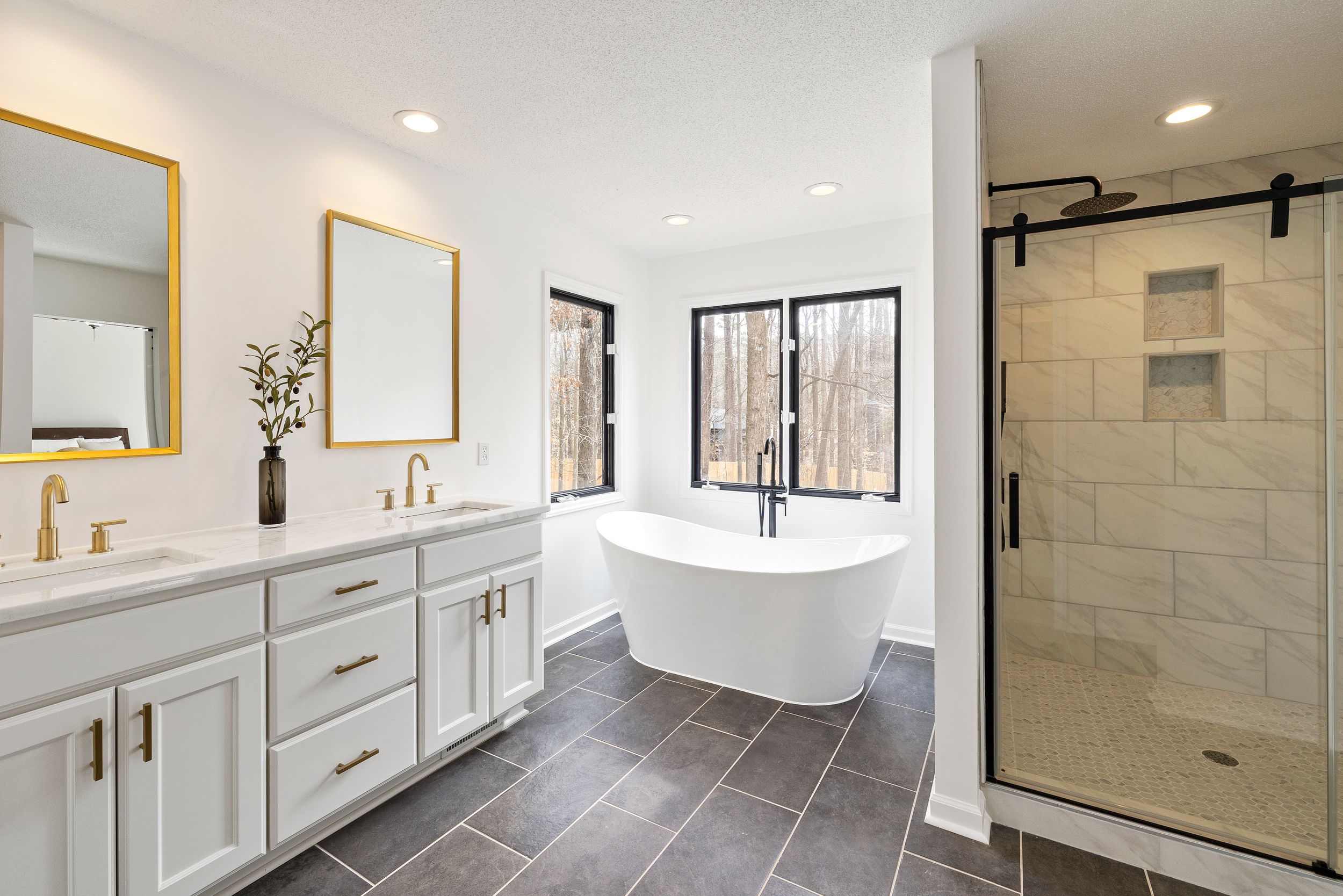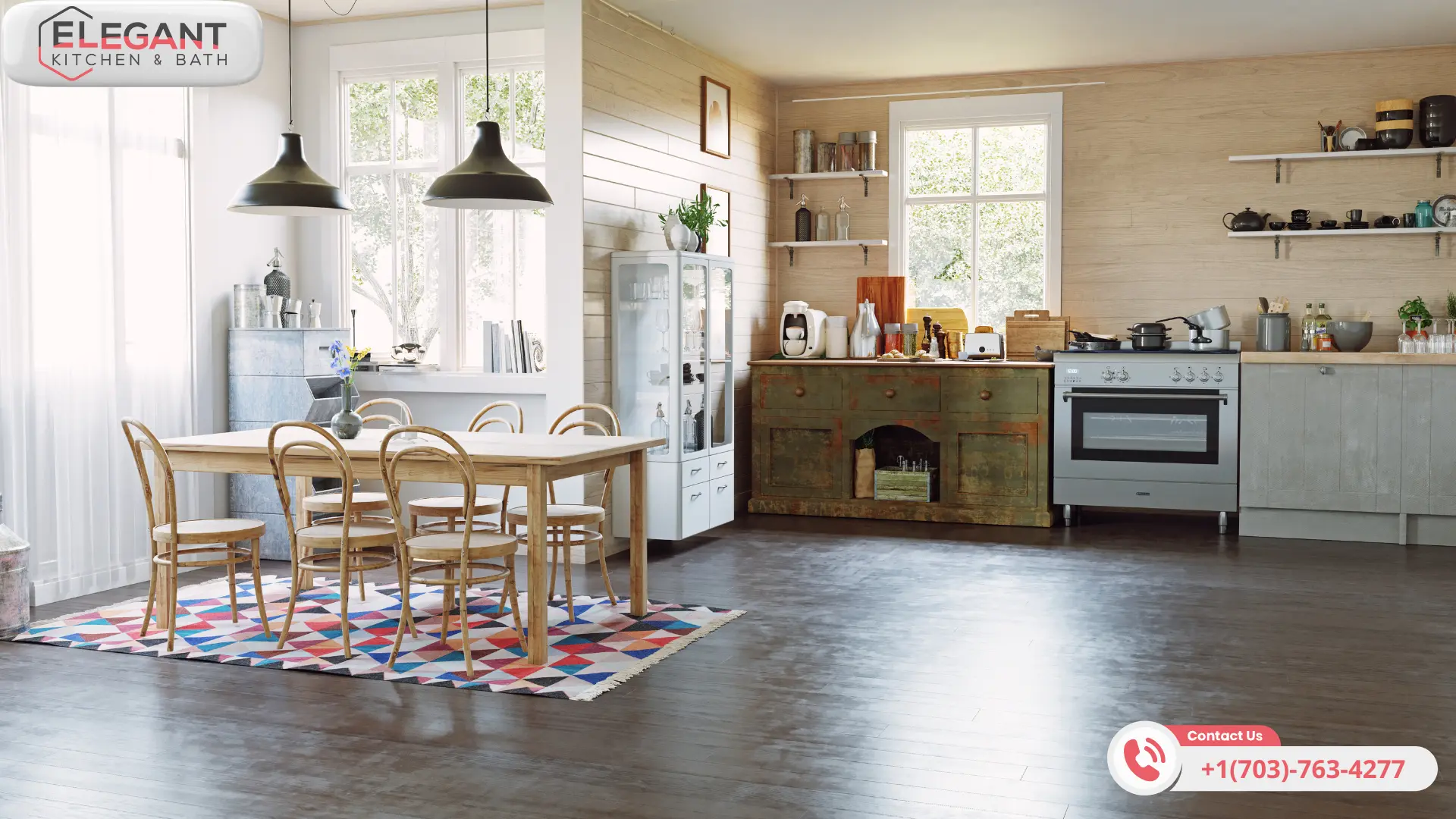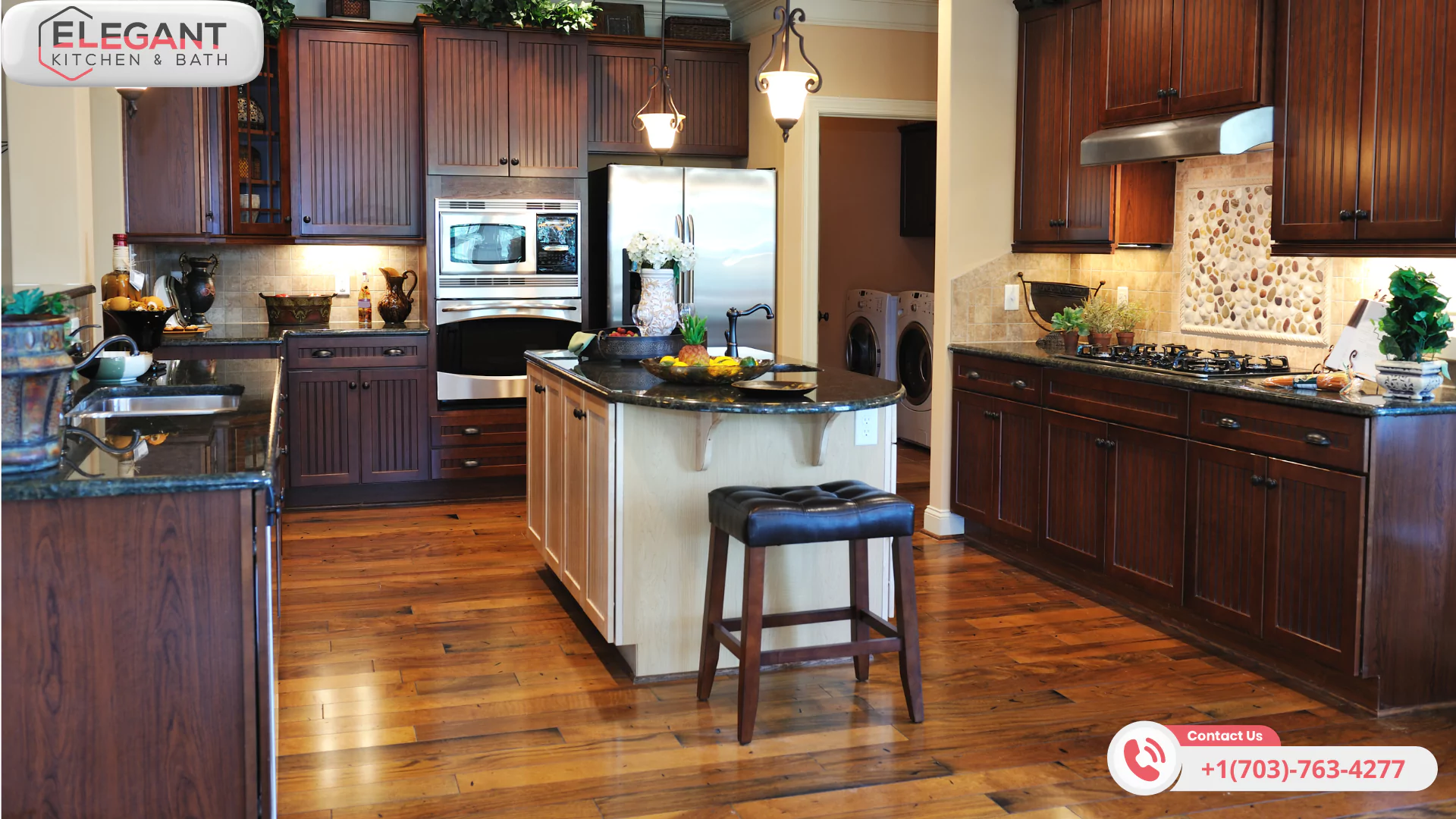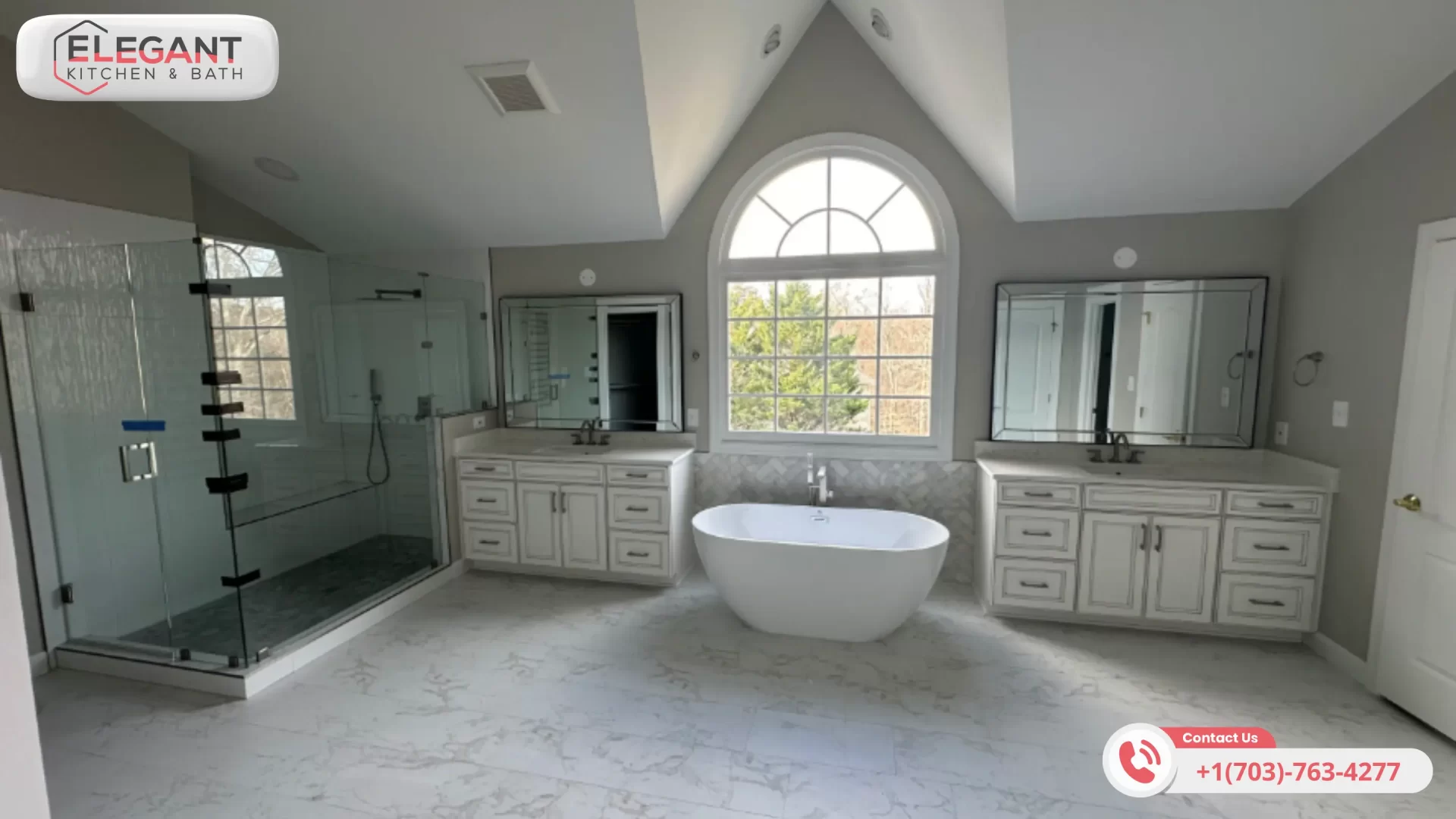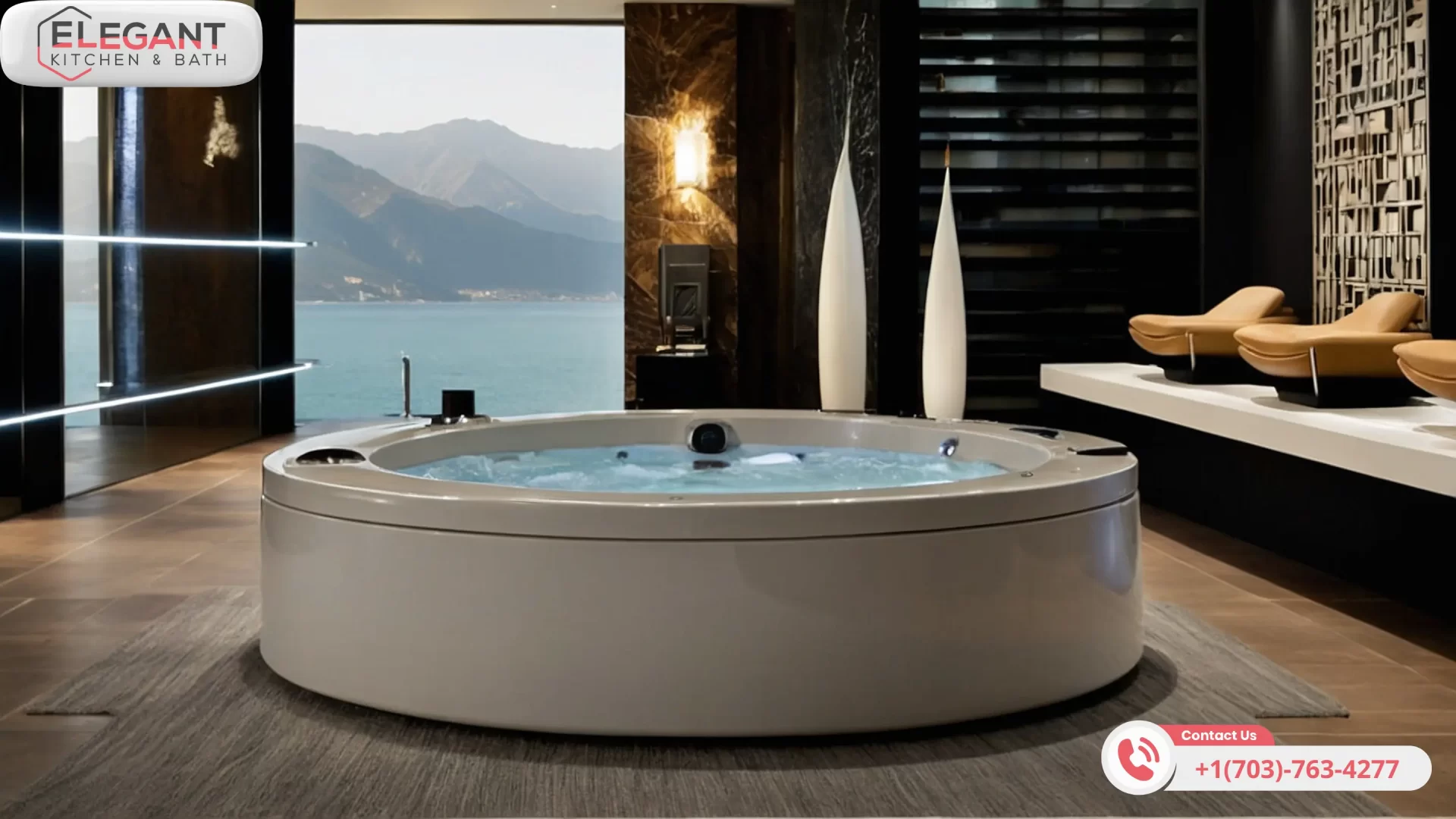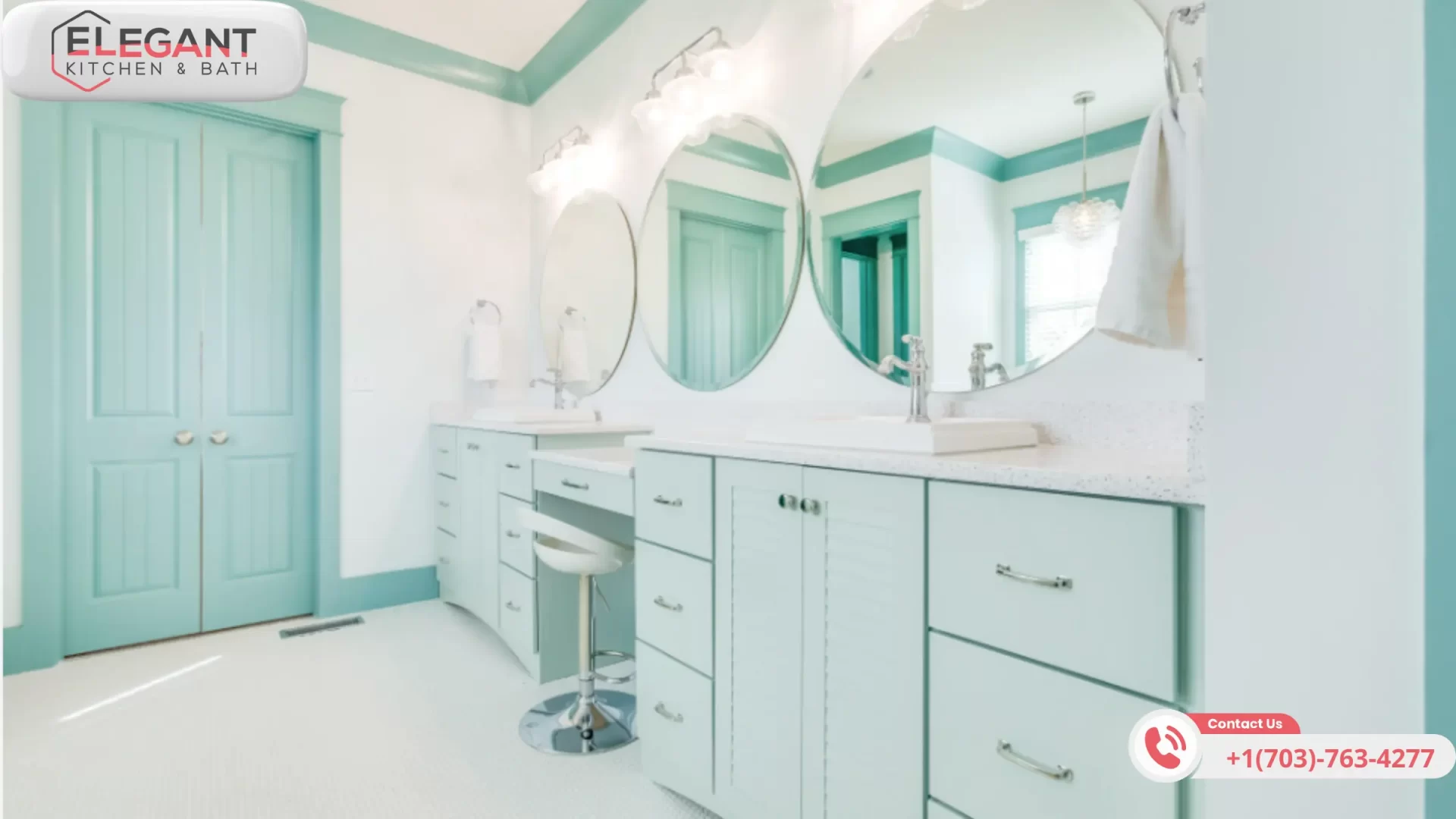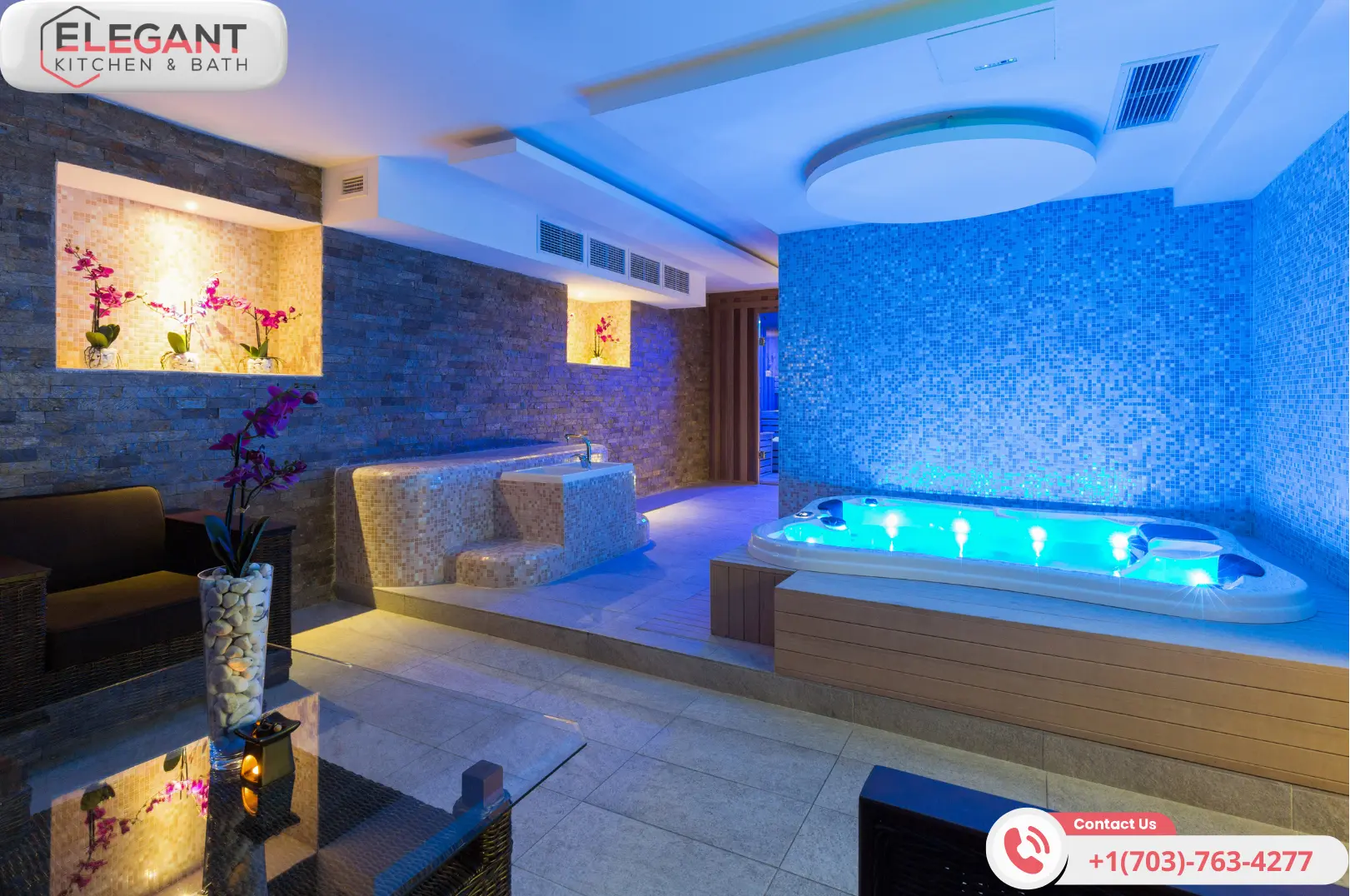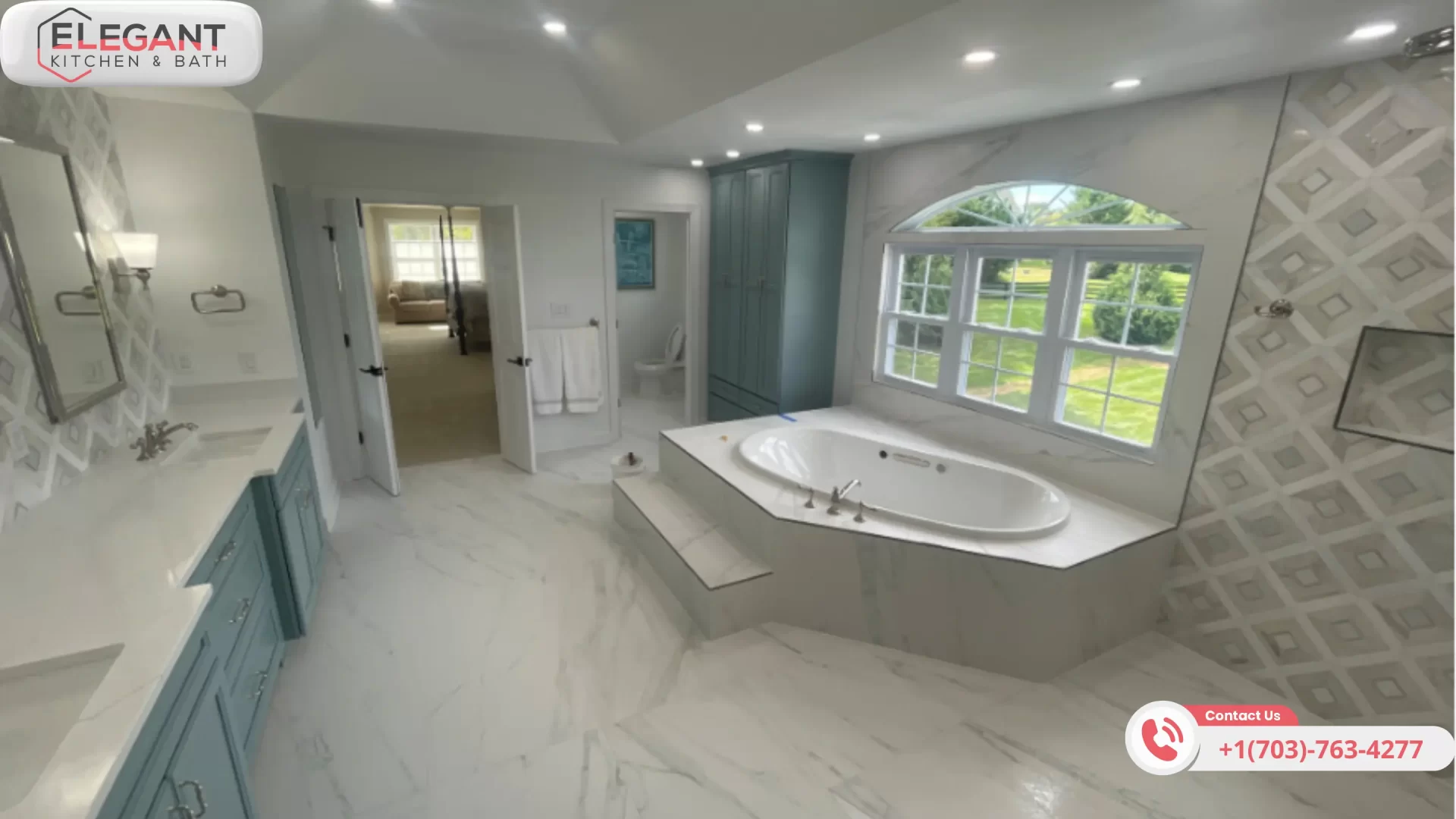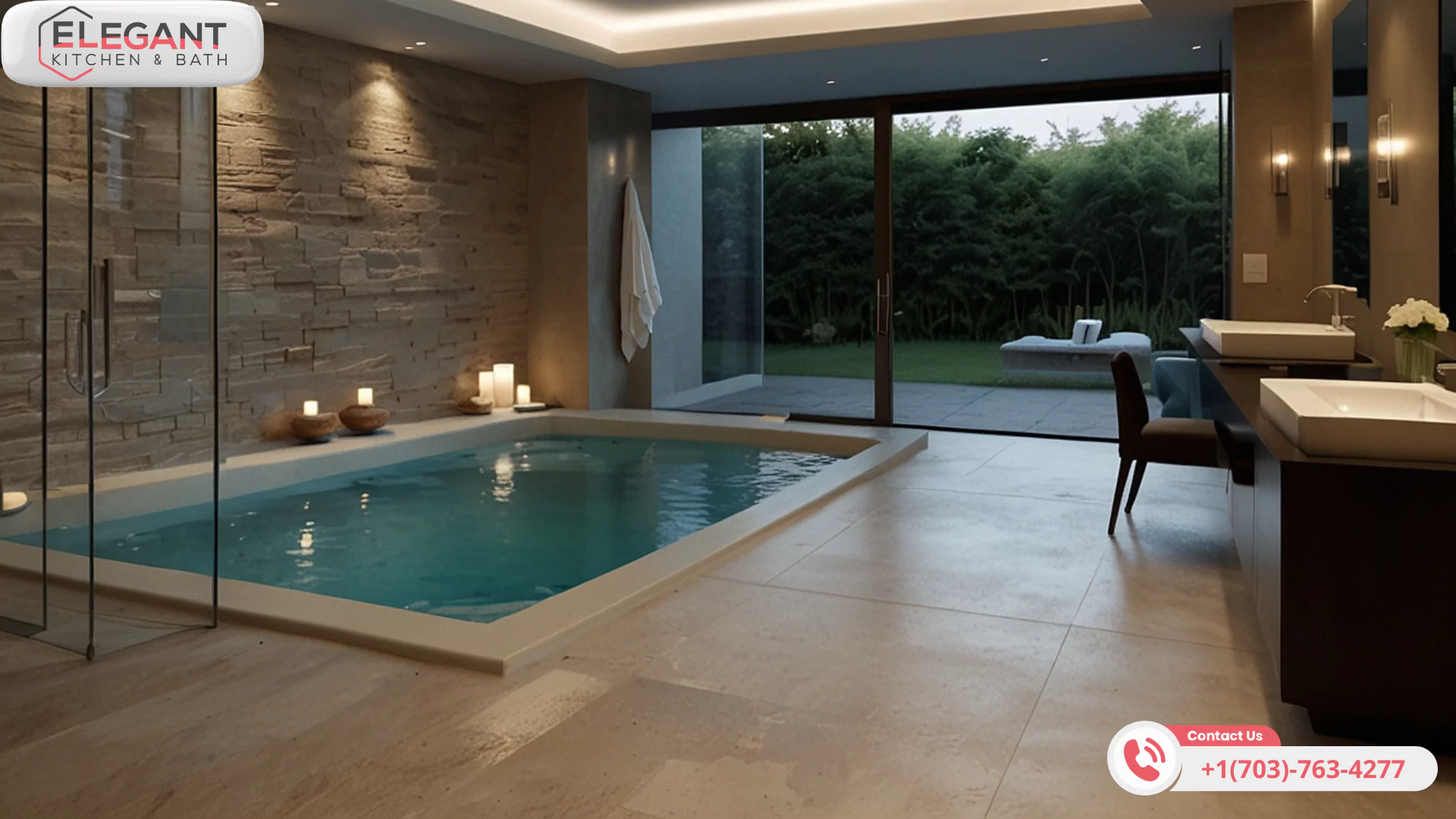
Jacuzzi bath remodel presents a thrilling opportunity to merge luxury with personal style, turning your bathroom into a haven of relaxation. With the myriad designs and innovations today, selecting the perfect style for your space can seem daunting.
Yet, understanding the latest trends and the advantages of incorporating innovative technology can transform your bathroom into a spa-worthy retreat. Choosing materials that prioritize comfort and durability will ensure your sanctuary stands the test of time.
In this article, we’ll guide you through making these pivotal decisions with ease so your remodel reflects your vision and meets your needs.
Key Takeaways
1. Prioritize Understanding the Dimensions and Layout of Your Bathroom Before Jacuzzi Selection
2. Ensure the Jacuzzi Fits with the Existing Bathroom Decor for Optimal Ambiance
3. Consider Both Built-in and Freestanding Jacuzzi Models Depending on Space and Design Aesthetics
4. Transform Your Bathroom into a Personal Spa by Incorporating Modern Controls
5. Introduce Hydrotherapy Features for a Customized Spa-like Experience
7. Opt for Non-Slip Surfaces to Enhance Safety in Your Jacuzzi
8. Prioritize Durability in Your Remodel by Choosing Long-lasting Material Options
9. Among Durable Materials, Consider Acrylic or Cast Iron Tubs for Your Jacuzzi
10. Ensuring a Balance Between Style, Comfort, and Safety Should Be Your Goal in the Remodel.
[ez-toc]
Deciphering the Perfect Style for Your Space
Embarking on a jacuzzi bath remodel is an adventure, transforming your bathroom’s aesthetics and functionality.
Understanding your bathroom’s size and layout and how various jacuzzi styles can harmonize with or amplify your existing decor theme is the key to unlocking its potential.
Every space holds its uniqueness; thus, grasping these aspects becomes crucial.
Whether creating an oasis of relaxation in a tight ensuite or curating a luxurious spa-like retreat, the journey starts with a keen eye for detail and a deep understanding of spatial dynamics in kitchen remodeling.
Let’s navigate through the essentials of evaluating your bathroom’s blueprint and selecting a jacuzzi that doesn’t just fit but enhances your bathroom’s overall charm and utility.
Evaluating the Size and Layout of Your Bathroom
Embarking on the journey of a Jacuzzi bath remodel requires a foundational step: meticulously analyzing the size and layout of your bathroom. This initial evaluation is more than just a measurement task; it’s about envisioning how a new Jacuzzi can seamlessly integrate into your space. The goal here isn’t just to find a Jacuzzi that can physically fit but one that optimally utilizes the bathroom’s dimensions, enhancing its appearance and functionality.
Understanding your bathroom’s layout also involves recognizing its existing features and limitations. This insight helps me consider how a Jacuzzi can amplify the space without overwhelming it. Whether the placement to avoid any interference with the door or how it aligns with the window, each layout aspect informs my decision, ensuring the remodel enhances your bathroom’s flow and aesthetics.
Matching Jacuzzi Styles to Your Decor Theme
Aligning the style of a new Jacuzzi with my bathroom’s existing decor theme is an art form that demands attention to detail. It’s not about picking a Jacuzzi in isolation but seeing it as a piece that must fit within the broader mosaic of my bathroom’s design. For instance, a sleek, modern Jacuzzi complements a minimalist theme, while a classic, ornate design suits a more traditional space.
I take pride in ensuring that every aspect, from the color and material to the shape of the Jacuzzi, resonates with my bathroom’s ambiance. This harmony in design elevates the aesthetic appeal and enhances the sense of cohesiveness within the space. It’s crucial that this piece feels like it was meant to be there, blending seamlessly with the textures and tones around it.
The Top Trends in Jacuzzi Bath Design
Diving straight into the heart of Jacuzzi bath design, we find ourselves at a crossroads between built-in and freestanding options, each speaking a unique language of comfort and style. These choices are foundational in my quest for the perfect Jacuzzi bath remodel.
On the one hand, the sleek integration of a built-in model promises a seamless look, while on the other, freestanding options stand as sculptural masterpieces of luxury. Beyond the basic configurations, my journey meanders through the realms of contemporary, rustic, and minimalist Jacuzzi inspirations.
Here, the challenge lies in matching each theme to echo my personal sanctuary’s existing decor and vibe, ensuring the new Jacuzzi bath not only fits but augments the beauty and purpose of the space.
Exploring Built-in vs Freestanding Options
I closely examined the built-in and freestanding Jacuzzi options to find the perfect aesthetic and functional fit for my bathroom. With its flush-to-wall design, the built-in Jacuzzi offers a sleek integration into the bathroom layout. It maximizes space and provides a cohesive look: a seamless companion to a more modern or minimalist decor.
Feature
Built-in Jacuzzi
Freestanding Jacuzzi
Integration
Seamless, flush to the wall
Stands alone, making a statement
Space Utilization
Maximizes bathroom space
Requires more space, becomes a centerpiece
Style Compatibility
Modern/Minimalist
Versatile, suits various decor styles
Installation
More complex, requires precise planning
Simpler, more flexible placement
On the other hand, the freestanding Jacuzzi acts as a sculptural element within the space, offering versatility and a statement piece that can adapt to various decor themes, from rustic to contemporary. Its standalone nature provides flexibility in bathroom layout and placement, offering an unmatched focal point that can dictate the room’s ambiance and feel.
Contemporary, Rustic, and Minimalist Jacuzzi Inspirations
Delving into contemporary jacuzzi inspirations, I am enthralled by the sleek and sophisticated designs that promise to infuse my bathroom with a touch of modern elegance. The clean lines, minimalist aesthetic, and innovative features of contemporary jacuzzis resonate with my desire for a functional and aesthetically pleasing space, creating a perfect harmony between luxury and modern-day living.
On the other hand, exploring rustic and minimalist jacuzzi designs invites me into a world where simplicity and nature-inspired elements reign supreme. The rustic designs offer a warm, earthy charm, expressing my longing for a tranquil and cozy retreat. At the same time, minimalist jacuzzis appeal to my appreciation for the beauty in simplicity, focusing on essential comforts and a clutter-free environment that amplifies the sense of spaciousness and serenity.
Incorporating Technology Into Your Jacuzzi Bath Remodel
Navigating through the nuances of a jacuzzi bath remodel opens up a fascinating realm where innovation meets relaxation. Integrating technology within this intimate space does more than add a dash of convenience; it propels the entire bathing experience into the future.
Understanding hydrotherapy features, smart controls, and ambient lighting enhancements is not just about embracing modernity—crafting a personalized spa experience right in the comfort of my bathroom.
This journey into technological integration is where sophistication meets functionality, ensuring every moment spent in the Jacuzzi is luxurious and uniquely tailored to my relaxation needs and preferences.
Understanding Hydrotherapy Features
Delving into the world of hydrotherapy features amps up the luxury factor in my Jacuzzi bath remodel in ways I hadn’t imagined. These advanced systems circulate water in a manner that effectively massages the body, elevating comfort and enhancing the therapeutic aspect of my bathing experience. It’s a game-changer, blending the spa’s sophistication with the sanctuary of my bathroom.
I’ve come to understand that hydrotherapy goes beyond simple relaxation; it’s about targeting specific physical discomforts and promoting a more profound wellness. By choosing a Jacuzzi equipped with hydrotherapy features, I’m investing in my health and well-being, ensuring each moment spent in the bath is not only soothing but beneficial in the long run. It’s a thoughtful integration that marries tech with tranquility, perfectly encapsulating what modern luxury means to me.
Smart Controls and Ambient Lighting Enhancements
Embracing smart controls in my Jacuzzi bath remodel revolutionizes how I interact with my bathroom environment. These cutting-edge systems allow me to adjust settings such as water temperature, jet intensity, and music with a button or my voice, turning my bath into a fully customized retreat. It’s about bringing ease and personalization into one of the most intimate spaces in my home.
The addition of ambient lighting enhancements takes my jacuzzi experience to a new level of relaxation and aesthetic appeal. I create an atmosphere that perfectly matches my mood or the occasion by incorporating LED lights that can change colors and adjust brightness. Whether seeking a serene blue to unwind after a long day or a vibrant red for a revitalizing morning session, these lighting features make my bathroom not just a place to bathe but a sanctuary for sensory rejuvenation.
Choosing Materials That Elevate Comfort and Durability
As I delve deeper into the specifics of a Jacuzzi bath remodel, the choice of materials emerges as a pivotal decision with far-reaching implications for comfort and longevity.
Navigating the options, we compared acrylic, fiberglass, and cast iron tubs, each known for its distinct benefits and aesthetic appeal.
Simplifying these choices marks a significant stride in my quest for the ultimate bath experience.
Equally essential to my decision-making matrix is the importance of non-slip surfaces.
Acknowledging safety as a cornerstone in my remodel, I meticulously explore materials that promise an enhanced bathing experience and ensure peace of mind with their inherent safety features.
This comprehensive approach to material selection underpins my commitment to crafting a sanctuary that stands the test of time while prioritizing the well-being of everyone who steps into it.
Comparing Acrylic, Fiberglass, and Cast Iron Tubs
Delving into the heart of my Jacuzzi bath remodel, I have a pivotal choice between acrylic, fiberglass, and cast iron tubs. Acrylic tubs, known for their durability and resistance to scratching, stand out as a promising option, ensuring that the beauty of my sanctuary remains unblemished over time. The warmth they retain makes every dip a bathing ritual and a caressing embrace, enhancing the overall experience of luxury and relaxation.
On the other hand, fiberglass, with its lightweight advantage, offers an ease of installation that can be considered, especially in spaces where heavyweight materials pose a challenge. However, cast iron tubs’ timeless elegance and unparalleled strength captivate my attention. While they require a sturdy support system due to their weight, the trade-off comes in incomparable longevity and a classic aesthetic that transcends fleeting trends, anchoring my bathroom’s design in a narrative of enduring style and substance.
Importance of Non-Slip Surfaces for Safety
During my Jacuzzi bath remodel, prioritizing the safety of my family, and guests took precedence, leading me to the critical decision of incorporating non-slip surfaces. These surfaces are pivotal in mitigating the risks of slips and falls, especially in a space where water is a constant presence. The peace of mind from knowing the bathroom is safer for everyone, from young children to aging adults, is invaluable.
Choosing the suitable non-slip material wasn’t just about safety and maintaining my bathroom’s aesthetic integrity and comfort. Modern non-slip solutions come in various finishes and textures, allowing them to blend seamlessly with the space’s overall design. This careful selection ensured the functional safety aspect was beautifully integrated, keeping the bathroom elegant and secure.
Jacuzzi Bath Remodel FAQs
We prepare detailed answers to your common questions about Jacuzzi bathtubs and Jacuzzi bathroom remodeling:
Does a Jacuzzi bathtub add value to a home?
Whether a Jacuzzi bathtub addsvalue to a homedepends on buyer preferences. While some buyers may see it as a luxurious feature, others may view it as an outdated or high-maintenance item that takes up too much space. In general, as long as the home has at least one regular bathtub, removing a Jacuzzi tub from a master bathroom likely won’t significantly impact resale value. A large, modern walk-in shower is often more desirable to today’s buyers. Ultimately, having a bathroom that appeals to you is more important than trying to predict what future buyers may want.
Is the Jacuzzi still in style?
Jacuzzi bathtubs are no longer considered as trendy or in-demand as they once were. Many homeowners and buyers now prefer large walk-in showers over bulky tubs with hard-to-clean jets. Freestanding soaker tubs have become more popular for a luxury bathroom look. However, style preferences vary, and some people still enjoy a jetted tub, especially for therapeutic reasons. If you like using a Jacuzzi, it may be worth keeping, but if you’re remodeling, replacing it with an upgraded shower is a more contemporary choice.
Are one-day bathroom remodels worth it?
One day, bathroom remodeling companiesoften cut corners and do lower-quality work to complete the job quickly. The results may look acceptable initially but are more likely to have issues and need repairs. These companies also tend to charge high prices for convenience and fast turnaround. In most cases, it’s better to hire a reputable contractor who will take the time to do the job properly, even if it takes a bit longer. Expect a good bathroom remodel to take at least several days to a week.
What material does the Jacuzzi bath remodel use?
Jacuzzi tub and shower remodels often use acrylic or fiberglass surrounds and shower pans rather than traditional tile. This pre-fabricated material can be installed quickly and at a lower cost than a custom-tiled shower. Some companies use a thicker, sturdier composite material for their shower walls. Solid surface materials like cultured marble are another option, although they are more expensive than standard acrylic. The quality and durability of the materials vary between different remodeling companies. It’s essential to understand what materials are being used and not just choose the cheapest or fastest option.
Why is a Jacuzzi shower so expensive?
Jacuzzi tub-to-shower conversions are expensive because they are majorrenovation projectsthat involve extensive plumbing and waterproofing work. Ripping out an old tub, re-plumbing the drain, building a proper shower pan, and installing tile or surrounds is a complex, multi-step process. The cost of high-quality, durable materials like a custom frameless glass shower door also adds up. Luxury features like body jets, steam showers, built-in seats, and niches increase the price. Hiring experienced, licensed plumbers and contractors to ensure the job is done right is more expensive than a handyman.
What is the cost of remodeling a Jacuzzi bath into a shower?
The cost to convert a Jacuzzi bathtub to a shower ranges from around $8,000 to over $20,000, depending on the project’s scope and materials. Basic tub-to-shower conversions using acrylic or fiberglass surround and fixtures on the lower end cost closer to $10,000. More upscale remodels with custom tile work, high-end fixtures, and luxury features like body sprayers can run $15,000-$25,000 or more. Complex jobs that require changing the bathroom layout or dealing with unforeseen plumbing issues also cost more. Get quotes from a few different contractors to compare.
Why is shower remodeling so expensive?
Shower remodels are expensive because they involve critical waterproofing and plumbing work that must be done correctly to prevent leaks and water damage. Properly preparing the shower floor and walls is labor-intensive. Quality, long-lasting materials like porcelain tile, frameless glass doors, and custom shower pans also cost more than basic fiberglass or acrylic kits. Luxury features like multiple showerheads, rain heads, steam generators, and heated floors quickly add to the cost. Hiring skilled tile setters, plumbers, and carpenters is more expensive than general handymen. Remodeling an older bathroom may involve bringing outdated plumbing and electrical up to current codes.
How much should a bath-to-shower remodel cost?
Expect to pay between $ 10,000 and $25,000 for a typical bathtub-to-shower conversion, depending on the size of the bathroom, the scope of the project, and the quality of finishes chosen. Basic acrylic or fiberglass shower kits and fixtures on the inexpensive side cost around $10,000 to install. Mid-range remodels with tile walls and floors, frameless glass doors, and better-quality fixtures run closer to $15,000-$20,000. Upscale remodels with custom tile work, high-end finishes, and luxury features like steam showers or body sprayers can exceed $25,000. Always get itemized quotes from a few contractors to compare and budget for unexpected costs.
In summary, while Jacuzzi tubs are less desirable to many homeowners, whether to keep or replace one depends on your personal preferences and budget. One-day bath remodels are typically lower quality and not worth the high cost. Expect to pay $10,000-$25,000 for a typical tub-to-shower conversion using materials like acrylic, fiberglass, tile, or solid surface. The high cost is due to the extensive plumbing, waterproofing, and finishing work required to do the job properly. Consult with a few reputable local bathroom remodeling contractors to discuss your options and get detailed quotes for your project.
What is a hydrotherapy Jacuzzi?
Hydrotherapy Jacuzzi refers to the use of a Jacuzzi bathtub or hot tub for therapeutic purposes. Jacuzzi is a well-known brand name for jetted tubs and hot tubs that provide a hydromassage experience. The combination of warm water and powerful jets helps relax muscles, relieve pain, improve circulation, and reduce stress. Hydrotherapy has been used for centuries to treat various conditions like arthritis, fibromyalgia, muscle injuries, and more. A hydrotherapy Jacuzzi allows you to get these therapeutic benefits in the comfort of your own home. The temperature and jet pressure can be customized to your needs. Spending 15-30 minutes in a hydrotherapy Jacuzzi can provide significant relief from aches, pains, and tension.
What are the features of hydropool?
Hydropool is a Canadian company that manufactures high-end hot tubs and swim spas with innovative features. Some key features of Hydropool products include:
– Self-cleaning technology that automatically removes debris and sanitizes the water, reducing maintenance
– Zoned jetting that targets specific muscle groups for a therapeutic massage
– Thick, durable acrylic shells that retain heat and resist damage
– Energy-efficient insulation, pumps, and heaters to minimize operating costs.
– Customizable lighting, waterfalls, and speakers for ambiance.
– Swim spa models with powerful jets for an endless swimming experience.
Hydropool is known for its high-quality construction, advanced insulation, and comprehensive warranty. While Hydropool products are on the higher end in terms of price, many owners feel the features and long-term durability provide good value.
What is Jacuzzi bath therapy?
Jacuzzi bath therapy, also known as whirlpool therapy or hydro massage, involves immersing yourself in a Jacuzzi tub with warm water and air or water jets. The combination of heat, buoyancy, and massage helps:
– Relax tense muscles and relieve pain
– Reduce inflammation in joints and tissues
– Improve circulation and accelerate healing
– Decrease stress and promote relaxation
Jacuzzi bath therapy can benefit people with conditions like arthritis, fibromyalgia, sports injuries, muscle strains, and chronic pain. The warm water dilates blood vessels and reduces joint swelling, while the massaging action of the jets loosens tight muscles and increases flexibility. Even for people without underlying issues, a Jacuzzi bath can provide a spa-like experience that melts away stress and tension. Engaging in Jacuzzi bath therapy for 15-30 minutes, 3-4 times per week, can lead to significant improvements in pain, stiffness, and overall wellbeing.
What are the benefits of a hydrotherapy tub?
A hydrotherapy tub, also known as a whirlpool tub or Jacuzzi, offers numerous therapeutic benefits for the body and mind. Immersing yourself in the warm, jetted water can help:
1. Relieve muscle tension and pain: The heat and massaging action of the water jets helps relax tight, sore muscles and increases flexibility.
2. Reduce inflammation: Warm water immersion dilates blood vessels, decreases swelling, and promotes tissue healing.
3. Improve circulation: The combination of heat and massage enhances blood flow, which delivers oxygen and nutrients to damaged tissues and removes metabolic waste.
4. Alleviate stress: The warm, soothing environment of a hydrotherapy tub promotes relaxation, lowers stress hormones, and improves sleep quality.
5. Provide arthritis relief: Hydrotherapy is especially beneficial for those with arthritis, as the buoyancy of the water reduces joint stress while the heat and massage improve flexibility and decrease pain.
6. Accelerate exercise recovery: Athletes and active individuals can use a hydrotherapy tub to loosen tight muscles, minimize delayed onset muscle soreness, and speed up post-workout recovery.
With regular use, a hydrotherapy tub can help manage chronic pain, improve range of motion, boost cardiovascular health, enhance relaxation, and elevate overall quality of life. By investing in a home hydrotherapy tub, you can experience these therapeutic benefits conveniently and consistently.
Hear It From Our Happy Customers
Tammy Mundy-Joe: CommendedElegant Kitchen and Bath for their exceptional professionalism and punctuality during her bathroom remodel. She was thrilled with how the team, including Omer, Enes, and Oscar, brought her vision to life, resulting in an amazing bathroom transformation. Tammy highly endorses their services for any construction needs.
Matt Smalley: Shared his positive experience with EKB, emphasizing the team’s professionalism and the absence of hard-sell tactics. He appreciated Omer’s thorough estimation and Enes’s responsive project management. Matt noted the project’s timely completion and transparent pricing, recommending EKB for their quality work and professionalism.
Joey: Expressed satisfaction with the remodeling of two bathrooms and a kitchen by Elegant, highlighting Melissa’s design assistance and Tayfun’s project oversight. He praised the installation team, Hector and Daniel, for their meticulous work and respect for his home environment, recommending Elegant for their responsiveness and fair pricing.
Services provided included kitchen countertop installation, tile work, flooring, fan installation, remodeling, plumbing fixture installation, kitchen cabinet installation, and drywall repair.
Inspired to Revitalize Your Home?
Join our satisfied clients in Virginia, like Tammy, Matt, and Joey, in realizing your home renovation dreams. Whether it’s a kitchen or bathroom makeover, Elegant Kitchen & Bath is dedicated to delivering excellence and a personalized experience in every project. Contact us for a consultation, and let’s craft your ideal living space together!
Selecting the right Jacuzzi bath for a remodel involves more than just fitting it into the available space; it’s about enhancing the bathroom’s aesthetics and functionality. A thorough evaluation of the bathroom’s size and layout is essential to ensure the Jacuzzi integrates seamlessly.
Matching the style of the Jacuzzi with the existing decor is crucial for maintaining design harmony. Whether opting for built-in or freestanding models significantly impacts the bathroom’s look and feel, each option offers distinct benefits for space utilization and style compatibility.
Incorporating technology such as hydrotherapy features and smart controls, alongside choosing materials that prioritize comfort, durability, and safety, elevates the overall bathing experience. A thoughtful Jacuzzi selection harmonizes with the bathroom’s design, ensuring luxury, comfort, and functionality.
Cozy Country kitchens with a cozy feel have a charming and rustic appeal that radiates warmth and comfort. These spaces are ideal for gathering, sharing, and creating memories. They perfectly merge practicality with rustic charm, bringing visions of sizzling casseroles, freshly baked bread, and pleasant conversations over hot and steamy cups of coffee.
Each kitchen combines traditional elements with modern design, creating a space for both cooking and storytelling.
In this article, we’ll explore ten enchanting country kitchen design inspirations that bring nostalgia and contemporary flair to the forefront of your home.
Keep reading to discover how to infuse your kitchen spacewith the cozy, country warmth that feels even better than grandma’s.
Key Takeaways
Blending Eras with Vintage and Modern Elements: Seamlessly integrate vintage finds and natural materials like wood to weave a narrative of warmth and history, creating a timeless and contemporary space.
Showcasing Heritage through Display Cabinets: Utilize open shelving and glass-front cabinets to exhibit heirloom dishware, merging functionality with personal storytelling and adding depth to the kitchen’s character.
Crafting Ambiance with Strategic Lighting: Carefully select lighting to foster an inviting atmosphere that enhances the space’s aesthetics and the functionality of meal preparation and social gatherings.
Merging Tradition with Modernity in Design: Combine modern amenities with traditional design elements to balance cutting-edge functionality and the quaint charm of countryside living.
Creating a Heart of the Home with a Welcoming Island: Design a kitchen island as the centerpiece, with functional features like a farmhouse sink and built-in cutting boards, encouraging communal cooking and conversation.
Fostering Comfort with Optimal Seating Arrangements: Arrange seating thoughtfully to create inviting spaces for family and friends to gather, share meals, and spend quality time together in comfort.
Setting the Scene with Mood Lighting: Implement various lighting solutions, from pendant lights to under-cabinet lighting, to create layers of warmth and hospitality, making every kitchen corner welcoming.
Authenticity in Materials and Color: Embrace earth tones, natural materials, and soft, soothing colors to craft a space grounded in nature and authenticity, reflecting the essence of country living.
Harmonizing Indoor and Outdoor Elements: Integrate botanical themes and maximize natural light to blur the boundaries between indoor and outdoor spaces, cultivating a kitchen that’s both a culinary workspace and a serene retreat.
[ez-toc]
Better Than Grandma’s
Imagine stepping into a kitchen where every corner tells a story, a space that exudes warmth and charm, rivaling even the most cherished memories of grandma’s cooking haven. This dream can become a reality by weaving vintage finds, heirloom dishware, and rich wood accents into the heart of the home.
Such elements bridge the gap between the simplicity of country living and the depth of personal history, transforming the kitchen into a cozy retreat. The upcoming discussions will unravel the magic behind incorporating these timeless pieces, showcasing how they serve as functional additions and contribute to the kitchen’s overall ambiance.
From displaying treasured plates and bowls to introducing wood in various forms, these design choices invite a sense of nostalgia, beckoning one to gather, cook, and dine in a place that feels truly like home.
Incorporating Vintage Finds for That Old-Time Charm
Incorporating vintage finds into a country kitchen weaves a tapestry of stories and memories, adding genuine old-time charm that cannot be replicated by new purchases alone. The quest for the perfect antique wood table, a set of aged brass candlesticks, or even quaint porcelain canisters can turn the design into a treasure hunt, promising unique character in every choice. These pieces bring aesthetic appeal and evoke a sense of history and warmth, making the kitchen a vibrant canvas of past and present.
Finding the right vintage piece, like a farmhouse apron sink or a chandelier with a patina that whispers tales of yesteryears, brings an unrivaled coziness to the heart of the home. These elements create a timeless and comfortably functional space when seamlessly blended with modern convenience. The blending of eras, the marriage of rustic charm with contemporary ease, sets a cozy country kitchen apart, transforming meals and gatherings into richly layered experiences.
The Art of Displaying Heirloom Dishware
The art of displaying heirloom dishware within a cozy country kitchen transforms ordinary shelves and cabinetry into personal galleries, showcasing a lineage of family meals and celebrations. Open shelving or glass-front cabinets serve as the perfect stage for these treasures, allowing patterns of bygone days to blend with the kitchen’s daily life, thus infusing spaces with warmth and familial legacy.
Homeowners invite stories and history into their culinary spaces by carefully arranging pieces, such as a collection of hand-painted plates or antique silverware. This purposeful display honors the past and enriches the present, transforming meal preparation and dining into an experience of beauty and continuity.
Embracing Wood Accents to Warm Up the Kitchen
Wood accents play a pivotal role in bestowing a kitchen with the warmth and serenity characteristic of a country retreat. From the rich, comforting hues of a farmhouse wood dining table to the rustic allure of wooden beams overhead, these natural elements introduce a tactile, organic beauty that echoes the soulful essence of countryside living. The inviting patina of wood, each piece bespeaking its journey and story, adds layers of depth and warmth, encouraging moments of togetherness and culinary creativity.
The strategic placement of wood in various forms, whether through cabinetry, flooring, or an intricate cutting board display, anchors the kitchen’s design, marrying function with aesthetics. This union of utility and beauty creates a space that is not just about cooking meals but celebrating the art of home-making. Enveloping the room with an embrace of wood softens the edges of modern appliances and stone countertops, knitting together a kitchen that is as cozy as it is inspiring.
Made to Gather Country Kitchens
A country kitchen, by its very essence, beckons family and friends to come together, creating a warm, communal heart within the home. Elements like a thoughtfully designed kitchen island, seating arrangements that encourage lingering over meals, and lighting that casts a welcoming glow over every gathering are central to this inviting atmosphere.
Each design choice is crucial in crafting a space where memories are made, stories are shared, and meals become occasions.
As we explore these aspects, we unveil how to cultivate a kitchen environment that’s not just built for cooking but is a beacon of hospitality and warmth, genuinely making it a place ‘Made to Gather.’
Designing a Welcoming Kitchen Island
Designing a welcoming kitchen island involves thoughtful consideration of form and function, blending them to create a focal point where warmth meets practicality. An island with a farmhouse sink or a built-in cutting board emphasizes utility while inviting participation in meal preparations and casual conversations.
The right dimensions play a crucial role in fostering an inviting atmosphere: ensuring ample leg space and comfortable seating can turn the kitchen island into a gathering and culinary activity hub. Choices such as bar stools with soft, upholstered seats or antique wooden chairs can add layers of comfort and aesthetic appeal, enhancing the kitchen’s welcoming ambiance:
A farmhouse sink integrated into the island invites family members to assist in meal preparations, turning kitchen tasks into bonding moments.
Built-in cutting boards emphasize the kitchen’s role as a hands-on haven for culinary creativity and sharing recipes.
Ample leg space under the island ensures everyone feels comfortable joining the kitchen activities regardless of age.
Soft, upholstered seats or antique wooden chairs marry function with comfort, encouraging guests to linger longer
Optimal Seating Arrangements for Family Meals
Creating optimal seating arrangements for family meals begins with selecting a dining set that reflects the cozy ambiance of a country kitchen while accommodating the household’s needs. With its welcoming broad surface, a farmhouse wood dining table becomes a communal area where everyone can gather comfortably, sharing meals and conversations, reinforcing the kitchen’s role as the heart of the home.
Selecting the proper chairs can significantly enhance your dining area’s look and comfort. Choosing cushioned chairs with supportive backs or adding a rustic bench can bring a touch of country charm and practicality. These seating options are perfect for long, relaxed family dinners and ensure that the kitchen remains a favorite gathering spot for sharing food and stories.
Lighting That Sets the Mood for Gatherings
Lighting is crucial in setting the mood for gatherings in a cozy country kitchen, making it an indispensable element in creating an inviting atmosphere. A well-chosen array of light fixtures, from pendant lights casting a warm glow over the kitchen island to soft, under-cabinet lighting, can transform the kitchen from a mere culinary space to a heartwarming center for social interaction. These lighting choices illuminate tasks and beckon family and friends to come together, fostering an environment of warmth and hospitality.
Moreover, including a classic chandelier or rustic wall sconces adds character and charm, echoing the kitchen’s country aesthetic while providing layers of light that enhance the room’s welcoming feel. The strategic placement of lighting fixtures ensures that every corner is softly lit, inviting intimate conversations and lingering over meals, thus making the kitchen a prime location for gatherings that extend well beyond the preparation and consumption of food.
Quintessential Country Kitchen Designs
As we delve deeper into the essence of cozy country kitchen design inspirations, focusing on the foundational elements becomes indispensable for achieving that sought-after rustic charm.
Exploring classic color palettes provides a solid base, invoking a sense of calm and comfort synonymous with country living.
Using natural materials not only assures authenticity but also introduces textures and hues that are inherently warm and inviting.
Furthermore, selecting appliances that resonate with country-style aesthetics is key to maintaining thematic coherence, ensuring modern conveniences blend seamlessly with traditional design values.
These factors collectively contribute to creating a kitchen space that is as welcoming as it is functional, embodying the quintessence of country living.
Classic Color Palettes for a Country Feel
The foundation of any cozy country kitchen design lies in the harmony of its color palette, a subtle yet powerful tool that can envelop the space in a blanket of comfort and serenity. Classic color choices often draw from nature, incorporating soft greens, warm creams, and earthy browns to create an inviting and soothing backdrop.
The inclusion of these colors sets the stage for a narrative that unfolds through layers of texture and warmth:
Creamy whites and soft beiges offer a bright and airy feel, reflecting natural light and amplifying the sense of space.
Earthy tones like terracotta and sage green ground the design, linking the indoor environment with the natural world outside.
Accents in muted blues or lavenders add a touch of whimsy and differentiation, ensuring the design remains lively and dynamic.
Selecting Natural Materials for Authenticity
Embracing natural materials transcends mere design choice, anchoring the soul of a cozy country kitchen in authenticity and rustic charm. Stone countertops, exposed brick walls, and hardwood floors celebrate their origins’ inherent beauty and texture, infusing the space with a sense of timelessness and grounding it in nature.
The selection of soapstone for a smooth, durable surface or reclaimed wood for cabinetry champions eco-friendly practices and weaves a narrative of history and resilience into the kitchen’s character. These elements, rich in patina and individuality, foster a connection between the kitchen and the natural world, underscoring the effortless grace of country living.
How to Choose Country-Styled Appliances
Choosing country-styled appliances requires a delicate balance between modern functionality and traditional aesthetics. Look for items that boast retro designs but are equipped with the latest technology to ensure they’re as practical as picturesque.
When considering which appliances to integrate into a country kitchen, prioritize those that embody a classic or vintage feel without compromising on efficiency:
Opt for a range cooker with an enamel finish, reminiscent of traditional farmhouse kitchens but with state-of-the-art cooking technology.
Select refrigerators with a panel-ready design, allowing them to blend seamlessly with your rustic cabinetry.
Consider incorporating appliances in muted tones such as cream, matte black, or soft pastels to complement the country color palette
Nature’s Hue
The essence of a cozy country kitchen extends beyond mere construction and curated décor—it’s about embedding the spirit of nature within its very walls. As a prominent design inspiration, Nature’s Hue advocates for a seamless blend of the outdoors with the indoor cooking space.
Each of these aspects contributes to creating a harmonious environment where the boundaries between nature and indoor living gently blur, inviting a serene and inviting atmosphere that encourages calmness, connection, and creativity in culinary endeavors.
Bringing the Outdoors in With Botanical Themes
Integrating botanical themes into a country kitchen setting invites a refreshing burst of nature indoors, transforming the space into a lively and serene retreat. Homeowners can achieve a balanced fusion of rustic charm and the rejuvenating energy of the outdoors by incorporating elements such as herb gardens on window sills, floral or leaf-patterned wallpapers, and nature-inspired artwork.
Such design choices not only enhance the aesthetic appeal of the kitchen but also promote a harmonious living environment:
Herb gardens add beauty and practicality, offering fresh ingredients for cooking while infusing the room with natural scents.
Floral and leaf-patterned wallpapers or backsplashes introduce vibrant textures and colors, echoing the diverse palette of nature.
Nature-inspired artwork and décor pieces are visual reminders of the natural world’s tranquility and beauty, fostering a calm and inviting atmosphere.
Earth Tones and Natural Colors to Soothe the Soul
Embracing earth tones and natural colors in a cozy country kitchen lays the foundation for a space that nurtures calm and tranquility. These hues, drawn from the palette of the natural world, wrap the room in a soothing embrace, providing a comforting retreat from the buzz of modern life.
The deliberate choice of soft greens, gentle browns, and muted beiges invites a serene atmosphere, encouraging moments of mindfulness and connection in the heart of the home. This color scheme sets the stage for a kitchen that harmonizes with nature, creating a seamless flow between indoor and outdoor spaces:
Soft greens mirror the lushness of the outdoors, bringing a sense of freshness and vitality.
Gentle browns and muted beiges tap into the earth’s palette, offering warmth and stability.
Incorporating these colors promotes a subtle energy shift, transforming the kitchen into a sanctuary of peace and relaxation.
Using Natural Light to Enhance the Kitchen’s Beauty
Maximizing natural light in a country kitchen fundamentally transforms the space, illuminating its features and casting a warm, welcoming glow. Strategically placed windows or skylights that capture the day’s changing light brighten the room and enhance the natural textures of wood and stone, showcasing the beauty of the materials central to this style.
Moreover, the thoughtful consideration of natural light within the design process can significantly elevate the room’s ambiance, making it feel larger and more open. By allowing sunlight to spill across the floors and countertops, a country kitchen becomes a vibrant area that encourages a connection with the outdoors, seamlessly bridging the gap between nature and indoor comfort.
Style Fusion
In exploring cozy country kitchen designs, Style Fusion emerges as a pivotal touchstone, inviting an innovative synthesis of elements to enrich the comforting allure of countryside aesthetics.
This approach encompasses the seamless incorporation of modern amenities, ensuring functionality meets rustic charm while also daring to interject industrial elements for an intriguing contrast that captivates and surprises.
The art of mixing patterns such as florals and plaids introduces a layer of depth and visual interest, crafting spaces that are both dynamic and harmoniously balanced.
As we delve into these aspects, the country kitchen transforms into a canvas where tradition and innovation, comfort and sophistication, interweave to create a uniquely inviting environment.
Blending Modern Amenities With Country Aesthetics
The fusion of modern amenities with country aesthetics offers a unique pathway to creating highly functional kitchens steeped in rustic charm. Innovative homeowners and designers now ingeniously incorporate sleek, state-of-the-art appliances and smart home technologies without detracting from the quintessential country warmth.
These blended spaces resonate with those who cherish traditional countryside vibes yet demand the convenience of contemporary living. The result is a kitchen that not only serves as a culinary center but also stands as a testament to the harmonious balance between past and present:
High-efficiency smart ovens nestle within bespoke, handcrafted cabinetry, marrying old-world craftsmanship with the precision of modern cooking technology.
Integrated refrigerators and dishwashers seamlessly blend into the surroundings, maintaining the aesthetic continuity of the kitchen while offering cutting-edge functionality.
LED lighting solutions, designed to mimic traditional lanterns’ soft, warm glow, provide energy-efficient illumination that enhances the cozy atmosphere.
Introducing Industrial Elements for a Unique Twist
Introducing industrial elements into a cozy country kitchen offers a distinctive twist that balances rustic charm with contemporary sleekness. Using metal finishes, concrete countertops, or exposed ductwork infuses the space with a touch of the unexpected, creating a visually striking counterpoint to the traditional warmth of country design. This juxtaposition elevates the aesthetic, making the kitchen a place for culinary endeavors and a standout example of design innovation.
Including industrial-inspired lighting fixtures, such as pendant lamps with a metallic finish or Edison bulb sconces, further accentuates this unique style blend. These elements contribute to a layered and textured kitchen environment that is both inviting and edgy:
Metal finishes on cabinetry hardware or stools introduce a sleek, modern vibe that complements the natural materials traditionally found in country kitchens.
Concrete countertops offer durability and a raw aesthetic that beautifully contrasts with wood’s softness and the color palette’s warmth.
Exposed ductwork and beams not only celebrate the architecture of the space but also lend an authentic industrial feel that enriches the overall design.
Mixing Patterns: Florals and Plaids for Depth
Mixing patterns in a cozy country kitchen enhances the room’s visual depth and injects a lively spirit into the space. Florals and plaids, when thoughtfully combined, strike a delightful balance between rustic charm and homely elegance. This juxtaposition brings a dynamic yet harmonious ambiance, making the kitchen feel welcoming and intriguing.
The art of layering these patterns fosters an environment rich in textures and colors, where every glance reveals a new detail to admire. By introducing floral patterns through curtains or upholstery and complementing them with plaid tablecloths or kitchen towels, the design achieves a captivating complexity:
Floral curtains add a burst of natural beauty reminiscent of a blooming garden.
Plaid tablecloths anchor the design with their traditional, familiar feel.
Kitchen towels effortlessly blend floral and plaid patterns, serving as a perfect combination of two distinct styles.
Country Strong
Embarking on a journey to infuse the kitchen with a cozy country charm inevitably leads to considering the robustness and endurance of every chosen detail.
In a domain where warmth meets function, prioritizing durable surfaces and structures becomes essential.
This segment delves into the significance of selecting materials that enhance the kitchen’s aesthetic and promise longevity.
From the resilience of rugged flooring options adept at handling high traffic to the timeless elegance and sturdiness of solid wood cabinets, each choice underpins the kitchen’s ability to withstand the bustling activities of daily life while retaining its inviting allure.
The blend of durability and design fortifies the country kitchen, making it a haven of strength and beauty.
Durable Surfaces That Stand the Test of Time
Choosing surfaces that stand the test of time in cozy country kitchens is not just a matter of style but of necessity. Materials such as soapstone countertops, terracotta tiles, and reclaimed wood floors possess the durability required for the heart of the home, ensuring that the space remains functional and beautiful for years to come.
These durable materials tell a story of resilience and beauty, enhancing the kitchen’s aesthetic while promising longevity:
Soapstone, known for its milky appearance and resistance to heat, becomes more beautiful with age, acquiring a patina that adds character to the kitchen.
Terracotta tiles bring a touch of the outdoors inside, offering a sturdy and timeless flooring option that withstands the rigors of kitchen traffic.
Reclaimed wood floors, rich in history and texture, provide a sturdy foundation that celebrates the charm of past generations.
Rugged Flooring Options for High Traffic
In the heart of a country kitchen, where the hustle of daily activities converges, selecting rugged flooring options becomes essential to withstand high traffic. Stone pavers present a robust solution, blending seamlessly with the country’s aesthetic while offering unparalleled durability and ease of maintenance. Their natural variance in color and texture adds an earthy charm, aligning with the rustic appeal of country kitchen designs.
Another formidable choice for high-traffic areas is ceramic tile, known for its hard-wearing properties and versatility in design. Ceramic tiles can emulate the look of natural stone or wood while providing the resilience needed in a bustling kitchen environment. Easy to clean and resistant to stains and scratches, ceramic flooring ensures the country kitchen remains both inviting and well-appointed over years of family gatherings and culinary explorations.
Solid Wood Cabinets: A Staple of Country Durability
Solid wood cabinets are the quintessence of durability and timeless aesthetics in the heart of a cozy country kitchen. Their robust nature ensures they can withstand the rigors of daily use, making them an indispensable element in a design that values functionality and beauty.
Embracing solid wood cabinets is not merely a stylistic choice but a nod to the enduring strength that characterizes country living:
These cabinets offer unparalleled longevity, becoming more distinguished with age as they develop a rich patina.
Their customizability allows for a seamless fit into the kitchen’s overall design, ensuring that every inch of space is utilized efficiently and with style.
Crafted from renewable resources, they also underscore an environmentally conscious approach to kitchen design, blending sustainability with the rustic charm of a country aesthetic.
Cozy Country Kitchen FAQs
To create a country kitchen look, incorporate elements that evoke a warm, rustic, and homey atmosphere.
How can I make my kitchen look like a country kitchen?
1. Use Warm, Earthy Colors and Materials: Opt for natural wood for cabinets, flooring, and furniture. Warm, earthy tones or pastel colors can add to the country feel. 2. Incorporate Antique or Vintage Pieces: Adding antique or vintage lighting fixtures, furniture, or decor can give your kitchen that timeless country charm. Consider antique lighting or a rustic/vintage wooden island as focal points. 3. Open Shelving and Glass Cabinet Doors: Open shelving or cabinets with glass doors can display colorful vintage dishes or cookware, contributing to the country’s aesthetic. 4. Include a Farmhouse Sink: A classic element in country kitchens is the farmhouse sink, which adds functionality and style. 5. Decorative Tiles and Backsplashes: To add character and color, use patterned tiles for the backsplash, especially those with floral or traditional designs. 6. Wooden Beams and Architectural Details: Exposed wooden beams or paneled walls can enhance the rustic feel of a country kitchen.
What makes a kitchen feel cozy?
1. Plants and Greenery: Healthy plants or a small herb garden can bring life and warmth to the kitchen space. 2. Warm Lighting: Soft, warm lighting, possibly from pendant lights or under-cabinet lighting, can create a welcoming and cozy atmosphere. 3. Textiles and Soft Furnishings: Rugs, curtains, and cushions in warm colors or patterns add texture and comfort. 4. Personal Touches: Displaying personal items like family photos, cookbooks, or handmade items can make the kitchen feel more lived-in and cozy. 5. Functional Clutter: A lived-in look with orderly arranged spices, cookbooks, and cooking utensils suggests the kitchen is frequently used and loved.
What is a country kitchen layout?
1. U-shaped or L-shaped Layouts: These layouts are common in country kitchens. They provide ample counter space and facilitate an efficient work triangle between the stove, sink, and refrigerator. 2. Island or Peninsula: If space allows, an island or peninsula can serve as a central gathering point, adding extra prep space and seating. It can also house a farmhouse sink or stove. 3. Eat-In Area: Country kitchens often feature an area for a dining table or a banquette seating area, emphasizing the kitchen as a space for gathering and eating together. 4. Open Shelving and Display Areas: Open shelves or glass-front cabinets display dishes, glassware, or decorative items, contributing to the open and inviting feel of a country kitchen.
What is the most popular kitchen look?
The most popular kitchen look leans towards a blend of functionality and aesthetic appeal, often drawing inspiration from farmhouse kitchens. This style emphasizes a warm, inviting atmosphere, featuring elements like apron-front sinks, open shelving, and a mix of wood and metal materials. The French farmhouse kitchen, in particular, is celebrated for its rustic charm and use of natural materials, making it a sought-after design.
What is the kitchen color for 2024?
While specific color trends can vary, a movement towards earthy, warm tones is anticipated for 2024. These include soft greens, blues, and neutral palettes that evoke a sense of calm and connection to nature. In the context of a farmhouse kitchen, these colors complement the wooden furniture and natural stone elements commonly found in such designs, aligning with the timeless appeal of French country interiors.
What color kitchen is timeless?
Timeless kitchens often feature neutral colors like whites, beiges, and soft grays. These colors serve as a versatile backdrop that can be easily accented with colorful decor or updated as trends change. White is particularly popular in farmhouse kitchens for making spaces feel larger and brighter while highlighting the beauty of natural wood furniture and stone sinks.
What color cabinets will never go out of style?
White cabinets are widely regarded as a timeless choice that will never go out of style. Their clean, bright appearance brings a sense of freshness and light to the kitchen, complementing various interior design styles from the classic French farmhouse to more modern interpretations. White cabinets also offer the flexibility to pair with different colors and materials, from rustic wooden countertops to sleek stainless steel sinks.
What color cabinets will always be in style?
In addition to white, soft, muted colors like sage green, light blue, and warm gray are increasingly considered colors that will always be in style for kitchen cabinets. These colors add a subtle hint of color while maintaining a timeless appeal, especially in farmhouse kitchens, where they can harmonize with natural wood furniture and stone sinks, embodying the essence of French country interior design.
What is the luckiest color for a kitchen?
While the concept of a “luckiest” color can be subjective and influenced by cultural beliefs, generally, colors that evoke a sense of warmth, happiness, and prosperity are considered auspicious. Yellow, for example, is often associated with joy and energy, making it a popular choice for kitchens. Yellow through walls, cabinets, or decor can create a cheerful and welcoming space in a farmhouse kitchen, complementing the rustic charm of wooden furniture and farmhouse sinks.
In summary, the most popular and timeless kitchen designs favor functionality, warmth, and natural materials, with color palettes that include neutrals and soft, earthy tones. Farmhouse kitchens, particularly those inspired by French country interior design, embody these principles through rustic wooden furniture, natural stone sinks, and a focus on creating a cozy, inviting atmosphere.
Hear It From Our Happy Customers
Cintia Sacani: Praised Elegant Kitchen for transforming her large kitchen in Herndon, noting the project’s meticulous attention to detailand the team’s professionalism. Despite a timeline extension, her satisfaction with the final outcome was unparalleled, earning Elegant Kitchen her high recommendation.
Megan Mahoney: Raved about her stress-free kitchen remodel in Herndon with Elegant Kitchen and Bath. She applauded the team’s punctuality, tidiness, and professionalism, highlighting Omer and Enes for making the renovation process as smooth as possible. Megan highly recommends their services.
Virginia Baker: Celebrated her kitchen’s transformation and new hardwood floors in Herndon, courtesy of Elegant Kitchen & Bath. She was impressed by the team’s efficiency, completing the project ahead of a tight Thanksgiving deadline. Virginia appreciated the attentive service, prompt problem-solving, and the added peace of mind from a two-year warranty, recommending them for anyone’s next project.
Inspired to Enhance Your Space in Herndon?
Join our happy customers in Virginia, like Cintia, Megan, and Virginia, in bringing your kitchen or bathroom dreams to life. With Elegant Kitchen & Bath, experience commitment, quality, and a personalized touch on every project. Reach out for a consultation, and let’s create your dream space together!
Conclusion
The essence of crafting a cozy country kitchen lies in harmoniously blending elements of rustic charm with modern functionality. By incorporating timeless pieces such as vintage finds, heirloom dishware, and rich wood accents, these design inspirations transform kitchens into spaces that bridge the gap between past and present.
Emphasizing the importance of durable materials, like soapstone countertops and solid wood cabinets, ensures these heartwarming spaces withstand daily activities while retaining their inviting allure.
The strategic introduction of modern amenities alongside traditional aesthetics highlights the seamless fusion of convenience with classic country warmth. Embracing natural elements and maximizing natural light reinforces the connection to the outdoors, enhancing the kitchen’s serene and welcoming atmosphere.
Ultimately, these ten cozy country kitchen design inspirations celebrate the art of gathering, cooking, and creating memories, making each meal and moment shared within these spaces profoundly meaningful and richly layered.
Nestling the essence of rural bliss into the heart of your home begins with crafting a rustic country kitchen that exudes warmth, character, and timeless charm. From the rich patina of aged wood to the tactile delight of earthenware, this kitchen style celebrates the simplicity and beauty found in the countryside.
It’s about melding the sentimental allure of farmhouse aesthetics with modern comforts to create a space where every meal feels like a gathering. With a focus on natural materials, soft color palettes, and functional yet beautiful design, turning your kitchen into a rustic retreat is simpler than you might think.
Keep reading to discover how to infuse your cooking space with a country kitchen charm that feels fresh and deeply rooted in tradition.
Key Takeaways
Embracing Natural Materials Like Wood and Stone Enhances the Authenticity and Warmth of a Rustic Country Kitchen
Incorporating Vintage or Reclaimed Items Adds Unique Character and Tells a Story, Infusing the Kitchen With Personality
The Classic Farmhouse Sink Blends Traditional Charm With Modern Functionality, Becoming a Focal Point of the Kitchen
Rustic Lighting Fixtures, Such as Pendant Lights and Chandeliers, Play a Crucial Role in Creating a Warm and Inviting Atmosphere
Open Shelving and the Careful Display of Heirlooms and Everyday Items Personalize the Space, Making the Kitchen Truly One’s Own
[ez-toc]
Bringing Rustic Charm to Your Country Kitchen
A rustic country kitchen’s allure lies in its ability to blend functionality with the charming aesthetics of bygone eras. To infuse your kitchen with this timeless appeal, starting with natural materials sets a solid foundation of authenticity, effortlessly evoking the simplicity and warmth of country living.
Furthermore, integrating vintage or reclaimed items adds unique character and tells a story with every piece.With its generous proportions, the classic farmhouse sink becomes a focal point, enriching the kitchen’s traditional charm.
Lighting, too, plays a critical role; opting for rustic fixtures casts a warm, inviting glow, enhancing the cozy ambiance. Inclusion of open shelving encourages a welcoming, homey feel. It allows for the display of heirlooms and everyday items alike, making the space truly yours. Each element, carefully chosen, weaves together to embody the essence of rustic country kitchen charm.
Choose Natural Materials for Authenticity
Embracing natural materials is the core of creating a rustic country kitchen that exudes authenticity and warmth. Wood, with its inherent variations in grain and color, brings life and texture into the space, whether as exposed beams, hardwood floors, or custom cabinetry. This choice anchors the kitchen in a rustic aesthetic and celebrates the timeless beauty of nature’s gifts.
Stone and terracotta offer additional layers of texture and earthiness, complementing the wood while introducing an element of rugged elegance. Countertops hewn from granite or marble add a touch of sophistication, whereas terracotta tiles on the floor or walls infuse the kitchen with a farmhouse charm that is both durable and appealing. By prioritizing these materials, homeowners invite the essence of the countryside into the heart of their home, creating a functional and enchantingly rustic kitchen.
Incorporate Vintage or Reclaimed Items
Incorporating vintage or reclaimed items into a rustic country kitchen breathes life and history into the space. These pieces, rich with their own stories, lend an unparalleled depth that new items simply cannot replicate. A well-loved farmhouse table or a set of weathered chairs serves a function and becomes a conversation starter, imbuing the kitchen with layers of personality and charm.
Seeking out unique, reclaimed elements like a barnwood pantry door or antique brass fixtures allows for a creative and environmentally friendly approach to designing a country kitchen. This practice of repurposing brings a sense of sustainability and respect for the past, aligning perfectly with the rustic ethos that values beauty and practicality. Through the thoughtful integration of these items, the kitchen transformsinto a space that celebrates both form and history.
Add a Farmhouse Sink for a Touch of Tradition
Introducing a farmhouse sink into the kitchen serves as a nod to traditional design while offering modern functionality. Its spacious basin accommodates large pots and pans, blending seamlessly into the daily rhythm of meal preparation and cleanup. This blend of utility and aesthetic appeal solidifies its place as a quintessential element in a rustic country kitchen.
The aesthetic allure of the farmhouse sink lies in its simplicity and depth, characteristics that echo the principles of rustic country decor. By choosing this style, homeowners infuse their space with a sense of heritage and craftsmanship, drawing connections to the kitchens of yesteryears while catering to contemporary needs.
Select Rustic Lighting Fixtures for Warmth
Lighting fixtures with a rustic flair are essential for enhancing a country kitchen’s warmth and inviting atmosphere. Opting for pendant lights made from repurposed wood, wrought iron, or vintage copper infuses the space with a soft, subtle glow, mimicking the serene ambiance of a sunset over a pastoral landscape. These carefully selected pieces add illumination and a decorative element that complements the rustic theme.
Furthermore, the strategic placement of rustic lighting can accentuate key areas of the kitchen, such as over the farmhouse sink or kitchen island, creating focal points that draw the eye. Chandeliers with a patina finish or wall sconces that feature mason jars as light covers serve as light sources and art pieces that embody the spirit of country living. Through these thoughtful details, the kitchen becomes a space filled with warmth and charm.
Incorporate Open Shelving for a Homey Feel
Integrating open shelving into a rustic country kitchen maximizes storage space and promotes a sense of openness and accessibility. The shelves invite homeowners to display their cherished collections of vintage dishware, glass jars filled with pantry staples, or eclectic finds that speak to the kitchen’s rustic theme, infusing the space with personality and warmth.
The aesthetic appeal of open shelving lies in its ability to transform everyday items into decorative accents, seamlessly blending functionality with design. By arranging items thoughtfully, these open spaces become more than just storage; they become picturesque displays that contribute to the kitchen’s overall charm, encouraging a welcoming, lived-in atmosphere that guests and family members can enjoy.
Color Schemes That Celebrate Country Life
The palette of a rustic country kitchen plays a crucial role in capturing the essence of rural charm. It isn’t just about selecting colors at random but rather orchestrating a symphony of shades that reflect the serene and bountiful nature of the countryside.
To achieve this, homeowners can dive into various color schemes that bring out the best in their kitchen spaces. Embracing earthy tones grounds the design in nature’s palette, offering a solid foundation reminiscent of fertile soil and dense forests.
Soft, muted colors create a calming atmosphere, transforming the kitchen into a tranquil haven. For those looking to inject vibrancy into their culinary space, incorporating pops of bright color through accent pieces can revitalize the area without overwhelming the senses.
Lastly, the contrast between white elements and wood textures provides a visual balance that highlights the kitchen’s rustic appeal, making it appear timeless yet contemporary. Each color choice, thoughtfully selected, contributes to a cohesive look that celebrates country life at its finest.
Embrace Earthy Tones for a Natural Look
Embracing earthy tones in a rustic country kitchen instantly anchors the space in authenticity, mirroring the undisturbed beauty of the natural world. Shades like terracotta, olive, slate, and sun-baked ochre resonate with the textures and hues of the countryside, creating a serene and grounded atmosphere.
This palette brings warmth and depth and establishes a connection between home and nature. Incorporating these colors through wall paints, cabinetry, and accessories harmonizes the interior with the rustic charm intrinsic to country living:
Wall paints in soft earth tones set a calming backdrop.
Cabinetry and furniture in deeper earth hues build on the natural foundation.
Accessories and textiles add layers of texture and warmth, completing the look.
Use Soft, Muted Colors for a Calming Atmosphere
Soft, muted colors serve as the heart of a calming ambiance in a rustic country kitchen, transforming it into a tranquil retreat from the hustle and bustle of daily life. Shades like pastel blues, gentle greens, and creamy whites draw inspiration from the sky, fields, and farmhouse linens, creating a serene visual harmony that soothes the soul.
This approach to color enhances the room’s natural light and acts as a subtle backdrop that allows the rich textures and materials of a rustic kitchen—such as wood, stone, and terracotta—to stand out truly. By prioritizing soft, muted colors, decorators craft both light-filled and inviting spaces where every moment spent is a gentle reminder of simpler, peaceful times.
Add Pops of Bright Color With Accent Pieces
Incorporating bright color accents creates a vibrant contrast that infuses life into the rustic country kitchen, acting as sparks of joy amidst the tranquil tones that dominate the space. Strategically placed vibrant kitchenware, lively backsplashes, or even a boldly painted accent wall can break the monotony, injecting a dynamic energy. These splashes of color animate the kitchen and reflect the homeowner’s personality and style, making the space uniquely theirs.
The thoughtful integration of colorful textiles such as curtains, rugs, and tea towels further enhances the charm of a rustic country kitchen. These elements serve a practical purpose and as vehicles for introducing patterns and hues that enliven the room. Alternatively, fresh flowers or a bowl of citrus fruits can act as natural and changeable accents, offering a refreshing pop of color that complements the earthy, rustic backdrop.
Create Contrast With White and Wood
The juxtaposition between pristine white elements and the natural warmth of wood establishes a visual harmony that encapsulates the essence of rustic country kitchen charm. White, whether applied to walls, ceilings, or even cabinetry, offers a bright, clean canvas that makes the kitchen feel more spacious and welcoming.
Wood, conversely, introduces a sense of authenticity and timelessness with its rich textures and hues. Integrating wood in the form of exposed beams, hardwood floors, or handcrafted kitchen islands gives the space depth and character, setting the perfect stage for a rustic yet elegant culinary sanctuary.
Essential Elements of Country Kitchen Décor
The heart of rustic country kitchen charm is its embrace of comfort, tradition, and the allure of the simple life. Certain decorative elements are non-negotiable in truly capturing the essence of this beloved style. Showcasing classic kitchenware as decorative pieces emphasizes functionality and adds a touch of rustic elegance.
The simple act of displaying fresh flowers or aromatic herb pots introduces a lively freshness that invigorates the space. Textiles like plaid or gingham breathe coziness into the room, wrapping it in a quaint, cottage-like warmth.
Lastly, including wrought iron or copper accents provides a durable, timeless appeal, ensuring the kitchen feels grounded in tradition yet teeming with character. Together, these elements weave the fabric of a country kitchen that’s both inviting and picturesque.
Showcase Classic Kitchenware as Decorative Elements
Integrating classic kitchenware as decorative elements serves a dual purpose, marrying functionality with aesthetic appeal. Enameled cast iron pots, vintage mason jars filled with dry goods, and antique utensils displayed against a rustic backdrop provide convenience and add layers of charm and character to the country kitchen.
Utilizing open shelving or hanging racks makes these timeless pieces shine, transforming everyday kitchen tools into art. The visual appeal of well-loved copper pans and wooden spoons arranged thoughtfully encapsulates the essence of rustic living and evokes a sense of nostalgia:
Item
Material
Function
Decorative Impact
Cast Iron Skillet
Iron
Cooking
Rustic charm
Mason Jars
Glass
Storage
Vintage appeal
Wooden Spoons
Wood
Stirring/Mixing
Warmth and authenticity
Display Fresh Flowers or Herb Pots for Freshness
Displaying fresh flowers or vibrant herb pots brings a touch of nature indoors and injects a breeze of freshness into a rustic country kitchen. This simple yet profoundly impactful gesture adds life and color, complementing the earthy tones and natural materials that characterize the rustic theme.
The presence of fresh flora or green herbs enriches the kitchen’s aesthetic appeal and enhances its functionality, providing culinary herbs right at a cook’s fingertips. Bunches of lavender, pots of rosemary, or vases filled with wildflowers contribute to an environment that is more welcoming and aromatics:
Herb/Flower
Container
Location
Impact
Lavender
Clay Pot
Windowsill
Calming Aroma
Rosemary
Mason Jar
Kitchen Island
Culinary Use & Fragrance
Wildflowers
Vase
Center Table
Aesthetic Appeal
Use Plaid or Gingham Patterns for a Cozy Touch
Incorporating plaid or gingham patterns introduces a layer of coziness essential to achieving the quintessential rustic country kitchen ambiance. These patterns, synonymous with cottage charm and comfort, offer a tactile and visual softness that transforms the kitchen into a welcoming retreat.
Whether adorning window treatments, tablecloths, or upholstered seating, plaid and gingham fabrics infuse the space with a homely warmth. Their timeless appeal bridges traditional aesthetics with modern design sensibilities, creating a harmonious blend that feels fresh and familiar.
Incorporate Wrought Iron or Copper Accents
Incorporating wrought iron or copper accents into a rustic country kitchen instantly elevates the space with a hint of heritage and durability. These materials, known for their sturdy nature and timeless appeal, serve as functional and decorative elements. Wrought iron offers an understated elegance when used in hardware and lighting fixtures, while copper brings warmth and a vibrant patina that deepens over time.
The strategic placement of these accents can transform the mundane into the extraordinary: drawer pulls, cabinet handles, and faucets in these materials perform their basic duties and become focal points in the kitchen’s overall design. Additionally, when copper pots and pans are displayed, they not only enhance the culinary experience but also add to the visual feast of the kitchen’s decor:
Drawer pulls in wrought iron add a touch of rustic elegance.
Cabinet handles in copper introduce a warm, inviting glow.
Displaying copper cookware contributes both functionality and style.
Furniture Selections That Speak Comfort and Style
In crafting a rustic country kitchen, selecting the right furniture is paramount to achieving comfort and style. Furniture serves as the foundation for functionality in this space and plays a vital role in conveying the rustic charm inherent in the country’s aesthetic.
At the heart of these selections lies the iconic farmhouse table, which effortlessly becomes the room’s focal point. Accompanying this centerpiece are wooden chairs or benches that introduce an element of traditional craftsmanship and warmth.
For those seeking additional prep space without sacrificing style, a rustic kitchen island seamlessly integrates into the design, enhancing the kitchen’s functionality and aesthetic appeal. Furthermore, incorporating a cozy nook provides an intimate setting for small meals and gatherings, tying together the overall theme of warmth and hospitality that defines the rustic country kitchen.
Choose a Farmhouse Table as the Centerpiece
Selecting a farmhouse table as the kitchen’s centerpiece is an authentic nod to rustic country charm that balances style and tradition. With its robust build and spacious surface, this iconic piece of furniture offers a welcoming space where families can gather to share meals and stories and create lasting memories.
The aesthetic appeal of the farmhouse table lies in its simplicity and warmth, making it an indispensable asset in any rustic country kitchen. It acts as a statement piece that anchors the room’s décor, blending with natural materials and vintage accents to evoke a sense of timeless comfort and style.
Opt for Wooden Chairs or Benches for Seating
In a rustic country kitchen, opting for wooden chairs or benches for seating not only complements the aesthetic but also enhances the warmth and welcoming nature of the space. Crafted from natural materials, these seating options bring undeniable charm and a sense of time-honored tradition, making the kitchen a warm gathering place for loved ones.
The selection of wooden chairs and benches can transform the dining area into a hallmark of rustic comfort while seamlessly blending with the overall decor theme: farmhouse tables, exposed beams, and open shelving. Their sturdy construction and timeless design offer a practical solution that speaks volumes about the homeowner’s taste for comfort and style.
Seating Option
Material
Effect on Ambiance
Wooden Chairs
Oak, Pine, Maple
Introduces traditional craftsmanship and warmth
Wooden Benches
Reclaimed Wood
Creates a cozy, communal dining experience
Select a Rustic Kitchen Island for Extra Prep Space
Introducing a rustic kitchen island to your country kitchen provides extra prep space and a versatile piece of furniture that enriches the room’s overall decor. Its sturdy, weathered surface invites culinary exploration while seamlessly blending into the rustic aesthetic of the room.
The kitchen island becomes a central hub for family activities, from meal preparation to casual dining, embodying the spirit of country living. Accentuated by its practicality, a rustic kitchen island is the perfect addition for those looking to enhance their kitchen’s functionality without compromising on style:
The island’s ample surface offers room for baking, chopping, and other culinary tasks.
With the option to add stools, it transforms into a cozy spot for morning coffee or informal meals.
Add a Cozy Kitchen Nook for Small Meals and Gatherings
Adding a cozy kitchen nook creates a special corner within the rustic country kitchen where informal meals and intimate gatherings come to life. This charming addition not only maximizes the use of space but also invites quiet breakfasts or evening tea, surrounded by the warmth of wooden finishes and soft lighting, enhancing the room’s inviting atmosphere.
With comfort as a priority, the kitchen nook showcases thoughtful use of every corner to promote connection and hospitality. It embodies the essence of rustic charm, making it the perfect spot for solitary reflection and cherished conversations, seamlessly blending style and practicality.
Creative Storage Solutions for the Rustic Kitchen
In the realm of rustic country kitchen charm, smart and stylish storage solutions are paramount to maintaining the space’s aesthetics and functionality. Integrating practical yet visually appealing storage options can transform cluttered countertopsand cramped cabinets into organized, serene environments that reflect a rustic ethos.
Options range from using Mason jars to store dry goods, creatively showcasing your cookware on a pot rack, repurposing antique furniture for unique storage needs, and utilizing wicker baskets to organize everyday essentials.
Each method caters to the demand for convenience and order and contributes significantly to the kitchen’s overall country ambiance.
Use Mason Jars for Storing Dry Goods
Pursuing beauty and utility within the rustic country kitchen, using Mason jars for storing dry goods emerges as a quintessential strategy. These glass jars, emblematic of vintage charm, provide a clear view of contents like flour, sugar, pasta, and beans, effortlessly marrying form with function. The transparent nature facilitates easy identification and contributes to an organized aesthetic, turning storage into a display of textured hues and shapes.
Moreover, Mason jars introduce an element of sustainability and simplicity, echoing the rustic kitchen’s ethos. By repurposing them as storage solutions, homeowners tap into eco-friendly practices, reducing reliance on plastic and embracing a more mindful way of living. This practical yet visually appealing approach enhances the kitchen’s character, ensuring that even the most mundane items become integral to its charm.
Install a Pot Rack to Display Cookware
Embracing the rustic charm of a country kitchen involves choosing the right materials and colors and selecting functional elements that enhance the space’s aesthetic. Installing a pot rack to display cookware is a strategy that marries functionality with decorative allure: it allows homeowners to organize and showcase their collection of pots and pans, turning utensils into part of the décor.
The kitchen gains a focal point that emphasizes the rustic theme by opting for a wrought iron or wooden pot rack.The pot rack’s strategic placement over a kitchen island or sink makes cookware easily accessible while adding visual interest to the layout.
The strategic placement of the pot rack over a kitchen island or sink makes cookware easily accessible while adding visual interest to the layout.
Pot racks, equipped with hooks and shelves, offer flexible storage solutions for a variety of cookware sizes and shapes.
Moreover, this approach not only declutters cabinets but also highlights the beauty of copper, cast iron, and vintage cookware, contributing to the kitchen’s warmth and inviting atmosphere. The practical aspect of having essential cooking tools at hand blends seamlessly with the rustic kitchen’s ethos, where form and function coexist harmoniously.
Repurpose Antique Furniture for Unique Storage
In the spirit of rustic country kitchen charm, repurposing antique furniture for unique storage solutions adds layers of character and serves practical purposes. A vintage armoire, for example, can be transformed into an elegant pantry, housing everything from table linens to dry goods, marrying functionality with classic design. This creative approach honors the past while fulfilling the needs of modern living.
Transforming an old dresser into a kitchen island instantly boosts storage and workspace: the top becomes a cutting board or baking station, while drawers offer hidden spots for utensils and spices. This adaptation not only breathes new life into a piece of furniture but also exemplifies the innovative spirit of rustic kitchen design:
Antique Piece
New Function
Benefit
Armoire
Pantry Storage
Ample space for cooking essentials with style
Dresser
Kitchen Island
Extra workspace and organized drawer storage
By integrating these repurposed pieces, homeowners introduce unique storage solutions highlighting the rustic aesthetic while enhancing functionality. These adaptations showcase creativity and resourcefulness and contribute significantly to the kitchen’s warm, inviting atmosphere.
Opt for Wicker Baskets for Organizing Essentials
Wicker baskets are ideal organizing solutions in a rustic country kitchen, offering a blend of practicality and aesthetic appeal. Their natural texture and craftsmanship add an authentic touch, seamlessly fitting into the rustic theme while providing ample storage for utensils, linens, and pantry items. This choice enhances the kitchen’s functionality without compromising its charming country vibe.
Incorporating wicker baskets beneath open shelving or on top of cabinets simplifies clutter management and maintains the neatness of the kitchen space. Their versatile nature allows for easy relocation and repurposing, making them a quintessential element in the dynamic environment of a country kitchen. Moreover, their visual warmth and casual elegance contribute significantly to the overall ambiance, reinforcing the essence of rustic decor.
Lighting and Accessories That Enhance the Rustic Vibe
Navigating the nuances of lighting and accessories is pivotal in encapsulating the essence of rustic country kitchen charm. A thoughtful selection can warmly illuminate the space and beckon a bygone era into the present.
From the grandeur of wrought iron or antler chandeliers, which command attention and evoke a sense of tradition, to the functional beauty of vintage or industrial-style pendants, which highlight key areas like kitchen islands, each choice contributes to the storytelling of the kitchen’s design. Creative integration of antique kitchen tools as wall art infuses the space with nostalgia, transforming everyday objects into memorabilia.
Not to be overlooked, the addition of a braided rug offers warmth and texture underfoot and weaves together the decorative narrative, ensuring that every element within the rustic country kitchen harmonizes to create a haven of comfort and style.
Hang a Wrought Iron or Antler Chandelier for a Statement
In a rustic country kitchen, hanging a wrought iron or antler chandelier is more than just a choice of illumination; it’s a bold statement that anchors the space in tradition and rugged elegance. These chandeliers not only serve as a primary light source but also as a dramatic focal point, blending seamlessly with the kitchen’s rustic aesthetic. With their intricate designs and powerful presence, they command attention, drawing the eye upward and enhancing the room’s overall sense of grandeur.
Whether crafted from the rugged twists of antlers or the classic lines of wrought iron, each chandelier tells a unique story of craftsmanship and heritage. The choice between the two materials allows homeowners to fine-tune the kitchen’s ambiance, selecting a piece that resonates with the room’s existing decor and personal taste:
Material
Style
Atmosphere Created
Wrought Iron
Classic, Timeless
Elicits a sense of history and durability.
Antler
Rustic, Natural
Brings the outdoor beauty inside, adding warmth and an organic touch.
Use Vintage or Industrial-Style Pendants Over Islands
Choosing vintage or industrial-style pendant lights to hover over kitchen islands introduces an understated sophistication, mingling beautifully with the rustic aesthetics of a country kitchen. These lighting fixtures act as jewels, illuminating the prep and dining area while accentuating the kitchen’s charm and functionality.
The strategic placement of these pendant lights ensures that the island—an essential gathering spot and workspace—receives focused, task-oriented lighting. This thoughtful positioning enhances the usability of the space, making cooking and socializing more enjoyable:
Lighting Style
Location
Effect
Vintage Pendant
Over Kitchen Island
Adds an element of historical elegance.
Industrial Pendant
Over Dining Area
Introduces a contemporary, functional aesthetic.
Decorate With Antique Kitchen Tools as Wall Art
Decorating with antique kitchen tools as wall art is a creative way to pay homage to the culinary traditions of the past while adding depth and character to a rustic country kitchen. Weathered rolling pins, vintage egg beaters, and cast iron skillets, mounted on walls or hanging from reclaimed wood beams, serve as a testament to the artistry and history of cooking. This decor approach transforms functional utensils into visually captivating stories, blending seamlessly with the kitchen’s overall theme.
Placing these historical pieces in the spotlight not only celebrates the aesthetics of bygone cooking methods but also fosters a connection between the kitchen’s contemporary usage and its ancestral roots. The sight of these antique tools, artfully displayed, invokes a sense of nostalgia and warmth, making the kitchen more inviting. Their placement acts as a conversation starter, enriching the space with layers of meaning and beauty unique to the rustic country kitchen aesthetic.
Place a Braided Rug for Warmth and Texture
Introducing a braided rug into the rustic country kitchen adds an essential layer of warmth and texture, transforming the floor into a snug and beautiful extension of the space. The intricate patterns and rich colors of these rugs marry perfectly with the rustic décor, enhancing the inviting atmosphere.
The functionality of a braided rug goes beyond mere aesthetics: it provides a cushy barrier between cold floors and bare feet, making the kitchen a more comfortable place to cook and gather. Durable and easy to clean, these rugs stand up to the high traffic of a bustling kitchen, proving beautiful can also be practical.
Hanging a wrought iron or antler chandelier adds tradition and rugged elegance.
Using vintage or industrial-style pendants brings focused lighting and style above key areas like islands or dining spots.
Decorating with antique kitchen tools as wall art celebrates culinary history while adding depth to the décor.
Placing a braided rug introduces warmth and texture, creating an inviting kitchen atmosphere.
Rustic Country Kitchen Charm: Home Décor Tips & Ideas FAQs
How do you style a rustic kitchen?
To style a rustic kitchen, focus on natural materials like wood (cabinetry, countertops, floors), stone (countertops), and exposed beams or brick walls. Incorporate vintage or antique pieces like an old farmhouse table, rustic light fixtures, and open shelving. Use a warm, earthy color palette drawing from nature. Add texture with fabrics like burlap or linen. Bring in live plants and greenery.
How do I make my kitchen look like a farmhouse kitchen?
For a farmhouse kitchen look, use shaker-style cabinetry, apron-front sinks, butcher block countertops, and vintage-inspired hardware and light fixtures. Incorporate open shelving and a kitchen island or farmhouse table. Use light colors like white or cream paired with natural wood tones. Add vintage accessories like mason jars, pitchers, or antique signs. Shiplap walls are a classic farmhouse touch.
What is the difference between rustic and farmhouse?
Rustic style embraces a rough, natural, aged look with exposed wood beams, stone, and vintage elements. Farmhouse style is more polished, with a fresh, bright aesthetic incorporating shaker cabinets, apron sinks, vintage accents and a neutral color palette. Rustic leans more rugged while farmhouse is cozy yet refined.
How to decorate a rustic farmhouse?
For a rustic farmhouse look, mix rustic wood beams or floors with white shaker cabinets and apron sinks. Use butcher block or reclaimed wood countertops. Incorporate vintage accents like antique signs, mason jars, pitchers. Add texture with linen or burlap fabrics. Use a warm, neutral color scheme drawing from nature. Exposed brick, open shelving and farmhouse tables work well.
How do you make rustic look elegant?
To make rustic style look elegant, balance the rough, natural elements with refined touches. Use high-end materials like marble countertops paired with rustic wood beams. Mix antique furniture with modern light fixtures. Incorporate luxe fabrics like silk or velvet. Use a neutral color palette with pops of rich jewel tones. Add metallic accents like brass or gold.
Can you mix rustic and farmhouse?
Yes, rustic and farmhouse styles can be mixed by combining rustic natural elements like exposed wood beams with classic farmhouse features like shaker cabinets, apron sinks and vintage accents. Use a neutral color palette and mix woods, metals and textiles. Just be intentional about blending the two aesthetics cohesively.
What is the difference between country and farmhouse style?
Country style embraces a more traditional, lived-in aesthetic with floral patterns, antique furniture, and a variety of wood tones and textures. Farmhouse is more minimalist, with clean lines, neutral colors, vintage accents and an emphasis on natural materials like shiplap and butcher block. Country leans more cluttered while farmhouse is simple yet cozy.
By incorporating keywords like country kitchen, cabinetry, countertops, renovation, floors, and comfort food, these answers provide comprehensive styling tips for achieving a rustic, farmhouse or country kitchen aesthetic.
Discover Local Kitchen Remodeling Excellence with Our Happy Customers
Kevin Stout:
Kevin Stout‘s review highlights the incredible job Elegant Kitchen & Bath did on his kitchen remodel, exceeding expectations in all phases. The initial design phase was pleasant, with Omer providing visual renderings and a concept design closely matching the finished product. The demolition, remodel, and build phase, led by Oscar and managed by Enes, stayed on schedule with proactive communication. Kevin is pleased with the amazing finished product and would use Elegant Kitchen & Bath for future projects.
Kifah Tlaib:
During a recent kitchen remodel, Kifah Tlaib was impressed by Tayfun and his team’s dedication to excellent service and honesty. The team’s work ethic and attention to detail resulted in an efficient and beautifully remodeled space. Kifah highly recommends their services.
Maria Goodwin:
Maria Goodwinshares her satisfaction with the stunning final product of her kitchen remodel by Elegant Kitchen. She advises visiting their showroom and speaking with Tayfun, whom she describes as very professional. Although a few items needed attention post-remodel, Tayfun was prompt in sending his crew to address them.
Are You Ready to Elevate Your Home with the Top Kitchen Remodeling Contractor in Virginia?
Join the ranks of our esteemed clients in Virginia, like Kevin, Kifah, and Maria, who turned to us for their home renovations. When searching for kitchen remodeling Virginia, look no further than Elegant Kitchen and Bath Virginia reviews. We pride ourselves on delivering tailor-made renovation solutions with an unwavering commitment to excellence. As your kitchen remodeling contractor, we’re excited to bring our expertise to your doorstep. Connect with us for a personalized consultation, and embark on a journey to transform your home into the sanctuary you deserve.
Conclusion
Creating a rustic country kitchen melds both aesthetics and functionality, establishing a space that is warm, inviting, and rich with tradition.
Utilizing natural materials like wood and stone, along with vintage or reclaimed items, infuses authenticity and tells a unique story with each piece.
The inclusion of elements such as a classic farmhouse sink, rustic lighting fixtures, and open shelving enhances the traditional charm, while the choice of color schemes and decorative items like classic kitchenware, fresh flowers, and textiles adds layers of warmth and personality. Smart furniture selections and creative storage solutions ensure the space is both comfortable and practical.
Careful consideration of lighting and accessories, including the use of antique items and soft textiles, brings the essence of rustic country living to life.
Overall, these tips and ideas highlight the importance of blending history, functionality, and style to create a rustic country kitchen that celebrates the simple beauty of country life.
Revamping your bathroom can breathe new life into your home, transforming it into a luxurious sanctuary. From sleek floating vanities that create an illusion of space to modern walk-in showers that add a touch of elegance, each idea promises to elevate your bathroom’s style and functionality.
Textured wall tiles, statement freestanding bathtubs, smart storage solutions, and dramatic lighting can all play a pivotal role in this transformation.
Keep reading to uncover ten stylish bathroom remodel ideas that will turn your bathroom into the ultimate retreat.
Key Takeaways
1. Maximizing Space: Utilize floating vanities and built-in niches to create a clutter-free environment that maximizes floor visibility and enhances the room’s openness.
2. Modern Aesthetics: Incorporate sleek design elements like frameless glass doors, floating shelves, and wall-mounted faucets to give the bathroom a modern and stylish appearance.
3. Functional Lighting: Employ strategic lighting solutions, including LED strip lighting, task lighting, and dramatic lighting fixtures, to create a functional yet stylish atmosphere.
4. Luxury Features: Install features like freestanding bathtubs, rainfall showerheads, and high-end materials like natural stone to create a spa-like experience and add a touch of luxury.
5. Storage Solutions: Integrate smart storage options to meet organizational needs without compromising on style, ensuring a functional yet elegant space.
6. Innovative Design: Adopt geometric patterns, textured wall tiles, and niche lighting to add depth and character, transforming the bathroom into a stylish oasis.
7. Enhanced Functionality: Opt for design choices that combine aesthetics with practicality, like efficient use of space and easy-to-maintain surfaces.
8. Personal Touch:Customize the bathroom with elements that reflect personal style and preferences, making it a unique and welcoming space.
9. Quality Materials: Choose durable and high-quality materials that not only look good but also withstand the test of time, ensuring lasting appeal.
10. Overall Transformation: Aim for a comprehensive remodel that not only updates the bathroom’s look but also improves its functionality, making it a more enjoyable and efficient space.
[ez-toc]
Elevate Your Bathroom With a Floating Vanity
Transitioning to a floating vanity offers not only a sleek, modern touch to any bathroom but also enhances the perception of space through increased floor visibility. This concept, a cornerstone in contemporary bathroom design, effectively marries style with practicality.
When choosing a floating vanity, one must prioritize sleek designs that enhance the room’s openness, thereby creating an illusion of more space. Integrating wall-mounted faucets can amplify this effect, offering a minimalist look while maximizing usable counter space.
Opting for a sleek design when selecting a floating vanity can make a significant difference in enhancing the floor visibility in a bathroom. These types of vanities, devoid of cumbersome legs or bulky bases, provide an uninterrupted view of the floor, contributing to an airier and more spacious feel in the space.
This choice becomes particularly impactful when paired with the right materials and colors. Light hues and reflective surfaces, for instance, can magnify this spatial advantage by bouncing light around the room, making the bathroom appear larger and more inviting:
Mirrored or high-gloss finishes on cabinet fronts to amplify light.
Neutral or light-colored countertops that complement the overall design while keeping the space open and bright.
Slim, minimalist hardware that enhances the vanity’s sleekness without overwhelming the design.
Consider Wall-Mounted Faucets to Save Space
Wall-mounted faucets emerge as a key solution for those aiming to maximize space within their bathroom remodel. By attaching directly to the wall above the sink, they eliminate the need for a traditional vanity countertop setup, thus freeing up precious space. This space-saving design allows homeowners to opt for a slender floating vanity without sacrificing functionality, ensuring every square inch of the bathroom is used to its full potential.
Additionally, wall-mounted faucets contribute to a cleaner, streamlined look that enhances the bathroom’s overall aesthetic. The absence of clutter around the sink area not only simplifies cleaning efforts but also brings about an element of sophistication. By choosing this style, homeowners can imbue their space with a modern flair that also serves practical purposes, making the bathroom appear more organized and spacious.
Select a Vanity With Built-in Storage Options
Selecting a vanity with built-in storage options is a strategic move for a bathroom remodel that prioritizes both design and functionality. These vanities are ingeniously designed to offer a plethora of storage within a compact form, ensuring that every item finds its place without cluttering the bathroom. Such a choice not only streamlines the look of the space but also caters to the practical need for organization.
This smart storage solution allows homeowners to keep countertops clear and maintain a tidy appearance, reinforcing the bathroom’s modern and spacious feel. The integration of drawers, shelves, and compartments within the floating vanity design is a testament to how contemporary solutions can fuse aesthetics with efficiency, making the bathroom a standout area in the home.
Install a Walk-in Shower for a Modern Touch
Embracing the sleek, understated luxury of a walk-in shower can dramatically elevate a bathroom’s ambiance, merging functionality with cutting-edge design. This modern feature not only enhances the visual appeal of the space but also introduces a level of sophistication that is both practical and aesthetic.
To further refine this upscale transformation, homeowners can consider several enhancements. Opting for frameless glass doors contributes to a seamless, open feel, expanding the visual space and inviting in more light.
Incorporating a rainfall showerhead adds a touch of indulgence, transforming every shower into a spa-like experience. Moreover, the addition of built-in niches ensures that functionality is not overlooked, providing convenient storage solutions that maintain the sleek, clutter-free lines of the design.
These thoughtful considerations weave together to create a walk-in shower that stands as a hallmark of contemporary bathroom elegance.
Opt for Frameless Glass Doors for an Open Feel
Opting for frameless glass doors in a walk-in shower unifies elegance with spaciousness, creating an unobstructed view that enhances the bathroom’s openness. This choice plays a crucial role in cultivating a light-filled and airy environment, inviting a seamless flow of daylight that accentuates the room’s dimensions.
The visual continuity established by frameless glass doors not only expands the perceived space but also elevates the overall design aesthetic. Their sleek, minimalistic appearance acts as a modern statement piece that complements any contemporary bathroom layout.
Frameless glass doors foster an illusion of a larger bathroom space.
They encourage the entry of more natural light, making the room feel more welcoming and vibrant.
By introducing a sleek, minimalistic design element, frameless glass doors become a key feature in modern bathroom aesthetics.
Incorporate a Rainfall Showerhead for Luxury
Incorporating a rainfall showerhead into your bathroom remodel brings a dash of luxury and sophistication into the everyday act of showering. This particular fixture elevates the shower experience to a spa-like indulgence, transforming the simple act of bathing into a soothing ritual. The broad, gentle flow mimics the calming effect of rain, offering a therapeutic and immersive experience that can set a serene tone for the entire day.
By choosing a rainfall showerhead, homeowners not only enhance the aesthetics of their bathroom but also invest in their comfort and well-being. The sleek design serves as a visual focal point, while its functionality promotes relaxation and rejuvenation. This thoughtful addition signifies a shift towards prioritizing personal spaces as sanctuaries for health and happiness:
Rainfall showerheads deliver a gentle, enveloping flow, distinguishing them from more traditional models.
Their design acts as both a luxurious centerpiece and a practical feature that heightens the sensory shower experience.
Integrating this element contributes to a modern and sophisticated bathroom ambiance, emphasizing homeowners’ commitment to creating personal havens within their homes.
Add Built-in Niches for Storage
Adding built-in niches for storage within a walk-in shower marries convenience with sleek design, creating a clutter-free environment that enhances the room’s modern aesthetic. These niches provide the perfect place to store essential bathing items, such as shampoos, soaps, and conditioners, within arm’s reach without disrupting the shower’s streamlined appearance.
The strategic inclusion of built-in niches not only elevates the functionality of a walk-in shower but also contributes to the overall spacious and organized feel of the bathroom. By eliminating the need for hanging racks or freestanding shelves, these niches ensure a tidy, harmonious space that complements the bathroom’s contemporary design:
Built-in niches streamline the storage of shower essentials.
They contribute to a clean, uncluttered shower area.
The design enhances the bathroom’s modern aesthetic and functionality.
Add Depth With Textured Wall Tiles
Breathing new life into your bathroom involves more than just updating fixtures and a fresh coat of paint; it’s about creating texture, depth, and a visual appeal that speaks to your personal style. Adding textured wall tiles accomplishes just that, ushering in an element of sophistication and design-forward thinking to any renovation project.
Whether it’s through the introduction of geometric patterns that bring a dynamic energy to the space, the use of natural stone for a refined elegance, or the integration of niche lighting that casts a spotlight on the intricate textures, these design choices promise to elevate the bathroom from a simple functional space to a stylish sanctuary.
Each option not only enhances the aesthetic quality of the bathroom but also invites a multi-sensory experience, making the space feel more luxurious and inviting.
Explore Geometric Patterns for a Dynamic Look
Geometric patterns on wall tiles introduce a dynamic visual appeal that energizes the bathroom space. The interplay of shapes and lines not only adds a layer of depth but also infuses the room with a modern, artistic vibe. This choice transforms the bathroom into a more vibrant and lively area, making a bold design statement.
Opting for geometric patterns in textured wall tiles allows homeowners to craft a unique bathroom aesthetic. Whether it’s the sharp angles of a herringbone pattern or the soft curves of circular motifs, these designs serve to elevate the overall look of the bathroom, rooting it firmly in contemporary style while maintaining a timeless elegance.
Use Natural Stone for a Touch of Elegance
Incorporating natural stone into a bathroom remodelbrings an undeniable touch of elegance and a connection to the earth that many other materials cannot match. The organic textures and unique patterns found in stone tiles transform walls into focal points of natural beauty and serene sophistication.
Whether opting for the timeless luxury of marble, the warm hues of travertine, or the rugged charm of slate, natural stone offers a versatile palette to suit any design vision. This enhancement not only increases the bathroom’s aesthetic appeal but also contributes to a sense of tranquility and luxury:
Marble tiles for a classic and luxurious feel.
Travertine tiles to add warmth with their earthy tones.
Slate tiles for a touch of rugged elegance and texture.
Integrate Niche Lighting to Highlight the Textures
Integrating niche lighting into a bathroom adorned with textured wall tiles can elevate the space’s ambiance, casting a soft glow that accentuates the intricate details and textures of the tiles. This strategic illumination becomes not just a source of light but a design element that enhances the visual depth and interest of the bathroom.
The practice of embedding lighting within niches or shelves surrounding textured tiles ensures that every groove and pattern is highlighted, showcasing the dynamic shadows and highlights that contribute to the room’s overall aesthetic. This thoughtful inclusion marries functionality with design, transforming ordinary bathrooms into extraordinary spaces:
Embedded lighting within niches accentuates wall textures, creating a focal point.
Moving beyond the conventional, a freestanding tub offers endless possibilities in design through its bold shapes and materials, transforming it into more than a bath feature—it becomes a piece of art that commands attention. By strategically positioning the tub as the room’s centerpiece, homeowners create an immersive sanctuary that draws the eye and calms the mind.
Complementing this with a floor-mounted tub filler not only adds to the elegance but also enhances the overall spa-like experience, marrying functionality with design in a seamless blend of style.
Choose a Bold Shape or Material
Choosing a bold shape or material for a freestanding bathtub immediately transforms a bathroom into a statement of luxury and style. Modern designs often feature unexpected materials such as copper or concrete, providing not just a bath but a centerpiece that reflects personal taste and architectural finesse. This choice elevates the aesthetic of the space, drawing attention and creating a focal point that’s both visually appealing and uniquely personal.
Incorporating a freestanding bathtub with a distinctive shape, such as an oval, asymmetrical, or even a custom sculptural form, adds an artistic touch to the bathroom. Such designs serve not only as functional pieces for relaxation but also as conversation starters, blending seamlessly with the room’s overall decor yet standing out due to their avant-garde nature. This approach ensures that the bathroom emanates sophistication and a bespoke quality that is unmatched.
Position Your Tub as the Focal Point of the Room
Positioning your tub as the room’s focal point turns the freestanding bathtub from a mere functional element into the heart of your bathroom’s design. By carefully selecting its placement, usually at a strategic point visible upon entering, it draws the eye and sets the tone for the space’s aesthetic and ambience.
This deliberate choice not only enhances the visual appeal of the bathroom but also elevates the entire bathing experience. A bathtub placed to command attention encourages a sense of tranquility and luxury, making every dip akin to a retreat within the comforts of home.
Pair With a Floor-Mounted Tub Filler
Integrating a floor-mounted tub filler with your freestanding bathtub is not just about functionality; it’s a style statement that speaks volumes about your taste in sophisticated bathroom design. This elegant fixture stands as a testament to refined aesthetics, ensuring that your soaking sanctuary is both opulent and well-appointed.
The selection of a floor-mounted tub filler adds an extra layer of luxury and convenience, highlighting the freestanding bathtub as the centerpiece of your bathroom. Its sleek form and precise engineering amplify the spa-like atmosphere, providing an indulgent escape within the comfort of your own home.
Incorporate Smart Storage Solutions
Revamping your bathroom goes beyond mere aesthetics; it’s about maximizing every inch of space with innovative solutions. Smart storage options not only streamline the organization but also contribute significantly to the room’s overall style and functionality.
These clever solutions can transform cluttered bathrooms into sleek, efficient spaces where everything has its place. From floating shelves that offer easy access to essentials, through making practical use of the often-overlooked area above the toilet, to mirror cabinets that masterfully serve dual purposes, each strategic choice plays a part in the bathroom’s transformation.
These ideas not only ensure that your space remains tidy but also enhance the bathroom’s design by integrating functional elements seamlessly into the aesthetic.
Install Floating Shelves for Easy Access
Installing floating shelves offers the practical advantage of keeping bathroom essentials within reach, enhancing the functionality of the space significantly. This design choice does more than just offer convenience; it opens up the floor area, contributing to an illusion of more space in smaller bathrooms.
Floating shelves aren’t just practical; they serve as a platform for decorative items that add personality to your bathroom: think plants, luxury bath products, or art pieces. The integration of such elements enhances the aesthetic appeal of the room while maintaining a clutter-free environment:
Provides easy access to frequently used items.
Enhances the perception of space in compact bathrooms.
Serves as a display area for decorative elements.
Utilize the Space Above the Toilet
Utilizing the space above the toilet transforms often overlooked areas into valuable storage zones. This smart solution maximizes the available square footage in any bathroom, making it particularly beneficial in layouts where space is at a premium. By adding cabinets or open shelves above the toilet, homeowners gain additional room to stow away toiletries, linens, and other essentials, keeping the bathroom clutter-free and organized.
Incorporating storage solutions above the toilet also offers an opportunity to enhance the bathroom’s design aesthetic. Selecting shelving or cabinetry that complements the room’s existing style creates a cohesive look, while the addition of decorative items or houseplants on these elevated spaces can add a touch of personal flair. This not only optimizes functionality but also elevates the overall ambiance of the bathroom.
Opt for Mirror Cabinets for Dual Functionality
Opting for mirror cabinets introduces a clever marriage of style and practicality to any bathroom remodeling project. These ingenious units serve as not only an essential reflective surface but also as discreet storage, keeping countertops free of clutter while maintaining a sleek, streamlined appearance.
The dual functionality of mirror cabinets elevates the bathroom’s design by blending utility with aesthetic appeal seamlessly. This choice allows homeowners to maximize their space efficiency, offering a smart solution for storing toiletries and essentials without sacrificing the bathroom’s overall elegant and clean look.
Transform the Space With Dramatic Lighting
Lighting plays a pivotal role in elevating the ambiance and functionality of any bathroom space, making it a key component of a stylish remodel. By thoughtfully selecting and positioning lighting fixtures, homeowners can transform their bathrooms into serene retreats or dynamic showcases of design.
From the elegance of a chandelier or pendant light suspended above a soaking tub to the contemporary flair of LED strip lighting, the options for creating drama and depth with light are endless.
Moreover, incorporating task lighting around the vanity ensures that practicality aligns seamlessly with aesthetic appeal, casting the perfect glow for daily routines. Each lighting choice not only enhances the visual appeal of the space but also contributes to its overall mood and utility, making lighting an indispensable element in any bathroom refurbishment project.
Install a Chandelier or Pendant Light Above the Tub
Introducing a chandelier or pendant light above the tub can instantly elevate the bathroom’s ambience, transforming it into a luxurious sanctuary. This singular addition creates a focal point that draws the eye, highlighting the tub area as a centerpiece of relaxation and style.
The illumination from a chandelier or pendant light bathes the space in a warm, inviting glow, setting the perfect mood for unwinding after a long day. It’s a design choice that melds function with elegance, offering both adequate lighting and a touch of sophistication to the bathroom’s overall decor.
Use LED Strip Lighting for a Modern Vibe
Integrating LED strip lighting introduces a cutting-edge atmosphere to any bathroom, instantly bestowing it with a modern and sophisticated ambiance. This sleek lighting option can be cleverly positioned in niches or under vanity units to create a floating effect, enhancing the room’s futuristic appeal while providing functional, mood-setting illumination.
The versatility of LED strip lighting allows for imaginative placements, such as along shower walls or encased within mirror edges, to achieve a high-end, custom look. Homeowners who embrace this contemporary lighting solution benefit from both its energy efficiency and its ability to sculpt a visually intriguing space that stands at the forefront of modern design.
Incorporate Task Lighting Around the Vanity
Incorporating task lighting around the vanity significantly elevates the functionality and style of any bathroom space. This strategic addition ensures precise illumination where it’s needed most, facilitating daily grooming rituals with ease. By choosing fixtures that blend seamlessly with the bathroom’s design, homeowners can maintain a cohesive aesthetic while enhancing practicality.
Opting for sconces or pendant lights on either side of the mirror serves to eliminate shadows and provide even lighting, making tasks like applying makeup or shaving less of a chore. This thoughtful inclusion not only improves visibility but also introduces an element of luxury, transforming the vanity area into a well-lit, inviting space.
FAQs for bathroom remodel ideas
What adds the most value to a bathroom?
Remodeling a bathroom can add significant value to your home, but it’s essential to consider which changes will provide the most benefit. Updating the floor, wall, and shower tiles can give your bathroom a fresh and modern look. Replacing outdated fixtures such as the toilet, sink, and faucet with energy-efficient models can also increase the bathroom’s value. Adding a bathtub or upgrading an existing one can be a selling point for families with young children. Additionally, improving the bathroom’s heat, plumbing, and electrical systems can enhance its functionality and appeal to potential buyers.
What is the most expensive part of a bathroom remodel?
The most expensive part of a bathroom remodel typically involves the cost of labor, particularly for plumbing and electrical work. Hiring a skilled plumber and electrician is crucial to ensure that the bathroom reconstruction is up to code and functions correctly. Other significant expenses include the cost of materials, such as high-quality tiles, fixtures, and vanity. The size of the bathroom and the scope of the project can also be factors that influence the overall cost.
How can I make my small bathroom look luxurious?
To make a small bathroom look luxurious, consider incorporating elements of interior design that maximize space and light. Using a large mirror can create the illusion of a larger room, while installing proper lighting fixtures can brighten up the space. Choosing a light color scheme for the walls and floor can also make the bathroom appear more spacious. Adding a touch of elegance with high-end materials, such as marble or granite, can elevate the bathroom’s overall look and feel.
What color paint makes a bathroom look bigger?
Light and neutral colors, such as white, cream, or soft gray, can make a bathroom look bigger. These colors reflect light and create an airy atmosphere, giving the illusion of a more spacious room. Painting the ceiling the same color as the walls can also help to elongate the space.
What color bathroom sells a house?
Neutral colors, such as white, beige, or gray, are often preferred for bathrooms when selling a house. These colors appeal to a wide range of buyers and create a clean, fresh look. Additionally, they provide a blank canvas that allows potential buyers to envision their personal style in the space.
What is the most relaxing color for a bathroom?
Soft blues and greens are often considered the most relaxing colors for a bathroom. These colors evoke a sense of calm and tranquility, reminiscent of nature. They can also create a spa-like atmosphere, making the bathroom a peaceful retreat.
What color psychology for bathrooms?
Color psychology plays a significant role in setting the mood and atmosphere of a bathroom. Cool colors, such as blue and green, can create a calming and relaxing environment, while warm colors like red and orange can energize and invigorate. Neutral colors, such as white and beige, provide a clean and timeless look.
What color do you not want to see in a bathroom?
Dark and bold colors, such as black, deep red, or dark purple, may not be ideal for a bathroom, as they can make the space feel smaller and more enclosed. Additionally, overly bright or vibrant colors can be overwhelming in a bathroom setting.
What is a beautiful color for a bathroom?
A beautiful color for a bathroom depends on personal preference and the desired atmosphere. Soft blues, greens, and neutrals are popular choices for creating a calming and spa-like environment. Bolder colors, such as navy blue or deep gray, can add sophistication and drama when used in moderation.
What is the latest color trend for bathrooms?
The latest color trends for bathrooms in 2024 include earthy tones, such as terracotta, sage green, and muted blues. These colors create a soothing and organic atmosphere, reflecting a desire for connection with nature.
What are the best bathroom colors for 2024?
The best bathroom colors for 2024 are expected to be earthy tones, such as terracotta, sage green, and muted blues. These colors provide a calming and organic atmosphere, reflecting a desire for connection with nature. Additionally, classic neutrals like white, cream, and gray remain popular choices for their timeless appeal.
Discover the Excellence of Elegant Kitchen and Bath Through Our Customer’s Eyes
John Basarir:
John Basarir rates his experience with Elegant Kitchen and Bath as 5 out of 5 stars, highlighting the amazing service from start to finish. He commends the design team, project manager, and the extremely professional and courteous work crew for making the complete overhaul of the master bath a pleasant experience. John appreciates the team’s genuine care, pride in their work, and attentiveness to both big and small requests. He eagerly anticipates the next bathroom remodel with Elegant Kitchen and Bath.
Mark:
Mark shares his enthusiasm and satisfaction with a 5 out of 5 stars rating, marveling at how wonderful the entire project turned out. For years, he had envisioned this project, and Elegant Kitchen and Bath made it a reality. He praises the exceptional job done on the remodeling of his kitchen, noting how the project was beautifully completed on budget and on time. Mark extends his gratitude to the entire team and expresses his love for the new kitchen.
Are You Ready to Transform Your Home with the Top Kitchen and Bathroom Remodeling Contractor in Virginia?
Join the ranks of our esteemed clients in Virginia, like John Basarir and Mark, who turned to us for their home renovations. When searching for kitchen and bathroom remodeling in Virginia, look no further than Elegant Kitchen and Bath Virginia reviews. We pride ourselves on delivering tailor-made renovation solutions with an unwavering commitment to excellence. As your kitchen and bathroom contractor, we’re excited to bring our expertise to your doorstep. Connect with us for a personalized consultation, and embark on a journey to transform your home into the sanctuary you deserve.
Conclusion
Transforming your bathroom through ten stylish remodel ideas significantly enhances both the functionality and aesthetic appeal of your space. By introducing a floating vanity, you create an illusion of increased floor space, amplifying the room’s openness and modernity.
Wall-mounted faucets save space while adding a minimalist feel, and built-in storage within the vanity ensures organization without sacrificing style. The addition of a walk-in shower, equipped with frameless glass doors and a rainfall showerhead, introduces a touch of luxury and sophistication, making every shower a spa-like experience.
Textured wall tiles add depth and visual interest, bringing a dynamic energy or natural elegance to the room. A freestanding bathtub becomes a striking focal point, elevating the space into a sanctuary of relaxation.
Smart storage solutions, including floating shelves and mirror cabinets, optimize space and maintain a clutter-free environment. Dramatic lighting, from chandeliers to LED strip lighting, sets the mood and enhances the bathroom’s overall ambiance.
Altogether, these remodel ideas transform your bathroom into a stylish, welcoming retreat that combines luxury with utmost functionality.
Jacuzzi bath remodel offers a sanctuary of relaxation and introduces a lavish accent to any bathroom, as immersing oneself in a Jacuzzi provides people with a refuge in their personal spaces, prompting a surge in demand for stylish, luxurious Jacuzzis and an evolution in designs, materials, and technology.
Whether you’re renovating an expansive master bath or carving out a cozy nook in a smaller bathroom, there’s a Jacuzzi style tailored to fit and elevate your space. From cutting-edge hydrotherapy features to sleek, modern aesthetics, a world of indulgence awaits.
Keep reading to unveil how to transform your bathroom into the ultimate relaxation oasis, complete with a jacuzzi that beckons you to unwind in style.
Key Takeaways
Modern Jacuzzi Designs Enhance Both the Aesthetics and Functionality of a Bathroom, Transforming It Into a Luxurious Personal Retreat
Advanced Hydrotherapy and Smart Home Technology in Jacuzzis Offer a Customizable and Therapeutic Bathing Experience
Proper Planning and Consideration of Spatial Dynamics Are Crucial for Seamlessly Integrating a Jacuzzi Into Your Bathroom’s Layout
Maintenance and Regular Upkeep Are Essential to Preserve the Functionality and Elegance of Your Jacuzzi
Safe Enjoyment and Longevity of a Jacuzzi Depend on Adhering to Manufacturer Guidelines and Professional Inspections
[ez-toc]
Discover the Latest in Luxurious Jacuzzi Designs
Stepping into the realm of luxurious bathroom upgrades, the evolution of Jacuzzi designs stands out as a pinnacle of modern innovation and lavish comfort.
This section delves into the latest advancements in Jacuzzi technology, highlighting how these sophisticated features offer a sanctuary of relaxation through advanced hydrotherapy benefits and significantly enhance your bathroom’s overall aesthetics.
From whisper-quiet, energy-efficient pumps to mood-enhancing light fixtures and ergonomic designs, the modern jacuzzi becomes a statement piece that transforms your bathroom into an oasis of sophistication.
By exploring the intersection of cutting-edge features and aesthetic appeal, one can appreciate the nuanced ways these contemporary Jacuzzis elevate the ambiance and functionality of personal retreats.
Explore Cutting-Edge Features and Designs
The evolution of Jacuzzi designs marries functionality with luxury, introducing models that invite indulgence at every turn. From jet configurations that target achy muscles with precision, offering a massage that rivals professional hands, to whisper-quiet motors that ensure your bubble bath is as peaceful as it is invigorating, today’s Jacuzzis set a new standard for personal wellness.
Another hallmark of modern Jacuzzis is their integration with smart home technology: temperature controls can be adjusted from your smartphone, ensuring your bath is ready at just the right moment, and built-in speakers bring a curated playlist into your splash zone. This synergy of tech and design transforms your bathing experience:
Ambient lighting customizes the mood, from soothing blues to energizing yellows.
Adjustable water jets provide targeted relief to tense areas, enhancing the therapeutic effects.
Automated cleaning systems offer easy maintenance, making luxury a practical choice for the everyday.
Understanding the Benefits of Advanced Hydrotherapy
Advanced hydrotherapy, a cornerstone of modern Jacuzzi features, harnesses the power of water to provide a therapeutic experience beyond simple relaxation. By precisely utilizing water pressure and temperature, these systems effectively soothe sore muscles, boost circulation, and promote a deep sense of well-being.
The strategic integration of hydrotherapy technology within Jacuzzi designs elevates the physical benefits of bathing and transforms the space into a haven for mental rejuvenation. This dual approach ensures that users receive a comprehensive wellness experience, blending the art of relaxation with the science of health improvement.
How Modern Jacuzzis Enhance Your Bathroom Aesthetics
Modern Jacuzzis are unparalleled cornerstones of luxury and style in bathroom aesthetics. Their sleek contours and refined materials, such as high-quality marble or granite, integrate seamlessly into any design theme, from the minimalist to the extravagant, transforming the bathroom from a functional space into a dynamic centerpiece of home décor.
Moreover, incorporating advanced lighting technologies in these contemporary Jacuzzis adds a layer of ambiance that can be customized to suit any mood or occasion. This elevates the bathroom’s visual appeal and creates an immersive experience that engages the senses, making every bath a personalized retreat.
Choosing the Perfect Jacuzzi for Your Space
Embarking on the journey to select the ideal jacuzzi for your sanctuary necessitates a nuanced approach, encompassing aesthetics and the technical fit within your existing space.
This segment zooms in on practical considerations that guide homeowners through ensuring their dream jacuzzi aligns with their bathroom’s spatial dynamics and design ethos.
We begin by underscoring the importance of precise measurements, which guarantees your chosen model enhances comfort without overwhelming the room.
Next, we navigate the confluence of style and functionality, a delicate balance determining the suitability of various models for your lifestyle needs. Exploring your bathroom’s layout unveils insights into the strategic placement of your jacuzzi, transforming it into a focal point that complements the flow and feel of your oasis.
Measure Your Bathroom: Ensuring Fit and Comfort
The first step in selecting the ideal jacuzzi is to accurately measure your bathroom space to ensure a seamless integration that prioritizes fit and comfort. Precise dimensions provide a clear boundary to explore options, ensuring the jacuzzi complements rather than congests the room.
Understanding your bathroom’s layout is crucial for adopting a Jacuzzi that fits spatially and enhances the room’s aesthetic and functional flow. This consideration elevates the bathing experience into a harmonious blend of luxury and spatial harmony.
Style Meets Functionality: Finding the Right Model
Finding the perfect Jacuzzi model for your bathroom is easy. You’ll love the stylish design and practical functionality of our selection. The market is brimming with designs that encapsulate everything from traditional elegance to modern minimalism, ensuring a Jacuzzi that not only catches the eye but also serves as a cornerstone of relaxation and wellness.
Consideration of how a Jacuzzi complements your bathroom’s existing décor and layout is key. A model with sleek lines and advanced hydrotherapy features might be perfect for those leaning toward a contemporary aesthetic. In contrast, a model featuring classic curves and deep soaking capabilities could better suit a more traditional space. Ultimately, the choice of jacuzzi must resonate with the room’s architecture, ensuring it enhances the space’s beauty and functionality.
Consider Your Bathroom’s Layout for Optimal Placement
The strategic placement of a Jacuzzi within your bathroom’s layout is not a decision to be overlooked, as it dictates the overall flow and accessibility of the space. It requires careful consideration of existing elements such as windows, doors, and plumbing fixtures to ensure the new addition enhances rather than disrupts the room’s harmony.
To achieve the perfect balance of luxury and functionality, you can confidently follow these key steps to ensure optimal placement for your jacuzzi:
Evaluate the proximity to plumbing lines to facilitate easy installation and maintenance.
Assess natural light sources to enhance the therapeutic experience with ambient lighting.
Consider privacy needs, positioning the jacuzzi away from windows, or using strategic screening.
Account for electrical outlets and ensure adherence to safety standards for a worry-free soak.
Maximize floor space and maintain clear pathways to and from the jacuzzi for unimpeded access.
Prioritizing these elements transforms a simple bath addition into an integrated component of your bathroom’s design, elevating the aesthetics while promising an unmatched bathing experience.
The Ultimate Guide to Jacuzzi Materials and Finishes
Choosing the suitable materials and finishes for your jacuzzi is more than a mere aesthetic decision; it’s a balance between durability, beauty, and ease of maintenance that can transform your bathroom into a lasting oasis of relaxation.
The selection of Jacuzzi materials dictates the visual harmony of your space and influences the longevity and day-to-day upkeep of your luxurious addition. We delve into the nuanced comparisons of various materials, exploring how different finishes impact the overall look of your bathroom and providing practical maintenance tips to ensure your jacuzzi remains a sanctuary of tranquility for years to come.
Durability and Beauty: Comparing Materials
The selection of materials for jacuzzis plays a pivotal role in blending durability with aesthetic allure. High-quality marble and granite stand out for their natural beauty and longevity, offering a timeless elegance that withstands the rigors of frequent use.
On the other hand, advanced composite materials and acrylic provide a modern take on Jacuzzi design with their vast array of colors and finishes. These materials offer the added benefits of being lighter weight and often more cost-effective without compromising on durability or the luxury feel:
Marble and granite elevate the space with their natural veining and unique patterns.
Composite materials bring versatility in design and are adept at mimicking the look and feel of natural stone.
Acrylic offers a sleek, contemporary finish and is easy to mold into various shapes and sizes.
The Impact of Finishes on Your Bathroom’s Look
The right finish on a Jacuzzi can dramatically shift the ambiance of a bathroom, elevating it from a simple washroom to an elegant spa retreat. Whether it’s the glossy sheen of high-quality acrylic or the sophisticated matte of finely sanded granite, each finish contributes to the room’s visual narrative, playing a crucial role in defining its style and mood.
Incorporating a finish that harmonizes with the bathroom’s existing decorenhances the cohesive look of the space, ensuring that the jacuzzi doesn’t just stand out as a luxury feature but also blends seamlessly into the overall design. This meticulous attention to detail ensures a bathroom that is not only functional but is a testament to sophisticated interior design.
Maintenance Tips for Your Jacuzzi’s Longevity
Maintaining the brilliance and functionality of your jacuzzi starts with regular cleaning: a simple yet crucial step to prevent the build-up of bacteria, mold, and mildew. Utilizing gentle, non-abrasive cleaners ensures the surface remains pristine without compromising the integrity of the materials, be it marble, granite, or acrylic.
Protecting your jacuzzi from long-term water damage involves more than just surface care. Periodic checks and maintenance of seals and plumbing ensure that everything operates smoothly, safeguarding against leaks that can lead to more significant issues down the line:
Regularly inspect and replace worn-out seals to maintain a waterproof barrier.
Monitor and fix any plumbing issues promptly to prevent water damage and inefficiency.
Engage in professional servicing to tackle deeper maintenance tasks beyond everyday cleaning.
Innovative Features That Elevate Your Jacuzzi Experience
The modern jacuzzi is a pivotal element in the enchanting journey to craft a personal sanctuary. Where innovation meets luxury, it offers various features designed to tailor every aspect of your bathing experience.
Moving beyond the traditional concept of simply soaking, modern Jacuzzi designs offer a range of advanced features, from adjustable jets that cater to your body’s unique needs to ambient lighting systems that create the perfect relaxation or invigoration environment.
With the integration of cutting-edge technology, these spas are not just about luxury but also about bringing smart, energy-efficient solutions into your home.
This section delves into how customization through jets and lights, the infusion of modern technology, and a focus on energy efficiency contribute to redefining the Jacuzzi experience, making it a cornerstone of the contemporary bathroom oasis.
From Jets to Lights: Customizing Your Soak
The personalization of the Jacuzzi experience has reached new heights with the advent of customizable jets and ambient lighting, which allow individuals to fine-tune their soaking sessions to match their mood and physical needs. Adjustable jets can pinpoint specific muscle groups, providing targeted relief, while lighting options range from calming hues to invigorating brights, setting the perfect atmosphere for relaxation or revitalization.
Incorporating advanced technology, modern Jacuzzis offers user-friendly controls that allow bathers to easily adjust water flow and light intensity, transforming a simple bath into a bespoke hydrotherapy session. This customization ensures that each soak is not just about unwinding but creating an experience tailored to individual preferences, enhancing the Jacuzzi user’s physical and emotional benefits.
The Role of Technology in Modern Jacuzzis
The infusion of technology into modern Jacuzzis transforms them from mere bathtubs into interactive wellness tools. Smart features like digital controls allow users to effortlessly adjust water temperature, jet intensity, and even chromotherapy settings, optimizing the bathing experience for relaxation or therapeutic benefits with a finger tap.
Moreover, integrating water purification technologies ensures that each soak is in crystal clear, clean water, significantly reducing the need for chemical cleaners and offering a safer and more eco-friendly option. This seamless blend of technology enhances the functionality of Jacuzzis, making them a central piece of the modern bathroom oasis.
Energy Efficiency of Your Jacuzzi
Energy efficiency is vital to the modern Jacuzzi experience, reshaping perceptions of luxury bathing as indulgent and environmentally conscious. By incorporating advanced energy-saving pumps and heating systems, Jacuzzis now operate remarkably efficiently, reducing electricity consumption while maintaining optimal comfort levels. The confluence of sophisticated technology with eco-friendly practices in these designs underscores a commitment to sustainability without compromising the luxury bathing experience.
The latest advancements in Jacuzzi technology include smart systems capable of learning and adapting to your usage patterns to minimize energy waste. These intelligent features allow the jacuzzi to adjust temperatures and jet speeds in real time, ensuring energy is used judiciously during every session. Such innovations underline the evolving landscape of home luxury, where energy efficiency becomes integral to the design and functionality of high-end amenities like Jacuzzis.
Installation Insights for Your New Jacuzzi
Embarking on installing a new Jacuzzi elevates your bathroom from a simple space to a personal spa retreat, yet it requires careful planning and consideration.
Key steps for seamless integration include a thorough understanding of the installation process, the pros and cons of hiring professionals versus embarking on a DIY project, and the essential pre-installation assessment of your home’s plumbing system.
Being well-informed in these areas ensures that your jacuzzi fits perfectly within your space and functions flawlessly, providing endless relaxation and rejuvenation. Let’s journey into acquiring the insights essential for installing your new jacuzzi and transforming your bathroom into the ultimate oasis of comfort and luxury.
Step-by-Step Guide to Installing Your Jacuzzi
The journey to embedding a Jacuzzi into your bathroom sanctuary begins with precise planning and progresses through key steps to ensure a seamless installation. Proper preparation is crucial when it comes to renovating your bathroom. This includes evaluating the layout of your space, determining the necessary plumbing and electrical requirements, and selecting a model that matches your design preferences while still providing the necessary functionality. It’s important to be mindful of your bathroom’s dimensions and ensure you have the necessary tools. By taking these steps, you can ensure your bathroom renovation project succeeds and meets your expectations.
Assess the bathroom space to confirm the jacuzzi fits, focusing on dimensions, electrical outlets, and plumbing connections.
Consult with professionals or conduct thorough research to determine if your bathroom infrastructure requires upgrades to accommodate the new installation.
Gather necessary tools and materials in advance, including waterproof sealants, plumbing fixtures, and potentially additional tiling.
Install the jacuzzi according to the manufacturer’s instructions, paying close attention to waterproofing and electrical safety measures.
Finish the installation with cosmetic touches such as surrounding tile work, ensuring a seamless integration into your bathroom’s design.
Once the groundwork is laid, the installation phase takes center stage, characterized by attention to detail and adherence to safety standards. Securing the jacuzzi in its designated spot while ensuring all connections are watertight, followed by testing functionality before final touches, ensures your new luxurious addition is ready for its debut and transforms your bathroom into a spa-like retreat.
Professional vs. DIY Installation: What to Consider
Choosing between professional or DIY installation for your new Jacuzzi pivots on various critical factors: expertise, safety, and warranty considerations. Engaging professionals ensures a hassle-free installation, leveraging years of experience and an understanding of complex plumbing and electrical systems. This protects the integrity of the installation, ensuring safety standards are met, and the manufacturer’s warranty remains intact.
Conversely, a DIY approach to installing your jacuzzi offers a sense of personal achievement and potential cost savings. However, it demands a solid grasp of plumbing and electrical work and strict adherence to safety protocols. A successful DIY project requires thorough research, preparation, and perhaps a willingness to consult professionals should complexities arise:
Assess your skill level realistically, understanding the demands of the installation process.
Prepare to invest in or rent the necessary tools and equipment.
Ensuring Your Plumbing Is Ready for Your Jacuzzi Renovation
Before the luxurious allure of a new Jacuzzi elevates your bathroom experience, confirming that your home’s plumbing is prepared for such an installation is a critical step. This factor plays a pivotal role in the feasibility of incorporating a Jacuzzi into your space and ensuring its long-term functionality and efficiency.
Inspect current water pressure levels to ensure they meet the requirements of your new jacuzzi, avoiding operational issues.
Examine the water heater’s capacity to guarantee it can accommodate the increased demand for hot water, ensuring a consistently warm and inviting Jacuzzi experience.
Review the main drainage system for adequate capacity to handle the additional water flow without risking back-ups or slow drainage.
Undertaking these preliminary steps mitigates potential complications, paving the way for a seamless integration of luxury into your home. By aligning your existing plumbing framework with the needs of your new jacuzzi, you set the stage for countless moments of relaxation and rejuvenation.
Caring for Your Jacuzzi: Tips and Tricks
Nurturing the sanctuary of your bathroom with a Jacuzzi requires attentive care to maintain its allure and functionality. Beyond the immediate luxury it provides, a Jacuzzi needs a dedicated regimen of upkeep to preserve its pristine condition.
This section delves into actionable advice for routine maintenance, troubleshooting common Jacuzzi issues, and guidelines for safe enjoyment, ensuring your lavish investment continues to offer serene relaxation and hydrotherapy benefits for many years.
Embracing these practices safeguards your jacuzzi’s performance and enhances your overall experience, making every soak a rejuvenating escape into your oasis.
Regular Maintenance to Keep Your Jacuzzi Pristine
Maintaining your jacuzzi’s elegance and functionality involves routine care that keeps it in pristine condition, ensuring it remains the centerpiece of your bathroom oasis. The process begins with regular cleaning, a critical practice that prevents the accumulation of bacteria, mold, and unsightly calcium deposits.
Further, it’s essential to monitor and maintain the water chemistry within your jacuzzi, an often-overlooked aspect that ensures the longevity of its components and the health of its users. Adjusting pH levels, chlorine content, and other chemical balances not only preserves the structural integrity of the jacuzzi but also enhances the overall bathing experience:
Conduct weekly water testing to monitor pH and chlorine levels.
Apply anti-foaming agents as needed to maintain water clarity.
Regularly replace filters to ensure efficient water flow and cleanliness.
Solving Common Jacuzzi Problems
Encountering issues with your jacuzzi doesn’t have to dampen the luxury of your retreat. Quick detection and efficient resolution of common problems like erratic water jets or inconsistent water temperatures can easily restore the tranquility and performance of your jacuzzi. Tackling these nuisances promptly ensures uninterrupted access to your serene oasis, reinforcing the joy and relaxation your jacuzzi is meant to provide.
Regular inspection and maintenance play a pivotal role in preventing and solving common Jacuzzi problems, from clogged jets to leaks and fluctuations in heating levels. Here’s a concise roadmap to keeping your jacuzzi running smoothly:
Inspect jets regularly for clogs and clean them to ensure optimal water flow and massage functions.
Monitor water levels and temperature, adjusting to maintain consistent warmth and prevent the pump from running dry.
Check for and promptly address any signs of leaks which can lead to water damage and affect the structural integrity of your jacuzzi.
By adhering to these guidelines, homeowners can effectively mitigate the impact of common issues, ensuring that their jacuzzi remains a source of relaxation and joy. Remember, proactive care combined with timely intervention is key to safeguarding the indulgent escape your jacuzzi was designed to be.
How to Safely Use and Enjoy Your Jacuzzi for Years
Adhering to the manufacturer’s guidelines for operation and capacity ensures the safe use of your jacuzzi. By respecting these limits, owners guarantee the longevity of their luxurious investment and the safety and enjoyment of every bathing experience.
Regular professional inspections have also been pivotal in maintaining a jacuzzi’s safety and functionality. Entrusting experts to assess and address electrical and plumbing systems keeps the jacuzzi in top condition, ensuring a safe, serene haven for relaxation and hydrotherapy.
FAQs for Jacuzzi Bath Remodel
Are jetted tubs still in fashion?
While trends in bathroom design can vary, jetted tubs remain a popular choice for those seeking a luxurious and relaxing bathing experience. The demand for jetted tubs, including those offered by Jacuzzi, continues to persist due to their association with spa-like comfort and therapeutic benefits.
Can I put a Jacuzzi in my bathroom?
Yes, you can put a Jacuzzi in your bathroom as long as the space can accommodate it and the necessary plumbing and electrical requirements are met. Jacuzzi offers a variety of bathtub models that can fit different bathroom sizes and styles. Consult with a professional to ensure proper installation and compatibility with your bathroom’s existing infrastructure.
What material does Jacuzzi bath remodel use?
Jacuzzi Bath Remodel uses nonporous acrylic for all its products, including bathtubs, shower systems, and wall surrounds. This material is durable, easy to clean, and resistant to mold, mildew, and bacteria growth. Additionally, Jacuzzi infuses its acrylic shower walls with silver ions to prevent microbial growth and offers Tri-Tek composite wall panels that resist scratching and UV rays.
How much does a tub to shower conversion cost?
The cost of a tub to shower conversion can vary depending on factors such as the size of the bathroom, the materials used, and the complexity of the project. On average, homeowners can expect to spend between $2,000 and $6,000 for a professional tub to shower conversion. However, for an accurate estimate, it’s best to consult with a local contractor or Jacuzzi Bath Remodel dealer.
How much does a Jacuzzi tub to shower conversion cost?
The cost of converting a Jacuzzi tub to a shower will depend on various factors, such as the specific model of the tub, the materials used for the new shower, and any additional features or customizations. For an accurate quote, it’s recommended to contact a certified Jacuzzi Bath Remodel dealer or a local general contractor.
Does Medicare cover tub to shower conversion?
Typically, Medicare does not cover the cost of tub to shower conversions, as they are considered home modifications and not medically necessary procedures. However, some Medicare Advantage plans may offer coverage for certain home modifications. It’s best to contact your specific Medicare plan provider for information on coverage options.
Why is Jacuzzi shower so expensive?
Jacuzzi showers can be more expensive than other shower systems due to their high-quality materials, innovative features, and reputation for luxury and comfort. Jacuzzi products are designed to provide a spa-like experience at home, with features such as hydrotherapy jets, customizable wall patterns, and advanced waterproofing technology. The cost reflects the investment in these premium features and the long-lasting durability of the products.
Does a Jacuzzi tub add value to home?
A Jacuzzi tub can add value to a home, particularly if it is part of a well-designed and modernized bathroom. Potential buyers may see a Jacuzzi tub as a desirable feature that enhances the overall appeal of the home. However, the added value will depend on factors such as the specific tub model, the quality of the installation, and the overall condition of the bathroom. It’s essential to consider the local real estate market and potential return on investment when deciding to install a Jacuzzi tub.
Discover Local Bathroom Remodeling Excellence with Our Happy Customers
Julia shares her positive experience working with Elegant Kitchen and Bath for a bathroom remodel. She appreciated the improved functionality and modern feel of the renovated space. Being able to view various material options in person at their showroom and having all her questions answered were highlights of the process.
Travis Cutler hired Elegant Kitchen and Bath for a partial bathroom remodel and was thoroughly impressed by their professionalism, quality, and responsiveness. He commends their helpful design consultation process and the great experience at their showroom. The project team executed the work with excellent quality, leaving Travis very satisfied. He states he would use their services again and recommends them to others.
Are You Ready to Elevate Your Home with the Top Bathroom Remodeling Contractor in Virginia?
Join the ranks of our esteemed clients in Virginia, like Julia and Travis, who turned to us for their home renovations. When searching for bathroom remodeling Virginia, look no further than Elegant Kitchen and Bath reviews. We pride ourselves on delivering tailormade renovation solutions with an unwavering commitment to excellence. As your trusted bathroom remodeling contractor, we’re excited to bring our expertise to your doorstep. Connect with us for a personalized consultation, and embark on a journey to transform your home into the sanctuary you deserve.
Conclusion
Transforming your bathroom into a dynamic oasis with cutting-edge Jacuzzi styles epitomizes the ultimate blend of luxury, innovation, and wellness. Choosing the perfect jacuzzi involves marrying sleek designs with advanced functionality, ensuring each soak offers unparalleled relaxation and hydrotherapy benefits.
Homeowners can elevate their bathroom aesthetics while enhancing mental and physical well-being by integrating modern Jacuzzis with customizable jets, ambient lighting, and smart technology. Additionally, selecting materials and finishes that balance durability with beauty and understanding the intricacies of installation and maintenance are crucial for sustaining this sanctuary.
Embracing the evolution of Jacuzzidesigns transforms your bathroom into a sophisticated retreat, promising a rejuvenating escape in the comfort of your home.
Walk in closet design is a harmonious blend of functional design and personal style. It transforms an ordinary space into a sanctuary of organization and elegance. The key to achieving this lies in understanding and selecting the optimal walk-in closet dimensions that fit neatly into your available room.
By carefully considering the dimensions of essential components and the overall layout, your dream space can transcend the mundane, becoming a well-organized haven that reflects your unique taste and lifestyle.
In this article, we delve into the art of determining the ideal walk-in closet dimensions, ensuring that your closet or cabinet is ample, aesthetically pleasing, and highly functional.
Keep reading to unlock the secrets to crafting your dream walk-in closet with precision and creativity.
Key Takeaways for Walk In Closet Dimensions: Guide to Your Dream Space
Measuring the Available Space Accurately Sets the Stage for a Functional and Aesthetically Pleasing Walk-in Closet Design
Considering Door Swing and Entry Helps Ensure Practical Access and Maximizes the Use of Space Within the Closet
Ceiling Height Affects Both the Design and Functionality of a Closet, Influencing Storage Solutions and the Overall Feel of the Space
Planning for Future Modifications Provides Flexibility for Evolving Storage Needs and Personal Preferences
Selecting the Right Layout, Lighting, and Ventilation Enhances the Utility, Ambiance, and Longevity of Your Walk-in Closet
[ez-toc]
Determining the Best Walk-in Closet Dimensions for Your Room
Navigating through the planning phase for your walk-in closet dimensions necessitates careful consideration of several crucial factors. Begin with accurately measuring the available space to ensure a seamless fit for your envisioned closet. It’s equally important to account for door swing and entry, ensuring that access is practical without compromising style or functionality.
Often overlooked in bathroom remodeling, ceiling height can dramatically influence the space’s aesthetic and practical use, potentially offering additional storage solutions or contributing to a more open, airy feel. Forward-thinking approach that includes planning for expansion options can provide the flexibility needed for future adjustments or enhancements.
These foundational steps lay the groundwork for a well-proportioned, accessible, and adaptable walk-in closet that meets both current needs and potential future desires.
Measure Your Available Space
Initiating the design of your dream walk-in closet begins with a fundamental step: measuring the available space. This initial stride is crucial, as it sets the boundaries within which creativity and functionality will merge. Armed with a tape measure, you can create a precise layout. Noting the room’s length and width enables a clear understanding of the potential closet footprint, a canvas awaiting transformation through adept design and thoughtful consideration.
Begin by emptying the room, ensuring a clear space for accurate measurement.
Measure the width and length at multiple points to account for any variations in room dimensions.
Remember to consider the ceiling height, as it influences potential vertical storage solutions.
Take note of existing features such as windows, electrical outlets, and other elements that might affect the closet’s layout.
Account for Door Swing and Entry
Accounting for door swing and entry is pivotal in crafting the layout of a walk-in closet. This consideration ensures that the door does not hinder access or limit the use of space within the closet. A well-planned entry will facilitate ease of movement and enhance the overall functionality of your walk-in closet.
Choosing between a standard hinged door and a sliding door can significantly affect the available space and accessibility of a walk-in closet. Sliding doors, for instance, may require less clearance space and can be an excellent option for tighter areas, thus maximizing the use of every inch in the room for storage. It’s crucial to factor in these elements to achieve a harmonious balance between practicality and style in your dream space.
Consider Ceiling Height
The ceiling height is critical to design and functionality when planning your walk-in closet. Higher ceilings create an illusion of more space and offer the opportunity to incorporate elevated storage solutions, such as top shelves or hanging systems for seasonal items, maximizing vertical space.
A thorough evaluation of ceiling height aids in tailoring closet features such as built-in structures and lighting fixtures to the available space. For closets with lower ceilings, careful selection of lighting and color schemes can help visually expand the area, ensuring the closet feels spacious and inviting.
Plan for Expansion Options
Considering future modifications when planning your walk-in closet offers foresight that ensures your space remains adaptable and functional throughout changing trends and personal needs. Incorporating adaptable shelving systems, modular units that can be easily adjusted or added to, and multifunctional furniture pieces provides the flexibility to revamp the space without embarking on a complete remodeling project.
Moreover, integrating technology-ready features, such as built-in charging stations or smart lighting systems, prepares your walk-in closet for advancements in home automation, enhancing both its utility and value. This forward-thinking approach to closet design caters to immediate requirements and anticipates the evolving ways the space can be utilized, ensuring longevity and satisfaction with your dream closet.
Essential Component Dimensions in a Walk-in Closet
Understanding the dimensions of essential components is crucial for ensuring functionality meets finesse when transitioning to the intricacies of the walk-in closet. As we delve into the specifics, it becomes evident that each element, from hanging spaces to storage solutions, plays a pivotal role in the overall layout. The ideal dimensions for hanging spaces accommodate the varied lengths of attire, ensuring that everything from trousers to full-length gowns can be accommodated without crumpling.
Similarly, shelf and drawer height considerations are vital for maintaining accessibility while maximizing storage. For those dreaming of a boutique-like space, incorporating a walk-in closet island demands careful spatial planning to balance movement and utility.
Furthermore, navigating corner spaces and angles presents unique challenges that, when addressed thoughtfully, can transform potentially awkward areas into efficient storage solutions. As we proceed, these components and their dimensions are explored to help you create your dream walk-in closet.
Ideal Dimensions for Hanging Spaces
Adhering to the ideal dimensions ensures functionality and an organized layout when designing the hanging areas of a walk-in closet. A general rule states that a vertical space of at least 45 inches is required for shirts and jackets, while for longer garments, such as dresses and coats, a minimum of 68 inches is necessary to prevent them from touching the floor.
Maximizing the utility and accessibility of a walk-in closet involves careful consideration of the variety of clothing items it will house:
Short-hanging spaces should ideally be 40 to 45 inches high to accommodate shirts and jackets.
Medium-hanging sections, measuring around 50 to 54 inches, cater to pants hung by the cuff or hem.
Long-hanging areas need at least 68 inches of vertical clearance for dresses, coats, and longer garments.
Striking a balance between these different zones within the closet can greatly enhance its functionality, making every item of clothing easily accessible while preserving its condition.
Shelf and Drawer Height Considerations
Shelf and drawer height considerations are paramount in facilitating an organized and accessible walk-in closet. Ensuring that shelves are spaced thoughtfully allows for clear visibility and easy reach of items, irrespective of the user’s height:
Shelves for folded clothes and linens should ideally be about 12 to 15 inches apart, offering ample room for neatly stacked items without wasting space.
Drawers designed for smaller items, such as underwear, socks, and accessories, should be placed at a height that ensures convenience, with top drawers no higher than 54 inches to maintain accessibility.
This careful attention to dimension maximizes storage efficiency and enhances the overall user experience, making the space conducive to daily routines and preferences.
Space Requirements for a Walk-in Closet Island
Adding a walk-in closet islandto your closet adds a touch of luxury and serves as a central feature that enhances functionality and organization. To ensure sufficient movement and accessibility around the island, it is recommended to have a clear space of at least 36 inches on all sides. This spacing allows for comfortable access to drawers and shelves and ample room to navigate your closet without hindrance.
Incorporating a walk-in closet island requires thoughtful spatial planning, particularly with the overall dimensions of the closet space. An island is best suited for larger walk-in closets, which can effectively complement the storage system without overcrowding the area. Ensuring your closet can accommodate this feature while maintaining a spacious feel is crucial for achieving a balanced and inviting environment.
Navigating Corner Spaces and Angles
Mastering the art of navigating corner spaces and angles is key to customizing a walk-in closet to its fullest potential. These areas offer a unique opportunity to transform what might be considered dead space into functional storage solutions. By optimizing corner spaces, homeowners can effectively utilize every inch of their closets, making room for additional shelving, corner units, or specialized storage accessories designed for awkward angles.
Integrating corner shelves or custom cabinets tailored to fit your walk-in closet’s specific dimensions and angles ensures a seamless and efficient use of space. This strategic approach not only maximizes storage but also contributes to the aesthetic coherence of the design, creating a more organized and visually appealing closet environment:
Optimize corner spaces with custom shelving or cabinets.
Utilize specialized storage accessories for awkward angles.
Achieve a seamless design that maximizes both storage and aesthetics.
Designing for Different Walk in Closets Sizes
Embarking on the journey to design your dream walk-in closet requires a nuanced understanding that not all spaces are created equal. Whether it’s a snug corner of your home or an expansive dressing area, each walk-in closet has its challenges and possibilities.
This indispensable guide traverses the intricacies of maximizing every square foot in small walk-ins, enhancing functionality and aesthetics in medium-sized closets, and incorporating luxury elements in larger spaces.
With each subsequent section, homeowners will discover bespoke strategies tailored to fit their specific needs, ultimately crafting a space that meets and surpasses their storage and design aspirations.
Design Tips for Small Walk-in Closets
The Strategic design is paramount for maximizing storage and aesthetic appeal in small walk-in closets. One effective approach involves employing multifunctional furniture pieces, such as ottomans with storage or collapsible shelving units, which serve dual purposes without sacrificing precious square footage.
Furthermore, embracing vertical space becomes a critical tactic in small walk-in closets. Opting for taller, slim-profile cabinetry and installing hooks or pegs on available wall space can dramatically increase the room’s storage capacity, allowing for an organized and clutter-free environment.
Making the Most of Medium-Sized Walk-Ins
For homeowners with medium-sized walk-in closets, the opportunity to blend functionality with personal style becomes markedly achievable. By introducing a harmonious mix of open shelving, hanging areas, and drawers, each space can be fully optimized to cater to a wide array of clothing, accessories, and footwear, turning everyday dressing into a seamless, enjoyable experience.
Intelligent use of lighting, whether recessed lights or stylish pendant fixtures, can significantly enhance the ambiance and usability of medium-sized walk-ins. Strategic placement of mirrors not only aids in outfit selection but also magnifies the sense of space, creating a more expansive and luxurious feel within the confines of the closet area.
Luxury Features for Large Walk-in Closets
In large walk-in closets, luxury features become a possibility and a requisite for personalized space and comfort. With ample room, homeowners can incorporate elements such as a seating area with plush, upholstered chairs or even a small sofa, creating a luxurious spot for relaxation or outfit selection.
Another hallmark of luxury in large walk-in closets is the integration of cutting-edge technologies: automated wardrobe lifts for easy access to high storage areas advanced LED lighting systems that highlight attire in the most flattering light, and even sound systems for an enriched dressing experience. This blend of comfort and technology transforms the closet into a retreat:
Seating areas with plush, upholstered furnishings for relaxation and outfit selection
Automated wardrobe lifts for convenient access to high storage areas
Advanced LED lighting and sound systems to enhance the dressing experience
Walk-in Closet Layouts and Floor Plans
When planning the layout of a walk-in closet, it is important to consider its flow and functionality. With the dimensions of your space as a guiding framework, various layout options present themselves, each catering to different needs and preferences.
A Linear Layout maximizes efficiency in narrower spaces, ensuring a sleek and organized arrangement. The L-shaped layout provides ample opportunity to expand for those seeking to enhance storage capacity without compromising on aesthetics.
Meanwhile, the U-shaped layout stands as the epitome of utilization, wrapping storage solutions around the user to create an enveloping sense of order and accessibility. Each layout option offers a unique pathway to achieving the dream walk-in closet, harmonizing space, style, and personal wardrobe management.
Linear Layout for Efficiency
The linear layout shines when it comes to transforming narrower walk-in closets into efficient, stylish spaces. This layout option leverages the length of the room, aligning storage units, shelving, and hanging areas along one or both long walls. This optimizes space usage without sacrificing ease of access.
By focusing on a streamlined design, the linear layout inherently guides the flow of movement within the closet, ensuring that everything from garments to accessories is within easy reach. This efficient use of space not only enhances the closet’s functionality but also contributes to a visually appealing and well-organized dressing area.
L-Shaped Layout for More Storage
The L-shaped layout, tailor-made for those craving additional storage without compromising on elegance, maneuvers around corners to maximize every inch of available space. This design cleverly exploits the room’sperimeter, introducing various storage options that cater to a broad spectrum of needs, from hanging garments to tucked-away linens.
This versatile arrangement amplifies storage capacity and enhances the walk-in closet’s functional flow, allowing for an organized segregation of attire and accessories. Strategic utilization of corner spaces often neglected in other layouts marks a distinctive advantage of the L-shaped configuration: creating an efficient and cohesive wardrobe management system.
Maximizes corner spaces for additional storage opportunities.
Enhances closet functionality with a diverse range of storage solutions.
Improves flow and accessibility, enabling efficient wardrobe management.
U-Shaped Layout for Maximum Utilization
The U-shaped layout stands as an exemplar of maximum space utilization, ideal for expansive walk-in closets that aim to marry sophistication with practicality. This layout envelopes the user in a triad of well-organized storage solutions, offering an intuitive organization that elevates the dressing experience to new heights.
By implementing a U-shaped layout, homeowners introduce an efficient division of storage zones, dedicating each wing to specific types of attire or accessories. This spatial orchestration not only simplifies finding and storing items but also enhances the closet’s aesthetic appeal, making it a personal sanctuary that’s both functional and visually captivating.
Lighting and Ventilation in Your Walk in Closet
A well-designed walk-in closet transcends mere storage space, becoming a sanctuary of style and personal expression. Integral to achieving this balance are lighting and ventilation, factors often underestimated in their ability to elevate the functionality and ambiance of your closet.
Selecting the right lighting fixtures can transform the space, highlighting your wardrobe while adding warmth and depth. Moreover, ensuring proper ventilation and airflow is critical for maintaining a comfortable environment and preserving the quality of your clothing over time.
These elements play a pivotal role in creating your dream walk-in closet, where practicality and aesthetic appeal coalesce seamlessly.
Choosing the Right Lighting Fixtures
Choosing the right lighting fixtures for your walk-in closet is paramount to enhancing visibility and the overall ambiance. Careful selection of fixtures that provide ambient and task lighting ensures that every item is illuminated effectively, minimizing shadows and making color selection uncomplicated.
Integrating dimmable LED lights offers a versatile solution, allowing homeowners to adjust lighting levels according to the time of day or specific needs. This approach saves energy and creates a customizable environment that can shift from a brightly lit area for dressing to a softly illuminated space for a relaxed browsing experience.
Ensuring Proper Ventilation and Airflow
Ensuring proper ventilation and airflow in a walk-in closet is crucial for maintaining a fresh, moisture-free environment. This necessity prevents the buildup of dampness and odors that could harm clothing and accessories stored within. A well-ventilated closet helps preserve the integrity of fabrics, leathers, and other materials, extending their lifespan and keeping them pristine.
Integrating efficient ventilation systems or strategic airflow designs can significantly enhance the quality of the closet space. Options such as a ventilated shelving system, discreetly placed air vents, or even a small, quietly operating exhaust fan contribute to continuously circulating air. These measures ensure that the walk-in closet remains a pleasant, odor-free zone that safeguards the user’s valuable wardrobe investments against potential damage caused by poor air quality.
Final Touches to Personalize Your Walk-in Closet
Once the structural components of your walk-in closet have been meticulously planned and installed, delving into the final touches enables the transformation of the space into a personalized sanctuary. Selecting the perfect color scheme revitalizes the area, enhancing mood and reflecting personal style.
Strategic placement of mirrors and decorative elements not only adds depth and perception but also elevates the closet’s utility and ambiance. Incorporating seating and dressing areas introduces an element of luxury, providing comfort and convenience for daily routines.
Together, these finishing touches craft a cohesive and intimately personalized closet space, encapsulating the essence of the homeowner’s style and preferences.
Selecting the Perfect Color Scheme
Selecting the perfect color scheme for your walk-in closet is critical to realizing your ultimate dream space. The colors you choose set the mood and tone, influencing not just the aesthetic appeal but also the perceived spaciousness of the area. Opt for hues that reflect your style yet maintain the harmony and balance needed to make the closet feel inviting and organized.
Incorporating a thoughtful blend of colors can significantly enhance the functionality and ambiance of the walk-in closet. Lighter shades open up the space, making it appear larger and more welcoming, while darker tones add a touch of sophistication and depth. It’s essential to strike the right balance, ensuring the colors complement the rest of your home and serve as a backdrop that highlights your wardrobe in the best possible light.
Adding Mirrors and Decorative Elements
Introducing mirrors and decorative elements into your walk-in closet space is a transformative step, marrying functionality with personal aesthetic. Mirrors create an illusion of a larger space and streamline the dressing process, allowing for outfit checks from every angle.
Decorative elements, however, breathe life into the closet, transforming it from a mere storage area to a reflection of personal style and taste. Choosing the right accents, be it artwork, unique cabinet handles, or elegant lighting fixtures, infuses the closet with character and charm:
Selecting wall art that speaks to the homeowner’s journey or inspirations adds meaning to the space.
Incorporating unique cabinet handles or drawer pulls introduces an element of surprise and sophistication.
Choosing lighting fixtures that complement the overall design aesthetic enhances the ambiance, making the closet functional and inviting.
Incorporating Seating and Dressing Areas
Incorporating seating and dressing areas into your walk-in closet elevates the space from mere storage to a comprehensive dressing retreat. Plush chairs or a sleek bench can provide a comfortable perch for trying on shoes or planning the day’s ensemble, turning the closet into a space where functionality meets leisure.
Additionally, a well-placed dressing table or vanity within the walk-in closet augments its utility and infuses a touch of elegance. This feature is a dedicated spot for applying makeup or accessorizing, streamlining the preparation routine in an organized and refined environment.
FAQs for walk-in closets
How much space do you need to walk in a walk-in closet?
The minimum recommended size for a walk-in closet is typically around 4 feet by 6 feet (1.2m x 1.8m). This provides enough space to walk into the closet and access clothing and storage on both sides. However, a larger size of at least 6 feet by 8 feet (1.8m x 2.4m) is preferred for optimal functionality and comfort.
What size is a dream closet?
A dream or luxury walk-in closet can range from 100 to 200 square feet (9.3 to 18.6 square meters) or even larger. These spacious closets often feature multiple clothing rods, built-in shelving and cabinetry, seating areas, and even dressing rooms or vanities. The dimensions can vary, but a common size for a luxury walk-in closet is around 10 feet by 12 feet (3m x 3.7m) or larger.
Is 5×5 big enough for a walk-in closet?
A 5-foot by 5-foot (1.5m x 1.5m) walk-in closet is considered on the smaller side, but it can be functional for a single person or a couple with minimal clothing and storage needs. However, it may feel cramped and may not provide enough space for additional features like seating or dressing areas.
What are the dimensions of a modern walk-in closet?
Modern walk-in closets often prioritize efficiency and organization. Typical dimensions range from 6 feet by 8 feet (1.8m x 2.4m) to 8 feet by 10 feet (2.4m x 3m). These sizes allow ample hanging space, shelving, and a small seating area or dressing bench.
What is a good-sized walk-in closet for one person?
For a single person, a walk-in closet size of around 6 feet by 6 feet (1.8m x 1.8m) to 8 feet by 6 feet (2.4m x 1.8m) is generally considered a good size. This provides enough space for hanging clothes, shelving, and additional storage without feeling too cramped.
What size is a small walk-in closet idea?
A small walk-in closet is typically 4 feet by 6 feet (1.2m x 1.8m) or smaller. While compact, these closets can still be functional with careful planning and organization. Some ideas for maximizing space in a small walk-in closet include using double hanging rods, installing shelving and cabinetry, and utilizing corner spaces.
What is the size of the luxury walk-in closet?
Luxury walk-in closets can range from 100 to 200 square feet (9.3 to 18.6 square meters) or even larger. These spacious closets often feature multiple clothing rods, built-in shelving and cabinetry, seating areas, and even dressing rooms or vanities. The dimensions can vary, but a common size for a luxury walk-in closet is around 10 feet by 12 feet (3m x 3.7m) or larger.
What size should a non-walk-in closet be?
A non-walk-in closet, also known as a reach-in closet, typically has a width between 6 feet (1.8m) and 8 feet (2.4m) and a depth of around 2 feet (0.6m) to 3 feet (0.9m). This allows for hanging clothes and some shelving or storage space.
What is considered a walk-in closet?
A walk-in closet is generally defined as one large enough for a person to walk into and move around comfortably. While there is no strict size requirement, most experts consider a closet of at least 4 feet by 6 feet (1.2m x 1.8m) or larger to be a walk-in closet. Anything smaller than this is typically referred to as a reach-in closet.
Is 4 feet too narrow for a walk-in closet?
A 4 foot wide walk-in closet is on the narrow side, but can work if designed efficiently. The minimum recommended width is 5 feet to allow for hanging clothes on both sides with a 3 foot walkway in the middle. At 4 feet wide, you’d likely only have space for hanging on one side and a tight walkway. Some creative storage solutions like narrow shelves or hooks on the walls could help maximize the space. If possible, aim for at least 5 feet wide to have a comfortable walk-in closet with ample storage.
How wide should a closet be for hanging clothes?
For a single hanging rod, plan for 24 inches of depth. This allows clothes to hang without touching the back wall. For double hanging rods with clothes on both sides, you’ll need 42 inches of depth per side, or 84 inches total. The width depends on the size of your closet, but a good rule of thumb is:
24 inches wide for a single hanging rod
42 inches wide for double hanging on each side (84 inches total width)
This allows 2 inches of clearance at the top of the rod. Dresses, long coats and skirts will require extra vertical space.
What depth should walk-in closet shelves be?
Standard depth for closet shelves is 12-24 inches. The most common depth is 24 inches, which allows clothes to sit on the shelf without hanging over the edge. Shelves can be shallower at 12-18 inches, but this limits what can be stored on them.
For a walk-in closet, 24 inch deep shelves allow for the most versatile storage. Clothes rods are typically mounted 15-20 inches deep underneath the shelves. The clothes will extend out to the 24 inch shelf depth, so keep this in mind when planning your layout.
What is the minimum closet width for a walk-in?
The minimum size for a true walk-in closet is 5 feet wide by 5 feet deep. This allows for a 3 foot wide walkway with hanging rods or shelves on each side.
Some sources consider a closet as small as 4 feet wide a walk-in, as long as it’s at least 5 feet deep. But 5×5 feet is the standard minimum size to comfortably move around in a walk-in closet.
If you want to add an island or double hanging rods on both sides, the closet should be at least 7 feet wide. This gives you 3 feet for the walkway, 2 feet for the island, and 24 inches of depth on each side for hanging rods.
Can a walk-in closet be 3 feet deep?
A walk-in closet that’s only 3 feet deep is very tight and not ideal. The minimum recommended depth is 5 feet. At 3 feet deep, you’d only have room for a single hanging rod or very shallow shelves. There would be limited space to move around.
Some sources mention a 4 foot depth as a bare minimum, but 5 feet is much more comfortable. This allows for a 3 foot walkway with hanging rods or shelves on each side. If your closet is only 3 feet deep, it’s better to consider it a reach-in closet rather than a walk-in.
Discover Local Kitchen and Bathroom Remodeling Excellence with Our Happy Customers
Maureen Macfadden shares her delight with a unique project completed by Elegant Kitchen & Bath. They transformed the space under her stairs into storage. Despite needing a few attempts, the outcome was amazing. She appreciated their openness to her ideas and their prompt, professional service.
Allan chose Elegant Kitchen and Bath to renovate his small-to-medium-sized kitchen in McLean comprehensively. He was impressed by the designer’s ability to rearrange the space efficiently without removing walls. The installation process was smooth, with a dedicated crew that sought his input when necessary, worked diligently, and paid close attention to detail. Allan is thrilled with his state-of-the-art kitchen and highly recommends Elegant Kitchen and Bathfor their courteous and hardworking team.
Mark Mazur expresses his satisfaction with the kitchen remodel done by Elegant Kitchen and Bath. The project involved new cabinets, partial wall removal, and a new floor. From the design team, Omer took the time to understand their goals and presented several layout options, resulting in a more open space with increased storage. Despite concerns about the uneven floor, the team managed to level it perfectly. Enes and his installers were communicative and thorough, ensuring questions were promptly answered. The project progressed steadily, culminating in a result that Mark and his family are pleased with.
Are You Ready to Elevate Your Home with the Top Kitchen and Bathroom Remodeling Contractor in Virginia?
Join the ranks of our esteemed clients in Virginia, like Maureen, Allan, and Mark, who turned to us for their home renovations. When searching for kitchen and bathroom remodeling in Virginia, look no further than Elegant Kitchen and Bath Virginiareviews. We pride ourselves on delivering tailor-made renovation solutions with an unwavering commitment to excellence. As your kitchen and bathroom contractor, we’re excited to bring our expertise to your doorstep. Connect with us for a personalized consultation, and embark on a journey to transform your home into the sanctuary you deserve.
Determining the ideal dimensions for your dream walk-in closet is pivotal to maximizing its functionality and aesthetic appeal. Initiating with precise measurements of your space, considering the door swing, and considering ceiling height lay the foundational steps for a well-proportioned, accessible closet.
Planning for future modifications and technological integrations ensures adaptability, enhancing its long-term utility. Understanding the essential component dimensions, including hanging spaces, shelf and drawer heights, and accommodating features like islands and corner solutions, is critical to crafting a space that caters to varied storage needs while maintaining organizational efficiency.
Tailored design strategies for closets of different sizes can exploit every inch, incorporating elements from efficient linear layouts to luxurious inclusions for larger spaces. Lighting, ventilation, and personalized final touches transform the closet into a sanctuary of style and personal expression.
Revamping your Jacuzzi bath remodel is more than just enhancing its appearance; it’s about curating a personal haven that exudes relaxation and luxury. Every choice is crucial in crafting your dream oasis, from initially evaluating your current bathroom’s layout to selecting materials that evoke serenity.
Whether incorporating avant-garde technology for an immersive experience or striking the perfect equilibrium between aesthetics and functionality, the journey to your ideal Jacuzzi bath remodel is both exhilarating and intricate.
Keep reading to uncover the secrets to selecting a style that complements your space and transforms your bathroom into an extravagant retreat.
Key Takeaways for How To Choose A Style For Your Jacuzzi Bath Remodel?
1. Planning your Jacuzzi bath remodel requires thoroughly evaluating your current bathroom’s layout. You must examine the existing space’s plumbing and infrastructure, decide which elements to retain or change, and consider the movement flow.
2. The ambiance of your Jacuzzi bath can be defined by whether you choose a tranquil retreat or a modern spa experience. This ambiance affects color schemes, lighting, and design elements.
3. Durable and water-resistant materials like tile or stone are crucial for a Jacuzzi surround that can withstand frequent water exposure. Balance these sturdy materials with comfortable aesthetics.
4. Integrate storage solutions like shelving or cabinetry into your Jacuzzi bath design to maintain a neat and serene atmosphere in the bathroom.
5. Setting a focal point for your bathroom, like the Jacuzzi or a feature wall, determines the overall design and ambiance of the bath space.
6. Technological integrations such as waterproof sound systems,ambient lighting, and advanced water controls can enhance your Jacuzzi bathing experience and personalize it based on your preferences.
7. Balancing aesthetics and functionality is key to a successful bath remodel. Ensure easy access to the Jacuzzi and other areas, choose attractive yet practical materials, and plan for easy cleaning and maintenance.
8. Texture and pattern choices stimulate your senses, offering a richer visual and tactile experience. Mix and match materials, use patterns for depth and consider how natural light impacts surfaces.
9. Important aspects like effective ventilation and the right lighting significantly contribute to maintaining hygiene and reducing moisture and mold growth while enhancing the room’s ambiance.
10. Gathering inspiration from various sources can help finalize a remodel style. Enlisting a professional designer’s help can also help refine choices and ensure yourdesign adheres to practical considerations.
[ez-toc]
Evaluating Your Current Bathroom Layout for a Jacuzzi Remodel
Embarking on a Jacuzzi bath remodel involves much more than selecting the right tub; it demands a thorough evaluation of your current bathroom layout to ensure a harmonious blend of luxury and functionality. Explore our bathroom projects.
Key steps include a detailed examination of the existing space and plumbing infrastructure, which will dictate the feasibility and scope of yourremodel. Attention must also be paid to the movement flow within the room, as a well-planned layout is crucial for enhancing the bathroom’s overall functionality and comfort.
Additionally, discerning which elements of your current bathroom to retain or update is vital in creating a cohesive design that complements your new Jacuzzi. This careful consideration sets the stage for a remodel that marries practical needs with aesthetic goals, transforming your bathroom into a spa-like retreat.
Examine the Existing Space and Plumbing
Before venturing into the luxurious transformation of a Jacuzzi remodel, homeowners should initially probe the current bathroom’s layout and plumbing system. This critical assessment helps identify potential spatial constraints and plumbing capabilities, ensuring the new Jacuzzi fits seamlessly without requiring extensive or unforeseen modifications. Such a systematic approach maximizes efficiency and minimizes complications, laying a solid foundation for the renovation project.
Consider Movement Flow and Functionality
Assessing the movement flow and functionality within the existing bathroom is paramount in a Jacuzzi bath remodel. A well-thought-out design optimizes the space for ease of movement. It enhances the overall user experience, ensuring that the addition of a Jacuzzi does not disrupt the room’s natural flow. This strategic planning aids in creating an aesthetically pleasing and exceptionally functional bathroom, turning it into a private oasis.
Identify Elements You Want to Retain or Change
Identifying which elements to retain or change is pivotal in a Jacuzzi bath remodel. Consider aspects like the existing cabinetry, lighting fixtures, and tiles: do they enhance or detract from the envisioned spa-like ambiance? This selection can profoundly influence the cohesion of the new design, ensuring theremodel integrates the Jacuzzi seamlessly and revitalizes the entire bathroom’s aesthetic.
Examine the existing bathroom space and its plumbing infrastructure.
Analyze the current layout for movement flow and functionality.
Decide on the features and fixtures to keep or renovate for better harmony with the new Jacuzzi addition.
Defining the Ambiance You Want for Your Jacuzzi Bath
Deciding on a style for your Jacuzzi bath remodel is a pivotal moment that shapes your space’s ultimate feel and function. Will your sanctuary echo the serene vibes of a tranquil retreat, or do you prefer the sleek allure of a modern spa experience?
This choice influences every subsequent decision, from the hues you paint your walls to the lighting you choose to accentuate your bath’s best features. Color schemes and lighting are not just aesthetic decisions; they set the mood and influence relaxation levels.
Privacy considerations also play a crucial role in determining whether you opt for open, airy designs or more secluded, intimate settings.
Each element combines to define the ambiance of your Jacuzzi bath, making it essential to deliberate these factors carefully to achieve your dream bathroom remodel.
Choose Between Tranquil Retreat or Modern Spa Experience
Deciding between a tranquil retreat and a modern spa experience underpins the essence of crafting your Jacuzzi bath’s ambiance. If you prefer a quiet retreat, you’ll favor elements that evoke serenity and relaxation, embodying the spirit of a personal hideaway ensconced in nature or a serene locale. Conversely, opting for a modern spa experience injects a sleek, contemporary vibe, clean lines, state-of-the-art features, and a chic minimalist design taking center stage: a testament to luxury and cutting-edge style.
Understand your style preferences and the feel you desire for your bathroom.
Consider how the ambiance will influence your relaxation and rejuvenation experience within the space.
Choose design elements, colors, and textures that align with your selected ambiance, whether the warmth and organic feel of a tranquil retreat or the polished sophistication of a modern spa.
Consider the Impact of Color Schemes and Lighting
The choice of color schemes and lighting in a Jacuzzi bath remodel plays a pivotal role in establishing the desired ambiance, affecting not just the visual appeal but also the emotional resonance of the space. A carefully selected palette can transform the bathroom into a tranquil sanctuary or a chic spa. At the same time, the lighting enhances the mood, illuminating the beauty of the design elements and contributing to a sense of relaxation or invigoration. This strategic combination of colors and lights is essential in creating a cohesive and inviting environment that reflects the homeowner’s style and the intended spa experience.
Determine Your Desired Level of Privacy
In remodeling your Jacuzzi bath, determining the level of privacy desired is integral to achieving the ideal atmosphere and function of the space. Considering privacy will affect choices from window treatments toshower enclosure designs, ensuring that your newly remodeled bathroom provides a sanctuary where tranquility and relaxation reign supreme. This aspect directly influences the layout and materials selected, crafting a tailored experience that aligns with personal comfort and the envisioned spa-like retreat.
Choosing the Right Materials for Your Jacuzzi Surround
Embarking on the journey to remodel your Jacuzzi bath necessitates a keen eye for selecting the most suitable materials for the surroundings. This choice is about enduring frequent exposure to water and integrating seamlessly with your sanctuary’s overall design aesthetic.
Homeowners navigate through water-resistant options like tile or stone, each presenting an array of textures, colors, and finishes to complement their vision. Beyond just aesthetic appeal, these materials must balance durability and the tactile comfort they provide underfoot and to the touch.
The decision encapsulates a blend of functionality and style, ensuring the chosen materials enhance the visual allure while offering lasting resilience and ease of maintenance.
Explore Water-Resistant Options Like Tile or Stone
When selecting materials for the Jacuzzi surround in a bath remodel, exploring water-resistant options like tile or stone becomes crucial. These materials withstand the frequent exposure to water and humidity inherent in bathroom environments and offer a spectrum of textures, colors, and finishes. This versatility allows homeowners to achieve seamless integration with the overall design aesthetic of their sanctuary, marrying functionality with stylistic elegance.
Evaluate the durability and water resistance of tiles and stones.
Consider the texture, color, and finish that will best complement thebathroom’s design.
Balance aesthetic appeal with functional requirements for a cohesive and enduring Jacuzzi surround
Consider the Aesthetics of Each Material
Considering the aesthetics of each material is fundamental when designing your Jacuzzi surround: it’s not just about practicality but how the materials reflect your envisioned design theme. The visual appeal of tiles or stone, their texture, and their finish can dramatically influence the atmosphere of your bathroom, transforming it into an elegant spa retreat or a cozy sanctuary. This process involves a detailed assessment of how each option complements other elements in the space, ensuring a harmonious and visually appealing environment.
Assess how the texture and finish of materials enhance the overall design theme.
Evaluate the visual impact of different materials on other bathroom elements.
Ensure the chosen materials contribute to a cohesive and aesthetically pleasing bathroom environment.
Balance Durability With Comfort and Style
In your journey to find the perfect blend for your Jacuzzi surround, balancing durability with comfort and style is a pivotal consideration. The selected materials should not only withstand the test of time and the rigors of water exposure but also complement the aesthetic of yourdream bathroom, ensuring it feels as good as it looks. This careful equilibrium supports a luxurious, inviting spa experience that doesn’t sacrifice practicality for beauty.
Evaluate materials that promise longevity and are resistant to water damage.
Choose textures and finishes that evoke comfort underfoot and are pleasing to the touch.
Incorporating Storage Solutions in Your Jacuzzi Bath Design
As yourbathroom transformationtransforms, incorporating storage solutions into your Jacuzzi bath design becomes essential to marrying functionality with the luxury of your new space.
Thoughtful planning for integrated shelving or niches ensures that every item has its place, reducing clutter and enhancing the serene atmosphere of your bathroom oasis. Cabinetry that complements the jacuzzi area can offer both aesthetic harmony and practical storage options while optimizing vertical space, which unlocks additionalstorage possibilities without compromising the design’s elegance.
These considerations are vital in creating a bathroom that balances the indulgence of a spa-like experience with the practicalities of everyday life.
Plan for Integrated Shelving or Niches
Incorporating integrated shelving or niches into your Jacuzzi bath design is a strategic approach to maximizing space while maintaining a sleek and uncluttered appearance. These built-in solutions provide a designated spot for all your essentials, from bath salts to candles, ensuring they are conveniently within reach yet discreetly stored away. It’s a sophisticated way to blend functionality with elegance, making the most out of every square inch in your bathroom sanctuary.
Evaluate the layout of your bathroom to identify ideal locations for shelving or niches.
Choose materials and finishes for the shelving that complement the overall design theme of your Jacuzzi bath space.
Include Cabinetry That Complements the Jacuzzi Area
Incorporating cabinetry that harmonizes with the Jacuzzi area elevates the bathroom remodel’s functionality and aesthetics. Opting for cabinets that echo the design and color palette of the Jacuzzi surround creates a cohesive look while providing ample storage for towels, toiletries, and accessories, enhancing the spa-like experience.
Optimize Vertical Space for Additional Storage
Maximizing storage in a Jacuzzi bath remodel is critical, and one practical approach is to harness the potential of vertical space. Strategic use of tall cabinets or over-the-toilet storage units can dramatically increase storage capacity without encroaching on valuable floor space. This methodkeeps essentials organized and out of sight and maintains the clean, tranquil ambiance central to a spa-like bathroom experience.
Selecting a Focal Point for Your Jacuzzi Bath Remodel
Whether the Jacuzzi commands the spotlight, setting the stage for a luxurious soak, or an alternative feature like a fireplace or an intricately designed feature wall takes center stage, this decision will significantly influence the space’s ambiance.
Balance is essential. Ensure that the focal point aligns with the room’s overall design without overwhelming it, crafting a harmonious and inviting retreat.
Decide if the Jacuzzi Will Be the Centerpiece
Deciding whether the Jacuzzi will serve as the centerpiece of your bathroom remodel hinges on the desired ambiance and functionality of the space. Suppose the aim is to craft an oasis centered around relaxation and indulgence. Positioning the Jacuzzi as the focal point can elevate the overall aesthetic and encourage a luxurious soaking experience. This strategic choice can anchor the design, guiding the selection of complementary elements that enhance the spa-like feel of your bathroom.
Explore Alternative Focal Points Like a Fireplace or Feature Wall
Exploring alternative focal points like a fireplace or an intricately designed feature wall presents an opportunity to infuse character and sophistication into your Jacuzzi bath remodel. A well-placed fireplace adds warmth and creates a cozy ambiance for relaxation. At the same time, a feature wall can introduce texture, color, and visual interest, drawing the eye and setting the tone for a luxurious spa experience. Thoughtfully integrated elements can transform the bathroom into a striking, personalized retreat that transcends the ordinary.
Balance the Focal Point With the Overall Design
When selecting a focal point for your jacuzzi bath remodel, achieving balance with the overall design is indispensable. This equilibrium ensures that while the focal point commands attention, it does not overshadow other elements but complements them, fostering a cohesive and inviting bathroom atmosphere. Integrate this principle to cultivate a harmonious space that blends functionality with your desired serene, spa-like aesthetic.
Integrating Technology for a Luxurious Jacuzzi Experience
In the journey to redefine luxury within the confines of a bathroom remodel, integrating advanced technology is a defining step toward achieving an unparalleled Jacuzzi experience.
Exploring options that amalgamate function and pleasure, such as waterproof sound systems, elevates the ambiance and personalizes the soak to individual tastes. Customizable ambient lighting can create a range of moods, from calming to energizing.
Additionally, investigating the sophisticated nuances of water temperature controls and jet systems presents an opportunity to tailor every aspect of the Jacuzzi experience to precise preferences, ensuring each bath is a bespoke encounter with luxury.
The bathroom transcends its traditional bounds through these technological advancements, becoming a sanctuary of comfort and modernity.
Consider Waterproof Sound Systems
Incorporating a waterproof sound system into your Jacuzzi bath remodel can elevate the ambiance of your space by blending relaxation and entertainment. This feature allows homeowners to enjoy their favorite tunes or calming sounds without worrying about water damage to their audio equipment. It’s a sophisticated addition that personalizes the soaking experience, making every bath a luxurious escape.
Choose a waterproof sound system that integrates seamlessly with your bathroom’s design.
Consider the audio quality and compatibility with various devices.
Ensure easy access to controls for a hassle-free user experience during bath time.
Explore Ambient Lighting Options
Exploring ambient lighting options introduces a transformative element to the Jacuzzi bath remodel, enabling homeowners to craft atmospheres that range from serene and relaxing to vibrant and energizing. The strategic placement and selection of dimmable LED lights, for instance, allow for precise control over the mood and ambiance of the space, enhancing the luxury and comfort of the Jacuzzi experience. This careful consideration of lighting elevates the aesthetic appeal and significantly impacts the overall enjoyment and relaxation one feels in one’s spa retreat.
Investigate Water Temperature Controls and Jets
Delving into the specifics of water temperature controls and jet systems is crucial for homeowners aiming to elevate their Jacuzzi bath remodel to a blend of comfort and luxury. These features offer personalized bathing experiences, allowing users to adjust settings to their comfort, whether seeking a soothing soak or a vigorous massage. By exploring the latest temperature regulation and jet technology, homeowners ensure their Jacuzzi becomes a centerpiece of relaxation and tailored luxury.
Balancing Aesthetics and Functionality in Your Design
Embarking on a Jacuzzi bath remodel, homeowners should cultivate a design that harmonizes aesthetic allure with functional pragmatism. A pivotal aspect in achieving this balance involves ensuring seamless access to the Jacuzzi and other critical areas and maintaining a layout that facilitates relaxation and utility.
Moreover, selecting materials necessitates a reasonable approach. Opt for options that exude elegance while enduring the demanding conditions of a bathroom environment. Additionally, considering the long-term maintenance and the ease of cleaning, these materials will safeguard the space’s enduring beauty and hygiene.
This thoughtful convergence of beauty and practicality defines the success of a Jacuzzi bath remodel, making it both a sanctuary of tranquility and a model of efficiency.
Ensure Easy Access to the Jacuzzi and Other Key Areas
In approaching the remodel of a Jacuzzi bath, striking a balance between aesthetics and functionality is paramount, with particular emphasis on optimizing access to the Jacuzzi and other vital areas. This consideration ensures that the beauty of the design does not compromise the practicality of the space, allowing users to move freely and safely, thereby enhancing their overall experience.
Thoughtfully planned accessways and strategically placed fixtures contribute to a seamless integration of form and function, elevating the user’s interaction with the space without detracting from the design’s visual appeal.
Choose Materials That Are Both Beautiful and Practical
In selecting materials for a Jacuzzi bath remodel, homeowners should aim for choices that marry aesthetic elegance with durability and ease of maintenance. Opting for water-resistant materials that elevate the space’s visual appeal, such as high-quality tiles or natural stone, ensures the remodel stands the test of time while reflecting the homeowner’s style. These materials contribute to the bathroom’s overall beauty and practicality, making it an ideal choice for a blend of functionality and luxury.
Plan for Maintenance and Ease of Cleaning
When considering a Jacuzzi bath remodel, homeowners should prioritize materials and designs that simplify maintenance and enhance cleaning efficiency. Choosing non-porous surfaces for the surround and slip-resistant flooring can significantly reduce the time spent on upkeep, ensuring the bathroom remains a luxurious retreat without demanding excessive maintenance. This foresight prevents the space from becoming a burden, preserving its long-term beauty and functionality.
Stimulating Your Senses Through Textures and Patterns
Selecting the ideal style for your Jacuzzi bath remodel transcends mere color choices, inviting exploration into the tactile and visual richness that textures and patterns can offer.
This segment dives into the nuanced world of material variety, presenting approaches to layer textures for a multi-dimensional tactile experience, deploying patterns that confer depth and visual intrigue, and leveraging the interplay of natural light with surface finishes to elevate the space’s sensory appeal.
These strategies augment the aesthetic dimension of your bathroom and enrich the overall sensory experience, crafting a spa-like environment that resonates on multiple sensory levels.
Mix and Match Materials for a Tactile Experience
The artful combination of diverse materials stands paramount in pursuing a tactile oasis within your Jacuzzi bath remodel. By harmonizing rough, textured stone with the smooth luxury of polished marble or integrating the warmth of organic wood with sleek ceramic tiles, homeowners can orchestrate a symphony of sensations underfoot and to the touch. This approach elevates the space’s aesthetic appeal and ignites a more profound sensory experience that transcends the visual, making every moment spent in the bathroom luxurious.
Use Patterns to Add Depth and Interest
Introducing patterns into your Jacuzzi bath remodel offers an intriguing avenue to add depth and visual interest, transforming an ordinary space into a dynamic canvas of style and flair. By carefully selecting and incorporating geometric shapes, floral designs, or abstract motifs through tiles, wallpaper, or even the layout of floor and wall materials, you can create a focal point or accentuate the room’s architectural features. This strategic use of patterns animates the space, making it visually engaging and distinctively yours.
Choose geometric shapes for a modern, sophisticated look.
Incorporate floral designs to bring a touch of nature indoors.
Employ abstract motifs for a unique, personalized touch.
Consider the Impact of Natural Light on Surfaces
The impact of natural light on surfaces is essential in a Jacuzzi bath remodel; the interplay between light and material finishes can dramatically alter a room’s appearance and ambiance. Natural light can enhance the textures and colors of materials, casting soft shadows or highlighting subtle details, thus contributing to the bathroom’s overall sensory experience and aesthetic appeal.
Mix and Match Materials for a Tactile Experience
Use Patterns to Add Depth and Interest
Consider the Impact of Natural Light on Surfaces
Understanding the Importance of Ventilation and Lighting
Ventilation and lighting are critical when crafting a Jacuzzi bath that epitomizes relaxation and showcases impeccable style. These factors are pivotal in maintaining the space’s aesthetics and practical functionality.
Effective moisture control is imperative to prevent mold growth and ensure the longevity of design elements. Simultaneously, selecting lighting that illuminates and enhances the mood sets the stage for a truly immersive experience.
Moreover, harnessing natural lighting opportunities can bring warmth and vitality to the space, amplifying its appeal. Together, these considerations form the backbone of creating a Jacuzzi bath that is as visually stunning as comfortable and healthy.
Plan for Effective Moisture Control
A robust moisture control plan is paramount in any Jacuzzi bath remodel to safeguard the space from water damage and mold growth. A properly designed ventilation system featuring exhaust fans rated for the bathroom’s specific size ensures humidity and moisture are effectively expelled, maintaining the integrity of walls, floors, and fixtures while preserving the bathroom’s aesthetic and hygienic appeal.
Choose Lighting That Enhances the Mood
For a Jacuzzi bath remodel, selecting ambient lighting that creates a relaxing and rejuvenating atmosphere is essential. Strategically placed, dimmable LED lights enable you to adjust the intensity to match your mood, ensuring the lighting becomes an integral part of the sensory experience.
Consider Natural Lighting Opportunities
Exploring natural lighting opportunities in your Jacuzzi bath remodel can significantly transform the space, introducing an element of warmth and openness that artificial lighting cannot replicate. By incorporating windows or skylights thoughtfully into the design, homeowners can harness daylight to illuminate the bathroom naturally, creating an inviting, serene ambiance conducive to relaxation and rejuvenation.
Finalizing Your Jacuzzi Bath Remodel Style
Finalizing the style of a Jacuzzi bath remodel represents a crucial phase in transforming your bathroom into a personal oasis. This process begins with gathering diverse influences that resonate with your aesthetic preferences and functional needs.
Embarking on this journey requires the collection of inspiration from a myriad of sources, channeling these findings into a coherent visual representation by creating a mood board. This approach enables homeowners to crystallize their vision, facilitating the transition from abstract ideas to concrete plans.
Furthermore, enlisting the expertise of a designer to navigate through the myriad of choices ensures that the final design not only aligns with personal tastes but also adheres to practical considerations, making for a remodel that is visually compelling and ideally suited to the homeowner’s lifestyle.
Collect Inspiration From Various Sources
Embarking on the path to a stylish Jacuzzi bath remodel requires a wellspring of inspiration, a task made infinitely easier by tapping into a multitude of resources: from the timeless elegance found in design magazines and the boundless creativity on platforms like Pinterest and Instagram to the cutting-edge trends showcased in home renovation shows. This eclectic gathering of ideas will broaden your design horizon and lay the groundwork for a uniquely personalized sanctuary that reflects your taste and lifestyle.
Explore design magazines for timeless elegance.
Scroll through Pinterest and Instagram for a wealth of creative ideas.
Watch home renovation shows for the latest trends and innovations.
Create a Mood Board to Visualize the Final Design
Creating a mood board is essential in finalizing the design for your Jacuzzi bath remodel. It acts as a visual brainstorming tool that captures the essence of your envisioned space. A mood board facilitates a more precise understanding between homeowners and designers by assembling images, color swatches, material samples, and inspirational objects, ensuring the outcome harmoniously blends personal taste with practical functionality. This dynamic collage is a tangible reference throughout the remodeling process, guiding decisions and sparking creativity to achieve a cohesive and personalized bathroom oasis.
Consult With a Designer to Refine Your Choices
Engaging a designer in the journey of your Jacuzzi bath remodel is a pivotal move toward refining your aesthetic and functional preferences into a comprehensive design plan. Their professional expertise allows for a nuanced approach to selecting materials, features, and layout, ensuring the final design aligns with your vision and improves the bathroom’s overall utility and appeal. This collaboration acts as a bridge, transforming individual ideas into a cohesive, functional, and visually appealing space.
FAQs for Jacuzzi bath remodel
Does a Jacuzzi bathtub add value to a home?
The value of a Jacuzzi bathtub in a home can vary depending on potential buyers’ preferences. Some buyers may see it as a luxury feature and be willing to pay more, while others may not find it appealing or may even view it as a drawback due to the added maintenance and cleaning requirements.
What material does the Jacuzzi bath remodel use?
The material used for a Jacuzzi bath remodel can vary depending on the homeowner’s specific design and preferences. Common materials used for tubs and showers include acrylic, fiberglass, tile, and stone.
How much does bathtub-to-shower conversion cost?
The cost of a tub-to-shower conversioncan vary widely depending on the project’s details. Factors that can affect the price include the size of the shower, the materials used, and any additional features or upgrades. On average, a basic conversion can cost anywhere from $2,000 to $5,000, while a more extensive renovation with high-end materials and features can cost upwards of $10,000 or more.
What is the difference between a Rebath and a bath fitter?
Rebath and Bath Fitter specialize in remodeling but offer different services and products. Rebath is a full-service bathroom remodeling company that provides a wide range of products and services, including tub and shower replacements, tile work, and custom vanities. On the other hand, Bath Fitter specializes in installing acrylic tubs and shower liners over existing fixtures, providing a quick and affordable way to update a bathroom’s look without needing a full renovation.
Does Medicare cover tub-to-shower conversion?
Medicare generally does not cover the cost of tub-to-shower conversions, as they are considered home modifications rather than medical expenses. However, some state Medicaid programs or other assistance programs may offer funding for home modifications for individuals with disabilities or mobility issues.
What can I expect to pay for a tub-to-shower conversion?
The cost of a tub-to-shower conversion can vary widely depending on the project’s details. Factors that can affect the price include the size of the shower, the materials used, and any additional features or upgrades. On average, a basic conversion can cost anywhere from $2,000 to $5,000, while a more extensive renovation with high-end materials and features can cost upwards of $10,000 or more.
Are tub-to-shower conversions worth it?
Whether or not a tub-to-shower conversion is worth it depends on various factors, including the homeowner’s specific needs and preferences, the bathroom’s current layout and condition, and the project’s overall cost. A conversion can be a worthwhile investmentfor homeowners who rarely use their tubs and prefer a shower’s added space and functionality. However, there may be better options than a conversion for those who enjoy baths or have young children needing a tub.
Is it expensive to replace a bathtub with a walk-in shower?
Thecost of replacing a tub with a walk-in showercan vary widely depending on the project’s details. Factors that can affect the price include the size of the shower, the materials used, and any additional features or upgrades. On average, a basic conversion can cost anywhere from $2,000 to $5,000, while a more extensive renovation with high-end materials and features can cost upwards of $10,000 or more.
What is the difference between Bath Fitter and Re-Bath?
Bath Fitter:
Method: A Bath Fitter specializes in installing acrylic liners over existing tubs and walls. This method is quicker, less invasive, and often completed daily.
– Cost: Generally considered a lower-cost option compared to complete remodels. Depending on the job’s specifics, prices can range from $7,000 to $10,000.
– Quality: While convenient, some users report that the quality feels less substantial than traditional remodels. The acrylic liners can feel hollow and less durable.
Re-Bath:
– Method: Re-Bath offers more comprehensive remodeling services, including replacing tubs, showers, and wall surrounds. They also handle plumbing and other necessary updates.
– Cost: Typically more expensive than Bath Fitter, with prices often exceeding $10,000 for basic remodels.
Quality: The quality is generally higher due to more durable materials and extensive renovation work. Re-Bath is known for its professional service and quality finishes.
What does a Jacuzzi walk-in shower cost?
The cost of a Jacuzzi walk-in shower can vary significantly based on the scope of the project and the materials used. Here are some examples:
– Basic Conversion: Converting a standard tub to a walk-in shower with basic features can cost around $10,000 to $15,000.
Mid-Range Conversion: A more comprehensive remodel, including higher-end materials and additional features like grab bars and seating, can range from $15,000 to $20,000.
– High-End Conversion: For luxury conversions with premium materials and extensive customization, costs can exceed $20,000.
Is it worth getting a Jacuzzi bath?
The value of installing a Jacuzzi bath depends on several factors:
– Usage: It can be a worthwhile investment if you use the Jacuzzi frequently for relaxation or therapeutic purposes. Many users find them beneficial for muscle relaxation and stress relief.
– Maintenance: Jacuzzi baths require regular maintenance to prevent mold and mildew in the jet system. If you are diligent about upkeep, the maintenance is manageable, but neglect can lead to significant issues.
– Resale Value: The impact on resale value is mixed. Some buyers appreciate the luxury of a Jacuzzi bath, while others may see it as a maintenance burden. A larger, well-designed shower may add more value to a home than a Jacuzzi tub.
What material does a Jacuzzi bath remodel use?
Jacuzzi bath remodels typically use a variety of materials depending on the specific product and customization options:
Acrylic is commonly used for tub and shower liners due to its durability and ease of maintenance. It is also used in many wall surrounds and shower bases offered by Jacuzzi.
Fiberglass is another material used for shower bases and surrounds. It is lightweight and cost-effective but may not be as durable as acrylic.
Tile: Tile is often used for higher-end remodels of shower walls and floors. It offers a more luxurious look and feel but requires more maintenance to clean grout lines.
– Glass: Glass doors and enclosures are frequently used in Jacuzzi bath remodels to provide a modern, open look. These can be customized with various finishes and hardware options.
Why is a Jacuzzi bath remodel so expensive?
Jacuzzi bath remodels tend to be expensive due to several factors:
Labor Costs: The labor involved in a Jacuzzi bath remodel is often extensive, including demolition, plumbing updates, and installation of new fixtures. Labor costs vary significantly based on location, with higher costs in areas like Herndon, Virginia.
Customization and Features: Jacuzzi bath remodels often include custom features such as high-end fixtures, glass doors, and specialized shower systems, which add to the overall cost.
Is the Jacuzzi bath remodel plastic?
Jacuzzi bath remodels typically do not use plastic as the primary material. Instead, they use high-quality materials such as acrylic and fiberglass for their tubs and shower systems. These materials are chosen for their durability, ease of maintenance, and aesthetic appeal. Acrylic, in particular, is a popular choice due to its ability to be molded into various shapes and its resistance to chipping and cracking.
How do I know if my tub is acrylic or plastic?
To determine if your tub is acrylic or plastic, you can perform a few simple tests:
Visual Inspection: Acrylic tubs often have a smooth, glossy finish and are available in various colors and designs. Plastic tubs, on the other hand, may have a more matte finish and can appear less refined.
Touch Test: Acrylic tubs feel warmer than plastic tubs, which can feel more relaxed and rigid.
Weight: Acrylic tubs are generally heavier than plastic tubs. If you can lift a corner of the tub, you might be able to gauge its weight.
Sound Test: Tap on the surface of the tub. Acrylic tubs produce a duller sound, while plastic tubs may sound more hollow.
Manufacturer Information: Check any labels or documentation that came with the tub. This information often specifies the material used.
How much does a tub-to-shower conversion cost?
The cost of converting a tub to a shower can vary widely based on several factors, including the project’s complexity, materials, and location. In Herndon, Virginia, you can expect the following price ranges:
Basic Conversion: A basic tub-to-shower conversion using standard materials like acrylic or fiberglass can cost between $3,000 and $7,000.
Mid-Range Conversion: A mid-range conversion, which might include higher-end materials, custom fixtures, and additional features like grab bars and seats, can range from $7,000 to $14,000.
High-End Conversion: A high-end conversion featuring luxury materials such as natural stone, custom glass doors, and advanced shower systems can cost between $14,000 and $20,000 or more.
Are fiberglass and acrylic tubs the same?
Fiberglass and acrylic tubs are not the same, though they share some similarities:
Material Composition:
Fiberglass Tubes are made from layers of fiberglass reinforced with polyester resin. They are lightweight and inexpensive but prone to cracking and fading over time.
Acrylic Tubs: Made from a solid sheet of acrylic that is vacuum-formed and reinforced with fiberglass for added strength. Acrylic tubs are more durable, retain heat better, and are available in various designs and colors.
Durability: Acrylic tubs are generally more durable and resistant to chipping and cracking than fiberglass tubs.
Maintenance: Both types of tubs are relatively easy to clean, but acrylic tubs tend to resist stains and scratches better than fiberglass tubs.
Cost: Fiberglass tubs are typically less expensive than acrylic tubs, making them a budget-friendly option for many homeowners.
When choosing a style for your Jacuzzibath remodel, consider your budget, the level of maintenance you are willing to commit to, and the potential impact on your home’s resale value. Whether you opt for a quick and cost-effective solution like Bath Fitter or a more comprehensive remodel with Re-Bath, understanding the materials and costs involved will help you make an informed decision.
Can you replace a standard bathtub with a jacuzzi tub?
Yes, you can replace a standard bathtub with a jacuzzi tub. This process typically involves removing the existing tub and ensuring that the plumbing and electrical requirements for the jacuzzi are met. It’s essential to consider the size and weight of the jacuzzi tub, as it may require additional structural support. Consulting with a professional can help ensure a smooth installation.
What are the benefits of a jacuzzi bath remodel?
A jacuzzi bath remodel can enhance your bathing experience by providing therapeutic benefits, such as hydrotherapy, which can help relieve stress and muscle tension. Additionally, a jacuzzi tub adds a touch of luxury to your bathroom, potentially increasing the overall value of your home. It can also serve as a focal point in your bathroom design.
What should you consider before a jacuzzi bath remodel?
Before undertaking a jacuzzi bath remodel, consider the following:
Space: Ensure that your bathroom has enough space to accommodate a jacuzzi tub.
Weight: Jacuzzi tubs are heavier than standard tubs, so check if your floor can support the additional weight when filled with water.
Plumbing and Electrical: Verify that your plumbing and electrical systems can handle the jacuzzi’s requirements.
Maintenance: Be prepared for the maintenance needs of a jacuzzi, including regular cleaning of the jets and plumbing.
How much does a jacuzzi bath remodel typically cost?
The cost of a jacuzzi bath remodel can vary widely based on factors such as the type of jacuzzi tub, installation complexity, and additional features. On average, homeowners can expect to spend between $5,000 and $15,000 for a complete remodel, including the tub, installation, and any necessary plumbing or electrical work. It’s advisable to obtain multiple quotes from contractors to find the best price.
What are the maintenance requirements for a jacuzzi tub?
Maintaining a jacuzzi tub involves several key tasks:
Regular Cleaning: Clean the tub and jets regularly to prevent buildup of soap scum and mildew.
Water Treatment: Use appropriate chemicals to balance the water and prevent algae growth.
Pump Maintenance: Ensure that the pump is functioning correctly and accessible for repairs if needed.
Winterization: If you live in a cold climate, be sure to winterize the tub if it will not be used during the colder months.
Joel Hyerraves about the excellent service from Elegant Kitchen and Bath for their master bath and Jack & Jill remodel projects. He appreciated being walked through design options, materials, and the team’s patience in helping finalize choices through computer modeling. Joel commends Omar Sumus for his guidance and Enes El (crew chief) and team for their hands-on remodel work, stating the bathrooms “turned out amazing!”
ME. Dash1811 had a wonderful experience with Elegant Kitchen and Bath from start to finish” for their bathroom remodel. They highlight getting quotes within their budget, the small and old bathroom’s amazing transformation, and the great customer service from Omar, Enes, and Javier who completed the job on time while cleaning up daily.
Jonathan Custer is “incredibly pleased” with their new bathroomremodeled by Elegant Kitchen and Bath. He praises the friendly, professional team that worked quickly, completing the job in just two weeks. Jonathan mentions they will likely use Elegant again for their kitchen remodel and “highly recommend them to others.
Inspired to Revitalize Your Bathroom?
Join these satisfied clients in realizing your dream jacuzzi bathroom renovation with Elegant Kitchen & Bath. Whether a kitchen or bathroom remodel, their team is dedicated to excellence and personalized service. Contact them for a consultation to craft your ideal living space!
Choosing the right style for your Jacuzzi bath remodel is crucial for creating a personal oasis that perfectly blends luxury with functionality. It involves examining the existing bathroom layout and plumbing to ensure compatibility, considering the flow of movement for a functional space, and deciding which elements to keep or update for a cohesive design.
Moreover, defining the desired ambiance, whether a tranquil retreat or a modern spa, influences every design decision—from color schemes and lighting to material selection for the Jacuzzi surround. Incorporating storage solutions optimizes space while selecting a focal point, integrating advanced technology, and balancing aesthetics with functionality to enhance the overall spa experience.
Creating an environment stimulating the senses involves strategically using diverse textures and patterns, carefully selected lighting, and optimal ventilation. Finalizing the style necessitates compiling inspirational materials, creating a mood board, and seeking guidance from a designer to refine choices. These measures ensure the renovation aligns with personal preferences and satisfies practical requirements. This comprehensive approach ensures the remodel transforms your bathroom into a luxurious, inviting, and functional space.
Remodel your home with Elegant Kitchen and Bath, offering various services including jacuzzi bath remodel.
Embarking on a bathroom remodel can be an exhilarating yet daunting task, bringing to life your dream sanctuary or a highly functional space tailored to your family’s needs.
The key to a successful transformation is immediately setting clear and well-defined goals.
These form the cornerstone of every decision, from choosing the latest chic fixtures to allocating your budget wisely for aesthetics and essentials.
Understanding what you want to achieve and how it aligns with your lifestyle ensures that your bathroom renovation is beautiful and practical.
Keep reading as we explore how clarity in objectives can significantly streamline your remodeling project and lead to delightfully satisfying outcomes.
Key Takeaways for Mastering the Bathroom Remodel
1. Set Clear Goals: Establishing well-defined objectives is crucial for a successful bathroom remodel, ensuring that aesthetic and functional needs are met.
2. Choose Durable, Low-Maintenance Materials: Opt for materials that offer longevity and ease of maintenance to create a beautiful and practical bathroom over time.
4. Distinguish DIY from Professional Tasks: Identify which aspects of the remodel you can handle yourself and which require the expertise of professional contractors to ensure quality and safety.
6. Understand Your Vision and Requirements: A deep understanding of your goals and needs is essential for a successful remodel, guiding every decision from design to execution.
7. Prioritize Must-Have Features: Identify and prioritize essential features, such as dual vanities and walk-in showers, to enhance both form and function in your new bathroom.
8. Balance Aesthetics with Functionality: Carefully select design elements that look good and serve a practical purpose, ensuring a harmonious blend of beauty and utility.
9. Set a Realistic Budget: To avoid financial strain, develop a comprehensive budget that accounts for all potential costs, including a contingency fund for unexpected expenses.
10. Choose the Right Materials and Finishes: Select materials and finishes that combine durability, ease of maintenance, and style to create an attractive and resilient bathroom.
Understanding Your Bathroom Remodel Vision and Requirements
Embarking on a bathroom renovation can be thrilling yet daunting. It is pivotal in transforming your home’s functionality and aesthetic charm.
A deep understanding of your vision and requirements is at the heart of a successful bathroom remodel. This cornerstone ensures that every detail, from the must-have features to the balance between aesthetics and functionality, is meticulously planned and executed.
As we delve deeper, it’s critical to consider both the tactile and visual components that will shape your new bathroom, guiding the transformation process with precision and attentiveness to create a space that looks magnificent and caters to your everyday needs seamlessly.
Identifying the Must-Have Features of Your New Bathroom
Setting clear goals for your bathroom remodel will push you to pinpoint the must-have features that redefine your space. It became evident that a dual vanity and a walk-in shower, equipped with modern fixtures and water-efficient fittings, were non-negotiable for seamlessly blending form and function in my new bathroom.
Understanding the impact of Lighting and storage on a bathroom’s overall feel and utility helped refine my vision further. By prioritizing ample, clever storage solutions and opting for layers of Lighting, I aimed to craft a space of beauty and practicality, ensuring that every morning routine or winding down at night feels like a well-orchestrated experience.
Balancing Aesthetics With Functionality in Design Choices
Finding the perfect harmony between aesthetic appeal and practical utility in my bathroom was a journey of precision. Each design choice, from the tiles underfoot to the light fixtures overhead, was a careful decision aimed at complementing the bathroom‘s looks and overall functionality.
The process taught me that balancing these aspects isn’t just about finding the right items—it’s about integrating them to enhance the space’s usability without compromising its visual allure. This process meant selecting beautiful components and ensuring they serve a meaningful purpose, like sleek, easy-to-clean surfaces that look stunning and reduce maintenance effort.
Design Component
Aesthetic Appeal
Functional Benefit
Dual Vanity
Elegant and Symmetrical Look
Streamlines morning routines for multiple users
Walk-in Shower
Modern, Spacious Feel
Safe and accessible design without barriers
Layered Lighting
Soft, Inviting Atmosphere
Adjustable for tasks or relaxation
Setting a Realistic Budget for Your Bathroom Makeover
Entering the realm of bathroom remodeling presents an opportunity to breathe new life into one of your home’s most used spaces.
Yet, navigating the financial aspect of this transformative journey necessitates a thoughtful approach, especially when setting a realistic budget that aligns with both your aspirations and the practicalities of renovation.
Identifying the comprehensive costs, ranging from basic upgrades to extensive overhauls, is pivotal to accurately predicting and preparing for expenses. This approach ensures the financial plan is failproof and adaptable to surprises often arising during remodeling projects.
Such meticulous planning aids in allocating funds wisely, guaranteeing that every dollar spent contributes meaningfully to the envisaged outcome of your bathroom renovation.
Calculating Costs: From Basic Upgrades to Full Renovations
As calculated the costs for bathroom makeover, it became imperative to distinguish between the financial commitments needed for basic upgrades and a full-scale renovation. This differentiation allowed me to assess and allocate the budget efficiently, ensuring it could implement essential improvements while considering the feasibility of more substantial alterations.
The granular approach to understanding these costs revealed the importance of itemizing each renovation component, from labor expenses to the price of materials. This exhaustive accounting clarified the financial blueprint of your project and empowered you to make informed decisions on where to splurge and save.
How to Allocate Funds Wisely While Considering Unexpected Expenses?
When budgeting for bathroom renovation, prioritized setting aside a contingency fund, aiming for an extra 10-20% of total budget. This approach was instrumental in mitigating the stress of unexpected expenses, whether an unforeseen plumbing issue or the sudden decision to upgrade to higher-quality materials. The flexibility afforded by this financial safety net allowed me to address surprises without compromising the project’s scope or quality.
It is highly recommended that you carefully evaluate and secure detailed quotes from contractors before finalizing the budget to guarantee a seamless renovation process that meets financial and design objectives. Having in-depth discussions about the scope of work and potential hidden expenses enables better preparation and allocation of funds for unforeseen costs. This proactive financial planning approach ensures you will be aware of additional fees, keeping the renovation on track and aligned with your goals.
The Importance of Choosing the Right Materials and Finishes
Choosing the right materials and finishes is a pivotal step in a bathroom remodel that aligns with clear goals for both aesthetics and functionality. As I advanced through my renovation project, the importance of materials that marry durability, ease of maintenance, and style came into sharp focus.
These selections lay the foundation for a bathroom that’s not only visually appealing but one that stands up to the test of time and use. Consequently, researching tips for selecting water-resistant flooring and wall coverings became essential for ensuring the space’s longevity and practicality.
This process emphasized a strategic approach to material and finish choices, underlining their vital role in achieving a successful bathroom makeover.
Evaluating Durability, Maintenance, and Style of Materials
When selecting materials and finishes for my bathroom remodel, I evaluated their durability, maintenance needs, and style. This careful consideration was pivotal: my prime targets were materials that could withstand daily use while requiring minimal upkeep. Their ability to maintain their allure over time without becoming a burden was a top priority.
Assessed the longevity and resilience of various materials to ensure they could endure the rigors of everyday use.
We explored maintenance requirements to select finishes that promised easy cleaning and care, reducing long-term upkeep.
Selecting materials seamlessly blended durability with low maintenance and timeless style wasn’t just about the immediate impact. It was about crafting a space that would remain fresh, functional, and fashionable for years. Ultimately, ensuring each selected material met these criteria was essential to fulfilling my goals for the renovation: a bathroom that delights both now and in the future.
Tips for Selecting Water-Resistant Flooring and Wall Coverings
Choosing water-resistant flooring and wall coverings is critical in bathroom renovation, ensuring the space is practical and enduring. My focus was on materials that would not only withstand the high moisture environment but also complement the overall design aesthetic of my bathroom. This approach led me to consider various options, prioritizing those that promised longevity and ease of maintenance.
Material Type
Water Resistance
Design Flexibility
Maintenance Level
Ceramic Tiles
High
High
Low
Vinyl Flooring
High
Medium
Low
Stone Tiles
Medium
High
Medium
During the selection process for your bathroom remodel, it’s important to recognize that water-resistant materials vary significantly in terms of maintenance requirements and design versatility. The goal should be to balance by choosing flooring and wall coverings that meet your functional needs and contribute to the bathroom’s aesthetic appeal. Comprehensive research and careful consideration are key to making informed decisions that will lead to a successful renovation outcome.
Planning for Efficiency With Smart Space Utilization Techniques
Embarking on a bathroom remodel journey, efficient space utilization was vital to achieving both a functional and aesthetically pleasing outcome, especially in smaller bathrooms.
This realization led us to explore creative solutions for maximizing storage and incorporating innovative fixtures that save space without compromising style or utility.
Recognizing that every square inch counts, we delved into clever designs and intelligent strategies to ensure our bathroom could meet all functional needs while reflecting a spacious, clutter-free environment.
Creative Solutions for Maximizing Storage in Small Bathrooms
In confronting the challenge of remodeling a small bathroom, we embraced the opportunity to rethink traditional storage solutions. We recognized the importance of functionality and aesthetics and focused on integrating built-in shelving within shower walls and floating vanities. These choices not only provided ample storage but did so in a way that preserved the open feel of the space, making the bathroom appear larger and more inviting.
Another breakthrough in our quest for maximizing storage in a confined bathroom was the strategic use of mirrors with hidden cabinets. This approach allowed us to store numerous toiletries and essentials out of sight, reducing clutter. The reflective surface of the mirrors played a dual role, enhancing the sense of space while meeting practical storage needs, illustrating how innovative design can transform a small area into a comfortably functional retreat.
Incorporating Innovative Fixtures to Save Space Without Compromise
In bathroom remodel, embracing innovative fixtures proved transformative in conserving space without sacrificing quality or function. Opting for wall-mounted faucets and toilets cleared valuable floor space and lent bathroom an uncluttered, modern aesthetic.
Additionally, you could accommodate both functionalities within a limited footprint by choosing a shower-tub combo designed for small spaces. This careful selection of fixtures enabled me to maximize the utility of my bathroom while ensuring the design stayed true to your vision of a spacious, streamlined retreat.
Hiring Professionals vs. DIY Projects – Making the Right Choice
Navigating the intricate process of a bathroom remodel, I faced a crucial decision: distinguishing between tasks best suited for DIY efforts and those necessitating the expertise of professional contractors.
This discernment became essential in harnessing the full potential of my remodel while adhering to my clear goals for aesthetics and functionality.
Assessing Which Aspects of Remodeling You Can Manage Yourself
Assessing which aspects of your bathroom remodeling project you can handle yourself involves a clear-eyed evaluation of your skills and the time you’re willing to invest: Are you proficient with essential tools? Do you have a keen eye for design? Understanding your strengths and limits is paramount. This approach not only ensures a successful outcome but also prevents costly mistakes.
Examine the project’s scope, breaking it into tasks like painting, essential fixture replacement, or installing new hardware.
Research each task extensively to fully understand the required steps, tools, and materials.
Test your ability to complete these tasks to a high standard, considering both skill level and time availability.
Create a detailed action plan once you’ve identified the tasks you’re confident in tackling. This plan should outline timelines, materials, and any required prep work. Such an organization not only streamlines the DIY aspects of your remodel but also clearly shows when it might be wise to call in professionals for more complex jobs.
The Benefits of Hiring Experienced Contractors for Complex Tasks
Bringing in experienced contractors for the more complex aspects of a bathroom remodel offers unrivaled peace of mind. These professionals possess the technical expertise and practical experience to navigate challenges efficiently, ensuring the project advances smoothly and aligns with budgetary and time constraints.
Their nuanced understanding of building codes and regulations further safeguards against potential compliance issues, making their involvement invaluable. When it comes to intricate plumbing and electrical work, the precision and reliability provided by seasoned contractors are indispensable, enhancing the quality and durability of the finished project.
Scheduling & Timeline Management – Ensuring a Smooth Process
Setting clear timelines and managing the project schedule is crucial when remodeling a bathroom. Clear goals are essential for establishing a realistic timeframe, which enables precise coordination of each renovation stage.
A commitment to adhering to a meticulously crafted schedule is essential. Such dedication helps navigate the inevitable challenges that arise during remodeling, such as delays in material delivery or unexpected structural issues, without compromising the overall progress.
Effective communication with contractors ensures everyone is aligned with the project’s timelines. Clearly articulating expectations and regularly monitoring progress fosters a collaborative environment where delays are minimized, and efficiency is maximized. The success of a bathroom renovation largely depends on proactive scheduling and timeline management. This disciplined approach provides a sense of control throughout the process, ensuring that the project meets and exceeds expectations, all within the established timeframe.
FAQs for Mastering the Bathroom Remodel
When considering a bathroom remodel in Herndon, Virginia, homeowners often aim to add value, enhance functionality, and improve aesthetics. Here’s a comprehensive guide addressing common questions about bathroom renovations, focusing on aspects like renovation order, cost, and essential features for luxury and master bathrooms.
What Adds the Most Value to a Bathroom Remodel?
Adding value to a bathroom remodel involves updating key fixtures and finishes that potential buyers prioritize. High-value additions include:
Modern Plumbing Fixtures: Upgrading the shower, sink, and toilet to modern, water-efficient models can significantly increase value.
Quality Lighting: Install bright, energy-efficient Lighting and stylish light fixtures to enhance functionality and aesthetics.
Durable and Stylish Tile: High-quality flooring and shower wall tile add durability and visual appeal.
Updated Vanity and Countertop: A modern vanity with ample storage and a durable, attractive countertop can transform the space.
What Order Should I Renovate My Bathroom?
The typical order for a bathroom renovation is:
Demolition: Remove old fixtures and finishes.
Plumbing and Electrical Rough-In: Update plumbing and electrical systems as needed.
Drywall and Painting: Install new drywall and apply paint.
Tile Installation: Lay out the new floor and wall tiles.
Cabinetry and Vanity Installation: Install new vanity and storage solutions.
Fixture Installation: Install the toilet, sink, shower, and bathtub.
Lighting and Accessories: Add light fixtures, mirrors, and other accessories.
What Is the First Thing to Do in a Bathroom Remodel?
The initial stage of a bathroom remodel involves planning and design. This stage encompasses establishing a budget, defining the extent of the renovation, choosing materials and fixtures, and acquiring any required permits. After the planning phase, the first tangible step is demolishing the existing bathroom.
What Is the Most Expensive Part of Building a Bathroom?
The most expensive parts of a bathroom build typically include plumbing alterations, tile work, and high-end fixtures like bathtubs and showers. Labor costs for skilled trades such as plumbers and electricians also contribute significantly to the overall expense.
What Is the Hardest Part of the Bathroom Renovation?
The most challenging aspects of a bathroom renovation often involve plumbing and tile work, especially if reconfiguring the layout or dealing with older homes. Ensuring waterproofing and proper drainage in the shower area can also be complex.
What Does a Luxury Bathroom Need?
A luxury bathroom should include:
High-End Fixtures: Freestanding bathtubs, rain showerheads, and designer faucets.
Quality Materials: Marble or high-quality tiles for floors and walls.
Custom Vanity: A custom vanity with premium countertops.
Advanced Lighting: Layered LightingLighting with task, ambient, and accent lights.
Technology: Heated floors, towel warmers, and smart toilets.
What Should a Master Bathroom Consist Of?
A master bathroom typically includes:
Dual Vanities: Providing ample space for two people.
Walk-In Shower: A spacious shower, possibly with multiple showerheads.
Separate Bathtub: A soaking or jetted tub for relaxation.
Private Toilet Area: A separate room or partition for the toilet.
Ample Storage: Enough storage for toiletries and linens.
What Should All Bathrooms Have?
Essential items for any bathroom include:
Adequate Lighting: Bright Lighting is needed for functionality and ambiance.
Ventilation: An exhaust fan to prevent mold and mildew.
Storage Solutions: Vanity cabinets, shelves, or medicine cabinets.
Mirror: A large mirror, possibly with integrated LightingLighting.
Durable Flooring: Water-resistant flooring materials like tile.
What Should Be in a Master Bathroom?
In addition to the elements listed above for a master bathroom, consider incorporating:
Luxury Finishes: High-end materials for countertops, floors, and walls.
Custom Shower: A custom-built shower with luxury features.
Efficient Layout: A layout that maximizes space and functionality.
Personal Touches: Artwork, plants, or decor that personalizes the space.
How much should you spend on a master bathroom remodel?
The cost of a master bathroom remodel can vary widely based on the project’s scope, the quality of materials, and the location. Generally, you can expect to spend between $20,000 and $40,000 for a high-end remodel. For example, one Reddit user received quotes of $27,000 and $33,000 for a remodel, including moving a wall, installing a standalone tub, a decent shower with a bench, and an enclosed toilet, excluding finish materials. Another Reddit user mentioned spending about $25,000 for a full gut remodel, doing most of the demolition and some carpentry and electrical work. Getting multiple quotes and being prepared for additional costs due to unforeseen issues is advisable.
In what order should I remodel my bathroom?
The order of operations for a bathroom remodel is crucial to avoid conflicts and ensure a smooth process. Here is a commonly recommended sequence:
1. Demolition: Remove existing fixtures, tiles, and any other elements that will be replaced.
2. Rough-in Plumbing and Electrical: Install new plumbing and electrical systems while the walls are open.
3. Framing and Insulation: If you’re moving walls or adding new ones, frame them and add insulation.
4. Drywall and Cement Board: Install drywall and cement board, especially in areas that will be tiled.
5. Waterproofing: Apply waterproofing materials to areas exposed to water, such as shower walls.
6. Tile Installation: Install wall tiles first, followed by floor tiles.
7. Painting: Paint the walls and ceiling before installing fixtures to avoid getting paint on new installations.
8. Install Fixtures: Install the shower pan, tub, toilet, vanity, and other fixtures.
9. Finish Electrical and Plumbing: Install light fixtures and outlets and connect plumbing fixtures.
10. Final Touches: Install baseboards, mirrors, and accessories like towel racks and shower rods.
What is the most expensive part of a bathroom remodel?
Bathroom remodels can be expensive due to labor costs, especially for tile installation, plumbing, and electrical work. For example, one estimate included $4,720 for tile installation and $4,000 for wall and ceiling work. Another person spent $8,000 on a tile contractor and $6,000 on a plumber. Premium fixtures and custom features like heated floors and vanities can also significantly raise costs.
How do I get the most value out of my bathroom renovation?
To get the most value out of your bathroom renovation, consider the following tips:
1. Prioritize High-Impact Areas: Focus on elements that will make the most significant impact, such as updating the shower, vanity, and flooring.
2. Choose Durable Materials: Invest in high-quality, durable materials that will withstand time and reduce future maintenance costs.
3. Energy Efficiency: Incorporate energy-efficient fixtures and Lighting to save on utility bills and appeal to eco-conscious buyers.
4. Neutral Design: If you plan to sell your home, opt for a neutral design that will appeal to a broader range of potential buyers.
5. DIY Where Possible: If you have the skills, you can save on labor costs by doing work yourself, such as demolition or painting.
6. Get Multiple Quotes: Always get multiple quotes from contractors to ensure you’re getting a fair price.
7. Plan for Contingencies: Budget an extra 10-20% for unexpected issues that may arise during the renovation.
What color bathroom increases home value?
Neutral color schemes are generally the best for increasing home value. Soft sage, pale gray, and crisp white are popular choices. These colors appeal to many buyers and create a clean, modern look. Avoid overly trendy or bold colors, as they may not appeal to everyone and could potentially date the bathroom quickly.
What adds more value, a tub or shower?
The value added by a tub or shower depends on your home’s target market. Families with young children often prefer at least one bathtub, essential for bathing kids. On the other hand, walk-in showers are highly desirable for their modern look and convenience, especially among older adults or those with mobility issues. Ideally, a tub and a shower in the house can cater to a broader range of buyers.
Does a walk-in shower decrease home value?
A walk-in shower does not necessarily decrease home value. It can be a selling point if done right, especially if it includes features like built-in seating, multiple shower heads, and quality fixtures. However, having at least one bathtub is crucial to appealing to families with young children or pets.
Does not having a tub in the master bath hurt resale?
Not having a tub in the master bath can limit your pool of potential buyers but won’t necessarily hurt the resale value if there is another tub in the house. Many buyers appreciate a spacious, well-designed walk-in shower in the master bath, but families with young children may still want a bathtub somewhere in the home.
Should I get rid of the tub in the master bathroom?
Removing the tub in the master bathroom can be a good idea if you plan to install a high-quality walk-in shower and have another bathtub in the house. This approach can modernize the bathroom and make it more appealing to buyers. However, if the house only has one bathtub, removing it could deter potential buyers, particularly families with young children.
In Herndon, Virginia, and similar locales, focusing on quality materials, modern fixtures, and efficient use of space can significantly enhance the value and appeal of a bathroom renovation. Prioritizing these elements ensures a successful remodel that meets current needs and future resale considerations.
Hear From Our Delighted Clients on Elegant Kitchen & Bath’s Bathroom Remodeling Expertise
Joel Hyer commended Elegant Kitchen and Bath for their excellent work on remodeling their master bath and Jack & Jill bathrooms. They appreciated the design consultation, where the team walked them through various options for materials and layouts from their showroom. Joel and his wife ended up selecting a high-quality tile and vanity option that perfectly suited their style and budget.
Joel thanked Omar Sumus for his patience, guidance in finalizing their choices, and computer modeling expertise, which helped them visualize how each room would look. He mentioned that both bathrooms turned out amazing! Joel also praised Enes, the crew chief, and his team for their excellent hands-on remodeling work. The team even provided a complimentary follow-up valve leak fix, leaving Joel and his wife extremely satisfied with their decision to choose Elegant Kitchen and Bath.
Amira Lewis expressed her delight with the Elegant Kitchen & Bath team and crew for their excellent work in remodeling her bathroom. She appreciated the timely and well-coordinated execution of the project under the guidance of Enes, the Project Manager, who was highly responsive and communicative throughout the process.
Amira commended the crew’s professionalism and courteous approach, ensuring a seamless remodeling experience. She was thrilled with the transformed bathroom space and the team’s attention to detail in delivering a high-quality renovation.
Gloria Bermudez recently had her bathroom renovated by Elegant Kitchen Bath and couldn’t be happier with the results. She praised the designer, Alex, for his incredible professionalism and attentiveness to every detail. Alex truly listened to Gloria’s vision and brought it to life with a perfect blend of functionality and elegance.
Gloria was impressed by the top-notch workmanship and the smooth, stress-free process from start to finish. She highly recommends Elegant Kitchen and Bath, especially Alex, for anyone looking to transform their space with style and precision. Gloria thanked the team for an amazing job in creating her dream bathroom.
Elegant Kitchen & Bath’s team of experts excels in creating beautiful, functional, and personalized bathroom spaces. By carefully considering your unique needs, style preferences, and layout requirements, they can transform your bathroom into a luxurious oasis. Join our satisfied clients in experiencing the transformative power of Elegant Kitchen & Bath’s bathroom remodeling expertise.
The success of a bathroom remodel hinges significantly on setting clear goals that articulate a vision for both functionality and aesthetics.
By identifying must-have features and balancing design elements, homeowners can ensure their renovation meets practical needs while creating a visually appealing space. Allocating a realistic budget and preparing for unexpected costs are critical steps that enable financial control and flexibility throughout the project.
Material and finish selections, prioritizing durability, maintenance, and style, lay the groundwork for a long-lasting and attractive bathroom. Efficient space utilization, especially in smaller bathrooms, requires creative storage solutions and innovative fixtures to maximize utility without sacrificing design.
Deciding between DIY tasks and those requiring professional contractors is crucial for leveraging expertise in complex projects and ensuring compliance with regulations. Effective scheduling and timeline management ensure the renovation remains on track, ultimately leading to a successful outcome that aligns with initial objectives.
Having clear goals from the outset empowers homeowners to navigate the complexities of bathroom remodeling with confidence, resulting in functional spaces that align with their aesthetic.