
Planning a multi-room home remodel in Northern Virginia can feel exciting and slightly dangerous at the same time. A kitchen update may lead into flooring, the flooring may reveal a dated powder room, the basement may need a bathroom, and a home addition may affect roofing, siding, HVAC and the main-level layout. Without a clear plan, homeowners can spend money in the wrong order and end up redoing finished work later.
This guide explains how to plan a multi-room home remodel without wasting budget. It covers project sequencing, scope control, permits, material decisions, service coordination, and how to connect Kitchen Remodeling, Bathroom Remodeling, Basement Remodeling, Home Addition Remodeling, Countertops and Decking into one sensible plan.

Why Multi-Room Remodels Go Over Budget
Most remodeling budgets do not fail because homeowners choose one nice finish. They fail because the project sequence is unclear, the scope keeps expanding, or hidden dependencies were ignored. For example, replacing flooring before deciding whether to remove a kitchen wall can create rework. Finishing a basement before planning a basement bathroom can mean opening walls again. Updating a kitchen without thinking about the deck door, powder room, lighting or adjacent flooring can leave awkward transitions.
Northern Virginia homes often have layered renovation histories. A home in Herndon, Fairfax, Ashburn, Reston, Vienna or McLean may have older electrical work, past DIY improvements, additions from different eras, uneven floors, outdated plumbing, or partially finished basements. A remodel should assume that the existing home needs to be understood before the new design is finalized.
The best way to protect budget is to separate the project into three levels: infrastructure, function and finishes. Infrastructure includes plumbing, electrical, HVAC, moisture control, framing, structure, permits and ventilation. Function includes layout, storage, room relationships and daily use. Finishes include tile, cabinets, countertops, paint, hardware and fixtures. Finishes matter, but infrastructure and function should come first.
| Budget Risk | Why It Happens | How to Avoid It |
|---|---|---|
| Changing layout after selections | The plan was based on finishes instead of function | Finalize layout before ordering cabinets, tile or countertops |
| Opening finished walls twice | Future plumbing or electrical needs were not planned | Rough in likely future needs during the first phase |
| Mismatched rooms | Projects were designed separately over time | Create a whole-home palette and material record |
| Permit surprises | Scope was underestimated | Confirm permit requirements before construction |
| Material delays | Selections were made too late | Choose long-lead items early |
Step 1: Decide What Problem You Are Solving
Before asking which room should come first, identify the main problem. Is the home too small? Is the kitchen inefficient? Are bathrooms dated or unsafe? Is the basement unused? Is there poor indoor-outdoor connection? Is the family trying to stay in the same neighborhood instead of moving? The answer changes the remodeling sequence.
If the problem is daily function, the kitchen may be the strongest first move. If the problem is comfort and safety, bathrooms may come first. If the problem is square footage, basement remodeling or a home addition may be more logical. If the problem is resale, the plan should focus on the rooms buyers notice quickly: kitchen, primary bath, hall bath, finished basement and visible flooring or lighting issues.

Step 2: Map Dependencies Before You Start
Dependencies are the hidden connections between rooms. A kitchen remodel may depend on electrical upgrades. A bathroom remodel may depend on plumbing access. A basement remodel may depend on moisture control and egress. A home addition may depend on zoning, setbacks, rooflines, foundation work and HVAC capacity. If these dependencies are ignored, the budget becomes fragile.
| Project | Common Dependencies | Sequence Tip |
|---|---|---|
| Kitchen | Electrical, plumbing, ventilation, flooring, structural openings | Finalize layout before cabinet ordering |
| Bathroom | Plumbing, waterproofing, ventilation, tile lead times | Confirm fixture locations early |
| Basement | Moisture, HVAC, ceiling height, egress, electrical | Solve water and code issues before finishes |
| Home Addition | Zoning, foundation, roofing, utilities, exterior materials | Plan architecture and permits before interior finishes |
| Decking | Structure, railings, access doors, exterior drainage | Coordinate with kitchen or addition access points |
Mapping dependencies also helps decide whether work should be phased or combined. Combining projects can reduce repeated disruption, but only if the scope is well managed. Phasing can protect cash flow, but only if future phases are anticipated during the first phase.
Step 3: Build a Room-by-Room Priority List
A room-by-room priority list should include more than wish-list items. For each room, write down the current problem, the desired outcome, the must-have features, the nice-to-have features, and any possible future connection to another project. This keeps the remodel grounded in use rather than impulse.
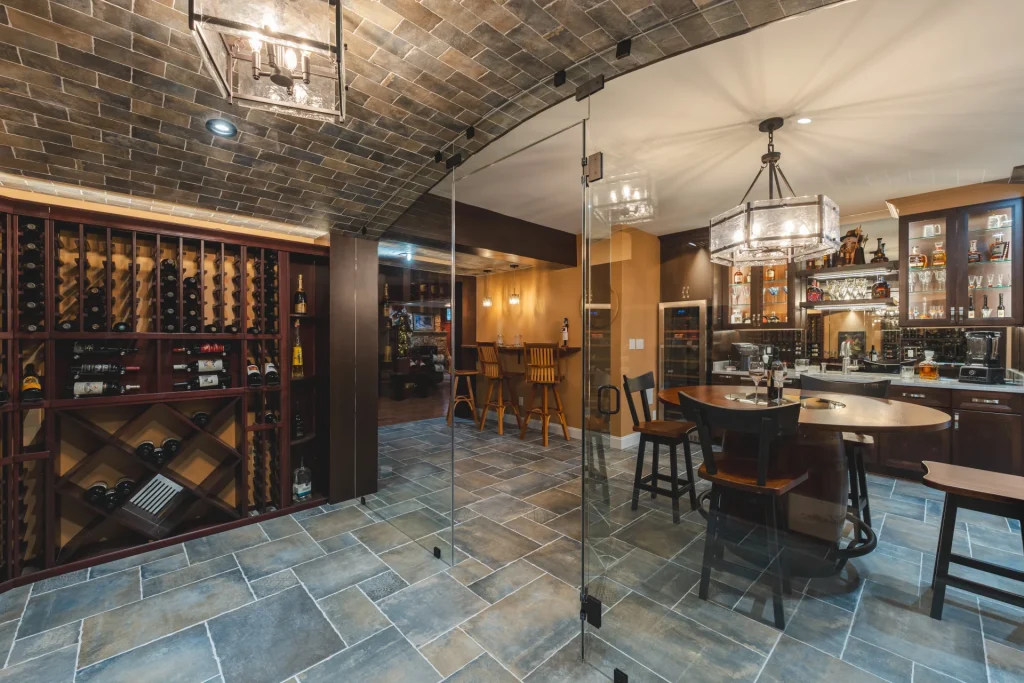
For example, a kitchen priority list may include better pantry storage, a larger island, more task lighting and quartz countertops. A bathroom list may include a curbless shower, double vanity and better ventilation. A basement list may include a family room, wet bar, full bathroom and storage closet. A home addition list may include a larger family room and better connection to the backyard.
Step 4: Protect the Budget With Smart Phasing
Smart phasing means completing work in an order that avoids rework. If the basement will eventually include a bathroom, rough-in planning should happen before the basement is finished. If the kitchen and adjacent family room will eventually share flooring, flooring transitions should be planned before cabinets are installed. If a home addition will change the roofline, exterior improvements should be considered at the same time.
| Phase | Best Work to Include | Why It Protects Budget |
|---|---|---|
| Phase 1 | Design, permits, structural planning, mechanical review | Prevents expensive surprises |
| Phase 2 | Rough plumbing, electrical, HVAC, framing | Hardest work to change later |
| Phase 3 | Cabinets, tile, countertops, flooring | Finish work follows confirmed infrastructure |
| Phase 4 | Paint, hardware, fixtures, final trim | Flexible choices can be adjusted late |
| Future phase prep | Rough-ins or blocking for later upgrades | Avoids opening finished walls again |
Step 5: Create a Whole-Home Design Language
A multi-room remodel should not make every room identical, but the home should feel connected. Repeating certain details can help: cabinet style, hardware finish, trim profile, countertop family, flooring tone, wall color, lighting temperature or tile undertone. These small connections make projects completed in phases feel intentional.
This is especially important when kitchen remodeling and bathroom remodeling happen close together. A kitchen with warm white cabinets, brushed nickel hardware and quartz countertops can relate to a bathroom with a similar metal finish and complementary vanity tone. A basement bar can echo the kitchen without copying it exactly. A deck or addition can connect through door style, flooring transitions and exterior materials.

Step 6: Know Where Permits Fit
Permits are not just paperwork. They shape schedule, sequence and design feasibility. Projects involving structural changes, plumbing, electrical work, HVAC changes, additions, decks, basement bedrooms or major bathroom work may require permits or inspections. Requirements depend on the local jurisdiction and project scope.
Homeowners in Northern Virginia should plan permit conversations early, especially for additions, basement bedrooms, major kitchen layout changes, bathroom plumbing changes and deck structures. Waiting until construction starts can cause delays and redesigns.
Step 7: Link the Remodel to Local Service Areas
Location matters because Northern Virginia communities have different housing styles and expectations. A project in Herndon may focus on family function and basement space. Fairfax may involve older layouts. Ashburn may involve builder-grade upgrades. Reston may require efficient planning for townhomes and contemporary homes. Chantilly and Centreville often benefit from flexible family-focused remodeling.
Use the Service Areas hub to compare local pages, including Kitchen Remodeling Fairfax VA, Bathroom Remodeling Ashburn VA, Basement Remodeling Reston VA and Home Addition Remodeling Centreville VA.
When to Combine Projects and When to Separate Them
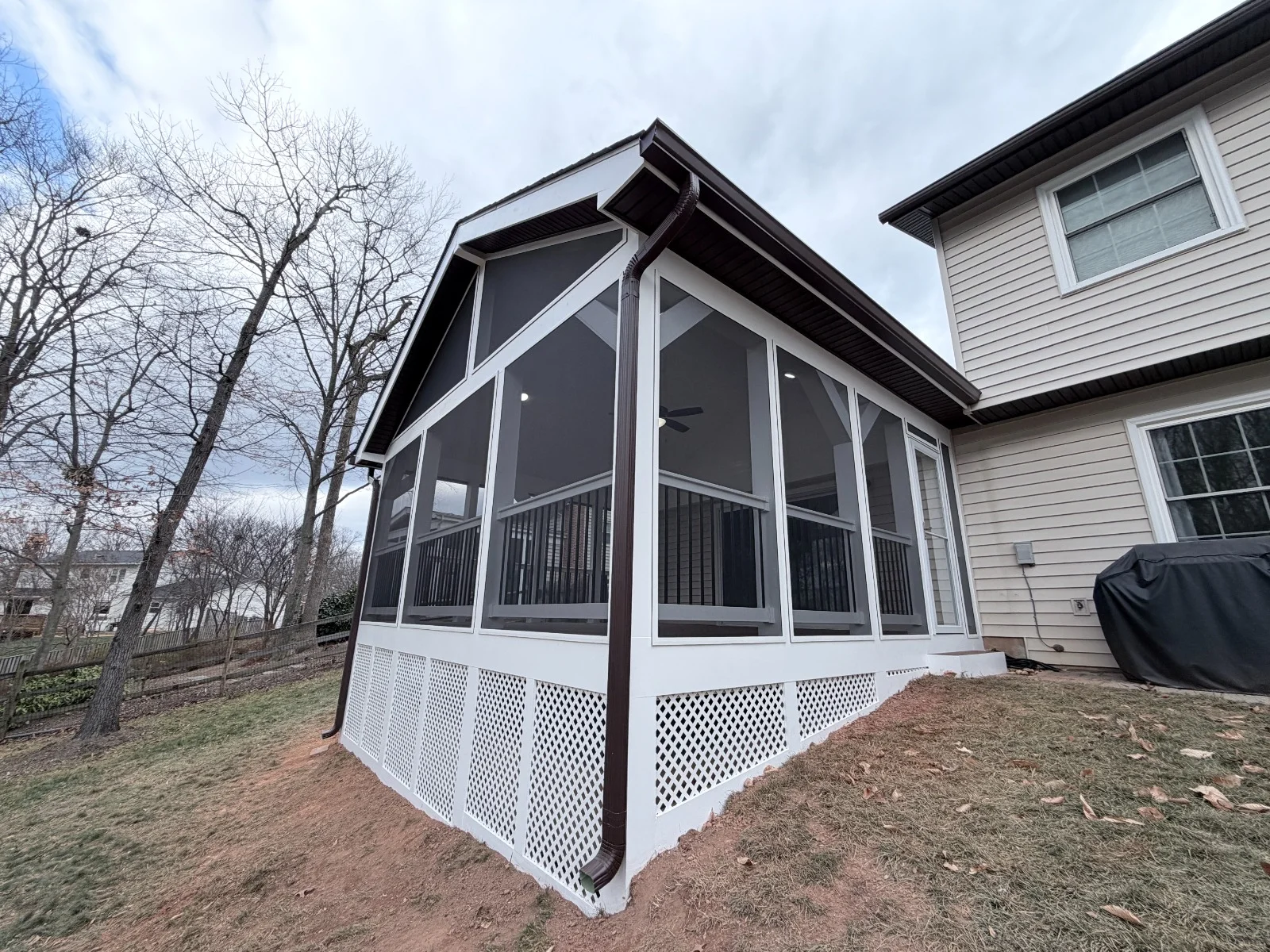
Combining projects can make sense when rooms share utilities, materials or construction disruption. Kitchen and flooring updates often belong together. Basement remodeling and basement bathroom work should be coordinated. A home addition and deck may need to be planned together because exterior access, grading and rooflines overlap. Bathroom updates can sometimes be grouped if the homeowner wants consistent finishes.
Separating projects makes sense when budget, household disruption or decision fatigue would become too high. A phased plan can still work beautifully if future phases are anticipated. The mistake is treating phase one as if phase two will never happen. That is how homeowners end up undoing finished work.
Example Scenario: Kitchen, Bathroom and Basement Together
Imagine a Northern Virginia homeowner who wants to remodel the kitchen, update a hall bathroom and finish part of the basement. If these projects are planned separately, the homeowner may choose kitchen flooring without thinking about the basement stairs, select bathroom fixtures without considering the whole-home hardware finish, and finish basement walls before deciding whether a bathroom rough-in is needed. Each decision may seem reasonable by itself, but together they can create waste.
A better plan starts by identifying shared decisions. Electrical work might be coordinated across the kitchen and basement. Plumbing conversations might include the hall bath and future basement bath. Flooring transitions can be planned before the kitchen cabinets are installed. Paint colors, trim and hardware can be selected as a family rather than one room at a time. The result is not necessarily a bigger project; it is a smarter project.
| Shared Decision | Rooms Affected | Budget Benefit |
|---|---|---|
| Electrical planning | Kitchen, basement, office zones | Reduces repeated wall openings |
| Plumbing rough-ins | Bathrooms, basement, wet bar | Prepares future phases |
| Flooring transitions | Kitchen, hallways, stairs, basement access | Avoids awkward seams |
| Hardware finishes | Kitchen, baths, built-ins | Creates a cohesive look |
| Lighting temperature | All remodeled spaces | Keeps rooms visually consistent |
How to Control Scope Creep
Scope creep happens when a project slowly grows without a clear decision framework. It often starts innocently: while remodeling the kitchen, the homeowner decides to redo the powder room; while finishing the basement, they add a wet bar; while updating the bathroom, they decide the hallway flooring should change. These decisions may be logical, but they need to be evaluated against budget and sequence.
The simplest way to control scope creep is to create three lists before construction: must-have, should-have and future phase. Must-have items solve the core problem. Should-have items add meaningful value if the budget allows. Future phase items are worth remembering but should not derail the current project. This gives homeowners a calm way to make decisions when new ideas appear.
Another useful rule is to price changes before approving them. A change that seems small may affect labor, materials, schedule, permits or completed work. If the cost and timeline are clear, the homeowner can make the decision with open eyes instead of discovering the impact later.
Material Ordering and Lead Times
Material timing can quietly control a remodel. Cabinets, specialty tile, plumbing fixtures, custom glass, countertops, doors, windows and certain lighting fixtures may have lead times. If selections are made late, the project can pause even when the construction team is ready. This is especially frustrating in a multi-room remodel because one delayed item can affect several rooms.
Homeowners should choose long-lead items early and avoid changing them after orders are placed. Cabinet layout should be confirmed before countertops are measured. Tile should be selected before waterproofing and layout details are finalized. Plumbing fixtures should be known before rough plumbing. Lighting should be planned before ceilings are closed. The more rooms involved, the more important selection discipline becomes.
| Material | Why Timing Matters | Planning Advice |
|---|---|---|
| Cabinets | Affects layout, counters and schedule | Finalize early and verify dimensions |
| Countertops | Requires templating after cabinets | Avoid late sink or edge changes |
| Tile | Affects waterproofing, layout and labor | Order enough for waste and future repair |
| Lighting | Affects wiring and ceiling work | Choose fixture locations before rough electrical |
| Windows and doors | Can affect additions, decks and kitchens | Confirm lead times before demolition |
Budget Conversations Homeowners Should Have Early
A realistic budget conversation should include more than the visible remodel. Ask how much should be held for contingency, what allowances are included, what materials are fixed, what could change the price, and whether future phases should be roughed in now. If a home addition or basement bathroom is possible later, it may be cheaper to plan certain infrastructure during the current project.
Homeowners should also decide where quality matters most. Spend on items that are hard to replace or heavily used: cabinets, waterproofing, ventilation, plumbing fixtures, electrical planning, durable flooring and good lighting. Save on items that can be upgraded later if needed: decorative hardware, some light fixtures, paint colors or furniture. This does not mean choosing cheap finishes. It means putting money where it protects the remodel.
Communication: The Hidden Budget Tool
Good communication protects money. Multi-room remodeling involves many decisions, and confusion can become expensive. Homeowners should know who approves changes, how questions are handled, when selections are due, how schedule updates are shared and how surprises are documented. A clear communication rhythm reduces stress and prevents decisions from being made too late.
It also helps to keep a written decision log. Track cabinet selections, countertop names, tile names, paint colors, hardware finishes, fixture models and appliance details. This record is useful during the project and even more useful if another room is remodeled later. It is one of the easiest ways to keep a phased remodel from feeling disconnected.
Final Planning Checklist
- Define the main problem the remodel must solve.
- List must-have, should-have and future phase items.
- Map dependencies between rooms before demolition.
- Confirm permit needs early.
- Select long-lead materials before construction pressure begins.
- Coordinate flooring, trim, hardware, lighting temperature and paint across rooms.
- Hold a contingency for hidden conditions.
- Document every final selection for future phases.
- Use local service pages to understand how project needs vary by city.
- Choose a remodeling team that can manage more than one room without losing the bigger picture.
A multi-room remodel does not need to feel overwhelming. It needs a sequence, a scope, a budget strategy and a design language. When those pieces are in place, homeowners can improve several parts of the home without wasting money on rework or disconnected decisions.
Common Multi-Room Remodeling Mistakes
One common mistake is remodeling the most exciting room first instead of the most strategic room. A homeowner may want the kitchen immediately, but if the roofline will change because of a future addition, or if flooring will eventually run through the main level, the kitchen plan should account for that future work. The right first project is the one that creates the least rework later.
Another mistake is using different design decisions in each room because selections are made months apart. This can happen with hardware, tile undertones, cabinet colors, lighting warmth and trim profiles. A written design record prevents that problem. Even if rooms are remodeled in phases, the whole home can still feel planned.
A third mistake is skipping small infrastructure prep. Blocking for future grab bars, rough plumbing for a future basement bathroom, extra outlets for a future office, or wiring for better lighting may cost less during an active remodel than after finished walls are closed. Smart preparation does not mean doing every project now. It means making future projects easier.
Questions to Ask Before Approving the Final Scope
- Will this project force us to redo anything if another room is remodeled later?
- Are plumbing, electrical, HVAC and ventilation decisions coordinated?
- Do the flooring and trim transitions make sense?
- Have we selected long-lead materials early enough?
- Are permit requirements clear for each part of the scope?
- Is there a realistic contingency for hidden conditions?
- Do all rooms share a compatible design language?
- Have we separated must-have items from future phase items?
- Will the home remain livable during construction, or do we need a temporary plan?
- Does the proposal clearly describe what is included and excluded?
These questions are simple, but they force the right conversations before construction pressure begins. They also help homeowners compare proposals more intelligently. A lower number is not always a better budget if it leaves out work that will become necessary later.
FAQs About Planning a Multi-Room Home Remodel
What is the best order for a multi-room remodel?
Start with safety, structural, moisture and mechanical issues first. Then prioritize kitchens, bathrooms and daily-use spaces before secondary upgrades. Dependencies like flooring, plumbing and electrical work should guide the sequence.
Can kitchen and bathroom remodeling be done together?
Yes, but it requires careful scheduling, material planning and a realistic plan for how the household will function during construction. Combining work can sometimes reduce repeated disruption.
How do I avoid wasting budget during a remodel?
Define must-haves, avoid changing the scope mid-project, plan behind-the-wall work early, choose durable materials and coordinate related rooms before construction starts.
Should I remodel before selling or for long-term living?
If selling soon, focus on broad buyer appeal and visible problem areas. If staying long term, prioritize daily comfort while still protecting layout, durability and resale logic.
To discuss a broader remodeling plan, visit Contact or use the Northern Virginia home remodeling company business profile.