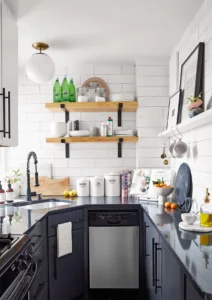
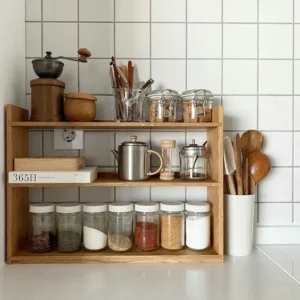
Spring is a time of renewal, and what better way to embrace the season than with a thorough spring cleaning? It’s the perfect opportunity to clear out clutter, get rid of dust and dirt, and start fresh for the year ahead. In this blog post, we’ll provide you with a checklist for spring cleaning to help you tackle the job efficiently.
Declutter
The first step in any spring cleaning checklist is to declutter. Go through each room in your home and decide what you want to keep, donate, or toss. Be ruthless with your decluttering and get rid of anything that you haven’t used in the past year.
Clean the Windows
Spring is the perfect time to clean your windows and let the sunshine in. Use a glass cleaner and a microfiber cloth to clean your windows inside and out. Don’t forget to clean the window sills and tracks as well.
Dust and Vacuum
Dust and vacuum each room thoroughly, including furniture, blinds, and baseboards. Use a microfiber cloth to dust, as it’s more effective at trapping dust particles. Vacuum carpets and rugs, and use the crevice tool to clean hard-to-reach areas.
Deep Clean the Kitchen
The kitchen is one of the most important areas to deep clean during spring cleaning. Wipe down all surfaces, including countertops, cabinets, and appliances. Clean the inside of the fridge and freezer, and toss out any expired or spoiled food. Scrub the oven and stove, and degrease the range hood.
Clean Bathrooms
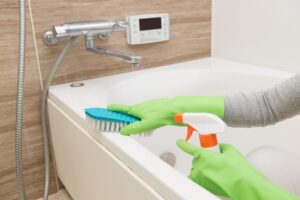
Clean and disinfect all surfaces in your bathrooms, including the toilet, sink, shower, and bathtub. Wash shower curtains and bathmats. Use a scrub brush and tile cleaner to remove any buildup on tile and grout.
Wash Bedding and Linens
Wash all bedding and linens, including sheets, pillowcases, comforters, and towels. Use a high-quality detergent and hot water to kill any bacteria and dust mites.
Clean Outdoor Spaces
Don’t forget to clean outdoor spaces such as patios, decks, and porches. Sweep away debris and cobwebs, and wash down any outdoor furniture.
FAQs for Checklist For Spring Cleaning
How to Do a Proper Spring Cleaning?
To do a proper spring cleaning, start by decluttering your space. Remove items you no longer need, then clean from top to bottom, ensuring dust and debris fall to areas that will be cleaned last. Focus on deep cleaning tasks like washing windows, scrubbing floors, and cleaning behind appliances. Organize closets, dust light fixtures, and clean or replace air filters for improved air quality.
How Do You Spring Clean Without Getting Overwhelmed?
To avoid feeling overwhelmed during spring cleaning, create a checklist of tasks and break them into manageable sections. Tackle one room at a time and set achievable goals for each session. Consider using timers, taking breaks, and rewarding yourself after completing each task to stay motivated.
What Month Should I Start Spring Cleaning?
Spring cleaning traditionally begins in March or April, depending on the climate. Starting early in the season allows you to freshen your home after winter and prepare for warmer weather. However, you can start whenever it suits your schedule, as the key is consistency, not timing.
What Order Should I Spring Clean?
Start spring cleaning by decluttering first, then clean each room from top to bottom. Begin with high surfaces like ceilings, light fixtures, and shelves, and work your way down to floors. Focus on the dirtiest areas last, such as kitchens and bathrooms, to prevent spreading grime.
How Often Should You Spring Clean Your House?
While spring cleaning is typically done once a year, many homeowners find it beneficial to do a mini deep clean seasonally. This can help maintain a clean and organized home throughout the year, reducing the workload during the main spring cleaning.
What Is the Correct Sequence for Cleaning?
The correct cleaning sequence involves starting from the highest point of the room and working downwards. Begin with dusting ceiling fans and light fixtures, then move to windows, furniture, and finally the floors. Clean dry areas first, like bedrooms and living rooms, before moving to wet areas like the kitchen and bathrooms.
What Is the Correct Order of Steps for Cleaning?
The proper order of cleaning involves: 1) Declutter, 2) Dust high surfaces, 3) Clean windows and mirrors, 4) Wipe down surfaces, 5) Vacuum and mop floors. For kitchens and bathrooms, clean countertops, sinks, and toilets last to prevent cross-contamination of germs.
What Is the 5-5 Cleaning Method?
The 5-5 cleaning method involves setting a timer for five minutes and cleaning as much as possible within that time. After the timer ends, take a five-minute break. Repeat this process until your cleaning tasks are complete. This method helps maintain focus and prevents burnout.
What Is the First Thing to Clean in the House?
The first thing to clean in the house is usually the entryway, as it sets the tone for the rest of the home. Start by decluttering shoes, coats, and other items, then clean the floor and surfaces. This area often collects a lot of dirt and debris, making it a perfect starting point.
What Is the Best Room in the House to Clean First?
The best room to clean first is the kitchen or living room, as these are high-traffic areas that often need the most attention. Starting with these spaces can provide an immediate sense of accomplishment and make the rest of the cleaning process feel more manageable.
How to Tidy a House in One Day?
To tidy a house in one day, start by quickly decluttering each room, removing unnecessary items. Focus on high-impact tasks like vacuuming, wiping surfaces, and making beds. Prioritize cleaning high-traffic areas like the kitchen, bathrooms, and living room to make the house feel fresh and organized.
What Do You Clean First in a Messy Room?
In a messy room, start by picking up and organizing items that don’t belong, such as clothes, toys, or dishes. Once the clutter is under control, begin dusting and wiping surfaces, then vacuum or mop the floor. Tackling the mess first makes the actual cleaning process much easier.
The refrigerator is one of the most important appliances in our homes. It helps keep our food fresh and safe to eat, but it can also be a breeding ground for bacteria and odors if not cleaned regularly. In this blog post, we will discuss how to keep your refrigerator clean and organized.
Empty and Sort
Start by emptying out your refrigerator and sorting through the contents. Check expiration dates and toss out any expired or spoiled food. Group similar items together to make it easier to find things later.
Remove Shelves and Drawers
Remove the shelves and drawers from your refrigerator and wash them with warm soapy water. Rinse them thoroughly and let them dry before placing them back in the refrigerator.
Clean the Interior
Wipe down the interior of your refrigerator with a clean, damp cloth. Use a solution of equal parts water and white vinegar to clean stubborn stains or odors. Avoid using harsh chemicals or abrasive sponges, as they can damage the interior of your refrigerator.
Clean the Exterior
Wipe down the exterior of your refrigerator with a clean, damp cloth. Use a mild detergent and warm water to remove any fingerprints or smudges. Be sure to dry the exterior with a clean cloth to prevent water spots.
Check the Door Seals
Check the door seals on your refrigerator to make sure they are tight and free of any debris. If the seals are loose or damaged, they can cause your refrigerator to work harder and use more energy.
Organize Contents
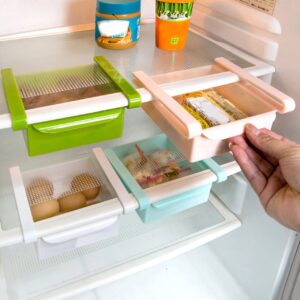
Organize the contents of your refrigerator by grouping similar items together. Use clear plastic containers to store small items and label them to make it easier to find things. Make sure to place raw meat and poultry on the bottom shelf to prevent any juices from dripping onto other foods.
Clean Regularly
Make it a habit to clean your refrigerator on a regular basis. Set a reminder to do a quick wipe down of the interior and exterior every week or two. This will help prevent bacteria and odors from building up in your refrigerator.
A bathtub is a relaxing and rejuvenating place where you can unwind after a long day. However, with frequent use, a bathtub can quickly become dirty and stained, making it unappealing to use. In this blog post, we will be discussing how to clean a bathtub to keep it looking new and fresh.
Materials Needed
Baking Soda
White Vinegar
Dish Soap
Sponge or Soft-bristled Brush
Microfiber Cloth
Step 1
Remove any debris Before you start cleaning your bathtub, remove any debris such as hair, soap scum, or other materials. Use a sponge or soft-bristled brush to remove any visible dirt or debris.
Step 2
Create a cleaning solution Mix 1 cup of baking soda with enough water to create a thick paste. Apply the paste to the sides and bottom of your bathtub. Use a sponge or soft-bristled brush to scrub the surface thoroughly.
Step 3
Apply vinegar After scrubbing with the baking soda paste, apply white vinegar to the surface of the bathtub. Vinegar is a natural cleaning agent that can help dissolve soap scum and other stains. Allow the vinegar to sit for 15-20 minutes.
Step 4
Scrub with Dish Soap Next, apply a few drops of dish soap to a sponge or soft-bristled brush. Scrub the surface of the bathtub to remove any remaining stains or dirt. Rinse the bathtub with water to remove any residue.
Step 5
Rinse and Dry Rinse the bathtub with water to remove any remaining cleaning solution. Use a microfiber cloth to dry the surface of the bathtub. This will help prevent water spots and keep your bathtub looking clean and fresh.
Optional Step
Use a Magic Eraser For tough stains or hard-to-remove grime, you can use a magic eraser. Wet the magic eraser and scrub the surface of the bathtub. Be sure to rinse the bathtub thoroughly after using a magic eraser.
The bathroom is one of the most important rooms in our homes. It is where we get ready for the day and unwind after a long day at work. However, it is also a room that can quickly become smelly and unpleasant. To combat bad odors, it is essential to choose the right scents to make your bathroom smell fresh and clean. In this blog post, we will be discussing the best smells for the bathroom.
Citrus Scents
Citrus scents, such as lemon, lime, and grapefruit, are excellent for freshening up your bathroom. Not only do they have a clean and refreshing aroma, but they also have natural antibacterial properties that can help combat bad odors. You can use citrus-scented candles, diffusers, or air fresheners to make your bathroom smell fantastic.
Lavender
Lavender is a popular scent that is well-known for its calming and soothing properties. It is perfect for bathrooms because it can help create a relaxing atmosphere, which is ideal for unwinding after a long day. Lavender-scented candles, diffusers, or essential oils can all be used to create a lovely aroma in your bathroom.
Eucalyptus
Eucalyptus is another excellent scent for bathrooms because of its clean and refreshing aroma. It can also help to clear your sinuses and promote respiratory health. You can use eucalyptus-scented candles or diffusers to make your bathroom smell fresh and clean.
Peppermint
Peppermint is a fantastic scent for bathrooms because it has a refreshing and energizing aroma. It can help to wake you up in the morning and give you a burst of energy to start your day. Peppermint-scented candles or diffusers can be used to create a fantastic aroma in your bathroom.
Vanilla
Vanilla is a warm and comforting scent that is perfect for creating a cozy atmosphere in your bathroom. It is also a great scent for those who have a sweet tooth. Vanilla-scented candles, diffusers, or air fresheners can be used to make your bathroom smell amazing.
The kitchen is the heart of any home, and having the right appliances can make all the difference when it comes to cooking, baking, and entertaining. With so many kitchen appliances available on the market, it can be overwhelming to know which ones are essential. In this blog post, we’ll go over the most important kitchen appliances that every home cook should have.
Refrigerator
A refrigerator is the most important appliance in any kitchen. It keeps your food fresh and prevents spoilage, which is crucial for maintaining a healthy and safe kitchen. When choosing a refrigerator, consider the size, style, and features that best fit your needs. A fridge with a freezer section is a must, and features like adjustable shelves, humidity-controlled drawers, and water dispensers can make your life easier.
Stove and Oven
A stove and oven are essential for cooking and baking. A stove with four burners and an oven with at least two racks are enough for most home cooks. When choosing a stove, consider whether you prefer gas or electric, and whether you need a range hood to vent smoke and odors. An oven with a self-cleaning feature can save you time and effort.
Dishwasher
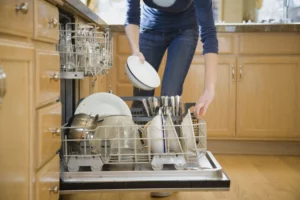
A dishwasher is a time-saving appliance that cleans your dishes, glasses, and utensils with minimal effort. It’s a must-have for busy families or anyone who hates doing dishes by hand. When choosing a dishwasher, consider the size, capacity, and noise level. Look for a dishwasher with multiple wash cycles and energy-efficient features to save money and water.
Microwave
A microwave is a versatile appliance that can defrost, reheat, and cook food quickly. It’s an essential appliance for busy families or anyone who wants to save time in the kitchen. When choosing a microwave, consider the size, wattage, and features like defrost, reheat, and cook settings. Look for a microwave with a turntable to ensure even cooking.
Blender
A blender is a versatile appliance that can be used to make smoothies, purees, sauces, and soups. It’s an essential appliance for anyone who loves to cook or entertain. When choosing a blender, consider the size, power, and features like multiple speed settings, pulse function, and easy cleaning.
Coffee Maker
A coffee maker is an essential appliance for coffee lovers. It allows you to make coffee quickly and easily, without the hassle of boiling water or using a French press. When choosing a coffee maker, consider the type of coffee you prefer, the size of the machine, and the features like programmable settings, auto shut-off, and a built-in grinder.
Kitchen gifts have always been a popular choice for housewarming parties, birthdays, and even weddings. With new technologies and innovations, the options for kitchen gifts have expanded, making it easier to find the perfect present for your loved one. Whether you’re looking for something practical, stylish, or unique, there are plenty of new kitchen gifts that will make any home cook happy.
Air Fryer
Air fryers have become increasingly popular in recent years for their ability to fry foods without oil. They use hot air to crisp up food, making them a healthier alternative to traditional frying. With an air fryer, you can make all your favorite fried foods like french fries, chicken wings, and onion rings, without the added calories and fat. They are also easy to clean and can be used for baking and roasting as well.
Sous Vide
Sous vide is a French cooking technique that involves cooking food in a vacuum-sealed bag in a water bath at a precise temperature. This method of cooking results in perfectly cooked, juicy and tender meats, fish, and vegetables. A sous vide machine is a great gift for anyone who loves to cook and wants to take their culinary skills to the next level.
Instant Pot
The Instant Pot is a versatile kitchen gadget that can be used as a pressure cooker… Slow cooker, rice cooker, and more. It’s a great gift for anyone who wants to save time in the kitchen and create healthy and delicious meals quickly. With the Instant Pot, you can cook everything from soups and stews to yogurt and desserts.
Immersion Blender
An immersion blender is a handheld device… That can be used to blend soups, sauces, and smoothies directly in the pot or glass. It’s a great gift for anyone who loves to cook and wants to save time and effort in the kitchen. Immersion blenders are easy to use and clean… And they come in a variety of styles and colors to match any kitchen décor.
Smart Kitchen Scale
A smart kitchen scale is a must-have for anyone who loves to bake. It connects to your phone or tablet via Bluetooth, allowing you to measure ingredients accurately and easily. You can even track your nutritional intake and save recipes for future use. A smart kitchen scale is a great gift for anyone who wants to improve their baking skills and create delicious and healthy desserts.
If you have a small kitchen, you know how challenging it can be to find space for all your pots, pans, utensils, and groceries. But don’t worry, there are plenty of storage hacks you can use to make your small kitchen more functional and organized. In this blog post, we’ll explore some of the best storage hacks for small kitchens.
Use Wall Space
When you’re short on counter space, the walls can be your best friend. Install shelves, pegboards, or magnetic strips on the walls to keep frequently used items within reach. You can also use the walls to hang pots, pans, and utensils. This not only frees up cabinet space but also adds a decorative element to your kitchen.
Add Extra Shelves
If your cabinets don’t have enough shelves, consider adding extra ones. You can find inexpensive wire or plastic shelves that fit over existing shelves, providing extra space for dishes, cups, and other kitchen items. You can also install floating shelves on the walls to add extra storage space.
Use the Inside of Cabinet Doors
The inside of cabinet doors is often overlooked as a storage option, but it can be a great place to store frequently used items. Install hooks or racks on the inside of the doors to hold pot holders, measuring cups, and other small items.
Invest in Stackable Containers
Stackable containers are a great way to make the most of your pantry space. Look for clear containers that allow you to see what’s inside and stack neatly on top of each other. This will help keep your pantry organized and make it easier to find what you need.
Use Drawer Dividers
Drawer dividers can help you make the most of your drawer space. Use them to organize utensils, spices, and other small items. You can find inexpensive dividers made of plastic or bamboo that are easy to install.
Hang a Tension Rod
Tension rods are another great way to use wall space. Install one under your sink or inside a cabinet to hang cleaning supplies or spray bottles. This will free up space on the shelves and make it easier to find what you need.
A kitchen remodeling project can be an exciting and rewarding experience, but it can also be a significant investment. One of the most important steps in planning a kitchen renovation is creating a budget. Here are some tips to help you create a realistic and comprehensive budget for your kitchen remodeling project.
Determine Your Goals
The first step in creating a budget is to determine your goals for the project. What do you want to achieve with your kitchen renovation? Do you want to update the look of your kitchen, improve functionality, increase storage space, or a combination of these factors? Once you have a clear understanding of your goals, you can begin to estimate the costs involved in achieving them.
Research Costs
Research is an essential part of creating a budget for your kitchen remodeling project. You should research the costs of materials, labor, and any other expenses associated with the project. Look for online resources, such as home improvement websites and forums, to get an idea of the costs involved in different types of kitchen renovations.
Set Priorities
As you begin to estimate the costs of your kitchen remodeling project, you may find that some aspects of the project are more important to you than others. Set priorities based on your goals and budget. This will help you make decisions about where to allocate your funds.
Create a Spreadsheet
Creating a spreadsheet is a useful tool for tracking your expenses and staying within your budget. List all the costs associated with your kitchen remodeling project, including materials, labor, permits, and any other expenses. Be sure to include a contingency budget for unexpected costs that may arise during the project.
Stick to Your Budget
Once you have created a budget for your kitchen remodeling project, it’s important to stick to it. This can be challenging, especially when unexpected costs arise. However, sticking to your budget will help you avoid overspending and keep your project on track.
Consider Financing Options
If you’re unable to pay for your kitchen renovation project outright, consider financing options. This can include a home equity loan, a personal loan, or a credit card with a low-interest rate. Be sure to factor in the cost of financing when creating your budget.