Frequently Asked Questions
Where is Conestoga PA?
Conestoga, PA, is located in Lancaster County, in the southeastern part of Pennsylvania. It is situated along the Conestoga River and is known for its scenic countryside and close-knit community.
Where is Conestoga Pennsylvania?
Conestoga, Pennsylvania, is located in Lancaster County, approximately 10 miles southwest of the city of Lancaster. This quaint community is situated along the banks of the Conestoga River, offering a rich history and scenic surroundings.
Can wall tiles be painted over?
Wall tiles can indeed be painted over, but it requires proper preparation and the use of a suitable paint formulated for tile surfaces. Using the correct materials ensures durability and a quality finish.
Are porcelain tiles man-made?
Porcelain tiles are indeed man-made. They are crafted from a mixture of natural clay, minerals, and water, which is then fired at high temperatures to create a dense, durable material suitable for a variety of flooring applications.
Where are tiles manufactured?
Tiles are manufactured in various locations worldwide, including countries like Italy, Spain, China, and the United States, each known for their unique styles and quality standards.
Can you paint hanging tiles?
You can paint hanging tiles to enhance their appearance. However, it requires proper preparation, such as cleaning the tiles thoroughly and using the appropriate paint, to ensure a durable finish.
Does ceramic tile paint work?
Ceramic tile paint can effectively transform the appearance of tiles, providing a cost-effective solution for updating surfaces. However, its durability may vary, and proper preparation and application are key for achieving satisfactory results.
Can the tiles be painted?
Tiles can be painted, but it requires specific types of paint and proper preparation for a durable finish. It's important to choose high-quality products designed for tile to ensure long-lasting results.
How tiles are manufactured?
Tiles are manufactured through a process that involves mixing clay or other raw materials, shaping them into desired forms, drying them, and then firing at high temperatures in a kiln to achieve durability and strength.
How are ceramic tiles manufactured?
Ceramic tiles are manufactured through a process that involves mixing natural clay and other raw materials, shaping them into desired forms, and then firing them in a kiln at high temperatures to create a durable, water-resistant surface.
Will painted tile last?
Painted tile can last if properly applied and sealed, but it is generally less durable than traditional tile. Regular maintenance is essential to preserve its appearance and longevity in high-traffic areas.
Does tile paint cover patterns?
Tile paint can effectively cover patterns, providing a uniform finish. However, the results may vary based on the tile's texture and the quality of the paint used, so proper preparation is crucial for the best outcome.
Can ceramic tiles be left outside?
Ceramic tiles can indeed be left outside; however, it's essential to ensure they are rated for outdoor use. Properly rated ceramic tiles are durable and resistant to the elements, making them suitable for patios and outdoor spaces.
Can ceramic tiles go outside?
Ceramic tiles can be used outdoors, but it's essential to choose tiles specifically designed for exterior use. These tiles are usually more durable and resistant to weather conditions, making them suitable for patios or walkways.
How are tiles made?
Tiles are made through a process that involves mixing raw materials, shaping them into desired forms, and then firing them at high temperatures in a kiln. This process ensures durability and design versatility for various flooring applications.
What styles does Conestoga Tile offer?
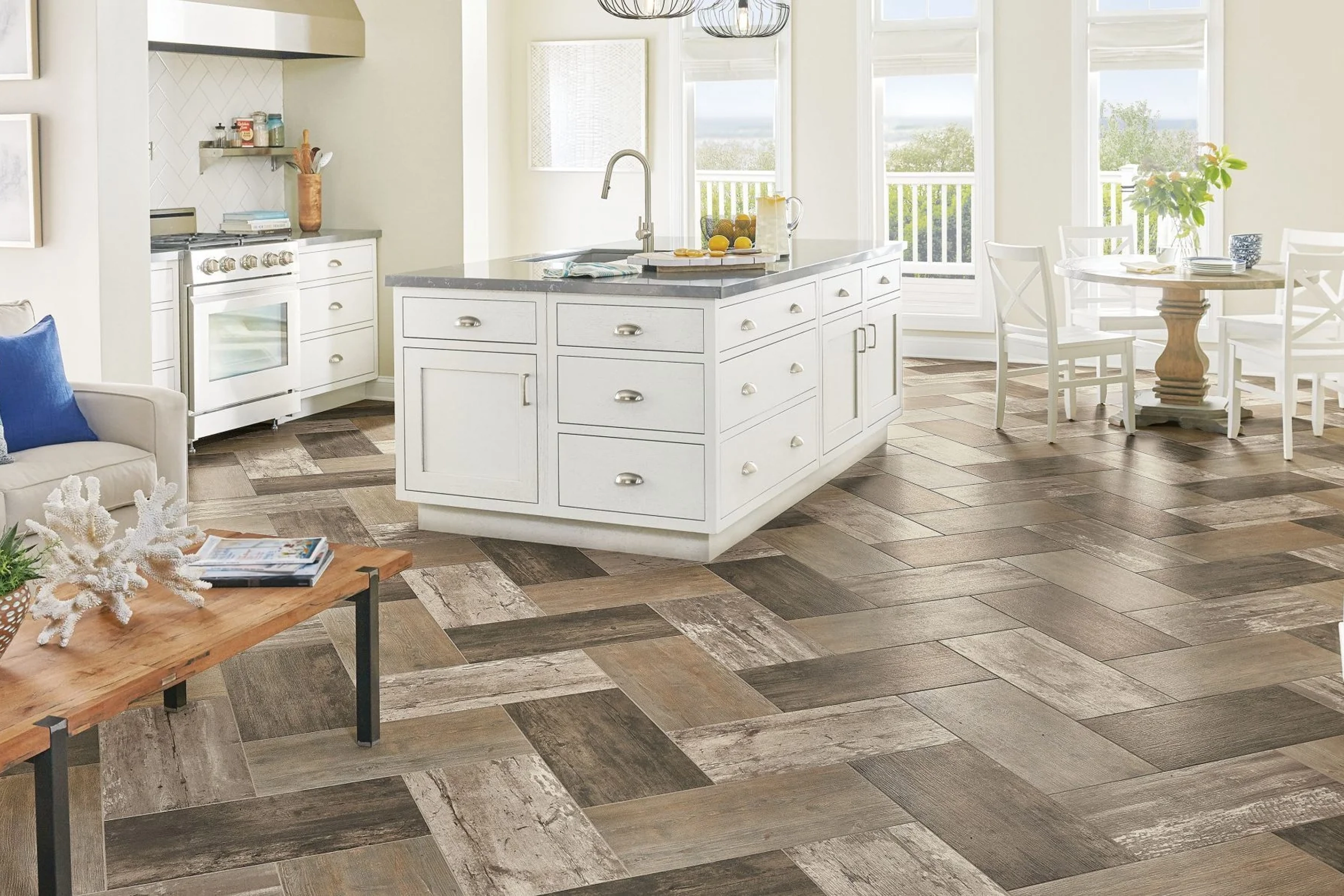
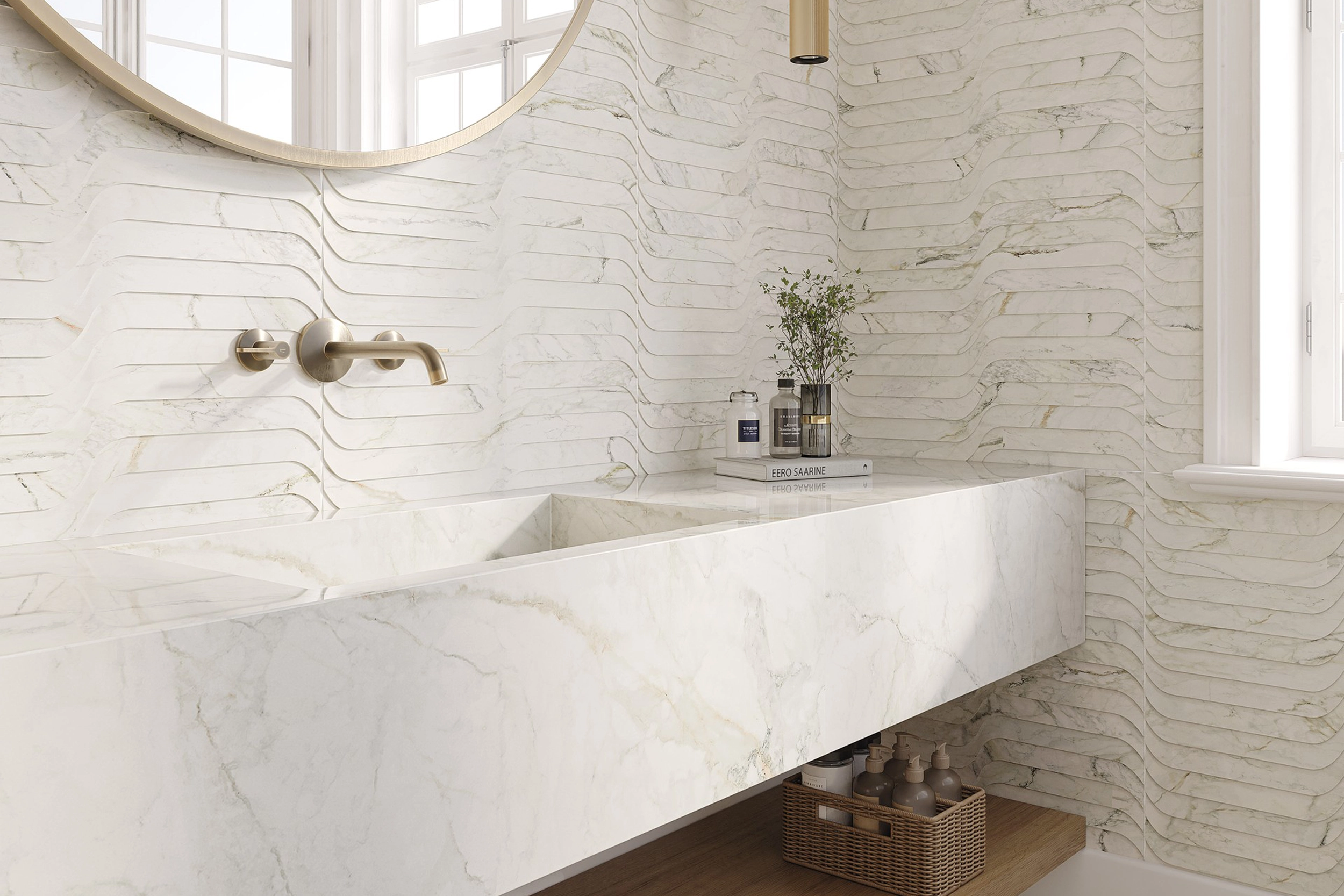
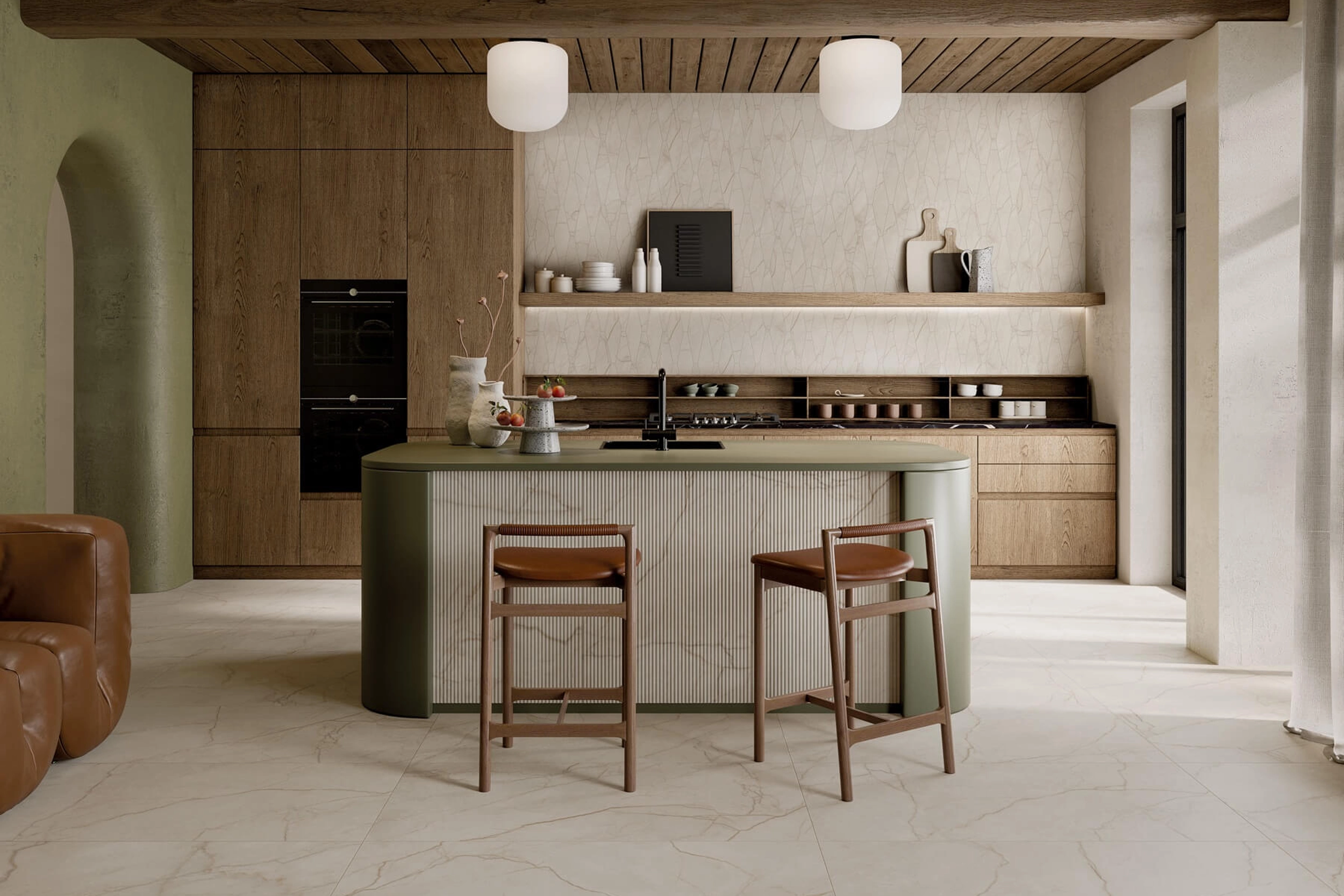
Conestoga Tile offers a diverse range of styles, including classic, modern, and rustic designs. Their collection features various materials, colors, and textures, allowing customers to find the perfect flooring solution that complements their home's aesthetic.
How do I choose the right Conestoga tile?
Choosing the right Conestoga tile involves considering your design aesthetic, intended use, and the tile's durability. Assess color, texture, and size to ensure it complements your space while meeting functional needs.
What are Conestoga Tiles newest collections?
Conestoga Tiles' newest collections feature innovative designs that blend contemporary aesthetics with timeless appeal, showcasing an array of textures, colors, and patterns suitable for both residential and commercial spaces. These collections elevate flooring options, ensuring stylish yet durable solutions.
How do I maintain Conestoga porcelain tiles?
Maintaining Conestoga porcelain tiles involves regular sweeping or vacuuming to remove dirt, wiping with a damp mop using a pH-neutral cleaner, and avoiding harsh chemicals that can damage the surface. Regular sealing may also enhance longevity.
Are Conestoga tiles suitable for outdoor use?
Conestoga tiles are not generally recommended for outdoor use due to potential moisture absorption and temperature fluctuations that could affect their durability. It's best to choose tiles specifically designed for exterior applications for optimal performance.
What are the benefits of Conestoga ceramic tiles?
The benefits of Conestoga ceramic tiles include their durability, low maintenance requirements, and vast design options, making them an excellent choice for both kitchen and bathroom remodeling projects. They also offer resistance to moisture and stains, ensuring long-lasting beauty.
How do I install Conestoga tiles?
Installing Conestoga tiles involves preparing the surface, applying a layer of thin-set mortar, and carefully placing the tiles using spacers for even gaps. Allow the tiles to set, then apply grout and seal if necessary for durability.
Do Conestoga tiles require sealant?
Conestoga tiles do require sealant to enhance their durability and protect them from moisture and stains. Proper sealing helps maintain their appearance and extends their lifespan, making it an essential step in the installation process.
What tile sizes does Conestoga Tile provide?
Conestoga Tile offers a variety of tile sizes to suit different design needs, including popular options such as 12x12 inches, 18x18 inches, and larger formats like 24x24 inches, ensuring versatility for both walls and floors.
Can Conestoga tiles be used in showers?
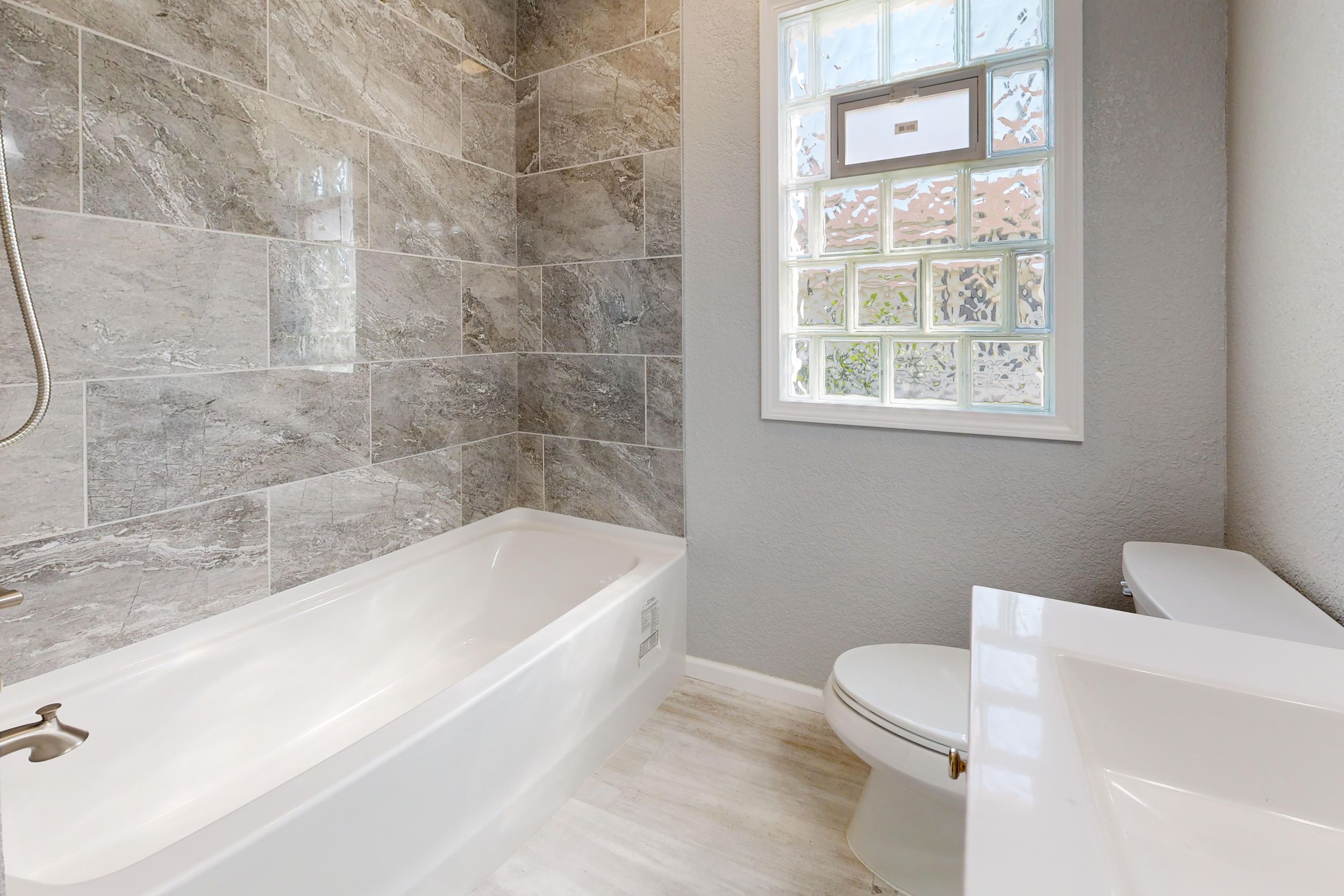
Conestoga tiles can indeed be used in showers, as they are designed to withstand moisture and provide a durable, stylish finish. Their quality makes them a suitable choice for wet environments like bathrooms.
What warranty comes with Conestoga tiles?
The warranty for Conestoga tiles includes a limited lifetime warranty against manufacturing defects. This ensures that you can enjoy your flooring with peace of mind, knowing that it is backed by the quality promise of the brand.
How to match Conestoga tiles for repairs?
To match Conestoga tiles for repairs, start by gathering a sample of the existing tile and consult with a reputable supplier. They can help identify the exact color, texture, and pattern, ensuring a seamless blend with your existing flooring.
Are there eco-friendly options at Conestoga Tile?
Conestoga Tile offers a range of eco-friendly options that prioritize sustainability without compromising style. Their selections include materials that are recycled, low in volatile organic compounds (VOCs), and sustainably sourced.
What are Conestoga Tiles best-selling products?
Conestoga Tiles' best-selling products include a range of stunning ceramic and porcelain tiles, known for their durability and elegant designs, perfect for enhancing the aesthetic of any kitchen or bathroom remodeling project.
How to clean grout with Conestoga tiles?
Cleaning grout with Conestoga tiles is simple. Use a mixture of warm water and mild detergent, scrub the grout lines with a soft brush, and rinse thoroughly to maintain the tiles' beauty and longevity.