
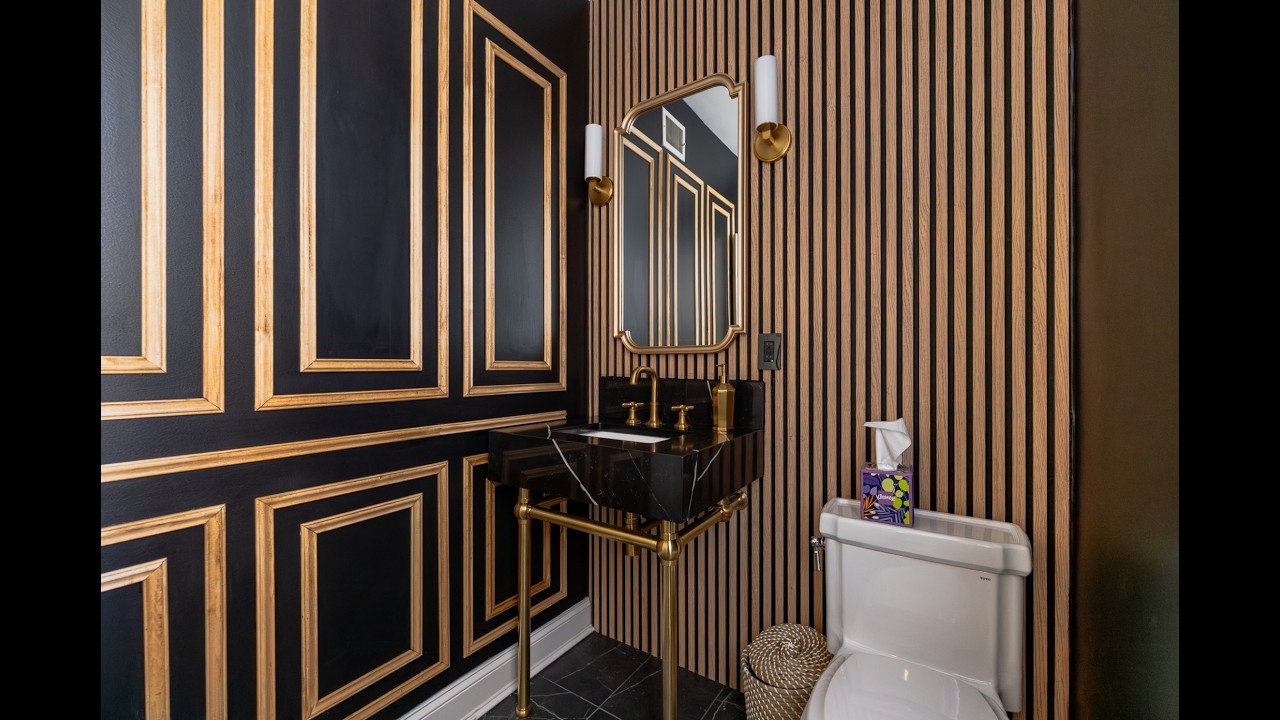
Aging-in-Place Bathroom Remodeling in Northern Virginia: Safer, Smarter Bathroom Upgrades
Aging-in-place bathroom remodeling is no longer only about medical-looking grab bars or a last-minute response to an accident. For many Northern Virginia homeowners, it is a forward-thinking design choice that makes the bathroom safer, easier to use, and more comfortable for every stage of life. A well-planned accessible bathroom can serve older adults, visiting parents, children, guests recovering from surgery, and homeowners who simply want a cleaner, more practical daily routine.
In Herndon, Reston, Fairfax, Ashburn, Vienna, McLean, Chantilly, Sterling, Centreville, Arlington, and nearby communities, many homes were built before today’s universal design expectations became common. Primary bathrooms may have high tub walls, narrow shower openings, slippery tile, dim lighting, low toilets, cramped vanities, or awkward doors. These details may not feel urgent when everyone in the home is mobile and healthy, but they can become frustrating quickly when balance, vision, mobility, or recovery needs change.
This guide explains how to plan an aging-in-place bathroom remodel in Northern Virginia without making the room feel clinical. It covers layout decisions, walk-in and curbless shower options, grab bar planning, toilet height, lighting, flooring, storage, ventilation, budget priorities, permit considerations, and the design details that help an accessible bathroom feel elegant rather than institutional.
| Upgrade Area | Why It Matters | Smart Design Direction |
|---|---|---|
| Walk-in or curbless shower | Reduces the need to step over a high tub wall or curb. | Use a low-threshold or curbless entry with proper slope, drainage, and slip-resistant tile. |
| Grab bar blocking | Makes future support easier without reopening finished walls. | Add hidden blocking during construction, then install stylish bars where needed. |
| Lighting | Improves visibility for grooming, showering, and nighttime movement. | Layer vanity, shower, ceiling, and low-level night lighting with dimmers. |
| Flooring | Helps reduce slip risk in wet zones. | Choose textured porcelain or another bathroom-rated surface with strong traction. |
| Storage and reach zones | Keeps daily items accessible without bending or stretching. | Use drawers, niches, medicine cabinets, and reachable towel storage. |
Why Aging-in-Place Bathroom Remodeling Matters
The bathroom is one of the most important rooms to improve when homeowners want to remain comfortable in their home long term. It is also one of the rooms where small design flaws can create daily risk. Wet floors, hard surfaces, tight clearances, and frequent transitions between standing, sitting, stepping, and reaching all create opportunities for slips or strain.
Aging-in-place design addresses those risks before they become emergencies. The goal is not to design a bathroom only for old age. The goal is to create a space that is easier to move through, easier to clean, easier to see in, easier to enter, and easier to use for a wider range of people. That is why many accessible bathroom upgrades also appeal to homeowners who are not yet thinking about retirement. A curbless shower looks modern. Better lighting makes grooming easier. A comfort-height toilet feels more natural. Wider pathways make the room less cramped. Slip-resistant flooring improves safety for everyone.
Northern Virginia homeowners also have a financial reason to think about this type of remodel. Moving can be expensive, especially in competitive markets near the Dulles Corridor, Tysons, Reston, and Washington, DC. If a homeowner loves the neighborhood, schools, commute, and lot, remodeling the bathroom may be a smarter long-term decision than relocating later under pressure. A thoughtful bathroom remodel can support independence while also improving everyday comfort and resale appeal.
Start With the User, Not the Products
The best aging-in-place bathroom remodel begins with real routines. Before choosing tile, fixtures, or vanities, think about who will use the bathroom and what each person needs from it. Is the goal to help a couple stay in their home for the next 20 years? Is the bathroom for a parent moving into the home? Is one user recovering from a joint replacement? Is the current shower difficult because of a high tub wall? Is storage too low or too high? Is the room too dark at night?
These questions shape the design. A homeowner who wants long-term independence may need a curbless shower, blocking for future grab bars, a handheld shower, and wider clearances. A family preparing for occasional visits from aging parents may prefer a walk-in shower with a low threshold, a bench, and subtle grab bars. A household with children may need durable flooring, easy-clean surfaces, and safer transitions. A luxury primary suite may need universal design features hidden inside a spa-like finish package.
Avoid designing around a single product. A bathroom is a system. The shower entrance, drain slope, floor tile, glass, bench, controls, lighting, ventilation, towel storage, and door swing all affect one another. If the project starts with one fixture but ignores circulation, the result may still be difficult to use. A design-build remodeling team can help connect those details early so the finished bathroom works as a whole.
Walk-In Showers: The Most Important Upgrade
For many homeowners, replacing a bathtub or high-threshold shower with a walk-in shower is the biggest improvement. Traditional tub-shower combinations require users to step over a tall edge while balancing on a wet surface. That movement becomes harder with age, injury, reduced flexibility, or limited vision. A walk-in shower reduces that obstacle and can make the room feel more open.
A low-threshold shower is often a practical middle ground. It has a small curb that helps contain water while still being easier to enter than a tub. It can work well when the existing floor structure makes a fully curbless design more complex. A curbless shower goes further by creating a nearly flush transition between bathroom floor and shower floor. This is the most accessible option when designed properly, but it requires careful planning for slope, waterproofing, drain placement, and floor structure.
For Northern Virginia homes, curbless showers are especially popular in primary bathroom remodels because they combine accessibility with modern design. Large-format wall tile, linear drains, frameless glass, and built-in niches can make the space feel high-end. The important point is that beauty cannot come at the expense of function. The shower floor still needs traction. The slope must direct water correctly. The entry must be wide enough. The controls should be reachable before standing directly under the water.
Shower Benches, Niches, and Handheld Fixtures
A shower bench is one of the most useful aging-in-place features, but it needs to be planned correctly. A built-in bench feels permanent and polished, while a fold-down bench can save space in smaller showers. The right choice depends on shower size, user needs, and the overall style of the room. The bench should be located where water does not pool and where the user can reach the handheld shower and controls comfortably.
A handheld shower on a slide bar is another high-value upgrade. It supports seated bathing, easier cleaning, and flexibility for users of different heights. In many homes, it is helpful even when no one currently needs accessibility support. The control placement matters. If the valve is located under the shower head only, the user may need to step into cold water to turn it on. A better design places controls near the entry so the water can warm before the user enters.
Shower niches should also be accessible. A beautiful niche is not useful if it is too high, too low, or behind the user. Place daily items where they can be reached without bending deeply or stretching across the shower. If multiple people use the shower, consider two storage zones or a larger vertical niche. Small details like this help the bathroom feel thoughtfully designed rather than retrofitted.
Grab Bars That Do Not Look Institutional
Grab bars are often misunderstood. Many homeowners avoid them because they imagine a hospital bathroom. Modern grab bars can be subtle, attractive, and coordinated with the rest of the hardware. They are available in finishes such as matte black, brushed nickel, chrome, brass tones, and stainless steel. Some designs double as towel bars, shelves, or toilet paper holders, although true safety-rated products should always be selected for support locations.
The best time to plan grab bars is during the remodel, even if the homeowner does not want all of them installed immediately. Blocking can be added inside the walls before tile or drywall is installed. This gives future flexibility. If a grab bar is needed later, it can be mounted securely in the right location instead of being limited by stud placement. Blocking is inexpensive compared with reopening finished walls.
Key locations often include the shower entry, shower wall, bench area, and toilet zone. Placement should be based on the actual user and local code or best-practice guidance. A bar that looks good but is installed in the wrong location may not help when it is needed. This is another reason accessibility planning should happen early in the design process.
Toilet Height, Clearance, and Privacy
Toilet selection affects comfort more than many homeowners expect. Comfort-height toilets are generally easier for many adults to sit on and stand from because they are taller than standard models. This can be helpful for aging-in-place, but it should still be matched to the user. A toilet that is too high for a shorter person may create discomfort. The design should balance accessibility with the needs of everyone in the household.
Clearance around the toilet is just as important. Tight toilet rooms may feel private, but they can be hard to use for someone with mobility limitations. If the bathroom layout allows, provide enough side and front clearance for comfortable movement. If a future caregiver or assistant may be involved, a very narrow water closet can become a problem. In some remodels, removing or widening a toilet compartment makes more sense than preserving a cramped layout.
Privacy can still be maintained with thoughtful design. A partial wall, frosted glass, pocket door, or strategic vanity placement can provide separation without making the toilet area unusable. Pocket doors are especially helpful where a swinging door consumes valuable floor space, but they need proper framing and hardware.
Flooring: Safety Without Sacrificing Style
Bathroom flooring for aging-in-place should be slip-resistant, durable, water-resistant, and easy to maintain. Polished stone may look beautiful but can become slippery. Very large glossy tiles can create risk, especially when wet. Small-format tile with more grout lines can improve traction, but grout maintenance should be considered. Textured porcelain tile is often a strong choice because it can mimic stone, concrete, or wood while providing better performance in wet areas.
The transition between bathroom floor and shower floor is critical. A raised curb, uneven threshold, or abrupt material change can become a trip point. Curbless showers require careful slope and waterproofing so water stays controlled without creating an awkward floor plane. If a curbless design is not feasible, a low threshold can still be a major improvement over a tub.
Radiant floor heating can also improve comfort in a Northern Virginia bathroom, especially during winter. It is not required for accessibility, but it can make the room feel more pleasant and reduce the shock of cold tile. If included, it should be planned with flooring material, electrical capacity, and thermostat location in mind.
Lighting for Vision, Safety, and Comfort
Lighting is one of the most overlooked parts of accessible bathroom remodeling. As people age, they often need more light for grooming, reading labels, judging depth, and moving safely at night. A single ceiling fixture is rarely enough. A better bathroom uses layered lighting: overhead lighting for general visibility, vanity lighting for the face, shower lighting for safety, and low-level night lighting for late-night trips.
Vanity lighting should reduce shadows. Side sconces or well-placed vertical fixtures can be better than a single light above the mirror. Shower lighting should be bright enough to see floor edges, shampoo bottles, and seating surfaces. If the bathroom has a water closet, it may need its own light. Dimmers are helpful because the room needs different brightness levels at different times of day.
Night lighting is especially valuable. Toe-kick lights, motion-sensor lights, or low wall lights can guide users without the harshness of full overhead lighting. This is a small detail that can make a bathroom feel calmer and safer.
Vanities, Storage, and Reach Zones
A bathroom can be safer and more pleasant when storage is easy to reach. Deep base cabinets can force users to bend and search. Tall medicine cabinets may be hard to access. Open shelving can become cluttered. A better design combines drawers, pull-outs, recessed medicine cabinets, and countertop space in a way that supports daily routines.
For aging-in-place, consider what needs to be reached every day: toothbrushes, medication, grooming tools, towels, cleaning supplies, hair dryers, skincare, and backup toiletries. Daily items should be placed between shoulder and knee height when possible. Heavy items should not be stored high. Electrical outlets should be positioned where grooming devices can be used without stretching cords across wet zones.
A seated vanity area may be useful for some homeowners, especially in a primary bathroom. This can be designed elegantly with a lower counter section, knee space, and good lighting. Even if a fully wheelchair-accessible vanity is not needed, planning for flexible use can make the bathroom more comfortable long term.
Doors, Pathways, and Layout Flow
Doorways and circulation often determine whether a bathroom is truly usable. A beautiful shower does not solve the problem if the bathroom door is too narrow, the vanity blocks movement, or the toilet is trapped in a tight corner. When remodeling, measure the actual clearances and think about how someone moves through the room while carrying towels, using a walker, assisting another person, or entering at night.
Wider doors can make a significant difference. In some bathrooms, replacing a hinged door with a pocket door or barn-style door can free space, although privacy, sound, and style should be considered. Inside the bathroom, avoid sharp turns and cramped dead ends. A layout that feels generous today may become essential later.
If the home has multiple bathrooms, choose the one that makes the most sense for aging-in-place. A main-level bathroom may be more important than an upstairs hall bath. If the home does not have a full bath on the main level, a future home addition or bathroom conversion may be worth discussing as part of a larger aging-in-place plan.
Ventilation and Moisture Control
Accessible bathrooms often include larger showers, more glass, and more frequent use. Good ventilation protects the investment. Poor ventilation can lead to humidity, peeling paint, mildew, and discomfort. A properly sized exhaust fan, quiet operation, timer control, and good ducting are important. If users avoid turning on a loud fan, the system is not doing its job.
Moisture control is also about materials. Use appropriate backer boards, waterproofing membranes, quality grout, sealed penetrations, and proper shower construction. Curbless and low-threshold showers are especially dependent on correct waterproofing. The visible tile is only the surface; the performance comes from what is built underneath.
Northern Virginia’s seasonal humidity makes this especially important. A bathroom that feels fine in winter may behave differently in summer. Planning ventilation well helps the room stay fresh and easier to maintain.
Budget Priorities for Aging-in-Place Bathroom Remodeling
Aging-in-place features can be added at many budget levels. The key is to spend first on the improvements that are hardest to change later. Layout, shower structure, waterproofing, blocking, electrical planning, ventilation, and flooring should come before decorative upgrades. Hardware, mirrors, paint, and accessories are easier to update later.
If the budget is limited, prioritize the shower entry, slip-resistant flooring, better lighting, grab bar blocking, handheld shower, and toilet comfort. If the budget allows more, add a curbless shower, custom bench, larger vanity redesign, radiant heating, upgraded cabinetry, premium tile, and smart controls. A luxury accessible bathroom does not need to announce itself as accessible. The best versions feel like refined, practical design.
Homeowners should also consider phasing. For example, a remodel can include wall blocking now and install additional grab bars later. It can rough in electrical for future bidet toilet seats or smart mirrors. It can choose a vanity layout that leaves room for future seating. These decisions cost less during construction than after the bathroom is finished.
Permits and Code Considerations
Bathroom remodel permits depend on scope and jurisdiction. Cosmetic changes may not require the same approvals as plumbing relocation, electrical changes, structural changes, or layout alterations. In Northern Virginia, requirements may vary between Fairfax County, the Town of Herndon, Loudoun County, Arlington, Alexandria, and other local authorities. Homeowners should confirm permit needs before work begins.
If the remodel changes plumbing, electrical, ventilation, framing, or shower construction, permits and inspections may be required. This is not just paperwork. Inspections help confirm that the work behind the walls is safe and durable. For aging-in-place bathrooms, safety is the point, so code compliance should be part of the plan rather than an afterthought.
A professional remodeler should help homeowners understand which parts of the project require permits and how the schedule may be affected. Planning ahead avoids delays and protects resale documentation. When a future buyer asks about the remodel, permitted work can provide confidence.
Design Style: Warm, Modern, and Residential
Aging-in-place bathrooms do not need to look sterile. In fact, warm residential design often makes the space more comfortable and more appealing. Natural-look porcelain tile, wood-tone vanities, soft neutral walls, matte fixtures, frameless glass, layered lighting, and clean storage can create a calm environment. The safety features should feel integrated.
Contrast can help with visibility. A slightly darker vanity against a lighter wall, a clear edge at the shower bench, or hardware that stands out from tile can make the room easier to navigate. Avoid overly busy patterns on the floor if they make depth harder to judge. Use texture carefully so it supports traction without making cleaning difficult.
The best accessible bathrooms feel intentional. The grab bars match the fixtures. The bench looks like part of the shower. The lighting is flattering. The floor is safe but attractive. The storage is practical but not bulky. This is where design experience matters.
Common Mistakes to Avoid
One common mistake is waiting too long. Many homeowners only consider aging-in-place design after a fall, surgery, or urgent family need. At that point, decisions may be rushed. Planning earlier allows better design, better product selection, and less stress.
Another mistake is focusing only on the shower. The shower is important, but the whole bathroom must work. Door clearance, toilet access, lighting, storage, flooring, and ventilation all affect usability. A curbless shower in a cramped, dark bathroom is only a partial solution.
A third mistake is choosing products that look accessible but are not installed for real support. Decorative towel bars are not grab bars. A bench without proper structure may not be safe. A beautiful tile can still be slippery. Accessibility features should be selected and installed with performance in mind.
Finally, avoid designing for one narrow scenario. The bathroom should work for current needs while allowing future flexibility. The most successful remodels are not built around fear. They are built around comfort, dignity, and everyday ease.
How Aging-in-Place Design Supports Resale
Some homeowners worry that accessible features will hurt resale because buyers may think the bathroom is only for older people. That is usually a design problem, not a feature problem. A modern walk-in shower, comfort-height toilet, better lighting, quality tile, and improved storage appeal to many buyers. If grab bars are stylish and integrated, they rarely feel negative.
Northern Virginia buyers often value practical upgrades, especially in homes where families plan to stay long term. A main-level or primary bathroom that is easy to use can be attractive to multigenerational households, frequent hosts, and buyers thinking ahead. The key is to avoid making the bathroom feel institutional. Universal design should be quiet, elegant, and useful.
Aging-in-place remodeling can also prevent the need for another remodel later. Buyers may appreciate that the bathroom already includes the kinds of features they would eventually want. In competitive markets, thoughtful upgrades can help a home stand out.
Planning Your Project With Elegant Kitchen and Bath
Elegant Kitchen and Bath serves homeowners across Northern Virginia with bathroom remodeling, kitchen remodeling, basement remodeling, home addition remodeling, countertops, decking, and related services. For an aging-in-place bathroom remodel, the most important step is a conversation about how the room needs to function. From there, the design can balance safety, comfort, style, budget, and long-term value.
A good consultation should review the existing bathroom layout, shower or tub conditions, door widths, plumbing locations, lighting, ventilation, flooring, and storage. It should also discuss who uses the bathroom now and who may use it in the future. The finished design should not feel like a compromise. It should feel like a smarter version of the bathroom the home always needed.
If you are comparing this project with a larger renovation, consider how it connects with other parts of the home. A main-level bathroom may pair with a bedroom addition. A basement guest suite may need an accessible bath. A primary suite remodel may include closet changes, flooring, and lighting beyond the bathroom. Thinking holistically can make the final result more useful.
Frequently Asked Questions
What is an aging-in-place bathroom remodel?
An aging-in-place bathroom remodel updates the layout, fixtures, lighting, flooring, shower, toilet, storage, and safety features so the bathroom is easier and safer to use as homeowners age. It may include a walk-in shower, curbless entry, grab bar blocking, comfort-height toilet, slip-resistant tile, handheld shower, bench, wider door, better lighting, and improved ventilation.
Does an accessible bathroom have to look clinical?
No. Modern accessible bathrooms can look warm, high-end, and residential. Many universal design features, such as curbless showers, handheld shower systems, benches, wider entries, and layered lighting, are also common in luxury bathroom remodeling. The key is to integrate safety features into the design instead of adding them as afterthoughts.
Is a curbless shower always possible?
Not always. Curbless showers require proper slope, waterproofing, drain planning, and sometimes floor structure adjustments. Some bathrooms can support them easily, while others may be better suited to a low-threshold shower. A remodeler can evaluate the existing conditions and recommend the best option.
Should I install grab bars now or just add blocking?
If someone needs support now, install the grab bars during the remodel. If the goal is future flexibility, adding blocking inside the walls is a smart step. It allows properly mounted grab bars to be installed later without opening the wall.
What flooring is best for an aging-in-place bathroom?
Textured porcelain tile is often a strong choice because it is durable, water-resistant, and available in many styles. The best flooring should provide traction, work with the shower design, clean reasonably well, and fit the look of the home. Avoid very slippery polished surfaces in wet zones.
Do I need a permit for an aging-in-place bathroom remodel?
Permit needs depend on the scope and local jurisdiction. Plumbing, electrical, ventilation, structural, and layout changes often require permits. Homeowners should confirm requirements with the local authority before work begins.
Ready to Make Your Bathroom Safer and More Comfortable?
Aging-in-place bathroom remodeling is not about giving up style. It is about making the room easier, safer, and more comfortable for real life. With the right design, a Northern Virginia bathroom can support independence, improve daily routines, and still feel elegant. Whether you want a curbless shower, a safer tub replacement, better lighting, a more comfortable toilet area, or a full primary bathroom redesign, Elegant Kitchen and Bath can help plan a bathroom that works beautifully now and later.