Frequently Asked Questions
Are quartz countertops worth the money?
Quartz countertops are worth the money due to their exceptional durability, low maintenance, and stunning aesthetic appeal, making them an excellent investment for both kitchens and bathrooms.
How much should I pay for quartz countertops?
The cost of quartz countertops typically ranges from $50 to $150 per square foot, depending on factors like quality, design complexity, and installation. It's best to consult local suppliers for accurate pricing based on your specific project needs.
What factors affect quartz countertop pricing?
The factors that affect quartz countertop pricing include the quality of the material, brand reputation, design complexity, size of the countertop, and installation costs. Each of these elements contributes to the overall cost, ensuring a range of options for different budgets.
How durable are quartz countertops?
Quartz countertops are highly durable surfaces, resistant to scratches, stains, and heat, making them ideal for kitchens and bathrooms. Their non-porous nature ensures easy maintenance and long-lasting beauty for your home.
What maintenance do quartz countertops require?
The maintenance required for quartz countertops is minimal. Simply clean them regularly with a mild soap and water solution, and avoid harsh chemicals to maintain their beauty and durability.
Can quartz countertops increase home value?
Quartz countertops can indeed increase home value. Their combination of durability, aesthetic appeal, and low maintenance makes them attractive to potential buyers, often resulting in a higher resale price for homes featuring these stylish surfaces.
Are quartz countertops stain-resistant?
Quartz countertops are indeed stain-resistant. Their non-porous surface prevents liquids from penetrating, making them a great choice for kitchens and bathrooms where spills are common.
What are the color options for quartz?
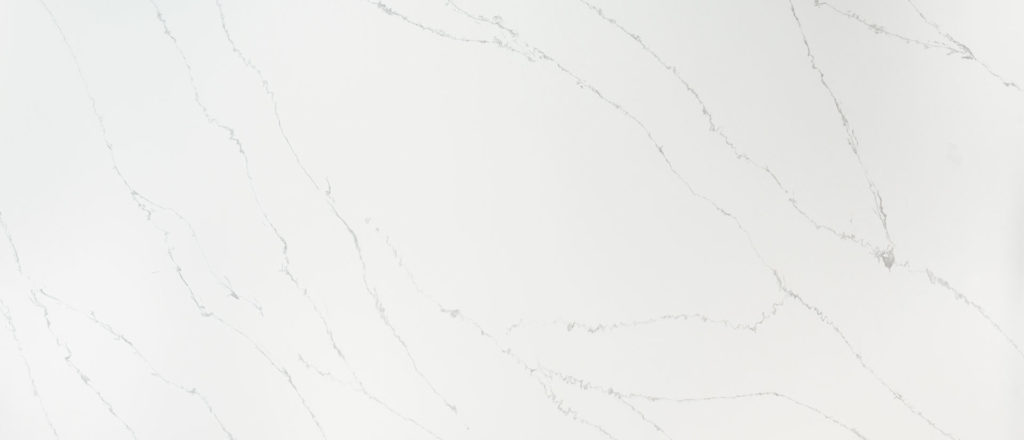
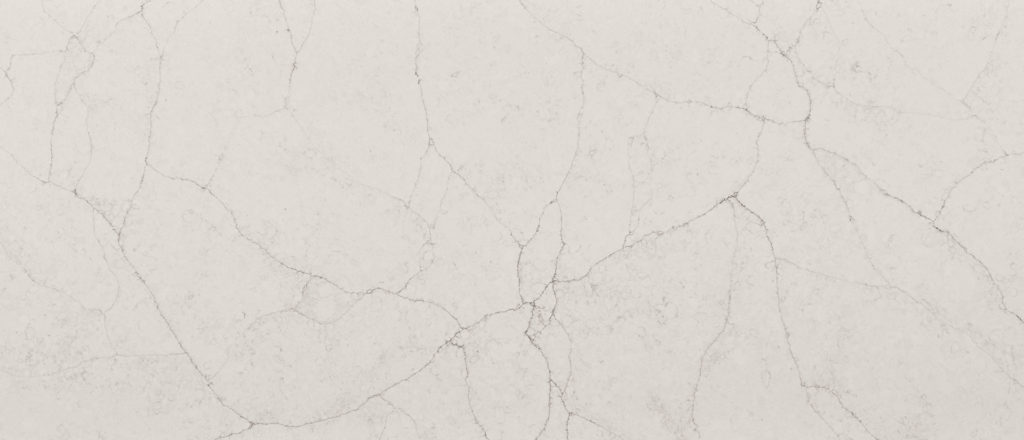
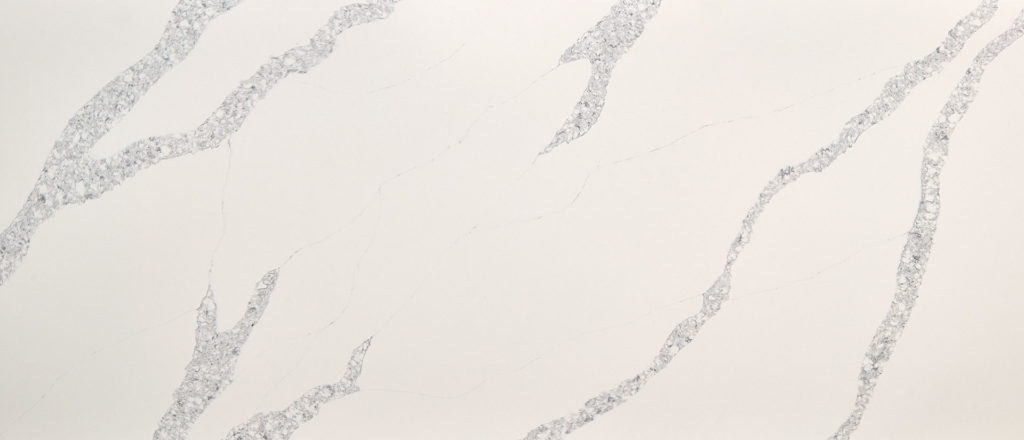
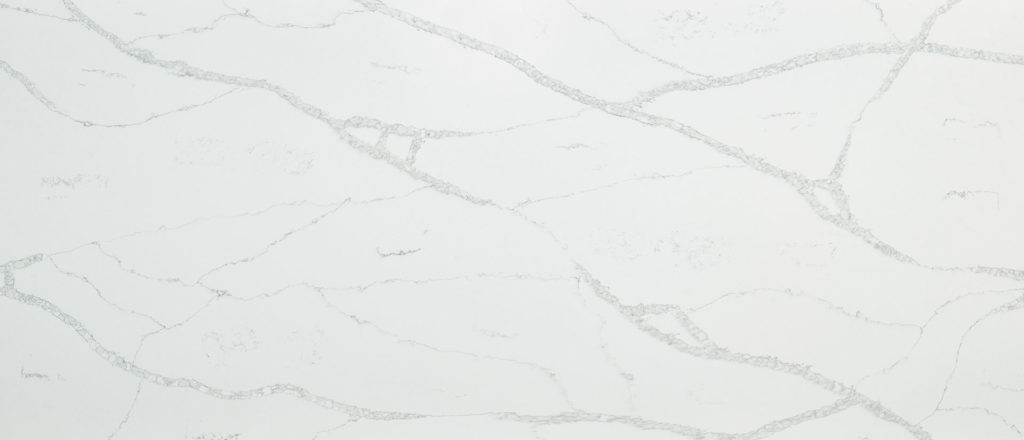
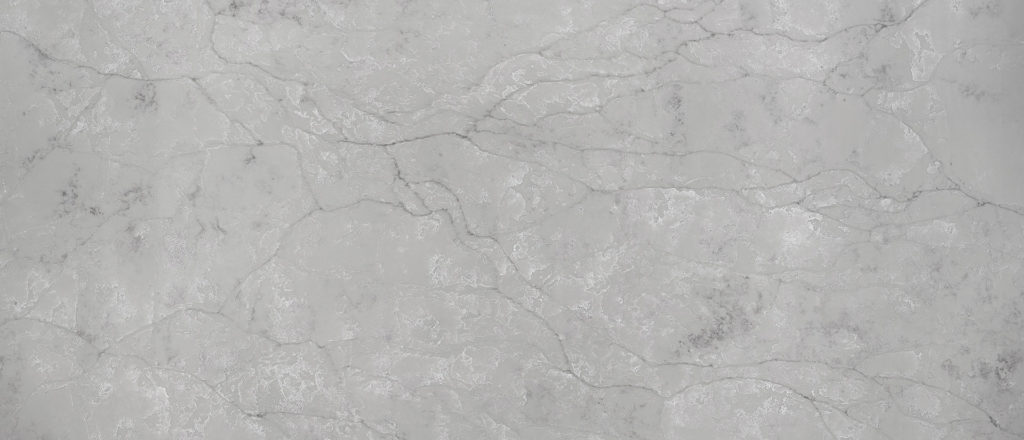
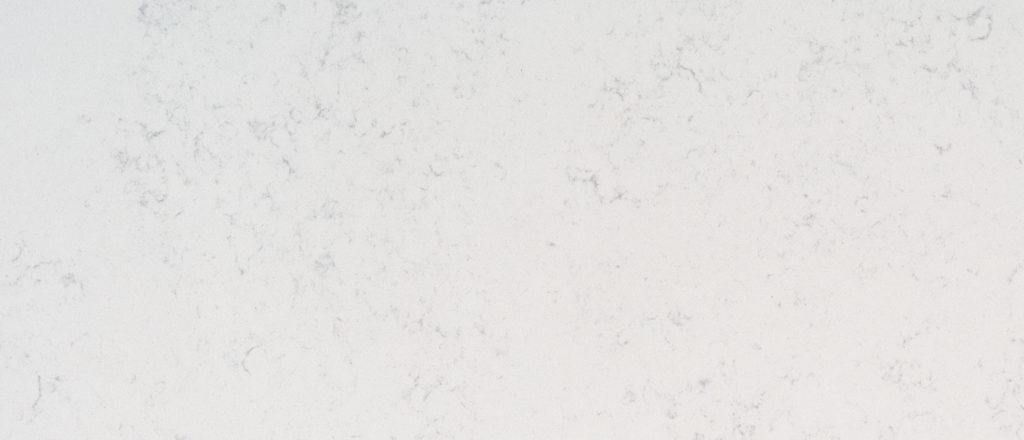
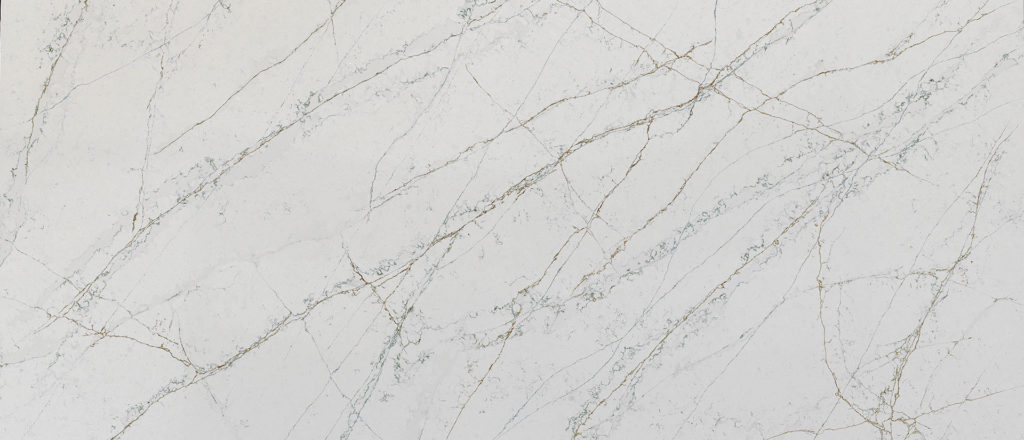
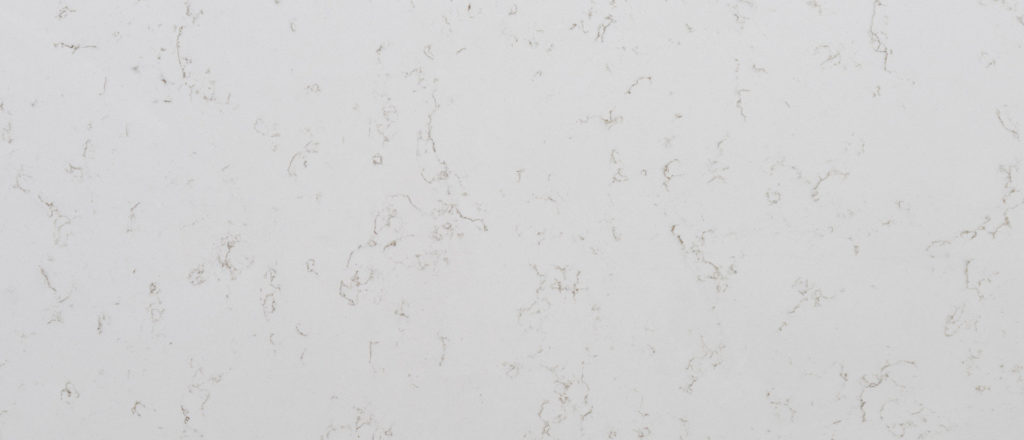
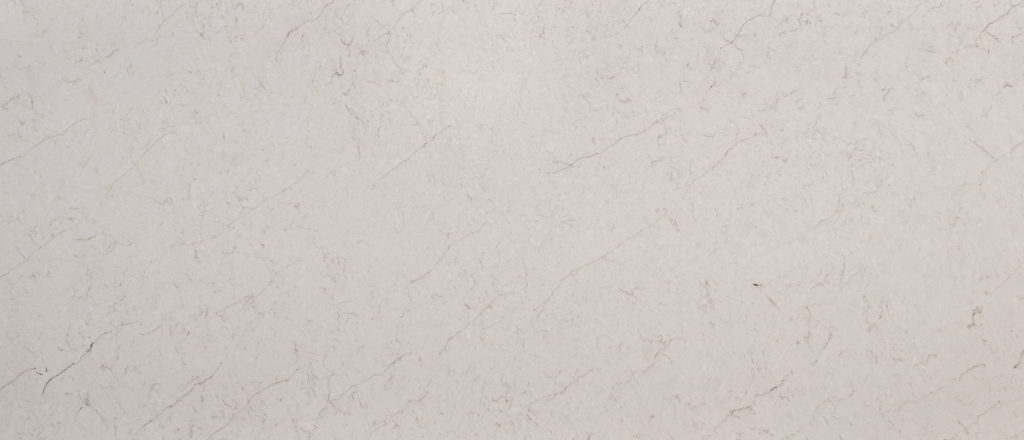
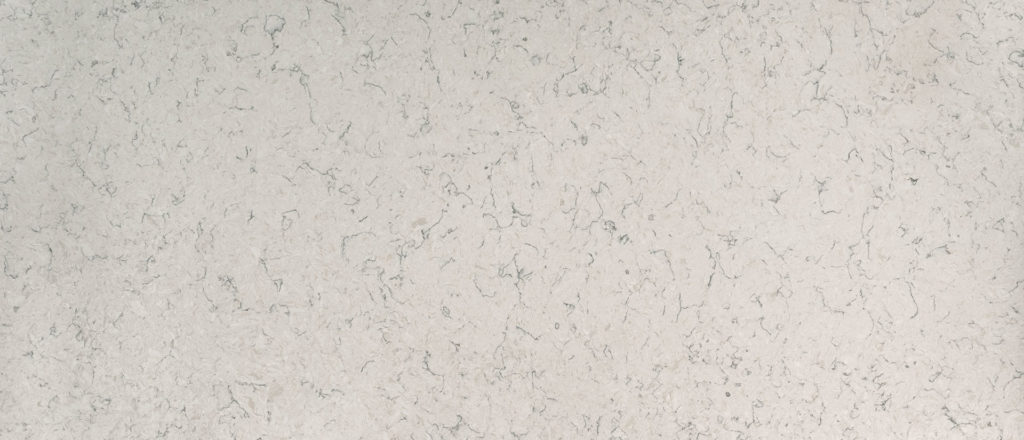
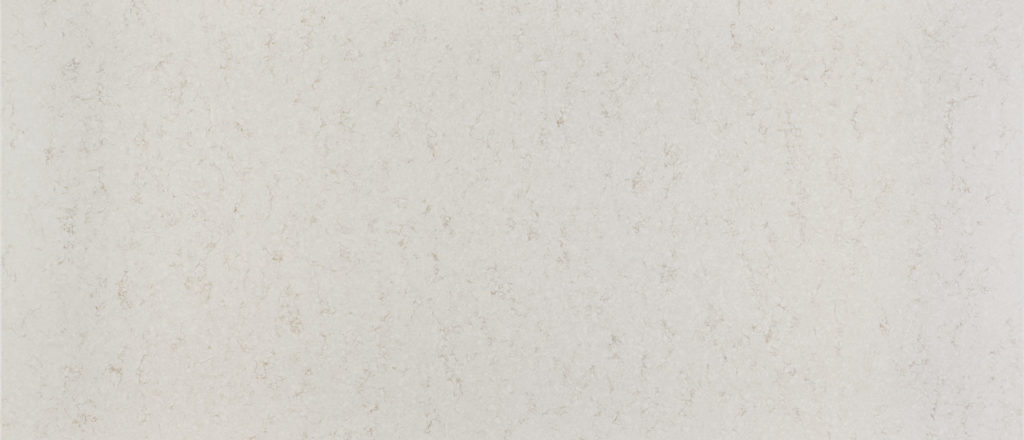
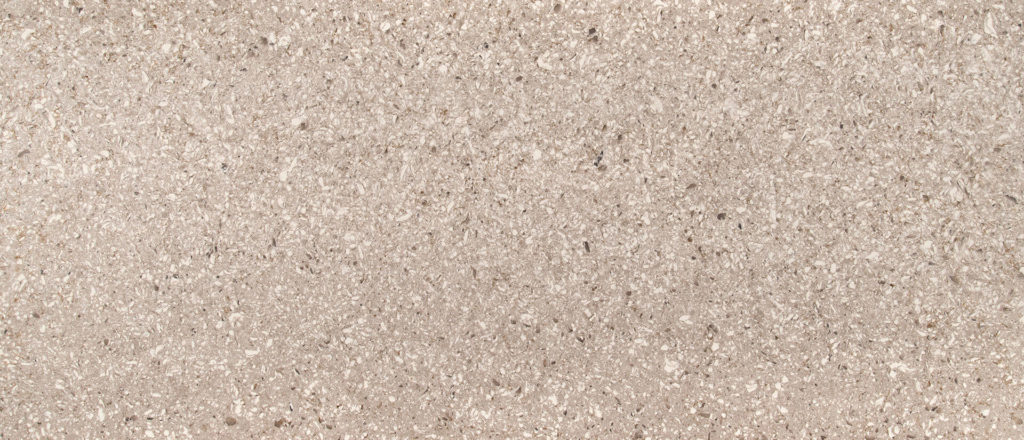
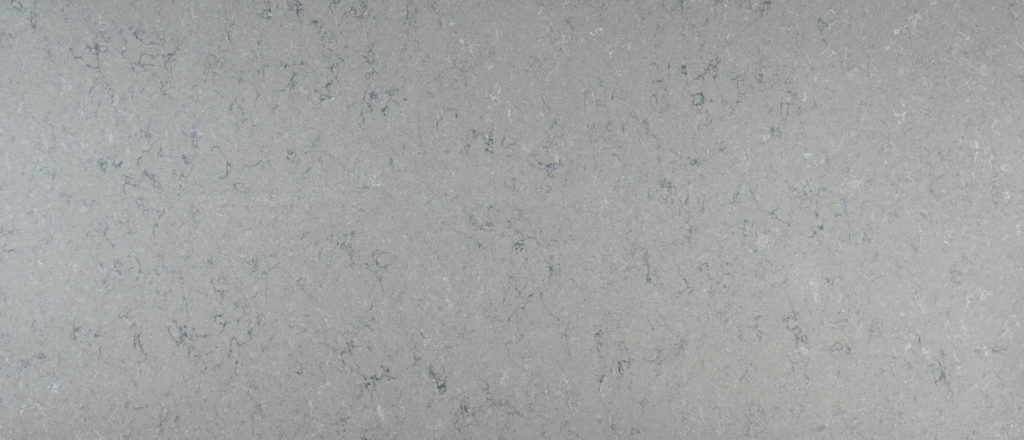
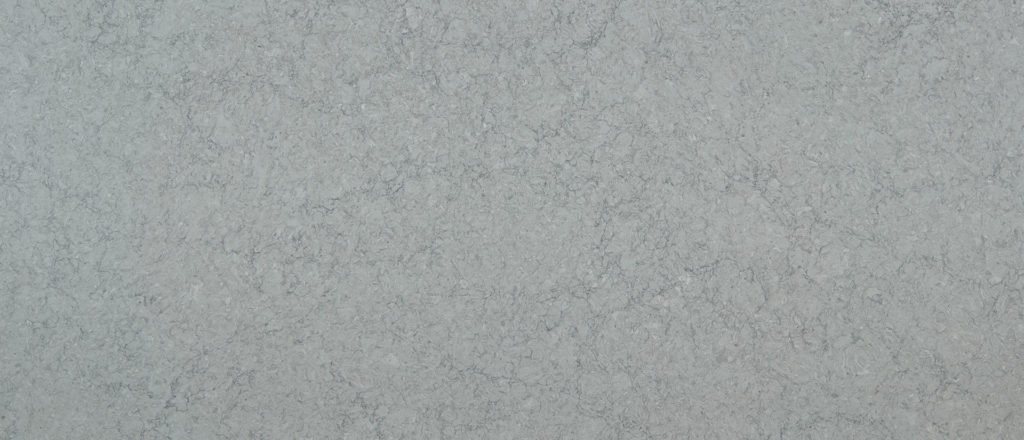
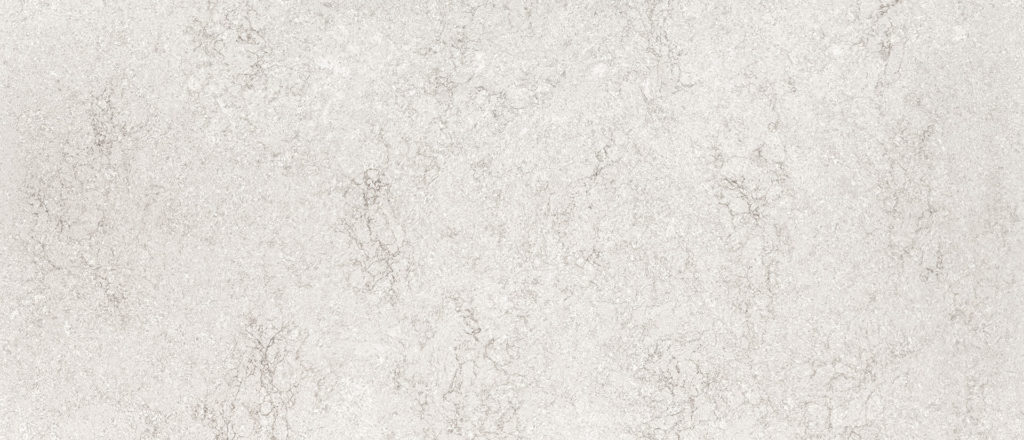
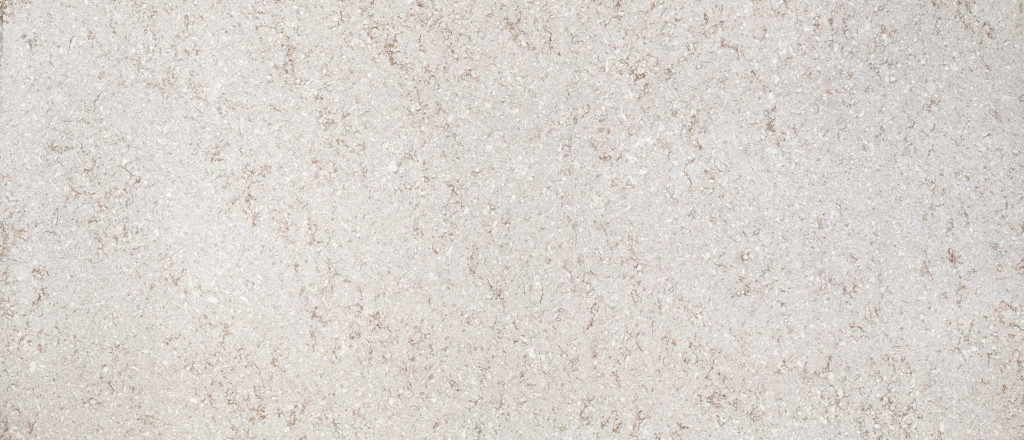
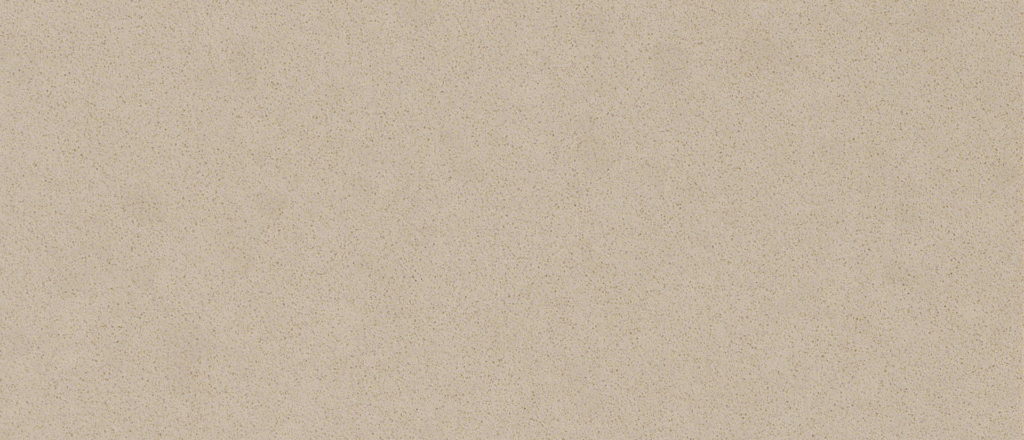
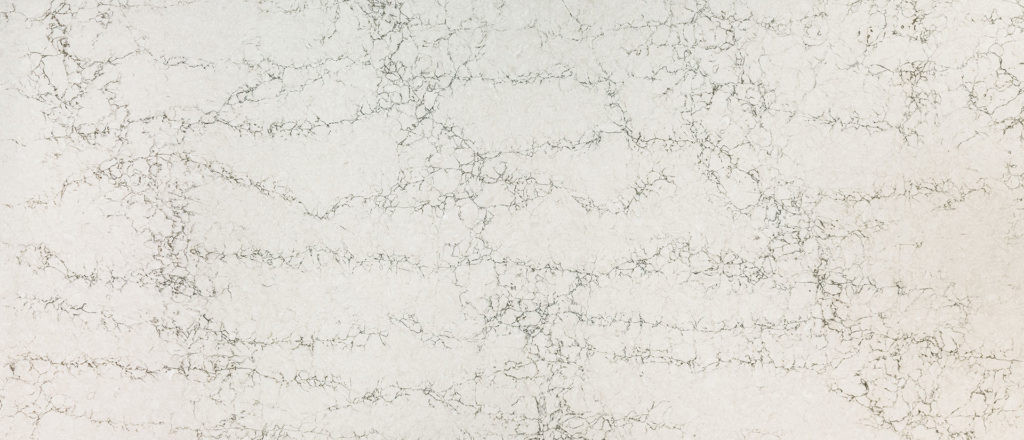
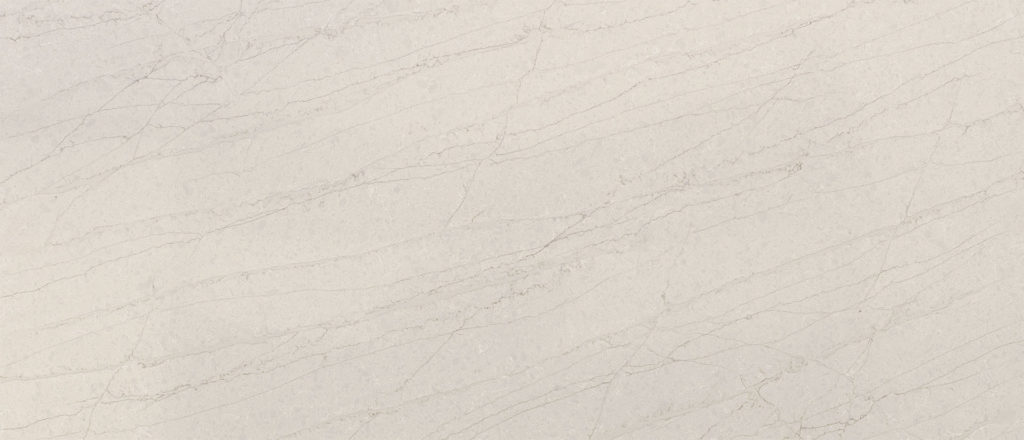
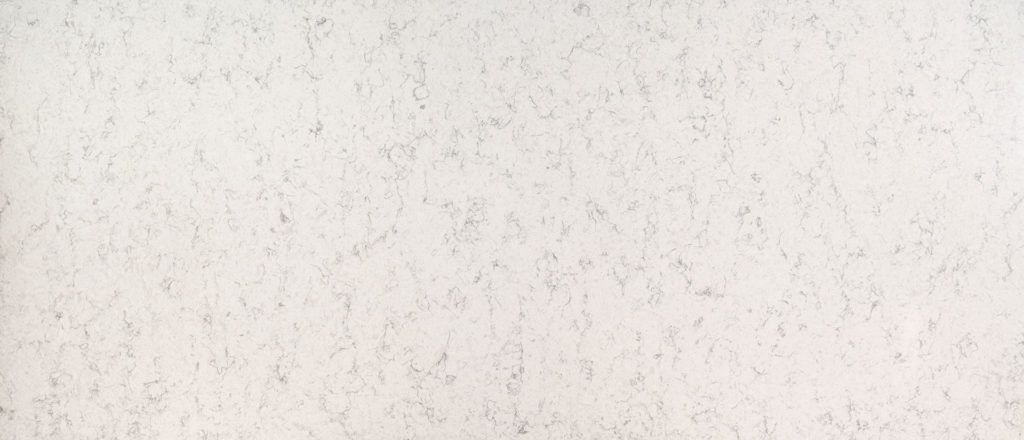
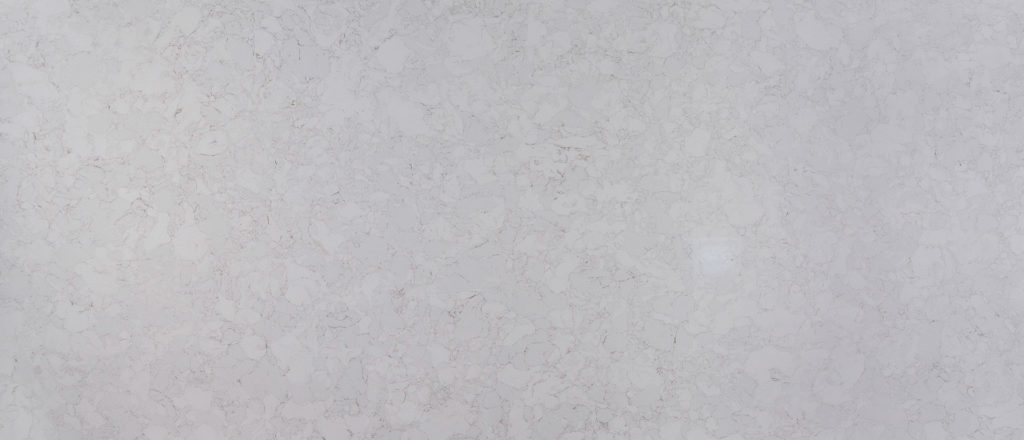
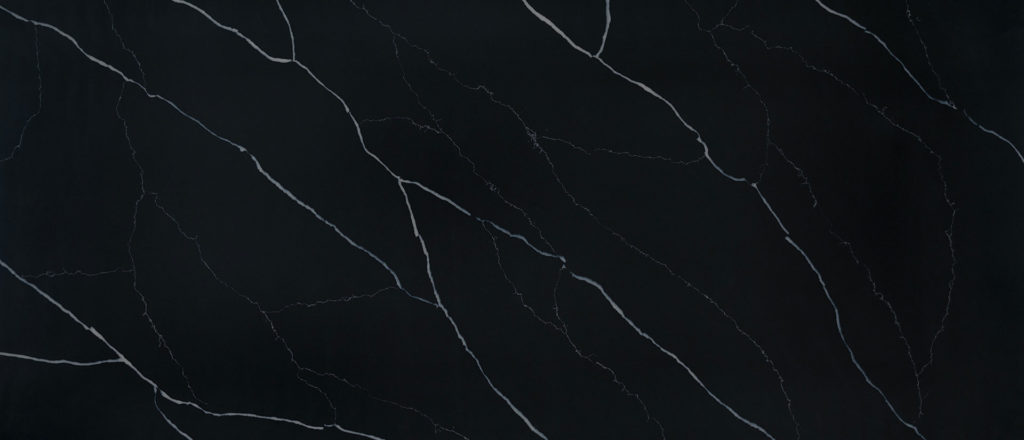
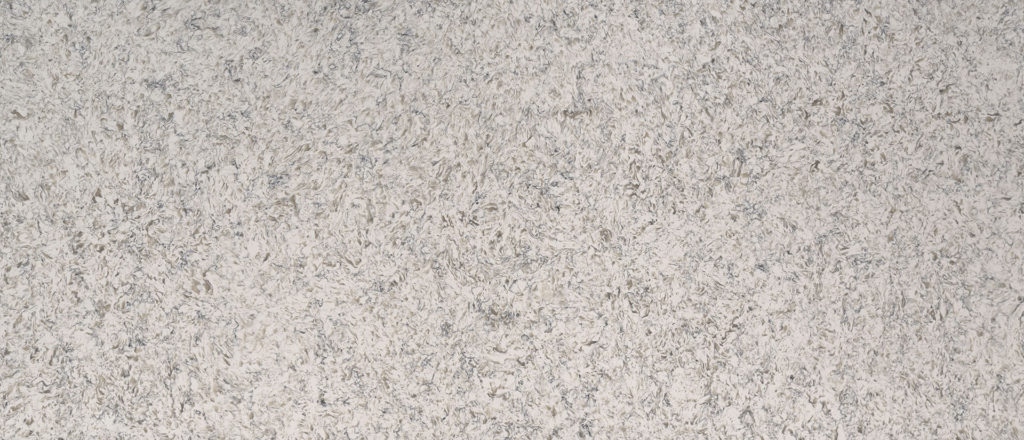
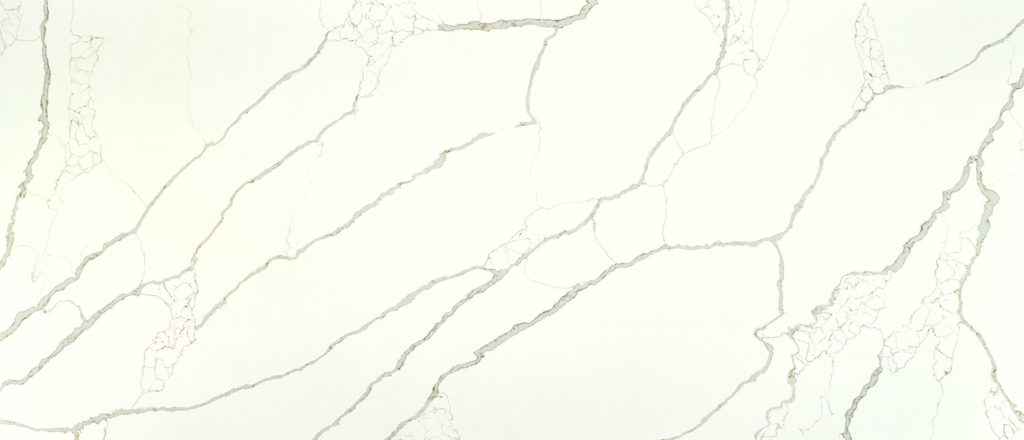
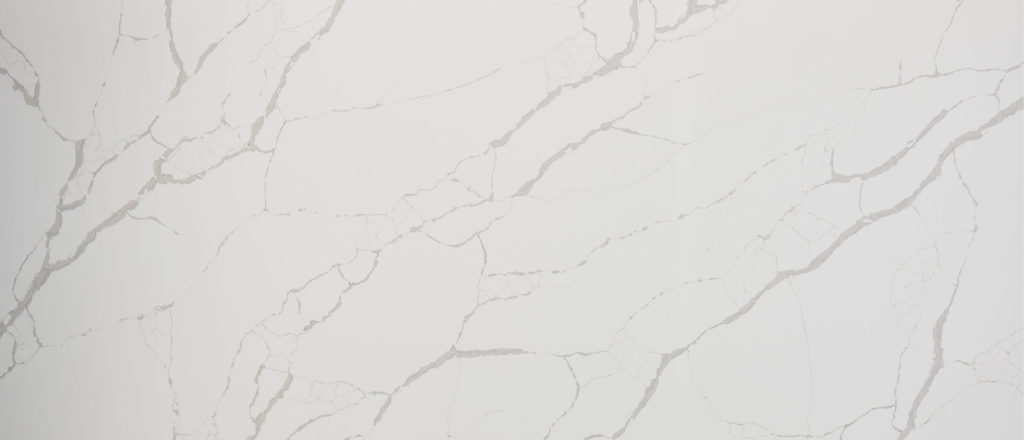
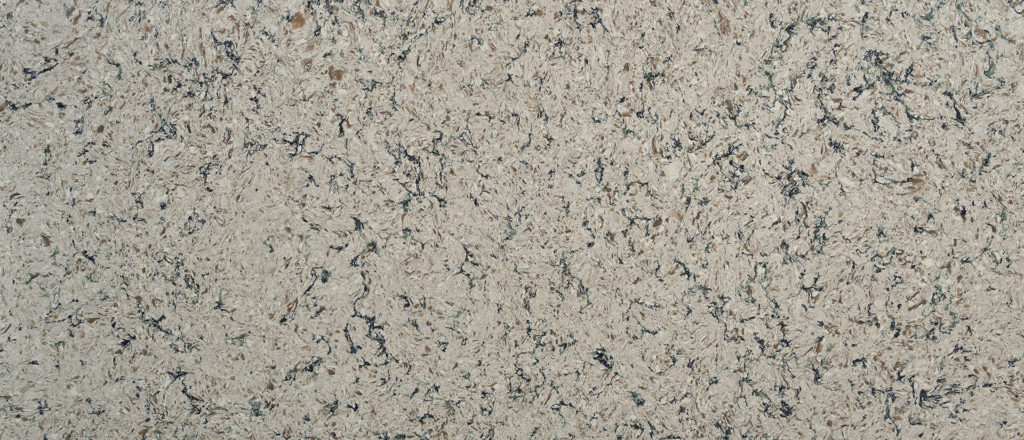
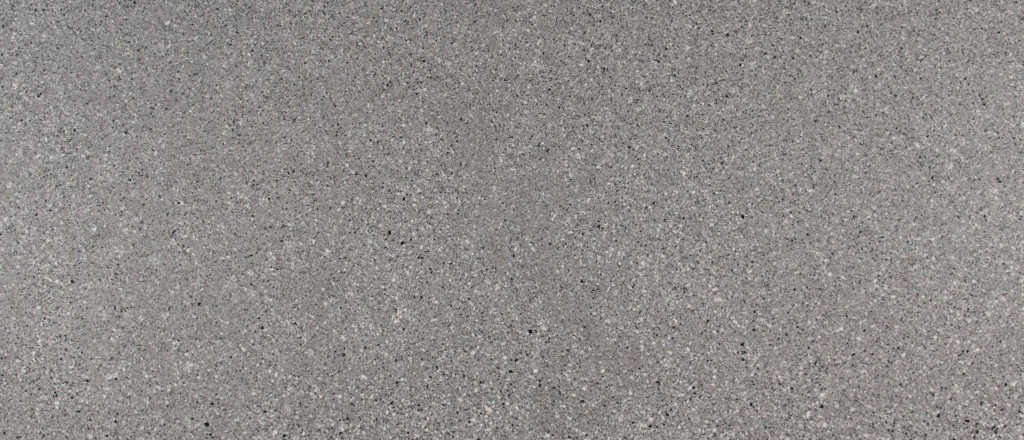
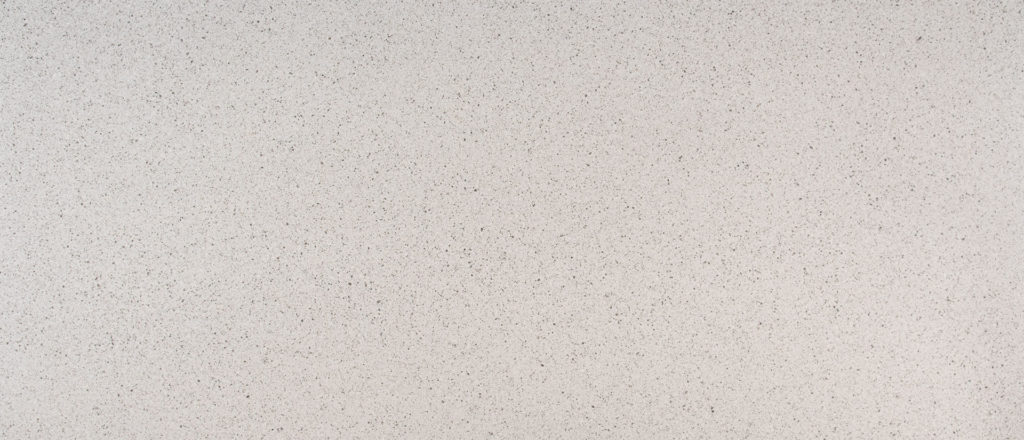
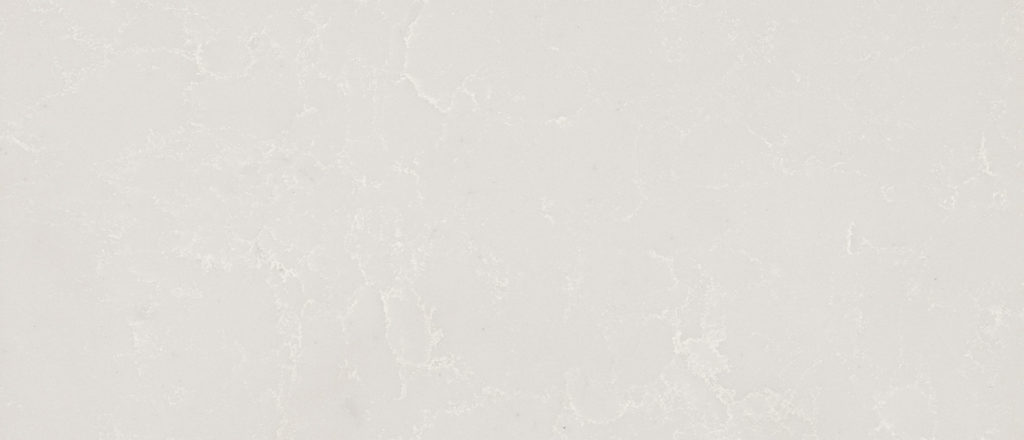
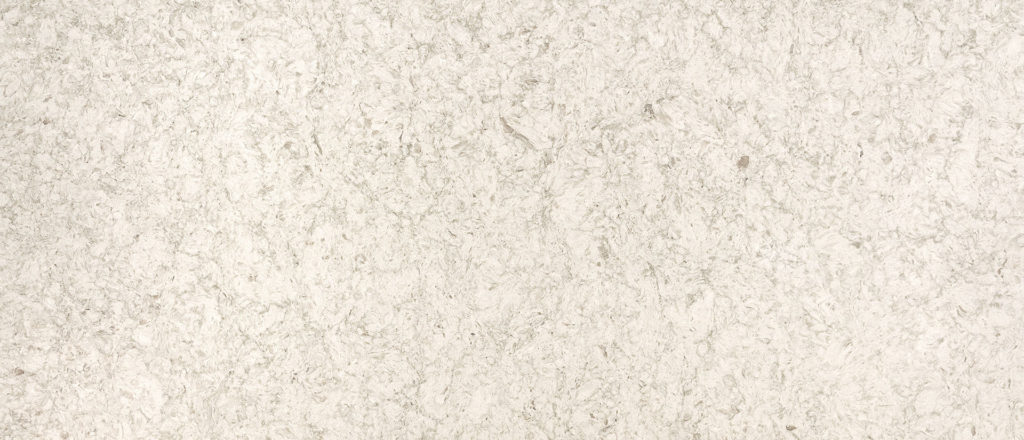
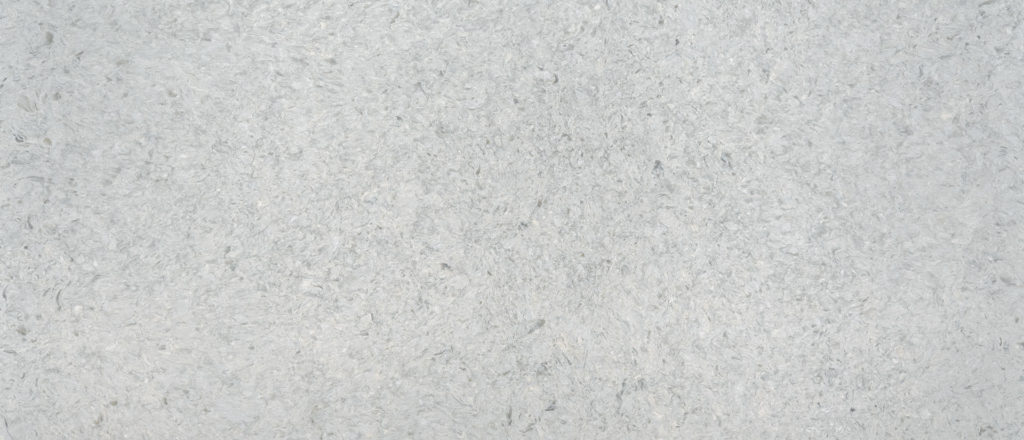
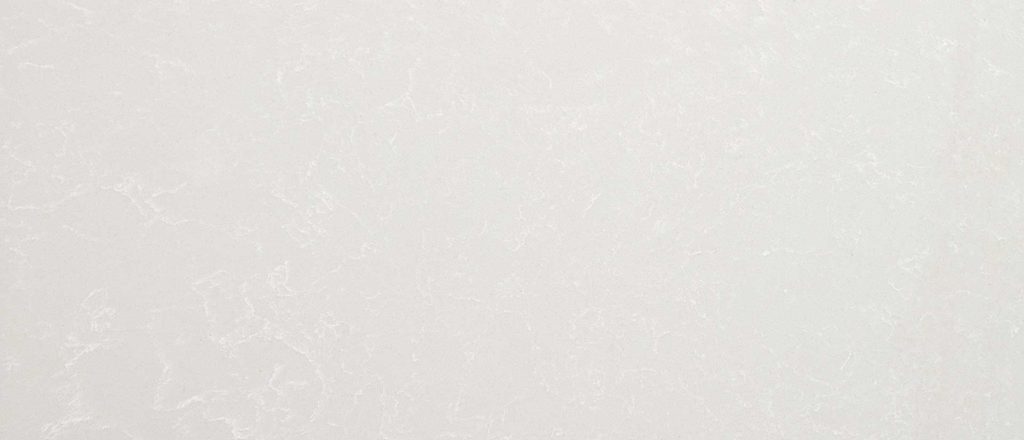
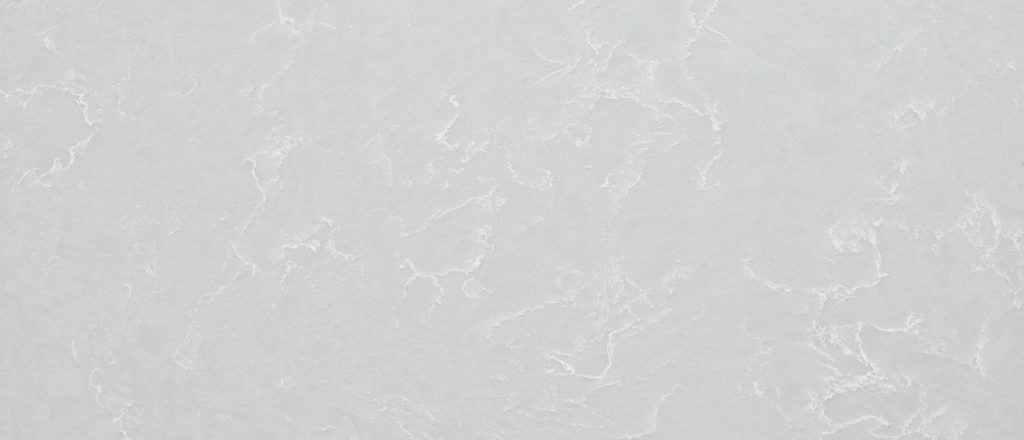
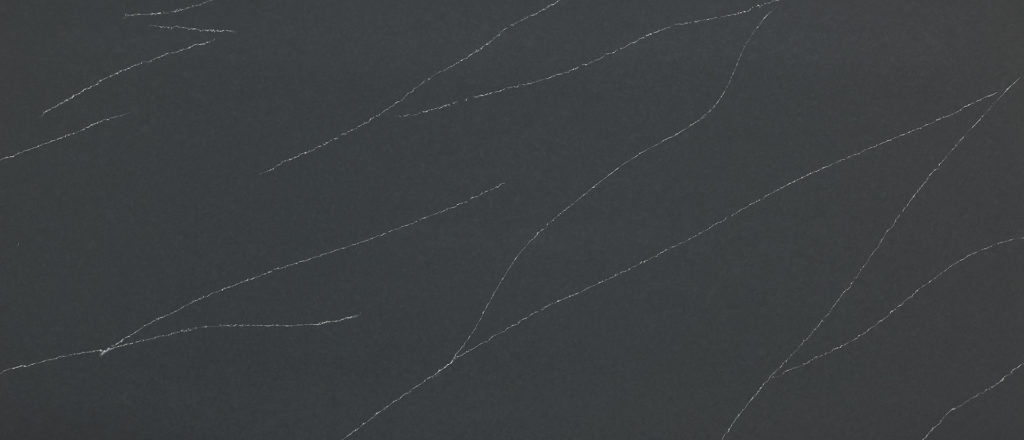
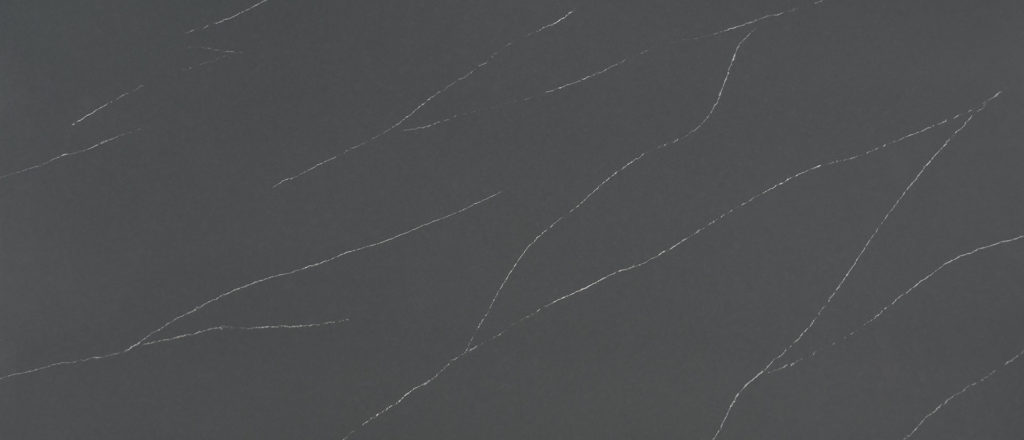
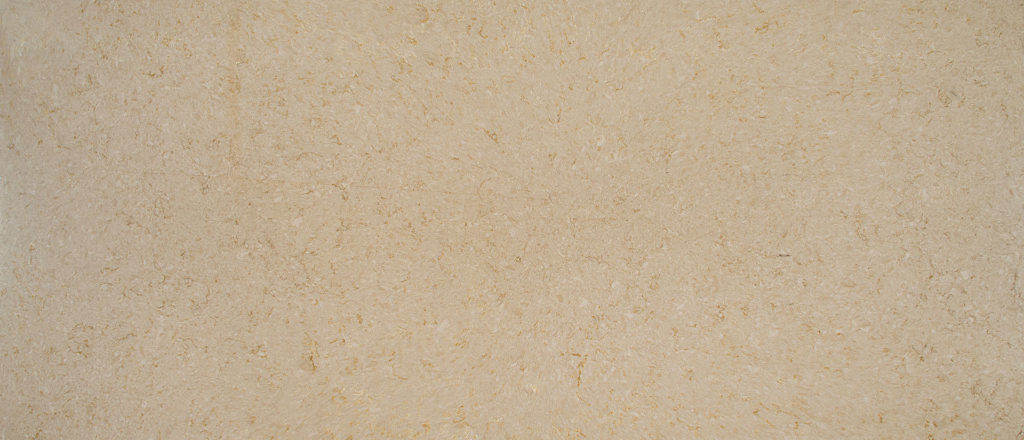
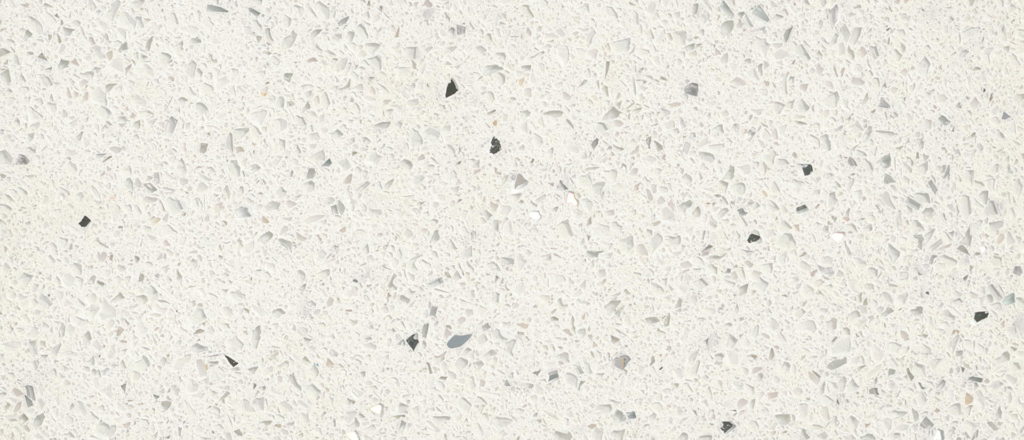
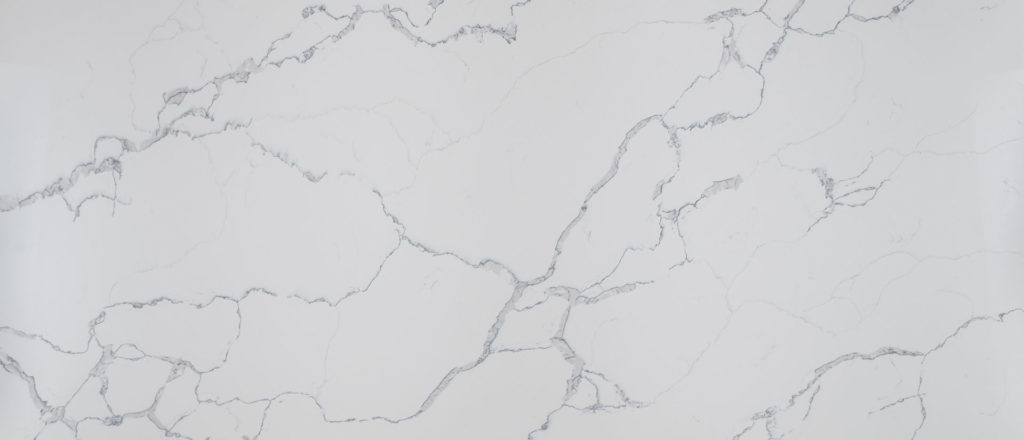
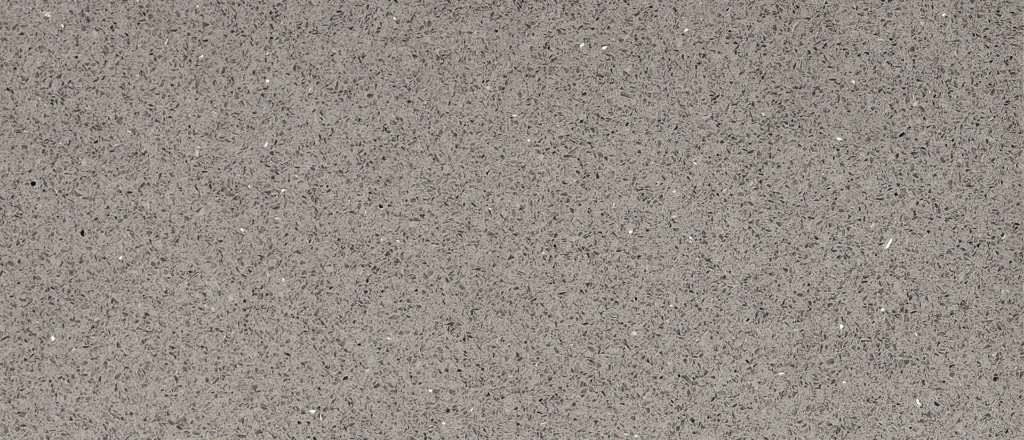
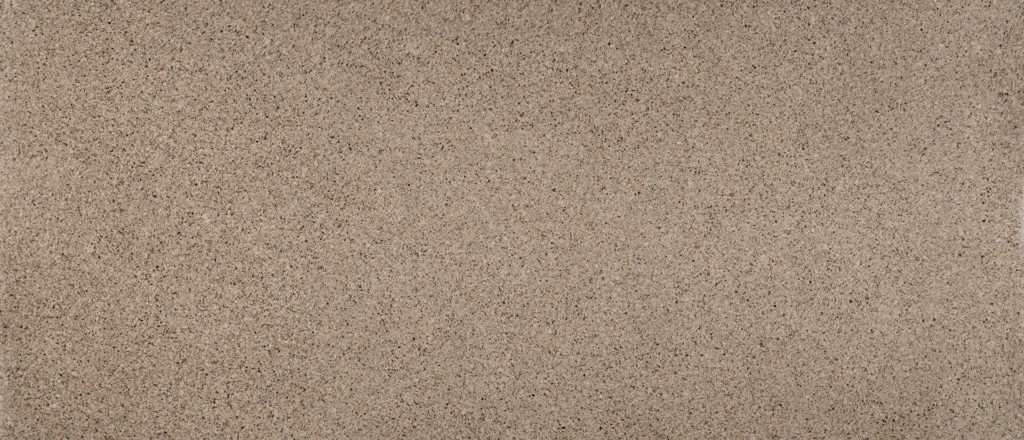
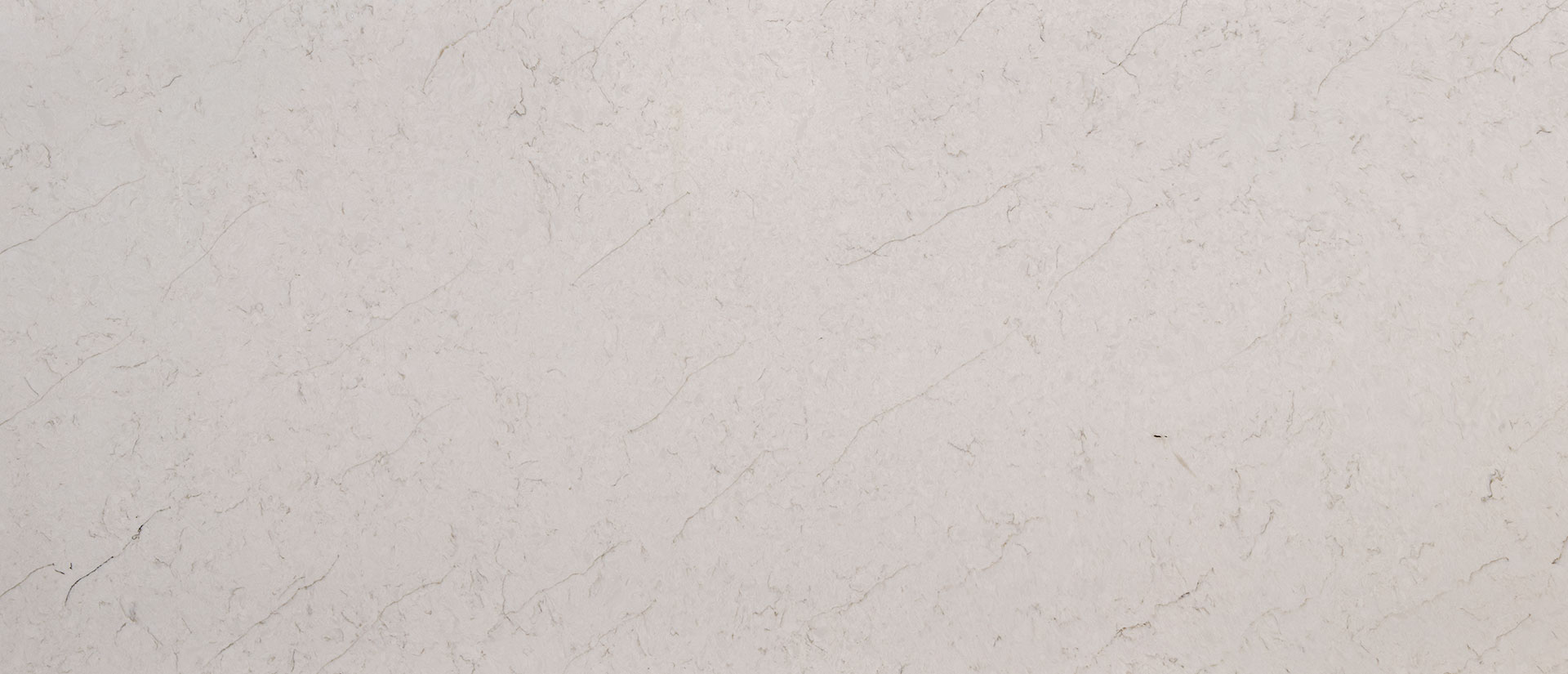
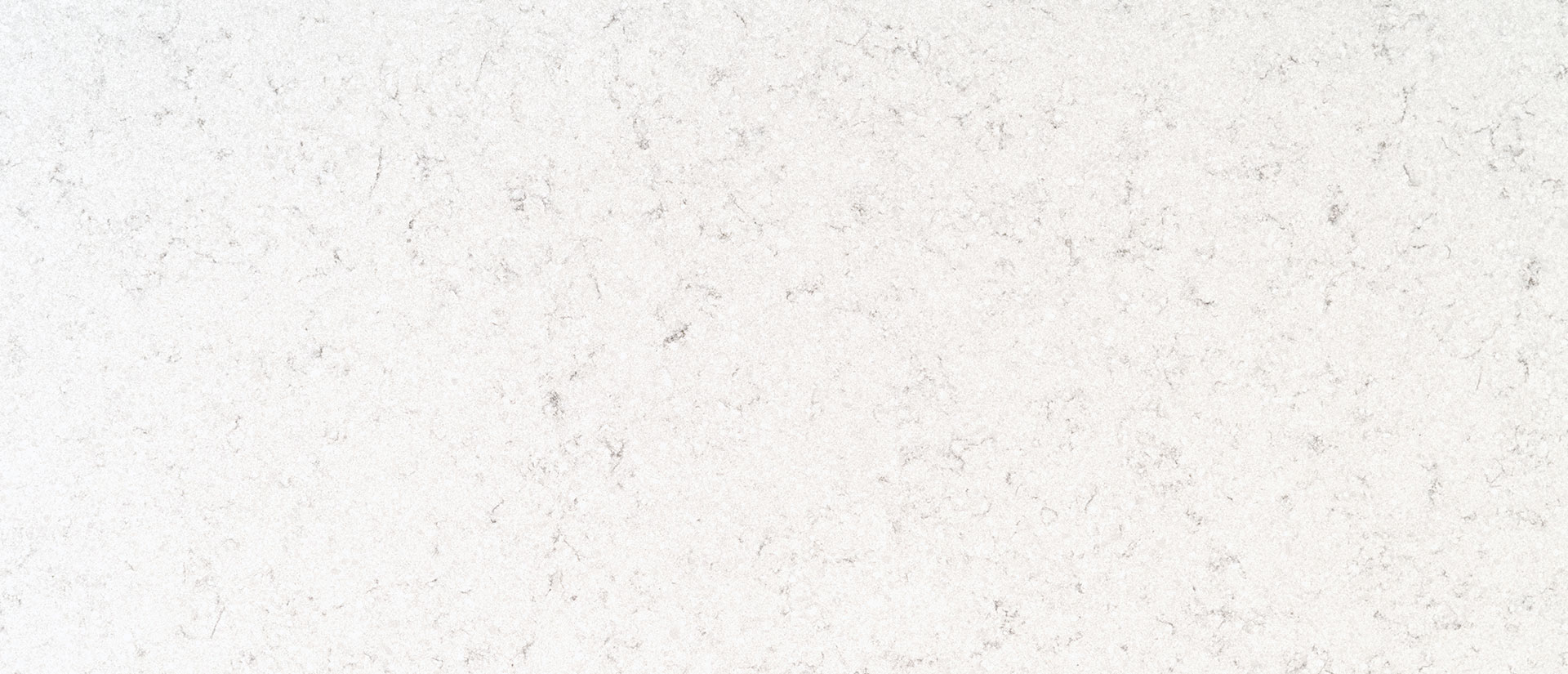
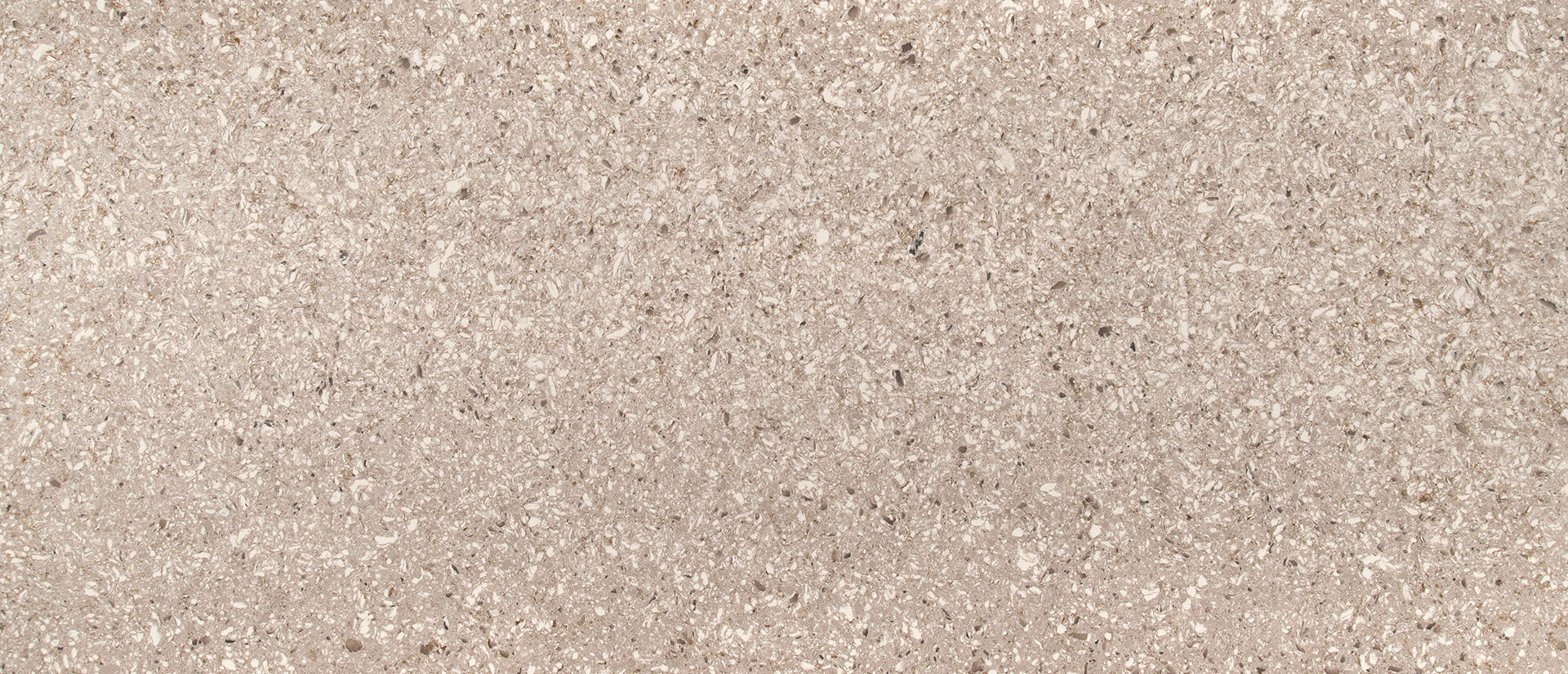
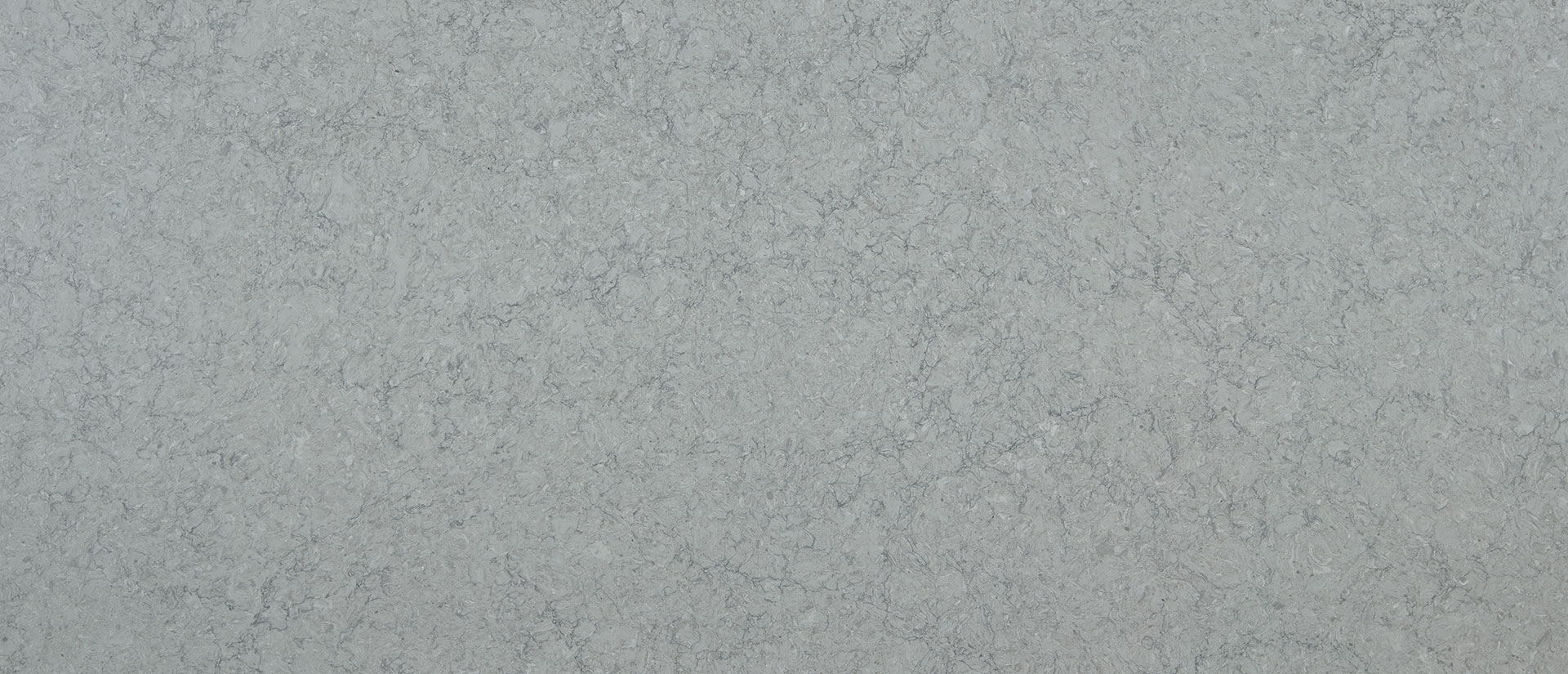
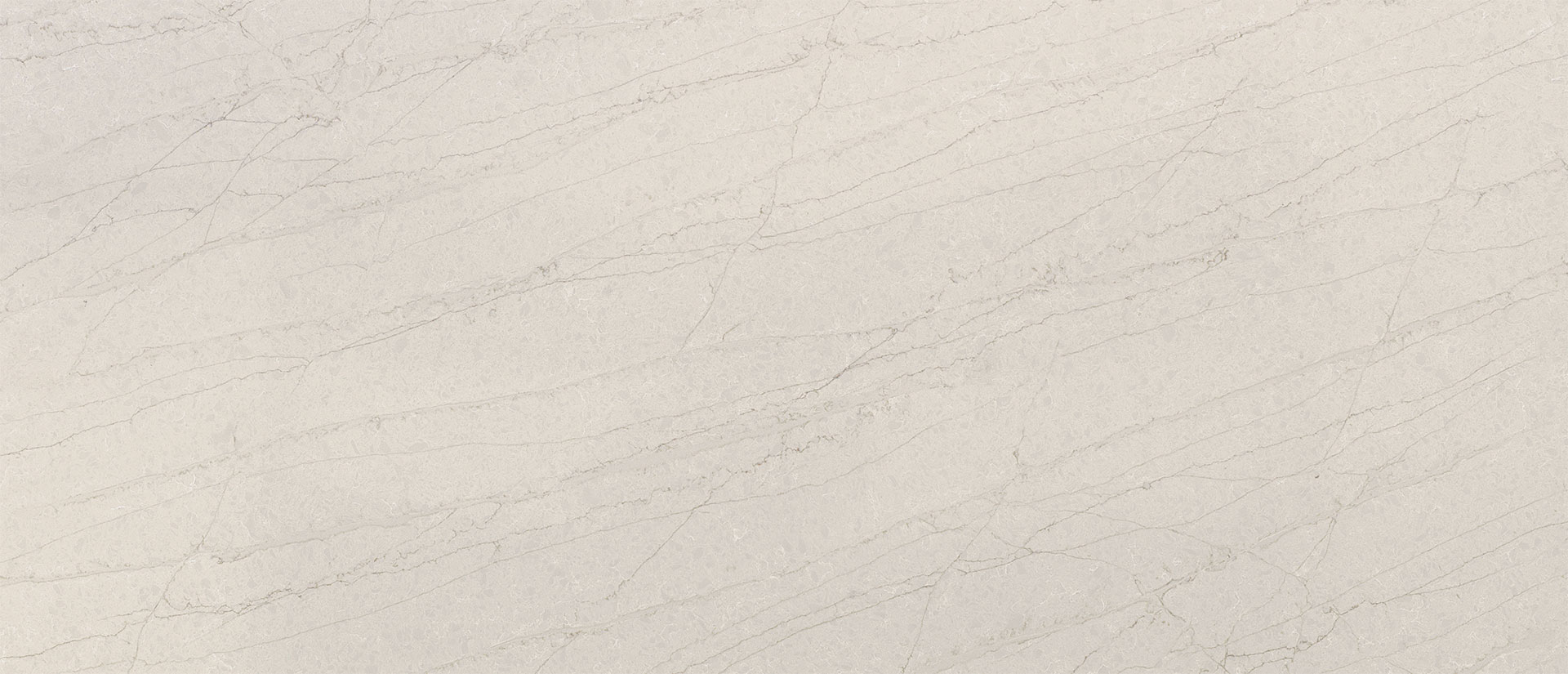
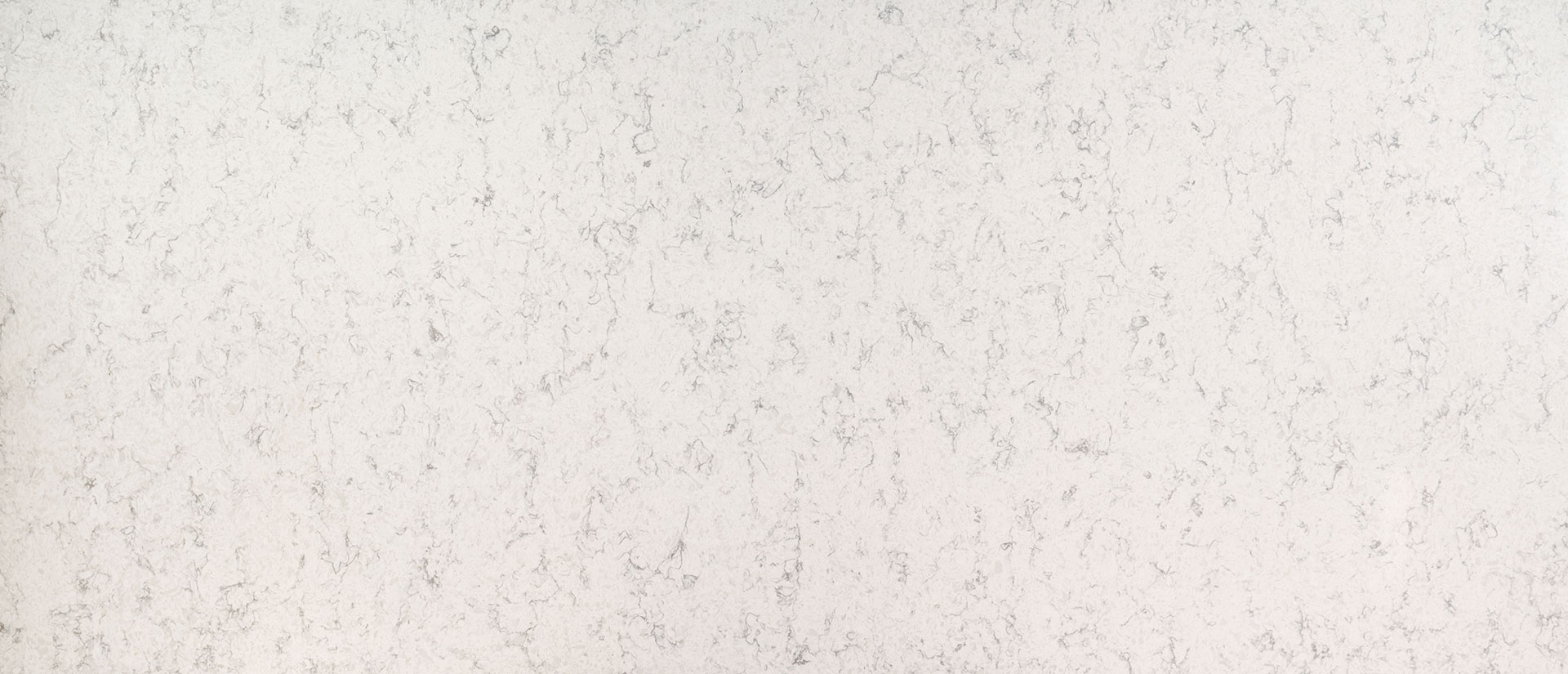
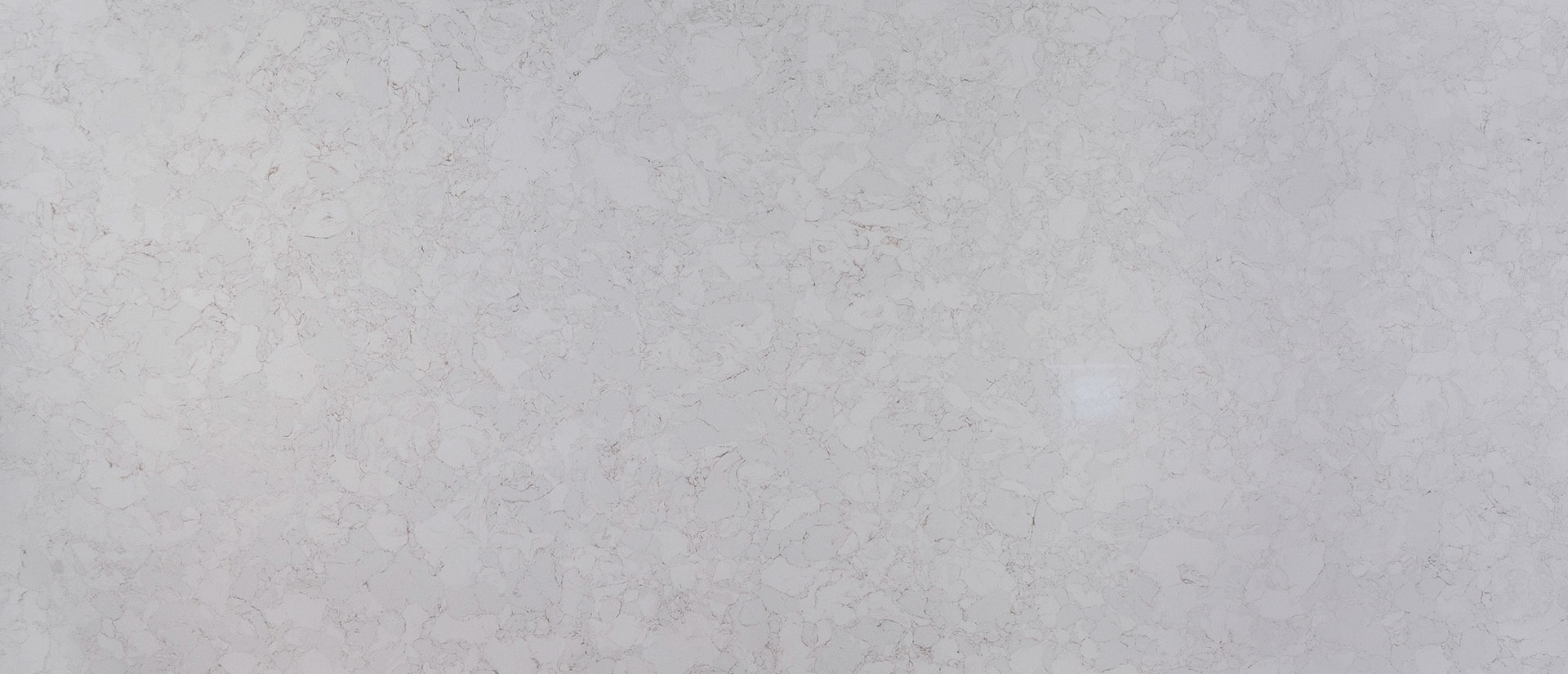
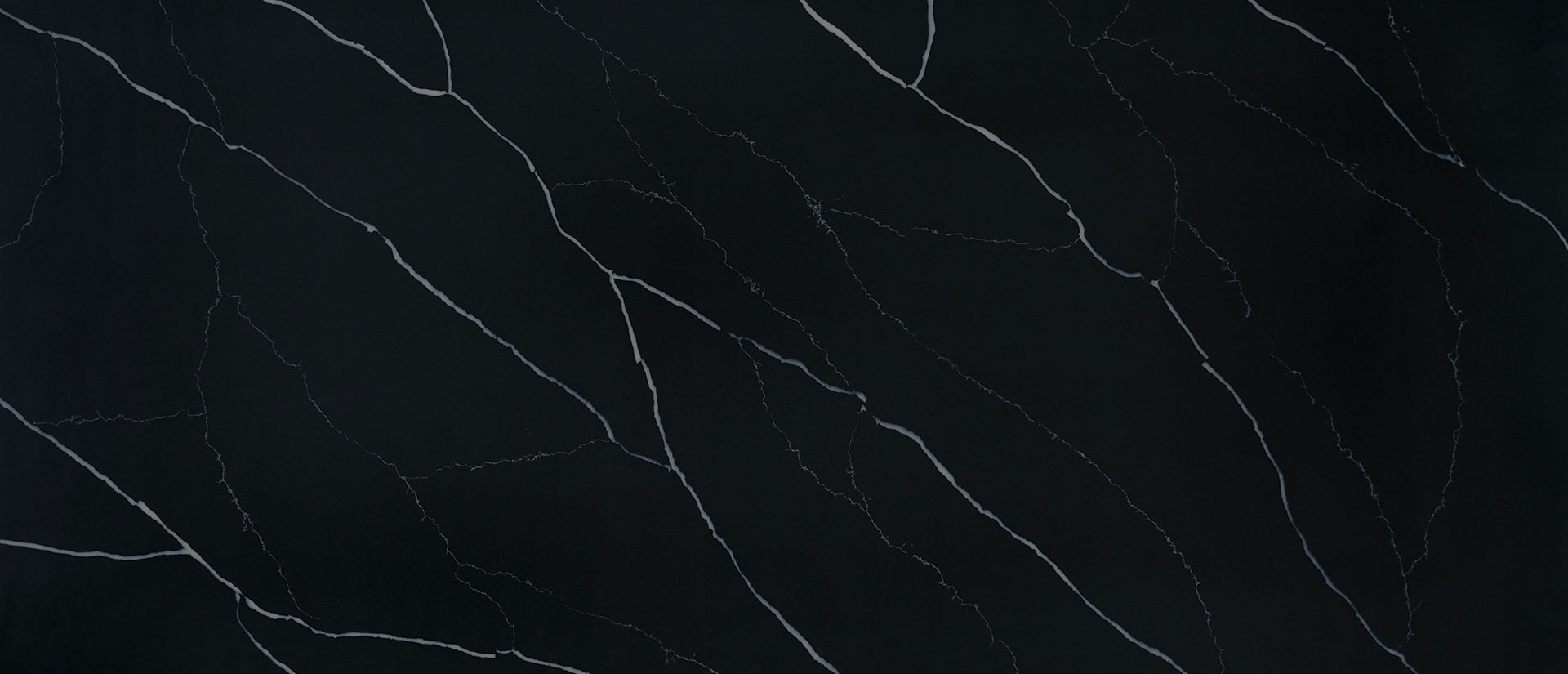
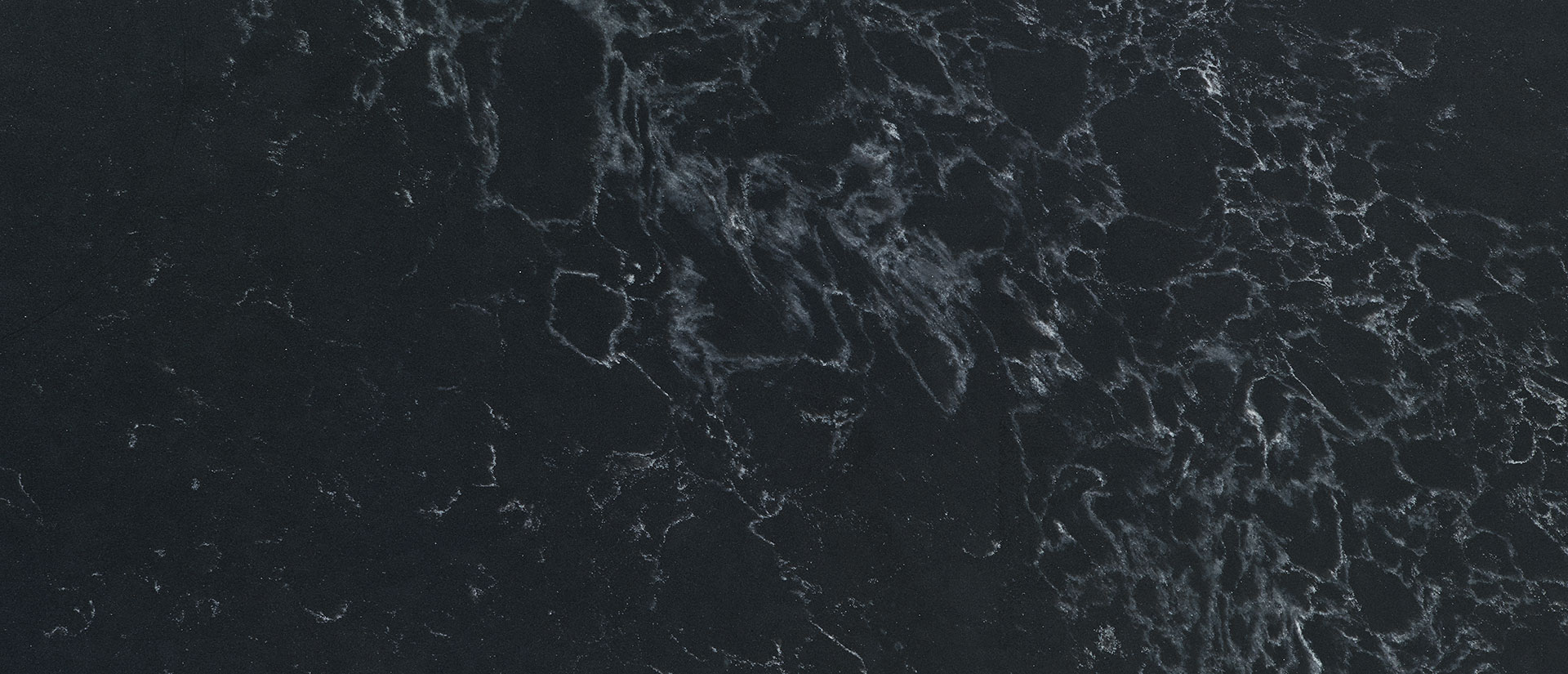
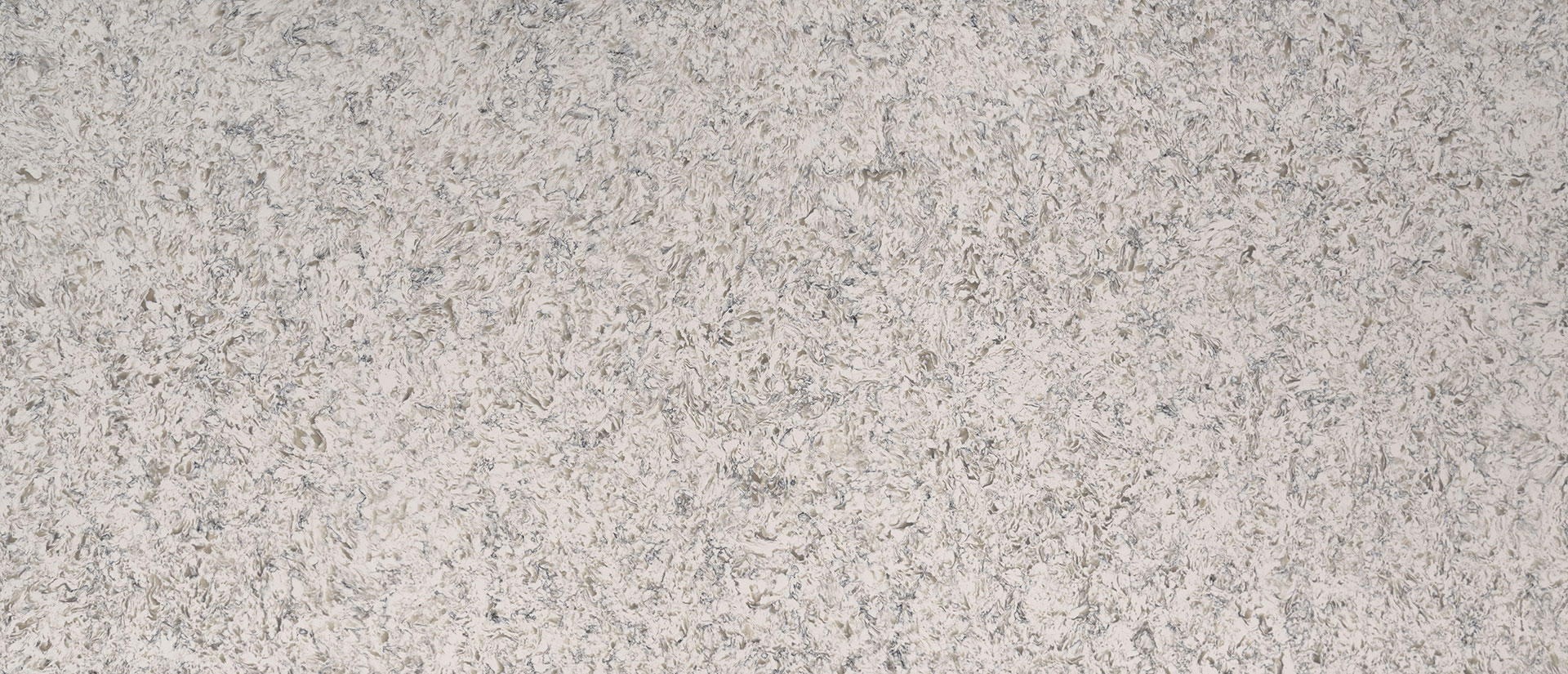
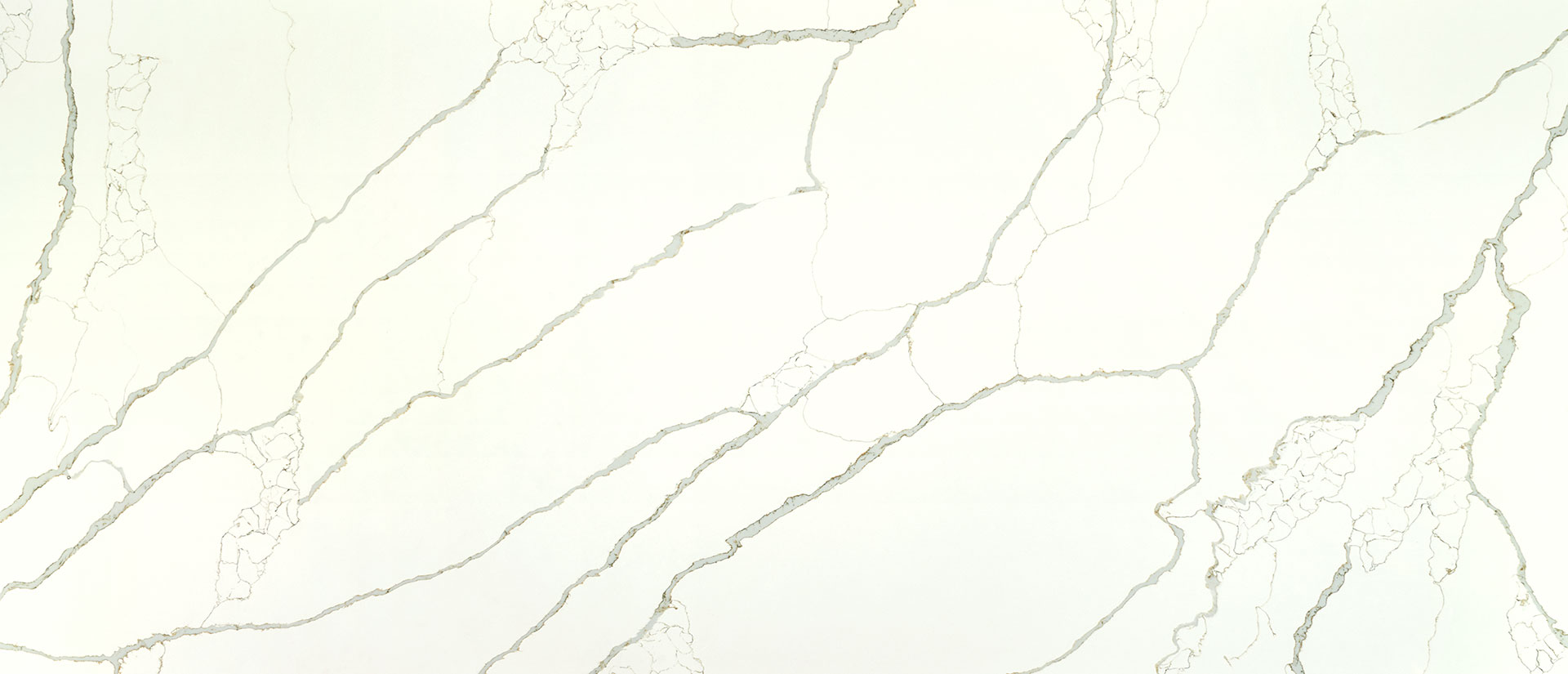
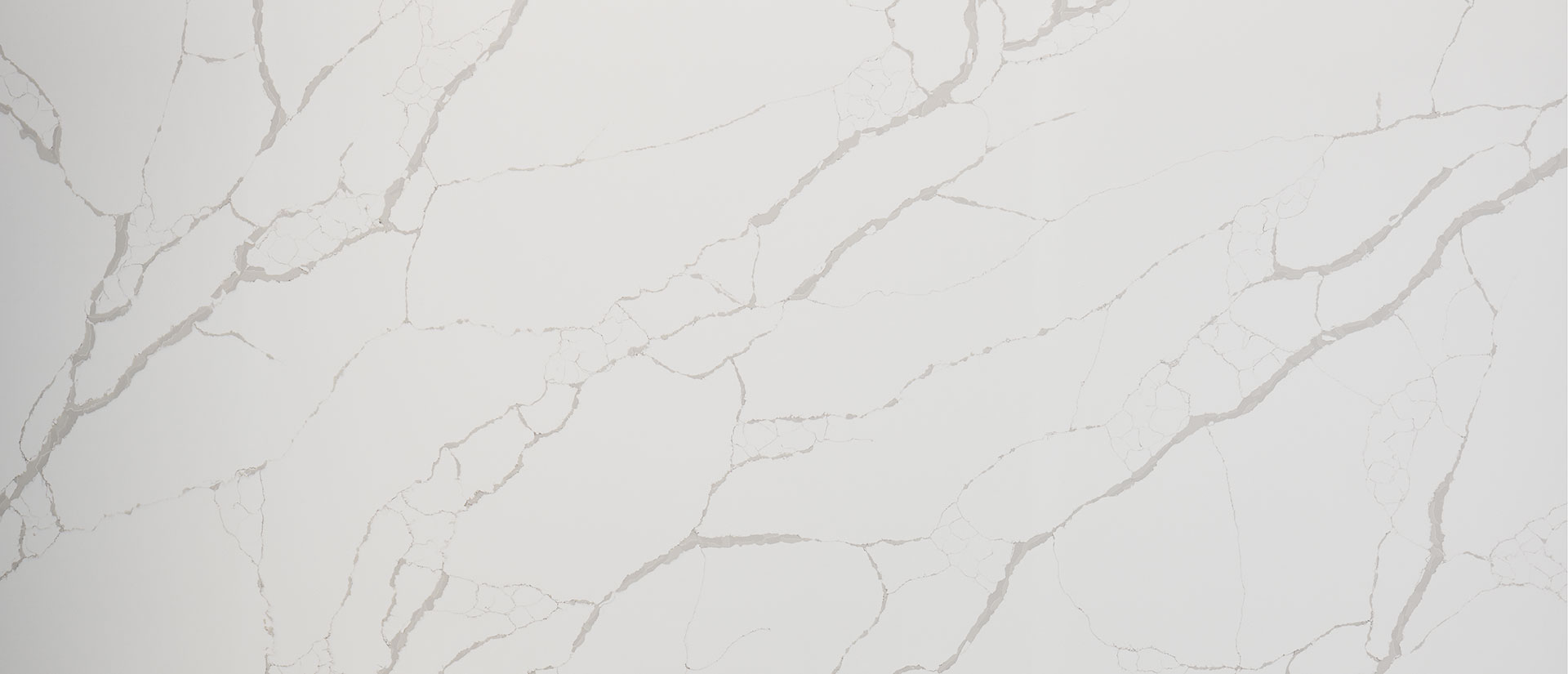
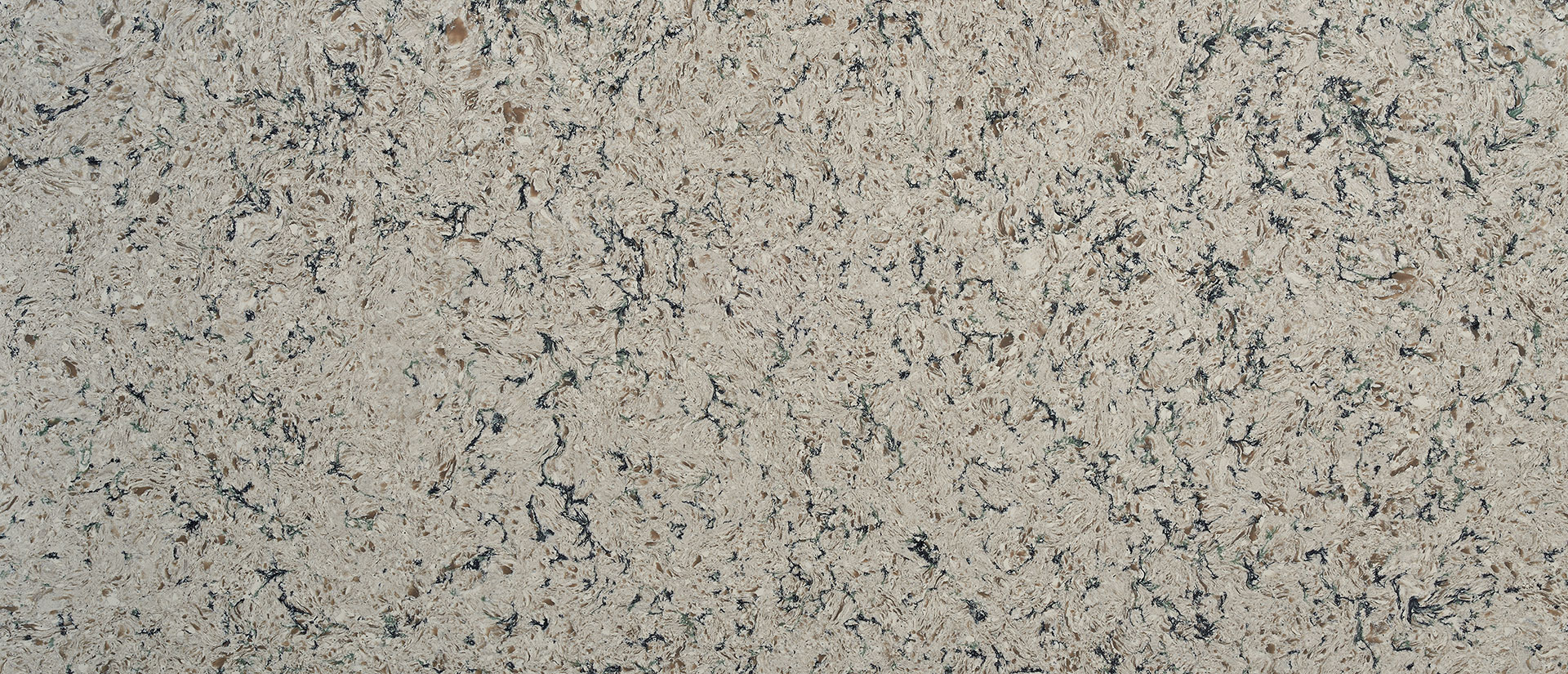
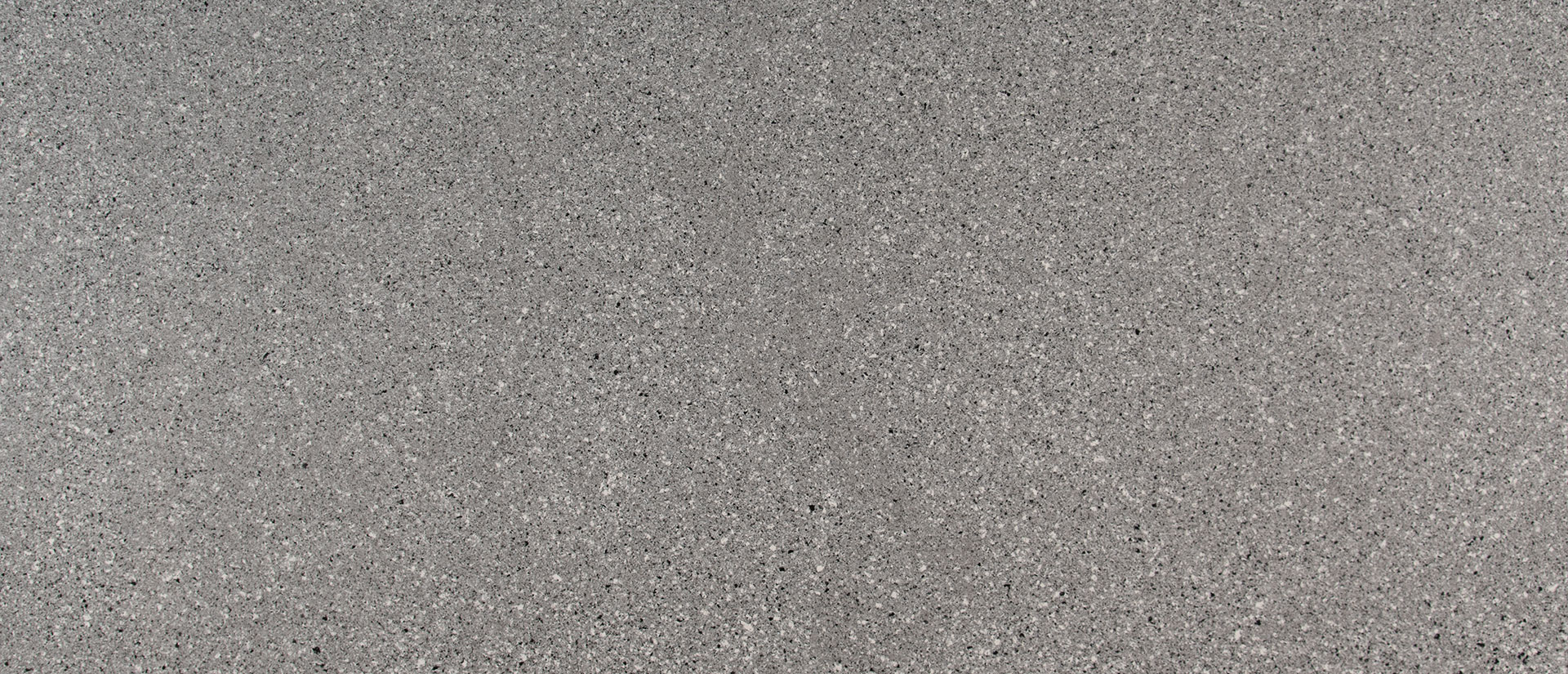
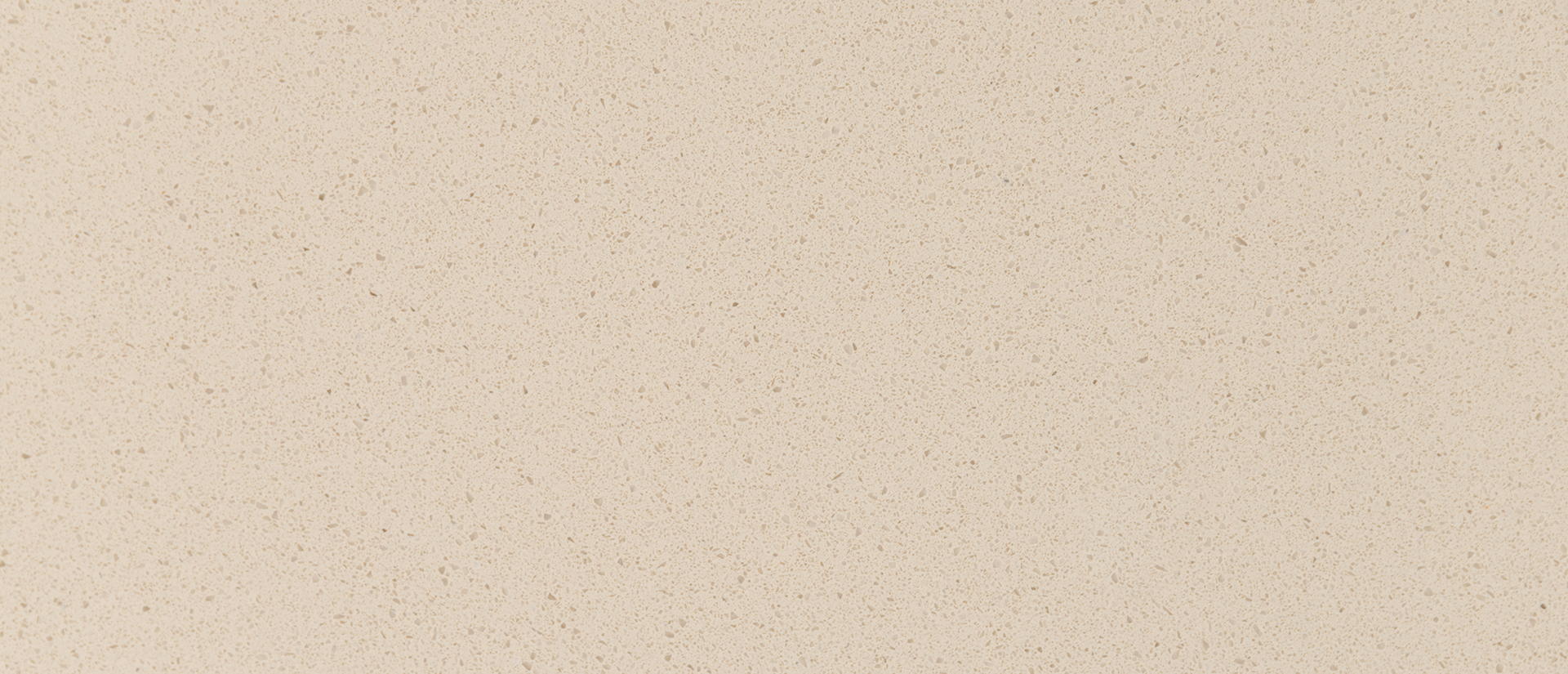
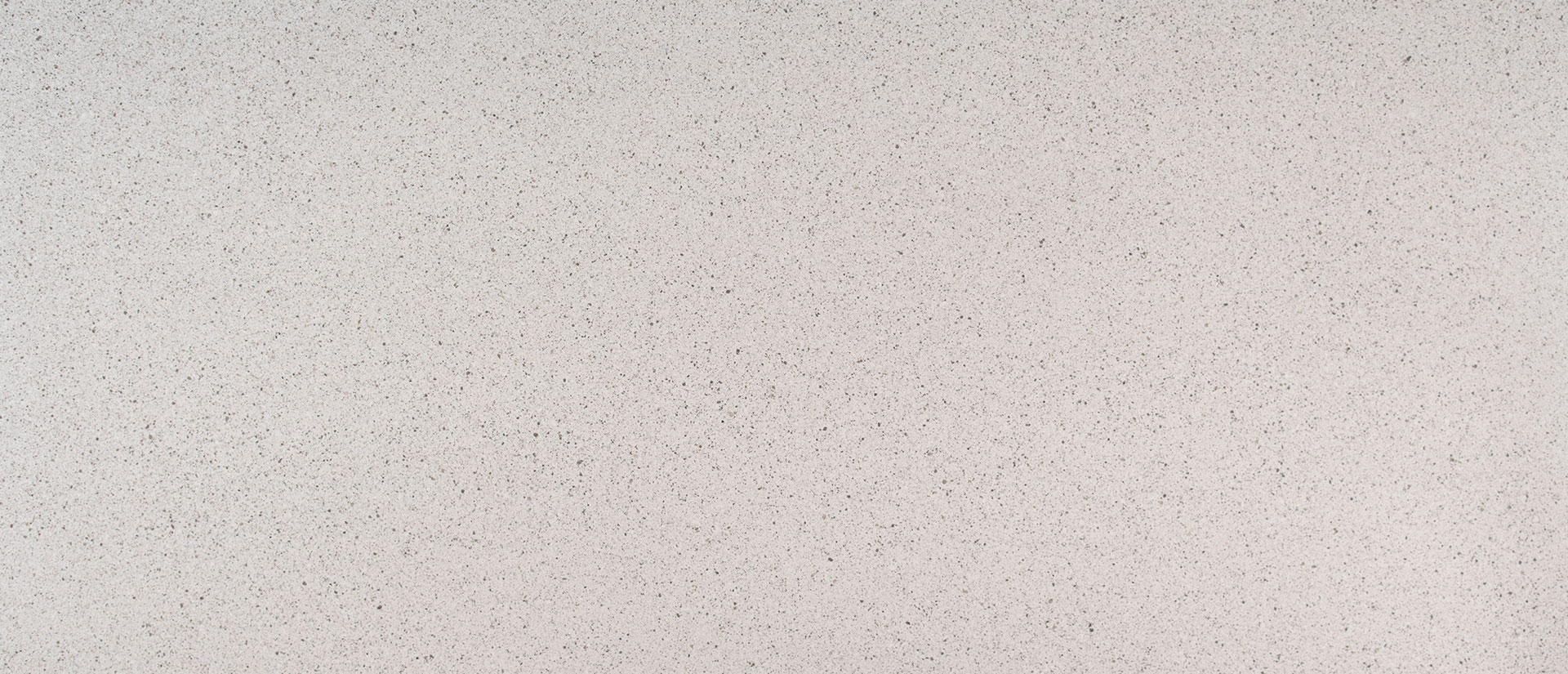
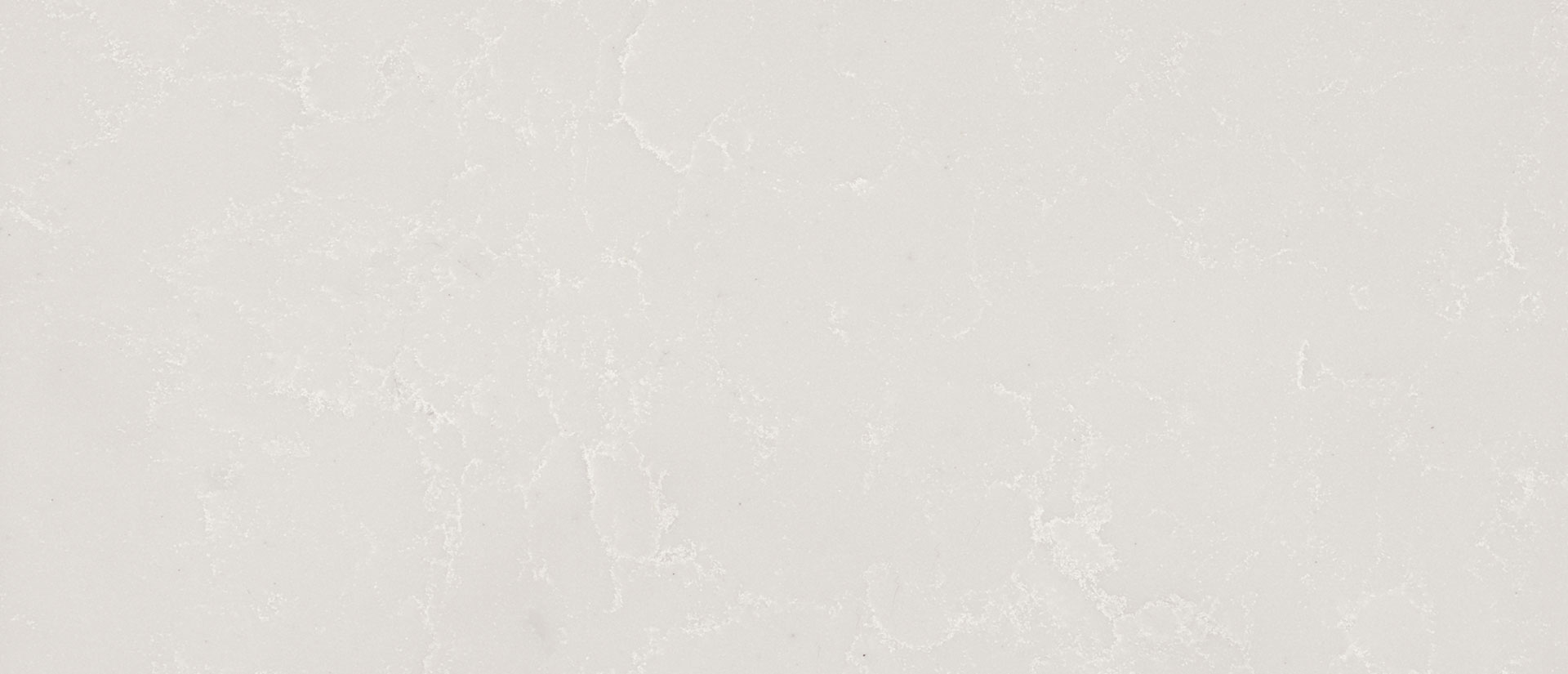
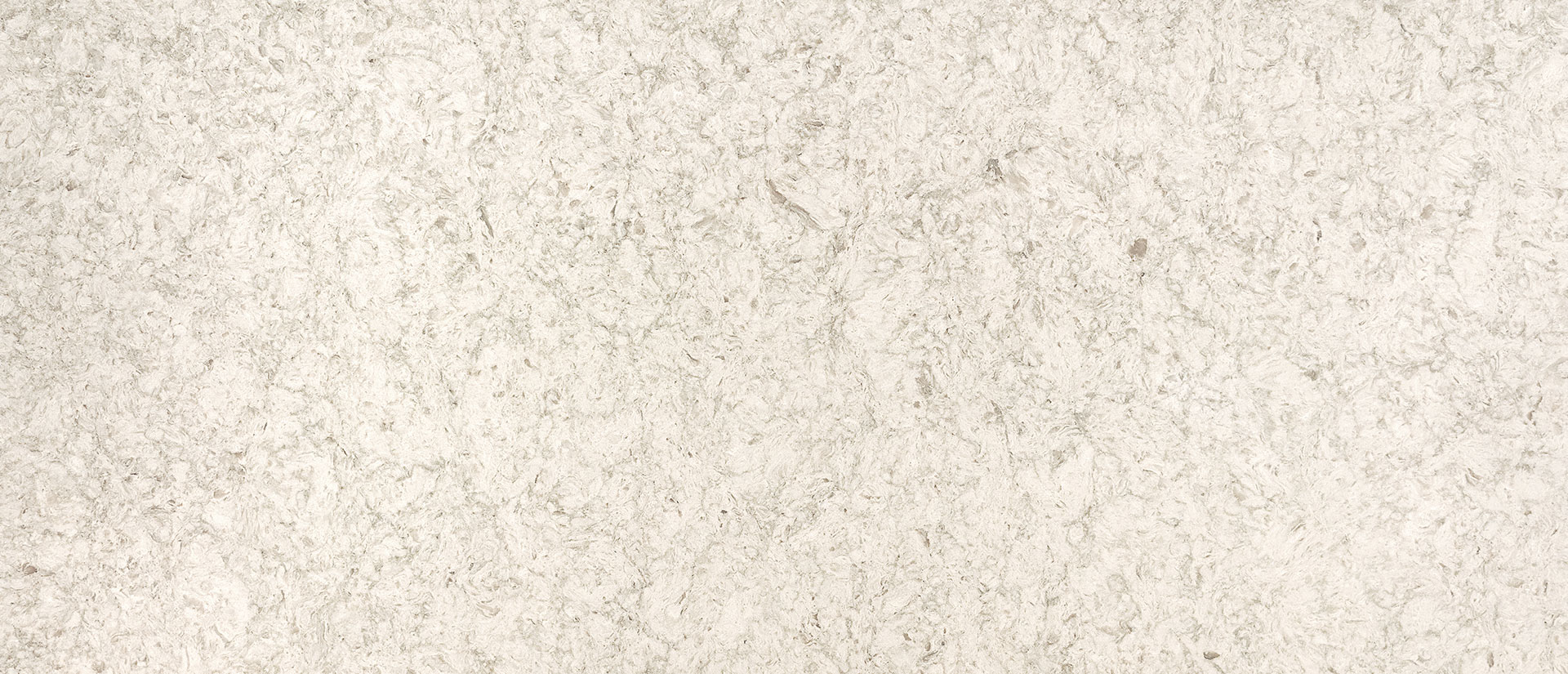
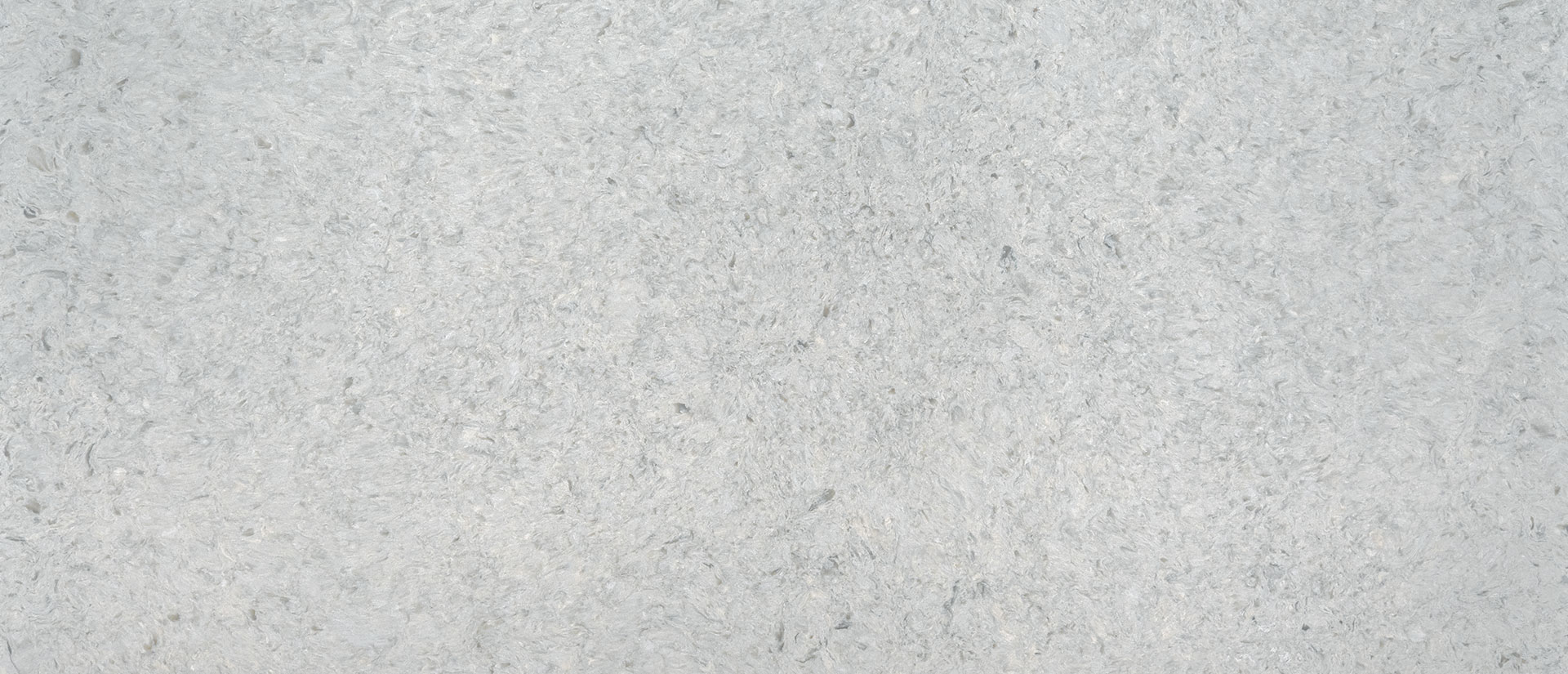
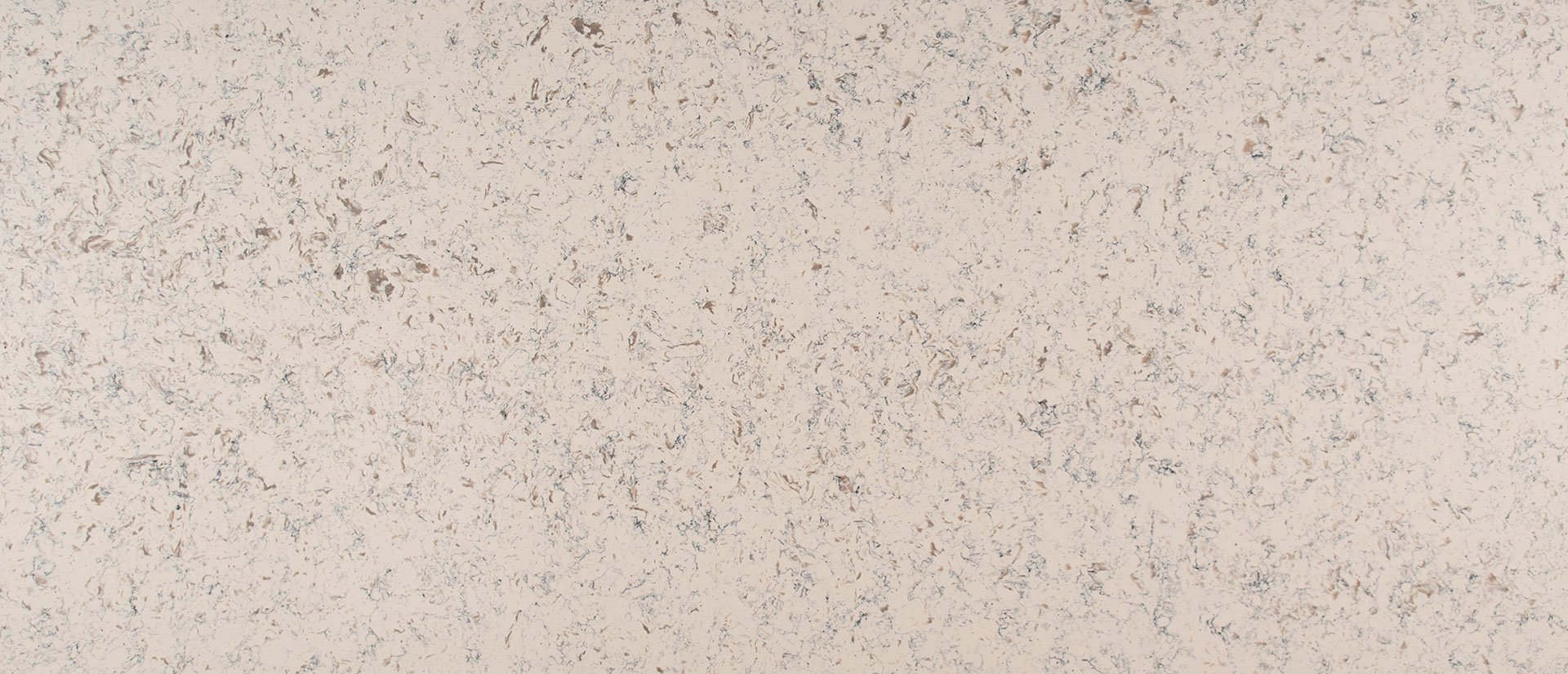
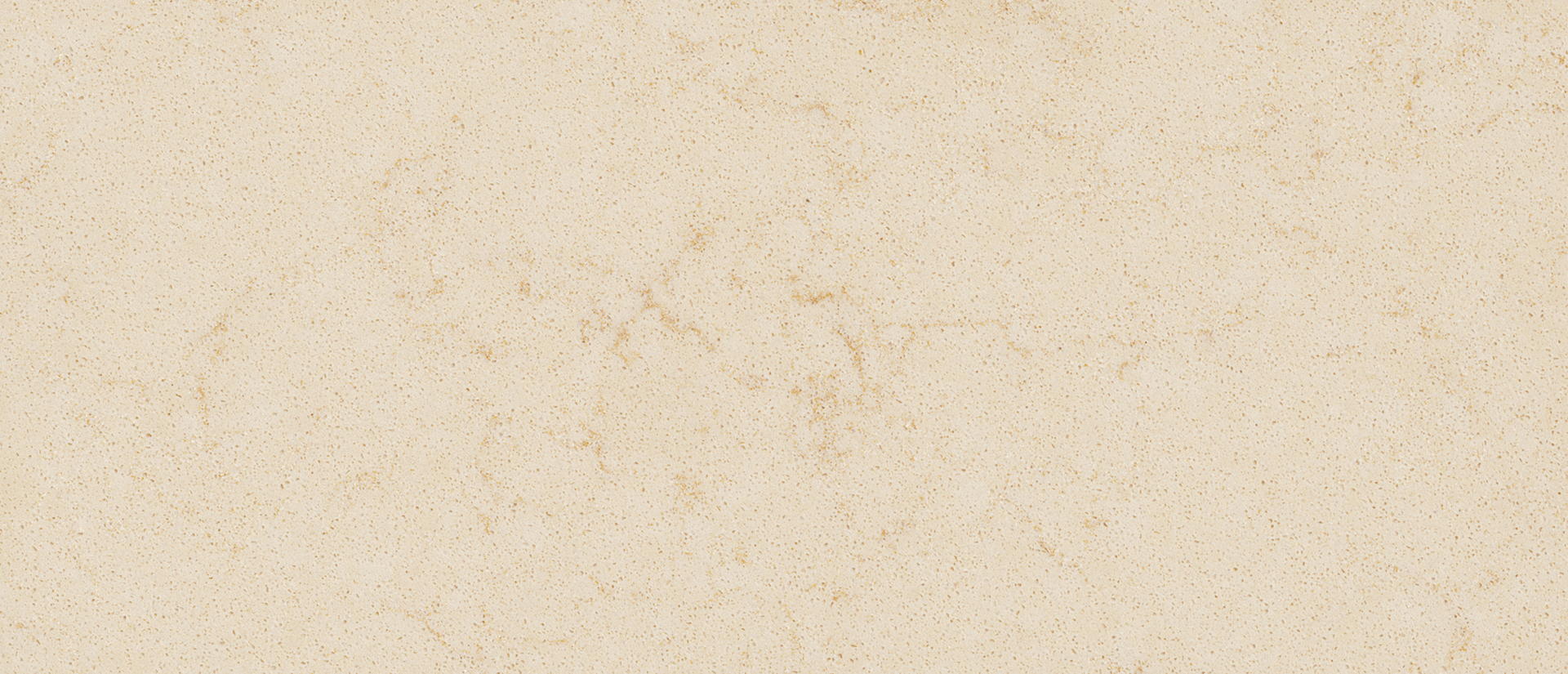
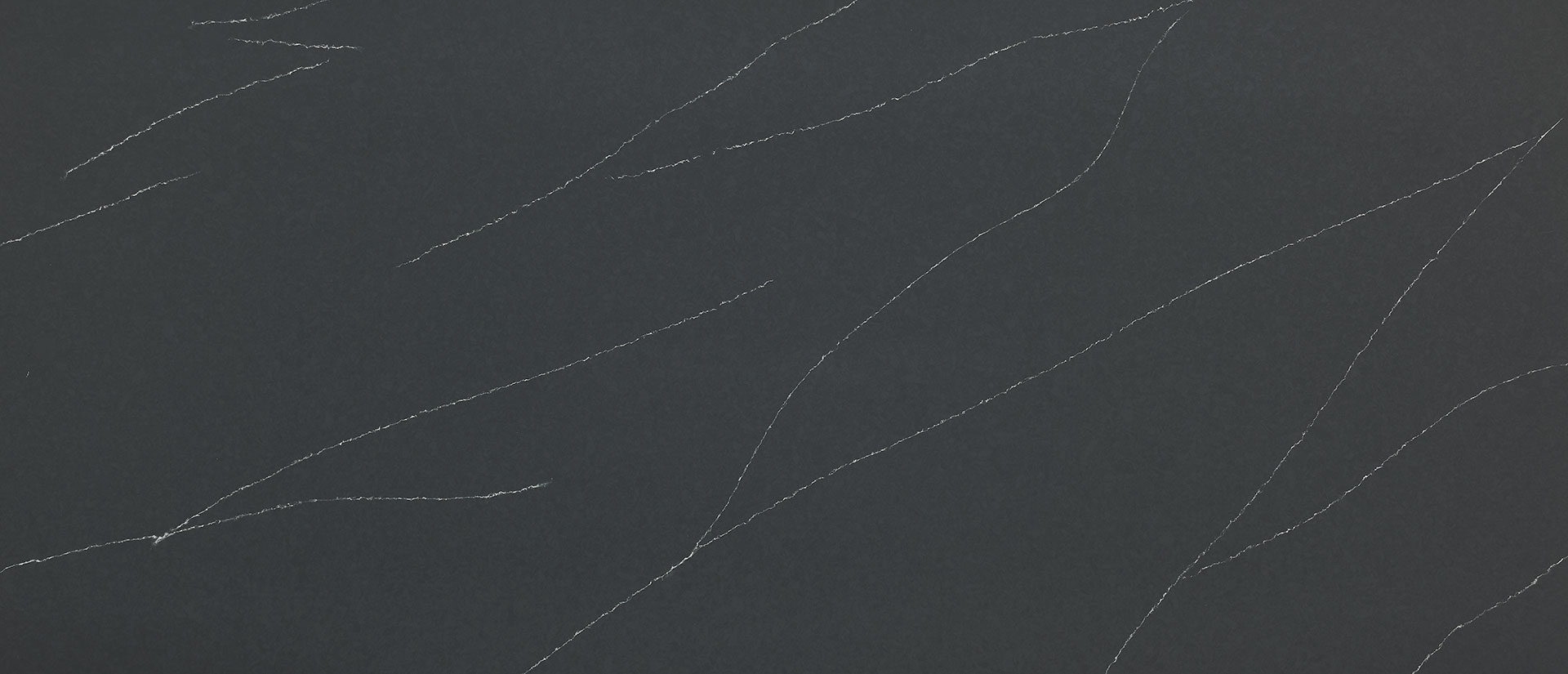
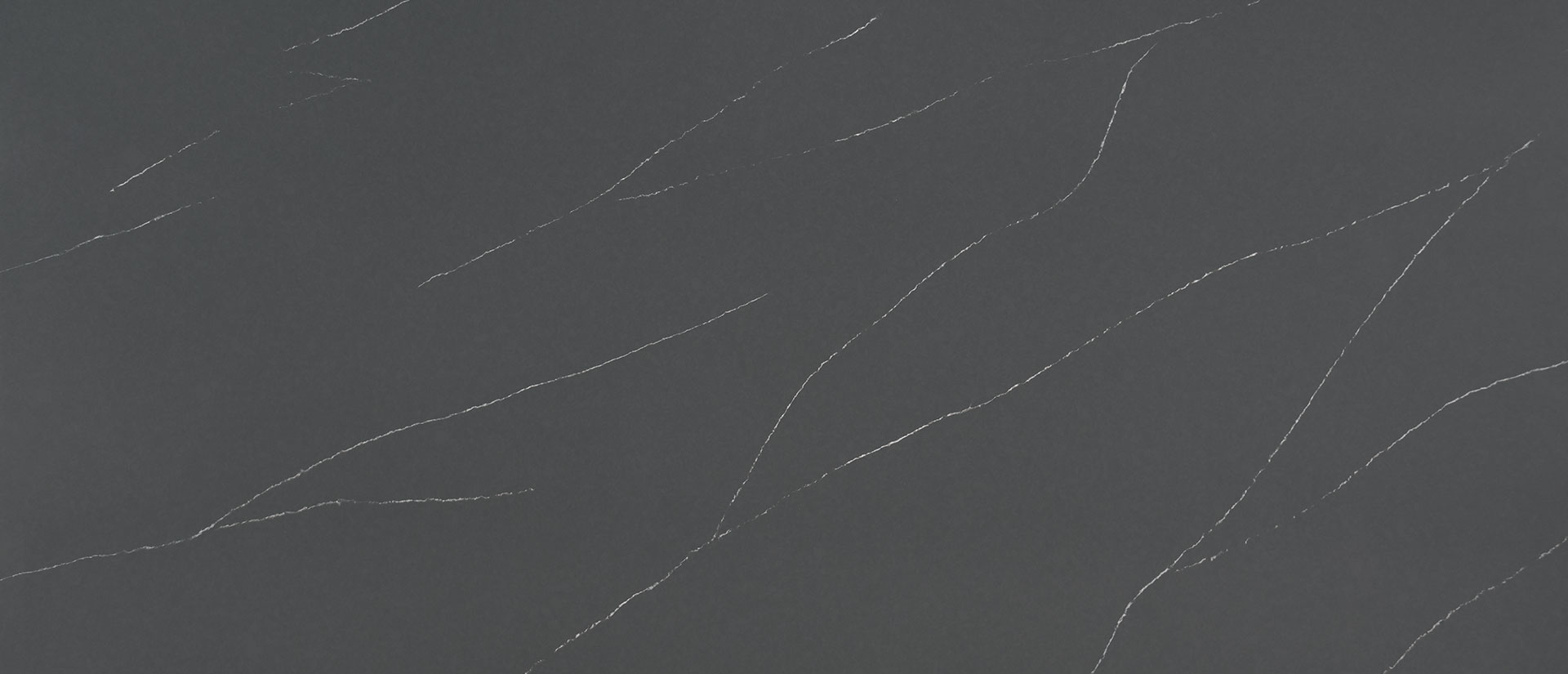
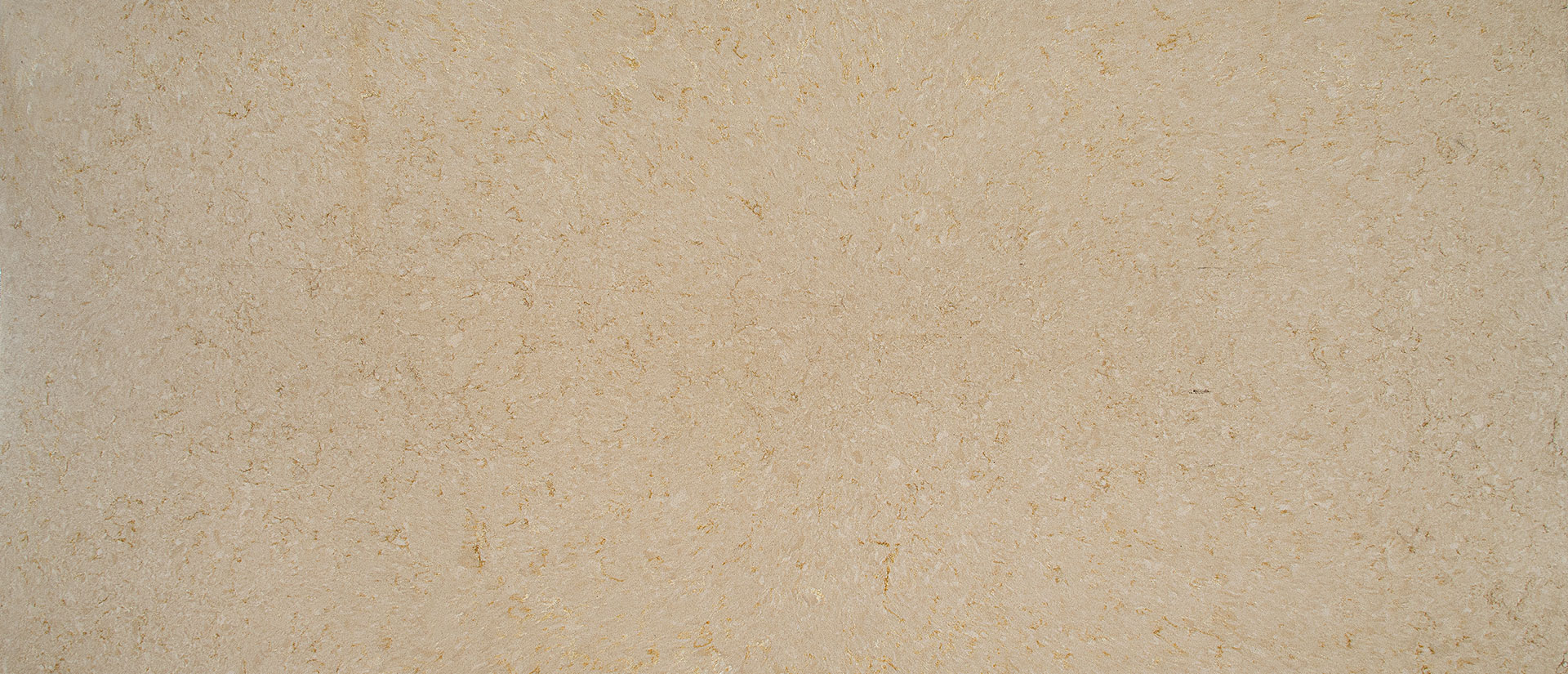
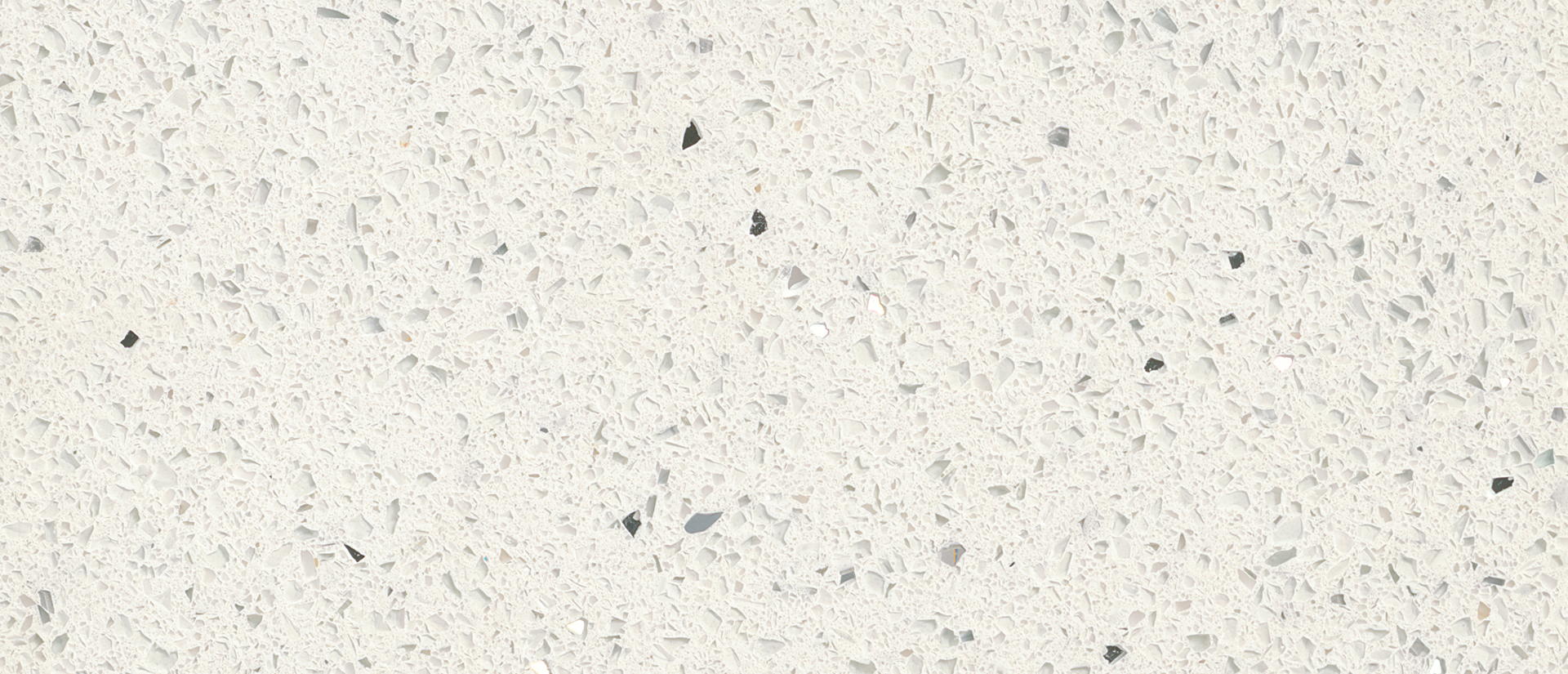
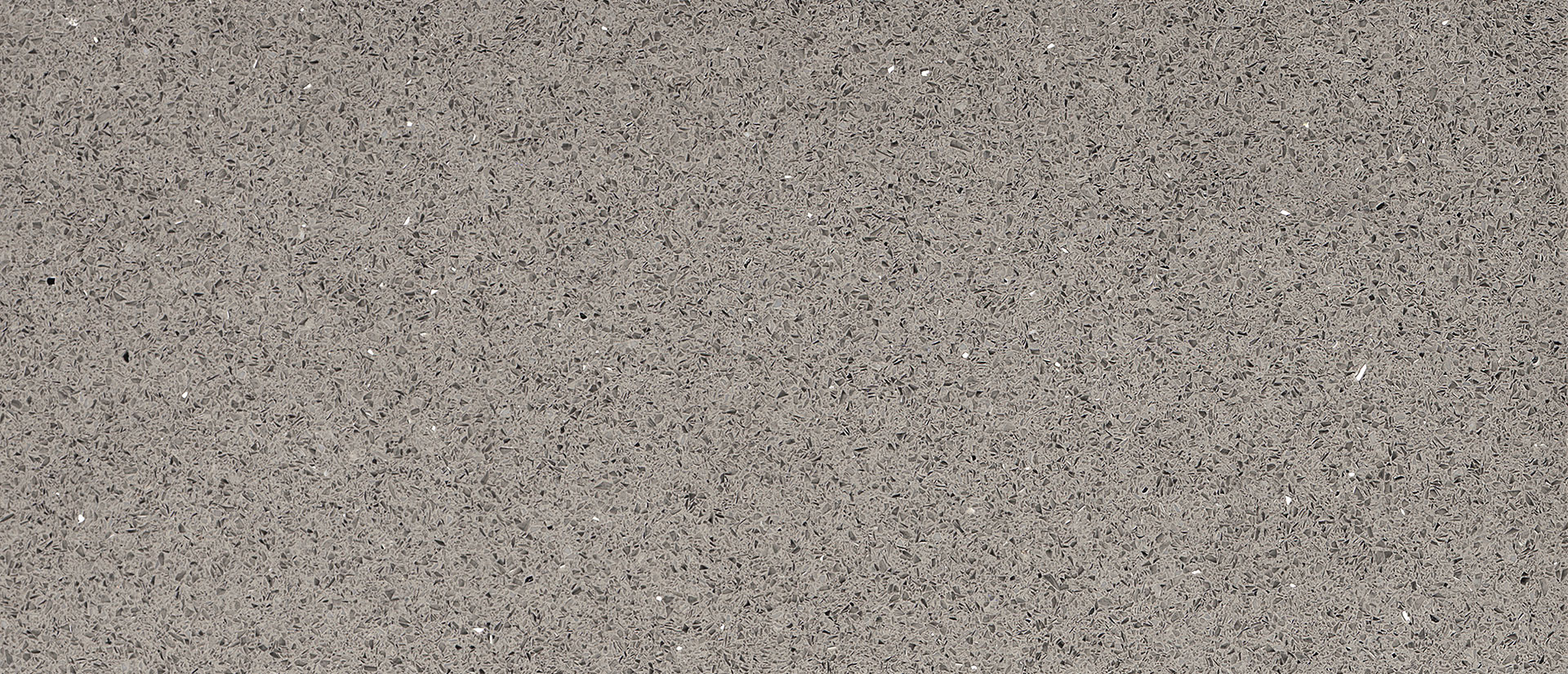
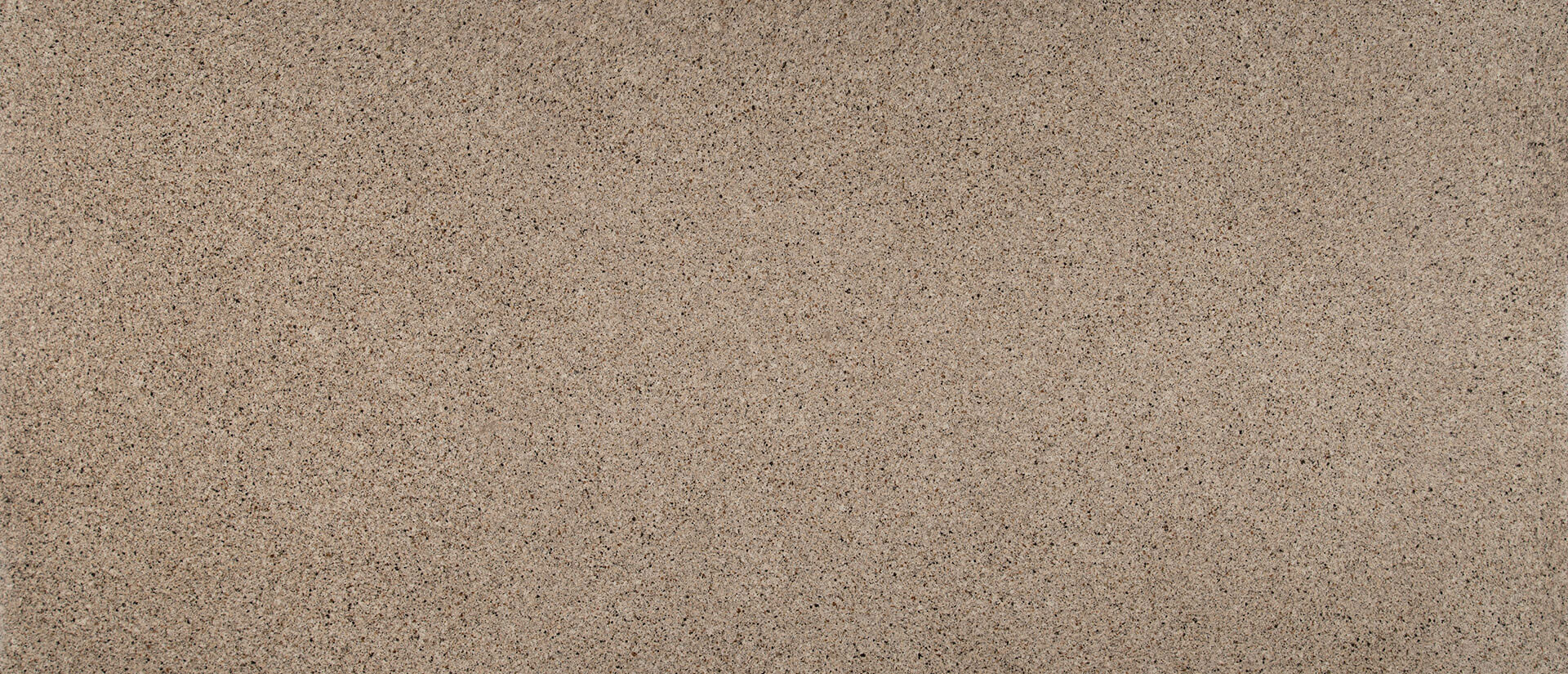
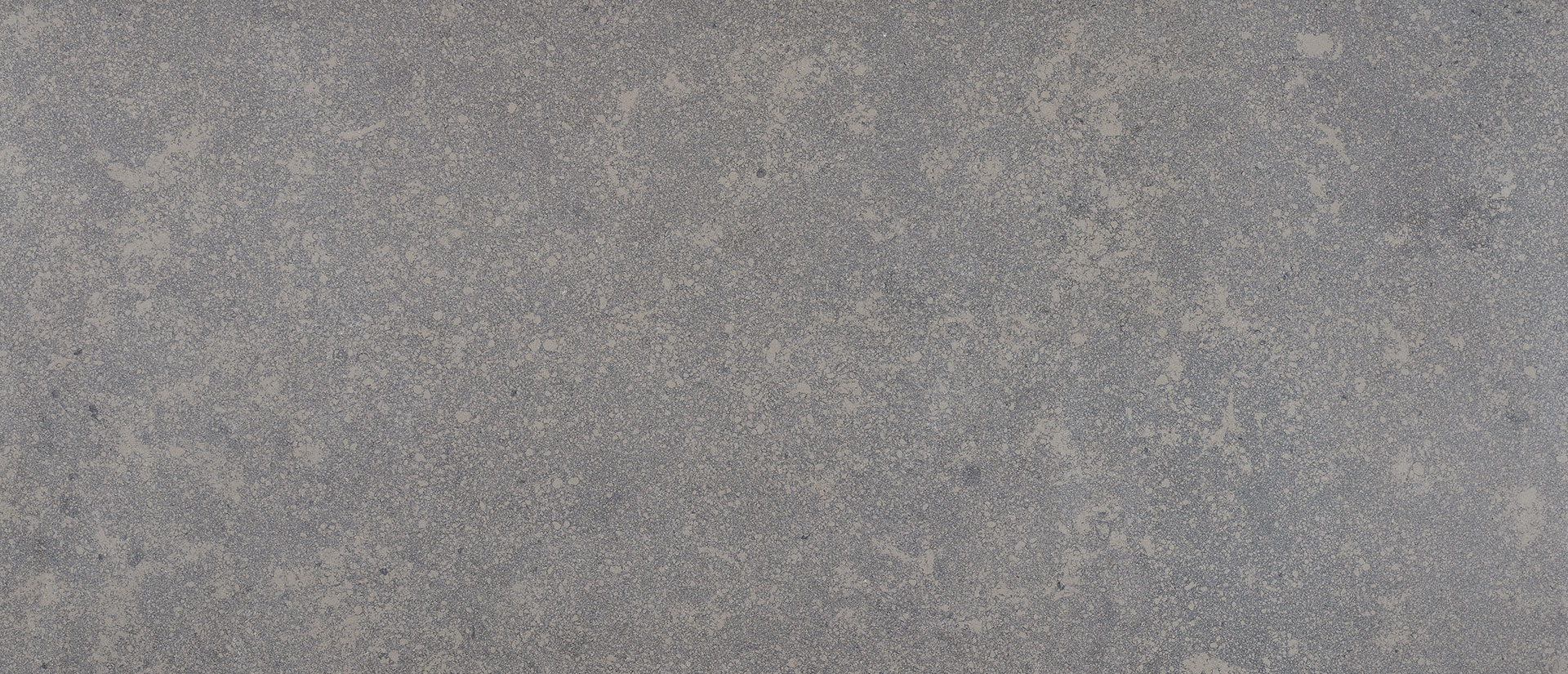
The color options for quartz are diverse, ranging from classic whites and grays to vibrant hues like blues, greens, and even bold red or black. This extensive palette allows for beautiful, personalized designs in any kitchen or bathroom.
Do quartz countertops resist heat well?
Quartz countertops offer moderate heat resistance, but it’s best to use trivets or hot pads for placing hot pots and pans to avoid potential damage. Direct exposure to high heat can still harm the surface.
How do quartz countertops impact indoor air quality?
Quartz countertops positively impact indoor air quality as they are non-porous, preventing the accumulation of mold, bacteria, and allergens. This feature helps maintain a cleaner and healthier environment, making them an excellent choice for kitchens and bathrooms.
What edge styles are available for quartz countertops?
The edge styles available for quartz countertops include standard options such as eased, bevel, and bullnose, as well as more decorative choices like ogee and waterfall edges, allowing you to customize the look of your kitchen or bathroom.
What warranties come with quartz countertops?
The warranties that come with quartz countertops typically include a manufacturer's warranty covering defects in material and workmanship. Coverage periods can vary, but many manufacturers offer warranties ranging from 10 to 25 years. Always check specific warranty details before purchase.
How long do quartz countertops last?
Quartz countertops are incredibly durable and can last over 20 years with proper care. Their strength makes them resistant to chipping and cracking, making them a long-lasting choice for kitchens and bathrooms.
Are quartz countertops prone to chipping?
Quartz countertops are generally not prone to chipping. While they are highly durable and resistant to damage, it's important to handle heavy objects with care to maintain their integrity.
How does quartz compare to marble countertops?
Quartz countertops are often more durable and less porous than marble, making them less prone to staining and damage. While marble offers natural beauty and elegance, quartz provides a wider range of colors and patterns while requiring less maintenance.
What thickness is best for quartz countertops?
The best thickness for quartz countertops generally ranges from 1cm to 3cm. For durability and strength, 2cm is often preferred for most kitchen applications, while 3cm is ideal for high-use areas and added visual impact.
Can quartz countertops be repaired if damaged?
Quartz countertops can be repaired if damaged. Minor scratches and chips can often be fixed using a combination of polishing and resin filler, restoring their beauty and functionality effectively. For significant damage, it's advisable to consult a professional.
What are the environmental impacts of quartz countertops?
The environmental impacts of quartz countertops include the use of natural resources during mining and manufacturing processes, as well as energy consumption. However, their durability and longevity can reduce waste compared to other materials, promoting sustainable use over time.
Are there quartz countertop finishes besides polished?
There are indeed quartz countertop finishes besides polished. Options include honed, which offers a matte appearance, and brushed or textured finishes that provide better slip resistance while enhancing the surface's character.
How do quartz countertops handle direct sunlight exposure?
Quartz countertops handle direct sunlight exposure well, as they are engineered to resist fading and discoloration. However, prolonged exposure to intense sunlight may still affect their appearance over time, so it's advisable to use window treatments to minimize direct sunlight.